Inspection and assessment
Estimator visit, area measurement, identification of oil stains and complex contaminants.
Professional cleaning of underground and surface parking lots in Almaty

We work with any types and materials
Thorough cleaning of concrete floors and walls from dust and oil stains
from 10,500 ₸Removal of dirt and dust from open areas
from 10,500 ₸Washing each level with special attention to ramps
from 10,500 ₸Quick cleaning of large areas without disturbing visitors
from 10,500 ₸Maintaining cleanliness for a business image
from 10,500 ₸Care for residents' parking spaces
from 10,500 ₸Cleaning of temporary parking zones
from 10,500 ₸Impeccable cleanliness for hotel guests
from 10,500 ₸Washing large areas with high traffic
from 10,500 ₸Cleaning after mass events
from 10,500 ₸Regular cleaning from contaminants
from 10,500 ₸Cleanliness for employees and customers
from 12,500 ₸From inspection to result with guarantee
Estimator visit, area measurement, identification of oil stains and complex contaminants.
Collection of large debris, dust, and sand using Nilfisk industrial vacuum cleaner.
Spraying Kiehl detergent on floor and walls, dwell time 10 minutes to dissolve dirt.
Pass with Nilfisk SC250 floor scrubber, which washes and collects water.
Washing walls and columns with Karcher hot water high-pressure washer.
Local treatment of oil stains and tire marks with Kiehl Oil Remover.
Washing markings with a soft brush to avoid damaging paint.
Floor drying and final quality check with moisture measurement.
Our masters have profi-clean certificates and undergo annual training. Each specialist knows how to work with concrete, tiles, and paint. We guarantee careful handling of parking surfaces.
After cleaning, the parking lot remains clean for at least 24 hours. If stains appear earlier, we will return for free. We use Kiehl products that create a protective film.
Our schedule includes night shifts from 10 PM to 6 AM. We clean parking lots of shopping centers, business centers, and residential complexes without noise or disruption. Full readiness by morning.
Nilfisk SC250 is a professional machine for concrete floors. It washes, collects water, and dries in one pass. Efficiency is 30% higher than manual washing.
Kiehl is a German formula safe for concrete and rubber. It removes oil, bitumen, and tire marks. The products are biodegradable and environmentally friendly.
The estimator will arrive within an hour in any district of Almaty. They will measure the area, assess stains, and provide an accurate estimate. The visit is free even if you decline.
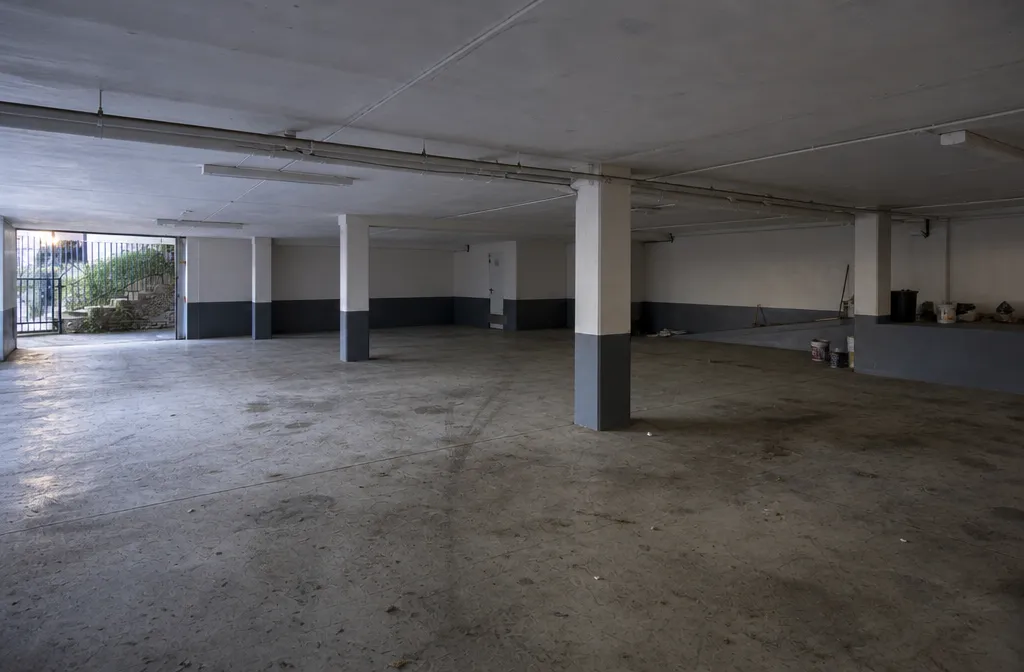
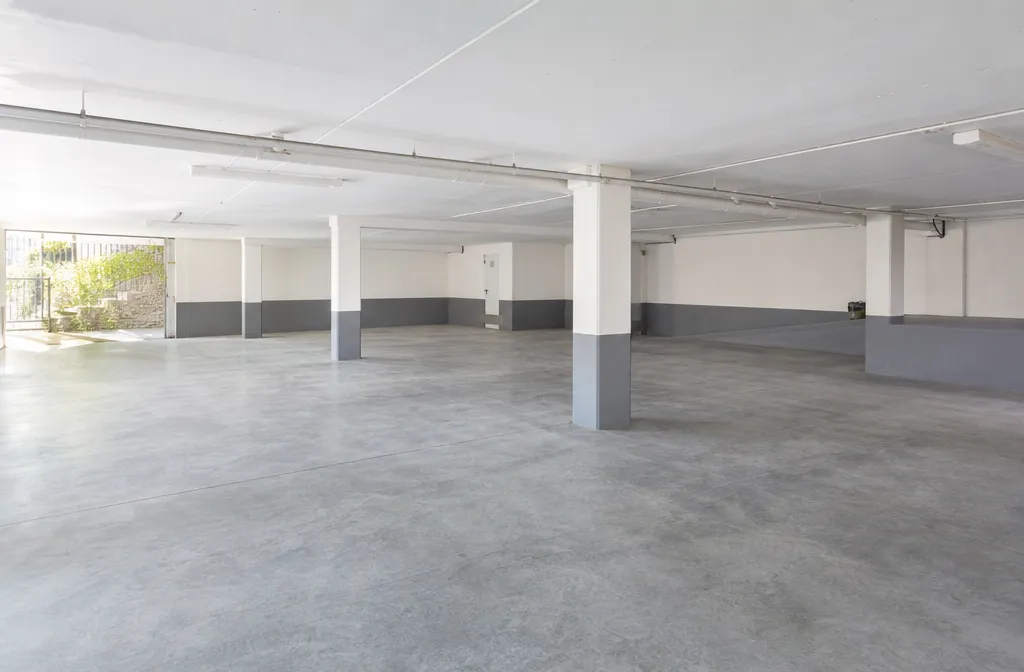 After
After
Request: Deep cleaning of underground parking from dust and stains was required.
Done: We washed the floor and walls with a high-pressure washer with disinfection.
Cost: 15 000 ₸
Master: Aibek Nurlanov, Cleaning Master
Total: Parking is clean, odor-free, and the surface is refreshed.
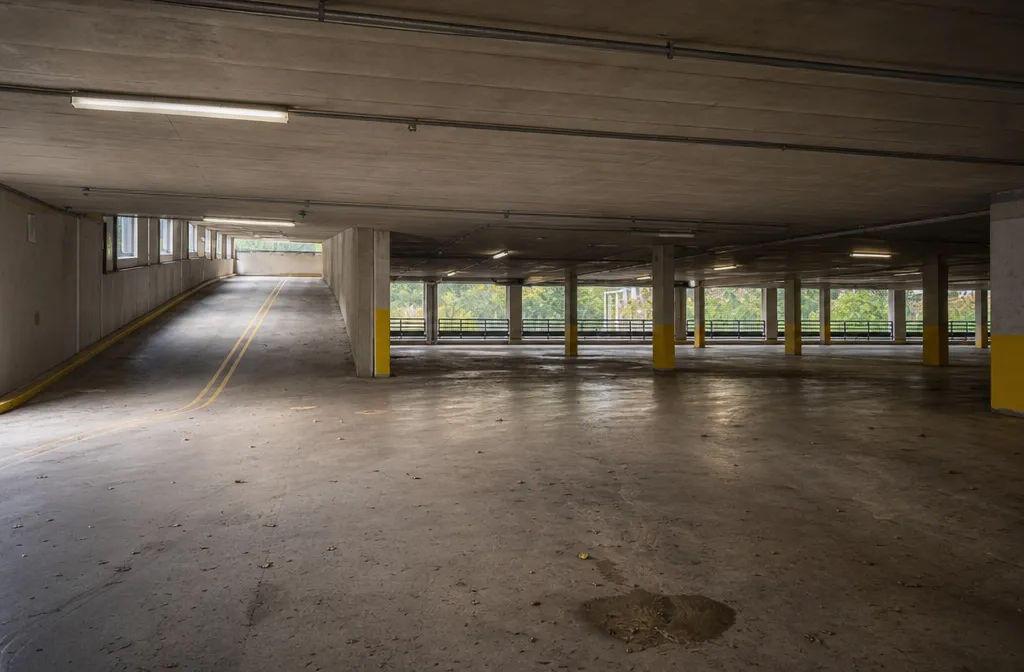
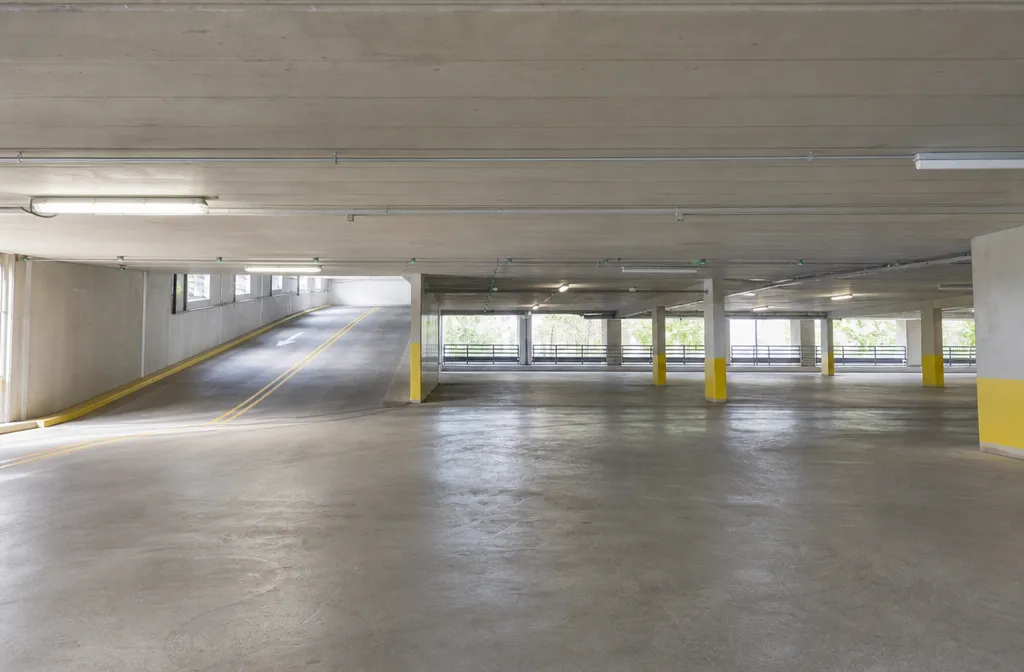 After
After
Request: Needed to clean the ramp from accumulated dirt and oil stains.
Done: Applied concrete chemicals and a brush machine for deep cleaning.
Cost: 16 000 ₸
Master: Daniyar Muratov, Cleaning Master
Total: Ramp is non-slip, clean, and free of oil stains.
 After
After
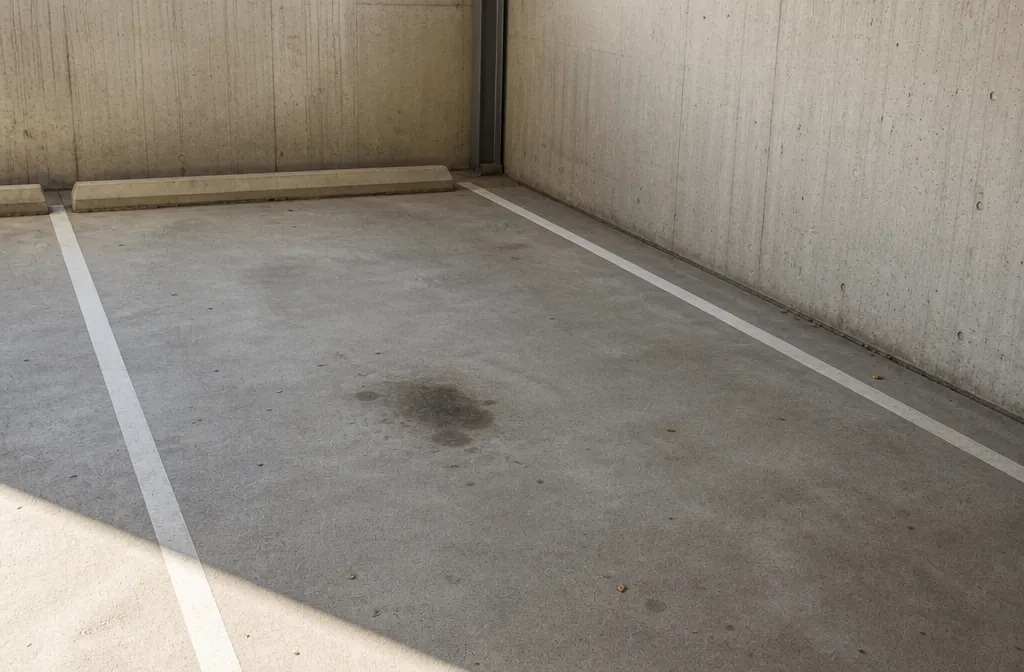
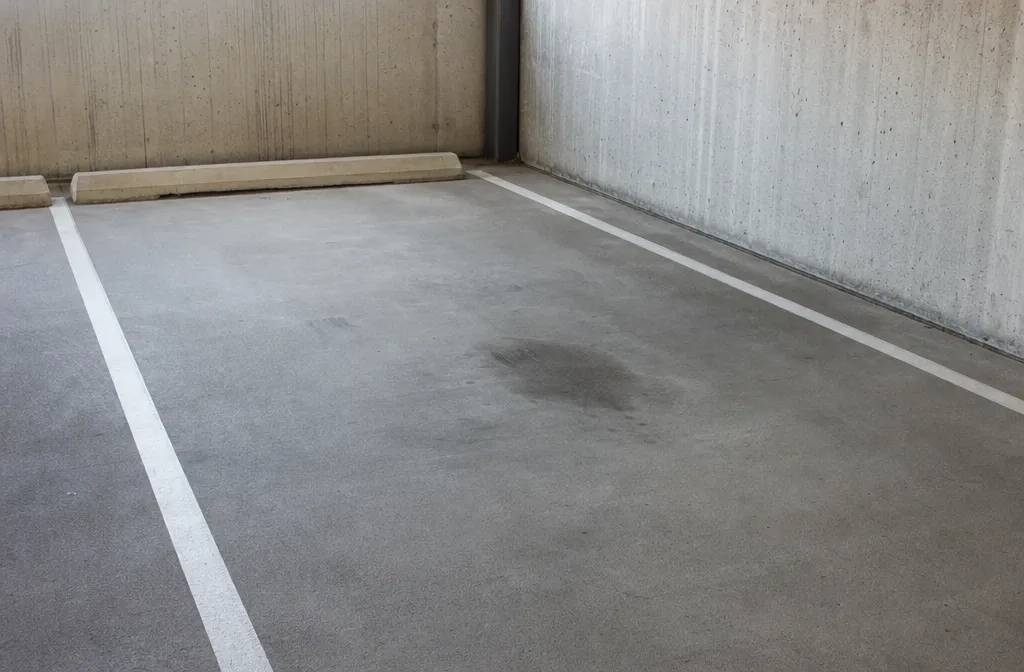
Request: Required removal of old oil stain on concrete floor.
Done: Applied solvent, treated with steam, and rinsed with water.
Cost: 17 000 ₸
Master: Yerzhan Kaliyev, Dry Cleaning Master
Total: Stain completely removed, concrete uniform in color.
 After
After
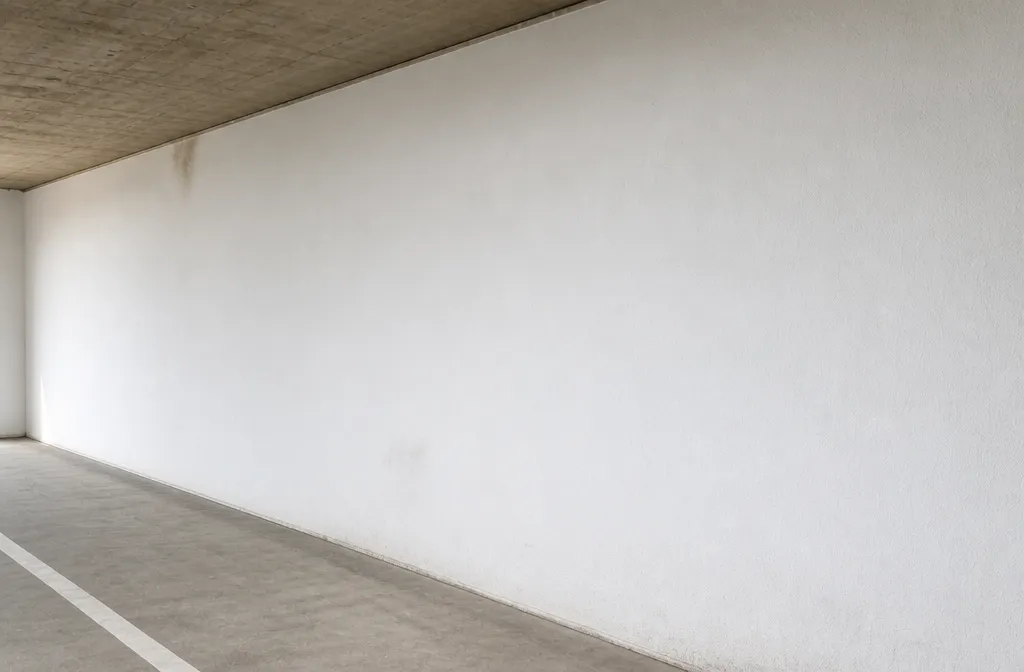
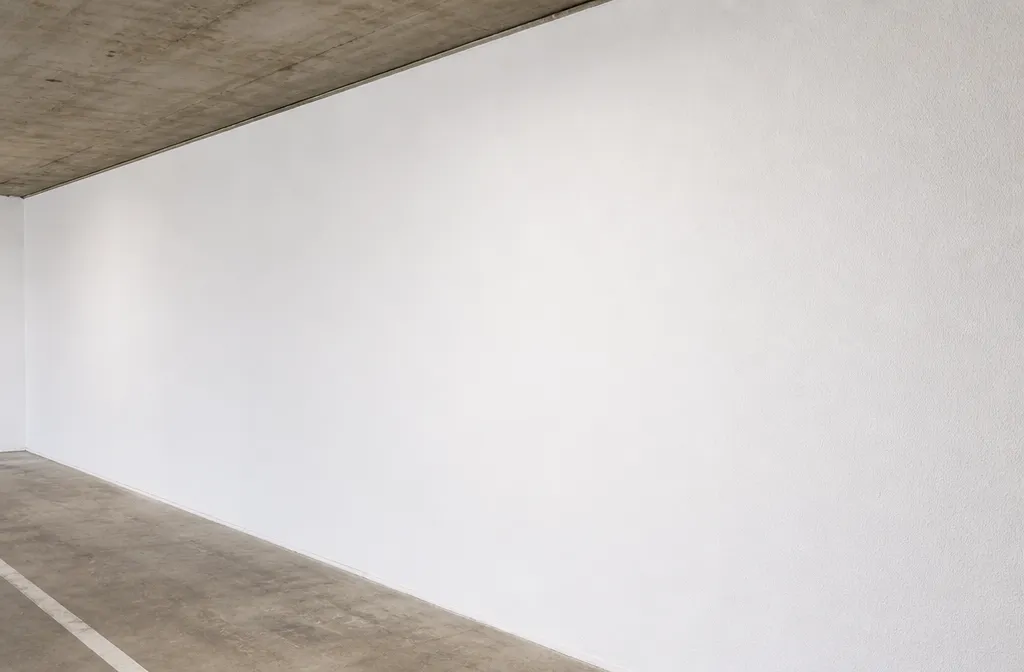
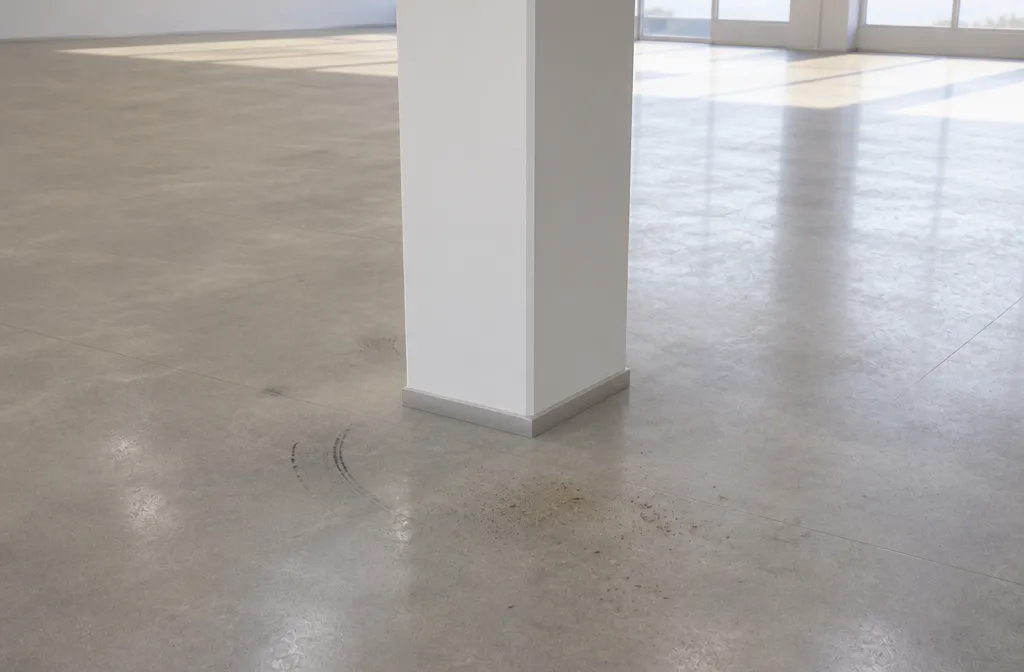
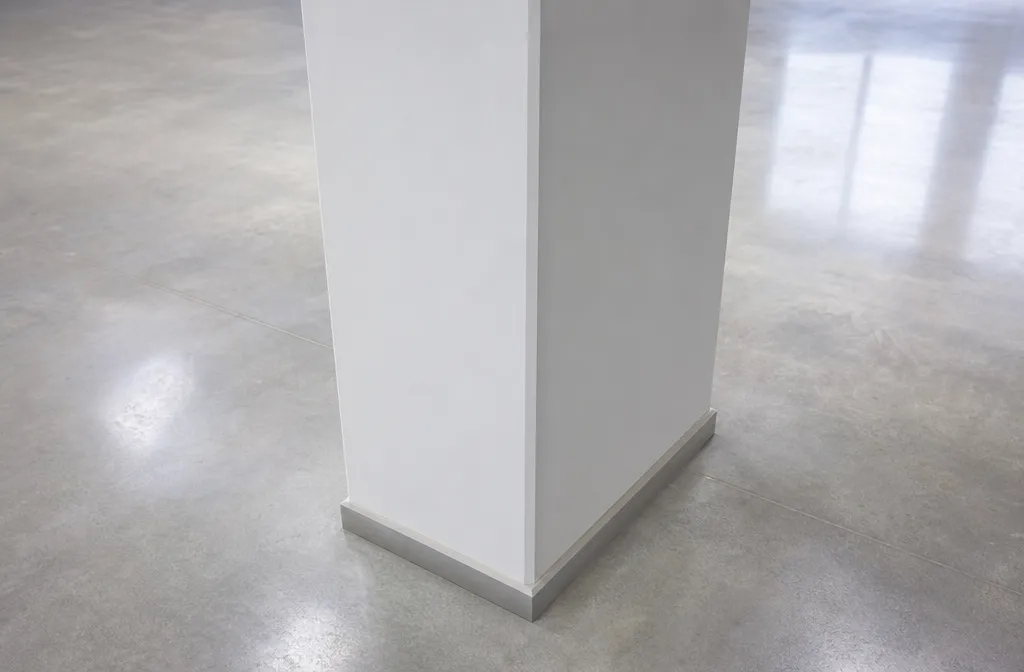
Request: Parking walls were dusty with drips.
Done: Cleaned walls with foam solution and rinsed with pressure water.
Cost: 16 000 ₸
Master: Aliya Serikova, Cleaning Master
Total: Walls clean, without streaks or dust.
 After
After
Request: Column had black streaks from tires and dust.
Done: Washed column with brush and detergent, then rinsed.
Cost: 15 000 ₸
Master: Ruslan Akhmetov, Cleaning Master
Total: Column clean, without rubber marks.
 After
After
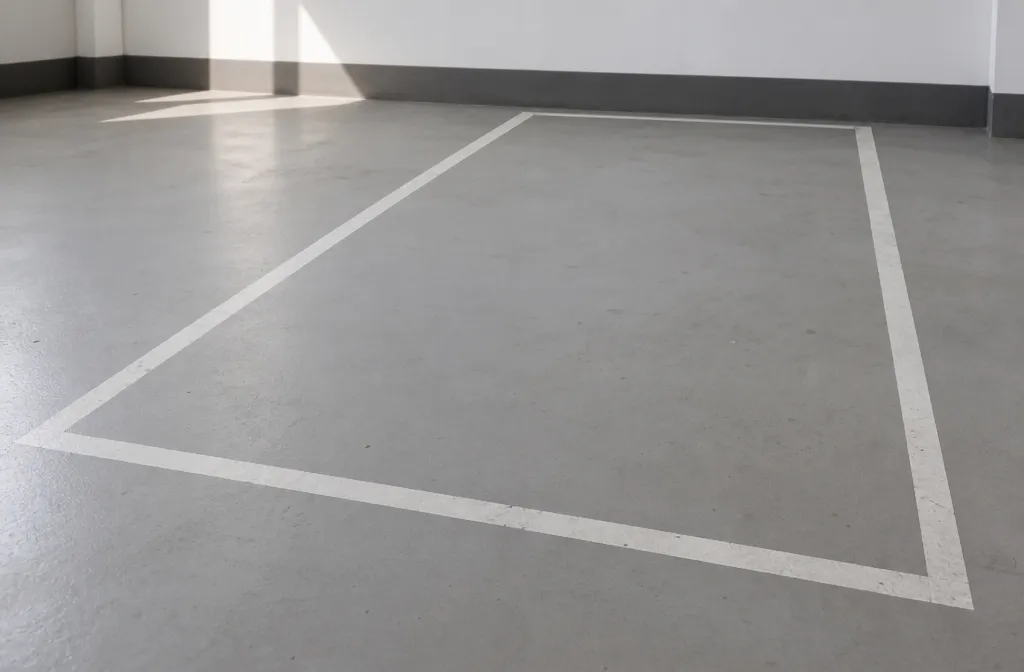
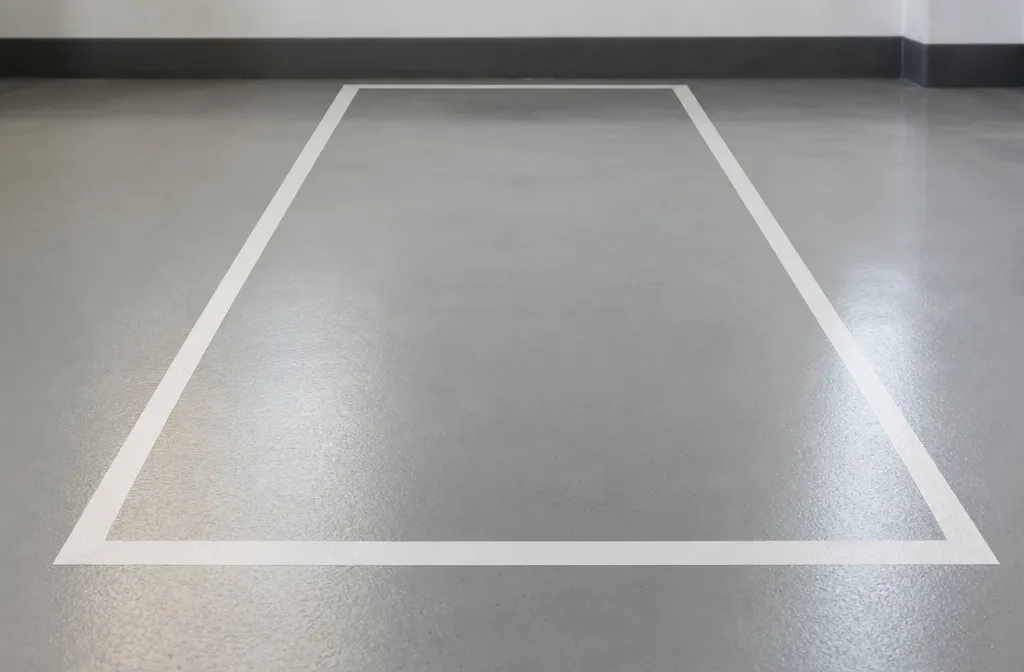
Request: Floor marking was worn and dirty.
Done: Cleaned the marking from dirt and refreshed with paint.
Cost: 17 000 ₸
Master: Timur Zhaksybekov, dry cleaning master
Total: Marking is bright, clear, floor clean.
 After
After
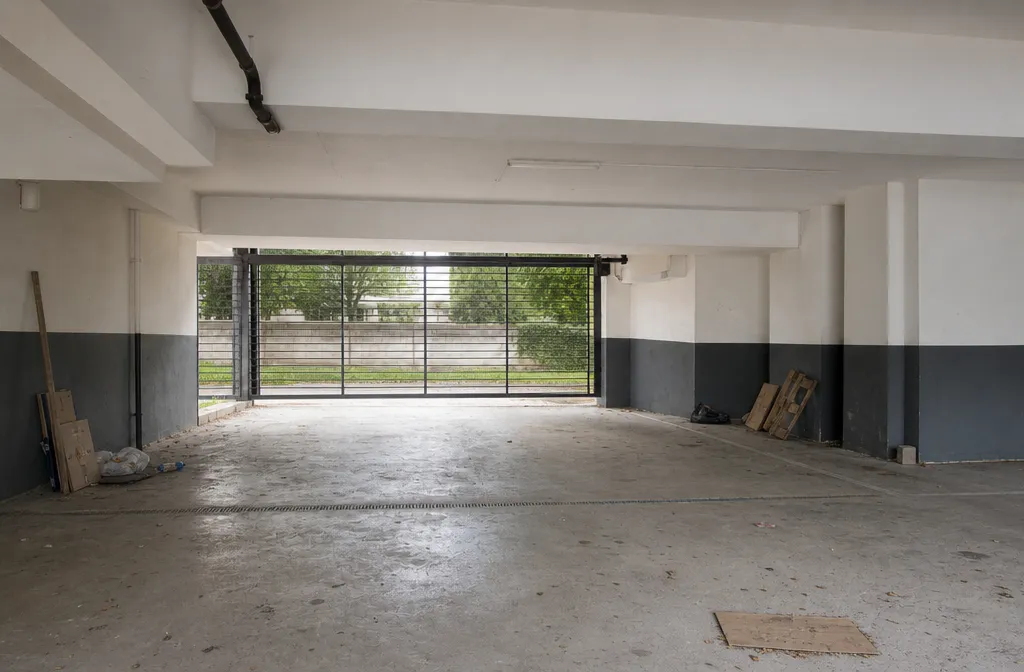
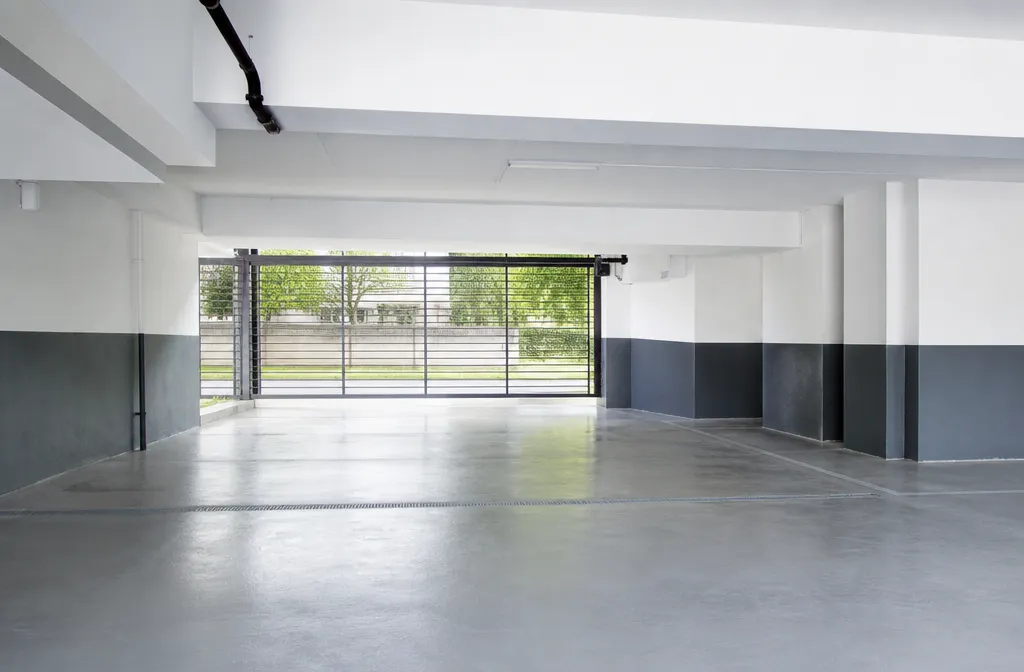
Request: Entrance area was dirty and dusty.
Done: Washed the gate and floor with a high-pressure washer.
Cost: 16 000 ₸
Master: Marat Iskakov, cleaning master
Total: Entrance is clean, no dust or streaks.
 After
After
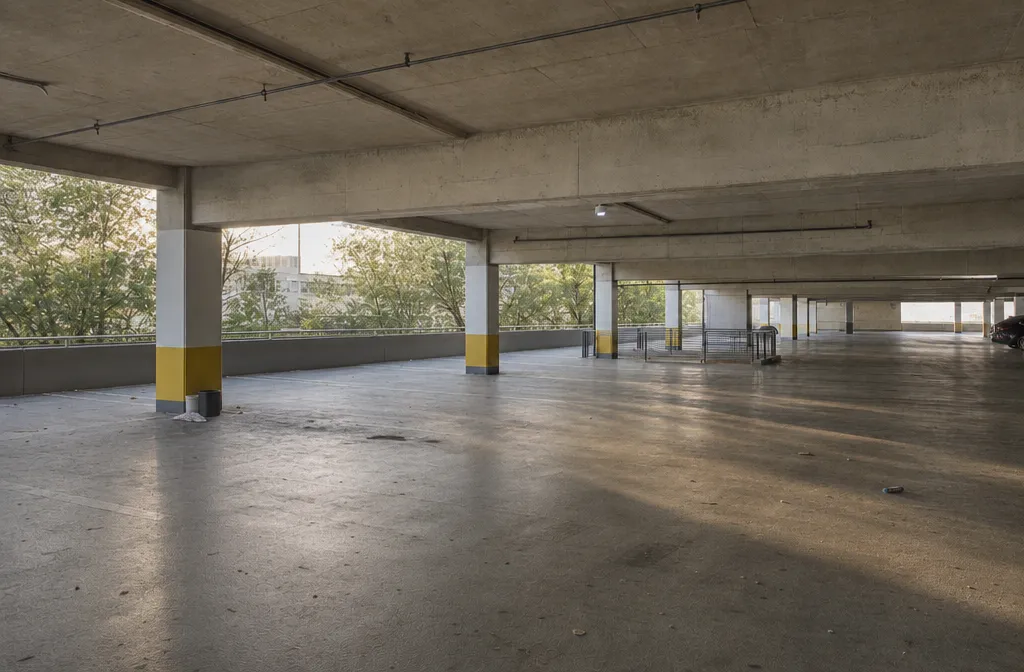
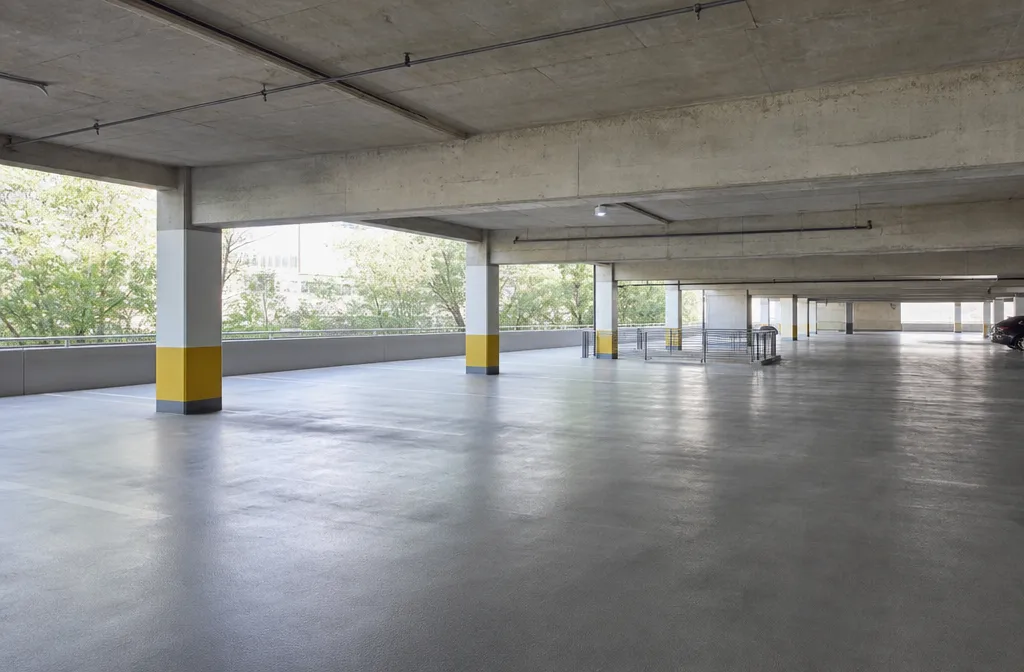
Request: Concrete floor was dusty with oil stains.
Done: Treated the floor with chemicals and washed with a rotary machine.
Cost: 15 000 ₸
Master: Aigul Sagyndykova, cleaning master
Total: Floor is clean, no stains, matte surface.
 After
After
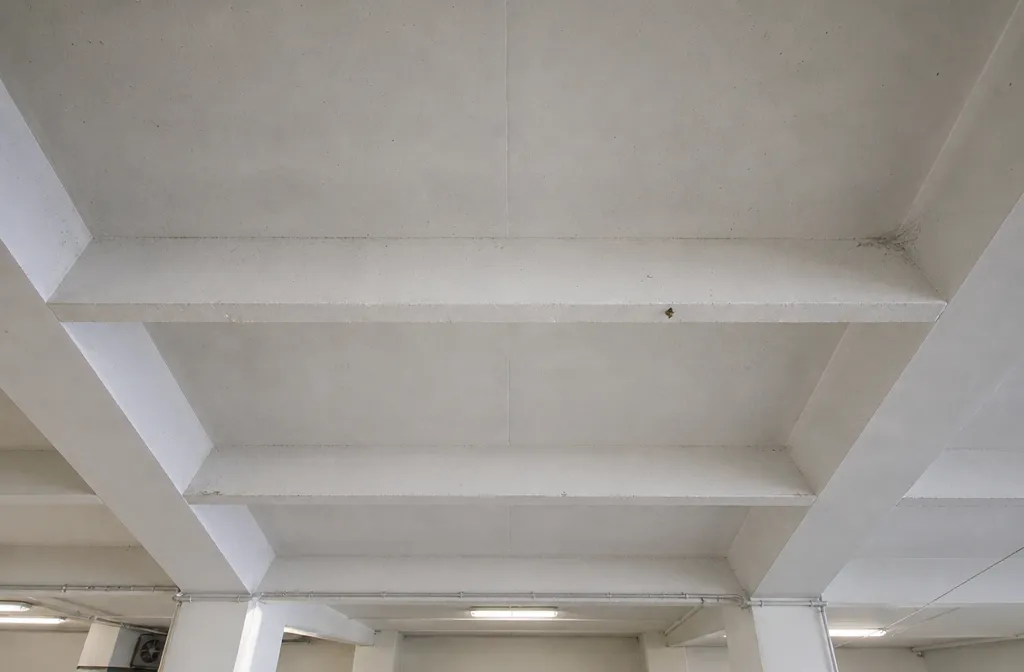
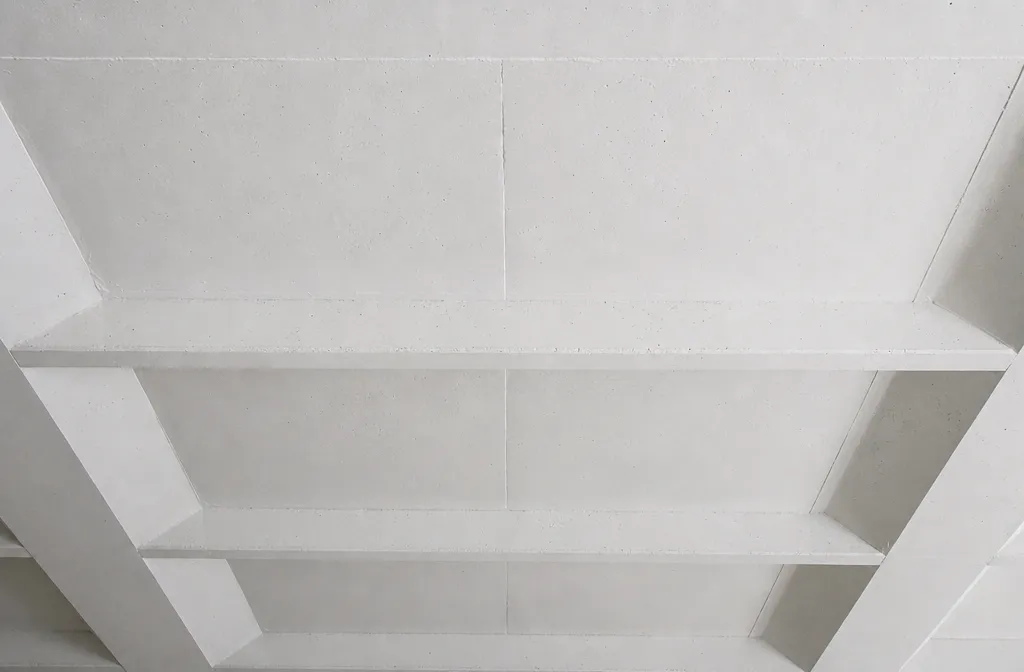
Request: Ceiling had cobwebs and a layer of dust.
Done: Removed cobwebs and cleaned the ceiling with a vacuum and attachment.
Cost: 17 000 ₸
Master: Nurzhan Eleusizov, cleaning master
Total: Ceiling is clean, no cobwebs or dust.
 After
After
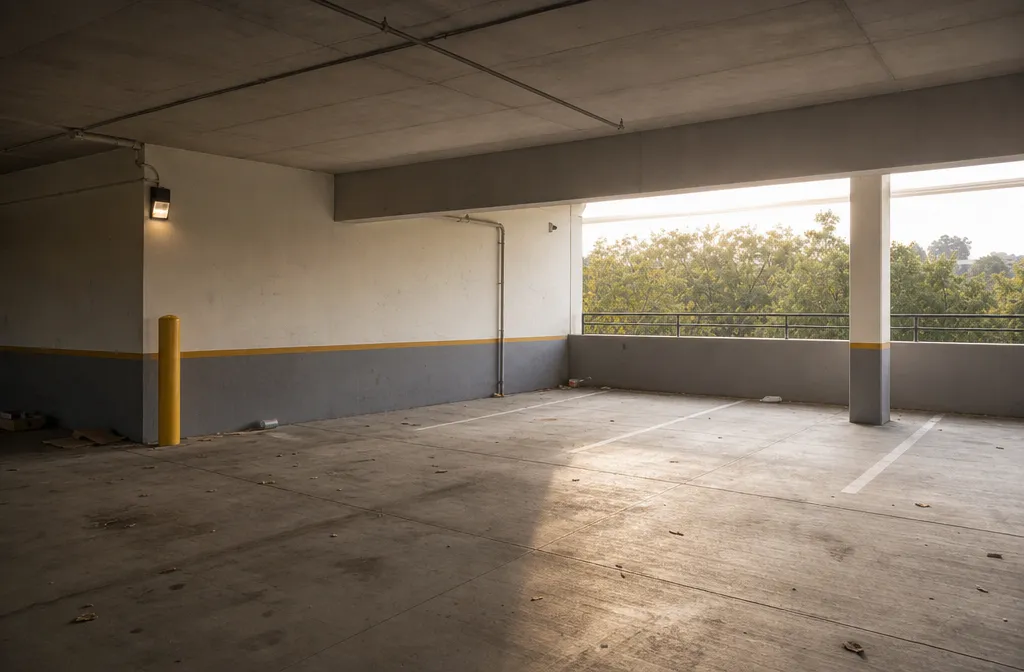
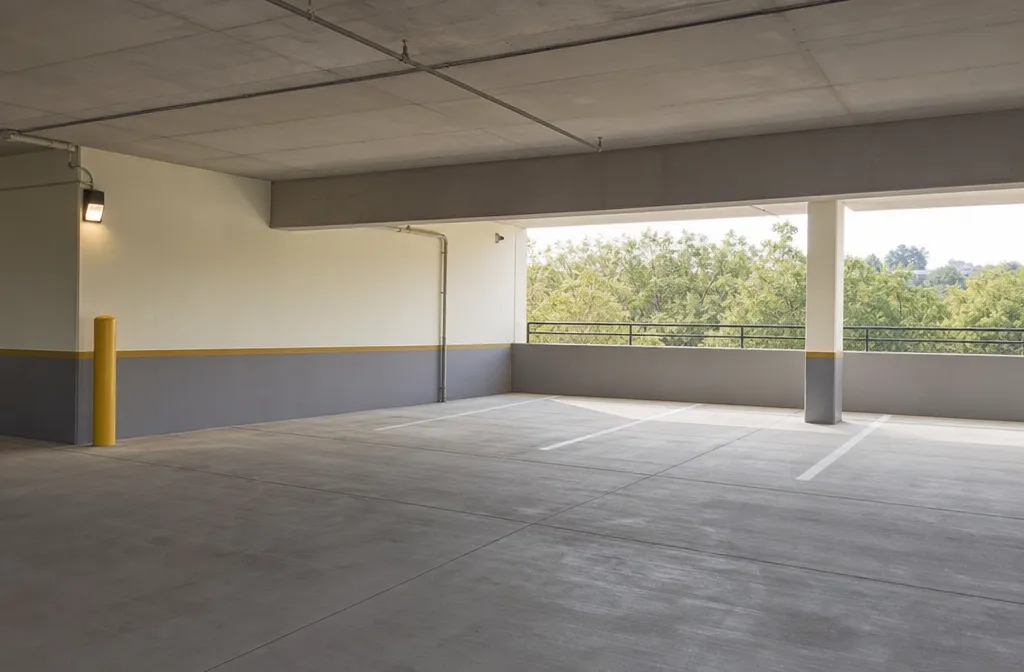
Request: Dirt and dust had accumulated in the corner.
Done: Vacuumed and washed the corner with disinfectant.
Cost: 16 000 ₸
Master: Gulmira Bekova, cleaning master
Total: Corner is clean, no dust or dirt.
All cleaners are profi-clean staff with training, uniform and security check. Each order has a team leader who controls quality.
When commercial property owners and management companies first encounter the need for professional parking lot cleaning, they often expect the same approach used for office or residential spaces. In practice, these tasks differ fundamentally — in terms of load, chemicals, equipment, and logistics. Let’s break down the key differences so you understand what you’re paying for and why the price for parking lot cleaning is calculated differently.
In offices and apartments, the main enemies are dust, crumbs, hair, and occasional food or drink stains. In a parking lot, the range of contaminants is completely different: rubber dust from tires, oil stains from engines, antifreeze, bitumen marks from wheels, road salts, and dirt tracked in from the street. Standard floor cleaning products are useless here — they don’t break down oils or wash away bitumen. At profi-clean, we use commercial-grade water-based degreasers with a pH of 12–14 and neutralizers after washing for parking lots. The difference in chemicals is direct: what works for kitchen linoleum won’t touch an old oil stain on concrete. Moreover, parking lots often have combined contamination — sand mixes with oil, forming an abrasive crust. It can only be removed mechanically — with a scrubber dryer equipped with a medium-hardness brush and active foam. In our parking lot orders ranging from 500 m² to 3000 m², we allocate up to 40% of the time specifically for pre-soaking and treating stubborn stains, which is practically non-existent in offices.
Office laminate or parquet are delicate surfaces that fear stiff brushes, aggressive chemicals, and excessive water. A parking lot is concrete (polished or with a hardener topping) or porcelain stoneware. Each surface requires its own approach. Polished concrete, popular in Almaty residential complex parking lots (“Triumph,” “Nurly Tau,” “Grand Alatau”), cannot be washed with acidic compounds — they destroy the top layer, and after 2–3 years, the coating starts to dust. Porcelain stoneware becomes slippery when wet, so drying after washing is mandatory — otherwise, injuries and resident complaints follow. In offices, we work with microfiber and minimal water; in parking lots, we use machines that deliver 8–12 liters of water per minute, along with powerful wet vacuums for water recovery. In my opinion, the main mistake owners make is using the same sweepers for parking lots as for office corridors. They can’t handle the oil film and end up spreading the dirt rather than removing it.
Office or apartment cleaning can be scheduled for any working time, but a parking lot is a space used 24/7. In Almaty, most underground parking lots in residential complexes are busy from 8:00 AM to 10:00 AM and from 6:00 PM to 9:00 PM. The real window for deep cleaning is during the night hours, from 10:00 PM to 6:00 AM. We dispatch a team of 3–5 people with a scrubber dryer to parking lots, but during peak hours, the equipment has to stand still — we have to wait for a resident’s car to pass. In offices, this problem doesn’t exist: furniture is static, and employees don’t move around chaotically. Another nuance is ventilation. In enclosed parking lots without a fresh air supply system, the smell from chemical cleaning lingers for 3–4 hours. Therefore, we use hypoallergenic chemicals from Kiehl and Sodasan with a neutral odor — otherwise, car owners complain. In offices, standard household chemicals suffice, and the smell dissipates in 10–15 minutes with the ventilation running.
In offices and apartments, cleaning safety mainly comes down to ensuring the floor isn’t slippery after washing. In parking lots, fire safety regulations and requirements for wet concrete slip resistance are added. According to Kazakhstani standards (SNiP RK 3.02-02-), the slip coefficient for parking lot flooring must be at least 0.4. After washing with some degreasers, concrete becomes slippery — the chemicals need to be neutralized and the surface dried. At profi-clean, we always check the residual alkalinity of the floor with test strips after washing: if the pH is above 8, we apply a neutralizer. This procedure is not needed in offices. Additionally, flammable compounds are prohibited in parking lots, and many cheap degreasers on the Almaty market contain solvents — these cannot be used. We only use certified Kiehl and Sodasan products with fire safety class A1 — this is a mandatory requirement for any facility in Kazakhstan. Before ordering parking lot cleaning, always check with the contractor if they have certificates for chemicals suitable for enclosed parking lots — this isn’t marketing, it’s the direct safety of your property.
Choosing a cleaning compound for a concrete parking lot floor is not a matter of price, but of chemical compatibility with the type of coating and the nature of the dirt. At profi-clean, over 8 years we have discarded products that leave streaks or damage the protective layer of concrete, and have assembled a working scheme for Almaty facilities.
Alkaline products with a pH of 10–12 are the main tool for concrete parking lot floors. They effectively break down oil stains, tire marks, and bitumen deposits without reacting with the cement stone. We use acidic compounds (pH below 4) only for spot treatment — to remove old cement splashes after construction, but never for general washing: acid eats away the top layer of concrete, making the surface porous and vulnerable to new dirt. On Almaty parking lots with a standard sealer-hardener, the alkaline concentrate is diluted in a ratio of 1:50–1:80, and this is sufficient for quarterly deep cleaning. If the floor already has micro-cracks from temperature changes, acid will only widen them — therefore, before starting work, we always check the coating’s reaction to the chosen chemical with a pH tester.
For regular parking lot cleaning — once every 1–2 days — neutral cleaning products with a pH of 6–8 are optimal. They do not wash away the protective concrete sealer and are safe for tire rubber. In our practice at the “Akbulak” and “Nurly Tau” residential complexes, a neutral concentrate in a 1:200 ratio provides a clean floor without the sticky residue that appears from improperly selected household chemicals. Such products do not foam in large volumes, which is critical for working with drainage traps — excessive foam clogs the drainage and creates puddles in the parking lot. Another nuance: neutral chemicals do not mask odors but actually remove them by breaking down organic matter — this is important for underground parking lots with poor ventilation.
Oil stains from leaking engines are the most common problem on concrete parking lot floors. Regular alkali lightens them but does not remove them completely. Here, organic solvents based on hydrocarbons work — they penetrate the pores of the concrete and draw the oil out. We use compounds with a flash point above 55 °C — they are fire-safe for enclosed parking lots. After applying the solvent, the stain is covered with an absorbent (zeolite or diatomite) for 15–20 minutes, then rinsed with hot water and a neutral cleaning agent. On concrete that has not been treated with a sealer, oil penetrates to a depth of 3–5 mm — in this case, one cycle is not enough; 2–3 treatments are required with a 24-hour interval. In Almaty, with its frequent humidity fluctuations, old oil stains on untreated concrete penetrate particularly deeply due to condensation, which thins the oil and draws it into the pores.
If the parking lot is equipped with a storm sewer that discharges water into the city network or ditch system (in Almaty, this applies to many old underground parking lots), cleaning agents must be 90% or more biodegradable within 28 days. We use products labeled “EU Ecolabel” or “Blue Angel” — they do not form a toxic emulsion with oil and are safe for drain microflora. At sites in the city center, where stormwater drains into ditches, using regular automotive chemicals with phosphates can lead to fines from the environmental inspection. Such products are 20–30% more expensive than household ones, but their consumption is lower — on a concrete floor with impregnation, 0.5 liters of concentrate is enough per 100 m², whereas cheap chemicals require 1–1.5 liters for the same area and produce more foam. Before purchasing, always request a safety data sheet with the biodegradation class from the supplier — this is an official document that will be useful during inspections.
The frequency of deep cleaning of a parking lot depends not on the calendar, but on three parameters: traffic intensity, type of coating, and seasonal contaminants. Almaty has its own specifics: dust from the mountains, reagents in winter, and sand from ice in spring dictate a different schedule than in flatland cities.
For underground parking lots in residential complexes in Almaty, the optimal deep cleaning cycle is once every three months. This is enough to wash off oil stains from parking spaces, renew the protective layer of the polymer coating, and clean drainage trays from clay sediment brought in by wheels after rain. Daily wet cleaning of walkways and weekly sweeping of the driveway between these deep treatments are mandatory routines. If the parking lot serves SUV owners who frequently drive on dirt roads outside the city, the interval between deep cleanings is reduced to two months — sand and clay get packed into micro-cracks in the concrete faster than in a parking lot for passenger cars. In my opinion, skipping one quarterly cycle on a concrete floor without a polymer layer leads to alkaline salts from the concrete reacting with tire crumbs — hard-to-remove yellow stains appear, which can only be removed by grinding.
In parking lots of Almaty shopping centers (Mega, MART, Esentai Mall), traffic is 500–1500 cars per day. Here, deep cleaning is needed every 4–6 weeks. The reason is not only dirt but also chemical load: antifreeze, brake fluid, and gasoline dripping from cars eat into the concrete by 2–3 mm in a month. If not washed off monthly with an acid-alkaline complex, after six months the floor begins to crumble in parking areas — restoring such a section costs more than a year of cleaning service. In underground parking lots of business centers with concrete floors without topping, we recommend deep washing once a month, and with polymer coating — once every two months, but with mandatory quarterly inspection of the layer’s integrity. In October, we had a case at the “Turan” business center: after five weeks without deep cleaning, so many reagents from wheels accumulated at the entrance area that the protective epoxy began to peel off — we had to replace 12 m² of coating.
Almaty’s climate is sharply continental with fluctuations, so twice a year the deep cleaning schedule for any parking lot needs to be intensified. In spring (March–April), an extraordinary deep wash with reagent neutralization is mandatory: over winter, up to 50–70 kg of salt deposits from car wheels accumulate on the floor, which, when snow melts, turns into an aggressive solution that corrodes concrete. In autumn (October–November) — deep flushing of the drainage system and application of a protective compound before the first frost. If the spring treatment is missed, salt penetrates into concrete pores by 5–7 mm, and by summer, efflorescence appears on the floor — a white deposit that can no longer be washed off with ordinary water and requires acid washing. In our contracts for parking lots of residential complexes “Nurly Tau” and “Akbulak,” we include these two extraordinary cycles — clients who skip them face the floor in the entrance area losing color and starting to dust by the end of the year.
For parking lots where special equipment, cargo vehicles, or diesel-powered cars are parked (e.g., a parking lot at a bus depot or logistics center), deep cleaning is needed every 2–3 weeks. Diesel fuel and motor oil are not just dirt, but chemically active liquids that, within 10 days without treatment, penetrate concrete to a depth of up to 1 cm and leave dark stains that cannot be removed by standard alkaline agents. At such a facility, we use a two-phase wash: first, an absorbent to collect spills, then an acid-alkaline steam for the pores. If diesel vehicles are regularly parked in your parking lot, the interval between deep cleanings cannot be extended beyond three weeks — otherwise, after six months, the floor in the parking area will require grinding with the removal of the top layer.
Cleaning an underground parking lot in Almaty is not the same operation as washing an open parking lot or the basement floor of a shopping center. The city’s terrain, foothill groundwater, and temperature fluctuations of “day-night” up to 15°C create conditions where standard wet cleaning of a concrete floor leads to the formation of salt deposits, and an improperly selected shampoo for walls leads to paint peeling from columns.
Almaty is located on the alluvial fan of mountain rivers, and the groundwater level in microdistricts below Al-Farabi Avenue (Almaly, Samal, Auezovsky district) rises to 1–1.5 meters from the surface. In underground parking lots, this causes capillary moisture suction through the concrete: the floor remains damp even after drying, and white efflorescence — crystals of calcium hydroxide — appears on the surface. During wet cleaning with ordinary water, the efflorescence is washed away, but upon drying, it crystallizes again, creating a rough coating. In such parking lots, we use acid cleaners with pH 2–3 (based on orthophosphoric acid) no more than once a quarter, and in between — neutral foam followed by treatment with a water-repellent impregnation. This blocks moisture suction for two to three months. In practice, at the parking lots of the “Almaly” residential complex, where we have been cleaning for a year, efflorescence has decreased by 80% after the first impregnation cycle.
An open parking lot receives pollen, poplar fluff, sand from the wind, and precipitation — contamination “from above.” An underground parking lot accumulates oil stains, tire rubber marks, bitumen drips from car underbodies, and, most importantly, black soot from exhaust gases that settles on walls, columns, and ceilings. In Almaty parking lots — especially in the “Samal Towers” and “Grand Alatau” residential complexes — this soot mixes with fine dust from construction work (the city is constantly under construction) and turns into a hard-to-remove film. Ordinary water with detergent won’t remove it: it requires an alkaline foam with active oxygen (pH 10–11) and a contact time of 5–7 minutes, after which the film is washed off with a high-pressure washer heated to 60–80°C. If at an open parking lot we spend 70% of the time on the floor, then in an underground parking lot — 40% on walls and ceilings, 60% on the floor. Before ordering cleaning for an underground parking lot, check the condition of the ventilation and the presence of floor waterproofing — these parameters directly affect the cost and frequency of work, which is calculated individually based on the area and condition of the facility.
In an underground parking lot in Almaty, humidity remains at 70–90% year-round due to the lack of sun and poor ventilation. In winter, when cars enter with wet snow on their wheels, humidity rises to 95% — condensation settles on the cold concrete, and a slippery film of water and de-icing reagents forms on the floor. Using acid cleaners in such conditions is risky: wet concrete absorbs acid deeper than dry concrete, which after six months leads to cracking of the top layer. At profi-clean, for winter cleaning of parking lots, we use only neutral compounds (pH 6–7) based on alkyl polyglycosides — they do not react with wet concrete but effectively emulsify oil contaminants. In summer, when humidity drops to 50–60%, we use a more active alkali to remove aged bitumen. Do not order deep cleaning of a parking lot in Almaty during the rainy season (April–May and October–November) — due to high humidity, the floor drying time increases from 2–3 hours to 6–8, and the risk of streaks forming on the walls doubles.
Most underground parking lots in Almaty were built in the – years, and the concrete there is grade M300–M400, without a topping layer and without polishing. Such concrete is porous: it absorbs oil within 10–15 minutes. If the stain is fresh (up to 2 hours), it can be removed with an absorbent (silica gel or diatomite) — we carry a 25 kg bag with us on every job. If more time has passed, the oil penetrates to a depth of 3–5 mm, and it can only be removed by grinding with a diamond cutter, which costs 3–4 times more than regular parking lot cleaning. In parking lots with polymer coatings (epoxy or polyurethane — these are found in the residential complexes “Nurly Tau” and “Triumph”), oil is not absorbed, but the film is sensitive to abrasive brushes with stiff bristles — they leave scratches. For these, we only use soft nylon discs and low-pressure foam cleaning (50–80 bar). Before ordering parking lot cleaning, check the type of floor covering with the management company: concrete without impregnation requires one technology, polymer another, and there is no universal approach.
The most common mistake is washing walls and columns with the same solution used for the floor. The walls of an underground parking lot are usually painted with water-based paint or plaster, and an alkaline cleaner (pH 10–12) softens the coating within 3–5 minutes — after drying, white streaks remain that cannot be wiped off. The second mistake is using a high-pressure washer with pressure above 150 bar on old concrete: the water gouges out cavities in porous areas, and within a month a pothole appears in that spot. The third is cleaning without prior dry cleaning: if you sweep dry sand and rubber crumbs with a wet brush, the abrasive scratches the concrete, and after six months the floor becomes rough like sandpaper. In our practice, there was a case in the parking lot of the residential complex “Almaly”: cleaners from a third-party company washed the walls with acid pH 2 — the paint peeled off in chunks, and 200 m² had to be repainted at the contractor’s expense. When ordering parking lot cleaning in Almaty, request the safety data sheet for the cleaning agent from the contractor and check if the contract includes a clause on compensation for damage to the coating — this is the only way to avoid such risks.
Even when ordering professional parking lot cleaning, property owners and management companies often make the same miscalculations — from choosing the wrong chemicals to ignoring seasonal factors. In our eight years of practice, we have collected the five most common mistakes and developed ways to prevent them.
The most common misconception is that regular tile cleaner or bleach is suitable for concrete floors. In reality, household chemicals with chlorine destroy the top layer of concrete, making it porous, while aggressive alkalis leave a white coating that eats into the surface after 2-3 cleaning cycles. At profi-clean, we use hypoallergenic concentrates from Kiehl and Sodasan — they are pH-neutral (6.5–7.5), do not react with the floor impregnation, and do not leave a sticky film that instantly attracts dust. Before ordering, check with the contractor what class of chemicals they use — professional lines cost more than household ones but extend the service life of the parking lot coating by 3–5 years without repairs.
Many cleaning crews wash the parking lot but skip the step of applying a protective impregnation — they consider it an option for “elite properties.” The result: within a month after cleaning, the concrete starts to dust, oil stains penetrate deeper, and in winter, de-icing reagents eat away at the surface. We apply an acrylic-based compound to the clean, damp floor — it creates a film 0.2–0.5 mm thick that seals the pores and reduces concrete absorbency by 60–70%. If the contractor does not offer impregnation as part of the standard cleaning, insist on including it: this saves the budget for subsequent floor restoration, which costs 3–4 times more than regular treatment.
In Almaty, sharp fluctuations in humidity and temperature create specific problems: in spring, sand and reagents are brought into the parking lot from wheels; in autumn, dirt with leaves; in winter, saline solutions that crystallize on concrete. Some companies work according to one template all year round, and this is a mistake: summer washing with a large amount of water turns the floor into an ice rink in winter, and winter dry cleaning cannot handle oil stains. profi-clean adjusts the protocol by season — in winter we reduce water pressure to 80–100 bar and add an anti-icing additive, in summer we use an enhanced mode with a rotary brush to remove bitumen stains. When ordering parking lot cleaning, clarify the contractor’s seasonal protocol — a company that does not change its technology according to the weather will most likely damage the coating.
Cheap sweepers without fine filtration stir up fine dust into the air — it settles on parked cars and gets into the parking lot’s ventilation. Car owners complain about plaque on the bodywork, and management companies receive complaints about air quality. profi-clean uses Kärcher scrubber dryers with HEPA H13 filters, which trap 99.95% of particles up to 0.3 microns — including soot from tires and brake pad residue. Check the equipment specifications in the contract: the presence of HEPA filtration is not marketing, but real protection for cars and the health of parking lot visitors.
The most common complaint from residents and tenants is that the parking lot entrance remains dirty, although the main area is washed. The reason is simple: the crew washes the “hall” but bypasses the ramps, slopes, and the barrier area — these areas occupy 10–15% of the space, but account for 70% of all dirt brought in by wheels. At profi-clean, we include these zones in the mandatory scope with enhanced treatment: first, dry cleaning with an industrial vacuum cleaner to collect sand, then washing with hot water (up to 85 °C) with a neutral degreaser. When accepting the work, be sure to check the entry and exit zones — if they are clean, it means the crew worked according to the full technology and did not cut corners.
Ordered parking lot cleaning in a residential complex — they cleaned concrete floors from oil stains, it became bright as day.
Glad the result exceeded expectations!
Parking lot cleaning at our car service was done perfectly: removed all dust and tire marks, the place looks like new.
Parking lot cleaning at the shopping center went well, but on the second level there were small streaks on the walls.
Thank you for the feedback! We'll take note and pay more attention to the walls next time.
Ordered parking lot cleaning for an office building — washed floors, disinfected railings, employees are happy.
Parking cleaning in my garage — washed walls from soot, floor from oils. Now you can inspect the car with white gloves.
Great! Glad we helped you tidy up.
Did parking cleaning in a residential complex — removed construction traces, washed ventilation grilles. Fresh smell.
Parking cleaning at a car dealership — washed floors and walls, prepared for the opening of a new exhibition. Shiny!
Thank you! We work for you.
Parking cleaning at the mall was done quickly, but there are traces of cleaning agents on the markings.
Sorry for the oversight! Next time we'll use different products.
Ordered parking cleaning at the hotel — removed trash, washed the elevator lobby. Guests appreciated it.
Parking cleaning in our residential complex — washed entrance ramps, it became safer to drive.
Safety is our priority!
Industrial parking cleaning at the warehouse — removed dust from high shelves and racks.
Parking cleaning at the office center — washed windows and floors. Now it's pleasant to enter.
Thank you for your kind words!
Parking cleaning at the auto service — removed general dirt, but oil stains remain.
We apologize! Contact us, we will do a re-treatment.
We ordered parking cleaning in a residential complex — washed walls from graffiti and floors from dirt. Residents are happy.
Parking cleaning at a restaurant — washed floors and counters, guests started leaving good reviews.
Nice to hear! We look forward to seeing you again.
We did parking cleaning at a business center — removed dust from pipes and ventilation, the air became cleaner.
We washed the garage — cleaned the floor and walls, but small scratches on the floor are still visible.
Thank you! We will try to improve the quality.
Cleaned the concrete floor from tire marks and spilled oil — excellent result.
Removed trash and dust in the underground parking, now it's pleasant to enter and exit.
Glad to help!
Washed the entrance gates and floors — now the parking looks like new.
Removed dust from cars and walls, but some areas still have streaks.
Sorry! Next time we will pay more attention.
Washed floors and walls after construction — removed cement dust and stains.
Thank you! We work with pleasure.
Cleaned the floors from oils and dirt in the warehouse — now it's safe to walk.
Cleaned the elevator hall and stairwells — guests are delighted.
Glad you liked everything!
Washed the garage inside — walls and floor are shining, tools are put in their places.
Removed cobwebs and dust from the ceiling and walls — it became brighter and tidier.
Thank you for your trust!
Parking cleaning done, but the chemical smell remained for a few days.
We apologize! We only use safe products.
Washed the entrance ramp and pedestrian paths — it's clean and cozy.
Cleaning a 1000 m² parking lot takes about 4-5 hours. The time depends on the degree of dirt and the presence of oil stains. Night cleaning allows completion by morning.
Yes, we work at night from 10:00 PM to 6:00 AM at no extra charge. This is convenient for parking lots of shopping centers and business centers to avoid disturbing customers.
All Kiehl and Sodasan products are safe for paintwork and rubber. They leave no streaks and do not cause corrosion. We use only biodegradable formulas.
Just remove cars from the cleaning area. If there are valuables, put them away. We will take out the trash and clear the passages ourselves.
We recommend a deep cleaning once a month and maintenance cleaning once a week. For high-traffic parking lots, daily wet cleaning is recommended.
Yes, we work every day, including holidays. On weekends, the standard schedule is from 8:00 AM to 8:00 PM.
No, after washing the floor and walls, no streaks remain. We use low-foaming products and rinse thoroughly.
It is advisable to clear the cleaning area. If not possible, we can clean in sections, moving cars as needed.
The floor dries in 30-60 minutes depending on ventilation. We use machines with a drying function to speed up the process.
Call us or leave a request on the website. We will agree on a time, send an estimator, and start cleaning. Payment by cash, Kaspi, or Halyk.
Tell us about your experience with profi-clean — it helps other clients and us improve.
We currently operate in Almaty. Other cities are coming soon.