Garbage and large hair collection
We remove large hair from floors and surfaces, collect trash in bags.
Professional cleaning of barbershops and beauty salons in Almaty: hair removal, disinfection, clean mirrors and display windows.
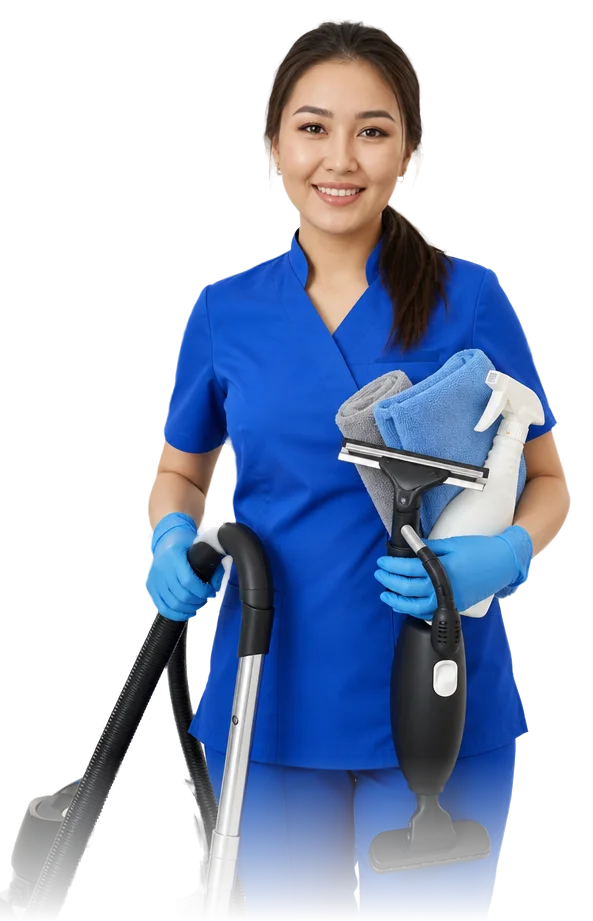
We work with any types and materials
Thorough removal of hair from floors and chairs, cleaning mirrors from hairspray residue.
from 12,000 ₸Disinfection of sinks and faucets, removal of limescale.
from 12,000 ₸Cleaning of countertops and upholstered furniture from hair and dust, polishing surfaces.
from 10,000 ₸Cleaning of glass shelves and display windows from fingerprints and dust.
from 13,000 ₸Removal of paint stains from surfaces, disinfection of tools.
from 12,000 ₸Cleaning, surface disinfection, trash removal.
from 12,000 ₸Deep cleaning and disinfection of plumbing, mirrors, and floors.
from 15,000 ₸Dusting, organizing storage, disinfection of shelves.
from 9,500 ₸Wet mopping of floors, hair removal, wall cleaning.
from 11,000 ₸Washing of stairs and railings, hair removal from corners.
from 11,000 ₸Cleaning, trash removal, disinfection.
from 9,500 ₸Washing of doors and mats, dirt removal.
from 10,000 ₸From inspection to result with guarantee
We remove large hair from floors and surfaces, collect trash in bags.
Vacuuming all areas with a HEPA-filter vacuum cleaner, including hard-to-reach places.
Mopping floors with disinfectant, removing paint and varnish stains.
Cleaning mirrors and glass surfaces without streaks using a scraper.
Treating work surfaces, chairs, sinks, and tools with disinfectant.
Removing hair and stains from sofas and chairs using a lint roller and stain remover.
Cleaning windows and sills on request using professional equipment.
We check the quality of cleaning, take out the trash, and pack up tools.
We use products based on quaternary ammonium compounds, effective against bacteria and viruses. They are safe for people and leave no streaks. All formulations are certified and approved for use in beauty salons.
Karcher SC 5 steam cleaners with steam temperature up to 160°C allow removal of stubborn paint and varnish stains without chemicals. This is eco-friendly and safe for surfaces. Especially effective for cleaning chairs and sinks.
Each of our masters has a valid medical record and regularly undergoes disinfection training. We know the sanitary standards for barbershops and strictly adhere to them. Your clients are safe.
After cleaning, we provide a 24-hour guarantee. If you find hair on the floor or surfaces, we will come and redo it for free. This is our responsibility for quality.
We work daily, including holidays. If masters are available, we dispatch on the day of order. Cleaning can be done at a convenient time for you, even at night.
Our activities are insured for 10 million tenge. In case of property damage, we compensate for the loss. We work officially, with a contract and receipt.
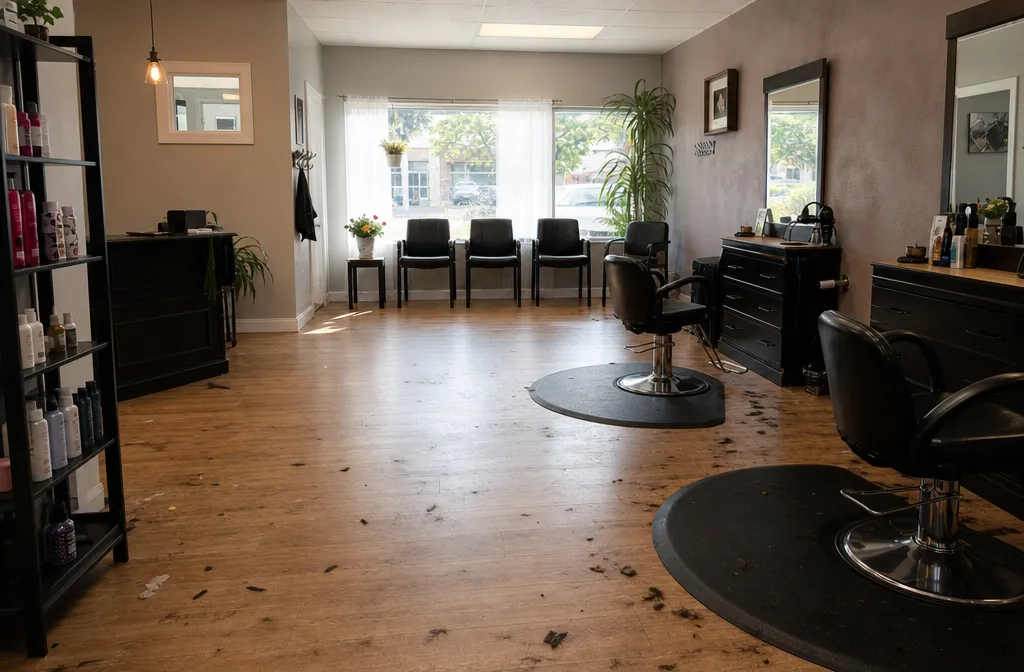
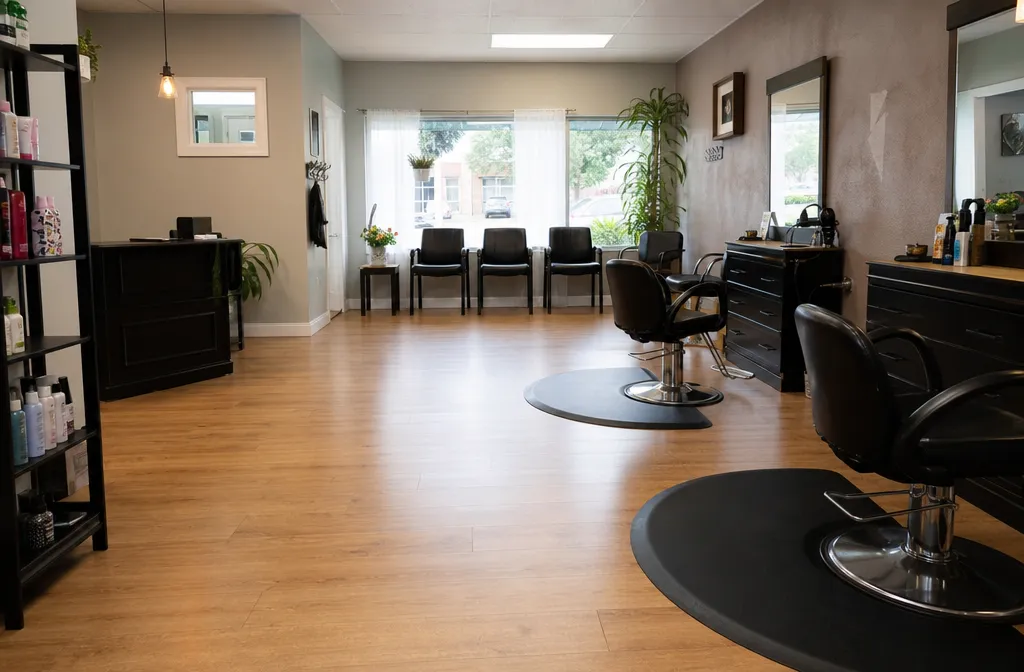 After
After
Request: The client asked for a thorough sweeping, removing hair and debris.
Done: The master swept the floor, collected hair and debris, and wiped hard-to-reach areas.
Cost: 14 000 ₸
Master: Aigul Seitakhmetova, cleaning master
Total: Floor is clean, free of hair and dust, the room looks tidy.
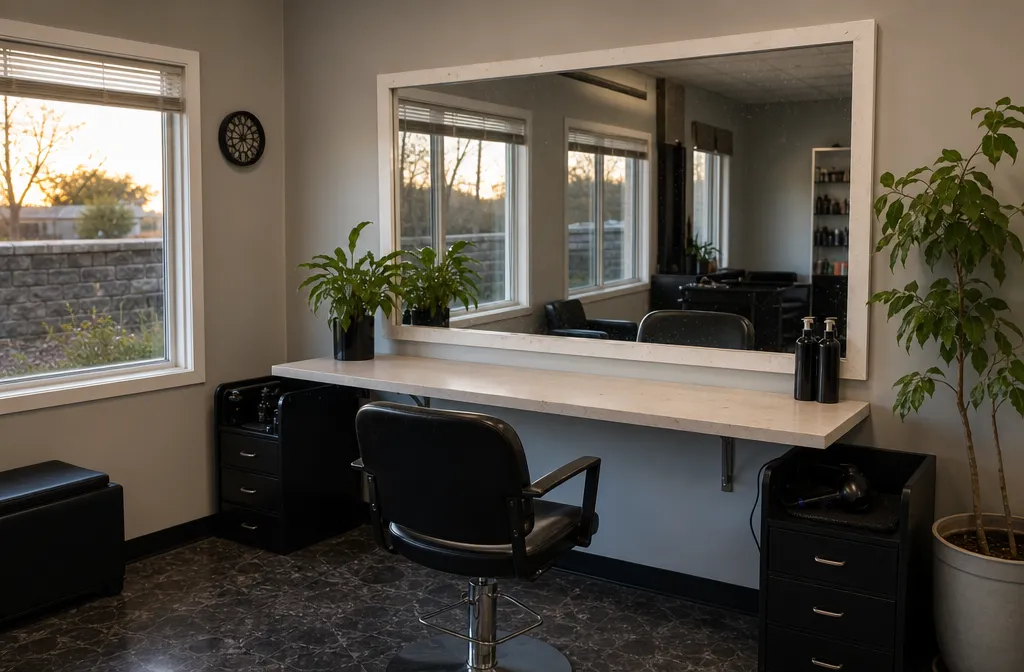
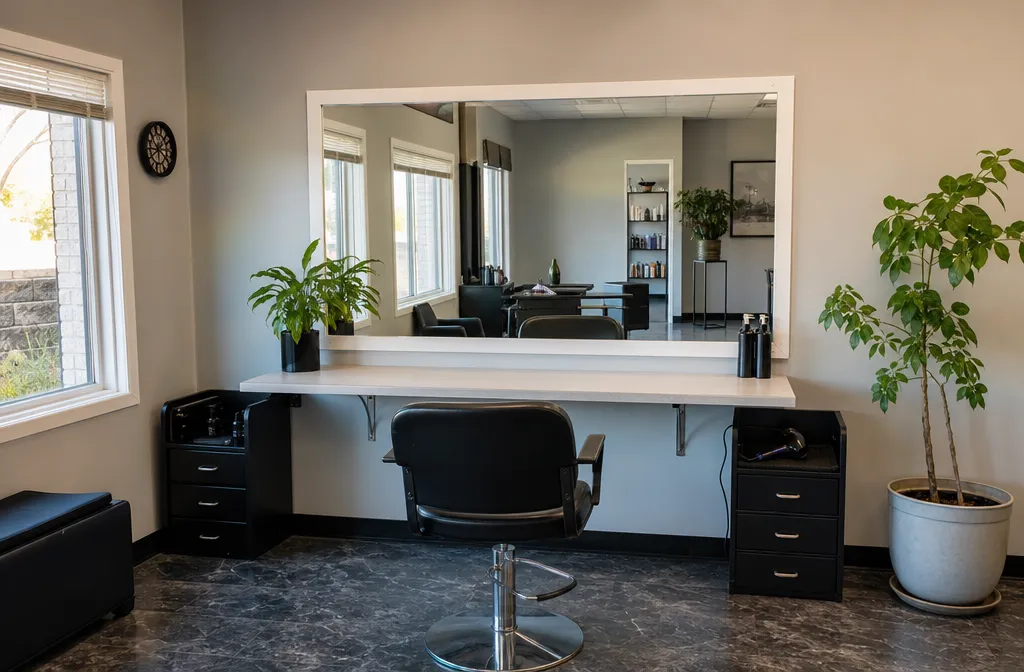 After
After
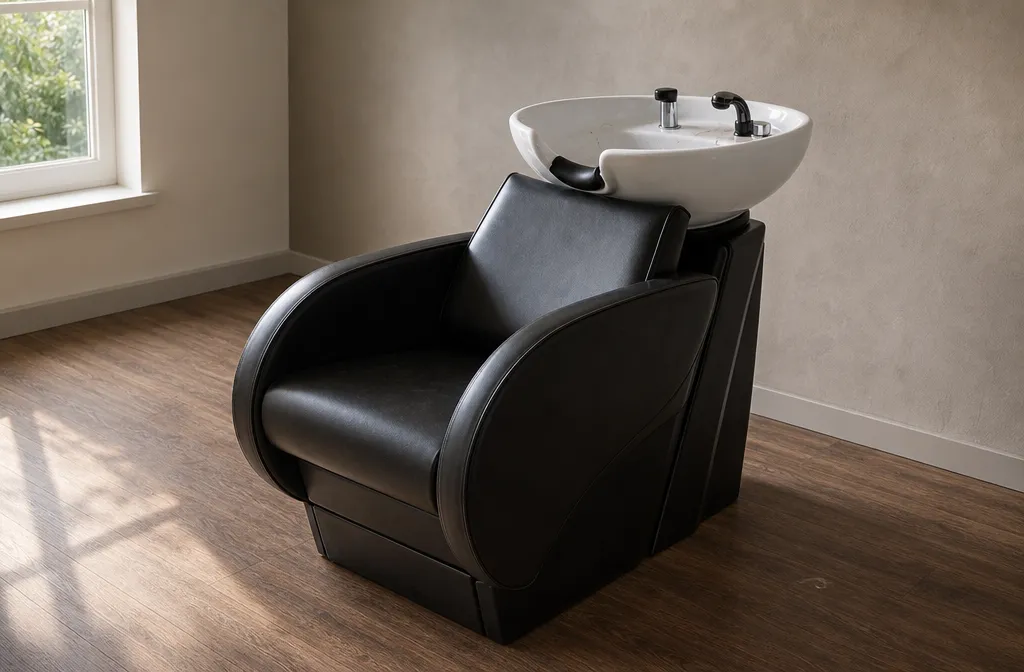
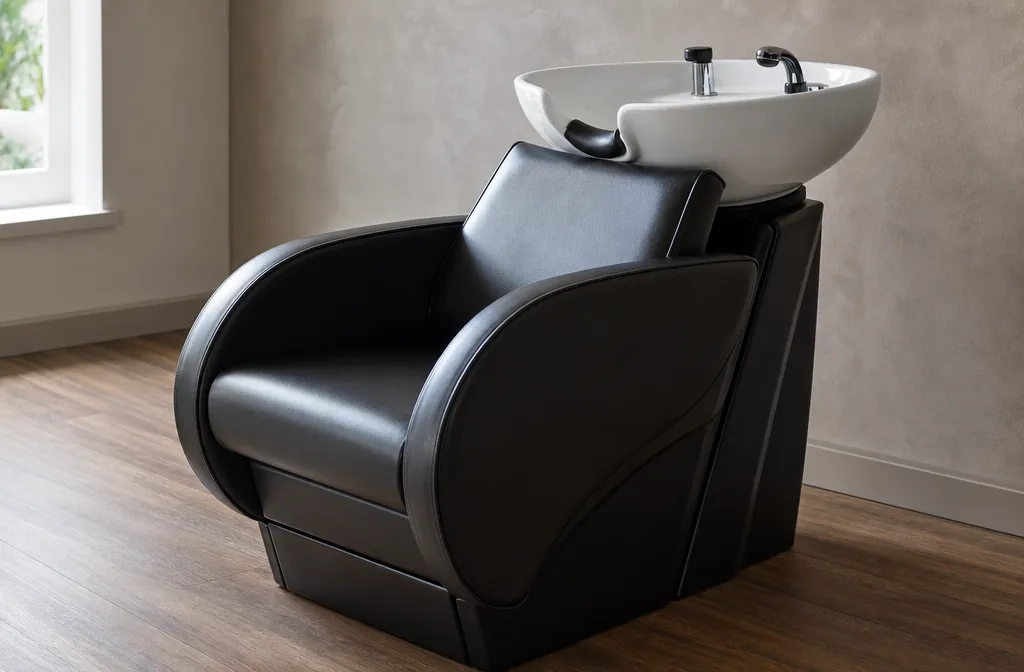
Request: The client wanted the mirror to be free of streaks and spots.
Done: The master cleaned the mirror with a special product and polished it to a shine.
Cost: 13 000 ₸
Master: Marat Kassymov, cleaning master
Total: Mirror is perfectly clean, streak-free, reflects light.
 After
After
Request: The client asked to disinfect the station and remove dirt.
Done: The master treated the station with disinfectant, cleaned off hair and residue.
Cost: 14 000 ₸
Master: Aliya Nurgaliyeva, cleaning master
Total: Station is clean, disinfected, with no signs of use.
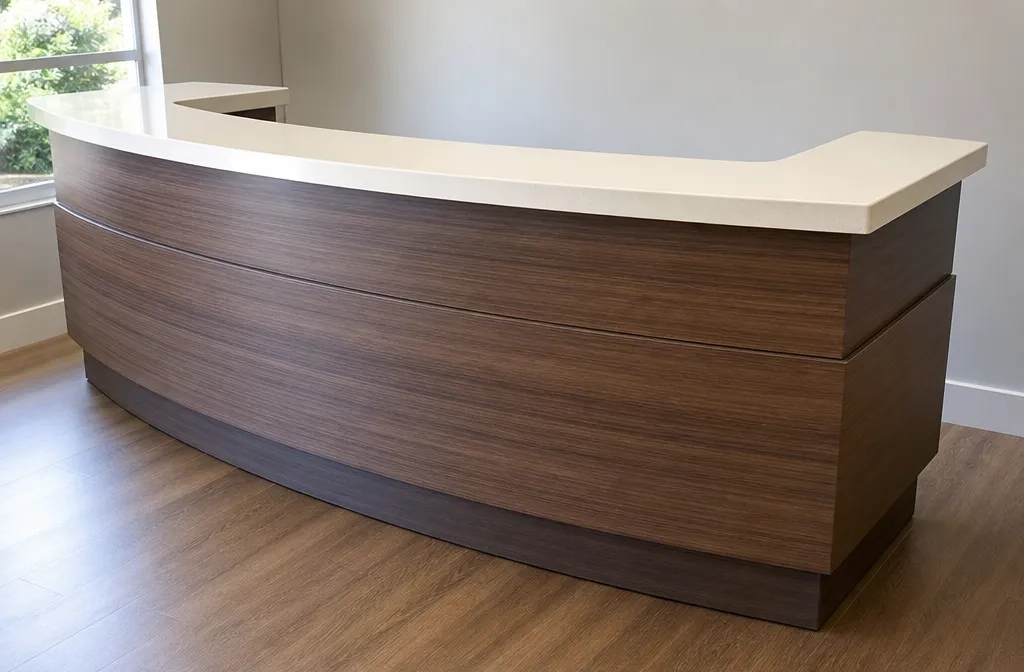 After
After
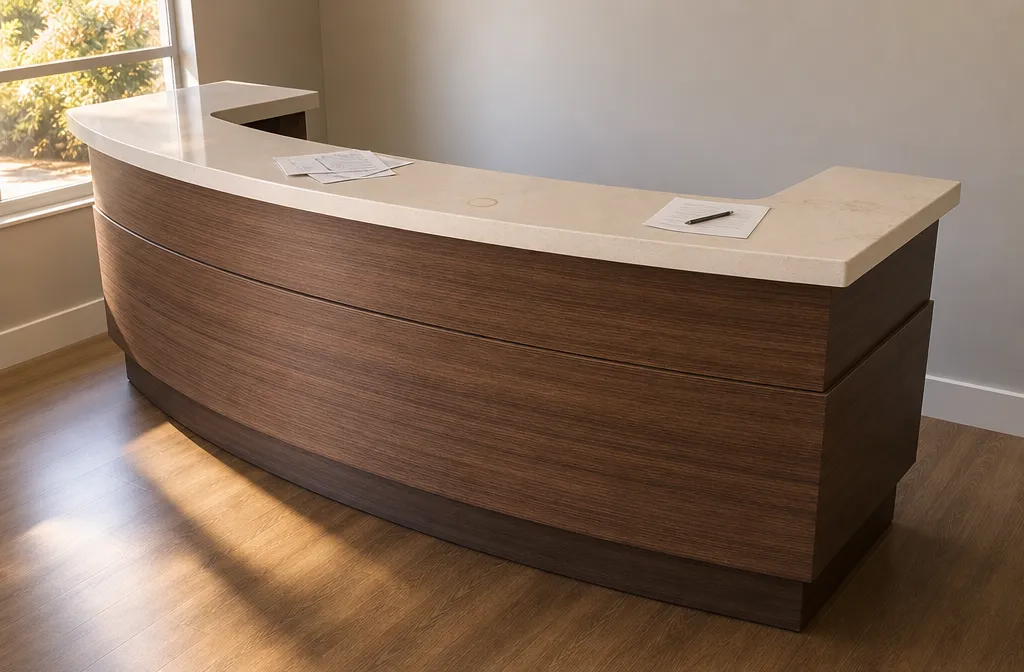
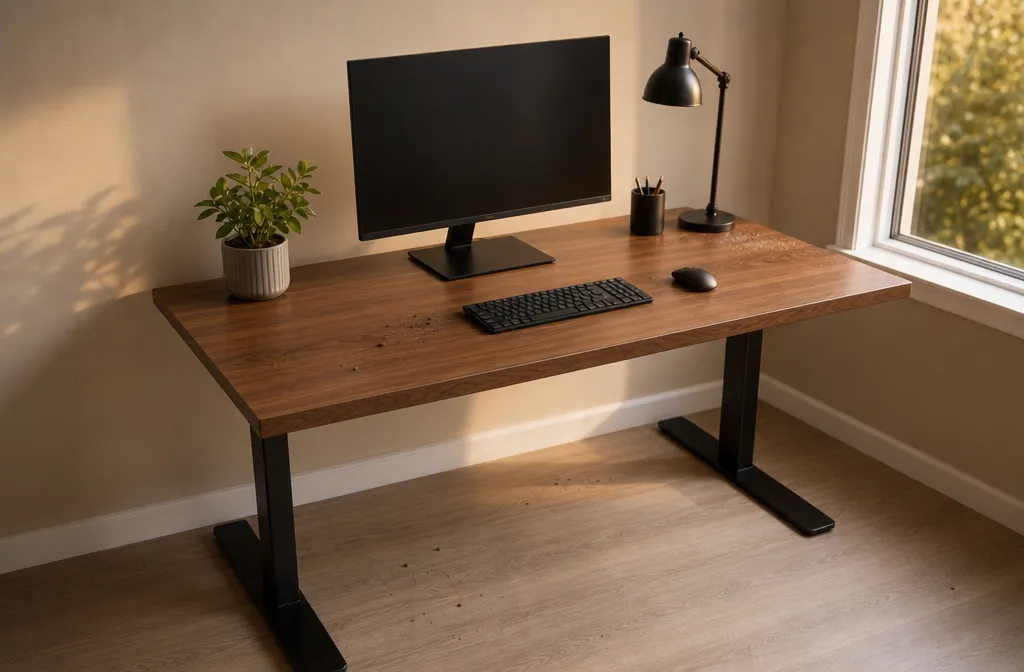
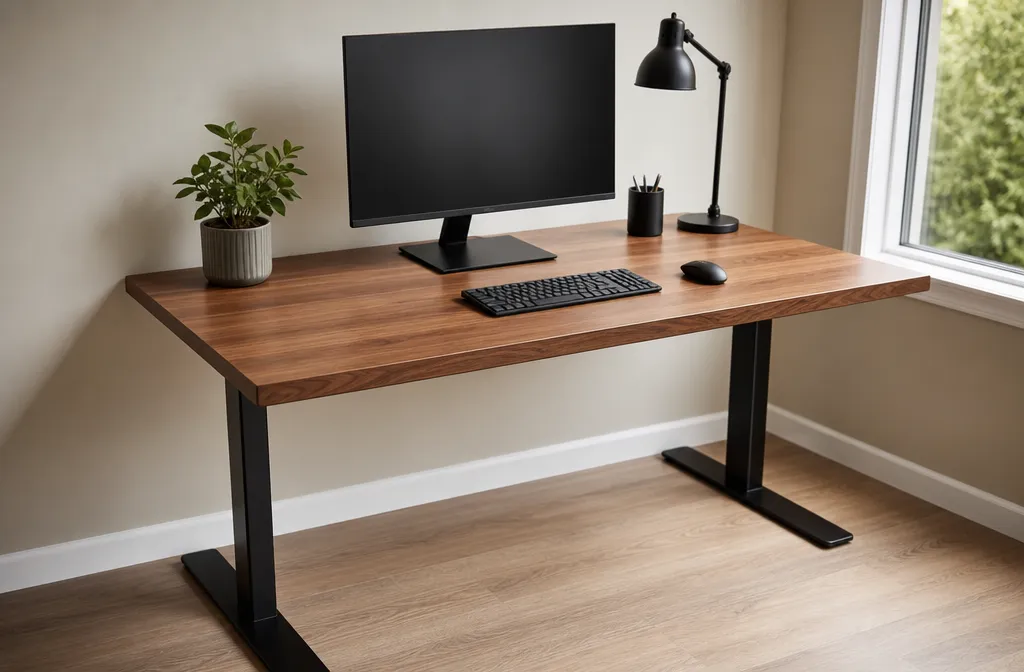
Request: The client wanted a clean desk without dust or handprints.
Done: The master wiped the desk, removed papers, and arranged items.
Cost: 13 000 ₸
Master: Yerzhan Akhmetov, cleaning master
Total: Desk is neat, dust-free and fingerprint-free, ready to receive guests.
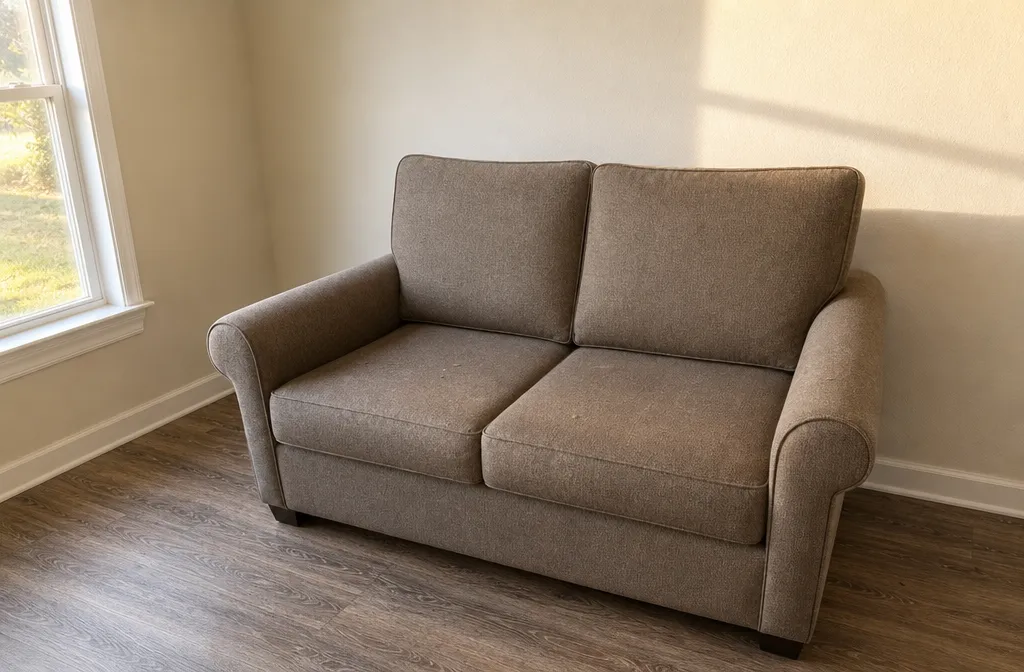
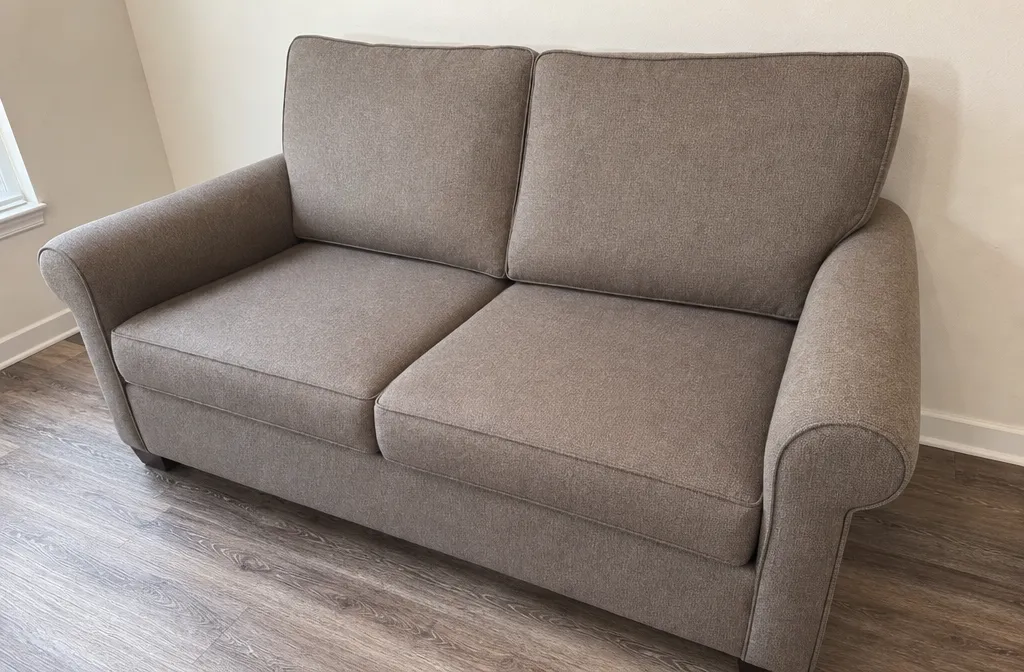 After
After
Request: The client asked to vacuum the sofa and remove crumbs.
Done: The master thoroughly vacuumed the sofa, removing crumbs and dust.
Cost: 11 000 ₸
Master: Gulnar Sagintayeva, cleaning master
Total: Sofa is clean, crumb-free and dust-free, pleasant to look at.
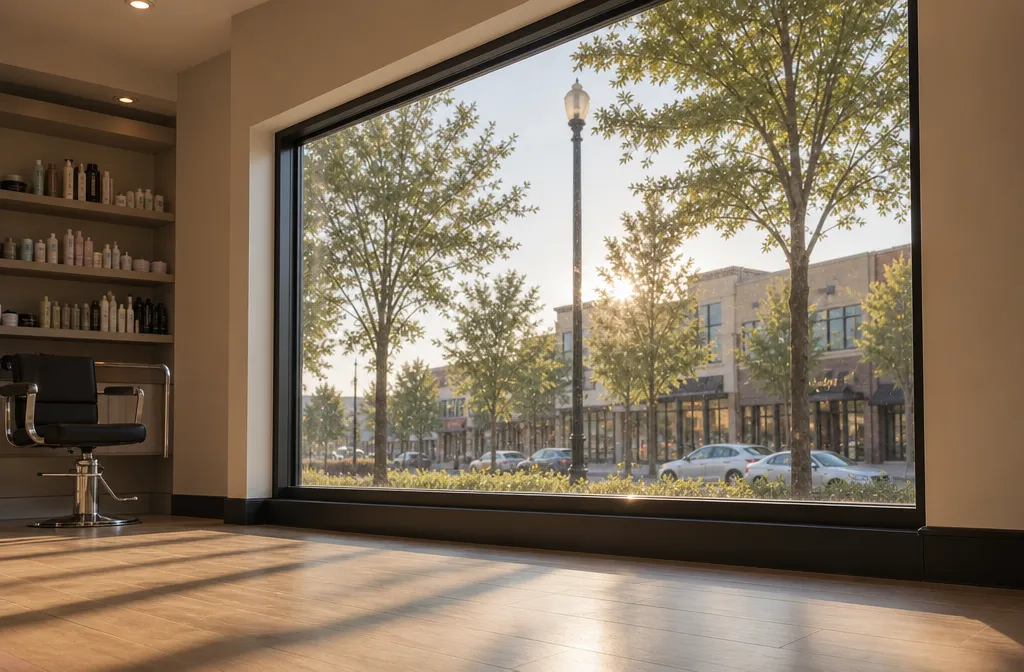
 After
After
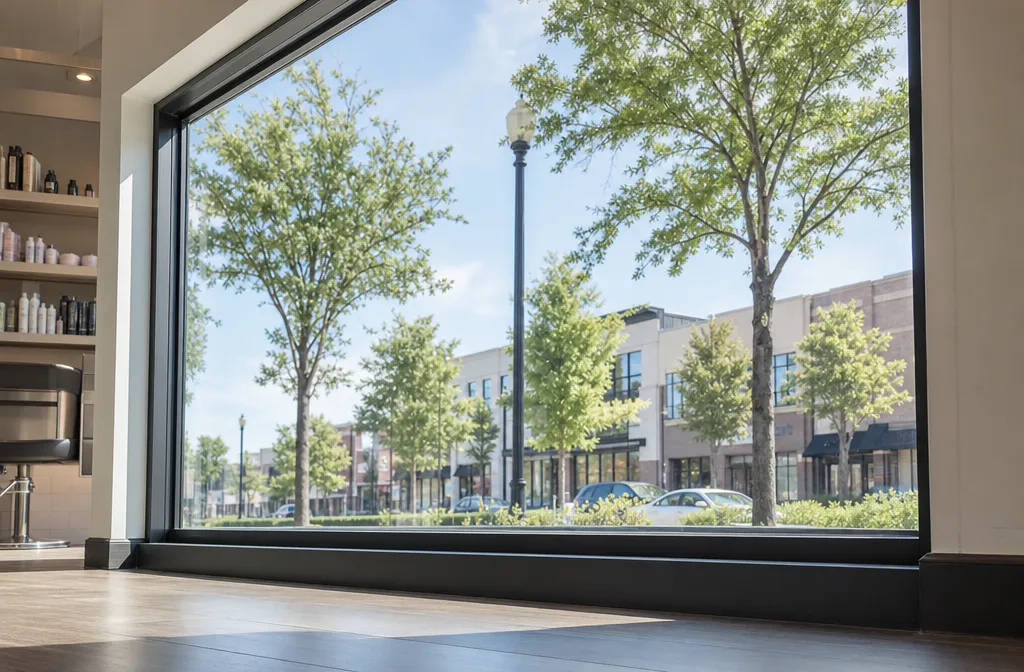
Request: The client wanted a clean window without streaks and dust.
Done: The master washed the window on both sides, removed streaks and dirt.
Cost: 14 000 ₸
Master: Dauren Iskakov, cleaning master
Total: Window is clear, without streaks, lets in light.
 After
After
Request: The client asked to remove hair from the workstation and surfaces.
Done: The master removed hair from the chair, table, and floor, wiped surfaces.
Cost: 13 000 ₸
Master: Ainura Bekzhanova, cleaning master
Total: Workstation is clean, without hair, ready for work.
 After
After
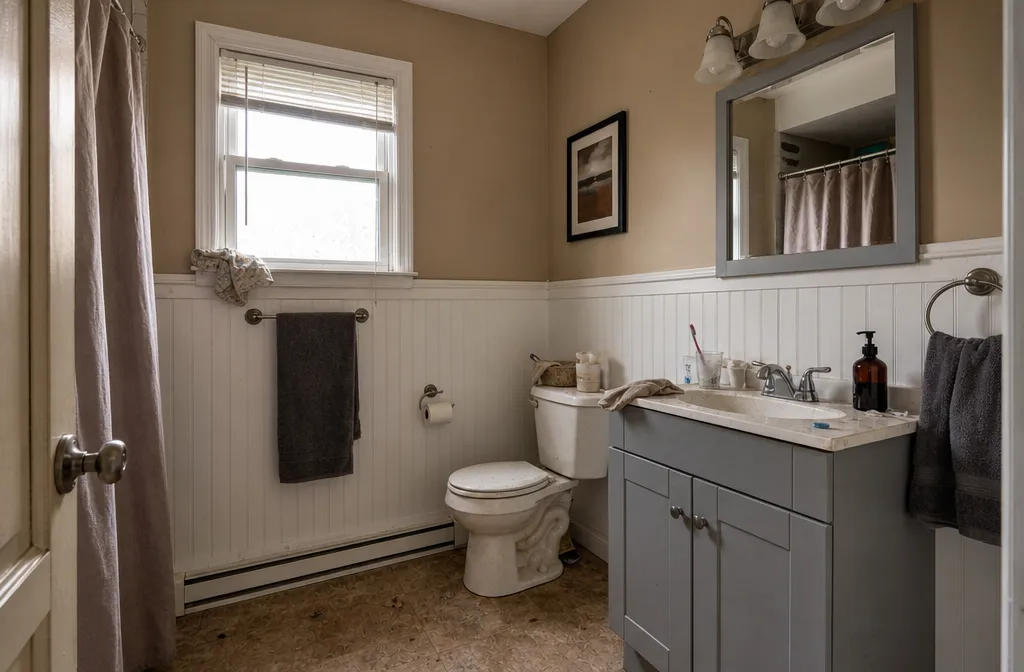
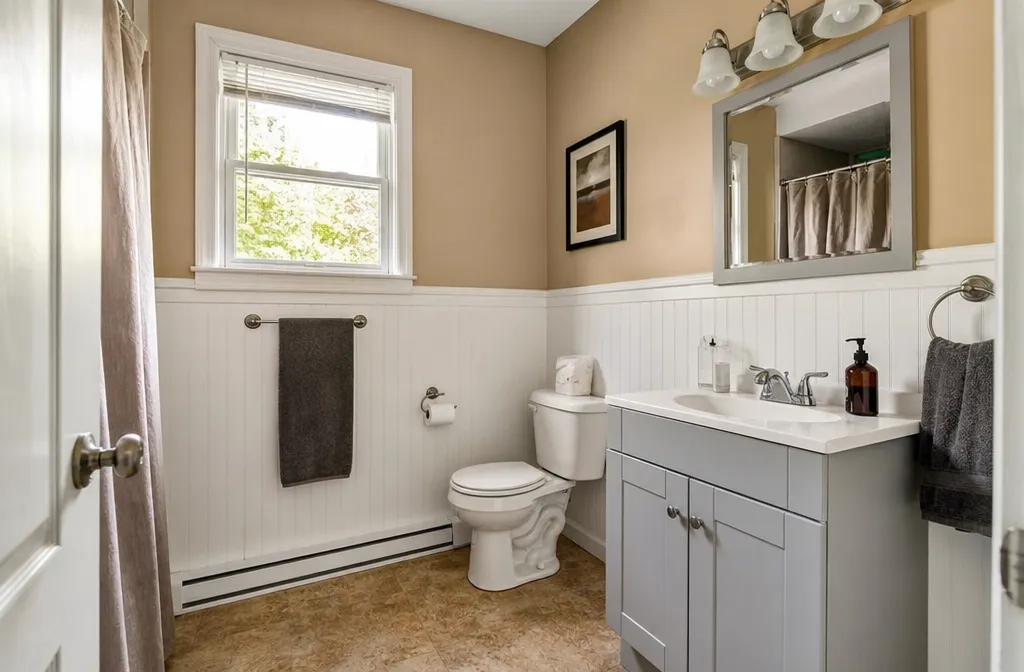
Request: The client wanted a clean toilet without odor and dirt.
Done: The master cleaned the toilet, sink, mirror, and floor, disinfected.
Cost: 12 000 ₸
Master: Ruslan Zhumabaev, cleaning master
Total: Toilet is clean, odor-free, surfaces shine.
 After
After
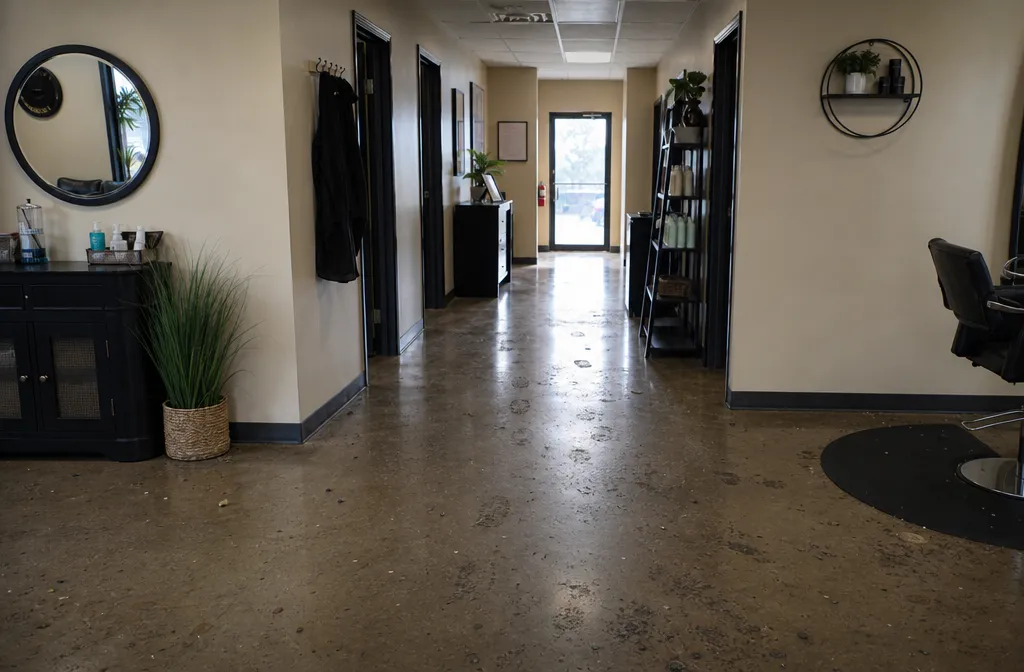
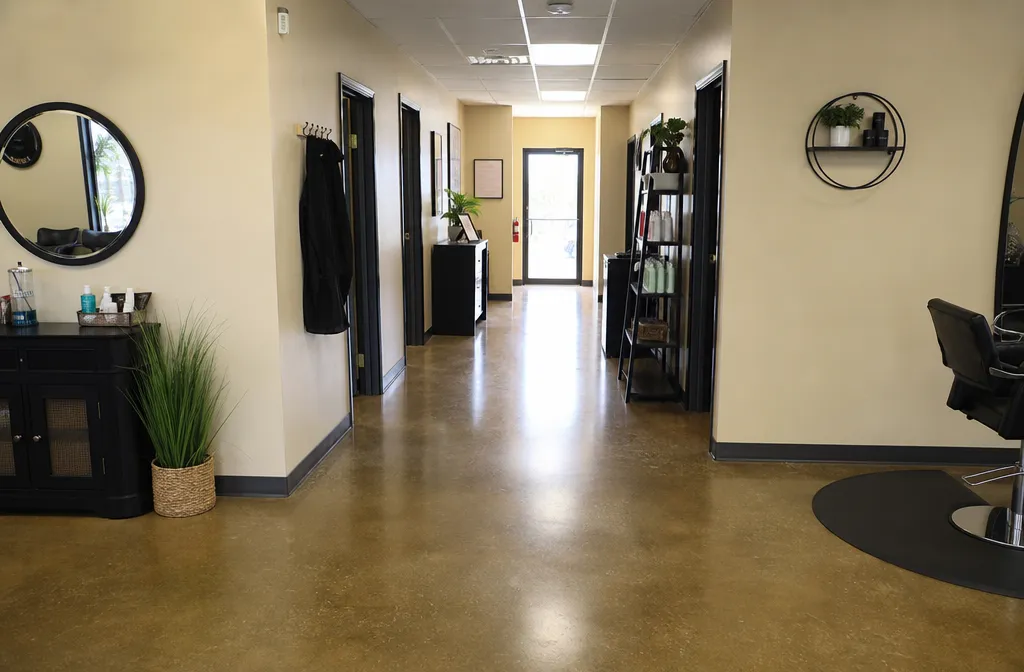
Request: The client asked to mop the corridor floor and remove dirt.
Done: The master mopped the floor, removed stains and streaks, dried it.
Cost: 14 000 ₸
Master: Zhanna Tleubaeva, cleaning master
Total: Corridor is clean, floor shines, no dirt or dust.
 After
After
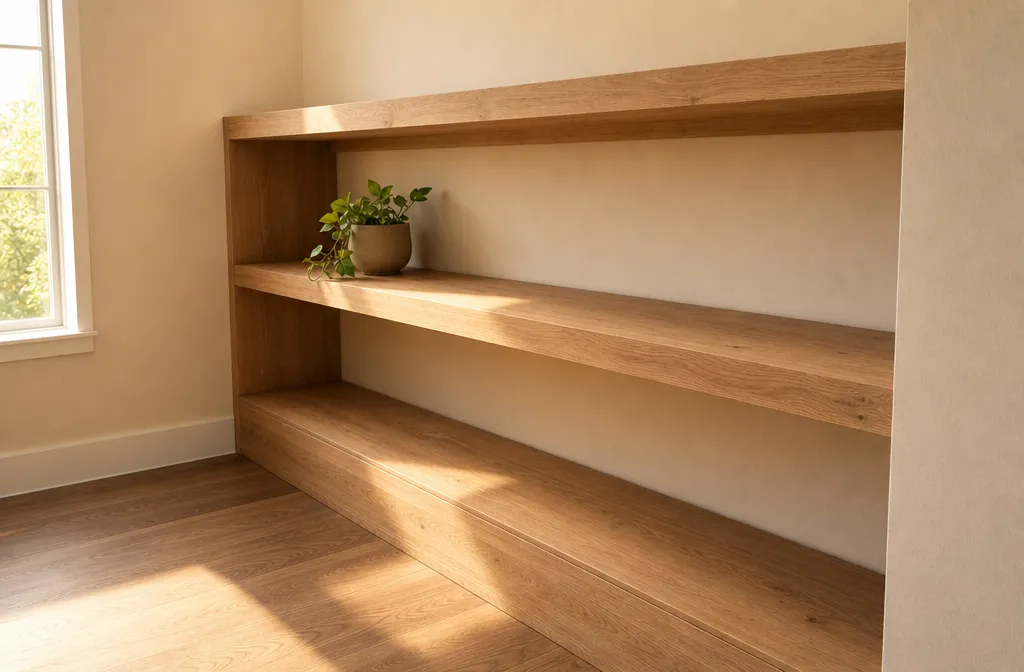
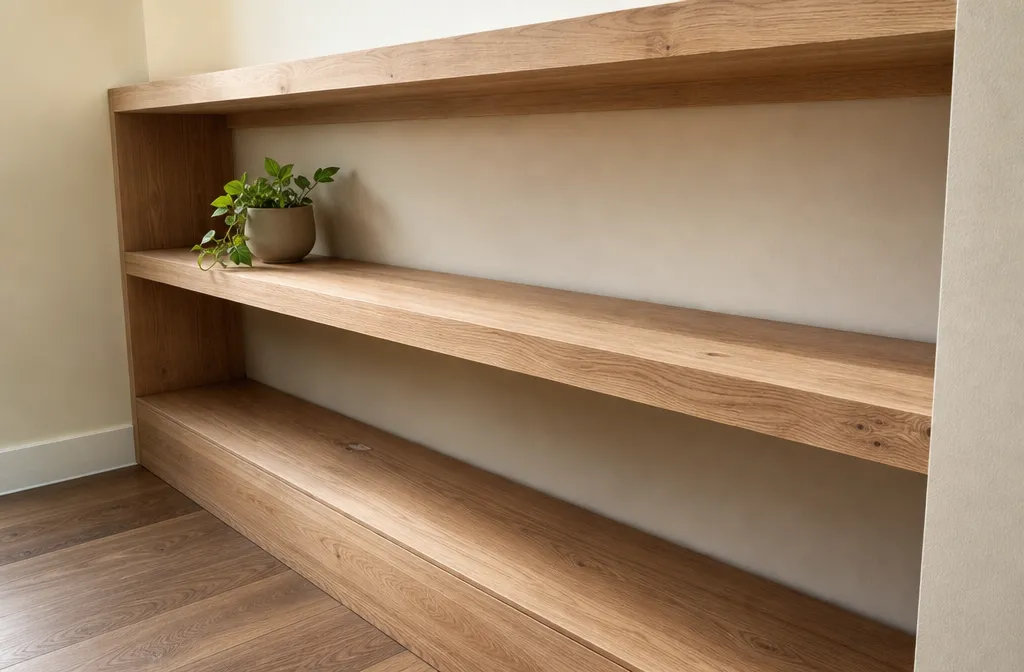
Request: The client wanted the shelves dust-free and neatly arranged.
Done: The master wiped the shelves, removed dust, and arranged products evenly.
Cost: 13 000 ₸
Master: Samat Kaliev, cleaning master
Total: Shelf is clean, dust-free, products neatly arranged.
All cleaners are profi-clean staff with training, uniform and security check. Each order has a team leader who controls quality.
In a hair salon, three types of contamination accumulate simultaneously — and each requires its own cleaning approach. Otherwise, within a month, floors and furniture become covered in a sticky film, and the air becomes heavy.
Hair settles everywhere: on the floor, counters, hairdryers, in ventilation, and even on ceiling tiles. Unlike household dust, hair is an abrasive: if not collected, it gets ground into laminate and linoleum, leaving micro-scratches where dirt accumulates. Our statistics from salons in Almaty show that a significant amount of hair accumulates in the washing area per shift — enough to clog a sink drain in three days. Hair is also an allergen: skin flakes and hairspray particles on it turn into a light suspension when dry. In a closed salon during peak hours, the concentration of such dust is 2-3 times higher than in a typical office. If you only clean with a broom, the tiniest fragments become airborne and settle on clients. Therefore, we start with vacuuming using a machine with a HEPA filter — it traps particles down to 0.3 microns — and only then proceed with wet cleaning.
The oxidizer and ammonia in hair dye act aggressively: a drop on a plastic chair armrest leaves a mark in 2-3 minutes, on tile in 10-15 minutes, if not wiped up immediately. Salons in Almaty work with brands like L’Oréal, Wella, Matrix, and Estel — each has its own pigment: red shades (e.g., intense tones of Matrix SoColor) penetrate deeper and are harder to remove from silicone and rubber surfaces. A regular detergent with surfactants only removes fresh drops, while dried dye requires an alkaline cleaner with a pH of 11-12 — we use exactly such formulations for coloring areas. An important nuance: on porous surfaces (untreated wood, non-laminated MDF), the dye absorbs instantly and cannot be wiped off — the part must be replaced. In our practice, there was a case at a salon on Abay Avenue where unremoved dye splatters ruined the reception desk countertop in a month — the repair cost more than weekly cleaning.
Hairspray settles as an invisible film on all horizontal surfaces — counters, shelves, mirrors, door handles. Unlike dye, hairspray doesn’t absorb but polymerizes: after 6-8 hours, it turns into a hard layer that cannot be washed off with plain water. Dust, hair, and skin oils instantly stick to this layer — and after three days, the counter looks gray and sticky. In salons where cleaning is done by an administrator with regular wipes, the hairspray buildup on mirrors reduces their transparency by 15-20% in a month. We remove hairspray with an alcohol-based cleaner (propanol-2) — it dissolves the polymer in 10-15 seconds without leaving streaks on glass. On painted walls, hairspray is especially dangerous: it reacts with acrylic paint, altering its shade — the wall near the hairdryer area can turn yellow within six months if the hairspray isn’t removed weekly.
In a real hair salon, hair, dye, and hairspray act together. For example, hair stuck to a hairspray film scratches the surface like sandpaper during dry cleaning. A drop of dye landing on hair on the floor gets smeared across the tile by foot traffic — and within a week, a hard-to-remove stain forms. In the blow-drying area, hot air accelerates the polymerization of hairspray and the setting of dye on walls — there, contaminants set 1.5-2 times faster than in the washing area. Our cleaners at sites in Almaty noticed a pattern: if cleaning is done less than twice a week, the buildup of hairspray and dye accumulates, requiring 30-40% more time to remove during the next visit. Therefore, the optimal frequency for a hair salon is twice a week, with mandatory treatment of coloring and drying areas using specialized products.
Many salon owners mistakenly believe that cleaning a hair salon is similar to office cleaning — in reality, the difference in surface wear, chemicals, and protocols is fundamental. At profi-clean, we service both types of facilities daily and see where clients overpay due to choosing the wrong contractor. Let’s break down four key differences that determine the price, frequency, and safety of cleaning.
The office is cleaned once a day after the working day — wet mopping the floors, taking out the trash, and wiping down surfaces are sufficient. The same logic does not apply in a hair salon: the master’s workstation requires treatment after each client, including disinfection of tools and the chair. The reception hall and display windows are fine to clean once a day, but the floor around the chair requires up to 20 cleaning cycles per shift due to falling hair. Because of this, our team for a salon with 4 chairs makes visits at least twice a week with a deep cleaning approach, whereas we service an office of a similar size once a week. In our practice, owners who ordered standard office cleaning for a hair salon encountered a sticky film on the floor within a month — the difference in frequency accumulates faster than it seems.
Office dirt is dust, fingerprints on glass, and crumbs from lunches, which are removed with an all-purpose cleaning agent. A hair salon adds three aggressive components: hair dye (oxidizers and ammonia, leaving stubborn stains on plastic and tiles), hairspray (a sticky film on mirrors and stands that clogs HEPA filters of equipment), and finely chopped hair that gets embedded into micro-cracks in tiles and furniture joints. A pH-neutral solution is sufficient for an office, but for a salon we use alkaline agents to remove dye and alcohol-based ones for hairspray, with a mandatory test on colored surfaces. Our technologist once recorded a case where an office cleaner used an all-purpose agent that wiped the tint off a salon mirror — in a hair salon, the chemicals must be selected separately for each type of surface.
An office is cleaned to the “visual cleanliness” standard — it’s enough for surfaces to shine. For a hair salon, the Sanitary Rules and Regulations of the Republic of Kazakhstan for hair salons (Order of the Ministry of National Economy of the Republic of Kazakhstan No. ҚР ДСМ-2) are in effect, which mandate disinfection of work surfaces, chairs, and the floor in the service area with virucidal solutions after each visitor. We use disinfectants based on QAC (quaternary ammonium compounds) with an exposure time of 15 minutes — such treatment is not used in offices due to the strong odor. We have an internal protocol: after cleaning a hair salon, the cleaner performs a rapid test for residual chemicals (phenolphthalein test), which is not done in the office segment. If a contractor is unaware of these standards, the salon risks receiving a fine from the Sanitary and Epidemiological Service for a significant amount — the difference in regulations directly affects the legal safety of the business.
An office cleaner only needs a vacuum cleaner with a dust bag and a regular mop. For a hair salon, our arsenal is different: an industrial vacuum cleaner with an H13 HEPA filter (captures 99.97% of particles, including hair dust that causes allergies in masters), a steam cleaner for removing hairspray from mirrors without streaks, and a special scraper for tiles with microfiber attachments to clean hair out of the grout. Consumables also differ: cheap microfiber cloths are enough for an office, but in a hair salon we use disposable lint-free rags — regular microfiber accumulates dye and starts to smear. In practice, this means the budget for materials for a salon with 4 chairs is three times higher than for an office of the same area, and if a client orders cleaning at an office rate, the contractor either operates at a loss or saves on disinfection.
The choice of chemicals and equipment for cleaning a hair salon directly affects the health of masters and clients, as well as the preservation of expensive furniture and coverings. Our cleaners work with equipment that does not leave lint and does not spread allergens.
The air in a hair salon is saturated with microparticles: exfoliated skin, pollen from clothing, dye crumbs, mold spores from the washing area. A regular vacuum cleaner stirs up this suspension and returns it to the air, provoking allergies and contact dermatitis in stylists. We use upright vacuum cleaners with HEPA H13 filtration class — they trap 99.97% of particles as small as 0.3 microns. The same equipment is used in operating rooms and laboratories. In practice, this means that after cleaning, no airborne suspension remains in the room to settle on a client’s hair or on open tool displays. Moreover, the filter needs to be changed every 6 months of active use — a clogged HEPA stops letting air through, causing the motor to overheat. If your contractor uses a regular vacuum cleaner with a paper bag, within a month or two a gray coating will appear on the reception desk — this is ground-up dust that the appliance failed to contain.
Every surface in the salon requires its own formula — a universal product destroys the protective layer or leaves streaks. On chrome chairs and faucets, we use sprays with carnauba wax-based polish — they not only remove fingerprints and nail polish residue but also create an antistatic effect, causing dust to adhere more slowly. For laminate floors, often installed in the reception area, compositions with chlorine and abrasive particles are prohibited — they wear away the top layer of the laminate, and white spots appear within six months. Glass display cases and mirrors are cleaned with microfiber cloths and an isopropyl alcohol-based solution — it evaporates without streaks and leaves no sticky film, unlike products with glycerin. Plastic wall panels (common in manicure areas) are treated with a neutral pH cleaner — alkali corrodes plastic, making it rough, and dye gets trapped in the micro-cracks. Our practical tip: check what is used to clean the administrator’s desk — if matte spots remain after wiping, the product is unsuitable for lacquered wood.
The most common mistake salon owners make is buying cheap auto chemicals or household products from the supermarket. Alcohol-based cleaners with ethanol above 70% dry out acrylic countertop coatings, causing cracks — dye gets into these cracks and cannot be removed. Chlorine-containing bleaches (like “Belizna”) oxidize chrome: first the coating dulls, then it peels off. Acidic products for removing limescale in the washing area, if not rinsed off immediately, corrode silicone seams and seals — within 3–4 months, water starts leaking under the sink. At profi-clean, we use hypoallergenic Kiehl concentrates (Germany) labeled “for professional salons” for daily cleaning — they have no strong odor and do not require rinsing with water, which is critical for areas with exposed tools. On models with chrome chair legs that are washed with bleach once a week, the protective layer wears off in 2–3 months — request a safety certificate for the chemicals from your contractor if you don’t want to replace chairs every quarter.
Rotary floor machines with a soft microfiber pad for laminate are the only way to remove greasy marks from stylist chairs without scratching the surface. Steam cleaners with steam temperatures up to 150 °C — for disinfecting manicure tables and the washing area: they kill fungus and bacteria without chemicals but require a “delicate steam” mode, otherwise they dry out wooden elements. For collecting hair from the floor before wet cleaning, an electrostatic broom with silicone bristles is needed — a regular plastic broom electrifies hair, causing it to scatter and stick to walls. Organizer carts with separate compartments for clean and dirty rags prevent the transfer of bacteria from the restroom to the styling area — this is a sanitary requirement for salons, but it is rarely followed. Our recommendation: if a musty smell appears in the washing area after a month of operation, check whether your contractor is cleaning the drain grates with a steam generator — without steam, mold multiplies there.
The frequency of general cleaning in a barbershop depends not on the calendar, but on the actual workload: the number of chairs, booking density, and the type of services. At profi-clean, we have developed a schedule based on eight years of experience working with Almaty salons — and it rarely matches what is written in general recommendations.
In salons with one or two chairs, general cleaning is sufficient once every two weeks with a load of up to 6–8 clients per day. If the master works with dyeing and bleaching — once every 10 days: dye accumulates in tile joints and at sink junctions faster than the eye can see. We have noticed in practice: by the second week without general cleaning, a sticky layer of hairspray and dust mixture forms on the floor under the chair, which regular daily damp mopping can no longer remove. For prevention, it is enough to treat the wash area with a steam generator once a month — this prevents dye from hardening in the siphon and on the tiles. In a salon with two chairs and no dyeing (only haircuts and styling), the interval can be extended to three weeks, but not longer — hair dust clogs the ventilation and air conditioning, which in Almaty’s dry air conditions creates a fire hazard for the filters.
With three to five chairs and a flow of 15–25 clients per day, general cleaning is needed weekly. The main risk zone is the floor around each chair and the path to the washbasin: over a week, a significant amount of hair dust accumulates on 30–40 m², which is invisible to the eye but settles on walls and equipment. In salons that do eyelash and eyebrow extensions, micro-particles of glue are added to the hair — they embed into the textile surfaces of chairs and sofas in the waiting area. During general cleaning, we always treat tile joints and baseboards with a steam cleaner — this is where a mixture of dye and conditioner accumulates, which darkens over time and starts to smell. Owners often overlook that with such a load, the indoor units of split systems need to be washed once a month — hairspray settles on their radiators, reducing cooling capacity by 15–20% per season, which is a direct expense on electricity.
In large salons with six or more chairs, general cleaning is divided into two zones with different frequencies. The dyeing zone (washbasins, colorist table, dye shelves) — every 5–6 days: chemical residues accumulate here, which upon contact with moisture form an aggressive environment capable of corroding tile grout within a month. The haircut and styling zone — once every 7–8 days. Additionally, once a month, a general cleaning of the entire salon’s ventilation system is mandatory: air ducts become clogged with a mixture of hair dust and hairspray, and in Almaty’s heat, this causes air conditioners to work overtime, with masters complaining about stuffiness. Our experience shows: in an 8-chair salon with full occupancy, a schedule of once a week for the dyeing zone and once every 10 days for the other zones provides stable results without odor or sticky surfaces, but only if daily damp mopping with an antistatic agent is performed — otherwise, general cleaning cannot keep up with the accumulation of dirt.
Even with regular cleaning in hair salons, systemic miscalculations occur that negate the efforts of cleaners and accelerate the wear of finishes. Here are the five most common mistakes we see in Almaty salons, and our solutions.
Regular household products cannot handle the specific contaminants of a hair salon. Hair dye, hairspray, styling oils, bleaches — these are not grease or dust, but persistent chemical compounds that household dish soap or all-purpose spray simply smear across the surface. At profi-clean, we use the professional Kiehl line for pigment removal and Sodasan for disinfection — these formulations break down dye at the molecular level and leave no sticky film. Cheap household chemicals, on the contrary, create a coating on chairs and reception desks that attracts even more dust and hair. Before purchasing products, check if the composition includes enzymes or active chlorine for oxidizing dyes — without them, stained marks will remain on surfaces and eventually embed into plastic and laminate.
Many cleaners wash the floor and wipe down counters but forget about chair joints, casters, bottom edges of cabinets, and ventilation grilles. This is where cut hair accumulates, which begins to rot and emit an odor after a week, and in Almaty’s humid microclimate, it also becomes moldy. In our practice, there was a case: in a salon on Zheltoksan Street, clients complained of an unpleasant smell that wouldn’t go away after airing out. The cause was a layer of hair under a hairdressing chair that hadn’t been cleaned out for six months. Since then, we always include seat disassembly and caster blow-out with a compressor in our cleaning. We advise owners to lift the chairs once a month and check underneath — if there is hair, it means regular cleaning isn’t reaching the floor.
Hair on carpet, soft chairs, and sofas is the bane of hair salons, but many try to remove it with a broom or a regular vacuum cleaner. A broom only pushes hair deeper into the pile, and a household vacuum without a turbo brush leaves up to 40% of the hair in place. We only use industrial vacuum cleaners with HEPA filters and an active rotating brush that combs hair out of the carpet in one pass. For leather chairs and sofas, we use rubber squeegee scrapers — they collect hair using static electricity without scratching the surface. If the salon has carpet, order an extraction cleaning at least once a quarter: hot water under pressure washes hair out of the carpet base, where no brush can reach.
After each client in a hair salon, tools, the sink, the chair, and the floor around the workstation should be treated. But in practice, many limit themselves to wiping mirrors and sweeping hair from the floor. This is a critical mistake: bacteria and fungi remain on surfaces, especially in the hair washing area, which is damp and warm. At profi-clean, we use a two-step protocol: first mechanical cleaning (removing visible dirt), then disinfection with a Sodasan spray with a 10-minute exposure time. There are many counterfeit disinfectants on the Almaty market, so we purchase chemicals directly from a distributor with certificates. Salon owners should demand a receipt for the disinfectant from cleaners — without it, you risk getting just a wet cleaning with diluted water that doesn’t kill microbes.
When owners save on deep cleaning and limit themselves to daily damp wiping, dirt accumulates over a month that can no longer be washed off with regular products. Dye embeds into the silicone seals of chairs, hairspray forms a film on the exhaust hood, and hair clogs sink drains. In a salon on Abay Avenue that we service, the owner decided to do deep cleaning every two months instead of monthly — after three months, the exhaust hood had to be replaced because the layer of hairspray on the blades reduced its power by 30%. Our recommendation: with a workload of 10+ clients per day, deep cleaning is needed once a month; with fewer clients, once every two months, but no less. If you notice that the floor remains sticky after washing or mirrors quickly become cloudy — it’s time to call a team for a deep clean.
The transition from self-cleaning to professional cleaning is a decision made when a salon starts losing clients due to less-than-perfect cleanliness. In practice, we see three typical scenarios that lead owners of Almaty hair salons to us, each revealing a specific problem.
When a hair salon experiences a water pipe burst or a leak from upstairs neighbors, regular mops won’t fix the situation. In one of our projects in the Bostandyk district — a salon on the first floor of a residential building — after an accident, water mixed with sewage impurities flooded 45 m² of the waiting area and two workstations. Standard wet cleaning leaves bacteria in tile joints and under baseboards, posing a risk of unsanitary conditions. We used extraction carpet cleaning followed by steam treatment at 120 °C and disinfection of all hard surfaces with a QAC-based (quaternary ammonium compounds) solution. This is the only way to guarantee that clients won’t develop allergies within a week. After this treatment, the salon resumed operations in 6 hours instead of the planned two days — saving the owner a significant amount in downtime costs.
In hair salons with high foot traffic — from 15 stylists per shift — the porcelain tile floor in the reception area and hallway becomes slippery by midday due to a mixture of hairspray, dust, and skin oils. Wet cleaning with a regular detergent only temporarily removes the top layer, leaving a greasy film behind. For a salon on Abay Avenue, we developed a protocol: once a month, deep cleaning of the porcelain tile with an acidic solution at a 1:50 ratio with water, followed by neutralization and application of an anti-slip polymer sealant. The difference in the coefficient of friction before and after — from 0.35 to 0.62 (per ASTM D2047 standard). If this isn’t done, the risk of a client or stylist falling is a real threat, and the salon’s insurance doesn’t always cover such incidents.
Two stylists at a salon on Zharokova Street were diagnosed with occupational dermatitis — a rash on their hands and face after 4 hours of work. The cause wasn’t the cleaning itself, but the accumulation of microscopic particles of hair dye (containing p-phenylenediamine) and hairspray residue in the air. Regular wet cleaning doesn’t remove the suspended particles from the air — they settle on surfaces and become airborne again with movement. We installed HEPA filters, class H13, into the ventilation system and switched the salon to daily treatment of all surfaces with the hypoallergenic Sodasan formula (free of fragrances and harsh surfactants). Within two weeks, the stylists’ symptoms disappeared. In my opinion, saving money on professional cleaning in such cases leads to sick leave and staff turnover — and replacing an experienced stylist in Almaty currently costs a significant amount for recruitment and onboarding.
I ordered cleaning at a hairdresser before opening — the guys arrived early in the morning, washed the windows, disinfected all surfaces, even wiped the sterilizer. Perfectly clean!
Aigerim, thank you! Glad we helped prepare for the opening.
After renovation, dust remained on every shelf. profi-clean scrubbed everything to a shine, especially the mirrors — now the hall sparkles.
We had cleaning done at a hairdresser — overall great, but one mirror had slight streaks. Asked to redo it — fixed immediately.
Daniyar, sorry for the oversight. Glad we fixed it quickly.
Hair on the floor after every client is a nightmare. The cleaners handled it in an hour, vacuumed and washed the floors, even hard-to-reach corners.
We regularly order cleaning for our barbershop — always on time, staff is polite. I especially like that they treat the tools.
Yerlan, thank you for your loyalty! We are always happy to serve you.
We ordered a deep cleaning, but had to redo the mopping — there were paint stains left. Overall, the rest was fine.
Cleaning at the barbershop after a paint accident — they washed the walls and floor, no traces left. Very prompt, thank you!
Kuanysh, glad we helped out! Contact us again.
Clients often complain about odors — after cleaning it became fresh, they used good chemicals. I recommend.
We needed urgent cleaning at the barbershop before a sanitary inspection — they arrived within an hour, cleaned everything spotless. They saved us.
Timur, always happy to help in emergencies!
They cleaned the salon — good, but didn't move furniture during cleaning, there was dust under the chairs. Otherwise clean.
We ordered cleaning at the barbershop — they washed windows, floors, even cleaned the exhaust hood. Now it's pleasant to be there.
Alexey, thanks for the review! We work for results.
After cleaning, mirrors are streak-free, floors shine, tools are disinfected. Very satisfied with the quality.
Cleaning at the barbershop — excellent service. The guys are neat, cleaned everything, didn't even disturb the clients.
Nurlan, thank you! We try to be unobtrusive.
They cleaned well, but forgot to wash the toilet door. A small thing, but unpleasant. Otherwise, no complaints.
We had cleaning done at the barbershop — the result is excellent. I especially liked that all the radiators and windowsills were washed.
Ruslan, thank you! We pay attention to details.
Cleanliness in the customer area is our business card. With profi-clean it's always perfect now.
We regularly order cleaning at the barbershop — prices are reasonable, quality is consistent. I recommend to colleagues.
Arman, thank you for your trust! We are happy to cooperate.
They cleaned okay, but I had to remind them about mopping the floors in the reception area. Otherwise, everything is clean.
Very satisfied with the cleaning at the barbershop — they arrived early, cleaned quickly and efficiently. I plan to use regular service.
Bakhytzhan, we will be glad to have you as a regular customer!
After the deep cleaning, the salon was transformed — walls washed, carpets cleaned, air fresh.
I ordered cleaning at the barbershop — good, but they were a bit late. The cleaning quality is excellent.
Serik, sorry for the delay. We will try to be more punctual.
They cleaned after a party — greasy stains on the floor, beer splashes. Everything was washed without a trace.
Cleaning at the barbershop is an excellent service. Prices are reasonable, results are top-notch.
Aslan, thank you! We strive for you.
They cleaned carelessly — left a dirty rag on the chair. Had to redo it. Won't order again.
Cleaning at the barbershop after renovation — construction dust everywhere. profi-clean washed everything, even cleaned the ventilation. Thank you!
Azamat, glad we handled the dust! Good luck with your work.
Now the barbershop is always clean, clients are happy. Thanks for the professional approach.
We did cleaning at the barbershop — overall good, but didn't fully wash the floor in the back room. Fixed after a call.
Maral, sorry for the oversight. We corrected the issue.
Cleaning at the highest level — all surfaces clean, mirrors shine, tools disinfected. I recommend.
I order cleaning at the barbershop once a week — always on time, consistent quality. Very convenient.
Raushan, thank you for your loyalty! Always happy to serve.
After cleaning, all unpleasant odors disappeared, it became fresh and pleasant. Great job.
Cleaning at the barbershop went well, but they didn't wash the windows from outside — didn't account for it. Inside everything is perfect.
Aizhan, thank you for the feedback. Next time we'll include it in the service.
Clients praise the cleanliness — that's profi-clean's merit. They work quickly and efficiently.
Very satisfied with the cleaning at the hairdressing salon — the guys were polite, cleaned everything, even took out the trash. Thank you!
Kamshat, thank you for your kind words! Glad to help.
Cleaned the salon after renovation — wall sanding dust, paint on the floor. Everything was washed to a like-new condition.
Ordered cleaning at the hairdressing salon — almost perfect, but there was a slight chemical smell. After airing it out, it got better.
Botagoz, we'll take note of your comment about the smell. We'll use more neutral products.
Cleaning rated 5+ — everything clean, tidy, no complaints. I'll order regularly.
Cleaning at the hairdressing salon — a great solution for busy people. Everything was done quickly, I didn't even have to step away from clients.
Zarina, glad we could help! Contact us anytime.
Cleanliness in the salon is the key to success. profi-clean did an excellent job, now it's pleasant to work.
Cleaning at the hairdressing salon did not meet expectations — the floors were poorly washed, streaks remained. I had to redo it myself.
Gulzhan, we apologize. We'll redo it for free on your next order.
Time depends on area: up to 30 m² — about 1.5 hours, 30-50 m² — 2-3 hours, over 50 m² — 3-5 hours. Exact time is confirmed upon order.
Yes, if masters are available, we come on the order day. We work without days off, call in advance.
We use hypoallergenic products based on QAC, safe for people. If needed, we use steam cleaners without chemicals.
Payment by cash, Kaspi, Halyk, bank transfer. We provide a receipt.
It is advisable to remove personal items and valuables from surfaces. We take out the trash ourselves.
Yes, a 24-hour guarantee. If you find hair, we will redo it for free.
Yes, we sign a contract and provide closing documents. We work with sole proprietors and LLCs.
Professional disinfectants based on QAC, safe for people. We also use Karcher steam cleaners.
Yes, we have a post-renovation cleaning service, price per individual rate per m².
We recommend daily or every other day. For deep cleaning, once a week. Discounts available for regular orders.
Tell us about your experience with profi-clean — it helps other clients and us improve.
We currently operate in Almaty. Other cities are coming soon.