How to Prepare Your Apartment for Express Cleaning
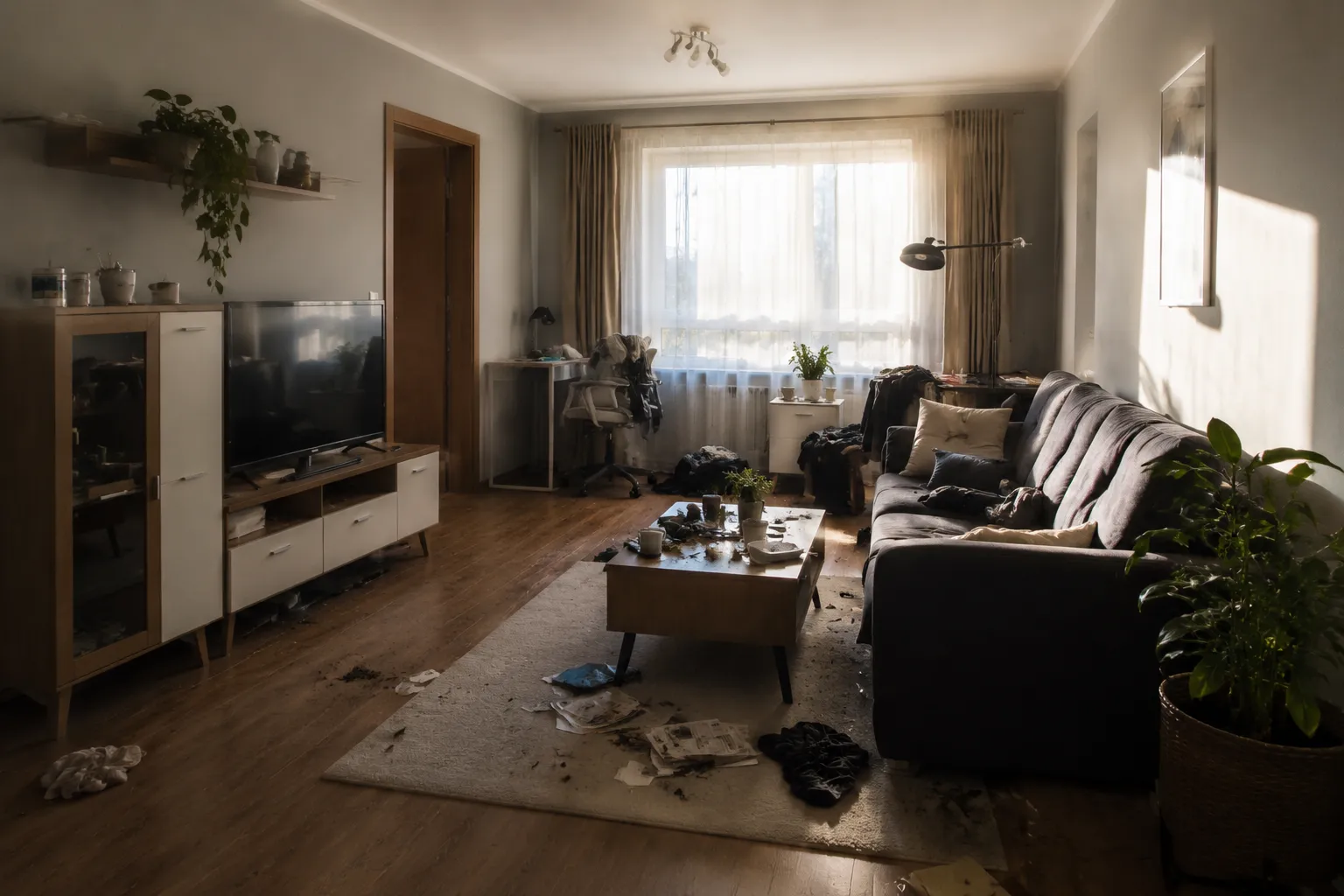
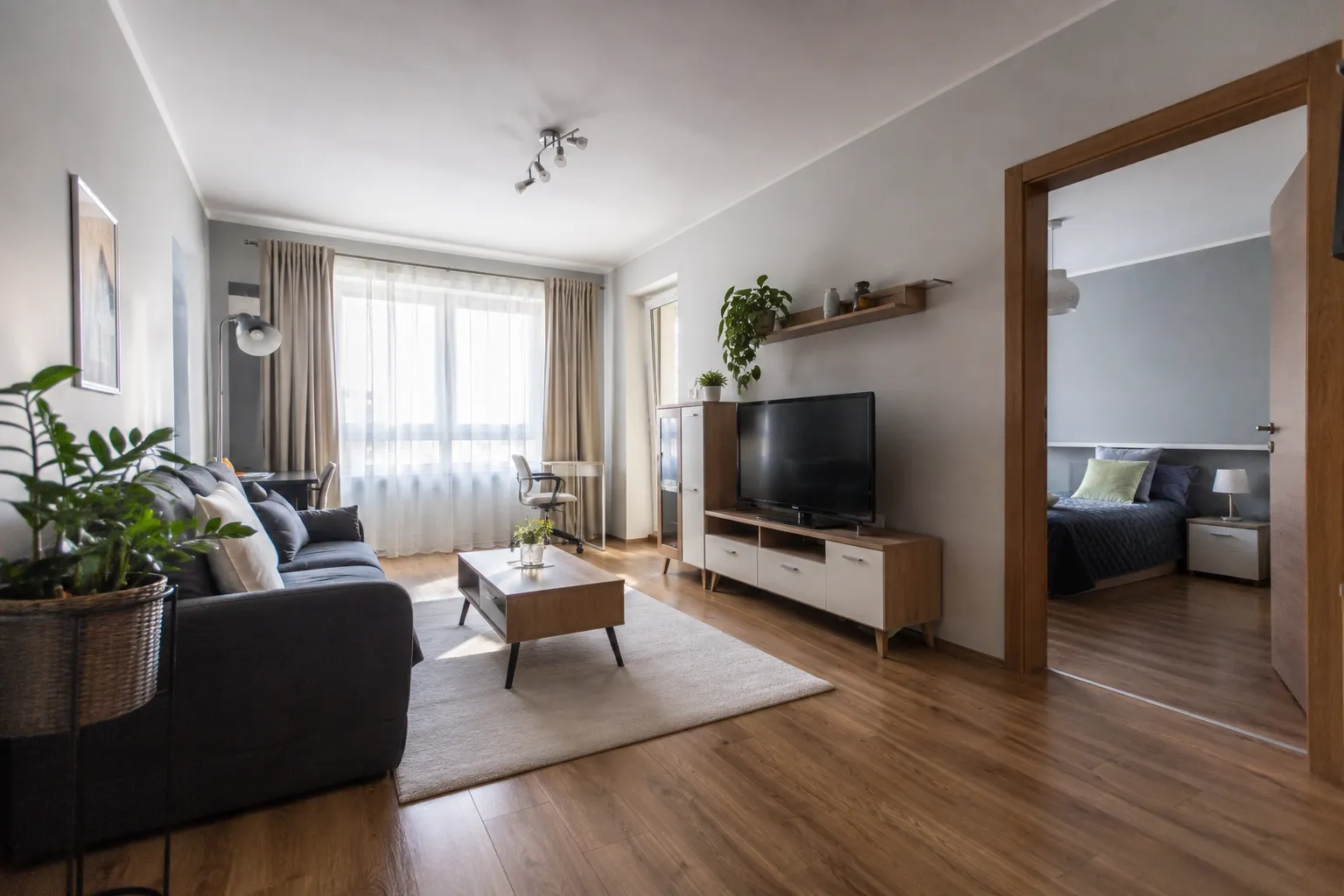
For express cleaning to be completed in an hour to an hour and a half without losing quality, it’s worth preparing your apartment in advance. This reduces the time the cleaner spends searching for items and accessing surfaces, while also lowering the risk of missing a corner or not reaching the baseboards.
What to Remove from Surfaces
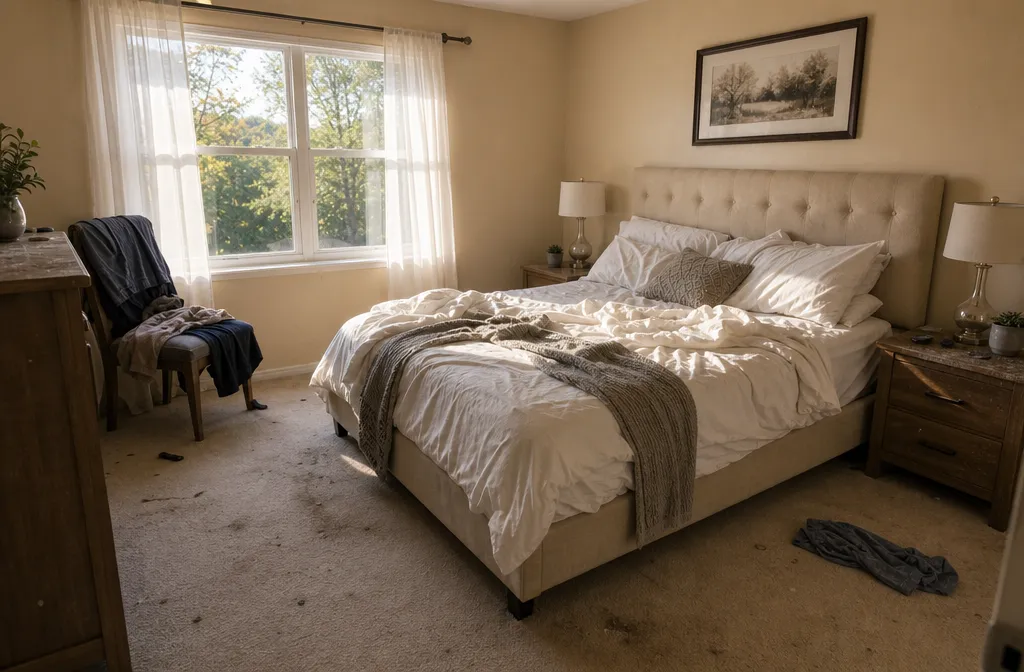
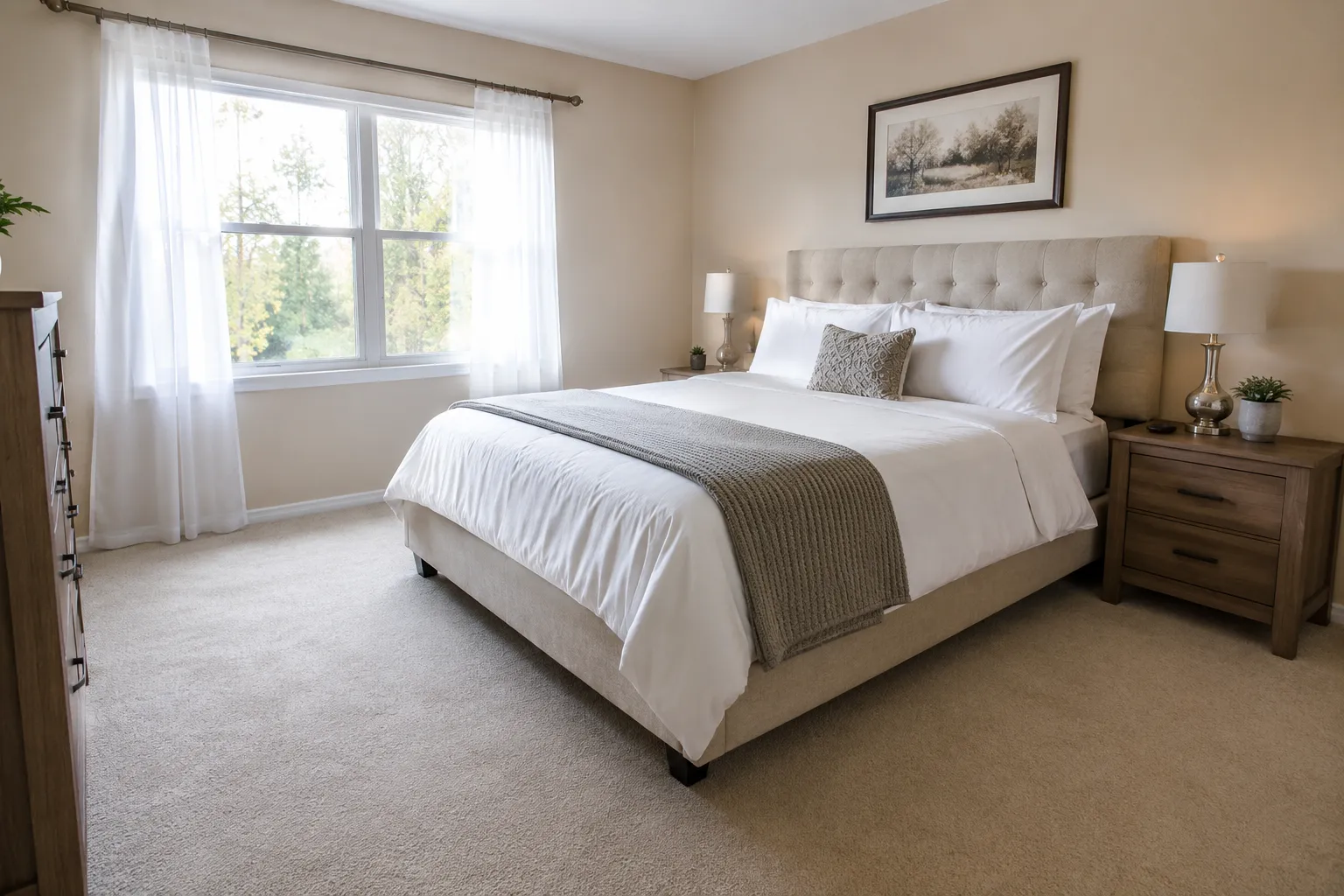
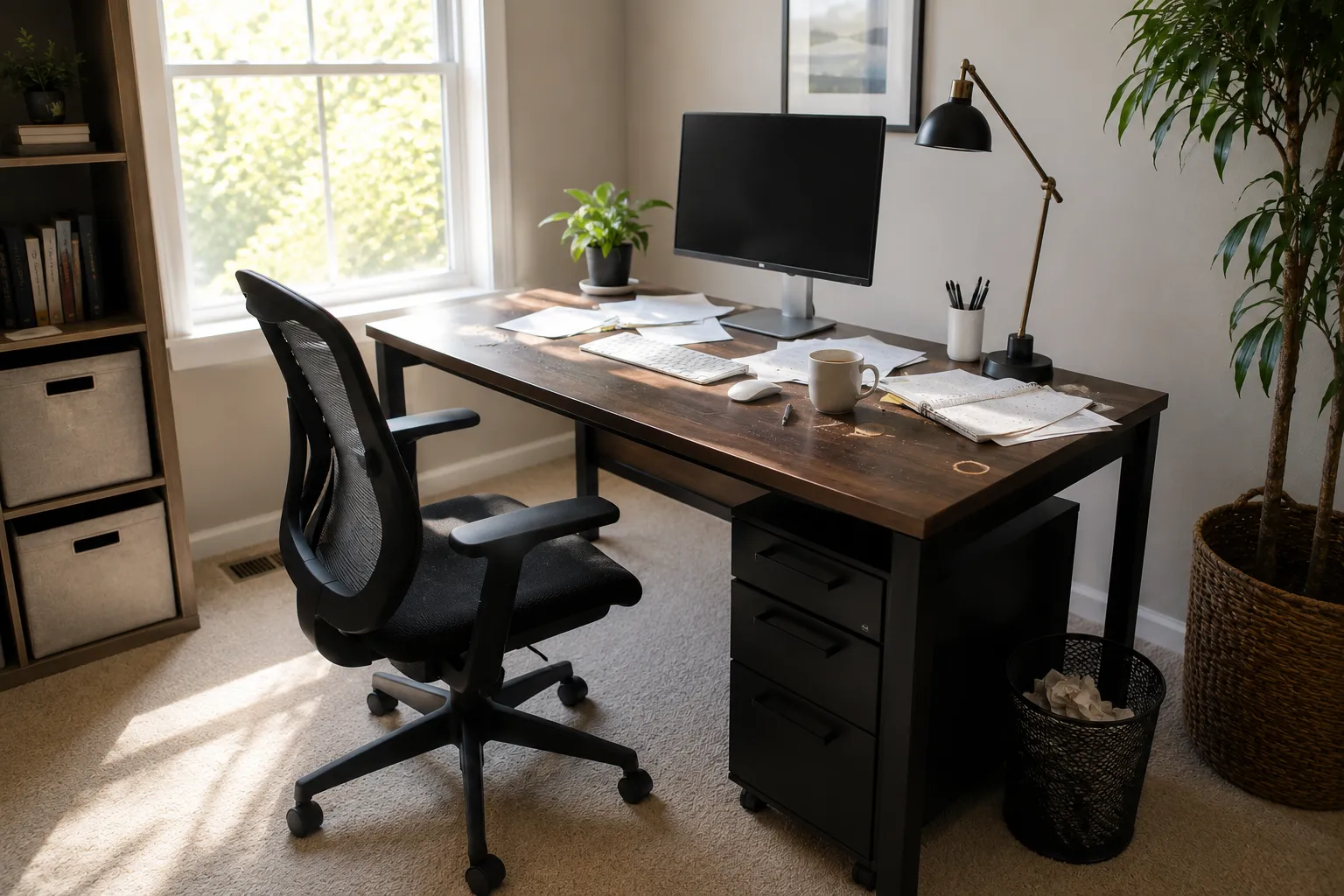
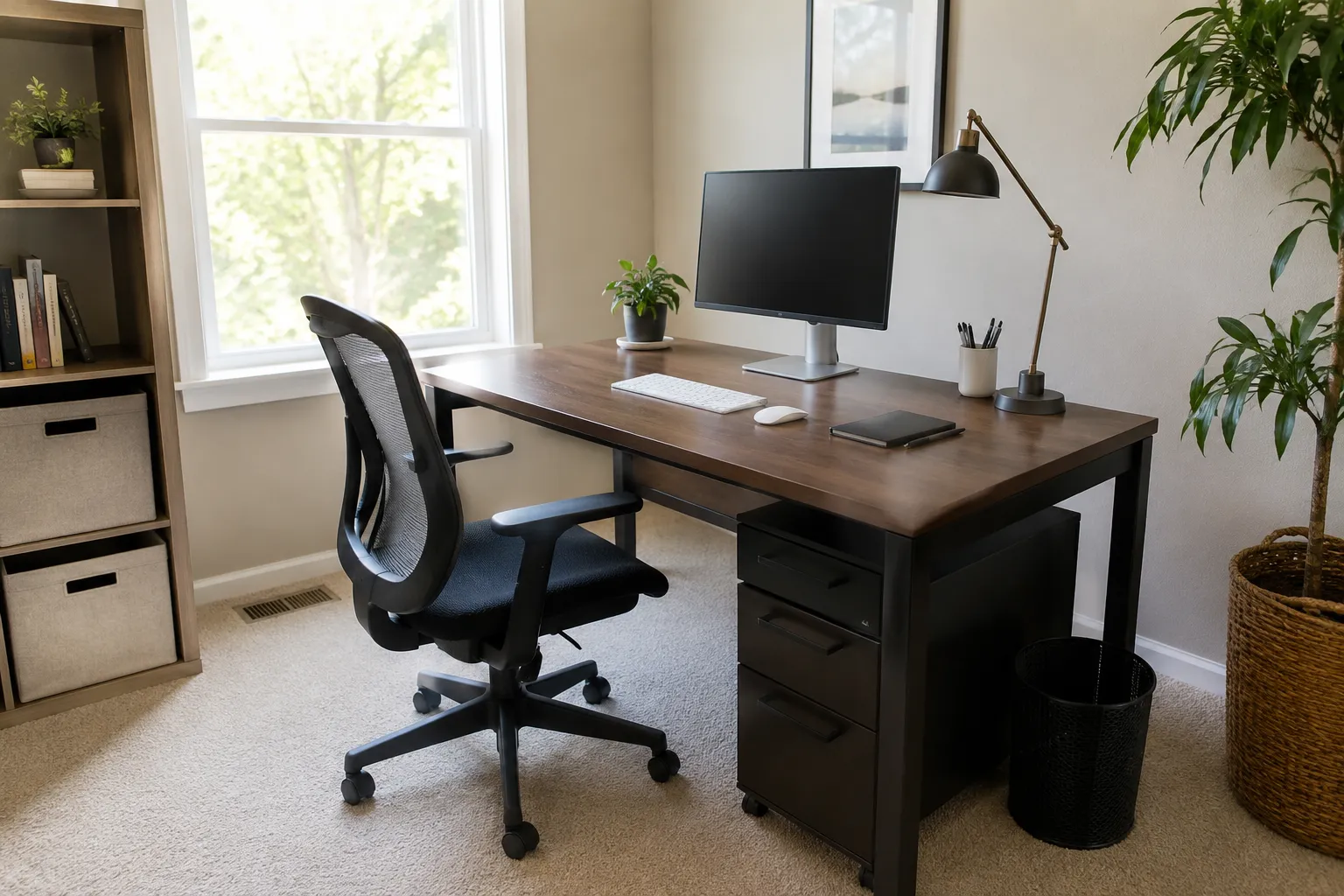
Open countertops, windowsills, and nightstands: remove everything from them — dishes, cosmetics, documents, decor, remote controls, and chargers. The fewer items in the way, the faster the cleaner can wipe the surface, and the higher the chance that dust won’t be left under a figurine. Put small items in a box or drawer in advance — our experience shows that clients who stash things in one bag save 10–15 minutes of the cleaner’s working time.
How to Prepare the Floor
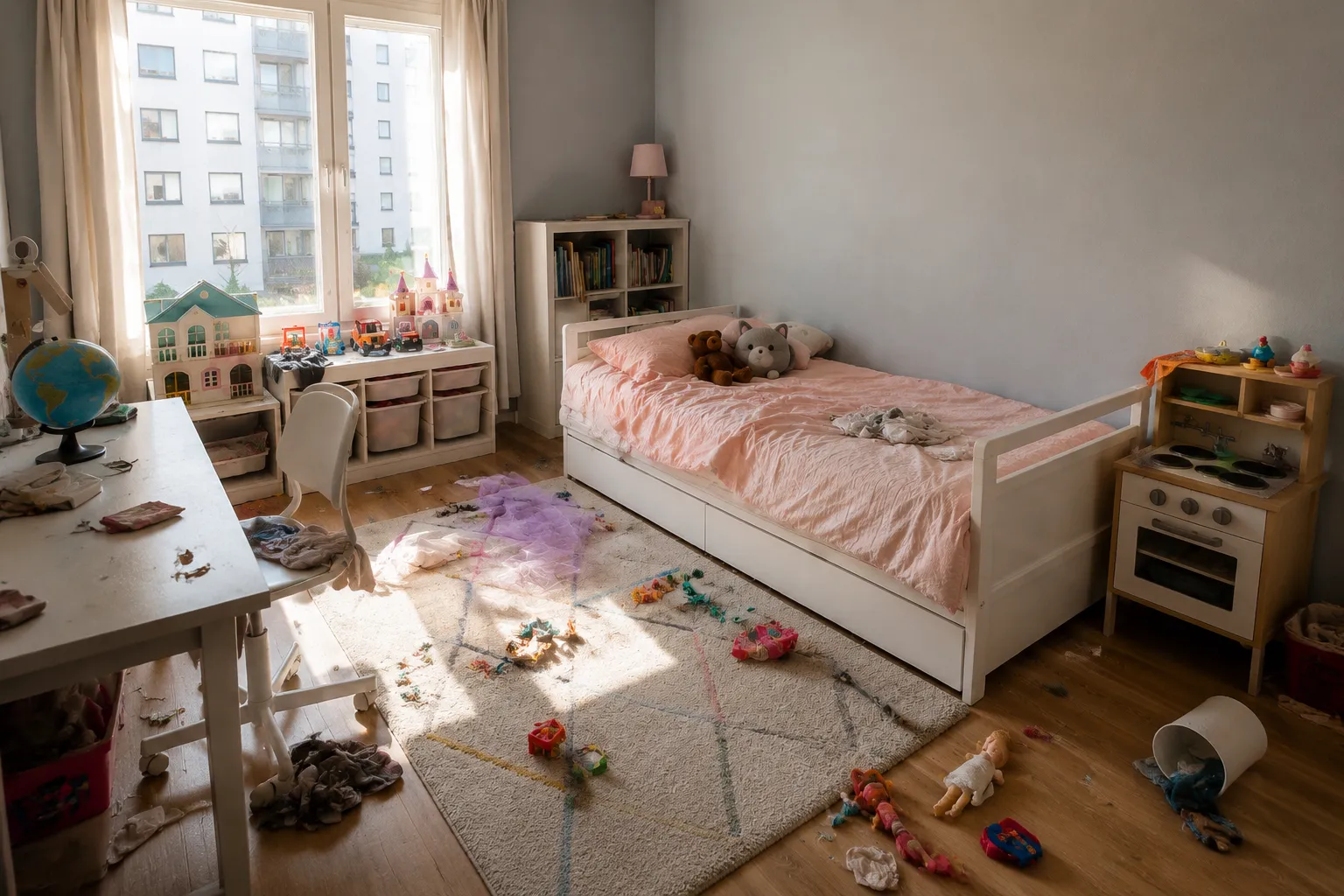
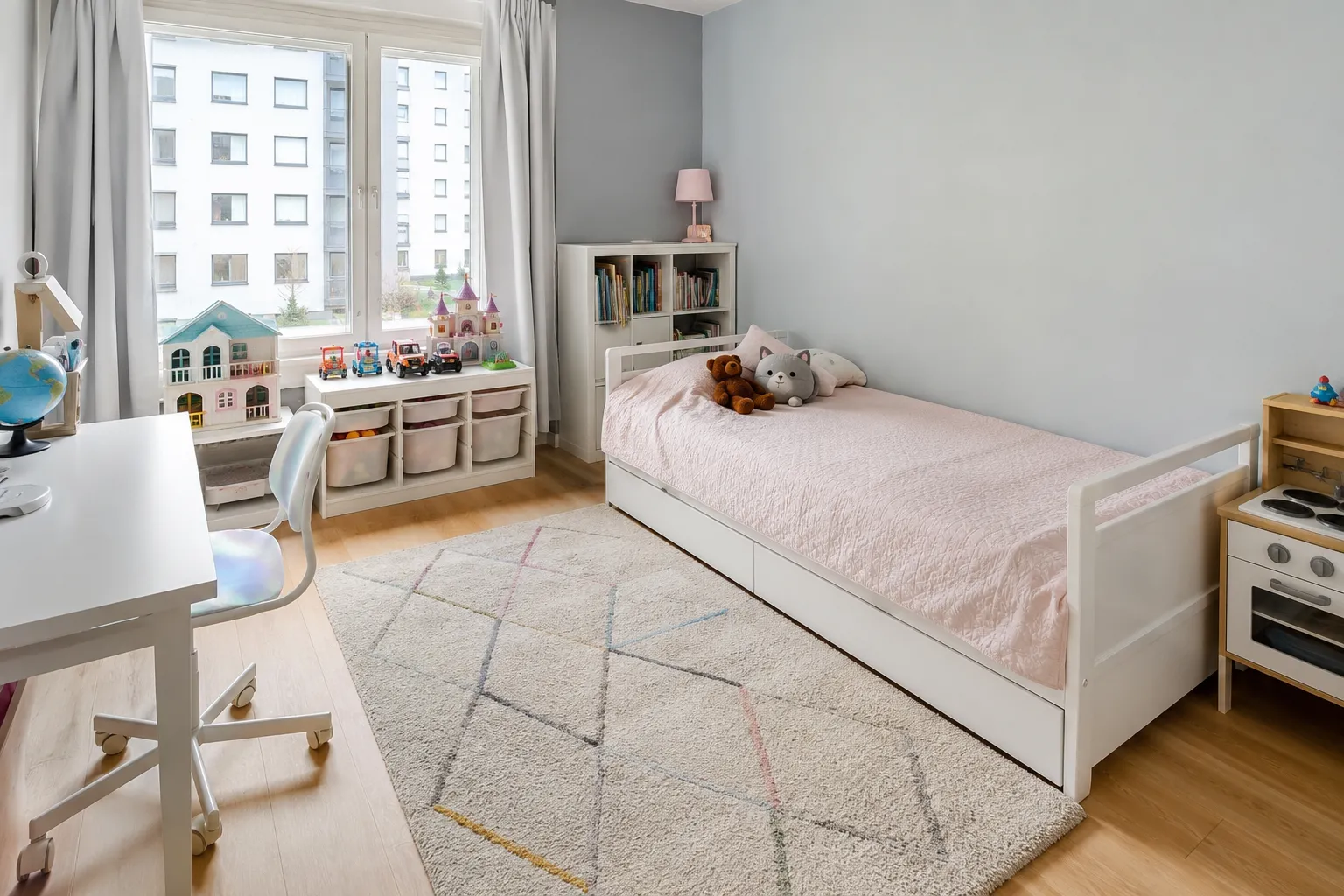
Carpets and rugs: either roll them up or leave them — if the rug is light, it’s better to remove it so the vacuum cleaner with a HEPA filter can go underneath. Heavy carpets are left alone: our equipment sweeps around the edges. Pick up small items from the floor (toys, shoes, wires, charging cables) before the cleaner arrives — otherwise, the master spends time moving them instead of cleaning. In Almaty apartments with heated floors, floor vases and planters are often placed — move them to the center of the room to free up access to the baseboards.
Preparing the Kitchen and Bathroom
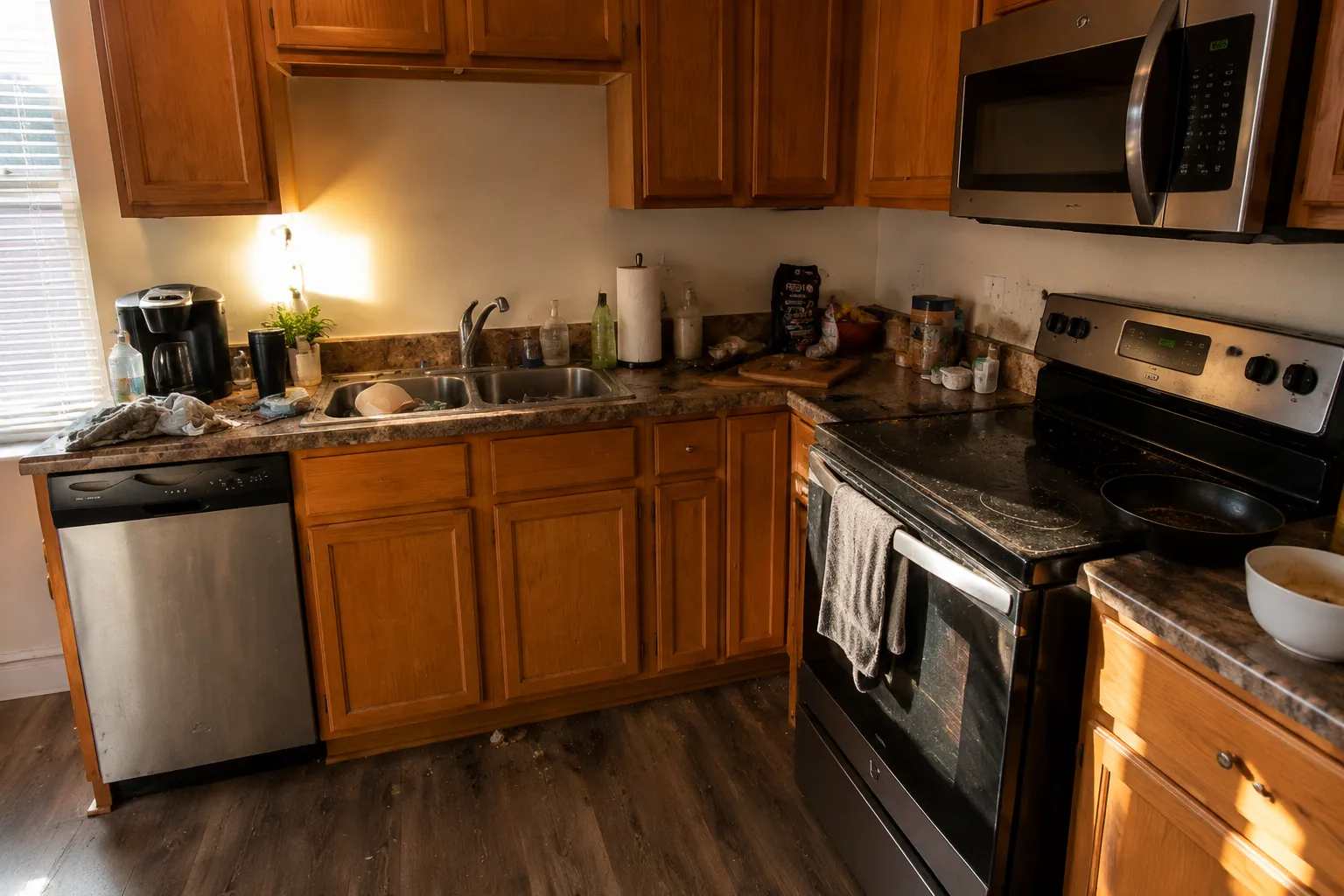
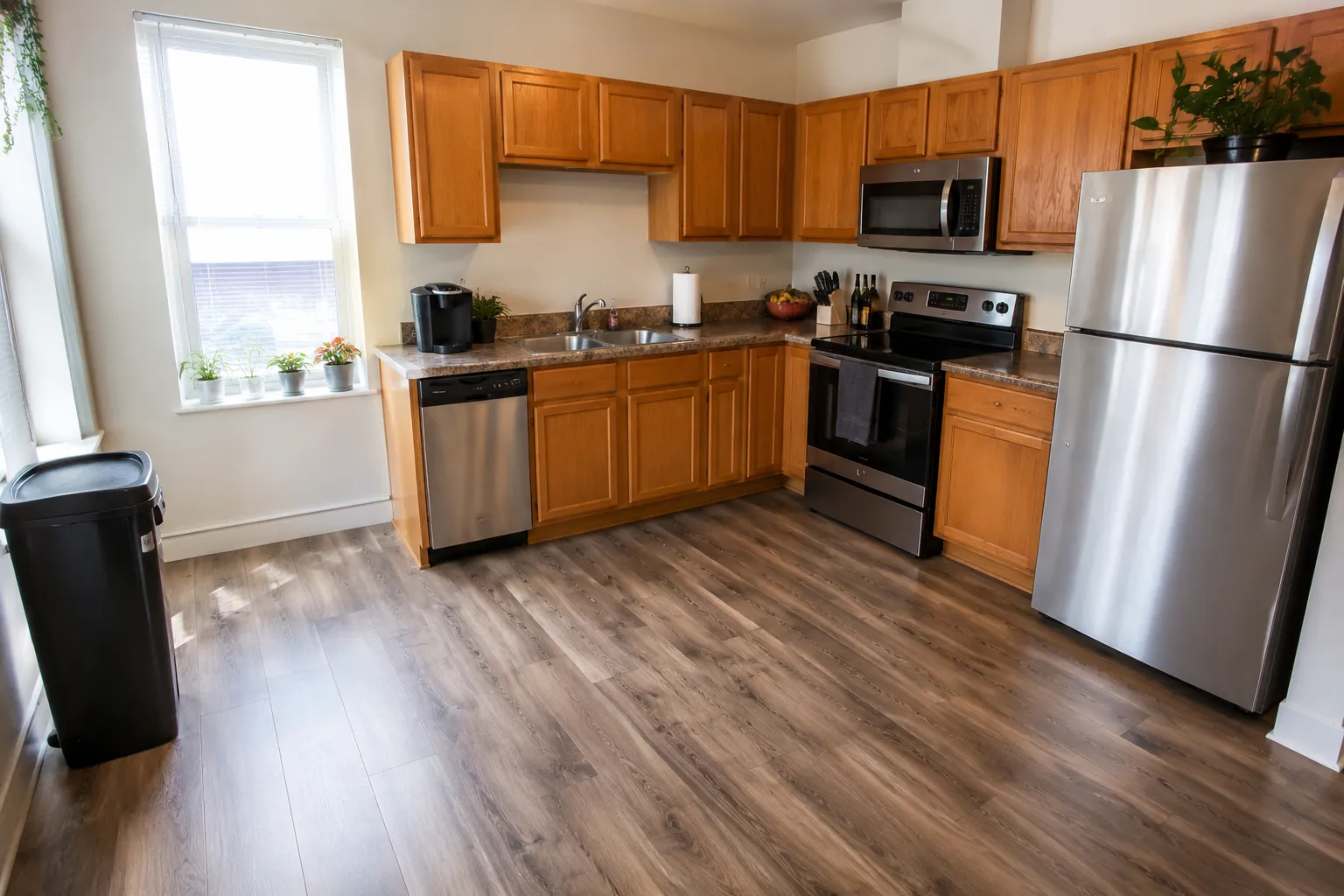
Kitchen area: remove dirty dishes from the sink and soak burnt pans in it — the cleaner does not wash dishes; they wipe the sink itself and the faucet. Clean the stove of large food residues: remove burnt pieces with a scraper or leave them to soak under a damp cloth. In the oven and microwave, take out the racks and glass trays — this speeds up cleaning the interior surfaces. The outside of the refrigerator is wiped; the inside is not touched (this is a separate service).
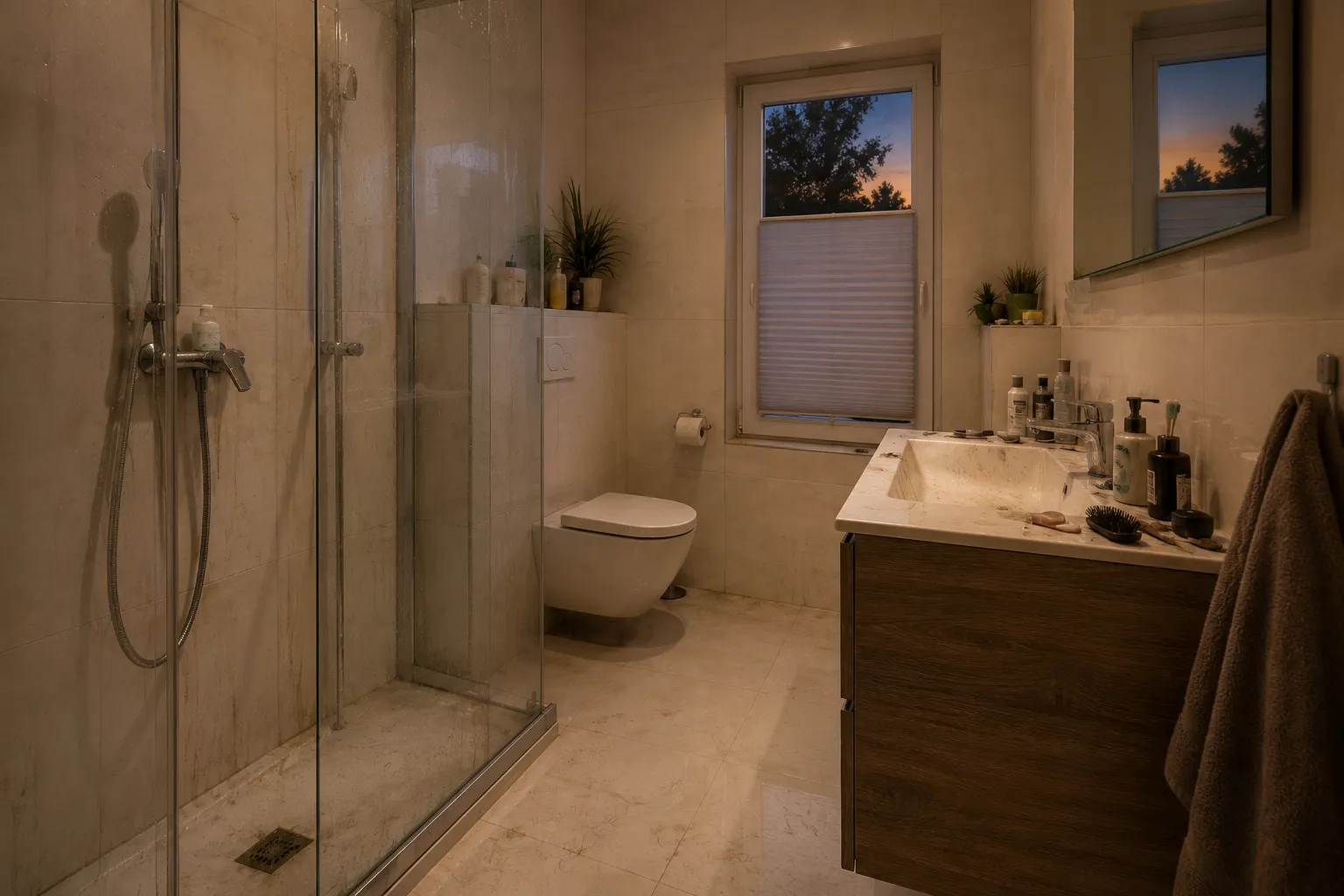
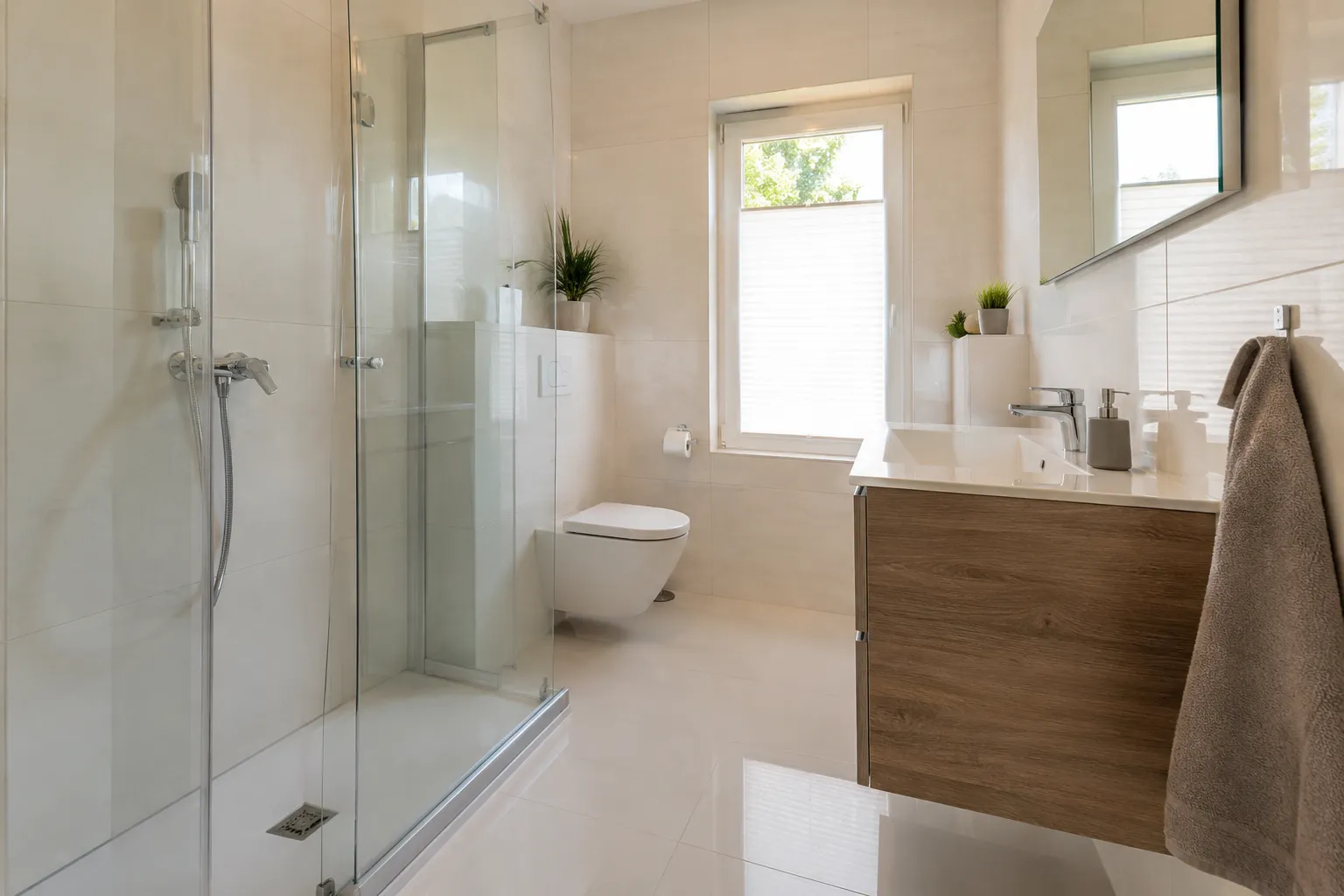
Bathroom and toilet: remove bottles of shampoo, gels, razors, and toothbrushes from shelves and the washing machine. Clear the mirror of stickers and toothpaste splatters — the master will polish it to a shine, but if there’s a thick layer of old toothpaste on the mirror, it will take more time. There’s no need to wash the toilet and sink before the visit — our Sodasan and Kiehl chemicals handle any deposits, including limescale, in 3–5 minutes. Put towels and bath mats in the laundry or a basket — the cleaner does not wash textiles.
What to Do with Furniture and Appliances
Sliding wardrobes and dressing rooms: open the doors so the cleaner can go over the fronts and top horizontals. Interior shelves are not touched — that’s the client’s area. Lift the bed with a lifting mechanism to vacuum underneath the frame — otherwise, dust and pet hair remain under the mattress. Computer desks: tie up wires with cable ties or put them in cable channels — the master vacuums the floor under the desk without risking catching a wire with the vacuum.
Home appliances: air conditioners and range hoods are not included in express cleaning — this is a separate cleaning service. However, if dust has accumulated on the air conditioner casing, the cleaner will wipe it from the outside. Sockets and switches: before cleaning, check if the covers are loose — if a socket is wobbly, the master will not touch it to avoid damaging the wall.
What NOT to Do Before Express Cleaning
There’s no need to wash the floors or dust yourself — the master will do it faster and better with professional chemicals. Don’t move heavy furniture — we shift sofas and armchairs on wheels, and walk around stationary wardrobes along the perimeter. Don’t cover furniture with plastic wrap — our hypoallergenic Kiehl chemicals don’t leave streaks and don’t damage lacquered surfaces.
| What to Do Before the Visit |
What NOT to Do |
| Remove decor, dishes, and cosmetics from surfaces |
Wash floors and dust yourself |
| Tie up wires under the desk |
Move heavy furniture |
| Roll up carpets and rugs (light ones) |
Cover furniture with plastic wrap |
| Remove towels and bath mats from the bathroom |
Wash the toilet and sink — the chemicals handle it themselves |
| Take out racks from the oven and microwave |
Clean air conditioners and range hoods (separate service) |
Preparation Tips for Almaty Apartments
In Almaty, due to dust storms and wind from the mountains, dust settles on windowsills and balconies even with closed windows — before express cleaning, it is better to close the vents and remove houseplants from the windowsills. In homes with panoramic glazing on upper floors (e.g., residential complexes “Nurly Tau”, “Almaly”), dust accumulates on curtain rods and blinds — remove lightweight curtains and push blinds aside so the technician can access the window unit. In apartments with a smart home system, motion sensors are turned off during cleaning — otherwise, the lights will turn off every 5 minutes, disrupting the cleaner’s workflow.
What contaminants are removed during express cleaning
profi-clean express cleaning is designed to remove medium-intensity household dirt — the kind that accumulates over 1–3 weeks in an apartment or house. We do not tackle old stains or heavy buildup, but we guarantee the removal of dust, light dirt, smudges, and kitchen grease — in a single pass without streaks and without damaging surfaces.
Dust and microparticles — from furniture to floors
Our cleaners remove dust from all horizontal and vertical surfaces — from open shelves and countertops to windowsills and baseboards. We use microfiber cloths that do not stir up dust but capture it through an electrostatic effect. Wet wiping is only applied to moisture-resistant coatings — lacquered wood, plastic, metal; matte and porous surfaces (unfinished oak, veneer) are wiped with a dry cloth to avoid leaving streaks. We vacuum all floors — laminate, parquet, tile, carpet — with a HEPA-filter vacuum cleaner that traps particles as small as 0.3 microns. This is critical in Almaty: during the flowering and smog season, outdoor dust enters an apartment within an hour of airing, and without a HEPA filter, some allergens return to the air. In practice, there is less dust on high floors (10+), but more ground-level particulate matter from roads and construction on the first three floors; for such apartments, we increase the number of vacuuming passes.
Grease and oil stains in the kitchen
profi-clean express cleaning effectively handles fresh grease deposits on kitchen cabinet fronts, backsplashes, range hoods, and cooktops. We apply a hypoallergenic degreaser from Kiehl for 2–3 minutes — during this time, it breaks down the oil film without corroding glossy plastic or stainless steel. For ovens, microwaves, and refrigerators, we use the same solution but with mechanical wiping using a soft sponge: burnt oil droplets on glass-ceramic surfaces come off without abrasives. Inside the range hood, the grease filter is removed and soaked separately — this is the only element requiring disassembly during express cleaning. An important nuance: if the cabinet fronts have a matte finish (soft-touch, suede-effect lacquer), the degreaser is applied spot-wise rather than sprayed — otherwise, dark streaks remain that require repeated treatment to remove. In our orders, this type of contamination is the most common in apartments with active cooking (2–3 times a day), especially during holidays when the volume of grease on the range hood doubles within a week.
Smudges on glass and mirror surfaces
We remove fingerprints, water scale, and household smudges from all glass and mirror surfaces — windows, mirrors, tempered glass countertops, glass cabinet doors. We use a professional glass cleaner from Kiehl with zero ammonia content: it leaves no rainbow spots in sunlight and is safe for tinted surfaces. The product is applied to a microfiber cloth, not directly to the glass — this prevents drips on the frame and windowsill. In sunny weather, cleaning glass facades in Almaty requires special attention: due to high insolation (over 300 sunny days per year), the solution dries within 15–20 seconds, and if not wiped in time, a film remains. Therefore, on clear days, cleaners work on a “one window, one pass” principle: washed — immediately dried, without pause. On frosted glass doors (e.g., in shower cabins), streaks from hard Almaty water are a separate category: they are not always removed during express cleaning and require an acidic agent and longer treatment.
Light marks on plumbing and tiles
profi-clean express cleaning removes soap scum, water splashes and fresh limescale deposits on sinks, toilets, bathtubs and shower trays. We apply Sodasan neutral cleaner to ceramics and chrome-plated mixers — it dissolves skin grease and soap residue without leaving scratches on glossy surfaces. For toilets, we use an alkaline compound that softens uric scale and yellow deposits in 5 minutes; for seats and lids, we use a separate cloth to avoid transferring bacteria. On ceramic tiles, we wipe grout with a soft brush — if the dirt is not old, it comes off without scrubbing. In homes with central water supply in Almaty (which accounts for 80% of the old housing stock), water hardness is 7–10 mg-eq/L, so white deposits appear on mixers and shower heads within 2–3 days; with express cleaning, we remove it completely if treatment is done at least once every 2 weeks. If the interval is longer than a month, the deposit turns into dense scale, requiring a deep clean with acid.
Shoe marks and localized floor stains
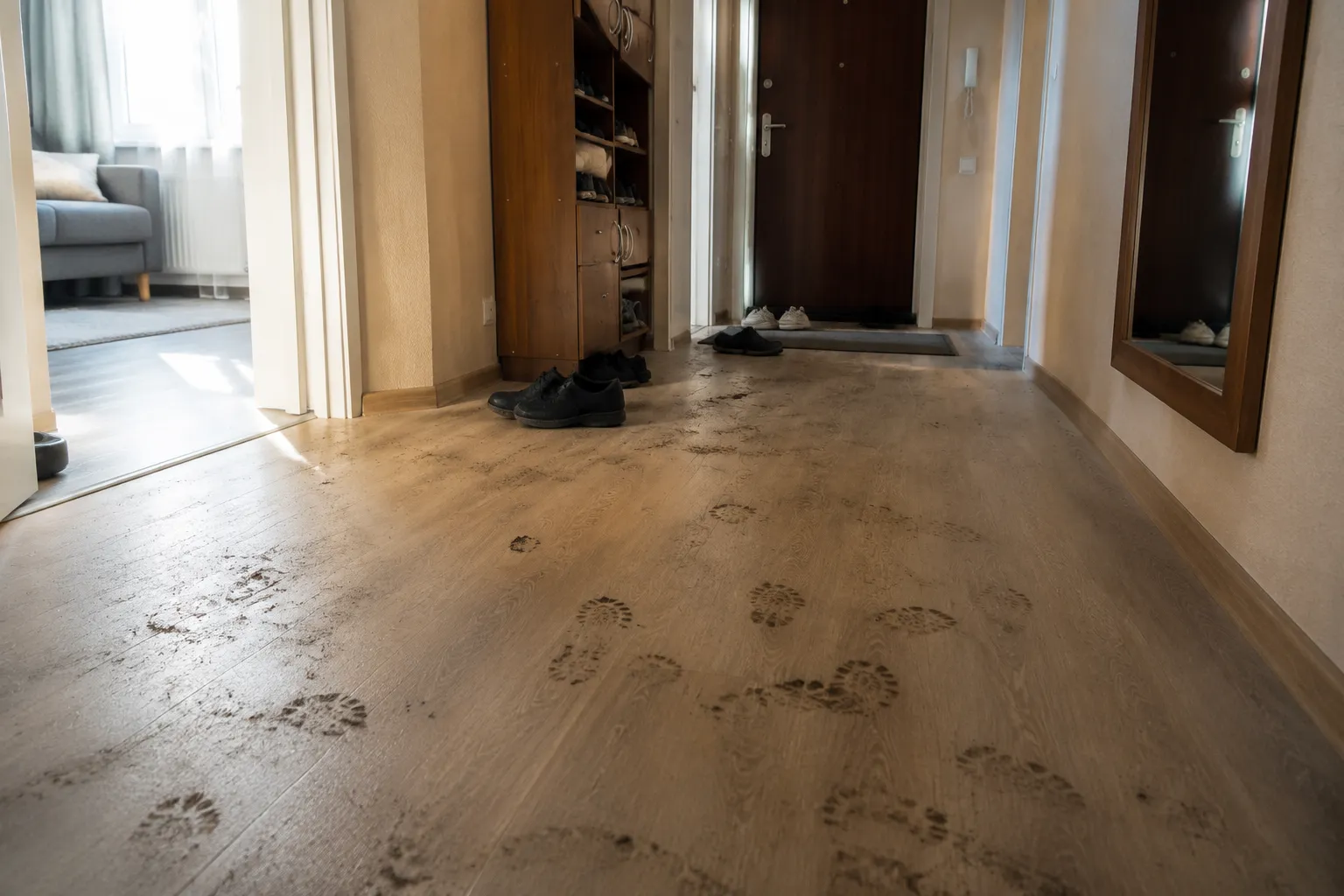
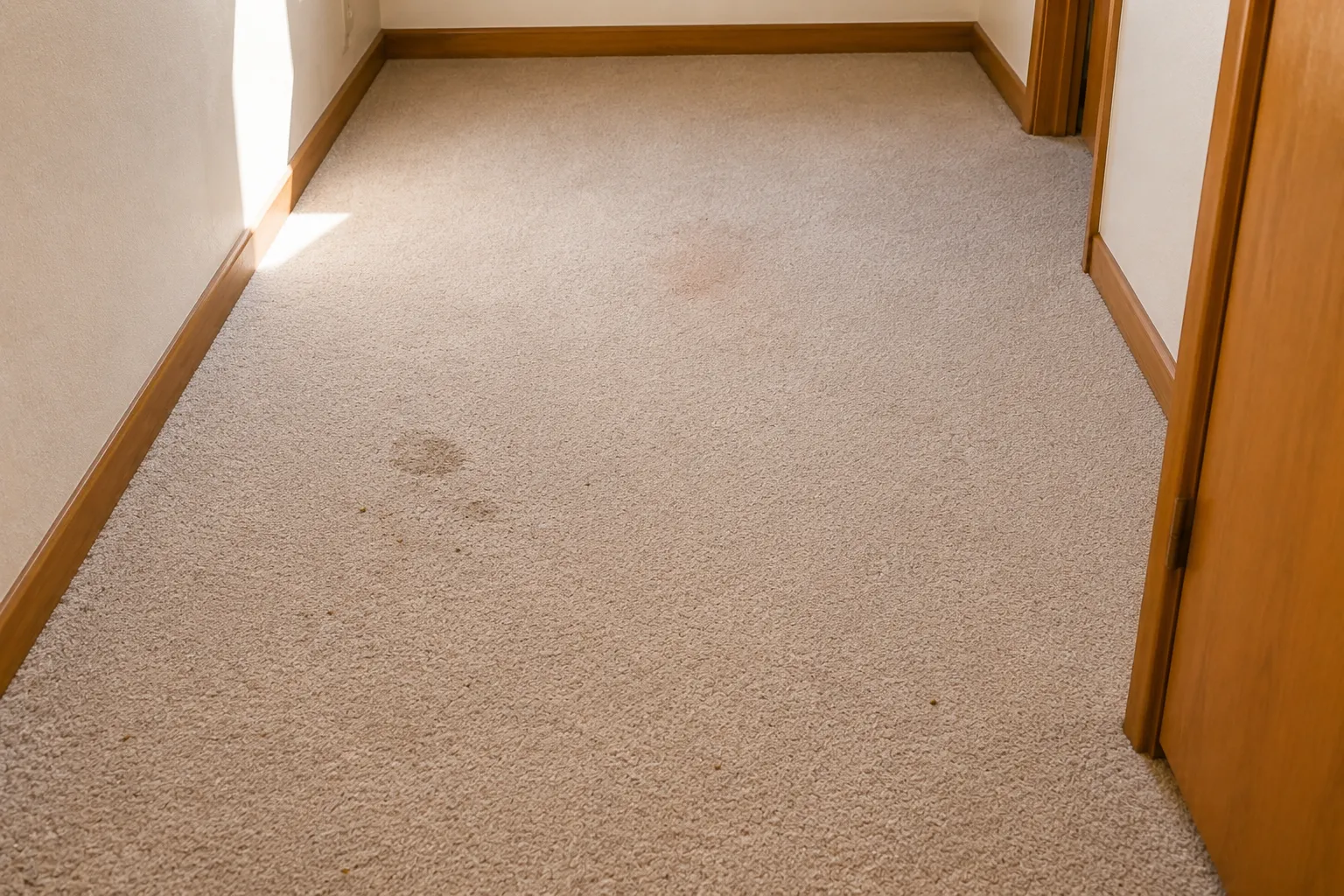
We clean floors from outdoor dirt, shoe marks, spilled liquids and dust streaks on all types of flooring. For laminate and parquet, we use a damp microfiber mop with a neutral pH solution — it does not damage the protective lacquer layer and leaves no white streaks after drying. On tiles and porcelain stoneware, we use the same solution but with more intensive mechanical effort: if there are dried drops of juice, coffee or grease on the floor, we soak them for 1–2 minutes. For carpets and rugs — only dry cleaning with a vacuum cleaner and turbo brush: during express cleaning, we do not use shampoos or extractors because wet cleaning requires 4–6 hours of drying. In hallways of Almaty apartments in autumn and spring — the main dirt zone: sand, shoe grime and de-icing agents (salt and sand mix) leave white streaks on dark laminate; we wash them off with the first pass of a damp mop, then a second dry polish to remove residual suspension. If there are sticky spots from tape or stickers on the floor — they are not included in express cleaning and require mechanical removal with a spatula and separate solvent treatment.
How express cleaning differs from deep cleaning
Many clients confuse express cleaning with deep cleaning, although these are fundamentally different services — with different depth of work, time and tasks. To avoid overpaying for extras or ending up with dusty corners, it is important to understand the key differences.
Purpose and depth of impact
Express cleaning targets visible household dirt — dust on horizontal surfaces, streaks on mirrors, crumbs on the kitchen backsplash, shoe marks in the hallway. We treat open areas without moving furniture and without accessing hard-to-reach niches. Deep cleaning, on the other hand, addresses what has accumulated over months and years: deposits behind the refrigerator, dust bunnies under the bed, grease on the hood, limescale under the sink. In our practice, there was a case: a client ordered express cleaning before guests arrived but forgot they hadn’t dusted the top shelves of a bookcase for six months — they had to reorder a deep clean. The main difference is depth: express provides surface cleanliness, deep cleaning provides sanitary treatment of the entire room volume.
Time and resource costs
Express cleaning of one apartment in Almaty takes a profi-clean team from 60 to 90 minutes — enough to go through all rooms with microfiber and a vacuum cleaner with a HEPA filter. Deep cleaning of the same area requires 3 to 6 hours, sometimes a full day: every cabinet must be emptied, every shelf wiped inside, every surface treated with steam or a special solution. The difference in material consumption is also significant — for express cleaning, we use 2–3 products (all-purpose cleaner, glass cleaner, sanitizer for the bathroom), while deep cleaning may require up to 8–10 items, including enzyme stain removers and products for removing old grease. If you don’t have an extra 4–6 hours in your schedule, express cleaning is a reasonable option for maintaining order between deep cleans.
What dirt remains after express cleaning
This is the most common question from clients trying the format for the first time. After express cleaning, the following remains in the apartment:
- Dust in hard-to-reach places: behind radiators, under heavy furniture, on top shelves, inside computer system units.
- Microbial buildup in joints: on silicone seams in the bathroom, behind the toilet, in the corners of the shower cabin — areas a cleaner can’t reach without disassembly.
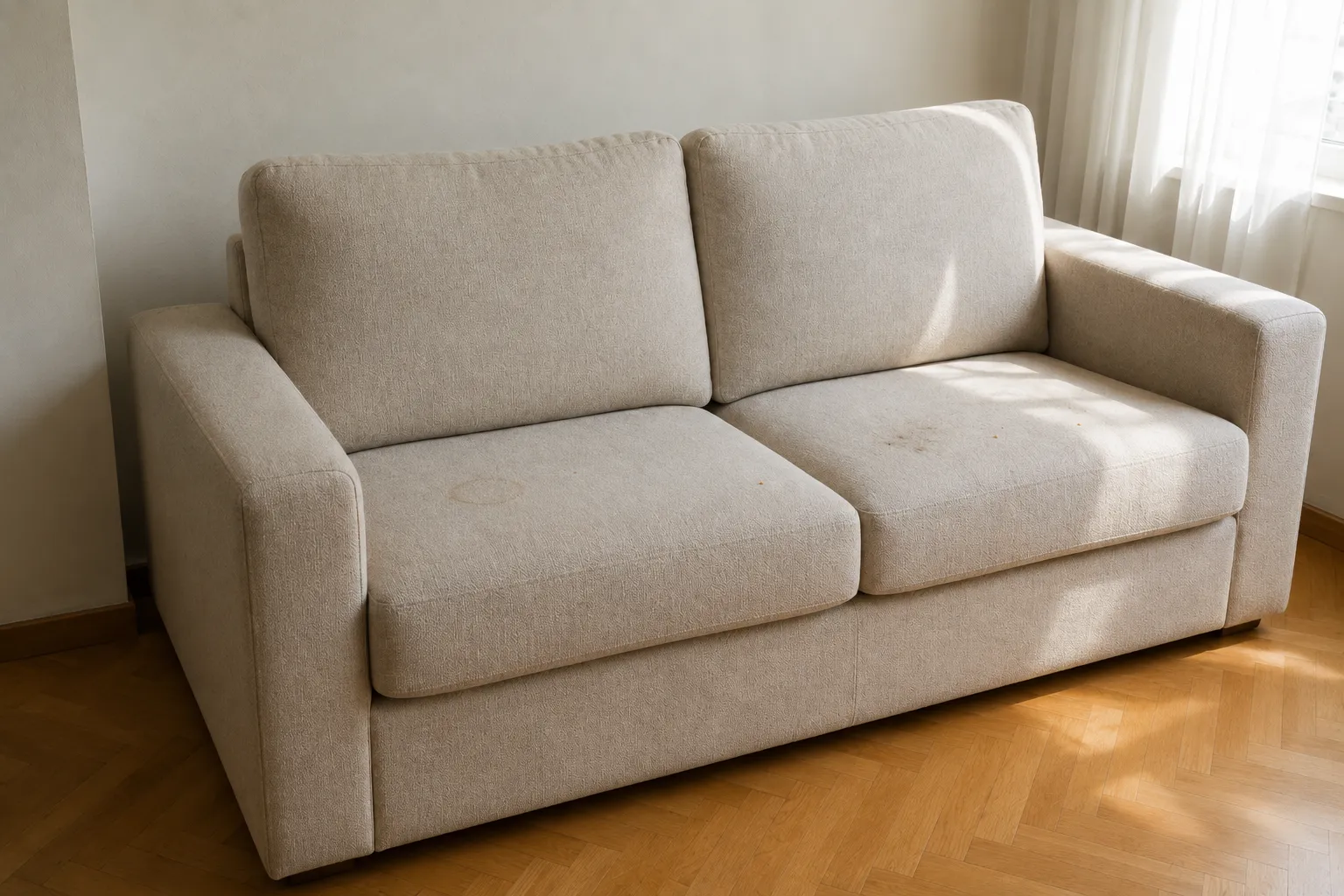
- Stubborn stains on upholstered furniture: coffee stains, grease on sofa armrests require deep extraction cleaning, which is not part of the express format.
- Buildup on the kitchen hood and behind the stove: grease that accumulates over weeks is only removed with a steam generator or an alkaline solution with a 15–20 minute dwell time.
- Dust inside cabinets and dressers: shelves are only treated on the outside; the interior space is not touched.
It’s important to understand: express cleaning doesn’t make an apartment sterile — it makes it visually tidy. If you have a dust allergy or a small child who puts everything in their mouth, between express visits every 2–3 weeks, you should plan a deep clean once a quarter.
When express cleaning is useless
There are situations where ordering express cleaning is throwing money away. The first scenario is an apartment after renovation: construction dust settles on all vertical and horizontal surfaces, including walls, ceilings, and interior shelves of cabinets. The second is a long absence of the owners (more than 3–4 months): during this time, dust compacts, moths appear in the kitchen, and persistent limescale forms on plumbing fixtures that universal cleaners can’t handle. The third option is smoke or tobacco odor: nicotine molecules are absorbed into textiles and porous surfaces, which can’t be removed by surface wiping — ozone treatment and deep cleaning are needed. We’ve had clients call to order express cleaning after a housewarming party and were disappointed when they found cement dust on the windowsills the next day. Before ordering, assess the actual condition: if dust lies in a layer and there’s hardened construction mortar on the tiles, immediately choose a general cleaning — it will be cheaper per square meter.
Difference in surface safety
During express cleaning, we use universal products with a neutral pH — they are safe for most surfaces but don’t handle aggressive contaminants. profi-clean’s general cleaning includes selecting chemicals for specific materials: for marble — only alkaline compounds without acid, for lacquered parquet — products with wax, for stainless steel — polishes without abrasives. A mistake clients make when trying to save money: they order express cleaning for a kitchen where the hood hasn’t been washed for years, then wonder why the grease remains. Attempting to wipe off stubborn buildup with a universal cleaner can damage the enamel — it’s better to immediately entrust it to a general cleaning with the right chemicals. Express cleaning extends the life of surfaces if done regularly, but it doesn’t replace deep sanitation with specific compounds.
Features of express cleaning in Almaty: hard water and dust
Almaty’s water with a total hardness of 7–10 mg-eq/L and desert dust from the city’s outskirts create two specific contaminants that express cleaning must “remove” in one visit — otherwise, streaks and residue remain on surfaces just an hour after cleaning.
Why hard water leaves streaks and how profi-clean solves it
During wet cleaning with tap water having a hardness above 5 mg-eq/L, calcium and magnesium salts crystallize on mirrors, glass, and tiles — after drying, a white matte residue forms that can’t be wiped off with a dry cloth. We add a cationic softener (EDTA-based concentrate, 2 ml per liter) to the water for final wiping, which binds hardness ions and prevents their deposition. In practice, this means a profi-clean cleaner wipes the mirror once — without a second pass with distilled water, as would be necessary with regular chemicals. For kitchen surfaces and plumbing, we use an acidic cleaner Kiehl with citric acid in its composition (pH 3.5–4.0), which dissolves already formed limescale in 30–40 seconds of contact. Without this approach in Almaty, express cleaning leaves white spots on faucets and glass tabletops that the client notices 15 minutes after the master leaves.
How desert dust affects express cleaning technology
Almaty dust is not ordinary household dirt; it is a mixture of quartz particles 10–50 microns, clay minerals, and fine soot from exhaust fumes. It settles on horizontal surfaces in a visible layer within just 4–6 hours after airing. During a standard wet cleaning with a dry cloth, this dust smears into grime, clogging the pores of lacquered facades and leaving abrasive scratches on polished surfaces. Our process is different: first, dry collection with an electrostatic microfiber cloth (0.3 mm pile captures particles down to 0.3 microns), followed by a wet wipe with a neutral pH Sodasan solution. This leaves no sticky film that attracts new dust faster. In bedrooms and offices with carpeting, we additionally vacuum with an H13 HEPA filter, which traps 99.97% of particles up to 0.3 microns. This is critical for the express format: if the dust is not removed completely dry before the wet stage, a gray coating will reappear on windowsills and shelves within 40 minutes after cleaning, and the client won’t understand what they paid for.
Typical mistakes when cleaning Almaty apartments: what we avoid
The most common mistake inexperienced cleaners make is using a universal cleaning agent with an alkaline pH (9–11) on all surfaces indiscriminately. In hard water conditions, the alkali reacts with calcium salts, forming an insoluble calcium soap scum—the same “gray coating” on plastic panels and stretch ceilings that cannot be removed without an acidic cleaner. The second common mistake is wet mopping floors before dry dust collection: quartz particles scratch laminate and parquet, leaving micro-scratches that become visible over time in the light. The third is wiping mirrors and glass tabletops with a regular microfiber cloth without a softener: hard water leaves streaks even on a clean surface if a cationic surfactant is not added. At profi-clean, every visit follows a protocol: dry collection → wet cleaning with pH-controlled chemicals → final treatment with a softener on glass and mirrors. In my opinion, these three mistakes are the cause of 80% of negative reviews for Almaty cleaning services, where the client writes, “they wiped it, but streaks remained.”
How Almaty’s seasonality changes express cleaning tactics
From March to May, poplars and fruit trees bloom in the city—pollen and fluff clog ventilation grilles and settle on curtains and upholstered furniture in a layer within 2–3 days. During this period, for express orders, we always clean the air conditioners (removable filters are washed under running water with Sodasan) and treat fabrics with Kiehl “Anti-Dust” antistatic agent—it reduces pollen attraction to the pile by 60–70%. From November to February, when central heating is on, the air in apartments is overdried to 20–25% humidity, and static electricity attracts dust like a magnet. For winter express cleaning, we add a fabric softener with an antistatic effect (2–3 drops per liter of water) to the final wipe of hard surfaces—this eliminates static for 4–6 hours until humidity recovers. If the seasonal factor is not considered, the client calls back in a day: “you cleaned, but the dust is back.”
How often can you order express cleaning
Express cleaning has no strict medical or technical frequency limits—it can be ordered every day if budget and need allow. However, in practice, the optimal frequency depends on family composition, apartment activity, and floor covering types—let’s look at three typical scenarios and the pitfalls of frequent cleaning.
Daily express cleaning: who it suits and what the risks are
Daily express cleaning is justified in three cases: in a home with small children who have allergies, when keeping pets that shed heavily, or after parties with many guests. In our practice, we had clients in the “Nurly Tau” residential complex who ordered cleaning every morning before the nanny arrived—this reduced the dust load to zero. However, frequent treatment of the same surfaces with aggressive compounds (even hypoallergenic ones) gradually wears down the protective layer of laminate and matte kitchen facades—after 15–20 daily passes, micro-scratches appear on inexpensive coatings. Therefore, for a daily routine, we recommend using only water-dampened microfiber cloths without chemicals, and a full express cleaning with detergents no more than 2–3 times a week. Before starting a daily schedule, it is worth consulting with a technologist who can assess the wear resistance of your floors and facades.
Optimal frequency for a standard family (2–4 people)
For a family of 2–4 adults without chronic allergies and without pets, the optimal interval between express cleanings is 7–10 days. Over a week, a layer of dust 0.1–0.3 mm thick accumulates on surfaces (in Almaty, due to the proximity of the mountains, dust settles faster than in lowland cities), and a greasy coating from cooking forms on the kitchen backsplash and countertop. If the interval exceeds two weeks, the dust begins to “set into” textile coverings (sofas, carpets), and removing it requires not express cleaning, but dry cleaning with an extractor. Our clients in the “Samal” microdistrict and on Al-Farabi Avenue, who order express cleaning every 10 days, note that they need a general cleaning once every 3–4 months instead of the usual 2. The downside: with a frequency of less than 14 days, a sticky layer of urban dust and condensation forms on internal double-glazed windows and windowsills, which can only be removed with a special alkaline cleaner — regular express cleaning with a neutral pH cannot handle it.
Special regime: apartments with pets and children with allergies
In homes with cats or dogs (especially long-haired breeds) and children suffering from dust mite allergies, express cleaning is recommended every 3–4 days — this is exactly the time it takes for the concentration of allergens in the air to return to its initial level after cleaning. Studies show that 72 hours after wet cleaning, the number of dust mites in a mattress recovers by 60%, and pet hair accumulates on the floor within 1–2 days. In such cases, we use only hypoallergenic Kiehl chemicals without fragrances and a HEPA filter on the vacuum cleaner for express cleaning — this is a mandatory condition, otherwise frequent cleaning itself can trigger allergies due to chemical residues. Our technicians advise pet owners to additionally treat sofas and beds with a steam cleaner once a month — with express cleaning frequency of 3 times a week, this extends the service life of the upholstery by 1.5–2 years.
Risks of too frequent express cleaning and how to avoid them
The main mistake we see