How steam cleaning differs from regular wet cleaning
The difference between conventional floor washing and professional steam treatment is not in the name, but in the physics of the process. Regular cleaning moves dirt across the surface, while a steam jet breaks it down at a molecular level, leaving no streaks or chemical residue.
Physics of the process: temperature vs. chemicals
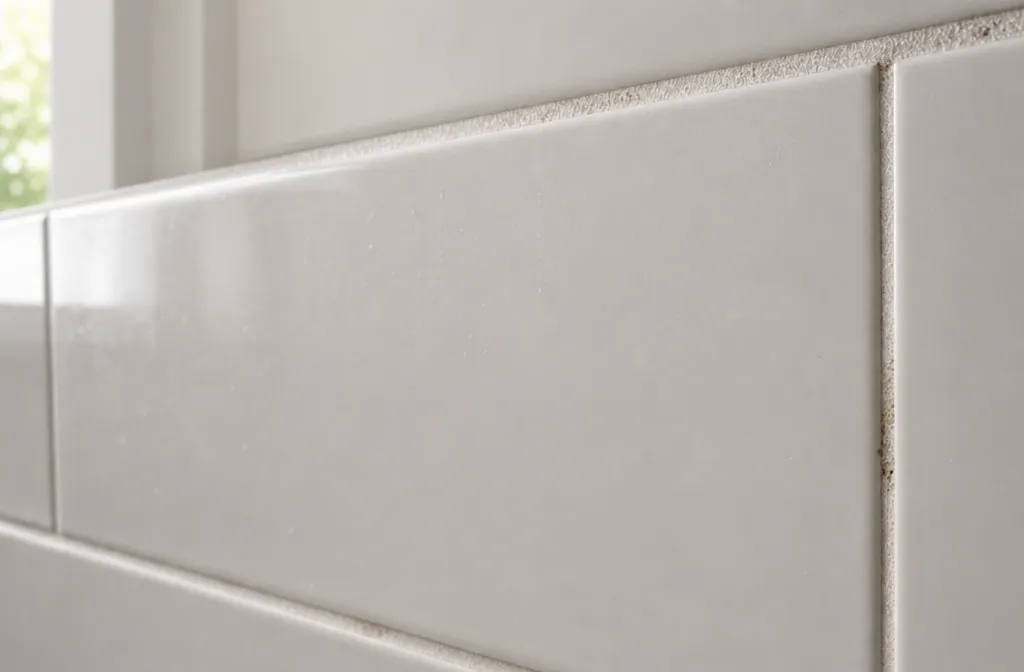
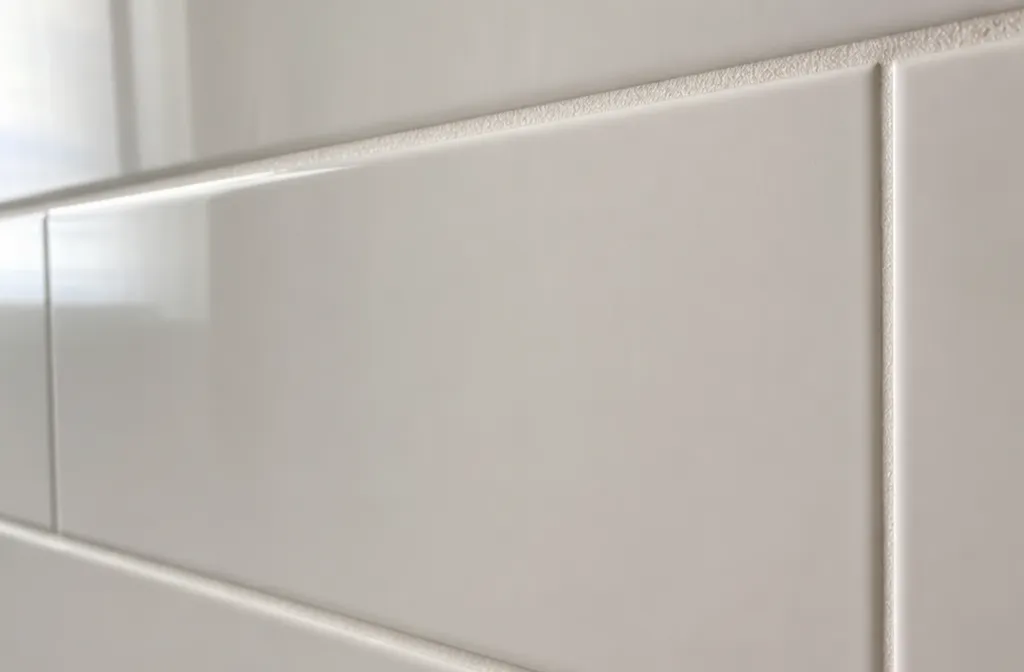
Wet cleaning works by dissolving dirt in water with a cleaning agent. A cloth or mop collects the top layer of dust and grease, but microparticles remain in pores and joints. The profi-clean steam cleaner heats water to 140–160 °C, turning it into dry steam at a pressure of 4–5 bar. The jet penetrates the microcapillaries of tiles, grout lines, and textiles, softening and pushing out contaminants without friction. In our practice, this is especially noticeable on a matte tile kitchen backsplash: after regular cleaning, a greasy film remains, visible from a certain angle, while steam removes it completely in one pass. In my opinion, the key advantage of steam is that it sterilizes the surface, destroying up to 99.9% of bacteria and dust mites, whereas a wet cloth merely transfers them from place to place.
Safety for surfaces and allergy sufferers
Regular cleaning requires selecting chemicals for each surface type: neutral pH for laminate, acid-free for stone, special oils for wood. A mistake in choosing the product can lead to clouded varnish, swollen joints, or fading. Steam cleaning from profi-clean eliminates this risk: we use distilled water, and add hypoallergenic Sodasan chemicals only at the final stage for disinfection, once the main dirt has already been removed by steam. This is critical for Almaty apartments with stretch ceilings and vinyl wallpaper — steam does not soften adhesive joints, leave streaks on glossy surfaces, or stir up dust into the air. Before ordering steam cleaning, check the type of covering at the joints near the baseboards: if there are chips or delaminations, we pre-strengthen them with silicone sealant to prevent steam from causing further damage.
Effectiveness against stubborn dirt
Wet cleaning is useless against limescale in bathrooms, hardened grease on range hoods, or marker stains on plastic windowsills — these contaminants require mechanical scrubbing with abrasive pastes that scratch the surface. A steam cleaner handles them through thermal shock: a steam jet at 160 °C expands the material’s pores, and the rapid cooling upon condensation pushes out dirt particles. In Almaty, where the hardness of water in the central supply system reaches 7–8 mg-eq/L, limescale on faucets and showerheads turns into a hard crust within six months. We treat such areas with steam using a concentrator nozzle: in 30–40 seconds, the scale softens and is washed away without acidic agents that corrode chrome plating. If your apartment has old plumbing with microcracks in the enamel, steam cleaning is safer than abrasives — it does not deepen defects, but only removes dirt from them.
Comparison of steam cleaning and wet cleaning by key parameters
| Parameter |
Regular wet cleaning |
profi-clean steam cleaning |
| Treatment temperature |
Room temperature (water + chemicals) |
140–160 °C (dry steam) |
| Penetration into micropores |
Surface-level (up to 0.1 mm) |
Deep (up to 1–2 mm into joints) |
| Removal of bacteria and mites |
Partial (rinsing from surface) |
99.9% sterilization |
| Risk of surface damage |
High (incorrect chemicals) |
Minimal (only water + steam) |
| Residue of cleaning agent |
Yes (film, streaks) |
No (water evaporates) |
| Effectiveness against limescale |
Low (requires acid) |
High (thermal shock) |
| Safety for allergy sufferers |
Moderate (chemical residue + airborne dust) |
High (hypoallergenic chemicals + sterilization) |
Which surfaces require steam cleaning rather than wet cleaning
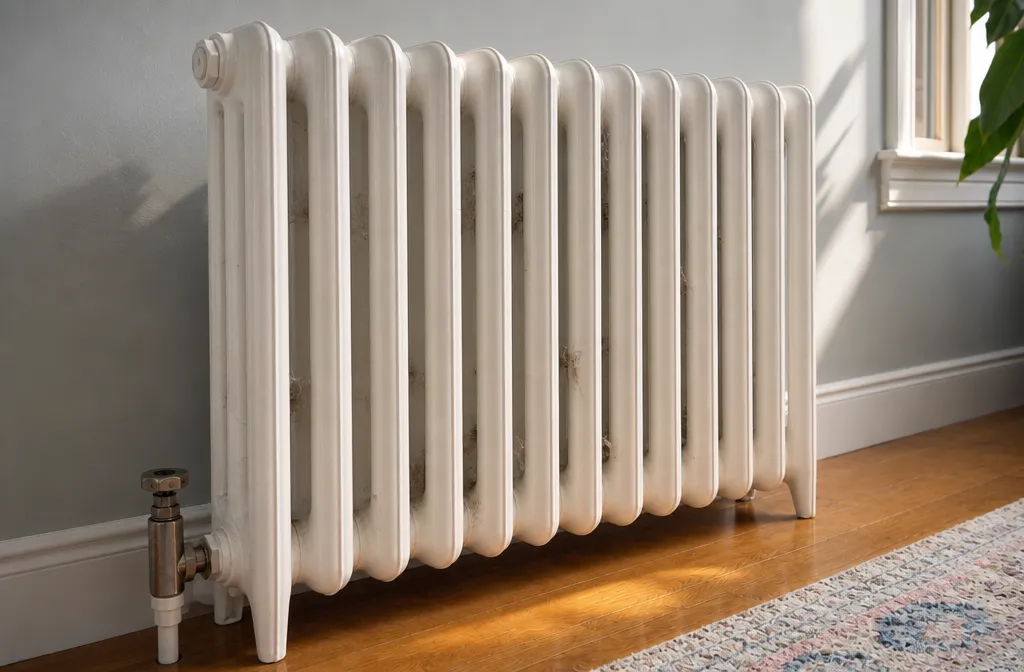
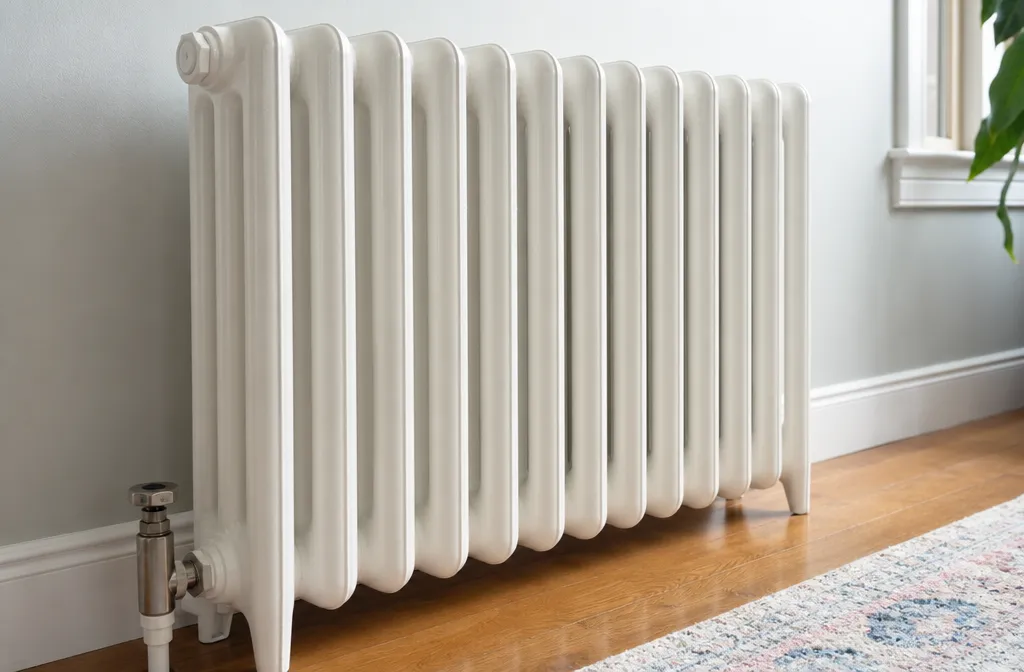
Not all areas of an apartment are effectively cleaned with a regular cloth. We identify four types of surfaces where steam delivers results unattainable with wet cleaning. First — grout lines in the bathroom: a cloth removes dirt from the tiles, but black mold remains in the joints, which steam evaporates from deep within. Second — the kitchen backsplash made of mosaic or textured tiles: grease gets trapped in the seams, and without steam, it’s impossible to wash it without streaks. Third — heating radiators: dust inside the sections cannot be removed by wet cleaning, but steam with a brush attachment blasts it right through. Fourth — upholstered furniture made of microfiber or velour: wet cleaning leaves water stains, while steam dries in 15–20 minutes without deforming the pile. In Almaty apartments with panoramic windows, artificial stone window sills suffer the most — street dust mixed with soot from heating settles on them, and wet cleaning only smears it, while steam washes it away without a trace in a single pass.
Which surfaces can and cannot be cleaned with steam
Superheated steam under pressure is a powerful tool, but it can also destroy the finish if you don’t know the limits. In profi-clean’s practice, we divide all surfaces into three groups: steam-permeable (ceramics, stone, glass), conditionally acceptable (laminate, painted wood), and strictly prohibited (untreated wood, porous natural stone, some polymers). A mistake at the mode selection stage — and the client ends up with swollen parquet or matte streaks on a glossy facade.
Which hard surfaces can withstand steam without consequences
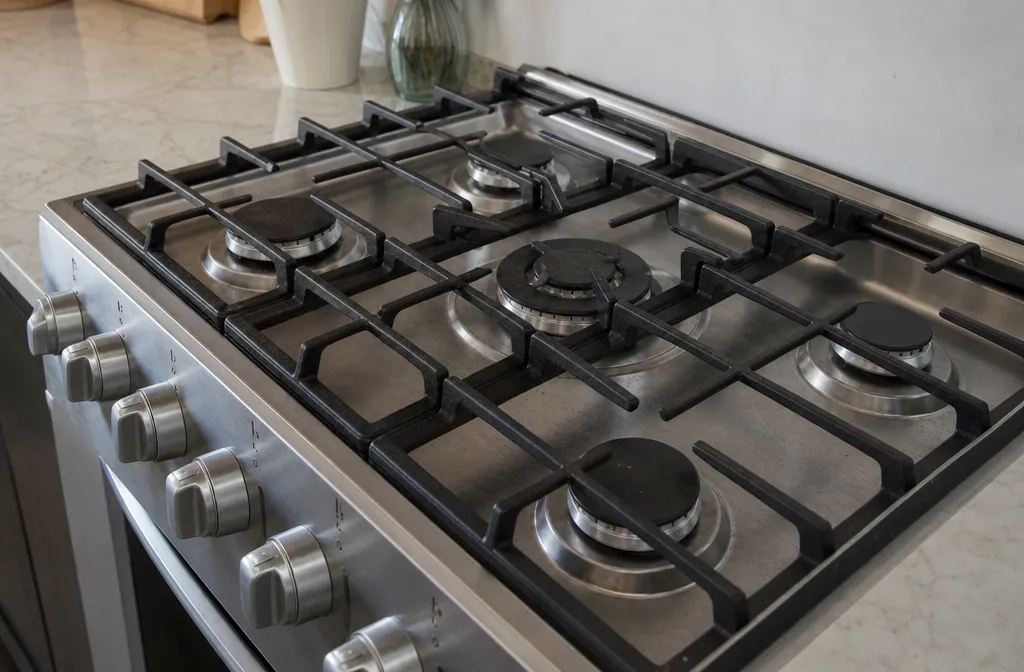
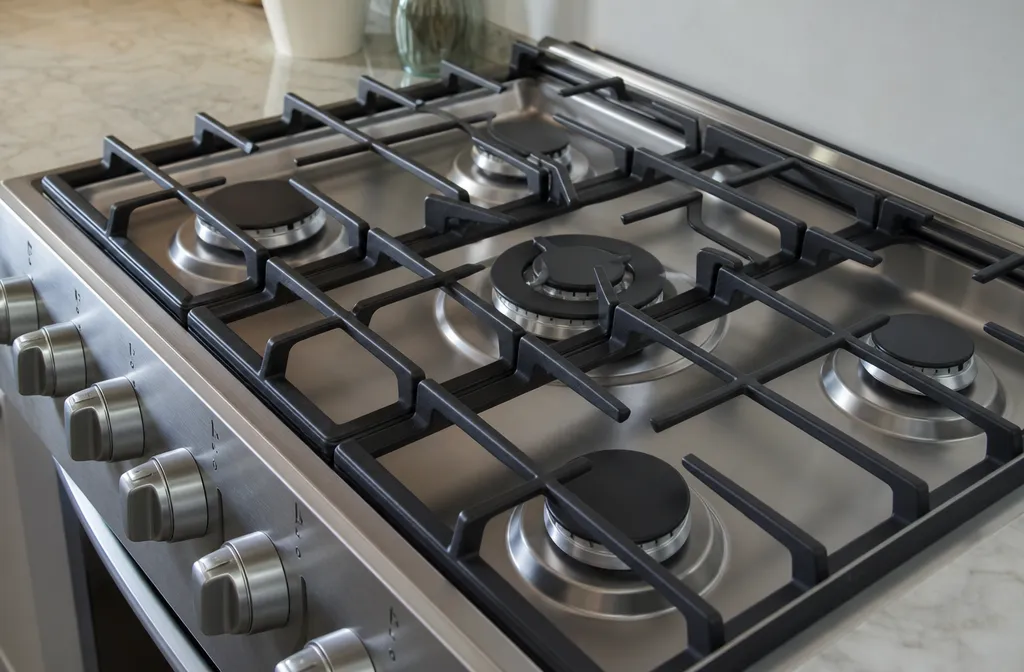
Ceramic tiles, porcelain stoneware, tempered glass, stainless steel, enameled steel, and acrylic bathtubs — we have been treating these materials with steam on a regular basis for 8 years without a single complaint. The temperature at the profi-clean nozzle outlet is 120–150 °C, which destroys 99.9% of bacteria on tile joints without damaging the grout if it is high-quality (cementitious epoxy grout from Weber or Litokol). With stainless steel surfaces — range hoods, hobs, sinks — it’s important not to leave steam on one spot for longer than 3–4 seconds, otherwise rainbow stains from mineral salts remain. We remove these with a microfiber cloth and 5% citric acid — this is a standard procedure after steam treatment in Almaty kitchens. We do not clean porous natural stone — marble, travertine, granite with an open structure — with steam: moisture penetrates the pores, causing discoloration and micro-crystallization of salts (the “efflorescence” effect). At properties on Zharokova Street, where marble window sills were steam-treated before us, three slabs had to be replaced due to irreversible white stains.
Laminate, parquet, and wooden coverings — when steam is allowed
Laminate of class 32–34 with a click-lock connection (moisture-resistant series from Kronospan or Egger) allows steam treatment under one condition: the temperature is reduced to 100 °C, the brush attachment does not stay in one place for longer than 1 second, and a dry cloth is used immediately after the pass. In the “Nurly Tau” and “Triumph” residential complexes, we treat laminate with steam quarterly for allergy sufferers — the result is stable without swelling at the joints. Solid oak or ash parquet flooring with a lacquer coating — is treated with steam only spot-wise (wax stains, dried food) and only if the lacquer is intact. If the lacquer has micro-cracks (visible under an ultraviolet flashlight), steam penetrates the wood, and after 2–3 cycles, the lacquer peels off. We do not clean untreated wood — countertops, cutting boards, unpainted facades — with steam at all: the fibers swell, the surface becomes rough, and restoration requires sanding and oil impregnation. We had a case in a private home in Gorny Gigant: the homeowner treated an oiled oak countertop with steam — a week later, cracks appeared along the annual rings.
Upholstery, carpets, and mattresses — safety nuances
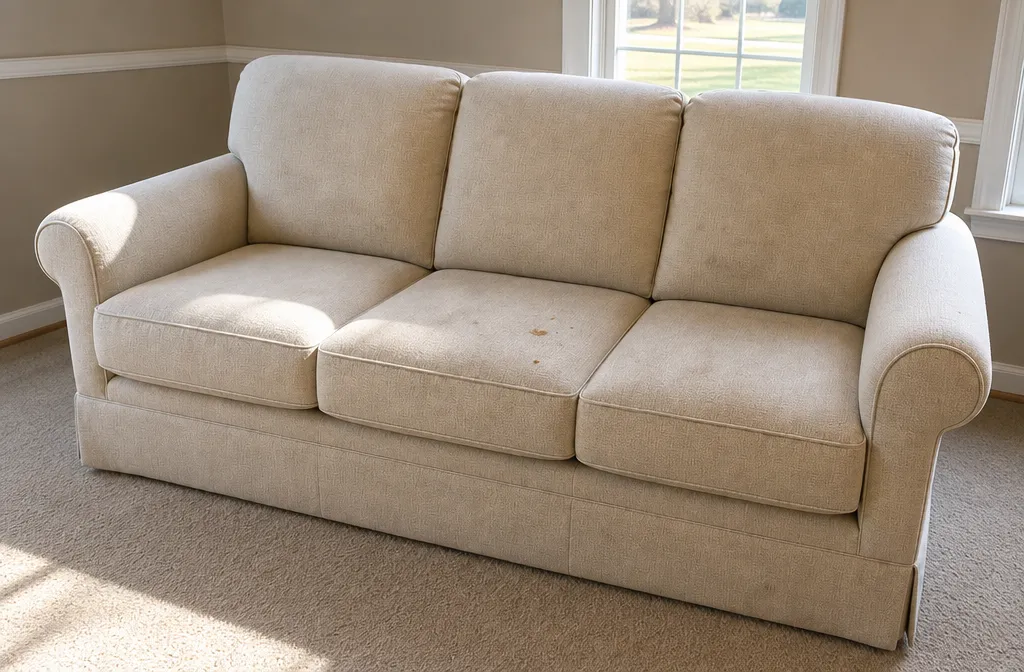
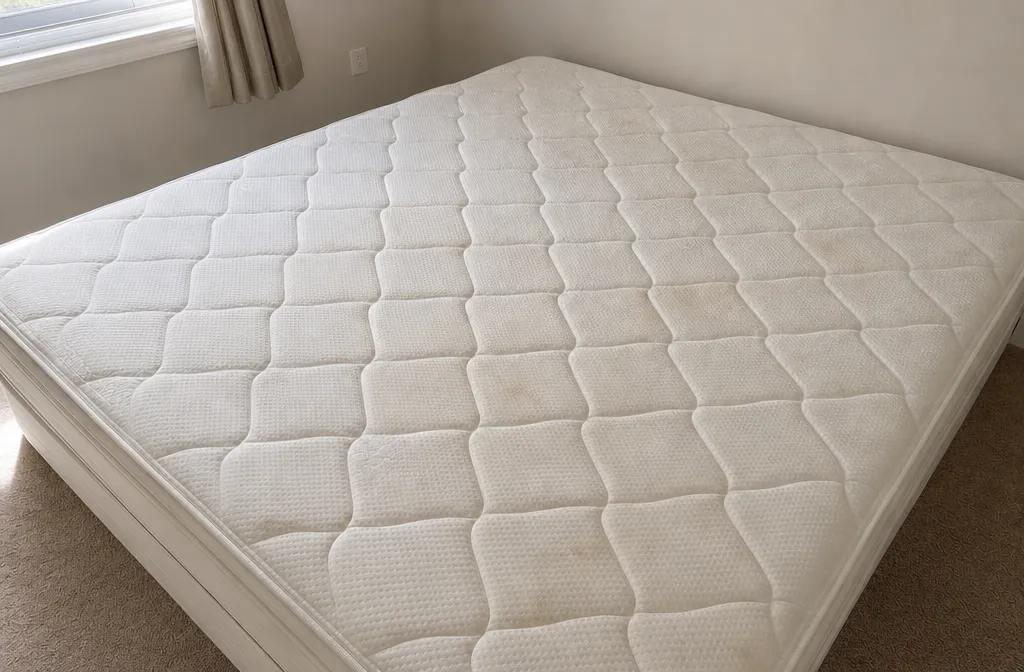
Steam is effective on synthetic fabrics (polyester, microfiber, acrylic), natural cotton, and linen, provided the weave density is high and there is no heat-sensitive coating. We check every sofa before treatment: on an inconspicuous area (bottom skirt, back panel), we perform a test pass — if the pile is not deformed and the dye does not transfer to the cloth, we proceed. Silk, viscose, acetate, and glue-backed velvet — we do not clean with steam: silk loses its luster at 70 °C, viscose shrinks along the weft, and velvet “peels off” from the glue. High-pile carpets (wool, silk, viscose) — only dry cleaning; steam softens the glue layer of the backing, causing the pile to come out in tufts. Mattresses with latex filling or memory foam — steam treatment is allowed, but no longer than 3 seconds per zone, otherwise the foam loses its elasticity. In Almaty, where indoor humidity in apartments drops to 25% in winter, steam on a mattress is the best way to kill dust mites without chemicals, but only with an extractor nozzle that immediately vacuums up the condensate.
Plastic, Lacquered Facades, and Sensitive Coatings
Heat-resistant plastics — ABS, polypropylene, polycarbonate — withstand steam up to 110 °C without deformation. We steam clean plastic window sills, IKEA chairs, and durable plastic children’s toys — the result is sterile. Thin PVC baseboards, cheap plastic with a glossy coating — we do not clean with steam: at 100 °C, the gloss becomes cloudy, and micro-scratches from the heat appear. Lacquered MDF kitchen facades (polyurethane varnish) — steam is permissible at a distance of 15–20 cm from the nozzle, otherwise the varnish “boils” with bubbles. In kitchens at the “Akbulak” residential complex, we only steam clean the upper part of the facades (where grease from the hood accumulates), and treat the lower panels manually — the varnish there is thinner and often has micro-cracks from impacts. Frosted glass with a sandblasted pattern — steam is contraindicated: abrasive particles are washed out, and the pattern becomes faded. Clients often ask us to steam clean frosted wardrobe doors — we refuse and offer foam cleaning with a neutral pH.
What Steam Absolutely Does Not Touch: Exclusion List
Drywall, plaster moldings, unpainted walls — steam saturates the plaster with moisture, and after 10–15 minutes the material softens to a clay-like state, especially at joints. Wallpaper — any type, even washable: steam penetrates under the seam, the adhesive loses its grip, and within 2–3 days the wallpaper peels off at the edges. In new buildings in Almaty (the “Alem” and “Grand-Alatau” residential complexes), we encountered this regularly — residents tried to remove paint stains with steam and ended up with bubbles at the seams of the panels. Electronics and household appliances with open ventilation grilles — steam drives condensate inside, guaranteeing a short circuit. We do not steam clean TVs, routers, or power supplies — only dry microfiber. Natural stone with a polished surface (marble, onyx, slate) — steam destroys the polish, the stone becomes matte and rough, and restoration requires re-polishing at a significant cost per m² in a specialized workshop. Before ordering cleaning with a steam cleaner in Almaty, check the type of coating with a technologist — for marble floors, we only use neutral foam without steam.
How Often Is Steam Cleaning Recommended?
The frequency of steam treatment depends not on the calendar, but on the intensity of soiling, the type of surfaces, and the lifestyle of the residents. In our orders across Almaty, we have identified three basic scenarios: preventive, seasonal, and emergency — each with its own intervals and tasks.
Monthly Prevention: For Heavily Used Kitchens
A kitchen where cooking is done daily accumulates grease deposits on the backsplash, hood, tiles, and cabinet facades within 3–4 weeks. Regular wet cleaning with household chemicals removes the top layer, but steam at a pressure of 4–6 bar washes out hardened grease from micro-cracks in the grout and panel joints. In our practice, clients with a family of 3–4 people order steam cleaning of the kitchen once a month — this is enough to prevent the formation of a dense crust that later requires chemical removers to soften. We recommend the same schedule for range hoods: monthly treatment of the grilles and inner walls with steam prevents grease buildup inside the duct — this is where up to 70% of contaminants accumulate, becoming a source of odor when the hood is turned on. In kitchens where cooking is rare (1–2 times a week), the interval can be increased to 6–8 weeks.
Quarterly: Bathroom and Toilet
In a bathroom with poor ventilation, mold on grout appears 6–8 weeks after the last treatment. We’ve noticed that in Almaty apartments with plastic windows and infrequent airing, humidity stays at 65–75% — an ideal environment for fungus. Steam treatment every 3 months destroys spores on tiles, grout, silicone seals, and under the sink. If there are elderly people or children in the home, a quarterly interval is mandatory: the hypoallergenic Kiehl and Sodasan chemicals we use leave no toxic fumes, but steam itself reduces airborne allergen concentration by 40–50% according to our measurements. In properties with forced ventilation and stone basins (artificial marble, quartz agglomerate), the interval can be extended to 4–5 months — spores take hold more slowly on these surfaces.
Seasonal Deep Cleaning: Upholstered Furniture and Carpets
We treat sofas, armchairs, and carpets with steam seasonally — twice a year, in spring and autumn. Spring treatment removes pollen that accumulates in the filling after airing, and residual de-icing reagents from shoes (on hallway carpets in Almaty, winter reagents become embedded in the pile). Autumn treatment eliminates dust mites, which breed in warm conditions after summer. The steam temperature at the profi-clean nozzle outlet is 120–130°C, enough to destroy 99% of mites and their eggs in a single pass. If there are allergy or asthma sufferers in the home, we recommend shortening the interval to 3–4 months: studies show that the concentration of the Der p1 allergen in filling returns to baseline levels 90–100 days after treatment.
Emergency Treatment: As Needed, Not on Schedule
There are situations where waiting for a scheduled service is not possible: flooding from upstairs neighbors (steam flushes out limescale and mold from joints within 24 hours before it sets), smoke damage from a fire (steam neutralizes soot odor in textiles and walls), or a persistent smell from the exhaust hood. In such cases, we arrive within 60 minutes across Almaty — steam treatment at a starting temperature of 150°C removes odors in one cycle, without needing to disassemble furniture. Tip: if you notice dark spots on bathroom grout or a sticky layer on the kitchen backsplash, don’t wait for the quarterly service — call for treatment within a week. In 7–10 days, mold spores penetrate 2–3 mm deep into the grout, and then steam treatment alone is no longer sufficient — the grout has to be replaced.
Mistakes That Shorten the Lifespan of Surfaces
The most common mistake is treating delicate surfaces too frequently. Varnished parquet and matte glass cannot tolerate steam more than once every 6 months: hot steam softens the varnish film, and after 3–4 treatments it becomes cloudy. On matte glass doors, steam leaves streaks that cannot be removed without special polish. A second typical error is treating leather sofas with steam once a month: leather loses its oils, becomes stiff, and cracks. For leather, the optimal interval is once every 6–8 months, and only with reduced pressure (2–3 bar). A third mistake is using steam on unfinished wood (beech, oak, ash in solid wood furniture): moisture raises the grain, making the surface rough. We only treat such surfaces with steam at the client’s request, with a mandatory test on an inconspicuous area, and no more than once a year.
What Products Are Used with Steam and Why
Pressurized steam is a self-sufficient tool for most dirt, but for tough grease, stubborn deposits, and specific stains, steam alone is not enough. At profi-clean, we use steam in combination with a limited set of products — only those that do not block the effect of superheated steam and are safe for the material being treated. I’ll explain what we add to the work and when, and what absolutely cannot be mixed with a steam cleaner.
Which Products Are Compatible with Steam and Which Are Not
- Alkaline degreasers (pH 9–11): applied to the surface 2–3 minutes before steam delivery — the hot jet activates the formula and knocks grease out of micropores without leaving streaks. We use these on kitchen hoods and hobs.
- Acidic cleaners (pH 2–4): work on mineral deposits (limescale on faucets, showerheads) — steam softens the layer, acid dissolves the crystals, and residues are rinsed off with plain water.
- Neutral detergents (pH 6–7): for delicate surfaces (lacquered wood, acrylic bathtubs) — steam enhances penetrating ability without damaging the protective layer.
- Strictly prohibited — chlorine-based bleaches and abrasive powders: chlorine releases toxic gases when heated, abrasives scratch glossy coatings, and steam only drives micro-particles into the material’s structure.
- Alcohol-based compounds: evaporate faster than steam can activate them — zero benefit, with a real risk of vapor ignition in enclosed spaces.
In practice, we use three to four professional concentrates (Kiehl, Sodasan) and dilute them for the specific task at the site — there is no universal “all-in-one” solution.
Why steam in the kitchen only works with pre-degreasing
Grease on kitchen surfaces is a mix of triglycerides, protein residues, and caramelized sugar that polymerizes (forms a hard film) when heated above 130 °C. Steam from the profi-clean steam cleaner exits at 150–160 °C — if applied directly to grease, it doesn’t soften but “bakes on,” requiring mechanical removal with the risk of scratching enamel or stainless steel. That’s why we first apply an alkaline degreaser (pH 10–11) for 2–3 minutes — it breaks down polymer bonds, and only then does steam easily knock off the residue. On hoods and grill grates where grease accumulates for weeks, this step makes steam cleaning pointless: the surface may look clean, but under a microscope, a sticky film remains that will smoke again on the next heating.
How steam cleaning tackles limescale without acid
Hard water in Almaty (up to 7–9 mg-eq/L) leaves carbonate deposits on faucets, shower trays, and glass doors that steam alone cannot dissolve — it only heats the layer to 80–90 °C, making it brittle. In our practice at sites with old limescale (over six months without cleaning), we use an acidic formula based on citric or sulfamic acid: it penetrates the pores of the lime layer, and steam at 5–7 bar pressure knocks out the softened fragments. For fresh limescale (up to 2–3 weeks), steam alone with a brush attachment suffices — the crystals haven’t cemented yet and are mechanically removed. If the limescale has advanced to a “stone crust,” acid treatment is mandatory; otherwise, white matte spots remain after drying that cannot be rinsed off with plain water.
Why we don’t use steam with aggressive chemicals on delicate surfaces
Lacquered wood, acrylic bathtubs, glossy plastic, and painted walls — materials where the chemical environment matters more than temperature. Steam on these surfaces is used at minimum pressure (2–3 bar) and only with neutral detergents (pH 6–7). Alkaline agents destroy lacquer — it becomes cloudy and cracks within 2–3 months after treatment. Acid leaves micro-scratches on acrylic, which then accumulate dirt. Our technique for such surfaces: apply a neutral agent with a microfiber cloth, let it sit for 1–2 minutes, steam at minimum power, and immediately wipe dry — no streaks and no damage to the protective layer. In Almaty apartments with Italian lacquered parquet, we always start with a test on an inconspicuous area: if the lacquer reacts to steam (turns whitish), we switch to dry microfiber without steam.
Steam cleaning for allergy sufferers: myths and reality
Many believe steam cleaning is the only salvation for allergy sufferers, but in practice, its effectiveness depends on *how* and *with what* it’s done. Let’s break down three main misconceptions and one non-obvious risk we see in our work.
Myth #1: Steam kills 100% of dust mites and mold
Our experience with profi-clean equipment (pressure 5–8 bar, steam output temperature 130°C) confirms: a steam jet destroys 99.9% of dust mites and mold spores *on the treated surface* within 3–5 seconds of contact. However, there is a nuance — inside upholstered furniture, deep layers of a mattress, or under baseboards, the steam temperature drops to 50–60°C after just 1–2 cm. Without pre-impregnating surfaces with an antifungal agent (we use Sodasan Anti-Mold), mold spores remain viable inside the sofa filling. In Almaty apartments with high humidity (common areas — Medeu, Bostandyk districts), we have recorded mold reappearing 2–3 weeks after steam-only treatment if no chemical pre-spray was applied. Conclusion: steam is an excellent tool, but for deep layers and seams, it only works in combination with professional impregnation; otherwise, allergy symptoms return within a month.
Myth #2: Steam cleaning replaces dry cleaning of carpets and sofas
This is a dangerous misconception. Steam softens and washes away dust, grease, and pollen, but it does not remove ingrained allergens (pet saliva protein, mite feces) from carpet fibers or upholstery — for that, you need extraction cleaning with hot water and a vacuum cleaner with a power of at least 500 W. In our practice, there was a case: a client in the Auezov district ordered only steam cleaning for a sofa, and three days later, the child’s runny nose returned — we came back, performed extraction with KleenOx (pH-neutral enzyme shampoo), and the result lasted 8 months. The correct scheme for an allergy sufferer: first, deep extraction with a HEPA-filter vacuum cleaner (removes 95% of dry allergens), then steam disinfection (kills remaining bacteria and mites). Steam alone without prior cleaning is like washing the floor without sweeping.
Myth #3: Any steam cleaner is suitable for an allergy sufferer
In Almaty, we often encounter people buying household steam cleaners for an amount that is calculated individually, expecting a clinical effect. Such models have a pressure of 2–3 bar, an output temperature of 100°C, and the steam cools quickly at a distance of 15–20 cm from the nozzle — this is sufficient for ironing but not enough to kill mites in mattress seams. Professional profi-clean equipment (Lavor Pro 20LX, pressure 8 bar, steam 165°C) provides a consistently hot jet at a distance of up to 50 cm, plus we use microfiber attachments that mechanically remove dead mite cells rather than just smearing them. The difference is obvious: after a household steam cleaner, the allergen remains in the pile; after a professional one, it is washed away by steam and absorbed into the cloth.
Real risk: steam can “bake” the allergen if the surface is overheated
On delicate fabrics (silk, viscose, some types of microfiber) and on varnished wood, steam at temperatures above 140°C with prolonged contact (more than 5 seconds on one spot) does not destroy the allergen but denatures the protein — it sticks to the fiber and becomes insoluble. In such a situation, subsequent dry cleaning will no longer help: the allergen remains in the fabric forever. At profi-clean, we use an infrared thermometer before treating each area — on silk wallpaper, we lower the temperature