Damage assessment
We measure humidity of walls, floor and air with a thermal imager and hygrometer. Determine water type and extent of damage.
We will remove water, dry and disinfect the premises after flooding — restore freshness and safety.

We work with any types and materials
Compact space — quick drying and disinfection of all areas.
from 20,000 ₸Water removal, drying of walls and floors, furniture cleaning.
from 20,000 ₸Comprehensive cleaning with mold treatment in all rooms.
from 20,000 ₸Full cycle of post-flood restoration, including finishing work.
from 20,000 ₸Drying of large areas, water removal from basement.
from 20,000 ₸Treatment of multiple floors, removal of bulky waste.
from 20,000 ₸Quick restoration of room functionality.
from 20,000 ₸Water pumping, deep drying and anti-mold treatment.
from 20,000 ₸Moisture removal from hard-to-reach places, disinfection.
from 20,000 ₸Drying of large volumes, treatment of shelving and goods.
from 20,000 ₸Water removal, floor and wall cleaning, disinfection.
from 20,000 ₸Comprehensive restoration in compliance with sanitary standards.
from 20,000 ₸From inspection to result with guarantee
We measure humidity of walls, floor and air with a thermal imager and hygrometer. Determine water type and extent of damage.
We remove standing water with an industrial water extractor with a capacity of up to 200 l/min. We use submersible pumps for basements.
We remove wet carpets, furniture, wallpaper, and other damaged items. We sort waste for disposal.
We install Dantherm dehumidifiers and Air Systems fans. We dry walls, floors, and air to standard 40-60% humidity.
We wash walls, floors, doors, and windows with special products based on QAC. We remove plaque and dirt.
We apply antibacterial compounds to walls, corners, and ventilation. We use long-lasting products.
We clean upholstered furniture and carpets with a Kiehl extractor. We remove odors and residual moisture.
We perform a final moisture check, remove equipment, and dispose of waste. We sign the completion certificate.
Our Dantherm CD 30 dehumidifiers can remove up to 30 liters of moisture per day, and Air Systems fans provide uniform airflow. This reduces drying time to 24 hours even in basements. We speed up the process without risk of damaging finishes.
We use concentrates based on quaternary ammonium compounds (QAC) that kill 99.99% of bacteria and fungi. The products are safe for people and animals after drying. We treat all surfaces including walls, floors and furniture.
Every profi-clean specialist has been trained according to IICRC standards (Institute of Inspection Cleaning and Restoration Certification). They know protocols for different water types (clean, gray, black). They work with professional equipment: extractors, dehumidifiers, thermal imagers.
After final disinfection, we give a written guarantee that mold will not appear within six months. If foci occur, we will conduct re-treatment for free. We control humidity with a pyrometer and hygrometer.
Clean water (from pipes) — standard drying. Gray water (from washing machines) — enhanced disinfection. Black water (sewage) — full sanitary treatment using biocides. All masters in protective suits and respirators.
We accept applications daily from 8:00 to 22:00. The assessor arrives free of charge, measures humidity with a thermal imager, and prepares an estimate. We travel throughout Almaty and the region. For urgent orders — 10% discount.
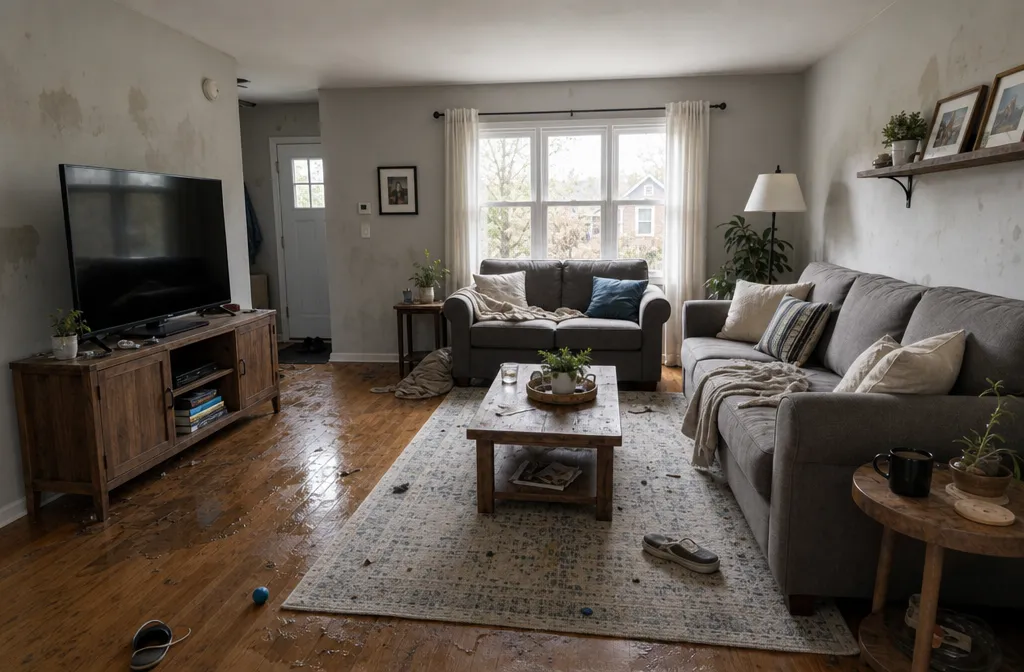
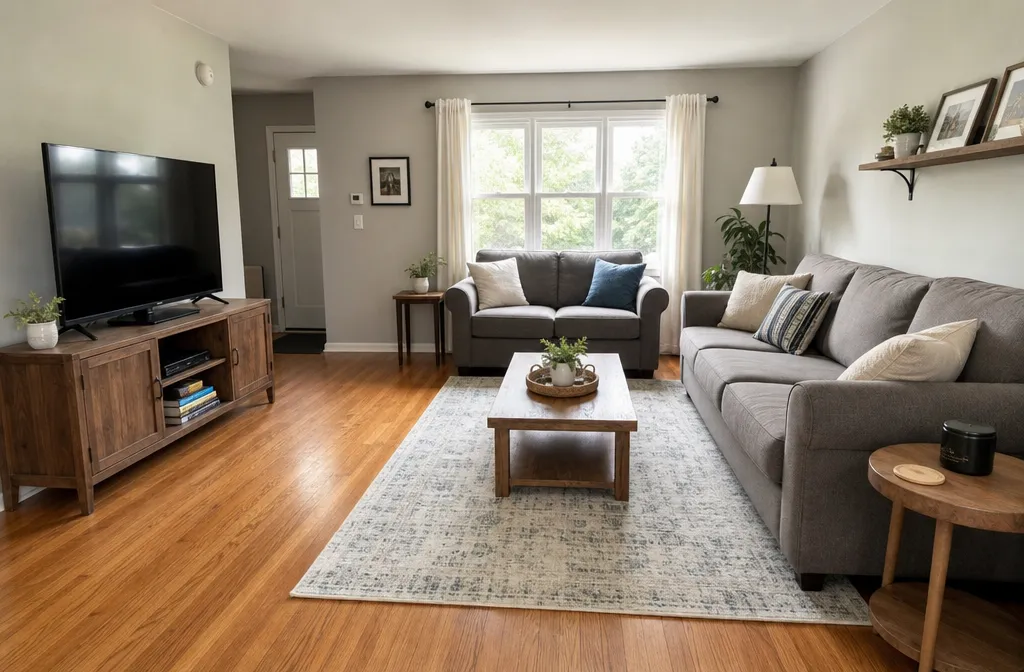 After
After
Request: Neighbors flooded us, water was on the floor, needed drying and deep cleaning.
Done: We performed water extraction, drying of walls and floor, dry cleaning of carpet and upholstered furniture.
Cost: 22 000 ₸
Master: Aidar Kaliev, Restoration Specialist
Total: Living room completely dry, mold-free, fresh and clean.
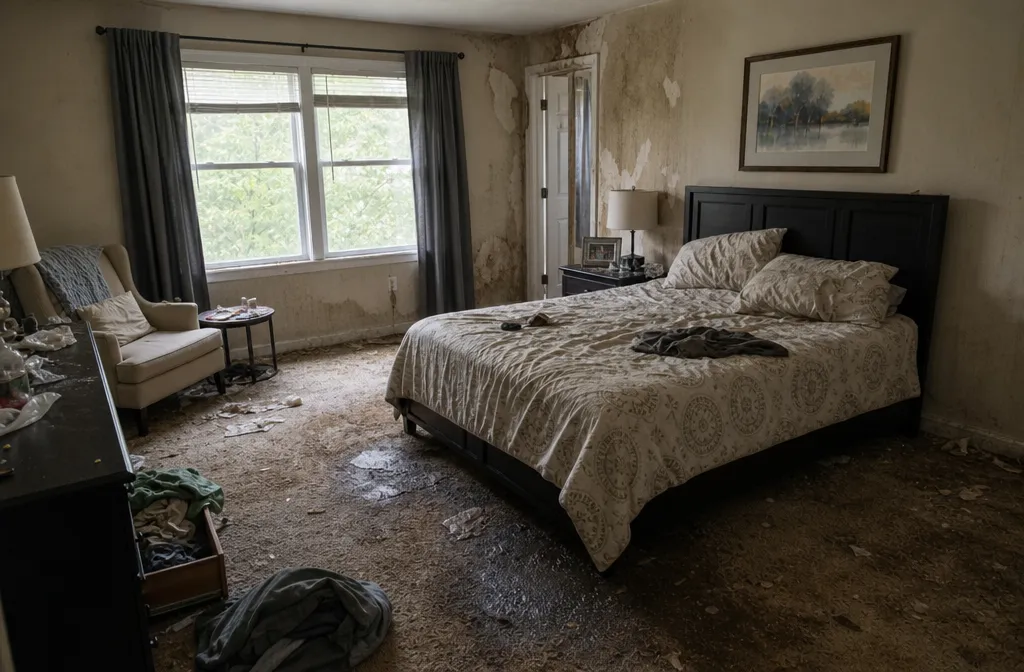
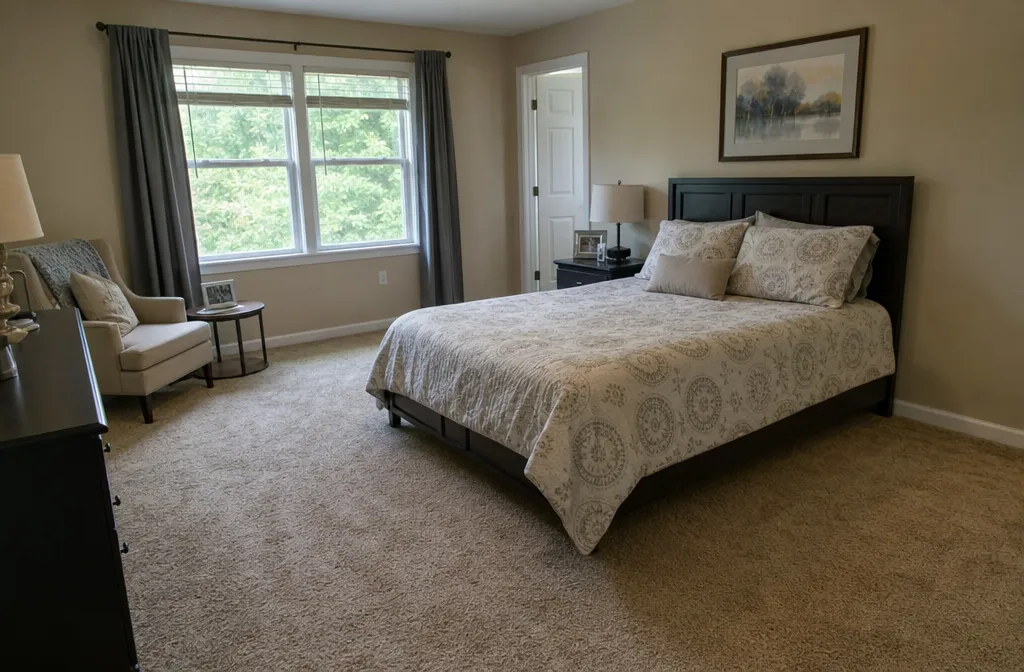 After
After
Request: After a roof leak, the wall and floor got wet, needed urgent drying.
Done: We removed wet wallpaper, dried walls and floor, treated with anti-fungal.
Cost: 21 000 ₸
Master: Gulmira Serikova, Restoration Specialist
Total: Bedroom dry, no musty smell, ready for renovation.
 After
After
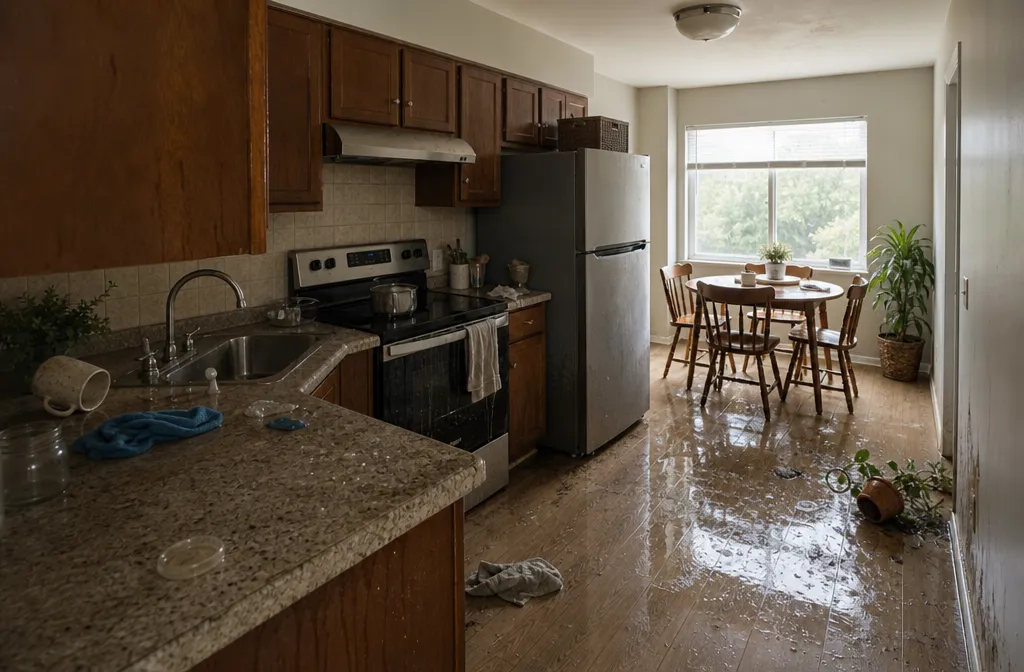
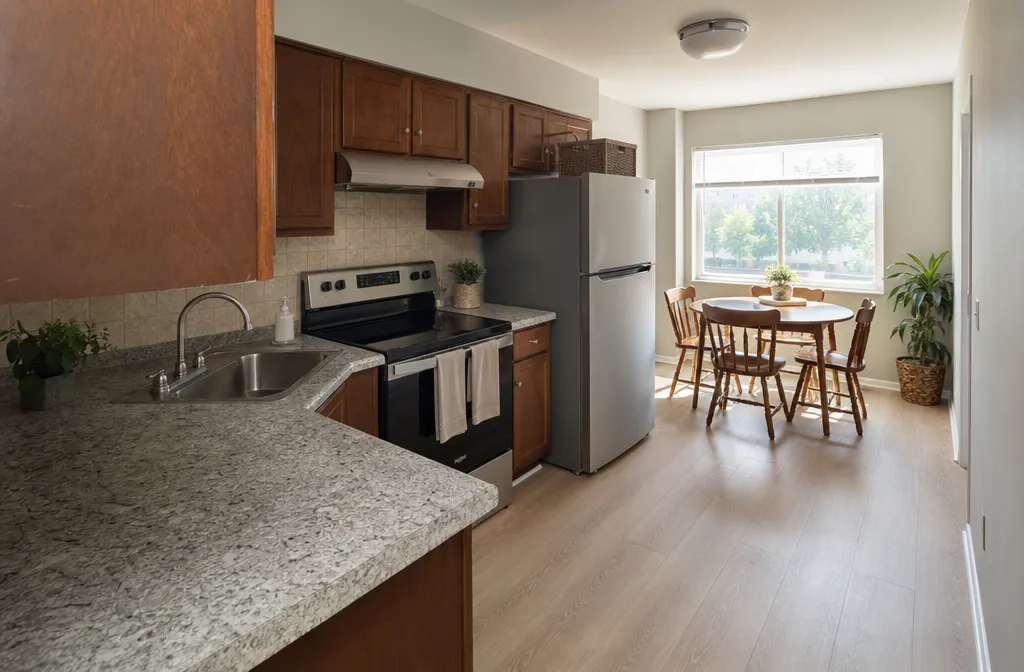
Request: A pipe burst under the sink, the whole kitchen was flooded, needed cleaning and drying.
Done: We pumped out water, dried the floor and cabinets, cleaned and disinfected surfaces.
Cost: 22 000 ₸
Master: Daniyar Muratov, Restoration Specialist
Total: Kitchen dry, clean, no traces of water or mold.
 After
After
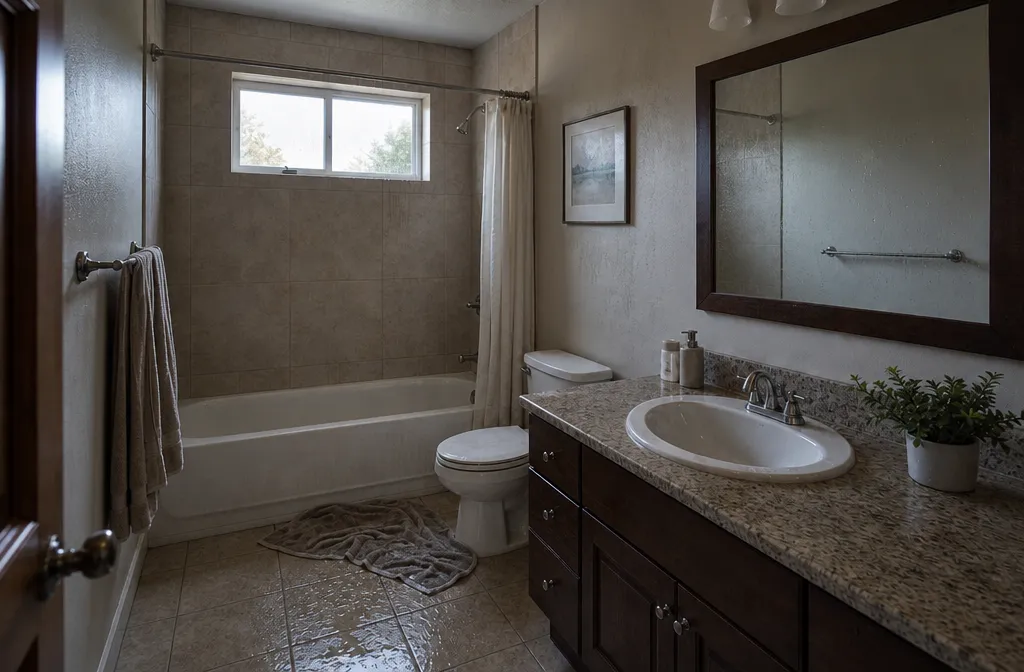
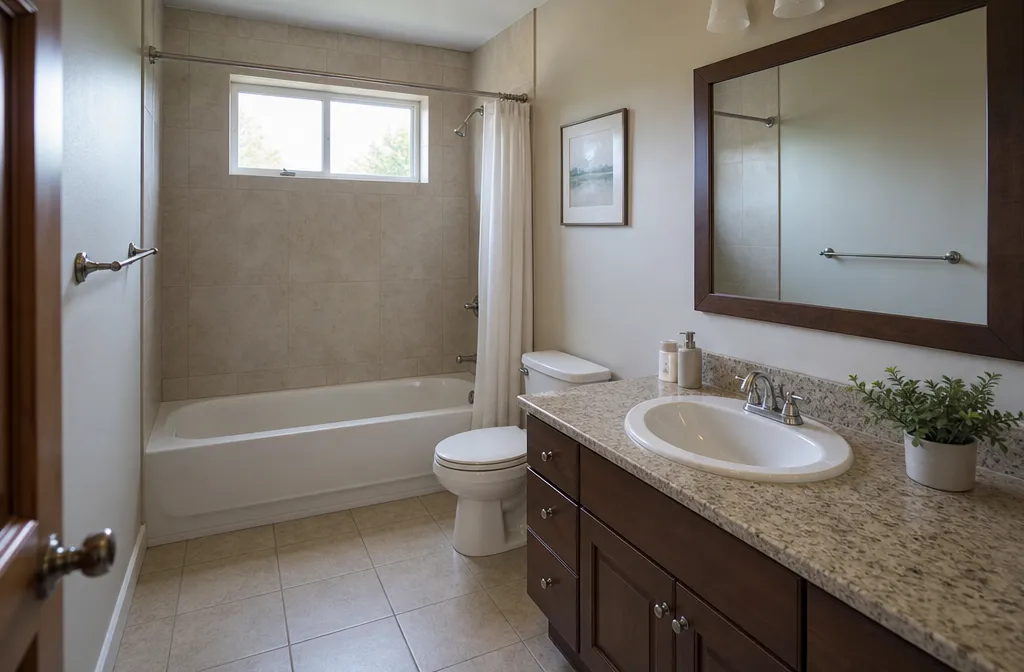
Request: Forgot to close the tap, water overflowed onto the floor, needed cleaning and drying.
Done: We removed water, dried floor and walls, cleaned tiles and grout from deposits.
Cost: 21 000 ₸
Master: Aliya Nurgalieva, Cleaning Specialist
Total: Bathroom dry, clean, no streaks or musty smell.
 After
After
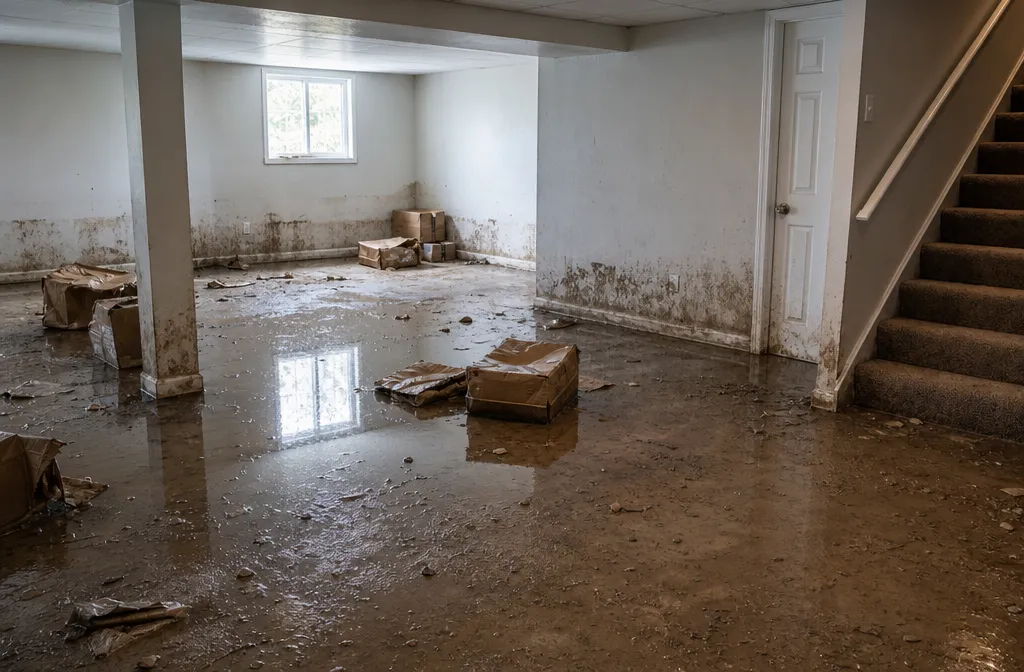
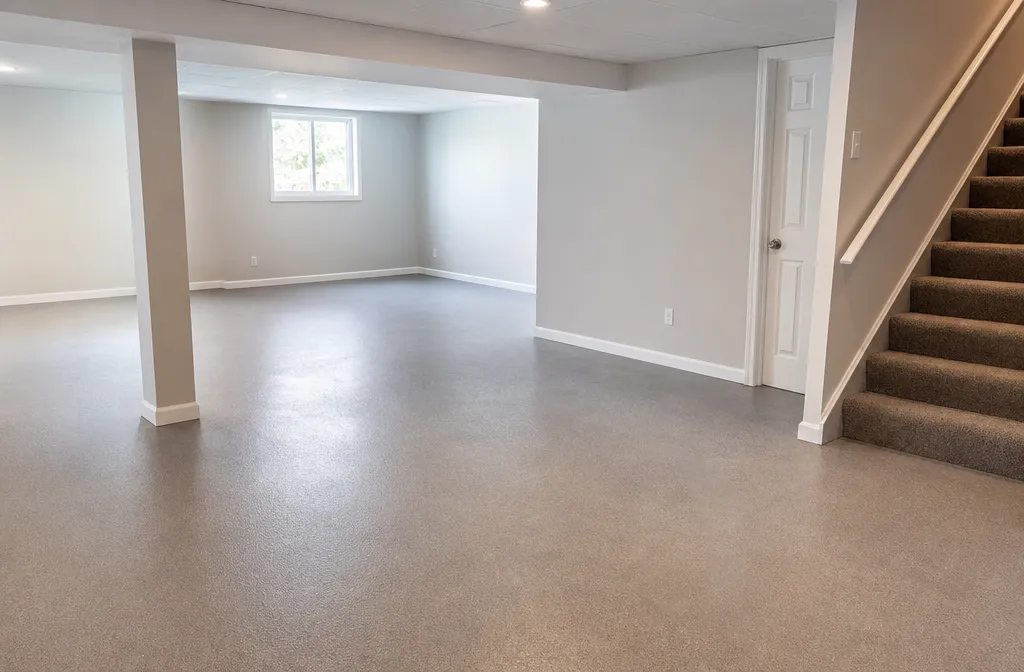
Request: Basement was flooded with groundwater, needed pumping and drying.
Done: We pumped out water, dried walls and floor, treated for mold.
Cost: 22 000 ₸
Master: Bakhtiyar Askarov, Restoration Specialist
Total: Basement dry, mold-free, suitable for storage.
 After
After
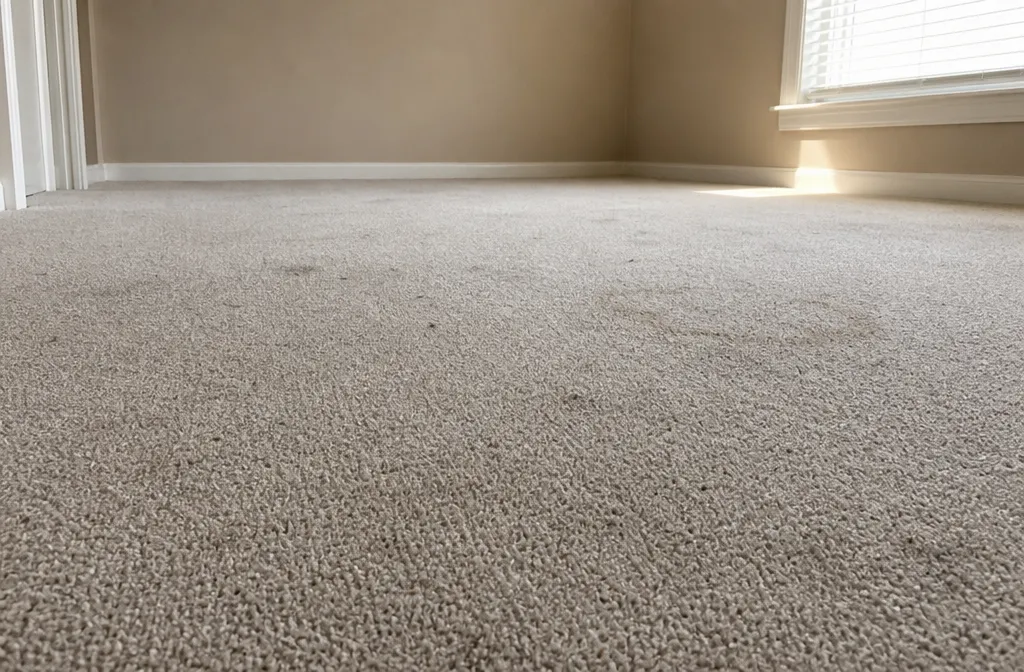
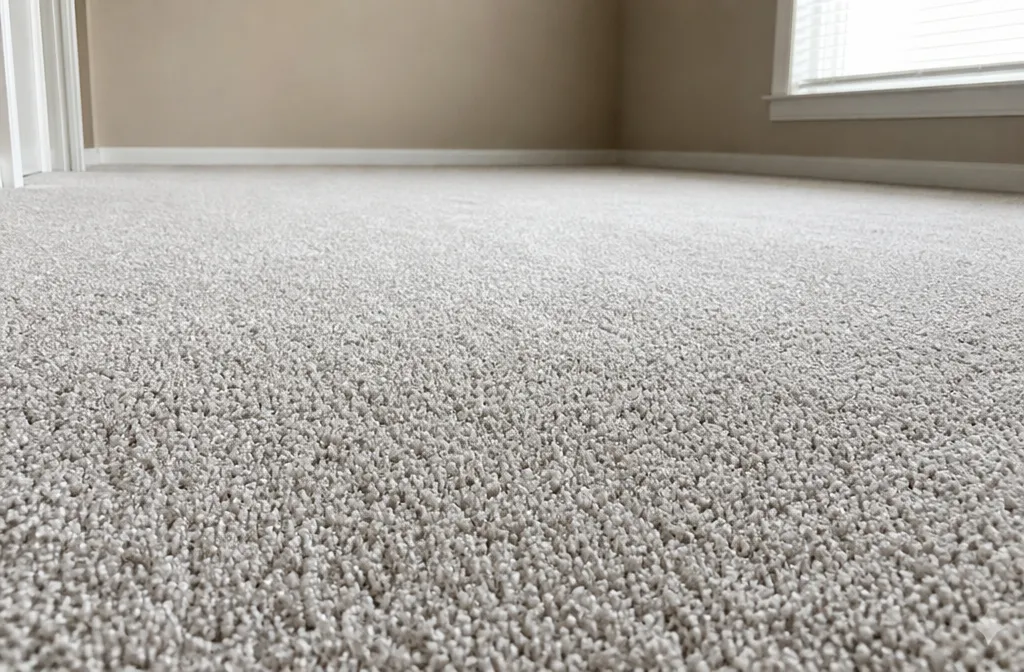
Request: Carpet soaked and stained, needs deep cleaning.
Done: Performed extraction cleaning with shampoo, removed stains, dried.
Cost: 7 000 ₸
Master: Timur Zhaksybekov, dry cleaning master
Total: Carpet clean, stain-free, fresh and fluffy.
 After
After
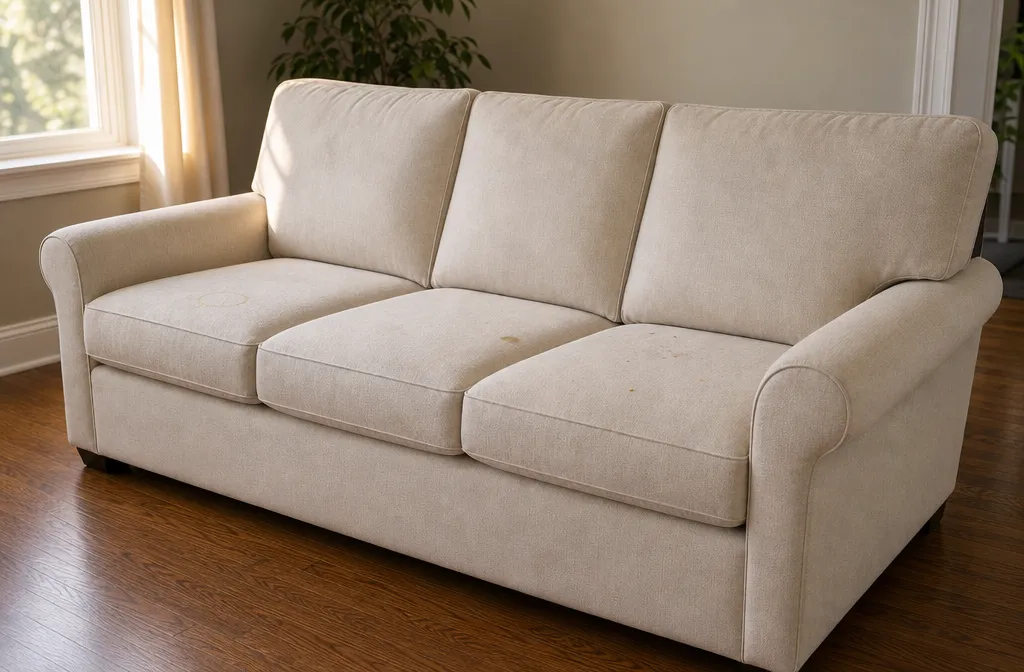
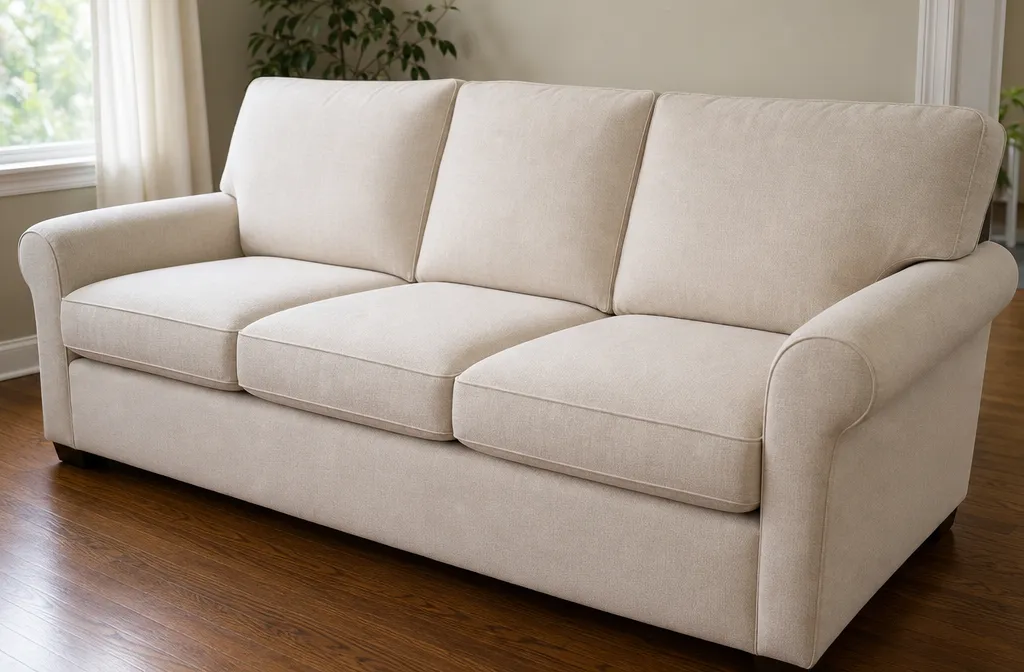
Request: Sofa soaked from water, stains and odor appeared, needs cleaning.
Done: Performed deep extraction cleaning, removed stains, treated with deodorizer.
Cost: 11 000 ₸
Master: Aizhan Sagintayeva, dry cleaning master
Total: Sofa clean, stain-free and odor-free, like new.
 After
After
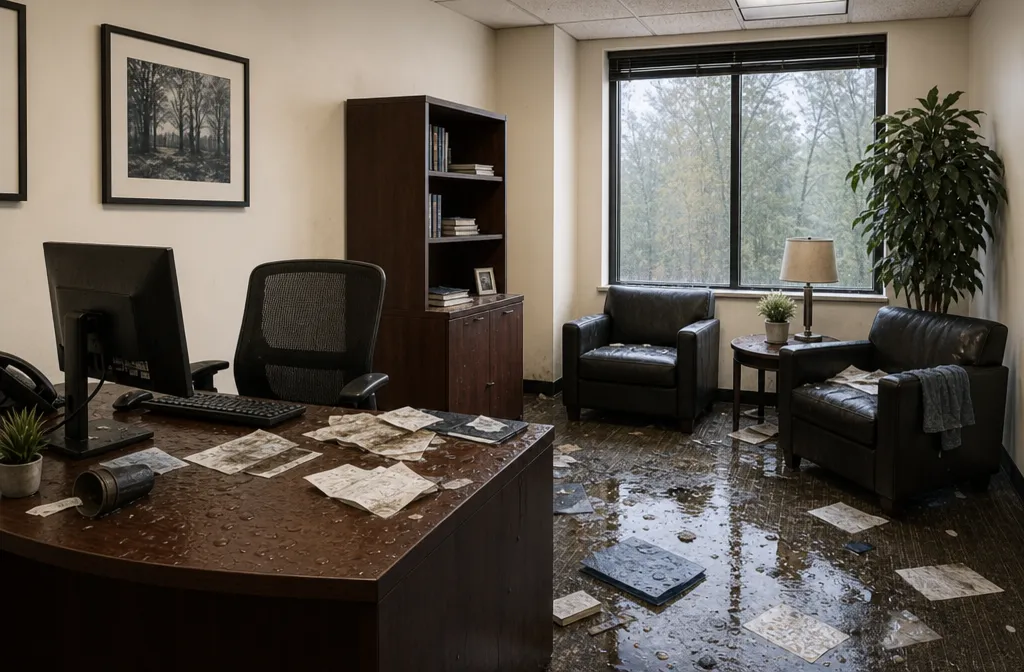
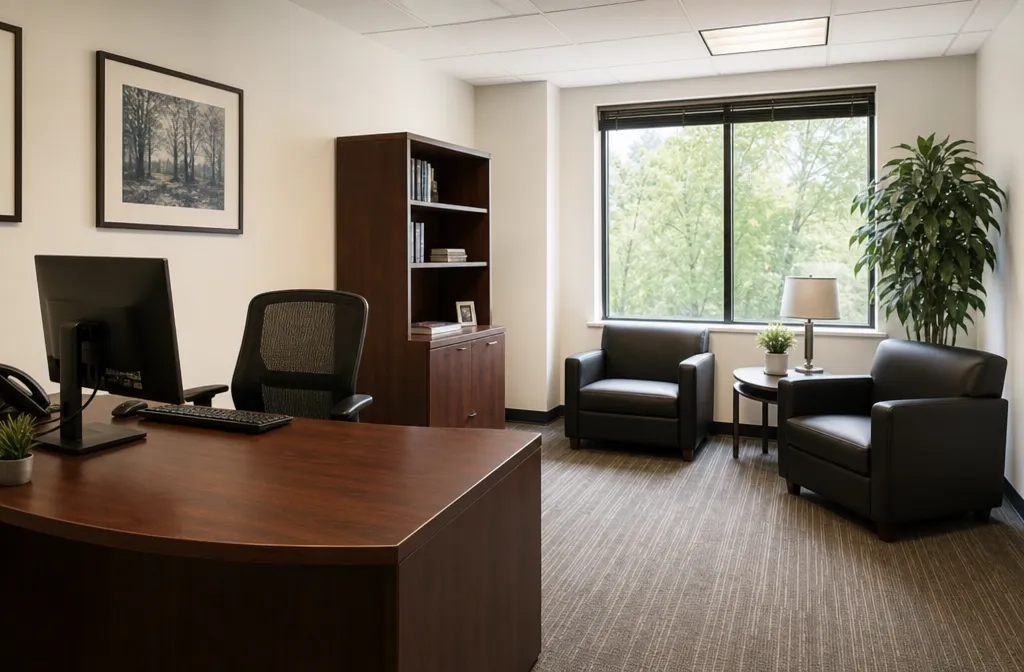
Request: Pipe burst in the office, water on the floor, urgent drying and cleaning needed.
Done: Pumped out water, dried floor and walls, cleaned carpet and furniture.
Cost: 22 000 ₸
Master: Yerzhan Tleubayev, restoration master
Total: Office dry, clean, ready for work without downtime.
 After
After
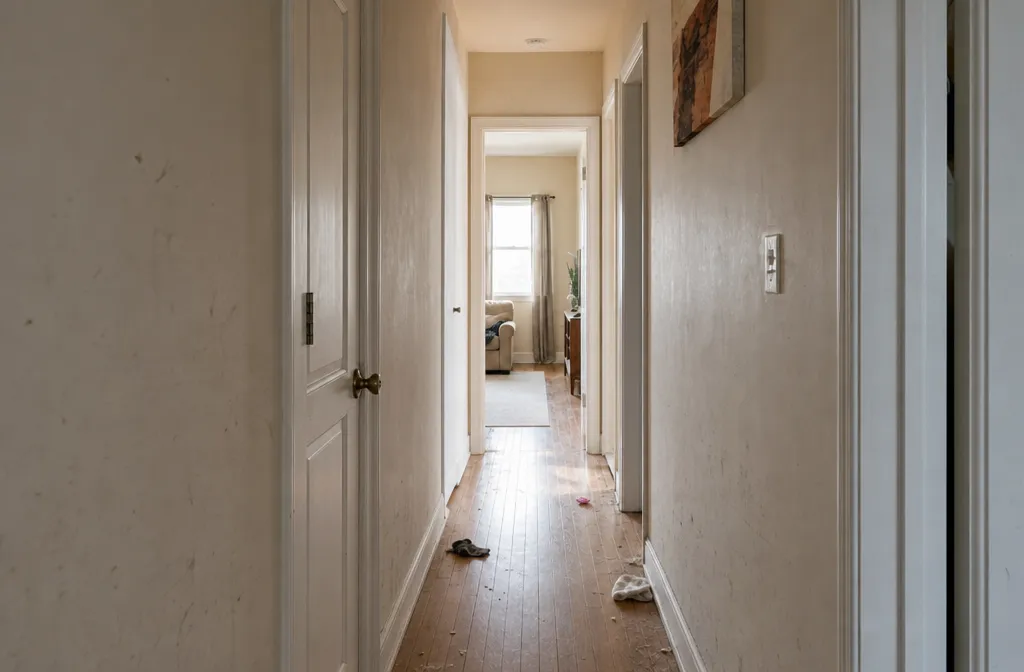
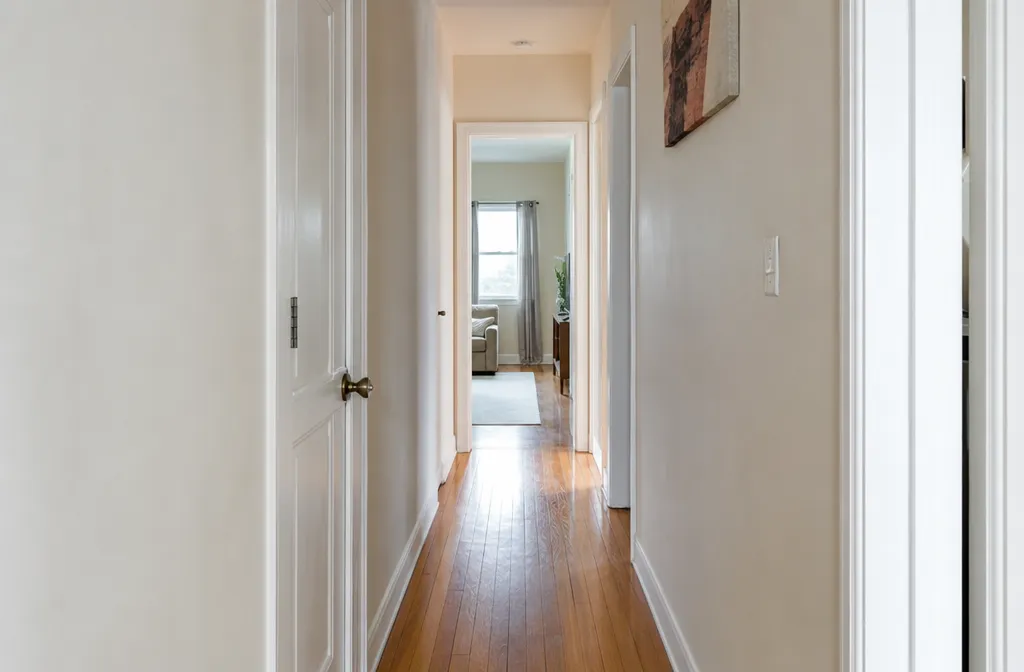
Request: After flooding the hallway dried, but streaks and dirt remained, cleaning needed.
Done: Washed walls and floor, cleaned baseboards, removed trash.
Cost: 24 000 ₸
Master: Lyazzat Amangeldi, cleaning master
Total: Hallway clean, streak-free, tidy.
 After
After
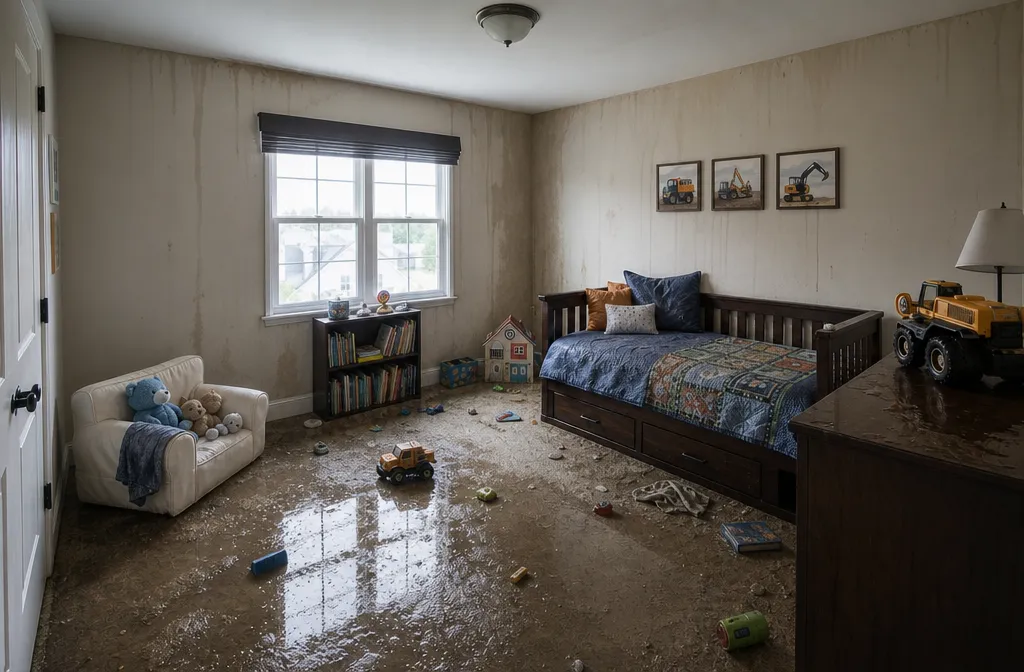
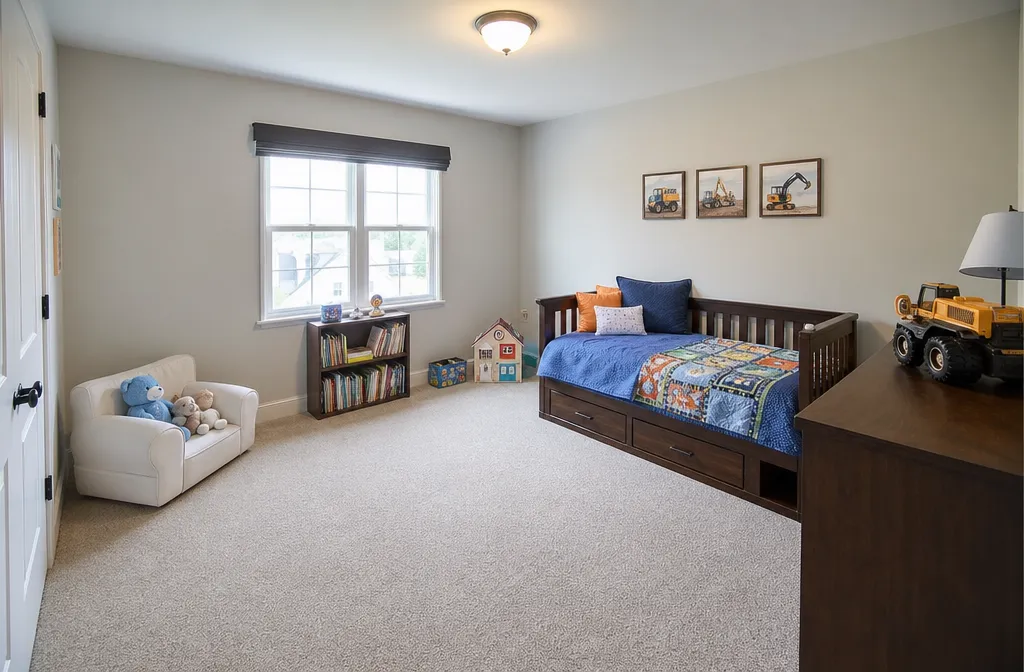
Request: Roof leaked in the kids room, walls and floor got wet, drying and cleaning needed.
Done: Dried walls and floor, treated with anti-mold, cleaned toys and furniture.
Cost: 23 000 ₸
Master: Assel Zhumabayeva, restoration master
Total: Kids room dry, clean, safe for the child.
All cleaners are profi-clean staff with training, uniform and security check. Each order has a team leader who controls quality.
When an apartment is flooded with technical water — from a broken sewer pipe, storm drain, or emergency riser — the consequences are fundamentally different from a clean water flood. In our practice at profi-clean, we see that dirty water carries not just moisture, but bacteria, fats, suspensions, and aggressive chemical compounds. Delay here is critical: if the correct protocol is not initiated within the first few hours, materials absorb contaminants at a molecular level, and restoring them without dismantling becomes impossible.
Technical water from sewage contains E. coli, staphylococcus, and mold spores — they penetrate the pores of concrete, wood, and drywall within 12-24 hours. Besides bacteria, the composition includes detergents, solvents, and fats that leave an oily film on surfaces. Our profi-clean team on every technical flood site first conducts a rapid pH and organic level test — this determines which set of Kiehl or Sodasan chemicals to deploy. If this step is skipped and you start with regular neutral foam, oils and bacteria remain in the material structure, and within a week a persistent odor appears that does not dissipate.
A typical mistake by Almaty residents after a technical water flood is turning on fan heaters or construction dryers immediately, without prior sanitation. The hot air flow dries the top layer of the coating but seals moisture with bacteria inside the screed or under the laminate. In our orders, the cost of which is calculated individually, we have recorded cases where after such “self-drying,” parquet swelled and mold appeared on the walls within a month — dismantling cost three times more than the cleaning itself. The correct algorithm from profi-clean: first, vacuum removal of standing water with an industrial HEPA-filter vacuum cleaner, then chemical treatment with a bactericidal compound, and only then — drying with dehumidifiers while controlling humidity to 40-45%.
Drywall, particleboard, and untreated wood lose their structure upon contact with technical water within 6-8 hours — they are dismantled even if they appear dry externally. Ceramic tiles, porcelain stoneware, and monolithic concrete are almost always restorable but require acid washing to remove mineral deposits. Laminate and engineered wood are a gray area: at profi-clean sites in Almaty, we test them with a moisture meter and a trial removal of one board; if the subfloor moisture is above 18%, the covering is completely removed, otherwise mold will develop under the baseboards within six months. In my opinion, the main marker for preserving furniture is the facade material: veneered MDF delaminates irreversibly after technical water, while HPL plastic and stainless steel can be cleaned and disinfected without loss of appearance.
In the city of Almaty, technical water floods more often occur in Soviet-era buildings (Central District, Auezov District) due to wear of cast-iron sewer pipes and pressure fluctuations in risers during water shutoffs. Groundwater in the foothill zone — Gorny Gigant, Kamenka microdistricts — when external sewers burst, mixes in sand and clay, clogging drainage channels in the screed. In such cases, at profi-clean we use not standard pumps, but submersible sewage pumps with a cutting mechanism to pump out the viscous mixture. If the house has a basement or ground floor, the risk of technical water flooding is significantly higher — preventive floor waterproofing is needed there, otherwise, after each emergency discharge, water rises through the concrete capillaries.
Ordinary chlorine-based bleaches (“Belizna,” “Domestos”) react with organic matter in contact with technical water and release toxic chlorine gas — this is dangerous for breathing in enclosed spaces. At profi-clean, for sites with technical water flooding, we only use professional bactericidal concentrates from Kiehl, based on active oxygen, and Sodasan with enzymes that break down fats and proteins at the molecular level. To disinfect walls and floors after pumping out water, we apply the solution with a sprayer, allowing a 20-30 minute dwell time, then rinse it off with an extraction machine — this is the only way to remove bacteria from the pores of concrete. Before ordering cleaning after a flood, check with the technician what chemicals are being used: if you hear “bleach will handle it,” it’s a sign that the specialist doesn’t understand the difference between clean and technical water.
Drying walls and floors after a flood is only the first step. If surfaces are not treated with antiseptics and air humidity is not controlled, mold spores can germinate within 24–48 hours, even when the water appears to be gone.
Drying with heat guns removes water from the surface, but moisture remains in the pores of concrete, in drywall, under baseboards, and in insulation. At profi-clean, we use a hygrometer to measure the residual moisture content of materials: the norm for concrete is up to 5%, for drywall up to 1%. If the reading is higher, Aspergillus and Penicillium spores, which are present in any Almaty apartment, begin to multiply within a day. We have encountered cases where a visually dry wall became covered with black mold within a week — precisely due to moisture in the joint of floor slabs. Before final finishing, be sure to check humidity at three points: near the floor, at a height of one meter, and under the ceiling — moisture lingers longest there.
To prevent mold after drying, we use professional fungicides based on quaternary ammonium compounds — they penetrate concrete capillaries to a depth of up to 3 mm and are not washed out during subsequent wet cleaning. Household “Belizna” or vinegar do not work: chlorine evaporates within an hour, and acid does not kill spores in the pores. At profi-clean, we apply the antiseptic with a sprayer using a 0.5 mm nozzle — this ensures even coverage without drips. You need to treat not only the visible flooded areas but also 20–30 cm above the water line — capillary suction draws moisture higher. Pay special attention to corners and areas behind furniture: air circulation there is minimal, and spores germinate there first.
After drying and antiseptic treatment, the indoor air humidity should be maintained at 40–50% for two weeks. If outdoor humidity in an Almaty apartment during spring or autumn is 70–80%, without an air dehumidifier, indoor readings will quickly return to 65–70% — this is a risk zone for mold. We recommend placing a household dehumidifier with a capacity of 12–20 liters per day for a room of 20–30 m² and running it for 8–10 hours a day for the first week after drying. A hygrometer is essential: cheap mechanical models often have errors of 10–15%; an electronic one with a remote sensor is better. An air conditioner in dehumidification mode does not replace a dehumidifier — it only reduces humidity by 5–7% and circulates air without removing condensate from the room.
After antiseptic treatment, the room needs to be ventilated, but not with a draft — a sharp change in temperature and humidity creates condensation on still-damp walls. At profi-clean, we use a combination: a supply air valve on the wall (if available) or micro-ventilation through the top window sash + an air curtain at the entrance door. In apartments on the first floors of Almaty’s “Khrushchevkas” and panel buildings, basement dampness is common — without an air curtain, the dehumidifier will work 30–40% longer. The standard air exchange rate after a flood is 0.5–0.7 room volumes per hour, which is approximately 60–80 m³/h for a 20 m² room. If a musty smell remains in the room after drying, it means air exchange is insufficient, and mold will appear within 3–5 days, even if the walls are visually dry.
The most common mistake is plastering and painting walls immediately after they dry, without waiting for a two-week moisture quarantine. Water-based paint and gypsum plaster create a vapor-proof film, under which remaining moisture condenses — and mold grows beneath the finish, unnoticed from the outside. We recommend applying a primer with fungicidal additives before painting — it provides an additional barrier for 6–12 months. After a flood, wallpaper should not be hung for at least a month: the glue is an ideal breeding ground for spores. If the finish was already done before the flood and needs to be preserved, treat wallpaper seams and corners with an antiseptic through micro-injections — using a syringe without a needle, 2–3 ml per point every 10 cm, otherwise mold will spread along the seam under the wallpaper.
When your apartment is flooded, choosing a cleaning company in Almaty becomes a critical decision — different approaches to drying, disinfection, and treatment yield fundamentally different results after a month. We’ve broken down how professional post-flood cleaning differs from the services of companies that cut corners on stages and chemicals.
profi-clean performs cleaning with in-house cleaners assigned to the site, without subcontracting. In Almaty, there are about a dozen agencies that sell the order and hand the site over to individual contractor teams — quality control is lost in this scheme. Our practice shows: with subcontracting, cleaners often skip cleaning ventilation ducts and treating areas under baseboards — zones where mold grows within 10-14 days after a fake drying. The difference is visible on a return visit: direct teams offer a 24-hour guarantee, while agencies refer to “the contractor who has already left.”
profi-clean uses professional products from Kiehl and Sodasan with ECOCERT certifications — they break down into water and oxygen within 48 hours, leaving no toxic residue on children’s toys, aquariums, or open food. Many Almaty companies after a flood drench walls with household bleach or chlorine-based concentrates — chlorine evaporates in 72 hours, but its derivatives (chloramines) settle on textiles and cause allergies in asthmatics. On one job on Abay Avenue, we removed a layer of chlorine residue from a kitchen set that a previous team had left on MDF — the panels had to be sanded again. For families with children under 3, hypoallergenic chemicals are not an option but a necessity.
After wall drying, mold spores measuring 2-5 microns remain in the air — they circulate for up to 6 hours and settle in the lungs. profi-clean uses industrial dehumidifiers and vacuums with HEPA H13 filters, which capture 99.97% of particles down to 0.3 microns. Budget companies in Almaty often work with class L construction vacuums — they only trap large dust from 1 mm, letting spores back into the room. At a site on Satpayev Street, we measured the difference: after HEPA filtration, the level of suspended particles dropped from 180 to 12 µg/m³ in an hour, while a construction unit only reduced it to 95 µg/m³. If allergy sufferers live in the house, demand the filter passport from the team — it’s a direct indicator of air quality after cleaning.
profi-clean measures the moisture of concrete screed and laminate with a moisture meter every 4 hours — target levels are 6-8% for concrete and 8-10% for laminate, after which we give the go-ahead for flooring installation. Private teams in Almaty rely on a “visually dry surface” and hand over the site in 2-3 days — with hidden moisture at 18-22%, laminate starts to swell in 2-3 weeks, and parquet boards begin to creak. In one house on Dostyk Avenue, a client called us a month after cleaning by another company — the moisture of the screed under the kitchen set was 28%, and the floor had to be dismantled and redone. Before signing the completion certificate, ask the team to show moisture meter readings at wall and floor joints — if there is no data, there is a high risk of rework in a month.
After mechanical cleaning, profi-clean treats walls and floors with closed-type bactericidal UV lamps (safe for people) — ultraviolet light penetrates concrete pores to a depth of up to 2 mm and destroys anaerobic bacteria that chlorine cannot eliminate. In Almaty, disinfection by spraying with a pump sprayer is common — the liquid remains on the surface without penetrating micro-cracks, and within a week, microorganism growth resumes in the tile grout. At the Gagarina site, we recorded: after spraying, the bacterial level on the tile surface dropped by 90%, while after UV treatment, it dropped by 99.97% with a preservation effect of up to 30 days under normal ventilation. If there are open wounds or post-operative household members in the apartment, UV disinfection reduces the risk of infection many times over compared to chemical methods.
The choice of chemicals and equipment for disinfection after a flood determines whether mold will return in a month and how safe the room will be for residents. We use only professional compounds and devices certified for dealing with the consequences of flooding.
The basis of our disinfection is concentrates from Kiehl (Antibac series) and Sodasan (professional line), which are active against fungus, bacteria, and viruses but do not contain chlorine or aggressive bleaches. Kiehl Antibac works based on QACs (quaternary ammonium compounds) — it breaks down mold spores at the molecular level, rather than just masking the odor. Sodasan, in turn, uses oxygen bleaching and plant-based surfactants, which is critical for rooms where children or allergy sufferers remain after a flood. In my opinion, the main advantage of these brands is the absence of the harsh “hospital” smell that lingers for weeks after cheap chlorine-containing products. Before applying any compound, we test it on an inconspicuous area of the wall or floor to rule out a reaction with the material — some concentrates can leave stains on drywall or laminate.
For disinfection, it is not enough to simply wipe surfaces — the air and hidden cavities (under baseboards, behind drywall) are treated with hot fog using generators that we connect for 2–4 hours. Our fleet includes Master DH-737 dehumidifiers (capacity 30 liters per day) and Master B 20 CED heat guns, which heat the room to +40–50 °C, killing mold spores that cannot tolerate dry heat. This combination is rarely used by non-professional crews, and it is precisely this that guarantees mold will not regrow within a week. After heat treatment, ventilation for one hour is mandatory — without this, the concentration of chemicals in the air remains above the permissible exposure limit.
At the final stage of treatment, we place recirculators like “Dezar-3” or “Armad” in the room for 8–12 hours of continuous operation. They circulate air through UV lamps, destroying up to 99.9% of fungal spores and bacteria that may have remained in the ventilation or behind furniture. This is the most underestimated stage in Almaty — many cleaners skip it to save time, and then a month later the client sees black spots at the wall joints.
For final disinfection of tile joints, plumbing, and hard-to-reach corners, we use Karcher SC 5 steam cleaners, which deliver steam at +140 °C under a pressure of 4.2 bar. The steam penetrates micro-cracks and material pores that a brush cannot reach, mechanically washing out spores without chemicals. When working with plastic panels or stretch ceilings, we reduce the pressure to 2 bar to avoid damaging the material — this is a common mistake by beginners who burn the finish with too hot a stream.
When Almaty residents try to deal with the consequences of a flood on their own, they often take actions that worsen the damage and make the apartment uninhabitable. Let’s look at the five most critical mistakes we see in our practice.
Wet walls and floors after a flood cannot be dried by a household fan or oil heater — they circulate air but do not remove moisture from deep within concrete and drywall. An industrial dehumidifier with a capacity of at least 50 liters of water per day and a compressor capable of raising humidity to a “dry fog” state is the only tool that truly extracts water from ceilings. We have often had to visit a week after a self-drying attempt and measure wall humidity at 25–30% against a norm of 6–8% — in such conditions, mold spores germinate within 72 hours. If you do not have a dehumidifier with a HEPA filter and a hygrometer for monitoring, do not start drying — rent equipment or call professionals, otherwise, within a month, the walls will develop black spots, and wooden floors will swell at the joints.
Right after the water is pumped out, many people grab a rag and cleaning solution — this is a serious mistake: while moisture has not left the material pores, you are simply spreading dirt and bacteria across the surface rather than removing them. First, allow the walls and floor to dry for 2–3 days with forced ventilation, and only then proceed to wash with a disinfecting compound. In our practice, there was a case in the “Akbulak” microdistrict: the owner started washing drywall partitions on the second day, and within a week the seams separated and mold formed inside — the entire cladding had to be replaced. The correct order is: drying, then mechanical cleaning with a brush, then washing with a disinfectant, and only after that, final drying.
After you walk on a wet floor in house slippers and then step into the hallway, you spread bacteria and spores throughout the entire apartment, even into dry rooms. Self-cleaning often starts without spare shoes or shoe covers, and dirty water with microorganisms remains on soles and is transferred to carpets, sofas, and children’s toys. We recommend placing a container with a disinfecting solution (chlorine-based or based on quaternary ammonium compounds) at the entrance to the flood zone and changing shoes each time you leave the wet area — according to our measurements, this reduces the risk of mold spread by 70%. If this is not done, within 2–3 weeks you will find mold in a wardrobe with clothes, even though water never reached there.
Carpet and sofas after a flood cannot be dried indoors — moisture remains in the filling and fibers, creating an ideal environment for bacteria and mites. The most common picture we see is a carpet spread out on a balcony or in the yard, but underneath it is wet tile, and the water does not evaporate from below but rots inside. The correct solution is to take carpets and upholstered furniture to a dry cleaner with industrial drying chambers, where all moisture is extracted within 6–8 hours at a temperature of 40–50°C. In Almaty, there are several drop-off points that handle large items — do not try to dry them at home, as this almost always ends with an unpleasant odor and replacement of upholstery within six months.
Many Almaty residents habitually pour “Belizna” or other chlorine bleach on walls and floors, hoping to kill mold and bacteria — in reality, they damage colored coatings, and chlorine evaporates within 15 minutes, providing no prolonged effect. On laminate and linoleum, chlorine leaves white spots, on painted walls — streaks, and on tile grout it destroys the structure of the joints. Professional disinfectants based on hydrogen peroxide or quaternary ammonium compounds (e.g., Kiehl or Sodasan) work without aggressive effects on materials and remain active for up to 24 hours. If no special product is available, it is better to use 9% vinegar in a 1:1 ratio with water — it is less aggressive than chlorine and effective against most bacteria, although it does not kill mold spores.
Neighbors upstairs flooded us, we ordered flood cleanup. The team arrived quickly, dried the walls, removed water, and took out damaged furniture. Smells fresh!
Aigerim, glad we could help! We save your time and nerves.
A pipe burst in the office, everything was flooded. profi-clean worked efficiently: dried the carpet, cleaned the equipment, even saved documents. I recommend.
After a heavy rain, the basement was flooded. We did flood cleanup, pumped out water, treated mold. Only slightly delayed in time.
Daniyar, thanks for the feedback! We'll try to keep to the schedule in the future.
Neighbors flooded us, water was ankle-deep. profi-clean cleaned everything, dried it, even the musty smell disappeared. Very satisfied.
Ordered cleaning after a flood in the warehouse. The water was removed, but the smell remained; we had to air it out ourselves. Could have been better.
Yerlan, we apologize. We'll treat the room with an ozonator for free.
After the flood, the house was covered in mud. profi-clean washed the walls, floors, furniture, and even cleaned the carpets. Like new!
Assel, thank you! Glad the house is cozy again.
The radiator burst, everything was flooded. They promptly did post-flood cleaning, dried the parquet, and removed the trash. Reasonable price.
There was a leak in the office; profi-clean removed the water and cleaned the furniture. Everything is fine, but they could have arrived a bit earlier.
Dinara, noted! We strive to dispatch as quickly as possible.
The garage was flooded with groundwater. I ordered post-flood cleaning — they pumped out the water, removed the silt, and treated for mold. Excellent!
The washing machine leaked, flooding the kitchen and hallway. profi-clean dried everything, removed the water, and the furniture was not damaged. Thank you!
Gulnara, glad to help! Take care of your appliances.
The basement was flooded; they did post-flood cleaning. They removed the water and cleaned the walls, but a slight musty smell remains. Overall okay.
Alexey, we'll treat it additionally with an antiseptic.
The sewage backed up, the smell was terrible. profi-clean washed everything, disinfected, and even saved the belongings. Very professional.
The neighbors upstairs flooded us; I ordered post-flood cleaning. They came, cleaned everything, dried it, and treated the walls. Excellent result!
Svetlana, thank you! We'll be happy to help again.
Water stood in the workshop for a week. profi-clean cleaned up, but didn't clean the equipment properly. Had to redo it.
Anvar, we apologize. Contact us, we'll fix it.
The balcony was flooded by rain, water got into the room. We did post-flood cleaning, dried the floor and walls. Now it's dry and clean.
The dacha was flooded, the house was muddy. profi-clean washed everything, took out the trash, even cleaned the stove. Very satisfied.
Bakhyt, thank you! Come relax.
The roof leaked, flooding the bedroom. I ordered post-flood cleaning, they removed the water and dried it. But there's still a slight damp smell.
Kamila, we'll treat the room additionally.
A pipe burst in the store, goods were damaged. profi-clean quickly removed the water, cleaned the shelves, saved what they could. Thank you!
The kitchen was flooded, we did post-flood cleaning. Everything was washed, dried, even the appliances were cleaned. Like new!
Aliya, glad the kitchen is in order again.
Water in the store warehouse, profi-clean cleaned up, but the boxes got wet. Overall okay, but some goods couldn't be saved.
Nurlan, we understand. In such cases, we try to minimize damage.
The bathroom was flooded, I ordered post-flood cleaning. The guys washed everything, dried it, even whitened the tiles. Excellent!
The radiator burst, the living room was flooded. profi-clean arrived, cleaned up, dried the furniture and carpet. Everything like before the flood.
Elena, thank you! Take care.
The auto service was flooded, I ordered cleaning after the flood. The water was removed, but not all tools were cleaned. I had to finish it myself.
Dauren, sorry. Contact us, we'll finish the job.
There was a leak in the children's room, walls were wet. profi-clean dried everything, removed mold, cleaned toys. The child is safe again.
Saule, children's health is the most important!
There was a flood in the office building, we did cleaning after the flood. Everything was dried, cleaned, furniture put in order. We continue working.
There was a leak in the hallway, profi-clean removed water, cleaned shoes. Good, but they could have arrived faster.
Aigul, noted! We try to respond promptly.
The cafe was flooded, we ordered cleaning after the flood. Everything was cleaned, kitchen disinfected, opened the next day. Thank you!
Maksat, glad your business wasn't affected.
The storage room was flooded, things got wet. profi-clean dried everything, removed water, even stacked boxes. Very neat.
The garage was flooded after rain, I did cleaning after the flood. Water was pumped out, but there's still a smell. Overall not bad.
Yerzhan, we'll treat the garage for odor.
A pipe burst in the corridor, water everywhere. profi-clean cleaned everything, dried, and painted the walls as well. Perfect!
Nazgul, thank you! Glad everything is fixed.
There was a flood in the gym, I ordered cleaning after the flood. The equipment was saved, the floors were dried, no smell. I recommend.
The utility room was flooded, profi-clean cleaned it, but didn't remove all the mold. Had to call others.
Raushan, we apologize. We will treat it additionally.
Usually 1 to 3 days depending on the area and degree of flooding. Drying can take up to 48 hours, other stages from a few hours.
Call us or leave a request on the website. An assessor's visit is free within 2 hours. We accept orders daily from 8:00 to 22:00.
Yes, the disinfectants used based on QAC are safe after drying. During treatment, we recommend temporarily leaving the premises.
For a 2-room apartment (about 50 m²), the average price is according to an individual tariff. The exact cost depends on complexity and water type.
Yes, when ordering within the first 24 hours after the flood, we provide a 10% discount on comprehensive cleaning.
Use the calculator on the website or call an assessor. The price depends on area, type of premises, and scope of work.
We clean apartments, houses, offices, basements, warehouses, garages, and commercial premises of any size.
Yes, basements are one of our specializations. We use powerful dehumidifiers and anti-mold compounds.
Full cycle: water pumping, drying, disinfection, anti-mold treatment, furniture and carpet cleaning, final cleaning.
We use industrial water extractors and submersible pumps for pumping, then Dantherm dehumidifiers and Air Systems fans for drying.
Tell us about your experience with profi-clean — it helps other clients and us improve.
We currently operate in Almaty. Other cities are coming soon.