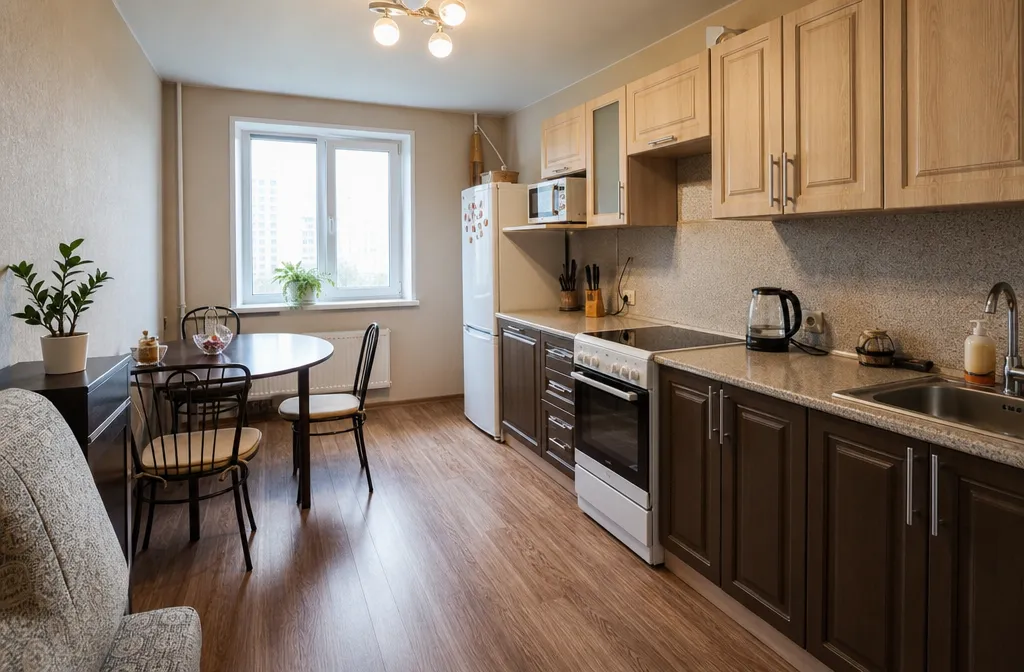
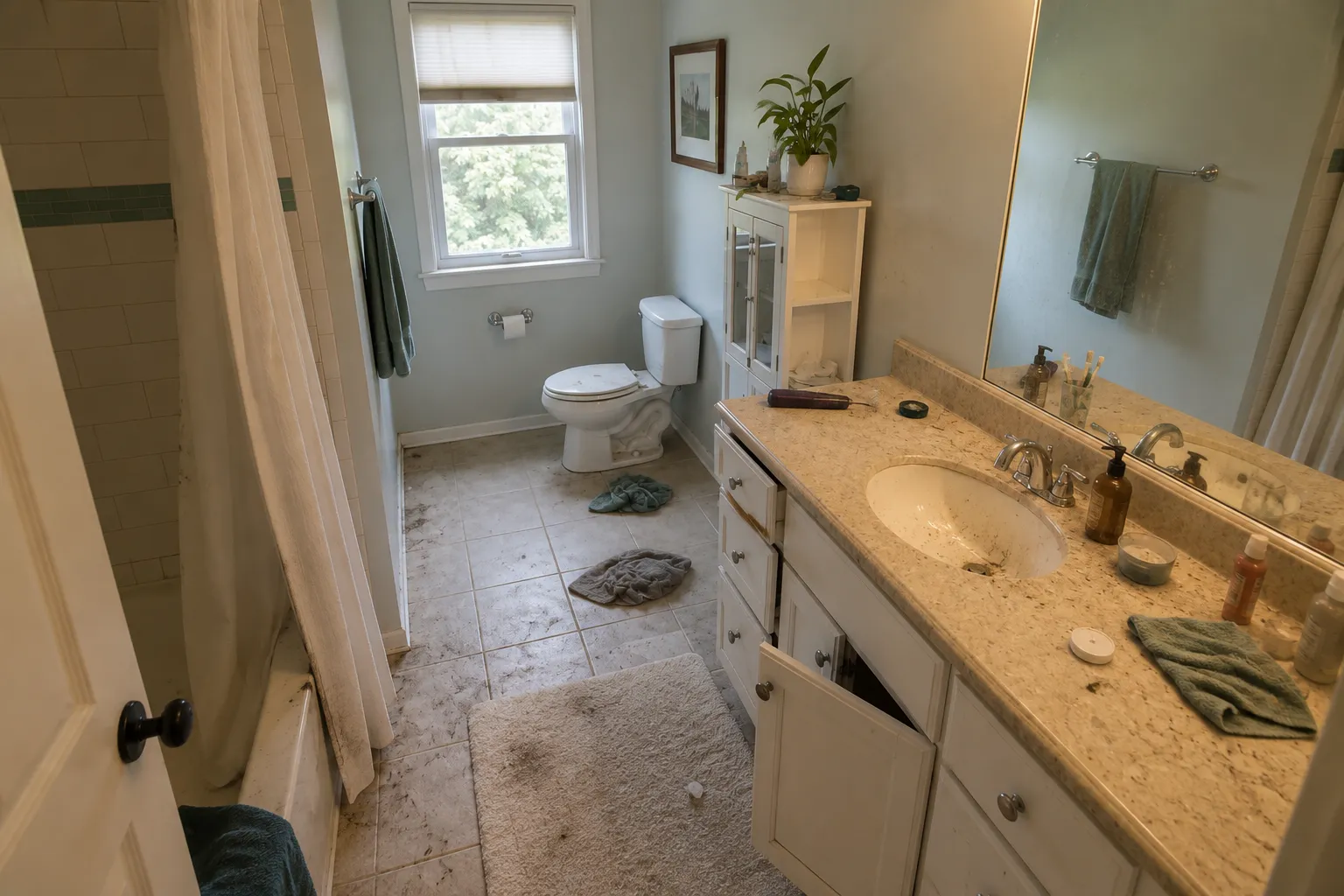
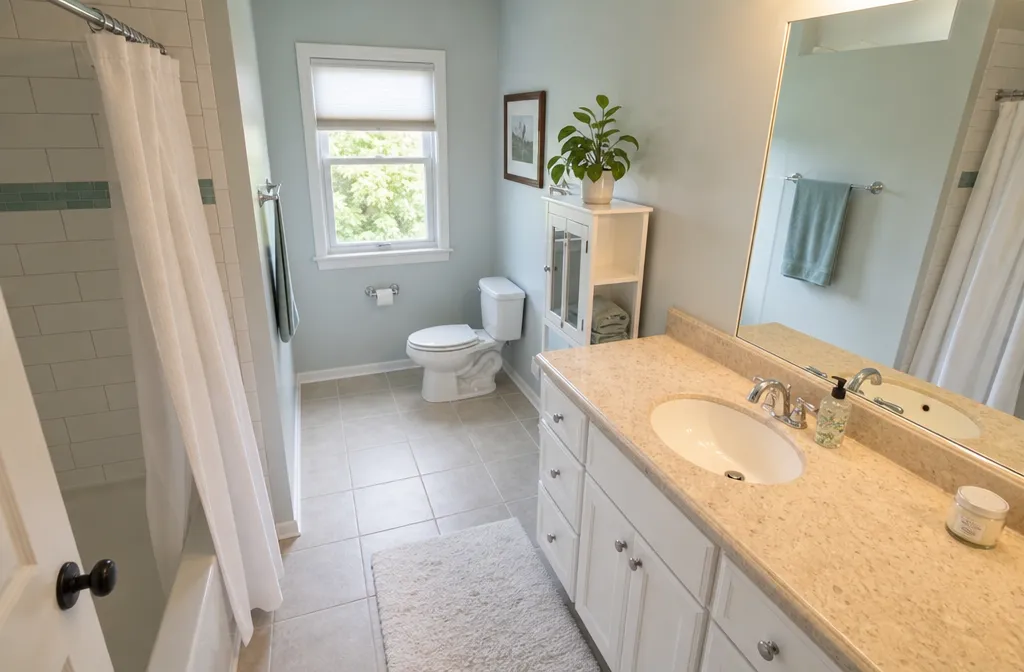
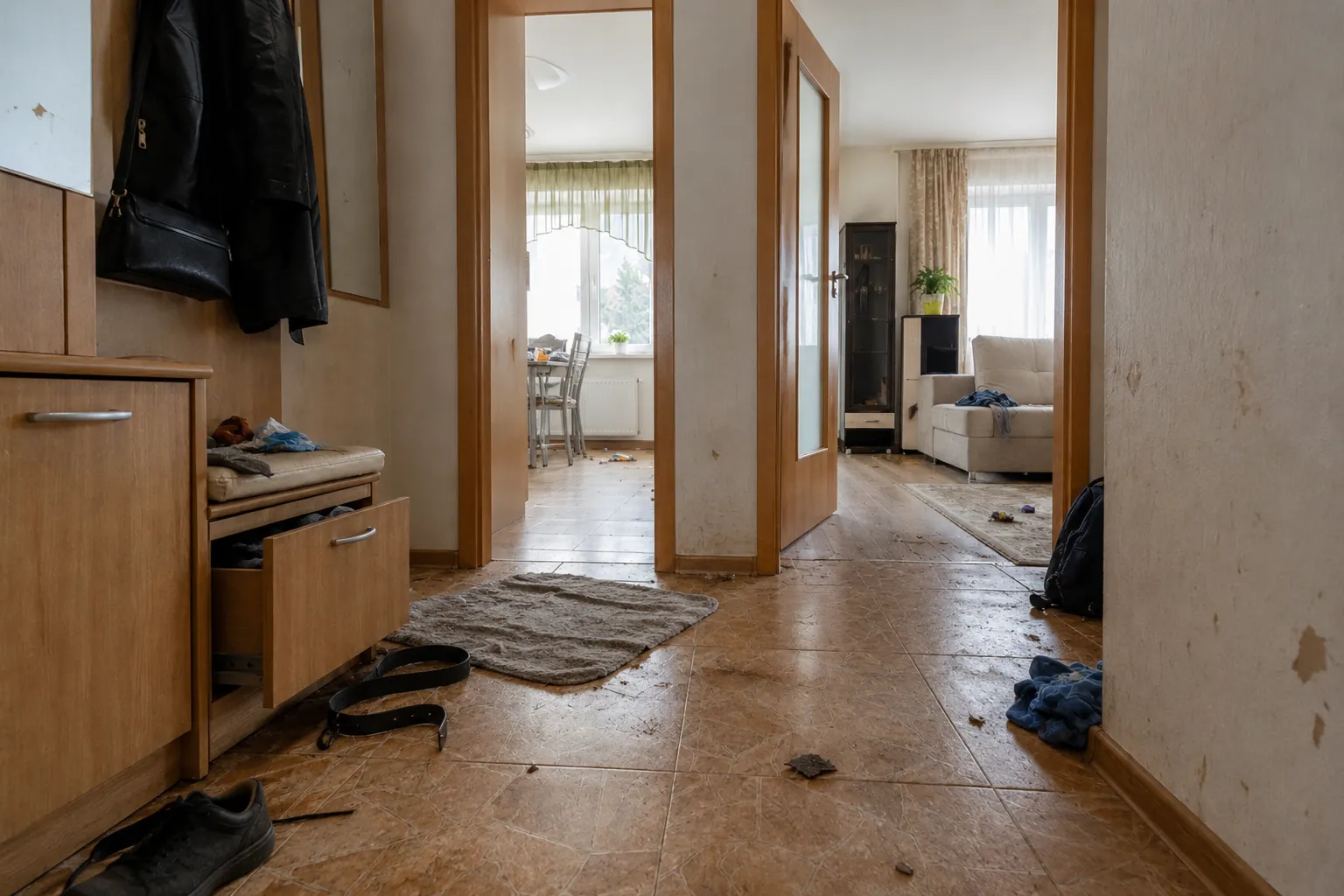
How Pre-Birth Cleaning Differs from General Deep Cleaning
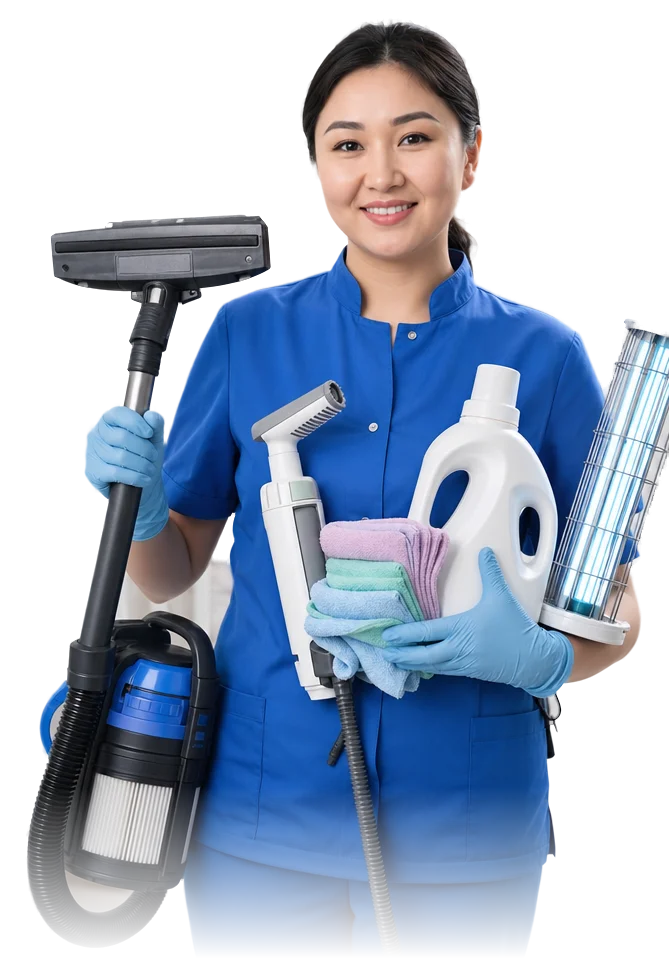
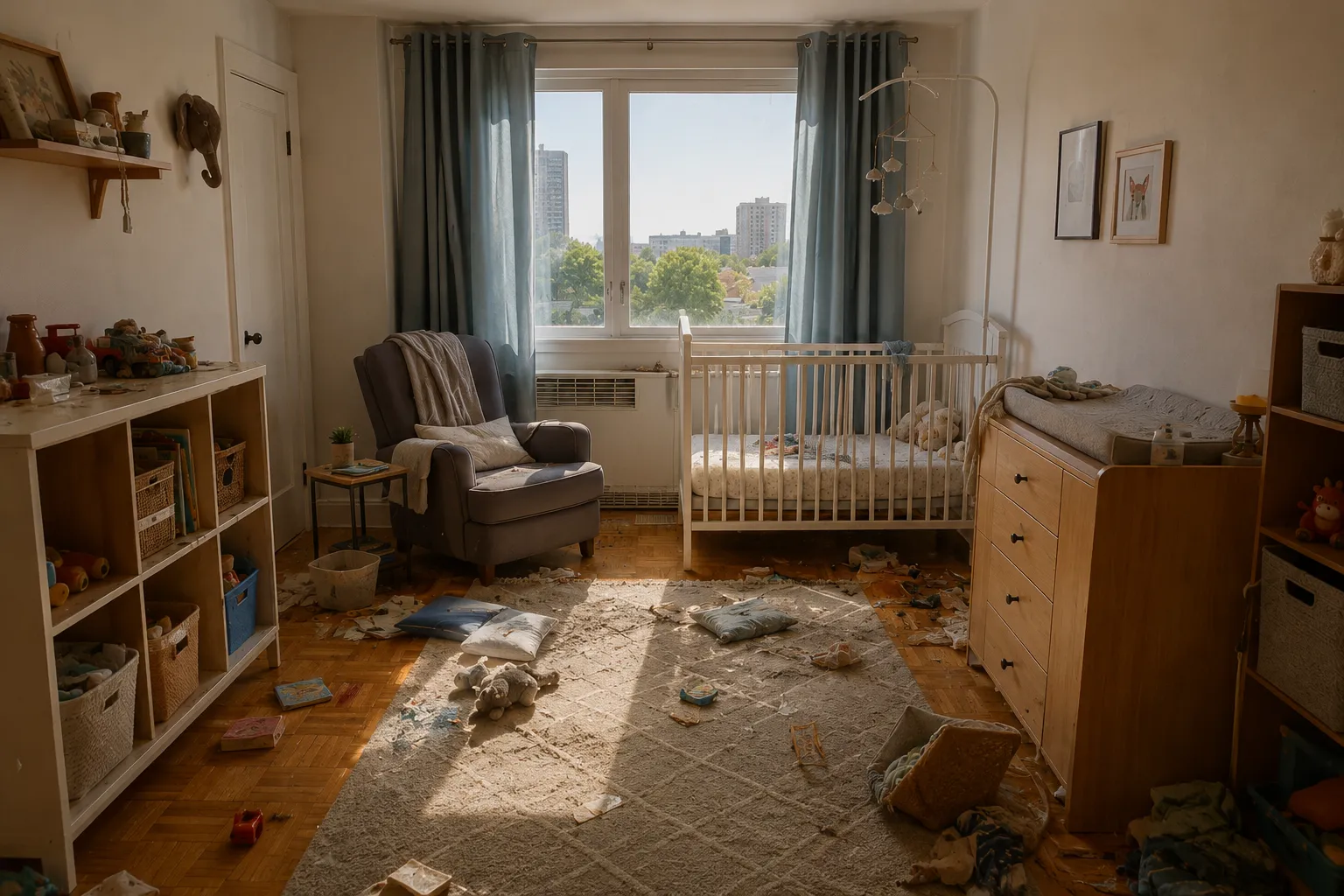
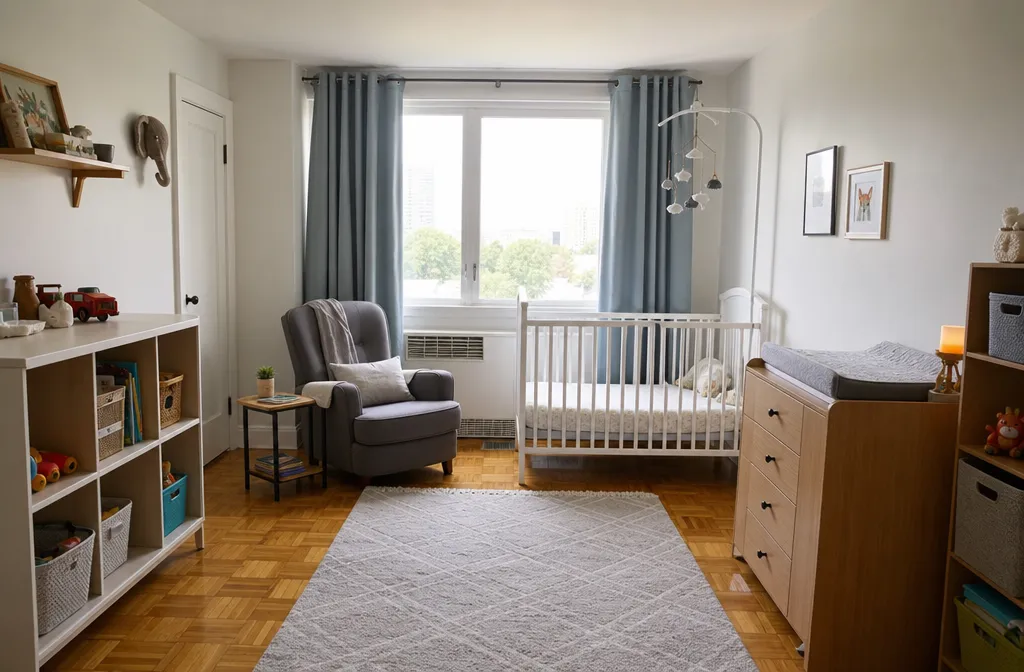
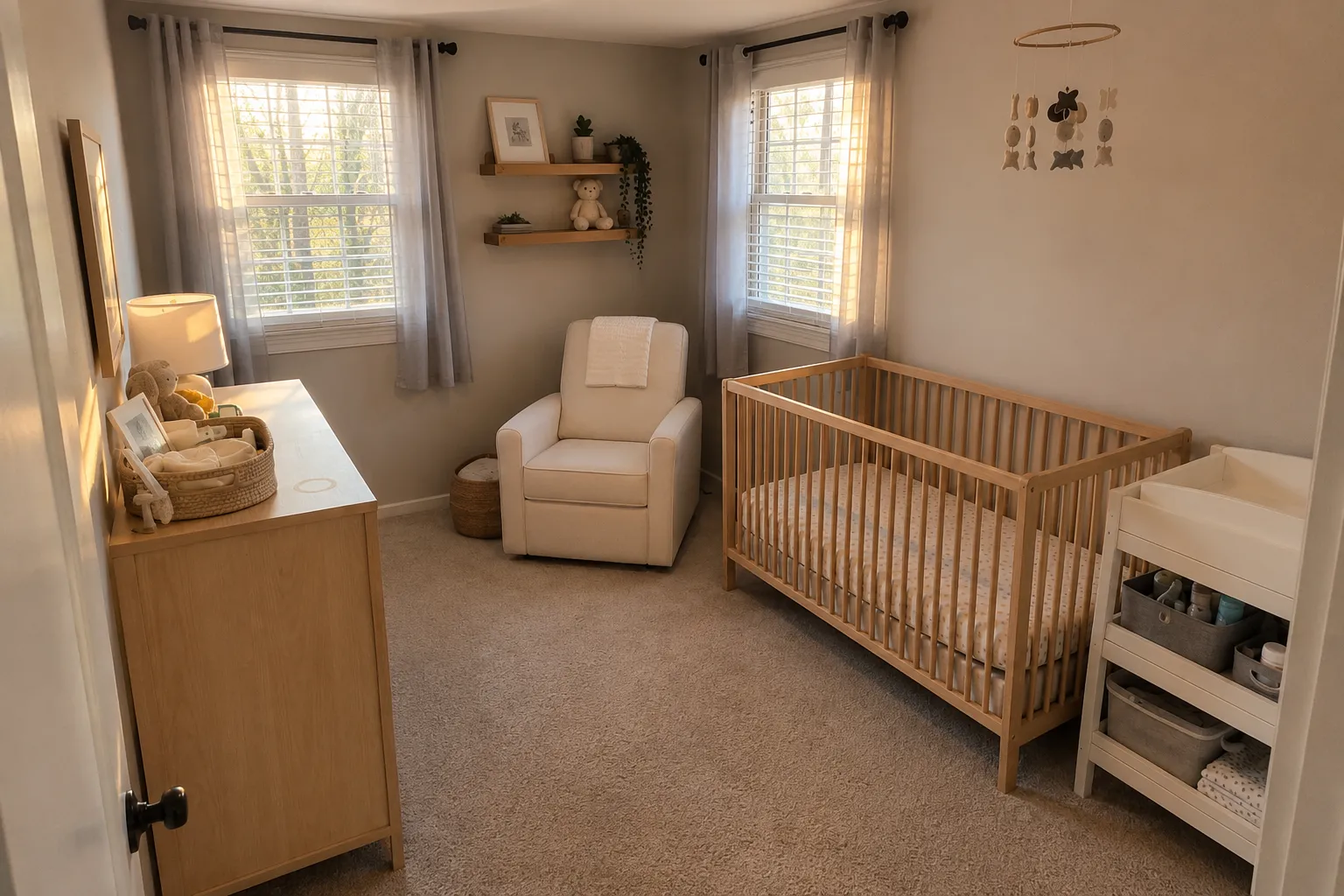
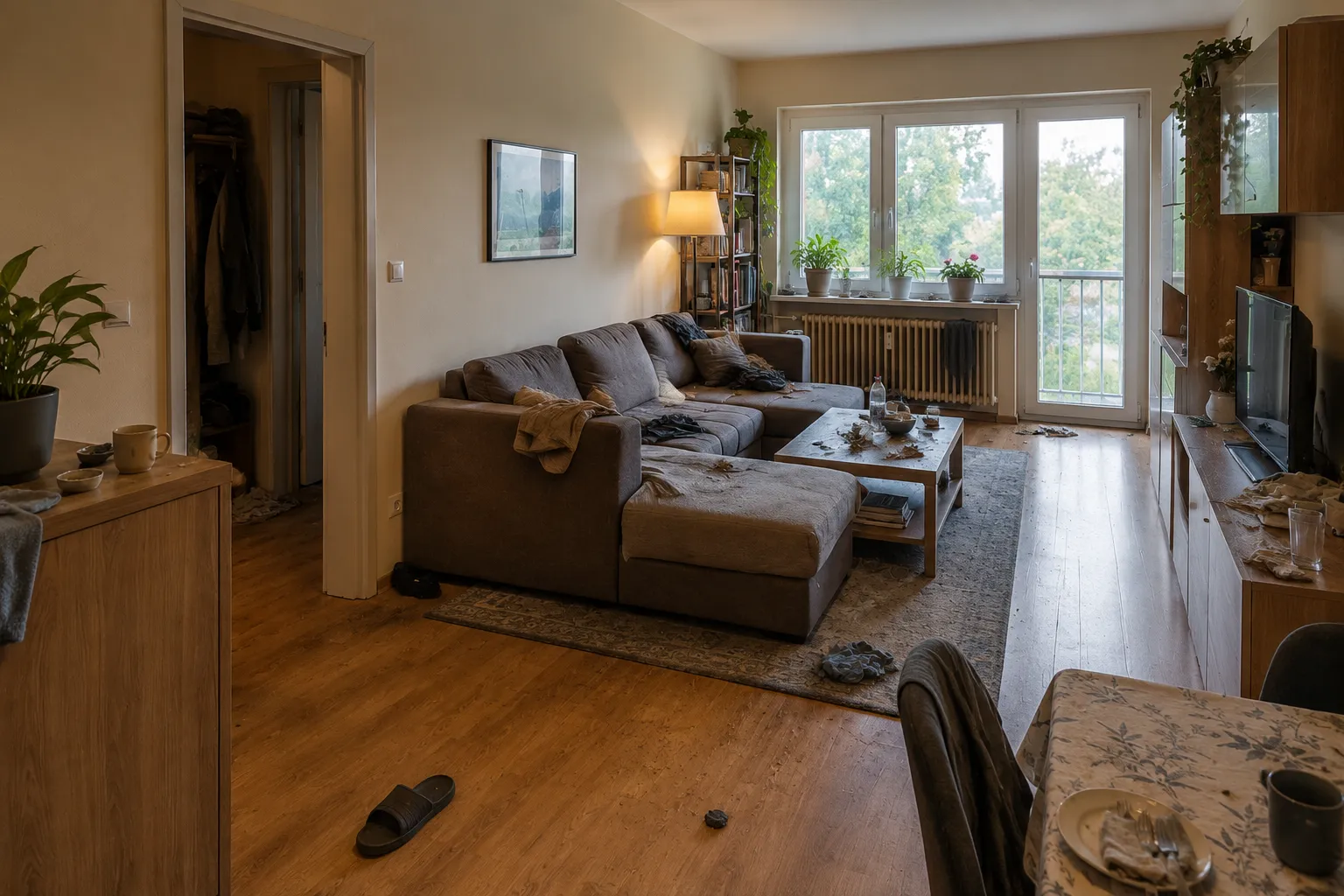
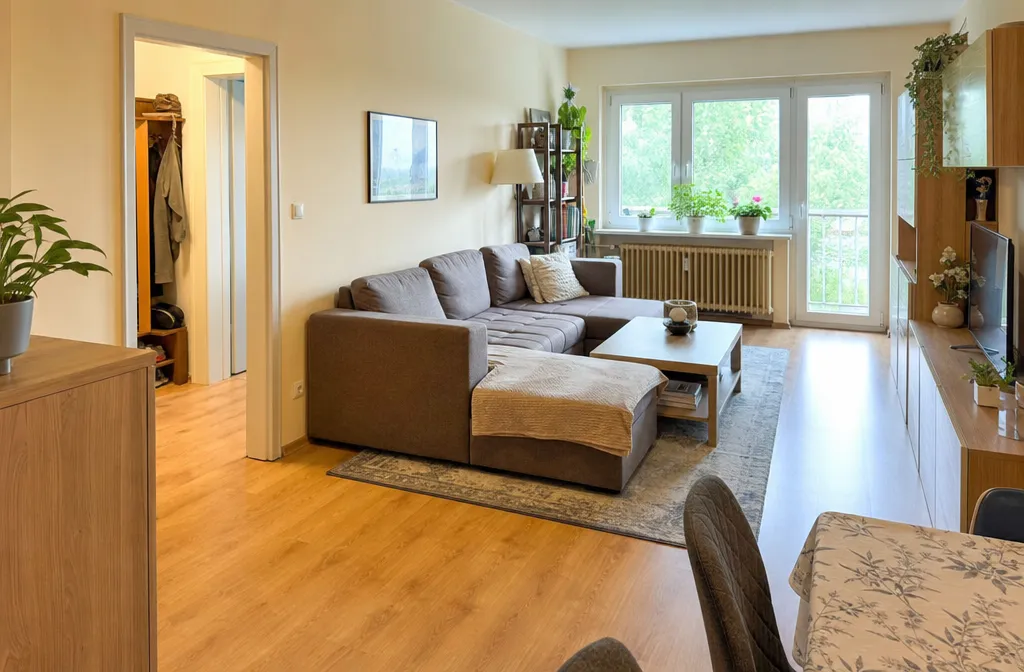
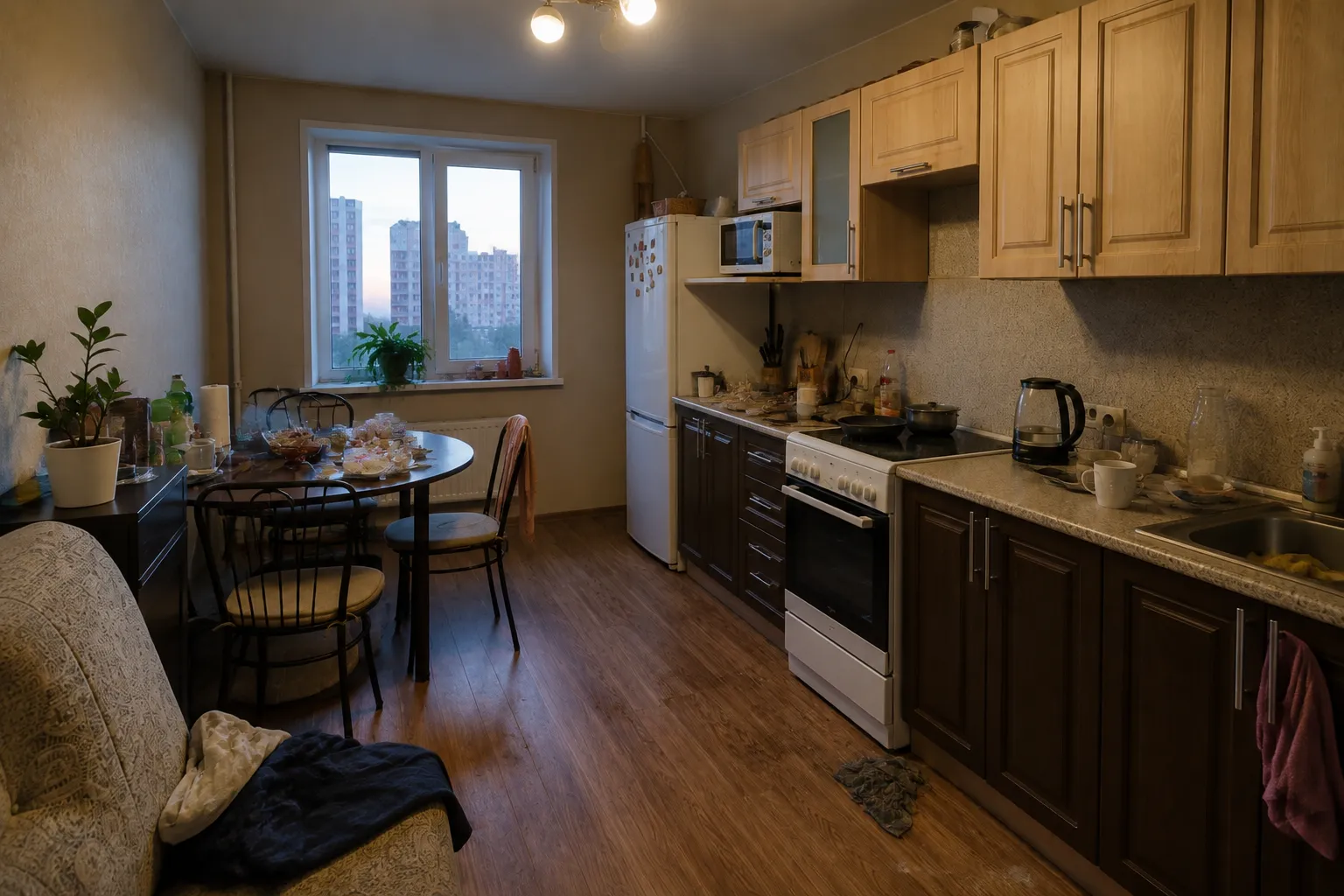
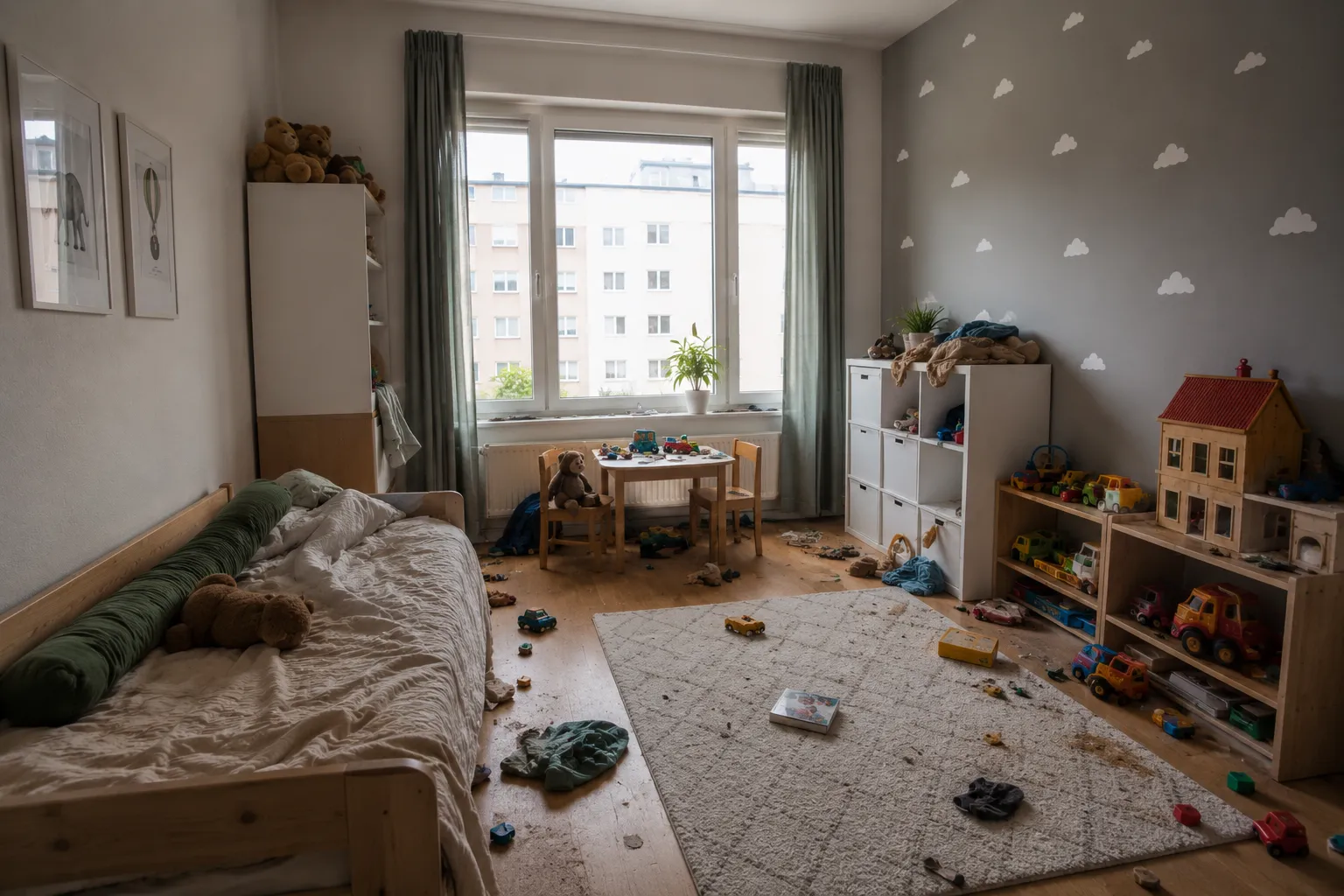
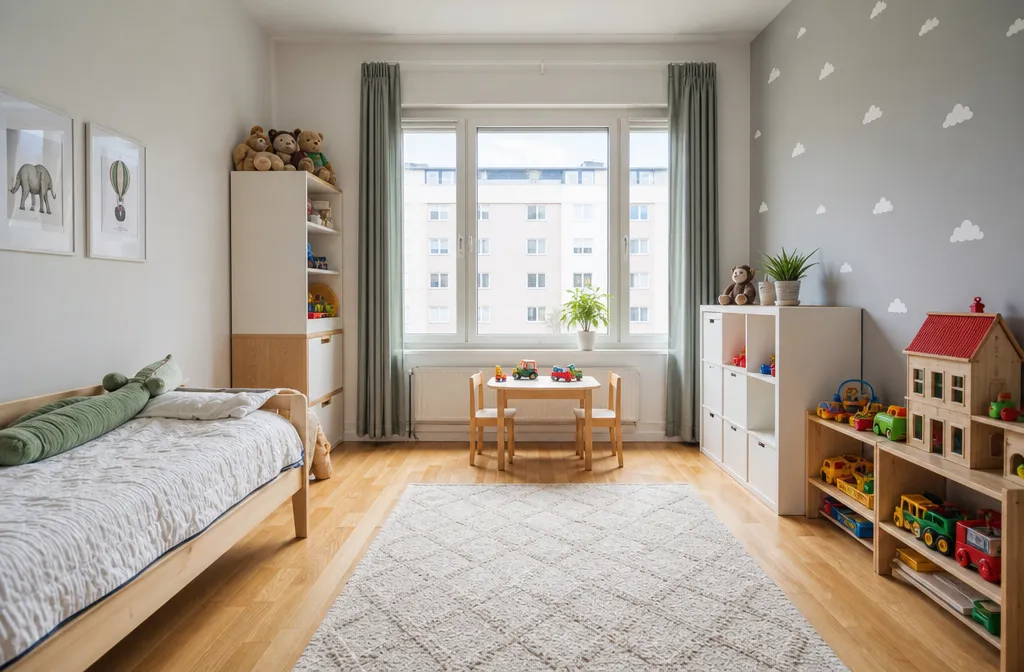
Many people confuse pre-birth cleaning with regular deep cleaning, but these are different services with different goals and standards. General deep cleaning removes visible dirt and tidies up, while pre-birth cleaning is a set of measures to create a hypoallergenic and sterile environment for a newborn. At profi-clean, we fundamentally distinguish between these tasks: if general cleaning focuses on aesthetics and overall cleanliness, pre-birth cleaning focuses on the safety of every surface the infant comes into contact with.
Difference in Biological Load and Disinfection Standards
During general cleaning, disinfection targets bathrooms and the kitchen, while in living areas it is limited to damp dusting. Pre-birth cleaning requires treating all horizontal and vertical surfaces, including walls, ceilings, interior doors, window sills, and baseboards, with the mandatory use of hypoallergenic disinfectants of the “medical cleaning” class. We use Kiehl and Sodasan formulations with active ingredients against Staphylococcus aureus and mold, which maintain a protective film for 48–72 hours. In Almaty apartments with poor ventilation, mold often hides behind furniture and in corners, and it goes unnoticed during standard cleaning — profi-clean cleaners inspect these areas with a UV flashlight.
Specific Areas Not Covered in General Cleaning
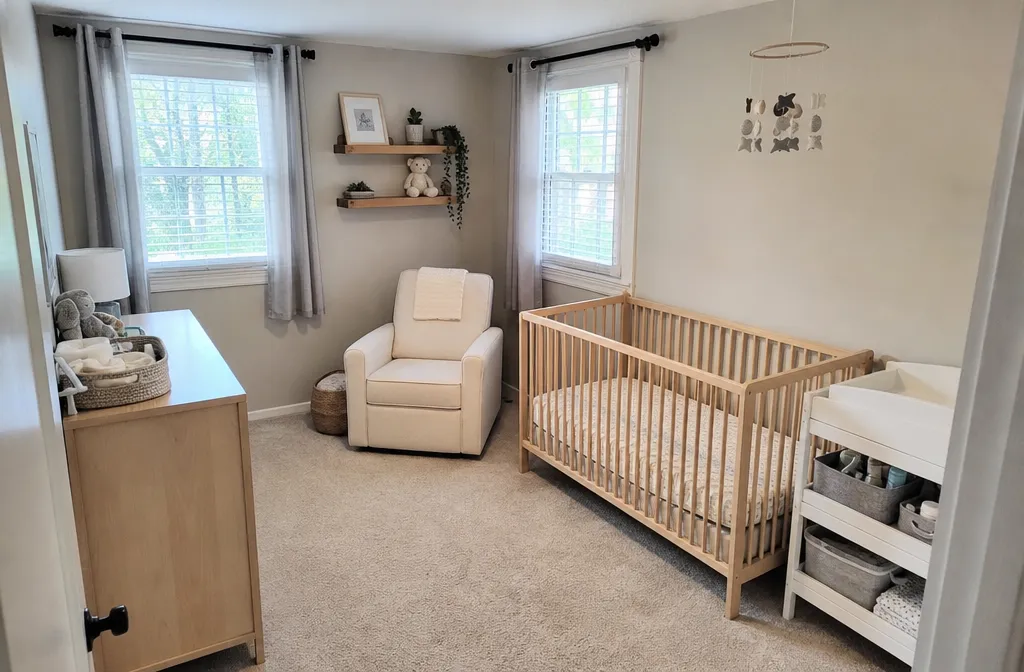
General cleaning does not treat the interior surfaces of wardrobes, dresser drawers, or shelves where baby clothes and linens will be stored. During pre-birth cleaning, we remove all removable shelves, treat them with a steam generator at 140 °C, then wipe them down with a hypoallergenic solution and leave them to air out for 30 minutes. A separate stage is the disinfection of the baby crib: the mattress, bumpers, base, and all bars are treated with an antibacterial spray free of chlorine and phenol. In general cleaning, toys and textiles are not touched at all, but in pre-birth cleaning, we manually clean every rubber and plastic toy, including small construction set pieces that a child might put in their mouth.
Air Filtration and Allergen Removal
During general cleaning, dust is swept downwards and partially becomes airborne. Pre-birth cleaning includes mandatory air filtration using a professional HEPA vacuum cleaner: the profi-clean cleaner first collects dust from all surfaces, then vacuums the floors, and after wet cleaning, runs a recirculator with a HEPA filter for 40 minutes. In Almaty homes with panel ceilings, dust accumulates in the gaps between the wall and baseboard — we clean these areas with a crevice tool. Studies show that the concentration of dust mites in apartments without such treatment is 3–4 times higher than the norm for a child’s room.
Upholstered Furniture and Carpet Treatment
In general cleaning, upholstered furniture and carpets are only vacuumed, without deep cleaning. In pre-birth cleaning, profi-clean performs on-site dry cleaning of sofas, armchairs, and carpets using extraction technology: the cleaning solution (Sodasan BabySafe) is applied under a pressure of 3.5 bar and immediately extracted along with the dirt. This removes not only dust but also residues of cleaning agents from previous cleanings, pet dander, and mold spores. In Almaty with its humid climate, carpets often contain mold fungi even with regular cleaning — extraction cleaning reduces their content to zero.
Difference in Bathroom Disinfection Approach
In general cleaning, the bathroom is cleaned with standard chlorine-based or alkaline products. For pre-birth cleaning, we use special disinfectants in the bathroom and toilet that are free of chlorine and ammonia, which kill E. coli and enterococci but leave no harsh odor. All surfaces are treated: the bathtub, sink, toilet (inside and outside), faucets, shelves, and holders. In Almaty apartments with central water supply, limescale often forms on faucets — we remove it with a steam cleaner and then apply a protective coating to prevent limescale from reappearing for a month.
Hidden Contamination Check
General cleaning does not involve diagnosing hidden contaminants. At profi-clean, before starting a pre-natal cleaning, the cleaner conducts a visual inspection with a UV lamp, which reveals traces of pet urine, mold, and organic matter on carpets and upholstered furniture. If stains are found, they are treated with an enzymatic solution that breaks down organic matter into water and carbon dioxide. In Almaty apartments with pets, such stains often remain from previous owners — they are not visible to the eye, but can cause allergies in an infant.
Final quality control and recommendations
After cleaning before the baby’s birth, a senior technologist at profi-clean checks each area against a checklist of 30 points: humidity level, absence of streaks on glass, cleanliness of corners and baseboards, and filter condition. Unlike general cleaning, where a visual inspection is sufficient, here we use moisture testers for the mattress and carpets — residual humidity should not exceed 5%. If the reading is higher, we turn on a dehumidifier for 2–3 hours. In my opinion, the key difference is that pre-natal cleaning is not just cleaning, but creating an environment where the child will spend their first months, and every detail matters here.
Which allergens and bacteria we remove: a detailed breakdown
In a pre-natal apartment, “just clean” is not enough — microbiological control is needed. I’ll tell you about the specific allergens and pathogens we work with and why standard cleaning cannot handle them.
House dust and mites: the main trigger of respiratory problems
Dermatophagoides pteronyssinus and Dermatophagoides farinae mites live in mattresses, pillows, upholstered furniture, and carpets with pile higher than 5 mm. In Almaty, where humidity in spring and autumn stays at 60–70%, their colonies breed year-round. We remove not the mites themselves (they do not move), but their fecal pellets, 10–40 microns in size — these contain the Der p1 protein, which causes allergic rhinitis and bronchial asthma in infants. A regular vacuum cleaner with a bag lets up to 30% of these particles back into the air, so we only use devices with HEPA H13 filters and water seals — they trap 99.97% of the suspension. On mattresses, we additionally use a steam generator at 120°C: at this temperature, the Der p1 protein denatures in 3–5 seconds. In our practice, after such treatment, the concentration of dust mite allergen in the bedroom drops from a high level to a low level — a level at which symptoms do not appear. Before cleaning, ask to pack bedding in airtight covers — this will prevent re-infestation by mites for 2–3 weeks.
Mold fungi: a hidden threat in corners and behind furniture
Spores of Aspergillus niger, Penicillium chrysogenum, and Cladosporium herbarum are found in a significant portion of Almaty apartments older than 10 years, especially in bathrooms, on kitchen backsplashes, and behind heavy cabinet furniture placed against exterior walls. These fungi release mycotoxins — aflatoxin B1 and ochratoxin A, which even in nanogram doses suppress the newborn’s immune system and can provoke atopic dermatitis. We treat affected areas not with bleach (it only destroys surface mycelium but does not affect spores in concrete pores or tile joints), but with a commercial fungicide based on quaternary ammonium compounds with foam application — it penetrates to a depth of up to 3 mm and destroys 99.9% of spores within 15 minutes of contact. After drying, we apply a protective polymer layer that blocks re-germination for 6–8 months. If the apartment has an area with constant flooding from the air conditioner, fix it before our arrival — otherwise, the spores will return within a month, regardless of the treatment quality.
Coliform bacteria and staphylococcus: risk zones in the kitchen and bathroom
Escherichia coli and Staphylococcus aureus are permanent residents of kitchen sinks, cutting boards, refrigerator handles, and toilet bowls. In Almaty, where tap water is often hard, carbonate deposits form on surfaces, under which bacteria create a biofilm — a protective mucous layer resistant to regular household cleaning agents. We break down the biofilm using a two-step method: first, we apply an alkaline disinfectant with a pH of 11–12 for 5 minutes (it softens the deposit), then rinse with 3% hydrogen peroxide mixed with surfactants — the peroxide penetrates micropores and oxidizes the cell walls of E. coli and S. aureus within 30 seconds. A control test with an ATP luminometer after treatment shows values below 10 RLU (the recommended threshold for food production facilities is 30 RLU). Please note: plastic cutting boards with deep cuts remain sterile after such treatment only if replaced every 2–3 months — bacteria survive in cracks even after professional cleaning, so for a child’s kitchen, it’s better to use glass or bamboo boards.
Animal Allergens: Dander, Saliva, and Sebaceous Gland Secretions
Even if there is no cat or dog in the apartment, their allergens (Fel d1 and Can f1) can persist on wallpaper, curtains, and carpets for up to 6 months after the animal has left the premises — these proteins adhere to textile fibers and are not removed by plain water. We treat soft surfaces with an enzymatic shampoo containing proteases, which break down the Fel d1 protein into amino acids within 10 minutes of contact, and then extract the residues with hot water (60°C) using a rotary machine with vacuum suction. On hard surfaces (walls, doors), we use a 2% citric acid solution — it denatures allergens without damaging the paint or varnish coating. If a cat previously lived in the apartment, after our cleaning, the level of Fel d1 in the air drops from high to low — this is sufficient to prevent a reaction in a child predisposed to allergies. However, keep in mind: in ventilation systems with horizontal ducts (typical for panel houses built in Almaty in the 70s–80s), allergens can accumulate inside the channel — our treatment does not affect the ventilation, so order a separate cleaning of it before the cleaning service.
Pesticides and Heavy Metals: An Unexpected Source on Vegetables and Fruits
Residues of organochlorine compounds (DDT, lindane) and lead salts settle on kitchen surfaces when washing unwashed vegetables — in Almaty, where some fruit and vegetable products are imported from southern regions with intensive pesticide use, this issue is relevant. We remove these contaminants not with alcohol or vinegar (they do not dissolve fat-soluble pesticides), but with a special detergent based on citrus essential oils — its molecules form micelles that capture and emulsify hydrophobic toxins, after which they are easily rinsed away with water. The concentration of DDT on the cutting surface after treatment decreases from a noticeable level to trace amounts. Additionally, we wipe refrigerator handles and vegetable drawers with 70% ethyl alcohol — it kills vegetative forms of bacteria but is useless against pesticides, so the citrus detergent step is mandatory. If you store vegetables in open wicker baskets, replace them with plastic containers with lids — pesticides accumulate in the porous structure of wicker and are not completely removed even by professional dry cleaning.
Safe Cleaning Products: What to Choose for a Newborn
Choosing cleaning products for a child’s room is not about the brand, but about the composition and residual chemicals on surfaces. At profi-clean, over eight years of work in Almaty, we have formed clear selection criteria: the product must break down into oxygen and water, contain no phosphates or chlorine, and leave no film after drying. Here is what is truly safe for a room where a newborn will sleep.
Why Household Chemicals from the Supermarket Are Not Suitable
Standard floor washing gels and all-purpose sprays contain surfactants that do not rinse off completely in a single pass. The residual film on floors, walls, and furniture is a source of contact dermatitis in infants. In our practice, there was a case in the “Samal-3” microdistrict where, after cleaning with regular “Mr. Muscle,” a child developed a rash on their cheeks and palms within 24 hours. We rewashed the entire apartment with a hypoallergenic Kiehl concentrate based on citric acid — the symptoms disappeared in two days. The difference between household chemicals and professional eco-friendly ones lies in pH and complete degradation capability: the former have an alkaline balance of 9-11 (irritating to skin), while the latter have a neutral 5.5-7. On any packaging, look for the line “surfactants” — if they are anionic and exceed 5%, such a product leaves a film.
How enzyme, oxygen, and acidic formulas differ
For pre-birth cleaning, we use three types of products, each with its own purpose. Enzyme formulas (Sodasan Enzym) break down organic matter — protein, fat, saliva, food residues — into water and carbon dioxide molecules. Oxygen-based ones (Kiehl Oxygen) work through active oxygen: they oxidize stains and kill bacteria without chlorine, breaking down into oxygen and water. Acidic formulas (based on citric or lactic acid) remove limescale and soap scum. In Almaty water, hardness is twice the norm, so without an acidic stage, white streaks remain on faucets, showerheads, and sinks, which later crumble into fine dust in the air. The choice between enzyme and oxygen-based products depends on the type of dirt: for the kitchen (grease, food residues) use enzymes; for the nursery (sweat, saliva, general disinfection) use oxygen.
How we test product safety in Almaty conditions
What is safe in a lab can cause a reaction in a real apartment with Almaty water and dry air. We conduct a rinse-off test: apply the product to glass, rinse using standard technology, and check under ultraviolet light — residual glow indicates a film. For children’s rooms, we only use formulas that show zero glow after drying. The second criterion is an allergy test on an employee’s skin: apply the diluted product to the forearm for 15 minutes. If there is no redness, it is approved for cleaning. Due to the dryness of Almaty air (humidity in winter 25-35%), the concentration of volatile substances in the room is higher — so we dilute concentrates at a ratio of 1:200 instead of the standard 1:100. Before ordering a pre-birth cleaning, ask the cleaners for a safety certificate for the products — genuine eco-brands (Kiehl, Sodasan) provide an MSDS (Material Safety Data Sheet) listing all components and hazard class.
Mistakes parents make when choosing products
A typical scenario: they buy an expensive “eco-line” at the supermarket but don’t read the ingredients — it says “chlorine-free,” but the chlorine bleach is replaced with sodium hypochlorite (the same chlorine, just in a different form). Or they pick a product labeled “hypoallergenic,” but the ingredients include linalool fragrance (allergen #1 according to EU CosIng). The third mistake is using one product for all surfaces: floors, tables, and cribs require different pH levels. A wooden crib cannot be cleaned with acid — it will damage the finish, and a plastic playpen cannot be scrubbed with abrasives — it will leave micro-scratches where dirt accumulates. And one more thing: never mix oxygen-based and acidic formulas — active chlorine is released, which irritates the respiratory tract. In our practice, there was a call to the “Nurly Tau” residential complex, where parents mixed an oxygen-based stain remover with vinegar for floor washing — within an hour, the mother started coughing and tearing up. We had to air out the apartment for three hours and rewash everything with a neutral solution.
Which surfaces require different cleaning approaches
Every surface in a children’s room has its own porosity and chemical resistance. Wooden floors (parquet, engineered wood) — cannot be flooded with water, only slightly damp cleaning with a neutral pH product without alkali. Laminate — is afraid of steam: if washed with a steam cleaner, the joints swell within 2-3 cycles. Bathroom tiles — the only covering where an acidic composition is acceptable for removing limescale, but it must be followed by rinsing with clean water. Textiles (carpet, sofa, curtains) — only dry cleaning with an enzyme shampoo, because wet cleaning leaves moisture in the pile, and in Almaty’s dry conditions, this provokes dust mites. Glass and mirrors — we wash with a solution of water and a few drops of baby dish soap (pH neutral, ammonia-free), otherwise streaks remain on the glass that attract dust. For carpeting in the children’s room, we only use hot water extraction cleaning — it washes chemical residues out of the deep pile, which a regular vacuum cleaner does not do.
How often should cleaning be done before and after childbirth
The frequency of cleaning directly affects the microbiological cleanliness to which a newborn’s immune system is not adapted. We identify four key periods: 2-3 weeks before the EDD, the first week after discharge, the first month, and the period up to six months. Each has its own risk and its own strategy.
Two to three weeks before the expected due date: deep cleaning
2-3 weeks before the EDD, we perform a single full treatment with HEPA filtration and hypoallergenic chemicals. At this stage, the uterus is not yet pressing on the diaphragm, and the expectant mother can safely leave the apartment for 3-4 hours. In our practice, cleaning at this stage removes up to 92% of dust mites and mold spores from hard-to-reach surfaces — cornices, top shelves of wardrobes, back walls of the refrigerator. If you miss this stage, after childbirth you will have neither the strength nor the time for deep cleaning: the first two weeks with an infant are a “sleep-feed” cycle every 2-3 hours.
First week after discharge from the maternity hospital: maintenance treatment of the bedroom
Immediately after returning home, what matters is not a general cleaning, but targeted treatment of the bedroom and bathroom. An infant spends 16-18 hours a day in the crib, and dust from diapers, lint from blankets, and micro-particles from the mother’s skin settle on the bumpers and mattress. In the first 5-7 days, we recommend daily damp wiping of surfaces in the nursery — with clean water without chemicals, plus airing for 10-15 minutes three times a day. Intensive cleaning with washing vacuum cleaners and steam generators is better postponed until the 10-14th day: the umbilical wound heals, and the risk of introducing infection through raised dust decreases.
First month: weekly hygienic cleaning with an emphasis on floors and textiles
In the fourth week of life, the child begins to move their legs more actively, drool on toys, and put them in their mouth. During this period, at profi-clean we recommend ordering maintenance cleaning once every 7 days — treating the floor, baseboards, rugs, and all horizontal surfaces in the nursery. Our cleaners use a steam cleaner at 120°C to disinfect the floor without chemicals: this is enough to destroy staphylococcus and E. coli, which can enter the home on guests’ shoes or shopping bags. Textiles — curtains, bedspreads, soft toys — are treated with a vacuum cleaner with a HEPA filter, but washing at 60°C is needed no more than once a month, otherwise the fabric loses its structure and starts to generate dust itself.
From one month to six months: scheduled cleaning once every two weeks
After the first month, the frequency can be reduced to once every 14 days, provided the home maintains a humidity of 40-60% and there are no long-pile carpets. However, two factors necessitate a return to a weekly schedule: the start of complementary feeding (usually 4-6 months) and the onset of crawling. The baby explores the floor with their mouth, and crumbs from porridge and puree are an ideal environment for mold to grow in parquet gaps and under baseboards. During this period, we treat the dining area and the nursery floor with steam, and we disassemble the high chair and wash each component separately — up to 300 CFU/cm² of bacteria accumulate in the seat folds, according to our measurements.
What mistakes do parents make in their cleaning schedule
Buying a cheap humidifier without a hygrometer: when humidity is above 70%, dust mites multiply 4 times faster, and weekly cleaning stops helping — you need additional steam treatment of the mattress every 10 days. Mopping the floor with chlorine-based products once a week: chlorine dries out an infant’s mucous membranes and destroys the top layer of laminate, causing micro-cracks where dirt gets trapped. Forgetting to ventilate the bedroom before sleep: if you don’t open the window for 10 minutes, the CO₂ concentration rises to 1500 ppm overnight, and the child sleeps worse — when ventilated, cleaning works more effectively because dust doesn’t stagnate.
When to call cleaners instead of cleaning yourself
We recommend professional cleaning before childbirth in two scenarios: if the expectant mother works until the 36th–37th week (physically no time for deep cleaning) or if the apartment has carpets and upholstered furniture older than 5 years. In Almaty apartments with Soviet-era layouts, carpets accumulate up to 2 kg of dust per square meter per year — a household vacuum cleaner cannot remove this; you need a water filter vacuum cleaner with a turbo brush and an H13 class HEPA filter. After discharge — if the mother had a C-section, lifting heavy objects (including a bucket of water) is prohibited for 6–8 weeks, and weekly cleaning by cleaners eliminates the risk of suture dehiscence.
Cleaning specifics in Almaty: climate, dust, seasonal factors
Almaty’s air is not a backdrop for cleaning but its main enemy: the basin traps smog, and dust from vacant lots and construction sites settles in apartments within 2-3 days. Without considering these factors, even perfect cleaning won’t last a week, and for a pre-natal apartment, this is critical.
Almaty dust: where it comes from and why it’s dangerous for a newborn
Dust in Almaty apartments is not household debris but a complex mixture of cement dust from construction sites in the Zhetysu-2/Algabas microdistricts, exhaust fumes from Raiymbek Avenue, and poplar fluff in June. Heavy metals and combustion products are sorbed onto PM2.5-10 microparticles, invisible to the eye — when they enter a newborn’s respiratory tract, they cause persistent irritation of the mucous membranes and reduce local immunity. In our orders in the Duman and Samal-2 microdistricts, we recorded that after standard dry cleaning, the level of suspended particles returns to baseline within 12-14 hours. Therefore, on all pre-natal sites, we use vacuum cleaners with H13 HEPA filters — they capture 99.97% of particles up to 0.3 microns, including cement and road dust. Before cleaning in areas with active construction — Zhetysu-3, Ainabulak, Nurkent microdistricts — we additionally treat windowsills and floors with an antistatic agent so that charged particles are not attracted back.
Seasonal allergies and flowering: how cleaning protects the child
Almaty is located in a zone of high concentration of allergenic pollen — wormwood, ragweed, poplar, and birch bloom from April to October, and in the foothill areas (Kamenka, Gorny Gigant microdistricts) the season starts 2-3 weeks earlier than in the center. Pollen settles on curtains, upholstered furniture, and carpets, and when windows are open, it penetrates the apartment within 15-20 minutes. For a child in the first months of life, contact with pollen poses a risk of allergic rhinitis and atopic dermatitis, even without a genetic predisposition. At profi-clean, during the flowering season, we change the wet cleaning schedule: we wipe all horizontal surfaces daily, and treat microfiber curtains with a steam cleaner at 120°C — this destroys the protein shell of pollen grains. Our clients from the Orbita-2 microdistrict confirm: after such treatment, family members had no sneezing attacks for 5-7 days, even though poplar fluff was outside the window.
Humidity and mold: hidden threat in bathrooms and kitchens
In Almaty apartments, especially in the old housing stock (Tastak, Almaly, Bostandyk microdistricts), humidity in bathrooms stays at 65-75% even with the exhaust fan running — due to the lack of supply ventilation in houses built in the 70s-80s. This is an ideal environment for black mold Aspergillus niger: it grows behind cabinets, under the bathtub, and in tile joints within 3-4 weeks and releases mycotoxins that damage newborns’ bronchi when inhaled. As part of pre-natal cleaning, we treat all potentially damp areas with a fungicidal composition based on benzalkonium chloride — it suppresses mold spores for 30-40 days even at 70% humidity. At sites in the Ulzhan-1 microdistrict, we additionally check corners in the kitchen under the sink and behind the refrigerator: condensation from old plumbing often accumulates there, and mold appears earlier than in the bathroom. When foci are detected, we