What Contaminants Remain After a Move
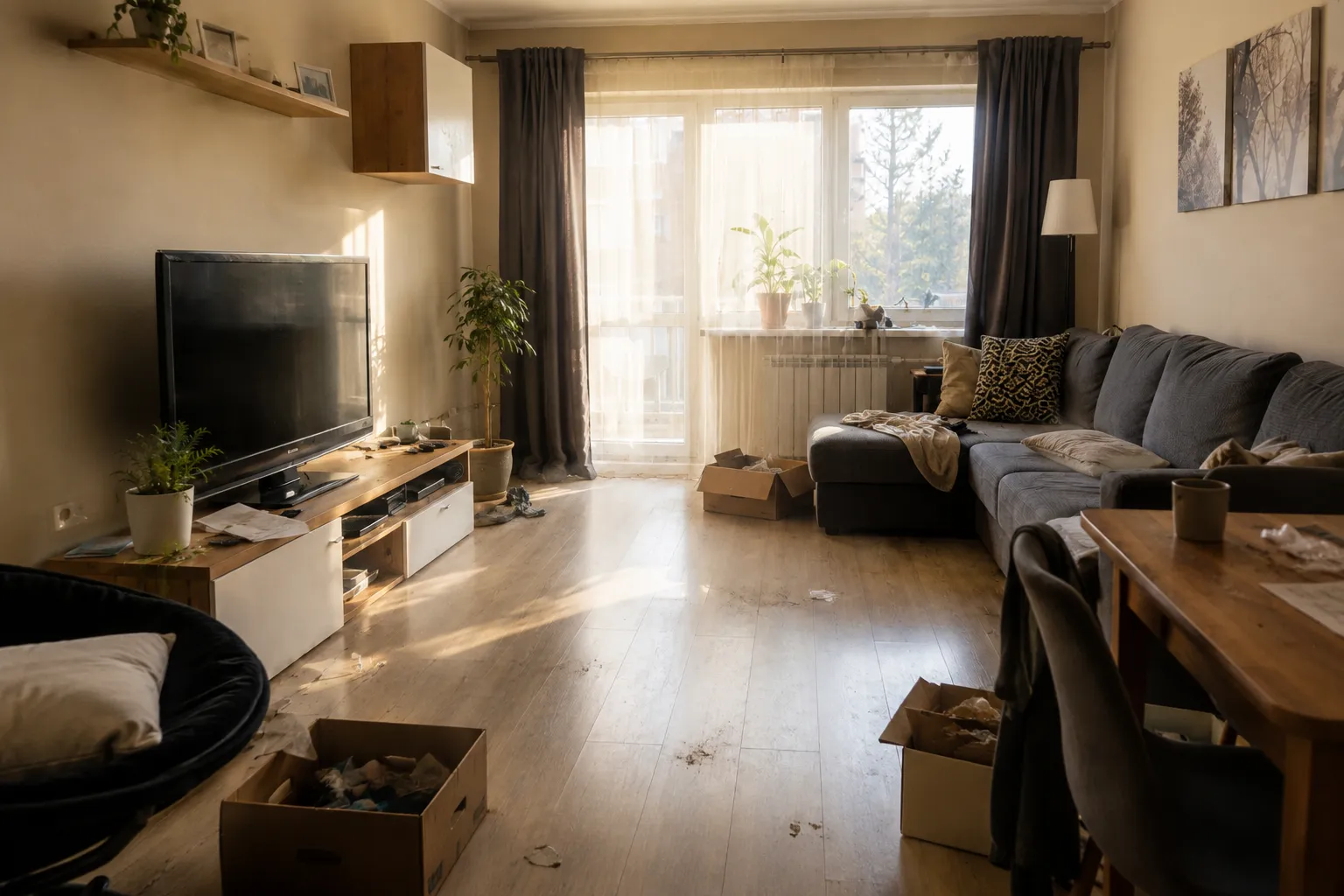
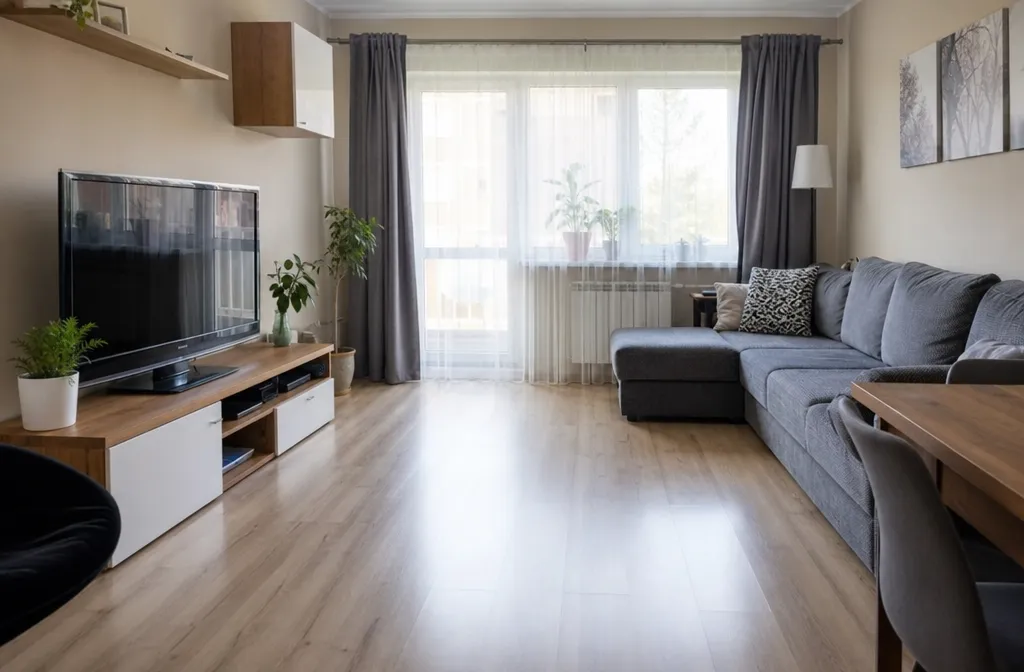
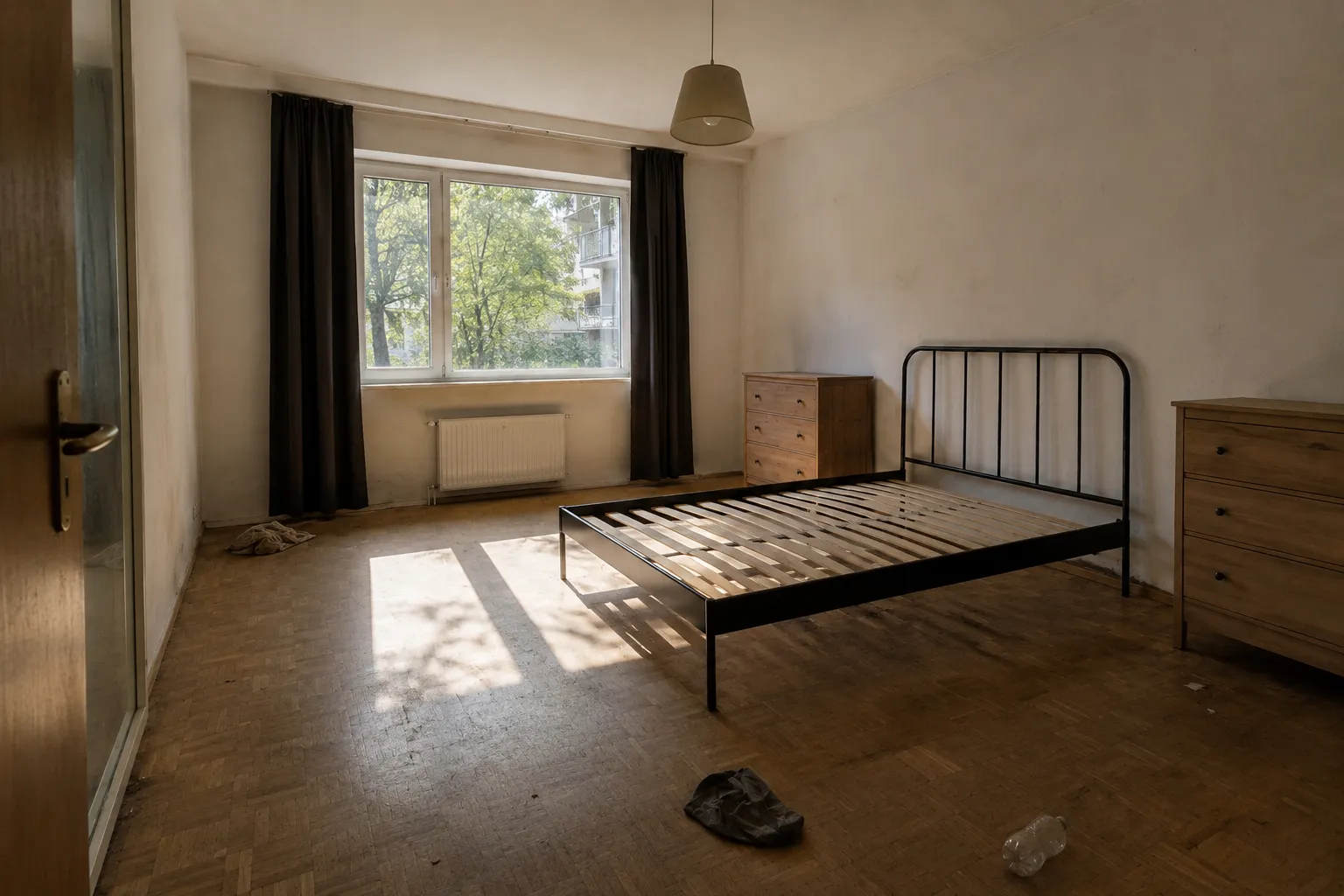
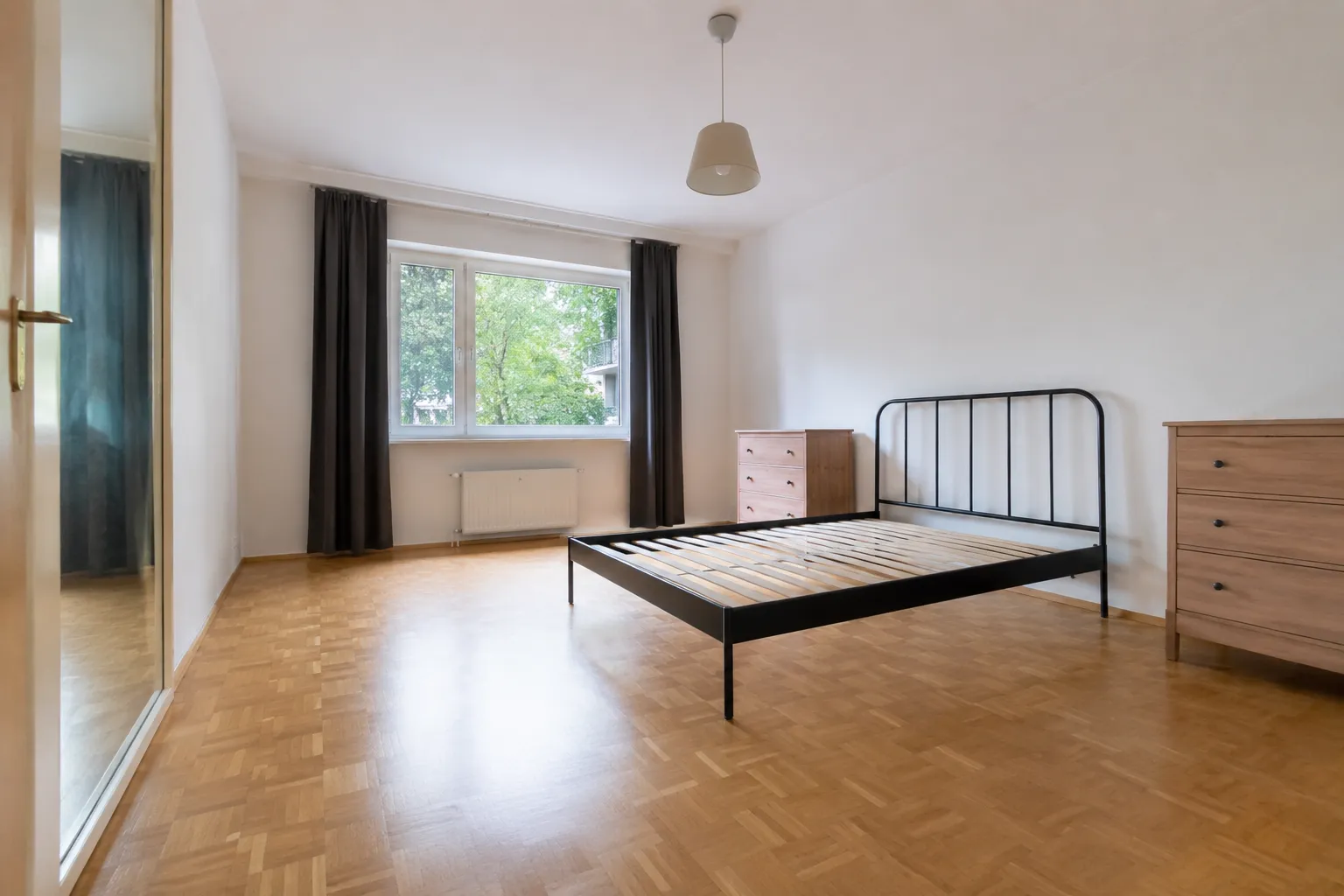
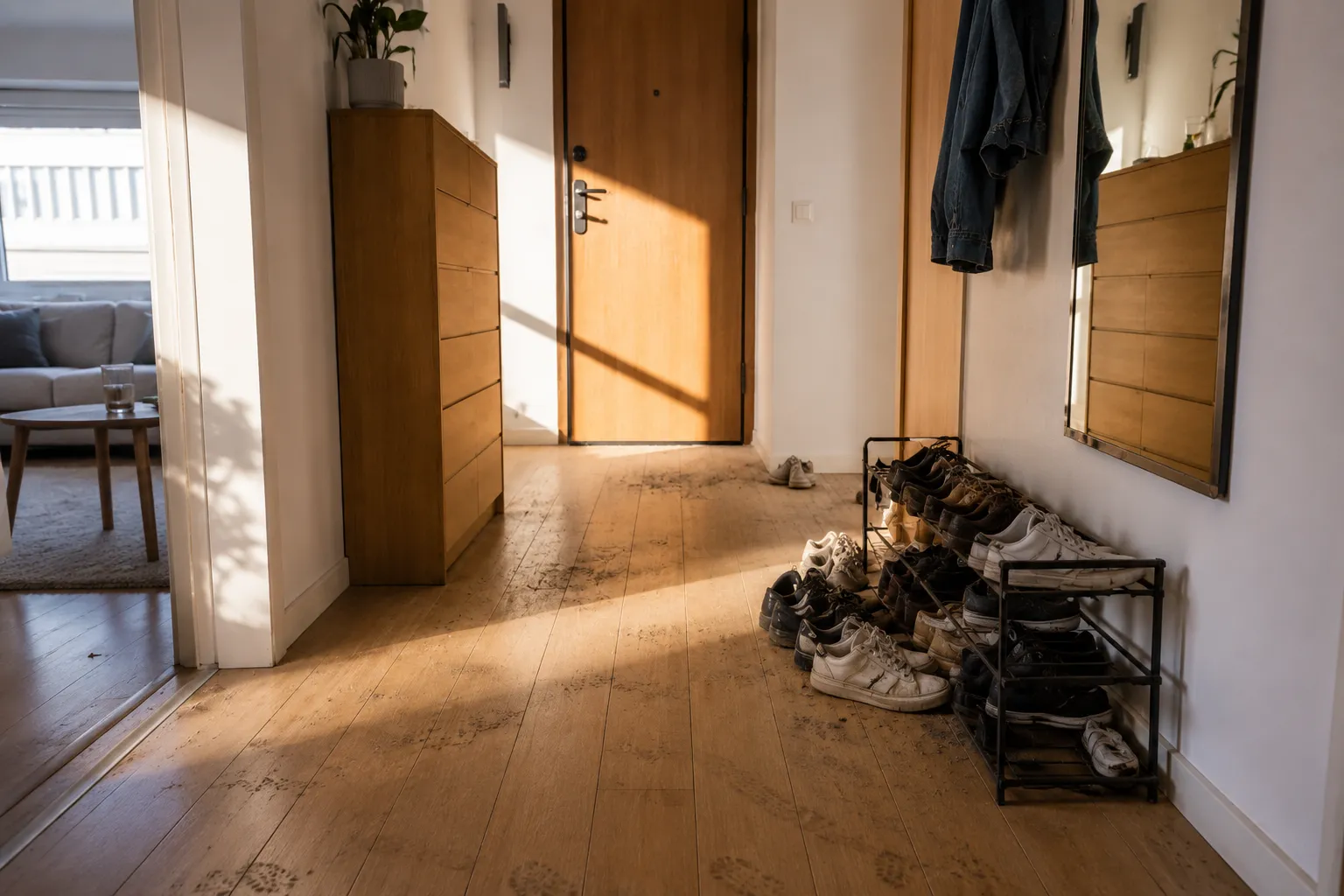
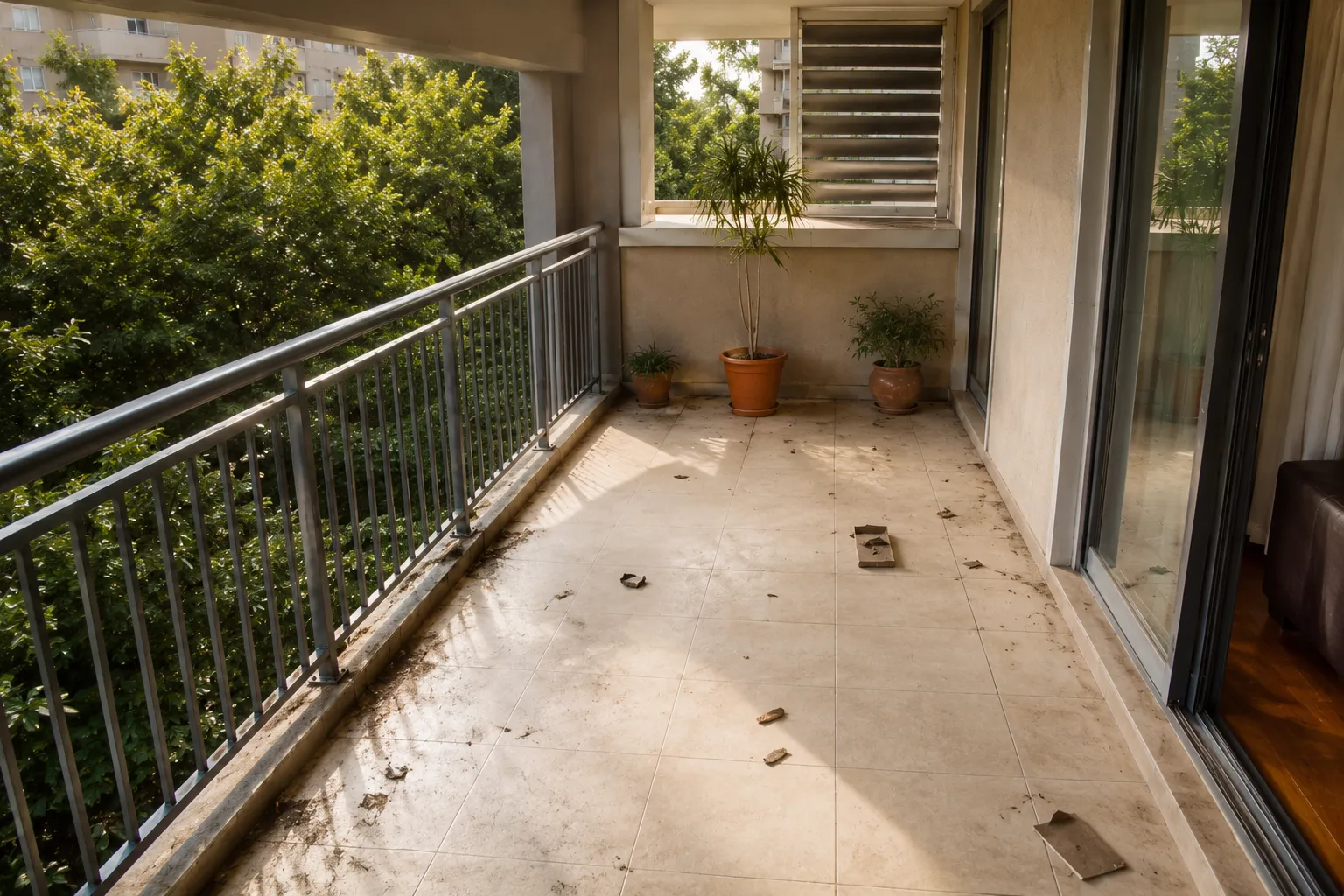
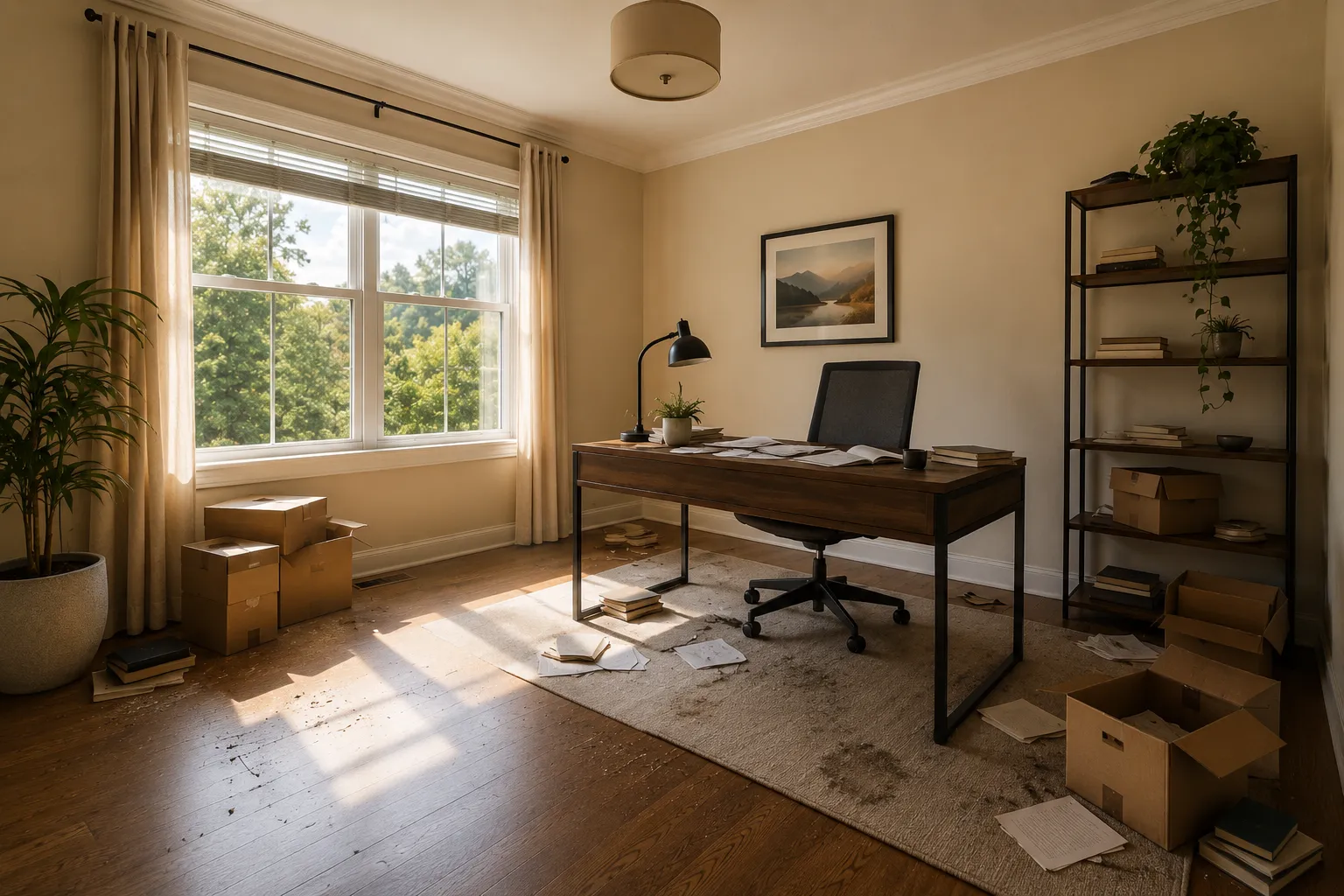
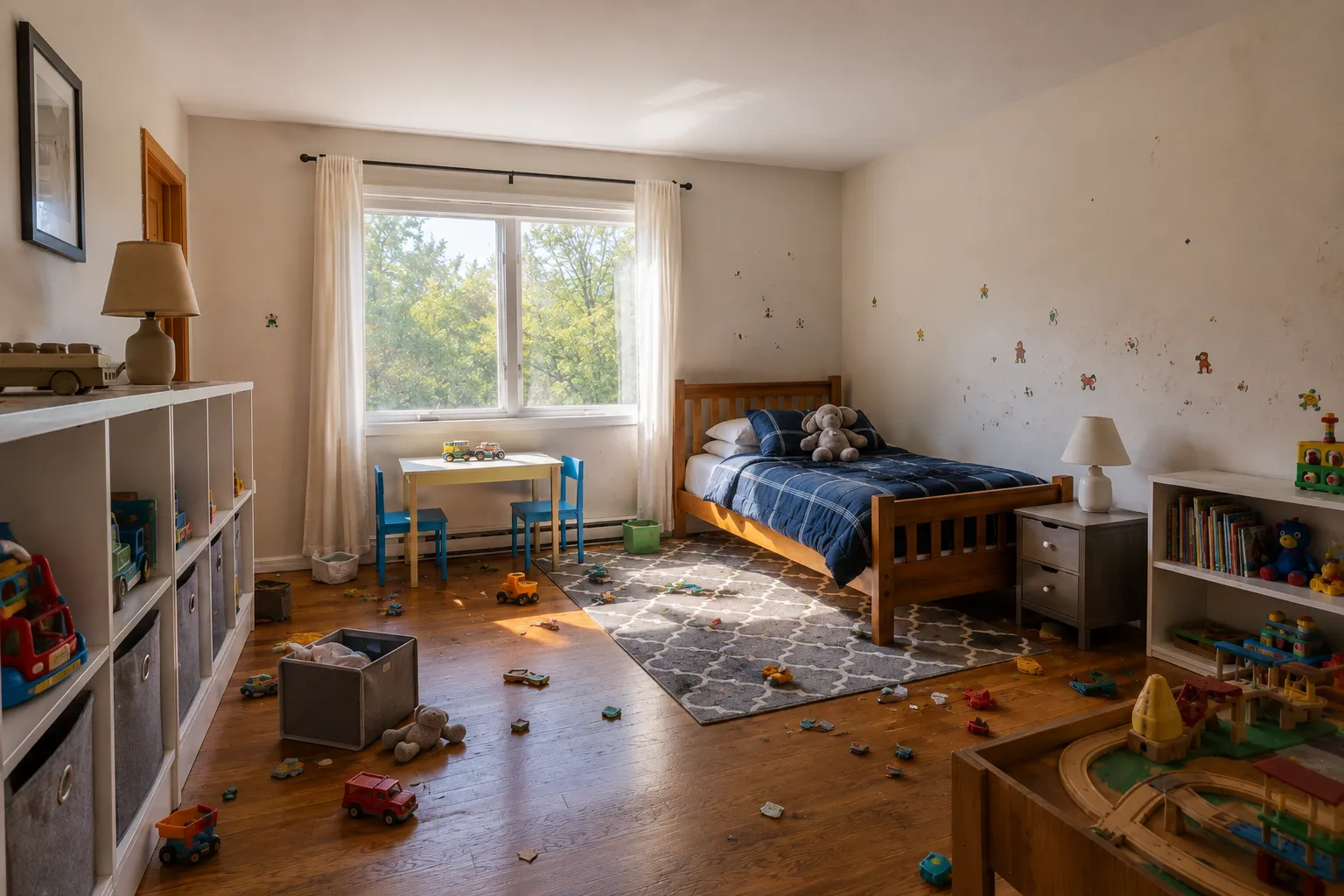
When furniture and boxes are taken out of an apartment, visible trash is removed by the residents themselves, but several layers of contamination remain on surfaces that standard household cleaning cannot handle. In 8 years of work in Almaty, we have visited hundreds of properties after moves and compiled a map of typical areas that require a professional approach — from construction dust in ventilation to stubborn stains in the kitchen.
Dust Embedded in All Horizontal and Vertical Surfaces
After a move, a fine particulate suspension lingers in the air — a mix of cement dust from drilled walls, gypsum board particles, and street dirt tracked in on movers’ shoes. It settles not only on floors and windowsills but also on cabinets, cornices, top shelves of mezzanines, and the inner walls of drawers that were open during assembly. An ordinary cloth smears this suspension into a gray film, while the HEPA filter of a professional vacuum cleaner captures particles down to 0.3 microns — exactly the equipment profi-clean uses on all sites. In my opinion, the most insidious area is ventilation grilles: dust circulates through them into all rooms for another week after residents leave if they are not cleaned inside.
Grease and Grime on the Kitchen, Hidden Behind Facades
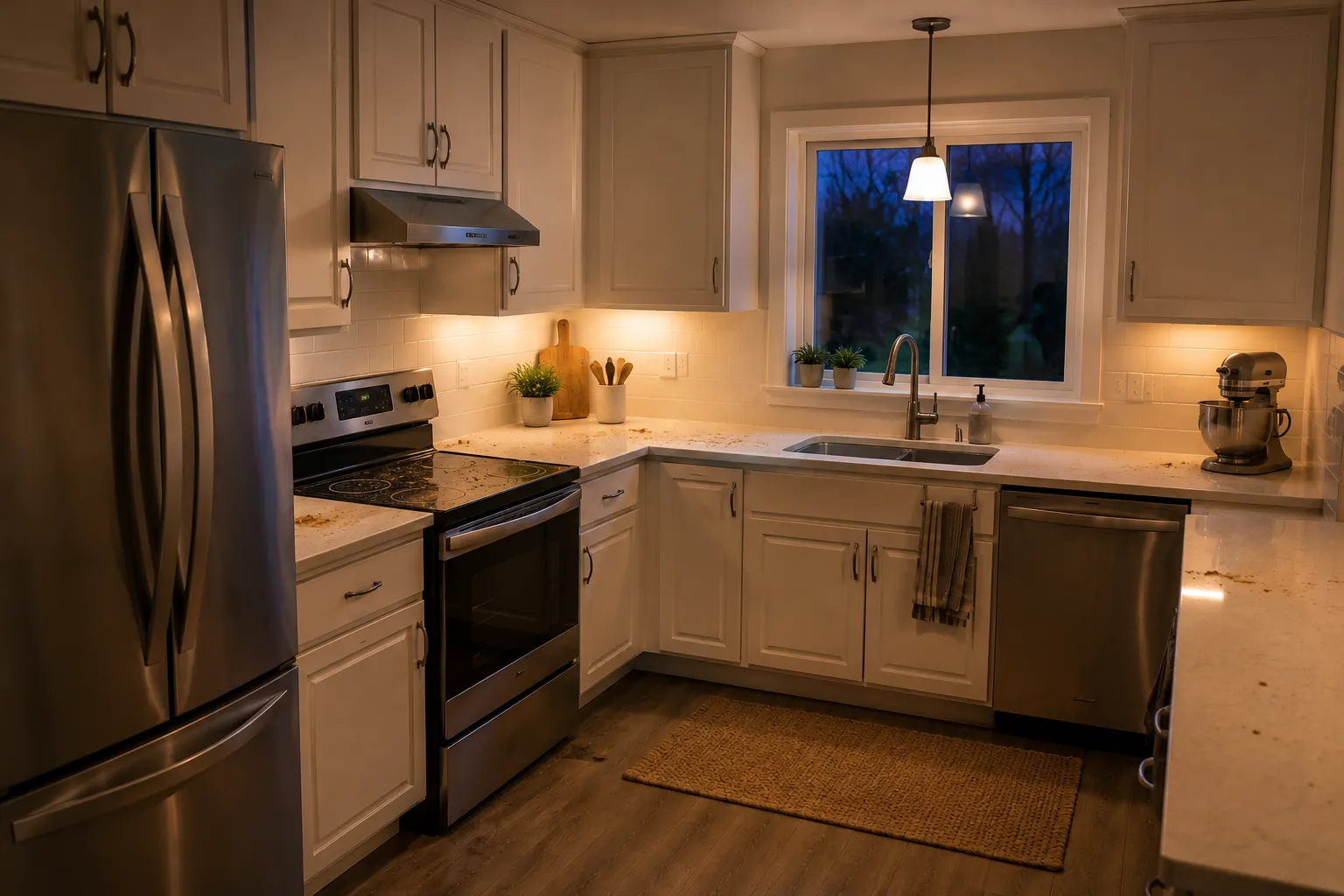
Even if the kitchen set looks clean, a sticky grease layer accumulates behind the upper facades and above the hood — the result of cooking over months or years. During a move, this film is stirred into the air by vibrations from dismantling cabinets and settles on walls, ceilings, and backsplash tiles. At profi-clean, we use Kiehl alkaline compounds for such contaminants — they break down stubborn grease in 3-5 minutes without damaging enamel or plastic. Additionally, burnt splatters remain inside the oven and microwave, which become baked onto the walls upon reheating — they can only be removed with a steam generator at 120°C.
Furniture Marks on Walls and Floors
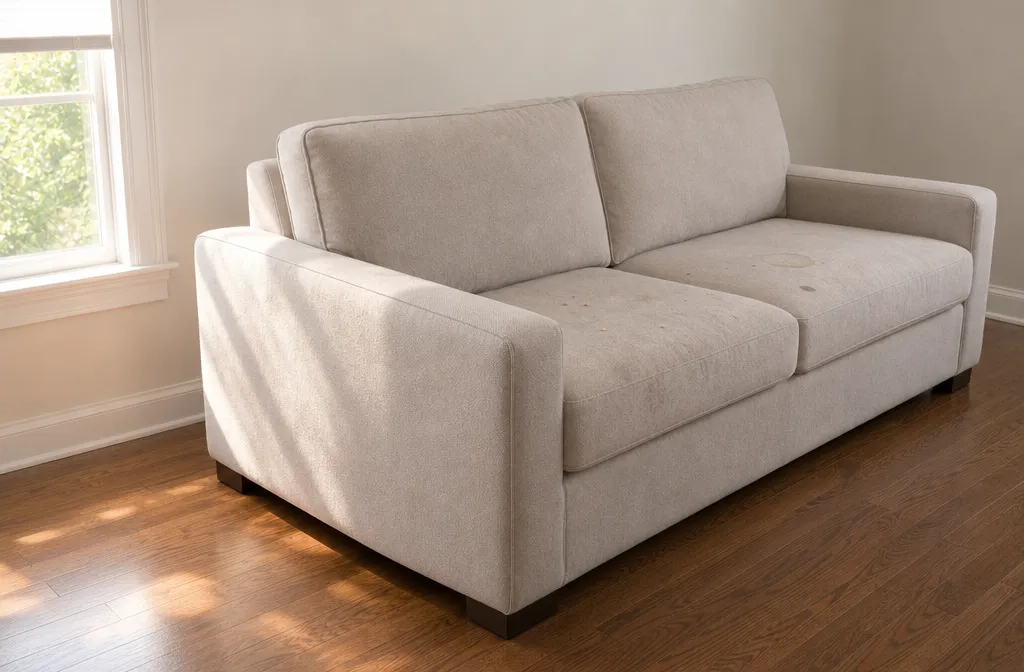
After sofas, cabinets, and beds are moved from their spots, black streaks from legs, dents from backs, and dark marks from contact with lacquered surfaces remain on walls. On the floor — scratches from moved boxes and dark marks from rubber leg pads. If furniture stood in one place for years, a zone of faded wallpaper or laminate forms underneath — the color transition boundary is visible to the naked eye. We treat such areas with microfiber and a neutral pH solution that removes only the top layer of dirt without stripping paint or damaging the coating texture. On floors in Almaty, with its hard tap water, it is especially important to avoid streaks — so the final rinse is done with distilled water.
Biological Contaminants in Bathrooms
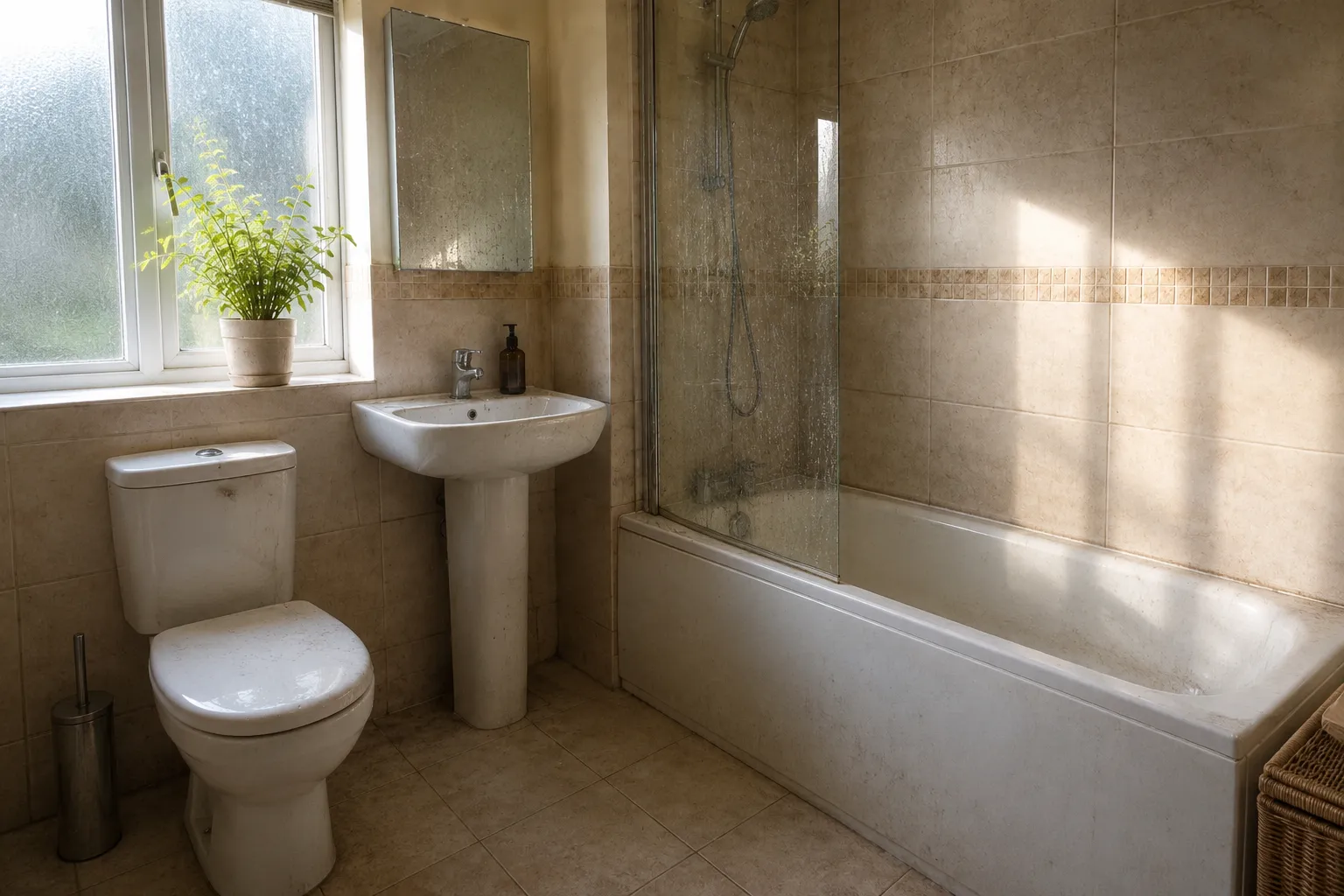
Behind the toilet, under the sink, and in the corners of the shower cabin, mold accumulates over months — black fungus in areas with poor ventilation, limescale on faucets, and soap scum on tiles. During a move, these contaminants are hidden behind boxes and furniture, but become visible in the light after items are removed. In a bathroom after renovation, a cement film often remains on the tiles — household chemicals cannot remove it; an acidic solution with pH 2-3 is needed. In profi-clean’s practice, there was a case where a client tried to wipe off mold with bleach on their own, but the fungus only disappeared from the surface, while spores remained in the grout — we had to use a professional antiseptic followed by steam treatment.
Residue from Glue and Tape on Windows and Doors
After removing painter’s tape, film, and stickers from double-glazed windows, door panels, and windowsills, sticky traces of the adhesive base remain. Over time, the glue polymerizes and turns into a yellow film that is difficult to wash off with soapy water. We use a special citrus-based adhesive remover — it dissolves the glue in 30-40 seconds without the risk of scratching PVC or door lamination. Especially much of this residue remains on windows after winter — the tape used to secure insulation leaves black sticky marks on frames and windowsills.
Dirt in Hard-to-Reach Niches and Behind Baseboards
Behind radiators, under kitchen cabinets, behind the toilet, and in the gaps between the baseboard and the wall, years of dust, hair, and small debris accumulate—all of which remain untouched while the furniture is in place. After a move, these areas become exposed, but reaching them with a standard broom or mop is impossible. In our orders, we use narrow brush attachments and a steam cleaner with a flexible hose—it delivers steam at a pressure of 3.5 bar, blasting dirt out of even millimeter-wide gaps. Moreover, behind baseboards in old Almaty homes, remnants of construction materials from the 70s and 80s are often found—plaster crumbs and sawdust, which turn into a sticky mass when moistened.
Chemical and Grease Stains in the Kitchen and Pantry
On pantry shelves or in kitchen cabinets, after storing household chemicals, oils, and canned goods, greasy rings and spilled liquids remain, which have soaked into the wood or plastic. Regular washing with water and detergent only removes the top layer, while the grease stays in the material’s pores and starts to smell rancid after a couple of days. At profi-clean, for such cases, we use a degreaser—a concentrated agent that emulsifies oils and allows them to be rinsed away completely. If the stain is old, we apply the solution for 10 minutes, then treat it with steam—this lifts the contamination from deep within the coating.
Pollen and Allergens from Ventilation and Air Conditioners
In Almaty, during the poplar and ragweed blooming season, pollen enters through open windows and settles on air conditioner filters, in ventilation ducts, and on curtains. After a move, when the air conditioner is turned on in the new place, the airflow spreads pollen throughout all rooms, causing allergies for the residents. We wash the indoor units of split systems and replace the filters—this is not part of a standard cleaning, but we recommend this service to everyone moving in spring or summer. Our cleaners remove the front panel, treat the heat exchanger with an antibacterial spray, and clean the drainage system—otherwise, mold fungi multiply in the warm, moist environment.
How to Prepare Your Apartment for a Post-Move Cleaning
Proper preparation of the apartment before the cleaners’ visit saves up to 30% of the time on a general cleaning and reduces the risk of damage to remaining items. Let’s break down what needs to be done before the team arrives, and what is better left to the professionals.
What to Remove from the Floor Before the Cleaners Arrive
profi-clean cleaners wash floors in two passes: first, a wet cleaning with an alkaline agent for grease and dust, then a steam treatment with HEPA filtration. However, if small items remain on the floor—paper clips, construction fasteners, glass shards, or screws—they scratch the sole of the steam cleaner and slow down the work by 10–15 minutes per room. Before the cleaning, gather all small debris with a broom or vacuum cleaner, especially under radiators and in corners, where self-tapping screws and pieces of insulation accumulate after furniture removal. In the kitchen, check the gaps between the stove and countertop—peas, rice, and packaging fragments often roll in there, which swell during wet cleaning and clog the drain. In new Almaty developments (such as the “Nurly Tau,” “Akbulak,” and “Almaly” residential complexes), construction dust mixed with cement remains on the floor after a move—it should not be swept with a dry broom, only vacuumed with a HEPA filter, otherwise the particles become airborne and settle on already cleaned surfaces.
How to Protect Walls and Doors from Damage During Preparation
During a move, marks from furniture remain on the walls: dark streaks from painted sofa legs, scratches from boxes, and greasy fingerprints. profi-clean cleaners wash off such contaminants with a mildly alkaline Kiehl solution (pH 8–9), which does not damage matte paint or paintable wallpaper. However, if shelves, hooks, or pictures are hanging on the walls—they need to be removed beforehand, otherwise unwashed areas will remain underneath them, which will be noticeable as light spots after drying. This is especially important in the kitchen, where the wall above the work area is covered with a layer of grease, but behind the wall cabinets it is not—the boundary will be visible. On door frames and slopes in Almaty apartments with panoramic windows, condensation mixed with street dust often accumulates, and when washed, it smears into dirty streaks—remove all curtains and tulle from the rods so that cleaners can treat the slopes with steam without hindrance. If stickers from moving companies or tape remain on the doors, do not try to remove them with a solvent—a matte spot will remain on the lacquered MDF; a professional heat gun and a special profi-clean solution remove the adhesive without a trace.
Why You Should Remove Protective Film from Windows and Glass Surfaces
In new apartments after moving in, factory protective film often remains on windows, which residents remove in pieces. If left until the cleaners arrive, moisture accumulates underneath within 2–3 weeks, forming permanent white mineral salt stains on the glass that cannot be removed with regular cleaning agents — ceramic polishing is required. Before cleaning, profi-clean recommends completely removing the film from all glass surfaces, including glass fronts of kitchen cabinets and countertops. If the film is layered or peeling off in pieces, do not forcefully tear it off — glue residue will remain on the glass, which can only be removed with an alcohol-based solution followed by polishing. In Almaty homes with stained glass (residential complexes “Symphony”, “Triada”), the film is held on with silicone adhesive, and without professional products, it can peel off along with the top layer of glass. Also remove all paper stickers from household appliances — their adhesive, when heated by a steam cleaner, bakes into the plastic and leaves yellowing that is difficult to bleach.
What NOT to Do Before a Post-Move Cleaning — Common Mistakes
The most common mistake residents make is trying to wash floors and walls themselves before the professionals arrive. They typically use cheap chlorine or vinegar-based products that react with residual construction dust, forming a sticky film on surfaces — this makes professional chemicals less effective and increases cleaning time by 20–30%. The second common mistake is covering sockets and switches with painter’s tape to prevent water splashes. profi-clean cleaners use protective caps and microfiber cloths with minimal moisture, while tape leaves sticky residue on plastic that can only be removed with alcohol. The third mistake is leaving open food, spices, or pet food in the kitchen — during steam treatment, microscopic particles of cleaning agents settle on them, and the food will have to be thrown away after cleaning. Store all dry goods in cabinets or the refrigerator, seal grains in airtight containers — this will save both money and frustration.
How Post-Move Cleaning Differs from Deep Cleaning
Deep cleaning and post-move cleaning are often confused, although their tasks are fundamentally different. While deep cleaning aims to refresh a living space, post-move cleaning focuses on eliminating the consequences of logistics and construction/renovation dust. Let’s break down the key differences in goals, methods, and areas of focus.
Target Contaminants: Grease Film vs. Construction Aerosol
During deep cleaning, cleaners work with household buildup: grease on kitchen surfaces, limescale in bathrooms, dust on open shelves. All of this is removed with standard alkaline and acidic chemicals in one pass. Post-move cleaning, on the other hand, deals with fine construction suspension — cement, gypsum, and quartz dust that settles on all vertical and horizontal surfaces, including walls, ceilings, and the interior cavities of cabinets. In our practice at profi-clean, we use alkaline concentrates with a pH of 10–11 on such sites because construction aerosol often contains an oily film from mechanism lubricants and adhesive residue — regular household cleaning products cannot handle it. While deep cleaning requires only one wet cleaning stage, post-move cleaning requires a mandatory two-phase treatment: first, dry collection with a HEPA vacuum cleaner and a crevice tool along all joints, then wet chemical treatment with obligatory rinsing. At sites in Almaty where windows face construction (e.g., residential complexes “Nurly Tau” or “Triumph”), construction suspension penetrates even closed rooms — in such cases, the scope of work increases by 30–40%.
Depth of Treatment: Surface vs. Cavity Cleaning
General cleaning covers visible areas: floors, window sills, plumbing, and kitchen fronts. Cleaning after a move requires reaching into all hard-to-access cavities where dust accumulates when furniture is rearranged. This includes interior surfaces behind baseboards, under built-in appliances, in ventilation grilles, behind radiators, and in tile grout lines. In our orders for apartments in new buildings (residential complexes “Akbulak”, “Symphony”), we record up to 500 grams of dust from gaps under the kitchen unit alone — a volume that simply isn’t extracted during general cleaning. For cavity cleaning, we use not a standard nozzle, but a set of microfiber brushes on a telescopic handle and a Karcher SC 5 steam cleaner — it softens old layers of dust bonded by condensation. While general cleaning is sufficient for wiping fronts and floors, after a move, every shelf inside a wardrobe and every drawer from the inside must be treated — dust raised by moving boxes settles on them. Missing even one element means that the first time a door is opened, dust rises back into the air, nullifying the cleaning effect.
Priority of zones: kitchen and bathroom vs all surfaces evenly
In general cleaning, the focus is shifted to the kitchen and bathroom — areas with the highest accumulation of grease, mold, and limescale. In cleaning after a move, priority is distributed evenly across all rooms, but with special attention to the ceiling and walls. In Almaty apartments with stretch ceilings, construction dust settles on the fabric and embeds into micro-cracks — it cannot be removed with a regular cloth; it requires special steam treatment followed by microfiber polishing. In general cleaning, ceilings are usually left untouched, limited to removing cobwebs in corners. Another difference is window treatment. After a move, we wash not only the interior but also the exterior side of the glass, as well as frames and window sills on both sides, because dust settles on them during the removal of old curtains and rods, which smears into dirt when washing the interior side. At properties on upper floors (residential complexes “Almaly”, “Grand Alatau”), the exterior side of windows is contaminated with construction dust from the facade — without double-sided washing, the glass remains cloudy, and the client does not get the expected feeling of cleanliness.
Chemicals and safety: hypoallergenic environment after a move
General cleaning allows the use of aggressive household chemicals with chlorine and phosphates — this is acceptable for a living space if it is aired out afterward. The situation is different after a move: people move into the apartment, often with children or allergy sufferers, and residual chemicals on surfaces can trigger a reaction. At profi-clean, we use exclusively hypoallergenic products from Kiehl and Sodasan, labeled “for children’s institutions,” on properties after a move — they leave no film and do not require prolonged rinsing. This is a fundamental point: while general cleaning can use a concentrate diluted 1:10 without worrying about residues affecting health, after a move it is important that the chemicals completely evaporate within 15–20 minutes without a trace. In practice, this means that one property uses 20–30% more cleaning agent than a general cleaning of a similar area, because we do not skimp on the volume of solution and perform two passes — one with chemicals and one with clean water. For allergy sufferers, we additionally treat all soft surfaces (sofas, mattresses) with dry steam at 130°C — this step is not included in standard general cleaning but is critical after a move, when construction dust invisible to the eye settles in the upholstery.
Quality control: visual vs tactile-instrumental
Standard general cleaning is assessed visually: mirror shine, no streaks on the floor, clean plumbing fixtures. After a move, visual inspection is not enough—dust accumulates in places invisible to the eye and only appears after a few days. At profi-clean, we have implemented tactile control: the cleaner runs a finger along the top of the door leaf, the top edge of the baseboard, and the back wall of a drawer—if a gray residue remains on the finger, the area is treated again. Additionally, a white glove test is used: after cleaning, the glove is run over three control points—the top shelf of a closet, the ceiling cornice, and the joint between the wall and floor behind the toilet. If there is dust on the glove, the object is not considered complete. We adopted this standard from hotel cleaning, but for residential properties after a move, it guarantees that dust will not rise when the heating is first turned on. At properties in Almaty, where radiators operate in winter, convection currents lift settled dust from upper zones within the first two days after move-in—without tactile control, the client gets a clean apartment for an hour, and then dust settles again on all surfaces.
Tips for Choosing a Cleaning Company in Almaty
Choosing a contractor for post-move cleaning is a decision that determines how much dust and construction debris will remain in your new home. Let’s break down the criteria worth paying attention to, so you don’t overpay for a fictitious “general cleaning” or end up with damaged surfaces.
In-House Cleaners vs. Outsourced Teams
A cleaning company with its own staff is directly responsible for the result—unlike aggregator platforms that pass orders to private teams without quality control. At profi-clean, all cleaners are full-time employees with salaries and social benefits, not contractors from Avito. This means that for damaged parquet or a broken countertop, the company is liable, not “Ivan who is no longer reachable.” In practice, this guarantees that the master will arrive on time, use exactly the products stated in the contract, and not abandon the job halfway. In our experience, the in-house model delivers predictable results: you know who will be cleaning and with what, and you can file a complaint under an official contract. Before ordering, clarify whether the cleaners work directly or are a one-time team—this determines whether you get a guarantee on the result.
Hypoallergenic Chemicals and HEPA Filtration
After a move, the air is filled with fine cement dust and insulation particles—regular household products with chlorine cannot handle this and only mask the smell. Professional cleaning uses hypoallergenic chemicals like Kiehl and Sodasan—they break down into water and oxygen within 24 hours, leaving no toxic residue on children’s toys or dishes. At profi-clean, we additionally use vacuum cleaners with HEPA H13 filtration, which trap 99.97% of particles as small as 0.3 microns—this includes construction dust, mold spores, and allergens. Almaty’s spring, with poplar blooming and frequent winds, is an additional factor: after cleaning without HEPA filtration, dust settles back within an hour. If asthmatics or small children live in the apartment, demand confirmation of the filter class—this is not marketing, but a real difference in air cleanliness. In my opinion, saving on chemicals and filters is the main mistake when choosing a cleaning service.
Contract with Surface Inventory and Photo Documentation
A verbal agreement with a cleaner like “we’ll wash everything for a significant sum” is a direct path to disputes when you find scratches on the laminate or streaks on the double-glazed windows after cleaning. A professional contract includes an inventory of all surfaces with their “before” condition and a list of work specifying the products and equipment. At profi-clean, cleaners take photos of each room before starting cleaning—this records defects that already existed (chipped tiles, scuffed laminate) and eliminates claims after the object is handed over. In Almaty, where many new buildings are handed over with defects from the developer, such insurance is especially important: you won’t pay for someone else’s flaws. When accepting the work, compare the “before” and “after” photos using the same scheme—this is the only objective quality criterion, not “well, it looks clean.”
Specifics of Almaty’s New Buildings and Old Housing Stock
In new residential complexes in Almaty (for example, in “Nurkent” or “Akbulak”), after moving in, not only household dust remains, but also silicone contamination from mounting seams, paint marks on window sills, and bitumen stains from the roof — these are only removed with special solvents without abrasives. In older housing stock (the city center, “Samal” and “Kamenka” districts), the problem is the opposite — a long-term grease film on kitchen surfaces and mold in ventilation grilles, which aggressive chlorine-based chemicals only activate. A cleaning company that knows these nuances selects products based on the specific type of contamination: for silicone — a citrus-based gel compound, for mold — an enzyme cleaner without chlorine. If you are offered a “universal solution for everything,” this is a sign of low qualification — in Almaty, the difference between a new building and a “Khrushchev-era” apartment is fundamental for choosing cleaning chemicals.
Reviews on Kazakhstani platforms and real verification
Russian review sites like Flamp and IRecommend do not operate in Kazakhstan — reviews there are either fake or irrelevant. Check the reputation of a cleaning company on 2GIS, Google Reviews, and on an Instagram account with genuine posts. At profi-clean, all reviews are real: clients leave them after cleaning, and managers do not edit the text. Pay attention to the company’s responses to negative reviews — if the business owner offers to solve the problem rather than deleting the comment, it is an indicator of responsibility. In Almaty, WhatsApp groups and Telegram channels for neighborhoods are popular — neighbors share their experiences there without embellishment. Before ordering, ask for links to 2-3 client contacts from your area — a quality company will provide them without question.
Common mistakes during DIY move-in cleaning
Even when the furniture is moved out and the boxes are unpacked, DIY cleaning of an apartment after a move often leaves hidden dirt and can even damage surfaces. We have broken down five typical mistakes that Almaty residents make when trying to save on professional cleaning — and explained how to avoid them.
Mistake 1: Washing windows immediately after moving furniture out
Residents wash windows on the very first day when a room is cleared — and an hour later, the glass is dusty again. The reason is that after moving boxes and furniture, fine particulate matter remains suspended in the air for several more hours: particles of fabric, packaging tape, and microscopic gypsum board particles. Until the dust settles (usually 4–6 hours), any window washing is pointless. In Almaty, the dry air exacerbates the situation — dust hangs in the air longer than in coastal cities. Our advice: first vacuum all surfaces with a HEPA filter, wait two hours, wipe the floor with a damp cloth — and only then start on the windows. Otherwise, you will spend twice the time re-washing them.
Mistake 2: Using household chemicals for kitchen surfaces
Standard “Fairy” or “Mr. Proper” remove visible grease but do not eliminate bacterial film and food residue left on countertops after unpacking groceries. Furthermore, aggressive surfactants in cheap household chemicals leave micro-scratches on artificial stone and glossy facades — this is especially noticeable in Almaty’s hard water. We use hypoallergenic Kiehl concentrates with a pH-neutral composition: they do not damage coatings and do not require multiple rinses. For DIY cleaning, choose products labeled “for stone countertops” or first wipe surfaces with a soapy solution, then with clean water, and dry thoroughly — this is the only way to avoid streaks.
Mistake 3: Cleaning the floor before the walls and baseboards
The logic of “floor first, then walls” seems correct, but in practice, after washing the floor, you start washing the walls — dirty water runs down, soiling the clean floor again. The correct sequence is: first, dry clean the walls and ceiling (vacuum with a crevice tool), then wet clean the walls, and only then the floor. At profi-clean, our cleaners always start from the highest points: chandeliers, curtain rods, top shelves of cabinets — and work their way down. In Almaty apartments with high ceilings (from 2.8 m), this mistake is especially critical: dust from mezzanines settles on the freshly washed floor, requiring it to be rewashed.
Mistake 4: Ignoring the range hood and filters of kitchen appliances
After moving in, a new owner often doesn’t know how long it’s been since the