Inspection and assessment
We determine the type of coating, degree of soiling, select chemicals and cleaning mode.
We remove ingrained dirt, streaks, and stains from any flooring: laminate, parquet, tile, linoleum, carpet.

We work with any types and materials
We clean gently, without streaks, using neutral Kiehl products.
from 12,000 ₸We remove dirt from joints without damaging the top layer.
from 12,000 ₸Manual cleaning of hard-to-reach areas, without scratches.
from 12,000 ₸We whiten grout, remove limescale.
from 3,000 ₸We clean without acids, preserving the structure.
from 12,000 ₸We restore color, remove darkening.
from 12,000 ₸Extraction cleaning, remove deep dirt.
from 1,200 ₸Special pH-neutral products, no damage.
from 12,000 ₸Polishing and protection, remove scratches.
from 12,000 ₸Gentle cleaning without over-wetting.
from 12,000 ₸Remove dirt without damaging the coating.
from 12,000 ₸Cleaning without abrasives, extend service life.
from 3,000 ₸From inspection to result with guarantee
We determine the type of coating, degree of soiling, select chemicals and cleaning mode.
We remove large debris, vacuum with HEPA filter to eliminate dust and allergens.
Evenly apply pre-cleaning agent Kiehl or Sodasan, let sit for 5-10 minutes.
Rotary machine with soft brush or pad treats the entire surface, removing embedded dirt.
For carpet, we use an extractor: pressurized water injection and dirty water collection.
Remove chemical residues with clean water to prevent streaks.
Turn on fans or open windows for natural drying. Time depends on flooring type.
Apply protective coating (optional) and conduct final inspection with the client.
German Kiehl and organic Sodasan products effectively remove dirt, safe for children and pets. Leave no chemical residues, hypoallergenic. Certified for use in homes with allergy sufferers.
Karcher and Nilfisk rotary machines with adjustable speed deeply clean any flooring. Combined with carpet extractors, we remove dirt from the pile. Equipment is regularly maintained.
Vacuum cleaners with HEPA filter capture allergens, dust mites, and fine dust. Air becomes cleaner after cleaning. Recommended for families with children.
All masters undergo training on floor types and chemical handling. They know the specifics of laminate, parquet, stone. Regularly improve skills at trainings.
If streaks or stains remain after cleaning, we will redo it for free. We check quality in the client's presence. We value our reputation.
We work from 8:00 to 22:00 without days off. We accept orders online and by phone. We arrive within a few hours.
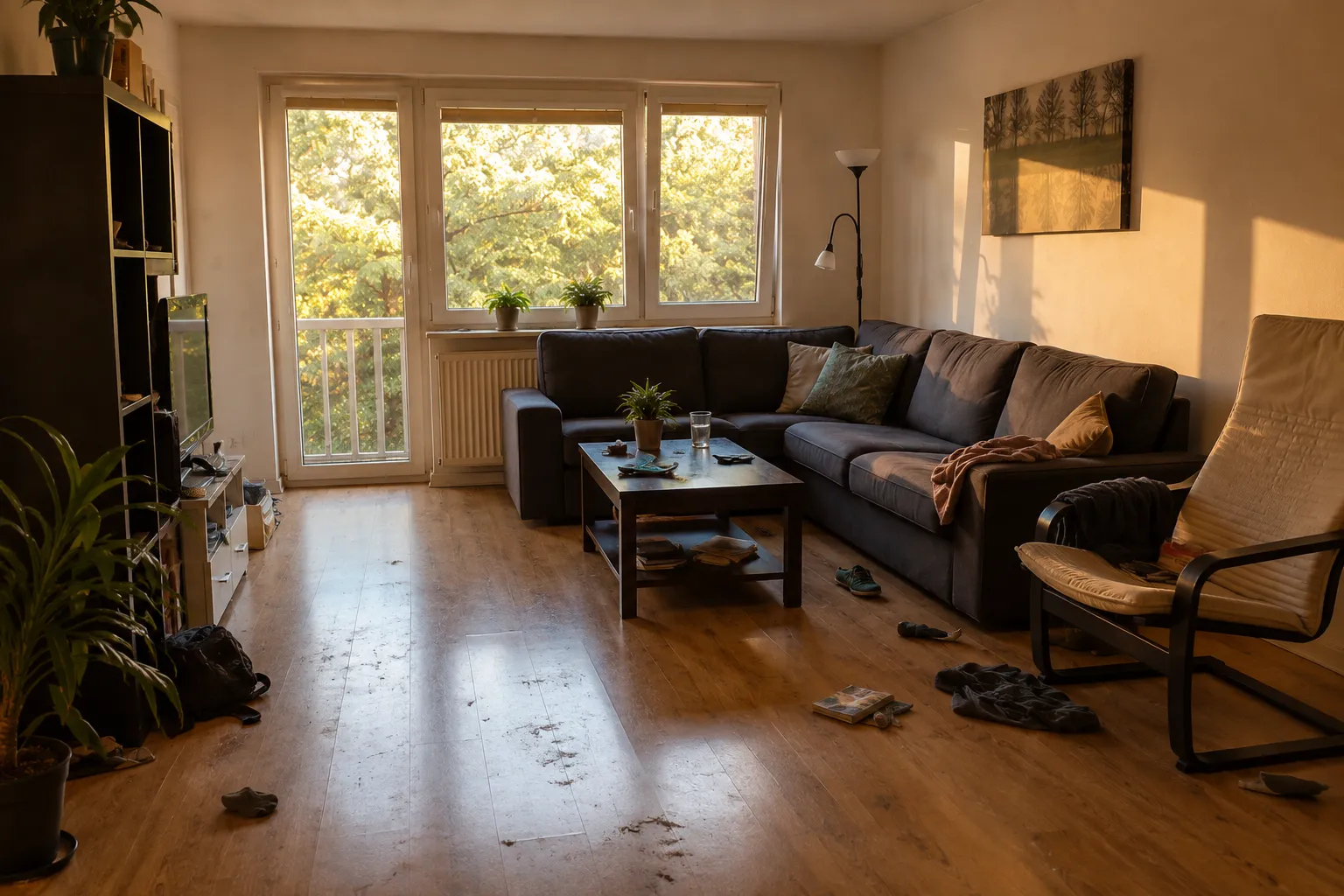
 After
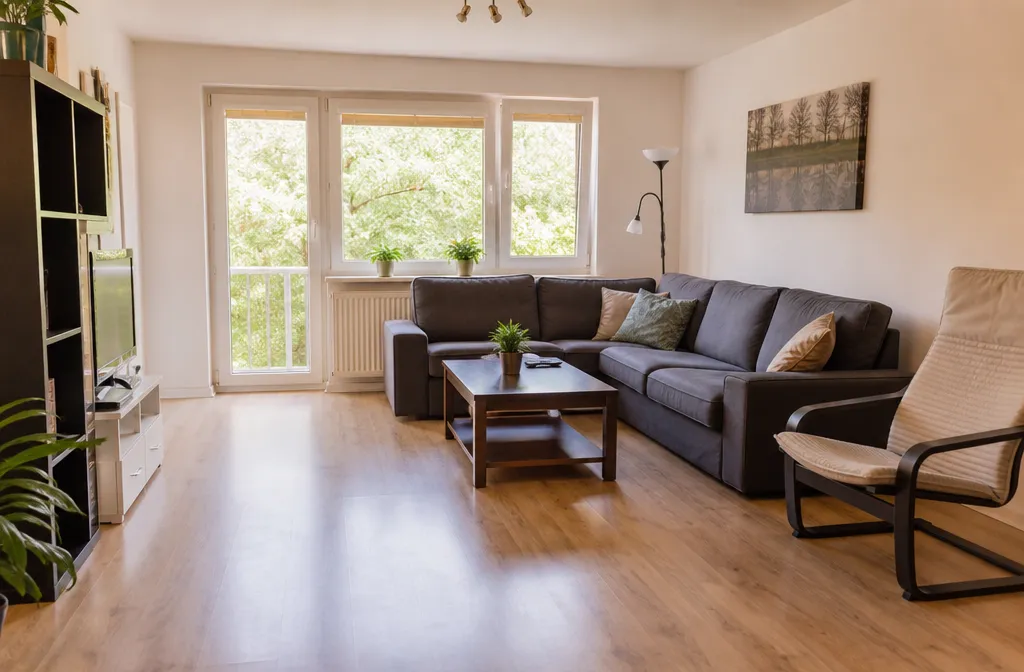
After
Request: Remove ingrained dirt and streaks after winter, restore shine.
Done: Performed deep cleaning of laminate using a professional vacuum cleaner and neutral Bona cleaner.
Cost: 12 000 ₸
Master: Aigul Serikova, floor care specialist
Total: Laminate is clean, streak-free, with an even matte sheen.
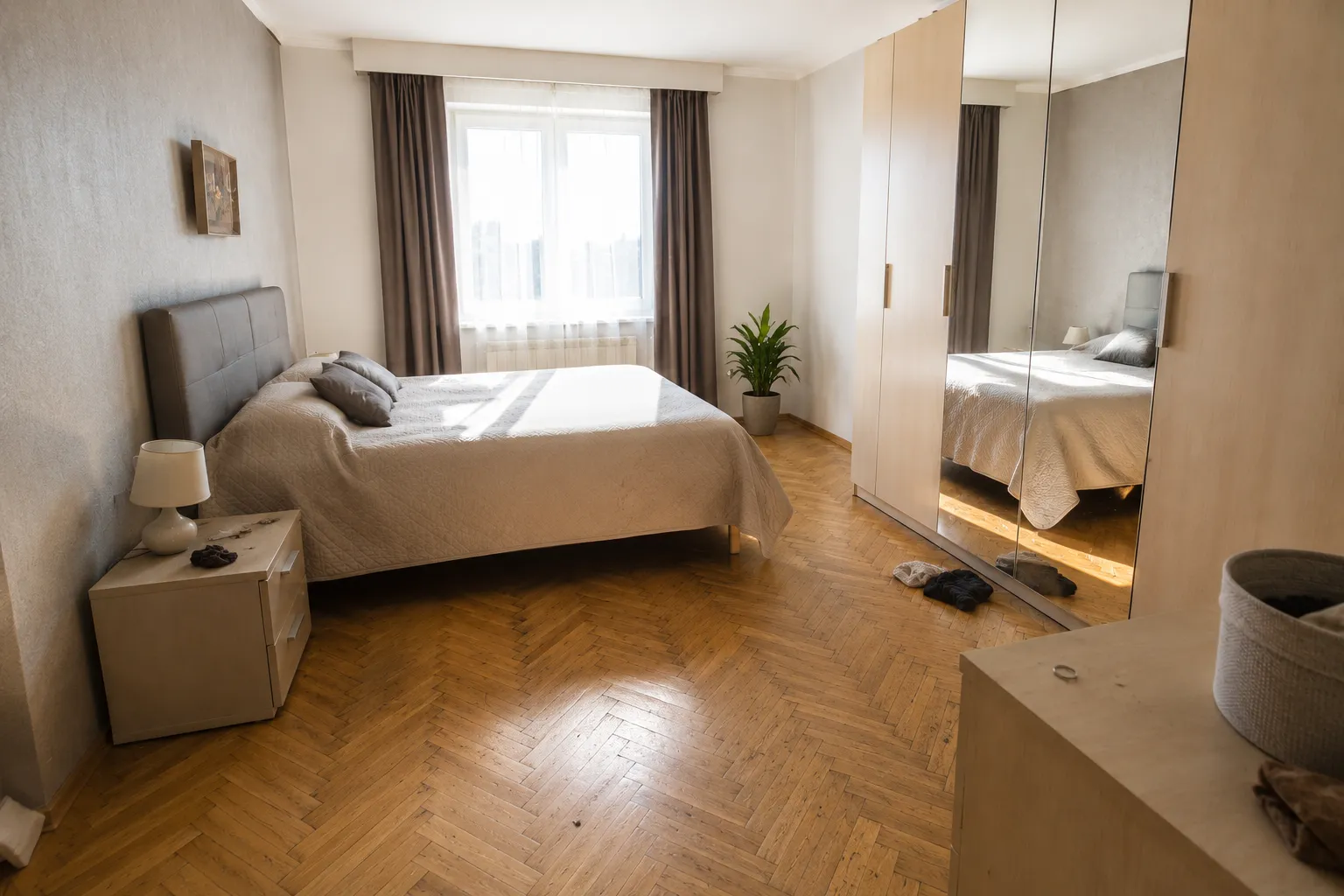
 After
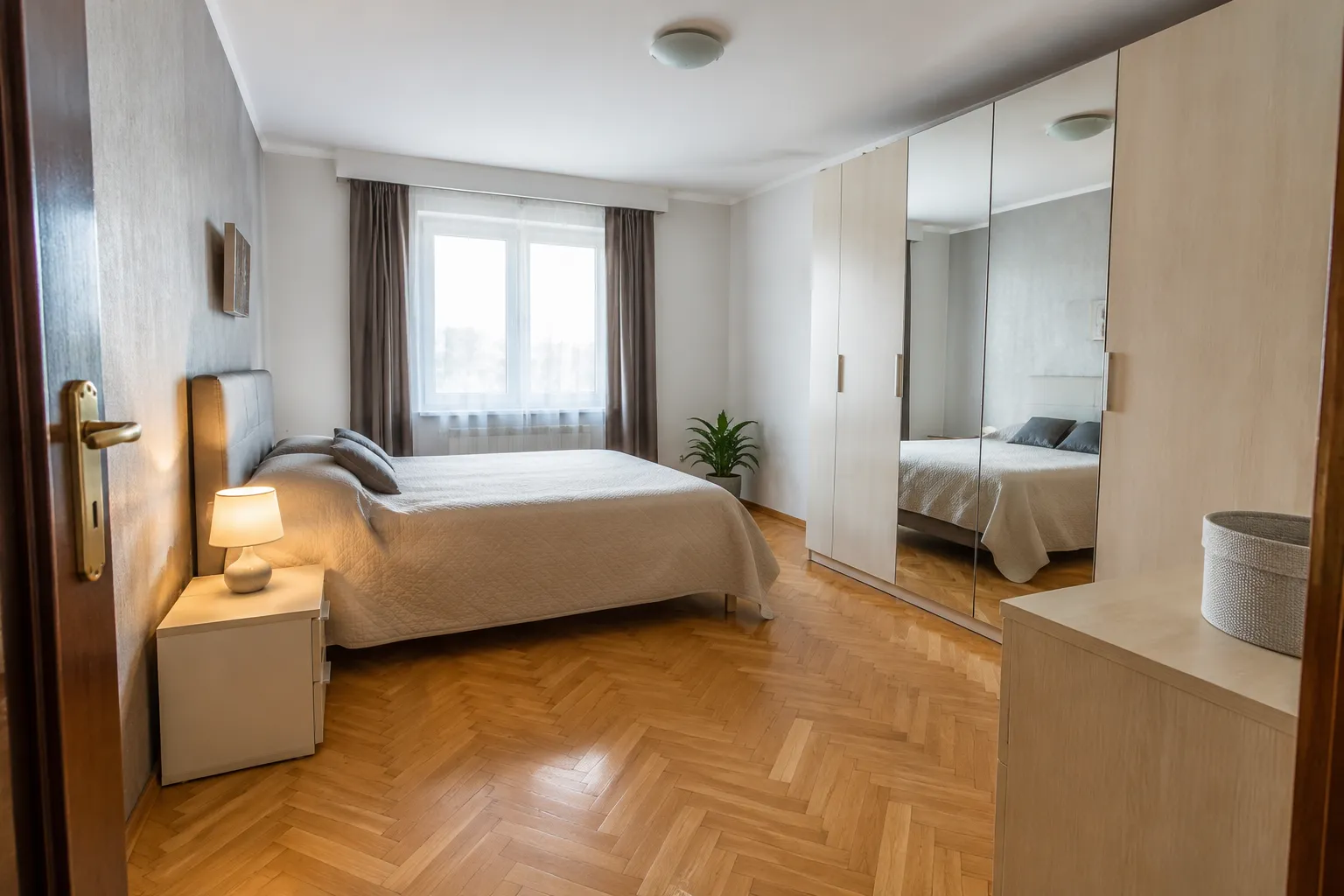
After
Request: Refresh parquet, remove scuffs and dust from gaps.
Done: Performed deep cleaning of parquet using a rotary machine and special oil for restoration.
Cost: 13 000 ₸
Master: Damir Nurgaliyev, wooden floor specialist
Total: Parquet is even, scratch-free, with a natural matte shade.
 After
After
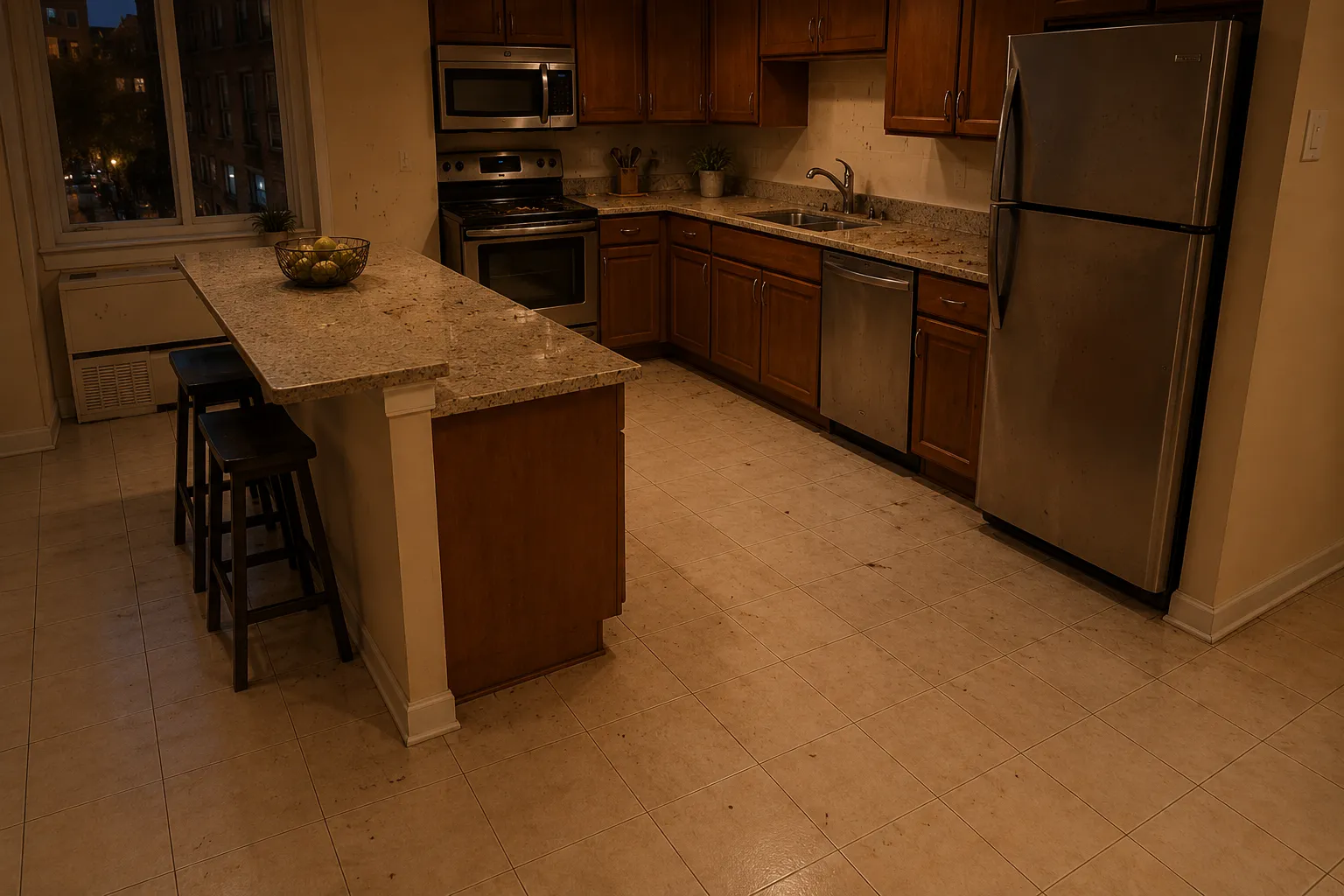
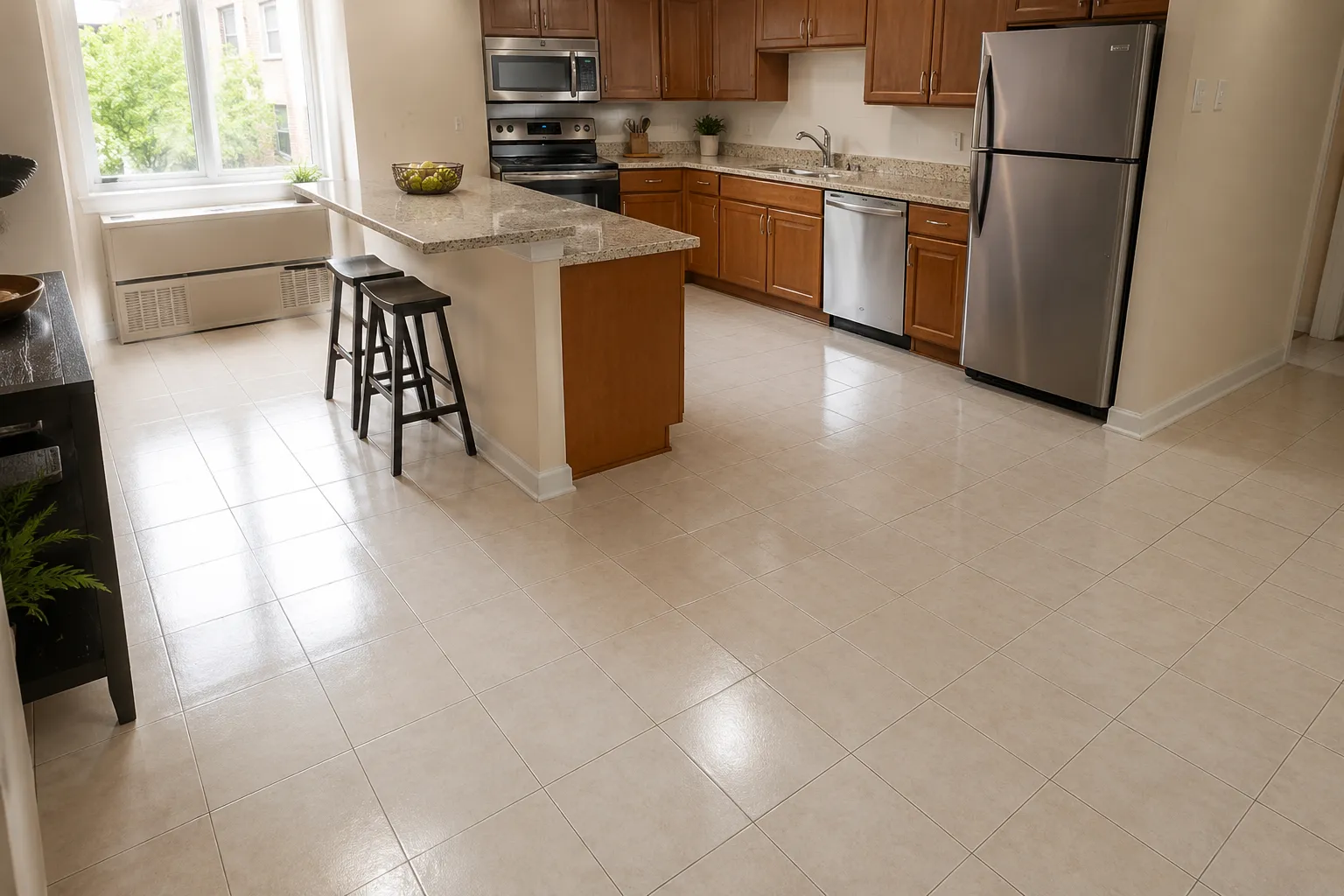
Request: Clean greasy residue and dried stains on floor tiles.
Done: Treated tiles with alkaline cleaner, then washed with a rotary machine with a stiff brush.
Cost: 16 000 ₸
Master: Aliya Bekzhanova, kitchen surface specialist
Total: Tile shines, grout is clean, no traces of grease or soap scum.
 After
After
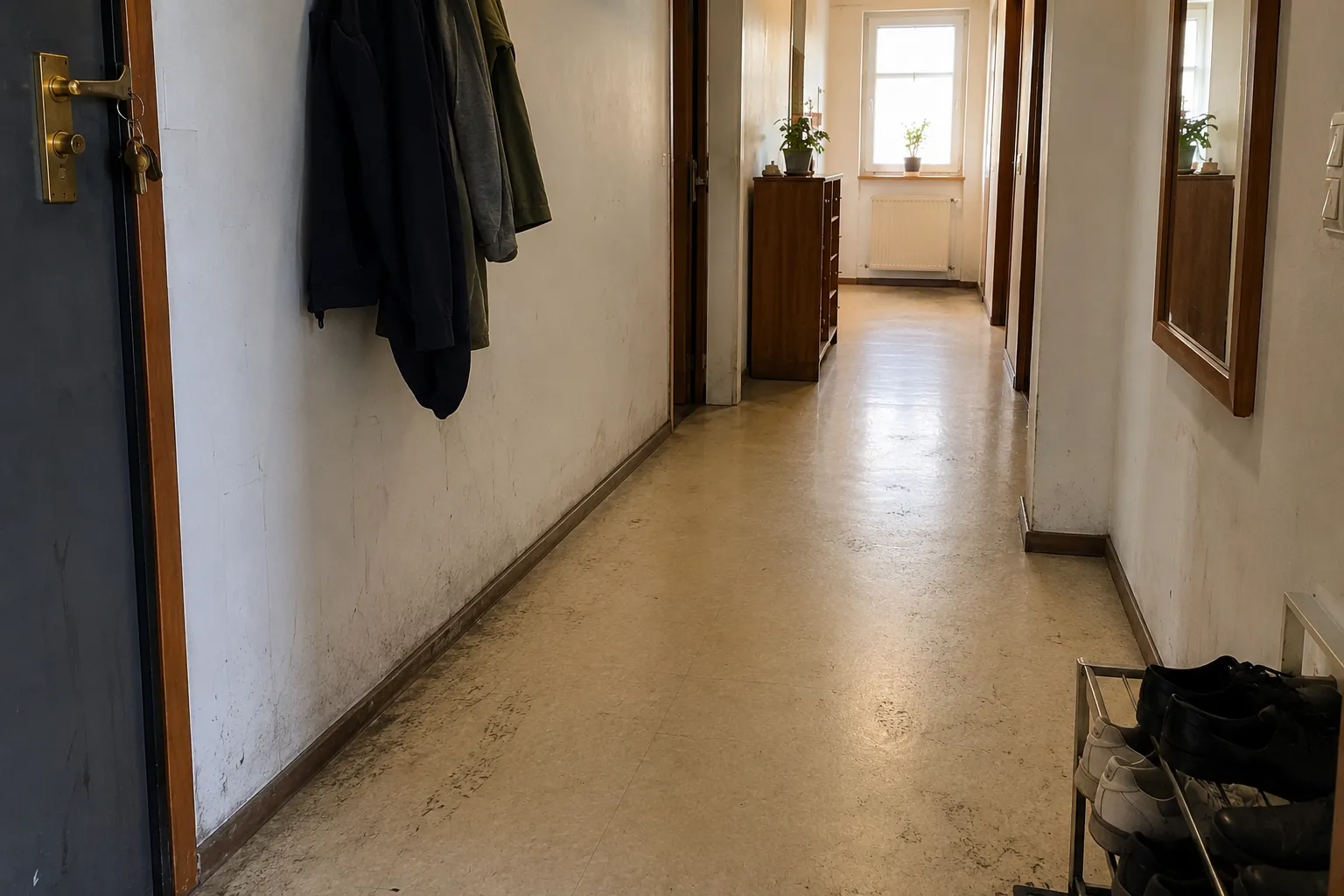
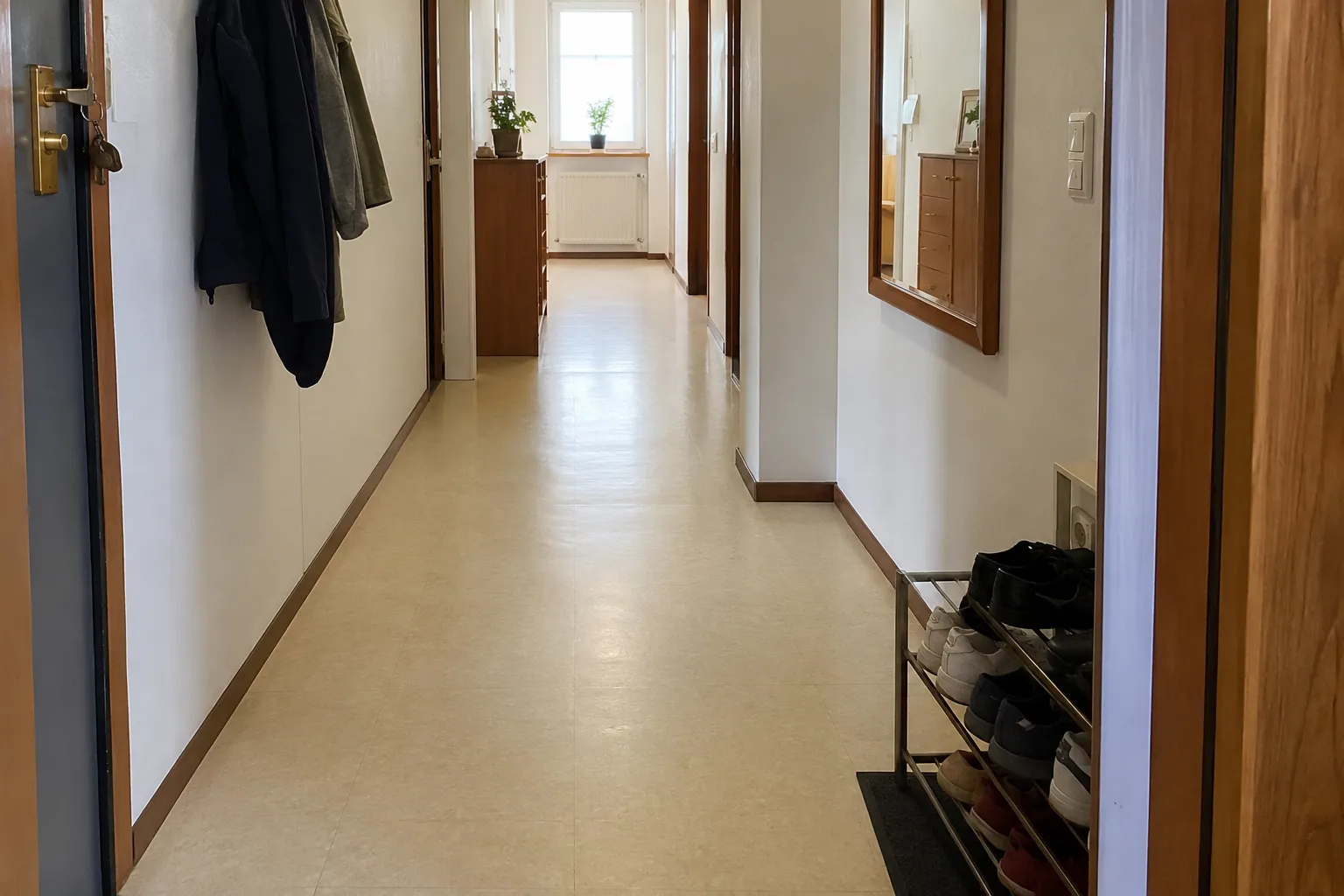
Request: Remove dirt and black scuff marks from shoes on linoleum.
Done: Performed deep cleaning of linoleum using neutral detergent and a polishing machine.
Cost: 13 000 ₸
Master: Yerzhan Kassymov, floor covering specialist
Total: Linoleum is clean, streak-free, with an even matte sheen.
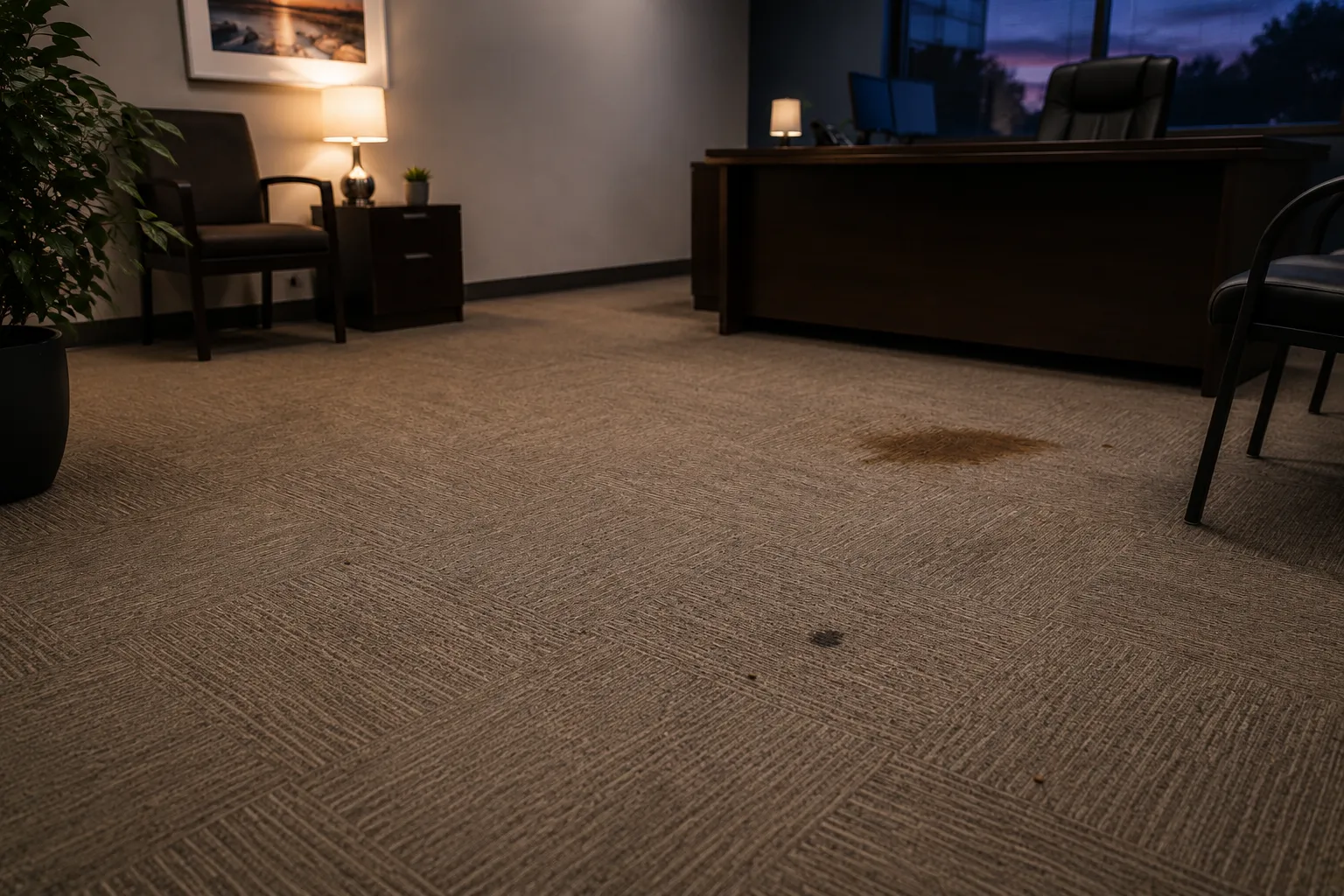
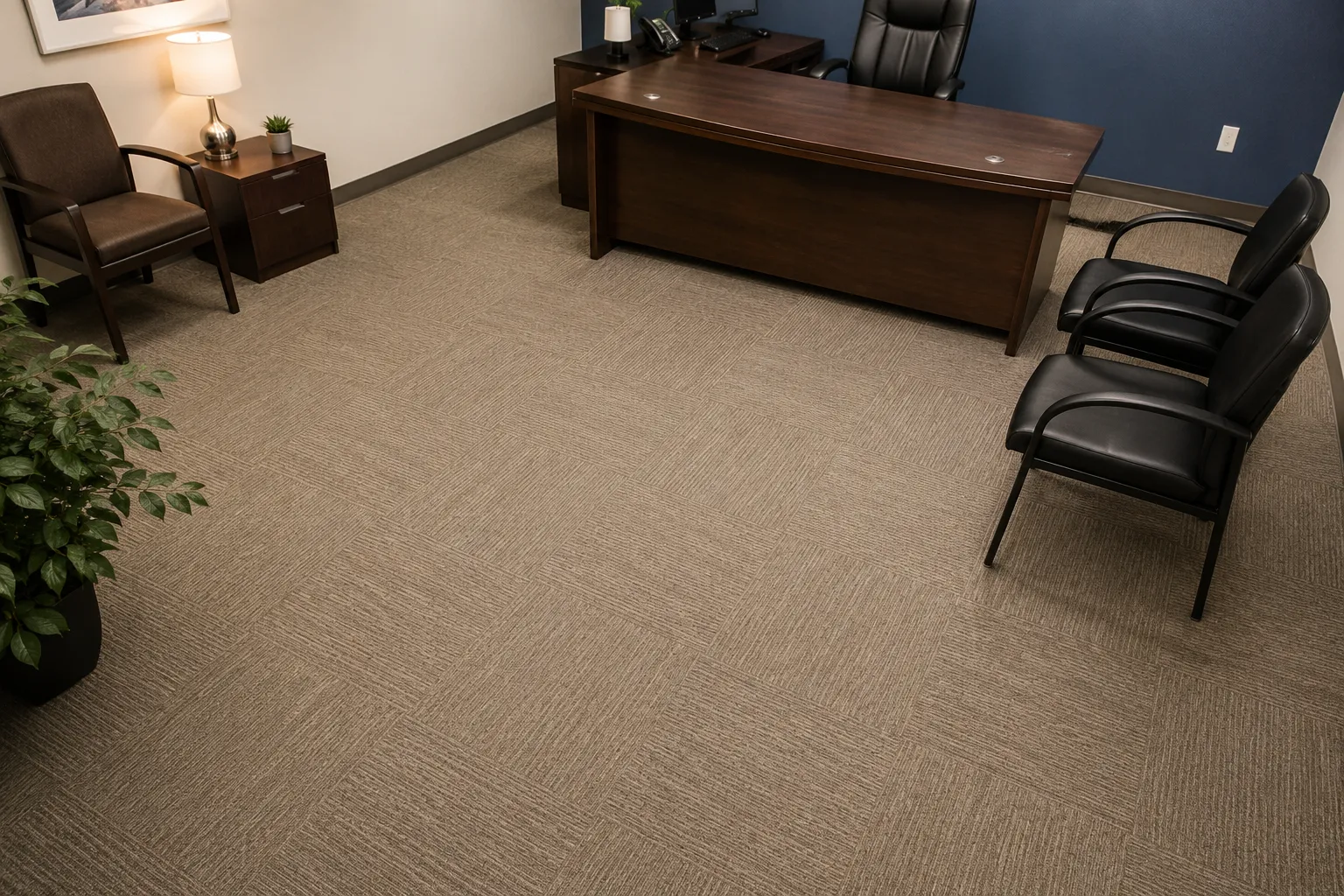 After
After
Request: Remove coffee and ink stains, refresh carpet color.
Done: Applied extraction cleaning using shampoo and stain remover, then rinsed with water.
Cost: 12 000 ₸
Master: Marat Tolegenov, carpet cleaning specialist
Total: Carpet is stain-free, pile is fluffy, color has become more vibrant.
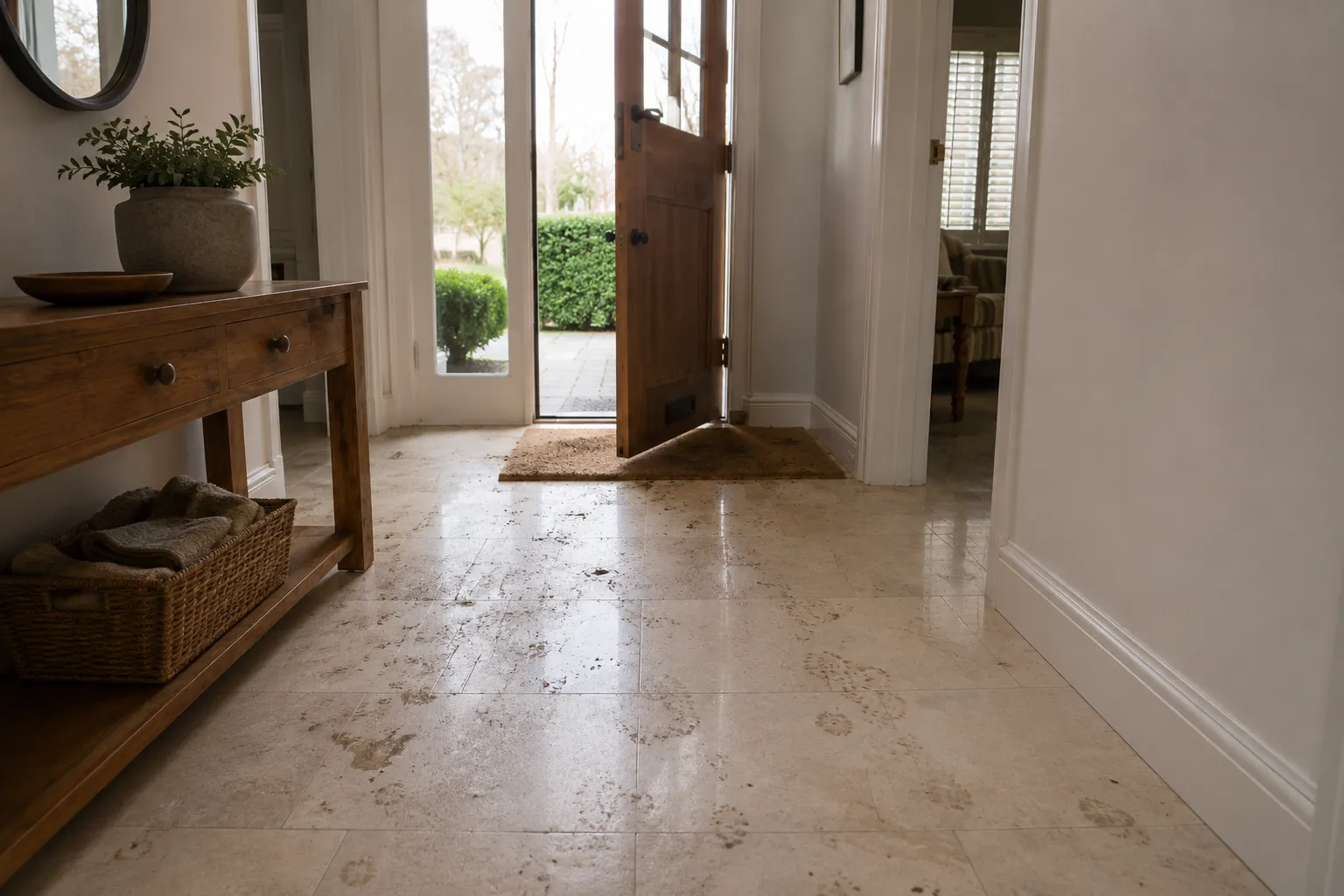
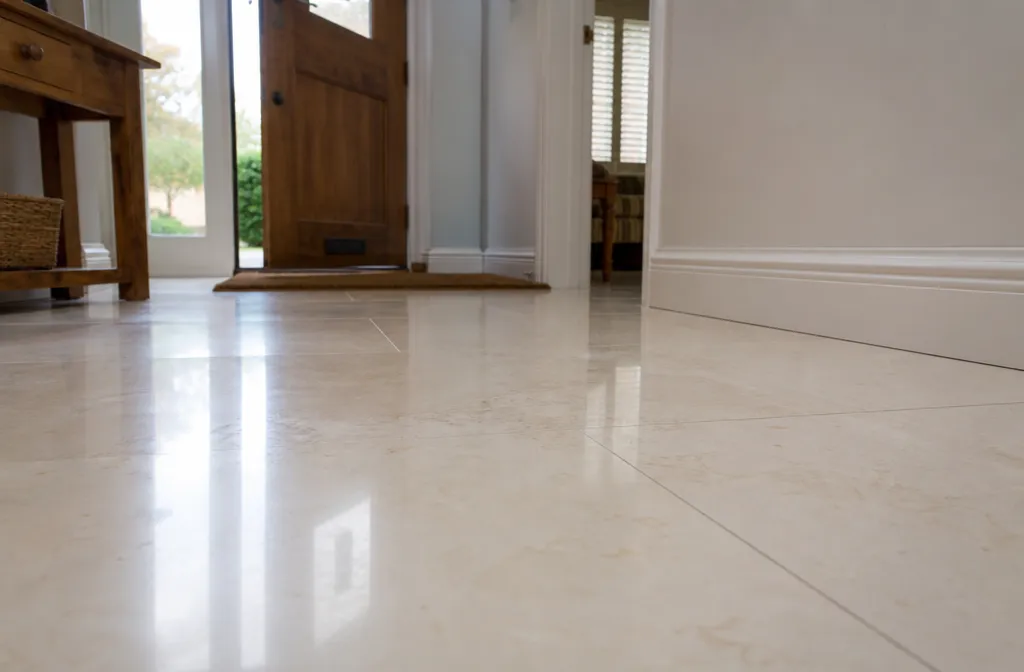 After
After
Request: Remove dirt and salt residue from the stone floor.
Done: Cleaned the stone floor using an acidic cleaning agent and rinsed with pressure water.
Cost: 14 000 ₸
Master: Nurlan Akhmetov, hard surfaces specialist
Total: The stone is clean, without deposits, with a natural texture.
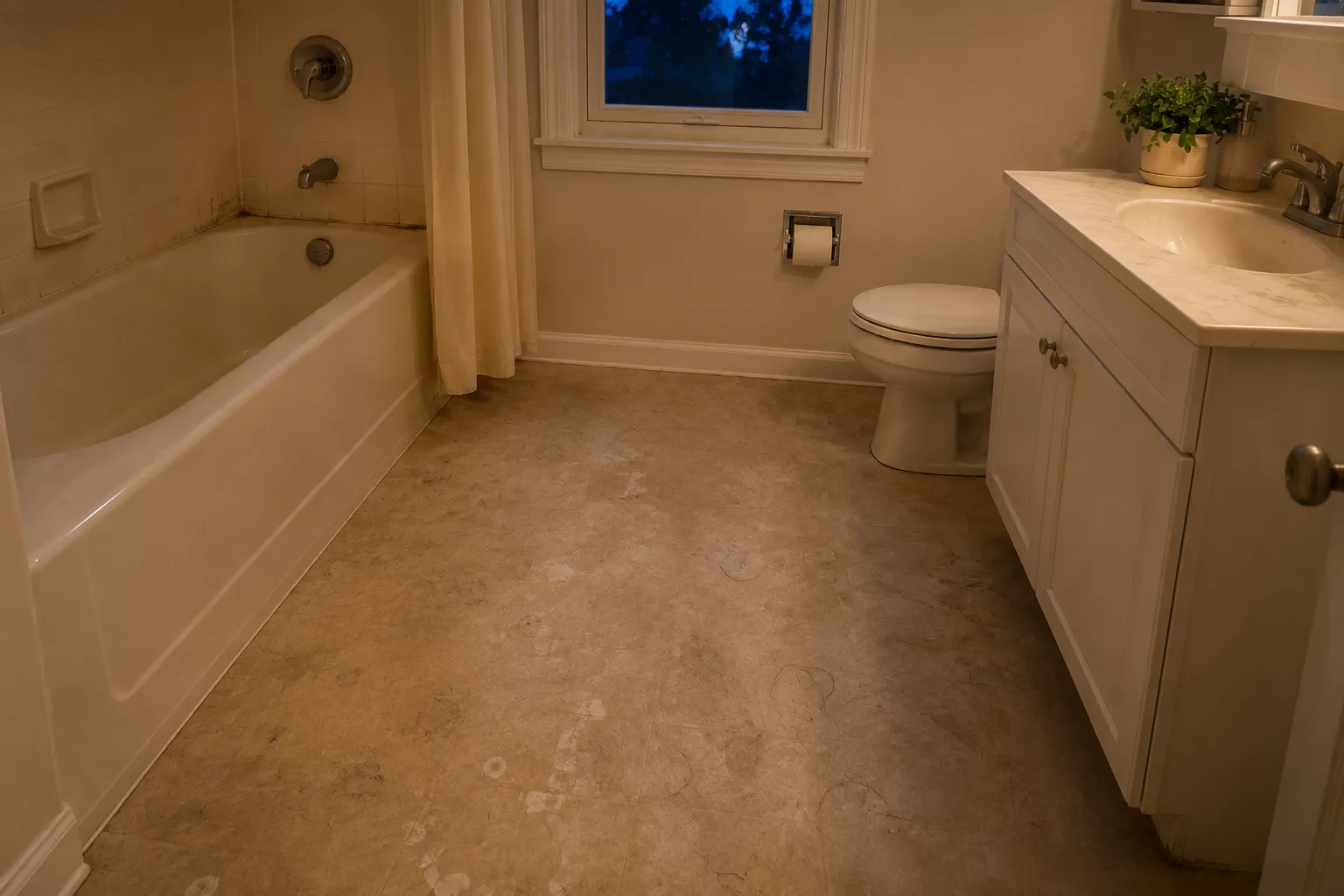
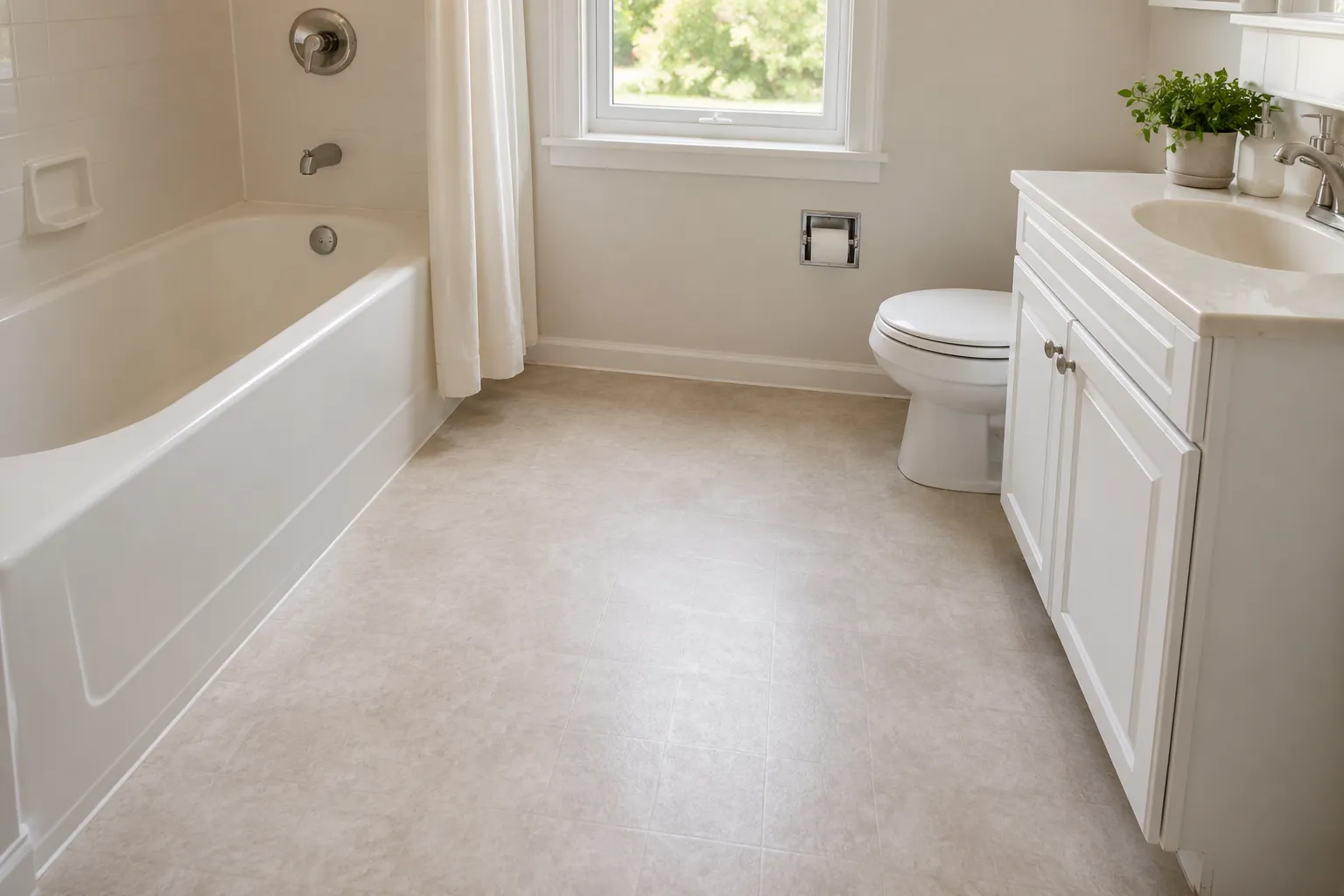 After
After
Request: Clean off deposits and mold in corners, restore shine to the vinyl.
Done: Treated the vinyl floor with a disinfectant, then polished with a protective compound.
Cost: 15 000 ₸
Master: Gulnara Sadykova, wet areas specialist
Total: The vinyl shines, without stains or mold, the surface is disinfected.
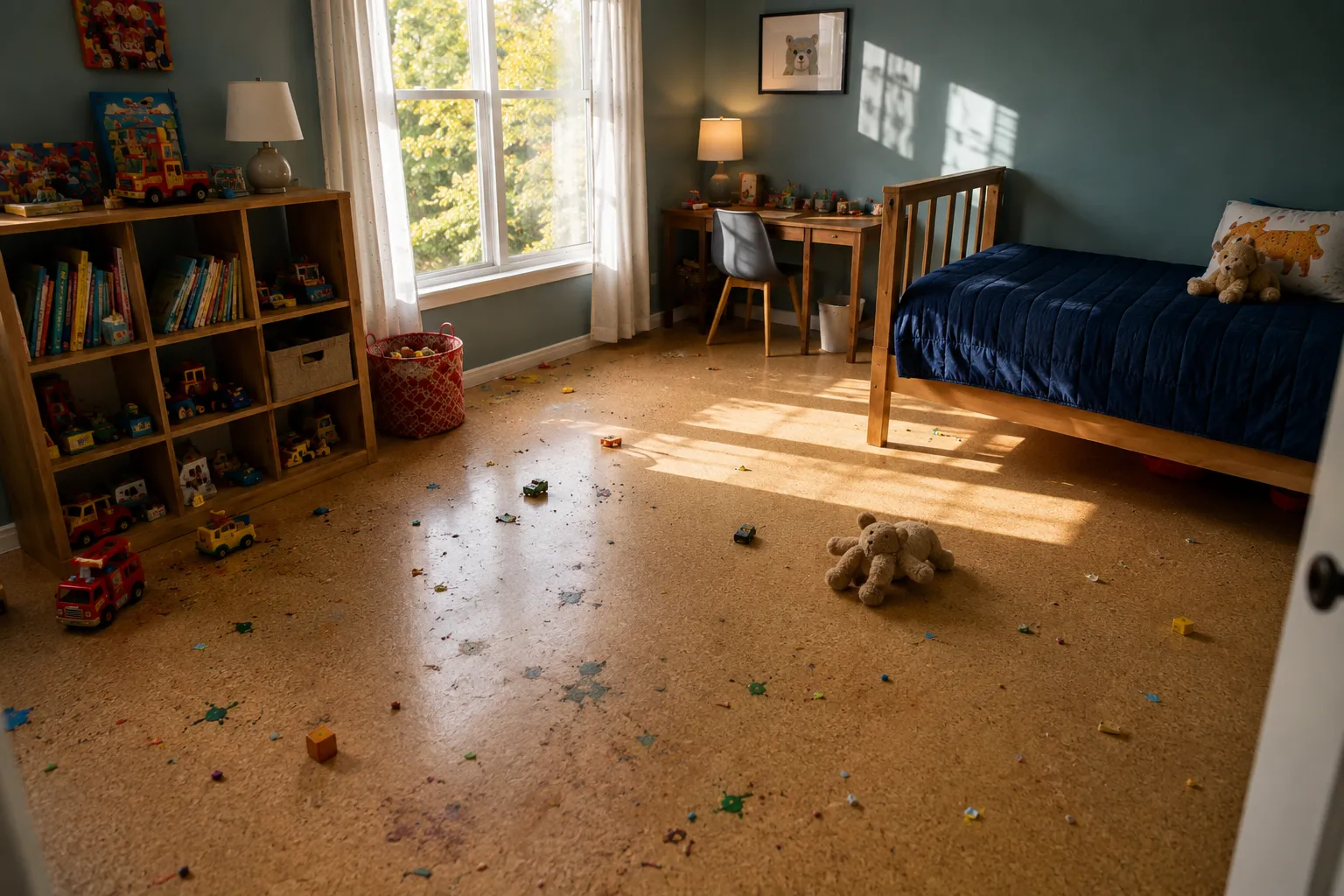
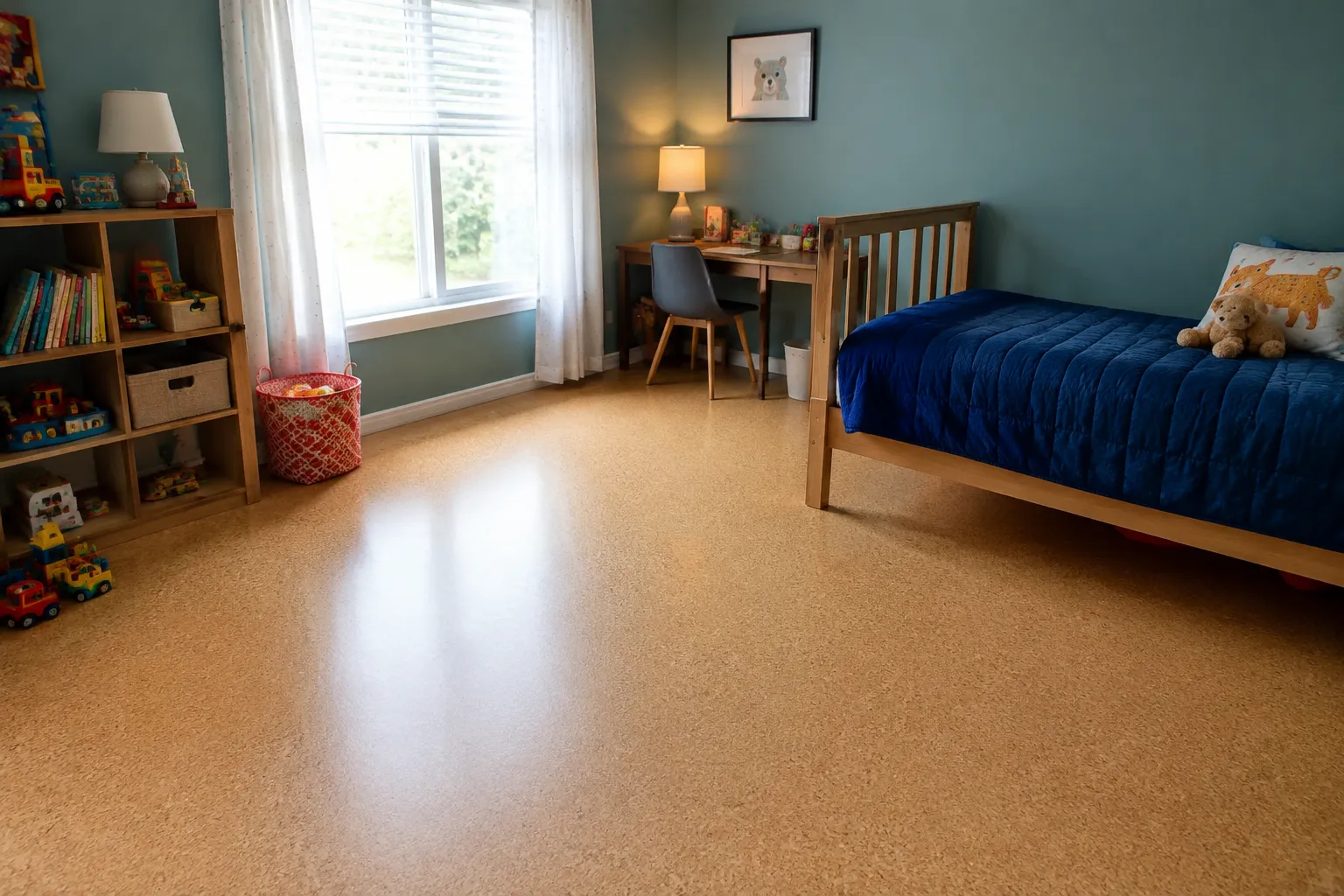 After
After
Request: Clean the cork floor from paint and plasticine stains.
Done: Applied gentle cleaning using a special cork cleaner and microfiber mop.
Cost: 12 000 ₸
Master: Assel Zhumabayeva, delicate surfaces specialist
Total: The cork is clean, without damage, color is even.
 After
After
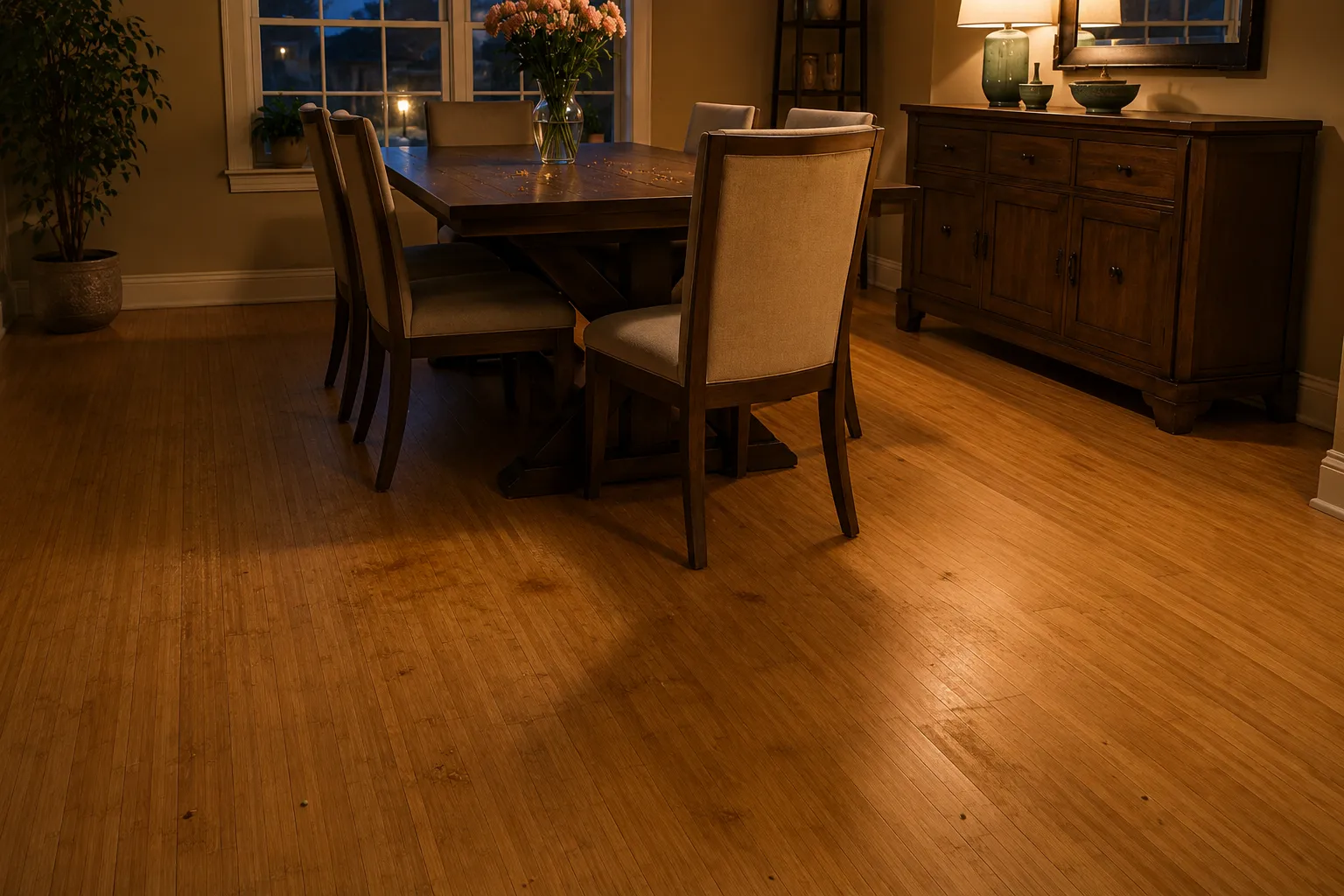
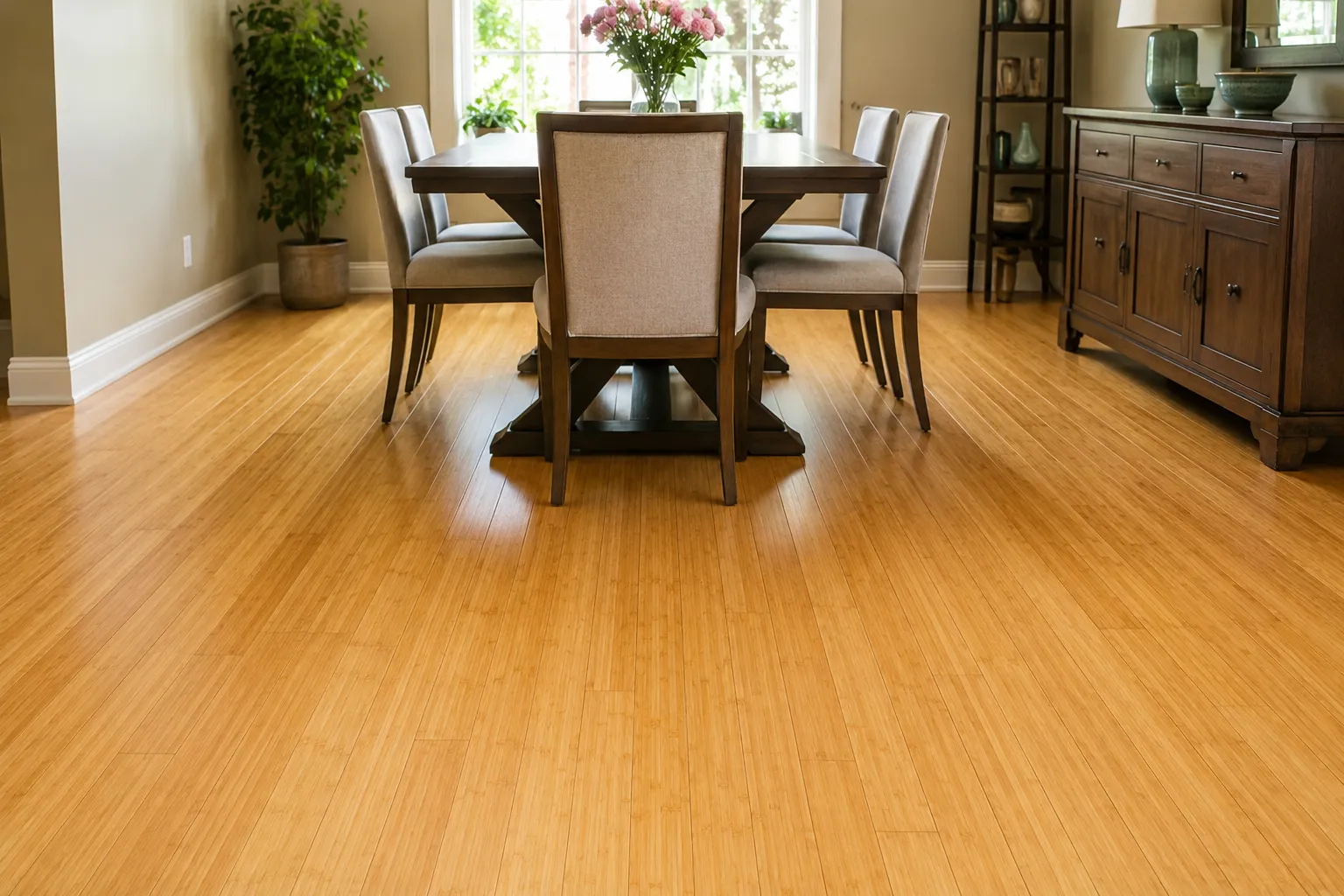
Request: Remove scuffs and food stains from the bamboo floor.
Done: Performed deep cleaning of the bamboo floor using a neutral cleaning agent and a soft brush.
Cost: 14 000 ₸
Master: Aidar Kaliyev, eco-friendly surfaces specialist
Total: The bamboo is clean, without streaks, with a natural shine.
 After
After
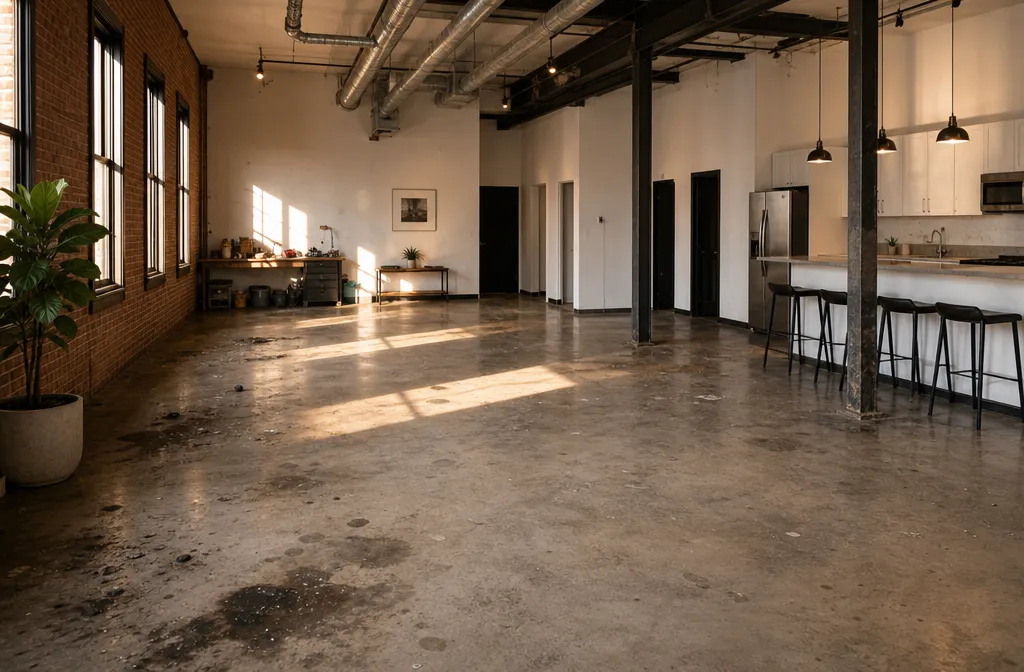
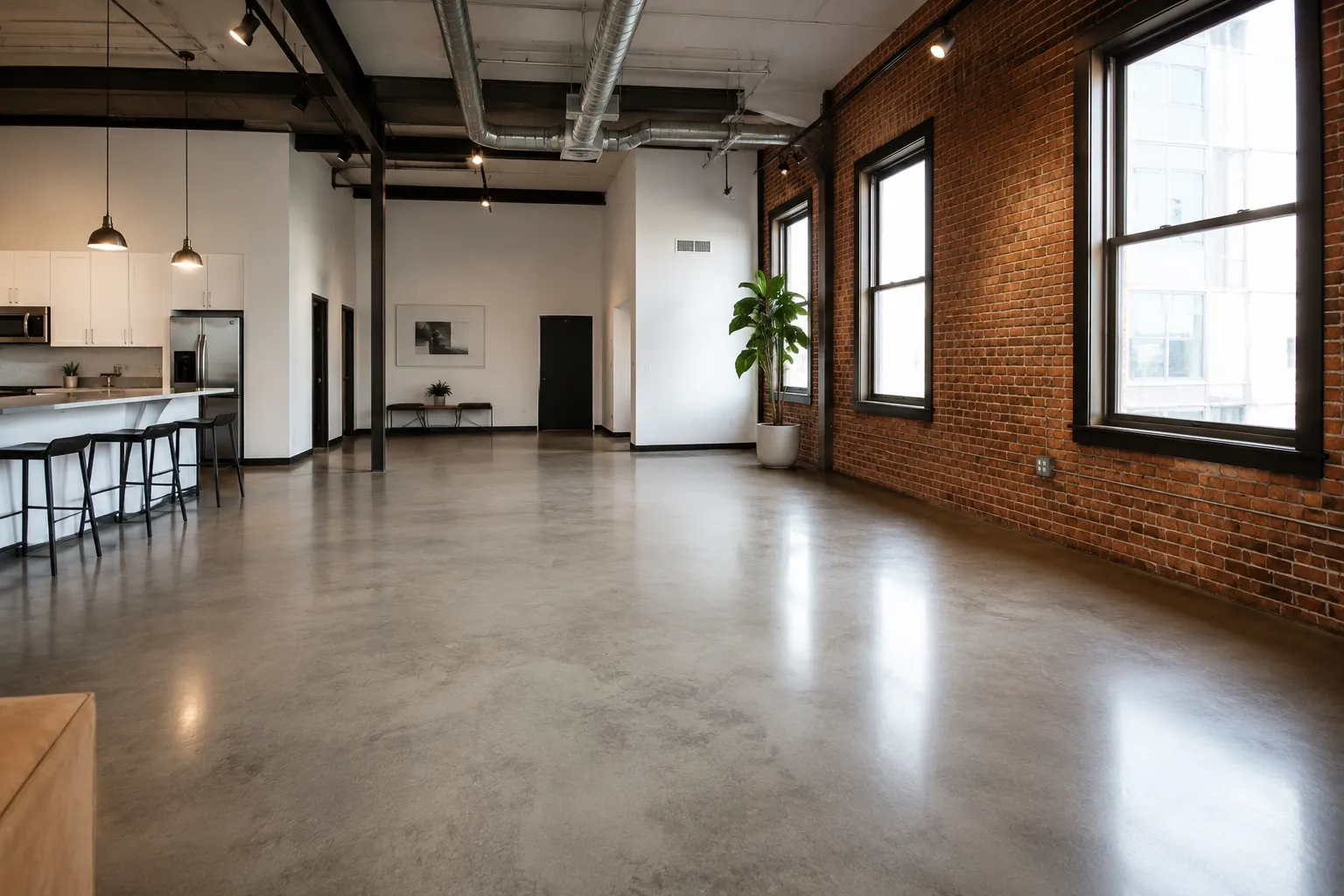
Request: Remove dust and oil stains from the concrete floor.
Done: Cleaned the concrete floor using an alkaline degreaser and washed with a rotary machine.
Cost: 15 000 ₸
Master: Ruslan Muratov, industrial floors specialist
Total: The concrete is clean, without stains, with an even matte shade.
All cleaners are profi-clean staff with training, uniform and security check. Each order has a team leader who controls quality.
The frequency of deep floor cleaning depends on three factors: the type of flooring, the traffic level of the room, and the climatic conditions of Almaty. Here at profi-clean, we recommend different frequencies for apartments, houses, and commercial properties — there is no single schedule, and choosing the wrong interval can reduce the flooring’s lifespan by 30–50%.
Almaty’s realities dictate their own timelines. In autumn and spring, dirt from the streets — sand, de-icing agents, water — is brought into the city. In homes at the foot of the Trans-Ili Alatau (microdistricts Orbita, Taugul, Samal-1), more dust settles due to the proximity of the mountains than in the city center. During the cold half of the year, humidity in apartments with central heating drops to 20–25% — this dries out wooden floors and adhesives, making them vulnerable to mechanical cleaning. In summer, conversely, humidity rises to 60–70%, and mold appears on bathroom tiles. The optimal schedule for Almaty: deep cleaning of laminate and parquet — in April and October, before and after the dirty season, and tiles — in June and December, after periods of maximum humidity and heating.
If you notice at least two signs from the list, the deep cleaning is already overdue. Delaying it by a month increases the risk of scratches on laminate and deformation of parquet — restoration costs two to three times more than preventive cleaning.
Too frequent cleaning with aggressive agents. Some people order deep cleaning of laminate every 2–3 months, thinking it extends the floor’s life. In reality — each contact with chemicals and steam removes microns of the protective layer, and after a year or two, the laminate becomes dull. The optimum is every 6–12 months, with regular dry cleaning and damp mopping with a neutral pH solution in between.
Skipping seasonal cleaning. In Almaty, after winter, de-icing agents from the roads accumulate on the floor — they eat away at the protective layer of laminate and parquet. If you don’t do a deep clean in April, irreversible micro-cracks appear on the flooring by summer. The same applies after autumn rains: dirt and sand act as an abrasive.
One schedule for all rooms. In the bedroom, the floor is cleaner than in the hallway, and in the kitchen, it’s greasier than in the living room. Setting the same interval for all areas is a mistake. In the hallway and kitchen, deep cleaning is needed twice as often as in living rooms. In my opinion, it’s wise to keep a log: note the cleaning date for each area separately to avoid overpaying for unnecessary treatments and missing necessary ones.
The city’s specific feature is sharp changes in temperature and humidity. In winter, radiators are working in apartments — the air is dry, wood dries out, and gaps appear between parquet boards. In spring, humidity rises sharply, and the floor “swells” — if the gaps were not cleaned and treated with oil over the winter, dirt gets packed into them, and the boards deform when swelling. In summer, open windows bring in street dust — it settles on carpet and in tile pores. In autumn — rain and dirt from shoes. Therefore, in Almaty, deep floor cleaning should be tied to the change of seasons: April (after winter), July (after dusty June), October (after autumn mud). For coatings with low wear resistance (laminate, parquet), two seasonal cleanings per year are sufficient; for tiles and carpet, three. Before autumn cleaning, be sure to check the condition of tile joints and grout — if mold has already started there, regular extraction won’t help; treatment with an antiseptic followed by impregnation is needed.
Deep floor cleaning differs from wet mopping in that it penetrates the coating’s structure, rather than just removing the surface layer of dust. At profi-clean, we see in practice what contaminants remain invisible to the eye and damage the floor over months.
On the kitchen floor, grease doesn’t just lie as a film — it penetrates into the micro-cracks of laminate, tile, or linoleum, attracting dust and forming a sticky crust. A regular mop with detergent spreads this layer rather than removing it: within a day, the floor looks dirty again. Deep cleaning using a degreaser (an alkaline concentrate for grease) emulsifies the deposits — they become soluble and are washed away completely. In our experience in Almaty kitchens where people cook daily, a greasy film on the floor accumulates within 2-3 weeks and won’t go away without special products. On tiles, grease additionally clogs the grout in the joints, causing it to darken — this requires separate treatment with a rotating bristle brush. Moreover, on matte tiles, grease is less visible but accumulates faster than on glossy tiles — this should be considered when choosing the cleaning frequency.
Juices, wine, coffee, tea — these liquids contain tannins and acids that leave persistent colored stains if not removed immediately. On light laminate or parquet, a spilled red wine stain penetrates the top layer of varnish within 15-20 minutes, and regular washing won’t remove it — polishing with a mild abrasive or treatment with hydrogen peroxide under pH meter control is needed. On tiles, stains from beets or berries can etch the glaze if there are micro-scratches — then the mark remains forever. In our significant orders, we often encounter pomegranate juice stains on kitchen floors in private homes: they can only be removed with a pulp of enzymatic stain remover and a 10-15 minute dwell time. An unobvious consequence: on dark flooring, drink stains are less noticeable, but the chemical reaction with the varnish is the same — after six months, a matte spot forms at the site of an unnoticed stain, which is only visible at a certain angle of light.
Almaty dust is a mixture of sand, clay, and fine gravel brought in on shoe soles. These particles act like sandpaper: with every step, they scratch the varnish coating of parquet, laminate, and even porcelain stoneware. After winter, reagents and fine gravel accumulate on the floor, embedding themselves in joints and recesses. Deep cleaning with preliminary dry collection (a cyclone vacuum cleaner with a HEPA filter) removes 97% of abrasive particles before they enter a wet environment and begin scratching the coating through friction. In Almaty districts with open construction sites (Alatausky, Bostandyk), the concentration of sand on the hallway floor can reach a significant amount per month — equivalent to treatment with 400-grit fine sandpaper. Therefore, before deep cleaning in such homes, we perform dry collection in two passes to avoid turning dirt into an abrasive paste when wet. Matte laminate is most vulnerable to abrasive wear — its top layer is thinner than glossy laminate, and scratches from sand become noticeable within 6-8 months of intensive use.
In the bathroom, kitchen, and hallway — areas with high humidity — mold and fungus develop on the floor and in the seams. Black spots in tile grout, gray deposits on silicone joints, and a musty smell are signs of microorganism colonies that cannot be removed with bleach or washing. Deep cleaning with antiseptic treatment (products based on QAC — quaternary ammonium compounds) destroys mold spores in the grout and under baseboards where condensation accumulates. In apartments on the first floors in Almaty (areas with high groundwater levels — Medeusky, Turksibsky), mold under linoleum and laminate appears within 2-3 years if waterproofing was not done. In such cases, we first treat the floor with a fungicide, then dry it with a heat gun until the coating moisture reaches 6-8% — only then can deep cleaning be performed without the risk of re-infection. An important nuance: if mold has already penetrated under the laminate, it is only visible during dismantling — only the smell appears on the surface, so clients often confuse mold with ordinary dirt and waste time on surface washing.
In Almaty, water from the central water supply is hard (from 7 to 10 mg-eq/L in carbonate hardness), so white salt spots remain on tiles, porcelain stoneware, and even laminate after drying. This is calcium and magnesium carbonate — they crystallize on the surface and embed into the pores of the coating. Regular washing with vinegar or citric acid partially dissolves the deposit but leaves micro-damage on the laminate due to the acid reaction with the varnish. Deep cleaning uses neutral or slightly alkaline compounds with chelating additives (EDTA), which bind calcium ions and wash them out without damaging the coating. On porcelain stoneware without protective impregnation, salt deposits accumulate faster — within 3-4 months, they form a matte film that reduces light reflection and makes the floor visually dull. Expert recommendation: after removing the deposit, be sure to apply a protective mastic or wax emulsion — it fills micropores and prevents repeated salt deposition for 2-3 months longer than without treatment.
Dark streaks from the rubber soles of sneakers, shoes, and boots are one of the most common problems on light-colored laminate, tiles, and linoleum. Rubber leaves not just dirt, but a micro-layer of polymer that adheres to the coating and does not wash off with water. In our orders in Almaty, shoe marks are most often found in hallways and corridors — especially during the off-season when it is slushy outside and shoes are wet. To remove such marks, we use an alcohol-based cleaner (isopropanol 70%) or a special floor eraser — it mechanically removes the rubber layer without chemicals. On textured laminate (with an embossed wood pattern), rubber marks get embedded in the texture’s recesses and are not visible when viewed directly, but under side lighting, they appear as dark spots — clients are often surprised at how many accumulate in a month. Removing shoe marks requires mandatory subsequent washing with a neutral pH agent to remove solvent residues and avoid damaging the laminate’s protective layer.
Many people believe that mopping the floor with a cleaning solution once a week is sufficient care. But in practice, wet cleaning only removes the surface layer of dust and fresh stains, while microparticles, grease, and bacteria remain in the pores and joints. Deep cleaning solves these problems at the level of the coating structure — and here is the difference.
Regular wet cleaning only works with the top layer of the floor — a microfiber mop and water remove dust, streaks, and fresh dirt, but do not penetrate deeper than 0.1–0.3 mm. Deep cleaning affects the entire thickness of the coating: a rotary machine with an abrasive brush or an extractor supplies a solution under pressure of 4–6 bar, washing dirt out of tile joints, carpet fibers, and laminate pores. In our practice at profi-clean, there was a case: in an apartment on Al-Farabi Avenue, the carpet was cleaned with a steam cleaner once a month, but during extraction, half a bucket of gray water with sand came out of it — this had accumulated over a year and a half. Wet cleaning cannot lift that.
Wet cleaning does not remove three types of contaminants: grease films (they settle in the kitchen and hallway), hardened sugar and salt (reagents from shoes in winter crystallize in tile pores), and biofilm (bacteria with mold in the grout). Deep cleaning breaks them down using active chemicals — for tiles in Almaty apartments, we use an alkaline concentrate Kiehl with pH 10.5, and for laminate, a neutral Sodasan with enzymes. Meanwhile, a regular floor cleaning product from the supermarket cannot handle old grease: in a kitchen in a house on Zharokova Street, we had to make three passes with a rotary machine to remove a layer of cooking oil that had accumulated over three years. If you wash the floor and feel stickiness an hour later — that is a grease film, wet cleaning only spreads it.
Regular cleaning uses a mop, bucket, and microfiber cloth — this is enough to maintain visual cleanliness, but the microfiber fibers become clogged with dirt after 10–15 m², and then you are just spreading bacteria around the room. For deep cleaning, we use three types of machines: a rotary machine (for tiles and stone — removes deposits and grout dirt), an extractor (for carpets — washes dirt out of the fibers with vacuum suction), and a floor scrubber (for large laminate areas — applies the solution and immediately collects it, leaving humidity no higher than 5%). In our profi-clean arsenal, we have a Karcher BR 30/4 combination machine — it applies chemicals, scrubs the surface with a brush, and sucks the dirty water back up in one pass. Wet cleaning leaves up to 30% moisture on laminate (it evaporates in an hour or two), while deep cleaning with a floor scrubber leaves the floor almost dry — you can walk on it immediately. If the tile in your hallway is darkening near the threshold — that is not dirt, but micro-scratches from sand; a rotary machine with a polishing attachment removes them in one pass, something a mop can never do.
Wet cleaning is equally dangerous for laminate and parquet — excess water (even a well-wrung mop leaves 50–100 ml per m²) penetrates the joints, causing edge swelling and delamination of the HDF board after 6–12 months of regular washing. Deep cleaning for laminate uses minimal moisture: an extractor supplies 200–300 ml of solution per m², and a floor scrubber collects 95% back — joint moisture remains within the norm (8–12%). For parquet, we use dry cleaning with a rotary machine and a special dust collector — no water, only an abrasive brush and polish. In Almaty, due to the dry air (humidity in apartments drops to 20–25% in winter), laminate dries out faster, and wet cleaning with water only worsens micro-cracks — deep cleaning with moisture control extends the coating’s service life by 2–3 years without repair.
The short answer: it is highly not recommended — steam damages the locking connections and deforms the boards, but there are two scenarios where a steam mop is acceptable under strict limitations. We break down what happens to laminate under steam, how to distinguish a safe class from a vulnerable one, and what to use instead of the steam method for deep floor cleaning.
A steam cleaner delivers water at 100–140 °C under pressure — an extreme mode for a sealed coating. The first impact is taken by the HDF board (the laminate base): upon contact with steam, its edges absorb moisture within 2–3 seconds, swelling by 0.5–1.2 mm — the tongue-and-groove lock loses rigidity, and after 2–3 wet cleaning cycles, gaps appear between the boards. The second mechanism is delamination of the decorative layer: the adhesive under the melamine film softens at 80 °C, and after 4–5 steam treatments, the coating begins to bubble, especially at the joints. The third is underlayment deformation: foamed polyethylene or cork under the laminate compresses unevenly when wet, causing the floor to “give” when walked on. In Almaty, where humidity fluctuations in apartments during winter reach 40–60% due to heating, such deformations manifest faster — within 3–4 months after steam cleaning, according to our profi-clean service call statistics. In practice: if a client has already treated laminate with a steam cleaner, the only way to fix the swelling is to replace the damaged boards, and matching the shade from the same batch after 2–3 years is nearly impossible.
Not all laminate is equally vulnerable — manufacturers indicate steam cleaning suitability in the labeling, but only for two types. The first is 33–34 class laminate with a thickness of 10 mm or more, high-density HDF board (from 900 kg/m³), and a 5G lock (a system with a metal tongue or plastic clip that blocks moisture penetration). The second is quartz-vinyl laminate (LVT, SPC) with a stone filler in the base — it is not afraid of steam as it contains no cellulose, and can be cleaned with a steam cleaner without risk of deformation. However, there is a nuance: even for 33–34 class, the manufacturer allows steam cleaning with restrictions — steam temperature no higher than 100 °C, distance from the nozzle to the floor at least 10 cm, and the attachment should not remain in one spot for longer than 2 seconds. In our deep floor cleaning orders in Almaty, we have encountered quartz-vinyl laminate in 15–20% of new apartments in residential complexes like “Akbulak”, “Nurly Tau”, and “Triumph” — owners of such flooring can use a steam cleaner, but we still recommend a steam mop with water flow control rather than a powerful industrial unit. In practice: if the laminate packaging lacks a “steam” pictogram or the inscription “dampfgeeignet”, a steam cleaner is prohibited — even a single treatment of a 32-class lock with a density of 850 kg/m³ causes irreversible expansion of 0.3–0.5 mm.
For safe deep floor cleaning without the risk of deformation, there are three alternatives that provide the same effect of removing stubborn dirt. The first is extraction cleaning with minimal moisture: we use a floor cleaning machine with a “dry cleaning + spray” function that applies 15–20 ml of solution per m² (compared to 200–300 ml for a steam cleaner) and immediately vacuums it back — moisture does not have time to penetrate the joints. The second is cleaning with a neutral enzyme composition and microfiber, followed by drying with a heat fan: this method removes grease and stubborn stains without heating the coating above 35 °C, which is safe for any laminate class. The third is steam treatment with distilled water at minimum power, but only for quartz-vinyl and only if the owner knows the exact lock insulation class. At profi-clean, for deep laminate cleaning, we use hypoallergenic Kiehl and Sodasan formulations — they leave no streaks and require no rinsing, unlike aggressive alkaline products often recommended online. An important nuance: if the laminate has already been treated with a steam cleaner and the joints have started to separate, extraction cleaning will not fix the geometry — only board replacement will, so before ordering deep floor cleaning in Almaty, check the condition of the locks: if a gap of 0.3 mm or more is visible between the boards, steam is strictly contraindicated.
The most common mistakes are not due to a lack of technical knowledge, but from underestimating the consequences, and in Almaty, these are worsened by the climate. The first is steam cleaning laminate flooring on a “warm floor”: when the heating system is on, the HDF board heats up to 28–30 °C, and steam at 100 °C creates a temperature difference, causing condensation at the edges to evaporate unevenly — the locking system deforms within 1–2 minutes. The second is using a steam cleaner on laminate after polishing with mastic: the wax film melts when heated, clogs the joints, and after cooling forms a sticky layer that collects dust and microorganisms — this is a common cause of allergic reactions for residents. The third is steam cleaning laminate in a new building during its first year of use: the boards haven’t stabilized after installation (the settling process lasts 6–12 months at 30–50% humidity), and steam accelerates the settling by 3–4 times — the floor starts to “squeak” within a month. In practice: in October, we had a case — a client in the “Grand Alatau” residential complex treated 32-class laminate with a steam cleaner twice in one week, and after 10 days, three boards in the walkway area swelled by 2 mm; replacement cost a significant portion of the entire flooring’s price, and the new laminate from the same collection had already been discontinued. Expert recommendation: if you still decide to use a steam cleaner, turn off the heated floor 4–6 hours before the procedure, check the locking system marking (look for “AquaBlock” or “HydroSeal”), and never steam laminate in rooms with direct sunlight — UV rays heat the surface to 40–45 °C, and the steam creates a “thermal shock” effect.
After professional cleaning, the floor’s protective layer becomes vulnerable, and the first two weeks of care determine how long the result will last. In our practice, most clients lose the effect precisely due to mistakes during this period — we’ve compiled key rules by floor type.
After deep cleaning, laminate needs to be dried with windows open for 4-6 hours without walking on it — moisture in the joints softens the HDF board, and the locks lose rigidity. We don’t use steam on laminate, so residual moisture is 5-8% compared to 30-40% after a steam cleaner. Do the first wet cleaning no sooner than 72 hours later, only with a microfiber cloth wrung “dry” — excess water brings remaining micro-particles of dirt to the surface. On Almaty properties with a “warm floor” system, turn on the heating to 25 °C only two days after cleaning — sudden heating deforms the boards.
An oiled coating needs its protective layer refreshed after cleaning — we apply hard wax oil (Sodasan) as a final step, but home care requires monthly application of a restorative emulsion. Varnished parquet, on the other hand, should not be wiped with alcohol-containing products for the first 10 days — they soften the varnish, leaving streaks from shoe soles. In Almaty neighborhoods (Samal-1, Samal-2) with parquet from the 1960s-70s, it’s especially important not to move furniture until completely dry — the old glue under the planks is brittle, and moving a chair can tear a board from the base.
After cleaning, a white residue often appears on tiles from salts drawn out of the grout by water — this is normal for Almaty’s hard water (7-8 mg-
I ordered a deep floor cleaning after renovation — the master removed all paint and putty stains, even old streaks disappeared. The parquet shines like new.
Thank you, Aigerim! We're glad the result exceeded expectations.
The carpet was terrible — coffee stains, dirt. After treatment, it looks like new, fresh smell. Thank you!
We did deep floor cleaning in the living room — the laminate was cleaned from furniture marks and dust. Almost perfect, but a couple of streaks remained in the corners. Overall good.
Daniyar, we'll take note. Next time we'll pay more attention to the corners.
The child drew on the floor with markers — everything was wiped off without a trace. Even old plasticine stains were removed. Very clean!
Deep floor cleaning in the kitchen and hallway — the tiles became matte without streaks. The grout was also cleaned. The result is fire.
Thank you for your review! Glad to help.
After the tenants, the floors were in terrible condition. The master removed all dirt, even the smell disappeared. Now we rent it out confidently.
I ordered deep floor cleaning for parquet. Overall clean, but scratches are still visible, I thought they would be better masked. Expected more.
Kuanysh, for parquet we recommend polishing. Contact us, we'll offer a discount.
The bathroom floor was cleaned of limescale and mold, looks like new. Even the joints between tiles turned white. Professional.
We did deep floor cleaning in the hallway — the linoleum was cleaned of black shoe marks, color restored. Very satisfied.
Timur, thank you! Glad you liked it.
The floors were cleaned well, but one area near the door remained matte, although they promised even shine. Otherwise no complaints.
Gulnara, we apologize. Contact us, we'll fix it for free.
Deep floor cleaning in the gym — removed sweat smell and dirt from rubber coating. It became pleasant to exercise.
Cleaned the greasy kitchen floor — even in corners under cabinets it's clean. Whitened grout between tiles. Super!
Olga, thank you for your kind words!
On the balcony after construction there was dust and cement. I ordered deep floor cleaning — now you can walk barefoot.
The floors in the sales area were cleaned of construction dust, but traces of glue from price tags remained. Overall good, but the little things spoiled the impression.
Ruslan, sorry for the oversight. We'll send a master to make it perfect.
After moving, the floors were covered in boxes and dirt. Deep floor cleaning was done — now they shine like a mirror. I recommend it.
The floor around the fireplace was cleaned of soot and ash — even old stains disappeared. The parquet restored its color.
Nurlan, glad to help!
For a yoga studio, I ordered deep floor cleaning — the cork flooring became clean and pleasant to touch. No stains.
The concrete floor in the garage was cleaned of oil stains — partially helped, but some stains remained. Good enough for a garage.
Vitaliy, for concrete we recommend a special impregnation. We can offer additional treatment.
Deep floor cleaning together with the carpet — the carpet became fluffy, the floor underneath perfectly clean. No wine stains left.
After rearranging furniture, the floors were scratched and dirty. The master cleaned everything, even scuffs became less noticeable. It became brighter.
Maksat, thanks for the review! Always happy to help.
We ordered deep floor cleaning in the group — the linoleum was cleaned of paints and plasticine. Good, but there was a slight chemical smell that dissipated after a day.
Dana, we use safe compounds. Next time we'll do additional ventilation.
On the veranda, the floor after winter was dirty and moldy. Cleaned to a shine, now it's pleasant to sit. Thank you!
Deep floor cleaning in the restaurant kitchen — removed grease and carbon deposits from tiles. Now meets sanitary standards.
Lyazzat, glad we helped you pass the inspection!
The laminate was cleaned well, but there is a scratch in one spot that couldn't be removed. Otherwise clean.
Yelena, sorry. For scratches, there are wax crayons. We can treat it additionally.
Ordered deep floor cleaning in the gym — rubber coating cleaned of sweat and dust. It's less slippery now.
The floors in the dorm were terrible — everything was cleaned, even old gum removed. Now clean and tidy.
Gaukhar, thank you for your trust! Come again.
Did deep floor cleaning at the dacha — cleaned boards from dirt and mold. Now you can walk comfortably.
The living room is shining — parquet polished to a shine. Even old scuffs disappeared. Very satisfied.
Aizhan, thank you! Glad you liked it.
Ordered deep floor cleaning in the workshop — concrete cleaned of oil, but not completely. It's better, but not perfect.
Rustem, for old oil stains, deeper treatment is needed. Contact us, we'll select a product.
After renovation, the hallway had a layer of dust and paint. The master cleaned everything, even the baseboards. Perfect.
At the bar, ordered deep floor cleaning — cleaned sticky floor from spilled beer. Now clean and odorless.
Arman, thank you for the review! Glad to help.
After renovation, the floors in the classroom were cleaned of paint and putty. Now children can sit on the floor without worry.
There was mold on the basement floor. I ordered a deep floor cleaning — the mold was removed, the smell disappeared. Dry and clean.
On average, 1-1.5 hours depending on the type of covering and degree of soiling. Carpet may take longer due to extraction.
Yes, we perform work from a minimum area. The minimum visit cost is at an individual rate, which covers cleaning up to 10 m².
Yes, we use Kiehl and Sodasan products, which are certified as safe. They do not contain aggressive components and leave no toxic residues.
Just remove furniture and personal items from the floor. If the furniture is bulky, our technicians will help move it. Electricity and water must be available.
The price for laminate cleaning is at an individual rate per m². The cost includes removal of dirt, streaks, and stains using professional chemicals.
Cleaning parquet board costs at an individual rate per m². When ordering additional polishing, the price will be at an individual rate per m².
Carpet cleaning is at an individual rate per m². Includes extraction cleaning with water supply and dirt collection.
Cleaning ceramic tiles is at an individual rate per m². Additionally, you can order grout cleaning at an individual rate per m².
Multiply the floor area in m² by the price per m² for your covering. If the area is less than 10 m², the minimum visit cost at an individual rate applies.
We clean laminate, parquet, tile, linoleum, carpet, natural stone, self-leveling floor, cork, bamboo, and vinyl tile. For each covering, we select its own technology.
Tell us about your experience with profi-clean — it helps other clients and us improve.
We currently operate in Almaty. Other cities are coming soon.