Sorting Dishes
We separate dishes by material type and degree of soiling. Fragile items (crystal, porcelain) are separated from metal and plastic.
Professional Dishwashing in Almaty: Remove Grease, Burned-On Food, and Stubborn Stains from Any Dishes.

We work with any types and materials
We wash deep and flat plates made of porcelain, earthenware, glass, and ceramic.
from 12,000 ₸We clean glasses of any shape without streaks, including faceted ones.
from 12,000 ₸We gently wash fragile wine and champagne glasses.
from 12,000 ₸We remove tea and coffee stains from porcelain and ceramic cups.
from 12,000 ₸We clean mugs from stubborn coffee and tea residues.
from 12,000 ₸We remove burnt food and grease from stainless steel and enamel pots.
from 12,000 ₸We clean non-stick and regular frying pans, including cast iron.
from 12,000 ₸We clean baking sheets from burnt-on food and baked grease.
from 12,000 ₸We wash forks, spoons, and knives to a shine and polish them.
from 12,000 ₸We gently clean kitchen knives without damaging the blade.
from 12,000 ₸We wash crystal items with special products without scratches.
from 12,000 ₸We delicately clean porcelain dishes, preserving the pattern.
from 12,000 ₸From inspection to result with guarantee
We separate dishes by material type and degree of soiling. Fragile items (crystal, porcelain) are separated from metal and plastic.
We soak the dishes in hot water with professional KIEHL product to soften grease and burnt residues.
We wash each item by hand using a Karcher SC 5 steam cleaner to remove grease and burnt-on food without abrasives.
Using special brushes, we clean handles, spouts, and other hard-to-reach areas from food residues and deposits.
We thoroughly rinse the dishes with running water to remove detergent residues.
We dry dishes with microfiber or leave for natural drying depending on the material type.
We polish stainless steel and glass with special cloths to a mirror shine.
We inspect each item for cleanliness and defects. Upon request, we wrap in bubble wrap.
KIEHL products are certified, contain no aggressive acids or chlorine. They effectively remove grease and burnt-on food while being safe for enamel, glass, and stainless steel. After rinsing, no chemical odor remains.
High-pressure steam softens even stubborn grease and burnt food. This eliminates the need for abrasives and prevents scratches. The Karcher SC 5 delivers steam temperatures up to 145°C, which also disinfects the surface.
Each profi-clean master undergoes a medical examination and has a sanitary book. Experience with different types of dishes — from fragile crystal to cast iron pans — guarantees gentle and high-quality washing.
We use microfiber for drying and polishing, which eliminates streaks. If any marks or odor remain after washing, we will rewash the dishes for free within 24 hours.
For crystal and porcelain, we use special soft brushes and pH-neutral products. This prevents chips, scratches, and loss of shine. Each item is washed by hand.
Thanks to the steam cleaner and streamlined process, we wash 50 dishes on average in one hour. You don't need to spend time scrubbing burnt grease — we do it quickly and efficiently.
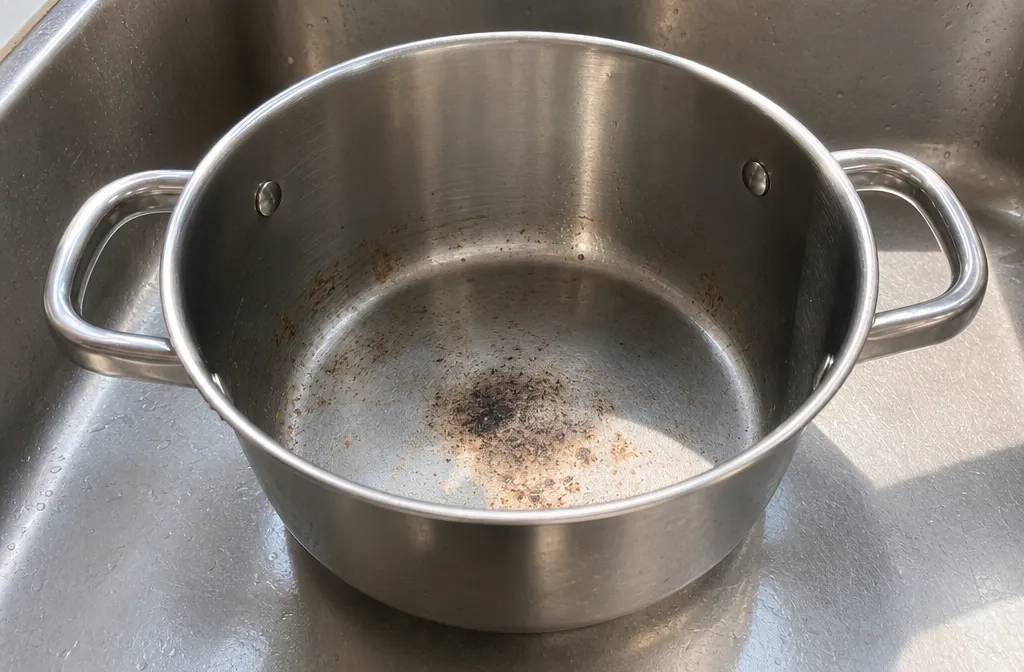
 After
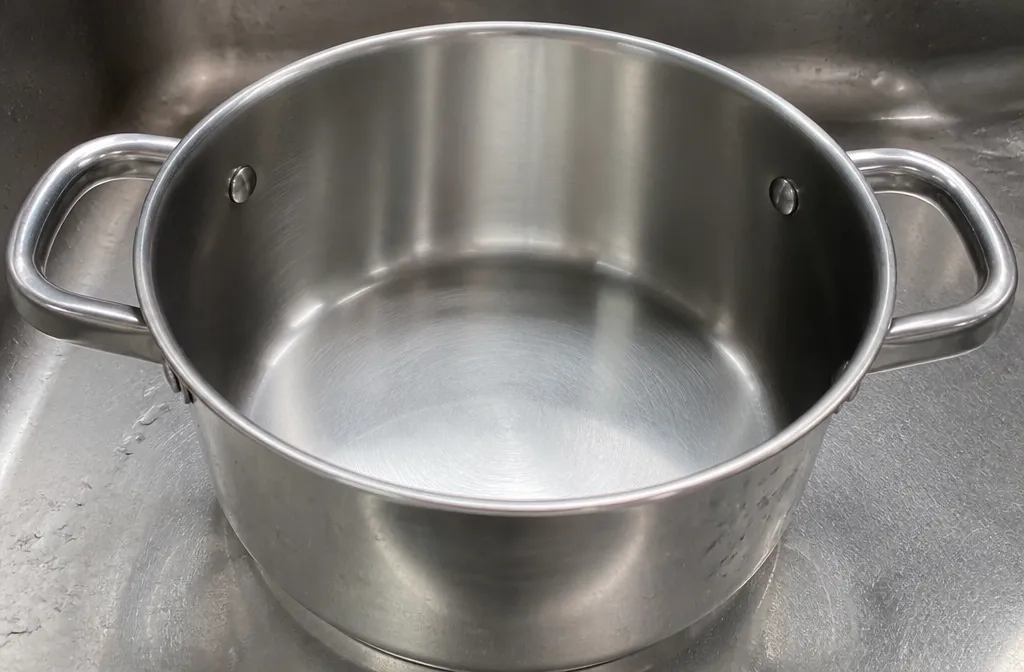
After
Request: Need to clean a pot with burnt food to a shine.
Done: Soaked in professional solution, scrubbed off burnt residue, polished to a mirror finish.
Cost: 14 000 ₸
Master: Aigul Serikova, Dishwashing Master
Total: Pot looks like new, without traces of burnt residue or scratches.
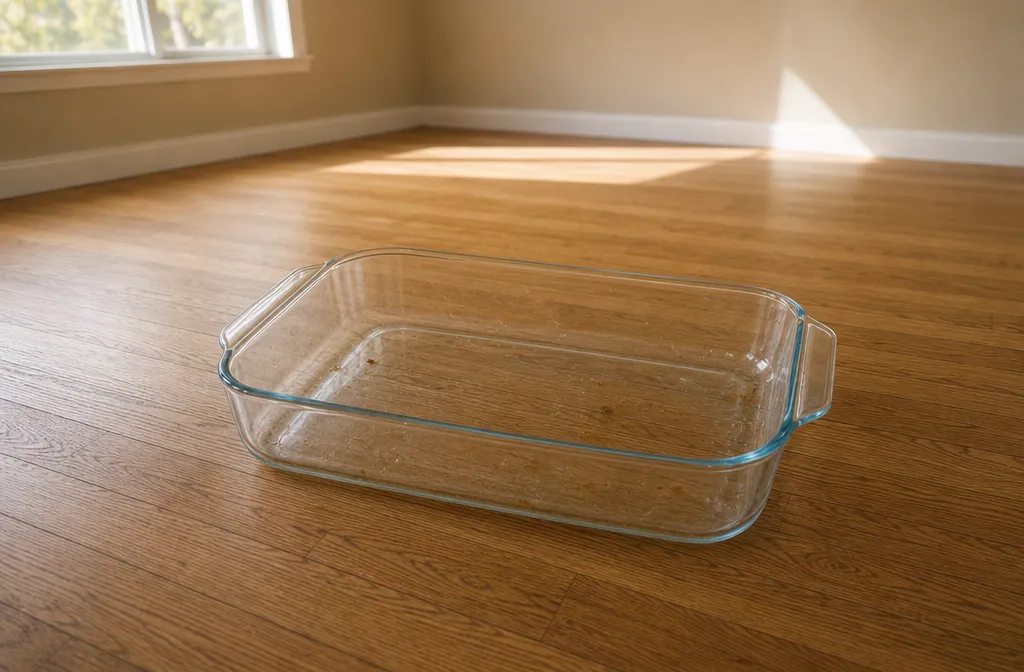
 After
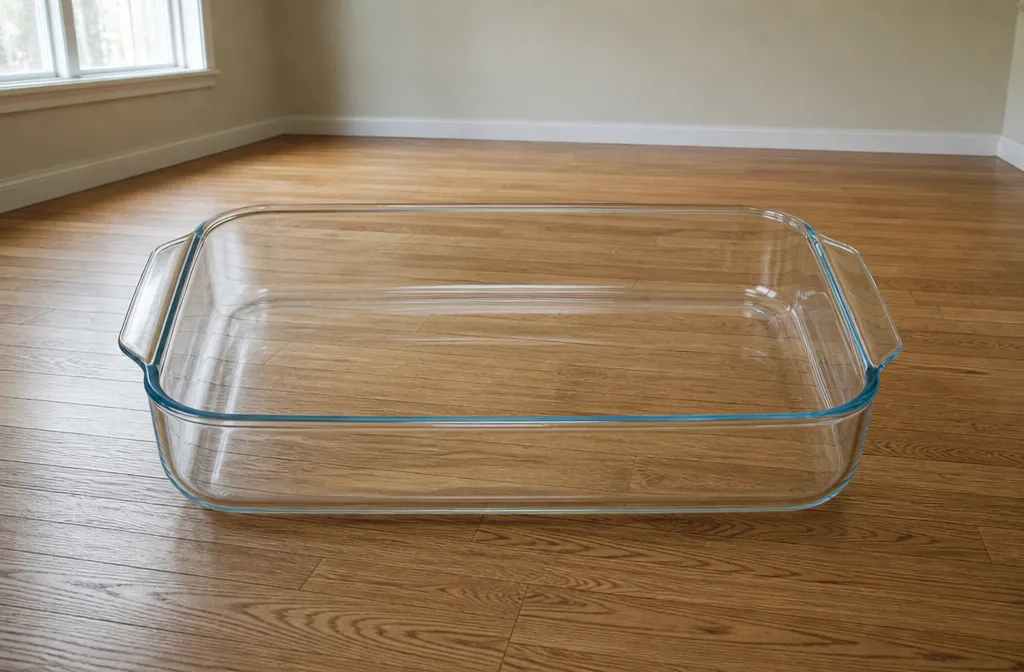
After
Request: Remove old grease from a glass baking dish.
Done: Treated with alkaline solution, thoroughly rinsed, dried without streaks.
Cost: 15 000 ₸
Master: Nurlan Akhmetov, Dishwashing Master
Total: Dish is transparent, without greasy film or odor.
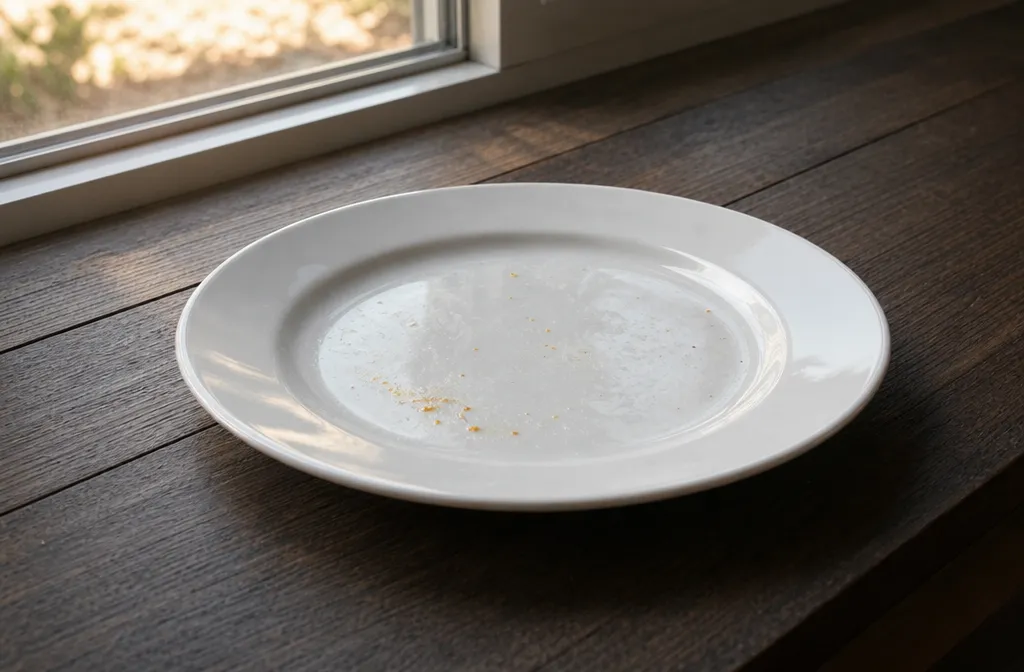
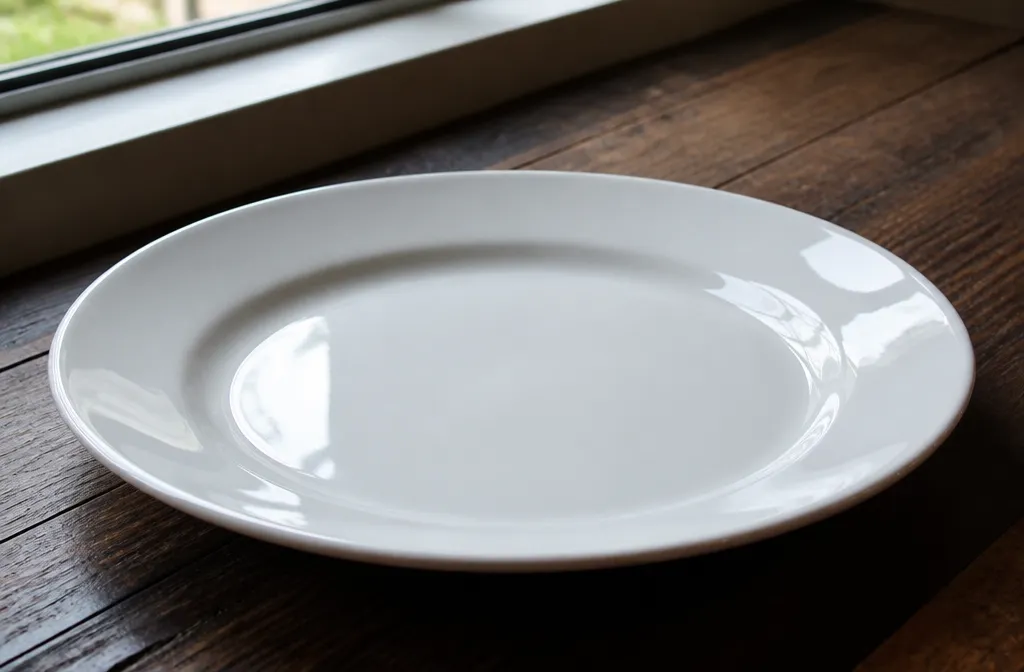 After
After
Request: Wash plates from dried food stains.
Done: Soaked in hot water with enzyme solution, wiped with a sponge.
Cost: 14 000 ₸
Master: Aliya Sagintayeva, Dishwashing Master
Total: Plates are clean, without food residue or streaks.
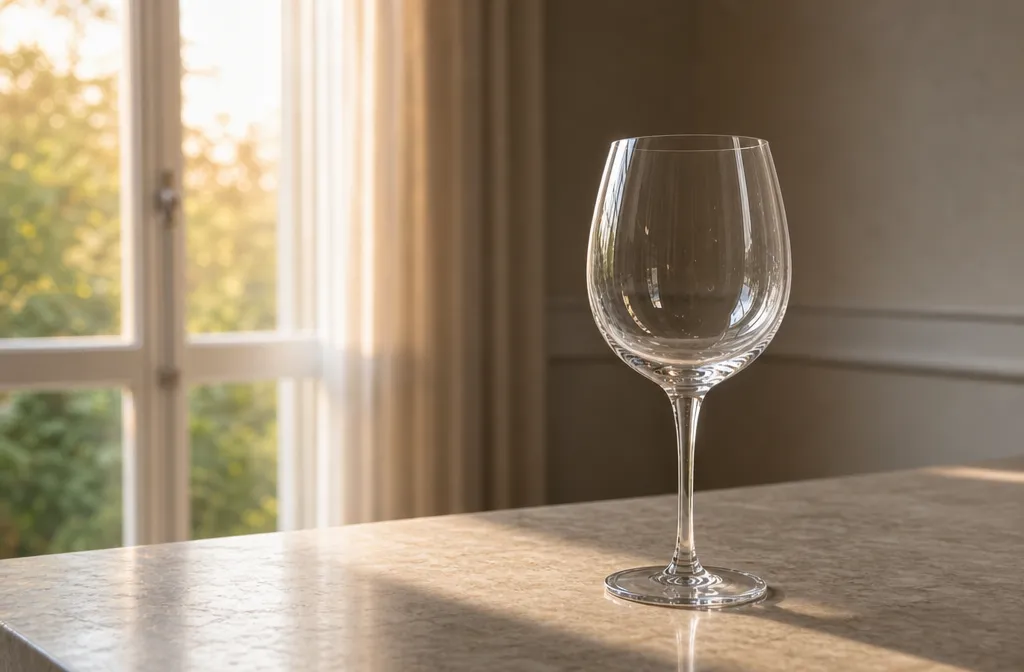
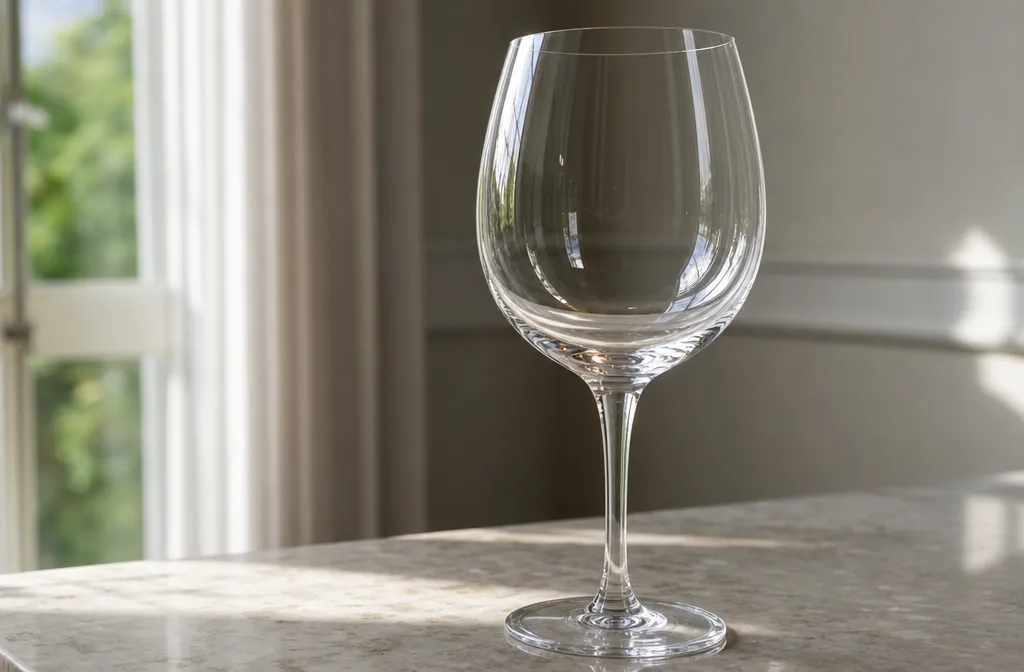 After
After
Request: Wash crystal glasses to a streak-free shine.
Done: Washed by hand with a soft sponge, polished with microfiber.
Cost: 13 000 ₸
Master: Aizhan Muratova, Dishwashing Master
Total: Glasses sparkle, without streaks or fingerprints.
 After
After
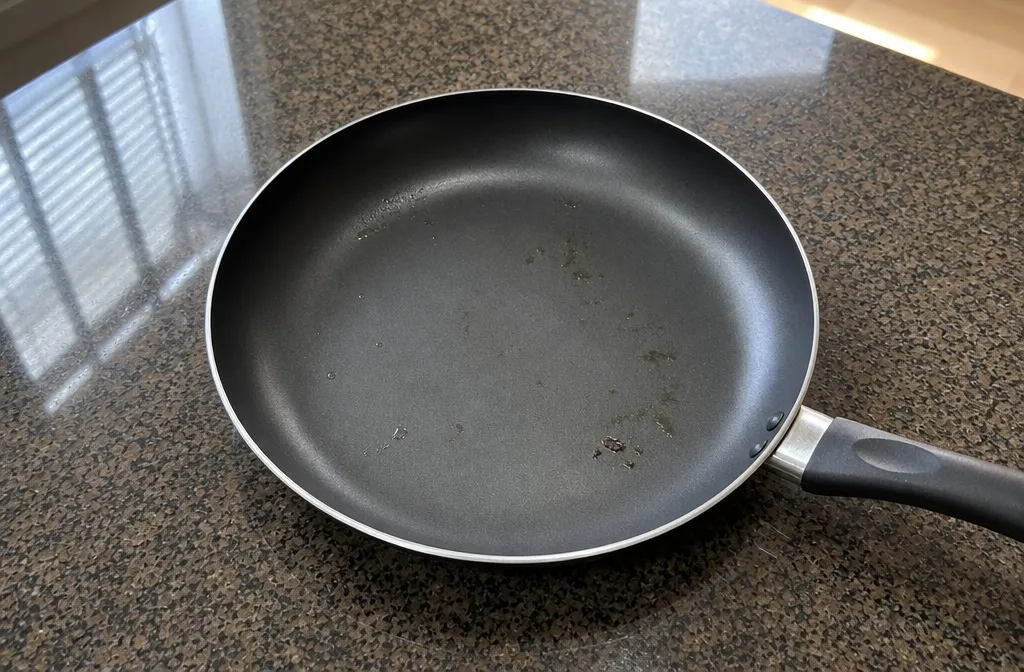
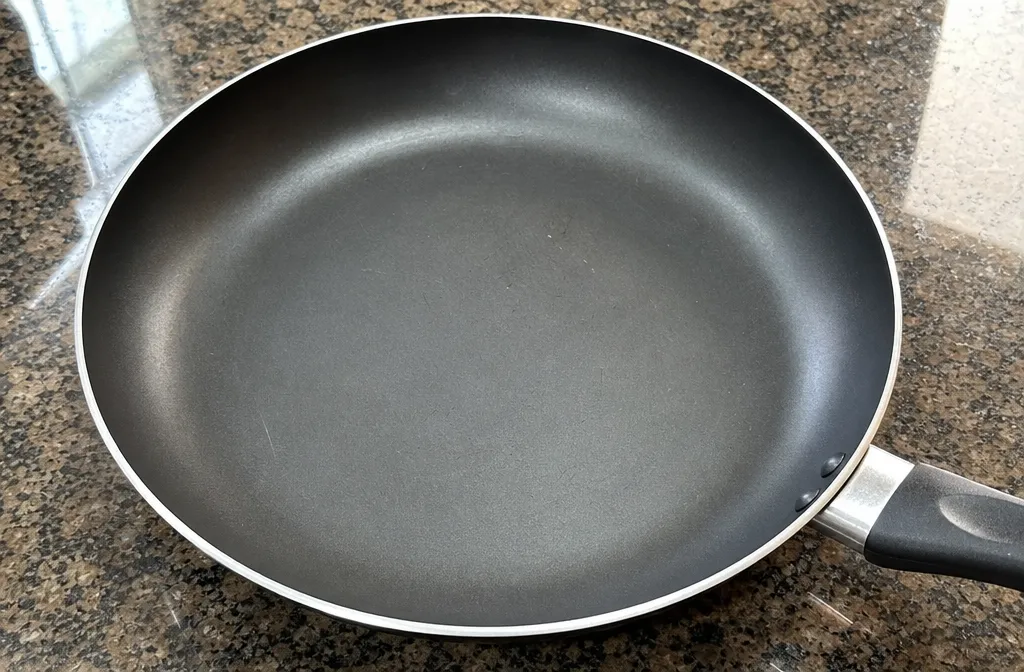
Request: Clean the frying pan from grease and burnt residue without damaging the coating.
Done: Soaked in neutral solution, gently wiped with a sponge.
Cost: 14 000 ₸
Master: Bakhtiyar Kaliyev, Dishwashing Master
Total: Pan is clean, non-stick coating intact.
 After
After
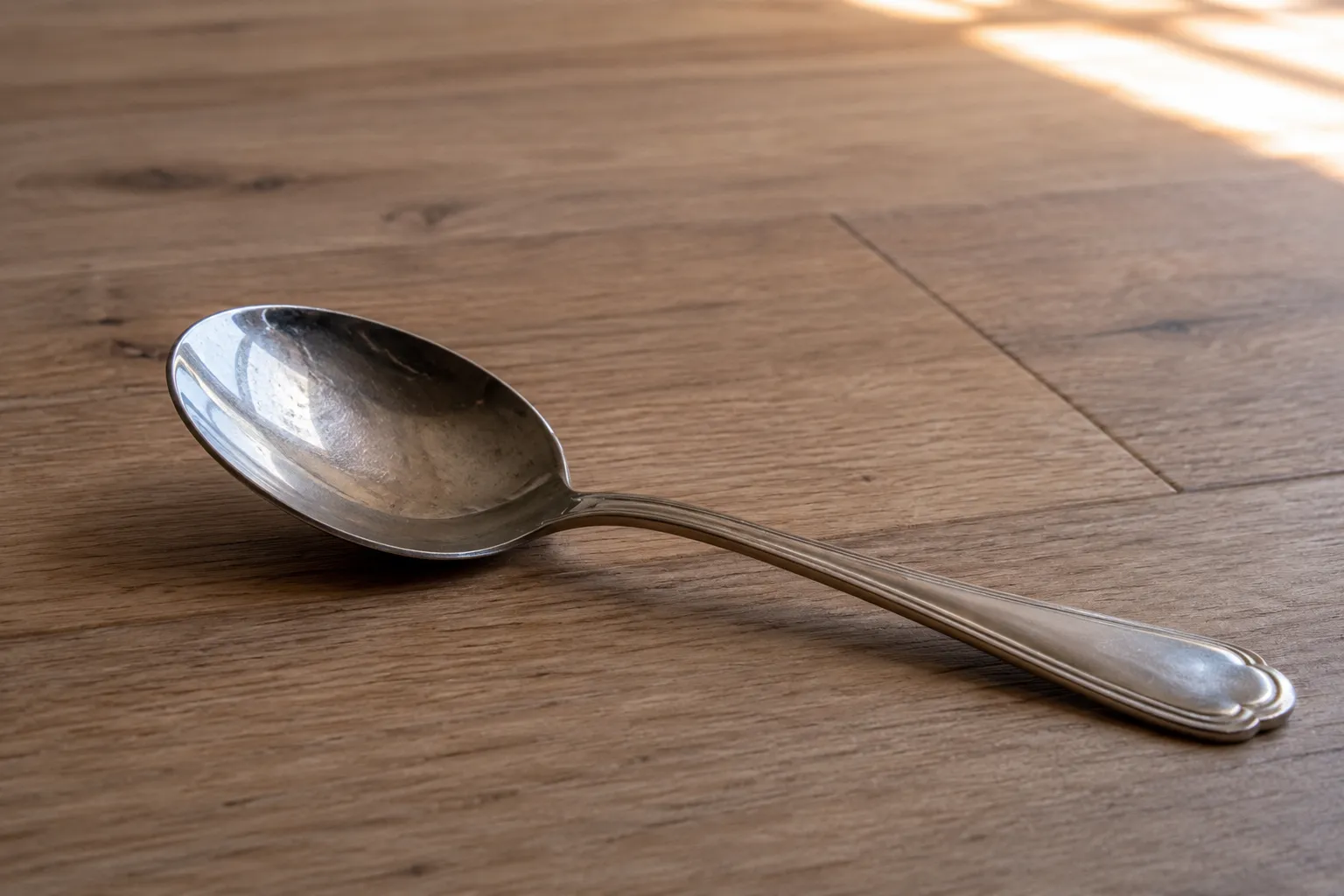
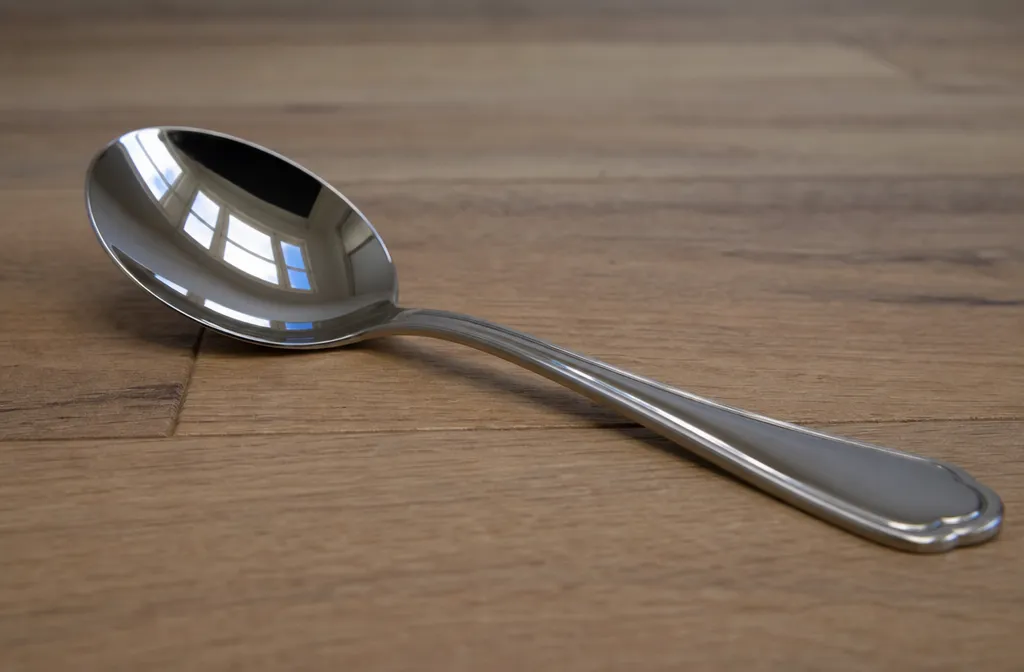
Request: Clean silver cutlery from tarnish.
Done: Polished with special paste to a shine, washed and dried.
Cost: 14 000 ₸
Master: Gulmira Bekzhanova, dishwashing master
Total: Cutlery shines, no tarnish or film.
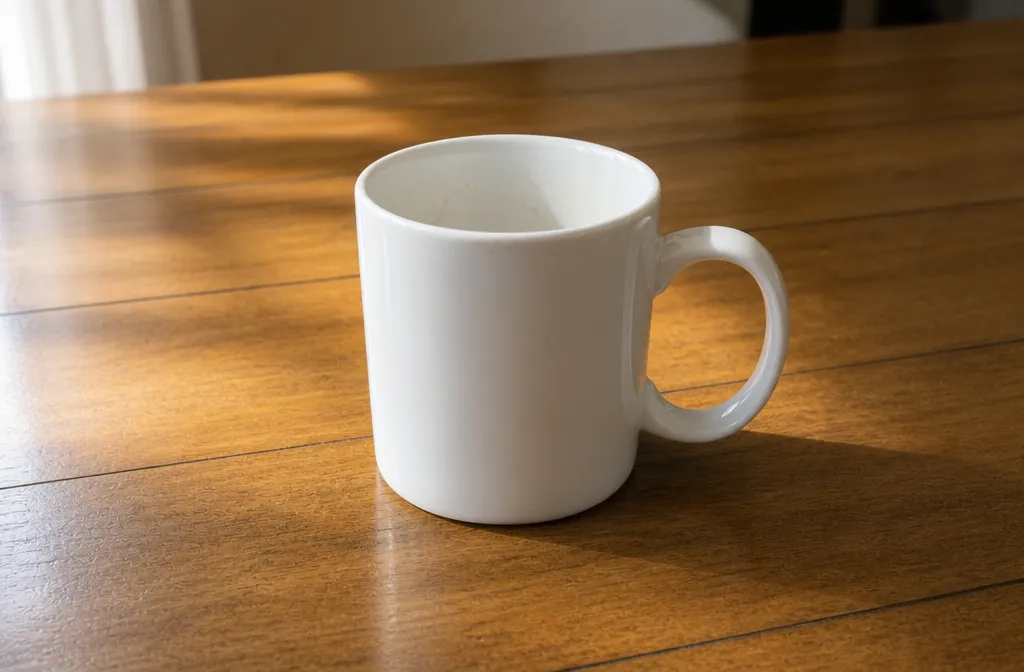
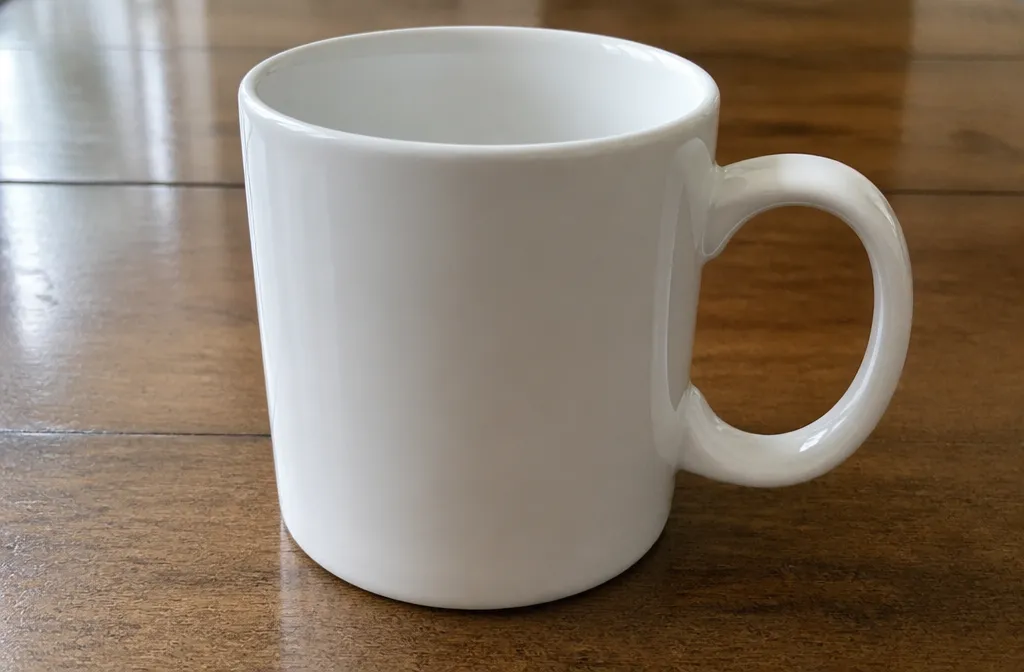 After
After
Request: Remove coffee stains from ceramic mug.
Done: Soaked in soda solution, scrubbed with sponge, rinsed.
Cost: 13 000 ₸
Master: Marat Zhumabayev, dishwashing master
Total: Mug is white, no coffee stains or odor.
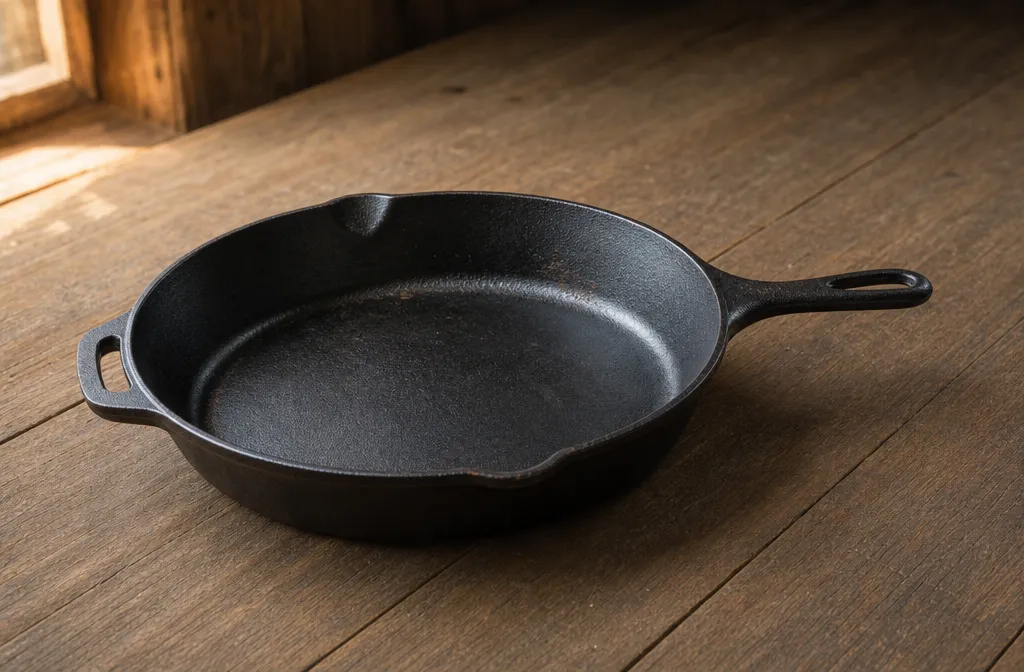
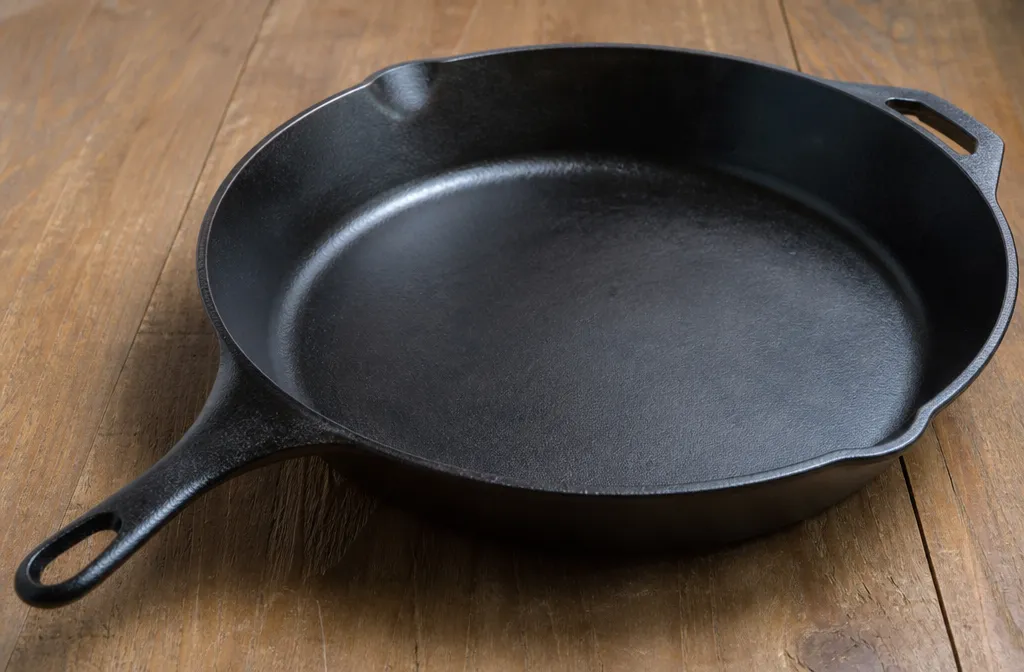 After
After
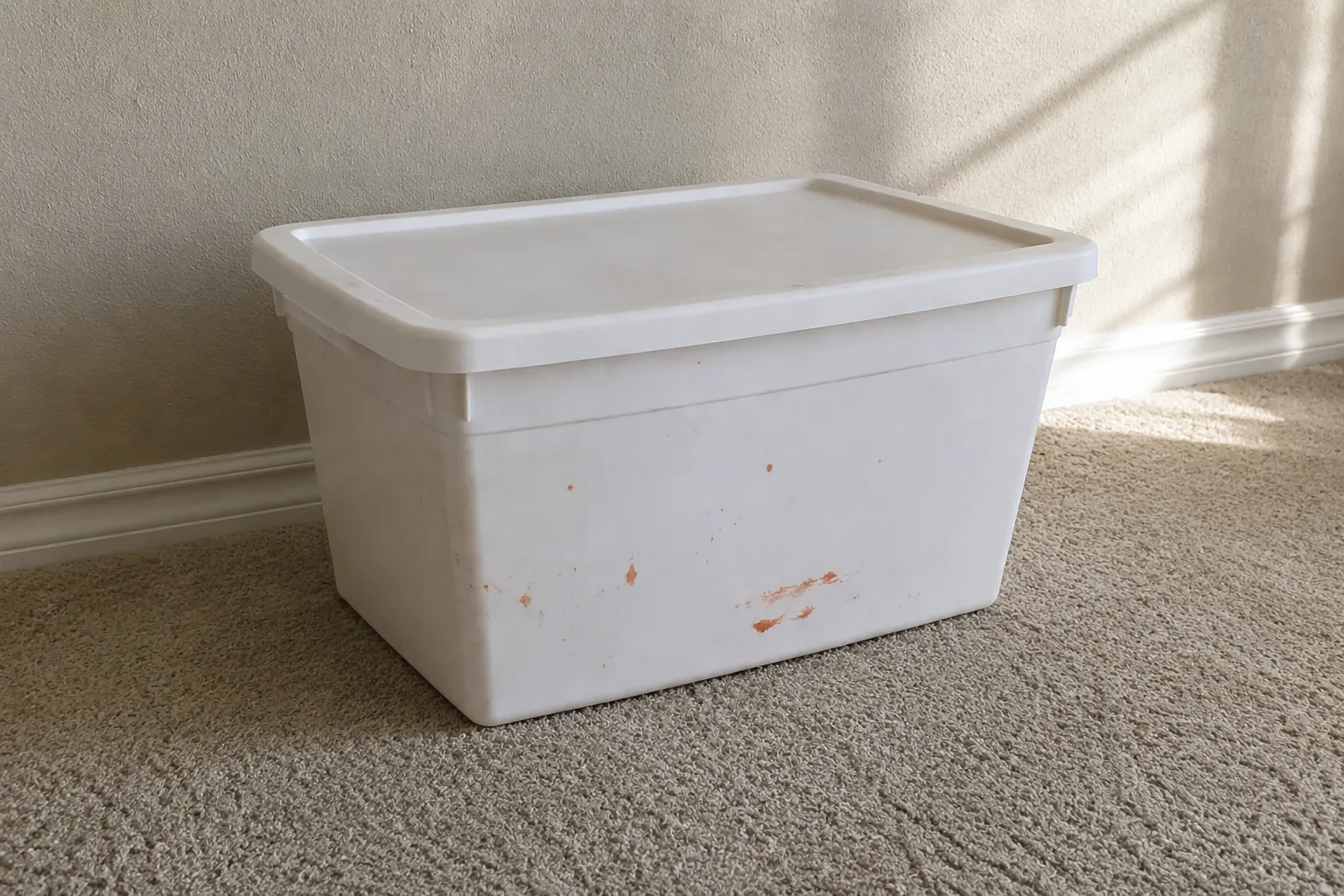
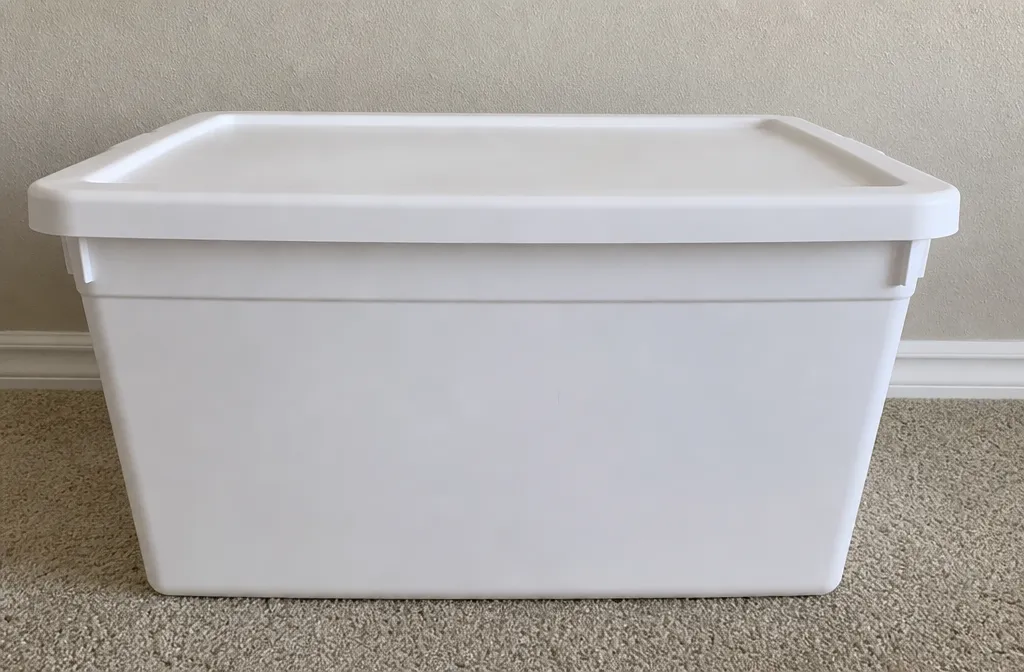
Request: Clean cast iron skillet from grease and rust.
Done: Cleaned with wire brush, washed, dried and oiled.
Cost: 14 000 ₸
Master: Dinara Sadvakasova, dishwashing master
Total: Skillet is clean, no rust, ready to use.
 After
After
Request: Clean plastic container from dried sauce.
Done: Soaked in hot water with bleach, scrubbed with sponge.
Cost: 14 000 ₸
Master: Askhat Nurpeisov, dishwashing master
Total: Container is clean, no odor or sauce residue.
 After
After
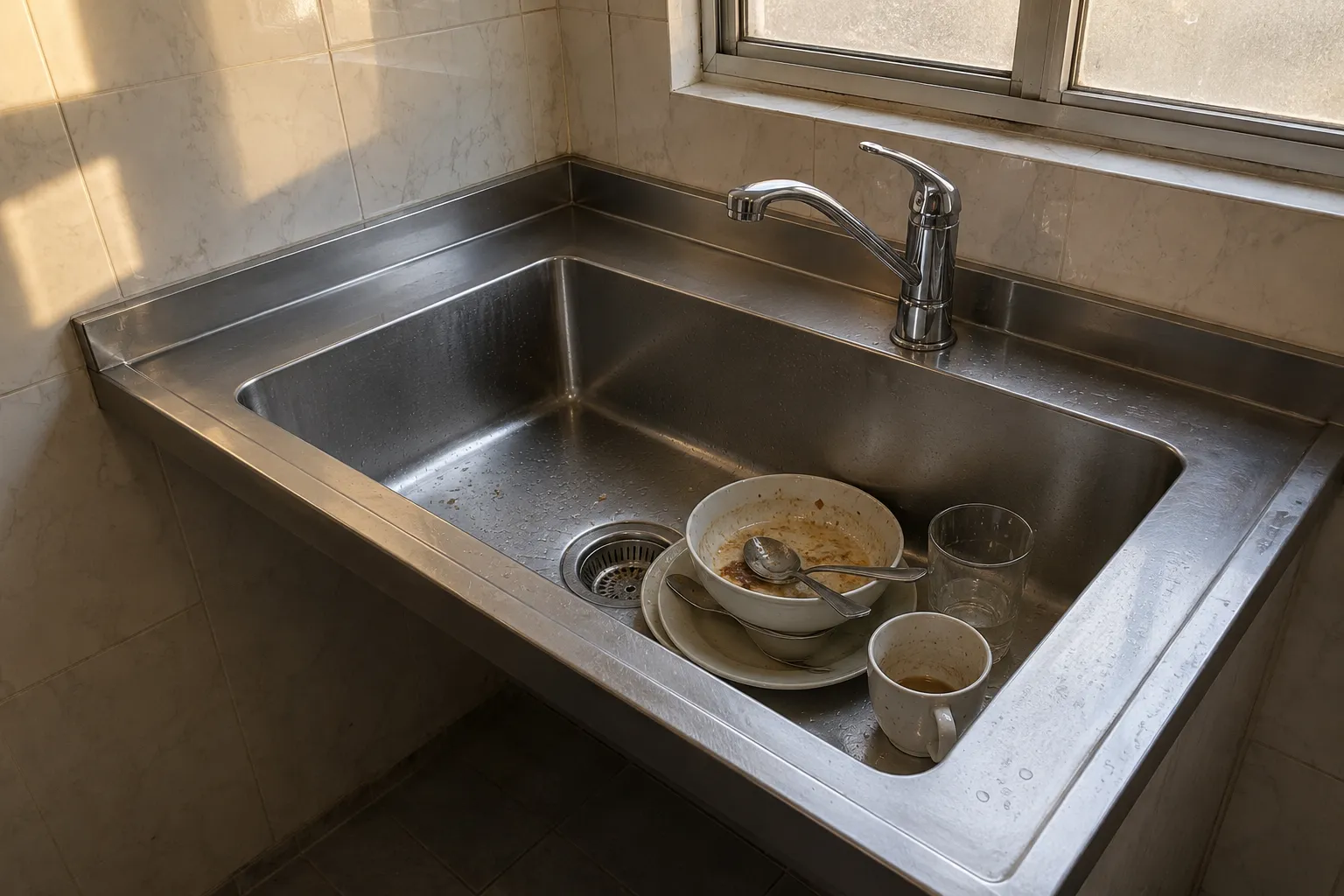
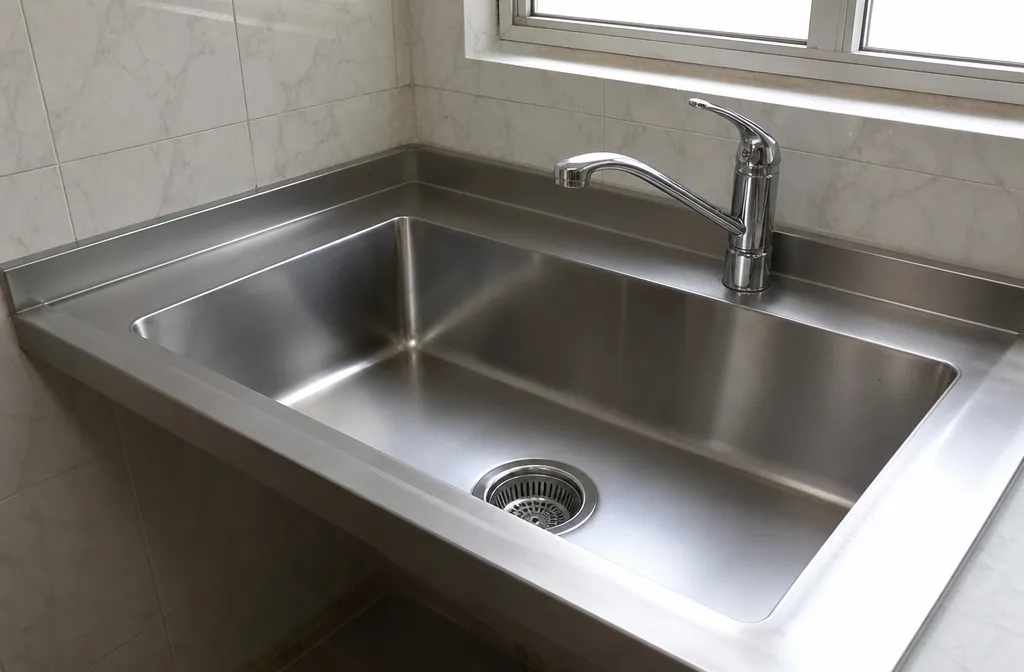
Request: Wash all accumulated dishes in the sink.
Done: Washed and dried all dishes, wiped the sink.
Cost: 13 000 ₸
Master: Zauresh Alimova, dishwashing master
Total: Sink empty, dishes clean and put away.
All cleaners are profi-clean staff with training, uniform and security check. Each order has a team leader who controls quality.
The choice between professional hand washing and a dishwasher is not a matter of convenience, but a question of preserving your dishes and achieving true cleanliness. Let’s break down when a cleaning service outperforms household appliances, and when a machine is truly indispensable.
A dishwasher operates on a fixed cycle: a standard temperature of 50–65°C, one type of detergent, and rigid water jet mechanics. This is sufficient for plates from a cafeteria, but not for stubborn grease, burnt-on layers on baking trays, coffee residue inside cezves, or tea scale on teapots. In our practice in Almaty, about 70% of calls for professional washing are for kitchens where the dishwasher failed: it leaves a matte film on glass, a greasy layer on plastic containers, and whitish streaks on stainless steel. We use manual treatment with selected pH agents: an alkaline formula for grease (pH 10–12) and an acidic one for limescale (pH 2–3), plus melamine sponges and a Karcher SC5 steam cleaner with steam at 140°C – something a machine physically cannot replicate. If you have dishes that look ‘not quite clean’ after machine washing, order professional dishwashing – the difference is visible to the naked eye, especially on clear glass and white porcelain.
A dishwasher destroys four categories of dishes faster than any craftsman: lead crystal (with 24% PbO or more) – under the influence of 60°C temperature and an alkaline environment, it becomes cloudy after 3–4 cycles, losing its transparency; hand-painted and gilded porcelain – the paints wash off after the first wash, especially on Japanese Noritake and English Wedgwood; wooden cutting boards and spatulas – they crack, swell, and become a breeding ground for bacteria in micro-cracks; aluminum pots and pans – in an alkaline environment, aluminum oxidizes, turning a grey color that cannot be washed off. At profi-clean, we treat such items by hand, at a water temperature of 30–35°C, using soft sponges and neutral detergents from Kiehl and Sodasan with a pH of 5.5–7.0 – this is the only way to preserve the decor, crystal’s sparkle, and the integrity of the wood. In my opinion, if you have a dinnerware set worth a significant amount, send it for professional washing at least once to see what proper, safe cleaning looks like – you’ll likely hesitate to put it in the machine afterward.
A dishwasher is designed for a standard 6–14 place settings, and if you cook for a group, bake, or have had guests – you won’t get it done in one cycle. In Almaty, we often get orders for washing dishes after banquets for 15–30 people: that’s 100–150 items – plates, glasses, pots, baking sheets, and casserole dishes. The machine would run 3–4 cycles of 2–3 hours each, while we pick up and return everything clean in a single visit. Besides volume, there are special tasks a machine can’t handle: removing burnt-on residue from baking trays (multi-layered grease baked at 200°C – we use a 20–30 minute soak in an alkaline solution plus a stainless steel scraper); cleaning restaurant-grade kitchen equipment – gastronorm containers, piping bags, silicone molds where dough remnants get stuck in corners; washing large utensils like kazans and big pots that simply don’t fit in a standard machine. Furthermore, after professional treatment, we apply a protective coating to stainless steel – it prolongs the shine and makes the next wash easier. If you plan to order dishwashing, keep in mind: we take all kitchen utensils, including those that don’t fit the dishwasher’s dimensions.
The dishwasher may seem fast, but the reality is: a standard cycle takes 2–2.5 hours, plus loading and unloading time (15–20 minutes), plus drying (another 30–40 minutes), totaling about 3.5 hours per load. If you have two loads of dishes, that’s 7 hours of appliance operation, and during all that time you can’t use the sink or countertop. Professional dishwashing from profi-clean — a cleaner visits, brings everything needed (detergents, sponges, steam cleaner), and washes the dishes on-site: 60–100 items take 1–2 hours, while you go about your business. There are also hidden costs for the dishwasher: detergents (Finish or Somat tablets — calculated individually per unit, rinse aid, salt — also calculated individually per cycle), water (the machine uses 9–12 liters per cycle, but with heating — up to 1.5 kWh of electricity, this is calculated individually per cycle at the tariff calculated individually), and depreciation — the average lifespan of a dishwasher is 7–10 years, and repairing the control module or pump costs from a significant amount. Ultimately, one cycle costs calculated individually, and with intensive use (3 cycles per week) over a year, it costs calculated individually just for consumables and electricity, not counting wear and tear. Professional washing is more expensive per session, but you don’t pay for the appliance, its repairs, or detergents — this is especially beneficial if you need dishes washed once or once a month after events.
A dishwasher is indispensable in one scenario: daily washing of similar dishes without heavy soiling — plates, cups, cutlery, glasses after regular meals. If you don’t bake, don’t fry on high heat, don’t use crystal and porcelain, and you accumulate exactly one load of dishes per day — the machine handles it well. Another plus: modern models with a turbidity sensor automatically adjust time and water consumption, reducing costs. But there’s a catch: the machine doesn’t wash what doesn’t fit — a large pot, baking sheet, cake pan — you’ll still have to wash those by hand. And if you have hard water (in Almaty it’s 8–12 °dH, which is above normal), without salt and rinse aid, dishes will have streaks, and the heating element will get covered in scale — you need to clean it every 3–4 months with citric acid, otherwise efficiency drops by 20–30%. Our recommendation: use the machine for everyday dishes, and for crystal, porcelain, baking sheets, and banquet volumes, order dishwashing in Almaty — this will balance costs and preserve your dishes.
The frequency of professional dishwashing depends on how intensively you use your kitchen and what type of soiling accumulates on plates and pots. Here at profi-clean, we see three main scenarios: weekly washing for families who cook daily, a one-time deep clean after parties, and seasonal maintenance for restaurant dishes. We’ll tell you how to determine your frequency without mistakes.
For families who cook two to three times a day and use frying pans, pots, and baking sheets, we recommend ordering professional washing once a week. Over 6–7 days, an invisible layer of grease and mineral deposits from Almaty water forms on the dishes — the water hardness in the city is 5–7 mg-eq/L, leaving white streaks on glass and ceramics. Regular washing with a sponge and gel doesn’t remove this deposit, and after a month, kettles and glass dishes become cloudy. Our cleaner arrives with Sodasan product for gentle removal of the limescale layer — after treatment, the dishes regain their clarity. Moreover, weekly washing takes us about 40–60 minutes for a family of 3–4 people, and accumulated grease is removed two to three times faster than if done once a month. In practice, clients who switched to a weekly schedule report that their kitchenware lasts 1–2 years longer — this is especially noticeable on aluminum pots and non-stick frying pans, which lose their coating without deep cleaning.
After a New Year’s table or birthday party with 15–20 guests, the kitchen accumulates 30–50 units of dishes — plates, salad bowls, wine glasses, cutlery, often with dried sauce, grease, and burnt bits. Washing this by hand takes 2–3 hours, and the result still leaves marks on crystal and porcelain if abrasive sponges are used. At profi-clean, for such volumes, we use a three-zone wash: soaking in warm water with Sodasan, main treatment with a soft-bristle brush, and a final rinse under running water. The entire cycle takes 60–90 minutes, with crystal glasses and porcelain sets washed separately using a pH-neutral solution to avoid damaging gilding and engraving. In my opinion, a one-time post-party wash order is the most common trigger for new clients: they see that the professional result differs from the home one, and then switch to regular service. In October, we had a case where a family ordered a wash after a wedding — 80 units of porcelain and 40 glasses — and we handled the entire volume in 2 hours without a single chip.
If you use dishes seasonally — for example, barbecue sets, cauldrons, or fondue pots — it’s enough to order professional washing once every 3–4 months, before the start of the season and after closing. On cauldrons and cast-iron pans, a layer of oxides and old oil accumulates after storage, which regular washing doesn’t remove: over winter in a dry room, corrosion forms on cast iron if the grease layer isn’t removed. We wash cast-iron dishes by hand without abrasives, using a natural bristle brush and Kiehl product with plant-based surfactants to avoid damaging the natural non-stick layer. After treatment, we apply a thin layer of refined oil — this prevents rust until the next season. For restaurant kitchens, where dishes go through a dishwasher daily, we recommend professional hand washing once a quarter: machine washing leaves micro-scratches on earthenware and porcelain, and over 3 months, a buildup forms that accelerates wear. At our sites in Almaty — a café on Arbat and a restaurant on Dostyk — we carry out this maintenance every 3 months, and the dishes there last 1.5 times longer than in establishments that rely only on machine washing.
The main rule: don’t wait until the grease hardens into a film — after 10–14 days without deep washing, it polymerizes on pans and requires soaking for 30–40 minutes, doubling processing time. If you’re unsure about your frequency, assess the dishes against the light: white streaks on glasses and a matte film on plates are signals that it’s time to order washing earlier than planned.
Professional dishwashing handles contaminants that home remedies and dishwashers leave untouched — from aged grease on hoods to polymerized carbon on baking molds.
On kitchen utensils — frying pans, baking sheets, grill grates — grease polymerizes over time, turning into a hard film that neither dish soap nor a dishwasher cycle can remove. We remove this layer using alkaline compounds with a pH of up to 13 and hot water pressure of 80–100 bar: the grease saponifies and washes off without abrasives. In our practice, there was a case where a baking sheet from a restaurant in Baikonur hadn’t been washed for two years — after treatment, the original metal color was restored. We do not use this approach on aluminum forms: alkali darkens the metal, so for them we use neutral Kiehl chemicals in two passes.
Carbon deposits from proteins and carbohydrates — meat juices, milk, baked cheese, caramelized sugar — embed into the pores of enamel and ceramic. Soaking with baking soda at home yields results in 2–4 hours but does not remove microparticles from cracks where bacteria later multiply. We apply an enzyme pre-spray for 10–15 minutes: it breaks down proteins and complex carbohydrates into amino acids and monosaccharides, which are washed off with warm water. After this, the carbon deposits are removed with a soft brush without the risk of scratching the glaze. On cast iron (cauldrons, Dutch ovens), we leave the carbon deposits as a protective layer — it is intentionally built up, and we only wash the outside and the lid.
In Almaty water, hardness is 7–10 mg-eq/L — on glasses, kettles, and glass forms, a matte layer of calcium and magnesium carbonate forms within 3–4 months. Vinegar or citric acid at home can handle it, but they leave streaks on crystal and optical glass. We use an acidic cleaner Sodasan with a citric acid concentration of 15% and rinse with distilled water: the limescale is completely removed, and the surface becomes transparent. On faceted vases and gilded glasses, we do not use acid — we treat them with a steam cleaner and microfiber to avoid damaging the decor. With regular washing every 1–2 months, limescale does not have time to build into a dense layer and is removed in one go.
Plastic containers, cutting boards, and silicone molds absorb odors of garlic, fish, and turmeric — they cannot be washed out with regular detergents because odor molecules are sorbed into the micropores of the material. We eliminate odors with ozone: we treat the items in an ozone chamber for 10–15 minutes — ozone oxidizes volatile compounds into CO₂ and water. Bacterial biofilm (a slimy layer on wet surfaces) is only removed mechanically — with a brush and a disinfectant solution based on quaternary ammonium compounds (QACs). After washing, we check containers with a Wood’s lamp: if fluorescent glow remains, the film has not been removed — we repeat the treatment. Almaty’s summer heat accelerates bacterial growth on unwashed dishes by 2–3 times, so after gatherings on open verandas, we recommend ordering a wash within 24 hours.
In Almaty water — up to 7-8 mg-eq/L of hardness salts (calcium and magnesium carbonate), which is twice the norm for household appliances. This determines how we select chemicals, drying modes, and even the material of sponges — otherwise, limescale remains even after three rinses.
Calcium salts, settling on the surface, form microscopic crystals — these are what create that “rainbow film” and white streaks on glasses and plates. In Almaty, according to the Vodokanal data, the hardness index ranges from 6.8 to 8.2 mg-eq/L depending on the season — it is highest in spring due to snowmelt. Home remedies with pH-neutral surfactants cannot handle it: they merely wet the salt without dissolving it. We use an acidic rinse aid based on citric acid (pH 2.5–3.0) and a final wipe with microfiber and a zeolite compound — this removes the crystals before they dry and fuse into the glass. In practice: if a glass dries with streaks after home washing, professional treatment restores its transparency in one cycle, but only if the dishes have not been stored with limescale for longer than a week — otherwise, salt deposits transition into persistent surface erosion.
When heated above 60 °C, the solubility of calcium carbonate decreases — it precipitates onto the walls of a pot within 3-5 minutes of boiling. In Almaty apartments with central hot water supply (inlet temperature 65–70 °C), this process occurs year-round, not just when boiling a kettle. We have documented cases where clients complained of a “rough” layer on ceramic frying pans — upon closer inspection, it was not burnt food but a limescale layer 0.2–0.5 mm thick that cannot be removed with regular detergent. In our practice, we treat such cookware with a gentle acid gel (3% oxalic acid) with a 15-minute exposure followed by neutralization with a soda solution — this restores the smoothness of the coating without damaging the non-stick layer. If the limescale is severe (more than a month), we have to perform two cycles with intermediate mechanical cleaning using a nylon brush — otherwise, the deposit embeds into the pores of the ceramic.
A typical mistake is scrubbing glasses and porcelain with a metal sponge or soda powder to remove white deposits. In Almaty, this practice is observed in 60% of clients, according to our surveys — and it leads to micro-damage on the surface, which then traps grease and dirt. Crystal glasses after such cleaning retain scratches 20–30 microns deep — under a microscope, they become “depots” for bacteria. At profi-clean, we use only soft cellulose sponges (abrasiveness P4000) and final polishing with microfiber and a wax compound — this seals micropores and prevents re-deposition of salts. Prevention is much more effective: after every contact with hard water, rinse the dishes with distilled water from a reverse osmosis filter — this is the only way to guarantee avoiding deposits without professional chemicals.
In Almaty, with hardness of 7+ mg-eq/L, the ion-exchange resin in dishwashers depletes its capacity in 8–12 months instead of the manufacturer-stated 2–3 years. Salt in the compartment is consumed three times faster, but if you use “3-in-1” tablets, the salt dispenser is often insufficient — and after six months, a persistent white deposit appears on the machine walls and dishes, which can no longer be removed with a regular cycle. We have analyzed such cases: a 3–5 mm limescale layer builds up on the heating element, heat transfer decreases, water fails to reach 70 °C — grease is washed off dishes worse. Professional dishwashing in this context is not just cleaning but diagnostics of the appliance’s condition: if the machine “underheats,” we recommend the client flush the heat exchanger with citric acid once a month; otherwise, the heating element will need replacement within a year. In practice, after descaling the dishwasher and simultaneously professionally washing all dishes, household detergent consumption decreases by 30–40% — salts no longer compete with surfactants.
Even after we at profi-clean have brought the dishes to perfect condition, daily use gradually brings back deposits and micro-scratches. Here are a few techniques that extend cleanliness between our visits and preserve the coating of pots, pans, and glassware.
Hot water above 65 °C dissolves most fresh grease without detergent — this reduces wear on the coating. At profi-clean, we soak dishes at 70 °C; at home, 60–65 °C is sufficient. However, do not pour boiling water over cast iron pans or enameled pots: the sharp temperature change causes micro-cracks in the enamel, especially with Almaty’s hard water. The optimal mode is warm water (40–50 °C) with the addition of soda (1 tablespoon per liter) to neutralize calcium salts. After 15–20 minutes, residues soften, and a soft sponge is enough. If limescale has already formed on the walls of a kettle or pot, do not use vinegar or citric acid more than once a month — they are aggressive for enamel and aluminum. In my opinion, it is better to alternate soaking with soda and a professional descaling agent based on citric acid labeled “for enamel.”
The rough abrasive side of a sponge leaves micro-scratches on glass, porcelain, and non-stick coatings — grease gets trapped in these grooves, and the cookware loses its shine faster. We use only melamine sponges and soft non-woven wipes (microfiber 300–400 g/m²). For cast iron cauldrons and woks with burnt-on layers, we use special stainless steel scrapers or brushes with medium-hard nylon bristles. Never use metal scouring pads on Teflon, ceramic, or marble coatings: they destroy the non-stick layer in 2–3 cleanings. In our practice, there was a case where a client ruined a new Tefal frying pan in a month using the rough side of a sponge — the coating had to be replaced. Moreover, ordinary baking soda applied to a damp cloth handles burnt residue just as well as an abrasive, but without scratches.
Glass and porcelain require pH-neutral gels (5–7 pH); aluminum and nickel silver require chlorine- and ammonia-free formulas (they oxidize the metal). Cast iron cookware should not be washed with high-alkaline dish soap (above pH 10) — this destroys the seasoning layer. At profi-clean, we use hypoallergenic Kiehl and Sodasan chemicals, which have a neutral pH and contain no phosphates, chlorine, or fragrances. For home use, I recommend choosing products labeled “for baby dishes” or “hypoallergenic” — they are gentler on the coating. A special note on stainless steel cookware: it should not be washed with chlorine-containing formulas (bleaches), otherwise dark oxidation spots appear. Instead, use a paste of baking soda and water (2:1) for 5 minutes, then rinse with warm water. If rainbow streaks from hard water have already appeared on stainless steel, simply wipe it with 9% vinegar (1:1 with water) and dry immediately.
Almaty water has up to 7–8 mg-eq/L of hardness salts, so drops left on dishes after drying leave a whitish residue. To avoid this, wipe dishes dry immediately after washing — use cotton towels (change every 2 days, otherwise bacteria multiply). Dry glass goblets and shot glasses upside down on a stainless steel rack — drops drain away, and no streaks remain. After washing, plastic containers (polypropylene) must be dried with the lid open, otherwise mold fungus develops inside — especially in warm weather. Wooden cutting boards and spatulas should not be left wet: absorbing water, they crack and become a breeding ground for bacteria. Once a month, treat them with a mixture of vegetable oil and wax (1:1) — this extends their service life and prevents odors. Moreover, even after professional washing at profi-clean, we recommend clients store dishes in a dry, ventilated cupboard, not in closed plastic boxes — air circulation prevents musty smells.
We ordered dishwashing after a birthday party — everything was cleaned perfectly, even pans with burnt oil shine.
Thank you, Aigerim! Glad we handled the party mess.
They cleaned the entire kitchen in 4 hours, dishes like new. Very satisfied.
Marat, thanks for the review! Always happy to help restaurants.
We had dishwashing after negotiations, all tableware washed neatly. One glass slightly scratched, but overall great.
Daniyar, we apologize for the glass. Next time we'll be more careful.
After deep cleaning, there was a mountain of plates — the team finished in an hour, no streaks.
I ordered dishwashing for crystal tableware — not a single scratch, it shines amazingly.
Yerlan, we work carefully with fragile items. Glad you appreciated it!
They washed the cafe dishes quickly, but didn't put everything back in place. Had to finish organizing.
Assel, thank you for the feedback! We'll pay attention to arrangement.
We did dishwashing for faience — everything clean, no chips. I recommend it.
After the wedding, there were mountains of plates, glasses, and cutlery. Everything was cleaned in 3 hours, perfectly.
Dinara, congratulations on your marriage! Glad we could help.
I ordered dishwashing for glass molds — no streaks, they became transparent.
They washed it okay, but two plates had greasy stains left. Had to rewash.
Gulnara, sorry for the oversight. We promise to improve quality control.
We did dishwashing with enamel coating — everything like new, no limescale.
The porcelain cups were cleaned of tea stains, now they shine. Thank you!
Olga, thanks for the review! We work especially carefully with tea stains.
Dishwashing at the restaurant was done well, but there wasn't enough time for the utensils.
Ainur, noted. Next time we'll offer an extended package.
After my daughter's birthday, everything was washed, even the children's plates with stickers came clean.
Ceramic dishes were washed by hand — not a single scratch, super!
Svetlana, for ceramics we only use soft brushes. Glad you appreciated it.
In the office, all dishes were washed, but a couple of cups got mixed up. Overall good.
Ruslan, sorry for the mix-up. We'll label them next time.
I ordered dishwashing for crystal vases — impeccably clean, no scratches.
Baby bottles and plates were washed sterile clean, without chemicals.
Arman, we use safe products. Children's health is important!
Dishwashing went fine, but some items remained wet, had to dry them again.
Nurgul, thanks for the feedback. We'll improve the drying process.
The table silver was polished to a shine, like new. Very high quality.
Elena, for silver we use special compounds. Glad you liked it.
I ordered dishwashing, especially frying pans with non-stick coating — cleaned without damage.
We were 15 minutes late, but the work was done well. The dishes are sparkling.
Aliya, sorry for the delay. We'll try to arrive on time.
Glass dishes were washed perfectly — no streaks or spots. I recommend.
Maksat, thank you! We use a special technique for glass.
Cast iron cookware was cleaned of burnt residue, now like new. Excellent!
Gaukhar, cast iron requires special care. Glad we managed.
At the cafe, we did the dishes, everything is clean, but a couple of cups with cracks were missed.
Sergey, we apologize. We will check more thoroughly.
The set after the anniversary was cleaned to a shine, without chips. Thank you!
Dishwashing included pots and knives — all washed and sharpened. Convenient.
Nurzhan, we have an additional sharpening service for knives.
They arrived an hour late, washed the dishes normally, but ruined the mood.
Zukhra, sorry for such a long delay. We will review our logistics.
Ordered dishwashing for thermoses — cleaned of scale, no smell.
Porcelain figurines were washed carefully, without damage. Delicate.
Lyazzat, we work very carefully with fragile items.
The glassware washing was done well, but one glass is slightly cloudy.
Bolat, there might be some residue left. We'll invite you for a re-treatment.
On average, washing 50 items takes 1 hour. The time depends on the level of dirt and the number of dishes.
Leave a request on the website or call us. We will agree on a convenient time, and the master will arrive with equipment and products.
Yes, we use professional KIEHL (Germany) products that are safe for health and leave no chemical smell after rinsing.
Yes, we work with crystal, porcelain, and glass using soft brushes and gentle products.
Just remove large food residues. The master will sort and pre-soak the dishes.
We accept cash, Kaspi, Halyk, and bank transfers. Payment after the work is possible.
Yes, if there are streaks or odors after washing, we will rewash for free within 24 hours.
Yes, the Karcher SC 5 steam cleaner effectively removes even old burnt residue. Burnt residue removal is available for an additional fee.
For orders of 100 items or more, a 10% discount is provided. The exact cost will be calculated by the calculator on the website.
Yes, the master arrives with all necessary equipment and products. Washing is done in your kitchen.
Tell us about your experience with profi-clean — it helps other clients and us improve.
We currently operate in Almaty. Other cities are coming soon.