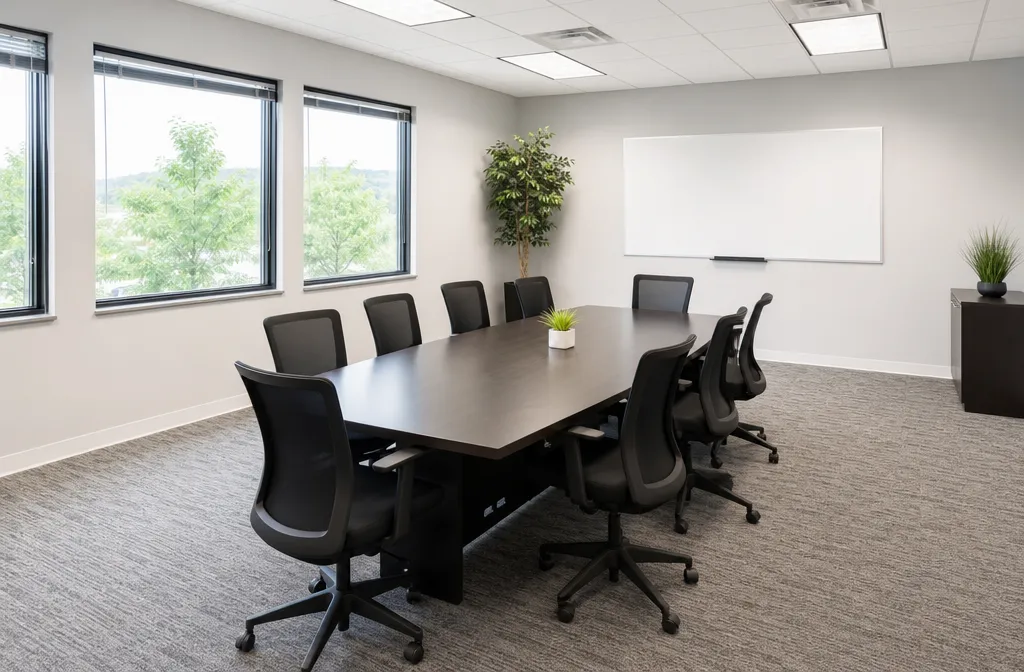
How to Prepare a Hall for Cleaning After an Event
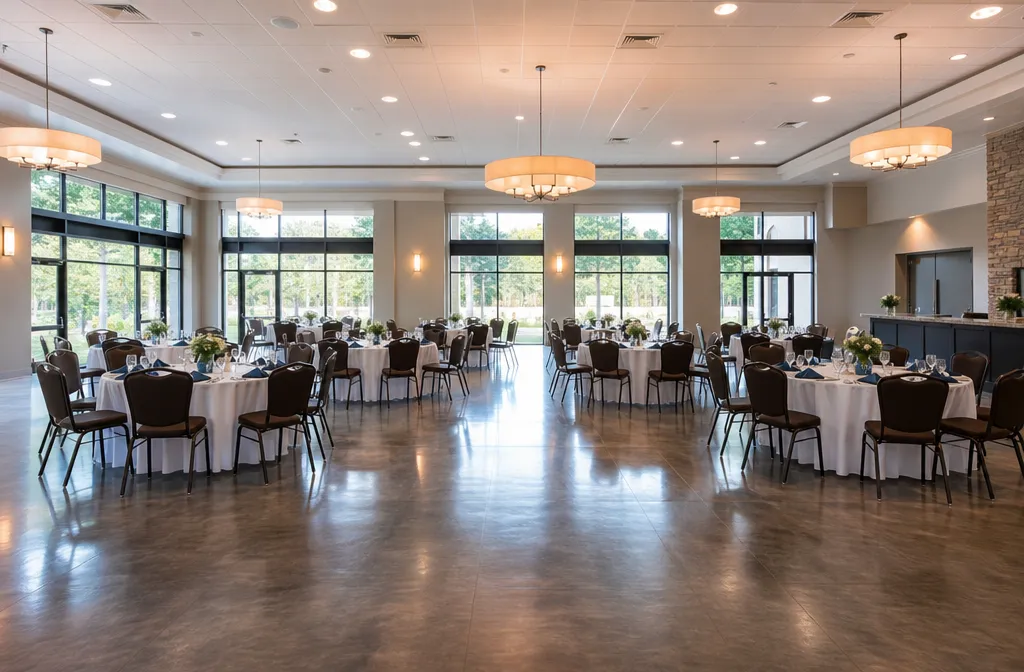
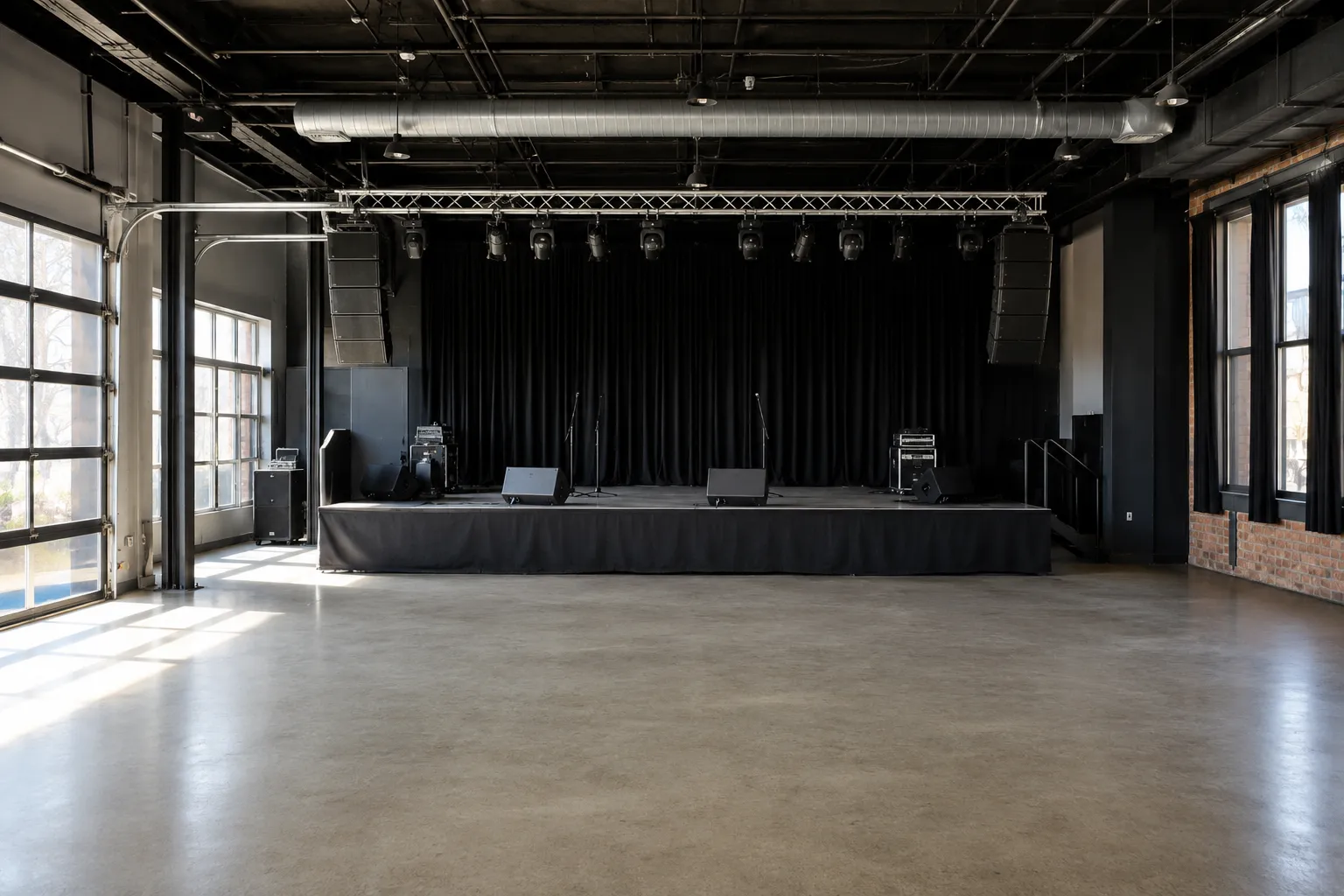
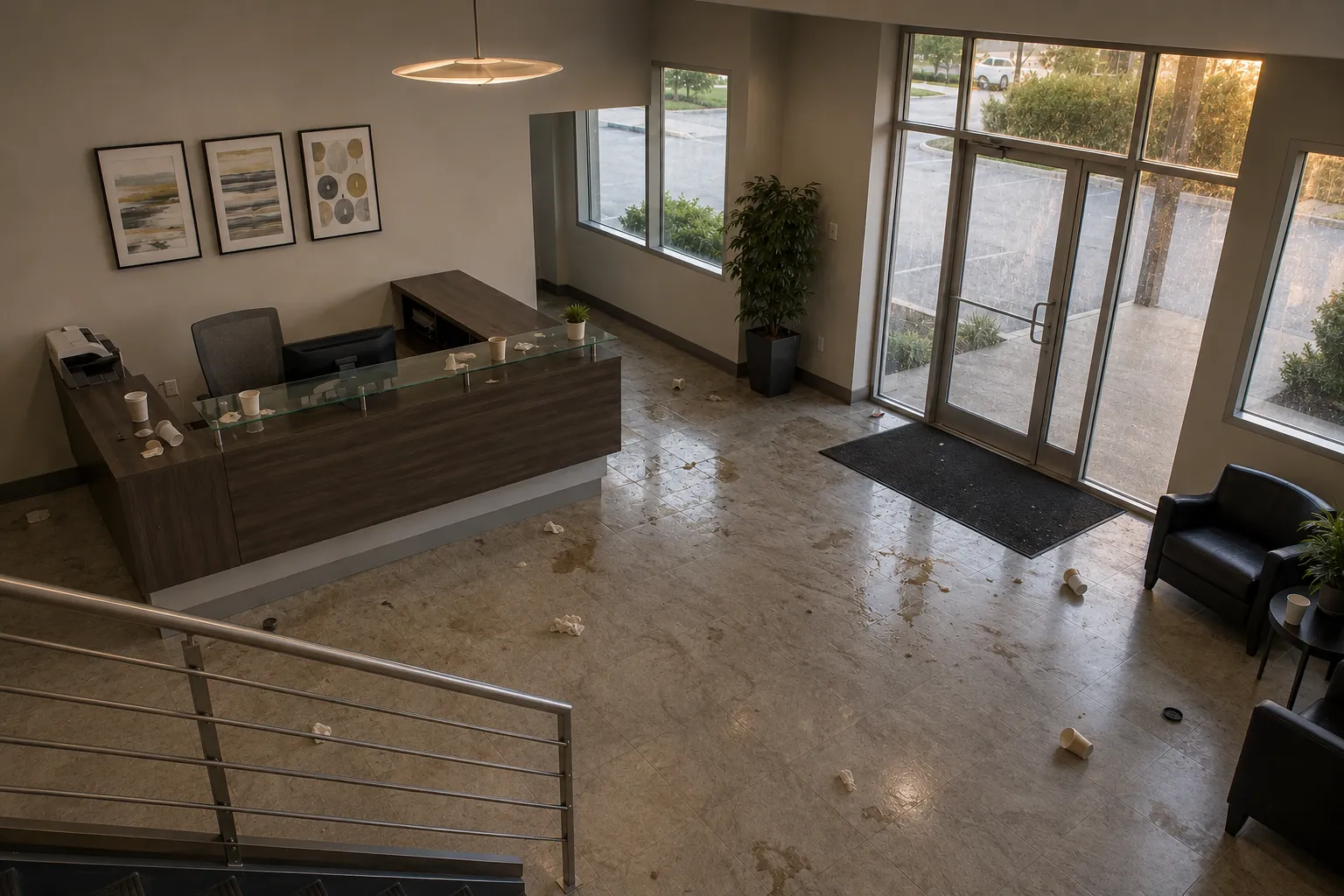
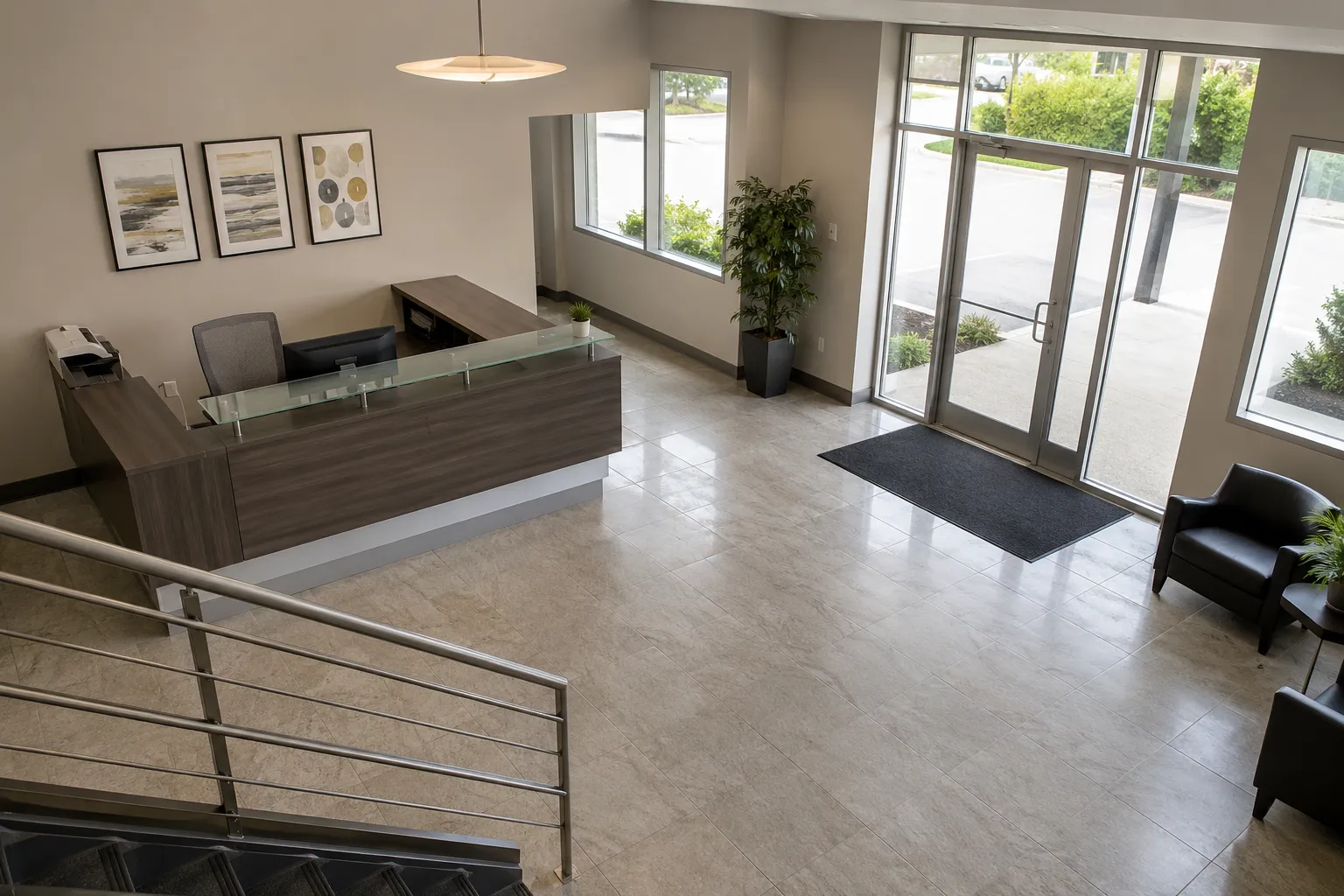
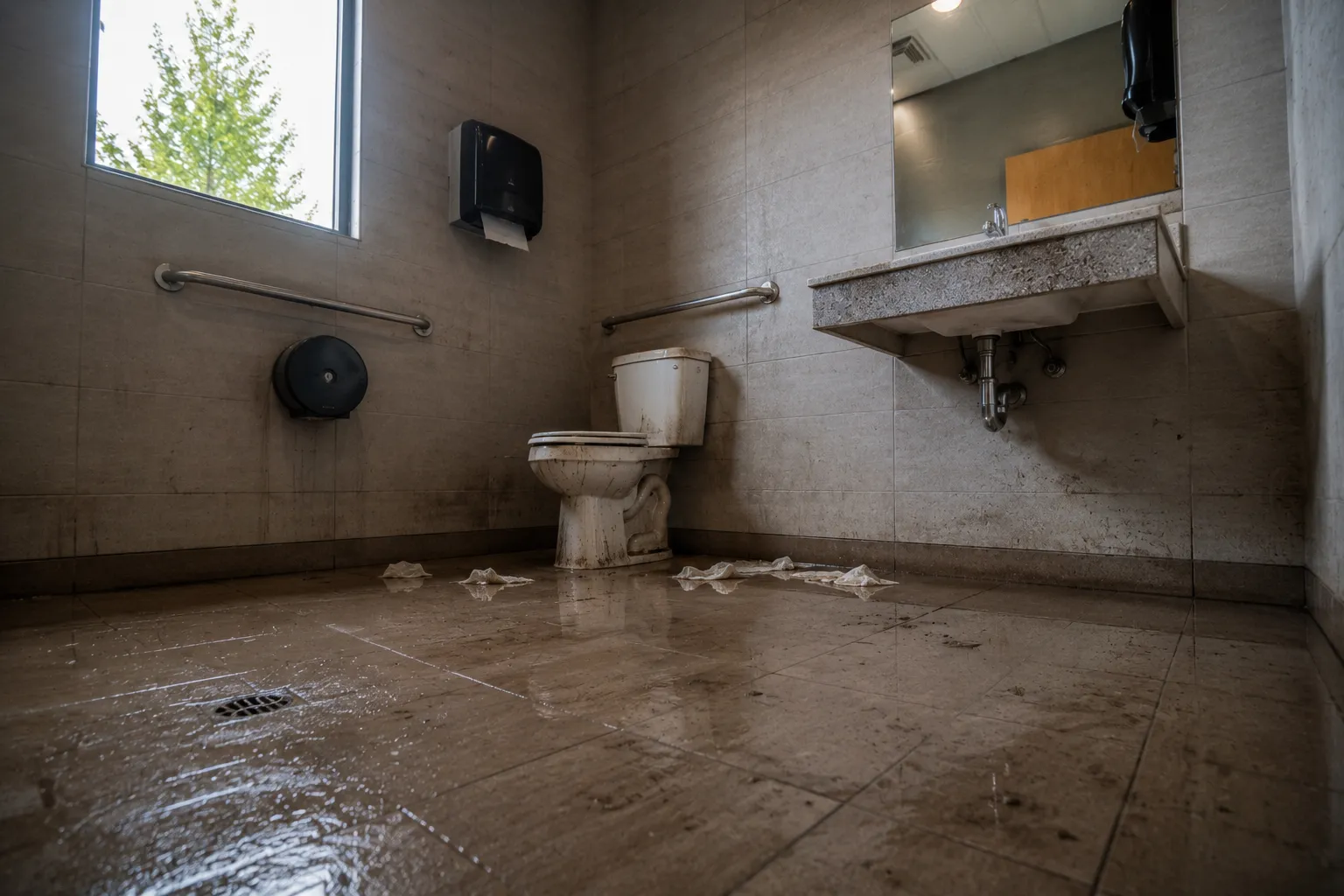
Preparing the hall before the cleaners arrive directly affects the speed, quality, and safety of the cleaning. We will break down what actions the client can take themselves to make the cleaning faster and cheaper, and to prevent damage to inventory and coverings.
Collecting Large Trash and Personal Belongings
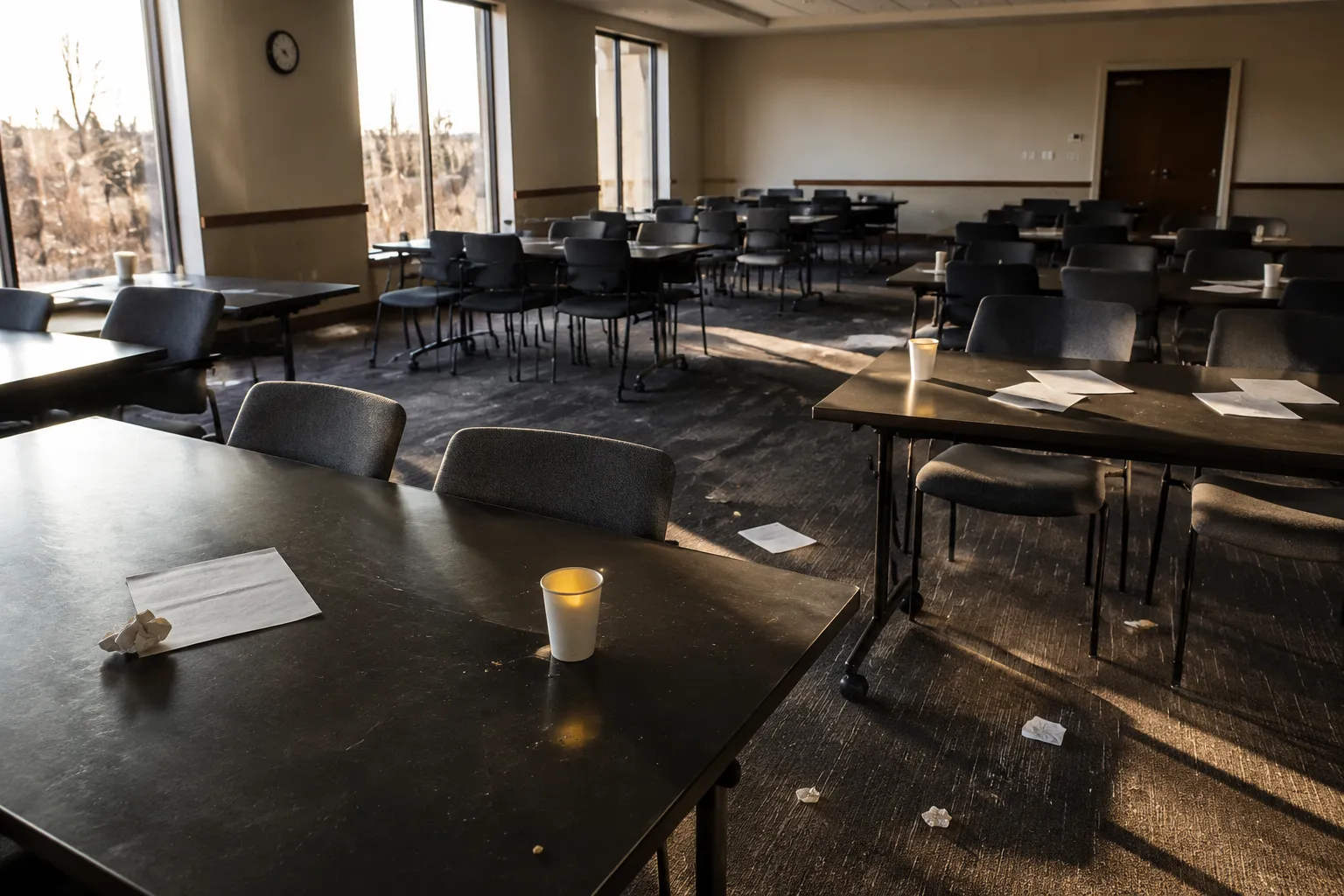
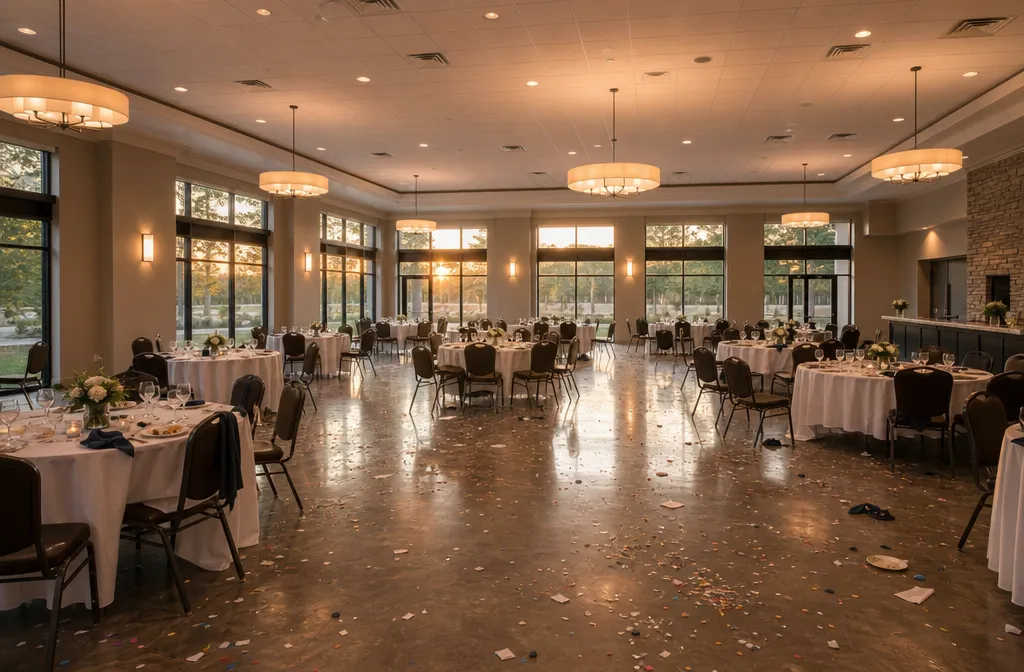
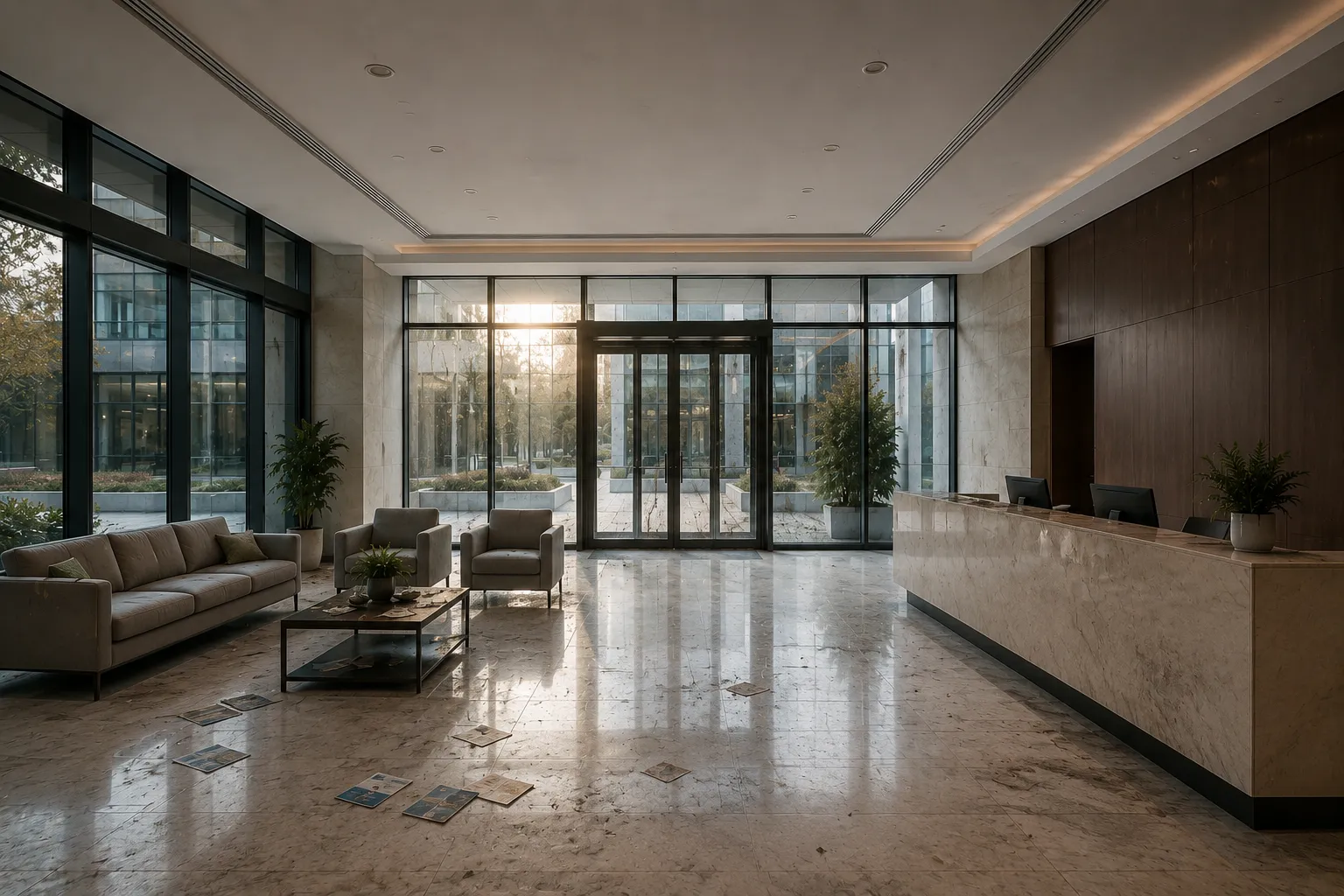
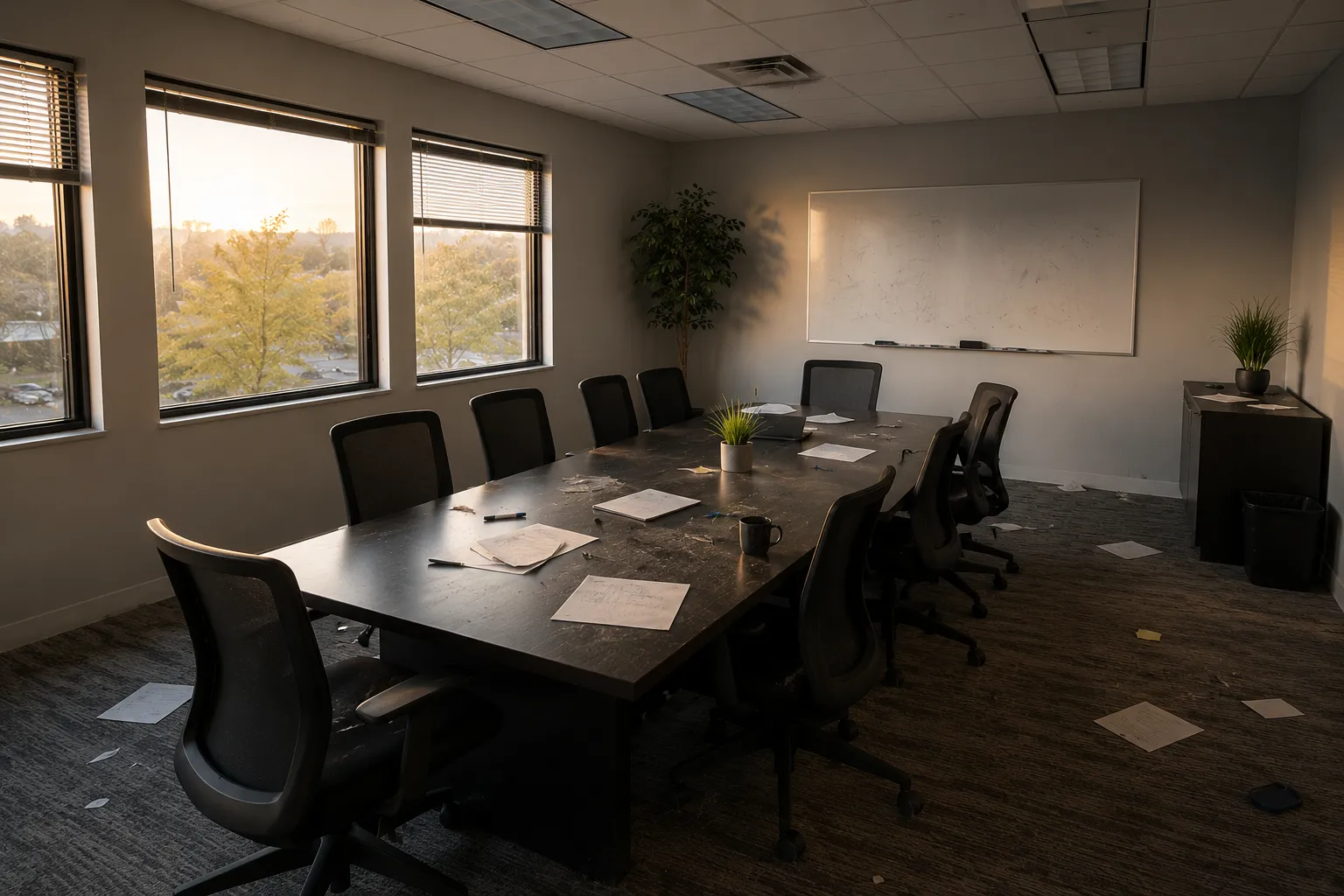
The first thing we ask to be done before cleaning starts is to remove bulky trash and guests’ personal belongings. Bottles, napkins, and disposable tableware left on tables take up to 30% of a cleaner’s time, time that could be spent cleaning the carpet or washing the floor. If the organizer collects the trash into heavy-duty bags in advance and takes it to the container, hall cleaning time is reduced by 40-60 minutes depending on the area. It is better to collect personal items (bags, phones, clothes) in a cloakroom or a separate room — this way the cleaner does not risk accidentally touching them with a damp cloth or damaging them while moving tables. In practice in Almaty, after weddings and corporate events, we most often find forgotten umbrellas, cosmetic bags, and even tablets — we set these aside in a visible place and inform the administrator.
De-energizing and Protecting Equipment
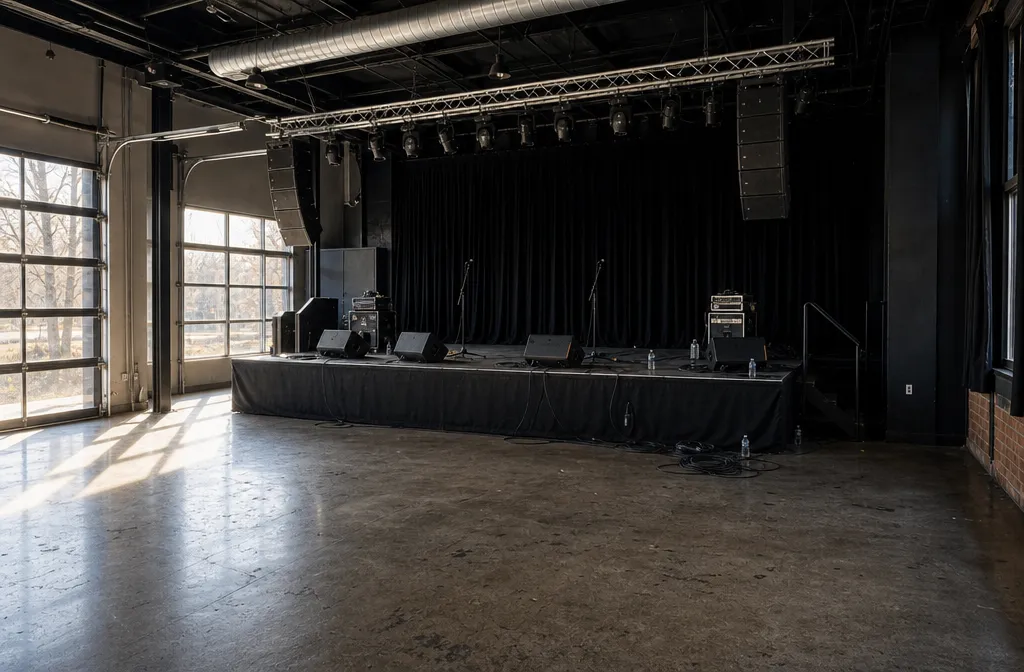
Before wet cleaning, be sure to de-energize the stage, sound, and lighting equipment — water and electricity are incompatible, and repairing the equipment is expensive. If speakers, a mixing console, or a projector remain in the hall, cover them with thick polyethylene film or a case: even an accidental drop of cleaning solution on a connector can damage the device. In Almaty banquet halls, there are often stationary LED screens — we always ask the administrator to disconnect them from the mains and cover them with a protective screen before cleaning begins. profi-clean cleaners use hypoallergenic chemicals from Kiehl and Sodasan, which do not leave a sticky residue, but upon contact with open contacts, even a safe composition can cause oxidation — it is better to be safe than sorry.
Removing Textiles and Protecting Floor Coverings
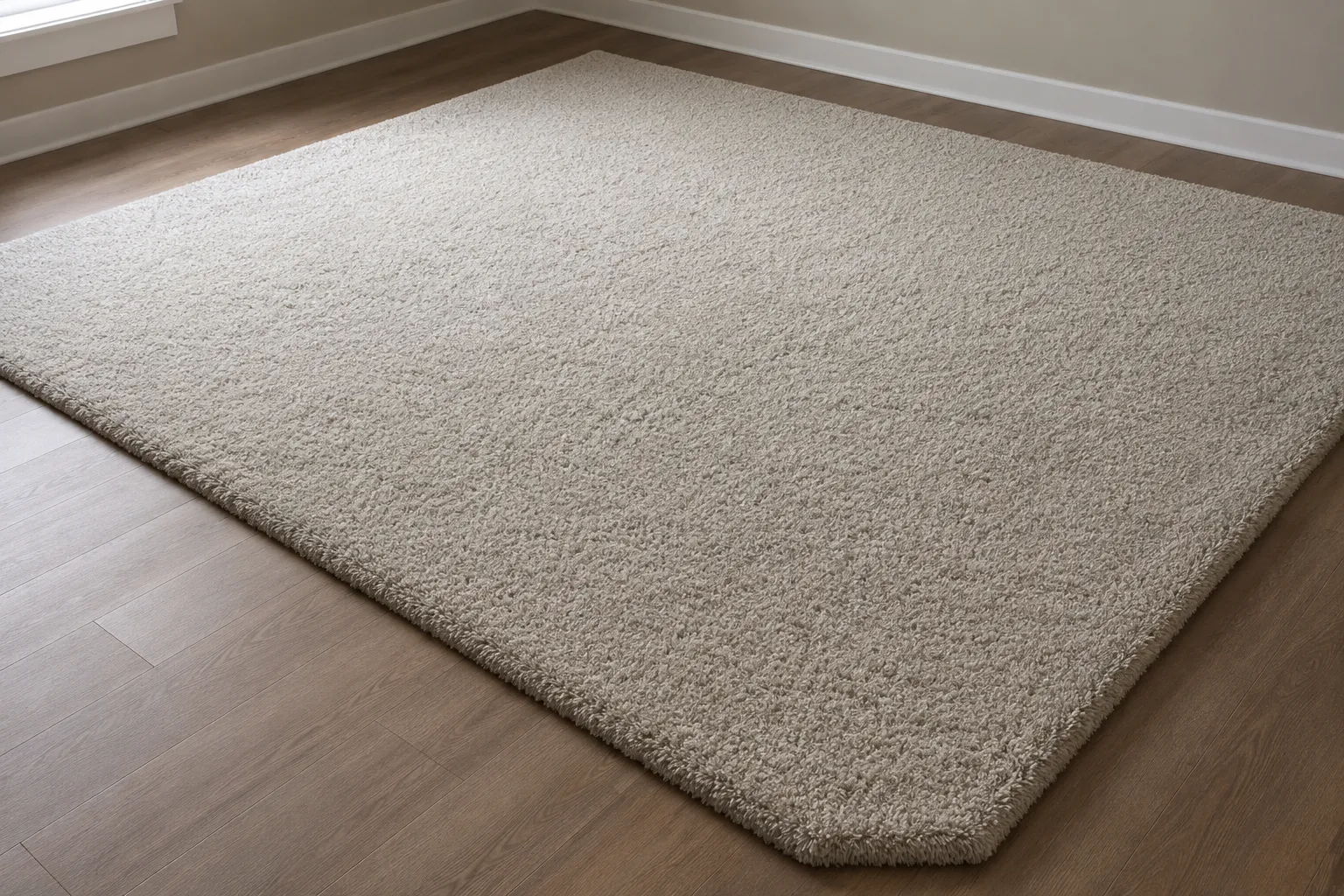
It is better to remove tablecloths, chair covers, and wall drapes in advance — wet textiles can shrink after getting wet, and washing in an industrial machine can ruin the decor. If the tablecloths are disposable, they are collected in bags and disposed of; for reusable textiles, we recommend folding them separately and sending them to the dry cleaner. Floor coverings — carpet, laminate, parquet — require special attention: before cleaning, remove heavy furniture (sofas, bar counters, pianos) or move it to the center of the hall so the cleaner can reach the baseboards and corners. In Almaty, in halls with parquet flooring (for example, in restaurants on Tole Bi Street), wet cleaning without first moving the tables leaves dirty streaks near the walls — these have to be washed manually, increasing the time by 20-30 minutes.
Dividing Zones by Type of Soiling
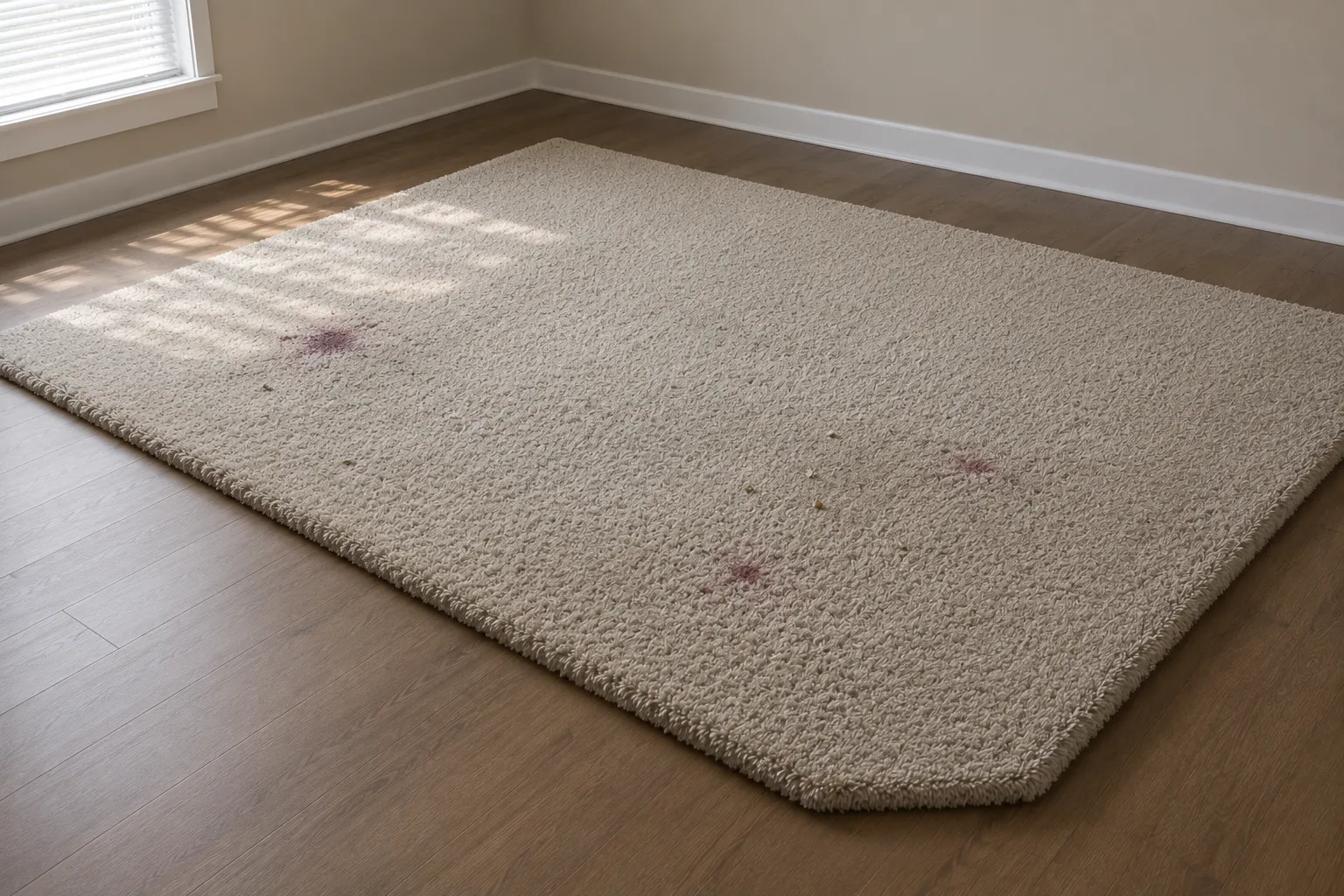
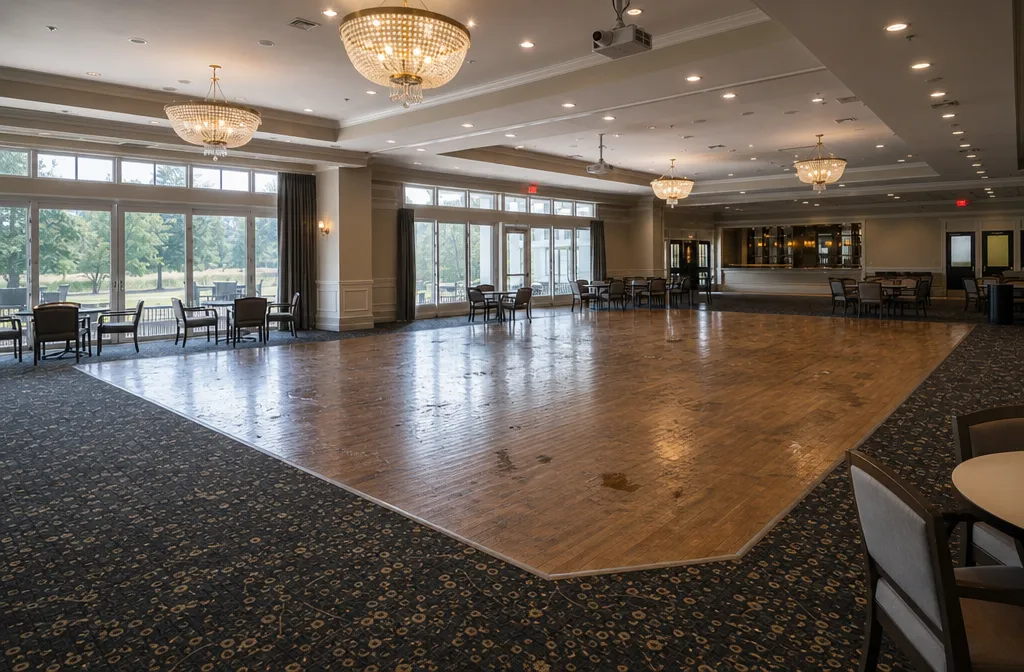
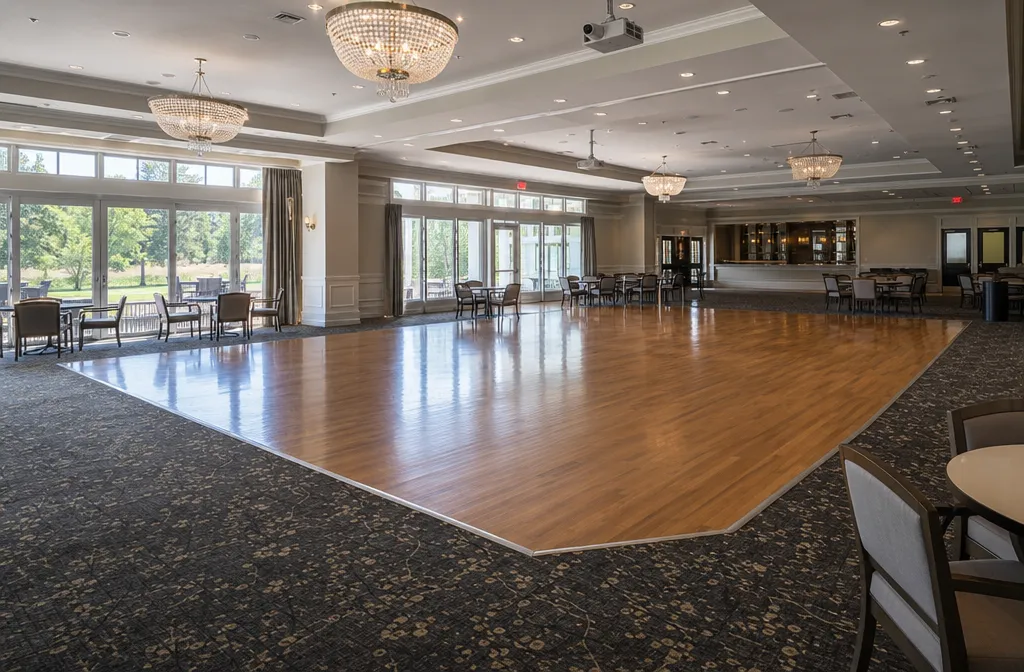
Mark areas with different types of soiling in advance — this will help cleaners choose the right chemicals and avoid damaging the coverings. For example, grease stains on the carpet after a buffet require a degreaser, while wine stains require an enzyme stain remover; if treated with a universal cleaner, the stain may set. In halls with a dance floor (often lacquered parquet in Almaty), you cannot use a regular floor cleaning solution — it washes away the protective layer of varnish, making the surface dull. At profi-clean, we arrive with a set of 6-8 products for different surfaces, but if the administrator tells us in advance where red wine was spilled or where cake was scattered, we start treating those areas before they set into the textiles or carpet.
Ensuring Access to Water and Electricity
Before cleaning begins, check if the hall has hot water and outlets for industrial equipment — without this, cleaners cannot start the extractor or steam generator. In some Almaty banquet halls on the outskirts (Almaty-1, Zhetysu district), hot water is turned off for maintenance in the summer, and we have to heat water in large pots on an electric stove, which slows down cleaning by an hour. If the hall only has cold water — let us know a day in advance, and we will bring a portable water heater or increase the amount of cleaning solution prepared with hot water from the office. It is also important to ensure free access to an outlet for the vacuum cleaner with a HEPA filter — if an extension cord has to be run across the entire hall, it creates a risk of tripping and damaging furniture.
Typical Soiling at Events and Methods for Their Removal
After any event — whether it’s a wedding banquet, business conference, or children’s party — a characteristic set of stains is left behind, requiring different cleaning approaches. Let’s break down the main types of stains and explain how we at profi-clean handle each one without damaging coverings or furniture.
Spilled Drinks: Wine, Juice, Coffee, and Sweet Soda
Spilled red wine is one of the most common requests for on-site carpet cleaning after celebrations. If the stain is fresh (up to 15 minutes), we blot it with a dry microfiber cloth and apply cold water — hot water sets the tannin, fixing the pigment in the fibers forever. For set-in stains from coffee or berry juice, we use an oxygen bleach based on sodium percarbonate (Sodasan Flecken Salz), which breaks down into water and active oxygen at 40 °C, safe for all carpet types, including silk and viscose. Sweet soda leaves a sticky residue of sugar and acids: we rinse it first with cold water, then treat it with a neutral cleaning agent at pH 7; otherwise, the residue attracts dust and turns into a dark stain within an hour. On parquet, spilled wine risks penetrating the varnish pores: we apply a mixture of isopropyl alcohol and water (1:3) with a cotton pad, without rubbing, to avoid damaging the varnish layer. In our practice, there was a case at a wedding in the “Altyn Orda” banquet hall where three bottles of dry red wine were spilled on an Italian long-pile carpet — oxygen bleach and blotting from the edges to the center saved the covering in 40 minutes.
Greasy Food Stains: Oil, Sauces, Mayonnaise, and Desserts
Greasy stains from appetizers and hot dishes are the second most common issue at buffets and banquets. We operate on the principle “oil dissolves oil”: for a fresh oil stain, we apply an absorbent (cornstarch or talc), leave it for 20 minutes, then vacuum it up with a HEPA-filter vacuum to avoid spreading the residue. For set-in grease on upholstery of chairs or sofas, we use an enzymatic stain remover with lipase (an enzyme that breaks down triglycerides) — it works at 30 °C, without heat, which is critical for synthetic fabrics (polyester, acrylic) that melt at high temperatures. Mayonnaise drips on tablecloths contain both fat and egg protein: first cold water (protein coagulates from hot water), then an enzymatic spray with protease, followed by an absorbent. Dessert stains from chocolate mousse or cream are a mix of fat and cocoa butter: we treat them with a glycerin and water mixture (1:2) for emulsification, then blot. A common client mistake is rubbing a greasy stain with a wet napkin, tripling its area; the correct tactic is only blotting from the edges to the center with a dry cloth.
Shoe Marks and Outdoor Dirt on Floor Coverings
The entry area and walkways to guest seats are zones of highest outdoor dirt accumulation, which turns into dark streaks on laminate, tile, or carpet. We use a two-stage scheme: first, dry cleaning with an industrial vacuum with a turbo brush (Tennant 5700), which knocks out sand and small stones from the fibers, then wet cleaning with a neutral agent (pH 7, Kiehl Floor Cleaner) to avoid leaving streaks. Sand and salt (in winter) are abrasive: if not removed before wet cleaning, they scratch the varnish coating of parquet — our procedure includes preliminary sweeping with a 360° capture microfiber mop. On carpet in conference halls after forums, indented marks from heels and chair casters remain — we lift them with a steam cleaner with a trigger nozzle (Karcher SC 5), which delivers steam at 145 °C under 4.5 bar pressure, restoring the pile. In Almaty halls with large-format porcelain stoneware tile (often in restaurants on Abay Avenue), marks from rubber soles are removed with an alcohol solution (70% isopropanol), which leaves no film and is non-slip after drying.
Biological Contaminants: Food Residue, Gum, Makeup Traces
Chewing gum on carpets or under chairs is a typical problem after events with children or youth parties. We don’t remove it mechanically (risk of pulling out the pile), but instead freeze it with a stream of compressed carbon dioxide gas to -78 °C (cryogenic spray), after which the gum becomes brittle and breaks off in pieces without residue. Traces of foundation or lipstick on upholstered furniture are grease-based: we apply a dry cleaning foam (Sodasan Teppichschaum), which lifts the dirt to the surface, then remove it with a vacuum cleaner with a turbo nozzle. Food residue (crumbs, pieces of meat, lettuce leaves) in sofa crevices and under cushions is collected with a crevice tool attachment on the vacuum cleaner, then treated with a steam cleaner with a disinfecting solution (3% hydrogen peroxide) to kill bacteria that begin to multiply within 2-3 hours at room temperature. In one hall on Zharokova Street, after a children’s birthday party, a dried piece of cake was found under a banquette cushion — cryogenic freezing followed by enzymatic treatment removed both the stain and the odor in 15 minutes.
How event cleaning differs from regular room cleaning
Many clients believe that cleaning after a party is the same as a general cleaning, only on a larger scale. In practice, it is a different discipline: different types of dirt, different speed, different risks for surfaces, and different equipment requirements. At profi-clean, we separate these services because the approaches are fundamentally different.
Type of dirt: household dust vs. composite stains
In regular cleaning, we deal with dust, pet hair, and occasional coffee or juice stains. At an event, we face composite dirt: grease from snacks mixes with wine and powdered sugar, forming a sticky film on tables and floors; spilled beer seeps into laminate joints; wax from decorative candles hardens on tablecloths and parquet. Add to this shoe marks on tiles, crushed olives on the carpet, and remnants of cotton candy that melts and attracts dust. In a regular apartment, a cleaner handles 2-3 types of stains per shift; at an event, there can be 10-12 types on a single surface. We select chemicals for each type individually — a universal product doesn’t work here; it smears grease and sets protein.
Speed of work: planned thoroughness vs. urgent readiness
Regular cleaning of an office or apartment follows a schedule: the cleaner arrives, cleans for 2-4 hours, and leaves — the result is not tied to a strict deadline. Event cleaning is always under time pressure: between a banquet and breakfast, there may be only 4-5 hours to completely prepare the hall, including wet cleaning, glass polishing, carpet cleaning, and air deodorization. In our practice, for a 200 m² conference hall after a training session with a coffee break, a team of three cleaners finishes in 2.5 hours — regular cleaning of a similar area takes 1.5 hours, but without dismantling tables and spot treatment. The fundamental difference: in regular cleaning, we wash “until it’s clean”; in post-event cleaning, it’s “until it’s clean and dry by time X,” and the drying time for floors and furniture is included in the standard.
Requirements for chemicals and equipment: hypoallergenic and food-safe
In regular cleaning, household chemicals with chlorine or abrasives can be used — the room won’t come into contact with food for hours. After an event, the surfaces of tables, buffet counters, and bar areas must be treated with products safe for food contact: we only use certified compositions based on plant-derived surfactants that leave no toxic residue. The equipment also differs: for regular cleaning, a vacuum cleaner with an H12-class HEPA filter is sufficient; for events, extractors (rotary machines with water supply and dirt collection) are needed because carpeting after a buffet can contain up to 300-400 ml of spilled liquid per square meter — dry cleaning is ineffective. Because of this, we use more aggressive extraction cycles at events, followed by rinsing with clean water, which is not typical for planned cleaning.
Process organization: one facility vs. zoning with logistics
Regular cleaning is a linear process: the cleaner moves around the room in a circle, from the farthest point to the exit. Event cleaning requires zoning with parallel teams: one group dismantles tables and collects large trash, the second handles the kitchen area and bar, and the third cleans the carpet and polishes the glass. Additionally, restaurants and banquet halls often have time restrictions on access to water and electricity — you need to coordinate the connection of the extractor with the administration. Another difference is the logistics of waste removal: after regular cleaning, this is 2-3 bags of household waste; after an event, it’s 10-15 bags of mixed waste (glass, plastic, organics) that need to be sorted as required by the management company. Before heading to an event, request a diagram of water drain points and outlet locations from the hall administration — this saves 20-30 minutes of preparation time, which doesn’t occur in regular cleaning.
Risks for Surfaces: Predictable vs. Sudden
In regular cleaning, we know what surfaces are in the room and their wear and tear. At an event, temporary structures are often encountered: plastic tables, folding chairs, plywood stands, and decorative panels that cannot be cleaned with a wet cloth — they become soggy and lose their appearance. Add to this rented items (tablecloths, chair covers, drapes) that require gentle cleaning without bleaches. In our practice, there was a case where cream-colored fabric-upholstered chairs were used at a wedding — standard stain removal would have damaged the rented property; we had to work with a dry foam shampoo with minimal moisture. In a regular apartment, this problem doesn’t exist: the cleaner washes what is fixed to the property and knows the acceptable treatment methods.
Why It’s Important to Order Professional Cleaning After Mass Events
Skipping professional cleaning after a concert, wedding, or forum often results in hidden costs, property damage, and fines from renters for the venue owner. Let’s look at what risks competent cleaning eliminates and why mopping floors yourself doesn’t work here.
Penalties and Loss of Deposit
The venue rental agreement almost always contains a clause about returning the premises in their original condition, and event cleaning in Almaty is the only way to fulfill this without losses. If the organizer returns the hall with greasy streaks in the kitchen, sticky spots on the dance floor, or ventilation grilles clogged with debris, the landlord has the right to withhold the deposit — the amount is calculated individually depending on the size of the hall. In our practice, there was a case: after a banquet for 80 people, guests spilled red wine on light laminate flooring, and the venue owner assessed damages at a significant amount for replacing three planks. profi-clean cleaners removed the stains in 40 minutes with a special enzyme compound — the claim was dropped, and the deposit was returned in full. Moreover, venue owners often include a condition in the contract stating “cleaning by a professional cleaning company” — mopping the floor yourself does not meet this requirement.
Sanitary Standards and Guest Safety
After a mass event, biological organic matter remains on surfaces — food residue, saliva on microphones, sweat on seats, and in the toilets, intestinal bacteria. If disinfection is not carried out within 2-3 hours, microorganisms begin to multiply, and by the next morning, the room acquires a persistent sour smell. At profi-clean, we use a two-stage treatment for such cases: first, mechanical removal of dirt with an alkaline compound from Kiehl, then spraying a bactericidal spray from Sodasan on an alcohol base — it destroys 99.9% of bacteria without harsh chlorine. This is especially critical for children’s parties: allergy sufferers react to traces of protein and pollen that are invisible to the eye but cause coughing and skin redness. Before the next group enters the hall, always request a certificate for the disinfectants used from the cleaning company — this reduces the risk of complaints from parents.
Preservation of Flooring and Furniture
The most common mistake is trying to wipe up spilled wine or grease with a regular cloth and powder: the abrasive scratches laminate and polish, while the grease is rubbed deeper into the carpet structure. Ordering event cleaning from a professional company means getting the right chemicals for each surface type: for carpet — extraction cleaning with pre-applied enzyme stain remover, for parquet — a neutral pH formula without ammonia, for leather chairs — a conditioner that prevents cracking. At one of our sites — the conference hall of the “Dostyk” business center — after a buffet for 120 people, stains from canapés with caviar remained on the velvet wall panels. We treated them with a steam generator at 120 °C using a brush attachment — delicately, without wetting the base, and the panels did not need to be reupholstered. If the owner had tried to clean them themselves, the velvet would have shrunk from the water, and replacing each section would have cost a significant amount.
Fire Safety and Ventilation
After a concert or disco, fine dust from pyrotechnics, smoke machines, and dry ice settles in the air — it clogs the filters of the supply ventilation, and forms an oily film on the stage and spotlights, which can ignite when the lamps overheat. Professional cleaning necessarily includes cleaning air ducts and lighting equipment with special degreasers — this is not part of standard floor cleaning. In one Almaty club, where the spotlights were not washed after a party, the accumulation of grease from the smoke machine caused a short circuit three days later — the fire damage exceeded a significant amount. Our profi-clean cleaners, when working on stage, use lint-free wipes and an antistatic agent for optics — this extends the life of the lamps and eliminates the risk of fire. Venue renters should include a clause in their cleaning contract about mandatory cleaning of ventilation grilles and spotlights — insurance companies often refuse to pay if a layer of flammable residue is found on the equipment.
Tips for Choosing a Cleaning Company for Event Cleaning in Almaty
Choosing a contractor for cleaning after a banquet or conference often happens in a hurry, when the hall is already booked. Our experience shows that four parameters — the status of the cleaners, the reagents, the response time, and reviews — determine whether the hall will be returned for the next booking without fines.
Pay Attention to the Status of the Cleaners: In-House Staff or Outsourced
profi-clean’s in-house cleaners are certified in three categories of soiling — grease, wine, chewing gum — and work according to a single checklist for banquets and conferences. Outsourced crews often arrive without their own products and supplies, which increases cleaning time by 30–50 minutes. Almaty event organizers note in their reviews on 2GIS: “a mixed shift” leaves streaks on mirrors and doesn’t clean tile joints. In our practice, there was a case — after a wedding at the “Almaty” restaurant, the in-house crew cleaned the hall in 2 hours, while an outsourced team in the next hall couldn’t handle the grease in the kitchen in 4. Before signing a contract, request confirmation that the cleaners are company employees, not hired through an ad.
Check Which Reagents Are Used: Hypoallergenic Chemicals vs. Household Products
Events leave stains from red wine, sauces, and decorative cosmetics — household products like “Belizna” or “Domestos” do not remove them without streaks and leave a pungent odor that lingers for 2–3 hours. profi-clean uses the professional Kiehl line for carpets and Sodasan for hard surfaces — both formulas are hypoallergenic and do not require rinsing with water. For comparison: a pomegranate juice stain on a white tablecloth after a banquet at “Dostyk” was not removed by household gel, but Kiehl spray removed it in one application. If a children’s party is planned for the next day in the hall, check that the company uses phosphate-free chemicals — otherwise, reagent residues could cause allergies in children.
Clarify the Response Time and Guarantee on the Result
The standard interval between events in Almaty banquet halls is 4–5 hours, of which 2–3 hours are left for cleaning. profi-clean arrives within 60 minutes of a call and offers a 24-hour quality guarantee — if the client finds a defect, the crew returns free of charge. In August (year unspecified), we had a case: after a conference at the Sary-Arka Congress Center, a client noticed streaks on glass partitions an hour after we left — we sent a cleaner with microfiber and Sodasan, and the fix took 15 minutes. Check with the contractor if they have a “hotline” for urgent call-outs: many companies in Almaty do not take orders after 10:00 PM, and cleaning after a wedding banquet often starts at midnight.
Study reviews on local platforms, not on aggregator sites
Real event cleaning cases in Almaty are published on 2GIS and companies’ Instagram accounts — you can see “before/after” photos and comments from hall administrators. On review sites not tied to a specific city, you often find paid responses or reviews from other regions. One of our clients — a banquet hall on Al-Farabi Avenue — checked us on 2GIS before signing a contract: our rating is 4.8 with 35 reviews mentioning cleaning after 12 weddings and 8 corporate events. If a company is not listed on local platforms or reviews are dated within a single month, that’s a reason to be cautious. Ask for contacts of 2–3 hall administrators the contractor has worked with in the last six months and call them personally — this is more reliable than any rating.