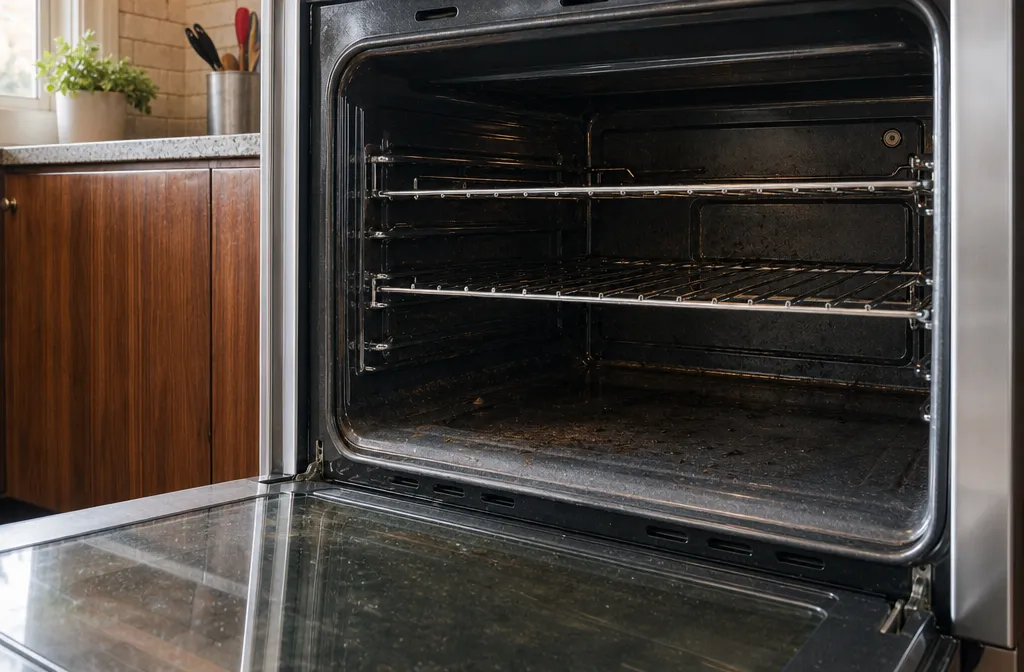
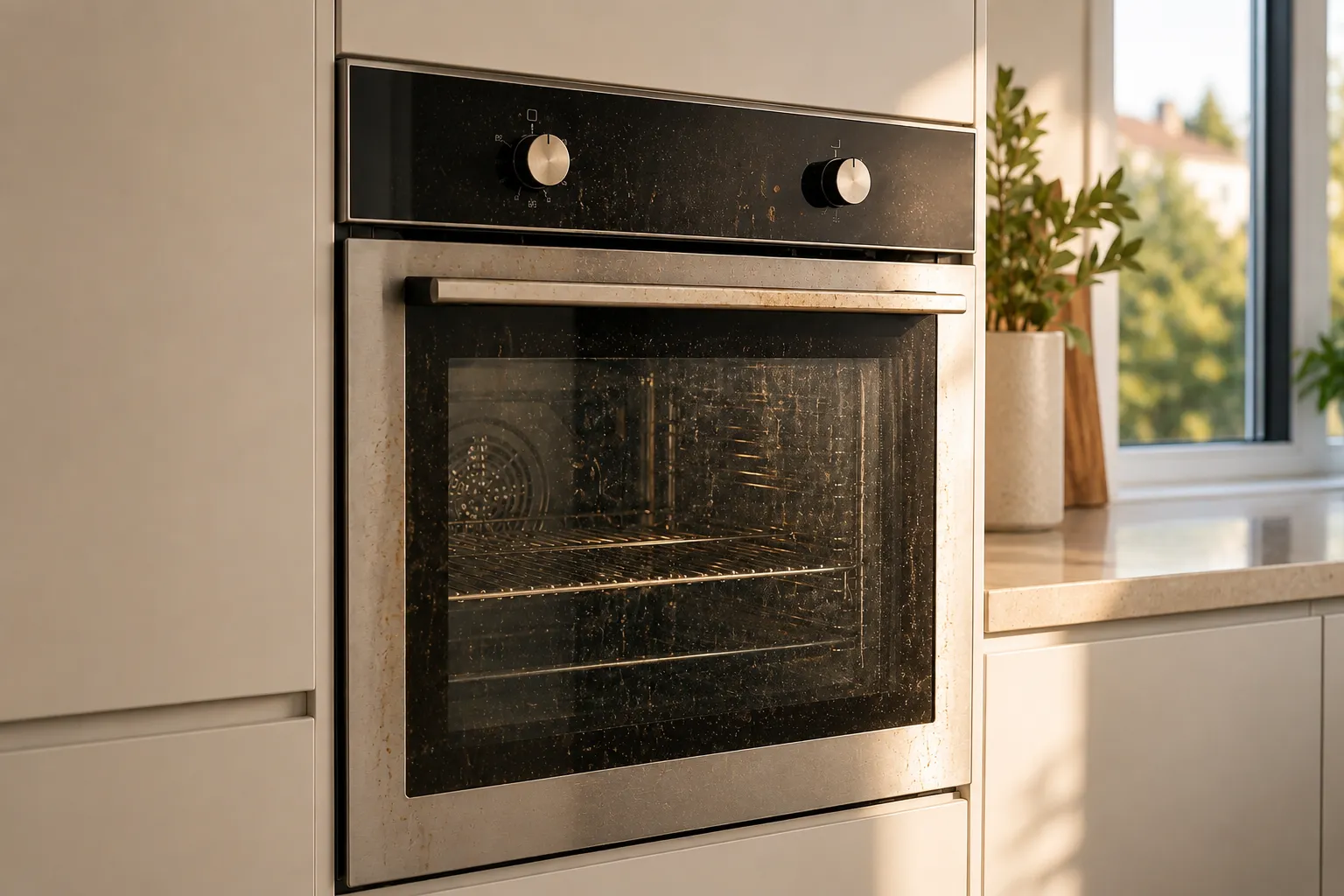
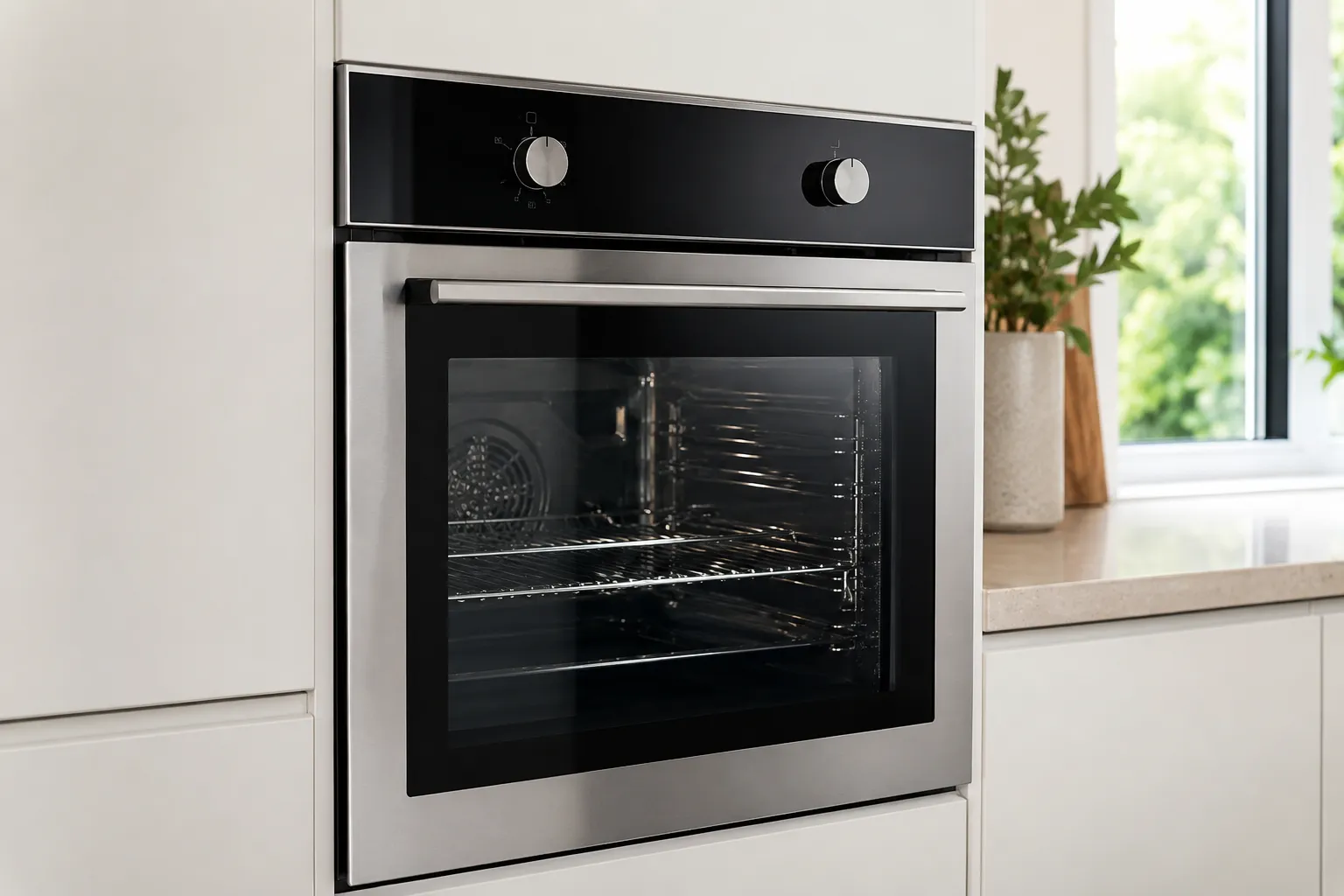
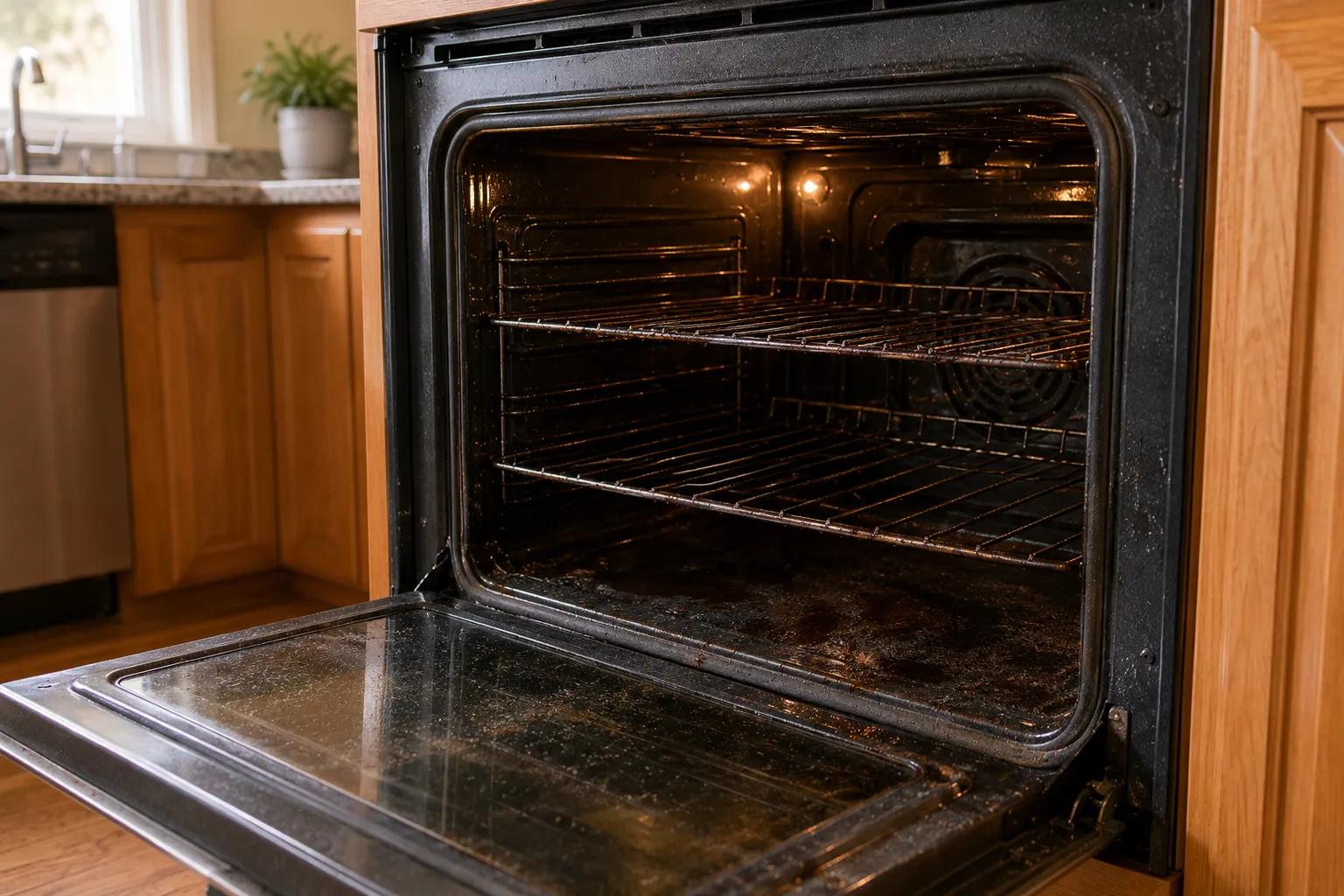
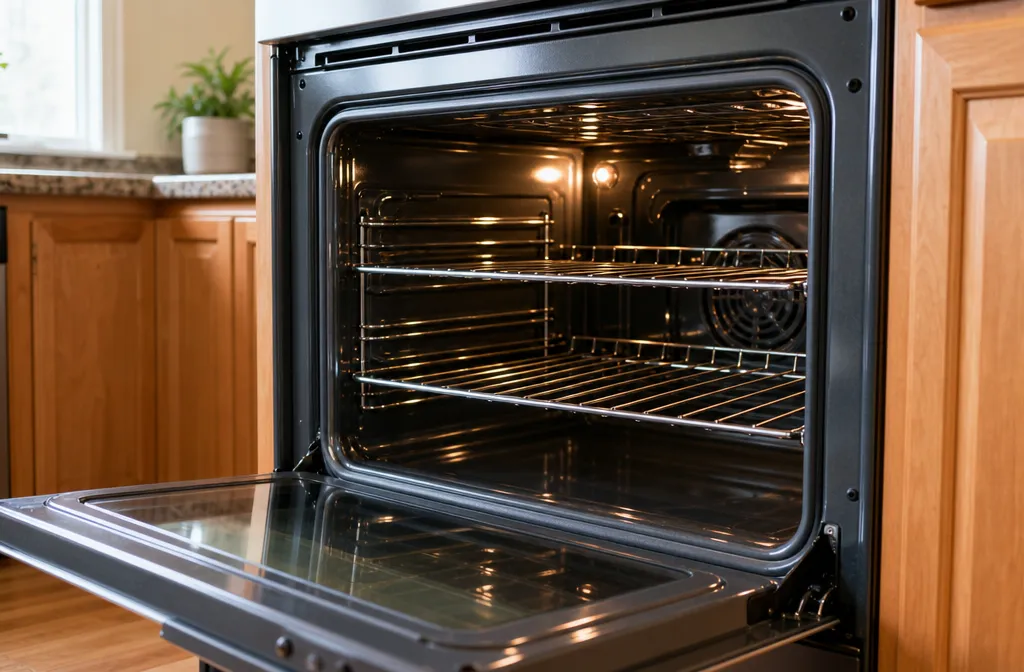
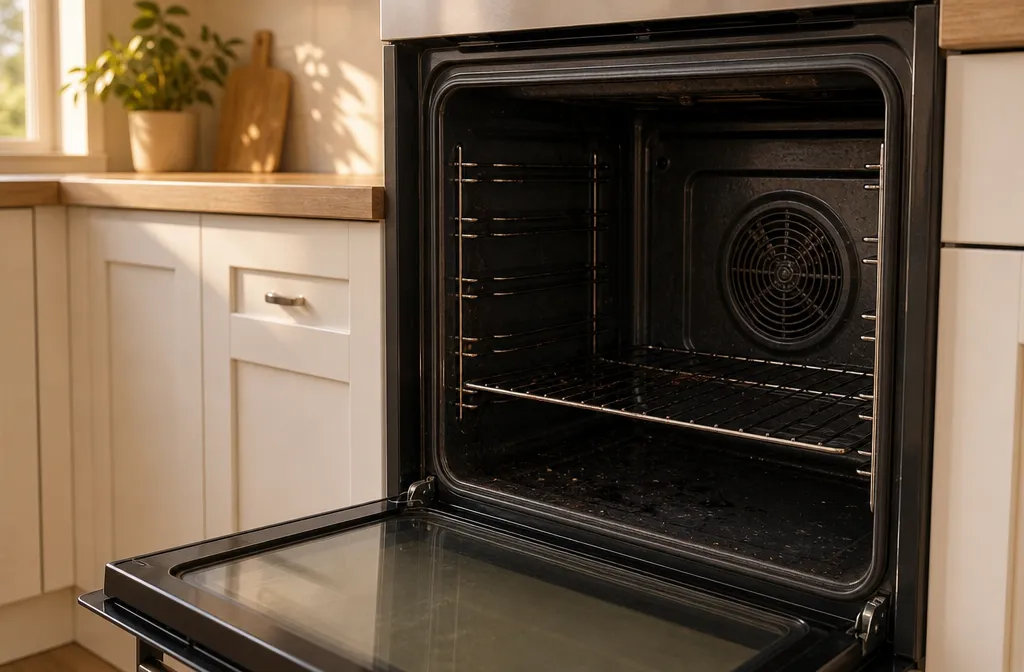
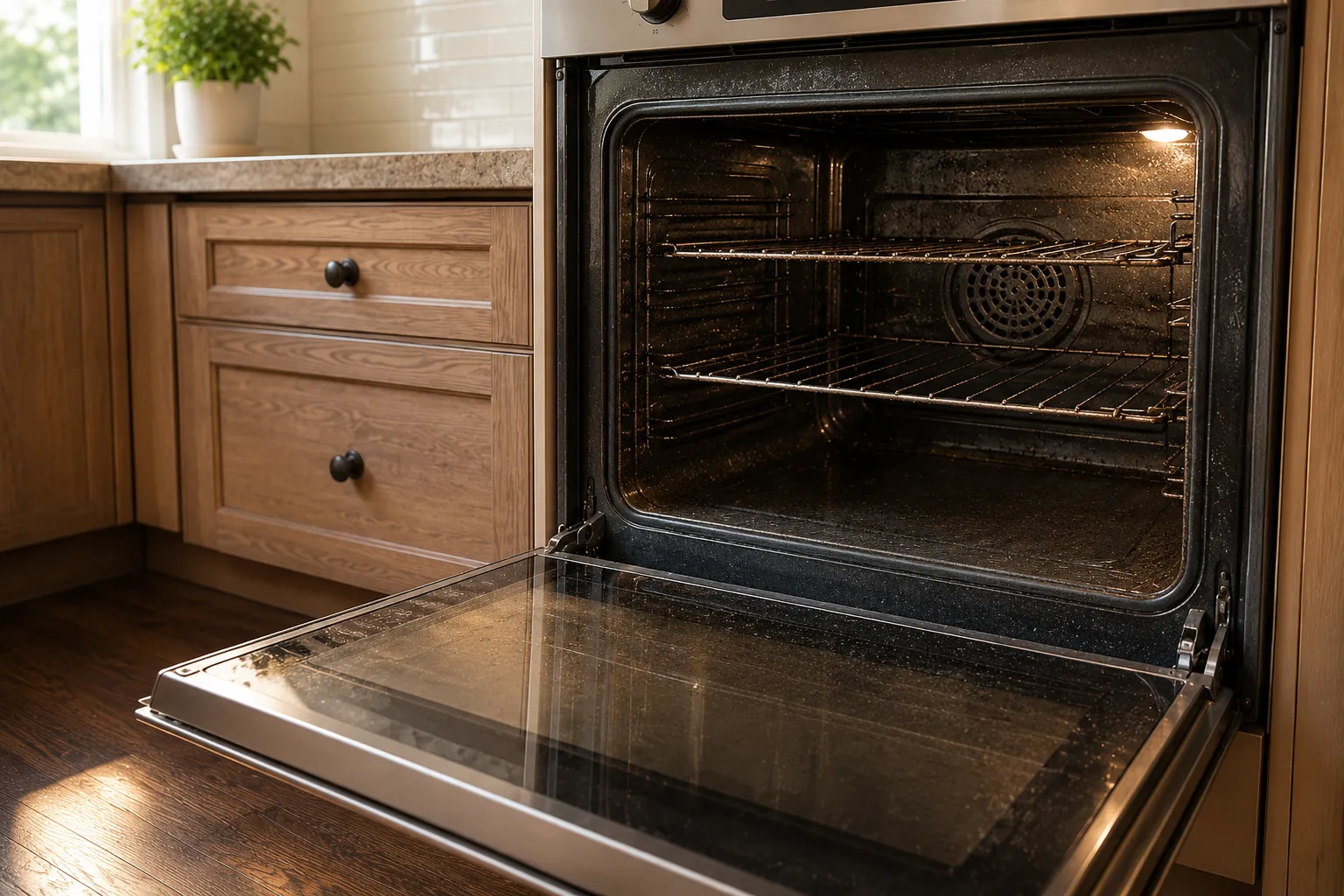
Why DIY Cleaning Often Damages Your Oven
Home methods for fighting grease — abrasive sponges, supermarket cleaning chemicals, vinegar and baking soda — seem harmless, but in practice they destroy the protective coating of the walls and heating elements. In our experience, every third service call is for fixing the consequences of DIY experiments. Let’s break down the three main mistakes that turn a simple cleaning into an expensive repair.
Mistake 1: Household chemicals with chlorine and alkali eat away the enamel
Products like “Shumanit”, “Cif”, and “Sanita” contain caustic soda (NaOH) and sodium hypochlorite — they instantly dissolve grease but simultaneously attack the oven’s enamel coating. The result is micro-cracks that accumulate after 3-4 cleanings and turn into chips. In Almaty, household chemical stores sell solutions with a pH above 12 — they are prohibited for catalytic and pyrolytic panels, but this is not always stated on the label. At profi-clean, we only use pH-neutral products from Kiehl and Sodasan — they don’t react with the enamel but emulsify grease at a molecular level. Before buying a household spray, check the pH on the manufacturer’s website: if it’s above 10, don’t use it on the inner walls; limit its use to the drip tray.
Mistake 2: Abrasive sponges and metal brushes scratch glass and stainless steel
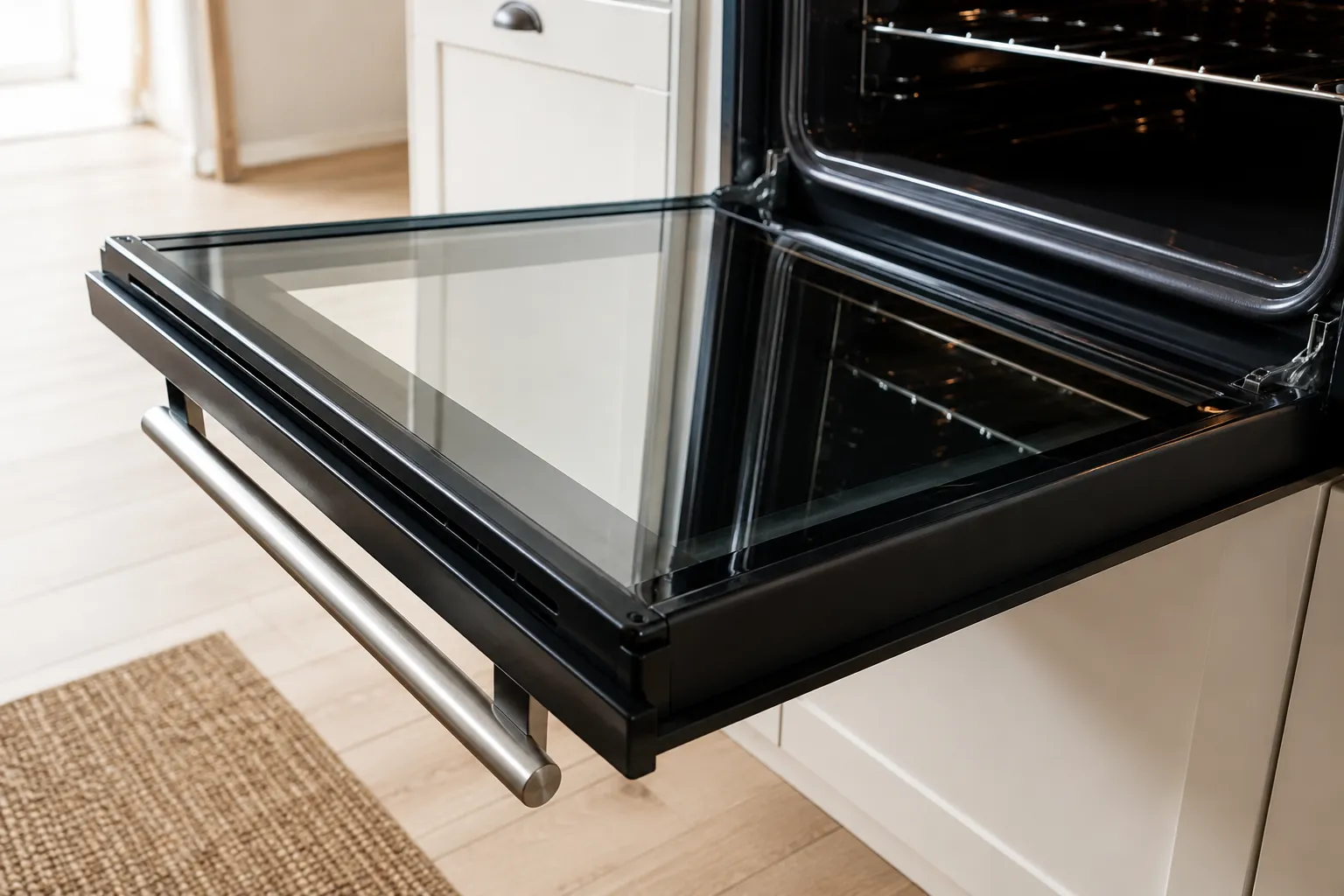
The rough side of a sponge or a metal scouring pad leaves micro-scratches on the door glass and the inner stainless steel surface. Grease gets trapped in these scratches, burning on during the next heating cycle — it then becomes impossible to remove without professional polishing. On Almaty forums and in 2GIS reviews, clients complain that after cleaning with a stiff brush, “the oven became dull and needs cleaning more often.” In practice, the depth of a scratch from an abrasive is 0.05–0.1 mm — enough to damage the passivation layer of stainless steel, causing it to rust. For glass-ceramic and tempered glass, use only microfiber cloths (300–400 g/m²) or non-woven wipes — they won’t scratch even glossy surfaces.
Mistake 3: Vinegar and baking soda — a folk myth that ruins heating elements
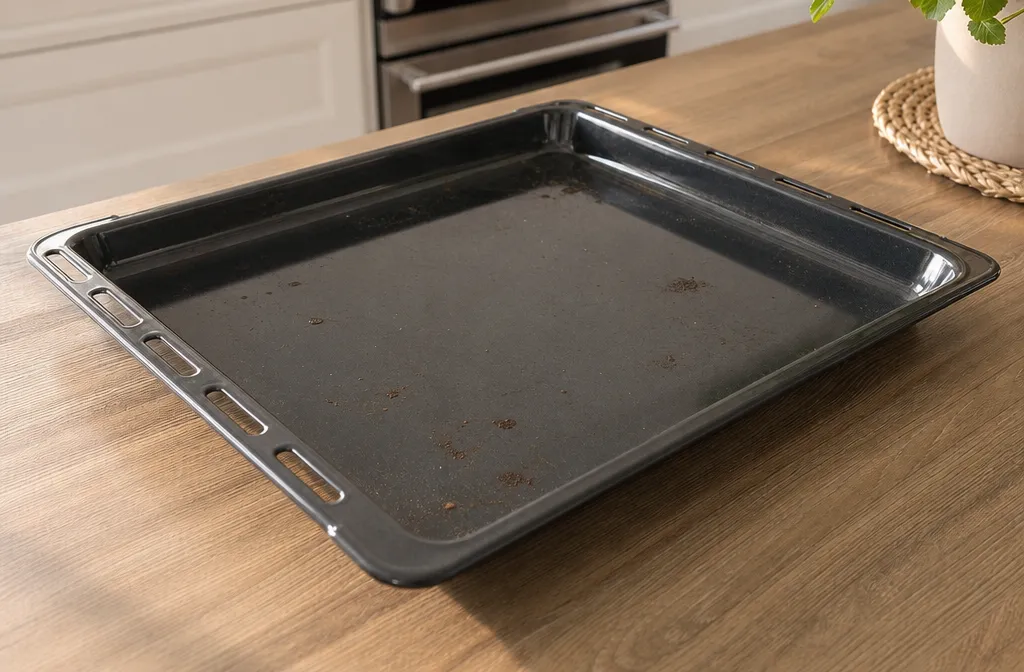
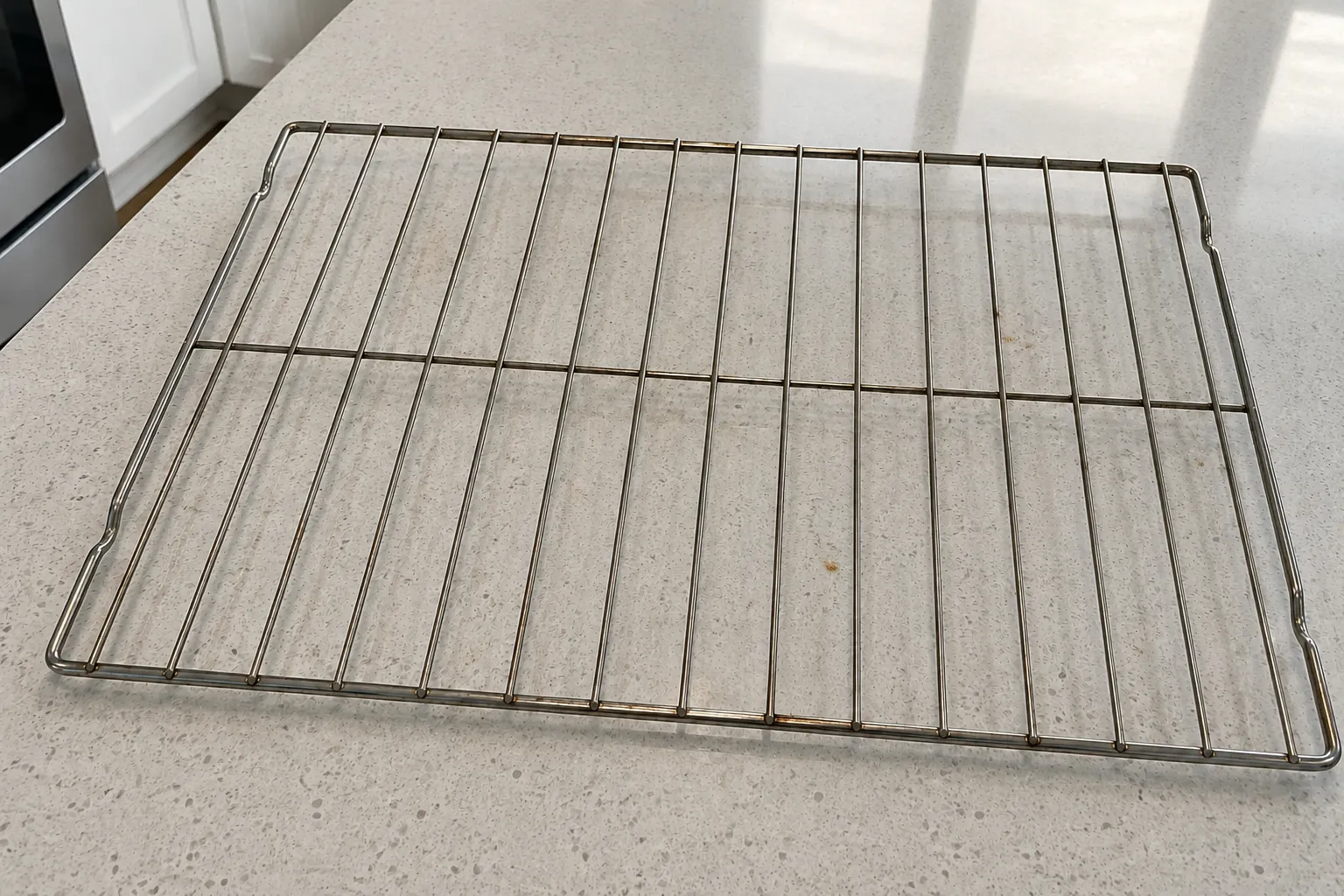
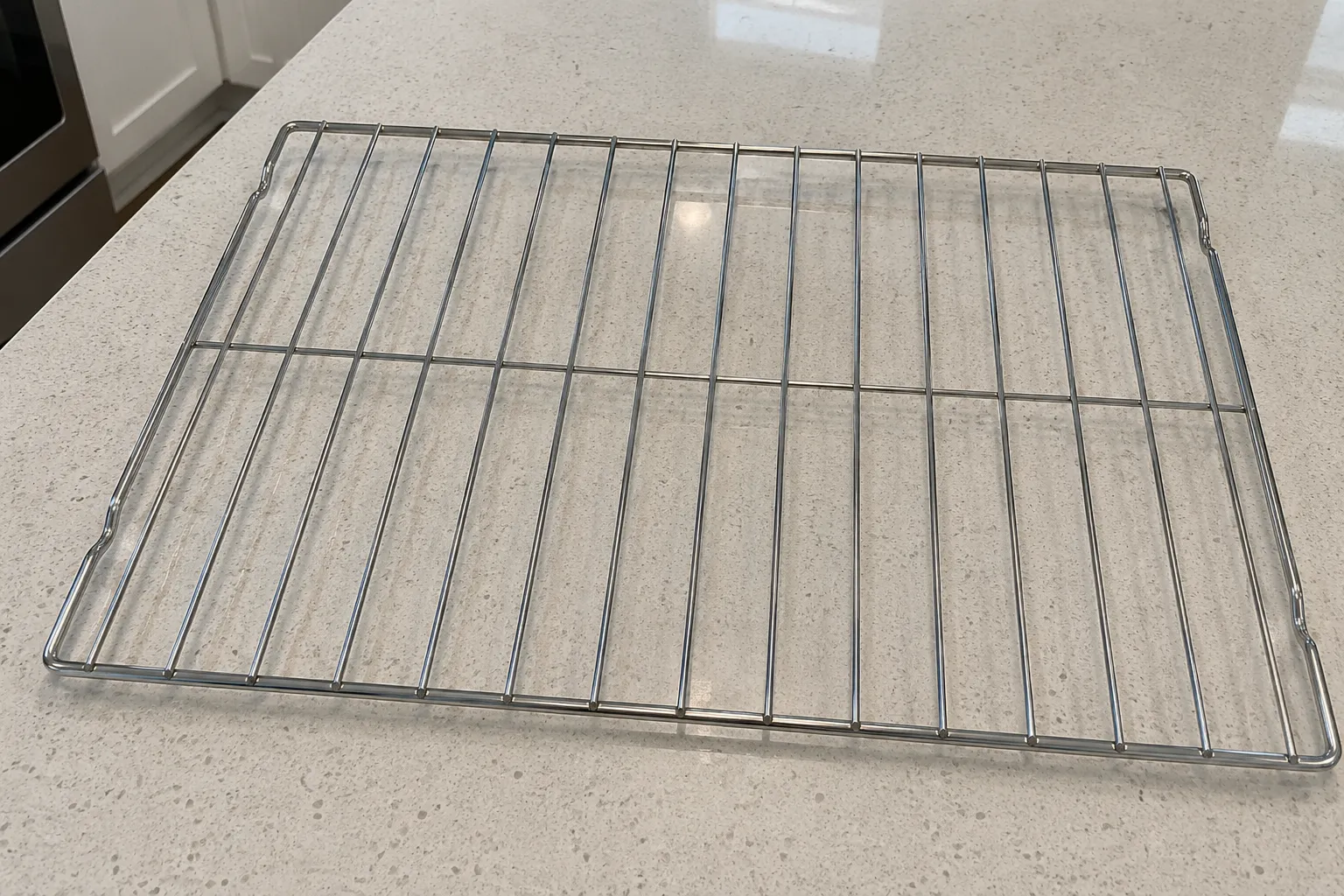
Acetic acid (9% solution) combined with baking soda creates a vigorous reaction releasing gas — this gives the illusion of “deep cleaning,” but in reality, the acid corrodes the insulation of the heating elements. We had a case in our workshop: a client from Almaty poured vinegar on the bottom, turned the oven to 200 °C to “steam off the grime” — after 15 minutes, the heating element short-circuited to the casing, requiring a costly heating block replacement. Baking soda is a mild abrasive with particle sizes of 50–100 microns — it leaves micro-damage on the enamel, similar to what a sponge does. The only safe use for baking soda is soaking baking trays and racks in warm water with soda (no vinegar) for 30 minutes, but not for the walls or heating elements.
Key Differences Between Professional and DIY Cleaning: Why We Don’t Use Household Products
At profi-clean, we don’t rely on household chemicals and makeshift methods — we have different equipment and an approach that eliminates the risks listed above.
| Parameter |
DIY Cleaning |
profi-clean Cleaning |
| Type of Chemicals |
Alkaline/acidic household products (pH 10–13) |
Neutral professional solutions Kiehl / Sodasan (pH 6–8) |
| Mechanical Action |
Abrasive sponges, metal brushes, scrapers |
Microfiber 300–400 g/m², steam at 140 °C under 5 bar pressure |
| Protection for Heating Elements & Fan |
Not disconnected or partially disconnected |
Heating elements and convection fan are hermetically sealed with heat-resistant film |
| Chemical Residue Control |
Visual — streaks and film remain |
Triple rinse with distilled water + pH test strip (6–7) |
| Coating Guarantee |
None |
24 hours: if scratches or dullness appear, we re-clean for free |
The risk of damaging the enamel during DIY cleaning with abrasives and alkali is about 70% after 5 cycles, according to service reports. With professional steam and neutral chemical cleaning, it’s 0% over profi-clean’s entire operating history. So, before you pick up a sponge and spray, consider this: it’s cheaper to pay for professional cleaning once every six months than to replace a heating element or enamel panel after one failed experiment.
How Often Should You Get a Professional Oven Cleaning
The frequency of professional oven cleaning depends on usage intensity — for an average family in Almaty, we recommend contacting us every 3-4 months, and if you cook fatty dishes daily, every 2 months. Missing this deadline turns light deposits into stubborn burnt-on grime that aggressive household chemicals can no longer handle, and mechanical scraping scratches the enamel. In my opinion, the main guide is not the calendar, but the oven’s behavior: if the grease on the walls starts smoking during preheating or the smell of burning is noticeable even through the extractor hood, it’s time to call us, not to put it off.
Why grease on oven walls is dangerous for health
With every heating cycle, residual grease and oil on the oven walls undergo pyrolysis — they decompose, forming acrolein and polycyclic aromatic hydrocarbons (PAHs), which the International Agency for Research on Cancer classifies as Group 2A carcinogens. In the enclosed space of an oven, the concentration of these substances increases already at 180 °C, and at 250 °C (grill or pizza mode), it exceeds the safe threshold by 3-5 times, according to kitchen ventilation studies. In our service orders in Almaty, we have recorded cases where clients complained of headaches and a sore throat after cooking — the cause was precisely months-old grease buildup on the back wall that couldn’t be wiped off with a sponge. When you order oven cleaning, we use hypoallergenic chemicals from Kiehl and Sodasan, which break down grease into safe, water-soluble compounds — after treatment, no volatile toxins remain in the air, and the oven can be used immediately.
How to tell if your oven needs professional cleaning, not just a surface wipe
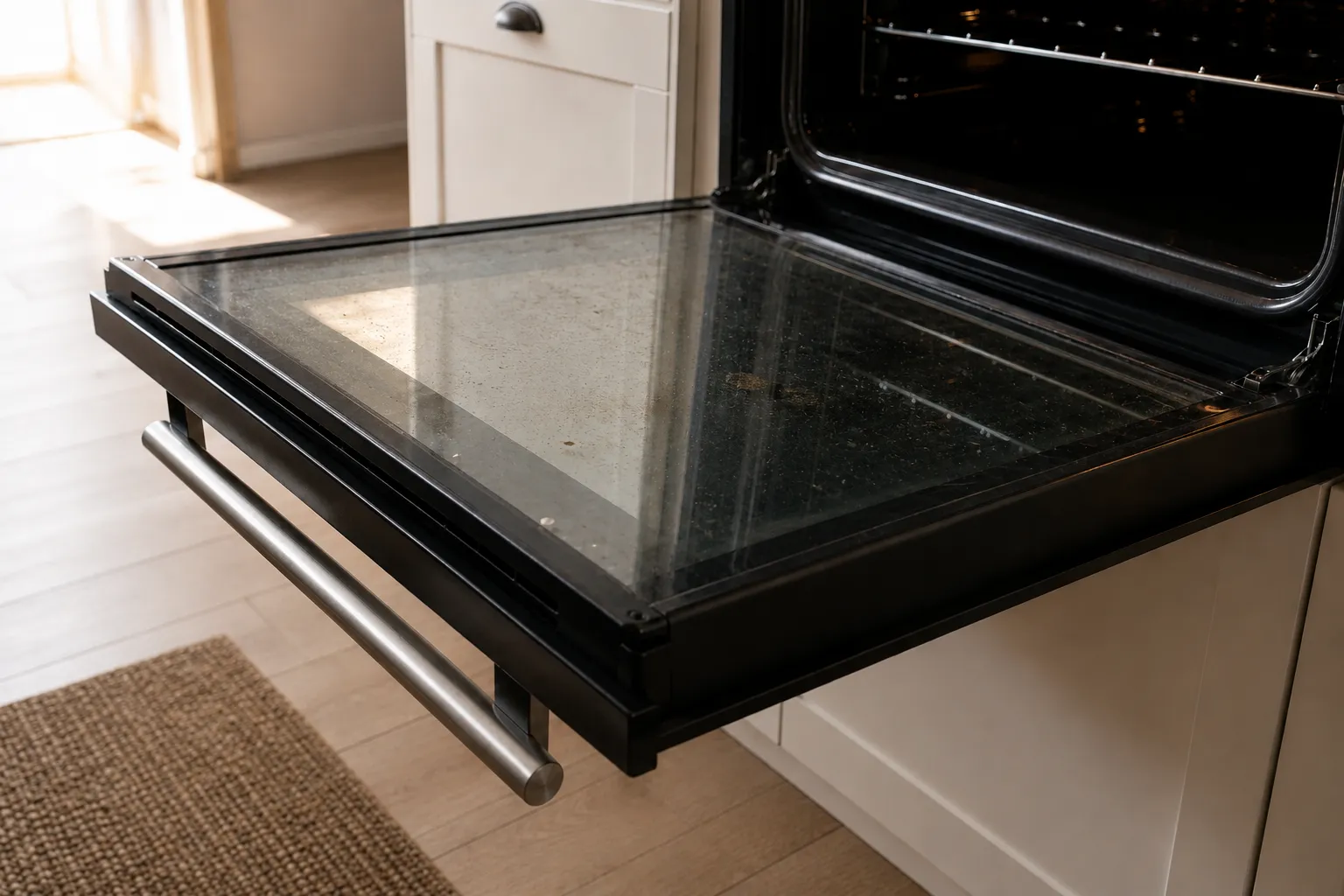
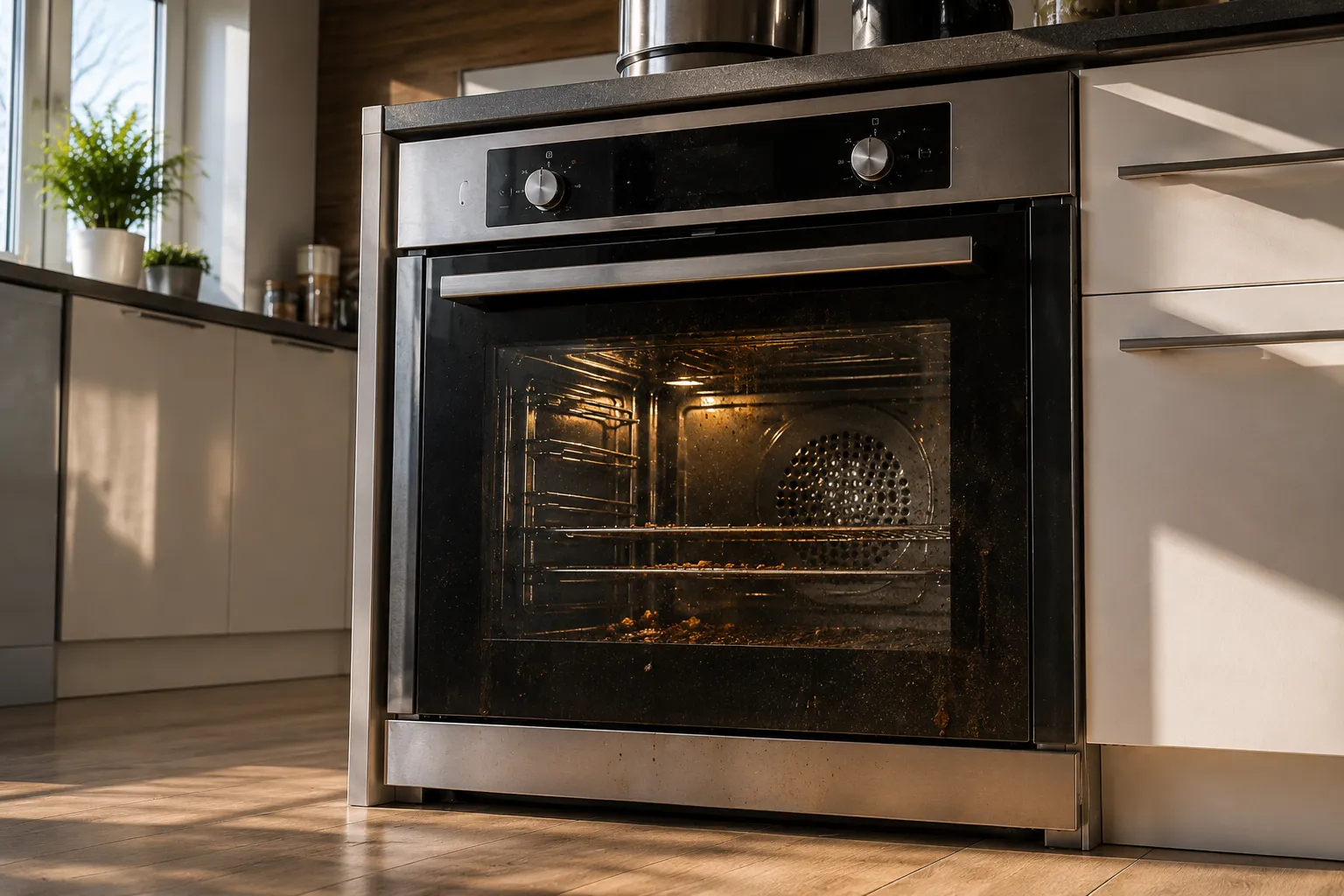
The first sign is smoke or a burning smell when preheating to 150-180 °C, even if the walls look clean: this means grease has soaked into the micro-pores of the enamel and is burning from within the coating. The second is uneven heating: burnt-on grime on the heating elements or convection fan creates “hot spots,” causing a cake to burn on one side and stay raw on the other. The third is a visible oily film on the door glass or racks that doesn’t wash off with dish soap after 2-3 attempts. In our practice in Almaty, there was a case where a client cleaned their oven with vinegar and baking soda once a month, but the burning smell persisted — upon inspection, we found a 3-4 mm layer of grime under the heating element’s rack, which could only be removed with a Karcher steam cleaner with a HEPA filter. If you notice even one of these signs, ordering oven cleaning is the only way to restore normal function without the risk of damaging the enamel with abrasives.
Mistakes in DIY cleaning that accelerate oven wear
The most common mistake is using abrasive powders and harsh metal scouring pads: they leave micro-scratches on the enamel, which immediately trap grease, and after 2-3 such cleanings, the surface becomes rough, and grime sticks 2-3 times faster. The second is using aggressive chemicals based on chlorine or caustic soda (cheap products from Almaty supermarkets) without checking material compatibility: for enameled ovens, such compounds eat away the protective layer, and for stainless steel, they leave hard-to-remove oxide film stains. The third is pouring water onto the oven floor and turning on the “steam clean” mode with heavy grime: the water boils, steam softens the grease, but the dirty water seeps into the gaps between the walls and the heating element, causing a short circuit in the thermostat — in our service, we had a case where this method led to replacing the control unit for a significant sum. The fourth is ignoring the door seal: when cleaning the walls, household products drip onto the rubber gasket, it loses elasticity, and after 3-4 months, the oven fails to maintain temperature — electricity consumption increases by 15-20%. On models with catalytic enamel (Samsung, Bosch, Electrolux), a mistake is using alkali: it destroys the catalyst, the self-cleaning function stops working, and restoring the coating requires replacing the panels.
When professional cleaning is urgently needed — signs of a neglected case
If, when you open the door, you see black streaks on the glass that won’t wash off with a sponge and soap, the carbon deposit has already penetrated the structure of the glass-ceramic and will release an odor every time it’s heated. If the convection fan hums louder than usual or you hear a whistling sound, a layer of grease has likely built up on the blades, disrupting the balance, and further operation without cleaning will lead to wear on the motor bearing. If the circuit breaker in the panel trips when you turn on the oven, grease may have gotten onto the heating element or thermostat contacts, causing a current leak. In such cases, we arrive within 60 minutes across Almaty and use a steam cleaner with 6 bar pressure and Kiehl chemicals — this dissolves carbon deposits without disassembling the oven, but if the situation is neglected to the point of a short circuit, repairs will cost more than regular quarterly cleaning. In our practice in Almaty, there was a call where the oven hadn’t been cleaned for 14 months — the carbon layer on the fan reached 8 mm, the blades were hitting the housing, and replacing the motor with labor cost the client 5 times more than 4 professional cleanings over the same period.
Almaty Specifics: How Hard Water and Dust Affect Cleaning Frequency
Tap water in Almaty has a total hardness of 7-10 mg-eq/L (above the norm for southern regions of Kazakhstan) — when using steam self-cleaning, calcium and magnesium salts settle on the oven walls as a white deposit, which mixes with grease and forms a hard-to-dissolve crust. Plus, urban dust, especially in the spring-summer period (windy weather and proximity to the mountains), settles on heated surfaces and bakes with grease into a dense layer — in our orders in Almaty, we’ve noticed that ovens in homes in the southern part of the city (Butakovka, Gorny Gigant) get 20-25% dirtier faster than in apartments in the center or northern outskirts. Therefore, for Almaty residents, we recommend reducing the interval between professional cleanings to 2-2.5 months, especially if you often cook meat, roast vegetables with oil, or use the grill mode. If you have a water softener filter at the apartment inlet, the interval can be increased to 3-4 months, provided you don’t skip regular cleaning of the door glass from deposits.
Features of Oven Cleaning in Almaty: Hard Water and Voltage Fluctuations
Ovens in Almaty face two aggressive factors absent in most other cities: hard tap water and frequent power surges in the grid. We have to account for them during every cleaning to avoid damaging the appliance and guarantee a 24-hour result.
How Hard Water Affects the Oven’s Condition
In Almaty’s water, the calcium and magnesium salt content is 2–3 times higher than normal, and when heated, they settle on the inner walls and heating elements as a white deposit. This deposit cannot be washed off with regular household chemicals — it penetrates the enamel, creating a rough surface to which grease sticks faster and more firmly. In practice, this means an oven in Almaty gets 30–40% dirtier faster than in a region with soft water and requires professional cleaning not every six months, but every 3–4 months. Before starting the cleaning, we always check for salt deposits on the heating elements and fan — if they are not removed, the grease will return within a week after our cleaning.
Why Voltage Fluctuations Are Dangerous for the Oven and Cleaning
Voltage surges in the Almaty power system — up to 230–260 V during peak hours — lead to overheating of internal components, especially the heating elements and thermostat, and carbon deposits from overheated grease penetrate the enamel at a molecular level. Such an aged layer cannot be tackled by steam or alkali, so we use mechanical cleaning with stainless steel scrapers and controlled force — otherwise, the wall could be dented. In our practice, there was a case where a client from the “Alatau” microdistrict called us a month after a self-cleaning: due to voltage surges, her thermostat burned out, and the grease baked into a crust within 3 days. We recommend disconnecting the oven from the outlet for 15 minutes before cleaning — this protects the electronics from short circuits when working with steam.
How We Adapt Cleaning to Almaty Conditions
Our profi-clean technology includes mandatory pre-treatment of salt deposits with an organic solvent based on citric acid — it softens the deposits in 10 minutes, after which we rinse them off with a Karcher steam cleaner at 6 bar pressure. For ovens with signs of overheating (yellowed enamel, cracks near the heating elements), we use hypoallergenic Kiehl chemicals with a pH of 8.5 — they are not aggressive towards weakened coatings but effectively dissolve protein-based grease. After cleaning, we always test the oven empty for 15 minutes at 180 °C: if the fan operates with unusual noise or a burning smell appears, it means salt residue remains on the heating element, and we repeat the treatment.
“`markdown
What Happens If You Don’t Clean Your Oven: Health and Appliance Risks
Skipping oven cleaning triggers a chain of destructive processes — from the formation of carcinogens to heating element failure. We break down what actually happens inside when grease remains on the walls.
Carcinogenic Fumes: What Old Grease Releases When Heated
Each heating cycle transforms aged grease into acrylamide and polycyclic aromatic hydrocarbons (PAHs), which the WHO classifies as “probably carcinogenic to humans.” At 200°C and above, these compounds vaporize and enter the kitchen air, settling on food inside the chamber. Particularly dangerous are black deposits on the top heating element — they smolder every time the grill is turned on. During our service calls in Almaty, we’ve recorded cases where clients complained of a “metallic taste” in their baked goods — the cause was precisely old grease smoking on the gas. Before deep cleaning, we always ventilate the kitchen for 20-30 minutes to reduce the concentration of airborne particles.
Fire Hazard: How Carbon Buildup Shorts Electronics
A layer of grease 3 mm thick or more on heating elements acts as a dielectric — it impedes heat dissipation and causes local overheating of the coil. In electric ovens, this leads to melting of wire insulation inside the wall; in gas ovens, it causes incomplete gas combustion with carbon monoxide release. In our practice, there was a case in the “Aksai” microdistrict: a client hadn’t cleaned her oven for two months, and when trying to bake a pizza at maximum temperature, smoke started coming from under the panel — the grease on the convection fan had ignited. We extinguished it with a fire extinguisher and replaced the heating element. Humidity in Almaty is low in winter (15-25%), which accelerates the drying of grease into a hard crust — it ignites at 250°C instead of 350°C for fresh grease.
Enamel Destruction and Corrosion Development
Acids released from burnt food (acetic, butyric) corrode the enamel coating of the walls, especially in areas with chips and microcracks. Within 6-12 months without cleaning, mesh-like defects form on the enamel, where grease and moisture accumulate — in Almaty winters, with frequent door opening, condensation settles precisely on these areas. The result is enamel blistering and metal corrosion underneath. Restoring such a coating is impossible: only replacing the inner chamber, which costs as much as half a new oven. On models with catalytic enamel (e.g., Bosch, Electrolux), grease embeds into the porous layer and blocks its self-cleaning — after three missed pyrolysis cycles, the catalyst stops working.
Allergies and Respiratory Reactions in Residents
When grease burns, aldehydes are formed — formaldehyde and acrolein, which irritate the nasal and throat mucosa even at concentrations of 0.1 ppm. In people with asthma or allergies, this triggers coughing fits and nasopharyngeal swelling. In Almaty, the situation is worsened by the fact that many kitchens are combined with living rooms — the area of fume spread is larger. We measured VOC (volatile organic compound) levels in an apartment after cleaning an oven with an 8-month layer of grease: the sensor showed a 4-fold excess before ventilation. If there are children under 3 in the home, regular inhalation of these fumes increases the risk of bronchial obstruction — therefore, our recommendation is to clean the oven before visible yellow plaque appears on the walls, without waiting for black carbon deposits.
Accelerated Wear of Thermostat and Convection Fan
When fat coats the thermostat sensor with a film, it distorts the temperature readings — the oven starts “lying” by 20-30°C. You set it to 180°C, but the chamber is actually at 200°C or 160°C, causing your baked goods to burn or remain raw. A convection fan with caked-on fat loses its balance — the blades vibrate, hum, and eventually break the motor bearing. Replacing the fan in Almaty costs a significant amount, and a new thermostat costs an amount comparable to several cleanings. In gas ovens, grease clogs the burner holes, making the flame yellow and sooty — this is a direct path to replacing the gas valve. We recommend checking the convection fan’s operation once a month: if you hear a whistle or howl when it turns on, it’s time to call for oven cleaning.
How to choose an oven cleaning specialist: what to look for
Choosing a specialist for oven cleaning is a decision that affects both the lifespan of your appliance and the safety of your food. In Almaty, this market includes both private individuals and companies, but the selection criteria are universal: they relate to chemicals, equipment, and guarantees.
Which chemicals are safe for the oven coating
At profi-clean, we use only professional formulations from Kiehl and Sodasan — these are alkaline and acidic concentrates that dissolve burnt-on grease and carbon deposits in 10–15 minutes without mechanical scrubbing. Household chemicals from the supermarket (Cif, Sanita, Mr. Muscle) contain abrasive particles or weak surfactants that either scratch the enamel or fail to handle old, built-up layers. Even more dangerous are “folk” recipes with citric acid and baking soda — they destroy the protective glass-ceramic coating on the walls, making them porous. A professional cleaner should show you a certificate for the chemicals or at least name the brand — if they can’t do this, they are likely using cheap household chemicals that leave a film and odor. Before ordering, ask whether the solution is completely rinsed off and whether it leaves a chemical aftertaste on the next dish — this is the main sign of quality.
What equipment indicates a professional
A steam generator with a steam pressure of 4–5 bar and a temperature of 140–160°C is the minimum requirement for quality oven cleaning, because only steam softens old grease in hard-to-reach places (fan, back wall, door seal). At profi-clean, every mobile kit includes a Karcher SC 5 steam generator with a HEPA filter that traps 99.97% of grease particles and allergens — this is critical for Almaty apartments, where people with allergies to household dust often live. If a specialist arrives with only a rag and a spray bottle, they won’t be able to clean the convection fan — and that’s where oily deposits accumulate, releasing carcinogenic acrolein when heated. The presence of microfiber cloths of different densities (for glass, for enamel, for the seal) is another marker: a universal cloth scratches glossy surfaces. Ask the specialist to show you their steam generator before starting work — if they can’t, there’s a high chance the cleaning will be superficial.
What guarantees should a specialist provide
A guarantee on oven cleaning in Almaty is typically 24 hours — this is enough time to check if a burning smell appears during the first use and if there are any streaks left on the glass. profi-clean has the result guarantee written into the contract: if you notice any residue or odor after our work, we return for a free redo within 24 hours. Private specialists often refuse a written guarantee, citing “proven experience,” but in reality, with old carbon deposits, they might scrape off the enamel with an abrasive and simply leave. Clarify exactly what the specialist guarantees: no scratches, complete removal of carbon deposits, preservation of the door seal. If they cannot provide a guarantee period and a way to confirm it, this is a reason to decline the service, because the consequences of poor-quality cleaning (enamel cracks, odor, fan breakdown) only appear after 2–3 uses.
How to spot an unscrupulous specialist by their behavior
A dishonest technician in Almaty usually pressures you with urgency: “today is the last day of the discount,” “we can only come right now,” “the price will go up tomorrow” — this is a classic tactic to prevent you from checking reviews. The second red flag is refusing to give an exact price before an inspection, and then after the inspection, suddenly raising it by 1.5–2 times due to “complex burnt-on grime.” The third is using your household chemicals or tap water: a professional cleaner brings everything of their own, including distilled water for the steam generator; otherwise, salt stains from Almaty’s hard water remain on the surfaces. The fourth is the lack of insurance: if the technician accidentally damages the oven, they will simply disappear, and repairs at a service center will cost an amount comparable to a year of regular cleanings. Check whether the company or individual has a public profile on 2GIS or Google with real reviews from the last 3–6 months — if there are no reviews or they all look identically written, the risk is high.