Current balcony cleaning
Maintaining cleanliness and order
- Wet cleaning of floors and baseboards
- Dust from walls, surfaces and windowsill
- Wiping glazing from inside
- Removing cobwebs from corners
- Taking out trash, tidying up
Professional cleaning of balconies and loggias in Almaty: from dust to construction debris

We work with any types and materials
Thoroughly wash frames and glass without streaks using microfiber and a squeegee.
from 1,500 ₸Carefully clean aluminum profiles without damaging the coating.
from 1,500 ₸Remove dust and dirt from all surfaces, including railings and floors.
from 1,500 ₸Wash large windows on both sides using a telescopic mop.
from 1,500 ₸Clean tracks and rollers to ensure smooth sliding.
from 1,200 ₸Use gentle Sodasan products for wood, leaving no streaks.
from 5,000 ₸Clean grout and tiles with a Karcher steam cleaner, removing stubborn dirt.
from 3,000 ₸Gently wipe the ceiling with microfiber, avoiding abrasives.
from 5,000 ₸Remove cement dust, paint and glue stains with professional chemicals.
from 5,000 ₸Dust and wash each slat, restoring their shine.
from 2,000 ₸Wipe all shelves and drawers inside and out, organize the space.
from 5,000 ₸Carefully remove leaves and dust without damaging plants.
from 5,000 ₸We agree on a checklist of works in advance for your format
Maintaining cleanliness and order
Deep cleaning of the entire space
Construction dust and work traces
From inspection to result with guarantee
Determine the type of cleaning: regular, deep, or post-renovation. Identify mold, stubborn stains, and heavily soiled areas.
We remove large items, freeing up space to access all surfaces. We sort trash for disposal.
We vacuum floors, walls, ceiling, windowsills, and blinds using a HEPA filter. We remove cobwebs and light dust.
We wash floors, walls, windowsills, doors, and slopes with professional Kiehl and Sodasan products. We remove stubborn stains.
We wash glass on both sides, frames, and windowsills using a squeegee and microfiber for perfect transparency without streaks.
We dust and wet-clean each slat, restoring their shine and cleanliness. Special attention to guides.
We apply antiseptic to affected areas, seal joints if necessary. Use Karcher steam for deep cleaning.
We walk through with the client, checking the quality of each stage. We fix any issues if present. You accept the work.
We use German Kiehl chemicals and organic Sodasan, safe for children and pets. They effectively remove dirt without leaving harmful residues. Your balcony will be clean without health risks.
Karcher steam cleaners with steam temperatures up to 140°C remove stubborn dirt and mold without chemicals. Ideal for balconies with tiles and wooden surfaces. Deep cleaning without streaks.
Our vacuum cleaners with HEPA filters trap up to 99.97% of allergens, pollen, and microparticles. Especially important for asthmatics and allergy sufferers. The air after cleaning becomes fresh and clean.
If streaks or dirt remain after cleaning, we will redo the work for free within 24 hours. You get a perfect result backed by a guarantee. Your peace of mind is our priority.
Our company is insured for 10 million tenge, so your property is safe. In case of accidental damage, we compensate for the loss. Work with us without risk.
All masters have at least 3 years of experience and undergo training in cleaning balconies of any complexity. They know how to handle different materials and stains. Professionalism guaranteed.
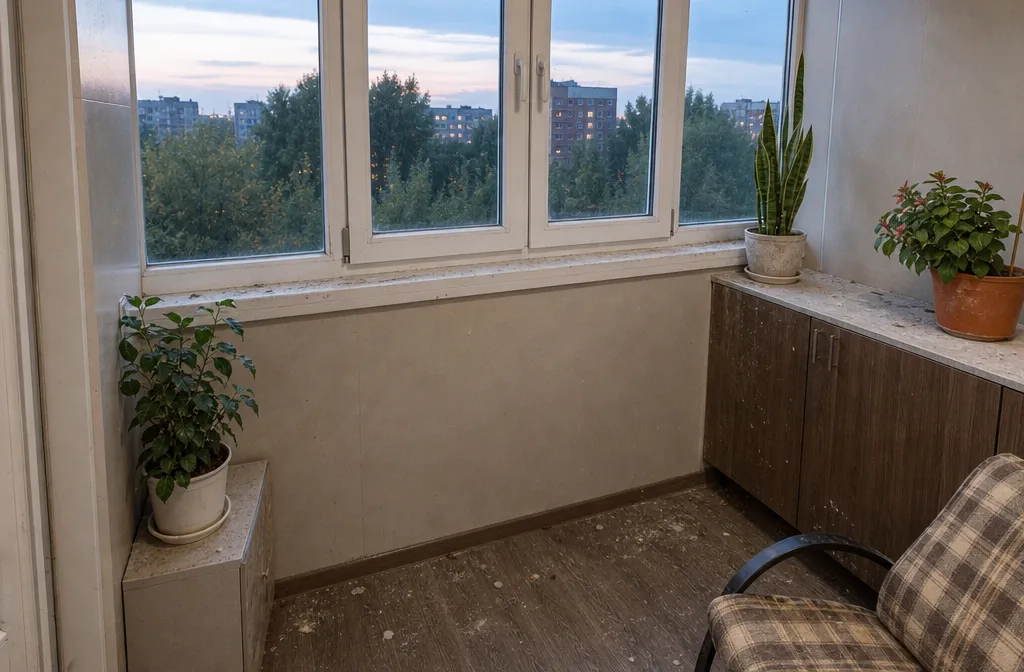
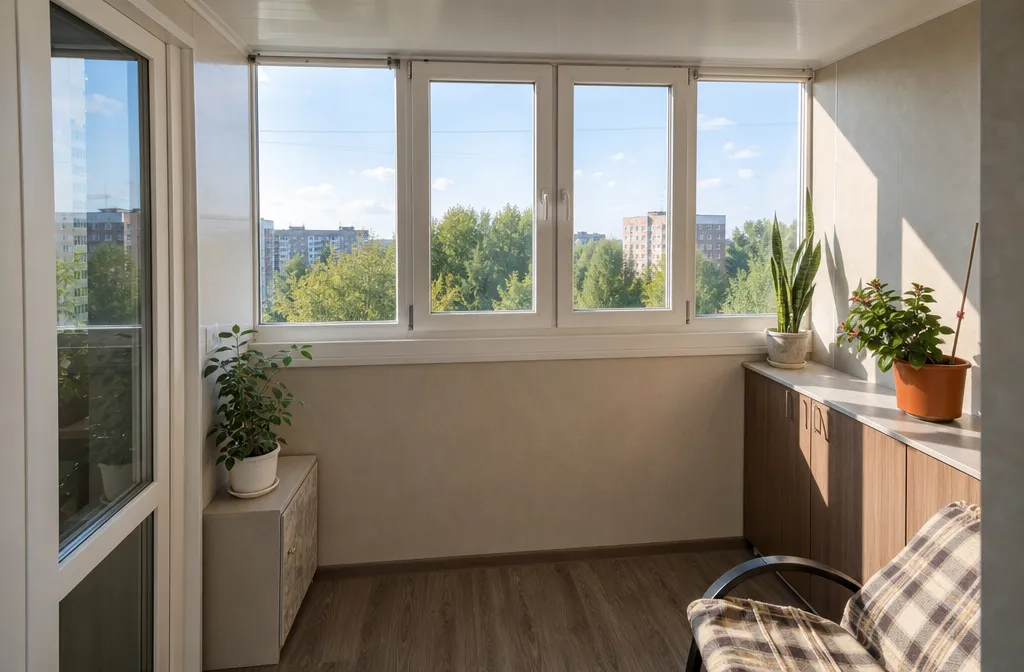 After
After
Request: After renovation, dust and putty marks remained on the floor and window sills.
Done: We performed wet cleaning of all surfaces, washed windows and floor, removed construction dust.
Cost: 9 000 ₸
Master: Aigul Serikova, Cleaning Master
Total: Balcony is completely clean, no traces of renovation or construction dust.
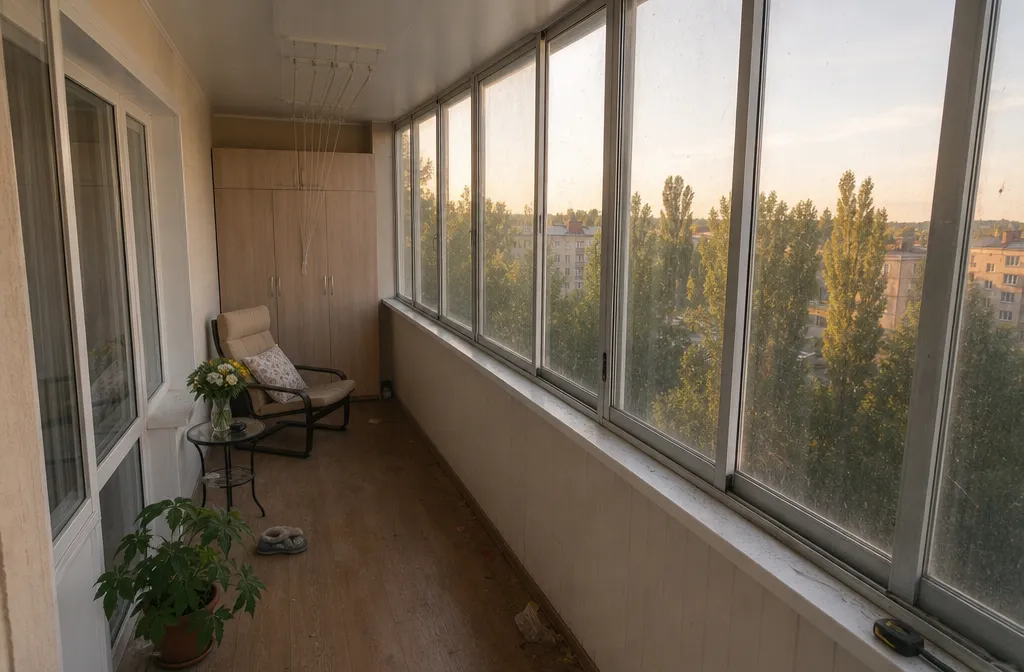
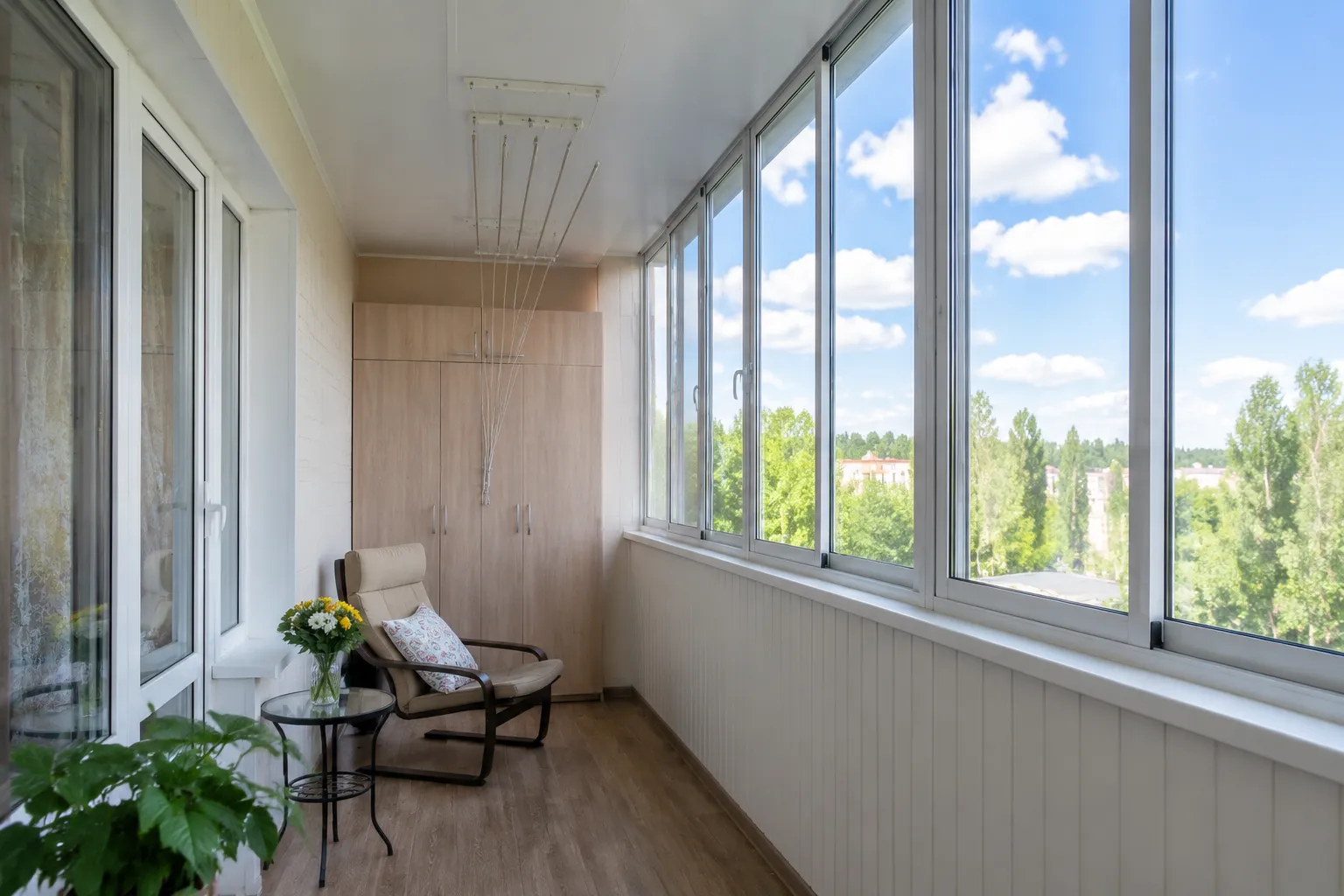 After
After
Request: Dust and dirt accumulated on the balcony, windows have smudges.
Done: We washed the glazing, wiped frames, window sills and floor, removed dust from corners.
Cost: 8 000 ₸
Master: Marat Nurlanov, Cleaning Master
Total: Windows are clear, surfaces shine, balcony is clean and bright.
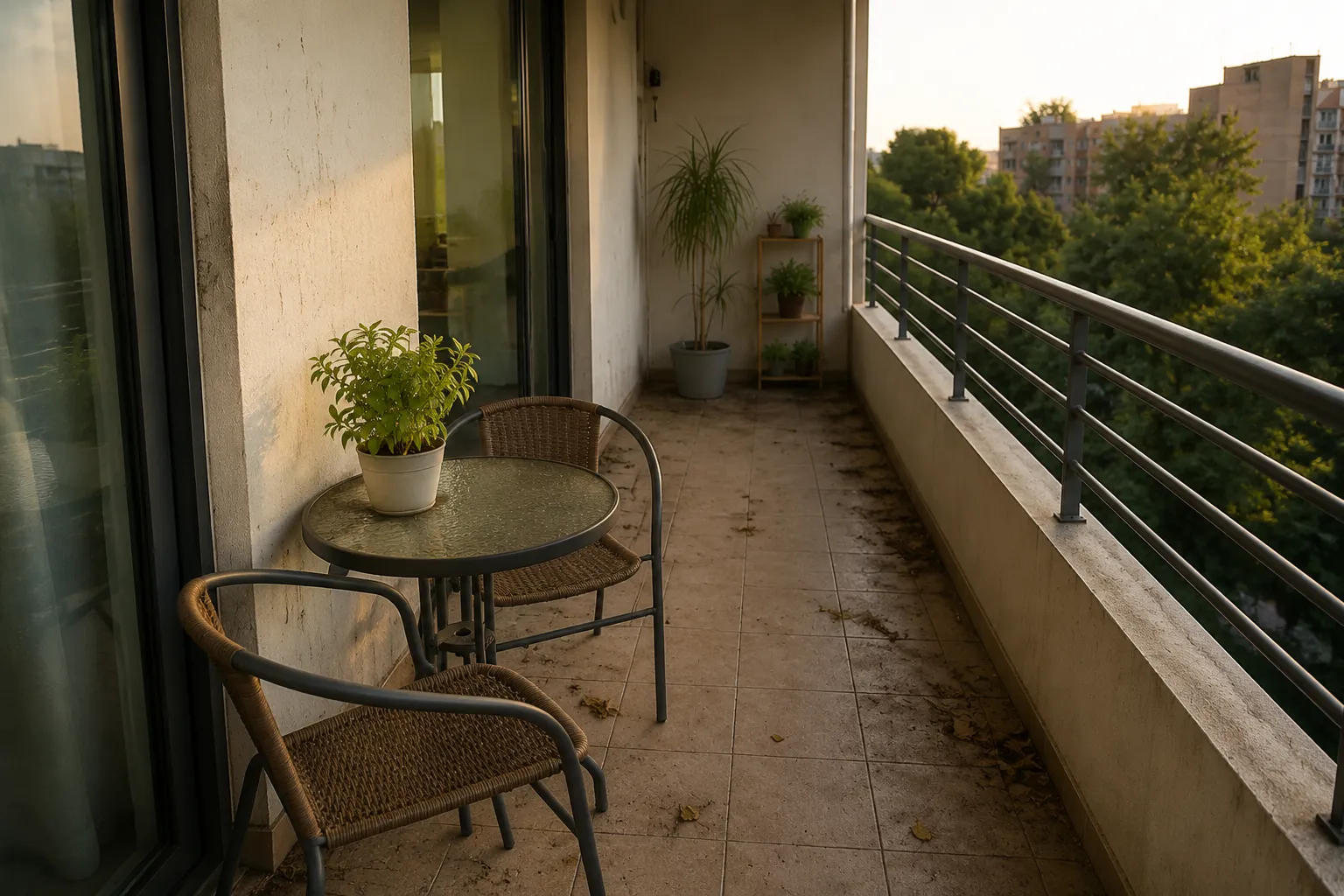
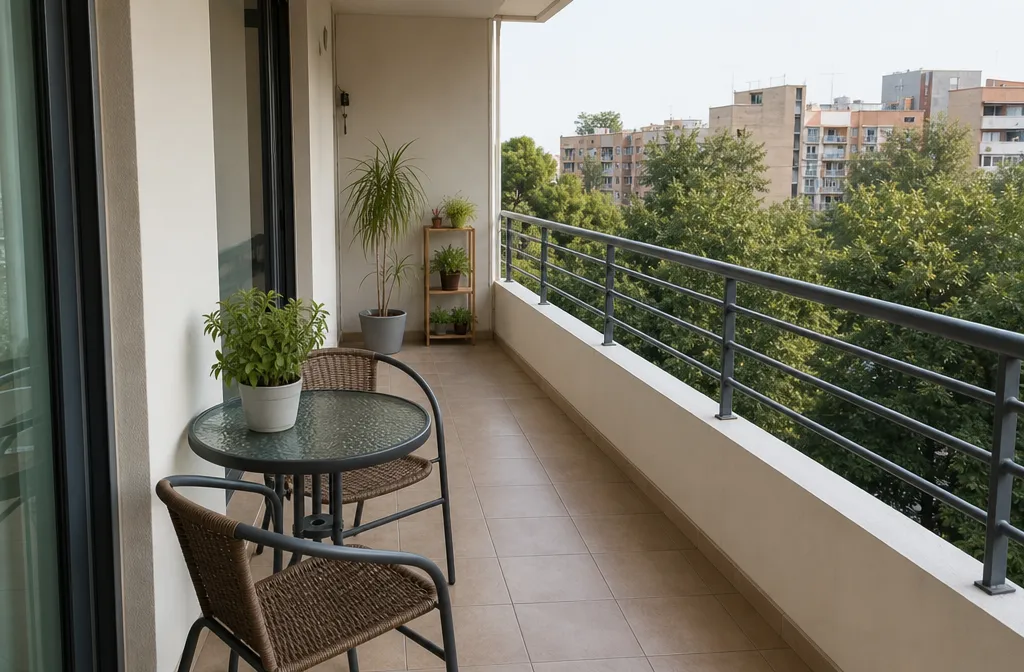 After
After
Request: The balcony floor is covered with dust and dirt, needs washing.
Done: We washed the tile floor with cleaning solution, removed dirt from grout lines.
Cost: 9 000 ₸
Master: Zhanat Abdrakhmanov, Cleaning Master
Total: Tiles are clean, no dust or streaks, grout lines are lighter.
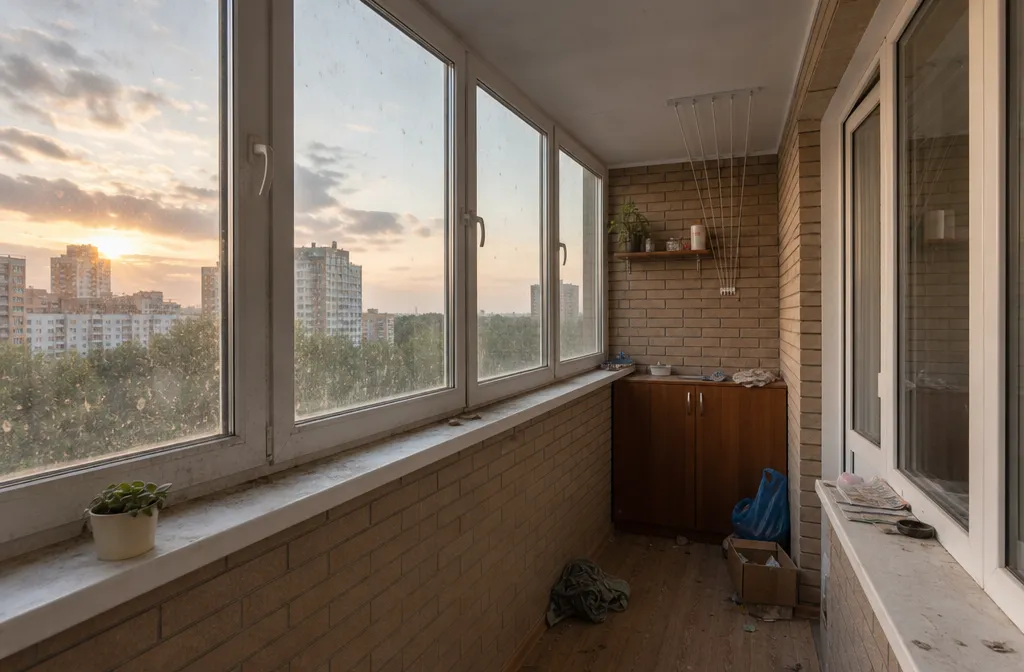
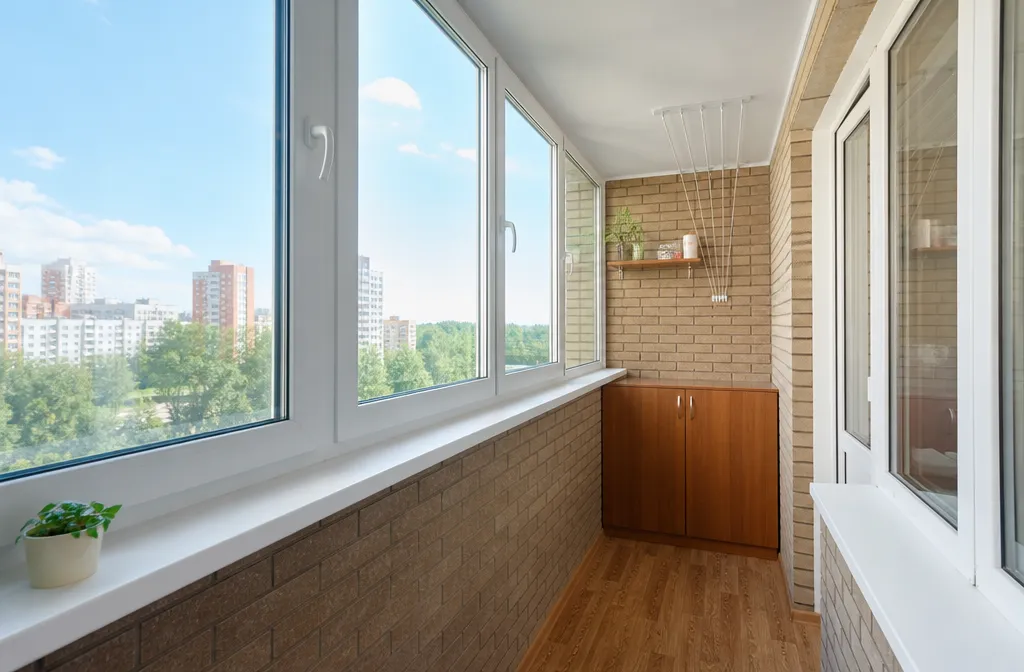 After
After
Request: Panoramic windows have smudges, floor has dust and shoe marks.
Done: We washed windows on both sides, wiped frames and window sills, washed the floor.
Cost: 8 000 ₸
Master: Lyazzat Kassymova, Cleaning Master
Total: Windows are perfectly clear, floor is clean, loggia shines.
 After
After
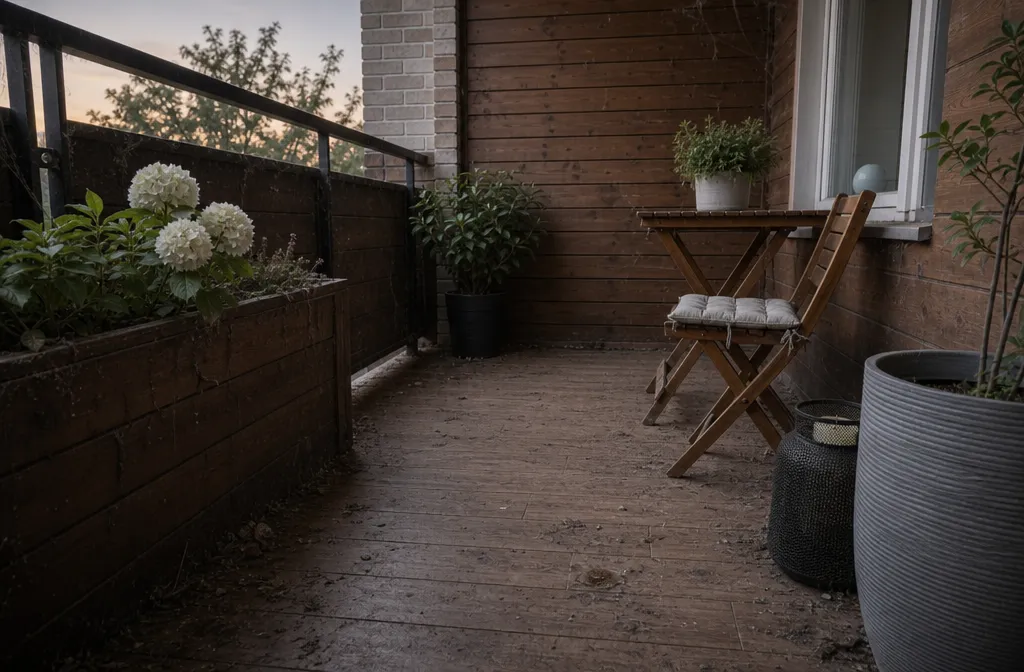
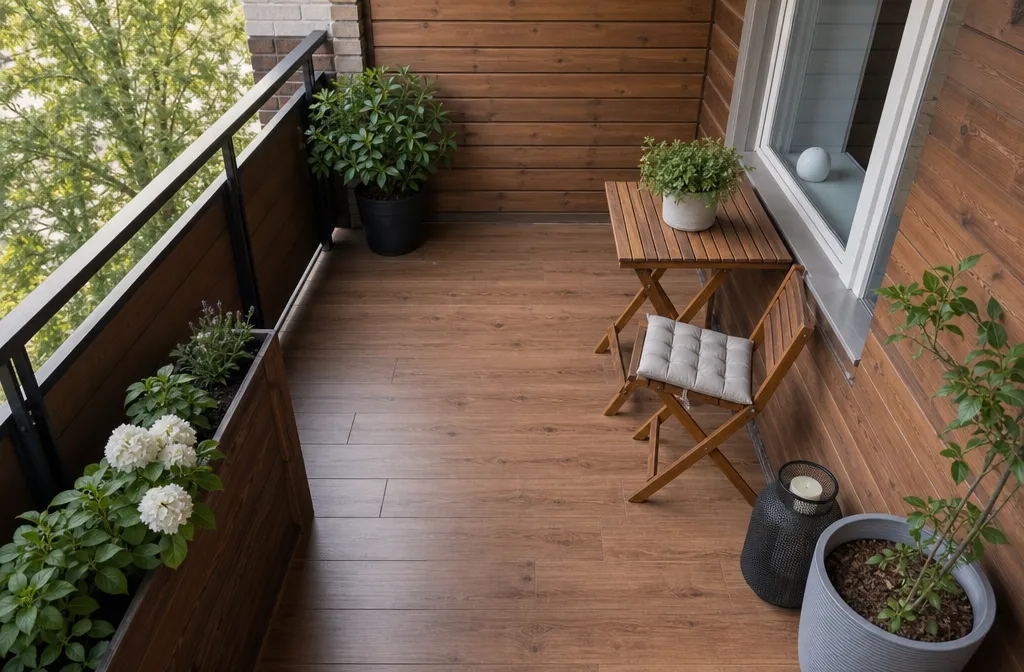
Request: Wooden panels are covered with dust and cobwebs.
Done: We wiped all wooden surfaces with a damp cloth, removed cobwebs.
Cost: 7 000 ₸
Master: Askar Yermekov, Cleaning Master
Total: Wood is cleaned of dust, cobwebs removed, balcony became cozier.
 After
After
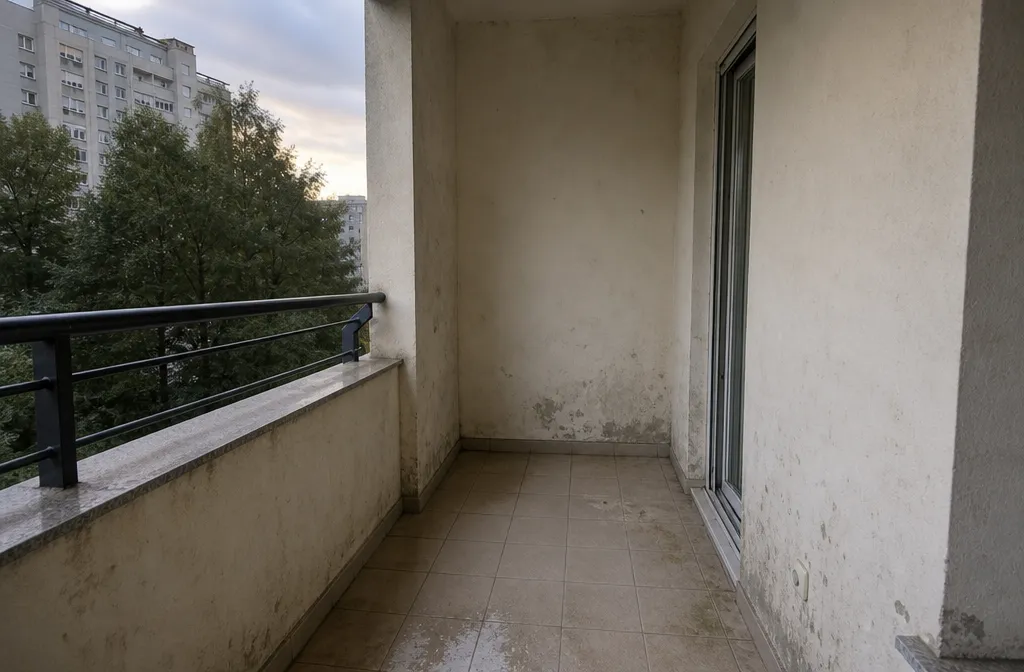
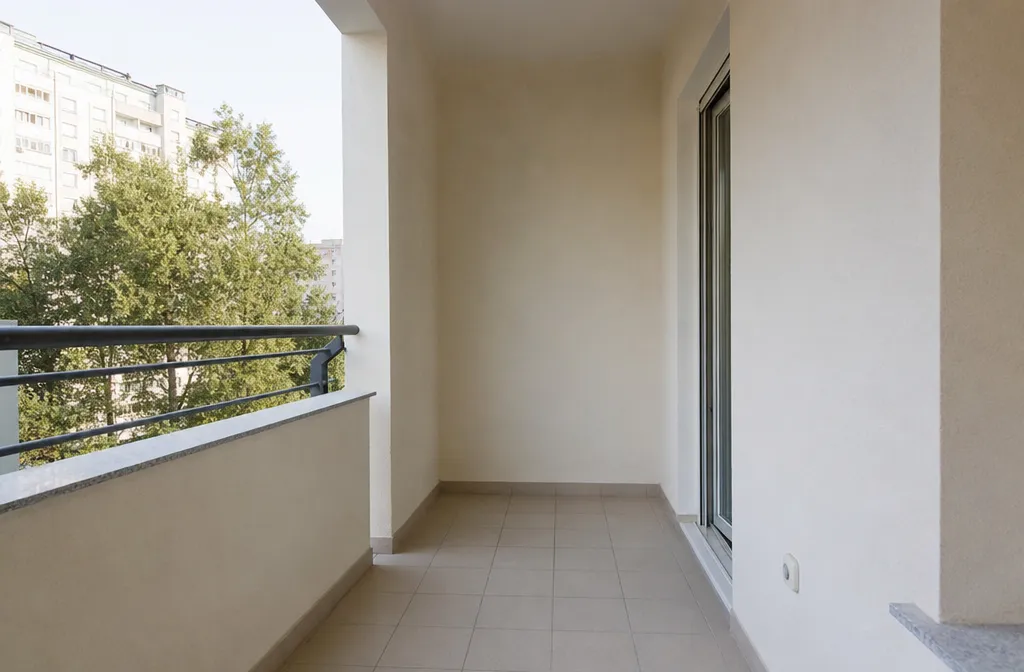
Request: Black mold appeared on balcony walls, needs treatment.
Done: Treated walls with anti-mold solution, removed deposits, dried.
Cost: 11 000 ₸
Master: Gulmira Sabitova, cleaning master
Total: Mold completely removed, walls clean and dry.
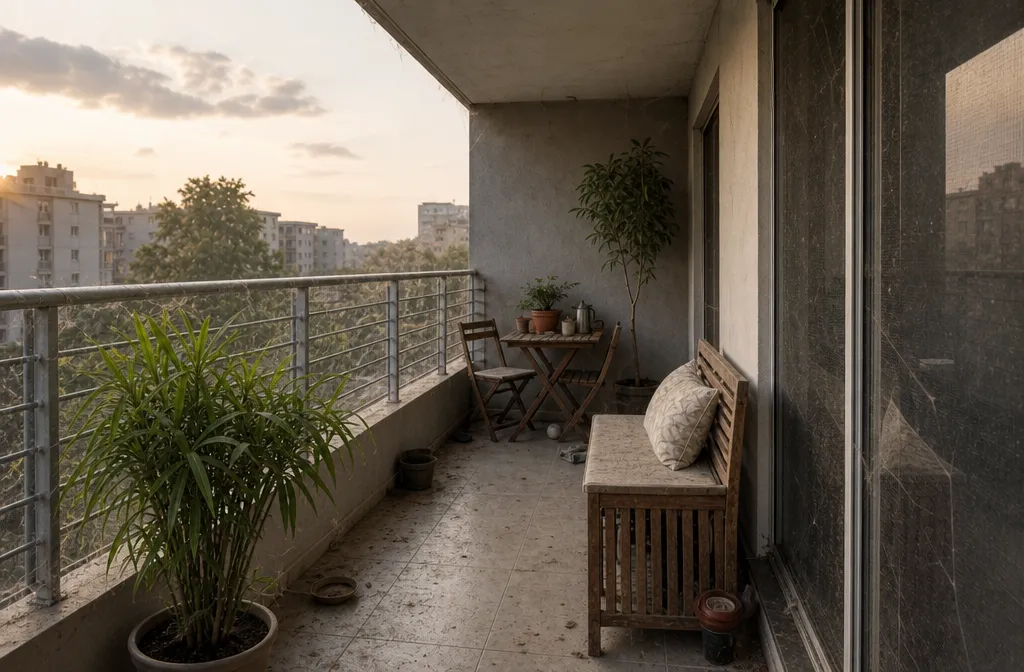
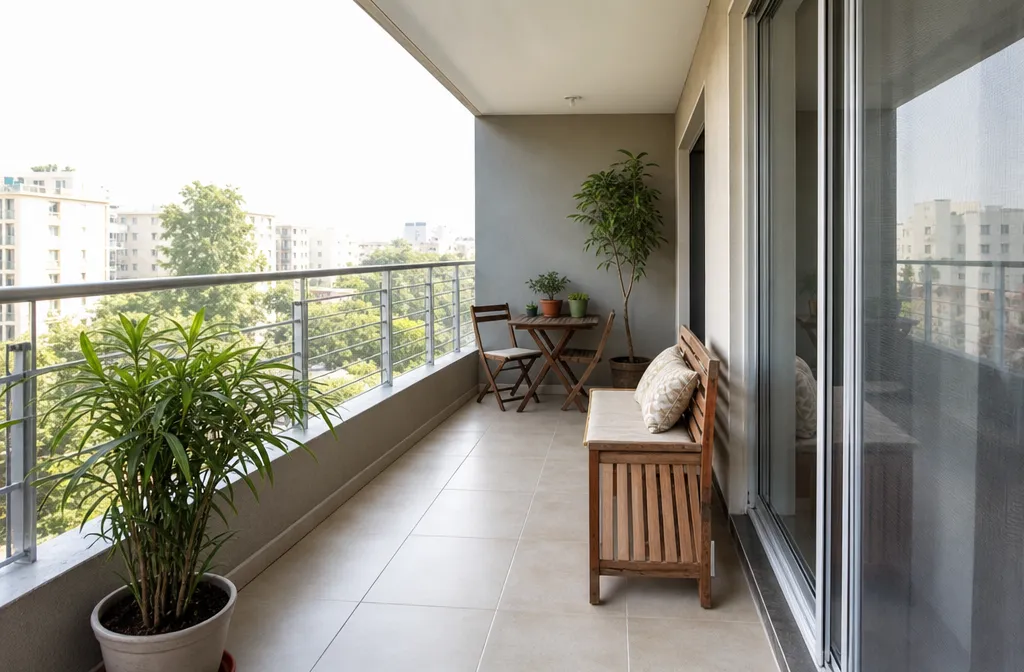 After
After
Request: Balcony blinds covered with thick layer of dust.
Done: Removed blinds, washed each slat, reinstalled.
Cost: 8 000 ₸
Master: Daniyar Aitzhanov, cleaning master
Total: Blinds clean, dust-free, room brighter.
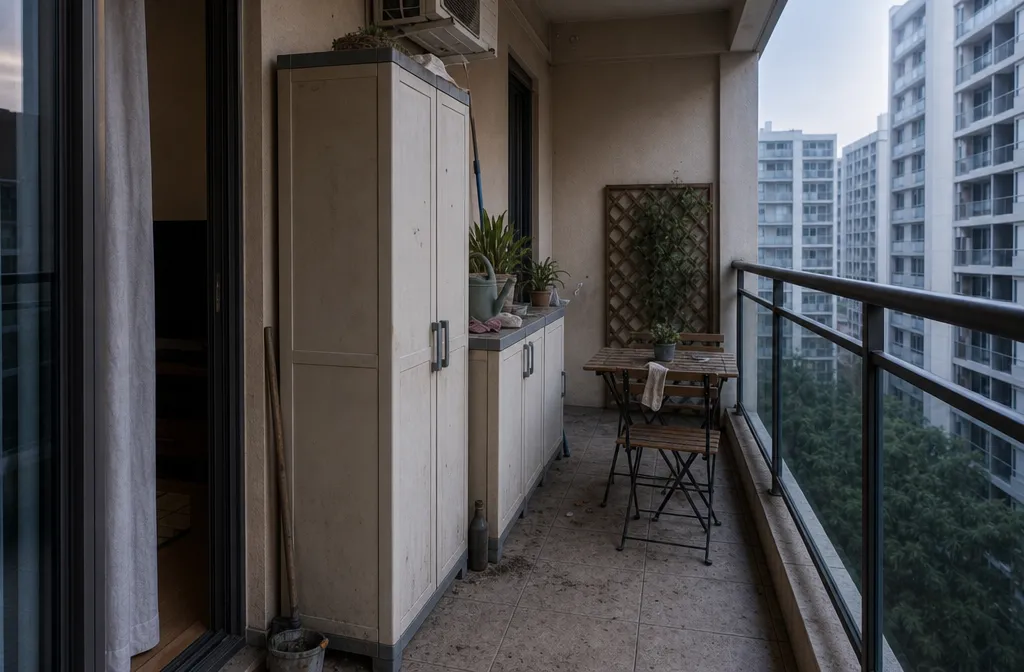
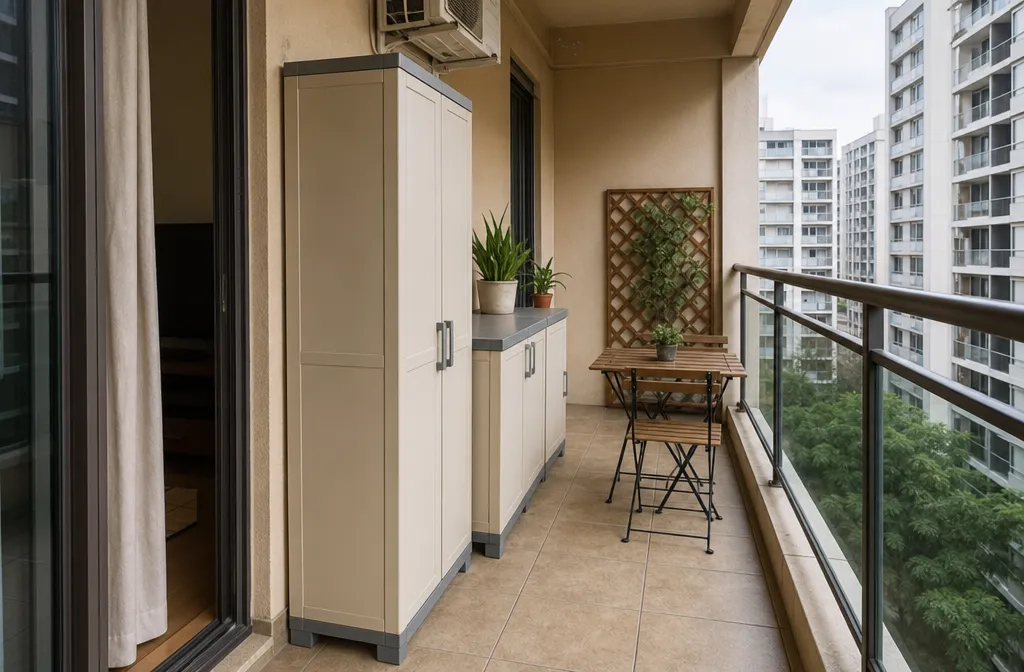 After
After
Request: Dust and old items in balcony cabinets, need cleaning.
Done: Emptied cabinets, wiped shelves and drawers, cleaned fronts.
Cost: 7 000 ₸
Master: Aliya Bekzhanova, cleaning master
Total: Cabinets clean inside and out, items neatly arranged.
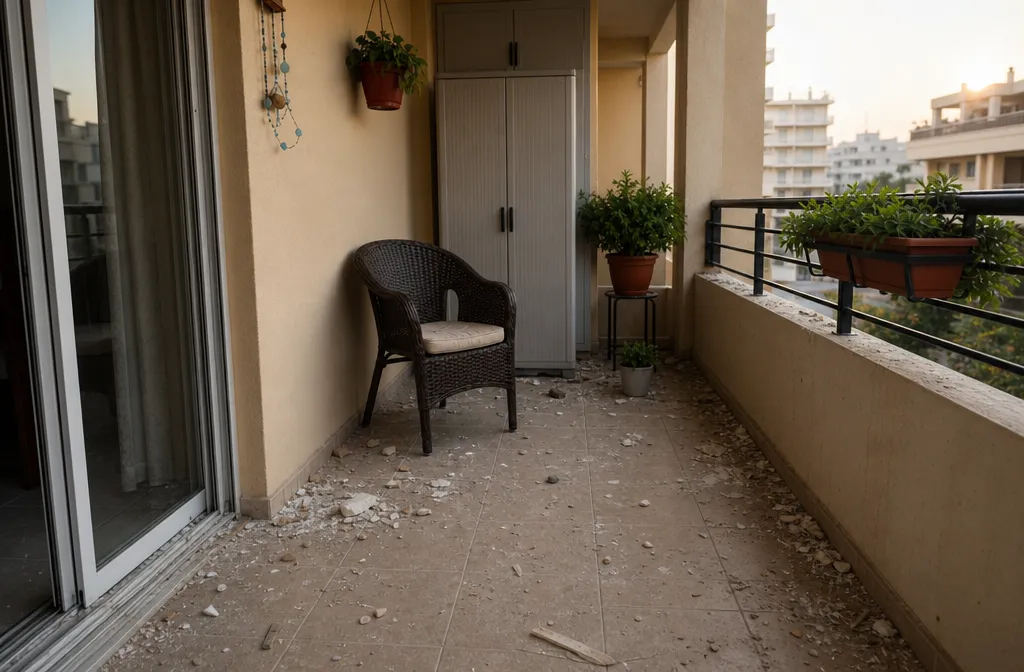
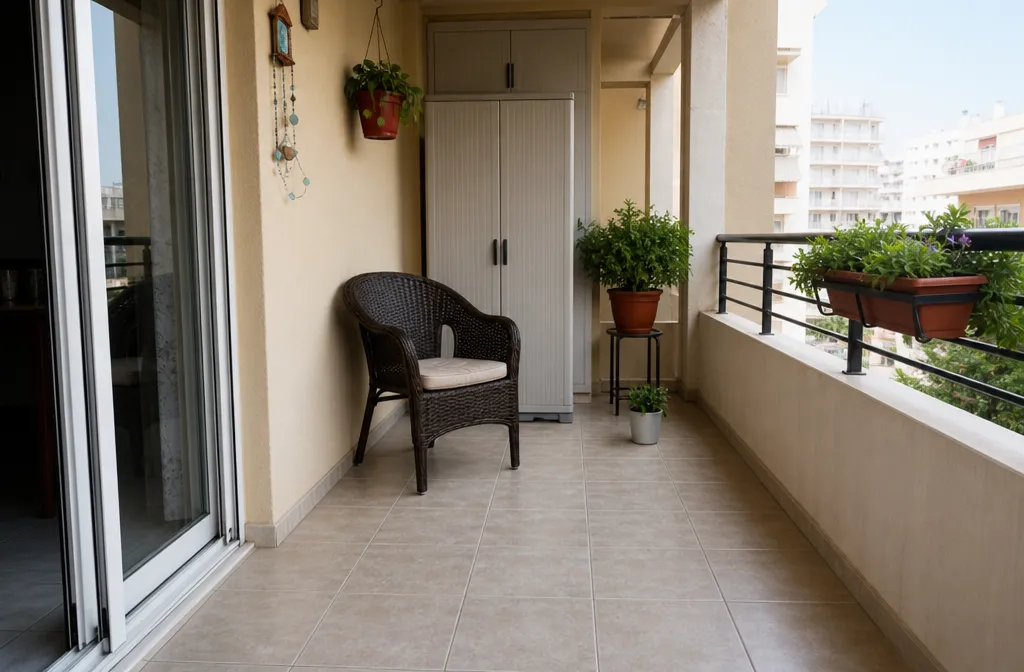 After
After
Request: After renovation, pieces of drywall, dust and debris remain.
Done: Removed all debris, vacuumed construction dust, washed floor.
Cost: 11 000 ₸
Master: Yerzhan Muratov, cleaning master
Total: Balcony completely cleared of debris and dust, clean.
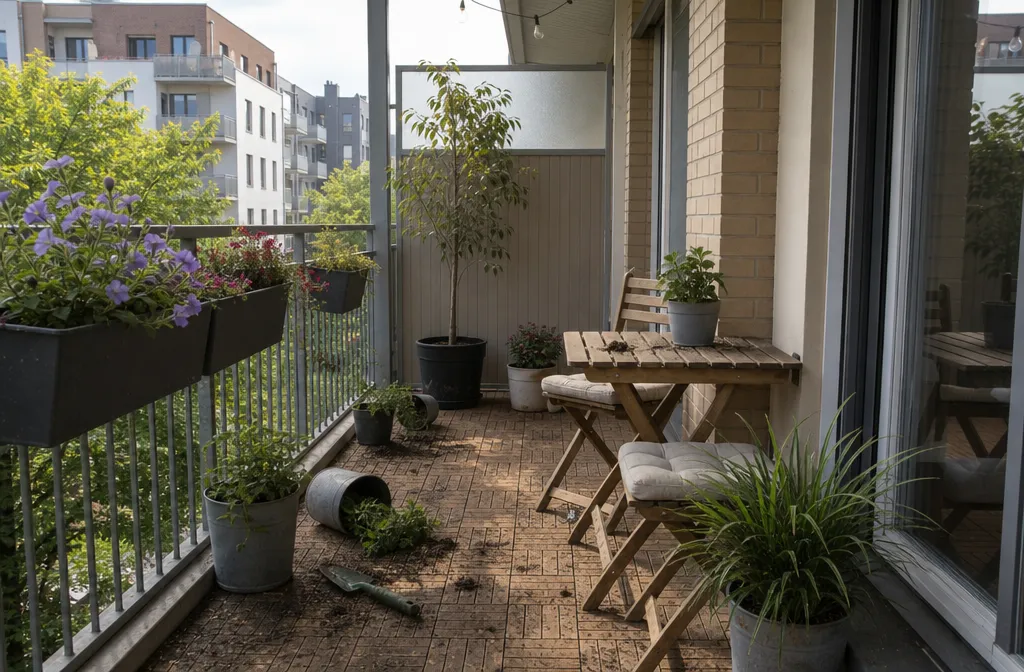
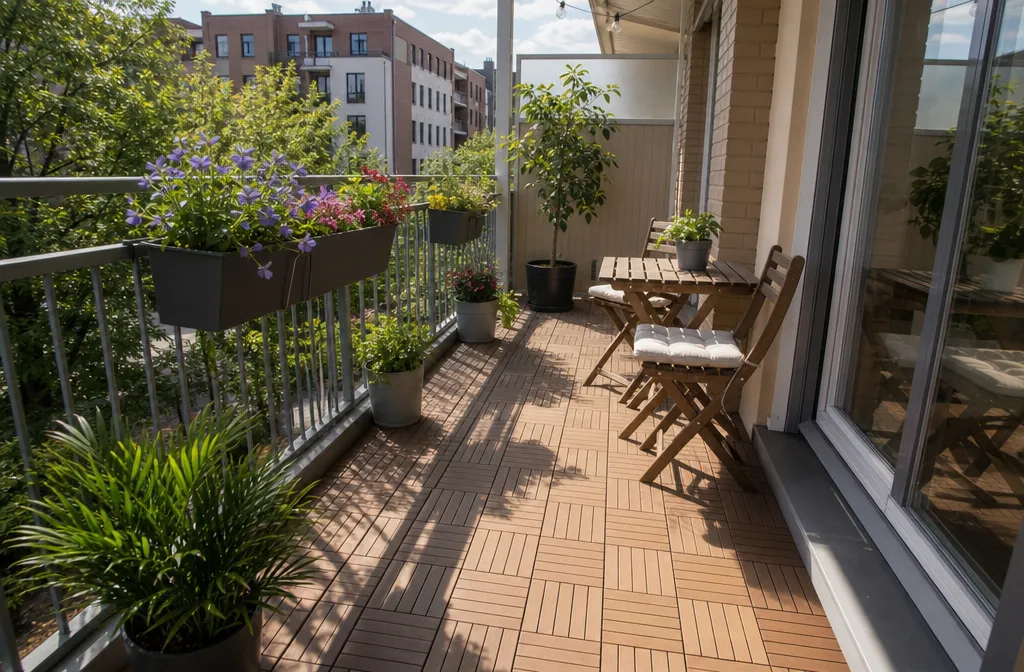 After
After
Request: Many pots on balcony, dust on leaves and floor.
Done: Wiped plant leaves, washed trays and floor, arranged pots.
Cost: 8 000 ₸
Master: Saule Zhumabekova, cleaning master
Total: Plants clean, floor dust-free, balcony fresh and green.
All cleaners are profi-clean staff with training, uniform and security check. Each order has a team leader who controls quality.
Mold on the balcony is not just an aesthetic defect, but a direct threat to health and the integrity of structures. In Almaty, with its humidity fluctuations and frequent precipitation, this problem occurs in every second owner of a glazed loggia. Let’s figure out where the fungus comes from, why home methods don’t work, and how we at profi-clean solve the problem safely for residents and finishes.
The main reason is the dew point. When warm air from the room meets the cold balcony wall, moisture condenses on the surface. In Almaty, this difference is especially noticeable from October to April: +22°C inside, down to −15°C outside. On an improperly insulated loggia, condensation forms every morning. The second factor is stagnant air: sealed double-glazed windows without micro-ventilation create a greenhouse effect. The third is roof leaks on upper floors or poor-quality sealant in the joints. The fourth is groundwater in basement balconies on the first floors. If at least two factors coincide, mold spores germinate within 48–72 hours. In practice, we see that on Almaty balconies, the fungus most often settles in the corners near the outer wall and under the windowsill — where heat loss is maximum.
Microscopic spores of Aspergillus and Penicillium enter the lungs with every breath. In people with asthma or allergies, this causes coughing attacks; in children, it causes chronic rhinitis. Mycotoxins released by black mold (Stachybotrys) accumulate in the body and suppress the immune system. As for finishes: the fungus eats through drywall in 3–4 months, loosens plaster, and destroys the paint coating on wooden frames. In Almaty, we have encountered cases where mold completely destroyed MDF panels on a loggia in six months — the entire cladding had to be replaced. Regular whitewashing or painting over the fungus is useless: spores remain in the pores of the material and germinate again in 2–3 weeks. Therefore, if mold is detected over an area of more than 0.5 m², professional treatment with identification of the moisture source is needed — otherwise, money spent on cosmetic repairs will be wasted.
Bleach and vinegar only kill the surface mycelium, leaving the roots in the material’s thickness. The chlorine in bleach does destroy spores on tiles and glass, but on drywall or unpainted wood, it is useless — water molecules carry the active chlorine deeper, while the fungus remains. Copper sulfate, often recommended online, is toxic to humans and leaves blue stains on light-colored finishes. Hydrogen peroxide only works on smooth surfaces and evaporates in 15–20 minutes. In our practice, there was a case: a client treated their balcony with vinegar once a month, but the mold kept returning to the same panel joints. After our treatment with a fungicide based on quaternary ammonium compounds (Quats) with deep impregnation of the joints, the problem did not return for two years. The difference is that professional compounds don’t just wash away the plaque; they destroy the fungal cell wall at the molecular level and create a protective film for 6–12 months.
Our method is a three-stage treatment with diagnostics of the moisture source. First, the cleaner determines the cause of dampness: using a thermal imager to check for cold bridges, and a moisture meter to check the wall’s humidity level. If the problem is a leak from above, we recommend calling a roofer before treatment — otherwise, the mold will return in a month. In the second stage, we apply the fungicidal concentrate “Antimold Professional” (based on Quats) with a sprayer using a 0.3 mm nozzle — this allows penetration into pores to a depth of up to 2 mm. For wooden frames, we use a water-based antiseptic impregnation without solvents — it doesn’t yellow the coating. The third stage is final protection: we apply a water repellent to the clean, dry surface, which repels moisture and spores. The entire job on a standard balcony of 3–4 m² takes 40–60 minutes. The hypoallergenic chemicals from Kiehl and Sodasan, which we use at all stages, are safe for children and pets — you can return to the room immediately after airing it out for 20 minutes. Before ordering, send photos of the problem areas via WhatsApp — the master will assess the scope of work and advise if preliminary joint sealing is needed.
At first glance, the difference between a balcony and a loggia lies in the concrete slab and glazing. But when it comes to cleaning, these structural nuances dictate fundamentally different approaches to cleaning, safety, and chemical selection. A balcony is an external slab, exposed to precipitation and wind; a loggia is a recess in the facade, protected on three sides. Let’s break down how these features affect cleaning technology, what risk zones each type has, and what is important to consider to avoid damaging the finish and missing hidden dirt.
On an open balcony, the concrete slab experiences constant temperature fluctuations and moisture from rain and snow. When washing the floor on an unglazed balcony, we do not use large amounts of water — it penetrates micro-cracks, freezes in winter, expands them, and destroys the screed. For such surfaces, we use a vacuum cleaner with a HEPA filter and dry cleaning with an antiseptic spray treatment. On a loggia, protected from precipitation, wet cleaning with a microfiber mop can be used — water does not reach the ceiling of the neighbors below and does not destroy the slab. In our practice, there was a case: a client on the 12th floor flooded the neighbors below when washing an open balcony with a bucket — a crack in the tile went through the screed. Therefore, for unglazed balconies, we always use “dry steam” technology with minimal water consumption.
On a loggia, dust accumulates on three vertical surfaces — the side walls and the back wall adjacent to the facade. On a balcony, only on the parapet and the inner side of the railing. At the same time, the balcony parapet most often has a metal or asbestos-cement sheet with corrugations — dust gets clogged into the folds and is blown back out during gusts of wind. We remove this deposit with an industrial vacuum cleaner with a crevice nozzle, and then wipe each corrugation with an antistatic microfiber cloth. On a loggia, the walls are often lined with drywall or plastic — they cannot be rubbed with abrasive sponges, as they leave scratches. We use only soft rags and neutral pH products to avoid damaging the panel lamination.
The balcony ceiling is a concrete floor slab that freezes through in winter. In spring, condensation with black fungus forms on it — these are mold spores that we remove with a steam generator at 120°C, followed by impregnation with a fungicide. On a loggia, the ceiling is part of the apartment’s floor slab, it is warmer, and condensation appears on it less often. But there is another problem here: if people smoke above the loggia, nicotine resin settles on the ceiling — a yellow, sticky coating that cannot be washed off with ordinary water. We treat it with an alcohol solution with the addition of an enzymatic cleaner — it breaks down the resins and removes the odor. On a balcony, this problem is less common due to drafts, but soot from exhaust gases from the street settles on the ceiling, which we also remove with a high-pressure steam generator.
On a balcony, windows face one side — the facade — and are soiled evenly by street dust and exhaust fumes. On a loggia, the glazing is on three sides — the side windows collect dust from the ends of the building, where the wind blows sand and fine debris. The side windows of a loggia get dirtier faster than the central ones and require washing every 2-3 weeks compared to once a month on a balcony. For balconies, we use a two-pass wash: first a squeegee with detergent, then water with an antistatic agent — to keep dust from settling longer. On a loggia, we wash the side windows from the outside only with a telescopic brush and distilled water — regular tap water leaves streaks due to salts that bake into the glass in the sun. Before washing the loggia’s panoramic windows, we always check the seals — if they have dried out, water leaks into the profile and destroys the thermal insulation.
The outer side of the balcony parapet is only accessible from the street — we wash it using an extendable telescopic pole with a curved attachment, working from the balcony itself. The standard parapet height is 110 cm, but if it is a solid concrete wall, moss and green deposits accumulate on it, which we clean off with steam and a biocide additive. On a loggia, the outer side of the railing is part of the building’s facade, and access is only possible through a neighboring apartment or from the roof. If the loggia is above the 5th floor, we do not wash it from the outside without an industrial climber — this is a safety regulation. For such cases, we offer treatment only from the inside using a long pole up to 6 meters, but we cannot guarantee complete removal of moss from the facade side — this is a separate facade cleaning service. On balconies up to the 3rd floor, the outer side can be washed using a garden hose with a spray nozzle, if the courtyard allows.
Construction dust after renovation is the most insidious balcony problem: it settles on all surfaces as a film, which regular wet cleaning turns into dirty streaks. On Almaty balconies, with open windows and constant wind from the mountains, this dust mixes with street dirt and cement particles, embedding itself into plastic, glass, and plaster. Let’s break down which approach actually works and which “folk” methods only ruin the finish.
Cement dust after renovation is not just dirt, but microparticles with sharp edges that form an alkaline environment upon contact with water. If you wipe the balcony with a damp cloth, these particles are not washed away but smeared across the surface, leaving whitish streaks on the glass and a matte film on the plastic window frames. At profi-clean, we’ve encountered situations where clients tried to wash off cement particles with regular window cleaner — after drying, cloudy spots remained on the glass that had to be removed with a professional pH-neutralizing compound. The problem is worse on glazed balconies with PVC profiles: the alkaline reaction corrodes the protective layer of the plastic, and over time, micro-cracks appear where dust gets trapped. Before cleaning construction dust, be sure to wet all surfaces with water from a spray bottle with added citric acid (1 teaspoon per liter) — this neutralizes the alkali and prevents a chemical reaction on the glass and plastic.
For delicate balcony surfaces — double-glazed windows, PVC frames, painted walls, and stretch ceilings — only neutral or mildly alkaline compounds with a pH of 6 to 8, without abrasives or chlorine, are suitable. On the Almaty market, there are good options: the professional Kiehl series for glass (K-47) and the universal Sodasan cleaner for PVC — both are hypoallergenic and leave no streaks when diluted correctly. It is strictly forbidden to use products with ammonia on tinted glass — it destroys the coating, and the window loses its sun protection properties. For painted balcony walls, especially if water-based paint was used, aggressive chemicals with solvents wash out the pigment, leaving light spots that then need to be repainted. In our practice, there was a case: a client treated the balcony walls with an acid-based cement remover — the paint blistered, and we spent two days removing it and repainting. On any surface, first test the compound on an inconspicuous area behind the windowsill or under the drip edge — if no cloudiness or swelling appears within 5 minutes, it can be used on the entire area.
An ordinary vacuum cleaner without a high-grade HEPA filter (H13 or H14) during construction dust cleanup on a balcony releases up to 30% of the finest particles back into the air — they settle again on surfaces, negating all efforts. Cement dust contains particles ranging from 0.1 to 10 microns, which pass through a standard bag or cyclone filter and remain suspended in the air for 2–3 hours, settling on glass, frames, and floors as a film that later causes streaks during wet cleaning. At profi-clean, we use industrial Nilfisk vacuum cleaners with HEPA H14 and a pre-cyclone — they capture 99.995% of particles down to 0.3 microns. If you only have a regular household vacuum cleaner at home, before cleaning construction dust, remove all its standard filters and purchase a disposable HEPA cartridge class H13 — it costs around по запросу tenge at home appliance stores in Almaty (e.g., Sulpak or Mechta) and prevents dust from being blown back out. After dry cleaning with a HEPA vacuum, be sure to wipe all surfaces with a microfiber cloth dampened with a mild soap solution — this removes residual dust that the vacuum might have missed in corners and at window frame joints.
On a balcony after renovation, a strict rule applies: cleaning must be done from top to bottom, otherwise dust from the ceiling and walls settles back onto the already washed floor and windows. First, remove remaining plaster and dust from the ceiling — using a dry cloth or a long-handled brush, then a damp sponge with a neutral cleaner. The second stage is walls and slopes: treat them with a microfiber cloth dampened in a pH-neutralizer solution, moving from top to bottom to prevent dirt from dripping onto already clean areas. Third — windows and window sills: first, use a rubber squeegee to remove major dirt, then a lint-free cloth with a professional glass cleaner (e.g., Kiehl K-47), and finish with a dry microfiber polish. Lastly, wash the floor — two passes: the first with a neutral cleaning agent to remove the cement film, the second with clean water to rinse off chemical residue. On Almaty balconies with open windows, it’s important to take 15–20 minute breaks between stages to allow dust raised during ceiling cleaning to settle — in windy weather, it can circulate longer, and without a pause, you’ll simply spread it across the freshly washed floor.
The balcony is the main dust collector in an Almaty apartment, and for an allergy sufferer, standard cleaning can trigger an attack. Let’s explore why an ordinary broom and all-purpose cleaner aren’t enough, and how professional cleaning with HEPA filtration and hypoallergenic chemicals solves the problem without health risks.
HEPA (High Efficiency Particulate Air) is a fine air purification system that captures up to 99.97% of particles sized 0.3 microns and larger. Unlike a regular vacuum bag, which allows fine dust to escape back into the air, a HEPA filter traps mold spores, plant pollen, micro-particles of cement and plaster, house dust mites, and their waste. In Almaty’s conditions, where dry air and frequent wind erosion bring tons of street dust onto balconies, a HEPA class H13 or H14 ensures that after cleaning, you won’t be breathing the dust stirred up from shelves and frames. In my experience, clients with asthma often complain that they feel worse after regular wet cleaning — precisely because fine dust remains airborne for hours. A HEPA filter solves this: it not only collects dirt but hermetically seals it in the dust container, and when emptying the container, particles don’t escape back out.
Professional hypoallergenic concentrates, such as Kiehl (Germany) and Sodasan (Austria), contain no phosphates, chlorine, ammonia, synthetic fragrances, or dyes. Ordinary “Mr. Proper” or “Belizna” leave volatile organic compounds (VOCs) on surfaces as they evaporate, which irritate the nasal mucosa and bronchi. This is unnoticeable for a person without allergies, but for a sensitive body, it is a trigger for sneezing, watery eyes, and nasal congestion. Our products have a pH of 5.5–6.5, which is neutral for the skin, and a biodegradable formula that rinses off without residue. On a balcony, where items in contact with the skin (pillows, blankets, seasonal storage clothes) are often stored, this is critical: residues of harsh chemicals can cause contact dermatitis. The difference is immediately noticeable — after treatment, there is no sharp “clean smell,” which is actually a cocktail of fragrances masking chemicals.
Almaty is one of the most “blooming” cities in Kazakhstan: in April-May, birch, ash, and poplar fluff pollen flies; in June-July, cereal grasses; in August-September, ragweed and wormwood. On an open balcony or loggia without glazing, pollen settles on all surfaces in a layer that rises back into the air with the slightest breeze. Simply sweeping or wiping with a damp cloth only removes part of it — microparticles remain in the cracks of the frames, between tiles, and in the texture of the plastic. Our technology includes a two-phase treatment: first, dry collection with a HEPA-filter vacuum cleaner (to avoid spreading allergens), then wet cleaning with a hypoallergenic compound that neutralizes the protein structures of pollen at the molecular level. Poplar fluff, which seems harmless, actually carries street dust and mold spores — it must be collected only using a wet method, otherwise it scatters throughout the entire apartment.
The most common mistake is starting cleaning without a respirator and safety glasses. Even if you use hypoallergenic chemicals, the process stirs up the very dust you want to get rid of. The second most common is using a regular vacuum cleaner without a HEPA filter: it sucks up large debris but blows fine particles back out, creating a “dust cloud” effect. The third is washing the balcony walls and ceiling with a hard brush and abrasive cleaning powders (e.g., “Comet”): they scratch the surface and create a micro-relief where dust accumulates even faster. The fourth is neglecting textile treatment: rugs, curtains, covers on balcony furniture are reservoirs for pollen and mites. They should not just be beaten out (this releases allergens into the air) but washed at a temperature of at least 60°C or treated with steam. And finally, the fifth mistake is cleaning in dry, windy weather with open windows: you bring fresh outdoor pollen directly into the room. The best time is after rain or in the evening, when humidity is higher and plant pollination is minimal.
Winter washing of balcony glazing in Almaty is not the same procedure as in summer: the temperature difference inside and outside, the fragility of seals, and the risk of glass cracking dictate a completely different technology. I’ll explain how we at profi-clean work in sub-zero temperatures to avoid leaving streaks and damaging the structure.
Water at temperatures below zero freezes on the glass faster than the cleaner can remove the solution, leaving icy streaks and drips that turn into dirty runs after thawing. We use professional concentrates with a reduced freezing point (down to –25 °C): a composition based on isopropyl alcohol and surfactants does not crystallize, evaporates without a trace, and does not leave a whitish coating on aluminum frames. For Almaty winters with frequent fluctuations from –5 to –15 °C, this is the only working option — a regular glass cleaner from the supermarket creates a “frozen film” effect already at –7 °C. Before washing, we warm the room with a heat gun to +10 °C to prevent profiles and rubber seals from seizing in the cold.
Rubber seals on balcony frames lose their elasticity at –10 °C, become brittle, and crack under rough pressure from a scraper or hard sponge. Our technology: before washing, the seals are treated with silicone spray in an aerosol — it restores rubber flexibility and prevents the sashes from freezing shut. Hardware (hinges, handles, locks) suffers from condensation in winter: warm air from the room meets cold glass, moisture settles on the metal and freezes, blocking the mechanism. We blow out these areas with compressed air and apply water-repellent WD-40 Specialist lubricant to moving parts — this prevents hinges from seizing up until spring. On aluminum profiles in the Medeu district, where winds are stronger and frosts are harsher, we additionally insulate joints with vapor barrier tape — it prevents cold air from reaching the seals.
Pouring hot water (above +40 °C) onto cold glass is the most common mistake during DIY winter washing: thermal shock causes the inner layer of the double-glazed unit to crack, and replacing such a unit costs more than calling a cleaner. At profi-clean, we only work with cold solutions (solution temperature no higher than +25 °C) — we apply them with a microfiber sprayer, not a bucket, to avoid temperature differences. For tempered glass (used in panoramic glazing on Botanichesky Boulevard), this risk is lower, but for standard double-glazed units, it is critical: if the glass is warm on the inside (+20 °C) and –12 °C outside, the temperature difference across the unit reaches 32 °C, and sudden contact with hot water triggers micro-cracks. I recommend clarifying the type of glazing before ordering — for aluminum sliding systems with single glass, we reduce the solution contact time to 10 seconds and immediately wipe it off with a dry cloth.
In winter, humidity on the balcony after washing reaches 90% — if surfaces are not dried, condensation forms on the glass and frames within a day, attracting dust from the outdoor air and negating the cleaning effect. Our final pass: first, a rubber squeegee removes the main moisture, then a lint-free microfiber cloth with an antistatic treatment removes residual moisture and repels dust for 2–3 weeks. For frames and windowsills, we use an industrial hair dryer with adjustable temperature (no higher than +40 °C) to avoid overheating the plastic — in Southeast Almaty, where balconies often face the sunny side, even in winter UV rays heat dark profiles to +15 °C, and additional heating from the hair dryer can deform PVC. After washing, we leave the sashes open by 10 cm for an hour — this equalizes humidity with the room without creating a draft.
The frequency of balcony cleaning depends on its type, glazing, and season — there is no universal schedule, but at profi-clean we have developed clear intervals for Almaty residents based on local weather conditions and typical dust levels.
An open balcony without glazing is the most vulnerable: dust from the Medeu highway, poplar fluff in May–June, and precipitation settle on the floor and railings within days. In our practice, cleaning every two weeks prevents the formation of plaque that eats into paint or tiles. In winter, the interval can be increased to a month — snow and frost slow down dirt accumulation, but after a thaw, be sure to wash the floor and railings to prevent salt reagents from roads from corroding concrete. On open balconies without a canopy, check the drainage holes after every downpour — clogged leaves trap water, and mold on the walls appears within 3–4 days.
Glazing reduces the influx of street dust by 60–70%, but the balcony still remains a buffer zone: fine particulate matter is drawn in through micro-gaps in the frames and ventilation gaps — especially on windy days, of which there are about 40 per year in Almaty. We recommend wet cleaning once a month and a deep clean every six months, in spring and autumn. Spring cleaning washes away the winter soot deposit from stove heating in the private sector (noticeable on windowsills in southern microdistricts), while autumn cleaning prepares the balcony for cold weather: it removes pollen and mold spores that become active when windows are closed. If you have a storage system on the balcony, wipe the back walls of cabinets once a quarter — condensation accumulates there, and mold appears on wooden panels unnoticed within 2–3 weeks.
When a balcony is used as a storage area — old items, building materials, seasonal tires — dust accumulates 2–3 times faster than on an empty one. Wet cleaning once a month is mandatory, but without sorting through the clutter, it is ineffective: moisture settles on bags and boxes, creating an environment for mold. We advise sorting through the contents once a quarter: throw away empty boxes, raise items 5–7 cm off the floor on pallets — this ensures ventilation and reduces humidity by 10–15%. In Almaty, where humidity rises to 65–70% in spring, cardboard boxes on the balcony become covered in mold within a month without ventilation — replace them with plastic containers with lids, which will double the lifespan of your items.
Renovation on the balcony or in an adjacent room leaves micro-particles of cement, gypsum, and paint — they settle on all surfaces as a film that a regular cloth cannot remove. If construction dust is not cleaned within 3–5 days, it mixes with household dirt and gets embedded in the pores of plastic and wood, after which it can only be removed with a professional HEPA-filter vacuum cleaner. We had a case: a client postponed cleaning the balcony for two weeks after painting the walls in the living room — particles of acrylic paint hardened on the double-glazed windows, and two panes had to be replaced because the chemical for removing the residue damaged the tinting. After any renovation, wash the balcony immediately, including the slopes and windowsill — that is where up to 80% of construction dust settles.
Ordered balcony cleaning – they washed the door from soot, it became bright.
Glad you liked the result!
They took out piles of garbage, now the balcony is like new. Thank you!
Had balcony cleaning, the glass shines, but the corner under the windowsill was slightly missed.
We apologize, we will take note of the comment.
The terrace was cleaned of moss, the boards became light. Pleasant to go out.
The balcony cleaning was quick, they removed the old sofa. Very clean.
Thank you for your feedback, come again!
We ordered balcony cleaning, but the shelves were wiped carelessly, dust remained.
Sorry, we will review our mistakes.
The windows on the balcony were washed perfectly, no streaks.
The balcony cleaning included mopping the floors – now you can walk barefoot.
Great, glad you liked it!
The ceiling on the loggia was washed from soot, it became fresh. Only one scratch on the wall remained.
We apologize, we will compensate on your next order.
Very satisfied with the balcony cleaning – everything shines, even old stains were removed.
They sorted out the pile of boxes, wiped the dust. A lot of space freed up.
Happy to help with the order!
I ordered balcony cleaning with blind cleaning – they look like new.
The walls on the balcony were washed, but there are still streaks in some places. Overall good.
We will try to be more attentive.
Cleaning a balcony-workshop – tools were put away, floor swept. Super!
After renovation, the balcony was dusty – we put it in order in a couple of hours.
Thank you for choosing us!
We cleaned the balcony, removed all cobwebs, now it's not scary to open the window.
Balcony cleaning is good, but they arrived an hour late. Ruined plans.
Sorry for the delay, we will try to be punctual.
Removed dry leaves from the balcony, wiped the planters. Beautiful!
I ordered cleaning of the balcony-storage room – things were sorted, shelves wiped. Order.
Great, glad everything worked out!
We cleaned the tiles from mold, the smell is gone. But the corner of the tile was chipped.
We apologize, we are ready to compensate for the damage.
Balcony cleaning included washing the lamp – it started shining brighter.
Removed old things, now you can sit on the balcony with tea.
We cleaned the balcony, especially liked that the doorway was washed to a shine.
Thank you for your kind words!
They cleaned the outside of the balcony and wiped the air conditioner too. But dust remained inside.
Sorry, we'll be more thorough.
I ordered a balcony cleaning with plants – they wiped the pots and washed the floor. The flowers are happy.
There is a table on the balcony – they cleaned off the paint, now I can work.
Great, glad it came in handy!
The balcony cleaning was ok, but they left a dirty rag on the floor.
We apologize, we are strengthening quality control.
We cleaned the balcony where people smoke – removed the smell, washed the ashtrays.
The tiles on the balcony were washed to a shine, like new.
Balcony cleaning with a vacuum cleaner – they cleaned the crevices, but forgot one corner.
Sorry, we'll be more attentive.
I ordered a cleaning of the balcony gym – they wiped the mats and washed the mirrors.
Glad the gym is now clean!
The balcony window was cleaned on both sides, even the grille was wiped.
Balcony cleaning after winter – the dirt thawed, everything was washed clean like spring.
Thank you for your feedback!
We unpacked boxes, threw out trash. But the floor wasn't mopped, had to do it ourselves.
Sorry, we'll fix it.
Yes, we offer exterior balcony washing as an additional service. We use telescopic mops and safe cleaning agents to clean the outer side of the glazing and facade.
On average, regular cleaning takes 1-2 hours, deep cleaning 2-3 hours, and post-renovation cleaning up to 4 hours. Time depends on the area and level of dirt.
Yes, we accept orders for cleaning a separate balcony or loggia. The minimum order cost is 7000 tenge.
Just clear surfaces of personal items, flowers, and fragile objects. If there are valuables, put them in a safe place.
Yes, we clean blinds and roller shutters: dust and wet-clean each slat. This is included in deep cleaning or as an additional service.
We accept cash, Kaspi Gold, Halyk Bank, and card transfers. Payment is made after the work is done.
Yes, we offer a 24-hour guarantee: if you notice streaks or missed spots, we will redo them for free.
We use organic Sodasan products and professional Kiehl chemicals, which are safe when used correctly. No harmful fumes remain after cleaning.
We work in Almaty and suburbs within 30 km from the center. For remote areas, there may be an extra travel fee.
Removal of construction dust, cement splashes, paint and glue marks. We wash windows, floor, walls, ceiling, and treat mold. Everything to a move-in ready condition.
Tell us about your experience with profi-clean — it helps other clients and us improve.
We currently operate in Almaty. Other cities are coming soon.