Assessment of scope
We inspect the premises, create a cleaning plan, prepare equipment and products. We take into account the type of surfaces and degree of soiling.
Professional office cleaning of any size in Almaty. We work from 8:00 to 20:00, same-day dispatch.
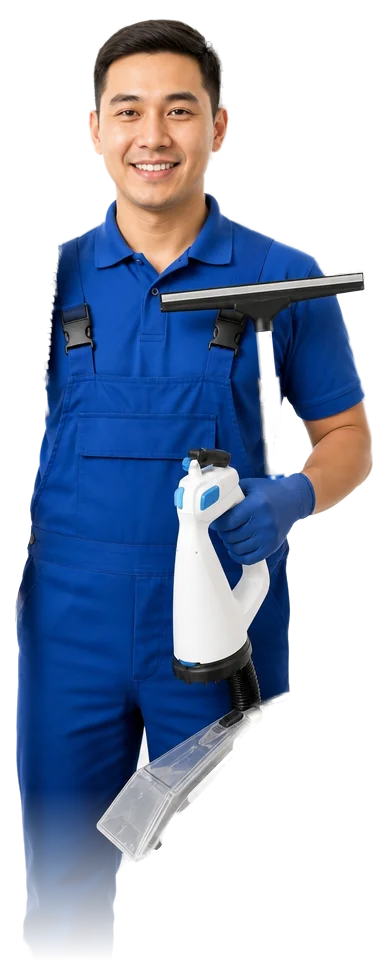
We work with any types and materials
Cleaning of large open-plan spaces using Nilfisk HEPA vacuums.
from 15,000 ₸Thorough cleaning of offices with upholstered furniture cleaning and wooden surface polishing.
from 15,000 ₸Meeting room cleaning with window washing and table disinfection.
from 15,000 ₸Reception area cleaning with counter cleaning and display case washing.
from 13,000 ₸Disinfection of kitchen surfaces, floor washing, and trash removal.
from 18,000 ₸Deep disinfection of restrooms with Kiehl antibacterial products.
from 19,000 ₸Corridor cleaning with floor washing and wall wiping.
from 13,500 ₸Warehouse cleaning with dusting of shelves.
from 12,000 ₸Dusting of server equipment and floors with special products.
from 15,000 ₸Archive cleaning with dust removal from shelves and documents.
from 15,000 ₸Break room cleaning with upholstered furniture cleaning and window washing.
from 15,000 ₸Disinfection of exercise equipment and floor cleaning with antibacterial products.
from 15,000 ₸From inspection to result with guarantee
We inspect the premises, create a cleaning plan, prepare equipment and products. We take into account the type of surfaces and degree of soiling.
We collect and remove trash from bins, empty urns, and replace liners. We use heavy-duty bags to prevent leaks.
We wipe all horizontal surfaces (tables, windowsills, shelves) with microfiber. We use anti-static agents to reduce dust settling.
Wet cleaning of all types of flooring (laminate, tile, linoleum) using neutral detergents. We use a two-bucket system for hygiene.
Extraction cleaning using a rotary machine and shampoo. We remove deep dirt and stains. If necessary, we use stain removers.
Streak-free cleaning of windows and mirrors using a squeegee and special solution. We clean frames and sills. We use glass shine products.
Treatment of sinks, toilets, faucets, and countertops in bathrooms and kitchen with antibacterial agents. We use Kiehl products for maximum protection.
We check the cleaning quality, fix any issues, and sign the completion certificate. You can point out any concerns — we'll correct them on the spot.
We use professional Kiehl (Germany) and Sodasan (organic) products — they are safe for people and animals. They do not cause allergies and leave no harmful residues. Ideal for offices with children or pets.
We use Nilfisk (Denmark) HEPA vacuums that capture 99.97% of allergens and dust. This is especially important for offices with allergy sufferers. The air becomes 10 times cleaner.
We clean carpets with the Karcher Puzzi 10.8 extractor — deep cleaning without chemical residues. Removes stains and odors, extends carpet life. Results visible immediately.
All specialists are in-house employees with medical records and at least 2 years of experience. They undergo regular training and certification. Each knows how to clean different surface types without damage.
We offer a quality guarantee: if anything is unsatisfactory, we will redo it for free within 24 hours. You can inspect the cleaning and point out any issues. We will fix them promptly.
We work without days off or holidays — we can come at any convenient time. Same-day dispatch if specialists are available. Weekend cleaning — no extra charge.
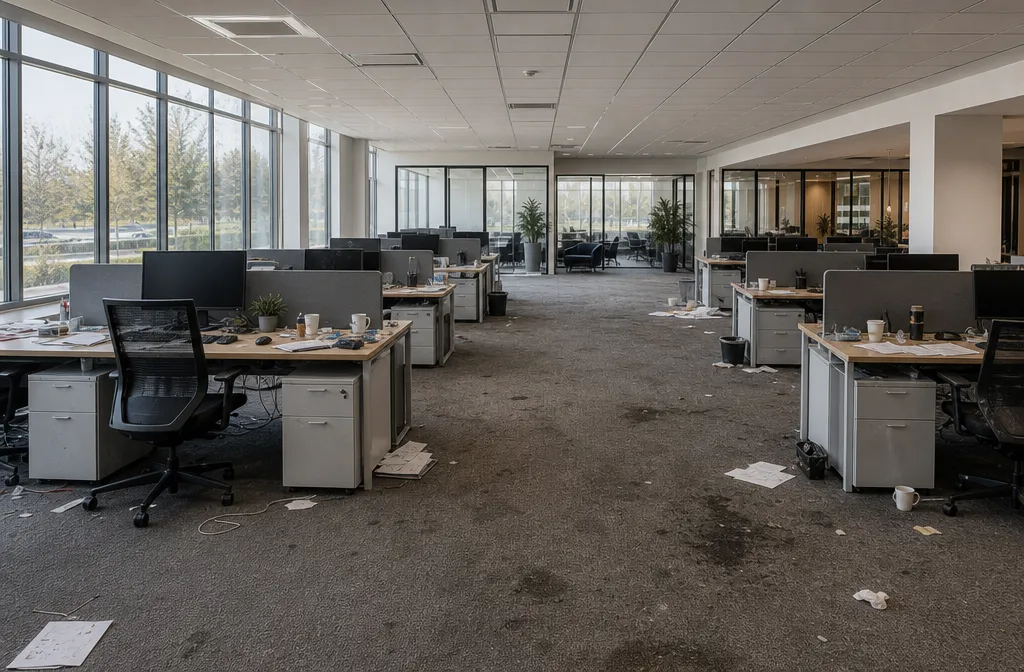
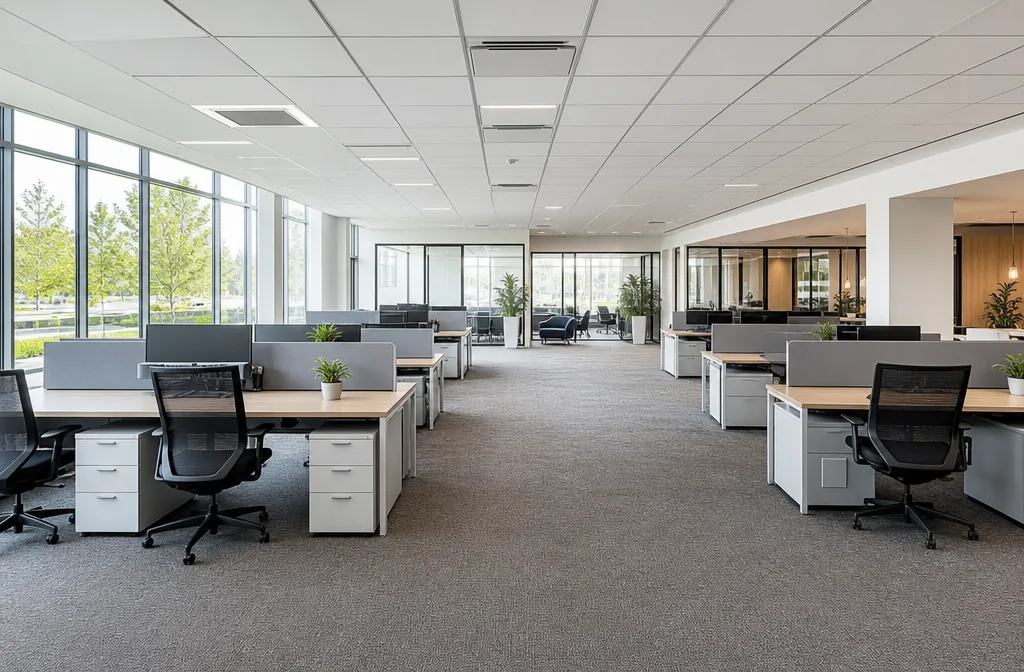 After
After
Request: A deep cleaning of a large open space office after renovation was required.
Done: We performed wet cleaning of all surfaces, washed floors and windows, vacuumed carpet.
Cost: 15 000 ₸
Master: Aigul Serikova, Comprehensive Cleaning Master
Total: The office is clean and fresh, employees returned to a comfortable atmosphere.
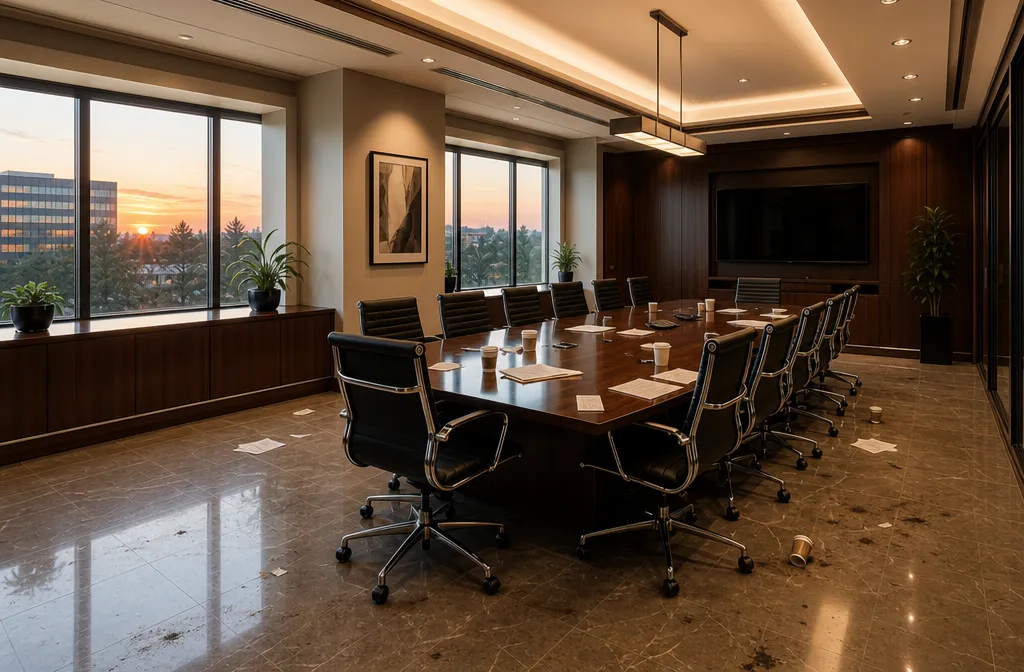
 After
After
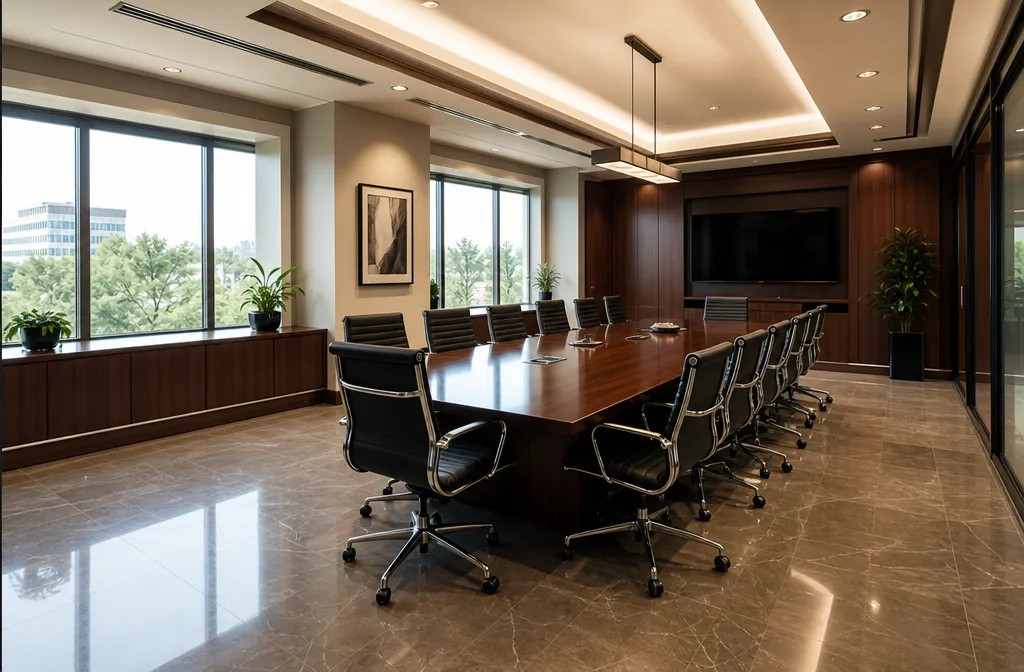
Request: The conference room needed to be tidied up after a meeting.
Done: We cleaned the table, chairs, board, vacuumed the carpet, and washed the floor.
Cost: 16 000 ₸
Master: Marat Nurgaliyev, Cleaning Master
Total: The room shines with cleanliness, ready for new meetings and negotiations.
 After
After
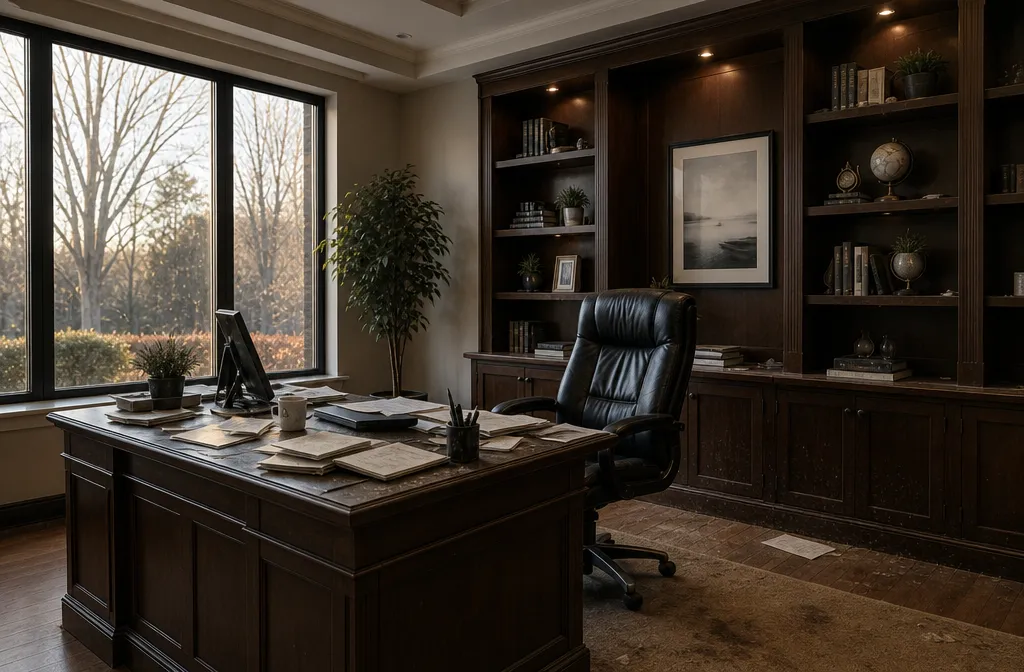
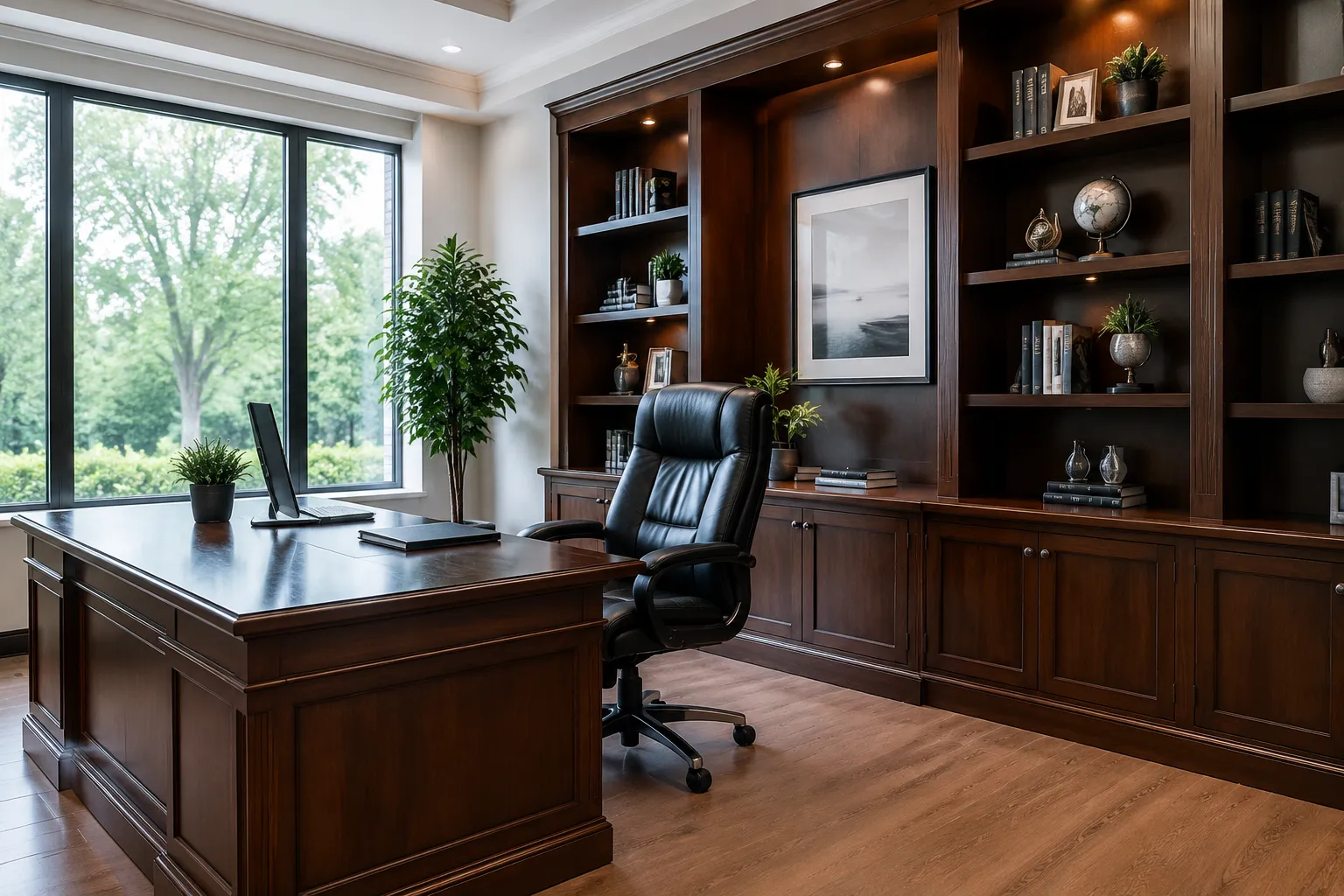
Request: The executive requested a thorough cleaning of the office, including furniture.
Done: We dusted, washed the floor, cleaned the leather chair and desk.
Cost: 17 000 ₸
Master: Zhanat Bektasov, Senior Master
Total: The office looks presentable, creating a professional image for the company.
 After
After
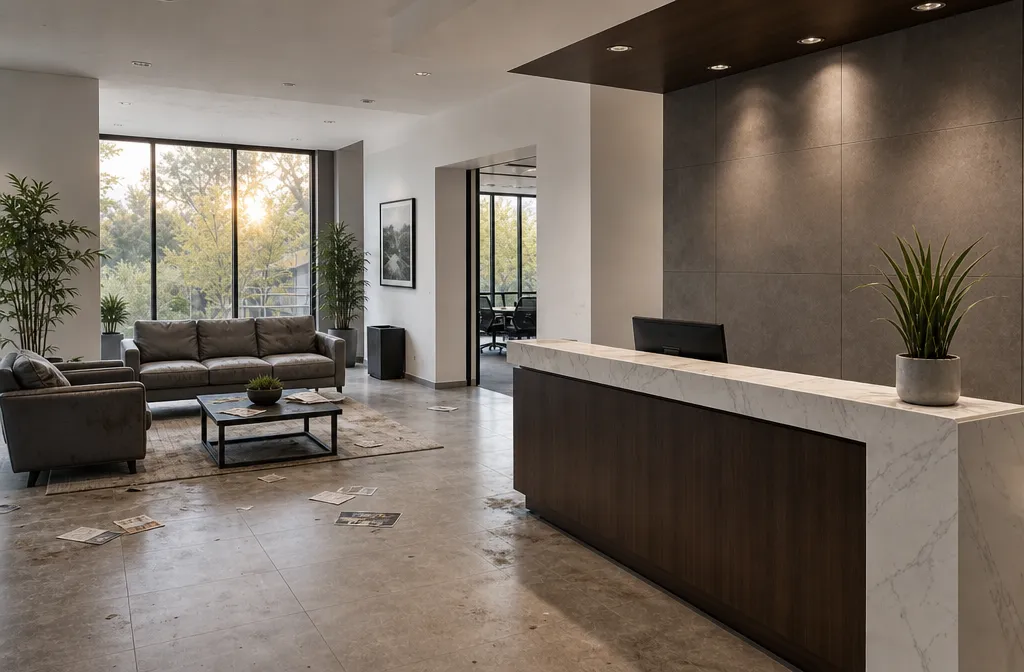
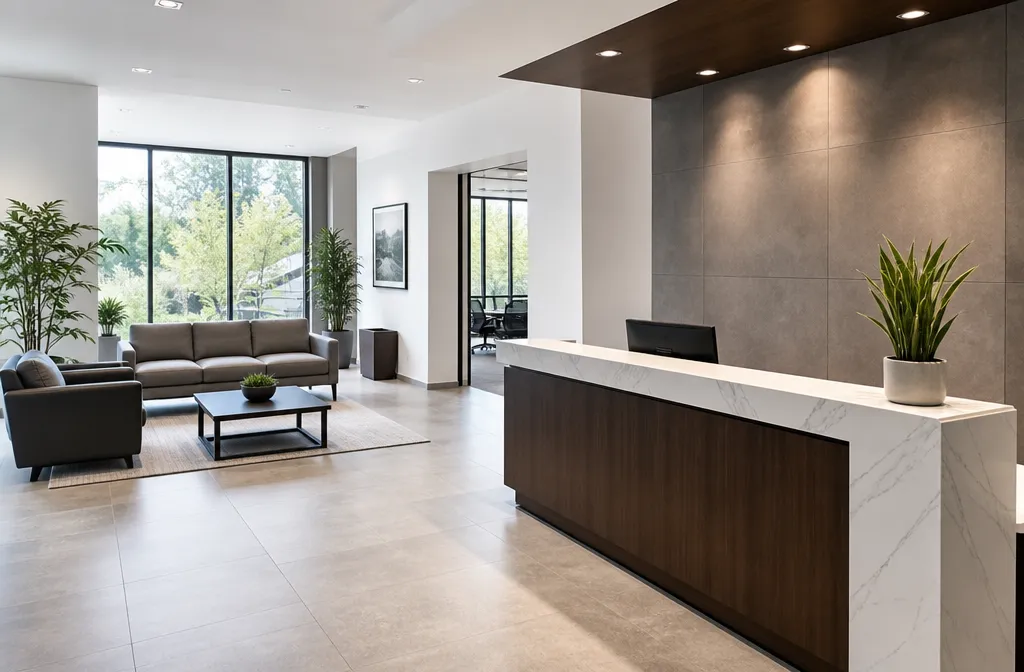
Request: Cleaning of the reception area was required for welcoming important guests.
Done: We cleaned the desk, floor, sofa, carpet, and wiped the plants.
Cost: 16 000 ₸
Master: Aliya Kaliyeva, Cleaning Master
Total: The guest reception area is impeccably clean and cozy.
 After
After
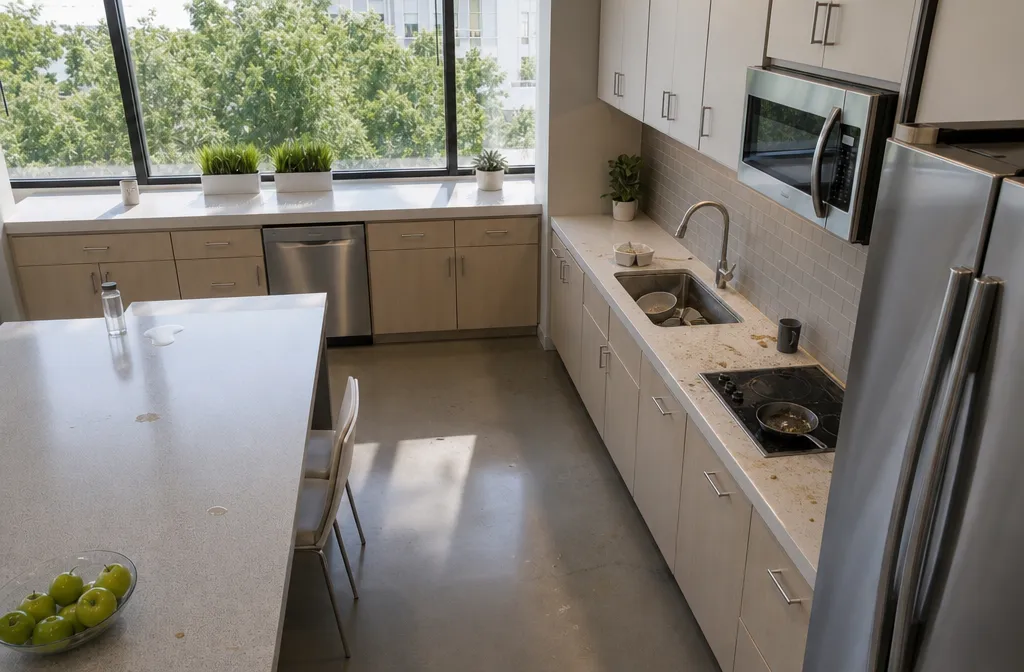
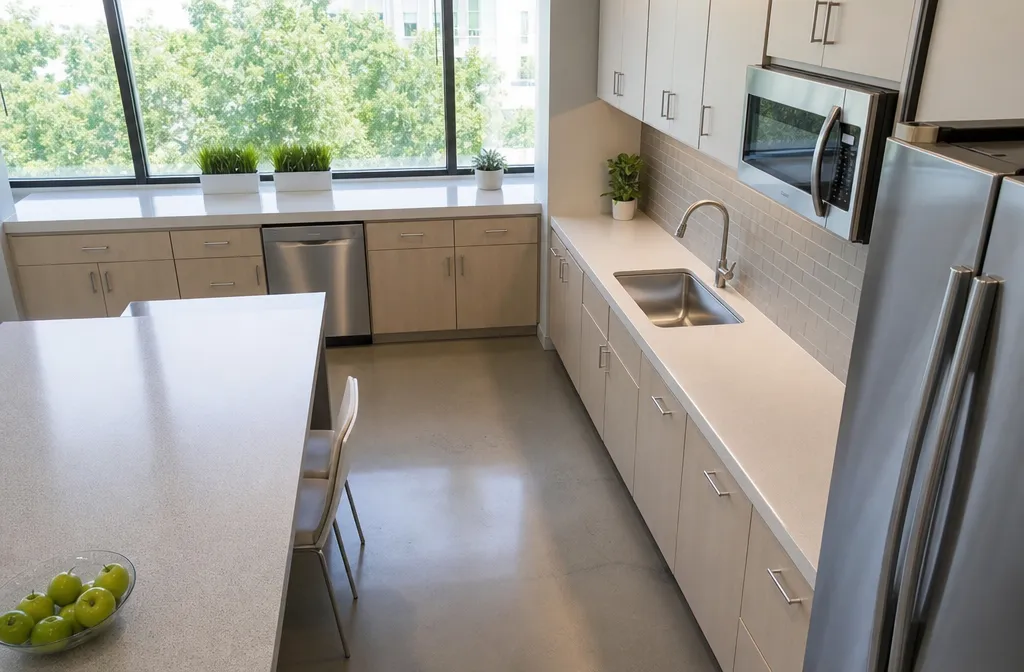
Request: The kitchen was dirty due to frequent use, needed deep cleaning.
Done: We cleaned the stove, sink, countertops, microwave, and floor, took out the trash.
Cost: 17 000 ₸
Master: Damir Sagintayev, Cleaning Master
Total: The kitchen is clean, free of grease and odors, pleasant to use.
 After
After
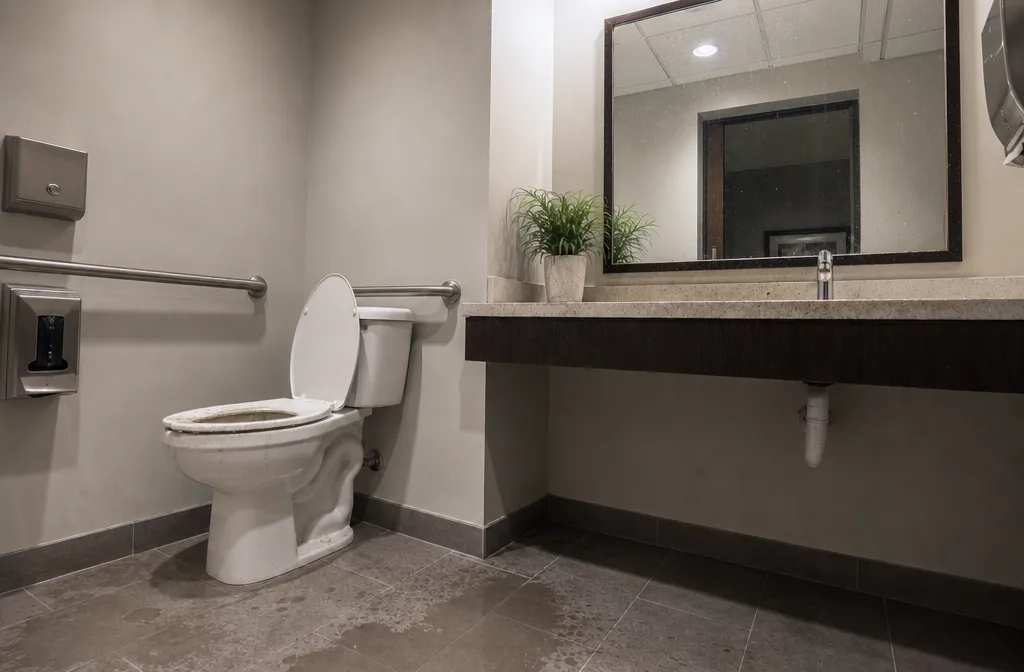
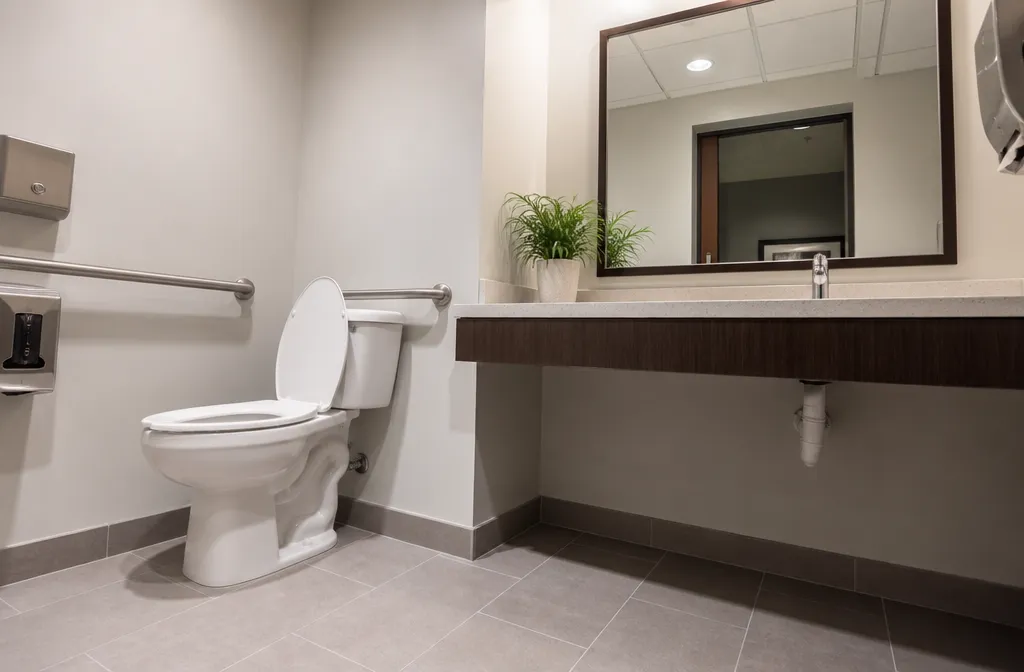
Request: The office toilet needed disinfection and scale removal.
Done: We cleaned the toilet, sink, mirror, floor, walls, and disinfected surfaces.
Cost: 17 000 ₸
Master: Gulmira Temirova, cleaning master
Total: The bathroom is completely clean, without streaks or unpleasant odors.
 After
After
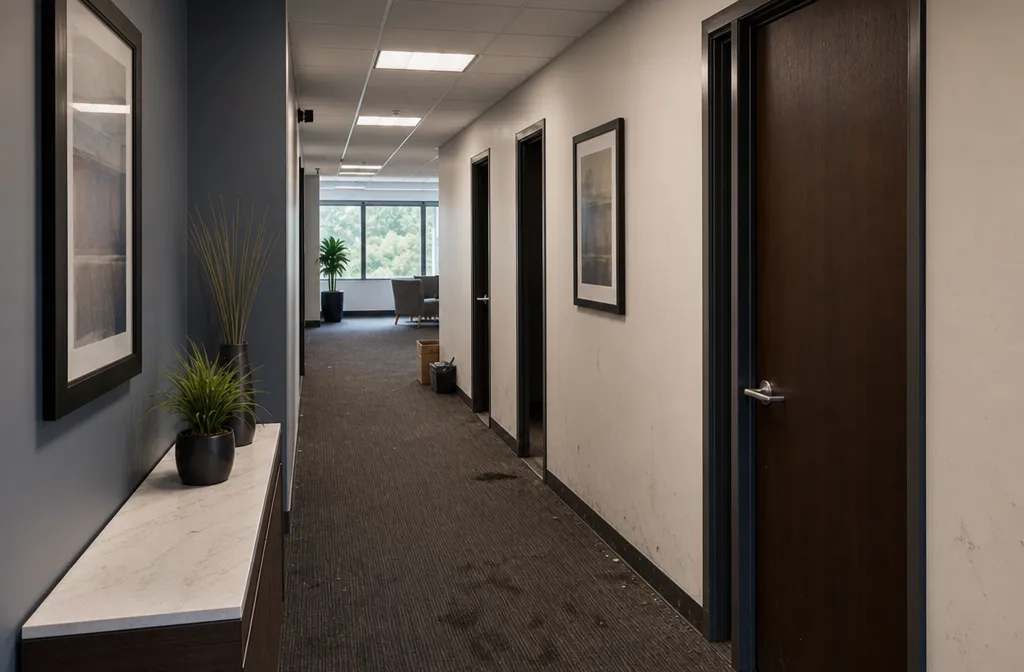
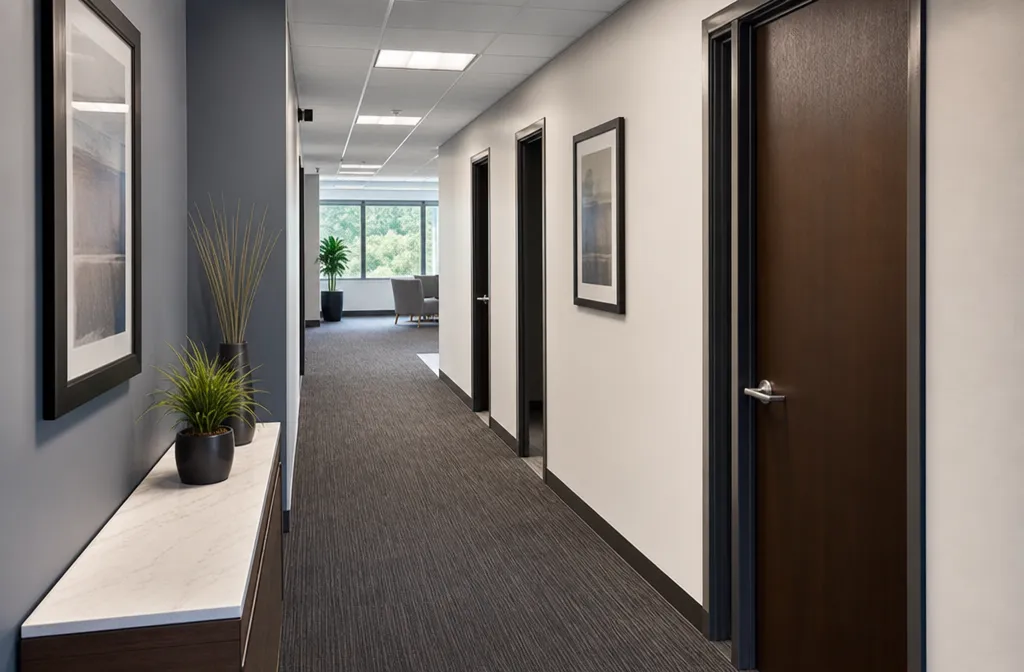
Request: The hallway was dusty and required wet cleaning of the floor and walls.
Done: We washed the floor, wiped the walls, doors, baseboards, and vacuumed the carpet runner.
Cost: 16 000 ₸
Master: Yermek Abdrakhmanov, cleaning master
Total: The hallway became bright and clean, improving the overall impression.
 After
After
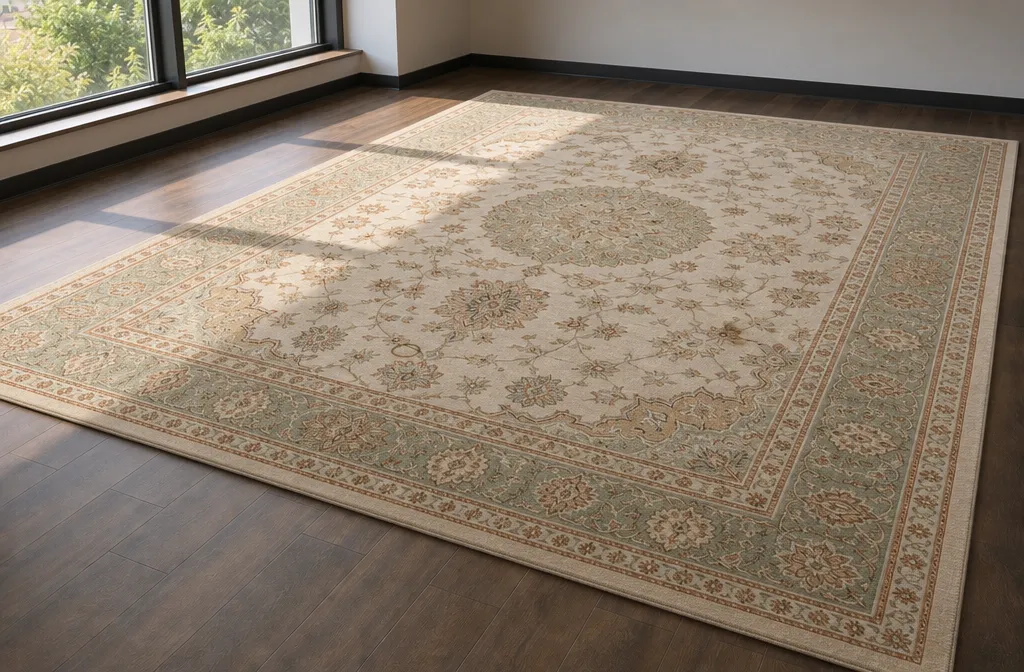
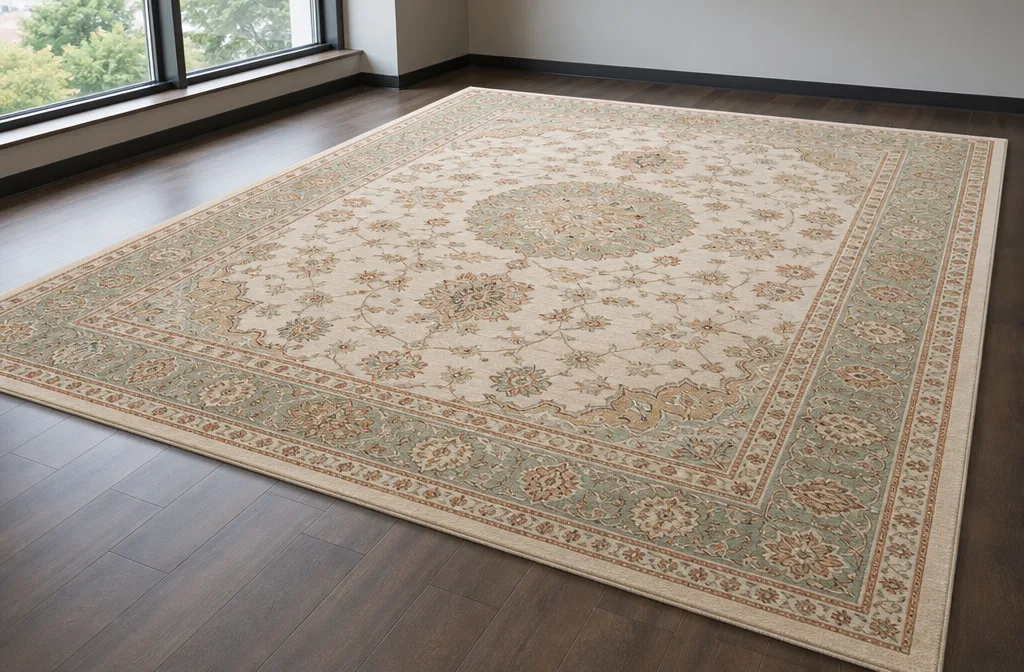
Request: The carpet in the meeting room had stains and required professional cleaning.
Done: We performed dry cleaning of the carpet using an extractor and shampoo.
Cost: 15 000 ₸
Master: Timur Zhaksybekov, dry cleaning master
Total: The carpet is completely cleaned of stains, the pile is refreshed, no musty smell.
 After
After
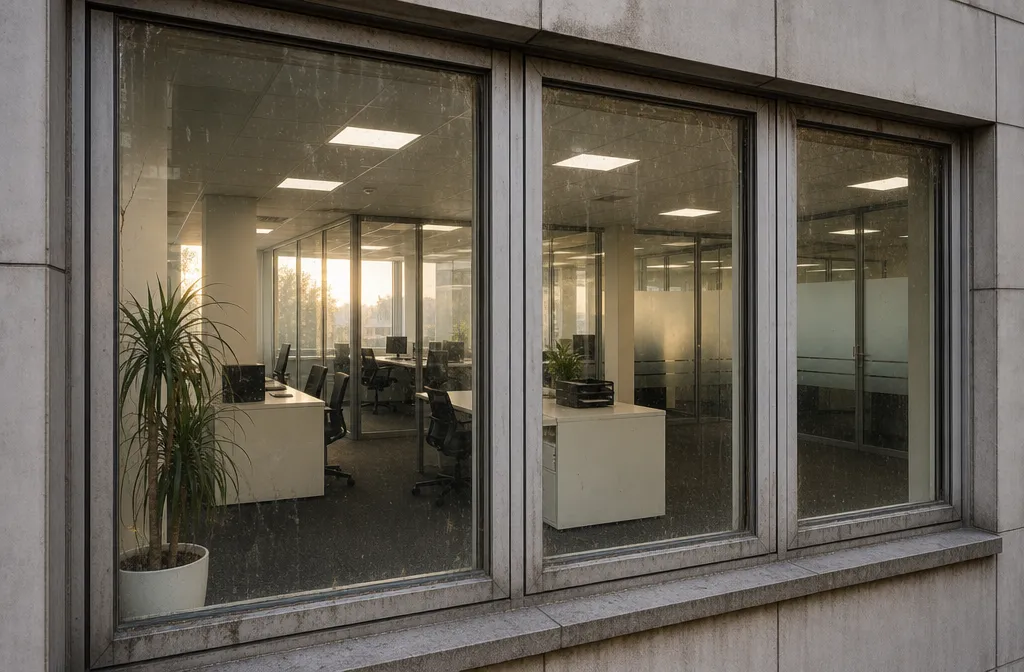
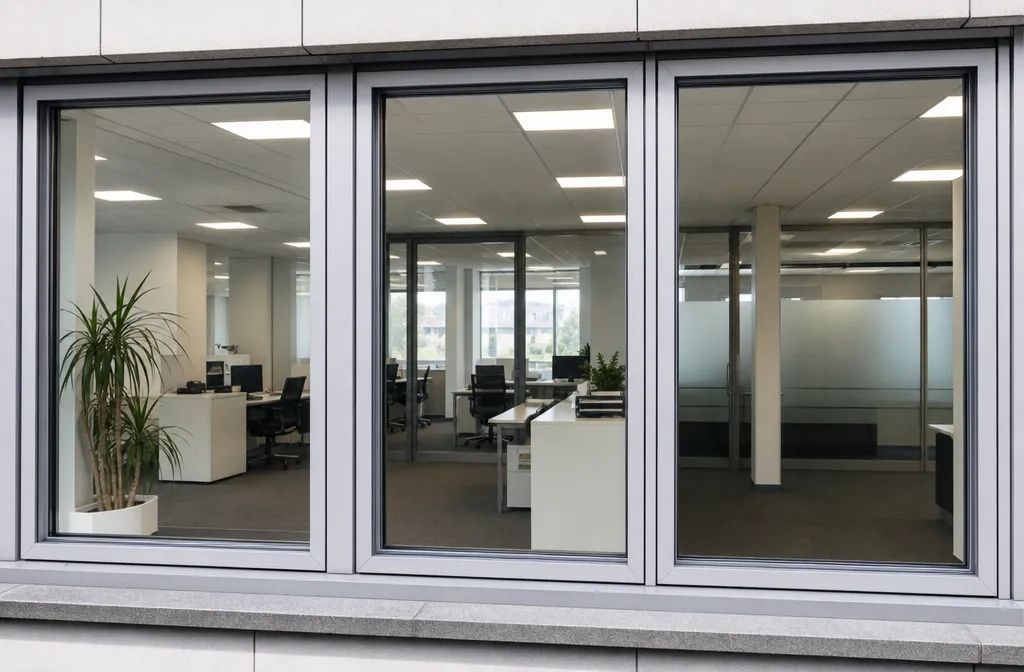
Request: The windows were dirty after winter, needed washing on both sides.
Done: We washed the windows inside and out, including frames and sills.
Cost: 17 000 ₸
Master: Ruslan Akhmetov, window washing master
Total: The windows are clear, without streaks, more light enters the office.
 After
After
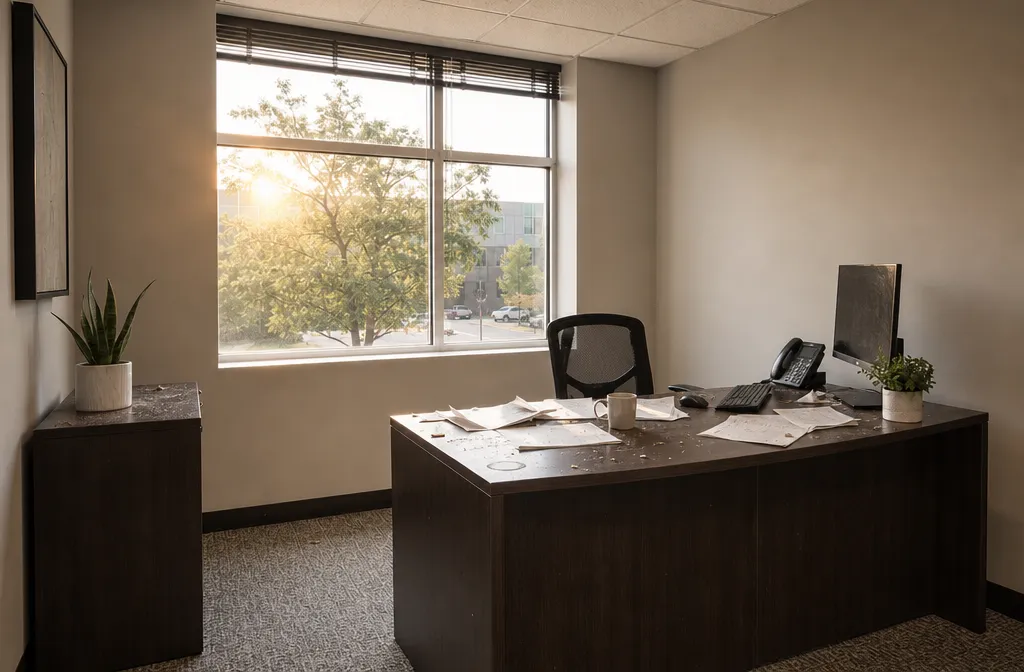
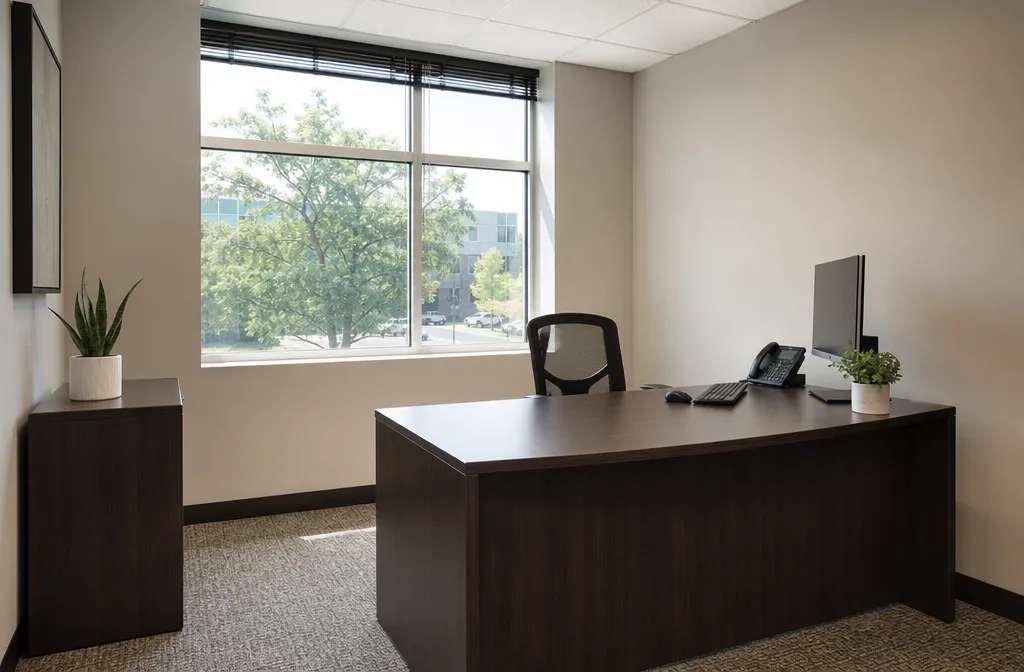
Request: The employee asked to clean the desk, including office equipment and cables.
Done: We wiped the desk, monitor, keyboard, organized cables, washed the floor around.
Cost: 16 000 ₸
Master: Aizhan Sharipova, cleaning master
Total: The desk is perfectly clean, everything in its place, pleasant to work at.
All cleaners are profi-clean staff with training, uniform and security check. Each order has a team leader who controls quality.
Office dirt is not just dust on desks. At profi-clean, over eight years of work in Almaty, we have identified five persistent types of contamination that regular wet cleaning cannot handle — and we have developed a specific method for each.
The office kitchen is the #1 zone for stubborn grime: coffee rings on countertops, oil splatters on the microwave, sticky sugar trails on the floor near the coffee machine. Standard cleaning agents just spread the grease, leaving a film that attracts new dust. We use an alkaline solution with a pH of 10-11 — it emulsifies grease in 3-4 minutes without abrasives, preventing scratches on stainless steel. After rinsing, a neutral surface remains where bacteria cannot settle. On the floor near the coffee machine, we additionally use a steam cleaner with a scraper attachment — steam at 150°C blasts sugar crystals out of micro-cracks in the tile. In our experience, the kitchen area most often requires a second pass if the residue is not removed correctly the first time.
Monitors, system units, and air conditioner grilles become covered in a layer of electrostatic dust within a month — a mix of paper dust, skin cells, and outdoor soot. Wiping with a dry cloth only redistributes the dust: 60% of particles resettle within an hour. We treat office equipment with an anti-static spray based on isopropyl alcohol (70%) — it removes static electricity and traps dust in the cloth without leaving streaks on screens. Ventilation grilles are removed and washed under running water with Kiehl detergent — this removes 95% of accumulated grime, including mold spores that would otherwise circulate through the offices. On air conditioner grilles in Almaty offices, we often find poplar fluff clogging the filters — we remove it with a vacuum cleaner and a turbo brush before washing, otherwise the fluff compresses into clumps.
Carpet in open-plan offices acts like a sponge for spilled coffee, ink from pens, and oil from office chairs. These stains set in within 10-15 minutes: after that, standard stain removers are ineffective. We apply an enzymatic solution, Sodasan, at a 1:4 ratio and leave it for 15-20 minutes — the enzymes break down the protein base of the ink and the grease. Then we rinse with a Karcher extractor using hot water (80°C) — it extracts the solution along with dirt from up to 6mm depth. After this treatment, the carpet dries in 2-3 hours, and there is no odor due to the chlorine-free chemistry. An important detail: if the stain has already dried, we pre-soften it with steam; otherwise, hot water “cooks” the protein, making the stain permanent.
In Almaty, roads are treated with de-icing agents in winter, and employees track salt into the office on their shoes. It settles on tiles in the entryway and near the entrance door, crystallizes, and penetrates the grout — within a month, white stains appear that cannot be washed off with water. We use an acidic neutralizer (5% citric acid) — it reacts with the salt deposits in 5-7 minutes, turning them into soluble compounds. After rinsing, the floor is washed with a neutral shampoo to remove any acidic residue. On wooden thresholds, salt damages the varnish — there we only use steam and a soft brush, without acid. In our larger contracts, we include additional entrance treatment as a preventive measure — this extends the coating’s lifespan by 6-8 months.
Office restrooms and handles are hotspots for bacteria: on toilets, faucets, and doors, a biofilm of sebum and uric acid forms daily. Standard toilet gel removes visible dirt but leaves the microflora — the smell returns within 2-3 hours. We use a disinfectant based on peracetic acid (0.2%) — it kills 99.9% of bacteria in 60 seconds without releasing chlorine, making it safe for aluminum handles and chrome faucets. Door handles and light switches are wiped with alcohol wipes (70% isopropanol) — they dry in 10 seconds without leaving a sticky layer. In offices with touch-sensitive access panels, we do not use liquids — only microfiber with steam, to avoid damaging the contacts.
Choosing cleaning chemicals for an office is not just about cleanliness, but also about employee health. At profi-clean, we use hypoallergenic concentrates from Kiehl (Germany) and Sodasan (Germany), which are certified for use in spaces occupied by people with asthma and allergies.
Typical floor and glass cleaners contain chlorine, ammonia, and phosphates — these components evaporate into the air for 6–8 hours after cleaning. For an allergy sufferer or asthmatic, a concentration of 0.5 mg/m³ of chlorine in office air can cause bronchospasm and tearing within just 10 minutes. In a closed office with poor ventilation (and windows in Almaty are closed in winter), the level of volatile compounds accumulates to 2–3 times the maximum permissible concentration by lunchtime — this is a typical cause of “post-lunch drowsiness” and headaches in healthy employees. Our practice: after switching to Kiehl in one Almaty business center on Baizakov Street, the number of complaints about allergic rhinitis dropped from 12 to 2 per month.
The first is confusing “eco” with “hypoallergenic.” Products labeled “natural” often contain essential oils (citrus, lavender, tea tree), which are themselves strong allergens. The second is ignoring pH neutrality: formulations with a pH of 8–10 (alkaline) leave micro-burns on the nasal mucosa of asthmatics. The third is buying a concentrate without the “hypoallergenic” label and diluting it by eye: an overdose, even of a safe formulation, leads to excessive foaming, which dries out the skin of the hands and respiratory tract. At our warehouse, all concentrates are diluted strictly according to dosing charts — each formulation has its own measuring cap, and our cleaners undergo annual certification in dilution procedures.
On the packaging, look not just for “Eco” or “Bio,” but for specific marks: EU Ecolabel (EU Flower) — it confirms the product contains no more than 0.1% volatile organic compounds (VOCs). The second is Blue Angel (Germany) — stricter: it allows only 0.05% VOCs. The third is the Allergy UK Seal of Approval — tested on people with allergies under controlled conditions. Kiehl, which we use to wash floors and furniture in offices, has all three certificates. Sodasan is additionally marked with NaTrue — a guarantee that the composition contains no petroleum products, and all fragrances are synthesized without a benzene ring, which often triggers asthmatic coughs.
The cleaning agent can be safe, but if the vacuum cleaner expels fine dust particles of 0.3–1 µm back into the air, the effect is null: dust mite particles settle on wet surfaces and are re-suspended by movement. Our Kärcher NT series vacuum cleaners with HEPA-13 filters trap 99.95% of particles as small as 0.12 µm — smaller than a dust mite (0.2–0.3 µm) and mold spores (1–3 µm). In Almaty offices with air conditioners (which accumulate fungus), we additionally run the vacuum cleaner through the air after wet cleaning — this reduces the concentration of spores in the air by approximately half in a single pass.
The frequency of deep office cleaning directly affects the longevity of finishes, employee health, and equipment safety — profi-clean recommends a specific schedule for each type of space, rather than a universal once-a-quarter approach.
In open-plan areas with 20+ workstations, the dust load level is 3-4 times higher than in offices for 2-3 people — due to constant human movement and office equipment operation. We schedule deep cleaning every 4-5 weeks for open-plan spaces over 150 sq. m. With this frequency, we manage to wash ventilation grilles, clean accumulated printer soot from carpeting, and treat keyboards — these are the areas that become breeding grounds for bacteria if left untouched for two months. In practice, skipping one cycle in an open-plan office results in a noticeable film on horizontal surfaces by the end of the second month, which cannot be removed by regular wet cleaning — only with a steam cleaner and a scraper attachment.
These rooms experience peak load — up to 10-15 meetings per week with different people, bringing in street dirt on shoes and outerwear. For meeting rooms, the optimal frequency is once every 3 weeks, with mandatory steam treatment of upholstered furniture and cleaning of carpeting at the entrance. We had a case: in a meeting room with light-colored carpet, we didn’t do a deep clean for 6 weeks — coffee spill stains set in so badly that we had to use a hot water extractor instead of regular shampoo. In the reception area, visual cleanliness is part of the image, so we recommend deep cleaning once every 2 weeks: wiping all decorative panels, light fixtures, and the reception desk with an antistatic agent to prevent dust from settling during the day.
In offices up to 30 sq. m with one or two employees, the schedule can be stretched to 6-8 weeks — provided that routine cleaning is done daily. Here, the key risk is not dust, but stagnant air and the accumulation of allergens in upholstered furniture and curtains. We advise deep cleaning such spaces at least once every 2 months, with mandatory dry cleaning of carpets and steam treatment of chair upholstery. If the office has open bookshelves, the interval is reduced to 5 weeks — paper actively attracts dust, and within a month a noticeable layer forms on the spines, visible under side lighting.
These areas often fall out of the deep cleaning schedule, even though they accumulate the bulk of dirt carried on cart wheels and shoe soles. For office furniture warehouses, archives, and server rooms, we recommend deep cleaning once every 3 months — with floor washing using a disinfectant solution and cleaning of ventilation grilles. In server rooms, it is especially important to remove dust from equipment every 2-3 weeks; otherwise, it clogs cooling radiators and raises server operating temperatures by 3-5°C — reducing equipment lifespan by 15-20% according to manufacturer data. In our orders, we often see that office owners forget about utility rooms, and after six months, a persistent musty smell develops, which then migrates to work areas through the ventilation system.
The frequency of deep cleaning should be adjusted twice a year — in spring and autumn, when street dirt and pollen create additional load. In Almaty, the poplar flowering period (May-June) increases airborne pollen concentration by 8-10 times, so for offices with openable windows, we reduce the interval between deep cleanings to 3 weeks. In autumn, when the heating season begins, the first 2-3 weeks see intense dust rising from radiators — during this period, it is better to carry out an unscheduled deep cleaning with radiator washing, even if it was done a month ago per schedule. In practice, such a seasonal shift reduces employee sick leave by 20-30% during transitional months, according to our statistics for offices we have serviced for at least a year.
Almaty’s climate creates unique conditions for office cleaning — high air dustiness due to its geographical location in the foothills, frequent temperature inversions, and smog require different frequencies and methods than in lowland cities. The specifics of cleaning in Almaty are not just a schedule, but a system of filtration and neutralization of street dust that penetrates offices through ventilation and windows.
In spring and autumn, the concentration of suspended particles PM2.5 and PM10 in Almaty’s air is 3-4 times higher than WHO standards, and these microparticles settle on horizontal surfaces in the office within 2-3 hours of cleaning. We use vacuum cleaners with H13 HEPA filters, which trap 99.97% of particles down to 0.3 microns — this prevents the recirculation of fine dust that regular vacuums simply blow back out. In our orders for offices in the Medeu and Bostandyk districts, where smog is felt more strongly due to the terrain, we include an additional pass over all shelves and blinds — otherwise, a gray coating appears on documents within a day. In practice, to maintain cleanliness during peak smog hours (September-October), we recommend wet cleaning all surfaces not once a week, but twice.
The most common mistake is using dry cloths and brushes to dust office equipment and blinds, which lifts particles into the air, and they settle again within 20–30 minutes. Instead, we use microfiber cloths with an electrostatic charge — they attract dust rather than spreading it, and they don’t scratch the plastic of monitors and printers. The second widespread problem is ignoring ventilation grilles and air conditioners: over 2–3 months, a dust layer up to 2 mm thick accumulates on them, which spreads throughout the office within 15 minutes when the system is turned on. In our protocols, we clean split-system filters and ventilation ducts every two weeks, not once a quarter as in other cities. Moreover, if dust is not removed from the back walls of system units, processor overheating accelerates equipment wear by 20–30% — this is a direct saving for the company’s budget.
Dry cleaning in Almaty’s dusty conditions is ineffective: PM2.5 particles are so small that they don’t settle under gravity but remain airborne for up to 12 hours, so only wet binding of microparticles yields results. We use hypoallergenic Kiehl concentrates for floor washing — they reduce the surface tension of water, allowing the solution to penetrate micro-cracks in linoleum and tiles, drawing out dust that has accumulated there over a week. In our protocols for offices on Al-Farabi Avenue, where windows face a busy highway, wet cleaning of floors and windowsills is carried out daily, not once every three days — otherwise, the dust level on desks doubles by lunchtime compared to the background. In my opinion, the key indicator of proper cleaning in Almaty is the absence of “gray trails” on the floor an hour after washing, and this is only achieved by changing the water in the bucket every 20 square meters.
In autumn, leaves mixed with street dust clog window drainage holes and thresholds — a musty smell appears in the office if vestibules and entrance groups are not cleaned every 2 days. In winter, reagents (sand and salt) from sidewalks are tracked on shoes into the hall and corridors, and if floors are not washed with a neutralizing compound, the porcelain tile coating loses its shine within a month due to micro-scratches. In spring, after snow melts, dust from roads rises into the air, settling on windowsills and office equipment — in March–April, we intensify the schedule for treating blinds and monitors to twice a week instead of once. In our orders for offices in the Auezov district, where building density is higher and ventilation is poorer, spring allergies among employees worsen by 40% — so we switch to hypoallergenic Sodasan chemicals and flush air conditioner ducts before the season begins.
The difference between one-time and regular cleaning is not in the set of services, but in the final state of the premises and the owner’s economics. By understanding the scenarios, you’ll see which format provides real benefits.
One-time office cleaning is a tool for situations where accumulated dirt needs to be removed in a single pass. This works after renovations: construction dust settles on all surfaces, including internal components of office equipment and in carpet pores — our team, using an industrial vacuum cleaner with a HEPA H14 class filter and a cyclonic filter, removes up to 99.97% of particles sized from 0.3 microns in one pass. The second typical scenario is preparation for a move or property handover: owners often order a one-time office cleaning in Almaty to hand over clean walls, windows, and bathrooms to the landlord without signs of use. The third case is seasonal deep cleaning after winter: over several months, reagents from shoes, salt stains on hallway tiles, and grease on kitchen surfaces from microwaves accumulate in the office — our team removes these layers with a Karcher steam cleaner at 145 °C, killing 99.9% of bacteria without chemicals. However, a one-time visit doesn’t create a systemic effect — within a week, dust settles again if the office lacks a regular cleaning cycle.
If your office has 10 or more employees, one-off cleanings every two weeks cost 30–40% more than a weekly subscription — we calculated this based on real orders over the last six months. The reason is simple: during a one-off visit, the crew spends the first 15–20 minutes assessing the current condition and selecting chemicals for the specific type of dirt, while with regular visits, the cleaner already knows the layout, floor coverings, and socket locations — this data is stored in the profi-clean CRM and updated after each visit. The regular format allows for workload distribution: each week the crew performs a planned wet cleaning of all surfaces, and once a month, a deep carpet cleaning using an extractor with hypoallergenic Sodasan shampoo. Additionally, regular cleaning prevents the buildup of hard-to-remove dirt — grease streaks on kitchen cabinet fronts and dust deposits on ventilation grilles — which, with a one-off approach, require extra hours and special solvents.
| Room type | Recommended format | Reason for choice |
|---|---|---|
| Coworking space with 30+ seats | Weekly cleaning | High traffic — up to 200 people per day, dust and crumbs accumulate within 3–4 days |
| Small IT office (5–10 people) | Every two weeks + one-off as needed | Low soiling level, wet wiping of desks and restroom disinfection suffice |
| Sales office with open-plan layout | Weekly reception area + deep carpet cleaning once a month | Up to 70% of street dirt settles in the entrance area — it needs to be removed every week |
| Warehouse with office section | One-off quarterly | Main dirt is in the warehouse; the office area requires minimal maintenance |
The first mistake is ordering a one-off office cleaning whose price seems lower than a subscription, but not considering that within a month the condition will return to its original state. In our practice, there was a case: a company in the “Nurly Tau” business center ordered one-off cleaning every three weeks, and by the end of the quarter, costs exceeded the weekly subscription price by 18% — meanwhile, the carpet at the reception already needed replacement due to ingrained dirt. The second mistake is switching to regular cleaning without assessing actual traffic: if the office sees 3–5 people per day, a weekly visit is excessive, and a one-off cleaning once a month will save the budget without losing quality. The third is confusing “regular maintenance” with “deep cleaning”: with a weekly format, we do not wash windows from the outside or clean ventilation — these tasks are set aside for a separate one-off order once a quarter. Before signing a contract for regular service, request a trial visit — profi-clean offers it free for offices over 50 sq. m, so the crew can assess the actual workload and select the optimal frequency.
“Eco-cleaning” has become a buzzword, but it often hides ordinary cleaning with a couple of “green” labels. At profi-clean, we use hypoallergenic Kiehl and Sodasan chemicals professionally — with an understanding of where they work and where they fall short of traditional products, and without illusions that vinegar and baking soda can replace disinfection in an office.
Social media is full of cleaning recipes using baking soda, vinegar, and citric acid as a “safe alternative.” In practice, these products cannot handle office dirt — grease buildup in the kitchen, bacteria on door handles, stubborn tea stains on desks. Vinegar with a pH of about 2.4 is effective against limescale but useless against grease and is not a disinfectant. Baking soda is a weak abrasive paste that scratches glossy surfaces (glass partitions, lacquered furniture). In professional cleaning, we use vinegar and baking soda only for specific tasks — for example, cleaning old grout on tiles in the restroom, but not as a primary product. For everyday office cleaning, you need enzyme cleaners with a pH-neutral balance and alcohol-based disinfectants with a concentration of at least 60% — their safety is confirmed by EcoLabel certificates, not blogger recommendations.
Professional products with ecolabels (EcoLabel, EU Ecolabel, Nordic Swan) undergo independent verification for biodegradability, absence of phosphates, chlorine, and synthetic fragrances. Kiehl is a German brand with full biodegradability within 28 days; Sodasan is an Austrian brand with plant-based surfactants and no mineral oils. These products have one objective downside — cost: a liter of eco-friendly concentrate costs 30-40% more than regular industrial “Domestos” or “Mr. Proper.” However, for an office with employees who have allergies or asthma, this difference is justified — eco-friendly chemicals leave no volatile residues that irritate mucous membranes. At profi-clean, we switched to Kiehl for daily cleaning of work areas and Sodasan for dry cleaning upholstered furniture — over two years, we reduced staff complaints about headaches and eye irritation in offices with central ventilation. Before ordering a one-time office cleaning, check with the cleaning company about which specific chemicals they use — if the answer is “eco” without a brand name and certificate, it’s marketing, not reality.
Many offices buy vacuum cleaners with HEPA filters and believe the air has become cleaner. HEPA H13 traps 99.97% of particles up to 0.3 microns — yes, it is effective against pollen and mold spores. But the problem is that a HEPA filter is only one stage of purification. If the vacuum cleaner is not airtight (cheap plastic housings with gaps), some fine dust is thrown back into the air through the joints. Additionally, a HEPA filter quickly clogs in an office with carpeting and requires replacement every 3-4 months with daily cleaning — the cost of a cartridge for a professional vacuum cleaner is significant, and companies often save money by changing it once a year. At profi-clean, we use industrial Nilfisk vacuum cleaners with a HEPA H14 system and airtight cast aluminum housings — dust leakage is structurally eliminated. For a real reduction of allergens in the air, a single HEPA filter is not enough: wet cleaning with eco-friendly products is necessary, which binds settled dust rather than lifting it into the air.
True eco-friendly cleaning in an office consists of four components: chemicals with biodegradable surfactants, equipment with HEPA filtration, microfiber cloths
We ordered a one-time cleaning of the office after renovation. They arrived quickly, washed the windows, and removed dust from all equipment. Excellent result — the office shines.
Thank you, Aigerim! We're glad the post-renovation cleaning went well. Feel free to contact us again.
The profi-clean team cleans our office every week. Always spotless, not a speck of dust. Very convenient, we've been renewing the contract for two years now.
We had a one-time office cleaning — rooms and corridors. They cleaned well, but started a bit late. Otherwise, no complaints.
Daniyar, thank you for your feedback! We apologize for the delay. We'll try to be more punctual next time.
I asked for additional window washing — they did it perfectly. No streaks, great light transmission. The team is pleasant and works carefully.
Before the move, I ordered a one-time office cleaning. They cleaned everything: from floor to ceiling. We handed over the premises without any issues.
Yerlan, glad we helped you hand over the premises in perfect condition. Good luck in your new place!
They cleaned the kitchen area, but didn't wash the inside of the fridge even though I asked. I had to do it myself. Otherwise, not bad.
Assel, thank you for the feedback. We'll pass it on to the team to make sure all requests are considered. We'll offer a discount on your next order.
I ordered a one-time office cleaning — deep cleaning. They washed all surfaces, cleaned the carpets, left a fresh smell. Very satisfied.
After the corporate party, the office was a mess. profi-clean came and tidied up in a couple of hours. They even removed wine stains from the carpet. Thank you!
Dinara, we were happy to help! Cleaning up after parties is our specialty. Looking forward to new orders.
I needed a one-time office cleaning — mainly focused on restrooms. They did it flawlessly, even removed old limescale. I recommend.
They cleaned the reception area and meeting room. Overall clean, but some dust remained on the blinds. I'm deducting points for the little things.
Gulnara, we'll take note of your comment about the blinds. Next time we'll pay more attention to them.
I ordered a one-time cleaning of the office and warehouse. The workers handled it quickly, removed trash, washed floors. The price is reasonable.
After a small fire in the office, there was soot left. profi-clean cleaned everything: walls, ceiling, equipment. Now it doesn't smell like smoke. Thank you so much!
Olga, we're glad we could restore cleanliness to the office. We're always ready to help in difficult situations.
They came for a one-time office cleaning on Saturday but were an hour late. They cleaned okay, but they could have warned about the delay.
Bakhytzhan, we apologize for the delay. We usually inform about delays, but there was a glitch this time. It won't happen again.
They cleaned the director's office: leather sofa, carpet, desk. Everything shines. They even wiped the plants. Very attentive.
The open office space needed a one-time cleaning — they did an excellent job. The carpet was vacuumed, the windows were washed. Well done.
Ruslan, thank you! We work conscientiously. We will be glad to see you again.
We ordered dry cleaning of office chairs and a sofa. Coffee stains were removed, color refreshed. Furniture looks like new.
After the flood, a one-time office cleaning was needed — they quickly removed the water and dried the floors. But the musty smell remained, we had to air it out. Overall, okay.
Arman, thank you for your feedback. In case of severe flooding, we recommend additional odor treatment. Contact us — we'll do it with a discount.
Before an important meeting, they urgently tidied up the conference room. Everything is perfect: tables, chairs, projector wiped. Guests appreciated it.
There's a cat living in the office, fur everywhere. I ordered a one-time office cleaning with intensive cleaning. They removed all the fur, even under the cabinets. Clean.
Viktor, glad we handled the fur! We know how important cleanliness is in an office with pets.
The tenant changed, the premises needed to be cleaned out. profi-clean did an excellent job — they washed the kitchen, bathroom, floors. Handed over quickly.
We combined a one-time office cleaning with wall painting. The cleaners didn't get paint on anything, removed construction debris. But one corner was missed — had to remind them.
Serik, thank you! Usually we check everything, but this time we overlooked. Next time we'll be more attentive.
They cleaned the office and balcony. Washed windows on both sides, removed dust from the balcony. Now it's pleasant to go out for a smoke break.
Cleaning a 100 sqm office takes about 3-4 hours depending on complexity. Time may increase if there is carpet or many windows.
Yes, we work every day including weekends and holidays. Cleaning on Saturday or Sunday is possible without extra charge. Just leave a request on the website or call.
We accept cash, Kaspi Gold, Halyk Bank, and transfers to our sole proprietorship. Deferred payment under contract is available for regular clients.
We recommend removing personal items from desks and providing access to all rooms. Valuables should be locked in a safe. We'll handle the rest.
Notify us within 24 hours and we will redo the area for free. Our technicians use streak-free technology for windows and mirrors.
Yes, we use organic Sodasan and German Kiehl products, which are certified safe. They are non-allergenic and non-toxic.
Yes, all technicians have health records and certificates for using disinfectants. We comply with Kazakhstan's sanitary standards.
We recommend once a month to maintain cleanliness. Frequency depends on usage intensity. We can create a custom schedule.
We work in Almaty and suburbs within a 30 km radius. For remote locations, additional transport costs may apply.
We guarantee cleaning quality and fix any issues for free within 24 hours. All technicians are insured against property damage.
Tell us about your experience with profi-clean — it helps other clients and us improve.
We currently operate in Almaty. Other cities are coming soon.