Territory and snow volume assessment
Estimator visit to measure area, snow depth, and determine complexity. Identification of obstacles and areas requiring manual cleaning.
Snow and ice removal, hauling and reagent treatment for private houses and commercial properties in Almaty
We work with any types and materials
Clearing yard, paths and porch of snow and ice
from 24,000 ₸Comprehensive cleaning of common areas and access roads
from 33,000 ₸Cleaning of parking lot, entrance group and sidewalks
from 18,000 ₸Cleaning of parking spaces and driveways, snow removal
from 10,500 ₸Cleaning of large adjacent territory and parking lot
from 15,000 ₸Cleaning of access roads and unloading area
from 12,000 ₸Safe territory cleaning with eco-friendly reagents
from 15,000 ₸Cleaning without hazardous reagents, manual cleaning of play areas
from 16,500 ₸24-hour territory cleaning for ambulance access
from 15,000 ₸Cleaning of large areas with snow removal
from 15,000 ₸Cleaning of surface from snow and ice
from 15,000 ₸Cleaning of open and covered parking lots, snow removal
from 10,500 ₸From inspection to result with guarantee
Estimator visit to measure area, snow depth, and determine complexity. Identification of obstacles and areas requiring manual cleaning.
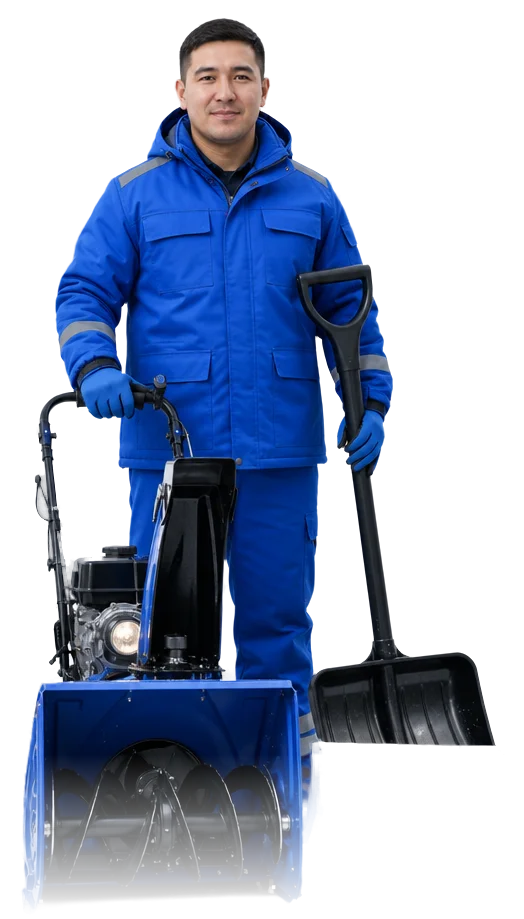
Refueling Husqvarna snow blowers, preparing EcoMelt de-icer and sand-salt mixture. Checking equipment functionality.
Clearing main driveways and areas with Husqvarna ST 227P snow blower. Snow is thrown aside or formed into piles for removal.
Clearing steps, porches, narrow paths, and areas near entrances. Using shovels and brushes.
Removing compacted ice and icicles using ice chippers and scrapers. Special attention to high-traffic areas.
Evenly distributing EcoMelt (calcium chloride) and sand-salt mixture. Treating paths, parking lots, entrances.
Loading snow into dump truck and hauling to a specialized landfill in Almaty. Document processing.
Collecting scattered trash, checking cleaning quality. Photo documentation of the result for the report.
We use Husqvarna ST 227P and 224P snow blowers for mechanized cleaning, and EcoMelt — eco-friendly calcium chloride-based reagents safe for plants and animals. The equipment allows quick cleaning of large areas, and the reagents do not damage the surface.
We enter into an official contract that specifies a quality guarantee: if snow falls or ice forms within 24 hours after cleaning, we will re-treat the territory free of charge. You get a fixed price and clear deadlines.
We accept orders 24/7, the team departs within 2 hours. In urgent cases (e.g., after heavy snowfall), we can arrive within 1 hour. For regular clients, preventive departure before snowfall is provided.
All masters are in-house employees with at least 3 years of experience, trained in operating Husqvarna snow blowers and reagents. They regularly undergo safety briefings and training on treating different types of territories.
Our specialist visits the site free of charge, assesses the snow volume, area, complexity, and provides an accurate estimate. You do not pay for consultation and inspection — only for the work after approval.
When signing a subscription contract (from 3 months), you get a 10% discount on each visit. The subscription includes scheduled cleanings after snowfall, territory condition monitoring, and priority departure.
 After
After
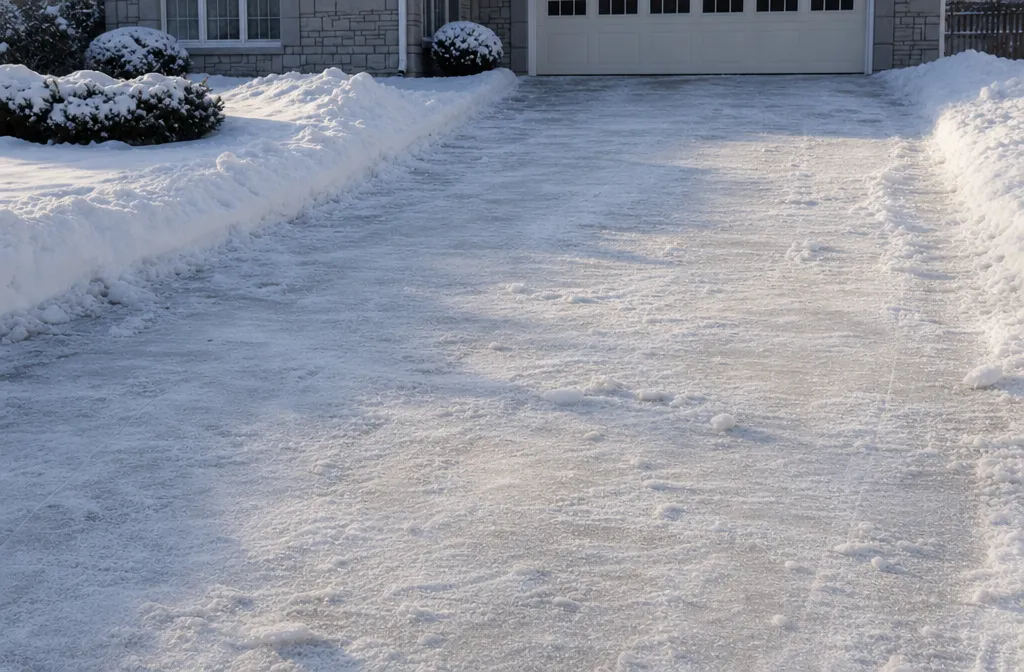
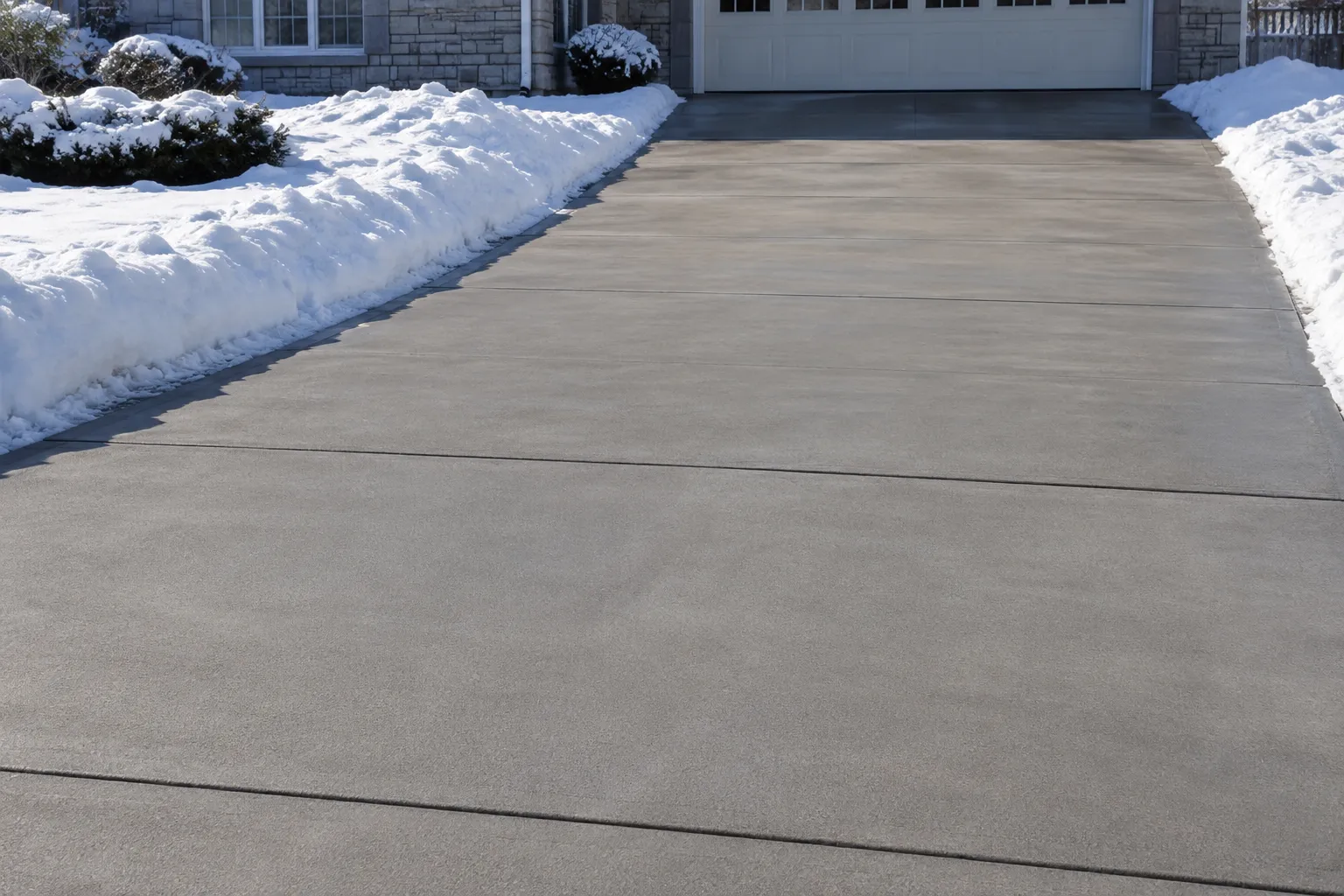
Request: Clear snow from the driveway so the car can get out.
Done: Cleared snow from a 3 m wide driveway, treated with de-icing agent.
Cost: 15 000 ₸
Master: Aidar Nurlanov, winter works master
Total: Driveway completely clean, no ice, safe passage.
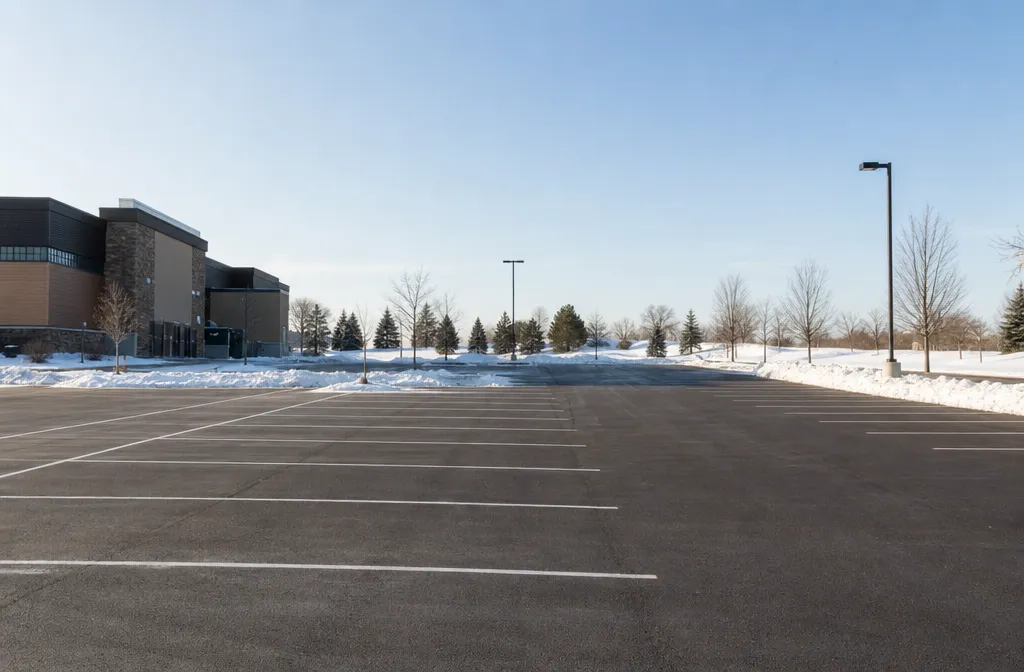 After
After
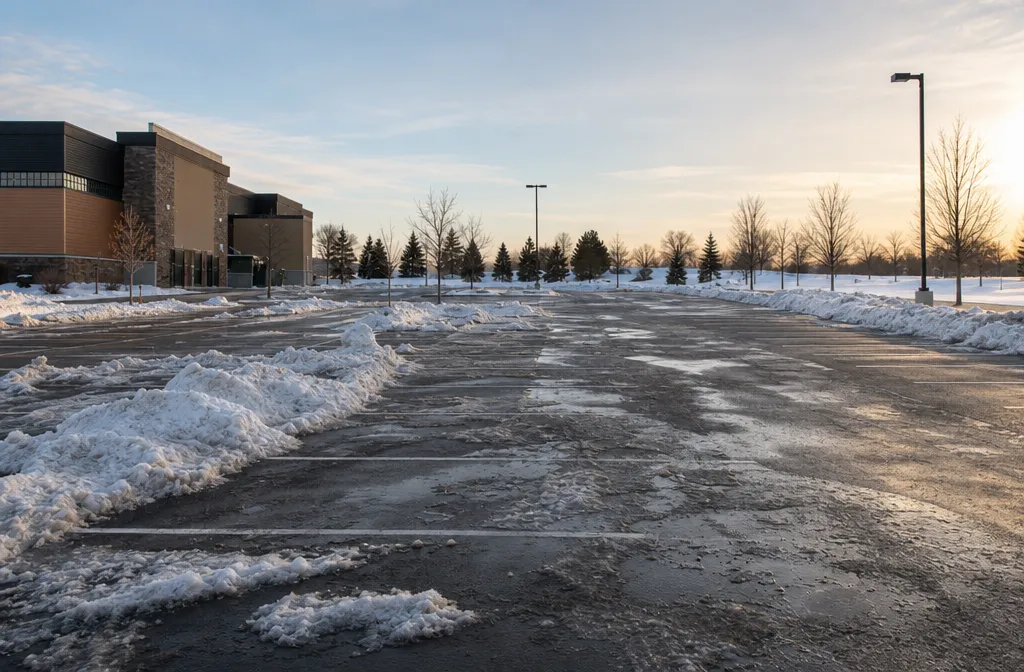
Request: Clear parking lot of snow and ice for vehicle safety.
Done: Cleared snow from 200 sq.m area, sprinkled with sand.
Cost: 16 000 ₸
Master: Bakhytzhan Sagintayev, winter works master
Total: Parking lot completely cleared, no snow or ice.
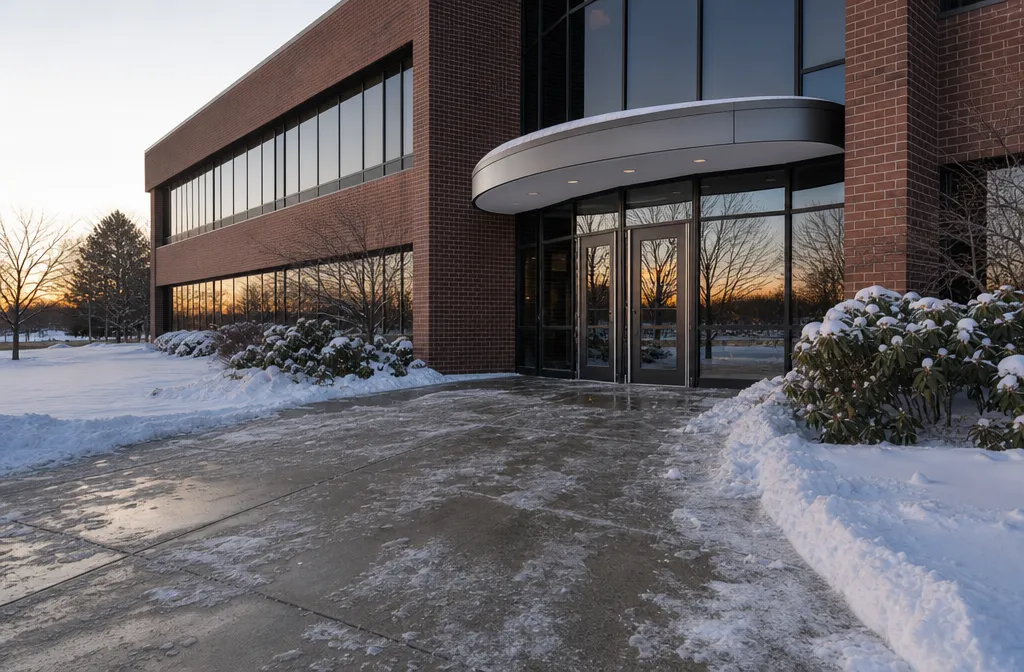
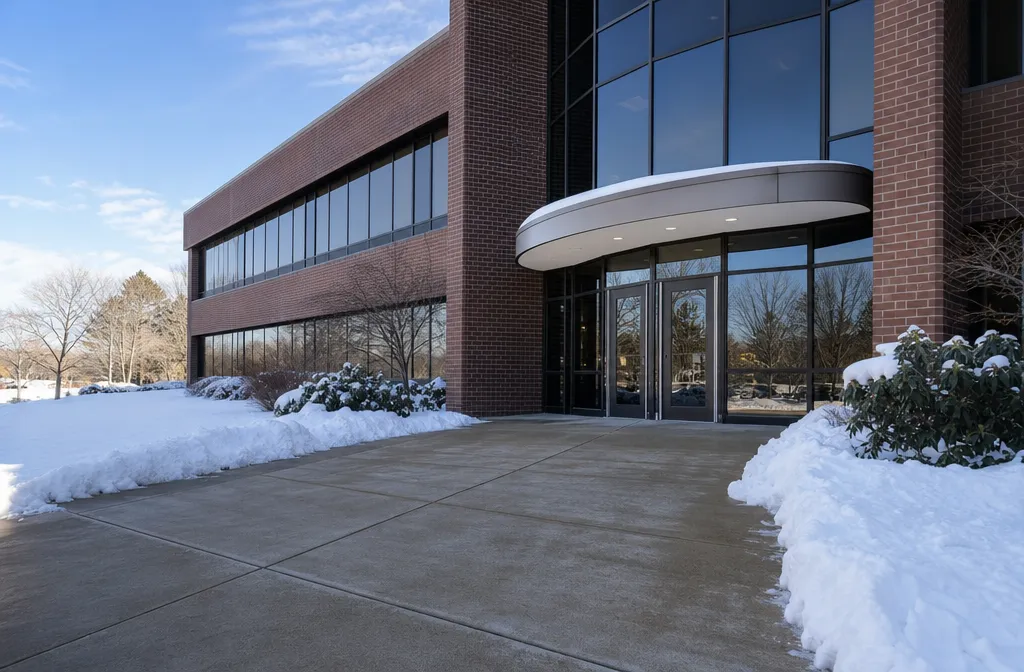 After
After
Request: Clear entrance area of snow to prevent slipping.
Done: Removed snow and ice from porch and ramp, applied de-icer.
Cost: 17 000 ₸
Master: Damir Yermekov, winter works master
Total: Entrance safe, no ice, compliant with standards.
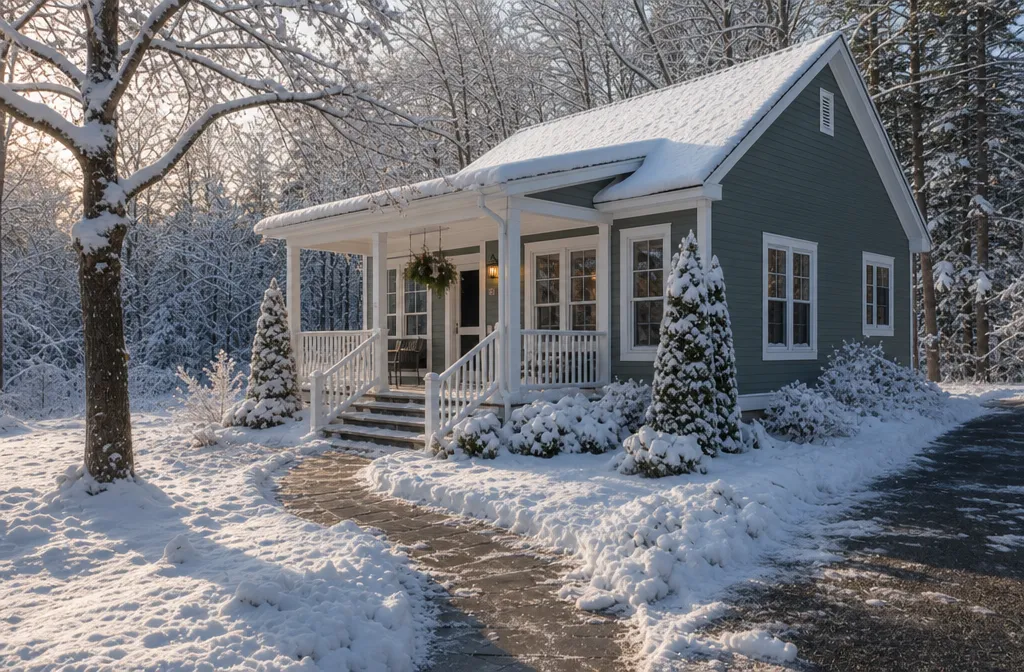
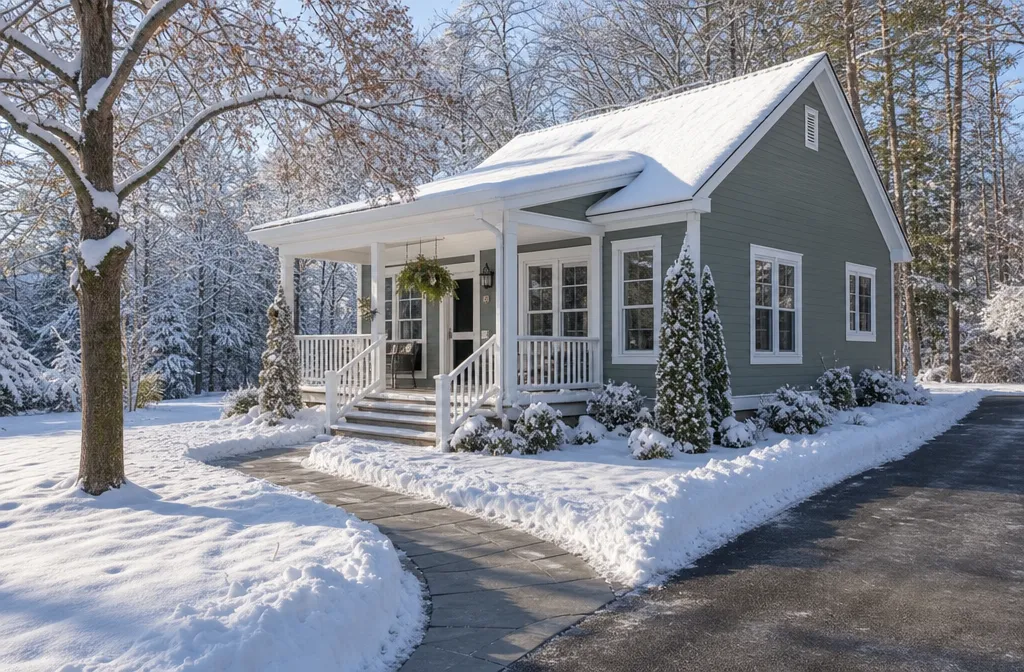 After
After
Request: Clear yard of snow so you can walk to the house.
Done: Cleared snow from paths and area in front of the house, treated with sand.
Cost: 16 000 ₸
Master: Yerzhan Aliyev, winter works master
Total: Yard clean, paths safe for walking.
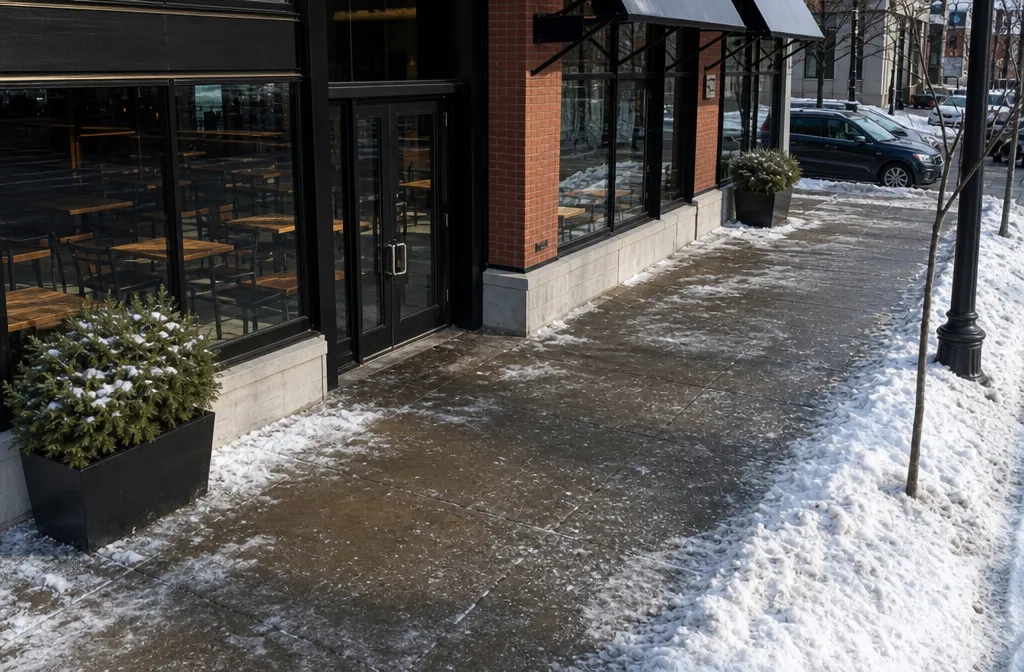
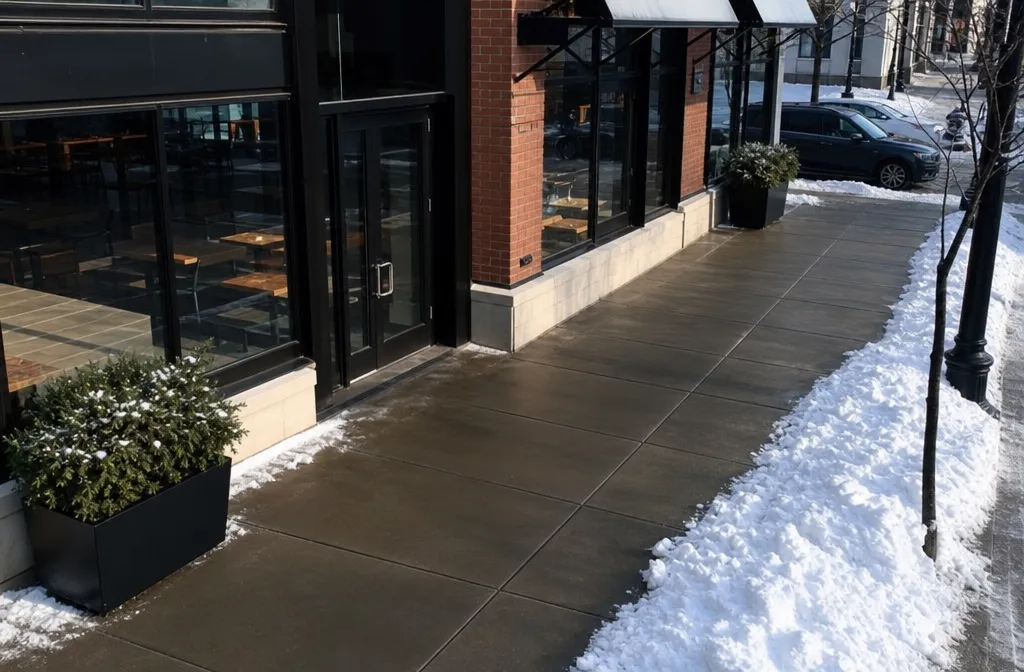 After
After
Request: Clear snow from sidewalk in front of entrance to prevent falls.
Done: Cleared a 15 m long sidewalk, sprinkled with de-icing mixture.
Cost: 15 000 ₸
Master: Kanat Zhumabayev, winter works master
Total: Sidewalk clean and non-slip, passage free.
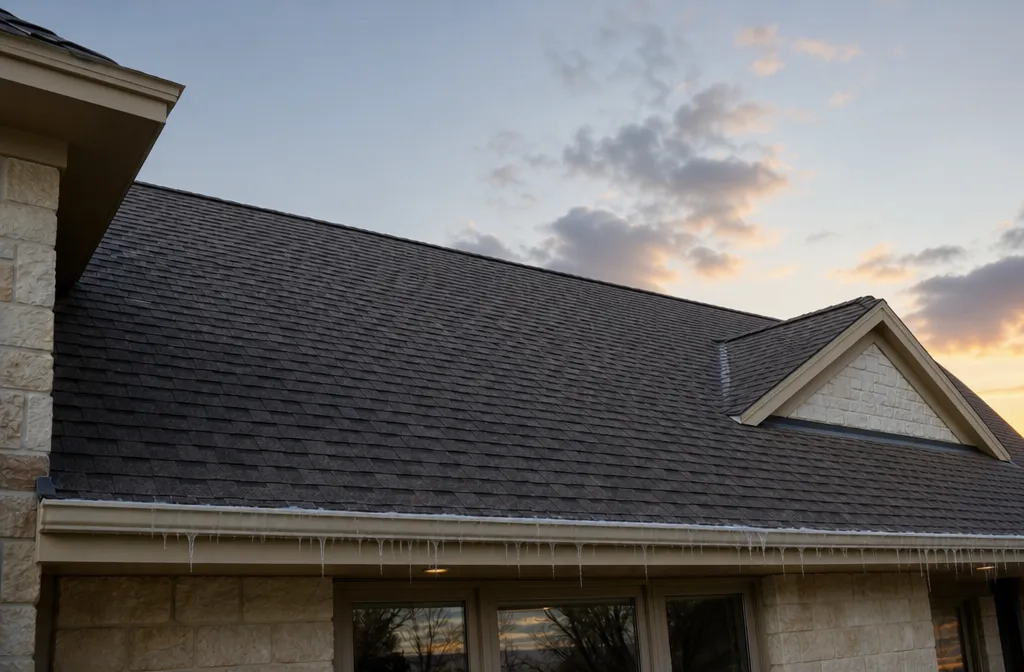
 After
After
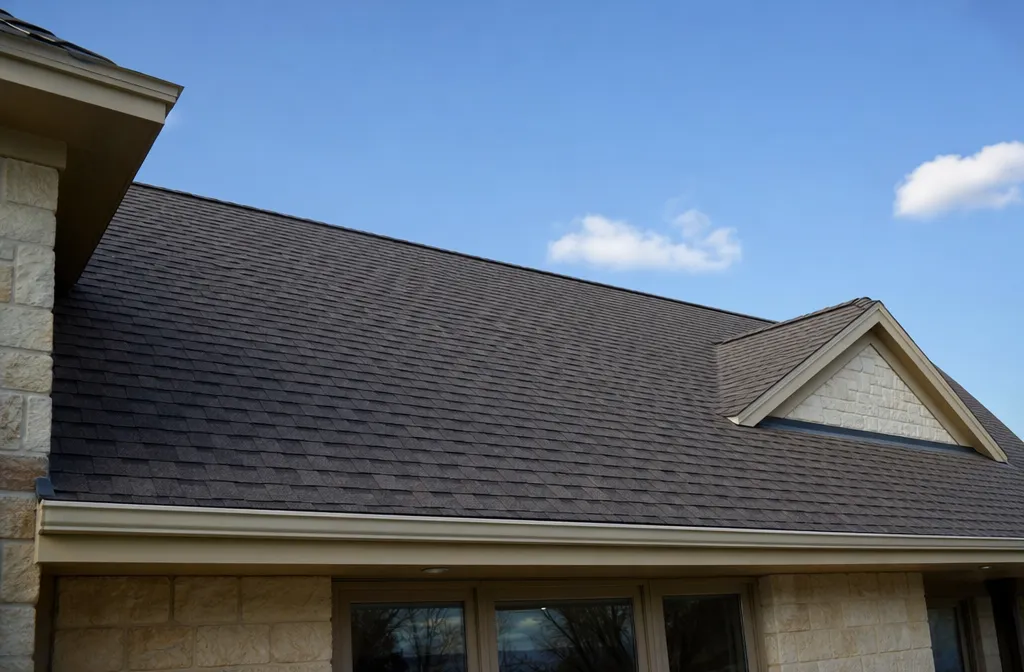
Request: Remove icicles and ice from the roof to prevent them from falling on people.
Done: Knocked down icicles, removed ice from roof edge, cleaned gutters.
Cost: 17 000 ₸
Master: Marat Ibraev, master of high-altitude work
Total: Roof without icicles, gutters working, safe.
 After
After
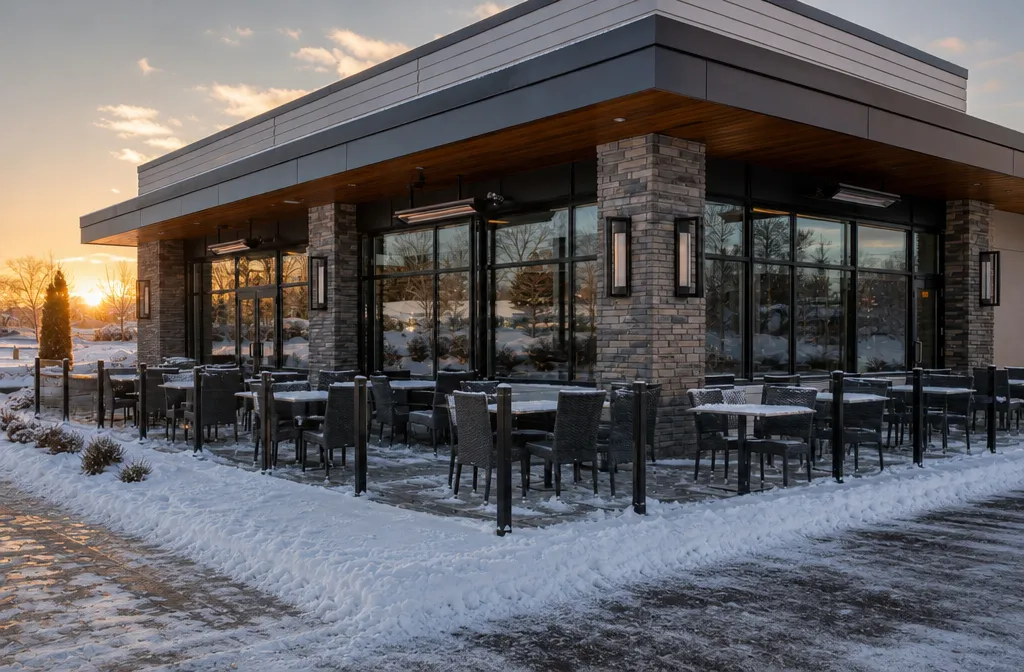
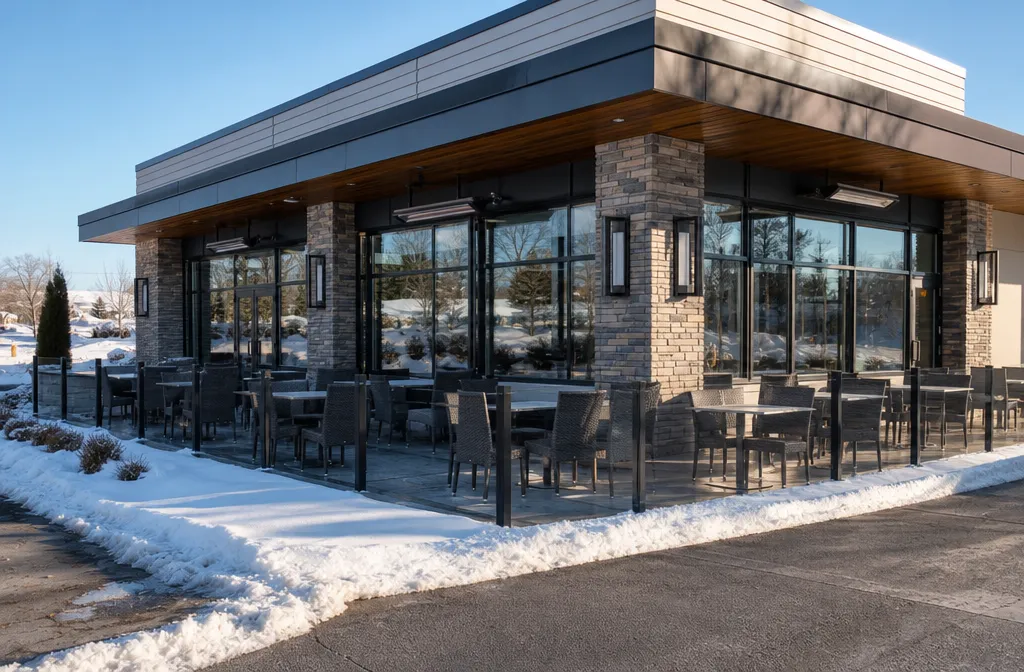
Request: Clean the terrace from snow to open the season.
Done: Removed snow from floor and furniture, treated with de-icing agents.
Cost: 16 000 ₸
Master: Nurzhan Kaliev, master of winter work
Total: Terrace clean, furniture arranged, ready to welcome guests.
 After
After
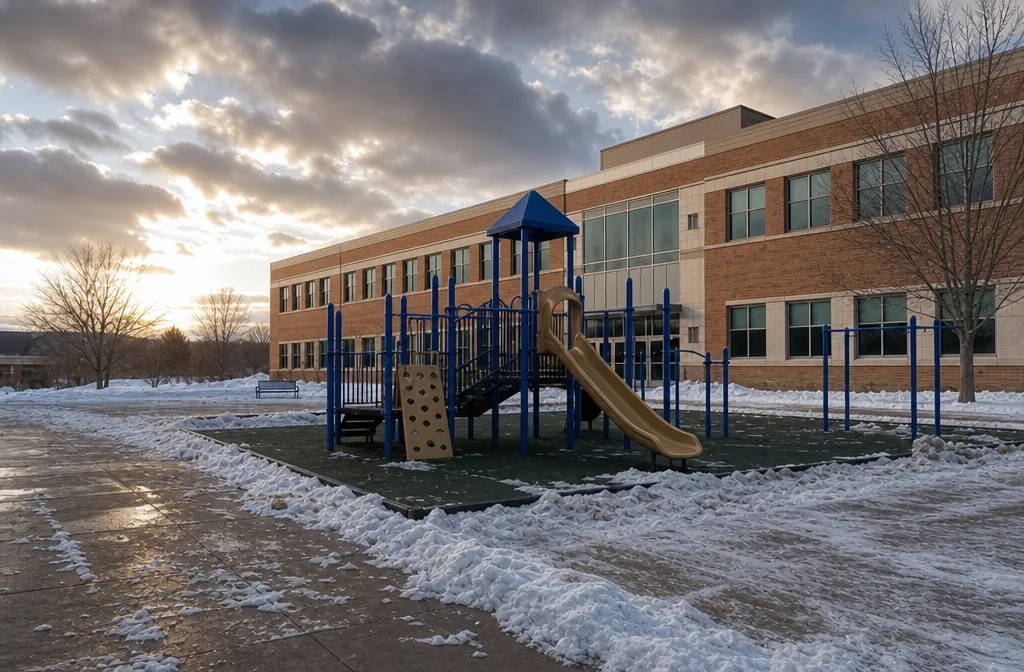
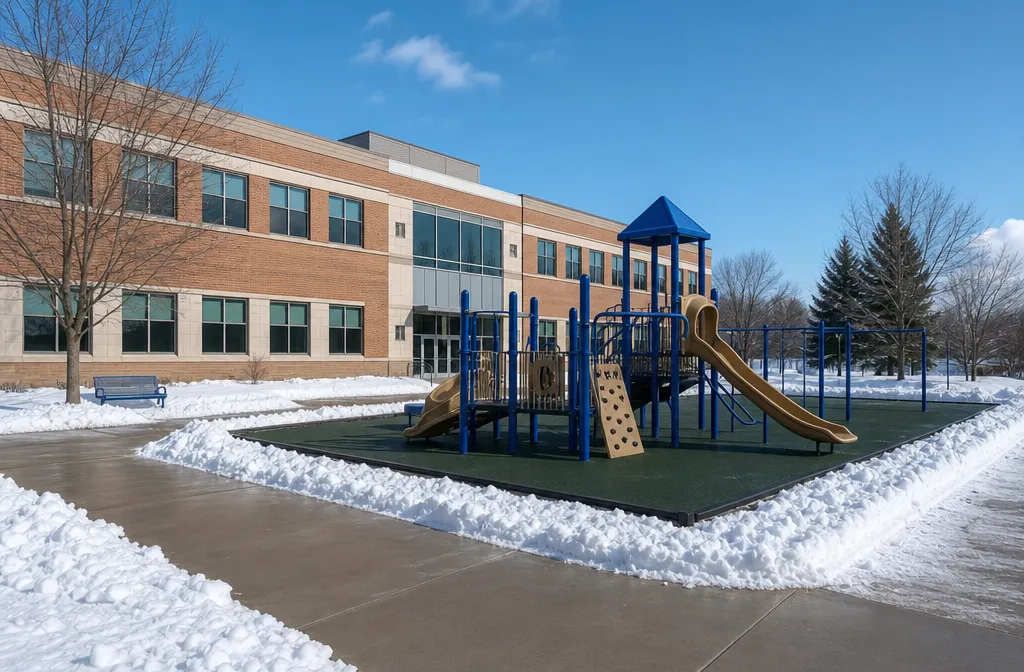
Request: Clean the playground from snow for children's safety.
Done: Removed snow from 150 sq.m area, sprinkled with sand.
Cost: 15 000 ₸
Master: Serik Akhmetov, master of winter work
Total: Playground clean, children can play safely.
 After
After
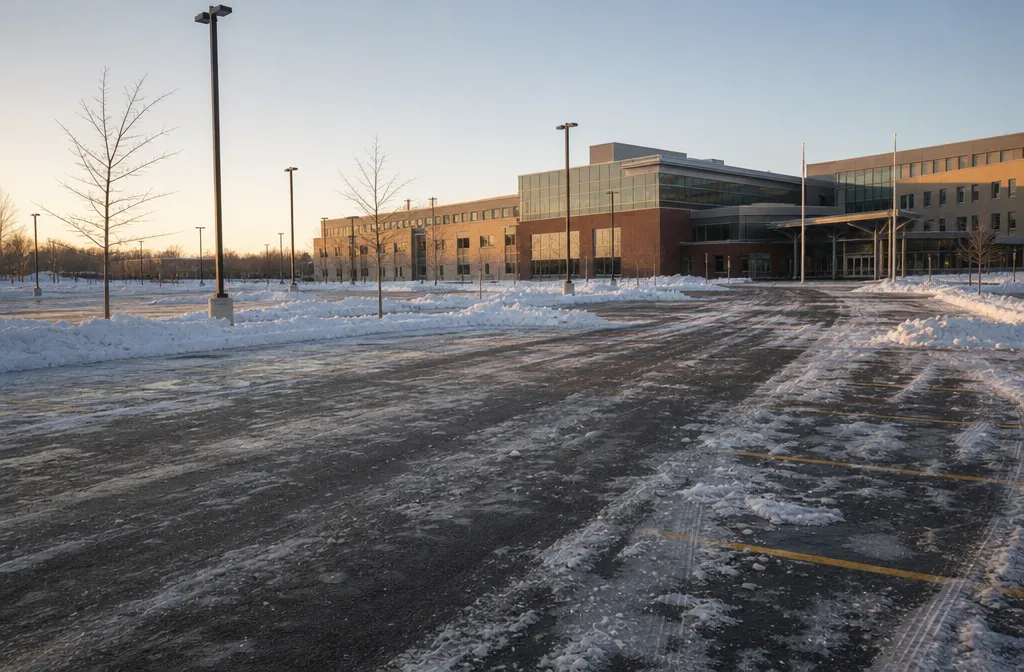
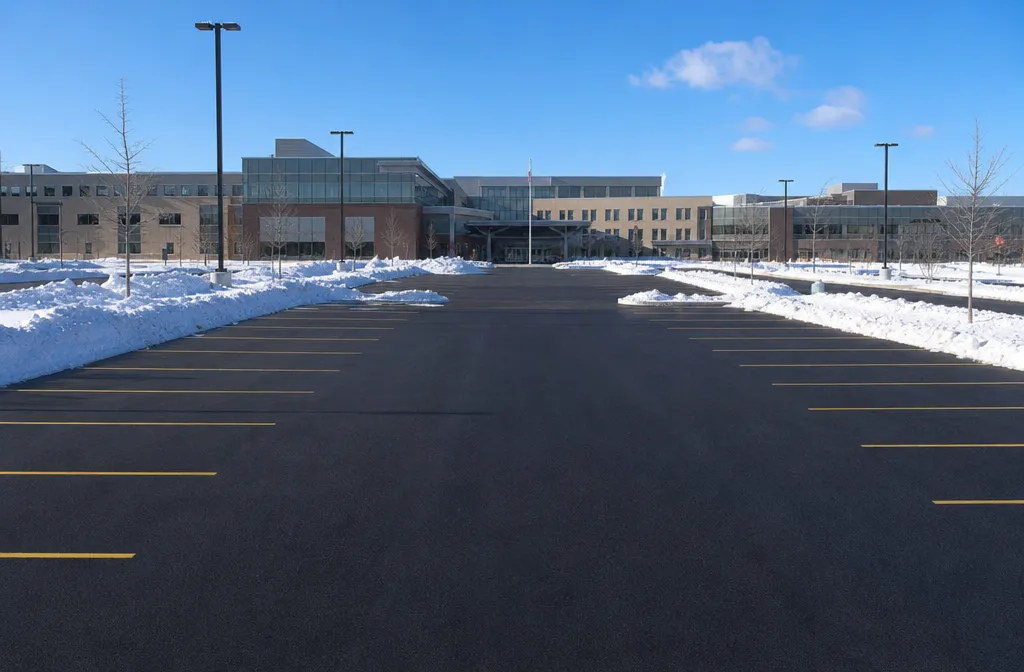
Request: Clean the parking lot from snow for ambulance access.
Done: Removed snow from 300 sq.m parking lot, treated with de-icing agents.
Cost: 17 000 ₸
Master: Talgat Muratov, master of winter work
Total: Parking lot fully cleared, access ensured.
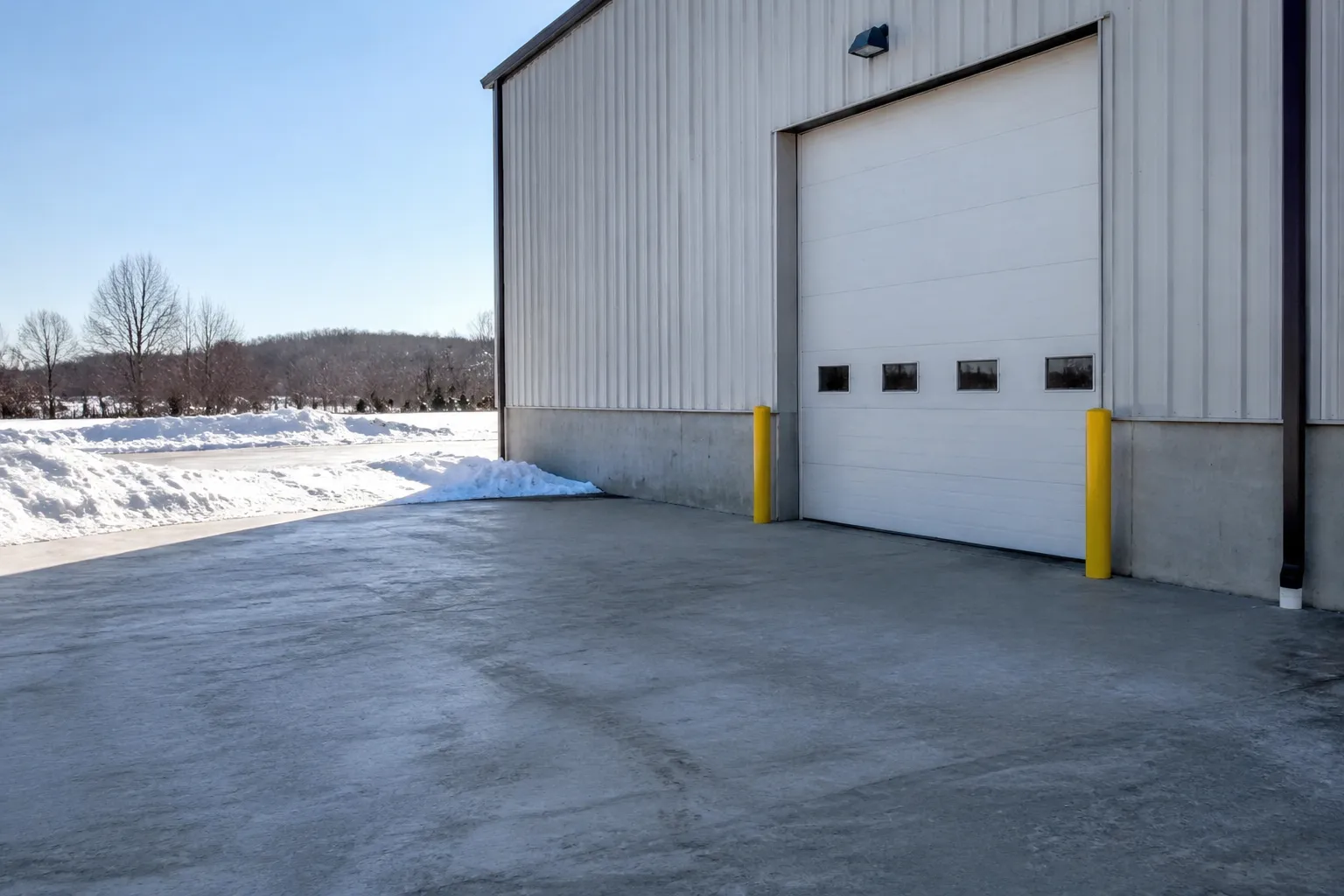 After
After
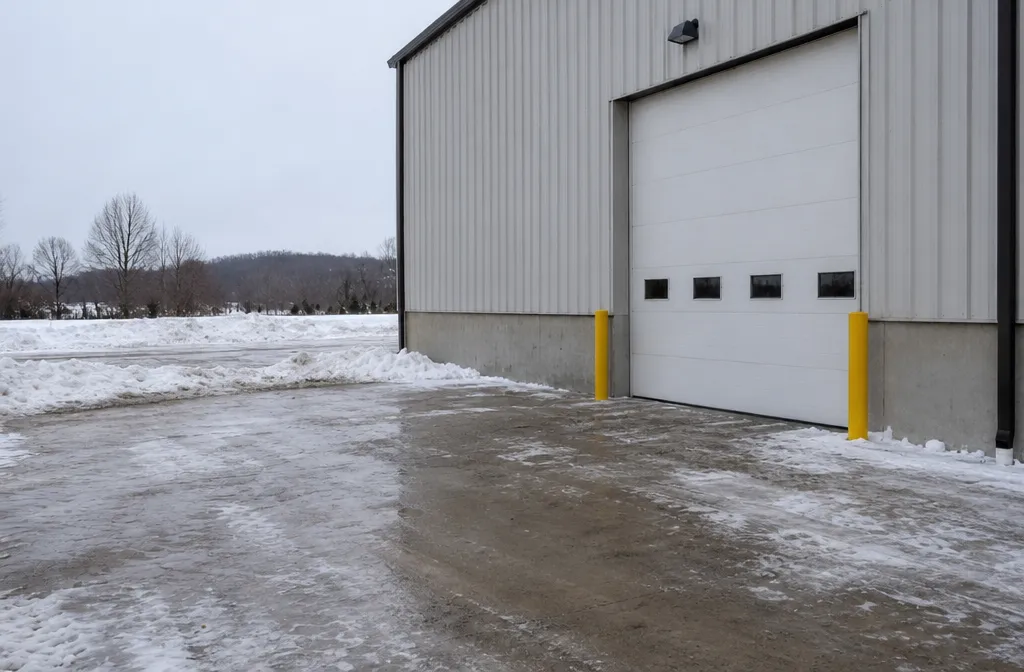
Request: Clean the warehouse entrance from snow for trucks.
Done: Removed snow from access roads and ramp, sprinkled with sand.
Cost: 16 000 ₸
Master: Askhat Kenzhebaev, master of winter work
Total: Entrance clean, trucks enter without problems.
All cleaners are profi-clean staff with training, uniform and security check. Each order has a team leader who controls quality.
Choosing a de-icing material is a key factor that affects not only the cleanliness of the surface but also the preservation of tiles, pedestrians’ footwear, and plant health. In Almaty, where winter temperature fluctuations can reach 15–20°C per day, the wrong reagent turns cleaning into a battle against the consequences. We break down the three main options we use on our sites.
Technical salt, or halite, is the most affordable reagent: a 25 kg bag costs a significant amount at Almaty bases (KazSol, Sol Almaty LLP). However, its effectiveness drops sharply below -12°C — in frosts exceeding this mark, the crystals stop melting ice, leaving the surface slippery. The second downside: sodium chloride corrodes concrete and paving tiles, leaves white stains on shoes, and kills lawns — in spring, brown patches remain along the paths. In our opinion, salt is only suitable for short-term treatment of driveways at industrial sites where aesthetics are unimportant and the budget is minimal.
The sand-salt mix (a blend of sand and technical salt in a 70:30 or 90:10 ratio) solves the problem of aggressive chemicals: the sand acts as an abrasive, providing traction without actively melting the ice. In Almaty, it is often used in residential complex courtyards and pedestrian zones — the price per bag is calculated individually, making it cheaper than pure salt. However, after the snow melts, the sand remains on the asphalt, clogs drainage grates, and creates dust when dry. Cleaning it up is more difficult than removing salt stains: it requires damp sweeping, otherwise dust rises into the air. In our practice, on sites with flagstone and automatic irrigation systems, we only use the sand-salt mix at entrance groups — where safety is paramount, not perfect cleanliness.
Calcium chloride (CaCl₂) is a reagent that melts ice even at -30°C, which is critical for the high-altitude districts of Almaty (Medeu, Kamenskoe Plateau). Its granules release heat upon contact with moisture, so the reaction starts instantly, and consumption is 2–3 times less than salt — 30–50 g per square meter versus 100–150 g for NaCl. In Kazakhstan, it is supplied by PromKhim LLP and KhimTrade KZ at a price calculated individually per 25 kg bag. The downside: CaCl₂ leaves an oily film that is tracked indoors on shoes and requires additional wet mopping of floors. For sites with expensive parquet or carpet, we recommend combining calcium chloride with quartz sand — this reduces tracking and maintains traction.
| Parameter | Technical Salt (NaCl) | Sand-Salt Mix (70:30) | Calcium Chloride (CaCl₂) |
|---|---|---|---|
| Working Temperature | Down to –12°C | Down to –8°C (due to abrasive) | Down to –30°C |
| Consumption per m² | 100–150 g | 150–200 g of mixture | 30–50 g |
| Effect on Concrete/Tile | Corrodes, leaves efflorescence | Minimal (sand protects) | Oily film, does not destroy |
| Effect on Plants | Kills lawn, salinizes soil | Almost harmless (sand is inert) | Moderate — requires spring watering |
| Difficulty of Cleaning Residue | White stains, washed off with water | Sand clogs drains, creates dust | Film removed by wet cleaning |
| Price per 25 kg Bag | significant amount | calculated individually | calculated individually |
For private houses with cobblestones and lawns, a sand-salt mix (90:10) on steps and calcium chloride on paths is optimal — this minimizes damage to plants and leaves no stains on tiles. For parking lots and access roads to offices in the city center (Abay Avenue, Furmanov Street), technical salt is sufficient if cleaning is done before severe frosts set in. However, at sites in the foothills — Alatau village, Gorny Gigant microdistrict — we use only calcium chloride: at -20°C, salt simply lies on the ice as crystals, not working.
In Almaty, green spaces along sidewalks and lawns near offices suffer from aggressive salt every winter — we have switched to reagents labeled “for green zones” to avoid poisoning roots and pets’ paws.
NaCl in its pure form is a cheap but soil-toxic option: one ton of salt per kilometer of road kills soil microbiota for 3–5 years ahead, and a chlorine concentration of 0.1% on wet asphalt corrodes dog paw pads within 10–15 minutes of contact. In our practice, there was a case: after a winter with salt in a shopping center parking lot, a living hedge of cotoneaster died — we had to replace 40 meters of planter boxes with soil. On wet paws, salt crystallizes, leaving micro-cracks where sand gets lodged — the pet starts limping after just the second walk. That’s why we fundamentally do not use technical salt, even on secondary paths, although its price is three times lower.
Before treating paths along lawns, we cover the root zone with agrofabric of 60 g/m² density — it retains 90% of reagent spray drift when applying liquid compositions. For shrubs along parking lots, we install temporary borders made of plastic garden tape 15 cm high: this is enough to prevent meltwater with reagent from flowing into the root layer. At facilities with particularly valuable species — blue spruce, western thuja, rhododendrons — we use only urea, and manually, locally on the ice, without spreading it over the entire area. In spring, after the snow melts, we perform a control measurement of soil pH along the treated zones: if the indicator drops below 6.0, we add dolomite flour to neutralize residual acidity.
On the Almaty market, there are compositions labeled “eco-friendly” that actually contain up to 15% sodium chloride — cheap salt is disguised as a biodegradable additive. It’s easy to check: dissolve a spoonful of reagent in a glass of water, put a piece of aluminum foil in it — if gas bubbles appear after 2–3 minutes, it means chlorine is present. The second trap is granules with green dye: the pigment is often made from copper sulfate, which suppresses the roots of lawn grasses when accumulated. We purchase reagents only from suppliers with EcoLabel or “Leaf of Life” certificates — this is the only way to guarantee that the composition contains no hidden chlorides. Before purchasing a seasonal batch, take a sample for a test drive: treat one meter of tile and one meter of lawn, wait a day — a healthy reagent does not discolor greenery and does not leave a sticky film.
The Almaty winter differs from the Siberian or North Kazakhstan winter — daytime thaws above zero are followed by night frosts down to -15°C, and this cycle repeats 5-7 times a month, creating unique conditions for ice formation and surface damage.
At daytime temperatures around +2°C, snow melts, water seeps into micro-cracks in asphalt and joints of paving slabs, and at night it freezes, expanding by 9% in volume. Over one freeze-thaw cycle, the load on the surface is comparable to a pressure of 200–300 atmospheres — this is enough to destroy the top layer of asphalt by 3–5 mm over the winter, even on new pavement. In Almaty, such cycles occur on average 40–50 times per season, especially in the foothill areas — on Al-Farabi Avenue, Zharokova Street, and in the “Orbita” microdistrict, where nighttime inversion keeps the cold longer. In practice, this means that after each thaw, a dense layer of ice forms on sidewalks and parking lots, which is more difficult to mechanically remove than freshly fallen snow. Therefore, at profi-clean, we go to sites before the evening frost sets in — to treat the surface with a liquid-phase reagent while the water has not yet frozen, which reduces reagent consumption by 30% compared to treating ready-formed ice.
In Almaty, due to dense urban development and mountainous terrain, the temperature difference between the sunny and shady sides of the same street reaches 5–8°C — on the sunny side, snow melts and drains into the storm sewer, while on the shady side, it remains as an icy crust until mid-March. On Dostyk Avenue, where the southern side is open to the sun and the northern side is shaded by high-rise buildings, we use different tactics: on the sunny side, it is enough to remove slush and treat the residue of reagents; on the shady side, it is mandatory to mechanically chip the ice and apply a preventive compound before freezing. The same logic applies in the courtyard wells of the “Nurly Tau” residential complex and in the pedestrian zones of the “Samal-2” microdistrict, where the sun appears for only 2–3 hours a day. The mistake of many crews is treating shady areas with the same volume of reagent as sunny ones: in the shade, the solution does not evaporate, remains a sticky slurry, and is tracked into entrances on footwear. We reduce the concentration by 20% on shady sides and add an inert filler (marble chips) for traction, so pedestrians do not slip while the reagent begins to work.
The main enemy of Almaty’s sidewalks in winter is not snow, but water that flows into the joints of the tiles and, when freezing, tears them apart from the inside: in one season, on an area of 100 m², up to 15–20% of the surface can fail if the correct reagents are not used. Sodium chloride (common salt) accelerates the destruction of concrete by 3–4 times compared to calcium chloride, as it crystallizes inside the pores and expands cracks. At profi-clean’s facilities in Almaty — from the parking lot of the “Mega” shopping center to the pedestrian paths in the Botanical Garden — we use reagents based on potassium acetate or magnesium chloride: they do not react with the cement stone and do not leave white stains on granite and marble. At the same time, on old asphalt with a network of cracks, we recommend that clients seal the joints with bitumen mastic before winter — this extends the service life of the surface by 2–3 seasons and reduces the frequency of reagent treatments by 40%.
In Almaty, due to frequent thaws, icicles and snow drifts form on the roofs of buildings, which fall off during daytime warming — cases of injuries to pedestrians have been recorded on Panfilov and Kabanbay Batyr streets, where old buildings do not have snow guards. According to our observations, on flat roofs with parapets less than 30 cm high, snow accumulates faster, and with a temperature change from -10°C to +3°C over 4 hours, the descent of a snow mass of up to 2–3 m³ occurs like an avalanche. When cleaning the area around such buildings, we always set up a barrier the width of the eaves plus 1.5 meters and do not start reagent treatment until we are sure the roof has been cleared — otherwise, pedestrians will slip on the fresh reagent, and snow will fall on them from above. At facilities with metal tiles or standing seam roofing (the “Akbulak” residential complex, the “Almaty Towers” business center), we recommend installing a cable heating system for gutters — this eliminates the formation of icicles and reduces the volume of manual eave cleaning by 70%.
The frequency of treating an area with reagents is not a calendar schedule, but a reaction to weather conditions, and the main mistake here is treating “just in case” or on a schedule, rather than based on the actual presence of ice. In Almaty, with its daily temperature swings from -15 to +5°C, this is especially risky because excess chemicals are not washed away until the next thaw, but accumulate in the top layer of the surface.
According to SP RK 3.03-101-, the standard for treating sidewalks and driveways is when snow-ice deposits form from 1 cm thick or when black ice appears, but no more than once per day per reagent type. In practice, at profi-clean, we see that this standard needs adjustment in Almaty’s conditions: due to frequent thaws, the reagent washes off the tiles within 4-6 hours, and if frost sets in the evening, fresh black ice forms again. Therefore, at sites with high pedestrian traffic (bus stops, mall entrances, clinics), we treat twice — before the morning peak flow and after evening freezing. For inner courtyards and parking lots, daily treatment is sufficient if there was no rain or heavy snowfall. At the same time, we keep the actual temperature and humidity of the last 12 hours in the site’s passport — it is these factors, not the calendar, that dictate the need for a repeat pass.
The first mistake is treating based on the principle “once a day is enough” regardless of the weather. In Almaty, where snow, then rain, and then frost can occur within a single day, a single morning treatment will not prevent evening black ice — by 6:00 PM, the reagent is no longer working, and the sidewalk turns into an ice rink. The second mistake is treating too often (every 2-3 hours) “to be safe.” This leads to oversaturation of the surface with chlorides: tiles begin to deteriorate, and in spring, “bald patches” from salt burn appear on lawns along treated paths. The third, less obvious mistake, is not considering wind direction and sunny sides. On the southern facades of buildings in Almaty, snow melts faster due to the sun, but in the evening, black ice forms on the shady side — you need to treat only the shaded areas, not the entire perimeter. Before the season starts, we recommend creating a site map: where the sun hits, where shade persists all day, where the high-traffic zone is, and where the service entrance is — this allows reducing reagent consumption by 30-40% without compromising safety, because you are not spreading it where ice does not form.
DIY snow removal often results in surface damage, pedestrian injuries, and fines — Almaty’s freeze-thaw cycle turns minor oversights into serious problems overnight.
Sodium chloride is the most accessible, but also the most dangerous mistake for the surface. On concrete tiles, salt reacts with the cement paste, causing surface scaling after just 3-4 freeze-thaw cycles. On asphalt, salt accelerates the oxidation of bitumen, making the surface brittle and cracked. In Almaty, where wet snow melts during the day and freezes at night, the salt solution penetrates deeper than in northern regions with stable frost. We have observed cases where, after one winter with salt, paving tiles lost up to 30% of their strength — restoration costs more than professional treatment over the same period. Even on old asphalt, salt-sand mixtures leave white stains that penetrate the pores and do not wash away until spring.
Scattering reagent “by eye” is a guarantee of icy traps. When the sand-salt mixture lies in a thick layer at the entrance and a thin layer in the center of the passage, the difference in melting temperature creates patches of pure ice. In Almaty courtyards with elevation changes, meltwater flows downhill and freezes on untreated areas — in the morning, an ice rink 2-3 cm thick forms there. Professional spreaders with calibrated rates (20-40 g/m² for sand-salt mixture) eliminate this effect. Manual distribution with a shovel or by hand gives a spread of 10 to 80 g/m² on a single square — an overdosed area damages the lawn, while an underdosed area remains slippery. At profi-clean facilities, we use dispensers with a 5 g step — this is the only way to guarantee even coverage without overspending.
The sequence of actions is critical, but it is often confused. If you first scatter the reagent and then shovel the snow, the chemicals go with it — effectiveness drops by 40-50%, and material consumption doubles. The correct order: remove the top layer of snow with a mechanical shovel or snow blower, then distribute the reagent over the remaining ice crust. In Almaty with its frequent thaws, snow is often wet and heavy — treatment before removal turns it into a slush that freezes to the shovel. On parking lots and sidewalks near offices, we apply the rule: snow above 5 cm — first mechanical removal, below 5 cm — reagent immediately. Violating this order on a 500 m² facility leads to an overspend of 15-20 kg of sand-salt mixture per cycle, which over 10 cycles in winter gives an extra 150-200 kg of chemicals on the lawns.
Iron spade shovels leave micro-cracks on tiles, which in winter fill with water and expand when freezing, turning into chips. Over one winter on an Almaty sidewalk made of paving stones, up to 15-20 damages per 100 m² can appear — each requires element replacement. Plastic shovels with a rubber edge do not scratch the surface, but they make it harder to break up dense ice crust. The compromise is aluminum shovels with a polyurethane attachment: they are rigid enough for ice but softer than stone. At profi-clean facilities, we have completely eliminated metal for tiles and asphalt — for breaking ice, we only use plastic scrapers. On concrete areas, a metal shovel is acceptable, but provided the blade is not sharpened — a dull edge presses the ice rather than cutting it, reducing the risk of damaging the screed.
Ordered winter cleaning for a shopping center — quickly cleared the parking lot and paths of snow, sprinkled with sand. Very convenient that they work anytime.
Aigerim, thank you! Glad we could ensure safety at your site.
Arrived at 7 am, by 9 all paths and porch were clean. Snow was removed, ice was broken — well done.
Did winter cleaning at a business center parking lot. Overall good, but one snowdrift near the entrance remained — had to finish ourselves.
Daniyar, please accept our apologies. We will take note and check all areas next time.
Cleared the school yard of snow and ice in 3 hours. Children are now running safely, thank you!
Ordered winter cleaning at a warehouse — cleared driveways for trucks and pedestrian areas. Prompt, no downtime.
Yerlan, glad to help! This is especially important for warehouses.
Cleared snow from the terrace and parking lot of the restaurant. Guests can now park without issues, thank you!
Winter territory cleaning was done well, but we didn't make it before opening — had to wait. But afterwards everything was great.
Kuanysh, sorry for the delay. We'll try to come earlier.
Cleared all paths and the playground of ice. Kids are thrilled they can run!
Ordered winter territory cleaning at the hospital — cleared ambulance entrances and main doors. Very important for emergencies.
Timur, thank you for your trust! Patient health is a priority.
Cleared snow on the streets of the community and near each house. Residents are happy, passage is clear.
Winter territory cleaning done, but left snow piles at the entrance — had to clear them ourselves. Overall okay.
Alexey, sorry. We'll be more attentive to entrance areas.
Cleared alleys and playgrounds of snow. Walking is now pleasant and safe.
Needed winter territory cleaning at the sports complex — done quickly, even sprinkled the paths. Thank you!
Nurlan, glad to help athletes!
Pleasantly surprised — they cleared the snow from the hotel parking lot before our arrival. Only one corner remained uncleaned.
Saulesh, noted. We strive to be perfect.
Ordered winter territory cleaning for the parking lot — completely cleared of snow, ice chipped off. Clients are satisfied.
Cleaned the church grounds and steps. Parishioners can now enter safely.
Winter territory cleaning done excellently — all entrances and parking are clean. Employees have no complaints.
Arman, thank you! Glad you liked everything.
Cleared snow in front of the entrance and in the parking lot. Good, but could have sprinkled salt — it's slippery.
Aliya, we'll take note. Next time we'll add treatment.
Ordered winter territory cleaning at the construction site — cleared access roads for equipment. Work without delays.
Cleared the summer terrace and paths of snow. Visitors can sit outside again.
Winter territory cleaning at the gas station — removed snow and ice near the pumps. Convenient for drivers.
Yerzhan, thank you! Safety at gas stations is important.
Only the main paths were cleared, but snow remained in the courtyard. Had to call to get it finished.
Madina, we apologize. We will expand the cleaning area.
We depart within 2 hours after the order. In urgent cases (heavy snowfall) we can arrive within 1 hour. For subscriptions — priority dispatch.
Yes, we use eco-friendly EcoMelt reagents based on calcium chloride. They do not harm plants and are safe for animal paws when instructions are followed.
We recommend after each snowfall with a layer over 5 cm. For commercial properties — daily during heavy precipitation. The subscription includes regular visits.
The price depends on the type of area: private house — individual rate per 100 sq. m, office — individual rate per 100 sq. m, parking — individual rate per 100 sq. m. Exact cost after assessment.
Snow removal costs an individual rate per cubic meter. Minimum volume — 5 cubic meters. The price includes loading and transportation to the landfill.
Treatment with reagents costs an individual rate per 100 sq. m. Includes distribution of EcoMelt or sand-salt mixture. Discount when ordering cleaning.
Multiply the area in hundreds by the price per hundred for your type of area, add the cost of snow removal (if needed) and additional services. We will calculate the exact estimate for free.
We clean private houses, cottage communities, offices, parking lots, shopping centers, warehouses, schools, kindergartens, hospitals, factories, sports grounds, parking lots.
Assessment, mechanized and manual cleaning, ice breaking, reagent treatment, snow removal, garbage collection. More details in the work stages.
Husqvarna snow blowers, ice breakers, shovels. Reagents: EcoMelt (calcium chloride) and sand-salt mixture. All certified.
Tell us about your experience with profi-clean — it helps other clients and us improve.
We currently operate in Almaty. Other cities are coming soon.