Assessment and preparation
We inspect the premises, identify dirty areas, and agree on the cleaning plan with the client.
Professional cleaning of cafes, restaurants, and coffee shops in Almaty. We remove grease, carbon deposits, and food stains.

We work with any types and materials
Thorough cleaning of coffee machines, countertops, and floors from coffee stains.
from 20,000 ₸Removal of grease from kitchen equipment and furniture in compact spaces.
from 20,000 ₸Comprehensive cleaning of the hall, kitchen, and restrooms using professional products.
from 24,000 ₸Washing large surfaces and equipment in high-traffic conditions.
from 20,000 ₸Cleaning bar counters, refrigerators, and floors from spilled drinks.
from 20,000 ₸Quick cleaning with a focus on fryers and counters.
from 20,000 ₸Removal of carbon deposits from ovens and grease from walls and floors.
from 20,000 ₸Disinfection of surfaces and cleaning of refrigeration equipment.
from 20,000 ₸Washing display cases, shelves, and work tables.
from 20,000 ₸Cleaning bakery cabinets and work surfaces from dough and cream.
from 20,000 ₸Post-event cleaning: washing dishes, tables, and floors.
from 20,000 ₸Regular cleaning of large areas in compliance with sanitary standards.
from 20,000 ₸From inspection to result with guarantee
We inspect the premises, identify dirty areas, and agree on the cleaning plan with the client.
We collect waste, clean tables and chairs from food residues, prepare surfaces for washing.
We wash stoves, ovens, hoods, refrigerators, and combi steamers using Kiehl products.
We remove grease from walls, backsplashes, exhaust grilles, and kitchen floors using a steam cleaner.
We wash floors, wipe furniture, disinfect surfaces in the dining area.
We clean toilets, sinks, mirrors, and floors using Sodasan disinfectants.
We wash glass, frames, and windowsills, ensuring display transparency (optional).
We check the cleaning quality, fix any issues, and sign the acceptance certificate.
We use German Kiehl products to remove stubborn grease and carbon deposits, and eco-friendly Sodasan for safe disinfection. This effectively cleans surfaces without harming visitors or staff. All products are certified for use in food service establishments.
Steam cleaners with steam temperatures up to 180°C dissolve grease even in hard-to-reach places, while extractors quickly remove dirt from upholstered furniture and carpets. This ensures deep cleaning without chemicals. Equipment undergoes regular maintenance.
We use vacuum cleaners with HEPA filters that capture 99.97% of particles as small as 0.3 microns. This removes allergens, dust, and microorganisms, creating a safe environment for visitors with allergies. Filters are changed after each cleaning.
All technicians undergo training in sanitary and epidemiological requirements for food service establishments: proper surface treatment, zone separation, use of disinfectants. We regularly pass exams on SES standards. Each employee has a medical record.
Our operations are insured for 10 million tenge. In case of accidental damage to property or equipment, we compensate for the loss. Insurance policy provided upon request. This guarantees your financial security.
We are confident in the quality of cleaning: if you find any shortcomings, we will redo the problem areas for free within 24 hours. The guarantee applies to all types of services. Your satisfaction is our priority.
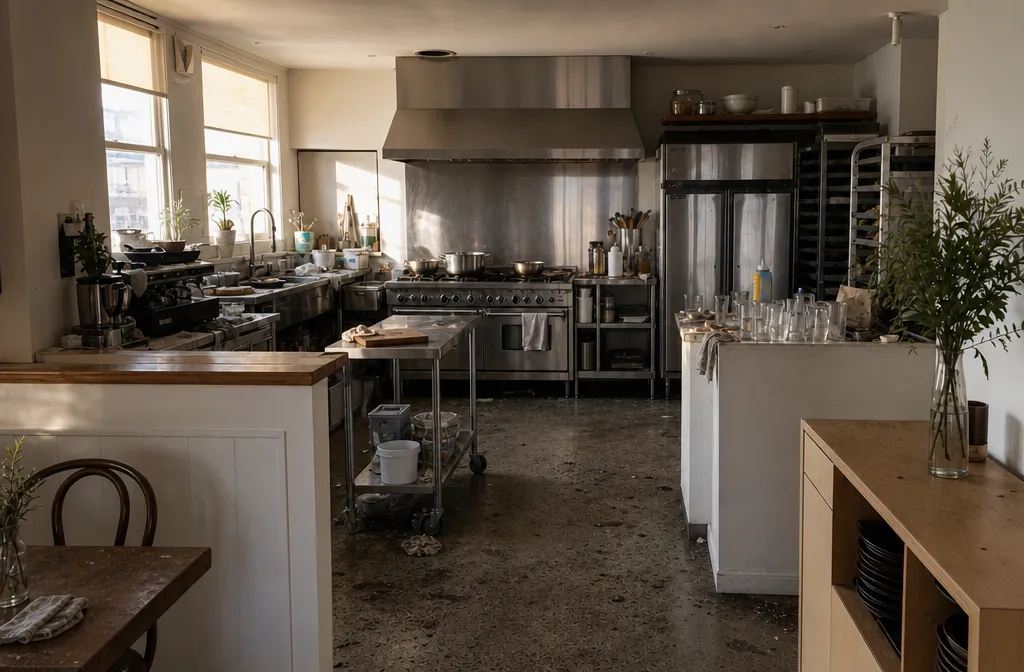
 After
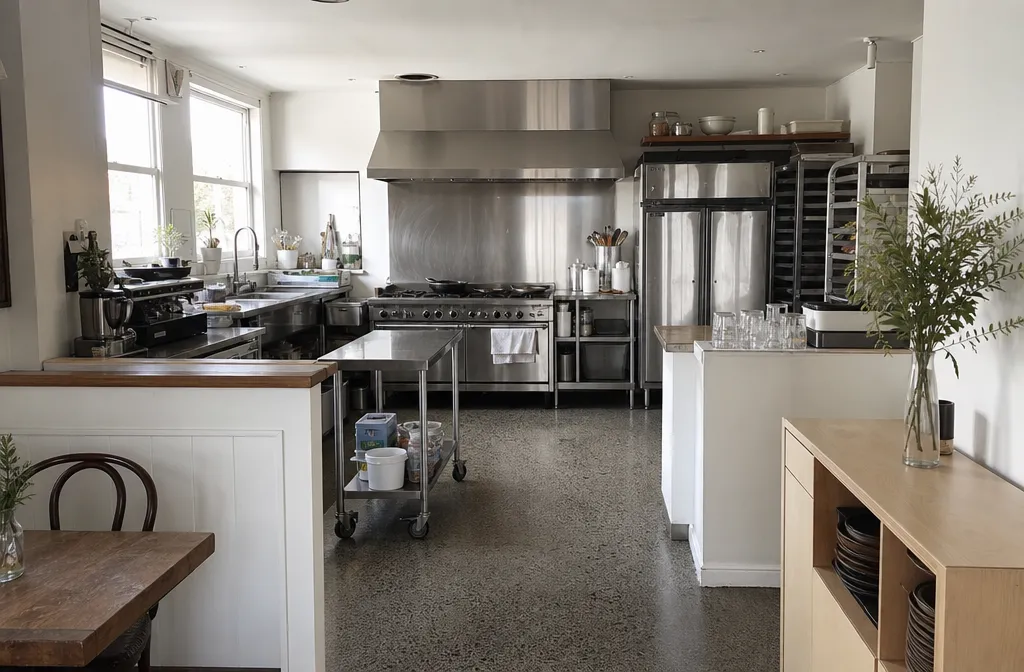
After
Request: Requires cleaning of the kitchen hood from years of grease and soot buildup.
Done: Deep chemical cleaning of the hood was performed using industrial degreaser and steam generator.
Cost: 22 000 ₸
Master: Aigul Nurgaliyeva, chemical cleaning master
Total: The hood is completely cleaned of grease, restored to working condition and appearance.
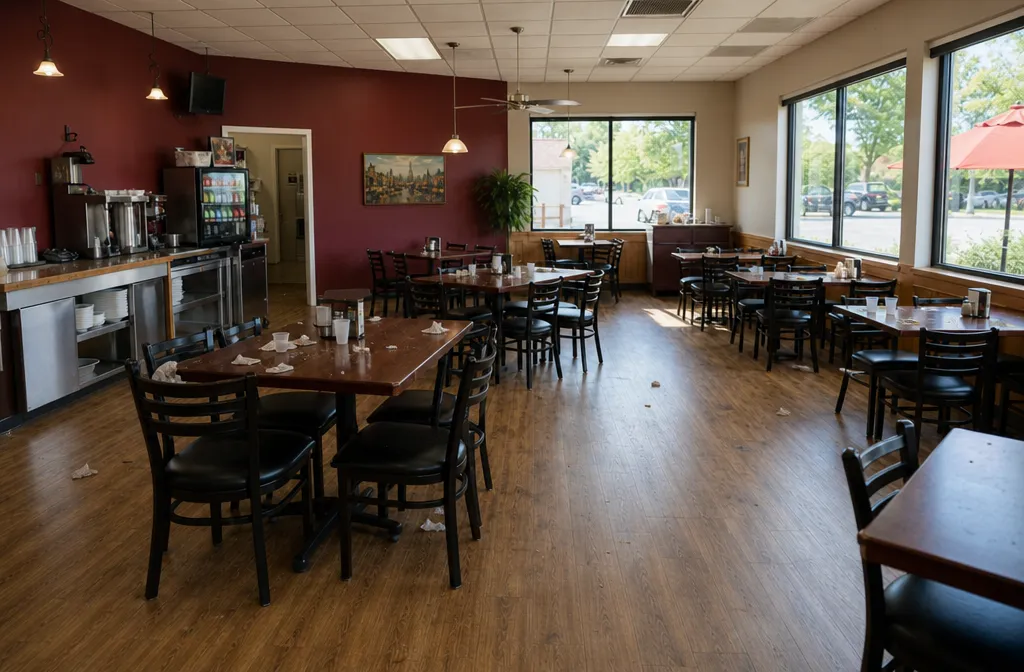
 After
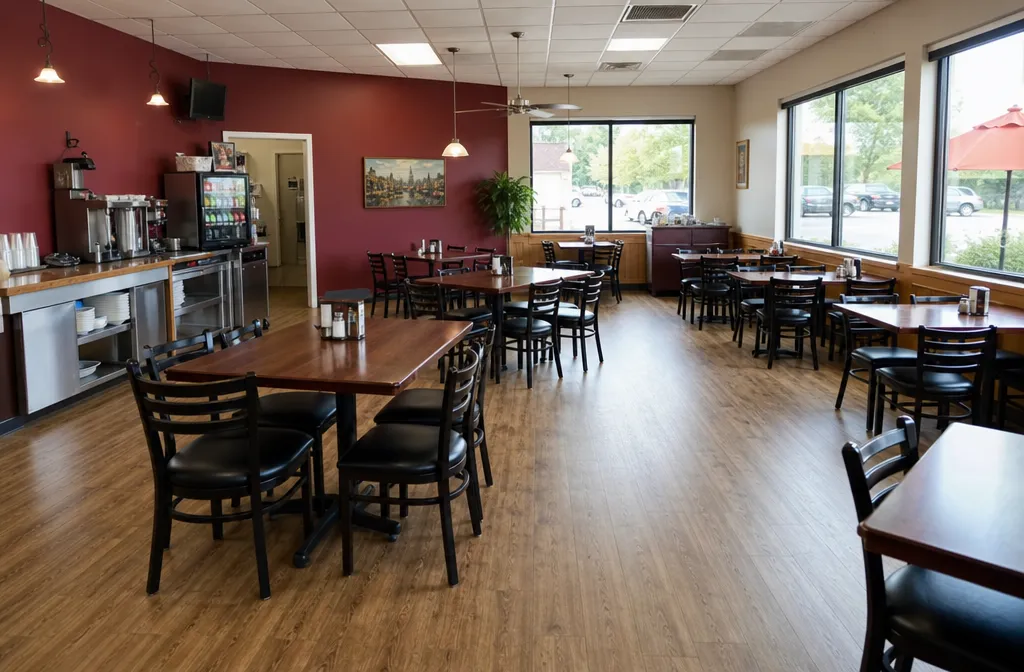
After
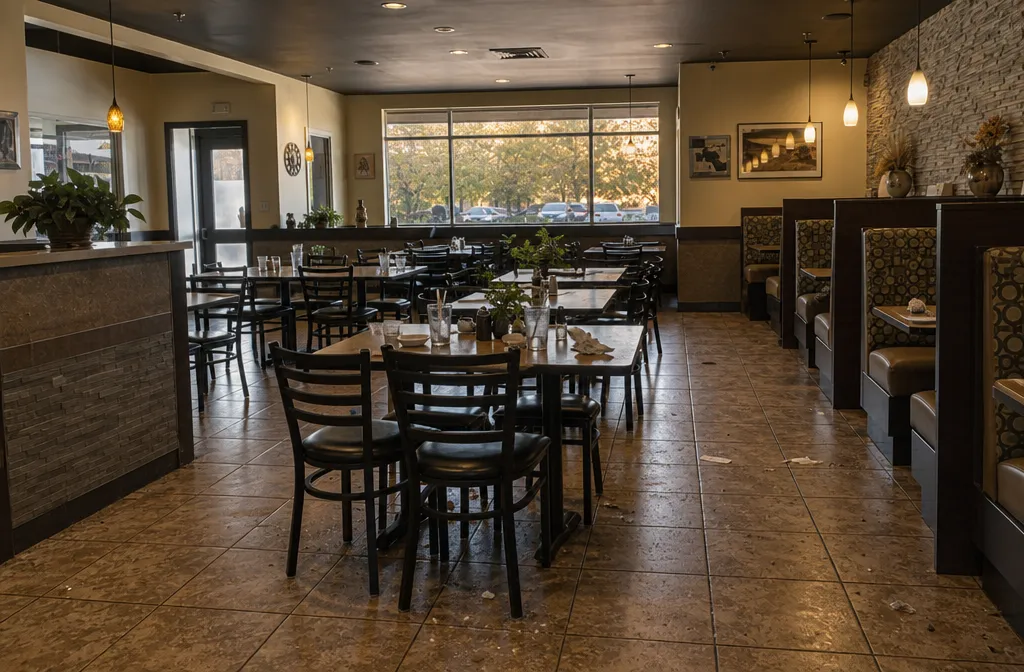
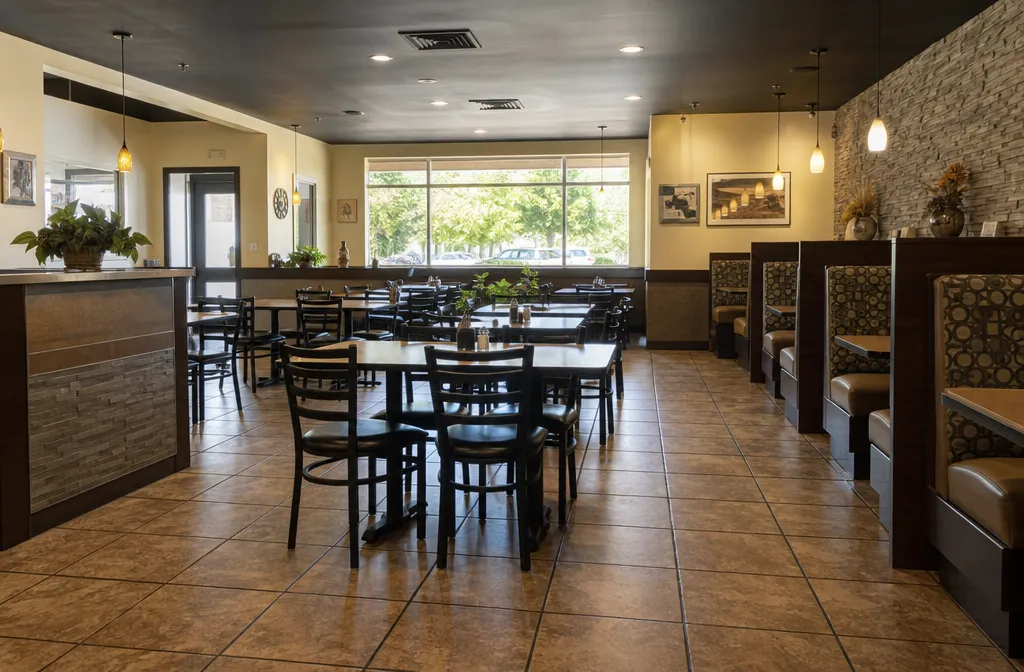
Request: Requires general cleaning of the dining area after evening service.
Done: Wet cleaning of all surfaces, floor washing, and furniture disinfection were performed.
Cost: 21 000 ₸
Master: Damir Seitkaliyev, cleaning master
Total: The hall shines with cleanliness, all surfaces are degreased and disinfected.
 After
After
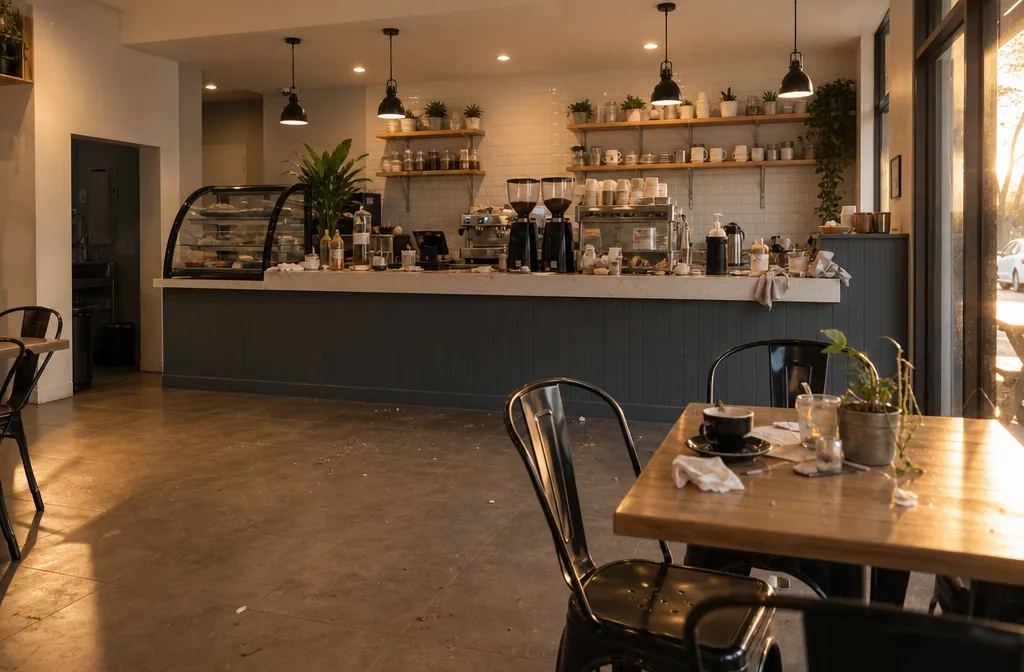
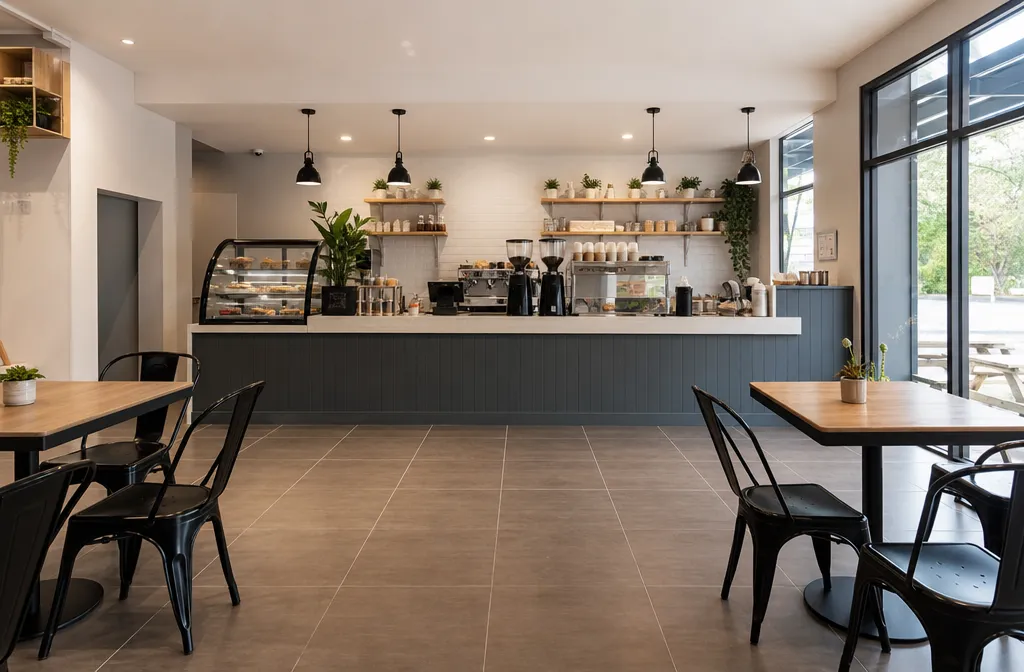
Request: Requires cleaning of the coffee counter from coffee and milk stains.
Done: Chemical cleaning of the counter was performed using professional products for removing coffee stains.
Cost: 22 000 ₸
Master: Aliya Kassymova, chemical cleaning master
Total: The counter is completely clean, without streaks or coffee stains.
 After
After
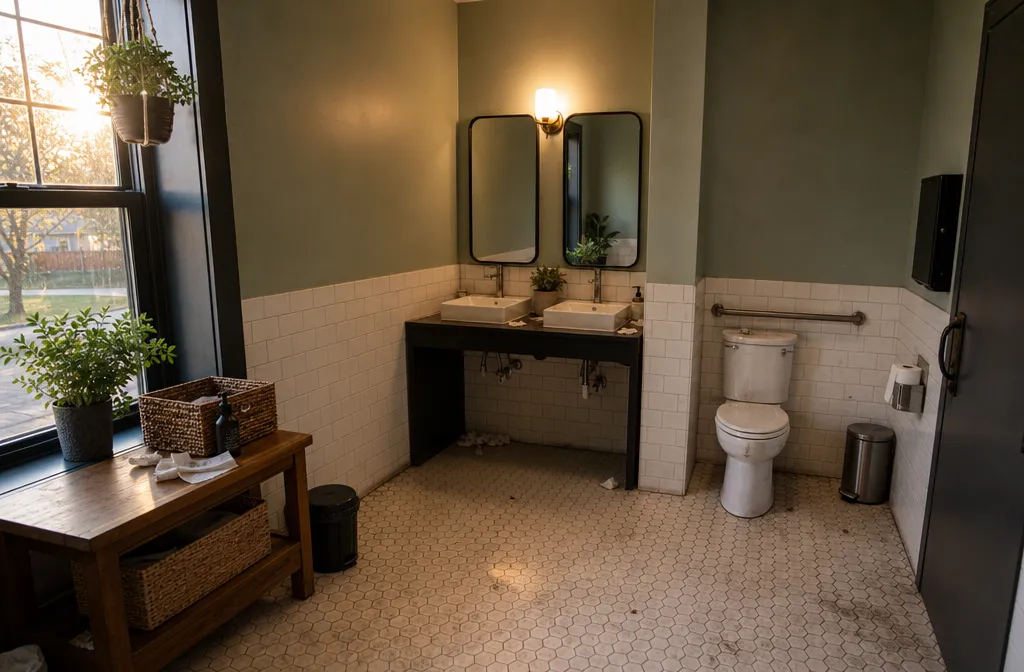
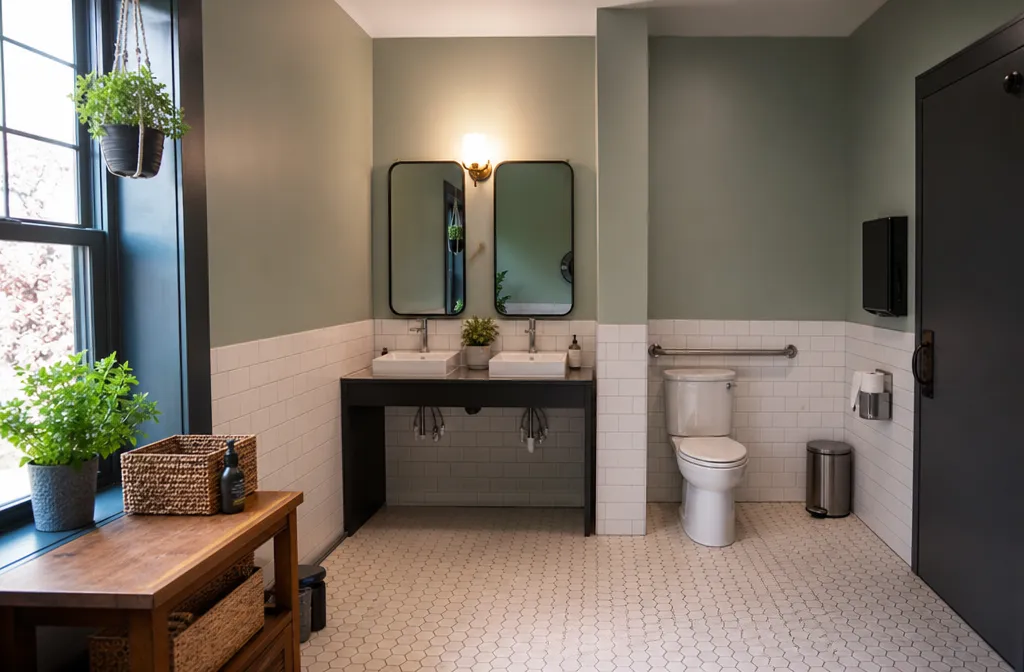
Request: Requires deep cleaning and disinfection of the cafe bathroom.
Done: Comprehensive cleaning was performed: washing walls, floor, plumbing, disinfection of all surfaces.
Cost: 21 000 ₸
Master: Yerzhan Muratov, cleaning master
Total: The bathroom is completely clean, odor-free, and without signs of use.
 After
After
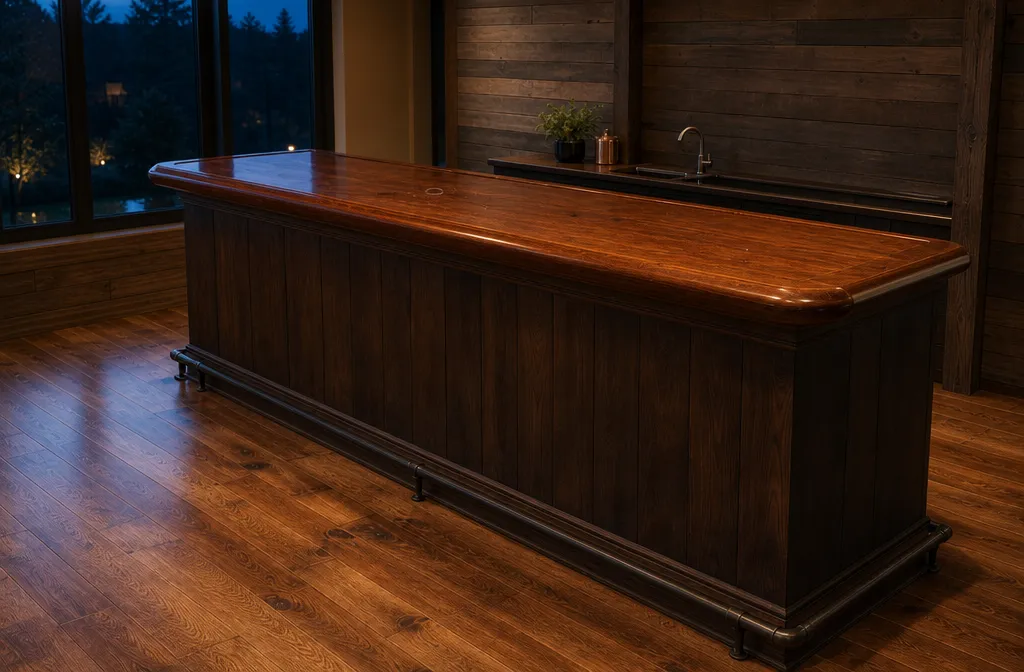
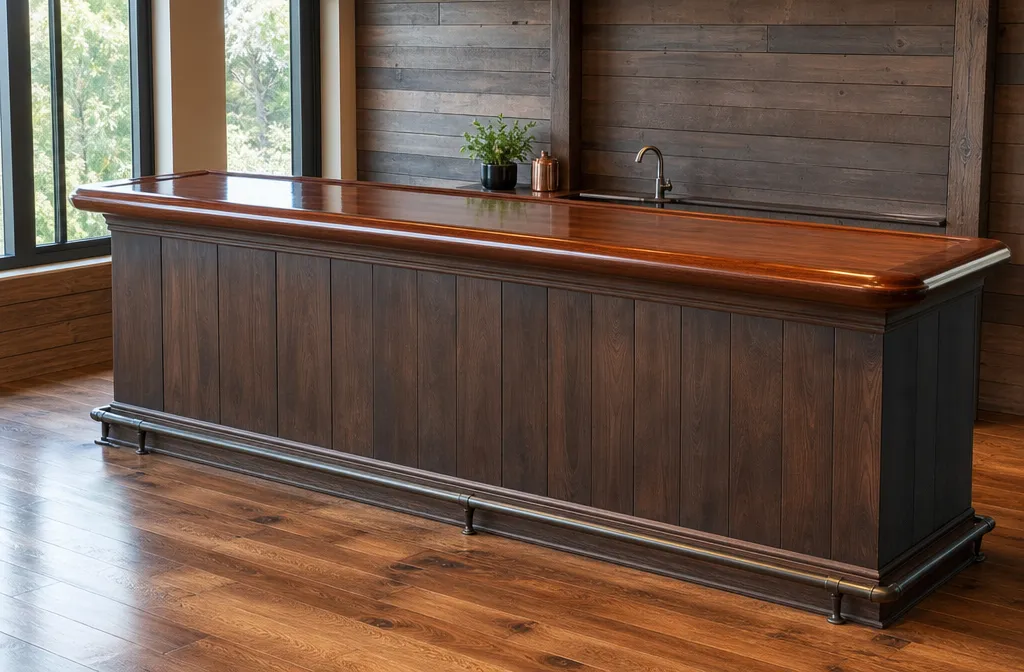
Request: Need to clean the bar counter from grease stains and drink marks.
Done: Dry cleaning of the counter performed using degreaser and polish.
Cost: 24 000 ₸
Master: Gulmira Sadykova, dry cleaning master
Total: The counter shines, no stains or streaks.
 After
After
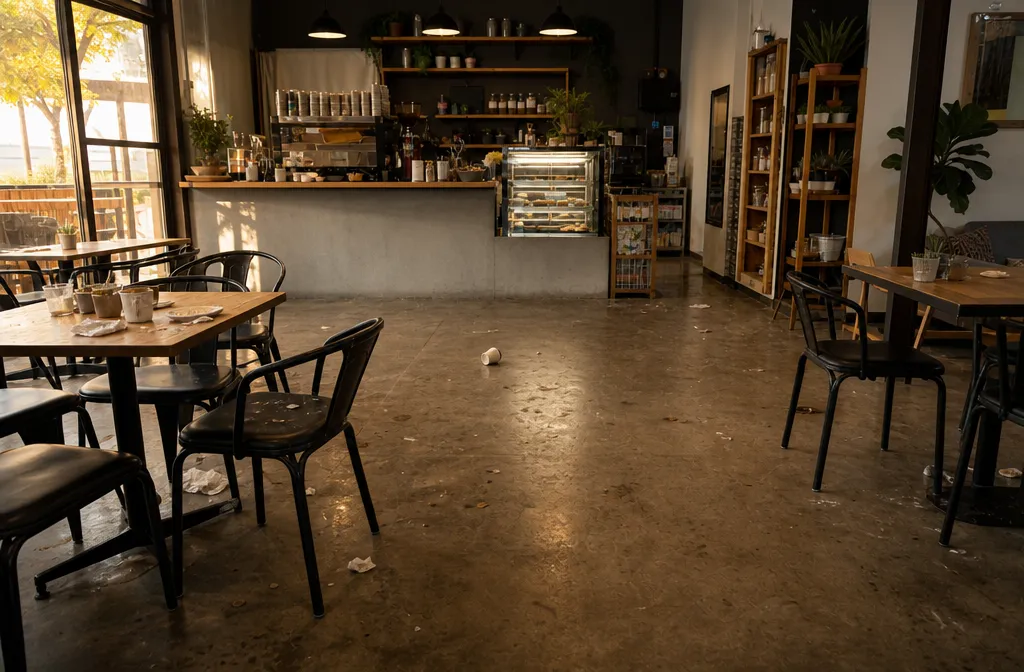
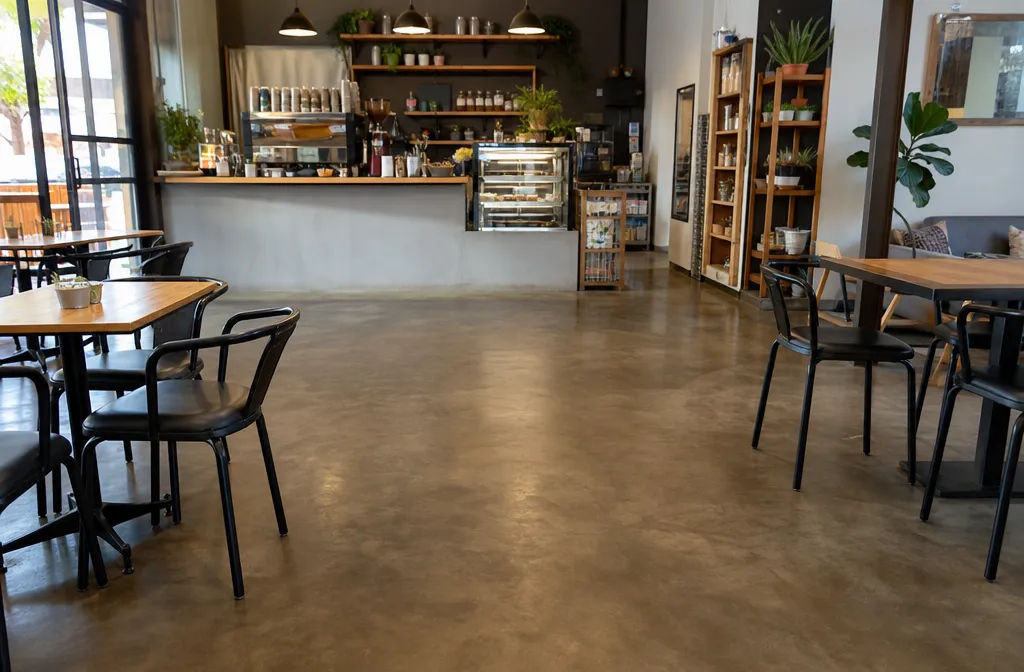
Request: Requires deep cleaning of the floor from grease and dirt in the cafe.
Done: Floor washing performed using a professional floor scrubber and cleaning agents.
Cost: 23 000 ₸
Master: Bekzhan Tolegenov, cleaning master
Total: The floor is completely clean, no grease stains or streaks.
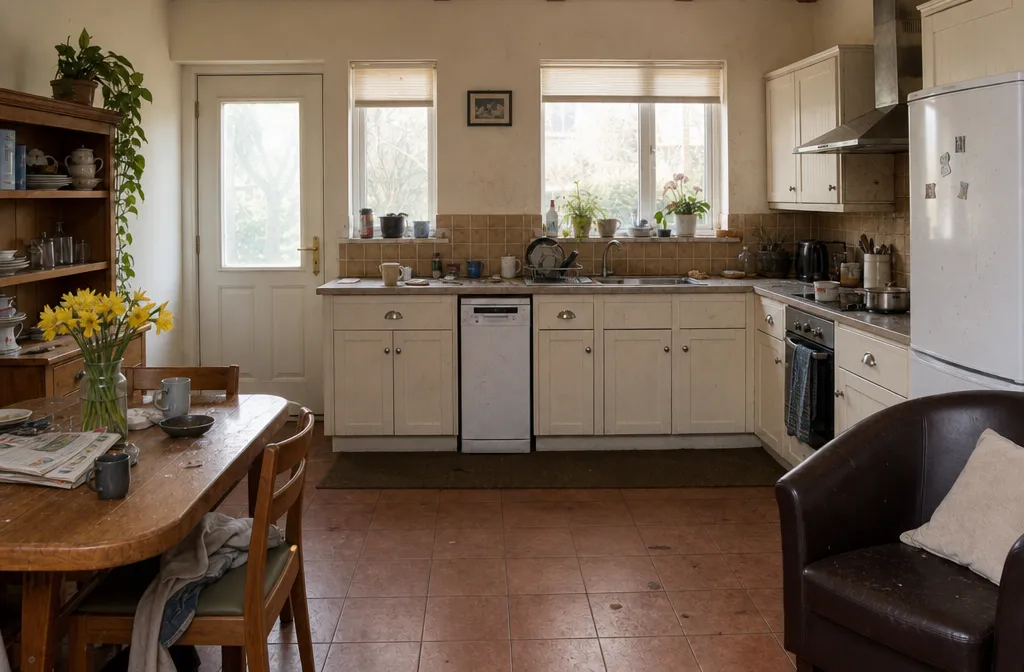
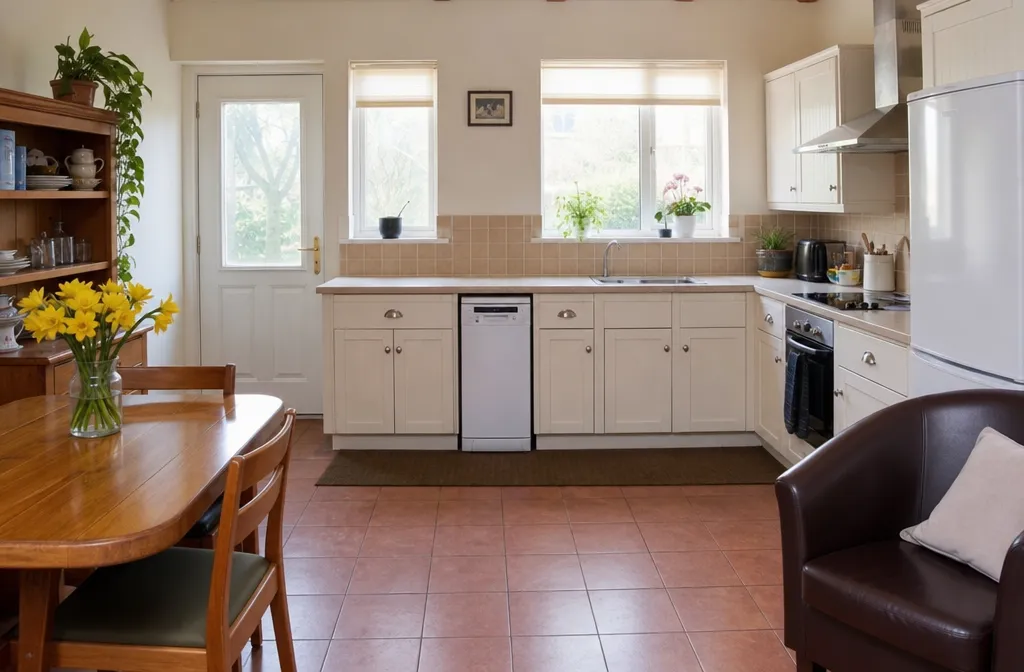 After
After
Request: Need to remove old grease from kitchen walls.
Done: Dry cleaning of walls performed using alkaline solution and steam generator.
Cost: 22 000 ₸
Master: Aigul Nurgaliyeva, dry cleaning master
Total: Walls completely cleaned of grease, no streaks.
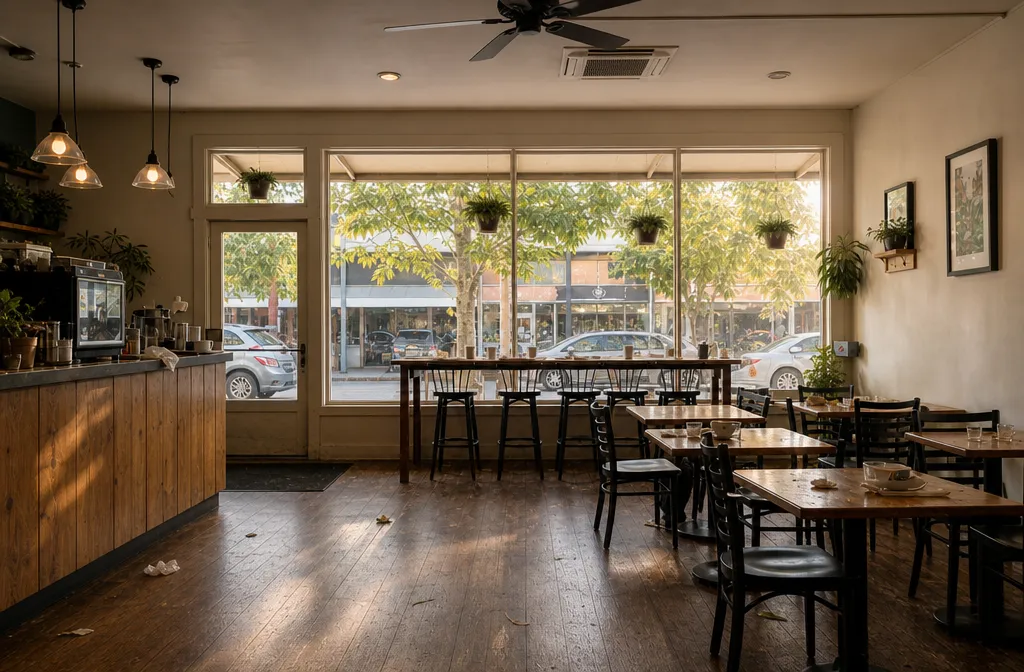
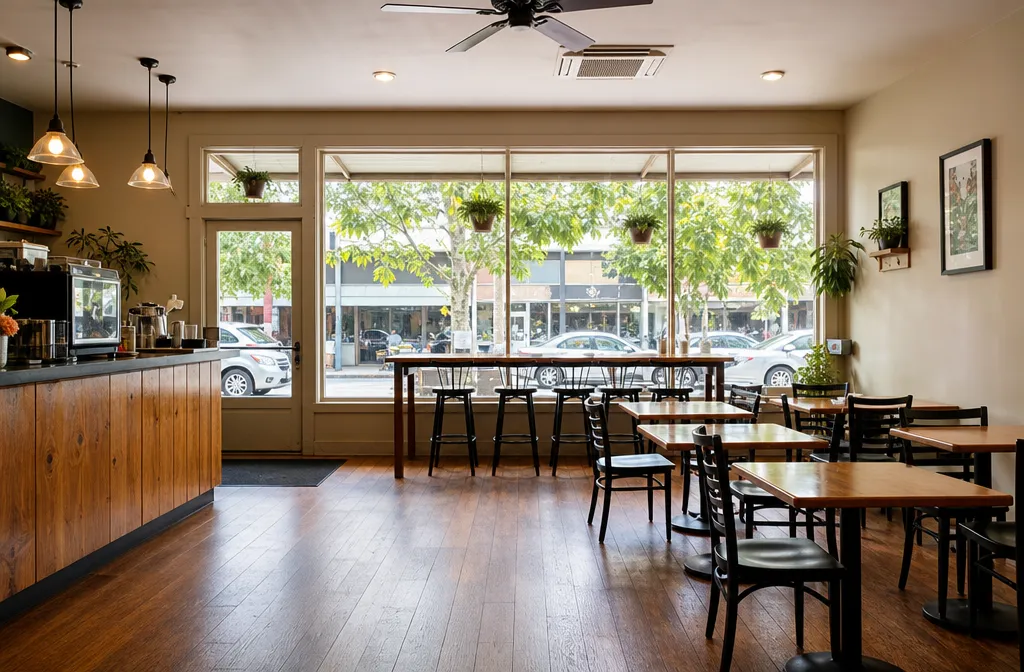 After
After
Request: Requires window washing outside and inside, including frames.
Done: Professional window washing performed using telescopic pole and cleaning solution.
Cost: 22 000 ₸
Master: Damir Seitkaliyev, cleaning master
Total: Windows perfectly transparent, no streaks or marks.
 After
After
Request: Need to clean dining tables and chairs from stains and crumbs.
Done: Dry cleaning of soft upholstery of chairs and wet cleaning of tables performed.
Cost: 21 000 ₸
Master: Aliya Kassymova, dry cleaning master
Total: Furniture completely clean, no stains or odors.
All cleaners are profi-clean staff with training, uniform and security check. Each order has a team leader who controls quality.
Cleaning a cafe in Almaty is fundamentally different from cleaning an office or apartment — here, the work involves food contaminants, grease, and SES requirements, not just dust. Let’s break down the key differences so you understand why a standard approach is not suitable for your establishment.
Unlike office cleaning, where a vacuum cleaner and a damp cloth suffice, a sticky film of oil and steam forms daily in a cafe kitchen. We use Kiehl alkaline products with a pH of 11–13, which break down grease in 3–5 minutes — regular household chemicals cannot handle this and leave a film. The most problematic areas are exhaust hoods, deep fryers, and stoves: without weekly treatment, the grease layer hardens into a crust, requiring mechanical scraping with a scraper, which damages the stainless steel. We had a case at a coffee shop on Baikonur Street where the owner hadn’t ordered a hood cleaning for six months — we had to remove the filters and soak them in a hot solution for 8 hours. In my opinion, it’s cheaper to call cleaners weekly than to replace expensive equipment quarterly.
The hall and kitchen require completely different approaches: aesthetics and the absence of chemical odors are important in the hall, while bacteriological safety and grease removal are key in the kitchen. For the hall, we use neutral Sodasan products with a citrus scent — they leave no streaks on glass and mirrors and are safe for children if the cafe has a play area. For the kitchen, we use only professional disinfectants based on QACs (quaternary ammonium compounds), which kill salmonella and E. coli within 60 seconds of contact. An important nuance: sponges and cloths from the kitchen are never used in the hall — this is cross-contamination that can lead to customer complaints about odors. Moreover, in Almaty cafes with open kitchens (open kitchen format), the boundary between zones blurs — we use color-coded equipment: red for the kitchen, blue for the hall, yellow for restrooms, green for display cases.
The floor in a cafe is the most hazardous area: grease and spilled water create a slippery film that a regular mop does not remove but spreads around. We wash floors using a two-phase method: first, apply a grease-breaking concentrate and leave it for 5 minutes, then rinse with clean water mixed with an anti-slip component. For porcelain tile in halls of cafes on Abay Avenue, we use pH-neutral compounds — acid destroys grout. For ceramic tile in the kitchen, we use alkaline products that draw grease out of micro-cracks. A typical mistake owners make is washing floors only with water and Fairy: this leaves a soapy film that becomes sticky within an hour. Due to the risk of customer falls, the SES measures the coefficient of friction during inspections — if it is below 0.4, a fine is issued.
Almaty has a specific climate: dry summers with dust and wet winters with mud create an additional burden on cafe cleaning. For establishments with open verandas and grills in Medeu, we encounter soot on facades — the soot settles on walls and ceilings and cannot be washed off with plain water; an acidic compound with caustic soda is needed. In winter, road reagents are tracked in on shoes and damage the hall flooring — we recommend installing dirt-catching mats at the entrance and treating the floor with a salt neutralizer once a week. Another Almaty peculiarity is sand from the mountains, which enters the hall through open windows in summer: it needs to be not just swept but collected with an industrial vacuum cleaner with a HEPA filter, otherwise the particles scratch laminate and parquet. If the cafe is on the ground floor of a residential building (as many are in the city center), vibration noise is added — we use quiet floor scrubbers to avoid disturbing residents during nighttime cleaning.
An Almaty cafe faces three types of contaminants, each requiring a separate approach and chemicals — from food grease to ingrained caffeine.
The most aggressive type of contamination is cooking grease, which polymerizes when heated, turning into a sticky film and then a hard crust. On range hoods and stoves, grease accumulates in a layer up to 2-3 mm thick within a month of active operation, especially in Kazakh cuisine with frequent open-flame meat frying. Regular household products (Fairy, AOS) cannot handle such deposits—they only smear the grease. We use alkaline compounds with a pH of 11-13 (e.g., Kiehl Power Cleaner), which saponify the grease in 5-7 minutes, after which it rinses off with water without scrubbing. On vertical hood surfaces, the alkali is applied with a sprayer and left for exposure—if rinsed off too early, the grease remains in the metal pores. Before treatment, we always turn off the ventilation and cover the fire suppression sensors—alkaline mist can cause false system activation.
In coffee shops and cafes with espresso bars, the main enemy is coffee oils, which settle on work surfaces, portafilters, dispensers, and inside the coffee machine. They are invisible to the eye but create a sticky film that attracts dust, and after 2-3 days without cleaning, they ruin the drink’s flavor—bitterness and a metallic aftertaste appear. Alcohol wipes are useless here: caffeine is only soluble in specialized degreasers based on surfactants or in hot water with citric acid. For exterior surfaces, we use Kiehl Coffee Cleaner foam—it is applied, left for 30 seconds, and wiped off with a microfiber cloth, without abrasives to avoid scratching the stainless steel. We clean the internal group of the coffee machine with Puly Caff tablets once a week; otherwise, valves clog and steam pressure drops. On service counters, coffee oil residue appears fastest in the drip tray area—it is wiped manually every 2 hours, even with daily cleaning.
Almaty dust is a mixture of sand, exhaust fumes, and poplar fluff (in spring), which settles on tables, bar counters, and the floor in the dining area within an hour of morning cleaning. In cafes with open terraces or frequently opened doors, dust accumulation is 2-3 times higher than in establishments with an airlock and air conditioning. Regular wet mopping spreads dust across the tiles, leaving streaks, especially on dark laminate or porcelain stoneware. We use a two-bucket cleaning system with microfiber mop heads: one bucket with water and a hypoallergenic Sodasan concentrate, the other with clean water for rinsing, which prevents re-soiling of surfaces. For tables and chairs, we use anti-static wipes—they reduce dust settling by 40-50% throughout the day. In summer, we always add a pine concentrate to the floor washing water—it repels ants, which often run in from the street into cafes on the first floors of residential buildings in the Medeu district.
Cutting boards, sinks, and drain areas are breeding grounds for bacteria (E. coli, salmonella), which appear within 4-6 hours at room temperature if raw meat or egg particles remain on surfaces. This is visually undetectable, but a musty smell and sticky residue in the drain are markers of the problem. During inspections, the Sanitary and Epidemiological Service (SES) takes swabs specifically from these areas, and exceeding the total microbial count (TMC) results in fines of up to 200 MCI. For disinfection, we use chlorine-containing tablets (Neomoscan) at a concentration of 0.015%—they kill bacteria in 2 minutes but require mandatory rinsing with clean water; otherwise, residual chlorine reacts with food proteins and releases toxic chloramines. On stainless steel sinks, a rainbow film may appear after chlorine—this is removed with a vinegar solution (1:10). After disinfection, cutting boards are treated with a steam generator at 120°C, which destroys mold spores in micro-cracks—regular chemicals cannot penetrate there, and our practice shows that after steam treatment, boards last twice as long without replacement.
The optimal frequency of deep cleaning for a cafe depends on foot traffic, kitchen type, and SES requirements—at profi-clean, we have developed a schedule based on 8 years of working with Almaty establishments.
For such establishments, a deep clean is needed every two weeks, not once a month as owners often think. The reason is that fryer grease settles on the hood, walls, and floor within 10–14 days, forming a sticky film that attracts dust and becomes a breeding ground for bacteria. In our experience at a café on Al-Farabi Avenue, with a footfall of 200+ people per day, skipping the deep clean into the third week meant that the grease buildup on the kitchen backsplash required not just standard chemicals but mechanical scraping with a scraper. We recommend scheduling the deep clean for Monday or Tuesday — after the peak weekend load and before the new food delivery. Daily cleaning in such places must include mandatory floor washing with a disinfectant and wiping down all contact surfaces.
For coffee shops and small eateries with a footfall of up to 100 people per day, one deep clean per month is sufficient, but with an important nuance: the focus shifts from grease to coffee dust and milk residues. The coffee machine releases microparticles of ground beans that settle on shelves with cups and in the ventilation — over a month, the dust layer can reach 1–2 mm, affecting the taste of the coffee (specialists call this “aroma cross-contamination”). In the milk compartments of refrigerators, a biofilm from milk residues forms over the same period — if not removed, it causes a sour smell and spoils fresh products. In our orders for coffee shops in the Arbat area, we noticed that those who schedule a deep clean every 3 weeks instead of monthly reduce unscheduled call-outs for odor issues by 40%.
Here, a deep clean is required weekly — this is not a recommendation but a necessity dictated by the intensity of working with oils and sauces. In a professional kitchen, enough grease aerosol accumulates in a week to coat not only the hood but also the ceiling and the top edges of cabinets — places that regular staff rarely check. At an establishment on Abay Avenue, where we clean weekly, measurements showed that on the third day after a deep clean, the grease layer on the hood is 0.3 mm, already reducing its efficiency by 15%. By the end of the week without cleaning, this layer reaches 1 mm, and the hood operates at 70% capacity — increasing kitchen temperature and electricity consumption. We advise scheduling deep cleans in restaurants for Tuesday or Wednesday to relieve the load after the weekend and prepare for the next peak.
Almaty’s spring and autumn are periods when the frequency of deep cleans should be increased by one additional session per month. From March to May, dust comes down from the mountains, blown into open verandas and through ventilation — in a week, as much dust settles on kitchen equipment as in a month during winter. During the rainy season (October–November), indoor humidity rises to 70–80%, accelerating mold growth in hard-to-reach places: under sinks, behind refrigerators, in the corners of storage rooms. In our orders for cafés in the Medeu district, we recorded cases where skipping a deep clean in a rainy month led to black mold appearing at the wall-floor junction behind the dishwasher — its removal required not just cleaning but involving disinfection specialists.
Even with formal adherence to the schedule, there are objective markers that the frequency of deep cleaning is insufficient. The first is a sticky floor 2–3 days after washing: this means grease from the kitchen settles faster than it is removed. The second is a persistent “old grease” smell in the dining area that doesn’t go away after airing out: it indicates that the buildup on the hood and walls has reached a critical thickness and started to decompose. The third is visible solidified oil droplets on the exhaust hood, noticeable to the naked eye: this is a signal that the interval between deep cleans exceeds the rate of dirt accumulation. In such cases, we recommend moving the schedule 3–5 days earlier and measuring the difference after a month — usually, owners see that detergent consumption drops by 20–30% and the smell disappears.
Many café owners in Almaty mistakenly believe that regular office cleaning can handle the kitchen of an establishment — in reality, the differences in approach, chemicals, and SES requirements are fundamental, and saving on professional cleaning results in fines and a loss of rating.
For a standard office cleaning, a universal detergent and water are sufficient — in a cafe kitchen and dining area, alkaline chemicals with a pH of 11-13 are needed to break down thermally altered grease. At profi-clean, we use German Kiehl formulations for kitchen surfaces and American Virex disinfectants for dining tables — they break down protein-based contaminants into molecules that are easily rinsed away. A standard office product will only spread grease across the tiles, creating a sticky film where E. coli bacteria can multiply — according to the Almaty Sanitary and Epidemiological Department, 30% of unscheduled cafe inspections reveal elevated Total Plate Count (TPC) precisely due to poor kitchen cleaning. During a deep clean of a cafe, be sure to use an acidic cleaner for stainless steel once a week — otherwise, grease embeds into micro-cracks in the metal, and restoring its shine requires abrasive polishing.
Regular room cleaning does not require a treatment log or disinfection protocols — for a cafe, this is a mandatory condition for operation under the Technical Regulation of the Customs Union TR CU 021/. Our cleaners are trained in filling out a sanitary log, specifying the disinfectant concentration, exposure time, and the responsible person — during a SES inspection in Almaty, the inspector requests these records for the last 30 days. For office cleaning, it is sufficient to wipe tables and floors with a chlorine-based solution once a day, while a cafe kitchen requires a two-stage treatment: first, alkaline degreasing, then disinfection with a quaternary ammonium compound-based product with a 15-minute dwell time. If your cafe handles raw meat or seafood, be sure to use separate colored wipes for contact with food raw materials — cross-contamination from an office rag can cause mass food poisoning among visitors.
Regular room cleaning is done with a vacuum cleaner, mop, and bucket — cafe cleaning requires specialized equipment not found in an office cleaning arsenal.
| Parameter | Regular Cleaning (Office/Apartment) | Cafe Cleaning |
|---|---|---|
| Vacuum Cleaner | Domestic or semi-professional | Industrial vacuum cleaner with HEPA filter for collecting flour and sugar |
| Floor Washing | Mop with wringer | Floor scrubbing machine with grease emulsion collection function |
| Hood Cleaning | Not performed | Steam generator + chemicals for removing grease deposits from air ducts |
| Furniture Treatment | Damp cloth | Antibacterial spray for sofas and chairs in the dining area |
In a cafe, cleaning areas that don’t exist in a regular room is critical: the grease trap under the sink requires weekly cleaning of solidified fat, and refrigeration equipment requires defrosting and condenser cleaning once a month. When ordering cafe cleaning in Almaty, be sure to ask the contractor if they have a steam generator for cleaning grills and deep fryers — a regular mop will only ruin these surfaces.
Regular room cleaning is scheduled once a week on a fixed timetable — cafe cleaning operates on a “zone + intensity” principle: the dining area is cleaned daily after closing, the kitchen requires two cycles (after lunch and after dinner), and a deep clean of the hood and ventilation is carried out once a quarter. At profi-clean, we create a contamination map for each establishment: if the cafe is on Arbat Street or near the Green Bazaar with high foot traffic, the kitchen cleaning intensity increases by 40% due to the constant flow of visitors. In offices, one set of chemicals is sufficient for all rooms, while a cafe needs three separate sets: for the kitchen (alkali), for the hall (neutral pH), and for restrooms (acidic formulations) — mixing agents produces toxic fumes, especially in the confined spaces of Almaty’s basement cafes.
Choosing a contractor for cafe cleaning is a decision that affects SES ratings and the establishment’s reputation. In our 8 years of work in Almaty, we at profi-clean have seen dozens of cases where owners saved on cleaning, only to later pay for fines or lose customers. Here’s what to actually look for when choosing, not just pretty promises on Instagram.
The first thing to check is whether the company has experience specifically with cafes, not offices or apartments. Cleaning a kitchen with grease deposits on hoods, stoves, and splashbacks requires different chemicals and a different approach than wet cleaning carpets. Companies that take on “everything” often use universal products—they can’t handle the stubborn grease in Almaty kitchens where cooking is done with vegetable oil and rendered fat. The second point is in-house cleaners versus hired crews. At profi-clean, all employees are on staff; we train them to work with professional chemicals and HEPA equipment. When a company hires people for each job through ads, you can’t guarantee the cleaner knows how to clean a combi oven without damaging the seals. We know of a case at a cafe on Abay Avenue where an outside crew flooded the electronics of scales with water—the repair cost as much as half a year of maintenance.
In Almaty, where humidity and temperature fluctuations in the kitchen create an ideal environment for bacteria, the choice of cleaning agents is critical. A reputable contractor uses professional chemicals with a bactericidal effect—for example, Kiehl or Sodasan with hypoallergenic, chlorine-free formulas. Cheap products with caustic alkali leave a residue that releases volatile compounds when heated—this is a risk for staff and visitors. Equipment with HEPA filters is another marker: without it, dust and allergens settle back on surfaces after cleaning. At profi-clean, we use vacuum cleaners with HEPA H13 filters, which trap 99.97% of particles down to 0.3 microns. When choosing a company, ask to see certificates for the chemicals and passports for the equipment—if they don’t have them, they’re likely using household chemicals from the supermarket, which won’t pass a SES inspection.
In Almaty’s cleaning segment, many companies inflate their reviews on 2GIS and Google. How to tell real from fake? Look for reviews that mention specific details: “cleaned the hood at a coffee shop on Zharokova,” “arrived 40 minutes after the call,” “removed grease from the stove in an hour.” Generic phrases like “everything’s great, I recommend” are a red flag. The second criterion is a result guarantee. At profi-clean, we give 24 hours for inspection: if streaks or grease remain after cleaning, we come back for free and redo it. Most companies don’t offer such a guarantee—they work on a “clean and forget” basis. Check if the guarantee is stated in the contract: verbal promises in a messenger have no legal force.
We ordered cleaning for a cafe after renovation — they washed walls from dust and whitewash, floors shine, even cleaned the hood. Very satisfied.
Thank you for the review! Glad we handled the renovation aftermath.
They clean our cafe every evening, always clean, staff polite. Never let us down.
They did a cafe cleaning — deep kitchen cleaning. Scraped grease off stoves and hood, now like new. I recommend.
Thank you! We take kitchen grease seriously.
Before opening, I called profi-clean, they cleaned well. Only a slight paint smell remained, but that's more about airing out.
Thanks! Next time we'll use an ozonator for the smell.
Ordered cafe cleaning with window and facade washing — the windows are transparent, passersby come in more often. The effect is noticeable.
After a small fire in the kitchen, profi-clean removed soot and smoke residue, no smell left. They saved our cafe.
We were happy to help in a difficult situation.
We've been using cafe cleaning once a week for six months, always perfect. The staff is punctual and doesn't interfere with work.
They cleaned the hall and restrooms, but there was dust left in the corners. We had to redo it ourselves. Usually it's better, probably the team was new.
We apologize! We'll redo it for free, call us.
Ordered cafe cleaning with sofa cleaning — coffee and sauce stains are gone, the color is brighter. Very high quality.
Thank you! We use professional stain removers.
Tenants changed, the cafe was neglected. profi-clean cleaned everything: walls, floors, kitchen. Now we rent it out in perfect condition.
Did cafe cleaning with carpet dry cleaning — stains from spilled beer and juice were removed, the carpet looks like new.
Thank you! The carpets are now perfect.
After the corporate party, the cafe was a mess, the cleaners handled it in 3 hours. Everything is clean, only one chandelier wasn't wiped, but it's not critical.
We'll take note, we'll be more attentive to chandeliers.
Ordered cafe cleaning with disinfection — all surfaces were treated, now we are calm about guest safety.
Cleaned the kitchen and warehouse — washed the shelves, took out the trash, now it's tidy. They work quickly and quietly.
Hired profi-clean for cafe cleaning — they cleaned the grill and deep fryer from carbon buildup, now like new. Very satisfied.
We strive to keep equipment working like new.
Washed the showcase windows, no streaks, passersby look in. Only scratched the frame a bit, but they painted over it.
We apologize for the scratch and will compensate for the damage.
Ordered cafe cleaning — special attention to restrooms, now they shine, pleasant chlorine smell. Guests are happy.
Neighbors flooded the cafe, profi-clean dried and washed the walls, no mold appeared. I recommend for emergencies.
We responded quickly to prevent mold.
We've been using cafe cleaning daily for a year, never had any complaints. Price and quality are satisfactory.
Cleaned the hall and bar counter, but the bar counter was wiped poorly, left sticky marks. Had to redo it.
Sorry, we will do a free re-cleaning.
Ordered cafe cleaning with all equipment cleaning — stoves, ovens, refrigerators. Everything polished to a shine, even inside.
Thank you! Equipment requires a special approach.
After construction, the cafe was covered in dust and cement, profi-clean washed the floors and walls, removed construction debris. Now we can open.
Needed to clean the hood and ventilation — called cafe cleaning, did an excellent job, the air became cleaner, draft improved.
Ventilation is important for the kitchen, glad to help.
After renovation, cleaned well, but there were paint marks on the baseboards. Fixed after a call, well done.
We apologize, corrected the shortcomings.
Decided to do a general cleaning of the cafe — washed walls, ceiling, chandeliers. Now the cafe shines, guests praise.
Cleaned the terrace and furniture after winter, removed mold, cleaned cushions. Now we can open the season.
Getting the terrace ready for summer!
Ordered cafe cleaning with carpet runner cleaning — removed old stains, color restored. Very satisfied.
Daily cleaning is recommended to maintain cleanliness, deep cleaning once a month, and after renovation as needed. Frequency depends on foot traffic and type of establishment.
On average, daily cleaning of a 100 m² cafe takes 2-3 hours. Deep cleaning may take 4-6 hours depending on the level of dirt.
We use professional Kiehl products and eco-friendly Sodasan. They are safe for people and animals, leave no harmful residues, and are certified for food service.
Simply remove personal items and valuables from surfaces. We take out the trash and move furniture. If there are fragile items, it's best to put them away.
Yes, we clean the interior surfaces of stoves, ovens, refrigerators, and hoods. We use specialized products and steam cleaners for this.
Yes, grease removal from walls, backsplashes, and exhaust grilles is one of our key services. We use steam cleaners and Kiehl products.
When signing a contract for weekly or daily cleaning, a discount of up to 15% is provided. Exact terms are discussed individually.
If you find any issues after cleaning, we will redo the problem areas free of charge within 24 hours. We are also insured against damages.
Yes, we work daily from 8:00 AM to 10:00 PM, including weekends. We can come at any time convenient for you.
We accept cash, Kaspi Gold, Halyk Bank, and bank transfer with VAT. Payment is made after the work is completed.
Tell us about your experience with profi-clean — it helps other clients and us improve.
We currently operate in Almaty. Other cities are coming soon.