Dirt Assessment
Manager visits the site to inspect, determine the type of dirt (grease, gum, dust) and scope of work.
Professional Shopping Mall Cleaning in Almaty: From Food Court to Parking

We work with any types and materials
Daily cleaning of large high-traffic areas with Nilfisk floor scrubbers.
from 16,000 ₸Removal of grease and food residues from floors, tables, and chairs.
from 21,500 ₸Deep disinfection of all surfaces using Ecolab products.
from 22,500 ₸Cleaning of large areas with removal of oil stains and dust.
from 12,500 ₸Streak-free cleaning of glass surfaces with professional squeegees.
from 20,000 ₸Cleaning of steps, handrails, and walls with disinfection of contact zones.
from 20,500 ₸Wet cleaning of steps and railings with dust and dirt removal.
from 16,000 ₸Comprehensive cleaning of carpets, furniture, and office equipment.
from 21,500 ₸Cleaning with trash removal and dusting of shelves.
from 14,500 ₸Safe disinfection of toys, mats, and surfaces with hypoallergenic products.
from 20,000 ₸Washing of floors, doors, and mats with removal of outdoor dirt.
from 15,500 ₸Cleaning of benches, trash cans, and decorative elements.
from 16,000 ₸From inspection to result with guarantee
Manager visits the site to inspect, determine the type of dirt (grease, gum, dust) and scope of work.
Barricading cleaning areas, placing warning signs for visitors.
Collecting large debris, vacuuming carpets and hard floors with industrial vacuum cleaners.
Treating chewing gum stains with steam cleaner and scrapers, removing stubborn dirt.
Washing floors with Nilfisk floor scrubber using Ecolab disinfectant.
Streak-free cleaning of glass surfaces with professional squeegee and mop.
Treating contact surfaces (handrails, elevator buttons, door handles) with Ecolab disinfectant.
Quality check of cleaning according to checklist, correction of deficiencies, signing of the act.
Our Nilfisk SC250 and SC600 machines deliver cleaning quality unattainable by manual labor. They remove up to 99.97% of dirt and bacteria from floors, including grease and gum. Thanks to their compact size, we clean even in narrow mall aisles. The result is shiny, streak-free floors.
We only use certified Ecolab disinfectants that are effective against viruses and bacteria but safe for visitors and pets. The products contain no harsh fragrances and do not cause allergies. Treatment is carried out strictly according to instructions with proper dwell time.
All our technicians are officially employed, have valid medical records, and at least 3 years of experience in shopping malls. We conduct regular training on equipment and chemicals. Each employee knows the specifics of cleaning different mall zones.
Our liability is insured for 10 million tenge. If mall or tenant property is accidentally damaged during cleaning, we compensate for the damage. This guarantees your safety when working with us.
We perform the bulk of cleaning at night when the mall is closed. This avoids discomfort for visitors and tenants. If needed, we can also work during the day in low-traffic areas. Flexible scheduling is arranged individually.
We are confident in the quality of our work and offer a guarantee: if you notice any shortcomings after cleaning, we will redo the area for free within 24 hours. You accept the work based on a checklist, and only after your approval do we sign the certificate.
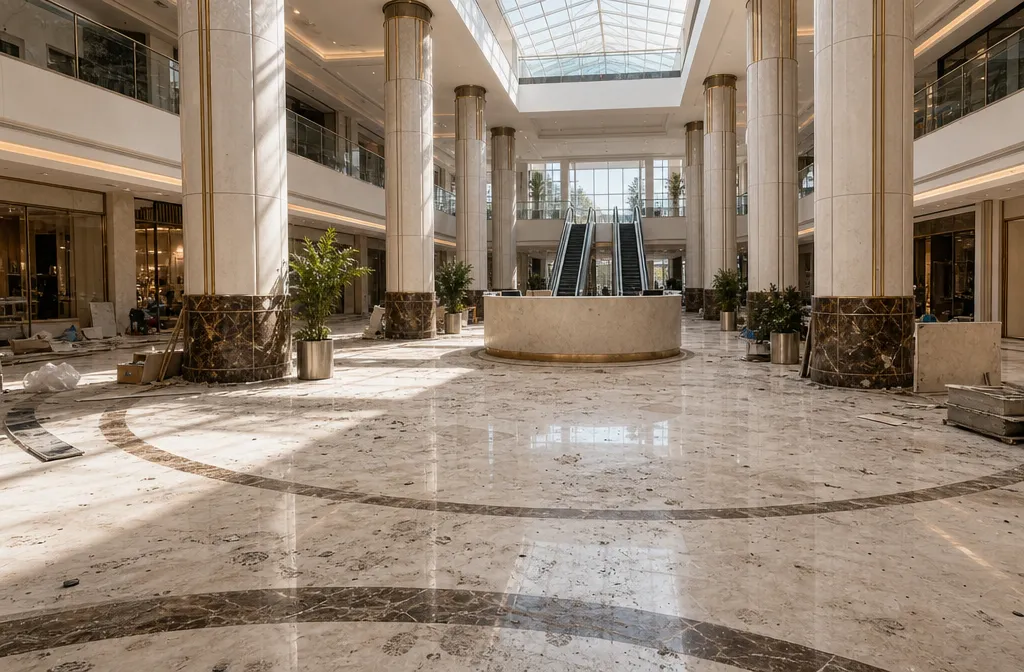
 After
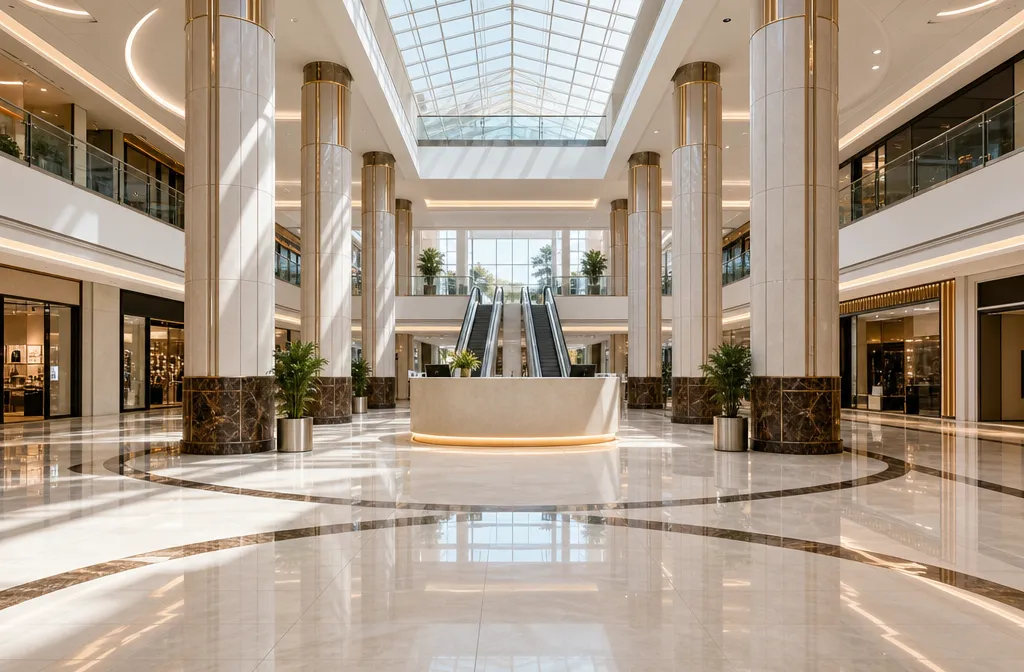
After
Request: A general cleaning of the main hall was required after renovation.
Done: Dry and wet cleaning of floors, walls, glass surfaces, and decor was carried out.
Cost: 18 000 ₸
Master: Aigul Serikova, cleaning master
Total: The hall became impeccably clean, without traces of dust or construction debris.
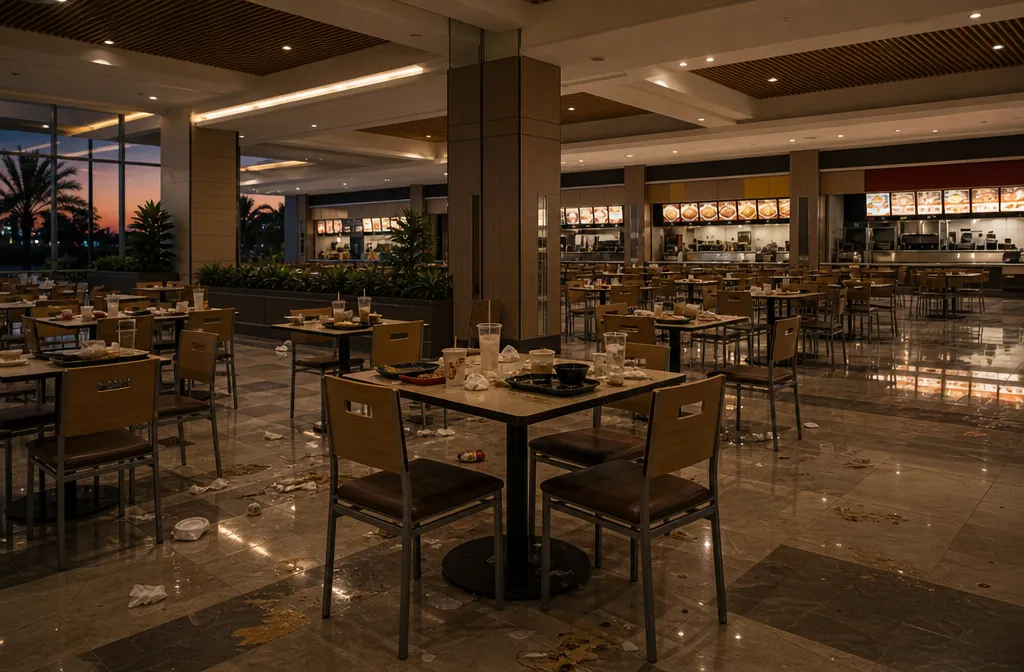
 After
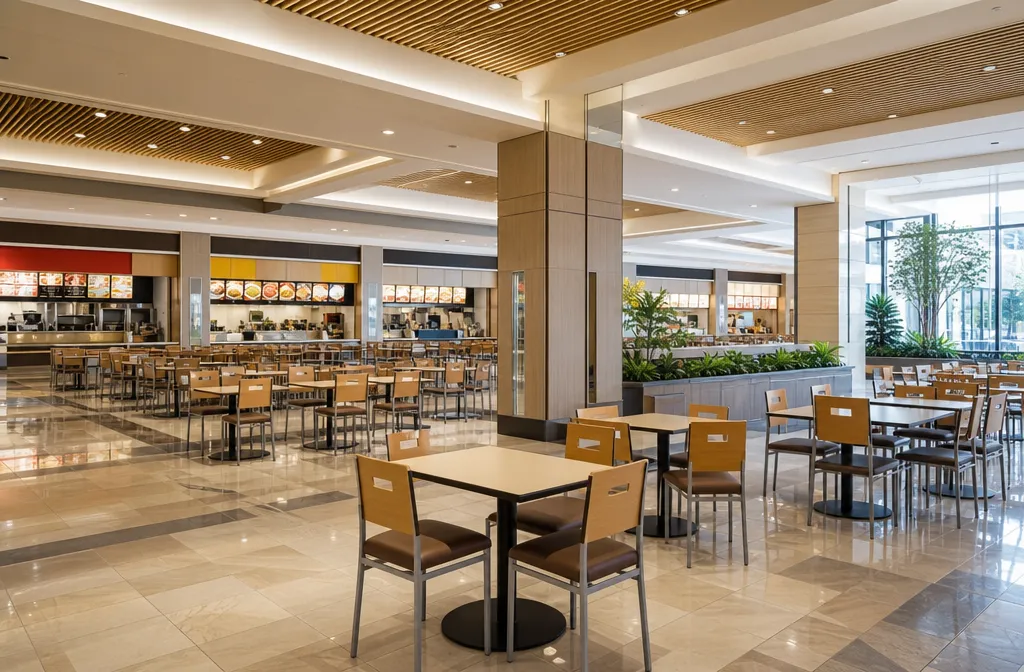
After
Request: Deep cleaning of the food court area was needed after the evening rush.
Done: Tables, chairs, and floor were washed, grease stains and food residues removed.
Cost: 21 000 ₸
Master: Daniyar Askarov, cleaning master
Total: The food court shines clean, ready for new visitors.
 After
After
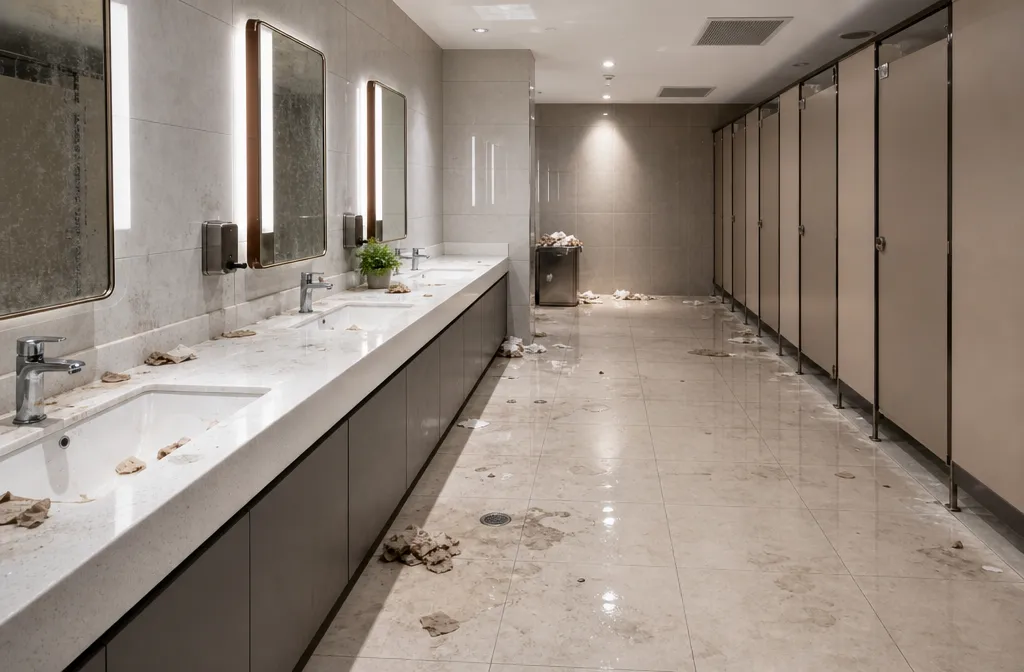
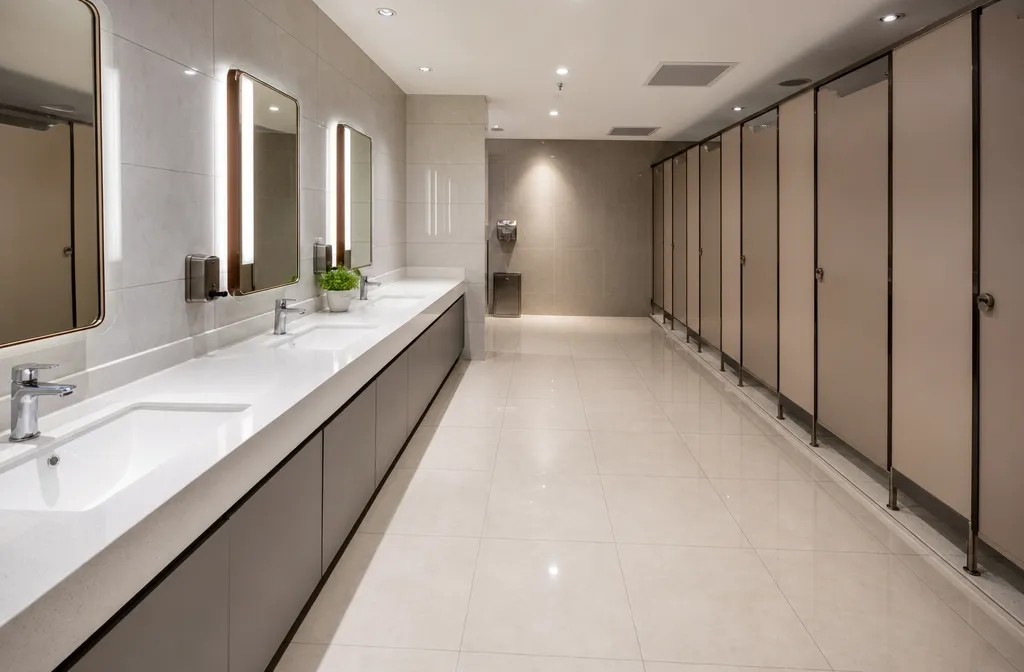
Request: Emergency cleaning of the public restroom due to visitor complaints.
Done: Disinfection, washing of sinks, toilets, floor, and mirrors was carried out.
Cost: 20 000 ₸
Master: Gulmira Zhumabayeva, cleaning master
Total: The restroom became impeccably clean and odor-free.
 After
After
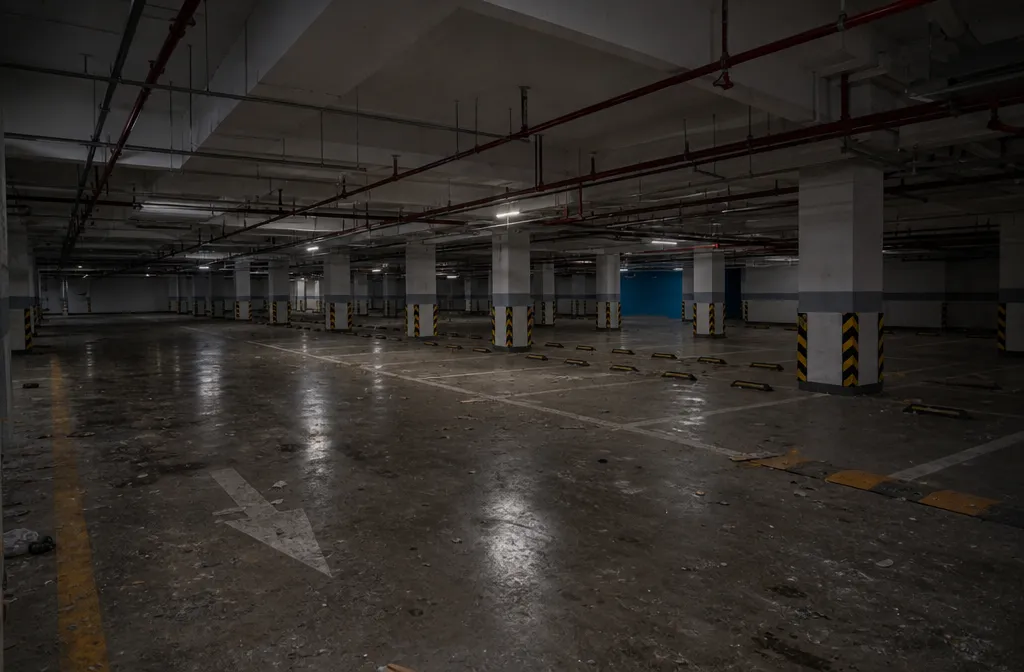
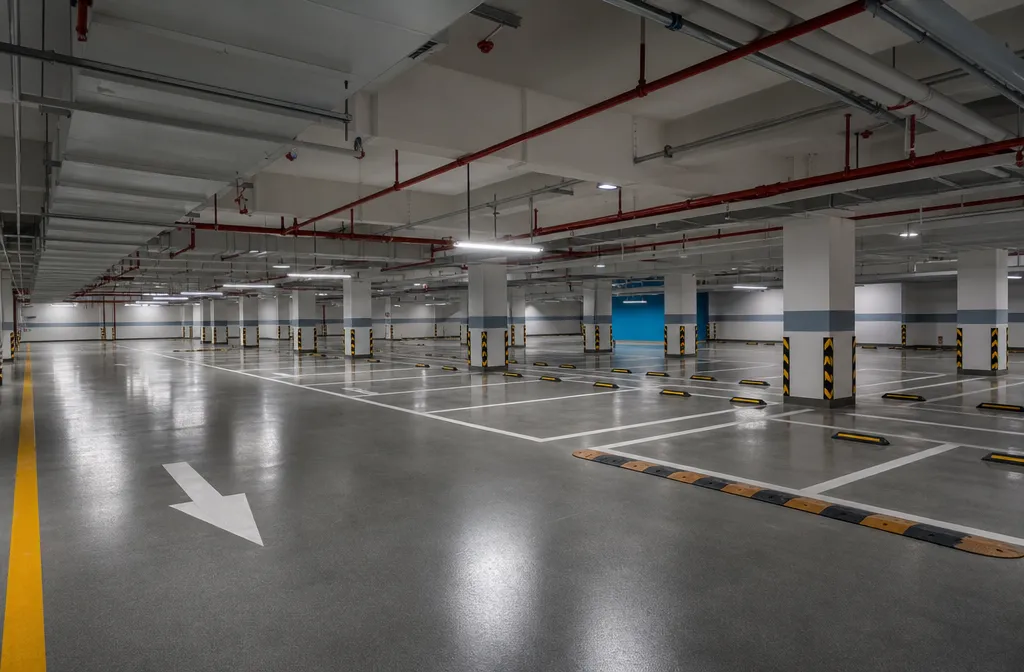
Request: Cleaning of the parking lot was required after construction dust.
Done: Floor, walls, columns were washed, oil stains and dust removed.
Cost: 21 000 ₸
Master: Ruslan Kairbekov, cleaning master
Total: The parking lot became clean, without dust or stains.
 After
After
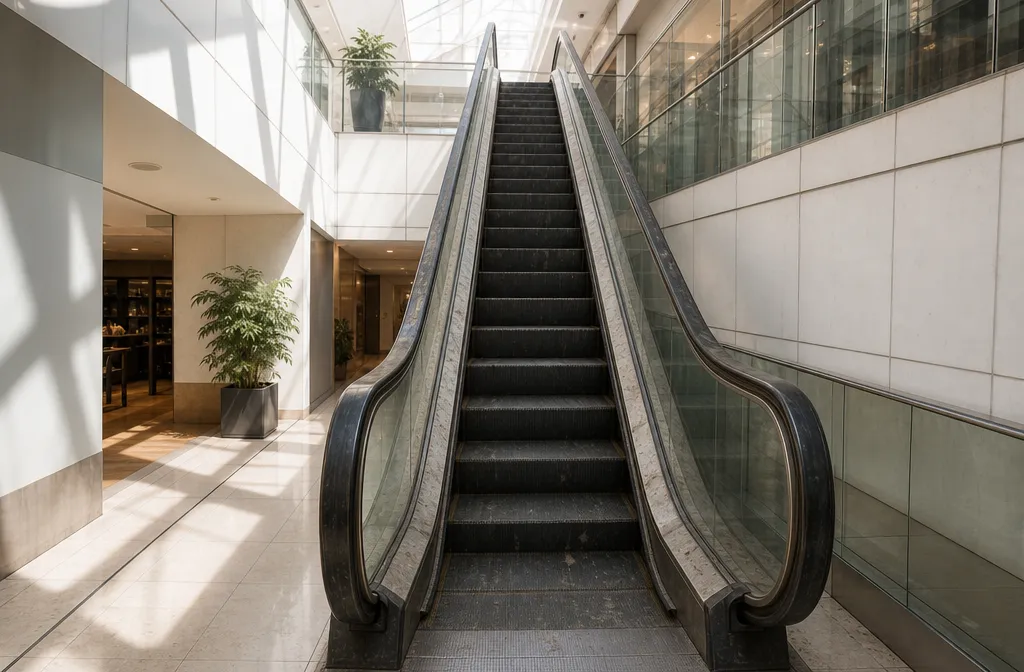
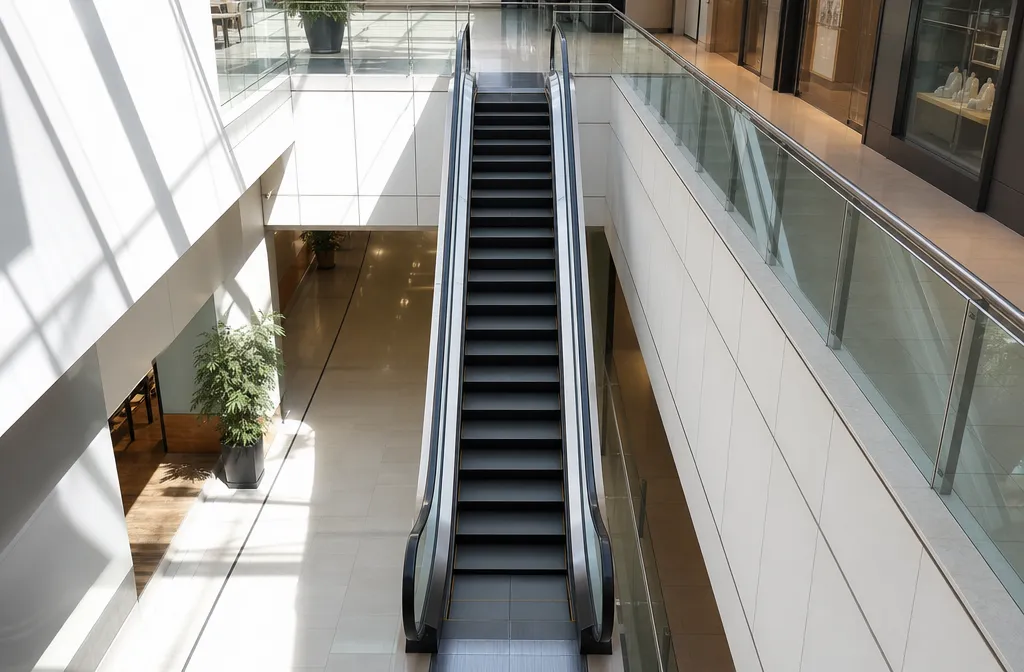
Request: Cleaning of the escalator from ingrained dirt was required.
Done: Deep cleaning of steps, handrails, and side panels was carried out.
Cost: 18 000 ₸
Master: Marat Yessenov, cleaning master
Total: The escalator shines, no traces of dirt left.
 After
After
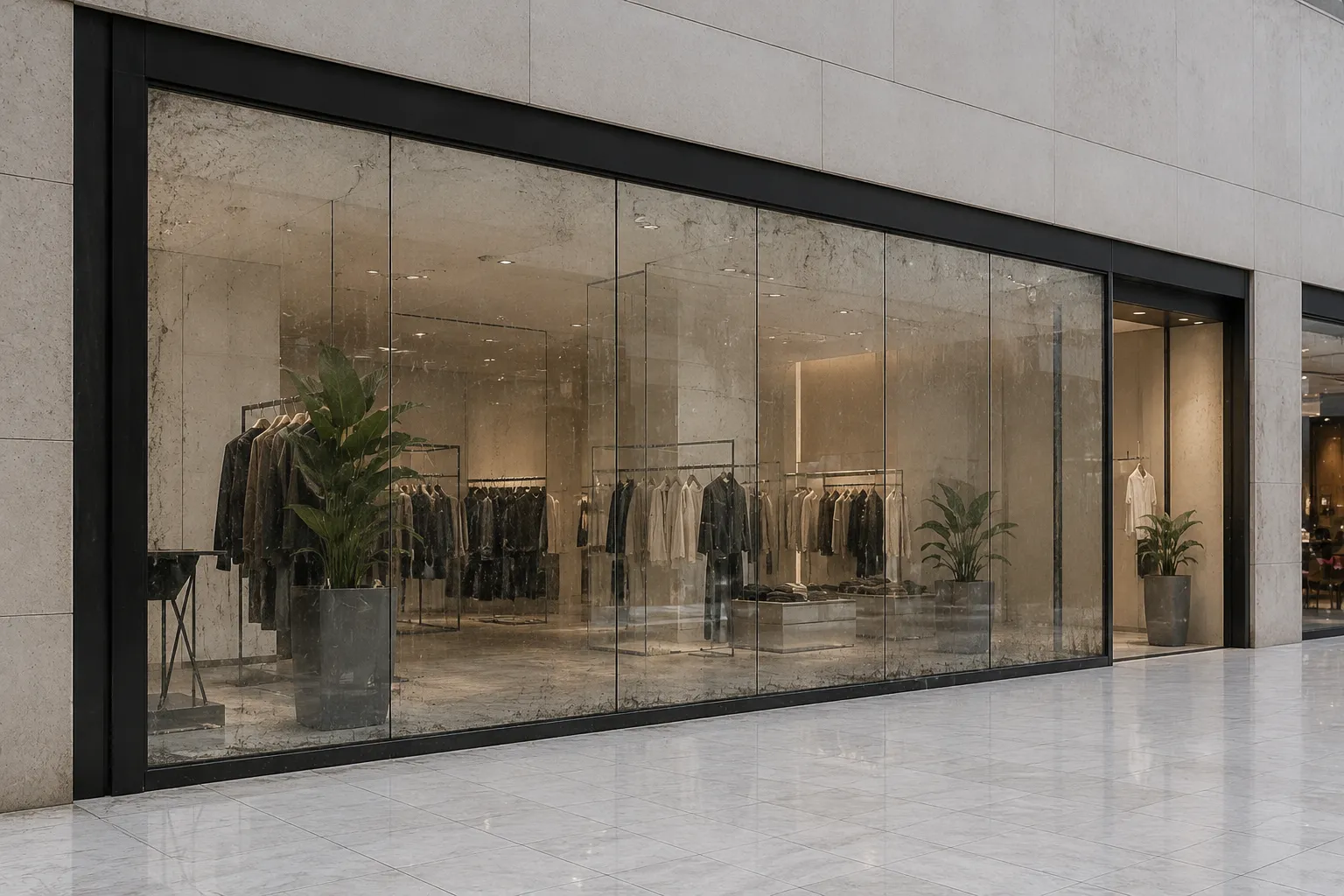
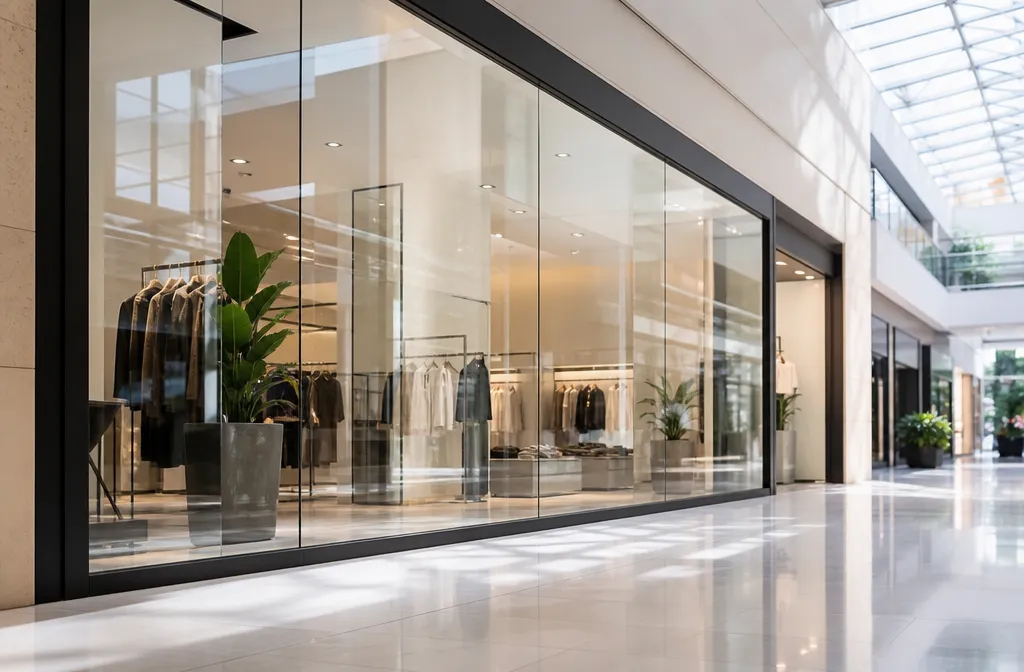
Request: Glass storefronts needed washing after rain.
Done: Glass cleaned, streaks and fingerprints removed.
Cost: 20 000 ₸
Master: Aliya Nurgaliyeva, cleaning master
Total: Storefronts are transparent, without streaks or stains.
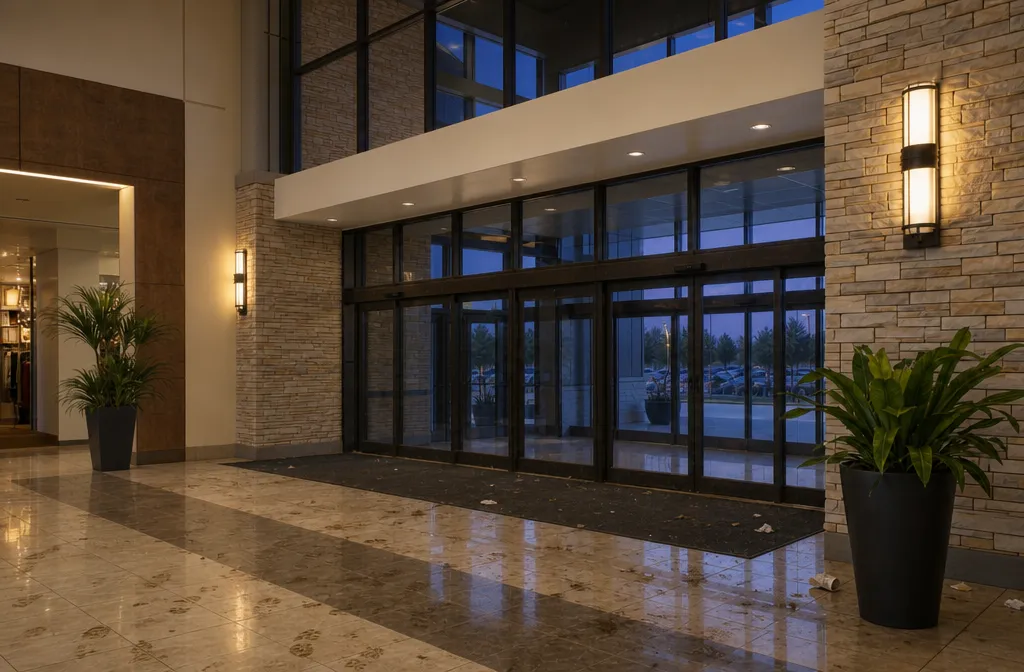
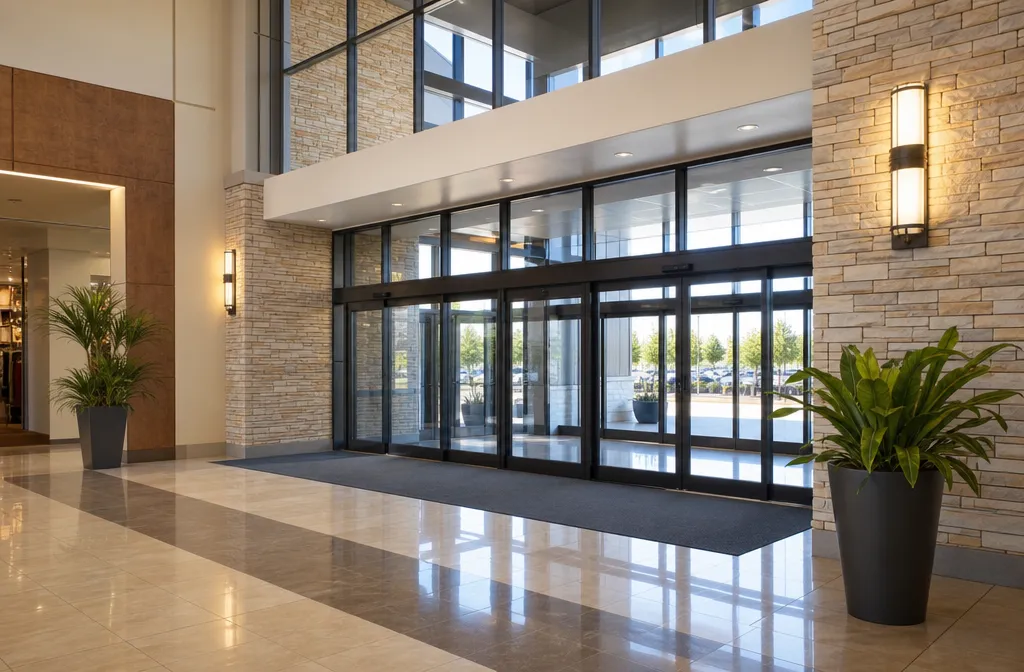 After
After
Request: Entrance group needed cleaning from street dirt.
Done: Doors, floor, walls cleaned, shoe marks and dust removed.
Cost: 19 000 ₸
Master: Saltanat Kaliyeva, cleaning master
Total: The entrance group welcomes visitors with cleanliness.
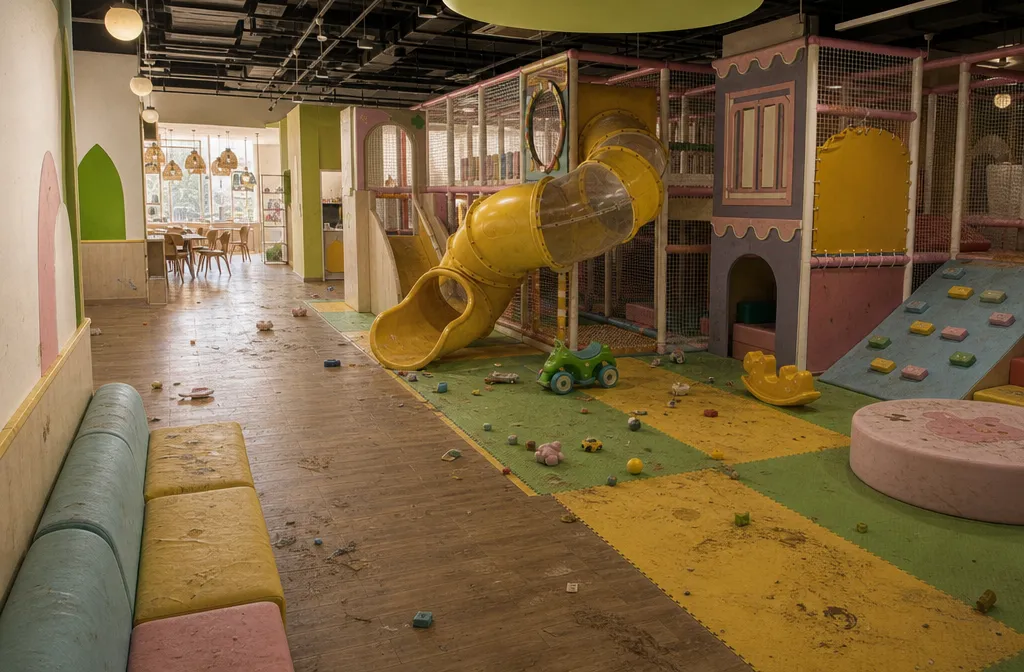
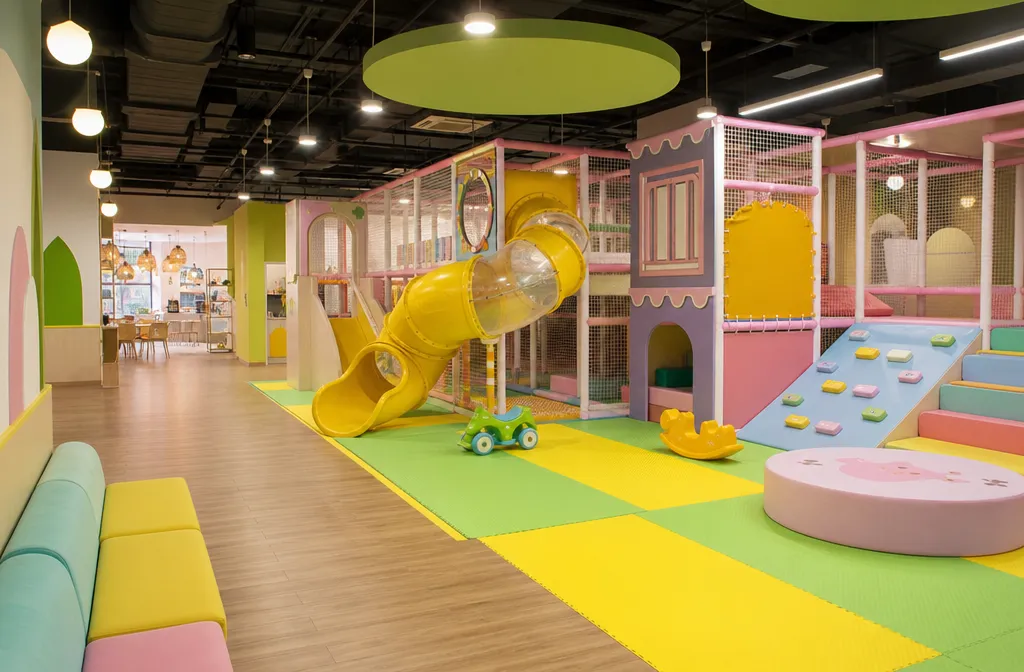 After
After
Request: Sanitary cleaning of the children's play area was required.
Done: Disinfection, floor washing, play structures and seating cleaned.
Cost: 18 000 ₸
Master: Aigerim Bektasova, cleaning master
Total: The play area is safe and impeccably clean.
 After
After
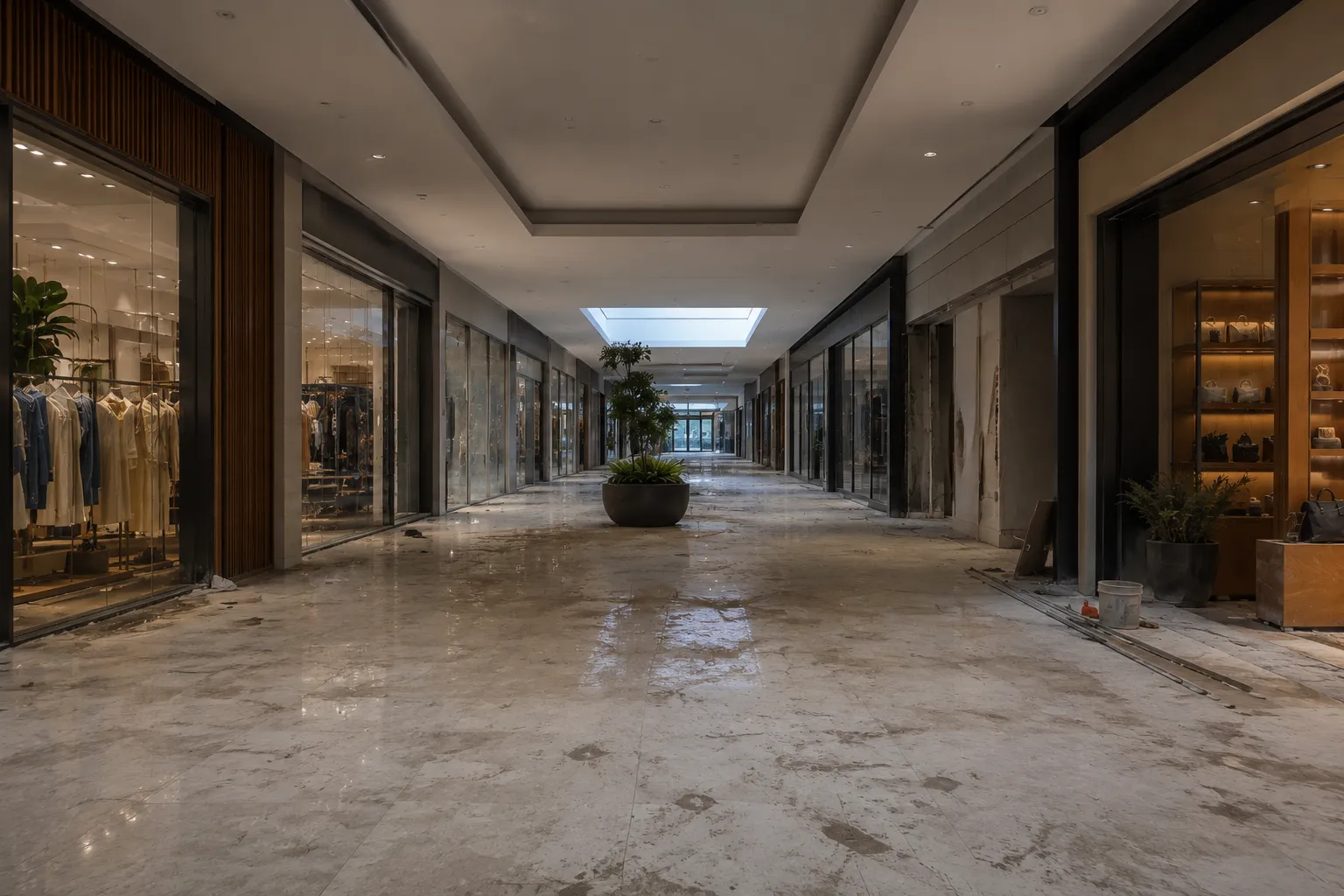
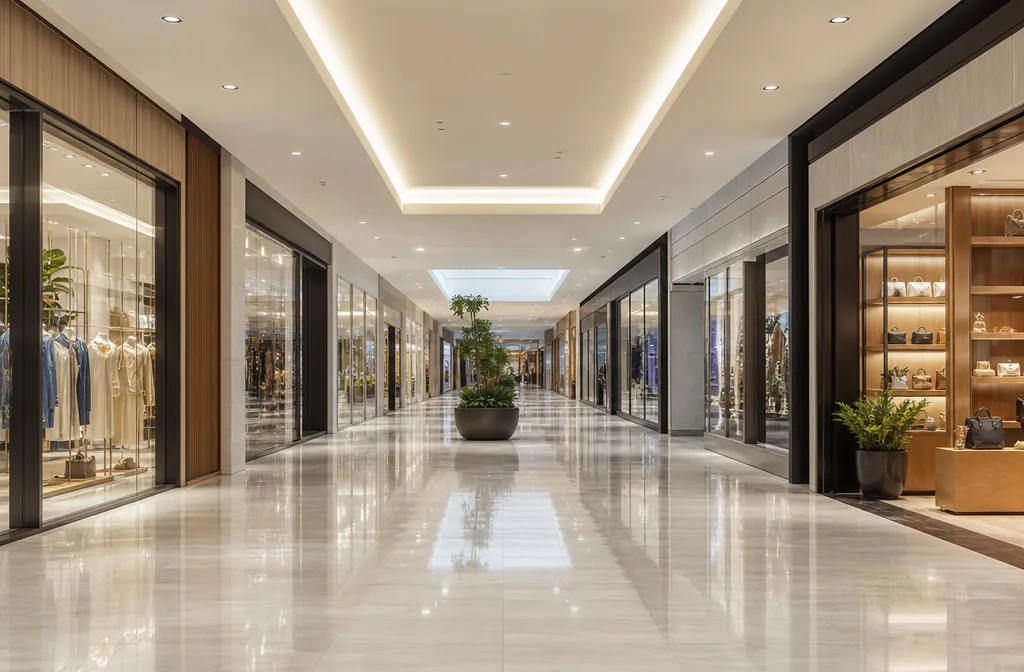
Request: Corridor needed cleaning after construction work.
Done: Floor, walls, storefronts cleaned, dust and construction debris removed.
Cost: 22 000 ₸
Master: Yerzhan Muratov, cleaning master
Total: The corridor became bright and clean, without traces of renovation.
 After
After
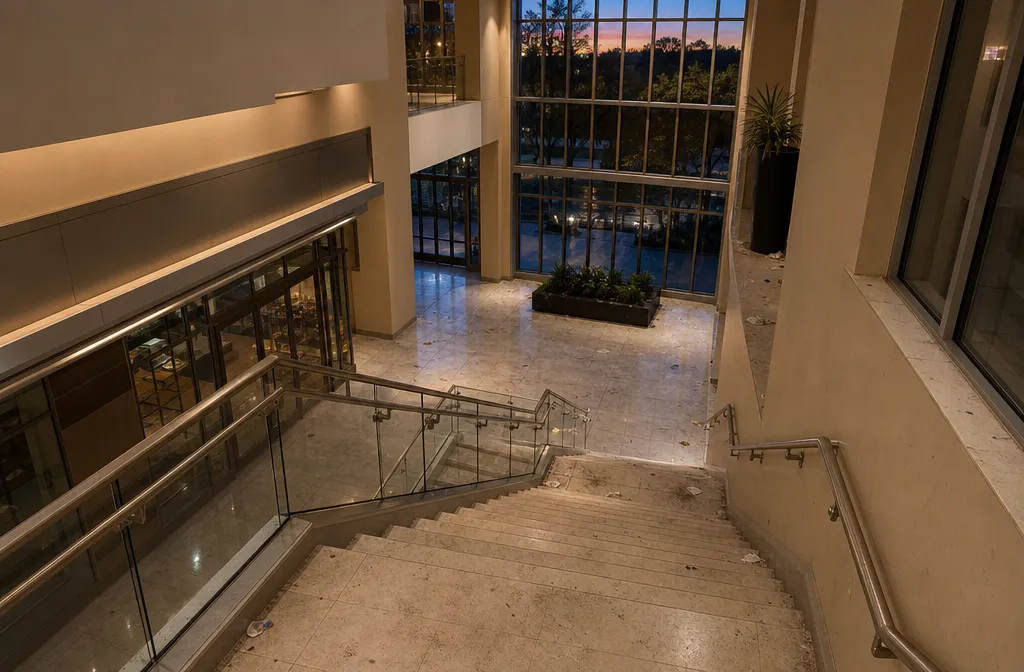
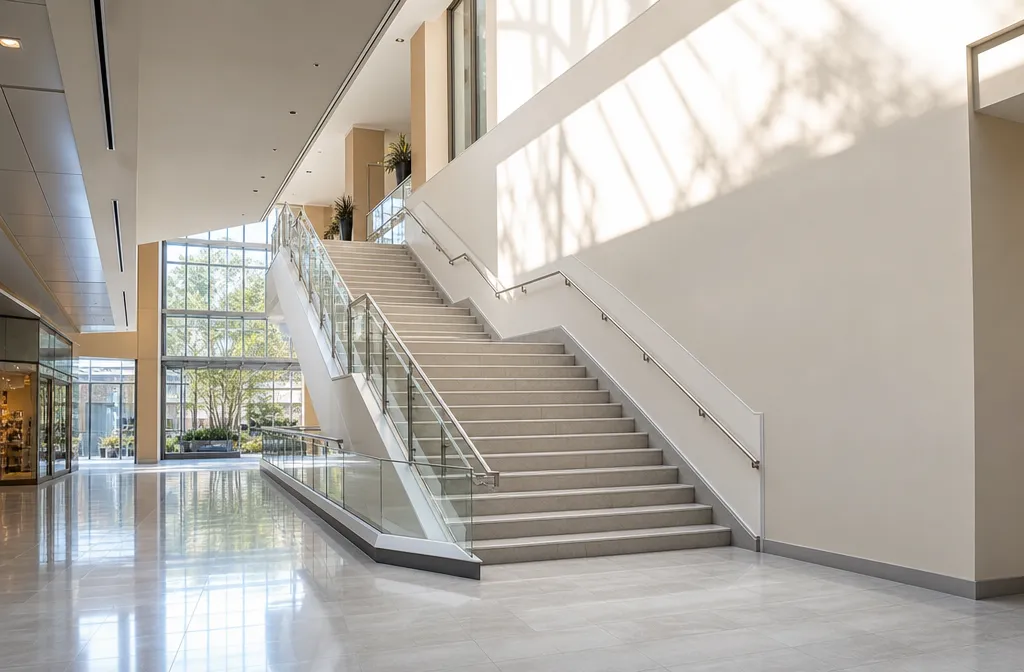
Request: Deep cleaning of the staircase from dirt was required.
Done: Steps, handrails, walls cleaned, stains and dust removed.
Cost: 19 000 ₸
Master: Zhanat Akhmetov, cleaning master
Total: The staircase became clean, without stains and dust.
All cleaners are profi-clean staff with training, uniform and security check. Each order has a team leader who controls quality.
The food court is the most challenging area of a shopping center in terms of contamination intensity: grease films on tables, spilled sauces, and oily residue on the floor accumulate within hours. Standard office cleaning doesn’t work here — at profi-clean, we select specific chemicals and equipment for each surface and stain type to break down grease completely, not just spread it around.
Answer: Grease in a food court settles on all horizontal surfaces — tables, counters, windowsills, and floors — and hardens into a thin film that attracts dust, turning into a sticky crust within 2-3 hours. In an office cafeteria, grease is concentrated in the cooking area and on dishes, but in a food court, it’s compounded by oil aerosols from deep fryers, open grills, and woks — these settle at heights up to 2.5 meters, including decorative panels and light fixtures. In Almaty shopping centers (Mega, Dostyk Plaza, Esentai Mall), higher humidity due to the nearby mountains and frequent precipitation accelerates grease polymerization — it hardens faster than in Astana’s dry climate. Standard neutral cleaning agents from an office arsenal only smear such a film, leaving streaks. In my opinion, the key difference is the accumulation rate: while an office requires daily damp mopping, a food court needs treatment every 2-3 hours using alkaline degreasers that dissolve grease at a molecular level. Before starting a shift at the food court, check the pH of the cleaning agent: for greasy surfaces, it should be 9-11, otherwise, you’re just transferring contamination from one table to another.
Answer: The main sources of persistent odors are the trash bin area near fast-food outlets, trays under fryer baskets, and ventilation grilles where oil and sauce vapors accumulate. In our experience at the Mega Park shopping center, the smell from an overflowing used-oil bin spread a significant distance within 40 minutes, saturating the soft seating area upholstery. The second problem area is the floor under service counters: sauce drips (ketchup, mayonnaise, cheese sauce) collect there, souring at room temperature within 6-8 hours and producing a sour smell that intensifies towards evening. The third zone is tile joints and baseboards, where crumbs and oil get trapped, creating a putrid environment. In our arsenal, we use enzyme cleaners (the Kiehl series for food zones) that break down organics into water and carbon dioxide, rather than masking the odor with fragrance. For ventilation grilles, we use a high-temperature steam generator — it burns off the oily residue inside the louvers that a regular cloth can’t reach. When cleaning a food court, always treat the area around trash bins with a chlorine-based disinfectant — this is the only way to kill the bacteria that cause the “fishy” smell from seafood remnants.
Answer: In retail galleries, the main load is dust from visitors’ shoes and cart marks, while in a food court, it’s oily streaks and sticky drink spills. Gallery floors can be cleaned with a neutral agent once a day and polished once a week, whereas food court tiles require daily treatment with an alkaline solution followed by a water rinse to remove chemical residue — otherwise, the floor becomes slippery. In Almaty, where shopping centers often use glossy porcelain stoneware (Esentai Mall, Forum), grease penetrates micro-cracks in the coating, and without weekly deep cleaning with a rotary machine at a specific RPM, the residue becomes visible. Another difference is the cleaning height: in galleries, you wash windows and shelves, but in a food court, you have to clean ceiling panels, exhaust hoods, and light fixtures from oil aerosol. At profi-clean, we use telescopic microfiber mops and a steam generator for these tasks — lifts are inconvenient in a food court due to tables and visitors. If your shopping center doesn’t clean the food court exhaust hoods at least once a month, the smell will start to permeate visitors’ clothing — and they will leave earlier, significantly reducing the average check.
Answer: The main mistake is using the same rag for tables and floors, which transfers bacteria from shoes onto surfaces where people eat. In Almaty shopping centers, we have repeatedly seen how in-house cleaners save on rags: they wipe a table, then an escalator handrail, and then the floor with the same rag. The second common problem is using acidic products to remove grease: acid (e.g., vinegar or citric acid) does not break down oils, but only emulsifies them on the surface, leaving a sticky film that attracts new dust and grease within an hour. The third mistake is ignoring tile joints and corners under counters: crumbs and oil accumulate there, which begin to ferment and produce odors, even if the center of the hall is clean. In our food court regulations, color-coded rags are mandatory: blue for tables, green for handrails, red for floors and toilets; they are changed every 2 hours. For joints, we use a narrow brush with stiff bristles and an alkaline gel—it penetrates the gaps and dissolves old grease. If a “wet rag” smell remains after cleaning the food court, it means the rags were not dried after washing, and bacteria are multiplying in the damp environment, not because the floor was poorly washed.
Although both services are professional cleaning of commercial premises, cleaning in a shopping mall differs radically from office cleaning in terms of schedule, areas of responsibility, and types of dirt. An office is a stable environment with a predictable schedule, while a mall is a 24/7 organism with visitor flows, a food court, and display windows. Let’s break down the key differences so that when ordering, you don’t get a standard office regulation instead of what a shopping center actually needs.
Offices are cleaned outside of working hours—in the evening or early morning when there are no employees. In malls, the schedule is more complex: main walkways and sanitary areas are cleaned at night after closing, but the food court, toilets, and entrance groups require constant maintenance during the day. At profi-clean, we have a two-shift regulation for malls: a night team of several cleaners performs wet cleaning of the entire area, while a daytime attendant (1-2 people) spot-cleans spills, wipes railings, and restocks supplies in restrooms. In offices, a daytime attendant is only needed in the reception and kitchen areas—the rest is sufficient with a one-time night shift. The difference in personnel budget is significant: malls require considerably more man-hours due to daytime support.
In offices, the main pollutants are dust from paper and office equipment, crumbs from coffee breaks, and shoe marks on carpet. These are soft contaminants that are removed with standard chemicals and a vacuum cleaner with a HEPA filter. In malls, the range is wider: oily residue on escalator handrails (from visitors’ hands), grease on food court tiles, ingrained gum marks on the floor, street dirt, and reagents from the parking lot. Gum is a particular headache: it is removed with a steam generator at high temperature or by cryogenic method with liquid nitrogen, otherwise a sticky spot remains that collects dust. Our cleaners walk through the food court every 40 minutes with a cart—wiping tables, changing napkins, and picking up fallen food. Such intensity is not required in an office.
A typical mall includes areas absent in office buildings: a food court with kitchen equipment, public restrooms with high traffic, store display windows, atriums with glazing several meters high, a parking lot, and elevator lobbies. Each requires its own technology. For example, washing display windows in a mall is not the same as windows in an office: you need to remove fingerprints, streaks from advertising stickers, tape residue, and UV protective film marks without leaving drips on the glass. For this, we use scrapers with ceramic blades and Sodasan chemicals without ammonia to avoid damaging the tinting. Atrium glazing is washed using water trolleys with a long telescopic pole—such equipment is not needed in offices. The parking lot in a mall requires weekly floor washing with disinfection and water collection by a scrubber dryer, otherwise the smells of oils and dirt rise to the upper floors.
Office cleaning allows for standard detergents with fragrances and chlorine — the area is ventilated overnight. In shopping centers, chemicals are used while visitors are present, so we only use hypoallergenic formulations without strong odors: for the food court — alkaline degreasers (Kiehl K 30) that break down grease without toxic fumes; for glass railings — alcohol-based cleaners that evaporate in minutes. Chlorine-containing products are used only at night in sanitary zones; during the day, chlorine-free disinfectants based on QAC (quaternary ammonium compounds) are used. A common mistake of many contractors is using the same chemicals in shopping centers as in offices: grease on the food court doesn’t get cleaned, and odors linger in the air until morning, creating discomfort for tenants.
An office cleaner only needs an upright vacuum and microfiber cloths. A shopping center requires a fleet of equipment: floor scrubbers with disc brushes for tiles and porcelain stoneware, rotary machines for marble, steam generators for the food court and restrooms, and sweepers for the parking lot. profi-clean’s fleet includes several Nilfisk SC250 floor scrubbers — they clean a large area per hour, collecting dirty water in a tank. For the night shift at a shopping center, a team of several people is deployed with a specific distribution: one scrubber operator for the common area, two cleaners with steam generators and carts for the food court and restrooms, one for glass surfaces, and one for the parking lot. Such rotation is unnecessary in offices — one cleaner can handle a standard area overnight.
The main one is hiring a company that specializes in offices without experience in shopping centers. Typical consequences: daytime cleaning of the food court is done every few hours instead of every 40 minutes — grease accumulates, odors penetrate the sales floors; restrooms are cleaned at night, and during the day only paper is replenished — by lunchtime, they are unsanitary; step ladders are used for cleaning atriums instead of telescopic poles — streaks remain at height. The second mistake is saving on chemicals: cheap chlorine-based products used during the day cause tenant complaints about odors and allergies among staff. The third is the lack of a protocol for emergency situations: spilled coffee or broken glass in a walkway must be cleaned up within minutes, otherwise there is a risk of visitor injury and a fine for the shopping center. Our contracts with shopping centers specify an SLA for emergency calls — 15 minutes during working hours; for offices, 30 minutes to an hour is sufficient.
The frequency of cleaning in a shopping center depends on the traffic of the zone, the type of dirt, and sanitary requirements — there is no universal schedule, and an error in frequency leads either to dirty surfaces or budget overruns. Let’s break down the standards for each key zone of a shopping center, considering the specifics of Almaty.
Restrooms in Almaty shopping centers are the zone with the highest cleaning frequency: during peak hours (12:00–15:00 and 17:00–20:00), inspection and wet cleaning of stalls, sinks, and floors should be done every 30–40 minutes, and at other times, once an hour. This is dictated not only by aesthetics but also by epidemiological standards: with high traffic, a bacterial film accumulates on toilets, door handles, and faucets within 20–30 minutes. At profi-clean, we use a QAC-based disinfectant (quaternary ammonium compounds) for restrooms with a 5-minute exposure time — it kills E. coli and staphylococcus but does not damage chrome surfaces. In practice, wet cleaning of each restroom takes a cleaner a few minutes, while a full cleaning with disinfection and replacement of consumables (soap, paper) takes 12–15 minutes. If a shopping center has fewer than two cleaners per shift for the restroom zone, an ammonia smell and sticky floors are inevitable by evening — this is the first visitor complaint.
Tables and chairs in the food court need to be wiped down with a degreasing agent every 30–40 minutes during operating hours, and the floor must be washed with a neutral detergent every 2–3 hours and обязательно after the shopping center closes. The reason is that grease aerosols from cooking settle on surfaces within 15–20 minutes, and if not cleaned immediately, the oil polymerizes, forming a yellow film that can only be removed with an alkaline concentrate. At our facilities, cleaning the food court requires two passes: during the day, the cleaner works with microfiber and a degreasing spray (Sodasan Fettlöser), and at night, a full tile wash is done with a floor scrubbing machine equipped with a disc adapter. A typical mistake is using regular detergent instead of a degreaser for tables: it does not break down the oil, leaving a greasy residue after drying that attracts dust. According to the sanitary standards of the Republic of Kazakhstan (SanPiN 2.3.6.1079-01 for public catering), the food court is classified as a food preparation area, so table disinfection must be carried out at least twice a day — we use the product “Nika-Neodez” with virucidal action for this purpose.
Floors in walkways, atriums, and corridors of the shopping center only need to be swept and washed once a day — in the morning before opening or after closing, but with high foot traffic (more than several thousand people per day), intermediate sweeping is required during lunchtime. In Almaty, an additional factor is street dust and sand tracked in on shoes: in dry weather, a layer of abrasive accumulates at the entrance group within a few hours, scratching the porcelain stoneware. Therefore, in shopping centers with high traffic, we recommend installing dirt-trapping mats (at least a certain length) and wet cleaning the entrance area every 2 hours. Neutral pH agents (7–8) that do not leave streaks on tiles are suitable for washing floors in common areas — for example, Kiehl Floor Cleaner. An important nuance: after washing, the floor should dry within 10–15 minutes; otherwise, a slippery film forms on the wet surface from a mixture of water and street dirt, increasing the risk of visitor injuries.
Glass surfaces in the shopping center — store showcases, entrance doors, atrium railings — require daily dry wiping with microfiber to remove fingerprints and dust, and a full wash with detergent every few days. In Almaty shopping centers, the problem is exacerbated by smog and precipitation: an oily film from exhaust fumes settles on the glass, which regular water cannot remove — an alkaline concentrate (pH 10–11) is needed, such as Kiehl Glass Cleaner. For showcases on the first floor with direct hand contact from visitors (door handles, handrails), we introduce additional wiping with an alcohol-based disinfectant every 2 hours. A mistake we see in most Almaty shopping centers is using universal cleaning agents with ammonia for glass: they leave rainbow streaks in the sun, making the showcases look dirty within an hour after cleaning. For high-rise facades (second floor and above), weekly cleaning with a telescopic mop or demineralized water is sufficient — otherwise, salt stains from tap water remain after drying.
Storage rooms, staff corridors, electrical panels, and ventilation chambers only need to be cleaned every 5–7 days — wet mopping floors and dusting horizontal surfaces. However, there is an exception: ventilation grilles and filters in shopping centers need to be cleaned monthly; otherwise, dust clogs the ducts, reducing ventilation efficiency by a significant amount, which during Almaty’s smog season leads to a musty smell in the sales areas. In technical areas, we use an industrial vacuum cleaner with an H13-class HEPA filter — it captures 99.95% of particles up to 0.3 microns, preventing dust from resettling. If storage areas are used for storing food (e.g., in the food court), the cleaning frequency increases to daily with disinfection — according to SanPiN for food preparation units. At profi-clean, we record the cleaning schedule for each zone in a shift checklist, and if a cleaner misses a zone, the control system notes it: during a planned monthly inspection, we measure the level of bacterial contamination using an ATP luminometer — in zones with the correct frequency, the readings do not exceed a certain value, which corresponds to “clean” according to HACCP standards.
For cleaning in shopping centers, we only use disinfectants approved for use in the presence of people. Our goal is to eliminate 99.9% of bacteria and viruses without causing allergies, respiratory irritation, or surface corrosion. In Almaty, where shopping centers operate from 10 AM to 10 PM, cleaning often happens concurrently with visitor traffic, making the choice of chemicals a matter of both effectiveness and safety.
According to GOST 12.1.007-76, all chemical substances are divided into four hazard classes. For cleaning in the presence of people, only Class 4 (low-hazard) substances are permissible, and in exceptional cases, Class 3 (moderately hazardous) substances with mandatory ventilation. Class 1 and Class 2 substances (extremely and highly hazardous) are used only during complete evacuation and subsequent air sanitization. When selecting chemicals for shopping center cleaning, we rely on the manufacturer’s data regarding the hazard class and the dissipation time of active components. In practice, this means that for daytime cleaning of food courts and rest areas, we choose Class 4 formulations, while for nighttime deep cleaning of restrooms, we may use Class 3 products followed by a half-hour ventilation period.
The main dilemma when choosing a disinfectant for a shopping center is balancing virucidal activity with human safety. Chlorine-based products (sodium hypochlorite) are effective against most pathogens, including norovirus and hepatitis A, but their vapors irritate the mucous membranes of the eyes and respiratory tract — at certain concentrations, visitors may start coughing and tearing up. Quaternary ammonium compounds (QACs) have no strong odor, do not cause corrosion of stainless steel, and are safe for skin on contact, but they are inferior to chlorine in the speed of destroying spores and some viruses. At profi-clean, we use QAC-based products (Sodasan line) for daily cleaning of high-traffic areas, while chlorine-based preparations are used only during night shifts for sanitizing restrooms and trash containers where there is no direct contact with visitors. In the food court, where surfaces come into contact with food, chlorine is strictly excluded — residual active chlorine could get into food and cause poisoning.
profi-clean’s full-time cleaners are in daily contact with disinfectants for 6–8 hours, and protecting their health is part of our safety system. Each employee receives a set of PPE: nitrile gloves (not latex — a significant portion of people have allergies), a respirator with an A1 filter for organic vapors, and safety goggles. Before the start of a shift, a technologist provides instructions on the concentration of the working solution — exceeding the dosage does not enhance disinfection but increases toxicity. We use automatic dispensers for preparing solutions, which eliminate skin contact with the concentrate and guarantee precise dilution. In our practice, there was a case where a cleaner at another site suffered a chemical burn to their hands because they diluted the product “by eye” — since then, we have implemented mandatory measuring stations at every site. Before starting work in a new shopping center, we request safety data sheets from the administration for all chemicals to rule out incompatibility of formulations — for example, QACs and chlorine when mixed release toxic chloramine.
Even regular cleaning in a shopping center does not yield results if typical mistakes are made in the choice of chemicals, schedule, or equipment. Let’s break down the five most costly errors we see in Almaty shopping centers and explain how to avoid them.
Household cleaning products are not designed for high traffic — they do not remove greasy films from floors and provide no antibacterial effect. In a high-traffic shopping center, floors treated with such a formulation look sticky and dull within 2 hours. We use professional concentrates from Kiehl and Sodasan — they break down grease at a molecular level and leave no film that attracts dust. In my opinion, the key criterion when choosing chemicals for a shopping center is the presence of a HACCP certificate for food court and children’s play area zones. Before purchasing a batch, request the material safety data sheet from the supplier and check whether it can be used in rooms with children — this will protect against complaints from the Sanitary and Epidemiological Service and allergic reactions in visitors.
Wet cleaning during peak trading hours causes injuries: a slipping visitor can sue the tenant or management company. In Almaty shopping centers like “Mega” or “MART”, we schedule wet floor treatment from 7:00 to 10:00 AM and from 10:00 PM to 12:00 AM, when traffic is minimal. During daytime hours, we only use dry cleaning with electrostatic microfiber mops — they collect 97% of dust without water, and the floor remains dry within 30 seconds after passing. Additionally, at entrance groups and in areas with constant humidity (near fountains), we place rubber pile mats — they absorb moisture from shoes and significantly reduce slipping. If the cleaning schedule is not aligned with store operating hours, at least place cones with a “Wet Floor” sign on central aisles — this reduces fall risks, but it is better to move mopping to the night window.
Ventilation grilles, top edges of display cases, spaces behind escalators and under staircases — these are places where a significant portion of all dust in a shopping center accumulates, but they are often missed during daily cleaning. Dust from ventilation grilles enters the air conditioning system and spreads throughout the building, significantly increasing the load on HEPA filters and raising the risk of allergic reactions among staff and visitors. We check these areas once a week using telescopic poles with microfiber attachments and flashlights — without lighting, the buildup on upper surfaces is invisible. In practice, shopping center owners often save on cleaning ceilings and ventilation shafts, but in vain: in one Almaty shopping center, after cleaning the ventilation grilles, the ventilation system’s performance increased significantly, and complaints about stuffiness from tenants stopped — include hard-to-reach area treatment as a separate line item in the contract at least once a quarter.
Household-grade floor scrubbers break down after a certain number of operating hours in a shopping center — their motors are not designed for continuous use of 6-8 hours a day. At profi-clean, we use industrial rotary machines with a brush block and water recovery system: they run for a significant number of hours before the first major overhaul and clean a large area per hour compared to the modest area of a household analog. The price difference between a household machine for a certain amount and a professional one for a higher amount pays off within a few months due to work speed and no downtime for repairs. When choosing equipment for a shopping center, pay attention to the cleaning width (at least 70 cm for aisles), water tank capacity (from 60 liters), and the presence of a chemical dosing system — without it, detergent consumption increases by one and a half to two times, and cleaning quality drops. If the budget is limited, rent a professional machine with a service contract — it is cheaper than
We ordered cleaning at the shopping center — they cleaned the entire center in one night. Floors shine, windows are clean.
Thank you, Aigerim! We are glad you liked everything.
After cleaning the food court, it became noticeably cleaner, grease stains disappeared. The work was done well.
Cleaning at the shopping center also covered the parking lot — they washed walls and floors. Overall good, but there are some streaks in places.
Daniyar, we will take note of the comment, next time we will pay more attention to polishing.
The restrooms now smell fresh, the tiles shine. Very satisfied with the result.
We did cleaning at the mall — washed escalators, handrails, and steps. Now we're not ashamed in front of visitors.
Yerlan, thank you for the review! Always happy to help.
Showcases became transparent, without streaks. Just a slight delay in starting.
Sorry for the delay, Assel. We'll try to be more punctual.
We ordered cleaning at the mall for common areas — excellent result. Clean, fresh, pleasant to be in.
The hall transformed after cleaning: carpets cleaned, glass sparkling. Thanks to the team!
Dinara, thank you for the kind words!
Cleaning at the mall included ceiling washing — done, but not perfectly, some dust remained.
Timur, we apologize. We'll send a crew for rework.
Stairwells cleaned of dirt, railings shining. Now safe and beautiful.
Our boutique ordered cleaning at the mall — done perfectly, even hard-to-reach places.
Alexey, thank you! Come again.
In the rest area, sofas and tables were cleaned, it became cozy. But they forgot to wipe the plants.
Olga, noted, next time we'll do it.
Cleaning at the mall — washed doors, canopies, floor. Now the entrance welcomes with cleanliness.
The children's room was thoroughly cleaned, toys disinfected. The child is delighted.
Aliya, glad everything is safe and clean!
We ordered cleaning at the shopping center for warehouses — trash was removed, shelves washed. Almost perfect, but boxes were not sorted.
Ruslan, thank you for your feedback. We'll try to help with organization next time.
The administration office became perfectly clean, carpets vacuumed, dust wiped. Pleasant to work in.
Cleaning at the shopping center went great — long corridors washed to a shine, walls refreshed.
Bakhtiyar, thank you!
The building facade was cleaned of dust and soot, now the shopping center looks renewed.
Cleaning at the shopping center included ventilation cleaning — done, but it's dusty again after a week.
Sergey, sorry. Perhaps a deeper cleaning is needed. We'll contact you.
The cafe became fresh after cleaning, dishes clean, tables shining. Thank you!
Aizhan, thank you for your feedback!
We ordered cleaning at the shopping center for the cloakroom — everything cleaned, hangers wiped. Excellent.
Elevators were washed well, but mirrors have slight streaks. Overall satisfied.
Zukhra, we'll fix the streaks and send a worker.
Cleaning in the shopping center — washed the roof of the technical floor, removed trash. Now it's clean.
We did a deep cleaning in our clothing store — shelves are clean, floor shines. Customers are happy.
Leila, thank you! Glad to help.
Cleaning in the shopping center ordered after renovation — removed construction dust. Almost everything is great, but some paint stains remain.
Yerzhan, we'll send a team to remove paint stains.
After cleaning in the cinema, chairs and floors are clean, fresh scent. Viewers appreciated it.
Did cleaning in the shopping center for technical rooms — cleaned everything, even old oil stains.
Ilya, thank you for your trust!
Before the exhibition, cleaned the hall — walls, floor, display cases. Everything is flawless.
Cleaning in the shopping center — washed the garbage chute, but the smell remains. Disinfection needed.
Dauren, we'll do additional disinfection next week.
In the gym, cleaned carpets, wiped down equipment. Now it's pleasant to work out.
Gaukhar, thank you! We'll be glad to see you again.
We ordered cleaning at the mall for the game zone — machines, floors, glass. The kids are thrilled.
Recommended frequency: daily dry cleaning of walkways, wet cleaning 2-3 times a week, general cleaning once a month. For food courts and restrooms — daily wet cleaning with disinfection.
Leave a request on the website or call us. A manager will visit the site for assessment, after which we will calculate the cost and agree on the time. One-time orders can be fulfilled within 24 hours.
The cost depends on the zone type: from 350 KZT/m² for parking to 1200 KZT/m² for display windows. The average price for a shopping center is 500-700 KZT/m². The exact price will be calculated after inspection.
Yes, when signing a contract for monthly maintenance, a discount of up to 15% is provided. There are also special offers for new clients.
Use the calculator on the website: select zone types, specify the area and additional services. Or call a manager for a free measurement.
We clean all zones of the shopping center: common corridors, food court, restrooms, parking, display windows, offices, warehouses, stairs, escalators, children's areas, entrance groups, and relaxation areas.
Yes, we wash display windows and facades both outside and inside using professional squeegees and cleaning agents. Cost starts from 1200 KZT/m².
Yes, we perform post-renovation cleaning: remove construction dust, glue residues, paint, putty. We use industrial vacuum cleaners and special chemicals.
We work officially, have all necessary licenses and liability insurance of 10 million tenge. We provide closing documents.
Yes, our portfolio includes before and after photos of shopping centers in Almaty. We will provide them upon request.
Tell us about your experience with profi-clean — it helps other clients and us improve.
We currently operate in Almaty. Other cities are coming soon.