Assessment and cleaning plan
Master's visit to the site, area measurement, identification of zones (sales floor, warehouse, fitting rooms). We draw up a work plan considering the type of coatings and dirt.
Professional cleaning of retail spaces in Almaty: from boutiques to supermarkets

We work with any types and materials
Special attention to sanitary treatment of counters and refrigerators, safe products for contact with food.
from 18,000 ₸Large areas, zoning: sales floor, warehouse, checkout areas. We use floor scrubbers.
from 18,000 ₸Gentle cleaning of hangers, mannequins and mirrors, dust removal from textiles.
from 18,000 ₸Thorough cleaning with emphasis on presentability: windows, lighting, decorative elements.
from 18,000 ₸Careful dust removal from equipment, use of antistatic products.
from 18,000 ₸Sanitary treatment of display cases and surfaces, disinfection of medication dispensing areas.
from 18,000 ₸Safe cleaning of toys and shelves, hypoallergenic products.
from 18,000 ₸Cleaning considering humidity, dust removal from plants and refrigerated display cases.
from 18,000 ₸Furniture polishing, upholstery cleaning, scratch-free surface care.
from 18,000 ₸Removal of construction dust, washing floors from cement and dirt.
from 18,000 ₸Gentle dusting of books, cleaning shelves without damaging covers.
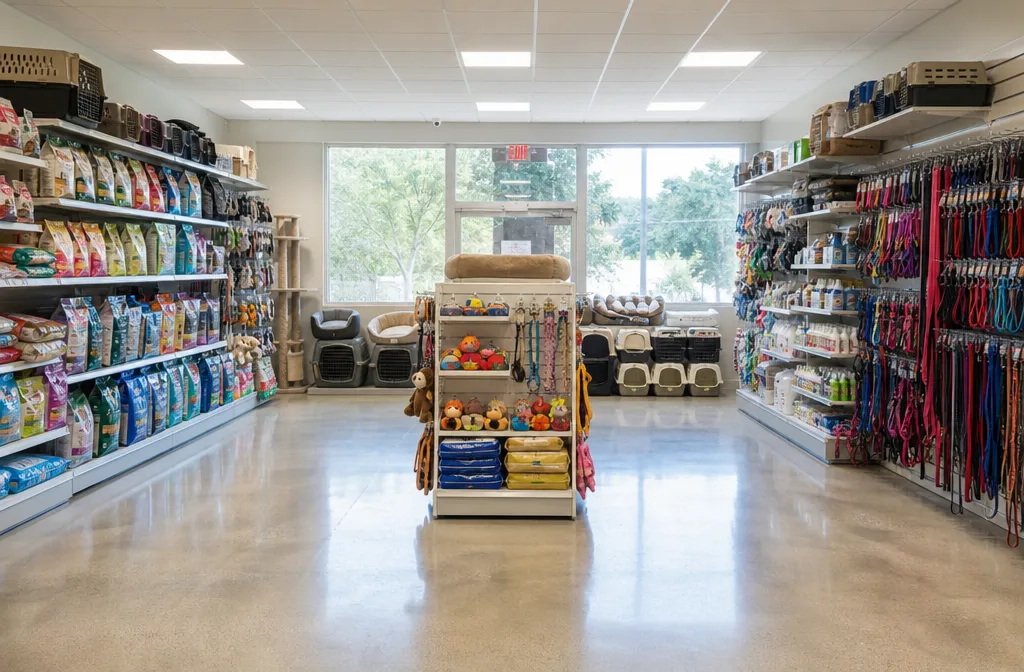
from 18,000 ₸Disinfection of cages and aquariums, odor removal, safe products for animals.
from 18,000 ₸From inspection to result with guarantee
Master's visit to the site, area measurement, identification of zones (sales floor, warehouse, fitting rooms). We draw up a work plan considering the type of coatings and dirt.
Collection and disposal of large trash, packaging, and boxes. Preliminary cleaning of the floor from visible dirt.
Dust removal from shelves, display cases, and goods using special attachments. For fragile items, we use soft brushes.
Floor washing with professional KIEHL products depending on the covering (tile, laminate, linoleum). We use floor scrubbers for large areas.
Washing display cases, mirrors, and glass doors without streaks using special scrapers and microfiber.
Disinfection of contact surfaces: checkout areas, door handles, baskets, carts. We use Sodasan products, safe for people.
External cleaning of refrigeration equipment, dust removal from condensers and ventilation grilles.
Quality check of cleaning according to checklist, disinfection of restrooms (if available). Signing the completion certificate.
We use professional cleaning products KIEHL (Germany), certified for food areas. We use Nilfisk HEPA vacuums that trap 99.97% of allergens, dust mites, and fine dust. This is especially important for grocery stores and pharmacies.
If you find any shortcomings after cleaning, we will fix them for free within 24 hours. We work strictly according to a checklist, each stage is recorded in an act. Your store will shine.
Our team includes over 40 professional cleaners who have undergone training and have medical records. All masters have experience working in shopping centers in Almaty and know the specifics of different coatings and goods.
Our cleaning includes 8 stages: from room assessment to final control. Each stage is performed using professional equipment and Sodasan (Germany) products for safe disinfection.
Cleaning is possible at any convenient time: after the store closes, at night, or on weekends. We do not disturb your customers and employees. The schedule is agreed individually.
We have liability insurance in case of damage to goods or property. You can be calm: if something goes wrong, the insurance company will compensate for the damage. We work officially, with a contract.
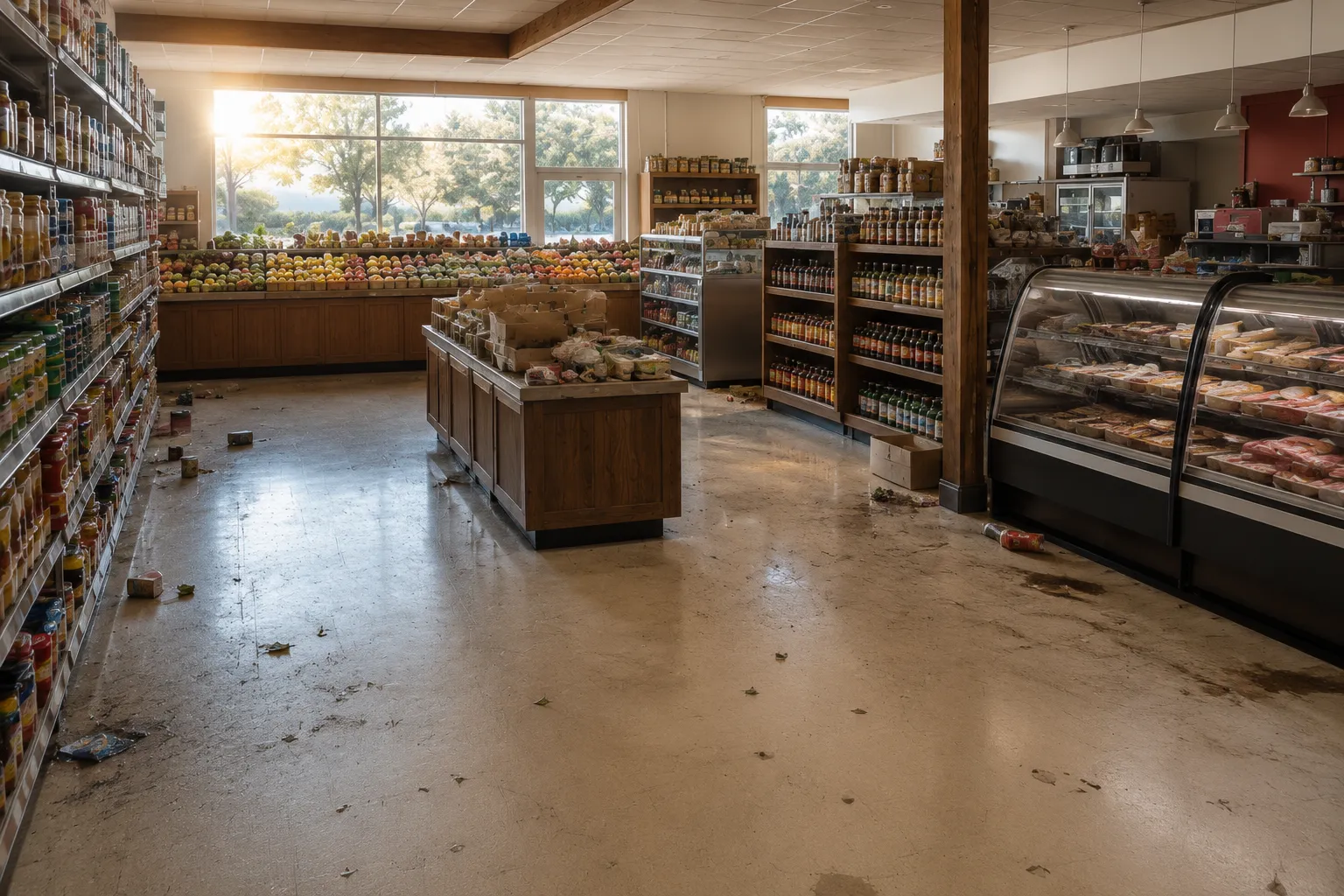
 After
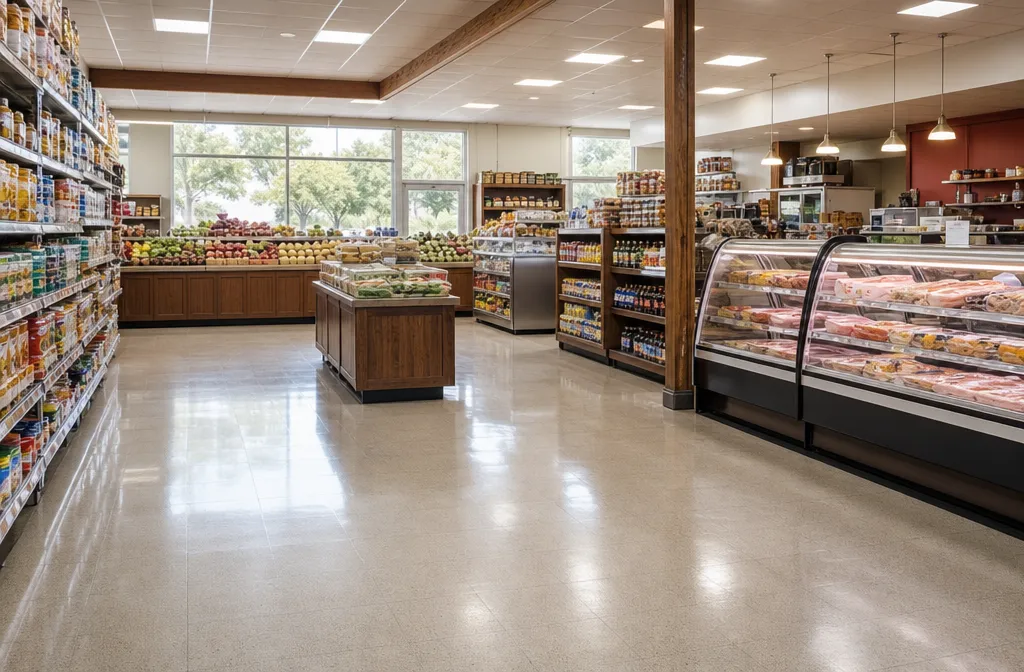
After
Request: Perform a deep cleaning of the hall after renovation before opening.
Done: Washed the floor, wiped the shelves, removed construction dust from all surfaces.
Cost: 20 000 ₸
Master: Aizhan Nurmagambetova, cleaning master
Total: The hall shines clean, floor without streaks, shelves sparkle.
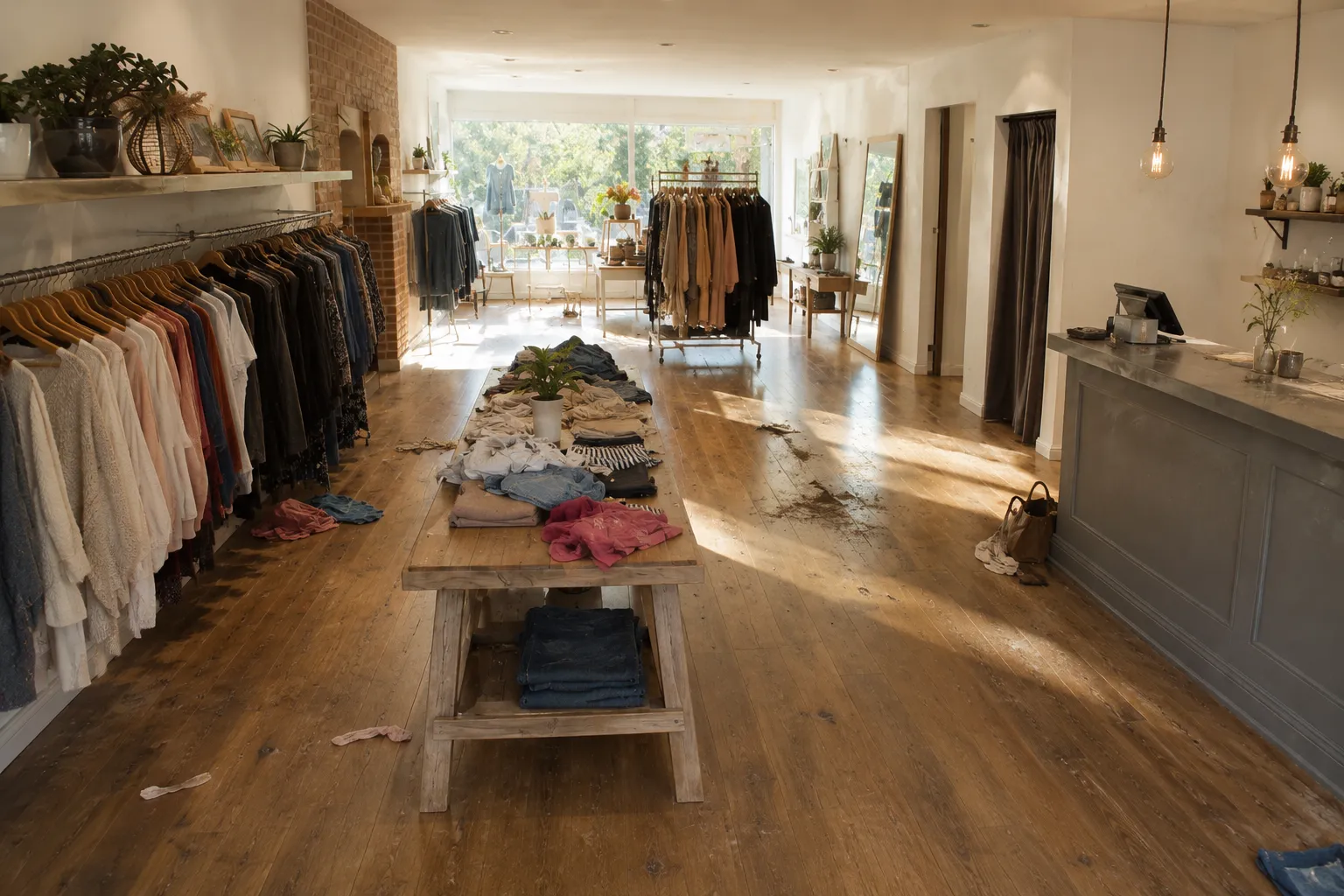
 After
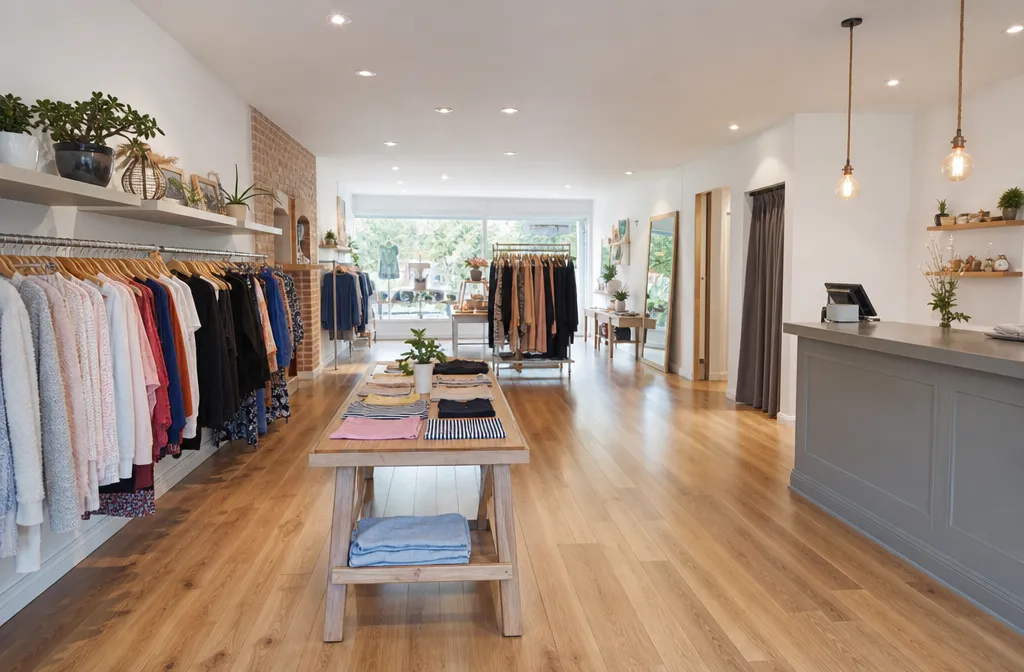
After
Request: Tidy up the boutique after fittings, remove dust from hangers.
Done: Vacuumed the carpet, wiped hangers and shelves, cleaned the display windows.
Cost: 19 000 ₸
Master: Marat Yessenov, cleaning master
Total: The boutique looks tidy, clothes neatly hung, floor clean.
 After
After
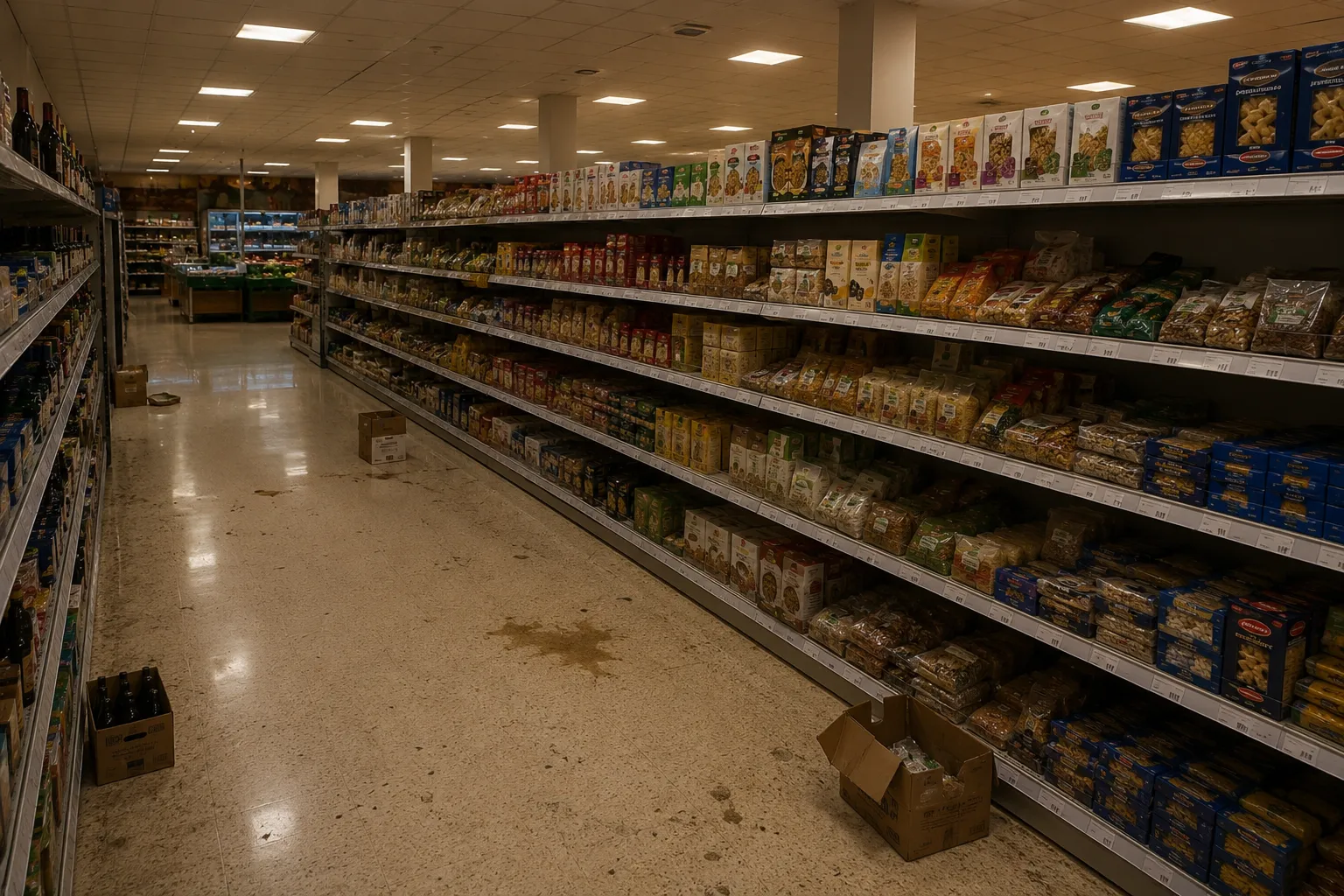
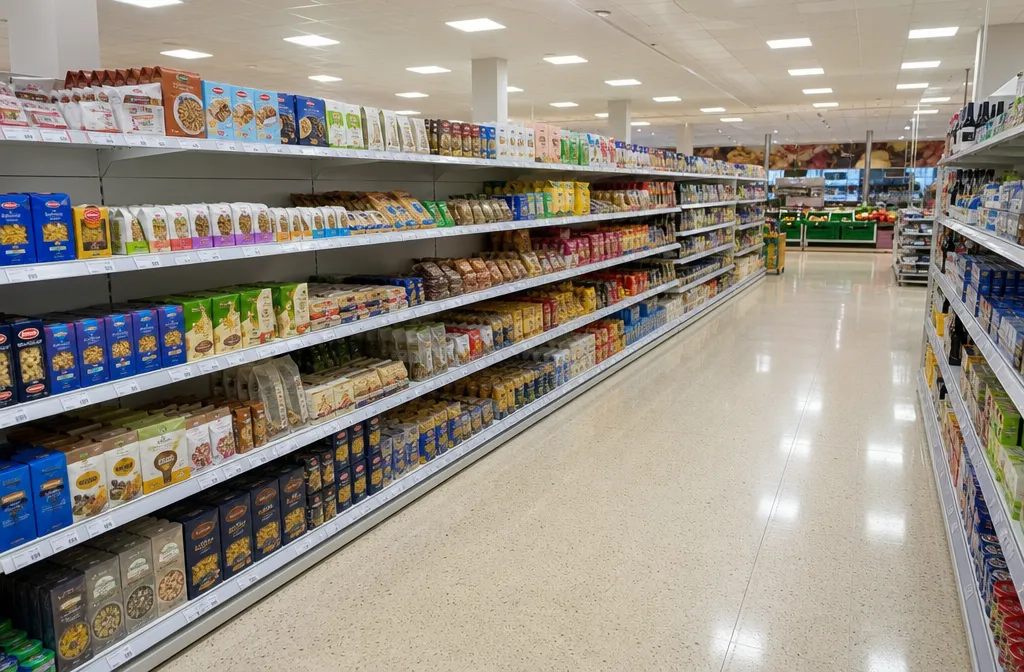
Request: Clean the aisle after unloading goods, wash floor and shelves.
Done: Swept and washed the floor, wiped lower shelves, removed boxes.
Cost: 20 000 ₸
Master: Dana Abdrakhmanova, cleaning master
Total: Aisle clean, floor without stains, products neatly arranged.
 After
After
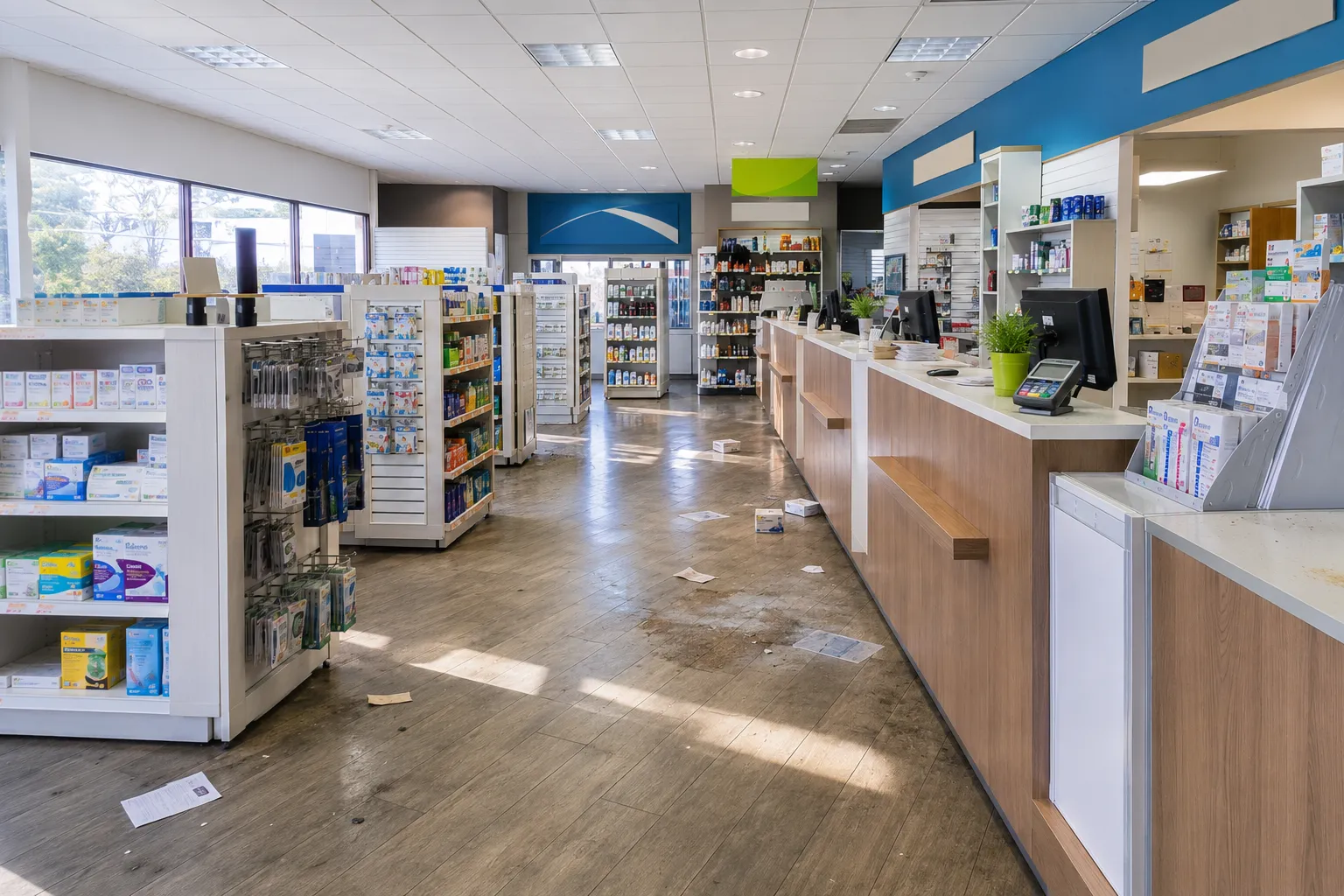
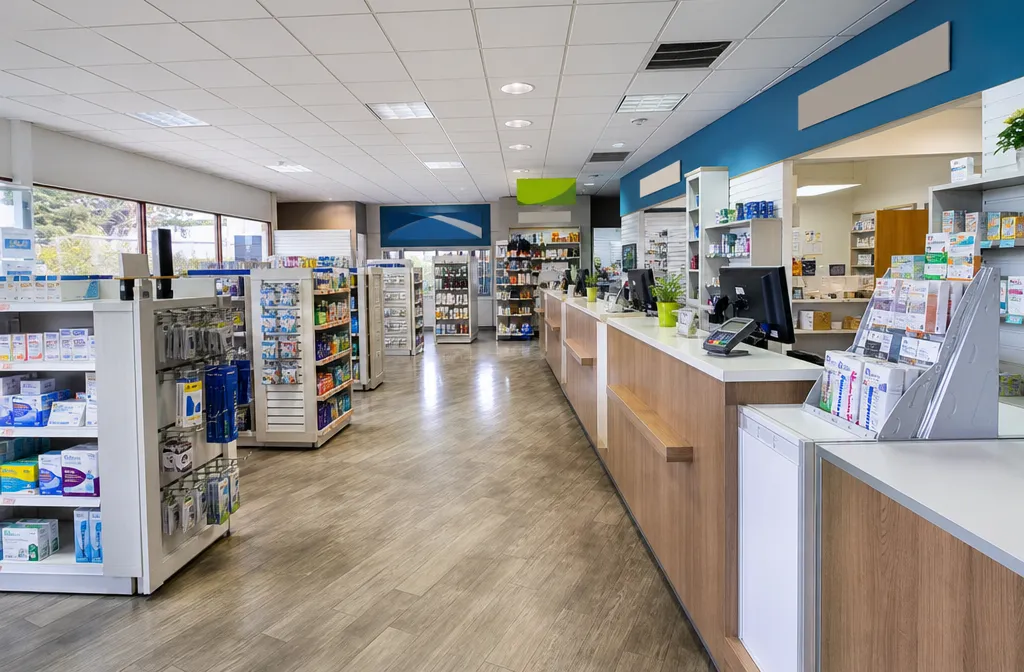
Request: Perform wet cleaning of the pharmacy, wipe shelves and display cases.
Done: Washed the floor, wiped shelves and display cases, removed dust from products.
Cost: 19 000 ₸
Master: Aliya Sagindykova, cleaning master
Total: Pharmacy clean, display cases transparent, products dust-free.
 After
After
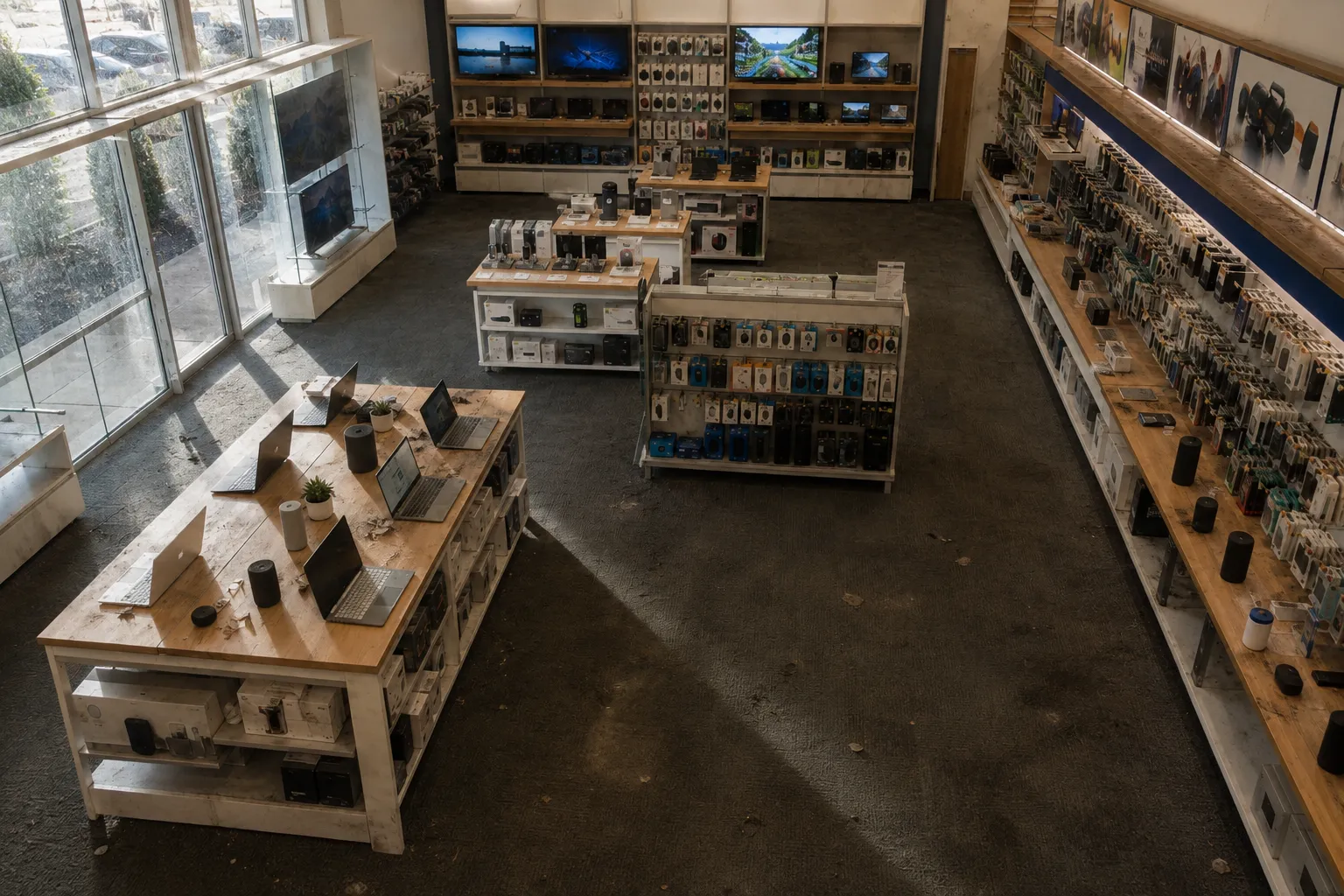
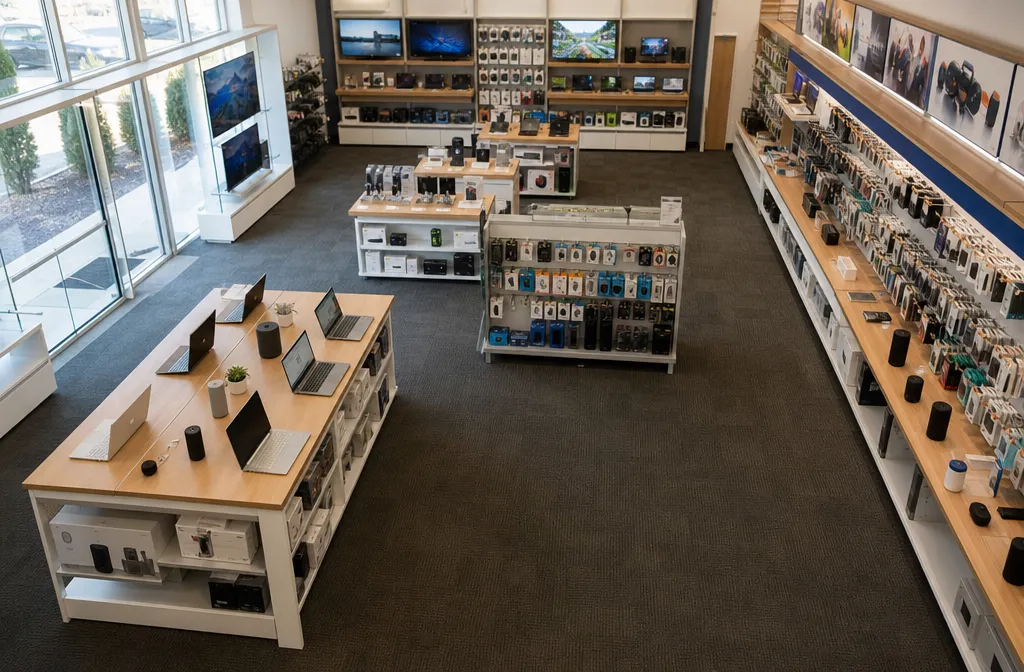
Request: Wipe display windows and shelves from dust, remove fingerprints.
Done: Cleaned display glass, wiped shelves, dusted equipment.
Cost: 18 000 ₸
Master: Ruslan Kassymov, cleaning master
Total: Display windows sparkle, electronics dust-free, store looks presentable.
 After
After
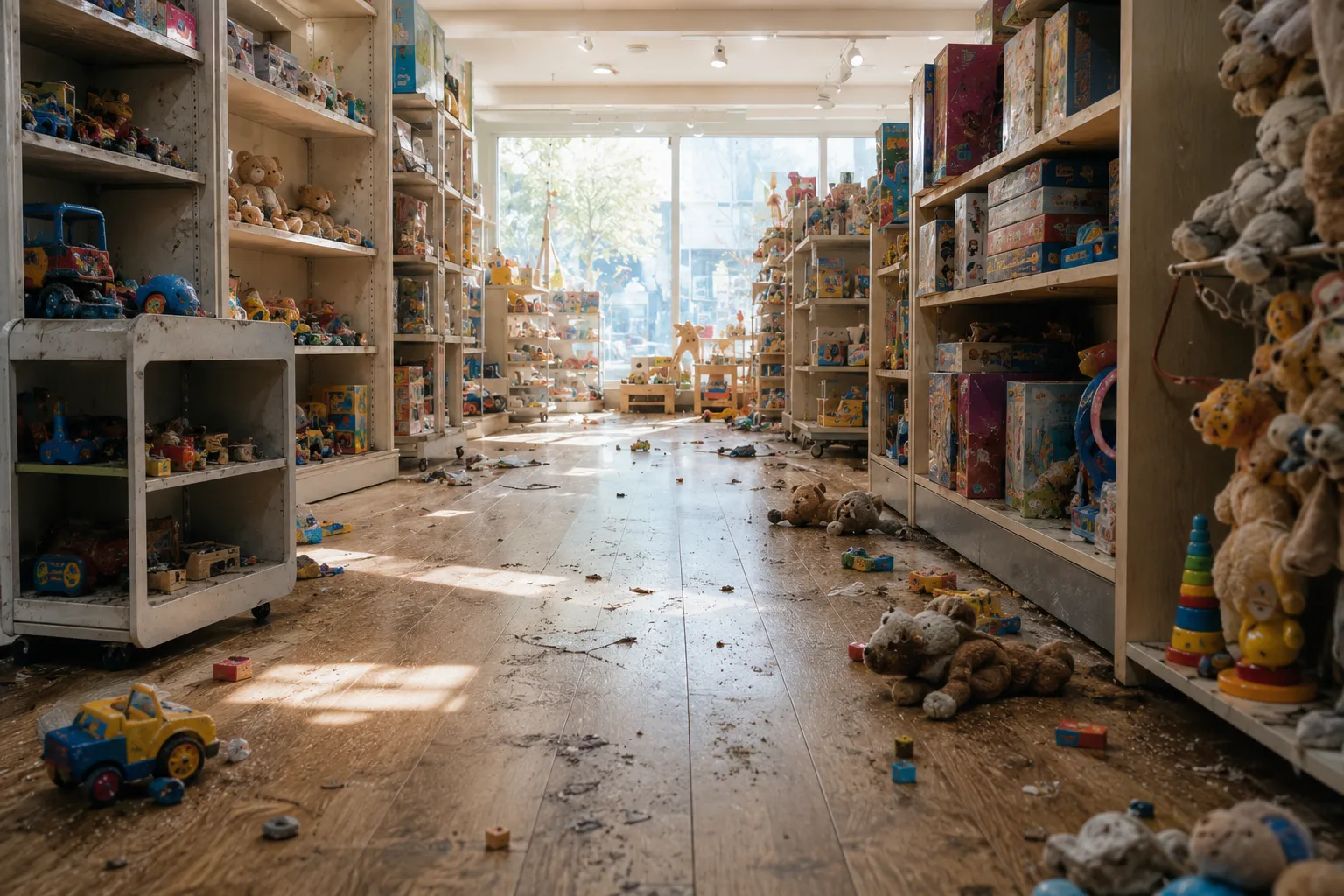
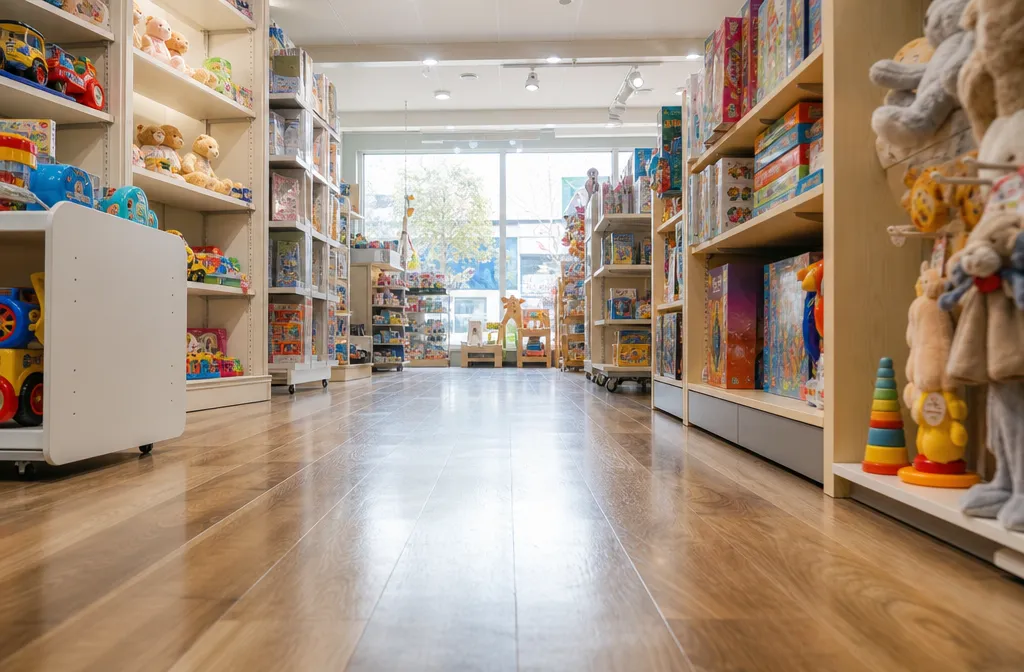
Request: Dust toys and shelves, mop floor in children's section.
Done: Wiped all toys and shelves, mopped floor, removed trash.
Cost: 22 000 ₸
Master: Gulmira Bekzhanova, cleaning master
Total: Toys neatly arranged, floor clean, department shining.
 After
After
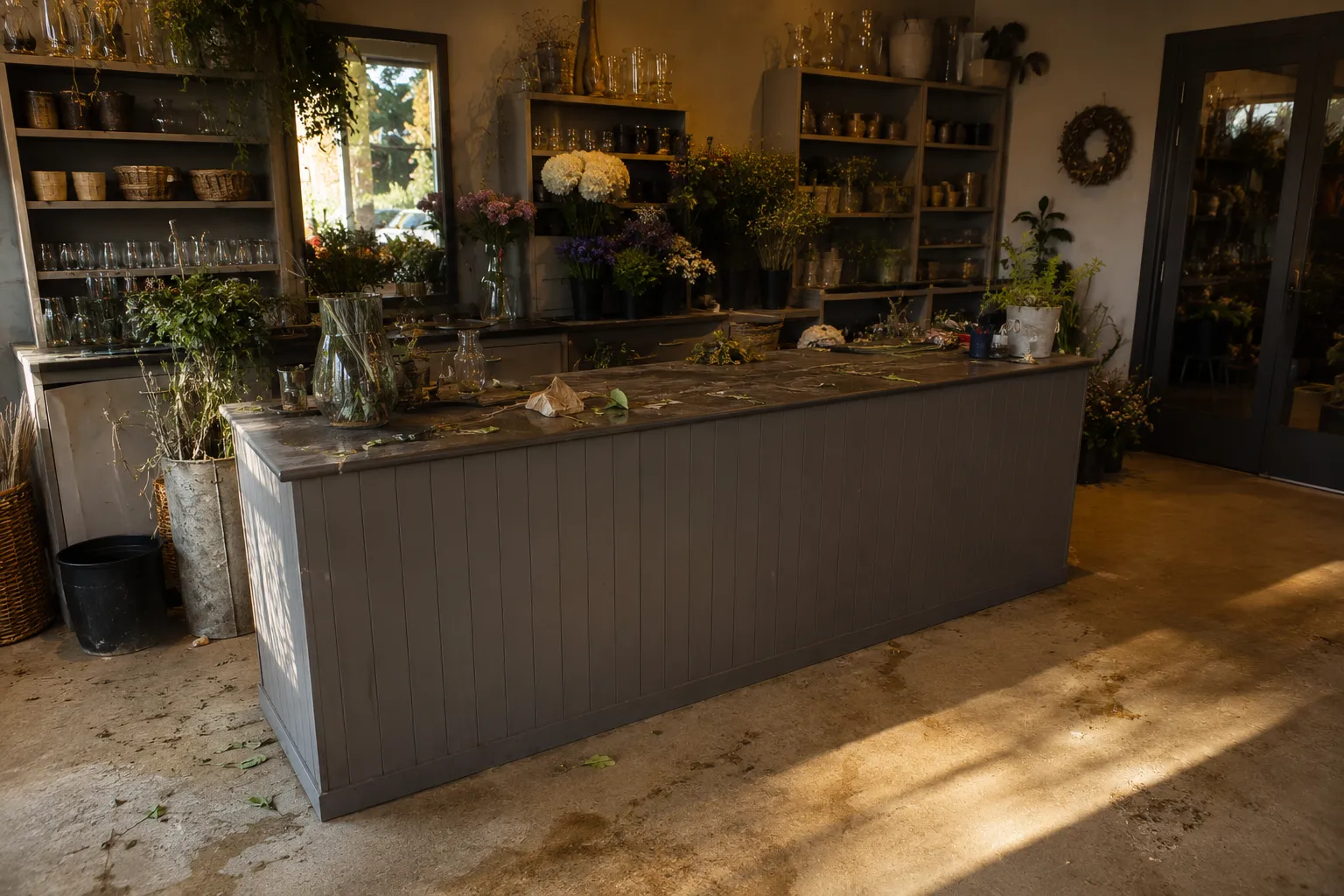
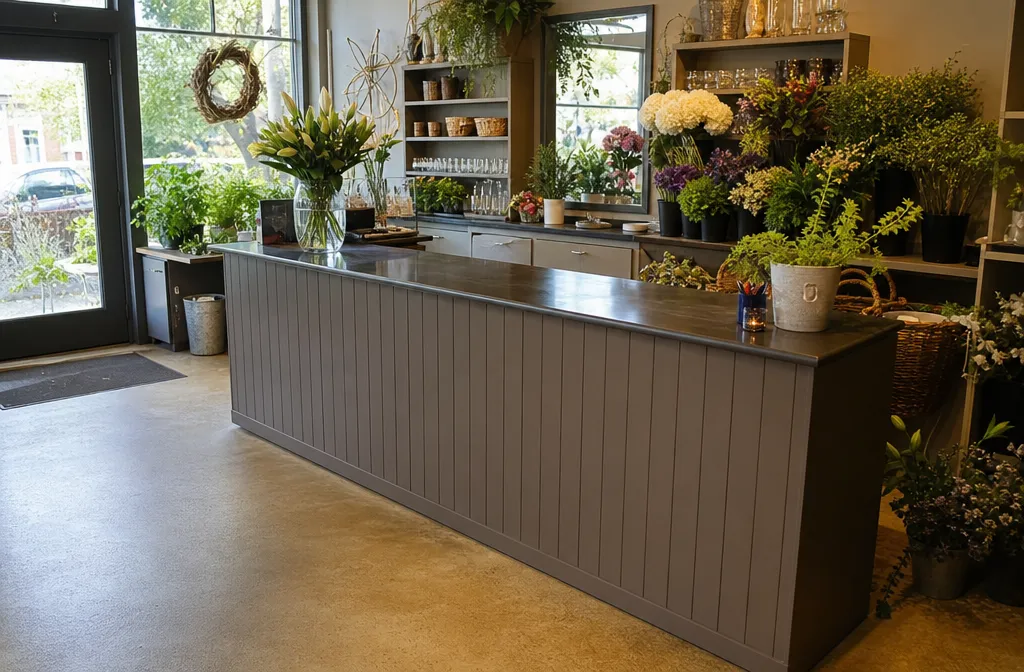
Request: Tidy up counter, remove dirt and plant debris.
Done: Washed counter, wiped shelves, removed fallen leaves and trash.
Cost: 21 000 ₸
Master: Nurgul Akhmetova, cleaning master
Total: Counter clean, flowers fresh, shop ready to welcome customers.
 After
After
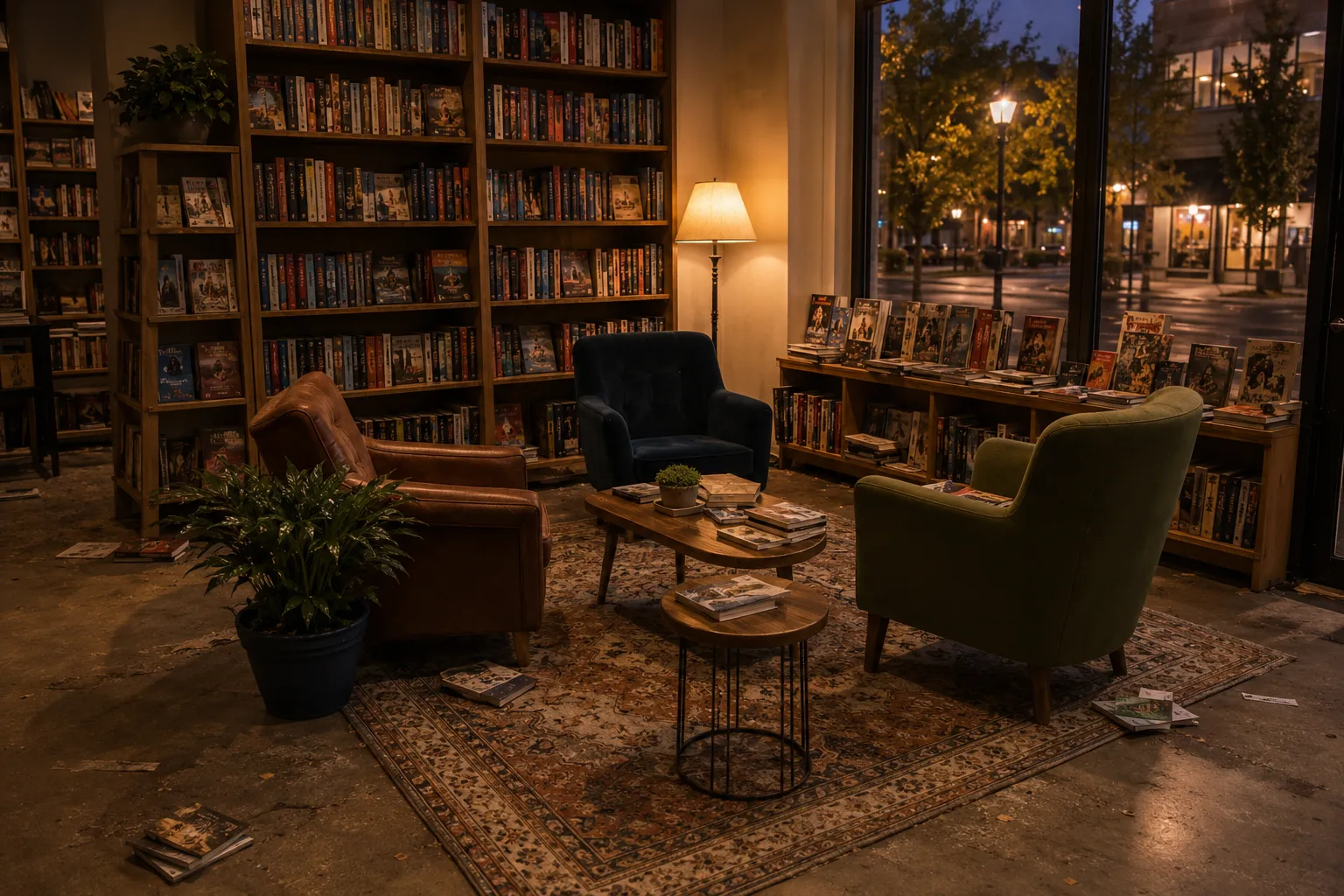
Request: Dust books and chairs, mop floor in corner.
Done: Vacuumed chairs and carpet, wiped bookshelves, mopped floor.
Cost: 18 000 ₸
Master: Yerzhan Muratov, cleaning master
Total: Corner cozy, books dust-free, chairs clean.
 After
After
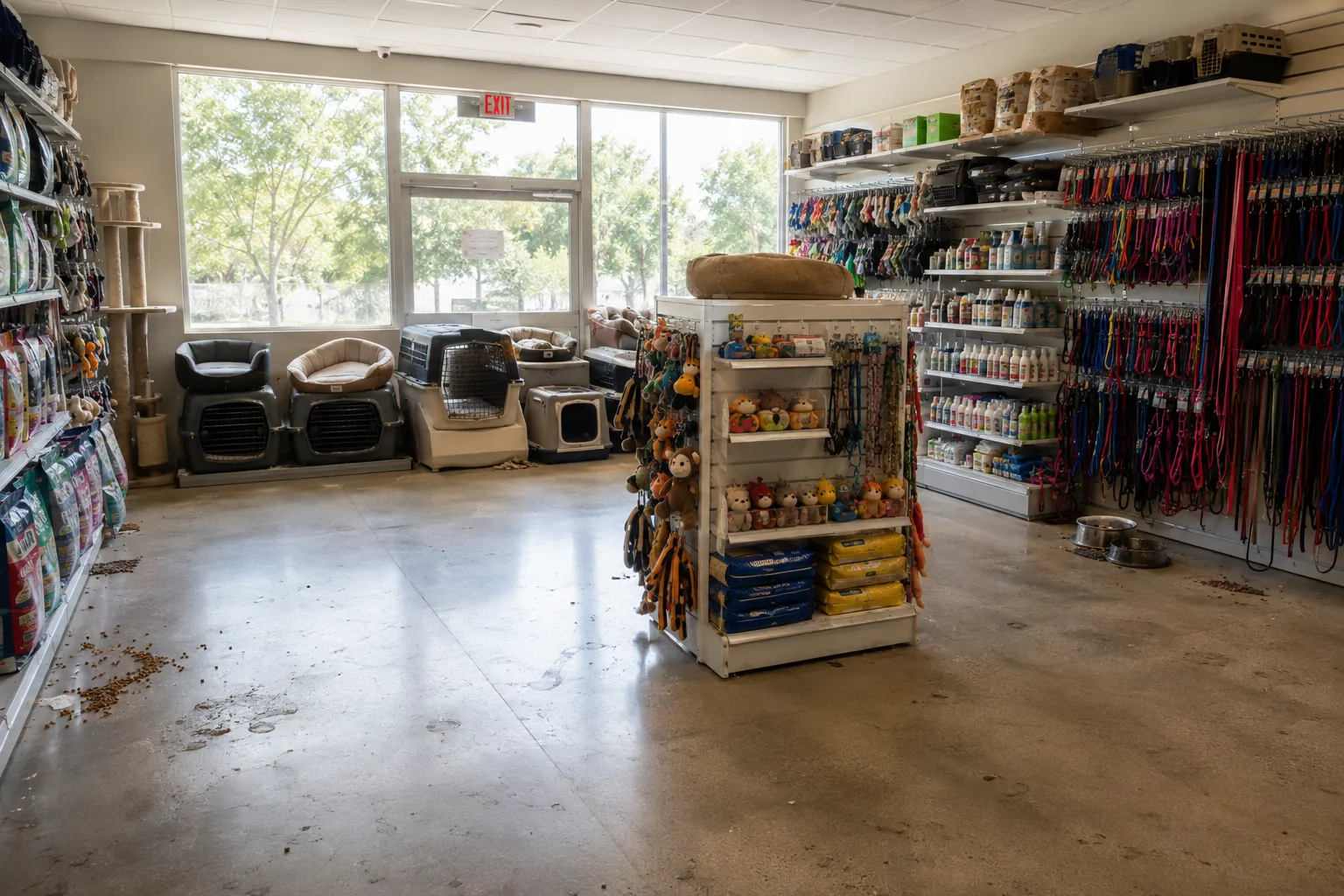
Request: Perform sanitary cleaning of the section, remove odors and dirt.
Done: Mopped floor, wiped shelves, treated surfaces with disinfectant.
Cost: 20 000 ₸
Master: Aigerim Tulegenova, cleaning master
Total: Section clean, odor-free, products neatly arranged.
 After
After
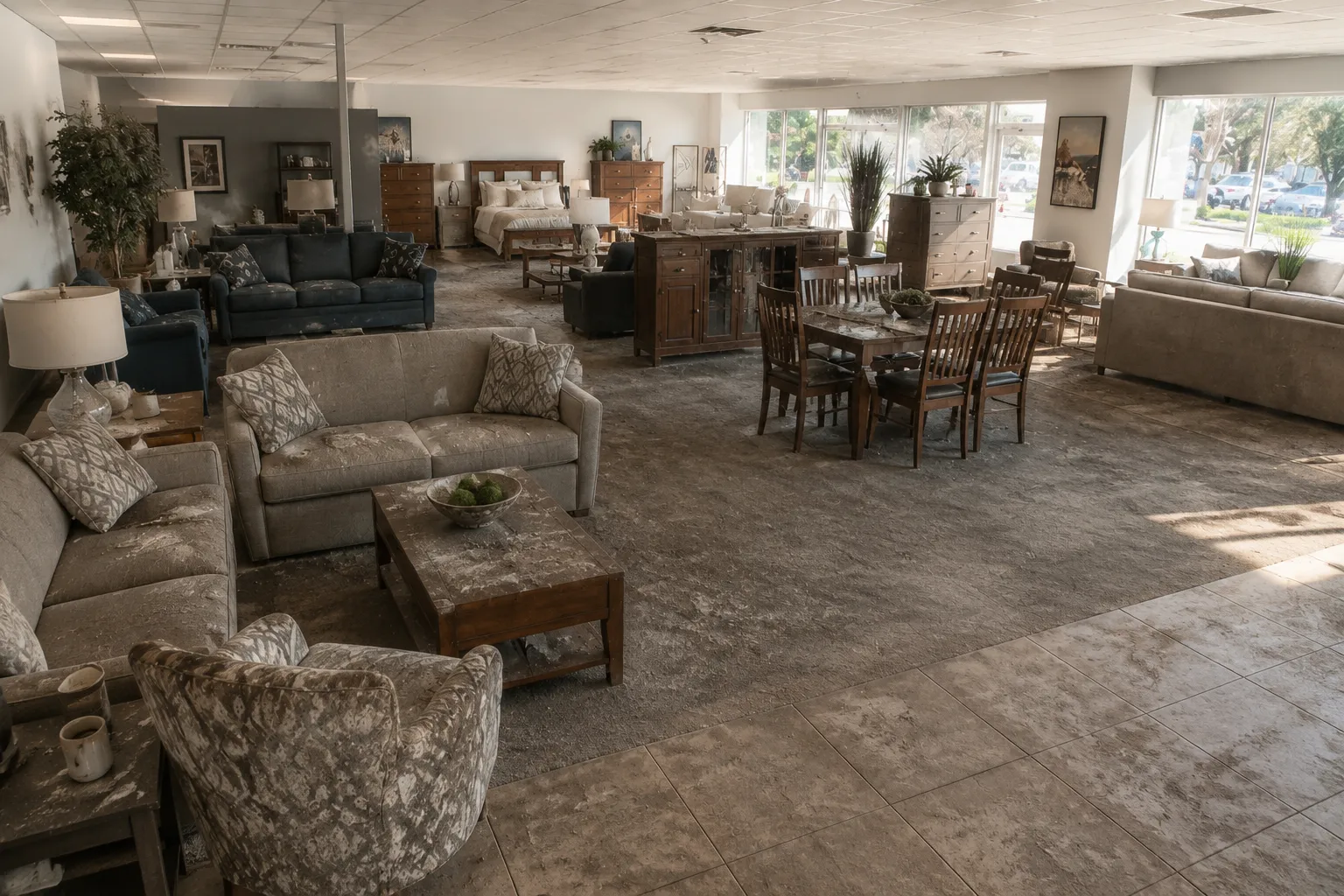
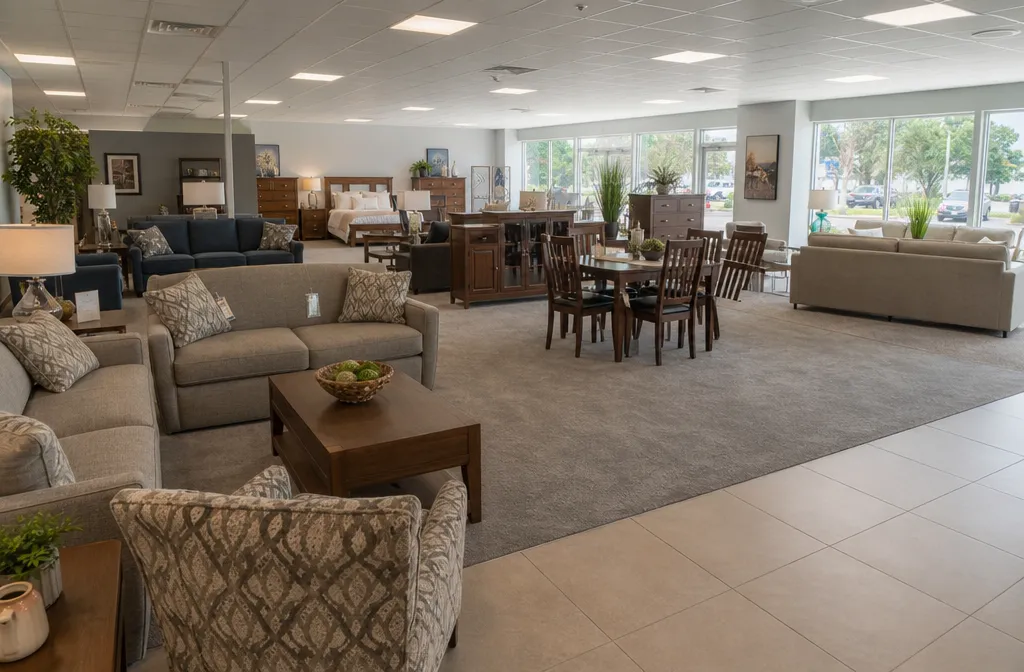
Request: Dust furniture and floor after client try-ons.
Done: Wiped all furniture, mopped floor, removed shoe marks.
Cost: 19 000 ₸
Master: Samat Ibraev, cleaning master
Total: Showroom impeccable, furniture gleaming, floor streak-free.
All cleaners are profi-clean staff with training, uniform and security check. Each order has a team leader who controls quality.
Store cleaning and office cleaning solve different tasks, although at first glance it’s just mopping floors. In a store, cleaning is part of merchandising and sanitary safety; in an office, it’s about maintaining work comfort. Let’s break down the key differences using profi-clean’s practical experience.
In an office, the main waste is paper dust, food crumbs, and shoe marks in hallways. In a store, it’s greasy residue from customers’ hands on shelves, spilled liquids near refrigerators, dirt from cart wheels, and ingrained sticker marks on shelves. A grocery store adds sticky stains from fruits and vegetables, as well as spilled milk or juice in the dairy section. An office requires a standard neutral detergent, while a store needs specialized compounds: for grease, for display glass, and for disinfecting areas in contact with food. In our practice, profi-clean cleaners use different concentrations of Kiehl for the sales floor and for back rooms — a universal product cannot handle the grease on display cases. Before ordering, specify the store’s zones — the set of chemicals and work time depend on this.
An office is cleaned early in the morning before employees arrive or in the evening after they leave — the schedule is flexible and can be moved to any day. A store operates 10–12 hours without a break, often seven days a week. Cleaning is only possible at night, early in the morning before opening, or during “dead hours” (10:00–11:00 AM and 2:00–4:00 PM on weekdays) when customer traffic is minimal. In Almaty’s 24-hour grocery stores (e.g., on Al-Farabi Avenue), we go out after 11:00 PM when the registers close. In boutiques within shopping centers — before the mall opens, usually from 7:00 to 9:00 AM. Wet cleaning in the aisles must be dry before the first customers arrive — a wet floor in a store creates a risk of injury and lost sales.
For an office, a vacuum cleaner, mop, and a set of cloths are sufficient — to clean the carpet and wipe down desks. A store requires equipment for different surfaces: a floor scrubber for large areas (from 200 m²), a steam cleaner for shelves and refrigerators, special attachments for streak-free display cases, and a cart for collecting trash from counters. At profi-clean, we use a floor scrubber with a HEPA filter for stores — it collects the finest dust that settles on products in open trays. Such a filter is excessive for an office, but critical in a store for meeting sanitary standards. If you have a store with refrigerated display cases, ask the cleaner about the possibility of cleaning the evaporators — they accumulate dust and increase electricity consumption by 15–20%.
In a store, there is no “just the floor” — each zone dictates its own cleaning rules, and a mistake in one can ruin the impression of the entire sales floor. We’ve broken down the five most demanding areas where customers most often notice dirt, and owners lose money on rework.
The entrance is the dirtiest point in a store: in one hour, hundreds of pairs of shoes cross the threshold, bringing in sand, de-icing agents, and moisture from the street. In Almaty’s slush, this area turns into a black mess 40 minutes after cleaning if the right chemicals aren’t used. We place rubber mats with a cellular structure at the entrance (they trap up to 70% of large dirt) and wash the threshold every two hours with a neutral cleaner — alkaline leaves streaks on the tile, and acid erodes the grout. In our practice, owners often save money on mats by buying cheap fabric ones — they absorb moisture, don’t clean well, and start to smell musty after a month. Tip: replace a fabric mat with a rubber one with drainage holes — it lasts three seasons longer and cleans in a minute.
Open refrigerators in grocery stores are a generator of sticky film: temperature changes create condensation, on which dust settles, and after two days the glass looks cloudy. The problem is that regular glass cleaner leaves streaks due to grease vapors from dairy and meat — we use a specialized degreaser for food equipment (pH 9-10, chlorine-free), which removes the film in one wipe. Freezer chests are even more challenging: frost on the lids freezes in a layer, and if you scrape it with a metal scraper, scratches remain where dirt gets embedded. At profi-clean, frost is removed only with a plastic scraper, and the glass is treated with an antistatic agent for refrigeration chambers — it slows down condensation buildup for 6-8 hours. An important nuance: during refrigerator cleaning, they cannot be unplugged for more than 15 minutes — products start to thaw, and the store loses its marketable appearance.
In clothing stores, the fitting room is an area where dirt is visible under daylight lamps: fingerprints on mirrors, lint on the carpet, deodorant residue on the walls. Mirrors cannot be washed with regular soap and water — whitish streaks from hard Almaty water remain. We use microfiber and a spray with distilled water (our team carries 5-liter canisters) — the mirror stays clear without streaks. Carpeting in fitting rooms collects lint and dust 3-4 times faster than in the aisles, so standard daily vacuuming is insufficient: once a week, a deep clean with a hot water extractor (85°C) is needed, otherwise mites breed in the fibers, especially if the store is in a basement with high humidity. We have encountered cases where after cleaning, a detergent smell lingered in fitting rooms — customers complained that clothes smelled of chemicals. The solution: a final rinse with clean water and airing out for 10 minutes before opening.
Shelves are rarely cleaned — the top shelves are visible, but the bottom ones (the “blind spot”) become covered with a layer of dust that customers notice when they bend down for items on the lower tier. A mistake many cleaners make is wiping shelves with a damp cloth without prior dry dusting: dirt gets smeared, clogs into the gaps of the metal frame, and dries into a crust. The correct order: dry microfiber for dust removal, then damp with a neutral cleaning agent (pH 7), then dry thoroughly — otherwise, whitish water spots remain on wooden or laminated shelves. Special attention is required for the end caps of shelving: they accumulate dirt from customers’ hands touching the metal while browsing items. In children’s goods stores, we treat the end caps with an antibacterial spray based on alcohol (70%) — this reduces the bacterial load by 95% according to ATP tester measurements. We recommend moving the shelves and washing the floor underneath them once a month — up to 40% of all dust in the sales floor accumulates there.
Glass display cases with lighting are the most finicky element: every streak from a cloth is visible under LED rays, like an X-ray. The problem is compounded by the fact that display cases are often cleaned haphazardly — with circular motions, leaving a “web” of streaks. profi-clean’s technique: horizontal movements from top to bottom with a rubber squeegee (not a sponge!) after applying an antistatic spray — this keeps the glass clean for 2-3 days longer because dust is not attracted by static. In Almaty stores, display cases face the south side — ultraviolet light accelerates droplet drying, and if the water is not removed within 30 seconds, spots remain. We wash display cases early in the morning, before the sun rises, or use a shading tarp — this ensures even drying without marks. Another feature: display cases with UV protection (tinted) cannot be cleaned with abrasive pastes — scratches on the tinting are visible to the naked eye and spoil the store’s appearance.
The frequency of a store’s deep clean depends not on the calendar, but on three factors: product category, foot traffic, and type of flooring. In our practice, we see that a universal schedule does not exist — what works for a clothing boutique will fail sanitary standards in a meat department.
In grocery stores — meat, dairy, vegetable sections, bakeries — we recommend deep cleaning weekly, and in raw meat and fish cutting areas, twice a week. The reason is not just grease and crumbs on the floor, but the bacterial film (biofilm) that forms on shelves and in refrigerated display cases within 48–72 hours. It cannot be removed with a regular mop and disinfectant; it requires mechanical treatment with steam or a brush followed by disinfection. In Almaty markets and 24-hour convenience stores, we have encountered staff mopping the floor daily but forgetting the interior walls of refrigerators and the area behind the counter — that’s where mold fungi develop after two weeks without deep cleaning. If a store has its own deli or a section with bulk cheeses, deep cleaning once a week is not a recommendation but a sanitary minimum. Moreover, after each deep clean, we treat surfaces with hypoallergenic Sodasan products, which leave no chemical odor and are safe for contact with product packaging.
For clothing, footwear, cosmetics, and electronics stores, deep cleaning once a month is the standard, with one caveat: fitting rooms and the checkout area need treatment every two weeks. Take the example of a clothing boutique on Arbat in Almaty: over a month, dust from textiles, skin particles, and traces of decorative cosmetics accumulate on the fitting room floor — if not deep cleaned every 14 days, stubborn stains remain on light-colored carpets. For stores with white shelving and display cases (tableware, home decor), we recommend deep cleaning every three weeks because even a thin film of settled dust is visible on glossy surfaces, noticeably diminishing the impression of high-end goods. In low-traffic non-food stores (up to 30 people per day), the interval can be extended to 45 days, provided open shelves and display cases are wiped daily. Due to the dry air in Almaty shopping centers in winter, dust settles faster than in coastal cities — in our orders above the average check amount, the interval between deep cleanings for a boutique in a mall is reduced by a week compared to a street store.
Traffic is the main adjusting factor: if a store sees 500+ people per day, deep cleaning is needed every two weeks regardless of product category. In practice, at Almaty’s MEGA and Forum shopping centers, we see that within two weeks, a black residue from street dirt forms on the tiles at the entrance, which regular washing cannot remove — it requires deep cleaning with a rotary machine. Seasonal factors: in March-April, when snow melts and ice thaws in Almaty, floor dirt is 3–4 times greater than in summer, so during this period we recommend shifting deep cleaning from once a month to every two weeks, even for non-food stores. Before the New Year holidays (December) and before the sales season (June-July), traffic increases by 40–60%, and without an extra deep cleaning before new stock arrives, the store risks complaints about dusty display cases. In our orders, we always ask the owner for the average daily traffic — if it exceeds 200 people, we include in the contract the right to adjust the schedule without changing the price, because rigid calendar scheduling works worse here than adapting to the actual load on floors and shelves.
The most common mistake store owners make is believing that daily wet mopping replaces a deep clean. In reality, daily washing only removes the top layer of dirt but does not eliminate stubborn grease deposits on tile joints, bacterial buildup in the drain grates of refrigerators, or dust on the top shelves of racks that a cleaner cannot reach. We have encountered situations where a grocery store on Abay Avenue mopped the floor daily but called for a cleaning service every three months — and were surprised each time that the deep clean took 4–5 hours instead of 2. Because of missed deep cleanings, the grease on the floor under the racks hardens to a waxy consistency, requiring a special solvent to remove, which is more aggressive on the tiles and takes more time. A practical tip: if daily cleaning takes 40 minutes and a deep clean takes 3 hours, the interval between deep cleans should not exceed 4 weeks; otherwise, each subsequent session will require an extra hour. In store models with porcelain stoneware flooring, we noticed: if deep cleaning is done strictly once a month, the tiles retain their original shine for 3–4 years, but if done every two months, micro-scratches from abrasive particles that were not removed in time appear within a year.
In stores with tasting counters, deli areas, and open fresh zones, deep cleaning should be performed at least once a week, and the area around the tasting table should be cleaned after each day of operation. Using the example of an Almaty supermarket with its own bakery: up to 200 grams of crumbs and spills accumulate on the floor near the tasting table in one day — if not deep cleaned every evening, by Friday morning the smell of sour dough absorbs into the flooring and remains even after washing. For stores with aquariums and live fish zones, we recommend deep cleaning every 3–4 days because humidity there is around 80%, and black mold forms on the walls within 72 hours, especially in tile joints. In our cleaning orders for stores with deli sections, we always include an additional visit on Friday evening in the schedule — this reduces the risk of a SES fine by 90% and extends the lifespan of the flooring by 1–2 years. Before creating a schedule, request the humidity and temperature log for the sales floor from the administrator for the past month — if humidity is consistently above 65%, the frequency of deep cleaning should be doubled compared to the standard for your product category.
A grocery store is not just a space with floors and shelves, but an area of direct contact with food. Here, cleaning directly impacts product safety and customer health, so standard office protocols do not work.
Most stores in Almaty use universal cleaning products from hardware stores — but for areas with open food, this is a risk. Household formulas with chlorine and aggressive surfactants leave a microfilm on counters that migrates to packaging and — if the packaging is compromised — onto the food itself. At profi-clean, we only use hypoallergenic chemicals from Kiehl and Sodasan: their active ingredients (lactic acid, coconut glucosides) break down into water and carbon dioxide within 6–8 hours, leaving no toxic residue on cutting surfaces or display cases. At the same time, they kill 99.9% of E. coli and salmonella bacteria — according to our technicians’ tests, effectiveness against listeria on stainless steel reaches 99.97% with a 60-second exposure. In practice, this means: if you do not smell any chemical odor after cleaning, the product did not harm the food, but if it smells like “cleanliness” with a fragrance, it may be pseudo-disinfection.
Refrigerated display cases are a high-risk zone: wet cleaning inside can raise the temperature by 2–3°C, which already violates SanPiN standards for dairy and meat groups. Our cleaners use a two-pass scheme: first, dry cleaning with an antistatic microfiber cloth (removes grease without water), then targeted wet treatment with a cloth soaked in an alcohol-based Sodasan solution (evaporates in 40 seconds without cooling the surface). For evaporators and drain pans, we use a steam cleaner at 120°C — steam kills mold in drain pipes without flooding electronics. Tested in Almaty stores near Atakent: after such cleaning, the temperature in the display case did not deviate from the set +2°C by more than 0.5°C, and mold in the drain did not reappear for three weeks instead of the usual seven days.
Spilled flour, sugar, oil, or vegetable juice on a grocery store floor is not just dirt, but a biological threat: sweet stains attract ants and cockroaches, while oily ones become slippery and cause injuries. We have a refined algorithm: solid residues are collected with a dustpan and brush (not a broom — it spreads dust), then the stain is treated with Kiehl enzyme concentrate (breaks down proteins and fats in 3 minutes), followed by rinsing with neutral pH water. Grease on tiles in the bakery area is removed with Sodasan paste with orange oil — it leaves no streaks, unlike abrasive powders that scratch porcelain stoneware. In one Almaty supermarket on Seifullin Avenue, we removed a stubborn 2 m² oil stain in a month that alkalis couldn’t handle — the enzyme concentrate did it in three treatments.
The most common mistake is washing counters with products on display, where the cleaner simply wipes around the packages with a cloth. This leaves damp areas where bacterial colonies start growing within an hour — especially on cutting boards and scales. The correct technique: before cleaning, all products are moved to one side of the display case, the freed half is washed, then the same is done for the second half, ensuring the packaging does not touch the wet surface. The second mistake is using one cloth for both the display case and the floor: this transfers E. coli to the customer’s eye level. At profi-clean, each zone has its own microfiber color (blue for display cases, green for floors, yellow for refrigerators), and after changing zones, the cloth goes to the wash. The third is neglecting disinfection of scales and payment terminals: buttons accumulate up to 300 CFU/cm², which is 10 times higher than the norm for food enterprises — we treat them with alcohol wipes every 2 hours during continuous cleaning.
If the store has a bakery, deli, or salad preparation area, cleaning becomes an order of magnitude more complex. HACCP requirements apply here: surfaces contacting dough and meat are treated with different cloths (cross-contamination causes 40% of salmonellosis outbreaks in retail, according to WHO data). In the bakery area, flour is a problem: it settles on ventilation and clogs HEPA filters in 2 weeks instead of a month, reducing air exchange by 30%. At profi-clean, we use a cyclonic vacuum cleaner with preliminary coarse dust separation for such facilities — the bag is changed every shift, not once a week. In practice, at an Almaty bakery on Abay Avenue, we reduced cleaning time for the dough mixing area from 40 to 18 minutes by pre-soaking equipment with an enzyme solution — it breaks down gluten, which otherwise clogs brushes.
Choosing a contractor for store cleaning in Almaty is a decision that affects the sanitary safety and appearance of the retail outlet. We know from experience that cheap and high-quality rarely coincide here, so let’s break down the criteria for evaluating a company.
The difference between a direct cleaning contractor and an aggregator lies in quality control and accountability. At profi-clean, we hire and train our own in-house cleaners ourselves, so we take full responsibility for the result as a company — we don’t shift blame onto a “performer from a database.” Aggregators often work with self-employed teams without a single standard: one time a meticulous crew arrives, the next time people who forget to clean the thresholds. In Almaty, where humidity and street dust settle on display windows within 2-3 hours, a predictable cleaning protocol is crucial. In practice, this means a direct contractor can assign a permanent cleaner to your store who knows the shelf layout and sensitive surfaces. An aggregator will send a new person each time, making quality a lottery — especially during peak hours when the store operates without a break.
Before signing a contract, it’s worth checking three things: liability insurance, the composition of the chemicals used, and the protocol for force majeure situations. For example, we always provide certificates for hypoallergenic Kiehl and Sodasan chemicals — this is important for grocery stores, where residue from harsh agents can get onto product packaging. Also, clarify how the company acts if a cleaner gets sick or is late: we have a reserve mobile team ready within 60 minutes, while in aggregator schemes, a replacement might take about two hours to travel from the other end of Almaty. The contract must clearly outline the work acceptance procedure — we offer a 24-hour guarantee, during which we fix any shortcomings for free. If a contractor avoids clear deadlines for correcting defects, that’s a red flag.
The most common mistake is saving on cleaning frequency in favor of cheap one-time cleaning once a week. In Almaty stores, especially near busy streets (Abaya, Timiryazeva, Al-Farabi Avenue), dust and dirt from sidewalks are tracked in within a day, and weekly cleaning doesn’t save the flooring from wear. The second mistake is not checking how the company cleans glass display windows: poor-quality chemicals leave streaks that are visible from a block away under the Almaty sun. The third is trusting the cleaning of refrigeration equipment to non-professionals: condensers get clogged with dust, the compressor overheats, and the store loses product. Our advice: before signing a contract, ask to see photos of real properties in Almaty — not stock images, but “before and after” shots with the date and address.
Cleaning requirements vary depending on the product category. For a grocery store, sanitary safety is critical: two-phase cleaning with disinfection of counters and shelves is mandatory, and the chemicals must be certified for contact with food surfaces. For a clothing boutique, gentle care of delicate surfaces comes to the forefront — parquet, carpet, upholstered furniture in fitting rooms, where harsh household chemicals leave stains. In a hardware store or hypermarket, the main problem is cement dust and fine construction debris that a regular vacuum cleaner can’t pick up; equipment with HEPA filters is needed here. We select a separate protocol for each store type: for groceries, we use only Kiehl; for boutiques, Sodasan with a neutral pH; for hardware stores, industrial vacuum cleaners with cyclone filters. There is no universal solution, and a company that offers a “one-size-fits-all standard” likely doesn’t understand the specifics of your store.
There are several signals that immediately indicate unprofessionalism. The first is the lack of their own transport in Almaty: without a vehicle, cleaners can’t bring equipment and chemicals, meaning the company hires local crews without oversight. The second is refusing to show certificates for cleaning agents: if you’re told “everything is imported, but the documents are at the warehouse,” they’re likely using cheap household chemicals from the supermarket. The third is vague warranty terms: phrases like “we’ll fix everything if needed” without a specific period are a reason to look for another contractor. In our practice, there was a case where a client saved on cleaning by hiring a crew from Avito, and within a month, the shelves in the meat section were covered in a sticky film due to an incorrectly chosen cleaning agent — an emergency cleaning with disinfection was required. The amount spent on correcting the mistake was three times the “savings.”
We ordered cleaning after renovation — floors were cleaned of construction dust, shelves wiped, even display cases shine.
Thank you, Aigerim! Glad the result exceeded expectations.
The space became noticeably cleaner, especially in fitting rooms — all stains and dust removed. Customers are happy.
Store cleaning went well, but refrigerators could have been wiped more thoroughly. Otherwise, great.
Thank you for the feedback! We'll take note about the refrigerators.
After deep cleaning, display cases shine, floors are streak-free. Very high quality, no chemical smell.
Needed an urgent store cleaning before an inspection — profi-clean did it in 3 hours, everything perfect.
Glad to help in a tight timeframe!
Dusted high shelves, mopped floors, cleaned carpeting — now my child plays on a clean floor.
Ordered store cleaning — they removed trash, mopped floors. Only missed one corner, but quickly fixed it.
Apologies for the oversight, glad we fixed it.
After cleaning, the store felt fresh and clean, they even wiped the plant leaves — beautiful!
We regularly order store cleaning — always on time, high quality. Especially pleased with streak-free floor mopping.
Thank you for your loyalty!
Cleaning done, but there was a chemical smell. Had to air it out. Otherwise clean.
Sorry for the inconvenience, we'll use less odorous products.
Cleaned the electronics store — wiped display cases, dusted equipment, even cleaned keyboards.
Very clean in the sales floor and back room. I recommend!
Store cleaning went great — profi-clean staff were polite, everything fast and without extra noise.
Thank you for your kind words!
We washed the floors and display cases, now the crystal sparkles. But the glass shelves could have been wiped better.
We'll take note, thank you.
I ordered a store cleaning after renovation — they cleaned off cement and paint, everything is spotless. Thank you!
Now the kids can play on the floor — it's perfectly clean. The toys were put back in their places.
profi-clean did the store cleaning — floors are streak-free, refrigerators are clean. I'll order again.
We look forward to seeing you again!
After cleaning, the shoes in the display cases look like new. No dust, mirrors are sparkling.
The store cleaning was done well, but they forgot to wipe the door handles. Otherwise, no complaints.
Sorry for the oversight, we'll fix it.
The testers were put back in place, the display cases are shining. It's pleasant to enter the store.
We did the store cleaning — removed grease from shelves, washed the floors. Now it's clean and smells nice.
We're glad you liked it!
Dust was removed from hangers, floors in fitting rooms were washed. Very thorough.
The store cleaning was superficial — dust remained on the lower shelves. Had to redo.
We apologize, we will work on the mistakes.
After cleaning, the flowers look even more beautiful. Floors are clean, leaves shine.
Ordered store cleaning — arrived on time, cleaned thoroughly. Especially pleased with the mat cleaning.
Thank you for the review!
Cleaned well, but one corner in the back room remained dirty. Otherwise clean.
Sorry, we'll fix it next time.
profi-clean does store cleaning weekly — always excellent. Never let us down.
We appreciate your trust!
Showcases and shelves shine, shoes look attractive. Thank you for the cleanliness.
Ordered store cleaning — removed fur, washed floors, cleaned cages. No smell.
Glad to help!
We recommend daily maintenance cleaning for the sales floor and a deep clean once a week. For grocery stores and pharmacies, daily disinfection of contact surfaces is mandatory.
Yes, we use professional KIEHL (Germany) products certified for contact with food. They leave no harmful residues and are safe for customers.
Leave a request on the website, call, or write to WhatsApp. The manager will clarify the area, store type, and convenient time. A master's visit for assessment is free.
Yes, our masters are trained to handle fragile items. We use soft brushes and special products to avoid damage.
Yes, we work 24/7, including at night after the store closes. This is convenient to avoid disturbing customers and staff.
We use Sodasan (Germany) disinfectants based on plant components. They are effective against bacteria and viruses, safe for people and animals.
Payment in cash, Kaspi Gold, Halyk Bank, or bank transfer. Payment after cleaning is possible.
Our liability is insured. If damage occurs due to the master's fault, the insurance company will compensate. Notify us within 24 hours.
Standard cleaning takes about 2-3 hours. Deep cleaning can take up to 4-5 hours. Exact time depends on the level of dirt.
For one-time orders, a contract is not mandatory, but we recommend it for regular service. The contract guarantees fixed prices and conditions.
Tell us about your experience with profi-clean — it helps other clients and us improve.
We currently operate in Almaty. Other cities are coming soon.