Inspection and assessment
We determine the type of grease, carbon, and areas of special attention. We create a work plan.
Deep cleaning of professional equipment and surfaces from grease and carbon deposits
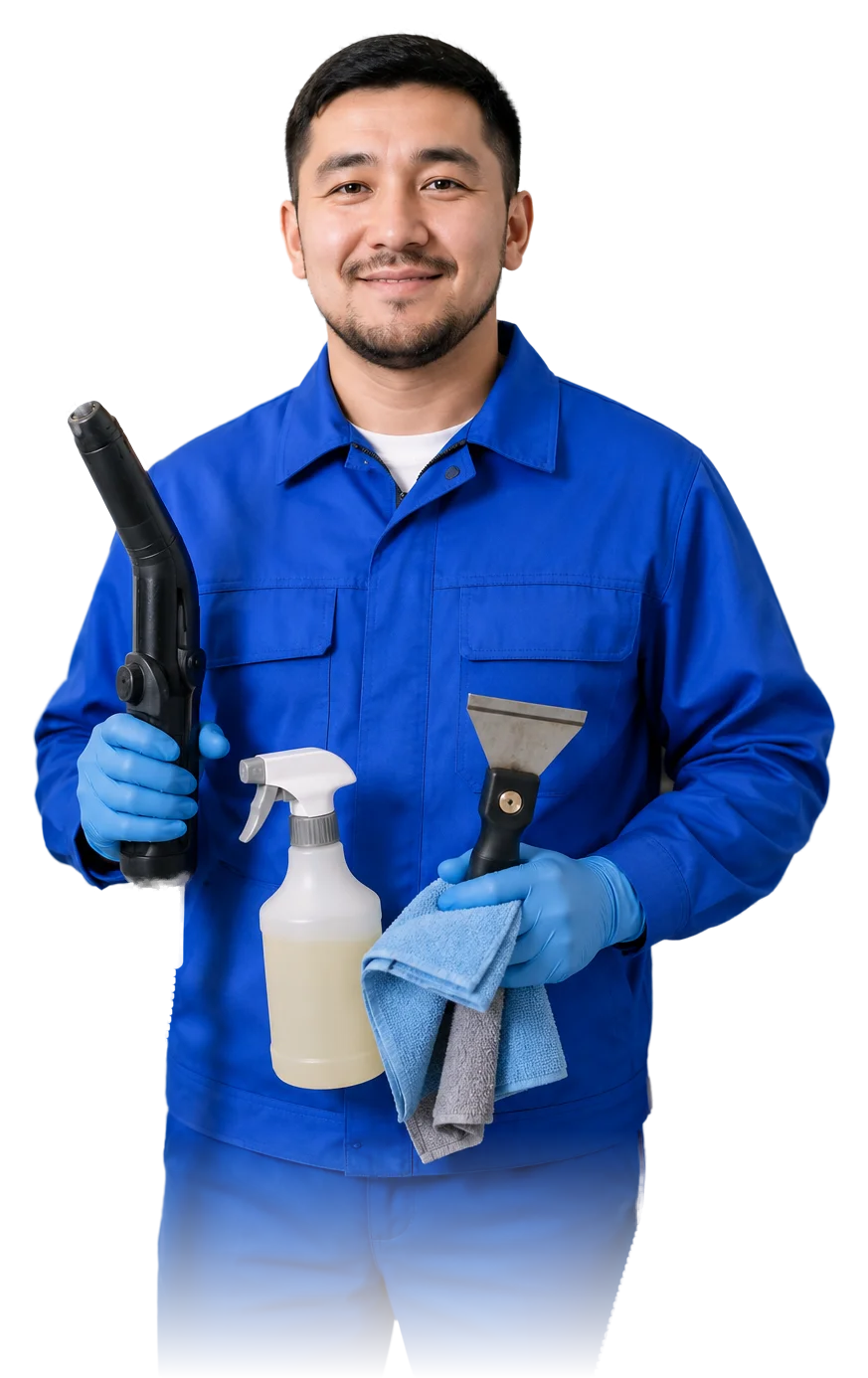
We work with any types and materials
Requires gentle cleaning of delicate surfaces and removal of oil stains.
from 24,000 ₸High content of grease and spices, requires strong chemicals and steam.
from 24,000 ₸Intensive contamination of fryers and grills, requires frequent cleaning.
from 24,000 ₸Medium degree of contamination, focus on cleaning hoods and stoves.
from 24,000 ₸Large volumes, requires quick treatment of large surfaces.
from 24,000 ₸Removal of burnt dough and cheese from ovens and tables.
from 24,000 ₸Special attention to hygiene of cutting surfaces and refrigerators.
from 24,000 ₸Removal of carbon from grates and grease from hoods.
from 24,000 ₸Cleaning from sugar dust and grease, safety for food products.
from 24,000 ₸Removal of flour and dough from equipment, disinfection.
from 24,000 ₸Mobile equipment, requires quick assembly/disassembly.
from 24,000 ₸Compact areas, high traffic, quick cleaning.
from 24,000 ₸From inspection to result with guarantee
We determine the type of grease, carbon, and areas of special attention. We create a work plan.
We disconnect equipment, protect electronics, remove detachable parts.
We apply professional alkaline degreaser to stoves, hoods, fryers.
We use steam generator and scrapers to remove stubborn grease.
We clean filters, ventilation, ducts from grease and soot.
We remove grease from tiles, backsplashes and floors using special products.
We clean refrigerators, ovens, grills inside and out.
We disinfect, polish, collect equipment and check operation.
We use alkaline degreasers Kiehl and Sodasan, which effectively break down old grease and carbon without damaging surfaces. The products are certified for contact with food products, so they are safe for the kitchen. No chemical odor remains after cleaning.
Steam generators with steam temperatures up to 180°C allow sterilization of surfaces without chemicals. This is especially important for cutting tables and refrigerators. Steam penetrates hard-to-reach places, removing bacteria and allergens.
We use HEPA vacuums with 99.97% filtration to remove tiny particles of grease, chemicals, and allergens. The air after cleaning becomes clean, which is important for a kitchen with high hygiene requirements.
All our cleaning products have safety certificates for food surfaces. We do not use harsh chemicals that can leave harmful residues. This ensures that the kitchen is ready for work after cleaning.
We thoroughly rinse all products and polish surfaces to a shine. No streaks remain on stainless steel, and the chemical odor completely dissipates. You get a perfectly clean kitchen with no signs of cleaning.
Over 5 years of work, we have cleaned hundreds of restaurant kitchens in Almaty. We know the specifics of each type of equipment and contamination. Our technicians are trained to work with professional chemicals and equipment.
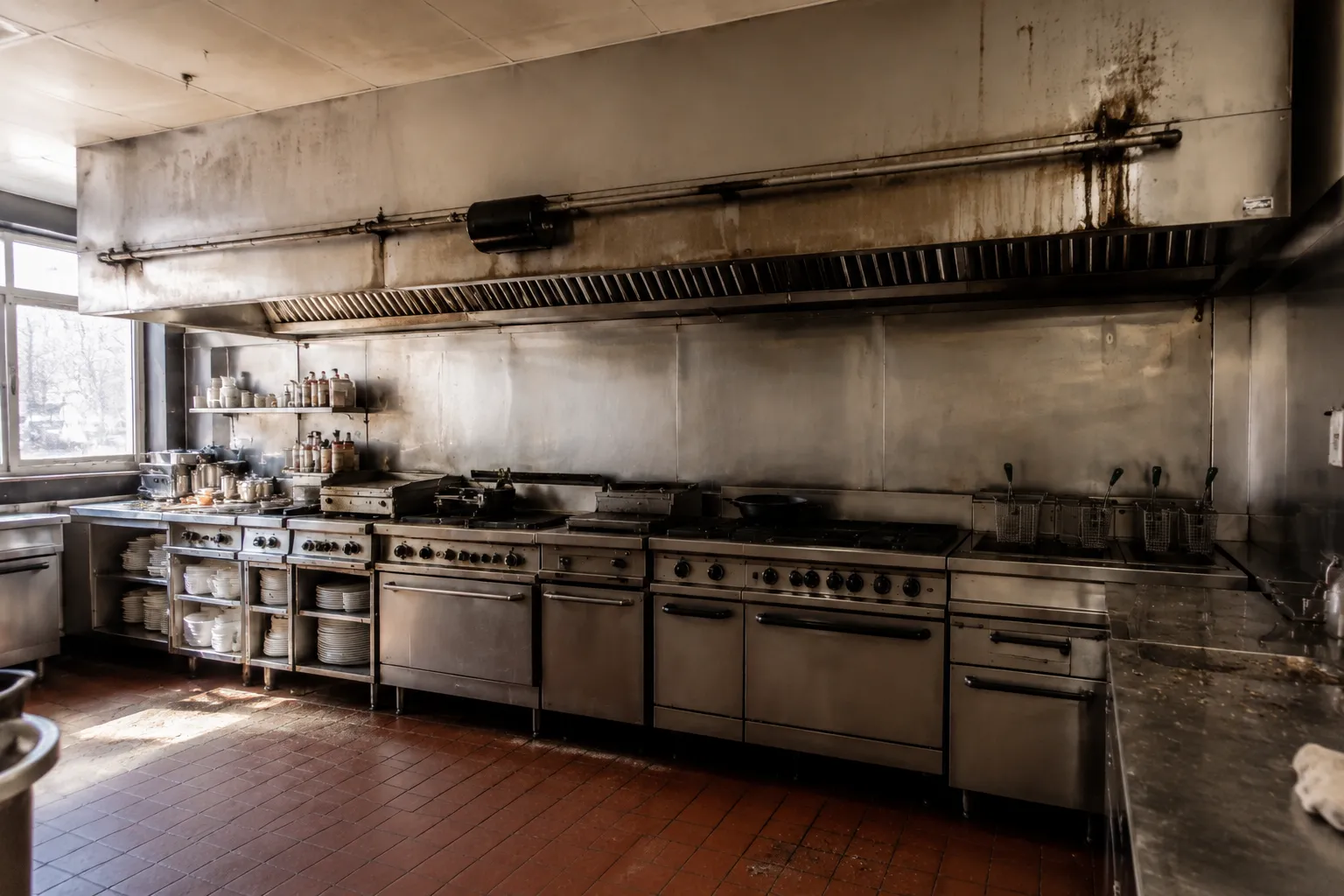
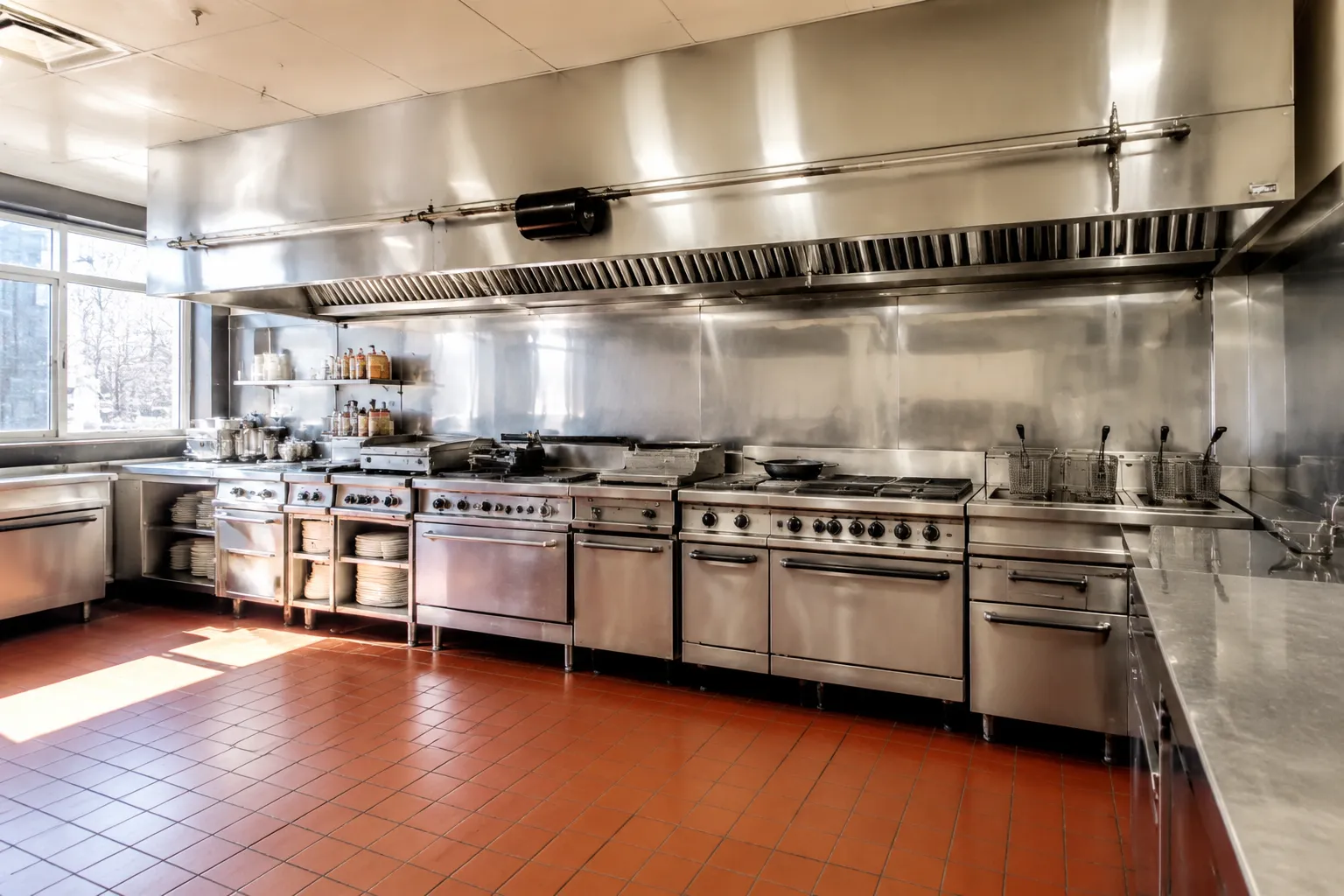 After
After
Request: Grease deposits on hood and ventilation need cleaning.
Done: Deep cleaning of hood, filters and air ducts from grease and carbon deposits performed.
Cost: 22 000 ₸
Master: Aibek Nurlanov, cleaning master
Total: Hood fully cleaned, burnt smell eliminated, draft restored.
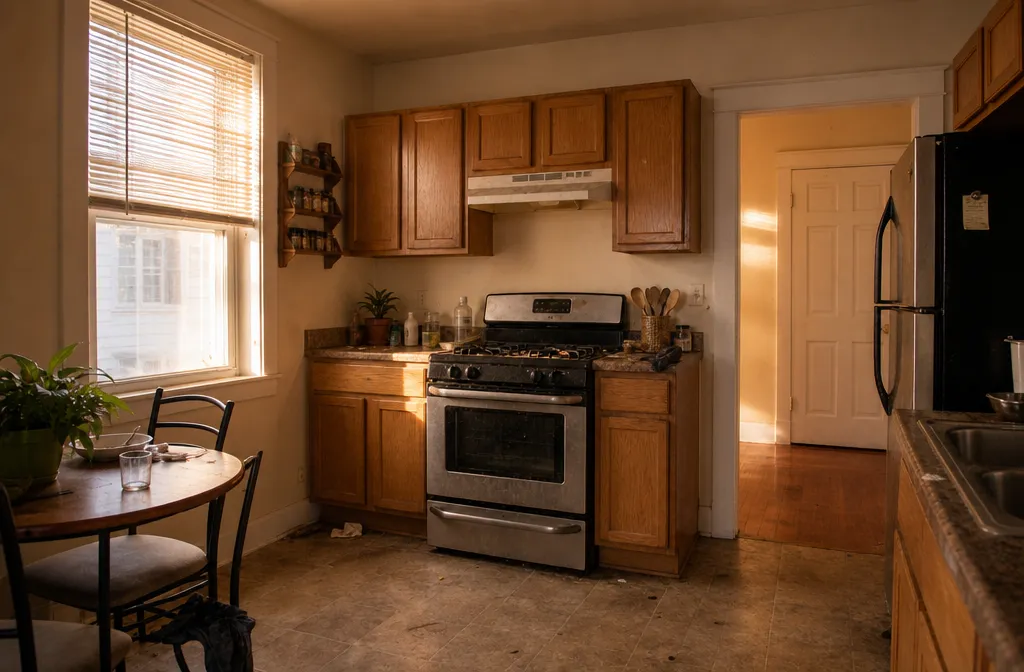
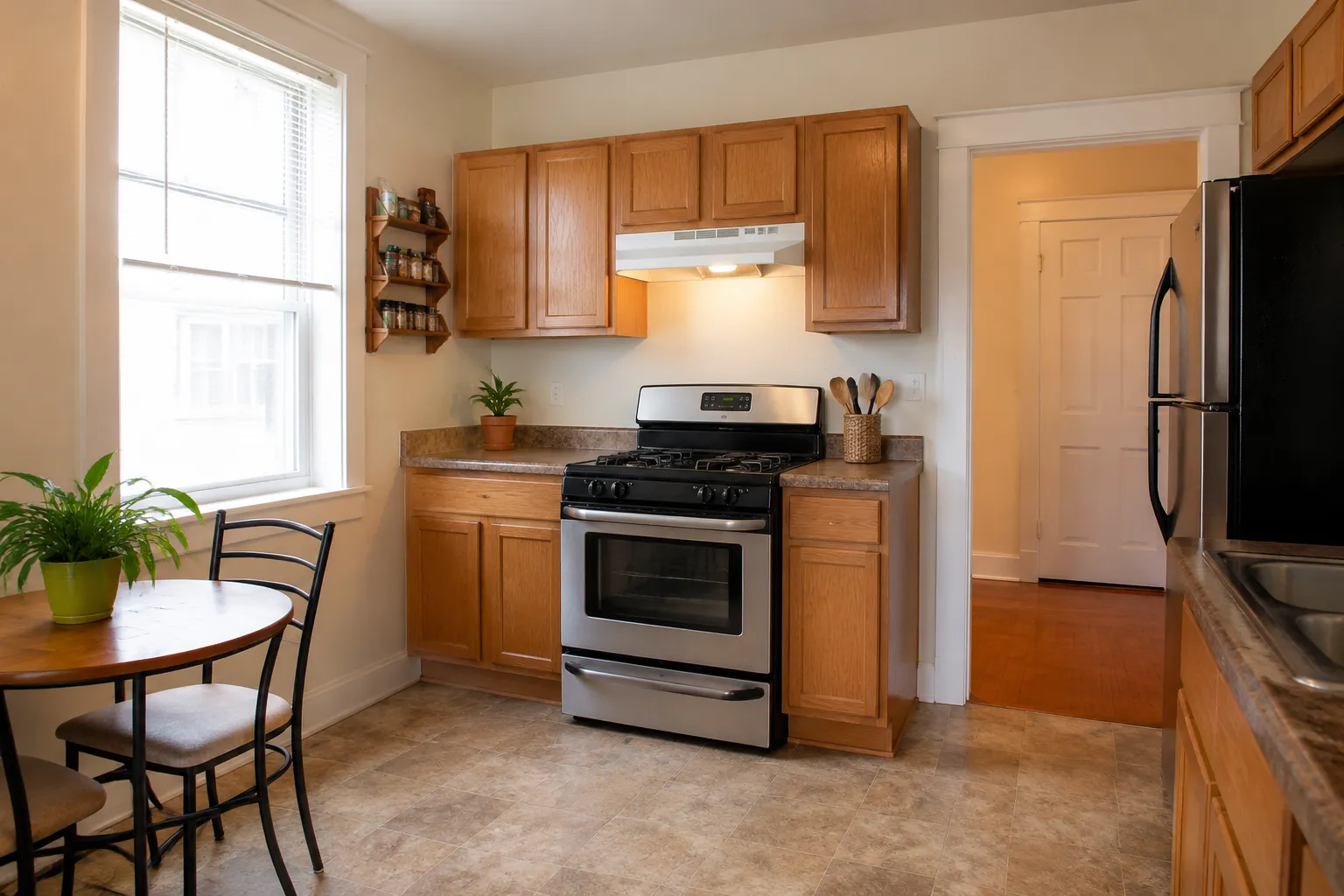 After
After
Request: Need to remove old grease and carbon deposits from gas stove.
Done: Stove treated with professional product, grease and burnt residues removed.
Cost: 23 000 ₸
Master: Gulnara Sadykova, cleaning master
Total: Stove shines, burners clean, burners work without carbon deposits.
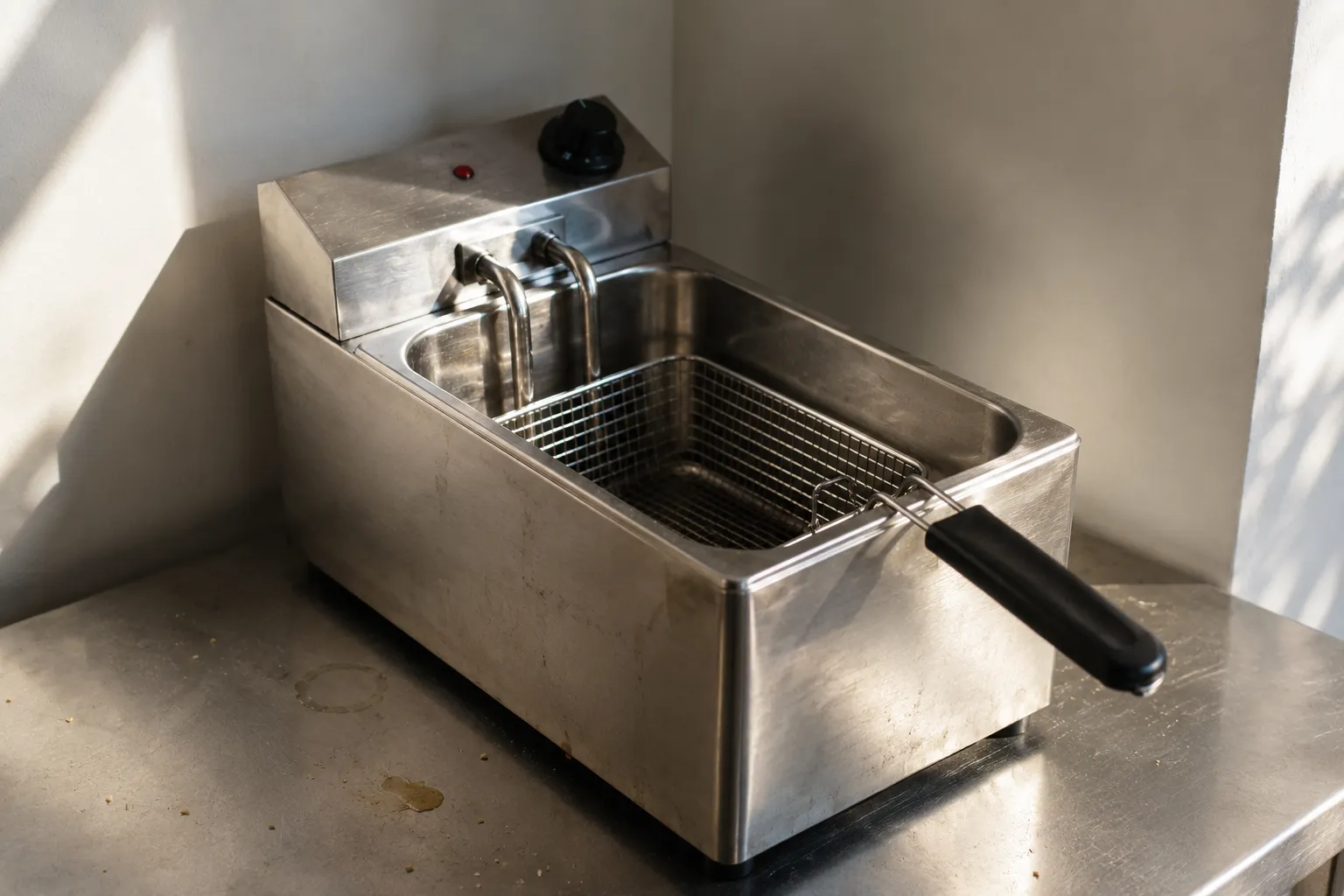
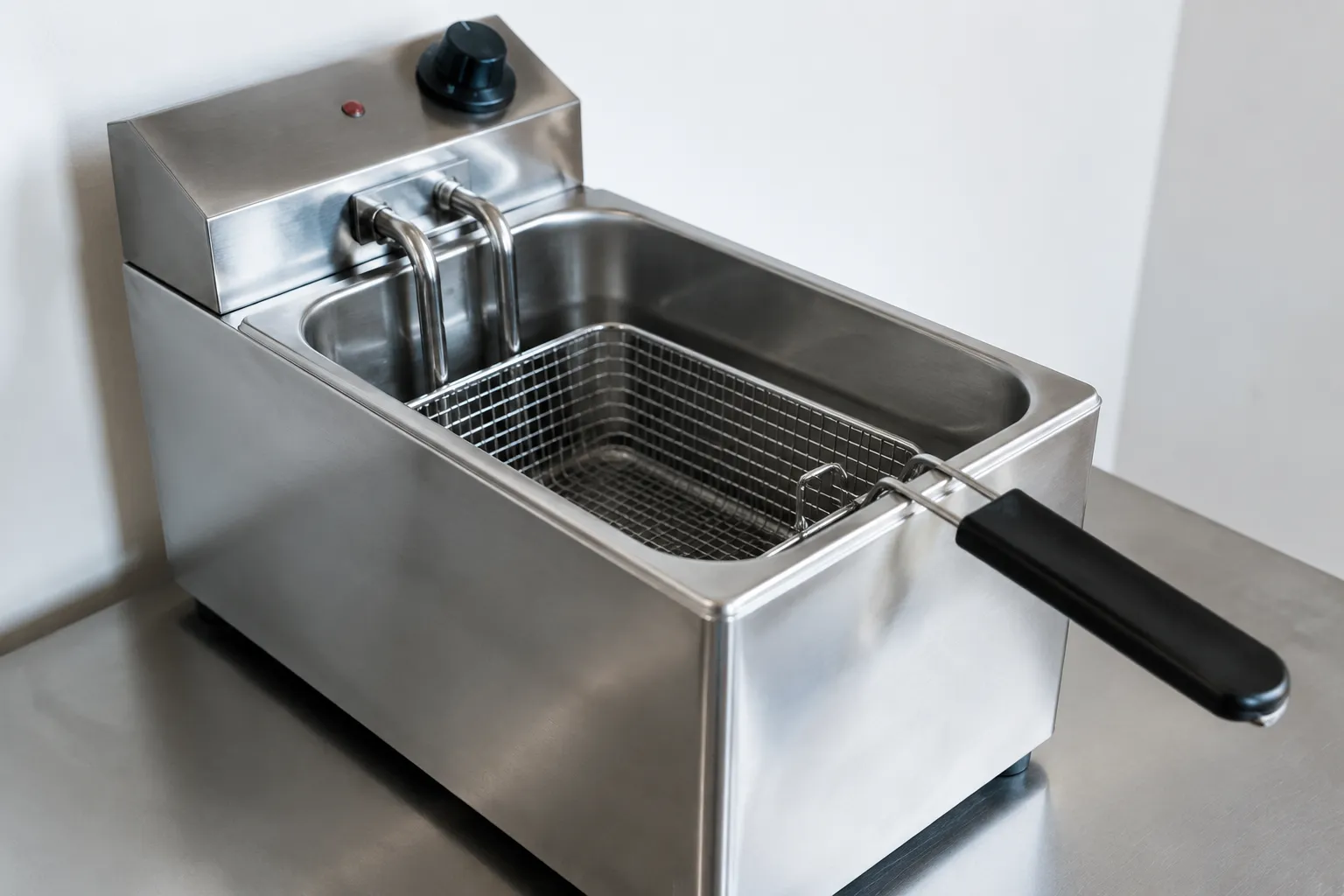 After
After
Request: Deep fryer needs cleaning from carbon deposits and old oil.
Done: Disassembly, soaking and cleaning of all deep fryer elements from grease performed.
Cost: 24 000 ₸
Master: Timur Zhaksybekov, cleaning master
Total: Deep fryer clean, no old oil smell, ready to use.
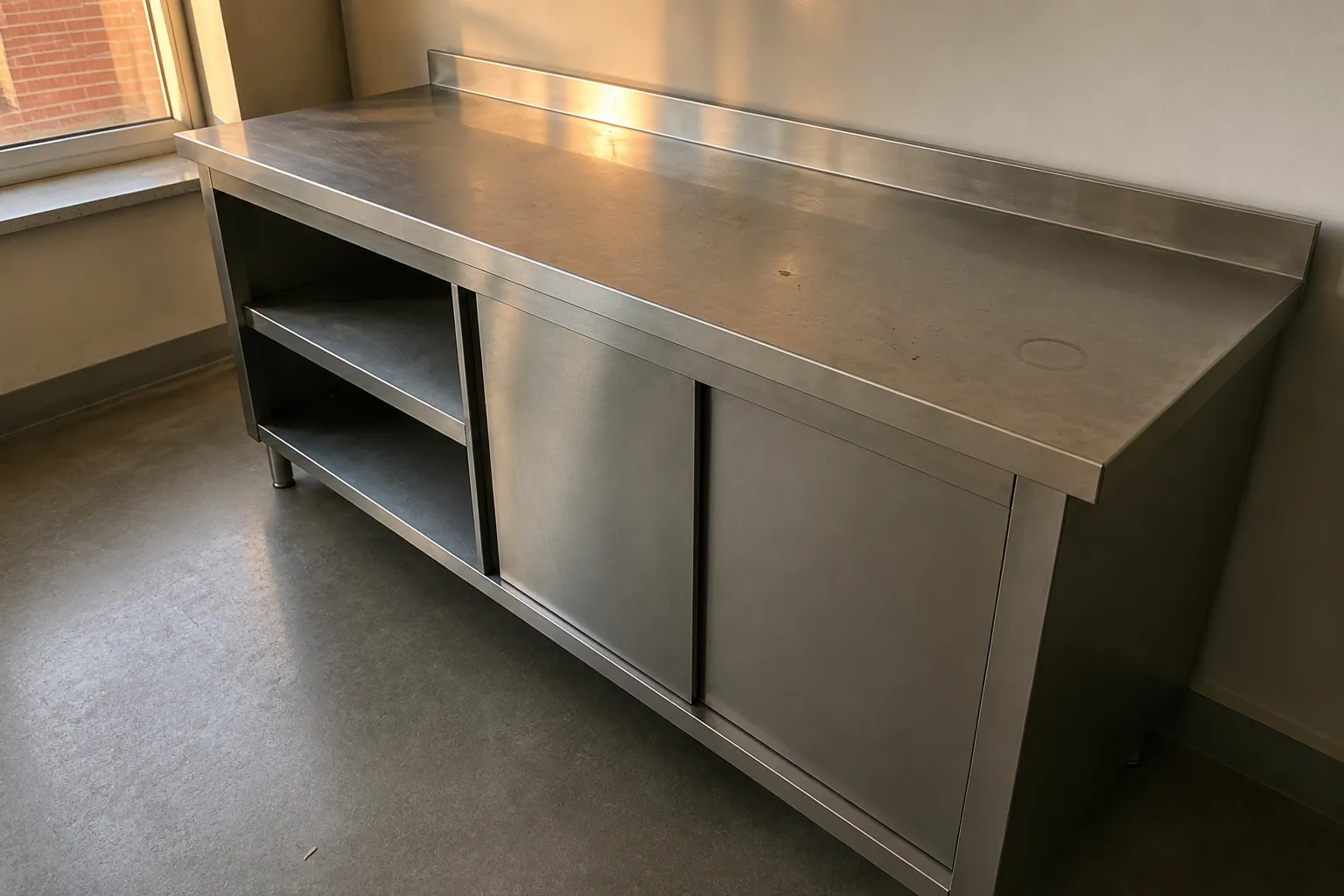
 After
After
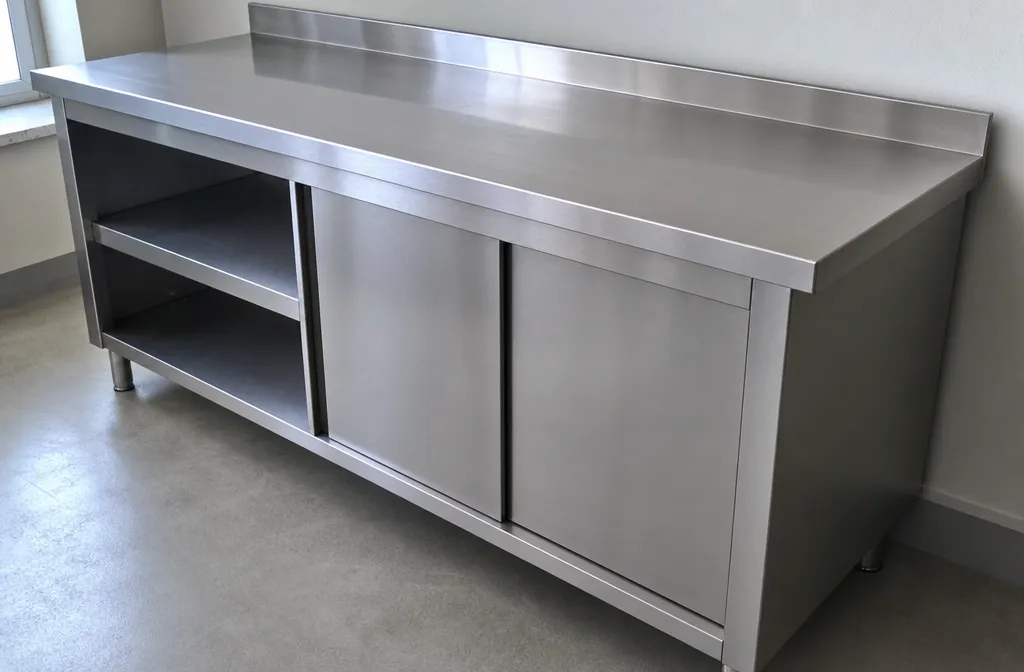
Request: Need to remove streaks and stains from stainless steel counter.
Done: Counter polished using a special stainless steel compound.
Cost: 21 000 ₸
Master: Aigul Akhmetova, cleaning master
Total: Counter shines, no streaks or fingerprints.
 After
After
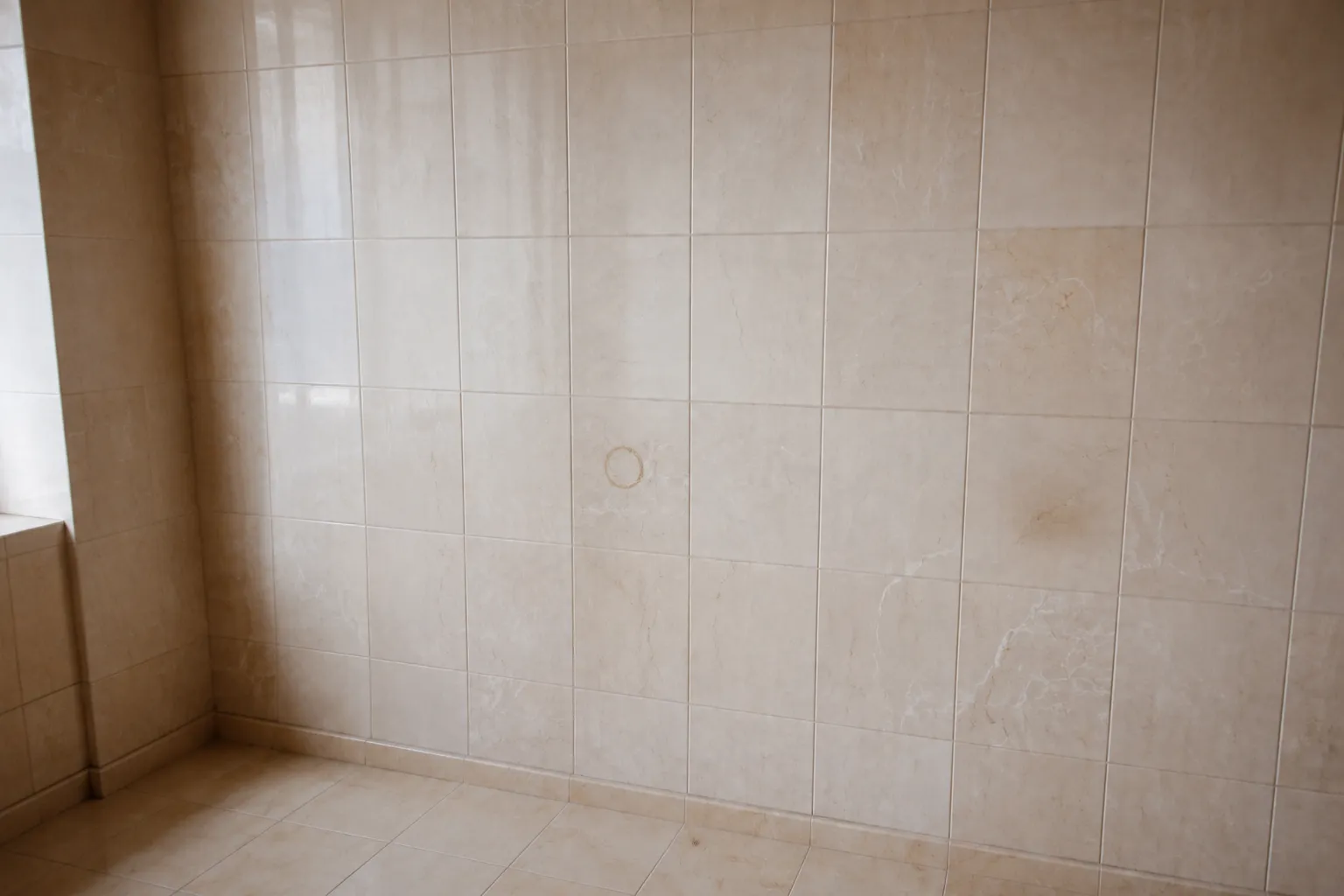
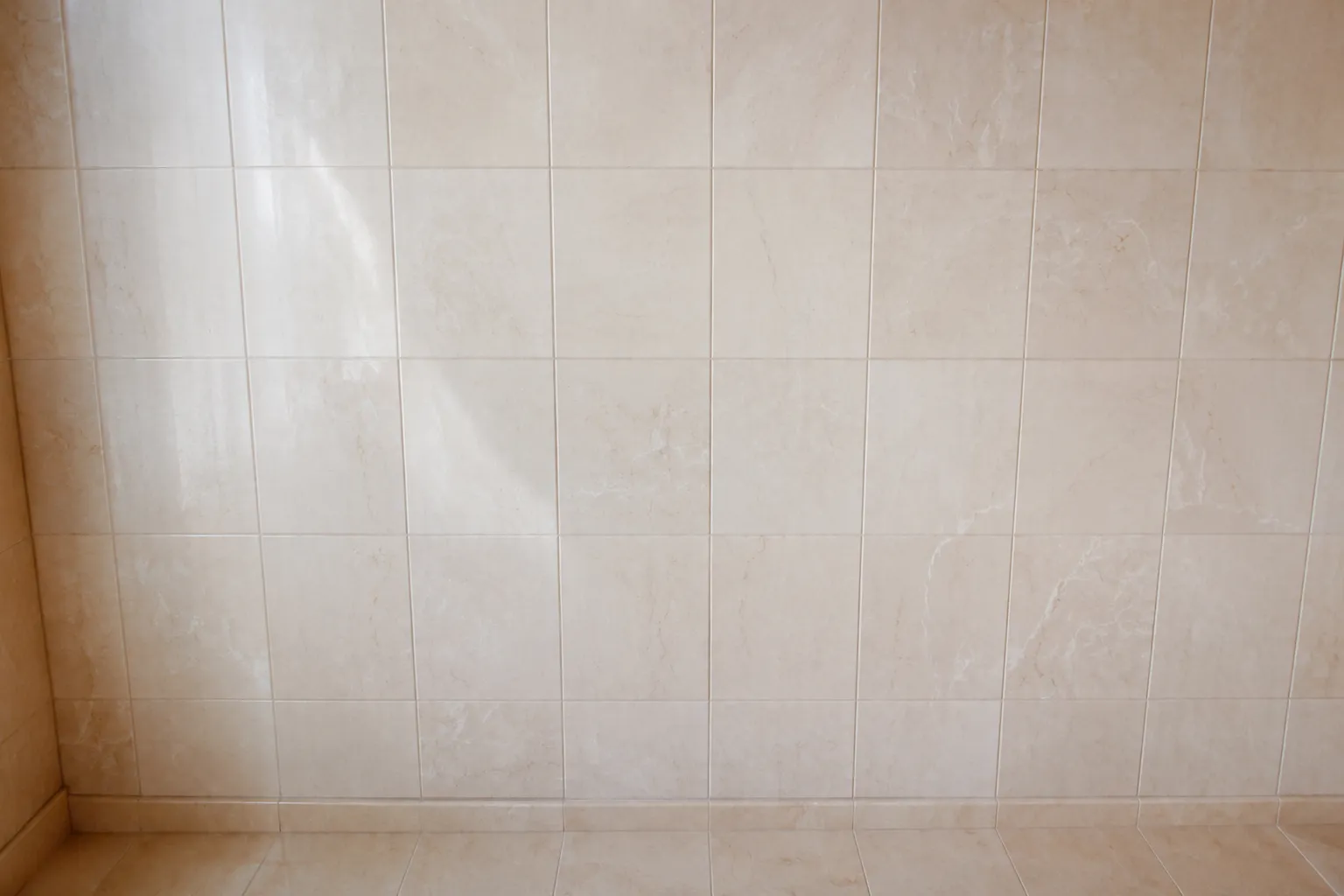
Request: Tile wall needs cleaning from grease film and splashes.
Done: Wall treated with alkaline cleaner, grease removed, grout cleaned.
Cost: 22 000 ₸
Master: Nurzhan Kaliyev, cleaning master
Total: Tile clean, shiny, grout light, no mold.
 After
After
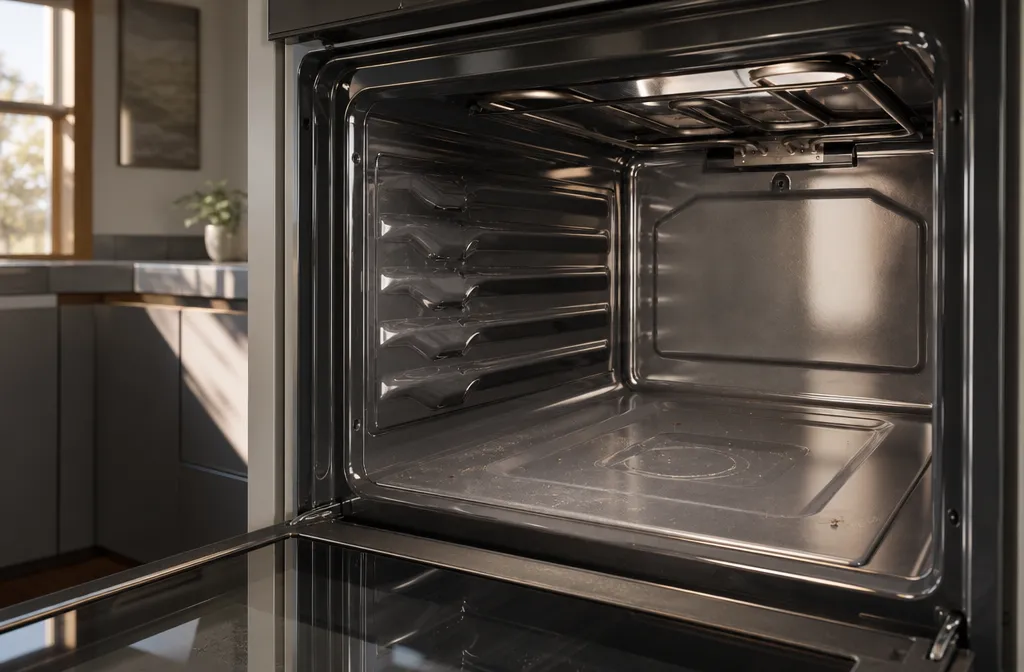
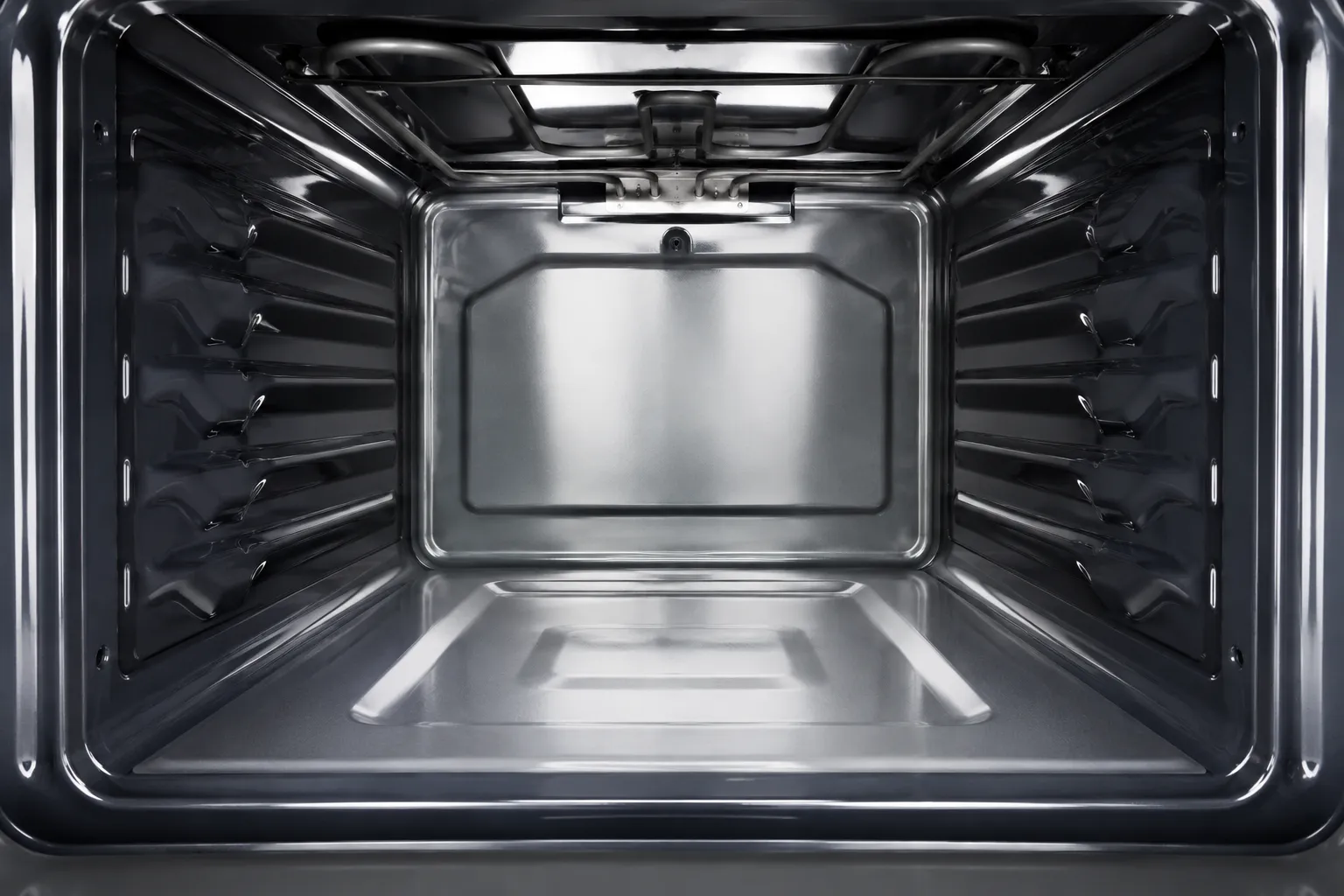
Request: Need to clean the oven from old grease and carbon deposits inside.
Done: Oven disassembled, treated with special gel, carbon deposits removed mechanically.
Cost: 24 000 ₸
Master: Dinara Iskakova, cleaning master
Total: Oven clean inside, no burnt smell, glass transparent.
 After
After
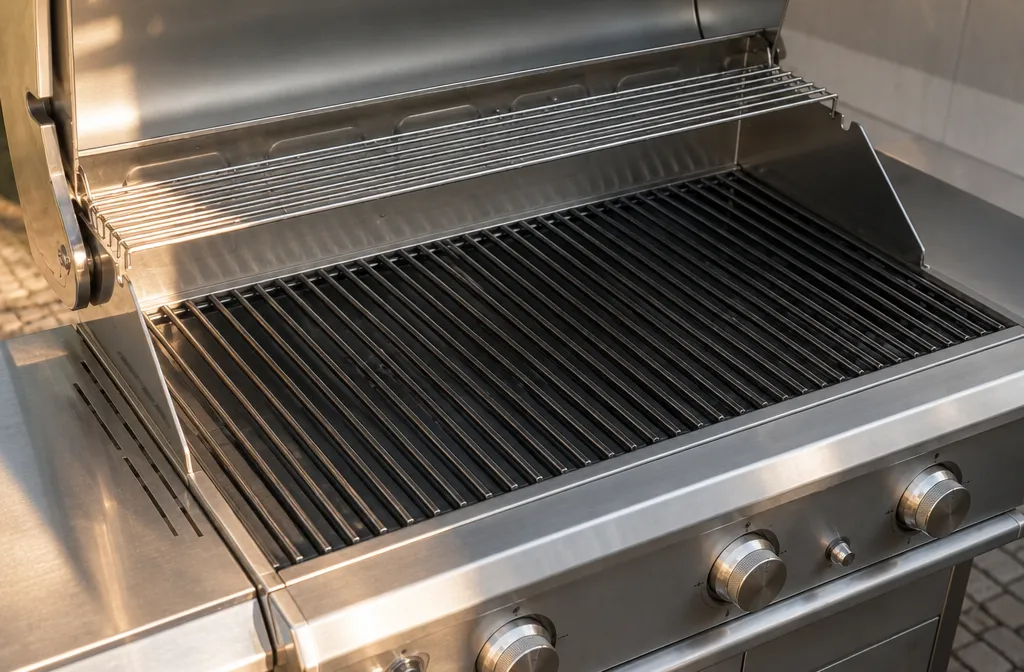
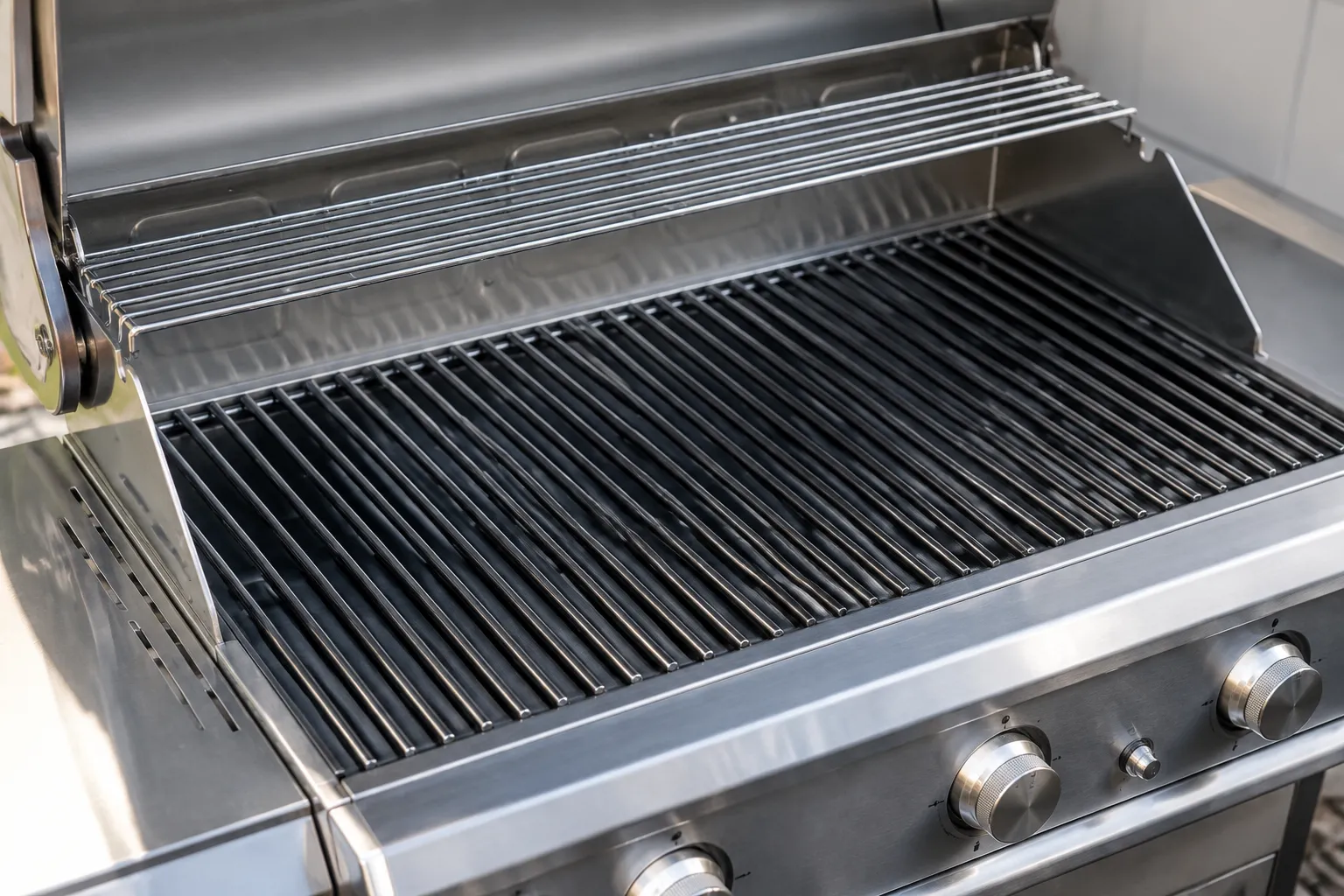
Request: Requires cleaning of grill grate from burnt grease and coals.
Done: Grate soaked in solution, cleaned with brush and pressure washed.
Cost: 23 000 ₸
Master: Yerzhan Abdirov, cleaning master
Total: Grate clean, no carbon deposits, ready for cooking.
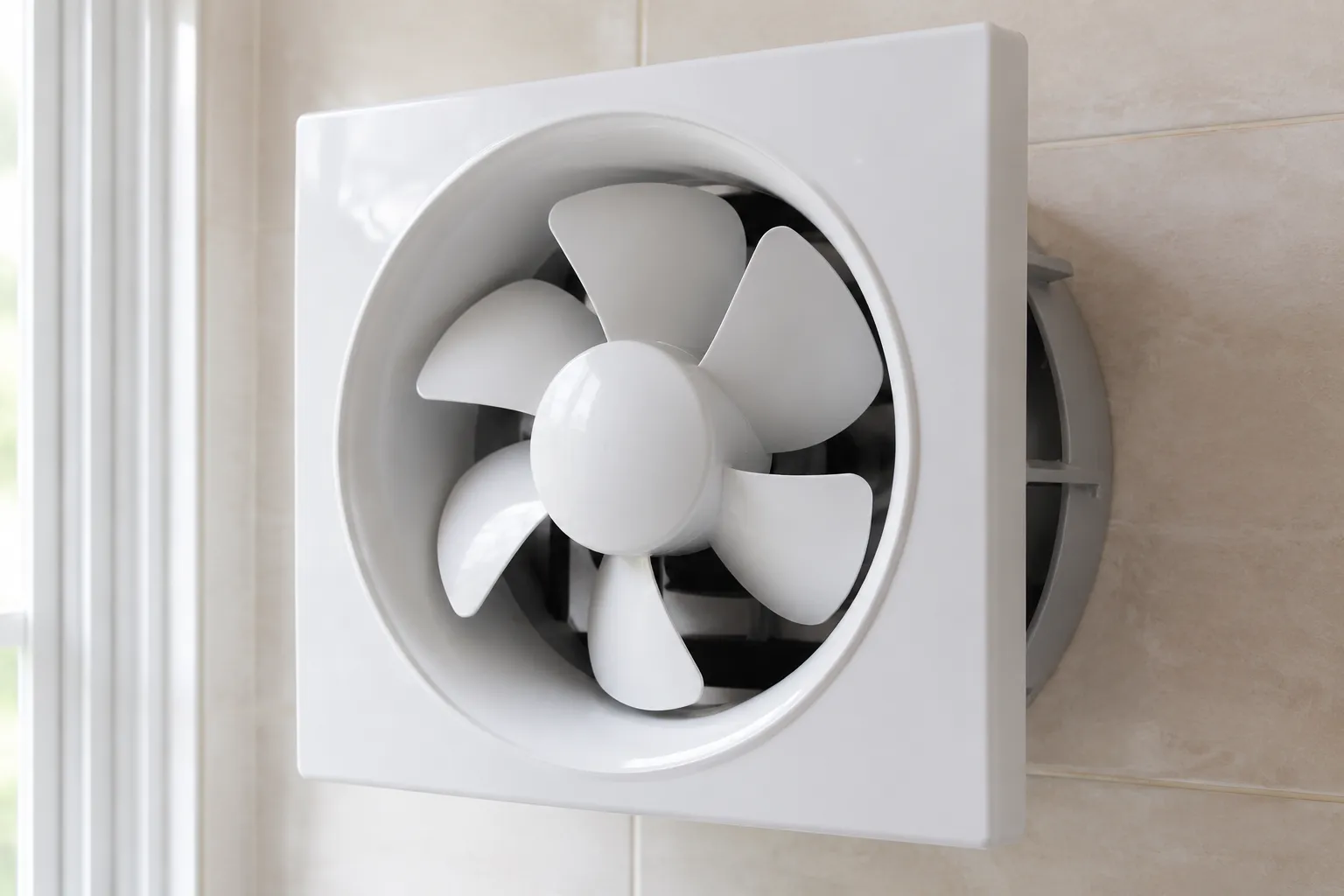 After
After
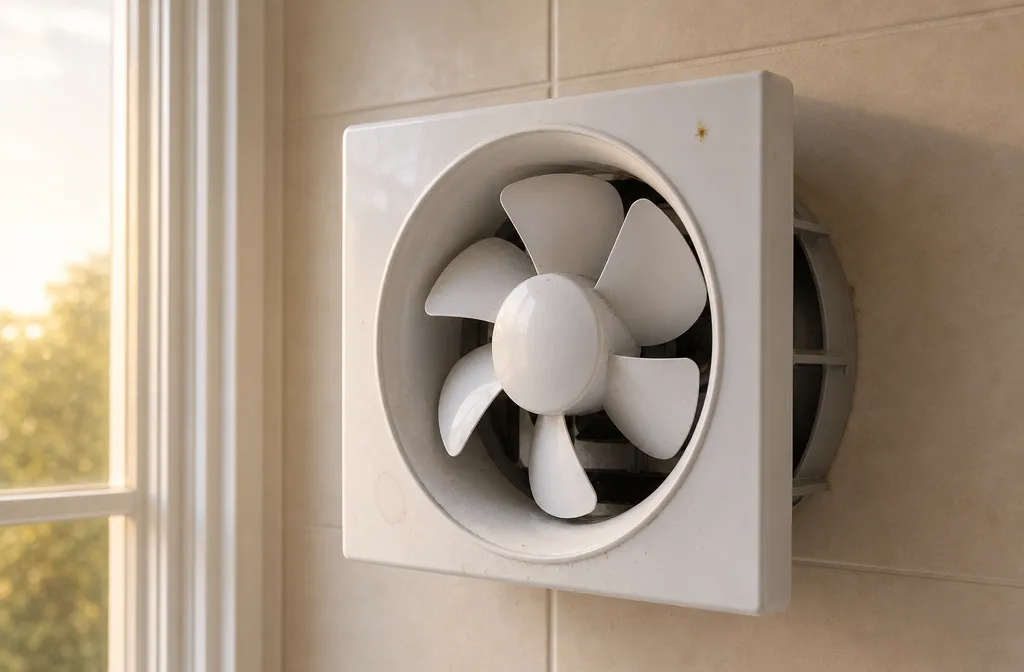
Request: Need to clean fan blades and housing from dust and grease.
Done: Fan disassembled, blades and housing washed with degreaser.
Cost: 22 000 ₸
Master: Aliya Bektasova, cleaning master
Total: Fan clean, operates silently, air exchange improved.
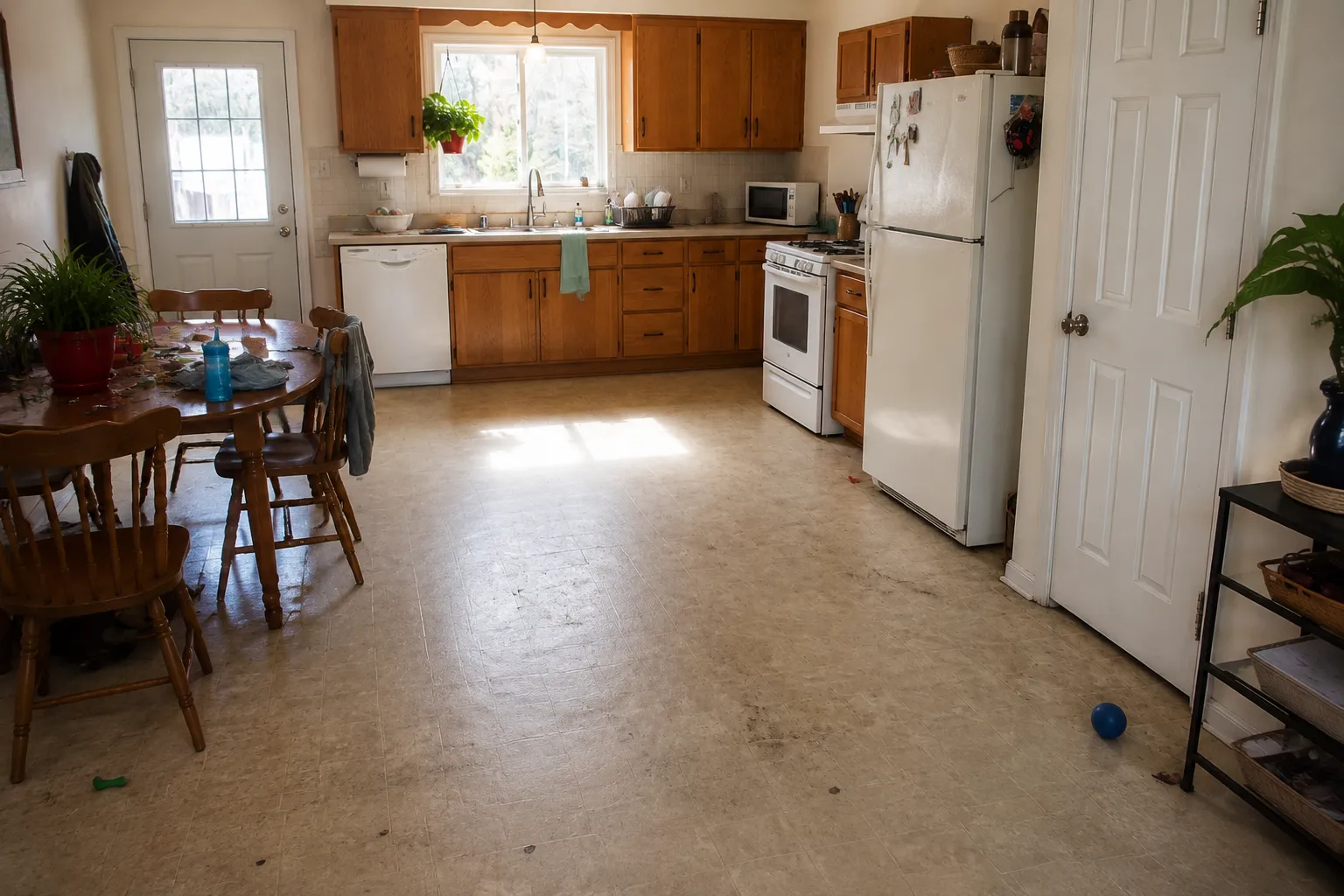
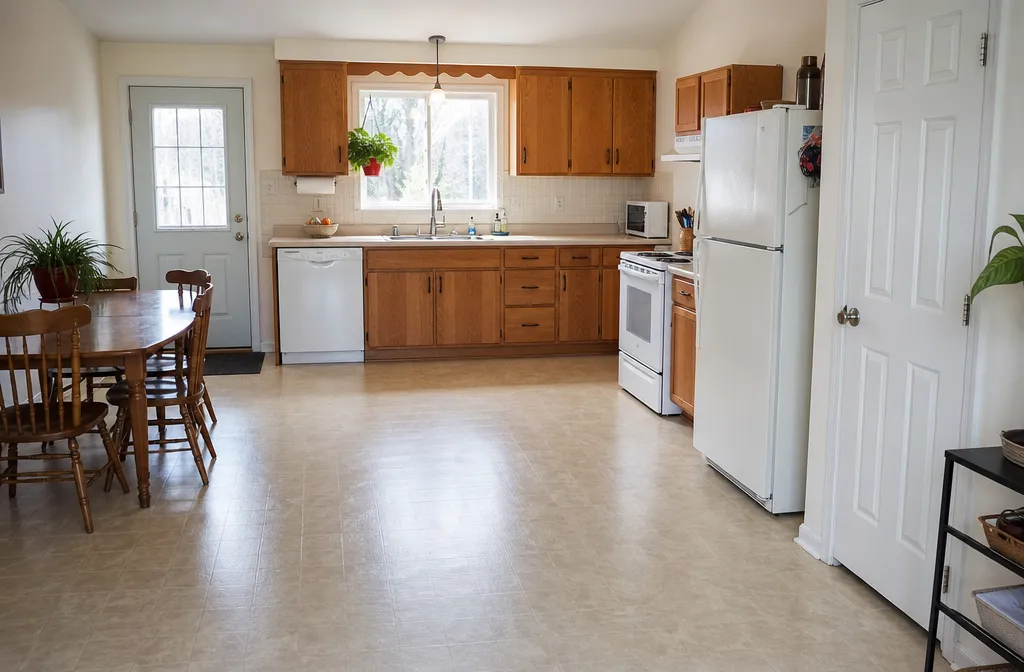 After
After
Request: Requires washing floor from grease stains and stuck dirt.
Done: Floor washed with alkaline cleaner, stains removed, protective coating applied.
Cost: 24 000 ₸
Master: Marat Suleimenov, cleaning master
Total: Floor clean, no streaks, non-slip, pleasant smell.
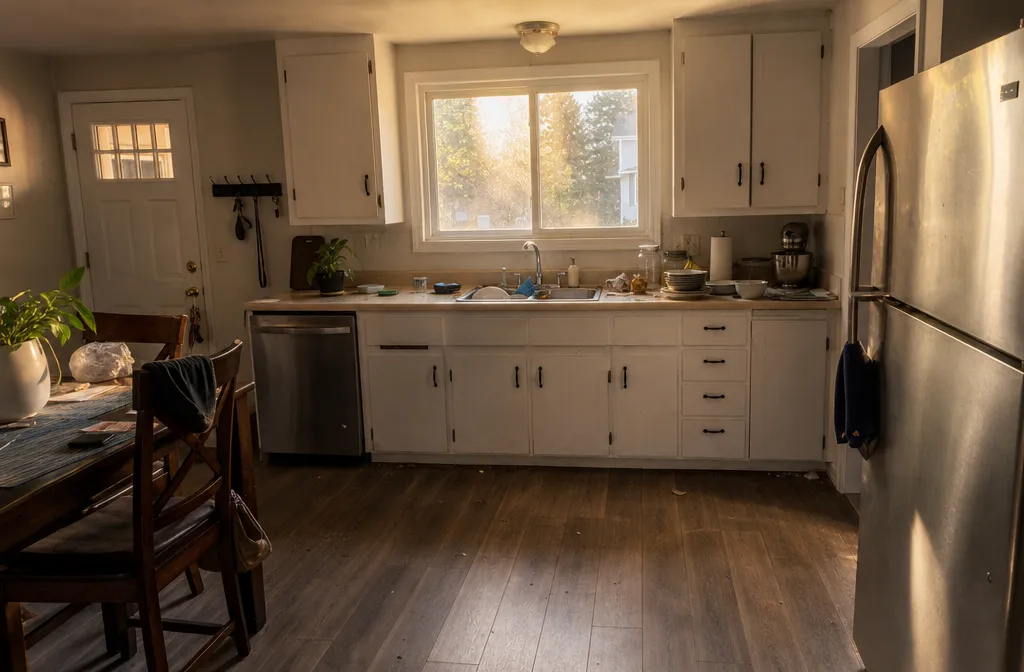
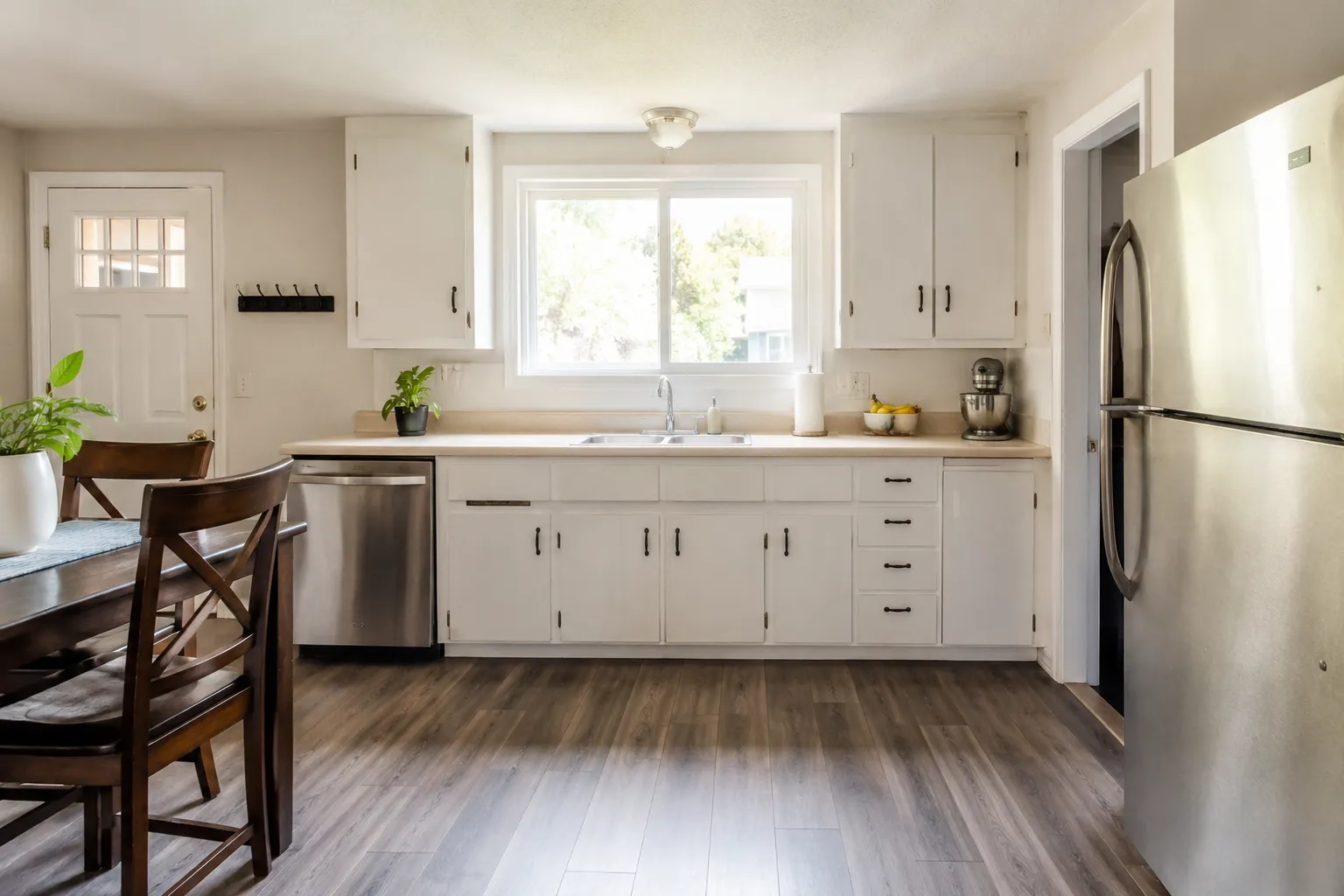 After
After
Request: Need to clean sink and faucet from limescale and grease.
Done: Sink and faucet treated with anti-scale agent, polished to shine.
Cost: 23 000 ₸
Master: Assel Zhumabekova, cleaning master
Total: Sink shines, faucet no streaks, drain works well.
All cleaners are profi-clean staff with training, uniform and security check. Each order has a team leader who controls quality.
The frequency of restaurant kitchen cleaning directly impacts passing SES inspections and the lifespan of your equipment. At profi-clean, we’ve developed a clear schedule based on 8 years of working with establishments in Almaty — from 20-seat coffee shops to fast-food kitchens with round-the-clock shifts. I’ll explain how to determine your schedule and why once a month is almost always a mistake.
We believe daily kitchen cleaning is basic hygiene, not a full deep clean. In our experience, establishments that only wash floors and sinks see grease build-up on the top panels of the exhaust hood within 3–4 days. All contact surfaces need daily wiping: cutting boards, refrigerator handles, stove panels. However, deep cleaning of grease traps and the interior walls of the exhaust hood is a job for professional cleaning and cannot be postponed for more than a week. We recommend head chefs implement a 15-minute checklist after each shift — this reduces the workload for the monthly deep clean by 40%. In Almaty restaurant kitchens with high traffic (over 100 guests per shift), without daily treatment of stoves and fryers, grease hardens overnight and can only be removed mechanically, risking damage to the enamel.
Once a week, a restaurant kitchen requires professional intervention — primarily for cleaning the exhaust system and frying equipment. In our orders, where the price is calculated individually, this is the most common service: profi-clean cleaners remove exhaust hood filters, soak them in an alkaline solution (we use Kiehl for food-contact surfaces), and wash the internal ducts with an 8-bar steam generator. On a hood cleaned once a month, the grease layer reaches 2–3 mm — removing it takes twice as long and requires harsher chemicals than weekly treatment. We recommend weekly cleaning for restaurants where open-flame cooking is the menu’s foundation (steakhouses, burger joints, Asian wok cuisine). In pizzerias, where the main heat comes from the oven, there is less grease — you can stretch it to two weeks, but no longer. In my opinion, weekly fryer cleaning is the only way to avoid the rancid smell that permeates the entire dining area after 3–4 weeks of neglect.
We at profi-clean perform a full restaurant kitchen cleaning — including equipment disassembly, combi-oven cleaning, and surface disinfection — once a month for 80% of our clients in Almaty. Over a month, grime builds up on the walls of roasting cabinets and convection ovens, reducing heating efficiency — dishes take 10–15% longer to cook, increasing electricity and gas consumption. Our process includes removing all detachable parts (grates, baking sheets, fan blades), soaking them in professional Sodasan solutions, and then steam cleaning. Special attention is given to hard-to-reach areas: under washbasins, behind refrigerators, and in the corners where walls and floors meet. According to our statistics, cockroaches and mold appear there if cleaning is skipped for a month or two. It’s crucial that the monthly cleaning is done by a company experienced with food-service facilities — in Almaty, there have been cases where non-specialized cleaners flooded electrical appliances with water, putting them out of commission for a week.
The frequency of restaurant kitchen cleaning in Almaty should change with the seasons. In summer, with outside temperatures of +35°C and 40–50% humidity, grease oxidizes faster — in profi-clean tests, the layer on the exhaust hood after 10 days was the same thickness as after 20 days in winter. We recommend shortening the interval between deep cleanings to 3 weeks in June–August, and performing weekly cleanings every 5 days. In December–January, conversely, kitchen workload increases due to corporate events and New Year’s banquets: cooking volume rises by 30–50%, there’s more grease, and cleaning frequency should increase proportionally. In our experience, an 80-seat restaurant in the city center (Panfilov Street) ordered an unscheduled cleaning between New Year and Christmas — otherwise, the exhaust couldn’t handle the steam, and the fire alarm went off. Seasonal adjustment is not an option but a necessity: if you miss the summer peak, you’ll need to change filters twice as often in the fall.
The type of menu is the main factor: a restaurant kitchen with deep fryers and grills requires cleaning twice as often as an establishment serving cold appetizers and salads. At profi-clean, we use a simple formula: for establishments with oil frying — one deep clean every 3 weeks; for steam and boiling processes — once every 6 weeks. The second factor is the kitchen area and layout: in a 50 sq. m space with 4 heat units, grease settles faster than in a 100 sq. m space with 2 stoves, due to less air circulation. The third is the operating schedule: 24-hour kitchens (e.g., in shopping malls) accumulate 25% more grease over the same period than those operating for 12 hours. The fourth is the requirements of the Sanitary and Epidemiological Service (SES) and HACCP: in Almaty, inspections can come unexpectedly, and if grease is visible on the exhaust hood, the fine can be substantial. We advise owners to create a cleaning calendar a year in advance, considering these four points — it’s cheaper than an emergency call with a surcharge for urgency.
Owners and head chefs often take on cleaning themselves to save on restaurant kitchen cleaning costs. However, in practice, DIY washing without professional experience and chemicals leads to hygiene issues and equipment breakdowns — especially in Almaty’s food service environment, where grease settles more heavily due to frequent charcoal and wok frying.
Oil buildup inside the exhaust canopy and ductwork is not just a stain, but a flammable material. When heated to 200°C, it ignites through spontaneous combustion, and a spark from a grill or gas burner sets the entire layer ablaze in seconds. In Almaty, where many restaurants cook manti, pilaf, and shashlik over an open flame, the grease layer thickens to 5–7 mm within 2–3 weeks. During DIY restaurant kitchen cleaning, this area is either left untouched or wiped with a sponge and detergent — but an alkaline solution of the required concentration (pH 12–14) dissolves caked-on grease, while household chemicals only smear it, leaving a film. A sticky layer remains inside the ductwork, continuing to smoke. Our experience shows that after a DIY hood cleaning, fire hazard is reduced by only 10–15%, whereas professional cleaning with canopy disassembly and duct scrubbing achieves 95% deposit removal.
Using regular dish soap or scouring powder for greasy surfaces, staff dilute them “by eye.” A weak concentration does not emulsify the oil — it remains as a microfilm, visible only under a UV lamp. An overly strong solution leaves an alkaline residue on stainless steel, which etches into the metal and, after 3–4 cycles, creates dull spots that water cannot wash away. We use dispensers with precise settings: for stoves and grills — a 4% solution of Kiehl alkaline concentrate; for stainless steel tables and fronts — a 1.5% solution of Sodasan neutral cleaner. Without measuring pumps and test strips, it’s impossible to control pH during DIY restaurant kitchen cleaning. If a slippery film remains on your fingers after washing, it is an alkali residue that can migrate to food during the next preparation. Rinse the surface three times at one-minute intervals until the water stops foaming.
The most common complaint from the Sanitary and Epidemiological Station in Almaty is grease under ventilation grilles and on the interior walls of refrigerators. During DIY restaurant kitchen cleaning, these areas are missed: not all grilles are removed, and the back wall of the refrigerator may go unwashed for years. Condensation with bacteria accumulates there, which then reaches cutting boards through air exchange. Grease buildup on the interior walls of the exhaust hood behind the grille can reach 1–2 cm over six months — an ideal environment for mold and cockroaches. During each cleaning, we disassemble all removable elements, including grease traps and coarse filters, and clean them in an ultrasonic bath with a solvent. For DIY cleaning, at least once a quarter, remove the grilles and wipe the interior cavity of the exhaust hood with a stiff brush and baking soda — this will reduce the risk of rodents attracted by the smell of old oil.
Wooden and polypropylene boards absorb meat and fish juice, and regular soap does not kill salmonella and E. coli. When cleaning a restaurant kitchen independently, they are washed with a sponge using the same detergent as dishes — bacteria remain in micro-cracks. In Almaty, where meat lagman and manti are popular, boards come into contact with raw minced meat daily. We use a 0.5% chloramine solution with a 10-minute exposure for wooden boards, and a disinfectant based on QAC (quaternary ammonium compounds) without rinsing for plastic ones. Effective sanitation is impossible without professional disinfectants. In practice, if a board smells like raw meat an hour after washing, bacteria remain. Replace such a board with a new one, and for prevention, bake wooden boards in the oven at 180°C for 20 minutes once a week.
The worst mistake is using one mop to go through the dining hall, kitchen, and restroom. Grease from the kitchen floor is transferred to the dining area, and bacteria from the restroom to production areas. When cleaning a restaurant kitchen independently, staff usually change the water but not the mop — the pad remains a carrier of cross-contamination. In European HACCP protocols, separate inventory with color coding is allocated for the kitchen: red for raw meat, blue for fish, green for vegetables, yellow for general surfaces. At our facilities, we use a two-bucket system (clean water + rinse) and replaceable microfiber pads for each hall. If you clean yourself — keep at least three mop sets: for the kitchen, dining hall, and restroom, and disinfect the pads with boiling water and soda after each use.
The kitchen of a fast food restaurant, a Japanese restaurant, and a fine-dining establishment require fundamentally different cleaning approaches — due to equipment specifics, dish grease levels, and sanitary standards. Our practice shows that a universal method works poorly: fryer grease is cleaned differently than the oily residue after sushi, and combi ovens need different chemicals than an open grill. I’ll explain the key differences.
In fast food establishments, the main enemy is aged grease on fryers, grills, and ventilation. Oil temperature reaches 180°C, and when it cools, it forms a polymer film that regular household chemicals cannot handle. We use alkaline concentrates with pH 12-13 (Kiehl KF-30) and supply hot water at 60-70°C under 100 bar pressure — only this removes the grease layer without smearing it. Timing is critical: cleaning is done during a 2-3 hour night window so that equipment is dry and operational by the morning rush. In our practice at the Almaty Burger Point, replacing exhaust filters and cleaning fryer vats takes exactly 2 hours and 15 minutes — longer is not possible, or the line start will be delayed.
The specificity of Japanese cuisine is an abundance of rice dust, starch deposits on rice cookers, and watery residue from seafood. Strong-smelling agents are prohibited here: the smell of chlorine or ammonia is absorbed into rice and nori, altering the taste of rolls. We use neutral pH-neutral detergents like Sodasan and steam cleaners with HEPA filters — they remove the starch crust without chemical odor. A separate area is fish cutting boards: they are disinfected with 70% alcohol solutions without chlorine, as chlorine oxidizes the fatty acids of tuna and salmon, leaving a metallic aftertaste. At the “Tokyo City” kitchen in Almaty, we introduced a protocol for separate rags for wet and dry zones — this reduced the risk of cross-contamination with allergens by 90%.
In high-end restaurants, the cost of a single piece of equipment (Rational combi oven, vacuum sealer, slicer) can exceed a significant amount, and harsh chemicals can damage seals, sensors, and stainless steel. We only clean such surfaces with soft microfiber and a neutral pH 7-8 cleaner, without abrasives — scratches on stainless steel become corrosion hotspots when in contact with acids (lemon juice, vinegar in sauces). Rational combi ovens require weekly descaling with special Rational tablets — skipping this procedure leads to clogged nozzles and overheating of heating elements, with repairs costing a significant sum. In one fine-dining project, we discovered that a previous cleaner had used a hard brush on a marble countertop — the depth of the scratches required 8 hours of polishing. Now, for all orders in this segment, we have a “delicate zones” checklist that the cleaner goes through before starting the cleaning.
After the profi-clean team finishes cleaning a restaurant kitchen, the result lasts from a few days to two weeks — depending on the kitchen’s workload and how the staff maintains order. Let’s break down which daily rituals and targeted measures actually prolong the effect, and which ones only damage the surfaces.
Immediately after professional cleaning, all work tables, cutting boards, and cabinet fronts are covered with a thin protective layer that slows down grease adhesion. To avoid washing it off during the very first shift, wipe these areas with a slightly damp microfiber cloth — without detergent, once every 3-4 hours is sufficient. If you apply a household spray with surfactants right after master cleaning, grease will start settling 30-40% faster because the aggressive components destroy the polymer film left by professional chemicals. In our practice, the most common case is when a chef applies a lemon cleaner to stainless steel an hour after we leave, and by evening, streaks appear. Therefore, for the first 12 hours, use only a damp cloth, and from the next morning, use a neutral product with a pH of 5.5–7.
The grease filter of the exhaust hood is the element that clogs fastest after a deep clean. If it’s not rinsed every two days, grease accumulates on the fan blades, and within a week, the smell of burnt food returns completely. After professional hood cleaning, we coat the housing and filter with a heat-resistant compound that makes rinsing easier — 40°C water and a soft-bristle brush, without abrasives, are sufficient. In the re:public kitchens, where we service four establishments, chefs remove the filter and soak it in hot water with a drop of dish soap every 48 hours, and a repeat cleaning is only needed after 10–12 days instead of the usual 5–7. If the kitchen fries food daily, the interval shortens to 30 hours — in that case, it’s better to arrange an intermediate express visit with us for the filters.
After a restaurant kitchen cleaning, it’s most effective to introduce a three-phase schedule: before opening — damp mopping the floor with a neutral cleaner; after lunch — dry cleaning of areas near stoves and fryers; in the evening — trash collection and wiping down touch panels. If you leave wet streaks from household detergent on the floor, dust settles on them, and within two days, the tiles look dirtier than before cleaning. In Almaty restaurants with a hot climate and open windows, the settling of street dust accelerates — so for the evening wipe-down, use an anti-static product that we leave after our visit. The anti-static agent neutralizes the charge on the surface, preventing soot particles from sticking to walls and the hood for up to 12 hours. Tested at locations in central Almaty — the difference in visual cleanliness on the third day is 60–70% compared to regular washing with water.
The most common mistake is applying alcohol-based or chlorine-containing products to kitchen surfaces within the first 24 hours. Alcohol washes away the silicone protection we apply to stainless steel and plastic, causing the surface to dull and get dirty faster. Chlorine destroys seals on refrigerators and combi ovens — after three treatments, the rubber cracks, allowing moisture to enter the equipment. We recommend not using any chemicals at all for the first day, and from the second day onwards, only the products specified in the memo left by the cleaner. If two or three chefs work in the kitchen, hang the memo in a visible place — this reduces the risk of surface damage by 80%, according to our year-round service data.
Cleaning a restaurant kitchen isn’t about mopping floors; it’s about controlling burnt-on grease, biofilm buildup in drains, and hidden layers of carbon deposits that household products can’t remove. Professional restaurant kitchen cleaning solves three problems beyond the reach of regular staff: chemical breakdown of aged grease on hoods and stoves, sanitary treatment of hard-to-reach areas (ductwork, back walls of refrigerators), and disinfection without risk to food-contact surfaces.
Products for professional restaurant kitchen cleaning in Almaty are alkaline and acidic concentrates with a pH of 12 to 14, which break down polymerized grease in 3–5 minutes, not an hour of soaking. profi-clean uses German chemicals Kiehl and Sodasan with food industry certifications: they are biodegradable, leave no film on stainless steel, and are safe for contact with food after rinsing. Household products like “Fairy” and “Cif” are powerless against grease deposits on hoods — they only spread the residue, creating an illusion of cleanliness. Our cleaners apply alkaline gel with a foam applicator, allow for exposure time, and rinse it off with a high-pressure washer — the grease comes off in layers, leaving no micro-cracks on the metal.
Water in Almaty is hard — up to 7–8 mg-eq/L in carbonate hardness, which is twice the norm for food equipment. With daily washing, limescale forms on stoves and combi ovens, mixing with grease to create a difficult-to-dissolve cement-like layer. Self-cleaning doesn’t tackle this mixture — it only polishes the surface, accelerating corrosion of stainless steel. In our practice, there was a case in a restaurant kitchen on Abay Avenue: the stoves became covered in white spots within three months because the chefs scrubbed them with a hard sponge and household cleaner. We treated the metal with Kiehl acidic stainless steel cleaner — the deposit came off, but micro-scratches remained. Therefore, on initial jobs in Almaty, we always test the water hardness on-site and adjust the chemical dosage — it differs for soft glass and for metal.
Grease buildup in ventilation isn’t just unsanitary — it’s a direct fire hazard: the autoignition temperature of grease accumulations is around 230 °C, which is reached during deep frying. In Almaty restaurants, where ghee and tail fat are often used, deposits in the ducts have a higher melting point than usual — they don’t melt, they coke. Regular staff can wipe the lower part of the filters, but the corrugated hoses and duct bends remain untouched. We remove the filters, treat them in an alkaline bath, and clean the channels with a rotary brush on a flexible shaft — this is the only method that removes deposits along the entire length, not just at the inlet. After a dry cleaning at a restaurant kitchen on Zharokova Street, we extracted 2.5 kg of caked grease from the duct — the chefs had no idea it existed, even though the hood ran every day.
Restaurant floors are typically made of porcelain stoneware or industrial self-leveling flooring with slopes leading to drains. Over a month of operation, organic matter (meat scraps, vegetable leftovers, sauces) accumulates in the joints and around drains, decomposes, and becomes a breeding ground for coliform bacteria. Regular mopping with bleach creates only visible cleanliness — the disinfectant does not penetrate the pores of the coating under the film. profi-clean uses steam cleaners with steam temperatures up to 160 °C and alkaline foam that blasts dirt out of the joints. After treatment, the drains are washed with a high-pressure washer — the water runs clear and odor-free. In the kitchen of a restaurant on Dostyk Avenue, we found that grease had completely clogged the siphon — water did not drain for 40 minutes. The problem was only resolved by mechanical cleaning with a cable followed by disinfection, because chemicals cannot handle hardened grease in the drainage system.
We ordered a restaurant kitchen cleaning after renovation — they cleaned the tiles from grout, the hood, and the floors to a shine. Very satisfied.
Thank you, Aigerim! Glad we handled the grout.
We have a coffee shop, and grease accumulates everywhere. The guys came and scrubbed everything in a couple of hours: walls, equipment, even the hood grilles. The coffee machine is sparkling.
Did a restaurant kitchen cleaning (factory canteen). Washed stoves, ovens, shelves. Rating 4 — a couple of drips remained on the wall, but overall good.
Daniyar, we'll take note. Next time we'll pay more attention to the walls.
I ordered a general cleaning at a sushi bar. They washed rice off the floor, grease off panels, even cleaned the rice cookers inside. Now it's as clean as an operating room.
Our pizzeria ordered restaurant kitchen cleaning. They cleaned the ovens, exhaust hood, and floors. The result is excellent, the staff is satisfied.
Thank you, Erlan! The ovens were tricky, but we managed.
The cleaning at the burger joint was mediocre. Grease remained on the walls, a few spots were missed. We had to re-clean ourselves. Not recommended.
Assel, we apologize. We promise to improve quality, please contact us for a re-clean.
Hotel, restaurant with 150 seats. We ordered restaurant kitchen cleaning — they cleaned a huge exhaust hood and all cooking surfaces. Finished overnight, everything was shining by breakfast.
Kuanysh, thanks for the review! Working at night is our specialty.
In the wok cafe, oil was everywhere. profi-clean cleaned the floors, walls, ceiling, and even the ventilation. Smells fresh, not like burnt oil.
We ordered restaurant kitchen cleaning for a steakhouse. The grills were scraped perfectly, floors too. But they chipped a tile slightly — minor, but left a bad taste.
Timur, sorry about the chip. We'll offer compensation or repair.
In the culinary shop, there was a lot of burnt residue. The team cleaned all ovens, stoves, and exhaust hood. They even defrosted and washed the refrigerators. I'll order again.
We have a mobile restaurant (food truck). Ordered restaurant kitchen cleaning — small space, but they cleaned every corner. Now it's clean and pleasant to cook.
Alexey, it was tricky in the truck, but we tried our best. Glad you liked it.
Tea house, but the kitchen was also greasy. They washed dishes, shelves, sinks. Even scrubbed the walls from tea stains. Very clean.
We have a large restaurant with cauldrons and grills. Ordered restaurant kitchen cleaning — they cleaned everything to a shine, even inside the grill. They work professionally.
Nurlan, thanks! The cauldrons were heavy, but the result was worth it.
Flour everywhere in the bakery. profi-clean vacuumed, washed floors and equipment. But dust remained behind the ovens — a small but noticeable detail.
Aliya, thank you for your feedback. Next time we'll pay more attention to hard-to-reach places.
We ordered kitchen cleaning for a restaurant at the kebab house. Grease was removed with special products, the exhaust hood was cleaned. Now there's no burnt smell.
A children's cafe requires cleanliness. profi-clean washed everything: tables, chairs, kitchen, toys. Safe for kids, no harsh chemicals.
Saule, we only use safe products. Thank you!
Kitchen cleaning at the grill bar was done poorly. Grease remained on the grates, floors were sticky. Had to redo it.
Bakhyt, sorry for the inconvenience. We'll do a free re-cleaning.
In the Italian restaurant, there are many pizza ovens and pasta stations. We cleaned everything: dough from the floor, sauces, grease. Smells clean.
A roadside cafe, the kitchen hadn't been cleaned in a long time. Ordered restaurant kitchen cleaning — we cleaned stoves, fryers, refrigerators. Now it's spotless.
Yermek, it's dusty on the highway, but we managed. Thank you!
Meat restaurant, grease on the walls. profi-clean cleaned well, but after cleaning there was a chemical smell. Aired it out — now it's fine.
Laura, sorry about the smell. We use professional products, but they dissipate quickly.
For a confectionery, restaurant kitchen cleaning is needed — lots of sugar dust and cream. The team cleaned everything, even disassembled the mixers. Shiny!
School cafeteria — cleanliness matters. profi-clean cleaned stoves, tanks, floors. Children now eat in clean conditions.
Zulfiya, thank you for your trust! We work for the children.
Ordered kitchen cleaning with focus on refrigerators and cutting tables. Everything washed, fish removed. No smell.
Arman, the refrigerators were tricky, but we managed. Thank you!
Fast food, oil everywhere. profi-clean cleaned floor, walls, equipment. But streaks remained on ceiling — apparently too high.
Gulmira, noted. Next time we'll use telescopic mops.
Restaurant in a shopping mall, high traffic. Ordered kitchen cleaning — cleaned hood, stoves, floors in 4 hours. Great.
In the vegetarian cafe they cook lots of vegetables — stains from beets and carrots. profi-clean cleaned all cutting boards and walls. Bright and clean.
Aina, thank you! Vegetable stains are tough, but we managed.
Kitchen cleaning at the kebab house was done poorly. Grease remained on the grill, floors not fully cleaned. Not recommended.
Rinat, we apologize. Please leave a request for a repeat cleaning — we'll fix it.
Chinese restaurant, lots of wok and oil. profi-clean cleaned everything: walls, floor, equipment. Ventilation now works better.
Bar with kitchen, needed kitchen cleaning. Cleaned grill, fryers, floors. Bar counter also shines.
Maxim, thank you! The bar counter was a separate challenge.
Rooftop restaurant — kitchen small but dirty. profi-clean cleaned tiles, hood, sinks. View became better.
Ordered kitchen cleaning for a dumpling restaurant. The stoves and cauldrons were cleaned perfectly, but there was still flour under the tables. Overall good.
Adil, thank you. We should have been more thorough with the floor. We'll fix it.
The coffee house has many coffee machines. The cleaning was superb — coffee makers, kitchen, even display cases were cleaned. Customers are happy.
24-hour cafe, greasy kitchen. profi-clean did a restaurant kitchen cleaning — washed everything, even the floor under the equipment. Now it's clean 24/7.
Talgar, thank you! We worked at night to avoid disruption.
Sports bar, kitchen after a football night — a nightmare. profi-clean cleaned everything: beer off the floor, grease, sauces. Now we cook with pleasure.
Ordered kitchen cleaning for a karaoke restaurant. Cleaned stoves, exhaust hood, floors. Liked it, but arrived an hour late.
Nurgul, sorry for the delay. We'll try to be more punctual.
Beach restaurant — sand and grease. profi-clean cleaned the kitchen of sand and stoves of burnt residue. Now it's clean like a resort.
Victor, thank you! Sand was everywhere, but we managed.
On average 2-4 hours depending on area and dirt level. A kitchen up to 30 m² takes 2-3 hours, up to 100 m² takes 4-5 hours.
Yes, we can work outside business hours or with staff present, but for thorough cleaning we recommend a full kitchen shutdown during cleaning.
Yes, all products are certified for contact with food. After cleaning, surfaces are safe for food preparation.
Remove food, dishes, and personal items. Ensure access to equipment and turn off gas/electricity. We'll prepare the rest.
Yes, we guarantee no streaks or chemical smell. If any marks remain after cleaning, we will redo it for free.
We accept cash, Kaspi, Halyk, and bank transfer for legal entities.
Yes, we travel to suburbs of Almaty, but the cost may be increased for transportation expenses.
Yes, we clean refrigerators, freezers, and display cases inside, removing ice and dirt.
We recommend once a month for high-traffic restaurants, once every 2-3 months for cafes.
Yes, we are officially registered, have all permits, and liability insurance.
Tell us about your experience with profi-clean — it helps other clients and us improve.
We currently operate in Almaty. Other cities are coming soon.