Daily vs Deep Cleaning: What’s the Difference
Many clients confuse these two formats or consider deep cleaning to be just a more thorough version of daily cleaning. In reality, the difference lies not in the volume of work, but in the goals, equipment, and staff qualifications.
Cleaning Goal: Maintaining Cleanliness vs Restoring the Premises
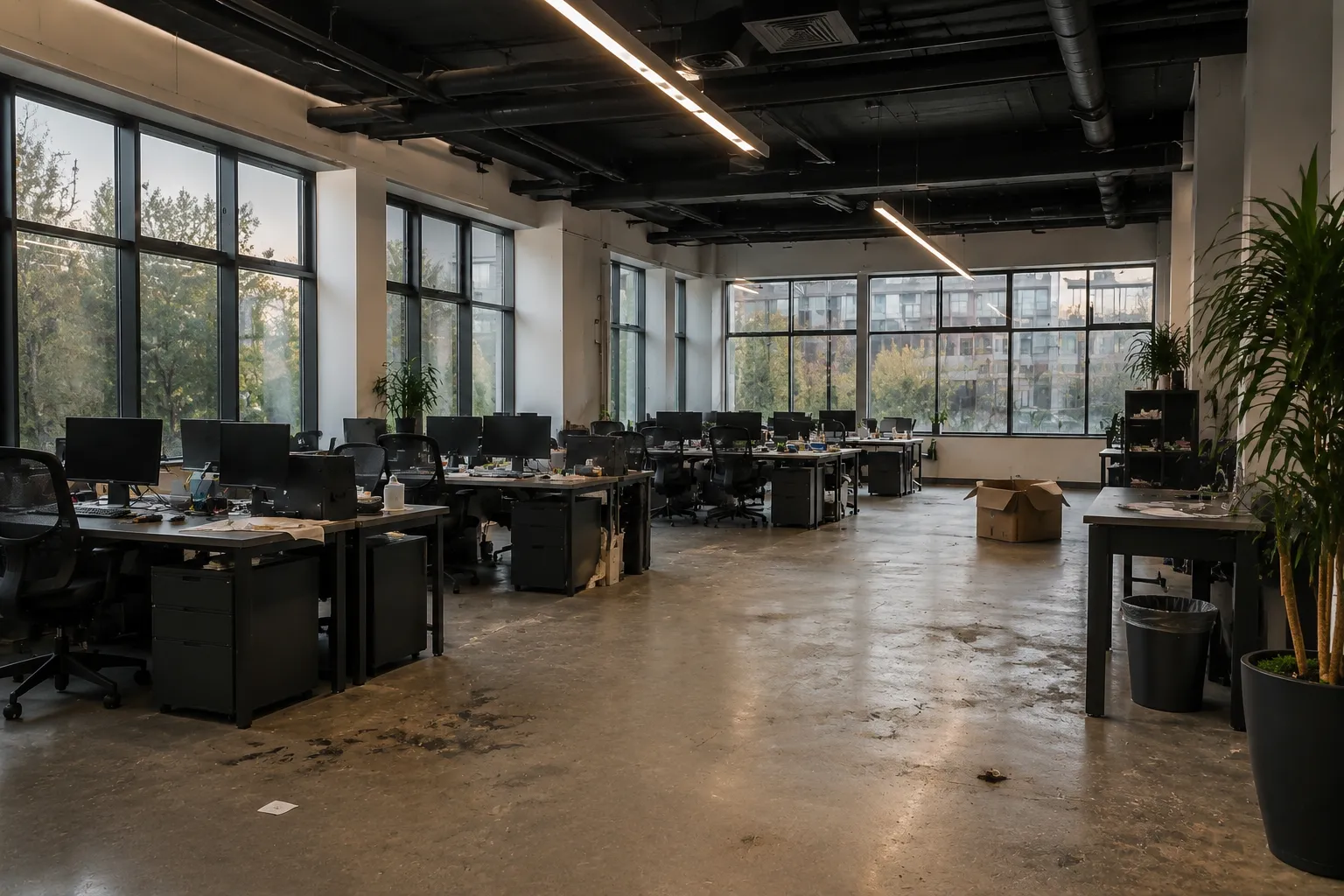
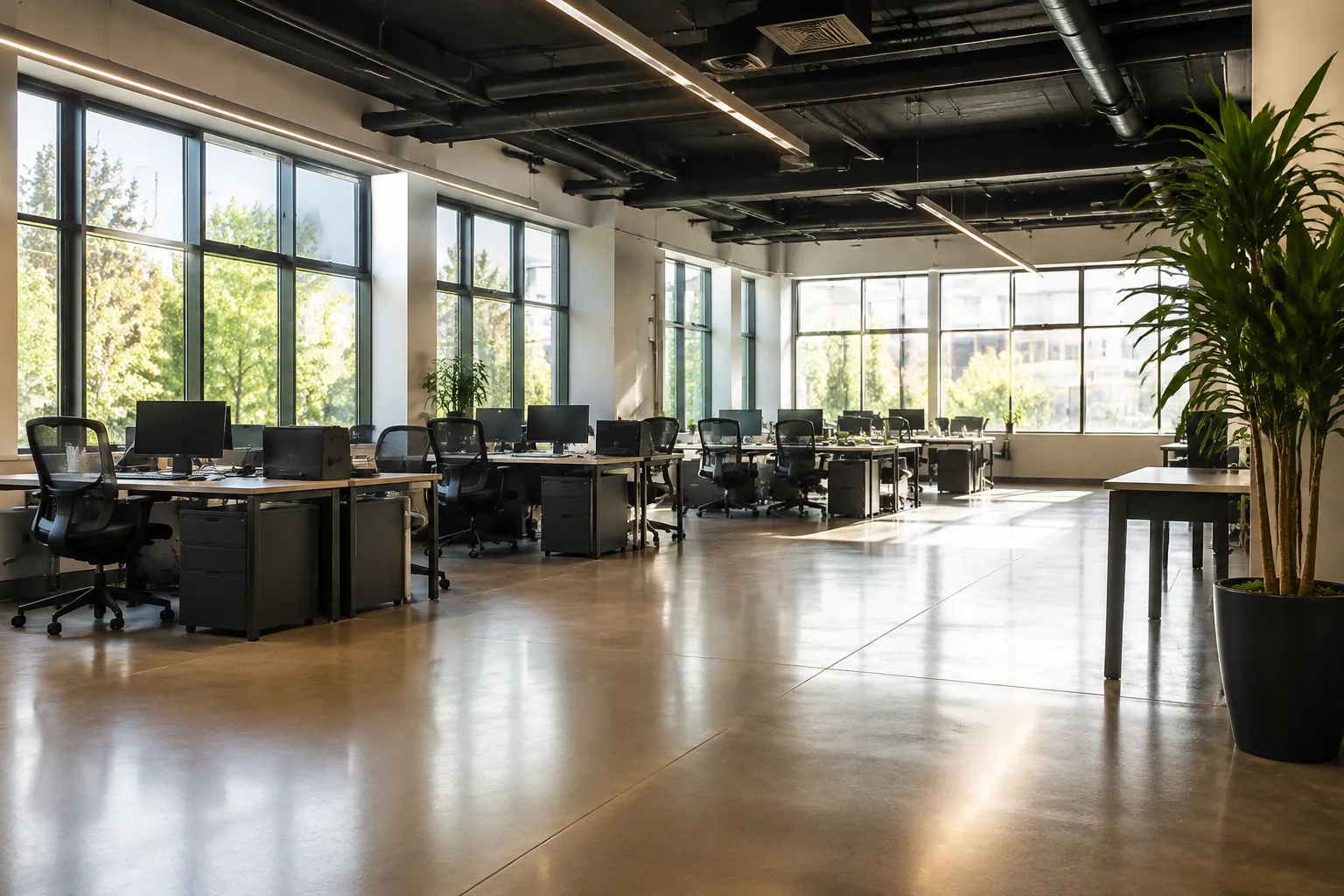
Daily cleaning is aimed at eliminating surface dirt and maintaining a basic hygiene level. This includes wiping tables, mopping floors, and disinfecting restrooms — tasks that prevent dust and bacteria from accumulating. Deep cleaning solves the opposite problem: it removes what has built up over weeks or months — grease on kitchen hoods, dust behind cabinets, limescale in plumbing, and stubborn stains on carpets. In our practice at sites in Almaty, we often see that after a deep clean, the air becomes noticeably cleaner: this is the effect of washing walls and ceilings, which are simply not reached during daily cleaning. When choosing a format, consider the condition of the room: if tile grout has darkened and light fixtures are covered in a layer of dust, daily wiping won’t suffice — deep cleaning is required.
Equipment and Chemicals: Different Tools for Different Tasks
- Daily cleaning: microfiber cloths, wringing mops, neutral cleaning agents (pH 5–7), a vacuum cleaner with a HEPA filter for collecting surface dust.
- Deep cleaning: steam cleaners (steam temperature up to 150°C), rotary floor scrubbers, carpet extractors, chemicals with enzymes or alkaline components (pH 10–12) for dissolving grease and stubborn dirt.
- Specific application: for deep cleaning in Almaty offices, we use hypoallergenic Kiehl chemicals for washing walls and Sodasan for carpets — these formulations don’t leave a sticky film that attracts new dust. Before ordering deep cleaning, check with the contractor if they use steam cleaners for kitchens: without them, grease on the hood will remain, even if you wipe it twenty times.
Time and Frequency: When to Order What
| Parameter |
Daily Cleaning |
Deep Cleaning |
| Frequency |
Daily or 2–3 times a week |
Once every 1–3 months or as needed |
| Time for 100 m² |
1–1.5 hours |
3–6 hours |
| Suitable for |
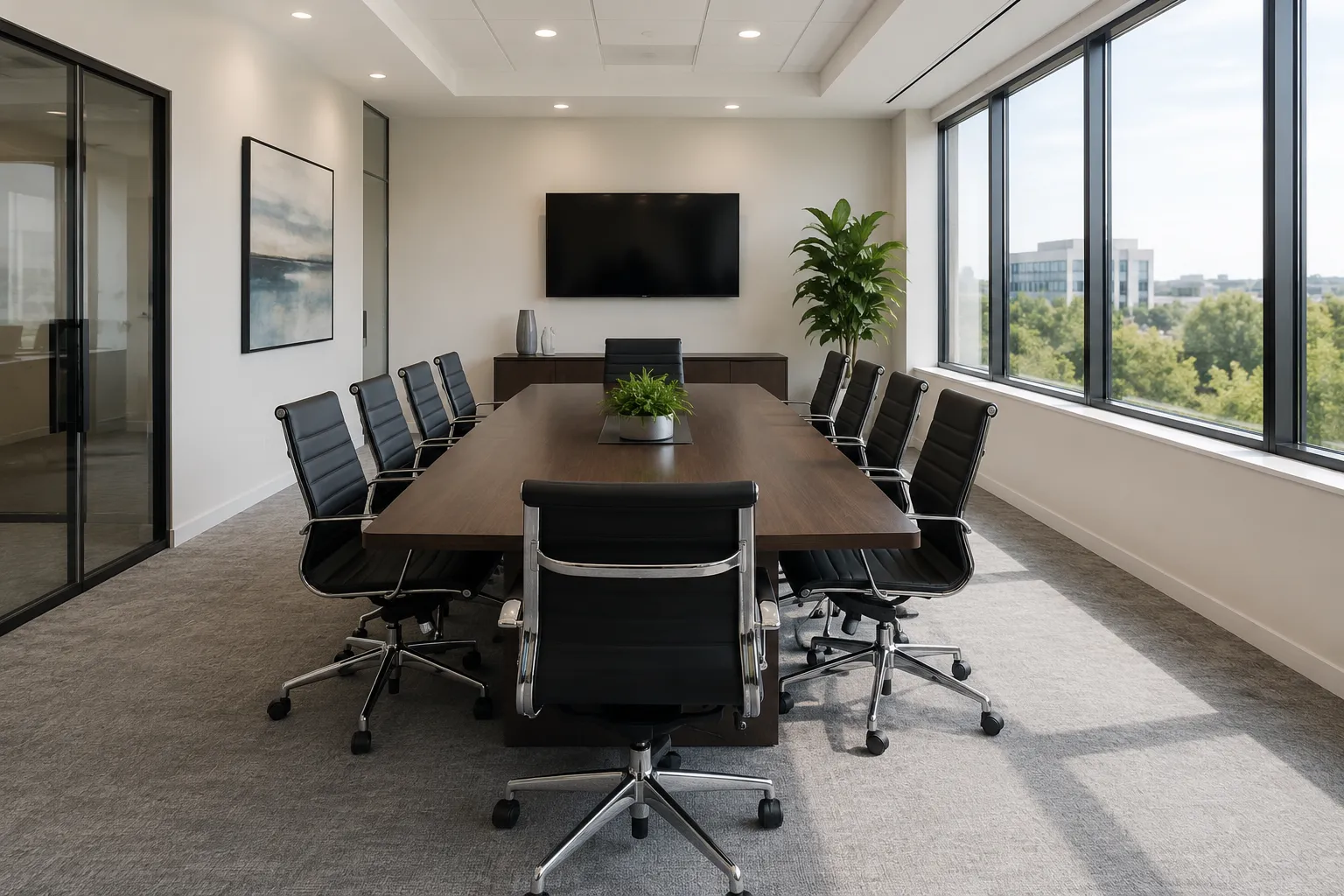
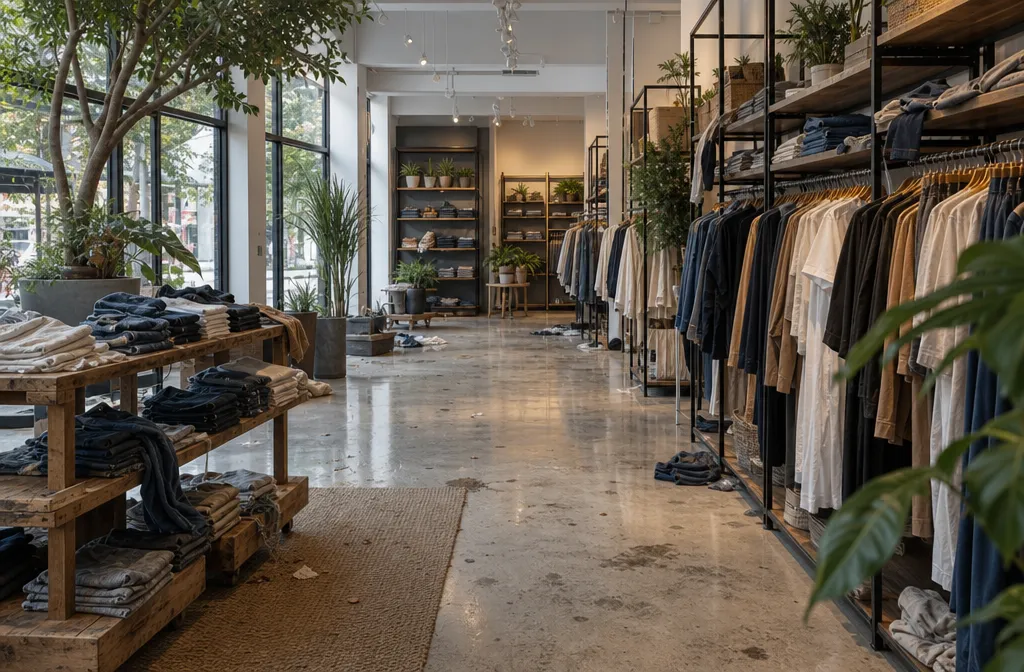
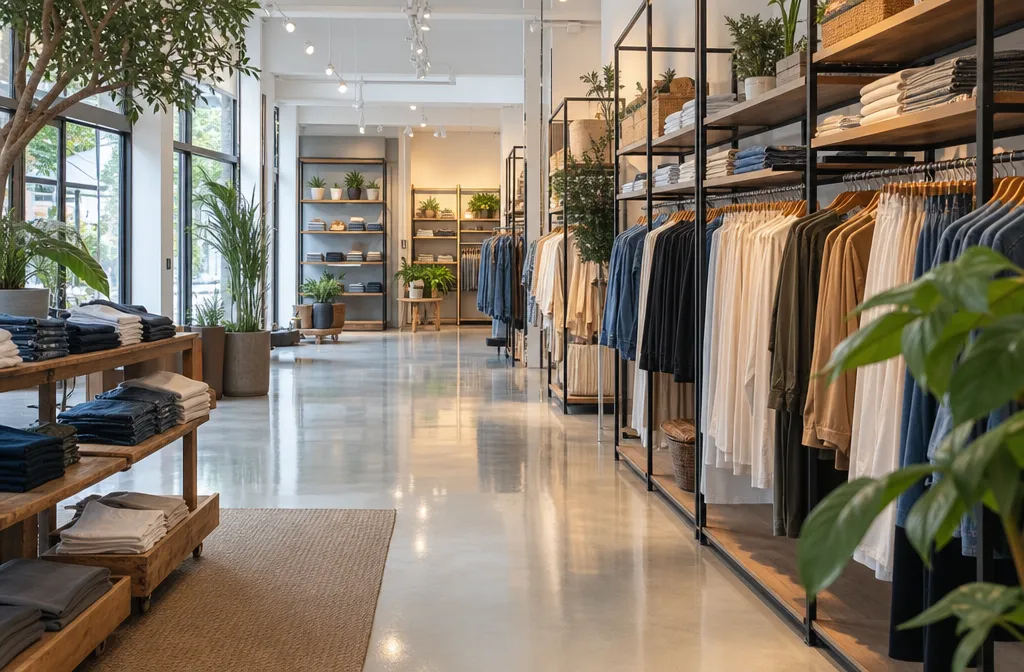
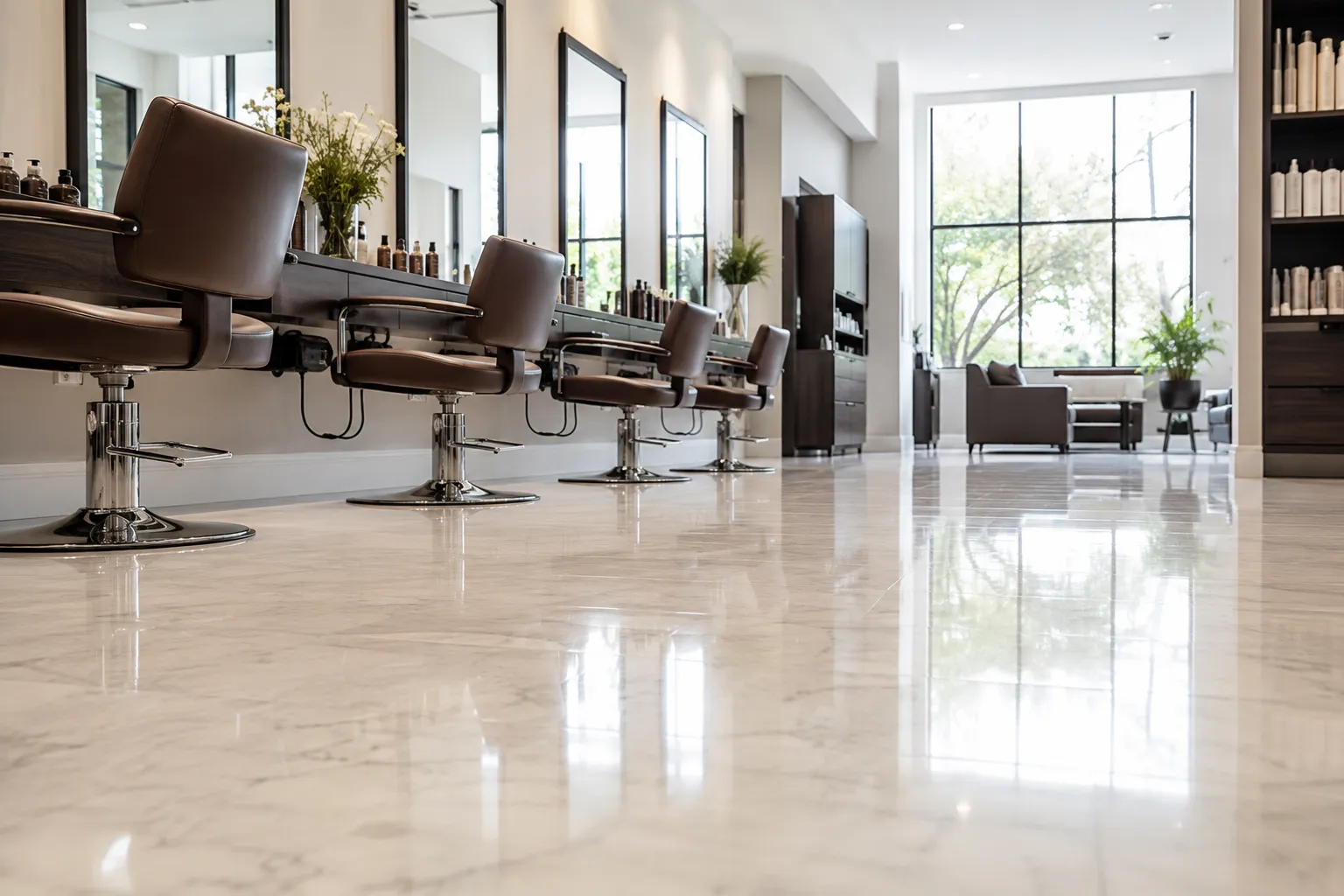
Open-plan offices, stores, beauty salons |
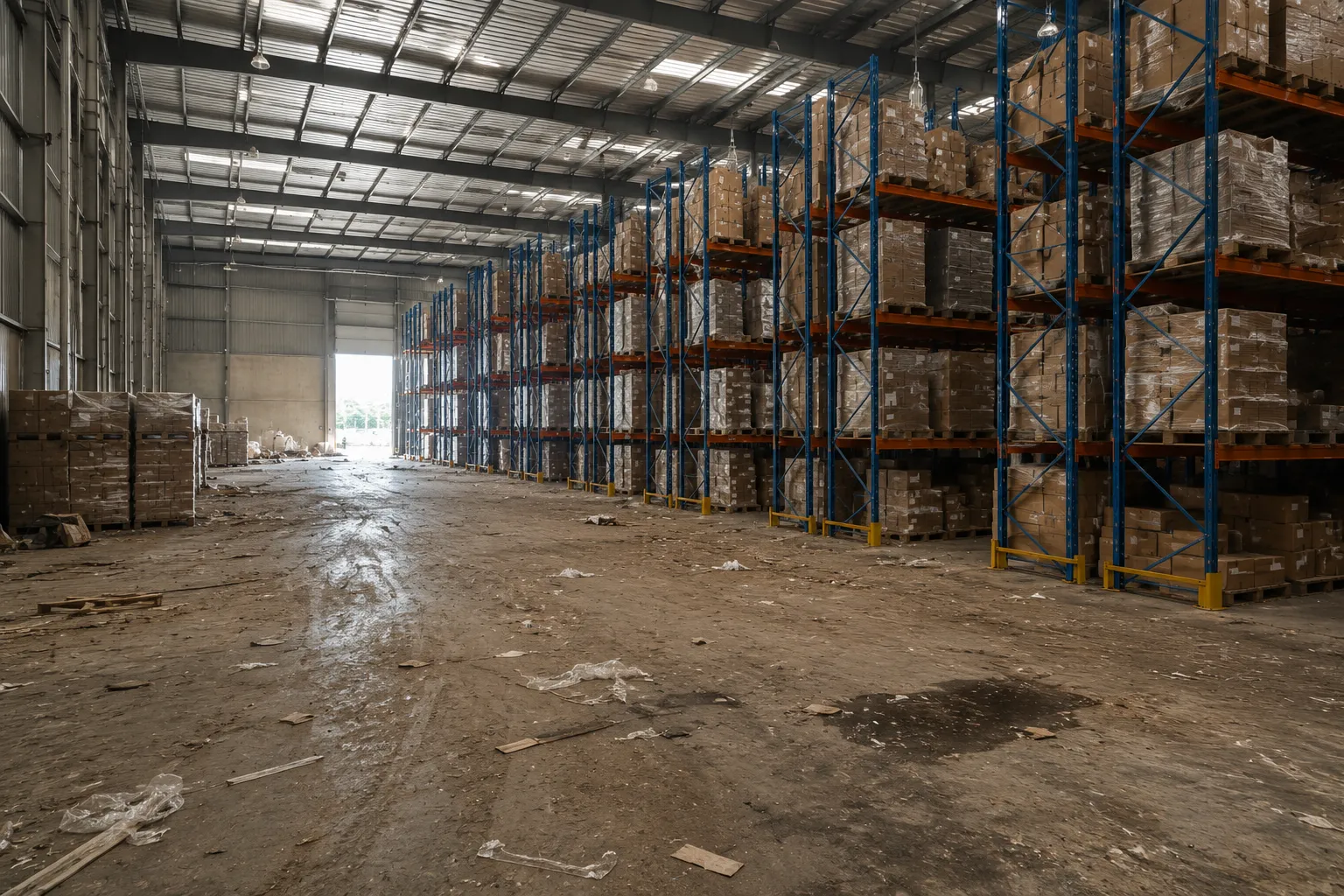
Warehouses, restaurants after renovation, vacant offices before move-in |
| Depth of treatment |
Surfaces, floors, restrooms, trash removal |
Walls, ceilings, light fixtures, ventilation grilles, tile grout |
Cleaner Qualification: Different Levels of Training
For daily cleaning, basic cleaning techniques and an understanding of disinfection standards are sufficient. Deep cleaning requires skills in working with professional equipment — steam cleaners, floor scrubbers, and extractors. The cleaner must be able to select the right chemical concentration for the type of dirt: for example, kitchen grease in Almaty restaurants requires alkaline chemicals with a pH of at least 11, while marble floors need acidic chemicals with a pH of 3–4, otherwise the stone will be damaged. In our company, all cleaners undergo internal certification for working with deep cleaning equipment, and we do not send beginners to sites with complex surfaces. When ordering cleaning for legal entities, check who will perform the deep cleaning — if it’s the same staff as for daily cleaning, ask for certificates for working with a steam cleaner, otherwise there is a risk of damaging the surfaces.
What Contaminants Are Typical for Offices and How to Deal with Them
Office dust is not just an aesthetic defect: in Almaty, it contains up to 40% microparticles from tires and road debris, which settle on equipment and fabrics faster than in residential premises and require a different cleaning approach than home cleaning.
Almaty’s Dust Cocktail: What Settles in an Office in a Week
In our offices, three types of dust accumulate: street dust (fine PM2.5 with soot impurities from vehicles—its concentration in the Medeu district is up to 30% lower than on Abay Avenue), office dust (paper dust from printers, toner particles, and employee skin cells), and biological dust (mold spores from air conditioning systems, which are 2-3 times more common in old buildings in the city center). Dry air in offices with central heating (humidity 20-25% versus a comfortable 40-60%) keeps suspended particles in the air 50% longer—dust doesn’t settle but circulates. In the Samal-2 microdistrict, we recorded the buildup of a greasy film on kitchen cabinets just 4 days after cleaning due to proximity to a busy intersection—this doesn’t happen in business centers on Dostyk. Combating this requires not a dry cloth, but a HEPA filtration system in vacuum cleaners and wet wiping with a hypoallergenic concentrate—only this binds the fine particulate fraction that regular cleaning merely stirs up into the air.
Grease and Coffee Stains in the Kitchen and Meeting Rooms
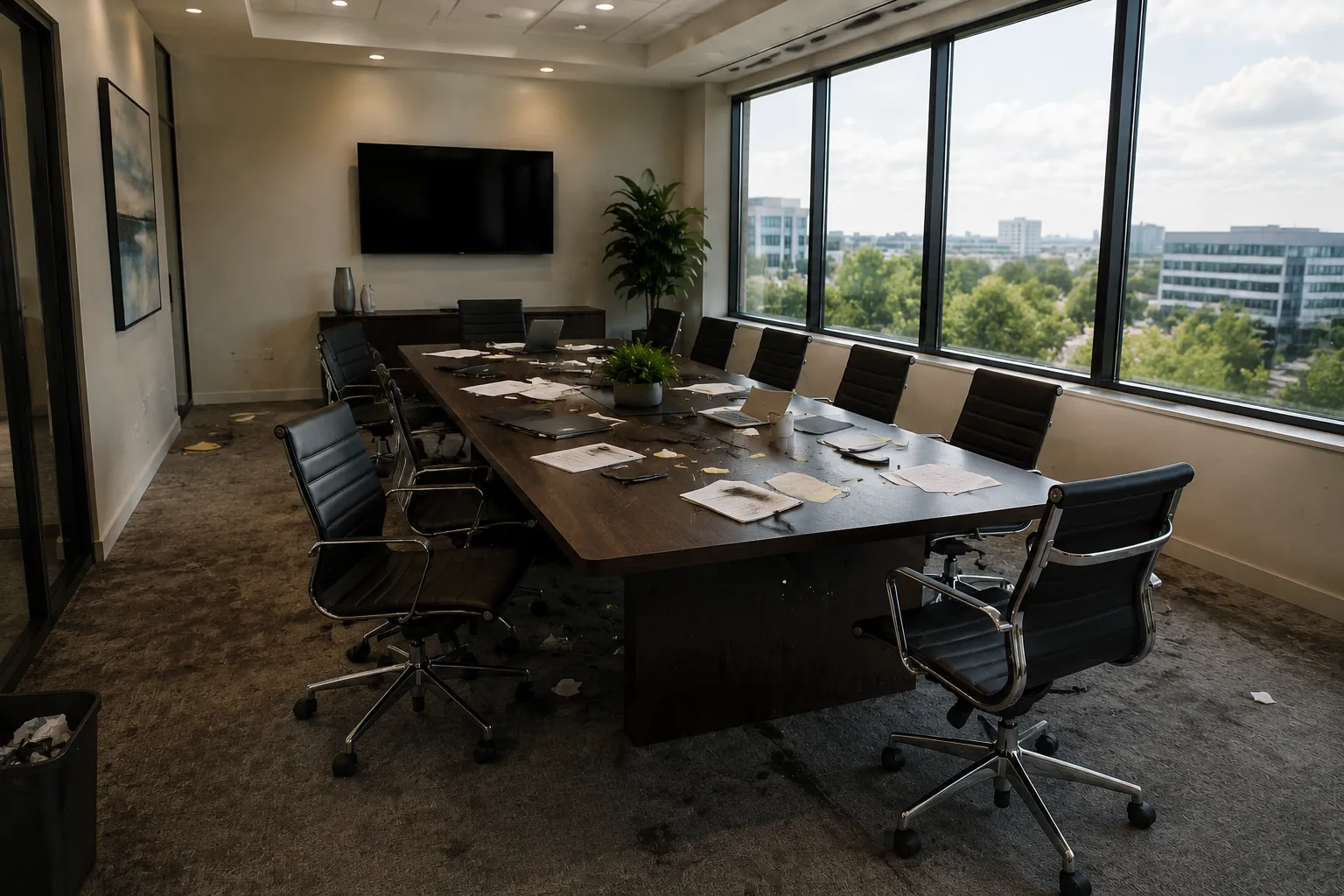
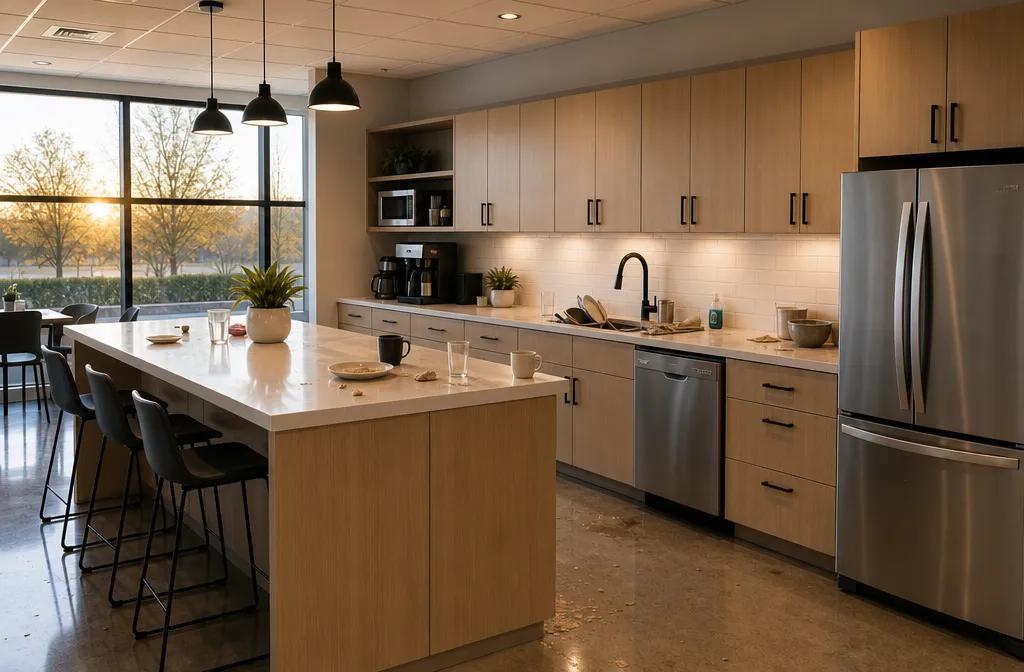
On kitchen surfaces in Almaty offices, a mixture of coffee oil, milk protein, and vegetable fat from reheated food settles—within a week, a sticky film forms on the range hood that attracts dust 4 times more actively than a clean surface. In meeting rooms, tables trap residue from flip chart markers (alcohol-based ones evaporate in 2-3 days, water-based ones leave a whitish coating that dries and embeds into plastic), coffee stains, and spilled sodas. We’ve encountered cases where employees wiped tables with bleach-containing wet wipes—this destroyed the lacquer coating within six months, requiring the tables to be sanded. For kitchens, we use an alkaline solution based on coconut surfactant (pH 9-10)—it breaks down grease without leaving streaks, and for whiteboards, we use sprays with isopropyl alcohol without abrasives. If the kitchen lacks a range hood (typical for offices in the old building stock on Baitursynov Street), grease settles on walls and ceilings—this requires not surface wiping but steam generator treatment; otherwise, a persistent yellow layer forms within 3-4 months.
Carpet and Upholstered Furniture: Hidden Pollutants
Carpet in an office is the main accumulator: up to 15-20 grams of dust, hair, sand grains, and skin particles settle per square meter per month, and at humidity above 50% (up to 70% in Almaty during autumn), dust mites breed in the fibers. Upholstered chairs in the reception area absorb sweat and sebum, creating a breeding ground for bacteria—in our measurements, up to 200 CFU/cm² (colony-forming units) were found on office chair armrests 2 weeks after dry cleaning. A regular bagged vacuum cleaner merely redistributes dust—a unit with a HEPA H13 filter, which traps 99.95% of particles down to 0.3 microns, is needed. For carpet, we use extraction cleaning with a neutral Kiehl shampoo (pH 7)—it doesn’t leave a sticky layer that attracts dirt faster. For fabric-upholstered chairs, we use foam treatment followed by vacuuming: the foam lifts contaminants to the surface rather than pushing them deeper, as steam cleaners without temperature control do—steam can “set” the grease, and the stain reappears within 2-3 days.
Cleaning Features for Different Types of Commercial Premises
An office, cafe, medical center, and warehouse—each type of premises has its own pollution profile, chemical requirements, and critical areas that, with a standard approach, damage either reputation or equipment.
Office Spaces: Carpet, Equipment, and Microclimate
The main risk zone in Almaty offices is the carpet in open-space areas. Due to street dust mixed with road grit and sand (spread year-round in Almaty), the fibers become so densely packed that regular dry cleaning with a HEPA-filter vacuum removes only the top 10-15% of contaminants. We use extraction cleaning with a hypoallergenic Sodasan shampoo—it lifts particles from deep within the fibers, and a powerful water vacuum with a turbo brush rinses them out completely. The second nuance is keyboards and office equipment: sebum and dust accumulate between the keys, turning into a sticky residue when the processor heats up. For such surfaces, we use microfiber with an antistatic agent and an alcohol solution no higher than 30%—higher concentrations corrode plastic casings. Our practical advice: if the office has air conditioners, ask the cleaner to clean the internal filters of the split systems quarterly—a clogged filter recirculates dirty air, and a week after cleaning, a layer of dust reappears on the desks.
Cafes and Restaurants: Grease, Steam, and Hidden Zones
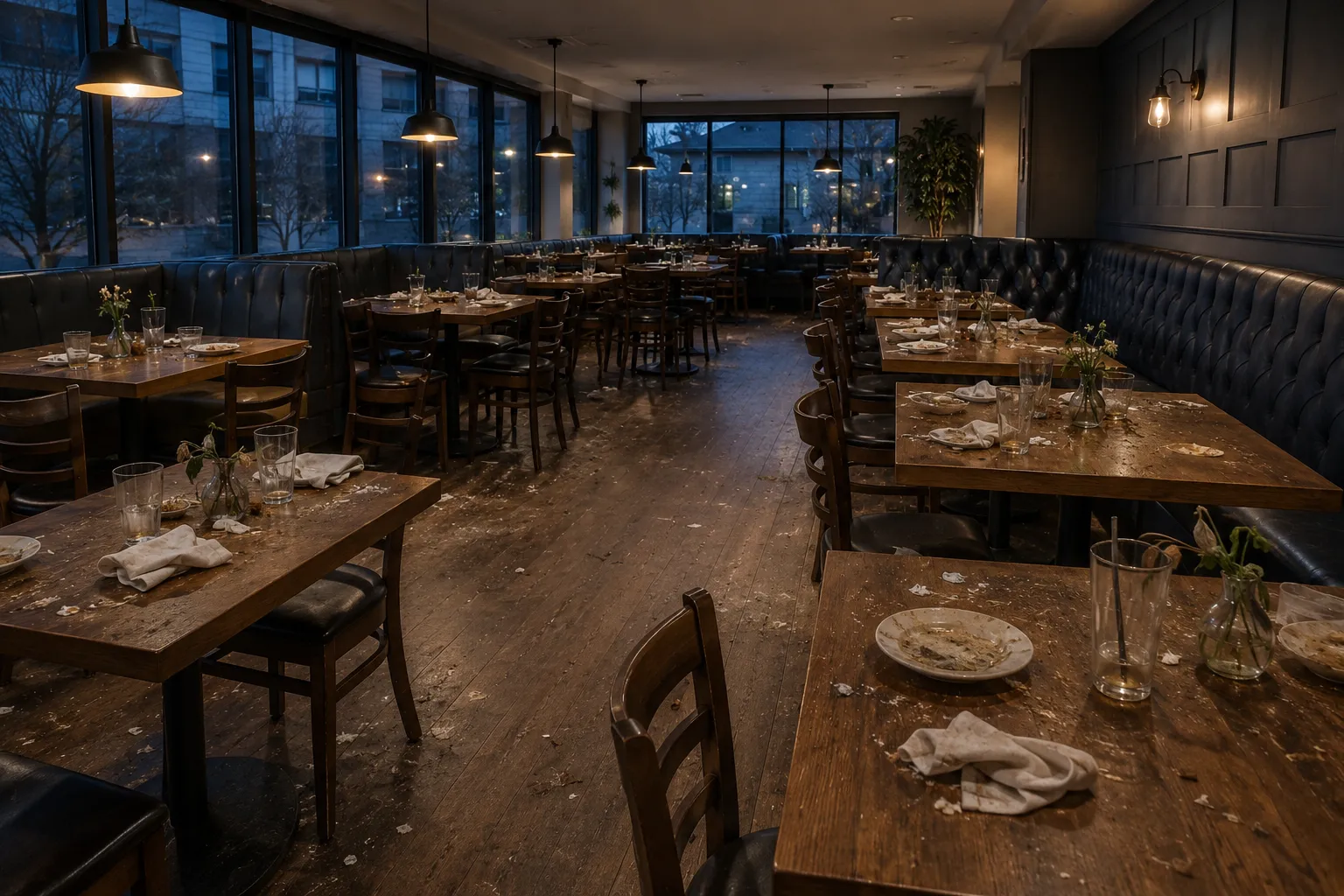
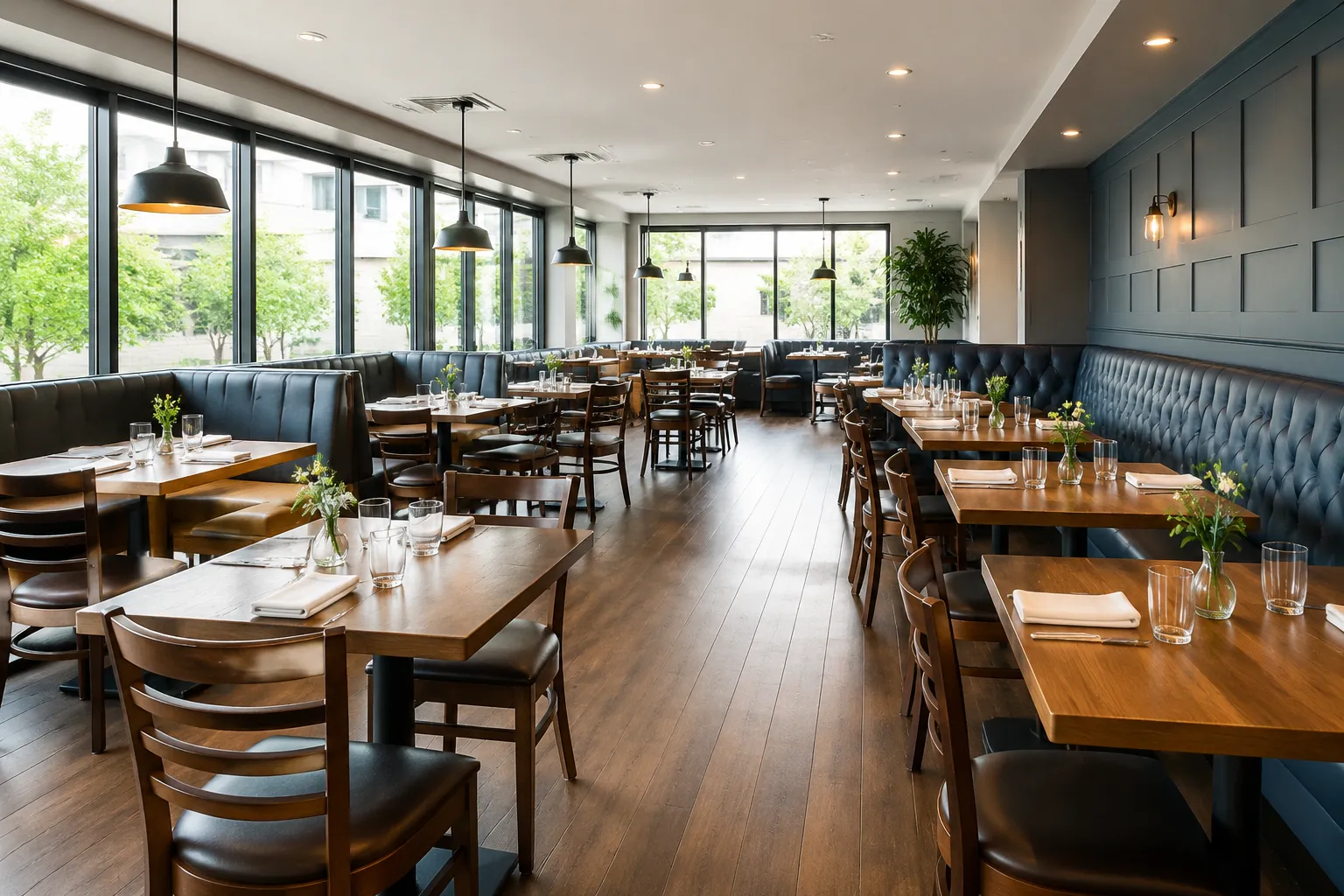
Kitchen hoods, deep fryers, and walls around stoves aren’t just greasy; they develop a polymerized layer that regular household chemicals can’t handle. In our orders for catering establishments, the most common mistake is trying to clean grease with alkaline products without heat: at temperatures below +40°C, grease doesn’t emulsify but smears. We use a professional degreaser with a pH of 12–13 and hot water (up to +60°C), apply it as foam from an aerator, let it react for 3–5 minutes, and only then rinse it off. The second problem area is the floors in the walkway zone near refrigerators and sinks: constant humidity and spills create an ideal environment for mold in tile joints, especially in older Almaty buildings with poor ventilation. Here, treating the joints with an antifungal compound based on chloramine and subsequent sealing with epoxy grout helps—this is a one-time solution that eliminates the musty smell for a year. In my opinion, cafe owners should do a deep clean of kitchen drain traps once a month—a grease-clogged siphon becomes a source of odor that customers notice at the entrance.
Medical Centers: Biological Fluids and Sterile Zones
In ultrasound rooms, treatment rooms, and dental chairs, the main danger is invisible biological contaminants (blood, saliva, secretions) that, when dry, form a tough film invisible to the eye but hazardous to patients. For such surfaces, we use a three-step protocol: first, an enzymatic cleaner (breaks down protein), then a disinfectant based on QACs (quaternary ammonium compounds) with a 15-minute dwell time, and only then wet cleaning. In Almaty, a typical mistake by cleaning crews is using the same cloth for different zones: potential infection is transferred from the chair armrest to the door handle. With us, each zone is color-coded (red – risk zone, green – clean zone), and cleaners change microfiber cloths after each room. An important nuance: floors in X-ray rooms and operating theaters cannot tolerate wax-based mastics; they create an electrostatic charge that attracts dust to sterile instruments, so we only use neutral pH products without film-forming polymers.
Warehouse and Production Facilities: Oils, Abrasives, and Safety
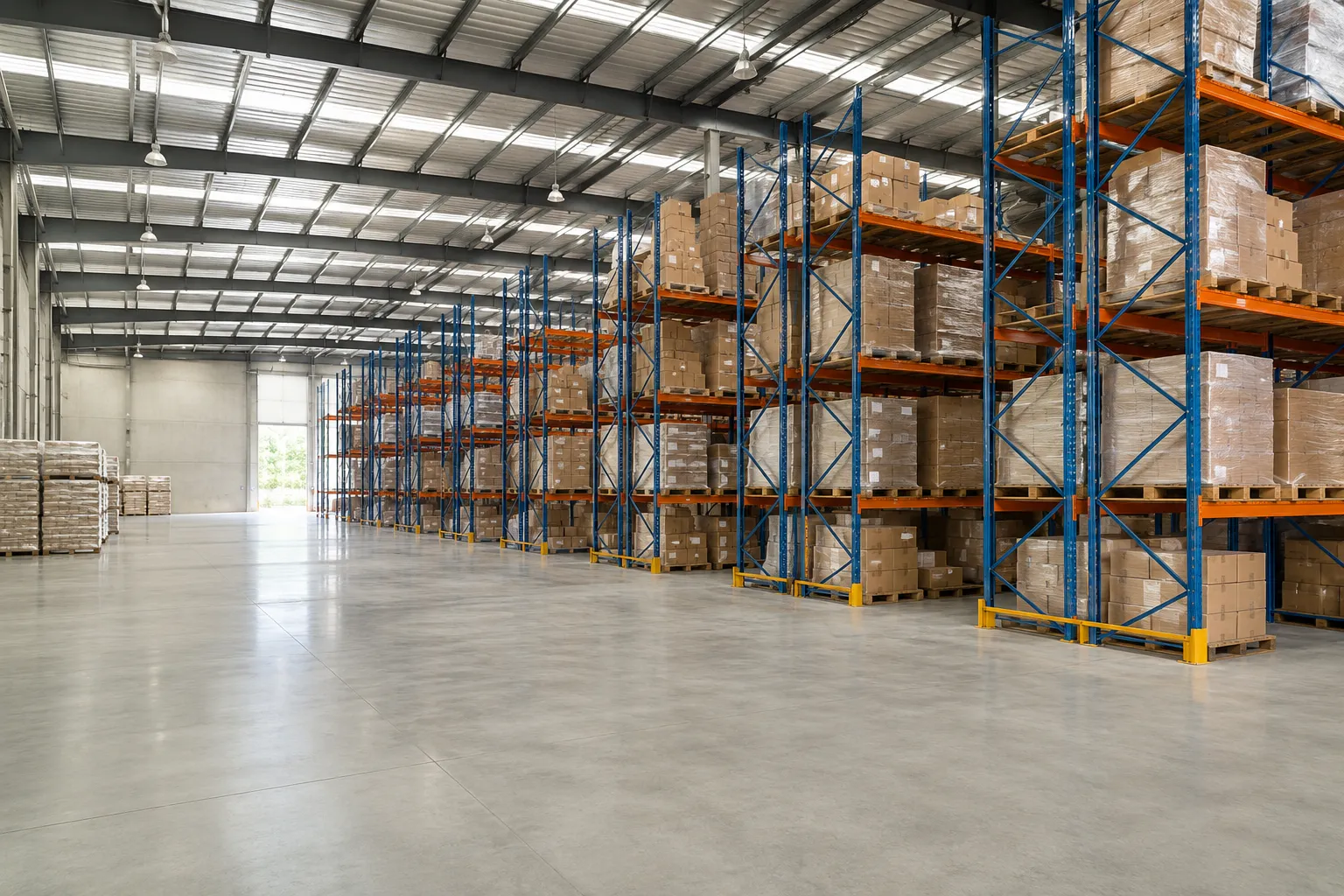
Concrete floors in warehouses and workshops absorb oils, technical fluids, and dust from construction materials so deeply that regular mopping only spreads the dirt. We use rotary floor scrubbers with disc brushes and water recycling—they collect dirty water in a tank and supply clean water under pressure, leaving no puddles on the concrete (this is crucial in winter when water freezes and creates hazardous ice). Another specific issue is shelving with goods: narrow aisles between rows where machines can’t reach, and dust accumulates for years, posing a fire risk in case of a short circuit. For these areas, we have handheld battery-powered vacuums with HEPA filters and telescopic brushes up to 3 meters—to reach top shelves without a ladder. At construction material warehouses in Almaty, we’ve encountered cement dust that clogs household appliance filters in one cycle, so for such sites we use industrial vacuum cleaners of class L (with filtration down to 1 micron) and pre-wet the floor before dry cleaning—the cement dust settles instead of becoming airborne.
How Often Should Deep Carpet and Furniture Cleaning Be Done?
There is no universal schedule—the frequency of deep cleaning depends on the type of room, traffic intensity, and the type of contaminants. We’ve broken down three key scenarios for commercial properties.
Open-Plan Offices and Meeting Rooms
In high-traffic areas (corridors, lobbies, open-plan spaces for 20+ people), deep extraction carpet cleaning is needed every 3–4 months. The reason is invisible dust: over a quarter, up to 2–3 kg of dust particles per 100 m² accumulate in the pile, which cannot be removed by a vacuum cleaner, even with a HEPA filter. In meeting rooms where the carpet wears less, the interval can be extended to 6 months, provided there is weekly dry cleaning with a rotary machine and microfiber. For upholstery in open-plan offices, we recommend extractor treatment every six months—sweat and oil stains on armrests and seats penetrate the padding within 6 months and start to produce an odor that surface foam cannot eliminate.
Reception Areas and Client Waiting Zones
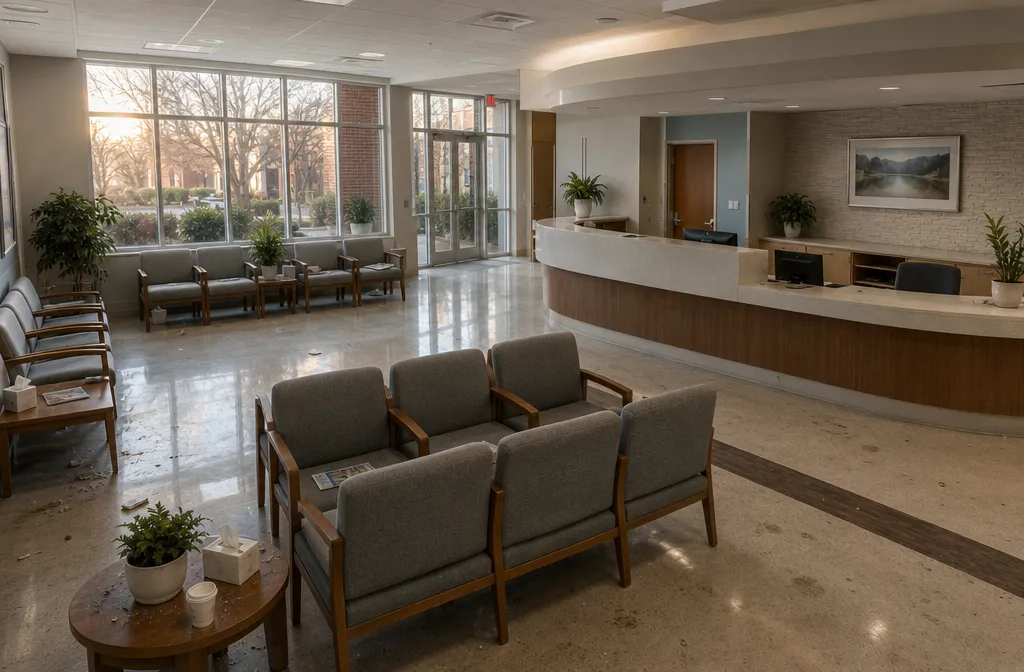
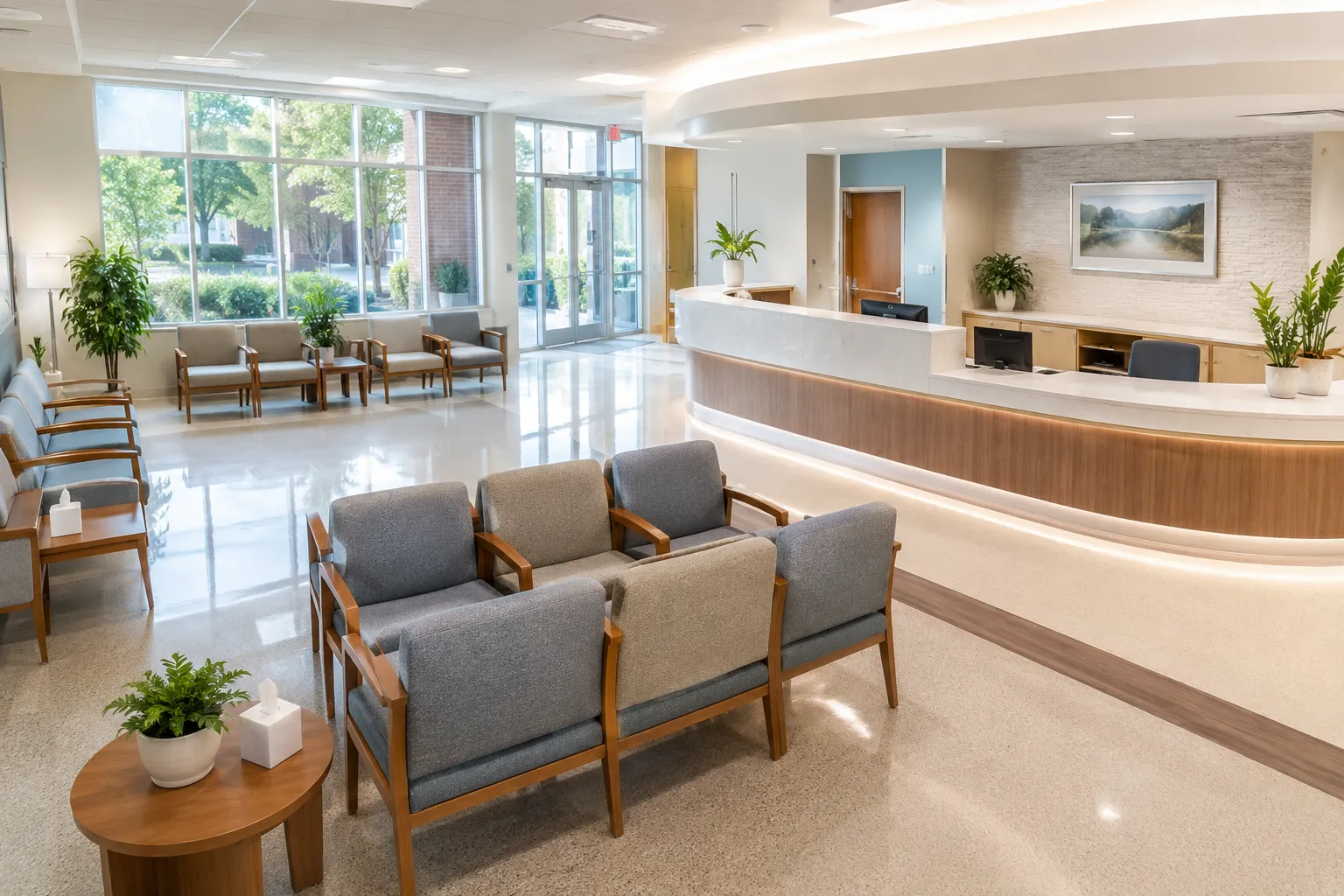
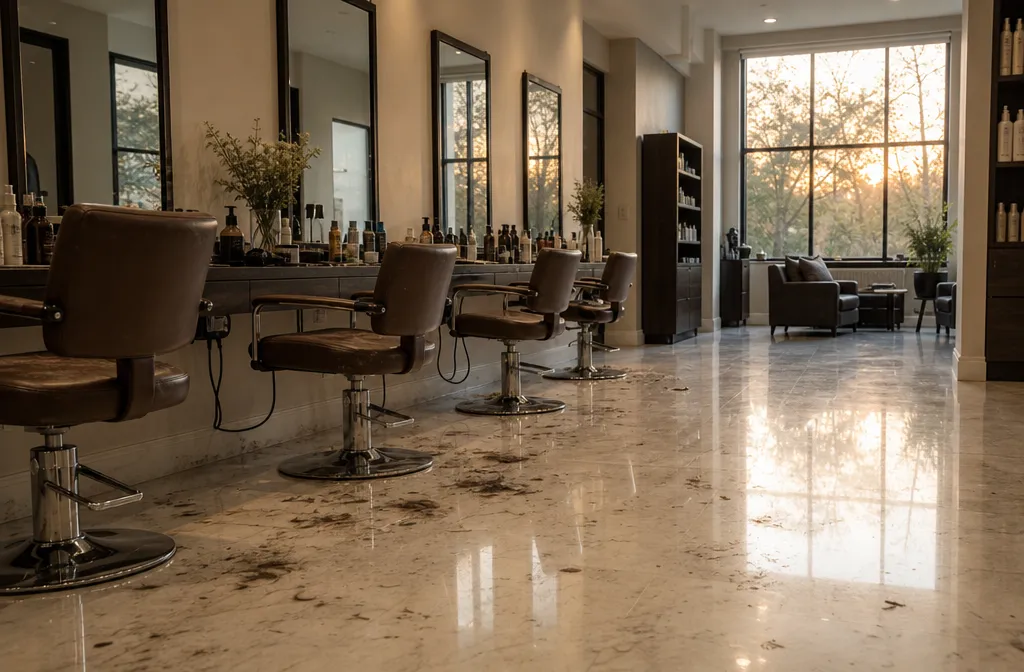
In these areas, the frequency should be higher — every 2 months for carpet and once every 3–4 months for sofas and armchairs. The reason is not only foot traffic but also the type of dirt: at the reception, reagents and road grit are brought in from the street (in Almaty, this is fine tire dust that embeds into the pile within 2–3 weeks). On the upholstery of furniture in the waiting area, cosmetics, skin particles, and street dust settle — after 3 months without cleaning, a film forms on the fabric, making the color appear 20–30% duller on the Lab scale. In profi-clean’s practice, there was a case: at a beauty salon on Zharokova Street, sofas had to be reupholstered after a year without deep cleaning — foam and vacuum couldn’t remove the aged layer of hairspray and talc.
Warehouses and industrial premises
In warehouse areas with concrete floors, carpeting is rare, but if there is carpet in the administrative section or at the security post, it is cleaned every 6–8 months. The key feature is oily and technical contaminants (lubricants, cardboard dust, rubber crumbs from forklift wheels), which require not extraction but pre-application of a degreasing solution with a pH of 10–11 and a dwell time of 5–7 minutes. At industrial sites, we only use hypoallergenic Sodasan chemicals — their formula leaves no toxic residue that could react with industrial dust. Upholstery in such spaces (security chairs, sofas in break rooms) is cleaned once a year, but with a mandatory dye-fastness test — technical fumes can sometimes alter the surface pH.
Eco-friendly products: safety for employees and the environment
Many clients request “eco-cleaning” without specifying what it means — but the difference between certified hypoallergenic chemicals and simply a “bio” label on a household bottle is enormous. At profi-clean, we use professional Kiehl and Sodasan concentrates with European eco-certificates, and here’s why this is critical for Almaty offices.
How eco-products differ from regular professional chemicals
Regular cleaning concentrates often contain chlorine, phosphates, and synthetic surfactants, which leave a thin chemical film on surfaces after cleaning. In a closed office with air recirculation, this film evaporates for 2–3 hours — employees inhale volatile compounds, triggering headaches and allergies. Eco-products from Kiehl and Sodasan, on the other hand, work with plant-based surfactants (coconut oil, sucrose) and break down within 28 days without toxic residues. The price difference for the concentrate is 15–20%, but for spaces with children, food production, or an open-plan office for 50 people, this extra cost pays off by reducing sick leave by 10–15% per quarter, based on our observations.
Which certificates guarantee real safety
The “eco” label on the Kazakhstani market is unregulated — any manufacturer can put it on a bottle. Real safety is only confirmed by international certificates: Ecolabel (EU), Nordic Swan, Ecocert. The Kiehl products we use for daily office cleaning have Ecolabel — meaning none of the 100+ components exceed the toxicity threshold for aquatic organisms and humans. Sodasan, which we use for carpet and upholstery cleaning, is certified to the Ecocert standard — all fragrances are natural, phthalate-free. In Almaty, we’ve encountered counterfeit “eco-chemicals” from China without a single certificate — their purchase price is 2 times lower, but after cleaning, the office retains a “chemical” smell that doesn’t dissipate for days. Therefore, before entrusting cleaning to a contractor, request a copy of the certificate for each product — Ecolabel or Ecocert, not just a label on the bottle.
How eco-chemicals affect office materials
A common mistake is to assume that eco-friendly products are gentler and clean worse than aggressive chemicals. In practice, plant-based surfactants from Sodasan penetrate deeper into the micropores of carpet and upholstery than synthetic counterparts, washing out not only surface dirt but also oily residues from hands and equipment. At the same time, they do not destroy the protective impregnation of fabrics or bleach colors — after 3 years of monthly eco-friendly dry cleaning, office chairs retain their original shade, whereas regular chemicals with optical brighteners turn them yellow within a year. Another nuance: eco-friendly products do not leave streaks on glass partitions and mirrors — Kiehl for glass uses alcohol derived from sugar cane, which evaporates without leaving a film. For Almaty offices with panoramic windows, this is especially important: the film from a regular glass cleaner creates glare in the sun, which interferes with work at monitors.
How to Save on Cleaning Without Losing Quality
Saving on cleaning often results in double expenses — on fixing defects and replacing damaged furniture. Let’s break down where you can realistically cut the budget without risking quality.
Common Mistake: Choosing Cheap Chemicals
Cheap alkaline compounds (pH 10–12) do remove grease in a minute, but leave a film on surfaces that attracts dust. On reception desks and artificial stone countertops, such a film leads to cloudiness after just 3–4 cleanings. At profi-clean, we use Sodasan concentrates with a pH of 5–7 — they leave no residue, so the intervals between general cleanings are extended by 30–40% compared to aggressive chemicals. The savings here are paradoxical: a more expensive reagent costs more per liter, but consumption is 2–3 times lower, and furniture lasts longer without restoration.
Non-Obvious Saving Point: Equipment Fleet
Vacuum cleaners with HEPA H13 filters cost 1.5–2 times more than regular ones, but they trap 99.97% of particles up to 0.3 microns. For offices in Almaty, where the air contains a lot of road dust and pollen, this is critical: without HEPA, dust is redistributed throughout the room and settles again 2–3 hours after cleaning. In practice, this means the cleaner has to make a double pass — adding 40–60 minutes to each cleaning. By buying a cheap vacuum cleaner without HEPA, you end up paying for extra hours of work.
When Not to Save: Complex Flooring
Marble floors, matte laminate, and porcelain stoneware with a “stone-like” texture require different wet cleaning modes. Acidic compounds cannot be used on marble — they leave matte stains that can only be removed by repolishing, which is calculated individually per square meter. At each site, we record the floor type in the room map and select the chemicals and mode accordingly. If a client wants to save at this stage, the risk of ruining the floor outweighs the benefit — restoration costs more than six months of cleaning.