Premises assessment and plan
Master's visit to assess the area, dirt and create an individual cleaning plan.
Professional cleaning of offices and service premises in Almaty. We have been working since 2015, staffed by trained masters, using eco-friendly products.
We work with any types and materials
Delicate cleaning while preserving order on the desk and important documents.
from 18,000 ₸Fast and efficient cleaning of large areas with minimal distraction to employees.
from 18,000 ₸Thorough cleaning after meetings: tables, chairs, boards, screens.
from 18,000 ₸Maintaining an impeccable look of the reception area and waiting area.
from 18,000 ₸Cleaning of walk-through areas with emphasis on clean floors and walls.
from 16,000 ₸Deep disinfection of all surfaces, removal of plaque and odors.
from 22,500 ₸Washing dishes, stove, refrigerator, tables and floors with safe products.
from 21,500 ₸Cleaning of shelves, floors and dust removal from goods.
from 14,500 ₸Careful cleaning without moving documents, dust removal.
from 18,000 ₸Dusting of equipment with special products, without risk to the equipment.
from 18,000 ₸Cleaning using disinfectants safe for research.
from 18,000 ₸Sanitary treatment of surfaces, disinfection according to standards.
from 18,000 ₸From inspection to result with guarantee
Master's visit to assess the area, dirt and create an individual cleaning plan.
Wiping all horizontal surfaces: tables, shelves, windowsills, office equipment.
Wet mopping of floors using professional Kiehl products safe for coverings.
Deep carpet cleaning with an extractor using Kiehl shampoo.
Treatment of all surfaces with Karcher steam cleaner and disinfectants.
Streak-free window and mirror cleaning using specialized products.
Collection and removal of trash, replacement of bags in bins, disinfection of containers.
Check all areas against the checklist, fix any issues, sign the report.
We use certified Kiehl products that effectively remove dirt without causing allergies. They are safe for employees, children and pets. All compounds are biodegradable and do not harm the environment.
Our Nilfisk vacuum cleaners with HEPA filters capture up to 99.97% of dust particles, pollen and bacteria. This is especially important for offices with allergy sufferers. The air after cleaning becomes much cleaner.
For bathrooms and kitchens we use Karcher steam cleaners with steam temperature up to 140°C. This allows destroying 99.9% of bacteria and viruses without using aggressive chemicals. Surfaces remain dry and clean.
All our masters are staff employees with at least 3 years of experience. They regularly undergo medical examinations and training. We guarantee a responsible approach and knowledge of all nuances of cleaning different premises.
We are confident in the quality of our work. If after cleaning you notice any shortcomings, we will redo the problem areas for free within 24 hours. Your satisfaction is our priority.
On the first order you get a 10% discount. When signing a contract for regular cleaning (weekly or monthly), the discount is maintained for all subsequent visits. Save with us!
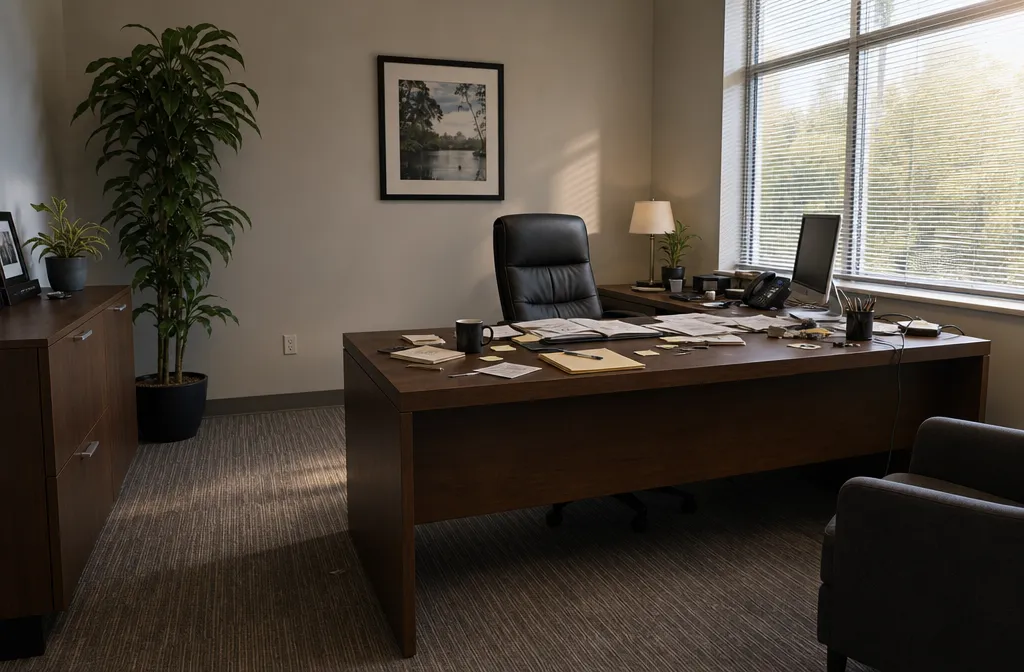
 After
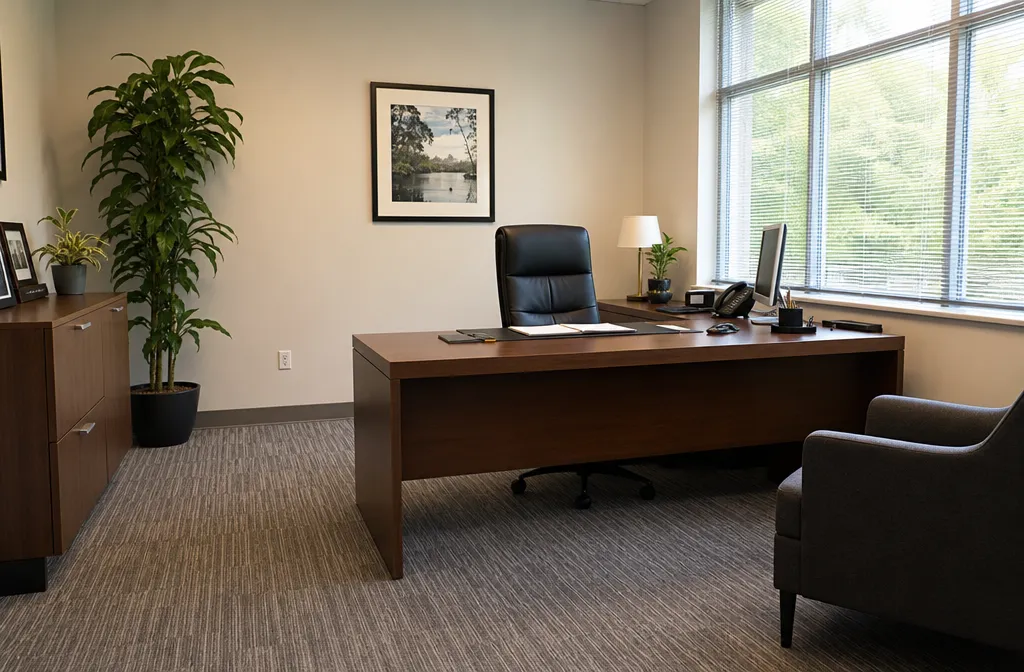
After
Request: Client needed deep cleaning of a cluttered desk after renovation.
Done: Performed dry and wet cleaning of the desk, wiped tech and organizers.
Cost: 18 000 ₸
Master: Aigul Nurpeisova, cleaning master
Total: Desk completely free of dust and dirt, tech sparkling.
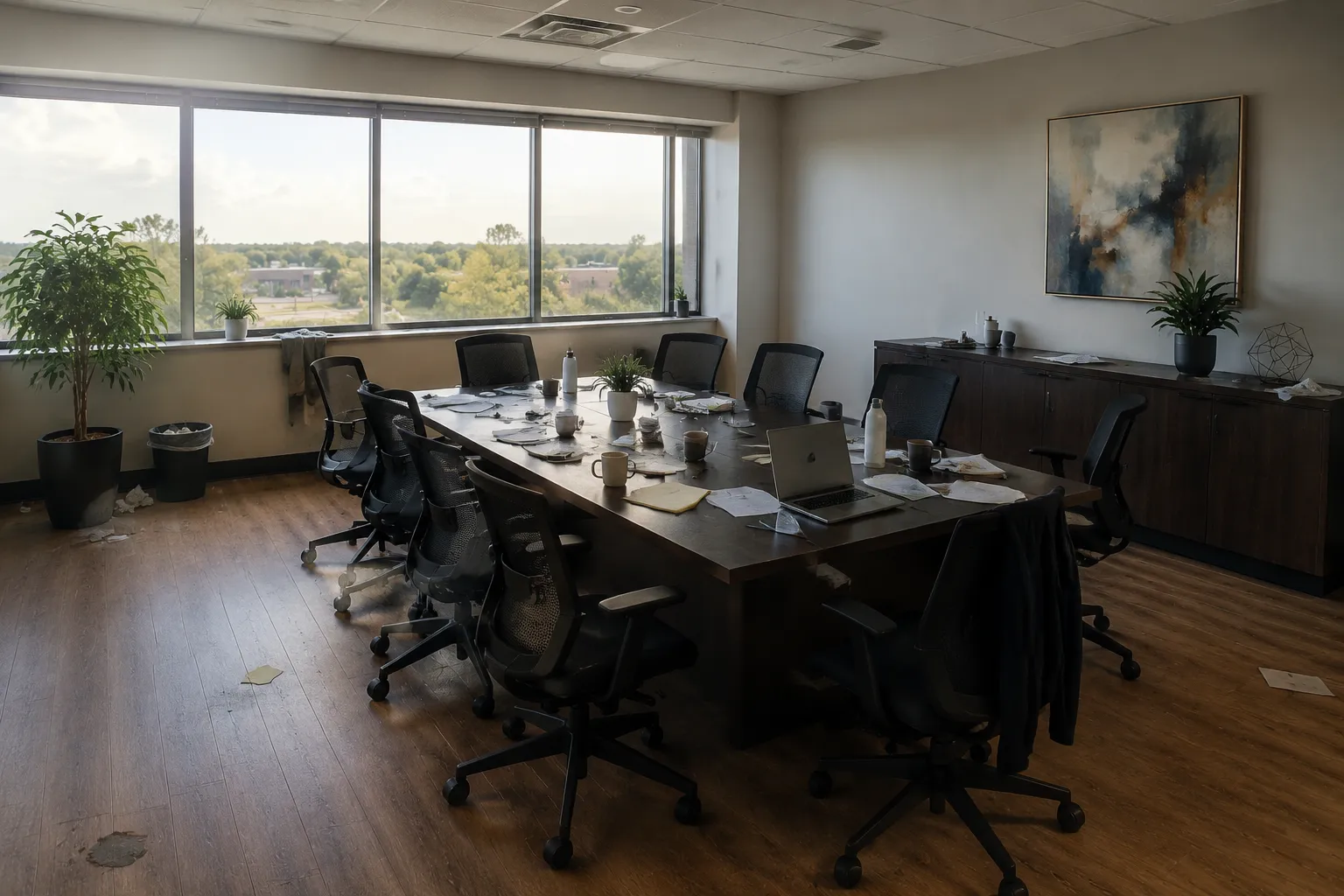
 After
After
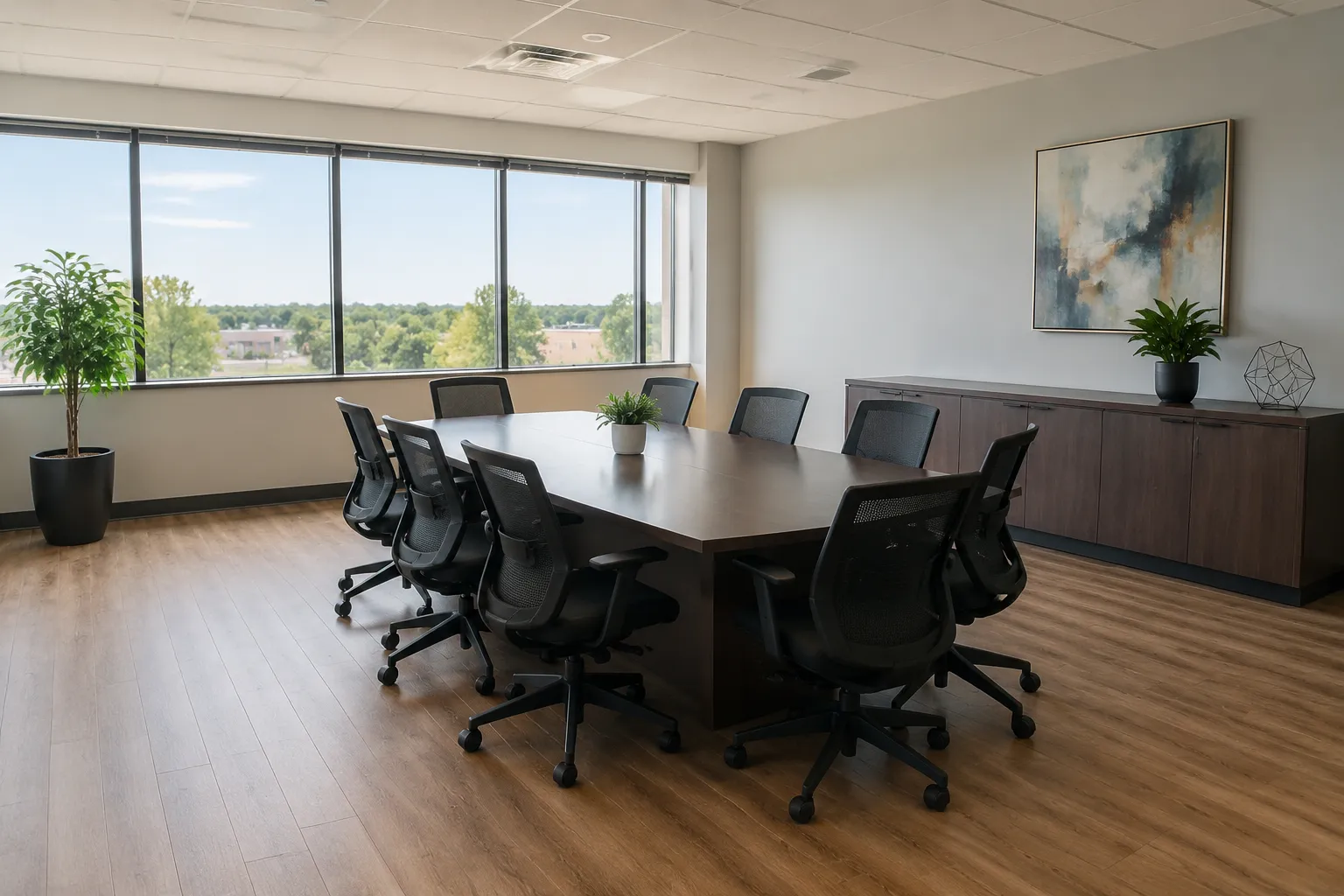
Request: Required general cleaning of the conference room after a coffee-break conference.
Done: Mopped floors, wiped table and chairs, removed coffee stains.
Cost: 19 000 ₸
Master: Timur Zhaksybekov, cleaning master
Total: Room completely clean, no coffee or crumb traces.
 After
After
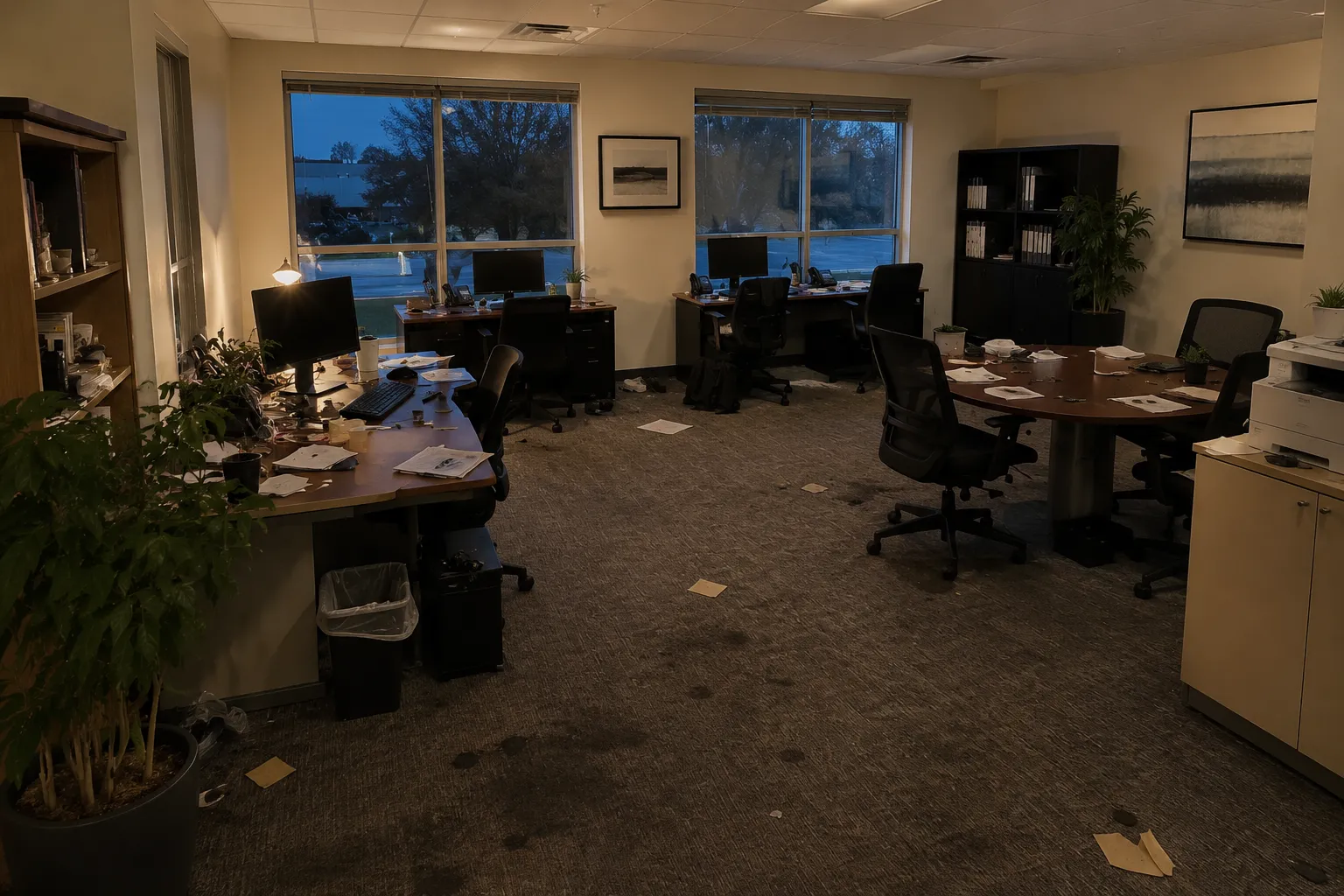
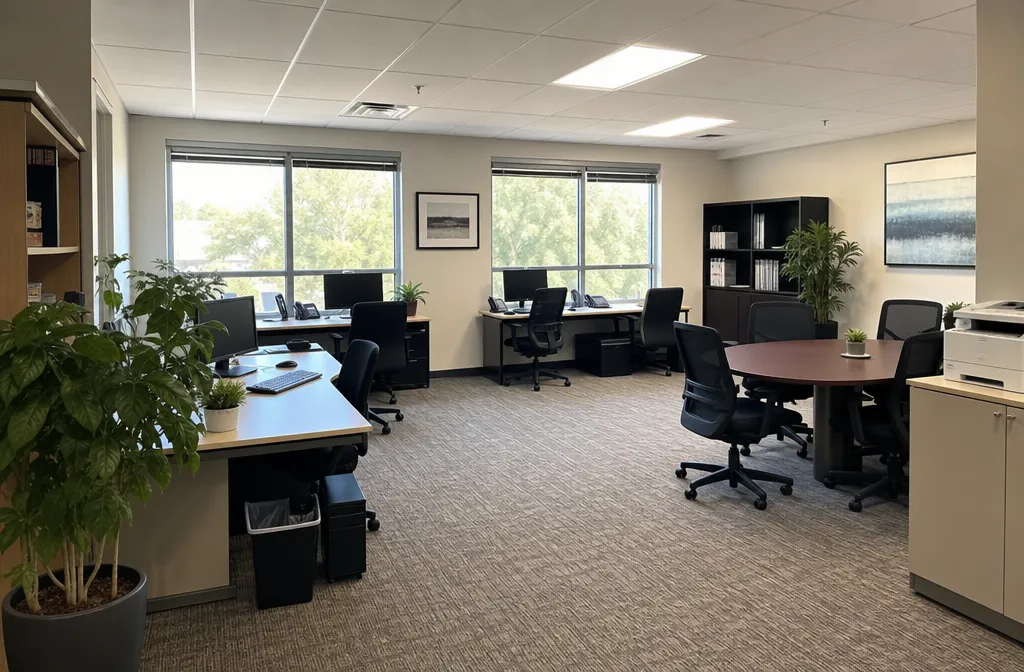
Request: Needed comprehensive cleaning of the open office after intensive work.
Done: Vacuumed carpet, wiped all desks and partitions.
Cost: 20 000 ₸
Master: Assel Kaliyeva, cleaning master
Total: Open space sparkling clean, air fresh.
 After
After
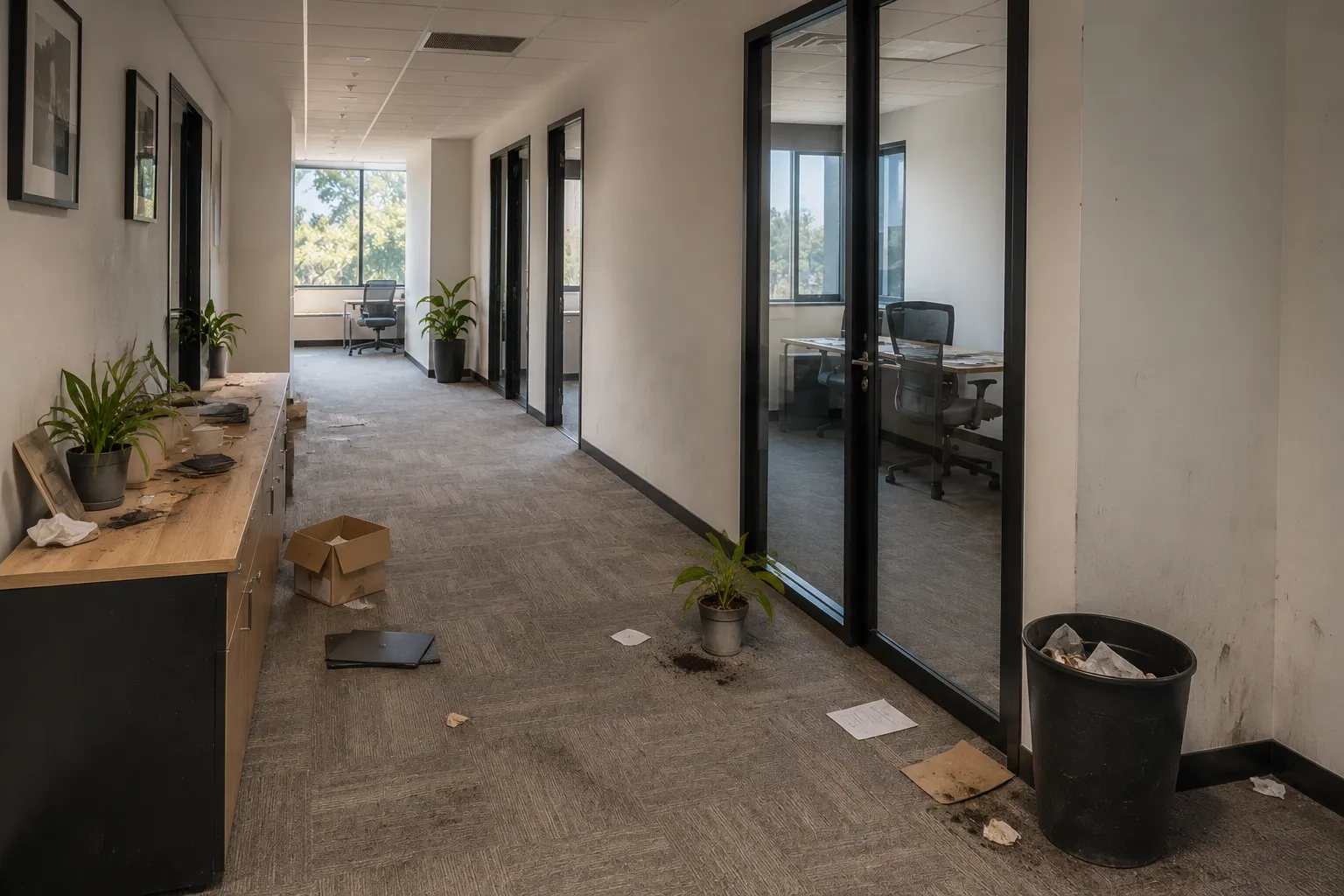
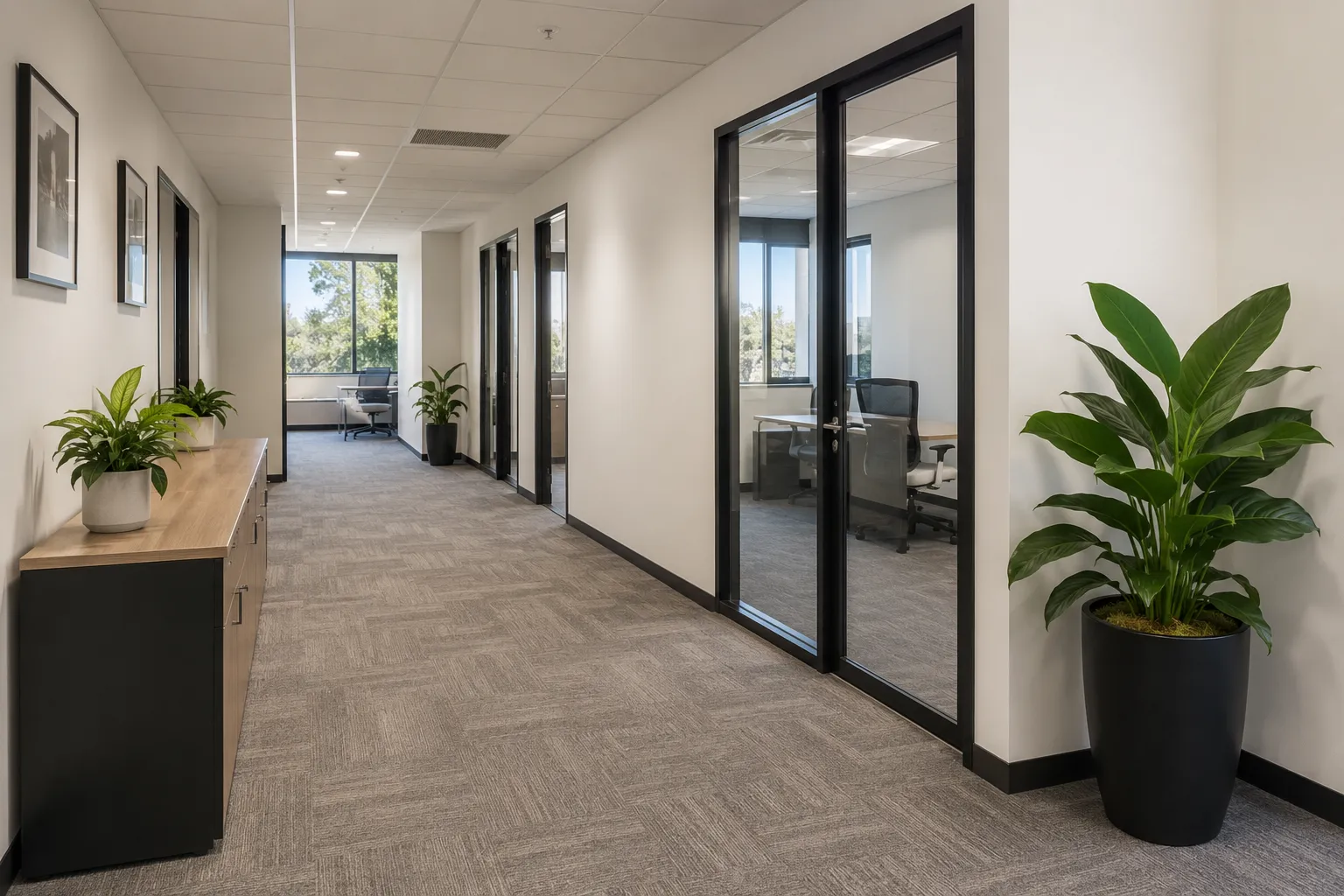
Request: Required cleaning of a long corridor with carpet.
Done: Vacuumed carpet, washed baseboards and walls.
Cost: 19 000 ₸
Master: Marat Sagintayev, cleaning master
Total: Corridor clean, carpet dust and stain free.
 After
After
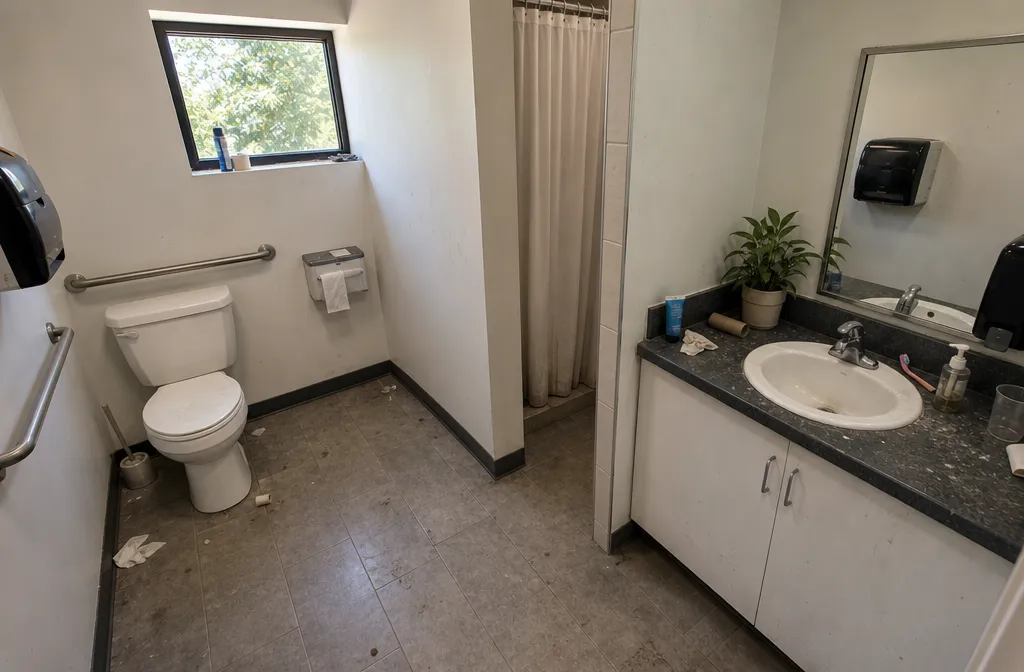
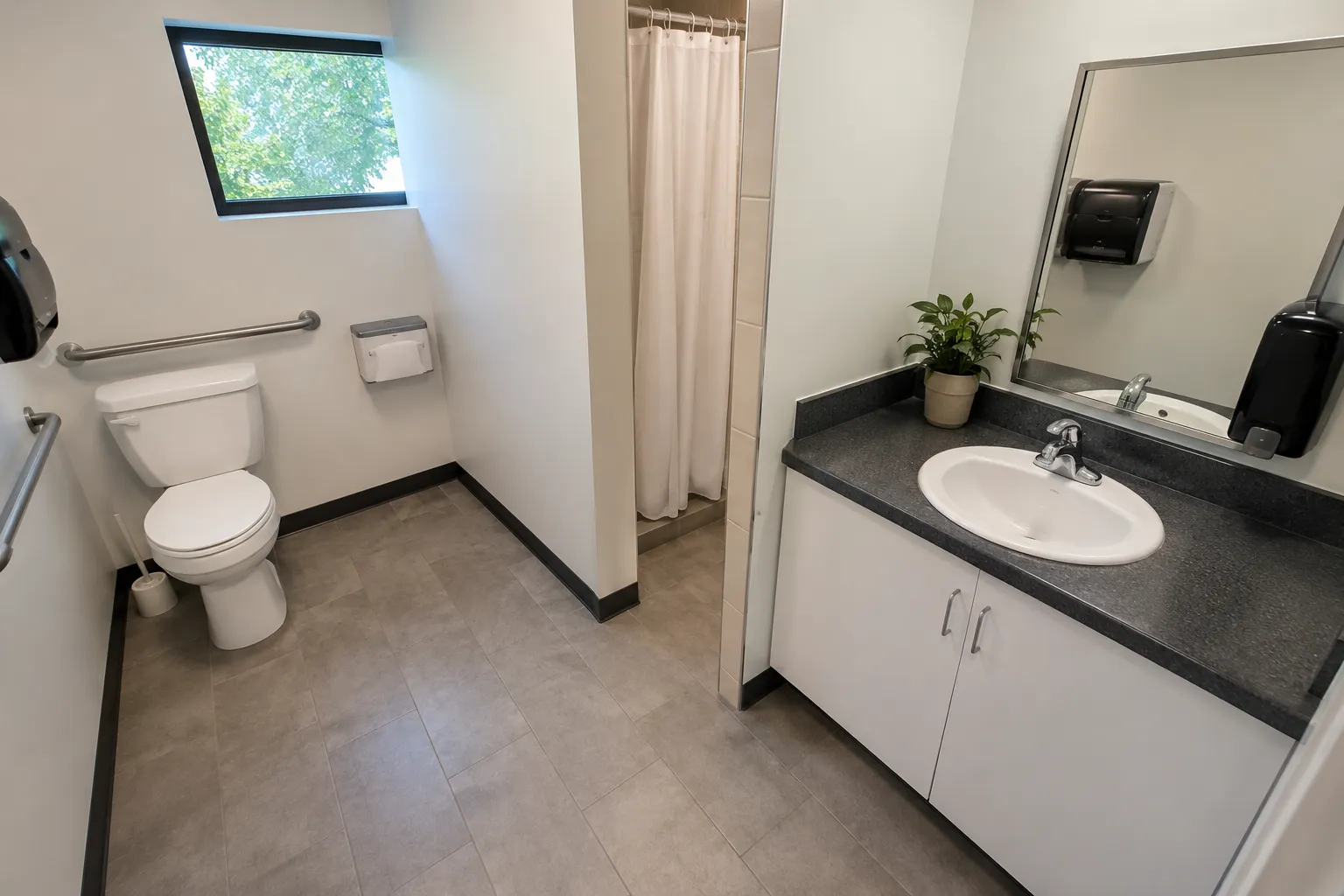
Request: Needed deep cleaning of the toilet with disinfection.
Done: Cleaned toilet, sink, mirror, washed floor and walls.
Cost: 18 000 ₸
Master: Gulmira Akhmetova, cleaning master
Total: Restroom sterile clean, no streaks or odor.
 After
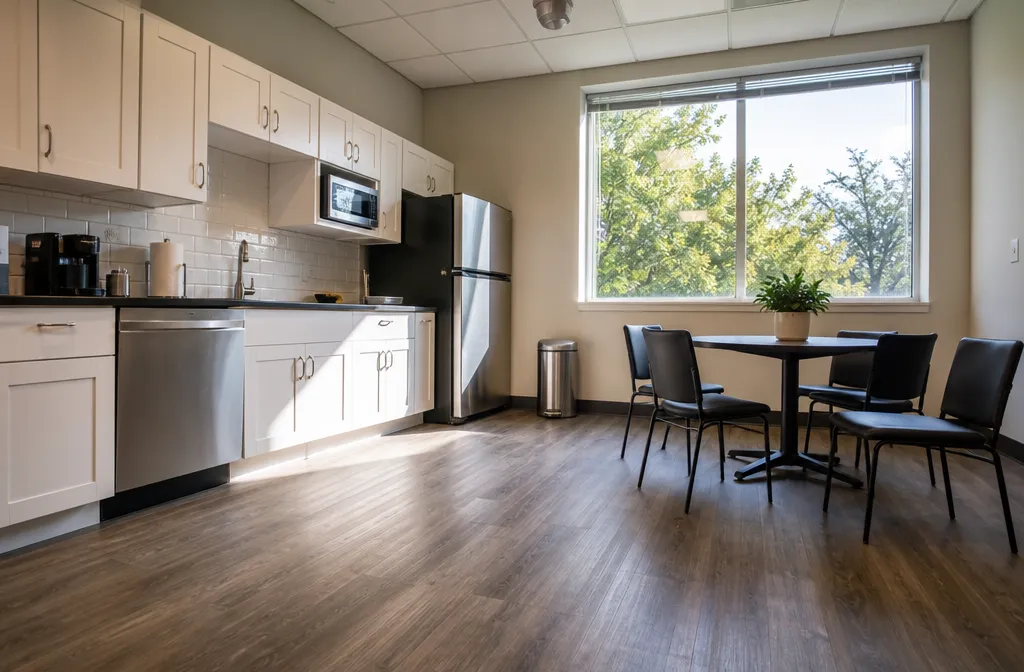
After
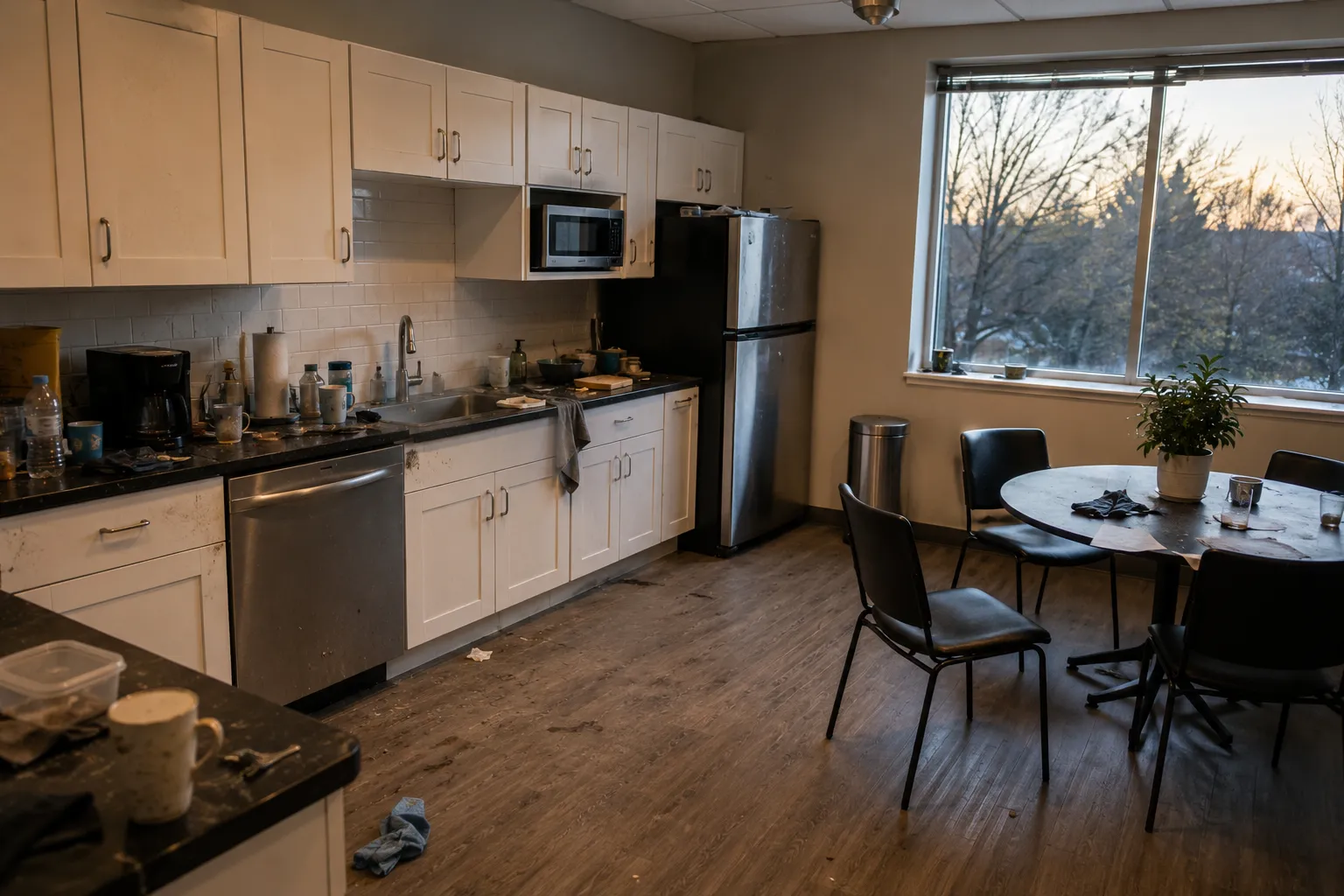
Request: Required cleaning of an office kitchen with grease stains on the stove.
Done: Cleaned the stove, microwave, sink, washed the floor and walls.
Cost: 22 000 ₸
Master: Daniyar Yermekov, cleaning master
Total: Kitchen is completely clean, free of grease and limescale.
 After
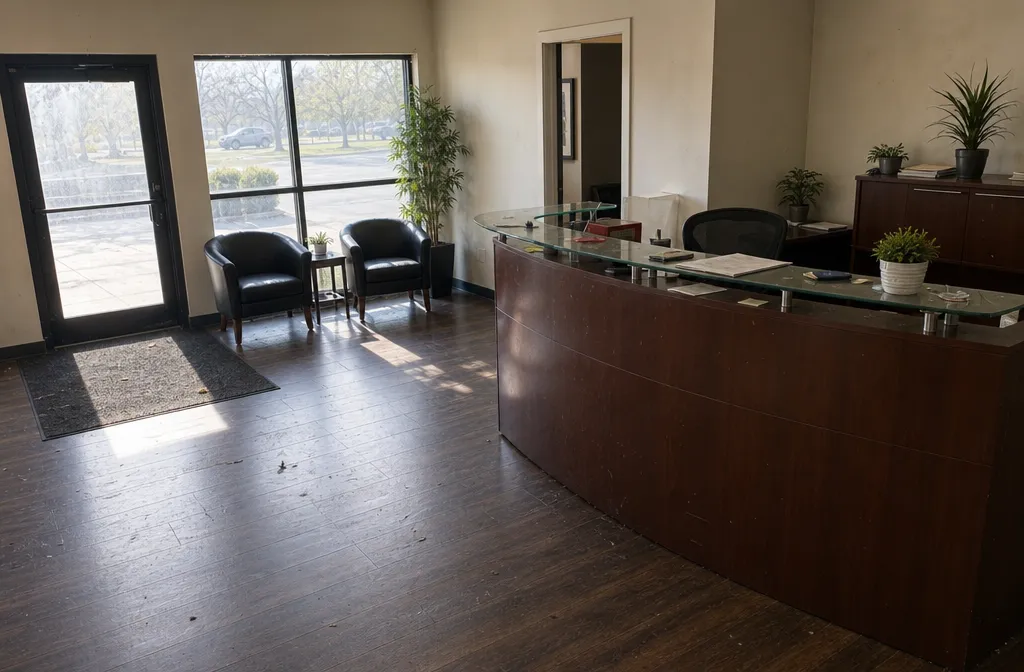
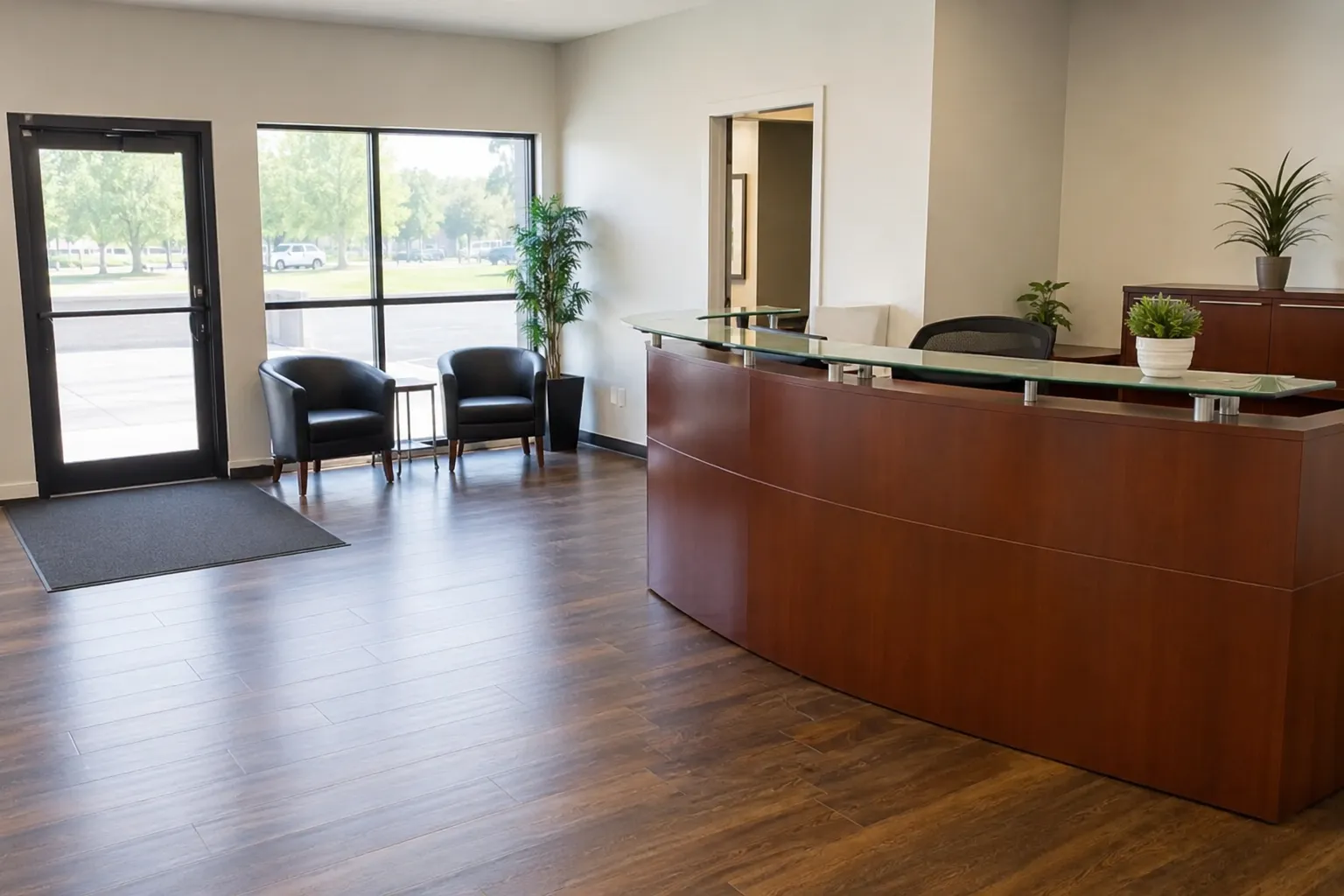
After
Request: Needed cleaning of the guest reception area with a sofa and counter.
Done: Vacuumed the sofa, wiped the counter, washed the floor.
Cost: 19 000 ₸
Master: Aliya Sadykova, cleaning master
Total: Reception area shines, sofa is dust-free.
 After
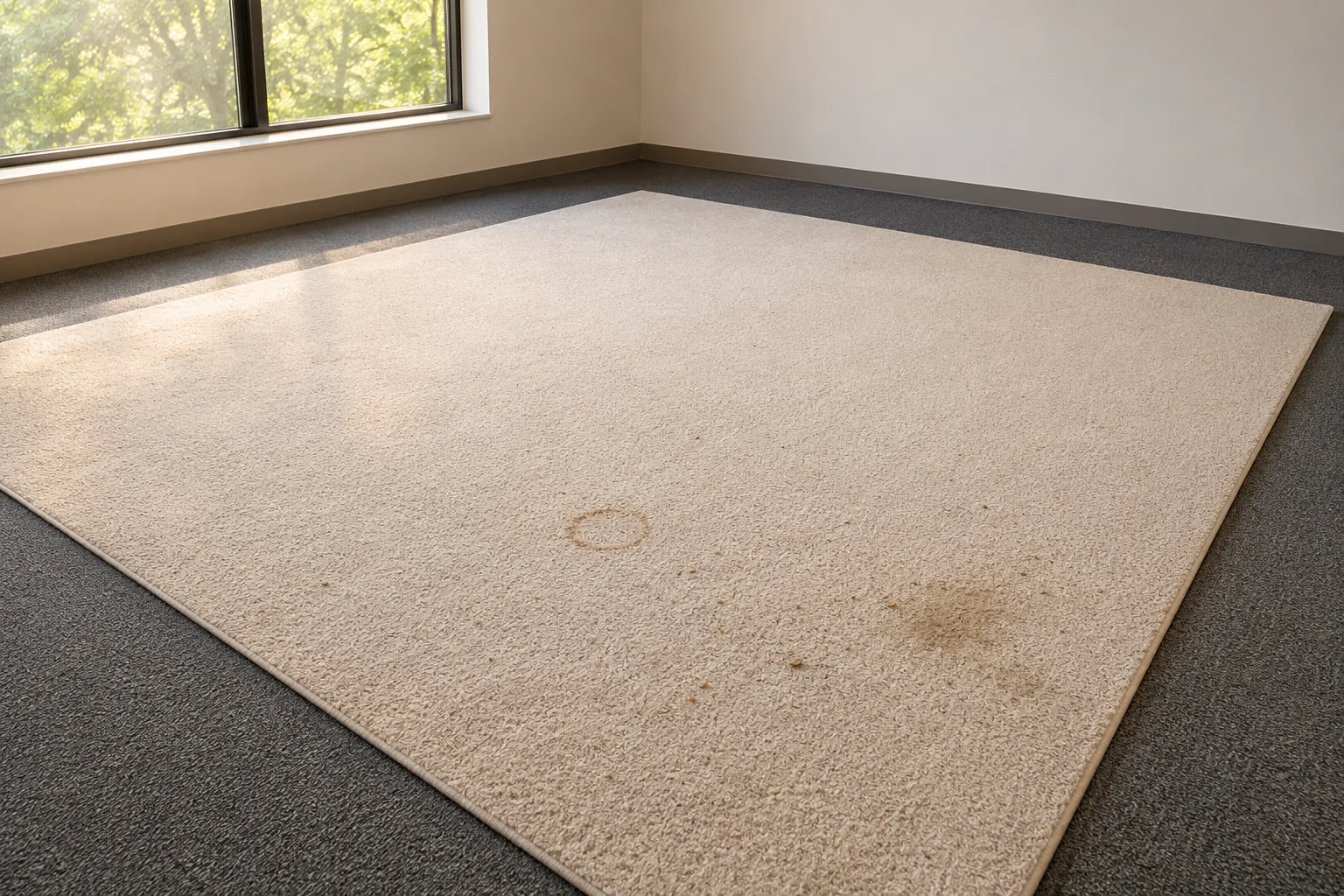
After
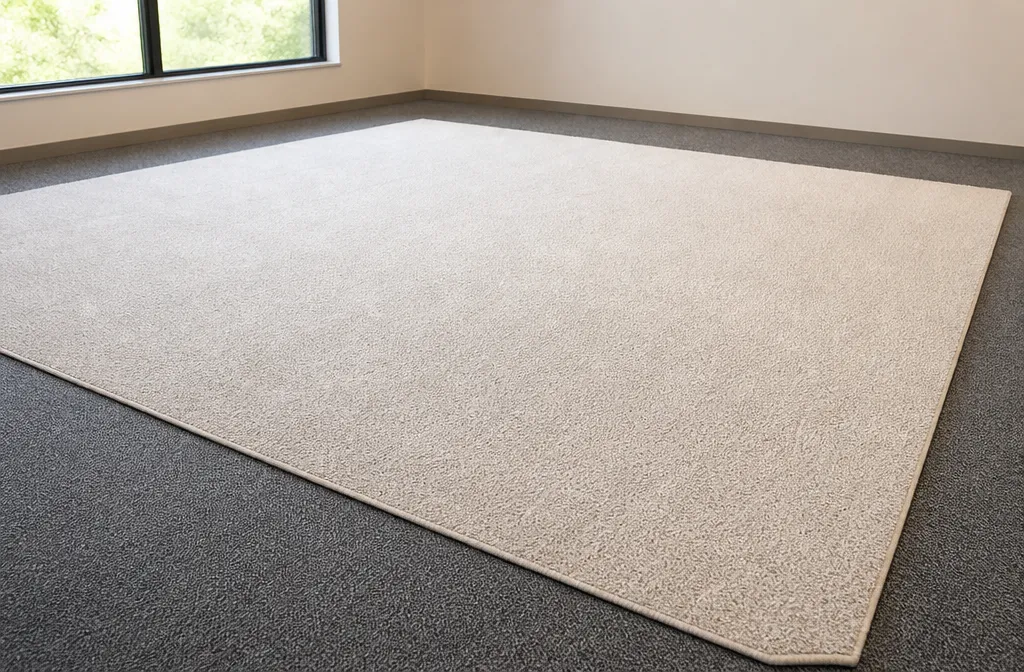
Request: The client asked to remove old coffee stains on the carpet.
Done: Applied extraction dry cleaning with stain remover.
Cost: 18 000 ₸
Master: Timur Zhaksybekov, dry cleaning master
Total: Carpet is completely clean, free of stains and odor.
 After
After
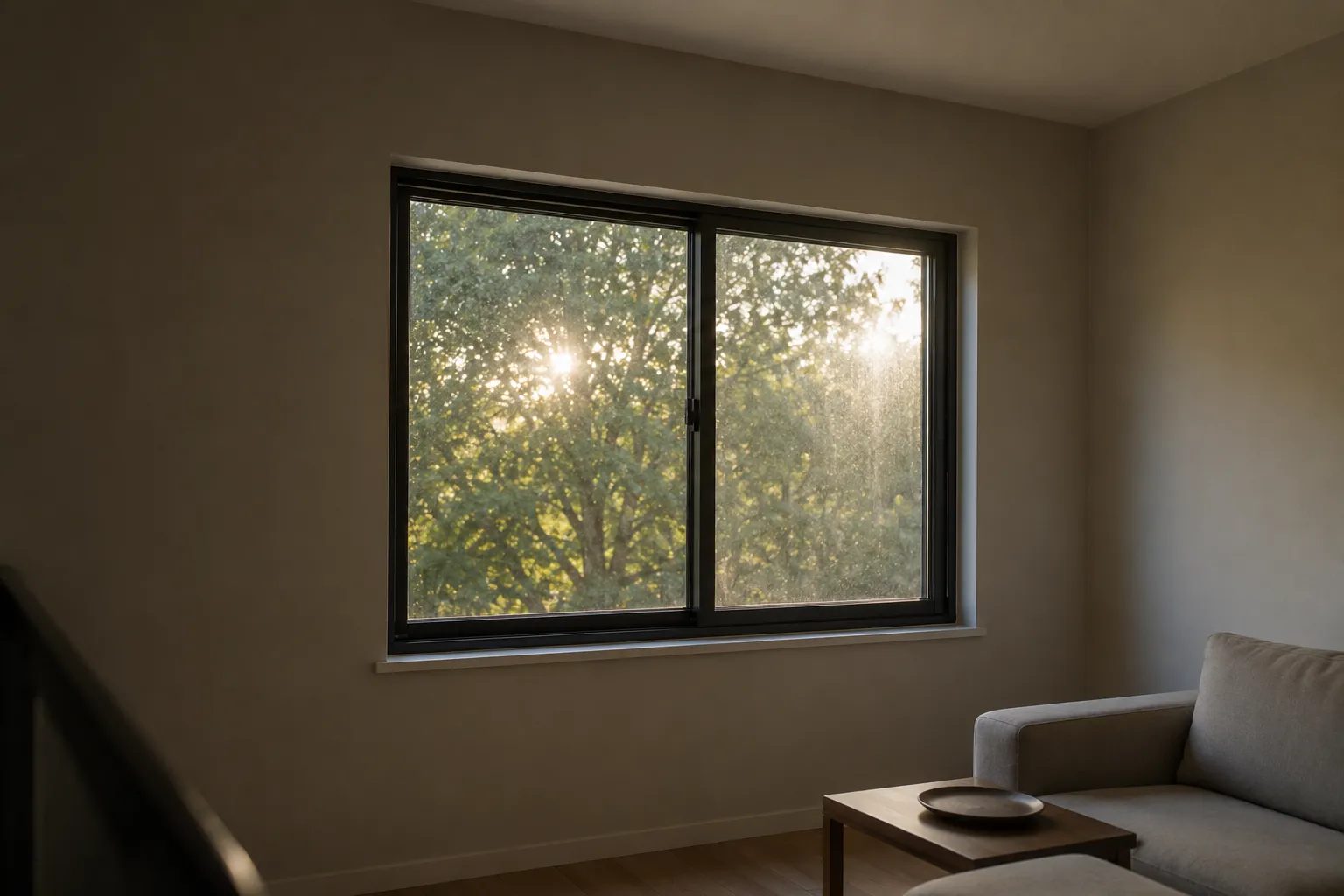
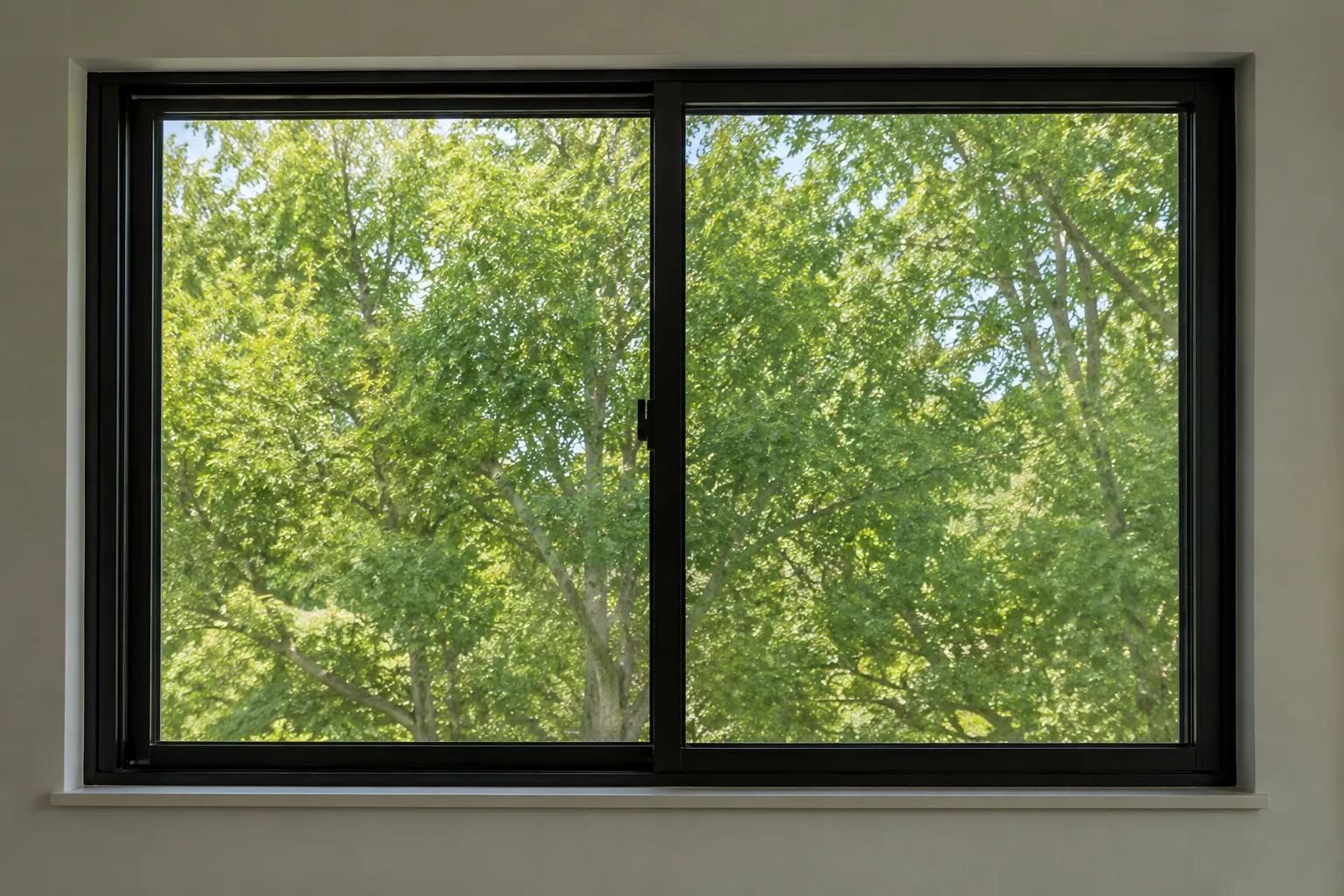
Request: Required washing of panoramic windows from outside and inside.
Done: Washed the windows using professional cleaner and squeegee.
Cost: 20 000 ₸
Master: Aigul Nurpeisova, cleaning master
Total: Windows are transparent, free of streaks and smudges.
 After
After
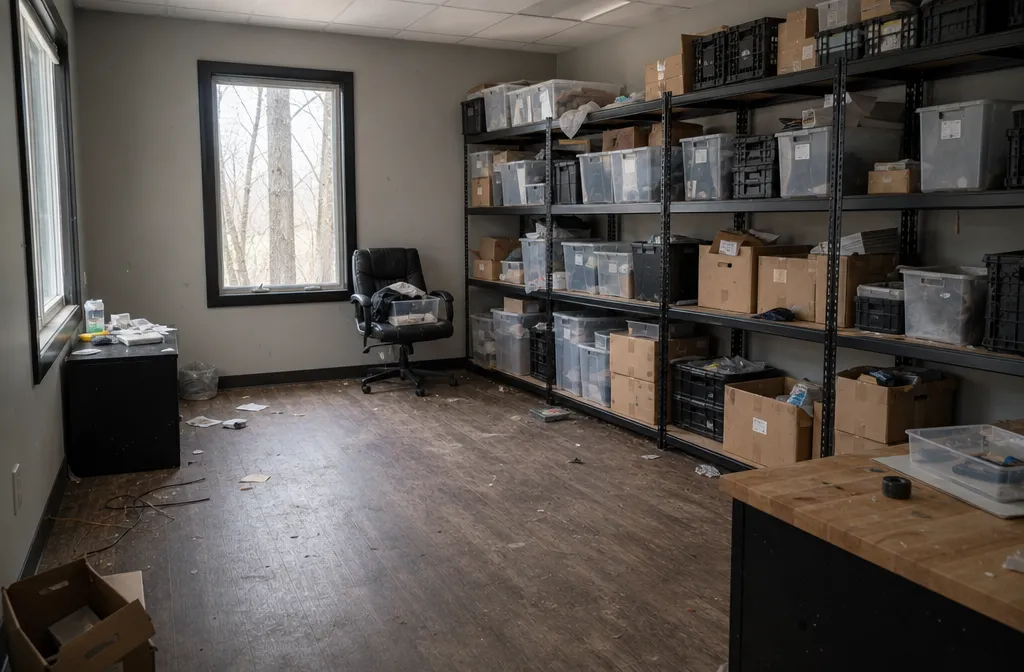
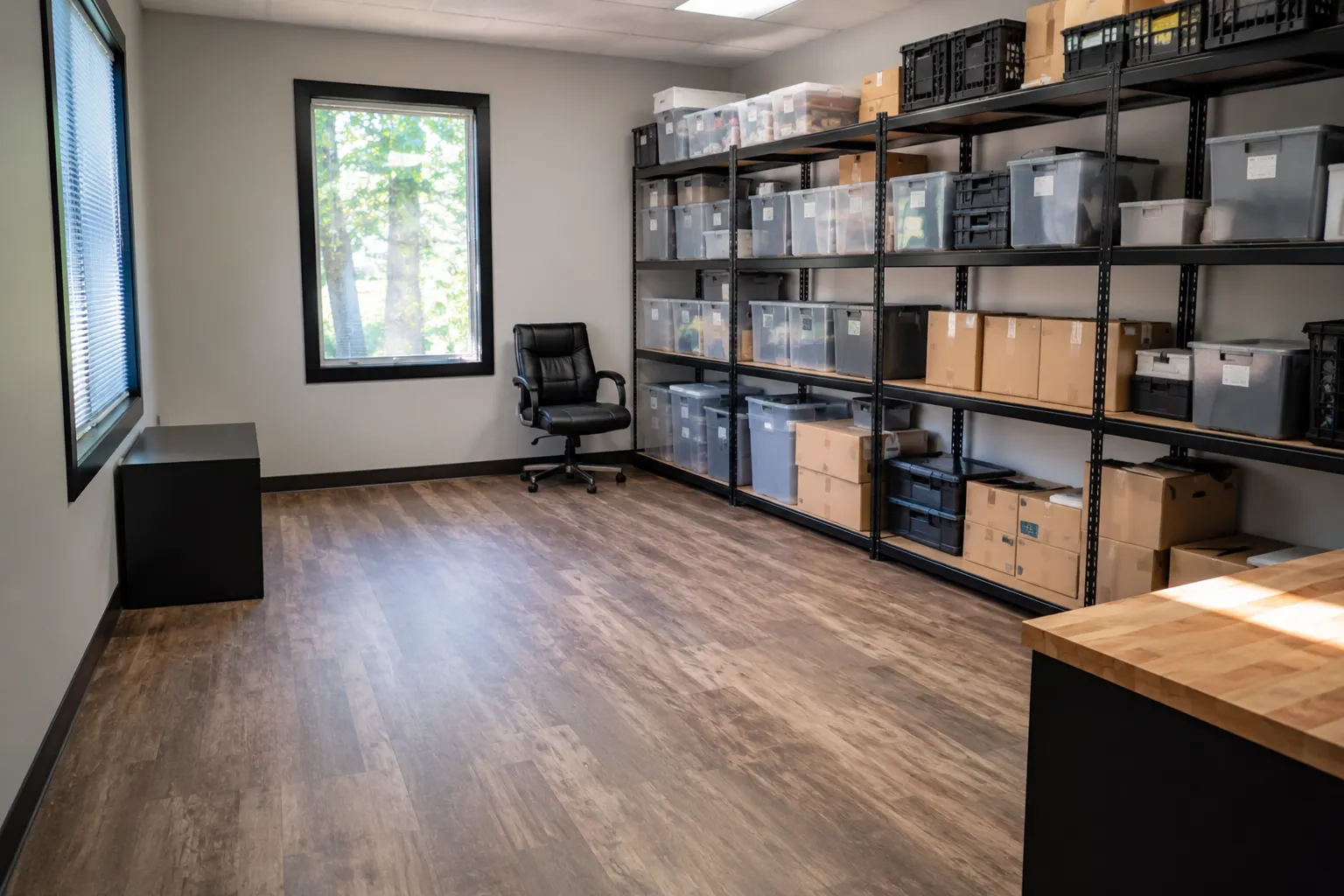
Request: Required cleaning of a cluttered storage room with boxes.
Done: Sorted items, washed floor and shelves, took out trash.
Cost: 21 000 ₸
Master: Marat Sagintayev, cleaning master
Total: Utility room is clean, items neatly arranged.
All cleaners are profi-clean staff with training, uniform and security check. Each order has a team leader who controls quality.
In eight years at profi-clean, I’ve seen offices of all types — from coworking spaces to bank open-plan areas — and the list of typical contaminants hardly changes, although the sources differ. Let’s break down the five main categories that any Almaty business encounters.
Office dust is not just a visible layer on desks, but a complex mixture of micro-particles from paper, textile fibers from chairs, street soot entering through open windows, and shed skin cells from employees. In Almaty, where windy spring and dry summer stir up dust from asphalt and construction sites, the concentration of PM2.5 and PM10 in the air of a ground-floor office can be significantly higher than in rooms above the fifth floor. This suspension is most dangerous for office equipment: particles up to 10 microns in size settle on laptop and system unit fans, clog cooling radiators, and increase processor temperature, thereby shortening the lifespan of servers and PCs. In practice, we recommend ordering wet cleaning with an antistatic agent at least twice a week — if a film appears on monitors just a day after cleaning, it means the ventilation system needs cleaning, not the cleaning frequency needs changing.
Kitchen areas and restrooms are the epicenter of biological load, with a significant portion of contaminants invisible to the eye. On refrigerator handles, microwave buttons, and water dispensers in Almaty offices, we regularly find E. coli and staphylococcus — especially during the cold and flu season when employees come in with symptoms and touch shared surfaces. Humidity in restrooms above 60% creates an ideal environment for mold fungi like Aspergillus and Penicillium, which germinate in tile grout and under rubber seals within just a few months without fungicide treatment. Our technology includes a three-stage disinfection process: first, removing organic matter, then applying a bactericidal compound for a set time, followed by rinsing with distilled water — this is the only way to remove the biofilm rather than just spreading it across the surface.
Every office has a printer area and a coffee point, and that’s where the most stubborn contaminants accumulate. Spilled coffee without sugar leaves a brown outline of tannins — organic acids that penetrate plastic and laminate countertops in a short time if not wiped up immediately. Oil from sandwiches and fingers on keyboards and mice forms a lipid film that attracts dust and darkens over time; on office keyboards aged 1–2 years, a noticeable layer of this film builds up between the keys. The same applies to glass partitions and doors — fingerprints contain sebum and sweat, which in Almaty’s dry climate harden within hours and can no longer be removed with plain water. For such stains, we use an alkaline concentrate with a specific pH — it breaks down fats in a short time, after which it’s enough to wipe with a microfiber cloth without streaks.
Carpet in Almaty offices suffers from three main factors: street sand and de-icing agents brought in on shoes, food crumbs from the dining area, and accidentally spilled drinks. Sand and fine gravel act as abrasives: when walked on, they grind between the fibers and cut them, causing worn paths to appear in high-traffic areas within just a few months. Liquids — coffee, tea, soda — penetrate the carpet backing in a short time, and if not extracted within an hour, the stain becomes irreversible: sugar crystallizes, and dyes set into the fibers. We recommend cleaning carpets with a hot water extractor and neutral detergent once a quarter — this extends the coating’s lifespan, but only if dry cleaning with a powerful HEPA-filter vacuum is performed between extractions.
In offices with heavy printing — law firms, accounting departments, design studios — contaminants appear that are not found in ordinary residential spaces: toner from laser printers, ink from plotters, and adhesive residue from labels and tape. Toner — a fine polymer powder with particle sizes of 5–10 microns — scatters when replacing cartridges or refilling and becomes charged with static electricity, sticking to the printer’s plastic casing and adjacent surfaces. A regular damp cloth smears it into a black paste, while alcohol fixes the particles permanently — toner must only be removed with a special antistatic solution with a neutral pH. Whiteboards and flip charts over time develop “ghost” marks from old notes, especially if non-erasable markers were used — their pigment penetrates the micro-pores of the enamel within a few days. At profi-clean, we use a citrus-based solvent spray for such surfaces: it does not damage the glossy layer and removes even dried marks after a specific dwell time.
Many people order regular cleaning but forget about deep cleaning, then wonder why carpets have become soiled after six months. The difference between these formats is not about the volume of cloths — they are fundamentally different tasks with different frequencies and depths of treatment.
Regular office cleaning is the daily or weekly maintenance of visual cleanliness and sanitary standards. Our cleaner arrives, wipes surfaces, vacuums carpets, mops floors, takes out the trash, and cleans restrooms. The task is to remove surface contaminants that accumulate over a day or two: dust on desks, crumbs under tables, and shoe marks on hallway tiles. Fast-acting products are used for this — typically all-purpose sprays and neutral cleaning solutions. In Almaty offices, the dust contains a lot of sand and fine street dirt, so a vacuum cleaner with a HEPA filter is mandatory; otherwise, dust settles back on surfaces within an hour or two. Regular cleaning does not address hard-to-reach areas: under cabinets, behind radiators, or in ventilation grilles — they remain untouched. Our practice shows that with weekly cleaning, a noticeable layer of dust accumulates on windowsills within a month, which cannot be removed by ordinary wiping — it requires wet treatment with a microfiber cloth. Therefore, the regular format is a hygiene minimum, not a deep clean.
Deep office cleaning solves a problem that regular cleaning does not address: removing aged contaminants, grease films, bacterial biofilms, and dust deposits in hidden areas. We perform it once a quarter or once every six months — depending on the intensity of space usage. Deep cleaning includes washing windows on both sides, cleaning heating radiators, treating ventilation grilles, washing walls and doors, deep cleaning carpets and upholstered furniture with a hot water extractor, removing limescale in restrooms with acidic agents, and polishing hard floors. In Almaty open-plan offices with panoramic glazing, windows are the main dust collectors: over a quarter, so much smog and road dust settles on the outer side of the glass that light transmission decreases. We wash windows on both sides using telescopic mops and distilled water — without streaks. For office carpeting, we use an extractor that supplies a hot solution under pressure and then extracts the dirty water: this removes a significant portion of dust mites and allergens. In offices with kitchen areas, deep cleaning includes cleaning microwaves and refrigerators — where grease hardens into a layer that a regular wipe cannot handle, requiring alkaline chemicals. If deep cleaning is ignored in offices with air conditioning, mold can form in the air ducts over time, which spreads throughout the room when the system is turned on — this is no longer about aesthetics but a threat to employee health.
The main criterion is not the area, but the intensity of contamination. In an office with 30 employees and carpeting, a deep clean should be done once every three months; in a coworking space with high traffic, once every month to a month and a half. In Almaty business centers with central ventilation, dust settles faster than in rooms with their own air conditioners—this is due to air intake from the street, where there is smog from busy highways. Regular cleaning is needed at least once a week, and in restrooms and kitchens—daily. If dark paths appear on the carpet at the entrance, and windows are cloudy even in daylight, this is a signal that the deep clean is overdue. Conversely: if you wash the floors daily but do not clean fabric-upholstered chairs, after a year a greasy film from hands and hair will form on the seats, which cannot be removed with a regular vacuum cleaner—extractor cleaning with a degreaser is needed. We had a case in an office on Abay Avenue: they ordered regular cleaning for six months, and called for a deep clean when a persistent musty smell started in the reception area. It turned out that condensation and mold had accumulated under the carpet behind the radiator—regular cleaning simply couldn’t reach there. After extraction and treatment with an antifungal compound, the smell disappeared within a day. My advice: schedule a deep clean once a quarter and don’t wait for visible signs of contamination—prevention is always cheaper than restoration.
The most common mistake is ordering regular cleaning and putting off deep cleaning “for later” to save the budget. After a year, the carpet in walkways wears down to the base, windows become so cloudy that the office turns on lights even during the day, and black deposits appear in tile joints in restrooms. The second typical mistake is confusing deep cleaning with post-renovation cleaning: after renovation, construction dust, plaster, and glue are needed, which require industrial vacuum cleaners and special chemicals—deep cleaning is not designed for this. The third mistake is entrusting regular cleaning to cleaners without experience with commercial spaces. Residential apartments have a different specificity: fewer people, no high-traffic carpeting, no kitchen areas with grease from microwaves. At profi-clean, our staff cleaners undergo training on commercial properties—they know that aggressive chemicals cannot be used on aluminum profiles in an office and that carpet in the hallway needs to be vacuumed in two directions to pull sand out of the pile. Don’t try to save money and order a deep clean once a year—over 12 months, dust in the ventilation and on cabinets compresses to a state that requires mechanical cleaning with brushes, not just a damp cloth.
Properly preparing an office for cleaning is not just clearing desks, but ensuring access to all areas and protecting electronics. In our practice at profi-clean, cleaning often takes significantly longer if employees haven’t removed personal items and the cleaner wastes time navigating clutter. Here’s what is really important to do before the team arrives.
Personal documents and valuables: passports, wallets, keys, bank cards—employees take all this to a safe or home. Cordless electronics: laptops, tablets, phones are put away in desk drawers or cases—the cleaner needs a free surface, not the risk of hitting a screen with a vacuum cleaner. Organizers and stationery: pens, sticky notes, paper clips are placed in one tray or drawer—this way dust is removed quickly, and small items are not lost. Food and dishes: cups, plates, food leftovers are taken to the kitchen—otherwise, streaks and odors remain after wet cleaning. Personal items from the floor: bags, shoes, umbrellas—they are put in a closet or on a hanger so the cleaner can vacuum corners and baseboards without hindrance. Before a deep clean in Almaty offices, we recommend sticking “Do not touch” stickers on system units and server cabinets—this prevents accidental shutdown of equipment when wiping cables.
Our cleaners work with microfiber and minimal moisture, but it’s better to cover the system unit, monitor, and printer with a thick cloth or film before wet cleaning the floors. Keyboard and mouse: if wired peripherals remain on the desk, disconnect them from USB — a damp cloth can short-circuit the contacts, and the power supply may fail. Wireless chargers: they are put away in a drawer because moisture under the charging station cover causes contact oxidation within a few months. Multifunction devices and printers: paper trays are closed, and the scanner lid is lowered — dust and moisture on the scanner glass cause streaks on copies. Server racks: they are not touched at all — for IT equipment, we have a separate dry wipe with special wipes, and we inform the client about this in advance. In open-plan offices in Almaty, we have encountered cases where wet cleaning near the server room without warning triggered false humidity sensor alarms — since then, we ask to cover the racks with film or disable the alarm system during work.
Walkways between desks: chairs are pushed under desks, wastepaper baskets are taken out into the corridor — the cleaner should not have to step over obstacles. Corners and baseboards: move cabinets away from the walls a bit if they are on casters — a significant amount of dust accumulates underneath them, which a regular vacuum cleaner cannot reach. Windowsills and radiators: remove flower pots, photo frames, and souvenirs from windowsills — wet cleaning of these areas is done manually, and every extra item slows down the process. Kitchen and restroom: remove dishes and personal hygiene items from sinks — the cleaner treats the plumbing with a disinfectant, and contact of household chemicals with other people’s belongings is unacceptable. Meeting rooms: flip charts are folded, chairs are placed on tables — this makes floor cleaning in the meeting room faster, which is especially important for regular cleaning of office premises on busy weekdays.
Evacuation plan and office layout: mark on the plan the rooms cleaners are not allowed to enter (server room, document storage, director’s office). Alarm system instructions: provide the code to deactivate the security system during cleaning — without this, the cleaner cannot enter some offices, and the cleaning of office premises in Almaty will be incomplete. List of delicate surfaces: indicate which desks are made of natural wood, which floors are laminate, parquet, or porcelain stoneware, so we can select the right chemicals (for parquet — only neutral pH, for laminate — without abrasives). Contact details of the responsible person: who accepts the work and opens locked offices — without this, the cleaner waits for some time, and the schedule shifts for the entire day. Keys to restrooms and utility rooms: if the office has restricted access areas — provide duplicates in advance, otherwise, ordering a full-coverage cleaning of office premises will not be possible. In Almaty business centers, an access control system is often in place — we ask to arrange a temporary pass for the team a day before cleaning to avoid wasting time at the reception.
Open-plan spaces and private offices are fundamentally different areas, and the approach to their cleaning must differ. Open-plan layouts have higher foot traffic and accumulate dust faster, while isolated rooms have a different type of dirt and layout. In eight years at profi-clean, we have learned that a universal protocol reduces quality in both zones.
In an open-plan space, the main challenge is access to the work surface of desks arranged in lines or islands. The cleaner cannot freely walk around each desk from all sides, as in a separate office. It is necessary to use telescopic mops with a specific size head to pass between rows, and collect dust from monitors and organizers with a microfiber cloth on an extender — to avoid touching wires and employees’ personal belongings.
In private offices, on the contrary, zones are clearly defined: the manager’s desk, a side table for negotiations, shelves. There, we work manually: first, we clear the center of the room, then treat each surface along the perimeter. In an open-plan space, this order is impossible — cleaning proceeds row by row, from the far wall to the exit, to avoid stepping over already clean areas.
Another nuance is the number of sockets and cable channels. In an open-space, there are significantly more per square meter than in a private office. Dust accumulates in junction boxes and under baseboards, where a regular vacuum cleaner cannot reach. We use narrow crevice tools with bristles and blow out the channels with compressed air once a month — otherwise, within six months, a layer builds up there that, when the air conditioner is turned on, spreads throughout the entire room.
The ventilation in an open-space is designed differently: air is supplied through ceiling diffusers and extracted through grilles in the floor or walls. Airflows mix more actively than in an office with a single supply grille — a significant volume of air passes through the zone per hour. This means that suspended dust does not have time to settle and constantly circulates, settling on horizontal surfaces — desks, windowsills, monitors — just a few hours after cleaning.
In practice, this means: in an open-space, standard daily damp wiping provides a visible effect only for a limited time. Therefore, we use a combination: first, dry dust collection with an electrostatic microfiber cloth (it attracts particles rather than smearing them), then damp treatment with a hypoallergenic Kiehl compound that neutralizes static and slows down re-settling. In private offices, two passes a day are sufficient — damp cleaning in the morning, dry cleaning in the evening.
The seasonal factor also plays a role. In spring, poplars and birches bloom in Almaty — pollen enters through open windows and ventilation systems without fine filters. This is especially noticeable in an open-space with large glazing: a yellow coating appears on windowsills and desks near windows within a day. In offices with less glazing area and less frequent airing, the problem is smaller. We recommend installing additional F7 class filters on the supply grilles in April–May (they capture a significant portion of particles up to 1 micron in size) — this reduces the amount of pollen in the room without increasing the frequency of cleaning.
Meeting rooms are the most problematic areas in any office. They have large furniture (a table for 8–12 people, chairs with fabric upholstery, an LCD panel), and access to walls and corners is often blocked. A typical mistake is to wash only the open parts of the table and the floor, ignoring the space under the table and behind cabinets. A significant portion of all dust in the meeting room accumulates there, and when the air conditioner is turned on, it rises into the air.
At profi-clean, we have a separate protocol for meeting rooms: first, we move the chairs to the wall, treat the entire table surface (including edges and legs), then vacuum the floor with an attachment for hard-to-reach places, after which we wash the floor from the far wall to the door. We clean chairs with fabric upholstery using a steam generator once every two weeks — sebum and skin particles settle on them, which are not removed by dry cleaning.
Relaxation areas (kitchens, lounge zones with sofas) are the second most common place for mistakes. There, cleaners often limit themselves to wiping the countertop and washing the floor, forgetting about the microwave inside, the refrigerator (shelves and rubber seals), the coffee machine, and the extractor hood. In lounge zones with sofas, dust accumulates in the seams of the upholstery and under the cushions. If not steam cleaned once a month, within six months the sofa becomes a source of allergens. We include these points in the daily cleaning checklist, not just the deep clean — otherwise, odors and dust accumulate unnoticed until employees start complaining about sneezing.
Executive offices are a high-attention area. There is more leather furniture, wooden surfaces, and often safes, paintings, and indoor plants. Leather chairs and sofas cannot be treated with regular cleaning agents — they leave streaks and dry out the material. We use a special foam for leather with a specific pH and, after application, polish it with a dry microfiber cloth. Wooden desks and shelves — only a wax-based spray polish, without abrasives.
Plants in offices are a separate story. The leaves of ficuses, monsteras, and spathiphyllums accumulate dust, which is visually noticeable on dark foliage. We wipe each leaf with a damp cloth once a week — this is not only for aesthetics but also for the plant’s health: dusty leaves photosynthesize less efficiently.
In offices with carpeted floors (carpet or carpet tiles), it is important not to over-wet them during cleaning. Excess water seeps under the tiles, leading to mold growth — in Almaty with its humidity fluctuations, this happens quickly. We use extraction cleaning with minimal water usage and mandatory drying with an industrial fan for several hours. For carpet tiles, the installation must have a gap from the walls — otherwise, moisture doesn’t evaporate, and a musty smell appears within a month.
Our hypoallergenic chemicals are not a marketing option but a mandatory condition for cleaning offices where people spend 8–10 hours. Harsh surfactants and chlorine settle on surfaces and evaporate into the air, causing headaches and dry mucous membranes in employees — we see this from complaints from clients who previously used cheap gels from the market.
Most mass-market cleaning gels contain chlorine, phosphates, and synthetic fragrances, and the packaging says “safe” — this is misleading. We use professional concentrates from Kiehl and Sodasan with EU Ecolabel and Ecocert certifications: they contain no chlorine, and the surfactants are plant-based (coconut oil, corn starch). The difference is noticeable on glass tables and touch panels: after regular chemicals, a sticky film remains that collects dust within an hour, while after eco-formulations, there is clean silicone without streaks. Household chemicals often smell like “lemon” or “ocean breeze” — these are synthetic fragrances that linger in the room for hours; eco-products are either odorless or have a light soapy scent that dissipates quickly. In practice, this means employees don’t inhale volatile compounds, and allergy sufferers don’t sneeze during the workday.
The kitchen and restroom are the most critical points: they require disinfection, but without chlorine, otherwise the smell absorbs into plastic and textiles. For kitchen surfaces, we use a chlorine-free disinfectant from Sodasan based on citric acid and alcohol — it kills the vast majority of bacteria (including E. coli) but leaves no bitter taste on countertops where fruit is cut. Chlorine is also unsuitable for restroom floors: it erodes grout between tiles and discolors silicone joints. Instead of chlorine, we use an alkaline concentrate from Kiehl with a specific pH — it removes urine scale and soap scum without damaging the sealant. The children’s room or a meeting room with upholstered furniture is another risk zone: there we only use enzyme stain removers (without ammonia) so that the room doesn’t need to be aired out for half an hour after cleaning. In our orders for a certain amount, we always offer a test analysis of the tap water in the office — hard water reduces the effectiveness of eco-chemicals, and we adjust the solution concentration individually.
We test each new concentrate on three types of surfaces: matte glass, lacquered MDF, and plastic — over 24 hours, we evaluate color change, dullness, and reaction to a damp cloth. profi-clean has an internal checklist of 12 points, from “does not leave a sticky layer” to “compatible with artificial stone tabletop coatings.” For example, popular eco-products based on acetic acid cannot be used on natural marble — they etch the polish, leaving a permanent stain.
We ordered cleaning of service premises after renovation — they removed all dust, even from ventilation. It shines!
They arrived on time, quickly tidied up the sales floor and storage room. Removed stains from the floor perfectly.
Thank you for the review, Marat! Glad to help.
We did a general cleaning of service premises at the warehouse. Clean, but they could have wiped the shelves higher.
After them, the kitchen is like new — the exhaust hood is polished, floors are grease-free. I recommend.
Zhanna, thank you for the high rating!
Cleaning of service areas in the open space went unnoticed by employees — everything is clean, no chemical smell.
Mirrors and equipment were washed without streaks, mats were vacuumed. Fresh scent.
We're glad you're satisfied!
Ordered cleaning of service areas at the auto repair shop — oil stains were removed, but marks remained on the walls.
Thank you for your feedback, Kuanysh! We'll take note.
Cleaned perfectly: tools were wiped, sinks polished, even the chandelier was washed.
Regular cleaning of service areas — now always tidy, employees are happy.
Timur, thank you for your consistency!
Washed floors, shelves, display cases. Clean and neat, all medications in place.
Cleaning of service areas in the workshop — they managed, but didn't wipe the equipment, had to do it ourselves.
Alexey, we apologize. Next time we'll include it in the task.
Very punctual, cleaned quickly and efficiently. Carpets freshened up.
Olga, thank you! We'll be glad to see you again.
Ordered cleaning of service areas at the hotel — rooms and corridors are shining. Guests are praising.
Everything was disinfected according to standards, no odor. Pleasant to work in such conditions.
Svetlana, thank you for your trust!
Cleaning of service rooms was done superficially — dust remained on cabinets. Had to redo.
Bekzhan, we apologize. We will work on the mistakes.
All mirrors and tools were washed, even hard-to-reach places. Clients noticed the cleanliness.
Regular cleaning of service rooms at the warehouse — now it's tidy, easy to find goods.
Arman, thank you for your feedback!
Cleaned well, but forgot to change trash bags in the utility room. Otherwise excellent.
Laura, thank you for pointing that out. We will fix it.
Ordered cleaning of service rooms before the inspection — passed with flying colors, thanks to the team.
Washed floors, display windows, fitting rooms. Bright and clean, pleasant for customers.
Aliya, glad you liked it!
Weekly cleaning of service rooms — always on time, consistent quality.
Cleaned well, but didn't wipe the mirrors in the locker room. The hall is clean.
Aina, thank you, we'll take note.
We ordered cleaning of service rooms after moving — they took out boxes, wiped everything. Perfect.
Disinfected toys and furniture, washed floors. Safe for children.
Natalya, thank you for your feedback!
Cleaning of service rooms was done poorly — stains on the carpet remained, had to call again.
Azamat, we apologize. We'll do our best to fix it.
After cleaning, the salon feels fresh, tools are sparkling. Clients are happy.
General cleaning of service rooms at the warehouse — washed walls, floor, shelves. Like new.
Maksat, thank you for your trust!
Cleaned quickly and quietly, no one was distracted. Cleanliness is top-notch.
Darya, glad you are satisfied.
We ordered cleaning of service rooms at the cafe — kitchen was cleaned well, but there were crumbs under the tables in the hall.
Rinat, thank you, we'll check and fix.
Washed windows and blinds, vacuumed carpets. There is more light!
Regular cleaning of service areas in the store — always clean, customers are happy.
Talghat, thank you for your cooperation!
We cleaned the hood and sinks, now there is no smell. Job well done.
Cleaning of service areas went well, but they forgot to wipe the windowsills. Otherwise clean.
Dauren, thank you, we will fix it next time.
Rooms are perfectly cleaned, linen smells fresh. Guests are delighted.
Oksana, thank you for your feedback!
We ordered cleaning of service areas — they finished in 2 hours, everything shines. I recommend.
Washed floors, shelves, display cases. Clean and tidy, all medications in place.
Cleaning of service areas at the warehouse is done, but they didn't take out the trash — had to remind.
Bakhytzhan, we apologize. We'll take note.
Yes, we wash windows indoors. The cost of washing one sash is at an individual rate. A discount is possible when ordering a comprehensive cleaning.
We recommend regular cleaning 1-2 times a week. For offices with high traffic, daily cleaning is advised. We will select the optimal schedule.
Standard cleaning of a 100 m² open space takes about 2-3 hours. The time depends on the degree of dirt and additional services.
Yes, we perform carpet cleaning using an extractor and professional shampoos. The price is at an individual rate per m².
Leave a request on the website or call us. We will agree on the time, conduct an assessment, and send a master. Payment by cash, Kaspi, or Halyk.
The cost of cleaning a 50 m² office starts at an individual rate. The exact price depends on the type of premises and additional services.
Cleaning a 200 m² open space costs at an individual rate. It includes cleaning of workstations, floors, and trash removal. Discount for regular service.
Yes, when signing a contract for regular cleaning (weekly or monthly), a 10% discount is provided for each visit.
Use the calculator on the website: select the type of premises and area, add additional services. Or call us for an accurate calculation.
Yes, we perform post-renovation cleaning: remove construction dust, paint stains, glue. Price at an individual rate per m².
Tell us about your experience with profi-clean — it helps other clients and us improve.
We currently operate in Almaty. Other cities are coming soon.