Contamination assessment
Technologist visit to the site, analysis of contamination types (oils, chips, chemicals) and selection of Karcher chemicals.
Professional cleaning of workshops, warehouses, and industrial areas in Almaty — we remove oils, dust, and chips from any surfaces.
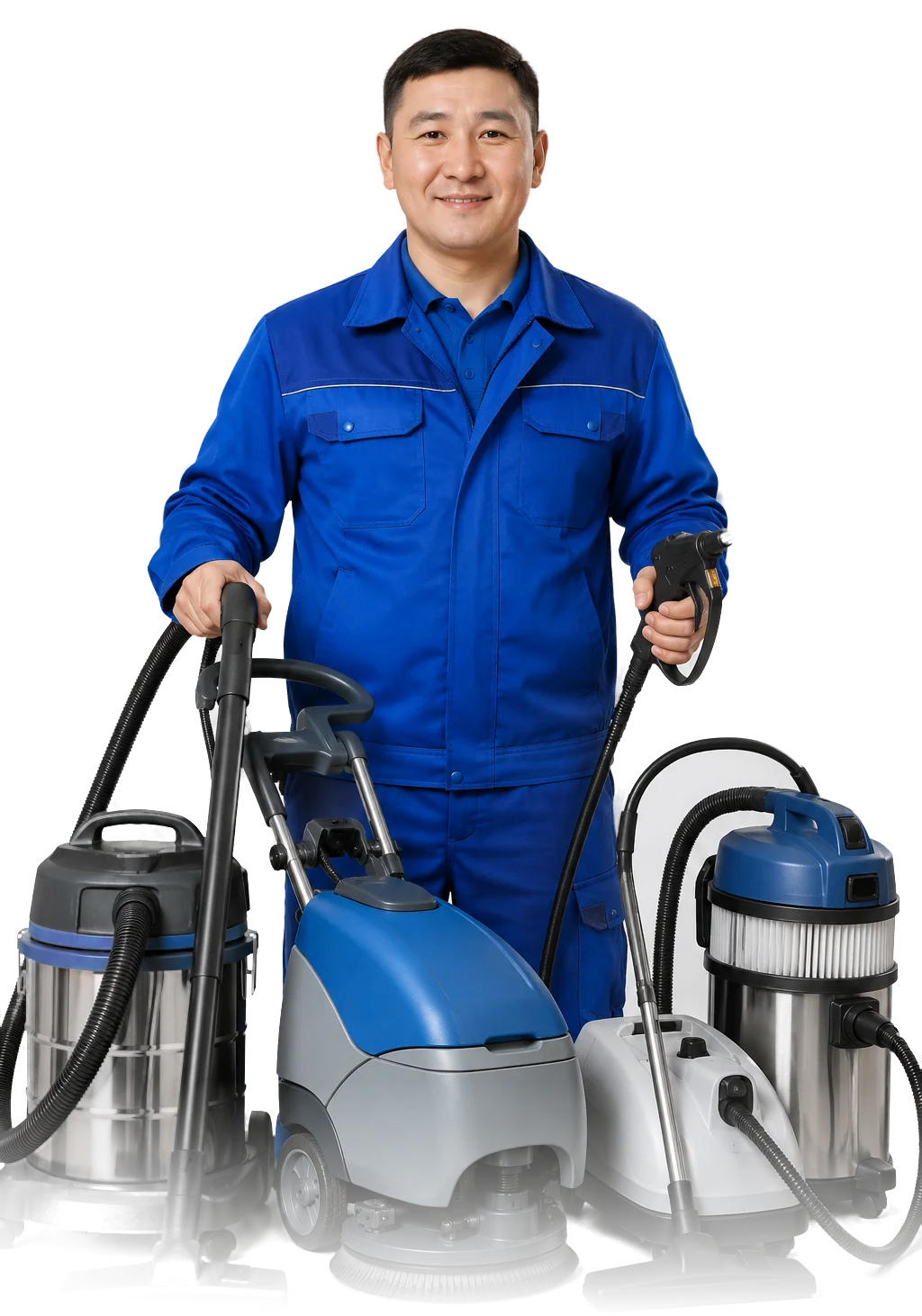
We work with any types and materials
Removal of oil stains, chips, and dust from floors and equipment.
from 20,000 ₸Cleaning of racks and floors from dust and packaging waste.
from 16,000 ₸Specialized removal of metal chips and oil smears.
from 20,000 ₸Cleaning of wood dust and sawdust from surfaces and ventilation.
from 20,000 ₸Disinfection and cleaning of grease deposits using safe products.
from 20,000 ₸Removal of chemical stains and disinfection of surfaces.
from 20,000 ₸Washing floors from oils, dirt, and cleaning inspection pits.
from 20,000 ₸Cleaning of sales floor and warehouse areas with waste removal.
from 16,000 ₸Cleaning of large areas using floor scrubbers.
from 20,000 ₸Cleaning of loading zones, racks, and office premises.
from 20,000 ₸Removal of cement dust and construction debris.
from 20,000 ₸Cleaning of paper dust, paint, and adhesive residues.
from 20,000 ₸From inspection to result with guarantee
Technologist visit to the site, analysis of contamination types (oils, chips, chemicals) and selection of Karcher chemicals.
Equipment shutdown, electronics protection with film, power disconnection from outlets.
Sweeping of chips, metal dust, and large debris using Nilfisk industrial vacuums.
Floor washing with Nilfisk SC250 floor scrubber using Karcher RM 752.
Local removal of oil stains using Karcher specialty products and brushes.
Cleaning of machines and shelving from carbon deposits, oil, and dust using degreasers.
Disinfection of restrooms and break rooms with safe products.
Quality check, photo report and signing of the certificate.
Our Nilfisk SC250 floor scrubbers are equipped with powerful brushes and a water recirculation system, allowing removal of up to 98% of oil stains from concrete floors in one pass. This reduces cleaning time by 40% compared to manual washing. The equipment is certified for industrial use.
We use biodegradable Karcher RM 752 cleaning products that effectively dissolve oils and greases without damaging the paint coating of machines or electronics. The products are safe for personnel and the environment, with Ecolabel certification.
profi-clean has an ISO 9001 certificate confirming the high quality of our services. We strictly adhere to cleaning regulations and use only proven equipment and products. Each stage is monitored by a quality manager.
All our technicians are in-house employees with at least 3 years of industrial cleaning experience. They have been trained to operate Nilfisk floor scrubbers and know the specifics of removing oil stains, chips, and chemical smears. We do not use subcontractors.
We guarantee that after cleaning, there will be no oil stains or dust on the floor. If you find any contamination within 24 hours, we will re-treat it for free. The guarantee applies to all types of cleaning.
We carry out cleaning at any time, including night shifts and weekends, so as not to interfere with the production process. Minimum arrival time is 2 hours from order. We work daily from 6:00 AM to 11:00 PM.
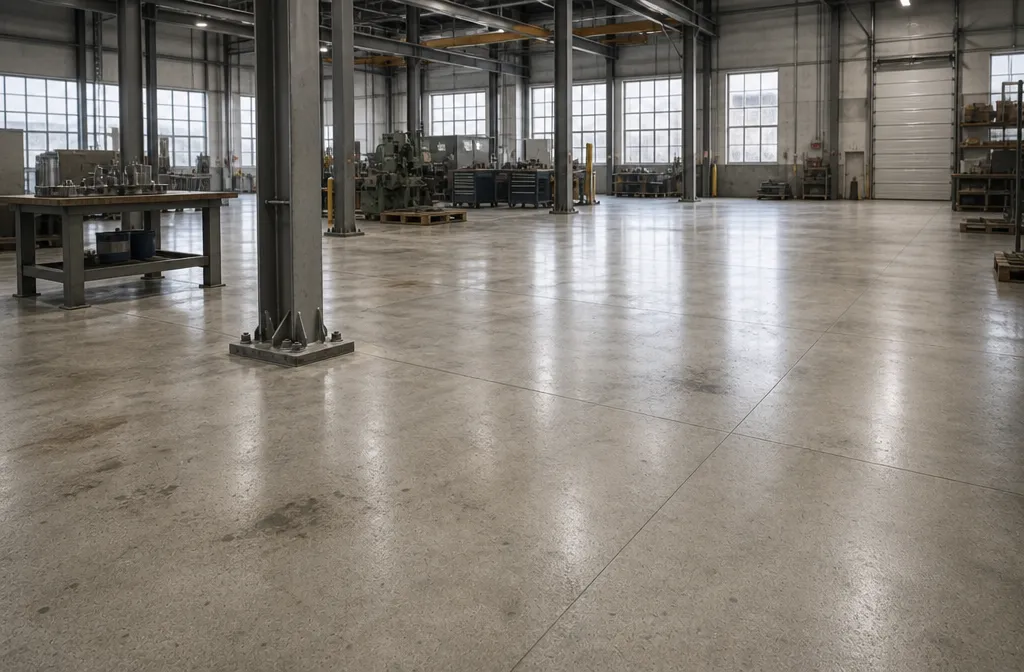
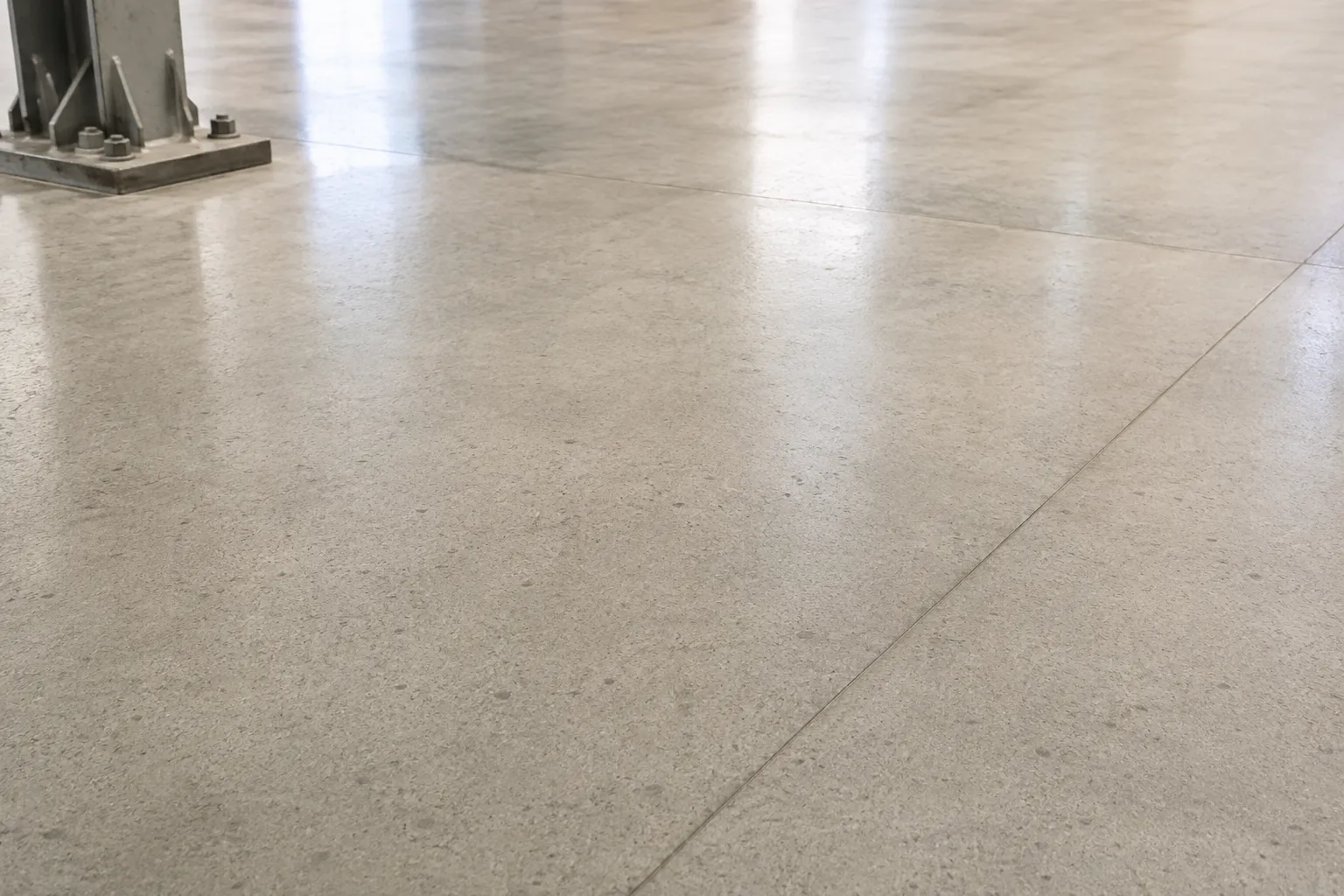 After
After
Request: Need to remove oil stains from concrete floor of production workshop.
Done: Applied industrial degreaser and steam cleaner, then rinsed with pressure water.
Cost: 22 000 ₸
Master: Aidar Nurgaliyev, industrial cleaning master
Total: Floor completely cleaned of oil stains, anti-slip surface restored.
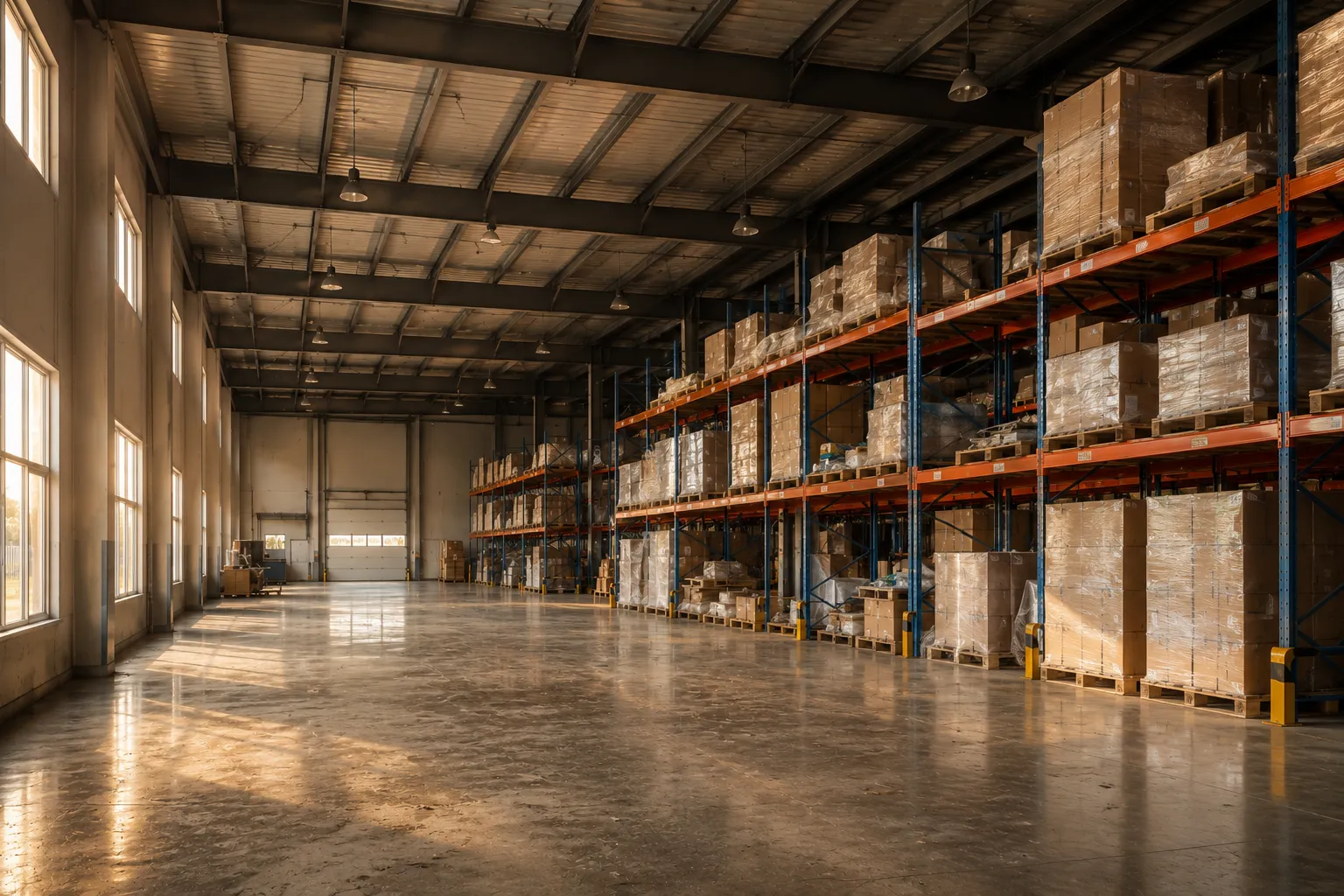
 After
After
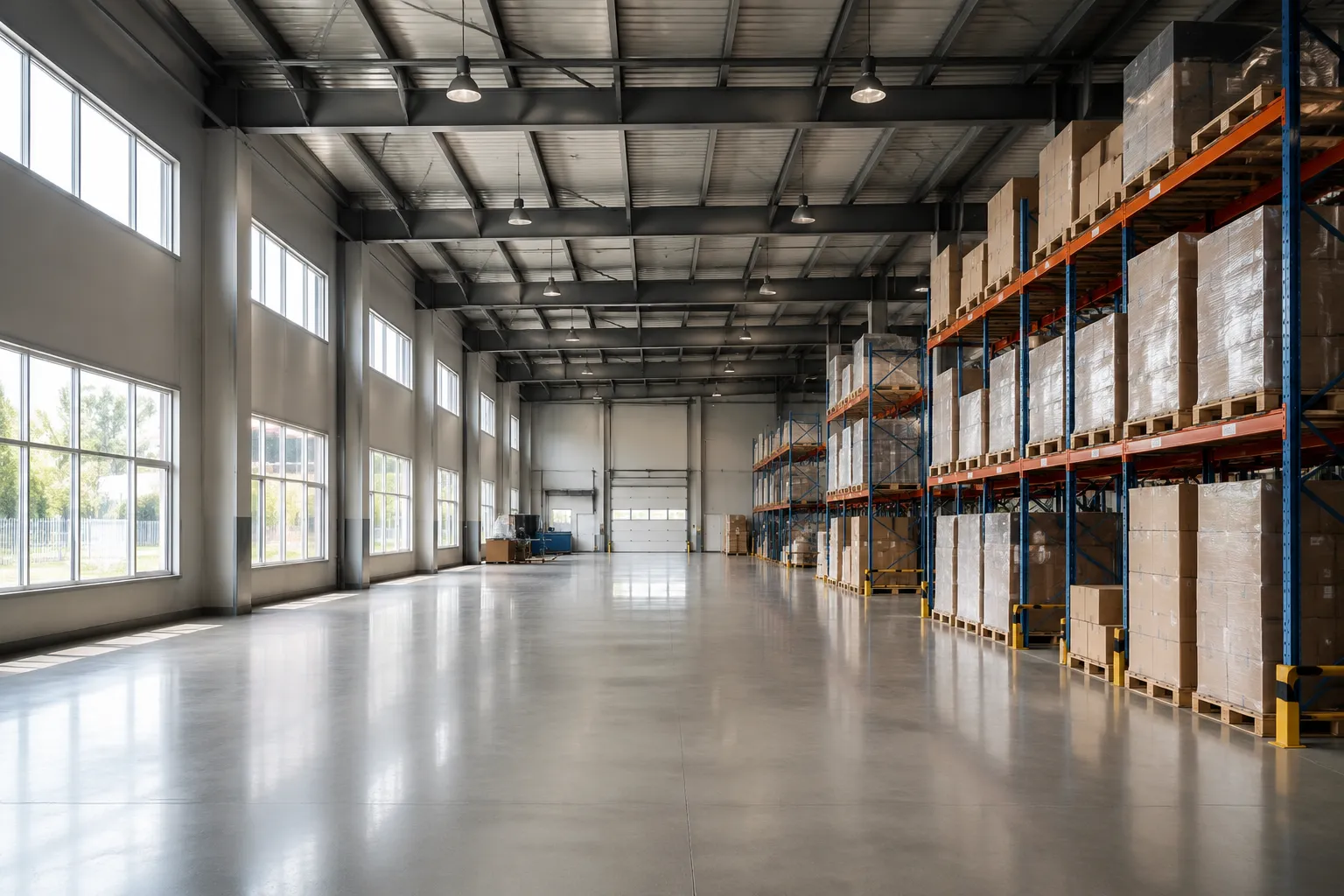
Request: Need to clean dust and dirt from shelving in warehouse.
Done: Performed dry and wet cleaning of all shelves using antistatic agents.
Cost: 21 000 ₸
Master: Saule Alimova, cleaning master
Total: Shelving completely cleaned of dust, goods neatly arranged.
 After
After
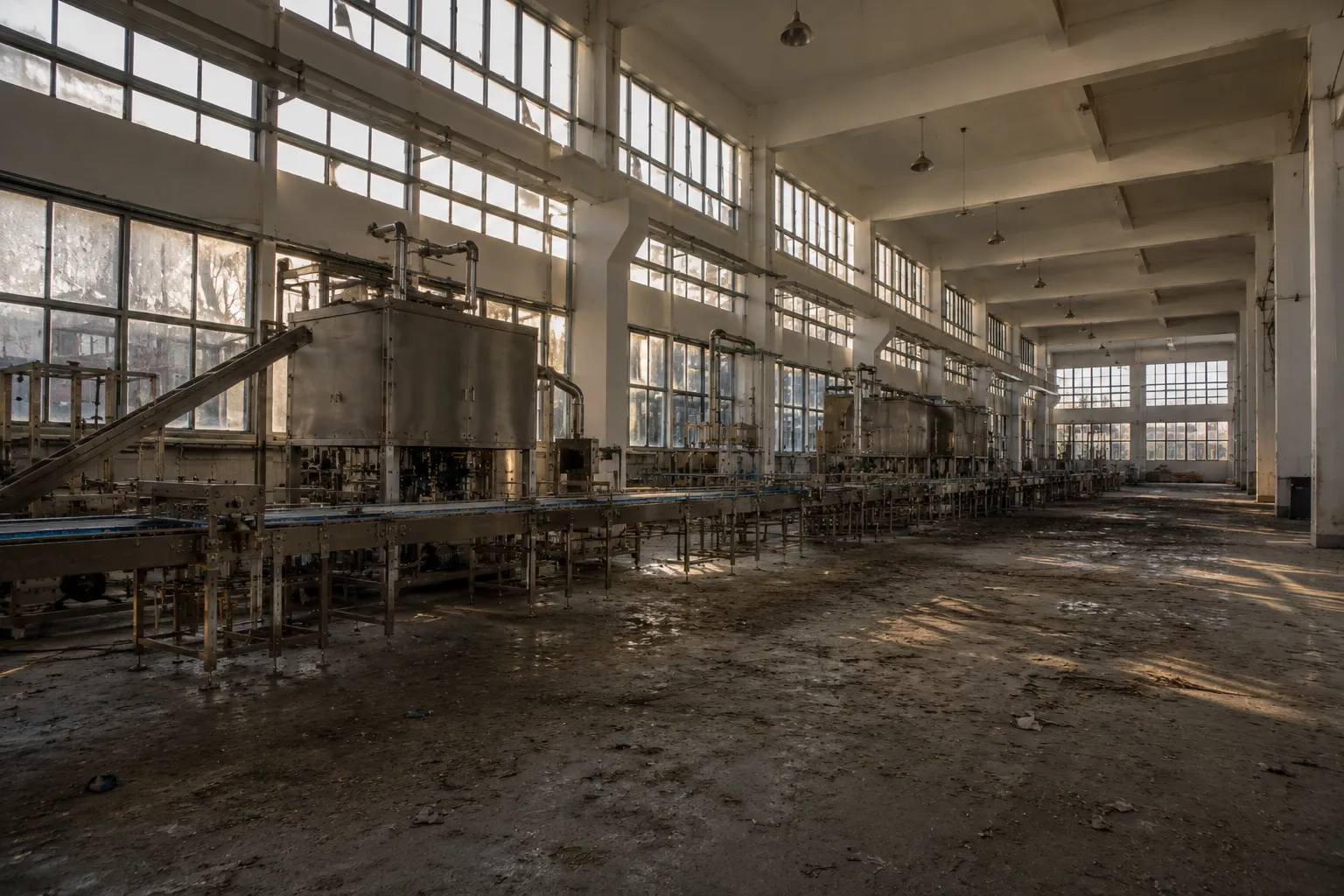
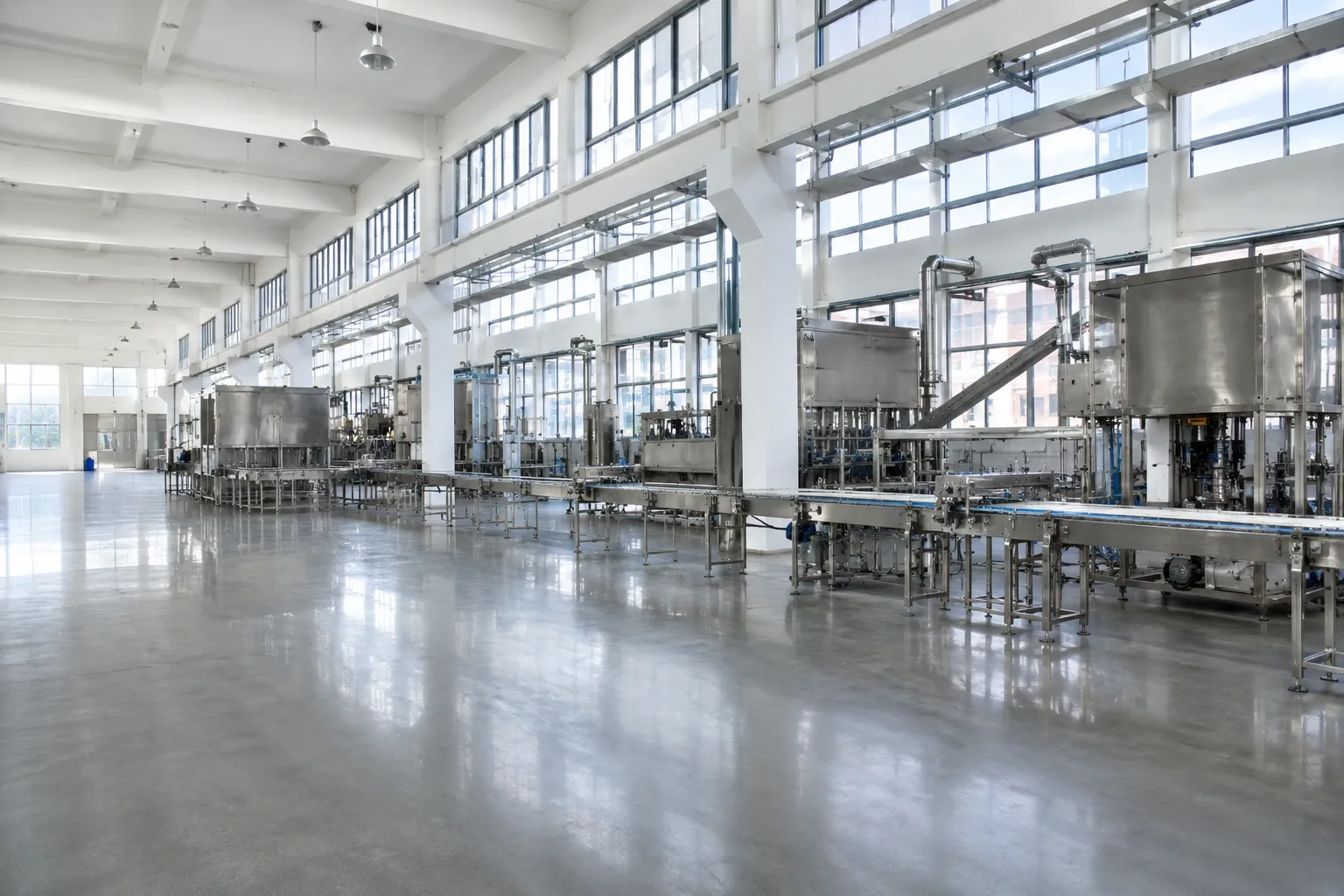
Request: Need to clean machines from oil and chips in mechanical workshop.
Done: Cleaned equipment surfaces with special compounds and compressed air.
Cost: 22 000 ₸
Master: Bekzat Akhmetov, equipment cleaning master
Total: Equipment completely cleaned, working surface restored.
 After
After
Request: Need general cleaning of entire production hall.
Done: Performed washing of floors, walls, windows and equipment with disinfection.
Cost: 21 000 ₸
Master: Yerzhan Karimov, senior master
Total: Hall completely clean, improved lighting and sanitary condition.
 After
After
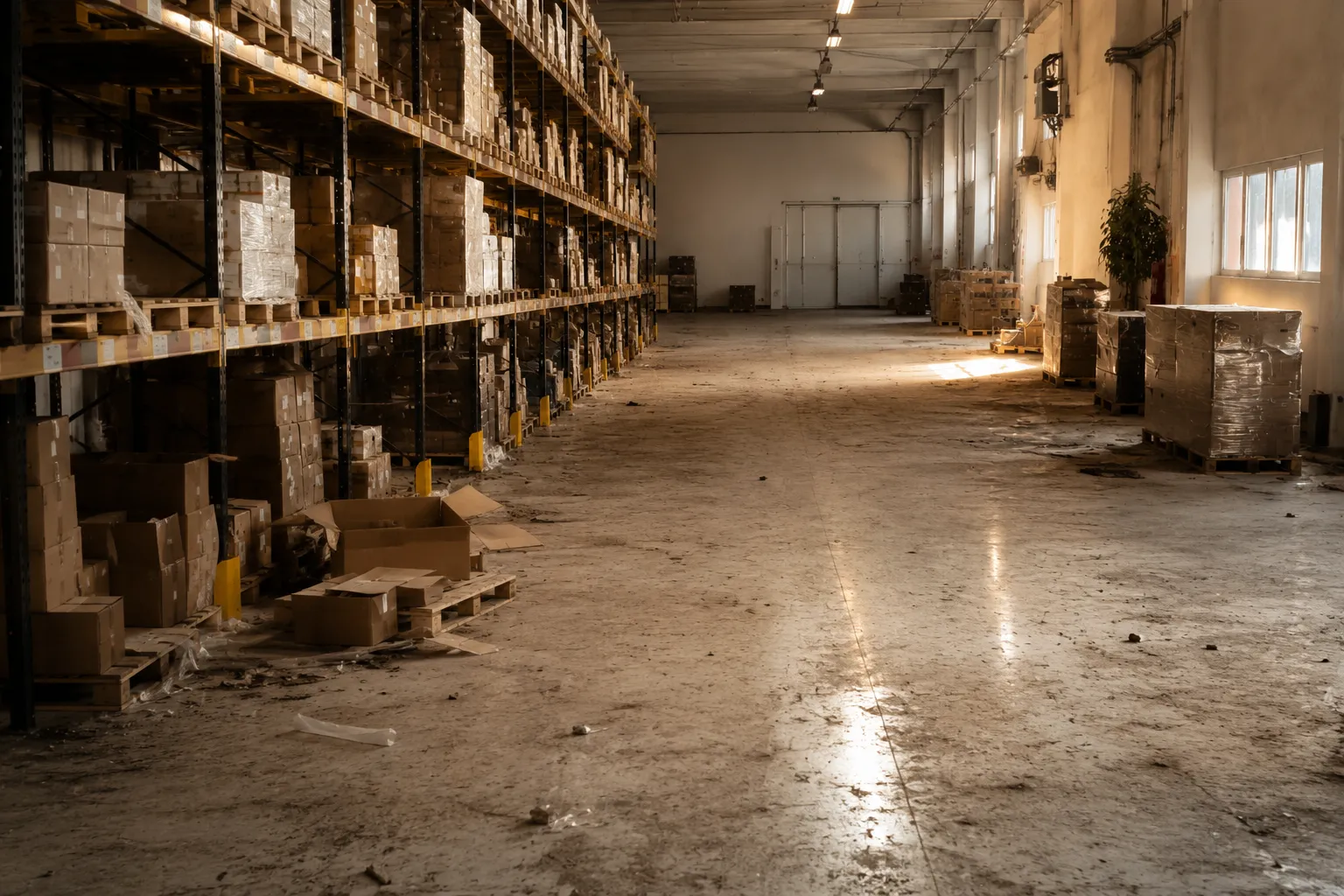
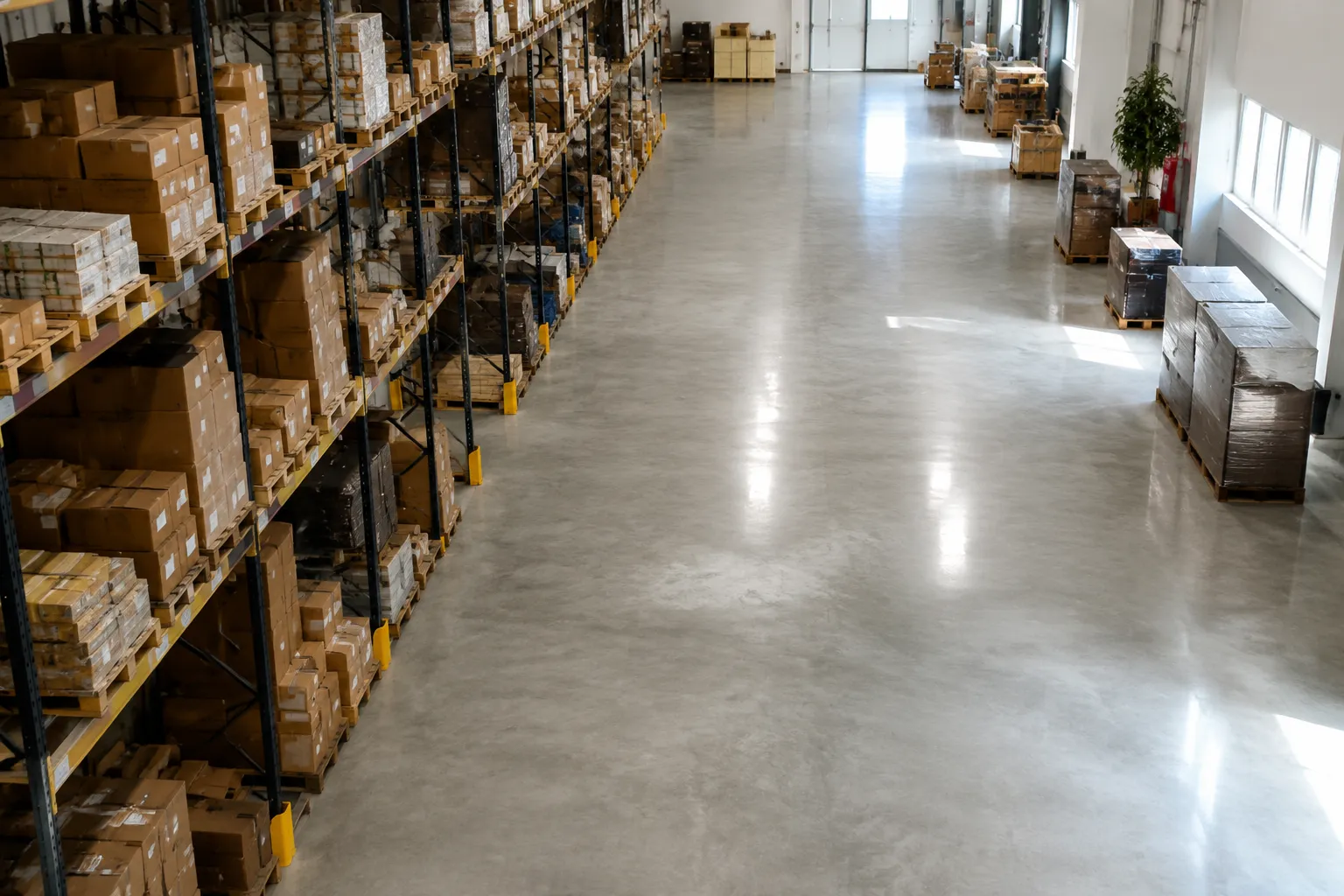
Request: Need cleaning of warehouse area with high shelving.
Done: Cleaned floors, shelving and aisles from dust and debris.
Cost: 22 000 ₸
Master: Gulmira Sadykova, cleaning master
Total: Warehouse area completely cleaned, improved visibility of markings.
 After
After
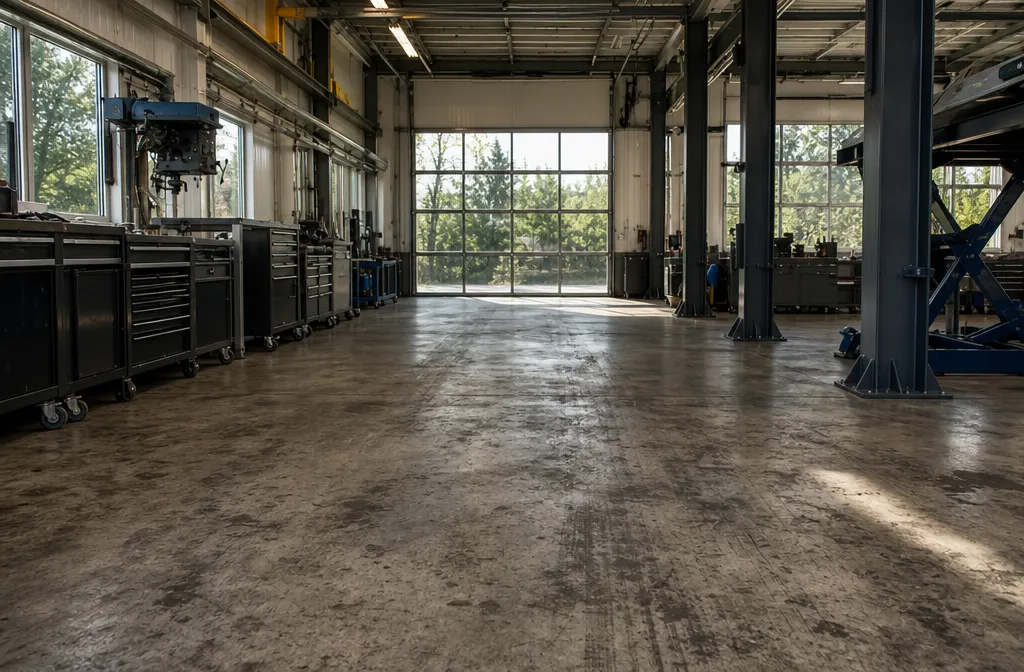
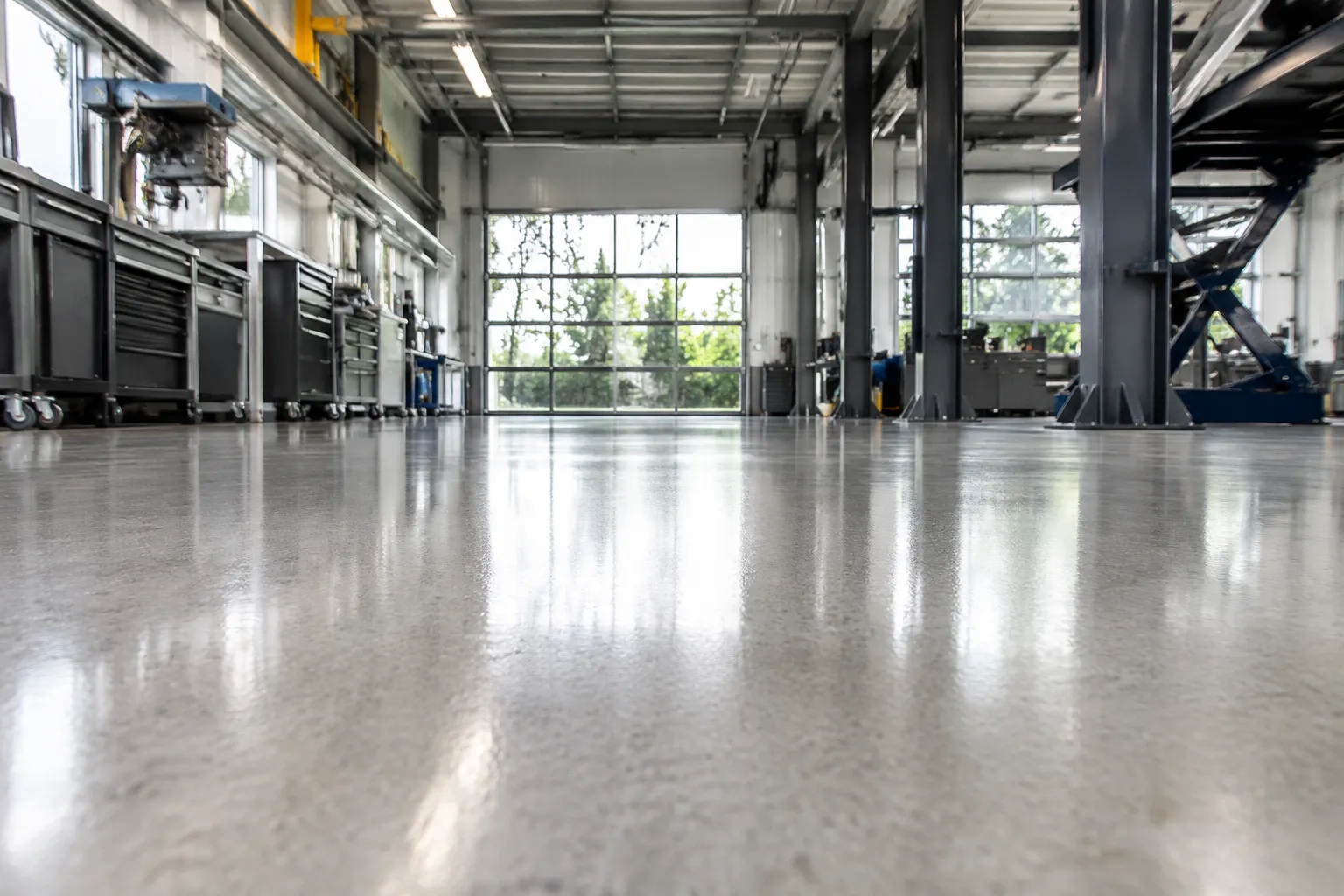
Request: Need to clean workshop floor from oil and dirt.
Done: Applied industrial cleaner and scraper, then washed the floor.
Cost: 22 000 ₸
Master: Ruslan Ibraev, cleaning master
Total: Workshop floor clean, free of oil stains and dirt.
 After
After
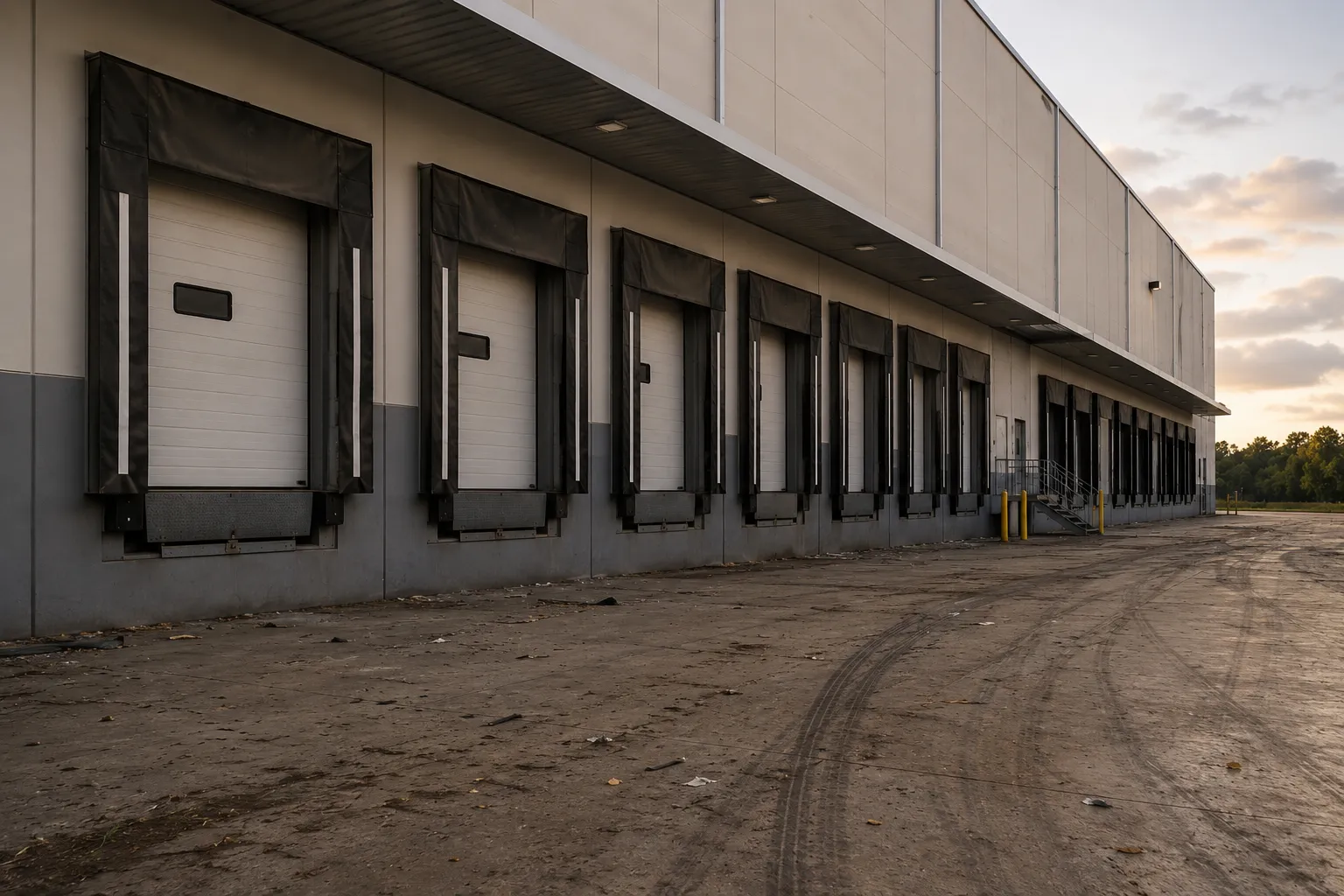
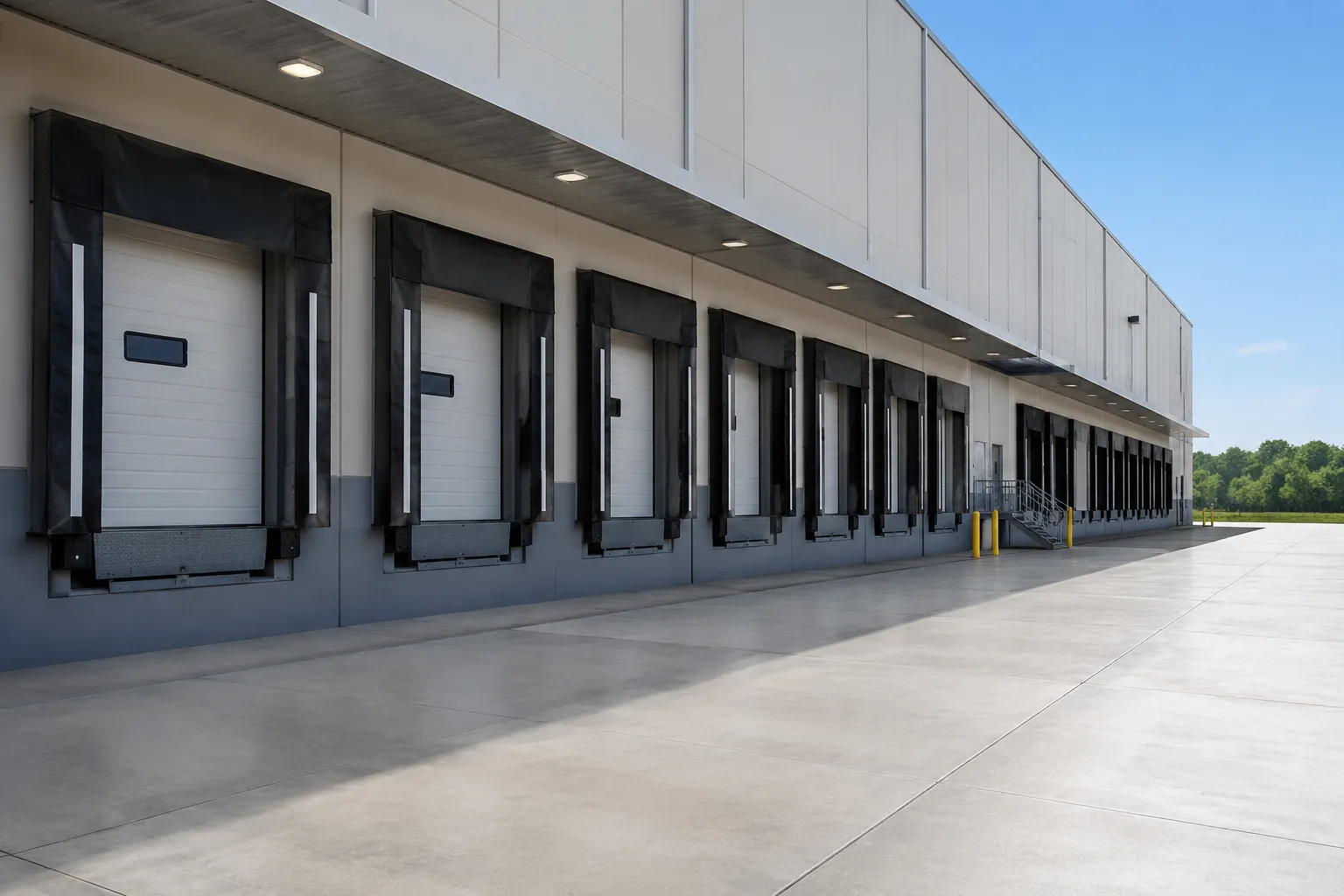
Request: Cleaning required for loading dock and adjacent area.
Done: Cleaned the platform from dust, debris and tire marks.
Cost: 23 000 ₸
Master: Damir Utegenov, cleaning master
Total: Loading dock clean, safe for movement.
 After
After
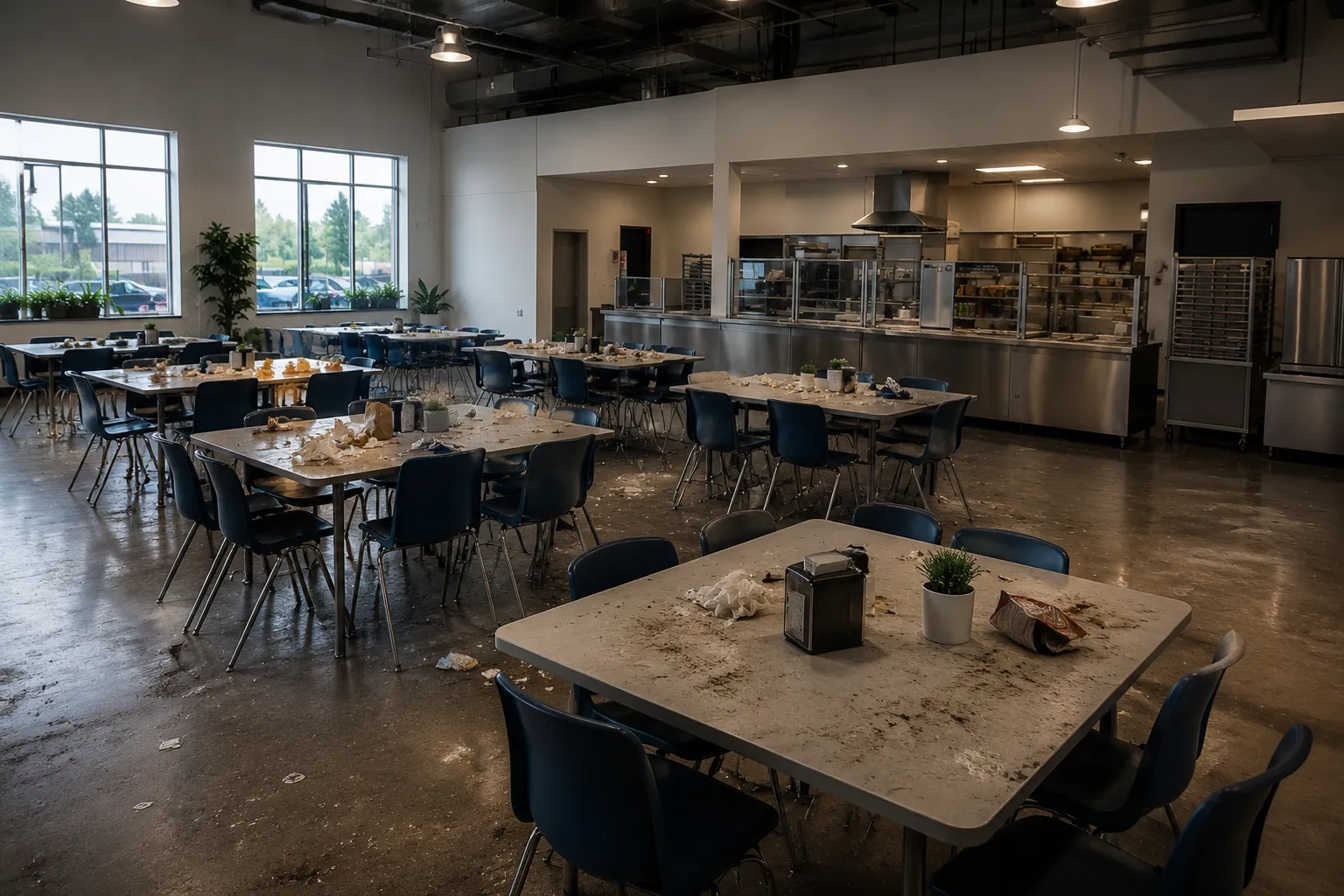
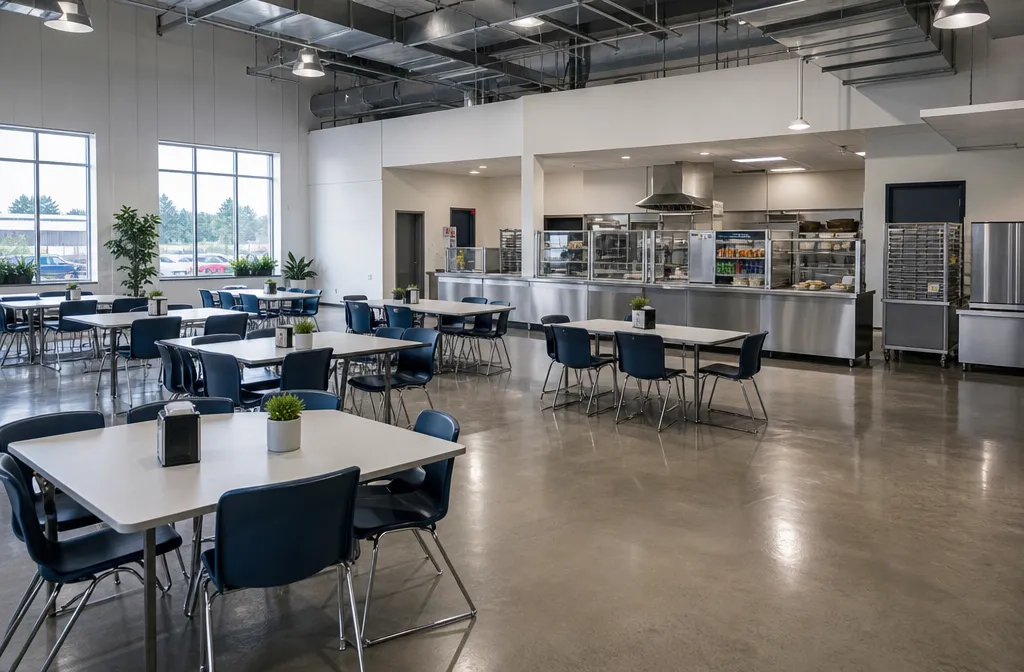
Request: Cleaning needed for factory staff cafeteria.
Done: Washed floors, tables, chairs and kitchen equipment with disinfection.
Cost: 20 000 ₸
Master: Aigerim Tulegenova, cleaning master
Total: Cafeteria clean, ready for meals.
 After
After
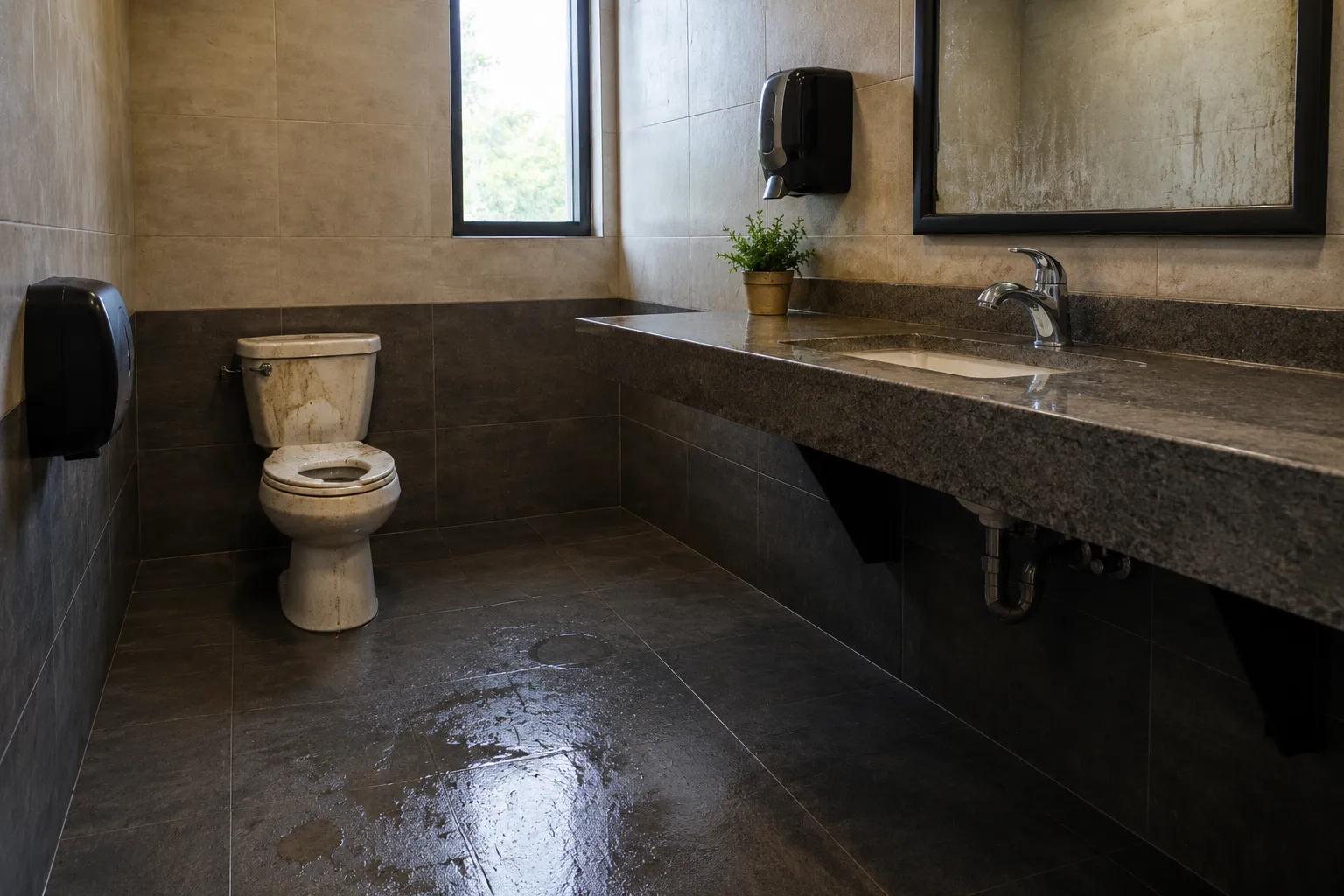
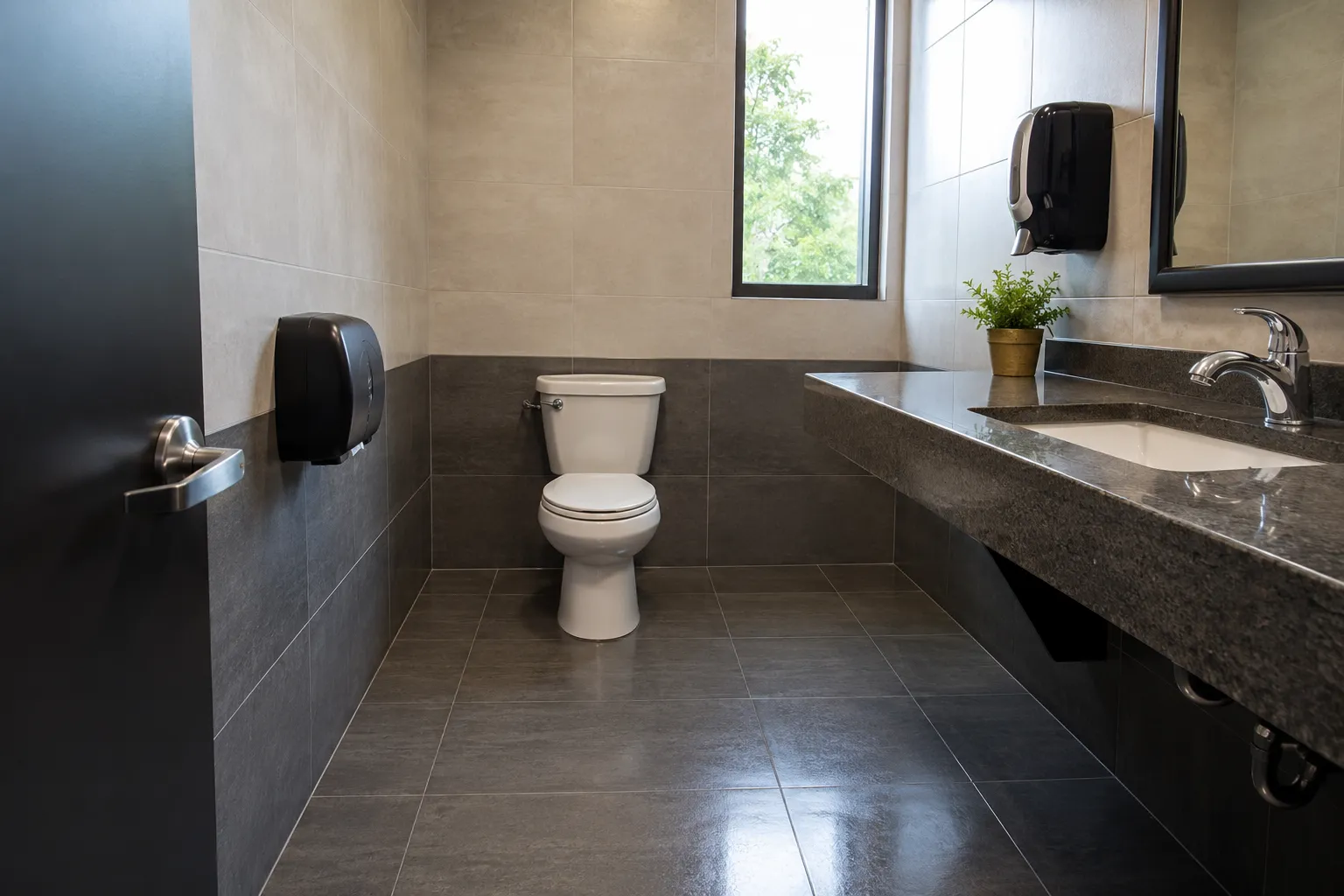
Request: Deep cleaning required for workers' restroom.
Done: Cleaned plumbing, tiles and floors using disinfectants.
Cost: 22 000 ₸
Master: Marat Ermekov, cleaning master
Total: Restroom completely clean, no odor or dirt.
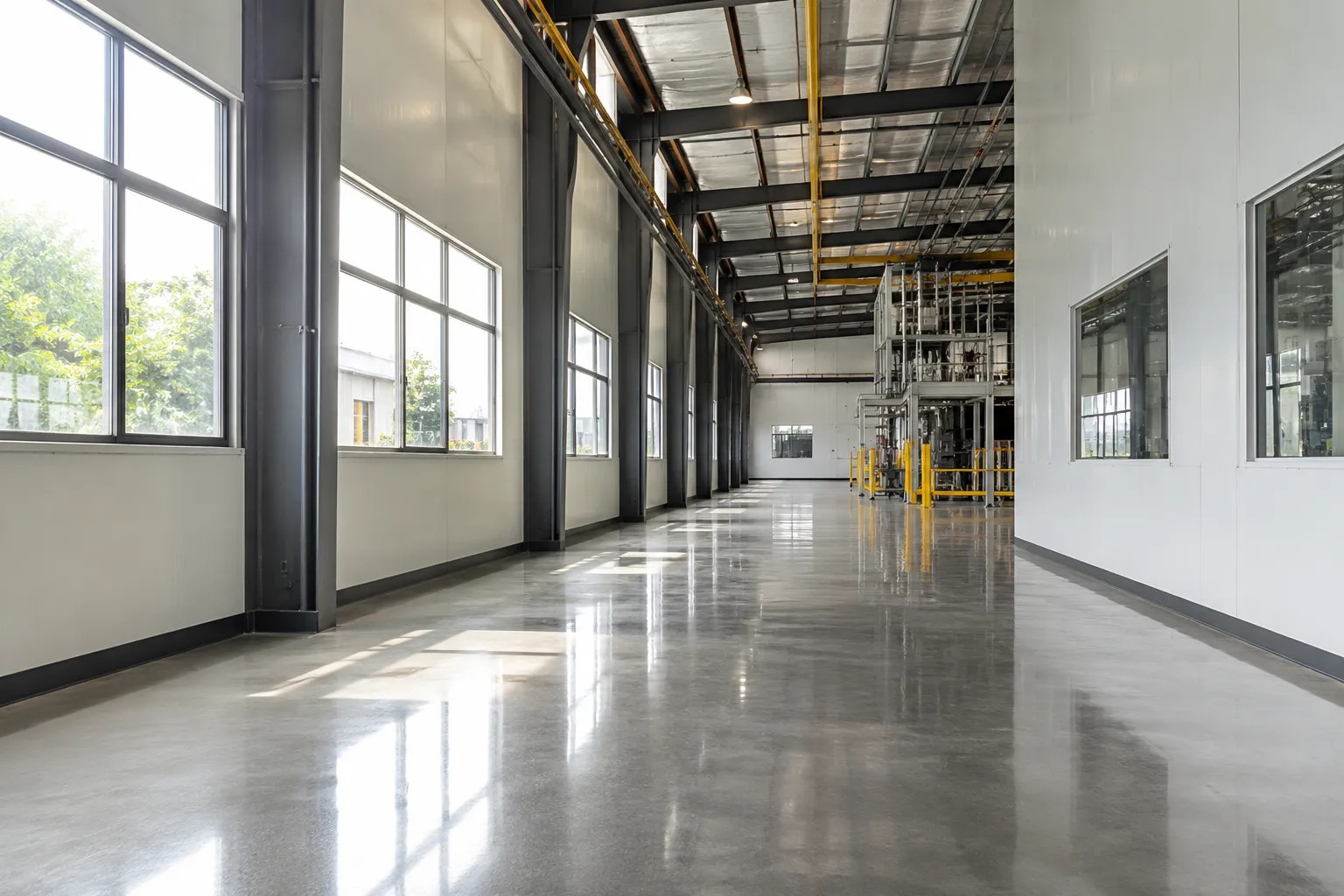 After
After
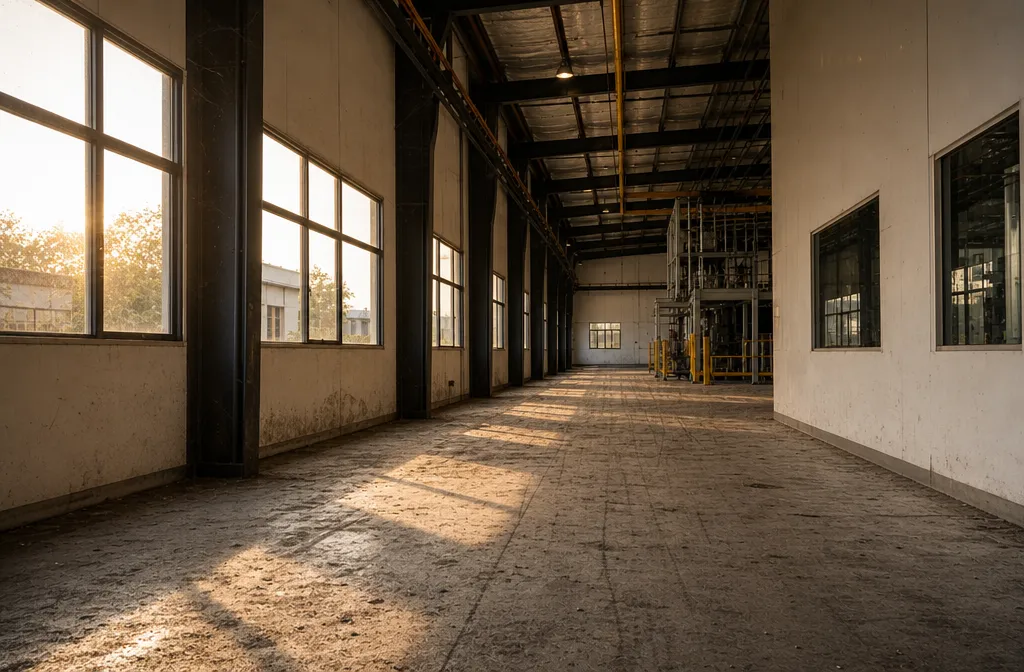
Request: Cleaning needed for long corridor of production building.
Done: Washed floors, walls and baseboards along the entire corridor.
Cost: 21 000 ₸
Master: Aliya Baizhanova, cleaning master
Total: Corridor clean, bright, free of dust and dirt.
All cleaners are profi-clean staff with training, uniform and security check. Each order has a team leader who controls quality.
Oil stains and traces of technical fluids are the most common type of contamination in industrial settings that we at profi-clean encounter daily. Their removal effectiveness depends not on the cost of the product, but on correctly selecting the chemistry for the oil type and floor material.
Mineral oils (industrial, transmission, compressor) and thick greases like Litol-24 are best broken down by strong alkaline formulations with a pH of 11–13. In our practice on concrete and metal surfaces in Almaty workshops, concentrates based on sodium or potassium hydroxide work well — for example, Kiehl Power Cleaner or Sodasan Industrial Alkali. They emulsify the oil, turning it into a water-soluble suspension that is easily rinsed off with pressure water. On cement floors with old oil impregnations, we use a dwell time of 5–7 minutes followed by mechanical treatment with a rotary machine with stiff bristles — without this, the alkali will not penetrate the pores. Before applying alkali on painted or polymer floors, we always test on an inconspicuous area: if left on for more than 10 minutes, the aggressive environment can dull the coating, and instead of an oil stain, you will get a matte spot on the paint.
Synthetic heat-resistant oils (e.g., in compressors or hydraulics) and silicone greases are not affected by alkali — here, organic solvents or emulsifiers are needed. For such contaminants, we use formulations based on white spirit, kerosene, or specialized products like Kiehl Solvent Degreaser. The principle of action is simple: the solvent penetrates the oil film, softens it, after which the contamination is washed away with an emulsifier and water. A key nuance for Almaty industrial sites — in winter, in unheated warehouses, solvents thicken, so before application we warm the product to +20°C in a warm room, otherwise effectiveness drops by 30–40%. On porous concrete floors after the solvent, we always apply a final alkaline formulation — it removes oil residues that the solvent could not extract from the pores, otherwise the stain will reappear within a week.
In areas with high safety requirements — food warehouses, pharmaceutical workshops, laboratories — we use biological degreasers based on bacteria and enzymes (e.g., Pro-Brite Bio Degreaser). Such formulations break down oils and fats into water and carbon dioxide without caustic alkalis or volatile solvents, eliminating the risk of equipment corrosion and staff allergies. The downside is that biological products work slower: removing a fresh oil stain requires 15–20 minutes of dwell time compared to 3–5 minutes for alkali. On old, stubborn stains in Almaty workshops where oil has accumulated for years, biology is useless — mechanical cleaning is needed first, followed by a biological product for final treatment. Therefore, for food production facilities, we recommend a schedule of preventive treatments every two weeks to prevent oils from drying out.
The most common mistake at Almaty industrial sites is trying to remove oil from concrete with the same product used for tiles or linoleum. Universal “grease removers” from household stores (like Mr. Muscle or Cillit Bang) either do not work on concrete at all, because their pH is insufficient to break down technical oil, or leave a sticky film that collects dust and turns the floor into sandpaper. On tiles and porcelain stoneware, conversely, aggressive alkali can etch the grout between joints or ruin the gloss — we have seen such cases in food unit workshops in the Almaty region. For polymer self-leveling floors (epoxy, polyurethane), solvents are strictly prohibited — they soften the coating, and after several treatments, the floor begins to peel. In our practice, the optimal solution is to have three different products on hand for three types of surfaces and apply them only after identifying the coating with a test dab in a corner of the room.
“`markdown
Industrial premises are not offices or apartments, and cleaning here operates by different rules. The difference is not just in scale, but in the very essence of the task: regular cleaning removes visible dirt, while industrial cleaning eliminates technological risks.
In office cleaning, the main focus is visual comfort: a clean desk, shiny glass, no dust on the windowsill. In industrial cleaning, the goal is fundamentally different — to ensure production safety and equipment preservation. On a factory floor, an oil stain isn’t just dirt; it’s a slippery surface that risks injuring a machine operator. Abrasive chips left on the guides of a CNC machine can damage precision mechanics within a week, with repairs costing hundreds of thousands of tenge. Therefore, workshops are cleaned not “to look nice,” but to ensure equipment operates without failures and personnel avoid workplace injuries. In our practice, there was a case where regular chip removal in a milling area reduced unplanned machine downtime by 30% — precisely because the abrasive stopped getting into the lead screws.
A regular vacuum cleaner with a dust bag is useless in a workshop — it will clog within 15 minutes and start blowing fine dust back out. Industrial cleaning requires machines with HEPA H13-H14 filtration class, which trap 99.97% of particles up to 0.3 microns. For concrete floors in warehouses and workshops, you need scrubber-dryers with cylindrical brushes and a water recovery system — they don’t just wash away dirt, but collect the sludge in a separate tank, leaving the surface dry and non-slip. In environments with explosion risks — flour mills, paint shops — we use spark-proof vacuum cleaners with pneumatic drives, because an electrical spark from a standard motor can ignite a dust-air mixture. Such equipment is simply unnecessary in offices, but its absence in production is a direct safety risk.
While in residential cleaning we use neutral pH products and hypoallergenic chemicals like Kiehl and Sodasan, in production the arsenal is broader and more aggressive. For removing fuel oil, technical oils, and greases, alkaline concentrates with a pH of 11-13 are used — they break down hydrocarbon films within 3-5 minutes of contact. But here lies the main mistake of non-professionals: on acidic floors (e.g., in galvanizing shops), alkali reacts, destroying the protective coating layer. Therefore, before choosing chemicals, we always test the surface on an inconspicuous area — this rule saves clients millions on floor replacement. In offices, this problem simply doesn’t exist: laminate, linoleum, and carpet are treated with universal neutral pH products, and a chemical mistake risks only streaks, not floor destruction. For industrial premises in Almaty, where humidity fluctuations in workshops reach 30%, we additionally adapt the solution concentration — otherwise, efflorescence remains on the concrete, which can only be removed by grinding.
In offices, cleaning follows a fixed schedule — in the evening after employees leave or in the morning before they arrive. This approach doesn’t work in production: machines operate in 2-3 shifts, and the level of contamination increases within 4 hours. Therefore, for workshops, we develop a shift-based schedule — for example, wet cleaning of the milling machine area every 4 hours, and general cleaning of oil pans once a day during the break between shifts. Additionally, vacuum cleaning in the welding station area must be done immediately after welding is completed, before the slag cools and fuses into the concrete — lost time results in the need to grind the floor every six months. In offices, there is no such urgency: spilled coffee can be wiped up even an hour later; in production, spilled oil absorbs into porous concrete within 20 minutes, after which the stain can only be removed by chemical milling. We have a client in the Almaty industrial zone — a bearing manufacturing plant — where we assigned a separate scrubber-dryer operator to each shift, and this is the only way to keep the floors in a condition suitable for heavy machinery operation.
In standard cleaning, quality is assessed by eye: no dust on surfaces, shiny plumbing, fresh smell. In production, this approach is unacceptable. For accepting industrial cleaning, we use instrumental methods: we measure floor slip with a tribometer (friction coefficient must be at least 0.4 according to DIN 51130), check residual air dust with a laser particle counter, and at food production facilities — surface swabs for bacteriological culture. If a 0.1 mm layer of oil remains on the floor after cleaning, the eye won’t notice it, but the tribometer will show a coefficient of 0.25 — and that’s already a slip hazard zone. In offices, such control is excessive; in production, it’s mandatory, otherwise accident insurance won’t cover the damage. Before signing the act in workshops, we always recommend the client walk through the main aisles and loading areas with a tribometer — this takes 15 minutes but eliminates disputes when “it looks clean, but the cart is slipping.”
The frequency of deep cleaning depends not on the calendar, but on the type of production and the intensity of contamination — the range is from once a month to daily treatment of individual zones. In our practice at machine-building plants in Almaty, general washing of floors and equipment is scheduled once every 1–2 weeks, and at food production lines — every shift: residues of fat and flour form a film within 8 hours that regular cleaning can’t handle.
There is no universal “once a month” schedule — frequency is influenced by three strict factors: type of contamination, coating material, and regulatory requirements. In areas with oil mist (lathes, milling machines), a sticky layer on floors and walls builds up within 3–4 work shifts, and if not washed off once a week, it clogs drainage grates and bonds to the concrete. In warehouses for dry bulk products (flour, cement dust), dust settles in a 1–2 mm layer within 5 days — once every two weeks is enough. And in welding and paint booth areas, fine suspended particles settle on equipment within 8–12 hours, requiring daily deep cleaning; otherwise, the aerosol hardens on optics and contacts. Before ordering cleaning of production facilities, request a dust measurement protocol from the technologist — it allows you to calculate the interval more accurately than using an “average” standard.
The most common mistake at Almaty enterprises is copying a schedule from a neighboring workshop without considering the difference in load: in a CNC machine area, oil dust settles twice as fast as on an assembly line, and a “once every two weeks” schedule for the CNC area leads to the accumulation of a sticky layer 3–4 mm thick. The second typical problem is not including vertical surfaces and ceiling beams in deep cleaning: in production with oil and solvent vapor emissions, condensation on walls and trusses forms a corrosion-active film within a week that drips onto products. The third mistake is scheduling cleaning on a weekend when the ventilation system is turned off: chemicals and moisture don’t dissipate, and within 48 hours of downtime, oxidation spots appear on metal. At profi-clean, when creating a schedule, we always consider the wind rose in the workshop and the location of exhausts — at facilities with poor ventilation, the interval between deep cleanings is reduced by 30–40%.
In Almaty, with its sharply continental climate, the seasonal factor radically changes the deep cleaning schedule — in summer at +35 °C with operating machine cooling systems, humidity in the workshop rises to 80%, and the oil film on the floor liquefies and spreads faster, so the interval between floor washings is reduced from 14 to 7 days. In winter, on the contrary, with heating on, the air is dry, dust flies longer and settles more densely, but oil stains become viscous and are harder to wash off — requiring more aggressive chemicals (alkaline concentrates pH 11–12) and longer soaking time. In spring and autumn, during snowmelt and rains, street dirt with reagents is brought into the workshop on shoes and forklift wheels — during these months, deep cleaning of the entrance area and equipment traffic routes is needed at least twice a week, otherwise abrasive particles scratch polymer floors. At enterprises with open gates (construction workshops, metal warehouses), the seasonal spike in dirt is even higher — there we recommend installing dirt barriers and increasing the cleaning frequency of the first 10 meters from the entrance to daily.
Even the most well-thought-out plan becomes outdated over time — after workshop redevelopment, installation of new equipment, or a change in technology. The first signal is the appearance of areas with a persistent sheen on the floor: this is not cleanliness, but an oil-soaked film that can no longer be washed off with standard products. The second is odor: if the smell of oil or solvent remains in the workshop after cleaning, it means the chemicals are not coping with the layer thickness, and the interval needs to be shortened. The third is dust sticking to equipment 2–3 hours after cleaning: this indicates that the deep treatment did not remove the micro-relief of contaminants, and a new layer settles faster. The fourth is an increase in defects by 5–10% in areas where cleanliness affects quality (painting, optics assembly, packaging). In our practice, there was a case at a food production facility in Almaty: after switching to a new packaging line, monthly deep cleaning stopped removing the grease film, and it had to be done weekly — packaging seal defects dropped from 7% to 1.5% within two weeks. If you notice at least one of these signs, measure the thickness of the oil layer on the floor with a test strip or visually — if the layer is more than 0.5 mm, the schedule needs to be changed immediately.
Cleaning at food and chemical production facilities differs radically not only in the composition of contaminants but also in safety and material requirements — what works at one site can be dangerous at another.
At food industry enterprises, strict sanitary standards apply: all surfaces that come into contact with the product must be treated with food-grade compounds. Household bleach or aggressive alkali leave a microscopic residue that migrates into the product — this is a direct violation of HACCP. At food sector sites (meat processing plants, dairy workshops, bakeries), we use only certified cleaning agents based on peracetic acid and quaternary ammonium compounds — they break down into water and oxygen, leaving no odor or film. In our practice, there was a case where a client washed floors in a sausage workshop with regular bleach for a month — product samples showed excess chlorine, and the batch was rejected. Therefore, at food facilities, we apply a three-stage protocol: washing with an alkaline concentrate, neutralization with acid, and final sanitation with a disinfectant with a 10–15 minute dwell time.
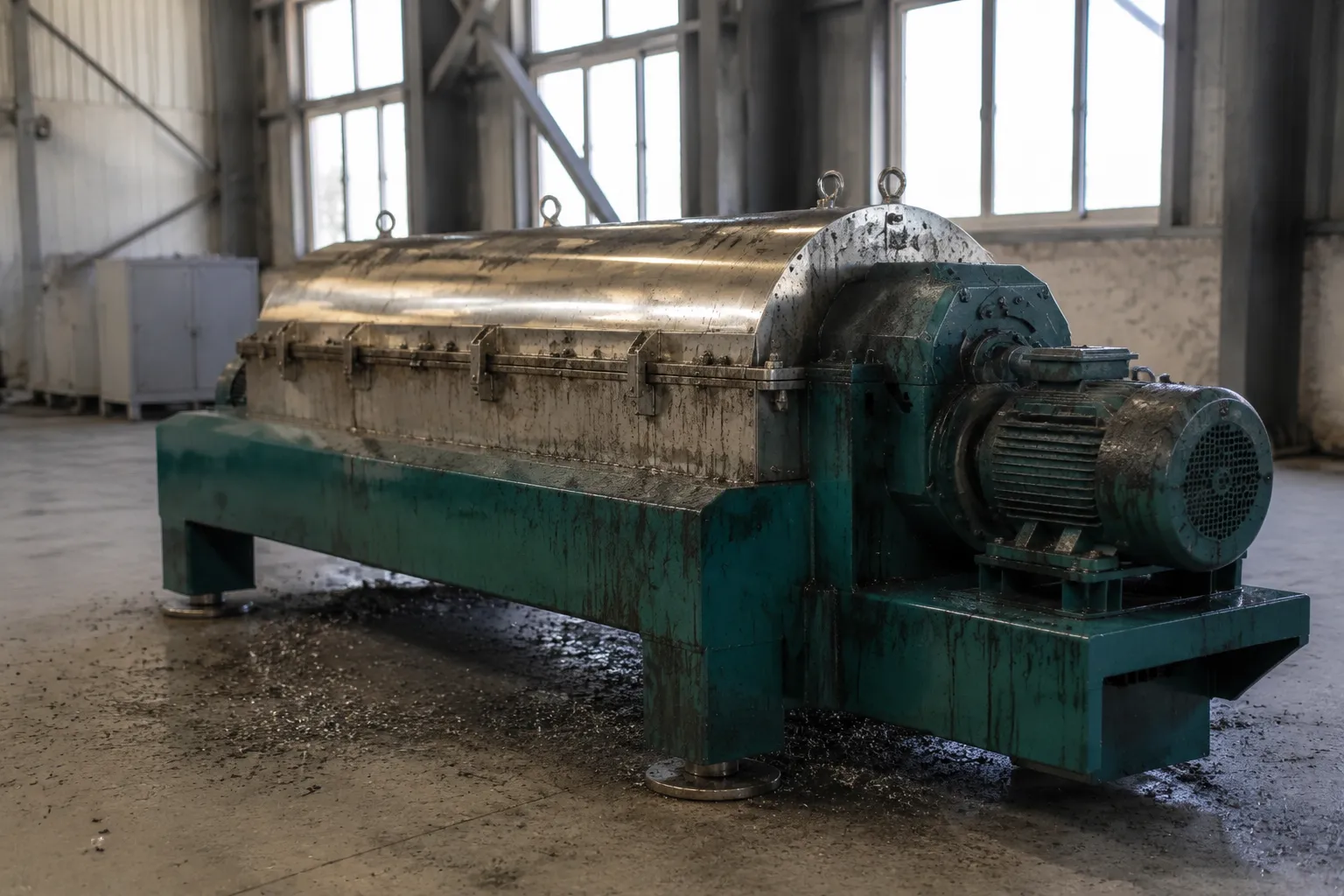
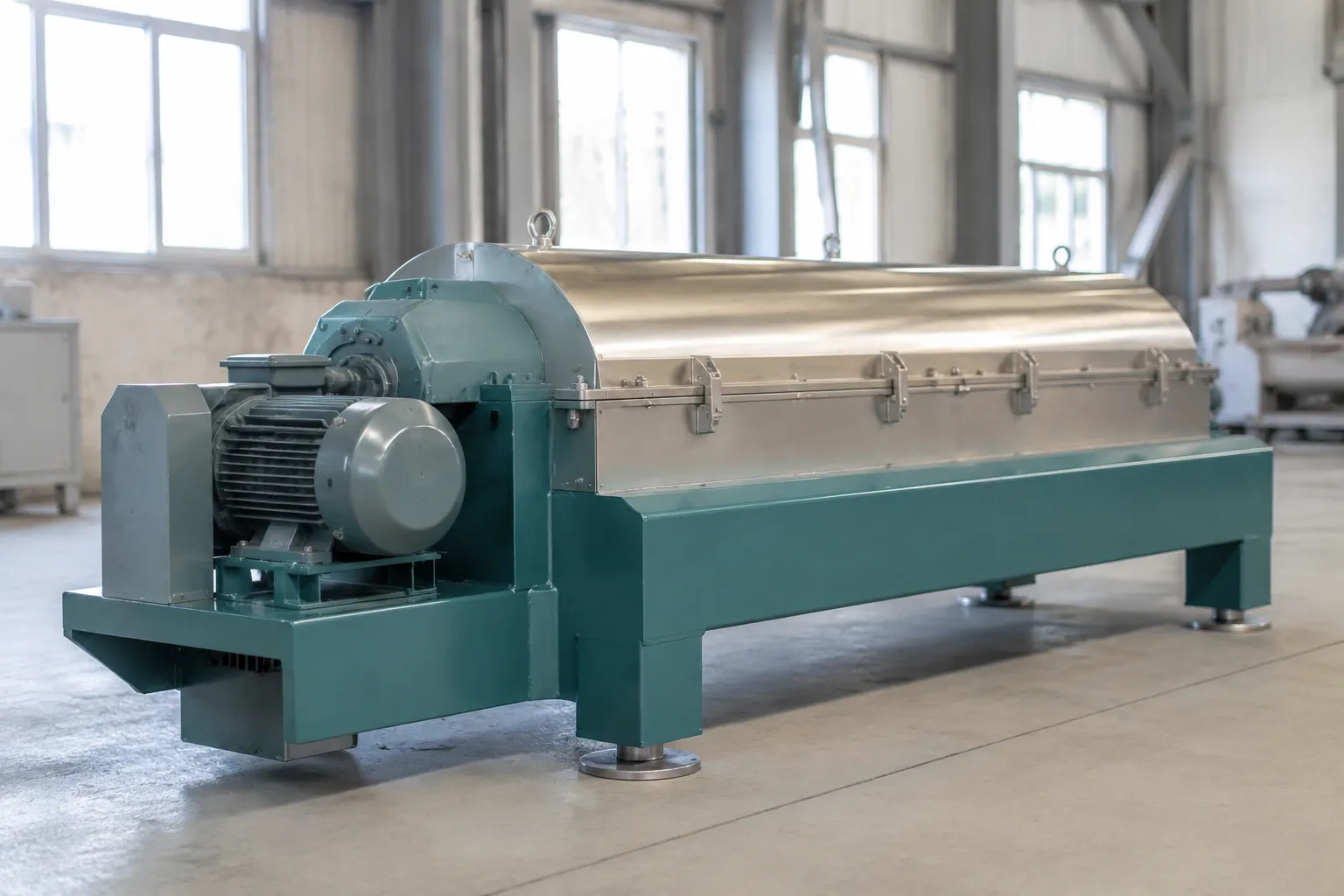
At chemical facilities, the main risk is not dirt, but the reaction of the cleaning agent with raw material residues. Acid spills (sulfuric, nitric, hydrochloric) in contact with an alkaline concentrate produce an exothermic reaction, heating up to 80–100 °C — this is no longer cleaning, but an emergency situation. Therefore, before entering a chemical production site, we always request a Material Safety Data Sheet (MSDS) for every substance stored or processed in the workshop. To neutralize alkali spills, we use a weak citric acid solution (pH 3–4); for acids, we use dry soda ash to avoid boiling. Equipment at such facilities (reactors, centrifuges, tanks) is washed only with low-foaming water-emulsion compounds — regular foam clogs valves and level sensors, stopping the line for a day. At Almaty petrochemical depots in the gas station zone, we additionally treat floors with vermiculite-based sorbents — they absorb oils and neutralize static electricity, eliminating sparks.
Grease in food production is not just a stain, but a polymer film that polymerizes over time under the influence of heat and oxygen. If you wash such surfaces with cold water or a weak alkaline solution, the grease does not wash off but spreads — after two or three cycles, a slippery crust forms on the floor that no chemical can remove. At meat processing plants, we use hot water at 50–55 °C in combination with a foam concentrate based on sodium hydroxide (pH 12–13) — at this temperature, the grease emulsifies within 3–4 minutes of contact and rinses off completely. Another nuance: grease deposits on walls and ceilings (condensate + grease vapors) require not washing, but pre-steaming — we supply steam at 140 °C from a steam generator to the surface 30 seconds before applying chemicals, otherwise the film will remain in the tile pores. At one facility in the Almaty industrial zone, cleaners tried to remove grease from the ceiling with a solvent — a week later, the tiles began to peel off due to the destruction of the adhesive joint, and the entire cladding had to be replaced.
Industrial cleaning does not tolerate amateurism: a mistake in selecting chemicals or washing mode can damage equipment or leave a slippery film on the floor, dangerous for personnel. profi-clean solves these tasks not as an aggregator, but as a direct contractor: staff cleaners with specialized training, not “universal cleaners.”
Using household chemicals in production is the most common mistake. Acidic products for tiles destroy concrete floors with toppings, while alkaline compounds without neutralization leave a sticky residue that attracts dust and oils. profi-clean uses professional concentrates from Kiehl and Sodasan, selected according to the type of coating and contamination. On concrete floors with oil stains, we use emulsifiers with pH 7–9, and on tiles in chemical workshops, we use acidic compounds followed by mandatory neutralization. In our practice, there was a case where cleaners removed a layer of softened concrete at a fertilizer warehouse — it turned out the previous crew had poured concentrated acid without dilution. After SealGuard treatment and polishing, the floor lasted another two years without repair.
Outsourcing teams often change their composition of performers, and training is limited to a short briefing. profi-clean trains cleaners in its internal school: each person undergoes 40 hours of theory (types of coatings, chemical compatibility, safety precautions) and 80 hours of practice on real objects under the supervision of a technologist. Our employees know that in food production, moisture cannot be left in areas of contact with the product — this poses a risk of bacterial growth. And in workshops with CNC machines, foam cleaning without isolating electronics is unacceptable — we pre-cover control panels with film and blow out housings with compressed air. This approach eliminates equipment downtime due to short circuits and water ingress.
In production facilities with closed-loop ventilation, volatile components of household chemicals create concentrations exceeding the MPC by 3–5 times per shift. profi-clean uses Sodasan products with the Ecogarantie certificate: they contain no chlorine, phosphates, or synthetic fragrances, and decompose 98% within 28 days. To remove oils from metal-cutting machines, we use water-soluble compounds that leave no silicone film on guides — otherwise, the precision of part processing decreases by 0.02–0.05 mm. At sites with aluminum powder (fire hazard zone), we use antistatic impregnations and brushes with copper bristles to eliminate sparks.
profi-clean guarantees dispatch within 60 minutes across Almaty and its suburbs — this is critical for emergency oil or chemical spills. After cleaning, a technician measures the residual floor moisture with a moisture meter (norm < 4%), checks the surface pH with indicator paper, and records the result in a report. If a defect is detected within 24 hours, we return for free. This control eliminates situations where, a week after washing, white streaks from unwashed alkali appear on the floor.
We ordered cleaning of industrial premises for a sewing workshop — they removed all fabric dust, we are satisfied.
Thank you, glad we could help!
They washed the shelving and floors in the warehouse, there was a lot of dirt, but they did an excellent job.
We did cleaning of industrial premises at a food production facility, everything is clean. They just forgot about the top shelves, had to remind them.
We apologize, we will take note of the comment.
After cleaning at the auto repair shop, it became much brighter, oil stains were removed perfectly.
I ordered cleaning of production facilities in a metalworking shop — they removed shavings and dust, now it's pleasant to work.
Thank you for your review!
The lab needed sterile cleanliness, the team did a great job, no streaks.
The cleaning of production facilities was superficial, dust remained on the pipes. Expected more.
Sorry, we will work on the mistakes.
They cleaned the back rooms and technical areas of the mall, it became clean and tidy.
I requested cleaning of production facilities at the warehouse — they washed the shelves, removed oil. Fast and high quality.
Glad to help!
The workshop became clean, but there are traces of grease in the corners. Otherwise fine.
Thank you, we will take your comment into account.
Cleaning of production facilities in the car assembly shop — washed equipment and floors, excellent result.
Washed the warehouse premises, removed dust from boxes, everything shines.
Needed cleaning of production facilities at the printing house — paint everywhere, but profi-clean handled it, washed off the paint.
Thank you for your trust!
Cleaned well, but we had to wait longer than agreed.
Sorry for the delay, we will try to be more punctual.
Ordered cleaning of production areas at a furniture workshop — sawdust and shavings were removed, perfect cleanliness.
Cleaned the production area of a dry cleaner, removed stains from the floor, the smell became fresher.
Cleaning of production areas at a chemical warehouse — worked in protective clothing, everything safe and clean.
Safety above all, thank you!
Cleaned up flour, but white traces remained on the equipment. Not very neat.
We will take measures, we apologize.
Very satisfied with the cleaning of production areas at the warehouse — cement dust was removed, everything shines.
Cleanliness in the culinary workshop is now perfect, employees are happy.
Ordered cleaning of production areas for a metal warehouse — dirt and rust were removed, excellent.
Glad to help!
Cleaned well, but didn't take out the trash, we had to do it ourselves. Otherwise fine.
Sorry, we will make sure it doesn't happen again.
Cleaning of production areas at the bottling workshop — washed equipment and floors from sugar, everything shines.
Washed shelves and floors, cleaned up spills, now the warehouse looks like new.
Requested cleaning of production areas at the car wash — cleaned all corners, drains are working.
Thank you, we tried our best!
Removed grease and flour from surfaces, now the workshop shines. Very neat guys.
Cleaning of production areas at the warehouse went well, but windows in the utility room were not washed.
We'll add windows next time, sorry.
After cleaning at the bakery, it became much cleaner, flour doesn't fly, breathing is easier.
Ordered cleaning of production areas at the electronics warehouse — removed antistatic dust, everything is great.
Thank you for the review!
Cleanliness in production is now top-notch, employees are grateful.
Cleaning of production areas at the cement warehouse — there was a lot of dust, but cleaned thoroughly, used respirators.
Safety is important, thank you!
Cleaned well, but the smell remained. Perhaps additional disinfection was needed.
We'll take note, next time we'll strengthen disinfection treatment.
Very satisfied with the cleaning result of the warehouse production areas — clean, tidy, no complaints.
Fabric dust is gone, machines are shining. I recommend profi-clean.
Ordered cleaning of production areas for the metal warehouse — oil and dirt removed, now it's orderly.
Glad you liked everything!
Washed equipment and floors, everything is sterile. Very satisfied.
Cleaning of the chemical warehouse production areas was done well, but there wasn't enough time for the exhaust hoods.
We'll add it to the plan, thank you for the feedback.
After cleaning, the workshop looks like new, even more pleasant to work in.
We recommend a general cleaning at least once a month, and maintenance cleaning weekly. For workshops with high pollution levels (metalworking, food production), twice a month is optimal.
Cleaning a 1000 m² workshop takes an average of 4-6 hours depending on the degree of contamination. Using Nilfisk floor scrubbers reduces time by 30%.
Yes, we use biodegradable Karcher RM 752 products that do not damage paint coatings, rubber seals, or electronics. The products are certified for industrial use.
It is necessary to disconnect equipment from the power supply, remove flammable substances, and ensure access to the floors. Our technicians can perform the preparation themselves.
The cost of cleaning a 500 m² workshop is based on an individual rate. The exact price depends on the type of contaminants and the need to remove oil stains.
Yes, when signing a contract for monthly maintenance, we provide a 10-15% discount. For warehouses over 1000 m², an individual price is possible.
You can use the calculator on the website or order a free visit by a technologist for assessment. The cost is calculated based on area, type of premises, and complexity of contaminants.
We clean production workshops, warehouses, metalworking and woodworking shops, food production facilities, chemical laboratories, auto repair shops, printing houses, and other industrial facilities.
Yes, we specialize in removing oil stains from concrete floors using professional Karcher products and Nilfisk floor scrubbers. Removal efficiency is up to 98%.
Standard cleaning includes: dry cleaning (sweeping chips and dust), washing floors with industrial machine, removing oil stains, cleaning machines and shelving, disinfecting restrooms, waste removal, and photo report.
Tell us about your experience with profi-clean — it helps other clients and us improve.
We currently operate in Almaty. Other cities are coming soon.