Inspection and carpet type
The master determines the material, type of dirt, and selects products.
Professional carpet cleaning with discounts up to 30%

We work with any types and materials
Dries quickly, cleaned with an extractor and neutral pH.
from 7,000 ₸Requires gentle Kiehl products to preserve structure.
from 7,000 ₸Very delicate material, only dry cleaning and low pressure.
from 7,000 ₸Deep extraction with combing to remove dirt from the base.
from 7,000 ₸Hand cleaning preserving pattern and color.
from 7,000 ₸Individual approach, testing products on an inconspicuous area.
from 7,000 ₸Quick cleaning with HEPA vacuum and extractor.
from 7,000 ₸We use hypoallergenic, odorless products.
from 7,000 ₸We prevent streaks with special drying equipment.
from 7,000 ₸Thorough vacuuming and gentle extraction.
from 7,000 ₸Effective stain removal with minimal water usage.
from 7,000 ₸Pre-treatment with stain remover and deep cleaning.
from 7,000 ₸From inspection to result with guarantee
The master determines the material, type of dirt, and selects products.
Remove dry dirt and dust with a HEPA vacuum.
Apply pre-stain remover to stubborn stains.
Deep clean with hot water and Kiehl detergent.
Disinfect with steam at 120°C to kill bacteria.
Remove chemical residues with clean pressurized water.
Dry with industrial fans until completely dry.
We check the quality, groom the pile, and issue a guarantee.
We use professional HEPA vacuums that trap particles as small as 0.3 microns. This ensures removal of dust mites, pollen, and mold spores. Your carpet becomes safe for allergy and asthma sufferers.
Industrial fans and dehumidifiers reduce drying time to 24 hours. This prevents mold and unpleasant odors. You can use the carpet the next day.
All profi-clean masters are trained to work with different carpet types. We use Karcher Puzzi 10.1 extractors and hypoallergenic Kiehl products (Germany). Each master has at least 2 years of experience.
From inspection to final combing, every stage matters. We guarantee removal of any stains, including wine, coffee, and oil. If a stain is not removed, we refund your money.
We are confident in quality: if a stain is not removed, we refund the full cost. We use only certified products safe for children and pets. Free master visit for assessment.
When ordering cleaning of two carpets, the second gets a 20% discount. Also, a 30% discount applies to the first order. Promotions can be combined with other offers.
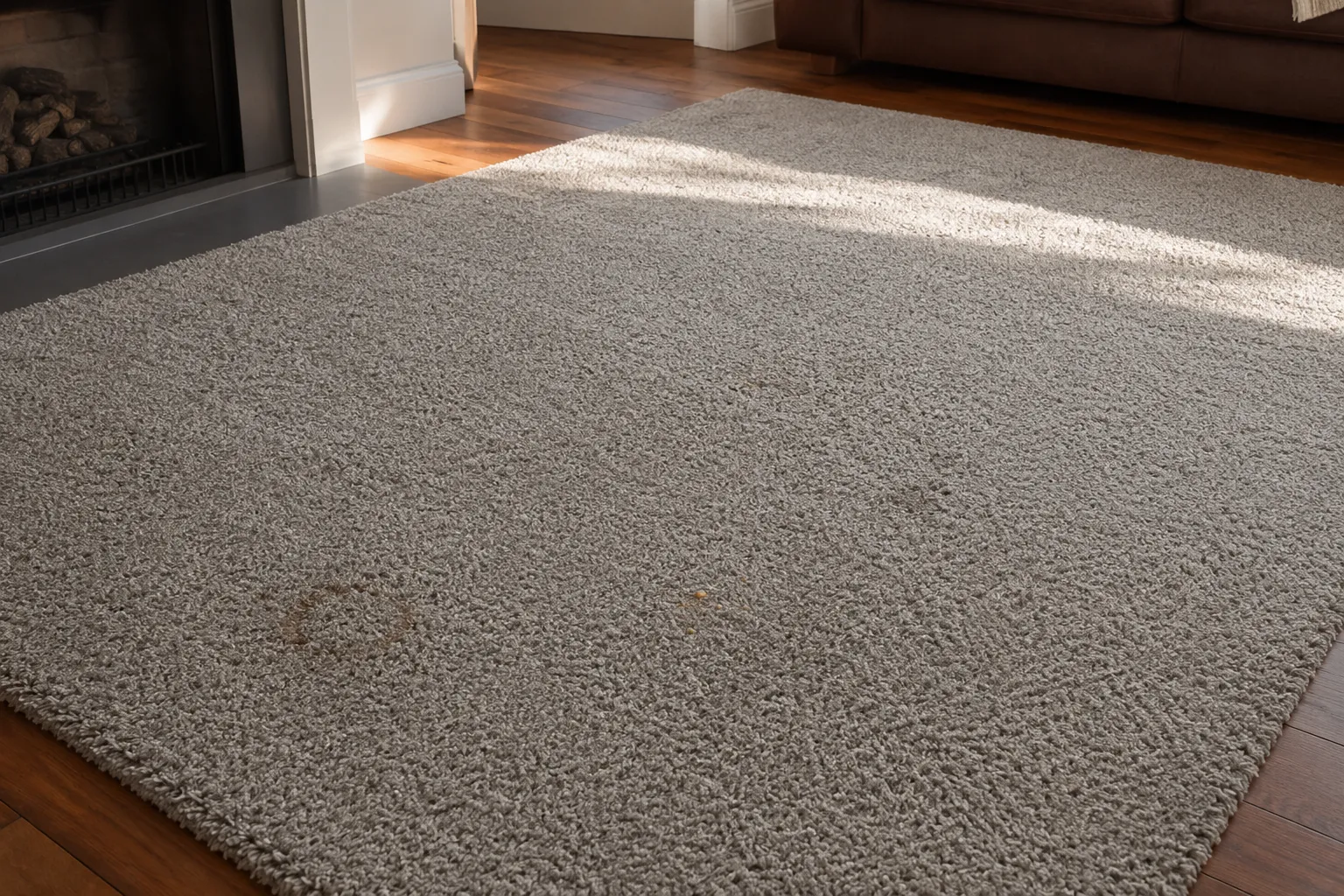
 After
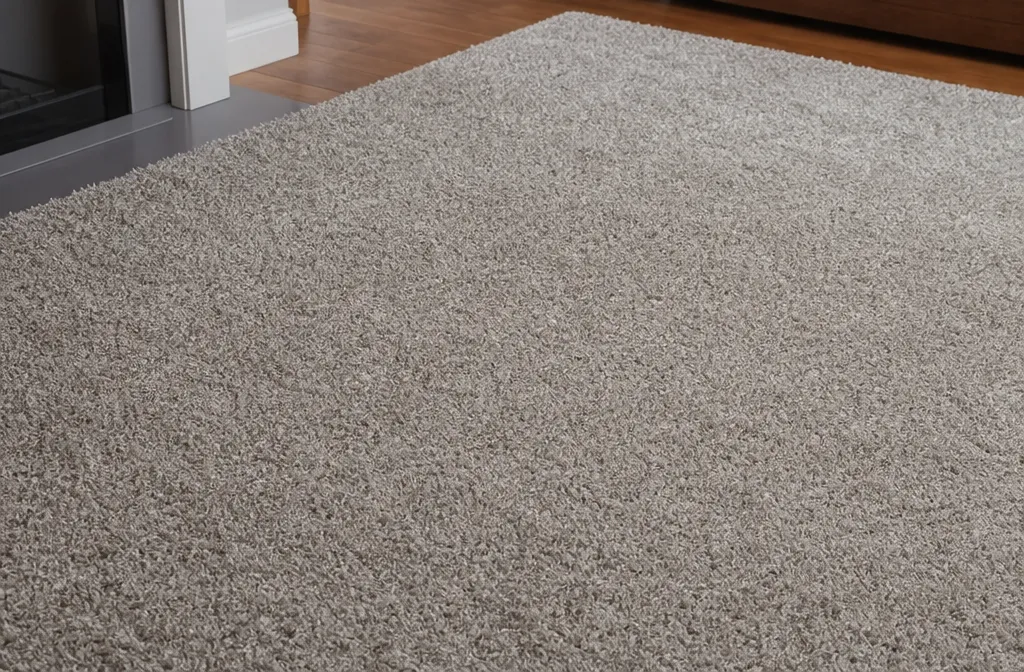
After
Request: I want to remove coffee stains and refresh the color of the synthetic carpet in the living room.
Done: We performed deep cleaning using an extractor and synthetic shampoo, removed stains.
Cost: 7 000 ₸
Master: Aigul Sadykova, cleaning master
Total: The carpet is completely clean, stain-free, the pile is fluffy and bright.
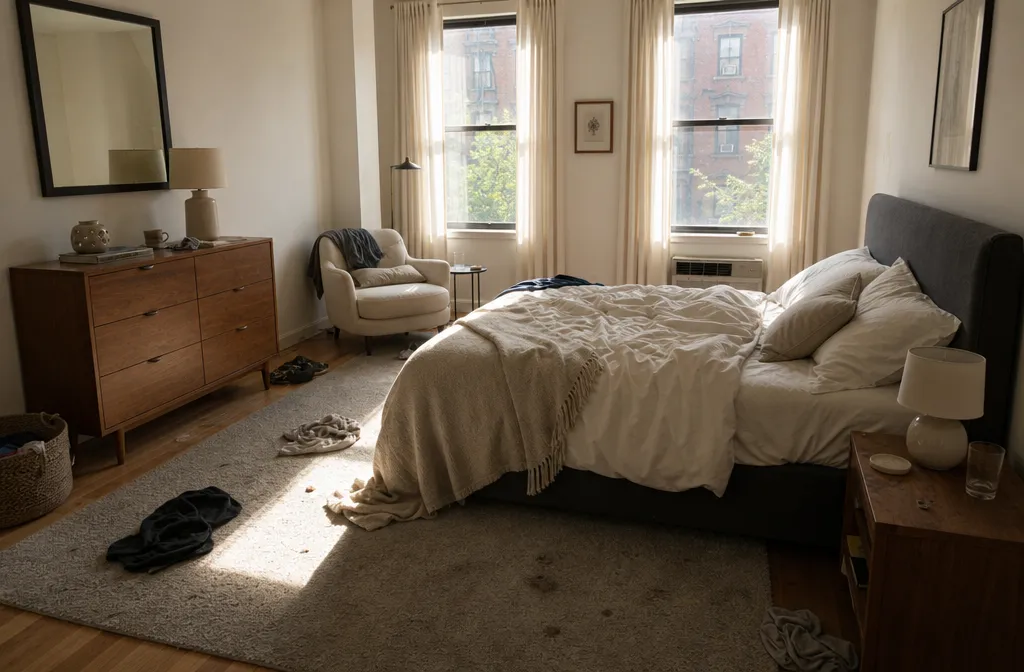
 After
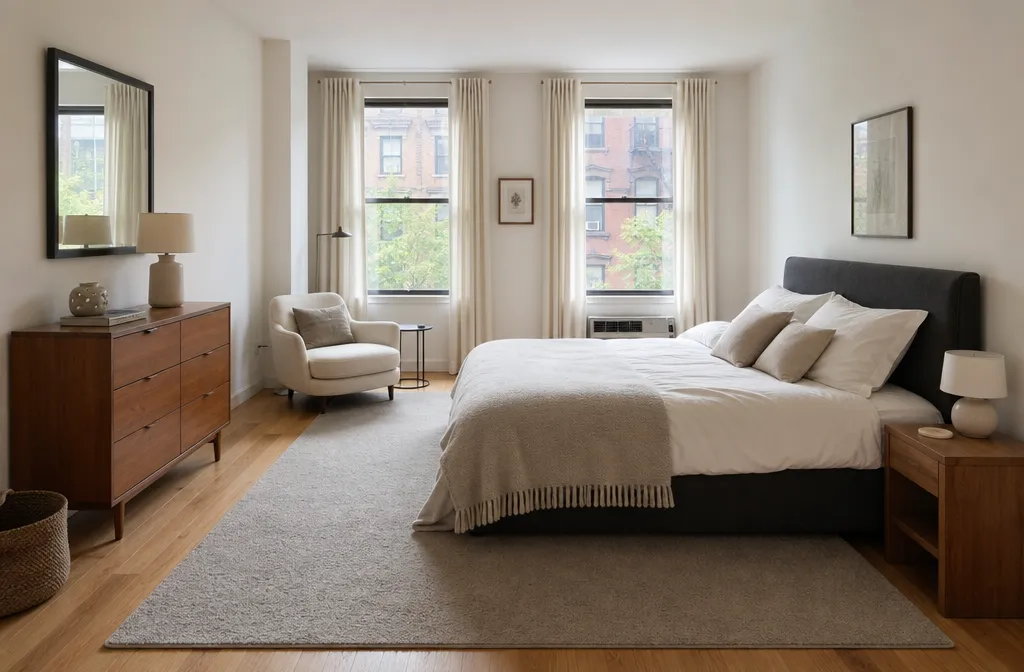
After
Request: Need to clean the wool carpet in the bedroom, dust streaks appeared.
Done: We performed dry cleaning using organic shampoo and low pressure.
Cost: 8 000 ₸
Master: Daniyar Nurlanov, cleaning master
Total: The carpet became soft, without streaks, color refreshed, pile undamaged.
 After
After
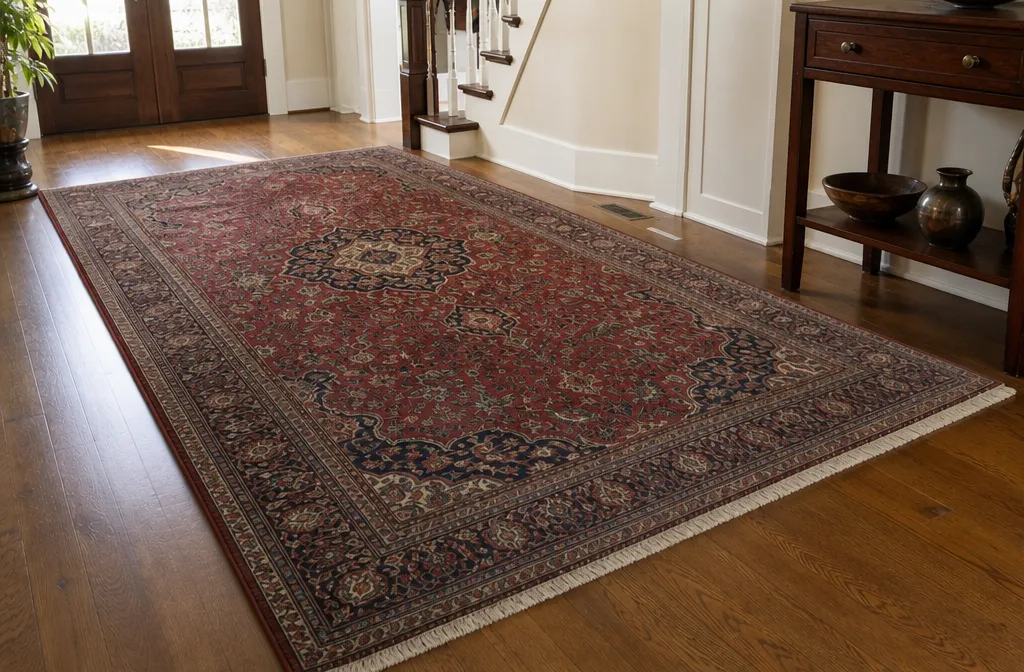
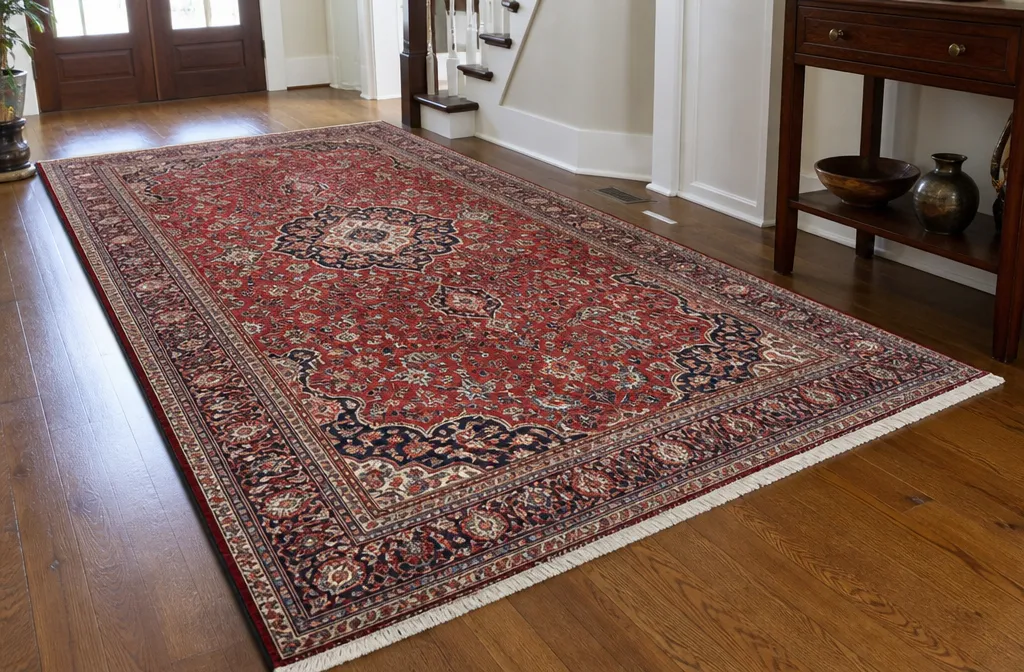
Request: I want to refresh the oriental carpet in the hallway, it has dulled from dirt.
Done: We performed manual cleaning with a soft brush and neutral detergent.
Cost: 9 000 ₸
Master: Aliya Bektasova, cleaning master
Total: The carpet regained its pattern brightness, dirt removed, pile became soft.
 After
After
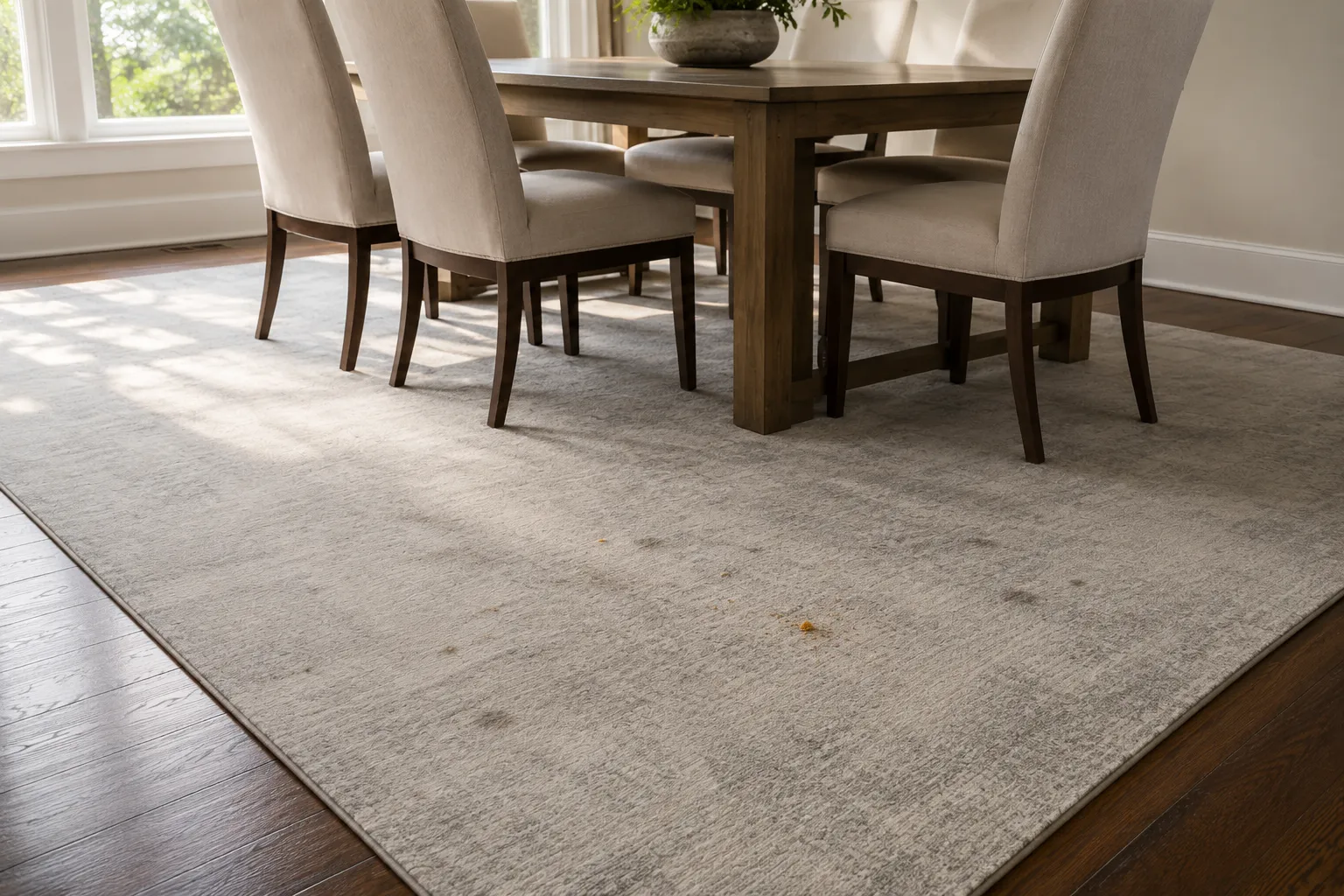
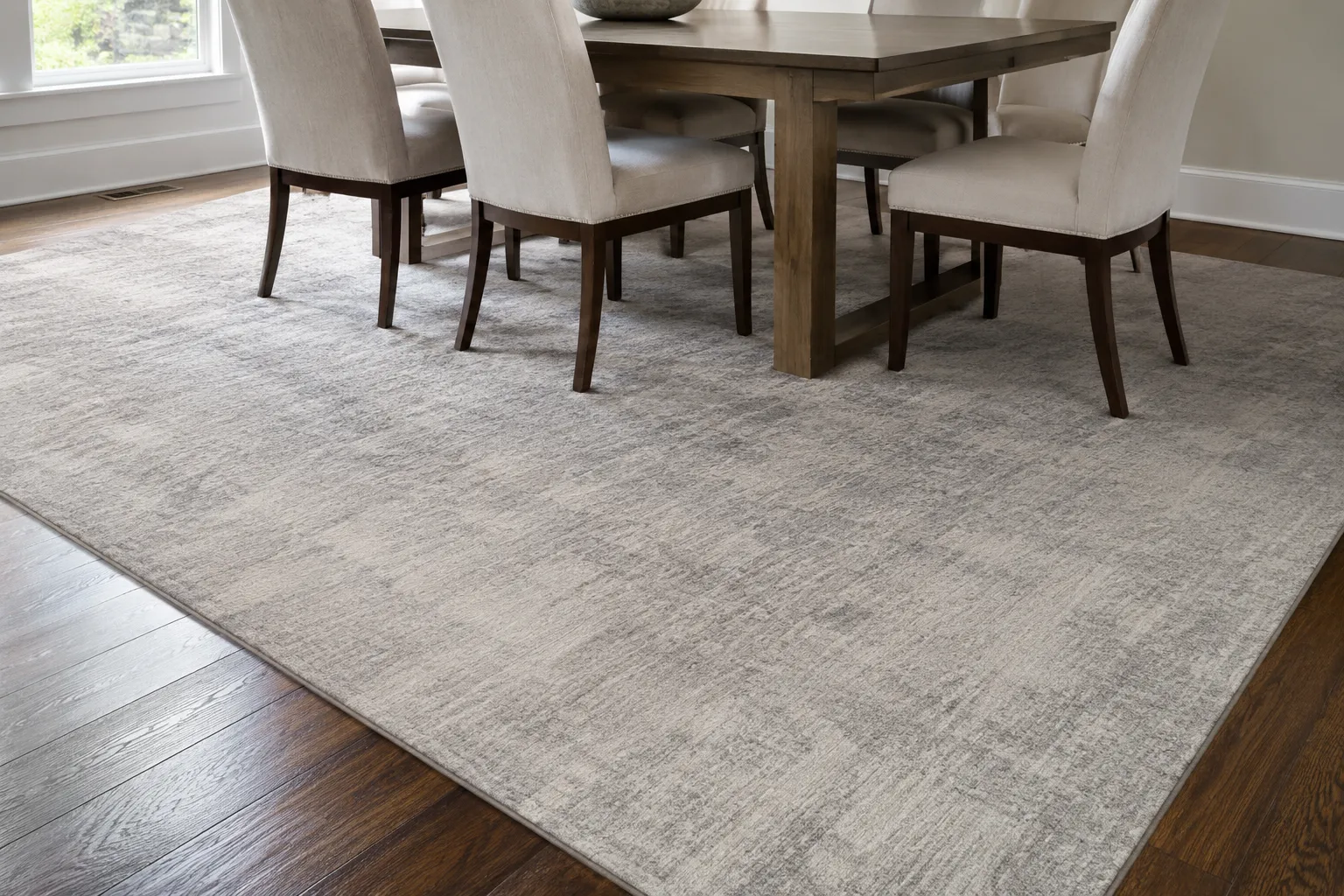
Request: On the viscose carpet under the dining table, there are food and grease stains.
Done: We applied dry foam method with low moisture, removed grease stains.
Cost: 10 000 ₸
Master: Yerzhan Karimov, cleaning master
Total: The carpet is clean, without greasy marks, pile not deformed.
 After
After
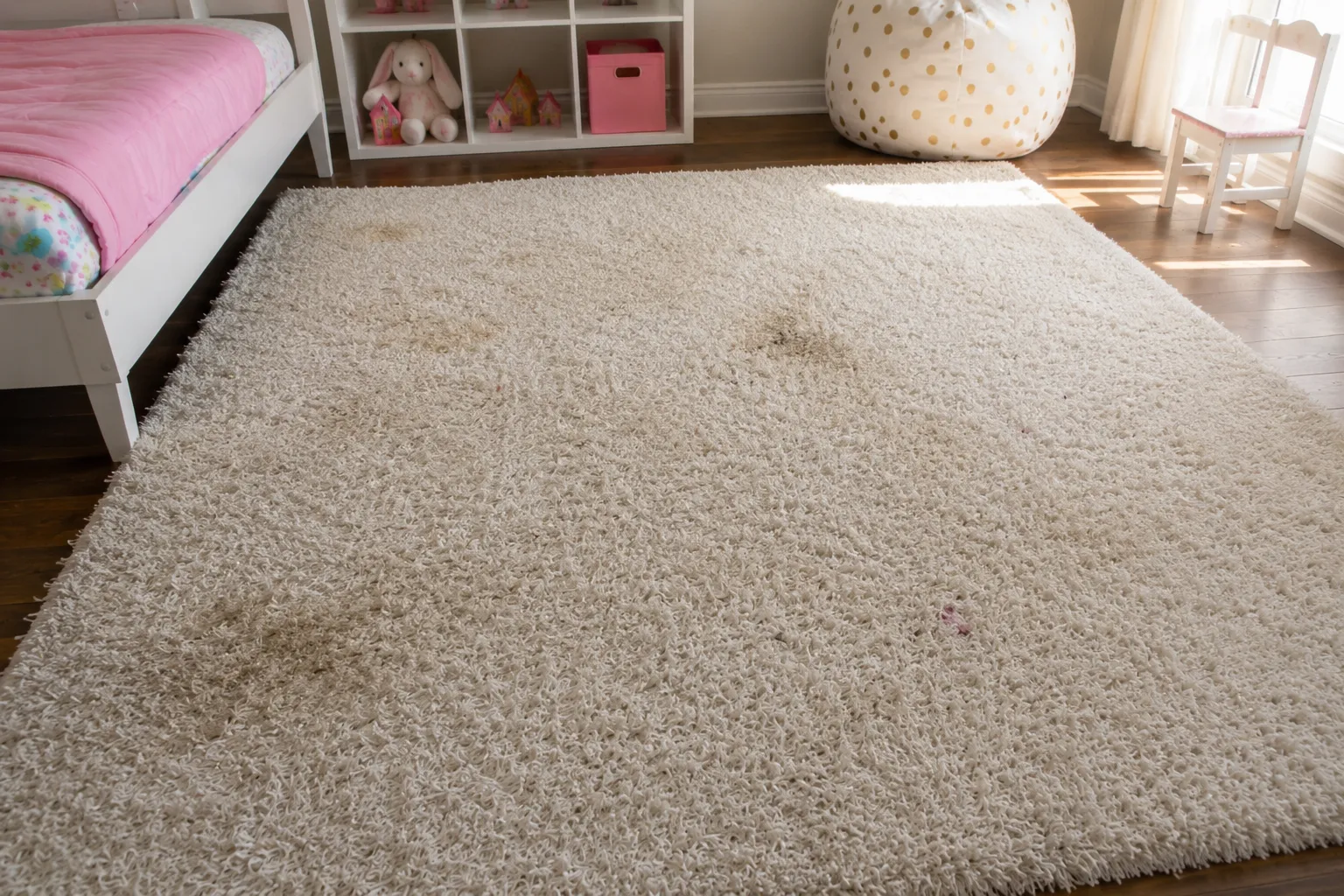
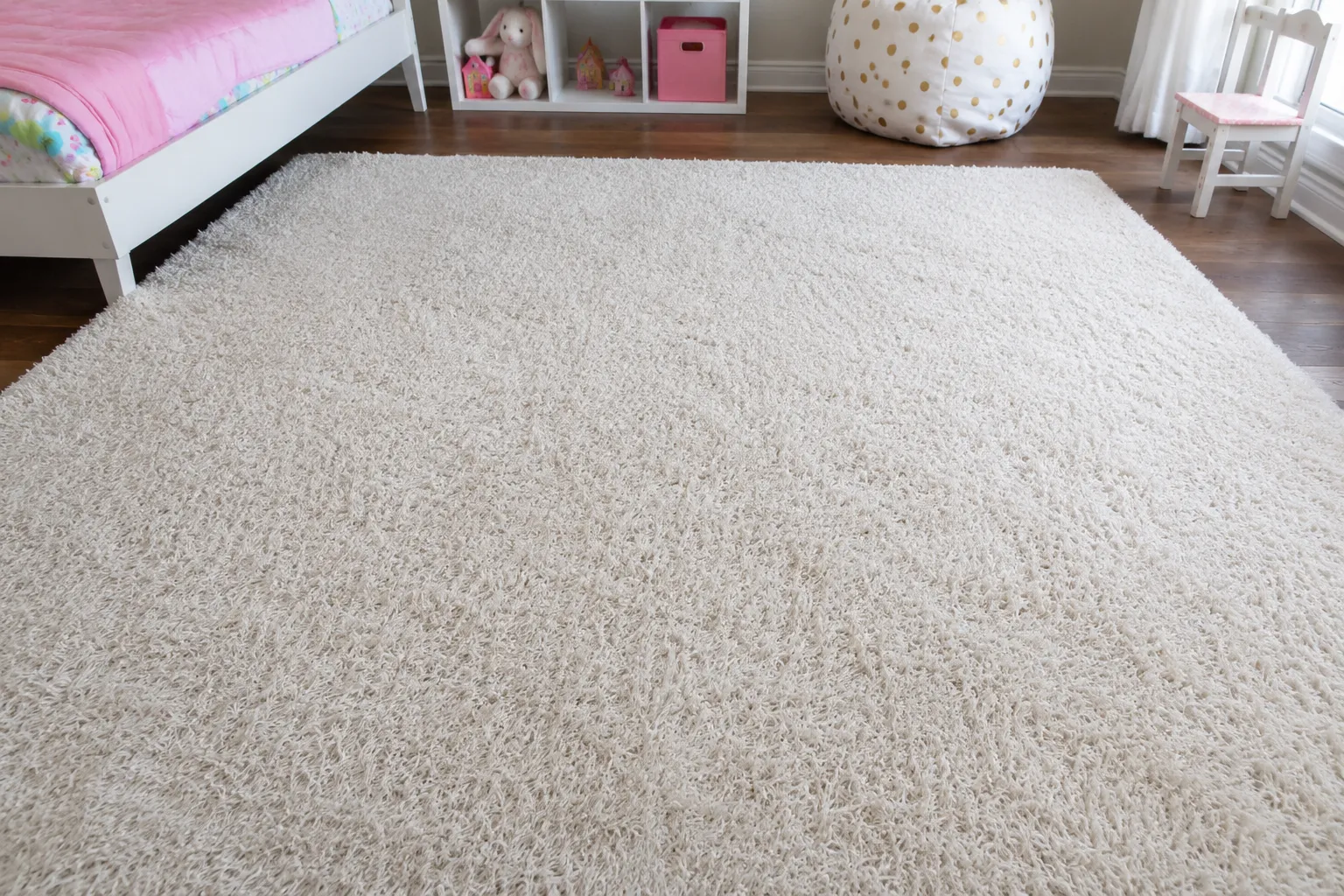
Request: In the kids' room, the carpet has long pile, needs deep cleaning from dust and stains.
Done: We performed extraction cleaning with pre-spraying of enzyme agent.
Cost: 7 000 ₸
Master: Gulnara Ismailova, cleaning master
Total: The carpet is fluffy, dust-free and stain-free, safe for the child.
 After
After
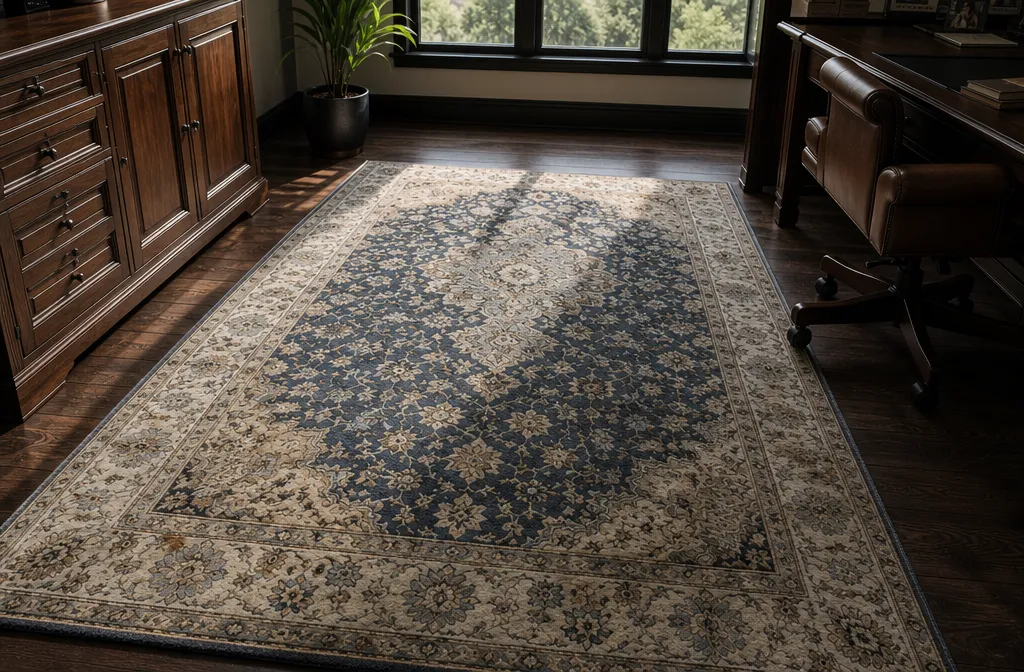
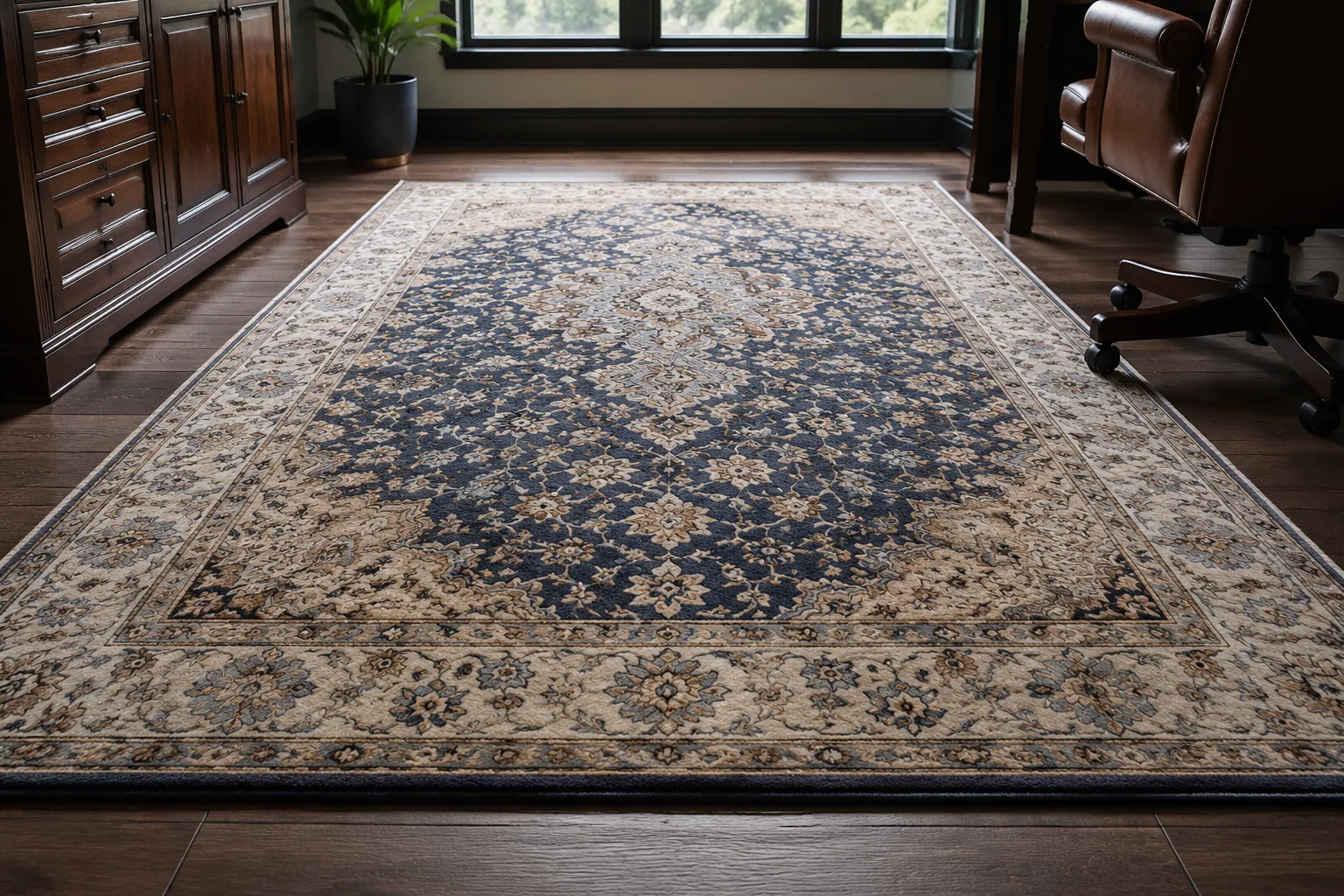
Request: In the office, a handmade rug, we want to remove coffee stains and shoe dirt.
Done: Performed manual dry cleaning using mild surfactants and low pressure.
Cost: 9 000 ₸
Master: Ruslan Akhmetov, dry cleaning master
Total: Carpet clean, no stains, colors became more vibrant, pile undamaged.
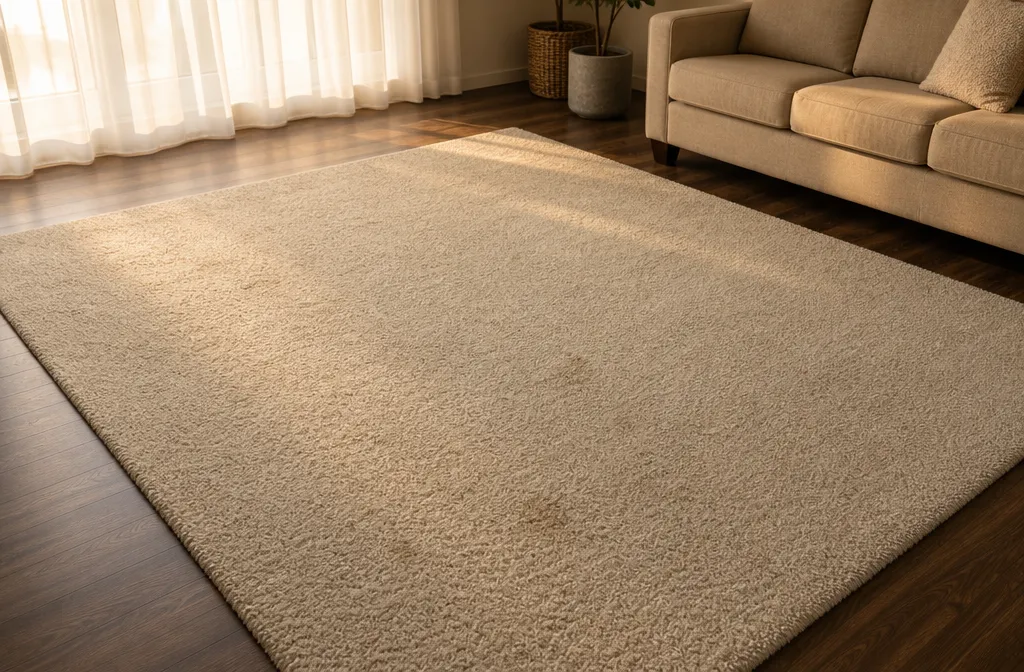
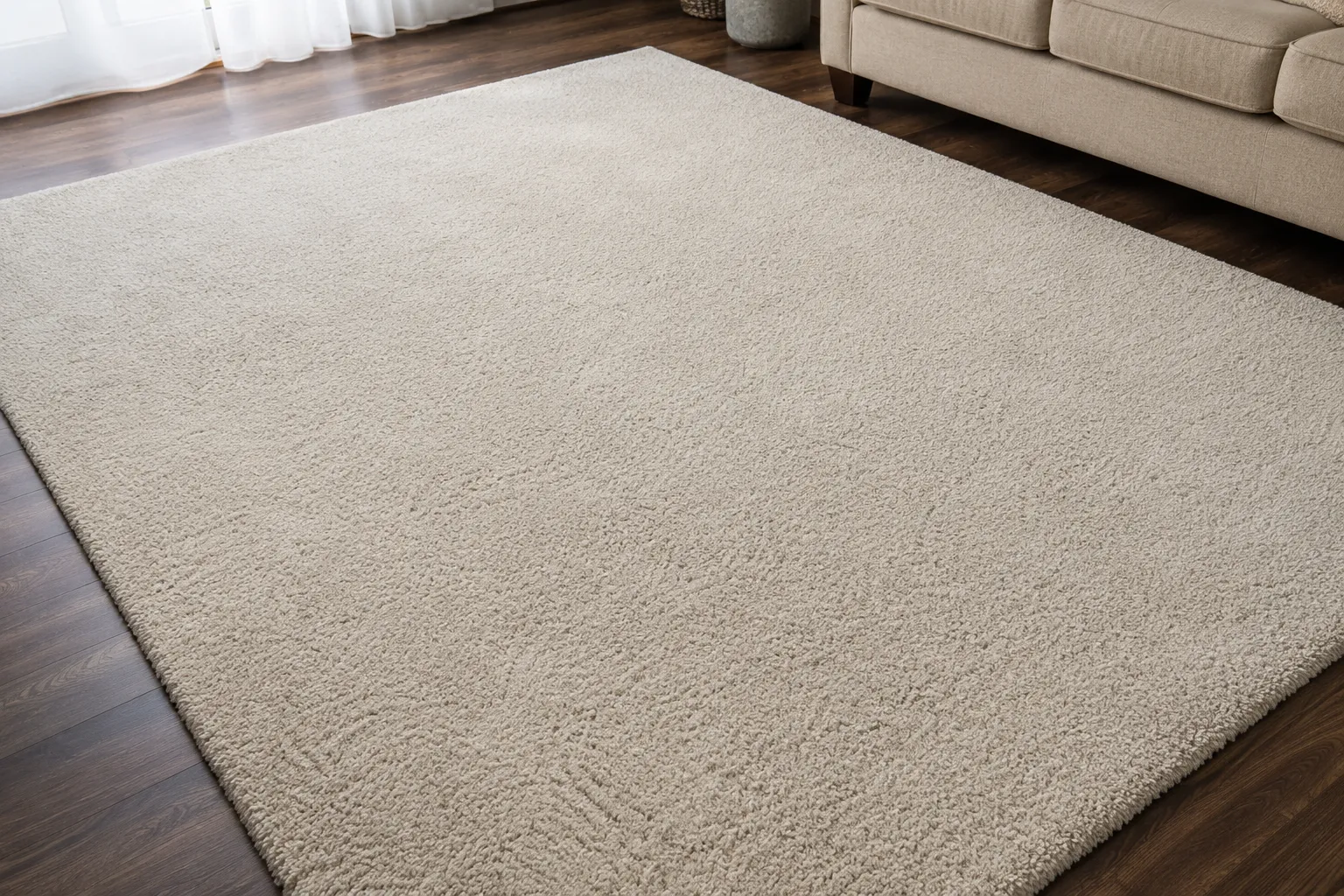 After
After
Request: Cat left stains and odor on the carpet, needs dry cleaning with deodorization.
Done: Treated with enzymatic cleaner for organic removal, then extraction and deodorization.
Cost: 8 000 ₸
Master: Marat Zhumabayev, dry cleaning master
Total: Stains and odor completely removed, carpet clean and fresh.
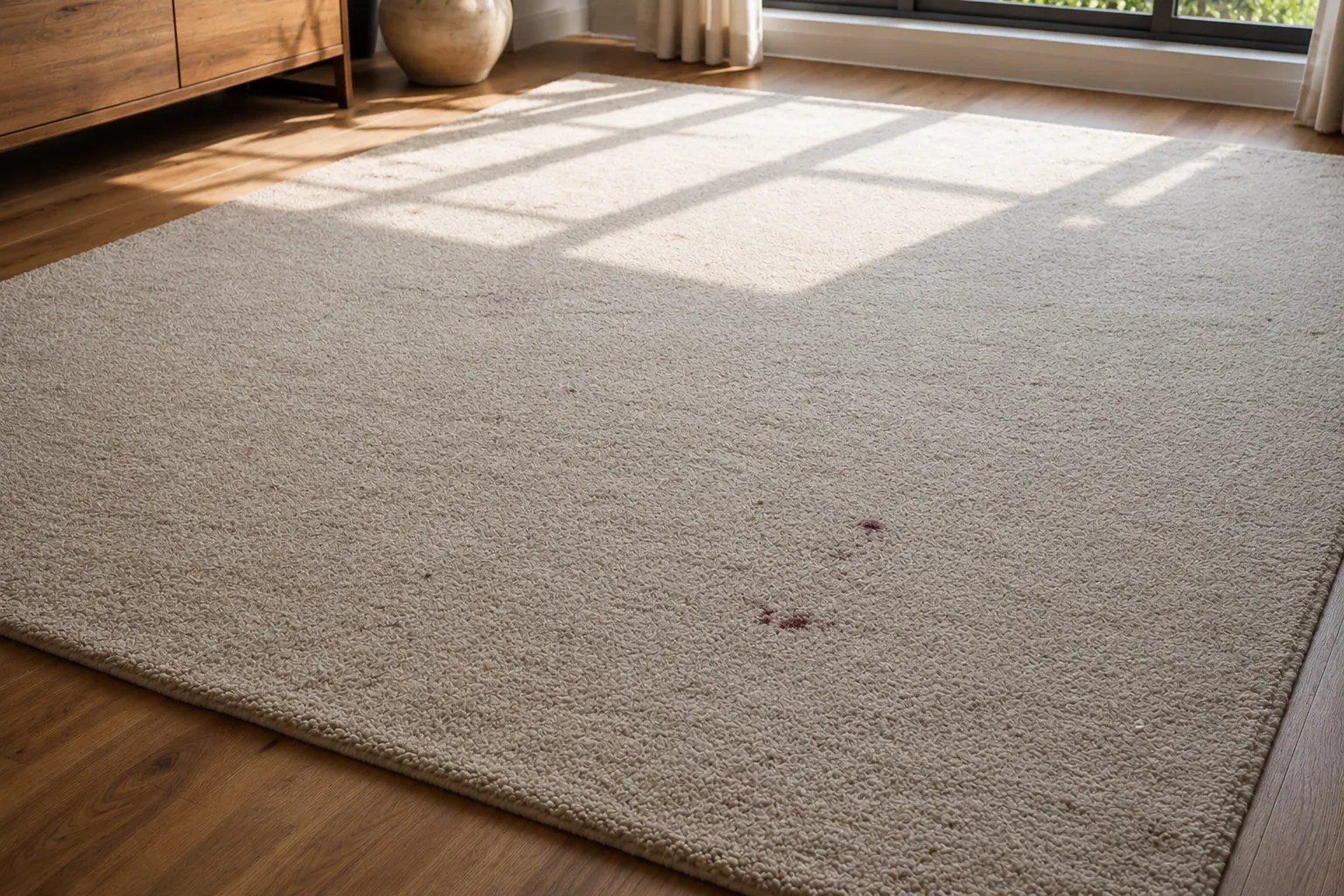
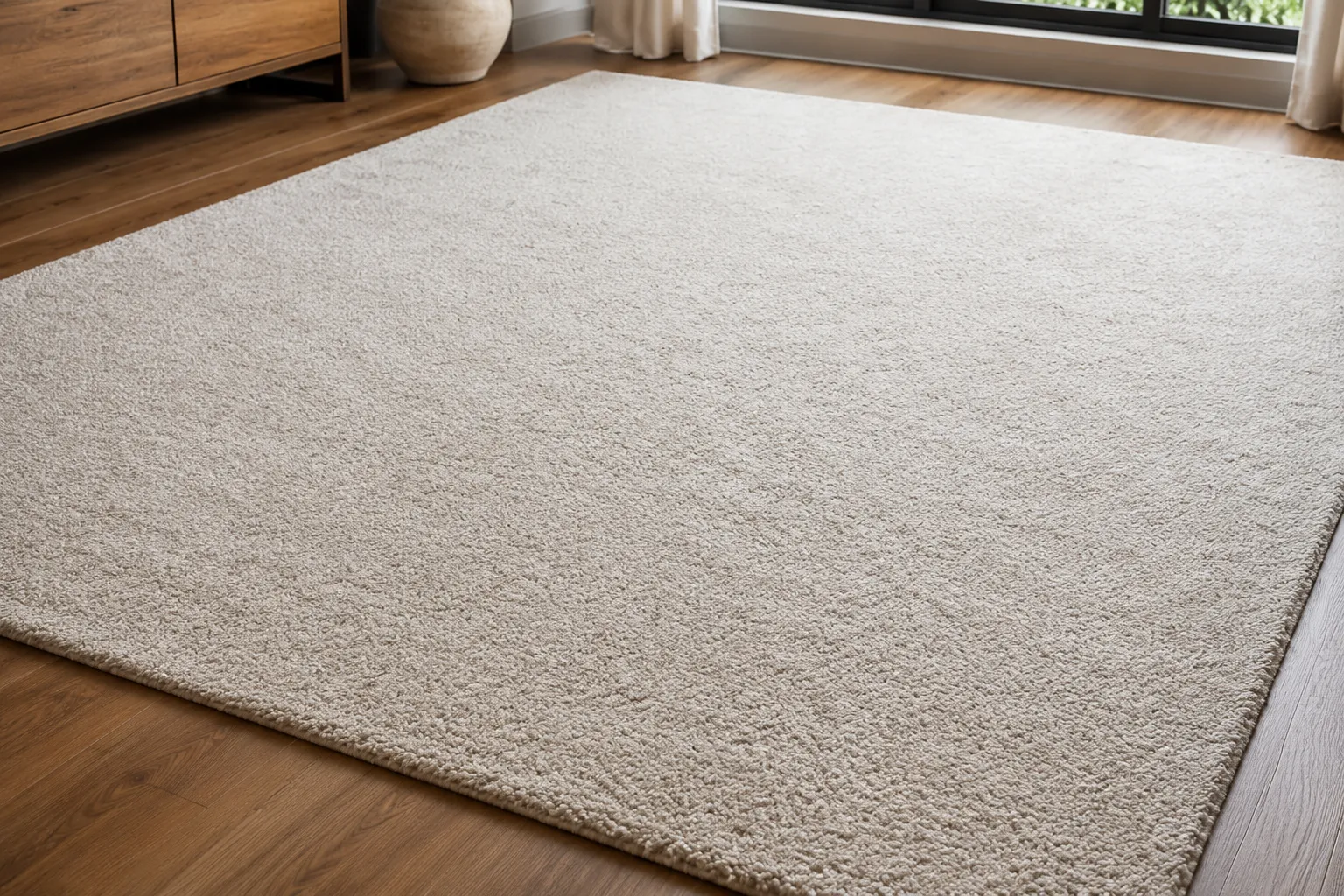 After
After
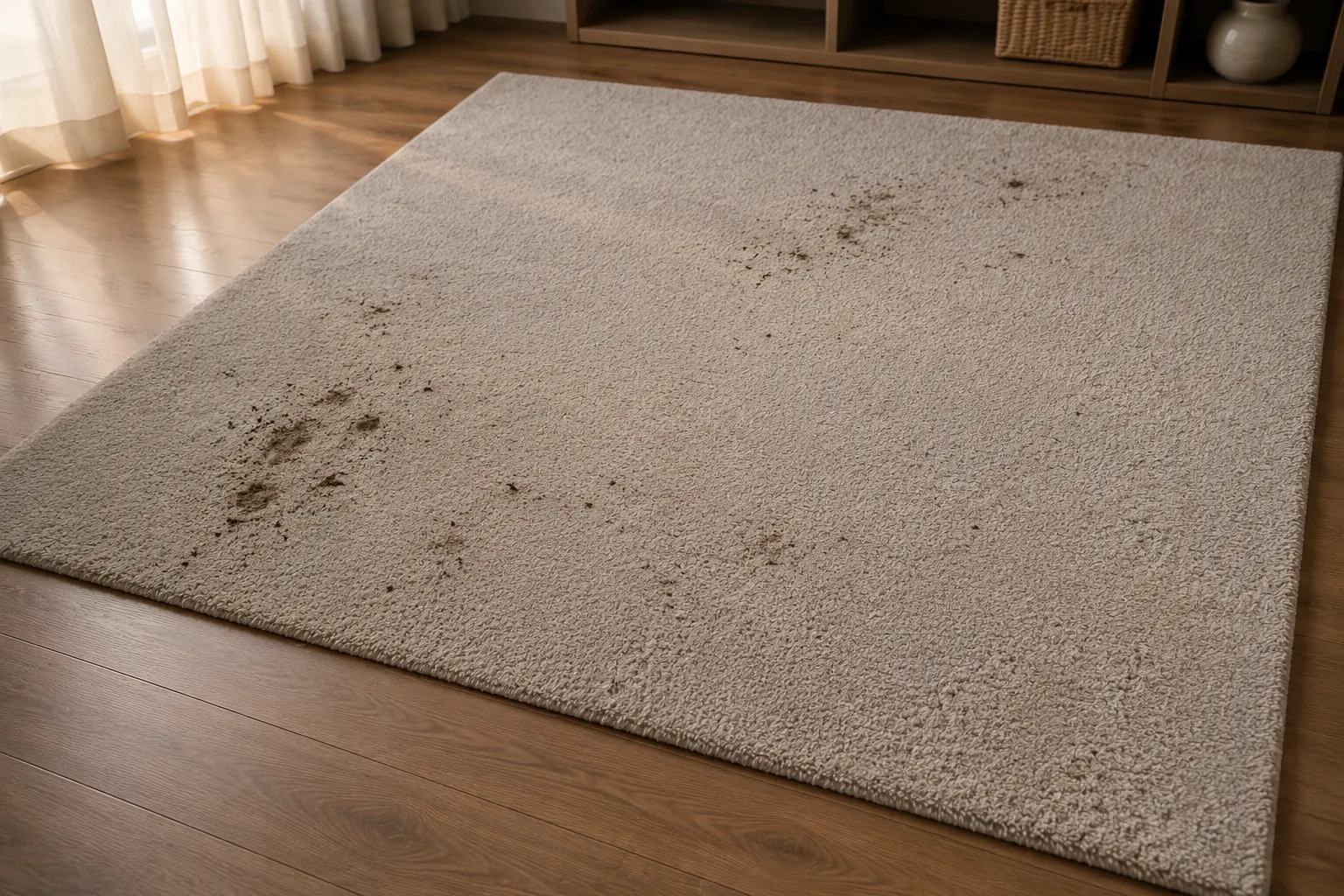
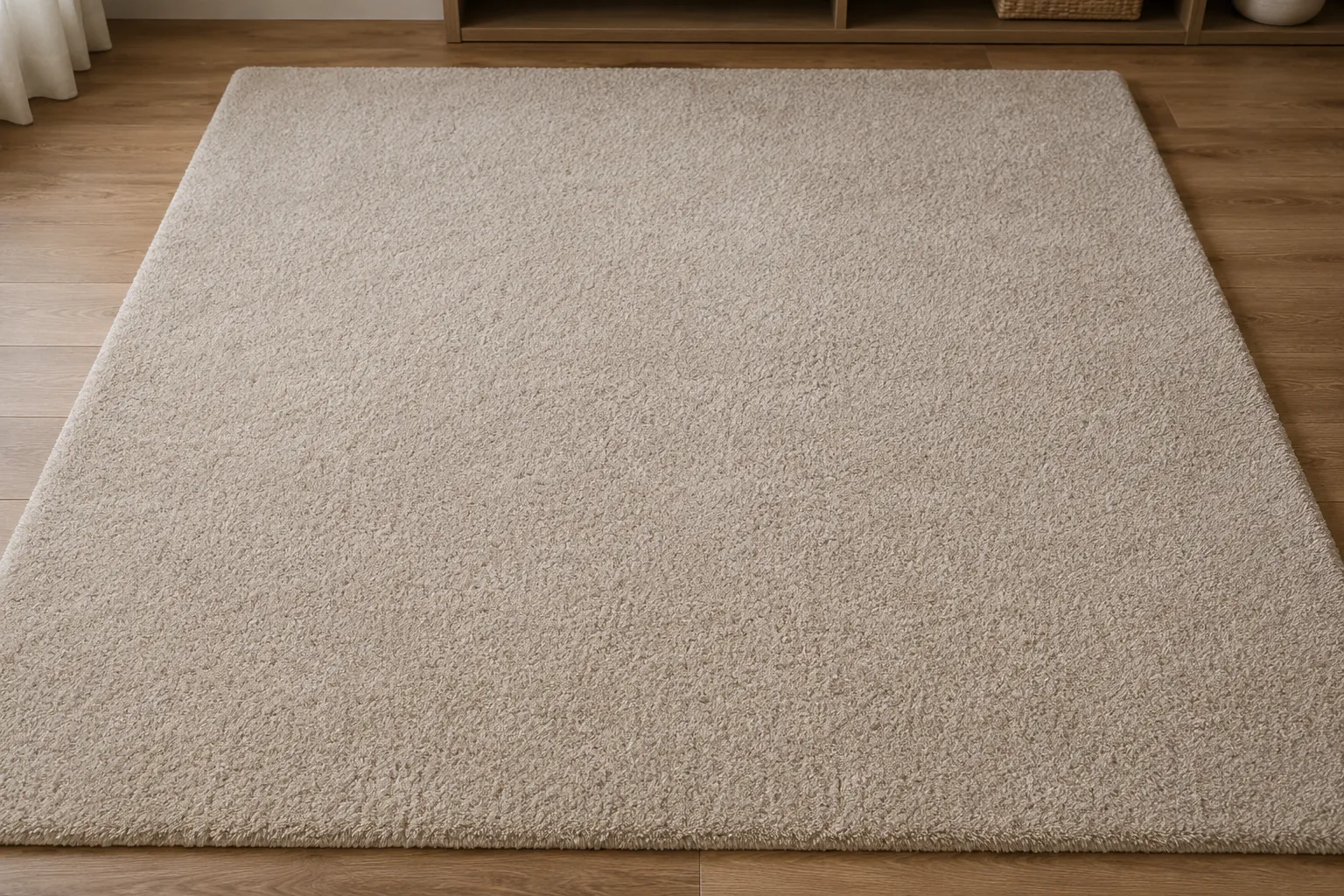
Request: Spilled red wine on the carpet, stains are set-in, need dry cleaning.
Done: Applied wine stain remover and hot water extraction cleaning.
Cost: 7 000 ₸
Master: Assem Muratova, dry cleaning master
Total: Wine stains completely removed, carpet without streaks.
 After
After
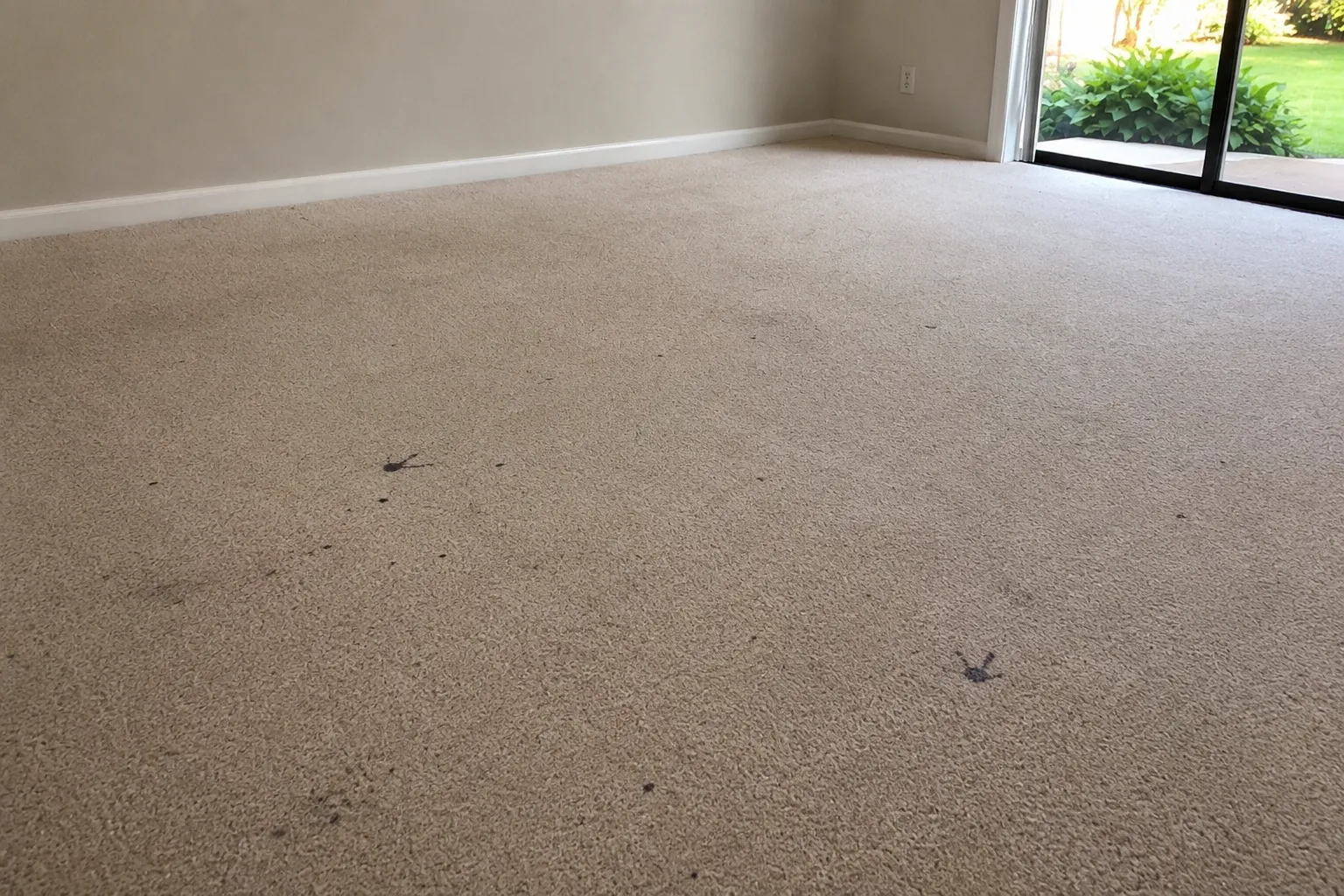
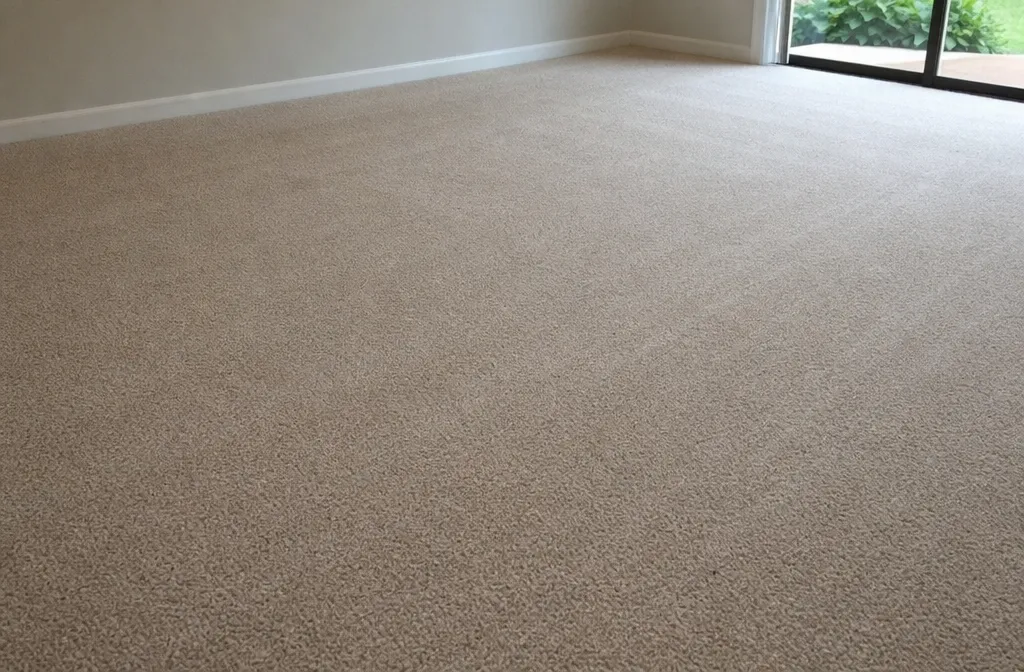
Request: After renovation, the carpet has mud stains and construction dust.
Done: Performed dry cleaning with vacuum and wet extraction with neutral shampoo.
Cost: 11 000 ₸
Master: Bakhytzhan Omarov, dry cleaning master
Total: Carpet clean, no muddy traces, pile restored.
 After
After
Request: Child spilled ink on the carpet, need to remove stains.
Done: Treated stains with alcohol-based cleaner and performed extraction.
Cost: 8 000 ₸
Master: Saule Tleubayeva, dry cleaning master
Total: Ink stains completely removed, carpet clean.
All cleaners are profi-clean staff with training, uniform and security check. Each order has a team leader who controls quality.
“`markdown
Every stain and pile type requires its own chemistry — we select a formula for each specific carpet, rather than pouring a universal product for all cases.
At profi-clean, we use professional concentrates from Kiehl (Germany) and Sodasan (Germany) — these are the only brands that have passed our internal safety test for all pile types. Kiehl offers enzyme-based formulas that break down protein (blood, milk, urine) at a molecular level without damaging dyes. Sodasan is an organic line based on soap root and coconut oil, certified by EU Ecolabel and the Vegan Society. Both manufacturers provide a full Safety Data Sheet (SDS) for each formula — we keep them available at our office upon client request. Unlike household chemicals from supermarkets (Vanish, Amway), professional concentrates do not leave a sticky residue that attracts dust — after our cleaning, the pile stays dry and fluffy for 3-4 weeks longer.
For natural wool (Persian, Afghan, Turkmen carpets), we use only Sodasan Wollreiniger — a pH-neutral shampoo with lanolin that restores the fiber’s lipid layer. The mistake made by 70% of Almaty cleaners is using alkaline products (pH 9-11) on wool: they wash out natural oils, making the pile brittle and prone to splitting within 2-3 months. In our practice, we had a case where a client brought in a 1950s Persian carpet with faded areas — a previous dry cleaning had used a chlorine-based stain remover. We restored the color over 3 passes with Sodasan and the addition of 5% acetic acid (to neutralize chlorine residues), but 2 cm of pile along the edge had to be removed — the structure was destroyed. Therefore, during intake, we always test wool with a pH meter: if the reading is above 7.5, the carpet is already damaged, and we warn the client before starting work.
For set-in stains from coffee, wine, and grease, we use a three-component system: a pre-spray based on sodium citrate (Kiehl Citro Clean) — an enzyme gel (Kiehl Protein Remover) — a final extractor (Sodasan Fleckenfrei). Sodium citrate acts as a chelator: it binds iron ions from tap water (in Almaty, hardness is 7-8 °dH, according to Almaty Su data) and prevents the stain from “setting” after drying. The enzyme gel is applied spot-wise under a film — without oxygen access, enzymes work 3 times faster. The Sodasan final extractor is an oxygen bleach without chlorine that removes remaining dye residues from the stain. We do not use “home” methods — soda, vinegar, peroxide — on synthetics: on polypropylene (a popular material for hallways in Almaty), soda leaves a white residue visible under a Wood’s lamp UV light — we have tested this.
Household carpet chemicals (Vanish, Bagi, Grass) contain optical brighteners and aggressive surfactants — they create an illusion of cleanliness by glowing under UV, but in reality, they leave 30-40% of dirt deep in the pile. At profi-clean, we tested this on sample pieces: after treatment with Vanish and extraction with a HEPA-filter vacuum, the water was cloudy, and the UV lamp showed glowing streaks. Professional concentrates from Kiehl and Sodasan produce crystal-clear water after extraction when the dosage is correct (we use measuring cups with an accuracy of 5 ml per 10 liters of water). Another risk of household chemicals is foaming: in a rotary machine, excess foam clogs the extractor valve, causing the machine to break down. We had a case where a client brought in a carpet after self-cleaning with Vanish — foam came out of the drain hose within 2 minutes of operation. We had to flush the system 3 times with clean water before starting professional cleaning.
Tap water in Almaty has a hardness of 7-8 °dH (data from “Almaty Su”) and contains suspended sand particles from mountain rivers — this reduces detergent effectiveness by 15-20%. At profi-clean, we have installed a 5-micron fine cartridge filter and an ion-exchange resin water softener on every extraction machine (Karcher Puzzi 10.8). Without softening, we use 30% more Kiehl concentrate — hard water binds surfactant anions, making the product work at half strength. We measured it: on unsoftened water, removing a coffee stain requires 3 passes; with softened water, it takes 1 pass. Additionally, hard water leaves a white residue on dark carpets (especially viscose and silk) — visible when backlit. After implementing softeners, complaints about white streaks dropped from 12% to 0% over the year. Before each job, we always check hardness levels with a portable TDS meter — if the reading exceeds 200 ppm, we connect a portable softener.
We have deliberately excluded three categories from our arsenal: chlorine-based bleaches (sodium hypochlorite), petroleum-based solvents (white spirit, kerosene), and aggressive alkalis (caustic soda). Chlorine destroys dyes on wool and cotton — there have been cases in the Almaty market where a carpet “fades” by 2-3 tones after such cleaning. Petroleum-based solvents are a common cause of headaches for clients: benzene vapors linger in the pile for up to 48 hours, especially in closed apartments. Instead, we use oxygen bleaches (peracetic acid in low concentration) and hydrocarbon solvents based on D-limonene (from orange peel) — they are biodegradable within 24 hours and leave no odor. Our choice is confirmed by the EcoLabel EU certificate — we are the only cleaning company in Almaty that has passed the ISO 14001 audit for chemical handling. If a client has a latex allergy (common in children), we replace the cleaner’s gloves with nitrile ones and use the hypoallergenic Sodasan line without fragrances — this is specified in the memo we provide before the job. “`
Recommended frequency depends on pile type, room traffic, and residents’ lifestyle — there is no universal schedule. In our practice, we have identified three scenarios that work for Almaty apartments and houses.
Polypropylene and polyamide coverings absorb less dirt, but static electricity attracts dust faster than woolen counterparts. We recommend professional cleaning once a quarter in living rooms with constant foot traffic and once every six months in bedrooms. If there are pets in the house, the interval shortens to 2–3 months — hair gets trapped between synthetic fibers and cannot be removed by vacuuming, even with a turbo brush. In our orders from last season, there was a case: a client cleaned a synthetic carpet once a year, and after two years, the pile lost its volume due to compacted dust. Be sure to perform dry cleaning before the winter season — reagents from Almaty roads settle on shoes and embed into synthetics after 2–3 passes on a wet surface.
Natural fibers are more finicky: wool fears alkali and high temperatures; viscose fears excess moisture. For such coverings, we advise professional cleaning once a year, but with mandatory steam or dry shampoo treatment every 3–4 months. In Almaty, where humidity is high in spring and autumn, mold develops faster on wool — in October, we had a job in a house in the Medeu district: a handcrafted New Zealand carpet had not been cleaned for two years, and black fungus had formed underneath it. Interim care — dry foam with extraction — extends the life of viscose by 3–4 years because the fiber does not soak through and does not lose its stiffness.
High-traffic zones and areas with a high risk of spills require a different approach. In the hallway, we recommend cleaning every 8–10 weeks, especially during the muddy season (March–April, October–November). In the kitchen, clean every 2 months if the rug is near the stove: oil vapors settle on the fibers and attract dust like a magnet. In our orders over 30,000 tenge, we often see kitchen rugs that are vacuumed daily but look gray after six months — this is a grease film that household chemicals can’t handle. Moreover, in the kitchen, the method is more important than frequency: dry cleaning with a sorbent (Kiehl) removes odors in 40 minutes, while wet cleaning leaves moisture that can cause mustiness in an enclosed space.
Owners of shaggy and saxony rugs often postpone professional cleaning, thinking that long pile gets less dirty. In reality, long fibers act like a filter: they trap pollen, mold spores, and pet hair inside, not on the surface. We strongly recommend cleaning such rugs every 3–4 months — in Almaty, where there is a high concentration of poplar fluff in May–June, it gets packed into the base of the pile and rots, causing allergies. In our practice, there was a case: a family cleaned their shaggy rug once a year, and after two years, their child started coughing at night — an analysis showed Aspergillus in the rug. Before cleaning a long-pile covering, always ensure the technician uses an extractor with height adjustment — a regular vacuum cleaner just presses dirt into the base.
Almaty’s climate creates two peak periods of contamination. In spring (March–May), we clean rugs from de-icing agents and dust; in fall (September–October), from street dirt and ragweed pollen. If you skip spring cleaning, the de-icing agents crystallize in the pile and, when walked on, cut the fibers — on synthetics, this becomes noticeable as bald spots after 6–8 months. It’s important to do fall cleaning before turning on the heating: warm floors lift settled dust back into the air, and the concentration of allergens in the room increases 3–4 times within a week. Our recommendation: schedule dry cleaning for the first week of April and the second week of September — during these periods, our workload is minimal, and a technician can arrive within an hour.
Many people confuse these two methods, although they are essentially different technologies: dry cleaning is deep removal of dirt using special compounds and extraction, while steam cleaning is treatment with hot steam for disinfection and surface refreshing.
We use the extraction cleaning method with active chemicals (Kiehl, Sodasan) and professional equipment with HEPA filtration. First, a pre-treatment solution is applied to the rug, which breaks down dirt at the molecular level; then a powerful extractor sprays water with shampoo under pressure and immediately sucks it out along with the dissolved contaminants. Residual moisture is only 10–15%, and the rug dries in 2–4 hours. This method washes dirt out from the base of the pile, not just blows it off the surface. On Almaty rugs — especially those with dense pile where street dust settles — dry cleaning removes up to 98% of allergens, whereas steam without extraction only lifts them higher.
A steam generator delivers dry steam at 120–150°C, which kills bacteria, mites, and fungi, but does not extract dirt — it remains in the pile and, after drying, rises again as dust. This method is suitable for delicate fabrics where aggressive chemicals are contraindicated (e.g., old handmade wool rugs) or for quick treatments between deep cleanings. In Almaty, steam cleaning is often confused with dry cleaning when ordering through aggregators — a cleaner arrives with a household steam cleaner, treats the surface, and the next day the rug looks worse than before. If the rug has set-in stains or odors, steam without extraction won’t remove them: hot water fixes protein-based stains (milk, meat), and removing them after drying is almost impossible.
| Parameter | Dry Cleaning (Extraction) | Steam Cleaning |
|---|---|---|
| Deep dirt removal | Yes, from the base of the pile | No, only from the surface |
| Disinfection | Yes, due to chemicals and high temperature | Yes, with steam at 120–150°C |
| Drying time | 2–4 hours | 15–30 minutes |
| Safety for allergy sufferers | Yes, HEPA filter + allergen flushing | Conditional: spores and mites are killed, but bodies remain |
| Stubborn stain removal | Yes, with pre-treatment | No, steam sets protein |
Wool, viscose, polypropylene, nylon, sisal — each material reacts differently to moisture, chemicals, and mechanical action. We’ve broken down the key nuances so you understand the risks for your carpet and how to avoid them.
Wool is a finicky natural material: it is sensitive to alkaline compounds with a pH above 9, which destroy keratin fibers, and high temperatures (above 40°C), which cause the pile to “cook” and shrink. In practice, we use only neutral or slightly acidic shampoos (pH 5–7) for wool — for example, Kiehl Wool Clean, which gently breaks down organic matter without damaging the fiber cuticle. The second critical point is drying: wool absorbs moisture 3–4 times longer than synthetics, and uneven drying leads to shrinkage — the carpet may warp at the edges, especially if the backing is jute. Therefore, after extraction, we leave the wool carpet on a ribbed drying rack with forced ventilation for 12–18 hours, turning it every 4 hours. Before cleaning a wool carpet with a natural latex backing (common in handmade rugs), we always test colorfastness on an inconspicuous area — some Persian dyes migrate upon contact with water.
Polypropylene and nylon are the most low-maintenance materials: they withstand alkaline concentrates up to pH 11 and temperatures up to 60°C, allowing the use of powerful enzyme stain removers (e.g., Sodasan Fleckenspray) for old coffee, grease, or wine stains. Nylon, unlike polypropylene, tends to accumulate static electricity — after cleaning, the pile becomes electrified and attracts dust faster, especially in the dry air of Almaty apartments in winter. To avoid this, we add an antistatic agent based on quaternary ammonium to the final rinse — it neutralizes the charge for 2–3 weeks. Polypropylene is simpler: it absorbs no more than 5% of its weight in moisture, so it dries in 2–4 hours, but it is sensitive to abrasive brushes — rough mechanics leave “snags” on smooth threads. In practice, we clean synthetics with a rotary machine with soft nylon bristles (600–800 rpm) and never use hard scrapers on soiled areas — only foam treatment with a 10–15 minute dwell time.
Viscose is an artificial fiber made from cellulose that loses up to 40% of its strength when wet and deforms irreversibly: the fibers swell, the pile mats into “pills,” and it shrinks unevenly when drying. Cleaning a viscose rug with water is almost guaranteed damage. At profi-clean, we treat viscose only with a dry method — we apply an absorbent powder (e.g., Host Dry Clean) based on cornstarch with a solvent, work it into the pile with a rotary machine at 300 rpm, and after 20–30 minutes, collect it with a vacuum cleaner equipped with a HEPA filter. Moisture with this method does not exceed 5–8% compared to 40–60% with extraction. If there is an oil stain (grease, cream) on viscose, we use only an organic citrus-based solvent — it evaporates in 15 minutes without leaving streaks. The main rule: a viscose rug must not be soaked, steamed, or dried with a hairdryer — any high temperature “bakes in” the deformation.
Sisal and coir are coarse plant fibers that rot upon contact with moisture: water penetrates the core of the thread, starts the decomposition process, and after 2–3 wet cleaning cycles, the rug begins to crumble at the edges. The only safe method is regular dry cleaning: vacuuming with a turbo brush once a week and treatment with absorbent powder every 3–4 months. For local stains (spilled tea, juice), we use only an alcohol solution (70% isopropyl alcohol + 30% distilled water) — it evaporates in 5–7 minutes without leaving moisture in the fibers. Important: chlorine-based stain removers or bleaches must not be used on sisal — they discolor the natural pigment, and the rug becomes covered in white spots. In Almaty apartments with high humidity (above 60%), we recommend placing sisal rugs on ventilated floors without a rug pad — otherwise, mold will form underneath within 2–3 months.
Many modern rugs — especially factory-made ones (e.g., from Turkish brands like Merinos or Lova) — have a blended composition: a pile of wool with added polypropylene or nylon for durability, and a base of cotton or polyester. The problem is that the wool part requires a pH of 5–7 and temperatures up to 30 °C, while the synthetic part easily withstands a pH of 10 and 50 °C — a universal “medium” mode does not work. We select the composition based on the pile: if wool is more than 50%, we clean it as a wool rug (neutral shampoo, cold water, low extractor pressure — 2–3 bar), but we reduce the dwell time of the stain remover to 5–7 minutes to avoid overdrying the synthetic fibers. If the base is cotton, the rug must not be left damp for longer than 6 hours — cotton shrinks and molds. In our practice, there was a case: a client ordered dry cleaning for a 3×4 m Turkish rug labeled “100% wool,” but a burn test of the fiber showed 30% polypropylene — we adjusted the composition and temperature, and the rug dried without deformation.
After the profi-clean cleaners have finished the treatment, the rug remains vulnerable for another 24 hours. Damp pile easily absorbs dust from the floor, and improper drying negates the result — we explain how to lock in the cleaning effect until the next visit.
In the first 24 hours, the pile loses up to 95% of its moisture, but residual moisture in the rug’s base persists for 10–12 hours. You can walk on the rug barefoot or in clean shoes — outdoor shoes bring in sand that gets ground into the softened pile, leaving irreversible wear marks. Placing furniture is prohibited: the legs of a sofa or cabinet press into the damp base, creating a dent that takes weeks to even out. Pets are a separate risk: their paws pick up dirt particles from the floor, soiling the rug again, and damp pile is an ideal environment for bacterial growth. The best thing you can do is leave the rug without any load for 24 hours, with forced ventilation or an air conditioner in dehumidification mode running. In Almaty apartments with high humidity (basement floors, areas near the river), we recommend using a dehumidifier — this reduces drying time from 24 to 14–16 hours.
Drying is the most critical stage, and here are three working options. First is natural ventilation: open windows for micro-ventilation (not wide open — a draft lifts dust from the floor) and set the air conditioner to 22–24 °C. Second is accelerated drying with a household fan: direct the airflow along the pile, not at it — direct blowing dries the top layer while the base remains damp, leading to a musty smell within 2–3 days. Third is using a dehumidifier: devices with a capacity of 12–15 liters per day handle a room carpet of 6–8 m² in 10–12 hours. In Almaty, where humidity stays at 65–75% during the autumn-spring period, the third option is the most reliable. Our cleaners, after treating carpets in the “Taugul” or “Samal” districts, always leave a memo with contacts for dehumidifier rental services — this spring we noticed that clients who rented the device complained about residual odor 4 times less often.
The most common mistake is trying to speed up drying with a hair dryer or heater: hot air fixes detergent residues in the pile, and within a week white streaks appear on the carpet, which can only be removed by re-washing. The second most frequent is placing the carpet on a wet floor: if the base (concrete or laminate) hasn’t dried after wet cleaning, moisture rises into the carpet and creates a greenhouse effect — within 3–4 days a musty smell appears that won’t dissipate without re-treatment. The third mistake is early vacuuming: on wet pile, the vacuum brush pulls threads from the base, especially on handmade wool or viscose carpets. You can vacuum a carpet after dry cleaning no earlier than 48 hours later — and only in “bare floor” mode without a brush. In our practice, there was a case: a client from the “Nurly Tau” residential complex vacuumed a wool carpet 6 hours after cleaning — we had to re-level the pile with a steam cleaner, which took an extra hour.
After professional cleaning, profi-clean applies a protective impregnation to the carpet — it creates an invisible film on the pile that repels dust and liquid. On kitchen carpets in Almaty apartments, this protection lasts 3–4 weeks, on bedroom carpets — up to 6 weeks. To extend the effect, it’s enough to vacuum the carpet once a week with a turbo brush and HEPA filter: a regular cyclone vacuum throws fine dust back out, and the carpet gets clogged again within 2–3 days. Spilled liquids should be blotted with a dry microfiber cloth — do not rub, otherwise the stain gets worked deeper into the pile. For hallways and corridors in Almaty homes (where sand and de-icing agents are brought in from the street), we recommend laying a protective dirt-trapping mat at the entrance — it catches up to 80% of particles, and professional cleaning will be needed not every 6 months, but every 9–10.
Many Almaty residents try to freshen up their carpet with household shampoo or a vacuum — and a month later see streaks, matted pile, and a persistent musty smell. Professional dry cleaning solves not just visible dirt: it extends the carpet’s lifespan, removes allergens, and preserves fiber structure. Let’s break down why self-cleaning and calling in professionals yield fundamentally different results.
Household chemicals and vacuums can’t handle deep dirt — they just spread grime across the pile, clogging the base. We see this at profi-clean weekly: after home washing, alkaline streaks remain on wool carpets, which harden and attract even more dust than before. On polypropylene, due to incorrect water temperature, the pile melts and loses its volume. And the main danger is moisture that doesn’t fully evaporate: mold develops under the carpet, especially on concrete floors in older Almaty homes. In our practice, there was a case where a client washed a rug twice with “Vanish” — within three weeks mold appeared, and the flooring had to be replaced. Professional extraction removes 95% of moisture along with dirt, leaving the pile dry to the touch within 2–3 hours. Before picking up a brush, remember: detergent residues in the pile are an ideal breeding ground for bacteria, especially during the high-humidity autumn-spring period.
Household steam cleaners and carpet washers generate pressure of 2–3 bar — this is only enough for surface wetting. At profi-clean, we use extraction machines with 6–8 bar pressure and a 1400W vacuum suction: water with cleaning agent penetrates to the base of the pile, dissolves fats and pollen, and then a powerful pump extracts the suspension. In practice, this means we remove up to 200 ml of dirty water per square meter of synthetic carpet — during home cleaning, the same amount remains inside. The HEPA filter on the exhaust captures 99.97% of particles down to 0.3 microns: dust mites, mold spores, and microplastics are not returned to the air. In Almaty, where the concentration of poplar and ragweed pollen is high in spring and autumn, this is critical for allergy sufferers — after our treatment, the number of allergens in the carpet is reduced by 90–95%, according to laboratory tests. Drying is done with forced ventilation without heat: the pile does not dry out and does not lose its elasticity.
The same cleaning solution behaves differently on a wool Bukhara carpet and a polypropylene runner in the hallway. At profi-clean, before starting work, we perform a test on an inconspicuous area: we check the fiber’s reaction to pH, water temperature, and reagent concentration. For wool, we use neutral solutions with a pH of 6–7 — alkali destroys keratin, making the pile brittle. For viscose — minimal moisture and only alcohol-free stain removers, because viscose loses its shape when in contact with a large volume of water. On sisal and jute — dry cleaning with powdered enzymes without water, otherwise the natural fibers swell and deform. In homes on the outskirts of Almaty (Microdistricts, Gorny Gigant), we often encounter old hand-made carpets with unfixed dyes — for these, we use cold cleaning and a color fixative to prevent the pile from fading. If the carpet has tobacco or pet odors, we add ozonation at the final stage — ozone neutralizes odor molecules at the molecular level, rather than masking them with fragrance.
Self-cleaning is not only a risk of ruining the carpet but also hidden losses of time and resources. Renting a carpet cleaner costs 5,000–8,000 tenge per day, and its cleaning quality is 3–4 times lower than a professional extractor — the difference is noticeable in the volume of dirty water extracted. Drying takes 12–24 hours at room temperature, and during this time, high humidity in the room promotes bacterial growth on upholstered furniture and in closets. For Almaty residents, whose homes often lack central ventilation, this means a risk of mold appearing on the walls. Additionally, incorrectly chosen chemicals reduce the carpet’s lifespan by 30–40% — according to manufacturers, after three self-cleanings, a synthetic carpet loses its stated wear resistance and requires replacement 2–3 years earlier.
I ordered carpet cleaning promotions, it was very profitable. The living room carpet became like new, even the pile lifted.
Thank you, Aigerim! We are glad you are satisfied with the result and the promotion.
I brought a carpet runner, coffee stains were removed perfectly. The only thing is they were a bit late with the deadlines.
We decided to use carpet cleaning promotions for the children's rug. Marker stains disappeared, the child is happy.
Great! Our products are safe for children, glad to help.
I handed over a wool carpet, was afraid it would shrink. But everything is fine, color is fresh, pile is soft. Very careful.
I took advantage of the carpet cleaning promotions, the price was nice. But after cleaning, there was a faint smell, I had to air it out.
We apologize, usually the smell goes away in a couple of hours. Contact us if anything.
Very dirty long-pile carpet, I thought it was beyond saving. But the guys managed, now it's like new.
Thank you! We work carefully with long-pile carpets, glad you liked it.
I used the carpet cleaning promotions, cleaned two at once. The discount was significant, quality top-notch.
Kuanysh, thank you! It's important for us to be affordable and high-quality.
Cleaned the carpet in the bedroom, removed tea stains. The edge was a bit missed, but overall good.
Sorry for the oversight, we'll take note. Glad everything was satisfactory overall.
Great promotions on carpet cleaning, cleaned the hallway carpet. There was ingrained dirt, now it's clean.
I was afraid to send my viscose carpet, but the masters knew how to clean it. The result exceeded expectations.
Gulnara, thank you for your trust! We work with viscose using a special technology.
For the office, I ordered the carpet cleaning promotions, fast and high-quality. Coffee stains disappeared.
The carpet was terribly dirty, but after cleaning the pile became snow-white. Thank you, I will recommend.
Olga, thank you for your review! Always happy to help.
I caught the carpet cleaning promotions, they removed paint stains from the carpet. I thought it was permanent, but they managed!
Cleaned the carpet in the bedroom from pet hair. It became cleaner, but not perfect. Better for allergy sufferers.
Ruslan, we use allergen removal products. Contact us if you need a repeat treatment.
Cleaned a large 4x5 carpet using carpet cleaning promotions. The price was pleasing, the result excellent.
Aliya, thank you! We have special conditions for large carpets.
I handed over a carpet for the living room, it was greasy. It came back fresh and fluffy. Highly recommend.
The carpet had an unpleasant smell from animals. I ordered carpet cleaning promotions, the smell is completely gone.
Svetlana, we use deodorizing products. Glad we helped.
Cleaned the carpet in the children's room, removed juice stains. But a slight chemical smell remained, we aired it out.
Bakhyt, sorry. The smell usually dissipates; we use hypoallergenic formulas.
I've been wanting to clean a wool carpet for a long time, caught the carpet cleaning promotions. They did an excellent job, didn't deform it.
The carpet on the stairs was in terrible condition. After cleaning, it's like new, even the color became brighter.
Laura, thank you! We clean carpets on stairs with special care.
I used the carpet cleaning promotions, but the wine stains weren't completely removed. Had to re-clean.
Vadim, we apologize. Old stains are difficult; we offered a free repeat treatment.
Handmade carpet, I was afraid to give it away. But the masters approached professionally, the result is gorgeous.
Elmira, thank you for your trust! We handle handmade work with care.
We cleaned several carpets in a country house using promotions for carpet dry cleaning. Very profitable and high quality.
The child dropped chocolate on the carpet, the stain was removed well. But after cleaning, the pile became stiffer.
Tatyana, after drying, we recommend brushing the pile. If anything, contact us.
On average 2-4 hours depending on size and soiling. Drying takes up to 24 hours. Express cleaning is possible within 24 hours.
Yes, we use hypoallergenic Kiehl (Germany) products that are safe for skin contact. After drying, no harmful residues remain.
Call or leave a request on the website. A technician will come for a free assessment, then we agree on the price and cleaning time.
We clean synthetic, wool, viscose, oriental, handmade carpets, with long and short pile.
Yes, 30% discount on the first order and 20% on the second carpet. Promotions can be combined.
Remove furniture from the carpet. If there are valuable items, inform the technician. We will prepare everything ourselves.
Cash, Kaspi, Halyk, Visa/Mastercard. We work with legal entities.
Yes, if a stain is not removed, we refund the money. The guarantee is valid for 14 days.
Yes, within Almaty and suburbs up to 30 km. Free travel within the city limits.
Yes, we use enzyme products to remove odors and urine stains.
Tell us about your experience with profi-clean — it helps other clients and us improve.
We currently operate in Almaty. Other cities are coming soon.