Inspection and diagnostics
We determine the carpet type, material, and degree of soiling. We identify tough stains and select the appropriate products.
Restore freshness and cleanliness to your carpet: we remove any stains and odors

We work with any types and materials
We clean without shrinkage or deformation, using neutral shampoos.
from 12,000 ₸Delicate cleaning with pH-balanced products to preserve structure.
from 12,000 ₸Gentle treatment without friction to avoid damaging fibers.
from 12,000 ₸Dry cleaning with minimal moisture to prevent deformation.
from 12,000 ₸Deep dirt extraction using a rotating brush.
from 12,000 ₸Quick cleaning with effective removal of dust and stains.
from 12,000 ₸Manual treatment with special attention to patterns and threads.
from 12,000 ₸Standard cleaning with color preservation guarantee.
from 12,000 ₸Similar to long pile, with additional conditioning.
from 12,000 ₸Effective removal of embedded dirt.
from 12,000 ₸Thorough rinsing without streaks, color fixation.
from 12,000 ₸Even cleaning without risk of discoloration.
from 12,000 ₸From inspection to result with guarantee
We determine the carpet type, material, and degree of soiling. We identify tough stains and select the appropriate products.
We remove dry dirt and dust using a HEPA vacuum with 99.97% filtration.
We apply special Kiehl and Sodasan products to stains, let sit for 5-10 minutes.
We apply shampoo and perform deep cleaning with a Karcher extractor with rotating brush.
We rinse the carpet with clean water to remove detergent residues.
We remove up to 95% of moisture with a powerful vacuum to speed up drying.
We use industrial fans and dehumidifiers for quick drying.
We vacuum, fluff the pile, and check the quality. If necessary, we repeat the treatment.
We use a HEPA vacuum with 99.97% filtration that traps dust mites, mold spores, and allergens. This is especially important for families with children and allergy sufferers. Up to 95% of dry dirt is removed in a single pass.
We use a professional Karcher Puzzi 10/1 extractor with 2000 W suction power, removing up to 95% of moisture. This reduces drying time and prevents mold growth. The equipment ensures shampoo penetration deep into the pile.
We arrive in Almaty within 2 hours after your request. Our masters have ISO 9001 certificates and experience with all carpet types. You don't need to take your carpet to a cleaner — we do everything on-site.
We guarantee stain removal: if a stain is not removed, we refund your money. We use professional Kiehl (Germany) and Sodasan (organic) products that are safe for children and pets. Even tough stains (wine, coffee, urine) are removed without a trace.
Each carpet goes through 8 stages: from inspection and vacuuming to final quality check. We use only professional shampoos and conditioners that restore color and pile softness. Results are visible immediately.
profi-clean employs over 40 in-house masters with ISO 9001 certificates. We do not use third-party contractors — each master is trained to work with different materials: wool, viscose, sisal, synthetics. Quality is controlled at every stage.
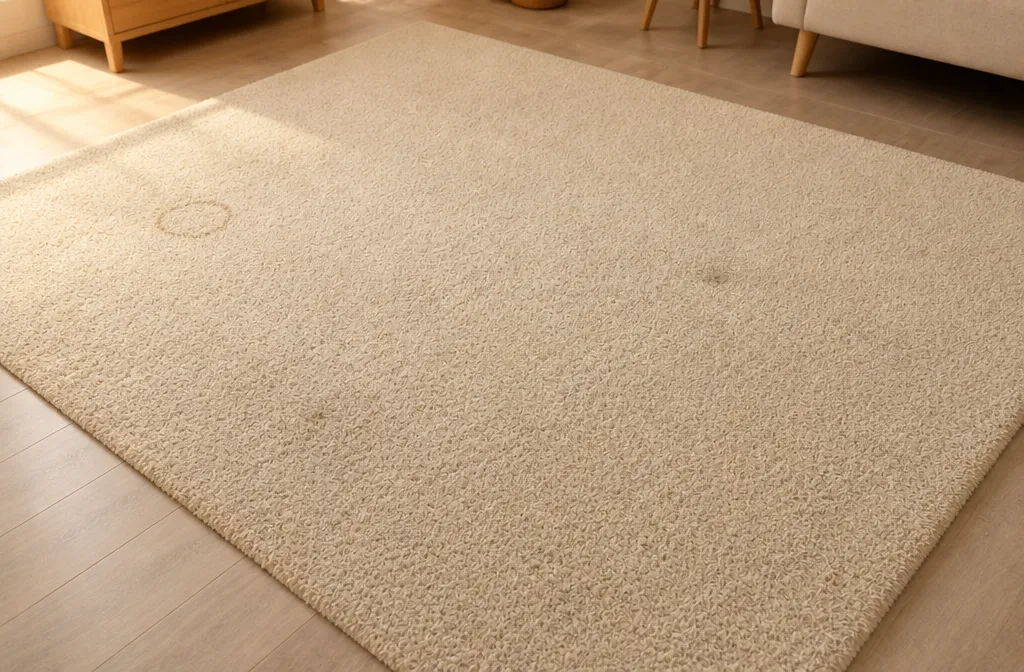
 After
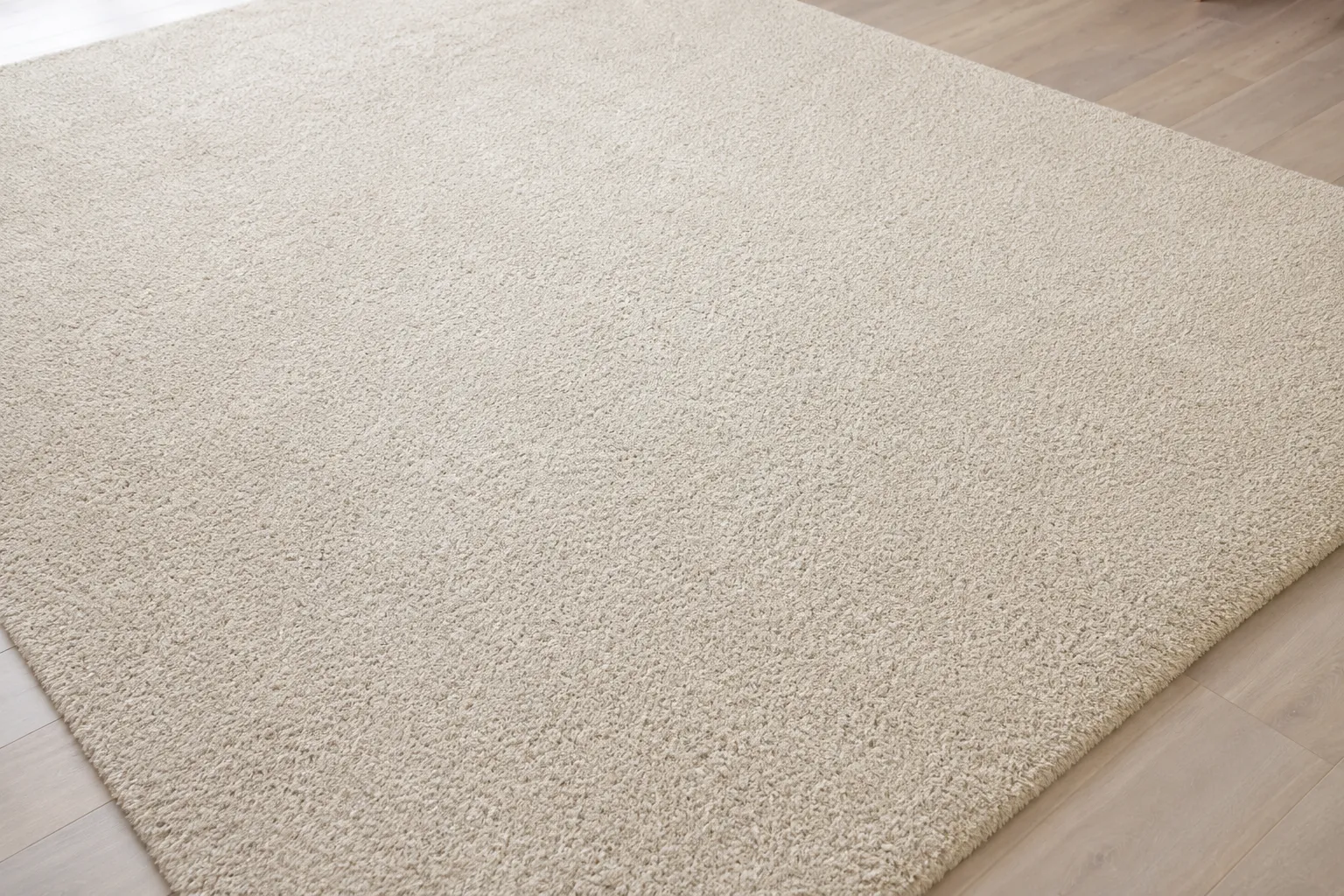
After
Request: Synthetic carpet in living room requires dry cleaning after a party.
Done: Deep dry cleaning performed using an extractor and synthetic shampoo.
Cost: 12 000 ₸
Master: Aigul Serikova, Dry Cleaning Master
Total: The carpet is completely free of stains and dust, pile restored.
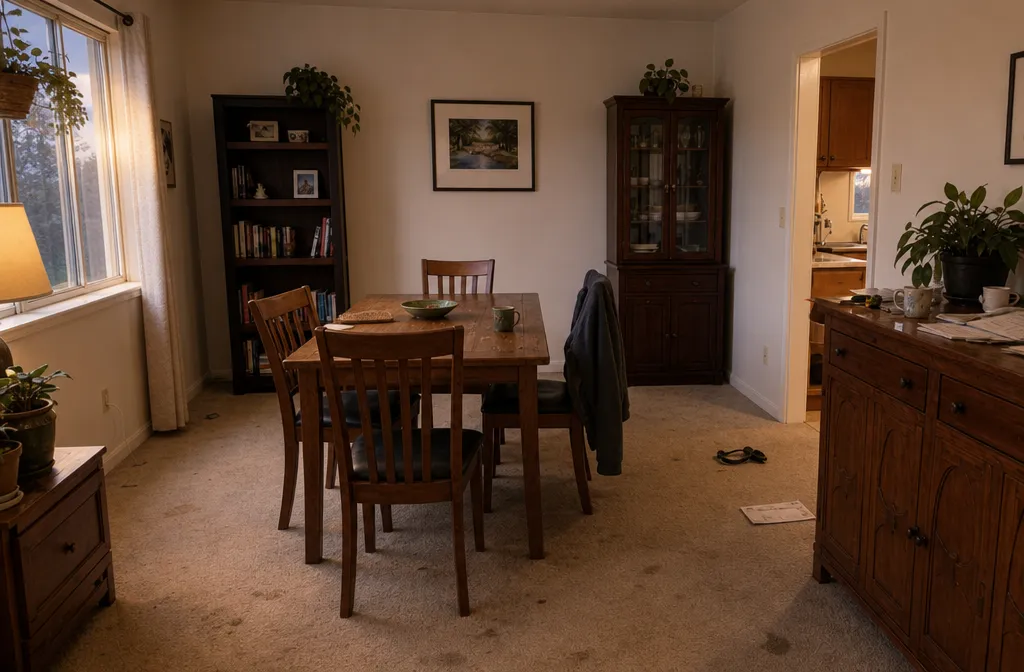
 After
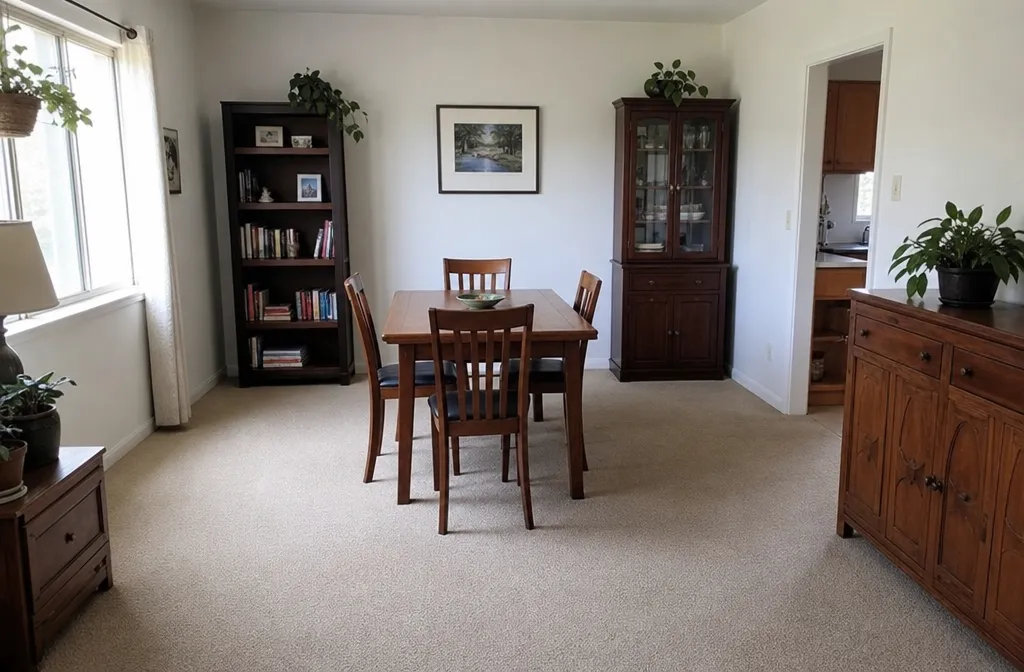
After
Request: Remove red wine stain from wool carpet in dining room.
Done: Local stain treatment and full dry cleaning of the carpet performed.
Cost: 13 000 ₸
Master: Timur Zhaksybekov, Dry Cleaning Master
Total: Wine stain completely removed, carpet color and texture preserved.
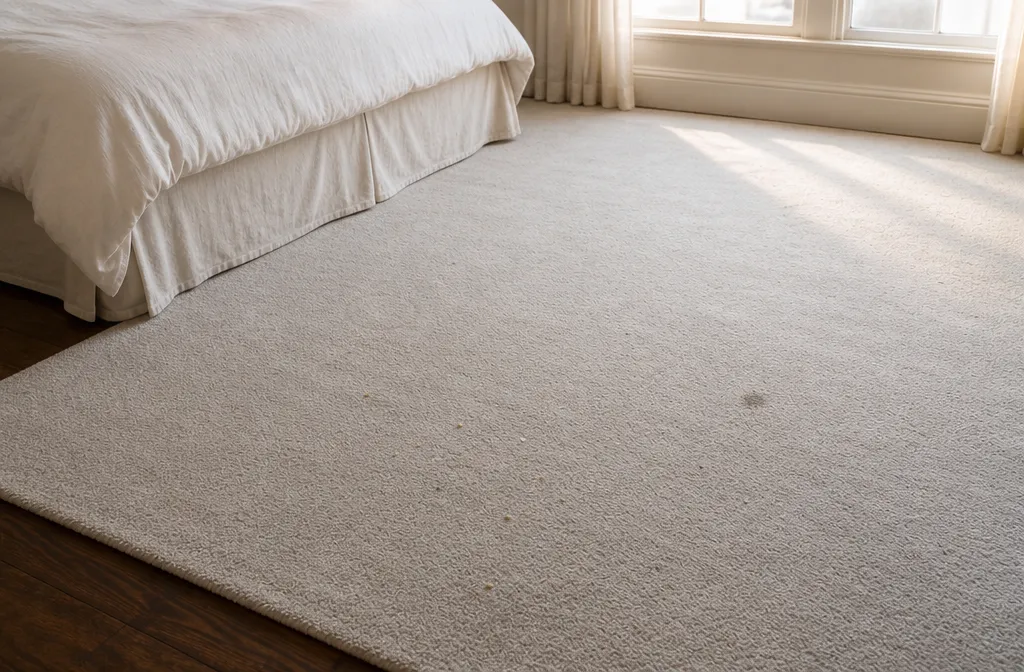
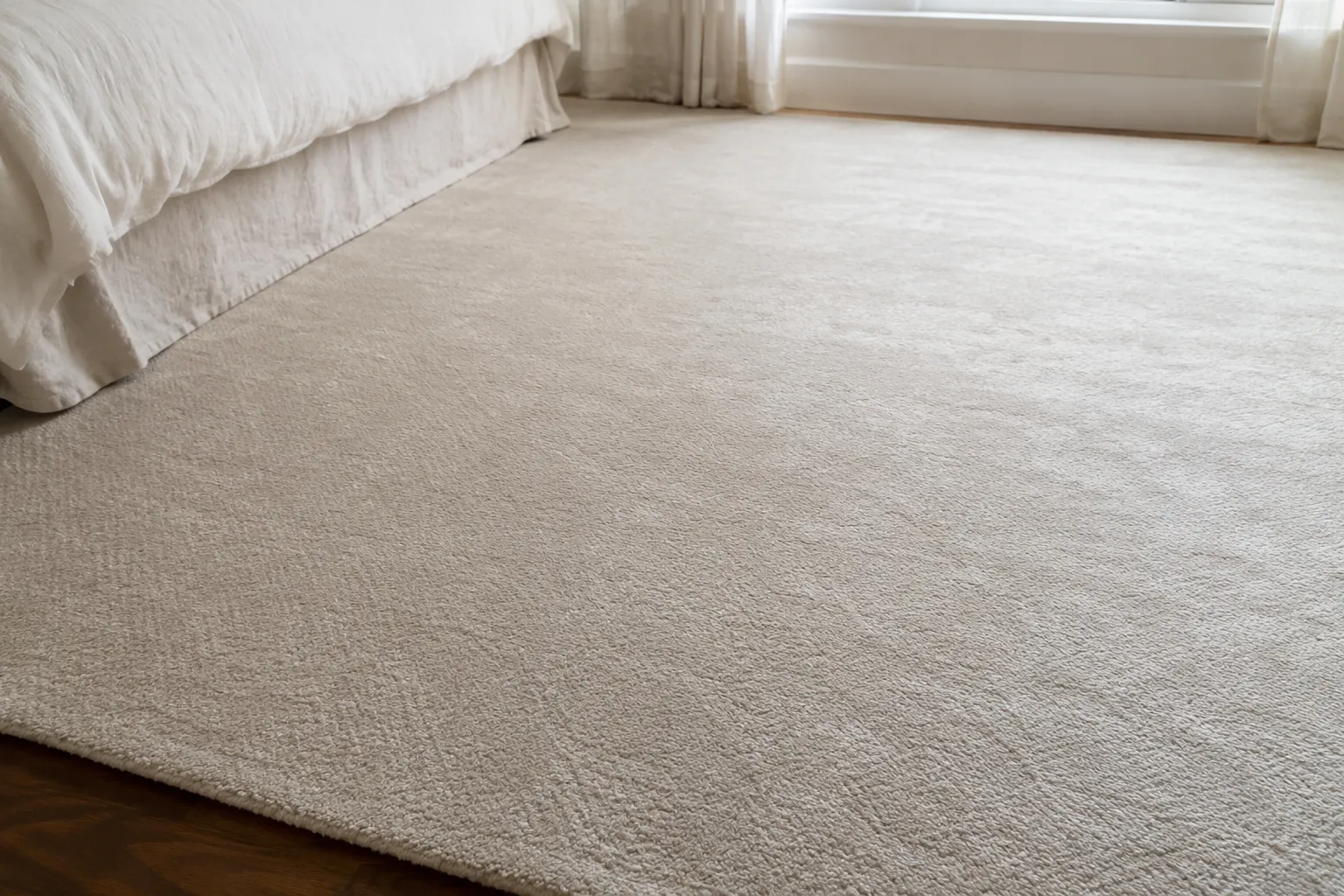 After
After
Request: Need dry cleaning for viscose carpet in bedroom.
Done: Gentle low-moisture dry cleaning applied for viscose.
Cost: 14 000 ₸
Master: Gulmira Akhmetova, Dry Cleaning Master
Total: Carpet cleaned of dirt, pile soft and fluffy.
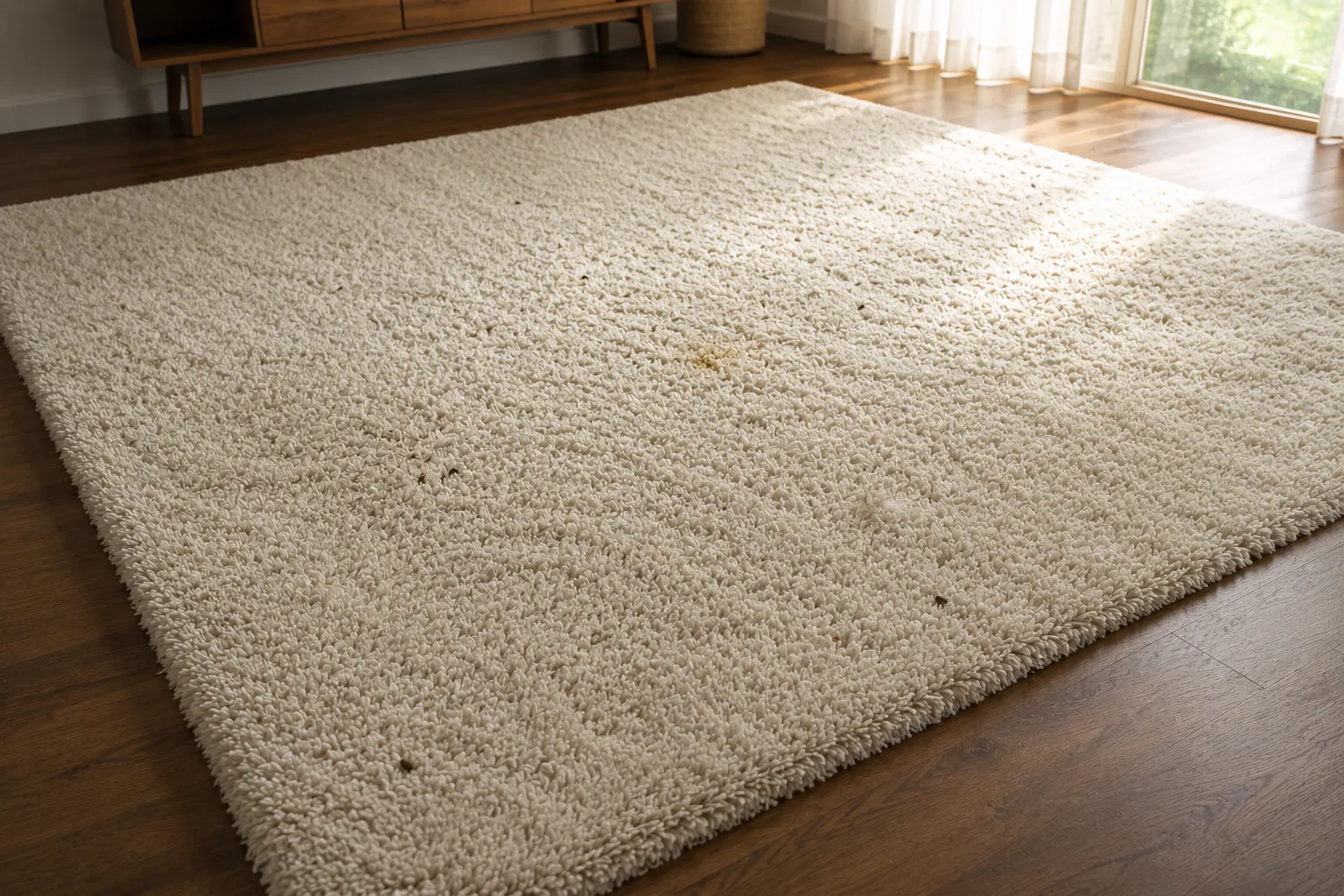
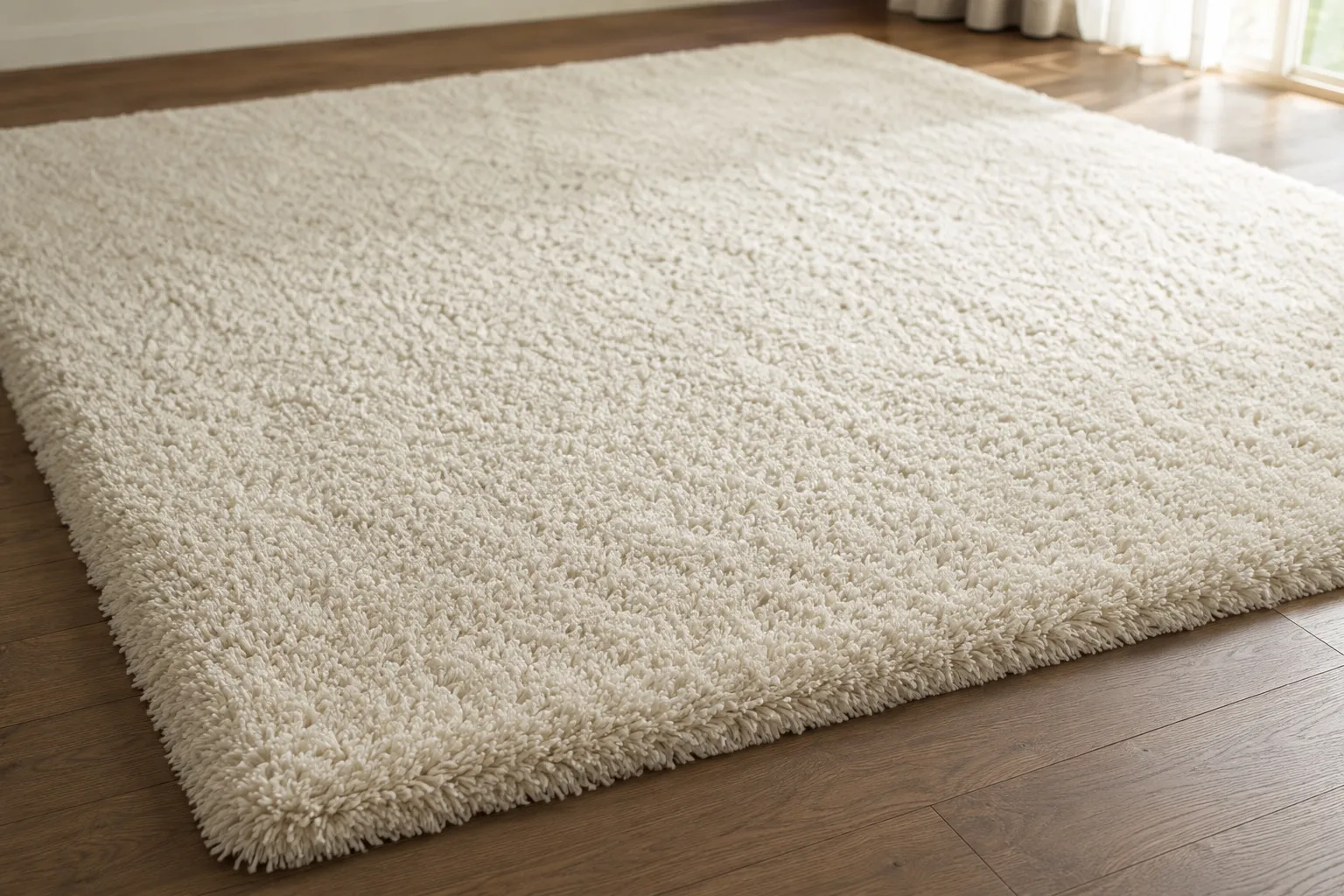 After
After
Request: Clean long-pile carpet from urine stains and pet hair.
Done: Deep dry cleaning performed with enzyme cleaner for organic removal.
Cost: 13 000 ₸
Master: Aidar Nurgaliyev, Dry Cleaning Master
Total: All stains and odors eliminated, carpet disinfected.
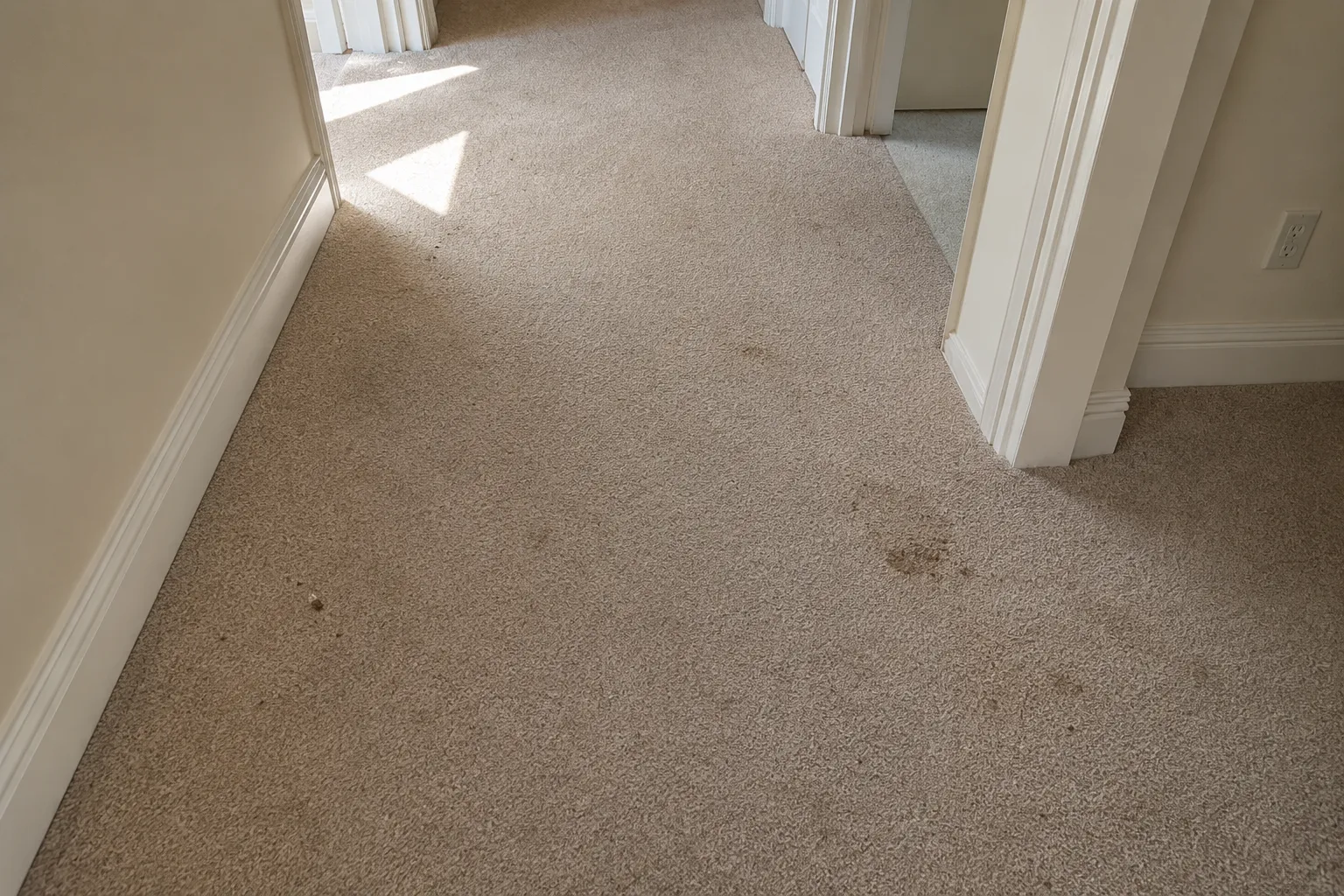
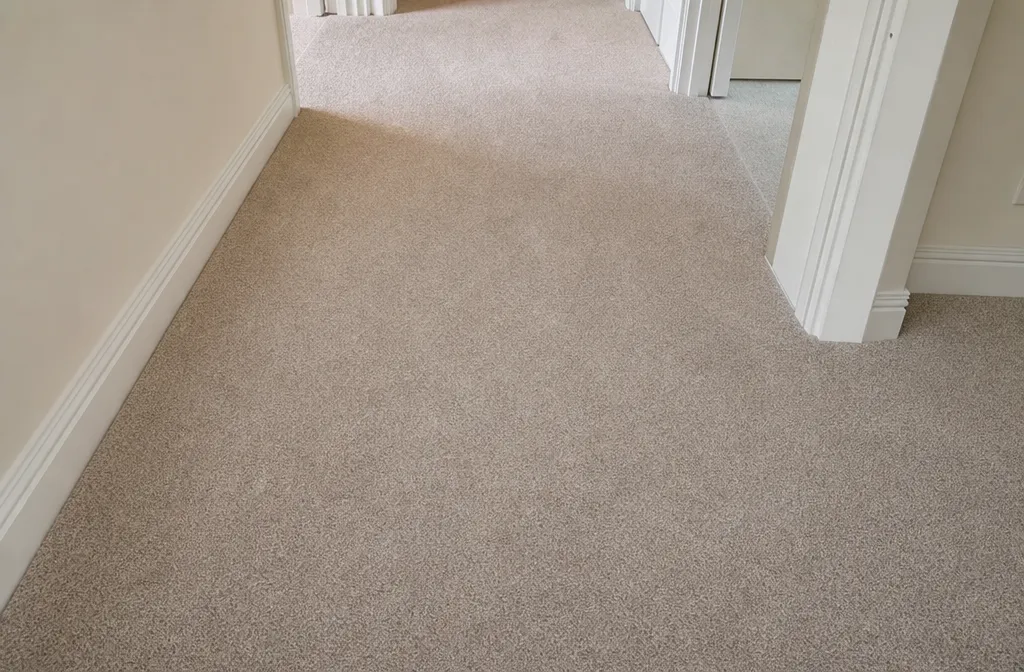 After
After
Request: Clean short-pile carpet in hallway from outdoor dirt.
Done: Dry cleaning performed with pre-treatment of old stains.
Cost: 12 000 ₸
Master: Aigul Serikova, Dry Cleaning Master
Total: Carpet completely cleaned of dirt and dust, looks like new.
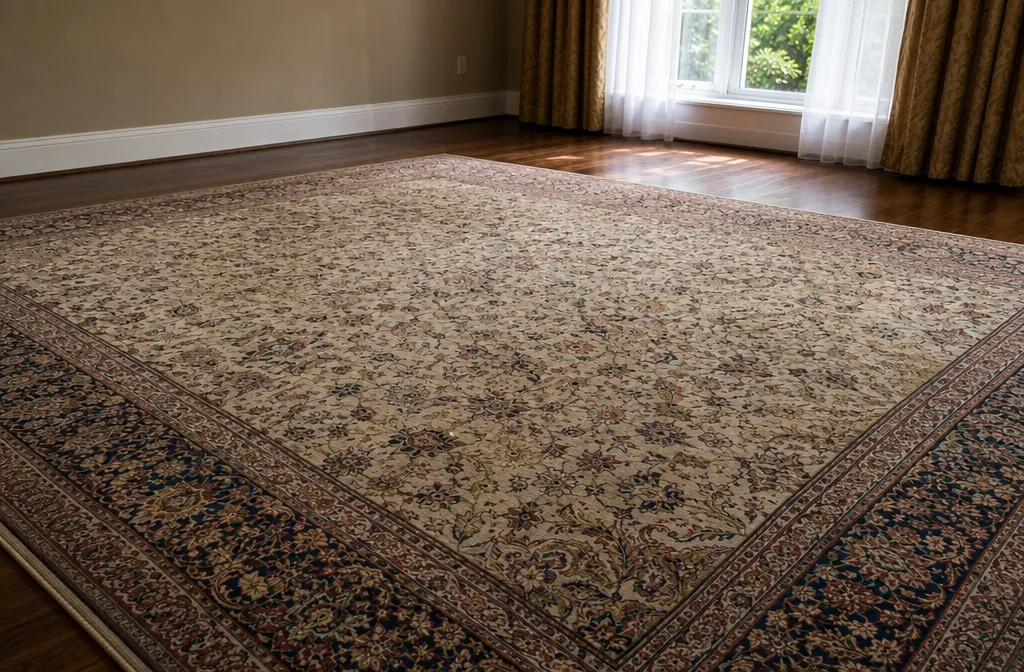
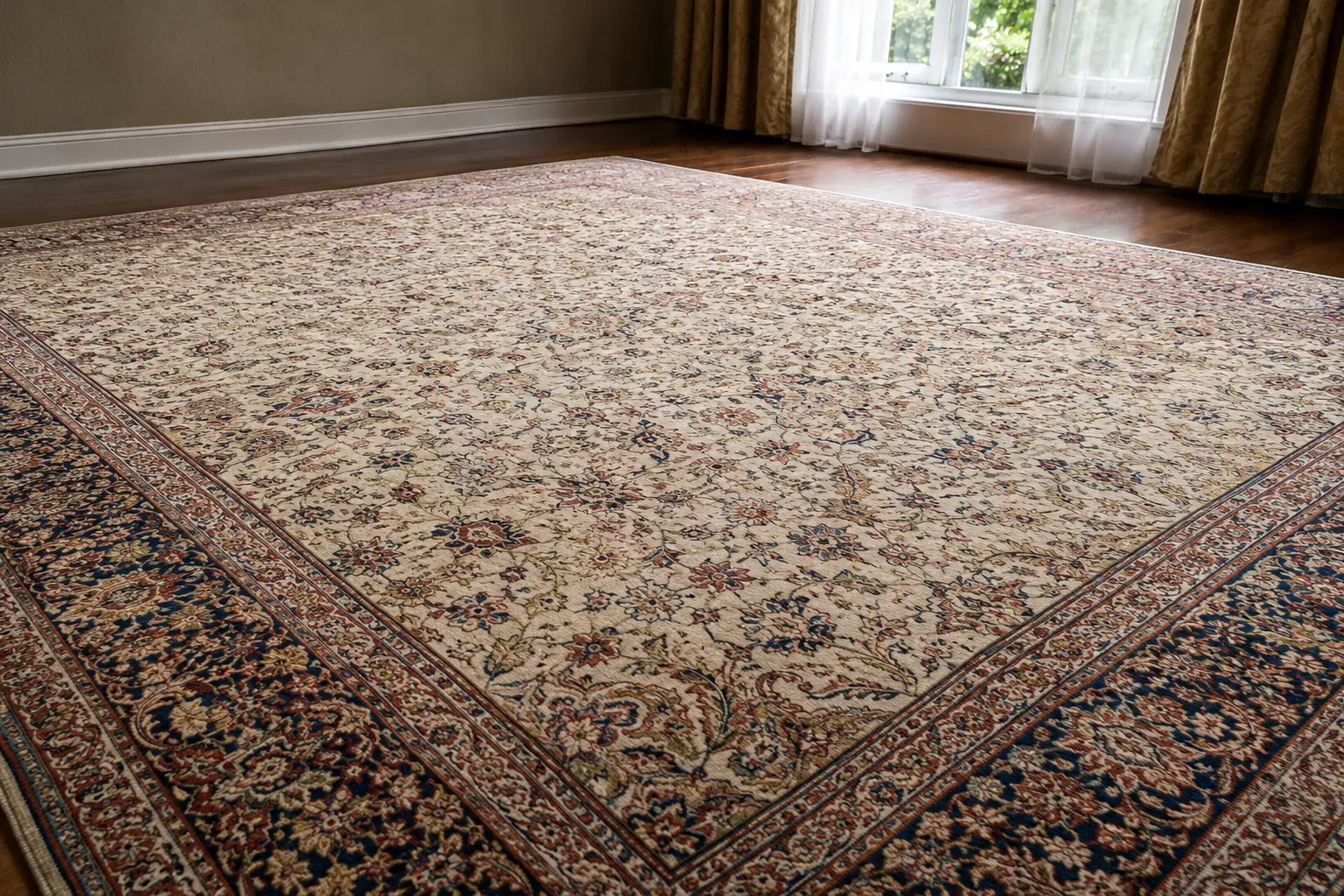 After
After
Request: Requires dry cleaning of handmade carpet with deep soiling.
Done: Manual cleaning with soft brushes and professional chemicals applied.
Cost: 14 000 ₸
Master: Timur Zhaksybekov, dry cleaning master
Total: Carpet restored to original condition, colors became brighter.
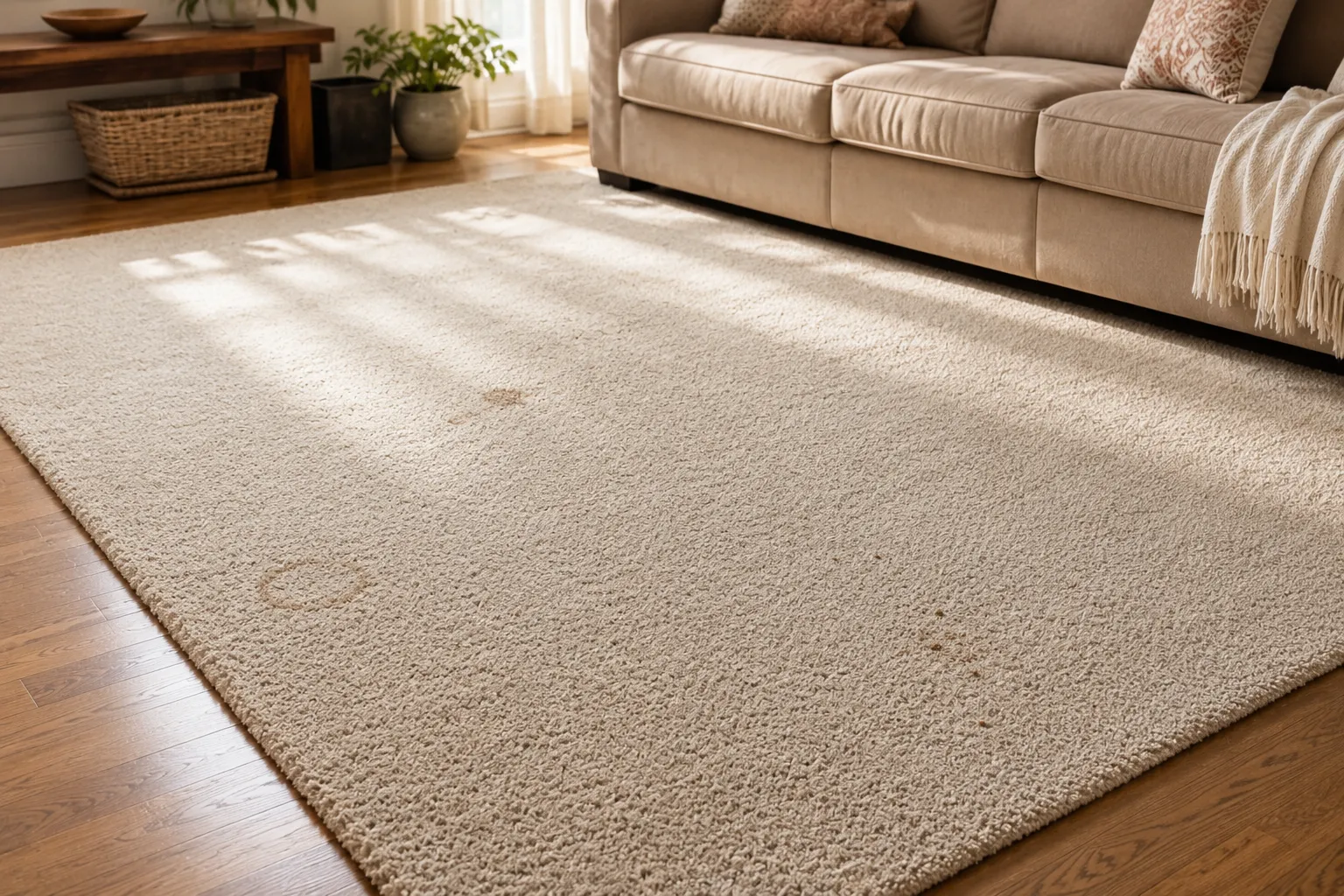
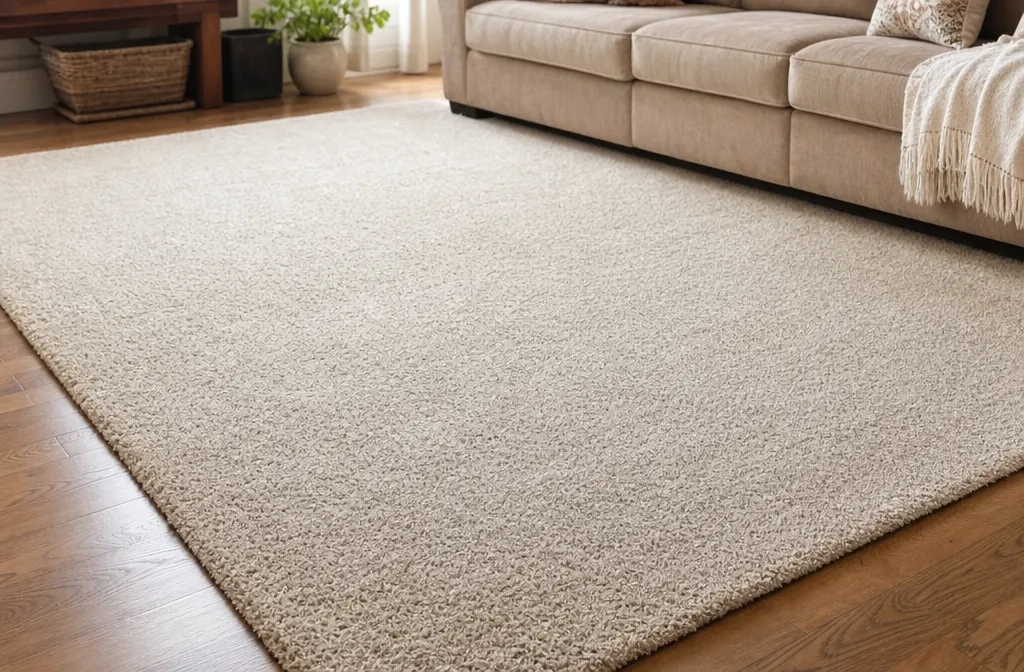 After
After
Request: Remove fresh coffee stain from living room carpet.
Done: Local stain treatment and overall dry cleaning of carpet performed.
Cost: 13 000 ₸
Master: Gulmira Akhmetova, dry cleaning master
Total: Coffee stain completely removed, no streaks left.
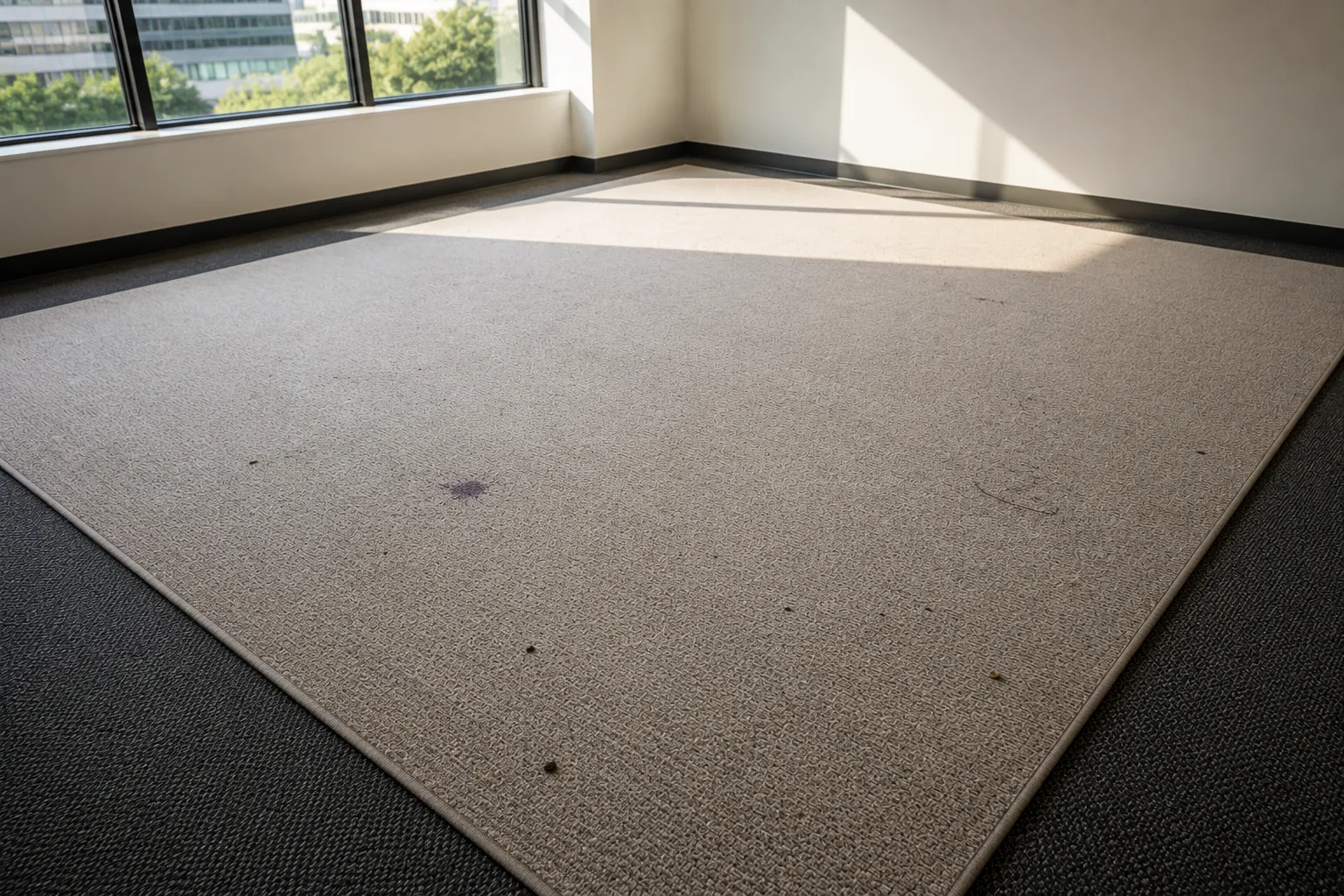
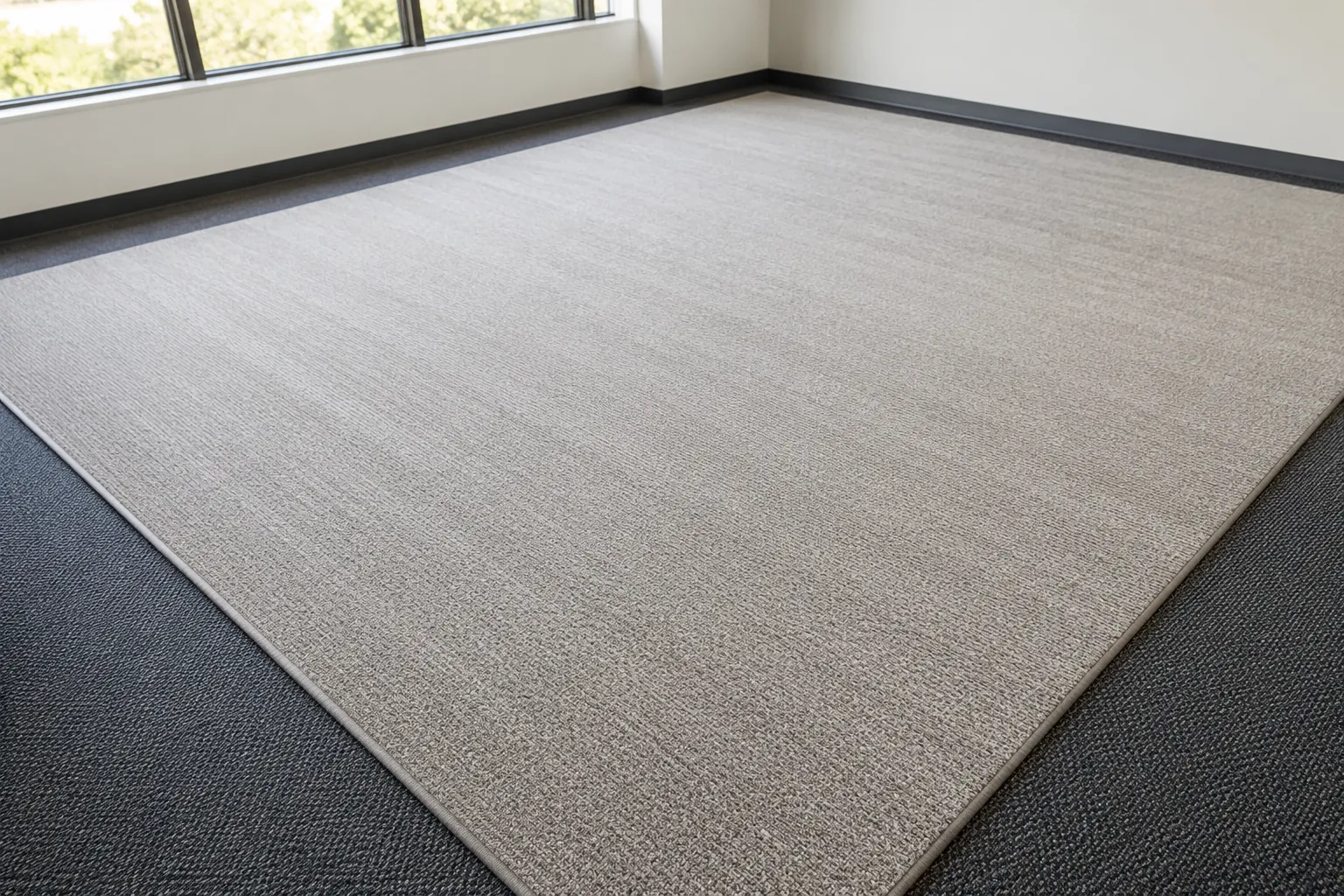 After
After
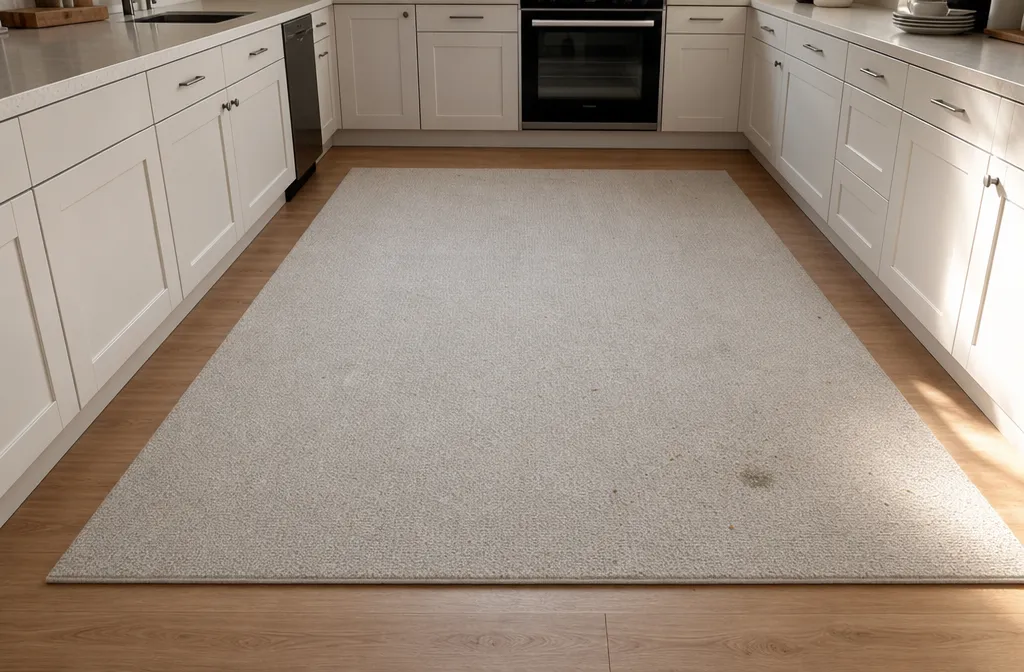
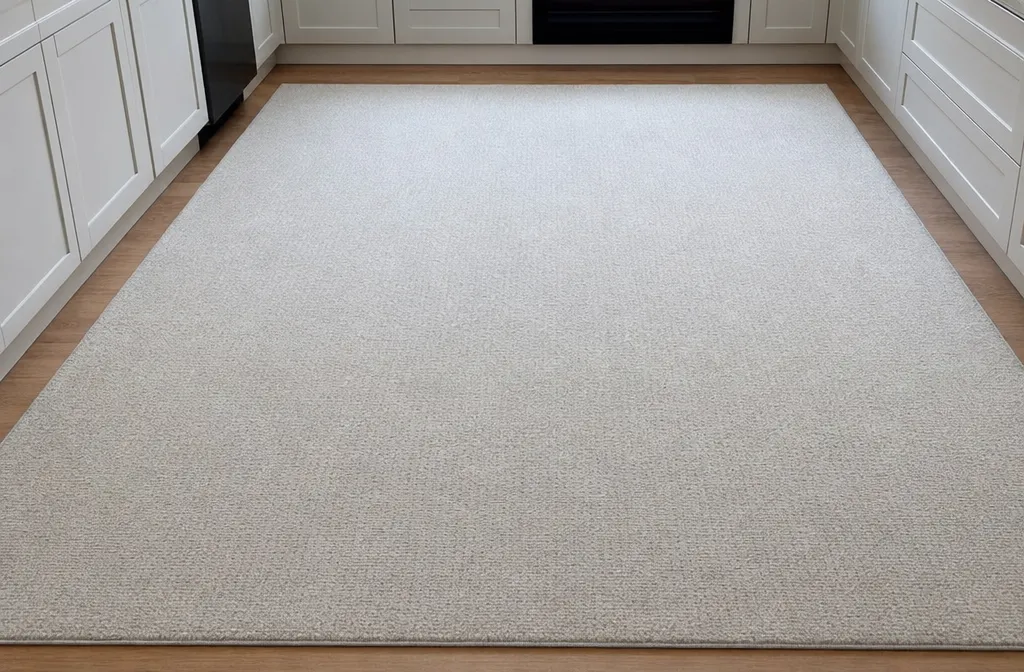
Request: Remove ink stain from office carpet.
Done: Special stain treatment and deep dry cleaning applied.
Cost: 12 000 ₸
Master: Aidar Nurgaliyev, dry cleaning master
Total: Ink stain completely removed, carpet undamaged.
 After
After
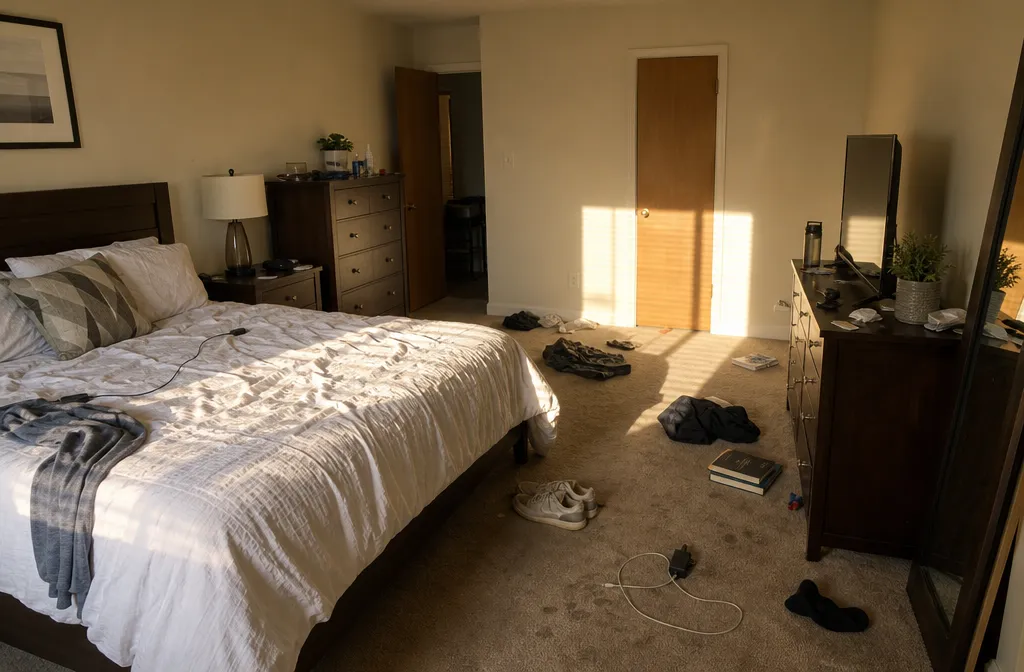
Request: Clean grease stain from carpet after spilled oil.
Done: Stain treatment with degreaser and full dry cleaning performed.
Cost: 16 000 ₸
Master: Aigul Serikova, dry cleaning master
Total: Grease stain removed, carpet clean and fresh.
 After
After
Request: Remove old urine stain and odor from bedroom carpet.
Done: Enzymatic treatment and deep dry cleaning with deodorization applied.
Cost: 13 000 ₸
Master: Timur Zhaksybekov, dry cleaning master
Total: Stain and odor completely eliminated, carpet disinfected.
All cleaners are profi-clean staff with training, uniform and security check. Each order has a team leader who controls quality.
The most common question we get at profi-clean: “Do you just lather it up and rinse it off with steam?” — no, these are two fundamentally different approaches. The difference lies in the depth of penetration, the type of dirt each method handles, and the risks to the pile. Let’s break down when you specifically need dry cleaning, when steam is sufficient, and what happens to the carpet in each case.
Dry cleaning with extraction works through the entire thickness of the pile and the carpet backing. We apply an active solution under pressure, after which a powerful extractor (our Karcher Puzzi 10.8) pulls the liquid along with dissolved dirt from deep within — right down to the latex. Steam cleaning (a standard steam cleaner or household steamer) only affects the top 2-3 mm of the pile: steam softens surface film but does not wash out sand, pollen, and heavy fractions that settle at the base. In Almaty carpets — especially in areas with dusty construction sites (Atakent, Zhetysu) — up to 200-300 grams of abrasive dust can accumulate per square meter over six months. Steam won’t reach it: it remains inside and continues to cut the pile as you walk. Dry cleaning with extraction washes out this dust — and the carpet becomes not only visually cleaner but also 5-10% lighter due to the removed sand.
Dry cleaning tackles oily, greasy, and protein-based stains (food spills, pet urine, spilled coffee with milk) — these are dissolved by an alkaline pre-spray within 5-7 minutes of contact, after which the extractor removes the residue. Steam is effective against water-soluble dirt: pollen, household dust, light juice stains — and additionally provides disinfection (temperatures of 120-140°C kill up to 99% of bacteria and dust mites on the surface). However, steam does NOT handle grease: it essentially “bakes” the oil stain, making it yellowish and difficult to remove. In our practice, there was a case: a client from the “Aksai-4” microdistrict treated a wool carpet twice with a steam cleaner after their cat “marked” a corner — the stain became stubborn, requiring removal with an enzymatic compound in three passes. So the rule is simple: if the stain is oily or organic — use dry cleaning; if you need to freshen up and kill microbes — use steam.
Steam cleaning is considered “gentle,” but it has a hidden risk: steam condenses deep within the pile, and if the carpet lies on a concrete floor (a typical situation in Almaty new builds — “Almaty-City,” “Nurkent”), the moisture doesn’t evaporate for days. The latex backing begins to rot, a musty smell appears — after 2-3 such treatments, the carpet can “warp”: edges deform, the backing peels off. Dry cleaning with extraction uses less water (200-300 ml per m² vs. 500-700 ml for steam) and, due to powerful suction, leaves the carpet 20-30% damp, not soaking wet. At profi-clean, we additionally run the extractor twice over the same area to minimize residual moisture. On wool carpets (Bukhara, Pakistani), we generally do not recommend steam cleaning: wool absorbs condensate like a sponge and shrinks unevenly when drying. Dry cleaning with a neutral pH solution (Kiehl K 715) is safe for wool — pH 7.0 does not damage the keratin fiber.
After steam cleaning, the carpet dries in 12-24 hours (depending on pile thickness and ventilation), and for the first 3-4 hours, it may smell of damp wool or mustiness if the backing is over-wetted. Dry cleaning yields faster results: the carpet feels dry to the touch within 4-6 hours at room temperature — the extractor removes 90-95% of the moisture. In our orders for carpets up to 6 m² (a typical living room in an Almaty “Khrushchevka” or one-bedroom apartment), the client can lay the carpet back down just 3 hours after the technician leaves. Moreover, dry cleaning leaves no chemical smell: Kiehl and Sodasan products are biodegradable and unscented — only the smell of cleanliness (damp air without dust) remains. Steam, if the water in the steamer is hard (Almaty water is 8-10°dH), can leave a white salt residue on dark pile — especially noticeable on black and dark blue carpets. This problem is only solved by dry cleaning with demineralized water or distillate in the extractor — we use a reverse osmosis filter for refilling.
The frequency of carpet dry cleaning depends not on the calendar, but on three factors: the dustiness of the area, the number of residents, and the type of pile. In Almaty, due to smog and frequent construction, dust settles faster than in the suburbs — we have noticed that carpets in homes near busy highways (Abay Avenue, Sain Street, Rozybakiev Street) lose their color within 8–10 months without professional cleaning, while in quiet areas (Gorny Gigant, Medeu) the same carpet lasts up to a year and a half.
In Almaty, dust has a special composition: due to the coal-fired CHP-2 plant and active construction, it has a high content of fine particulate matter PM2.5 and PM10, which do not settle on the pile surface but penetrate the carpet base. In samples from homes in the Tastak-2 and Orbita microdistricts, we found up to 40% of these particles in the total volume of contaminants — they are invisible to the eye but accumulate over 2–3 months. A regular vacuum cleaner without a HEPA filter releases them back into the air, so without dry cleaning every 9–10 months, the carpet becomes a source of allergens rather than a filter.
The success of stain removal depends not on the age of the stain, but on the chemical composition of the contaminant and the type of fiber — our team always conducts a durability test in an inconspicuous corner before picking up the carpet.
Coffee and tea: tannins are dissolved with oxygen bleach at pH 9–10 within 5–7 minutes of treatment. Red and white wine: red wine is fixed without soda — we use an enzyme spray that breaks down anthocyanins into water and CO₂ within 10 minutes. Blood and urine: protein-based stains require cold water (above 40°C denatures the protein, setting the stain permanently). For urine, we add urease — an enzyme that breaks down urea into ammonia and carbon dioxide, then neutralize it with citric acid. Grease stains (oil, sauces, creams): a degreaser based on citrus terpenes emulsifies the oils, after which extraction with hot water at 70°C is sufficient. In our practice, there was a case with a wool carpet from Medeu — a greasy stain from kazy was removed in 12 minutes, even though the owner had tried to rub it with vinegar for three days straight. Before ordering dry cleaning, do not attempt to remove the stain with sunflower oil or gasoline — this worsens the fiber’s adhesion to our reagents.
Water-based paint (acrylic, latex): while the paint is wet, it can be washed off with cold water — after drying, the polymer film becomes insoluble. Alcohol-based felt-tip pens and markers: the pigment penetrates the structure of synthetic fiber (polypropylene, polyester) by 0.3–0.5 mm — it can only be mechanically removed by 40–60%. Iodine and brilliant green: iodine crystals undergo an irreversible reaction with wool protein, leaving a yellow-brown mark that cannot be lightened even by 12% hydrogen peroxide. Rust: iron forms complex compounds with tannins, which destroy the fiber — a hole often remains in such areas after cleaning. “Moment” glue and superglue: cyanoacrylate polymerizes in the capillaries of the pile, and the only solution is to cut out the damaged fibers. If superglue gets on your carpet, do not rub it with acetone — acetone dissolves the polymer and spreads it deeper; bring the carpet to us within the first 30 minutes, we will remove the glue mechanically before polymerization.
Wool fiber has a scaly structure — it absorbs liquid 3–4 times faster than polypropylene, so a stain on wool penetrates deeper within the first 10 seconds of contact. Polyester and nylon are smooth synthetic threads; dirt remains on the surface, but oil stains on them are harder to emulsify: the surface tension of synthetics is lower, and the degreaser wets the fiber less effectively. Viscose is the most capricious fiber: when wet, it loses up to 40% of its strength, so we treat viscose carpets only with cold mist (10–12°C) without mechanical friction. In Almaty, we often receive handmade camel wool carpets — alkaline compounds (pH above 9) cannot be used on them, otherwise the fiber becomes brittle and begins to shed after 2–3 months. Before ordering before and after dry cleaning for your carpet, inform our dispatcher of the fiber composition — this affects the choice of reagent and treatment time, not the final result.
A fresh stain (up to 2 hours) is removed with cold water and neutral soap — 1–2 extraction cycles are sufficient. A stain aged 1–7 days requires soaking in an enzyme solution for 15–20 minutes to break down polymer bonds. An old stain (over a month) has a crystallized structure, and here we use the “compress” method: apply a gel bleach, cover with film for 40–60 minutes, then remove with steam at 110°C. In practice, there have been cases where a 3-year-old pomegranate juice stain on a synthetic carpet was lightened by 80% in 4 treatment cycles, while a 2-week-old coffee stain on wool was 100% removed in one pass. If the stain is older than six months, we warn the client: we guarantee lightening by 70–90%, but complete disappearance may not occur — this is due to photo-oxidation of the pigment under ultraviolet light. Our cleaners in Almaty always photograph the stain before treatment in daylight, so you have objective “before” images for comparison with the result.
The main mistake is using hot water on protein stains (blood, egg, milk): protein coagulates at 55°C, and the stain becomes permanently fixed in the fiber. The second most common is rubbing a wet stain with a brush: the pile gets pulled out, forming pills, and after drying, a light spot with altered texture remains in that area. The third is using chlorine-based bleaches on wool (chlorine destroys keratin, the fiber turns yellow and begins to crumble). In Almaty, we see the consequences of folk remedies: carpets treated with “Belizna” become stiff and lose 30% of their pile volume. The fourth mistake is attempting to remove a stain with an iron through paper (this is done for grease stains on clothes, but on a carpet, it thermally fixes the dirt). If the stain is not removed the first time, do not repeat the treatment with the same product — it is better to call us, we will select a different reagent without the risk of ruining the carpet.
Each type of carpet fiber dictates its own cleaning technology: what saves a wool carpet can destroy viscose, and aggressive mechanics for synthetics will ruin natural sisal. In our practice in Almaty, most complaints come precisely from a lack of understanding of material differences — people order “universal dry cleaning” and end up with shrinkage, shedding, or torn pile.
Natural wool is a demanding material: it absorbs moisture 3-4 times more actively than synthetics and shrinks at temperatures above 40°C. For wool, we use only neutral cleaning agents with a pH of 6-7 — alkalinity above 8 destroys the keratin scales of the fiber, making the pile stiff and losing its luster. Mechanical load is also limited: our extraction machine for wool operates at reduced turbine speeds (800 vs. 1200 rpm for synthetics) to avoid pulling the pile from the backing. After cleaning, we always apply a lanolin-based conditioner-restorer, which seals the scales and restores softness. Before picking up a wool carpet, we always test it for shedding: if the dye is unstable, we switch to dry foam cleaning without full soaking.
Synthetics are the least problematic material in our load: they do not shrink, are not afraid of alkaline solutions up to pH 10, and can withstand heating up to 60°C. Polyamide (nylon) is the leader in wear resistance, but it has a weak point: it yellows from UV light, so after cleaning we recommend not drying such a carpet in direct sunlight. Polypropylene (olefin) is a hit in Almaty hallways: it does not absorb water, stains come off easily, but it is afraid of oils — a greasy stain on polypropylene needs to be treated immediately, otherwise it becomes “sealed” in the fiber structure. Polyester is the cheapest option; it accumulates static electricity, and after cleaning we treat it with an antistatic agent, otherwise the carpet will start collecting dust like a magnet.
Viscose is a regenerated cellulose fiber that loses up to 40% of its tensile strength when wet. Wet cleaning of a viscose carpet almost guarantees 5-10% shrinkage and pile deformation — the fibers stick together, and after drying, the carpet looks patchy. At profi-clean, we clean viscose exclusively using a dry method: we apply an absorbent powder based on corn starch, work it in with a soft nylon-bristle brush, and collect it with a vacuum cleaner equipped with a HEPA filter. The moisture content of the pile with this method does not exceed 8% — the carpet remains dry to the touch and does not deform. If a stain on viscose requires wet treatment, we only use a microfiber cloth moistened with distilled water, without pressure — and we never use a steam cleaner, as steam destroys viscose instantly.
Natural plant fibers (sisal from agave, coir from coconut, jute) are not pile carpets but woven coverings. They categorically cannot tolerate moisture: water penetrates the fiber core, causes swelling, and after drying, the weave warps, creating waves and cracks. In Almaty, such carpets are often placed in country houses and on terraces — and the most common mistake owners make is trying to wash them with a mop. We clean sisal and jute only with dry foam with minimal moisture: we apply a foamed solution (pH 5.5-6.5), let it absorb dirt for 5 minutes, and collect it with a dry vacuum cleaner using a crevice tool. Stains on sisal are removed mechanically — we brush the dirt out of the weave with a dry brush, without chemicals. If a stain is set in, it is better to leave it than to risk the covering shrinking.
Natural silk is the most expensive and most fragile material: its fiber is 5 times thinner than a human hair and is destroyed by any friction. A silk carpet cannot be cleaned with an extraction machine — the pile is pulled out of the backing. We work with silk only by hand: using a soft sponge, we apply a slightly alkaline solution (pH 7.5-8.0) in the direction of the pile, without circular motions, and rinse with distilled water from a spray bottle. The water must be cold — above 25°C, silk loses 30% of its strength. After rinsing, we blot the carpet with a terry cloth without wringing and dry it flat on a horizontal mesh in the shade; forced ventilation is prohibited. In Almaty, silk carpets are most often brought by clients from the Medeu district — these are typically Iranian or Bukhara pieces, and we always warn: dry cleaning of silk is not restoration, but only refreshing; set-in stains on silk cannot be removed without the risk of damaging the fiber.
Having dealt with deep cleaning, it’s logical to wonder: how can you maintain the result for as long as possible? The freshness after dry cleaning is not luck, but a consequence of proper care in the first few days and competent prevention.
Immediately after treatment, the pile is saturated with moisture, and the fibers are at their most vulnerable. At profi-clean, we recommend not laying the carpet on the floor until it is completely dry — on average, this takes 6–10 hours with room ventilation, and in Almaty’s humid weather (especially in spring and autumn, when the city’s air humidity rises to 70–80%), the process extends to 14–16 hours. Placing a damp carpet on a concrete screed or laminate is a mistake: stagnant moisture between the base and the pile creates an ideal environment for mold fungi, and within a month you’ll get a musty smell that will require re-treatment with an antifungal compound. In practice, we advise drying the carpet on a ventilated balcony or spread out on a flat surface, turning it every 3–4 hours — this speeds up evaporation by one and a half times without the risk of deforming the pile.
After dry cleaning, the pile is clean and lacks a protective fatty film, so dirt embeds faster. In our work, we use a final treatment with a fluoropolymer protector — it creates a thin barrier on the fibers that repels water and dust. Without such a coating, after just 2–3 days of heavy foot traffic, gray paths appear on light-colored carpets, especially in the hallway. In Almaty apartments, where sand from the embankment or reagents from sidewalks are tracked in from the street (salt and sand in winter, fine dust in summer), the protector extends cleanliness to 2–3 weeks instead of 5–7 days. Our cleaners apply it at the final stage of dry cleaning, and we recommend repeating the treatment every 3–4 months — it’s cheaper and faster than ordering an unscheduled cleaning due to greasy areas.
Even the highest quality carpet quickly loses its appearance if dust and sand are not removed daily. In Almaty’s climate — with dry summers and dusty winds — up to 15–20 grams of dust per square meter settles per week. We recommend vacuuming the carpet at least twice a week with a vacuum cleaner equipped with a HEPA filter (our extractors use the same filters), and in the hallway, every other day. And — an important nuance — never use steam mops on carpets with long pile or wool carpets: hot steam fixes protein-based stains, and after two or three such passes, stains from food or liquids become almost impossible to remove, even with professional chemicals.
A light carpet refresh every 3–4 months is cheaper and faster than a deep dry cleaning after a year of neglect. At profi-clean, we offer express treatment — this is a surface cleaning with dust extraction and protector application, without removing the carpet — it takes 40–60 minutes on-site. If you skip this stage and wait until the dirt has soaked into the base, you’ll have to take the carpet to the workshop and apply intensive washing with acid-alkaline neutralization — this takes 2–4 hours and places more stress on the fibers. In practice, clients who order preventive cleaning once a quarter extend the carpet’s lifespan by 2–3 years compared to those who clean it once a year — this is confirmed by our statistics on returns for re-treatment.
Spring and autumn in Almaty are peak times for soiling: street dirt, rain, humidity. During these seasons, we advise placing a doormat at the entrance — it traps up to 80% of sand and moisture, preventing them from reaching the main carpet. In summer, when windows are open, pollen and poplar fluff settle on the pile — it’s better to remove them immediately before they stick to the damp pile after morning cleaning. In winter, reagents on shoes contain salt and chlorides — they corrode natural fibers (wool, viscose) if not removed within 2–3 hours of contact. Our advice: keep a dry portable extractor or at least a microfiber cloth handy — you should not wash off salt with water, as it will penetrate deeper, but collecting it dry is the right solution that will preserve the pile structure until the next professional cleaning.
I ordered before and after dry cleaning — amazing, it's like buying a new one! Coffee stains disappeared, the pile became fluffy.
Thank you, Aigerim! Glad the result exceeded expectations.
The living room carpet became lighter after cleaning, the smell is gone. The only thing — I had to wait longer than promised.
We did before and after dry cleaning — the result is amazing. All streaks from washing are gone, color is even.
Thank you, Daniyar! Come again.
After cleaning, the Persian carpet became brighter and the patterns emerged. Now I'm not afraid to care for it.
I ordered before and after dry cleaning of the carpet, but the wine stain was not completely removed. A faint trace remains.
Sorry, Yerlan! We'll give you a discount on your next visit.
After cleaning the carpet in the nursery, all stains from markers and plasticine disappeared. The child now sleeps peacefully.
Great! Glad we could help.
I had the carpet before and after dry cleaning — the pile fluffed up, colors are rich. Very satisfied.
After cleaning, the sheep wool carpet became softer but shrank a bit. Otherwise, everything is fine.
Thank you for your feedback! Shrinkage is possible for natural materials.
Carpet before and after dry cleaning — a huge difference. The hallway is always dirty, but now it's like new.
After cleaning, the fringe became white instead of gray. The carpet was transformed, I recommend it to everyone.
Thank you, Gulnara!
I ordered before and after dry cleaning of the carpet — the result is excellent. But a couple of small paint stains remain.
The handmade carpet was cleaned perfectly, no thread damage. Colors became brighter.
Thank you, Olga! We treat each item with care.
Did the carpet before and after dry cleaning — the pattern became clear, dirt stains disappeared. Very high quality.
The carpet was very dirty, after cleaning it looks like new. Thank you for your patience and quality.
Glad to help! Contact us.
Carpet before and after dry cleaning — the smell seemed to go away, but returned after a week. Had to air it out.
Sorry! Possibly residual moisture. We'll give recommendations.
After cleaning the bedroom carpet, breathing became easier, no dust. Color refreshed.
Ordered carpet before and after dry cleaning for the office — employees are delighted. Coffee stains disappeared.
Thank you, Bakhyt! Happy to help your business.
The viscose carpet became softer after cleaning, but the pile is slightly flattened. Overall good.
Thanks for the feedback! Viscose requires delicate drying.
Carpet before and after dry cleaning — grease stains from the kitchen completely removed. Very satisfied.
The wool carpet did not lose its shape after cleaning, became fluffier. Excellent service.
Thank you, Lyazzat!
Did the carpet before and after dry cleaning — the result is good, but the edge darkened a bit. Otherwise fine.
Sorry! We'll try to do better next time.
After cleaning, the carpet pile became voluminous, colors vibrant. I recommend profi-clean.
Carpet before and after dry cleaning — the difference is immediately visible. The carpet in the hallway is now like new.
Thank you, Asylbek!
On average, the process takes 1-2 hours depending on size and soiling. Drying may take 2-4 hours, but we use dehumidifiers to speed it up.
Thanks to the powerful Karcher extractor, up to 95% of moisture is removed. With fans and dehumidifiers, the carpet dries in 2-4 hours.
Yes, we use organic Sodasan products and certified Kiehl products that contain no toxic substances. No harmful residues remain after cleaning.
Clients note high quality, quick stain removal, and polite technicians. Average rating is 4.9 stars based on 500+ reviews.
Yes, our portfolio has over 1000 photos of carpets before and after. We publish them on our website and social media.
Multiply the carpet area by the price per m² depending on the material. For example, a synthetic carpet 3x4 m (12 m²) costs at the individual rate/m² = at the individual rate.
We clean all types: synthetic, wool, viscose, sisal, long and short pile, handmade and machine-made.
Yes, we specialize in long-pile carpets. We use a rotating brush and gentle shampoos to avoid damaging the pile.
The process includes 8 stages: inspection, vacuuming, stain treatment, deep cleaning with extractor, rinsing, spin-drying, drying, and final check.
We use professional Kiehl (Germany) products and organic Sodasan. They are effective and safe for all carpet types.
Yes, we guarantee stain removal. If a stain is not removed, we refund the money. We also guarantee color and structure preservation.
Just remove small items from the carpet. The technician arrives with all equipment and products. If the carpet is very dirty, no additional preparation is needed.
Tell us about your experience with profi-clean — it helps other clients and us improve.
We currently operate in Almaty. Other cities are coming soon.