Inspection and diagnosis
We determine the carpet type, material, and degree of soiling. We identify stubborn stains.
Professional dry carpet cleaning in Almaty — remove stains, dust and odors without shrinkage

We work with any types and materials
We clean without shrinkage, using soft brushes.
from 7,000 ₸Gentle cleaning with hypoallergenic powders.
from 7,000 ₸Special technology for delicate material.
from 7,000 ₸Deep cleaning with Karcher extractor.
from 7,000 ₸Fast drying after cleaning.
from 7,000 ₸Only hand cleaning to preserve the pattern.
from 7,000 ₸We use hypoallergenic Sodasan products.
from 7,000 ₸We preserve the coating properties.
from 7,000 ₸We avoid over-wetting the backing.
from 7,000 ₸Only dry cleaning to prevent deformation.
from 7,000 ₸Cleaning without color bleeding.
from 7,000 ₸We remove dust and restore color.
from 7,000 ₸From inspection to result with guarantee
We determine the carpet type, material, and degree of soiling. We identify stubborn stains.
Industrial vacuum cleaner with HEPA filter removes dry dirt and dust.
Evenly apply dry cleaning powder Kiehl or Sodasan.
Using a soft brush, rub the powder into the pile for deep penetration.
Leave the powder for 15-20 minutes to absorb dirt and odors.
Karcher Puzzi 10.8 extractor collects powder along with dirt.
Stubborn stains are treated with Dr. Beckmann sprays.
Final drying and brushing of the pile to restore volume.
We use professional Kiehl and Sodasan powders that contain no harsh chemicals. They are hypoallergenic and safe for children and pets. After cleaning, no harmful fumes remain, and the carpet can be used immediately.
The Karcher Puzzi 10.8 extractor creates a powerful stream of water and detergent, washing dirt out of deep pile layers. This removes even old stains and dust mites. The equipment is certified for professional cleaning.
Our industrial vacuum cleaners are equipped with HEPA filters that capture 99.97% of particles as small as 0.3 microns. This ensures removal of allergens, pollen, and dust mites. The indoor air becomes cleaner.
Every profi-clean technician has completed training and holds a certificate. Average experience is 3+ years. We know the specifics of different carpet types and select the right cleaning modes.
Master's visit for carpet assessment and consultation is free. We'll advise on how to maintain freshness after cleaning and what products to use at home. No hidden fees.
We guarantee stain removal. If a stain remains after cleaning, we refund the cost of that service. Our reputation is our responsibility.
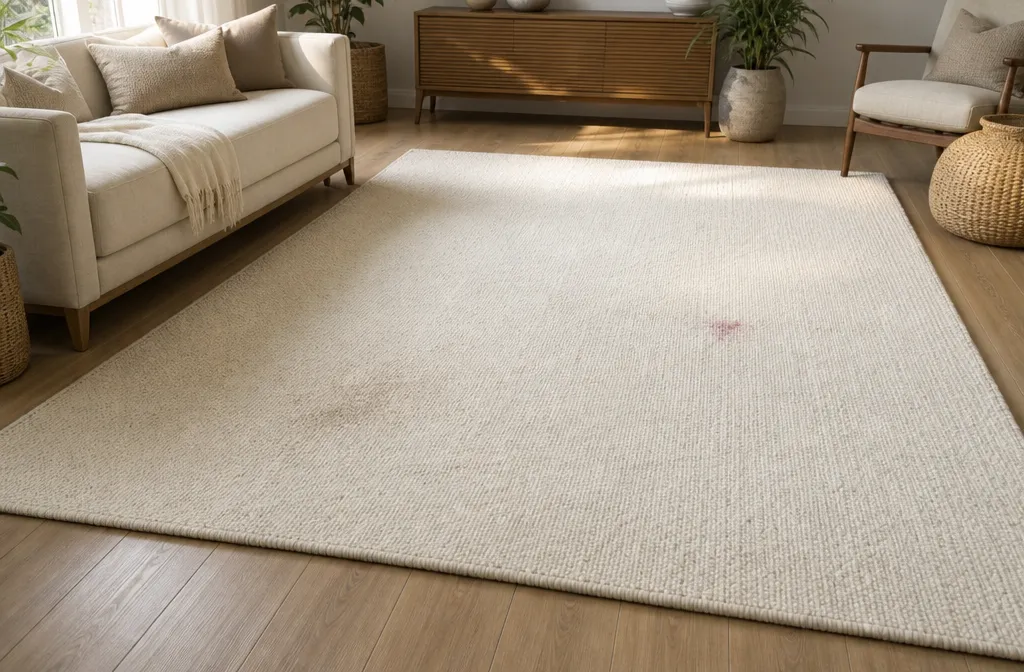
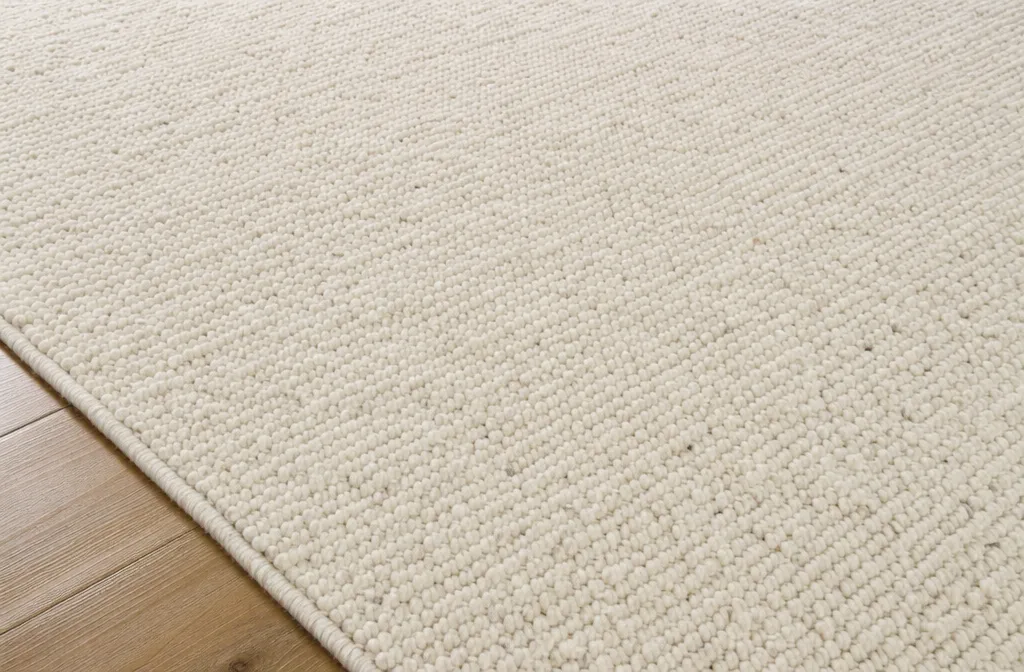 After
After
Request: Need to remove an old red wine stain from a wool carpet in the living room.
Done: Local cleaning performed using an enzymatic stain remover and extractor.
Cost: 7 000 ₸
Master: Aizhan Nurgaliyeva, dry cleaning master
Total: Stain completely removed, pile restored, color even.
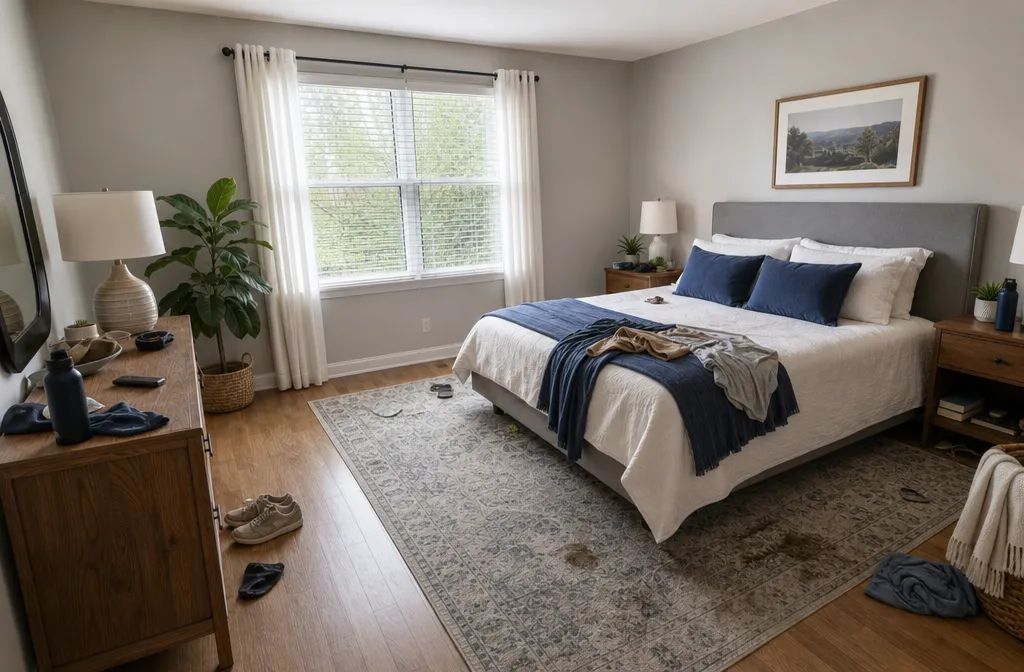
 After
After
Request: Need to eliminate cat urine odor and stains on a synthetic carpet in the bedroom.
Done: Deep cleaning performed using an enzyme neutralizer and hot water extractor.
Cost: 8 000 ₸
Master: Daniyar Serikov, dry cleaning master
Total: Odor eliminated, stains gone, carpet disinfected.
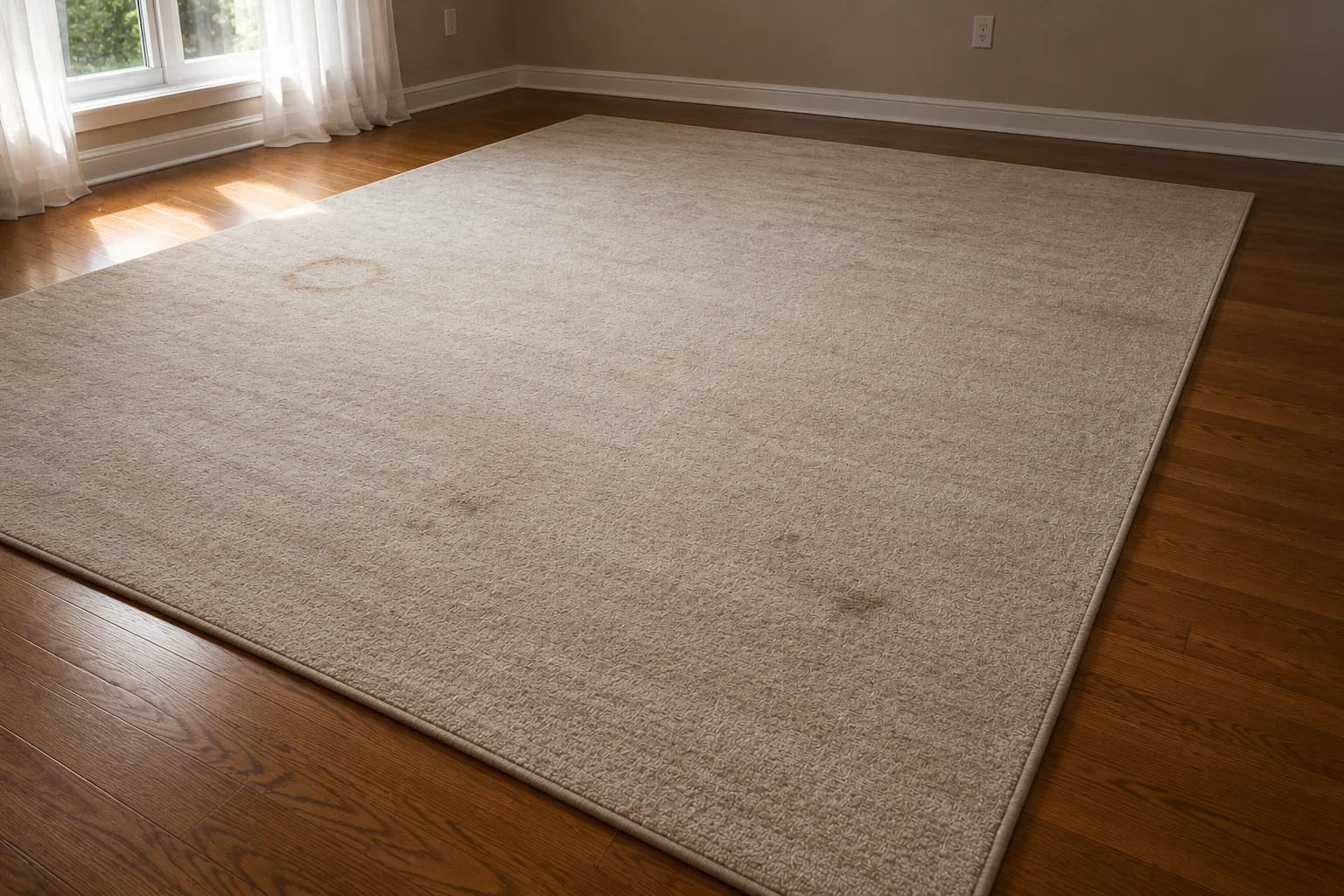
 After
After
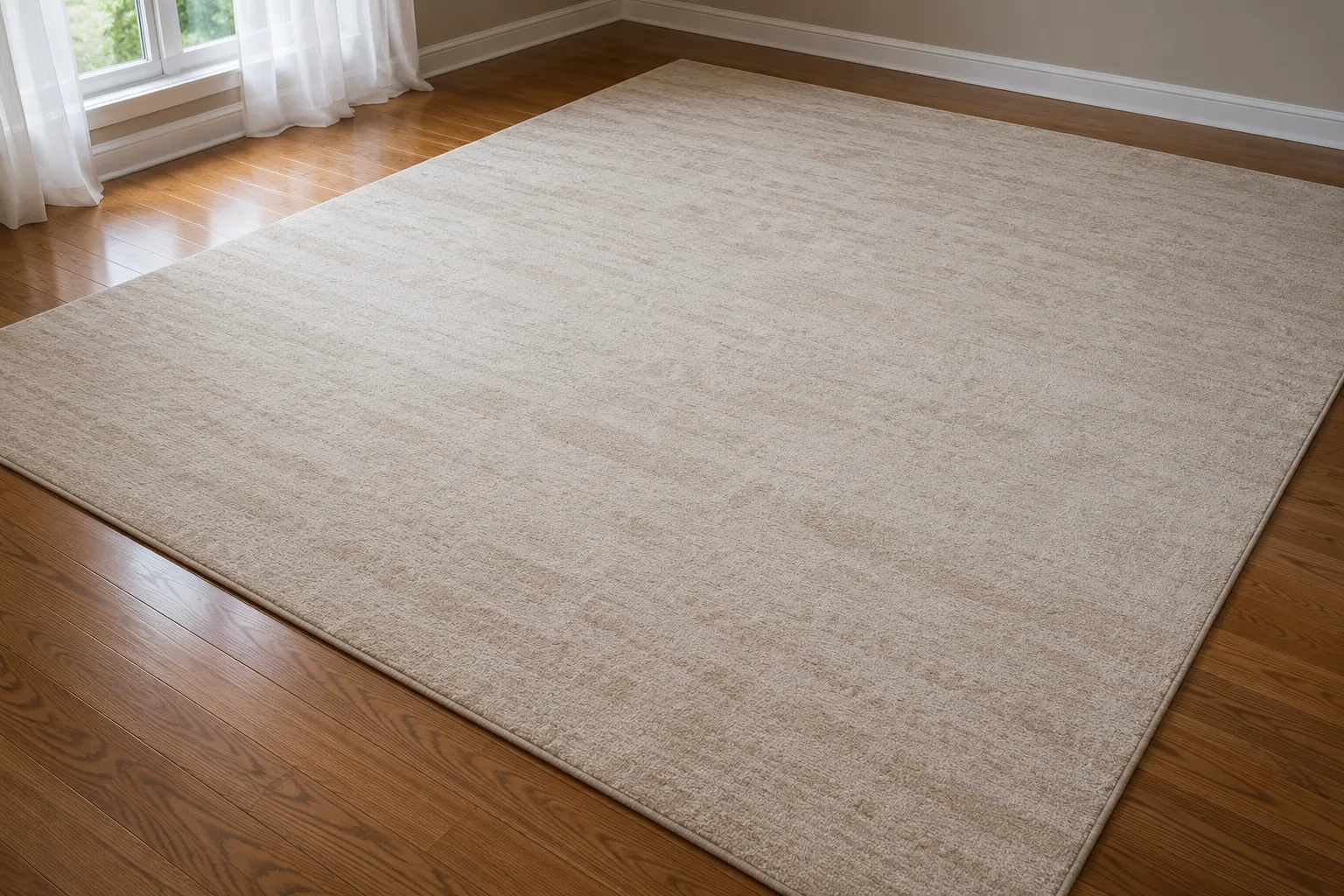
Request: Need to remove a fresh coffee stain from a viscose carpet in the living room.
Done: Gentle cleaning performed using a specialized product for viscose.
Cost: 9 000 ₸
Master: Assel Temirbekova, dry cleaning master
Total: Stain removed, carpet structure intact, color restored.
 After
After
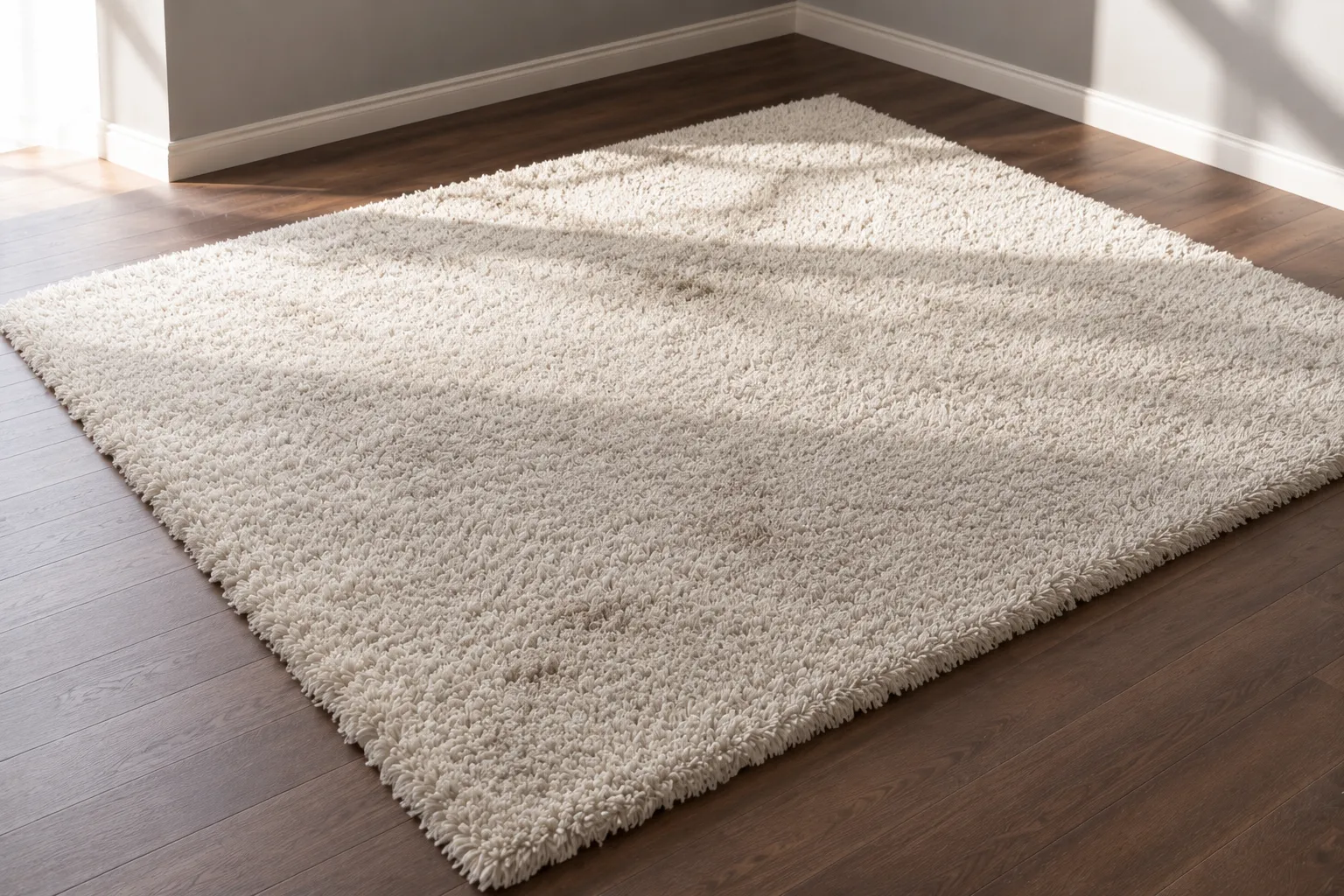
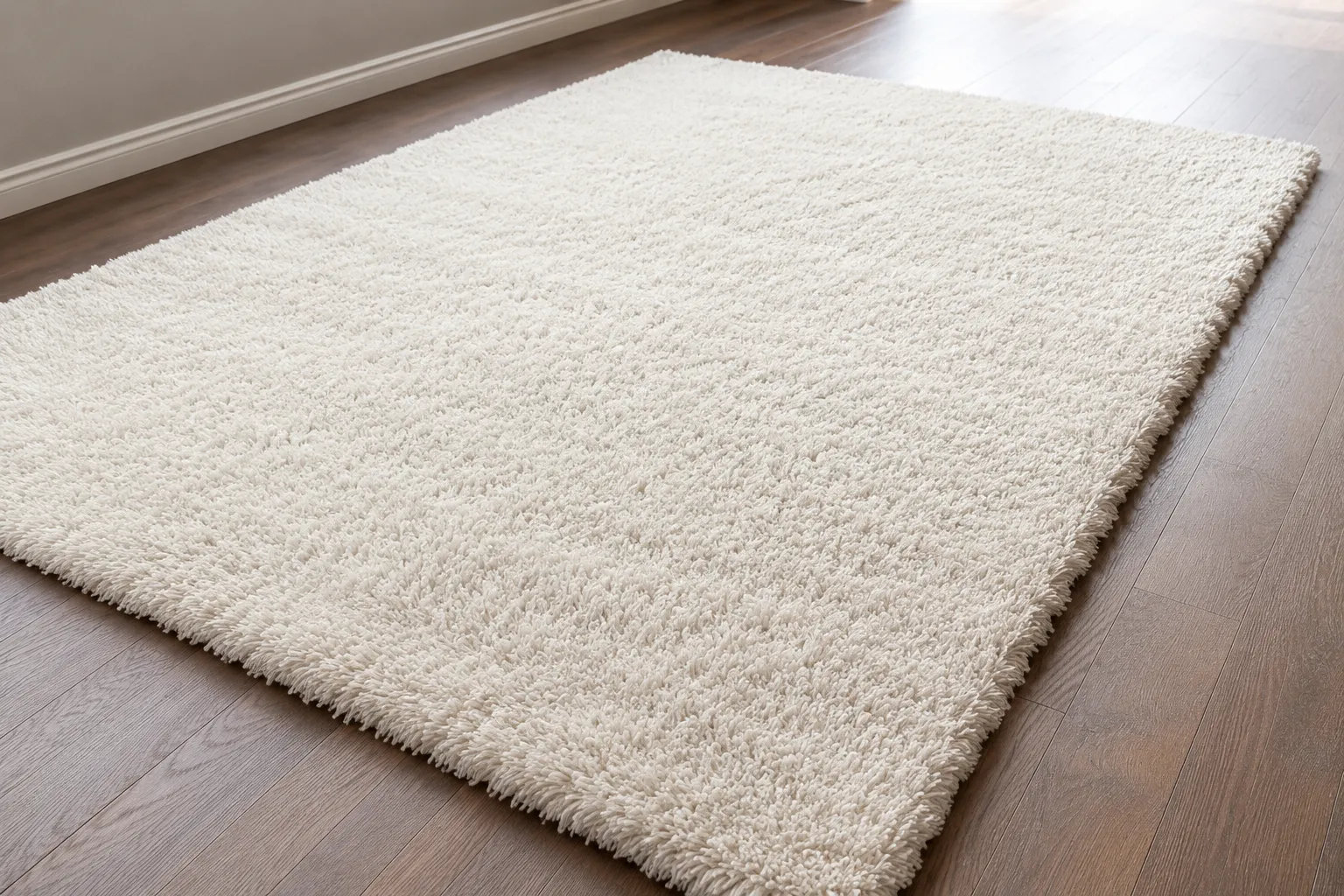
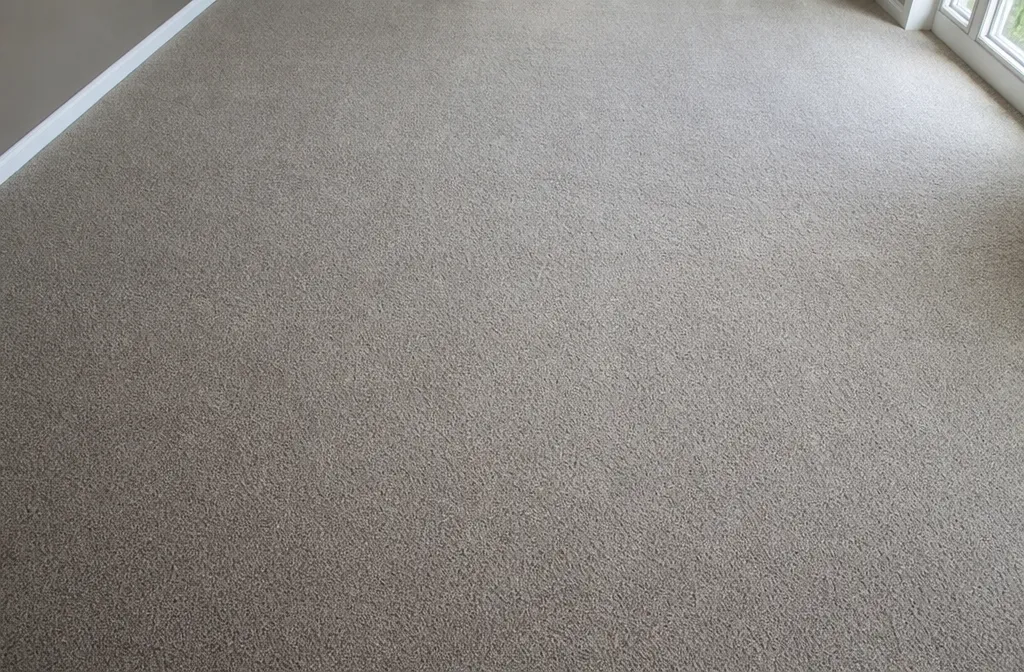
Request: Need deep cleaning of a long-pile carpet from embedded dust and dirt.
Done: Dry cleaning performed using a special powder and pile extractor.
Cost: 8 000 ₸
Master: Yerlan Sagintayev, dry cleaning master
Total: Pile became fluffy, carpet completely cleaned of dust and dirt.
 After
After
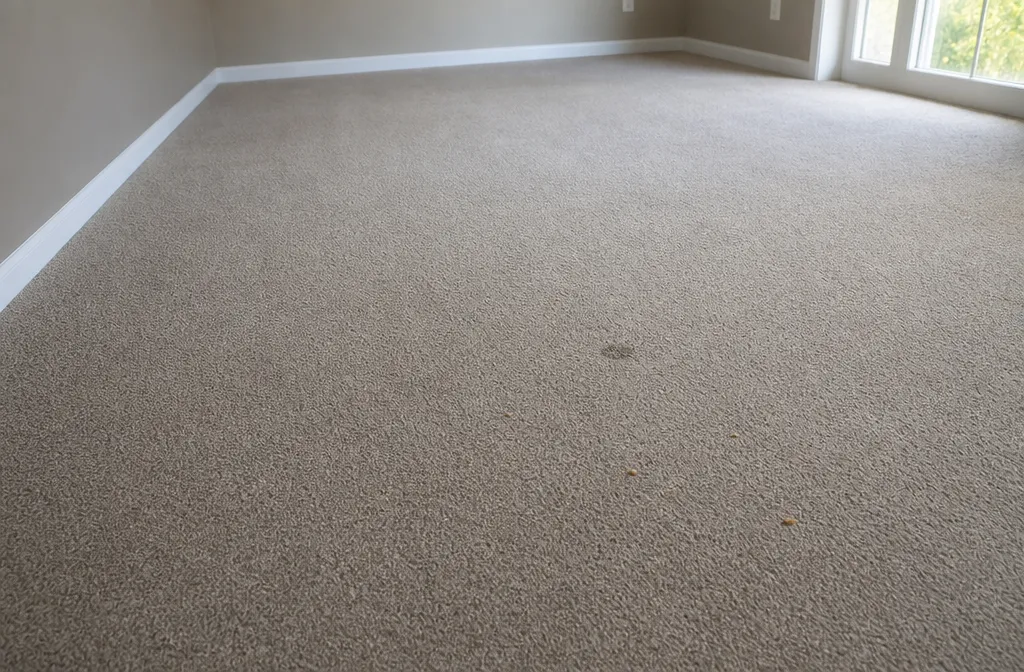
Request: Need to remove a grease stain from a short-pile carpet in the kitchen.
Done: Local treatment with degreaser and deep extraction performed.
Cost: 9 000 ₸
Master: Gulmira Kassymova, dry cleaning master
Total: Grease stain completely removed, carpet clean and fresh.
 After
After
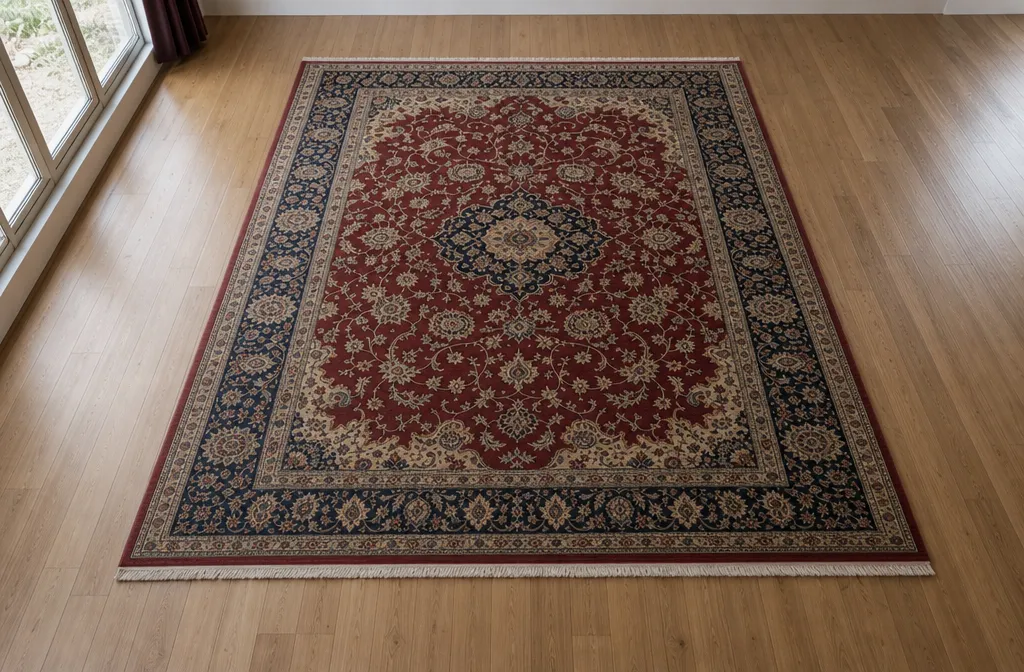
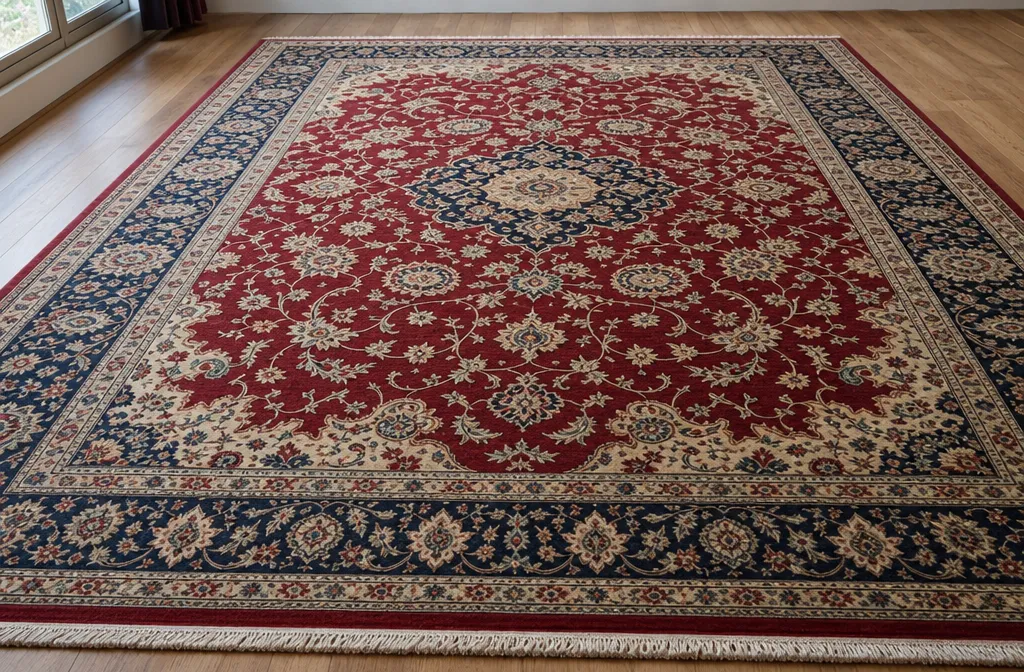
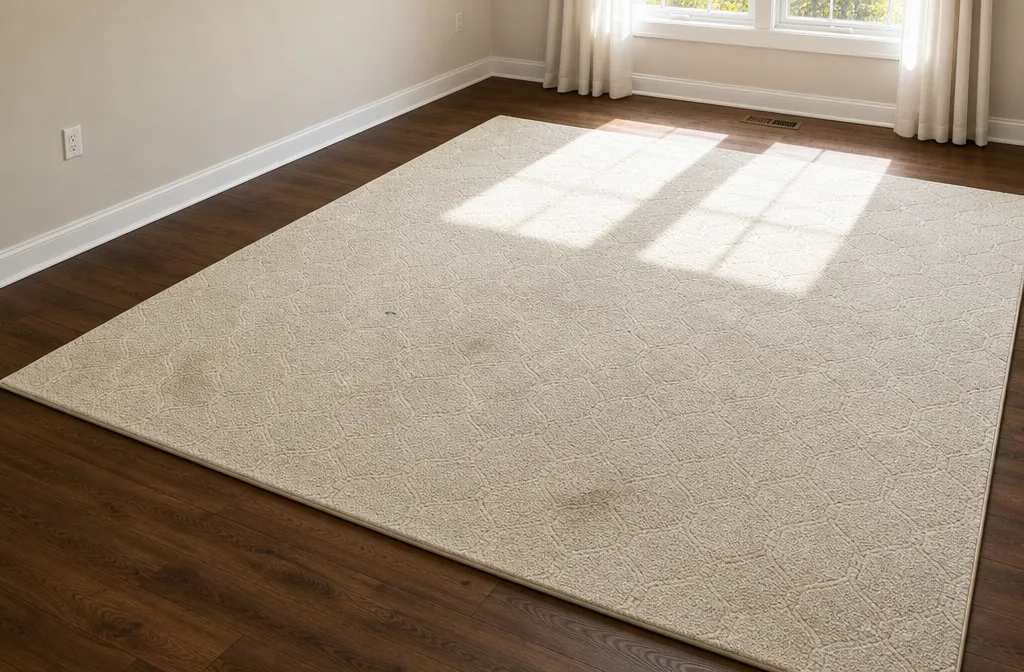
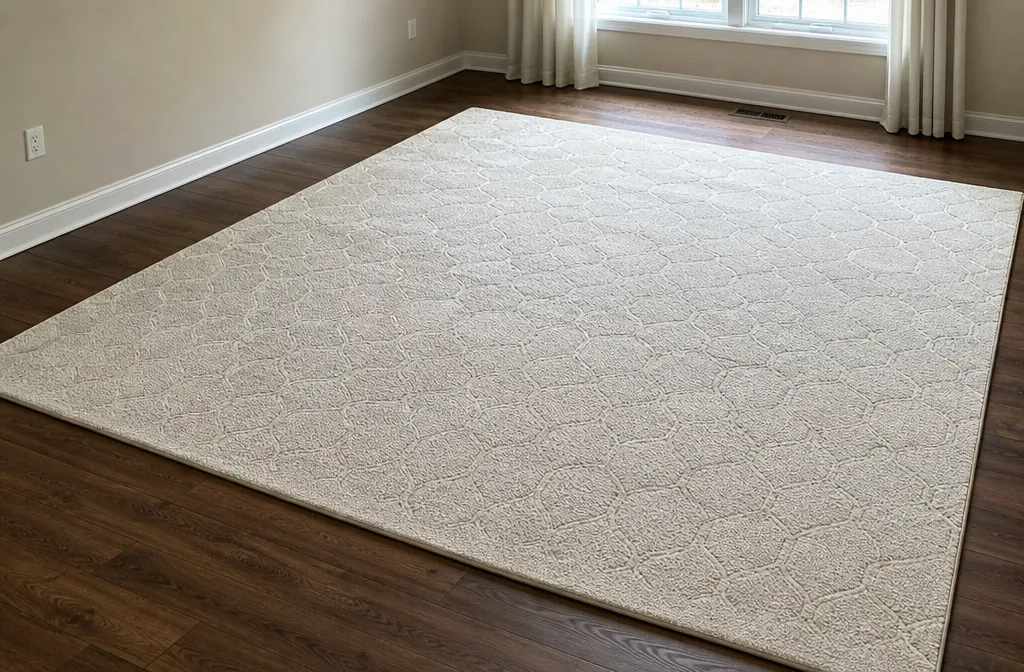
Request: Need to refresh the faded area on the handmade carpet in the living room.
Done: Deep cleaning performed with color restoration and pile conditioning.
Cost: 9 000 ₸
Master: Marat Aitbayev, dry cleaning master
Total: The faded area has become uniform with the rest of the carpet, colors are bright.
 After
After
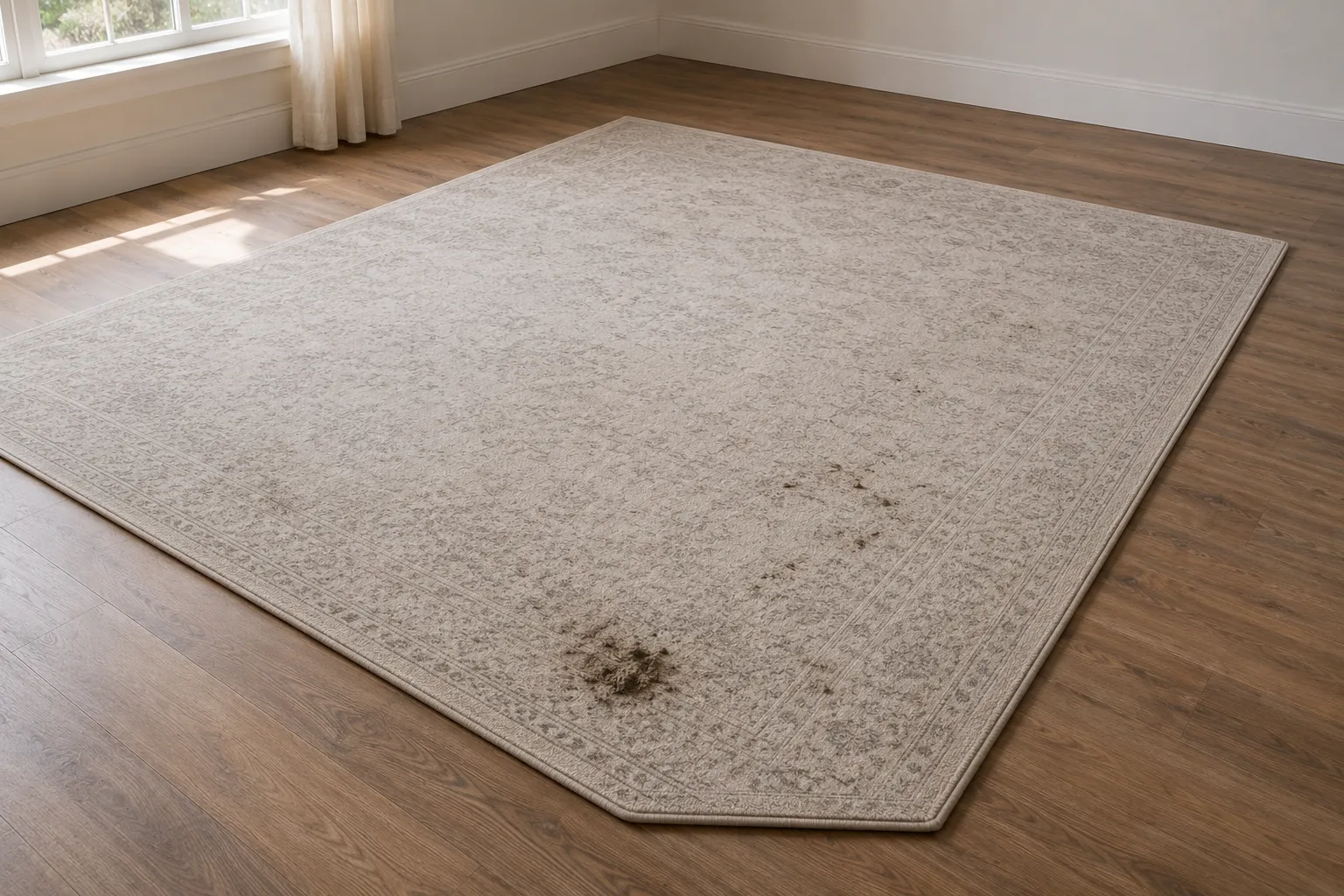
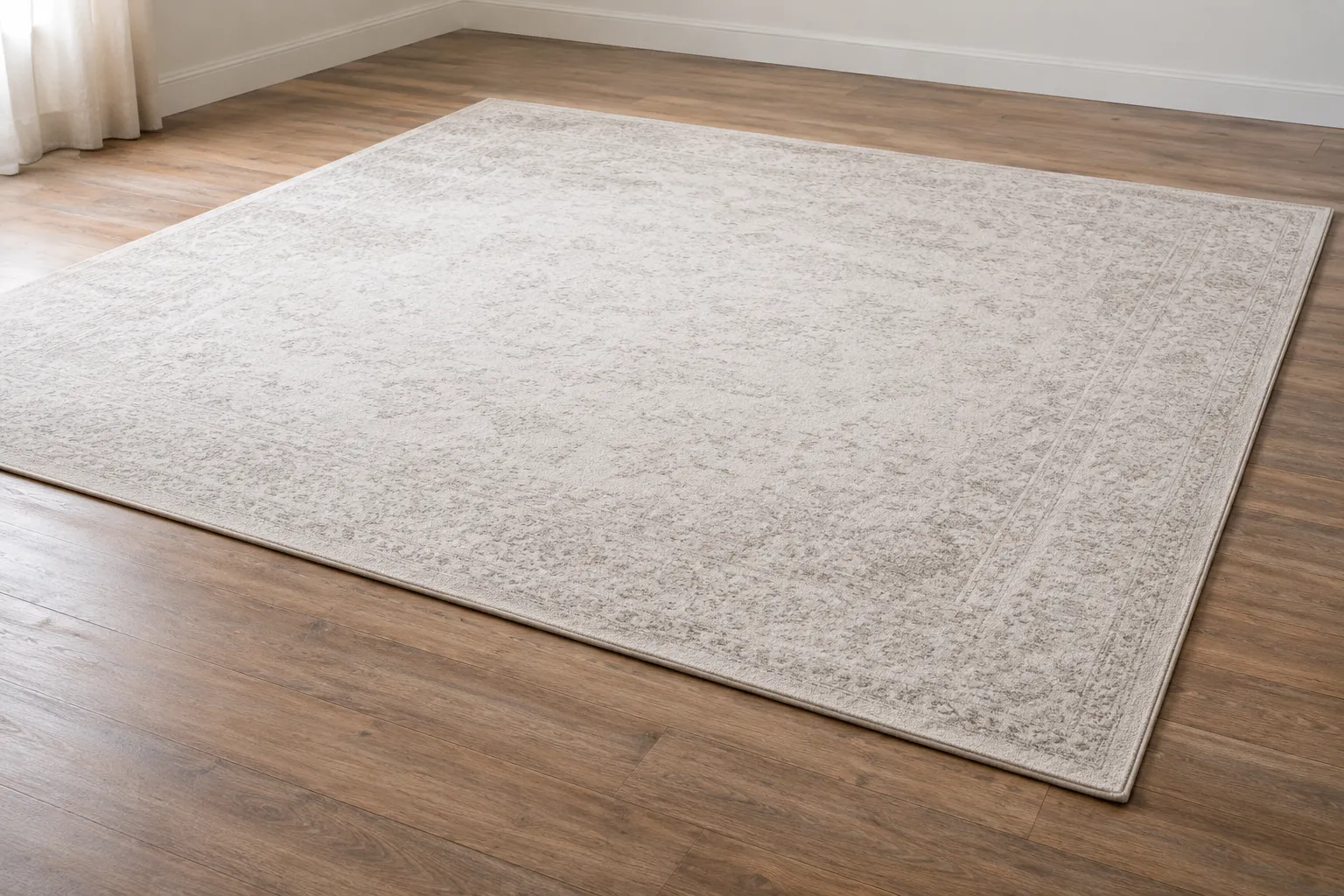
Request: Need to remove an ink stain from the carpet in the children's room.
Done: The stain was treated with an alcohol solution and removed using an extractor.
Cost: 8 000 ₸
Master: Aigul Zhumabayeva, dry cleaning master
Total: The ink stain has completely disappeared, the carpet is clean.
 After
After
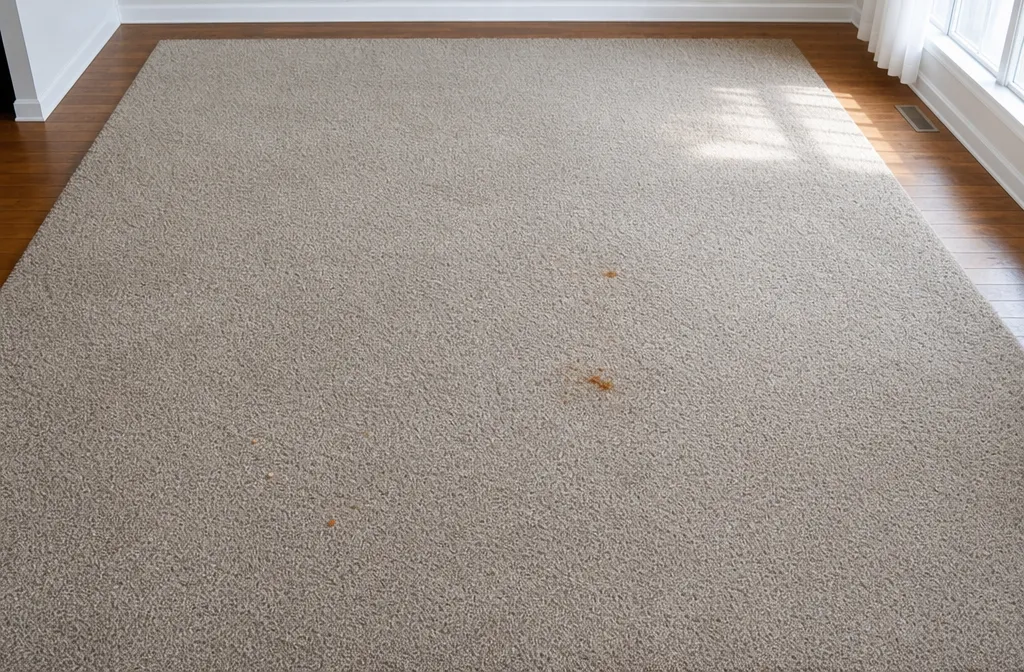
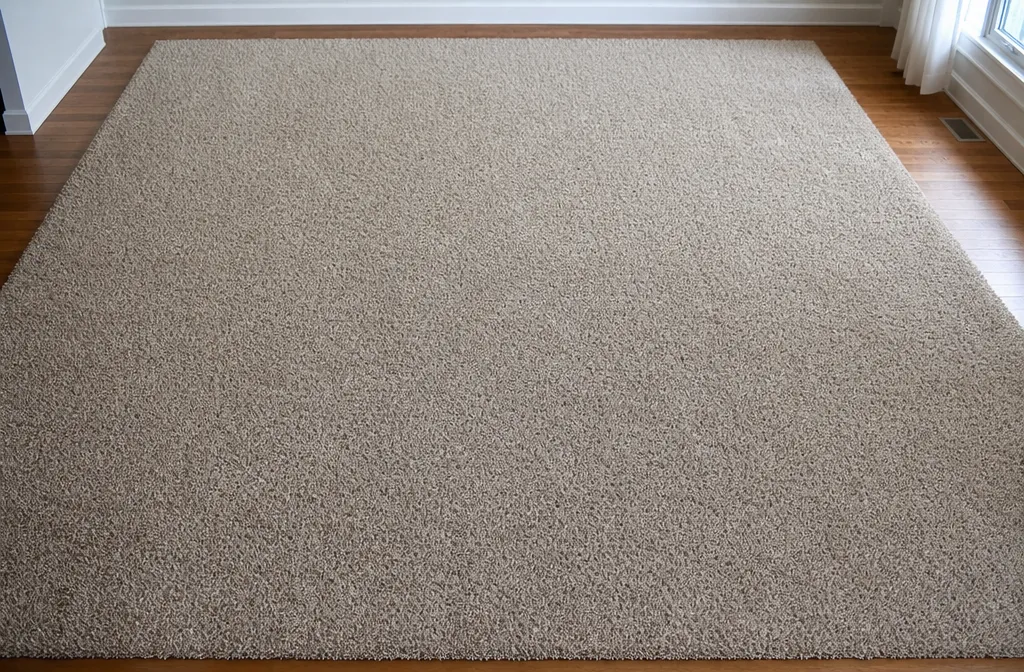
Request: Need to clean the carpet from dried dirt stains after a walk.
Done: Dry cleaning performed with pre-treatment of stains.
Cost: 7 000 ₸
Master: Nurlan Ibraev, dry cleaning master
Total: Dirt stains removed, the carpet looks like new.
 After
After
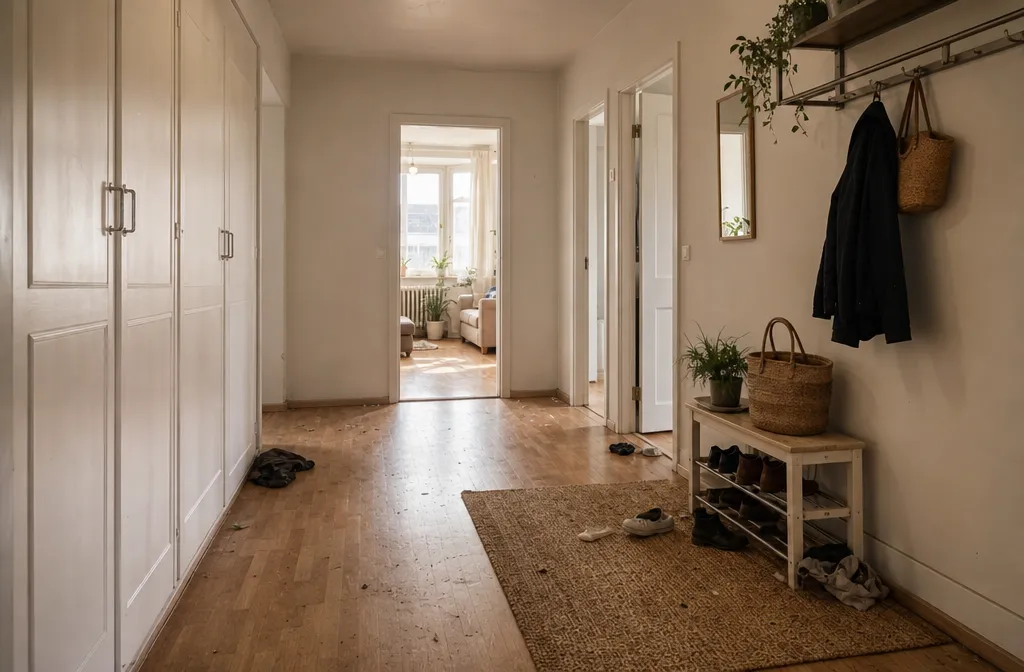
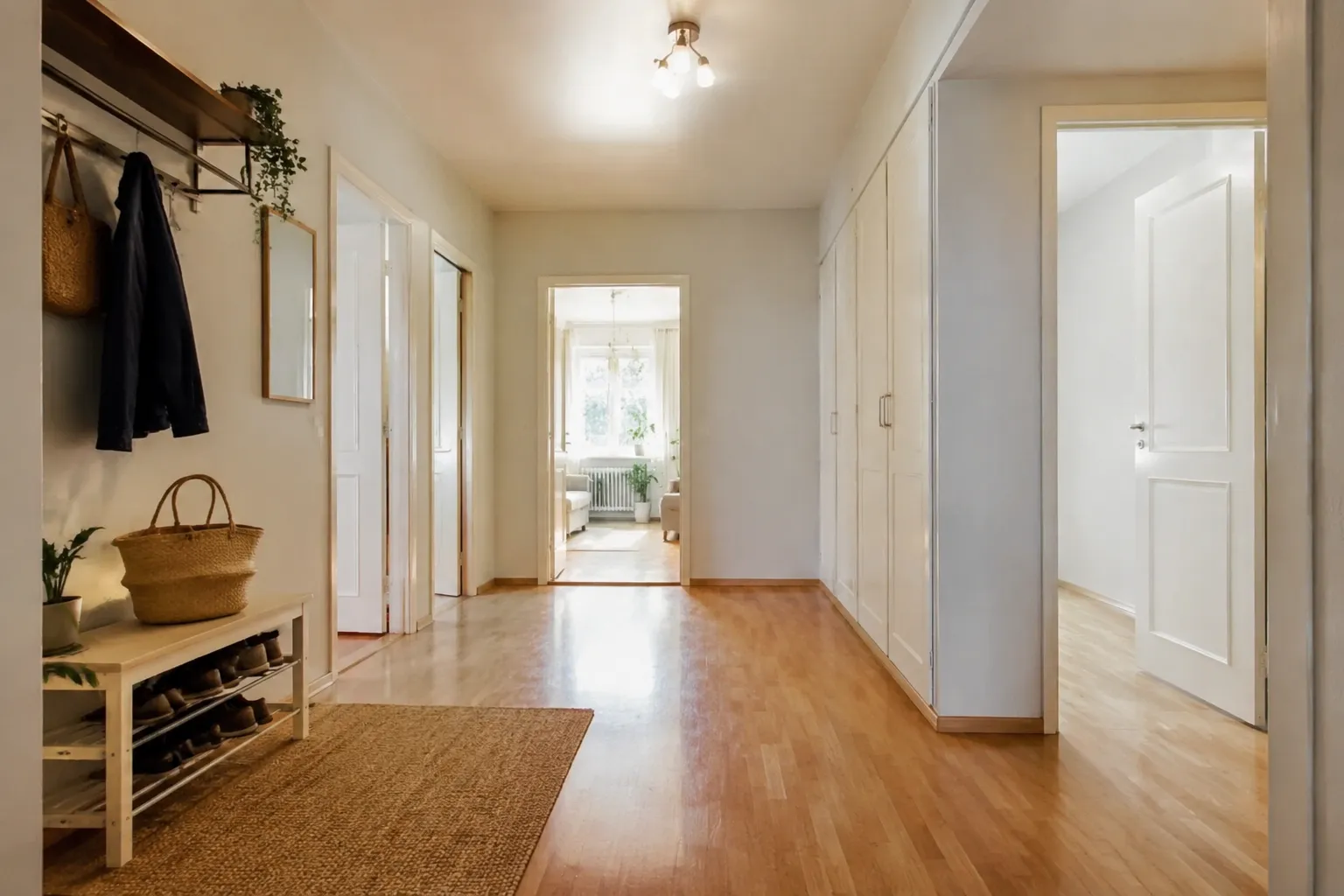
Request: Need to remove stains from spilled juice and crumbs from the carpet in the dining room.
Done: Local cleaning performed using an enzyme agent and extractor.
Cost: 9 000 ₸
Master: Lyazzat Bekmuratova, dry cleaning master
Total: Food stains completely removed, the carpet is clean.
 After
After
Request: Need a general cleaning of the carpet from dust and dirt in the hallway.
Done: Dry cleaning performed using powder and a professional vacuum cleaner.
Cost: 8 000 ₸
Master: Samat Kaliyev, dry cleaning master
Total: The carpet is completely cleaned, fresh and odorless.
All cleaners are profi-clean staff with training, uniform and security check. Each order has a team leader who controls quality.
A viscose carpet is one of the most demanding to care for: its pile is afraid of water, and improper cleaning turns the covering into a stiff “cardboard.” We are analyzing whether viscose is compatible with dry cleaning, when it is safe, and when it is a guaranteed defect.
Viscose is a regenerated cellulose fiber that loses up to 40% of its strength when wet and deforms irreversibly. Unlike wool or polyamide, viscose pile absorbs moisture like a sponge, and then upon drying, it shrinks, becomes rough, and loses its original geometry. This is why wet extraction (shampoo + water vacuum), standard for synthetics, is prohibited on viscose — after it, hard spots and “bald” patches remain on the carpet where the fibers have simply stuck together. In our practice, there was a case where a client ordered a wet cleaning of a viscose carpet from another service, and a week later brought it to us for restoration — the carpet had shrunk by 15% in length and lost its softness. Dry cleaning of viscose is the only way to preserve the structure, but with a number of caveats.
The key criterion is the type of impregnation and the density of the backing. If the viscose carpet is produced on a jacquard loom with a dense cotton base and treated with a water-repellent impregnation (these are expensive Turkish and Belgian models), dry cleaning with low-temperature EcoSoft powder or a cellulose-based absorbent is safe. If the carpet is budget Chinese viscose on a thin synthetic base without impregnation, even dry powder can cause damage: fine particles get clogged between the fibers, and during vacuuming, they pull out the threads. Home dry cleaning of viscose in Almaty is almost always a risk: cleaners without experience use a universal powder that is too abrasive for viscose. Our technologist tests the carpet with a twist test before treatment: if the fiber unravels easily and does not hold its shape — only on-site treatment with cold fog at low pressure, without mechanical friction, is suitable.
The main difference is the absorbent dwell time. On synthetics, the powder is left for 15-20 minutes; on viscose, a maximum of 5-7 minutes, and only if the composition does not contain enzymes or alkali. Any longer — the absorbent draws residual moisture from the fiber, and the carpet loses its elasticity. The second difference is temperature: viscose cannot be treated with steam, even at minimal heat, so the equipment with a HEPA filter from profi-clean operates in cold air mode, not hot extraction. The third is the tool: for viscose, a brush with soft natural bristles (horsehair) is used, not synthetic bristles that scratch the fiber. In our orders for viscose carpets, we also change the vacuum cleaner mode — we reduce the suction power to 800 W to avoid pulling threads from the base. Before ordering dry cleaning of a viscose carpet in Almaty, check with the master if they have a certificate for working with cellulose fibers — without it, the risk of damage is three times higher.
The most common is trying to remove a stain with a wet sponge before the cleaners arrive. Water penetrates the base, and after a day, a yellow stain forms in that spot, which cannot be removed even with dry powder — restoration by a colorist is needed. The second mistake is using stain removers based on chlorine or acetone: viscose dissolves in acids and alkalis, and contact with such a composition leaves a “chemical burn” — the fiber becomes brittle and breaks at the first vacuuming. The third is drying on a radiator or in direct sunlight: viscose should only dry horizontally, at room temperature and humidity of 50-60%, otherwise shrinkage is inevitable. For Almaty apartments with dry air (humidity is often below 30%), we recommend using a humidifier in the room with the carpet for two days after our treatment — this fixes the fiber’s shape. If the carpet has already been damaged by wet cleaning, dry treatment can only stabilize the condition but will not restore the original softness — it is important to understand this before starting work.
The choice between dry and wet carpet cleaning is not a matter of price, but a matter of material safety and the longevity of the result. The main difference lies in contact with water and drying time, and all other parameters are based on this.
During dry cleaning, we apply an absorbent powder based on cellulose or cornstarch to the pile, which is worked in with a rotary machine and absorbs dirt along with residual moisture. After 15-20 minutes, the compound is collected with a powerful vacuum cleaner equipped with a HEPA filter. The total drying time for the carpet is 30 to 60 minutes, allowing you to walk on it almost immediately. This is the only permitted method for viscose, silk, handmade carpets, and those with a natural latex backing — moisture irreversibly destroys their structure. From profi-clean’s practice: on carpets with silk threads, wet cleaning causes shrinkage of up to 5-7%, whereas the dry method preserves the geometry unchanged. For allergy sufferers, dry cleaning is preferable — the powder does not create an environment for mold, and the HEPA filter traps up to 99.97% of dust mites.
Wet cleaning (extraction) involves injecting water with a cleaning agent under pressure while simultaneously suctioning out the dirty liquid. This method removes oil stains, old beverage marks, and odors — for example, pet urine, which requires enzymatic breakdown. However, the depth of water penetration into the carpet backing is up to 2-3 cm, which, with poor ventilation or on dense backings (jute, felt), risks over-wetting and mold growth within 48-72 hours. In Almaty apartments with high humidity in spring and autumn, this is especially critical. On synthetic carpets (polypropylene, nylon), wet cleaning is safe and yields a visually brighter result if an acid neutralizer is used — it rinses away alkali residues that would otherwise damage the dyes. Before extraction, we always dry the carpet with an industrial fan for 4-6 hours — without this, moisture remains in the backing.
| Type of Stain | Dry Cleaning | Wet Cleaning |
|---|---|---|
| Dust, pet hair, pollen | Effective: powder binds fine particles | Excessive: water is unnecessary for dry dirt |
| Spilled coffee, tea, juice | Removes surface traces | Effective: extraction washes pigment from fibers |
| Oil stains (grease, cream) | Weak: powder does not dissolve fats | Required: with a pre-treatment stain remover |
| Urine, pet odors | Masks but does not remove enzymes | Necessary: enzymatic shampoo breaks down urea |
| Allergens, dust mites | Excellent: powder + HEPA filter removes 99% | Moderate: moisture can activate mold |
The most common mistakes are wet cleaning viscose and dry cleaning oil stains. On viscose carpets (artificial silk), water softens the fiber, and after drying, it becomes brittle — after 2-3 such cleaning cycles, the carpet loses its luster and starts to crumble. In our practice, there was a case: a client ordered wet extraction for a handmade viscose carpet 3×4 m, and after the first cleaning, the pile lost 40% of its original volume. The reverse scenario is dry cleaning an old red wine stain: the powder simply seals the pigment, and it reappears after a month. For greasy stains, the dry method is useless — fat does not dissolve in the absorbent, requiring pre-treatment with a solvent, followed by mandatory wet extraction. If you are unsure about the type of stain, first test on an inconspicuous area — a drop of water should be absorbed, not bead up.
In Almaty, with its sharply continental climate and frequent humidity fluctuations (from 20% in winter to 70% in spring), dry carpet cleaning in Almaty is a more reliable choice for most city apartments. In winter, with radiators running, wet cleaning dries in 2-3 hours, but in spring and autumn, when air humidity is high, drying time can stretch to 12-18 hours. During this time, mold can develop in the carpet backing — especially on carpets with a jute base, which actively absorb moisture from the air. Residents of first floors and basement premises in Almaty face this problem more often: after wet cleaning, the carpet may start to smell musty within a week. We recommend dry cleaning for any carpets in apartments without forced ventilation — this eliminates the risk of over-moisturization and mold. For homes with a climate control system and air dehumidifiers, wet cleaning is acceptable, but only if the carpet dries within 4-6 hours afterward.
The frequency of dry carpet cleaning depends on foot traffic, the number of household members, and the presence of allergy sufferers — we select the interval individually for each family in Almaty.
High traffic (hallway, living room, corridor): we recommend dry carpet cleaning in such areas once every 2–3 months. During this time, up to 70% of invisible dust accumulates in the pile, which a household vacuum cleaner with a HEPA filter cannot extract from the base. In Almaty apartments with hard flooring (porcelain tile, laminate), dust from the floor settles on the carpet faster — the difference in soiling reaches 30% compared to homes where the carpet lies on carpeting. Our practice shows: if cleaning is skipped for more than 4 months, synthetic carpets (polypropylene, polyester) develop scuff marks from shoe dirt, which can only be removed by wet extraction with pre-treatment.
Medium traffic (bedroom, children’s room): once every 4–5 months is sufficient. In the bedroom, the main problem is dust mites and shed skin particles, which accumulate more slowly but have higher allergenicity. For children’s rooms, we recommend an interval of no more than 4 months, even if the carpet looks clean — children’s respiratory tracts react to accumulated dust at 0.5 g per m², and this dirt is visually unnoticeable.
Low traffic (study, guest room): once every 6–8 months. For handmade wool carpets (Turkmen, Iranian, Kazakh), the interval can be extended to a year, provided regular vacuuming with a soft brush. We had a case: in a house on Gorny Gigant, the owner cleaned a wool carpet once every 10 months — after 3 years, the pile remained elastic, without creases or color loss, because there was no harsh chemical exposure. For synthetic carpets in low-traffic areas, a six-month interval is safe: polypropylene does not absorb grease, and the dry powder removes dirt completely in one pass.
For allergies to pollen or dust mites, we recommend dry carpet cleaning every 2 months, even in the bedroom. In Almaty, the poplar and wormwood flowering season lasts from April to August — during this period, up to 300% more allergens settle on the carpet than in winter. Hypoallergenic chemicals from Kiehl (Green series) and Sodasan powder with aloe vera extract leave no chemical odor and bind allergens at the molecular level. Wet methods are worse during this period: they moisten the pollen, which then germinates in the pile, triggering a reaction 2–3 days after cleaning.
For homes with cats and dogs, the interval is reduced to 1–1.5 months. Animal hair and sebum clog the carpet base faster than household dust — on synthetics, odor appears within 3 weeks. We have a client in the Samal-2 microdistrict with two Labradors: she orders dry cleaning every 5 weeks, and over 2 years, the polypropylene carpet has not lost color or absorbed odor. An important nuance: before cleaning, we always ask to brush the pet — this reduces the amount of hair in the carpet by 40% and prolongs the effect of the procedure.
There are three objective signs we check on-site. First — the compression test: press your palm against the carpet for 5 seconds — if the pile doesn’t recover within 2–3 seconds after removing your hand, dust and sand have accumulated inside, weighing down the fibers. Second — the smell after rain: in Almaty’s dry climate (summer humidity 35–45%), a carpet shouldn’t smell musty; if a stale odor appears after airing out, bacteria have multiplied in the base, and cleaning with antibacterial treatment is needed. Third — the color test: wipe a white damp cloth across the pile — if a gray residue remains, the carpet is saturated with fine dust that a regular vacuum cleaner can’t pick up. If you notice even one sign, don’t wait for a calendar date — order a cleaning, otherwise the residue will cement within a month and require deep wet treatment.
Dry carpet cleaning isn’t a universal tool, but a selective method that brilliantly handles some types of soiling while being nearly useless against others. In our practice, 80% of calls are for organic stains and household dirt, and that’s where we focus, using an absorbent powder based on cellulose and wood flour. Let’s break down which stain types are guaranteed to disappear in one pass, and which require a combined approach or wet treatment.
Fresh stains from coffee, tea, juice, wine, and beer are the best candidates for dry cleaning. We remove them in 15-20 minutes: the powder absorbs the liquid along with the dye, and after 10 minutes of exposure, the residue is simply vacuumed up with a HEPA filter. Unlike wet cleaning, where water sets tannins (tanning substances from tea and coffee), the dry method prevents the stain from “sinking” deeper into the pile. In practice, this means spilled pomegranate juice on a light Belgian carpet disappears without a trace, and a red wine stain on a wool rug is gone in 1-2 passes if the stain is no older than 4-6 hours. Dried stains are trickier: the powder penetrates crystallized sugar less effectively, so we pre-soften the area with steam at 40°C — the only deviation from the “dry” technology. For old coffee stains (over 24 hours), we use an enzyme pre-spray based on lipase, which breaks down the oils in coffee beans — it’s applied spot-on 5 minutes before the powder. Before cleaning, ask the technician to check the stain with an ultraviolet lamp: fat residues glow yellow, and if present, the powder won’t remove them without the enzyme pre-spray.
Dry cleaning handles animal urine, saliva, and vomit well — provided the stain is fresh (up to 12 hours). We use a powder with enzymes (protease + amylase) that break down protein and starch: it neutralizes the odor at the molecular level rather than masking it with fragrance. In Almaty, where apartments often have cats and dogs, we handle such stains 5-7 times a week. A key nuance is urine on a synthetic carpet with a dense latex backing: if it has soaked into the underlay, the dry powder won’t reach the odor source, and the smell will return within 2-3 days. For these cases, we use a two-step protocol: first a deep-penetration enzyme spray (pH 7-8), then the powder on top. On wool carpets (especially Afghan and Turkmen), urine eats away at the natural dye — here the powder helps fix the remaining pigment, but the discolored area will remain. We don’t touch animal feces with the dry method at all: biological residues require wet sanitary treatment with a hydrogen peroxide-based disinfectant. After profi-clean has removed a urine stain, don’t wash the carpet with shampoo for 24 hours — the enzymes continue working for another 12-18 hours, and water will wash them away.
Dust, street dirt, sand, and soot particles from candles or fireplaces are ideal contaminants for dry cleaning. The absorbent powder binds particles as small as 5 microns, including fine soot: after a 20-minute exposure and thorough vacuuming (3-4 passes in different directions), up to 95% of dry dirt is removed from the carpet. In Almaty homes with open fireplaces and stoves (Medeu, Bostandyk, Gorny Gigant districts), soot is a common problem: it settles on the pile as a gray film that wet cleaning smears, while the dry method collects it without streaks. Greasy soot (from barbecues or kitchens) is an exception: the oily fraction is not absorbed into the cellulose and must be pre-treated with an absorbent containing activated carbon, which we have in our arsenal. Sand and gravel (typical for doormats in private homes in the Alatau district) are removed 100% by dry cleaning — the powder pulls even small stones from under the pile, which a vacuum cleaner without a turbo brush attachment would miss. If there are traces of oil-based paint or wax on the carpet, do not try to remove them with the dry method: these stains require a solvent and a wet extractor, and the powder will only grind them deeper.
Grease, oil, wax, chewing gum, nail polish, glue, and ink — the dry method is useless for these contaminants. We do not promise the removal of oil stains with dry cleaning: vegetable oil and meat grease penetrate the fiber and are not absorbed into the powder, only smearing across the surface. In our practice, there was a case — an Alpaca Wool carpet after a New Year’s party with spilled olive oil: the client ordered dry cleaning, but the stain remained, and we had to perform wet treatment with a degreaser. Chewing gum hardens in the pile — it is removed with a cryogenic spray (freezing to -40°C), not powder. Nail polish and “Moment” glue are only dissolved by acetone or white spirit — dry cleaning has no effect on them, and we warn clients about this before the visit. Ink from a pen or marker — water-soluble ones are removed by wet cleaning with an alcohol solution, while oil-based ones (permanent markers) require an organic solvent. Do not apply powder to an oil stain — it will clog the pores, and subsequent wet treatment will require 1.5 times more time to remove the absorbent residue.
Almaty’s dry climate creates unique conditions for carpet use — we encounter this every day. Dust, fine sand, and exhaust fumes settle on the pile faster than the average in Kazakhstan, and low humidity changes the behavior of contaminants.
Almaty dust differs from plain dust: it contains fine soil particles, soot from cars, and micro-particles from tires. In dry air, this mixture does not clump but penetrates deep into the pile — down to the base, where a regular vacuum cleaner cannot reach it. In three weeks without professional cleaning, a carpet accumulates up to 3-5% of its own weight in such dust. During wet cleaning, this dust turns into an abrasive paste that cuts the fibers — this is why dry carpet cleaning in Almaty is particularly effective: the powder absorbs particles without water, preventing them from acting like sandpaper. In practice, this means a carpet cleaned dry every 3-4 months lasts 2-3 years longer than one washed with shampoo.
At humidity levels of 25-35% (typical winter and summer in Almaty), synthetic and semi-wool carpets accumulate a strong static charge. This charge attracts dust like a magnet — after regular cleaning, the carpet looks clean, but after 2-3 hours, a gray film is noticeable again. At the finish of dry cleaning, we apply a special water-based antistatic agent — it neutralizes the charge for 4-6 weeks. The difference is noticeable: the carpet remains visually clean twice as long. Static is less on wool carpets, but for synthetics (polypropylene, polyester), this step is critical — without it, Almaty dust returns to the surface within a day.
In Almaty, there are two seasons when the dust load on carpets is at its maximum: March-April (wind with dust after snowmelt) and September-October (dry autumn). During these months, the concentration of suspended particles in the city’s air reaches 150-200 µg/m³ — 3-4 times higher than the winter norm. Carpets in hallways and corridors become clogged with dust within 7-10 days. We recommend that clients during this period order dry carpet cleaning in Almaty not once a quarter, but once every 6-8 weeks. Our experience shows: carpets cleaned on this schedule during peak months retain their color 30% longer than those waiting for a planned cleaning once every six months.
The composition of dust in different areas of Almaty varies noticeably, and this affects the choice of chemicals. In the center (Almaly, Bostandyk), automotive soot and rubber crumb predominate — they leave a gray-black coating on light carpets that is difficult to wash off with water. On the outskirts (Alatau, Nauryzbay), there is more ground dust and sand — it is abrasive and wears down the pile faster when walked on. For central districts, we use a pre-treatment with an enzymatic spray (Kiehl Bio-Enzymatic), which breaks down soot without mechanical friction. For the outskirts, we use deeper vacuuming with a turbo brush to extract sand from the base of the pile. Moreover, clients from different parts of the city often notice the effect immediately: after cleaning, the carpet in the center becomes lighter, while on the outskirts it feels softer to the touch.
The most common mistake when doing DIY dry carpet cleaning in Almaty is working with powder when the air humidity is below 30%. Under such conditions, the powder does not absorb dirt but simply “rolls” over the surface, leaving a white residue. Before cleaning, we check the humidity with a hygrometer: if it is below 30%, we moisten the carpet with a light mist from a spray bottle (10-15 ml of water per m²) 10 minutes before applying the powder. This increases dirt adsorption by 40-50% — the powder darkens and draws dust from the depths, rather than just lying on top. Without this step in the dry Almaty air, the cleaning result drops by half, and within a week the carpet looks as gray as it did before treatment.
I ordered dry cleaning for a wool carpet in the living room — it was refreshed perfectly, coffee stains gone.
Thank you, Aigerim! Glad you liked the result.
The long-pile carpet looks like new, dust removed, colors brighter. I recommend.
Dry cleaning helped remove marker stains, but a faint smell remained — aired it out, it's okay.
Thanks for the review! Next time we'll add a fragrance.
After cleaning, the hallway carpet stopped producing dust, easier to breathe. Fast and high quality.
Dry cleaning of the carpet didn't handle the greasy areas near the threshold — apparently heavy wear.
Yerlan, we apologize. For old stains, we recommend chemical cleaning with stain removal.
Delicate cleaning of a handmade carpet — threads not damaged, colors restored. Satisfied.
Huge carpet for the whole living room — dry cleaning took an hour, excellent result.
Kuanysh, thank you! We work quickly and efficiently.
Carpet after pets became clean and odorless. Thanks for the freshness!
Did dry cleaning of the bedroom carpet — tea stains gone, but a small streak remained. Overall ok.
Timur, we'll try to enhance treatment next time.
Light carpet whitened without chemicals, looks perfect. Very neat.
After renovation, the carpet was dusty and paint-stained — dry cleaning saved it, everything wiped off.
Glad to help, Alexey! Contact us again.
Office carpet cleaned perfectly, employees are happy. No smell, dry.
Dry cleaning removed old wine stains — didn't expect such an effect!
Aliya, thank you! Our products handle any stains.
The hallway carpet is cleaner, but there is still dirt along the edges. Overall, not bad.
Nurlan, we take note. Next time we'll pay more attention to the edges.
I ordered dry cleaning for the carpet — the fluffy carpet became soft and fluffy, like new.
Cleaning the living room carpet transformed the room. Food stains disappeared. Fast and hassle-free.
Dry cleaning did not completely remove the smell of the old carpet. Average result.
Lyazzat, we apologize. Deep treatment may be needed — call us.
The brightly patterned carpet became more contrasting, colors vibrant. Quality work.
Dry cleaning of the children's room carpet — hypoallergenic, child sleeps peacefully. I recommend.
Anara, thank you for your trust! Safety is important.
The short-pile carpet was cleaned well, but there is still slight fluffiness.
Daulet, it may need brushing after cleaning. We'll invite you for a free adjustment.
Dry cleaning removed the cat smell and fur. Now the carpet is fresh.
The living room came alive with new colors after carpet cleaning. Juice stains disappeared.
On average, cleaning a 4 m² carpet takes about 1-1.5 hours. The time depends on the degree of soiling and the size.
Leave a request on the website or call us. A master will come for a free assessment, then we agree on the date and time of cleaning.
Yes, we use hypoallergenic powders Kiehl and Sodasan, which are safe for children and pets. No harmful residues remain after cleaning.
We recommend waiting 1-2 hours for complete drying. You can walk, but avoid heavy use.
Yes, we travel throughout Almaty. The master's visit for assessment and consultation is free.
We use professional powders Kiehl and Sodasan, as well as Dr. Beckmann sprays. All products are certified and safe for health.
The carpet dries in 1-2 hours, as minimal moisture is used in dry cleaning. Complete drying depends on humidity and ventilation.
Yes, we accept Kaspi, Halyk cards, as well as cash and bank transfers.
Yes, our powders and extractor effectively remove odors, including urine and other biological fluids.
Just remove small items from the carpet. The master will prepare the carpet: vacuum and treat stains.
Tell us about your experience with profi-clean — it helps other clients and us improve.
We currently operate in Almaty. Other cities are coming soon.