Inspection and identification
Visually assess the carpet type, identify stains and degree of soiling. Test dyes for colorfastness.
Professional carpet cleaning with visit to Auezov district. We remove any stains, dust, and odors. Hypoallergenic, safe for children and pets.

We work with any types and materials
Quick cleaning using low-foam agents that do not damage fibers.
from 7,000 ₸Gentle cleaning with neutral compounds that preserve the structure and color of wool.
from 7,000 ₸Special technology with minimal moisture to avoid fiber deformation.
from 7,000 ₸Manual stain treatment and gentle extraction to preserve unique weaving.
from 7,000 ₸Deep cleaning with pile lifting and thorough dirt removal from the base.
from 7,000 ₸Fast extraction cleaning with high efficiency in dust removal.
from 7,000 ₸Use of soft brushes and special agents to prevent pile matting.
from 7,000 ₸Pre-testing dyes for colorfastness to avoid fading.
from 7,000 ₸Application of bleaching enzyme stain removers to remove yellowing.
from 7,000 ₸Use of products without brighteners to avoid streaks.
from 7,000 ₸Manual fringe cleaning with a brush and protection from damage during extraction.
from 7,000 ₸Water temperature control up to 60°C to avoid damaging the latex layer.
from 7,000 ₸From inspection to result with guarantee
Visually assess the carpet type, identify stains and degree of soiling. Test dyes for colorfastness.
Remove dry dirt and dust from both sides of the carpet. Use a vacuum with a 99.97% HEPA filter.
Apply Kiehl or Sodasan stain removers to problem areas. Wait 5-10 minutes for reaction.
Foam hypoallergenic shampoo and distribute evenly over the carpet using a rotary machine.
Rinse the carpet with water up to 60°C under pressure. Karcher Puzzi 10.8 extractor removes dirt.
Remove chemical residues with clean water to avoid stickiness and streaks.
Pass extractor again for maximum water removal. Moisture reduced to 20%.
We turn on air movers and brush the pile with a carpet rake to restore volume. Complete drying in 2-4 hours.
Suction power of 10.8 l/min allows extracting up to 95% of moisture in one pass. This reduces drying time and prevents mold. Equipment undergoes regular certification.
All compounds have eco-labels and contain no phosphates, chlorine, or fragrances. They are safe for asthmatics and infants. The products effectively remove stains without leaving chemical odors.
HEPA H13 vacuums trap particles up to 0.3 microns: pollen, mold spores, pet hair. This reduces allergy risk after cleaning. Filters are changed after each client.
We are confident in our work: if an old stain reappears within a month, repeat treatment is done at no extra charge. The guarantee covers all types of stains.
Orders placed before noon are processed the same day. We travel to any point in the district without additional charge. Average arrival time is 2 hours.
A manager visits your home, assesses material, pile, wear, and selects the optimal cleaning technology. This helps avoid damage and accurately calculate the cost.
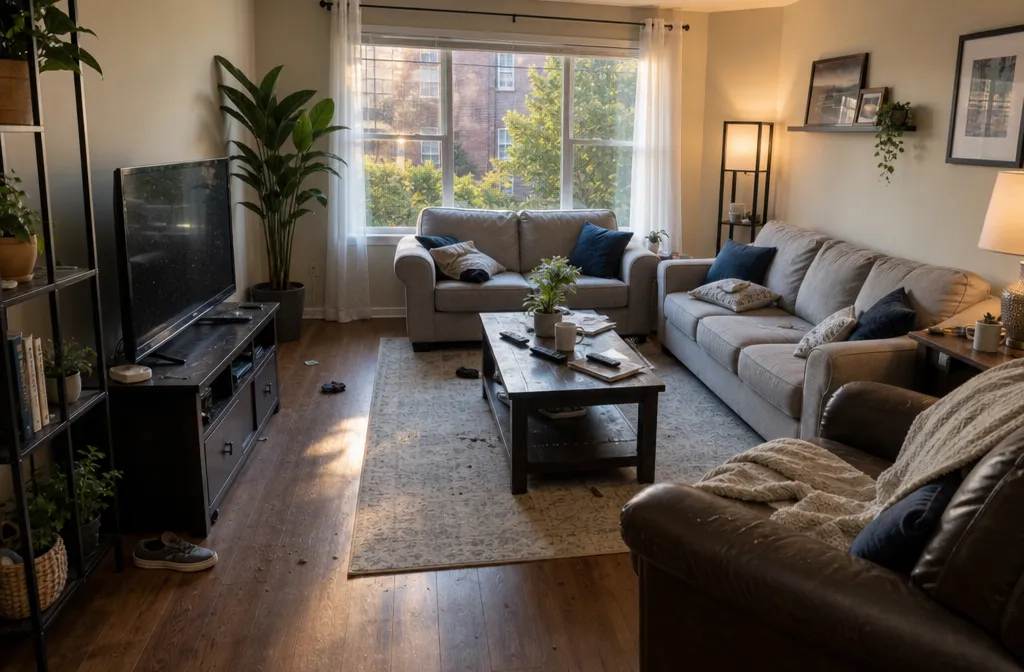
 After
After
Request: Deep cleaning needed for synthetic carpet in living room after renovation.
Done: Extraction cleaning performed using a rotary machine and enzyme shampoo.
Cost: 7 000 ₸
Master: Aigul Sadykova, dry cleaning master
Total: Carpet is completely cleaned of construction dust and stains, color restored.
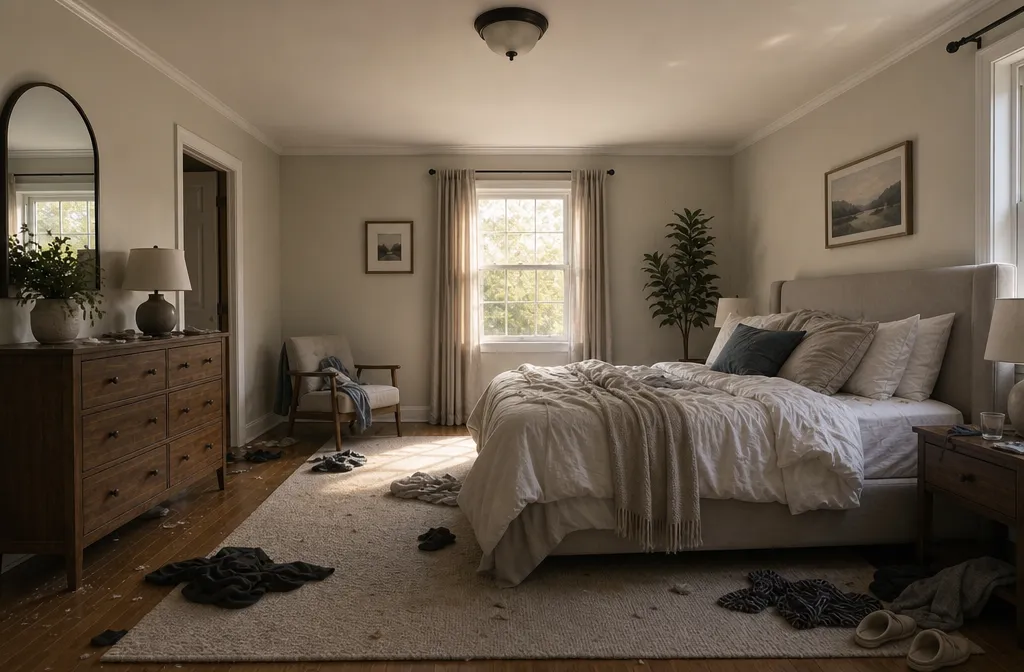
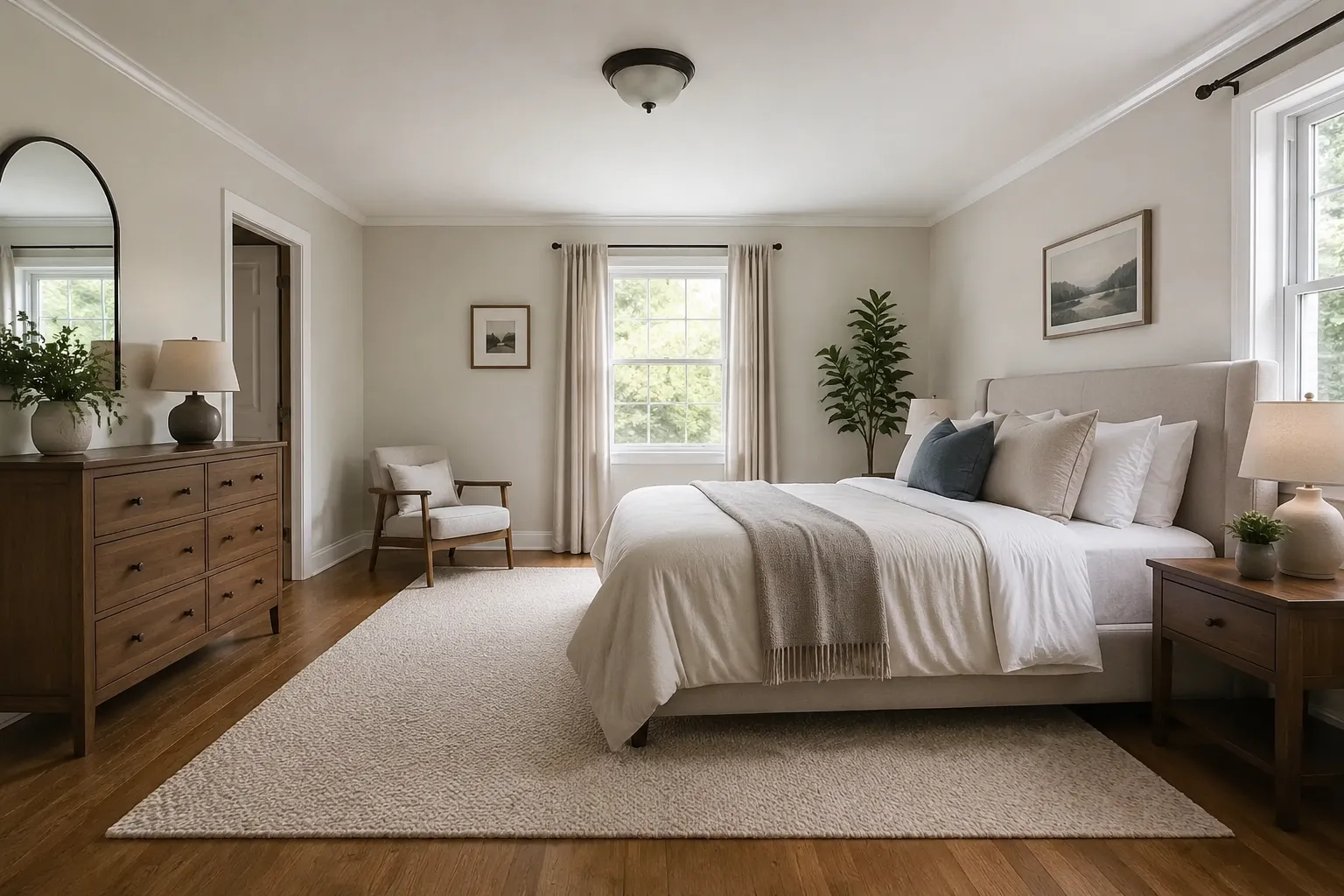 After
After
Request: Need to refresh wool rug in bedroom, remove indentations.
Done: Dry cleaning performed using powder shampoo and pile lifter.
Cost: 8 000 ₸
Master: Timur Zhaksybekov, dry cleaning master
Total: Rug became soft, pile fluffed up, furniture marks disappeared.
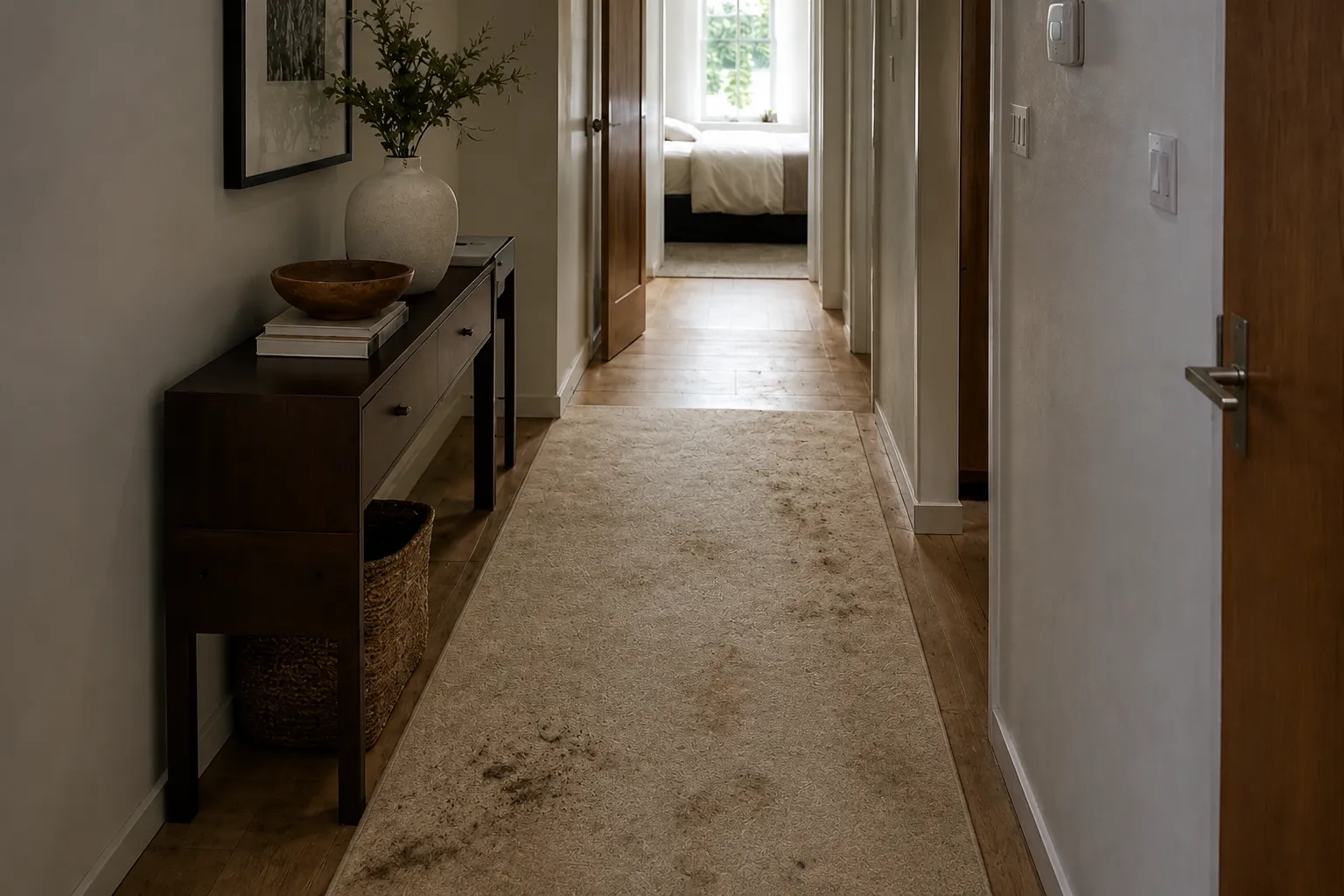
 After
After
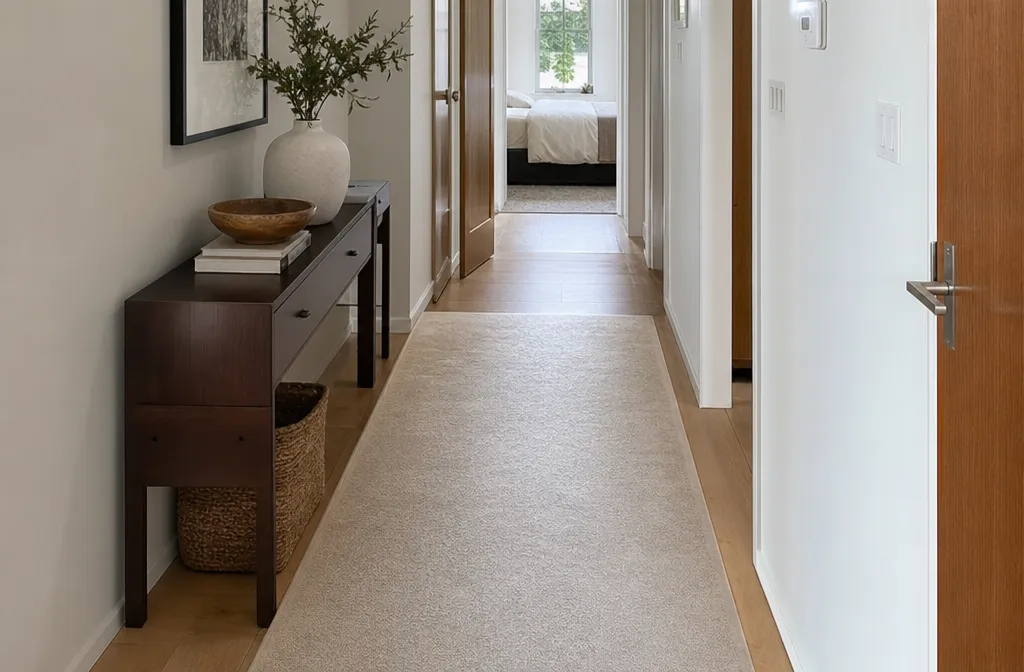
Request: Cleaning of viscose rug in hallway from outdoor dirt and streaks.
Done: Gentle hand cleaning with neutral detergent and delicate drying applied.
Cost: 9 000 ₸
Master: Aliya Nurpeisova, dry cleaning master
Total: Rug completely cleaned, streaks removed, structure undamaged.
 After
After
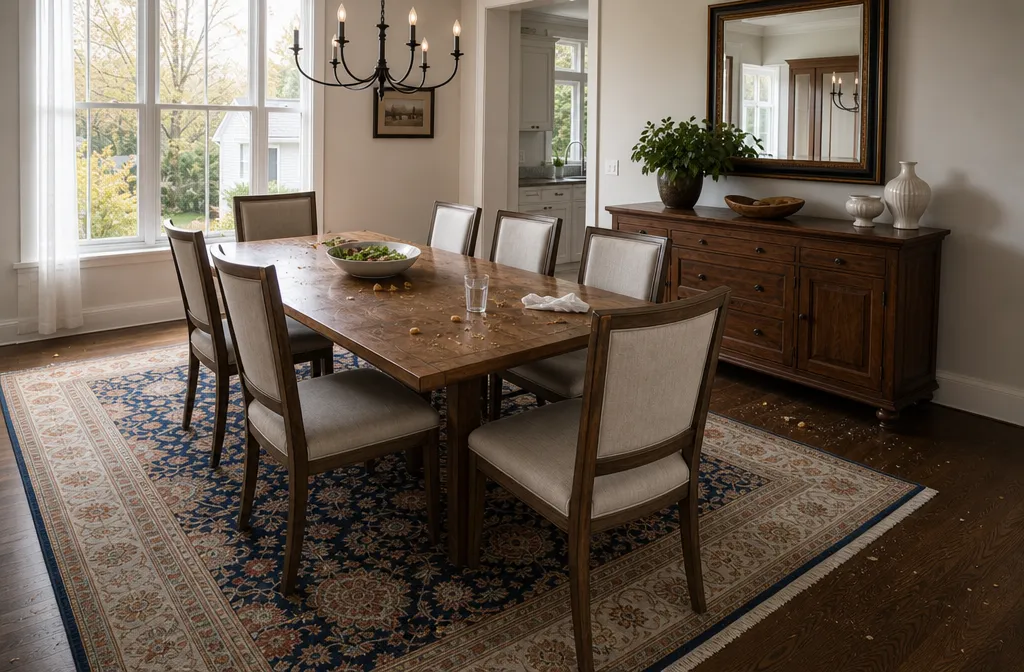
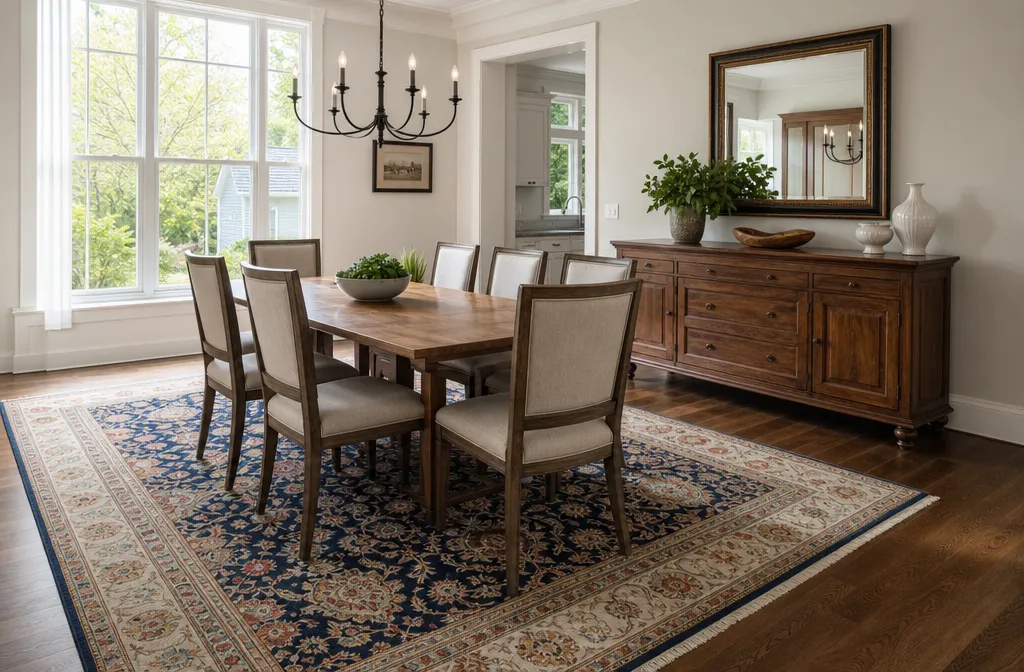
Request: Cleaning needed for handmade rug in dining room from food and grease stains.
Done: Local stain treatment and overall extraction cleaning with shampoo performed.
Cost: 10 000 ₸
Master: Damir Iskakov, dry cleaning master
Total: Stains removed, rug gained fresh look and softness.
 After
After
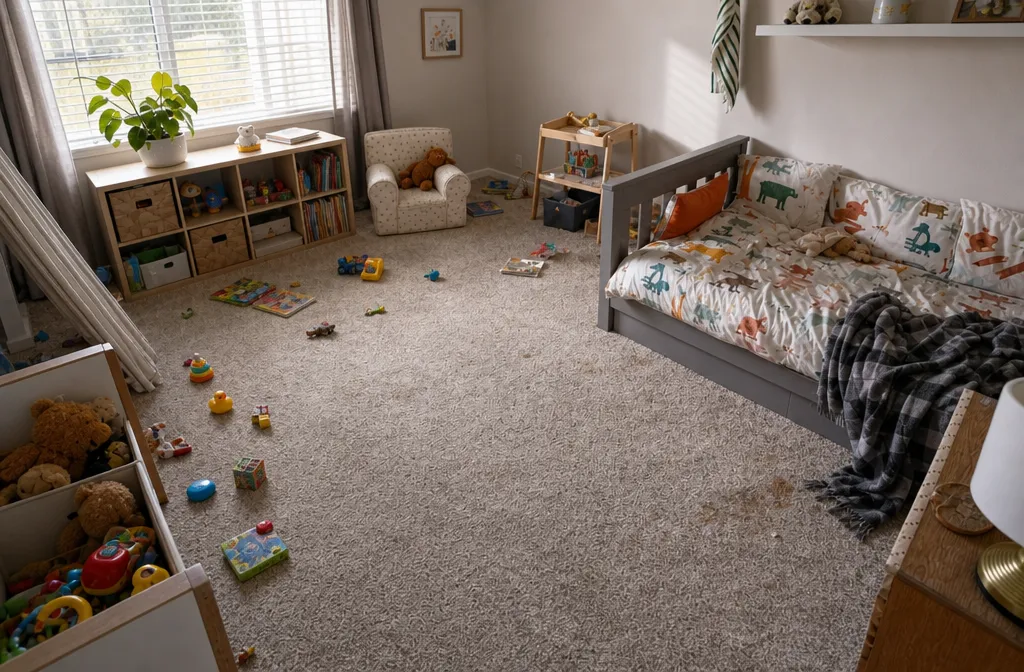
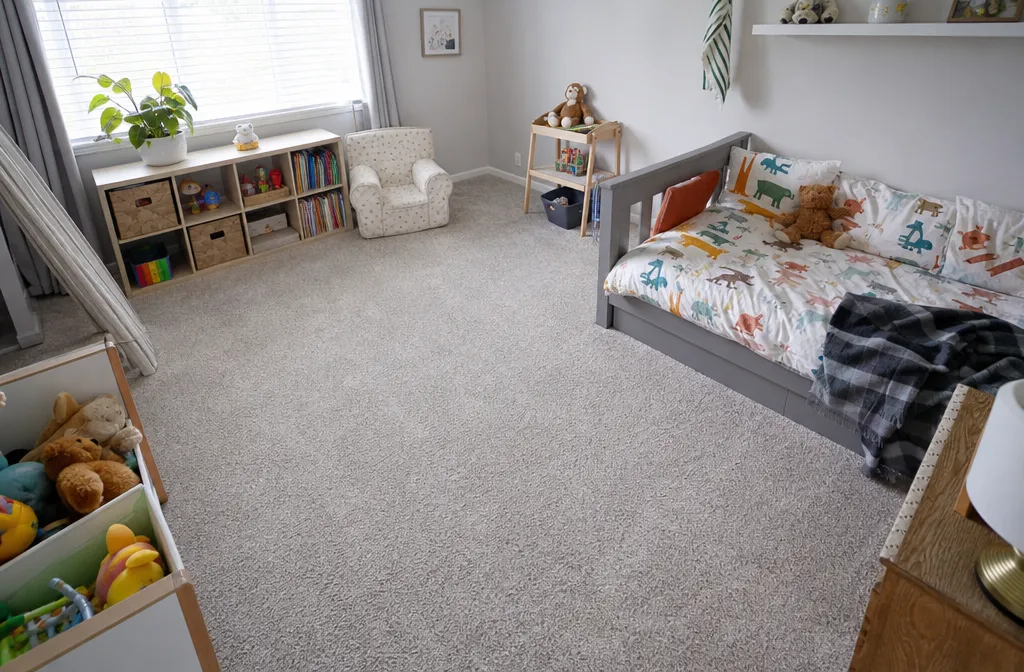
Request: Cleaning of long pile carpet in kids room from juices and crayons.
Done: Deep cleaning performed using rotary machine and enzyme cleaner.
Cost: 7 000 ₸
Master: Gulmira Akhmetova, dry cleaning master
Total: Carpet cleaned from stubborn stains, pile restored and fluffed.
 After
After
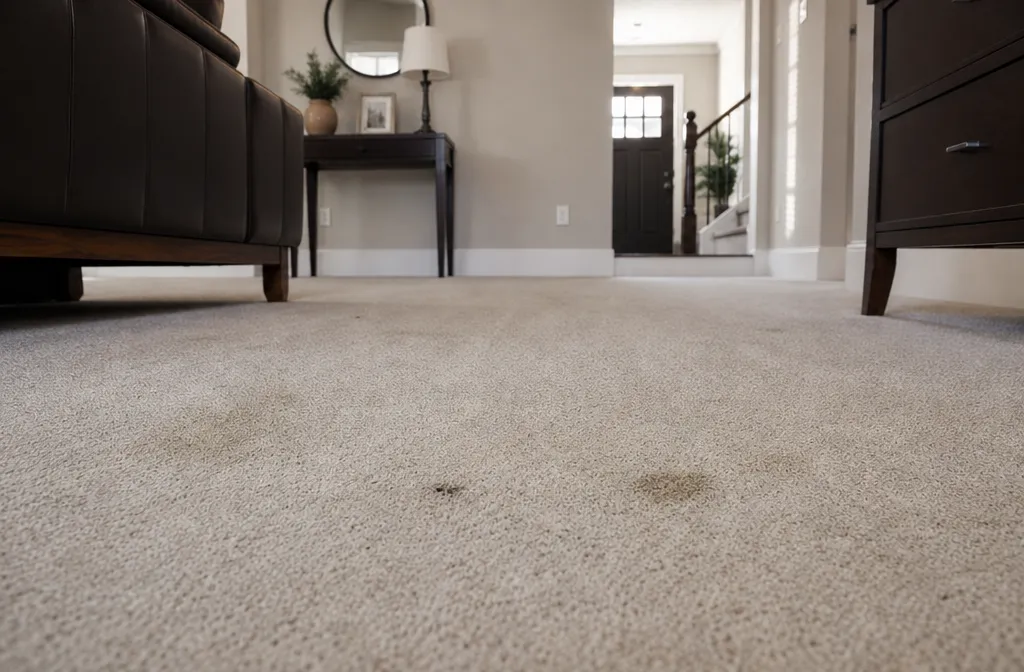
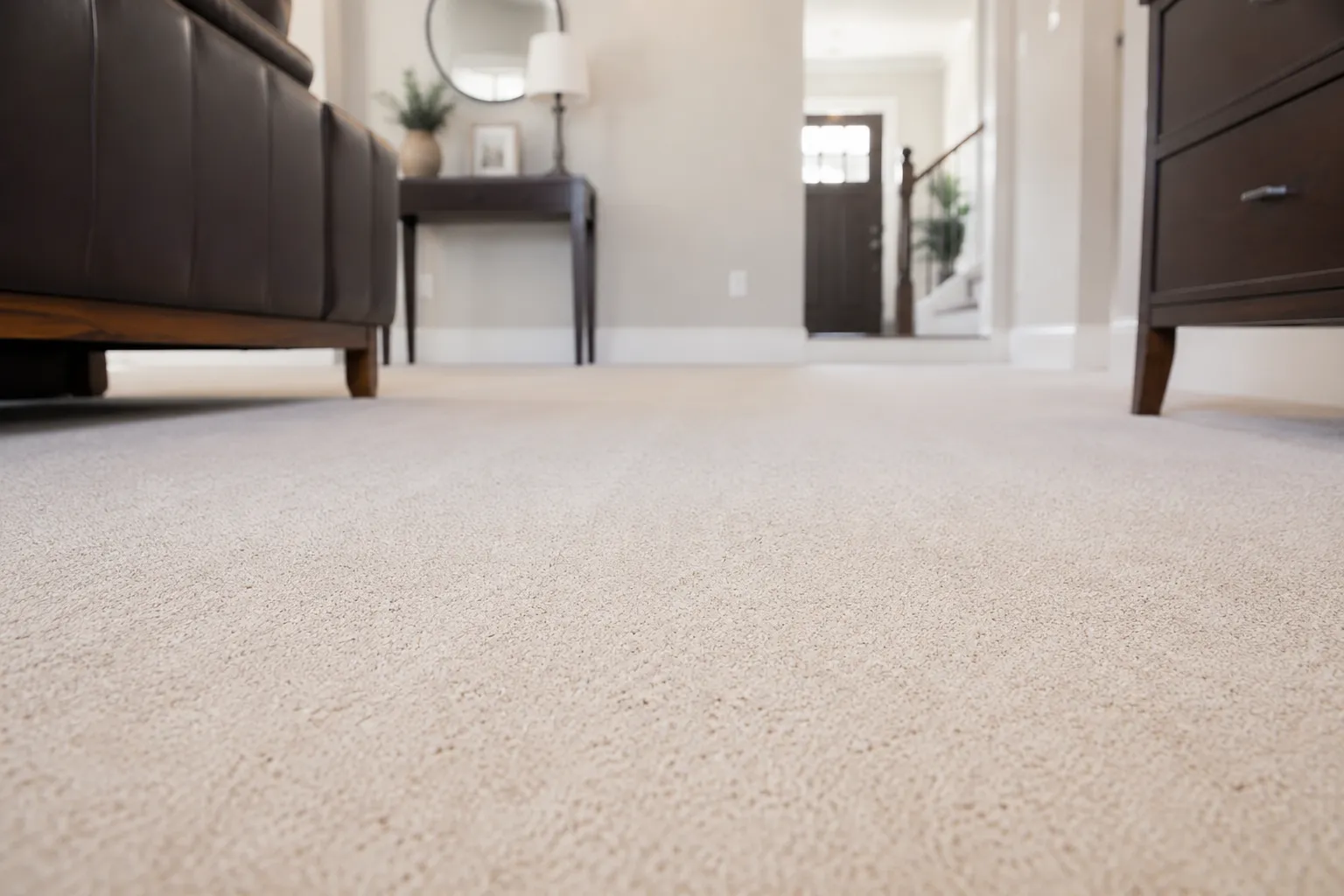
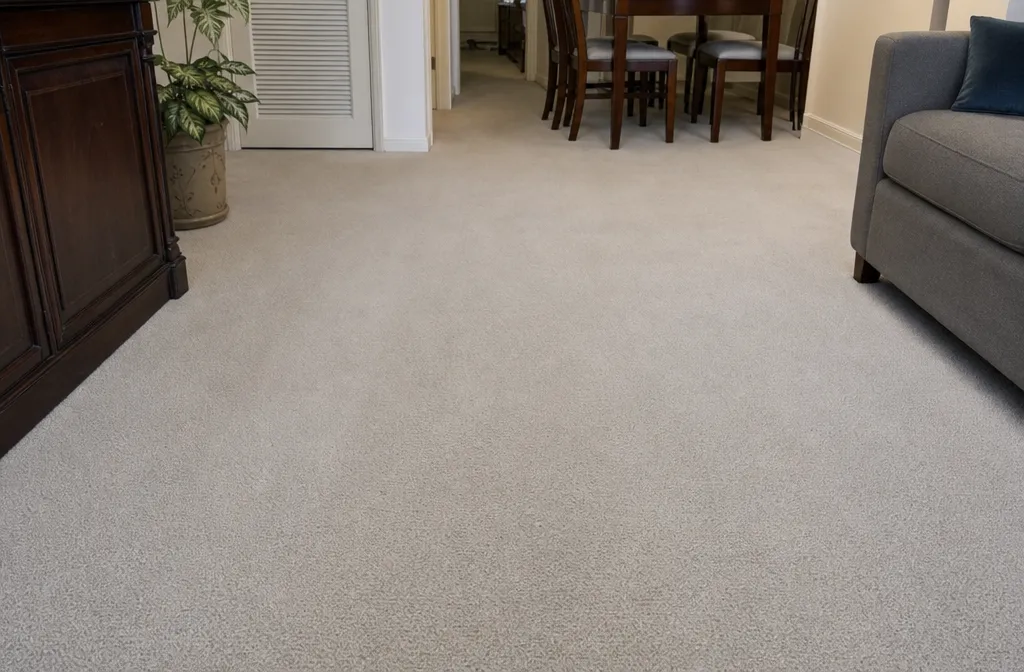
Request: Removal of pet stains and odor from carpet.
Done: Cleaning with enzymatic odor neutralizer and extraction applied.
Cost: 9 000 ₸
Master: Marat Zhumabayev, dry cleaning master
Total: Stains and odor completely eliminated, carpet disinfected.
 After
After
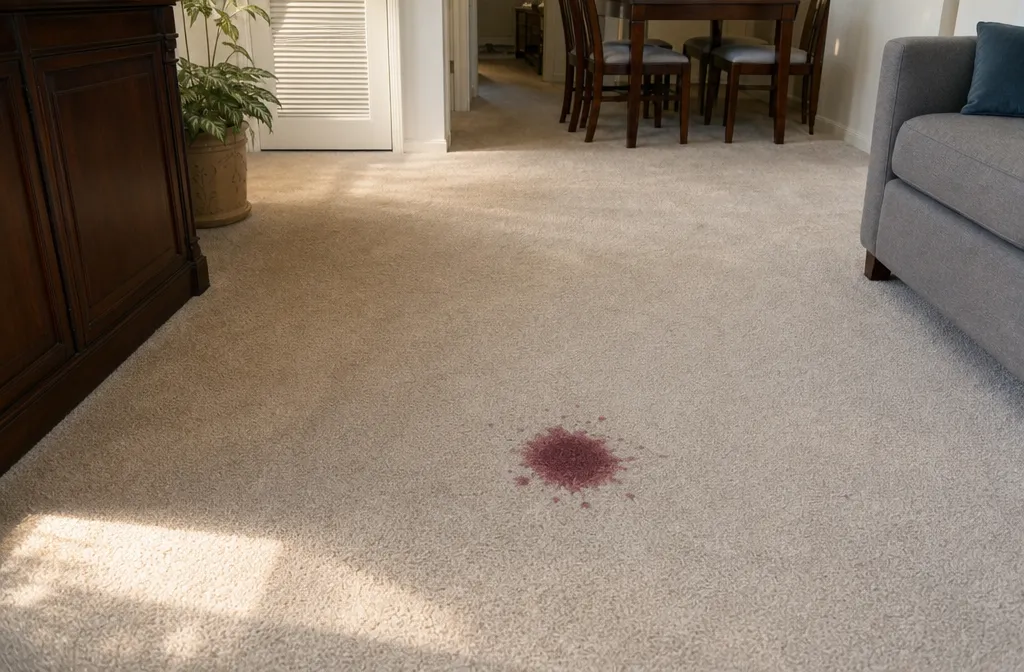
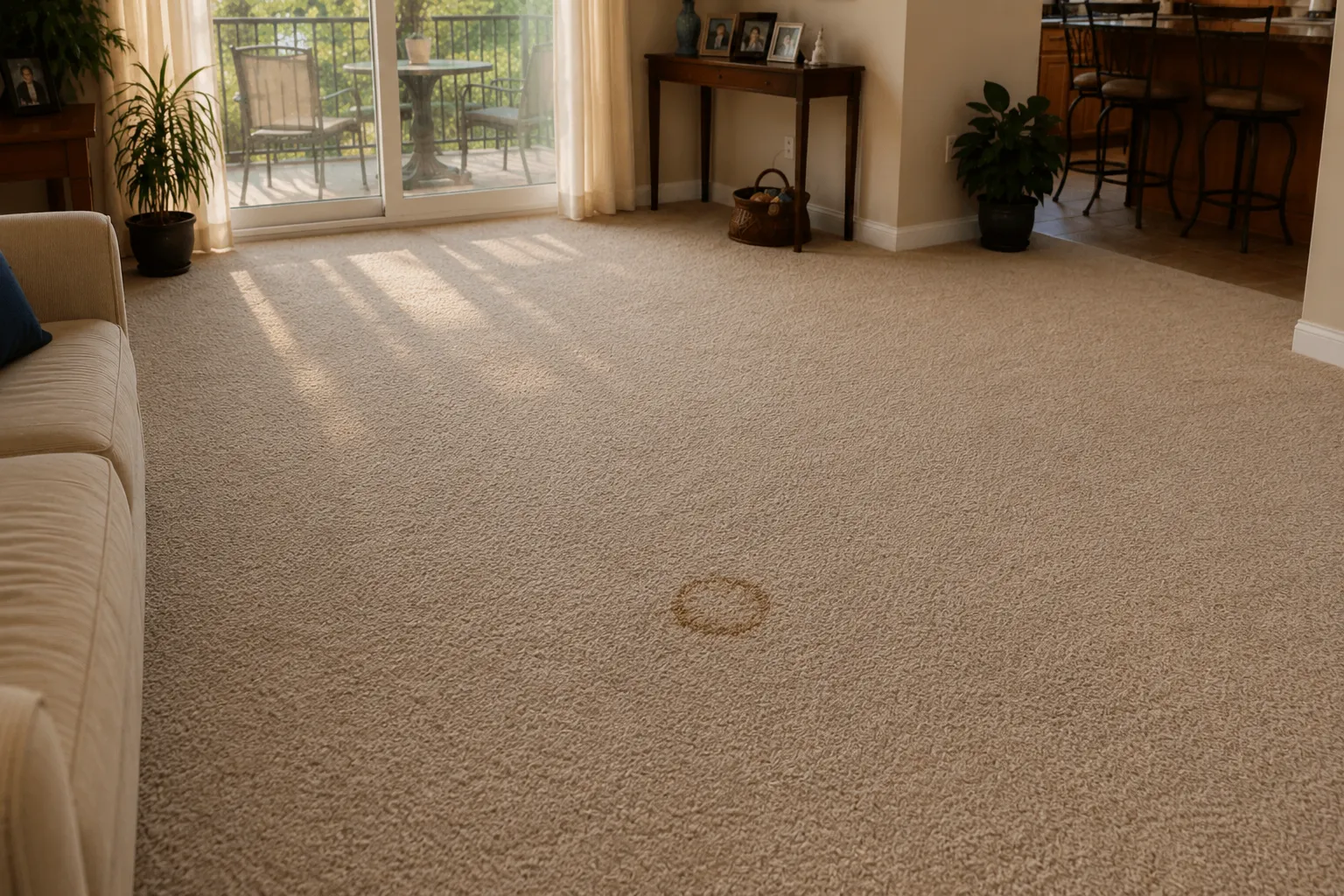
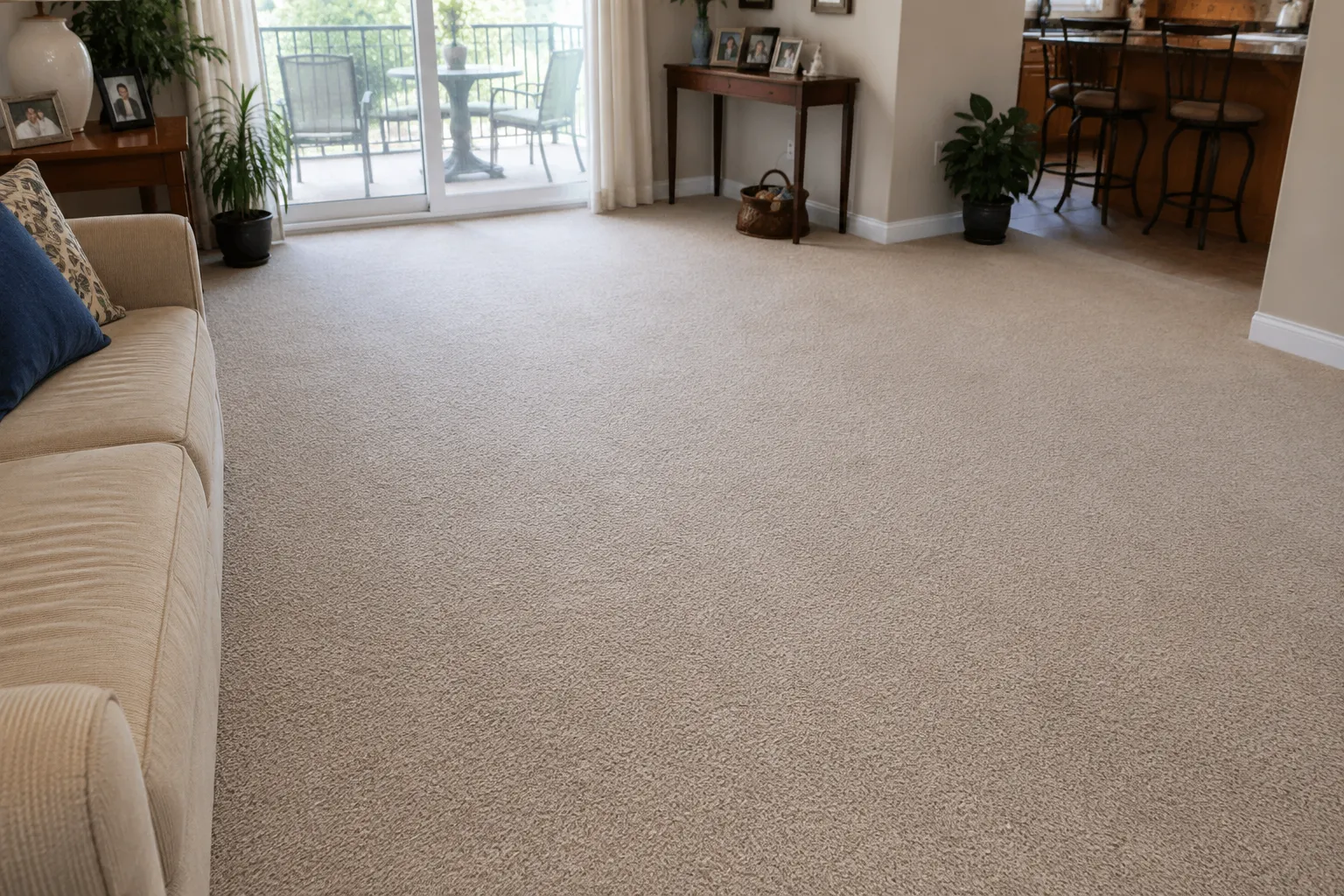
Request: Remove red wine stain from living room carpet.
Done: Local treatment with special stain remover and deep cleaning.
Cost: 8 000 ₸
Master: Assel Kassymova, dry cleaning master
Total: Wine stain completely removed, no traces left.
 After
After
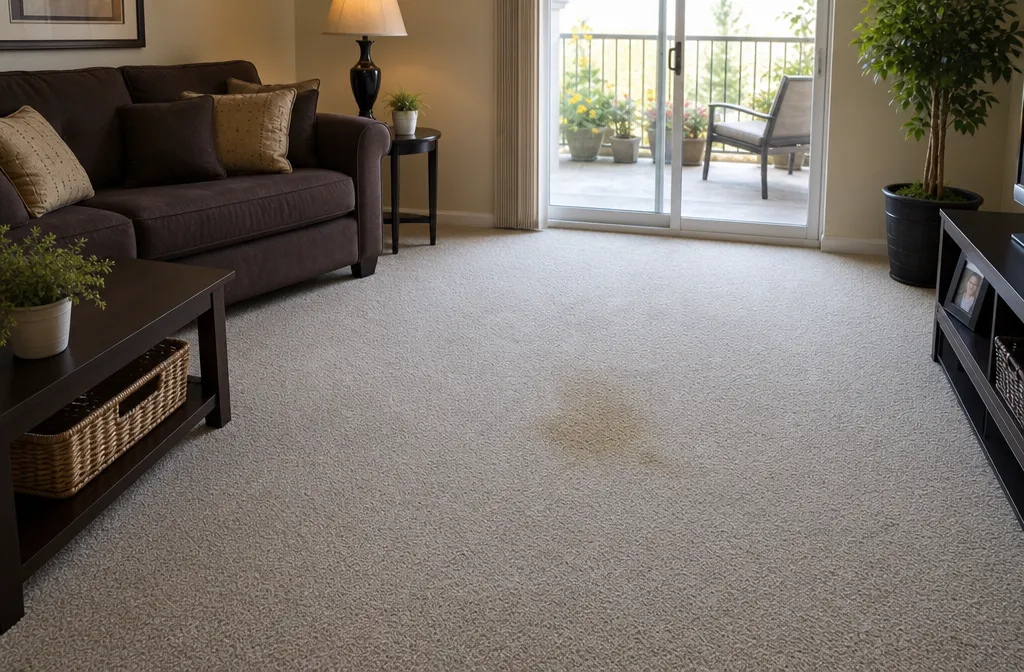
Request: Need to remove coffee stain from kitchen carpet.
Done: Local cleaning with coffee stain remover and extraction performed.
Cost: 7 000 ₸
Master: Yerlan Sagintayev, dry cleaning master
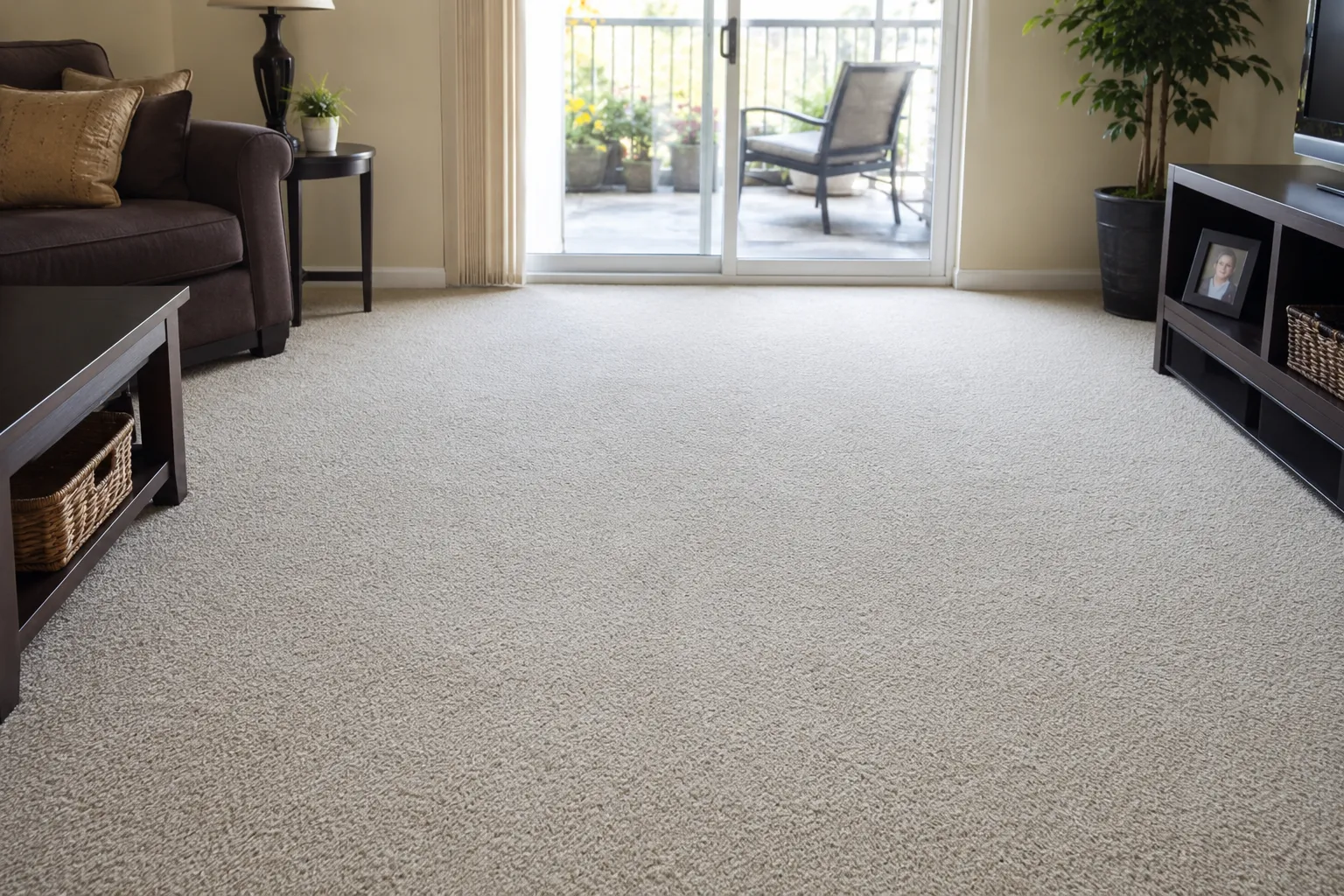
Total: Coffee stain gone, carpet refreshed.
 After
After
Request: Urgently remove urine stain and odor from bedroom carpet.
Done: Treatment with enzymatic cleaner followed by extraction cleaning.
Cost: 9 000 ₸
Master: Nursultan Abdrakhmanov, dry cleaning master
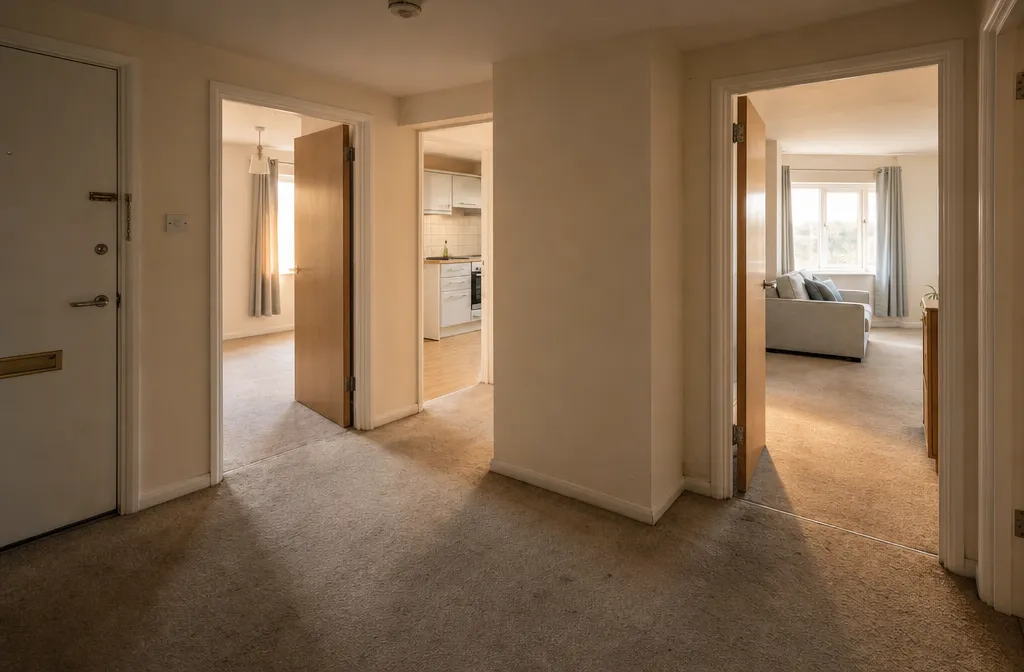
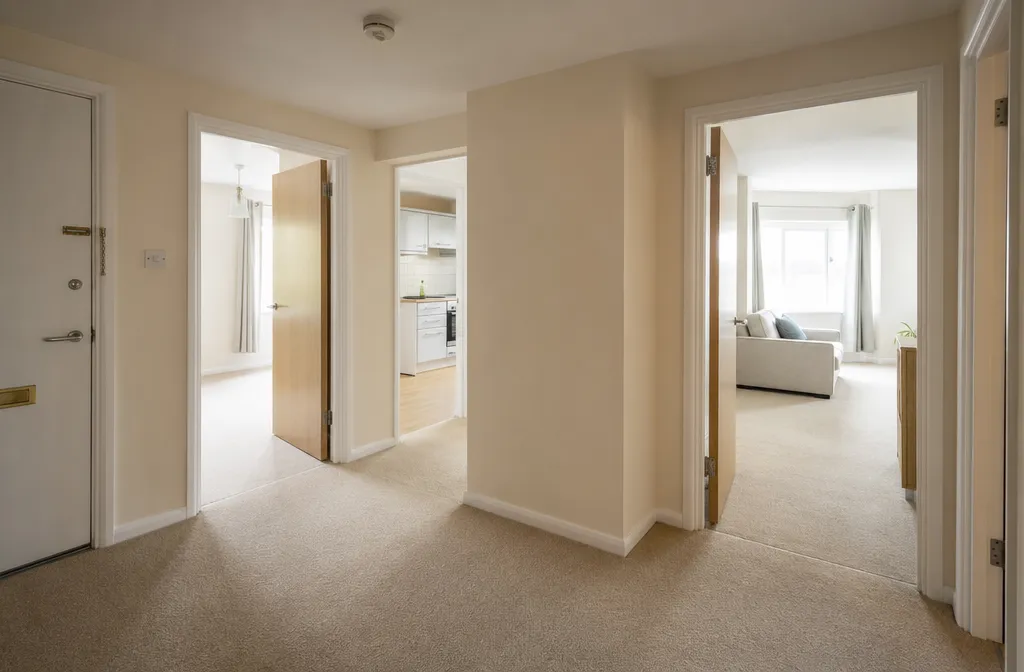
Total: Stain and odor completely eliminated, carpet disinfected.
 After
After
Request: Cleaning of hallway carpet with heavy foot traffic.
Done: Deep cleaning with shampoo and protective treatment against dirt applied.
Cost: 8 000 ₸
Master: Zhanna Beissenova, dry cleaning master
Total: Carpet cleaned of embedded dirt, color and freshness restored.
All cleaners are profi-clean staff with training, uniform and security check. Each order has a team leader who controls quality.
Even after a quality dry cleaning, carpet owners sometimes notice a musty or chemical smell. At profi-clean, we receive such a request once a week, and almost always the problem is solved without a repeat visit — you just need to understand the cause.
A musty smell after cleaning occurs when water hasn’t evaporated from the carpet’s base — the backing or latex. In our orders in the Auezov district, this happens on carpets with a dense rubber layer (e.g., models from “Armen Carpets” or “Balmoral”): the extractor removes moisture from the surface, but the backing remains wet. If the carpet lies on a concrete floor or linoleum — evaporation is blocked. Our post-cleaning instruction: lift the carpet 5–7 cm using improvised slats or loosely roll it up — this way all moisture will evaporate in 12–16 hours. When drying suspended (on a horizontal bar or fence), the time reduces to 4–6 hours, but direct sunlight can burn the color on wool carpets — dry in the shade.
A sharp chemical smell is a sign that the product wasn’t matched to the fiber type or wasn’t fully rinsed out. For example, on viscose carpets (a common material for handmade carpets from Turkey), many household shampoos with high pH leave a residue that “reactivates” when wet. At profi-clean, we only use hypoallergenic chemicals from Kiehl and Sodasan — they have a neutral pH and don’t react with dyes. But if you hired an outside technician with a “universal” product, try rinsing the carpet with a weak vinegar solution (1 tablespoon of 9% vinegar per liter of water) — it neutralizes alkali and removes ammonia notes. After rinsing, be sure to flush with clean water and dry according to the rules above. If the smell persists for more than a day — in our practice, this indicates product residue in the deep pile layers, and a repeat extraction with clean water by professionals is needed.
A urine or mold smell appearing after cleaning means moisture has activated old organic contaminants in the carpet’s base. In Almaty, especially in older homes in the Auezov district (residential complexes “Aigerim”, “Samal”), carpets have absorbed pet odors and leak smells for decades. Dry cleaning with a vacuum or shampoo without enzymes only “preserves” these compounds — when wet, they emerge. At profi-clean, for such cases we use enzyme cleaners (Kiehl Bio-Enzymatic), which break down urea and organics at the molecular level — after treatment, the smell doesn’t return even with re-wetting. If you’ve encountered this problem after DIY cleaning, treat the problem area with hydrogen peroxide (3%) and leave for 30 minutes — it oxidizes ammonia, but on dark carpets test on an inconspicuous area to avoid lightening the pile.
The frequency of professional cleaning is determined not by the calendar, but by the carpet material, usage intensity, and seasonal factors — Almaty’s pollen and sandstorms in spring dictate their own timelines.
Synthetics (polypropylene, polyester, nylon) are the most low-maintenance material for Almaty apartments. They don’t absorb moisture as deeply as wool and are less likely to become a habitat for dust mites. In our practice, the standard interval between cleanings for a synthetic carpet is 6–8 months if there are no pets in the home. With a cat or dog, the interval reduces to 4–5 months: animal hair and sebum oxidize synthetic pile faster than natural fibers, and the smell “bakes” into the fibers under the influence of heated floors. Due to the low hygroscopicity of synthetics, drying after cleaning takes 3–5 hours — schedule the procedure for the first half of the day so the carpet is completely dry by evening.
Natural wool and viscose require more frequent care — once every 4 months, and during the flowering season (April–May), it is better to adjust the schedule to 3 months. Wool is a natural sorbent: it accumulates pollen, exhaust fumes, and fine dust typical of central Almaty districts. Viscose is even more demanding: its fibers are destroyed by alkaline agents used in cheap dry cleaners and by the friction of rotary machines. In October, we had a case: a client brought in a Persian wool carpet with a pattern worn down to the base — a previous cleaning had used an acidic stain remover that “ate” the dye. For wool and viscose, we only use enzyme pre-sprays and cold spraying without heating — this preserves the pile structure for 5–7 years longer than steam treatment. Before ordering a wool carpet cleaning, ask the technician to perform a test on an inconspicuous area — the reaction to the product is visible within 10 minutes.
Carpets in hallways and corridors of Almaty apartments are a high-risk zone: they collect street dust, sand from sidewalks, and de-icing reagents used on roads in winter. For such areas, we recommend professional cleaning every 2–3 months, with weekly wet vacuuming using a HEPA-filter vacuum in between. Sand and fine gravel act as abrasives: when walked on, they embed into the carpet base and fray the threads at the root. If you notice the pile in the hallway becoming “frayed” and losing volume, this is a sign of micro-damage that can only be stopped by deep extraction cleaning to remove the abrasive. Skipping intervals longer than 4 months in the hallway is not advisable — the sand compacts in the lower layer, making it three times harder to wash out.
Long-pile carpets (shaggy, Saxony, handmade) visually stay clean longer but accumulate dust inside the pile faster than smooth ones. The optimal interval is 6 months, provided weekly vacuuming with an adjustable brush height. The problem with long pile is that standard rotary machines kink and tangle the fibers, leaving “bald spots” — on handmade carpets, this is irreversible. We clean such carpets only with a low-pressure extractor and a crevice tool, without mechanical friction. For owners of handmade wool or silk carpets, I advise against experimenting with home carpet cleaners — the water flow washes out the natural backing, and the carpet loses elasticity after the first drying. Trust us with this: profi-clean has specialized attachments for long pile and a “manual water feed” mode for viscose — on equipment with HEPA filtration to prevent dust from settling back onto the freshly cleaned carpet.
The choice between extraction and dry cleaning is not about price, but about compatibility with the material, type of soiling, and urgency of results. We will break down the key differences between these methods so you can make a decision without risking damage to your carpet.
Extraction cleaning (deep wet cleaning) involves applying water with a cleaning agent under pressure into the pile structure, followed by removing the dirty solution with an extractor. It removes up to 95% of contaminants from the pile base, including dust mites, bacteria, and old grease stains that dry methods cannot reach. Dry cleaning, on the other hand, applies an absorbent powder or foam that is worked into the pile and, after 15–30 minutes, vacuumed up — this is gentler on adhesive backings and does not cause shrinkage. In my opinion, the main risk of extraction is over-wetting: if the carpet takes longer than 12 hours to dry, mold can appear on the underside, especially in Almaty apartments with poor ventilation. Therefore, for viscose or handmade carpets with jute backing, dry cleaning is the only safe option, while synthetic and dense wool pile handle extraction well, provided powerful water suction is used.
Extraction is the only method that physically washes allergens (pollen, pet dander, mold spores) out of the deep pile, rather than just fixing them to the surface. In our practice, there was a case: a family in the Auezov district couldn’t get rid of a persistent old cat urine smell — three dry cleanings yielded no result, but a single extraction cleaning with Kiehl enzyme cleaner removed the odor completely. Dry cleaning only masks odors for 2-3 days because it doesn’t remove organic compounds from the base. If there is an allergy or asthma sufferer in the home, we recommend extraction every six months — according to our data, the number of dust mites is reduced by 90% after the procedure. The only limitation: after extraction, the carpet must dry for 6-8 hours with open windows and a working dehumidifier — in Almaty’s humid weather, it’s better to schedule the cleaning for a sunny day.
Dry cleaning using foam or powder is a “same-day” method, when the carpet needs to be back in use within an hour. It is ideal for carpets with high pile density (up to 15 mm), where moisture can get trapped and cause the base to rot — for example, for nun’s felt or handmade wool rugs. In such cases, we use hypoallergenic Sodasan foam, which crystallizes dirt and is collected by a vacuum cleaner with a HEPA filter, preventing glue contact with water. However, dry cleaning is powerless against oil stains (cosmetics, grease) and deep soiling — they remain in the pile and oxidize over time, forming dark streaks. For synthetic carpets (polypropylene, polyester), both methods work, but dry cleaning is faster: you can order it in the first half of the day and be walking on the carpet by evening.
The main enemy of any carpet during cleaning is not water or chemicals, but the wrong choice of method for the pile and base type. Wool carpets with a latex base (most factory models) lose up to 15% of their pile height over 3-4 years with frequent extraction, because water gradually breaks down the latex bond — dry cleaning doubles their lifespan. Meanwhile, viscose (artificial silk) irreversibly loses its luster upon contact with water and can shrink by up to 10% — dry cleaning is mandatory for it. At the same time, dense synthetic carpets (polyamide, polypropylene) are not afraid of water, but dry foam leaves a white residue on them if the vacuum cleaner is not powerful enough. In Almaty, where the air is drier than in coastal cities, the risk of wool shrinkage is lower, but the risk of latex drying out is higher. Our advice: if you are unsure about the material, conduct a test on an inconspicuous area — drop some water and rub it with a white cloth: if the dye transfers to the cloth, the carpet should only be dry cleaned.
The Auezov district of Almaty is an area with increased stress on carpets due to its proximity to the mountains and dense residential development: dust settles here faster than in other parts of the city, and the humidity and temperature fluctuations dictate special conditions for cleaning.
The microparticles brought by the wind from the foothills of the Zailiysky Alatau contain abrasive components — sand and fine quartz. In our orders from homes on Raiymbek and Momyshuly Avenues, we see that this dust gets packed into the base of the pile and acts like sandpaper when walked on: the fibers wear down at the base, and the carpet loses its volume within 1–2 seasons. A regular vacuum cleaner with an H13 HEPA filter is insufficient to remove these particles — extraction washing followed by vacuuming is needed, which washes the sand out from the depths. In our practice, carpets from the Auezov district require professional cleaning 30–40% more often than in the Medeu district, where the air is cleaner.
Due to the proximity to the mountain range, in the microdistricts “Aksai-1” and “Aksai-2”, air humidity in spring and autumn reaches 75–80%, and in apartments with poor ventilation, the carpet does not dry completely after wet cleaning. Moisture accumulates in the latex backing and the pile layer — after 3-4 months, a musty smell appears, and at temperatures above +22°C, the growth of mold fungi begins. We use the hypoallergenic formula Kiehl with an antifungal component that blocks spores in the germination phase. Before ordering cleaning for apartments on lower floors in these microdistricts, we recommend checking the ventilation — without it, the effect of dry cleaning lasts half as long.
In the private sector along Sain Street and in the Almaty village (southern part of the district), garden soil, plant pollen, and poplar fluff in summer are added to standard household dirt. These contaminants don’t just soil — they contain organic oils and proteins that “weld” to the fiber upon contact with alkaline agents. For such carpets, we use a two-phase treatment: first, a pre-spray with the enzyme-based Sodasan, which breaks down organic matter, followed by extraction with a neutral compound. In October, we had a case on Zhandosov Street — after self-washing with powder, a wool carpet became stiff and sticky; a repeat cleaning with an acidic rinse restored softness in one cycle. To avoid such a situation, before treating a carpet from a mountain home, check the type of dirt on an inconspicuous area with a test stain remover.
Proper preparation affects not only the depth of cleaning but also the preservation of the pile — in my practice, I have seen how an unprepared carpet loses color after contact with an extractor. Let’s break down what needs to be done before the cleaner arrives.
Before professional extraction, we always recommend vacuuming the carpet on both sides — the face and the back, especially if it lies on a concrete floor. In Almaty, due to high dust levels in the Auezov district, up to 200-300 grams of sand and fine debris accumulate under the carpet in a month, which turns into an abrasive when wet and scratches the pile. Use a vacuum cleaner with a HEPA filter — a regular bag-type one throws back up to 30% of the dust. If the carpet has long pile (more than 15 mm), go over it with a stiff brush attachment to lift settled dust from the depths, and only then vacuum. In my opinion, the most common oversight is not treating the back side, yet it is from there that dirt comes out when wet, ruining the face side.
Before any wet treatment, we do a color bleeding test — moisten a cotton pad with warm water and a drop of hypoallergenic shampoo (we use Kiehl) and rub an inconspicuous area at the edge or on the seam. If color remains on the pad, cleaning with a pressure extractor will blur the pattern — this is especially critical for viscose and wool hand-knotted carpets. In such cases, we reduce the pressure to 2-3 bar and use dry foam instead of hot water. I advise owners of Persian and Afghan carpets to check with the master in advance whether their arsenal includes a gentle mode for natural dyes — without it, bright red and blue tones may bleed.
Heavy furniture needs to be removed from the carpet, but leaving it on the bare floor without a pad is a mistake: legs can leave dents in laminate or parquet, especially if high humidity persists in the room for 2-3 hours after cleaning. At profi-clean, we recommend placing thick cardboard or felt pads under the legs. If the carpet lies on wall-to-wall carpet, remove only what can be lifted by two people, and call movers separately for sofas — we are not responsible for damage to furniture during relocation. Another nuance: before the cleaner’s visit, move the carpet 15-20 cm away from the walls so the master can treat the edge without bending the pile — dirt often accumulates on bends, which is then difficult to remove.
Before cleaning, it is worth marking areas on the carpet that require special attention — stubborn stains (wine, coffee, urine) and wear marks in walkways. We ask clients to stick stickers or simply tell the master upon acceptance: “here is a red wine stain, it is 2 weeks old.” Without a hint, the cleaner may not notice a faint stain on a dark background, and after drying it will become more visible due to the color difference. On old wear marks, apply a thin layer of carpet conditioner (any silicone-free one will do) — this will protect thinned fibers from overdrying by the extractor. In the Auezov district, where homes often have central heating, wear marks on synthetic carpets appear within 2-3 years — conditioner extends their life by another year and a half.
The most common mistakes when cleaning carpets at home are not just a ruined appearance, but a loss of pile structure and stubborn streaks that cannot be removed again. At profi-clean, we see the consequences of such experiments weekly.
Wool pile, when in contact with water above 40 °C, irreversibly shrinks and loses its shape — shrinkage reaches 5–10% of the original size. This is especially critical for handmade rugs from the Auezov district, where the wool often lacks factory impregnation. In my practice, I have seen how, after washing with hot water and powder, a carpet turned into a deformed “washboard” with stiff pile. The only safe method for wool is cold water (up to 30 °C) with a neutral pH shampoo without enzymes. Before cleaning any wool carpet, check the manufacturer’s label for the maximum water temperature — this will protect against shrinkage.
Many Almaty residents wash carpets directly on the floor, flooding the entire surface with water, and then wonder about the musty smell. Humidity in apartments in the Auezov district during the off-season reaches 70–80%, and a carpet soaked through with water does not dry within a day. As a result, mold develops underneath, and the base (jute or latex) begins to rot. The normal water consumption during wet cleaning is no more than 0.5 liters per square meter, followed by mandatory drying with an industrial fan or hairdryer for 4–6 hours. If you smell mustiness on the third day after self-cleaning, the carpet needs urgent forced drying, otherwise professional mold treatment will be required.
A typical reaction to a stain is to start rubbing it vigorously with a cloth, but this pushes the dirt deeper into the fibers and fluffs up the pile. On synthetic carpets (polypropylene, polyester), this leaves unsightly “bald spots,” and on wool, deformed areas that cannot be restored. The correct technique is to blot the stain with a dry napkin from the edges to the center, without pressing, then apply a cleaning solution and wait 5–7 minutes. To remove old juice or coffee stains on carpets in the Auezov district, we use an enzyme stain remover with a 15-minute dwell time — during this time, the enzymes break down the protein, and the stain disappears without rubbing. Remember: the less you rub, the higher the chance of preserving the pile structure.
Regular laundry powders and dishwashing liquids have a pH of 9–11, which destroys natural oils in wool and viscose, making the pile brittle and dull. On synthetics, alkali is not as dangerous, but it leaves a whitish residue visible at an angle. For home cleaning, only specialized carpet shampoos with a pH of 6–8 (neutral or slightly acidic) are suitable. At profi-clean, we use hypoallergenic chemicals from Kiehl and Sodasan — they work at pH 7 and do not require aggressive rinsing. If you have already ruined a carpet with an alkaline product, you can neutralize the residue with a weak vinegar solution (1 tablespoon per liter of water), but only on synthetics — vinegar also dries out wool.
The most basic, yet most common mistake is applying a wet cleaning solution to a carpet that hasn’t been vacuumed. Particles of dust and sand, when mixed with water, turn into an abrasive paste that cuts the pile during subsequent cleaning. In Almaty’s dusty conditions (especially in the Auezov district, close to the mountains), up to 5–7 grams of fine particulate matter settles per square meter of carpet each week. If this isn’t removed with a dry vacuum cleaner equipped with a HEPA filter before wet cleaning, pile wear accelerates by 2–3 times. Make it a rule: before any wet cleaning, vacuum twice (along and across the pile) and beat the dust out of the carpet’s base.
Ordered carpet cleaning in Auezov district, they arrived quickly, the carpet became like new, even removed wine stains.
Thank you, Aigerim! Glad the result exceeded expectations.
Great cleaning of office carpet, employees are happy. Fresh smell, no streaks.
Had carpet cleaning in Auezov district, overall good, but a slight smell remained after drying. Aired it out — ok.
Hello, Daniyar! We apologize, next time we will spend more time on drying.
Carpet in the nursery after sweets and paints — cleaned perfectly, without chemicals. Child sleeps peacefully.
Ordered carpet cleaning in Auezov district, the master arrived on time, the hallway carpet was cleaned of dirt perfectly.
Thank you for your review, Yerlan! We work for you.
The wool carpet was cleaned carefully, the pile was not damaged. Only the price is a bit higher than I expected.
Assel, thanks for the review! The price depends on the complexity, but we try to be fair.
Really liked the carpet cleaning in Auezov district, the living room carpet shines, old coffee stains are gone.
The broadloom was cleaned of putty and paint after renovation. The color was restored, I recommend it.
Thank you, Dinara! Glad to help.
Carpet cleaning in Auezov district did not meet expectations: one stain was not removed, we had to redo it ourselves.
Timur, we apologize. Please contact us, we will fix the issue.
I was afraid to trust the long-pile carpet, but the masters did an excellent job, the pile is fluffy like new.
Ordered carpet cleaning in Auezov district for bedroom carpet, wow effect. Thanks!
Alexey, glad you are satisfied!
The dining room carpet after greasy food stains — cleaned without a trace. Very high quality.
Had carpet cleaning in Auezov district, overall good, but had to wait for the master 20 minutes. The carpet is clean.
Nurlan, sorry for the delay. We will try to be more punctual.
After many years, the living room carpet looks like it's from a showroom. True professionals.
Carpet cleaning in Auezov district saved the day, the hallway carpet was washed to a shine from sand and dirt.
Thank you, Ruslan! Always happy to help.
I was afraid to ruin the wool carpet, but the masters know their job. It didn't fade or shrink. Perfect.
I ordered carpet cleaning in Auezov district, the living room carpet was cleaned well, but there's a slight damp smell.
Bakhyt, thanks for the feedback! Next time we'll use accelerated drying.
The bedroom carpet was refreshed after winter, it became cozier. No chemical smells.
Great carpet cleaning in Auezov district, the hallway carpet became lighter, black shoe marks removed.
Arman, thank you for your trust!
The child spilled juice and smeared plasticine — the carpet was completely cleaned, I couldn't believe it. Thank you!
Galiya, we are always happy to help with the toughest stains.
Carpet cleaning in Auezov district couldn't handle the old ink stain. Had to repaint.
Sergei, sorry. Some stains require special products, we are ready to offer additional services.
The carpet was treated for dust mites, the allergy is gone. Very grateful.
Ordered carpet cleaning in Auezov district, the result exceeded expectations. I recommend it to friends.
Maksat, thank you! Your recommendations are the best reward.
The living room carpet was cleaned well, but the technician was 30 minutes late without notice.
Nazgul, we apologize. We will review the logistics.
Had carpet cleaning in Auezov district for the children's room carpet, now the child plays on a clean floor.
The hallway carpet was black from dirt, now it's like new. It dried very quickly.
Thank you, Karlygash! Glad it dried quickly.
Carpet cleaning in Auezov district saved my favorite bedroom carpet from coffee stains. Now it's like new.
The living room carpet was cleaned well, but the price seemed too high for that area.
Zulfiya, thank you for your feedback! The price depends on the size and dirt level, we try to be fair.
Ordered carpet cleaning in Auezov district for the office, employees noted the freshness. I will use the service again.
Azamat, glad the office became more comfortable!
The dining room carpet was cleaned of wine and sauces after the holiday. No traces left.
Carpet cleaning in Auezov district did not completely remove the cat urine smell. Disappointed.
Bolat, sorry. For pet odors, special treatment is needed. Contact us for a repeat cleaning.
After cleaning the carpet in the children's room, my child's skin stopped itching. Apparently, it was a dust allergy.
Anar, great that it helped! Children's health is important.
Had carpet cleaning in Auezov district, the master was polite, the carpet dried quickly. The color became brighter.
The hallway carpet was cleaned of dirt and sand, now it's like new. Very satisfied with the service.
Thank you, Zhibek! Come again.
Carpet cleaning in Auezov district helped refresh the carpet, but there are still small streaks near the baseboard.
Roman, thank you! Next time we'll pay more attention to the edges.
When using the Karcher Puzzi 10.8 extractor, the carpet dries in 2-4 hours. Moisture after cleaning does not exceed 20%, so you can walk on it within an hour.
Leave a request on the website or call. If ordered before 12:00, we arrive on the same day. Payment by cash, Kaspi, or Halyk.
Yes, we use hypoallergenic Kiehl and Sodasan products certified for children's facilities. After drying, no toxic residues remain.
For a synthetic carpet of 6 m², the price will be at an individual rate (per m²). For wool, it's at an individual rate. The exact cost depends on the material.
Price per m² at an individual rate. For example, a 2x3 m carpet (6 m²) — at an individual rate. The cost includes delicate cleaning with neutral agents.
When cleaning two or more carpets, a 10% discount is provided. Seasonal promotions also apply — check with the manager.
Multiply the length by the width of the carpet in meters. Multiply the resulting area by the price per m² depending on the type. Minimum visit at an individual rate.
We clean synthetic, wool, viscose, handmade, long-pile, short-pile, fringed, and latex-backed carpets. We do not take antique carpets without prior consultation.
Yes, we do. We use a gentle extraction mode and special brushes to lift the pile. Price per m² at an individual rate.
We remove stains from wine, coffee, urine, grease, grass, and blood. For each stain type, we use a specific enzyme-based Kiehl or Sodasan product.
Tell us about your experience with profi-clean — it helps other clients and us improve.
We currently operate in Almaty. Other cities are coming soon.