Inspection and assessment
Visually and with a UV lamp, we determine the type of contaminants, carpet material, presence of mold or odors.
We remove persistent odors, bacteria, and allergens from carpets without chemicals — using ozone
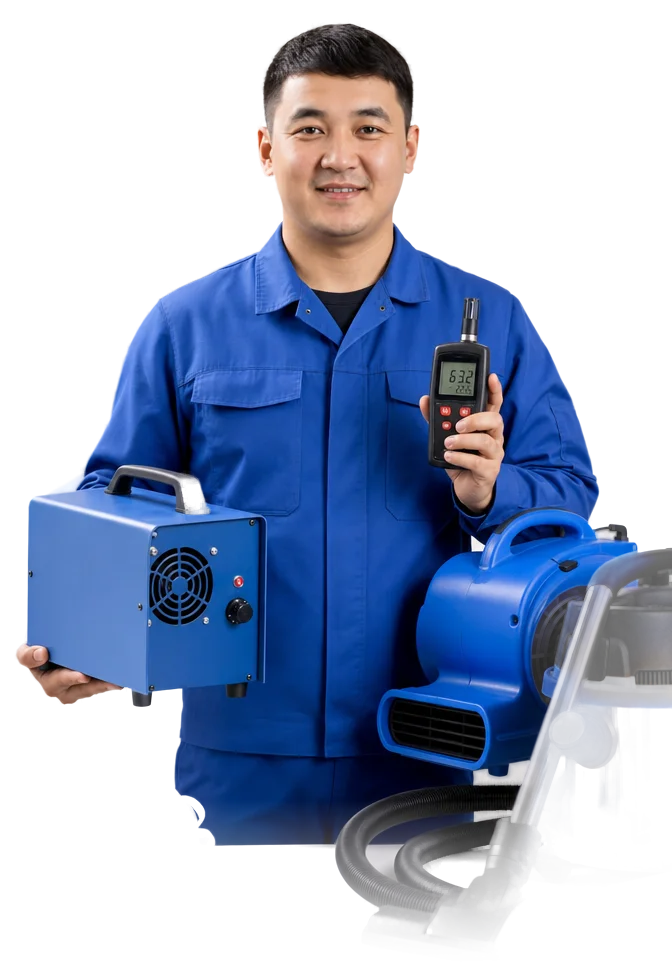
We work with any types and materials
Responds well to ozonation, not afraid of moisture.
from 15,000 ₸Requires a gentle mode; ozone removes odors without shrinkage.
from 15,000 ₸Ozonation restores freshness without damaging fibers.
from 15,000 ₸Treated on-site; ozone penetrates deep into the pile.
from 1,200 ₸Effectively removes odors and allergens from each tile.
from 1,200 ₸Requires pre-cleaning; ozone destroys bacteria deep inside.
from 15,000 ₸Fast ozonation with high penetrating ability.
from 15,000 ₸Gentle mode; preserves structure and dyes.
from 15,000 ₸Standard process; resistant to ozone.
from 15,000 ₸Chemical-free ozonation; ideal for allergy sufferers.
from 15,000 ₸Does not absorb ozone; ventilates quickly.
from 15,000 ₸Ozone does not affect the coating's properties.
from 15,000 ₸From inspection to result with guarantee
Visually and with a UV lamp, we determine the type of contaminants, carpet material, presence of mold or odors.
Thoroughly vacuum the carpet with a Nilfisk vacuum cleaner with HEPA filter, removing dry dirt and allergens.
If necessary, apply enzyme cleaner Kiehl or Sodasan to break down organics, then remove moisture.
Spread the carpet in the treatment area, ensuring ozone access to all sections.
Install OZ-AIR 3000 generator, seal the room (windows, doors, ventilation) for maximum ozone concentration.
Conduct ozone treatment for 30-60 minutes depending on carpet area and type. Ozone kills bacteria, mold, viruses, and odors.
After ozonation, open windows and doors, turn on ventilation for 30 minutes to completely remove ozone.
We check the result: no odors, cleanliness, freshness. If necessary, we repeat the cycle.
We use powerful OZ-AIR 3000 generators with a capacity of 3000 mg/h. This allows complete elimination of bacteria, fungi, and odors within 30-60 minutes. The equipment is certified and safe when regulations are followed.
Before ozonation, we thoroughly remove dust and allergens using a Nilfisk vacuum with a HEPA filter that captures 99.97% of particles. This increases ozone efficiency and prevents recontamination.
If necessary, we use enzyme-based products from Kiehl and Sodasan. They are safe for all carpet types and enhance ozone action by breaking down organic contaminants.
We are confident in our quality: if odor or contamination returns within 14 days, we will re-ozonate for free. The guarantee applies to all carpet types.
We accept orders daily from 8:00 AM to 10:00 PM. We travel to any location in Almaty within 2 hours. Urgent arrival possible in 1 hour (surcharge at individual rate).
Our specialists provide free consultation by phone or online, helping you choose the optimal mode and treatment time. We consider carpet type, degree of soiling, and presence of allergy sufferers.
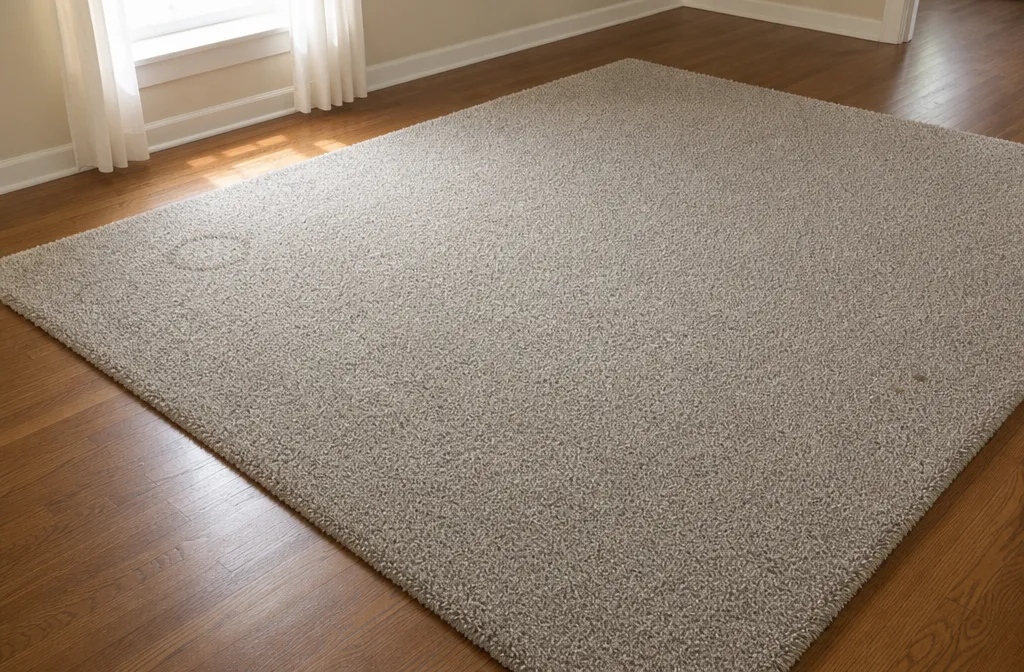
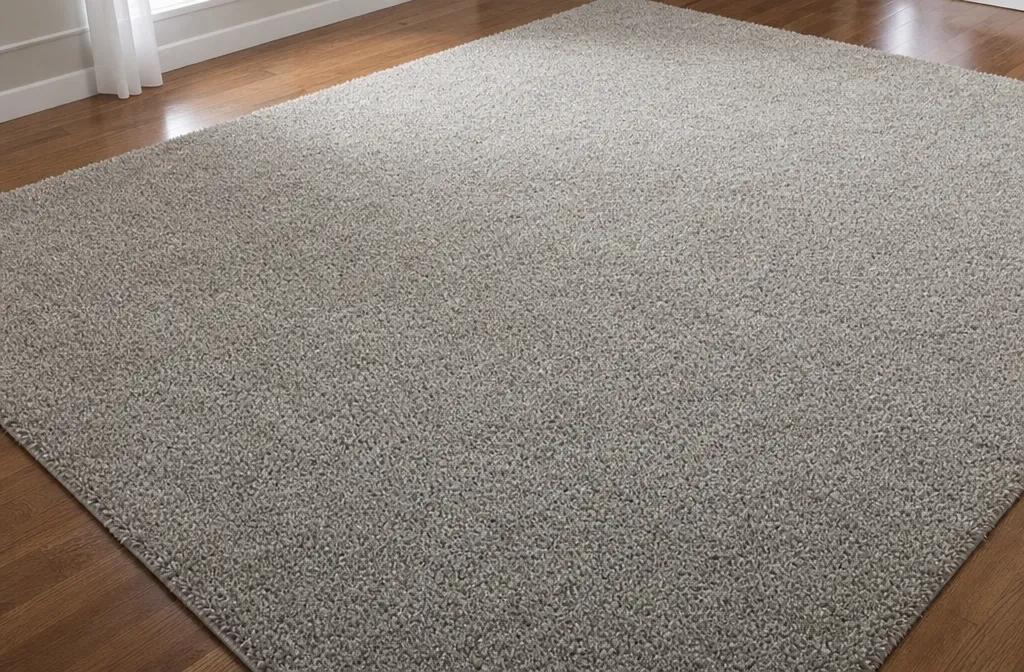 After
After
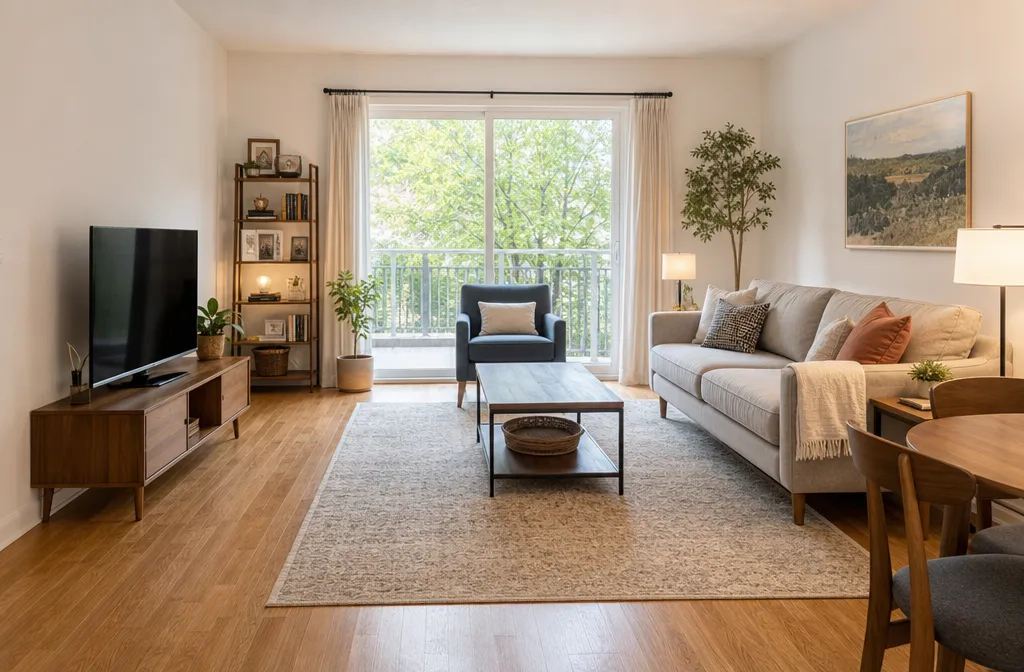
Request: The client asked to remove old coffee and juice stains from a synthetic carpet.
Done: The master applied extraction cleaning with an enzymatic stain remover and neutralizer.
Cost: 15 000 ₸
Master: Aigul Serikova, dry cleaning master
Total: Carpet completely cleaned of stains, pile restored, color became 2 tones brighter.
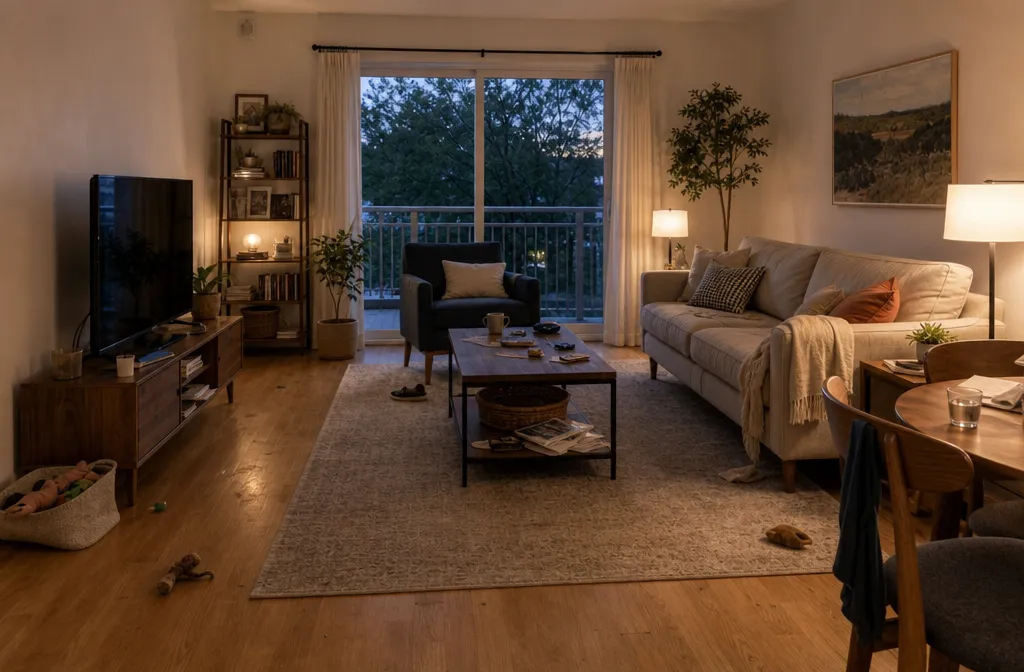
 After
After
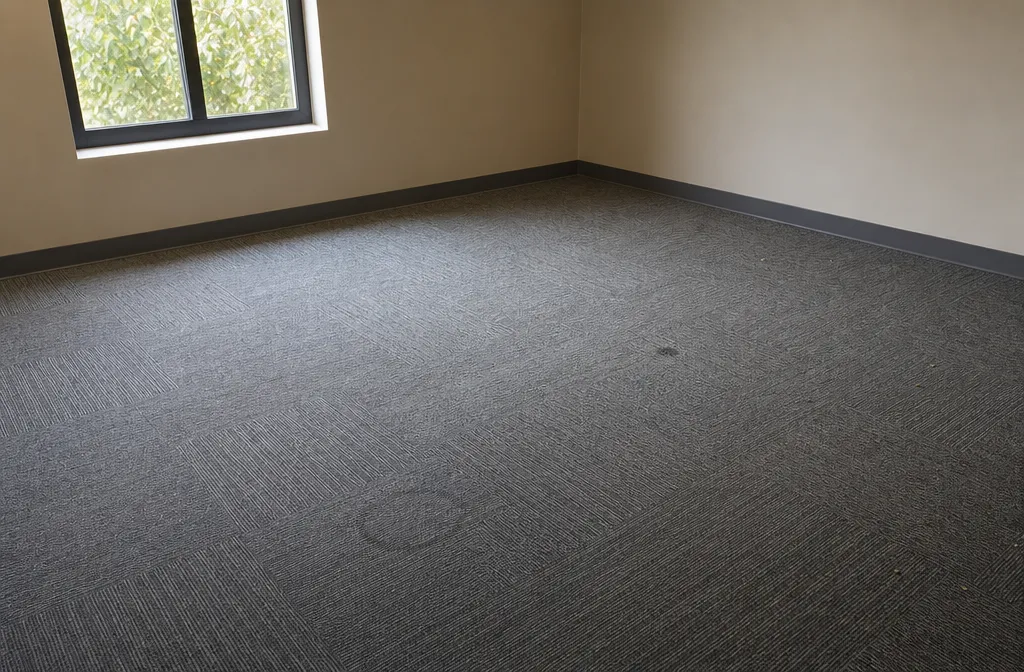
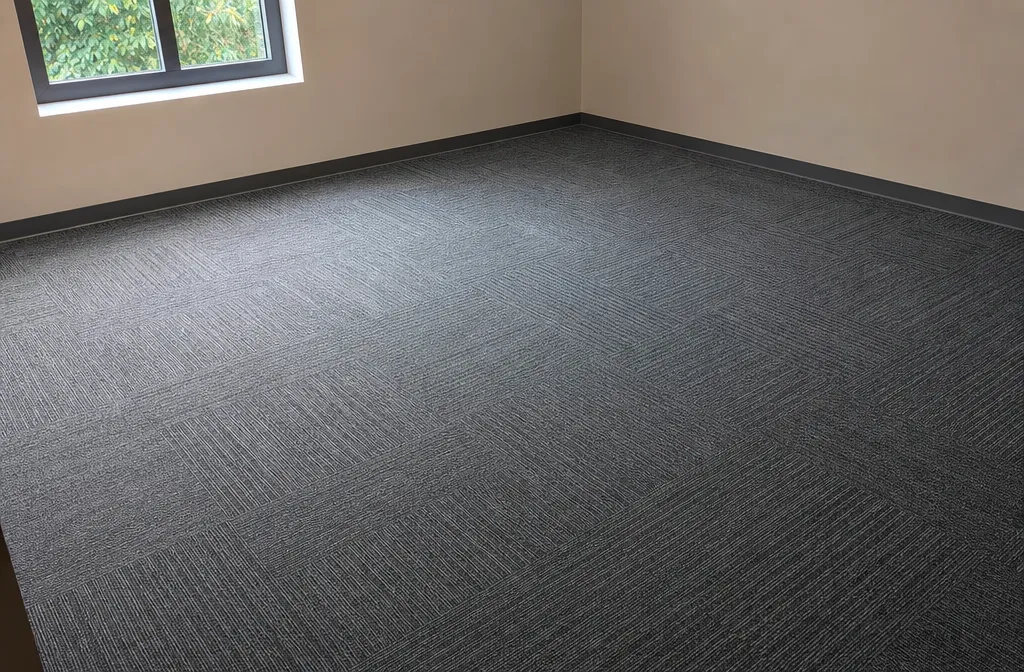
Request: The owner wanted to refresh the wool carpet after a year of use without cleaning.
Done: Deep dry cleaning with wool shampoo and pile conditioner was performed.
Cost: 16 000 ₸
Master: Timur Zhaksybekov, dry cleaning master
Total: The carpet became soft, all streaks disappeared, natural wool texture restored.
 After
After
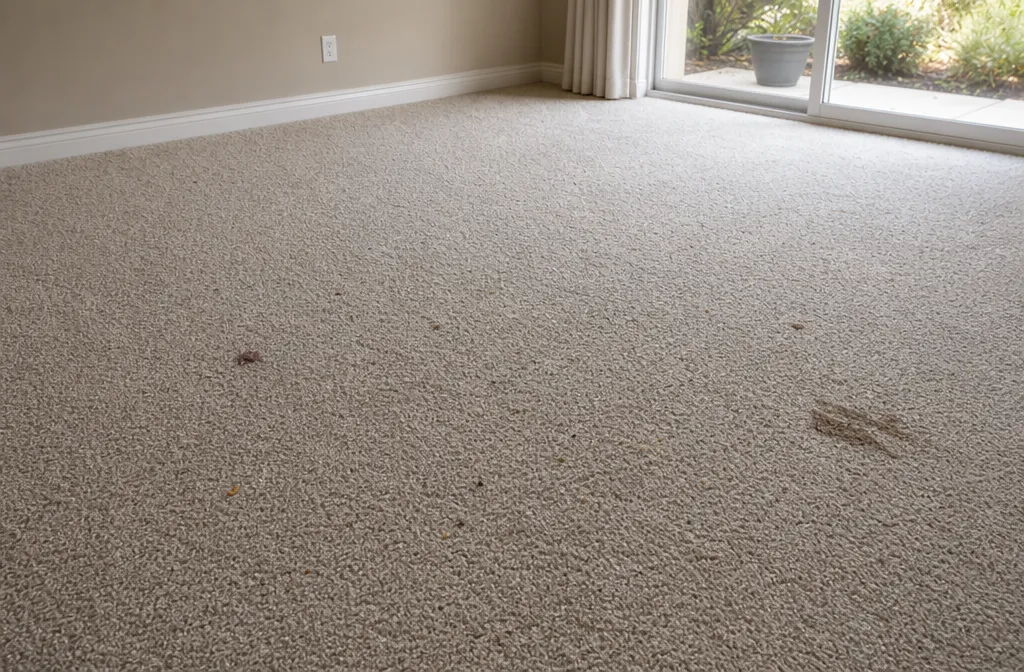
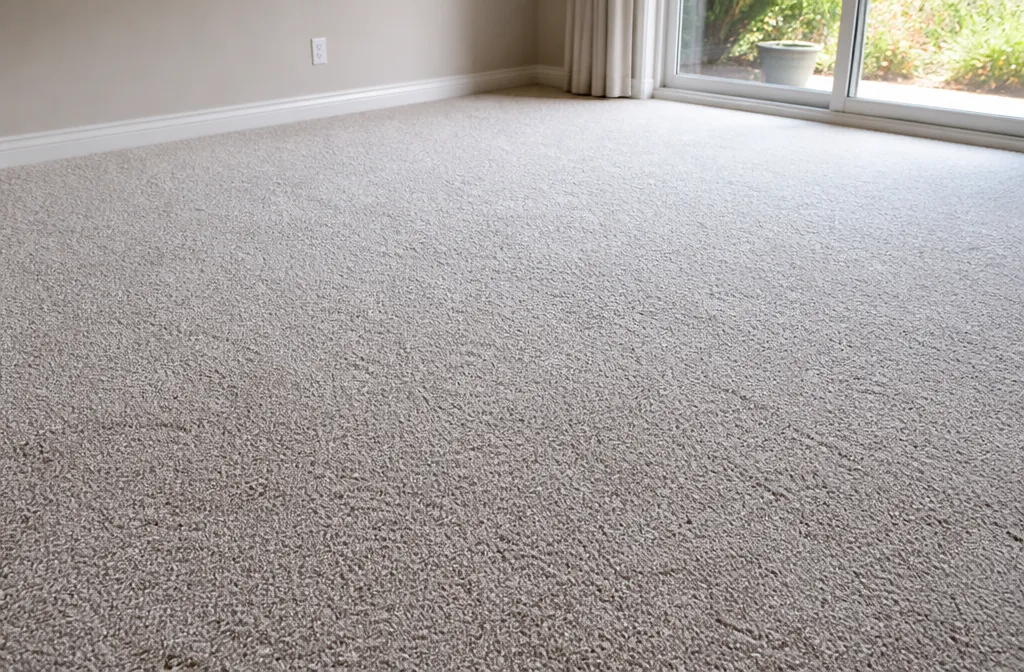
Request: The manager ordered cleaning of carpet tiles in the meeting room from dust and scuffs.
Done: Dry cleaning with a rotary machine and dust removal with an industrial vacuum cleaner was performed.
Cost: 7 000 ₸
Master: Daniyar Akhmetov, dry cleaning master
Total: Tiles completely cleaned, no streaks, room looks tidy.
 After
After
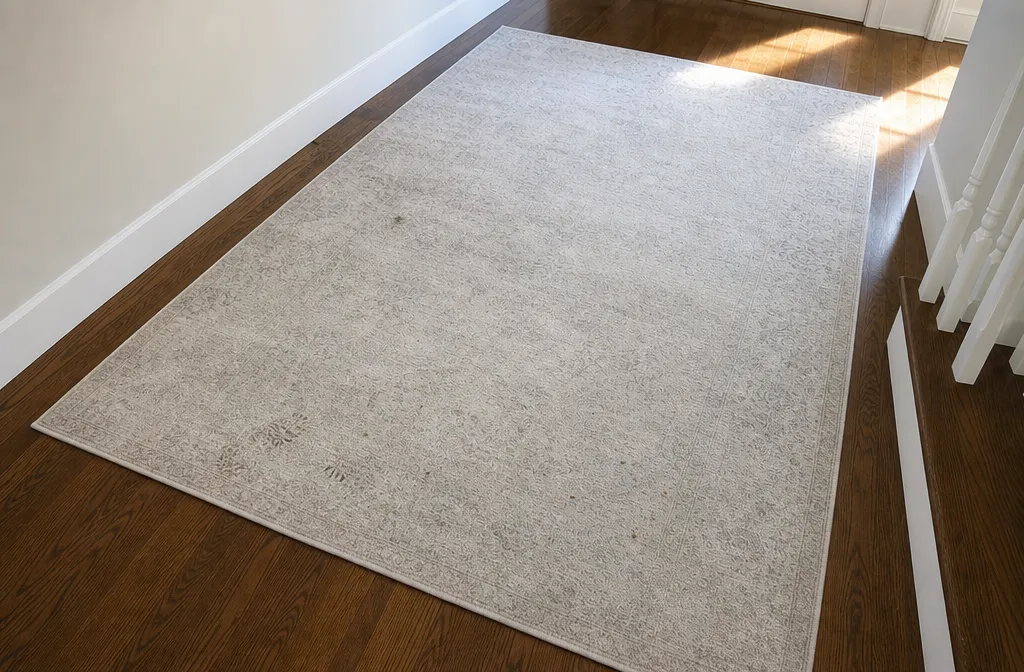
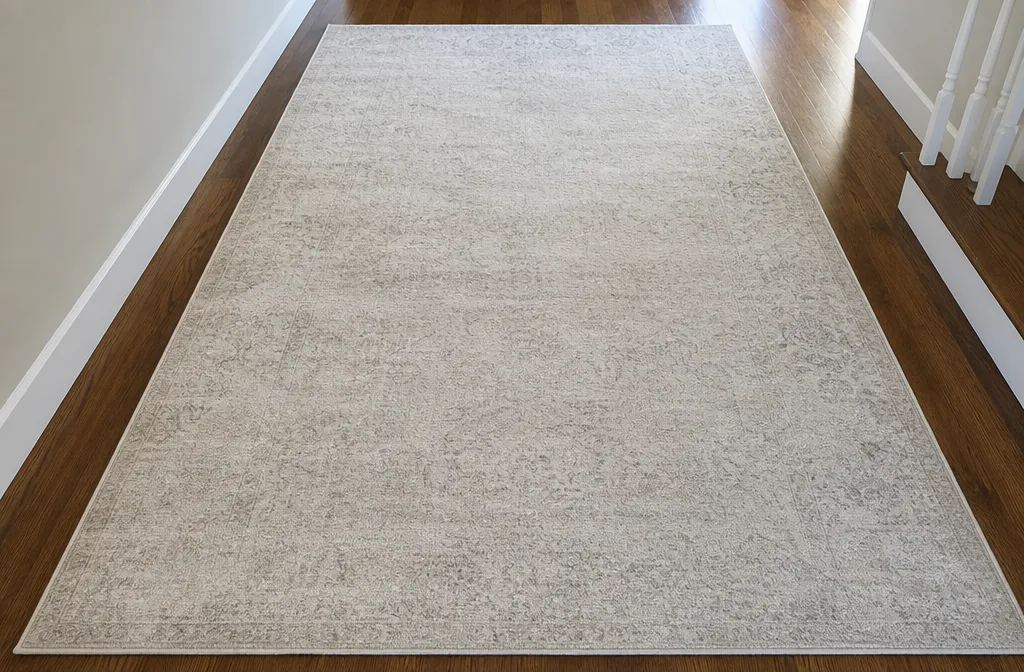
Request: The hostess asked to remove wine and chocolate stains from a long-pile carpet.
Done: The master treated stains with a stain remover and performed extraction cleaning with hot water.
Cost: 16 000 ₸
Master: Aliya Nurgalieva, dry cleaning master
Total: Stains completely removed, pile brushed, carpet looks like new.
 After
After
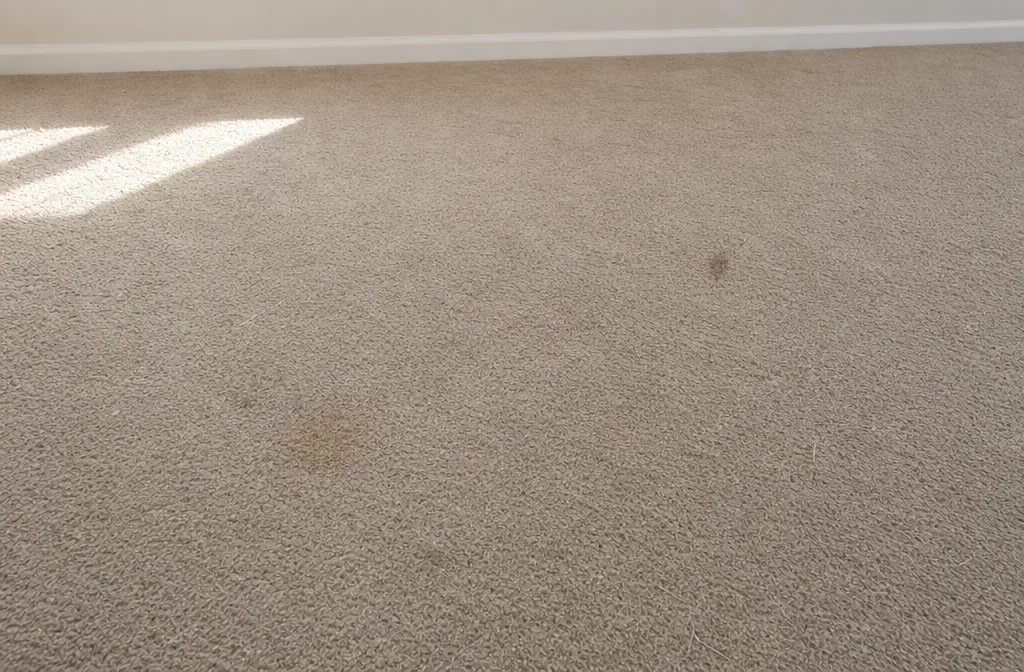
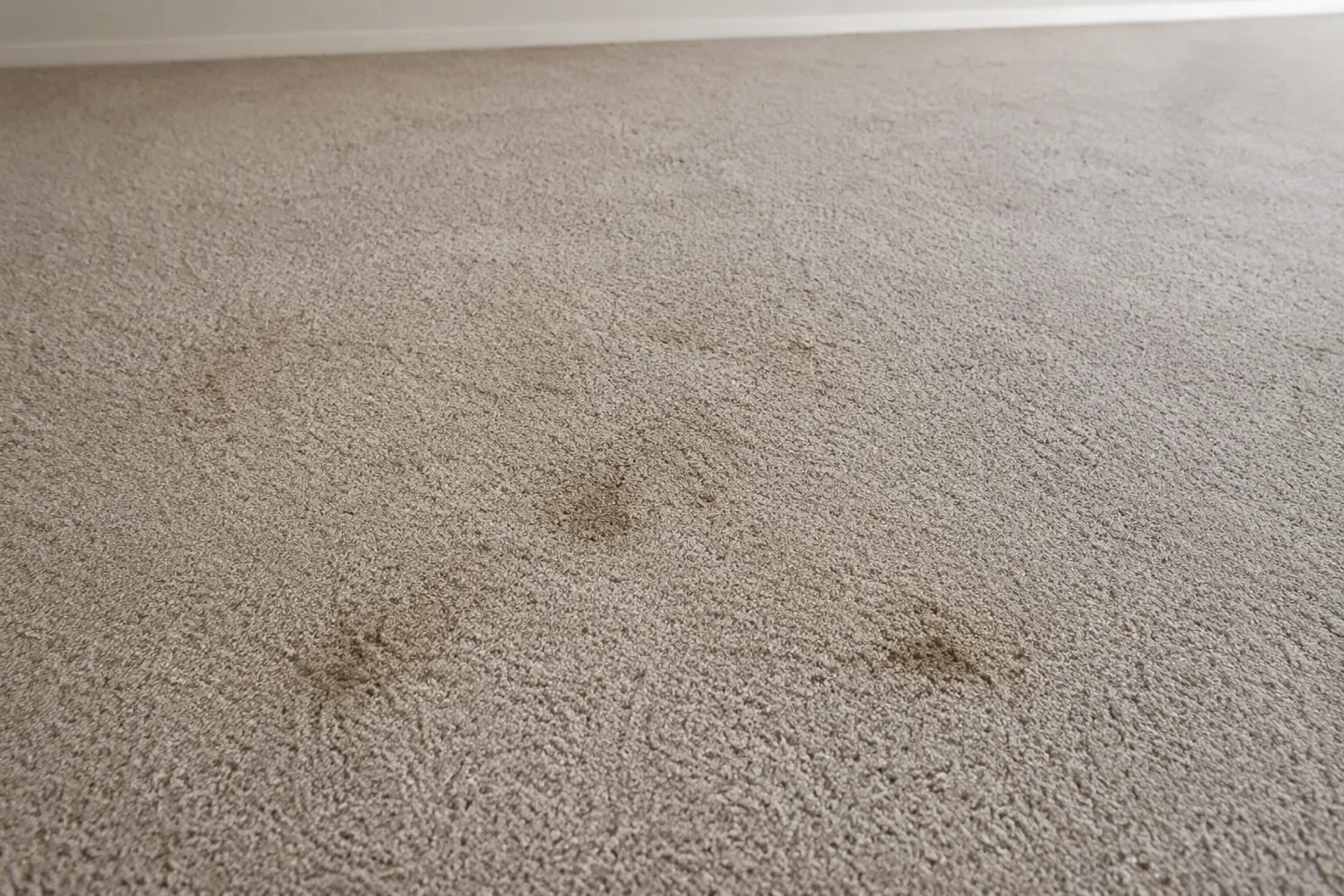
Request: The client asked to clean a viscose rug from street dirt and shoe marks.
Done: Gentle dry cleaning with neutral detergent and soft brush was applied.
Cost: 7 000 ₸
Master: Marat Kaliyev, dry cleaning master
Total: Rug completely cleaned, pile not damaged, color became more saturated.
 After
After
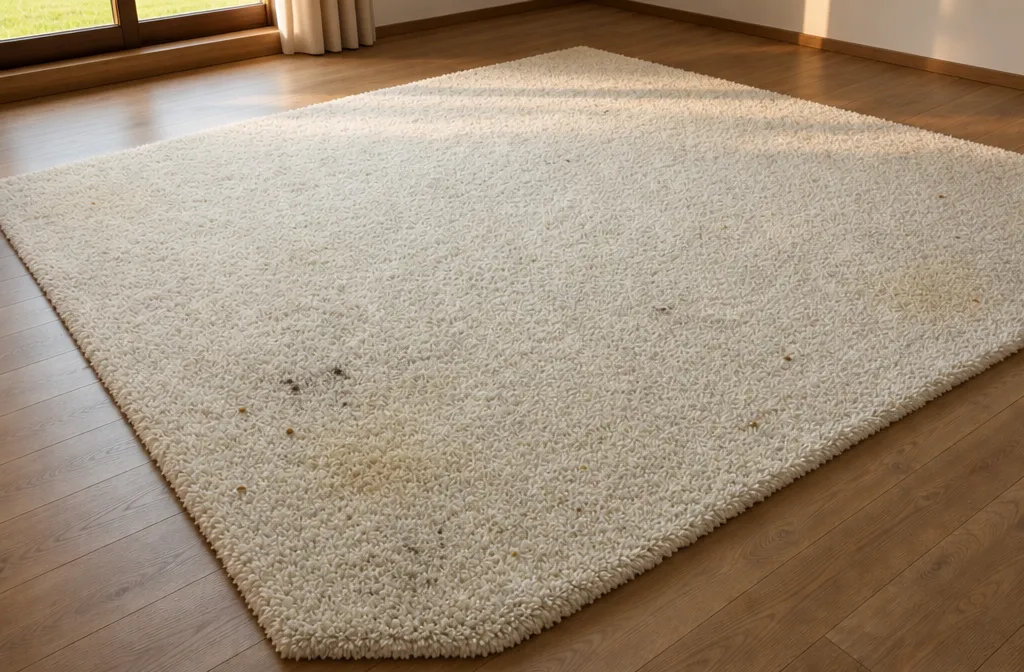
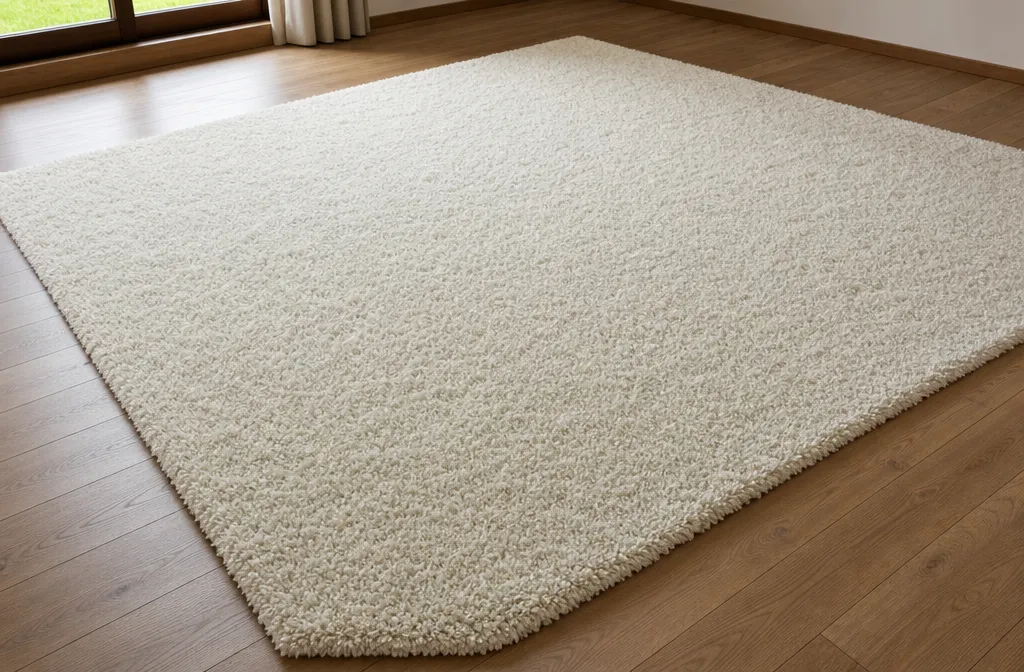
Request: The owner ordered cleaning of the carpet from old urine stains and dog fur.
Done: The technician treated stains with an enzyme cleaner and performed extraction cleaning with a deodorizer.
Cost: 17 000 ₸
Master: Gulmira Sadykova, dry cleaning master
Total: Stains and odor completely removed, carpet disinfected, pile restored.
 After
After
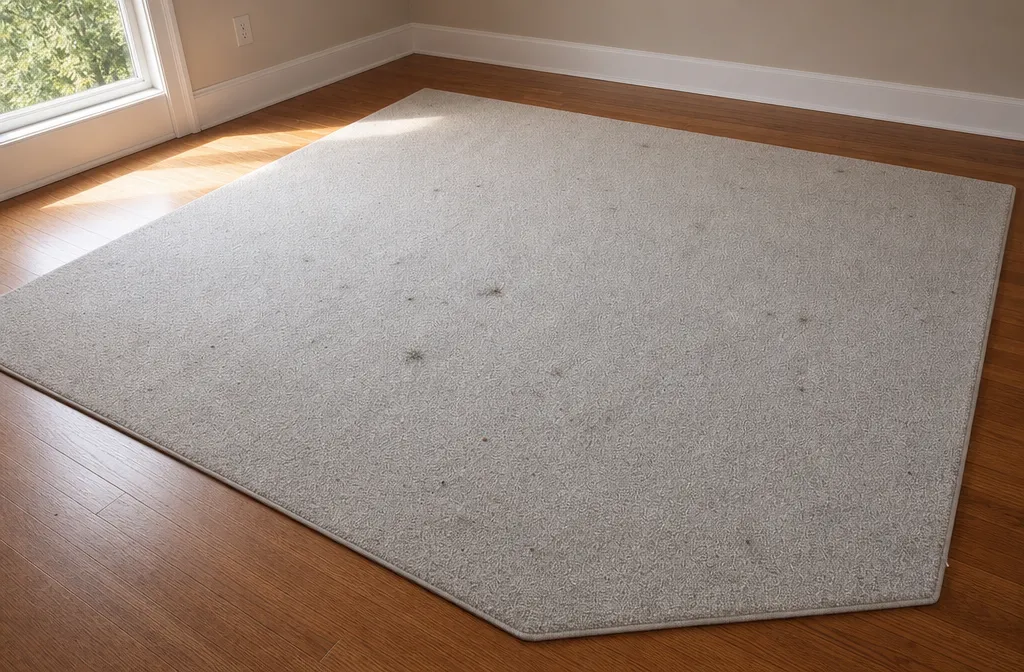
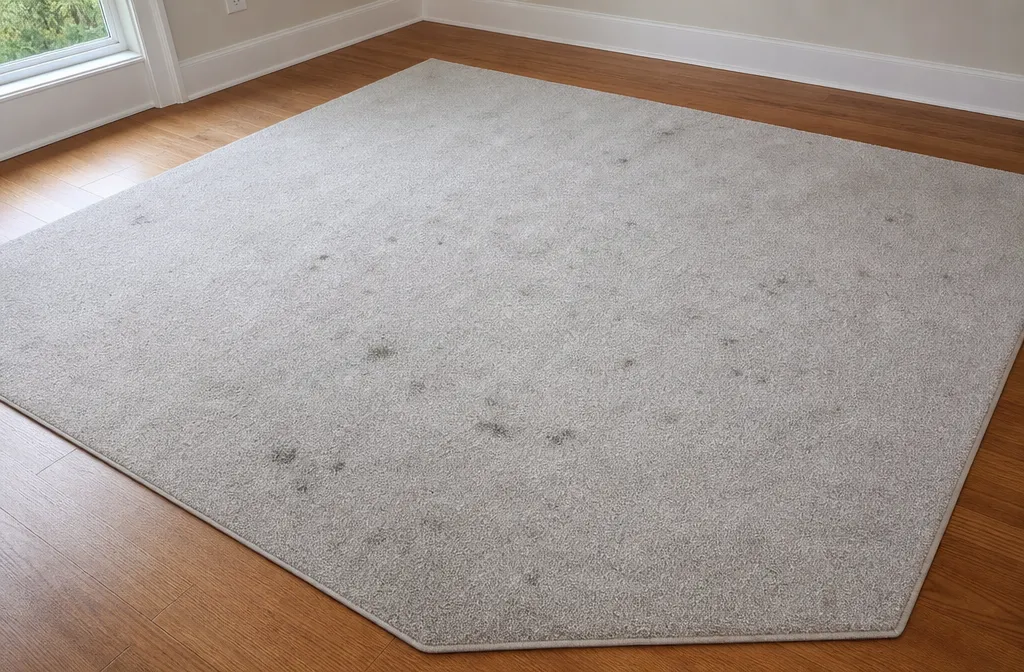
Request: The client asked to remove persistent tobacco smell from the living room carpet.
Done: Deep cleaning with ozone treatment and odor neutralizer was performed.
Cost: 16 000 ₸
Master: Yerzhan Bekzhanov, dry cleaning master
Total: Odor completely gone, carpet fresh, room air clean.
 After
After
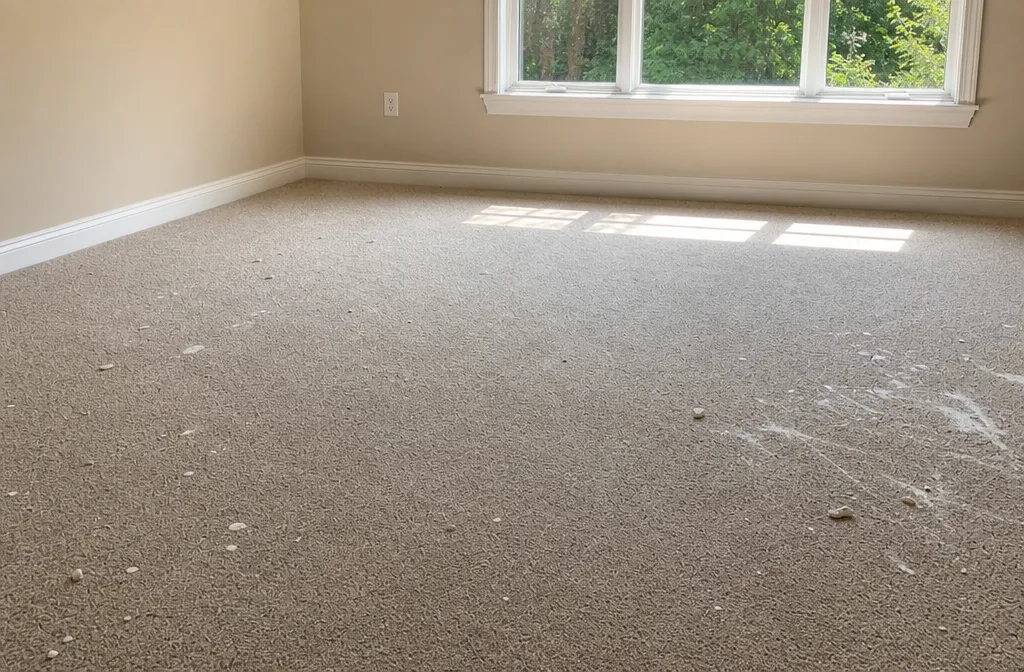
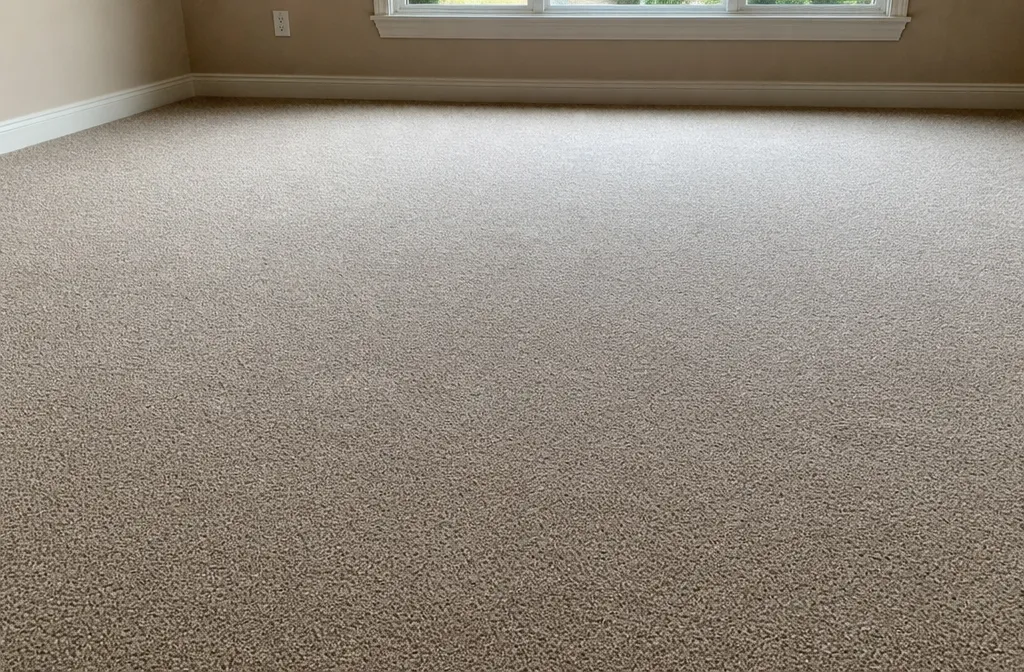
Request: The owner ordered removal of mold and mildew from the carpet after a water leak.
Done: The technician treated the carpet with an antifungal agent and performed extraction cleaning with drying.
Cost: 17 000 ₸
Master: Aizhan Muratova, dry cleaning master
Total: Mold completely removed, carpet disinfected, no signs of fungus.
 After
After
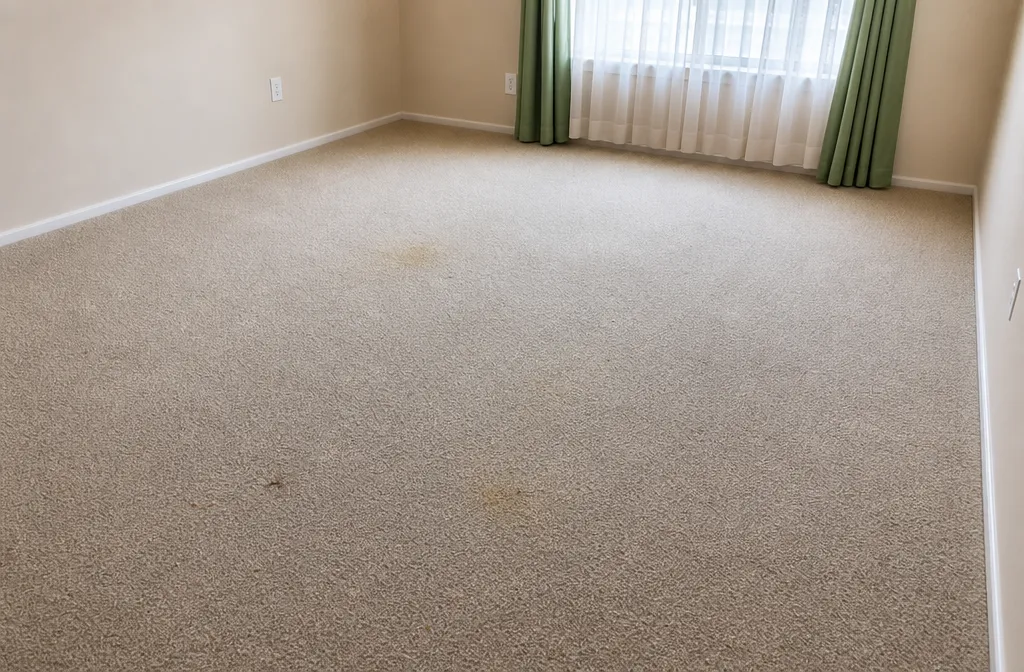
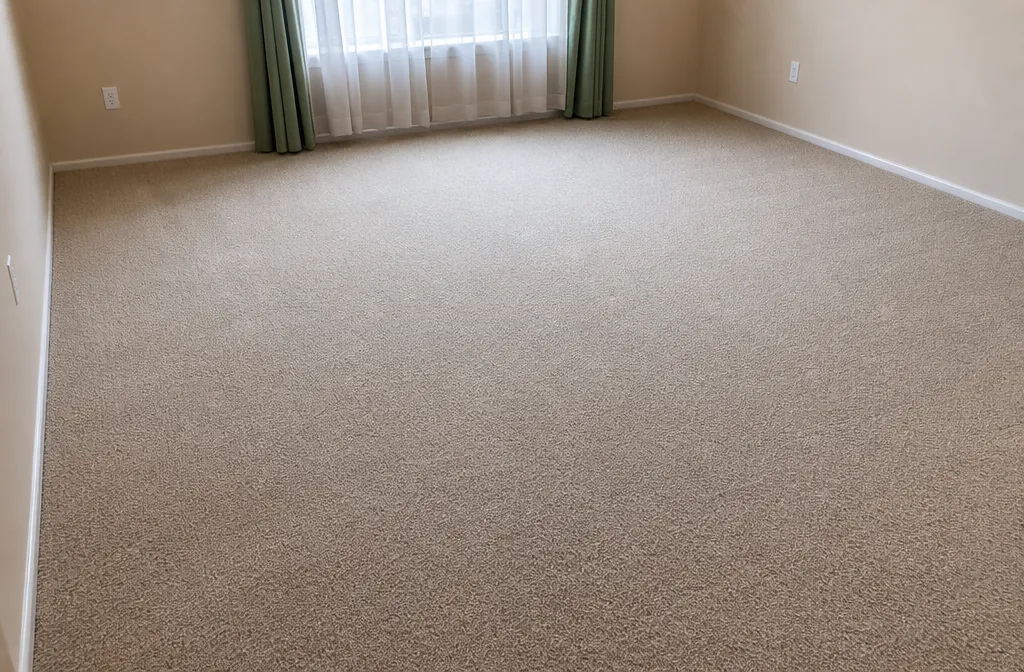
Request: The client asked to clean the carpet from paint drops, plaster, and construction dust.
Done: Chemical cleaning with paint solvent and water extraction was applied.
Cost: 19 000 ₸
Master: Nurzhan Ibraev, dry cleaning master
Total: Carpet completely cleaned of construction dirt, no pile damage.
 After
After
Request: The owner asked to remove urine smell and stains from the carpet caused by a pet.
Done: The technician treated stains with an enzyme cleaner and performed extraction cleaning with ozone.
Cost: 16 000 ₸
Master: Dinara Kassymova, dry cleaning master
Total: Odor and stains completely removed, carpet disinfected, fresh.
All cleaners are profi-clean staff with training, uniform and security check. Each order has a team leader who controls quality.
We work daily with odors that no household chemical can tackle — and ozonation remains the only method that handles them in a single treatment cycle. Below, we break down which categories of odors ozone destroys at the molecular level and which it merely masks.
Ozone oxidizes nicotine and tar molecules, turning them into harmless compounds — carbon dioxide and water. In practice, this means that after treatment, not only the smell of fresh smoke disappears, but also the stale odor of a smoke-filled room that has embedded itself into the carpet pile over years. Unlike air fresheners that simply mask the smell, ozone destroys its cause. In our practice, there was a case where, after three years of smoking in a room, carpet ozonation completely removed the odor in 40 minutes, even though the owner had previously tried steam cleaners and baking soda without success.
Urine contains urea and ammonia — ozone breaks them down into nitrogen and carbon dioxide, leaving no trace on the pile or the carpet underlay. An important nuance: if the stain is old and has already crystallized, an enzyme treatment is needed before ozonation — otherwise, ozone won’t reach the deep layers. We recommend marking all areas where your pet has “marked” territory before ordering treatment — we apply a neutralizer precisely, then run the ozone. This guarantees results even for sofas that a cat has used for years.
Ozone kills mold and mildew spores and simultaneously destroys the volatile compounds that cause that “basement” smell. For carpets in the basement floors of Almaty homes — for example, in old five-story buildings in the Samal area — this is the only way to eliminate the musty odor without removing the flooring. One caveat: if mold has grown through the carpet into the concrete base, the concrete must first be treated with a fungicide, otherwise the spores will regrow within a month. When ordering carpet ozonation, we check the base’s humidity with a hygrometer — if the reading is above 20%, we first dry the floor with a heat gun.
Ozone is a powerful oxidizer, and on some materials, it acts as an aggressive reagent rather than a gentle cleaner. In our practice, there have been cases where after ozonation, a carpet lost its color or pile structure — so we always check the composition and dyes before a session.
Silk is the only natural material for which ozonation is categorically contraindicated. The protein fibroin, which makes up silk threads, oxidizes under the influence of ozone and loses 40-60% of its strength in a single treatment cycle — the pile becomes brittle, and cracks appear at the folds. We test silk on an inconspicuous area: if the thread does not restore its elasticity after 30 seconds in an ozone chamber, the carpet is sent for alternative dry cleaning. Handmade silk carpets from Iran or China with natural dyes are the riskiest case: ozone can discolor an area to a gray shade in 10 minutes. Before ordering carpet ozonation in Almaty, check with the technician about the pile type — silk requires steam treatment or dry cleaning, not ozone.
Viscose is a regenerated cellulose, and under the influence of ozone, it behaves unpredictably: the fiber may turn yellow in localized spots or become stiff to the touch. In profi-clean lab tests, viscose carpets with an acrylic backing lost up to 15% of their original softness after 40 minutes of ozonation — this is invisible to the eye but noticeable to the feet. Carpets with viscose pile on a jute base are especially vulnerable: ozone oxidizes the jute, releasing acids that penetrate the viscose and change its shade to a dirty yellow. If the label says “artificial silk” or “rayon” — request a test on a small fragment: we check the material’s reaction for free before treatment because re-dyeing viscose after ozone is no longer possible.
Rubber and latex, when in contact with high ozone concentrations, oxidize and release volatile sulfur compounds — instead of the old smell, a pungent chemical “aroma” of burning appears. We encountered this on a hallway mat with a rubber anti-slip layer: after 30 minutes of ozonation, the base became sticky, and the smell did not dissipate for three days even with airing. The rubber coating on the back of mass-market carpets (like IKEA or local manufacturers) is a hidden threat: it looks like fabric externally, but under a microscope, it’s foamed latex. In our practice, ozone destroys such a base in 15-20 minutes, making the carpet slippery and brittle — it starts to crumble at the edges when rolled up. Before ordering carpet ozonation, check the base: if it stretches like elastic or smells like a tire — ozone is not suitable.
Metallized threads (Lurex, lame, tinsel) in a carpet’s composition are a direct ban on ozonation. Ozone oxidizes the aluminum coating on such threads — within 10-15 minutes, shiny Lurex dulls, and white deposits of aluminum oxide appear on dark backgrounds. We had a case with a Pakistani carpet with gold thread: after ozonation, the metal darkened to brown, and the color could not be restored — the threads had to be repainted by hand. Even a small proportion of Lurex (5-10% of the pile) causes an irreversible reaction because ozone penetrates deep into the pile and oxidizes the metal beneath the surface. On carpets with metallized thread embroidery, ozone is only safe with low-concentration steam treatment — but that’s no longer ozonation, but wet cleaning. If in doubt, call us: we can distinguish Lurex by the characteristic squeak of the thread and give an accurate answer in a minute.
Natural wool itself is resistant to ozone, but the problem lies in the dyes — especially cheap acid aniline compounds used to dye mass-market wool carpets from Turkey and China. Ozone destroys the molecule of such a dye in 20-30 minutes, and the color “fades” not from the sun, but chemically — the area becomes 2-3 shades lighter, often with a reddish undertone. We test wool carpets with a damp cotton pad: if paint transfers with light rubbing — the dye is unstable, and ozonation is contraindicated. Expensive wool carpets with natural pigments (indigo, madder, henna) withstand ozone without consequences because the molecules of these dyes are larger and oxidize more slowly. In Almaty, there are many hand-made carpets from Kyrgyzstan with natural wool — they usually pass the test, but we still check each item before the chamber to rule out surprises with acid pigment.
The choice between ozonation and dry cleaning is not a question of “which is better,” but a question of “what does your carpet need right now.” These methods solve different problems, and they are often combined for a complete result. Let’s break down scenarios where each method is indispensable, and where it is useless.
Deep cleaning with extraction is the only way to remove physical contaminants: dust, sand, pet hair, spilled liquids, and grease stains. Ozone doesn’t work on these contaminants — it’s a gas, not a cleaning agent. In our practice, there was a case: a client ordered ozone treatment for a carpet after their cat marked a corner, but did not pre-clean it. Ozone removed 70% of the odor, but after a week, the urine crystallized in the fibers, and the smell returned — the urea was not washed away. We had to perform a full cycle: first, deep cleaning with an enzyme stain remover, then ozone treatment. Since then, we always warn: ozone treatment without prior cleaning is money down the drain if the contamination is physical.
Cleaning is powerless against odors embedded in the fiber structure at the molecular level: tobacco smoke, aged animal urine, mold smell after flooding, chemical fragrances from cheap air fresheners. Ozone oxidizes these molecules, turning them into harmless compounds — carbon dioxide and water. For example, after a fire in an apartment on Al-Farabi Avenue, we treated a handmade carpet: cleaning removed the soot, but the smoke smell lingered in the wool fibers for another week. One ozone treatment cycle — and the smell disappeared completely, while the dyes remained unaffected. Cleaning alone could not have handled this.
The optimal scheme for complex cases is first deep cleaning, then, after the carpet is completely dry (12-24 hours), ozone treatment. A wet carpet after extraction cannot be treated with ozone — moisture reacts with the gas, forming trace amounts of nitric acid, which can discolor light areas of the fibers. We had a case on Zharokova Street: the client insisted on ozone treatment immediately after cleaning, and yellowish streaks appeared on the beige carpet — we had to re-wash it with a neutralizer. Now we strictly adhere to the interval: we let the carpet dry in a ventilated room with an air dehumidifier, and only then start the ozone generator.
| Criteria | Cleaning | Ozone Treatment |
|---|---|---|
| Removal of dust, sand, dirt | Yes, extraction 95-99% | No, ozone does not wash away |
| Removal of grease stains | Yes, with stain removers | No, requires pre-cleaning |
| Neutralization of smoke smell | Partially, smell remains in fibers | Yes, complete oxidation in 1-2 cycles |
| Removal of animal urine smell | Only with enzymes + extraction | After cleaning — yes, final neutralization |
| Safety for silk and viscose | Risk of shrinkage with wet cleaning | Safe, does not alter structure |
| Processing time | 2-4 hours + drying 12-24 h | 30-60 minutes + airing 2 h |
| Hypoallergenic | Depends on chemicals (Kiehl — yes) | Yes, ozone kills mites and spores |
Some clients think that if they “run ozone” once a month, the carpet will be clean. This is a myth. Dust, sand, and allergens remain in the fibers and mechanically damage them over time — ozone does not remove them. Our cleaners on assignments in the “Samal” and “Aksai” microdistricts regularly see carpets that look visually clean, but when tested for dust mites, show an excess of 3-4 times. Solution: cleaning every 6-12 months (depending on foot traffic) + ozone treatment once a quarter to maintain freshness. In Almaty, with its smog and mountain dust, this is especially relevant — PM2.5 particles settle in the carpet and are not removed without extraction.
Preparing a carpet for ozone treatment is a simple but critical step that determines whether odors and stains will disappear after processing. Let’s break down the key points we check before a cleaner’s visit.
Ozone penetrates deep into the pile, but if there is a dense layer of dust or pet hair on the surface, some of the active molecules will oxidize it first, failing to reach the source of the odor. Rough dry cleaning before ozonation increases efficiency by 30-40% — this is a figure from our practice based on odor intensity measurements before and after. We use an industrial vacuum cleaner with a HEPA filter that extracts microparticles from the carpet base, but a powerful household appliance with a turbo brush is sufficient at home. If there are clumps of fur or hair on the carpet, remove them by hand or with a lint roller — they create a barrier that ozone penetrates less effectively. In Almaty apartments with pets, we often see carpets where undercoat accumulates beneath the top layer of pile — without its removal, ozone will waste its resources on oxidizing organic matter rather than the smell of urine or tobacco. Before ozonation, vacuum the carpet from both sides — turn it over if the size allows, and go over the backing to remove crumbs, sand, and dust embedded in the base.
Ozone is a strong oxidizer, and on some dyes or impregnations, it can lighten or discolor the pile. We test resistance on an inconspicuous area — a corner or edge hidden by furniture — 5-10 minutes before starting treatment. We apply ozone from the generator to a cotton pad at a distance of 10-15 cm for 1-2 minutes and check if the shade has changed. Natural wool carpets (especially handmade ones with vegetable dyes) can react to ozone with color changes — in such cases, we recommend dry cleaning instead of ozonation. Synthetic materials (polypropylene, polyester, nylon) are usually resistant, but cheap dyes on budget models sometimes fade. Also check dirt and water repellent impregnations — some silicone-based compositions lose their properties under ozone exposure, and the carpet may get dirty faster after treatment. In our practice, there was a case: a carpet with a water-repellent impregnation began collecting dust twice as fast after ozonation, although the smell was completely eliminated. If the carpet is new and treated with a factory compound, check with the manufacturer whether it is compatible with ozone — or simply choose an alternative method.
Ozone is a gas, and for even distribution across the pile, it needs access from all sides. Lay the carpet on a flat surface, do not roll it up or fold it into several layers — ozone will not penetrate the folds, and the smell will return from there within a week. Ideally, hang the carpet on a bar or horizontal ladder so the gas washes both sides, but this is rarely possible in an Almaty apartment. An alternative is to place the carpet on a clean floor with the pile facing up, and put a grate or several wooden blocks underneath to allow air circulation from below. Remove all foreign objects from the carpet: children’s toys, shoes, remote controls, books — ozone oxidizes any organic matter, and plastic or rubber may turn yellow or become brittle. On site, we always ask the client to clear the room where the treatment will take place and close the door so ozone does not escape into other rooms. Air out the room 15 minutes before starting — fresh air won’t hurt, but it’s better to close the windows during generation to avoid reducing the gas concentration.
Many people think the carpet is ready for use immediately after ozonation, but this is not the case. Ozone leaves microparticles of ozonides — oxidation products — on the surface, which can irritate the respiratory tract, especially in allergy sufferers and children. We recommend going over the carpet with a damp microfiber cloth or a vacuum cleaner with a water filter 30-60 minutes after treatment (when the ozone has decomposed into oxygen). If the carpet is small, you can take it out onto the balcony and air it for 15-20 minutes — in Almaty’s dry climate, this works quickly. Do not use household chemicals containing chlorine or ammonia after ozonation — residual ozone may react and release toxic gases. Plain water or a neutral soap solution is sufficient. In our practice, clients who skipped this step sometimes complained of a mild burning sensation in their nose when walking on the carpet in the first few hours — after wet wiping, the discomfort disappeared completely. Before stepping on the carpet barefoot, let it dry for 2-4 hours — damp pile gets dirty and matted more quickly.
The climate of Almaty — high humidity in spring and autumn, plus smog from the CHP plants — creates an ideal environment for odors to set into carpet fibers, and ozonation here presents unexpected nuances that we have identified over 8 years of work in the city.
Due to the seasonal humidity in Almaty (relative air humidity in October-November reaches 75-80%), ozone molecules react with water vapor faster than in a dry climate. This means that when treating a carpet after a flood or wet cleaning, the ozone contact time with the fibers is reduced by 15-20% — we compensate for this by increasing the exposure time by 10 minutes. After the procedure during the rainy season, airing takes not the standard 30-40 minutes, but up to an hour and a half, especially if the carpet is in an apartment on lower floors where natural ventilation is weaker. Our clients often complain that “the ozone smell doesn’t dissipate,” when in reality they simply don’t open the windows wide due to the cold — in such cases, we recommend turning on the exhaust fan and leaving interior doors open for 2-3 hours.
Fine dust, carried by winds from the foothills of the Zailiysky Alatau, settles so deeply into carpets that ozone cannot penetrate to the base of the pile if a deep dry cleaning is not performed before ozonation. In our practice, there was a case where a client from the “Aksai” microdistrict ordered ozonation for a wool carpet, but the tobacco smell remained on 40% of the area — upon inspection, we found a 2-3 mm thick layer of dust at the base of the pile, which insulated the fibers. Now we always warn: before ozonation in Almaty, a two-pass vacuum cleaning with a turbo brush is mandatory, otherwise the procedure will only work on the top layer.
The most common mistake we see from clients trying to save money is turning on the ozonator immediately after wet chemical cleaning, while the carpet is still wet. Ozone reacts with water, forming hydrogen peroxide, which bleaches natural dyes — this is especially critical for Persian carpets and handmade items with aniline dyes. We have recorded cases where white spots appeared on silk carpets from Iran after such a mistake, which cannot be restored. The profi-clean rule: at least 8-12 hours of forced drying with a heat fan must pass between wet cleaning and ozonation, with the indoor air humidity no higher than 50%.
In winter, in Almaty apartments with plastic windows and central heating, humidity drops to 20-25%, and ozone in dry air decomposes more slowly, creating a risk of overdose for synthetic carpets. We use portable hygrometers on every job — if humidity is below 30%, we reduce the treatment time by 5-7 minutes and be sure to leave a humidifier in the room during the procedure. Our cleaners are trained to check this parameter because polypropylene carpets lose pile elasticity with excess ozone in dry air — the fibers become brittle after 2-3 cycles.
In buildings like the Almaty residential complex “Triumfalny” and similar high-rises with poor shaft ventilation, ozonating a carpet on the 5th floor can draw tobacco and smoke odors from the 1st floor through the ventilation ducts — ozone is heavier than air and sinks down, creating a reverse draft. We encountered this a year ago when, after treating a carpet in an apartment on the 7th floor, the client complained of an intensified musty smell — it turned out the ozone had “knocked out” stagnant air from the basement. The technical solution — before ozonation, we seal the ventilation grilles in the room with painter’s tape and open a window so the ozone exits directly outside, not into the shaft.
We ordered ozonation of the living room carpet — after the procedure, breathing became noticeably easier, the allergy subsided.
Thank you, Aigerim! We are glad we helped with the allergy.
The tobacco smell from the carpet didn't dissipate for a long time, I had the carpet ozonated — the smell disappeared completely, like a new carpet.
The carpet after the cat gained freshness, small stains disappeared, but one stain remained, although overall great.
Daniyar, thank you for your review! Contact us for spot cleaning — we will remove the remaining stains.
After flooding by neighbors, mold appeared on the carpet, we called a master for carpet ozonation — the mold is destroyed, no musty smell.
A child spilled paint on the carpet, after treatment everything is clean and without chemical smell.
Glad you liked the result! Safe for children.
The carpet after the wedding was in terrible condition, stains from champagne and food — most were removed, but one stain requires retreatment.
Assel, we invite you for a repeat cleaning — a 10% discount for you.
Grandma's carpet from the 70s transformed, colors became brighter, years of dust disappeared.
The carpet in the basement got damp, I ordered carpet ozonation — the musty smell disappeared, the carpet dried and smells pleasant.
Great, Dinara! Ozonation fights dampness perfectly.
In the office, the carpet after renovation was dusty and smelled of paint — after treatment, cleanliness and freshness, employees are happy.
Thank you, Timur! We also work with offices.
After the New Year holidays, the carpet was covered in needles and stains from tangerines — cleaning helped, but a few needles remained in the pile.
Gulnara, sorry for the inconvenience. Next time we'll spend more time.
The child has a mite allergy, we did carpet ozonation — tests showed a decrease in allergens, the carpet is safe.
Alexey, children's health is our concern!
The carpet hadn't been cleaned for 3 years, after treatment it's like new — removed all old stains and dust.
After painting the walls, the room smelled of paint, I ordered carpet ozonation — the smell disappeared, the carpet is fresh.
Nurlan, ozonation effectively removes volatile compounds.
The red wine stain was not completely removed, a pink trace remained, we had to recolor the carpet.
Saule, we apologize. Your feedback has been forwarded to the technologist.
After cleaning, the child stopped sneezing in the room, the carpet is safe for asthmatics.
My husband smoked in the room, the carpet absorbed the smell — I ordered carpet ozonation, now the room smells fresh.
Lyazzat, glad the problem is solved!
Treated the car mats — they became clean, but one mat faded slightly, although overall it's good.
Ruslan, thank you for your feedback! We'll be more careful with colored mats.
Mold on the bathroom carpet disappeared after carpet ozonation and hasn't returned.
The office carpet was cleaned — employees stopped complaining about dust headaches.
Thank you, Serik! A healthy microclimate in the office is important.
After renovation, the carpet was covered in construction dust — cleaning restored its color and softness.
The yoga mat smelled of sweat — I had it ozonated, the smell disappeared, I can practice again.
Arman, great! Ozonation kills bacteria.
The dog's carpet was cleaned, the fur was removed, but there is still a slight dog smell, though weaker.
Galiya, try additional ozonation — it will completely remove the smell.
In spring, my allergy worsened, I ordered carpet ozonation — breathing became easier, fewer attacks.
The living room transformed after cleaning, the carpet became fluffy and bright.
Aina, thank you! Come again.
After a small fire, the carpet smelled of burning — we did carpet ozonation, the smell disappeared completely.
Dauren, glad we saved the carpet!
The coffee stain was not completely removed, a barely noticeable trace remains, but overall the carpet became cleaner.
Zukhra, sorry. On your next visit, we'll give a discount.
After treatment, the carpet in the bedroom became softer, pleasant to walk barefoot.
My child has asthma, we do carpet ozonation once a month — attacks have become less frequent.
Nazgul, the child's health is the most important. Thank you for your trust!
Yes, if the technology is followed. During treatment, people and animals must leave the room. After airing for 30 minutes, ozone completely dissipates, and it is safe to return.
Yes, but before treatment, animals must be removed from the room. Ozone effectively removes odors of urine, fur, and saliva without leaving traces.
In the absence of new odor sources, the effect lasts up to 3-6 months. We recommend preventive ozonation every six months.
The full cycle takes 1.5-2 hours, including preparation, treatment, and airing. The ozonation itself lasts 30-60 minutes depending on the area.
Yes, we travel within Almaty within 2 hours. Treatment is carried out on your premises. Urgent departure within 1 hour is possible.
For a synthetic carpet of 6 m², the price is at an individual rate; for a natural one, at an individual rate. The exact cost depends on the type and condition of the carpet.
We ozonate carpets of any size — from small (1x1 m) to large coverings (over 100 m²). For large ones, we use multiple generators.
Synthetic, wool, viscose, carpeting, carpet tiles, long-pile and short-pile carpets, hand-made and machine-made are suitable.
First, we inspect and vacuum the carpet, if necessary clean with an enzyme agent. Then we seal the room and turn on the ozone generator for 30-60 minutes. After that, we air out for 30 minutes.
Yes, we offer a 14-day guarantee. If the odor or dirt returns, we will re-treat for free.
Tell us about your experience with profi-clean — it helps other clients and us improve.
We currently operate in Almaty. Other cities are coming soon.