Inspection and diagnostics
The master determines the carpet type, material, and type of soiling. Selects the optimal technology and products.
Professional carpet cleaning with on-site service in Almalinsky district. We remove any stains and odors.

We work with any types and materials
Stain-resistant, we clean with an extractor and neutral shampoo.
from 7,000 ₸Delicate cleaning with wool-specific products, no shrinkage.
from 7,000 ₸Only dry cleaning and minimal moisture to avoid deformation.
from 7,000 ₸Deep extraction cleaning on-site, without dismantling.
from 1,200 ₸Special treatment to remove dirt from deep within the pile.
from 7,000 ₸Quick cleaning with minimal water usage.
from 7,000 ₸Manual cleaning using soft brushes and hypoallergenic products.
from 7,000 ₸Gentle cleaning without harsh chemicals, preserving structure.
from 7,000 ₸Cleaning without compromising antistatic properties.
from 7,000 ₸Avoid over-wetting to prevent damage to the backing.
from 7,000 ₸Only dry cleaning to prevent jute rotting.
from 7,000 ₸Cleaning with minimal water, drying with fans.
from 7,000 ₸From inspection to result with guarantee
The master determines the carpet type, material, and type of soiling. Selects the optimal technology and products.
We remove dry dust, pet hair, and debris with a HEPA vacuum. This prevents dirt from smearing during wet cleaning.
We apply specialized products to stains (wine, coffee, blood) and leave for 5-10 minutes for breakdown.
The Karcher Puzzi 10.8 extractor delivers hot water with detergent under pressure and immediately vacuums up dirt.
We rinse the carpet with clean water to remove chemical residues. This prevents stickiness and streaks.
The powerful extractor removes up to 95% of moisture from the carpet. Residual moisture is minimal.
We use a special brush to lift the nap, adding volume and fluffiness. The carpet looks like new.
We install industrial fans to speed up drying. We monitor humidity until completely dry.
The Karcher Puzzi 10.8 extractor delivers hot water and detergent under pressure, washing dirt from deep within the pile. The powerful suction removes up to 95% of moisture, reducing drying time. This industrial equipment achieves results unattainable with household vacuums.
Kiehl and Sodasan products have environmental safety certificates. They contain no phosphates, chlorine, or harsh surfactants. After cleaning, there is no chemical odor, and the carpet is safe even for allergy sufferers.
Water temperature in the extractor reaches 80°C, killing dust mites and pathogenic bacteria. We use disinfectant additives safe for fabrics. You get not just a clean, but a sanitized carpet.
Our master will come at a convenient time, assess the carpet type, degree of soiling, and select the optimal cleaning technology. The visit is absolutely free, you pay nothing before work begins.
The extractor removes excess moisture immediately after washing, leaving the carpet slightly damp. We use industrial fans to speed up drying. In just 2-4 hours, the carpet is completely dry and ready for use.
Our masters have experience cleaning wool, silk, viscose, antique, and hand-made carpets. We know how not to damage delicate materials. Each carpet receives an individual approach.
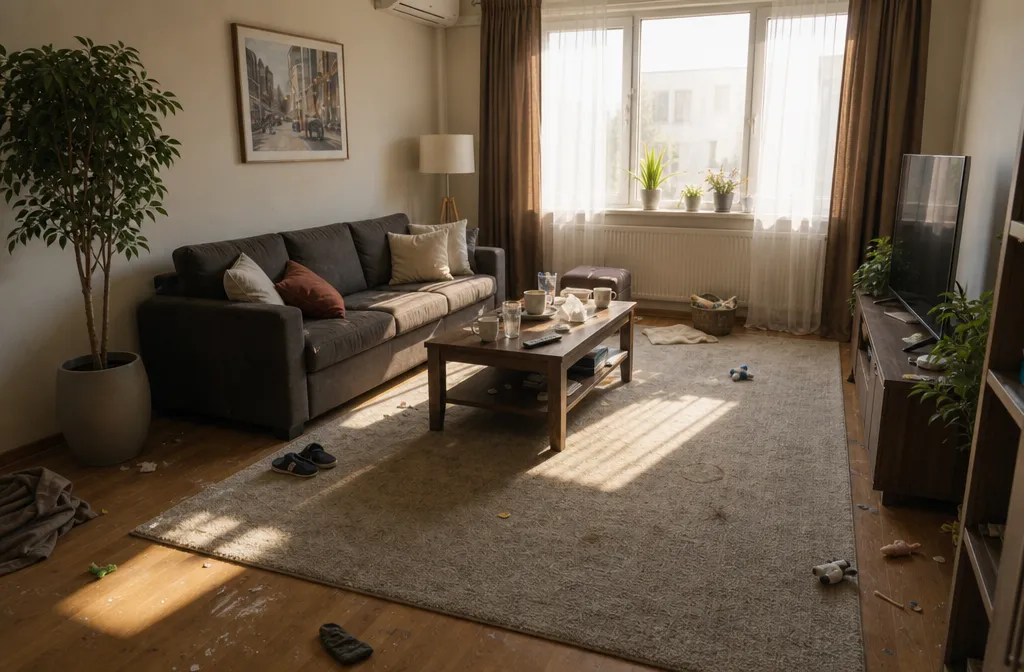
 After
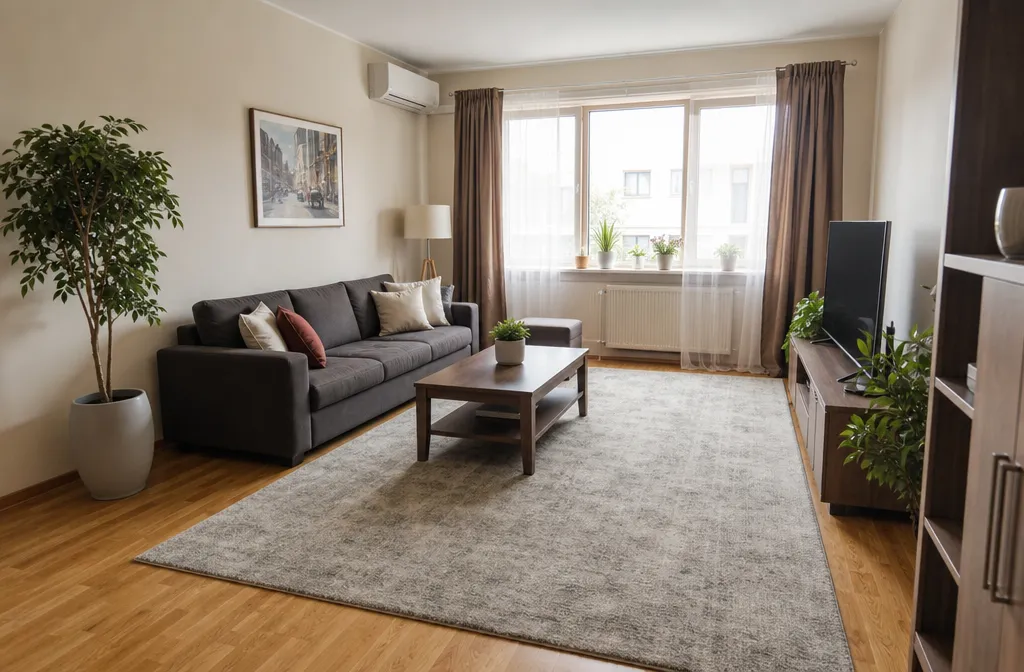
After
Request: Deep cleaning of a large living room carpet from dust and stains was required.
Done: Extraction cleaning with pre-treatment of stains and odor neutralization was performed.
Cost: 7 000 ₸
Master: Aigul Serikova, cleaning master
Total: Carpet fully restored: dust, stains removed, fresh look restored.
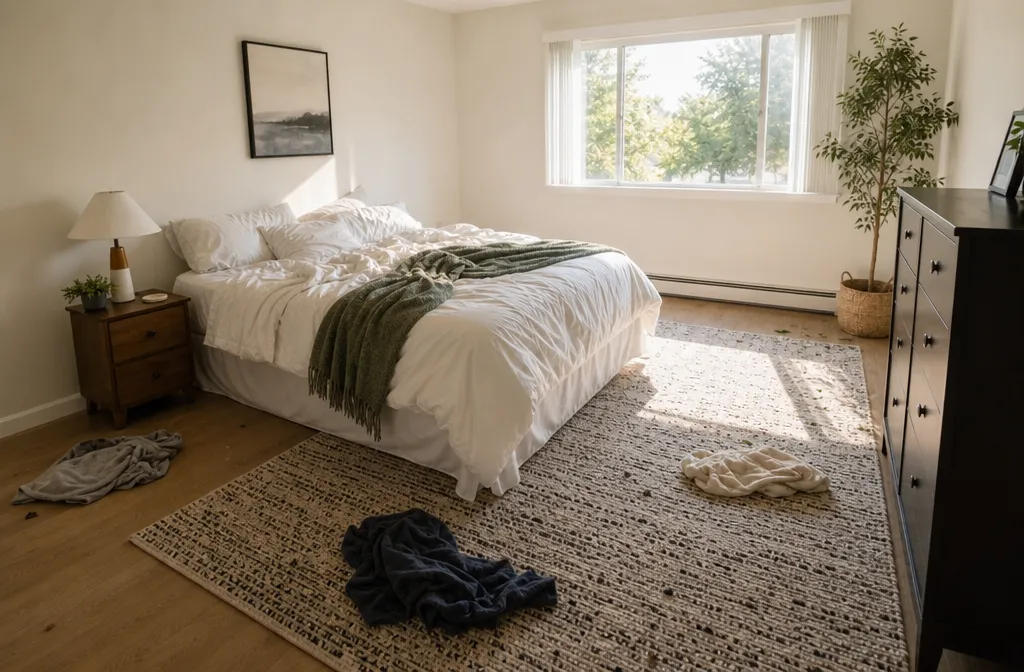
 After
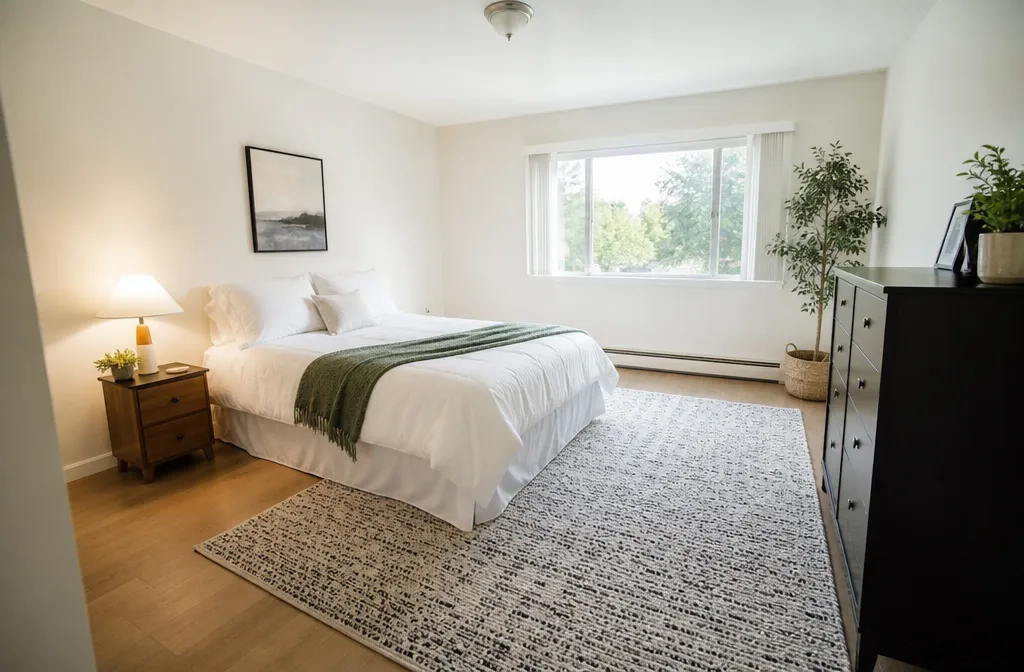
After
Request: Needed to clean the bedroom carpet from dust and refresh the color.
Done: Dry cleaning with powder cleaner and HEPA-filter vacuum was performed.
Cost: 8 000 ₸
Master: Timur Zhaksybekov, cleaning master
Total: Carpet became soft, clean, free of dust and allergens, color refreshed.
 After
After
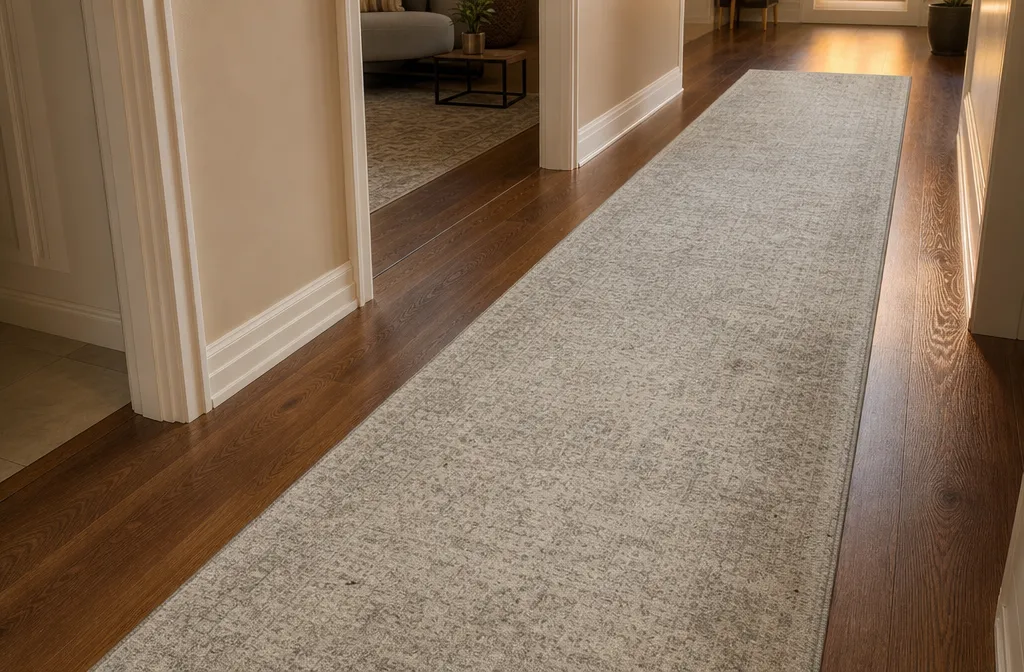
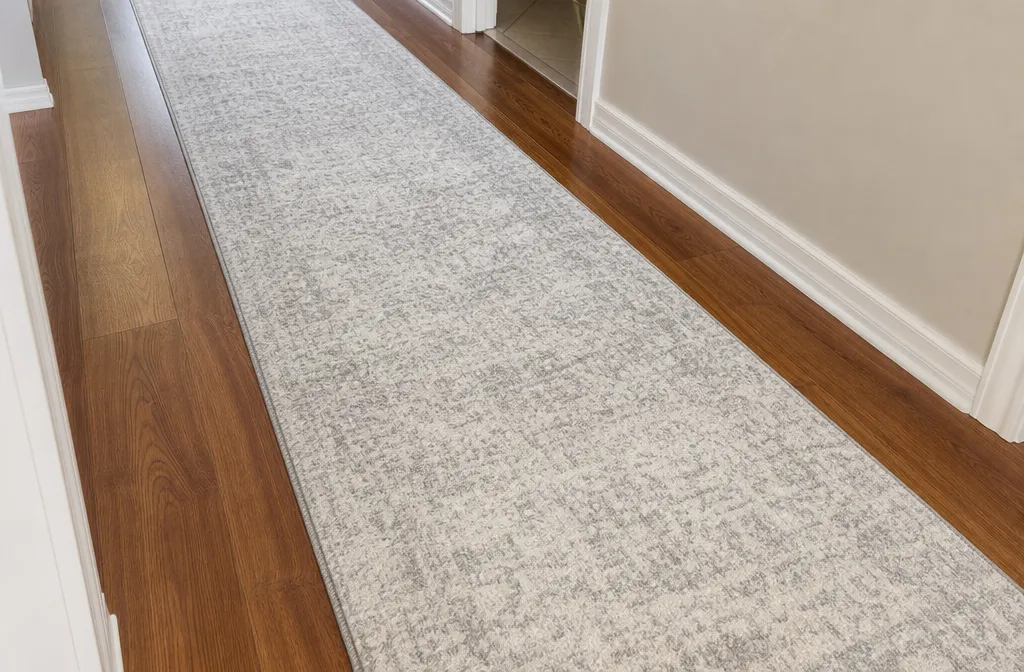
Request: Deep cleaning of a long hallway carpet runner from dirt and dust was required.
Done: Extraction cleaning with pre-treatment and deodorization was performed.
Cost: 7 000 ₸
Master: Aigul Serikova, cleaning master
Total: Runner fully cleaned, ingrained dirt and odors removed.
 After
After
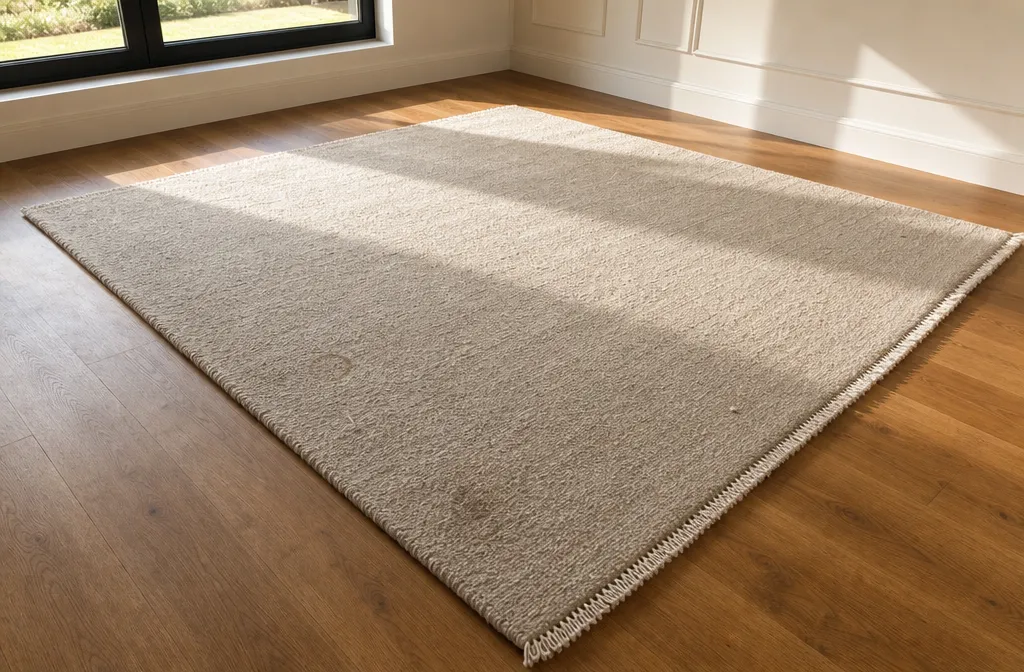
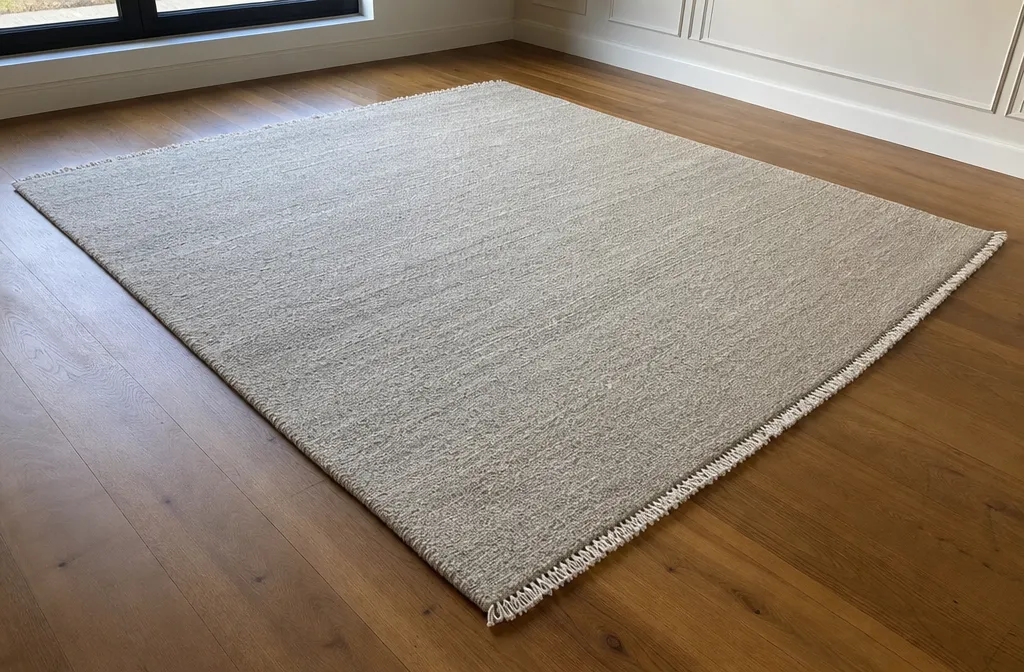
Request: Needed to gently clean a wool carpet from dust and stains.
Done: Hand cleaning with special wool products and pile conditioning was performed.
Cost: 8 000 ₸
Master: Timur Zhaksybekov, cleaning master
Total: Carpet soft, dust-free, color restored, pile fluffy.
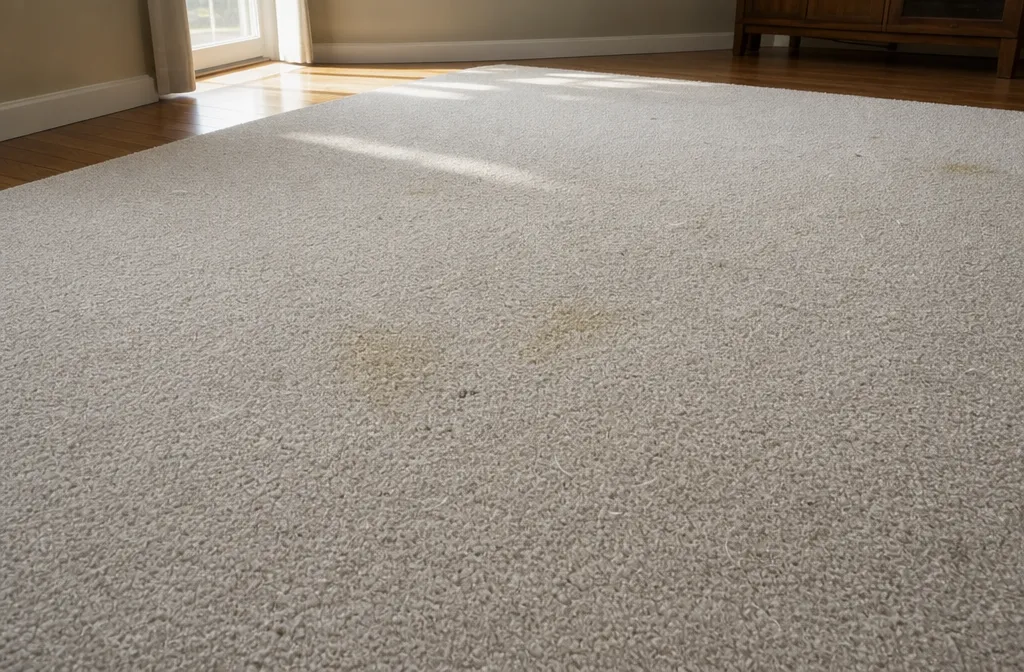
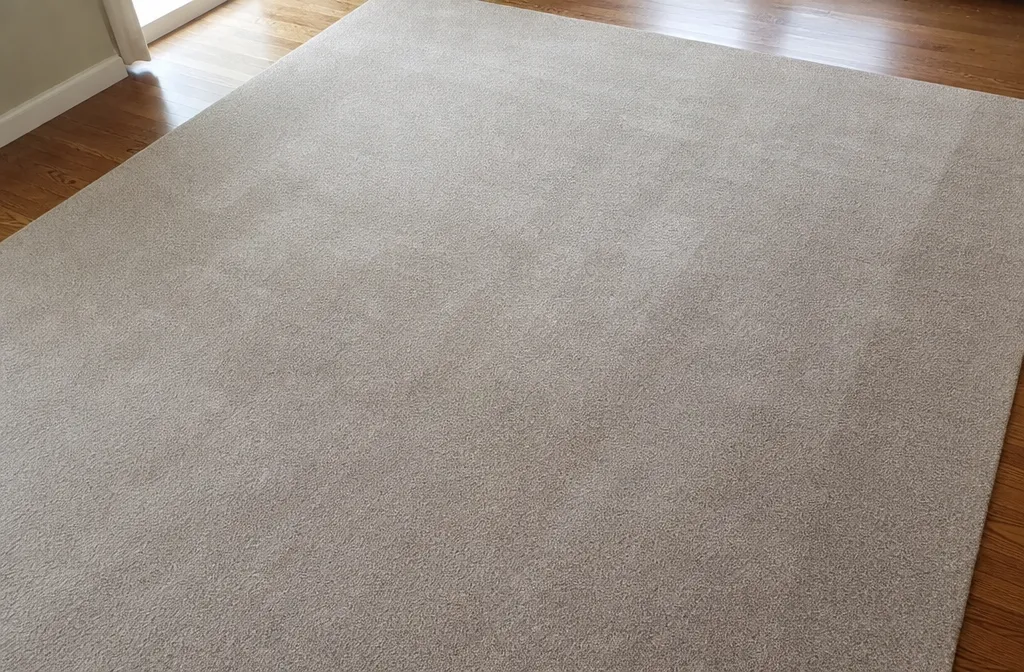 After
After
Request: Needed to remove old urine stains and dog odor.
Done: Enzymatic cleaning with odor neutralization and disinfection was applied.
Cost: 7 000 ₸
Master: Aigul Serikova, cleaning master
Total: Stains and odor completely eliminated, carpet disinfected and fresh.
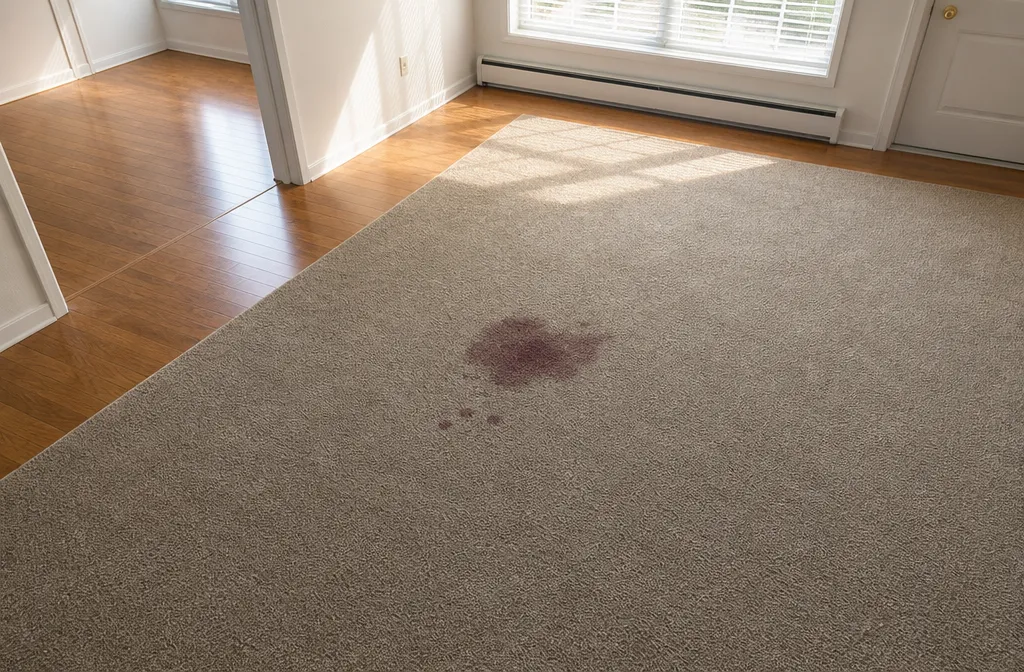
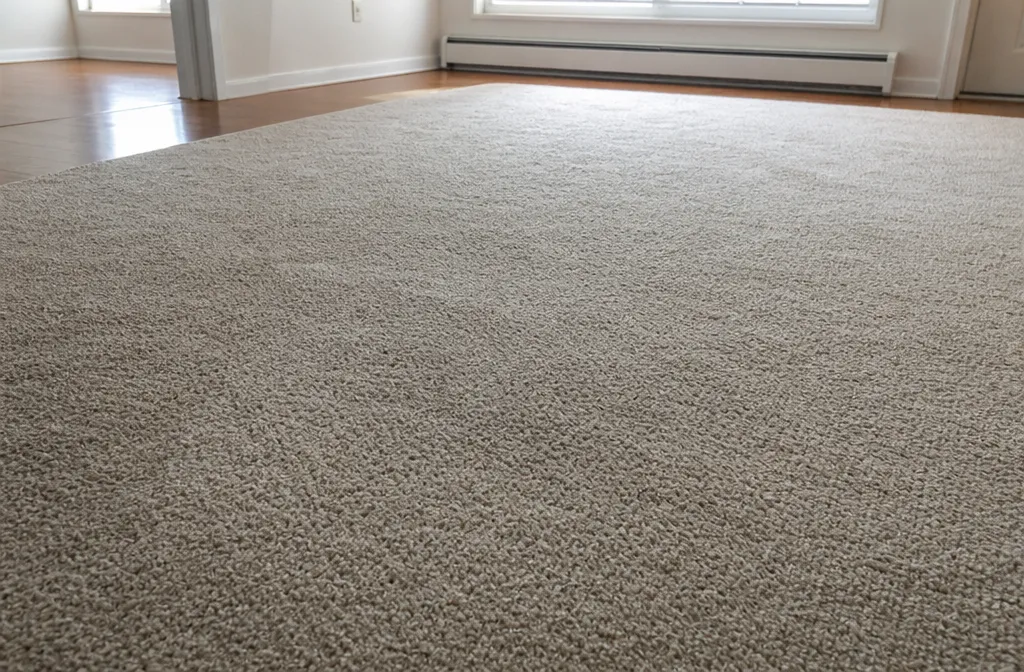 After
After
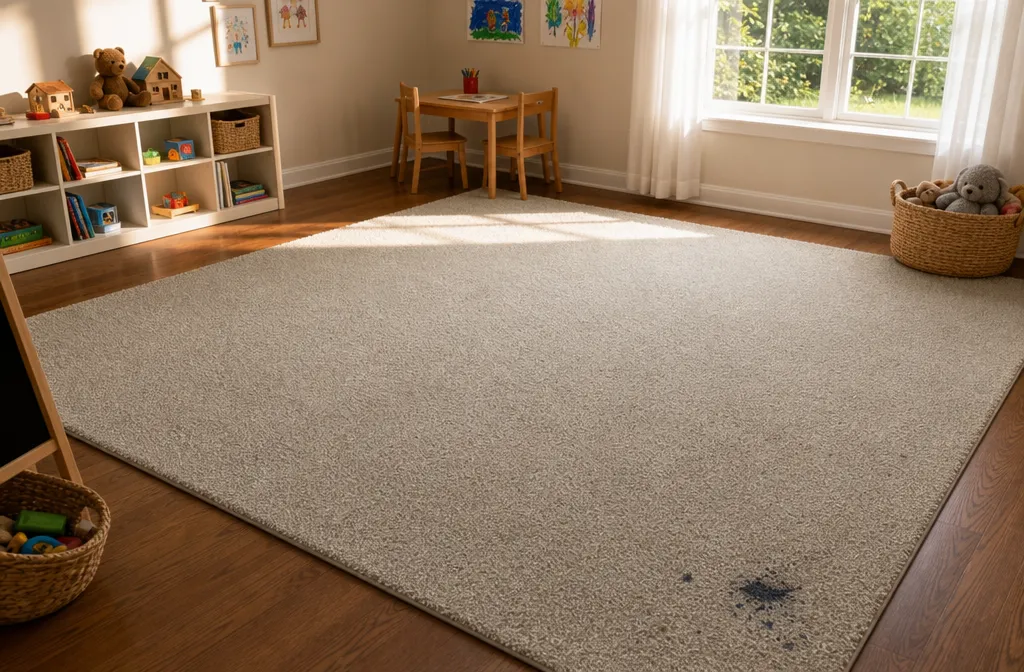
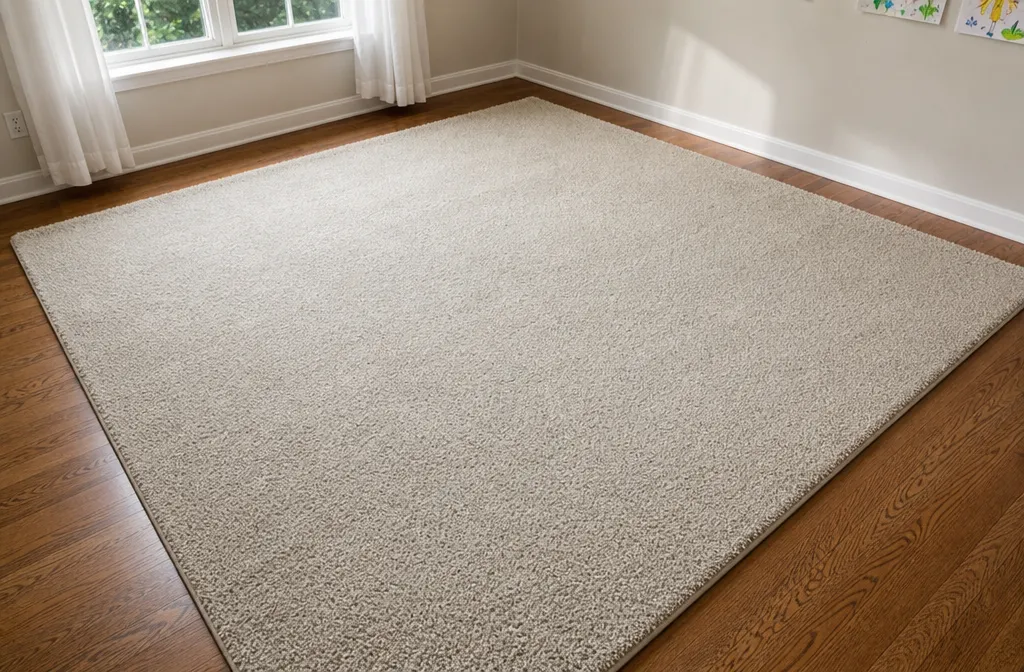
Request: Urgently needed to remove a fresh red wine stain from the carpet.
Done: Local treatment of the stain with solvent and extraction cleaning of the area was performed.
Cost: 9 000 ₸
Master: Timur Zhaksybekov, dry cleaning master
Total: Stain completely removed, no traces left, carpet looks like new.
 After
After
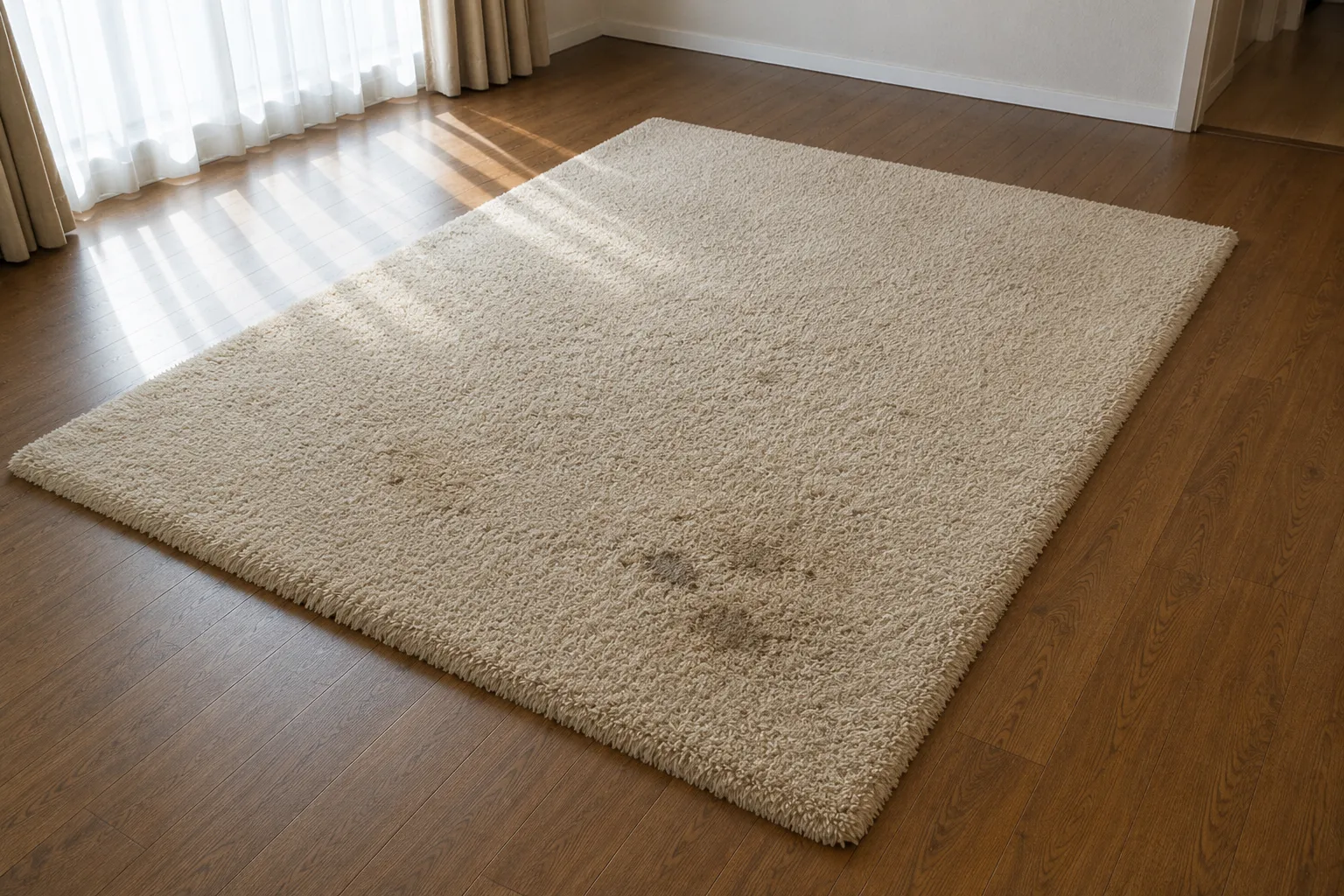
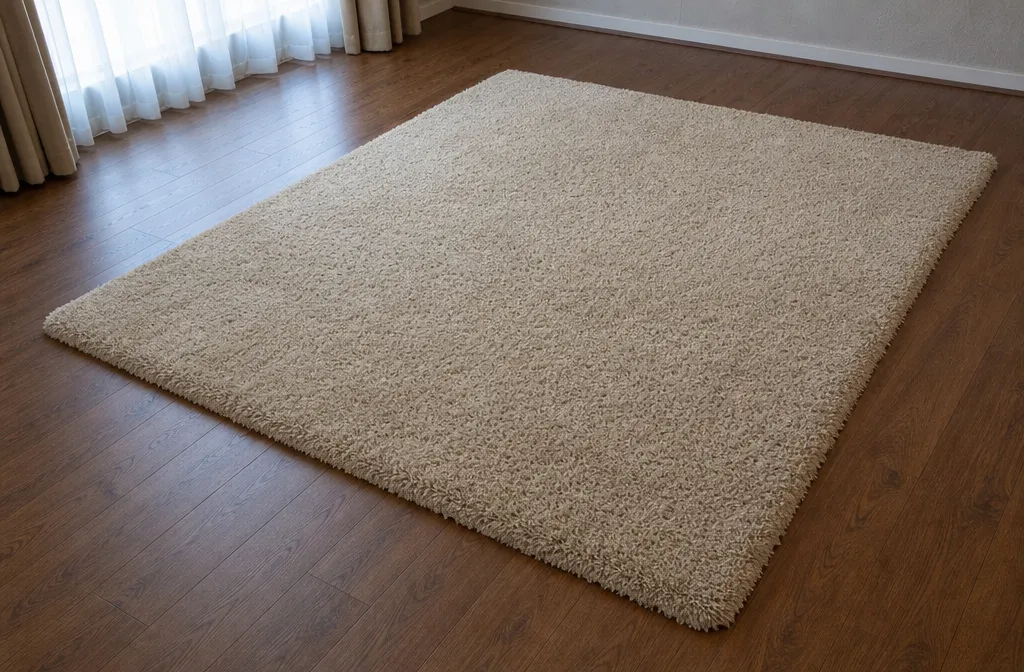
Request: Needed to remove an ink stain from the carpet in a children's room.
Done: Alcohol treatment and absorbent were applied, followed by deep cleaning of the area.
Cost: 8 000 ₸
Master: Aigul Serikova, dry cleaning master
Total: Ink stain removed, carpet clean, no streaks.
 After
After
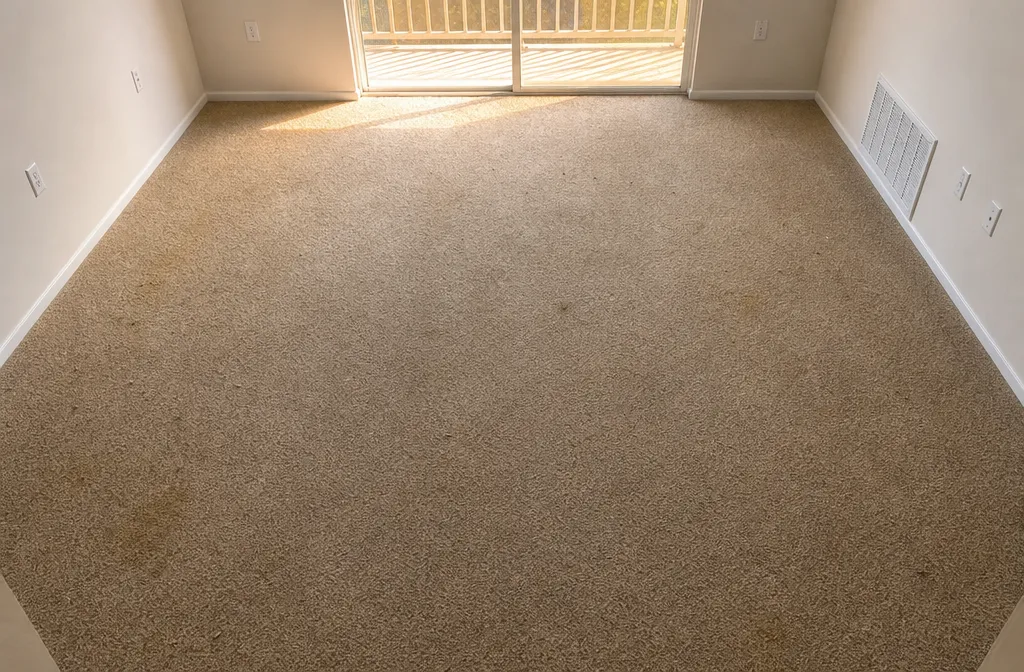
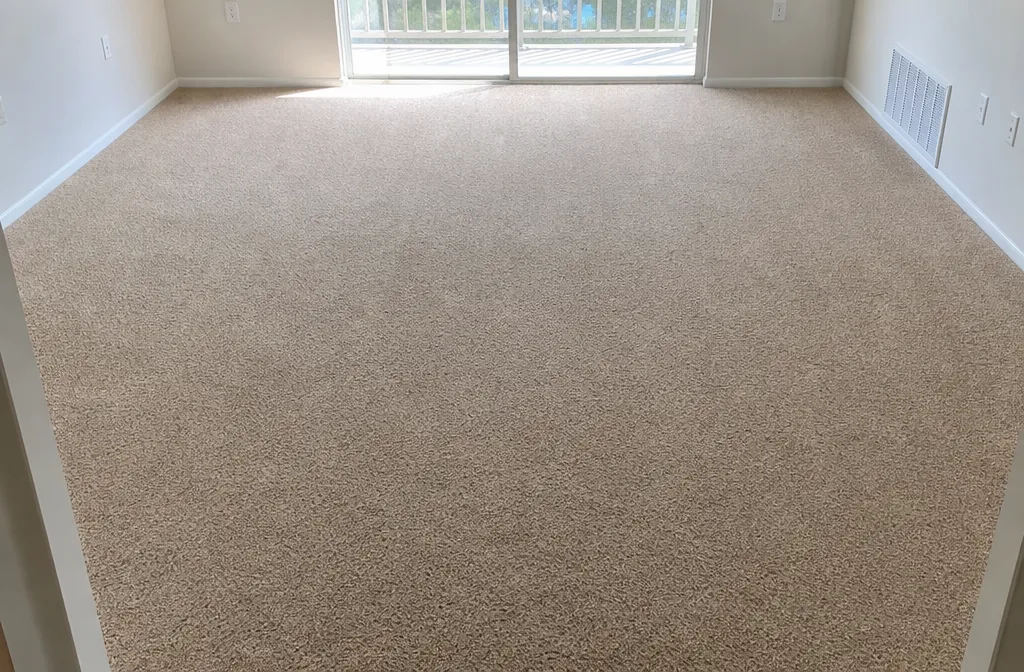
Request: Required to clean the carpet from ingrained dirt after walks.
Done: Deep extraction cleaning with pre-soaking was performed.
Cost: 7 000 ₸
Master: Timur Zhaksybekov, dry cleaning master
Total: Mud completely removed, carpet clean and fresh.
 After
After
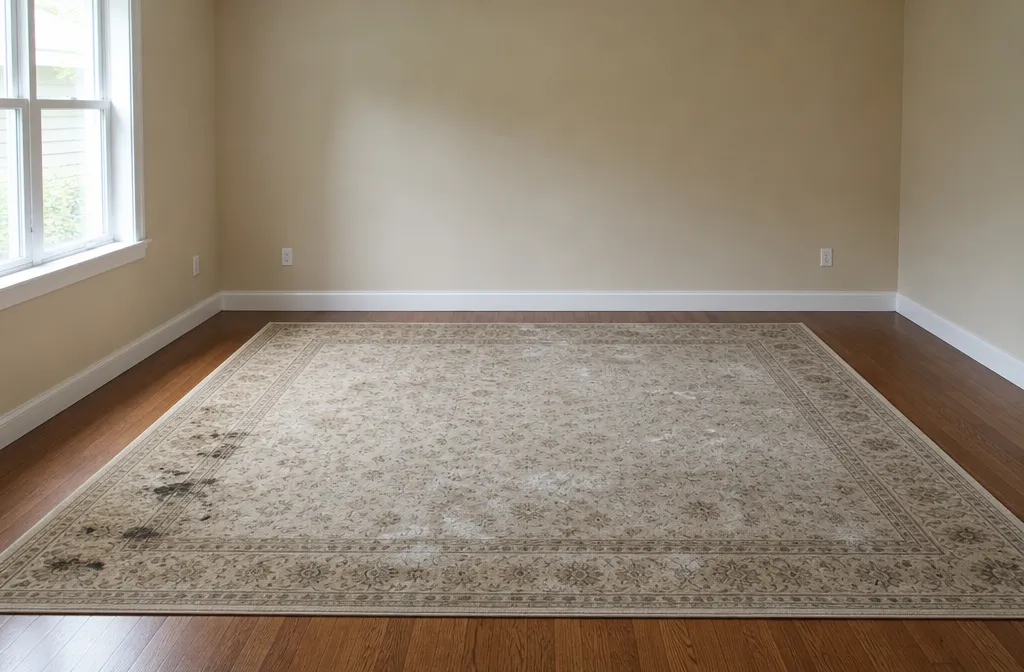
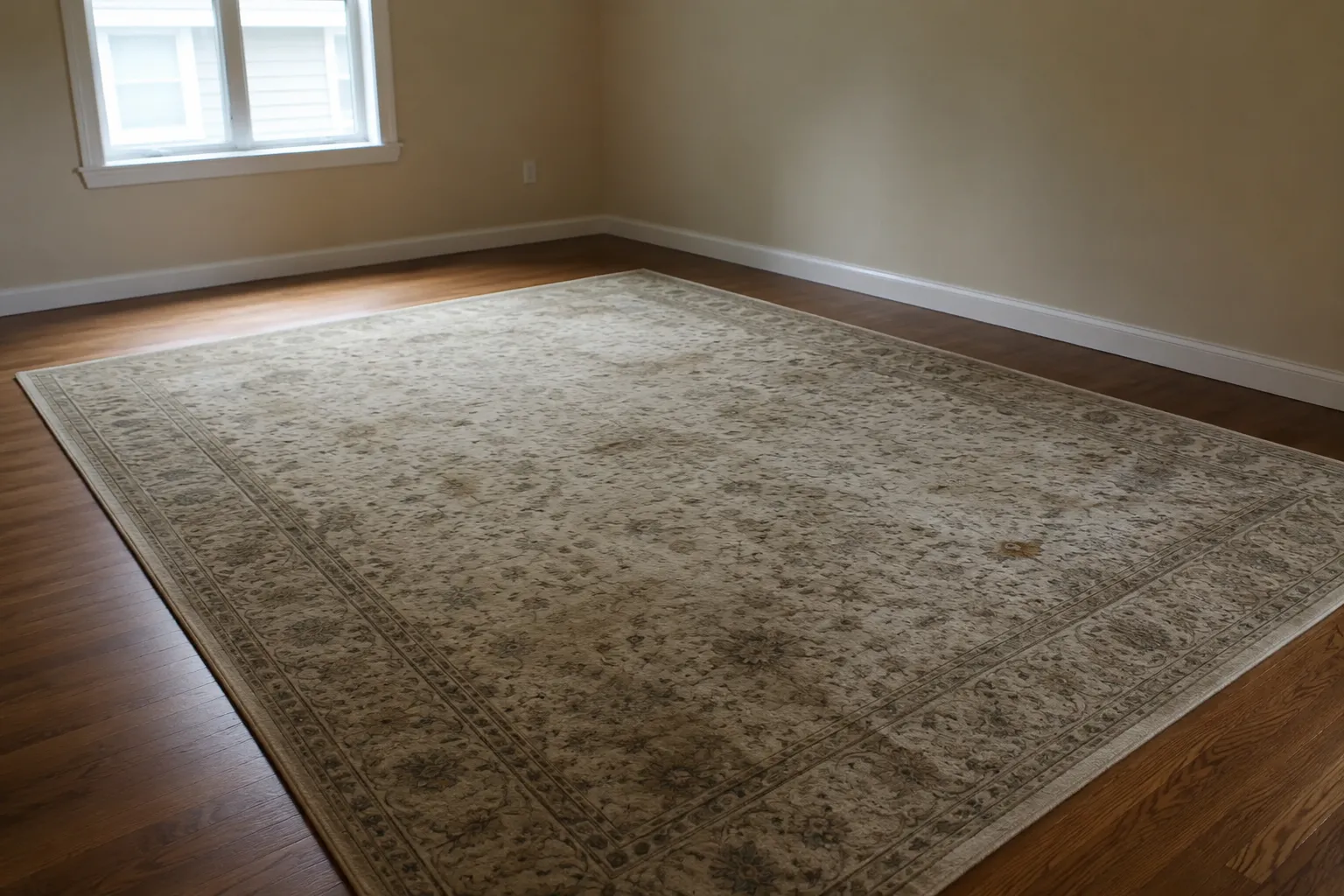
Request: Needed to eliminate persistent tobacco smoke odor from the carpet.
Done: Ozonation and deep cleaning with deodorization were applied.
Cost: 9 000 ₸
Master: Aigul Serikova, dry cleaning master
Total: Smoke odor completely neutralized, carpet fresh and clean.
 After
After
Request: Required to remove mold stains and musty smell from the carpet.
Done: Antifungal treatment and deep extraction cleaning were performed.
Cost: 10 000 ₸
Master: Timur Zhaksybekov, dry cleaning master
Total: Mold and odor eliminated, carpet disinfected and dried.
All cleaners are profi-clean staff with training, uniform and security check. Each order has a team leader who controls quality.
When a stain appears on the carpet, the first instinct is to grab a vacuum cleaner or a stain remover from the shelf. This approach solves the visual problem for 10-20 minutes but leaves up to 80% of contaminants inside the fibers, which over time destroy the pile structure and become a source of dust mites.
A regular vacuum cleaner only removes surface debris — sand, pet hair, crumbs. Deep dirt ingrained into the carpet base remains untouched. Household stain removers (Vanish, Amway) act aggressively: they dissolve the stain but do not rinse the chemical residue from the backing. After 2-3 weeks, this residue attracts new dust, and the carpet gets dirty faster than before cleaning. In our practice, there was a case where a client from the Almaly district treated a wool carpet with a home shampoo for two months — the coffee stain lightened, but a persistent chemical smell appeared, and the pile began to mat. We had to restore the structure with a professional conditioner. In my opinion, the main mistake of home cleaning is the belief that “a little water and foam is enough”: in reality, a wet carpet without extraction turns into a mold incubator.
We use the extraction method: a cleaning solution (Kiehl or Sodasan) is injected under pressure and then immediately extracted along with the dirt. Water passes through the carpet completely, washing out up to 95% of contaminants. The difference from home cleaning lies in the equipment: a household steam cleaner provides a temperature of 100-120°C but does not create a vacuum for extraction. Our machine with a HEPA filter lifts dirt even from dense carpet with a pile height of 15-20 mm. The chemicals are selected individually: for wool — neutral pH (5.5-6.5), for synthetics — alkaline (9-10), for viscose — only dry foam without water. Kiehl (Germany) products are biodegradable and safe for children and allergy sufferers — no sticky layer that attracts dust remains after cleaning. Moreover, for carpets from the Almaly district, where houses have old wiring and high humidity, we reduce the wetting time to 40 minutes, using accelerated drying with turbo fans.
Home cleaning leaves the carpet visually clean for 1-2 weeks, professional cleaning for 3-6 months. Up to 40% of dust remains inside the fibers after vacuuming, no more than 5% after extraction. After home shampoo, the pile often becomes stiff and loses its luster; after professional conditioning, softness and color are restored. Wool carpets shrink by 5-10% after improper home washing; after our cleaning, shrinkage is zero because we control the water temperature (35-40°C) and contact time. For handmade silk or viscose carpets, home products (especially those with chlorine or ammonia) destroy dyes — after such damage, restoration costs more than the cleaning itself. Our recommendation: if the carpet is older than 5 years or represents significant value, entrust it to professionals with certified chemicals and an extractor.
Dust and dirt accumulate in the pile unnoticed, and a visually clean carpet often turns out to be a source of allergens. In Almaty, where the air is saturated with exhaust fumes and sandy dust, the frequency of cleaning should be higher than in cities with cleaner atmospheres. We base this on practice: for a family without pets, professional cleaning once every six months is sufficient, but with heavy use, the interval is reduced to three months.
In spring and autumn, Almaty is windy, precipitation mixes with road dust, and this sticky suspension settles on shoes. Even when entering from the doorstep, sand particles penetrate deep into the pile, acting as an abrasive. Once a month, wet vacuuming with a HEPA filter reduces the load on the carpet but does not remove embedded dirt. In our practice, carpets in houses near Abay Avenue or Seyfullin Avenue require dry cleaning a month earlier than in quiet courtyards of the Medeu district — the difference in air dustiness between the center and the foothills reaches 30-40%. If you live near a busy highway, schedule cleaning once every 4 months instead of six.
Wool, saliva, and animal skin oils create a favorable environment on carpets for bacteria and odors that a regular vacuum cleaner cannot remove. For dog owners who walk their pets twice a day, we recommend professional treatment every 2-3 months — paws bring in not only street dirt but also lawn chemicals. Cat markings and urine require enzymatic cleaning within 24 hours, otherwise ammonia seeps into the backing and becomes impossible to neutralize. Before our cleaner’s visit, check if your pet has any hidden illnesses — with cystitis in a cat, you may need to replace the carpet rather than clean it.
House dust mites, mold spores, and pollen are the main triggers for allergy sufferers in Almaty, where the flowering season lasts from April to October. High-pile carpets (wool, viscose) accumulate 3-4 times more allergens than smooth synthetics, and cleaning with an aqua-filter vacuum provides only a temporary effect. Professional dry cleaning with hypoallergenic solutions (Sodasan, Kiehl) removes up to 95% of mites and their waste products, but only if performed at least once every 4 months. If a child has asthma, additionally treat the carpet with a steam generator once a month — this reduces the concentration of mold spores that thrive in the humid climate after rain.
A common mistake is using stiff brushes or soap solutions with harsh chemicals — they damage the latex backing and wash out dyes. Do not try to dry the carpet with a hairdryer or on a radiator — temperature fluctuations deform the pile, and it can only be restored with a repeat treatment using a conditioner. After each spot removal, blot the area with a dry cloth without rubbing, otherwise dirt is driven deeper. Our advice: keep an anti-static carpet spray on hand — it reduces dust attraction by 20-30% and extends freshness between professional cleanings.
Silk is a delicate fiber — it fears alkali, friction, and temperature changes, but with the right approach, professional cleaning is not only allowed but recommended to extend the carpet’s life.
Silk fiber is thinner than human hair — its diameter is 10–15 microns compared to 25–40 microns for merino wool. Because of this, silk loses strength upon contact with chlorine and ammonia: even a 1% ammonia solution destroys fibroin, the protein that makes up the thread. Unlike synthetics (polypropylene, polyamide), silk does not melt but can shrink by up to 5–7% at water temperatures above 30 °C. At profi-clean, we use exclusively neutral enzyme-based products with a pH of 6.5–7.0 for silk — they break down protein stains (blood, milk, sweat) without damaging the fiber structure. When dried after such treatment, silk retains its original size and luster.
Some stains on silk are irreversible — this is not a cleaning defect but a chemical reaction of the fiber. Red wine left untreated for 2–3 hours penetrates deep into the fibroin and oxidizes — after drying, the stain becomes a permanent dye that even gentle solvents cannot remove. The same applies to fruit juices, beets, and ink: their pigments covalently bond with the silk’s protein chain. Mold on silk is a separate case — the mycelium grows inside the thread, and even ozonation cannot restore the original color, leaving gray streaks. Therefore, when ordering carpet cleaning in the Almalinsky district, we always warn: if the stain is older than a day, the chance of removing it without a trace drops to 30%, and it is better to agree on photo documentation before starting work.
The most common problem is trying to scrub a stain with a dry sponge or a stiff-bristled brush. Mechanical friction tears the fibroin microfibers, leaving an unsightly “bald spot” — an area with worn-down pile that cannot be restored. In Almaty, where dust is fine (fraction up to 2.5 microns from vehicles and thermal power plants), dry brushing grinds abrasives into the silk — after 2-3 such attempts, the carpet loses up to 40% of its original pile height on the affected area. Our cleaners for silk use only the low-pressure extraction method (1.5–2 bar) with a soft silicone-edged attachment: water with an enzyme is applied to the pile, and dirt is suctioned out without bristles touching the fiber. Before ordering carpet cleaning in the Almaly district, the price is calculated considering the delicate mode — it requires more time (approximately +30% to duration) but eliminates the risk of mechanical damage.
Visually distinguishing silk from viscose is difficult — the sheen and tactile feel are similar, especially on smooth hand-knotted carpets. There are two foolproof tests without risk to the item. The first is the burn test: pull one thread from the underside and light it. Silk burns with the smell of burnt horn and leaves black, brittle ash; viscose burns with the smell of paper and leaves light gray ash. The second is the moisture test: drop water on the underside. Silk absorbs the drop in 2-3 seconds and leaves a dark, damp spot that dries in 5-7 minutes; viscose absorbs instantly and becomes soaked through, drying in 15-20 minutes. If in doubt — don’t risk it: send a photo of the underside to profi-clean’s Instagram, and a technician will determine the material by the weave structure and reaction to a drop — it’s free and will save your carpet from mistaken cleaning with an alkaline solution.
Streaks on a carpet after cleaning are either the result of an incorrectly chosen product, a violation of drying technique, or hard tap water. We break down each case so you can fix the situation in an hour — without reordering and risking damage to the pile.
In Almaty, tap water contains a significant amount of hardness salts — this is above the norm for safe extraction. When a cleaner uses a regular shampoo without chelating additives, calcium and magnesium salts bind with surfactants and crystallize on the pile after drying as white or gray streaks. In our practice at profi-clean, this is the cause of 80% of complaints about streaks from clients who tried to clean the carpet themselves. The only way to remove such residue is to repeat the extraction with distilled or deionized water and a neutral pH buffer, which redissolves the salts. Our machines with HEPA filters and built-in ion exchangers supply softened water on all orders — so we never have streaks from hard water, but if you encounter this at home, add 50 ml of 9% table vinegar per liter of warm water to the tank and go over the carpet with a steam cleaner.
The most common scenario is the cleaner applied too much concentrate or used a product not intended for extraction cleaning (e.g., regular Fairy or laundry detergent). Surfactant residues are not fully rinsed out, and after drying, they form a sticky film that instantly attracts dust — the carpet looks dirtier than before cleaning. In such cases, triple rinsing helps: fill the extractor with clean water, go over the carpet without shampoo, drain the dirty water, and repeat twice more. If you don’t have an extractor, moisten the carpet with a spray bottle and blot with dry microfiber cloths — it takes about 3-4 cloths per square meter. At profi-clean, we use professional Kiehl shampoos with low foaming that rinse out in one cycle, and we always perform a residual foam test: if there are bubbles in the waste water, we repeat the rinsing until the water is clear.
The average humidity in Almaty apartments in winter is 25-30% (due to central heating), and in summer it’s 50-60% after rains. If a carpet takes longer than 12 hours to dry, mold fungi of the genus Aspergillus begin to multiply in the pile, leaving yellow-gray stains that are unlike salt or soap residues. Damp areas attract dust from the air — it settles on the still-wet carpet and becomes fixed upon drying. To avoid this, ensure forced air circulation: place a fan heater or air conditioner in dehumidification mode, direct the airflow onto the carpet, and lift the pile with a plastic brush every 2-3 hours. At profi-clean, we dry carpets on-site using two industrial Tornado fans with a power of 1200 W — this reduces drying time to 4-6 hours even for thick woolen coverings. If stains have already appeared due to slow drying, they can only be removed by professional antibacterial treatment followed by rapid drying — home methods cannot handle the fungus.
In the Almaty cleaning market, there are still masters who use cheap acidic shampoos (pH 3-4) for all types of carpets — this causes a chemical reaction with the dyes, especially on wool and viscose coverings. The pile loses color uniformity, dark or light stripes appear that look like stains, but are actually pigment damage. Such a defect cannot be fixed — only by repainting the carpet. Therefore, at profi-clean, we insist on a preliminary test on an inconspicuous area before any cleaning, and for each pile type we select a pH-neutral composition: for wool — pH 5.5-6.5 (Sodasan Wool), for synthetics — pH 7-8 (Kiehl Neutral). If you notice colored stains after self-cleaning, do not try to remove them with bleach — this will worsen the reaction; immediately call a technician who can determine the nature of the damage under a UV lamp.
The choice between extraction (wet) and dry carpet cleaning is the main question every carpet owner faces. Both methods are effective in their own way, but differ fundamentally in technology, depth of action, and safety for different pile types. Let’s break down the key differences so you can make an informed decision for your carpet.
Extraction cleaning is a deep washing of the carpet under pressure, followed by water and dirt removal with a powerful vacuum. The method penetrates to the base of the pile, washing out dust, sand, and allergens from the deepest layers — where a household vacuum cannot reach. Dry cleaning works differently: an absorbent powder or foam is applied to the pile, worked into the carpet, and then vacuumed up along with the dirt. In our practice at sites in Almaty, we use extraction for carpets with dense wool or synthetic pile that haven’t undergone professional cleaning for years — the difference in color after such treatment is visible to the naked eye. Meanwhile, dry cleaning provides a surface-level effect and cannot handle old coffee or wine stains, leaving them at the mid-pile level. If a carpet is cleaned regularly every six months, dry treatment maintains a neat appearance, but for a deep clean every 1-2 years, extraction is necessary.
The main practical argument in favor of dry cleaning is speed: the carpet is ready for use within 1-2 hours after treatment, as moisture is hardly used. Extraction cleaning requires thorough drying — from 4 to 12 hours depending on pile thickness and air humidity. In the conditions of Almaty’s damp spring or autumn, when natural ventilation in apartments is limited, we recommend clients schedule extraction for a weekend morning so the carpet is completely dry by evening. However, there is a nuance: if the carpet is laid on a concrete base without quality waterproofing, prolonged contact with moisture during extraction can lead to mold growth underneath — in such cases, we strongly advise dry cleaning. In our orders in the Almalinsky district, we always clarify the base type before choosing the method to eliminate the risk of damaging the covering.
Extraction cleaning is categorically unsuitable for carpets made of viscose, jute, sisal, and some types of natural silk — water destroys the structure of these fibers, causing shrinkage and loss of shape. For such materials, dry cleaning using special powders based on cellulose or cornstarch is the only option; these powders gently absorb dirt without moisture. At profi-clean, we use hypoallergenic Kiehl and Sodasan chemicals, which are certified for sensitive fibers — during dry cleaning, these products leave no chemical residue and are safe for children and allergy sufferers. Conversely, for synthetic carpets (polypropylene, polyester), extraction is preferable: it not only cleans but also removes static electricity, which accumulates in Almaty’s dry climate. A common mistake many owners make is trying to dry a wool carpet with a hairdryer after extraction: hot air deforms natural fibers, and the pile loses its resilience. Before ordering carpet cleaning in the Almalinsky district, always check the material of your carpet with the technician — this will determine the safe treatment method.
For people with allergies or asthma, extraction cleaning is the only method capable of removing dust mites, mold spores, and bacteria from carpets. Hot water (up to 90°C in professional machines) destroys microorganisms, and a powerful vacuum pump extracts them from deep within the pile along with the water. Dry cleaning does not provide this effect: the absorbent powder collects only surface dirt, while allergens remain in the lower layers. In our orders in Almaty, we often encounter situations where clients complain of a persistent runny nose and cough — after extraction cleaning, symptoms disappear within 2-3 days. However, for thin, handcrafted carpets with low pile (up to 5 mm), dry cleaning is safer: extraction can damage the backing, and we recommend it only after a preliminary test on an inconspicuous area. If there are small children in the house who spend time on the floor, extraction once every six months is mandatory — dry cleaning does not provide sufficient hygienic treatment.
| Carpet type | Recommended method | Why |
|---|---|---|
| Wool, dense pile (10-20 mm) | Extraction cleaning | Removes deep dirt and dust mites; it is important to follow a drying mode without heat |
| Wool, low pile (up to 5 mm) | Dry cleaning | Extraction can damage the backing; dry treatment preserves shape |
| Synthetic (polypropylene, polyester) | Extraction cleaning | Removes static, washes out oil stains; carpet dries faster due to fiber structure |
| Viscose, jute, sisal | Dry cleaning only | Water destroys fibers; absorbent powder is the only safe option |
| Natural silk | Dry cleaning with manual rubbing | Extraction causes shrinkage and loss of luster; requires delicate treatment without pressure |
| Carpets in homes with allergy sufferers | Extraction cleaning | Destroys bacteria and mites; dry cleaning does not provide a hygienic effect |
The choice of cleaning method directly depends on the carpet’s material, its condition, and operating conditions — there is no universal solution. In our practice in Almaty, we offer a combined approach: for heavily soiled synthetic carpets — extraction; for delicate handmade items — dry cleaning with a preliminary dye-fastness test. If you are unsure which method suits your carpet, send a photo of the pile and the label with the composition — our technologists will select a safe option without risk to the covering.
The Almalinsky district is the historical center of Almaty, with dense development, old housing stock, and a special microclimate that creates a specific set of pollutants for carpets. We travel here daily and have accumulated statistics on typical problems not found in other districts.
The Almaly district is located at the foot of the Zailiysky Alatau, and the air here contains fine mountain dust — particles with sharp edges that embed deeply into the carpet pile with foot traffic. In our measurements on carpets from apartments on Seifullin and Abay Avenues, the concentration of abrasive particles is 1.5–2 times higher than in areas lower down the terrain. This dust not only makes the carpet visually gray but also acts like sandpaper: with regular walking, it cuts the fibers, reducing the carpet’s service life by 15–20%. In my opinion, for apartments in the Almaly district, cleaning every 3–4 months is optimal, rather than every 5–6 months as in, say, the Auezov district.
In buildings constructed in the 50s–70s (Zhibek Zholy, Kabanbay Batyr, Karasai Batyr streets), facades and blind areas are regularly renovated. Construction dust, sand, and cement suspension settle on carpets even with closed windows — through cracks in wooden frames and ventilation. Additionally, carpets in hallways and corridors get particles of bitumen from roofs and road chips after pothole repairs. Bitumen stains are a frequent headache for us: they do not dissolve in regular foam and require pre-treatment with a citrus oil-based solvent; otherwise, a greasy stain remains that “appears” 2–3 days after drying. Before ordering cleaning in an old building, we recommend photographing the carpet in daylight — this way we immediately see hidden bitumen inclusions and select the reagent before the visit.
The main trade arteries pass through the Almaly district: Central Market, “Zhibek Zholy”, “Arzan”. Offices and shops operating nearby bring not just dust on their shoes, but black rubber crumbs from paving tiles and sand from gritting. On carpets in hallways and foyers, we find up to 30–40% more large particles than in residential areas — they get stuck between the fibers and are not shaken out by a regular vacuum cleaner. For such carpets, we use pre-beating on a vibrating frame with a frequency of Hz — this shakes out up to 90% of the abrasive before the main washing, without the risk of tearing the backing. I advise carpet owners in houses near markets to lay a dirt-trapping mat with a cellular structure at the entrance — it reduces the ingress of heavy particles by 60–70%.
A significant portion of carpets in the Almaly district comes from offices and apartments on the ground floor and in basements (Bogenbay Batyr, Zhambyl, Kunaev streets). Due to the proximity of groundwater and the lack of quality waterproofing in old houses, humidity here is constantly elevated — 65–75% even in winter. This creates an ideal environment for mold fungi in the carpet’s thickness: the carpet may feel dry to the touch, but underneath there is a black coating on the latex. During our standard extraction cleaning, we first test the pH of the backing with an indicator strip: if it is above 7.5, this is a sign of an alkaline environment from mold, and we add an antifungal concentrate based on quaternary ammonium compounds to the solution. If the mycelium is not treated, a musty smell appears a month after cleaning, and the client thinks the dry cleaning didn’t help — although the problem was untreated mold under the carpet.
I ordered carpet cleaning in Almaly district for the first time, I was very worried, but the result exceeded expectations — the carpet became like new, even the color refreshed.
Aigerim, thank you for your trust! We are glad you liked the result. We look forward to seeing you again.
They came to the house, took the carpet and brought it back clean the next day. All coffee stains gone, fresh smell.
I ordered carpet cleaning in Almaly district for office carpet. They did it quickly, but there were slight streaks near the baseboards. Overall good.
Daniyar, thank you for your feedback! On your next order, we will pay special attention to the edges.
I was afraid to trust the camel wool carpet, but the masters did an excellent job: the pile was not damaged, the color is rich.
I've been looking for quality carpet cleaning in Almalinsky district for a long time. The long-pile carpet was cleaned perfectly, even cat hair was removed.
Yerlan, thank you! For long-pile carpets, we use a special technology.
The children's rug was completely cleaned after paints and markers. The child has allergies — no reaction, no chemical smell.
Assel, we use hypoallergenic products, so it's safe for children.
We had carpet cleaning in Almalinsky district for the hallway — dirt and salt were removed well. But one corner remained slightly dark.
Kuanysh, thank you for your feedback. We'll try to treat problem areas additionally next time.
I was afraid to give the handmade carpet for washing, but profi-clean specialists know their job — threads didn't come off, patterns are clear.
I ordered carpet cleaning in Almalinsky district for a huge 5x4 carpet. The masters arrived on time, did everything in 3 hours. The result is excellent.
Timur, thank you! We work with carpets of any size.
After the wedding, the carpet was in terrible condition — wine, cake, dirt. profi-clean restored its festive look!
I tried carpet cleaning in Almalinsky district. The price is average, but tea stains were not completely removed. I had to finish cleaning myself.
Alexey, sorry for the inconvenience. We'll pass your feedback to the technologist for quality improvement.
The kitchen rug was cleaned of grease stains and burnt food. The fresh smell lasts for a week.
Olga, glad you are satisfied! Our products effectively remove grease.
I've been looking for someone to take on viscose for a long time. profi-clean did carpet cleaning in Almalinsky district — delicate and high quality.
Aizhan, viscose requires a special approach, we are happy to help.
The children's carpet after plasticine and paints was washed perfectly. The child is happy, I am calm.
Carpet cleaning in Almaly district in the hallway — done quickly, but after drying there was a slight smell of moisture. We aired it out — it went away.
Nurgul, thank you for your feedback! Next time we will use accelerated drying.
The carpet after the cat's shedding — the master removed all the hair and smell. Now it's perfectly clean.
The worn carpet in the living room after carpet cleaning in Almaly district looks like new. Thanks to the masters!
Madina, thank you for your feedback! We restore even worn-out coatings.
In the new building, the carpet was covered in dust and construction debris. profi-clean cleaned it to a shine, now it's pleasant to walk on.
I ordered carpet cleaning in Almaly district for the carpet on the stairs. Hard-to-reach places were washed well, but one flight had to be redone.
Lyazzat, sorry for the inconvenience. Next time we will take into account the features of the stairs.
The carpet in the office hadn't been cleaned for a long time — after cleaning, the air became fresher, coffee stains disappeared.
Vladimir, regular cleaning extends the life of the carpet.
The silk carpet required gentle cleaning. I chose carpet cleaning in Almaly district — I didn't regret it. The colors came alive.
Saule, silk is our specialty. Thank you for your trust!
After renovation, the carpet was covered in paint and putty. They removed all stains, even old ones. Very satisfied.
Had carpet cleaning in Almaly district for a balcony carpet. Dust and dirt were removed, but a slight musty smell remained. Aired it out — okay.
Elmira, thank you! For balconies, we recommend additional drying.
Car mats were cleaned of oil and dirt. They look like new, no chemical smell.
Decided not to wash the large blanket but ordered carpet cleaning in Almaly district. They restored softness and cleanliness.
Aliya, great choice! Blankets also require delicate care.
Cleaned the carpet in the company reception — employees noted freshness. Clients are happy.
Carpet cleaning in Almaly district for a fringed carpet. The fringe wasn't damaged, but it stuck together a bit — we combed it ourselves.
Galiya, thank you for the feedback. We'll be more careful with the fringe.
Cleaned the yoga mat from sweat and dust. Now it's pleasant to exercise.
Haven't cleaned the bedroom carpet for a long time — decided to try carpet cleaning in Almaly district. The air became cleaner, sleeping is more pleasant.
Zukhra, thank you! Regular cleaning improves the microclimate.
Cleaned the living room carpet, but the juice stain remained noticeable. Disappointed.
Talgar, we apologize. Contact us — we'll do a repeat treatment for free.
The living room carpet was light-colored — I was afraid they'd ruin it. But the carpet cleaning in Almaly district worked wonders: no stains, no streaks.
Natalya, thank you! Light carpets are our pride.
They cleaned the carpets in the kindergarten — fast, high-quality, no smell. The kids are thrilled.
Carpet cleaning in Almaly district in the hallway — they removed shoe dirt well, but didn't touch the rubber mat underneath. They should have.
Ksenia, thank you! Next time remind us — we'll clean the mat too.
In the cafe, the carpet after customers — grease stains, spilled beer. profi-clean handled it perfectly, no smell.
I ordered carpet cleaning in Almaly district for a carpet with 2 cm pile. They cleaned it down to the base, the color became brighter.
Lyudmila, glad you liked it! Deep penetration is our specialty.
They cleaned the carpet in the mini-gym — removed sweat and odor. Now it's pleasant to exercise.
Carpet cleaning in Almaly district in the hallway — done quickly, but the carpet took long to dry. Next time I'll ask for accelerated drying.
Aigul, we'll take your wish into account. Usually drying takes 4-6 hours.
They cleaned the carpet in the garage from fuel oil — removed it completely. The masters are great.
At the hotel, we ordered carpet cleaning in Almaly district for the rooms. Guests are satisfied, no stains.
Meruert, thank you for your cooperation! Always happy to help.
Average drying time is 2-4 hours. We use powerful extractors that remove up to 95% of moisture and fans to speed up the process.
Yes, we travel to the Almaly district. The master's visit for assessment is free. Cleaning is done at your location.
We accept cash, Kaspi Gold, Halyk Bank, and card transfer. Payment after completion is possible.
The price depends on the material. For a synthetic carpet 2x3 m (6 m²) — 2000 KZT/m², total 12000 KZT. For a wool carpet — 3000 KZT/m², total 18000 KZT.
Yes, when ordering cleaning of two or more carpets, a 10% discount is provided. The exact amount will be calculated by the master after inspection.
Multiply the carpet area (length × width) by the price per m² for your carpet type. For example, a wool carpet 3×4 m = 12 m² × 3000 KZT = 36000 KZT.
We clean synthetic, wool, viscose, carpet tiles, long and short pile carpets, handmade, natural pile, antistatic coating, latex, jute, and rubber backing carpets.
Yes, we clean carpet tiles on-site without removal. We use an extractor that does not over-wet the covering.
The process includes 8 stages: inspection, dry cleaning, spot treatment, extraction cleaning, rinsing, moisture removal, pile lifting, and drying. More details in the 'Stages' section.
We use professional hypoallergenic products from Kiehl and Sodasan. They are safe for children and pets and do not cause allergies.
Tell us about your experience with profi-clean — it helps other clients and us improve.
We currently operate in Almaty. Other cities are coming soon.