Inspection and product selection
The master determines the fabric type, degree of soiling, and selects cleaning compounds (Kiehl or Sodasan). Checks colorfastness on an inconspicuous area.
Professional dry cleaning of Roman blinds in Almaty with home visit. We remove dust, stains, and odors without shrinkage or deformation.

We work with any types and materials
Delicate cleaning without shrinkage, using products for natural fabrics.
from 5,000 ₸Gentle removal of dust and stains, preserving the structure of linen.
from 5,000 ₸Quick cleaning with minimal drying time, resistant to shrinkage.
from 5,000 ₸Only dry cleaning and low-temperature products for silk.
from 5,000 ₸Dust removal from relief patterns without damaging threads.
from 5,000 ₸Waterless cleaning, vacuum with soft brush and antistatic.
from 5,000 ₸Careful motor removal, cleaning without risk to electronics.
from 5,000 ₸Cleaning without cassette dismantling, access to mechanism.
from 5,000 ₸Double-sided cleaning, dust removal between layers.
from 5,000 ₸Gentle cleaning to avoid damaging the image.
from 5,000 ₸Individual approach, manual cleaning of complex areas.
from 5,000 ₸Cleaning of lambrequin and main blind, assembly after drying.
from 5,000 ₸From inspection to result with guarantee
The master determines the fabric type, degree of soiling, and selects cleaning compounds (Kiehl or Sodasan). Checks colorfastness on an inconspicuous area.
Carefully remove curtains, including motorized and cassette models. If needed, dismantle the rod for cleaning.
Remove surface dust and allergens using a vacuum with H13 HEPA filter and soft brush to avoid fabric damage.
Apply the chosen cleaning solution to a hidden area of the curtain to check for any reaction. Use water-based or dry solutions depending on the fabric.
Clean curtains with Karcher SE 4001 extractor: low-pressure solution application and instant dirt suction. Fabric remains slightly damp, no streaks.
Apply Kiehl stain removers to wine, coffee, grease stains, let sit, then remove with extractor. For silk and jacquard, use only organic Sodasan.
Dry curtains using industrial fans on-site or in workshop at 25°C. Moisture after extractor is under 10%, so drying takes 1-2 hours.
We hang the clean curtains on the rod, check the evenness of folds, and test mechanisms (for motorized blinds). The client accepts the work.
We use a HEPA vacuum cleaner with H13 filter that traps 99.97% of particles up to 0.3 microns. This ensures removal of dust mites, pollen, and mold spores, especially important for allergy and asthma sufferers. Combined with organic Sodasan products, maximum safety is achieved.
The dry cleaning process includes 8 sequential stages: from inspection to final check. The key stage is extraction cleaning with a Karcher SE 4001 machine, which applies cleaning solution at low pressure and instantly vacuums dirt, leaving the fabric almost dry. This eliminates streaks and reduces drying time.
Since 2015, we have performed dry cleaning for over 5000 clients in Almaty. Regular customers note gentle fabric care and lasting results. We value our reputation, so every order comes with a quality guarantee.
If after cleaning you notice defects (shrinkage, color change, fabric damage), we will refund your money or re-sew the blinds at our expense within 24 hours. The guarantee applies to all fabric types, including delicate silk and jacquard.
Our master visits for free within Almaty to inspect the blinds, provide consultation, and give an accurate cost estimate. The visit does not obligate you to order—you decide after assessment. If you order the service, the visit cost is waived.
We use only certified products: Kiehl (Germany) for stubborn stains and Sodasan (organic) for delicate fabrics. All formulas are biodegradable, chlorine- and phosphate-free, safe for children and pets. Products are selected individually based on fabric type.
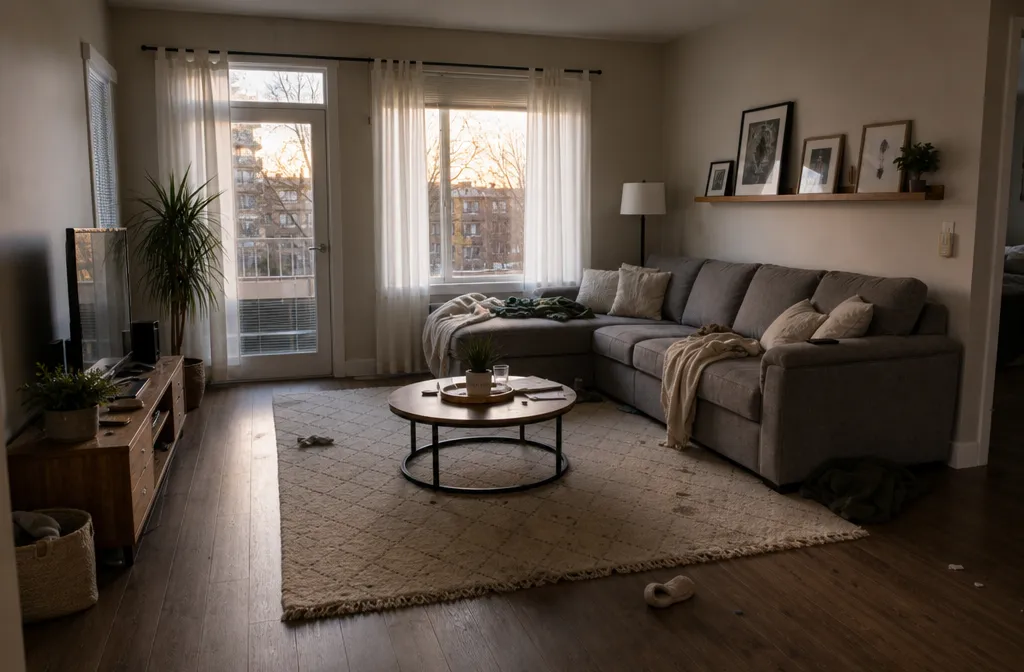
 After
After
Request: Required deep cleaning of a roman blind in the living room from dust and dirt.
Done: Dry and wet cleaning performed using an extractor, dust and stains removed.
Cost: 5 000 ₸
Master: Aigul Serikova, dry cleaning master
Total: The blind is completely clean, original color and freshness restored.
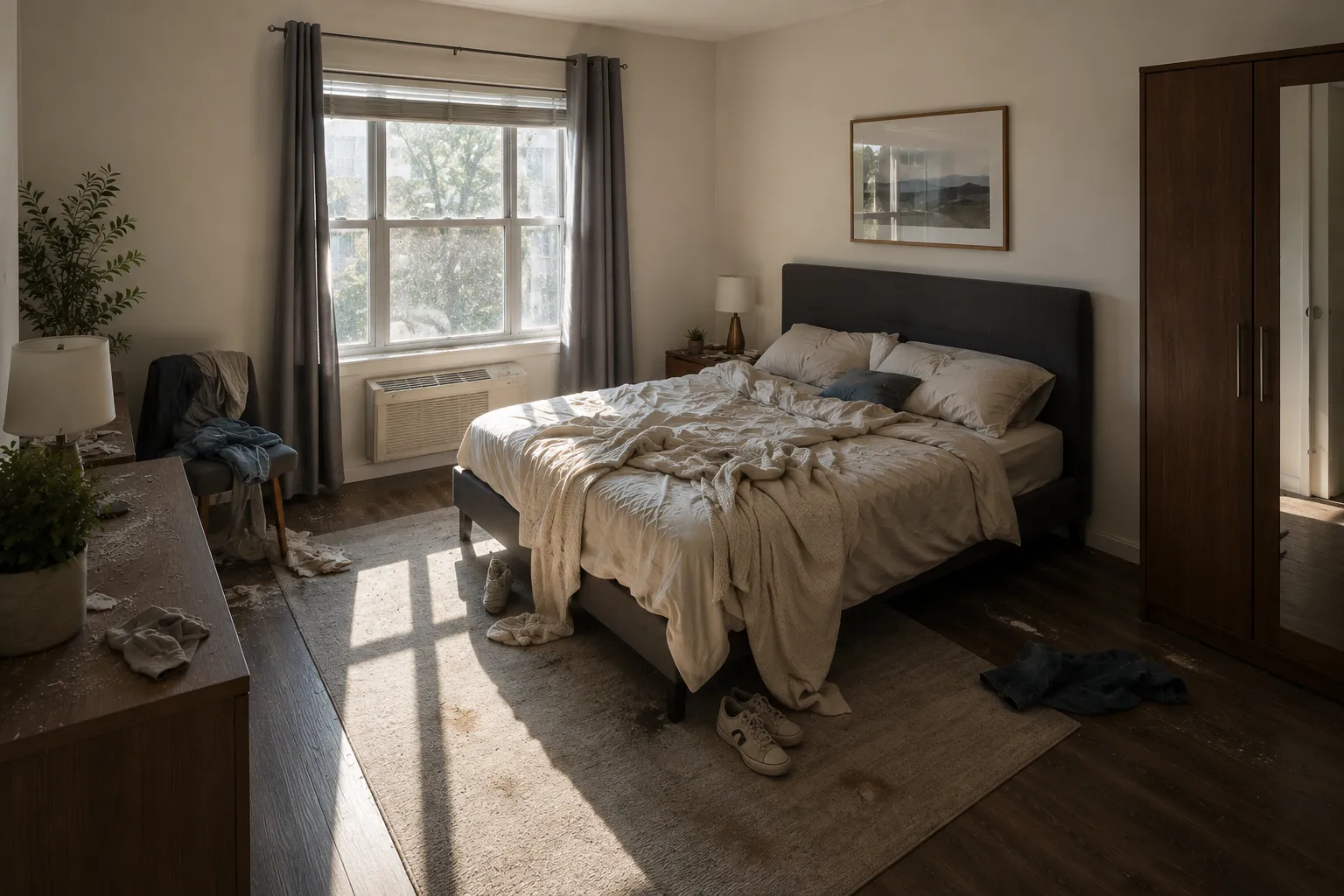
 After
After
Request: Wanted to refresh the roman blind in the bedroom, remove dust and odor.
Done: Dry cleaning performed using hypoallergenic products, delicate mode.
Cost: 5 000 ₸
Master: Marat Nurlanov, dry cleaning master
Total: The blind is clean, odor-free, the room feels fresh.
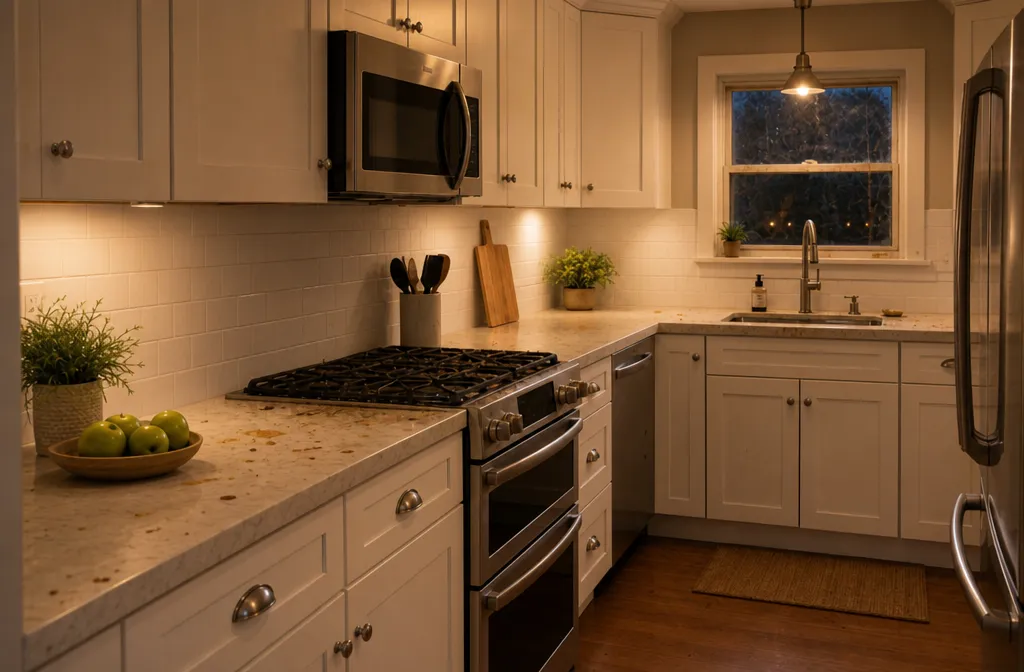
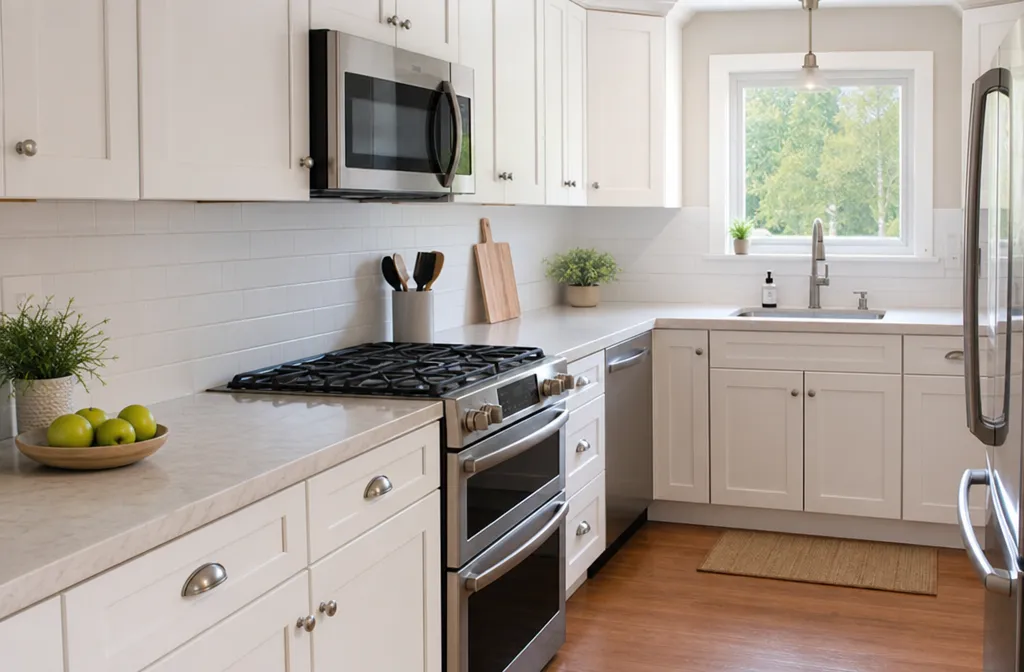 After
After
Request: Need to remove grease and grime from the roman blind in the kitchen.
Done: Enzymatic cleaning and steam treatment applied to remove greasy stains.
Cost: 5 000 ₸
Master: Gulmira Abdrakhmanova, dry cleaning master
Total: The blind is completely clean from grease, no streaks or odor.
 After
After
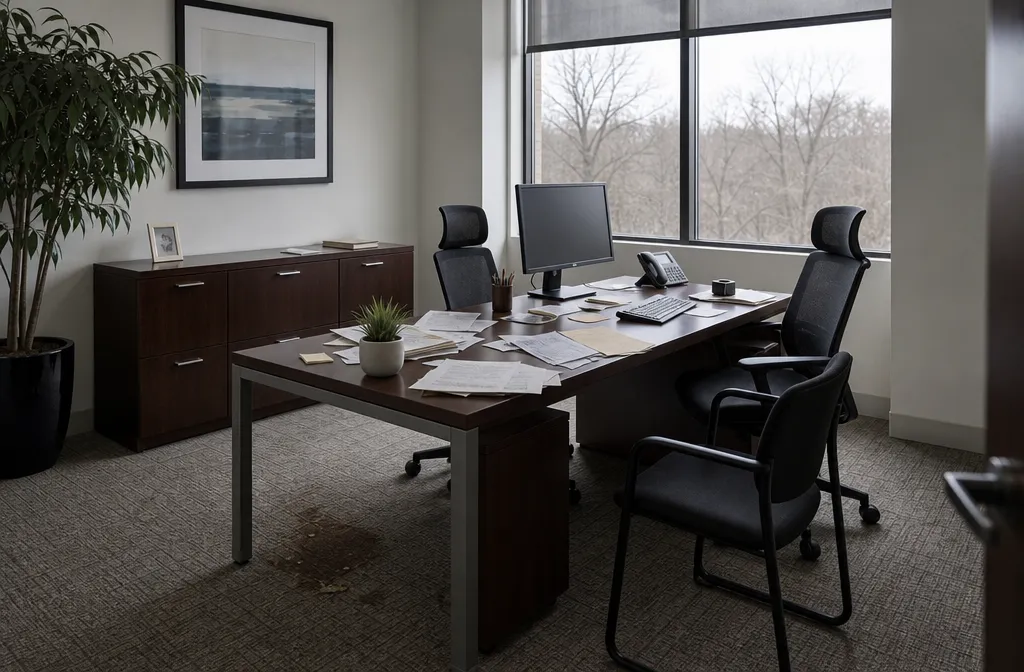
Request: Required cleaning of a roman blind in the office from dust and dirt.
Done: Dry cleaning followed by wet treatment performed, dust and stains removed.
Cost: 5 000 ₸
Master: Daniyar Kuanyshev, dry cleaning master
Total: The blind looks neat, the office is brighter and cleaner.
 After
After
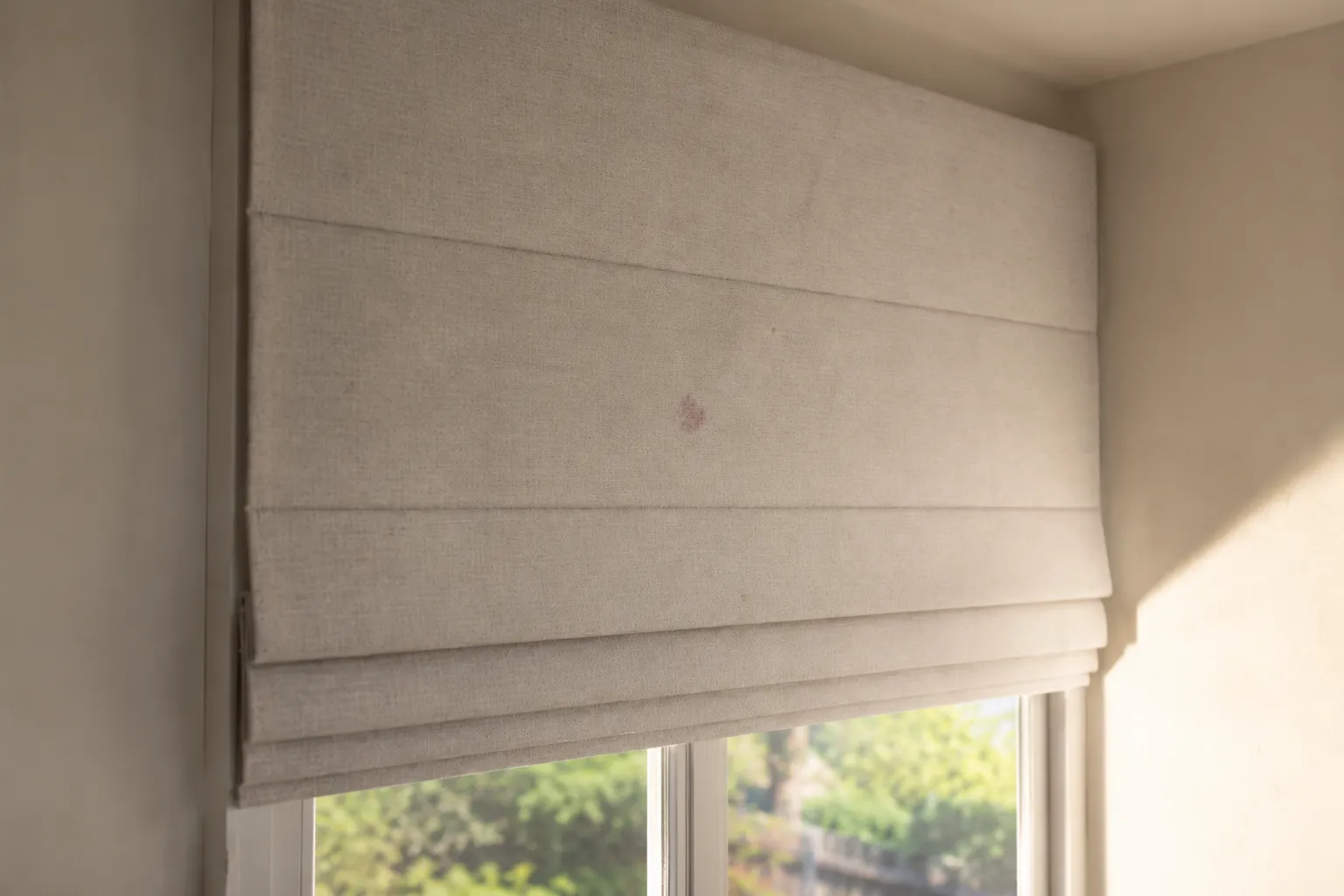
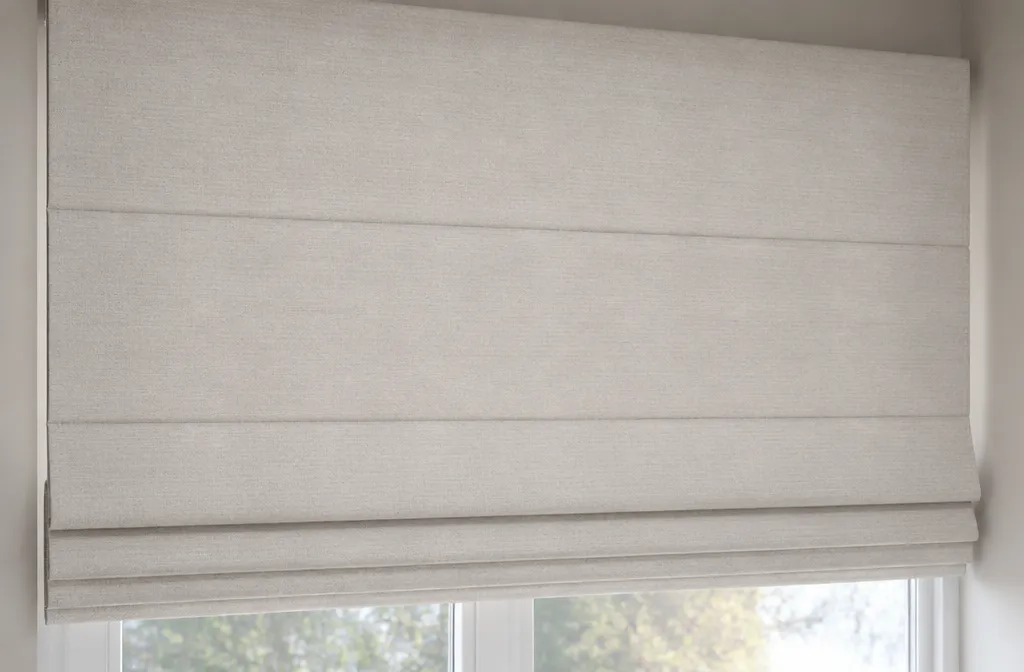
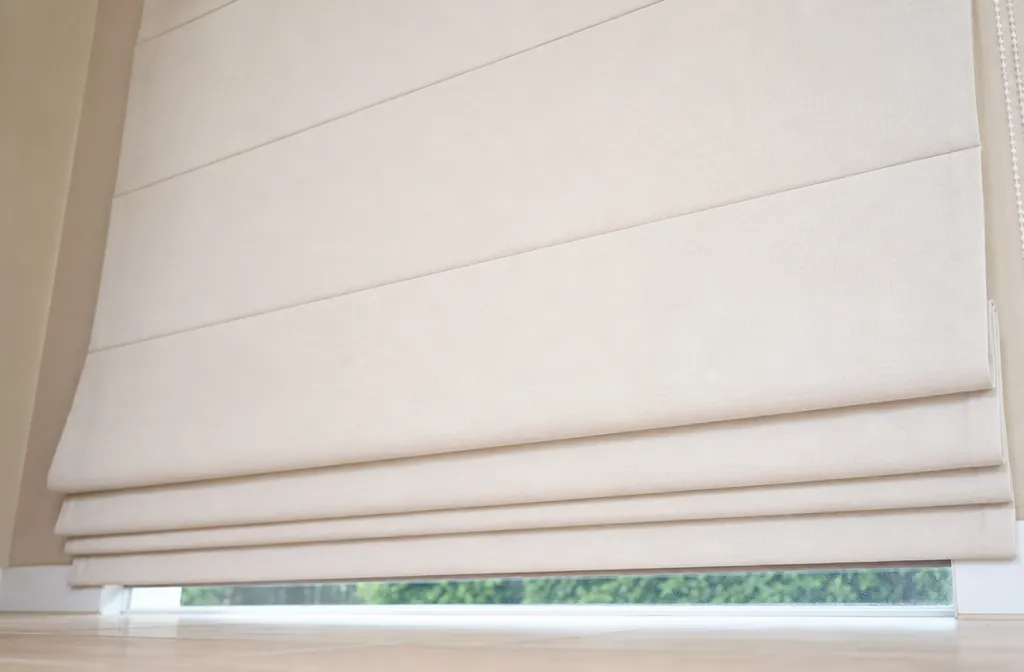
Request: Urgently remove red wine stain from roman blind.
Done: Local stain remover treatment and deep cleaning of the entire blind.
Cost: 5 000 ₸
Master: Assel Zhumabayeva, dry cleaning master
Total: Stain completely removed, blind without traces or odor.
 After
After
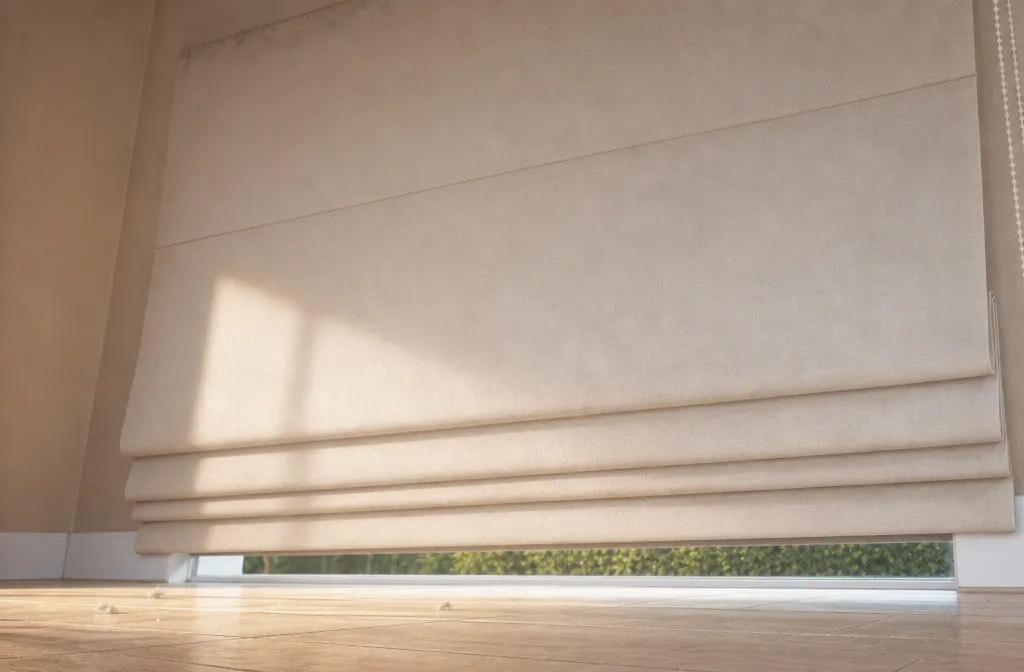
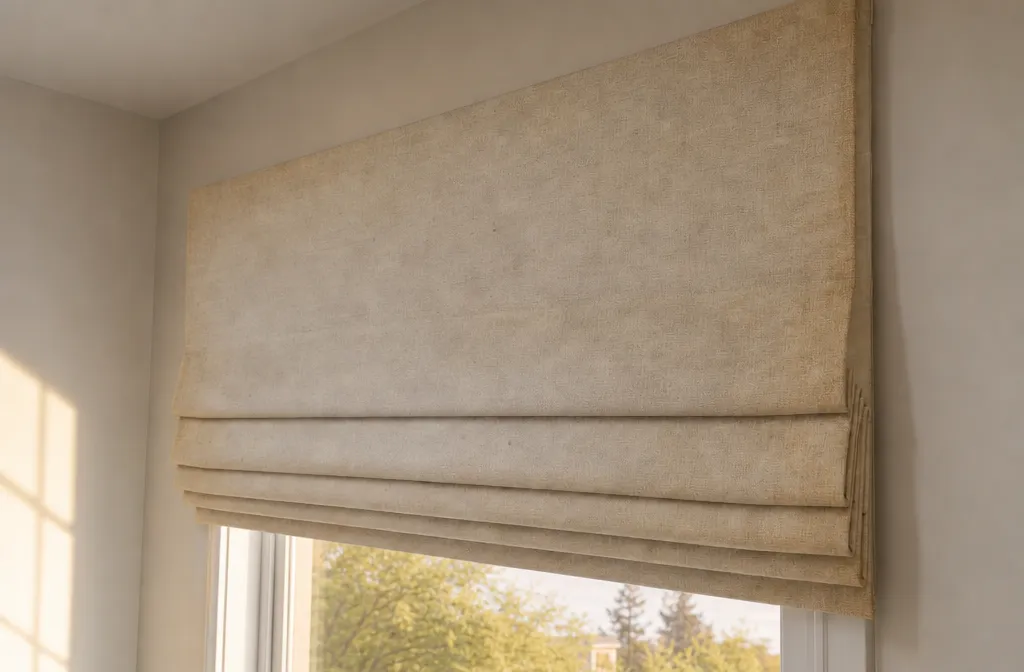
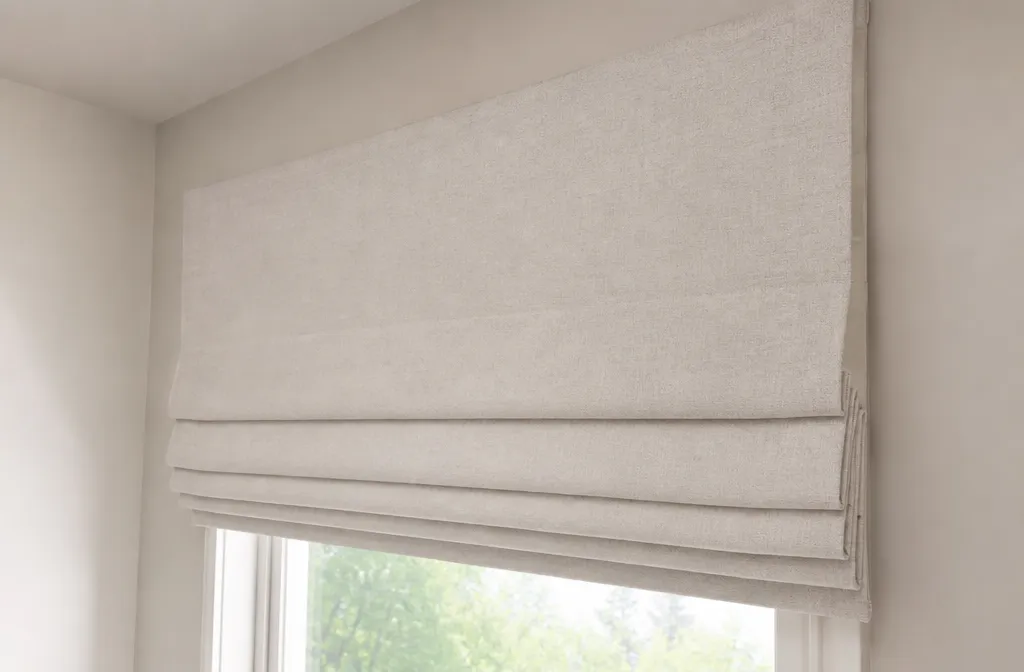
Request: Deep cleaning was required for the roman blind due to accumulated dust.
Done: Used a vacuum cleaner with HEPA filter and wet cleaning with antistatic agent.
Cost: 5 000 ₸
Master: Yerlan Sagintayev, dry cleaning master
Total: The blind is completely dust-free, the air is cleaner.
 After
After
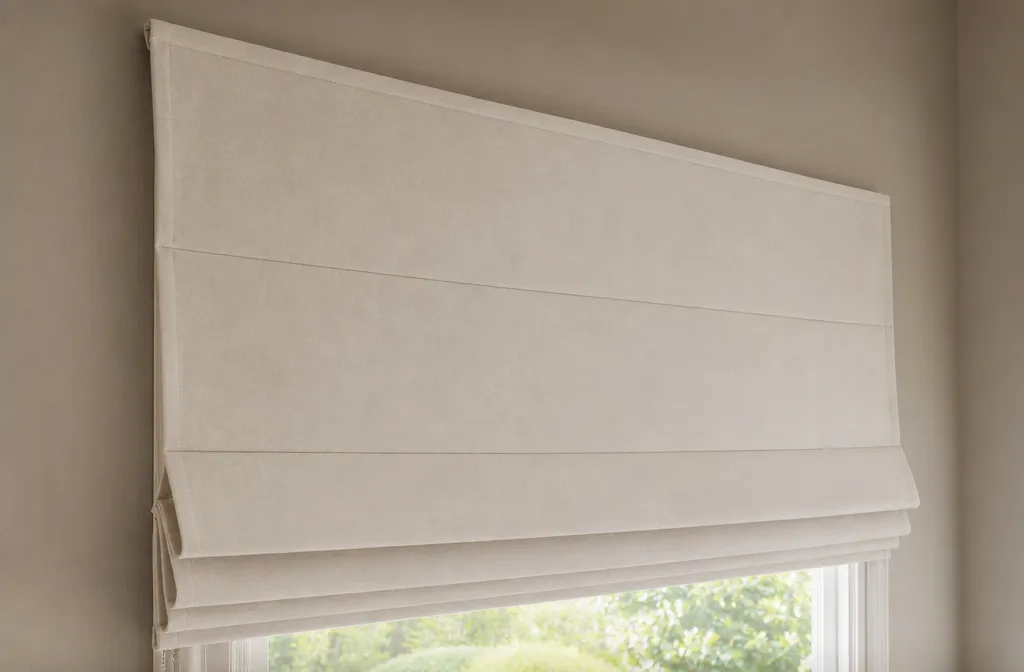
Request: Wanted to remove yellowing from the roman blind caused by sun and time.
Done: Applied bleaching cleaning with oxygen bleach, safe for fabric.
Cost: 5 000 ₸
Master: Lyazzat Kassymova, dry cleaning master
Total: Yellowing removed, the blind restored to its original white color.
 After
After
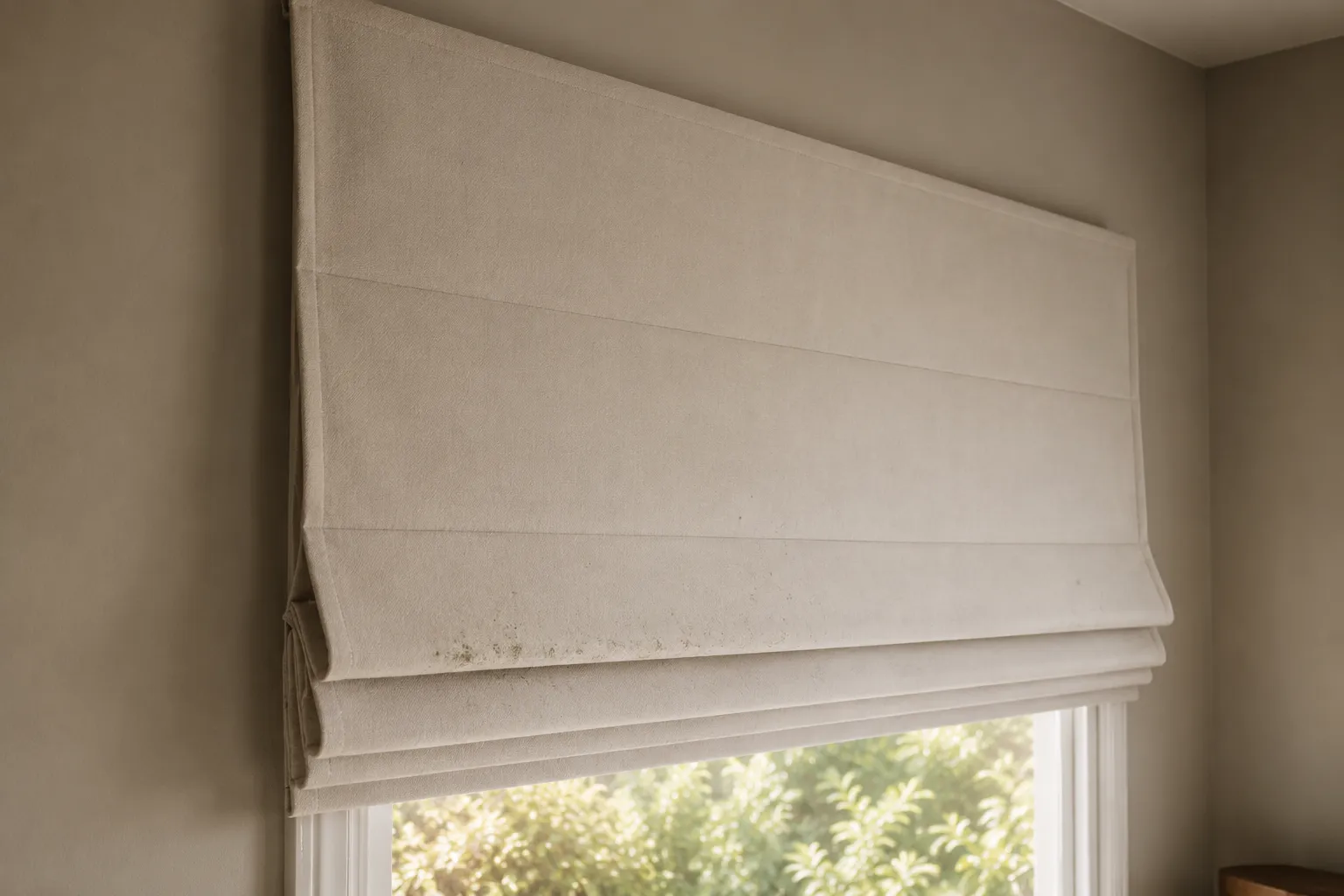
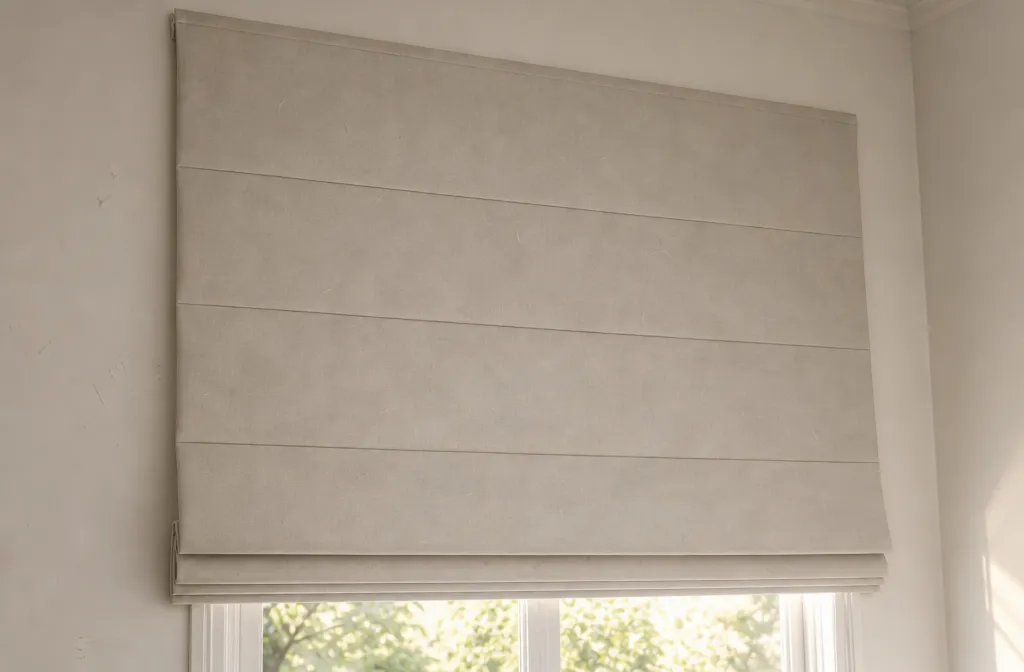
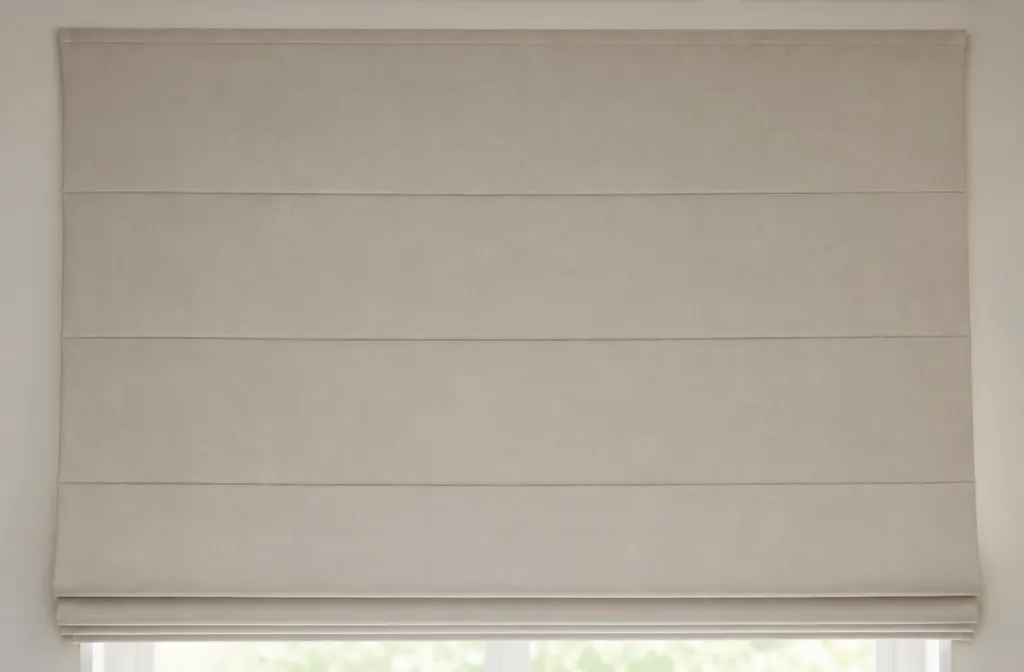
Request: Need to remove mold stains from the roman blind.
Done: Treatment with antifungal agent and deep dry cleaning with steam.
Cost: 5 000 ₸
Master: Nurgul Tleubayeva, dry cleaning master
Total: Mold completely removed, the blind is disinfected and fresh.
 After
After
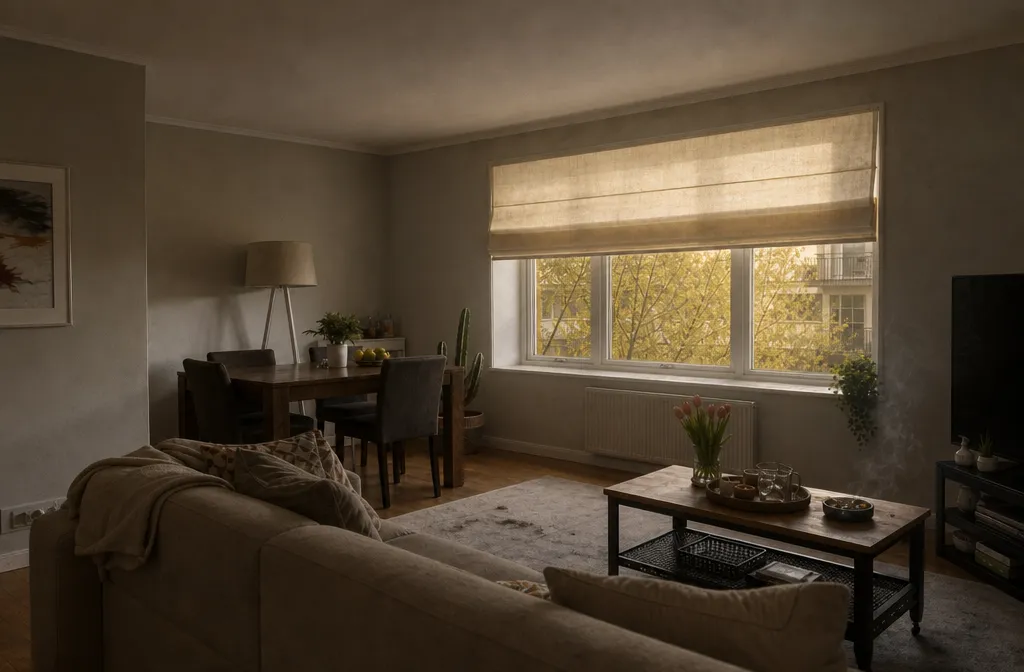
Request: Required removal of pet hair from the roman blind.
Done: Used a lint roller and wet cleaning with antistatic agent.
Cost: 5 000 ₸
Master: Sabina Akhmetova, dry cleaning master
Total: The blind is completely free of pet hair, with no static effect.
 After
After
Request: Wanted to eliminate persistent tobacco smell from the roman blind.
Done: Applied ozonation and deep dry cleaning with odor neutralizer.
Cost: 5 000 ₸
Master: Ruslan Ibrayev, dry cleaning master
Total: Smell completely eliminated, the blind is fresh and clean.
All cleaners are profi-clean staff with training, uniform and security check. Each order has a team leader who controls quality.
Roman blinds are structurally complex products, and washing them in a machine or basin destroys their frame, coating, and geometry. We will break down the three main causes of deformation so you understand why professional dry cleaning of Roman blinds is not marketing, but a necessity.
Natural fabrics — linen, cotton, blended satin — shrink by 5–12% when wet. In a Roman blind, the panel is sewn from several sections, and each shrinks differently: the top edge faster, the bottom slower, due to varying thread tension. After drying, the blind loses its rectangular shape, waves appear near the cornice, and the folds no longer lie in even rows. In our practice, there was a case: a client washed linen Roman blinds in cold water — one side became 4 cm shorter, requiring the panel to be recut. On synthetics (polyester, blackout), shrinkage is less, but the thermal setting of the folds suffers — after machine washing, they “remember” a chaotic position. Professional dry cleaning of Roman blinds in Almaty is carried out on steam mannequins with template fixation — the fabric is dried in a straightened state, preserving the geometry.
Inside a Roman blind, plastic or metal weights (rods) are hidden along the bottom edge and every 25–30 cm in height. During washing, water seeps into the pockets where the weights lie — plastic cracks in the cold when drying on the balcony, and metal rusts, leaving yellow stains on the fabric. The lining (often black blackout or adhesive interfacing) soaks and delaminates from the face fabric — this is irreversible, and re-gluing without creases is impossible. In Almaty, hard water (average salt content 7–9 mg-eq/L) exacerbates the problem: after washing, white calcium deposits remain on the blind, which cannot be removed even by repeated rinsing. We use only softened water and treat the weight pockets with dry steam — keeping the frame dry and the fabric clean.
Roman blinds are assembled using thermal adhesive tape (Dublerin, Vlieseline) — it connects the lining to the fabric and fixes the folds. Upon contact with water and detergent, the glue softens, and after drying becomes brittle — the folds “shift,” and the blind no longer folds into even accordion pleats. Models with shaped bottoms (festoons, scallops) are especially vulnerable — they have more adhesive seams, which come apart after washing. Stubborn stains — wine, coffee, grease — only worsen the situation: housewives scrub the stain with a brush, mechanically damaging the adhesive layer, causing the fabric to bubble in that spot. At profi-clean, we first remove stains with enzyme-based stain removers on a cold platform (without heat), and then fix the folds on a steam mannequin — the glue is not affected, and the blind returns with crisp fold lines.
The frequency of professional cleaning for Roman blinds depends on three factors: the dustiness of the room, the presence of allergy sufferers, and the material of the panel. In Almaty apartments with extractor fans and air conditioners, the interval is usually longer than in homes near busy roads — the difference can be up to 6 months.
In an ordinary apartment or house, Roman blinds need professional dry cleaning once every 12–18 months. This is enough to remove microparticles of dust and soot that settle on the fabric unnoticed by the eye but gradually change the color and density of the panel. Our experience shows: if you skip two cleanings in a row, the blinds are affected by the “soot effect” — ingrained dirt begins to destroy the fiber structure, especially on linen and cotton fabrics. Owners of light shades should shorten the interval to 10–12 months, otherwise the gray film becomes irreversible.
Roman blinds in the kitchen absorb grease fumes and steam — even with a powerful extractor hood, an oily film settles within 3–4 months. We recommend ordering dry cleaning every six months, and between cleaner visits, once a month blow the fabric with a hairdryer on a cool setting — this blows off loose dust and extends the service life. In a child’s bedroom where the child sleeps, the interval should be reduced to 9–12 months due to allergens: house dust mites multiply in the fabric folds faster than on smooth surfaces. Our mobile cleaners notice that in bedrooms with asthmatic children, blinds require cleaning twice as often — every 6–8 months, otherwise attacks become more frequent.
There are three signs that make it easy to determine that professional dry cleaning of Roman blinds cannot be postponed: a noticeable dusty smell appears when shaking, uneven darkening of the fabric is visible in the light, or a fingerprint remains on the folds. During Almaty’s dusty spring (March–April), these symptoms appear 2–3 months ahead of schedule — if the windows face a street without a green zone, check the blinds as early as 8 months after the last cleaning.
Synthetic Roman blinds (polyester, jacquard) stay clean longer — up to 18–20 months, because the fibers do not absorb dust as deeply as natural ones. Natural linen and cotton, on the contrary, are finicky: without professional dry cleaning once a year, they begin to yellow and lose shape due to humidity. Bamboo blinds are a separate case: they are cleaned once every 2–3 years, but only using a dry method, otherwise the slats delaminate. Before ordering dry cleaning of Roman blinds, check with a profi-clean technologist your fabric type — for synthetics and natural fabrics we use different concentrations of detergents to avoid weakening the weave.
When an old stain appears on Roman blinds — from coffee, grease, cherry juice, or nicotine — home methods most often only fix the contamination in the fabric’s structure. At profi-clean, we deal with such cases almost daily, and here is what really works and what is guaranteed to ruin the blind.
Household bleaches and sprays like “Vanish” work on the principle of oxidation, which is not suitable for most Roman blind fabrics (linen, cotton, polyester, jacquard). They react with the dyes: yellow streaks appear on linen, whitish spots appear on dark polyester that cannot be removed even with repeated treatment. Moreover, the chemicals do not penetrate between the fabric layers and the frame, so the stain remains inside the “sandwich.” In our practice, there was a case: a client poured chlorine bleach on a grease stain on a linen blind — within an hour the fabric at that spot simply disintegrated. Before any treatment, check the composition: if it contains sodium hypochlorite or peroxide, do not use it on the blind.
| Stain Type | Professionally Removable | Risk of Residual Mark |
|---|---|---|
| Coffee, tea, juice (fresh, up to 3 days) | Yes, 95-100% | Minimal, if no heat setting |
| Grease, oil, sauce (set-in, up to 2 weeks) | Yes, 80-90% | Grease ring on the reverse side if not treated from both sides |
| Nicotine, yellowing from age | 70-80% | Yellow background remains on white fabrics — requires tinting |
| Red wine, cherries, beets | 60-70% | Pigment penetrates cellulose fibers (linen, cotton) — a pinkish tint remains |
| Blood, milk, egg (protein-based) | 50-60% | Protein “cooks” at any temperature above 40°C — the stain turns brown and becomes irremovable |
| Paint (acrylic, oil) | No | Only fabric replacement or curtain reupholstery |
On linen and cotton Roman shades, pigment stains (wine, berries, beets) after 7 days are practically impossible to remove — the dye penetrates the fiber capillaries, and even professional enzyme solutions extract no more than 60% of the color. In such cases, we recommend not spending money on multiple treatments but immediately ordering a curtain reupholstery with new fabric — it’s cheaper than three unsuccessful dry cleanings.
The most destructive thing for a Roman shade is mechanical rubbing with a brush or sponge under pressure. The fabric shifts relative to the lining layer, forming creases and folds that cannot be smoothed out even after professional ironing. The second most common mistake is soaking the entire curtain in a basin with powder: water penetrates the frame (aluminum or plastic tubes), causing them to rust or break during drying due to temperature changes. In 8 years of work, we have not seen a single case where home soaking of a Roman shade ended without loss of shape. If the stain is fresh, it is enough to spot-blot it with a damp microfiber cloth with a drop of neutral soap and then dry it with a hairdryer on a cool setting.
Each fabric for Roman shades dictates its own cleaning method — there is no universal approach. An error in choosing the product or mode leads to shrinkage, fading, or deformation of the fabric. Let’s break down the key differences of three popular materials: silk, linen, and jacquard.
Natural silk loses its structure upon contact with water — the fibers swell, and after drying, they give uneven shrinkage of up to 5–8%, making the curtain unsuitable for tension on the cornice. We treat silk only by dry methods: vacuuming through a soft attachment, then steam cleaning at 80–90 °C with minimal moisture, and a final antistatic treatment. Stains on silk are a separate challenge: greasy fingerprints are removed with a cellulose-based sorbent, and water marks from accidental splashes are removed only with a dry microfiber cloth without pressure. In our practice, there was a case where a client tried to wash out a champagne stain on a silk curtain — after drying, a yellow ring remained, which we were able to remove only with a two-stage treatment using an enzyme stain remover followed by steam rinsing. Active mechanics are not used on silk — rubbing and brushes are prohibited, otherwise, shiny areas remain on light tones, noticeable under side lighting.
Flax is a hygroscopic material that absorbs moisture and, if dried incorrectly, can shrink by up to 10%, especially in the transverse direction. We clean flax with a steam generator with adjustable steam supply: for linen Roman blinds, we use a temperature of 100–110 °C from a distance of 15–20 cm to smooth the fibers without over-wetting them. After steam treatment, the flax must be dried flat on a horizontal surface — hanging wet flax on the curtain rod will cause it to stretch under its own weight and lose the geometry of its folds. Stains on flax — coffee, tea, juice — require a pH-neutral solution because alkali destroys flax fibers, making them brittle. We use an oxygen-based stain remover, applied precisely and rinsed away with steam, leaving no residue. A specific feature of Almaty water is its high hardness, which leaves a white residue on flax after washing; our reverse osmosis filter system eliminates this risk.
Jacquard is a dense fabric with a textured weave that seems durable, but the pattern is created from different fiber types (cotton + polyester + viscose), each reacting to moisture differently. The main mistake is cleaning jacquard with excessive water: water penetrates the backing, and due to the different shrinkage rates of the fibers, the pattern “puckers,” creating waves in the fabric. We treat jacquard using the foam method: a foamed solution (neutral, pH 6–7) is applied to the texture, and after 3–5 minutes, it is extracted along with the dirt using an extractor, increasing the fabric’s moisture by no more than 10–15%. Stubborn stains on jacquard — grease, nicotine, wax — are removed locally with a citrus-based solvent that does not affect the pattern’s dyes. Dust often accumulates in the textured areas of jacquard, which a regular vacuum cleaner cannot reach; we use a turbo brush with adjustable speed to avoid damaging the pile. On dark jacquard curtains, improper cleaning can leave light streaks — visible only at a certain angle of light — so we always check the result under side lighting before completing the job.
| Parameter | Silk | Linen | Jacquard |
|---|---|---|---|
| Primary Method | Dry cleaning + steam at 80–90 °C | Steam at 100–110 °C, horizontal drying | Foam method, extraction |
| Allowable Moisture | Minimal (up to 5%) | Moderate (up to 20%) | Low (up to 15%) |
| Stain Remover Type | Enzymatic, sorbent | Oxygen-based, pH-neutral | Citrus solvent |
| Prohibited Actions | Rubbing, brushes, water | Alkali, vertical drying | Excess water, high temperature |
| Risk of Error | Yellow rings, shrinkage 5–8% | Shrinkage up to 10%, white residue | Pattern deformation, streaks |
Before ordering dry cleaning for Roman blinds, clarify the fabric type — this determines not only the method but also the work time: silk requires more attention to every centimeter, linen is faster to treat with steam, and jacquard is the most predictable to clean if the foam treatment technology is followed.
Choosing a company for dry cleaning Roman blinds in Almaty is a decision that determines whether the fabric and mechanism will retain their appearance after cleaning. A mistake at this stage costs more than the service itself.
Companies that clean “everything” often do not know the specifics of Roman blind constructions. In our practice, there was a case where a client brought in a blind from another company — after their cleaning, the fabric had shrunk, and the mechanism jammed due to moisture. True specialization shows in three things: the company asks about the type of cornice (open or cassette), the fabric type, and the presence of any impregnation. If the consultant does not ask what the blind is made of, that is a red flag. At profi-clean, before any visit, we always clarify these parameters because bamboo slats and jacquard require different technologies. Before calling, check the company’s website or Instagram for case studies specifically involving Roman blinds — this is the best indicator of experience.
Aggressive solvents and household chemicals are the main reason why curtains lose color or become stiff after dry cleaning. Roman blinds require professional products with a neutral pH (5.5–7.0) and equipment with HEPA filtration to ensure no micro-particles of cleaning agents remain in the fabric after cleaning. We use hypoallergenic chemicals from Kiehl and Sodasan — they are free of phosphates and chlorine. In the Almaty market, there are companies that cut costs on reagents: instead of an expensive stain remover for delicate fabrics, they use a universal one that can eat away the dye. Ask specifically which products are used for your fabric type — if they mention a “special powder” without a brand name, it should raise a red flag. A HEPA filter in the vacuum cleaner is not an option but a necessity: without it, the finest dust settles back onto the curtain after drying.
In Almaty, most cleaning reviews are on 2GIS, Google Maps, and Instagram. Look not at the rating but at the specifics: do clients mention Roman blinds, do they write about “stains removed,” “shape preserved,” “mechanism works”? Empty reviews like “everything is great” without details are likely fake. A true professional offers a guarantee on the result — at profi-clean, this is 24 hours for inspection. If within a day you notice a defect (streaks, odor, deformation), the company must redo the work for free. Note: the guarantee must be in writing in the contract or receipt, not a verbal promise over the phone. In Almaty, there are companies that disappear after cleaning — a guarantee protects you from such a scenario.
Ordered dry cleaning of Roman blinds — they came, removed, cleaned, and hung them back. Blinds are like new, not a speck of dust.
Thank you, Aigerim! Glad you liked the result.
After dry cleaning, the Roman blinds in the living room look perfect. Coffee stains disappeared, smell is fresh.
Decided to trust the dry cleaning of Roman blinds to professionals — no regrets. The bedroom became brighter and cleaner.
Thank you for your feedback, Daniyar! Always happy to help.
Roman blinds in the kitchen were covered in grease stains — now they look like from a shop window. Everything was done very neatly.
Office Roman blinds were cleaned — dry cleaning of Roman blinds at height, but had to wait a day longer than promised.
We apologize for the delay. We are working on punctuality.
After dry cleaning, children's Roman blinds became safer — no dust or allergens.
Excellent dry cleaning of Roman blinds — even old wine stains were removed. I recommend.
Thank you, Kuanysh! We do our best for you.
I was afraid to clean light Roman blinds myself — gave them to professionals. They restored whiteness and shape.
Dry cleaning of Roman blinds from the balcony: dust and soot removed perfectly, but the price could be a bit lower.
Thank you for your feedback! Prices are justified by the quality of materials.
The pattern on Roman blinds became brighter after dry cleaning, colors did not fade. I'm satisfied.
I ordered dry cleaning of Roman blinds from a smoky room — no more smell, curtains are fresh.
Glad we handled the smell. Thank you!
After renovation, curtains were covered in dust and paint — dry cleaning brought them back to life. No trace of construction work.
For the hotel, we ordered dry cleaning of Roman blinds — done quickly and efficiently, guests are satisfied.
Thank you for your trust! Always ready to cooperate.
Dry cleaning is generally good, but a faint stain remained on one curtain. Had to re-clean.
We apologize. Contact us and we'll fix it for free.
Beige roman blinds became noticeably fresher after dry cleaning. I recommend this service.
We had roman blinds cleaned at our cafe — grease and soot are gone, the hall feels cozier.
Very satisfied with dry cleaning of roman blinds in the winter garden — even water stains were removed.
Thank you, Saule! Glad we handled that task.
Curtains are clean, but had to wait — they are very busy. Quality is excellent.
Thank you for understanding. We strive to reduce waiting time.
After kids' art, curtains were covered in paint — dry cleaning of roman blinds helped remove everything.
My child has allergies — after dry cleaning of roman blinds, breathing in the room became easier. Thank you!
Health comes first! Glad to help.
In the kitchen, curtains were soaked with odors — I ordered dry cleaning of roman blinds, now it smells clean.
Dark roman blinds became matte after cleaning — good, but one edge is slightly warped.
We apologize. On your next order, we'll account for fabric specifics.
I gave my mom a dry cleaning of Roman blinds — she's thrilled, the blinds look like new.
Wonderful gift! Thank you for choosing us.
After dry cleaning, the bedroom became brighter, the blinds hang evenly without creases.
We cleaned 4 blinds in the large hall — dry cleaning of Roman blinds handled it in a day. Great service.
Thank you, Ivan! Always ready for large orders.
White Roman blinds shine after dry cleaning, no yellowing. Very neat.
We decided to refresh the office interior — dry cleaning of Roman blinds saved the budget. Looks like new.
Savings with quality — our specialty. Thank you!
Decorative tassels were not damaged, cleaned carefully. But one hook was not reattached.
Sorry for the oversight. We'll send a technician to fix it.
Very satisfied with the dry cleaning of Roman blinds — arrived on time, did a thorough job.
The blinds smelled musty — after dry cleaning the odor disappeared, the fabric became soft.
After dry cleaning of Roman blinds, the children's room became cozier, marker stains were completely removed.
Glad we could help! Children are everything.
The curtains in the hallway hadn't been cleaned for a long time — after dry cleaning, they transformed the entire hall.
The curtains on the balcony had faded from the sun — dry cleaning the Roman shades refreshed the color, although I had doubts.
Thank you for trusting us! We know our business.
Standard dry cleaning of one shade up to 2 m² takes 1-2 hours on-site. If transportation to the workshop is required, the time increases to 24 hours. Drying time depends on the fabric: polyester dries faster, silk takes longer.
Leave a request on the website or call us. A master will come for a free inspection and estimate. After agreeing on the date and time, we perform the cleaning. Payment by cash, Kaspi, or Halyk.
Yes, we use organic Sodasan products that contain no toxic substances. HEPA H13 filter removes 99.97% of allergens. After cleaning, there is no chemical smell in the room.
For a shade 1.5x1.8 m (2.7 m²), the price depends on the fabric: cotton/linen — individual rate, polyester — individual rate, silk — individual rate, jacquard — individual rate, bamboo — individual rate. The exact price is calculated after inspection.
Yes, when ordering cleaning of two or more shades, a 10% discount is provided. Seasonal promotions are also available — check with the operator.
Measure the width and height of the shade in meters, multiply them to get the area. Multiply by the price per m² for your fabric type. Add the cost of additional services (removal/installation, cornice cleaning).
We clean all types: cotton, linen, polyester, silk, jacquard, bamboo, motorized, cassette, lined, with photo printing, non-standard shapes, and with lambrequin.
Yes, we carefully disassemble the motor, clean the fabric and mechanism, then reassemble and test operation. No extra charge for complexity.
No, removal and installation are paid separately — individual rate per shade. For motorized or complex shades, the cost may be increased at an individual rate.
Yes, we guarantee preservation of shape and color. If shrinkage or fading occurs after cleaning, we will refund the money or re-sew the shades at our expense. The guarantee is valid for 24 hours.
Tell us about your experience with profi-clean — it helps other clients and us improve.
We currently operate in Almaty. Other cities are coming soon.