Inspection and diagnostics
The technician inspects furniture, carpets, and curtains, determines the type of stains: grease, coffee, tea, sauces. A treatment plan is prepared.
Professional dry cleaning of furniture, carpets and textiles in cafes and restaurants in Almaty

We work with any types and materials
Deep cleaning of upholstery with removal of grease stains and odors.
from 11,000 ₸Cleaning of all sections, including hard-to-reach corners.
from 18,000 ₸Treatment of armrests and backrests from coffee and tea stains.
from 3,500 ₸Cleaning of seat and backrest from sauces and spilled drinks.
from 1,500 ₸Extraction cleaning of upholstery with disinfection.
from 2,500 ₸Removal of dust and stains from soft surfaces.
from 2,500 ₸Cleaning with a rotary machine, removing wine and sauce stains.
from 20,000 ₸Gentle cleaning using special shampoos.
from 5,000 ₸Removal of stubborn stains from sauces and grease.
from 20,000 ₸Cleaning of removable covers with color preservation.
from 1,500 ₸Spot treatment and cleaning of armrests.
from 20,000 ₸Cleaning of headboards from hair and cosmetic stains.
from 11,000 ₸From inspection to result with guarantee
The technician inspects furniture, carpets, and curtains, determines the type of stains: grease, coffee, tea, sauces. A treatment plan is prepared.
Professional Kiehl and Sodasan products are applied to stains to break down grease and stubborn dirt. The products are left on for 5-10 minutes.
The industrial Karcher Puzzi 10.1 extractor injects cleaning solution and immediately extracts it along with dirt. Deep penetration into fibers.
Steam treatment at 120°C kills bacteria and fungi, removes odors. Especially important for cafes.
Carpets are cleaned with a rotary machine using special shampoos. Removes wine, sauce stains and shoe marks.
Curtains and tablecloths are cleaned with special shampoos safe for fabric. Gentle mode.
Fans and dehumidifiers are turned on to ensure complete drying within 2-4 hours. Humidity is reduced to normal levels.
Quality check: inspection in daylight, removal of residual stains. If necessary, re-treatment.
Our technicians use industrial Karcher Puzzi 10.1 extractors, which ensure deep penetration of the cleaning solution into fabric fibers and effective dirt extraction. This allows removal of even old stains from coffee, grease, and sauces. The equipment is certified and safe for all types of upholstery.
We only use certified cleaning products Kiehl (Germany) and Sodasan (Eco), which are hypoallergenic and safe for visitors and staff. The products effectively break down grease and remove stubborn stains without leaving harmful residues. All formulations have environmental certificates.
Thanks to powerful air dehumidifiers and fans, furniture and carpets dry in 2-4 hours, allowing dry cleaning without interrupting the establishment's operation. We schedule cleaning at a convenient time for you, such as at night or between shifts. Your cafe continues to operate while we clean.
We guarantee quality: if after the first treatment a stain remains, we will perform a repeat cleaning for free. The guarantee covers all types of stains, including complex stains from wine, grease, and sauces. You only pay for results.
Our technicians are profi-clean employees who have undergone training in dry cleaning for food service establishments. Each has experience working in over 50 cafes and restaurants in Almaty. They know the specifics of stains and handle furniture with care.
A profi-clean appraiser visits your cafe for free within 1 day, inspects the objects, determines the type of stains, and prepares an accurate estimate. The visit can be scheduled at any convenient time. You receive a transparent calculation with no hidden fees.
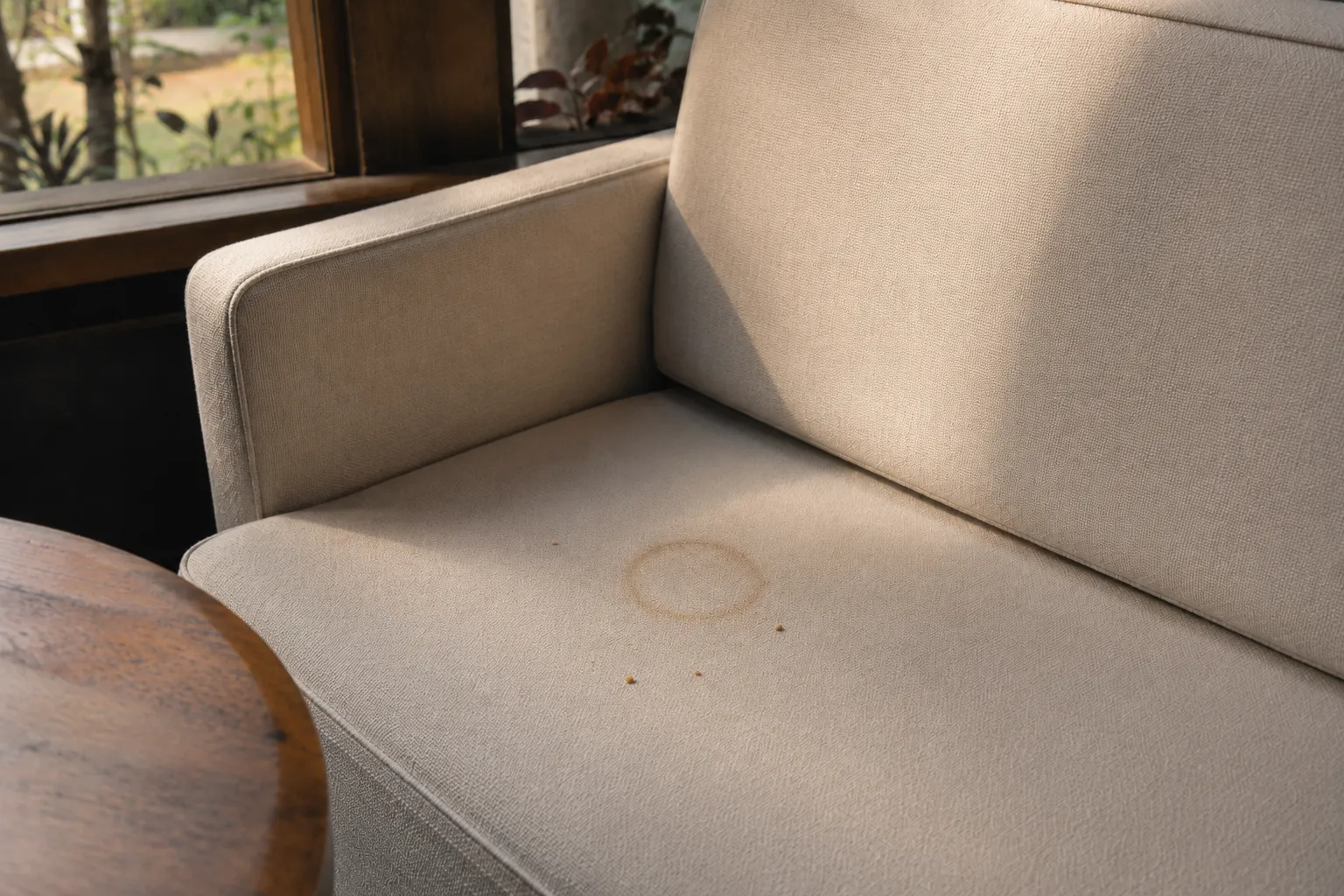
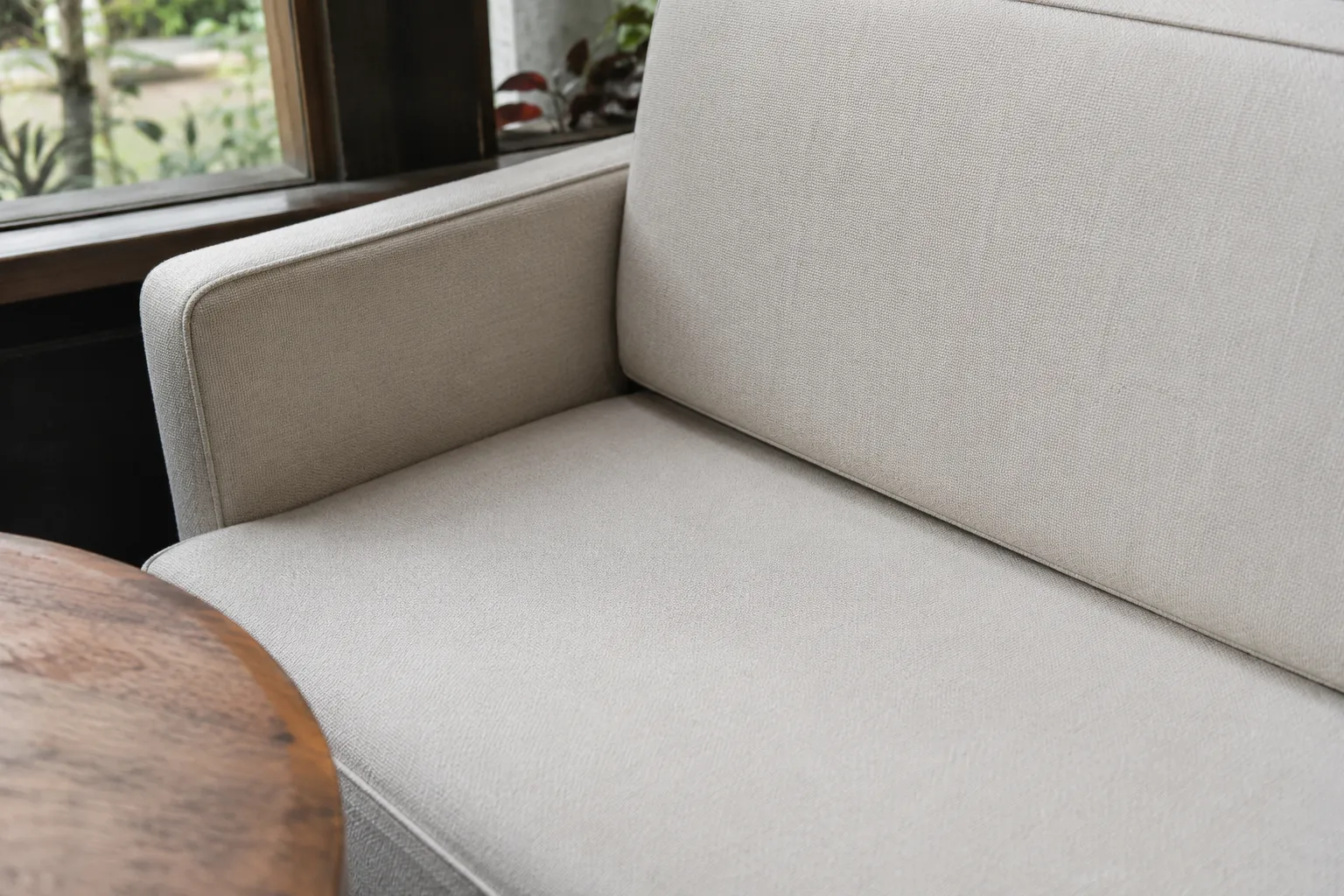 After
After
Request: After spilled coffee on light upholstery, a noticeable stain remained, needs removal without streaks.
Done: Performed local dry cleaning of the sofa using enzyme stain remover and hot water extraction.
Cost: 11 000 ₸
Master: Aigul Sadykova, dry cleaning master
Total: Coffee stain completely gone, upholstery clean and fresh with no chemical residue.
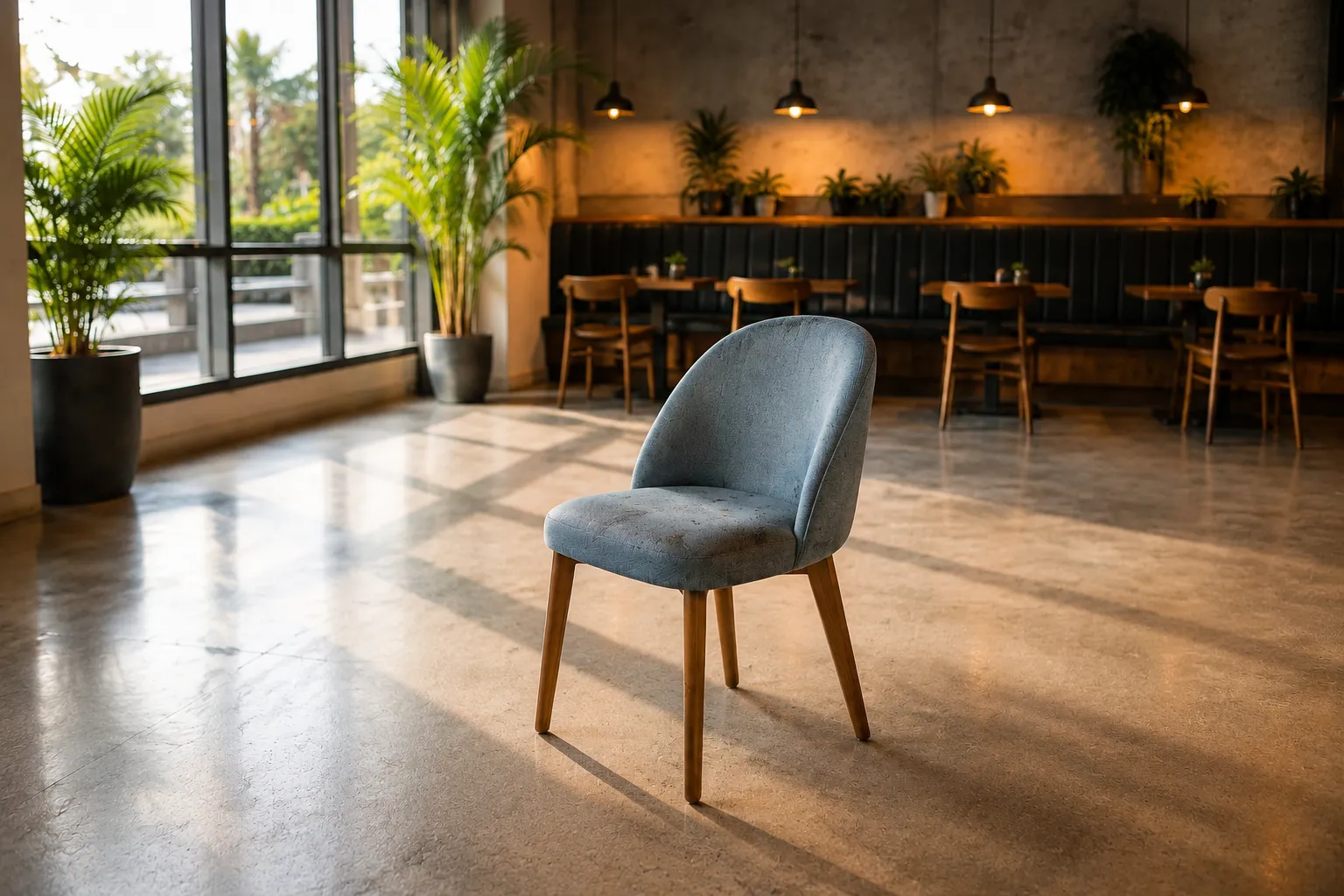
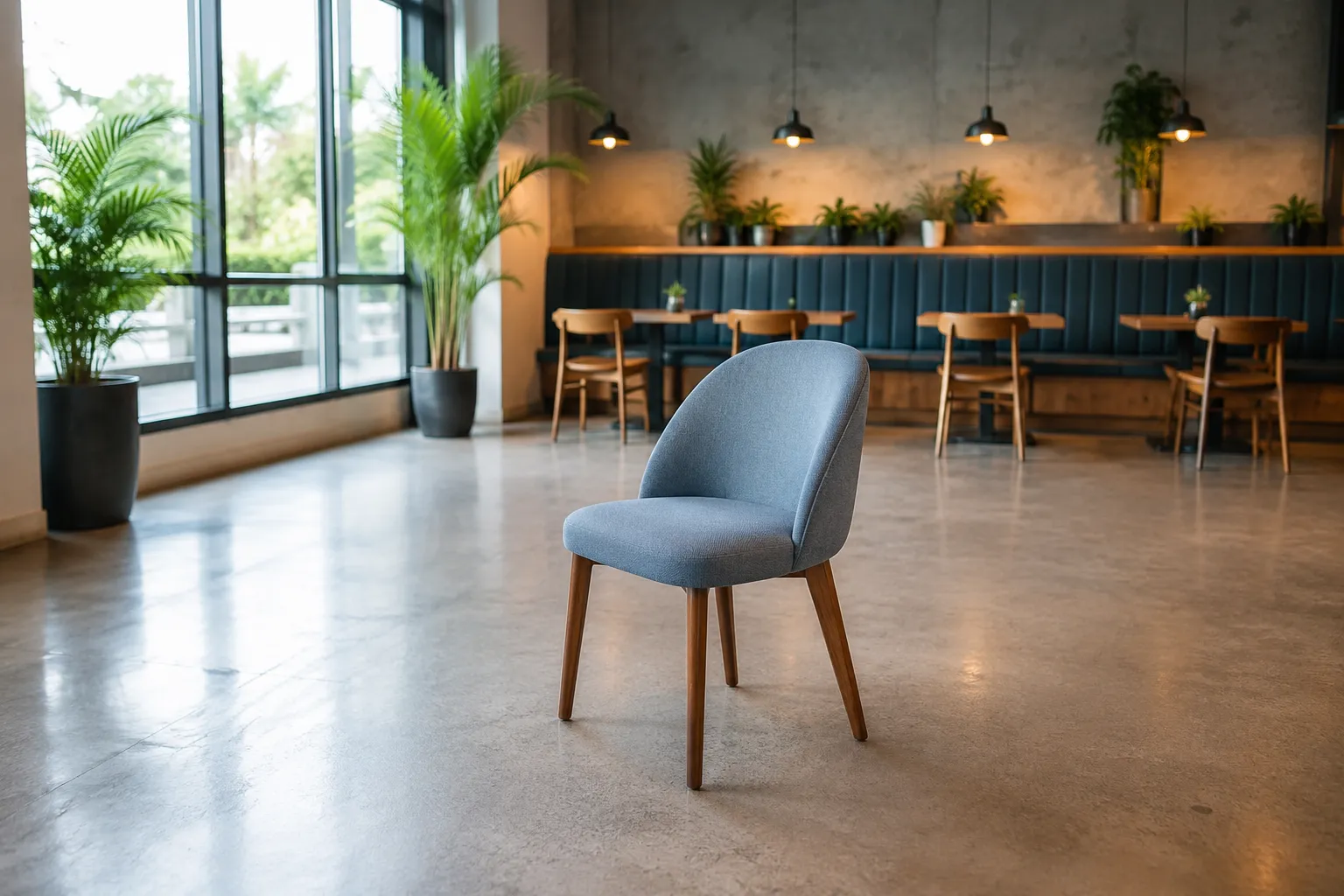 After
After
Request: Grease stains from food appeared on the chair upholstery, needs deep cleaning.
Done: Treated stains with grease solvent, then cleaned entire upholstery with steam.
Cost: 1 500 ₸
Master: Bekzhan Nurgaliyev, dry cleaning master
Total: Grease stains removed, chair upholstery regained uniform color and freshness.
 After
After
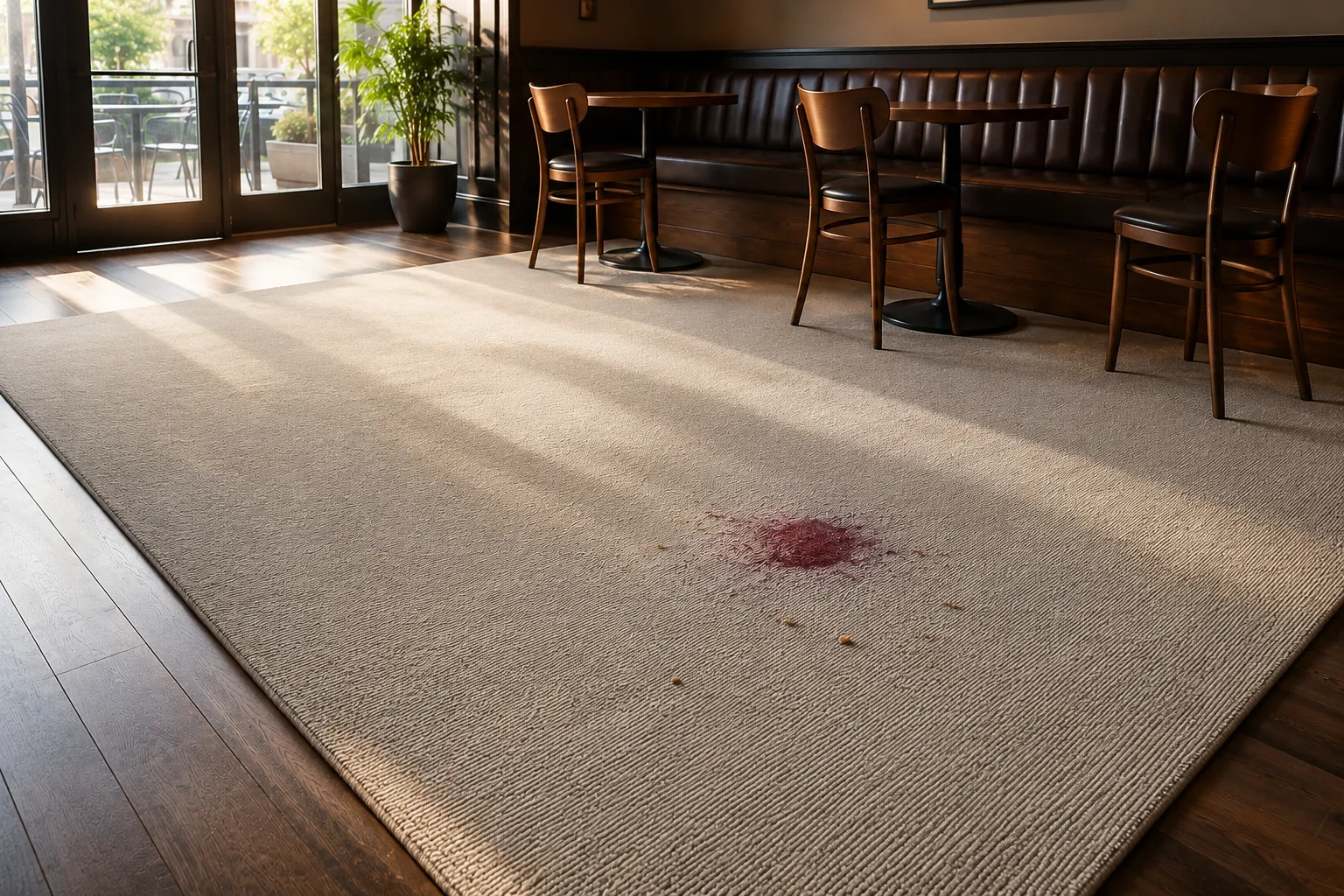
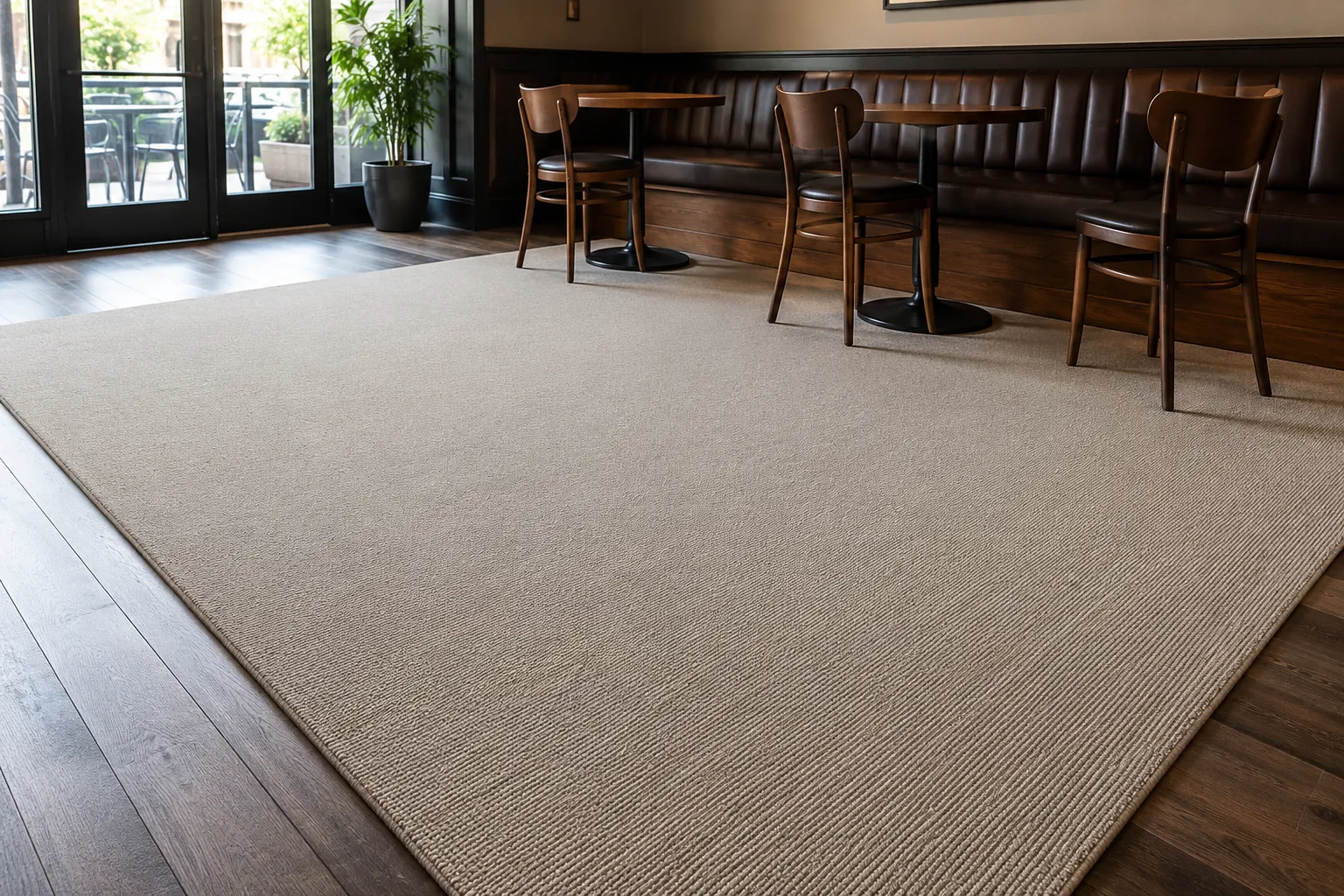
Request: Red wine stain remained on the carpet after a party, needs removal.
Done: Applied oxygen bleach and professional carpet extractor.
Cost: 22 000 ₸
Master: Daniyar Aliyev, dry cleaning master
Total: Wine stain completely removed, carpet looks like new, no odor.
 After
After
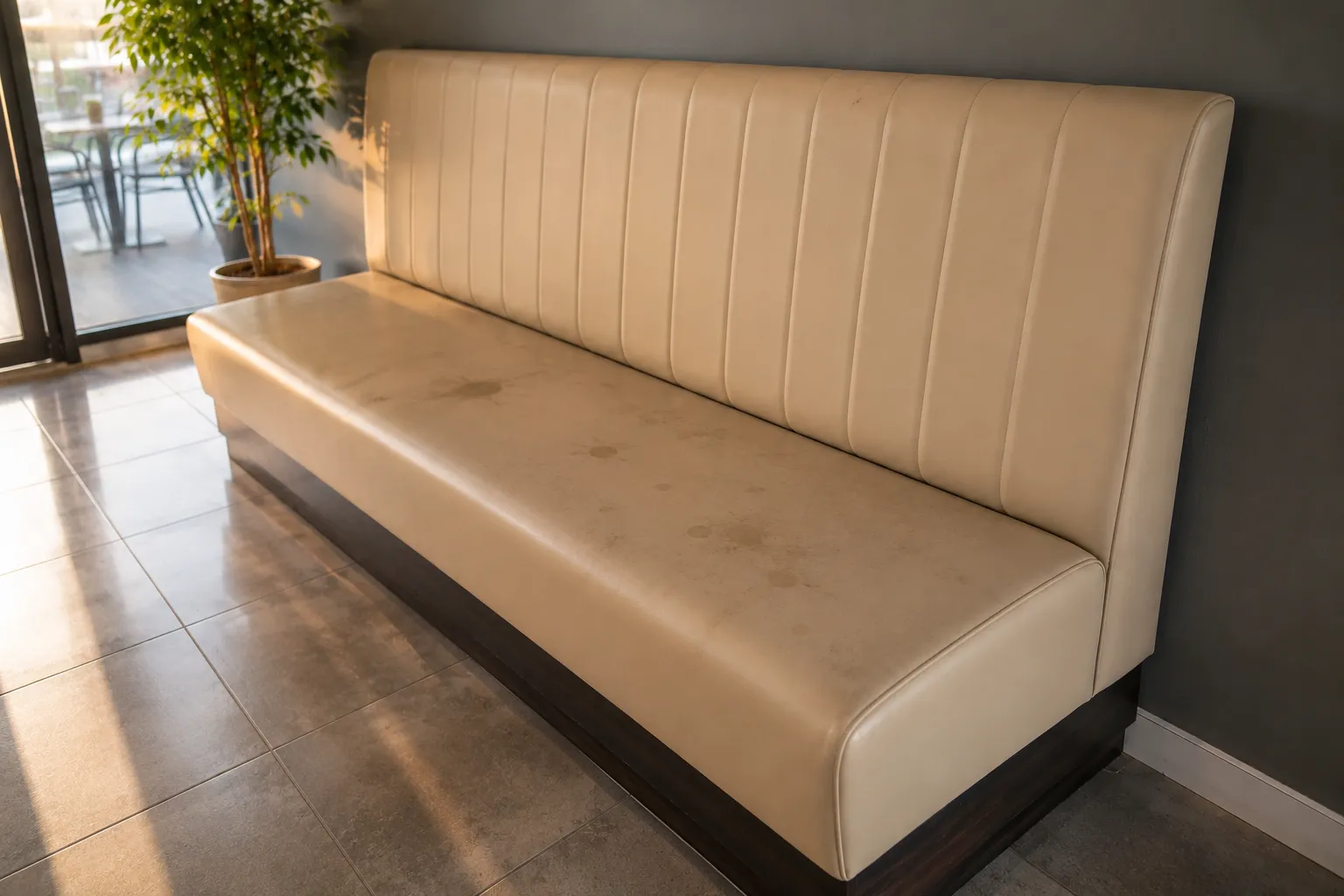
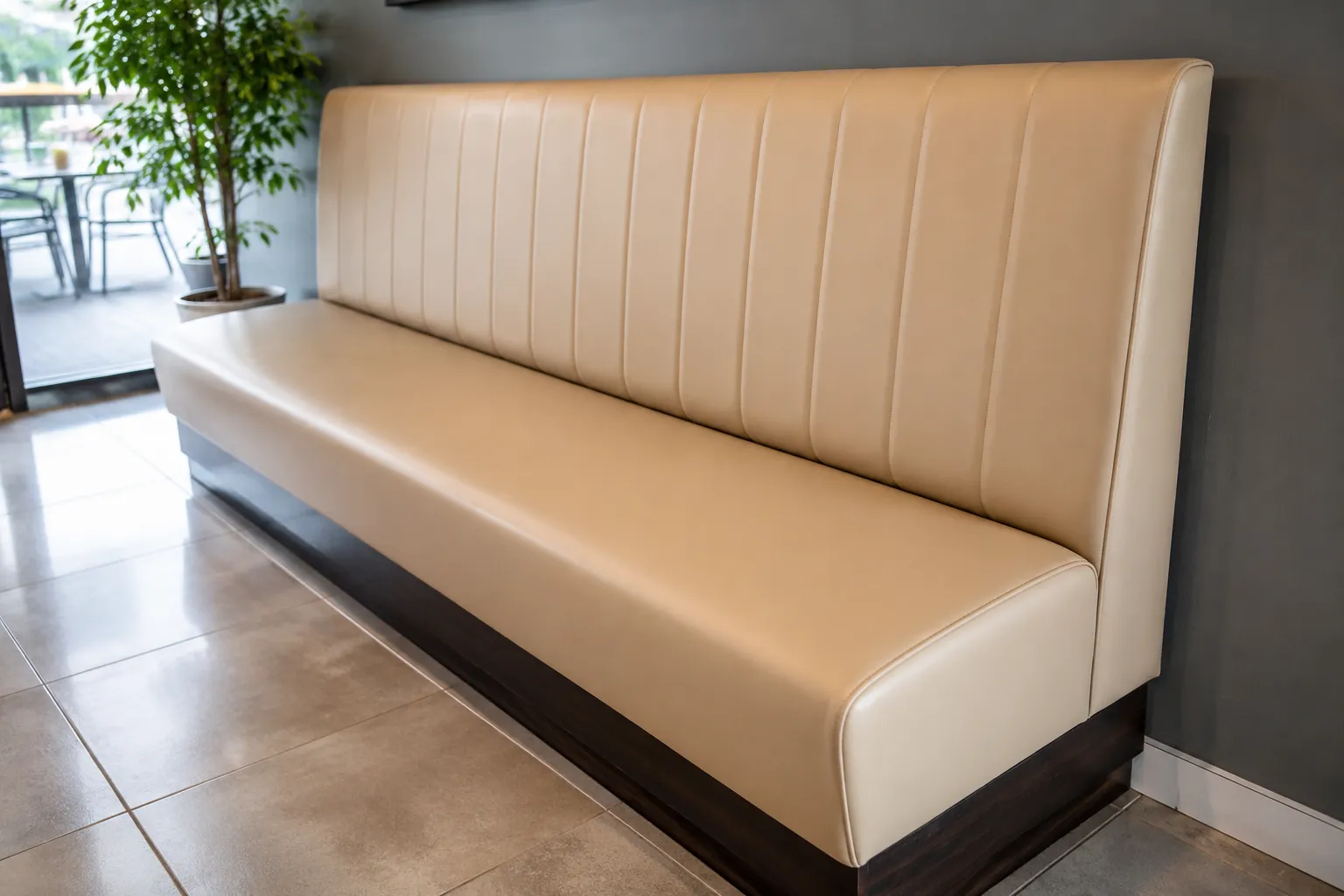
Request: Banquette upholstery became greasy and lost color, needs dry cleaning.
Done: Cleaned upholstery with foam method followed by dirt extraction.
Cost: 2 500 ₸
Master: Gulmira Kaliyeva, dry cleaning master
Total: Banquette became clean, upholstery color restored, surface velvety.
 After
After
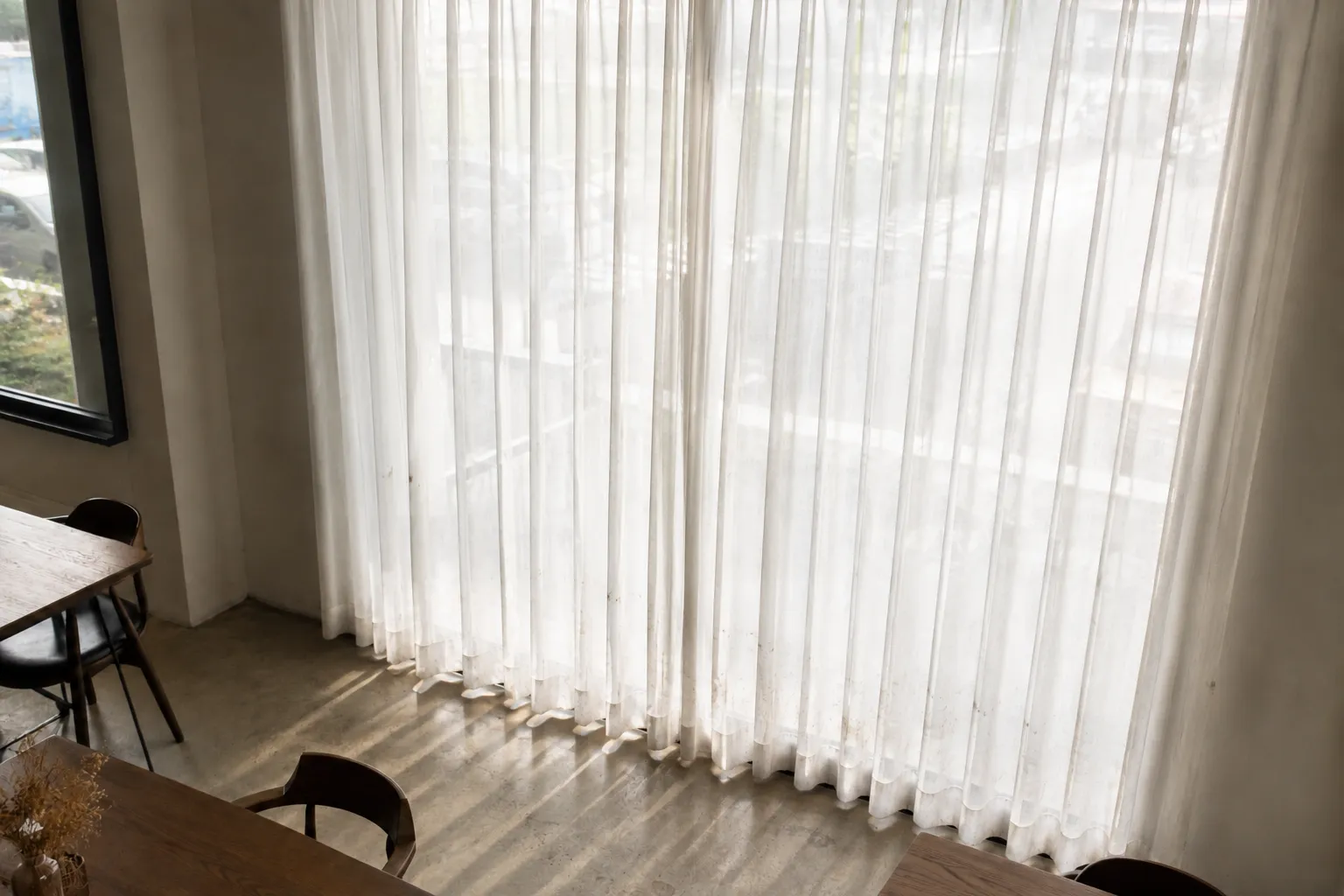
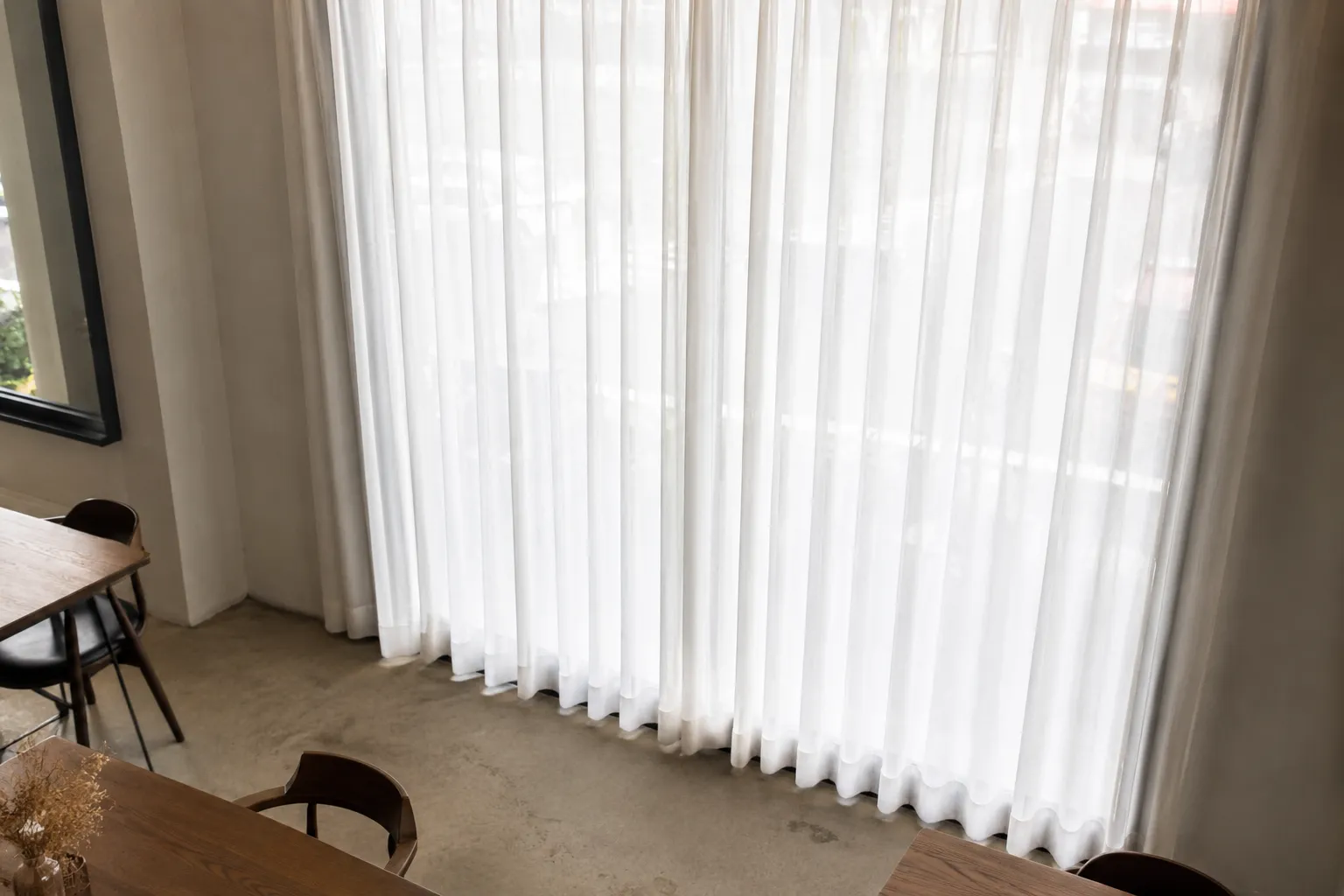
Request: Curtains yellowed from sun and dust, need refreshing without removal.
Done: Treated curtains with steam and antistatic, removed dust by extraction.
Cost: 5 000 ₸
Master: Aizhan Temirbekova, dry cleaning master
Total: Curtains lightened, yellowish tint disappeared, fabric became soft and fresh.
 After
After
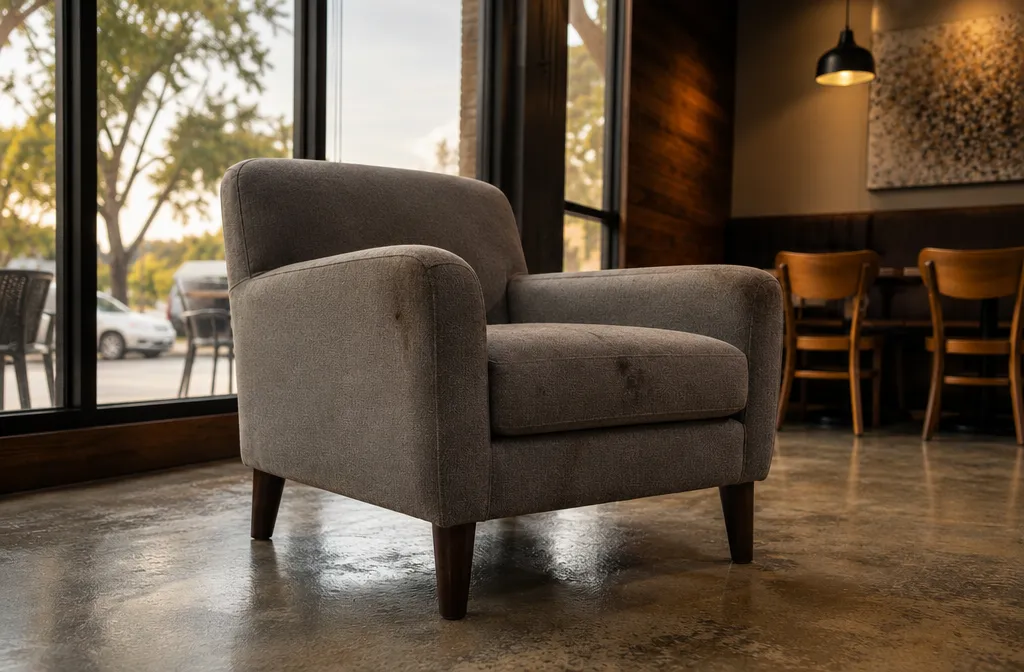
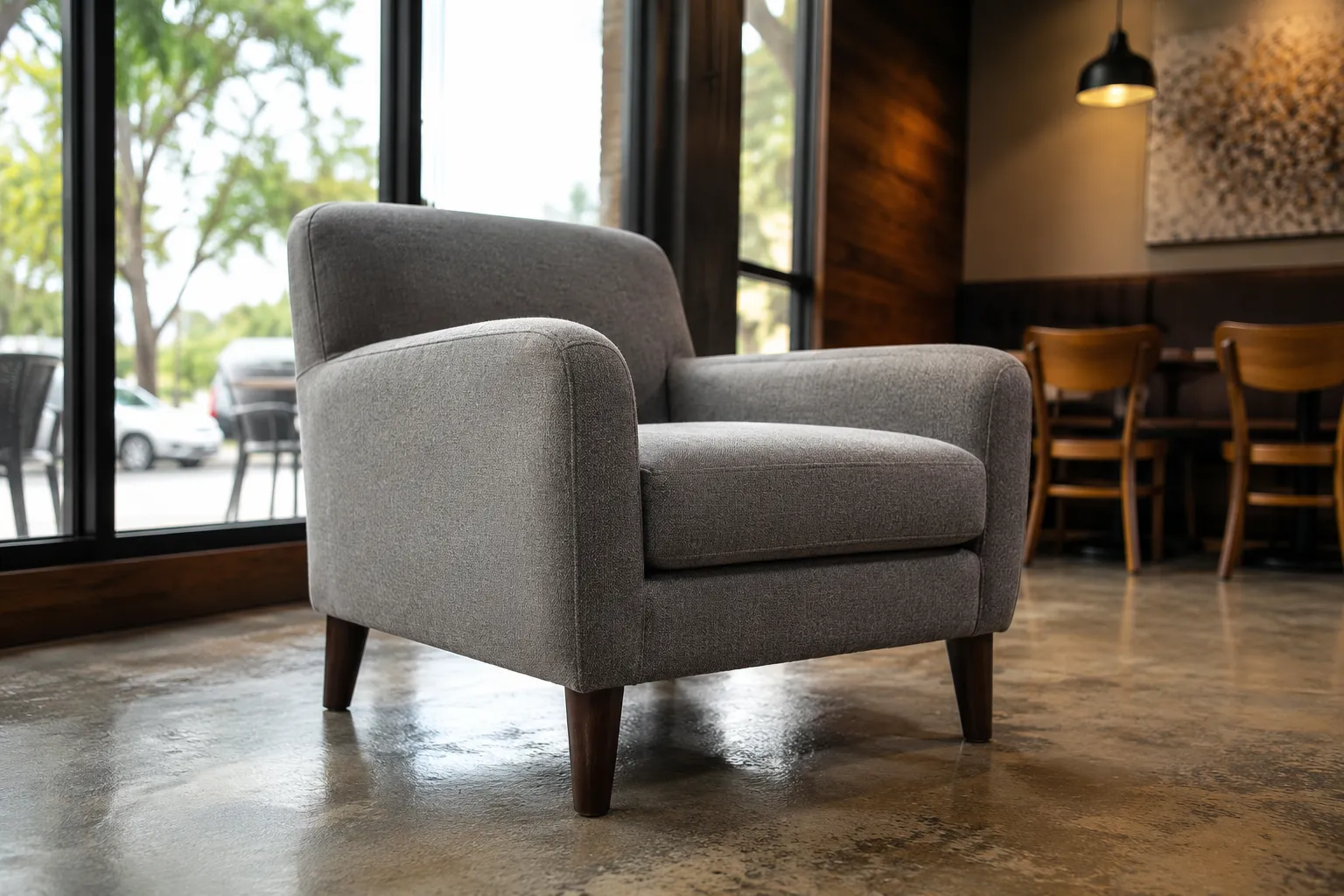
Request: The armchair in the waiting area is soiled and has hand stains.
Done: We performed dry cleaning of the armchair using fabric shampoo and extraction.
Cost: 3 500 ₸
Master: Ruslan Kassymov, dry cleaning master
Total: The armchair is clean, without stains or odors, the upholstery has a matte finish.
 After
After
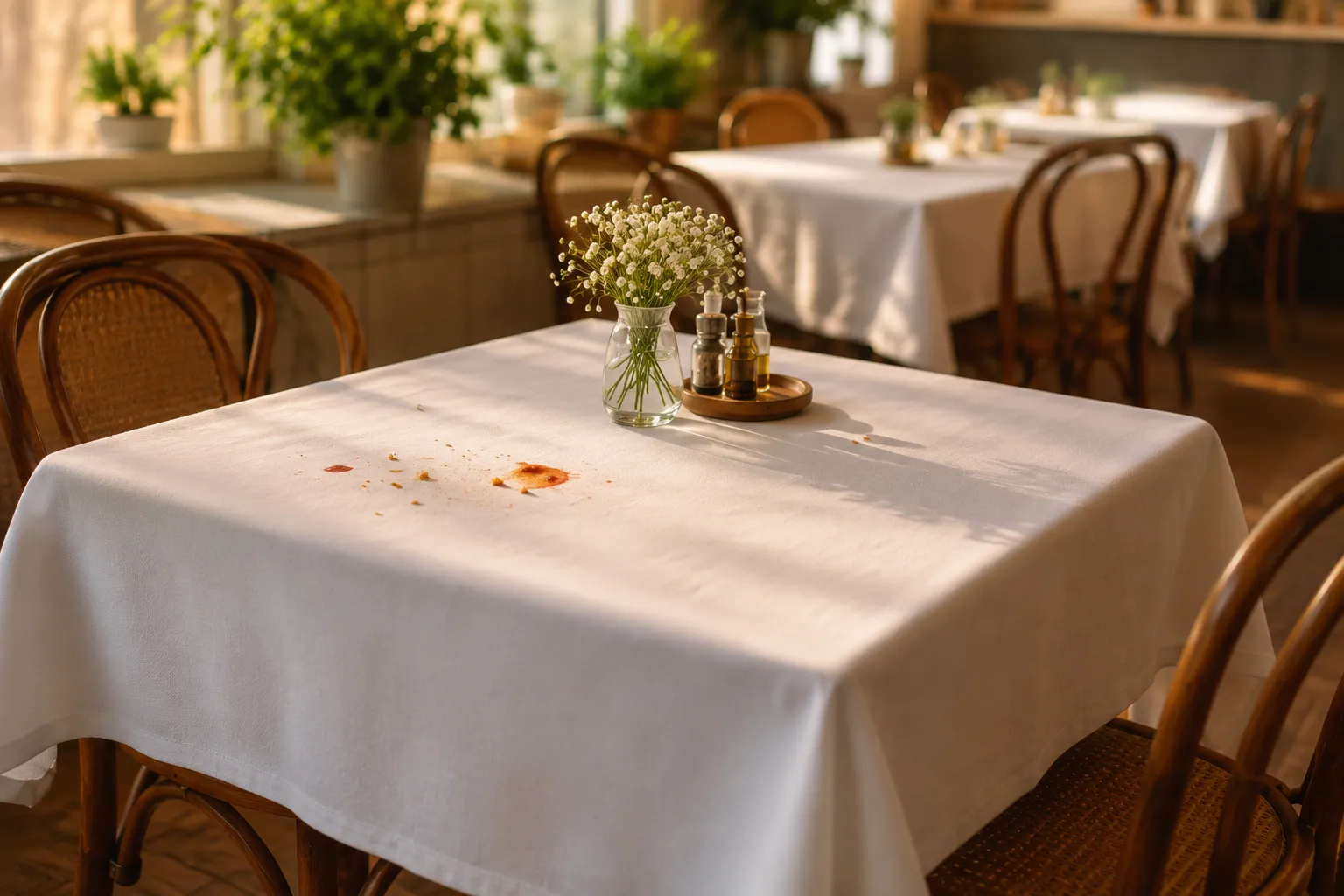
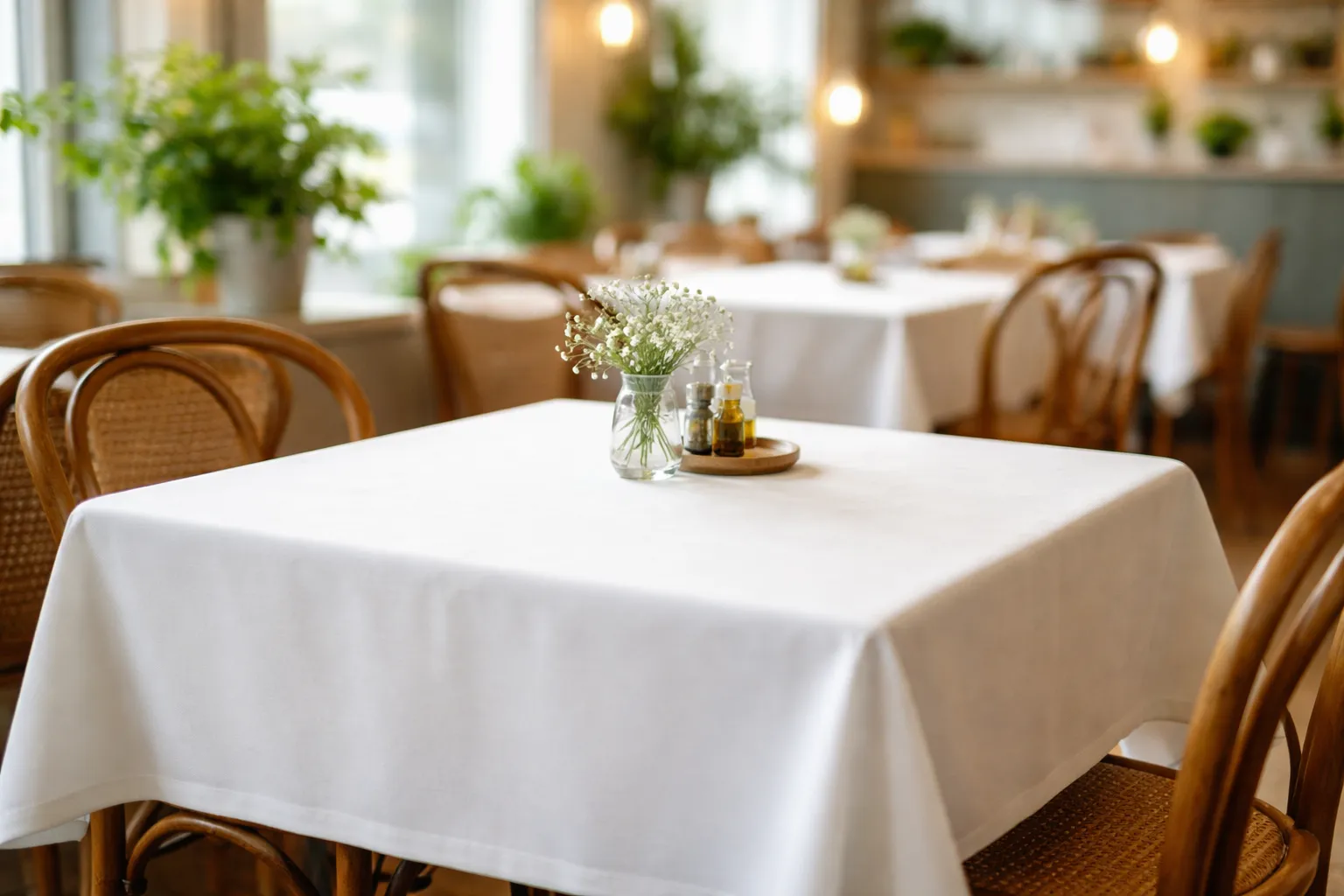
Request: The tablecloth has a tomato sauce stain that needs to be removed.
Done: We treated the stain with an enzyme cleaner and washed the tablecloth with bleach.
Cost: 21 000 ₸
Master: Aigul Sadykova, dry cleaning master
Total: The sauce stain is completely removed, the tablecloth is white and fresh.
 After
After
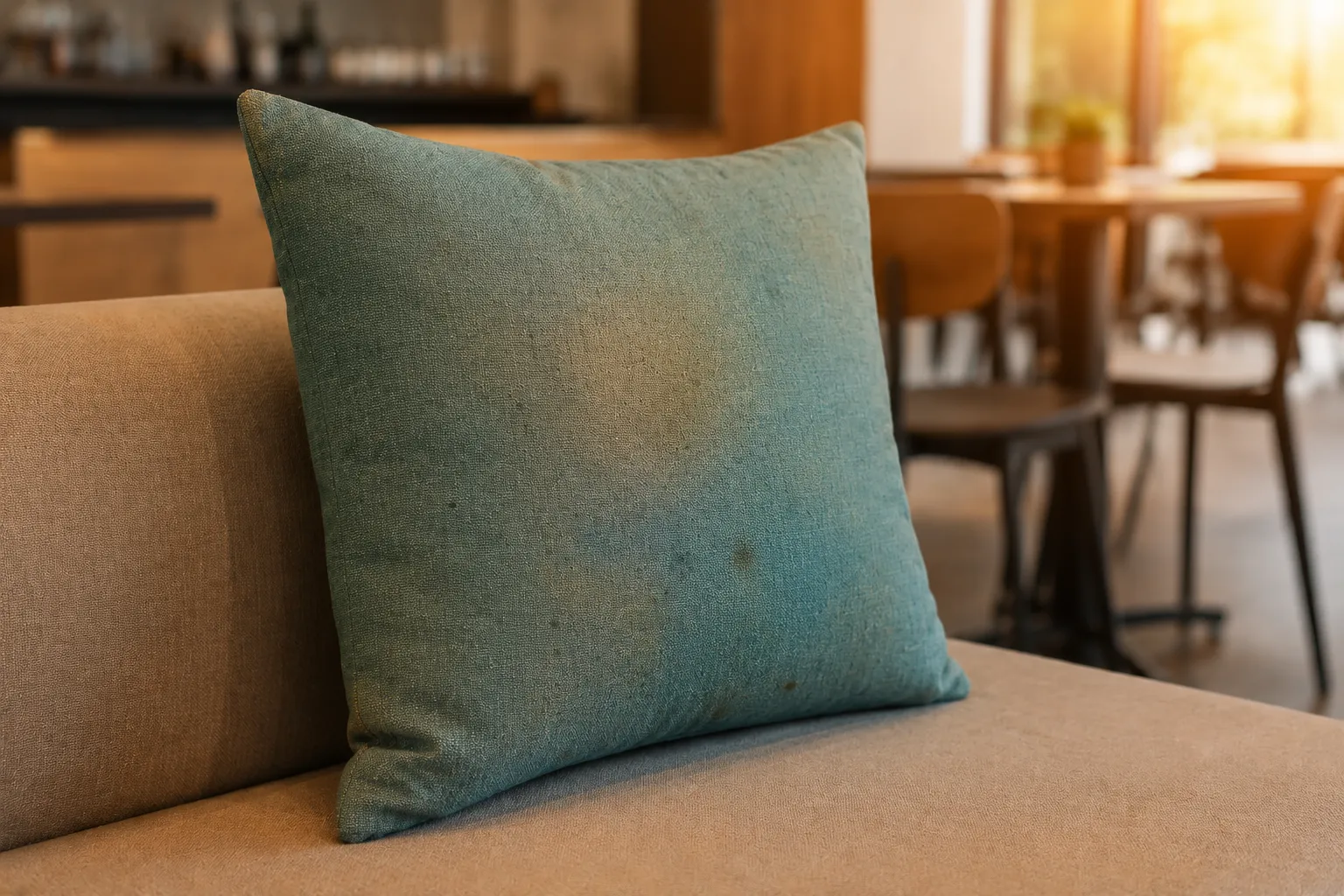
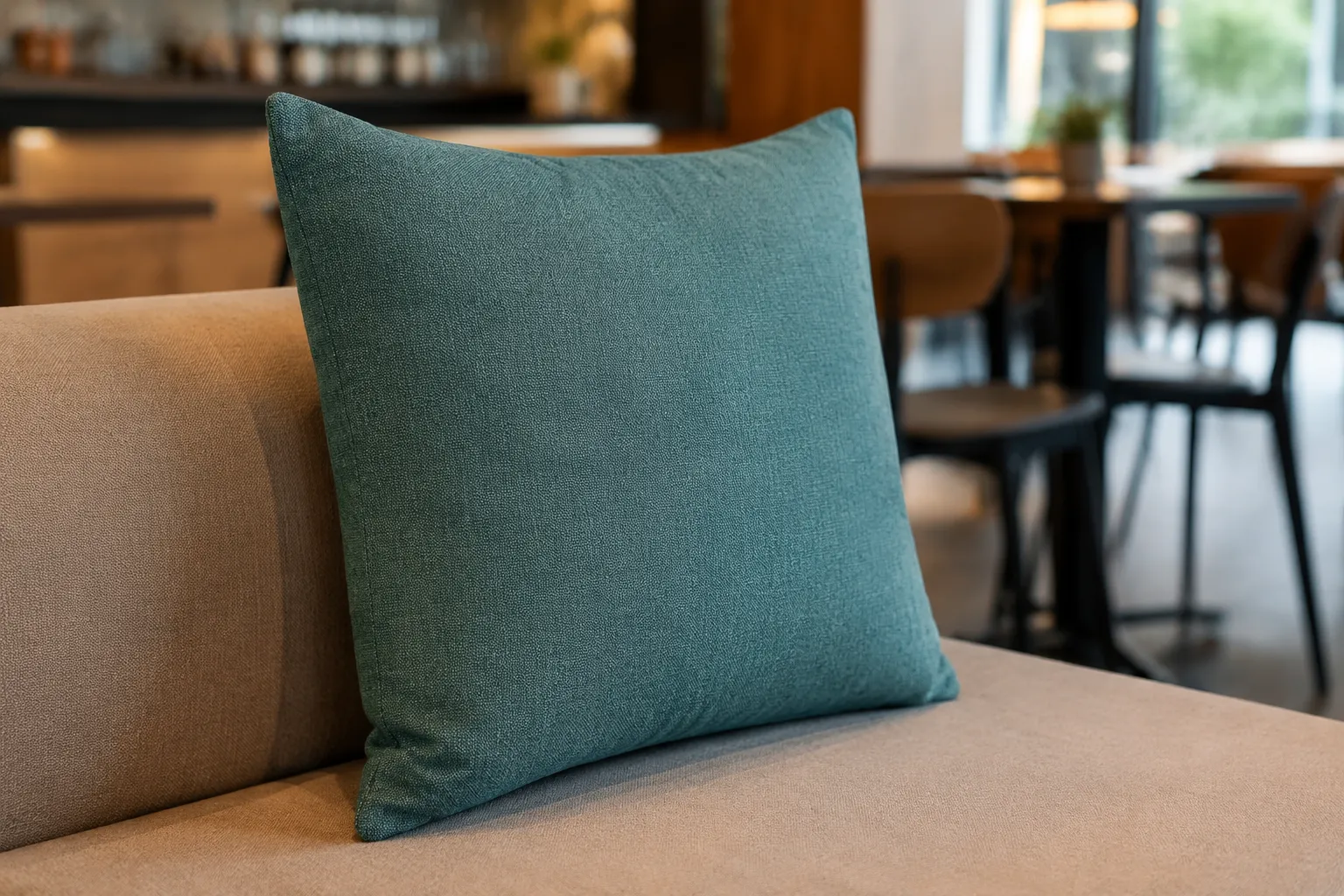
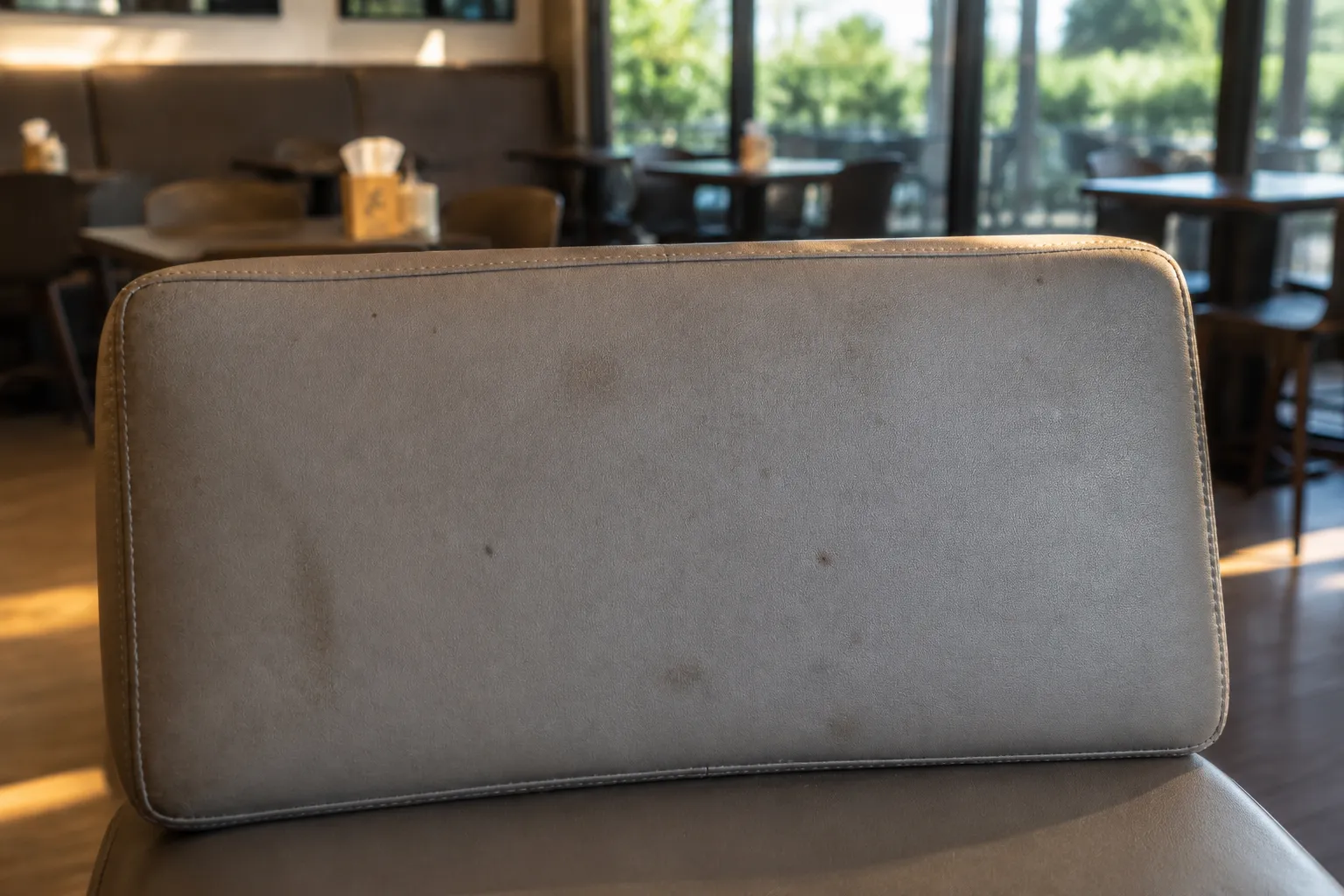
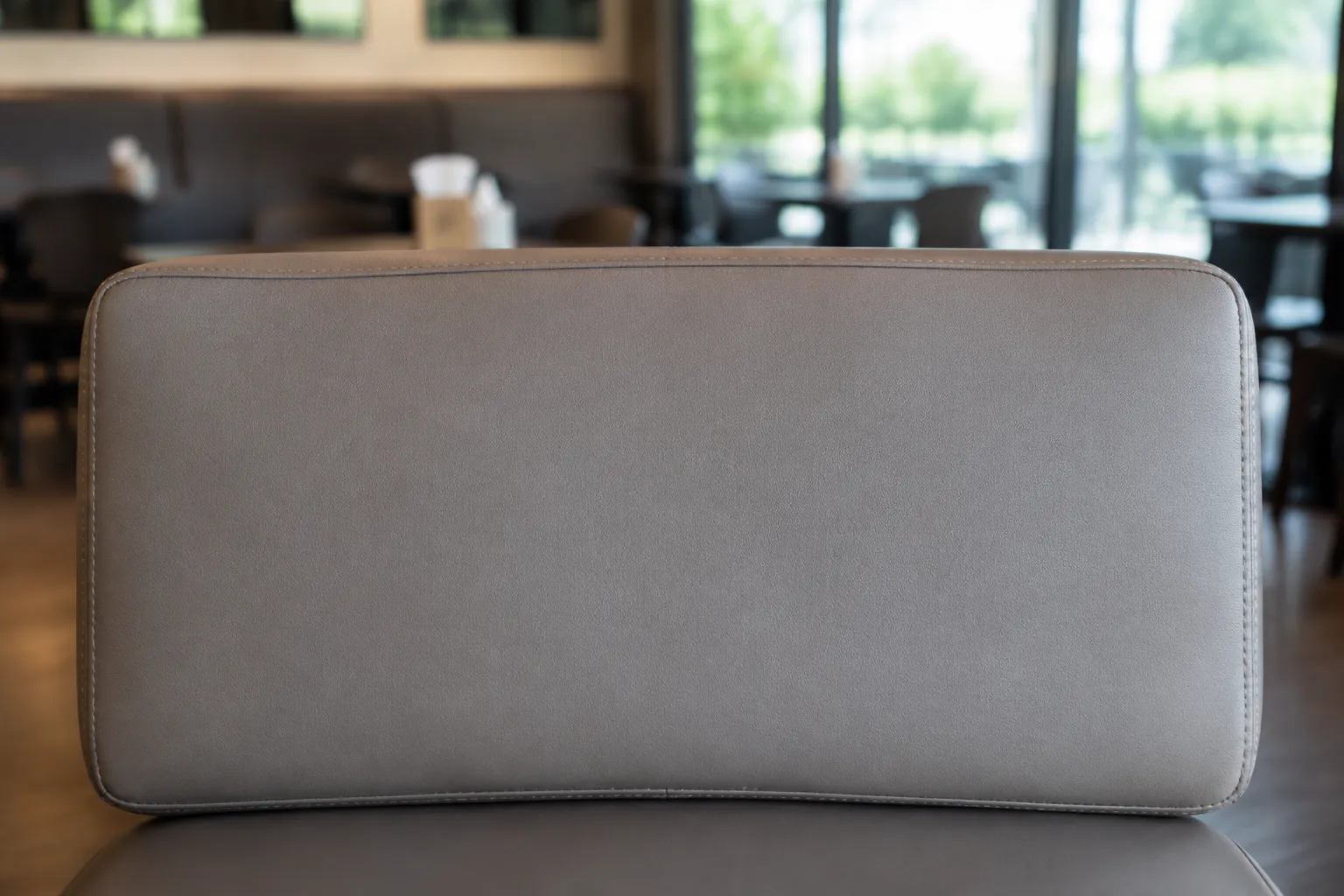
Request: The cushion cover on the sofa has yellowed and has stains, needs cleaning.
Done: We removed the cover, removed stains, and washed it with fabric softener.
Cost: 20 000 ₸
Master: Gulmira Kaliyeva, dry cleaning master
Total: The cushion cover is clean, white, and pleasant to the touch.
 After
After
Request: The sofa headrest is soiled from hair and cosmetics, needs cleaning.
Done: We treated the headrest with steam and foam cleaner, then extraction.
Cost: 11 000 ₸
Master: Bekzhan Nurgaliyev, dry cleaning master
Total: The headrest is clean, without greasy marks or odors.
 After
After
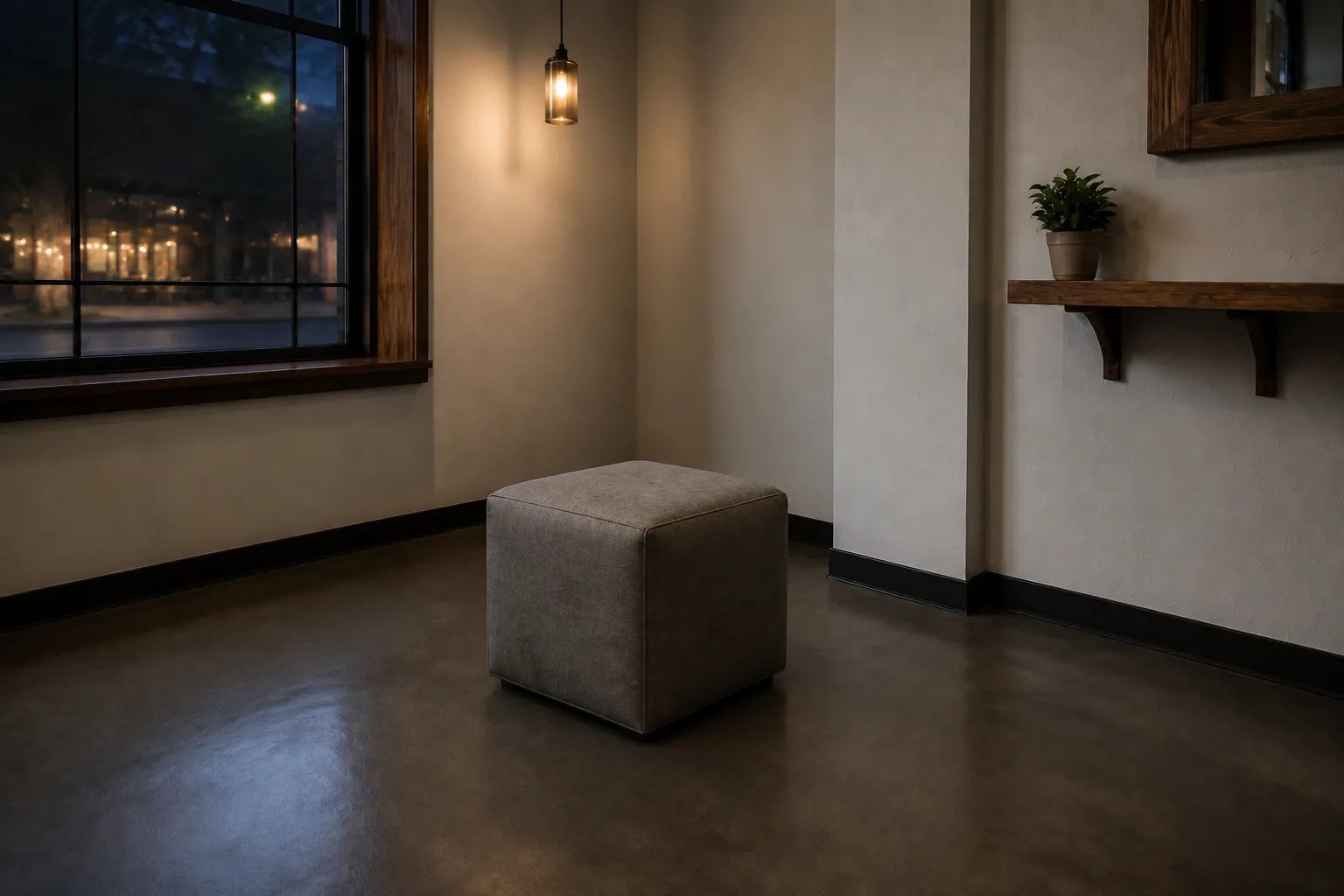
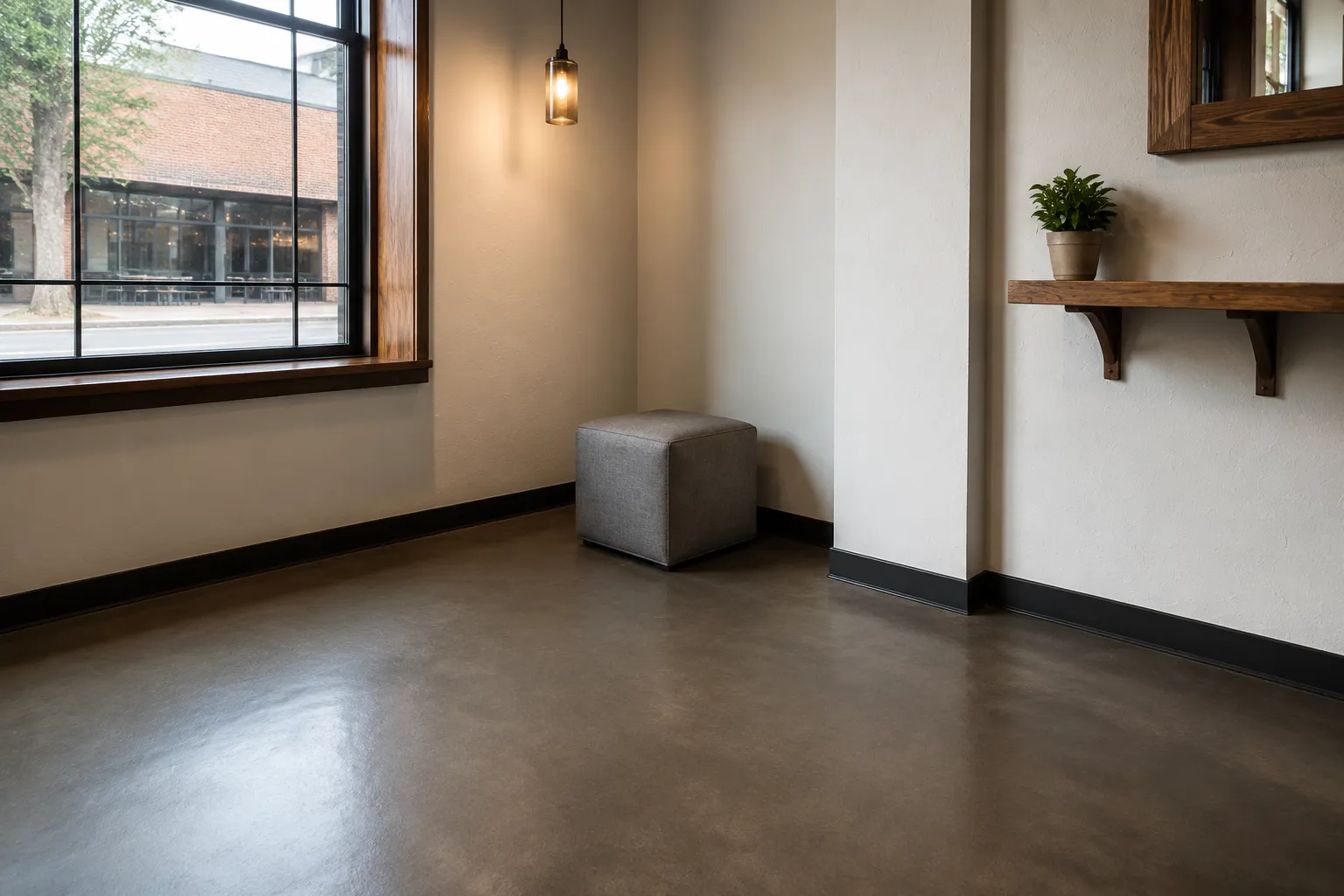
Request: The ottoman in the waiting area is dirty and has shoe stains.
Done: We cleaned the ottoman upholstery with shampoo and removed stains by extraction.
Cost: 2 500 ₸
Master: Daniyar Aliyev, dry cleaning master
Total: The ottoman is clean, without traces of shoes or dirt, the upholstery color is restored.
All cleaners are profi-clean staff with training, uniform and security check. Each order has a team leader who controls quality.
The regularity of dry cleaning in a cafe directly affects guests’ impressions and the lifespan of the furniture, and here at profi-clean we recommend an individual schedule rather than a universal formula. The frequency depends on three factors: the establishment’s foot traffic, the type of upholstery (fabric, leather, velour, microvelour), and the cafe zone (dining area, bar area, children’s corner).
Dining areas with seating for 40 or more require deep dry cleaning every 3–4 months — this is enough to remove oil stains from sauces and ingrained dirt from shoes. “But what about weekly damp cleaning?” — it removes dust and crumbs but does not wash out grease deposits from the fabric fibers. In our orders for cafes in central Almaty with a flow of 100+ guests per day, we noticed that by the fourth month, chair backs acquire a grayish tint that regular carpet shampoo cannot handle — only extraction with pre-soaking in an enzyme solution works.
The bar counter and soft sofas by the windows accumulate odors from spilled coffee and alcohol faster than dining chairs — here we recommend dry cleaning every 2–3 months. In practice, if latte is spilled on a microvelour sofa and immediately blotted with a napkin, no visible trace remains, but without professional cleaning within a month, bacteria develop in that spot, producing a sour smell when heated by the radiator. Therefore, before the start of each season (spring and autumn), it’s worth planning a full cycle: moisture-proof impregnation and antistatic treatment for sofas so the fibers attract less dust.
Carpets at the entrance and in the waiting area collect up to 80% of street dirt — they need cleaning every month, with a full deep dry cleaning and extraction done every six months. In winter in Almaty, reagents from sidewalks settle on the carpet and destroy the latex base if not neutralized with an alkaline solution within a week of being tracked in. In summer, conversely, sand and fine gravel act as an abrasive — with each guest’s step, micro-particles abrade the pile, and by the end of the season, the carpet looks “bald” near the threshold.
In cafes, dozens of types of soiling are encountered, but the most stubborn are those that have had time to set into the fabric or upholstery. Let’s break down which stains we deal with the longest and why not every cleaner takes them on without specialized chemicals.
Oil and grease soiling, especially from fryers or sauces, are the leaders in difficulty. Grease penetrates deep into the fabric’s pores and, upon contact with oxygen, oxidizes, turning into a yellow film that cannot be washed off with regular foam. In our practice, on kitchen aprons and tablecloths, such stains require pre-soaking in an alkaline solution at 40–50 °C — only then does the grease emulsify and come out of the fibers. Moreover, on synthetic fabrics (polyester, nylon), oxidation occurs faster than on natural cotton, so old oil on an apron may require up to 3–4 treatment cycles. We remove a fresh grease stain in one go, but a burnt one only after mechanical pre-activation. Tip: if you notice an oil stain on a tablecloth, do not rub it with a napkin — you’ll push the grease deeper; just blot it and immediately set the item aside for soaking.
Caffeine and tannin combined with milk protein create a stubborn two-component soiling. Coffee without milk is relatively easy to remove — tannin dissolves in an acidic environment (citric acid or 9% vinegar). But as soon as milk is added to the cup, the protein coagulates when heated and “bonds” to the fiber. On white microfiber tablecloths, this looks like a yellowish ring that does not disappear even after washing at 60 °C. We use an enzyme pre-spray with protease — it breaks down the protein component, after which the tannin is removed with an acidic solution. On dark sofa upholstery, coffee stains are less visible, but when dry, they leave a sticky residue that attracts dust. An important nuance: hot coffee spilled on a sofa should not be immediately scrubbed with foam — the high temperature sets the protein, and the stain will remain forever; first, let the fabric cool for 10–15 minutes.
Anthocyanins — natural pigments in grapes and berries — stain fabric instantly and deeply. Red wine on a light-colored chair upholstery is one of the most common challenges in Almaty cafes with summer terraces. We remove fresh stains with cold water and 3% hydrogen peroxide — it oxidizes the pigment. But if the stain has dried (and wine contains sugar that bonds fibers together), an enzyme cleaner is essential. Natural fabrics (linen, cotton) absorb anthocyanins faster than synthetics but release them more easily — a 30–40 minute soak is sufficient. Synthetics (polyester in upholstery) hold the pigment longer, and if more than 2 hours have passed, the stain may become irreversible. Practical tip: if wine spills on a tablecloth, immediately sprinkle it with salt — it will absorb the moisture and prevent the pigment from setting, then take the item to dry cleaning within an hour.
Condensation of sebum and sweat is an invisible but insidious contaminant in seating areas. On the armrests of upholstered furniture in cafes, a layer accumulates over a year that is invisible to the eye but turns into a sticky film upon contact with water. Regular detergents with surfactants only wash off the top layer, leaving grease in the fabric pores to “burn” — oxidize, causing unpleasant odors and yellowing. We use an alkaline extractor with a pH of 10–11 and hot water supply (60 °C) — only this fully emulsifies and flushes out the grease from deep within the fibers. On velvet and flocked upholstery, it’s crucial not to overwet the fabric, otherwise the adhesive base may delaminate. Our experience: in cafes where sofas haven’t been cleaned for 2–3 years, greasy armrests require 3–4 extractor passes — otherwise, the odor returns within a week of cleaning.
Tomato paste and ketchup contain lycopene — a fat-soluble pigment that oxidizes and darkens when heated. If sauce gets on a tablecloth and it’s washed at 90 °C, the lycopene “bakes” into the fiber — the stain becomes orange-brown and nearly impossible to remove. We treat such stains with cold water and an enzyme powder (lipase + protease) — they break down both fat and protein. Mustard is trickier: it contains curcumin, which produces a stubborn yellow color and resists both acid and alkali. On white cotton tablecloths, curcumin is only removed with a sodium percarbonate-based bleach at 40 °C — above 50 °C, it sets permanently. Recommendation: if ketchup or mustard gets on fabric, do not rub or wet with hot water — let the stain dry, then treat it with a cold enzyme spray before washing.
The choice between dry and wet treatment of furniture and textiles is the first thing a cafe owner faces when ordering cleaning services. In our practice, both methods work, but each solves its own task and has strict limitations based on fabric type, stain age, and drying time.
The dry method (solvent extraction without water) is the irreplaceable solution for decorative silk pillows, velvet banquettes, and chairs with viscose or acetate upholstery. In Almaty cafes, such materials are found in lounge areas and VIP rooms: water leaves streaks on them and shrinks the fabric by 3-5% in the warp. We use solvents based on perchloroethylene or low-viscosity hydrocarbons — they evaporate in 20-30 minutes without deforming the fiber. In practice, this means chairs are ready for use an hour after treatment, not a day later as with wet cleaning. For sofas with combined upholstery (e.g., velvet + genuine leather), dry treatment is mandatory: wet leather develops whitish spots from dried foam glue, which can only be removed chemically. Before ordering dry cleaning, check the upholstery label — if it has code “S” (solvent only), applying water will definitely ruin the item.
Hot water extraction cleaning with a pressurized cleaning solution is the primary method for kitchen textiles, dining area carpeting, and chairs with dense synthetic upholstery (microfiber, polyester, nylon). In cafes where coffee is spilled daily and frying grease settles on fabric as a sticky film, dry solvent cannot handle it, while hot water at 55-60°C emulsifies oils and flushes them out along with dirt particles by 85-90% in a single pass. For carpeting in high-traffic zones (near the service counter, at the entrance), a pH-neutral shampoo is mandatory — alkaline compounds leave a soapy residue that attracts dust faster than an uncleaned carpet. Wet cleaning requires mandatory drying with an industrial fan (6-12 hours) — if furniture is left damp, mold fungus develops in the foam within 48 hours. In our orders for full-hall dry cleaning, we always offer wet treatment for microfiber chairs and dry treatment for velvet banquettes, even if the client asks to “do everything the same.”
The most common request in our practice is coffee with milk stains on a sofa where part of the upholstery is fabric and part is faux leather. On fabric, coffee is removed using a wet method with an enzyme stain remover (breaks down milk protein at 40°C), while on faux leather, dry foam is used to avoid over-wetting the seams and delaminating the coating. If wet cleaning is applied to the entire sofa, after 2-3 drying cycles, faux leather cracks at the bending points. For chairs with different materials on the seat and backrest (microfiber + velour), we always treat each area with its own method — this takes 20% more time but extends the upholstery’s lifespan by a year to a year and a half. In Almaty cafes with high traffic, we recommend combined cleaning every six months, rather than less frequently as with a mono-method.
Almaty’s climate, with dry summers (20-30% humidity) and humid winters (up to 75% during thaws), dictates seasonal restrictions. In July-August, wet dry cleaning dries in 4-6 hours with open windows and fans — this is comfortable for cafes with a summer terrace. In November-February, with high humidity and closed windows, drying stretches to 12-14 hours, and we switch to the dry method for all objects except kitchen textiles. If wet cleaning is ordered on a rainy day, the furniture will not dry by morning — by morning, a musty smell will appear, requiring repeated treatment with ozonation. For cafes in basement premises (e.g., on Panfilov Street), we use only the dry method year-round — natural ventilation there is minimal, and the risk of mold is three times higher compared to ground-floor halls. Before ordering, check the weather forecast for the next 24 hours with the technologist — this will save both money and hall downtime.
Dry cleaning in cafes in Almaty has its own specifics, determined by urban conditions, the type of establishments, and the nature of stains. We will break down the key nuances that distinguish this service from standard cleaning and help avoid mistakes.
Almaty cafes are, as a rule, establishments with high traffic and an intense flow of visitors, especially in the center and in areas like Medeu or Bostandyk. Unlike offices, where stains are mainly dust and coffee, cafes add greasy food stains, sauce marks, spilled drinks, and particles of street dirt tracked in on shoes. Moreover, street dust in Almaty often contains sand and fine particles that embed into carpet pile and soft furniture upholstery. Our practice shows that the average cafe workload is 40-50% higher than office workload, causing fabric wear and dirt accumulation to occur 1.5-2 times faster. Therefore, standard dry cleaning schedules designed for office spaces are ineffective for cafes — more frequent and aggressive treatment is required, but without the risk of damaging delicate materials.
Fluctuations in humidity and temperature in Almaty — from dry summers to wet autumns — directly affect how fabrics dry after dry cleaning. In the summer heat with 30-40% humidity, wet cleaning dries in 4-6 hours, which is convenient for cafes with an evening shift. But in autumn, when humidity rises to 70-80%, the same coating can take 10-12 hours to dry. If the cafe is open during this time, there is a risk that the fabric will remain damp and begin to absorb kitchen odors — smoke, oil, spices. For such cases, we use dry extraction with minimal moisture and accelerated drying using infrared lamps: drying time is reduced to 2-3 hours even on a rainy day. In my opinion, in autumn in Almaty, it is better to schedule dry cleaning in a cafe for closing time or a day off to eliminate the risk of unpleasant odors.
In cafes with open kitchens, which are popular in Almaty (on Arbat, in the “Mega” and “Dostyk Plaza” shopping centers), cleaning chemicals must not only be effective but also safe for the food preparation area. A typical mistake is using aggressive solvents based on chlorine or ammonia, which leave a pungent odor and can get onto food or dishes. For such establishments, we only use hypoallergenic Kiehl and Sodasan compounds: they are biodegradable, do not emit toxic fumes, and are safe for contact with food surfaces. Moreover, even when using safe chemicals, it is important to correctly calculate the airing time — at least 2 hours after cleaning — to completely eliminate residual odors. Ignoring this rule can lead to visitors smelling a “chemical” odor, which will spoil the impression of the establishment.
Upholstered furniture in cafes — chairs, sofas, banquettes — experiences constant mechanical stress: visitors sit down, stand up, move chairs, and spill drinks. If the moistening mode is incorrectly selected during dry cleaning, the filling (foam rubber, polyurethane foam) can become deformed or matted. This is especially critical for cafes with soft seating areas, where sofas are used daily for 12-14 hours. When cleaning furniture in such places, we use low-moisture technology: water application is minimal (up to 5% of the fabric weight), and the main action is mechanical extraction with turbo brushes. This preserves the shape of the filling and does not require long drying. In our practice, there was a case in a cafe on Abay Avenue where, after unprofessional cleaning, the sofas sagged by 3-4 cm — the filling had to be replaced, which cost more than the dry cleaning itself.
Grease stains in cafes are the most common and insidious problem: they oxidize in the air, turn yellow, and become fixed in the fibers if not treated with the right compound within the first few hours. At profi-clean, we use a three-level system of professional products — from enzyme pre-sprays to pH-neutral emulsifiers — and we see that the choice of chemicals determines 80% of cleaning success.
Enzyme pre-sprays work on the principle of biological breakdown: enzymes (lipases and proteases) “digest” fat and protein molecules, turning them into water-soluble compounds that are easily rinsed away by an extractor. Solvents (hydrocarbon or chlorine-based) work differently — they dissolve grease chemically, but are often aggressive towards fabric dyes and the rubber backing of carpet coverings. In our practice, on kitchen tile floors, the Kiehl Multi-Star enzyme pre-spray is more effective — it breaks down old grease in 10-15 minutes without fading the grout. On sofas with fabric upholstery, we use the Sodasan Fleckenteufel enzyme compound: it is safe for seams and does not leave streaks. We only use solvents for targeted, stubborn stains on hard surfaces (for example, on plastic seats) — and we always test on an inconspicuous area to avoid damaging the coating.
Upholstery in cafes comes in three main types, each requiring specific chemicals. For microfiber and synthetics (chairs, banquettes), neutral cleaning agents with low pH work best — for example, Kiehl MC 20: it removes fresh grease and oil without the risk of fabric shrinkage. Natural cotton and linen (tablecloths, napkins) require alkaline compounds with a pH of 9-10 — they emulsify grease without damaging cellulose fibers. The most delicate area is silk and viscose (decorative pillows, premium upholstery): here we only use enzyme-based products without alkali or solvents, applying them with a foam applicator to avoid over-wetting the fabric. In Almaty, winter air humidity drops to 40%, and with rapid drying, incorrect chemicals cause whitish streaks — so we always check the pH after cleaning with litmus paper.
The main mistake is using household products like Fairy or Cif on upholstery. They contain anionic surfactants that leave a sticky film on fibers — new dust and dirt cling to it, and within a month the stain looks worse than before cleaning. The second common mistake is applying solvent to a hot surface: after frying near a kitchen counter, grease sets deeper, and if you spray chemicals immediately, they evaporate without having time to work. At profi-clean, we always cool the stain area with dry ice or simply wait 20 minutes before applying a pre-spray. The third mistake is overexposure: enzyme products should not be left for longer than 15-20 minutes; they dry out and start acting like a weak glue, holding dirt in place. We remove excess with a damp cloth exactly after 12 minutes — we time it with a timer.
Grease stains vary by origin, and there is no universal remedy. Oil and margarine (deep fryer, frying) are the easiest: they are removed with an enzyme pre-spray in 10 minutes if the stain is fresh. Butter and sauces based on it (béchamel, hollandaise) contain milk protein, so a combined enzyme (lipase + protease) is needed; otherwise, the protein remains and leaves a yellow trace after drying. Vegetable oils (olive, sunflower) oxidize faster than animal fats, so we treat them with oxygen bleach (sodium percarbonate) after the enzyme pre-spray. Grease with burnt residue (caked on a pan) requires mechanical softening with steam before chemicals, otherwise the enzyme won’t penetrate deeply. In Almaty cafes, stains from kurt and kazy are common — these are animal fats with a high melting point, treated only with a hot enzyme solution (45-50°C); cold chemicals won’t work.
“`markdown
After professional dry cleaning, cafe upholstery stays clean for an average of 2–4 weeks, but this period can be extended to 6–8 weeks by implementing simple protective measures. We’ve gathered five working techniques that are effective in Almaty cafes.
A steam generator with a steam temperature of 130–150 °C kills up to 99% of bacteria and neutralizes fresh grease vapors in 30 seconds, preventing them from settling on the fabric. In our orders for cafes on Zhibek Zholy Street, we noticed: if you steam the chair upholstery after the evening shift, a repeat deep cleaning is needed 3 weeks later. Use a handheld steamer with a power of at least 1500 W — it’s safe for velvet, flock, and microfiber. Before first use, test the fabric’s reaction on an inconspicuous area.
Fluoropolymer impregnation creates an invisible film on fibers that repels liquid and grease. In a cafe with an open kitchen on Al-Farabi Avenue, we treated sofas with a product from the Kiehl brand — after that, even spilled coffee didn’t soak in but remained on the surface as droplets that were easily wiped off with a napkin. One application lasts 4–6 months, and the treatment cost is 30–40% lower than an unscheduled dry cleaning. Apply the impregnation only to dry, pre-cleaned fabric.
Dust and sand from shoes settle on upholstery at a height of up to 40 cm from the floor — that’s where 70% of dirt accumulates. In Almaty cafes, we recommend washing floors with a neutral cleaning agent (pH 6–7) every 2–3 hours during peak times (12:00–14:00 and 18:00–20:00). According to our measurements, this reduces the amount of transferred dirt by 60%. Use a microfiber mop — it collects dust rather than spreading it.
In the bar counter area, upholstery gets dirty twice as fast as in the main hall due to splashes of oil and syrups. We recommend changing covers on bar stools every 3 days, and on sofas in the hall every 7–10 days. In one project in the Medeu district, we introduced a rotation: Monday / Wednesday / Friday — replacement in the bar area, the remaining days — the main hall. Result: overall cleanliness was maintained for 2 weeks longer without additional dry cleaning. Create a checklist of zones and change days for yourself.
In cafes where guests eat on sofas, stains from sauces and crumbs appear 3 times more often than at tables. We advise placing signs on sofas saying “Please use a tray for food” or designating only tables with hard chairs for eating. In one cafe on Panfilov Street, after such zoning, the number of stains on upholstery decreased by 50% in a month. If you cannot completely eliminate food on sofas, place microfiber napkins on the tables and change them every hour. “`
We ordered dry cleaning for the kitchen hood and stoves. The grease was cleaned perfectly, even old drips disappeared.
Thank you, Aigerim! Glad the result exceeded expectations.
The carpets in the hall after the party were in terrible condition. Coffee and sauce stains were removed without a trace, fresh smell.
We had dry cleaning done for sofas and chairs in the cafe. Tea and food stains disappeared, but there were slight streaks on the light upholstery. Overall good.
Thank you for the feedback, Daniyar! Please note, we use special products for light fabric, we will take it into account next time.
The ceiling and walls in the kitchen turned yellow from soot. After treatment, they became like new, hard to believe.
We performed dry cleaning for ventilation grilles and air ducts in a cafe. The air became noticeably cleaner, and grease stopped dripping.
Great, Yerlan! Clean ventilation is key to the health of guests and staff.
Tablecloths and napkins with stubborn beet and wine stains were washed, whiteness restored.
We ordered dry cleaning for the cafe's facade and sign. Dirt and dust were washed off, but there are still small streaks on the sign. Overall satisfied.
Kuanysh, thank you! We will treat the sign again with a different solution to remove streaks.
The tile floor in the hall had oil stains. After steam cleaning, it shines like new, slipperiness gone.
Needed dry cleaning for the bar counter — ingrained coffee and grease. Done perfectly, wood not damaged.
Timur, glad we preserved the coating! Enjoy your work.
The sofas in the lounge area were greasy and smelled of food. After cleaning — freshness, no stains, nap lifted.
We did dry cleaning for the grill and deep fryer in a cafe. Carbon and oil washed to a shine, equipment works like new.
Alexey, thank you! Clean equipment is the key to delicious food.
The chandeliers in the hall had a thick layer of dust and grease. Washed to transparency, light became brighter.
We ordered dry cleaning for plastic tables and chairs at a cafe. Sticky residue removed, now pleasant to touch.
Carpet in the hall was worn through to holes? No, but stains from spilled beer and soda were completely removed. Color restored.
Marat, great! Thanks for the review.
We did dry cleaning for windows and showcases at a cafe. Glass is clean, but silicone traces remain on frames. Overall not bad.
Daniyar, we'll take note. We'll treat frames with a special agent.
Stove and oven after a year of use — cleaned to a shine, burnt pieces came off without effort.
Dry cleaning was needed for refrigeration equipment at a cafe. Cleaned inside and out, rubber seals became elastic.
Yerlan, thanks! A clean fridge means fewer bacteria.
Mirrors in the hall had streaks and splashes. After cleaning — perfectly clear, no streaks.
Ordered dry cleaning for ventilation grilles at a cafe. Grease removed, air became fresher, flies stopped flying to the smell.
Kuanysh, great! Ventilation is an important point.
In the dining area, there were stains on the walls from broth and ketchup. Washed everything off, paint not damaged.
Dry cleaning was needed for a coffee machine at a cafe. Got rid of coffee scale and oily film, drink taste improved.
Timur, thanks! A clean coffee machine means great coffee.
Pillows on sofas had hard-to-remove wine stains. Removed without a trace, color didn't fade.
We did dry cleaning at a cafe for microwaves. Burnt residues inside were cleaned, and the smoke smell disappeared.
Window sills and baseboards were dusty and greasy. Wiped to a shine, even corners are clean.
Olga, thank you! Little things create the overall impression.
Ordered dry cleaning at a cafe for doors and handles. Sticky residue removed, now pleasant to open.
Children's corner — carpets and toys. Marker stains removed, but some traces remain on a few. Overall clean.
Marat, noted. We have special products for markers, will treat additionally.
Did dry cleaning at a cafe for restrooms. Tiles and fixtures shine, no chlorine smell left.
Daniyar, thank you! Hygiene is important.
Entrance doors and doormat — removed dirt and shoe marks, now looks welcoming.
Dry cleaning was needed at a cafe for the terrace. Tiles cleaned from oil and dirt, even moss removed.
Yerlan, great! Now the terrace looks like new.
Window blinds were dusty and greasy. Cleaned, now they don't squeak and look new.
Ordered dry cleaning at a cafe for the storage room. Shelves and floor cleaned from dust and old oil, now pleasant to work in.
Kuanysh, thank you! Order in the storage room means order in work.
The TV screen in the living room had fingerprints and dust. Wiped it clean without streaks, the image is brighter.
We needed dry cleaning for shelving units with dishes at a cafe. Removed grease and plaque, the dishes are sparkling now.
Timur, great job! Clean dishes are a business card.
On average, dry cleaning one sofa takes 30-40 minutes, full treatment of a 100 m² cafe takes 4-6 hours. Drying takes 2-4 hours, so the establishment can operate as usual.
Leave a request on the website or call us. We come for a free assessment, draw up an estimate, and agree on a convenient time. We work daily from 8:00 to 22:00.
Yes, we use certified Kiehl and Sodasan products that are hypoallergenic and leave no toxic residues. After drying, there are no harmful fumes in the room.
Yes, we work without stopping operations. Thanks to fast drying (2-4 hours) and the use of dehumidifiers, furniture and carpets dry quickly, and there are no odors.
The price depends on size: 2-seater sofa — at individual rate, 3-seater — at individual rate, corner — at individual rate. The cost includes extraction cleaning and stain removal.
Price at individual rate per m² for carpets up to 5 m² and at individual rate per m² for carpets 5-10 m². Includes rotary cleaning and stain removal.
Cleaning one upholstered chair — at individual rate. If additional steam treatment or disinfection is required, the price may be higher.
We come for free and draw up an estimate. Approximately: 10 chairs (at individual rate), 5 sofas (45,000-at individual rate), carpets (by area). The final cost depends on the number of items and stain complexity.
We clean sofas, corner sofas, armchairs, chairs, banquettes, poufs, carpets, curtains, tablecloths, covers, armrests, and headboards. Full list in the price list.
Cafe owners note high quality, fast drying, and no odors. Many order regular dry cleaning every 3-6 months. Reviews can be viewed on our website.
Tell us about your experience with profi-clean — it helps other clients and us improve.
We currently operate in Almaty. Other cities are coming soon.