Inspection and Assessment
The technician determines the cloth type, identifies stains and wear level. A magnifying glass is used for micro-analysis of fibers.
Professional Billiard Table Dry Cleaning in Almaty: Removal of Dust, Stains, and Odors from Cloth and Rails
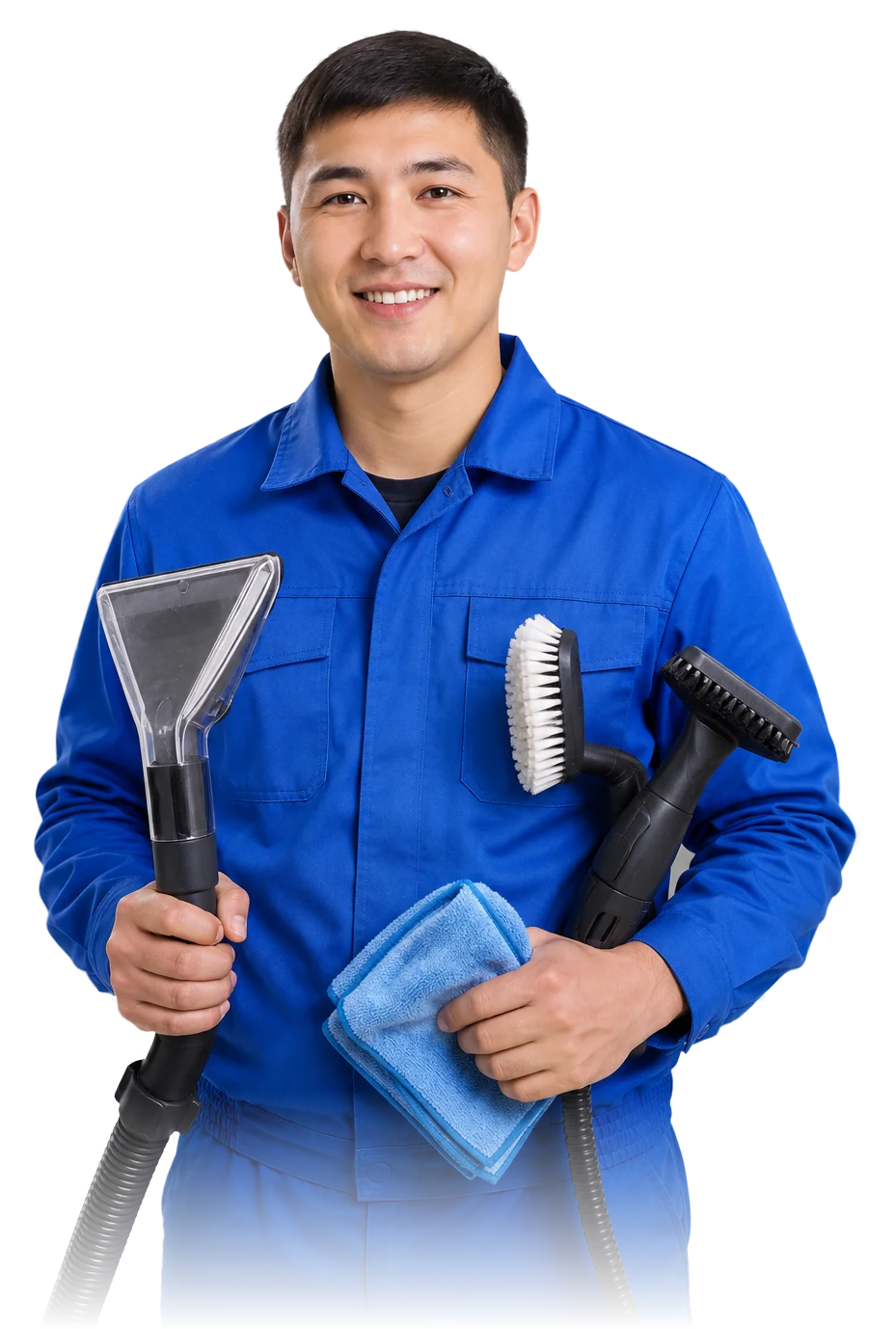
We work with any types and materials
Solid table with woolen cloth requires delicate extraction cleaning to preserve the nap.
from 12,000 ₸Standard pool table: removal of chalk marks and rail polishing.
from 12,000 ₸Large playing field with thin cloth — we use Prochem products for precise cleaning.
from 12,000 ₸Compact home table: quick cleaning with HEPA vacuum and extractor.
from 12,000 ₸Medium size: suitable for Russian pyramid and pool, cleaned in 1.5 hours.
from 12,000 ₸Popular size: deep cleaning of cloth and rails with steam cleaner.
from 12,000 ₸Large club table: removal of old stains and odors.
from 12,000 ₸Expensive covering: we use enzyme stain removers and soft brushes.
from 12,000 ₸Durable covering: more intensive extractor cleaning is allowed.
from 12,000 ₸Optimal option: cleaned with balanced products for blended fabrics.
from 12,000 ₸Rubber rails are treated with steam cleaner and conditioner for elasticity.
from 12,000 ₸Wooden rails are polished with microfiber and protected from moisture.
from 12,000 ₸From inspection to result with guarantee
The technician determines the cloth type, identifies stains and wear level. A magnifying glass is used for micro-analysis of fibers.
Accessories removed, floor and surrounding furniture protected with film. Power disconnected if necessary.
HEPA vacuum with soft brush removes dust, crumbs, and chalk from cloth surface and rails.
Prochem cloth shampoo applied, then Karcher SE 4001 extractor injects solution and vacuums dirt.
Enzyme products applied spotwise to chalk, drink, and grease stains. Left for 5-10 minutes.
Rubber rails treated with steam cleaner, wooden rails with microfiber and polish.
Warm air blow, moisture check with hygrometer, cloth brushing.
Ball roll test, accessory setup, signing the completion certificate.
The Karcher SE 4001 extractor provides pressurized water delivery and instant dirt suction. This removes dust and stains from deep within the nap without damaging the cloth. The equipment is certified for delicate fabrics.
Prochem is a professional line for sports surfaces. Their pH-neutral shampoos do not disrupt the structure of wool and nylon. Enzyme stain removers effectively remove chalk and drink marks.
Each profi-clean technician has been trained in cleaning billiard surfaces. We know the specifics of cloth from different brands and rail types. We regularly upgrade our skills at seminars.
If streaks appear or the cloth deforms after cleaning, we will redo the work for free. The guarantee applies if care recommendations are followed.
We accept requests from 8:00 AM to 10:00 PM. We travel to any location in Almaty. Urgent arrival possible within 1 hour.
After dry cleaning, the technician will provide recommendations to extend the cloth's lifespan. You will receive a care guide and contacts for follow-up consultation. Support via phone and messengers.
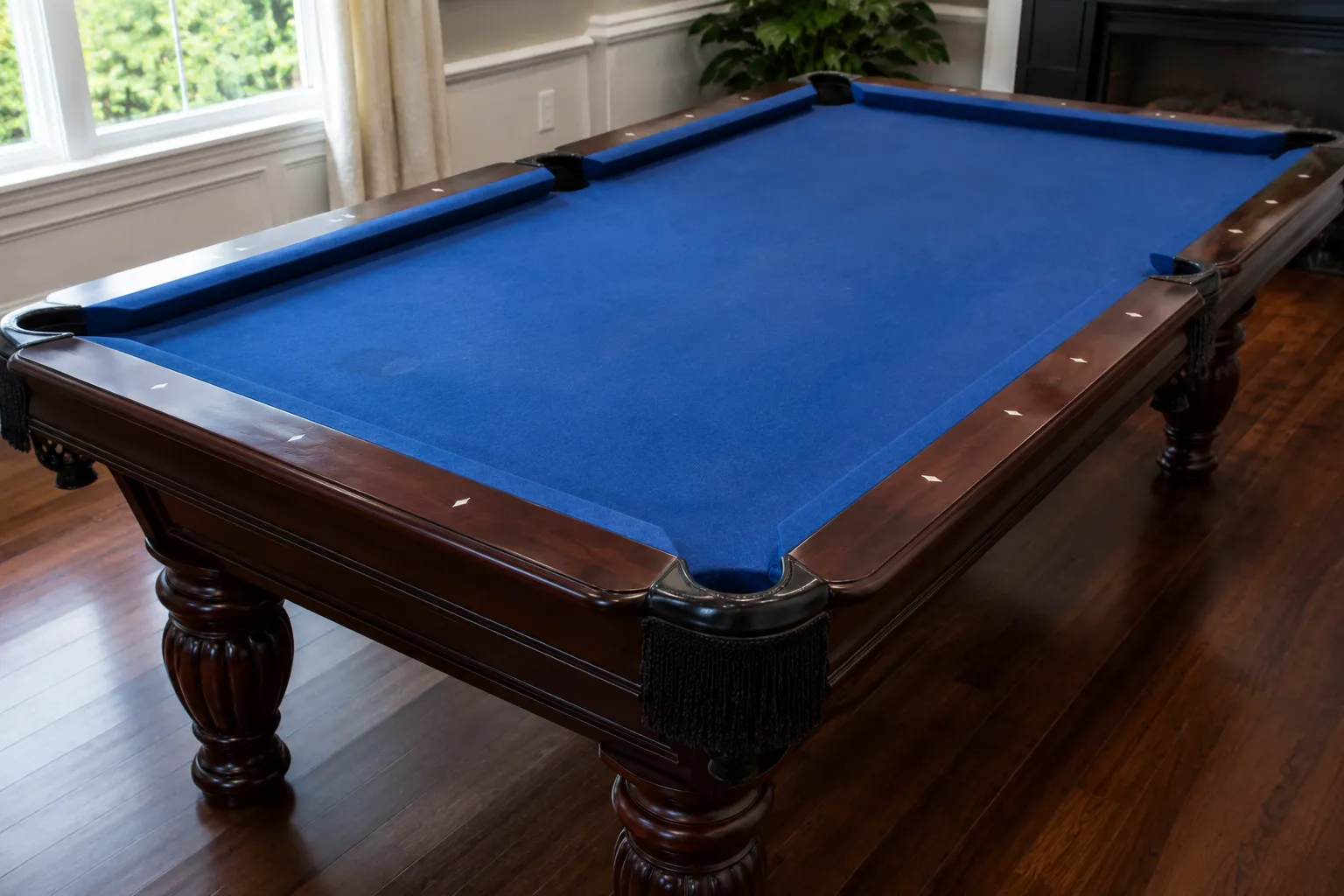
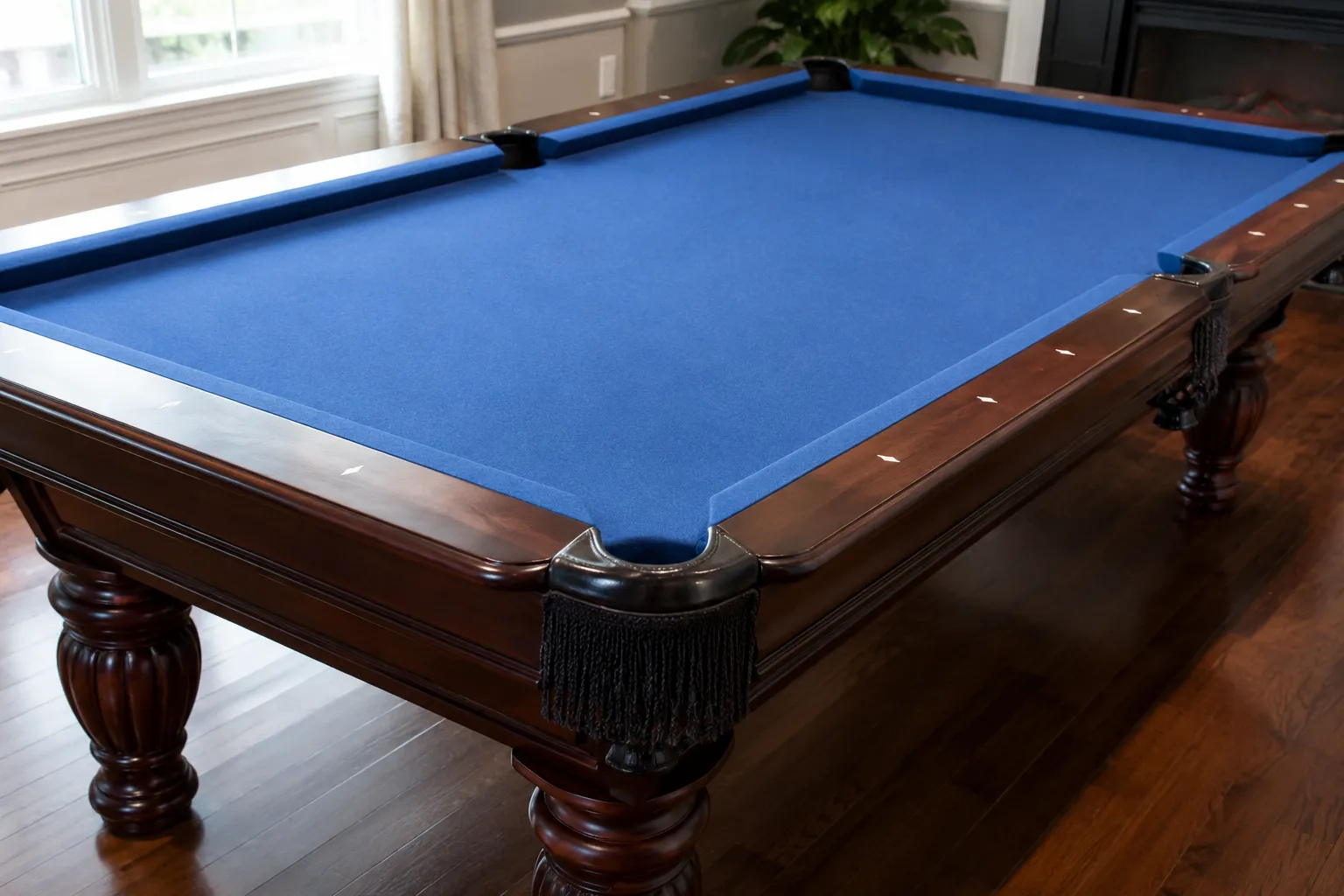 After
After
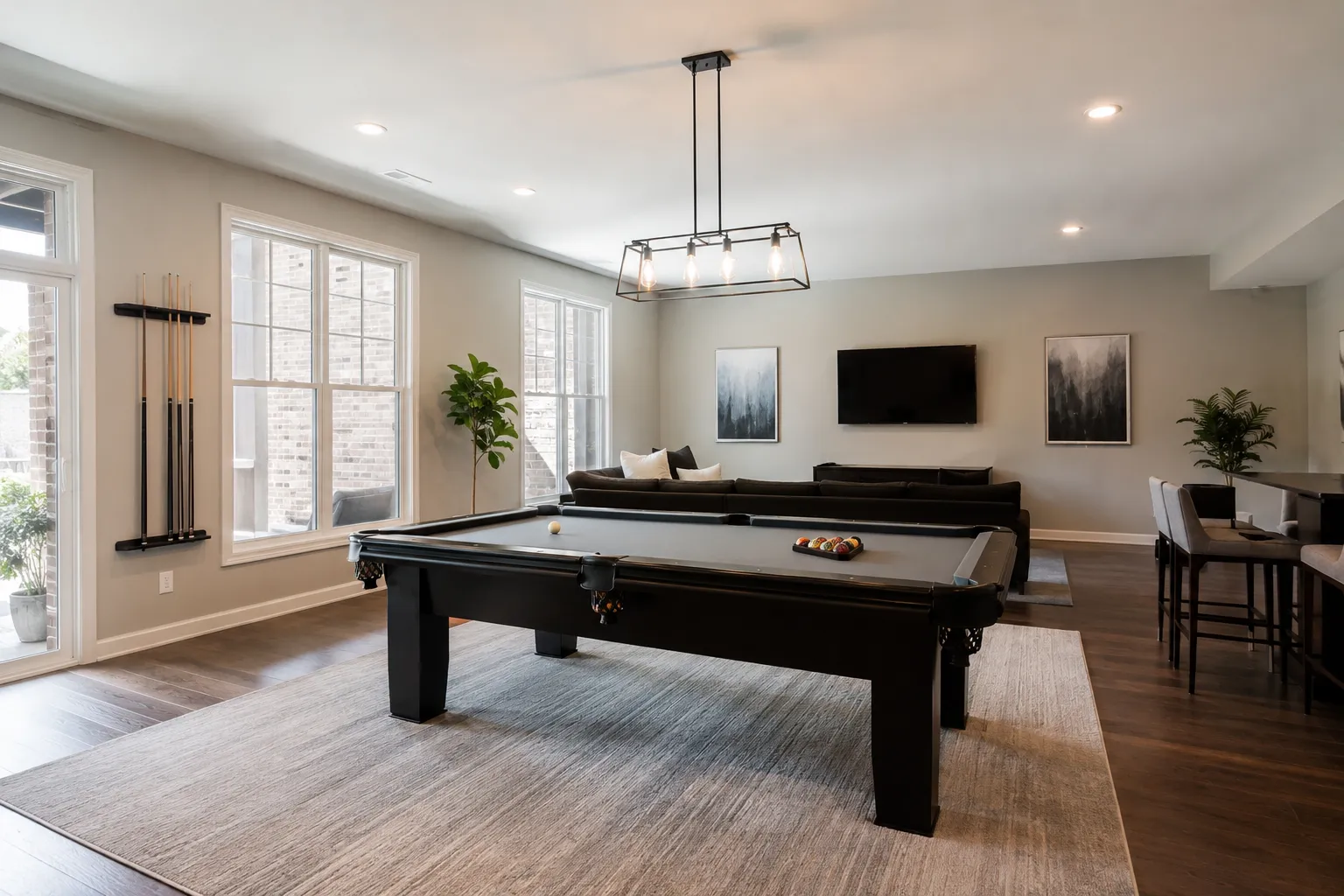
Request: Required cleaning of cloth and cushions from dust and chalk marks.
Done: Deep dry cleaning of cloth, cushions, and pockets performed, old stains removed.
Cost: 12 000 ₸
Master: Aigul Nurpeisova, dry cleaning master
Total: The cloth has regained its color, the cushions are clean, the table is ready for play.
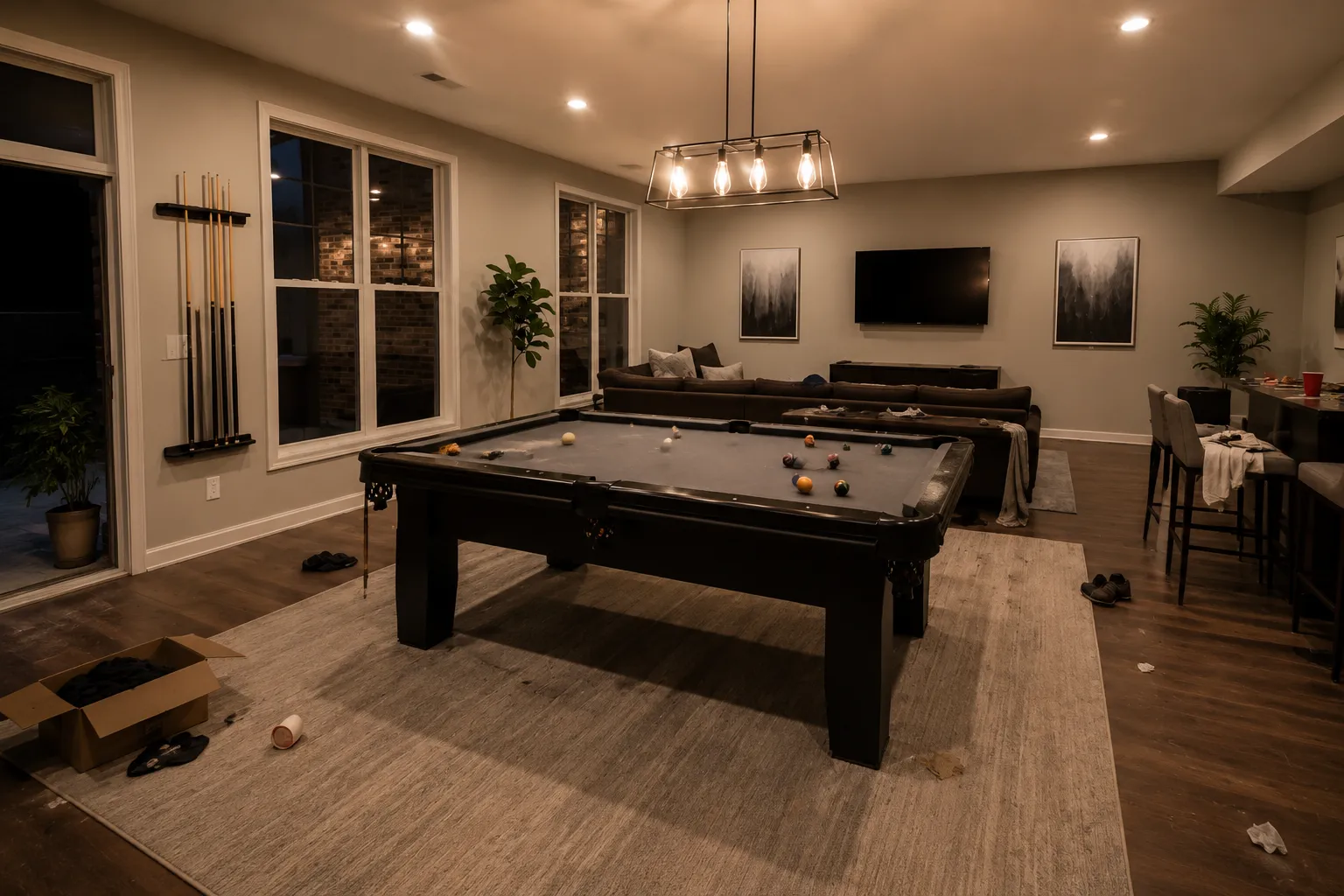
 After
After
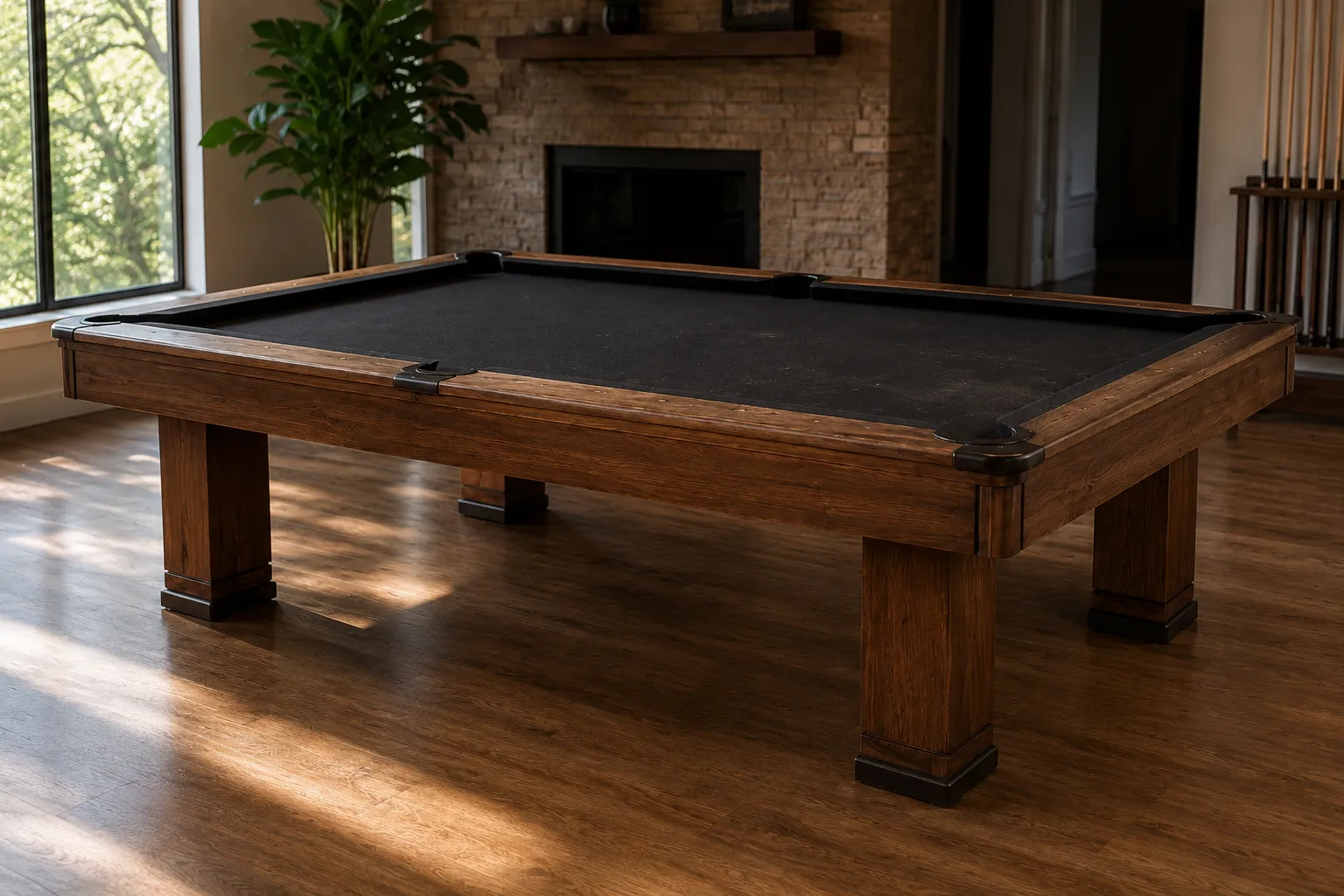
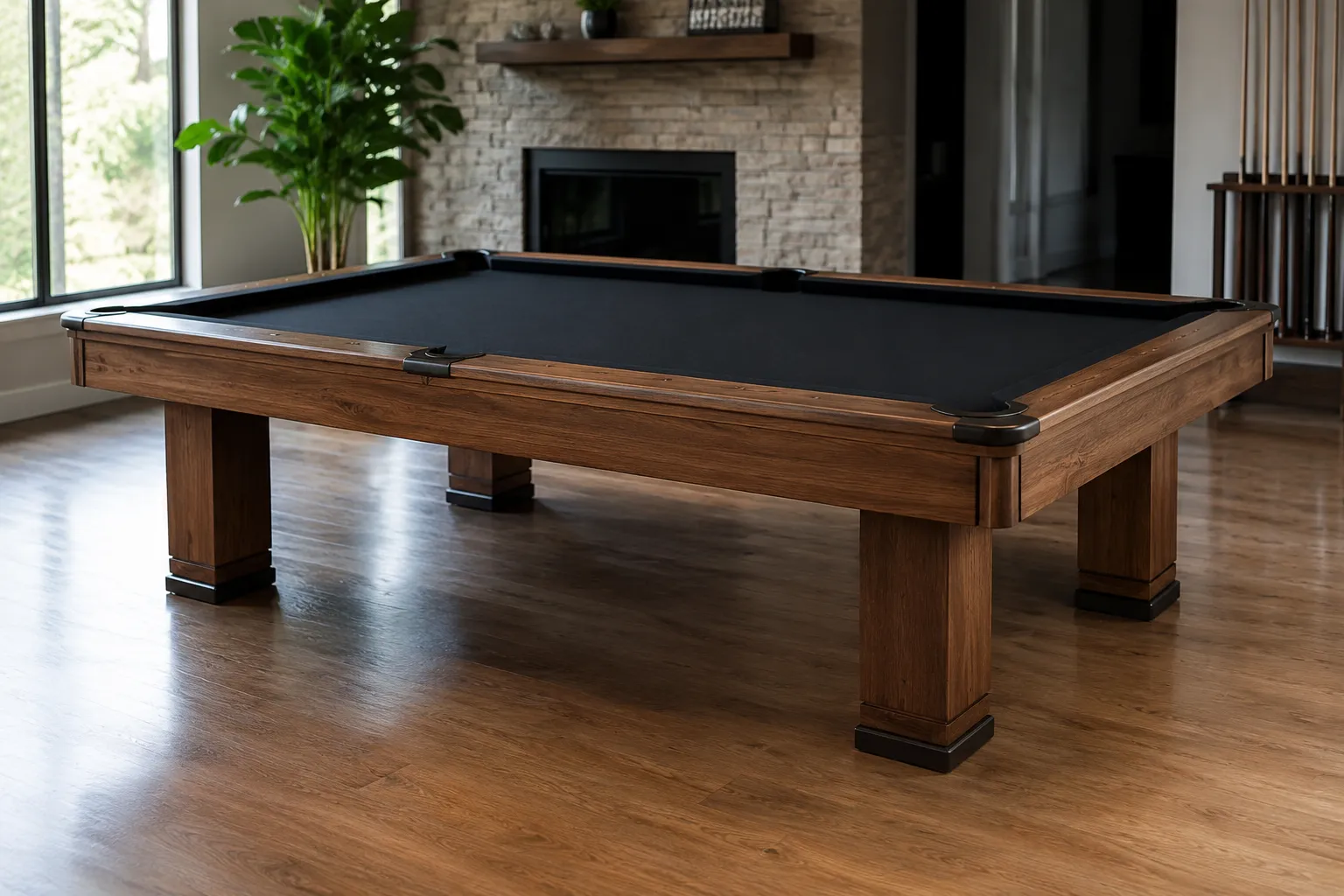
Request: Needed to clean the table from dust and stains after a party.
Done: Dry cleaning of cloth, cushions, and polishing of wooden elements performed.
Cost: 13 000 ₸
Master: Damir Aliyev, dry cleaning master
Total: The table shines with cleanliness, the cloth is spotless, playing is a pleasure.
 After
After
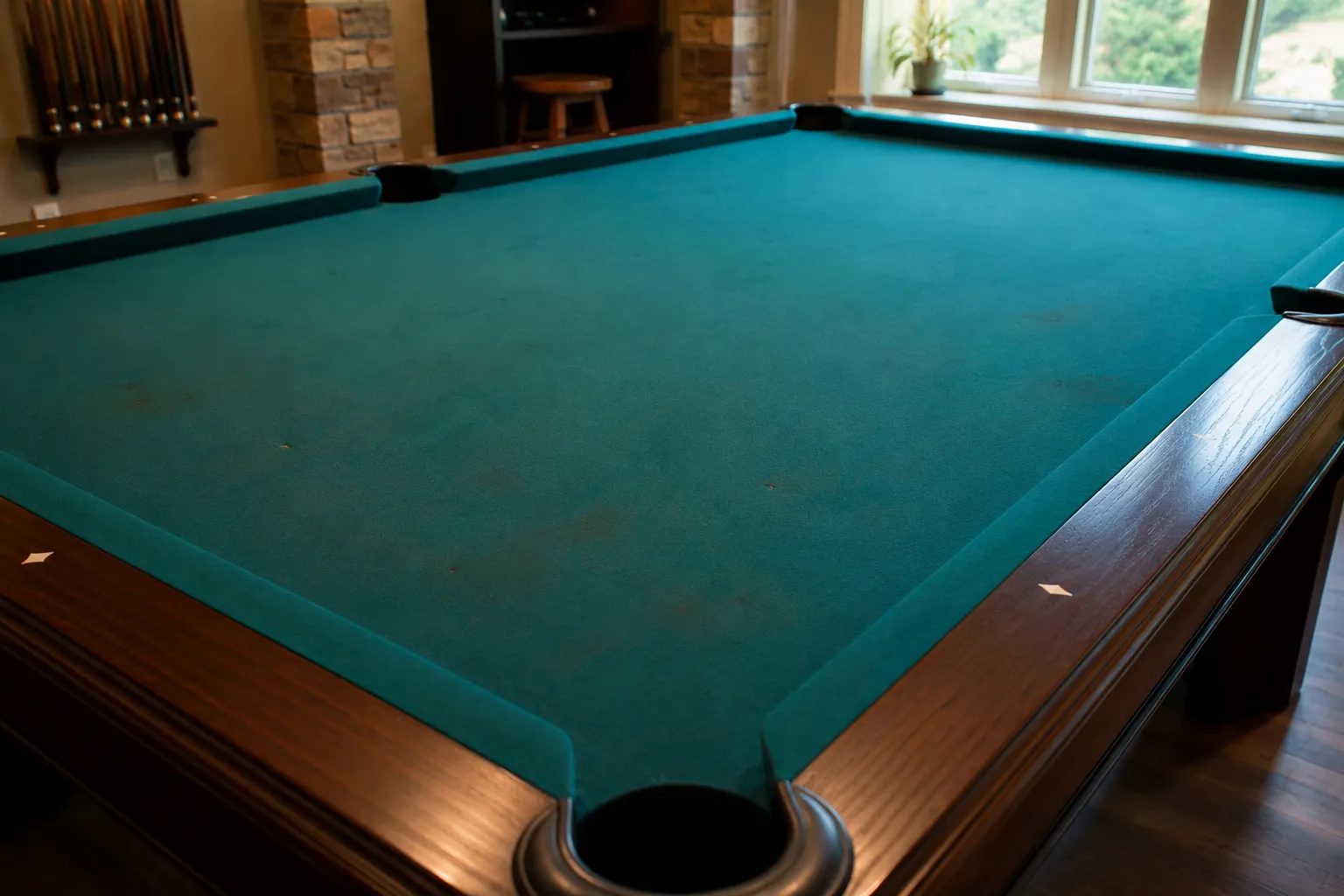
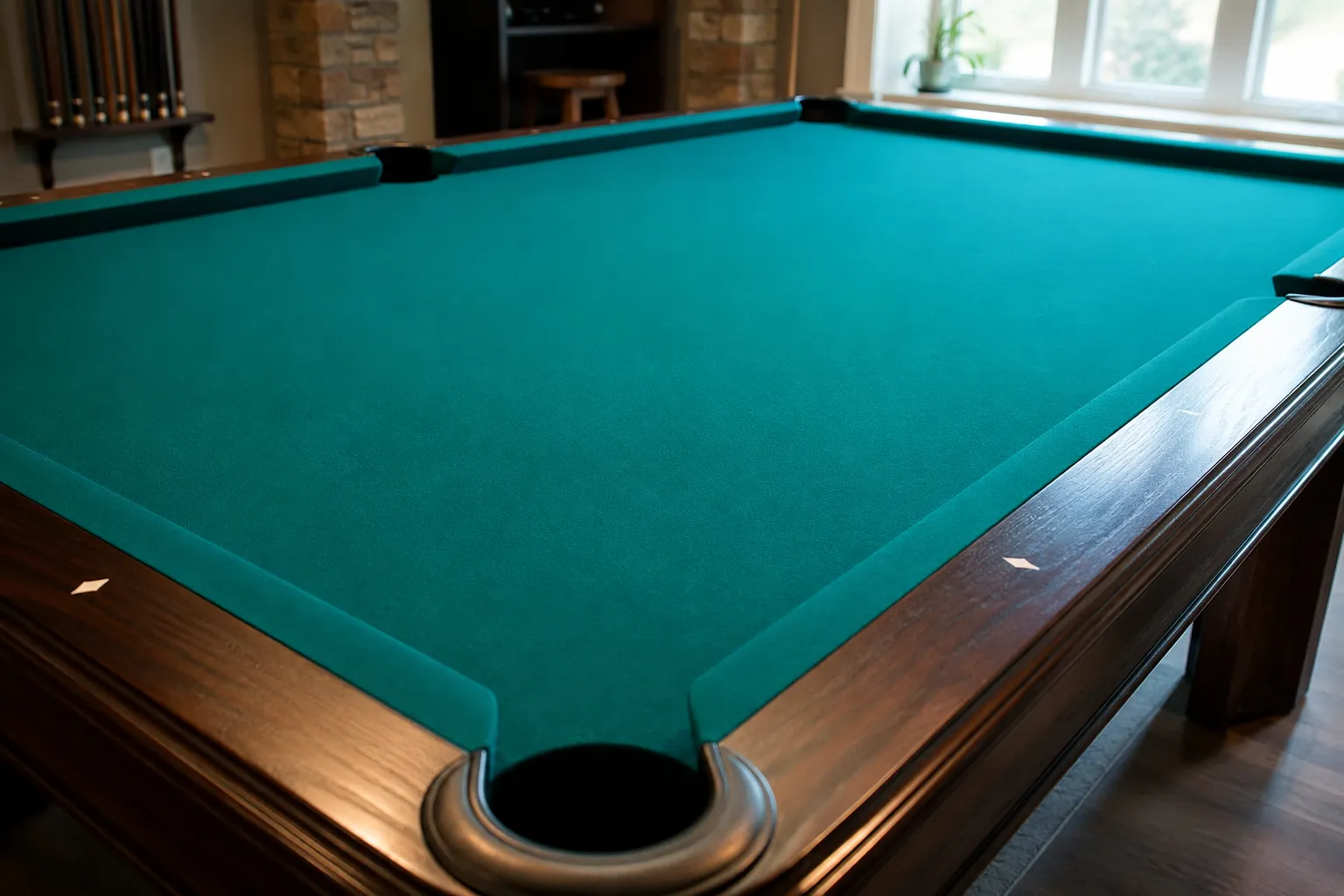
Request: The large table required professional cleaning from dust and dirt.
Done: Dry cleaning of cloth, cushions, and legs performed, tough stains removed.
Cost: 14 000 ₸
Master: Yerzhan Kaliyev, dry cleaning master
Total: The table is like new, the cloth is uniform, the cushions are firm and clean.
 After
After
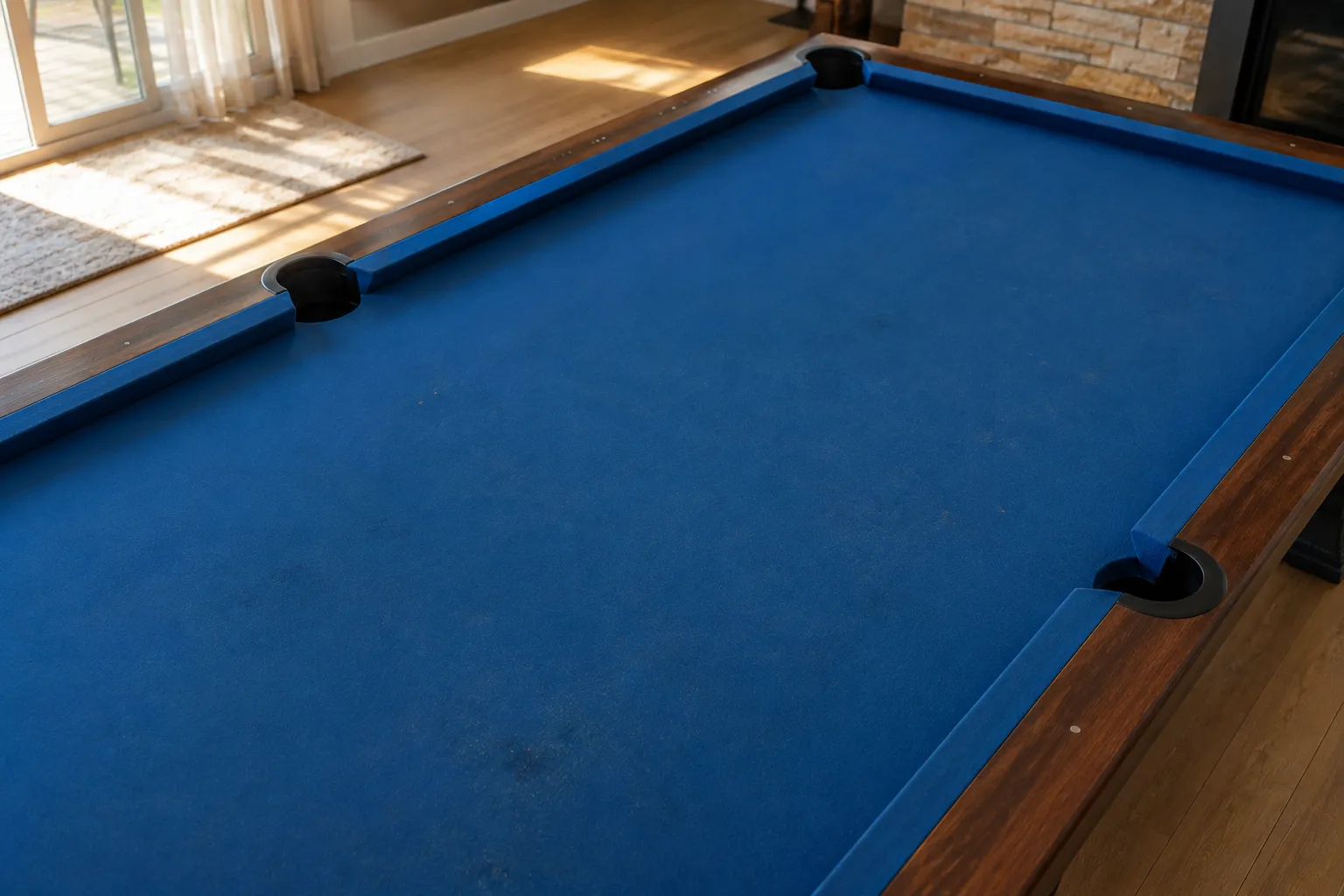
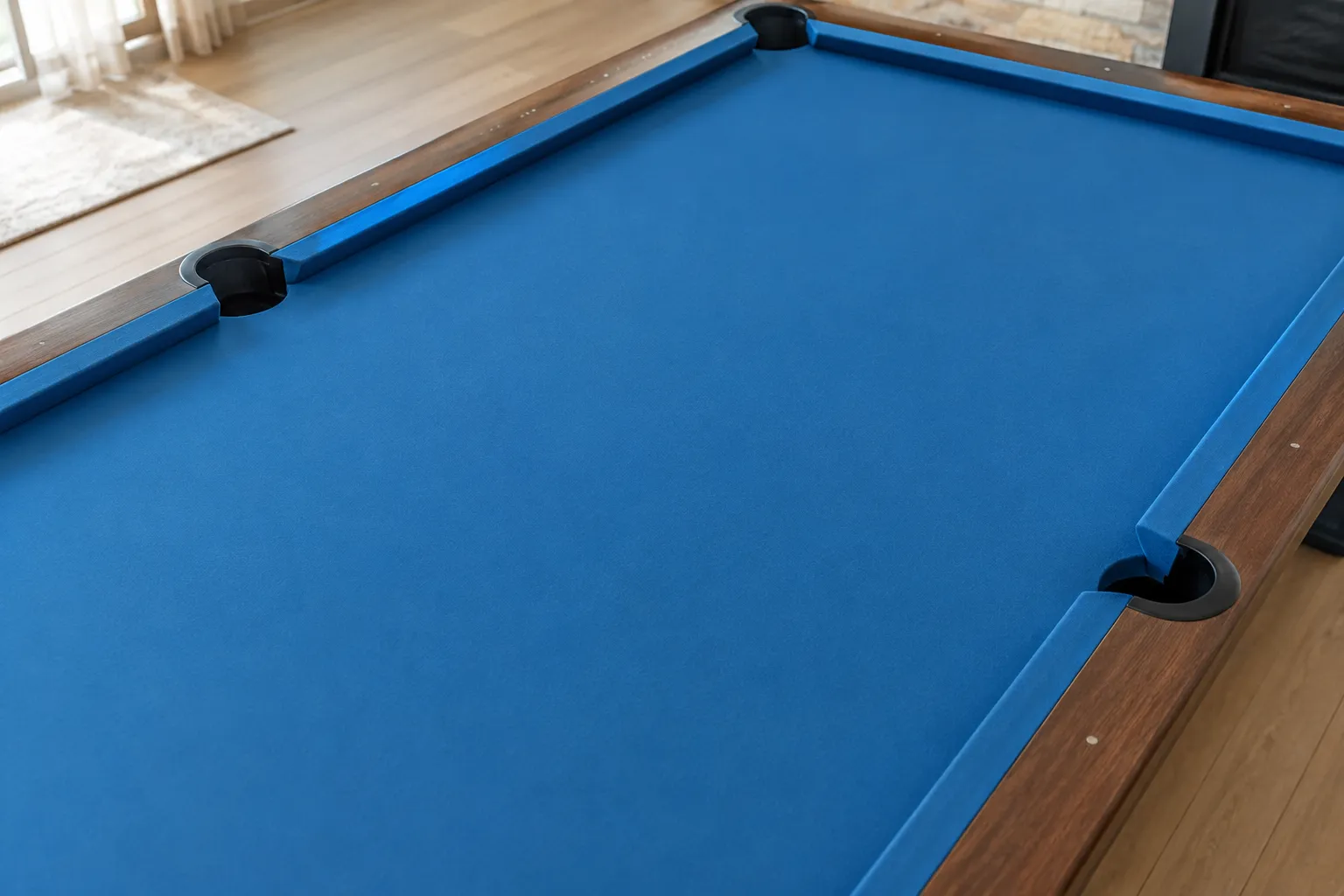
Request: The cloth was worn and stained, required deep cleaning.
Done: Dry cleaning of cloth performed using special products, ingrained stains removed.
Cost: 13 000 ₸
Master: Saule Muratova, dry cleaning master
Total: The cloth is clean, the nap is restored, the color has become richer.
 After
After
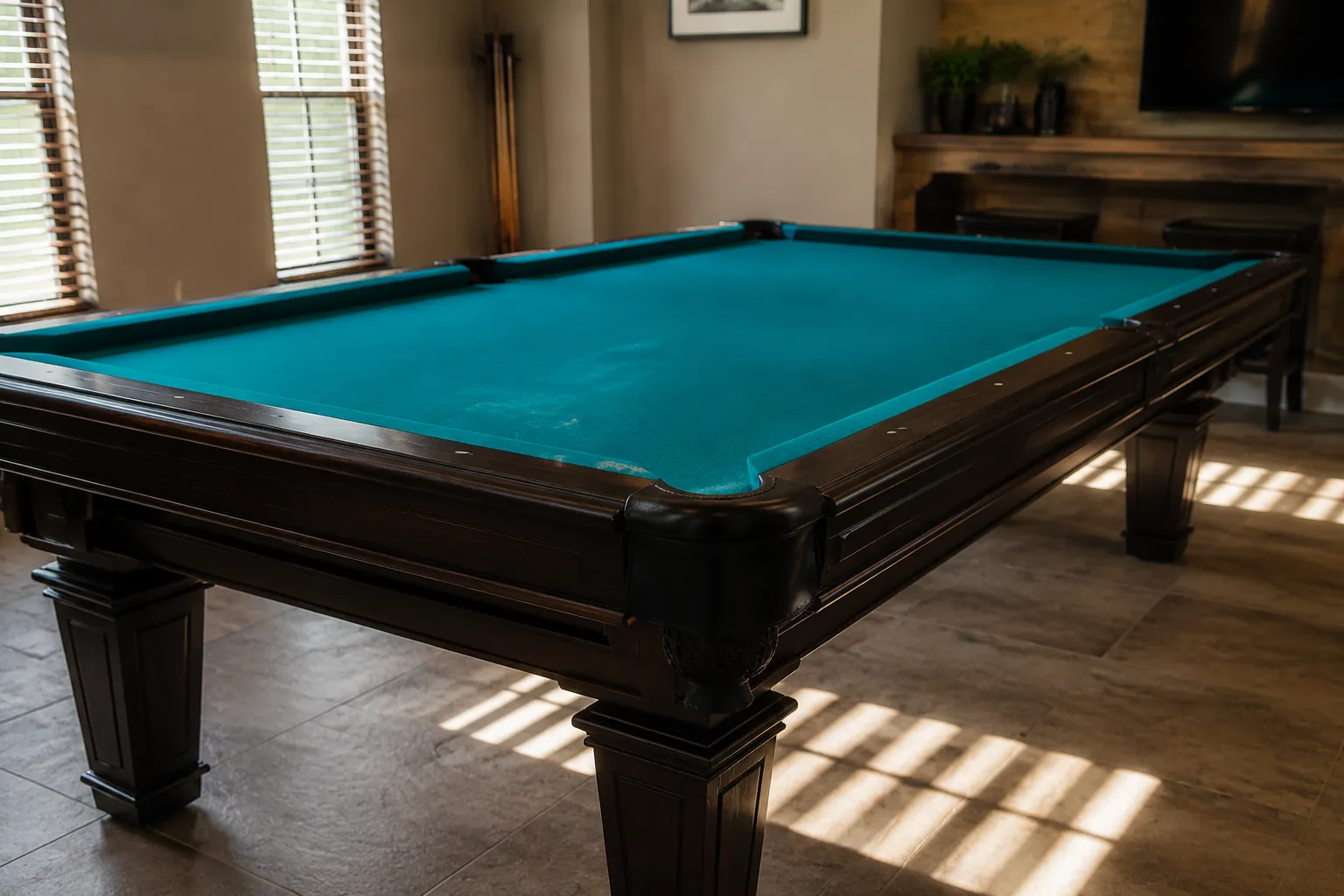
Request: The cushions were dusty and stained, required cleaning.
Done: Dry cleaning of cushions and rubber bumpers performed, dirt removed.
Cost: 12 000 ₸
Master: Timur Zhaksybekov, dry cleaning master
Total: The cushions are clean, firm, with no traces of chalk or dust.
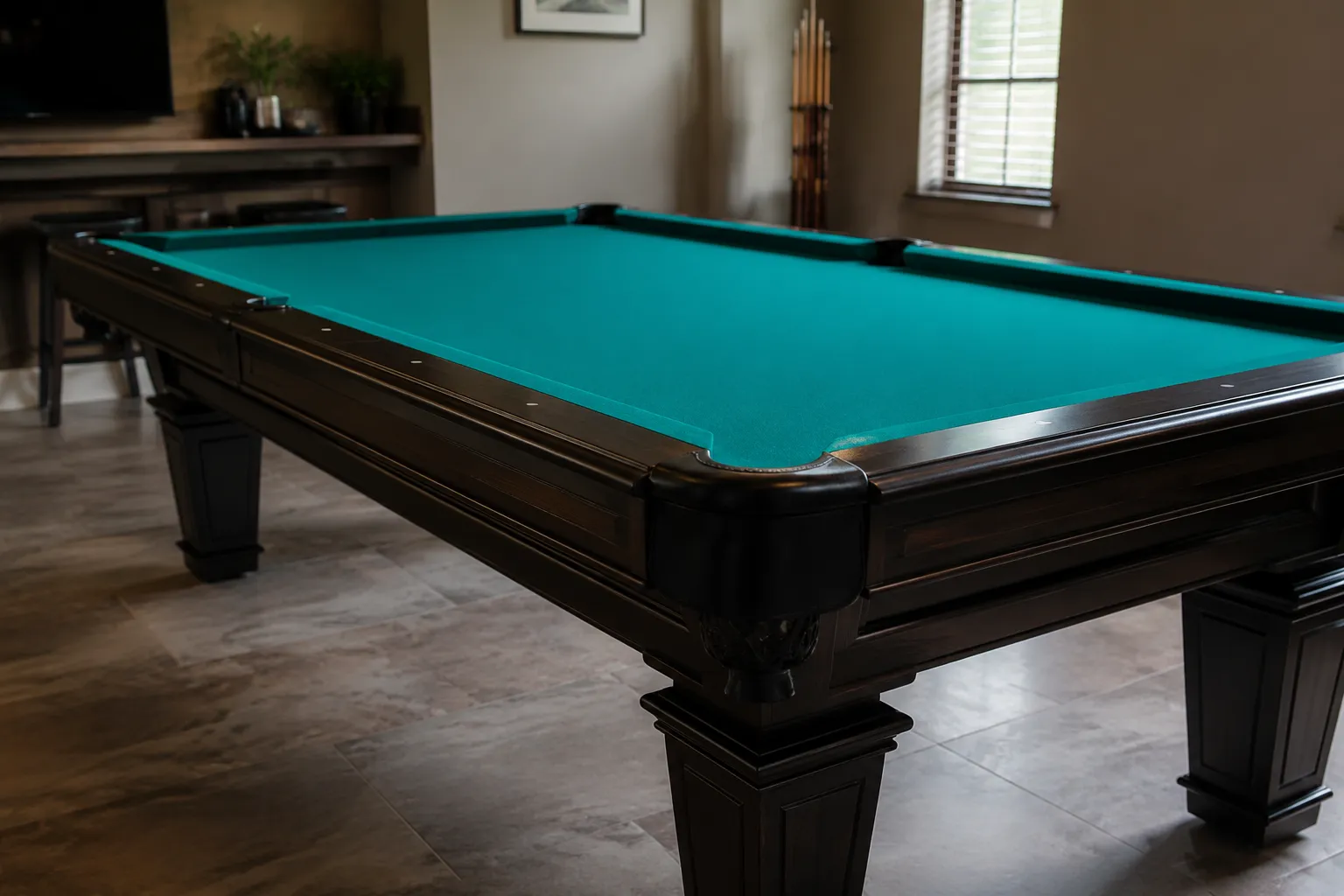 After
After
Request: The table had chalk stains and required thorough cleaning.
Done: Deep dry cleaning of cloth and cushions performed, all chalk marks removed.
Cost: 14 000 ₸
Master: Aliya Sarsenova, dry cleaning master
Total: Cloth without chalk marks, table ready for play.
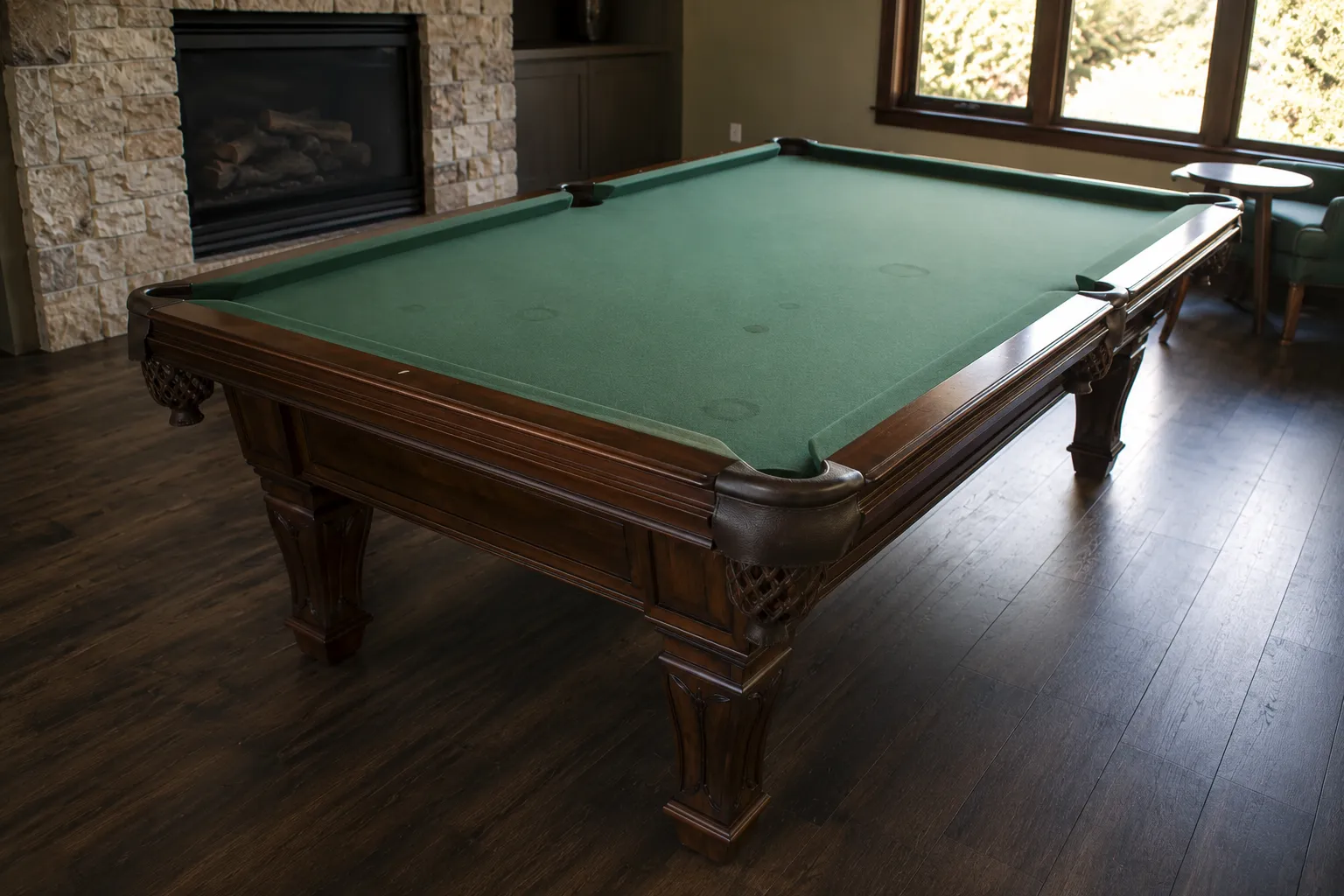
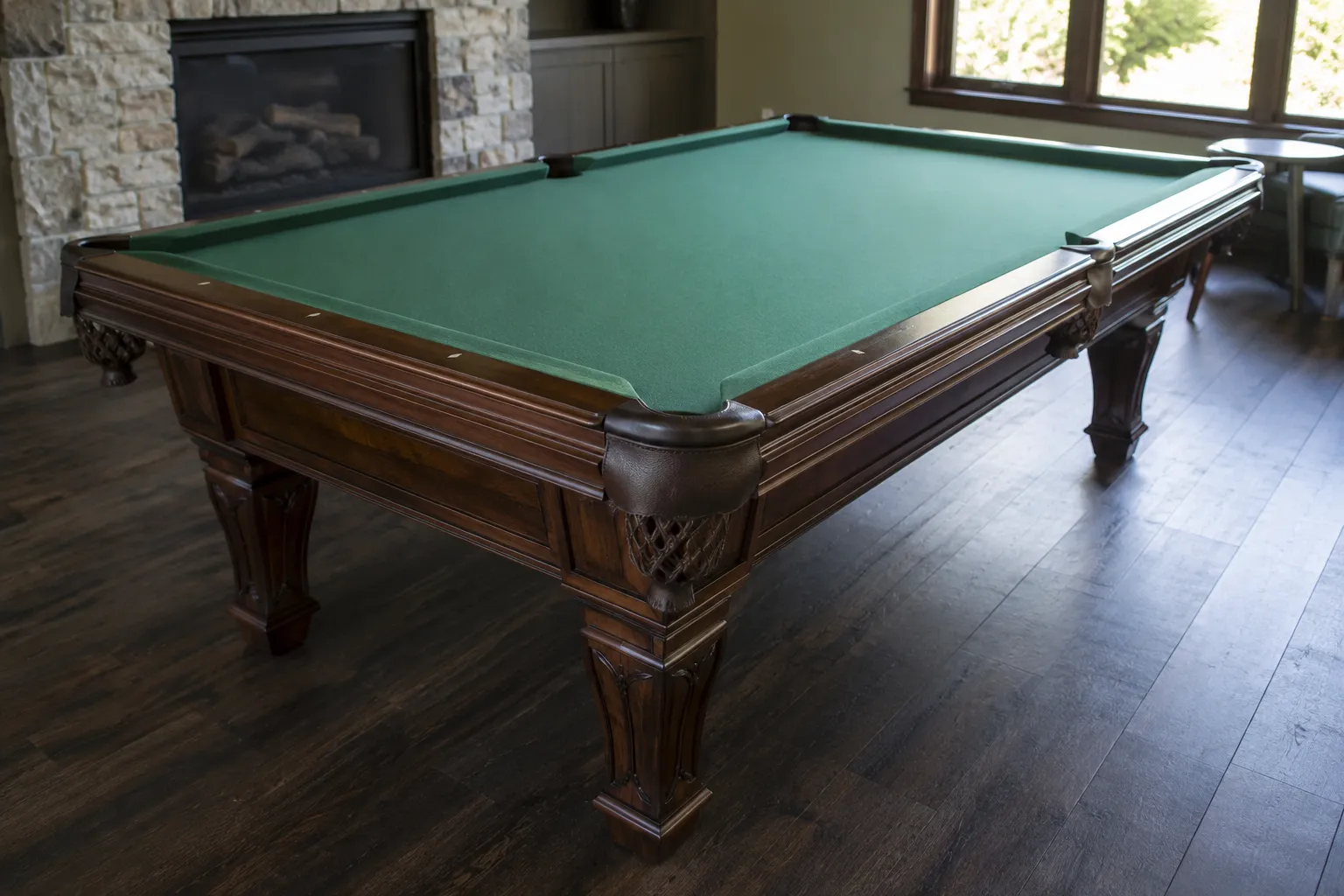 After
After
Request: The cloth had drink stains and required cleaning.
Done: Dry cleaning of cloth performed with drink stain removal.
Cost: 13 000 ₸
Master: Marat Kusainov, dry cleaning master
Total: Stains completely removed, cloth clean and fresh.
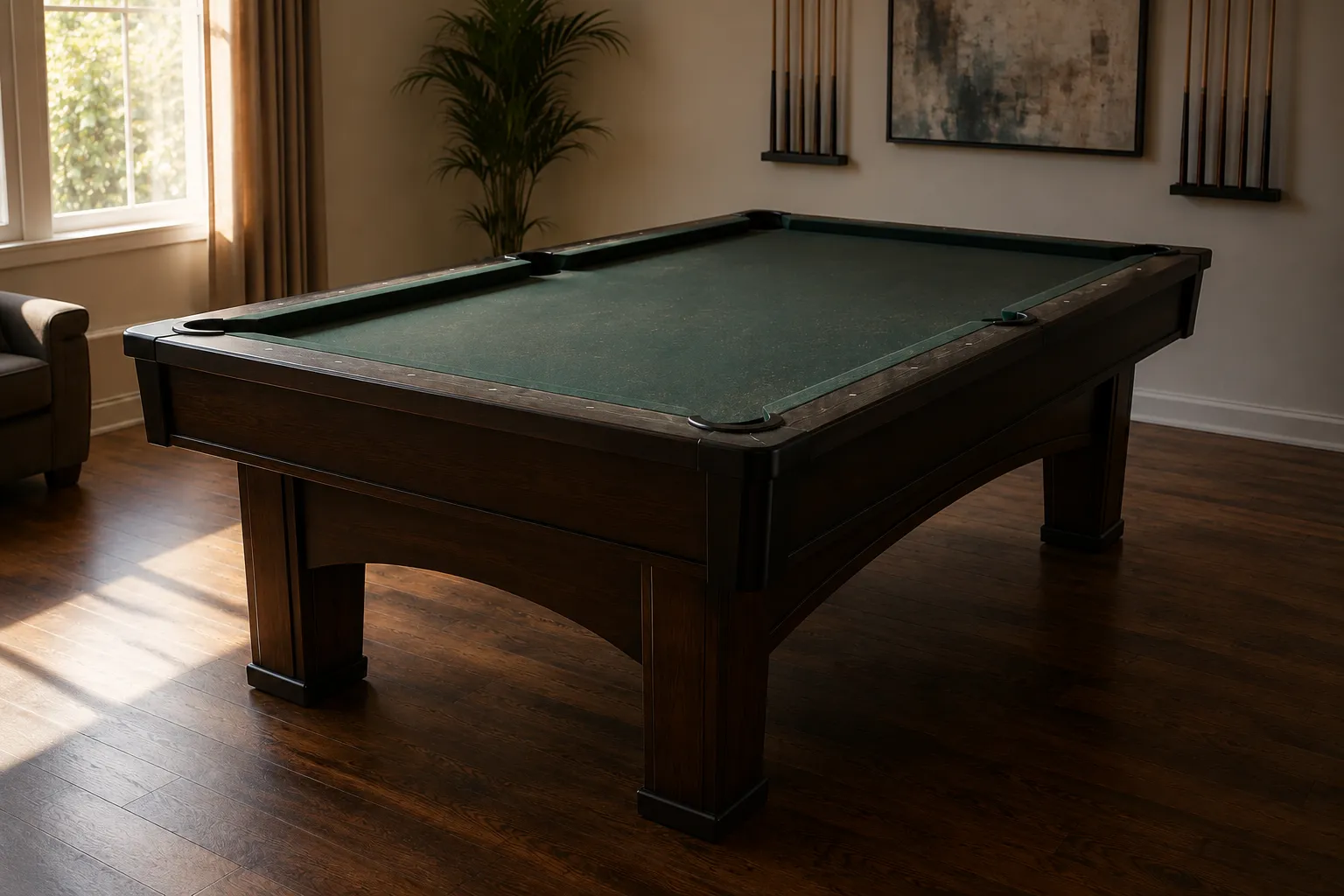
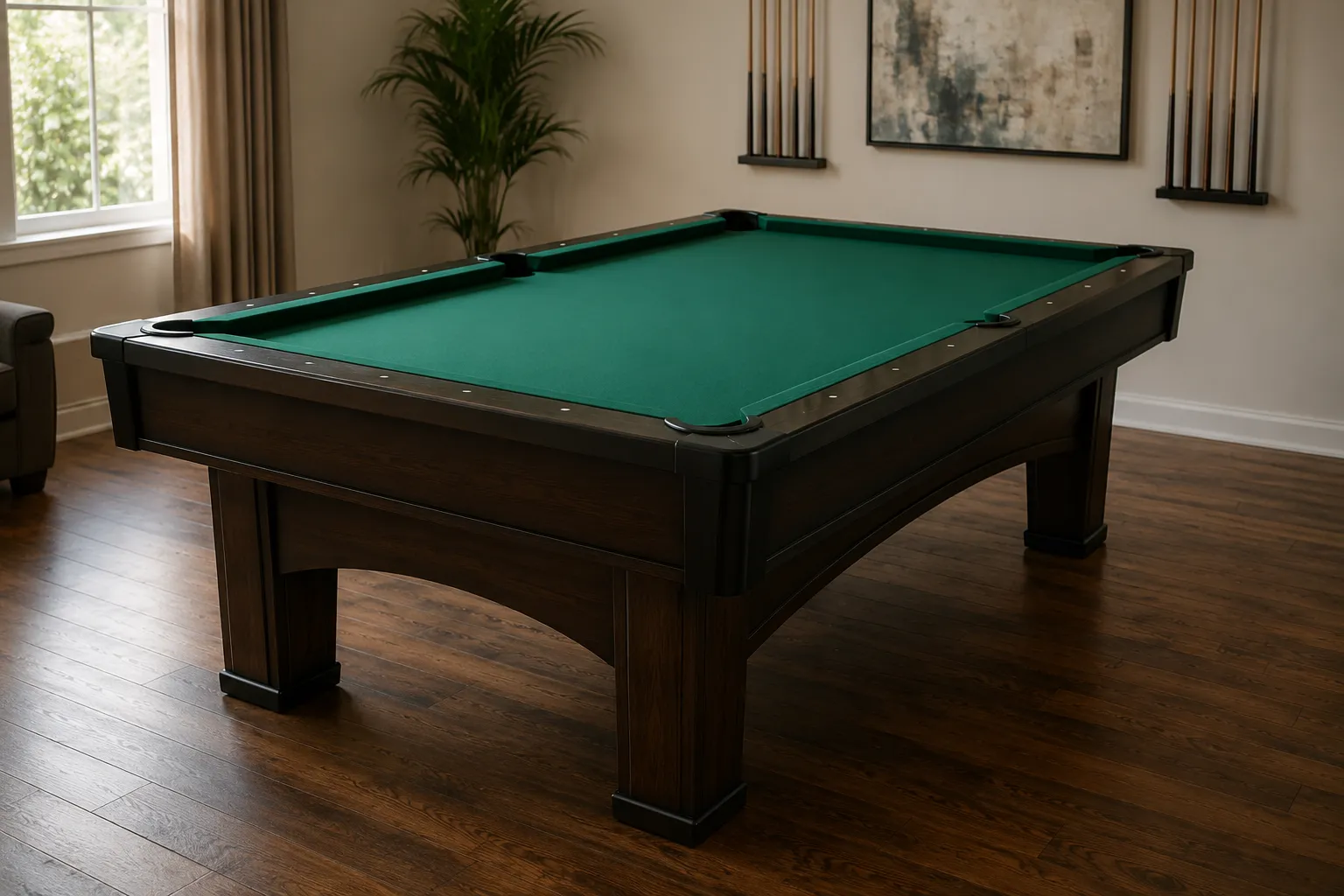 After
After
Request: The table was covered with a layer of dust and required deep cleaning.
Done: Dry cleaning of cloth, cushions and wooden parts performed, dust removed.
Cost: 12 000 ₸
Master: Gulmira Zhumabayeva, dry cleaning master
Total: Table completely cleaned of dust, shining.
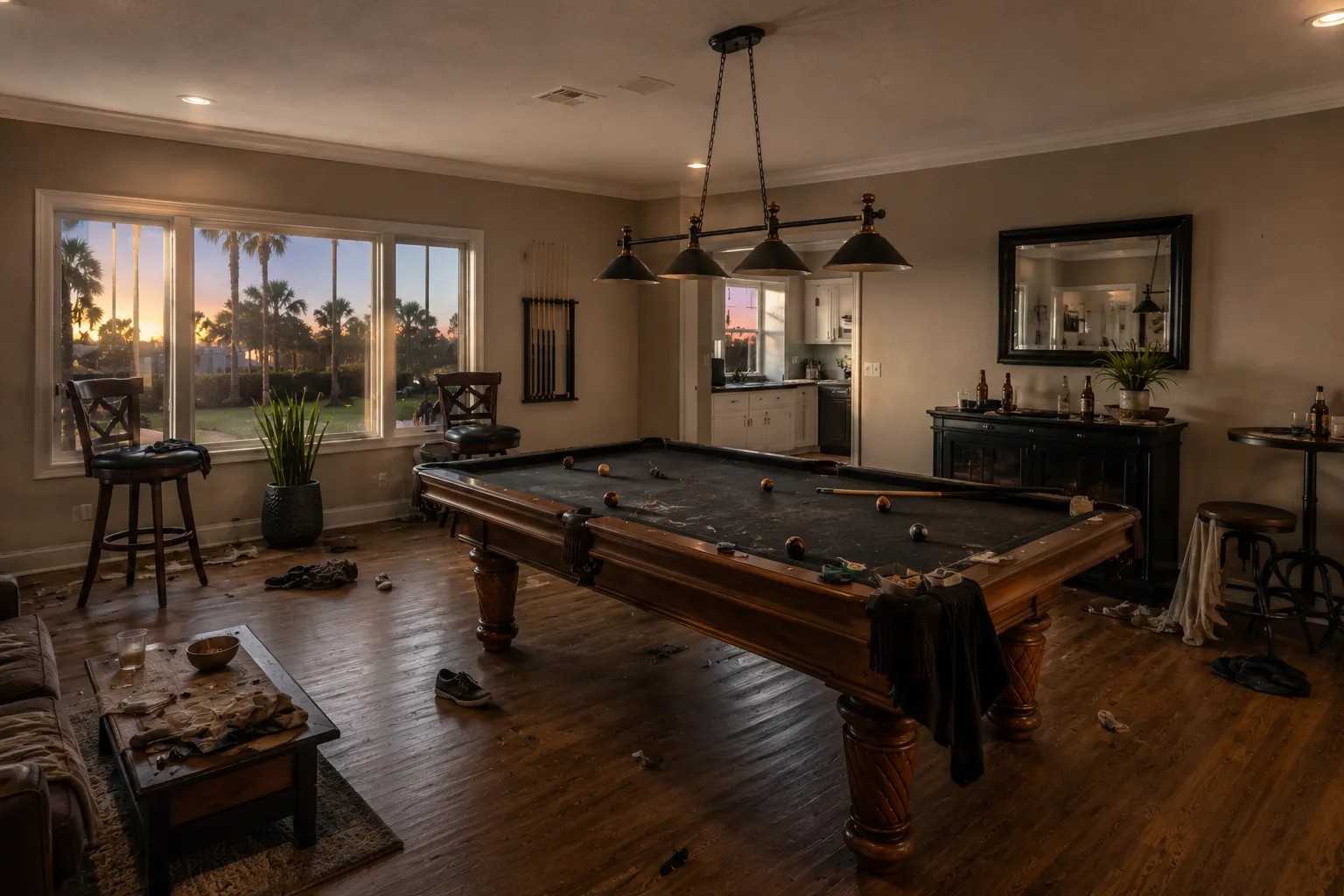
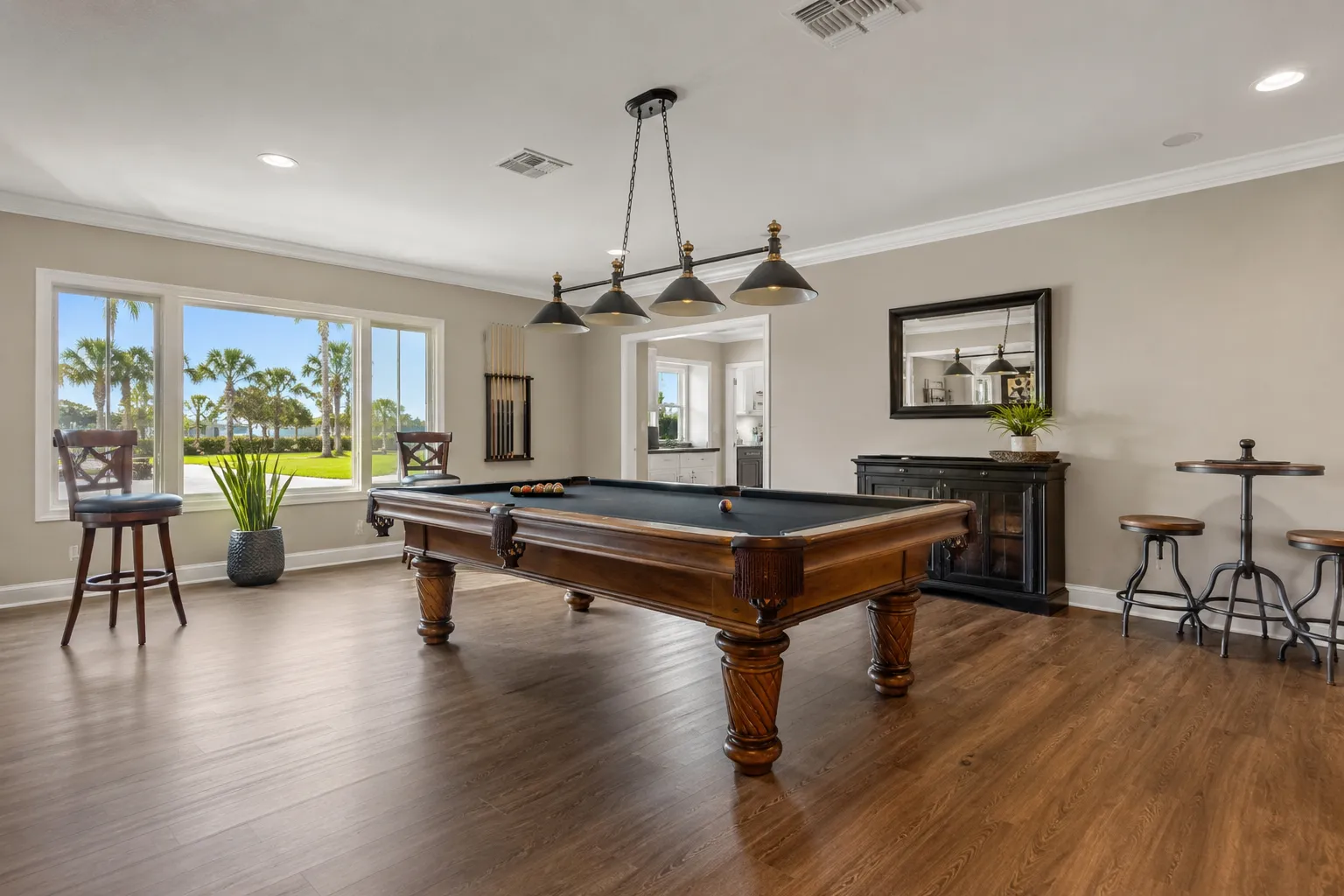 After
After
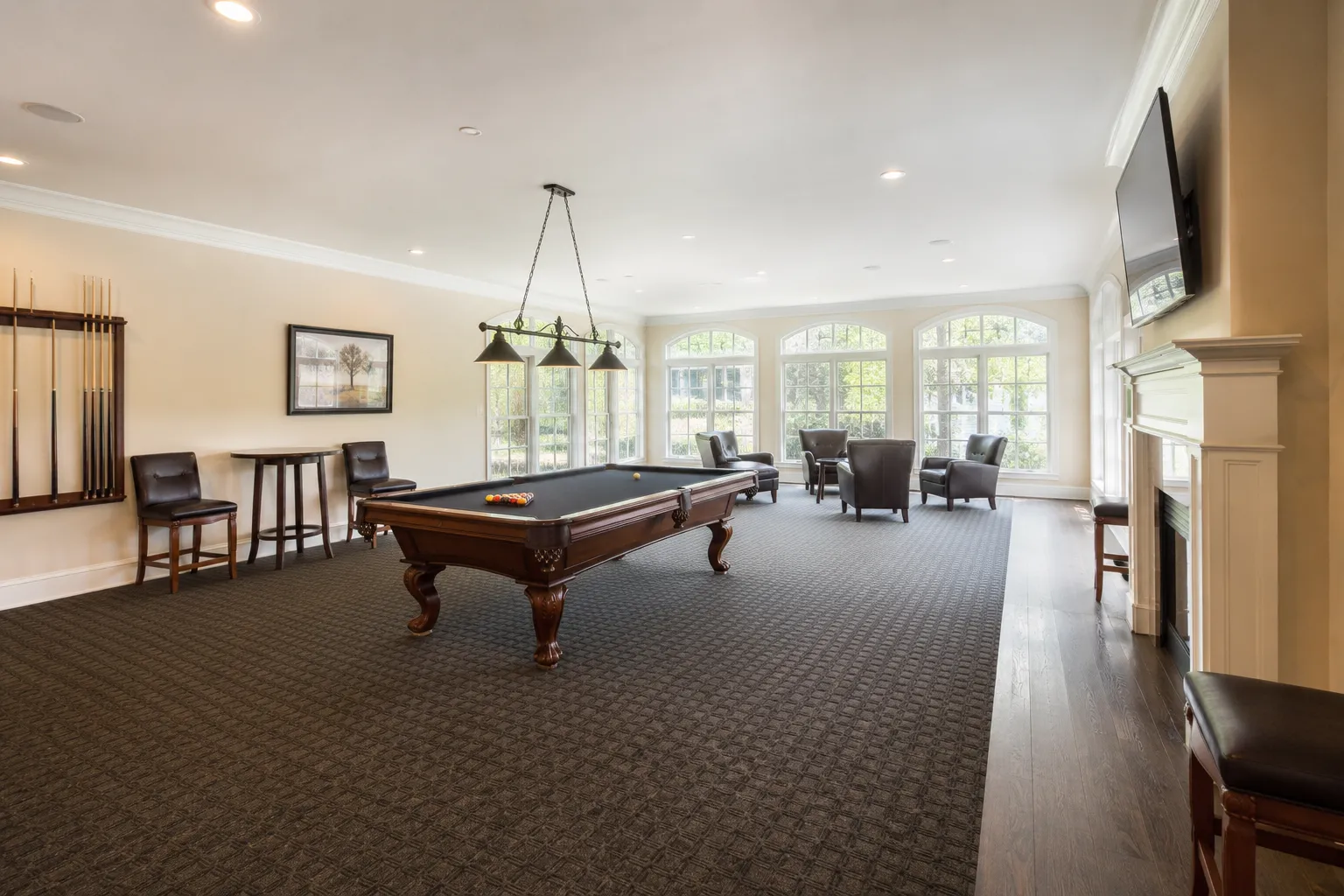
Request: The game room and table required general cleaning and dry cleaning.
Done: Dry cleaning of table and room cleaning performed: vacuuming, wet cleaning.
Cost: 14 000 ₸
Master: Nurlan Akhmetov, dry cleaning master
Total: Room and table perfectly clean, cozy and fresh.
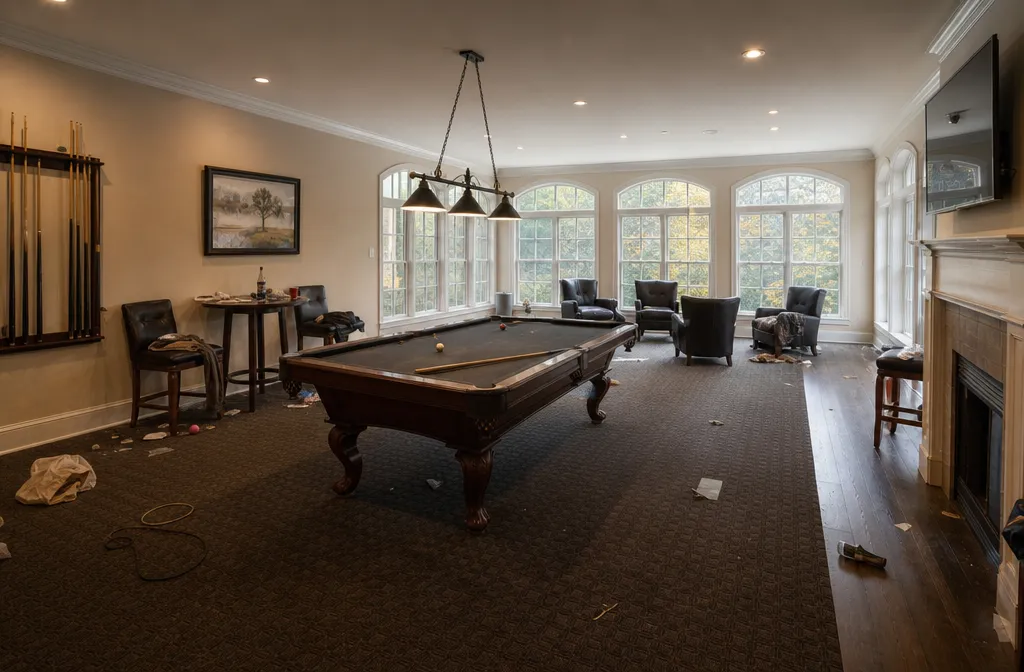
 After
After
Request: The club required dry cleaning of the table after intensive use.
Done: Deep dry cleaning of cloth, cushions and wood polishing performed.
Cost: 13 000 ₸
Master: Ruslan Ibraev, dry cleaning master
Total: Table in excellent condition, club ready to welcome guests.
All cleaners are profi-clean staff with training, uniform and security check. Each order has a team leader who controls quality.
The difference between what you do at home and what profi-clean does isn’t about effort—it’s about technology that saves the cloth from premature wear.
A regular household vacuum cleaner is the main enemy of billiard cloth. Its turbo brush with a rotating roller pulls out the nap, leaving bald spots after 3–4 cleanings, especially on woolen coverings (Iwan Simonis, Hainsworth). We use an industrial vacuum cleaner with a HEPA filter and a flat, brushless attachment—it collects chalk (particles of 0.3 microns), chalk crumbs, and dust without touching the nap. Wet cleaning with a cloth and water is another mistake: moisture deforms the cloth and softens the particleboard underneath, leading to bumps on the playing field. In our orders, with the amount calculated individually, every third table is brought back to life precisely after home experiments with water.
A vacuum cleaner only removes the surface layer, but after 2–3 months of active play (a club 6–8 hours a day), a significant amount of chalk dust, skin oils, and nicotine particles become embedded in the nap. We treat the cloth with a dry foam extractor—it applies a hypoallergenic Kiehl compound under low pressure, which pushes dirt from the base of the fabric to the surface, and the HEPA vacuum collects it without moistening. After this treatment, the nap height is restored by 0.2–0.5 mm, and the ball rolls more evenly—we check this with a calibration level. At home, you physically cannot create such a vacuum (600–800 Watts of suction versus 1200–1500 for an industrial unit), so dirt remains inside.
The most common mistake is using stain removers based on chlorine or solvents (acetone, white spirit). They destroy the cloth’s impregnation: a wool covering loses its antistatic properties after one treatment and starts attracting dust again within a day. The second most common is cleaning with a stiff brush (for carpets): it tears the warp threads, and within a month, “bald” paths appear along the cushions. The third is trying to wipe off chalk marks with alcohol: alcohol dries out the nap, making it brittle, and on a Russian billiard table (cloth 2.7–3.2 mm), this is noticeable after just three wipes. At profi-clean, we use only neutral Sodasan compounds with a pH of 6.5–7.5—they don’t alter the fiber structure and are safe for allergy sufferers, as confirmed by EcoLabel certificates. Our recommendation: if the stain is fresh (up to 2 hours), blot it with a dry microfiber cloth without pressure—do not rub, otherwise the nap will deform, and professional cleaning will be needed a month earlier.
In Almaty, humidity fluctuations in spring (from 25% to 70% in a day) and winter smog create an aggressive environment for the cloth. PM2.5 particles settle in the nap and, together with chalk, form an abrasive paste—with every ball strike, it scratches the threads. In homes with central heating (radiators), the cloth dries out and loses elasticity within 1.5–2 months—the tension weakens by 15–20%, and the table starts to “play” slower. We take these factors into account: before cleaning, we measure the cloth’s humidity with a hygrometer and select the compound—in the dry season, we use a Kiehl moisturizing conditioner; in the damp season, an antibacterial Sodasan impregnation that prevents mold on the slate. At home, you cannot choose the right chemicals for the weather—universal store-bought products either over-dry or over-moisten the fabric, reducing its lifespan to one year instead of 3–4 years.
Each stain on the cloth requires its own approach—a universal cleaner will only spread the dirt deeper into the nap. Let’s break down what table owners in Almaty most often encounter and how we solve each problem without risking the fabric.
Microscopic chalk particles and household dust are the main enemies of billiard cloth in Almaty apartments and clubs. Dust packs between the warp threads, acting as an abrasive: after 500–700 hours of play, the nap wears down by 0.3–0.5 mm, and the woolen cloth loses its pile — the ball stops rolling true. Chalk, especially cheap Chinese varieties (with gypsum and cement impurities), clogs the fabric’s pores and, at the high humidity typical of an Almaty spring (60–70%), turns into a sticky paste. We remove this buildup with an industrial vacuum cleaner equipped with a HEPA filter, which captures 99.97% of particles down to 0.3 microns, and then treat the cloth with a microfiber cloth and a water-based antistatic spray — this prevents dust from resettling for at least 2–3 days.
On billiard tables in cafes and homes, we regularly see greasy fingerprints, drops of vegetable oil from snacks, and sebum marks — especially along the rails where players lean. Grease penetrates the wool fiber within 15–20 minutes and, if not removed immediately, oxidizes, leaving a yellow stain that cannot be washed out with plain water. Our method involves applying a degreasing pre-spray based on citrus solvents (Kiehl), which breaks down lipids without shrinking the cloth, followed by extraction with a hot water vacuum cleaner at 85°C. In practice, if the stain is fresh (up to 2 hours), one pass is sufficient; set-in grease requires 2–3 cycles with a 10-minute interval for complete dissolution.
Billiard cloth is not a tablecloth: spilled beer (pH ~4.5) causes localized thread shrinkage, creating a “pit,” while sweet tea or juice (sucrose) glues the nap together after drying, causing the ball to bounce on that spot. Plain water is the least aggressive, but if not blotted within the first 30 seconds, it seeps into the backing (usually MDF or plywood), causing base deformation and mold under the cloth. We do not rub a wet spot — this spreads the liquid over a larger area. Instead, we apply a dry microfiber cloth for 5–7 minutes to absorb, then treat the area with cold steam (110°C, but without pressure) using an extractor attachment to pull out remaining moisture along with dissolved sugars. In complex cases where the liquid has already dried, we use an enzymatic cleaner like Sodasan — it breaks down organic matter (sugar, beer proteins) into water and CO₂ within 15 minutes, without damaging the cloth dyes.
In Almaty, billiard tables are often located in semi-basement clubs or on ground floors with high humidity (above 65%). The cloth, especially wool, absorbs moisture from the air, and after 2–3 weeks, black or green colonies of Aspergillus niger appear on the fabric’s underside. They eat through the threads, leaving irreversible holes, and their spores cause allergies in players. We treat such areas with a fungicidal solution based on benzalkonium chloride (0.1% solution) — it kills the mycelium within 10 minutes without discoloring green or blue cloth. However, if mold has penetrated the table’s backing, dry cleaning the cloth is no longer sufficient — the fabric must be removed and the base replaced. Our advice: measure the humidity in the room with a hygrometer — if readings exceed 60%, use a dehumidifier; otherwise, within six months, the cloth will need to be completely replaced.
Table rails wear down over time — microscopic rubber particles from corner bumpers and latex padding settle on the cloth, especially in the pocket areas. Added to this are fine shavings from cue tips (usually leather or plastic) and rusty scale from metal legs if the table is on an untreated floor. These particles are not absorbed but scratch the nap as balls move, accelerating fabric wear by 15–20% compared to ordinary dust. We remove them using only a dry method: first, a powerful vacuum with a crevice tool along the rail and pocket perimeters, then a special roller with a micro-gel coating that collects metal dust and rubber crumbs without friction. No wet wipes — water would press the abrasive deeper into the cloth structure, causing it to continue cutting the threads from within.
Preparing the table before the cleaners arrive isn’t just about clearing access; it’s about protecting the cloth from damage and saving time on disassembly. Here at profi-clean, we’ve noticed that clients who follow three or four simple steps get results 20% faster and without the risk of snagging the pockets.
Balls, chalk holders, the triangle, and the light fixture — all of these hinder the even treatment of the cloth. We recommend removing these items at least an hour before the start: the profi-clean master can then immediately begin deep cleaning instead of spending 10–15 minutes on disassembly. During our visits in Almaty, there have been cases where a layer of dust remained under the triangle, untouched for years — this caused a difference in shade on the cloth. By removing the accessories, you open up the entire surface for the hypoallergenic Kiehl solution, which penetrates every thread.
The pockets are the most vulnerable spots: chalk, cue crumbs, and even drink residues accumulate there. Before treatment, we advise looking into each pocket and removing large debris with a dry brush — otherwise, when the solution is applied, the particles will soak and embed deeper. In our practice, there was a case at a club on Abay Avenue: the owner didn’t check the pockets, and crumbs from dried cookies left yellow stains on the cloth after the very first cleaning. The profi-clean master spent an extra hour on local stain removal, even though a five-second check would have solved the problem.
For dry cleaning a billiard table, access to the side rails is critical — dirt accumulates in the joints between the cloth and the rubber cushion, especially in areas adjacent to the wall. We recommend moving the table 40–50 cm away if possible; otherwise, the profi-clean master will use a narrow HEPA-filter attachment, but the treatment takes 15–20 minutes longer. In Almaty studio apartments, the table is often flush against the wall — for such cases, we bring a telescopic brush that cleans the cushion without moving it. The main thing is to inform the dispatcher when ordering so the technician can select the equipment in advance.
A trivial detail — a phone charger left on the table rail, or a vase of flowers on the table base. During treatment, the vibration from the vacuum cleaner knocks over light objects, and water from a flower pot, if accidentally spilled, leaves an indelible mark on the cloth. We recorded a case: a client from the Medeu district left a glass of tea on the table, which tipped over when the table was moved — the tannin stain had to be removed in two passes using an oxygen stain remover from Sodasan. Before the profi-clean master arrives, remove everything from the table and the floor underneath that could fall or spill — this will save you nerves and money on a repeat visit.
We break down the most common blunders that turn home cloth cleaning into guaranteed table damage. Each mistake means lost nap, stretched fabric, or a stubborn stain that can no longer be removed.
A household vacuum brush is the cloth’s worst enemy: the stiff bristles pull out wool fibers, leaving bald spots. We’ve had tables brought in where, after three months of such cleaning, areas had a nap height 40% less than normal — the ball rolled on a different trajectory. The cloth needs an attachment with a smooth plastic base and a slotted edge around the perimeter that doesn’t touch the fabric. Before you start vacuuming, check if the brush has any metal elements or hard teeth — they will instantly pull out the base threads.
Carpet cleaners contain alkali and optical brighteners that destroy the lanolin impregnation of the cloth — which is responsible for the ball’s glide. In our practice, there was a case where an owner treated a coffee stain with a sofa stain remover, leaving a yellow-white mark on the cloth that even deep dry cleaning couldn’t remove — the cloth had to be replaced. For a billiard table, only neutral solutions with a pH of 5.5–7.0 are suitable, such as special sprays based on isopropyl alcohol without dyes. Careful application to a cloth, not directly to the cloth, is mandatory — otherwise, the solution will seep into the rubber cushions and soften the glue.
Woolen billiard cloth has a clear nap direction — from one rail to the other. If you rub across or in circular motions, the fibers break, and the surface becomes rough, like sandpaper. We tested it: a table cleaned with circular motions for six months showed a 20% difference in ball roll speed between zones on a speed tester — it was impossible to play on. The rule is simple: all movements should only be along the long side of the table, from one short rail to the other, without pressure. If a stain doesn’t come off, don’t rub harder — call the professionals.
Water is a disaster for cloth: wool absorbs moisture like a sponge, and when it dries, it shrinks, causing waves and wrinkles on the table that an iron cannot smooth out. Even a tablespoon of water spilled on the cloth, after drying, leaves a tightened area 10–15 cm in diameter — the ball bounces on it. At profi-clean, for wet cleaning, we only use microfiber moistened with a special solvent and immediately treat the area with dry air at 40°C to prevent moisture from penetrating the felt backing. You don’t have such drying equipment at home — so home wet cleaning is prohibited.
This is the most expensive mistake: after machine washing, the cloth shrinks unevenly, loses its stiffness, and becomes covered in pills. One client brought us cloth after washing it in a machine — it had shrunk by 7% in length and 5% in width, making it impossible to stretch back onto the table; they had to buy a new roll for a significant sum. Woolen billiard cloth is not bed linen — it cannot be rubbed, wrung out, or especially dried in a drum. Even hand washing in a basin destroys the structure: the threads lose elasticity, and within a month, creases appear on the cloth. The only cleaning method is dry cleaning on-site, without dismantling.
Many people only clean the cloth, forgetting about the rubber around the table’s perimeter. But grease from hands, dust, and chalk residue accumulate on it — over time, this dirt transfers to the cloth with every ball contact, creating a dark strip along the rail. In Almaty homes with dry air, this happens faster: chalk crumbles more actively, and its particles embed into the rubber. The rails should be wiped with a special rubber conditioner every 2–3 months — it prevents the material from cracking and doesn’t stain the cloth. Do not use acetone or alcohol for this: the rubber hardens and loses elasticity, causing the ball to bounce unpredictably.
The speed and trajectory of the ball directly depend on the condition of the cloth, and professional dry cleaning restores its factory characteristics — it’s not just about aesthetics, but the precision of every shot.
On 100% wool cloth (the most common material for Russian pyramid and pool), up to 0.5 grams of dust per square meter settles during a week of intensive use. Dust particles clog the nap, reducing the coefficient of friction between the cloth and the chalked cue tip — the ball starts to “drift” 5–15 mm from the calculated point of aim. Grease stains from players’ hands and chalk residue create microscopic oily films that distribute unevenly across the surface: on a clean area, the ball rolls faster; through a contaminated area, it slows down by 0.2–0.4 seconds per meter. This is enough to “cut” the ball into the pocket at the wrong angle. In our practice, at the “Carambol” billiard club on Seifullin Avenue, after dry cleaning, players recorded a reduction in aim deviation from 8 cm to 2 cm on a standard series of 10 shots. Before applying chemicals, always check the cloth under an ultraviolet lamp — hidden oily traces are only visible under UV, and without pre-treating them with a solvent, even deep cleaning won’t achieve perfect glide.
If after dry cleaning, traces of surfactants remain on the cloth, the ball may fall 10-20 cm short of the pocket on a standard 8-foot table — this is critical for “hanging” balls. Neutral pH products based on coconut glucosides (like we use at profi-clean) break down into glycerin and water upon contact with air within 2-3 hours, while aggressive alkaline concentrates (pH 9+) used by cheap dry cleaners crystallize in the nap. These crystals act as an abrasive: over 10-15 games, they wear down the top layer of the cloth by 0.1 mm, reducing its lifespan by 30-40%. That’s why in professional pool tournaments (e.g., the Almaty Cup), new cloth is installed before the final rather than trying to “re-polish” an old surface. After each dry cleaning, our technician checks the pH of a cloth extract with an indicator strip — if the reading is above 7.5, we repeat the rinse with distilled water until it reaches a neutral value. Order your dry cleaning at least 2 days before the tournament — during this time, any remaining moisture and chemicals will completely evaporate, and the cloth will reach peak sliding performance.
Wool cloth (1.5-2 mm nap) after dry cleaning restores a friction coefficient of 0.25-0.30 — this is a “slow” roll, characteristic of Russian pyramid where accuracy is more important than speed. Nylon cloth (0.8-1 mm nap) after treatment provides friction of 0.15-0.20 — the ball rolls 15-20% faster, which is ideal for pool and snooker. The problem is that nylon accumulates static electricity 3 times more than wool: after dry vacuum cleaning, the fibers stand on end, and the ball begins to vibrate at a micro level, losing 2-3% of energy per meter. At profi-clean, for nylon tables, we use Sodasan anti-static conditioner based on plant extracts — it reduces static to background levels within 1 hour. On a table at the “Billiard House” club on Kabanbay Batyr Street, after this treatment, players noted that the ball stopped “shaking” on the long rails, and the average table traverse time increased from 3.8 to 4.2 seconds. When choosing a dry cleaner, specify which composition they use for your type of cloth — universal products for wool on nylon have the opposite effect and damage the nap.
If after wet dry cleaning the cloth dries unevenly (e.g., due to drafts or an air conditioner directed at one corner of the table), areas of different tension form on the surface — the ball changes its trajectory by 1-3 degrees in these spots. The cloth is stretched onto the frame with a force of 30-40 kg, and with local overdrying, the fibers shrink unevenly: one side of the table becomes 5-7% “faster” than the other. At profi-clean, we dry the table at room temperature 20-22 °C and humidity 40-50% for 8-10 hours, forcibly equalizing airflows with a HEPA-filtered fan — this eliminates distortions. In one Almaty club, clients complained that after dry cleaning, “the left rail plays faster than the right” — it turned out the master left the table under an open window, and in 3 hours, one half dried out while the other remained wet. The cloth had to be re-stretched. In winter in Almaty, when radiators dry the air to 15-20%, drying time is reduced to 5-6 hours, but the risk of edge overdrying is higher — on such days, we cover the table with a cotton sheet to slow evaporation around the perimeter.
Billiard table cloth is a delicate nap that is easily damaged by aggressive chemicals, so at profi-clean we select products strictly according to the fabric type and the nature of the soiling, rather than using universal recipes.
Standard stain removers and carpet cleaners (Vanish, Amway, “Vanish-like” products) contain active oxygen or chlorine, which burn the pile of wool and blended cloth after 2–3 uses — the pile becomes stiff, loses its “fluffiness,” and stops guiding the ball. Our cleaners in Almaty have encountered cases where, after home cleaning with such a product, the cloth had to be replaced within six months instead of the usual 2–3 years. A safe alternative is neutral enzyme-based formulas with a pH of 6.5–7.5 (e.g., Kiehl Bio-Tex), which break down grease and protein without affecting the fiber. Moreover, on cloth with a water-repellent coating (Gorina, Iwan Simonis), household chemicals wash away the protective layer in one go — after that, stains penetrate twice as deep. In my opinion, if you don’t have a pH meter and a residual alkalinity tester at home, it’s not worth the risk — call a professional.
In its work, profi-clean uses three product lines, each for its own task: for daily care — Sodasan Universal Cleaner spray based on soap nuts (alcohol-free, doesn’t dry out the pile); for oil stains (fingerprints, wax, chalk) — Kiehl Pro-Tex enzyme concentrate, applied spot-wise and rinsed with cold water using an extractor; for stubborn dirt (coffee, tea, sweet drinks) — an oxygen stain remover based on sodium percarbonate, but at a concentration of 0.5% compared to 3–5% in household products. All three formulas are hypoallergenic and certified to the EU Ecolabel standard — meaning after cleaning, there is no strong odor in the room, and the pile doesn’t lose its elasticity. In Almaty billiard clubs, where we service 10–15 tables per month, switching to this chemistry reduced complaints about “tight” cloth by 70% in the first quarter. Before first use of any new product, we test it on an inconspicuous area under the rail — this is a mandatory protocol that prevents surprises.
Popular internet tips like “clean the cloth with vinegar and soda” or “wipe with vodka” are a guaranteed path to replacing the fabric. Acetic acid (even 6%) destroys wool fiber: the pile becomes brittle and after 2–3 treatments starts falling out in clumps — we’ve seen such tables at a billiard club on Abay Avenue. Soda (NaHCO₃) creates an alkaline environment with a pH of 8.5–9, which washes out lanolin — the natural lubricant of wool; after this, the cloth dries out, cracks along the folds, and stops dampening the ball’s vibration. Alcohol (ethanol, vodka) degreases the pile but evaporates instantly, leaving dirt even deeper in the fabric’s structure — a “worn-out” effect where the stain appears lighter but has actually set in more. In our practice, there was a case where a client in Almaty treated their table with vodka before a tournament, and a week later, yellow streaks from sweat and chalk residue appeared on the cloth, which the alcohol had simply “sealed” inside. I recommend remembering: for billiard cloth, there are no “safe” home solvents — only professional formulas with a neutral pH.
The type of cloth imposes strict limitations on chemistry
Ordered dry cleaning for a billiard table, coffee stains were removed perfectly, the cloth looks like new.
Thank you, Aigerim! Glad the result exceeded expectations.
After cleaning, the table in the living room looks great, even the rails were wiped without streaks.
Had dry cleaning done for a billiard table, the cloth was cleaned well, but the pockets remained a bit dusty, I had to dry them myself.
Daniyar, sorry for the oversight! We'll take note and check the pockets more thoroughly.
The light cloth was cleaned of dirt, I couldn't believe it could be so clean. Very satisfied.
In the club's billiard room, they ordered dry cleaning for the billiard table; all chalk and drink stains were removed, clients are satisfied.
Yerlan, thanks for the review! We work for your business.
The table is 10 years old, we thought about changing the cloth, but after cleaning it looks like new. Savings.
Great that we could extend the table's life! Contact us.
I ordered dry cleaning for the billiard table after a birthday party; juice and chocolate stains were removed, but the chemical smell lingered for a couple of days.
Kuanysh, we use safe products, but we recommend airing it out. Next time we'll use a neutralizer.
Cleaning of the velvet cloth went great, the nap was raised, the color was restored.
In the office, we had the billiard table dry cleaned; employees noticed the table feels nicer to the touch.
Timur, glad everyone liked it! Looking forward to seeing you again.
After cleaning, streaks remained on the cloth; we had to redo it ourselves. Expected better.
Gulnara, we apologize. We promise quality control. Contact us for a free re-cleaning.
For a tournament, urgent dry cleaning of the billiard table was needed; done in 2 hours, perfectly.
Red wine was spilled, I thought it was hopeless. Completely removed, not even a trace left.
Olga, thank you! We work with any stains.
Had dry cleaning done for the billiard table after renovation; the table was covered in dust and paint. Almost everything was cleaned, but a small trace remained on one corner.
Nurzhan, we can re-treat that area. Call us.
Gave my husband a table cleaning as a gift, he's thrilled. Says it's better than new.
Ordered dry cleaning for a billiard table at the restaurant, guests stopped complaining about stains. Thanks!
Ruslan, glad to help! Regular customers get a discount.
Cleaning was done, but the table smells of chemicals for a week. Unpleasant. Hope it airs out.
Saule, sorry for the inconvenience. We use hypoallergenic products, but recommend airing. Next time we'll offer an alternative.
Ordered dry cleaning for a billiard table in the children's room, marker stains removed, now it's playable.
The black cloth became matte and even, without whitish streaks. Excellent.
Botagoz, thank you! We know how to handle dark fabrics.
Needed urgent dry cleaning of a billiard table before guests arrived, they came quickly but were a bit late on time.
Yerzhan, thanks for understanding! We were in a hurry, but quality didn't suffer.
Tea was spilled on the cloth, an old stain. The cleaners removed it completely, color unchanged.
We were selling the house, ordered dry cleaning of the billiard table for a marketable look. Buyers noted the table is in perfect condition.
Berik, great! Good luck with the sale.
A small spot remained, but I didn't notice it right away myself. Overall, quality work.
Galiya, we can fix it. Call us, we'll send a technician.
On average 2-3 hours depending on size and dirt level. Includes cloth drying.
Call or leave a request on the website. We'll clarify the size and cloth type, and agree on a departure time.
Yes, we only use certified Prochem products and Karcher equipment that do not damage the nap or leave streaks.
Yes, all work is done on-site. No table disassembly required.
Professional dry cleaning is recommended every 6-12 months, as well as when stains or odors appear.
Yes, we use ozonation and enzyme odor neutralizers. Effective against tobacco smoke and organic odors.
Cash, Kaspi, Halyk Bank, card transfer. Non-cash payment for legal entities is possible.
No, we work with the assembled table. We only remove accessories (cues, balls, shelves).
We recommend waiting 2-3 hours for the cloth to dry completely. The technician will tell you the exact time.
Contact us under warranty — we will remove streaks for free within 30 days. This is usually due to uneven drying.
Tell us about your experience with profi-clean — it helps other clients and us improve.
We currently operate in Almaty. Other cities are coming soon.