Reception and inspection
We determine the fabric type, identify stains, and create a cleaning plan.
We restore your coat to perfection: remove stains, odors, and restore shape in 1-2 days

We work with any types and materials
Gentle cleaning preserving wool structure.
from 8,000 ₸Extra care and mild solvents for delicate fibers.
from 8,000 ₸Stain removal without shrinkage of dense fabric.
from 8,000 ₸Special mode to preserve volume and thermal insulation.
from 7,000 ₸Quick cleaning without risk of synthetic deformation.
from 8,000 ₸Separate treatment of fur and main fabric.
from 12,000 ₸Gentle cleaning of leather and fabric without damage.
from 8,000 ₸Restoration of water-repellent properties and shape.
from 6,000 ₸Volumetric cleaning preserving cut.
from 8,000 ₸Treatment of large surfaces without shrinkage.
from 8,000 ₸Hypoallergenic products safe for children.
from 8,000 ₸Manual treatment of decorative elements.
from 8,000 ₸From inspection to result with guarantee
We determine the fabric type, identify stains, and create a cleaning plan.
Apply stain remover to local stains (oil, wine, dirt).
If necessary, soak in a gentle solution to dissolve general soiling.
Clean in a professional machine with organic solvents Kiehl, Sodasan.
Deodorize and smooth the fabric with steam.
Dry at optimal temperature and humidity to avoid shrinkage.
Steam and iron on a mannequin to restore shape.
We check for residual stains, odors, defects; we pack.
We only use certified German Kiehl products and organic Sodasan line. They effectively remove dirt without damaging delicate cashmere and wool fibers. Your coat will retain its color and softness after cleaning.
The Karcher SE 4001 extractor provides powerful suction, removing dirt from deep within the fabric. This avoids friction and stretching, especially important for drape and cashmere coats. The result is perfect cleanliness without risk of deformation.
Our workshop is equipped with a HEPA filtration system that captures 99.97% of pollen and allergen particles. This ensures that after dry cleaning, no irritants remain on the coat. Ideal for people with allergies and asthma.
The SafeDry certificate confirms that our drying cycles have been tested on over 100 fabric types. We control temperature and humidity to prevent the coat from shrinking or losing shape. Guaranteed size retention.
When ordering dry cleaning for two or more coats, the courier will come to you for free. We'll pick up your items and return them in perfect condition after cleaning. Save time and convenience — service throughout Almaty.
We are confident in the quality of our work. If a stain remains after dry cleaning, you can choose: a refund or a free repeat cleaning. We use the best products and equipment to achieve maximum results.
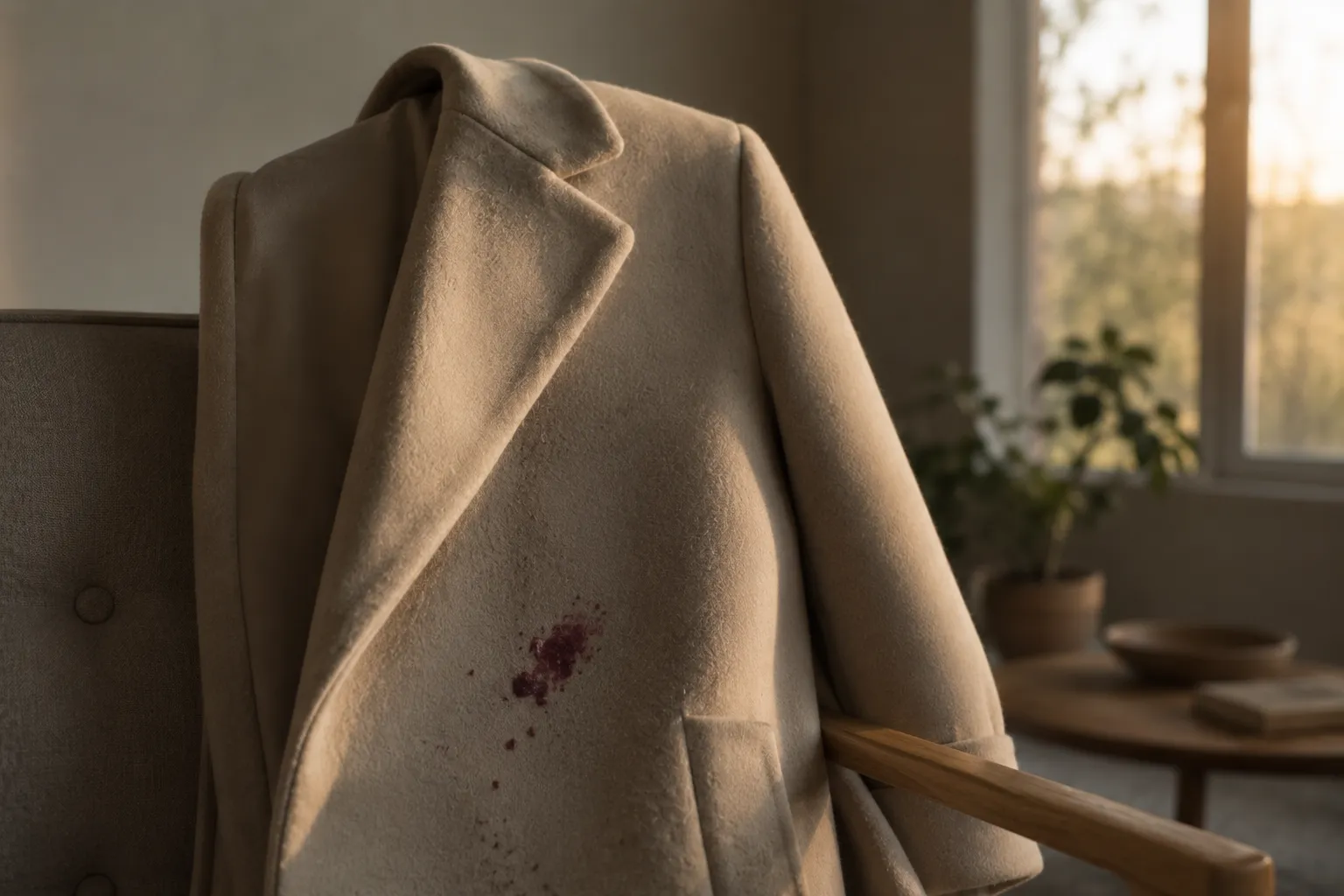
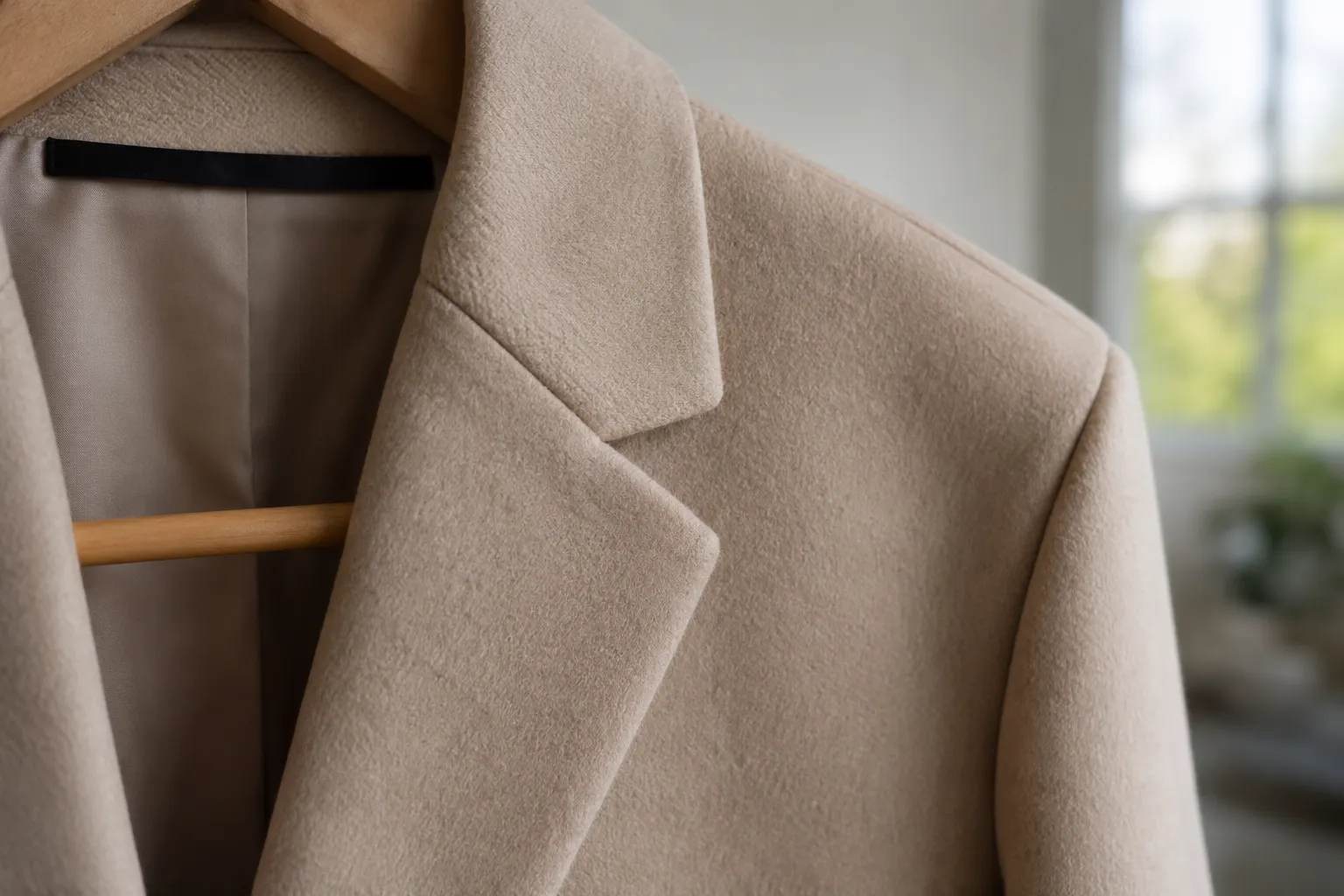 After
After
Request: Remove an old red wine stain from a wool coat.
Done: Local stain treatment and full dry cleaning of the coat using gentle solvents.
Cost: 8 000 ₸
Master: Aizhan Nurgaliyeva, Dry Cleaning Master
Total: Wine stain completely removed, coat restored color and fabric structure.
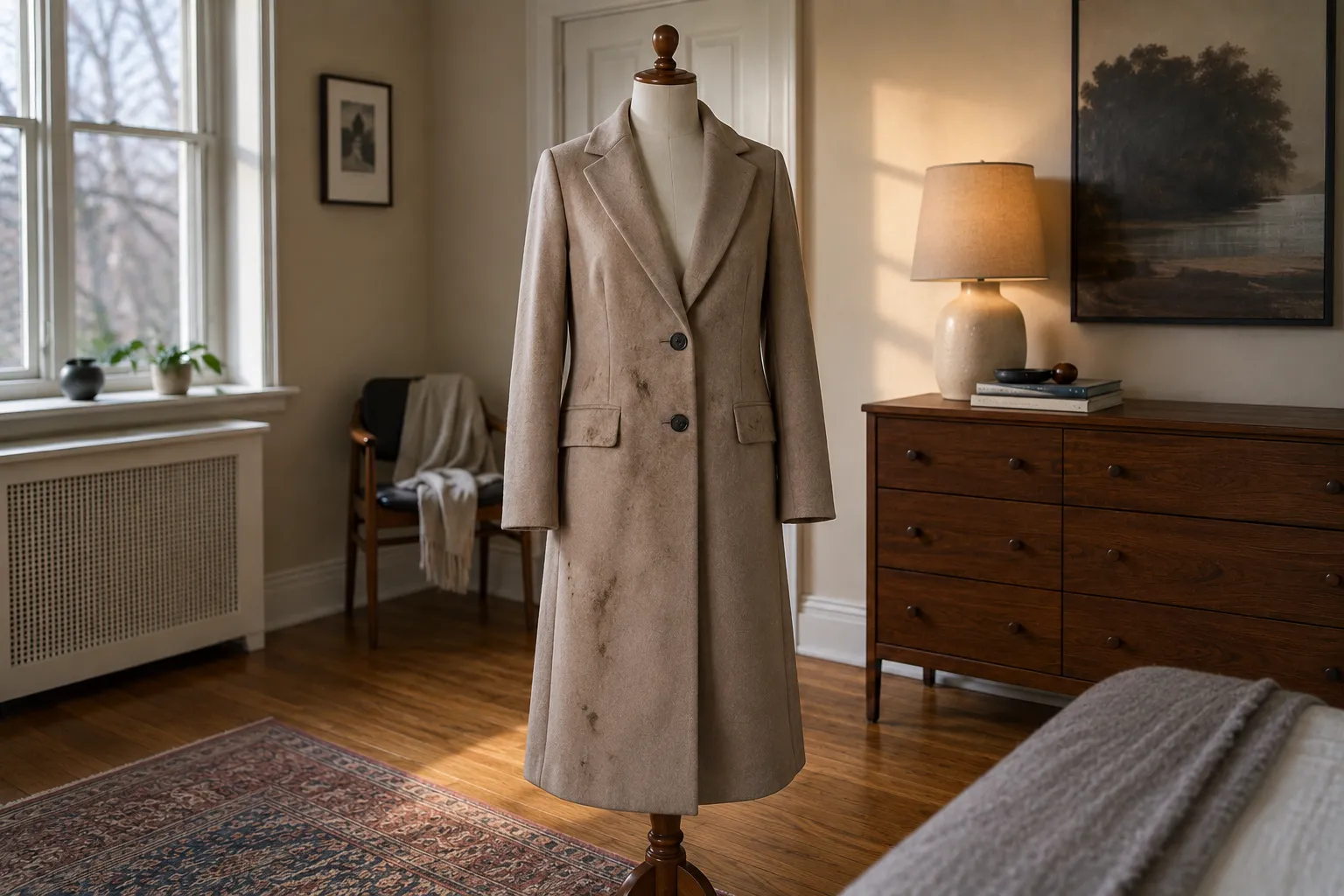
 After
After
Request: Remove a greasy oil stain from a cashmere coat.
Done: Delicate cleaning with absorbent and steam treatment applied to remove the oil stain.
Cost: 8 000 ₸
Master: Timur Zhaksybekov, Dry Cleaning Master
Total: Oil stain gone, cashmere became soft and fresh.
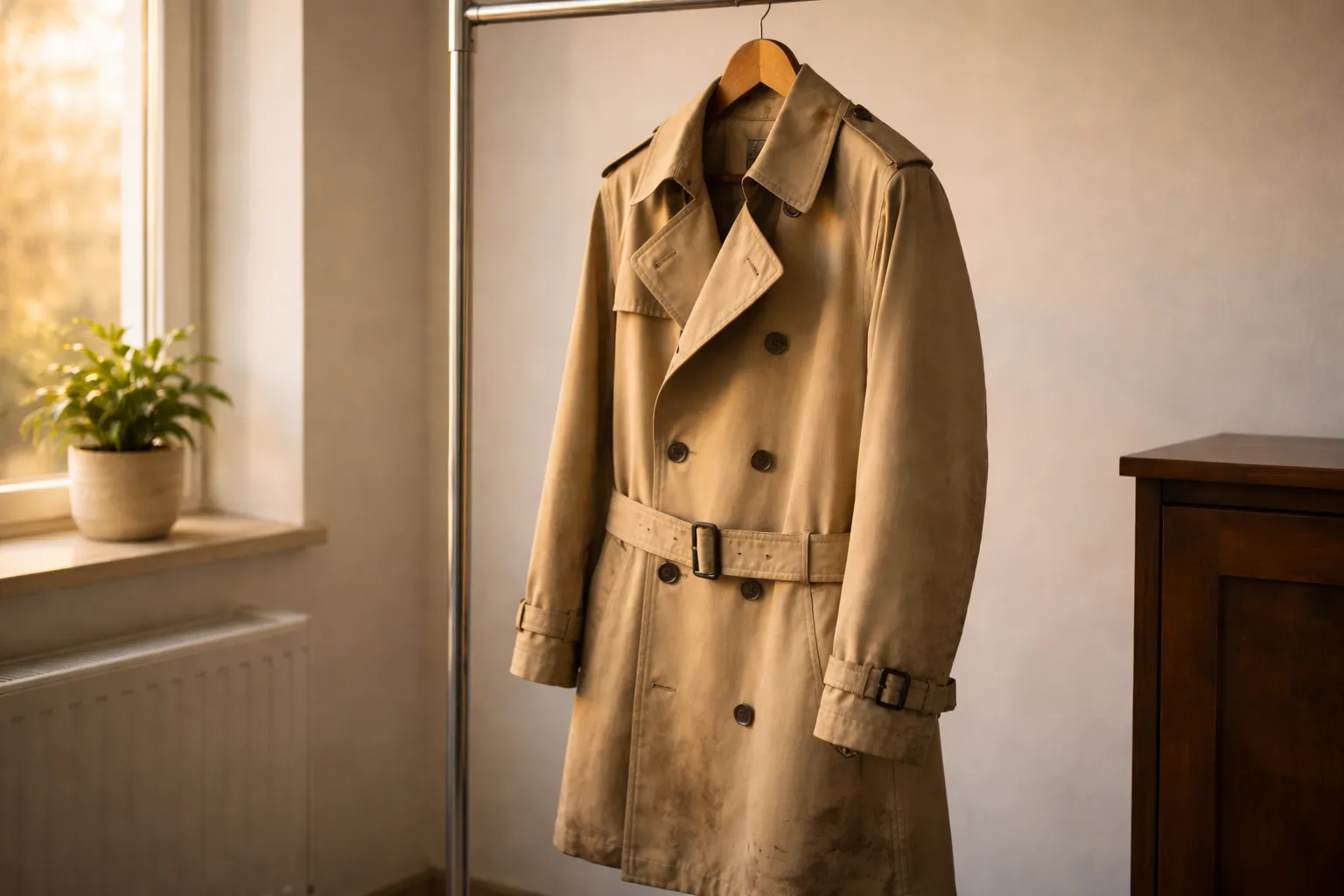
 After
After
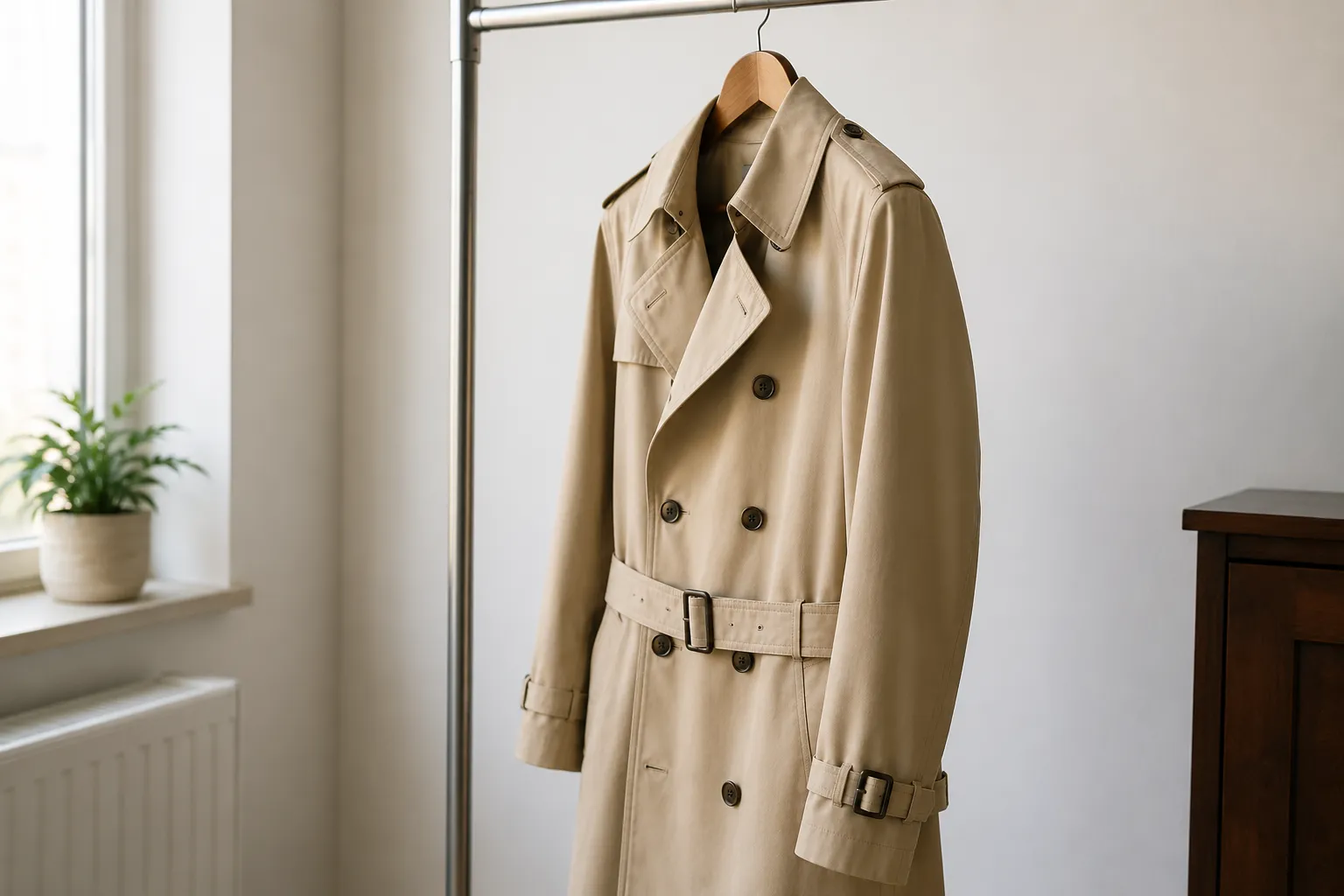
Request: Clean a beige trench coat from dirt and marks after rain.
Done: Deep dry cleaning performed with dirt stain removal and color refreshment.
Cost: 6 000 ₸
Master: Dinara Sagitova, Dry Cleaning Master
Total: Trench coat became clean, without marks, color evened out.
 After
After
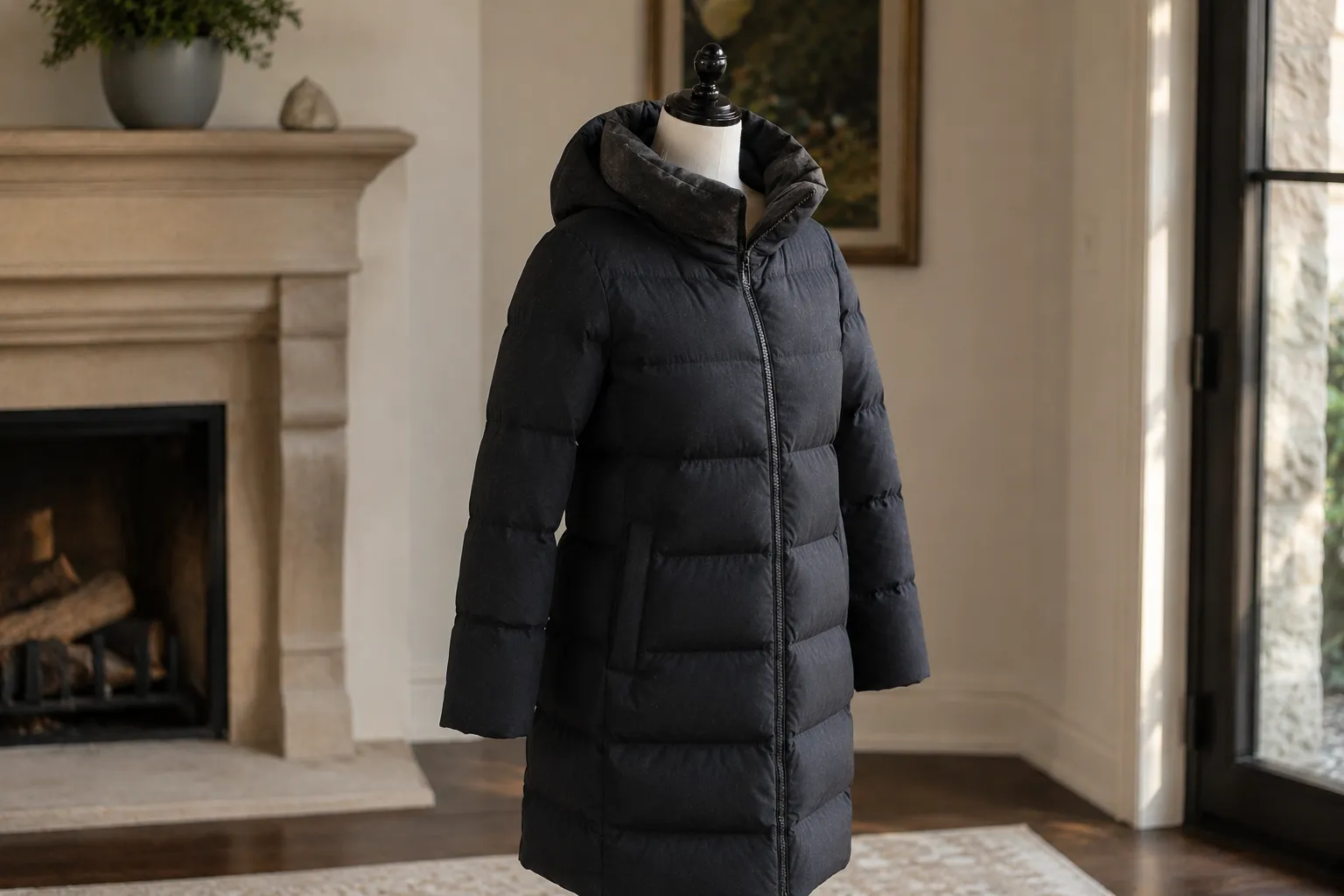
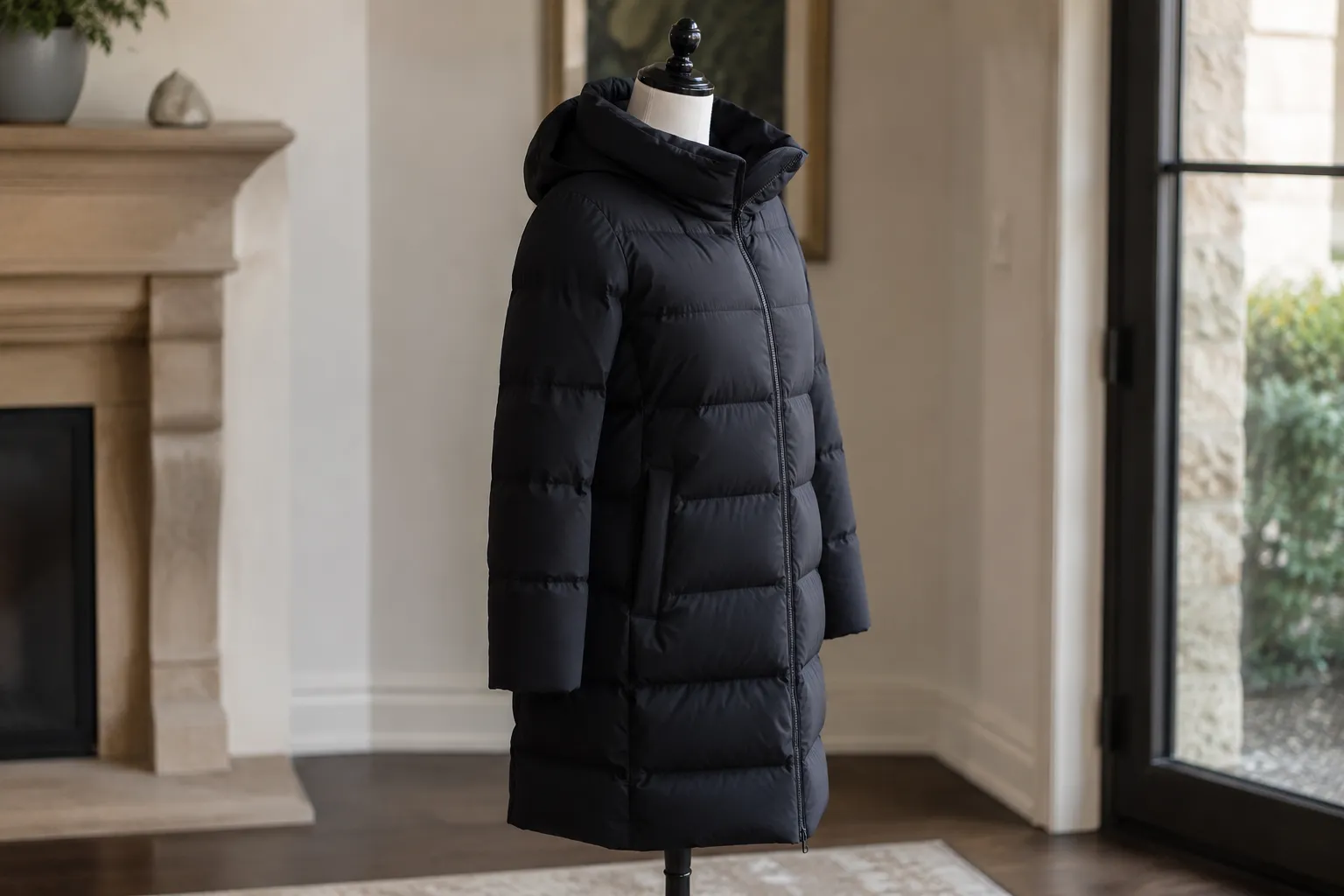
Request: Clean the collar of a black down coat from ingrained dirt and grease.
Done: Local collar cleaning and general dry cleaning of the down coat performed.
Cost: 7 000 ₸
Master: Aigerim Abdrakhmanova, Dry Cleaning Master
Total: Collar perfectly clean, down coat gained a neat appearance.
 After
After
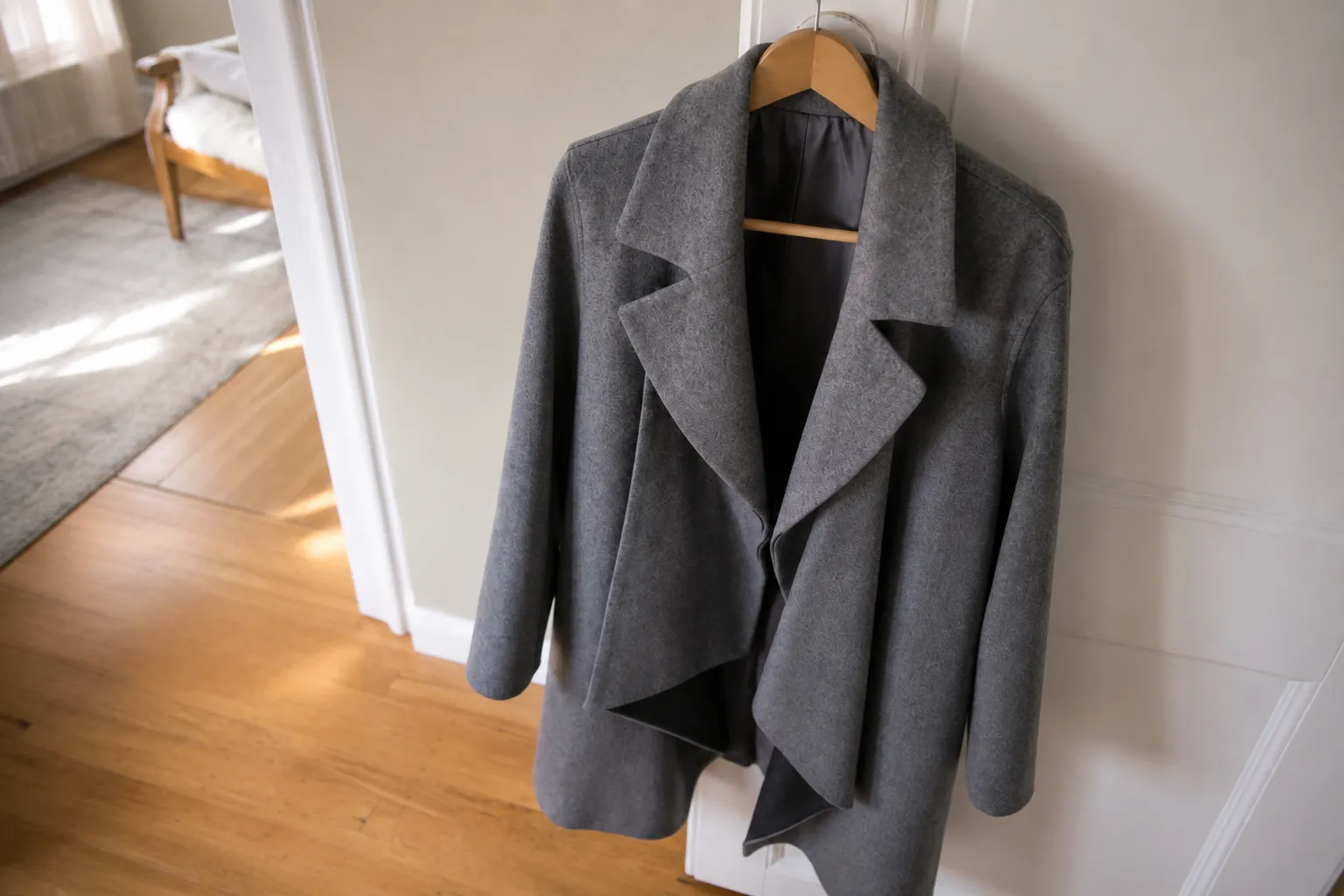
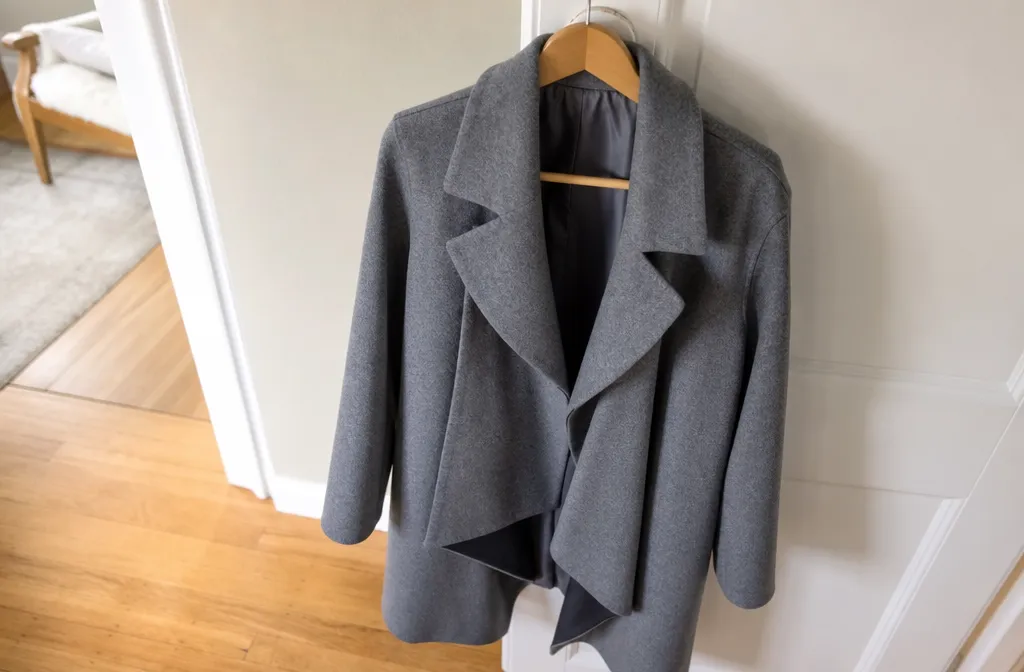
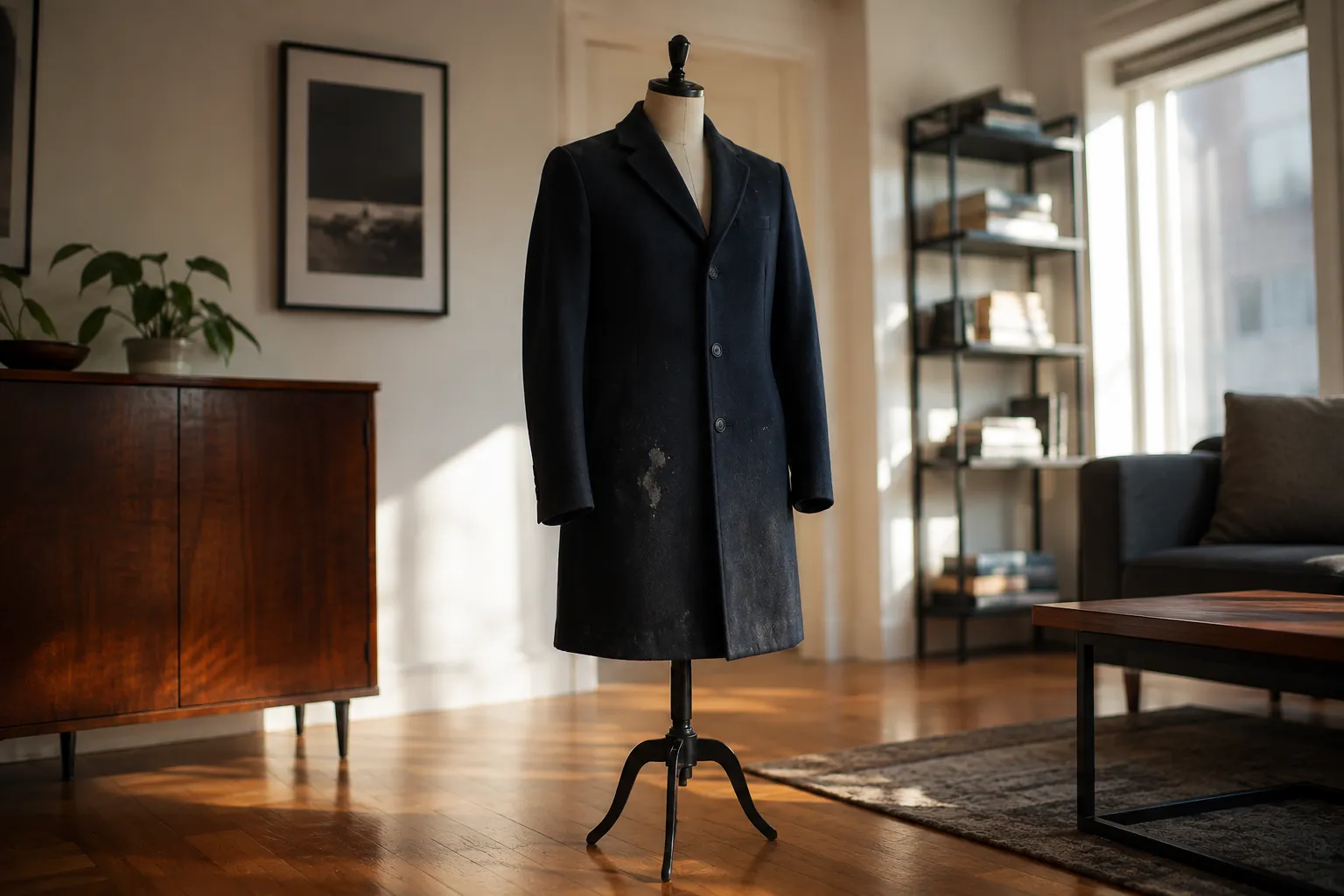
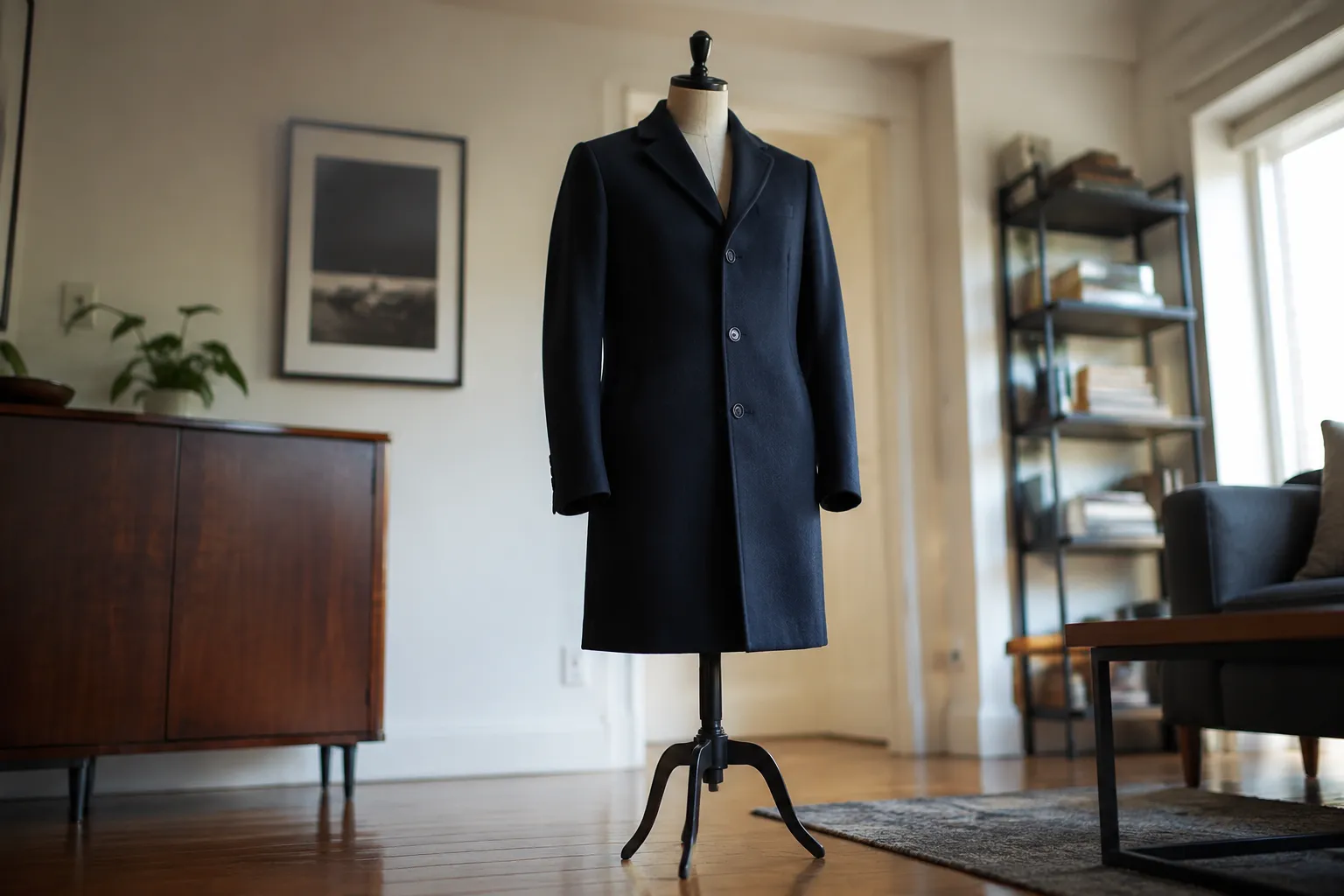
Request: Restore color saturation to a gray drape coat.
Done: Color refreshment technology and deep dry cleaning of drape applied.
Cost: 8 000 ₸
Master: Nurlan Iskakov, Dry Cleaning Master
Total: Coat color became deep and even, without faded areas.
 After
After
Request: Remove ink stain from blue coat.
Done: Treat stain with alcohol solution and full dry cleaning of the coat.
Cost: 8 000 ₸
Master: Gulnara Serikova, dry cleaning master
Total: Ink stain completely removed, fabric undamaged.

 After
After
Request: Remove yellowing from cream coat.
Done: Whitening and deep dry cleaning with optical brightener.
Cost: 8 000 ₸
Master: Aliya Kassymova, dry cleaning master
Total: Yellowing gone, coat fresh cream shade.
 After
After
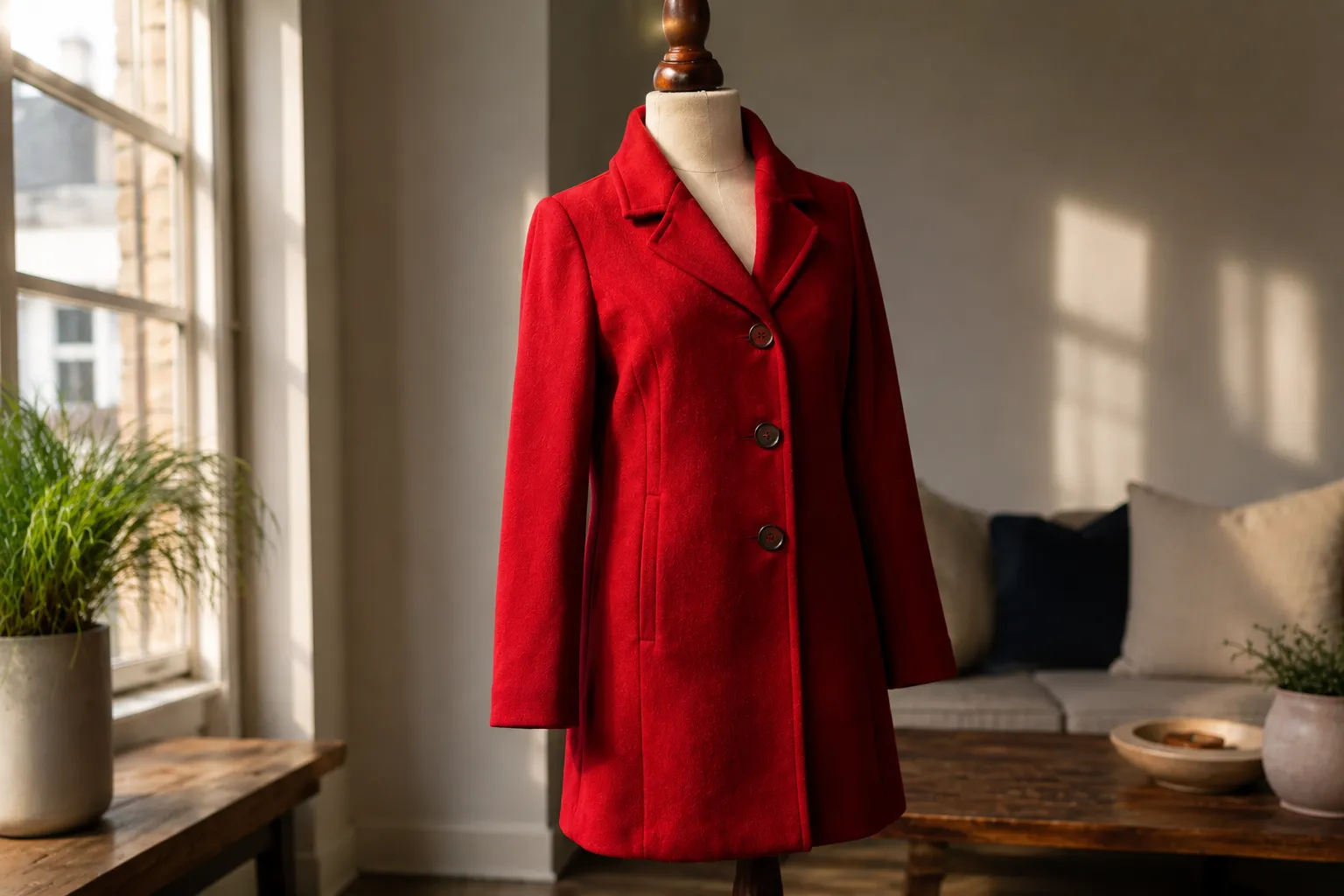
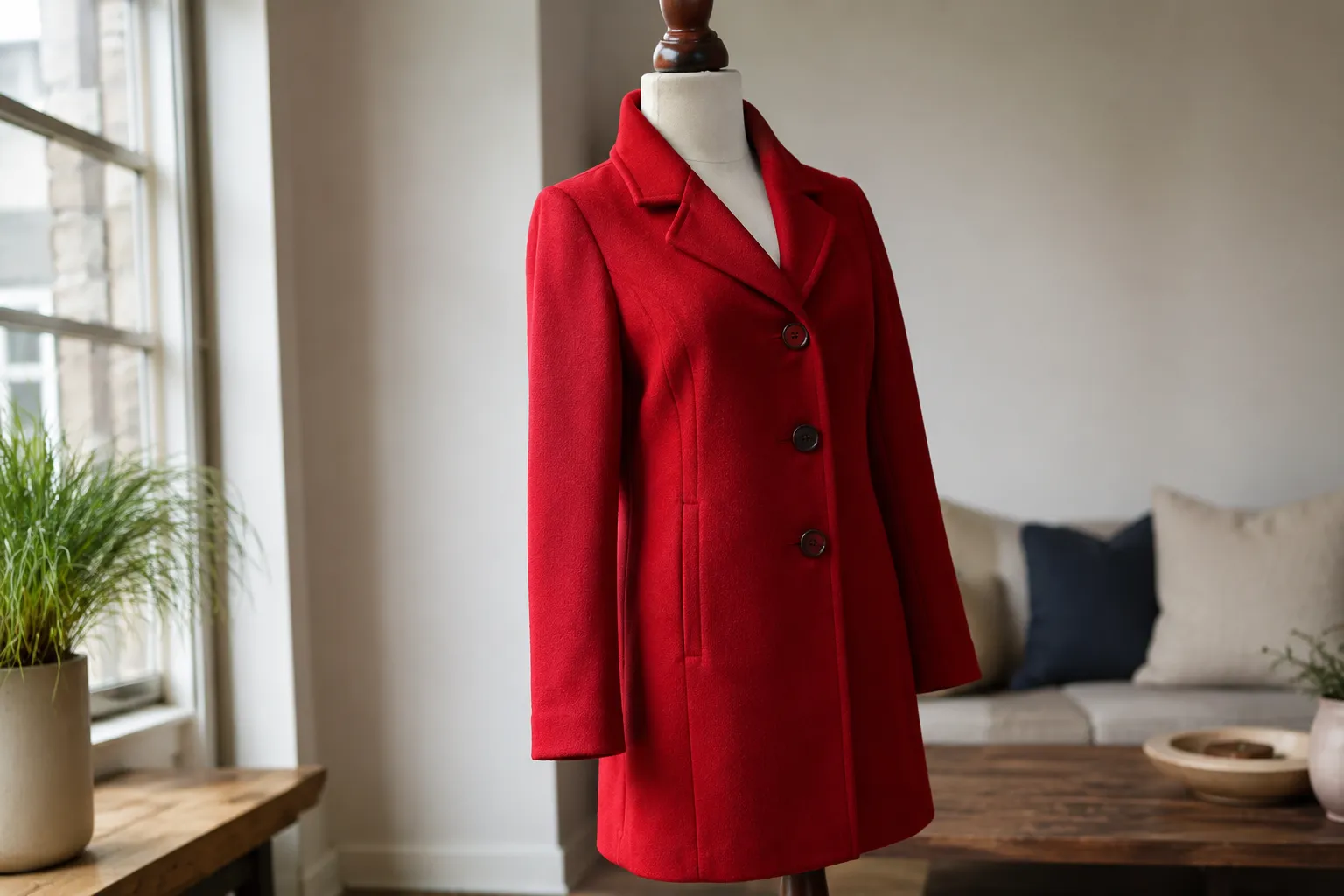
Request: Remove lipstick stain from red coat.
Done: Local stain treatment and dry cleaning with color preservation.
Cost: 8 000 ₸
Master: Marat Zhumabayev, dry cleaning master
Total: Lipstick stain removed, coat bright and clean.
 After
After
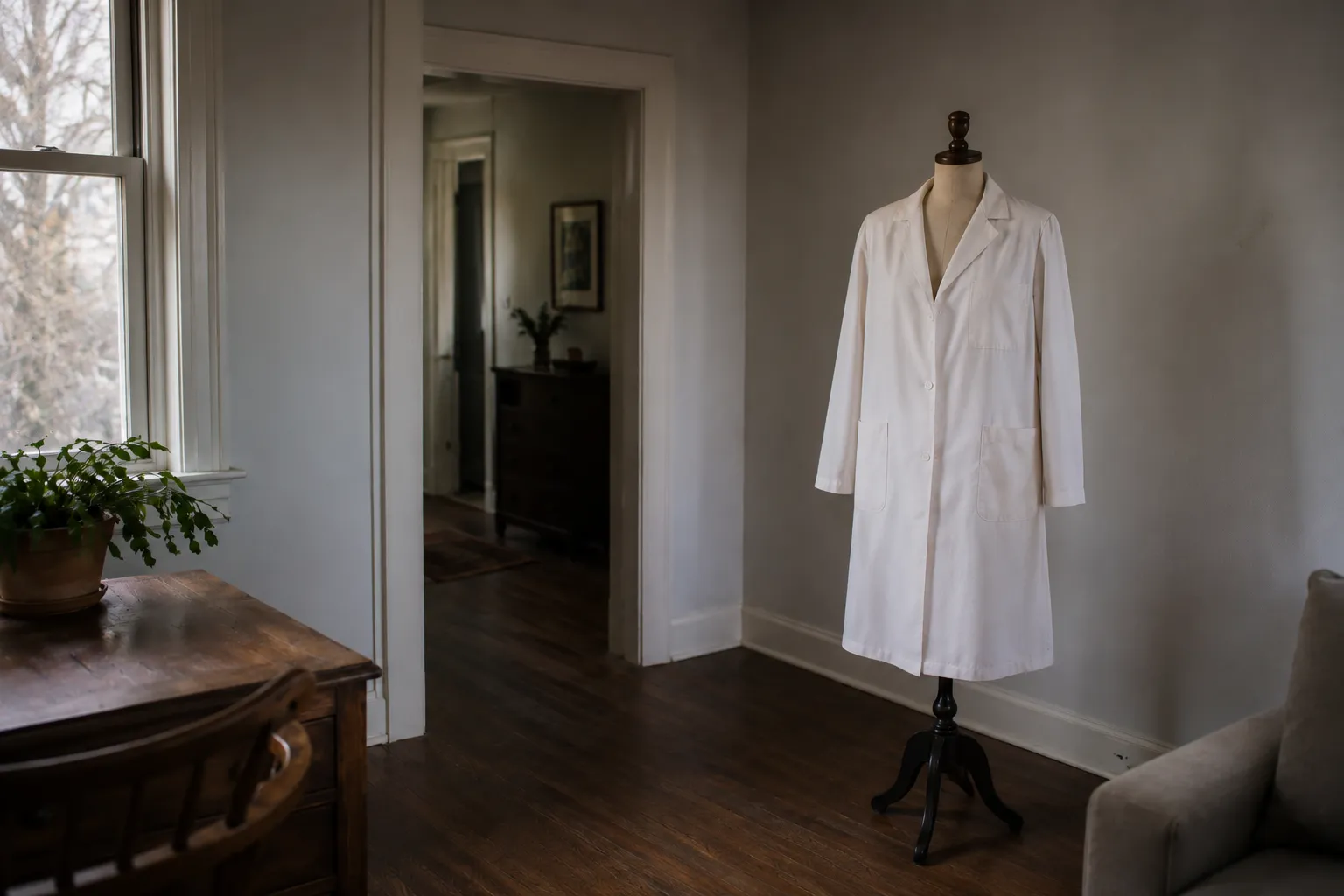
Request: Wash dirty collar of white coat.
Done: Local collar cleaning and full dry cleaning of the coat.
Cost: 8 000 ₸
Master: Yerzhan Dosmukhambetov, dry cleaning master
Total: Collar snow-white, coat fresh and clean.
All cleaners are profi-clean staff with training, uniform and security check. Each order has a team leader who controls quality.
Even after professional dry cleaning, a coat can sometimes retain a foreign odor — this is not a defect, but a consequence of chemical or technological nuances. Let’s break down the three main reasons and ways to eliminate them, so you know what to demand from the service.
Answer: If your coat smells of chemicals after dry cleaning, it means it wasn’t aired out long enough or was dried at the wrong temperature. Professional solvents (perchloroethylene, hydrocarbon compounds) require forced ventilation for 6–12 hours at a temperature not exceeding 40°C. At profi-clean, we use a closed-loop system with solvent distillation — this minimizes residual odor, but even with perfect technology, the coat should “rest” in a ventilated room for another 2–4 hours after pickup. If the smell persists for more than a day, it means time was saved during the drying stage: either the temperature was set above 50°C (which “seals” solvent molecules into the fibers), or the exhaust fan wasn’t turned on. In Almaty services with high workload, this happens during the season — from October to March, when the coat flow is at its peak. In practice: if you smell a sharp “chemical” odor after receiving your coat, hang it on hangers on the balcony or in a well-ventilated room overnight. If the smell hasn’t dissipated after 12 hours, demand a re-treatment with controlled drying.
Answer: Residual odor from stain removers is the second most common complaint, especially on cashmere and wool with water-repellent coatings. Aggressive enzyme or acid-based compounds (e.g., oxalic acid for rust removal) may not rinse out completely from dense pile fabrics. In our practice, there was a case: a client brought a beige cashmere coat with a red wine stain, which another service treated with oxygen bleach without pH control. After cleaning, the coat smelled of vinegar — this was due to the acidic environment left in the fibers. At profi-clean, we use pH neutralizers in the final rinse, and for cashmere, only enzyme-based stain removers from Kiehl with a subsequent double rinse in distilled water. If after dry cleaning your coat smells of vinegar, ammonia, or “wet wool” — it’s a sign that the reagent hasn’t been washed out. A home test: moisten a cotton pad with water and run it along the lining in the armpit area — if the pad smells of chemicals, take the coat back. The service must perform a re-rinse for free.
Answer: A musty or moldy smell after dry cleaning often comes not from the outer fabric, but from the lining — especially on coats worn for 3–5 seasons without professional cleaning. Sweat, sebum, and skin particles accumulate in the lining — an ideal environment for Micrococcus and Aspergillus. During wet treatment (aqua cleaning or steam), the fungus activates, and the smell becomes stronger than before cleaning. In Almaty, this problem is exacerbated by air humidity up to 70% in the off-season — linings made of synthetic padding or polyester dry slower than the wool outer layer. At profi-clean, we check the lining for fungus with an ultraviolet lamp before cleaning: if it glows yellow-green, a separate antibacterial treatment is needed. Without it, regular dry cleaning will only intensify the smell. If after receiving your coat you smell a damp basement — hang the coat in a dry room with a dehumidifier for 24 hours. If the smell remains, the service should treat the lining with ozone or an antibacterial spray based on chlorhexidine. In practice: on angora and mohair coats, fungus in the lining occurs in 15% of cases after the second season of wear — these fabrics retain moisture longer, and clients rarely air out their coats after rain.
| Odor Type | Cause | Removal Method | Time |
|---|---|---|---|
| Strong chemical (solvent) | Insufficient drying after dry cleaning | Air out for 12 hours + re-dry with exhaust | 1 day |
| Vinegar / ammonia / wet wool | Unrinsed stain remover | Double rinse with pH neutralizer | 2–3 hours |
| Mustiness / mold / stale smell | Fungus in the lining | Ozone treatment or antibacterial spray | 2–4 hours |
| Mixed (chemical + mustiness) | Combination of causes | Full cycle: re-wash + drying + ozone | 1.5 days |
Expert recommendation: Before sending your coat to dry cleaning, remove the lining near the pockets and smell it — if you detect a musty odor, inform the technician about the need for antibacterial treatment. This will save you 1–2 days of a repeat visit, and during the rainy season in Almaty, this is especially relevant, as ozone drying takes additional time.
The frequency of dry cleaning a coat directly depends on the fabric composition, intensity of wear, and the season — there is no universal schedule. We have broken down three key materials to help you extend the life of your item without the risk of overdrying or deforming the fibers.
A cashmere coat requires maximum care: the delicate wool of the mountain goat loses up to 15% of its pile with each machine cleaning, even a gentle one. We recommend sending cashmere for professional dry cleaning once every six months — at the end of the season before storage. If a local stain appears on the coat (coffee drops, rain marks in Almaty), spot treatment without a full cycle is sufficient. In our practice, there was a case: a client brought in a cashmere coat once a month, and after the third time, the pile was noticeably worn — it could not be restored.
Coats made of classic wool (sheep, merino) or dense drape are the main choice for Almaty’s autumn and winter. With daily wear (October–April), dry cleaning is needed twice per season: in the middle of winter and at the end before storing in the closet. Between cleanings, it is enough to treat the coat with a lint roller every 2 weeks and air it out on the balcony — this removes dust and odors without chemical exposure.
Synthetic coats (polyester, nylon, softshell) absorb less dirt and odors, but their water-repellent coating is damaged with each contact with solvents. The optimal interval is once every 6–8 months, and only if the dirt is visible to the naked eye. In Almaty, with its sharp humidity fluctuations (dry indoor air in winter + spring rains), it is enough to send a synthetic coat for dry cleaning once a year — before the start of the season. On membrane coats, the DWR (durable water repellent) layer is restored with a separate treatment after each cleaning, otherwise the fabric stops repelling moisture.
The choice between dry cleaning and washing at home is the main dilemma for a coat owner, and the answer depends solely on the fabric composition, lining construction, and type of stain.
A coat is a multi-layered product with glued front and collar areas that deform when wet. Water and the mechanical action of a washing machine cause wool and cashmere to shrink by 5–15% — this is an irreversible process. On karakul and drape coats, creases and pilling appear after washing, which cannot be removed even by steaming. In our practice, about 70% of requests to restore ruined coats are the result of home washing, especially on models with viscose lining, which shrinks more than the outer fabric. On silk and acetate linings, seams almost always come apart after machine washing — repairing them is more expensive than ordering professional cleaning.
Oil stains, greasy marks on collars and cuffs, stubborn stains from cosmetics and perfume — water and powder cannot handle them, and only fix the grease deeper into the fiber. Professional dry cleaning uses solvents that break down fatty compounds at the molecular level without damaging the fabric structure. For example, a greasy cashmere collar regains its original appearance after dry cleaning, while washing leaves a gray-yellow residue that can no longer be removed. On a coat with a natural fur collar, washing is strictly prohibited — suede tans and loses elasticity, and the fur mats.
The only fabrics that can withstand hand or delicate machine washing are polyester, nylon, and blended synthetic-cotton with a density of at least 180 g/m² and without adhesive backing. Such coats usually lack shape-retaining interlinings, and the polyester lining does not shrink. The safe washing algorithm: temperature 30°C, “hand wash/wool” cycle, spin at 400 rpm, liquid detergent for delicate fabrics without chlorine. However, even for such coats, we recommend dry cleaning at the first sign of stubborn stains — synthetics absorb oils faster than natural fabrics, and removing them at home is almost impossible without leaving streaks.
Before any decision, check the label: a tub icon with one dot means washing at 30°C, a crossed-out tub means dry cleaning is mandatory. But labeling is not always honest — on 30% of economy-segment coats, manufacturers put “dry clean only” as a precaution, even though the fabric can handle washing. The real criterion is construction: if the coat has a one-piece lining without detachable elements and the fabric is polyester or nylon, the risk of washing is minimal. For cashmere, drape, bouclé, karakul, tweed, and any wool coats, washing is excluded — these fabrics irreversibly change shape when wet, and this can only be fixed by recutting, which is more expensive than a new garment.
Almaty’s climate creates a unique set of pollutants for outerwear — from reagents to pollen — and dry cleaning coats under these conditions requires a different approach than in cities with dry air.
Coat fabric in Almaty daily contacts not ordinary dust, but fine particulate matter PM2.5, which settles in the weave of threads and clogs the pores of membrane materials. In our orders for coats from clients in the areas of Abay Avenue and Timiryazev Street, we record a denser gray coating on collars and cuffs after just 10–12 days of wear — these are particles of tire wear, cement dust, and exhaust fumes. Such contaminants are not removed by simple airing or a damp brush: they become “embedded” in the fiber due to static electricity, which persists especially long in Almaty’s dry spring and autumn air. We use a pre-treatment with an antistatic compound to lift particles from the depth of the fabric — without this step, even delicate dry cleaning leaves 15–20% of dirt inside the pile.
From late March to June, winds from the southeast bring fine-grained sand from the foothills of the Zailiysky Alatau to Almaty, which not only soils coats but abrasively scratches the surface of cashmere and drape. In practice, we see this in micro-scratches on the collars of light-colored coats after one season — sand grains act like sandpaper when rubbing against a bag or seatbelt. Simultaneously, in April–May, there is a wave of birch, poplar, and wormwood pollen, the concentration of which in Almaty is one of the highest in Kazakhstan. Pollen not only leaves yellow-green spots but also adheres to the fabric due to a sticky protein layer, turning into a chemically resistant stain. When ordering dry cleaning for a coat during this season, we recommend handing the item in immediately after a walk, without waiting for the pollen to “bond” to the fiber under sunlight.
In winter, the sidewalks of Almaty are sprinkled with a sand-salt mixture containing calcium and magnesium chloride, which, after the snow melts, leaves white streaks on the hem of your coat. Unlike ordinary dirt, these salts are hygroscopic: they absorb moisture from the air and begin to break down the thread at a molecular level, especially on cashmere and wool. If you try to wipe off the streaks with water at home, the salt penetrates deeper into the fabric’s structure, and after drying, leaves crystals that cut the fiber from the inside. In our practice, there was a case where a client from the Medeu district brought in a mohair coat with such streaks after two months of wear — thinned areas on the hem were already visible in the light. We treat reagent-based stains with an aqueous solution containing a pH neutralizer, which binds calcium ions before they can damage the thread — this extends the coat’s lifespan by 1–2 seasons compared to home washing.
“`markdown
Proper preparation of your coat before sending it for dry cleaning directly affects the quality of the result and the preservation of the fabric — we at profi-clean see this every day at the reception.
Before sending your coat for cleaning, check all pockets — a forgotten pen, mint candy, or wet wipe leaves hard-to-remove marks on the lining and can ruin neighboring items in the drum. Remove detachable fur collars, brooches, and large badges — they are cleaned separately or not at all to avoid damaging the fur and scratching the delicate surface of the coat. Buttons made of natural horn, wood, or mother-of-pearl are best removed: they crack during steam treatment and can fly off and hit the fabric in the drum. Wrap metal buckles and rivets that cannot be removed in plastic wrap and secure with tape — this prevents oxidation and scratches on adjacent areas. Before handing over to the service, fasten all zippers and snaps to prevent them from catching the lining during processing.
Our clients often bring in coats with old stains that have had time to dry and set in — without a hint, the technician might not notice them on solid-colored fabric. Outline each stain with a contrasting thread on the wrong side or stick a sticker next to the stain on the lining — this speeds up pre-treatment and increases the chance of removal to 90% instead of the standard 70%. On fluffy fabrics like cashmere, stains are masked by the nap and become visible only under a UV lamp at reception, so marking is critical. Do not use a marker or pen on the front side — the ink may show up after cleaning. In our practice, there was a case where a client stuck stickers on wine stains on a wool coat — the stains were completely removed, even though they had been there for two weeks.
The most common mistake is trying to rub a stain with water or a wet wipe on the spot: water blurs the boundaries of the stain and drives it deeper into the fibers, after which a professional stain remover may not be able to handle it. Do not use store-bought stain removers at home — aggressive components react with professional solvents and cause irreversible yellow streaks on wool and cashmere. Do not dry your coat on a radiator or heater before handing it in — overdried fibers become brittle and may shrink or tear during steam treatment. Never brush your coat with a stiff-bristled brush before reception — this fluffs up the nap and creates pills that are harder to remove later. If your coat has an oil or grease stain, sprinkle it with starch or talc without rubbing, but do not scrub — this is the only safe action before visiting the service. “`
Ordered dry cleaning for a cashmere coat, returned perfectly clean, even buttons shine.
Thank you, Aigerim! Glad the result exceeded expectations.
Gave in a shearling coat, thought it was beyond saving — oil and dirt stains. Returned like new, no chemical smell.
Had a leather coat dry cleaned, result excellent, but slightly bothered by the timeline — promised 2 days, took 3.
We apologize for the delay, we are working on reducing turnaround times.
Coat with fur collar became fluffy and fresh after dry cleaning, fur not damaged.
Thank you for your review! We handle delicate materials with care.
I ordered dry cleaning for a down jacket, all stains were removed, the down didn't clump, and the color even became brighter.
Very satisfied with the dry cleaning of the wool coat — greasy spots on the sleeves disappeared, the nap was smoothed out.
Thank you, Assel! We're glad the coat got a new look.
We tried to remove paint stains from the coat, but a faint trace remained. The price is not the lowest, I expected better.
We apologize. For complex cases, we recommend a preliminary consultation.
I dropped off a cocoon coat for dry cleaning, it came back without a single stain, the shape was preserved.
The melton coat after cleaning looks like from a store window — no pills, even color.
Thank you! Melton requires care, we took that into account.
Dry cleaning of a coat with sequins — I was afraid the decorations would fall off, but everything is intact, sequins in place.
Thank you for your trust! We use gentle methods.
The men's coat was cleaned well, coffee stains are gone. Minus — I had to wait a day longer.
Sorry for the delay, we try to meet deadlines.
Excellent dry cleaning of a coat with a belt — the belt was also cleaned, didn't warp, the fastener works.
The winter coat became lighter and fresher after cleaning, no streaks.
We're glad you're satisfied!
Ordered dry cleaning for an angora coat — the pile became soft, no color fading, colors refreshed.
Thank you, Saule! Angora requires special care, we handled it.
Removed red wine stain from coat, almost invisible. But a faint smell remained, dissipated after a day.
We apologize, usually there is no smell. We will check the process.
Dry cleaning of a coat with hood — the hood was also perfectly cleaned, fur did not mat.
Chesterfield looks like new after cleaning, even the creases on the sleeves smoothed out.
Thank you! This is a classic we love to clean.
Took an oversized coat to dry cleaning — returned without shrinkage, volume preserved, stains removed.
Thank you, Kamila! We work carefully with voluminous models.
Cashmere coat after dry cleaning became soft to the touch, not a single pill.
Grease stain from sauce removed almost completely, a slight outline remained. Overall good, but not perfect.
Thank you for your honesty. We will try to improve the result next time.
Dry cleaning of a coat with lining — the lining was also cleaned, not torn, all seams intact.
Glad you noticed the details!
The trench coat looks like it's from a magazine cover after cleaning, even the belt was ironed.
Ordered dry cleaning for a coat with fur trim — the fur didn't get damaged, it became fluffy.
Thank you, Serik! We handle fur with care.
I was afraid to give my embroidered coat, but the embroidery didn't suffer, the colors became brighter.
We're glad the embroidery is safe!
After the rain, the coat got dirty, I had it dry cleaned — the dirt came off, but a slight crease appeared on the back.
We apologize, a crease may have occurred during steaming. Please contact us, we'll fix it.
Dry cleaning of a coat with sequins — the sequins didn't come off, they shine like new.
Removed the unpleasant smell from the coat, now it smells fresh, no stains.
Thank you for your feedback! Odor removal is our specialty.
I gave my coat with lace inserts for dry cleaning — the lace wasn't damaged, everything is clean.
Thank you, Alina! We work carefully with decorations.
The sports coat after cleaning looks like off the shelf — even the light areas were whitened.
Dry cleaning of a coat with print — the print didn't wear off, the colors became richer.
Thank you, Dana! Prints require a special approach.
After the repair, I gave the coat for cleaning — the paint was removed, but a whitishness appeared on the fabric. Not very satisfied.
We apologize. A second treatment may be needed; please call us.
I gave the cape to dry cleaning — it became like new, even the fringe was straightened.
The coat with leather inserts was cleaned perfectly, the leather didn't crack, and the color was evened out.
Thank you! Leather requires special products, and we use them.
Dry cleaning of the coat with beads — the beads didn't fall off, everything is intact, no stains.
Thank you, Ainur! Beads are delicate work.
The raglan coat fit perfectly after cleaning, and the blueberry stains disappeared.
I ordered dry cleaning for a coat with grass stains — 80% were removed, a faint trace remains. Overall, not bad.
Thank you for your feedback. Plant stains are more difficult, but we tried our best.
Standard dry cleaning takes 1-2 days. Express dry cleaning (within 24 hours) is available for an additional fee.
Leave a request on the website or call. Courier arrives free of charge for orders of 2 coats or more. For a single coat, pickup is paid.
Yes, we use organic Sodasan solvents and gentle modes. Cashmere, wool, and drape are cleaned without damage.
We remove stains from wine, oil, blood, dirt, ink, and cosmetics. Complex stains are treated separately.
The base price includes standard soiling. Removal of complex stains is charged extra (at an individual rate).
Check pockets, remove personal items. Inform the master about the type of stains and fabric features.
Payment by cash, Kaspi, Halyk Bank, or bank transfer.
Yes, if a stain is not removed, we refund your money or clean it again for free.
Yes, we use hypoallergenic products safe for children. Price at an individual rate.
Yes, the fur collar is treated separately with delicate products. Cost at an individual rate.
Tell us about your experience with profi-clean — it helps other clients and us improve.
We currently operate in Almaty. Other cities are coming soon.