Inspection and leather type
The master determines the leather type: aniline, semi-aniline, or pigmented. This determines the choice of products and cleaning method.
Professional dry cleaning of leather sofas, armchairs, jackets, bags, and shoes in Almaty. Safe products, color and softness restoration.
We work with any types and materials
Deep cleaning of upholstery with removal of grease stains and scuffs.
from 11,000 ₸Treatment of all sections, including hard-to-reach corners.
from 11,000 ₸Gentle cleaning of seat, backrest, and armrests.
from 3,500 ₸Removal of dirt from seat, backrest, and armrests.
from 3,500 ₸Cleaning without removing hardware, preserving leather softness.
from 5,000 ₸Cleaning of outer surface and handles from grease and dirt.
from 2,500 ₸Stain and odor removal, color restoration.
from 3,100 ₸Compact item, cleaning all sides.
from 2,500 ₸Cleaning of seat and side panels.
from 2,500 ₸Treatment of vertical surface without streaks.
from 2,500 ₸Cleaning of seat and backrest.
from 1,500 ₸Gentle dry cleaning of long item.
from 6,000 ₸From inspection to result with guarantee
The master determines the leather type: aniline, semi-aniline, or pigmented. This determines the choice of products and cleaning method.
Using a soft brush, we remove dust and dry dirt from the surface. This prevents scratches during wet cleaning.
Apply a special leather cleaner (Leather Master) to the entire surface. The composition penetrates the pores, dissolving dirt.
Using circular motions with a soft sponge, we remove stains. For tough stains, we use a Karcher extractor.
Using a damp microfiber cloth, we remove any remaining cleaner. It is important to avoid streaks.
Apply Leather Master conditioner to restore softness and elasticity. It nourishes the leather and prevents cracking.
The item dries at room temperature without heat. This prevents leather deformation.
Final treatment with a protective spray against moisture and dirt. Prolongs the cleanliness of the leather.
We exclusively use Leather Master (Italy) products suitable for aniline, semi-aniline, and pigmented leather. These formulas are pH-neutral, do not cause dryness or cracking. Each master is trained in working with the Leather Master line. Result — soft, elastic leather without damage.
The Karcher SE 4001 extractor removes dirt from leather pores without disrupting its structure. Water and cleaner are applied under pressure, then dirt is suctioned out. This allows removal of even old stains without leaving streaks. Equipment is certified for professional cleaning.
All our masters have leather cleaning certificates and at least 3 years of experience. They know how to handle different types of leather and tough stains. They regularly undergo advanced training. Trust cleaning to professionals.
We guarantee to remove all possible stains. If after cleaning the stain remains (provided it is removable), we refund your money. Our reputation is our responsibility. You get clean leather or a refund.
We will come to you within 2 hours after placing an order. Service in Almaty and nearby areas. The master brings all necessary equipment and products. You don't need to bring the item to us.
After cleaning, we provide care recommendations: how often to clean, what products to use, how to protect leather from fading. Consultation is free. You will receive a care guide. Call anytime.
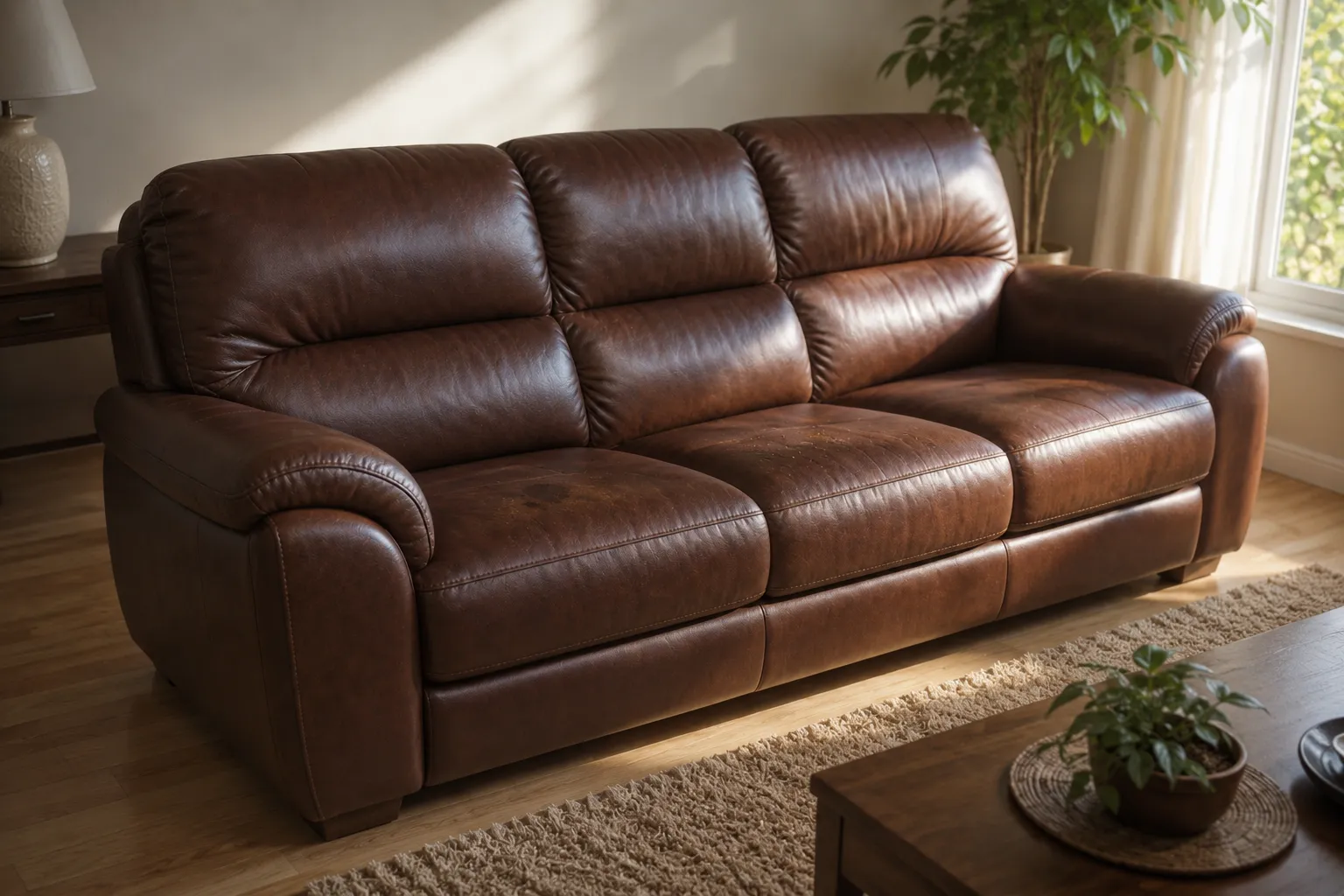
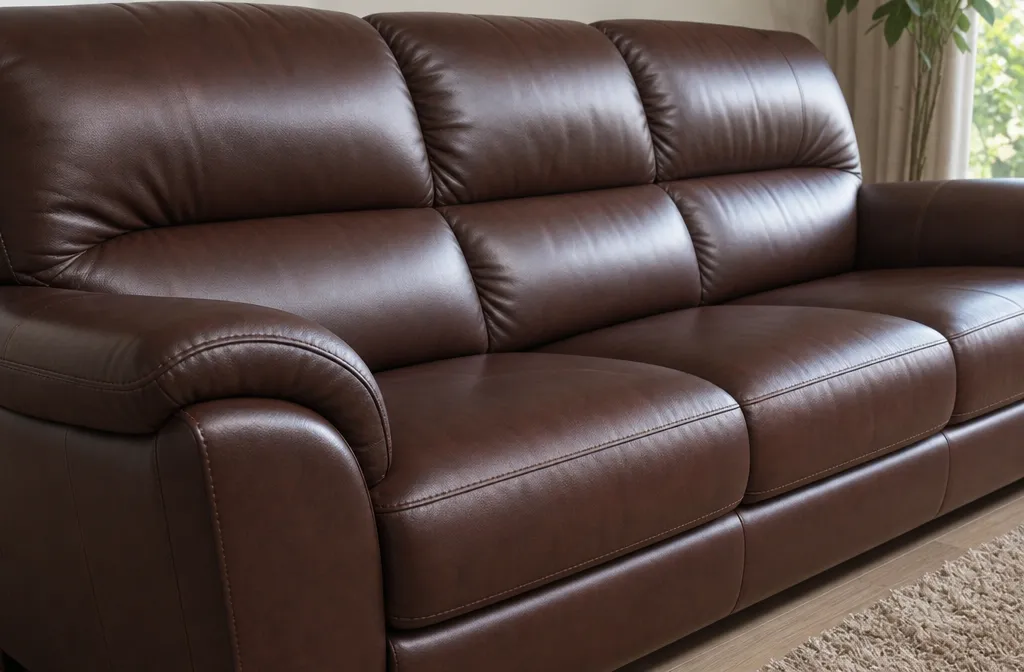 After
After
Request: Need to remove greasy stains and refresh the color of the leather sofa.
Done: Performed deep leather cleaning, removed stains and applied protective conditioner.
Cost: 11 000 ₸
Master: Aigul Sadykova, cleaning master
Total: The sofa looks like new: no stains, even and rich color.
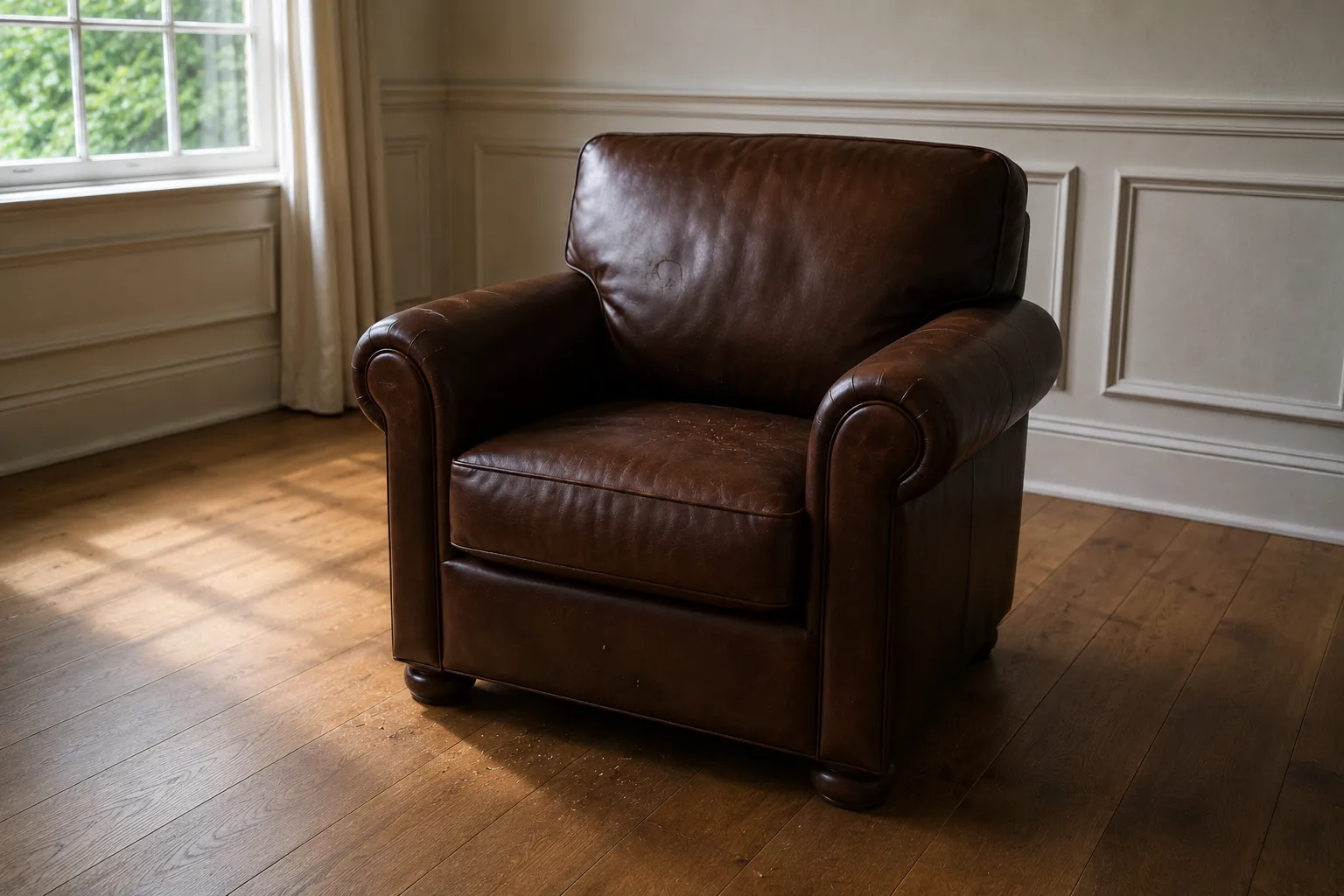
 After
After
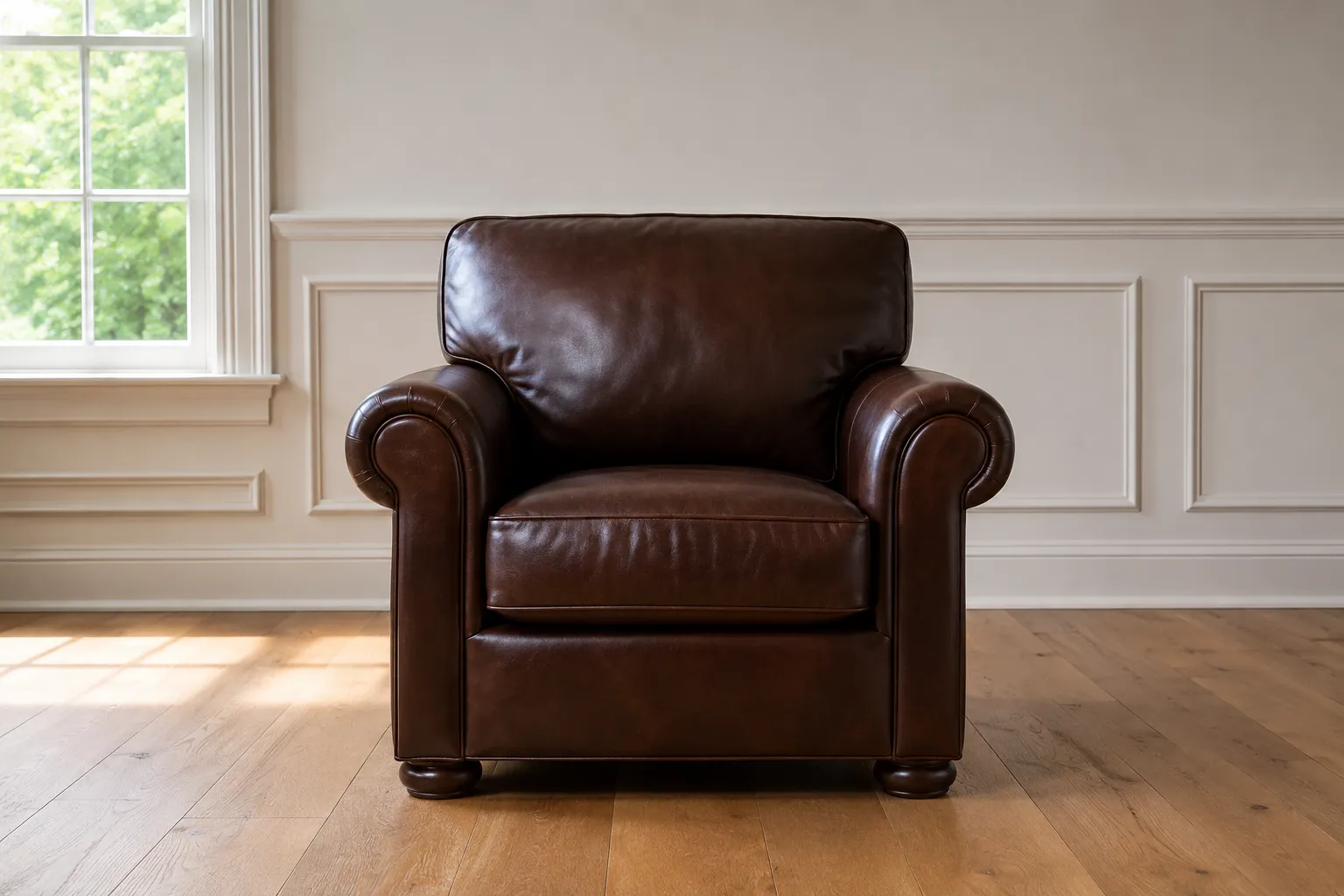
Request: I want to clean the leather armchair from dust and scuffs.
Done: Performed leather cleaning with nourishment and color restoration.
Cost: 3 500 ₸
Master: Damir Nurlanov, cleaning master
Total: The armchair shines with cleanliness, scuffs are gone, leather is soft.
 After
After
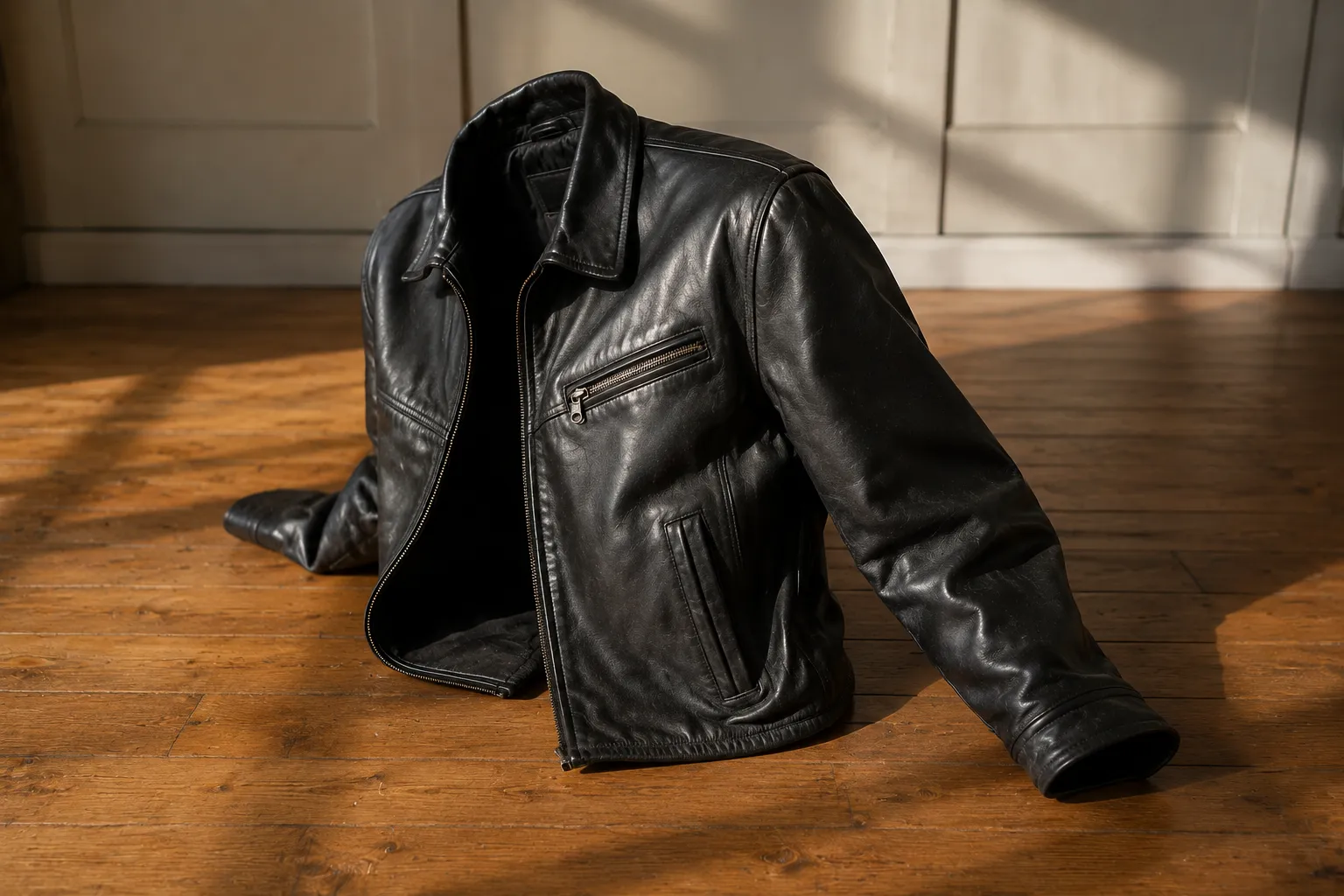
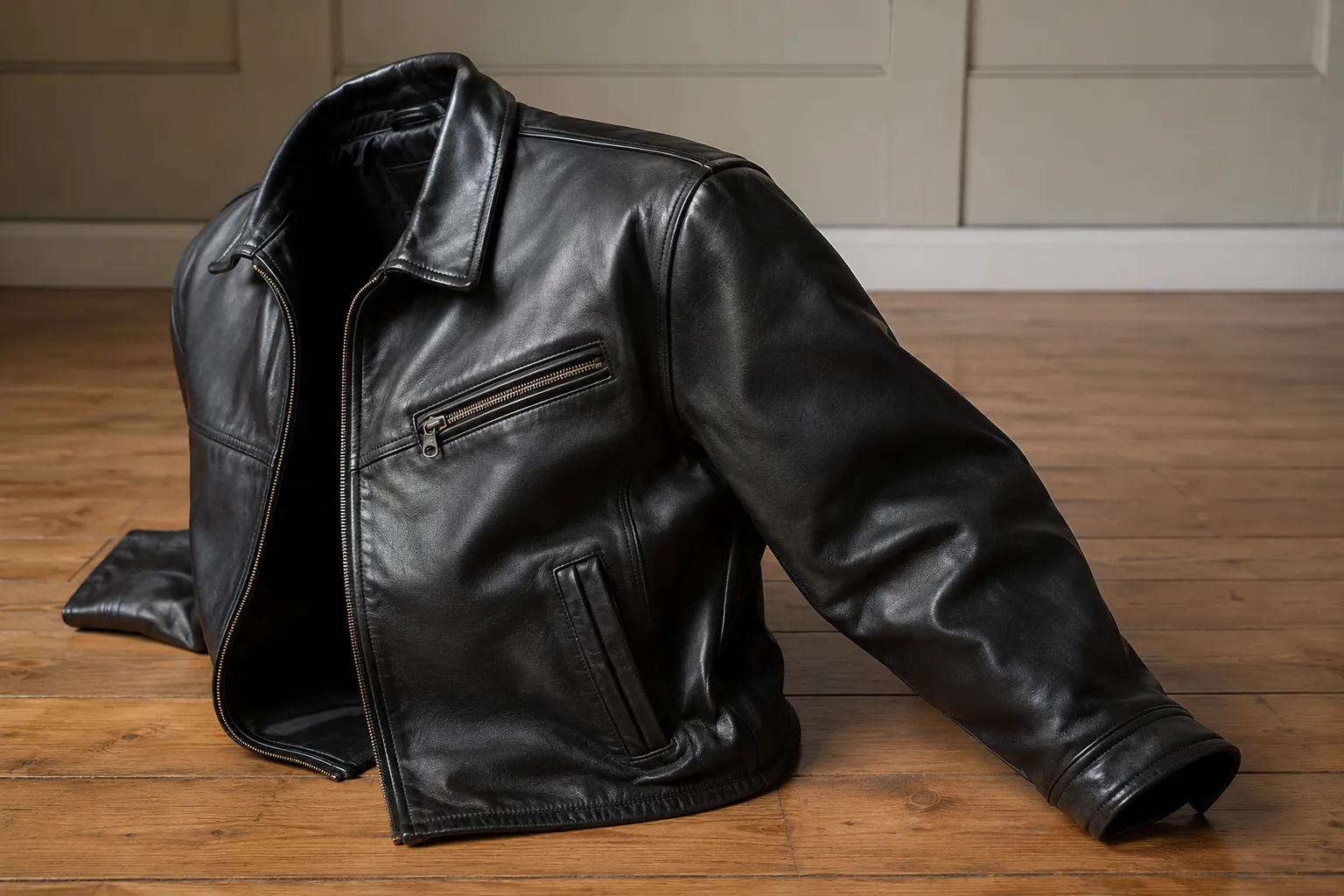
Request: Need to remove stains from the leather jacket and eliminate odor.
Done: Performed gentle leather cleaning with odor neutralization.
Cost: 5 000 ₸
Master: Assel Bekzhanova, cleaning master
Total: The jacket is clean, without stains and odor, leather is soft and shiny.
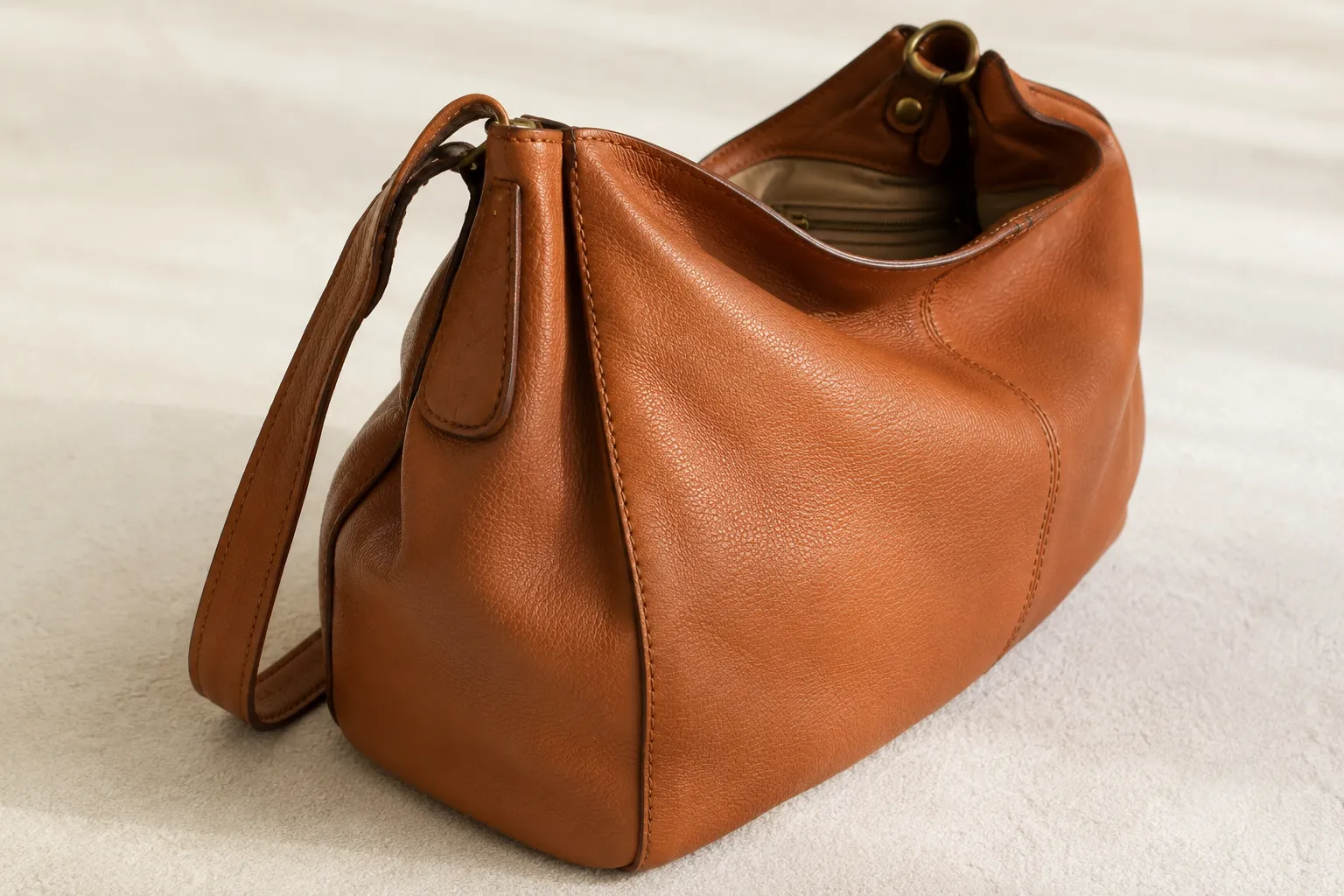 After
After
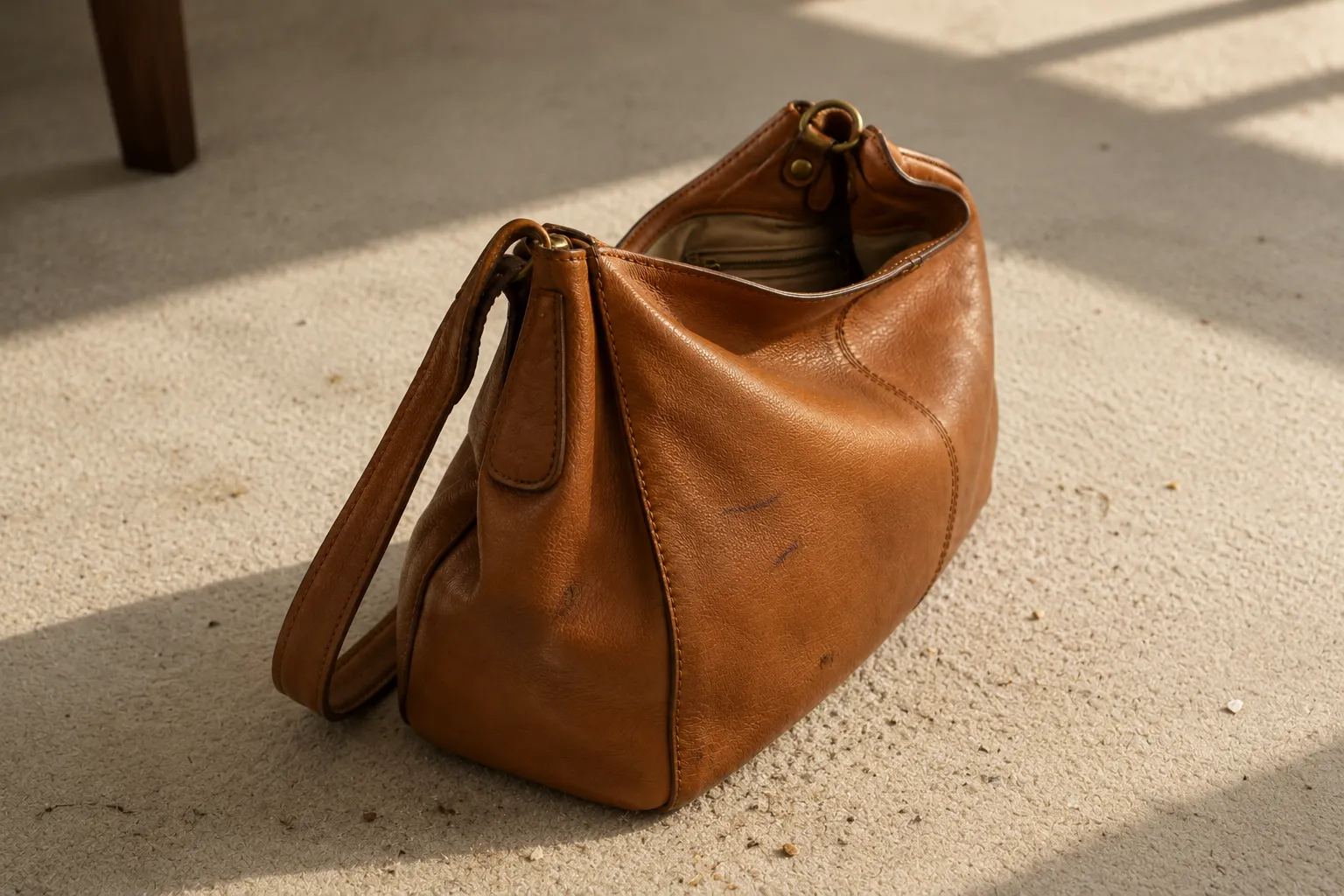
Request: Clean the leather handbag from ink and dirt.
Done: Removed ink stain and performed general leather cleaning.
Cost: 13 000 ₸
Master: Gulmira Akhmetova, cleaning master
Total: The handbag is stain-free, color restored, leather moisturized.
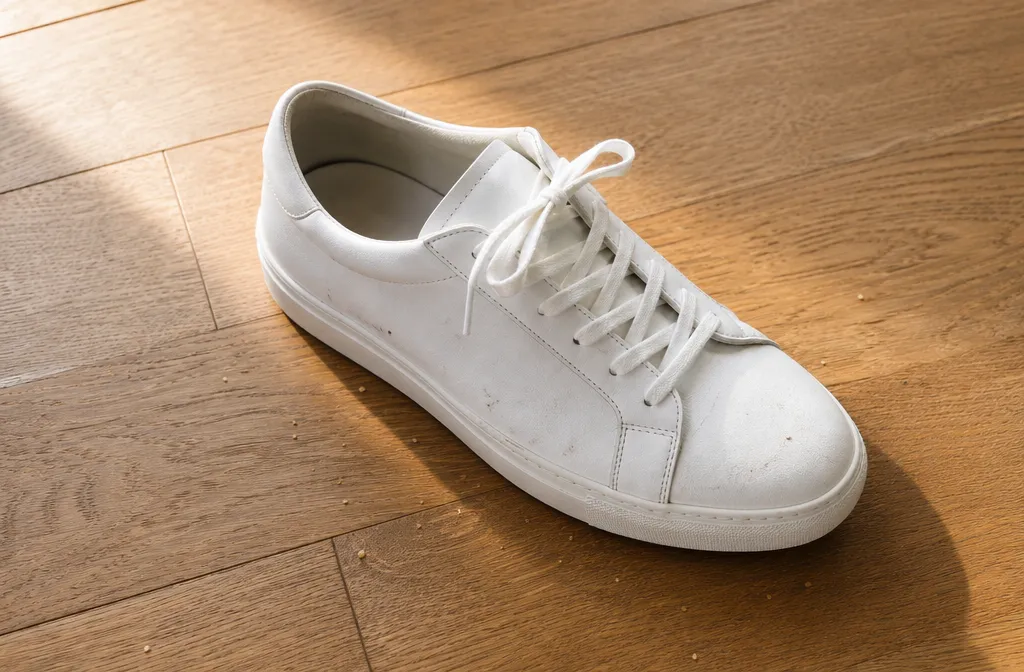
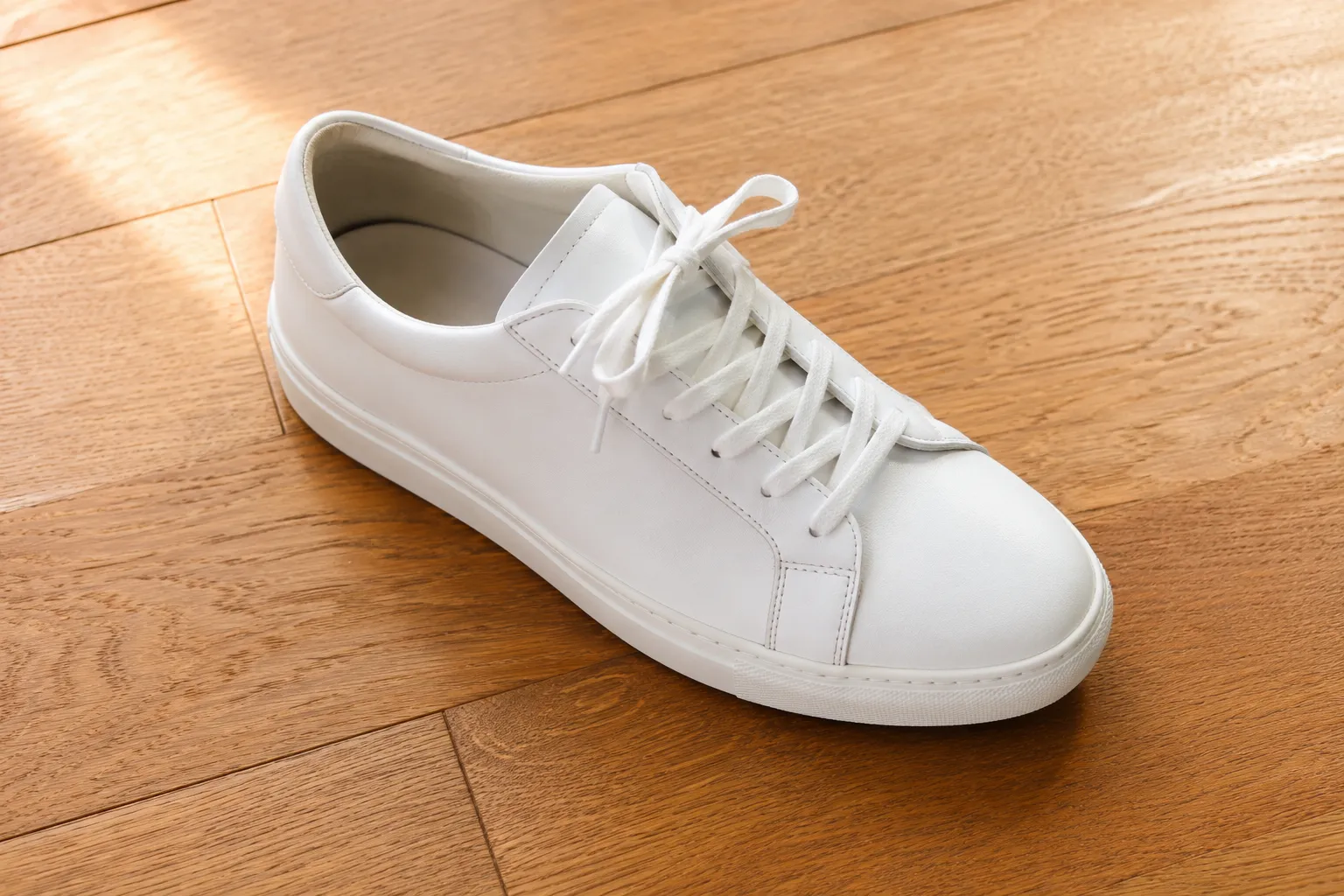 After
After
Request: Clean white leather sneakers from dirt and streaks.
Done: Performed deep leather cleaning with whitening of seams.
Cost: 2 500 ₸
Master: Yerzhan Kaliyev, cleaning master
Total: The sneakers are snow-white, without streaks or odor.
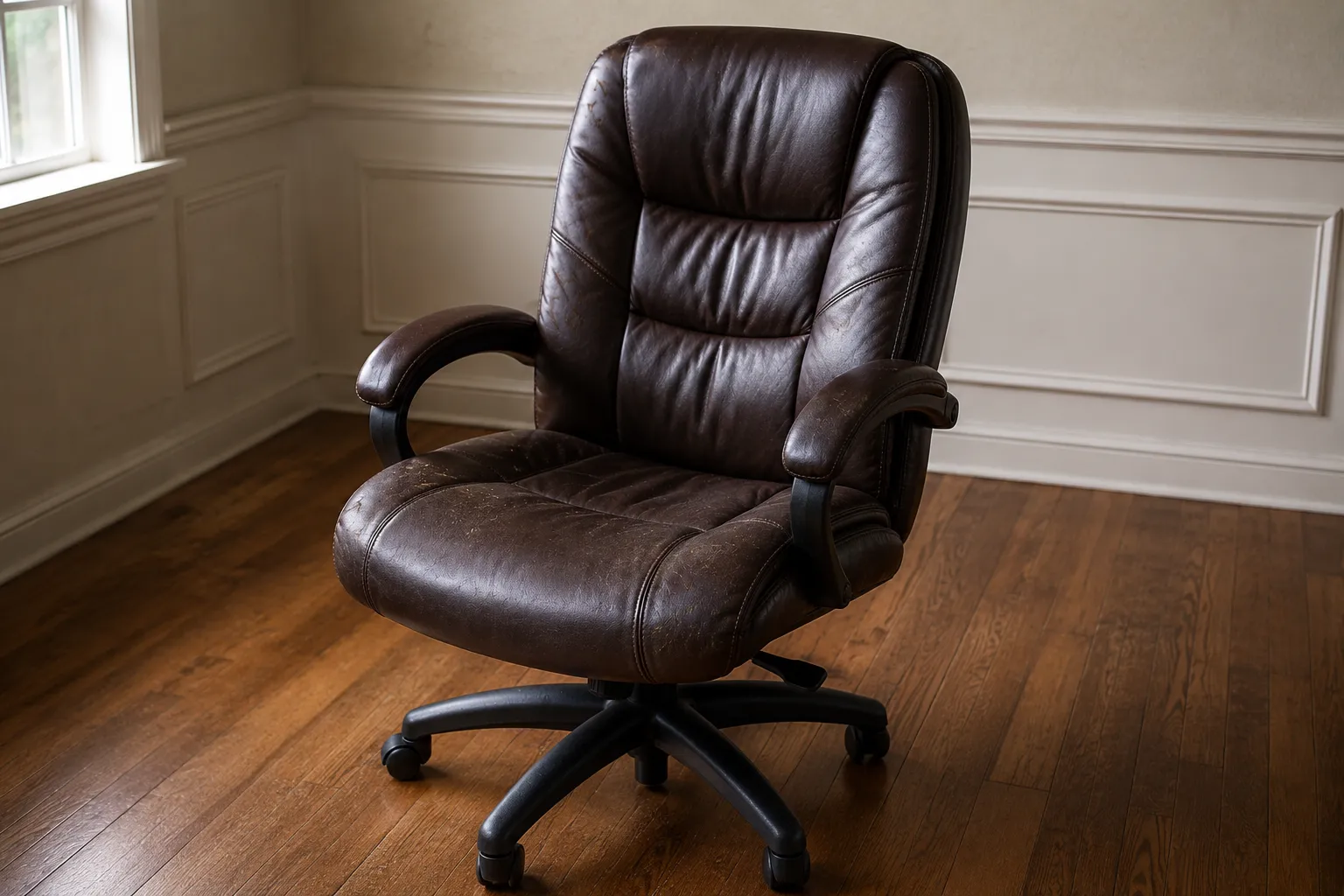
 After
After
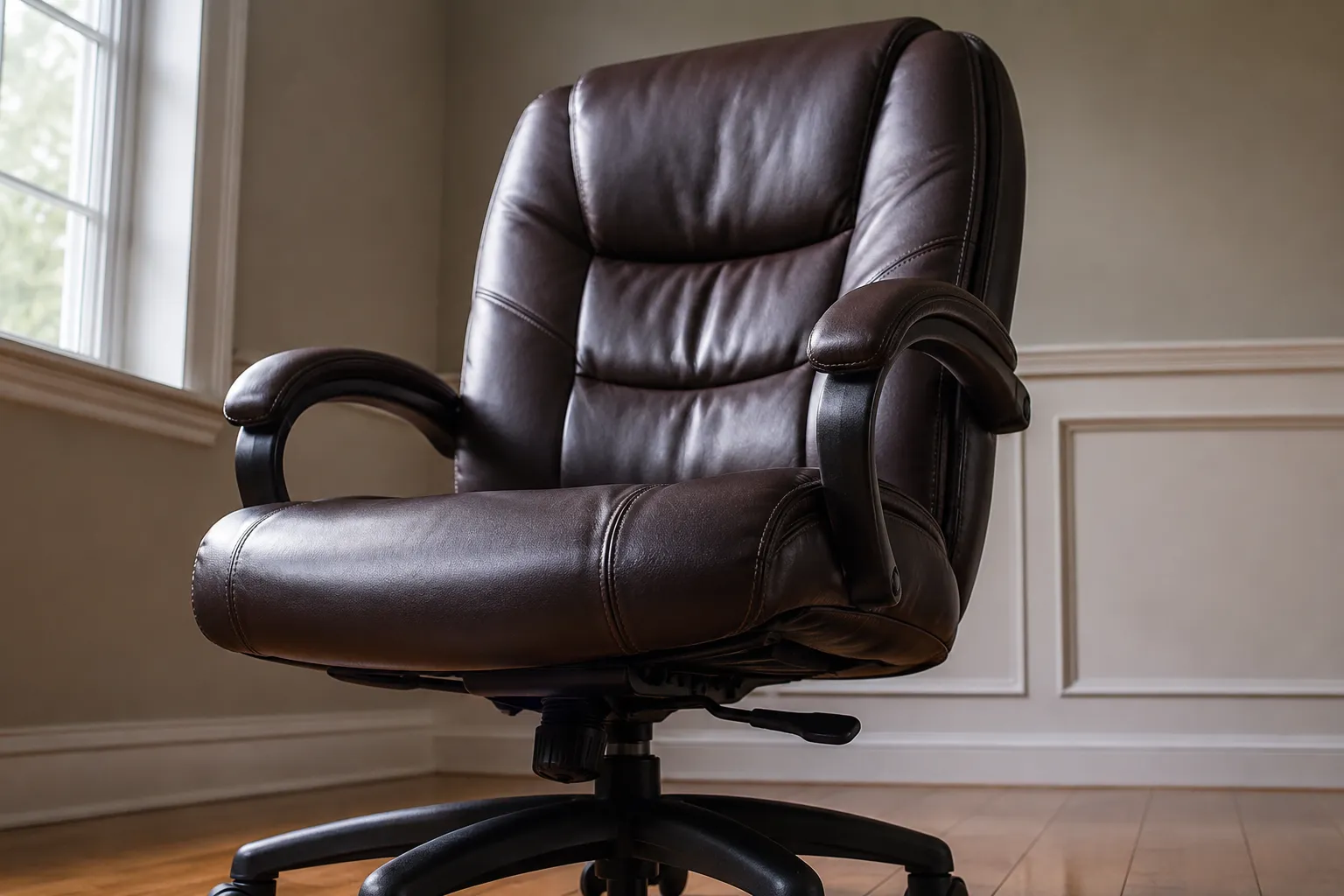
Request: Clean an office leather chair from coffee stains and dust.
Done: Performed leather dry cleaning with removal of coffee stains.
Cost: 3 500 ₸
Master: Marat Zhumabayev, dry cleaning master
Total: Chair is clean, no stains, leather is supple and fresh.
 After
After
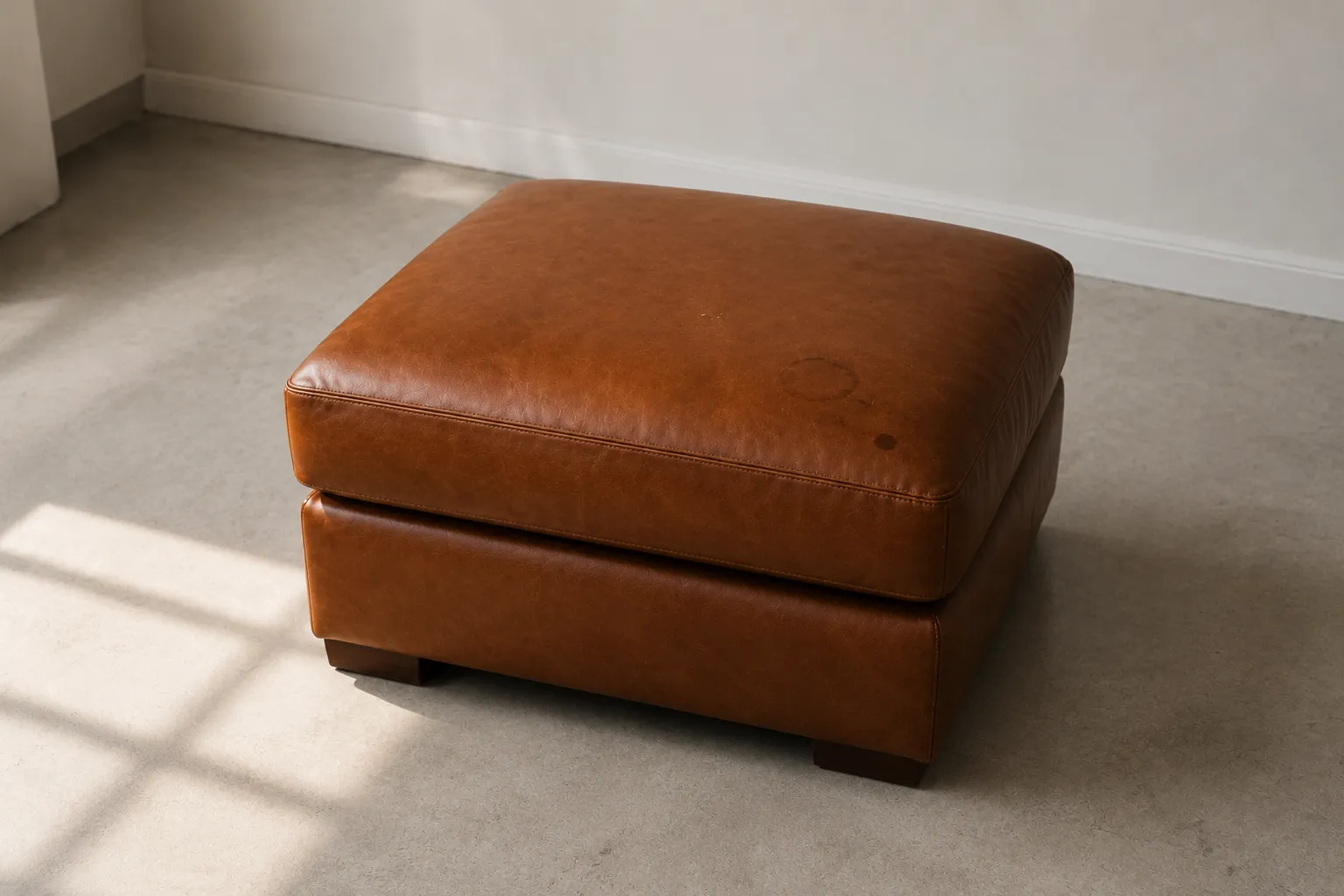
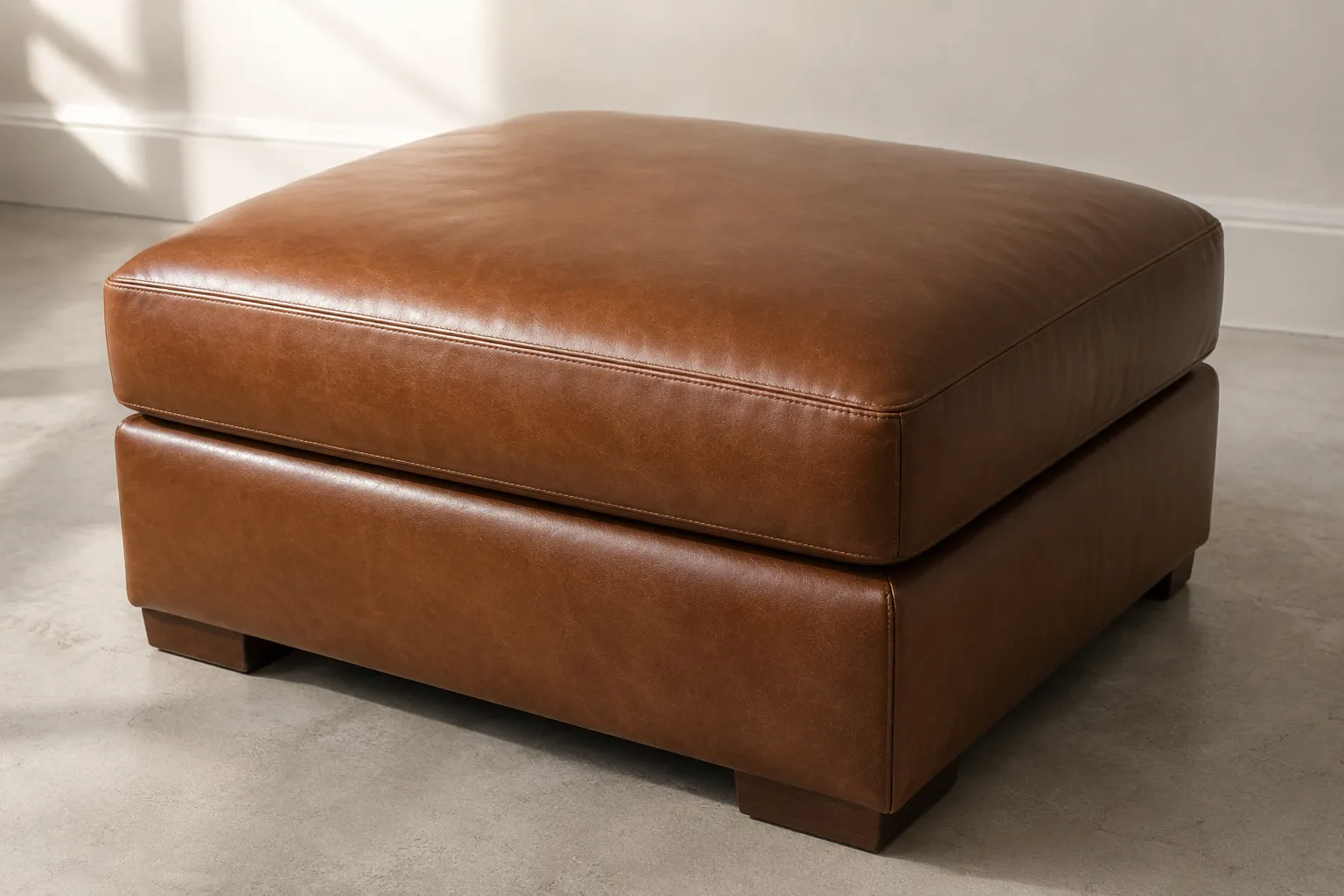
Request: Need to clean a leather ottoman from stains and dust.
Done: Performed leather cleaning with conditioner application.
Cost: 2 500 ₸
Master: Lyazzat Omarova, dry cleaning master
Total: Ottoman is clean, stains removed, leather shines.
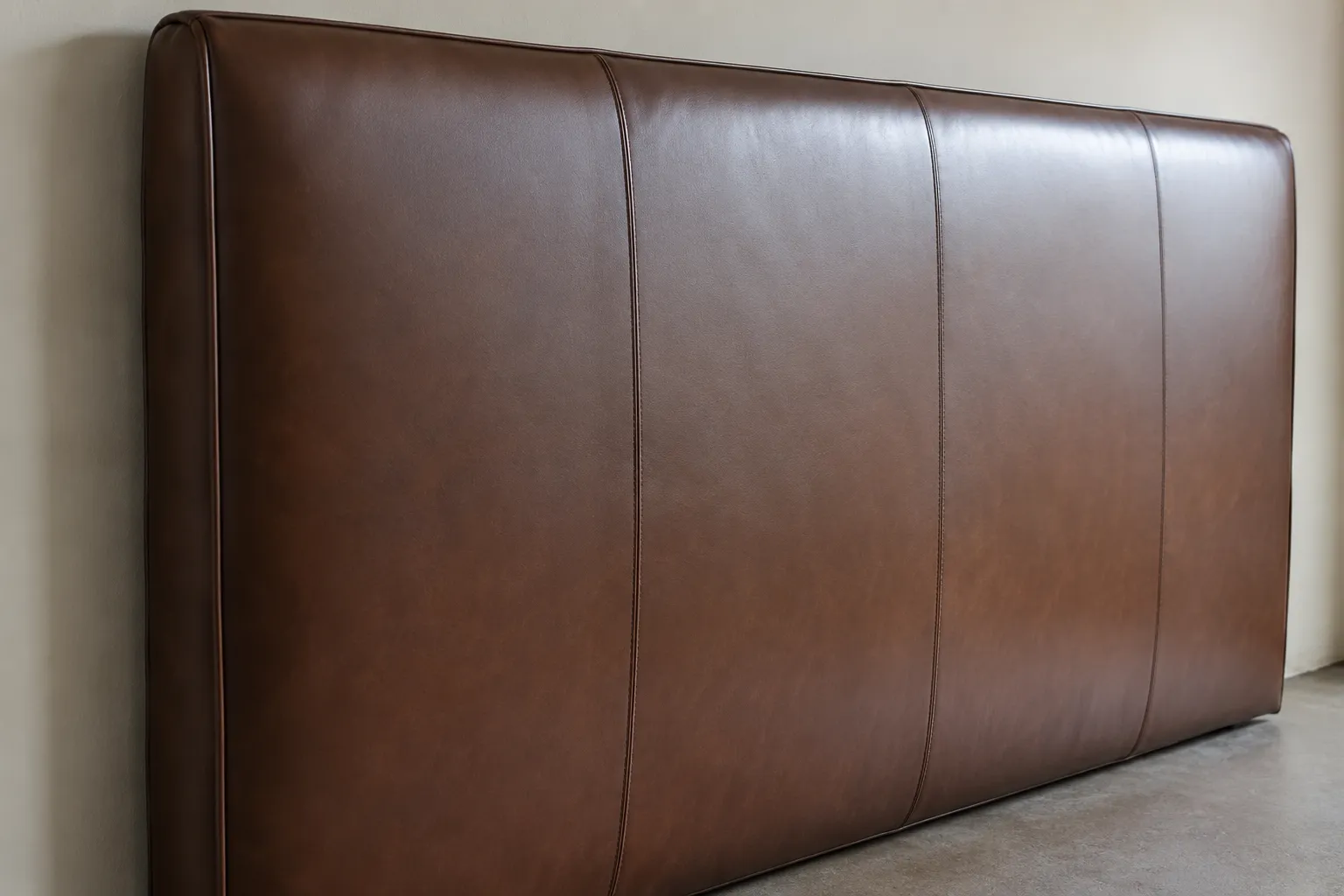 After
After
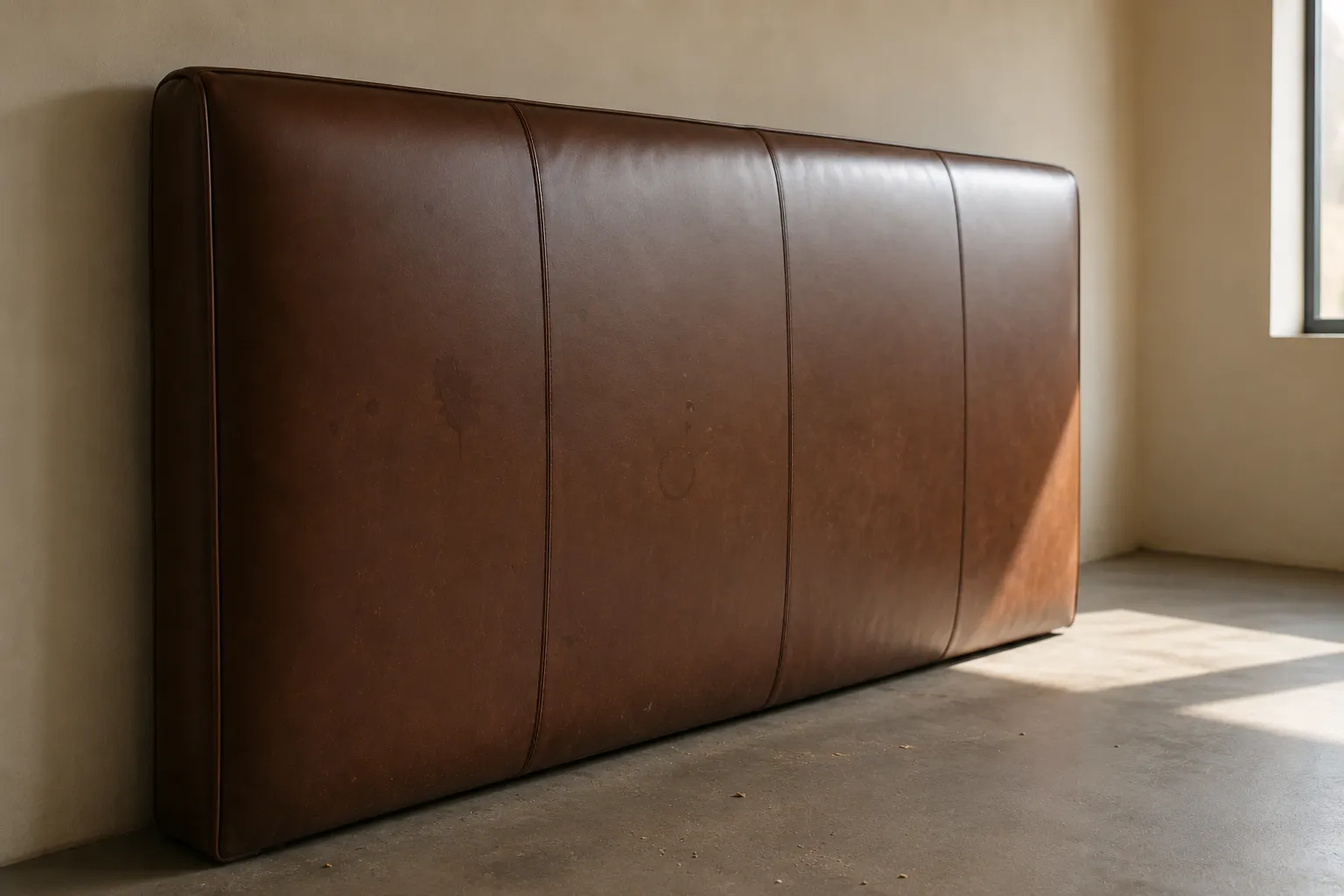
Request: Clean a leather bed headboard from grease stains and dust.
Done: Performed leather dry cleaning with grease removal and tinting.
Cost: 14 000 ₸
Master: Aizhan Temirova, dry cleaning master
Total: Headboard is clean, no stains, color is uniform and deep.
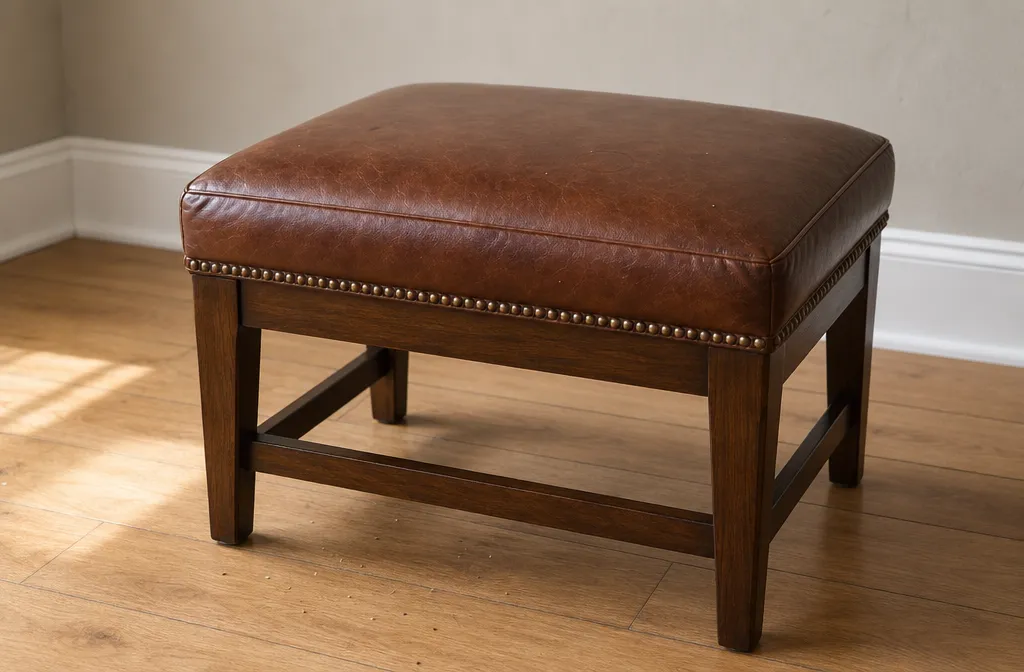
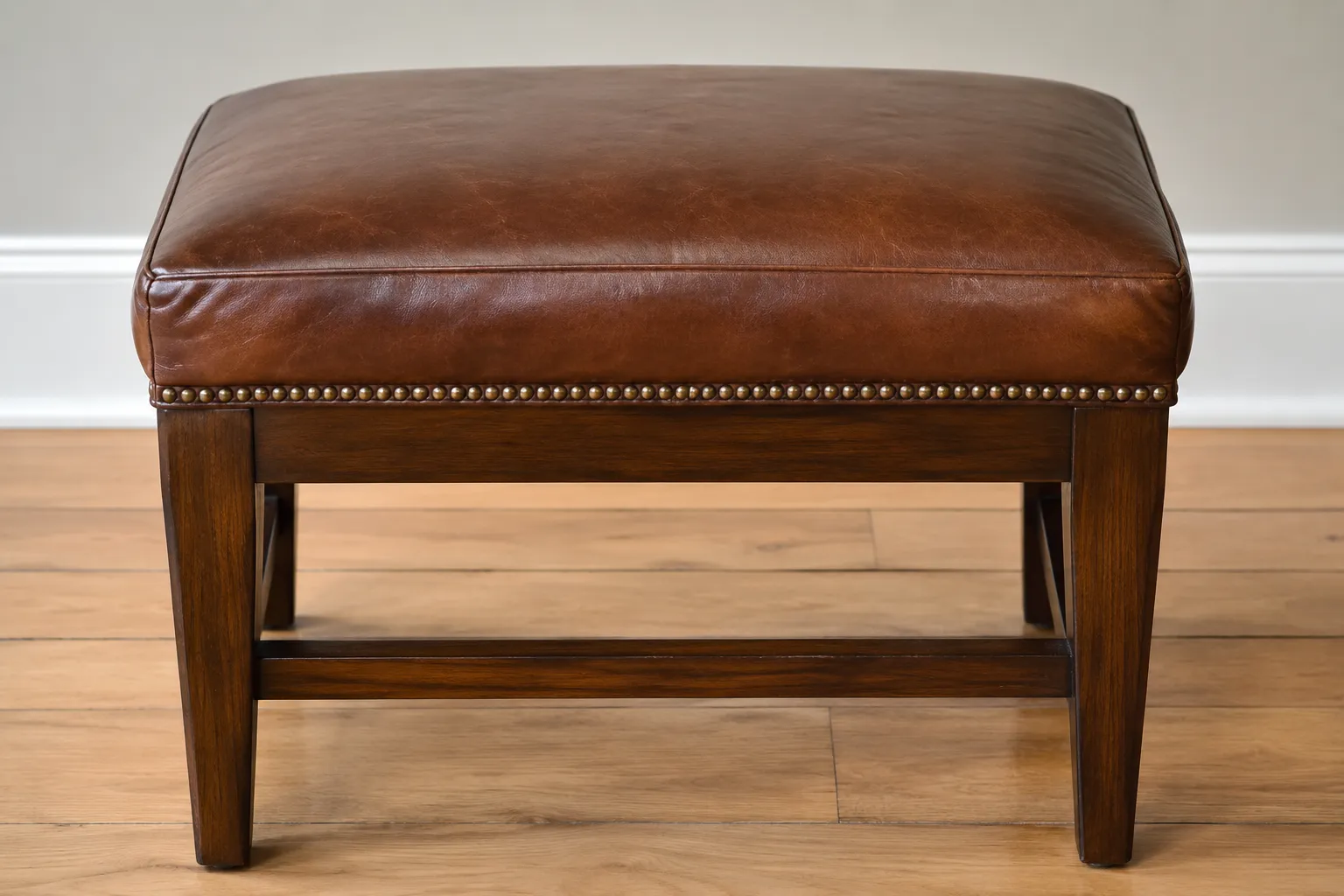 After
After
Request: Clean a leather stool from streaks and dirt.
Done: Performed leather cleaning with nourishment and protection.
Cost: 14 000 ₸
Master: Nursultan Aliyev, dry cleaning master
Total: Stool is clean, no streaks, leather is soft and pleasant.
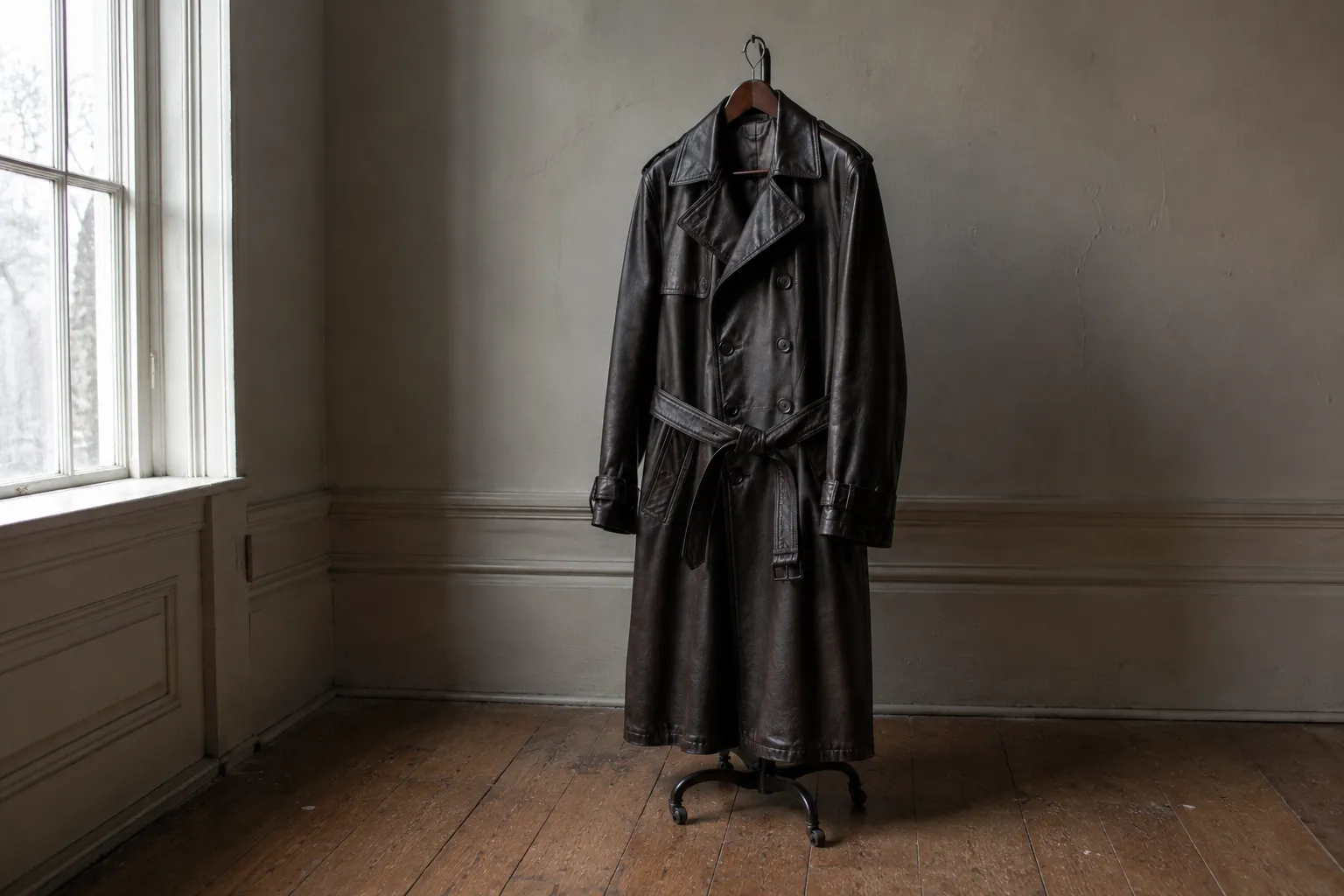
 After
After
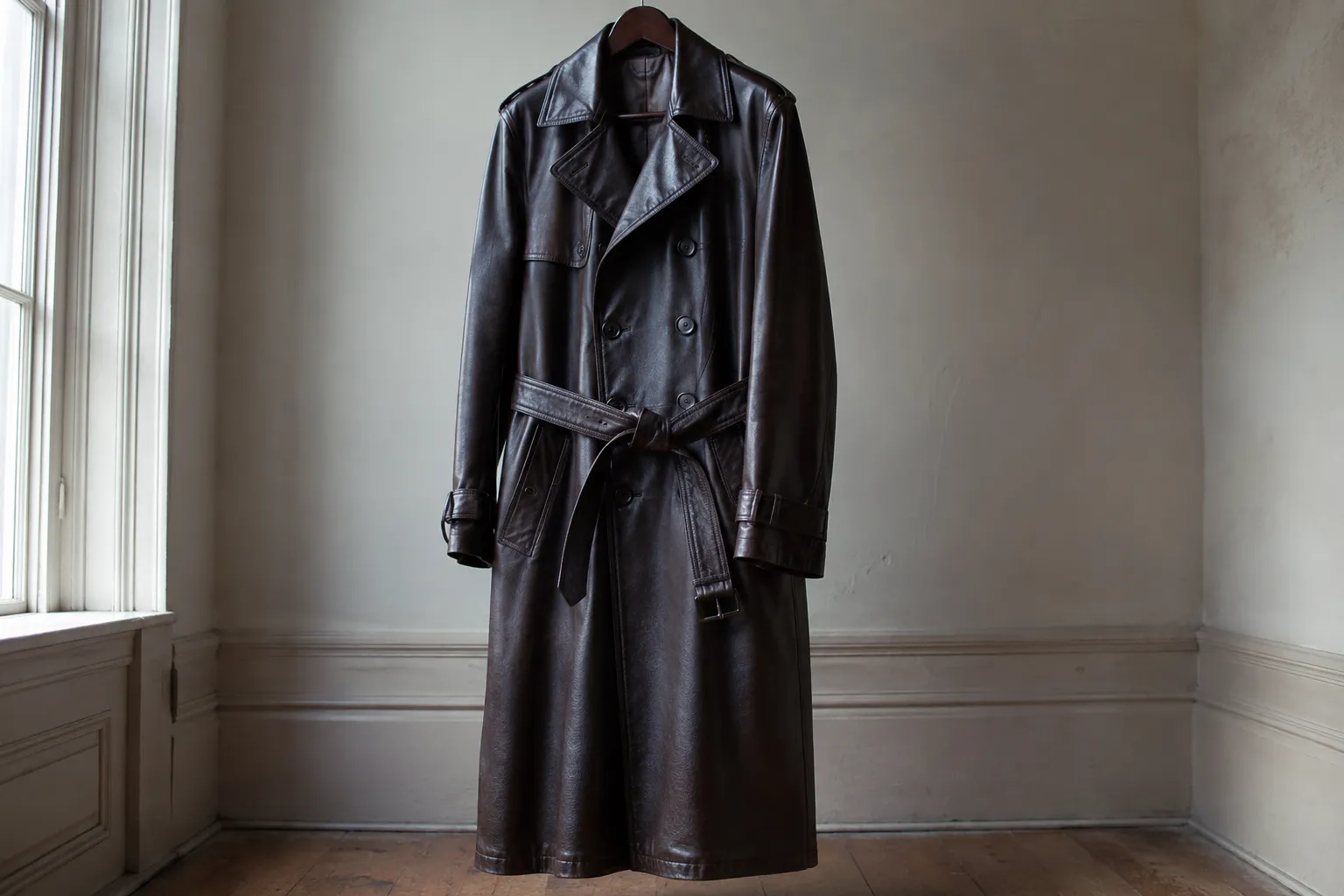
Request: Clean a leather trench coat from stains and refresh the color.
Done: Performed leather dry cleaning with color restoration.
Cost: 6 000 ₸
Master: Saule Ibraeva, dry cleaning master
Total: Coat is clean, no stains, color is rich, leather is supple.
All cleaners are profi-clean staff with training, uniform and security check. Each order has a team leader who controls quality.
Many owners of leather sofas, jackets, and bags have at least once wondered: can you save money and freshen up an item yourself, instead of taking it to a professional dry cleaner? Let’s figure out where the line is between safe care and the risk of permanently ruining the material, especially in the conditions of Almaty dust and sharp humidity changes.
At home, you use makeshift products — a soap solution, a damp cloth, or household foam, which only remove surface dust and light dirt. Professional cleaning at profi-clean involves working with an extractor that supplies a hypoallergenic Kiehl or Sodasan solution under pressure and immediately vacuums up the dirty water, leaving no moisture in the pores of the leather. For example, on a kitchen sofa where cooking grease has set in, soap will only smear the stain across the surface — it won’t penetrate the pores, whereas a professional water-based degreaser breaks down the grease on a molecular level. In my opinion, the main difference lies in pH control: household chemicals are often alkaline (pH 9-10), which dries out natural leather, while professional products have a neutral pH of 5.5-7, preserving elasticity. Before you pick up a sponge, assess the type of stain — if the stain is older than a week, home methods won’t help anymore and will only set it deeper.
The most common mistake is heavily wetting the leather with water, especially on sofas and chairs with padding. In Almaty, where humidity drops to 30% in winter, water evaporates slowly, and moisture seeps into the foam — after 2-3 cycles, a musty smell appears, which can only be removed by completely disassembling the furniture and drying it in a workshop. The second most frequent problem is using alcohol-based products (cologne, glass cleaner) for degreasing: alcohol washes off the protective emulsion from dyed leather, and after a month, a light matte spot appears in that area, which cannot be restored even with tinting. The third mistake is rubbing suede or nubuck with a stiff brush: the nap is irreversibly flattened, and restoring the velvety texture is only possible with sanding on a special machine. In our practice, there was a case where a client tried to remove red wine from a cream-colored sofa with lemon juice — the acid “ate” the pigment, and the entire section had to be repainted. If a stain appears, don’t rub it — blot it with a dry napkin and call the specialists; this will save both the item and your money.
Home care is only justified for prevention — weekly wiping of smooth leather with a dry microfiber cloth to remove dust and monthly light conditioning with a leather conditioner (e.g., Collonil Leder Cream). This maintains the natural fat layer and prevents cracking. Home care is dangerous for three categories: aniline leather (dyed through, without a protective layer) — it absorbs water like a sponge and deforms; perforated leather (with holes on sofas) — water goes inside through the holes, causing foam rot; and white leather — any wrong composition causes yellowing that cannot be bleached. In Almaty, due to the high concentration of dust (especially in the Taugul and Alatau areas), home wet cleaning turns dust into an abrasive paste that scratches the lacquer coating — it’s better to use a steam generator with a brush attachment, but at a temperature no higher than 60°C. Remember a simple rule: if the item is worth a significant amount or has a complex texture (suede, nubuck, aniline), home cleaning is a lottery, and winning is rare.
There are three clear signals: a greasy shine that won’t come off with a dry cloth (on sofa armrests and headrests, on a leather jacket collar) — this means sebum and cosmetics have soaked into the pores, requiring an extractor with a degreaser. The second signal is color loss on seats or elbows: the pigment has worn away from friction, and home conditioners won’t restore it; repainting with shade matching in the profi-clean color base is needed. The third is odor: if the leather smells musty, of tobacco, or old cosmetics, it’s an odor within the structure, not on the surface — household sprays only mask it for an hour. In this situation, our recommendation is don’t waste money on store-bought “odor removers”; they contain perfume fragrances that mix with the original odor and create an even more persistent stench. Bring the item to our workshop — we place it in an ozone chamber for 2-3 hours, and ozone molecules oxidize any volatile compounds without a trace.
Proper care after leather cleaning solidifies the result and extends the item’s lifespan by 2-3 times. We’ve gathered key rules for leather care immediately after treatment to avoid typical mistakes.
After professional cleaning, a leather item returns with residual moisture in the material’s structure — up to 8–12% of the coating’s weight. During this period, it is strictly forbidden to use the sofa, sit in the chair, or wear the jacket or bag. Optimal drying conditions: 18–22 °C with air humidity at 45–55%. Our cleaners leave a memo with recommendations for each leather type — from aniline (the most delicate) to patent leather. In Almaty, drying takes 8–10 hours in summer with open windows (no drafts), and up to 18 hours in winter due to dry air from radiators. Before starting to use the item, run the back of your hand over the surface — if it feels cool, the material is still damp; give it another 2–3 hours.
After cleaning, leather loses some of its factory fat emulsion — pores open, and the material becomes vulnerable to dirt and moisture. We apply a water-based protective impregnation (Sodasan Impregnating Spray) at the final treatment stage, but for heavily used items — like a leather sofa in the living room or a daily bag — we recommend repeating it yourself every 3–4 months. Apply the impregnation from a distance of 20–25 cm in an even layer, without rubbing. After 15 minutes, remove any excess with a dry microfiber cloth. In Almaty, where humidity differences between seasons reach 40%, impregnation is especially important for velour and nubuck — these leather types absorb street dust 3 times more actively than smooth leather. For aniline leather, impregnation is applied only in certified centers — self-spraying can alter the shade.
To maintain cleanliness after professional cleaning, it’s enough to wipe the leather once a week with a microfiber cloth slightly dampened with distilled water. Hard brushes, alcohol wipes, and chlorine-based products destroy the top layer — they cause micro-cracks on smooth leather, into which dust settles. For Almaty’s climate with dry summers (+35 °C) and humid winters, the rule applies: do not place leather sofas closer than 50 cm to radiators and air conditioners — overdried air leads to loss of elasticity within 2–3 months. On a leather jacket or bag, check the hardware: residues of cleaning agents on zippers and rivets can over time create a greenish tarnish (metal oxidation). Wipe metal parts with a dry cloth after each contact with moisture — this extends the hardware’s life by years.
If a leather item is not used seasonally — a sheepskin coat in summer, a light jacket in winter — preparation for storage begins with re-treatment with a conditioner (Leather Conditioner). We use Kiehl Leather Lotion, but any pH-neutral balm without silicones will work. It is applied 2–3 days before packing to allow the formula to absorb. In Almaty, it is best to store leather in a cotton cover (not in cellophane — it creates a greenhouse effect and promotes mold) at 18–20 °C. Choose wide, soft hangers for jackets — thin metal ones leave creases on the shoulders that do not come out after dry cleaning. Air out the cover for 2–3 hours once a month, especially if the item is stored in an apartment with closed windows — stagnant air creates a musty smell that embeds into the leather within 2 weeks.
Even with perfect care, leather loses its appearance over time. You should seek repeat dry cleaning of leather items if greasy shine appears on sofa armrests (accumulates over 6–8 months of active use), abrasions on a jacket collar, or darkening on a bag handle. In our practice, there was a case: a client brought in a light leather bag a year after cleaning — she used it daily but did not apply a protective impregnation. After the second treatment, we restored the color, but micro-cracks remained at the seam joints, which cannot be corrected — quarterly preventive impregnation would have prevented their appearance. If creases appear on the leather that do not smooth out with light stretching, it is a sign that the material has lost elasticity and requires professional restoration, not just cleaning.
Many clients confuse dry cleaning of leather items with regular washing or wet cleaning of fabric — the difference lies not only in the chemicals but also in the physics of the process and the risks to the material.
Leather is a porous natural material with a fat-based impregnation, while fabric is a fibrous structure with dye in the threads. During wet treatment of fabric, water washes dirt out of the fibers, but on leather, water clogs the pores and leaches out fats, causing the item to stiffen, lose elasticity, and crack. Our profi-clean cleaners use only water-free solvent and emulsion-based formulas for leather, which dissolve greasy dirt without disrupting the lipid layer. Fabric, on the other hand, requires alkaline solutions and mechanical action — scrubbing, vacuuming with a water filter, sometimes steam. If a fabric stain remover is applied to leather, it will burn the pigment and leave a whitish spot that cannot be restored. In practice in Almaty, jackets with oil stains from food are most commonly brought in — on fabric, these are removed with a gel, but on leather, only with a sorbent and steam without contact.
On fabric, a stain is removed by drawing it out — the stain remover penetrates the fiber, breaks down the grease, and residues are washed out with water and a vacuum. On leather, the mechanics are reversed: the stain is adsorbed into the pores and must be “pulled out” with a sorbent or dissolved with an emulsion without deep penetration. For example, ballpoint pen ink on a fabric sofa is removed with an alcohol-based formula and blotting, while on leather, only with an isopropyl alcohol-based gel followed by wax neutralization, otherwise the ink will spread across the entire surface. Another difference is that greasy stains on fabric are treated with an enzyme cleaner at 40°C, while on leather, a cold solvent is used because heat destroys collagen. In October, we had a case: a client tried to remove an oil stain from a leather chair using a carpet cleaner — she ended up with a matte spot on the glossy surface that had to be repainted. On fabric, such a mistake would not have occurred — the cleaner would have simply washed off with water.
The most common mistake is using wet wipes or soapy water to “freshen up” a leather sofa. Soap and water leave a white residue from hard water salts on the leather, which embeds into the pores and over time makes the surface sticky and dull. On fabric, this residue is simply washed away with plain water. The second mistake is using Vanish stain remover on a leather jacket: it contains peroxide bleaches that discolor the pigment within 5-10 minutes, and the color can only be restored by repainting. The third is cleaning a leather bag with a brush: the abrasive wears away the top coating layer, causing dark scuffs on light-colored leather that cannot be masked with cream. On fabric, a brush only lifts the nap. The fourth mistake is drying a leather item on a radiator or with a hairdryer: the temperature change shrinks the leather, causing cracks at the seams that cannot be sewn up — only the part can be replaced. Fabric dried on a radiator simply shrinks by 5-10% but does not crack. In Almaty during winter, when indoor humidity drops to 20%, these risks double — leather dries out even without external influence, and hot drying finishes it off in one cycle.
For fabric, alkaline compounds with a pH of 9-11 are universal — they loosen the fibers and remove dirt. For leather, neutral or slightly acidic products with a pH of 5-7 are needed, which do not disrupt the acid-base balance of the dermis. At profi-clean, we use the Kiehl line for leather — these are emulsions based on lanolin and beeswax that simultaneously clean and nourish. For fabric, we use hypoallergenic Sodasan concentrates with plant-based surfactants, free of chlorine and phosphates. The difference is visible in practice: a fabric cleaner, if it gets on leather, leaves a greasy mark that cannot be washed off with water — only with a solvent. Conversely, a leather cleaner on fabric will not produce foam or remove dirt; it will simply moisten the fiber. If you are unsure which composition to use for a specific item, apply a drop of the product to an inconspicuous area on the reverse side — on leather, a matte spot will appear after 10 minutes if the product is alkaline, while on fabric, nothing will change. Our cleaners test every item before cleaning exactly this way, and this rule is worth adopting for anyone who decides to clean leather at home.
After cleaning fabric, it is enough to rinse the item with water and dry it — the fiber restores its structure on its own. Leather after cleaning requires mandatory application of a protective layer — wax or acrylic emulsion, which closes the pores and restores elasticity. Without finishing, the leather looks matte, feels rough to the touch, and gets dirty again faster — dirt embeds into the open pores within 2-3 days. This effect does not occur on fabric: the porous fibers of the fabric “breathe” and do not require sealing. In our sofa orders, we always include final waxing in the price — this extends cleanliness by 2-3 times compared to cleaning without a coating. For jackets and bags, we use a water-based protector spray that does not change the color but repels water and oil. If after home cleaning of leather you feel that the surface has become “dry” or rough — it means you have washed off the protective layer, and the item needs professional impregnation; otherwise, micro-cracks will appear within a month.
In our eight years of practice, thousands of leather items have passed through profi-clean’s hands — from antique armchairs to snow-white jackets. And although modern hypoallergenic formulations from Kiehl and Sodasan handle most stains, some remain a serious challenge even for professionals.
Oil stains are the leading reason for requests in Almaty, especially on light-colored suede jackets and nubuck sneakers. Grease does not stay on the surface: it seeps into the pores of the material within 10–15 minutes, and on porous leather (aniline, embossed vegan leather) — even within 3–5 minutes. If the stain is fresh, we remove it with dry adsorbent powder in 20–30 minutes — talc or cornstarch draws out the oil, preventing it from setting. But if more than an hour has passed, the grease reacts with the tanning agents, leaving a yellow-brown “shadow” on the surface. Our emulsification technology with Sodasan Leder Reiniger breaks down the oil at the molecular level, but on porous suede, the shadow does not always disappear — only 80-90%. Therefore, we advise: if you spill oil, immediately blot it with a napkin, DO NOT rub (rubbing drives the grease deeper), and bring the item to us within an hour.
Ink stains on leather bags and diaries are the second most difficult category in Almaty. Unlike oil, ink contains synthetic dyes and solvents that instantly bond with the protein fibers of the leather. On smooth leather (goat or calf velour), we use an alcohol-based wash with pH control — the alcohol evaporates the solvent, and a soft horsehair brush removes the pigment. The process takes up to 40 minutes, but on matte leather with open pores (nappa, crust), ink only fades by 70–80% — leaving a pale “watercolor” shadow. The worst are gel pens on lacquered leather: their pigment eats into the polyurethane coating, and here we only guarantee lightening, not complete removal. We once removed ink from a 1998 Louis Vuitton bag — it took 2 treatment cycles with a drying break, but the stain was 95% gone. However, on cheap vegan PVC leather, ink often cannot be removed at all — the polymer absorbs the pigment irreversibly.
Blood on a leather sofa or car seat is a situation where every minute counts. Blood protein, upon contact with leather, coagulates within 2–3 minutes of exposure to air, and if the stain is not immediately removed with cold water (not hot — it “cooks” the protein), it turns into a dark brown, stubborn stain. At profi-clean, we use an enzyme-based formula with protease — it breaks down protein bonds without damaging the leather’s top layer. On smooth leather, the result is 95–100% in one pass; on suede and nubuck, it’s 80–85% because the fibrous structure mechanically holds protein particles. The second difficult case is pet urine: it contains urea and ammonia, which not only stain but also destroy the tanning layer. On an ivory-colored Natuzzi armchair, we removed such a stain in three stages: enzyme treatment, ammonia neutralization with acetic acid at a 1:20 dilution, and final tinting. The result was 90%, but the leather at the stain site became slightly stiffer — the chemical reaction altered the fiber structure. Tip: do not wet biological stains with warm water — use cold water and come to us immediately.
Red wine and berry juices are frequent guests on leather tablecloths and dining chair covers in Almaty restaurants. The tannins and anthocyanins in their composition act as natural dyes: they penetrate the leather along with the acid, which softens the top layer, and become fixed upon drying. On smooth dyed leather (aniline), we use 3% hydrogen peroxide with a neutralizer — the reaction takes 15–20 minutes, and the stain is 95% gone. But on undyed leather (cream nubuck, natural suede), wine leaves a “shadow” that cannot be removed even with an acid peel — the pigment embeds into the undyed fibers. In such cases, we offer repainting of the area with color matching, but that is a separate service, not dry cleaning. In practice: in one of Almaty’s banquet halls, 3 liters of pomegranate juice were spilled on a beige leather sofa — we removed the stain in 2 hours, but a barely noticeable yellowness remained, which had to be masked with a tinting spray. The takeaway: the faster you blot the stain with a dry cloth (do not rub!), the higher the chance of 100% removal — we have up to 30 minutes from the moment of contamination for this.
Construction paint, superglue, and acrylic lacquer are the most aggressive skin contaminants we encounter in Almaty. Unlike household stains, they form a polymer film on the surface that bonds with the skin chemically, not physically. On smooth leather, we use organic solvents (isopropanol, acetone diluted 1:3 with water), but only on a pre-tested area — the solvent can also strip the factory finish. Removing paint from lacquered leather is essentially a lottery: if the lacquer is nitrocellulose-based, the solvent removes the stain along with the coating, leaving a matte spot. On suede and nubuck, we fundamentally do not remove paint — only mechanical trimming of the nap, which leaves a bald patch. Once, someone brought us Nike Air Force sneakers splattered with bitumen mastic — we removed it over 2 days in stages: freezing (bitumen becomes brittle), mechanical chipping, then a gentle solvent. The result was 80%; some paint remained in the pores, but it’s unnoticeable on black leather. Our advice: do not try to wipe off paint with solvent at home — you risk removing the top layer of leather; bring the item to us, even if the stain is old, we will select a safe method for your coating type.
Rust stains on leather are a rare but insidious case, characteristic of Almaty due to the humid foothill climate and sharp temperature fluctuations. They most often appear on leather bags with metal hardware (zippers, rivets) and on car leather seats when the metal frame parts rust internally. Iron oxides penetrate the leather to a depth of up to 0.5 mm and bind with tanning agents, forming insoluble salts. We remove rust with oxalic acid at a concentration of 1:50 with distilled water — the acid reacts with the oxide and converts it into a soluble form. The process takes 30–40 minutes, and on dense leather (cowhide, crust), the result is 90–95%. However, on thin goatskin leather (gloves, thin jackets), oxalic acid can soften the material — we only work with it under a microscope, controlling the contact time. In our practice, there was a case with a leather briefcase whose zipper had rusted — the stain disappeared in one session, but the leather at the treatment site became slightly lighter, requiring tinting. Advice: check the hardware of leather items every six months, especially in spring after the rainy season — if the zipper starts to “bloom” with a rusty coating, remove it or treat it with an anti-corrosion compound before the rust transfers to the leather.
Color loss after cleaning is not a defect or the end of the item, but a signal that the dye layer was already damaged before your visit. In our practice, such cases fall into two groups: superficial pigment washout (restored in one visit) and deep degradation of the top layer (requires repainting). Let’s break down what is actually happening.
The first and most common reason is using an inappropriate pH balance. Leather has a natural acid mantle (pH 4.5–5.5), and household stain removers, and even some professional alkalis (pH above 9), literally “eat” the aniline dye. The second is mechanical abrasion: if the cleaner rubs the stain with a stiff brush or the abrasive side of a sponge, they scrape off the top pigment layer along with the dirt. The third is the aging of the coating: on leather older than 5–7 years (especially on furniture), the lacquer or aniline layer is already micro-cracked, and any contact with water or solvent washes out the remaining dye. In Almaty, due to the dry air (humidity drops to 20–25% in winter), leather loses elasticity faster — cracks appear as early as 3–4 years of use. Therefore, before cleaning, we always test the dye’s resistance on an inconspicuous area: if a cotton pad becomes colored after a light wipe, the item requires not just cleaning, but preliminary pigment fixation.
Washing out looks like an even lightening of the area — usually at the spot or along the edges where there was more friction. The color becomes paler, but the shade remains the same (for example, brown turns into beige). A chemical burn is a distinct spot with an altered tone: a greenish tint on black leather, yellow on red, or a white coating with roughness. At profi-clean, we check this by palpation: if the area feels harder and rougher to the touch, the top layer is damaged, and simple toning won’t suffice. For precise diagnostics, we use a pH meter: on a washed-out area, the leather’s pH rises to 6.5–7.5 (neutral environment), while on a burn, it reaches 8.5–9.0 due to alkali residues. At home, you can drop water on the suspicious spot: if the water absorbs quickly and leaves a dark mark, the top layer is destroyed and repainting is needed. If the water beads up, the surface is intact, and restorative toning is sufficient.
For surface washing out (lightening by 1–2 tones), aniline toning is effective — a water-based liquid dye applied with an airbrush or sponge in thin layers. We use dyes from the Italian brand Saphir (for shoes and accessories) or the German brand Adler (for
I ordered dry cleaning for a leather armchair — coffee stains were removed perfectly, the leather is soft like new.
Thank you, Aigerim! We're glad you liked the result.
I handed in my jacket after winter — it looks like it's from a store window, they even masked scratches.
We had dry cleaning of leather items — the sofa was cleaned perfectly, but the chemical smell lingered for about two days.
We apologize for the smell. Usually it dissipates faster, we'll take note.
White suede boots? No, leather — ingrained dirt was washed off, color restored.
Ordered leather cleaning for the car seats — they look like new, not a single scratch.
Cleaned my light-colored bag — the ink stains didn't come off completely, although they promised.
Sorry, Assel. Let's try again with a different product, contact us.
Very satisfied with the leather cleaning — the coat looks like new, they even fixed the zipper.
Cleaned the sofa from ink — almost invisible, but a faint trace is visible in the light.
We'll try to achieve complete removal next time.
Leather cleaning — the briefcase was cleaned of oil, the leather didn't lose color.
The leather furniture set after cleaning — like brand new. No streaks.
Leather cleaning at its best — the armchair was cleaned of mold, no smell at all.
Thank you! We use proven products.
Cleaned the leather jacket — stains removed, but the sleeve faded a bit.
Sorry, that can happen with unstable dye. We'll offer a touch-up service.
Ordered leather cleaning for the car — seats and door panels are perfectly clean.
Our beloved bag was cleaned — wine stains disappeared, hardware shines.
Leather goods dry cleaning — sofa cleaned after cat, no smell.
Office chair cleaned — dirt removed, but leather became slightly rough.
We'll try applying conditioner, contact us.
Handed in boots for leather dry cleaning — returned like new, even reinforced seams.
Living room set in leather — cleaning flawless, color even, soft.
Leather dry cleaning saved the backpack — removed paint from handle.
White jacket cleaned — yellowing removed, but slight residue on cuffs.
Come for retreatment, we'll fix it.
Leather dry cleaning — antique chair like new, leather nourished.
Bag cleaned from ballpoint pen stains — nothing visible.
Ordered leather dry cleaning — sofa cleaned, but cracks appeared on folds.
Sorry for the issue. Possibly leather was over-dried. We'll invite a specialist for assessment.
Leather trench coat after rain — water spots removed, protective coating applied.
Dry cleaning of leather items — gloves became soft and clean, even the size returned.
Leather car interior — refreshed, scuffs removed. Satisfied.
Dry cleaning of leather items — armchair cleaned well, but took long to dry.
Apologies for the delay, we will speed up the process next time.
Old leather suitcase — cleaning restored its appearance, locks lubricated.
Dry cleaning of leather items — shoes white as snow, polished to a shine.
Light sofa — chocolate stains removed, kids won't notice.
Dry cleaning of leather items — jacket cleaned, but one button came off.
We apologize, we will sew it back on for free.
Reading armchair — cleaning from coffee and grease, excellent result.
Dry cleaning of leather items — the bag was cleaned of ink, the leather is undamaged.
I handed over the car — the interior is like new, everything is perfect.
Dry cleaning of leather items — the sofa was cleaned, but a matte mark remained on the armrests.
We'll try polishing, call us.
The leather jacket was saved by cleaning — oil stains are gone, no streaks.
Dry cleaning of leather items — the armchair became snow-white, thank you!
On average 2-3 hours depending on size and degree of soiling. Includes all stages from inspection to applying protection.
Remove personal items, cushions, and blankets from the surface. The technician will assess the condition and start cleaning. No special preparation is required.
Yes, we use pH-neutral Leather Master products that do not damage leather. They are suitable for all types of leather, including aniline.
The price depends on size: 2-seater — individual rate, 3-seater — individual rate, corner — individual rate. Exact cost after inspection.
Dry cleaning a leather jacket costs an individual rate. Includes cleaning, conditioning, and protection.
Dry cleaning a leather armchair — individual rate. For an office chair — individual rate.
Cleaning a leather bag — individual rate. Color restoration — additional individual rate.
For sneakers — individual rate per pair, for shoes — individual rate. Includes odor removal.
We guarantee stain removal. If a stain is not removed, we refund your money. We also guarantee no damage to the leather.
Yes, we take before and after photos for every order. You can request examples from our portfolio.
Tell us about your experience with profi-clean — it helps other clients and us improve.
We currently operate in Almaty. Other cities are coming soon.