Inspection and sorting
Each toy is inspected, fabric type and degree of soiling determined. Sorted by size and material to select the optimal cleaning mode.
Return cleanliness and freshness to your child's favorite toys
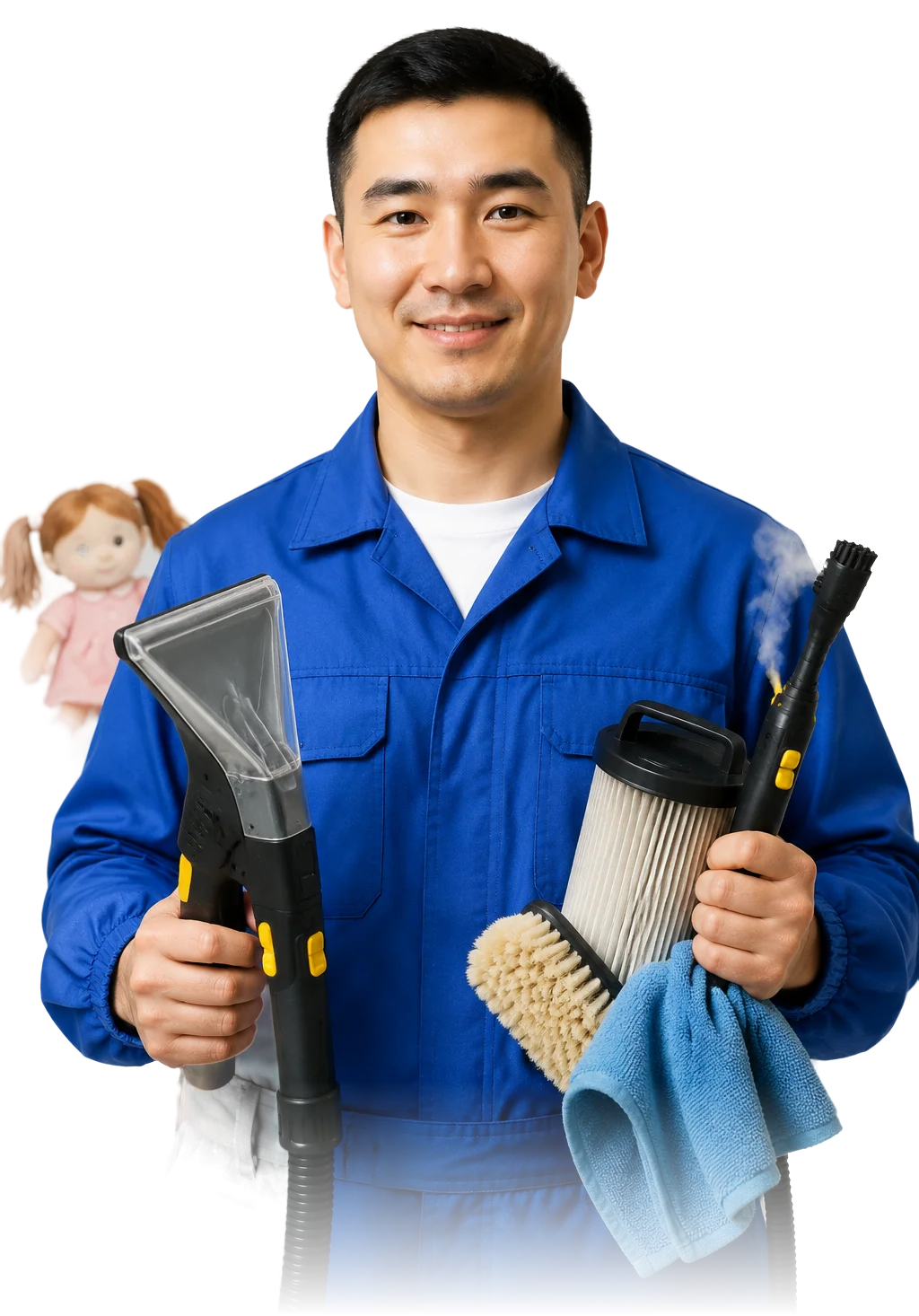
We work with any types and materials
Thorough pile cleaning with volume and softness restoration.
from 12,000 ₸Gentle treatment of face and accessories, prevention of deformation.
from 12,000 ₸Deep cleaning of filler and cover, removal of dust mites.
from 12,000 ₸Delicate cleaning without damaging granules, shape preservation.
from 12,000 ₸Cleaning of all elements and arches, removal of stains and bacteria.
from 1,200 ₸Cleaning of wheels and textile parts, removal of dirt from hard-to-reach places.
from 12,000 ₸Miniature cleaning of each element, delicate drying.
from 12,000 ₸Restoration of pile and color, removal of dust and allergens.
from 12,000 ₸Cleaning of inner and outer surfaces, seam treatment.
from 12,000 ₸Safe cleaning of sound elements and textiles.
from 12,000 ₸Removal of outdoor dust and bacteria, delicate drying.
from 12,000 ₸Restoration of shape and freshness, removal of allergens.
from 12,000 ₸From inspection to result with guarantee
Each toy is inspected, fabric type and degree of soiling determined. Sorted by size and material to select the optimal cleaning mode.
Using a HEPA vacuum, we remove surface dust, pet hair, and allergens. The filter captures 99.97% of particles, which is especially important for allergy sufferers' toys.
We apply special Kiehl or Sodasan products to stains and let them sit to dissolve dirt. The products are hypoallergenic and safe for children.
Using a Karcher SE 4002 extractor, we inject cleaning solution under pressure and immediately vacuum up the dirt. The process is repeated until fully clean.
We treat toys with steam at 140°C to kill bacteria and dust mites. Steam penetrates deeply without damaging the fabric.
We use clean water under pressure to remove any remaining cleaning agents. This prevents skin irritation for children.
We dry in a ventilated area using air movers. For large toys, we use special drying chambers.
We check the cleaning quality, brush the fur, and pack each toy in a bag. If necessary, we re-treat problem areas.
We use certified ECOCERT Sodasan products, safe for children and allergy sufferers. They effectively remove stains and odors without causing irritation. Your toys will be clean and harmless.
We use a powerful Karcher SE 4002 extractor for deep washing of toys. It supplies cleaning solution under pressure and simultaneously sucks up dirt, ensuring cleanliness inside and out.
Our HEPA vacuum captures 99.97% of particles as small as 0.3 microns, including pollen, mold spores, and dust mites. This is especially important for children with asthma or allergies.
Toys are treated with steam at 140°C, which kills bacteria and viruses without using chemicals. Steam penetrates deep into the fabric, removing allergens and refreshing the item.
When ordering 5 or more toys, we pick them up and deliver them for free. Save time and effort — just leave a request.
If a stain is not removed, we refund your money. We are confident in the quality of cleaning and use only proven methods and products.
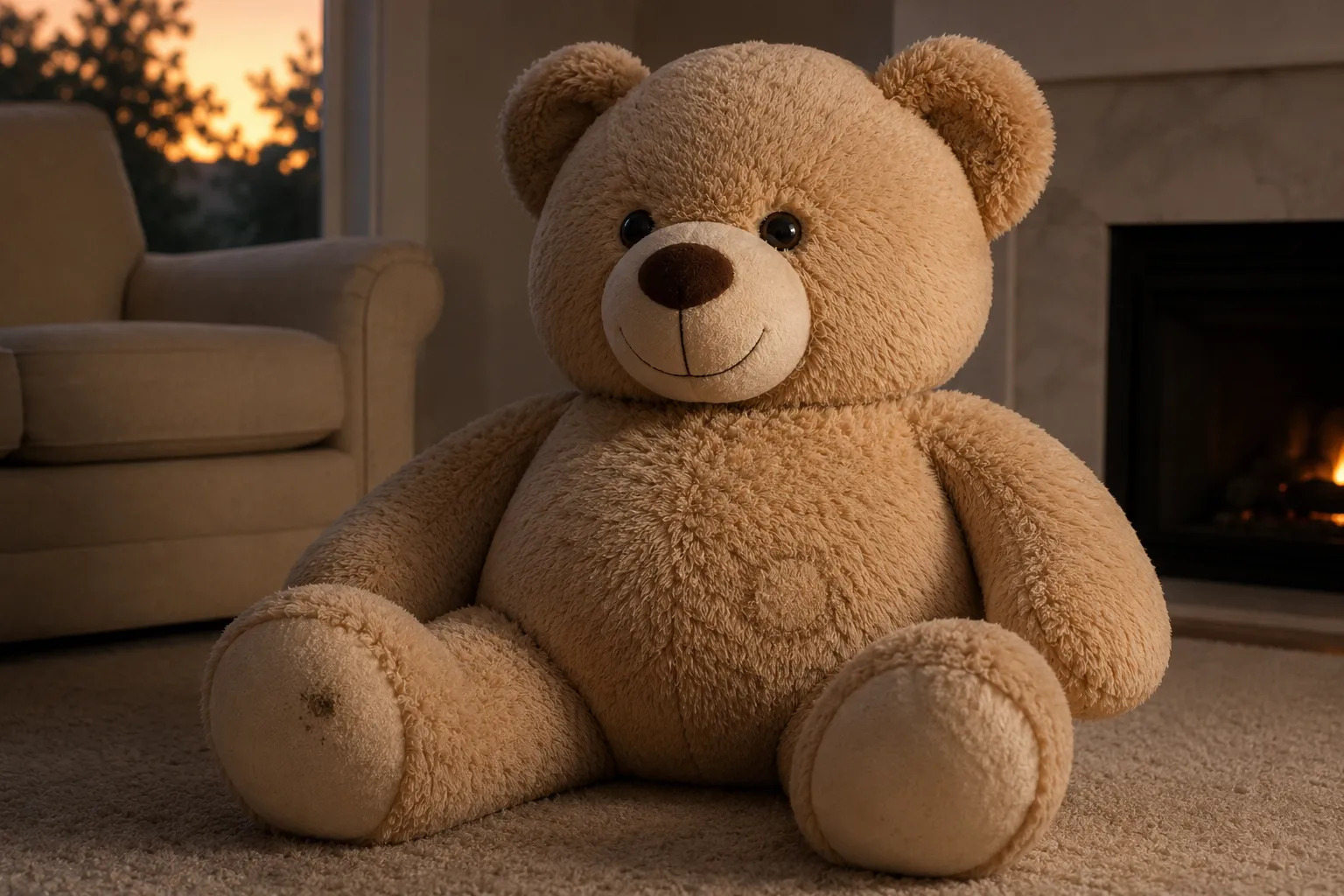
 After
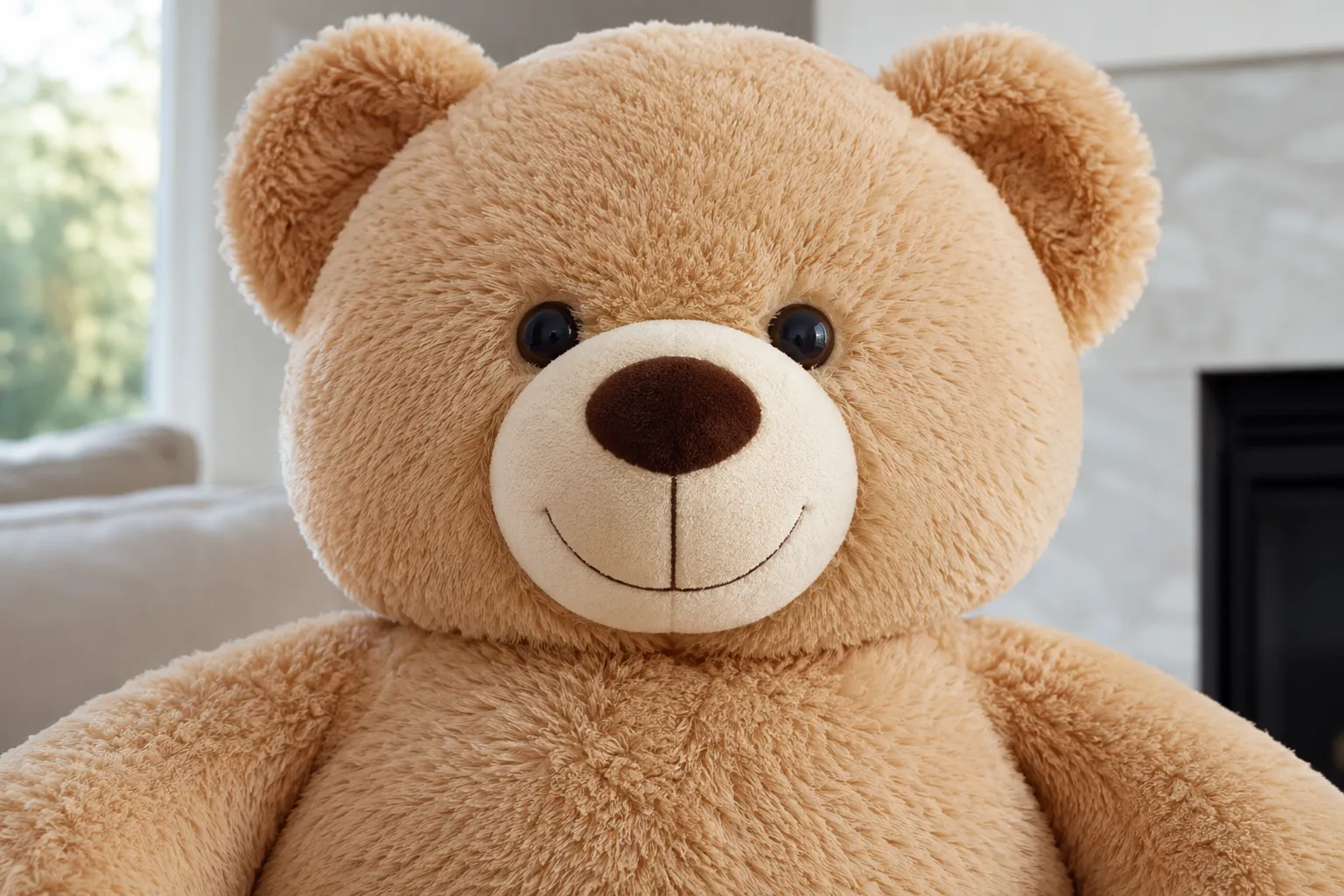
After
Request: We were given a bear, but it had stains and dust; we wanted to freshen it up.
Done: We performed dry cleaning using a special foam for delicate fabrics, removed localized dirt, and treated with steam.
Cost: 12 000 ₸
Master: Aigul Sadykova, dry cleaning master
Total: The bear is fluffy, clean, stain-free, and has a pleasant smell.
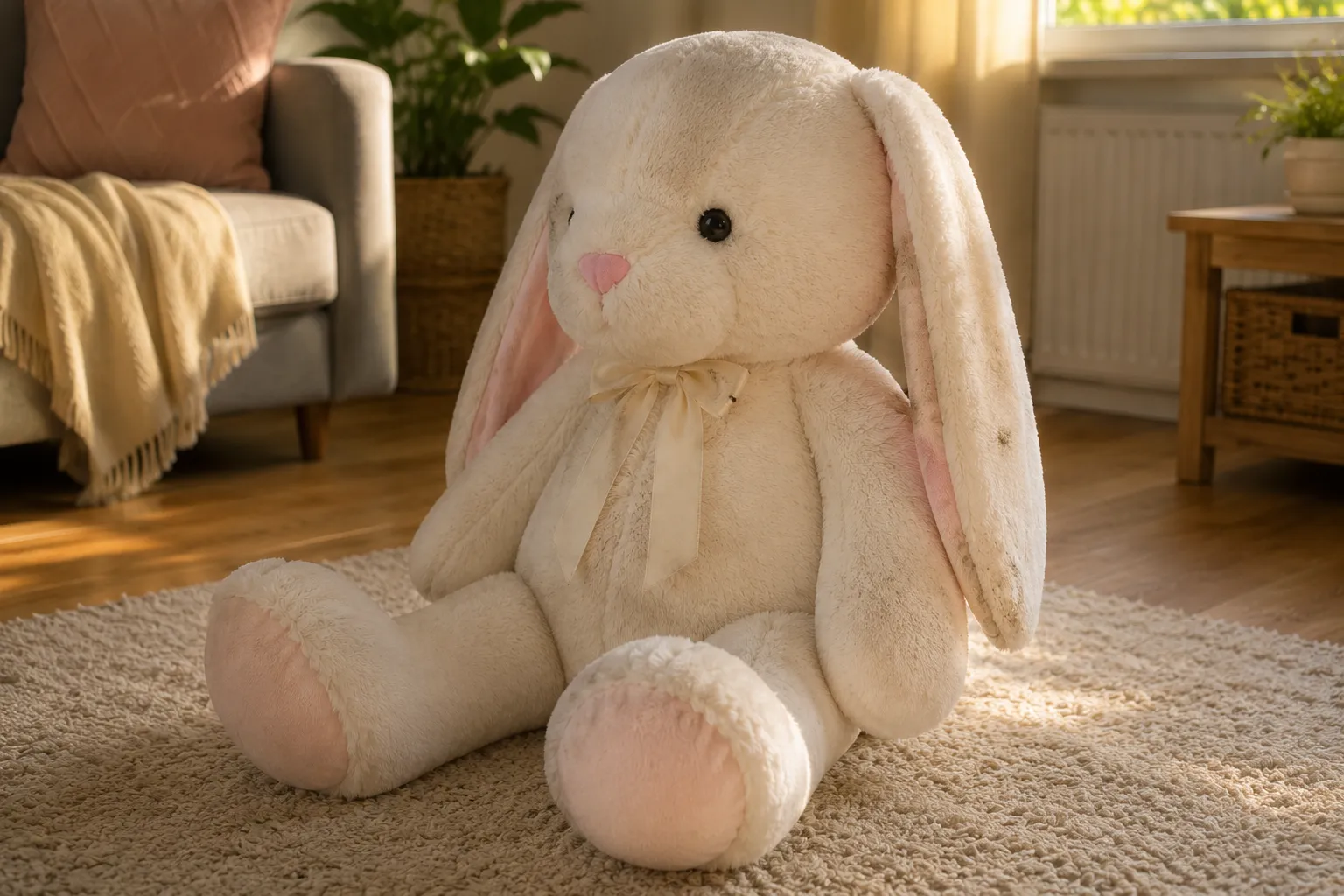
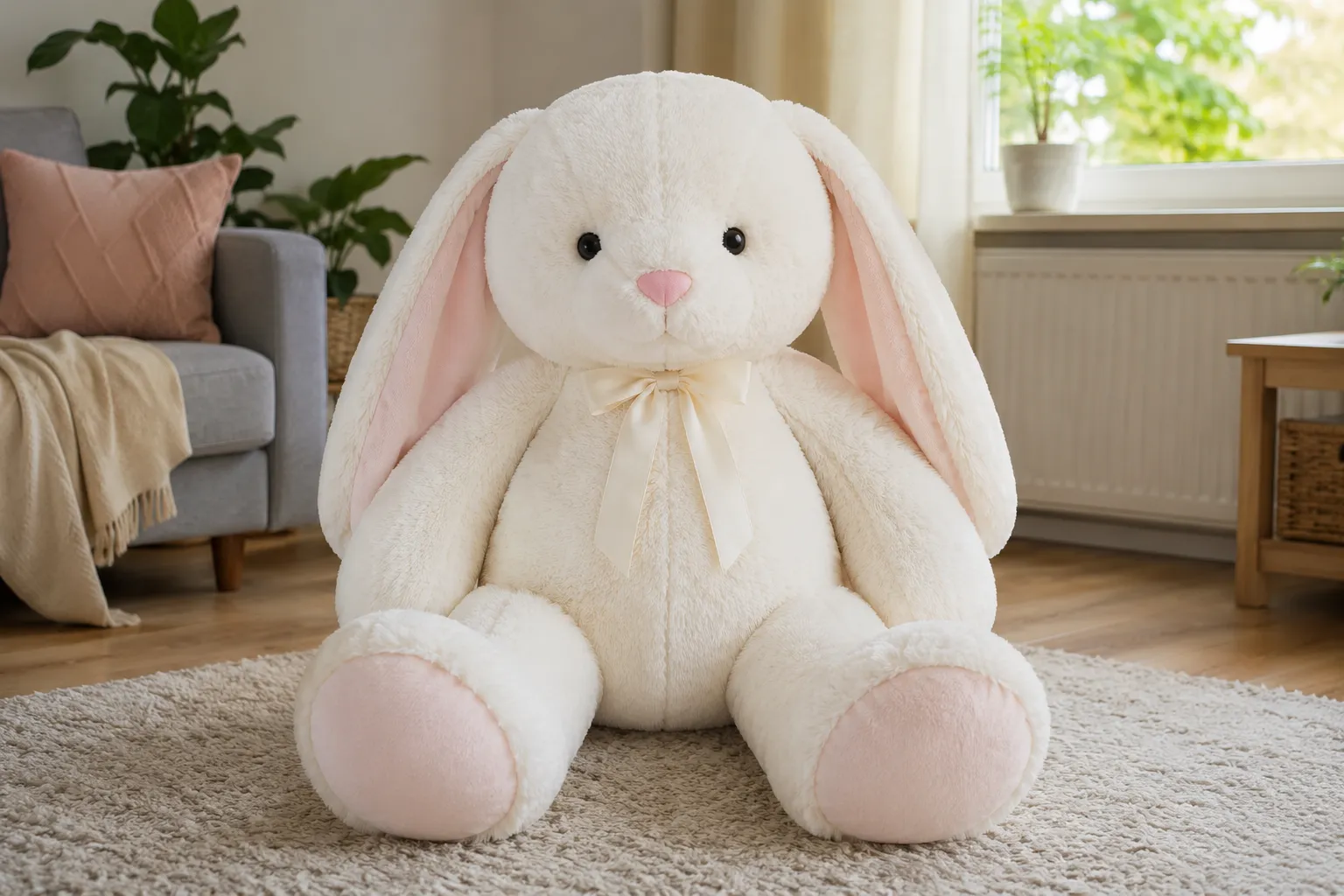 After
After
Request: The child's bunny turned gray from dust; they asked to restore its whiteness.
Done: We performed aqua cleaning with a mild shampoo, gently rubbed off dirt, and dried.
Cost: 13 000 ₸
Master: Timur Zhaksybekov, dry cleaning master
Total: The bunny is white and soft again, like new.
 After
After
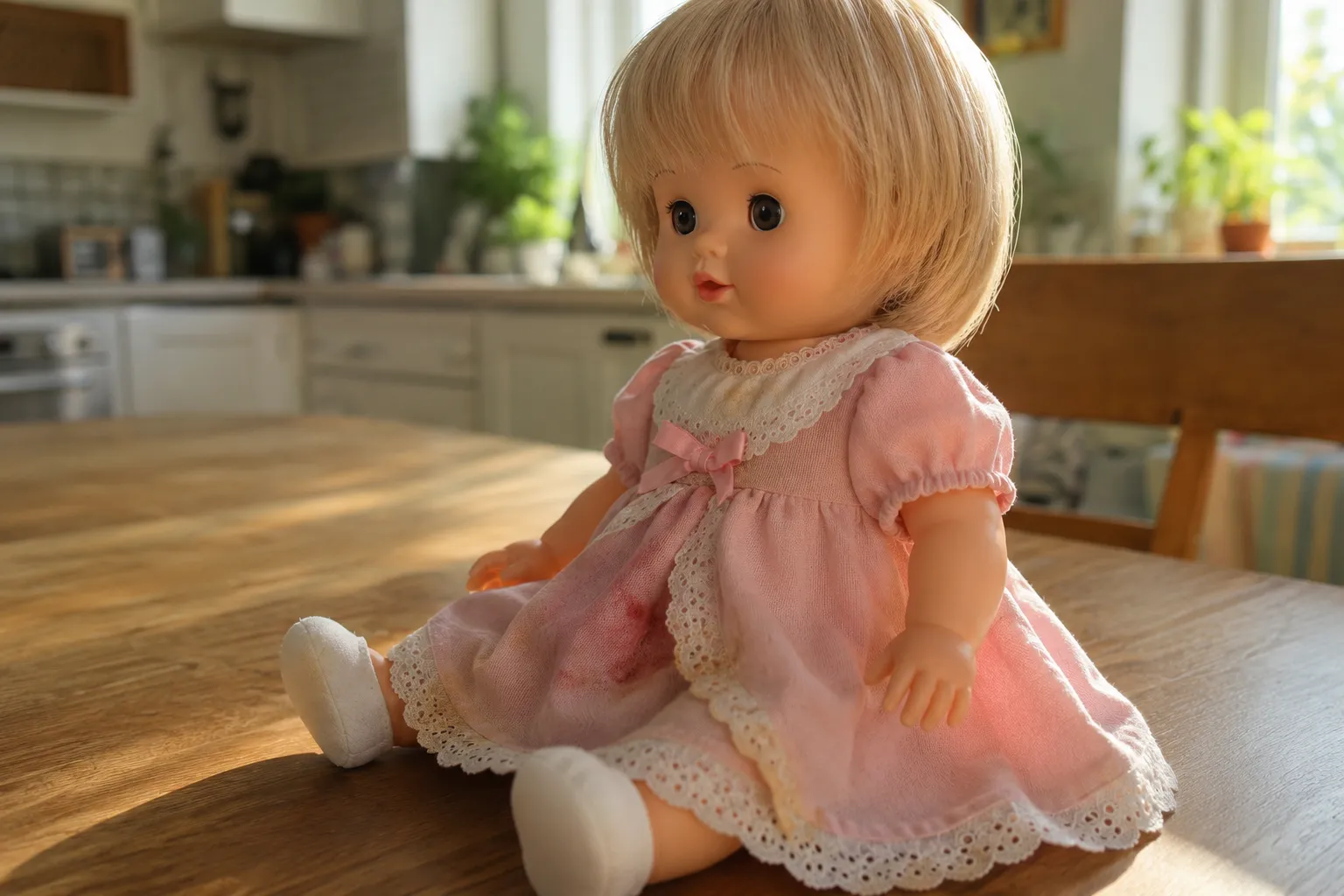
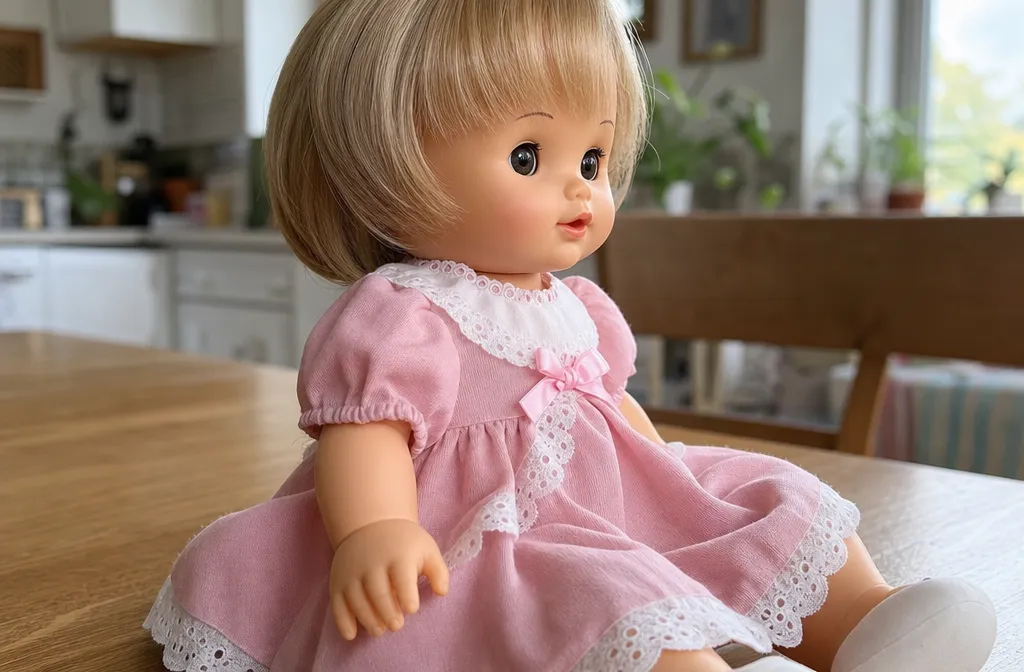
Request: The doll's dress is stained with paint and food; stains need to be carefully removed.
Done: We treated stains with an enzyme stain remover, then hand-washed the dress and steamed it.
Cost: 4 000 ₸
Master: Aigul Sadykova, dry cleaning master
Total: The dress is clean, stain-free, and the doll looks tidy.
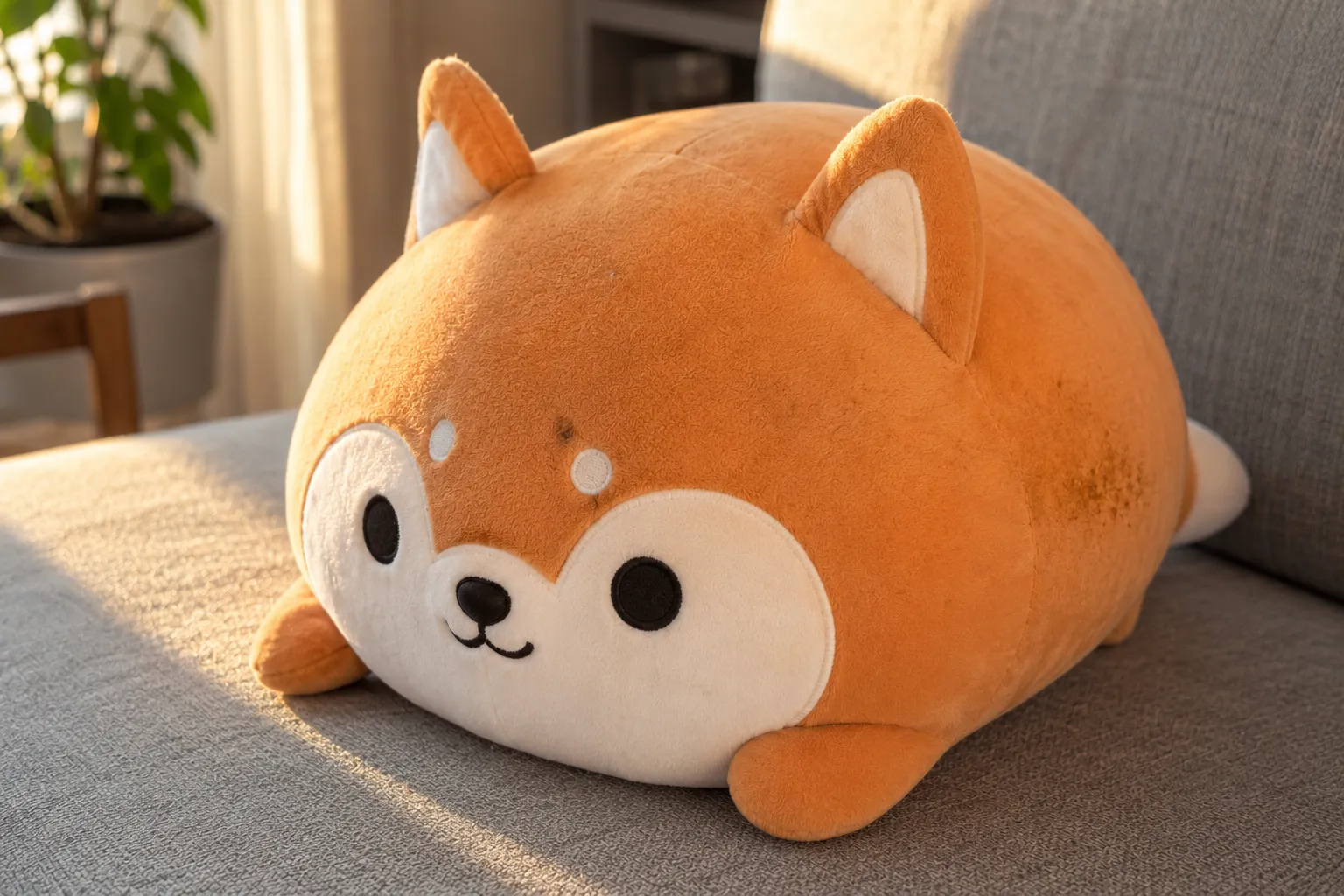
 After
After
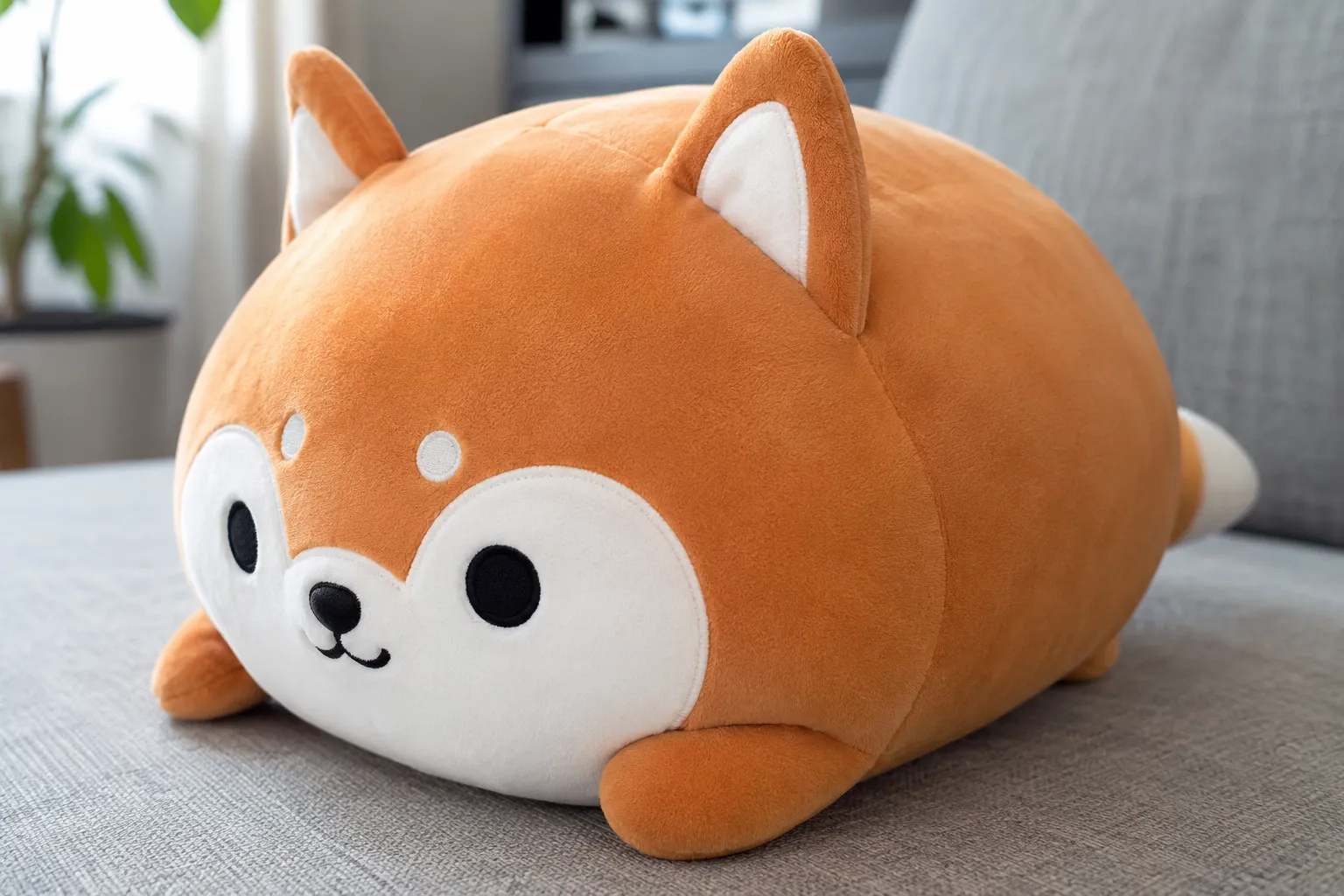
Request: The pillow has yellowed over time and has greasy areas.
Done: We performed deep cleaning using oxygen bleach and steam.
Cost: 13 000 ₸
Master: Timur Zhaksybekov, dry cleaning master
Total: The pillow has lightened; yellowness and grease stains are gone.
 After
After
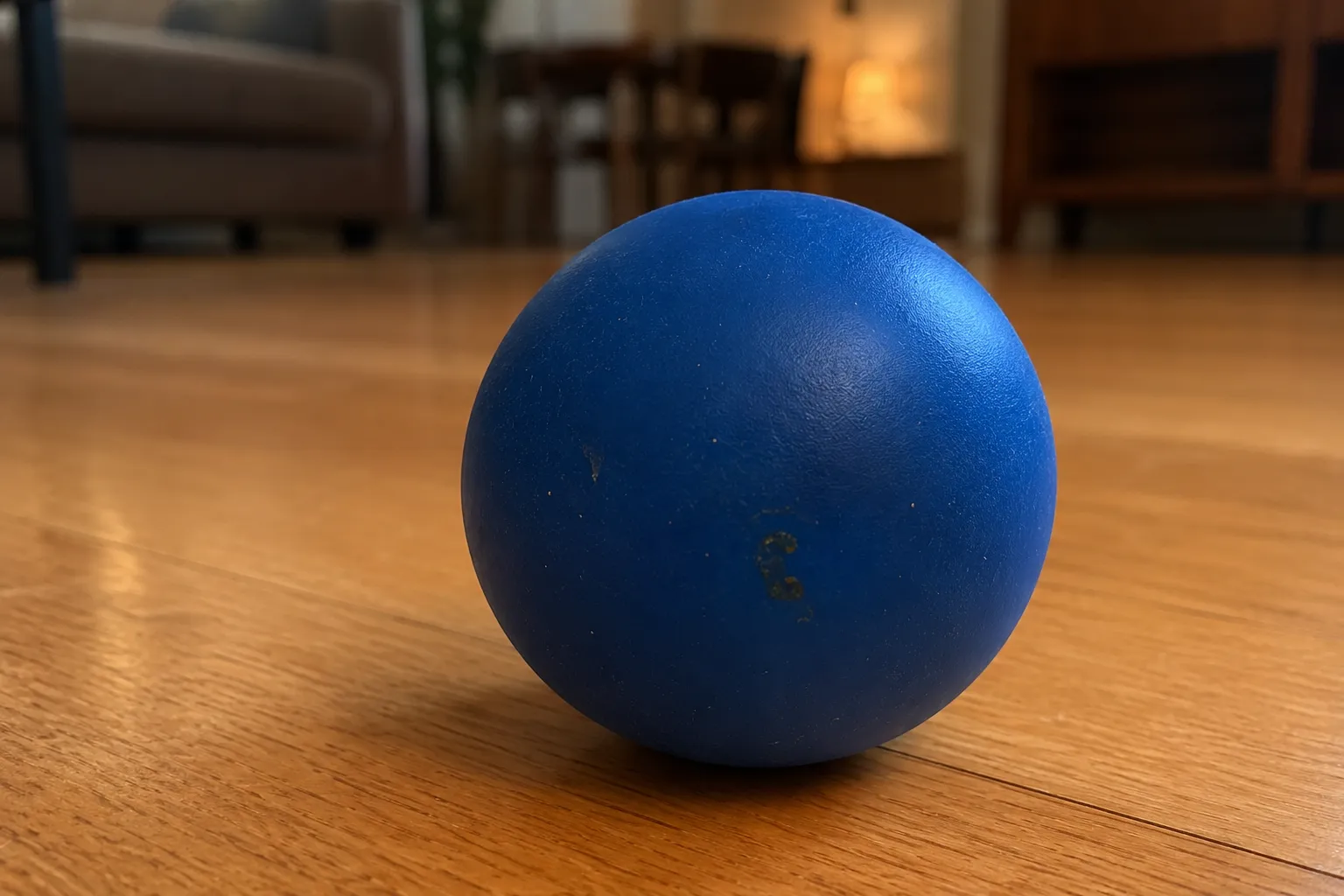
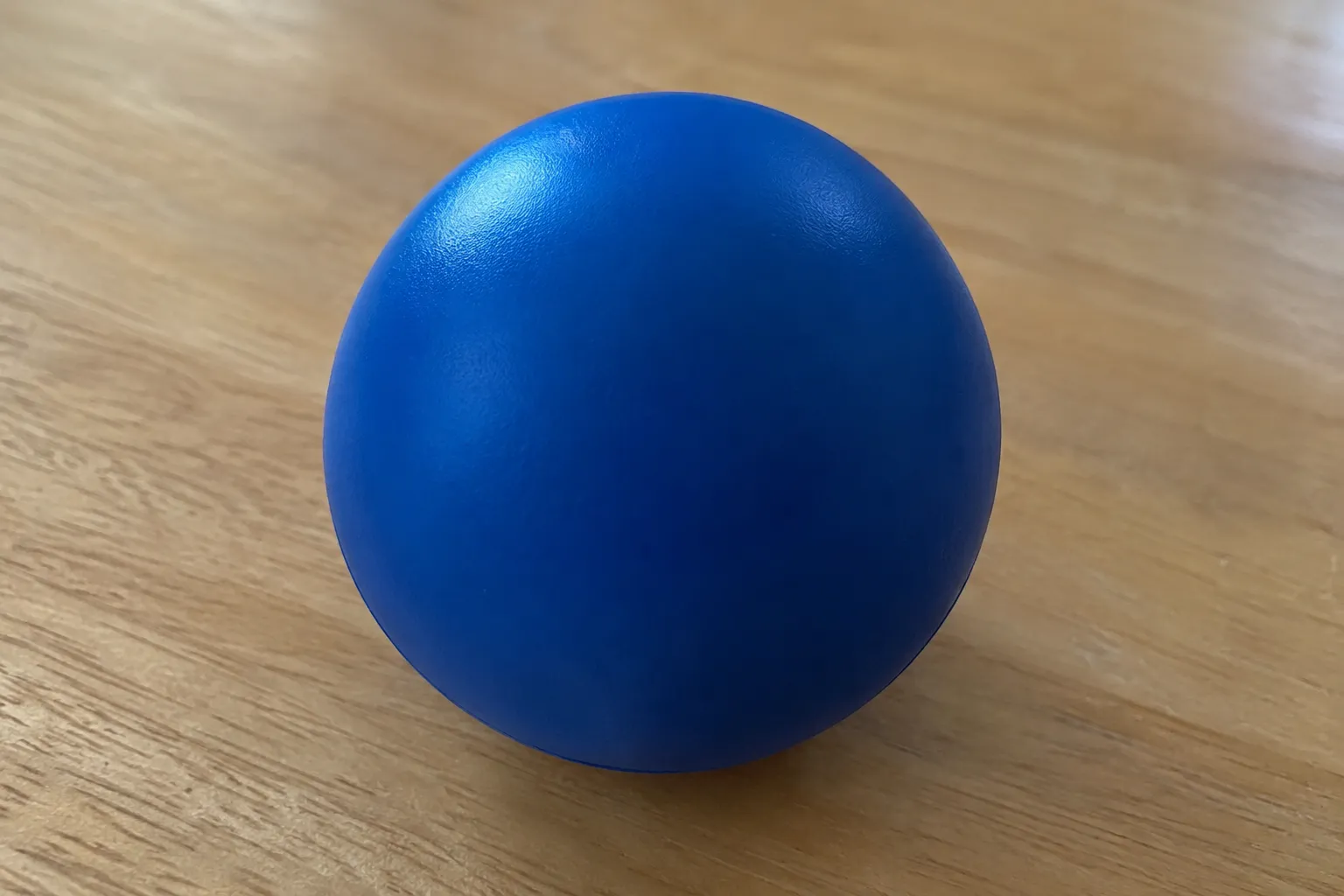
Request: The ball is sticky from hands and dusty; we want to restore its cleanliness.
Done: We washed the surface with a mild detergent, disinfected, and dried.
Cost: 12 000 ₸
Master: Aigul Sadykova, dry cleaning master
Total: The ball is clean, not sticky, and pleasant to the touch.
 After
After
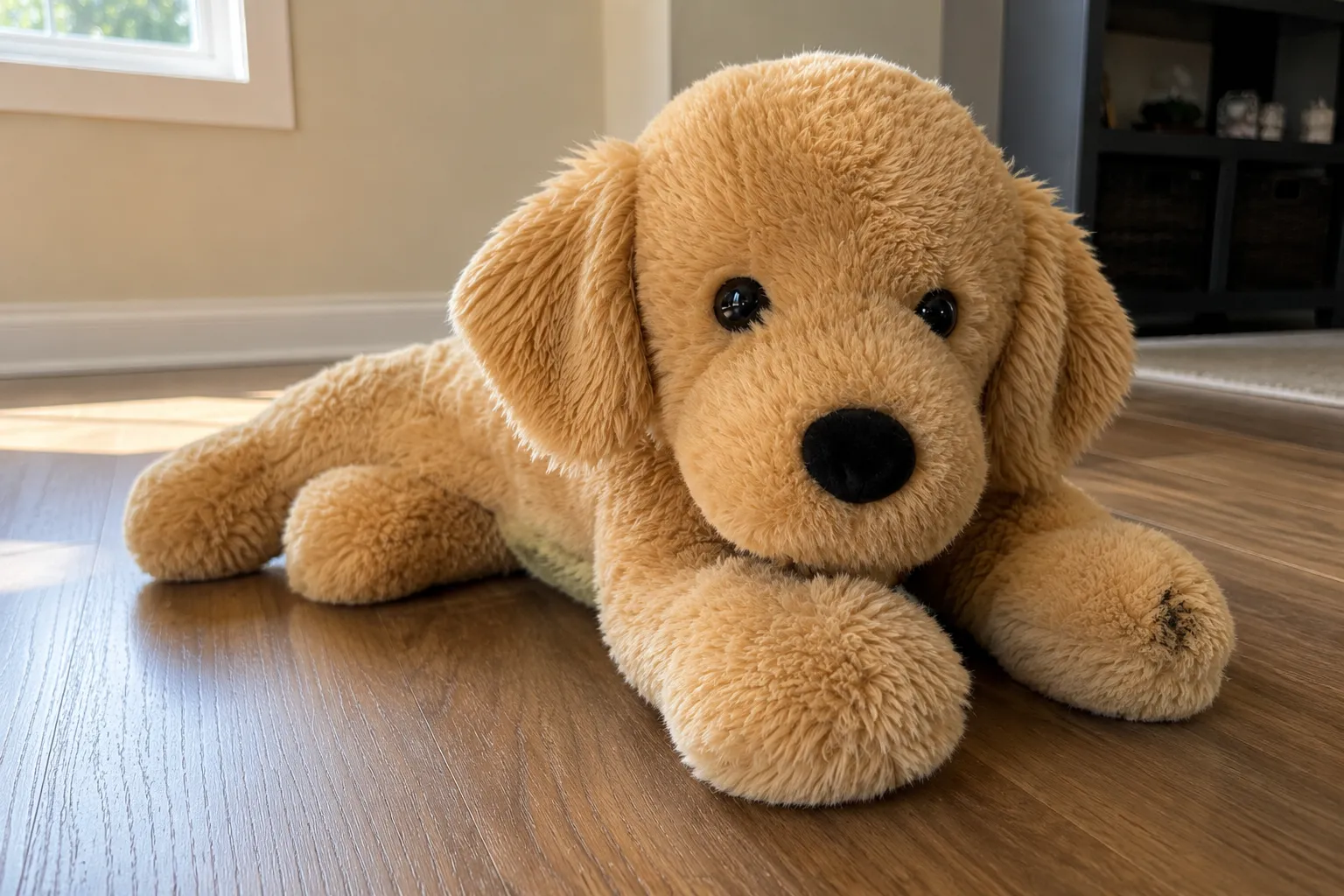
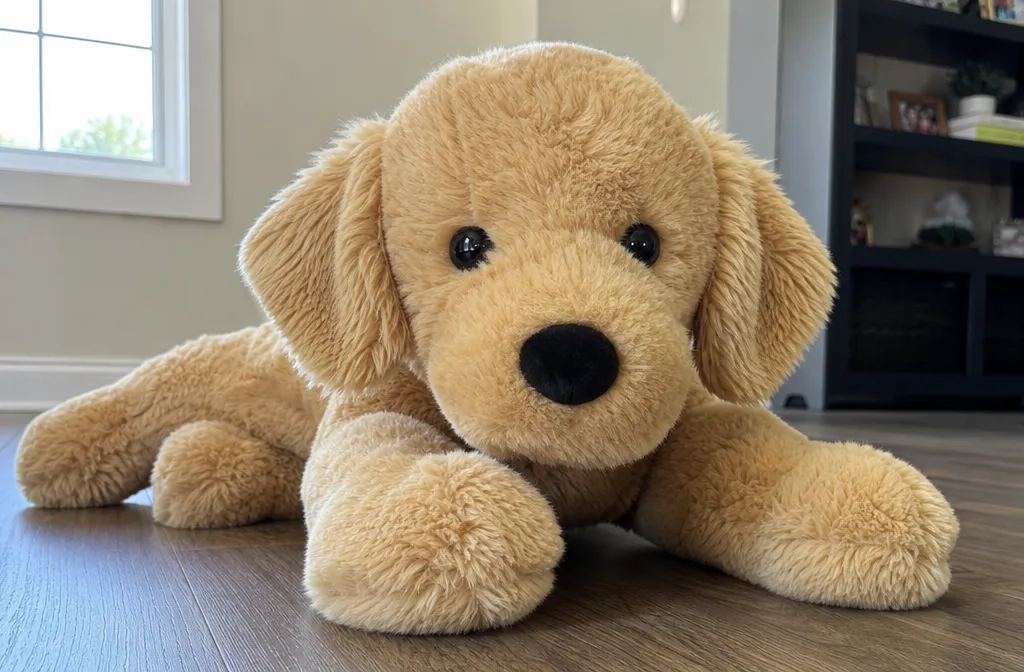
Request: The dog got dirty outside, there are stains of dirt and grass.
Done: Removed dirt with a brush, treated stains with stain remover and cleaned with steam.
Cost: 14 000 ₸
Master: Timur Zhaksybekov, dry cleaning master
Total: The dog is clean, with no traces of dirt or grass, soft.
 After
After
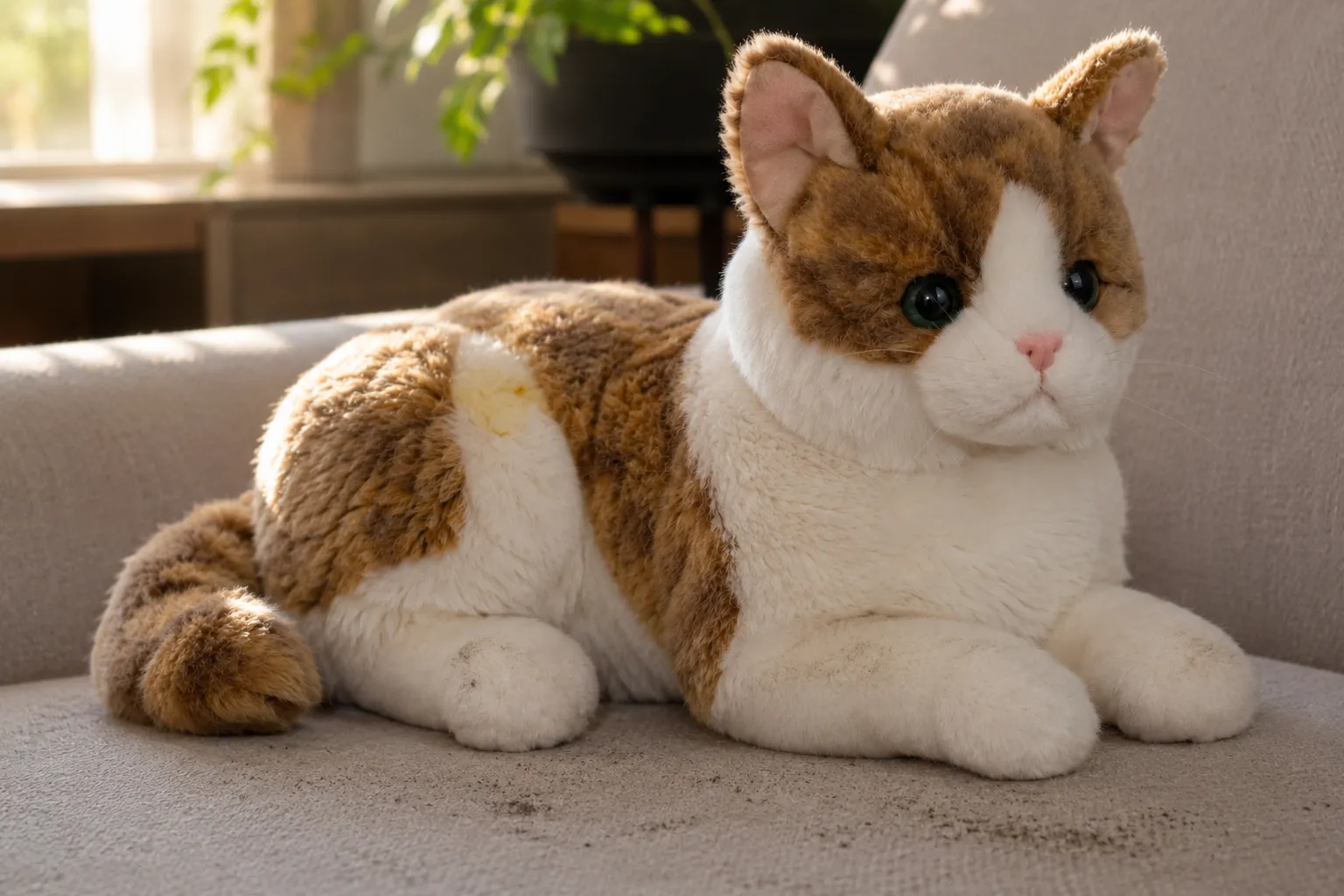
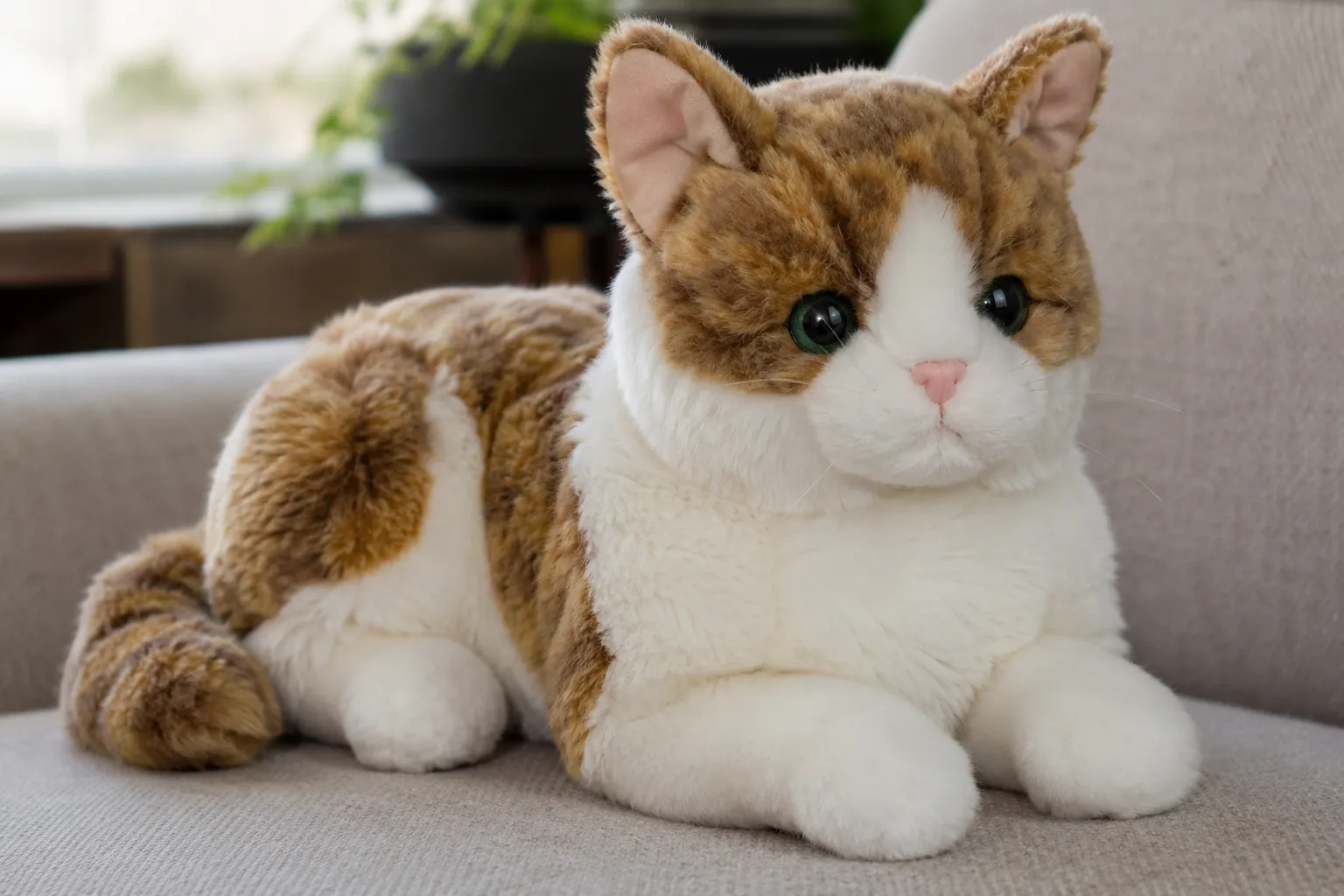
Request: The cat is dusty and slightly yellowed, I want to refresh its appearance.
Done: We performed dry cleaning with absorbent, then vacuumed and steamed.
Cost: 13 000 ₸
Master: Aigul Sadykova, dry cleaning master
Total: The cat became fluffy, white, without yellowness and dust.
 After
After
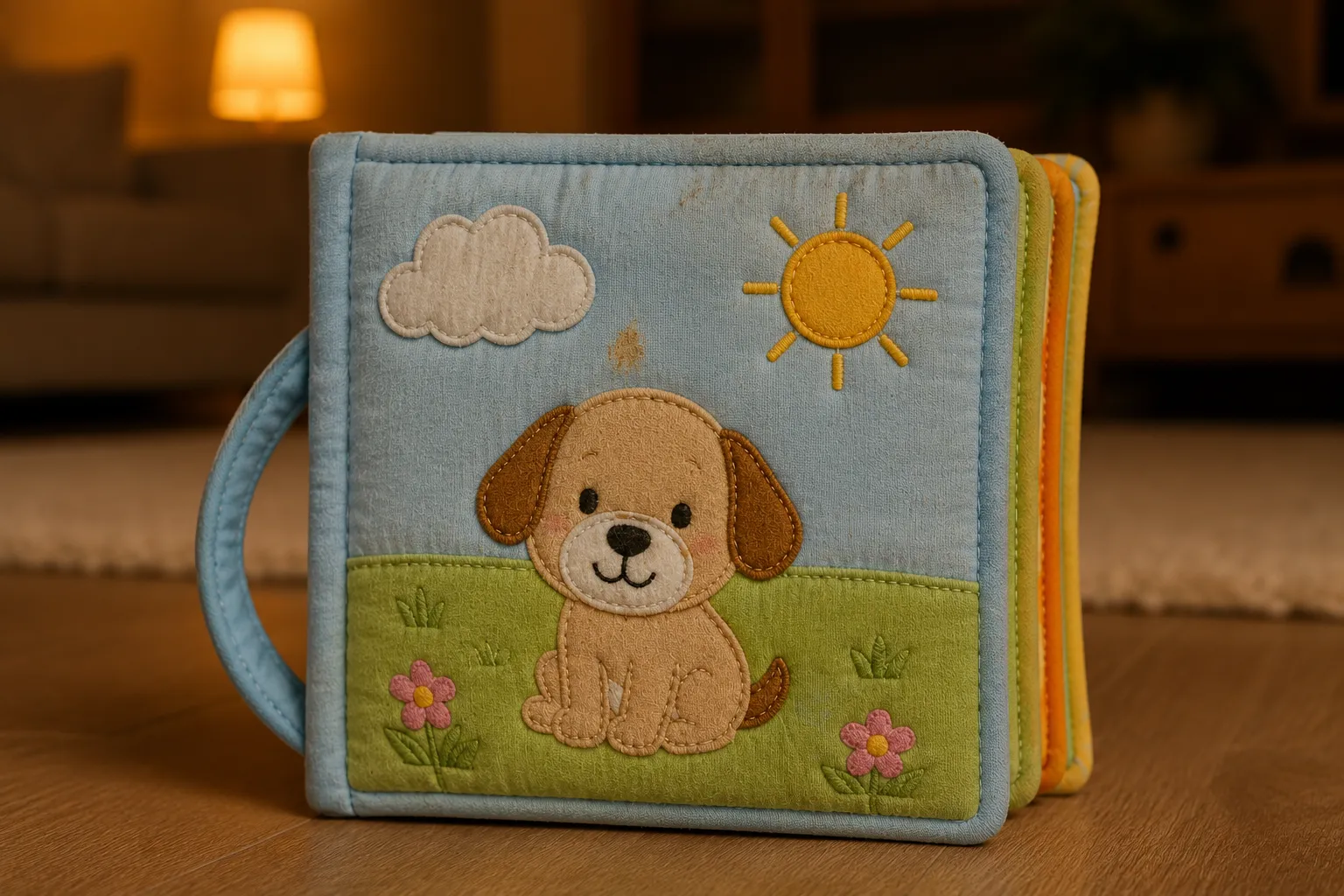
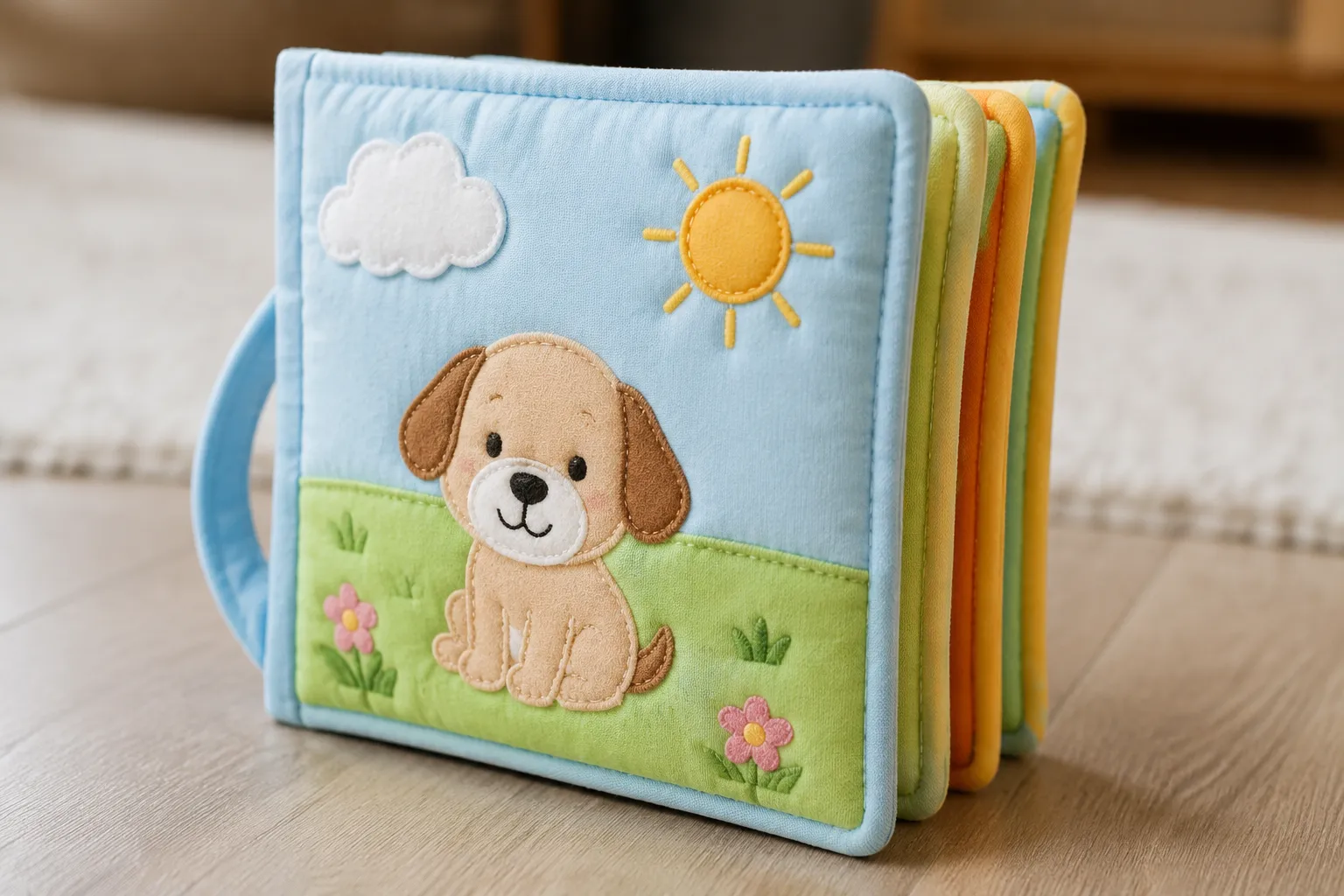
Request: The book is stained with food and saliva, pages stuck together.
Done: Separated pages, soaked in mild solution, cleaned each page with a brush and dried.
Cost: 12 000 ₸
Master: Timur Zhaksybekov, dry cleaning master
Total: The book is clean, pages separated, no stains.
 After
After
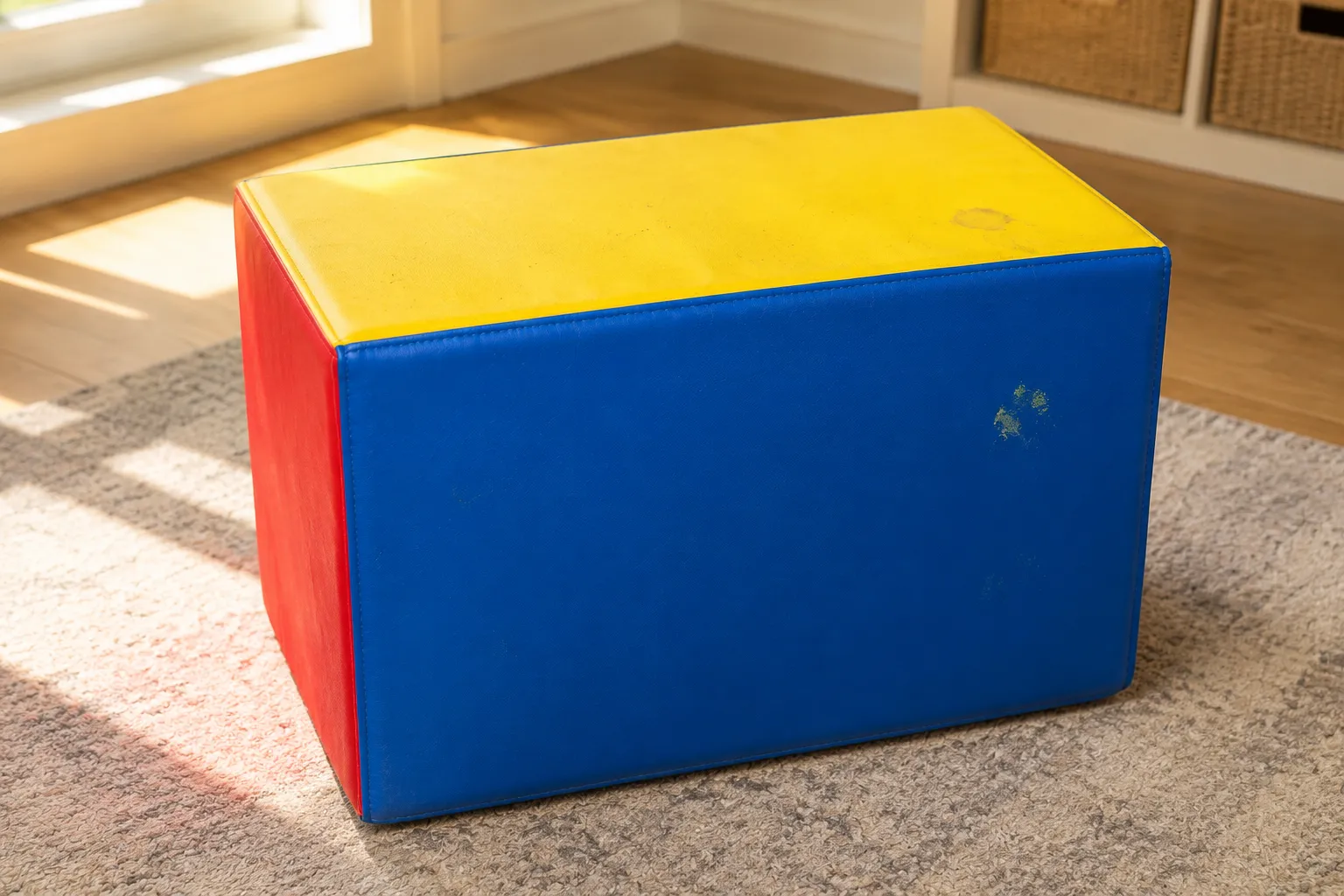
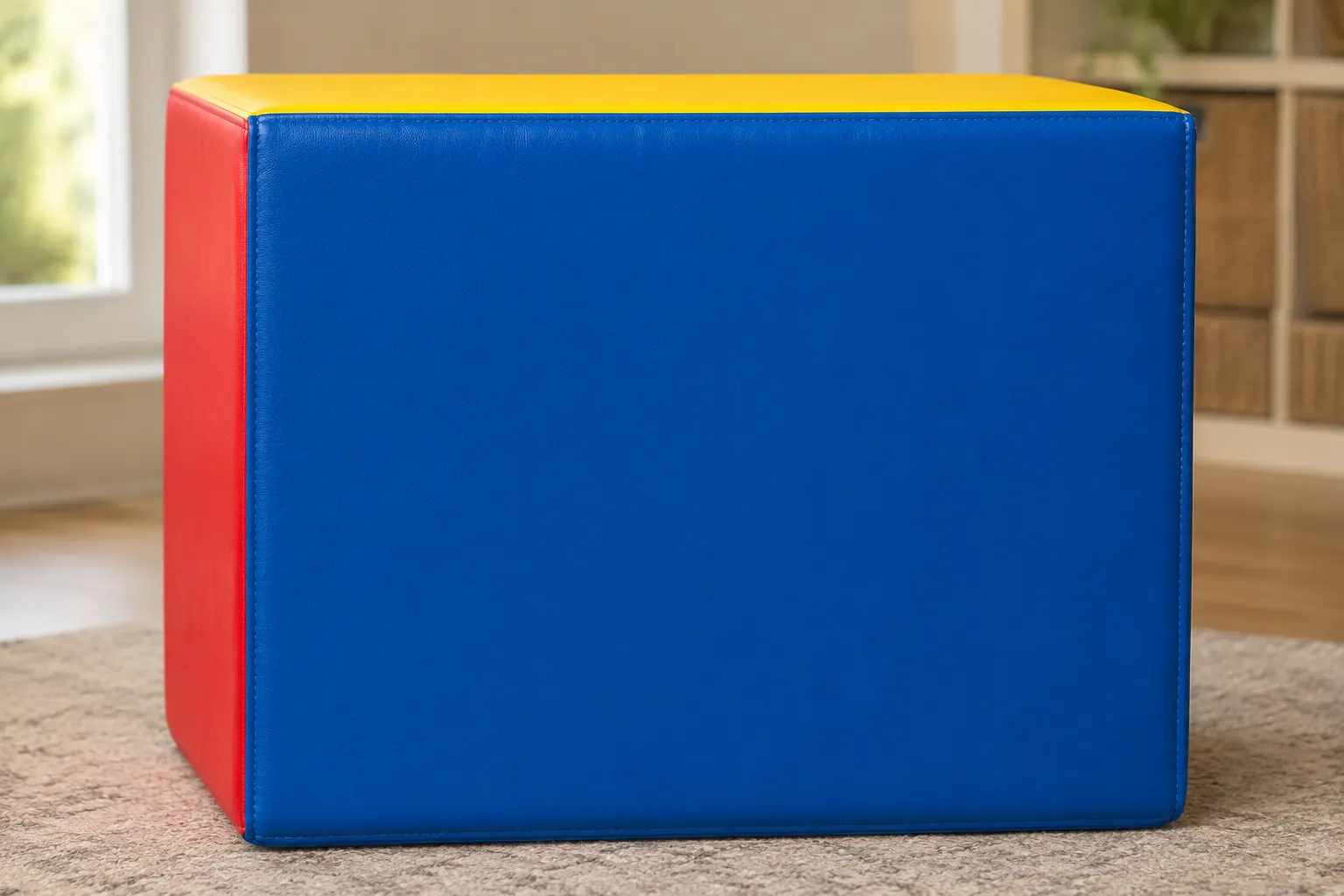
Request: Blocks are stained with paints and food, children played on the floor.
Done: Cleaned each block with foam compound, removed stains, rinsed and dried.
Cost: 14 000 ₸
Master: Aigul Sadykova, dry cleaning master
Total: Blocks are clean, bright, without stains or odors.
 After
After
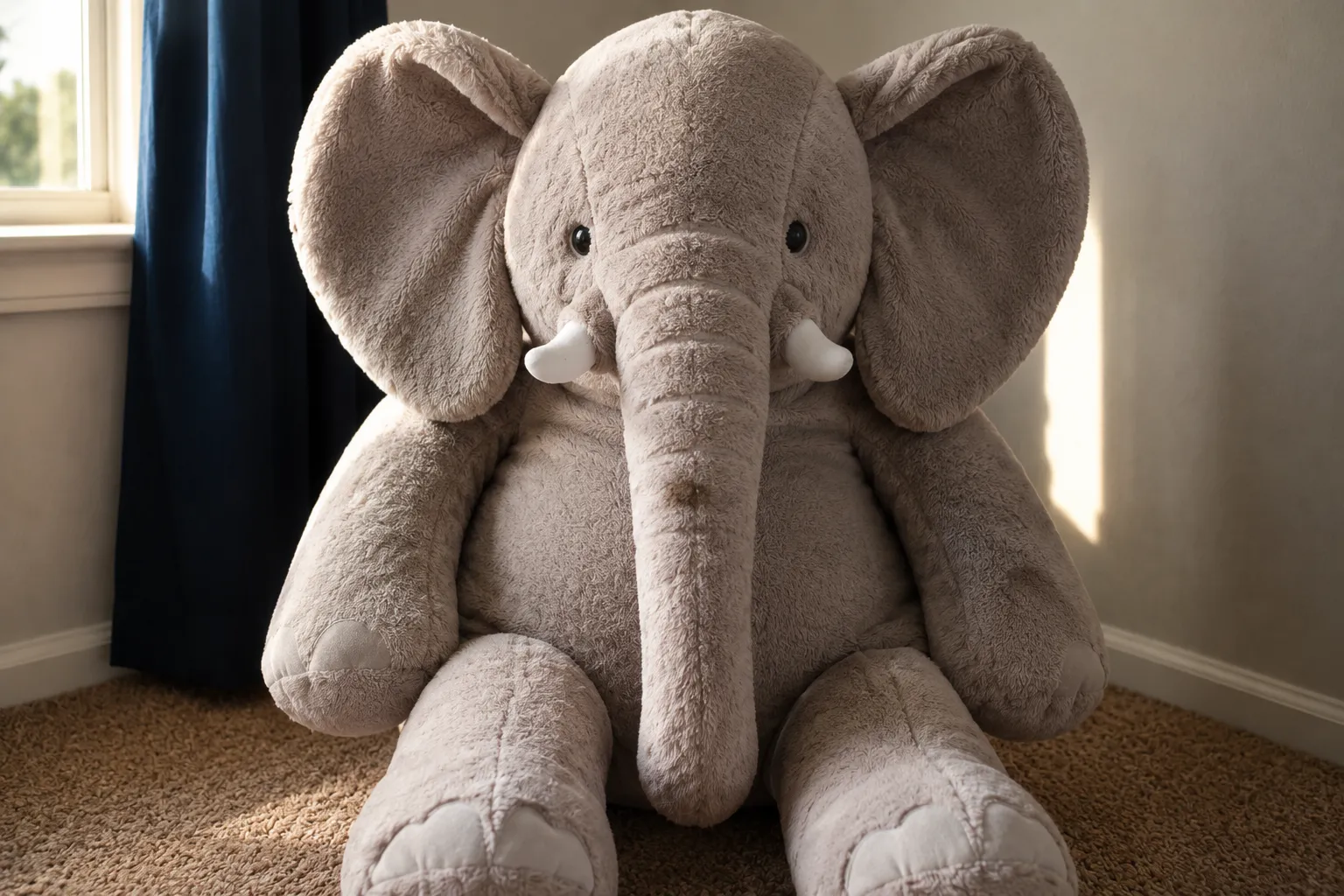
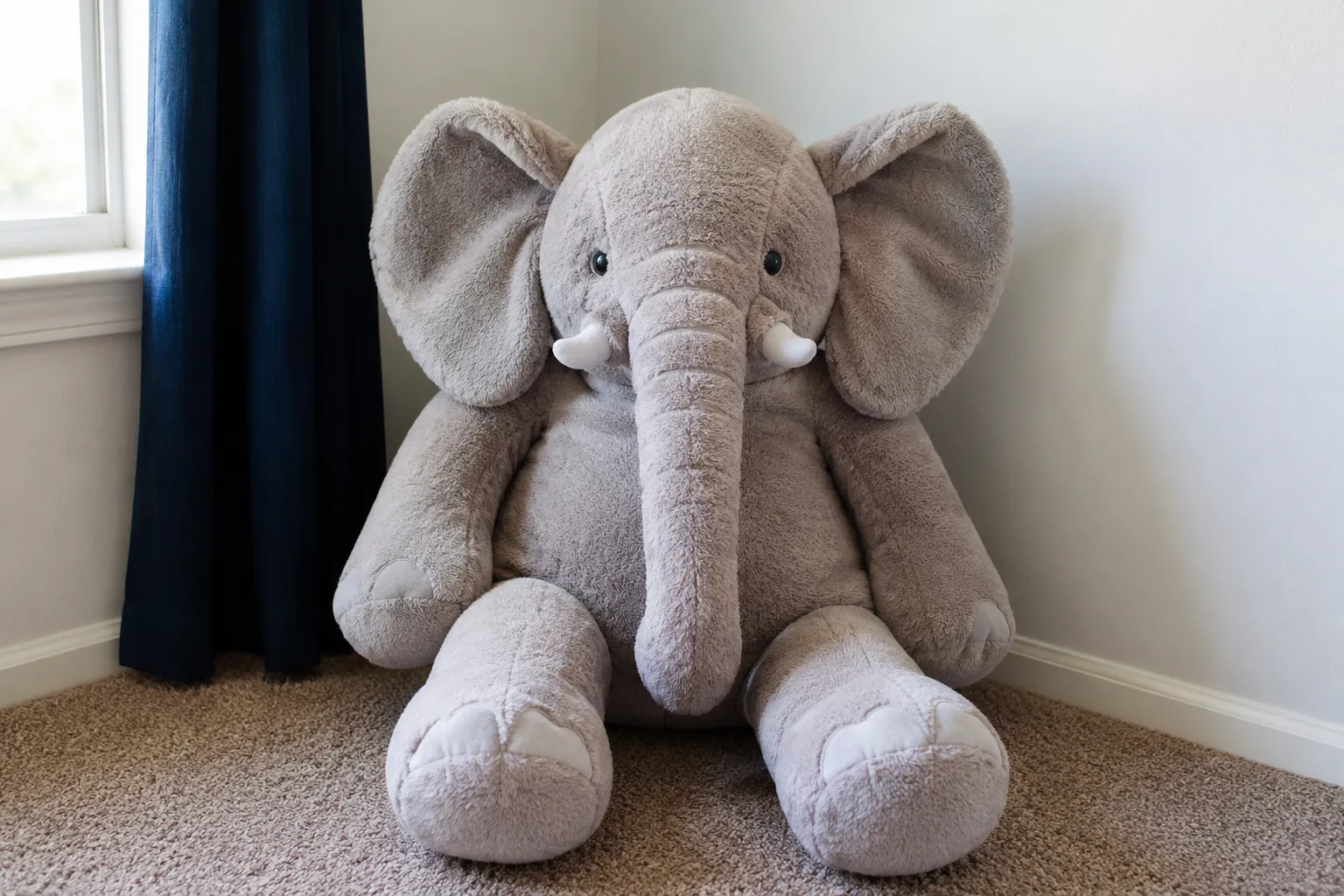
Request: The elephant is dusty, with stains of unknown origin, needs delicate cleaning.
Done: Treated stains with enzyme cleaner, performed aqua cleaning with fabric conditioner.
Cost: 13 000 ₸
Master: Timur Zhaksybekov, dry cleaning master
Total: The elephant is clean, soft, without stains or dust.
All cleaners are profi-clean staff with training, uniform and security check. Each order has a team leader who controls quality.
Many parents in Almaty toss plush toys into the washing machine without thinking about the consequences. Here at profi-clean, we see the results of this “home dry cleaning” every week — deformed bears, clumped filling, faded faces. Let’s break down why the drum is an enemy of soft toys, and how a professional approach differs from machine washing.
Synthetic padding and hollow fiber: during a spin cycle at 800–1000 RPM, the fibers clump into dense lumps — the toy loses its volume, becomes stiff and “rock-hard.” After machine drying, it’s impossible to fluff up such filling. Granulated filling (expanded polystyrene, glass microbeads): washing in hot water (40°C+) destroys the adhesive base of the granules; they spill out through the seams, clogging the machine’s drain filter and pump. Our practice shows: after just one machine wash, an anti-stress toy loses up to 30% of its filling and can no longer hold its shape. Foam rubber: absorbs water like a sponge, tears apart during the spin cycle, turning the toy into a shapeless lump. Before washing any toy, check the label — if it contains foam rubber or granulate, machine washing is strictly prohibited.
Plush and faux fur: friction against the drum causes the pile to mat, forming unsightly pills, and long pile (10–15 mm) gets pulled out in clumps — after three cycles, the toy goes bald. Knitted toys (crocheted): loops stretch by 20–30% after the first wash, distorting the shape, while cotton yarn shrinks — the toy becomes a size smaller. Corduroy and velour: the pressed pile stands on end, the fabric loses its noble sheen, and yellow streaks from detergent residue appear on light areas. We recommend only hand cleaning with a soft brush and hypoallergenic shampoo for pile toys — this keeps the pile fluffy and the color vibrant.
Plastic eyes attached with glue: at temperatures above 30°C, the glue softens, causing the eyes to fall off or shift — a child could swallow a small part. Felt appliqués and bows: the glue washes out, the appliqué peels off, and the toy loses its decorative appearance. Light-up or sound modules: water seeps inside the casing, oxidizing the contacts — the module fails, and the battery compartment rusts. In our service, before any cleaning, we check the attachment of all decorative elements — if the glue is weak, we secure the parts with hot glue before treatment. Home washing doesn’t offer such foresight.
Protein stains (milk, saliva, food residue): when heated above 40°C, the protein coagulates and “bakes” into the fiber — after drying, the stain turns yellow-brown and cannot be removed, even with bleach. Grease stains: laundry detergent doesn’t break down grease at low temperatures (30°C), and at high temperatures, it fixes the grease into the fabric’s structure. Saliva and sweat: contain urea and salts, which form whitish streaks on dark toys due to friction in the drum. The most effective method is pre-treating the stain with an enzyme-based stain remover (we use Sodasan Fleckensalz) and steam cleaning at 110°C, which breaks down organic matter without mechanical action.
Hard water (up to 8–10 mg-eq/L according to the State Enterprise “Holding Qazaqstan”): calcium and magnesium salts settle on the fabric as a white residue, making the toy “prickly” and losing its softness. Sharp humidity fluctuations: dry winter air (20–25%) causes the filling to lose moisture faster after washing — it crumbles into dust, while summer humidity (60–70%) prevents the toy from drying inside, leading to mold. Our cleaners use water passed through an ion-exchange filter (softened to 1–2 mg-eq/L) and dry toys in a chamber with controlled humidity of 45–50% — this eliminates both salt residue and over-drying of the filling. Home machine washing in Almaty’s conditions will guaranteed leave a hard water deposit on the toy that cannot be removed by rewashing.
Not all children’s toys can withstand contact with professional cleaning agents — some materials react with solvents, lose their shape, or release toxic compounds. In our practice in Almaty, about 15% of toys brought in by clients require not dry cleaning, but gentle aqua cleaning or dry treatment with a HEPA-filter vacuum cleaner. A mistake at this stage is costly: a damaged toy is often beyond repair.
Any toys with batteries, speakers, LEDs, or touch elements are strictly prohibited from wet chemical treatment. Water or solvent penetrates through seams and fabric to the contacts, causing short circuits and oxidation of the circuit board. Even if the module is hermetically sealed, machine dry cleaning vibrations can desolder the contacts. At profi-clean, before accepting such a toy, we always check for seam pockets for the battery compartment — if the compartment is not completely removable, the toy is treated only with dry steam at 110°C without chemicals and without immersion. In practice, interactive dolls, talking plush animals, and educational mats with blocks most often suffer — parents bring them in complaining that the toy stopped working after home washing.
Foam rubber cubes, puzzle mats, balls with polyurethane foam filler absorb chemical solution like a sponge but cannot dry out inside — moisture remains in the pores, provoking mold and fungus growth. The musty smell from such a toy cannot be removed for months. We only take foam rubber items for dry cleaning with a bactericidal lamp and ozonation in a chamber — this kills microbes without wetting the filler. In Almaty apartments with high humidity (especially in basement floors and old houses on Abay Avenue), foam rubber toys after wet treatment start to smell musty within a week. The only safe option is careful treatment with an antiseptic aerosol followed by drying in a ventilated room, but not in immersion dry cleaning.
Natural fur (rabbit, sheepskin, angora wool) shrinks up to 30% upon contact with chemical stain removers and loses its pile luster. Alkaline compounds destroy hair keratin — the pile becomes brittle, dull, and starts to split. In Almaty, such toys are often brought from mountainous regions (souvenirs from Shymkent, handmade felt toys) — their owners do not know that wool requires pH-neutral agents. At profi-clean, for natural fur we use only shampoos with pH 5.5 (Kiehl line for delicate fabrics) and drying with cold air without heat. If the toy has combined pile (wool + synthetic), we recommend the client not to take risks — we treat only with steam without friction to avoid damaging the natural fibers. Moreover, even high-pressure steam is dangerous for wool: at 130°C, the fiber is irreversibly deformed.
Toys older than 20-30 years are a separate risk category. The glue holding parts together (especially in dolls from the 80s-90s) loses elasticity over time, and seams come apart when wet. Paint on vinyl doll faces (Soviet “Inna”, “Tanya”) dissolves in alcohol-based stain removers — after dry cleaning, the doll becomes “faceless.” In Almaty, collectors have approached us with GDR dolls and Czech marionettes — we clean them only with a cotton pad and distilled water, without chemicals. Fabric vintage toys with embroidery (e.g., Kazakh national dolls in camisoles) cannot be cleaned even with steam if the embroidery is made with non-colorfast dyes — the threads bleed and stain adjacent fabric areas. The only method for such specimens is careful vacuuming with a narrow nozzle and UV treatment in a chamber, without contact with water or chemicals.
The frequency of toy dry cleaning depends on the child’s age and intensity of contact — there is no universal schedule, but there are clear intervals for each risk group. Our profi-clean cleaners in Almaty see the consequences of infrequent cleaning: dust mites, allergens, and saliva residues accumulate faster than it seems. Let’s break down when it’s really time to call professionals.
Babies put everything in their mouths, including soft toys, so dry cleaning for this age group should be done every three to four weeks. Saliva, formula residue, and milk create a breeding ground for bacteria — within a month, a biofilm forms on the fibers that home washing cannot remove. We use hypoallergenic Kiehl chemicals, which break down protein-based soiling without alkali, and drying at 60°C in a chamber — this is sufficient to destroy staphylococcus and E. coli. In practice from Almaty orders: if a child’s cheeks turn red for no apparent reason, the first thing we check is their favorite bunny — most often, the problem lies there.
At this age, toys are no longer sucked on, but children sleep with them, drop them on the floor, take them outside and to the sandbox — the cleaning frequency is reduced to once every two months. Almaty’s street dust, mixed with exhaust fumes and particles from thermal power plants, settles on the fibers in one outing, while pet dander and household dust are added at home. For such toys, we use extraction cleaning with a Karcher machine equipped with a HEPA filter — it washes fine suspended particles out of the depths of the filling. If the child attends nursery, it is better to shorten the interval to six weeks: in a group, toys exchange microbiota faster than within a family.
Toys that sit on a shelf or are visited once a month do not require frequent intervention — professional treatment once every six months is sufficient. Over six months, a layer of settled dust accumulates on the surface that home vacuuming cannot remove: soft fibers hold particles due to static electricity. We treat such toys with an ozone generator after dry cleaning — this eliminates apartment odors and tobacco smoke that have been absorbed into the synthetic filling. Our clients from Almaty often bring in large bears once a year — by that time, mites are already living inside, so we still recommend two sessions per year, in spring and autumn.
If a child has a confirmed allergy to dust mites or household dust, the interval for dry cleaning toys is reduced to two weeks. Dust mites live in the filling of soft toys and produce the allergen Der p1, which is not destroyed by regular washing at 30–40°C — thermal treatment above 55°C is required. profi-clean performs treatment with Sodasan followed by drying in a chamber at 70°C: this mode is sufficient for denaturing the mite protein. In Almaty, with its dry climate, the concentration of dust in apartments is higher than in coastal cities, so even in the absence of symptoms, once a month is a reasonable minimum for a child’s room.
Dust mites are the main cause of respiratory allergies in children in Almaty, and soft toys are their ideal habitat, which neither a washing machine nor a household vacuum cleaner can handle.
Every day, up to 10–15 grams of dust per square meter settles in an Almaty apartment — along with it, Dermatophagoides pteronyssinus mites enter the fibers of toys. Inside the filling (synthetic padding, holofiber, polyurethane foam), humidity of 50–70% and a temperature of 20–25°C are maintained — an ideal microclimate for reproduction. One female lays up to 60 eggs, and within three months, the colony in a toy grows to several thousand individuals. Moreover, mites live not on the surface, but inside the filling, at a depth of 2–5 cm from the fabric — this is where neither laundry detergent nor a steam generator can reach. In our practice, there was a case: a child with atopic dermatitis had tests showing IgE of 120 kU/L for mite allergen, and after dry cleaning six toys, the level dropped to 45 kU/L within three weeks without changing therapy.
Removing allergens from surfaces: professional extractors with HEPA filters suck up dust mite fecal pellets measuring 10–40 microns, which a washing machine merely soaks and smears into the fabric. Treatment inside the filling: vacuum drying at 70–80°C kills mites at any depth — washing at 40°C only stimulates their reproduction due to moisture. Neutralization of protein allergens: hypoallergenic chemicals from Kiehl and Sodasan contain enzymes that break down Der p1 and Der p2 — the main proteins in mite feces that cannot be rinsed away with water without surfactants. Drying without residual moisture: professional drying in a chamber with humidity control down to 3% prevents re-infestation — at home, a toy takes 12–24 hours to dry, and during that time mites return. Guaranteed destruction of eggs: in a washing machine, mite eggs survive, but dry cleaning with heat treatment kills all stages of development — from larva to adult.
If a child has a stuffy nose and watery eyes, parents in Almaty often attribute it to poplar fluff or ragweed blooming. But there are three signs pointing specifically to dust mite allergy: symptoms worsen in the evening after contact with toys and bedding, not during the day outdoors; in the morning after sleeping in a room with soft toys, a dry cough and sneezing fits appear; on the skin in areas of contact with the pile — a fine rash without fever. During the autumn-winter period, when poplars and ragweed are not blooming but symptoms persist, the cause is almost always household dust mites. We recommend parents take an IgE test for D. pteronyssinus before starting treatment — this eliminates unnecessary antihistamine load on the child.
Toy type | Mite accumulation feature | Cleaning recommendation — | — | — Large plush bears (30–50 cm) | Internal filling volume up to 3–4 liters — an ideal chamber for a colony | Dry cleaning every 2–3 months, heat treatment mandatory Pillow toys and anti-stress toys with polyurethane foam | Porous structure retains moisture and mite feces deeper than synthetic padding | Professional treatment only — washing destroys the filling Toys with long pile (5–10 mm) | Fibers trap dust and allergens 3–4 times more than short pile | Clean once a month if the child sleeps with the toy Musical and electronic toys | Mechanisms create air pockets where dust is sucked in, but they cannot be wet | Contactless dry cleaning with extraction without disassembling the casing Toys made of velour and plush with water-repellent coating | The coating seals dust inside but prevents washing — mites breed uncontrollably | Steam treatment at 120°C followed by vacuum extraction
The most common mistake parents make in Almaty is cleaning toys one by one and returning them to a room where untreated items remain. Dust mites migrate: one clean toy in a closet with five dirty ones becomes re-infested within 7–10 days. We advise treating all soft toys in the child’s room simultaneously, including pillows and blankets — otherwise, the allergen load recovers, and tests show no improvement.
The choice between machine washing and professional dry cleaning for children’s toys is not a matter of cost, but of preserving the material, the child’s health, and the product’s durability. In practice at profi-clean, we see that parents often overestimate the capabilities of home washing and underestimate the risks to the filling and structure.
Machine washing is only suitable for toys with a manufacturer’s label permitting machine treatment, and only if there are no electronic units, musical mechanisms, or granular filler inside. Polyester fiberfill and hollow fiber in a dense cotton cover can withstand a delicate cycle at 30 °C and a spin speed of 400 rpm — but only once or twice. With each cycle, the filler fibers mat, lose volume, and the toy’s seams experience stress not intended by the manufacturer. Our clients in Almaty often bring in toys where, after washing, the hollow fiber has come out or an ear has torn off — restoring the shape without re-stuffing and new filler is no longer possible. If the inside contains foam rubber, latex, or polyurethane foam — washing is strictly contraindicated: these materials absorb water like a sponge and take weeks to dry, creating an environment for mold. Before loading a toy into the drum, check the seam for strength and ensure the dye does not run — to do this, rub a damp white cloth over a bright area.
From profi-clean’s practice: soft toys with long pile (mohair, angora, faux fur) lose their pile after washing — it mats, pills, and does not recover even after brushing. In dry cleaning, the pile is treated with steam and gentle solvents that do not stick the fibers together. Anti-stress toys with polystyrene granules inside — washing is fatal for them: the granules get wet, swell, seams come apart, and the filler spills into the drum. We had a case in October — a client brought in a pillow toy with granules that had been washed at home, and a third of the beads spilled out through a split seam. We sewed it up, replaced the filler, and cleaned it — the toy returned to its shape. The third group is toys with musical units: the speaker and microchip inside cannot withstand water, even if the unit is sealed. Condensation penetrates through micro-cracks in the casing, and within a week the mechanism stops working. In dry cleaning, the electronics do not come into contact with moisture — cleaning is done using a dry method with ultraviolet treatment.
| Criterion | Machine washing | profi-clean dry cleaning |
|---|---|---|
| Filler type | Only polyester fiberfill / hollow fiber at 30 °C | Any — foam rubber, latex, granules, down |
| Decorative elements | Risk of tearing and deformation | Preserved without damage |
| Allergens (dust mites) | Not removed at 30 °C | Destroyed during industrial processing |
| Complete drying time | 2–7 days (depending on filler) | 1–2 hours (no moisture inside) |
| Risk of mold and fungus | High with room temperature drying | Zero — dry technology |
| Shape retention | Volume loss after 1–2 cycles | Shape is restored |
The best strategy for parents in Almaty is not to choose just one option, but to combine them: every 3–4 months, send toys for professional dry cleaning at profi-clean for deep sanitation and allergen removal, and between visits, treat the surface with a steam generator or clean with foam for upholstery followed by vacuuming. Machine washing should be reserved only for toys that the manufacturer explicitly allows to be washed, and only if they have no decorative elements and do not contain foam rubber. After washing, be sure to check the filling by touch — if a cold, damp clump remains inside, the toy needs to be dried with a hairdryer on a low setting, otherwise, within 10–14 days, a musty smell will appear, signaling the onset of mold growth.
Almaty’s climate, with sharp humidity fluctuations and dusty storms, dictates its own rules for caring for children’s toys — what works in Moscow or Europe can ruin an item in a single season.
Tap water in Almaty is hard (up to 8-10 mg-eq/L) with a high content of iron and chlorine — during machine washing, calcium salts settle in the synthetic padding and hollow fiber, making the filling stiff, and after 4-5 cycles, rusty streaks appear on the fabric. Dust mixed with clay and sand, typical for the southern part of the city (Alatau, Zerde microdistricts), embeds so deeply into the pile that home washing with powder only removes the top layer, leaving abrasive particles inside. Humidity during the heating season drops to 20-25%, and static electricity attracts suspended dust, creating a visible layer on black fabric within a month. Meanwhile, a washing machine with a “delicate wash” program heats water to 30-40°C, which is insufficient to dissolve mineral deposits, and a spin cycle at 600-800 RPM deforms the wet filling. In practice, this means: after three machine washes in Almaty conditions, a plush toy loses up to 30% of its volume and becomes unsuitable for a child with allergies.
The most common mistake is using chlorine-based bleaches for white toys: in Almaty water, chlorine reacts with the fabric’s optical brighteners, producing a yellow tint that cannot be removed by rewashing or soaking in vinegar. The second most frequent is drying on a radiator or under direct sunlight: the temperature difference from +20°C in the room to +80°C on the radiator surface causes uneven shrinkage of the synthetic padding, with the filling compressing into clumps on the radiator side while remaining loose on the outer side — the toy becomes warped. The third mistake is using fabric softener: the silicones in its composition seal the fabric’s pores, and during subsequent dry cleaning, the solvent cannot penetrate inside, leaving a lingering “damp” smell for months. The fourth is spot-cleaning stains with a stain remover without first testing on an inconspicuous area: on microfiber and velour toys, alcohol-based compounds strip the dye, leaving a white spot that can only be masked with appliqué. In our practice, there was a case where a mother from the “Samal” microdistrict treated a toy with Vanish — the dye came off in layers, and restoring the color was only possible through professional tinting. The fifth mistake is ignoring the internal filling: parents only clean the surface, while bacteria and dust mites remain inside, multiplying 2-3 times faster at room temperature than in a dry climate.
On the Kazakhstani toy market, Chinese brands with inconsistent quality dominate — for the same model of panda from “Kaspi Магазин”, the pile might be acrylic in one batch, while another from the same lot could be polyester with added nylon, and both require different cleaning approaches. Toys with granular fillers (expanded polystyrene, glass microbeads) are the most finicky: when wet, the granules swell, burst the seams, and restoring the shape is impossible, so they are cleaned only using a dry method with HEPA vacuum extraction. Plush toys with long pile (10-15 mm) made of microfiber are a hit in Almaty sales due to their tactile pleasantness, but they collect dust like an electrostatic cloth, and during wet cleaning, the pile mats into tangles that can only be untangled with a special cold-air blow dryer. Toys with battery-powered music modules (units for 2-3 AA batteries) require the electronics to be removed beforehand — if this step is skipped, moisture shorts the contacts, and the module fails; moreover, Chinese modules are irreparable due to potted circuit boards. Toys made of faux fur with a foam rubber lining are a separate category: when wet, the foam rubber absorbs water like a sponge, takes 3-4 days to dry even in a drying chamber, and begins to rot, emitting an ammonia smell; we dry such toys forcibly at 35°C with air ionization. In Almaty conditions, where humidity in apartments is low in winter and high in summer (up to 70% in July), foam rubber toys develop mold within two weeks after washing if not dried thoroughly — this is why we recommend professional drying with residual moisture control.
Almaty is located in a foothill zone with inversion fogs and smog during the cold half of the year — the concentration of suspended PM2.5 particles in the “Duman” and “Gorny Gigant” microdistricts reaches 80-120 µg/m³, and these particles settle on toys, penetrating the fabric deeper than ordinary household dust. The emergency situation regime (“chrezvychaika”) with emissions from CHP-2 in January-February adds soot and sulfur compounds that are not washed off with water — they are neutralized only by alkaline solutions with a pH of 9-10, which are not used in home conditions. Temperature fluctuations in the off-season (from -15°C at night to +10°C during the day) cause moisture condensation on toys stored on the balcony — the humidity inside the filler rises to 35-40%, creating an environment for mold growth. Moreover, airing does not help: outdoor relative humidity in winter is 75-80%, and the dry air in the apartment (20-25%) does not draw moisture out of the padding polyester without forced circulation. In profi-clean’s practice, there was a case: a family from the “Aksai” microdistrict brought a collection of 12 soft toys stored on an unheated loggia — under a microscope, colonies of Aspergillus were found on the pile, which no machine wash could remove. Professional dry cleaning with steam treatment at 120°C and subsequent drying in a chamber with an air dehumidifier is the only way to guarantee that the toy is safe for a child after winter in an Almaty apartment.
I ordered dry cleaning for an old teddy bear — it came back snow-white and fluffy, no smell.
Thank you, Aigerim! We're glad the bear got a second life.
They cleaned my son's collectible cars from old dirt — now they shine like new. Very careful.
Toy dry cleaning helped get rid of dust mites. Great result, just a bit delayed on schedule.
Daniyar, we apologize for the delay. Glad you're satisfied with the result.
The Barbie doll after cleaning looks like from a display — hair combed, dress washed. Daughter is happy.
Did dry cleaning of toys for a play mat. Stains were removed, but there was a faint chemical smell left; aired it out for a long time.
Yerlan, thank you for your feedback. Please note: after cleaning, it is recommended to air out for 2-3 hours. We hope next time it will be perfect.
Rubber ducks and boats look like new — no mold inside. Very important for the baby.
Ordered dry cleaning for Lego toys — each piece was washed, now it's a pleasure to assemble.
Kuanysh, thank you! We strive to be thorough.
Stress balls after cleaning didn't lose shape, color is bright. Pleasant to squeeze.
Dry cleaning for a remote control car — dirt removed from all crevices, works properly. Scratches, of course, remain.
Soft blocks after washing look like new, no deformation. The child chews them safely.
Gulnara, we use safe formulas. Thank you for your trust!
Gave card games for dry cleaning — cards stopped sticking, box is clean. I recommend.
Rattles after your service ring cleanly, no streaks. Very satisfied.
Did dry cleaning of wooden toys — they didn't swell, color became richer. Great.
Thank you, Aigerim! Wood requires special care, we took that into account.
We cleaned an interactive robot — buttons no longer stick, sound is intact. The only thing is we had to re-glue the assembly instructions.
Ordered toy cleaning for a trampoline — the net and mats were cleaned of greenery, jumping is pleasant.
Buckets and shovels after cleaning have no sand in cracks. The child plays safely.
Zhanna, thank you! Children's safety is our concern.
I handed in a pillow toy for toy cleaning — the filling didn't clump, the cover is like new. Thank you!
Puzzles were cleaned of greasy stains, but one piece is slightly warped. Overall good.
Assel, we apologize. Next time, please indicate fragility — we will be more careful.
Toy cleaning for a train set — rails and trains shine, mechanisms work. Satisfied.
Soft books became brighter, pages didn't stick together. The child loves flipping through them.
Dinara, glad the books are enjoyable again!
Ordered toy cleaning for a musical steering wheel — sound became quieter after cleaning, probably moisture got in.
Timur, we regret that. Usually we protect electronics, maybe there was a defect. We offer a re-check.
Push toy is like new after cleaning, wheels spin easily. The child races around the apartment.
Usually 1 to 3 hours depending on size and dirtiness. Drying can take up to 4 hours. The full cycle is 1 day.
Leave a request on the website or call. We will come to the address, pick up the toys, and return them clean in 1-2 days. For orders of 5 or more toys, pickup is free.
Yes, we carefully clean such toys, avoiding moisture on the electronics. The blocks are removed or sealed.
Drying time depends on size: small ones dry in 2-3 hours, large ones up to 6 hours. We use air blowers to speed up the process.
Yes, we pick up and deliver toys. Delivery is free for orders of 5 or more toys; otherwise, it's charged individually.
We test colorfastness before cleaning. If there's a risk, we use gentle modes and color fixatives.
Yes, urgent service is available for an extra fee — cleaning in 4 hours. Please inquire when ordering.
Cash, Kaspi Gold, Halyk Bank, card transfer. We also work with legal entities via bank transfer.
Yes, we clean toys for dogs and cats. We use pet-safe products and remove saliva and odors.
No, you don't. We perform the full cleaning cycle ourselves. Just hand over the toys to us.
Tell us about your experience with profi-clean — it helps other clients and us improve.
We currently operate in Almaty. Other cities are coming soon.