Inspection and diagnostics
The master assesses the material type, degree of soiling, and identifies problem areas. The optimal cleaning program is determined.
We'll restore your suitcase's cleanliness and freshness in 1 day

We work with any types and materials
Deep cleaning with Karcher SE 4001 extractor removes dust and dirt from seams and crevices.
from 12,000 ₸Professional cleaning with pre-treatment of stains using Kiehl products.
from 12,000 ₸Gentle cleaning without scratches, gloss restoration.
from 12,000 ₸Delicate cleaning and conditioning of leather with professional compounds.
from 12,000 ₸Cleaning all pockets and straps, removing stains and odors.
from 2,500 ₸Large volume treatment, cleaning from dirt and dust after trips.
from 2,500 ₸Cleaning of textile and plastic elements, removal of wheel stains.
from 2,500 ₸Removal of sweat and dirt odor, disinfection of interior surface.
from 2,500 ₸Cleaning of wheels and handle, deep fabric treatment.
from 2,500 ₸Minor cleaning with removal of cosmetic traces and spilled liquids.
from 2,500 ₸Cleaning of leather or fabric, treatment of locks and hardware.
from 2,500 ₸Delicate cleaning of internal compartments and external surface.
from 2,500 ₸From inspection to result with guarantee
The master assesses the material type, degree of soiling, and identifies problem areas. The optimal cleaning program is determined.
We remove dust and debris from the surface and folds using a vacuum cleaner with a HEPA filter. This prevents dirt from smearing during wet treatment.
We apply professional Kiehl products to stains and allow time for them to work. For grease stains, we use a special degreaser.
The Karcher SE 4001 extractor delivers cleaning solution under pressure and immediately vacuums up the dirt. The process is repeated until complete cleaning.
We separately treat the lining, pockets, and folds. We use attachments for hard-to-reach areas.
We clean wheels, handles, and locks with brushes and Kiehl products. We remove dirt from wheel mechanisms.
The suitcase is dried in a ventilated room. The technician checks for streaks and odors.
Optionally, we apply Kiehl protective spray to repel dirt and moisture. Extends cleanliness up to 2 months.
The Karcher SE 4001 extractor delivers cleaning solution at 150 bar pressure, removing dirt from deep layers of fabric and plastic. Combined with a HEPA filter vacuum, 99.97% allergen removal is achieved.
Kiehl products are certified for children's items and hypoallergenic. They effectively remove stains and odors without damaging materials. All compounds are biodegradable and safe for pets.
We have been working since 2019 and have gained experience cleaning all types of suitcases. Over 1000 clients have trusted us with their belongings. Our masters undergo regular training on new materials.
We guarantee removal of most stains. If a stain remains after cleaning, we will refund your money. For difficult cases, we use enhanced Kiehl compounds and repeat treatment.
When ordering at an individual rate, the courier will pick up and deliver your suitcase for free. Time savings — you don't spend hours traveling. We work in all districts of Almaty.
We clean suitcases made of plastic, fabric, polycarbonate, and leather. For each material, we select individual Kiehl products and cleaning modes. Even delicate leather is treated without risk.
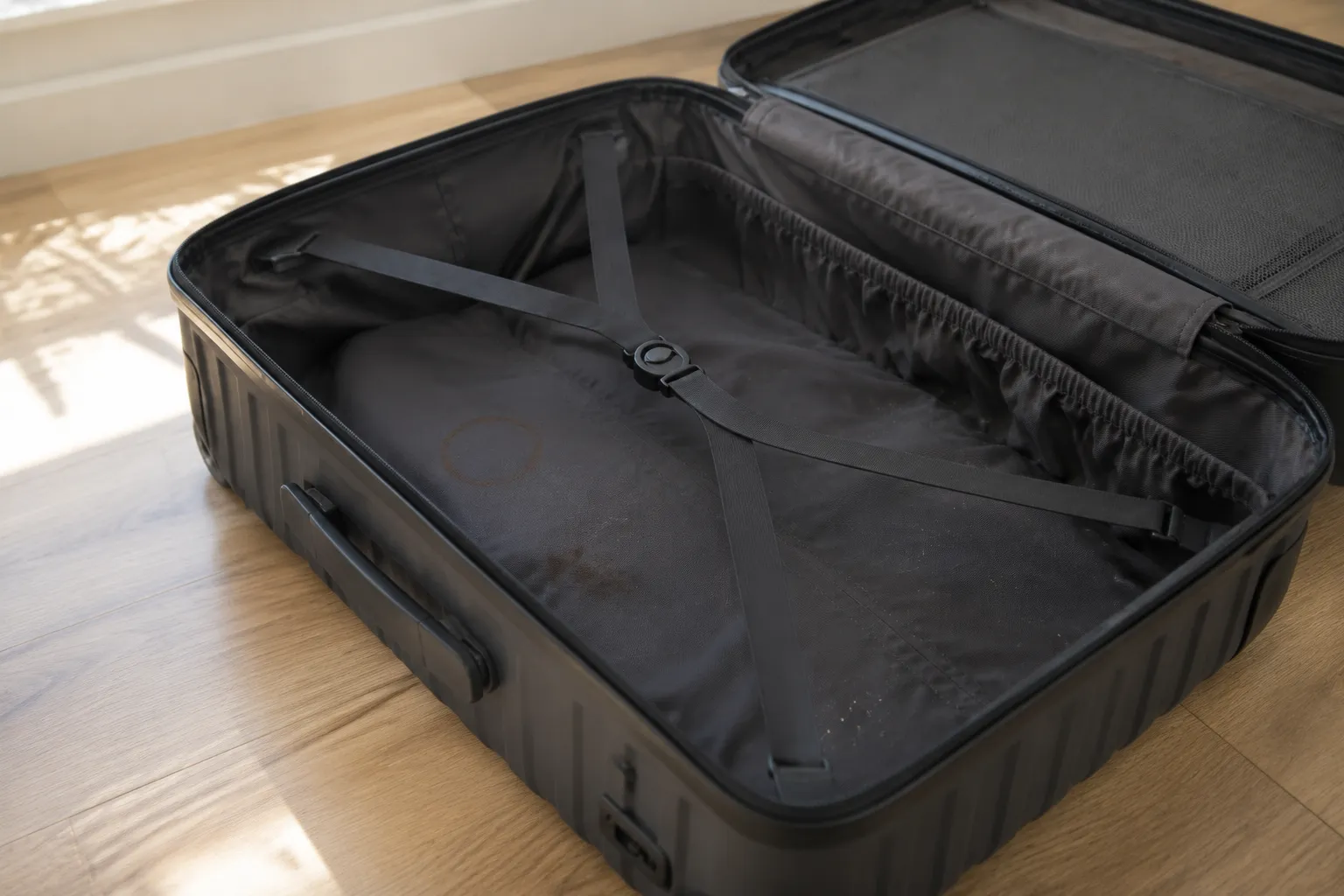
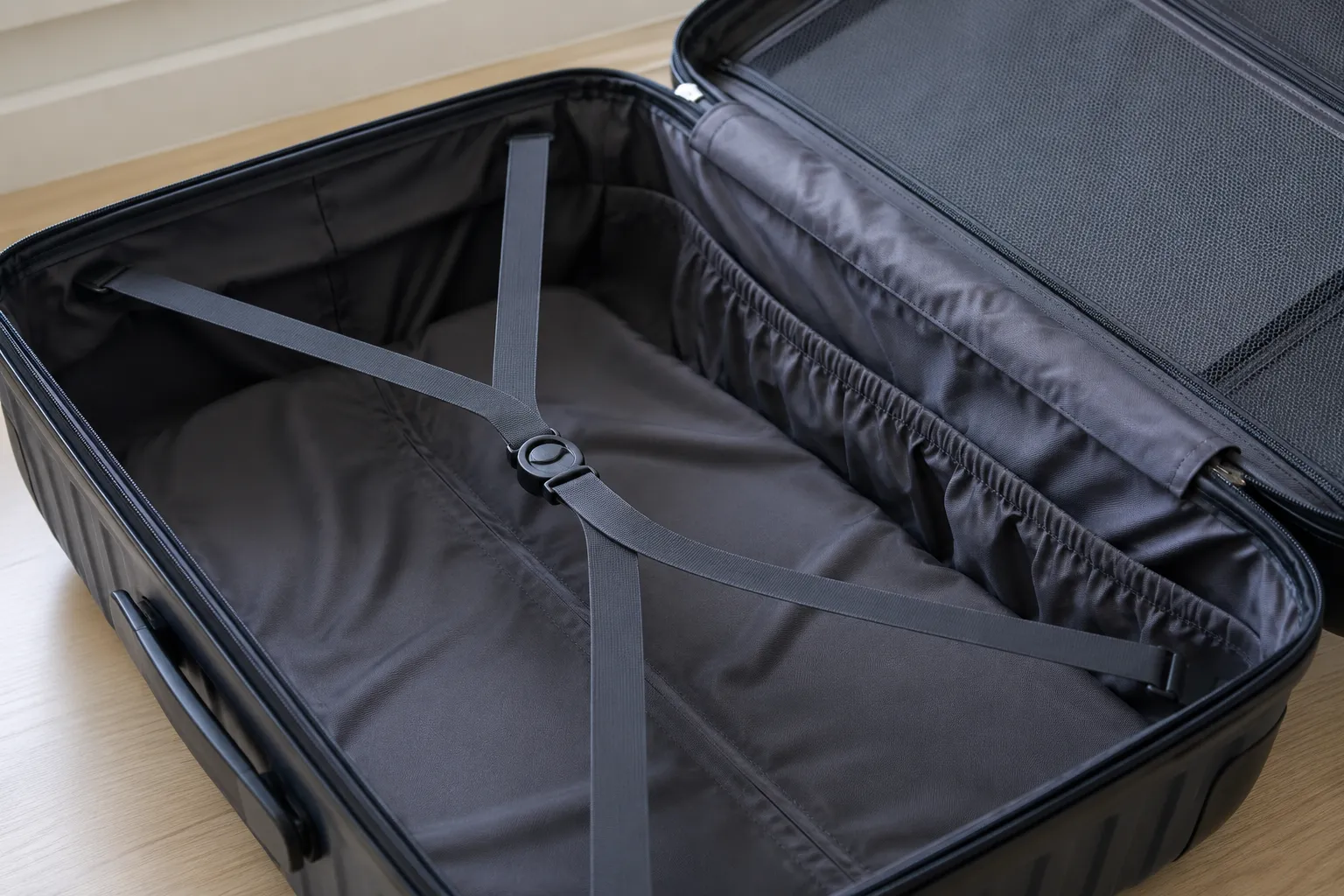 After
After
Request: Need to clean plastic suitcase from dust and minor scratches after flight.
Done: We performed hand washing using car shampoo and plastic polish, removed scratches.
Cost: 12 000 ₸
Master: Aigul Serikova, dry cleaning master
Total: Suitcase shines, scratches removed, surface smooth and clean.
 After
After
Request: Fabric suitcase got dirty in the luggage compartment, needs deep cleaning.
Done: Performed dry cleaning with extraction, treated stains with a special compound.
Cost: 13 000 ₸
Master: Ruslan Kairbekov, dry cleaning master
Total: Suitcase completely clean, no stains or odors, fabric refreshed.
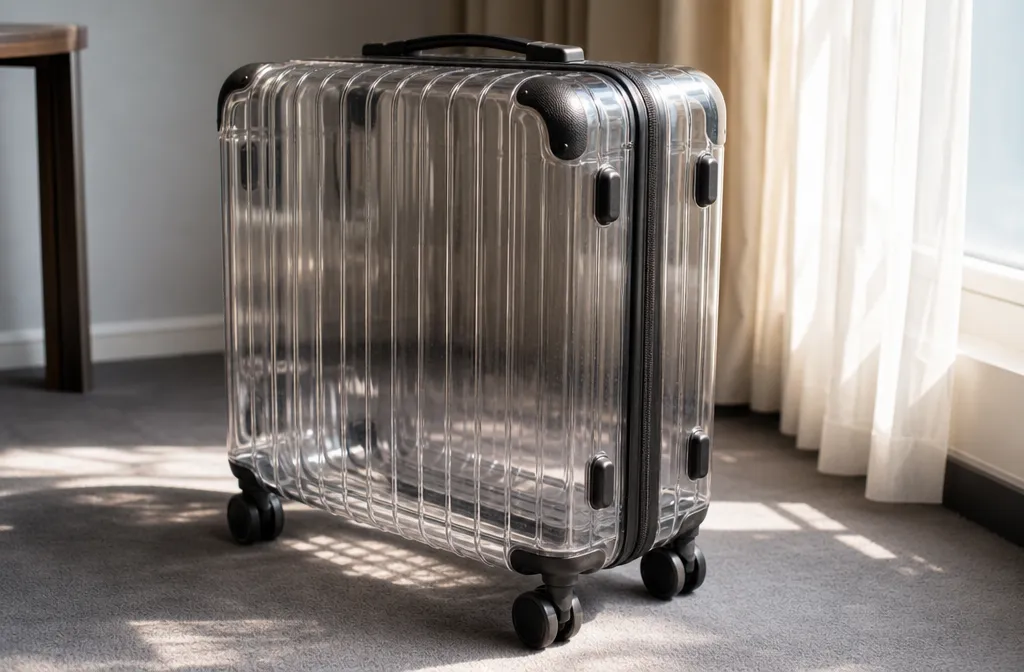
 After
After
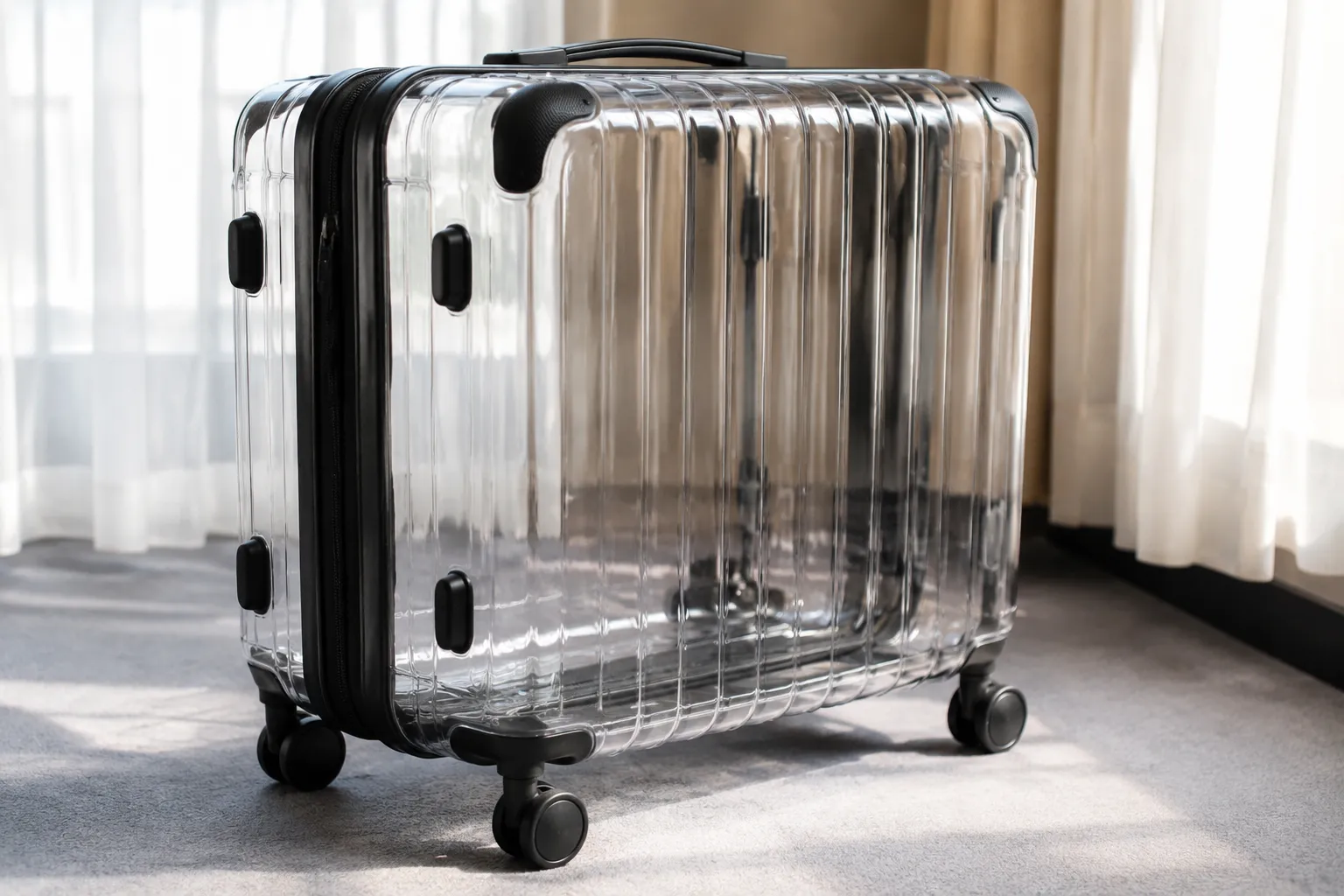
Request: Polycarbonate suitcase scratched and dusty, needs shine restoration.
Done: Polished the body, removed scratches, applied protective coating.
Cost: 14 000 ₸
Master: Diana Nurgaliyeva, dry cleaning master
Total: Suitcase like new, no scratches, glossy shine restored.
 After
After
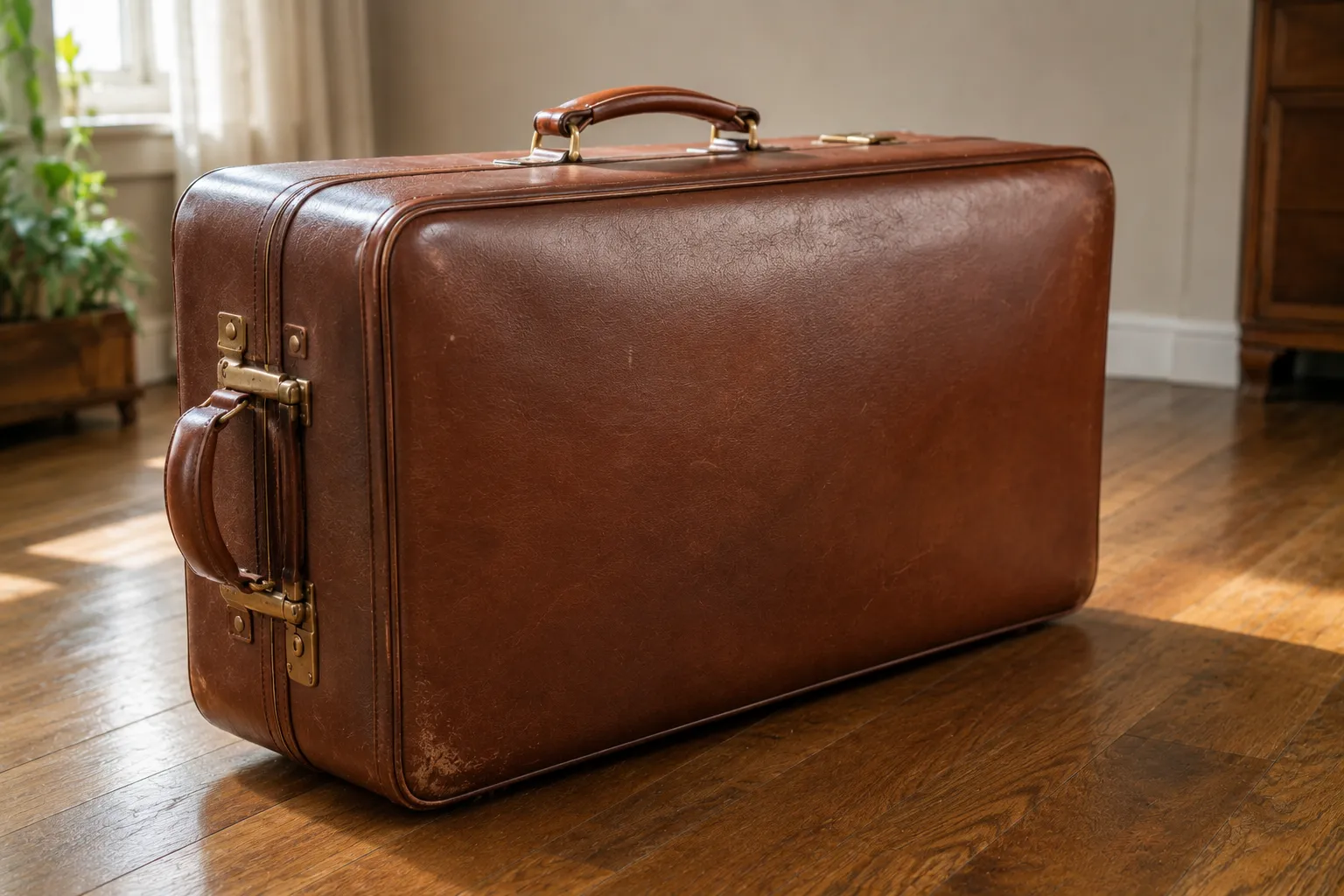
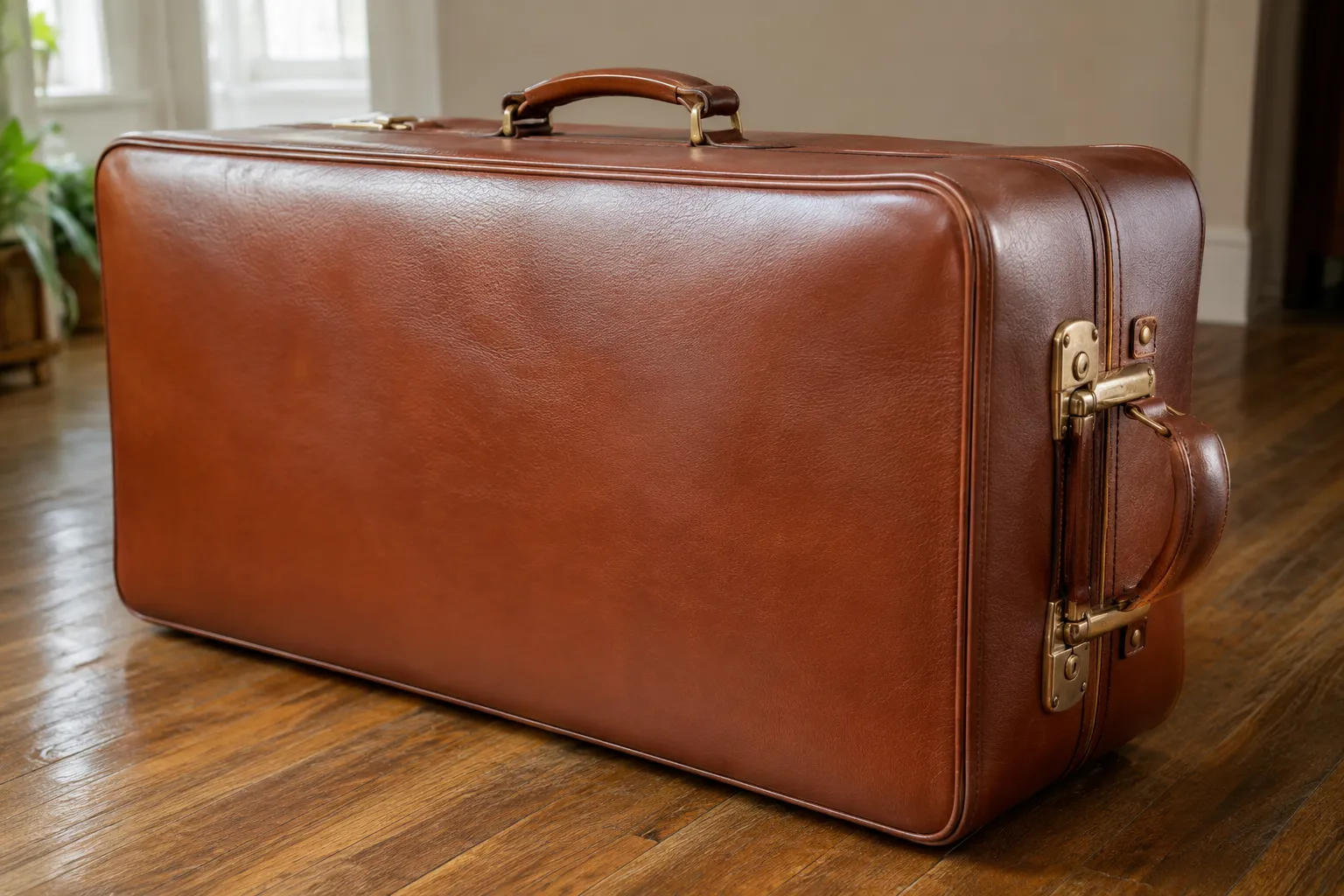
Request: Leather suitcase faded, has scuffs, needs cleaning and leather nourishment.
Done: Cleaned leather with special lotion, applied conditioner and protective cream.
Cost: 13 000 ₸
Master: Marzhan Akhmetova, dry cleaning master
Total: Leather is soft, color rich, scuffs removed, suitcase looks expensive.
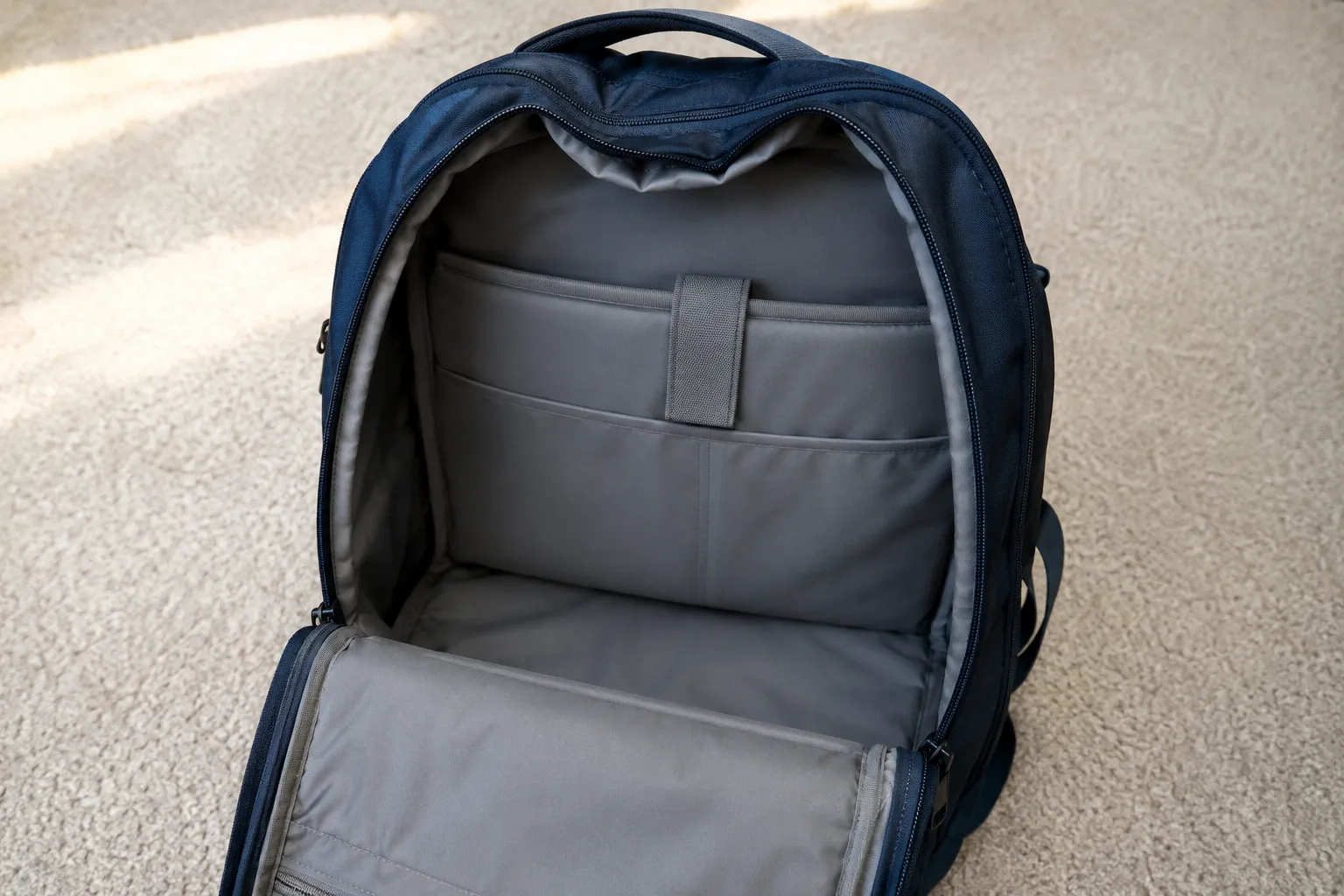 After
After
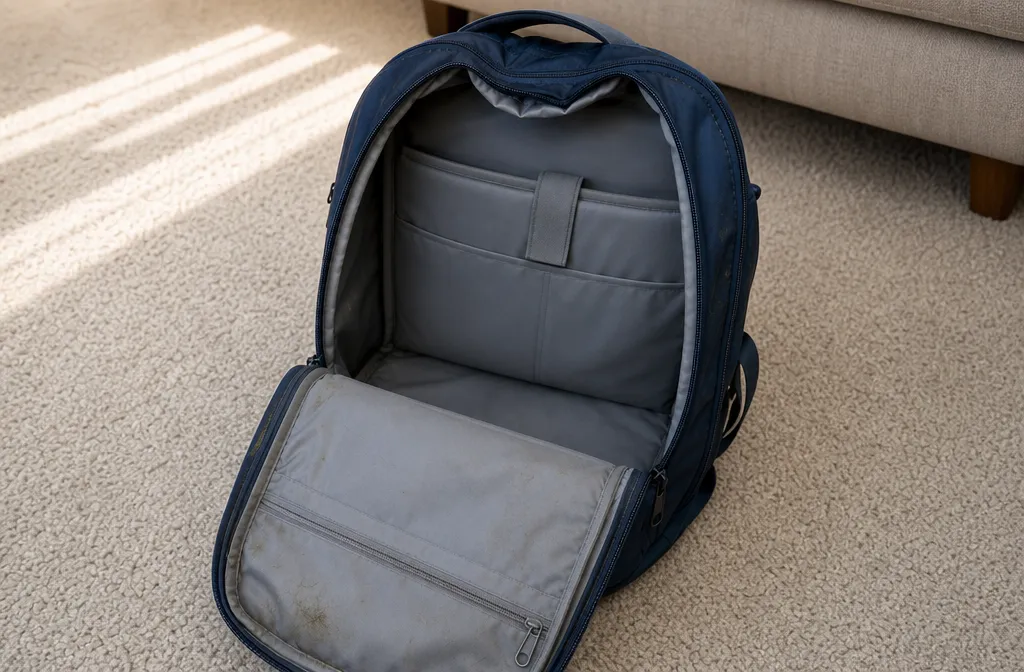
Request: Backpack dirty after hiking, with grass and soil stains.
Done: Performed manual brush cleaning, removed stains, rinsed and dried.
Cost: 12 000 ₸
Master: Yerzhan Kaliyev, dry cleaning master
Total: Backpack clean, no stains, fabric refreshed, looks tidy.
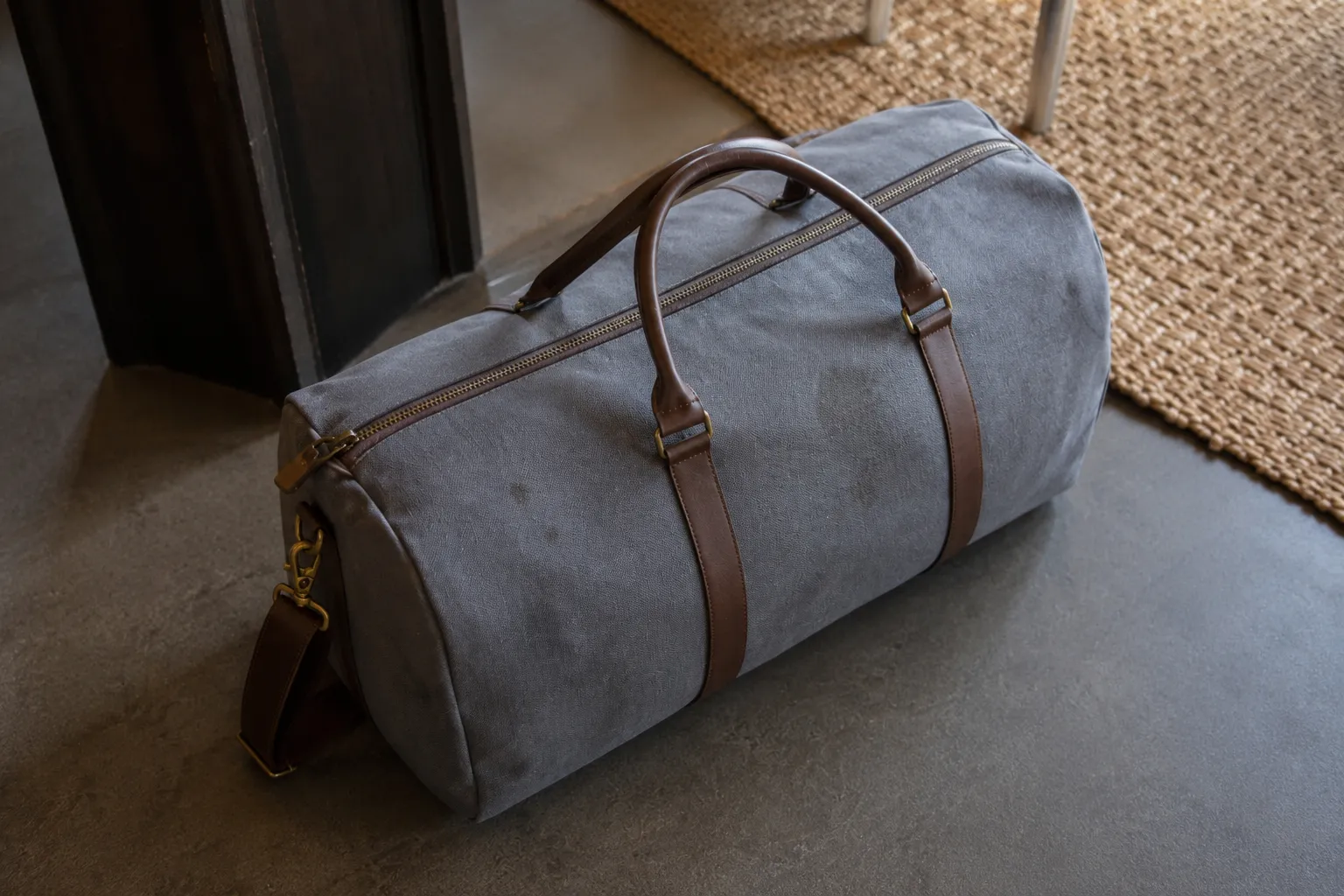
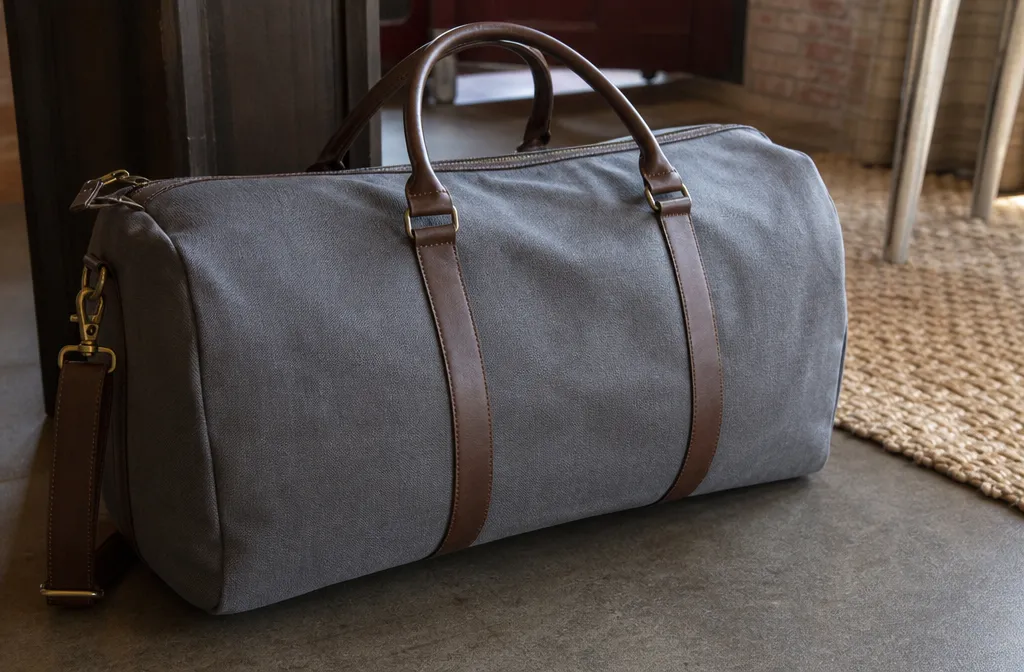 After
After
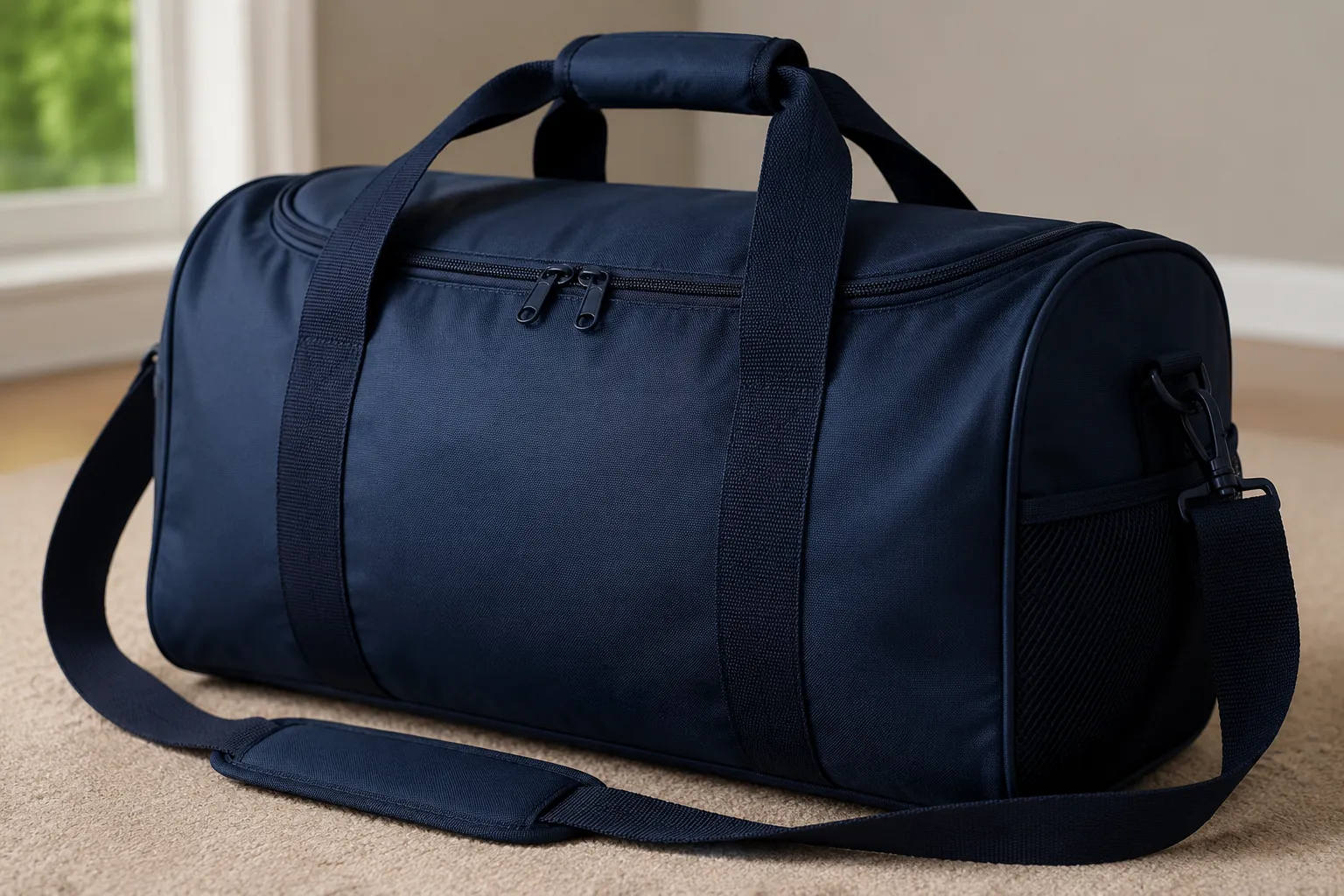
Request: The travel bag got dirty in transit, needs fabric cleaning.
Done: Treated stains, cleaned the entire surface with a carpet cleaner.
Cost: 14 000 ₸
Master: Saule Bekzhanova, dry cleaning master
Total: The bag is clean, no stains, the fabric is soft and pleasant to the touch.
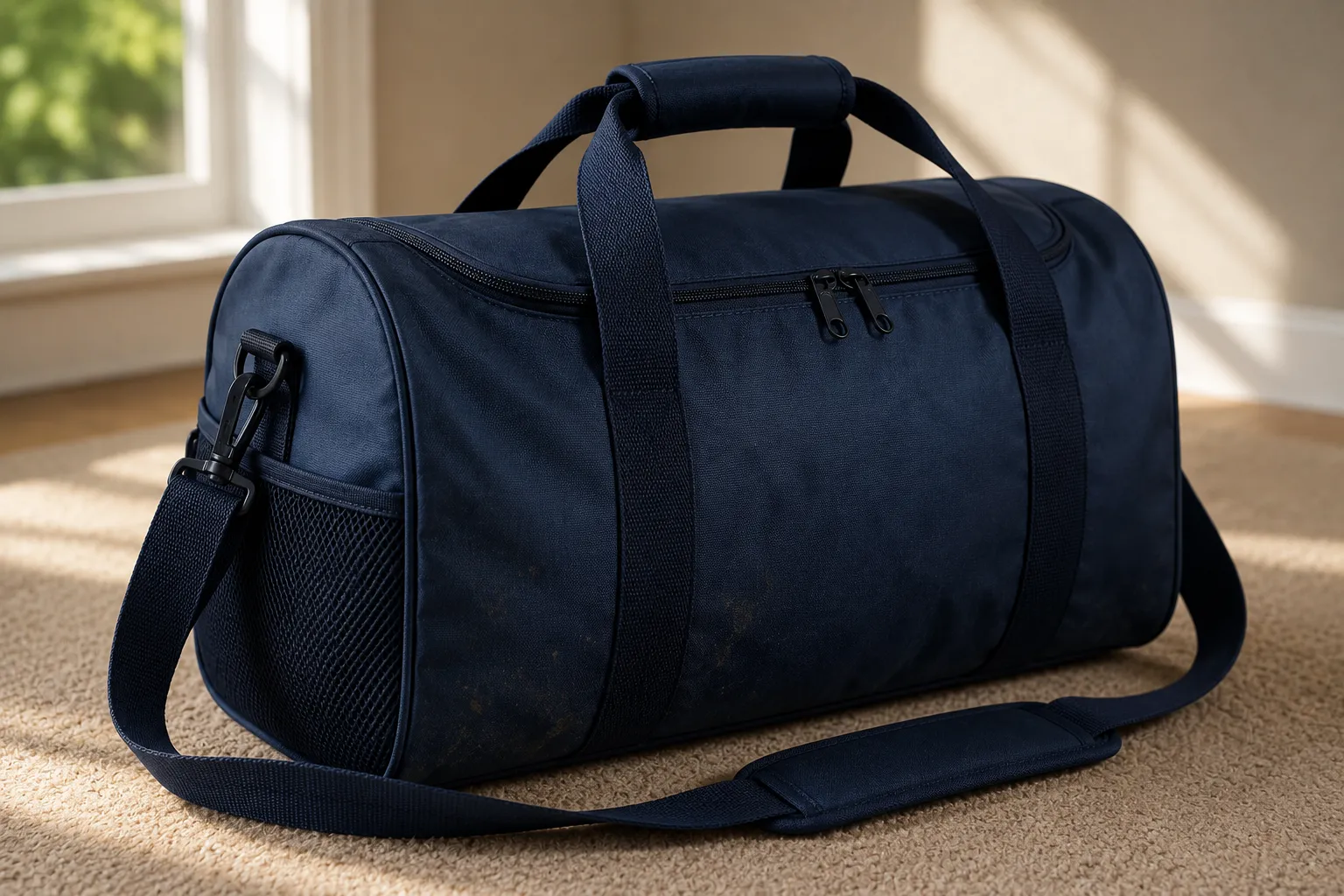
 After
After
Request: The sports bag smells of sweat and has grass stains.
Done: Performed deep cleaning with deodorization, removed odor and stains.
Cost: 13 000 ₸
Master: Aslan Temirbekov, dry cleaning master
Total: The bag is odor-free, clean, ready for new workouts.
 After
After
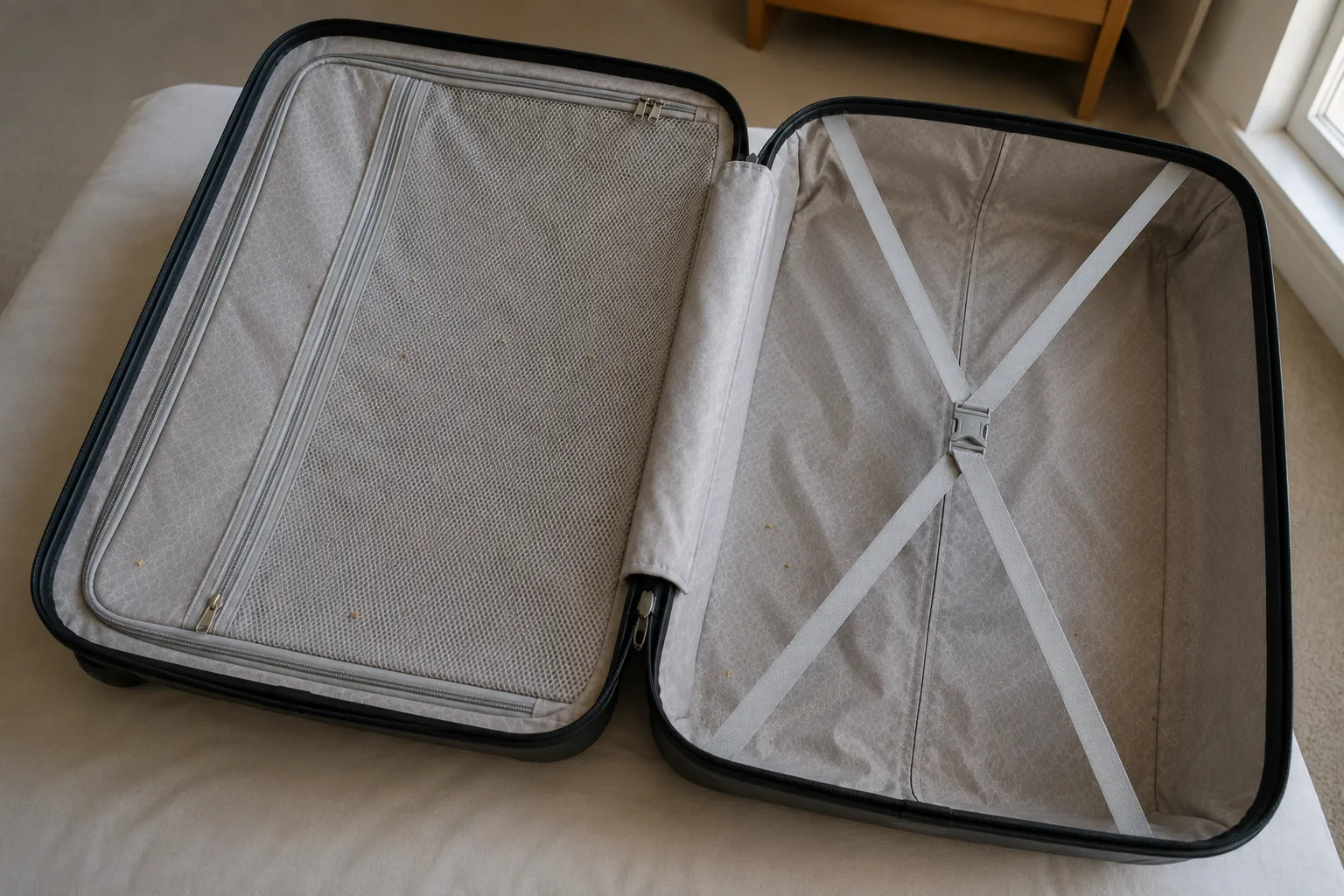
Request: The suitcase has stubborn coffee and juice stains, need to remove.
Done: Applied stain remover and hand cleaning, stains completely removed.
Cost: 12 000 ₸
Master: Gulmira Sadykova, dry cleaning master
Total: No stains, the suitcase is clean and fresh, with no traces of dirt.
 After
After
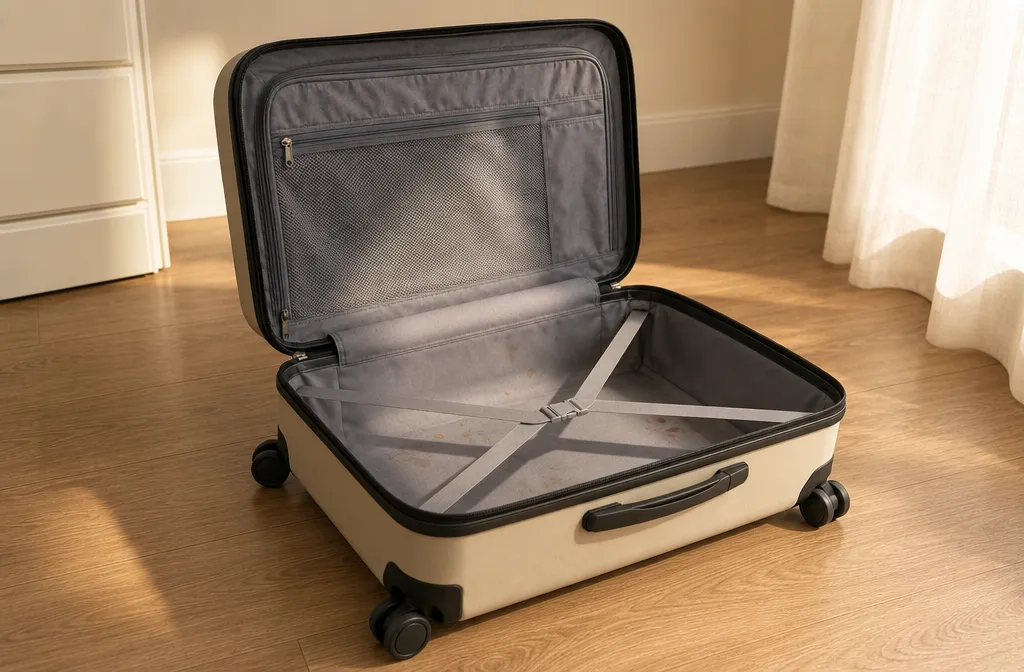
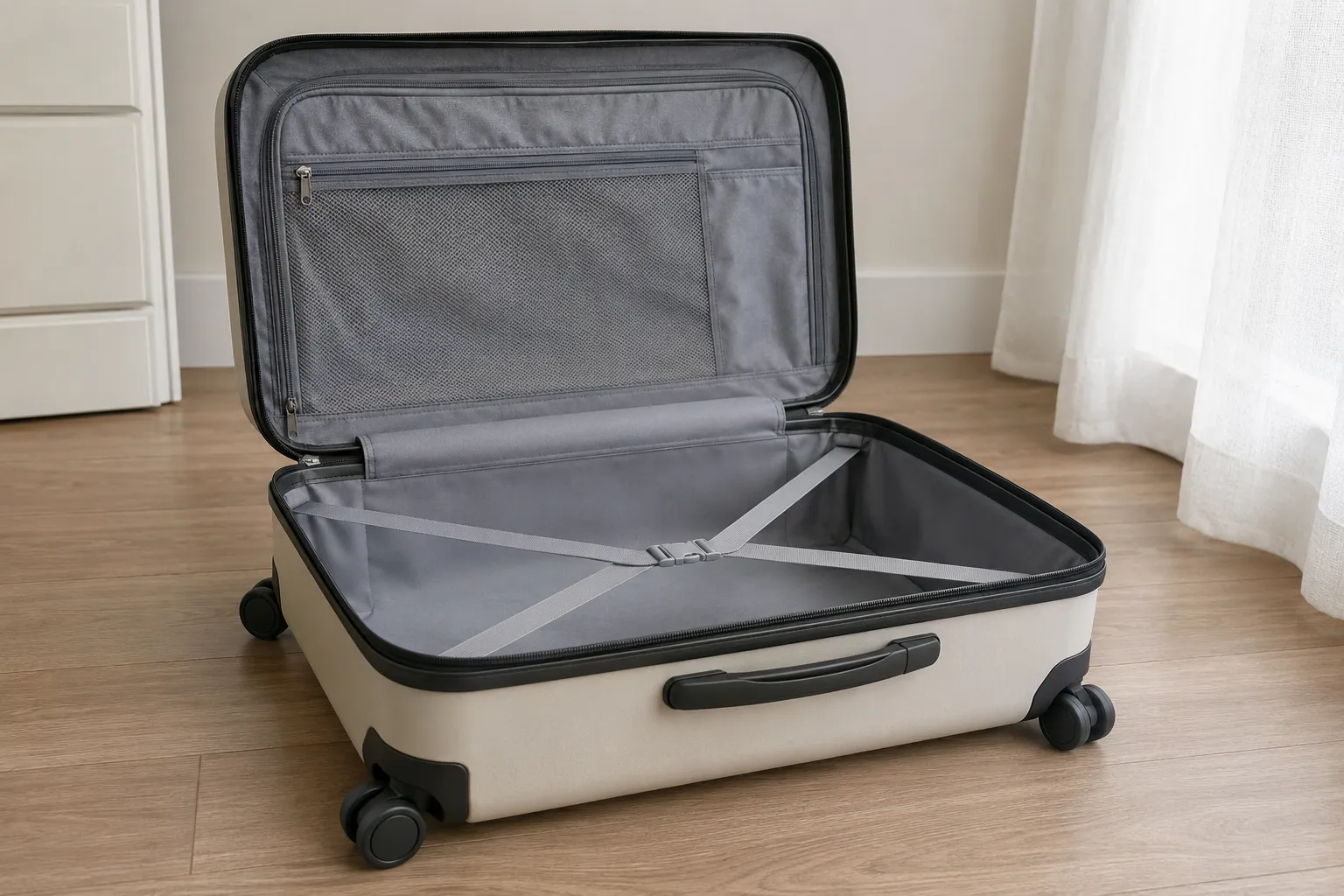
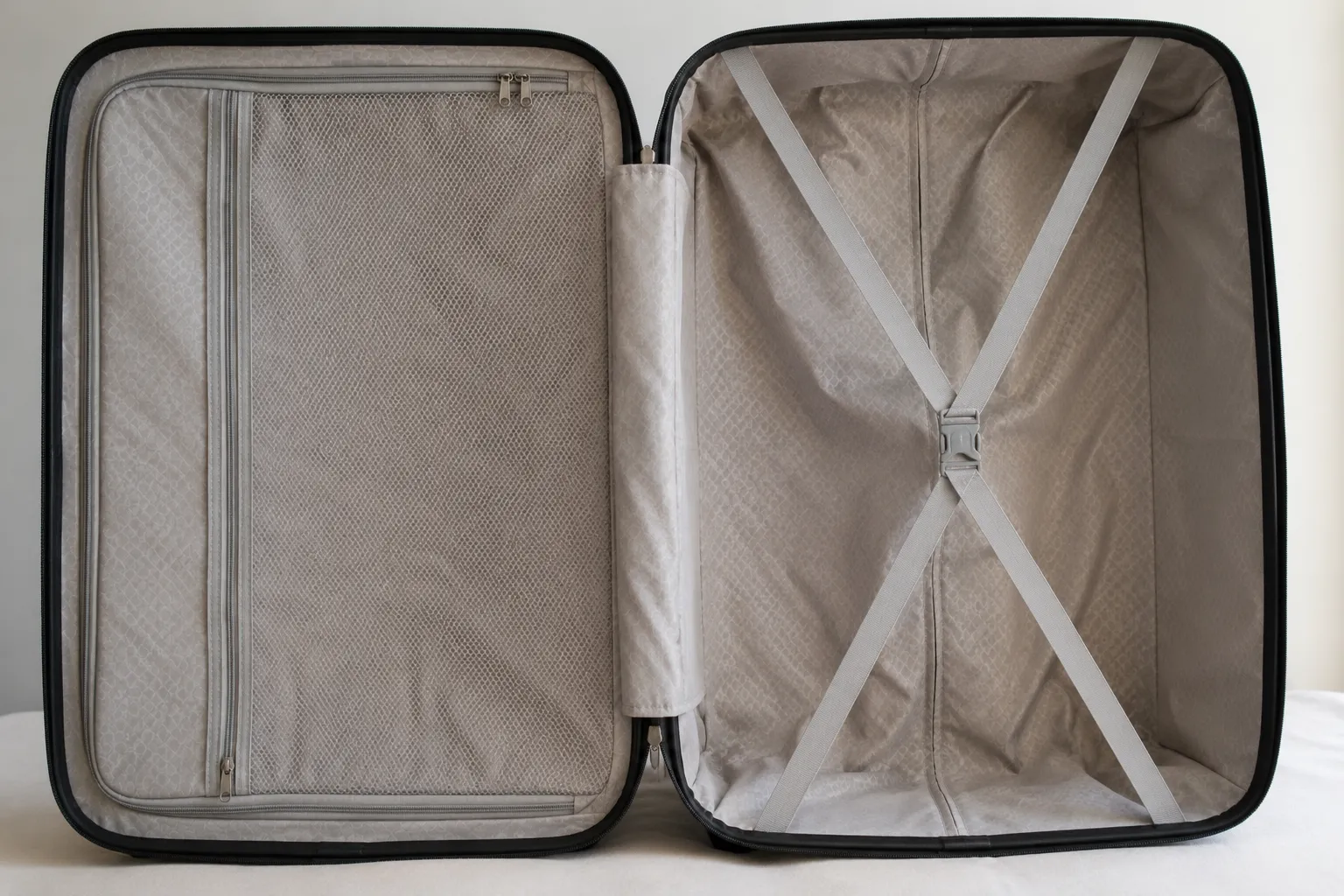
Request: Inside the suitcase there is dust, crumbs and an unpleasant smell, needs cleaning.
Done: Vacuumed, steamed and deodorized the interior surface.
Cost: 14 000 ₸
Master: Nursultan Ibraev, dry cleaning master
Total: Inside is clean, fresh, odor-free, ready for packing.
 After
After
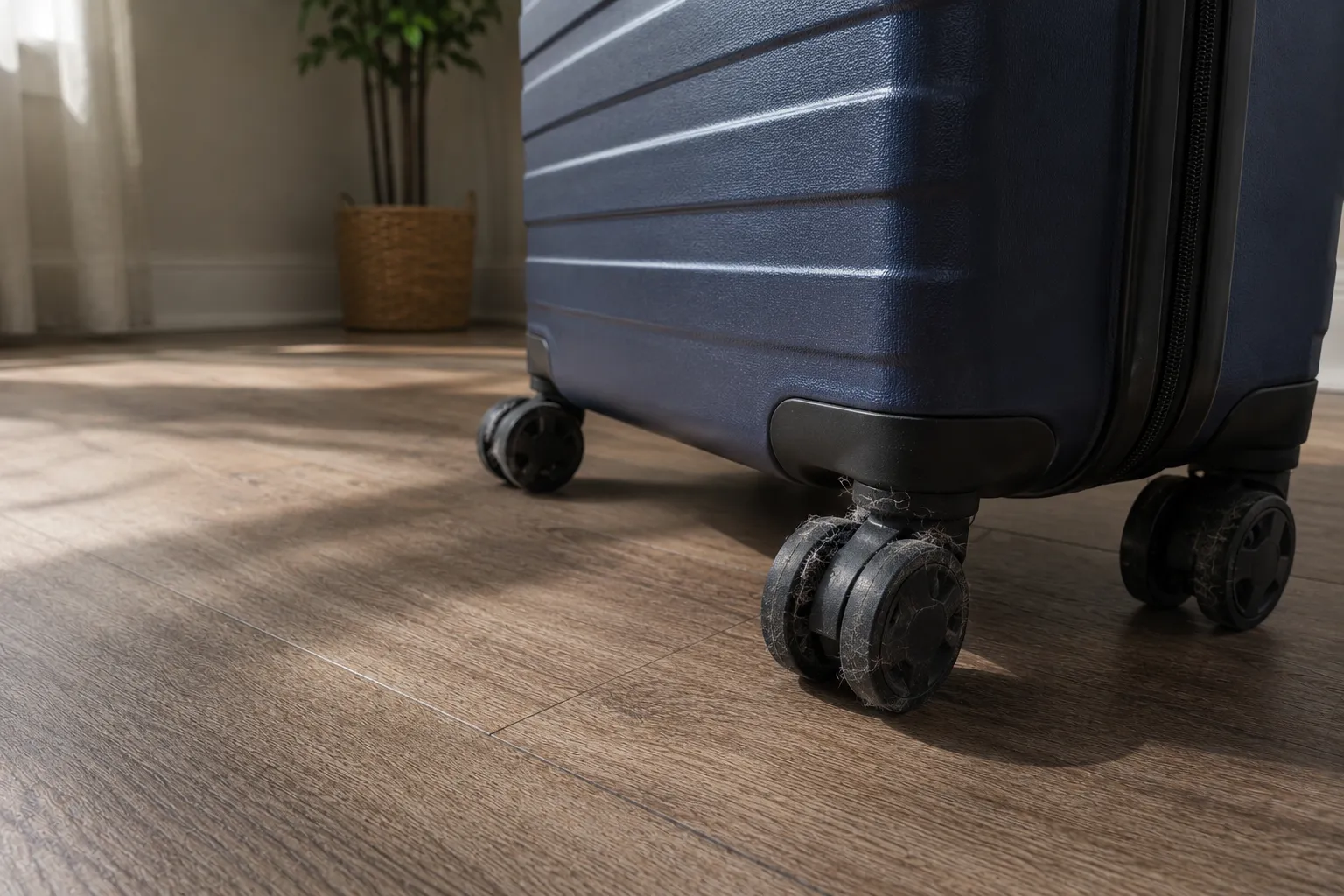
Request: Suitcase wheels are clogged with dirt and hair, roll poorly.
Done: Removed wheels, cleaned off tangled hair and dirt, lubricated.
Cost: 13 000 ₸
Master: Aizhan Muratova, dry cleaning master
Total: Wheels are clean, rotate easily, the suitcase is convenient for transport again.
All cleaners are profi-clean staff with training, uniform and security check. Each order has a team leader who controls quality.
After every trip, marks remain on the suitcase that differ not only in origin but also in the type of material — what washes off plastic easily can soak into fabric or polycarbonate. At profi-clean, over 8 years of work in Almaty, we have developed a classification of dirt that helps select the right composition and method without the risk of damaging the coating.
The most common problem is black streaks and oily marks from wheel mechanisms, which remain on the bottom of the suitcase and handles. On plastic models (polypropylene, ABS), such dirt stays on the surface and is removed with a degreaser in one pass, but on fabric suitcases made of polyester or nylon, the oil absorbs into the fibers — without a water-soluble stain remover applied at 40°C, the grease will remain in the lining layer. Even more aggressive are marks from airport conveyor belts: black rubber crumbs mixed with lubricant leave embedded streaks on polycarbonate suitcases that regular soap cannot handle — only an alkaline concentrate with a pH of 9-10 and mechanical treatment with a medium-hardness brush. In our practice, there was a case where a client brought a RIMOWA suitcase after a flight from Almaty to Istanbul: wheel lubricant had leaked inside the wheel well and spread across the bottom as an oily film — we had to disassemble the wheel unit and clean it with ultrasound. Before checking your suitcase in, wrap the wheels in stretch film — this reduces the risk of oil absorption by 60%.
Airline tags, customs stickers, and old tape from carry-on luggage leave a sticky layer that collects dust and darkens over time. On smooth plastic suitcases (polycarbonate, ABS), adhesive is removed with an alcohol solution or a special citrus-based adhesive remover in 10-15 seconds without dulling the finish, but on textured plastic with a pebbled surface, adhesive particles get trapped in the micro-relief — without a compressed air blow after treatment, a sticky film remains. On fabric suitcases, adhesive is only removed with steam at 120°C: hot steam softens the adhesive base, and it is removed layer by layer with tweezers — if you pull it off with dry tape, pilling will remain on the polyester. A separate category is stickers on faux leather suitcases: the adhesive reacts with the PVC coating, leaving a yellowish stain even after the sticker is removed, and it can only be neutralized with 3% hydrogen peroxide held under film for 15 minutes. The sooner you remove the tag after landing — before the adhesive bonds with dust — the less chance a contour will remain.
The bottom of the suitcase and the compartment for the telescopic handle collect up to 80% of all street dirt during a trip: sand, fine gravel, road dust mixed with de-icing agents (in Almaty conditions, this is a sand-salt mixture from the Medeu tract). Abrasive material accumulates in the wheel wells, which scratches the plastic from the inside as the wheels rotate — if the well is not flushed with an alkaline solution under pressure, the sand continues to act like sandpaper. The telescopic handle is another accumulator: dust mixed with oil gets into the mechanism, and over time, the handle stops locking. We clean telescopic guides in an ultrasonic bath with a neutral detergent — this washes particles out of hard-to-reach grooves that a brush cannot reach. On Samsonite suitcases with aluminum handle tubes, the abrasive wears down the anodized coating, after which the aluminum oxidizes and darkens — preventive washing every six months significantly extends the mechanism’s service life.
Spilled juice, coffee, yogurt, or broken oil in the luggage compartment are among the most difficult stains to remove because they soak into the lining and create a favorable environment for bacteria. Polyester or nylon linings trap organic matter in the fibers: if the stain is fresh (up to 3 hours), an enzyme stain remover at 30°C can handle it, but old coffee with milk stains require treatment with an enzymatic solution with a 40-minute dwell time followed by extraction cleaning — otherwise, a sour milk smell remains. On suitcases with textile interior lining (like Travelite), oil stains from broken bottles penetrate through to the insulation — without completely disassembling the inner pocket and washing it in a professional washing machine, the smell will return upon the first heating. In Almaty during summer, when suitcases sit in the heat of a car trunk, organic stains begin to ferment within 6-8 hours — upon returning from a trip, immediately remove your belongings and air out the suitcase with open compartments, otherwise the stains “bake in” and can only be removed by replacing the lining.
Deep scratches from conveyor belts, curbs, and sharp objects are not stains in the classic sense, but they visually spoil the appearance and collect dirt in micro-cracks. On matte polycarbonate (suitcases from a significant price point and above), scratches are masked by polishing with an abrasive paste of 3000-5000 grit — after polishing, the surface becomes glossy, and the scratch visually disappears, but on glossy ABS plastic, the same paste leaves streaks because ABS has a lower coating hardness. Black polypropylene suitcases (e.g., American Tourister) are the worst: scratches on them appear as white lines due to knocked-out pigment — polishing restores color only by 70%, leaving a grayish trace. If the scratch is deep (up to 0.3 mm), street dirt gets packed into it, and over time a dark “canvas” forms that cannot be cleaned out — only repeated polishing with a wax-based filler will help. Do not try to cover deep scratches with nail polish or a marker — the solvents in their composition corrode polycarbonate, creating a matte halo around the damage that is twice the size of the scratch itself.
Sticker, marker, and tape residue are among the most common contaminants on suitcases after flights and long-term storage. Unlike standard dirt, adhesive compounds and inks penetrate the pores of plastic or weave into fabric fibers, so a regular wet wipe won’t remove them. At profi-clean, we use professional solvents and techniques that remove such marks without damaging the surface — from glossy polycarbonate to Cordura textiles.
Many people try to remove sticker and marker marks with acetone, white spirit, or nail polish remover — and end up with matte spots on plastic or discolored areas on fabric. Acetone dissolves the top layer of polycarbonate and ABS plastic, leaving irreversible white streaks. On fabric suitcases (polyester, nylon), aggressive solvents destroy the water-repellent coating and wash out the dye, causing yellow or faded zones. In our practice, there was a case where a client tried to remove marker from a Samsonite suitcase with alcohol — it left a matte texture on the glossy plastic that had to be polished with a special paste. We only work with pH-neutral products (Sodasan, Kiehl) that break down glue and ink without reacting with the case material.
Residues from stickers and tape fall into three types: acrylic adhesive (from price tags and baggage tags), rubber adhesive (from heavy-duty tapes), and hot-melt adhesive (from baggage labeling stickers). Acrylic adhesive oxidizes over time on plastic, turning into a yellow, sticky film — the older the sticker, the more tightly it “fuses” with the surface. Rubber adhesive penetrates deeper into the pores of textiles and, when heated (e.g., by the sun), sets even more firmly. Hot-melt adhesive, on the other hand, becomes brittle in the cold and may peel off in pieces, but leaves an oily residue on plastic that cannot be washed off with water. We determine the adhesive type visually and select the solvent: for acrylic — an alcohol-based solution with a concentration no higher than 70%; for rubber — a citrus-based cleaner; for hot-melt — mechanical removal followed by treatment. After removing the adhesive from fabric, we always apply a protective spray to prevent new dirt from clogging the pores.
Permanent marker (e.g., from markings on a baggage belt) leaves a stubborn pigment on polycarbonate that penetrates micro-cracks on the surface. A melamine sponge doesn’t help here — it scratches the gloss, and the marker gets trapped in the scratches, making them more noticeable. At profi-clean, we use a two-step method: first, we apply a gel solvent based on isopropyl alcohol (without acetone) for 3–5 minutes — it lifts the pigment from the pores. Then, we treat the area with a microfiber cloth and plastic polish, which restores the shine. If the marker has been there for over a month and has soaked in deeply, we add a final polish with a machine using a soft pad — this completely removes the mark without leaving a dull spot. On matte plastic (sand texture), the solvent is applied pointwise with a cotton swab to avoid blurring the texture boundary.
On textile suitcases (polyester, nylon, Cordura), adhesive and ink soak into the fibers, and simply dissolving them from the outside isn’t enough — the contamination remains inside the weave. A common mistake is scrubbing the stain with a brush and soap: this spreads the adhesive over a larger area and pushes it deeper into the fabric structure. We use a steam cleaner with a steam temperature of 120–140 °C: the steam softens the adhesive, after which we extract it with an extractor (a vacuum cleaner with a water filter) rather than rubbing it into the fabric. Any remaining marker pigment is removed with an oxygen-based bleach without chlorine — it is applied for 10–15 minutes, then rinsed off with cold water. For colored fabrics, we first test the solution on an inconspicuous area (inner flap or seam under the lining) to rule out color changes. After dry cleaning, we apply a water-repellent impregnation to the fabric — it seals the fiber pores, making it easier to remove adhesive and marker with a damp cloth on the next trip.
After removing sticker and marker residue, the suitcase surface is clean but exposed to new contaminants — especially if a solvent was used that slightly dried out the plastic or fabric. For the first three to four days, do not leave the suitcase in the sun or wipe it with alcohol wipes: the protective layer is recovering, and aggressive exposure could cause micro-cracks. For plastic, it’s enough to apply liquid car wax (without abrasives) — it creates a hydrophobic film, making stickers easier to peel off. For fabric, treat it with a water and dirt repellent spray (e.g., Nikwax or Collonil), renewing the coating once a month with frequent use. If a yellowish outline appears at the old sticker spot a week after dry cleaning, it’s adhesive residue that has “drawn out” from the pores due to temperature changes: simply re-treat the area with steam, and the mark will disappear completely.
After your suitcase has undergone professional cleaning, its lifespan directly depends on how you handle it in the first few days and between trips. We’ve broken down three key areas of care — the things clients usually don’t think about until the first incident.
On a plastic suitcase (polycarbonate, ABS, polypropylene), a protective layer remains after dry cleaning — it does not need to be washed off. Plastic: after drying for 12 hours at room temperature, do not place the suitcase on its edge — point pressure on the corner of the body pushes through the polymer, and a network of microcracks appears at the contact point within a month. Fabric (polyester, nylon, Cordura): after treatment, the nap rises, and a temporary difference in shade may appear on light areas — this is normal, the pigment evens out in 2–3 days. In our practice, there was a case where a client placed a freshly dried fabric suitcase on the balcony in direct sunlight — UV rays burned a section on the top panel in 4 hours, making the tone uneven. Therefore, for fabric, keep the suitcase in the shade for the first two days.
The most common one is putting a cover on a damp suitcase immediately. Cover: if put on earlier than 24 hours after drying, a greenhouse effect is created inside, and sticky condensation appears on the plastic under the cover — it attracts dust, and within a week the suitcase becomes covered with a gray coating that can only be washed off with repeated dry cleaning. Vertical storage: plastic suitcases should not be stored upright after cleaning — under their own weight, the bottom panel deforms by 1–2 mm, and the wheel stops touching the floor. Handles and locks: after dry cleaning, we treat all metal elements with silicone lubricant, but if the suitcase is stored in a cold hallway (below +10 °C), the lubricant thickens and stops working — check the zipper’s movement before your next trip, it may catch. In Almaty in winter, this is a common situation in unheated vestibules.
48 hours after dry cleaning, perform a simple pre-trip check. Wheels: spin each one — if you hear a squeak or crunch, moisture has gotten into the bearing during washing; apply a drop of silicone lubricant to the axle and spin it 10 times. Telescopic handle: extend it fully and lock it — if it spontaneously retracts under a weight of 1–2 kg, the lock is loose; with a full suitcase before a trip, this will cause the handle to collapse while moving. Inner pockets: moisture may remain in the seams after drying — wipe with a dry microfiber cloth and leave them open overnight. Zipper: apply paraffin to the slider (rub it with a candle) — this is cheaper and more effective than special sprays; paraffin does not attract dust, unlike oil-based compounds. Before the trip, pack the suitcase in a cotton dust cover, not polyethylene — plastic doesn’t breathe, and after a month of storage in a cover, non-removable white streaks from static electricity appear on polycarbonate.
The suitcase does not require repeated treatment after every trip — maintenance between trips is sufficient. Repeat dry cleaning is necessary if: gray streaks from condensation appear on the plastic (they cannot be washed off with water and a microfiber cloth); a greasy stain remains on the fabric after contact with an oily handle on the plane, which does not come off with a wet wipe; the wheels stop spinning due to tangled hair and threads — they are cut off, but dirt inside the axle can only be removed during disassembly. Maintenance without dry cleaning: between trips, it is enough to wipe the body with a damp microfiber cloth with a drop of liquid soap once a month, and treat the wheels and zipper with silicone lubricant once every three months. In Almaty, due to dusty winds in spring and autumn, plastic dulls faster — if you notice that the matte finish does not go away after wiping, it’s time to bring it in for dry cleaning.
Regular cleaning and professional suitcase dry cleaning are fundamentally different processes: the former removes surface dust and crumbs, the latter penetrates the fabric structure and seals the plastic pores. profi-clean cleaners see the consequences daily of owners rubbing their suitcases with household products and ultimately ruining the coating. Let’s break down the key differences based on three parameters: type of dirt, methods of treatment, and risks to the material.
Regular wet cleaning handles road dust, rain streaks, and accidental splashes — the things that settle on the surface during the day. Dry cleaning of suitcases in Almaty targets oil stains from wheeled cart wheels at the airport, greasy handprints, tar streaks from baggage belts, ingrained dirt in seams and textile inserts. We had a case: a client brought in a Tumi suitcase that had been wiped with a wet cloth after every flight — after six months, micro-particles of sand and soot had soaked into the nylon, and regular cleaning only smeared the dirt. Our equipment applies solution under pressure and immediately vacuums it up along with the dirt, preventing it from penetrating deeper. If a suitcase has a grease stain older than a week, a regular sponge won’t remove it — an alkaline pre-spray with a dwell time of 5–7 minutes and subsequent extraction is needed.
Home suitcase cleaning involves a sponge, soapy solution, and mechanical friction, which wears away the top layer of polyurethane or the lacquer coating on plastic. Professional dry cleaning of suitcases from profi-clean uses an extraction machine (steam-water vacuum cleaner with heating up to 80–90 °C) and neutral enzyme shampoos — they break down protein and grease without damaging the fiber structure. On polycarbonate suitcases, we use an abrasive-free foam that envelops dirt particles and rinses off without contact; on fabric suitcases, we use a rotary brush with soft bristles, but strictly without pressure. The mistake most clients make is using “Vanish” or bleach on colored suitcases: the bleach eats away the pigment, leaving yellow streaks on polyester that nothing can remove. In our practice, replacing damaged fabric on an insert costs more than the dry cleaning itself.
Regular cleaning rarely considers the vulnerable areas of a suitcase: zippers, rivets, wheels, handles. Water seeping into the zipper slider causes metal corrosion, and soap under the wheel housings clogs the bearings, making the movement stiff within 3–4 months. Dry cleaning of suitcases involves pre-isolating the hardware: we tape over zippers and metal elements with painter’s tape to prevent alkali from getting on them. We treat plastic handles and telescopic handles with a separate microfiber cloth and silicone spray — this extends the mechanism’s lifespan. Another risk is shrinkage of textile inserts: if a fabric suitcase is machine-washed (and we hear such requests once a month), it deforms and won’t close. Our cleaners dry suitcases only in an open position at room temperature, never on a radiator or in direct sunlight, otherwise the polyurethane coating cracks. Before ordering dry cleaning of suitcases, check whether the technician isolates the wheels and zippers — this distinguishes a pro from a housewife with a rag.
The choice of suitcase directly affects how often and how effectively it can be cleaned — in our cleaning practice in Almaty, we see that the body material and interior lining determine up to 70% of the success of future dry cleaning.
Polycarbonate suitcases are the most hassle-free choice for dry cleaning: their smooth surface doesn’t absorb dirt, and traces of wheel grease, coffee stains, or rain streaks wash off in one pass without the risk of residual marks. Fabric models made of polyester or nylon behave in the complete opposite way — porous fibers trap dust particles and oily contaminants that become embedded after 2–3 trips, requiring not just surface but deep cleaning using an extractor. ABS plastic occupies an intermediate position: it’s harder than polycarbonate, but over time, micro-cracks appear on its rough texture where dirt gets lodged — this material takes longer to clean and doesn’t always restore its original color without special polishing. In our orders, ABS suitcases arrive with a “gray film” in 60% of cases, while polycarbonate returns to perfect condition on the first try.
The most finicky part of any suitcase is the lining, and here the key parameters are removability and fiber type. Fabric attached with Velcro or snaps that can be completely unzipped and sent to the wash virtually eliminates the risk of lingering odors — at profi-clean, we wash such liners at 40 °C with hypoallergenic Sodasan powder, and they dry in 4 hours. A non-removable lining made of cheap polypropylene, on the other hand, accumulates hand sweat, hand cream residue, and spilled shampoo, and over time begins to emit a sour smell that cannot be removed without dismantling. Look for models with nylon mesh pockets — they allow air to circulate, and condensation from flights dries within an hour instead of remaining trapped under the fabric. In Almaty, where indoor humidity is low in winter but sharp temperature changes upon entering from the street create condensation on the walls, a removable lining is not a luxury but a practical necessity for maintaining freshness.
Two-wheeled wheels made of hard plastic are the main source of greasy marks on the inner walls of a suitcase: the lubricant on the axle heats up in the aircraft’s cargo hold, melts, and drips onto the bottom of the shell, leaving oily streaks that are difficult to remove without a special degreaser. Four-wheeled roller systems with sealed bearings virtually eliminate this problem — the lubricant is sealed inside, and only street dust gets onto the shell, which washes off with regular foam. Telescopic handles with an aluminum body last longer and do not rust internally, whereas chrome-plated steel handles can corrode over time from contact with hand sweat — rust seeps onto the handle’s plastic and leaves stubborn orange stains. In our orders, we see such marks on every tenth suitcase older than three years, and removing them requires spot treatment with a mild acid.
Glossy suitcases in dark colors (black, navy, burgundy) are the most ungrateful choice in terms of maintenance: fingerprints, dust, and water spots are clearly visible on them, and after every trip you have to wipe the surface with a microfiber cloth, otherwise the suitcase looks unkempt. Matte surfaces in light shades (beige, gray, mint) mask minor dirt, but deep stains — spilled coffee or oil — appear contrastingly on them and require immediate dry cleaning, otherwise they set in within a day. A textured “sand” or “carbon” surface is a compromise: it hides scratches and dust, but dirt gets embedded in the texture and has to be cleaned out with a brush and neutral shampoo, not just a sponge. Before buying, run your palm over the sample — if it leaves skin marks, the surface will get dirty every time you pick up the suitcase by the handle.
I ordered dry cleaning of suitcases after a trip to Thailand — fruit stains and dirt from wheels were removed perfectly. Fresh scent, thank you!
Aigerim, glad the suitcase is like new! We look forward to seeing you again.
The white suitcase became noticeably cleaner, but a couple of gray streaks remained. Overall not bad, I'll accept it for the next trip.
Dry cleaning of leather suitcases — I took a risk, but the result exceeded expectations. Scuffs disappeared, leather is soft, no damage.
Daniyar, we use gentle formulations. Thank you for your trust!
They cleaned the stroller after autumn puddles – fabric and wheels are like new. Even juice stains disappeared.
Had a backpack-suitcase dry cleaned – they removed an oil stain and sweat odor. Very prompt, within 2 days.
Yerlan, thank you! We have an express service.
Fabric suitcase cleaning took 4 days, though they promised 2. Coffee stains are gone, but a faint chemical smell remains.
Assel, we apologize for the delay. We'll reprocess it for free, the smell will go away.
After a business trip, the suitcase was dirty – I ordered suitcase dry cleaning, it came back perfectly clean. The wheels now roll better.
The sports bag was cleaned of sweat odor and stains after the gym. Even the zippers are easier to close now.
Dinara, glad you noticed the details!
Suitcase dry cleaning saved my old Samsonite – dirt on wheels and handle was removed. Scratches remain, but I'm happy with the cleanliness.
I was afraid the stickers would peel off, but the master carefully worked around them. The suitcase shines, even vacuumed inside.
Gulnara, we always consider customer preferences.
Huge 120-liter suitcase – dry cleaning handled it in 3 days. Wheel grease stains removed, now smells pleasant.
A light leather bag was ruined by water stains after rain – profi-clean restored its original look. Very careful work.
Olga, thank you! Come back again.
Old portmanteau made of thick fabric – thought it couldn't be cleaned. The guys did suitcase dry cleaning, and it looks like new from the store.
Children's suitcase with drawings – marker stains were removed almost completely. A slight trace remains on the zipper, but overall great.
Saule, we'll try to improve it on the next order.
Ordered dry cleaning for a tool case – machine oil and dirt were washed out. Looks like new.
Purple suitcase after dry cleaning became slightly paler at the corners. Stains are gone, but the color suffered. I hope it's a fabric feature.
Lyazzat, we apologize. Perhaps the dye was unstable. We'll offer compensation.
After transporting fish, the suitcase stank – dry cleaning completely removed the odor. Now it can be used again.
Bakhtiyar, we use special odor neutralizers.
Suit bag after dry cleaning looks like new – coffee and lipstick stains disappeared. Very satisfied.
Grandma's old suitcase from the 80s – dry cleaning made the fabric lighter, but some stains remain. Not bad for its age.
Kanat, old stains are not always completely removed. Glad we could help.
Pink suitcase after a seaside vacation – salt and sand were cleaned out, zippers lubricated. The color became brighter.
Camera case – had dry cleaning at profi-clean. Internal dividers are intact, exterior looks great.
Vladimir, we work carefully with all materials.
Wheeled bag after moving was cleaned of dust and dirt. Even the wheels were lubricated, now it rolls quietly.
After storage in the basement, mold appeared – I ordered dry cleaning for suitcases. The mold was removed, but a faint musty smell remains.
Arman, we recommend airing it out. If the smell returns, we'll treat it again.
An expensive suitcase from the collection – I was afraid to send it for dry cleaning, but the result is perfect. No damage, the hardware shines.
Zarina, thank you for your trust! We know how to handle premium materials.
A case for equipment – the suitcase dry cleaning handled oil stains. Fast and high quality.
The fabric suitcase shrank after dry cleaning – it became 2 cm smaller. The stains were removed, but the size is disappointing.
Nina, we apologize for the oversight. We'll offer a discount on your next order.
Tactical backpack with impregnation – I ordered suitcase dry cleaning, the impregnation wasn't washed off, the dirt was removed. Everything is great.
Azamat, we use gentle products.
After winter, the suitcase wheels were clogged with dirt – cleaned to a shine, now they spin easily. The inside was also freshened up.
The document case got scratched – the suitcase dry cleaning removed the dirt, but the scratches remain. At least the inside is clean.
Serik, unfortunately, deep scratches cannot be removed. We're glad you're generally satisfied.
The suitcase for the honeymoon got dirty on the plane – stains from juice and chips were removed. Now it's a symbol of cleanliness.
Zhamilya, congratulations on your marriage! We're happy to help.
Guitar case – ordered dry cleaning for suitcases. The interior lining wasn't damaged, the outside was cleaned of dirt. The instrument is safe.
The suitcase with a floral print became dull – after dry cleaning the colors returned. Even the cherry stain disappeared.
Work suitcase with tools – dry cleaning helped, but the smell of machine oil remains faint. Otherwise excellent.
Baurzhan, we'll try to enhance the treatment on your next order.
The vinyl bag was cleaned of ink – now it shines. Pleasantly surprised that the material wasn't scratched.
Victoria, thank you! We have a special technology for vinyl.
Usually the process takes 1-2 hours depending on size and dirt level. Drying can take up to 30 minutes. Total time is no more than 3 hours.
Call us or leave a request on the website. The courier will pick up your suitcase for free when ordering under an individual tariff. After cleaning, we will deliver it back within the day.
Yes, we only use professional Kiehl products that do not damage materials. The Karcher extractor operates with controlled pressure, safe for fabric and plastic.
Yes, we separately treat wheels, handles, and locks. Mechanisms are cleaned of dirt and disinfected without losing functionality.
The price depends on size and material. Small plastic suitcase — at an individual tariff, large leather suitcase — at an individual tariff. The exact cost will be calculated by the master after inspection.
Small (up to 55 cm) — at an individual tariff, medium (55-65 cm) — at an individual tariff, large (from 65 cm) — at an individual tariff. For leather suitcases, the price is higher.
Small fabric suitcase — at an individual tariff, medium — at an individual tariff, large — at an individual tariff. The price includes cleaning of the lining and fittings.
Small plastic suitcase — at an individual tariff, medium — at an individual tariff, large — at an individual tariff. Additionally, you can order polishing.
We clean plastic, fabric, polycarbonate, and leather suitcases, as well as backpacks, travel bags, sports bags, briefcases, and cosmetic bags.
Yes, we clean backpacks (urban and hiking) at an individual tariff, travel bags at an individual tariff. For each item, we select an individual approach.
Tell us about your experience with profi-clean — it helps other clients and us improve.
We currently operate in Almaty. Other cities are coming soon.