Order acceptance
We consult the client, clarify the type of item, upholstery material, and nature of stains. We schedule a convenient time for pickup.
Professional dry cleaning of upholstered furniture, carpets, and mattresses with free delivery in Almaty

We work with any types and materials
We clean all types of upholstery: from velvet to microfiber, remove stains and odors.
from 11,000 ₸We treat each module separately, including hard-to-reach corners.
from 18,000 ₸We clean the sleeping area and transformation mechanism, remove dust mites.
from 11,000 ₸Thorough cleaning of armrests and seat, stain removal.
from 3,500 ₸We clean the upholstery and headrest, remove coffee and sweat marks.
from 3,500 ₸Gentle cleaning while preserving shape, safe for wooden elements.
from 3,500 ₸Deep cleaning with antibacterial treatment, removal of allergens.
from 7,000 ₸We clean carpets of any size and material, including wool and synthetics.
from 12,000 ₸Compact cleaning of seat and backrest, quick drying.
from 1,500 ₸We clean the soft upholstery of poufs of any shape, remove stains.
from 2,500 ₸Treatment of seat and decorative elements, safe for delicate fabrics.
from 2,500 ₸We clean the headboard upholstery, remove dust and grease stains.
from 2,500 ₸From inspection to result with guarantee
We consult the client, clarify the type of item, upholstery material, and nature of stains. We schedule a convenient time for pickup.
The courier comes to your address, packs the item, and delivers it to our dry-cleaning lab. A master visit to your home is also possible.
The master inspects the item, tests the cleaning agent on an inconspicuous area, and selects the cleaning mode.
Apply stain remover to stubborn stains, let it sit to soften dirt.
The Karcher extractor injects cleaning solution under pressure and immediately vacuums away dirt. Deep fiber cleaning.
Rinse with clean water, remove chemical residues, apply antibacterial solution.
Accelerated drying with industrial air blowers or natural drying in a ventilated room until completely dry.
We check the quality, pack, and deliver back to the client for free.
Karcher SE 4001 extractors (Germany) provide pressure up to 160 bar, allowing deep cleaning of fabric fibers. The cleaning solution is applied under pressure, and then dirt is removed by vacuum. This guarantees removal of up to 99% of contaminants, including stubborn stains.
Kiehl (Germany) products are certified hypoallergenic and safe for children and pets. They effectively remove stains and odors without leaving harmful residues. All formulations are biodegradable and non-allergenic.
We pick up items for dry cleaning and return them within 24 hours for free. The courier will come at a convenient time, pack the items, and deliver them to our lab. Save time and money on transport.
If after dry cleaning there are streaks, odors, or stains, we will redo the work for free. The guarantee is valid for 7 days from the date of return. We are confident in our quality, so we offer this guarantee.
Our 40 m² laboratory is equipped with industrial drying chambers that speed up drying to 2-4 hours. This allows us to return items quickly without risk of mold. All processes are supervised by a master.
Over 5 years, we have completed more than 3000 orders for dry cleaning with delivery. Our masters are trained to work with different fabrics and stains. We know how to restore freshness and extend the life of your items.
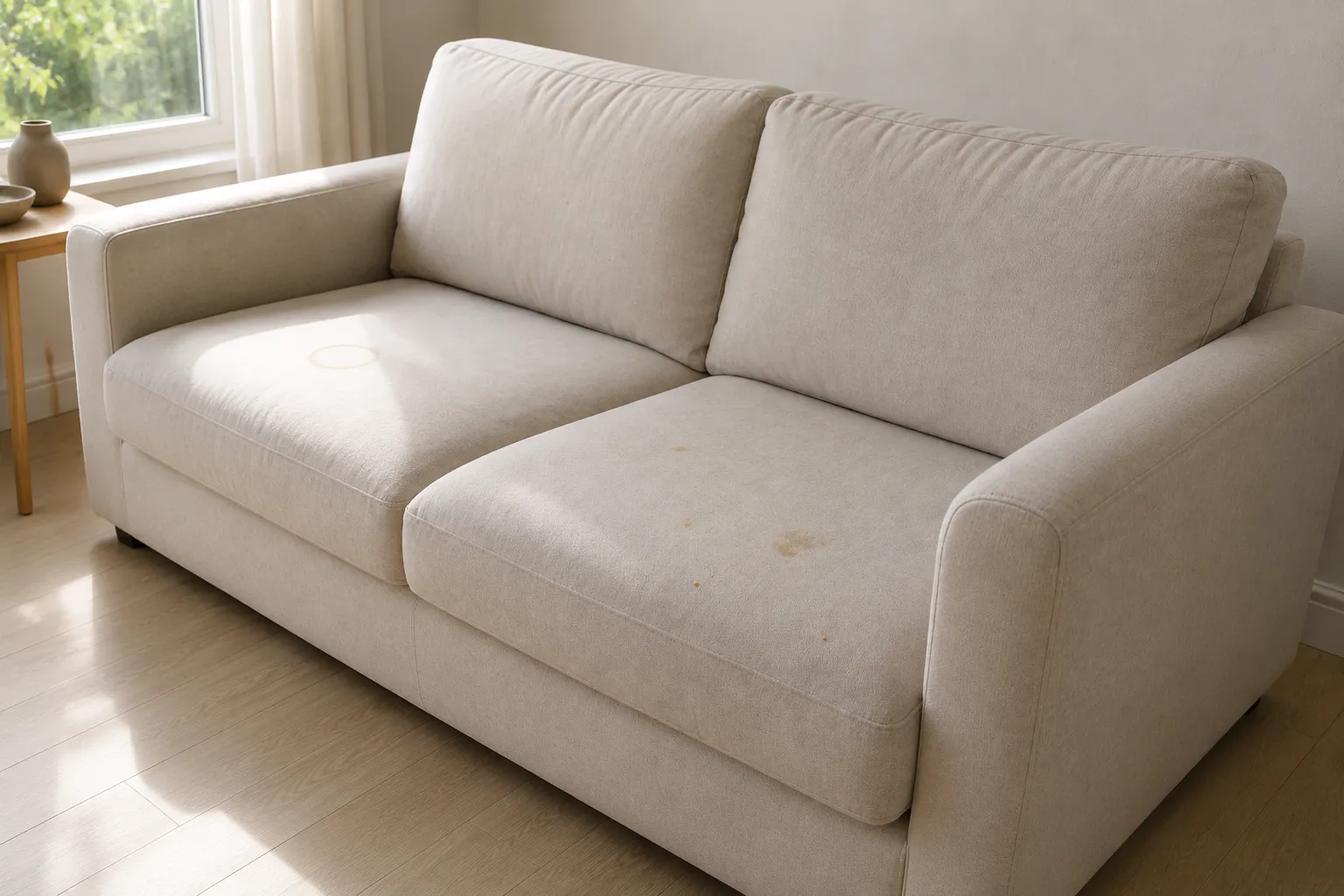
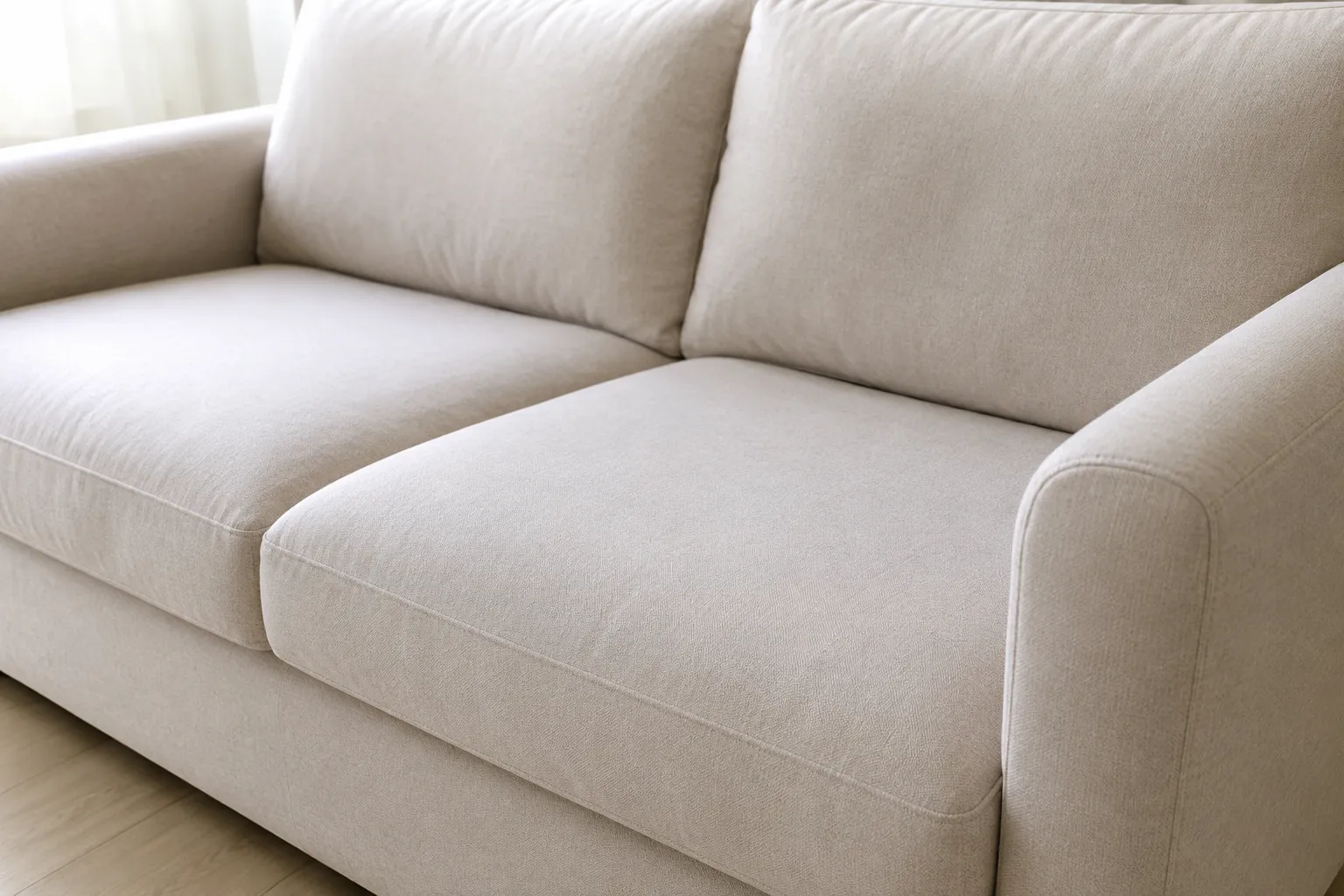 After
After
Request: Need to remove old stains and refresh the sofa upholstery.
Done: Deep cleaning performed using Karcher extractor and shampoo.
Cost: 11 000 ₸
Master: Aigul Nurgaliyeva, dry cleaning master
Total: Stains completely removed, color became even and vibrant.
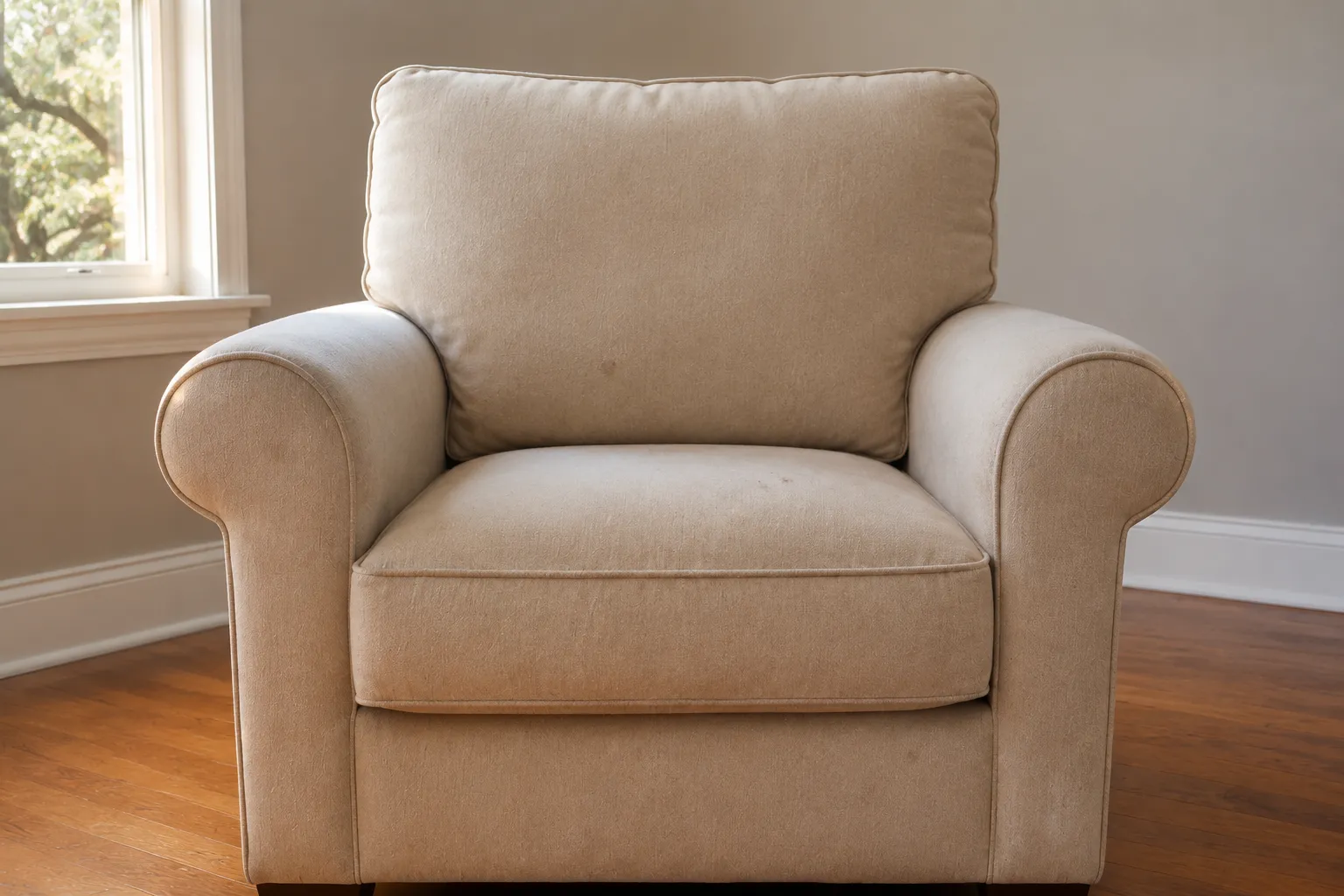
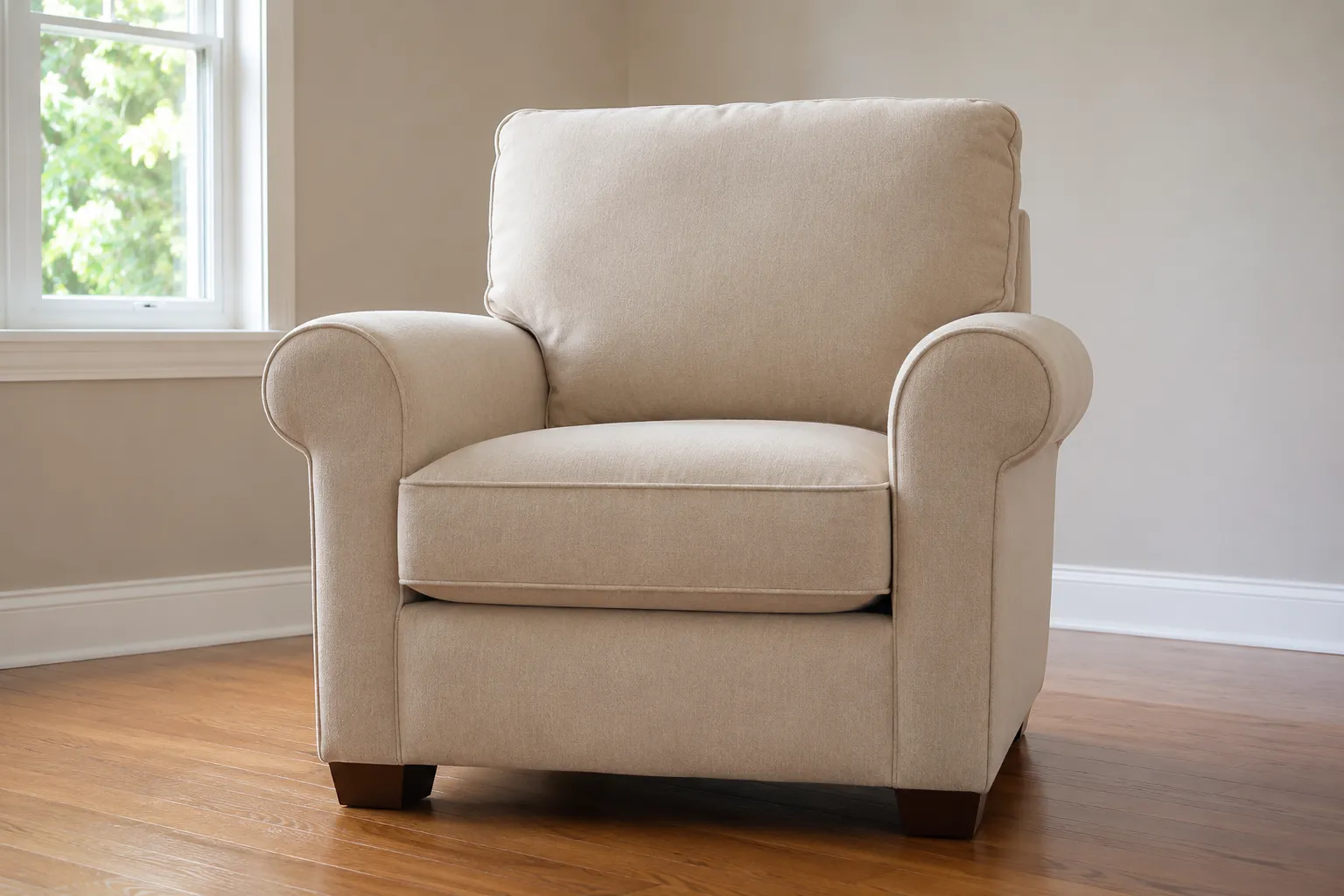 After
After
Request: Need to clean the armchair from dust and stains of unknown origin.
Done: Dry and wet cleaning performed using stain remover.
Cost: 3 500 ₸
Master: Timur Zhaksybekov, dry cleaning master
Total: Armchair became clean, odor-free, fabric soft to the touch.
 After
After
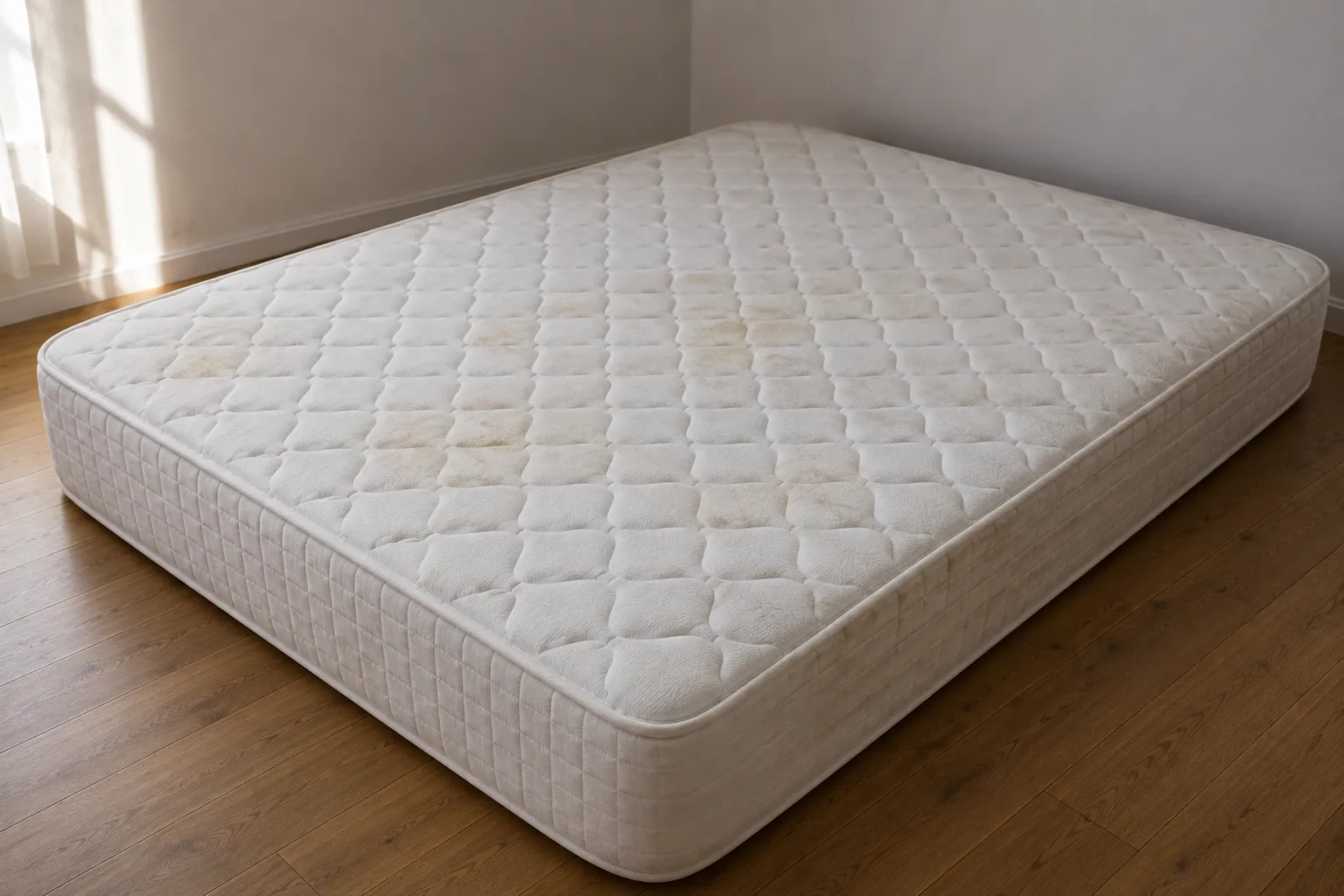
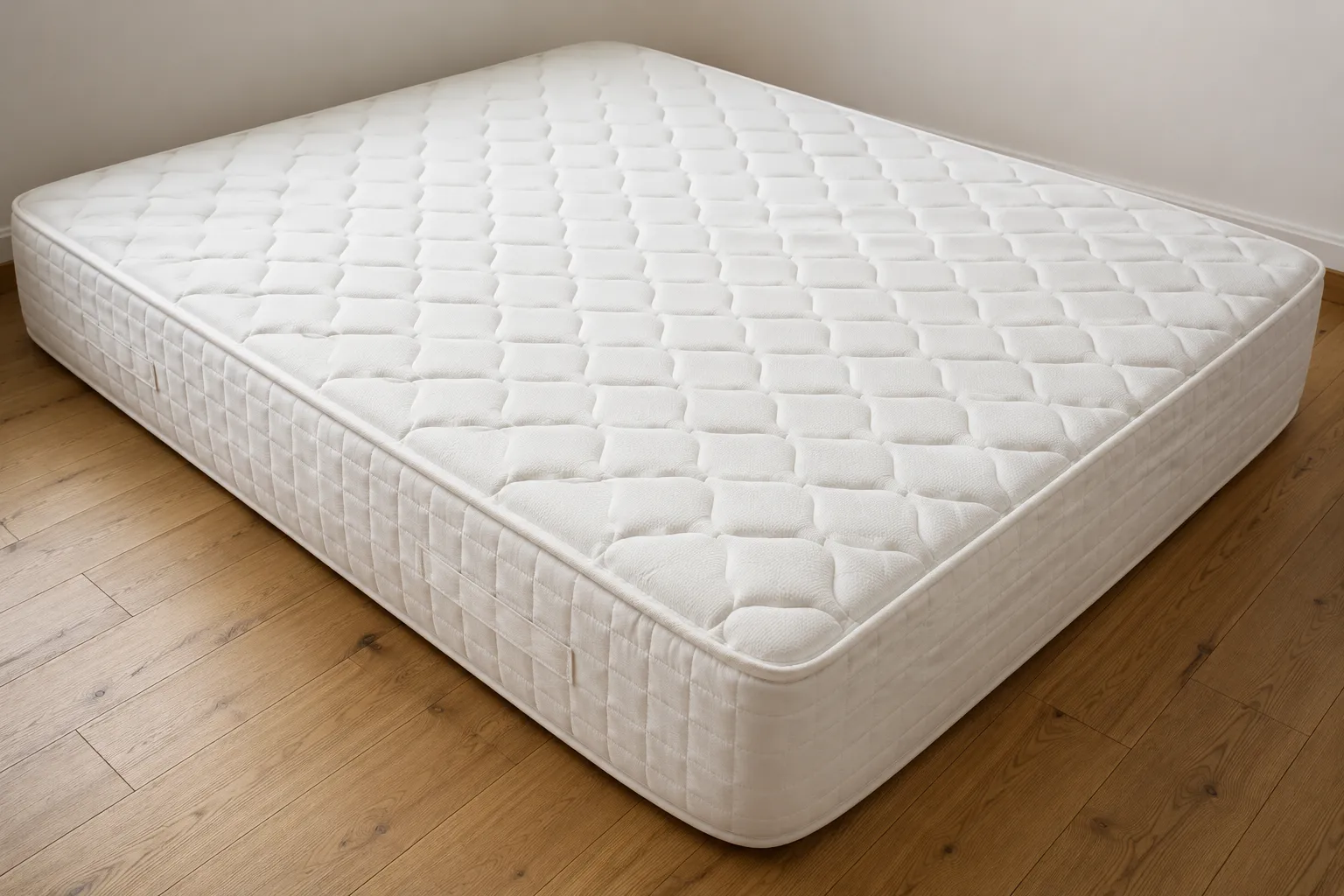
Request: Mattress yellowed from sweat and has an unpleasant odor.
Done: Treatment with enzyme cleaner and deep extraction cleaning.
Cost: 7 000 ₸
Master: Saule Abdrakhmanova, dry cleaning master
Total: Mattress lightened, odor eliminated, hypoallergenic surface.
 After
After
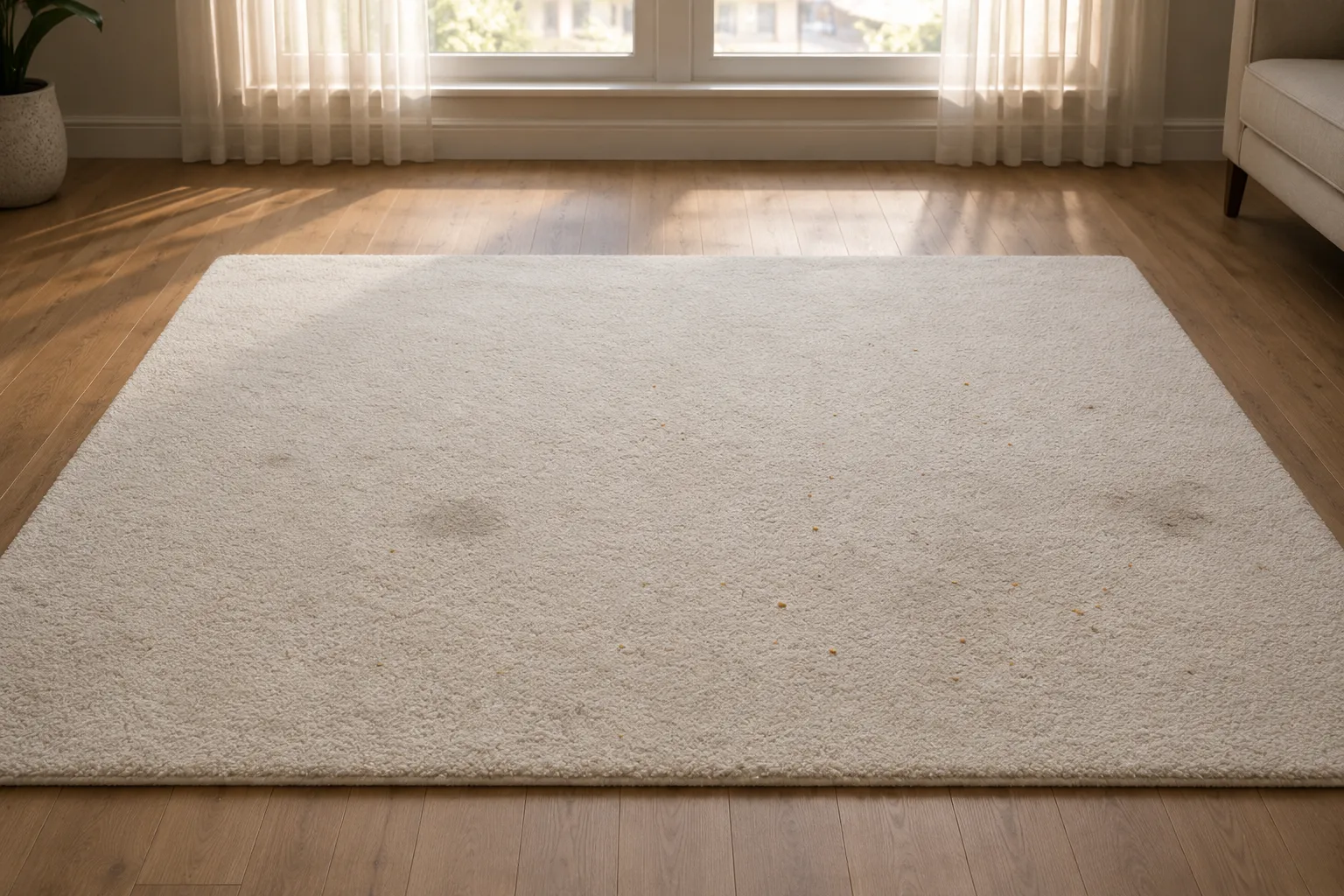
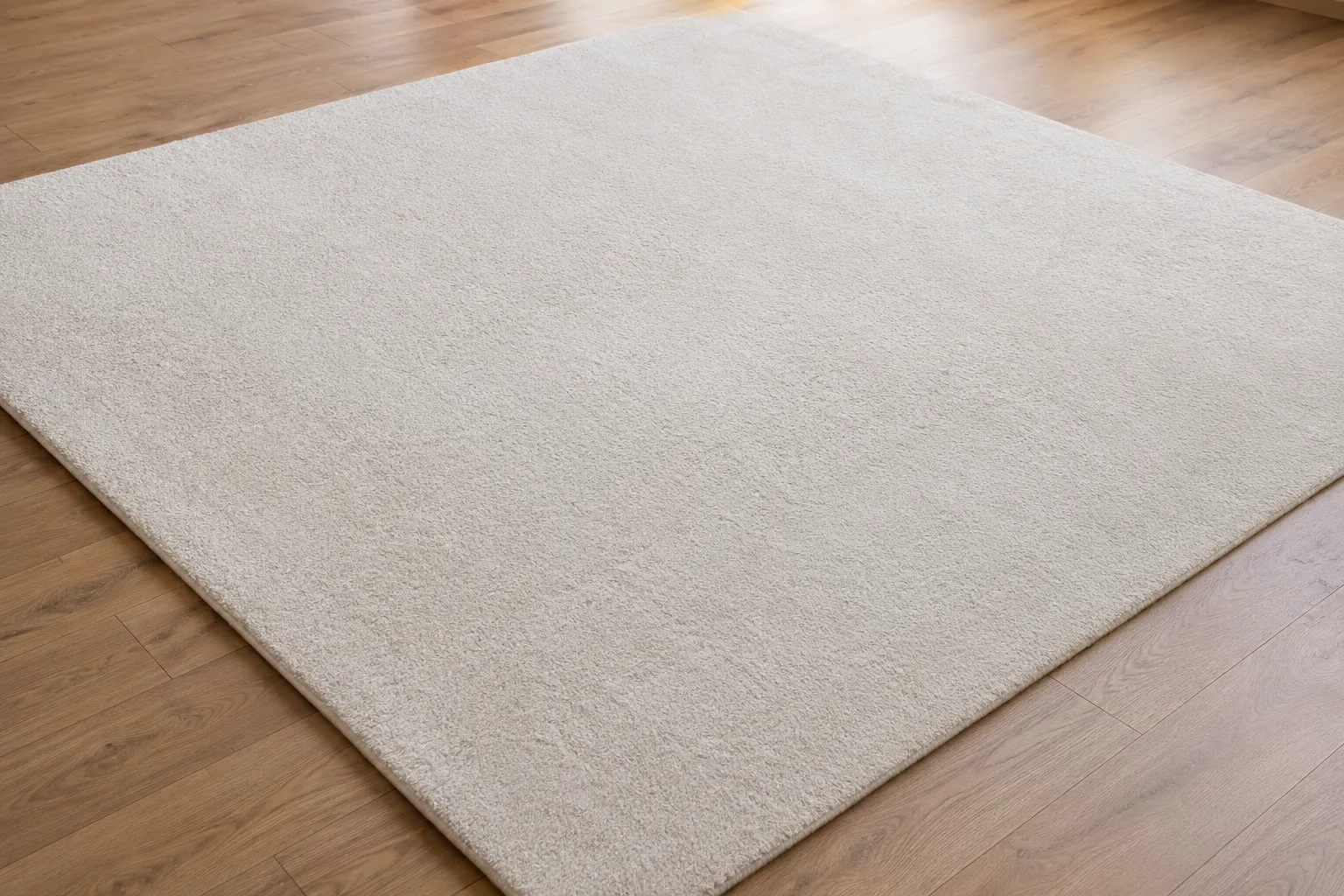
Request: Carpet heavily soiled, dark stains visible in places.
Done: Cleaning using rotary machine and carpet shampoo.
Cost: 15 000 ₸
Master: Dauren Kaliyev, dry cleaning master
Total: Carpet fully cleaned, pile lifted, colors bright.
 After
After
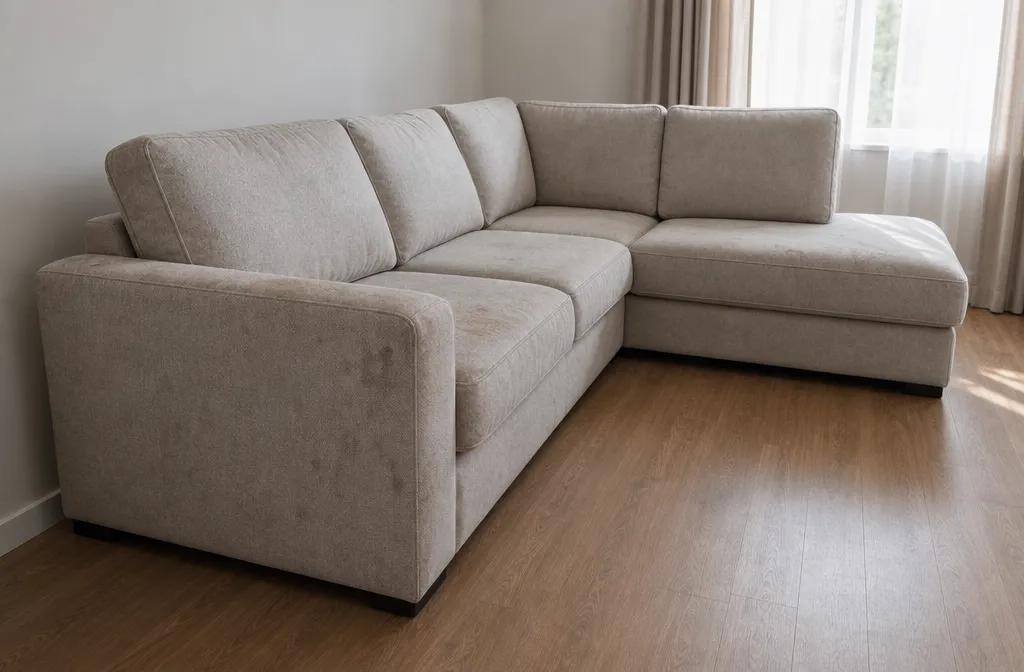
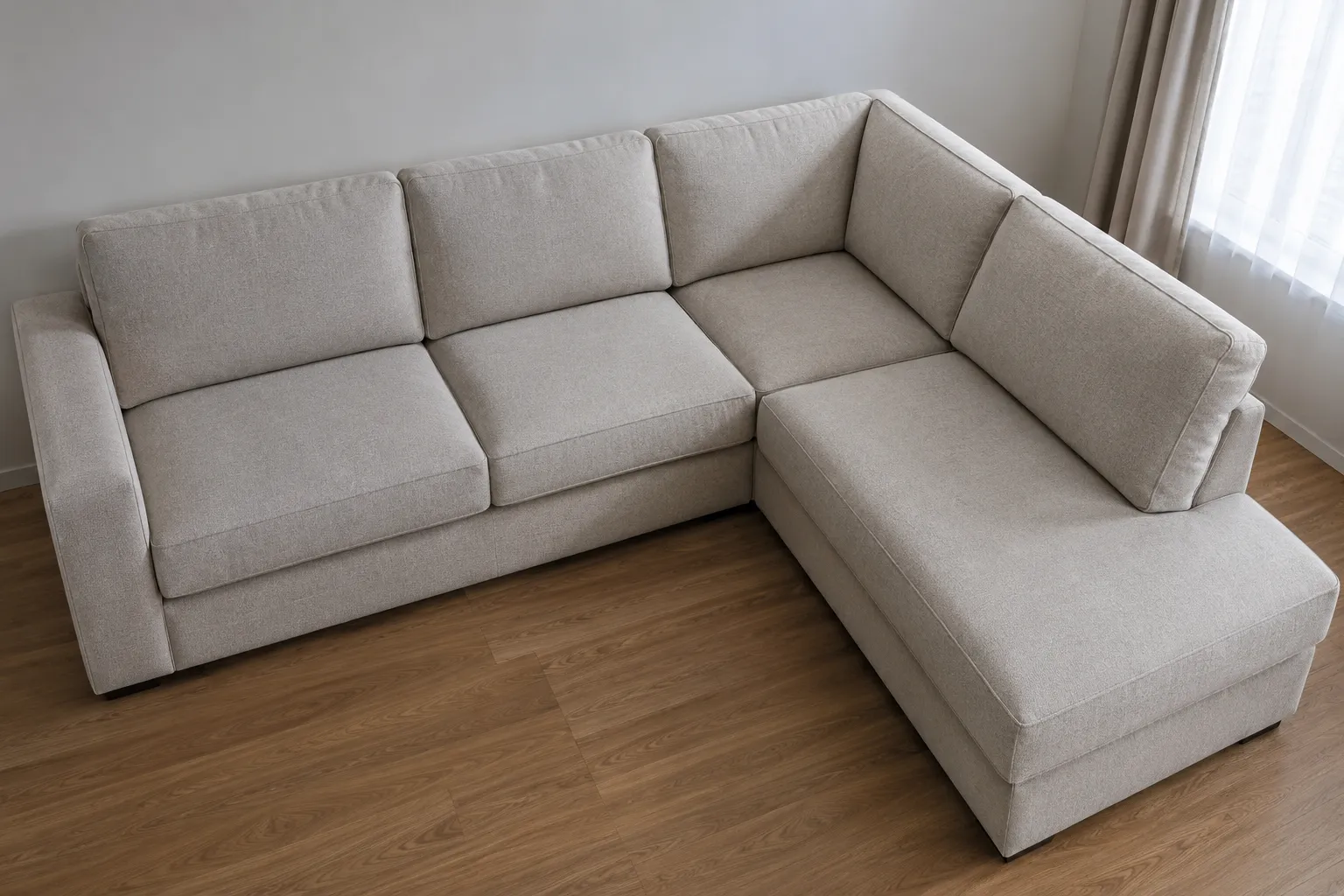
Request: Corner sofa is greasy, especially on armrests.
Done: Steam generator treatment and extractor cleaning.
Cost: 18 000 ₸
Master: Aigul Nurgaliyeva, dry cleaning master
Total: Sofa completely refreshed, greasy stains gone.
 After
After
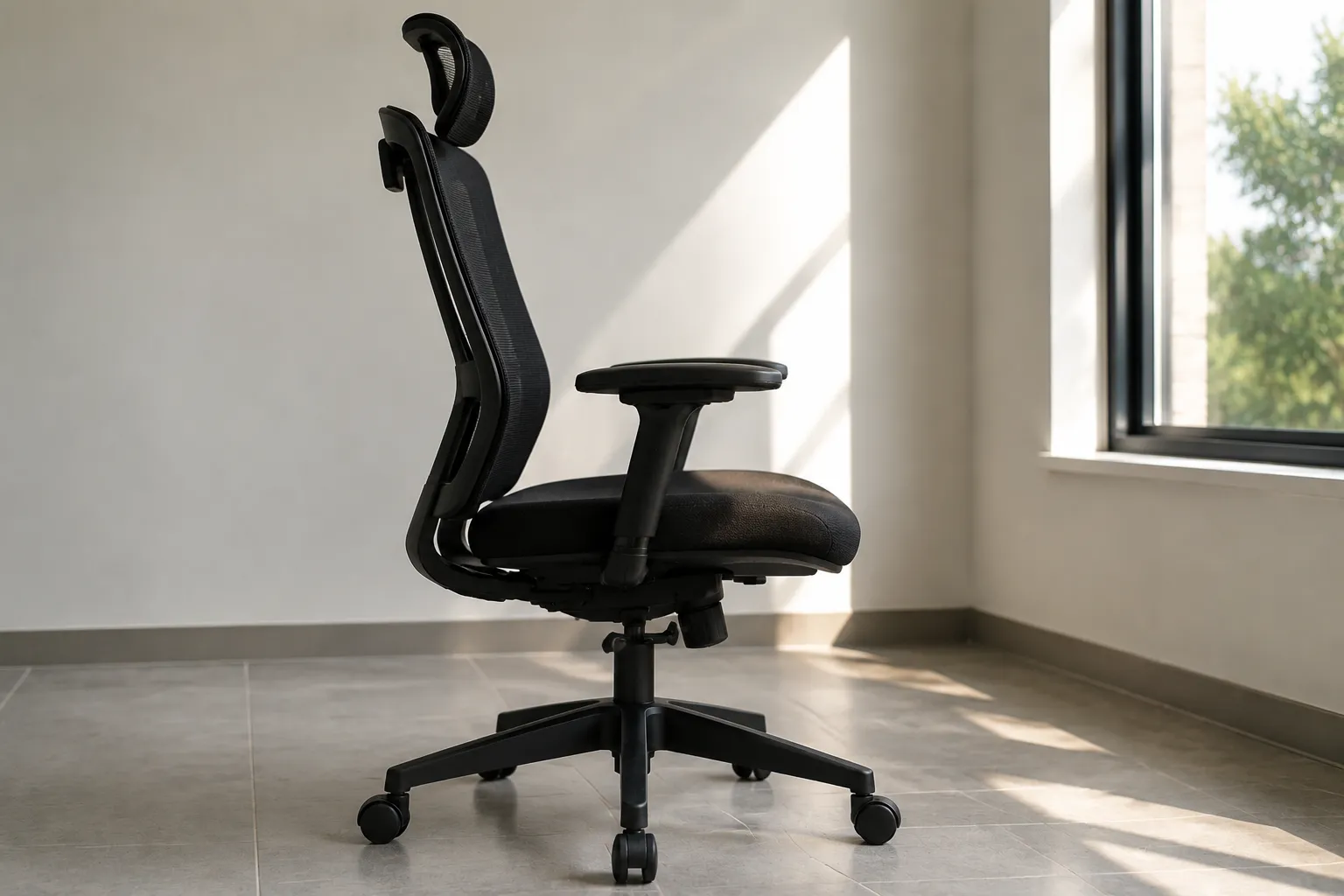
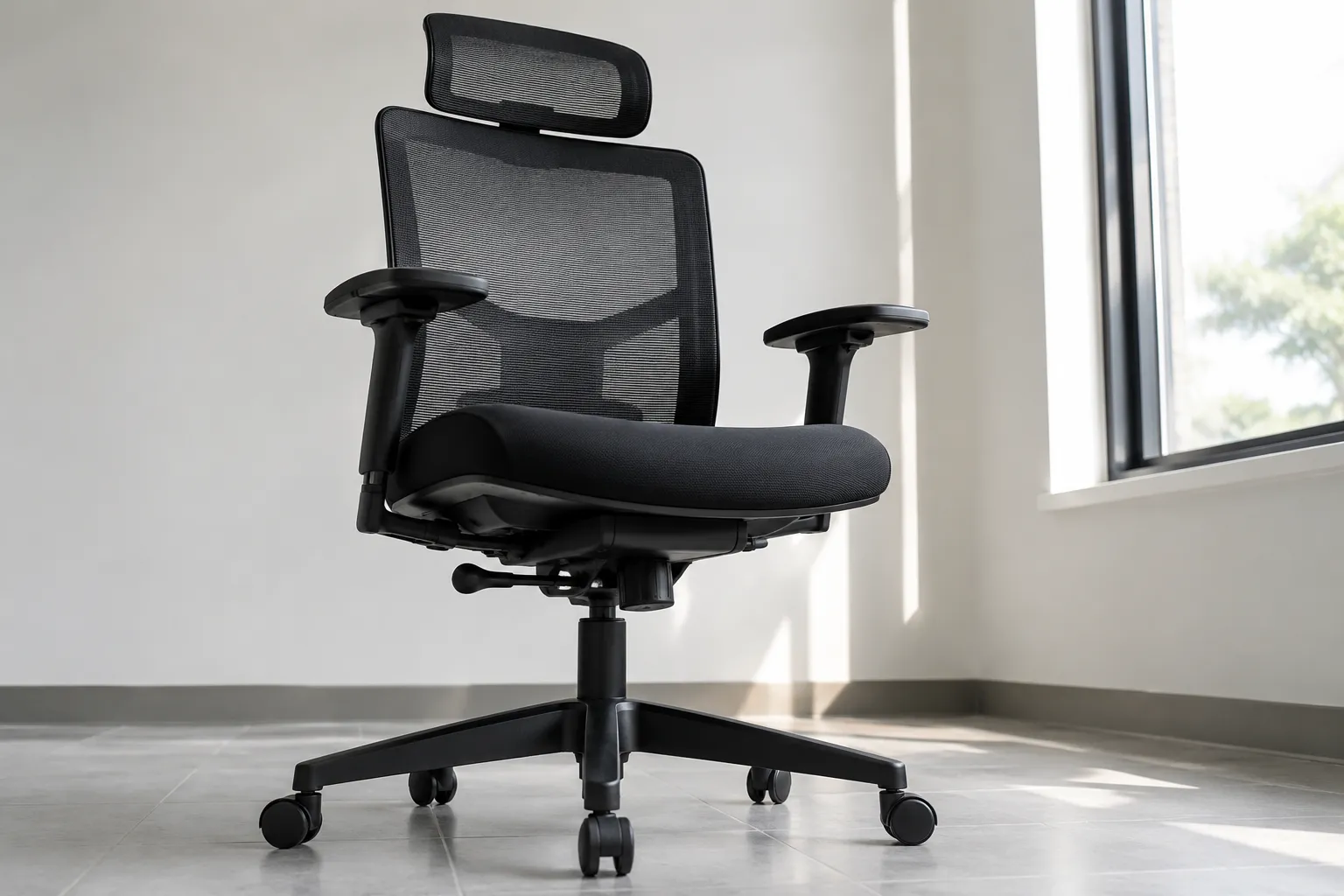
Request: Office chair has lost its appearance, fabric is dirty.
Done: Cleaning using foam and vacuum extraction.
Cost: 3 500 ₸
Master: Timur Zhaksybekov, dry cleaning master
Total: Chair looks like new, no streaks, fabric dried.
 After
After
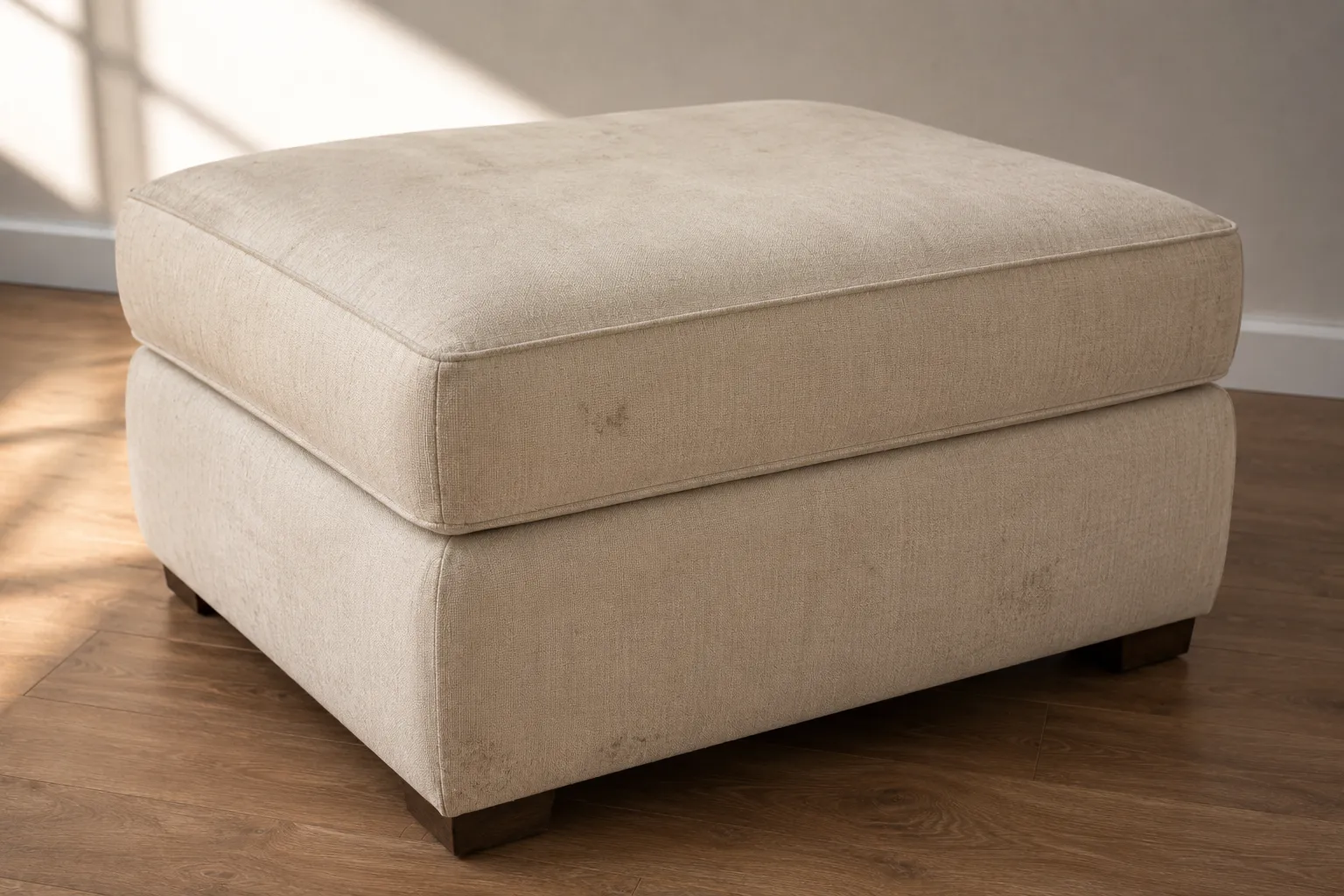
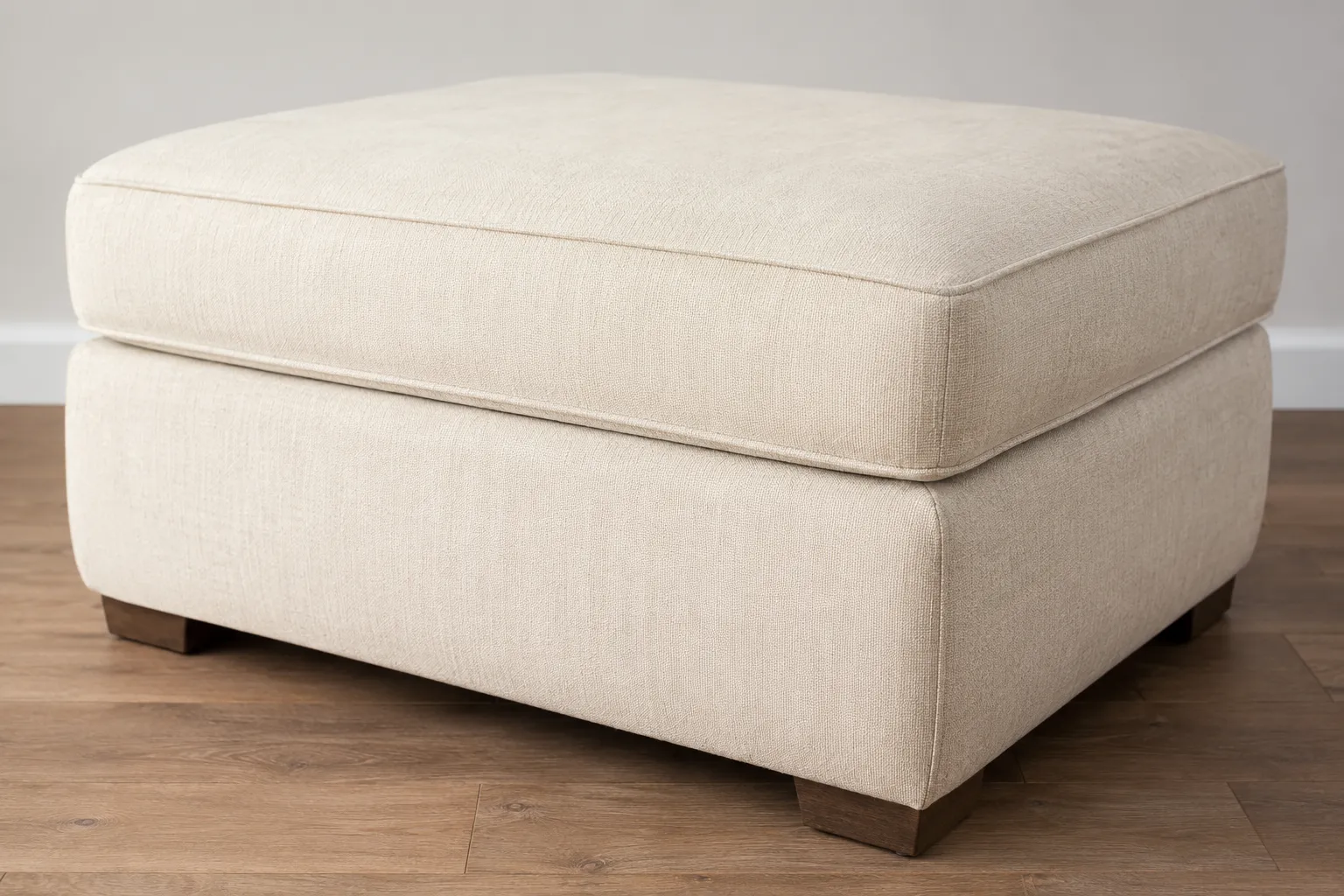
Request: Ottoman is dirty, visible shoe marks.
Done: Local stain treatment and general vacuum cleaning.
Cost: 2 500 ₸
Master: Saule Abdrakhmanova, dry cleaning master
Total: Ottoman clean, no stains, shape restored.
 After
After
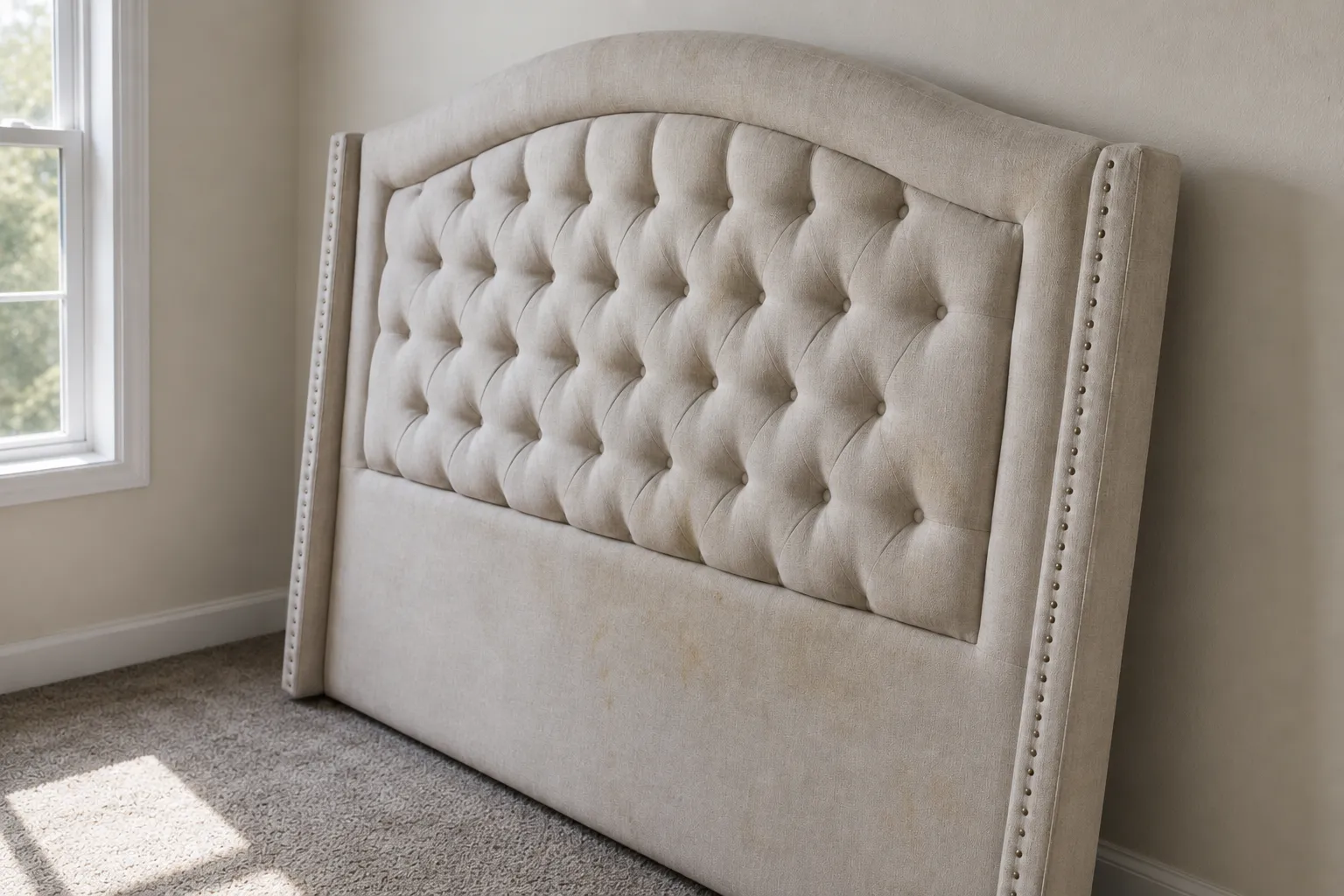
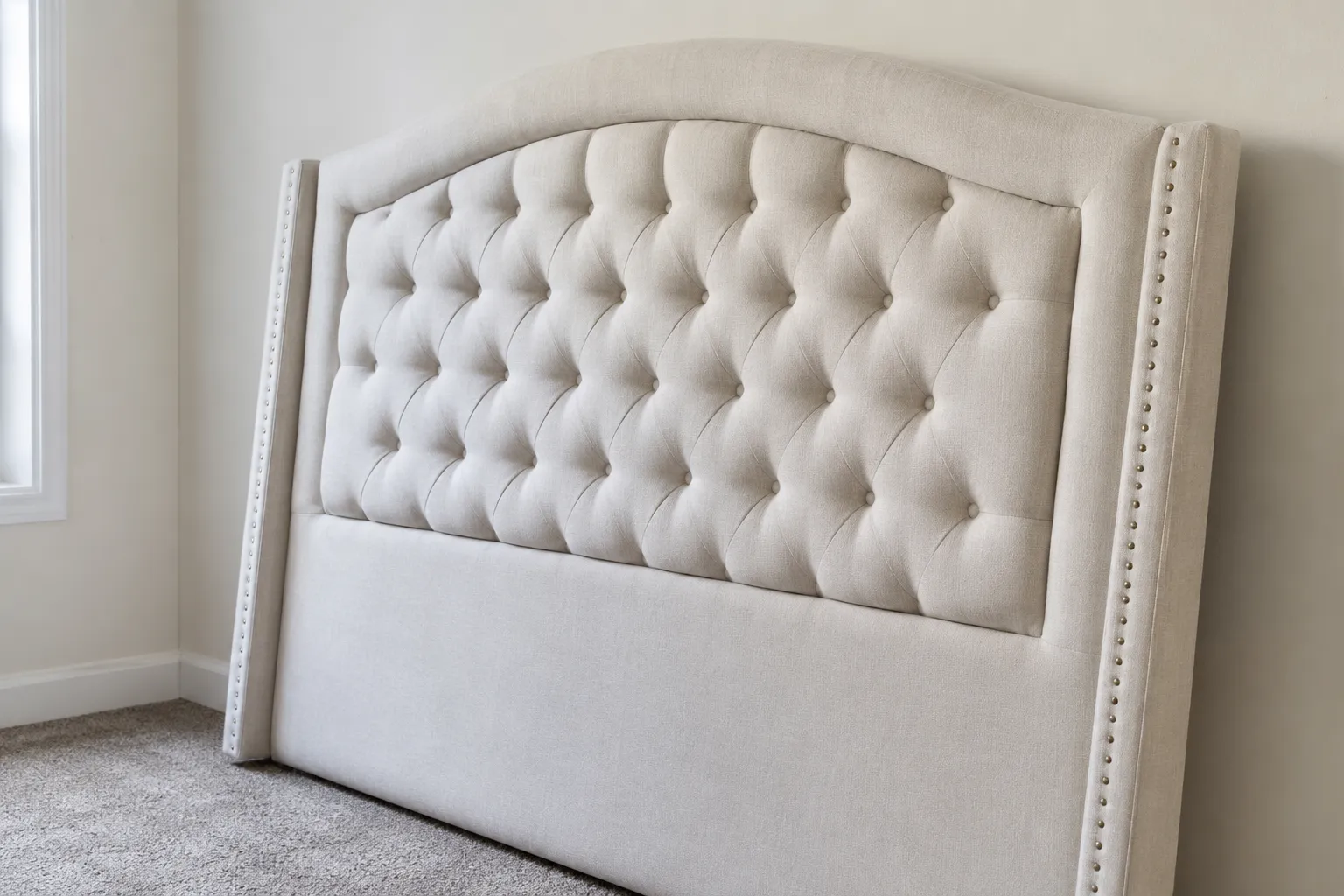
Request: Bed headboard yellowed over time.
Done: Cleaning using enzyme stain remover.
Cost: 12 000 ₸
Master: Dauren Kaliyev, dry cleaning master
Total: Headboard became bright, no yellow stains.
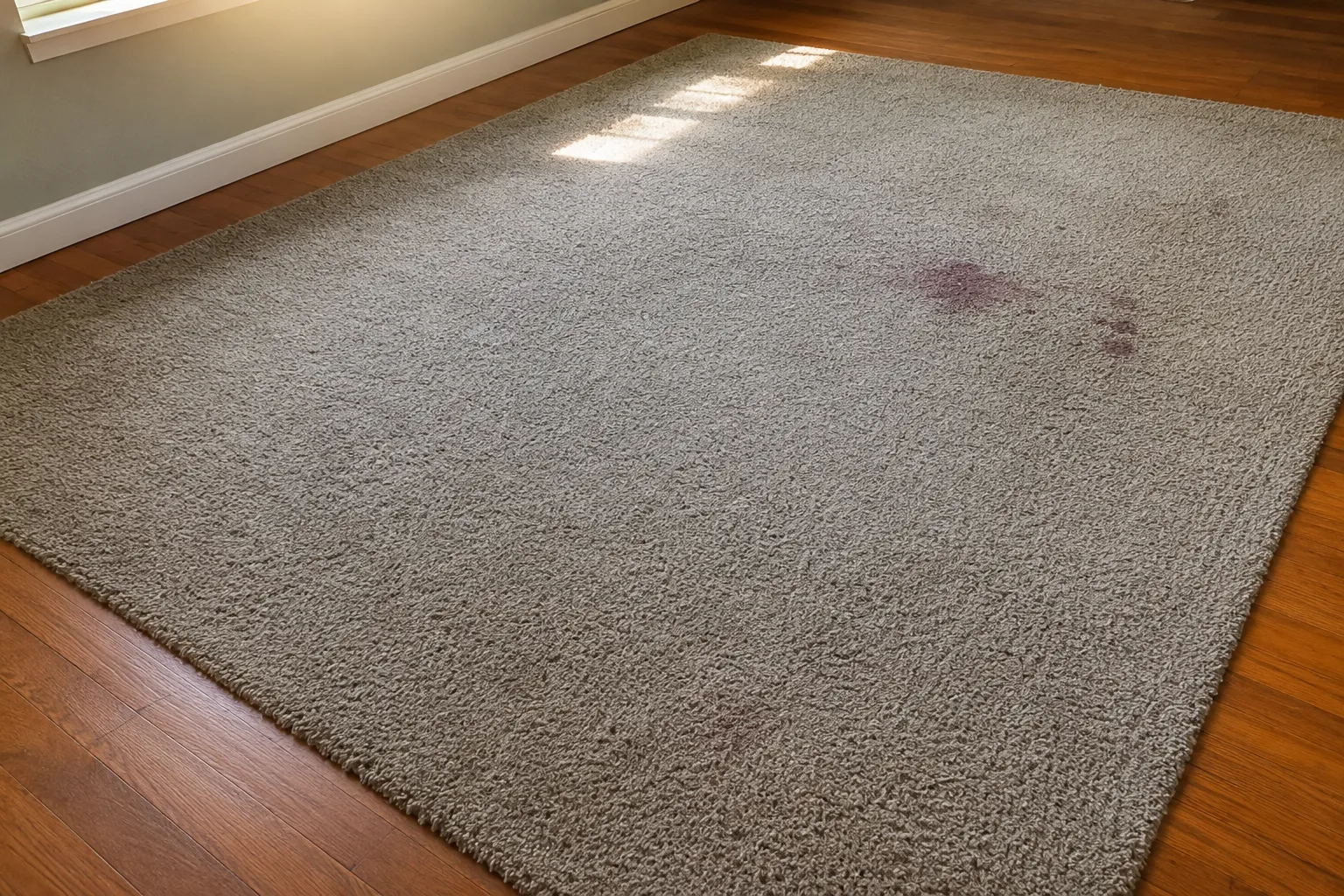
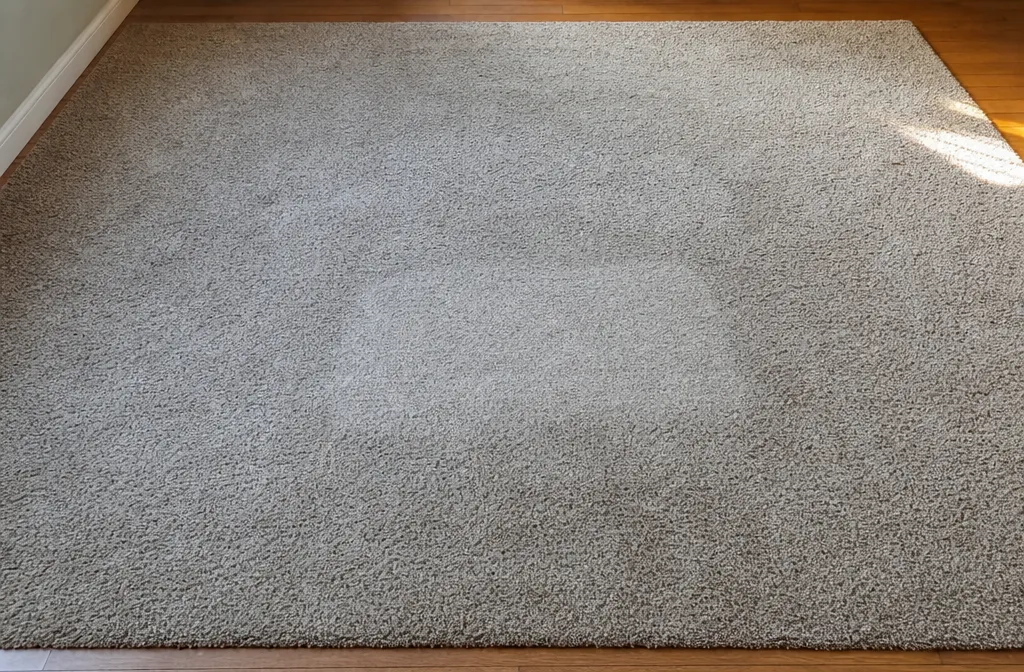 After
After
Request: Carpet has red wine stains remaining.
Done: Treatment with stain remover and deep cleaning with extractor.
Cost: 7 000 ₸
Master: Aigul Nurgaliyeva, dry cleaning master
Total: Stains completely removed, carpet spotless.
 After
After
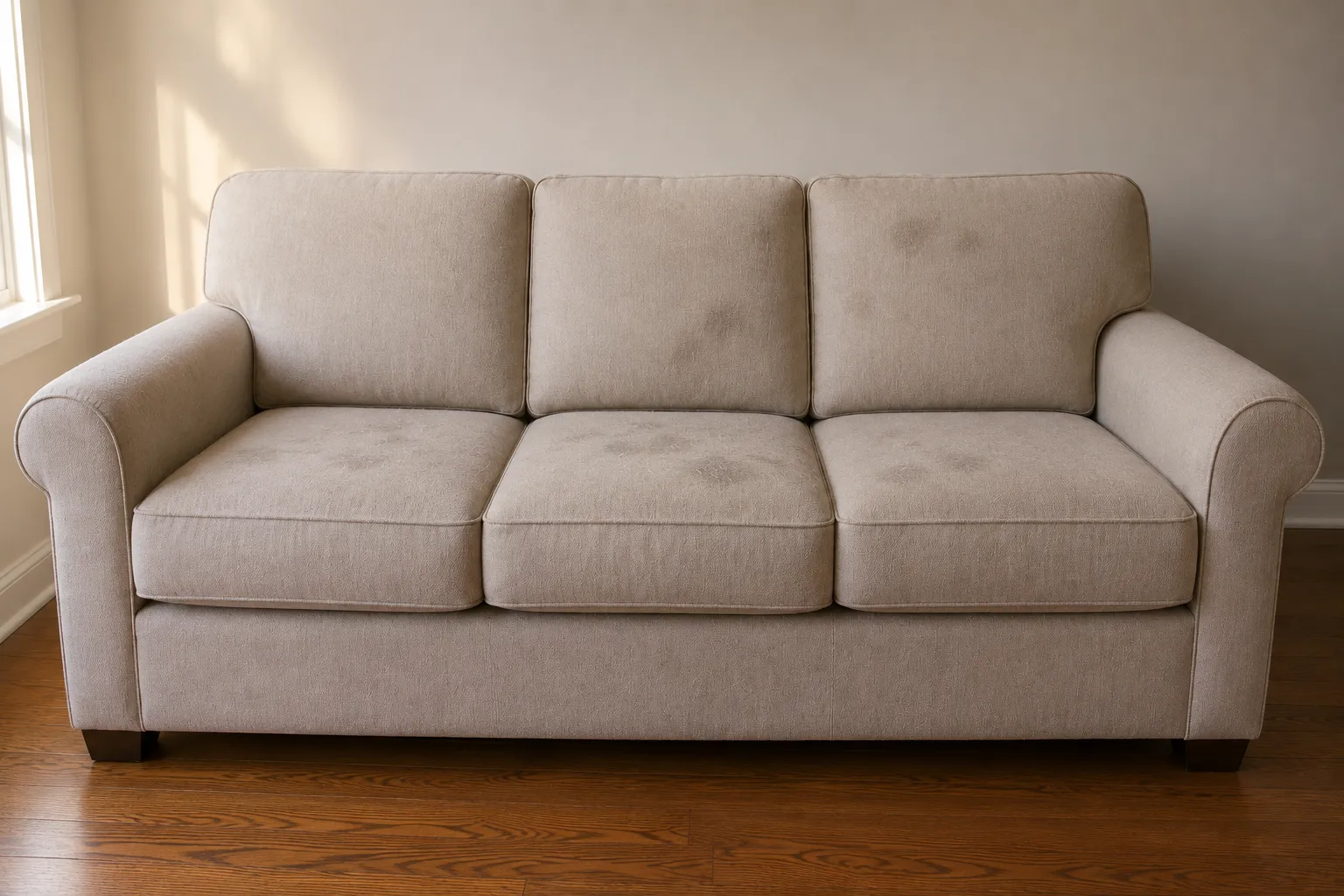
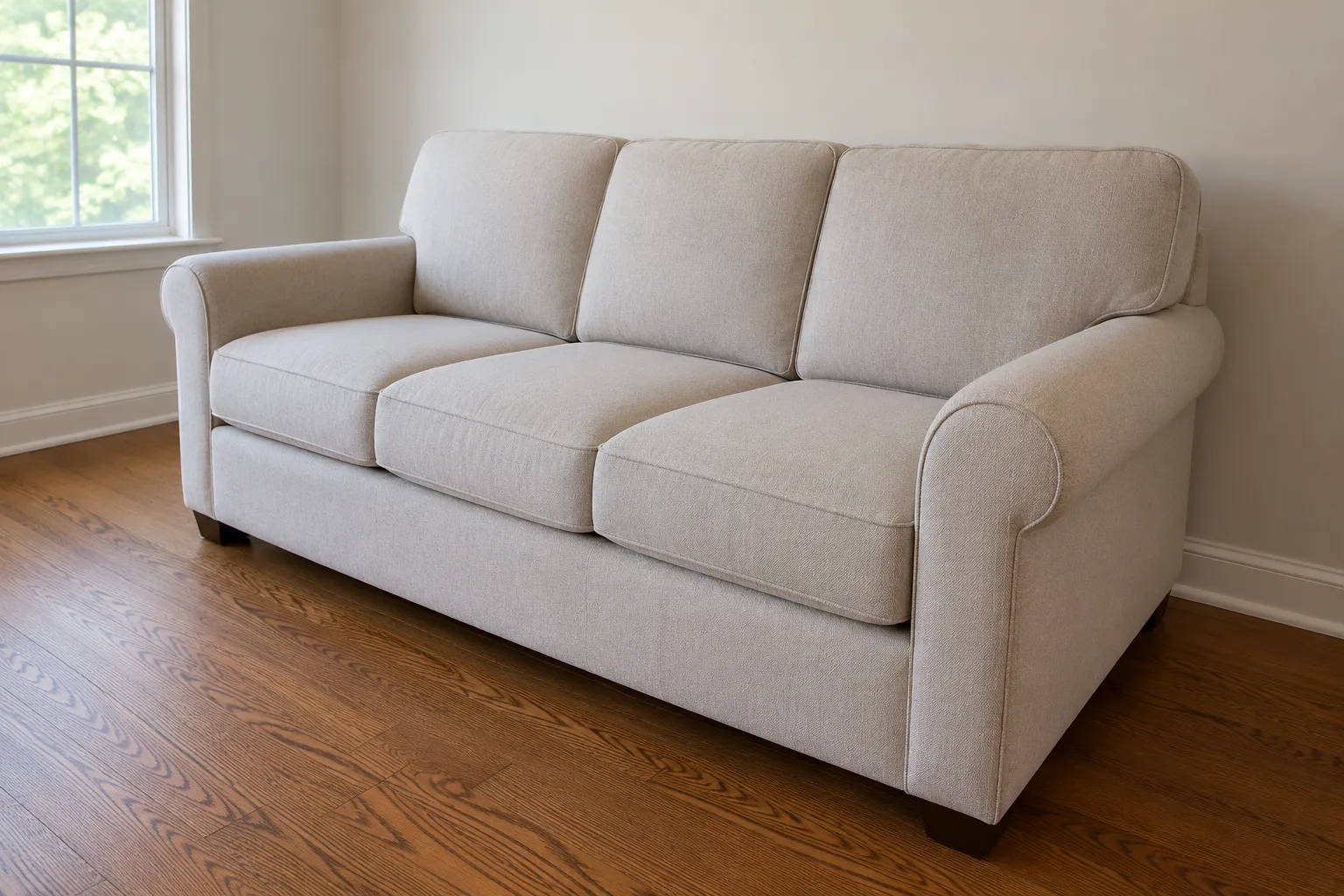
Request: Sofa has a strong cat urine odor.
Done: Treatment with enzyme deodorizer and deep cleaning.
Cost: 11 000 ₸
Master: Timur Zhaksybekov, dry cleaning master
Total: Odor completely eliminated, sofa clean and fresh.
All cleaners are profi-clean staff with training, uniform and security check. Each order has a team leader who controls quality.
Streaks after dry cleaning are the result of improper drying technology or incompatibility of the fabric composition with the cleaning agent. In our practice at profi-clean, 80% of warranty claims are related to this, although the problem can be solved within an hour.
Answer-first: White streaks on dark upholstery are almost always the result of too slow drying, when moisture evaporates unevenly. When fabric takes longer than 6–8 hours to dry, minerals from tap water remain on the surface in the form of salts. In Almaty, the water is hard, with a high content of calcium and magnesium — this accelerates the formation of deposits. On synthetics (polyester, microfiber), streaks are immediately noticeable; on cotton or linen, they appear within a day. Fact Layer: When wet cleaning, use industrial dehumidifiers — they reduce drying time to 2–3 hours, and the salts simply don’t have time to crystallize.
Answer-first: Universal stain removers from mass-market stores often leave sticky streaks on silk, velvet, and microfiber because their pH is not balanced for delicate fibers. Silk and viscose require neutral solutions with a pH of 6–7, cotton and linen need alkaline ones (pH 9–10), and wool requires enzyme-based ones without chlorine. At profi-clean, we use hypoallergenic Kiehl (Germany) chemicals — they leave no residue even on sensitive fabrics. On velvet and chenille, aggressive alkali destroys the pile — streaks become matte. Fact Layer: If greasy stains remain after cleaning (not white, but dark), it means the agent didn’t handle oil-based dirt — a repeat pass with an enzyme solution is needed, not mechanical rubbing.
Answer-first: When a technician applies the solution too generously or doesn’t wring out the brush, water penetrates the lining and foam rubber, and upon drying, it lifts dirt from the depths to the surface — this creates gray streaks on light upholstery. The extractor must remove 90–95% of moisture in one pass, otherwise, residues of the cleaning agent and dirt migrate. On sofas with foam rubber padding (PPU), over-wetting is especially dangerous — the foam rubber takes 2–3 days to dry, and during this time, streaks “float.” Fact Layer: Before starting cleaning, check the padding — high-density foam rubber (EL 4060) holds its shape but absorbs water like a sponge, so such sofas require drying with a heat fan immediately after extraction.
Answer-first: Bright fabrics — red, blue, green — often fade from incorrect pH, and after drying, colored streaks remain that look like dirty stains. On inexpensive sofas made of faux suede (microfiber with PU coating), the dye holds weakly — even a neutral solution can wash out the pigment. In Almaty, there is a lot of furniture from China and Turkey with aniline dyes on the market — they dissolve in water without fixing. Fact Layer: Before cleaning any colored item, do a test on an inconspicuous area (under a cushion, on the back wall) — if the cotton pad becomes colored, dry foam cleaning without water is needed, otherwise streaks are guaranteed.
Answer-first: In Almaty, water contains 250–350 mg/l of hardness salts — this is 2–3 times higher than the norm for safe dry cleaning, and without a filter, streaks are inevitable on any dark fabric. Calcium carbonate settles on the pile and after drying forms a white deposit that cannot be removed by simple rinsing. At profi-clean, all extractors are equipped with ion-exchange filters — they reduce hardness to 10–20 mg/l. Fact Layer: If a technician arrives without a water hardness test strip — refuse the service: on Almaty water without softening, streaks will appear on 8 out of 10 sofas, regardless of qualifications.
Answer-first: Foam from dry-cleaning shampoo, if not rinsed off with clean water, leaves a sticky layer — dust settles on it, and after 2–3 days the upholstery looks dirty, even though it was cleaned yesterday. This is especially noticeable on velvet and bouclé — the fibers stick together, and the surface becomes patchy. Professional shampoos (e.g., Kiehl MC 3) require a double rinse — first with water and a neutralizer, then with clean water. Fact Layer: After rinsing, check the fabric with a white napkin — if foam remains, repeat the cycle; otherwise, a yellow stain from oxidation of surfactant residues will appear in that spot within a week.
“`markdown
The frequency of dry cleaning a sofa or armchair depends not on the calendar, but on three factors: intensity of use, allergen load, and the microclimate in the apartment. At profi-clean, we see that there is no single schedule, but there are intervals tested in Almaty practice for different scenarios.
The mode of furniture operation is the main dictator of frequency. For a daily-used sofa in the living room, where the family watches TV and snacks, we recommend professional cleaning every 6–8 months. In the bedroom, where the load is lower, — once every year to a year and a half. But a computer chair, where a person spends 8–10 hours, absorbs sweat and sebum more actively — it should be cleaned every 4–5 months. In our orders, the most common scenario is a living room sofa in a studio apartment: there the interval is reduced to six months, because the furniture works both as a sleeping place and a dining area. Ignoring this schedule leads to dust mites and grease deposits clogging the filling, making it harder to restore original freshness — extraction with an enhanced wash cycle has to be applied.
In families with allergy sufferers or asthmatics, standard intervals do not work. Pollen, pet hair, and mite waste products accumulate in the upholstery within 2–3 months, and this is enough to trigger a reaction. Our experience shows: if there is a child under three years old or a cat/dog in the house, dry cleaning with extraction and a hypoallergenic composition (Kiehl or Sodasan) should be done every 3–4 months. Moreover, not only the cleaning itself is important, but also pre-treatment with ultraviolet light — it destroys the allergen protein, not just washes it away. On-site, we always use a lamp with a wavelength of 254 nm, because in Almaty, with its dry air and abundance of flowering plants in spring, the concentration of pollen in upholstery is above average. Without UV treatment, the allergen remains in the fibers even after water cleaning.
The microclimate of Almaty is a separate factor that breaks any averaged recommendations. Due to the proximity of the mountains and frequent winds, fine dust flies into apartments, which not only lies on the surface but penetrates deep into the filling. During the heating season (from October to April), the air is overdried — static electricity attracts dust to synthetic upholstery more strongly than to natural ones. In practice, this means that a sofa in an apartment with open windows on the southern side of the city (microdistricts Orbita, Samal) requires cleaning 2 months more often than a similar one in the center with air conditioning and sealed double-glazed windows. We advise clients from these areas not to wait six months — if a gray trace remains after wiping with a damp cloth, it’s time to call a cleaner. This is a marker that dust has already begun to embed into the fibers, and surface vacuuming will not help.
The most common myth we hear on the first call: “The sofa is new, I’ll clean it once a year.” In reality, over a year, up to 2–3 kg of dust, sweat, and grease accumulate in the upholstery (data from our vacuum bag weighing protocols after extraction). If you clean once a year, by the third session, coffee stains and hand marks cannot be completely removed — they “bake” into the fabric structure under the influence of body heat and UV light. In October, we had a case: a sofa with flock upholstery that was cleaned every 14 months — after three extraction cycles, we removed only 70% of the dirt; the rest was permanently embedded. Therefore, our principle is: it’s better to clean more often, but superficially (light extraction without soaking), than rarely but aggressively, risking damage to the fabric. For velour and microfiber, a 6-month interval is a physically justified minimum to preserve color and texture without losing the presentable appearance.
Instead of a calendar schedule, it’s easier to focus on three objective signs. The first is smell: if after airing out the room, a “musty” or sweetish odor remains from the sofa, it’s a signal that organic decomposition is already occurring in the filling. The second is a tactile test: run your palm over the upholstery — if your skin feels a greasy film or roughness, it means the fabric’s pores are clogged. The third is visual: under side lighting, dark stripes (so-called “contact zones”) are visible on the backrest or armrests. In our orders, we often see that clients notice these signs but postpone calling until stains appear — this is a mistake. A stain is already a consequence, while the cause (greasy film and dust) existed 2–3 months before it. If you notice at least one of the three signs, order professional dry cleaning with delivery — it’s cheaper and faster than later removing an old stain with the risk of damaging the dye. “`
The difference between dry cleaning with us and trying to wipe off a stain at home is not about price or convenience, but about the physics of the process. Home products work superficially, professional ones work at the fiber level, and the consequences of this choice become visible after a month.
Carpet products from the supermarket and household chemicals like “Vanish” give the illusion of a result: the stain lightens, the smell goes away, but after 2-3 days, a yellow halo appears in that spot. The reason is in the composition: foaming agents and surfactants are not completely washed out by a household vacuum cleaner, remain in the filling, and attract dust. On microfiber, silk, or viscose, aggressive household alkali destroys the dye — fading appears not immediately, but after drying. In our practice, there was a case: a client spilled red wine on an Italian sofa and treated the stain with a chlorine-containing bleach — the fiber lost its elasticity, and we had to reupholster the section. At home, you don’t see the pH balance of the product, but with us, each composition is tested on a test swatch — wool requires an acidic environment, synthetics require a neutral one. Before using any stain remover at home, test it on an inconspicuous area: if the fabric hasn’t changed color after 10 minutes, you can try, but it’s better to call professionals immediately.
Household steam cleaners and steam generators heat water to 140-160°C and supply steam under pressure — this kills mites and softens dirt, but does not remove it from the depth of the filling. The steam simply spreads grease and dust over the surface, and after drying, the dirt returns. Our extractors work differently: first, the nozzle injects a cleaning solution at a temperature of 55-60°C under a pressure of 8-10 bar, then a powerful vacuum pump (HEPA filter class H13) pulls the liquid along with the dissolved dirt back into the tank. The difference is obvious in practice: after a household steam cleaner, up to 40% moisture remains in the sofa filling — this is a breeding ground for mold. After our extraction, the residual moisture is 8-12%, and the furniture dries in 2-4 hours using a turbo dryer. If you have a steam cleaner at home, use it only for refreshing the upholstery between professional cleanings — it won’t replace extraction, only delay the inevitable.
There are categories of stains that household chemicals simply cannot handle, and trying to wipe them off at home only fixes the contamination in the fiber.
If you don’t know the nature of the stain — don’t heat it, don’t rub it, and don’t soak it. Call a technician for a diagnosis: identifying the type of soiling takes 5 minutes, while attempting home cleaning can make it irremovable.
At home, a sofa after cleaning dries naturally for 12-24 hours — during this time, moisture seeps into the lower layers of the padding, softens the glue between the polyurethane foam and the frame, and after 2-3 cycles, the upholstery starts to “bubble” or peel away from the base. In Almaty, with its dry air and temperature fluctuations from +35°C during the day to +18°C at night, this process accelerates: the wet padding cools down and condenses moisture inside. Our turbo dryers work by blowing warm air at 35-40°C from three sides simultaneously — moisture evaporates evenly, without local overheating. On foam padding 10 cm thick, we control residual moisture with a hygrometer: no more than 10% is allowed before delivery. Home drying with a hairdryer or heater overdries the top layer, while dampness remains inside — a musty smell appears within a month. After our cleaning, do not place the sofa near a radiator and do not cover it with a blanket until completely dry — allow air to circulate, and the furniture will last longer.
Even professional dry cleaning with delivery is not all-powerful — some stains remain in the fibers forever. We break down which stains cannot be removed, why this happens, and what to do about it.
Heat setting: protein or sugar that gets on the fabric and is subjected to heating above 60°C coagulates and integrates into the fiber structure. These are stains from hot milk, egg, or blood after drying with an iron or radiator. In profi-clean’s practice, such stains cannot be removed if more than 2-3 hours have passed since setting. At the molecular level, the protein denatures and forms insoluble bonds with cellulose or polyester. A chemical reagent cannot break these bonds without destroying the fabric itself — aggressive alkali will dissolve the fiber faster than the stain. Our technicians check every incoming item: if the stain is hot and protein-based, we warn the client that the result is not guaranteed even with a full cycle. Before sending an item to dry cleaning, never pre-wash stains with hot water — this reduces the chances of removal by 4-5 times.
Resistant dyes: henna, basma, brilliant green, alcohol-based markers, hair dye, printer ink — pigments penetrate deep into the fiber and bond with it chemically. In Almaty, cases with henna on light-colored sofa upholstery are especially common — we record 2-3 requests per month. Henna contains lawsone, a substance that oxidizes in the air and forms a strong bond with cellulose fibers (cotton, linen, viscose). On synthetics (polyester, acrylic), the dye doesn’t bond as firmly but leaves a greasy residue from the carrier. Alcohol-based markers are a separate category: the solvent (isopropanol, ethanol) evaporates, while the pigment remains inside the fiber. Our cleaners first try an alcohol test on an inconspicuous area — if the stain doesn’t fade, we only recommend masking or replacing the upholstery element. For light-colored sofas in Almaty, we advise immediately ordering removable covers — they are easier to replace than to remove henna or brilliant green.
Oil-based stains on synthetics: vegetable oil, industrial grease, silicone lubricant, auto cosmetics — on polypropylene and polyethylene fibers, they are not absorbed but spread across the surface, filling micropores. Unlike cotton, where oil is absorbed inside and can be washed out with a solvent, on synthetics it forms a thin film that neither water nor organic solvents can tackle. Our technicians encounter this on carpets with a polypropylene base — an oil stain looks like a dark, damp spot, but returns 2-3 days after cleaning. The reason is the migration of oil from the depth of the pile to the surface. In Almaty, such cases are common on carpets in hallways and kitchens, where oil gets from shoes or food. The only working method is repeated treatment with an absorbent (kaolin, zeolite) followed by extraction, but complete removal is only possible on cotton and wool carpets. If the carpet is polypropylene — the oil stain will remain with it forever.
Oxidized and aged stains: coffee, tea, wine, fruit juice, urine, sweat — after 6-12 months, they transform into an insoluble form. Tannins from tea and coffee oxidize with atmospheric oxygen, forming dark polymer chains that dissolve in neither alkali nor acid. In Almaty, with its dry air and temperature fluctuations, this process accelerates — old stains on sofas that haven’t been cleaned for 2-3 years are practically impossible to remove. Our cleaners try a combination of an enzyme stain remover with ultrasonic treatment — this provides a 30-50% lightening effect, but complete disappearance does not occur. An old urine stain is a separate story: uric acid salts crystallize inside the fiber and destroy its structure; the stain remains even after chemical color removal because the fiber has already degraded. In such cases, we recommend replacing the filling and upholstery, not dry cleaning.
Mechanical defects: snags, pills, abrasions, cuts, cigarette burns — dry cleaning does not restore the fabric’s structure. A burn is irreversible thermal damage to the fiber: polyester melts, cotton chars, wool fuses. In Almaty, we frequently receive requests for burns on sofas from hookahs or candles — we immediately explain that dry cleaning will remove the smell and soot, but the hole will remain. Snags on pile fabrics (velvet, flock, chenille) — the loop is pulled out, and chemicals cannot “pull” it back in. Our craftsmen try to steam the loop with a steam generator and smooth it with a brush, but this only works in 30% of cases — if the thread is damaged, the snag will remain. Pills on synthetics (polyester, acrylic) — a result of fiber abrasion, dry cleaning does not remove them; a special mechanical pile remover is needed. Before ordering dry cleaning with delivery in Almaty, check your sofa for mechanical defects — if they exist, spend your budget on restoration, not cleaning.
Almaty’s air is a special cocktail of desert dust, exhaust fumes, and floral pollen that settles on upholstery as an invisible but aggressive film. Without considering local conditions, even proper dry cleaning provides a short-term effect — after 2-3 weeks, the furniture looks dusty again.
Dust in Almaty is not just an aesthetic defect. Due to abrasive particles of sand and micro-crystals of cement, which rise from unpaved areas and construction sites, fabric fibers wear out 15-20% faster than in cities with a more humid climate. Particles sized 2-10 microns embed themselves in the weave of the threads, destroying the top layer of dye. On velvet and micro-velvet, this manifests as “bald spots” — areas with worn-out pile that cannot be restored. At profi-clean, during the preliminary diagnosis stage, we check the upholstery under 10x magnification: if dust has already embedded into the structure, standard extraction won’t work — deep washing with preliminary loosening using an alkaline pre-spray is needed. In October, there was a case: a sofa that hadn’t been cleaned for a year lost 30% of its color saturation — the owner thought it had faded in the sun, but in reality, ingrained dust had “eaten” the pigment. To avoid this, order preventive cleaning every 3-4 months, not every six months as recommended for temperate climates.
From May to June in Almaty, poplar fluff accumulates in the corners of sofas and under cushions, and when wet, turns into an acidic environment that corrodes cellulose fibers (viscose, lyocell). From July to September, falling apricots and apples: juice with a high content of fruit acids that leaves a yellow stain within 15 minutes if untreated, which cannot be removed without a special enzyme stain remover. In autumn, rains stir up dirt from sidewalks: wet shoes and dog paws bring sand mixed with reagents onto the upholstery (although less is used in Almaty than in cities further north, microparticles are still present). Each season requires its own tactic: in May, we advise removing and shaking out cushions outside before cleaning—this removes 70% of the fluff without water; in summer, immediately rinse fresh juice with cold water, rather than rubbing; in autumn, place a doormat at the entrance and clean furniture every 2 months. In practice at profi-clean, we have noticed that clients who ignore seasonal prevention come to us not with one, but with 3–4 different problems on a single sofa, and the cleaning cost increases by 40–50% due to the need to combine methods.
Most Almaty apartments in new buildings are equipped with split systems that operate 6–8 months a year. The air conditioner dries the air to 20–25% humidity—15–20 points below the comfortable level. Dehydrated fibers (especially natural ones—cotton, wool, linen) become brittle: during mechanical cleaning with an extractor, they wear out faster and shrink. At profi-clean, on sites with running air conditioning, we use a “low-pressure wet extraction” technique—we reduce suction power by 30% and increase the number of rinse cycles to avoid drawing moisture from the fiber, only from the surface layer. After cleaning, we always apply a fabric conditioner (Sodasan Textile Care), which restores elasticity and removes static—otherwise, the dry air will re-electrify the upholstery, and it will attract dust again within 2–3 days. Check the humidity level in the room: if the hygrometer shows below 35%, turn on a humidifier for an hour before cleaning—this reduces the risk of fabric deformation by 60–70%.
Many clients in Almaty mistakenly believe that since the air is dry, furniture can be cleaned “dry”—with a vacuum cleaner and turbo brush or a steam cleaner without water. This is a dangerous misconception: a vacuum cleaner only removes the surface layer, while microparticles remain inside the upholstery and continue to act as an abrasive. A steam cleaner without extraction (without water suction) softens dirt but does not remove it—after drying, it turns into a sticky film that attracts even more dust. In Almaty conditions, where the air contains up to 100–150 µg/m³ of solid particles (Kazhydromet data, peak days), “dry cleaning” only masks the problem for 5–7 days. Our technologist Aigerim Kassymova encountered a sofa that the owner “cleaned” with a steam cleaner every two weeks—after a year, the upholstery became as hard as sandpaper and could not be restored. The correct approach for a dry climate: deep wet extraction with a pH-balanced shampoo and mandatory application of a protective impregnation (water-repellent and antistatic)—it reduces dust adhesion by 70–80%. Without impregnation, any method in Almaty conditions yields only a temporary result.
I ordered dry cleaning with delivery for a sofa. They brought it, cleaned it, removed the smell. Excellent!
Thank you, Aigerim! We're glad you liked it.
The carpet became like new, they even fluffed the pile. I never thought it could be done so well.
I had dry cleaning with delivery for a mattress. Coffee stains disappeared, but a slight chemical smell remained for a day.
Daniyar, thank you for your review. Usually the smell dissipates in a couple of hours. We hope it went away soon.
The down jacket after dry cleaning is just a dream. No streaks, the down is evenly distributed.
Dry cleaning with delivery of a leather sofa is a lifesaver. Scuffs removed, color refreshed. The masters arrived on time.
Yerlan, thank you! We use special compounds for leather.
Got my wedding dress in order after the celebration. All stains from champagne and grass disappeared.
Ordered dry cleaning with delivery for a car seat. Good result, but had to wait an hour longer.
Kuanysh, we apologize for the delay. We strive to be more punctual.
Gave in a cashmere coat — returned perfectly clean, no shrinkage. Only coming here now.
Had dry cleaning with delivery for a sofa bed. Juice and chocolate stains completely removed. Furniture smells fresh.
Timur, glad you liked everything! Always ready to help.
The carpet in the living room was in terrible condition after the kids. Cleaning restored its color and softness.
Ordered dry cleaning with delivery for a down jacket. Convenient: picked up, returned clean in two days. Oil stains gone.
Alexey, thank you for your review! Come again.
Silk dress cleaned carefully, but one fold remained. Otherwise everything is great.
Olga, thank you! We recommend using a steamer when ironing.
Dry cleaning with delivery for a child car seat is very convenient. Juice and cookie stains removed. Child is happy.
The sofa looks like new after the cat. No smell, no fur. I recommend it.
I ordered dry cleaning with carpet delivery. The color seemed refreshed, but one stain remained. Too bad.
Daniyar, we apologize. Contact us, we will treat that stain for free.
They returned the coat in perfect condition. The collar and cuffs were cleaned of greasiness.
We did dry cleaning with mattress delivery. Blood and sweat stains are gone. Sleeping has become more pleasant.
Yerlan, thank you! We are glad you appreciated the quality.
The curtains after dry cleaning are like new. No shrinkage, color is bright. Very satisfied.
I ordered dry cleaning with delivery for sneakers. They cleaned well, but the white sole didn't get fully whitened.
Kuanysh, thanks for the review. Try a special whitener, we can help.
The down jacket became fluffy and warm after dry cleaning. No pilling. Thank you!
Dry cleaning with delivery for a leather chair — excellent. Scuffs removed, color rich. The master arrived on time.
Timur, thank you! We work with leather professionally.
My son stained the down jacket with paint. I thought it wouldn't wash out. But you managed! Thank you.
I ordered dry cleaning with sofa delivery. They came, cleaned, and dried it. Everything was clear. Wine stains disappeared.
Alexey, glad to help! Contact us.
The dress was cleaned well, but there was slight shrinkage in length. Otherwise, everything is great.
Olga, sorry for the inconvenience. Next time we'll give a discount.
We did dry cleaning with car seat delivery. The child spilled juice, everything was removed. The seat is like new.
The long-pile carpet was cleaned perfectly. The pile was fluffed, the color became brighter. Thank you!
I ordered dry cleaning with mattress delivery. Urine stains removed, no smell. Very satisfied.
Daniyar, thanks for the review! We use enzyme products.
The down jacket became snow-white. Even the cuffs were washed. I will recommend.
Dry cleaning with sofa delivery went well, but there was a slight damp smell. It aired out after a day.
Yerlan, sorry about the smell. Next time we'll use accelerated drying.
The angora coat was cleaned perfectly. No shrinkage, soft and fluffy.
I ordered dry cleaning with carpet delivery in the office. The whole floor was cleaned quickly, no streaks. Smells fresh.
Kuanysh, thank you for the order! We work with commercial properties.
Wedding dress after dry cleaning — like from a storefront. Lace not damaged, all stains gone.
Did dry cleaning with delivery of the sleeper sofa. Coffee and chocolate stains removed. Mechanism not damaged.
Timur, thank you! Glad you're satisfied.
Down jacket cleaned well, but some down clumped. Had to fluff in dryer. Otherwise great.
Gulnara, we recommend adding tennis balls when drying. Next time we'll help.
Dry cleaning with delivery of leather sofa — super. Scuffs removed, color vibrant. Master polite.
Alexey, thank you! Always happy to help.
Drape coat cleaned perfectly. Collar and pockets like new. Thank you!
Drying time depends on the fabric type and humidity. Usually 2-4 hours with air blowers, up to 12 hours with natural drying. We recommend not using the furniture until completely dry.
Yes, we use hypoallergenic Kiehl (Germany) products that are safe for people and animals. They contain no harsh chemicals and leave no harmful residues.
We accept cash, transfers to Kaspi and Halyk cards, as well as QR code payments. Non-cash payments for legal entities are possible.
Leave a request on the website or call us. We'll arrange the pickup time, and the courier will come for free. After cleaning, we'll deliver it back.
We remove stains from coffee, tea, wine, grease, blood, urine, grass, and others. For stubborn stains, we use professional stain removers.
Yes, we offer a 7-day guarantee. If there are streaks or odors left, we'll redo it for free.
Many carpets can only be cleaned professionally to avoid shrinkage. We use an extractor that is safe for any material.
Remove small items from the surface, move furniture away from walls if possible. The courier will pack the item themselves.
Yes, we test products on an inconspicuous area and choose a gentle mode for silk, velvet, and other delicate materials.
Usually 24 hours: pickup, cleaning, drying, and delivery. Express dry cleaning within 24 hours is available.
Tell us about your experience with profi-clean — it helps other clients and us improve.
We currently operate in Almaty. Other cities are coming soon.