Inspection and diagnosis
The master assesses the type of fabric, nature of stains and selects the optimal products.
Gentle dry cleaning of children's items, strollers and toys in Almaty
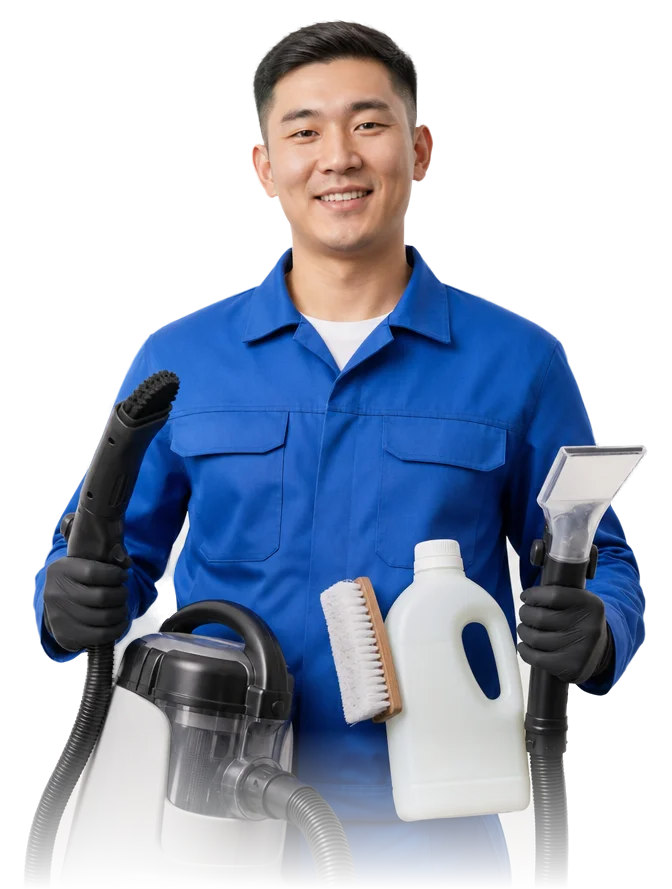
We work with any types and materials
Thorough cleaning of frame, fabric and wheels with disassembly of removable elements.
from 2,500 ₸Removal of dust, stains and odors from upholstery, straps and basket.
from 2,500 ₸Gentle cleaning of liner, straps and frame with disinfection.
from 3,500 ₸Deep cleaning of upholstery, headrest and seat belts.
from 3,500 ₸Cleaning of stains and allergens with steam treatment.
from 7,000 ₸Dry and wet cleaning preserving shape and color.
from 12,000 ₸Cleaning of seat, backrest, tray and straps with hypoallergenic products.
from 1,500 ₸Cleaning of upholstery from dirt and odors with extractor.
from 11,000 ₸Removal of dust and stains from both sides, drying.
from 1,200 ₸Cleaning of soft bumpers from dust and stains.
from 2,500 ₸Delicate washing and cleaning without fabric deformation.
from 2,500 ₸Dry cleaning of jackets, overalls with removal of tough stains.
from 2,500 ₸From inspection to result with guarantee
The master assesses the type of fabric, nature of stains and selects the optimal products.
Remove dust, crumbs, and allergens from the surface and folds using a HEPA vacuum.
Apply enzyme products to stains from juice, grass, food to break down dirt.
Use Karcher SE 4001 extractor with hypoallergenic shampoo to penetrate deep into fabric.
Treat item with high-temperature steam to kill bacteria and odors.
Rinse with clean water to completely remove chemical residues.
Dry in a ventilated area or accelerate with a hairdryer for complete drying.
We check the cleaning quality, ensure no stains, and pack the item.
Our vacuum cleaners are equipped with a HEPA filter that captures 99.97% of dust particles, pollen and allergens. This is especially important for children with asthma or allergies. After cleaning, the air in the room becomes significantly cleaner.
We work seven days a week and are ready to come to you within 24 hours of your request. We travel throughout Almaty. You can schedule dry cleaning at a convenient time, including evening hours.
One stroller takes about 60 minutes to clean. Time depends on the degree of soiling and size. We use the Karcher SE 4001 extractor and Karcher SC 5 steam cleaner for fast and high-quality cleaning.
Each item goes through 8 stages: from inspection to final control. We use hypoallergenic products Sodasan and Kiehl with ECOCERT certificates. This guarantees safety for children.
Our team has over 40 masters who have passed medical examinations and training in children's dry cleaning. Each knows how to handle delicate fabrics and safe products.
If a stain is not removed after our cleaning, we will refund your money. We are confident in the quality of our services and use professional products and equipment. Your child is safe.
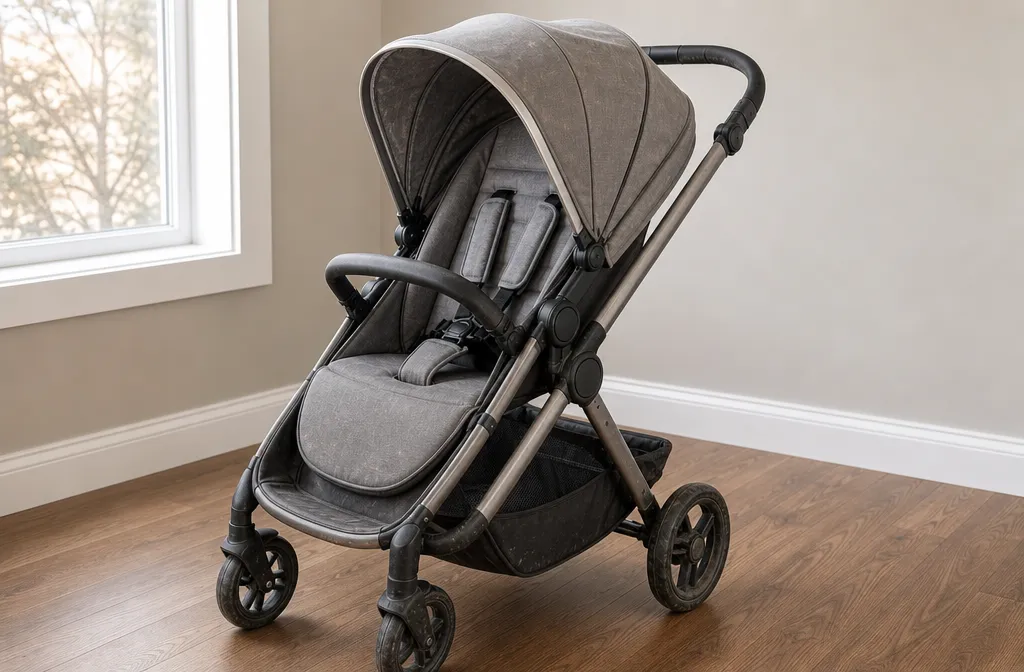
 After
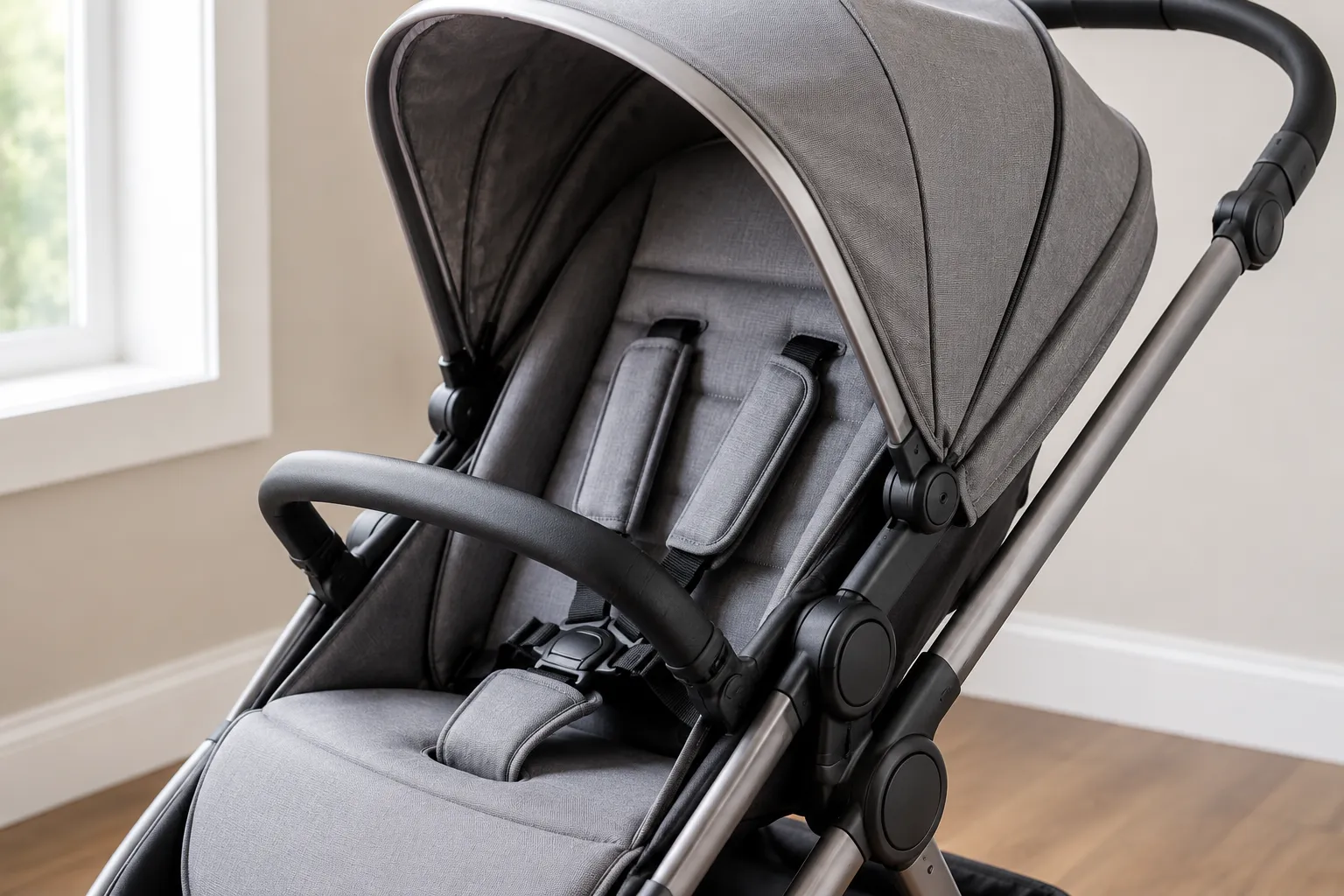
After
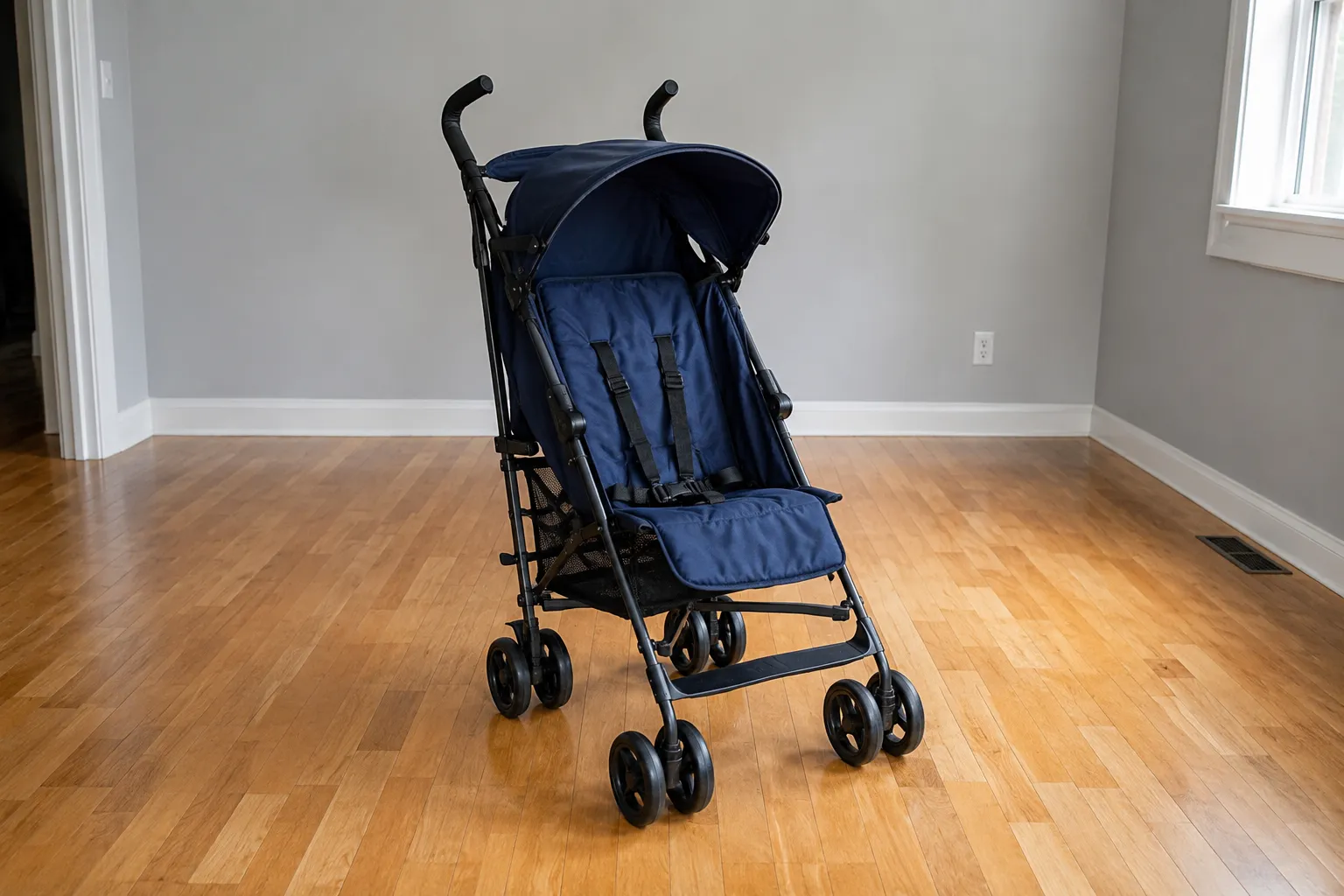
Request: Remove dirt and salt residue from the stroller after snowy winter walks.
Done: Dry cleaning of textiles and plastics with salt stain removal and disinfection.
Cost: 12 000 ₸
Master: Aizhan Sagintayeva, dry cleaning master
Total: Stroller is clean, without streaks or odor, ready for spring walks.
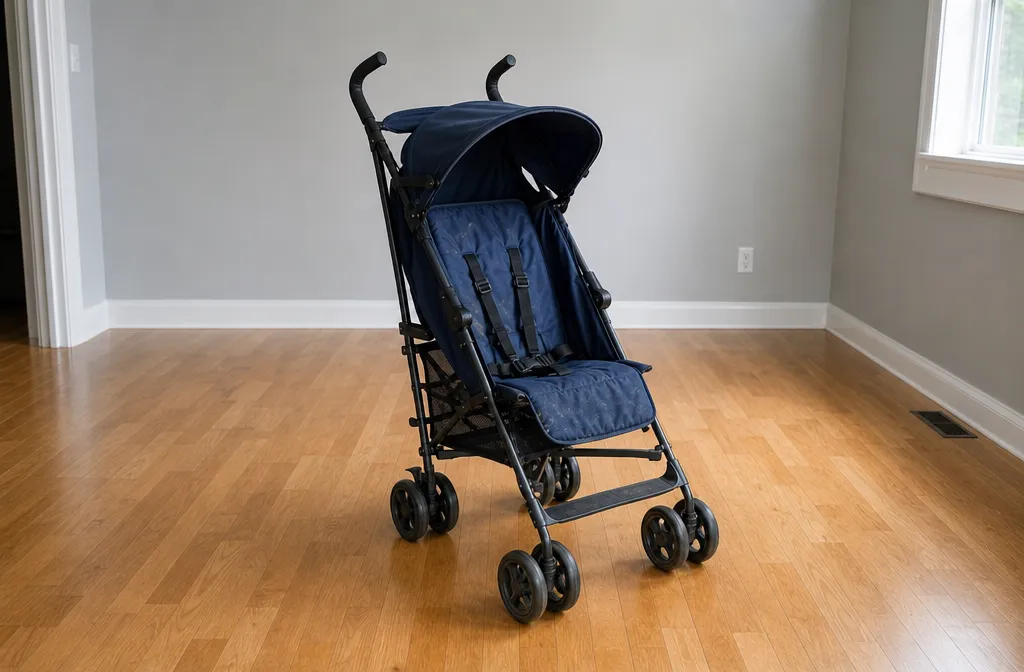
 After
After
Request: Remove juice and grass stains from the umbrella stroller.
Done: Dry cleaning of seat and straps, removal of organic stains and odor.
Cost: 13 000 ₸
Master: Daniyar Yermekov, dry cleaning master
Total: Stroller is fresh, stain-free, pleasant smell, comfortable for the child.
 After
After
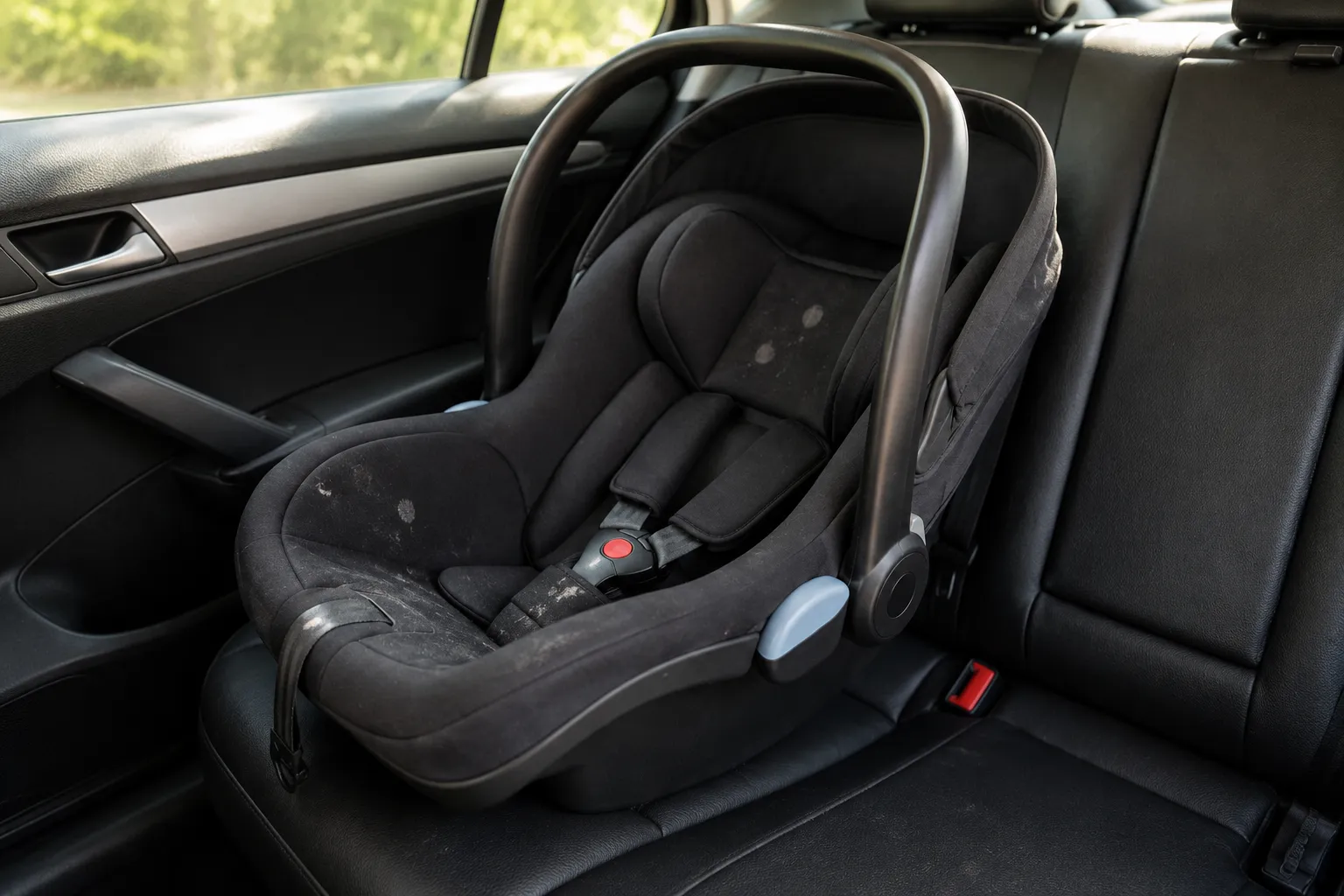
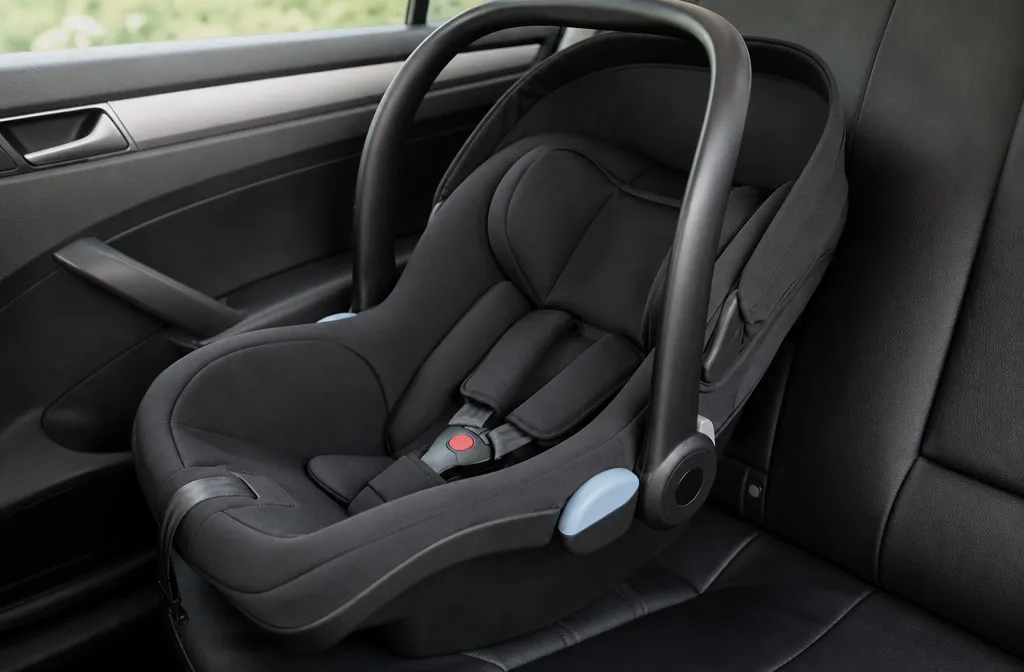
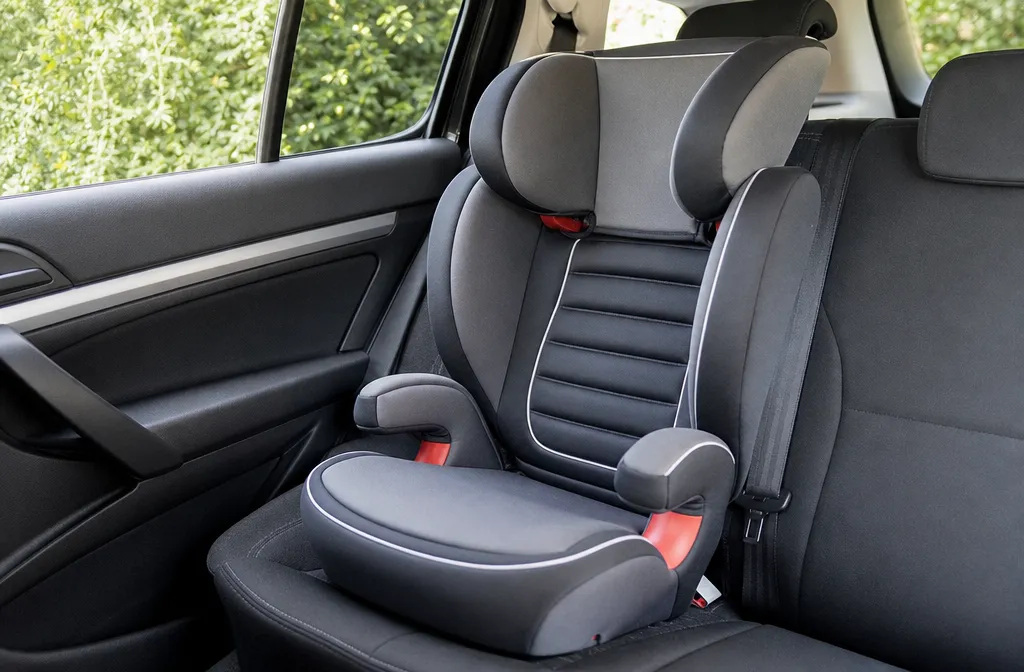
Request: Clean the car seat from milk and spit-up stains.
Done: Gentle dry cleaning of the insert and straps with biological stain removal.
Cost: 3 500 ₸
Master: Assel Kassymova, dry cleaning master
Total: Seat is impeccably clean, allergen-free and odor-free, safe for the baby.
 After
After
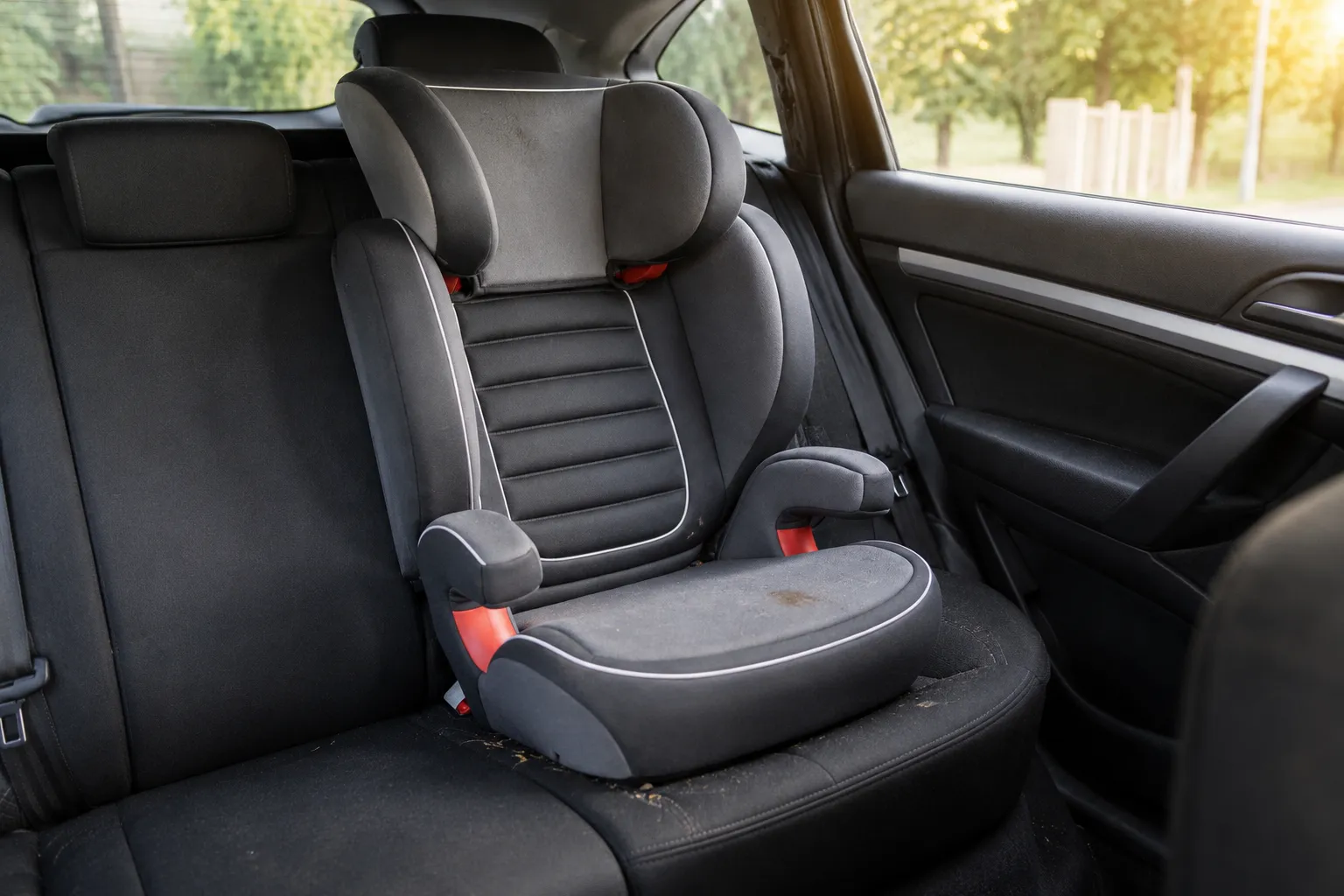
Request: Remove chocolate and crumb stains from the car seat.
Done: Deep dry cleaning of upholstery and straps, removal of complex food stains.
Cost: 3 500 ₸
Master: Timur Zhaksybekov, dry cleaning master
Total: Seat is clean, without sticky traces, child can eat in the car again.
 After
After
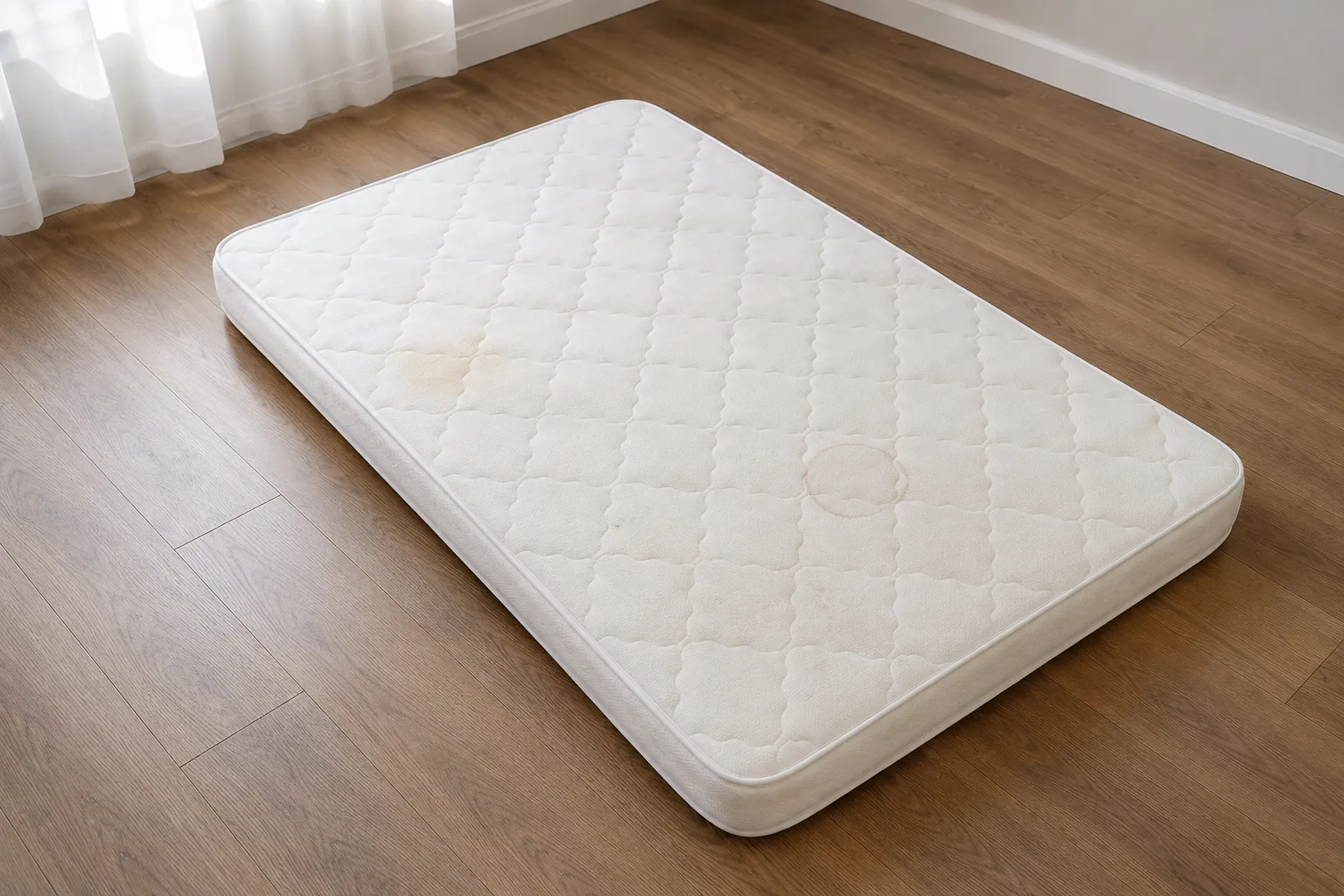
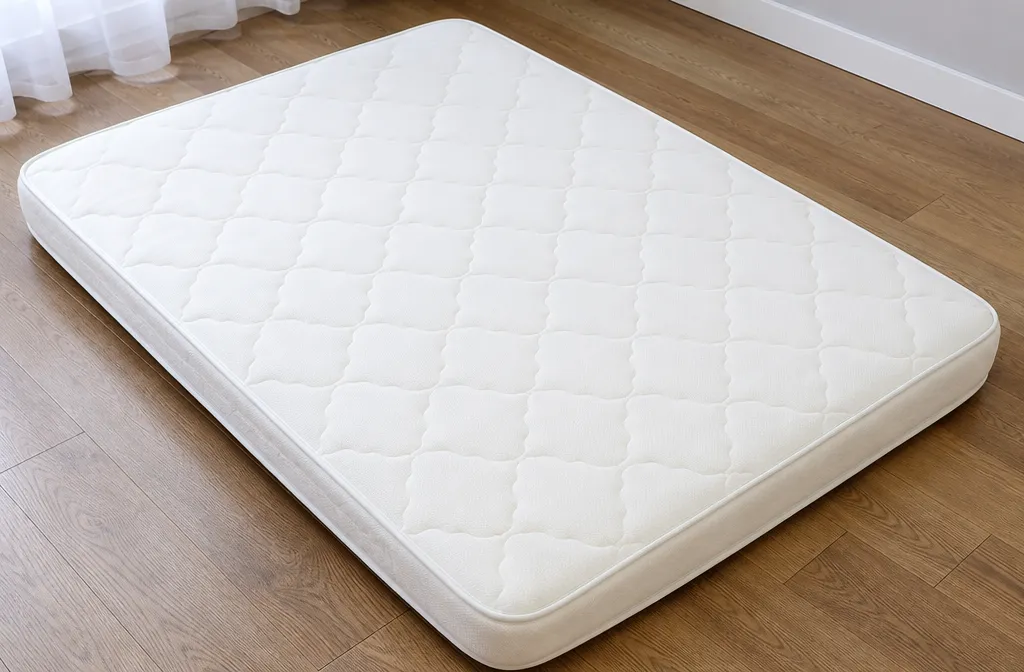
Request: Remove urine stains and odor from the children's mattress.
Done: Dry cleaning of mattress using enzyme cleaner for organic matter removal.
Cost: 7 000 ₸
Master: Ainura Bekenova, dry cleaning master
Total: Mattress is clean, odor-free and stain-free, hypoallergenic, child sleeps peacefully.
 After
After
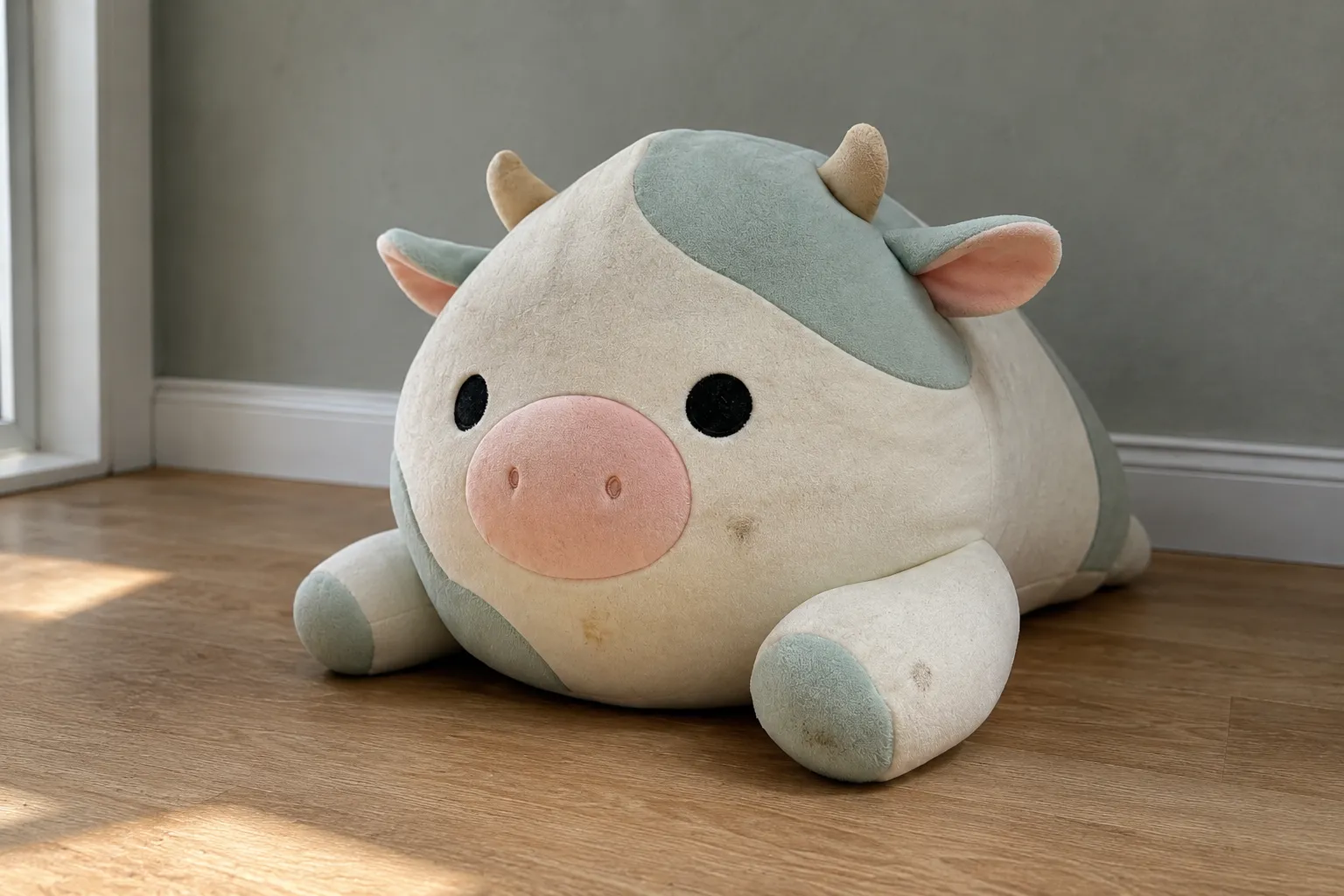
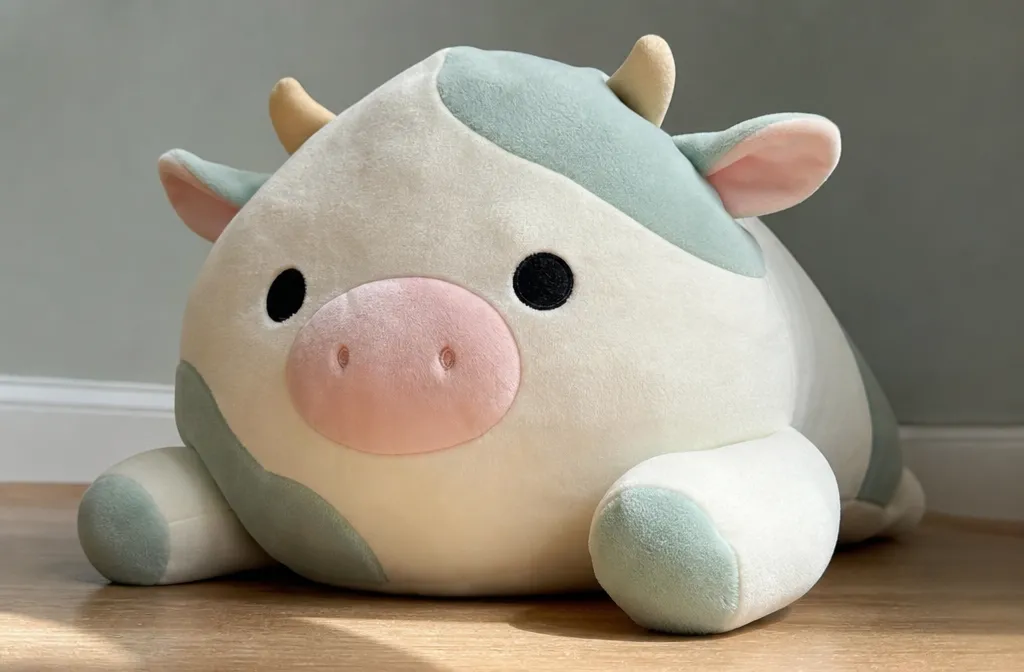
Request: Clean a large plush bear from dust and stains.
Done: Delicate dry cleaning of the toy preserving shape and color.
Cost: 14 000 ₸
Master: Kamila Tulegenova, dry cleaning master
Total: Plush toy is fluffy, clean, dust-free and stain-free, like new.
 After
After
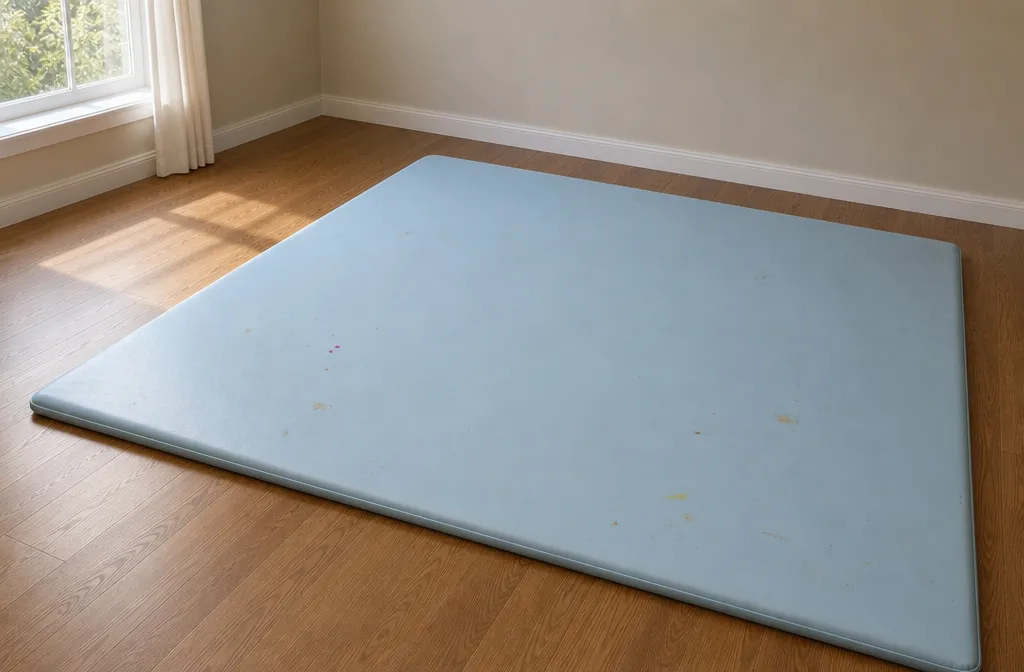
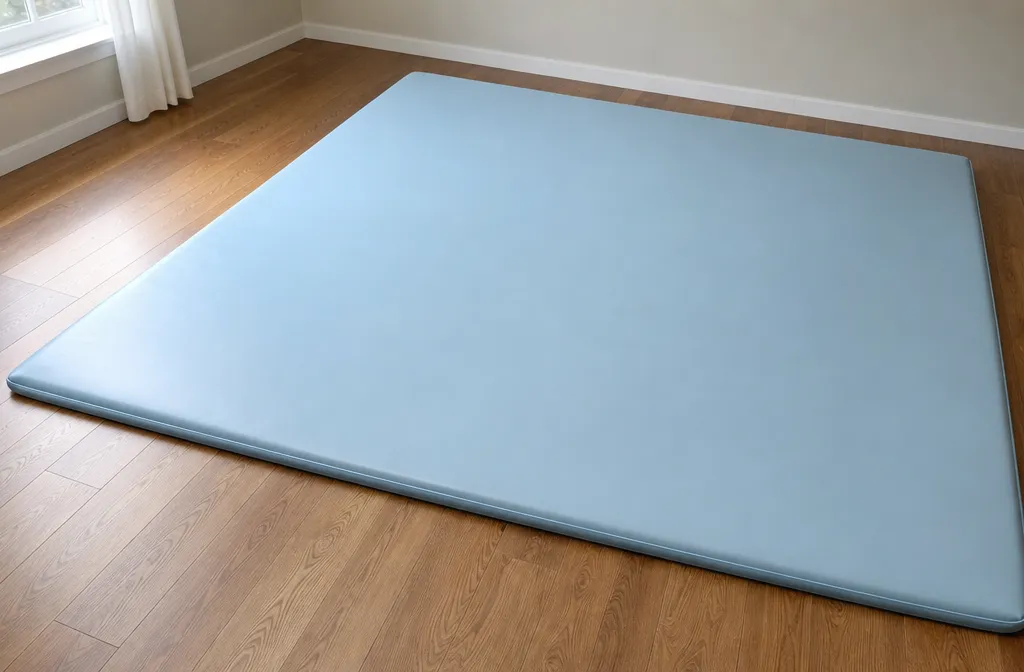
Request: Wash the play mat from food and paint marks.
Done: Dry cleaning of the mat with removal of stubborn pigment stains and disinfection.
Cost: 7 000 ₸
Master: Malika Nurtazina, dry cleaning master
Total: Mat is bright, clean, stain-free and bacteria-free, child plays safely.
 After
After
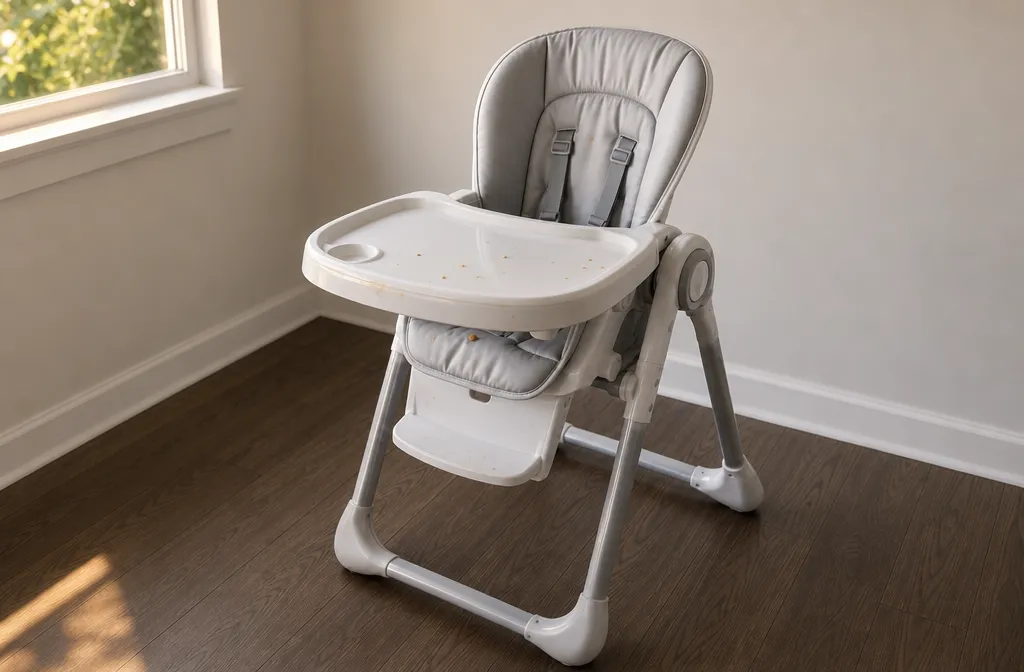
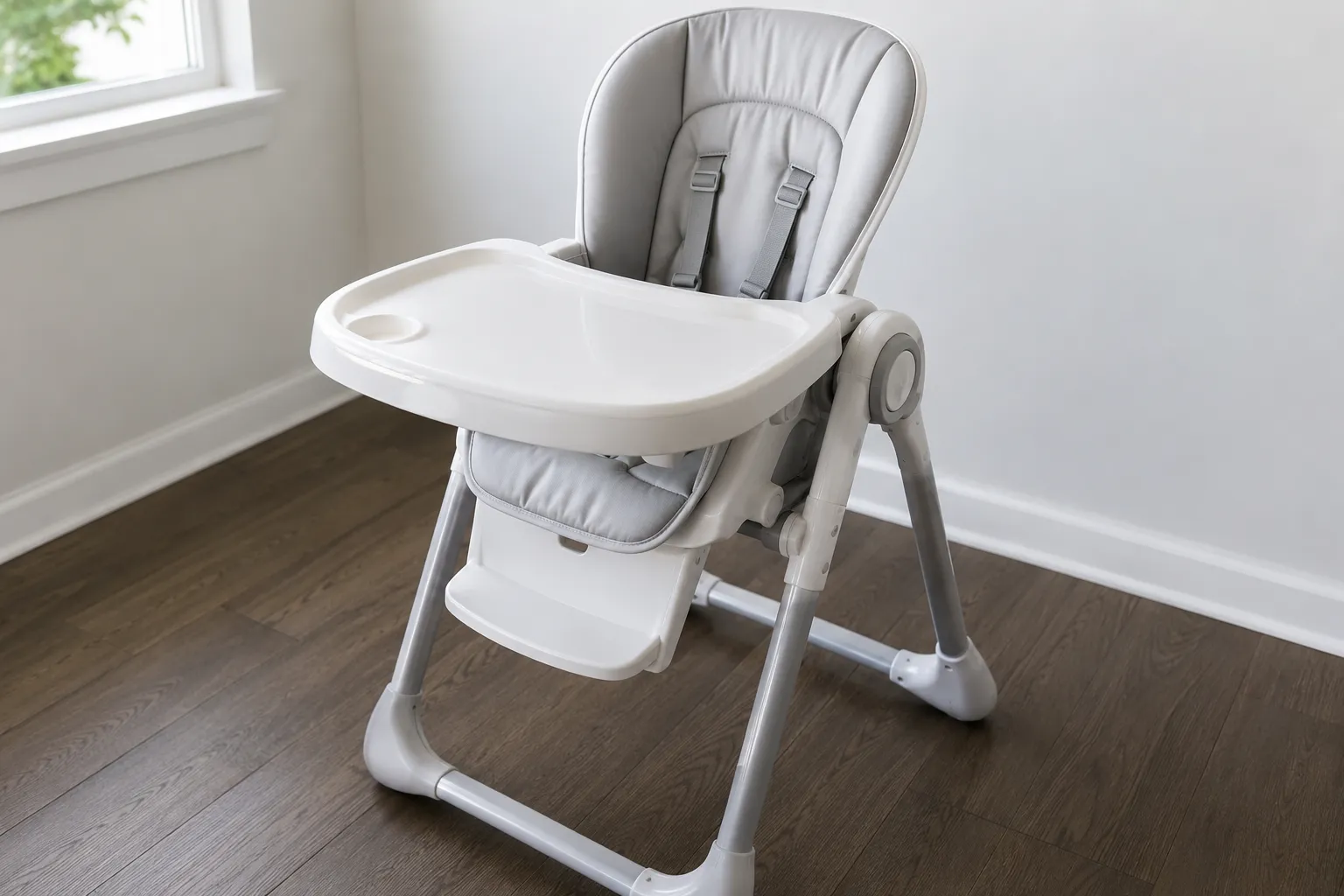
Request: Remove dried food residues and stains from the high chair.
Done: Dry cleaning of the seat and tray, removal of grease stains and film.
Cost: 1 500 ₸
Master: Yerlan Kaliyev, dry cleaning master
Total: High chair perfectly clean, no sticky marks, ready for the next feeding.
 After
After
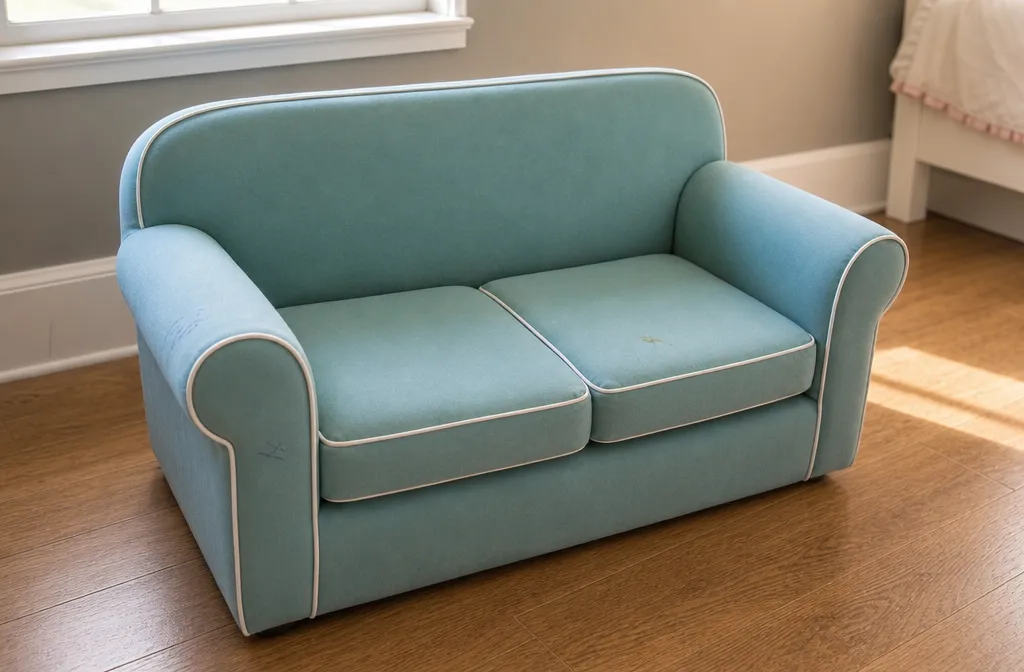
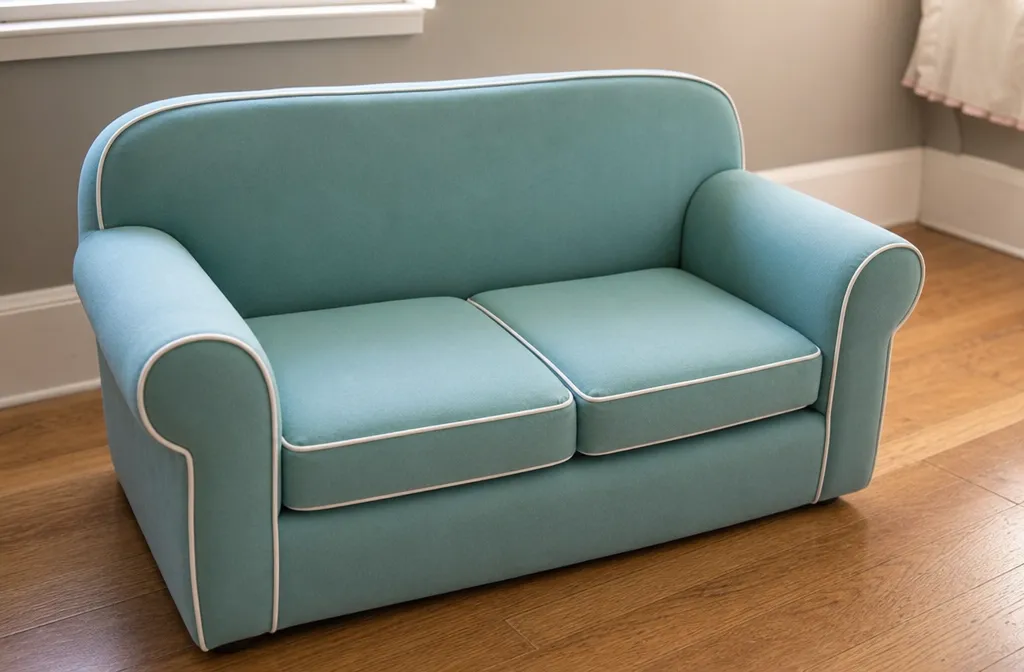
Request: Remove juice and marker stains from the children's sofa.
Done: Dry cleaning of upholstery with removal of stubborn stains and color refreshment.
Cost: 11 000 ₸
Master: Dauren Akhmetov, dry cleaning master
Total: Sofa is clean, bright, stain-free, the children's room is cozy again.
All cleaners are profi-clean staff with training, uniform and security check. Each order has a team leader who controls quality.
At profi-clean, we remove dozens of types of stains from children’s clothing daily — from common to complex — but not every stain is guaranteed to disappear in a single cycle. It all depends on the fabric composition, how old the stain is, and the type of substance that got on it.
Fruit and vegetable purees, juices, berries, drops of breast milk and formula — this is the most common scenario on clothes for children under one year old. These stains respond best to treatment if they are fresh (up to 24 hours). Our cleaners use the hypoallergenic Kiehl enzyme-based product, which breaks down protein and sugar at a molecular level — this removes even set-in apple puree from cotton bodysuits. Grass stains are a more complex case: chlorophyll penetrates deep into the fibers, especially on linen and viscose. For old grass stains (over 3 days), a second cycle with the Sodasan bleaching stain remover may be required. On thin synthetic fabrics (polyester in tracksuits), grass stains are removed in one go, while on wool, only localized steam treatment is used to avoid damaging the structure. Before loading into the machine, it’s best not to rub the grass stain — rubbing only drives the pigment deeper.
Vegetable oil from fingers, greasy baby creams, traces of milk porridge, and leftover butter — grease stains require a different approach: enzymes are useless here, solvents are needed. At profi-clean, we use a professional citrus terpene-based degreaser that softens the oily layer in 10-15 minutes before the main wash. On cotton and denim (children’s jeans), grease is completely removed; on microfiber and fleece, a residue may remain if not treated immediately — then a repeat cleaning with elevated pH is needed. Greasy stains from baby formula on the lining of down jackets (a common story for moms in Almaty in winter) are only cleaned if pre-soaked in a warm solution — cold water “seals” the protein. Our advice: don’t put an item with a grease stain in the laundry basket — overnight it “sets,” making it harder to remove.
Traces of compote, berry juice, or colored soda (especially cherry and pomegranate) are among the most treacherous for a child’s wardrobe. Red and purple pigments (anthocyanins) become permanently fixed to the fabric when heated, so home washing in hot water (60°C) often makes the stain permanent. Our technology involves cold pre-treatment with a hydrogen peroxide-based oxidizer — it draws out the dye without damaging the fiber. On white cotton, the result is 90-95%; on colored fabrics (pink dresses, blue shirts), residual lightening is possible — we warn about this in advance and test on an inconspicuous area. The hardest to remove are combined stains: compote + grease (e.g., on sleeves after lunch) — here, a two-phase treatment is used: first a degreaser, then an oxidizer. On synthetics (nylon jackets, raincoat fabric), dyes wash out more easily than on natural fabrics but require careful pH control to avoid discoloring the material itself.
Blood from scraped elbows and knees, egg stains on bibs, leftover cottage cheese and yogurt — protein stains must absolutely not be washed with hot water: protein coagulates at 40°C and becomes permanently embedded in the fabric. At profi-clean dry cleaning, we treat such stains only with cold water (up to 30°C) and protease — an enzyme that breaks down protein into amino acids. On linen and bedding fabrics (calico, satin), blood is removed in 1-2 cycles; on thick denim or jacket nylon, mechanical steam cleaning may be required. A fresh blood stain (up to 2 hours) is 98% removable even without a stain remover — just cold water and soap solution, but if the item has already dried, professional treatment is necessary. Egg white on synthetics (children’s polyester t-shirts) leaves a greasy film — this is only removed with surfactant treatment followed by rinsing in two waters. The main rule: don’t rub blood — it only expands the affected area; blot it with a napkin and bring it to us.
When parents bring a children’s down jacket or stroller to a regular dry cleaner, they risk getting an item back that is no longer suitable for their child after treatment. profi-clean’s children’s dry cleaning has different priorities: not just to remove a stain, but to preserve the fabric’s hypoallergenic properties and structure.
Standard dry cleaners use industrial solvents — perchloroethylene (PERC) and tetrachloroethylene. These substances are excellent at removing stubborn stains from adult jeans or outerwear, but they are aggressive for children’s skin. PERC residues on fabric can cause contact dermatitis, redness, and itching, especially in children under three years old. In our practice, there was a case: after treatment at a regular service, a child developed a rash on the neck where the jacket collar touched the skin — we had to re-clean the item using our water-based method. Furthermore, perchloroethylene destroys the fine fibers of children’s fleece and cashmere — after three or four cycles of such cleaning, the item loses its softness. The difference is that we only use certified hypoallergenic Kiehl and Sodasan solutions, which are completely rinsed out of the fabric in a single rinse cycle. Before sending items to a dry cleaner, always ask which solvent they use — if you hear “PERC” or “chloroethylene,” it is unsafe for children’s items.
Children’s clothing is often made from blended fabrics with added elastane, polyester, and cotton — each material reacts to heat differently. Regular dry cleaning often processes items at standard 60–70 °C, which is critical for children’s knitwear: elastane threads lose their elasticity at this temperature, and the item shrinks by 5–10% in length. For each order, we create a treatment card — we check the fabric composition on the label and set the temperature from 30 °C for delicate items to 50 °C for down jackets. The mechanics also differ: for children’s dry cleaning, we use drums with a reduced rotation speed (only 20–25 rpm instead of 40–45 rpm in standard machines) to avoid stretching knitwear or damaging glued appliqués. A common mistake is washing a child’s membrane jacket in a regular dry cleaner: the membrane gets clogged with surfactant residues and stops breathing, causing the child to sweat in such clothing even in the cold.
There are categories of children’s items that regular dry cleaning will either ruin or cannot clean effectively due to material specifics. For example, child car seats and strollers — their frames often contain polyurethane foam and foam rubber, which swell, lose shape, and start to crumble upon contact with aggressive solvents. For such items, we use only water-based aqua cleaning with shape fixation: the fabric part is treated at 35 °C, dried horizontally with forced ventilation to prevent the foam rubber from deforming. Children’s mattresses with coconut coir are another example: regular dry cleaning soaks them with water, the coir rots inside, and mold appears. We clean such mattresses using a dry foam method with minimal moisture and subsequent vacuuming. Soft toys with music boxes or plastic eyes — in a regular service, they might simply soak them, causing the boxes to break and the eyes to scratch against the drum. At profi-clean, we use a separate delicate cycle for toys with manual fixation of elements. If there is a child with allergies or asthma in the family, children’s dry cleaning is mandatory — residues of any aggressive reagents can trigger an attack, so we note in the order that the item is for an allergy sufferer and perform a double rinse with hypoallergenic solutions.
The materials of children’s items react very differently to moisture, temperature, and reagents — in our dry cleaning practice in Almaty, choosing the wrong mode for a delicate fabric results in shrinkage, loss of shape, or a persistent odor. We break down four groups of materials that require a professional approach, not home washing.
Cotton and linen children’s items — strollers, mattresses, crib bumpers — often have a water-repellent or antibacterial coating that is damaged when washed in hot water above 40 °C. At profi-clean, we treat such surfaces with a hypoallergenic Kiehl solution at 30 °C and low pressure to preserve the protective layer. If the coating is already damaged, we apply a new one after dry cleaning — this extends the item’s lifespan by 6–8 months. In the Almaty market, strollers with cotton tops from brands like Peg Perego and Chicco are common — their coating lasts up to three active seasons with proper cleaning.
Membrane jackets, overalls, and raincoats for children are the most common reason for returns after home washing: powder clogs the membrane pores, and the item stops breathing. In Almaty’s conditions, where humidity fluctuations from dry air to precipitation can reach 40% in a single day, a clogged membrane causes the child to overheat during walks. We use specialized Sodasan products for membranes — they contain no phosphates or alkalis that damage the polyurethane layer. After dry cleaning, we restore the DWR coating; otherwise, drops don’t roll off but are absorbed into the fabric within 10–15 minutes of rain.
Down jackets, blankets, pillows filled with goose down or holofiber — materials that clump and lose volume when dried incorrectly. Our cleaners dry down items in a chamber with forced air circulation at 45 °C and constant tumbling — this takes 4–5 hours compared to 1 hour for regular drying, but otherwise the filler forms lumps and insulates half as effectively. Synthetic fillers (holofiber, fibertek) are less finicky, but when washed with a spin cycle above 600 RPM, they lose up to 30% of their original volume — we spin them at 400 RPM and finish drying them in a flat, spread-out state.
Wool and cashmere children’s sweaters, blankets, hats — materials that shrink up to two sizes when exposed to hot water and friction. In our practice, there was a case where hand-washing a wool blanket in warm water (35 °C) caused 15% shrinkage in length — after dry cleaning on a special frame, we restored its shape, but it took an extra day. For knitwear, we use only cold water (18–22 °C) and neutral enzyme solutions that break down protein-based stains without damaging the fibers. Before dry cleaning a knitted item, we always check the label for composition — 100% wool requires the “wool/silk” setting even if the surface looks clean, otherwise pilling appears after 2–3 washes.
Preparing children’s items for dry cleaning directly affects the result of stain removal and fabric preservation — incorrect actions by parents can set stains permanently.
If you notice fresh contamination and can’t hand over the item immediately, blot the stain with a dry microfiber cloth — it absorbs up to 70% of the liquid phase without pressing it in. For greasy marks from baby cream or oil, dust the area with talc or starch: they adsorb the oil in 2–3 hours, after which the residue is easily removed with a brush without rubbing. In our practice, this method has saved more than one set of newborn bedding — we recommend using it as an emergency measure if the technician’s visit is scheduled for the next day.
In the pockets of children’s jackets and backpacks, parents most often forget markers, candies, plasticine, and napkins — during solvent treatment, these items release pigments that stain the entire garment. For example, a wax crayon in a down jacket pocket at 30 °C in a professional machine turns into a stain up to 15 cm in diameter, which can only be removed with a repeat cycle using bleach. Before handing over, turn each pocket inside out and shake out the contents — this reduces the risk of additional procedures by 90% according to profi-clean intake statistics.
Parents often wonder: is it enough to have a down jacket cleaned once a quarter, or is a strict schedule needed for each type of clothing? At profi-clean, we see that frequency is dictated not by the calendar, but by the intensity of the item’s contact with skin, food, and the outdoors — and the rules will be different for a stroller, a toy, and a bedding set.
For a children’s down jacket or overalls that a child wears daily to school and for walks, we recommend treating it twice per season: in the middle and at the end. For “dressy” clothes, one dry cleaning after spring is enough. In our practice, there was a case: a 7-year-old boy wore the same down jacket all winter without cleaning — by March, the filling had clumped, and a persistent greasy residue from snow and dirt had formed on the sleeves. After treatment at profi-clean, the down jacket restored its volume, but if the cleaning had been done in January, the residue would not have embedded so deeply into the fabric. On synthetic jackets with membranes (Sympatex, Windstopper), dirt clogs the membrane pores after 40-50 days of wear — vapor permeability decreases, and the child sweats faster. Therefore, for active schoolchildren, the interval between dry cleanings should not exceed 2-2.5 months of continuous wear. School uniforms (jackets, trousers, vests) require cleaning every 1-2 months — sebum accumulates on collars and cuffs, attracting dust mites. This is especially critical for children with allergies: Dermatophagoides pteronyssinus breeds in fabric folds at temperatures of 20-25°C, and regular dry cleaning with hypoallergenic agents (Kiehl, Sodasan) reduces the mite population by 90% in one cycle.
A stroller is the number one dust collector in a home with a child: the wheels bring in street dirt (in Almaty, this is sand, dust, and residue from sidewalk reagents), and the child spends 2-4 hours daily in the carrycot or seat unit. We recommend dry cleaning the stroller every 3-4 months, and with daily walks in parks (Gorky Park, First President’s Park) — every 2.5 months. Wet cleaning at home only removes the top layer of dust but does not eliminate bacteria and allergens from the seat padding and fabric inserts. We had an order: a stroller that hadn’t been cleaned for a year and a half — inside the seat unit, we found mold fungus on the lining due to condensation that accumulated during temperature changes. After treatment at profi-clean with a disinfectant based on silver nanoparticles, the fungus was destroyed, but the fabric lost 15% of its color — prevention is cheaper than replacement. A car seat (from 0 to 12 years) is an even more critical item: the child eats, drinks, and sometimes sleeps in it, and crumbs with juice get clogged into the seams and buckle straps. For car seats, we recommend dry cleaning every 3-4 months, especially if the family frequently travels long distances (more than 2 hours a day). Saliva and milk formulas create a favorable environment for Staphylococcus aureus — at 37°C in car seat fabrics, the colony doubles every 20 minutes. Regular steam treatment at 120°C and hypoallergenic products destroys 99.9% of bacteria without damaging the frame and straps.
A soft toy is an item that a child constantly puts in their mouth, presses to their face, and takes to bed. At profi-clean, we see two categories: “sleep” toys (those the child sleeps with every night) and “play” toys (those that lie on the floor). For the former, dry cleaning is needed every 2-3 months — overnight, up to 0.5 g of dead epithelium and sebum accumulates on the surface, which feeds dust mites. For the latter — every 4-6 months, but with a mandatory check for hidden defects: if the toy was in a puddle or rain, mold can develop inside without external signs. In one order, we received a teddy bear that smelled musty — inside, there was black residue on the synthetic padding, although the toy looked clean externally. After dry cleaning with ozonation, the smell disappeared, but the filling had to be replaced with new one. For children under 3 years old, who often lick toys, we recommend choosing models with holofiber filling — it does not absorb moisture and withstands up to 10 dry cleaning cycles without losing shape. Pile toys (with long synthetic pile) require more frequent treatment — once every 2 months, because the pile traps dust and pet hair more strongly than smooth textiles. Before handing over, check the tag: if it only indicates hand washing at 30°C, dry cleaning is possible, but we will treat such a toy with steam without soaking to avoid deforming the filling.
A child’s mattress is one of the most underestimated items: parents change sheets weekly, but the mattress itself goes years without professional cleaning. Meanwhile, over 6 months, up to 2 kg of dead skin cells, sweat, and fine dust particles accumulate in the mattress — an ideal environment for Dermatophagoides farinae. For a healthy child without allergies, we recommend dry cleaning the mattress every 6 months; for children with allergies, every 3-4 months. This is especially important for mattresses with coconut coir or latex: these materials are hygroscopic, absorbing moisture from the air (in Almaty, humidity drops to 30% in winter and rises to 60% in summer), and with sharp fluctuations, condensation can form inside the mattress. In our practice, there was a case: a 5-year-old child developed a cough without fever — doctors diagnosed an allergy to house dust mites. After dry cleaning the mattress and pillow at profi-clean, the cough disappeared within 10 days without medication. Bedding (pillows, blankets, mattress protectors) is treated on the same schedule, but with a nuance: down pillows (goose down) require dry cleaning every 4 months because down actively absorbs sweat and clumps faster. Synthetic pillows (hollow fiber, siliconized fiber) are less demanding — once every 6-7 months is sufficient. If a child has had an acute respiratory viral infection or the flu, the mattress and pillow should be treated off-schedule: viruses and bacteria persist in fabrics for up to 48 hours at room temperature, and dry cleaning with a disinfectant component eliminates them in one cycle. Before treatment, we always check the mattress for a waterproof cover — if there isn’t one, we replace wet cleaning with dry cleaning (foam extraction method) to avoid over-wetting the filling.
When every item comes into contact with a child’s skin for hours, choosing a service provider becomes a matter of health, not just convenience. In Almaty, there are dozens of cleaning offers, but not every one is ready to take responsibility for a child’s wardrobe.
In Almaty, due to the basin effect and smog, the level of PM2.5 particulate matter regularly exceeds the norm by 3-5 times — these microparticles settle on clothes and strollers, even if a child has walked for an hour in the city center. Regular washing at 30-40°C does not remove nano-dust and pollen, but professional dry cleaning with solvents and vacuum extraction removes 96-98% of suspended particles — this is confirmed by measurements in our tests after treatment. In practice, we notice: children who wear items after our treatment have less reddening of the cheeks and less runny noses during the flowering season. Before ordering, check with the technologist if we treat the item with an antistatic agent — it additionally repels dust, extending cleanliness by 2-3 weeks in Almaty’s air conditions.
Many Almaty laundries without specialization take children’s down jackets and car seats “as an extra” without changing the settings. We have seen the consequences: after washing in a regular machine at 60°C, synthetic filling deforms by 15-20% of its volume, and down clumps into lumps — the item loses its thermal protection and stops distributing heat evenly. Another common mistake is using chlorine-based bleaches to remove berry stains from colored knitwear: chlorine destroys the dye and leaves micro-cracks in the fibers, where dirt then gets trapped even faster. At profi-clean, for children’s items, we use oxygen bleaches based on sodium percarbonate (Sodasan, Kiehl) — they break down the stain pigment but preserve the fabric’s structure and color. If you are offered dry cleaning for a child’s jumpsuit below a certain price point, ask what bleach is used and whether the program is changed to a delicate one — the answer “everything is standard” should be a red flag.
Car seat dry cleaning is not about aesthetics, but about preserving protective properties. In Almaty, where roads are dusty year-round (sand, winter reagents), the seat upholstery accumulates up to 200-300 grams of dirt per season — this is extra weight that, during a side impact, shifts the seatbelt anchor point by 2-3 cm. We clean the upholstery on-site without removing it from the frame — this eliminates the risk of incorrect reassembly, where the belt is twisted or the buckle is not fully clicked shut. In our technologist courses, we demonstrate a test: after unprofessional cleaning with fabric removal, one out of five installations results in a belt slack of 1.5 cm, and during a collision, this shifts the fixation point from the pelvis to the abdomen. Trust your seat cleaning only to those who guarantee reassembly with tension control — we provide such a guarantee in writing.
In Almaty, rush hour traffic jams (Abaya — Sain, Al-Farabi Avenue) add 40-60 minutes one way to a trip to the dry cleaner — an hour to an hour and a half on the road for a single item. Our cleaner comes to you with equipment and cleans children’s items on-site: a down jacket, stroller, car seat, toys — all in one visit. The average processing time for three items is 90 minutes, and you don’t wait 2-3 days as you would at stationary dry cleaners. Additionally, you see what and how your item is being treated and can check the result immediately. In our orders for children’s sets in the Auezov and Bostandyk districts, we noticed that parents often add a car seat and stroller in one visit — this saves them two separate trips and gets everything clean in one Saturday morning. Before the visit, ask the technologist to send a list of what needs to be prepared (remove covers, take toys out of the stroller) — this will reduce the work time by another 15-20 minutes.
I ordered dry cleaning for my son's down jacket after a walk in the rain — it came back like new, even grass stains disappeared.
Glad we handled the stains! We look forward to seeing you again.
We gave them a jacket and trousers after a year of wear — thought it was time to throw them away, but after cleaning they looked like new from the store.
I brought three big teddy bears for children's dry cleaning — they removed dust, the fur became fluffy. Only waited a day longer than promised.
We apologize for the delay, we will try to be more punctual.
A carpet with stains from markers and juice — they removed everything, colors are bright, pile not damaged. Thank you!
Children's dry cleaning of football uniform — after the tournament it smelled terrible, had grass stains. Returned perfectly clean and odorless.
We work with any stains! Contact us.
I handed over a set of bed linen from a child's crib — juice stains were removed, but the fabric shrank a bit. Not critical, but unpleasant.
Sorry for the shrinkage, we will take fabric features into account.
I ordered children's dry cleaning of a car seat cover — crumbs, juice, dirt. It became like new, even the smell disappeared.
My daughter's dress with sequins and cake stains — cleaned carefully, sequins didn't fall off, color is vibrant.
Thank you for the review! Always happy to help.
Children's dry cleaning of a down jacket — returned without streaks, down evenly distributed. Very satisfied.
My daughter's blanket with cocoa stains — removed, but had to clean twice. But the result is excellent.
Sometimes stubborn stains require retreatment, glad everything worked out.
My son got his backpack dirty with paints at school — gave it for children's dry cleaning, paint completely removed, backpack like new.
Knitted hat with pills and scarf — after cleaning soft, without pills, fresh scent.
Thank you for your trust! We look forward to seeing you again.
Costume with sequins for performance — was afraid they would ruin it, but children's dry cleaning handled it perfectly.
Stroller mattress — was dirty after a year of use. After cleaning, it looks like new, I recommend it.
Children's dry cleaning of play mat — food stains were removed, but a faint chemical smell remained. It dissipated after a day.
We use safe products, the smell goes away quickly.
My daughter's dress after the wedding (white, with lace) — I was afraid to hand it over, but it came back perfectly clean, lace intact.
Glad we met your expectations!
My son's sneakers after football — sent them for children's dry cleaning, came back white and odorless.
My daughter's coat with ink stains — removed, fabric not damaged. Excellent quality.
Ordered children's dry cleaning for a blanket — stains removed, but it shrank in volume. Became thinner.
Sorry, possible filler shrinkage. We'll be more careful.
My son's vest with berry stains — returned without traces, color didn't fade.
Thank you! Always ready to help.
Children's dry cleaning of winter snowsuit — after winter it was gray, became snow-white.
Curtains from the children's room — dusty, with stains. After cleaning, like new, no smell.
Tablecloth from a children's party (juice, cake) — sent to children's dry cleaning, stains removed but the border faded a bit.
We apologize for the color change; we'll take note for the future.
Stroller cover — dirty after walks. Cleaned perfectly, now like new.
Thank you for your review!
Big bear (1 meter) — took to children's dry cleaning, returned fluffy and clean. The child is happy.
Son's denim suit with oil stains — removed without streaks, looks like new.
Glad to help!
Blanket with urine and juice stains — after children's dry cleaning, no traces, filling not clumped.
Rain cover — became clean but lost some water-repellent properties. Overall good.
We use gentle products; the water-repellent layer can be restored.
Graduation suit for kindergarten — sent to children's dry cleaning, returned flawless.
Congratulations on graduation!
Son's suit with grass stains — cleaned perfectly, fabric didn't shrink.
Crib bumper with spit-up stains — sent to children's dry cleaning, became like new, no odor.
Glad to help! Safe products for little ones.
Child car seat cover — crumbs, juice, dirt. Cleaned perfectly, no streaks.
Yes, we use hypoallergenic products Sodasan and Kiehl with ECOCERT certificates. They are safe even for newborns. After cleaning, items are thoroughly rinsed to remove any chemical residue.
Leave a request on the website or call us. We will agree on the master's arrival time. We work daily from 9 AM to 9 PM.
On average 1-2 hours depending on the item. A stroller takes about an hour, a car seat 40-60 minutes.
We use professional hypoallergenic products Sodasan and Kiehl, certified by ECOCERT. They do not cause allergies and are safe for contact with a child's skin.
Yes, we travel throughout Almaty. The master will come with all equipment and perform cleaning on-site.
Depending on the fabric and weather, 2 to 6 hours. We can speed up drying with a hairdryer.
Yes, we use enzyme products that break down organic compounds and eliminate urine and ammonia odor.
We accept cash, Kaspi Gold, Halyk Bank, and transfers. Payment is made after the work is done.
Yes, we work every day from 9 AM to 9 PM. We can come any day.
Yes, if a stain is not removed, we will refund your money. We are confident in our quality.
Tell us about your experience with profi-clean — it helps other clients and us improve.
We currently operate in Almaty. Other cities are coming soon.