Reception and inspection
We assess the fabric, type of soiling, identify defects. We photograph the dress to record its condition.
Delicate dry cleaning of any dresses — from wedding to everyday, with a guarantee of freshness and fabric preservation.

We work with any types and materials
Cleaning of multi-layer fabrics, lace and train while preserving shape.
from 4,000 ₸Removal of cosmetic and wine stains from delicate fabrics.
from 4,000 ₸Freshening and stain removal without loss of shine.
from 4,000 ₸Gentle cleaning of cotton, viscose and polyester.
from 4,000 ₸Cleaning of dense fabrics while preserving sharp lines.
from 4,000 ₸Delicate treatment of light fabrics.
from 4,000 ₸Manual cleaning of sequins to prevent peeling.
from 4,000 ₸Bead fixation and cleaning without risk of losing decoration.
from 4,000 ₸Cleaning with pH-neutral agents to preserve shine.
from 4,000 ₸Manual lace treatment with thread reinforcement.
from 4,000 ₸Cleaning without stretching, shape restoration.
from 4,000 ₸Delicate cleaning of embroidery with thread protection.
from 4,000 ₸From inspection to result with guarantee
We assess the fabric, type of soiling, identify defects. We photograph the dress to record its condition.
Apply K2 stain remover based on enzymes or solvents. Dwell time depends on stain type.
If necessary, soak in a gentle solution with pH-neutral detergent. Only for fabrics that allow soaking.
Clean in professional Firbimatic machine with temperature and humidity control. Closed-loop filtration.
Remove wrinkles and refresh fabric with steam. Use steam generator with adjustable temperature.
Remove pills, burns, restore nap. Use pill remover machine.
Iron on a steam mannequin that replicates the dress shape. Special attention to pleats.
We inspect each dress for stains and defects. Pack in a protective cover.
Our masters have certificates and experience from 5 years. They undergo training in working with delicate fabrics and complex stains. Each dress is inspected before cleaning to choose the optimal method.
We use German K2 stain removers to remove wine, oil, grass without damaging the fabric. Products are selected according to stain and fabric type. Enzyme formulas are safe for color.
If the stain is not removed, re-cleaning is free. We guarantee quality or refund. Quality control is carried out at every stage.
When ordering 3 or more dresses, the courier will come for free in Almaty. We will pick up and deliver at a convenient time. Saving your time.
Each dress goes through 8 stages: from inspection to final treatment. We use Firbimatic machines with a closed cycle, which prevents chemical residue on the fabric.
Silk, lace, sequins are treated manually with pH-neutral agents. This prevents deformation and preserves shine. No machine modes for complex fabrics.
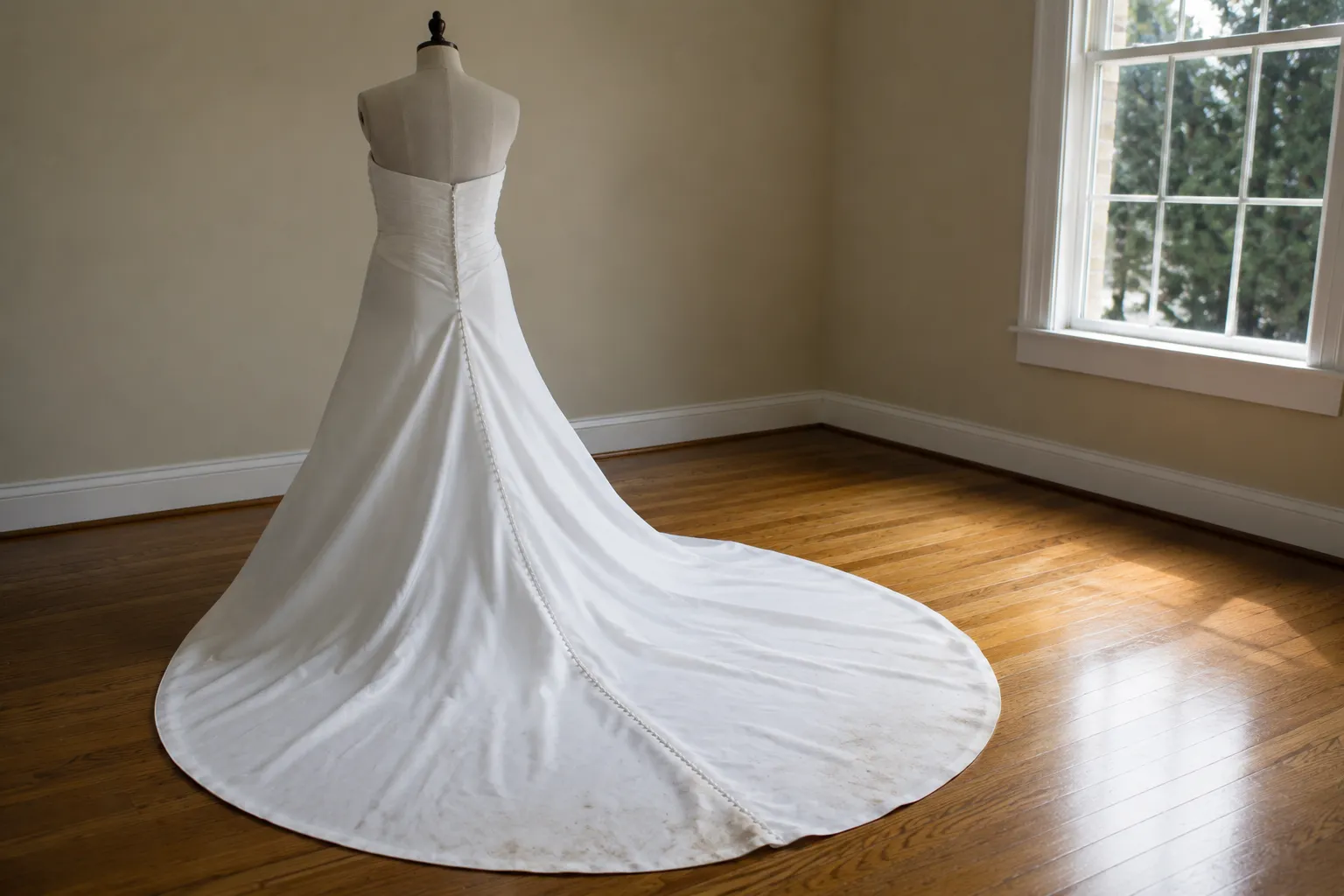
 After
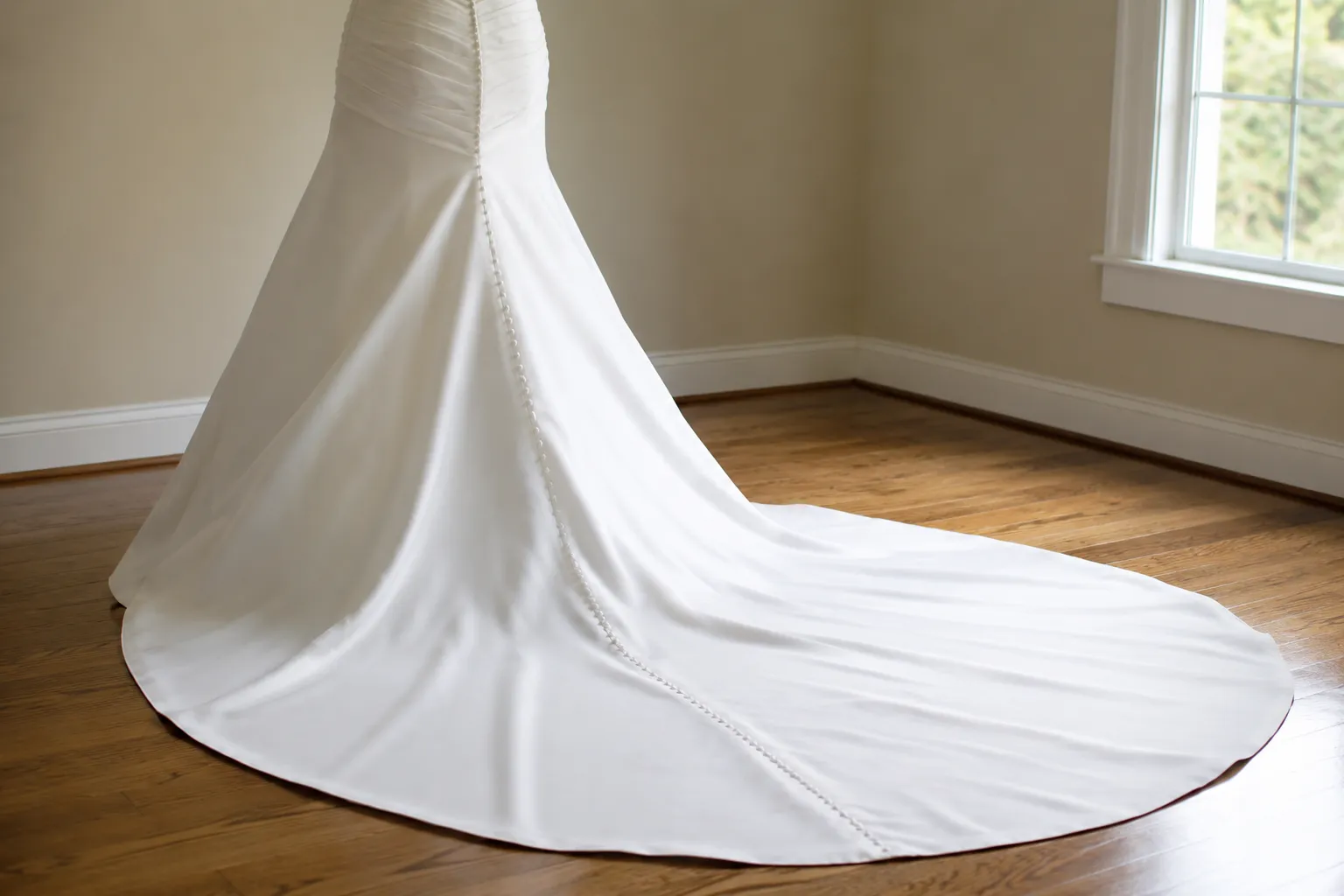
After
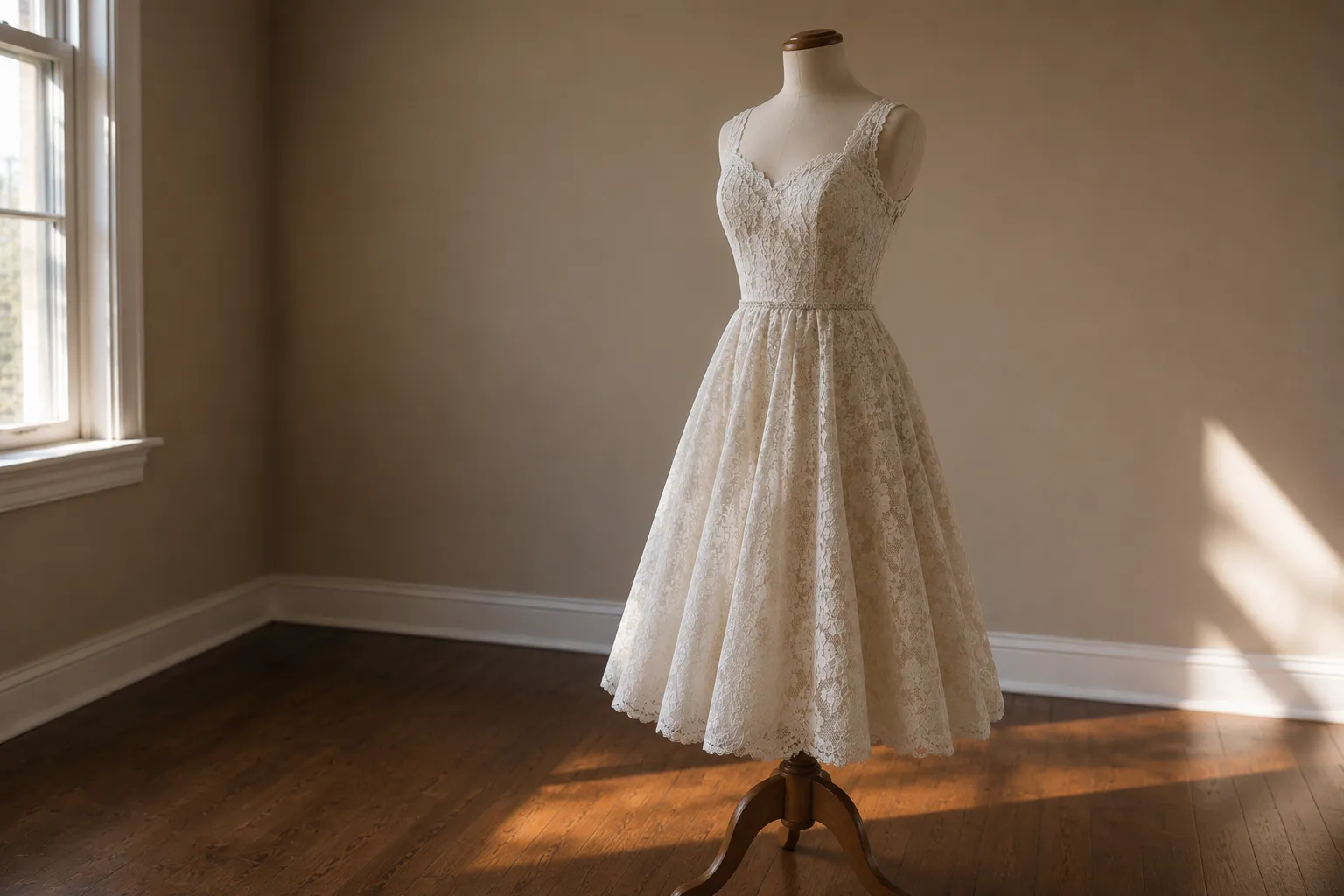
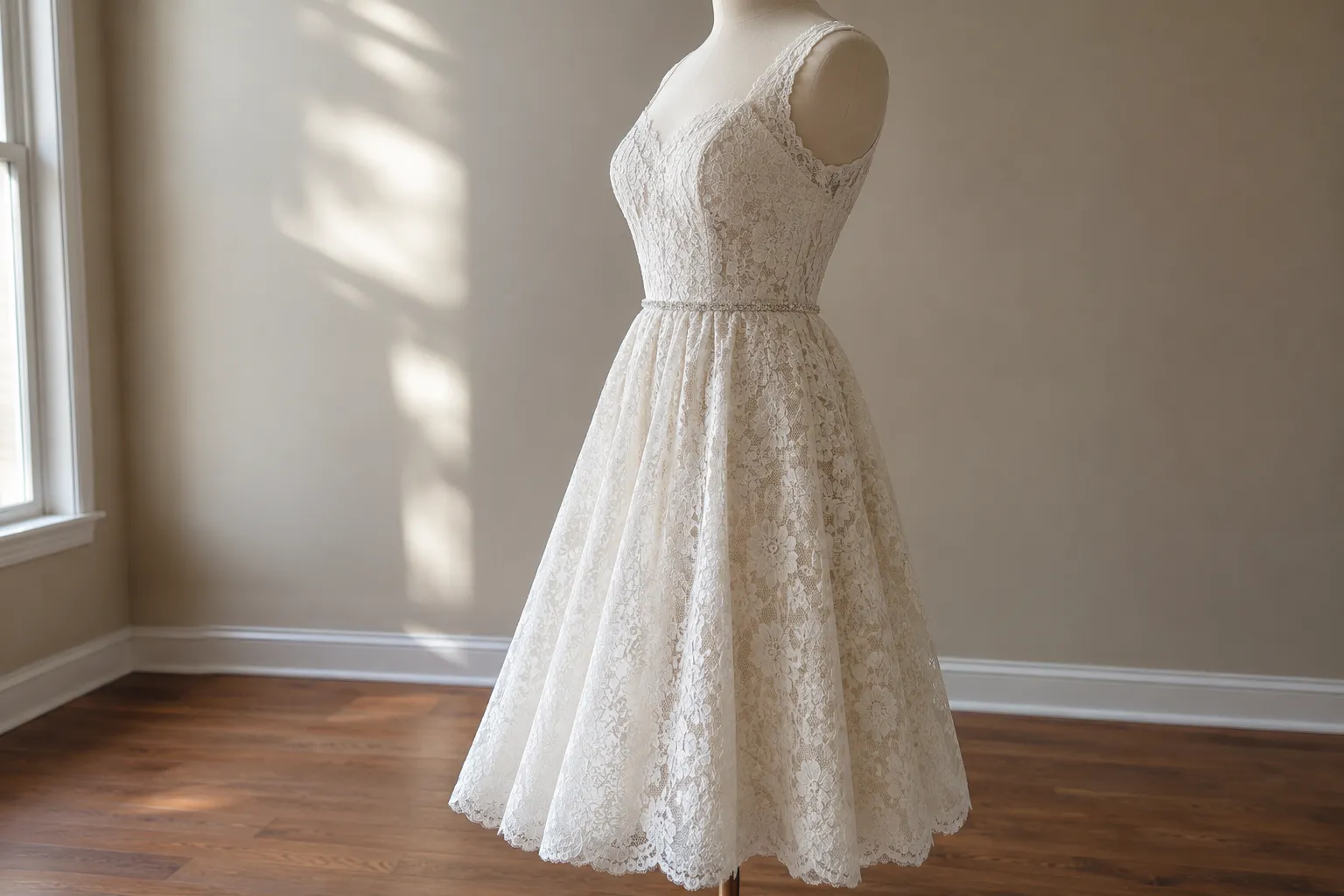
Request: White lace wedding dress after wedding — grass and wine stains on the hem.
Done: We performed local stain treatment, then delicate dry cleaning using an enzyme stain remover.
Cost: 4 000 ₸
Master: Aigul Serikova, dry cleaning master
Total: Dress is snow-white, lace undamaged, no stains.
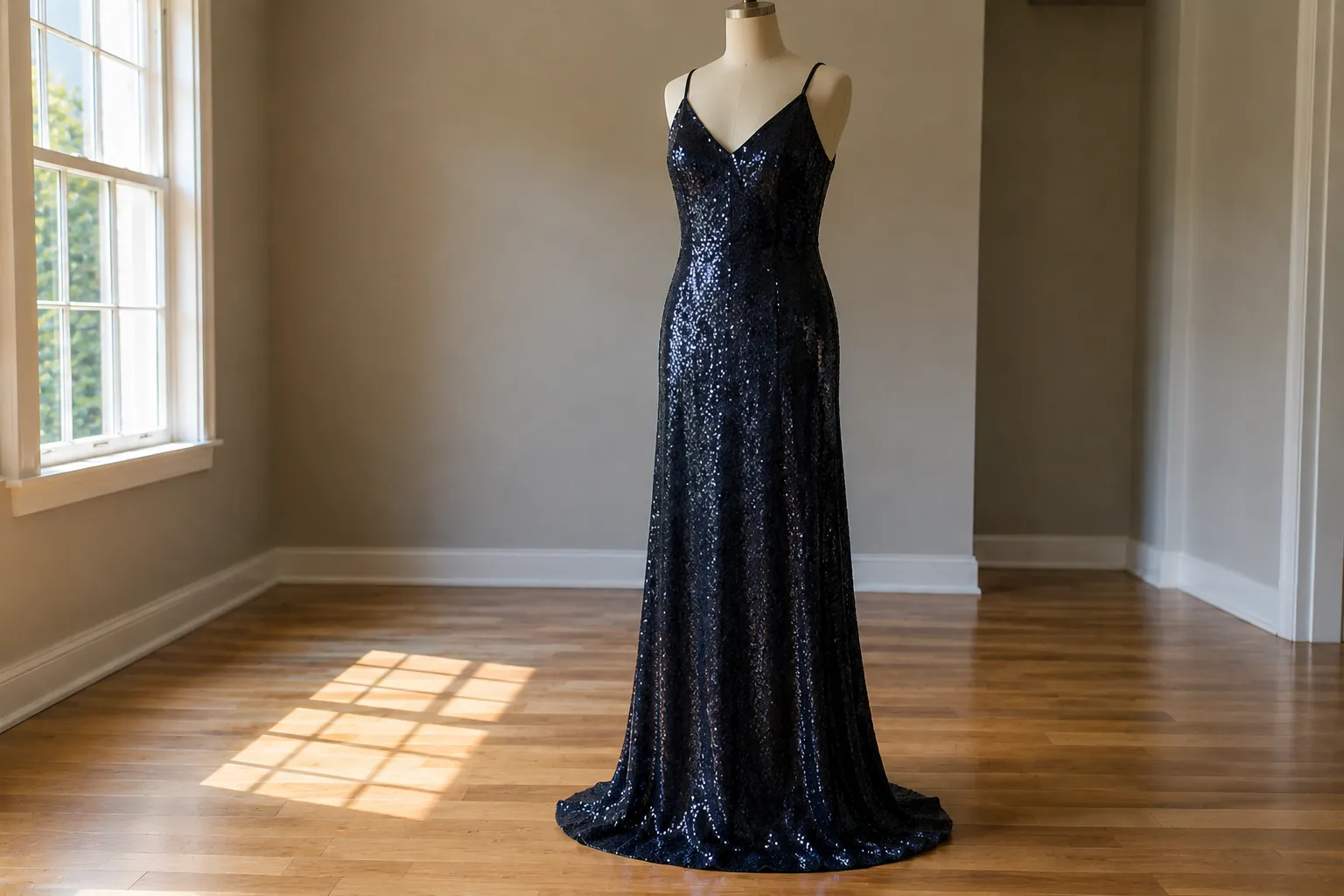
 After
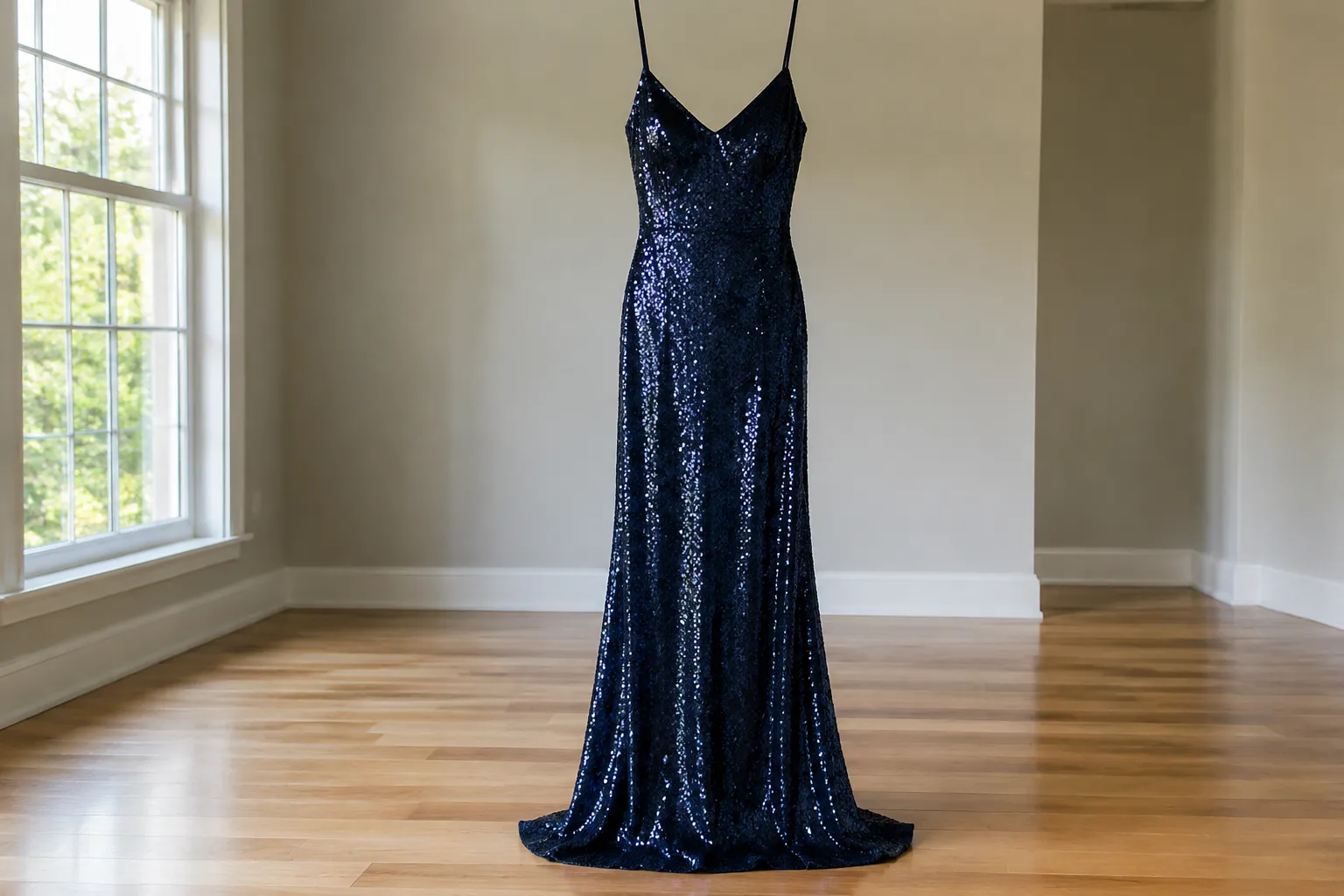
After
Request: Red dress with sequins — grease stains from the party and foundation marks.
Done: We performed manual sequin cleaning, then dry cleaning on delicate mode.
Cost: 4 000 ₸
Master: Damir Nurlanov, dry cleaning master
Total: Sequins shine, fabric stain-free, color vibrant.
 After
After
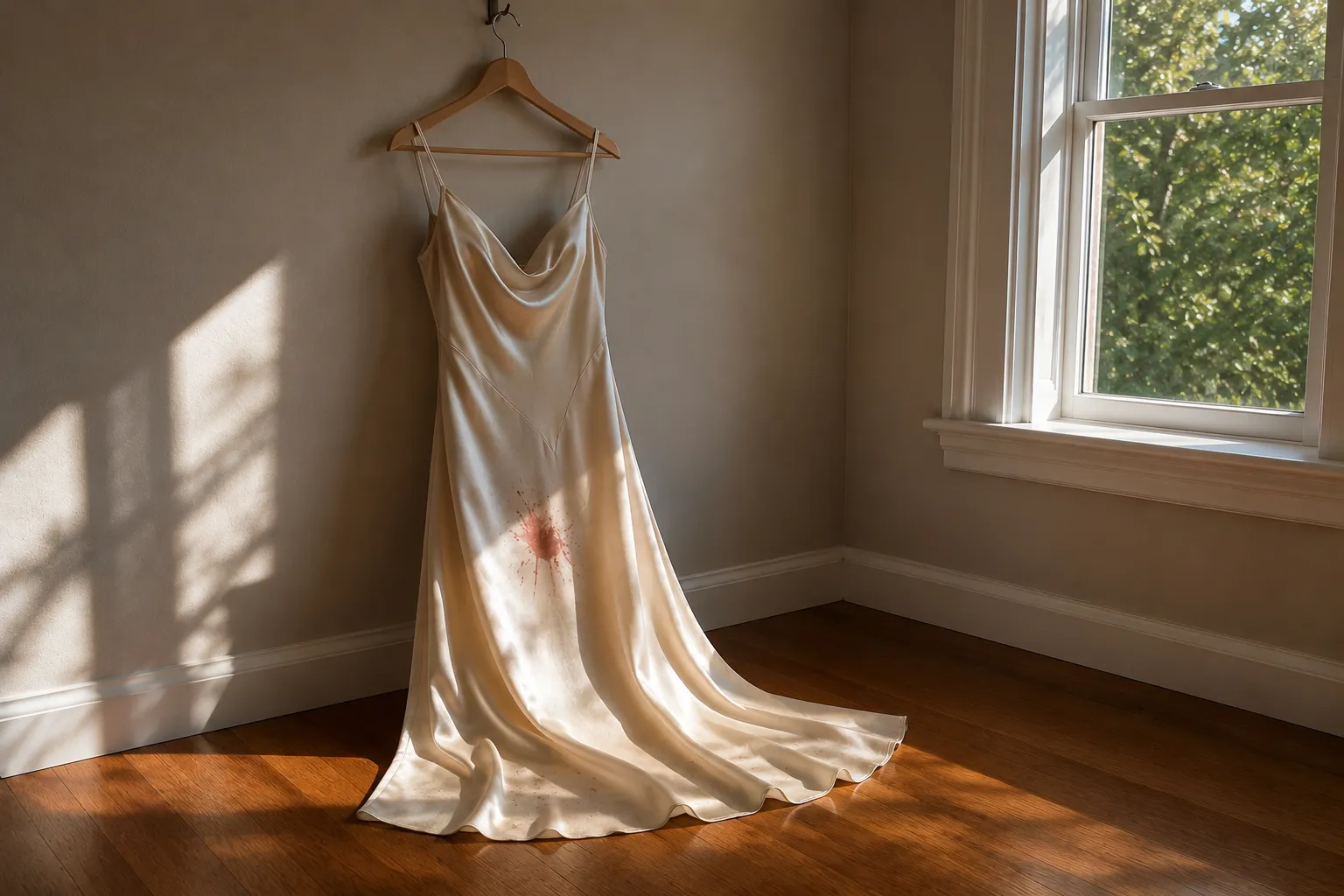
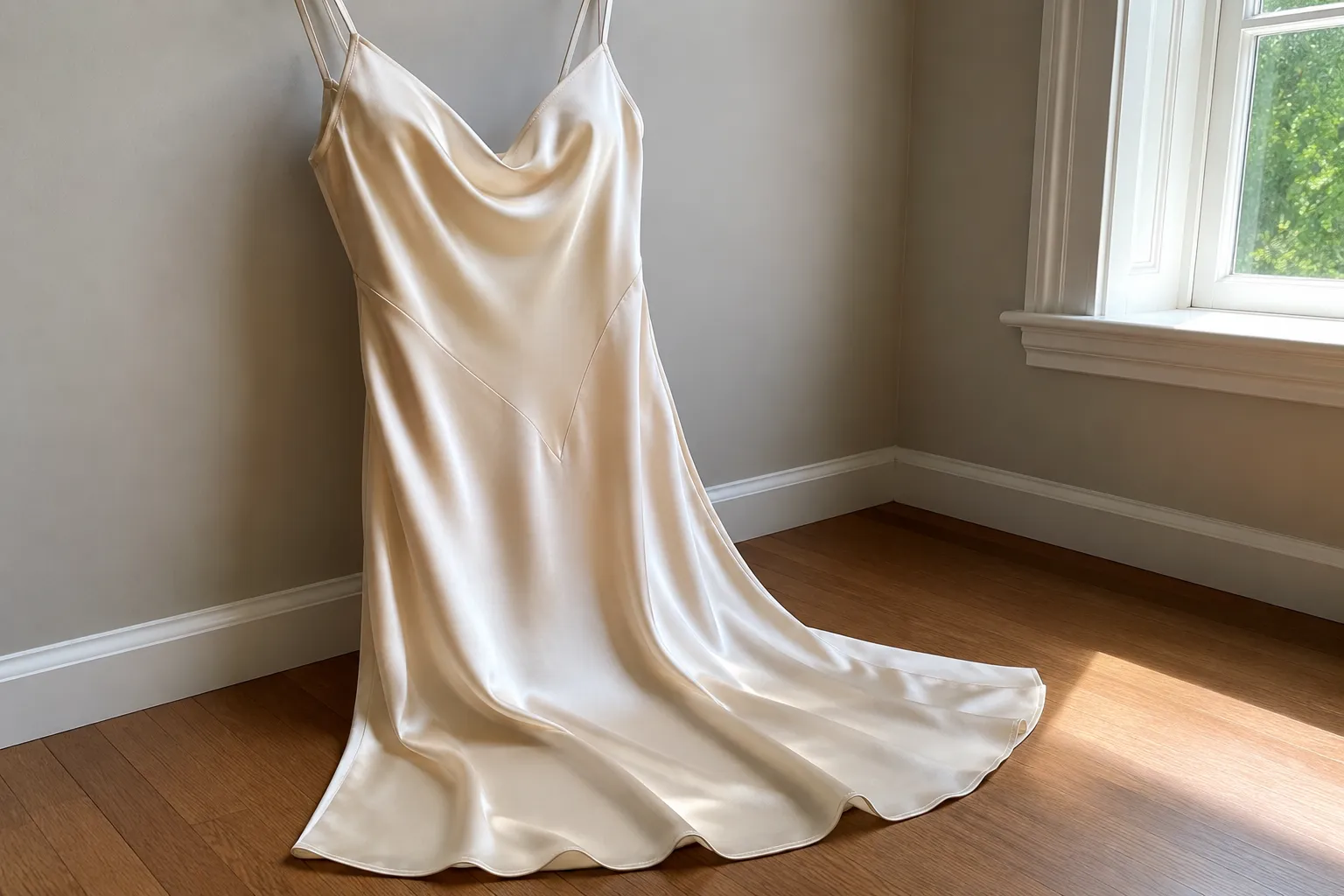
Request: Black silk dress — coffee stains and sweat marks under arms.
Done: We applied delicate dry cleaning with neutral detergent for silk.
Cost: 4 000 ₸
Master: Malika Akhmetova, dry cleaning master
Total: Silk is soft, stain-free, black color restored.
 After
After
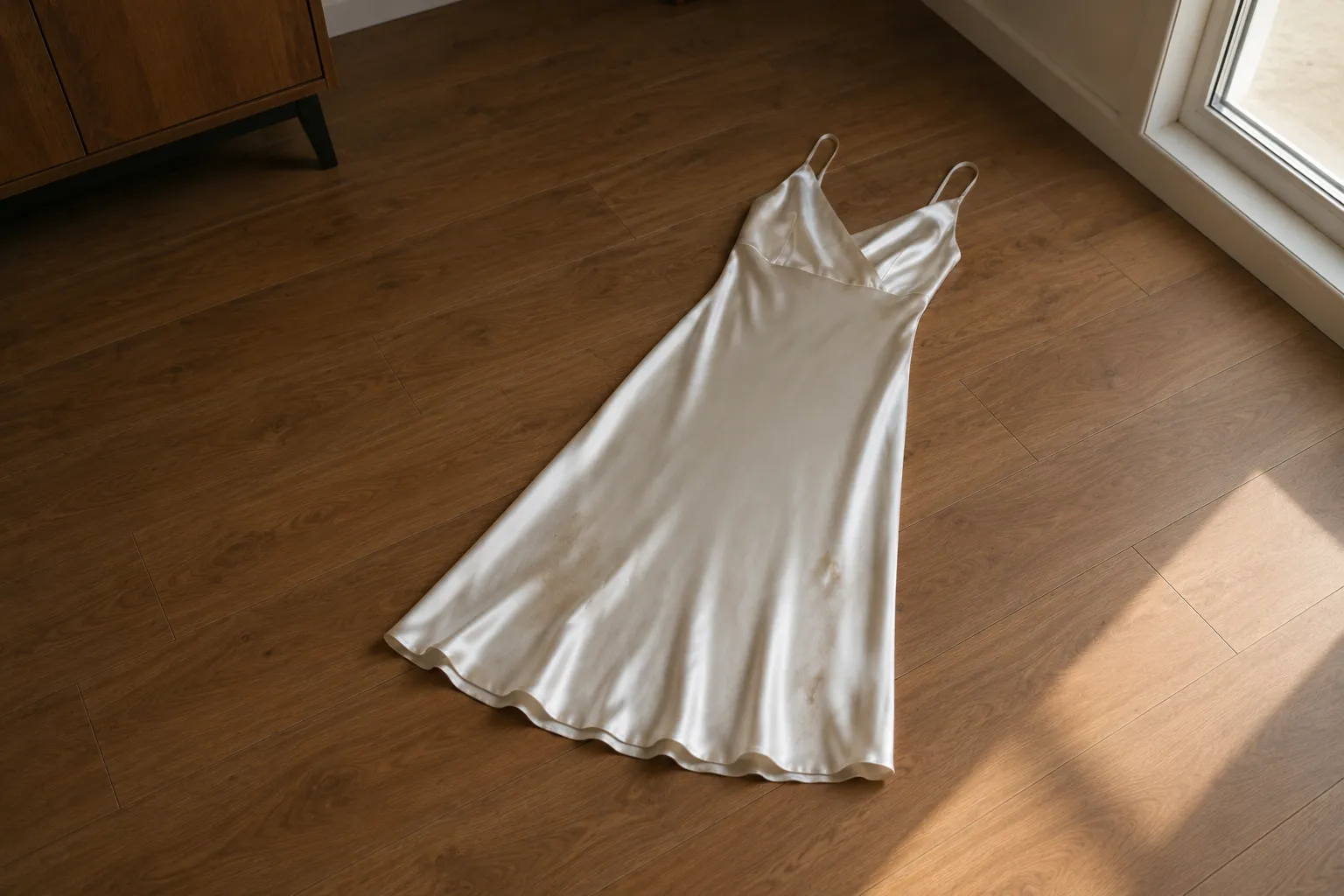
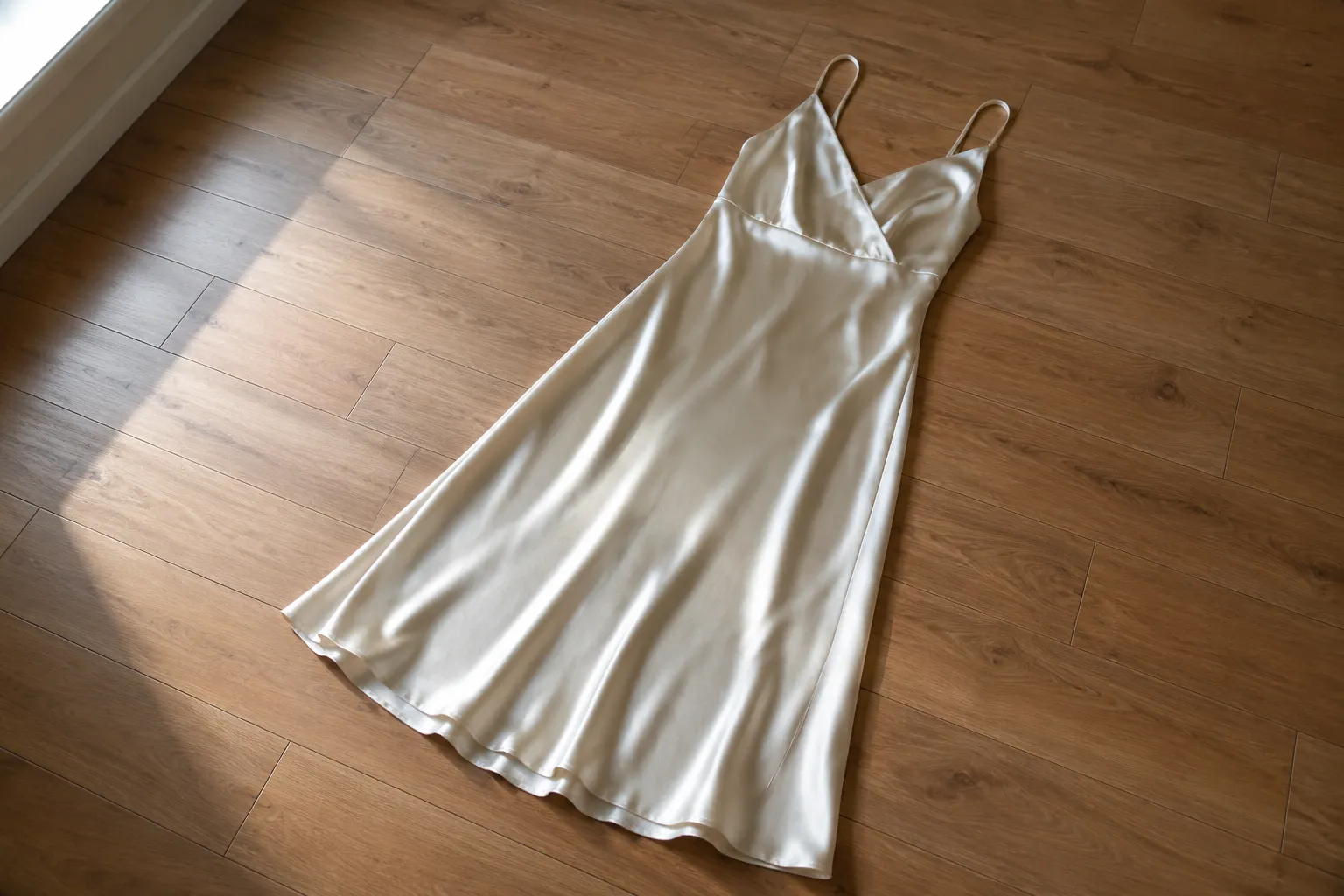
Request: Blue cocktail dress — stains from spilled juice and wine.
Done: We performed local stain treatment, then dry cleaning with oxygen bleach.
Cost: 4 000 ₸
Master: Aliya Kassymova, dry cleaning master
Total: Dress stain-free, color bright, shape preserved.
 After
After
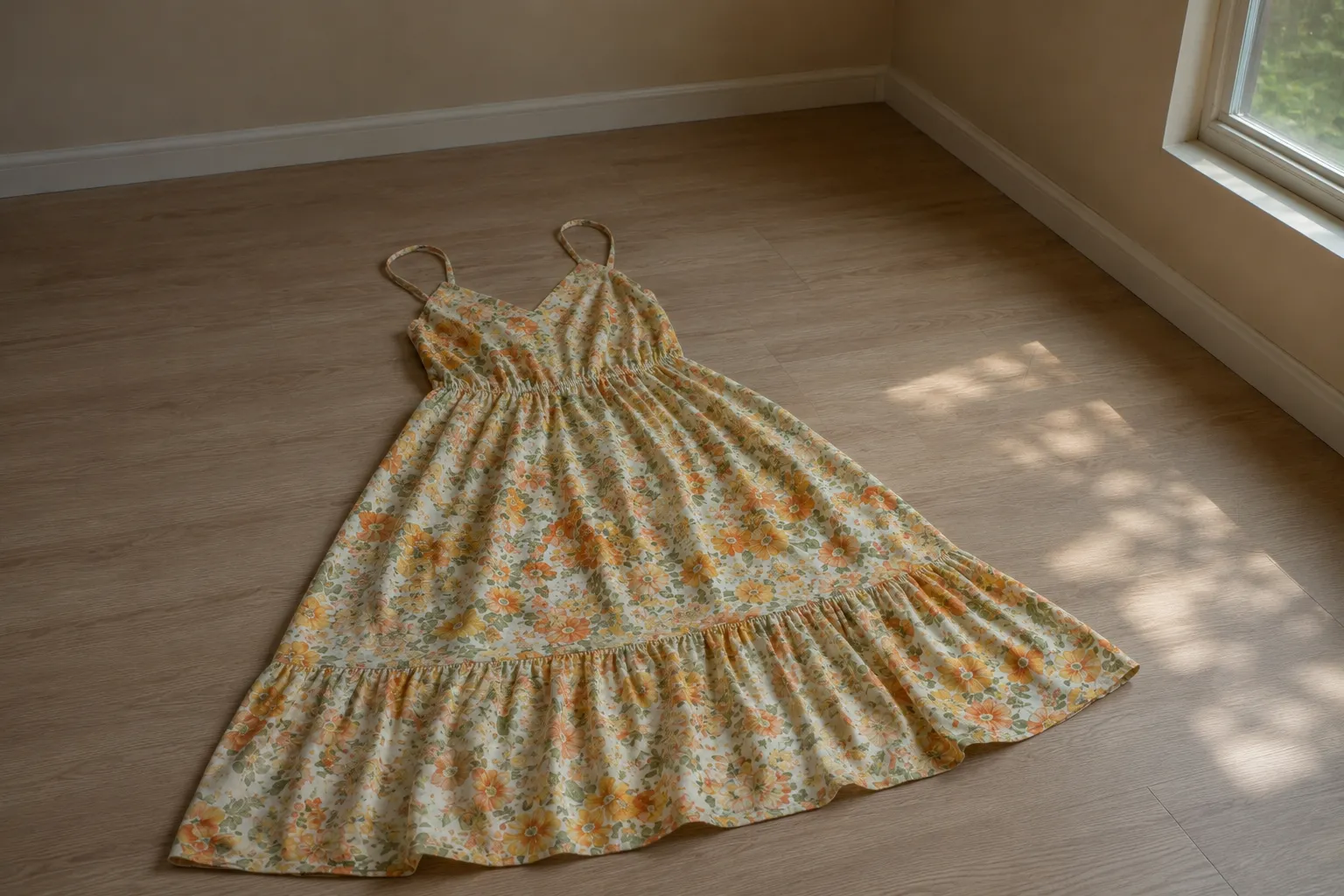
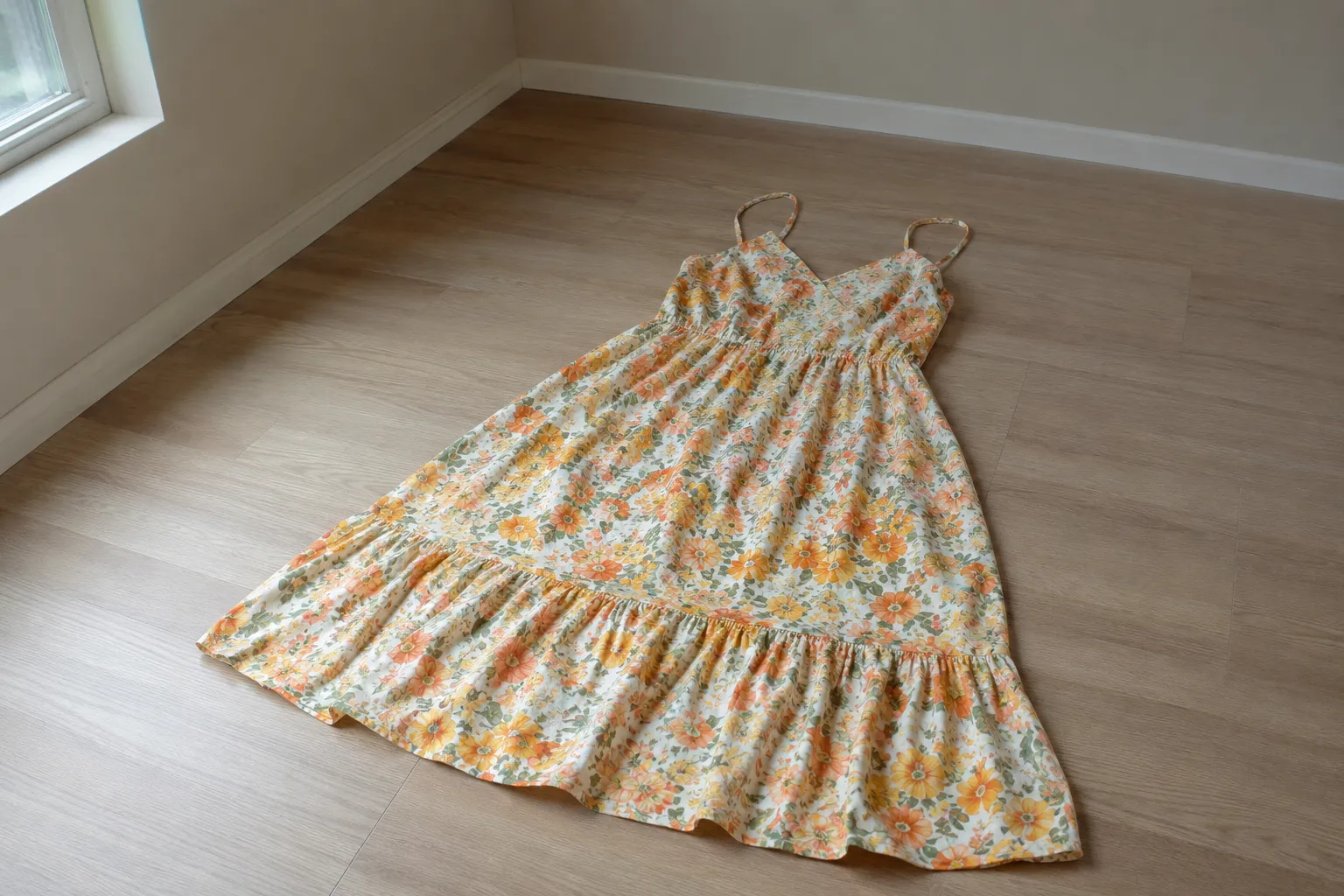
Request: Floral print dress — grass and ice cream stains after a picnic.
Done: We treated stains, then dry cleaning with mild surfactant to preserve the print.
Cost: 4 000 ₸
Master: Yerzhan Tulegenov, dry cleaning master
Total: Print is bright, no stains, dress is fresh.
 After
After
Request: Beaded dress — greasy food stains and makeup marks.
Done: Hand cleaning of beads, then delicate dry cleaning.
Cost: 4 000 ₸
Master: Gulnara Sagintayeva, dry cleaning master
Total: Beads intact, fabric clean, dress looks like new.
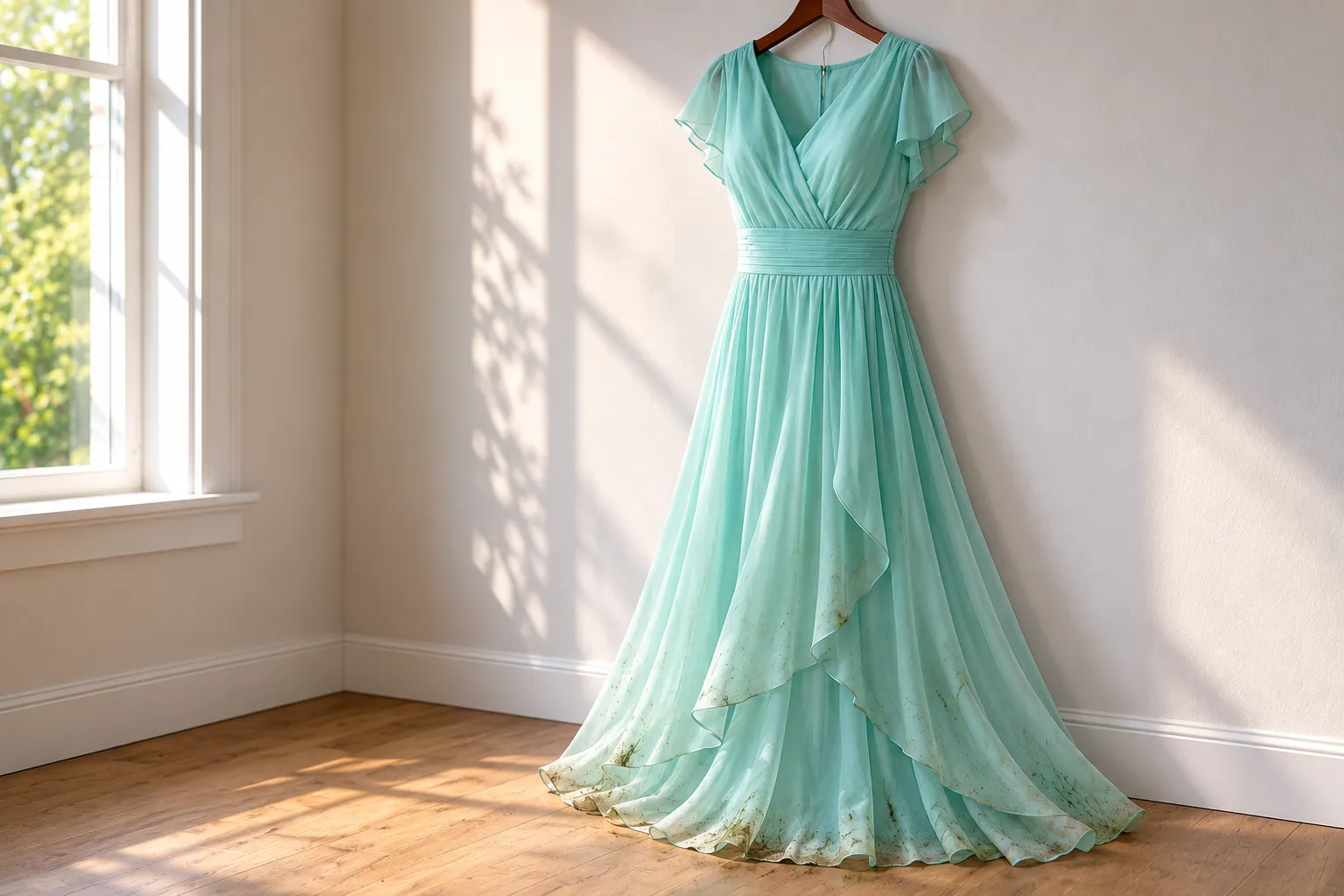
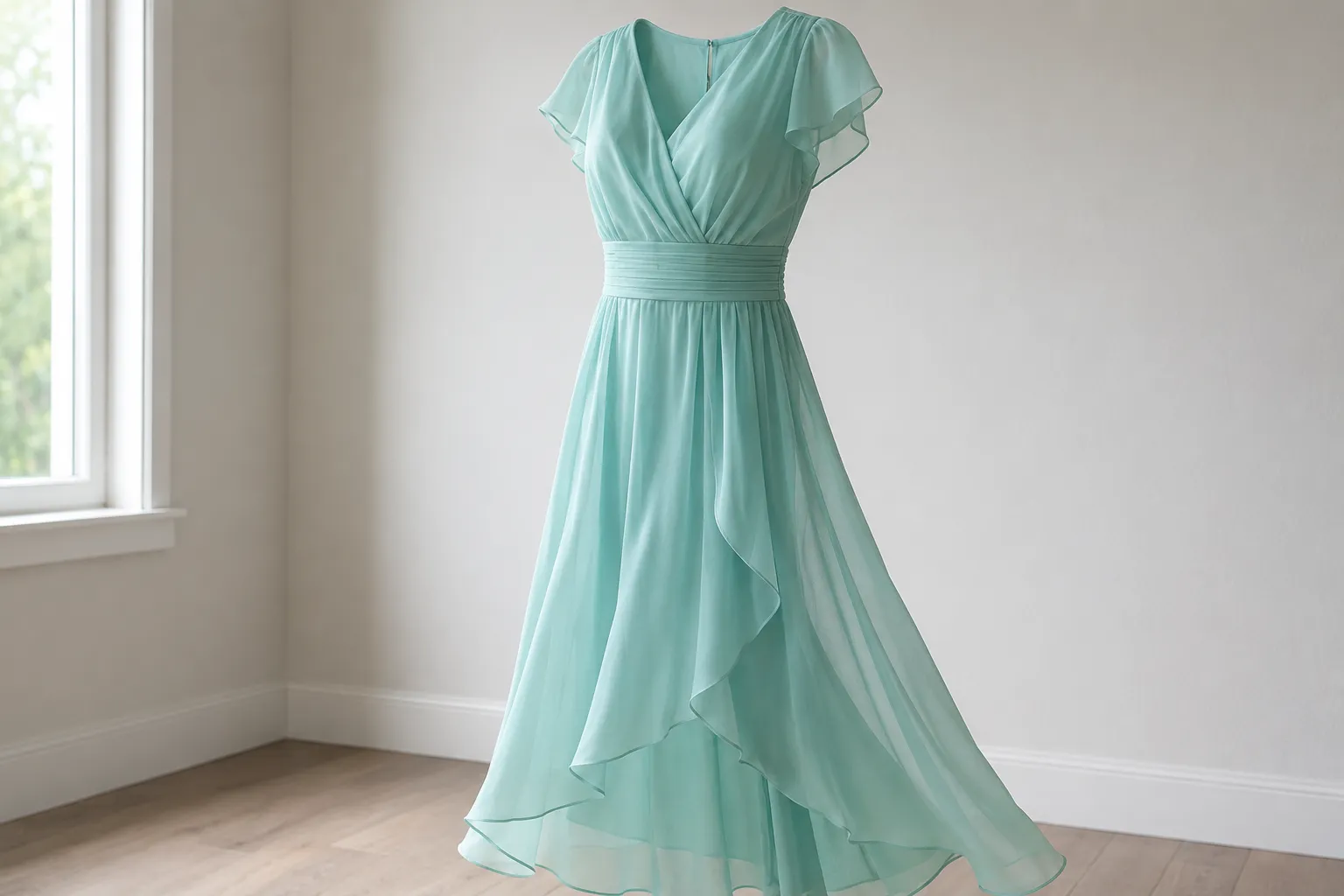 After
After
Request: Lace dress — old tea stains and dirt from a walk.
Done: Applied enzyme stain remover and delicate dry cleaning.
Cost: 4 000 ₸
Master: Assel Zhumabekova, dry cleaning master
Total: Lace is white, no stains, dress looks new.
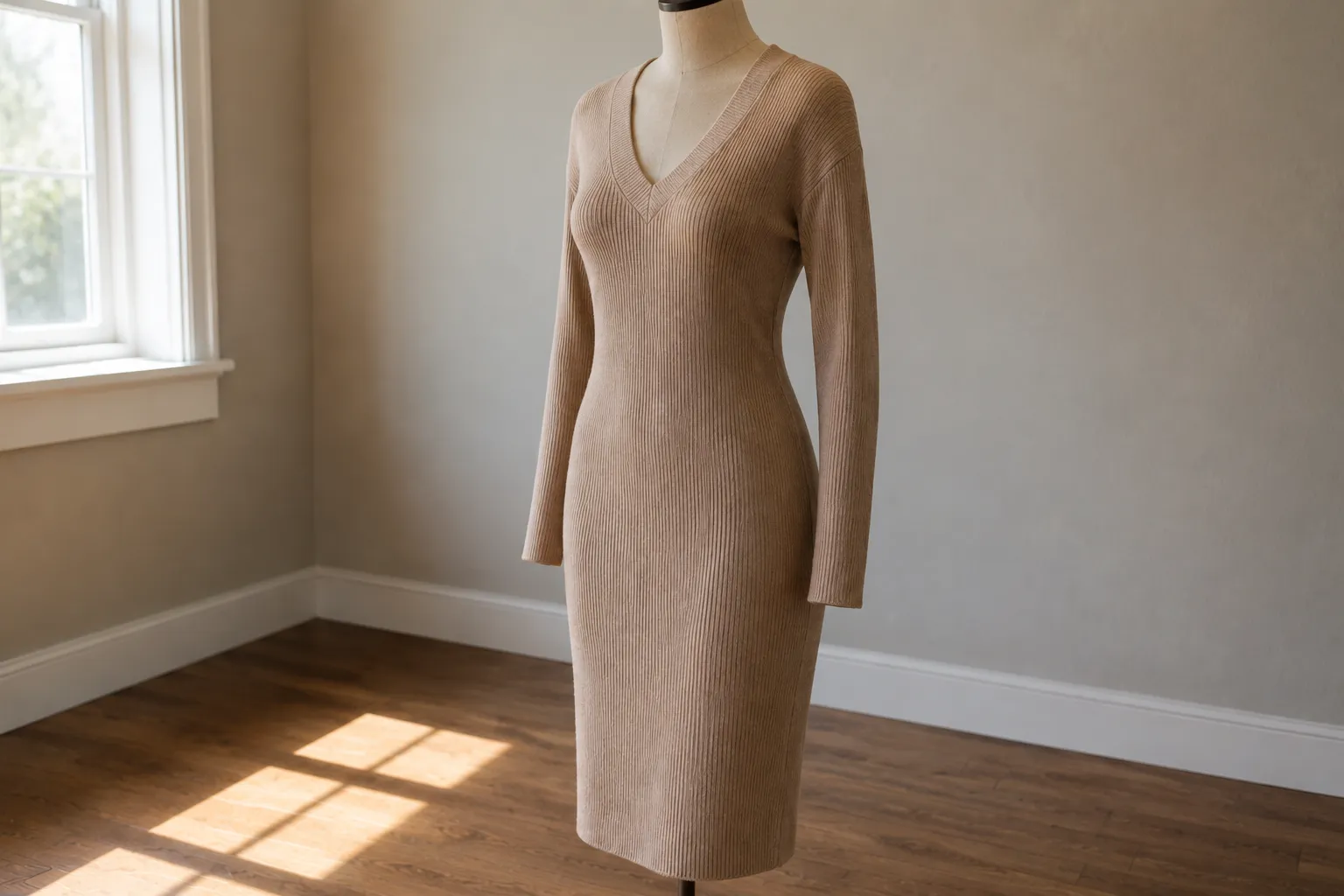
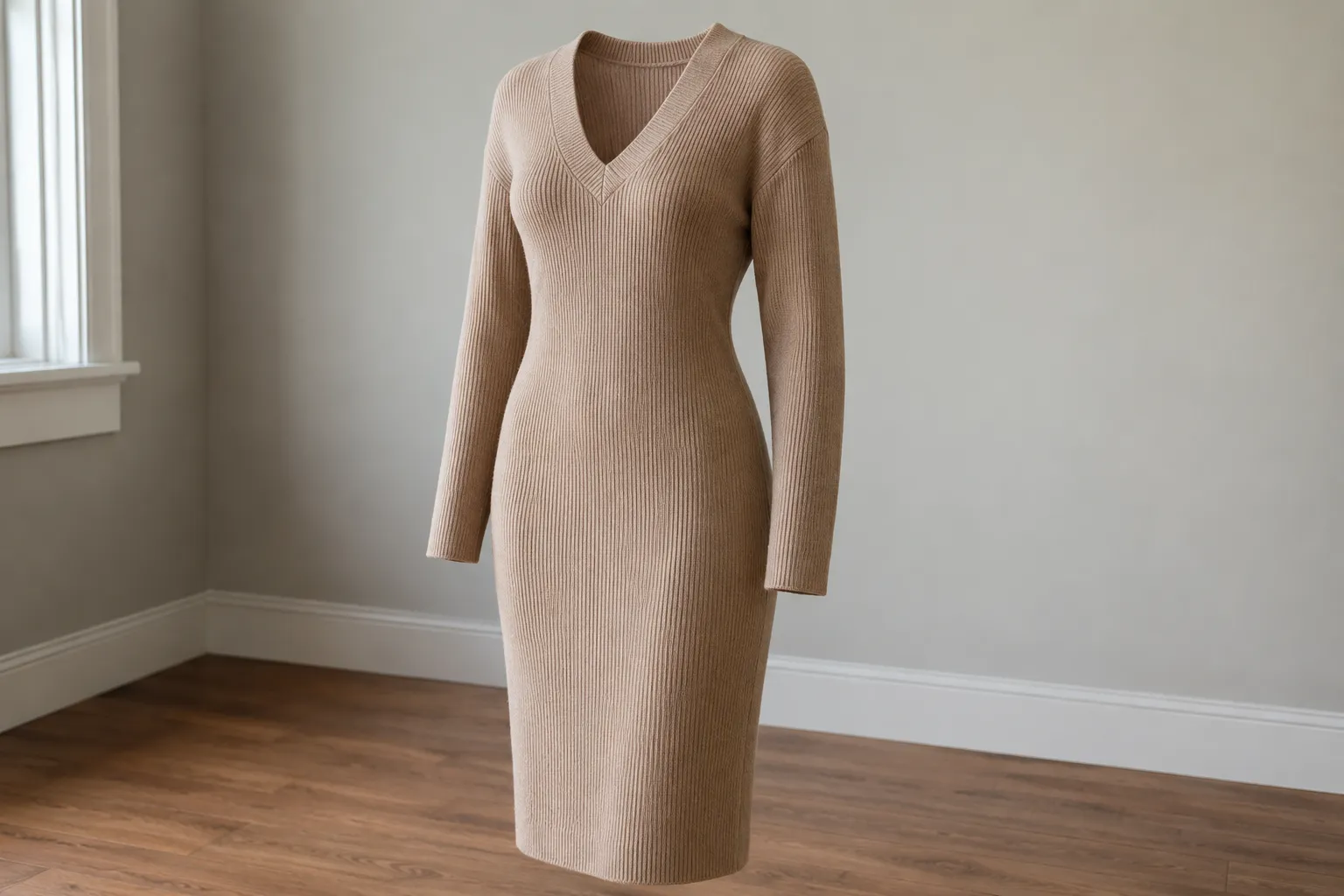 After
After
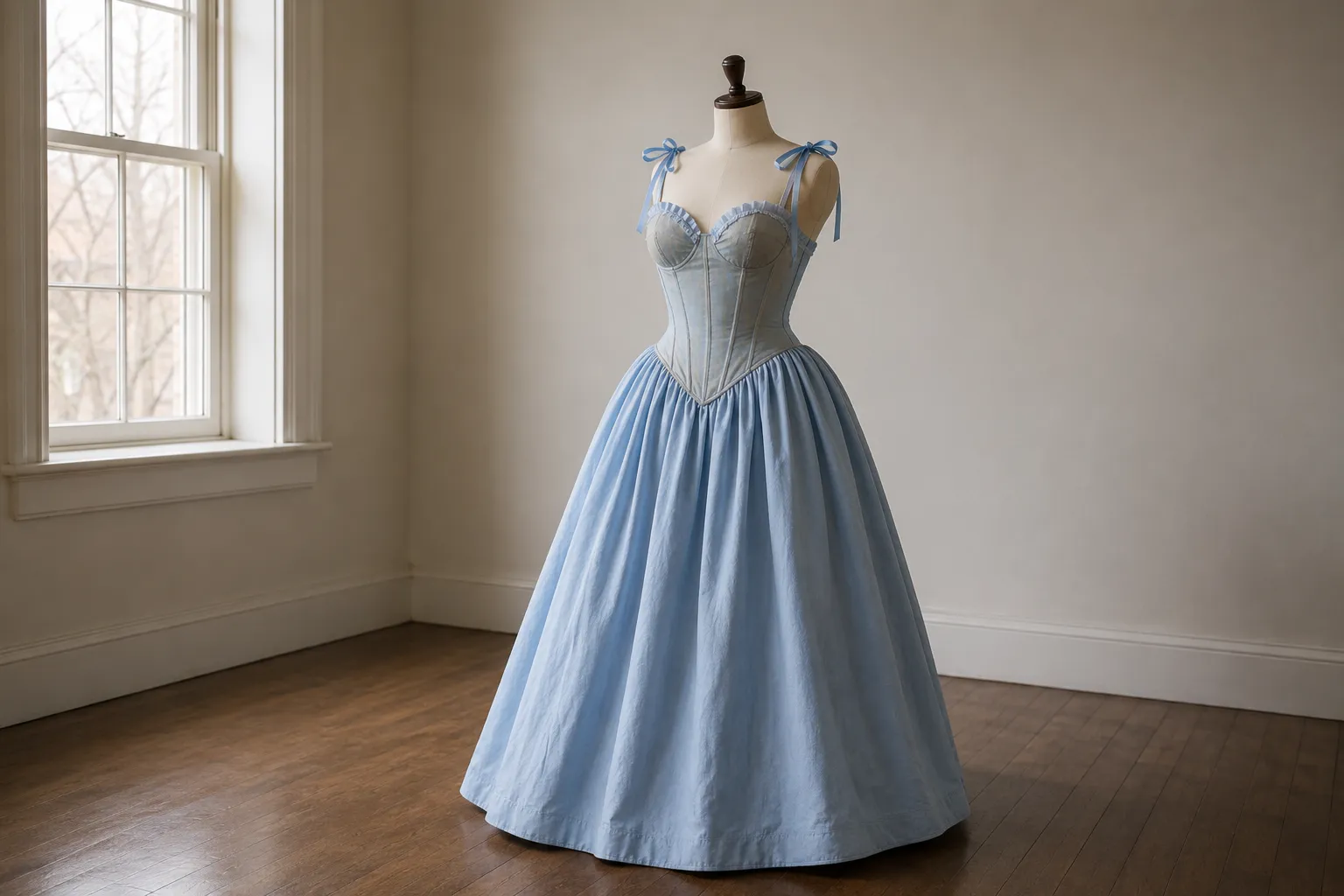
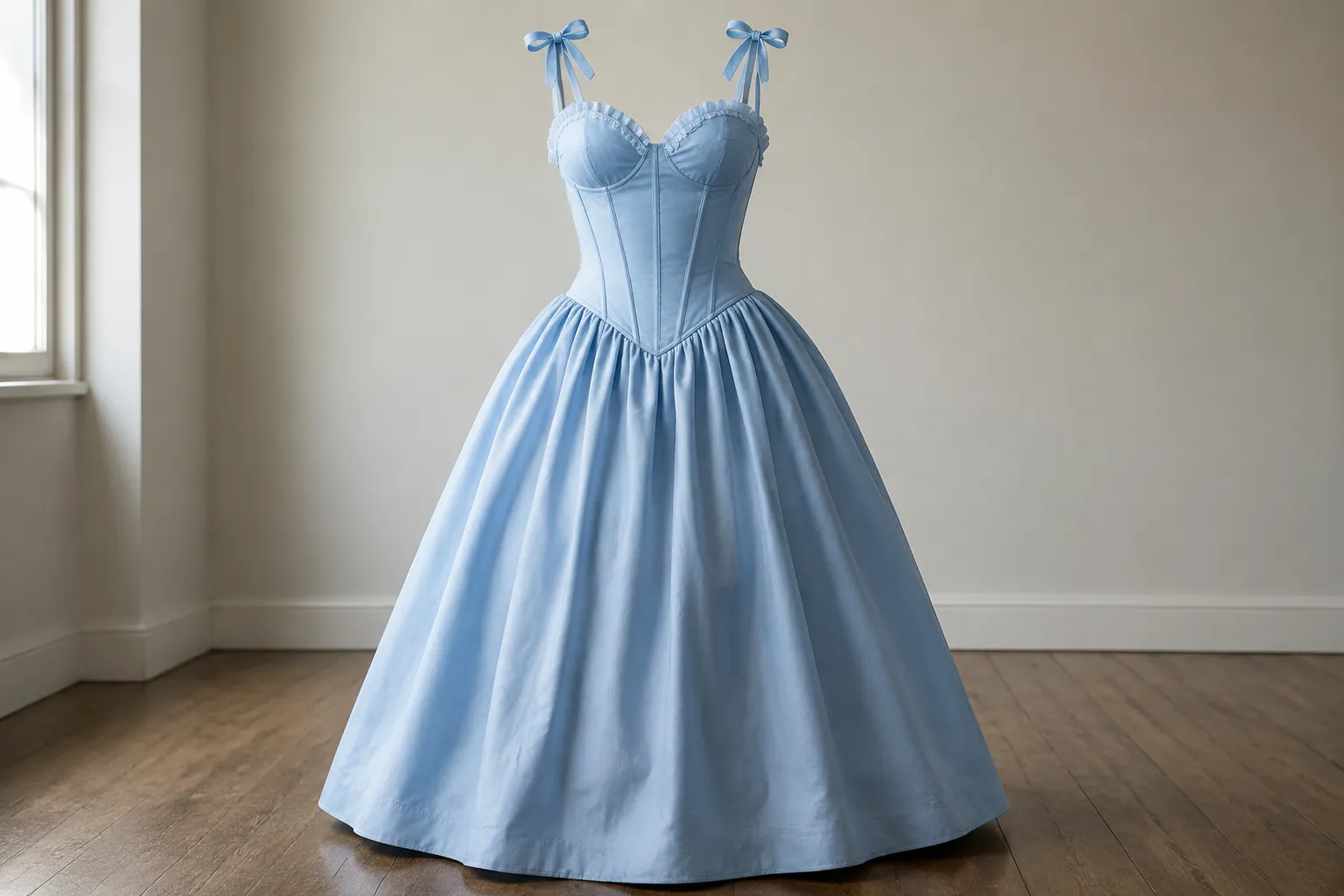
Request: Light pink satin dress — champagne and lipstick stains.
Done: Delicate dry cleaning with neutral detergent, local treatment.
Cost: 4 000 ₸
Master: Nurgul Beketayeva, dry cleaning master
Total: Satin shines, no stains, color is even.
 After
After
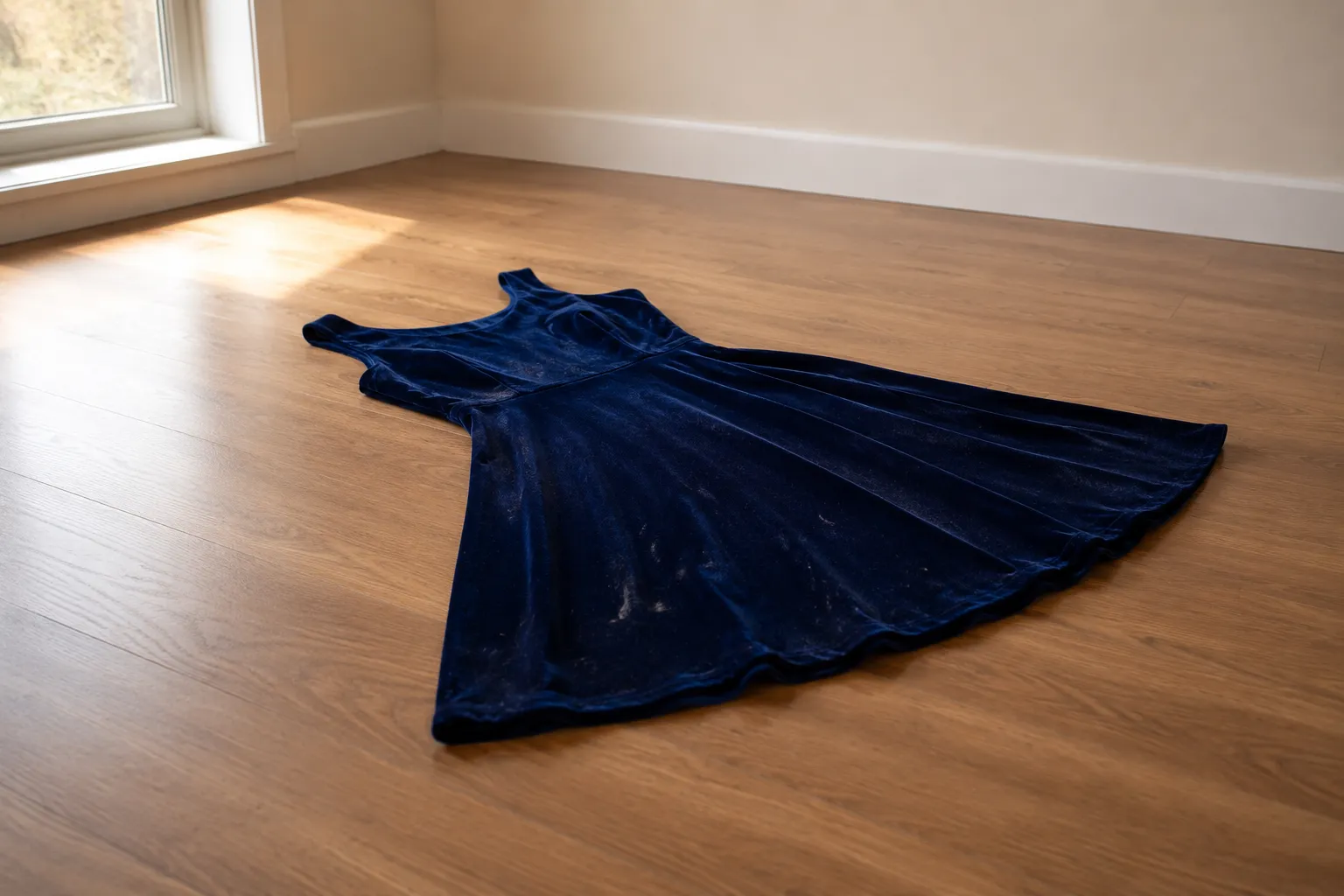
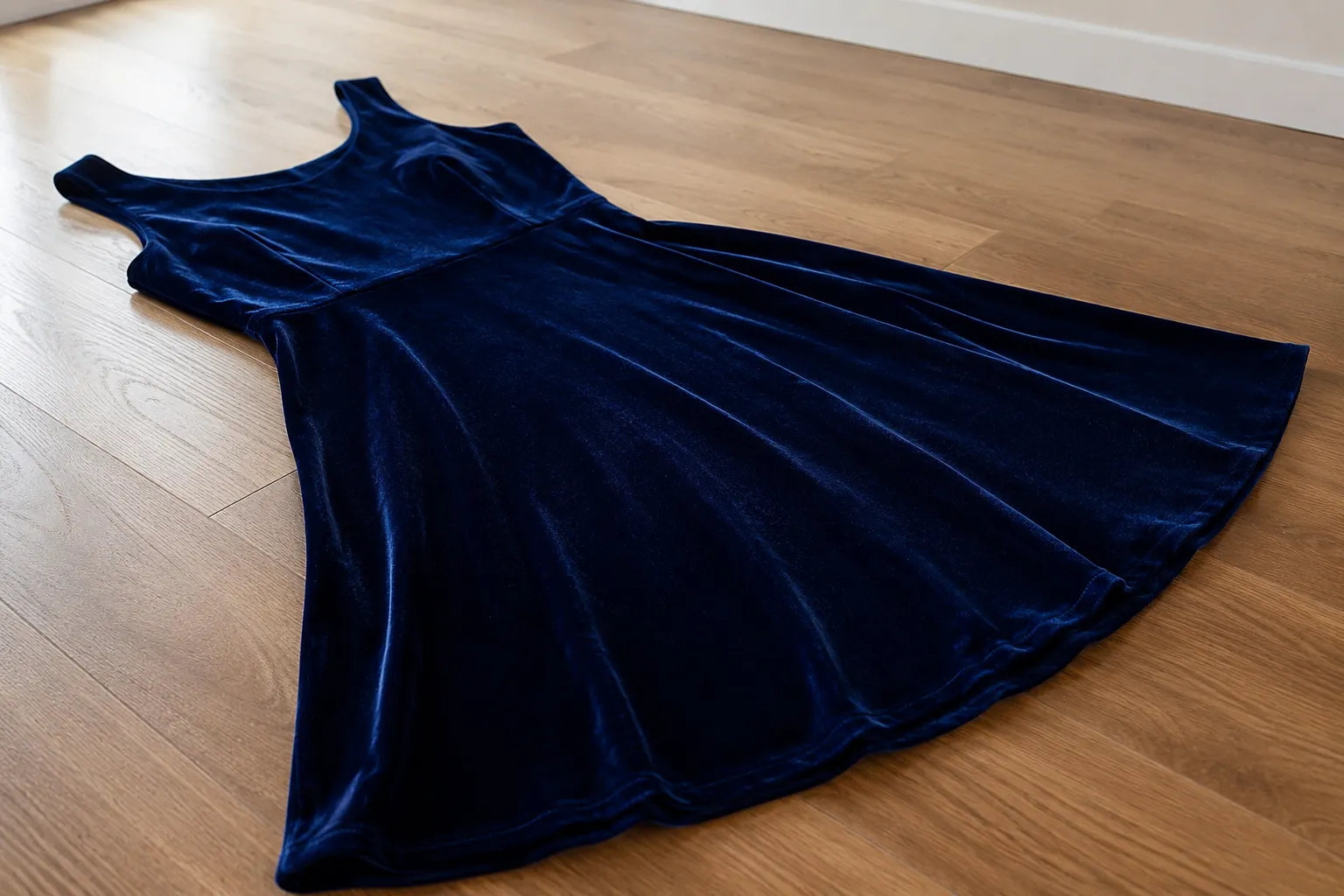
Request: Dark blue velvet dress — oil stains and dust on nap.
Done: Clean velvet with special brush, then dry clean with nap conditioner.
Cost: 4 000 ₸
Master: Ruslan Ibraev, dry cleaning master
Total: Velvet is soft, stain-free, nap restored.
 After
After
Request: Tulle dress — wine and dirt stains on lower layers.
Done: Hand clean each layer, then dry clean with color fixative.
Cost: 4 000 ₸
Master: Diana Muratova, dry cleaning master
Total: Tulle is clean, fluffy, stain-free.
All cleaners are profi-clean staff with training, uniform and security check. Each order has a team leader who controls quality.
Many clients think that dry cleaning a dress is simply “a more careful machine wash.” In reality, these are two fundamentally different processes with different chemistry, mechanics, and results. Let’s break down the key differences so you understand which method to choose and what risks you take when washing delicate fabric at home.
Machine washing affects the fabric mechanically: the drum rotates, water with detergent penetrates the fibers, and the spin cycle extracts moisture at high speeds. This is normal for cotton or synthetics, but for silk, viscose, or cashmere, it is destructive. Silk fibers lose their luster (shine) after just 2-3 washes: water washes out natural oils, and the fabric becomes matte and stiff. For viscose, strength drops by 50-70% when wet, and threads break from friction against the drum. Cashmere shrinks by 10-15% at temperatures above 30°C, even on the “delicate wash” setting. In our orders in Almaty, we see this regularly: 16 momme silk dresses washed in a machine lose density and become sheer after 3-4 cycles. For such fabrics, the only safe option is professional treatment with solvents, without water or rotation.
In dry cleaning, the dress does not rub against the drum or get twisted by the spin cycle. The fabric is treated in a chamber with perchloroethylene or hydrocarbon solvent — these penetrate the fibers, dissolve greasy soiling (traces of perfume, sweat, oil stains) and are removed by vacuum, without stretching or deforming the material. This is critical for dresses with sequins, beads, embroidery, or lace: the decor is glued or hand-sewn, and machine washing tears off elements within 1-2 cycles. In our practice, there was a case: a wedding dress with hand-beaded pearls — the client washed it in a machine, and 60% of the beads fell off. After dry cleaning at profi-clean, the pearls remained intact, and the fabric retained its original shape. Another nuance is the lining: on dresses with multi-layered skirts (mermaid or princess styles), the lining is often polyester, which shrinks faster than the main silk during washing, causing the dress to warp. In dry cleaning, the solvent acts evenly on all layers, and no deformation occurs.
Machine washing with powder is effective against water-soluble soiling: sweat, dust, skin particles. But greasy stains — oil, cream, foundation, sauce marks — it does not remove: grease does not dissolve in water, only spreads across the fabric. Perchloroethylene and hydrocarbon solvents, on the other hand, dissolve grease perfectly: they penetrate the fiber, emulsify the oil, and draw it out along with the solvent. In practice, this means an olive oil stain on a silk dress that you pre-treated with stain remover and put in the machine will remain — only become paler and spread wider. In dry cleaning, such a stain is removed in one cycle, without residue. For dense fabrics (gabardine, thick viscose), “wet cleaning” (Aqua Clean) can be used — it combines water with special chemicals, but without the mechanics of the drum: the fabric is treated on special hangers, and water is applied as steam, which is safer than a machine but requires the technician’s skill.
An old wine stain on a dress is one of the most difficult types of soiling that clients come to us with. Red wine contains tannins and anthocyanins — pigments that, after drying, literally bond into the fabric fibers. Unlike a fresh stain, which can be removed with boiling water or salt, dried wine requires a professional approach considering the fabric type, degree of penetration, and age of the soiling.
The answer lies in chemistry. Anthocyanins — water-soluble plant pigments — initially remain on the fabric’s surface upon contact, but within 12–24 hours, they polymerize with the fibers. In silk and viscose, the pigment penetrates the amorphous zones of fibrils within 6–8 hours; in cotton and linen, within 12–16 hours. After 48 hours, an insoluble “tannin-cellulose” complex forms that regular laundry detergent cannot tackle. Oxygen-based stain removers (Vanish, Oxi) only work on fresh stains: on set-in stains, they remove the top layer but leave a yellow “halo” — residual pigment. In our practice, there was a case where a client tried to remove a two-week-old cabernet stain on crepe chiffon with citric acid — the fabric lost its color at the contact point, but the stain remained because the acid destroyed the fabric dye but did not affect the polymerized tannin. The correct approach is not to scrub, but first to break the bond between the pigment and the fiber using an organic solvent, then remove the residue in a gentle environment. Before taking the dress to dry cleaning, check the label: on acetate, triacetate, and polyurethane, alcohol-based solutions are contraindicated — they dissolve the fiber itself.
There is no single “set-in wine stain” recipe — we choose the method based on three parameters: fabric composition, stain age, and base color. Natural silk (tussah, mulberry, chiffon) is the most finicky: alcohol and acetone strip the dye, so we use an enzyme pre-spotter at a neutral pH of 6.5–7.0 with a dwell time of 20–30 minutes. Cotton and linen can withstand more aggressive solutions: a mixture of glycerin and ammonia (3:1) works on them, followed by a rinse with cold water. Synthetics — polyester, nylon, elastane — absorb tannins less readily, but the stain “spreads” through capillaries; here, a soak spray with sodium percarbonate is effective. The most challenging case is velvet and velour: mechanical cleaning with a brush is prohibited, as the pile deforms. On such fabrics, we apply a gel stain remover based on citric acid and urea in a thin layer, cover it with film for 40 minutes, then remove the residue with a steam generator at 110 °C. For colored dresses, a dye-fastness test is critical — we test on an inconspicuous area (inner seam, hem fold) with the same solution intended for the stain. If the dye “runs,” we switch to a less active solvent but increase the dwell time to 50–60 minutes. Our cleaners record every case in a log — this has built a database of 300+ methods for removing wine stains from various fabrics.
The most common is rubbing. When a housewife scrubs a dry stain with a brush or sponge, she pushes the pigment deeper into the weave of the threads, and the “halo” increases by 2–3 times. The second mistake is soaking in hot water: temperatures above 40 °C “sets” the violet-brown tannins, making the stain irreversible — especially on silk and cashmere. The third is using greasy substances (oil, milk, mayonnaise): they create a film that blocks the stain remover’s access, requiring a double degreasing process at the dry cleaner — first removing the grease, then the pigment. The fourth is drying on a radiator or in the sun: UV light and high temperatures permanently fix the stain, especially on white fabrics, leaving a yellow mark. If you have already tried any of these and the stain hasn’t come out — don’t make it worse. Our recommendation: stop, wet the stain with cold water, cover it with a damp cloth, and take the dress to the dry cleaner within 24 hours of the failed attempt — there is still a chance to save the item.
At such times, the pigment not only polymerizes — it migrates to adjacent areas of the fiber and partially oxidizes into an insoluble dark brown compound. At profi-clean, we use a two-phase treatment for such cases. The first phase is the application of an alkaline pre-treatment (pH 9.5–10.0) based on tetrasodium EDTA salt, which “loosens” the tannin-fiber complex within 60–90 minutes in a closed chamber with steam at 35 °C. The second phase is treatment in an organic solvent (perchloroethylene or hydrocarbon Solvon K4) with the addition of an anionic surfactant that emulsifies the extracted pigment. This is followed by a mandatory rinse with distilled water and a pH neutralizer. On cotton and linen, the result is visible after the first cycle: the stain disappears by 85–90%, and the residual shadow is removed in the second cycle. On silk and viscose with stains older than 3 months, we guarantee 70–80% removal — complete disappearance is not always possible because the pigment has already partially damaged the fiber structure. If the dress is white, after stain removal we tone the area with an optical brightener to hide micro-yellowing. On dark fabrics, the mark is not noticeable. For dresses with hand embroidery, sequins, or lace, we do not use perchloroethylene — only cold hydrocarbon cleaning to avoid damaging the decor. Before starting work, our cleaners always photograph the problem area under a Wood’s lamp — it highlights the boundaries of pigmentation that are not visible under ordinary light.
Not all fabrics can withstand contact with perchloroethylene and hydrocarbons — the solvents we use in professional dress dry cleaning. A mistake in choosing the method can ruin the item irreversibly: the fabric may shrink, lose color, or delaminate. Let’s break down which materials we do not send to the dry cleaning machine and why.
Raincoats, down jackets, and jackets with membranes (Gore-Tex, Sympatex), as well as items with a patent leather or polyurethane coating, are a 100% ban for dry cleaning. The solvent washes out the water-repellent impregnation, the membrane loses breathability, and the patent layer cracks and peels off. In our practice, there was a case: a client brought in a raincoat labeled “dry clean only,” but inside there was a membrane not specified on the tag — after the first cycle, the item stopped breathing, and the coating had to be replaced anew. For such fabrics, we only use aqua cleaning with pH-neutral Kiehl formulations that do not destroy the structure. Before ordering dress dry cleaning, check the tag for the “do not clean” symbol (a circle with a cross) — this is a direct signal that the item requires delicate water-based treatment.
These synthetic materials are categorically incompatible with organic solvents: perchloroethylene dissolves the polyurethane coating — the fabric becomes sticky, loses elasticity, and becomes covered in cracks. Skirts, dresses, and jackets made of eco-leather that we have seen at intake, after dry cleaning by third-party services, turned into stiff “cardboard” with a delaminated film. We do not take such items for dry cleaning — only hand cleaning with a soft sponge and Sodasan foam compound, and conditioning with a silicone emulsion to preserve the shine. Latex inserts on cocktail dresses are also prohibited: the solvent softens them to a rubbery state, after which the inserts deform and do not recover. When ordering dry cleaning for a dress with combined materials (e.g., silk + polyurethane), we always perform a test on a hidden area — if the solvent leaves a mark, we choose an alternative.
Pure wool and cashmere generally tolerate dry cleaning, but if the composition contains acrylic (even 10–15%), the risk of shrinkage and deformation increases sharply. Acrylic is a hydrophobic synthetic fiber that swells unevenly in solvent, creating internal tension: after the cycle, the garment can shrink by 1-2 sizes in length and width. In October, we had an order for a cashmere dress with a label reading “70% wool, 30% acrylic” — the client insisted on dry cleaning, but after our explanation, she agreed to wet cleaning with cold water (15°C) and drying in a horizontal position. Result: 0% shrinkage, shape preserved. We check the composition on the tag and, if we see acrylic, offer the client two options — wet cleaning with temperature control or hand washing with wool conditioner. Advice: for items labeled “superwash” (wool with acrylic treatment), dry cleaning is also not recommended — superwash technology protects against shrinkage in water, but not from solvents.
Fun prints, rhinestones, sequins, and heat-applied appliqués are a common cause of returns at dry cleaners. The solvent softens the adhesive base of thermal prints — the design peels off or “bleeds,” and rhinestones on polymer glue fall out after the first cycle. We do not accept dresses with thermal prints for dry cleaning if the coverage area is more than 30% — for such items, we use manual spot removal with local agents without immersing the entire garment in solvent. Appliqués made of PVC or silicone (often on children’s dresses and sportswear) become brittle upon contact with perchloroethylene and break under mechanical stress: we note this in the acceptance report and warn the client that dry cleaning is only possible after removing the decoration. If the appliqué is sewn on (not glued), the risk is lower, but we still test on an inconspicuous area — in our practice, there was a case where the fixing threads turned out to be soluble, and the appliqué fell off after the cycle. When ordering dry cleaning for a dress with decoration, clarify the attachment method: glue = hand cleaning only.
Viscose (artificial fiber from cellulose) and acetate silk (acetylcellulose) are among the most finicky materials for dry cleaning. They lose strength upon contact with solvent: viscose can shrink up to 10% and become stiff, while acetate can partially dissolve, leaving white streaks from washed-out dye on the surface. In our orders, dresses made of acetate silk (a common choice for evening wear) are treated exclusively with wet cleaning at a temperature of 20°C and minimal mechanical action — spin at 200 rpm, drying in the shade. For viscose labeled “dry clean” (which sometimes appears on tags from Asian brands), we test with a sample: we drop solvent on the inner seam — if the fiber darkens or becomes brittle, we switch the order to hand cleaning. Important: viscose with added elastane (5–7%) loses elasticity in solvent — the elastic band at the waist or cuffs stops returning to shape, and the dress hangs like a sack. Before dry cleaning a viscose dress, check the elastane inserts — it is better to protect them with local treatment.
Even perfect professional cleaning yields the best result if the item is properly prepared. We have compiled rules to help you bring your dress in optimal condition — without surprises for the fabric and without extra costs.
Many clients try to rub a stain with a wet wipe or laundry soap before taking the item to the dry cleaner. This is the most common mistake. Water, especially with household chemicals, “seals” oil and protein stains deeper into the fibers — after such an attempt, removing the stain is only possible with the risk of damaging the dye. In our practice, there was a case: a client treated a sauce stain with lemon juice, and an irreversible yellow mark remained on the silk — the acid reacted with the pigment. If there is a fresh stain on the dress, blot it with a dry paper napkin without rubbing — this is sufficient until handing it over to the master. Household stain removers based on chlorine or oxygen (Vanish, Frau Schmidt) are especially dangerous for viscose and acetate: they destroy the fiber, leaving micro-holes that become noticeable only after cleaning.
Before handing over your dress, check all pockets and folds — it sounds obvious, but in Almaty dry cleaners, small change, business cards, hairpins, and even earphones are forgotten monthly. A weighty reason: small plastic items (buttons, rhinestones) in a pocket during rotation in a perchloroethylene drum can melt — the solvent heats up to 40-50°C, and thermoplastic deforms, leaving a sticky mark on the lining. For dresses with sequins or glass beads, we recommend checking the fastenings: if one rhinestone is held on by a thread, mechanical action will tear it off, and it could end up in the machine’s drainage system. At profi-clean, we always perform a preliminary inspection and warn about weak décor, but it’s better to remove fragile elements at home beforehand — you can reattach them after cleaning.
A plastic bag from the store is the worst packaging for delicate fabric. Polyethylene doesn’t let air through, and if the dress is slightly damp (for example, after a fitting), a greenhouse effect is created inside: within 2-3 hours in a closed bag, yellow spots from musty moisture can appear on silk or chiffon. For transportation, use a breathable cotton cover or a fabric bag — in Almaty, these are sold at Fix Price and at the bazaar. If you don’t have a cover, wrap the dress in a clean sheet or cotton pillowcase: the fabric absorbs excess moisture and protects against dust. The dress should hang on hangers, not lie folded — creases from folding on silk and satin can become set within 30 minutes of travel, requiring separate steaming, which increases processing time.
Heat-sealed patches and appliqués are a risk zone during dry cleaning. Perchloroethylene affects the adhesive base: during a standard cycle, it can soften, and the appliqué may partially or completely peel off. If the patch is held on by heat-seal adhesive without additional stitching, we recommend removing it before cleaning — after treatment, it can be reattached with an iron through gauze. For polyurethane appliqués (imitation leather, shiny inserts), the solvent can cause shrinkage and cracking — such elements are best protected or removed. In our practice, there was a case: a client brought in a dress with a large heat-seal flower appliqué, and after cleaning, the adhesive “bled,” leaving an oily outline on the silk around the patch — it had to be removed separately. If you’re unsure, bring the dress for a preliminary consultation: we’ll assess the type of adhesive and tell you whether it’s worth the risk or better to unpick the décor.
| Dress type | What to check before handing over | How to pack | What the master should pay attention to |
|---|---|---|---|
| Evening dress with sequins | Fastening of each sequin (loose — remove and sew back on after) | Cotton cover, hangers with soft padding | Fragile rhinestones and beads — indicate areas |
| Wedding dress with lace | Any loose lace threads (secure with basting) | Fabric bag without compression, corset on a hanger | Lace may shrink — requires cold treatment |
| Silk or chiffon dress | Any sweat marks on the lining (impregnation sets the odor) | Breathable cover, do not fold | Sweat odor requires pre-soaking in an enzyme solution |
| Knitwear dress (cashmere, angora) | Any pills (remove with a fabric shaver before handing over) | Fold in a stack, do not hang (stretches) | Gentle cycle without spin — risk of shrinkage 5-8% |
| Dress with sequins and beads | Any loose lace threads (secure with basting) | Cotton cover, hangers with soft padding | Fragile rhinestones and beads — indicate areas |
Every dress undergoes a visual inspection before cleaning, but with your preparation, we reduce the risk of damage to décor to zero — especially for items with hand embroidery or antique lace.
A wedding dress is an investment you want to preserve for years, and the question of the number of safe cleanings arises for every second bride. Our experience with delicate fabrics shows that a dress’s lifespan depends not on the number of cycles, but on what it’s treated with and how.
On dresses made from different fabrics, the same procedure causes varying degrees of wear. Silk (tussah, chiffon, charmeuse), for example, loses fiber strength upon contact with moisture — each wet treatment cycle reduces the lifespan by 10–15%, even with professional cleaning. Polyester satin withstands 5–6 dry cleanings without visible changes — solvents do not damage the synthetic fiber. The most vulnerable is Chantilly lace: its threads are fixed with hot-melt adhesive, which partially weakens with each cleaning. In practice, we have had cases where a taffeta dress was cleaned three times in two years and looked like new, while tulle with beaded decoration fell apart after the second treatment. Therefore, at profi-clean, we assess not the number of times, but the condition of the fabric and the type of soiling before each request.
Perchloroethylene, used in 80% of Kazakhstani dry cleaners, dissolves not only grease but also plasticizers in synthetic fibers — after 3–4 cycles, satin loses its luster, becoming matte and stiff to the touch. Hydrocarbon solvents (DF-, Shellsol) act more gently — they do not wash out plasticizers but are less effective on greasy stains and require higher drying temperatures, which shrinks silk by 2–3% per cycle. At profi-clean, we use a system based on liquid CO₂ — it does not penetrate the fiber structure and only washes away the soiling, leaving plasticizers and dyes untouched. In practice, this means an organza dress can be cleaned up to 8 times without loss of color or shape, and viscose lace up to 5 times, whereas with perchloroethylene, the limit is 2–3 cycles. Moreover, CO₂ does not require mechanical wringing, so decorations (rhinestones, sequins) do not fall off even after repeated treatment.
The most problematic are heat-set adhesives and glue. Swarovski crystals attached with hot-melt adhesive typically last 2–3 cleanings: the solvent softens the adhesive layer, and it cracks during drying. Beads on thread attachments — Toho or Miyuki — withstand up to 5 cycles if removed separately before cleaning; otherwise, the thread frays from friction in the drum. Pearls (artificial, Majorca) are essentially single-use: their nacre coating peels off upon first contact with any solvent except CO₂. In our practice, there was a case: a dress worth 450,000 tenge with hand embroidery of glass beads lost 30% of its decoration after two cleanings in perchloroethylene — the client received a dress that could not be worn again. The solution is to remove all detachable decorations before cleaning and treat them separately, and for non-detachable ones, choose a method without mechanical impact.
Many brides take their dress to the dry cleaner after a fitting where it was simply tried on for 15 minutes in a clean room — this is an unnecessary burden on the fabric. If the dress has no visible stains (traces of foundation, deodorant, wine), steam treatment is sufficient: steam kills bacteria, removes odors, and restores creases without contact with solvents. At profi-clean, we use a vertical steamer with a steam temperature of 98–105°C — it does not shrink silk or weaken lace. The limit for such treatments is up to 10–12 times, after which the fabric begins to lose its finish (the factory impregnation that gives luster). Signals for dry cleaning are yellowing on the lining (sweat marks), a gray coating on the veil (dust), dark spots on the hem (asphalt). For microfiber or polyester dresses — clean once every 2–3 years, for silk — once every 1–2 years, for lace — once every 3–4 years, and only if there is actual soiling.
The most common advice we give our clients is not to store a dress in a plastic garment bag. Polyethylene doesn’t allow air to circulate, creating a greenhouse effect that causes mold to develop on the fabric — especially during Almaty’s humid spring. Use a cotton or viscose garment bag instead; it breathes, and the dress won’t sweat. The second rule is not to hang a dress on thin hangers: silk stretches at the shoulders under its own weight within 2–3 months, forming irreversible “ears.” Only wide, soft, fleece-covered hangers will do. Third, before long-term storage (over a year), line the folds of the skirt with acid-free tissue paper — it won’t oxidize the fabric or leave yellow marks. And most importantly, don’t try to remove stains at home with hydrogen peroxide or lemon juice: after such treatment, the dye on silk fades, and no amount of cleaning can restore the color — we receive dresses like this once a month and have to explain each time that the damage is irreversible.
I ordered dry cleaning of my dress after the wedding — it came back like new, even the lace was not damaged.
Thank you, Aigerim! We are glad we could preserve your dress.
My wife's dress after the corporate party was cleaned well, but the wine stain was not completely removed.
I ordered dry cleaning of a dress for a friend — the result exceeded expectations, even old stains disappeared.
Thank you! We are always ready to help.
My favorite silk dress after a failed wash — they saved it, restored the shine and softness.
Zhanna, we are glad we could restore the fabric!
Had a dress with sequins dry cleaned — some sparkles fell off, but overall clean.
We apologize for the inconvenience. Sequins usually stay on; we'll take your feedback into account.
My daughter's graduation dress had green stain removed — no trace, color bright.
Liked the quality of dry cleaning for the photo shoot dress — grass stains removed, fabric didn't shrink.
Kuanysh, thank you for your review! Always at your service.
Beaded dress cleaned carefully, but one bead came off. Otherwise good.
Sorry about the bead; next time we'll check more firmly.
Ordered dry cleaning for a chiffon dress — delicate, no snags, like new.
Got rid of sweat smell on my favorite dress — now I wear it again.
Gulnara, great! We use special products for odor removal.
Wife is happy with the dry cleaning of the dress — coffee stains gone, fabric fresh.
Thank you, Alexey! Say hi to your wife.
Knitted dress shrank a bit after cleaning, but stains removed perfectly.
Dry cleaning of the lace dress was perfect — no snags, lace soft.
Nurlan, thank you for your trust!
The satin dress shone after cleaning, wine stains disappeared without a trace.
Dry cleaning of the embroidered dress went without damage, but the price could have been lower.
Thank you for your feedback, we will try to be more loyal.
The ball gown looks like it's from a store window — clean, without a single spot.
Zukhra, a wonderful result! Glad to help.
I ordered dry cleaning for a sequin dress — the sequins dulled, but the stains were removed.
We apologize, we will be more careful with sequins.
The chiffon dress was cleaned of dirt after the rain — gentle treatment, no creases.
Dry cleaning of the wedding dress went perfectly — restored whiteness, cleaned the veil separately.
Serik, thank you! Congratulations on your wedding!
The fringed dress was cleaned, but one fringe thread came out. Otherwise, great.
Sorry about the fringe, next time we will be more careful.
Standard cleaning takes 2-3 business days. Express dry cleaning is done within 24 hours.
Call or leave a request on the website. The courier will arrive at a convenient time, free of charge for orders of 3 or more dresses.
Yes, we use hand treatment and gentle solvents that do not damage sequins or glue.
Contact us — we will re-clean for free under warranty. If the stain cannot be removed, we will refund your money.
Prices are individual: from [price service="everyday-dress"] for an everyday dress to [price service="wedding-dress"] for a complex wedding dress. The exact cost depends on the type and complexity.
Yes, for orders of 3 or more dresses — free delivery and a 10% discount on the total amount.
Use the calculator on our website: select the dress type and additional services to get a preliminary price.
We clean all types: wedding, evening, cocktail, casual, with sequins, beads, silk, lace, and others.
Yes, we specialize in cleaning wedding dresses of any complexity, including multi-layered and corseted ones.
We use professional Firbimatic equipment, German K2 stain removers, offer a guarantee, and free delivery.
Tell us about your experience with profi-clean — it helps other clients and us improve.
We currently operate in Almaty. Other cities are coming soon.