Reception and inspection
We carefully inspect the jacket, identify stains, defects and determine the fabric type. We record all features.
We'll restore your jacket's impeccable look in 1 day. Gentle dry cleaning of any fabrics in Almaty.

We work with any types and materials
Standard cleaning for everyday and business jackets made of wool, cotton or blended fabrics.
from 3,500 ₸Special delicate treatment using mild stain removers to preserve the delicate structure of cashmere.
from 3,500 ₸Cleaning with shrinkage control and shape retention, suitable for merino and tweed.
from 3,500 ₸Gentle stain removal without damaging linen fibers, followed by steaming.
from 3,500 ₸Effective stain removal from cotton jackets, including stubborn stains.
from 3,500 ₸Quick cleaning of synthetic fabrics with static electricity neutralization.
from 3,500 ₸Premium cleaning of tuxedos with satin lapels, removal of deodorant and perfume marks.
from 7,000 ₸Thorough cleaning considering lining specifics, preventing deformation.
from 3,500 ₸Light cleaning without risk of damaging open seams, suitable for summer models.
from 3,500 ₸Hypoallergenic cleaning of children's jackets using skin-safe products.
from 3,500 ₸Cleaning of women's jackets considering decorative elements and thin fabrics.
from 3,500 ₸Regular cleaning of office jackets to maintain a neat appearance, odor removal.
from 3,500 ₸From inspection to result with guarantee
We carefully inspect the jacket, identify stains, defects and determine the fabric type. We record all features.
Apply stain removers Kiehl or Sodasan to soiled areas. Use products suitable for the specific stain and fabric type.
Place the jacket in a professional machine with perchloroethylene. Gentle cycle for each fabric type.
Check removal of all stains. Re-treat problem areas if necessary.
Remove wrinkles and restore jacket shape using professional steamer and iron.
Remove pills with a special machine, brush to refresh.
Place the jacket in a breathable garment bag to protect from dust during transport.
We hand over the jacket to the customer with a quality guarantee. If necessary, we provide care recommendations.
We use the Kiehl stain remover line, specially developed for delicate fabrics. These products effectively remove oil, wine and coffee stains without damaging fibers. All compounds are certified and safe for colored and white fabrics.
Our machines use a closed-loop solvent cleaning system, eliminating emissions. After cleaning, there is no chemical smell — the jacket smells fresh. The equipment can handle any fabrics, including cashmere and silk.
Each profi-clean master has a certificate of training in professional equipment and stain removers. Average experience is 5 years. We know how to remove stains from a jacket without damaging it.
Order dry cleaning of two or more jackets and our courier will pick them up from your home or office for free. Time saving and convenience. Pickup is carried out on the day of order throughout Almaty.
We guarantee removal of stains reported at reception. If a stain remains, we will re-treat it for free. This is possible thanks to multi-stage quality control and the use of professional products.
We perform dry cleaning ourselves on our own equipment, without intermediary markups. This allows us to keep prices 15% below market average. You get premium quality at an affordable price.
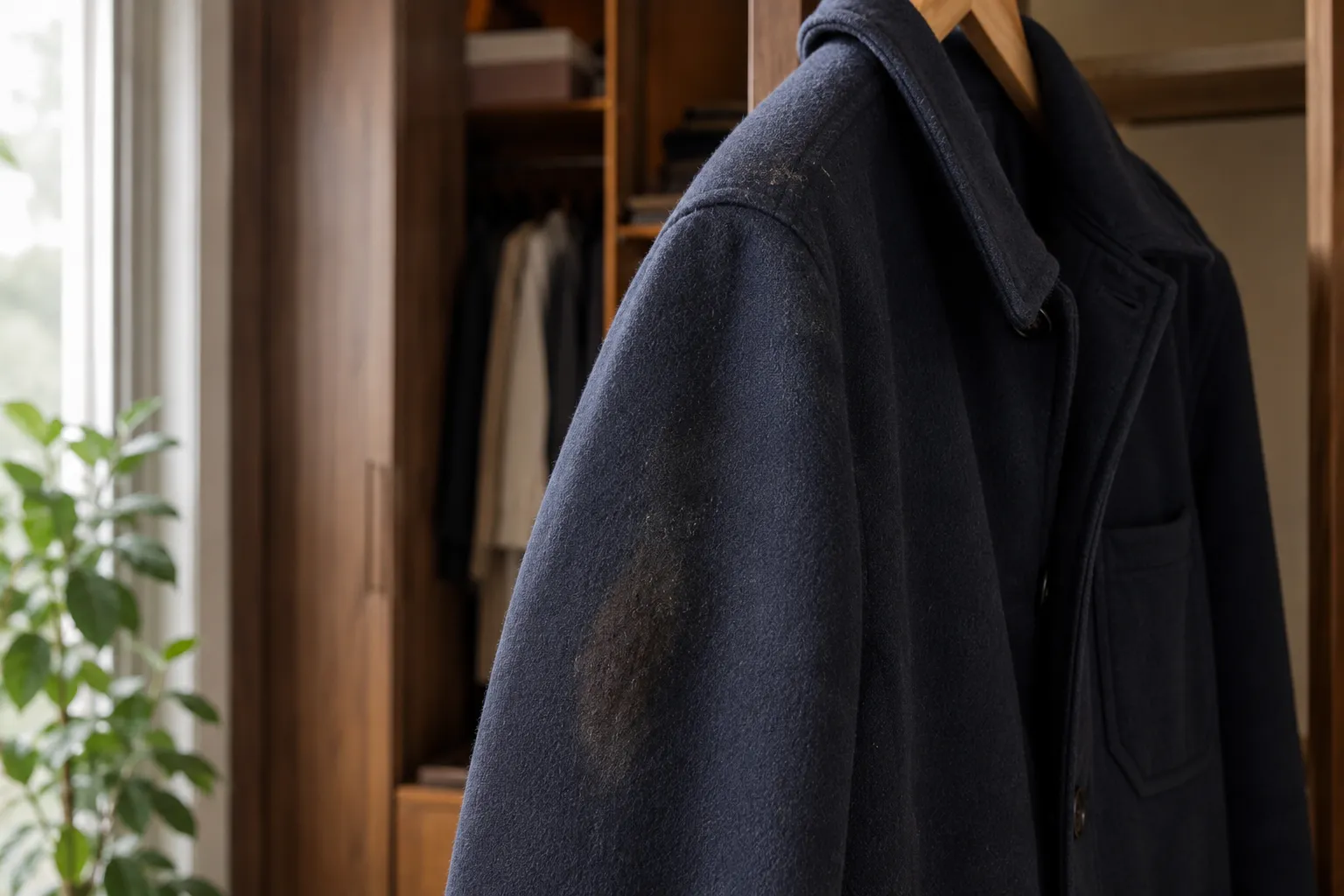
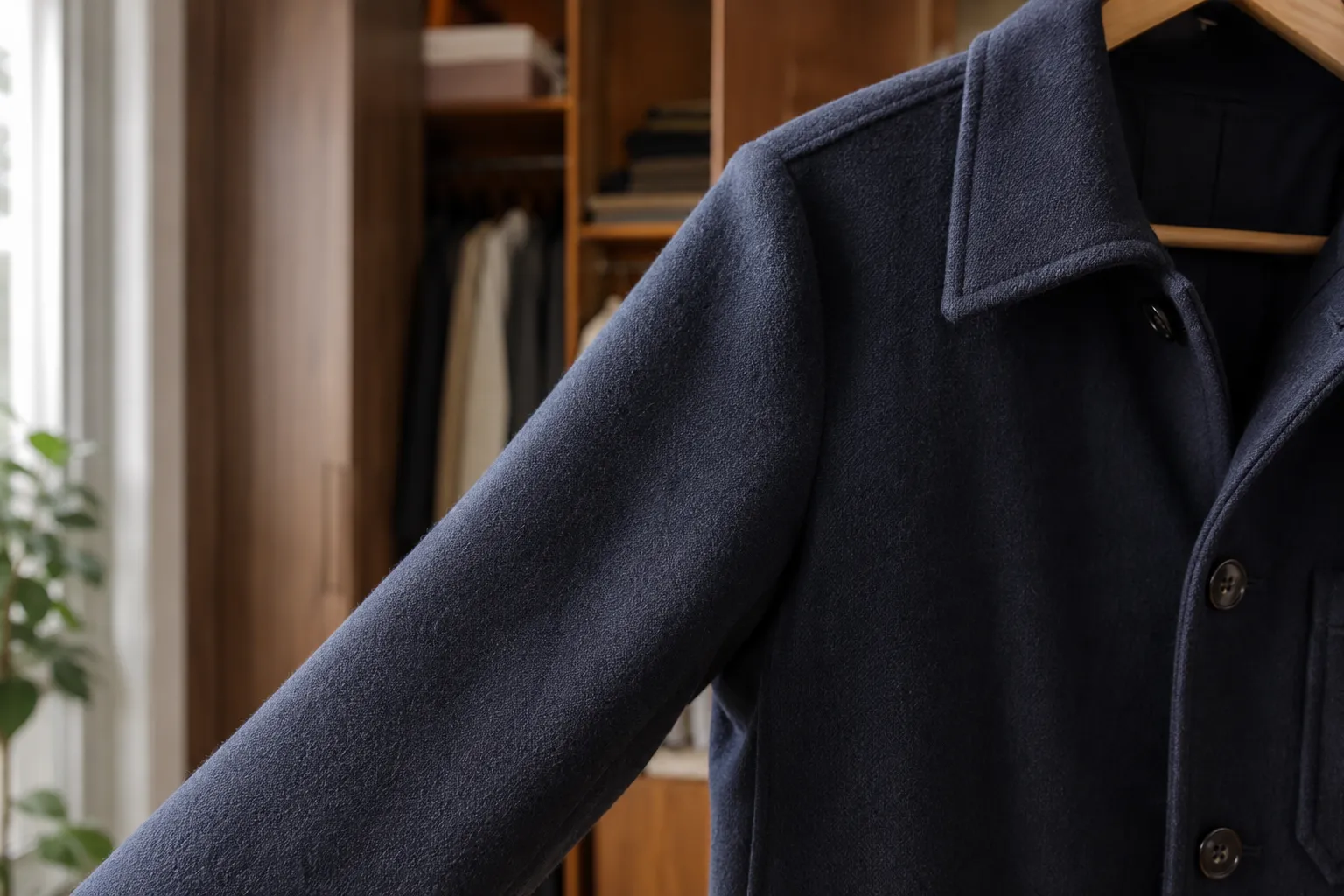 After
After
Request: Remove coffee stains and refresh a wool jacket after a party.
Done: Treated stains with solvent, performed dry cleaning with heat treatment and steamed.
Cost: 3 500 ₸
Master: Aigul Kaliyeva, dry cleaning master
Total: Jacket without stains, nap restored, fresh look.
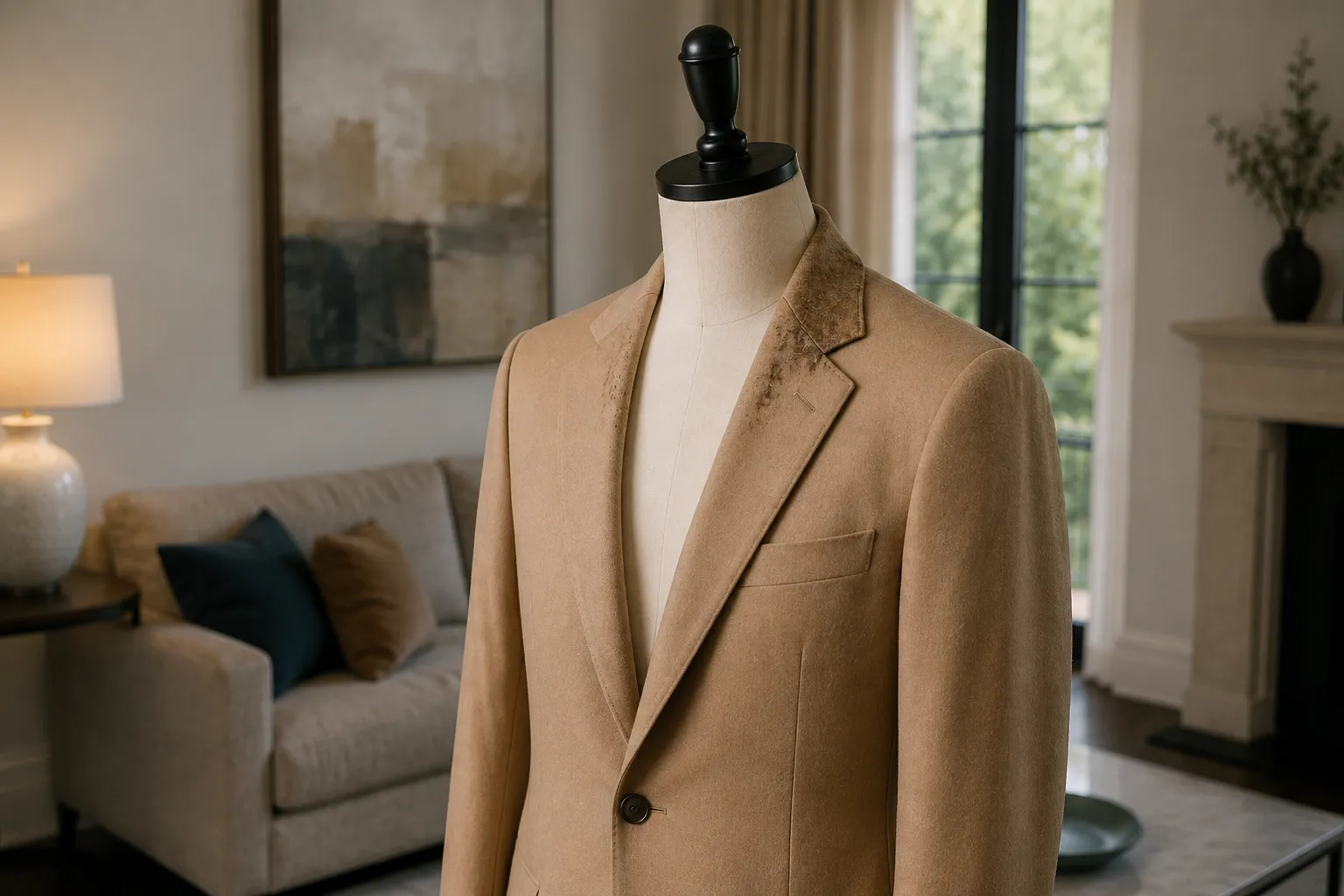
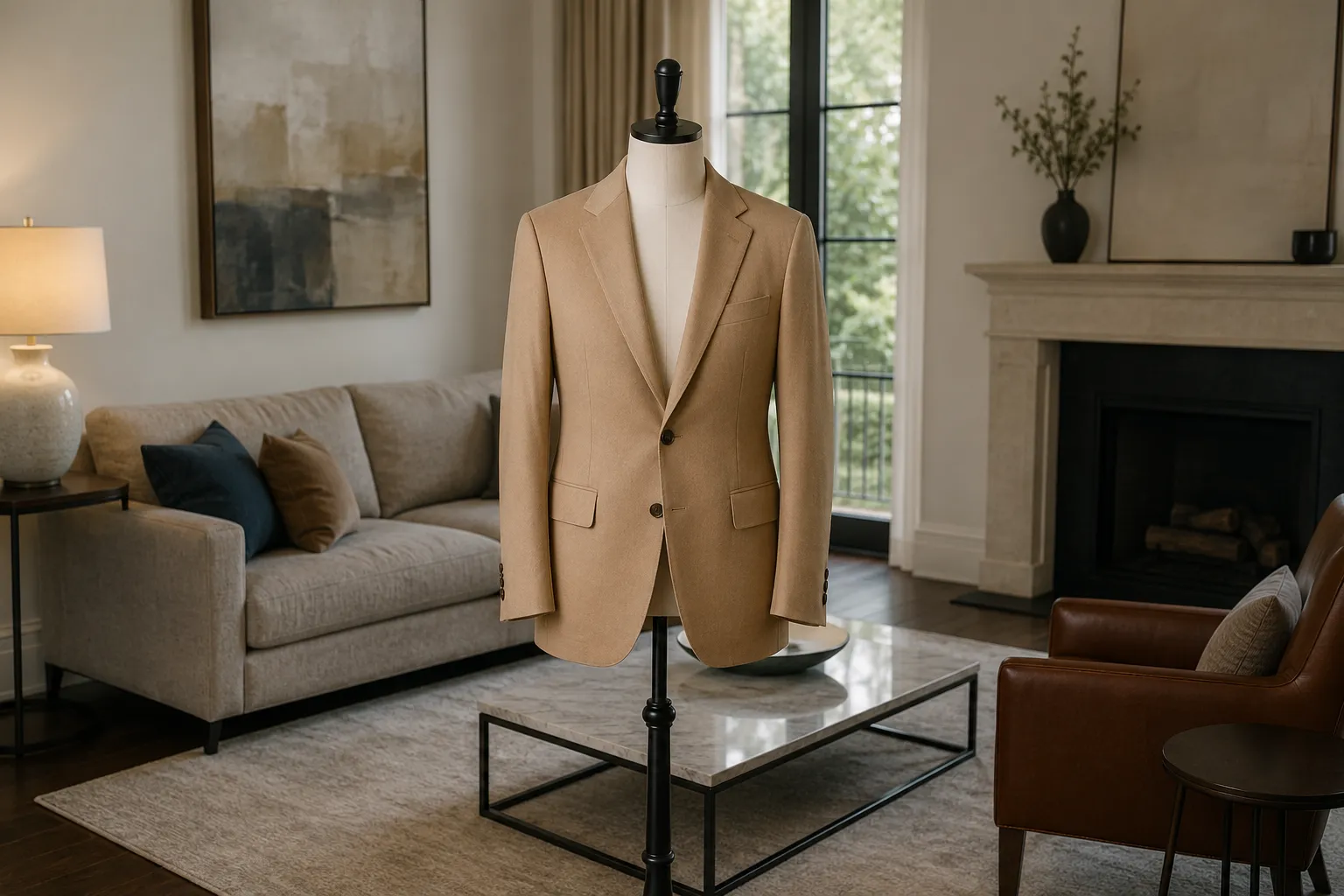 After
After
Request: Remove grease stain on sleeve and remove pills from cashmere.
Done: Stain treated with enzyme stain remover, performed dry cleaning with steam.
Cost: 3 500 ₸
Master: Timur Zhaksybekov, dry cleaning master
Total: Stain gone, cashmere soft, no pills.
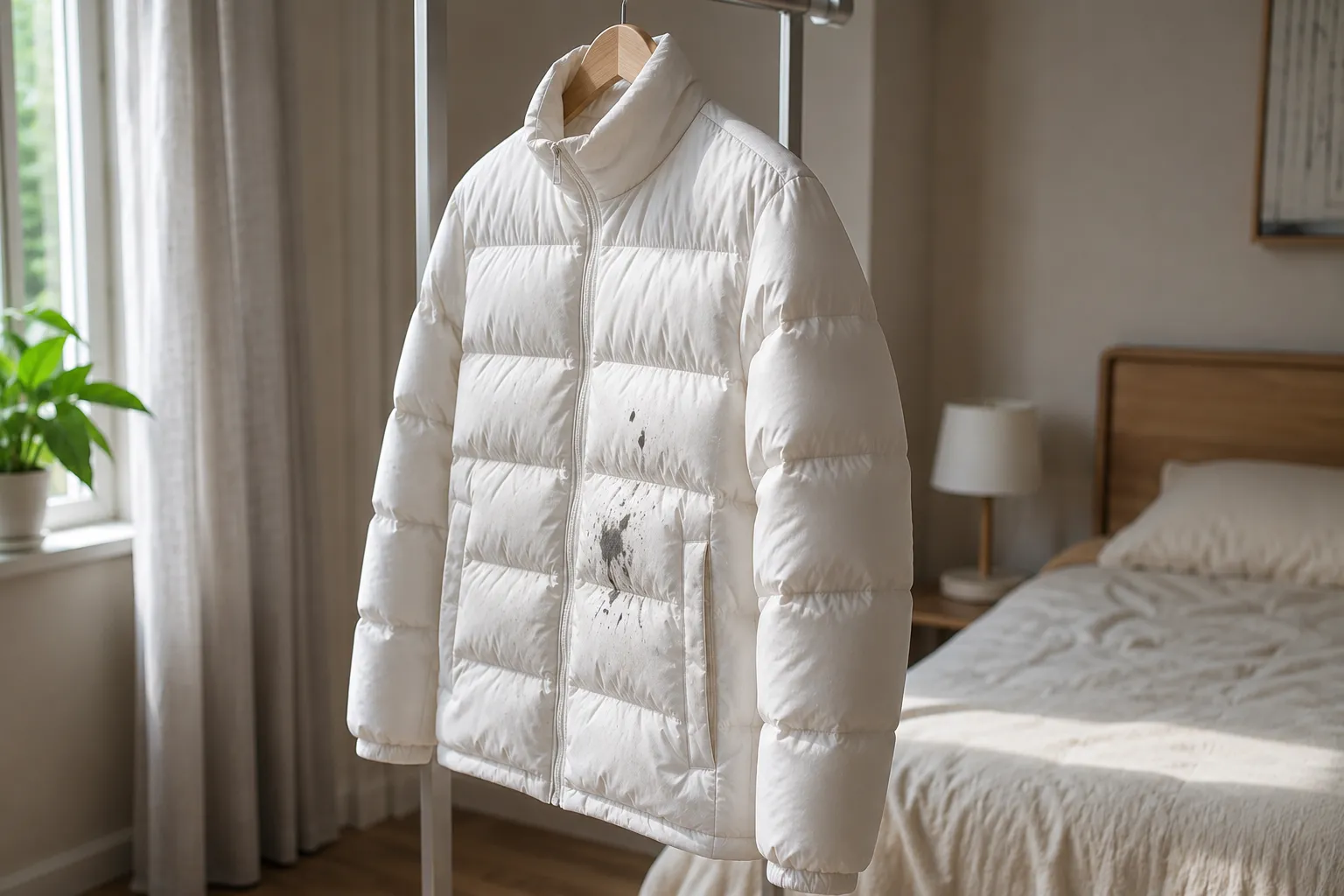
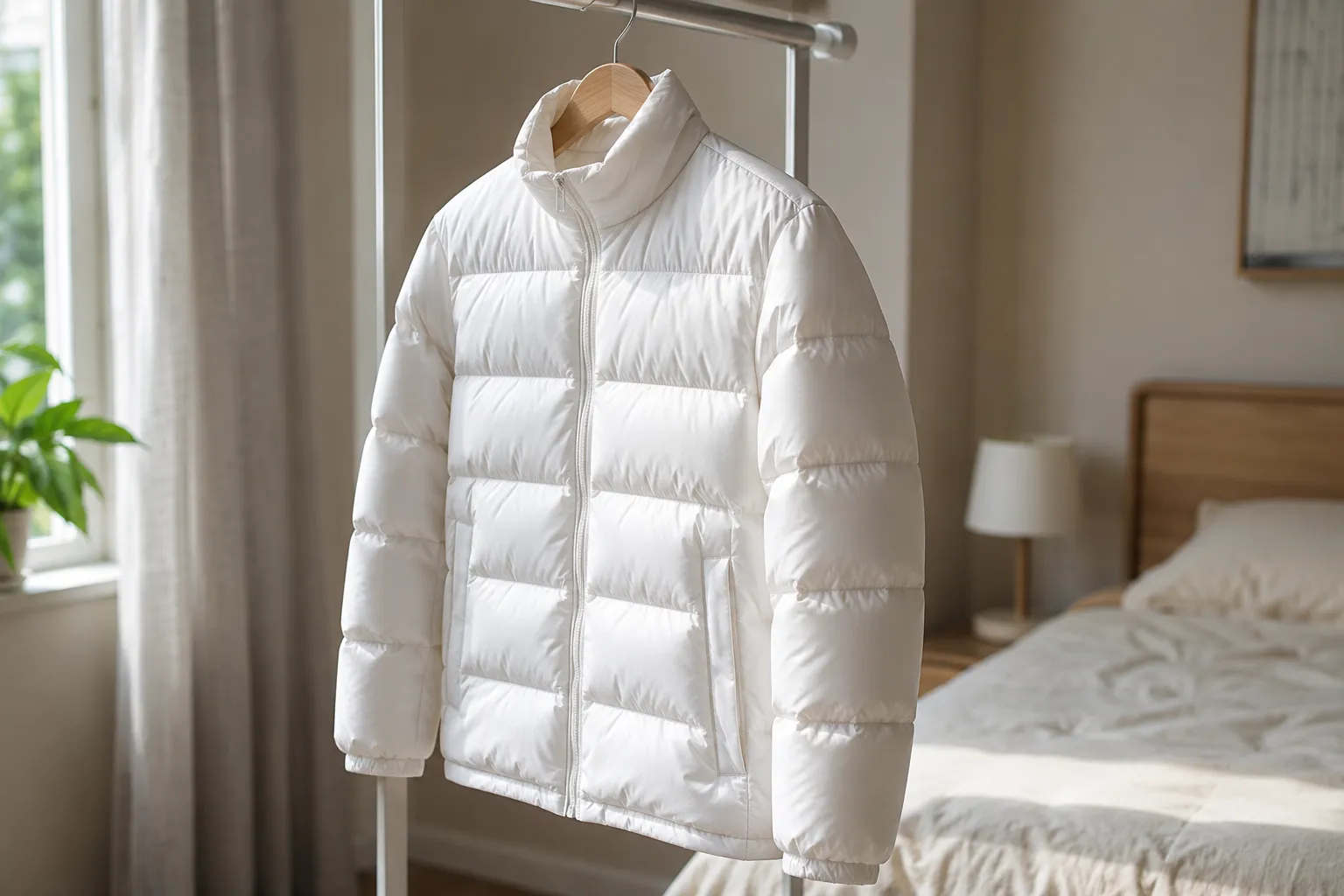 After
After
Request: Refresh a linen jacket after summer season, remove creases.
Done: Performed wet cleaning with neutral detergent and steamed.
Cost: 3 500 ₸
Master: Aigul Kaliyeva, dry cleaning master
Total: Jacket clean, no creases, linen texture preserved.
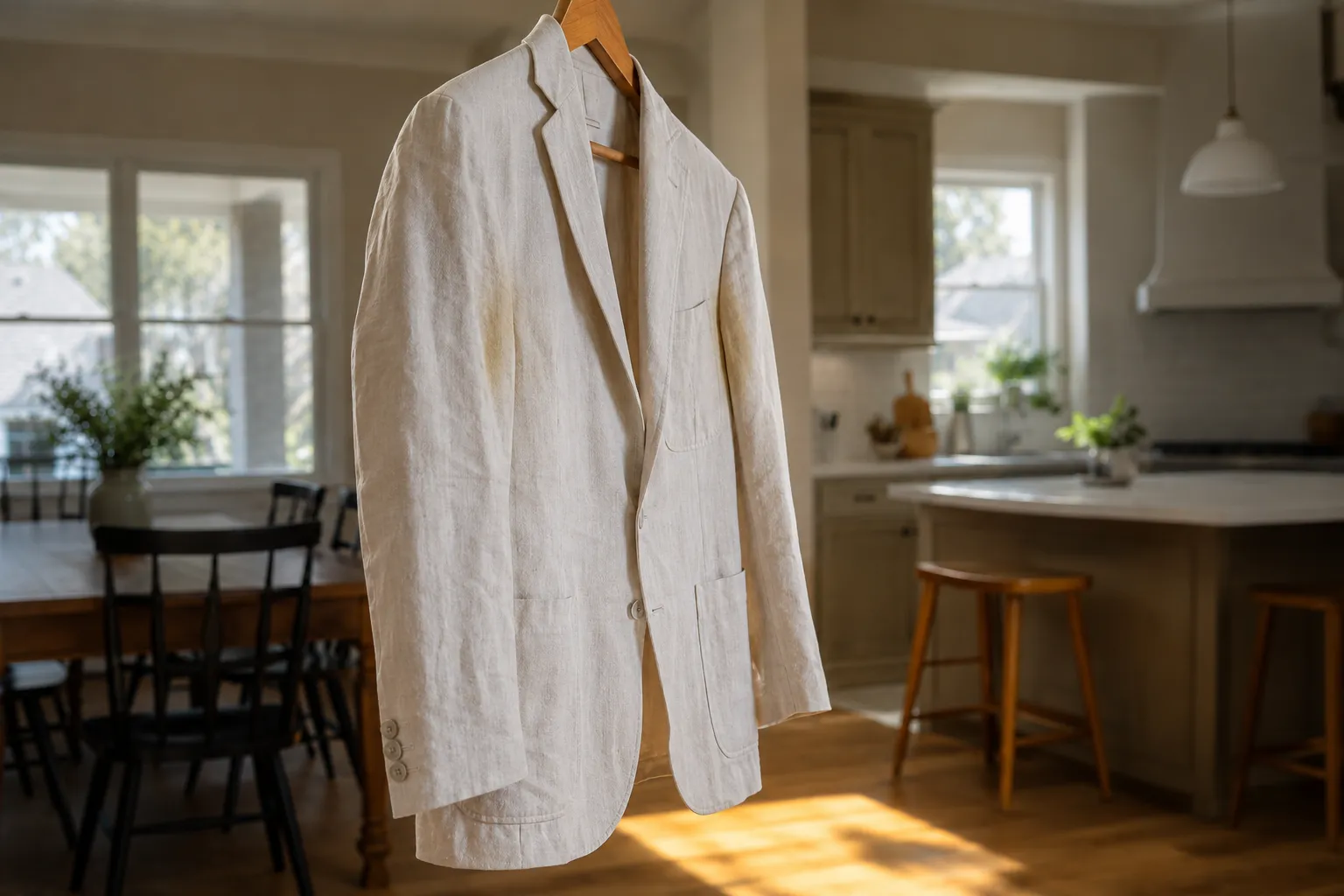
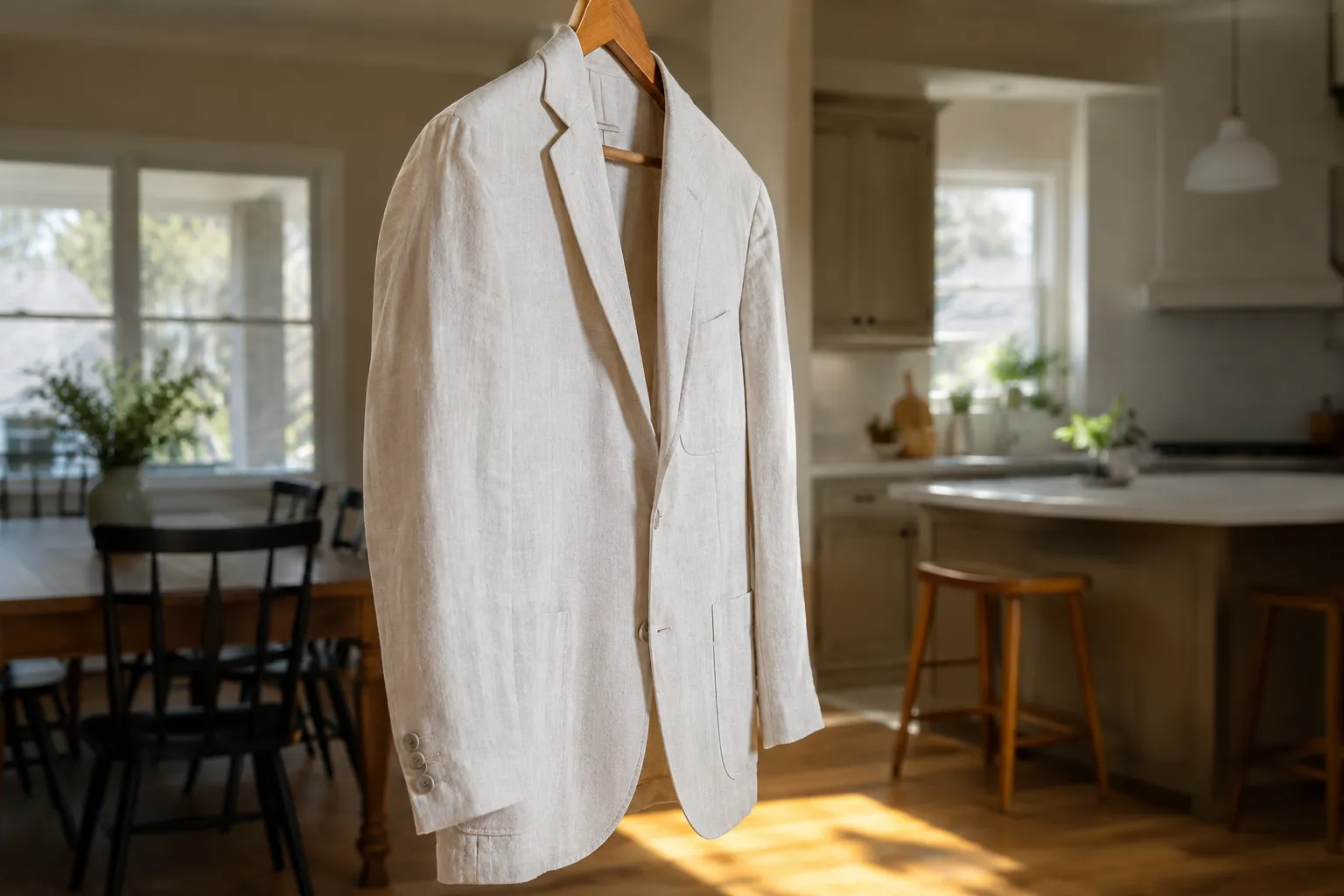 After
After
Request: Remove sweat stains on lining and refresh a cotton jacket.
Done: Stains treated with gentle stain remover, performed dry cleaning with steam.
Cost: 3 500 ₸
Master: Timur Zhaksybekov, dry cleaning master
Total: No stains, jacket fresh, no odor.
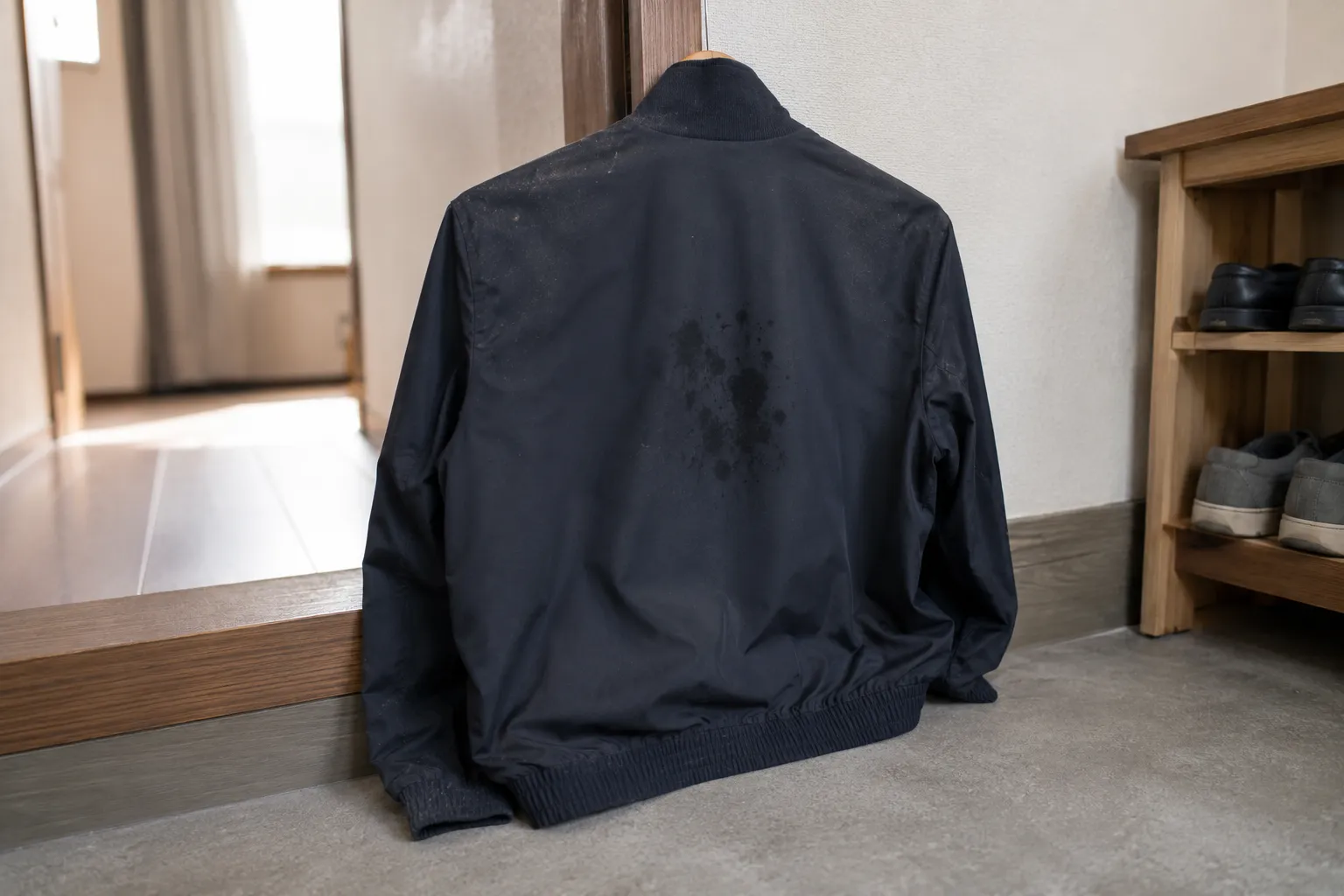
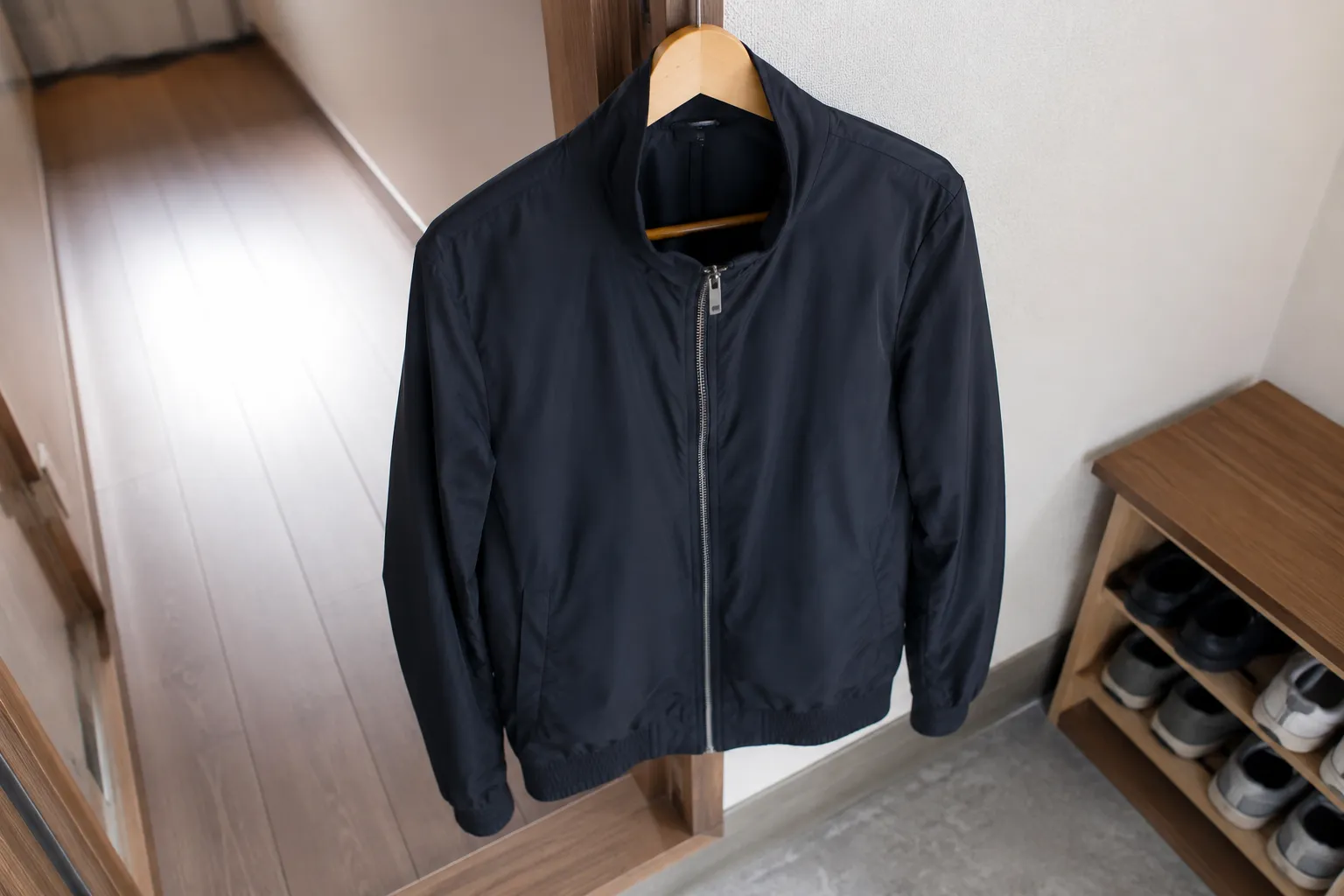 After
After
Request: Remove ink stains and refresh a synthetic jacket.
Done: Stains removed with alcohol solution, performed dry cleaning with antistatic.
Cost: 3 500 ₸
Master: Aigul Kaliyeva, dry cleaning master
Total: Jacket without stains, no static, neat appearance.
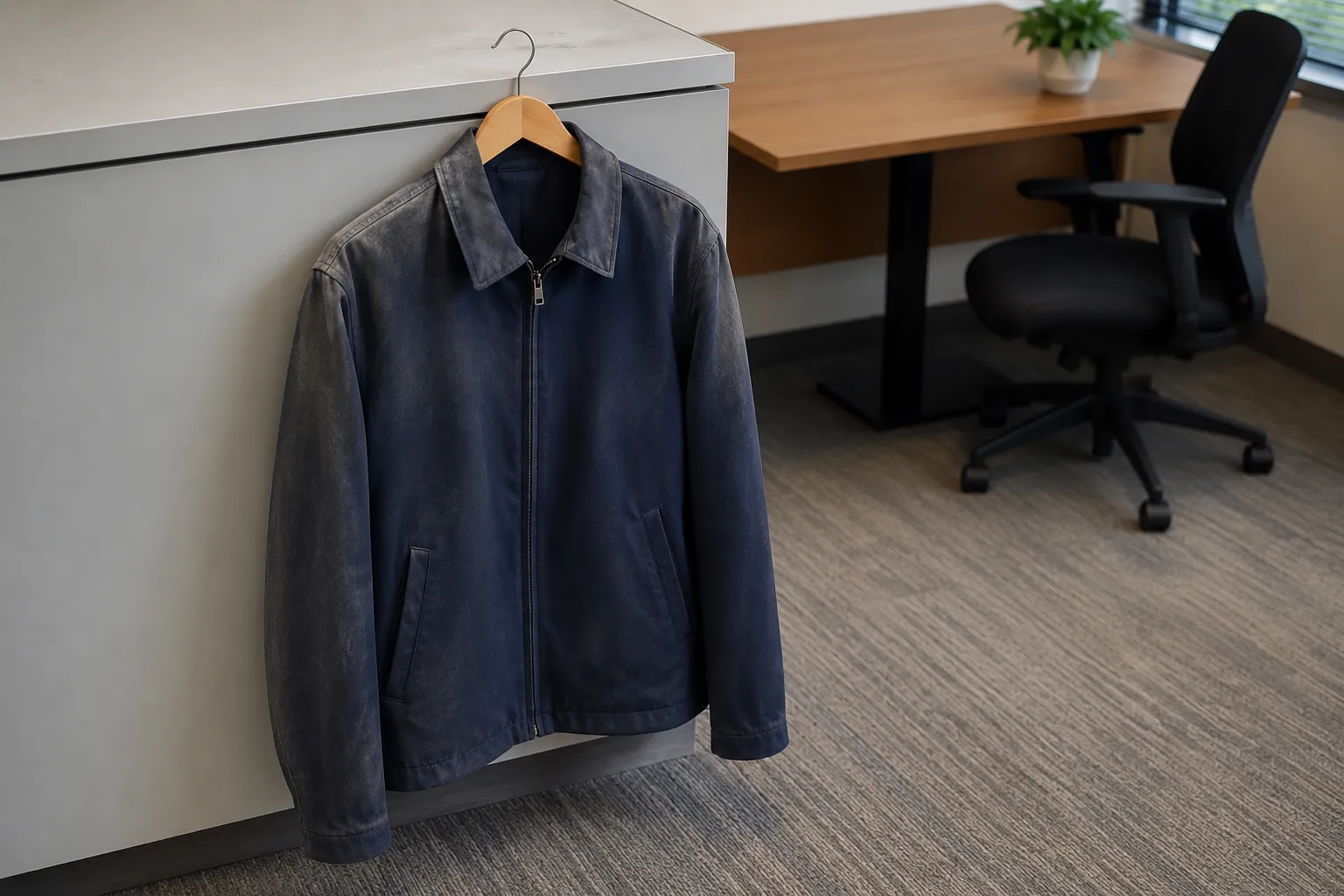
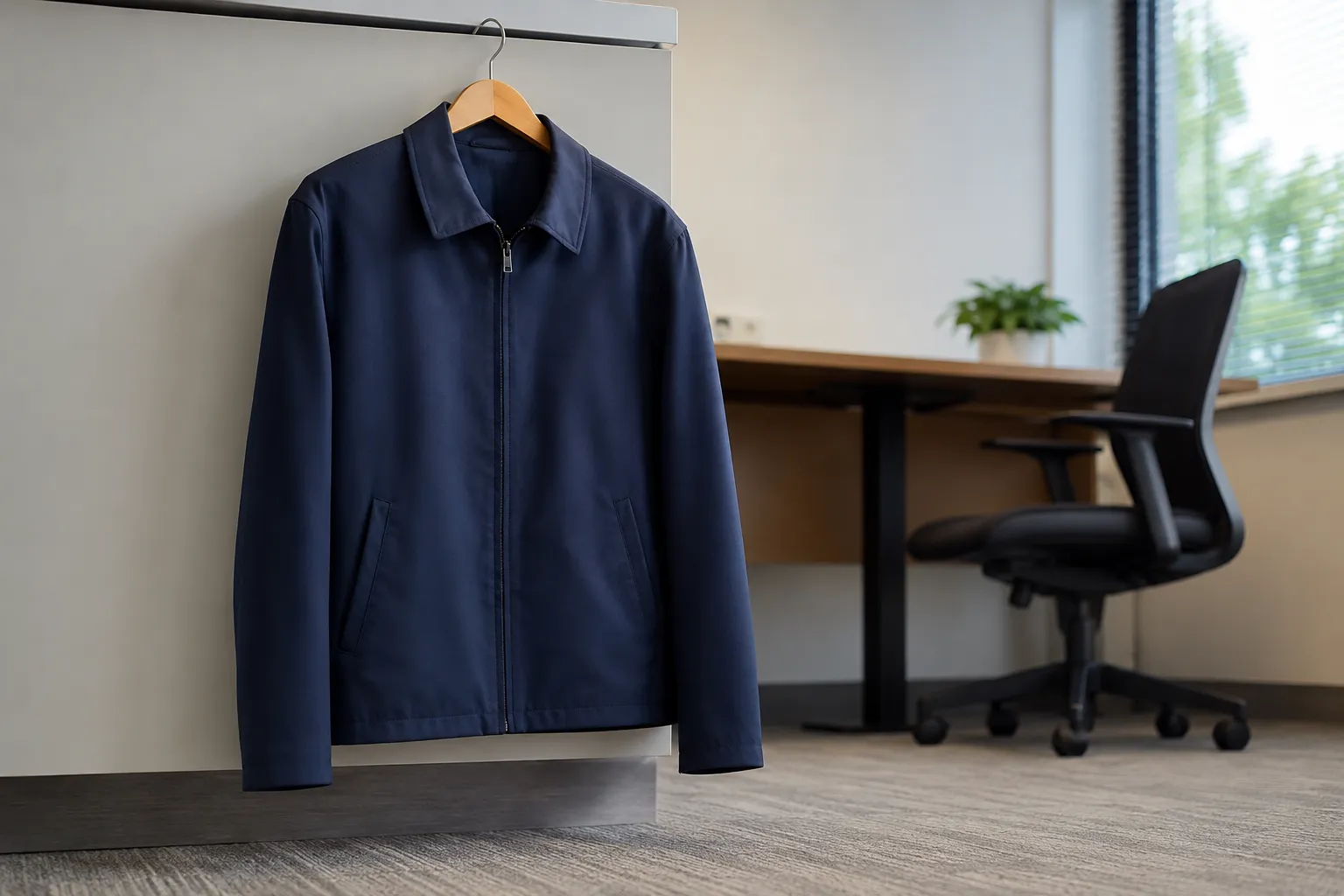 After
After
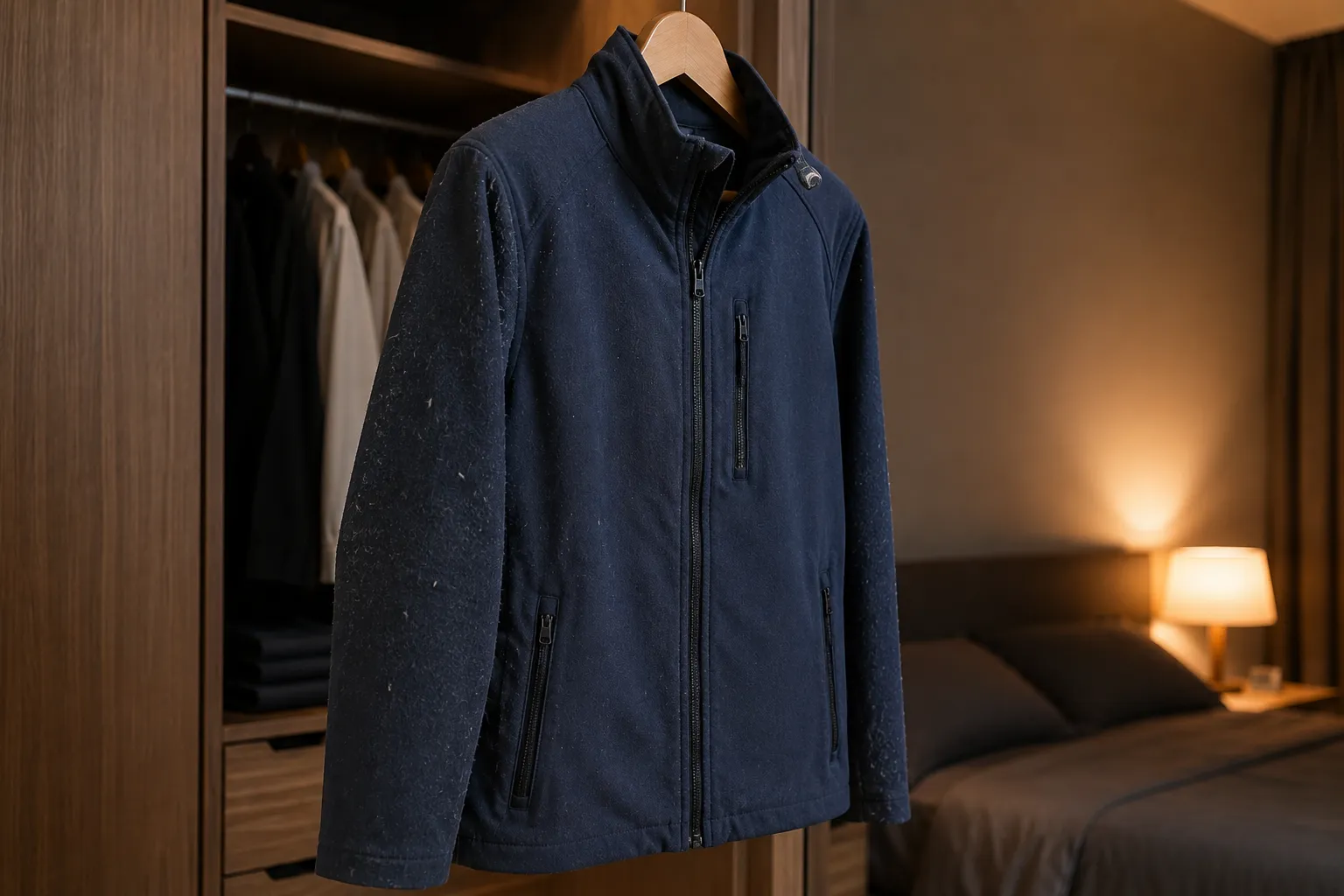
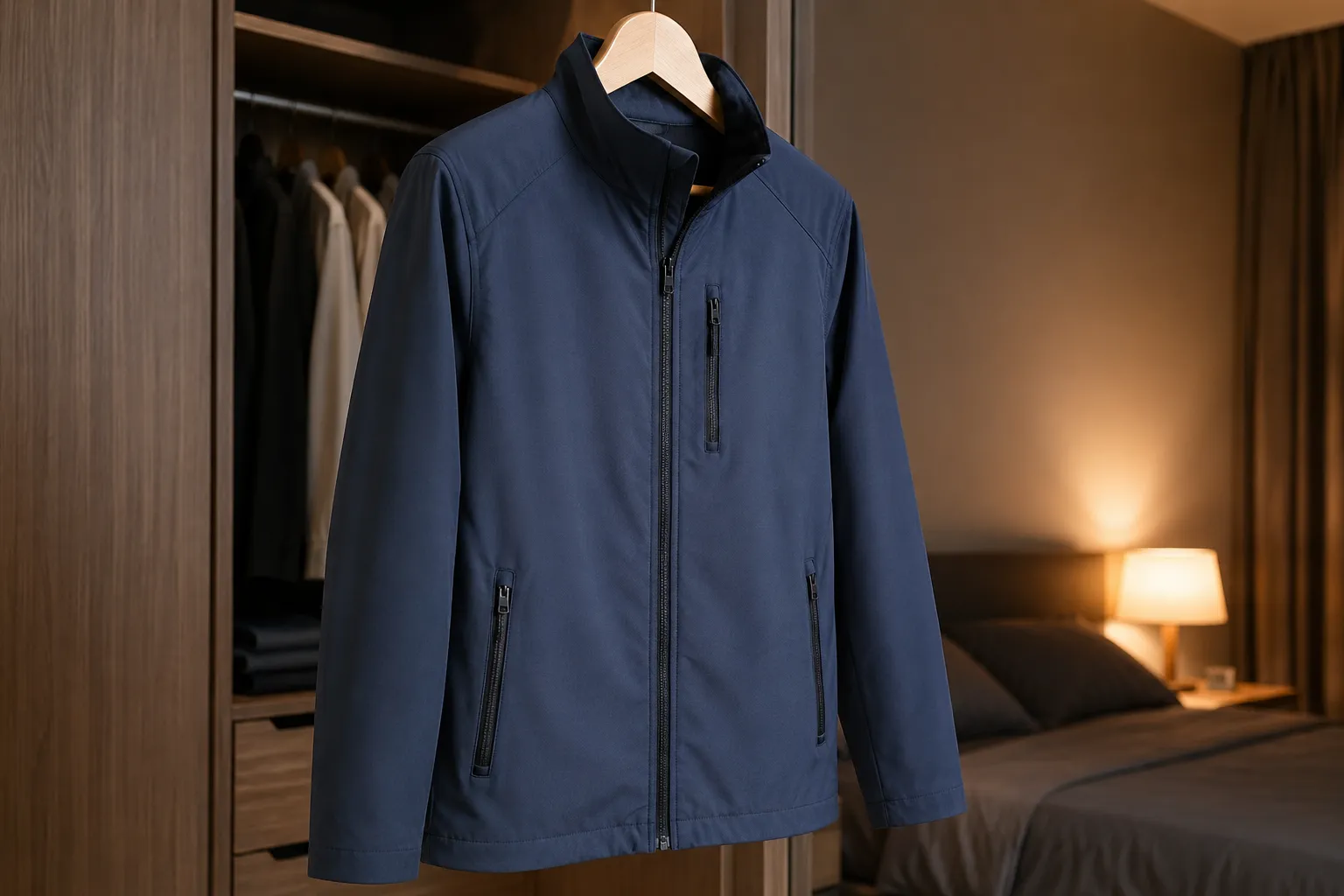
Request: Refresh tuxedo before event, remove small stains.
Done: Performed dry cleaning with gentle stain remover and steaming.
Cost: 7 000 ₸
Master: Timur Zhaksybekov, dry cleaning master
Total: Tuxedo perfectly clean, wrinkle-free, ready to go out.
 After
After
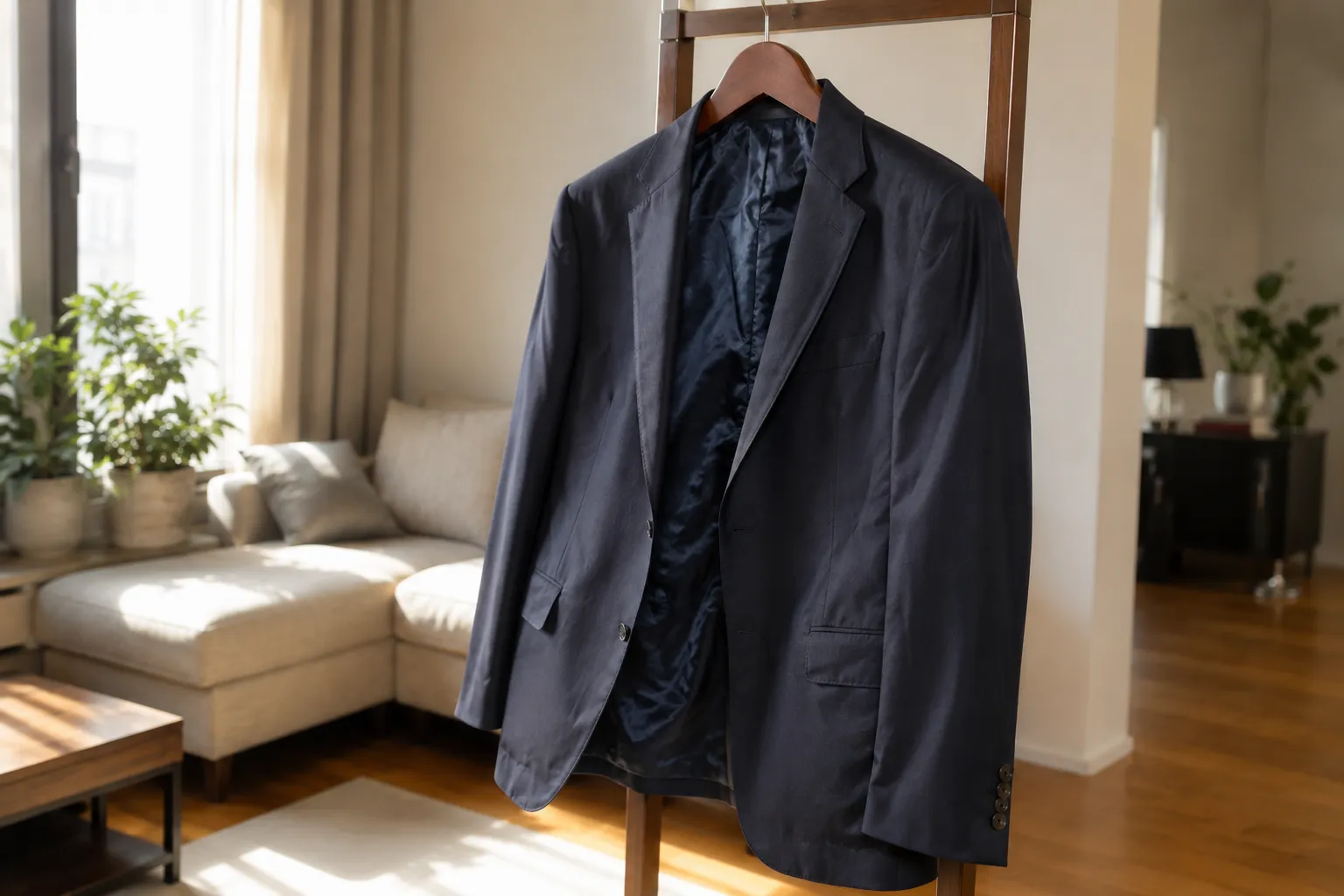
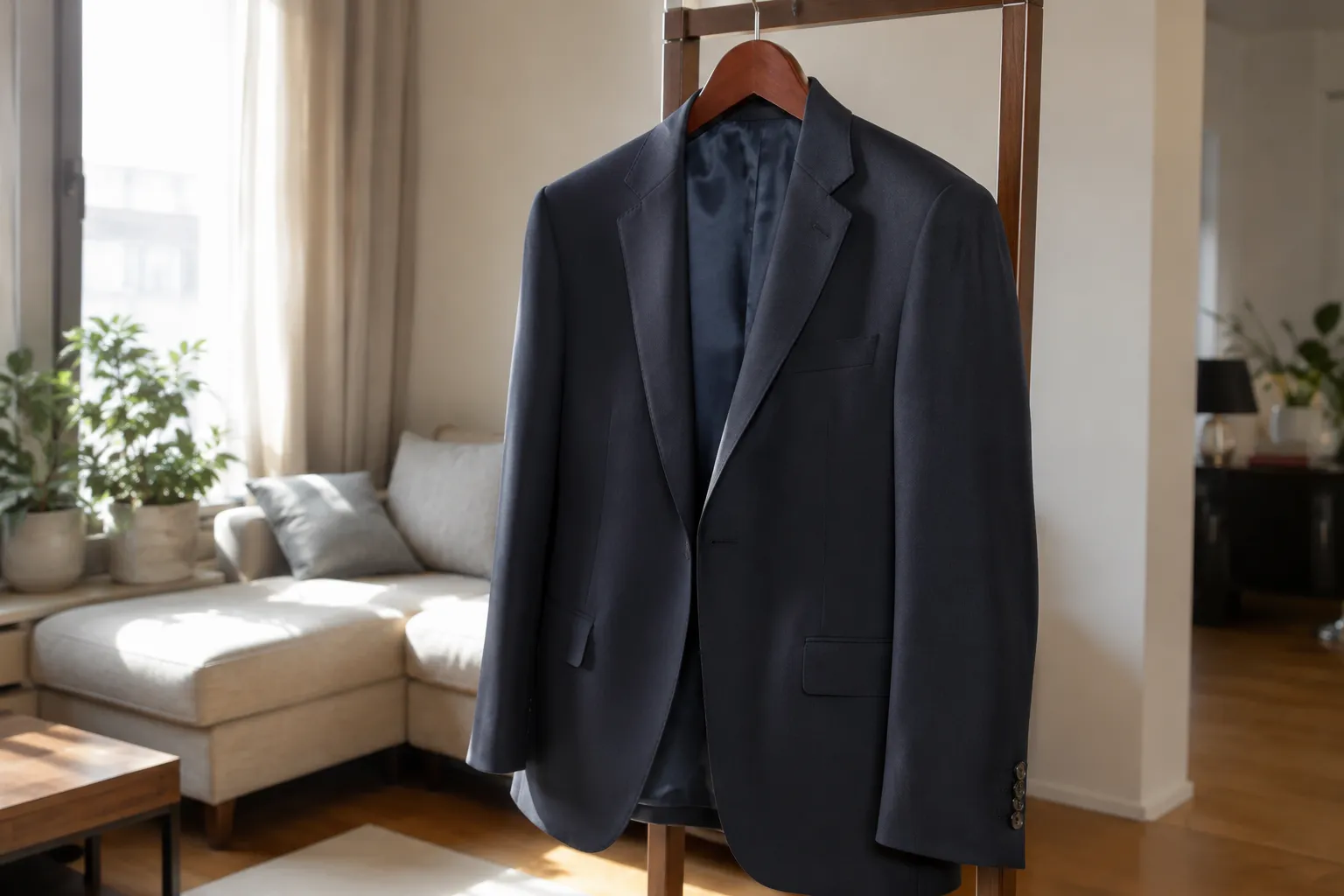
Request: Remove sauce stain on lining and refresh jacket.
Done: Treated lining with stain remover, performed dry cleaning and steaming.
Cost: 3 500 ₸
Master: Aigul Kaliyeva, dry cleaning master
Total: Lining clean, jacket fresh, no deformation.
 After
After
Request: Refresh light jacket without lining, remove creases.
Done: Performed wet cleaning with mild shampoo and steaming.
Cost: 3 500 ₸
Master: Timur Zhaksybekov, dry cleaning master
Total: Jacket clean, no creases, shape preserved.
 After
After
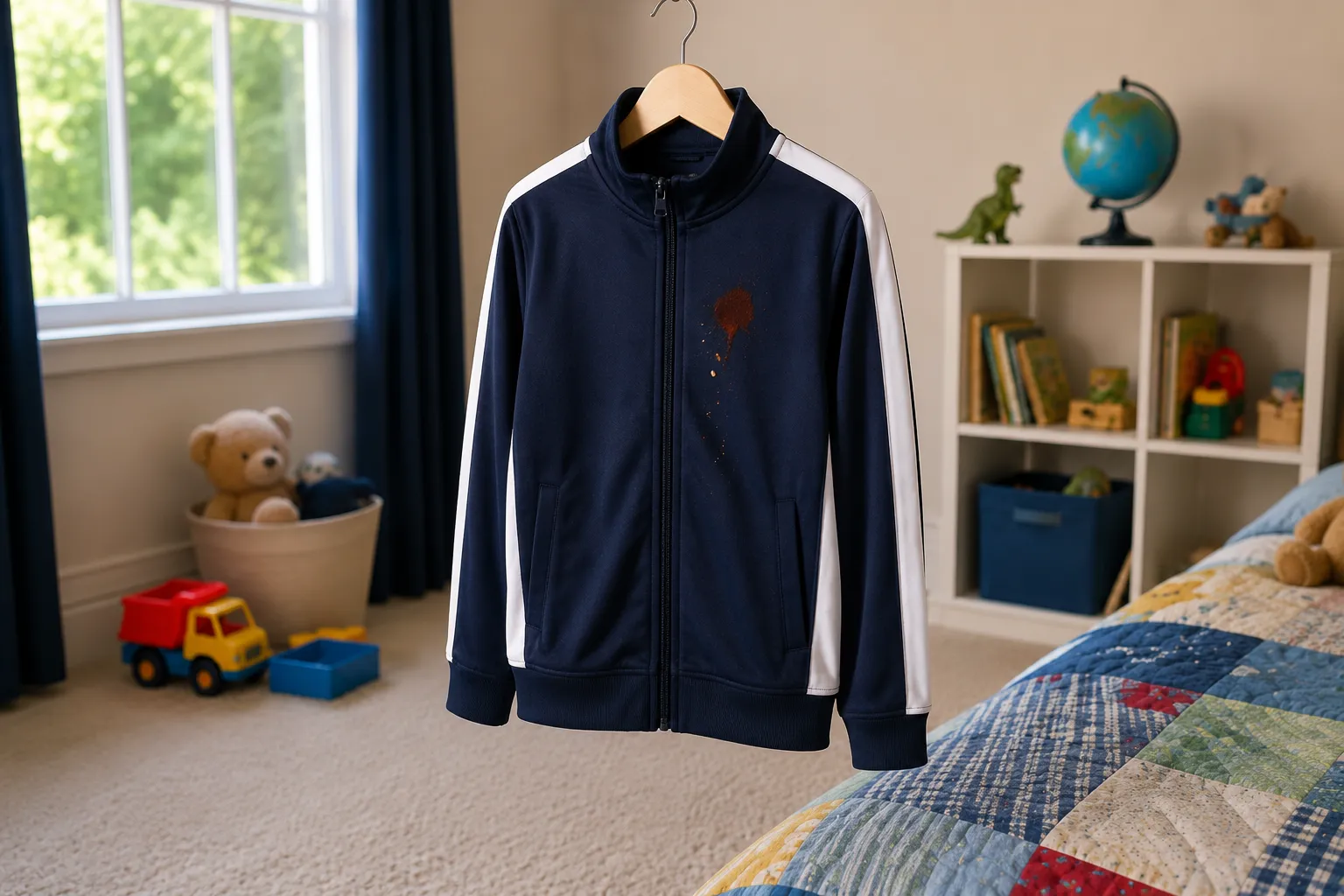
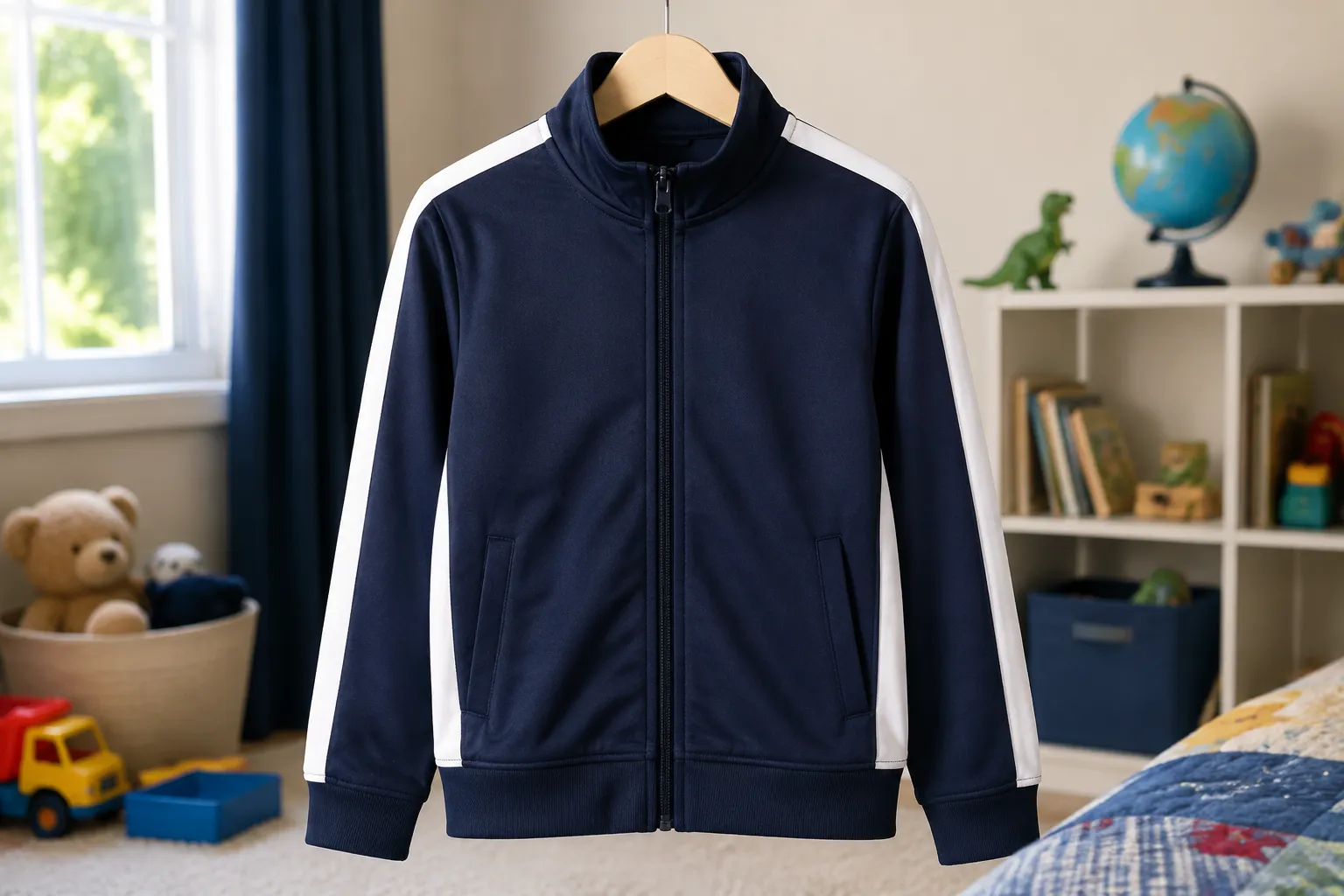
Request: Remove grass and paint stains from children's jacket.
Done: Treated stains with gentle stain remover, performed dry cleaning.
Cost: 3 500 ₸
Master: Aigul Kaliyeva, dry cleaning master
Total: Jacket stain-free, bright and clean.
 After
After
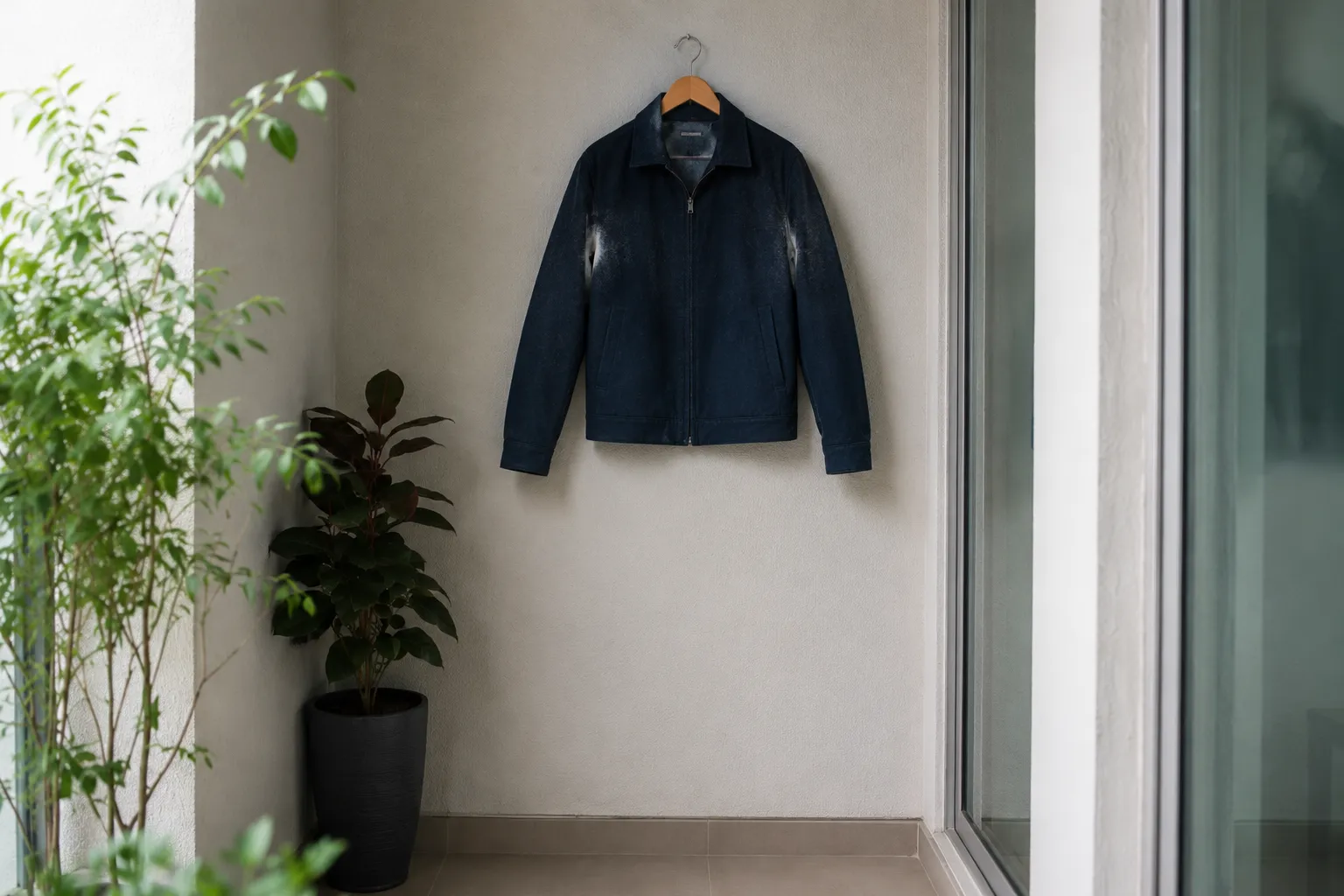
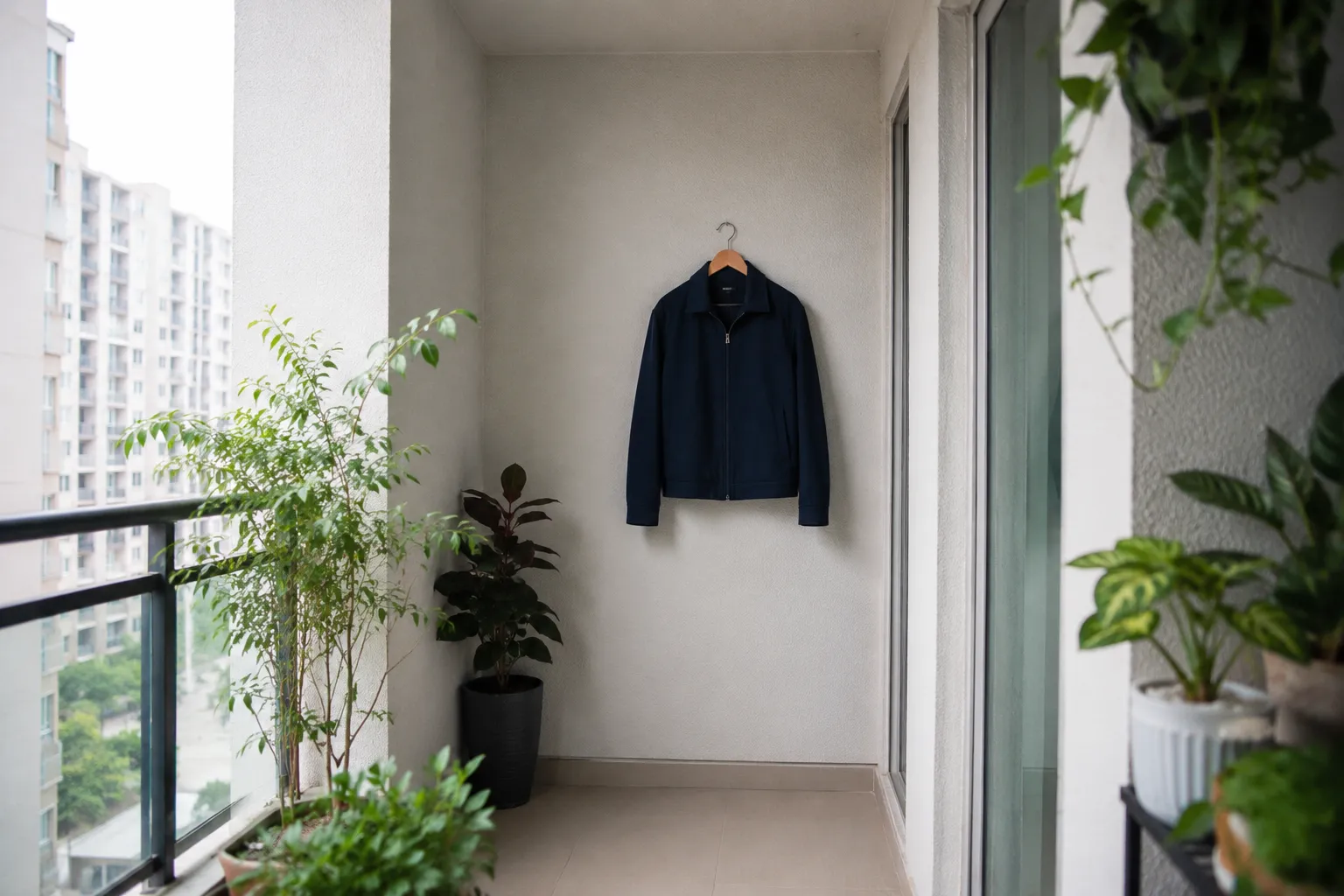
Request: Refresh women's jacket after long storage, remove odor.
Done: Performed dry cleaning with deodorizing agent and steaming.
Cost: 3 500 ₸
Master: Timur Zhaksybekov, dry cleaning master
Total: Jacket fresh, odor-free, neat appearance.
All cleaners are profi-clean staff with training, uniform and security check. Each order has a team leader who controls quality.
Proper preparation of a jacket before handing it over to the service is half the success: it protects the fabric from damage and speeds up the cleaner’s work.
Every second jacket that comes to our workshop contains forgotten items in its pockets. Most often — ballpoint pens, napkins, and candies. A pen left in an inner pocket, when soaked in solvent, creates an ink stain that sets into the lining within 10–15 minutes. Napkins and paper receipts disintegrate into fibers, clogging machine filters and leaving white debris on the seams. Metal coins and keys scratch buttons and create snags on thin viscose. On leather jackets, metal leaves irreversible scratches on the front side. Therefore, before calling the service, turn out all pockets — outer, inner, breast — and check the hidden watch pocket (it is present on many men’s models). Our practice shows: spending 30 seconds checking pockets saves an hour of manual cleaning and the owner’s nerves.
The answer to the question “how to prepare a jacket for dry cleaning” begins with reading the care label. On the sewn-in label under the collar or in the side seam, look for the “dry clean” pictogram — a circle with the letter P (perchloroethylene) or F (hydrocarbon solvent). A circle with a crossed-out letter A means a ban on dry cleaning — such a jacket can only be cleaned with a stain remover locally or sent for wet cleaning. Wool and cashmere jackets (90% of our volume) are marked P — they withstand machine processing in perchloroethylene. Linen and cotton models often allow both F and P. But viscose and acetate silk (the lining of many jackets) can shrink by 5–8% upon contact with perchloroethylene — this is irreversible. Therefore, if the label only indicates the letter F, and the item is worth a significant amount, we recommend additionally showing it to a technologist upon acceptance: on some models, even the delicate mode causes deformation of the lining.
Plastic buttons with metallic coating, mother-of-pearl, and horn — three types of hardware that are guaranteed to suffer in machine dry cleaning. Perchloroethylene dissolves the coating within 5–7 minutes, and the button becomes matte with a gray tint. Natural mother-of-pearl (often on women’s jackets from Massimo Dutti or Zara) cracks from temperature changes in the drying chamber. Horn and wooden buttons (on tweed and suit models) deform and lose their shape. Our cleaners remove all hardware before loading into the machine — this is part of the standard preparation. But if the jacket has massive metal buttons with engraving (family crests, club logos), it is better to remove them yourself and attach them in a zip bag: during vibration in the drum, they can scratch neighboring buttons or leave dents on the lapel. Sew them back on after cleaning — or ask the master to do it upon delivery.
Before handing over an expensive jacket — worth a significant amount, vintage, or branded (Hugo Boss, Canali, Brioni) — take photos on your phone: a general view from the front and back, close-ups of the lining, seams, problem areas (wear on elbows, snags, perfume marks on the collar). This is not distrust of the service — it is your insurance. In our practice, there was a case: a client handed over a dark blue merino jacket, on which micro-snags from cat claws were visible under a magnifying glass. After cleaning, the snags became more noticeable — the fabric “rose” due to fiber shrinkage by 2–3%. The photo before treatment helped us attribute the defect to wear and tear, not to a cleaning defect. If the jacket has stains that you did not point out upon acceptance (coffee on the sleeve, deodorant marks under the arm), mark them with a sticker or a text message to the master — this way we will choose the correct stain remover and not damage adjacent areas with an aggressive compound.
Many people think that a jacket can simply be soaked in a basin with powder — and it will become like new. In reality, washing and dry cleaning a jacket are fundamentally different processes, and confusing them is dangerous for the item. Let’s break down the key differences.
Dry cleaning of a jacket uses organic solvents (perchloroethylene or hydrocarbon compounds) that penetrate the fabric structure without causing it to swell. Water during washing is an aggressive factor: wool absorbs up to 30% of its own weight in moisture, fibers swell, lose shape, and the jacket shrinks by one to one and a half sizes. In our practice at profi-clean, we most often receive jackets made of wool and cashmere that have suffered precisely after machine washing — shrinkage along the back and sleeves is irreversible. Synthetic linings (viscose, polyester) deform unevenly when wet, causing the jacket’s fronts to stick out. In dry cleaning, the solvent evaporates without residue in 40-60 minutes in a drying chamber, preserving the cut geometry. Before putting a jacket in a basin, check the label: if it says “Dry clean only,” even hand washing in cold water will shrink the fabric by 5-7%.
Shoulder pads, collar interlinings, and lapels in jackets are fixed with hot-melt adhesive compounds — these are polyamide or polyester mesh nets that melt when heated and lose adhesion upon prolonged contact with water. When washed in a washing machine, the glue softens within 15-20 minutes, and after drying, the lining begins to bubble — especially on the collar and chest area. In jacket dry cleaning, the solvent does not react with the hot-melt glue: the process temperature does not exceed 30°C, and mechanical impact is minimal — the drum rotates at 8-12 revolutions per minute compared to 800-1000 in a washing machine. Almaty masters at profi-clean have encountered cases where, after washing in a home machine, the adhesive interlining peeled off across the entire back area — restoring the jacket’s shape without complete re-gluing is impossible. If a jacket has a fusible interlining (which is 90% of factory models up to a significant price point), washing guaranteed halves its service life.
Grease stains (oil, sauce, shoe cream) do not dissolve in water — fat molecules are hydrophobic, and washing only spreads them across the fibers. Jacket dry cleaning using perchloroethylene breaks down fat bonds at the molecular level: the solvent penetrates deep into the thread, displaces the oil, and it is removed along with the filtrate. Water-soluble contaminants (salt, sweat, sugar), on the contrary, are better removed in water, but when washing a jacket, they are only washed from the surface, leaving streaks on the lining. In dry cleaning, a pre-soak with alcohol-based stain removers (Kiehl Fleckenteufel) is used for such stains — they bind mineral salts and remove them without contact with water. In our orders, there was a case: a red wine stain on a wool jacket — after washing, it lightened to a pink halo, but dry cleaning removed it completely in one cycle. For stubborn stains (ink, grass, iodine), washing has no effect at all — aggressive solvents in dry cleaning handle them in 2-3 treatments, but only if the item has not been washed before us.
Washing, even in cold water (30°C), heats the fabric to 40-45°C due to friction in the drum — for wool and cashmere, this is critical: the fibers fuse, lose elasticity, and the jacket becomes stiff to the touch. Jacket dry cleaning takes place at 25-30°C, and drying — in a tilted drying machine at 35-40°C, without spin-drying. A viscose lining shrinks unevenly after washing — shrinkage up to 8% on the sleeves and up to 5% on the back, causing the jacket to warp. In dry cleaning, viscose does not come into contact with water, and the lining geometry remains factory-perfect. In practice, profi-clean cleaners advise: if a jacket accidentally gets wet in the rain, dry it on hangers at room temperature, but not on a radiator or in a machine. Forced drying after washing (in a drum or on a heater) guarantees wool shrinkage of 3-5% and deformation of the shoulder pads.
| Parameter | Jacket Washing | Jacket Dry Cleaning |
|---|---|---|
| Working environment | Water with detergent | Organic solvents (perchloroethylene, hydrocarbons) |
| Process temperature | 30-45°C (with friction) | 25-30°C |
| Effect on glue | Softens hot-melt adhesive (risk of delamination) | Does not affect adhesive compounds |
| Fabric shrinkage | Wool — up to 10%, cashmere — up to 12% | 0-1% when following the mode |
| Grease stain removal | Spreads across fibers | Dissolves and removes |
| Drying | Centrifuge + hot air (risk of deformation) | Inclined drying at 35-40°C without spinning |
| Service life after treatment | Reduced by 30-50% | 95% of resource preserved |
The difference between washing and dry cleaning a jacket is not in the price, but in preserving the garment. Home washing saves по запросу per cycle but turns the jacket into a sack after 2-3 washes. Dry cleaning extends the life of the suit by 3-5 years — provided you haven’t washed it before bringing it to us.
The frequency of dry cleaning a jacket depends on the fabric, how often it’s worn, and the season — there is no universal number, and “once every six months for everyone” ruins garments. Let’s break down the schedule for different materials and situations.
Suit wool and cashmere are finicky fabrics: they absorb odors and lose shape from moisture, but at the same time, they don’t tolerate frequent dry cleaning due to the risk of shrinkage and washing out of natural oils. In Almaty, where spring and autumn are rainy and summer is dusty, we recommend bringing such a jacket to profi-clean dry cleaning once every 1.5–2 months of active wear — that’s 2–3 cycles per fall-winter season. If you wear the jacket once a week for work, two treatments are enough: before the start of the season and after. With daily office use, add a third treatment in the middle of the season to prevent the collar and cuffs from becoming shiny. After every second wear, air out cashmere on hangers for 24 hours outside a garment bag — this extends the interval between cleanings by a month.
Cotton and linen are less afraid of moisture but get dirty faster: on light linen jackets, sweat and dust marks are noticeable after just 3–4 wears. For such fabrics, we recommend dry cleaning once per season — in spring and autumn, if the jacket is worn occasionally for events. If it’s part of your everyday wardrobe (e.g., linen for work in the heat), plan for 2 cleanings over the summer — in June and August. The main nuance: linen can shrink up to 3–5% after dry cleaning, so at profi-clean we only use cold modes and shape fixation on a mannequin — this is precisely why home machine washing destroys a linen jacket in one cycle.
Polyester, viscose, and blended fabrics are the least demanding: they don’t shrink, aren’t afraid of frequent cleaning, but actively accumulate static and skin oils. In Almaty, where humidity reaches up to 75% in the off-season, such a jacket can start to smell musty after just 2 weeks of daily wear. The optimal schedule is dry cleaning every 3–4 weeks of active wear, i.e., 3–4 times per season. This doesn’t harm the fabric but removes odors and restores color. A polyester jacket loses static for 5–7 days after cleaning — convenient if you work with papers or electronics.
Even with a perfect seasonal schedule, there are situations when dry cleaning a jacket is urgently needed: a noticeable stain (even if you think you wiped it off), a persistent smell of smoke or food (it soaks into the lining within 2–3 days), loss of shape at the elbows or back (fabric “settled” from moisture), and seasonal wardrobe change (spring/autumn — the jacket may have been in the closet for 6 months and accumulated dust). In our practice, there was a case: a client brought in a wool jacket smelling of cooking a month after the previous cleaning — it turned out he was reheating lunch at the office without taking off the jacket, and grease settled on the fibers, which weren’t aired out. If you notice the jacket has become staticky or there’s a white residue on the collar — don’t wait for the end of the season, bring it in immediately: a shiny collar soaks into the fabric structure within 2 weeks and can only be removed with intensive steam cleaning, which shortens the garment’s lifespan.
Home washing of a jacket is the fastest way to ruin the item, even if you use a delicate cycle. The construction and materials of this wardrobe staple are fundamentally different from a t-shirt or jeans, and a washing machine damages them irreversibly.
A jacket holds its shape thanks to adhesive and woven interlinings — these are layers of non-woven fabric, fusible interfacing, or horsehair between the outer fabric and the lining. In water, the glue softens and washes out, causing the lapels and front edges to “deflate” and no longer lie flat against the body. When wet, different fabrics shrink at different rates: the wool outer layer shrinks by 3–5%, while the synthetic lining barely changes. This causes the jacket to warp — the back bulges, and the sleeves pull the shoulder upward. After tumble drying, the interlining detaches completely, and only a full re-gluing at a tailor can restore it. We had a case in our practice: a client washed a wool blazer in the machine on the “wool” cycle at 30 °C — the lapels wrinkled, and the re-gluing cost more than all the previous years of dry cleaning.
The washing machine drum rubs against the jacket’s surface, and on delicate fabrics — cashmere, viscose, tweed — pilling appears after just 2–3 washes. Under the influence of water and alkali (regular detergent has a pH of 9–10), the scales of the wool fiber open up, catch onto each other, and the fabric felts — losing its softness, becoming stiff and matte. Spinning at 600–800 RPM deforms the shoulder pads: the foam or wadding clumps together, and the jacket loses its sharp silhouette. Models with foam-based shoulder pads suffer especially — after spinning, they need to be completely replaced. On wool jackets containing mohair (10–20%), felting occurs in a single cycle: the fiber is long and fluffy, and it tangles irreversibly. Before loading an item into the machine, check the care label — if it contains wool, cashmere, viscose, or mohair, washing will guaranteed worsen its appearance.
Water does not remove oily stains — grease from collars and cuffs, traces of sauces or cream — it only spreads them over a larger area. Dirt particles mixed with detergent get trapped between the fibers, and after drying, the jacket has water marks — dark halos around the former stain. Dry cleaning uses organic solvents (perchloroethylene or hydrocarbons) that dissolve grease without water, then remove it with dirt via vacuum. Water, however, sets protein stains (blood, milk, egg) — when heated above 40 °C, the protein coagulates and bonds permanently to the fabric. Even professional perchloroethylene cannot remove such a stain after washing — it would require bleaching, which thins the fiber. On Almaty jackets worn to the office, the most common traces are coffee with milk and hand cream. Both contain fat and protein, and home washing only fixes them into the fabric.
Almaty’s climate, with sharp temperature fluctuations and dusty winds, creates unique conditions for jacket soiling — standard cleaning protocols don’t always work here, and we adapt our approach to local specifics.
The fine particulate dust of Almaty, which settles on a jacket after a day of wear, contains soot and heavy metal particles — it doesn’t just leave a gray coating but embeds itself into the structure of wool and cotton, gradually destroying the fibers through friction. In our practice, cleaning a jacket after a month of active wear without care takes 25% more time than an item worn in the suburbs — the dust compacts into a dense layer in the lining and at the elbow creases. For wool and cashmere jackets, we use a pre-treatment with Kiehl’s enzyme formula, which breaks down mineral particles without aggressive mechanics — this reduces the risk of pilling by 40% compared to standard cleaning. Before loading into the chamber, we always check the lining for micro-tears from constant dust contact — they are often invisible to the eye, but pressurized steam can worsen the damage.
We use professional conformer mannequins with adjustable shoulder width and length — this is the only way to preserve the factory fit, especially for fitted models with shoulder pads. In standard services, jackets are often steamed on a hanger, which stretches the shoulder seam by 1-2 cm after 3-4 cycles, and in Almaty we see such cases monthly — clients bring in items that have “shrunk in the back” or have a “warped collar.” Our mannequins adapt to the cut: for jackets with a soft shoulder (Italian style), we apply less tension to the sleeve; for strict business models (British cut), we fix the lapels in a spread position. After final steaming, the jacket cools on the mannequin for 30 minutes — this sets the shape, and in Almaty’s heat of +35 °C, the item does not “shrink” upon the first wear outdoors.
Silk or viscose lining in bright colors (burgundy, emerald, blue) is a common detail in jackets brought to Almaty from Europe and Turkey, and its dye bleeding during improper treatment ruins the appearance of the face fabric. We test the lining for dye fastness with a spot test using a solvent on an inconspicuous area (inner pocket seam) — if the dye “runs,” we treat the lining separately with a dry stain remover without water to prevent color migration onto the wool. In one case — a jacket made of fine camel wool with a red silk lining — standard cleaning at another service resulted in pink streaks on the back, and restoration took three days with step-by-step dye fixation. Our recommendation: before the first dry cleaning of a jacket with colored lining, notify the technician — we tape the lining-to-fabric seams with masking tape as a precaution.
In Almaty’s slush (March-April, October-November), jackets get complex soiling: road reagents, wet dust, and salt stains at the bottom of sleeves and hem — these areas require separate treatment before the general load into the chamber. We apply a neutral pH prespotter (Sodasan) to the cuffs and bottom of the jacket, which breaks down salt deposits in 10 minutes, and only then send the item into the cycle — otherwise, the reagent bakes in with steam and leaves yellow stains that cannot be removed. A wet jacket cannot be dried in a closed chamber at high temperature — the wool “cooks” and shrinks by a size: we dry at 35 °C with forced ventilation for 2 hours instead of the standard 40 minutes. After off-season cleaning, we check the sleeve hem for reagent residue with a test strip — if the pH is off, we give an additional rinse with distilled water.
Ordered dry cleaning for my husband's jacket after the wedding — they removed a champagne stain, jacket looks like new.
Thank you, Aigerim! Glad we handled the stains.
Gave my jacket for cleaning before an important meeting. Returned perfectly ironed, no odor.
Had dry cleaning done for a jacket after a celebration — red wine stain disappeared, but there was a small crease on the sleeve.
Sorry about the crease, we'll be more careful with steaming.
My son got paint on his jacket, thought I'd have to throw it away. After cleaning, no trace!
Dry cleaning of a leather jacket — I was afraid they would ruin it. But they returned it soft, without scuffs.
We handle leather carefully, glad you liked it.
I ordered dry cleaning of a jacket, but a faint trace of foundation remained on the collar.
Bring it back — we'll treat it for free.
I was afraid to give away the sequin jacket, but they cleaned it perfectly, not a single sequin fell off.
The dry cleaning of the jacket went well, but I had to come twice because of the queue.
Sorry for the wait, there are fewer people on weekdays.
I spilled coffee on a light jacket — the stains are completely gone, the color hasn't changed.
I gave a jacket with a fur collar for dry cleaning — the fur became fluffy, no chemical smell.
Thank you, we use gentle products for fur.
After painting the walls, the jacket had white spots. They cleaned everything, I couldn't even believe it.
I had a jacket with an oil stain dry cleaned — they removed it, but I had to wait longer than promised.
We apologize, we have now sped up the process.
The velvet jacket after cleaning looks like from a store window — the nap is raised, the color is bright.
Dry cleaning of a jacket with an ink stain — completely removed, no streaks.
Thank you for your feedback, we work with any stains.
I ordered dry cleaning of a jacket with sequins, but two sequins fell off. Although the stain was removed.
Bring it in, we'll sew them back on for free.
The tweed jacket shrank after rain, but after cleaning they restored its shape, even better than before.
Dry cleaning removed the sweat smell from the jacket, but a slight yellowing remained on the lining.
We'll treat it additionally, bring it in.
I gave my sports jacket for cleaning — grass stains disappeared, fabric didn't fade.
My son got the jacket dirty with mud — dry cleaning saved it, everything washed out.
Glad to help!
I gave my soaked jacket for cleaning — they dried and ironed it, like new.
Dry cleaning handled the powder stains, but small streaks remained.
Wipe with a damp cloth; if they don't go away, bring it in.
Standard dry cleaning takes 1-2 days. Express cleaning is possible within 1 day for an additional fee.
Yes, we offer express cleaning service within 1 day. The cost is higher according to an individual tariff, but you get your jacket back the next day.
Yes, we use gentle solvents and stain removers from Kiehl, safe for cashmere, silk, and other delicate materials.
We do not guarantee removal of old paint stains, rust, and some chemical reagents. In other cases, effectiveness is close to 100%.
Check pockets, remove all items. Inform the master about stains and their origin.
Yes, for orders of 2 or more jackets, we offer a 10% discount and free courier pickup.
We accept cash, Kaspi Gold, Halyk Bank, and card transfers.
Yes, we guarantee removal of stains reported at intake. Otherwise, we will re-clean for free.
Yes, but leather parts are treated separately with special products to avoid damage.
Upon customer request, we can skip steaming, but this may affect the final appearance of the jacket.
Tell us about your experience with profi-clean — it helps other clients and us improve.
We currently operate in Almaty. Other cities are coming soon.