Reception and inspection
We mark stains, check fabric and hardware integrity. We record the condition before cleaning.
Professional dry cleaning of ski suits with DWR coating restoration. Gently removes oil stains, dirt, and odors without damaging the membrane.

We work with any types and materials
Cleaning of membrane jackets while preserving water-repellent properties.
from 5,000 ₸Removal of dirt and snow reagents without damaging the membrane.
from 2,800 ₸Full cleaning of overalls with treatment of all areas.
from 2,500 ₸Safe cleaning for children with removal of tough stains.
from 6,000 ₸Removal of oil stains from lubricant and wax.
from 5,000 ₸Cleaning of reinforced knee and seat areas.
from 2,800 ₸Gentle down cleaning without loss of thermal insulation.
from 7,000 ₸Cleaning of elastic fabrics while preserving shape.
from 6,000 ₸Gentle cleaning of synthetic insulation.
from 6,000 ₸Removal of pilling and dirt from fleece.
from 6,000 ₸Cleaning of bib overalls with treatment of suspenders.
from 2,500 ₸Cleaning of vests while preserving insulation.
from 2,500 ₸From inspection to result with guarantee
We mark stains, check fabric and hardware integrity. We record the condition before cleaning.
Apply professional stain remover Kiehl, Dr. Beckmann on oil, grass, and protein stains.
Machine cleaning with perchloroethylene or hydrocarbon solvent on gentle cycle for membranes.
Check stain removal, re-treat problem areas if needed.
Apply water-repellent layer by spraying or in machine to restore properties.
Dry in special chamber at temperature not exceeding 40°C to preserve membrane properties.
Check cleaning quality, no streaks or odors. Ensure perfect result.
We place the suit in a cover to protect it from dust. Ready for pickup.
We use professional stain removers Kiehl (Germany) — they are safe for Gore-Tex and Sympatex membranes. Removes oil, grass, and protein stains without damaging the fabric.
Dry cleaning based on Kreussler hydrocarbon solvent — does not damage insulation or glued seams. Ideal for membrane fabrics.
We restore water-repellent coating with Nikwax TX.Direct. Water-repellent properties last up to 10 washes.
We have been working since 2015, processed over 5000 ski suits. We know all the features of membranes and insulation.
If a stain is not removed, we refund your money or reclean for free. You are confident in the result.
Before cleaning, we test the fabric in the laboratory — eliminating the risk of shrinkage or color change. Each suit is checked individually.
 After
After
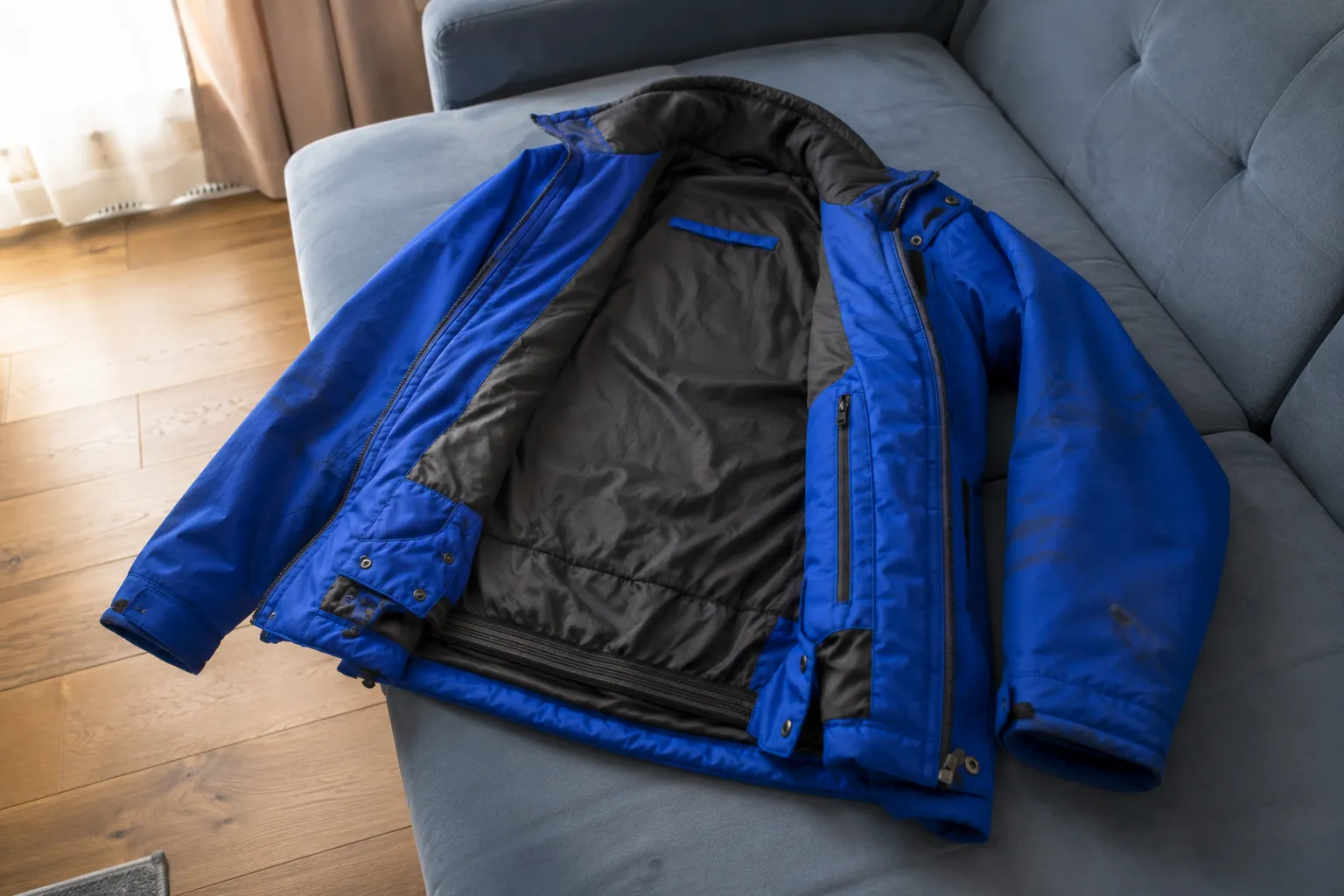
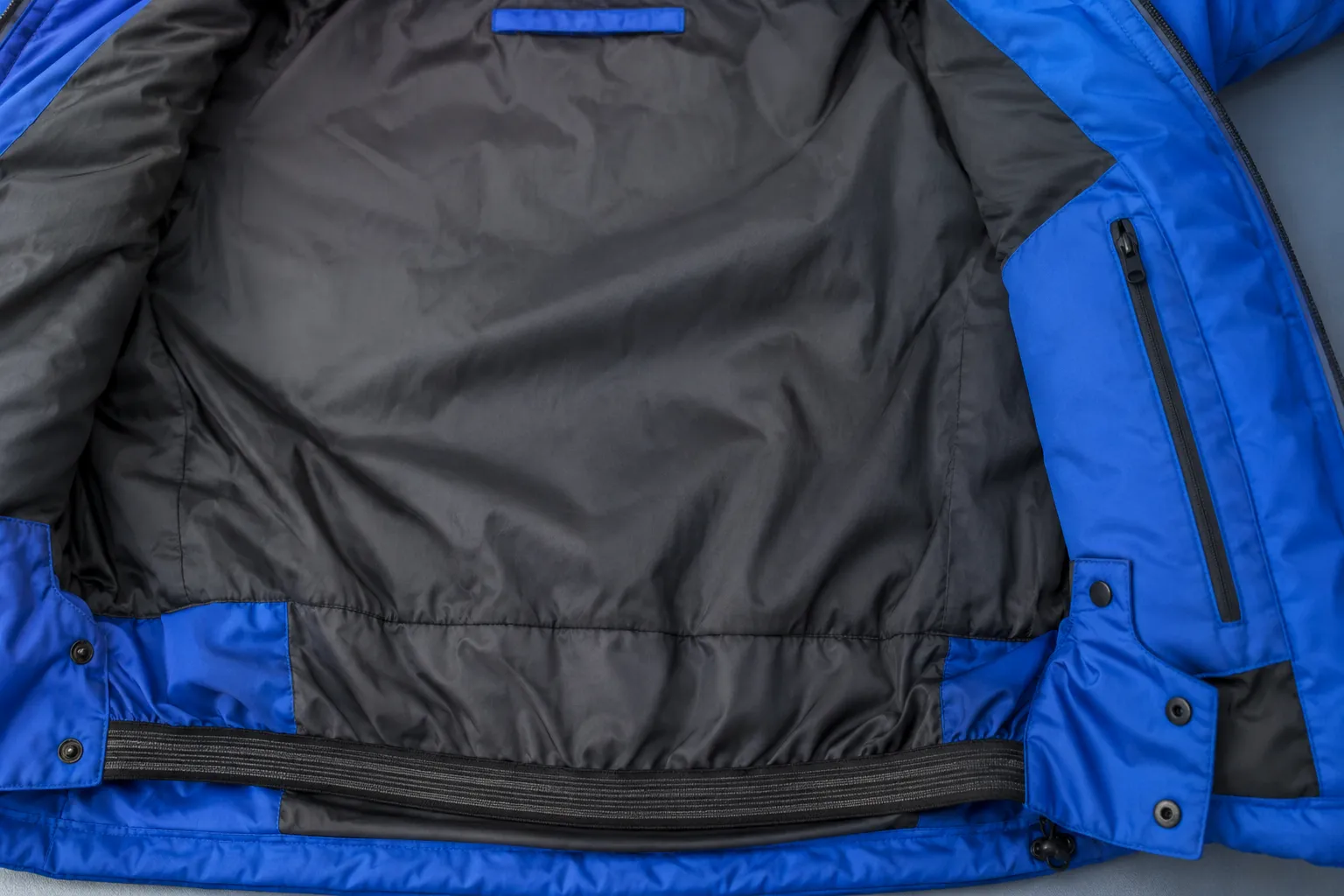
Request: Removed oil stains from a ski jacket after snowmobile repair.
Done: Treated stains with solvent, then removed residues with enzyme stain remover.
Cost: 5 000 ₸
Master: Aigerim Nurpeisova, dry cleaning master
Total: Stains completely gone, jacket like new, no chemical residue.
 After
After
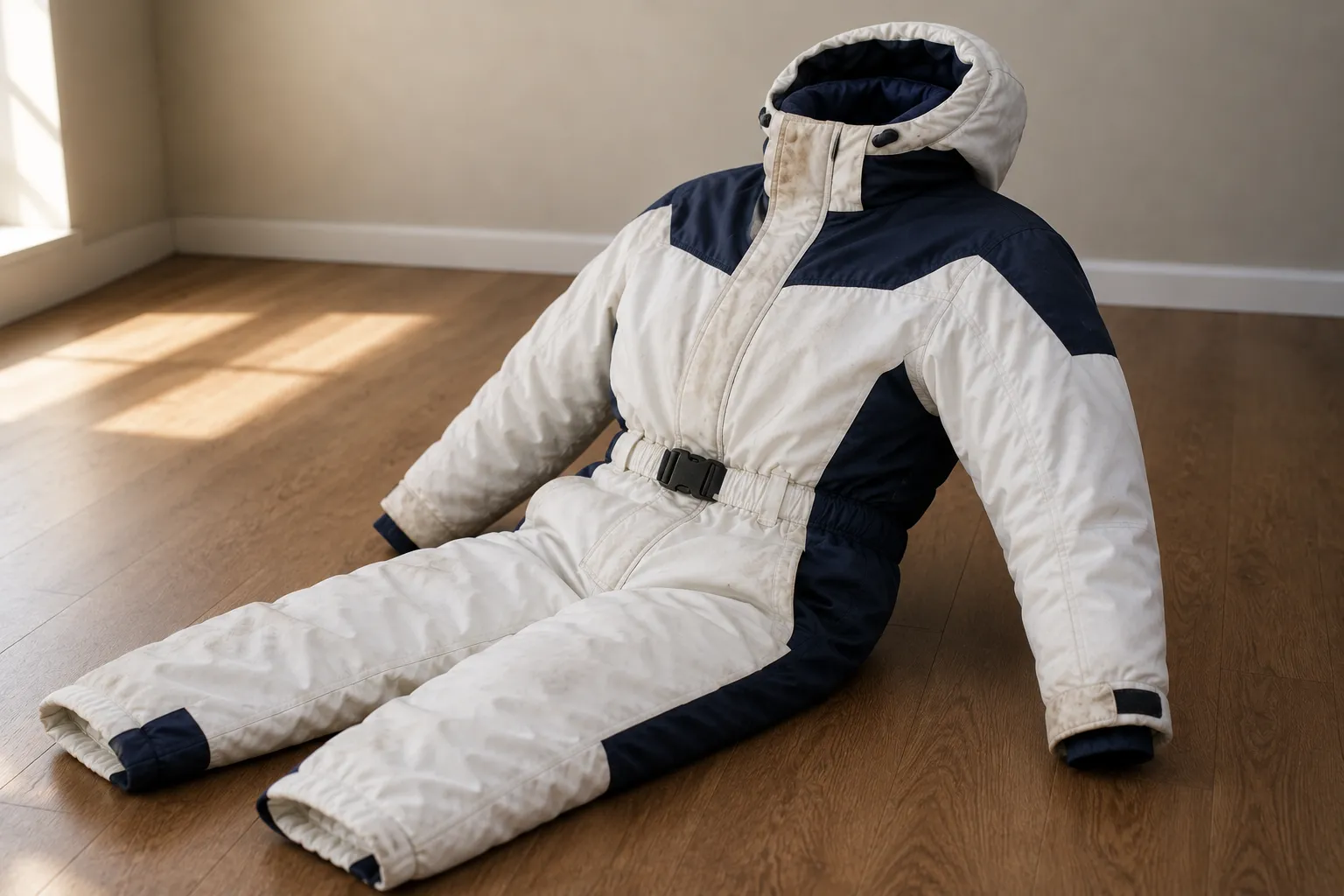
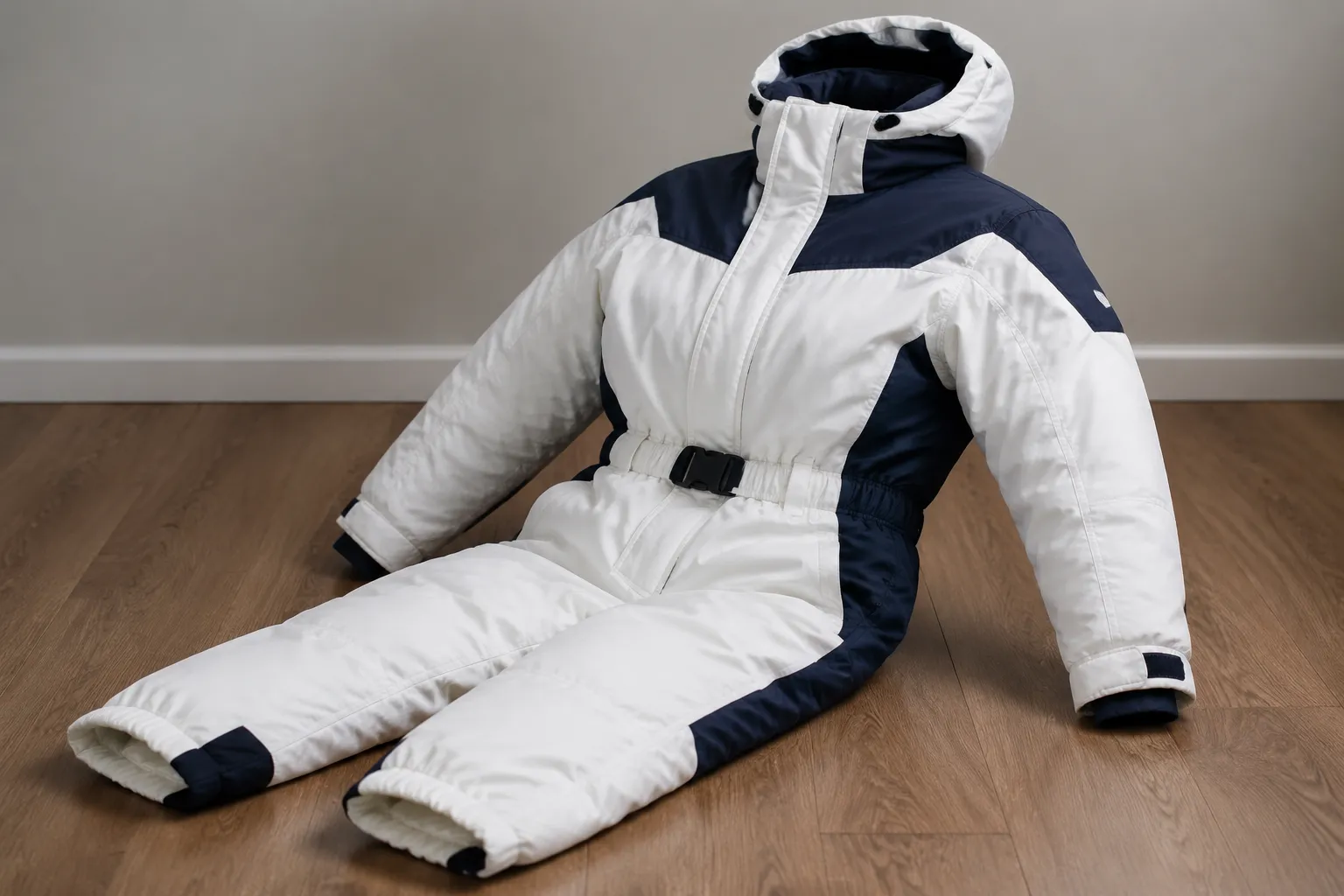
Request: Washed dried mud from white snowboard pants after riding.
Done: Soaked in oxygen bleach, then washed with enzyme detergent.
Cost: 2 800 ₸
Master: Daniyar Aliyev, dry cleaning master
Total: Pants clean, no streaks, whiteness restored.
 After
After
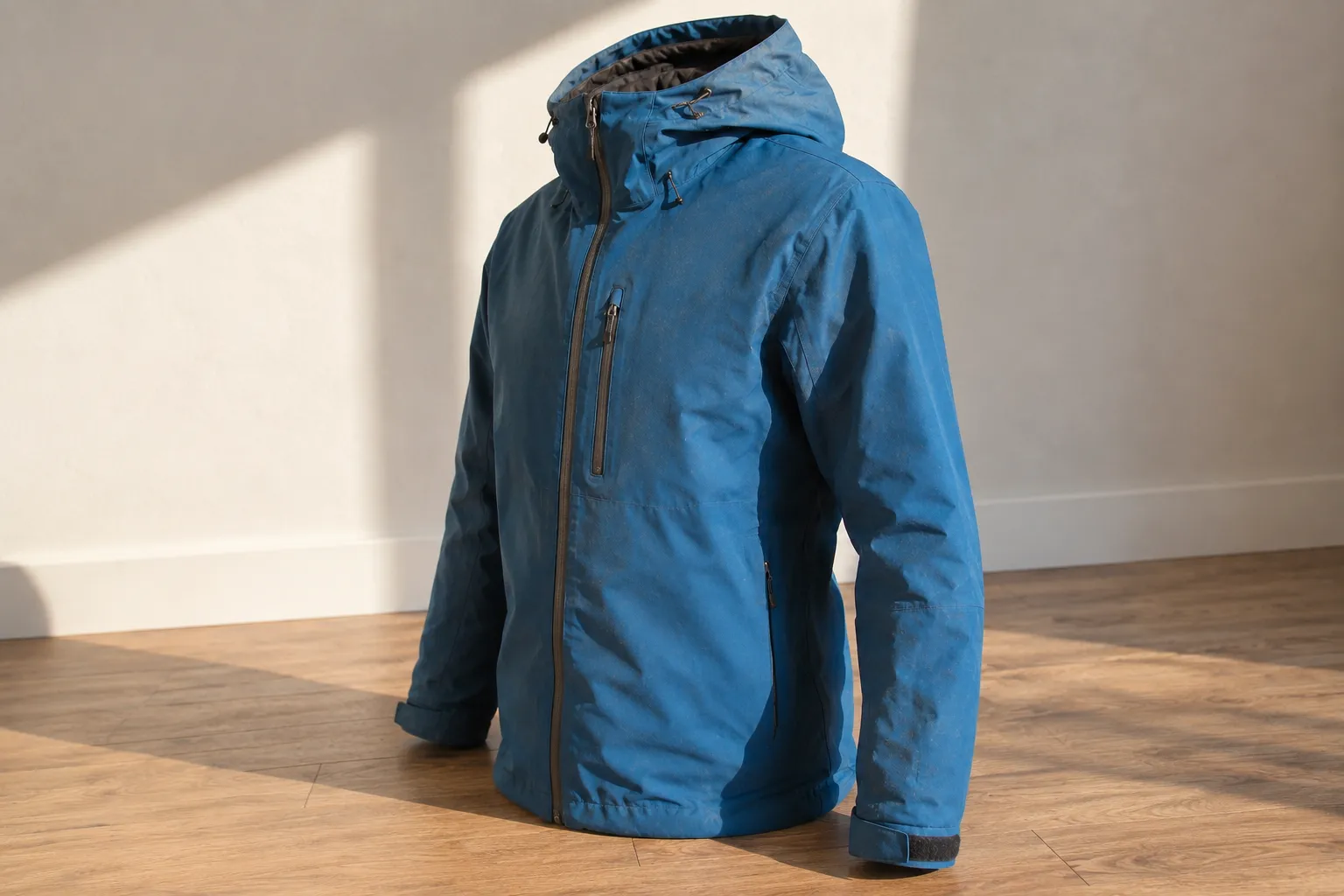
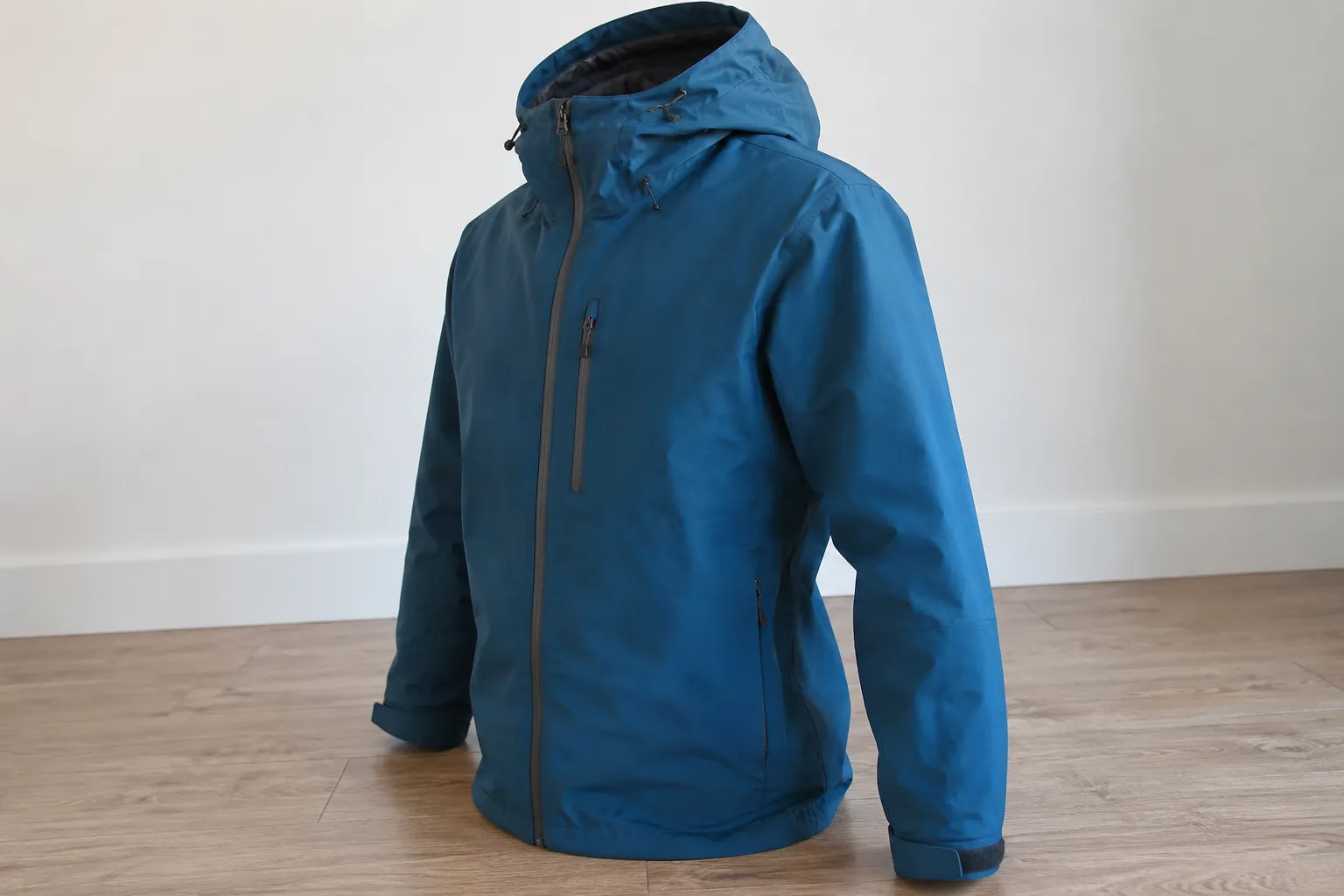
Request: Cleaned ski suit after season: stains and odor.
Done: Dry cleaning of suit with pre-treatment of stains and deodorization.
Cost: 6 000 ₸
Master: Meruert Kassymova, dry cleaning master
Total: Suit fresh, clean, odor-free, ready for storage.
 After
After
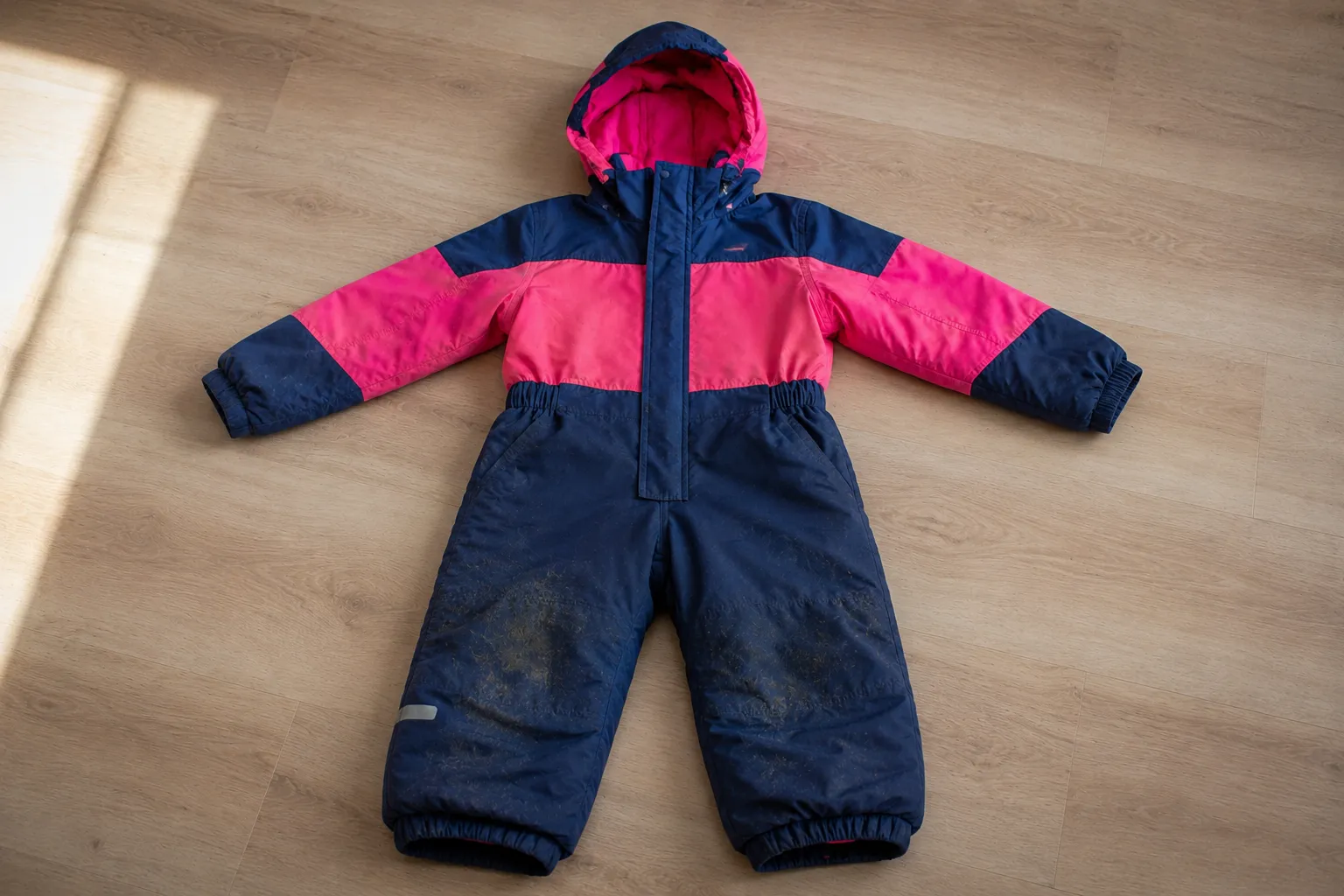
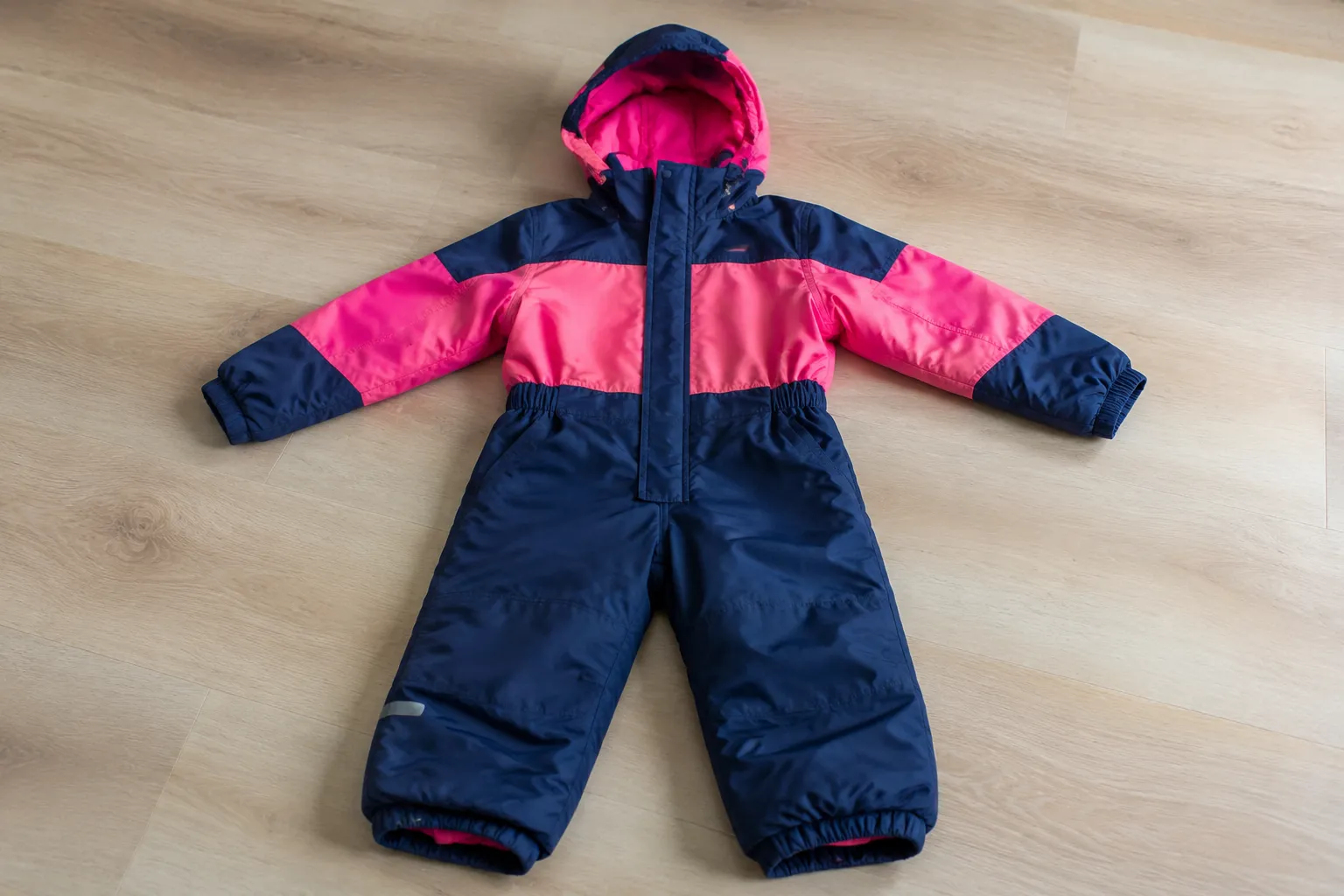
Request: Removed yellow sweat stains from a white ski jacket.
Done: Treated stains with enzyme stain remover, then washed with bleach.
Cost: 5 000 ₸
Master: Aizhan Abdrakhmanova, dry cleaning master
Total: Jacket snow-white, no stains, fabric undamaged.
 After
After
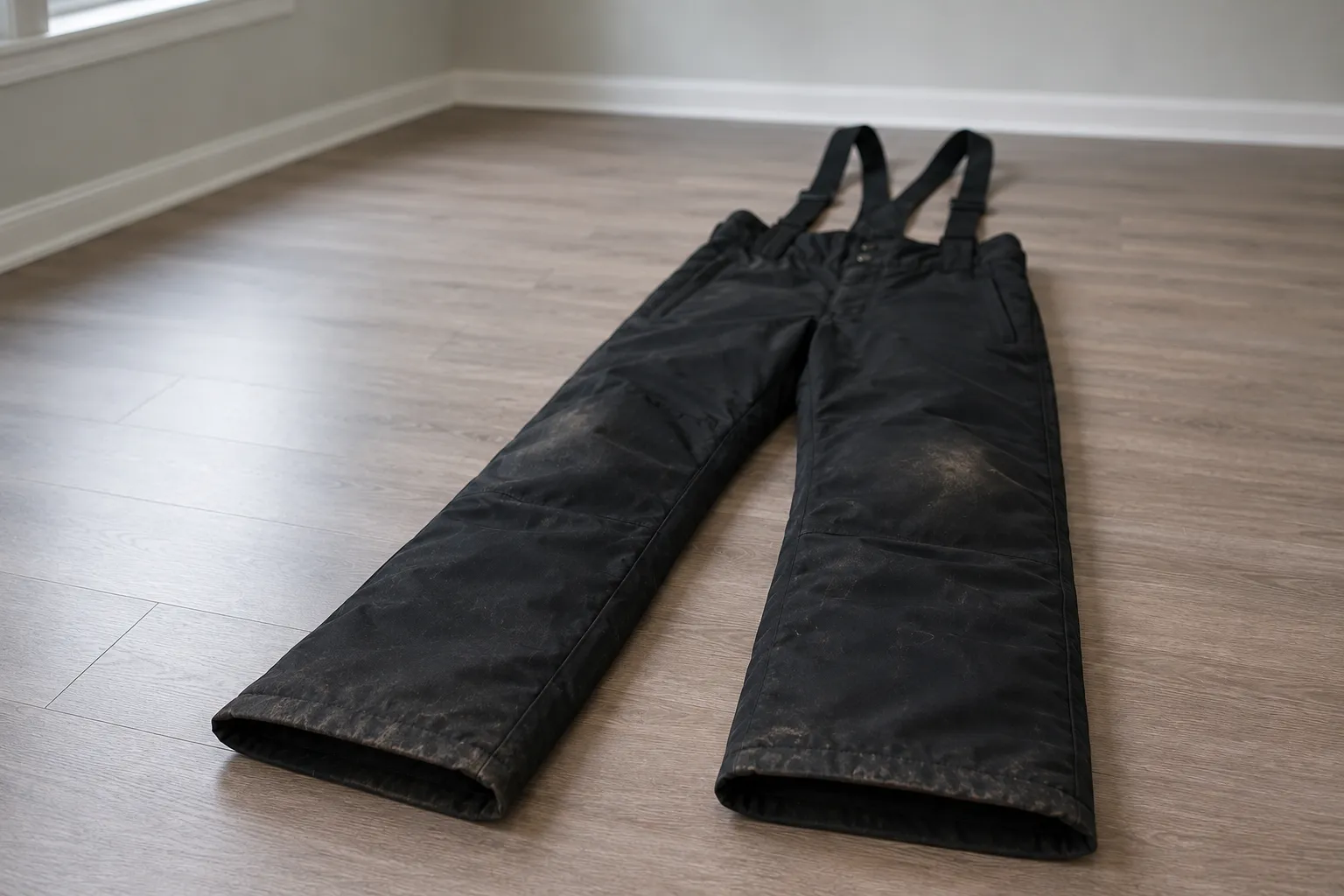
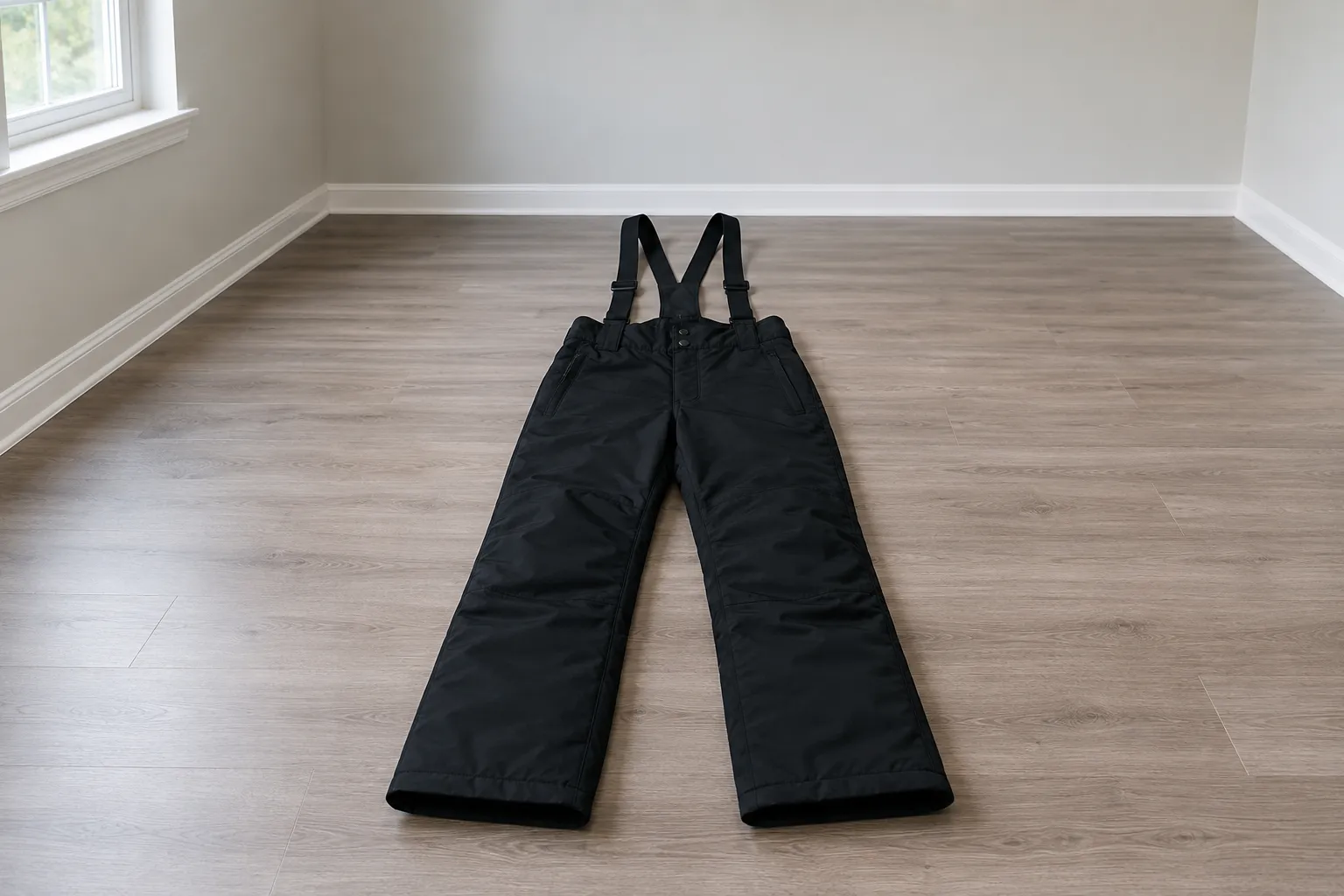
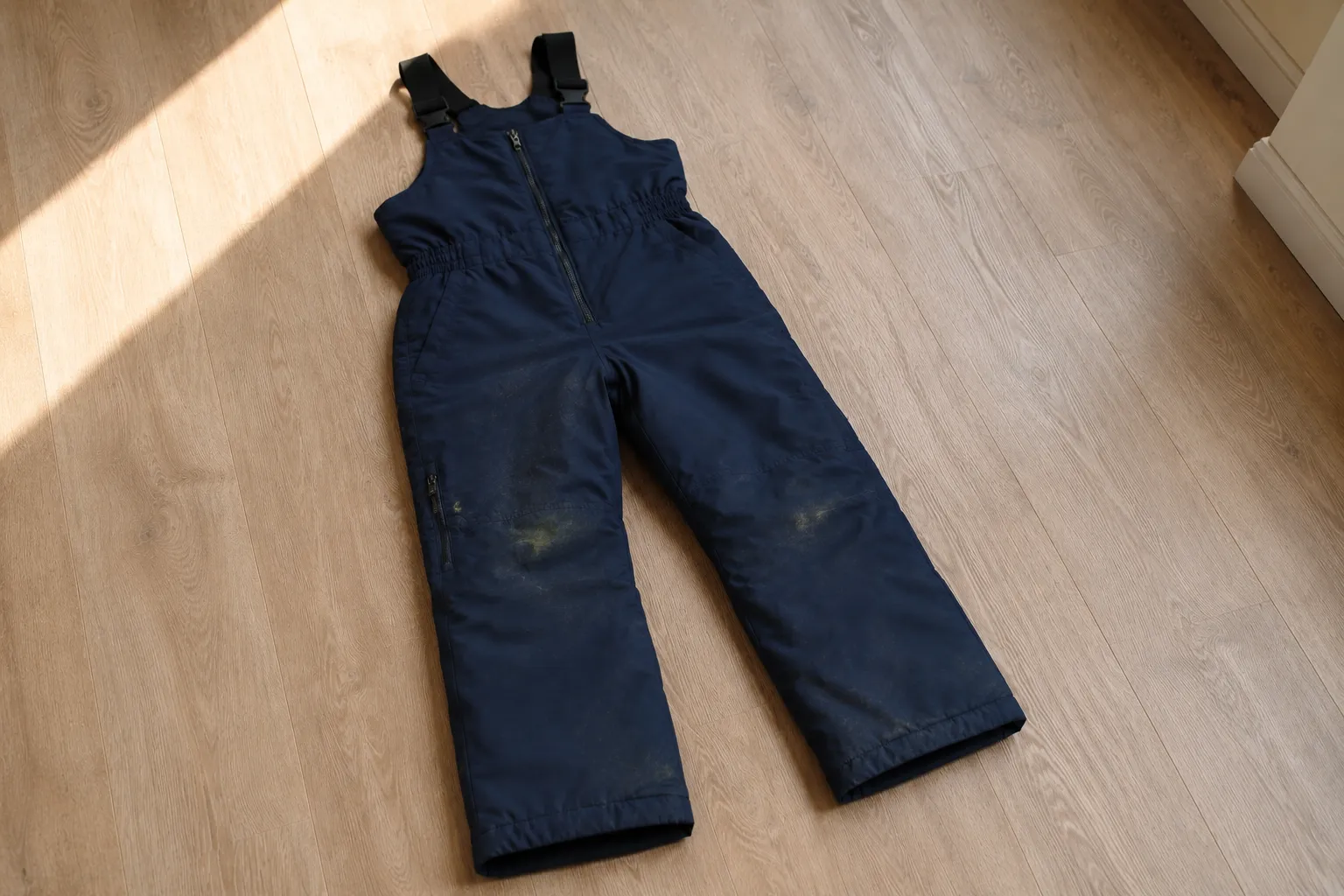
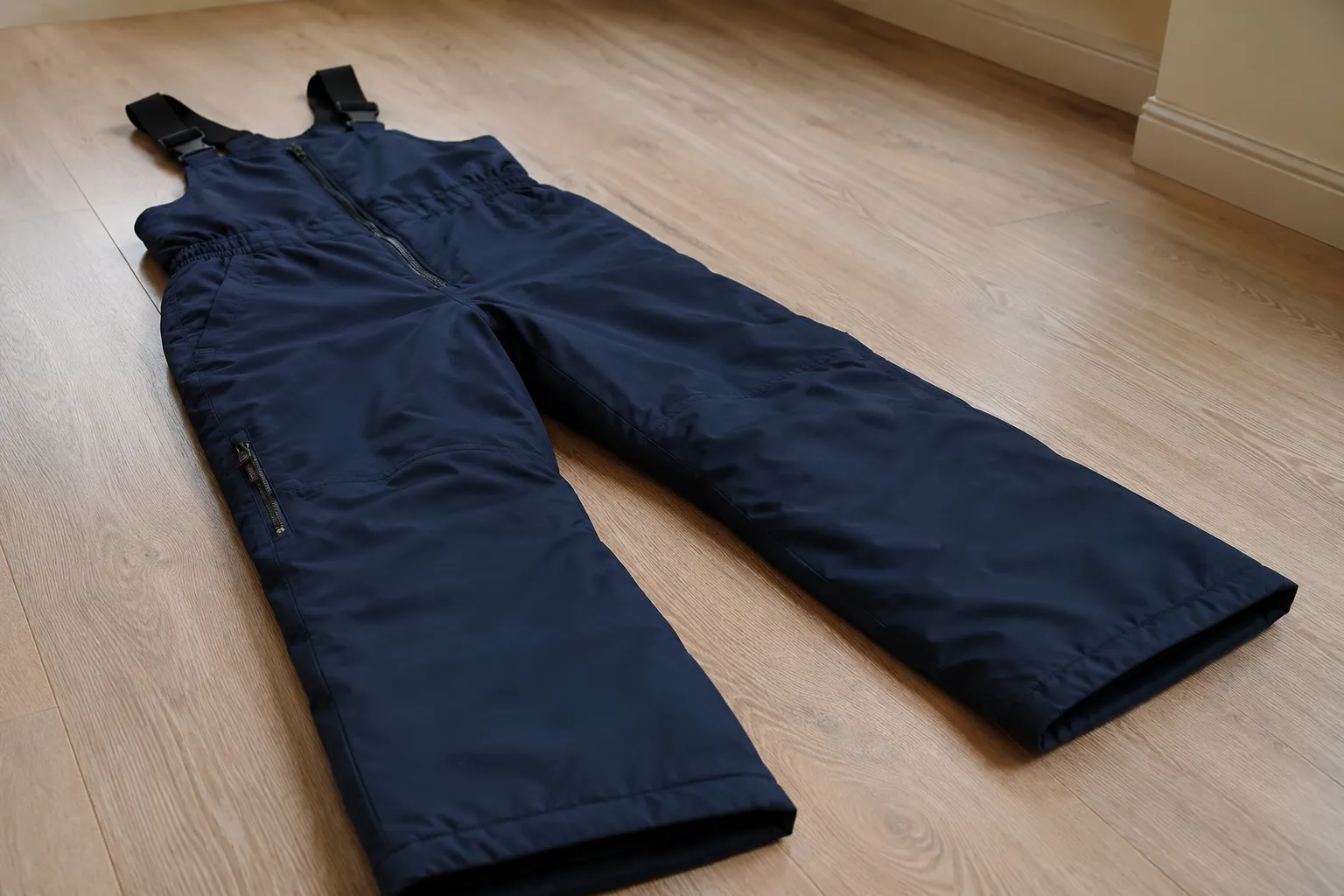
Request: Removed white salt stains from black ski pants.
Done: Rinsed with vinegar solution, then washed with fabric softener.
Cost: 2 800 ₸
Master: Timur Zhaksybekov, dry cleaning master
Total: Pants black, no streaks, soft to the touch.
 After
After
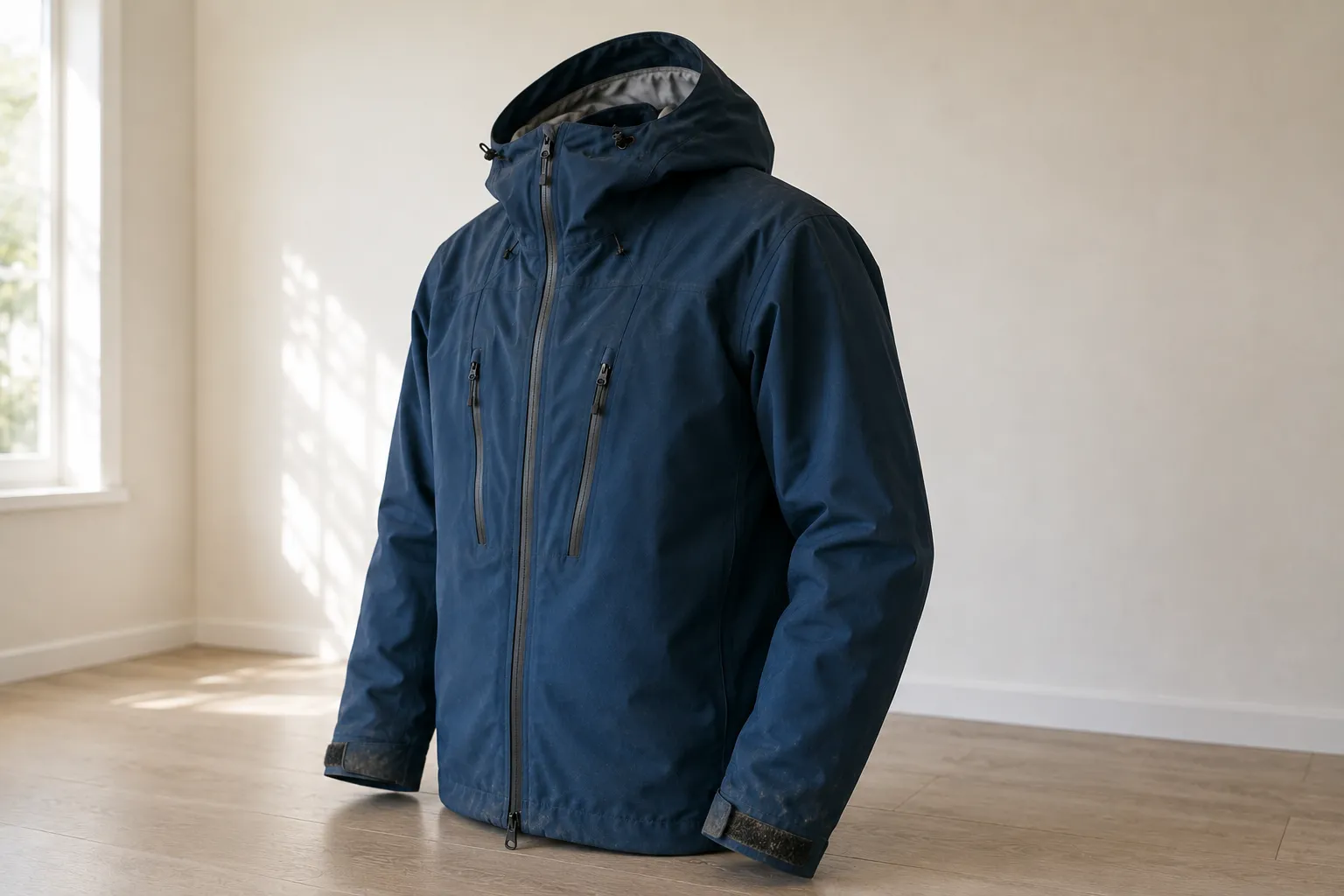
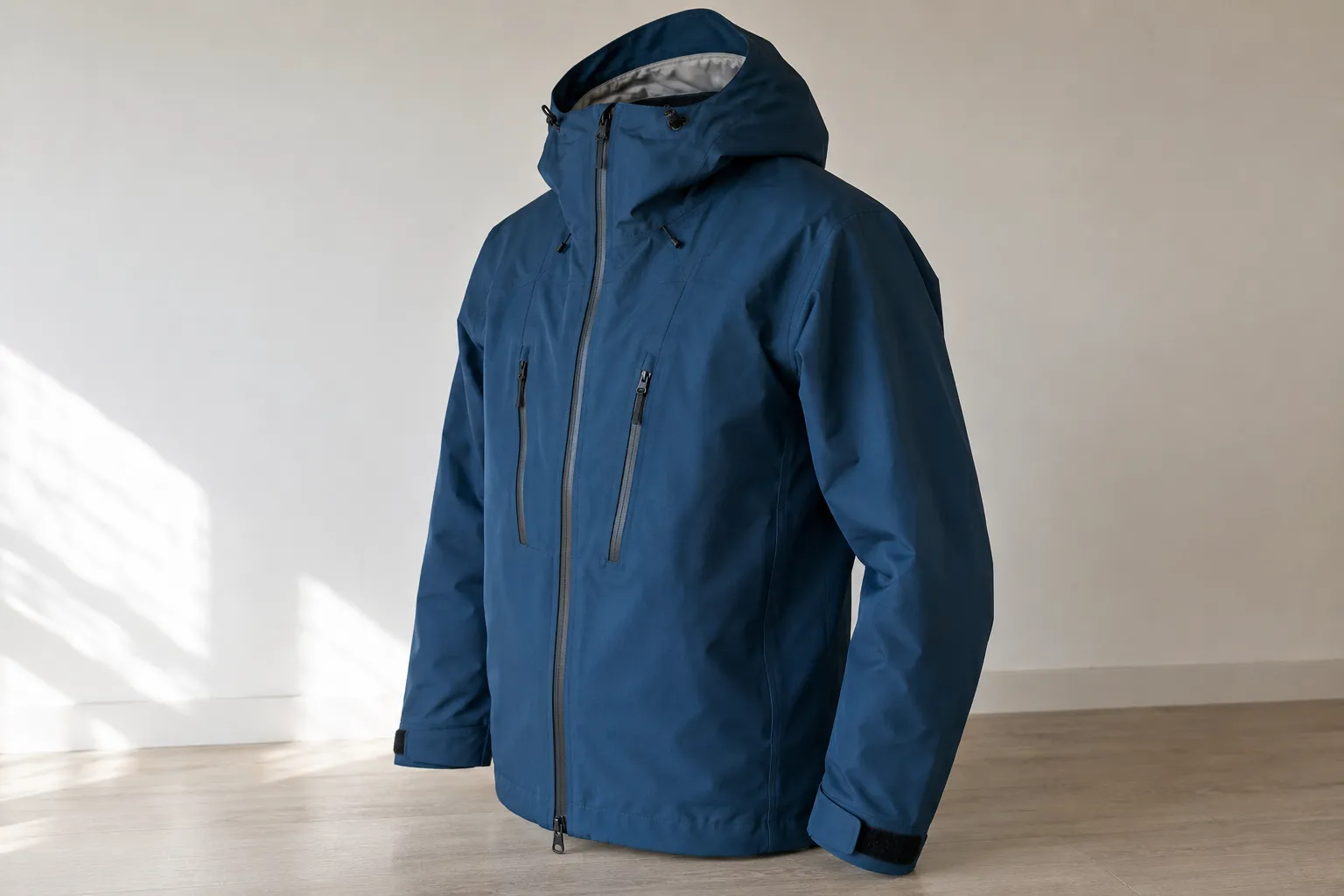
Request: Removed green grass stains from a children's ski suit.
Done: Treated stains with alcohol solution, then washed with enzyme detergent.
Cost: 4 000 ₸
Master: Gulnara Sagintayeva, dry cleaning master
Total: Grass stains completely disappeared, the suit is bright and clean.
 After
After
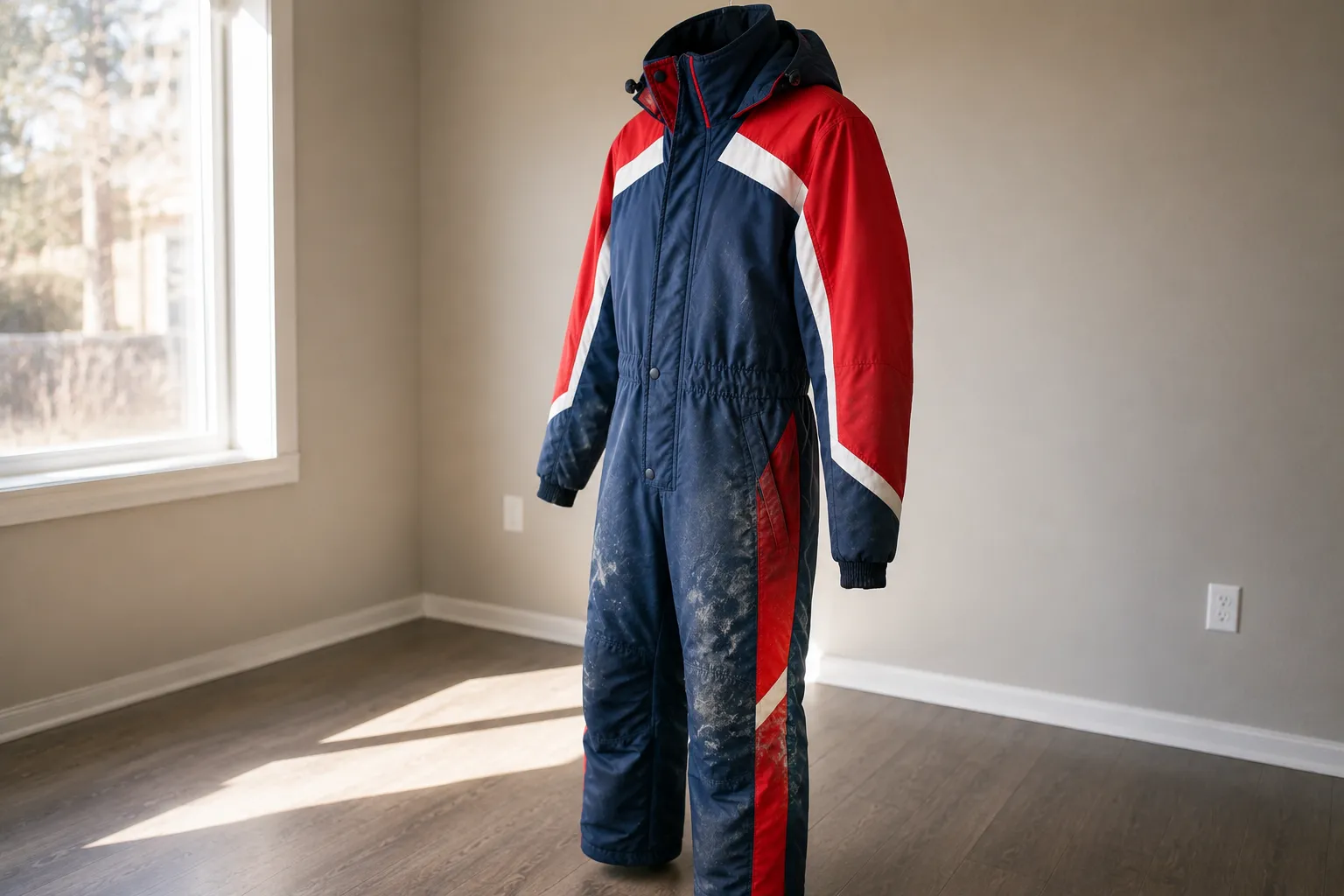
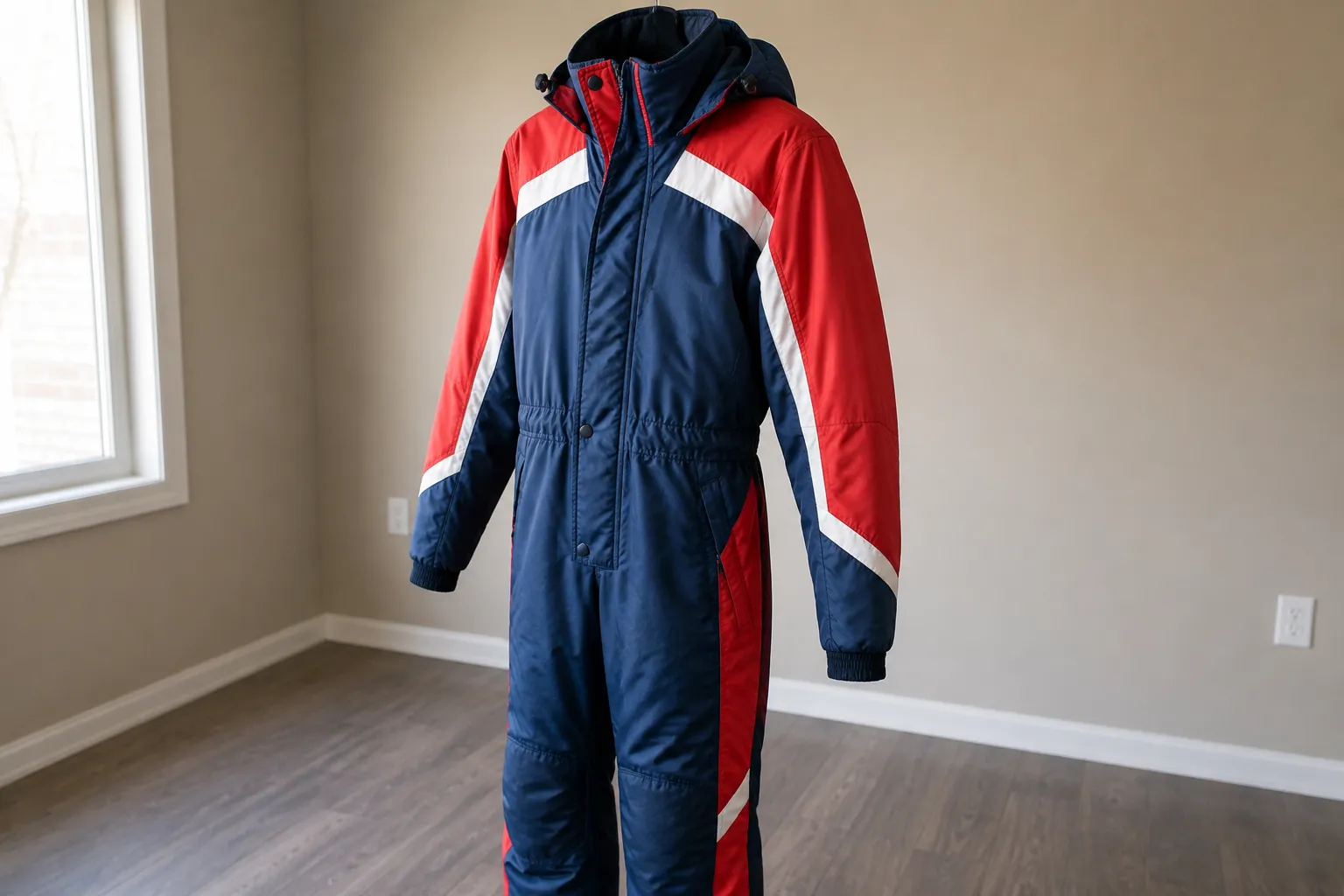
Request: Eliminated sweat odor from a Gore-Tex ski jacket.
Done: Treatment with ozone generator and washing with deodorizing agent.
Cost: 5 000 ₸
Master: Askhat Nurmagambetov, dry cleaning master
Total: Odor completely gone, jacket fresh, membrane intact.
 After
After
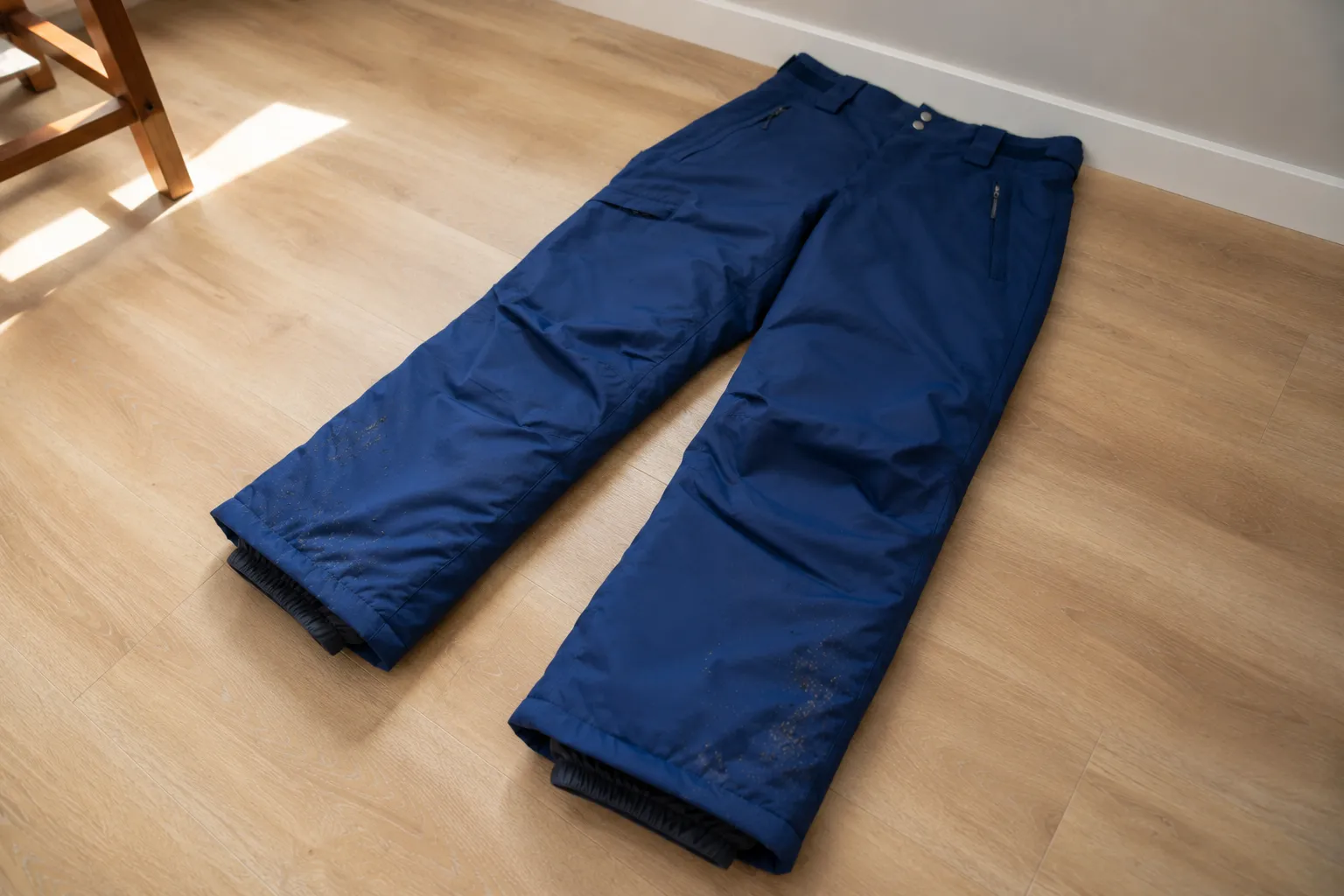
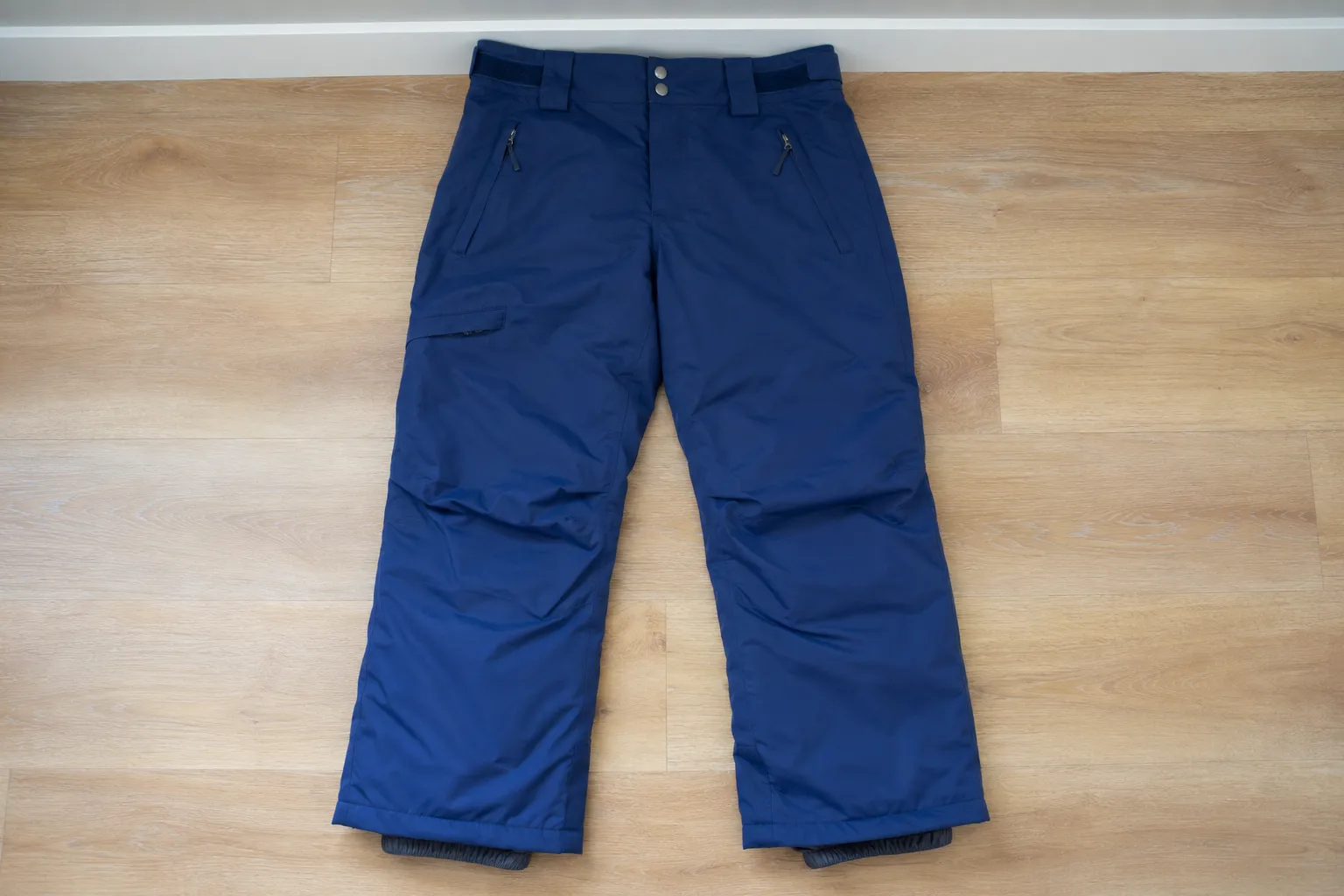
Request: Restored water-repellent coating (DWR) on the jacket.
Done: Cleaning, then applying DWR impregnation in two layers with drying.
Cost: 5 000 ₸
Master: Nurzhan Akhmetov, dry cleaning master
Total: Water beads into droplets, jacket protected from wetting.
 After
After
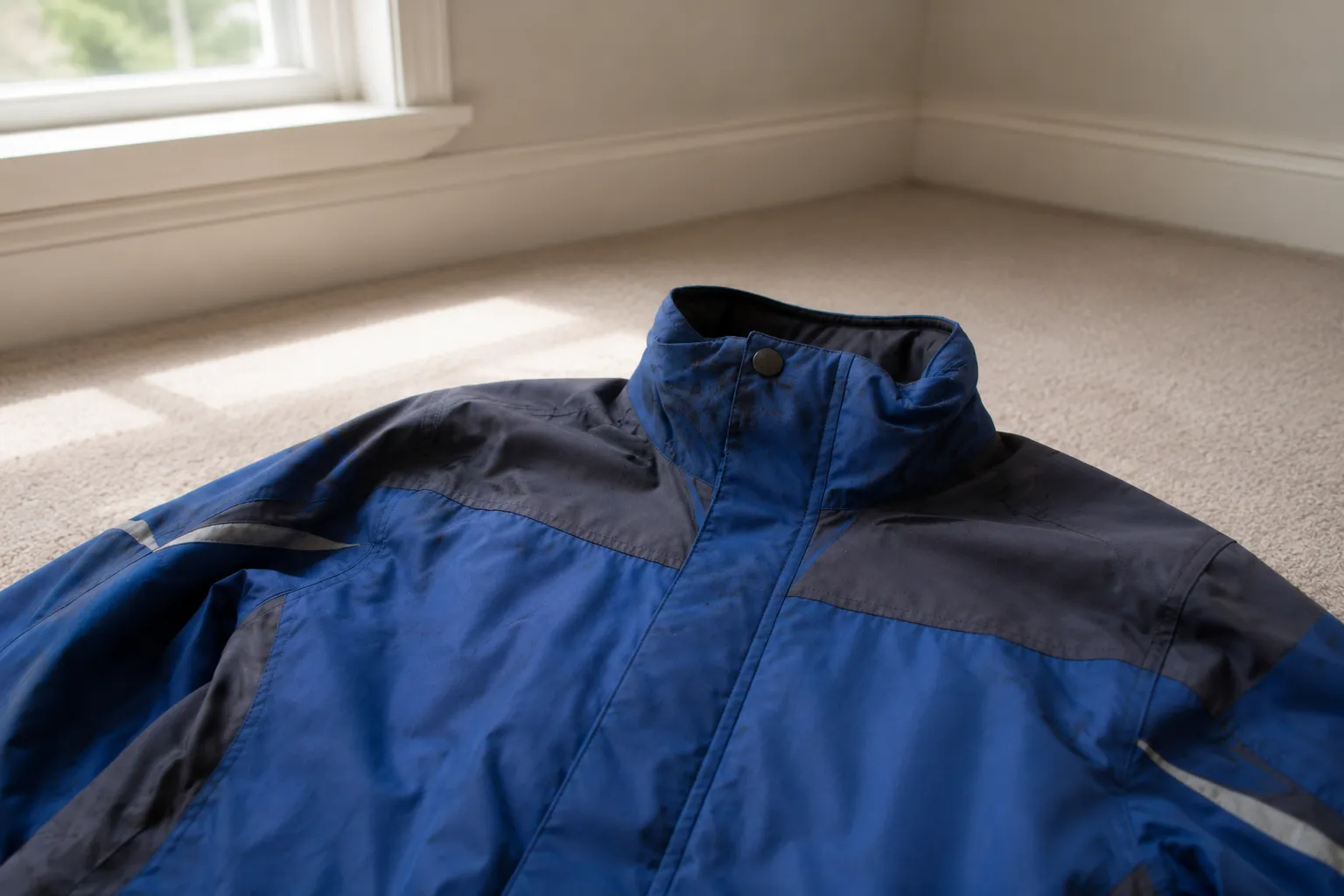
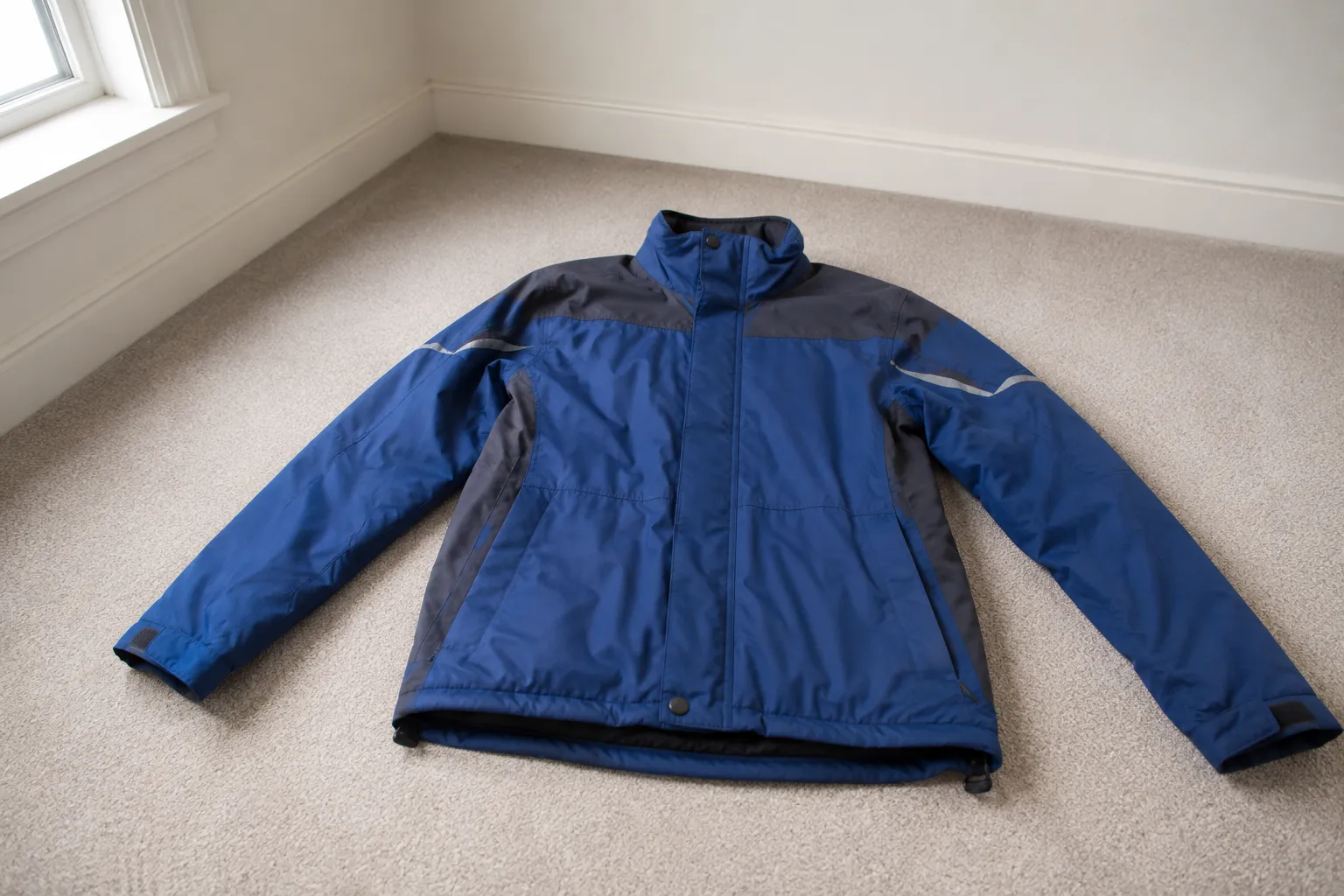
Request: Refreshed a jacket with frayed cuffs and collar.
Done: Cleaning the jacket with reinforcement of frayed areas and dyeing.
Cost: 5 000 ₸
Master: Aliya Kusainova, dry cleaning master
Total: Jacket looks renewed, frayed areas are unnoticeable.
 After
After
Request: Cleaned heavily soiled ski overalls after winter.
Done: Deep dry cleaning with pre-soaking and stain treatment.
Cost: 15 000 ₸
Master: Ruslan Zhumabayev, dry cleaning master
Total: Overalls perfectly clean, without stains or odor.
All cleaners are profi-clean staff with training, uniform and security check. Each order has a team leader who controls quality.
The membrane is not just a fabric, but a multi-layer construction that breathes and wicks away moisture, as long as its pores are not clogged. Home washing in a machine destroys this structure within 1-3 cycles, while professional dry cleaning preserves it for the entire lifespan of the suit. Let’s break down exactly what goes wrong in a washing machine and why dry cleaning is the only safe option for expensive gear.
A standard washing machine cycle involves mechanical action that the membrane is not designed to withstand. The drum rotates at 40-60 revolutions per minute, and each rotation is an impact of the Gore-Tex, Sympatex, or Dermizax layers against each other and the drum walls. After just 5-7 minutes of such treatment, the outer layer begins to abrade, and the lamination (the glue bonding the membrane to the lining) develops micro-cracks. Our cleaners notice that after 2-3 home washes, suits develop “white spots” — these are areas where the membrane has delaminated from the fabric, and vapor permeability drops by 30-50%. If you add a spin cycle at 800-1000 rpm, the centrifugal force squeezes out the remaining glue and damages the hydrophobic layer. In contrast, professional machines at profi-clean’s dry cleaning use a drum with a rotation speed of 10-15 rpm and a gentle reverse action — the fabric doesn’t rub, it’s only washed by the solution. Before loading any membrane jacket, we always check the condition of the seams and tapes — if the lamination is already damaged, a machine wash will finish it off in one cycle.
Regular laundry powders contain phosphates, enzymes, and optical brighteners — these particles (5-20 microns in size) are larger than the membrane pores (0.1-2 microns), so they get stuck in the structure and don’t rinse out completely. Fabric softeners are even worse: they contain fatty alcohols and silicones that settle on the inner surface of the membrane as a film 1-3 microns thick. In our practice, there was a case: a client brought in a Mammut suit that, after three washes with fabric softener, stopped letting air through — during a vapor permeability test, the device showed significantly reduced values instead of the factory 15000 g/m²/24h. After professional cleaning in a special solution (without surfactants or bleaches) and three rinse cycles in demineralized water, the value recovered to 12000 g/m²/24h — but a full return to factory properties is no longer achievable. We only use liquid products based on alkyl polyglycosides (Kiehl, Sodasan) — they are biodegradable, leave no residue, and are safe for all membrane fabrics. If your suit already smells musty after drying, this is a sure sign that the pores are clogged with powder residue and deep cleaning at a dry cleaner is needed.
After home washing, most people hang the suit on a radiator or in a drying cabinet — and this is guaranteed to destroy the membrane. At temperatures above 40°C, the polyurethane coating (if present in the membrane composition) begins to melt and loses elasticity — rigid areas appear that crack at the first bend. Gore-Tex can withstand up to 60°C, but only when dry — if the fabric is wet, thermal shrinkage occurs unevenly, and the lamination delaminates locally. In Almaty, where winter humidity in apartments is low (20-30%), drying on a radiator takes 4-6 hours — during this time, the membrane dries out, loses plasticizers, and becomes brittle. The second typical option is drying in a machine with a “tumble dry” function: hot air at 60-70°C for 40 minutes causes fabric shrinkage of up to 5-7%, and after 2-3 such cycles, the jacket no longer zips up and the sleeves shorten. At profi-clean, we dry membrane suits at 25-30°C in a horizontal position on slatted racks with forced ventilation — the air circulates evenly, and the fabric doesn’t dry out. We recommend not taking the risk: even if you have washed the jacket at home, never put it on a radiator — instead, hang it in the bathroom on a hanger with the door open so moisture escapes naturally, and let it dry for 12-24 hours.
| Parameter | Home Washing | profi-clean Dry Cleaning |
|---|---|---|
| Type of impact on the membrane | Mechanical abrasion, impact loads | Gentle cleaning with solvent/water without friction |
| Working process temperature | 30-60°C (water in the drum), up to 70°C during drying | 20-30°C at all stages |
| Cleaning agents | Powders with phosphates, fabric softeners | Professional surfactant-free liquids (Kiehl, Sodasan) |
| Risk of lamination damage | High — micro-cracks after 2-3 washes | Minimal — seam inspection before loading |
| Pore restoration after cleaning | Impossible — particles remain in the structure | 85-95% — triple rinse with demineralized water |
| Fabric shrinkage | Up to 5-7% with machine drying | 0% — drying on racks at 25-30°C |
| Property preservation guarantee | No | 24-hour result guarantee, free re-cleaning for defects |
After professional cleaning, the membrane becomes “clean” — pores are open, breathability is maximized, but the water-repellent coating (DWR) applied to the outer layer is partially washed off. It needs to be restored immediately after dry cleaning; otherwise, the fabric will get wet, freeze, and lose its thermal insulation properties — this is critical on the slopes at temperatures below -10°C. We apply Spray-N-Wash or Nikwax impregnation to a damp jacket using a spray bottle, wait 10-15 minutes for absorption, and set it with heat from an iron through a thin cotton fabric at 110°C — this activates the DWR layer and extends its performance for 5-7 ski sessions. At home after dry cleaning, do not wash the suit again — it’s enough to wipe the outer layer with a damp microfiber cloth every 2-3 outings to remove salt and dirt. If you notice that water no longer beads up and starts to soak into the fabric, this is a sign that the impregnation is depleted and a new layer is needed. In Almaty, where snow is often wet and mixed with road reagents, DWR wears out faster — check it after every ski session at Shymbulak or Ak-Bulak.
The frequency of dry cleaning a ski suit depends on the intensity of skiing and weather conditions — in Almaty, the season is short but aggressive due to temperature fluctuations and an abundance of reagents on the slopes. We have broken down three typical scenarios so you can choose a care schedule that matches your skiing style.
With active skiing 2–3 times a week at resorts like Shymbulak or Ak-Bulak, the suit accumulates sweat, snow particles with reagents, and oily traces from lifts after just 3–4 outings. If you don’t send it for dry cleaning after every 5–6 sessions, the membrane becomes clogged with microparticles — breathability drops by 15–20%, and it becomes damp inside the jacket. For Almaty riders who ski from November to April, the optimal interval is one professional cleaning every 2–3 weeks during peak season. In our experience, clients who follow this schedule extend the lifespan of Gore-Tex membrane jackets by 3–4 seasons longer than those who wash at home or wait until the end of the season. Before each winter, one preventive visit is enough — it’s cheaper than restoring a clogged membrane after storage without cleaning.
Off-piste skiing in the gorges of the Zailiysky Alatau (Tuyuksu, Kumbel, Mynzhylky ridge) is a different load regime: the suit comes into contact with wet crust, branches, resin, and small stones. In one day of freeriding, up to 2–3 grams of abrasive dust settles on the outer layer, which, with friction, embeds into the fabric fibers and destroys the DWR coating. Here, dry cleaning is needed after every 2–3 outings, not on a calendar basis. If you ski in the forest or in powder, check the cuffs and zippers for dirt — dried resin sets in within 48 hours, and removing it without a special solvent becomes impossible. On freeride jackets, we often see local oil stains from binding lubricant — these need to be treated separately before the main cleaning. In our practice, clients who ignore this regime find that the water-repellent layer stops working within a month, and the shoulders and hood get wet.
If you ski once a month or only during the New Year holidays, one dry cleaning at the end of the season is enough. After 6–7 months of storage in a closet, invisible traces of sweat and skin oil remain on the fabric at the collar: they oxidize and create a yellow film that cannot be washed off with regular powder. Our cleaners treat such areas with enzyme-based pre-spotters 10–15 minutes before the main load — this removes set-in stains without risking the membrane. In Almaty, where spring humidity in apartments reaches 60–70%, an uncleaned suit can develop mold in the folds — especially around the armpits and cuffs. We recommend airing the suit on the balcony for 24 hours after cleaning before summer storage and not putting it in an airtight bag until the membrane is completely dry. If the ski season has passed and the suit looks visually clean, at least go over the inner lining with a steam generator with a HEPA filter: this kills bacteria without soaking the fabric.
The DWR coating is the top layer of a membrane suit that causes water to bead up and roll off without being absorbed into the fabric. Without it, the membrane gets wet from the outside, stops “breathing,” and the suit turns into a damp compress after 2–3 outings. In Almaty, where altitude changes and precipitation at Tuyuk-Su or Shymbulak change within an hour, restoring the coating is not an option but a necessity. At profi-clean, we restore DWR on every suit after cleaning, but clients often bring in items with already “dead” coating, not knowing it could have been saved earlier.
Pour water on the sleeve or shoulder of the jacket. If the water forms a bead and rolls off, the coating is working. If it spreads into a dark spot and soaks in within 5–10 seconds, the DWR is depleted. In our experience at Shymbulak, this happens after 5–7 active outings in wet snow or after 2–3 washes with regular powder. Another marker: after drying, white streaks from dried dirt remain on the fabric — this means the dirt has embedded into the fibers rather than staying on the surface. On suits with Gore-Tex or eVent that we handle, DWR lasts longer — up to 10–12 outings — but only if it hasn’t been “killed” by fabric softener. Greasy stain removers or oil-based dirt on the collar and cuffs accelerate DWR wear by two times — they mechanically break down the fluorocarbon film.
Sprays from sports stores only work on a clean and dry membrane — they apply a film over the old dirt that has already clogged the pores. In Almaty, where dust from Shymbulak mixes with exhaust fumes on the approach to Medeu, a layer of microparticles settles on the suit that the spray cannot dissolve. The result: after an hour of skiing, the new coating peels off with the dirt, and the jacket is wet again. At profi-clean, before applying DWR, we perform a two-stage cleaning — first, we remove oils and grease with a special pre-spray (Kiehl Prewash), then we wash the suit on a membrane cycle with a pH-neutral shampoo that doesn’t strip the factory coating. Only after this do we apply a heat-fixable DWR compound — it bakes at 60–80°C in a drying chamber and lasts up to 15–20 outings. A home hairdryer can’t reach that temperature, and an iron burns the membrane — so the “iron-on DWR through cheesecloth” trick from the internet is guaranteed to ruin the suit. If there are stains from motor oil or diesel on the suit (common after transport on a roof rack), DWR won’t apply evenly without professional dry cleaning — the oil will rise under the film and make it sticky.
If the membrane is physically torn or delaminated, impregnation is useless. On suits older than 5–7 seasons brought to profi-clean, the inner layer often peels away from the outer fabric: this is visible as bubbles on the lining or when the jacket “steams” from the inside even in dry weather. In such cases, we honestly tell the client that DWR restoration won’t help—the suit needs replacing. Another case is a suit after dry cleaning at a non-specialized service that used tetrachloroethylene (perchloroethylene) in a standard machine. This solvent permanently washes out DWR, and no spray will restore water repellency—only full impregnation in a thermal chamber, which provides 50–60% of the factory level. On membranes with a polyurethane coating (cheap suits costing up to a significant amount), DWR cannot be restored at all—the PU layer degrades upon contact with any alcohol-based compound, and the suit starts to “sweat” from the inside. In our classification, we accept such items only for washing without impregnation—the client must understand that water repellency will not return.
The best time for impregnation restoration is the start of the season, at the end of November, before the first snow on Chimbulak. If DWR is applied in autumn, it bonds to the dry fabric and lasts all winter. In Almaty, where the season often ends in April and spring brings rain, we recommend a second restoration in February—after 8–10 outings. On suits used for freeriding outside the resort (Turgen, Aksai), DWR wears out 30% faster due to contact with branches and rocks—there, we advise checking the impregnation after every 5 outings. Summer storage in a closet without treatment does not harm DWR, but if the suit lies wet in the trunk after the last trip, fungus and mold develop on the fabric, destroying the impregnation within 2–3 weeks. Before handing in your suit for summer storage, be sure to dry it flat at room temperature for 24 hours—this will preserve DWR until the next season without additional treatment.
Even careful riders in Almaty often damage membrane suits with improper care—and come to us with already compromised fabric. We’ve broken down the five most common mistakes we see during the season.
Regular laundry detergent contains phosphates, bleaches, and enzymes—they clog the membrane pores, and after 2–3 washes, the suit stops “breathing.” Powder granules dissolve poorly in cold water (winter tap water is 5–10 °C) and get stuck in the micropores. In our experience, after washing with powder, DWR impregnation loses 40–60% effectiveness in a single cycle. Use only liquid detergents for membrane fabrics—Nikwax Tech Wash, Grangers Performance Wash, or an equivalent without surfactants and fabric softener. If no special product is available, rinse the suit 3–4 times with clean water—this is better than using powder.
Membranes like Gore-Tex, Dermizax, or similar are designed for drying at room temperature—direct heat destroys the polyurethane layer. At 60 °C on a radiator, the adhesive bonding the layers degrades within 4–6 hours, and the suit begins to delaminate. In Almaty, central heating in winter provides 70–80 °C on radiators—it is strictly forbidden to place a wet jacket on a radiator. Proper drying: hang the suit on hangers at 18–22 °C, away from direct heat sources. Room humidity should be 40–60%; if the air is dry (typical for Almaty apartments in winter), place a humidifier or a basin of water nearby. Full drying time is 12–24 hours—do not rush it.
Oil stains from lifts, binding lubricant, or ski wax are the most aggressive for the membrane. If left for 2–3 days, the grease penetrates the micropores and oxidizes—making it 3–4 times harder to remove. At profi-clean, we accept suits with old oil stains and use hydrocarbon-based solvents, but it’s better not to let it get that far. Blot a fresh stain with a napkin (do not rub!) and treat it with a membrane-safe grease remover—for example, Nikwax Base Wash. If the stain remains, do not try to remove it with alcohol or acetone—they dissolve the DWR layer. Order a ski suit dry cleaning within 24 hours of soiling.
Fabric softeners contain silicones and cationic surfactants — they coat the membrane with a film and completely block air exchange. After one wash with softener, breathability drops by 50-70%, and the suit starts to “steam” from the inside — you get wet faster than in the rain. In Almaty’s ski resorts (Shymbulak, Oi-Qaragai), the temperature difference between the lift and the slope reaches 10-15 °C — without a breathable membrane, you’ll be soaked through within 20 minutes of riding. Never pour fabric softener into the washing machine compartment, even if the suit label says “allowed” — fabric manufacturers may permit it, but we do not recommend it. Instead of softener, use 1-2 tablespoons of 9% vinegar in the rinse aid compartment — it neutralizes residual alkali and does not harm the membrane.
The most common mistake after the season ends is folding the suit into a bag and storing it on a mezzanine. A damp membrane in darkness and warmth is an ideal environment for mold: after 2-3 months of storage, black spots appear that cannot be removed even by professional dry cleaning. In Almaty, humidity during the off-season (April-May) reaches 60-70% in unheated storage rooms — mold develops within 2-3 weeks. Before storage, the suit must be completely dry (24 hours at room temperature), and it should be stored on hangers in a breathable garment bag (not a vacuum bag). The membrane does not tolerate prolonged compression — creases at the elbows and knees become set and do not smooth out. We recommend having the suit professionally dry-cleaned before summer storage — profi-clean will treat it with an antibacterial solution and restore the DWR, so you have a season-ready set in December.
After professional cleaning, a membrane suit does not become “eternal” — its lifespan is extended by proper storage, careful wear, and timely DWR treatment. In Almaty’s climate with sharp humidity fluctuations and UV exposure, these steps are critical.
Do not wear the suit immediately after picking it up from profi-clean — let the membrane fully cool and stabilize. A damp DWR layer on Gore-Tex or Sympatex, when suddenly exposed to freezing temperatures (-15–20 °C at Shymbulak), crystallizes, creating micro-cracks through which water penetrates to the membrane. Dry the suit horizontally on a terry towel away from radiators and direct sunlight — this is especially relevant in Almaty apartments with south-facing panoramic windows. Turn it over once an hour to prevent moisture from stagnating in the seams. The full cycle takes 8–12 hours at room temperature — do not speed it up with a hairdryer: hot air destroys the adhesive seams, and after a season, the suit will start leaking moisture at the joints.
In summer, humidity in Almaty rises to 60–70%, and the membrane absorbs it like a sponge — even when clean. Before storing, ensure the suit is absolutely dry: check the pockets, hood, and cuffs. Use a breathable garment bag made of non-woven material — a plastic bag creates a greenhouse effect, and after 3-4 months, yellow spots from stagnant moisture appear on the membrane. In our service, we recommend hanging the jacket on wide hangers (at least 40 cm) to prevent the fabric from stretching under its own weight. Pants are best stored rolled rather than folded — the fold line on the membrane becomes a wear zone over time, especially at the knees where the load is highest.
Even after perfect dry cleaning, the DWR coating loses 30-50% of its effectiveness from contact with reagents on Shymbulak’s slopes. We apply Nikwax or Toko impregnation at the final stage, but at home, it needs to be refreshed every 2-3 outings. Apply the spray to a damp suit, rub it in with a soft sponge without pressure, and set it with an iron through a thin cotton cloth at 110 °C — this activates the DWR polymer network. Do not use fabric softeners or aggressive stain removers: they clog the membrane’s pores, and the impregnation stops working. A sign that DWR needs renewal is that water does not bead off but soaks in as dark spots within 10-15 seconds of contact.
The membrane is not armor: ski edges, ice axes, and carabiners leave irreversible cuts through which moisture penetrates inside. After dry cleaning, the material becomes more elastic, but tears cannot be repaired — they can only be sealed with a Tenacious Tape repair kit on the reverse side. In Almaty conditions, where there are many rocks on the slopes, especially at the beginning of the season (November–December), check your suit after every ride: a small unnoticed cut on the sleeve can turn into a 5–7 cm tear in a day due to wind load. Do not wear the suit in a regular urban environment — dust and sand from Almaty streets abrasively wear down the DWR in 2–3 walks, negating the results of dry cleaning.
Skipping seasonal dry cleaning is a mistake that shortens the life of the suit by 40–50%. Sweat, grease, and dust left on the membrane after 5–7 rides crystallize in the pores and block its breathability — the suit stops wicking vapor, you start sweating more, and moisture condenses inside. In Almaty, where the temperature difference from morning to afternoon reaches 15–20 °C, this happens especially quickly. We recommend bringing your suit to profi-clean after every 10–12 trips to the slope or when a persistent sweat smell appears — even if it looks clean on the outside. One season without cleaning reduces the membrane’s lifespan by 2–3 years, and it cannot be restored — only replaced.
I ordered dry cleaning of a ski suit after vacation. Coffee and oil stains disappeared, the down didn't clump, the suit looks like new.
Thank you, Aigerim! We are glad the result met expectations.
The overalls looked terrible after a month of riding, but after cleaning — perfect. Even the sweat smell disappeared.
We had our son's ski suit dry cleaned — cocoa and dirt stains were removed perfectly. But it took a bit longer than expected.
We apologize for the delay. Glad the cleaning was successful!
The down jacket became snow-white, although I thought the gray tint wouldn't wash out. Very satisfied.
I sent my ski suit, specifically the membrane pants, for dry cleaning. They didn't lose their properties, and the resin stains were removed.
Thank you for your review, Erlan! Membranes require a special approach—we took that into account.
One oil stain remained, I had to clean it at home. But overall, not bad.
Sorry we couldn't fully remove the stain. We usually can, but it might have been old.
Dry cleaning of a ski suit—jacket and pants. After cleaning, even the water-repellent treatment was restored. I recommend it.
My husband's suit after the season—stains, streaks. We sent it to profi-clean, it came back in perfect condition. Thank you!
You're welcome! We look forward to seeing you again.
I came for dry cleaning of a membrane ski suit. It's clean, but there's a faint sweat smell on the collar.
Thank you for the feedback. We'll try to improve collar treatment.
My daughter got her suit dirty with mud and juice. Everything was washed out, even the white inserts became white. We're very happy.
I ordered dry cleaning of a ski suit for snowboarding. Wax stains were removed, the jacket breathes like new.
Great! Wax is tricky, but we handled it.
Trousers after many trips—black cuffs turned gray. After cleaning, they look like new, color restored.
Dry cleaning of a ski suit—jacket and pants. Excellent service, fast, the suit smells fresh.
Thank you, Ruslan! Glad you liked it.
The suit became cleaner, but there are barely noticeable streaks on the elbows. Overall good.
We apologize, we will try to be more attentive.
Sent in a ski suit for dry cleaning — jacket and pants. Sweat and dirt stains are gone, fabric didn't shrink. Super.
My son's suit after winter — chocolate and dirt stains. Everything was removed, the suit looks like new.
Glad we managed! Come again.
Dry cleaning of the ski suit was okay, but the down clumped in a few places. Had to fluff it myself.
Sorry for the inconvenience. Usually down doesn't clump, maybe it was a filler feature.
Pants after skiing in wet snow — dirty with streaks. After cleaning — clean, water repellent restored. Great!
Had dry cleaning of a ski suit — the bright suit became even brighter, energy drink stains removed. Super.
Thank you! Bright colors require care, we managed.
Jacket became clean, but the sweat smell inside didn't fully disappear. Otherwise good.
Thanks, we'll take note. We can treat it additionally on your next order.
Ordered dry cleaning of a ski suit — the result exceeded expectations. Oil and dirt stains disappeared, down didn't clump.
My daughter's suit was covered in chocolate and mud. Returned snow-white, cuffs clean. Very grateful.
You're welcome! Children's clothes are our specialty.
I sent an expensive membrane ski suit for dry cleaning. No damage, properties preserved. Excellent.
Thank you for your trust! We clean membranes gently.
The suit became clean, but there is a mark on the zipper from cleaning? Otherwise everything is fine.
Sorry, we might have caught the zipper. We'll check on the next order.
Dry cleaning of ski suit — the suit is like new. They even restored the water-repellent layer. I recommend.
After winter, the suit looked tired. After cleaning — fresh, bright, stain-free. Thank you profi-clean team!
Glad you liked it!
I sent my ski suit for dry cleaning, but the pants shrank a bit. Though the stains were removed well.
We apologize for the shrinkage. The fabric may have shrunk due to material characteristics.
Standard cleaning takes 2-3 days. Express cleaning is possible within 24 hours with an additional charge at an individual rate.
Yes, we accept orders daily from 9:00 to 20:00. Bring it at your convenience.
Yes, we use a gentle cycle with hydrocarbon solvent that does not damage Gore-Tex, Sympatex, or other membranes.
The price depends on the type: jacket at an individual rate, pants at an individual rate, set at an individual rate. Children's suit at an individual rate.
Yes, a 10% discount is provided for cleaning two or more suits.
Simply select the type in the calculator: jacket+pants (at an individual rate), overalls (at an individual rate), or individual items.
We accept all types: membrane, down, softshell, with Thinsulate insulation, fleece, children's and adults'.
Yes, we specialize in membrane fabrics like Gore-Tex, Sympatex, Dermizax. We use safe solvents.
We remove oil stains, dirt, sweat marks, grass stains, snow reagents, and odors.
The process includes 8 stages: inspection, stain treatment, dry cleaning, quality control, DWR application, drying, final quality control, and packaging.
Tell us about your experience with profi-clean — it helps other clients and us improve.
We currently operate in Almaty. Other cities are coming soon.