Leather Jacket Painting Almaty
Restore your leather jacket's color! Professional painting in Almaty. Quality materials, lasting…
on requestRestore color to your clothes: professional dyeing of any fabrics in Almaty
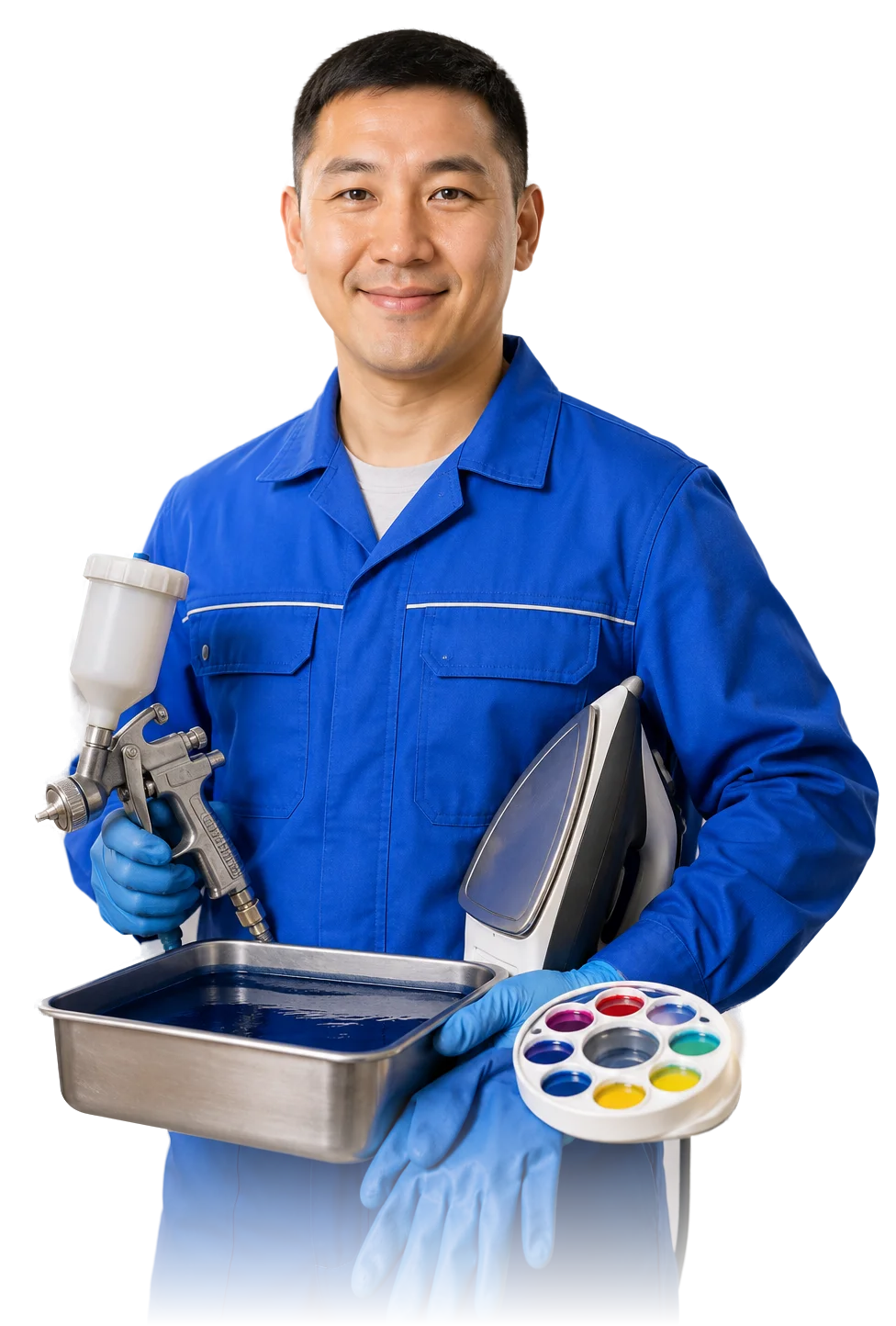
Restore your leather jacket's color! Professional painting in Almaty. Quality materials, lasting…
on requestProfessional shoe painting in Almaty from profi-clean. Restore the color and appearance…
on requestFrom inspection to result with guarantee
We inspect the item, determine the fabric type, identify defects, and select the dyeing technology.
We clean clothes from dust, remove stains, and pre-wash dirt for even dyeing.
We select the color and type of dye: acrylic for synthetics, acid for wool, direct for cotton.
We apply dye to an inconspicuous area to check the final color and fabric reaction.
We apply dye evenly by hand or with an Iwata airbrush for precise coverage.
We fix the dye with heat using an iron or Polti steam generator for durability.
We remove excess dye and fix the color with a special fixative.
We dry the item, steam it, and check the dye quality.
We use professional dyes Marabu (Germany) and Dylon (UK). They are safe for skin and the environment, do not cause allergies. If the color is not satisfactory, we will recolor for free within 30 days.
We use an Iwata airbrush (Japan) for precise dye application and a Polti steam generator for thermal fixation. This ensures even dyeing without drips and long-lasting color.
All dyes have the OEKO-TEX Standard 100 certificate, confirming the absence of harmful substances. Safe for children, allergy sufferers, and pets.
Before dyeing, we do a test on an inconspicuous area. You can make sure the shade matches your expectations. The test is free and does not affect the final cost.
If after dyeing you are not satisfied with the color, we will recolor the item for free. The guarantee is valid for 30 days. We are confident in the quality of dyes and technologies.
We dye cotton, linen, viscose, wool, nylon, polyester, and delicate fabrics. For each type, we select the optimal dye and processing mode.
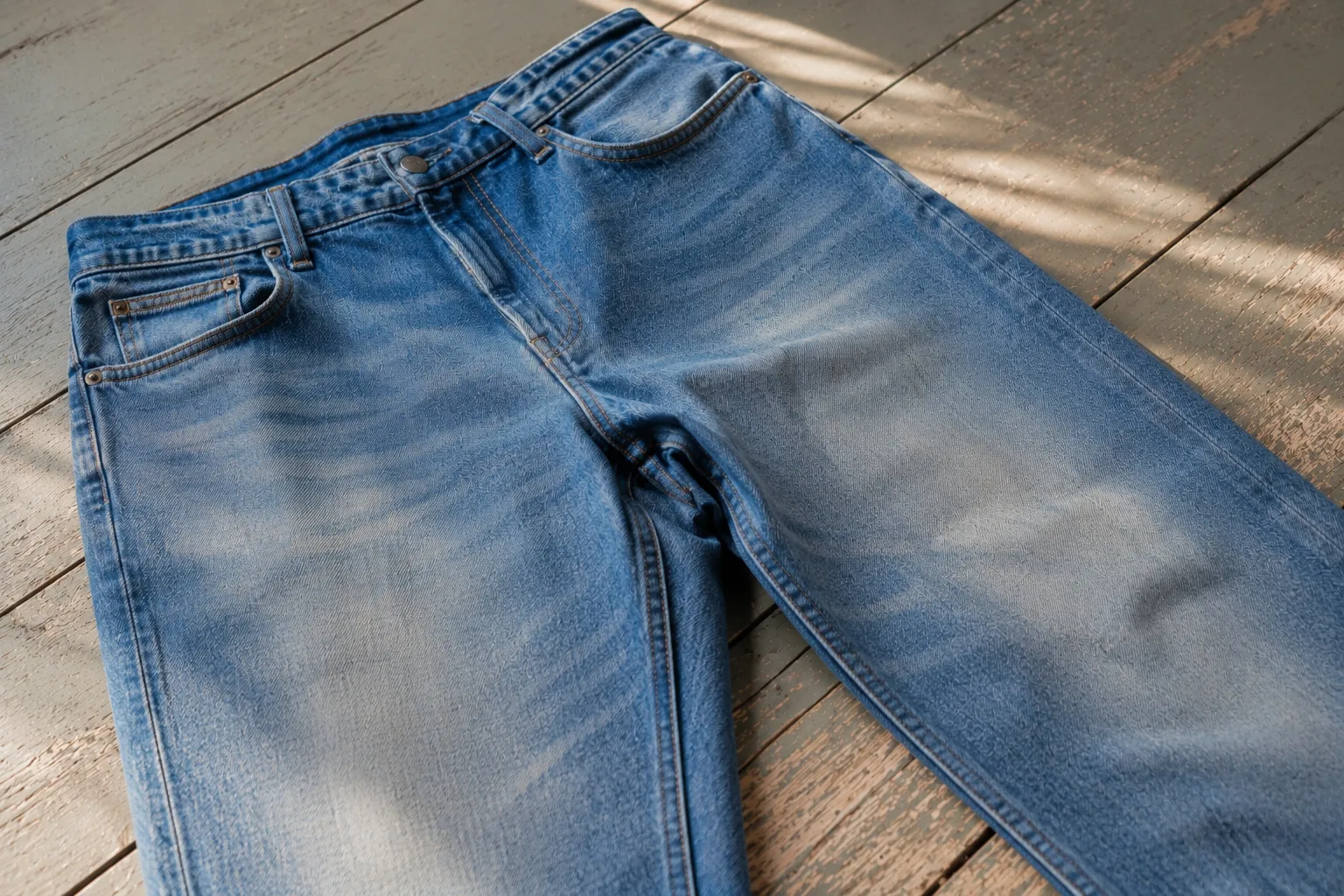
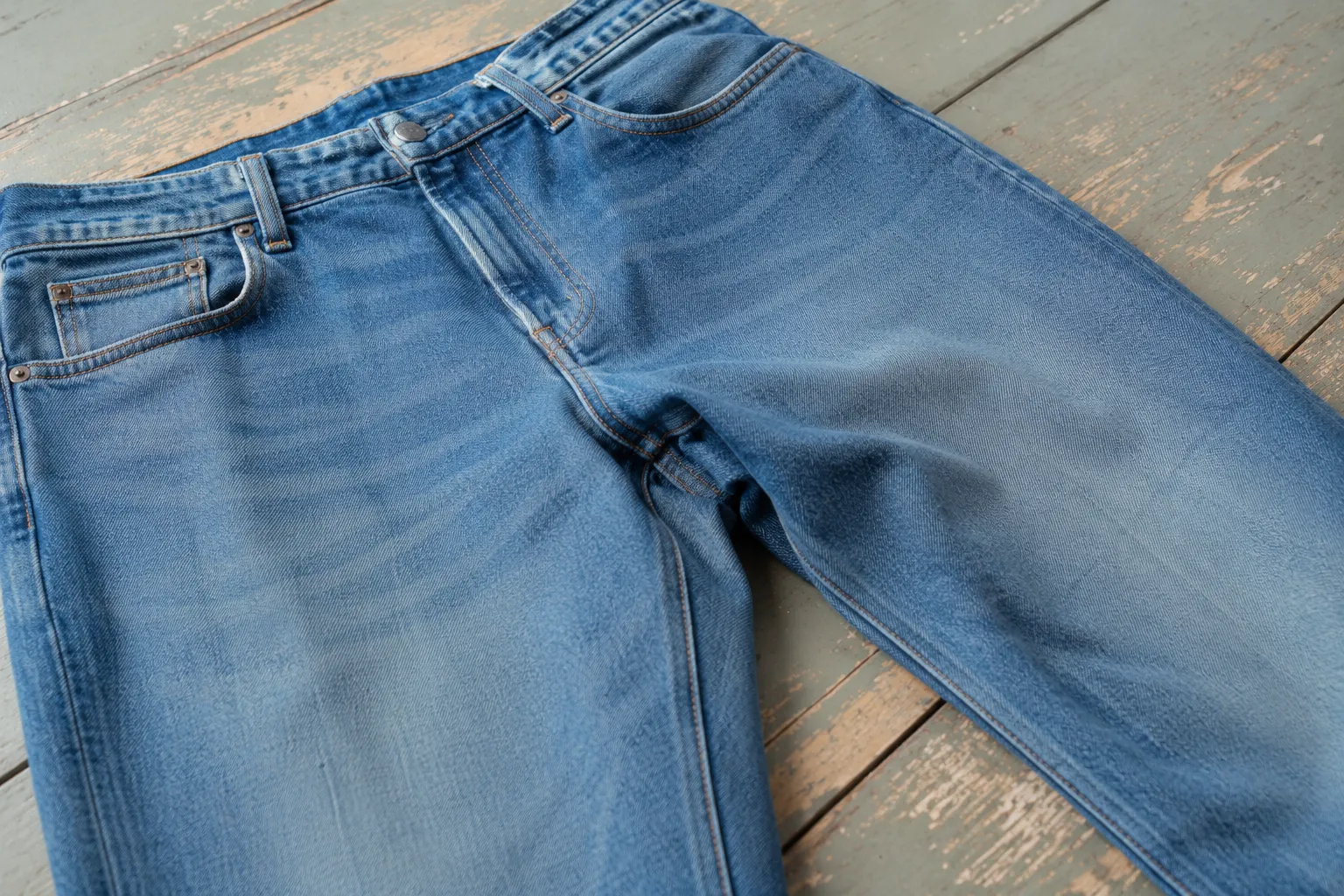 After
After
Request: Jeans have lost color after washes – need to restore a deep blue shade.
Done: Even dyeing of denim fabric with color setting, no streaks.
Cost: 3 000 ₸
Master: Gulmira Akhmetova, dyeing master
Total: Jeans are again a rich blue, with even color across the fabric.
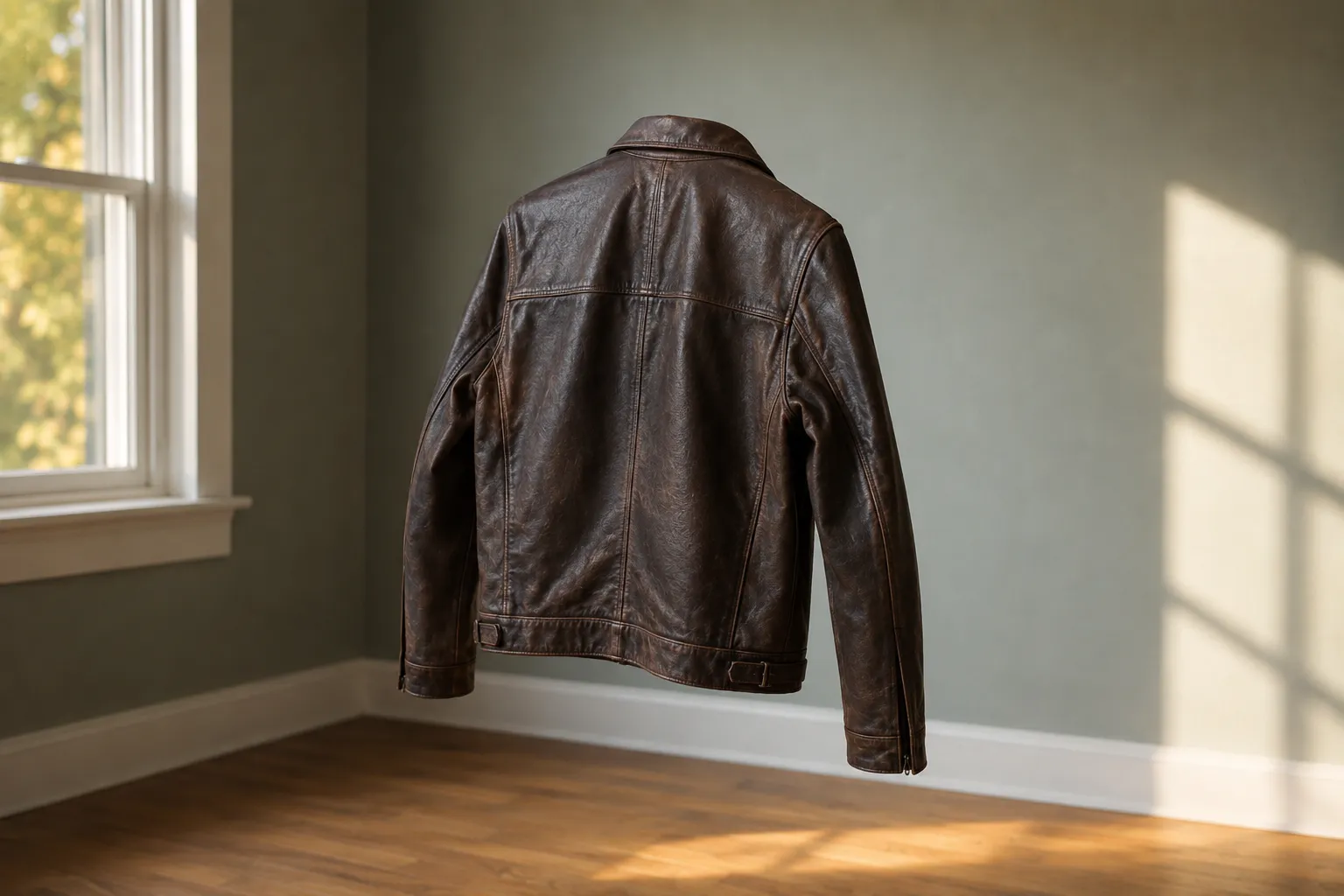
 After
After
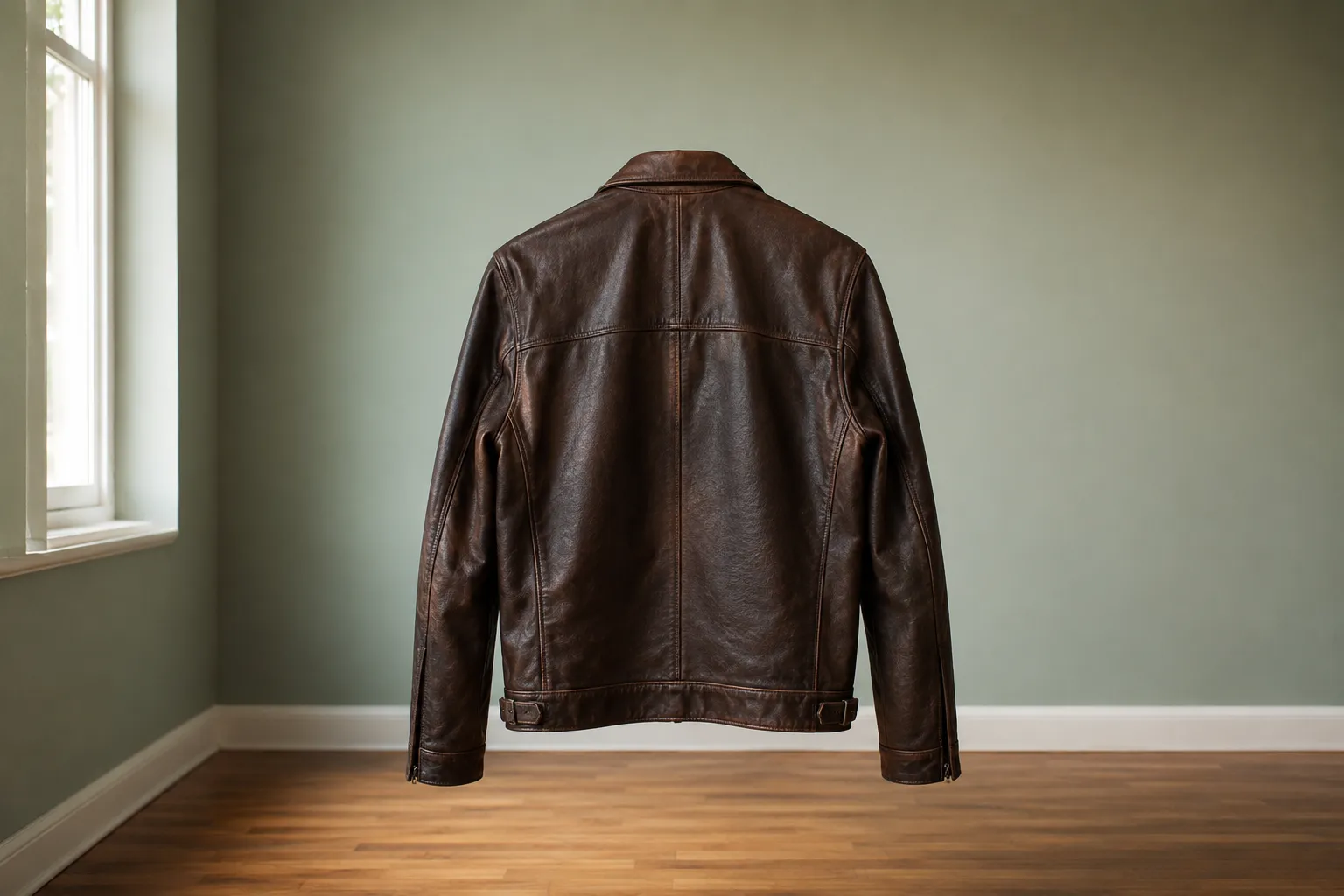
Request: Leather jacket has faded and worn – need to refresh the brown color.
Done: Leather dyeing with pigment rubbing and final protective impregnation.
Cost: 5 000 ₸
Master: Aizhan Nurgaliyeva, dry cleaning master
Total: Jacket is an even brown color, scuffs are hidden, leather is soft.
 After
After
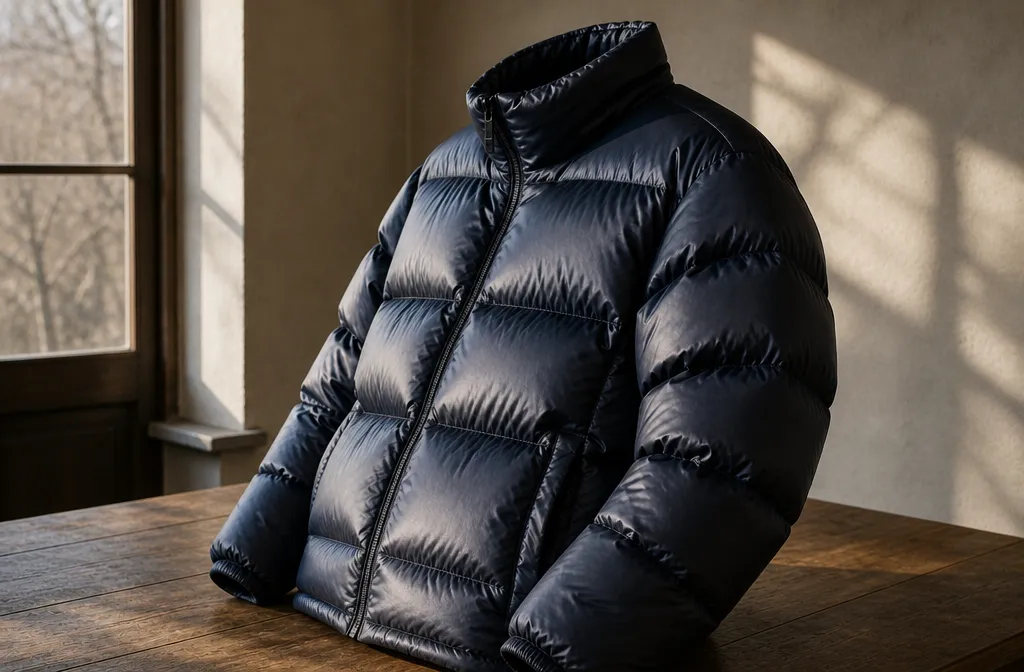
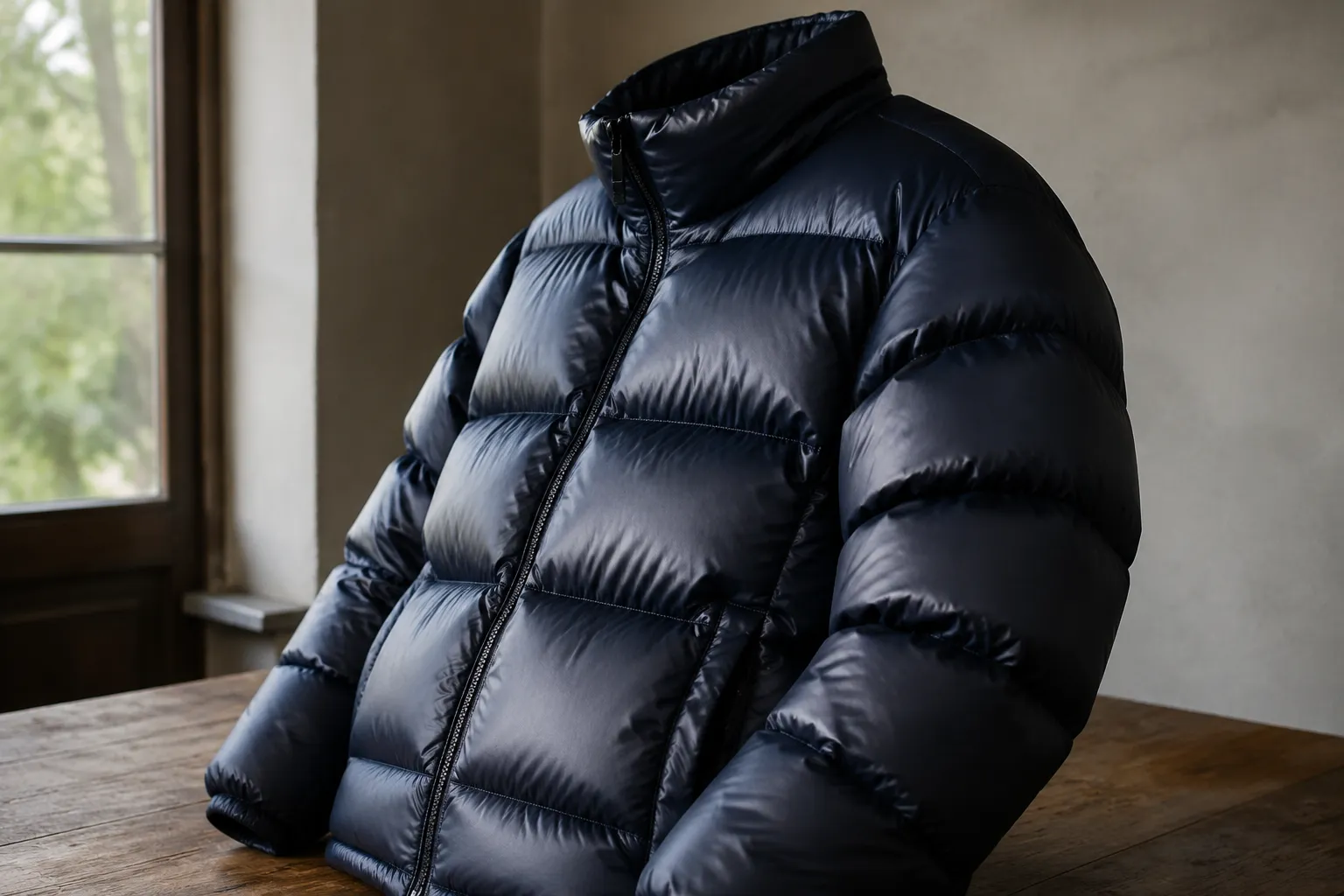
Request: Dark blue puffer jacket has faded in the sun – need to restore the deep color.
Done: Dyeing of puffer jacket fabric with even tone and preservation of down.
Cost: 7 000 ₸
Master: Daniyar Kaliyev, dyeing master
Total: Puffer jacket is again a deep dark blue, without stains or streaks.
 After
After
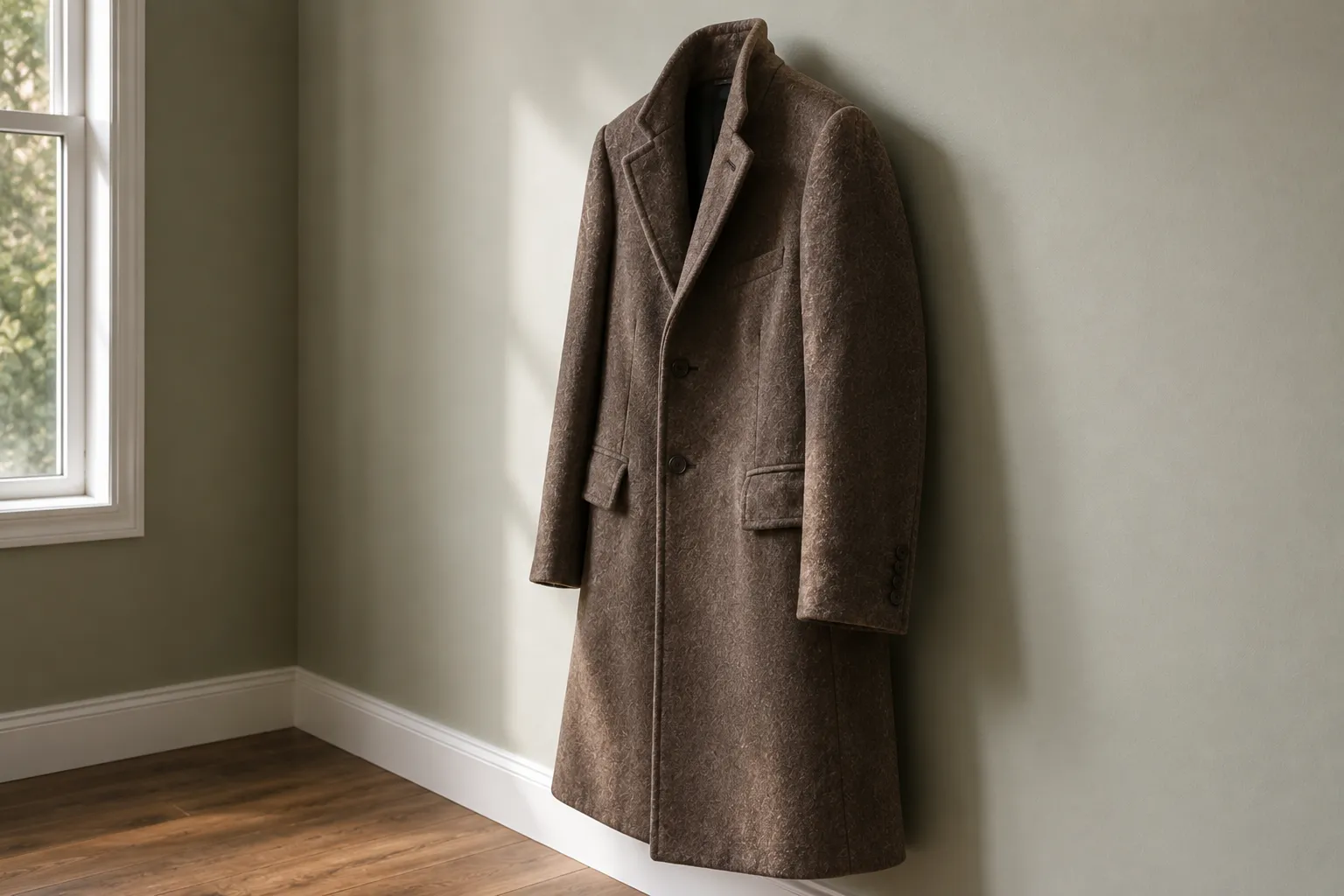
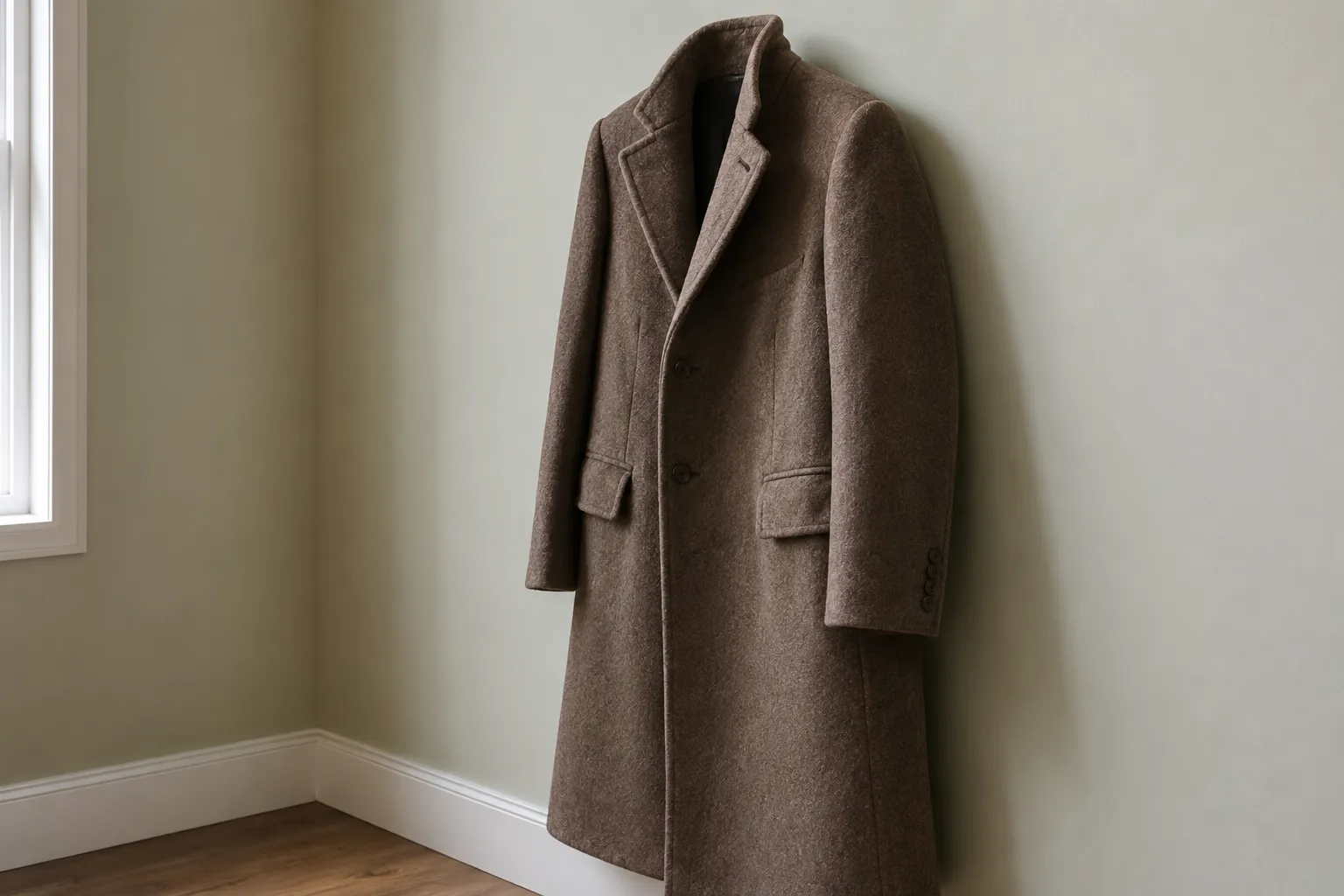
Request: Wool coat has faded over winter – need to refresh the brown color.
Done: Wool dyeing with even nap coloring and final steaming.
Cost: 8 000 ₸
Master: Aliya Sadykova, dry cleaning master
Total: Coat is a rich brown color, nap is even, no bald spots.
 After
After
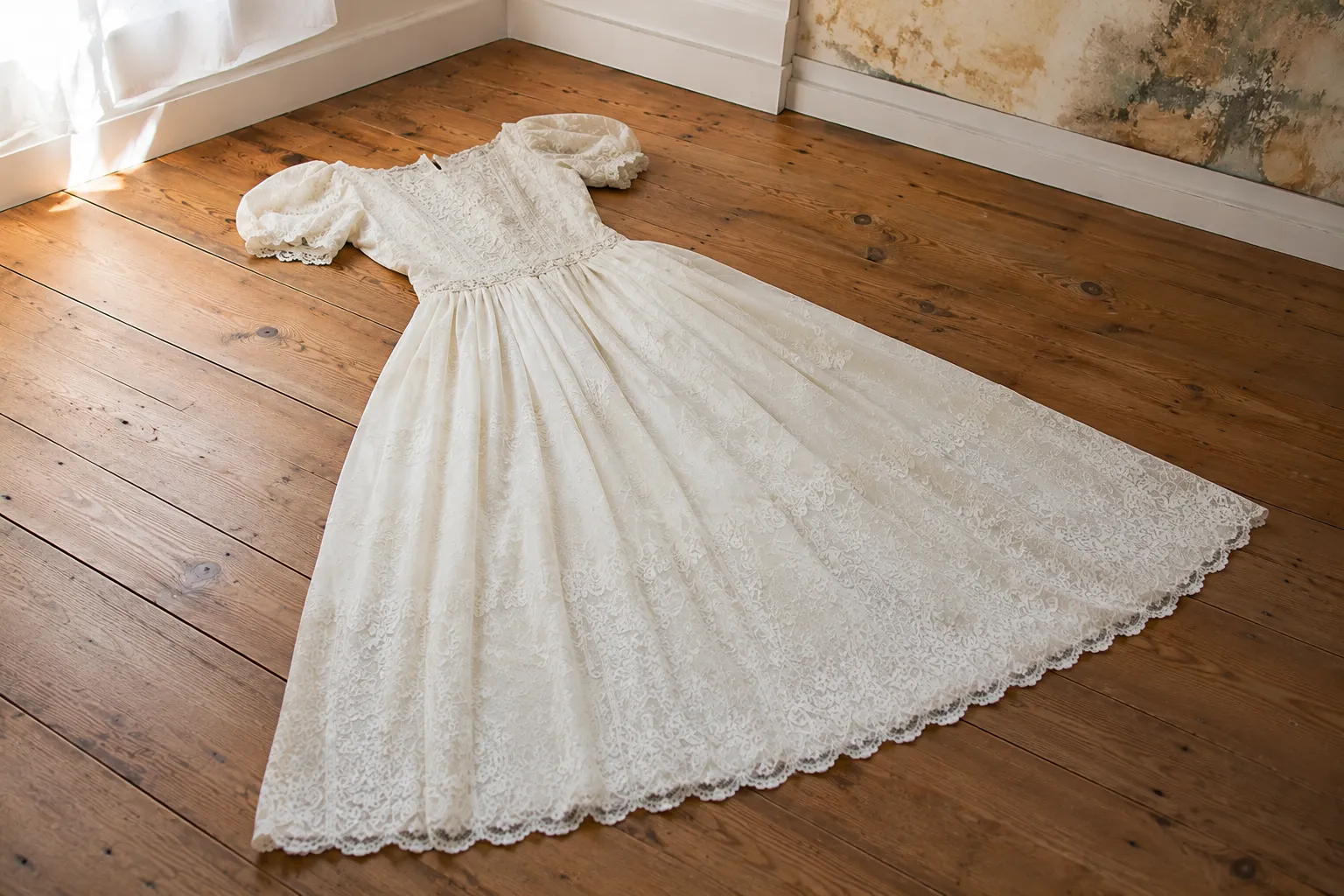
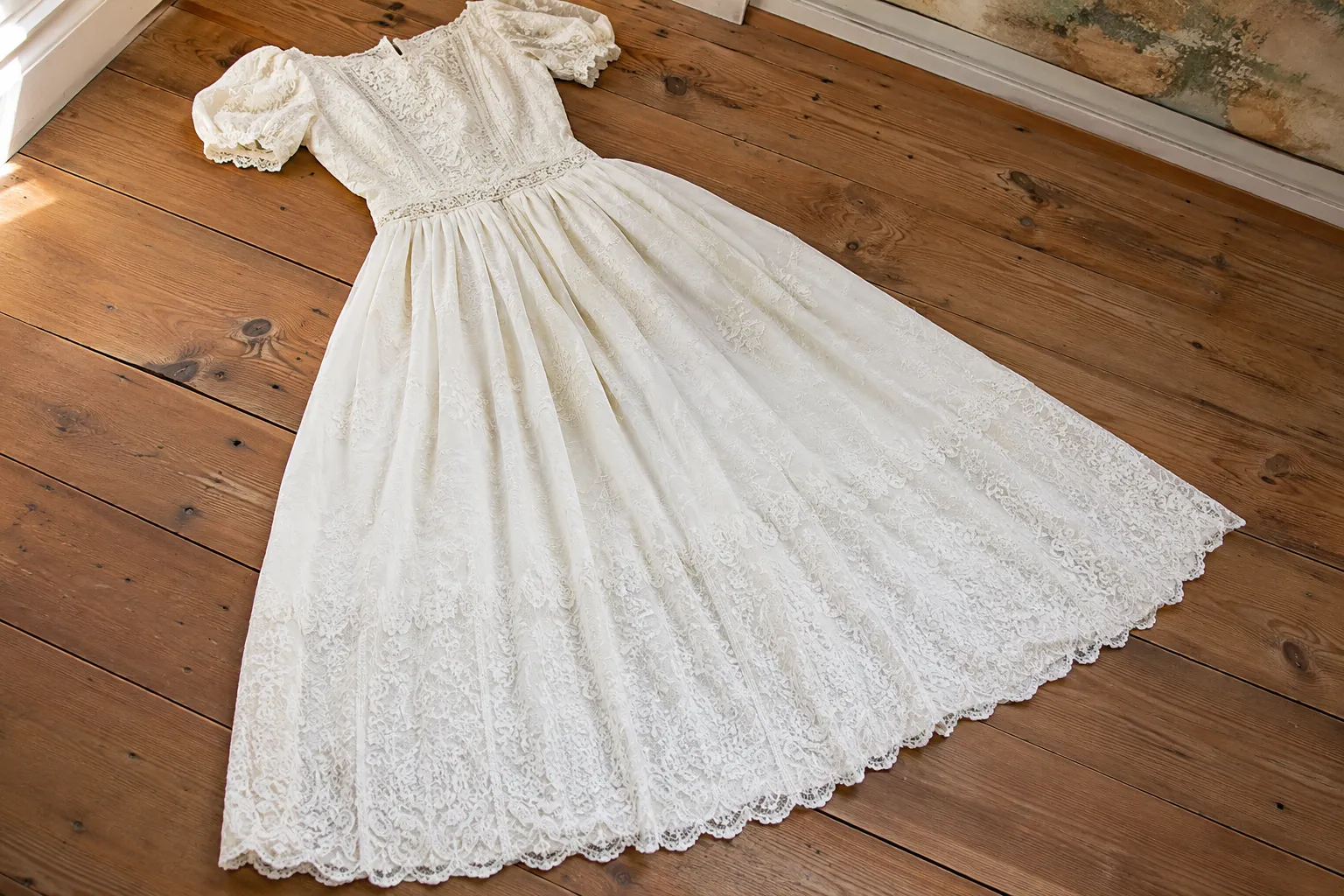
Request: White lace dress has yellowed over time – need to restore the clean color.
Done: Gentle bleaching and dyeing of lace without damaging thin threads.
Cost: 4 000 ₸
Master: Yerzhan Muratov, dyeing master
Total: Dress is again pure white, lace intact, yellowness completely gone.
 After
After
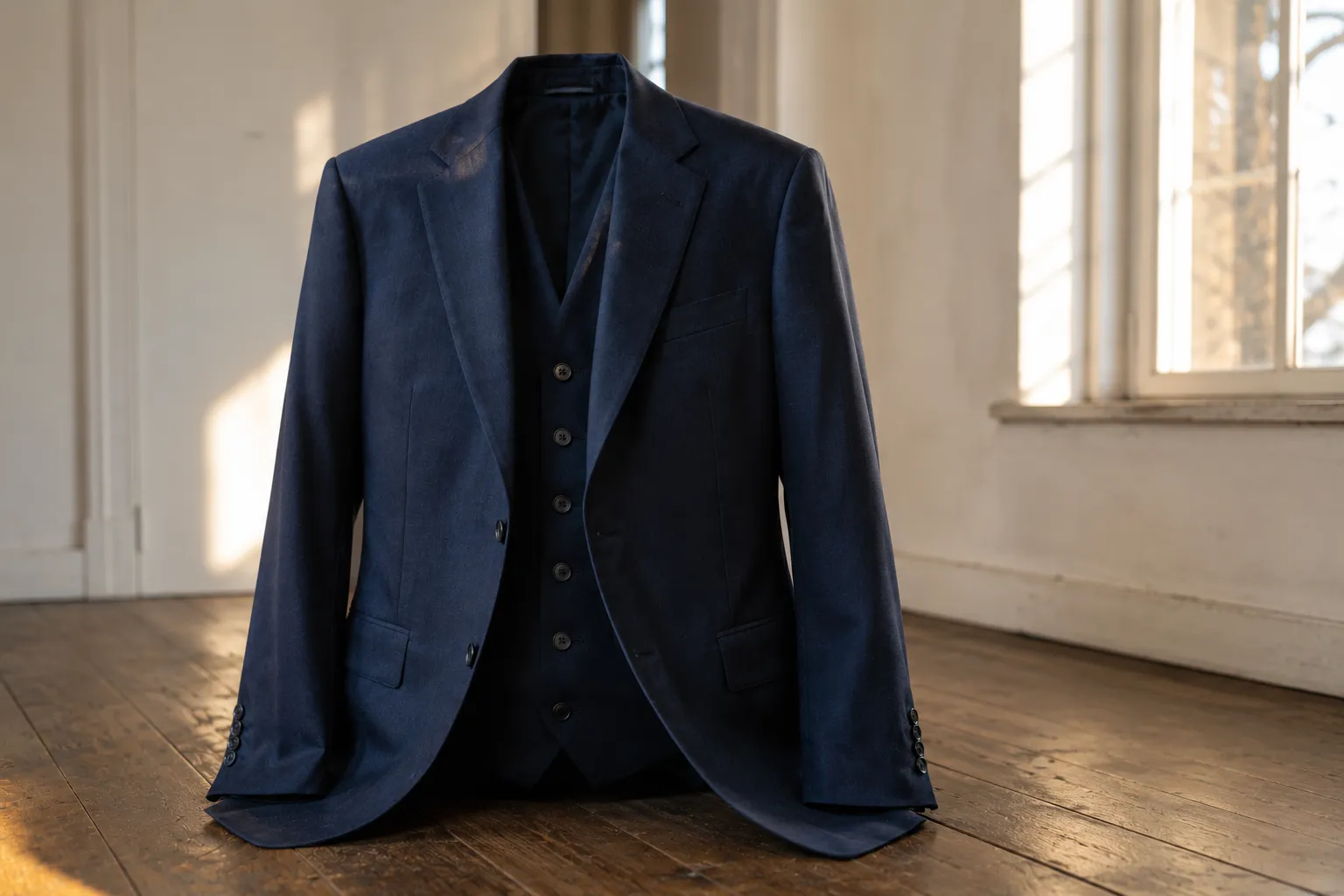
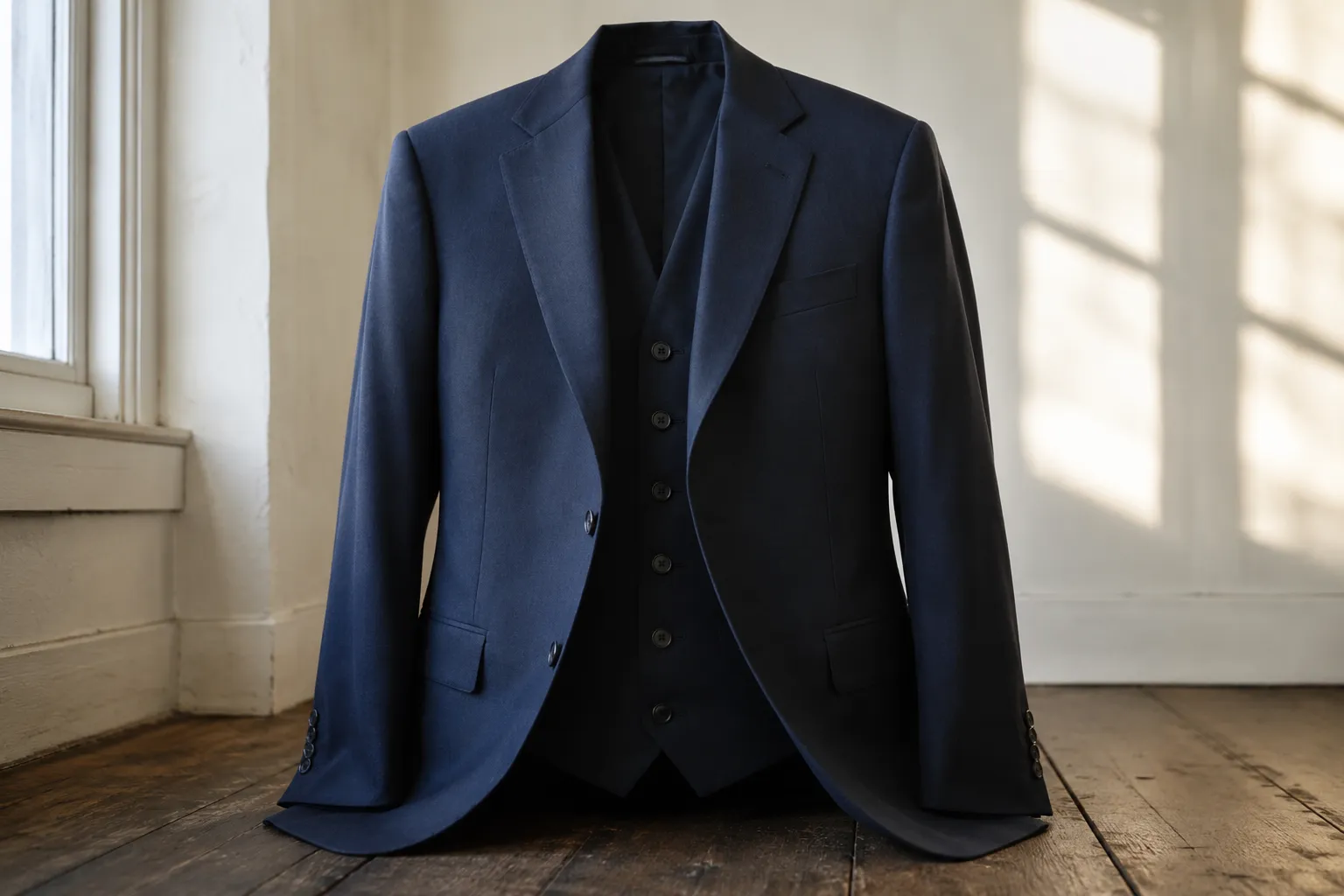
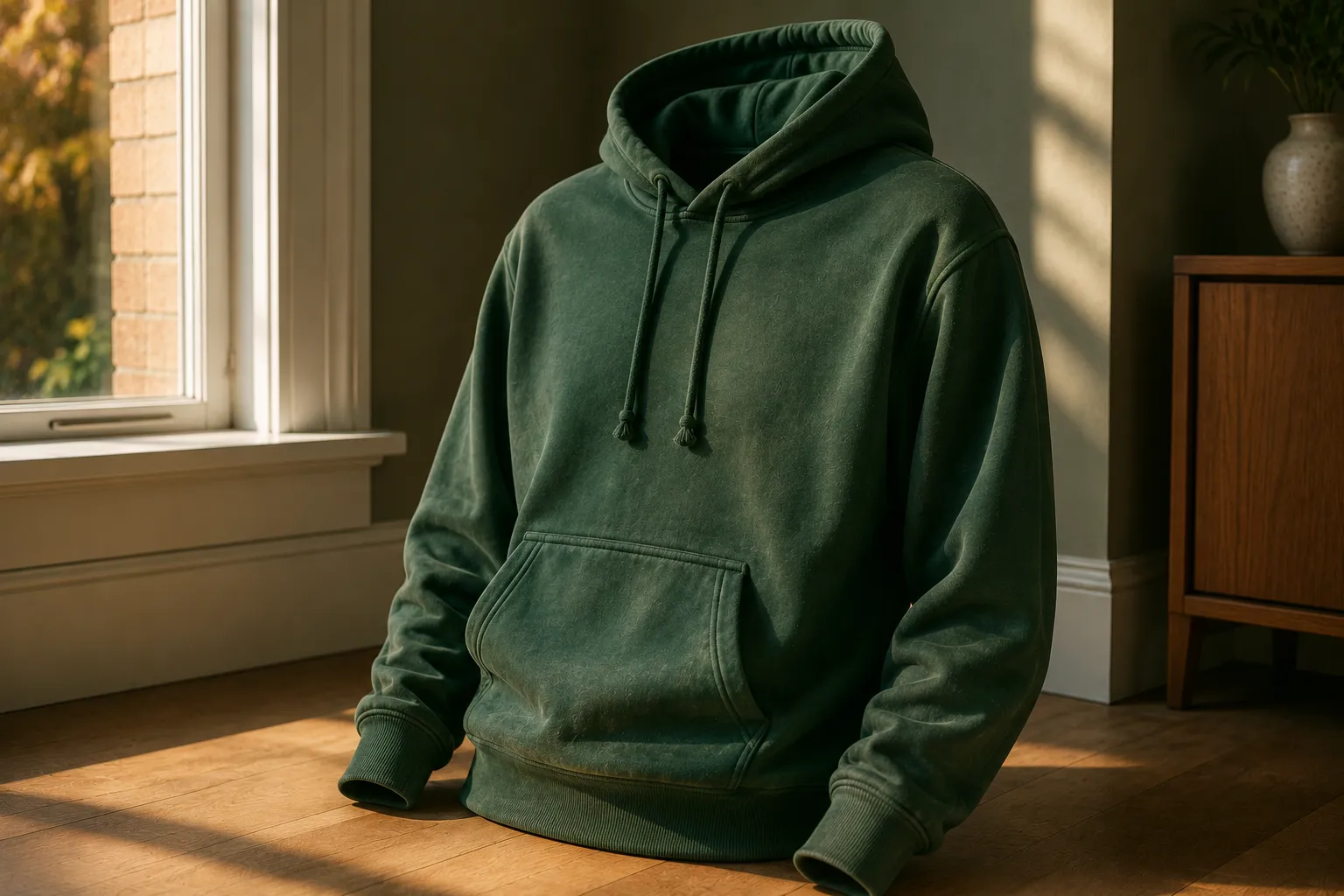
Request: Dark blue suit faded on lapels — need to even out color across fabric.
Done: Dyeing of jacket and vest wool with uniform deep tone.
Cost: 6 000 ₸
Master: Aigul Temirova, dry cleaning master
Total: Suit of even dark blue color, lapels and vest without fading.
 After
After
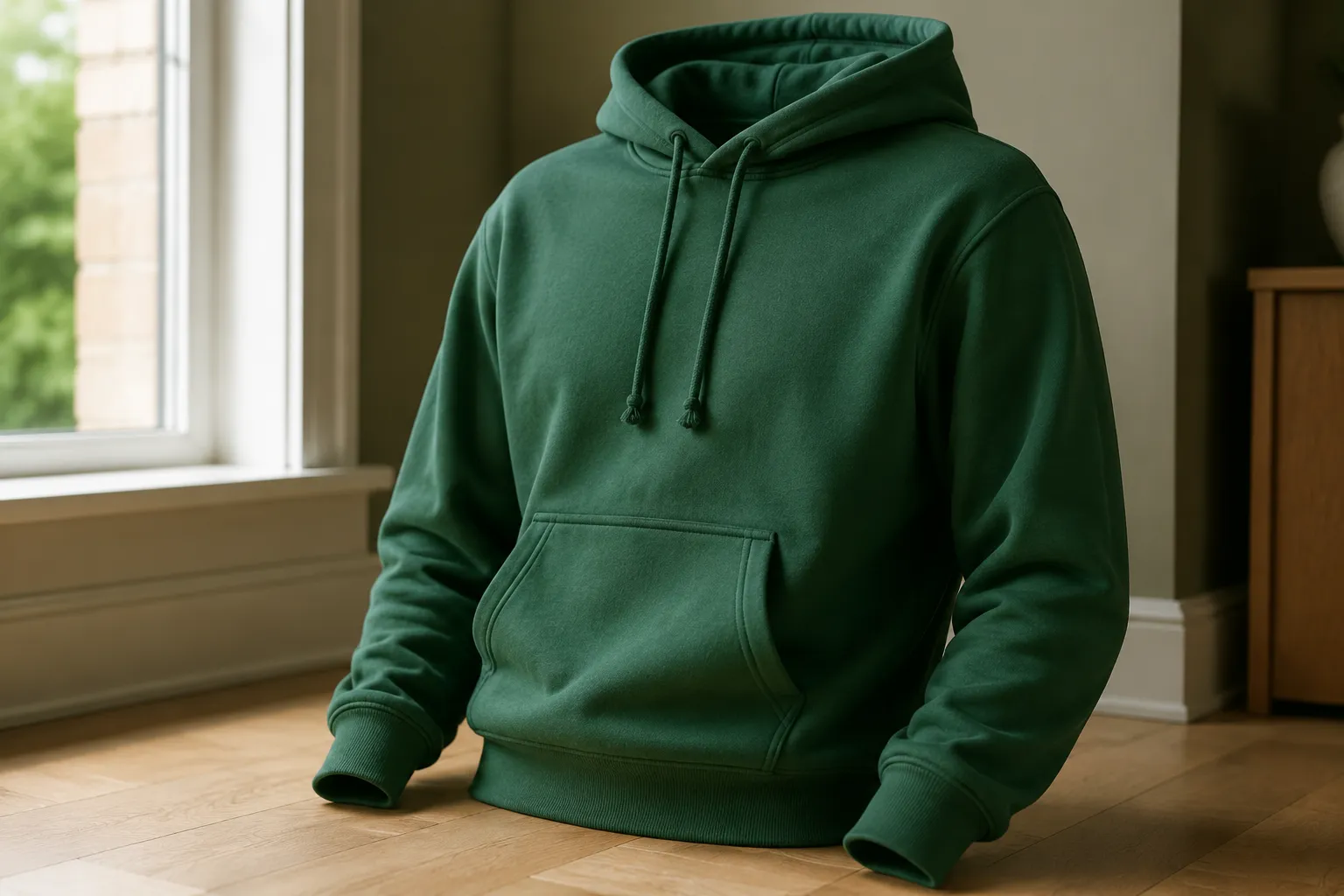
Request: Grey hoodie got boring — client asked to dye it green.
Done: Even dyeing of cotton knitwear with green tone fixation.
Cost: 2 800 ₸
Master: Ruslan Abdrakhmanov, dyeing master
Total: Hoodie of rich green color, tone even, fabric remained soft.
 After
After
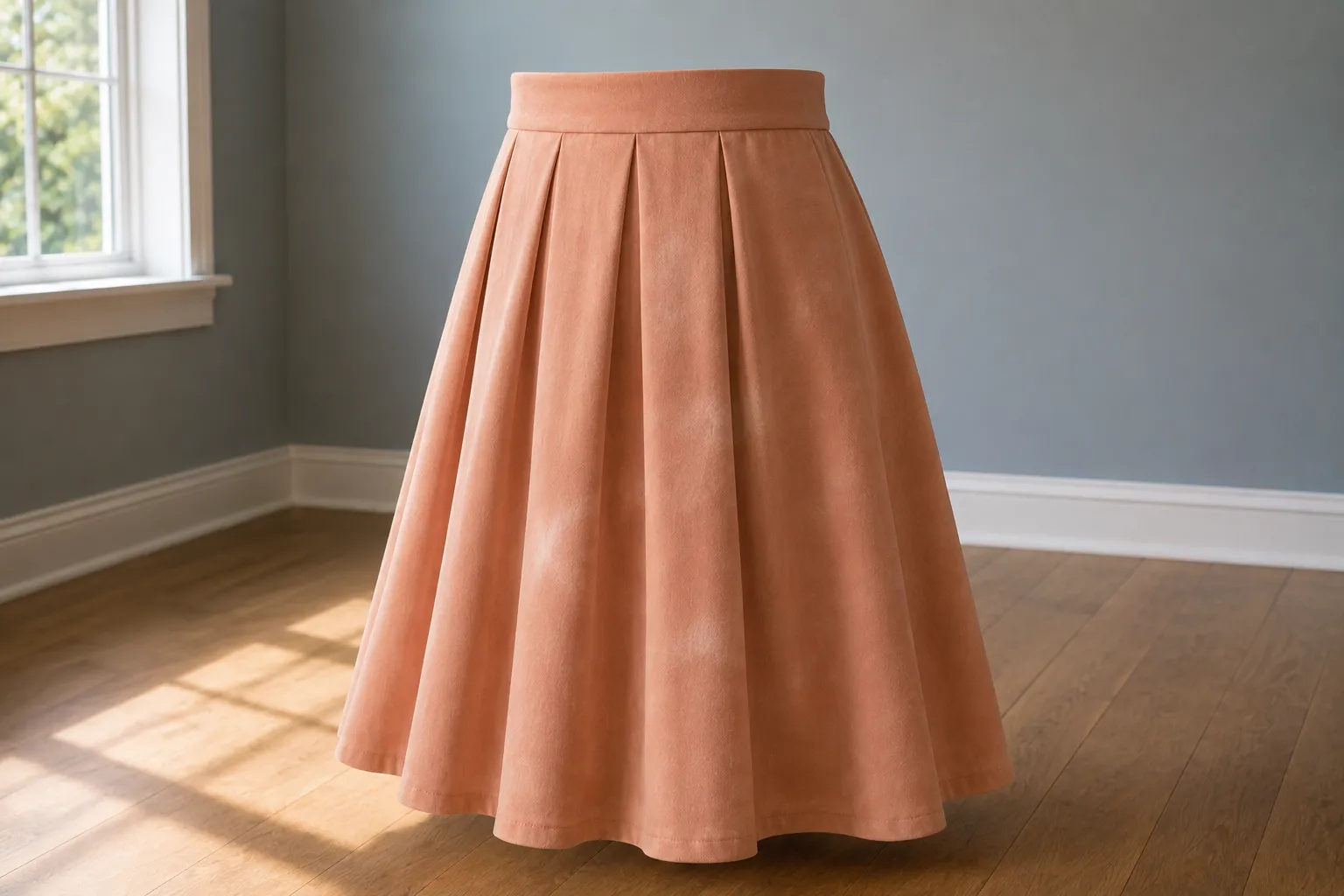
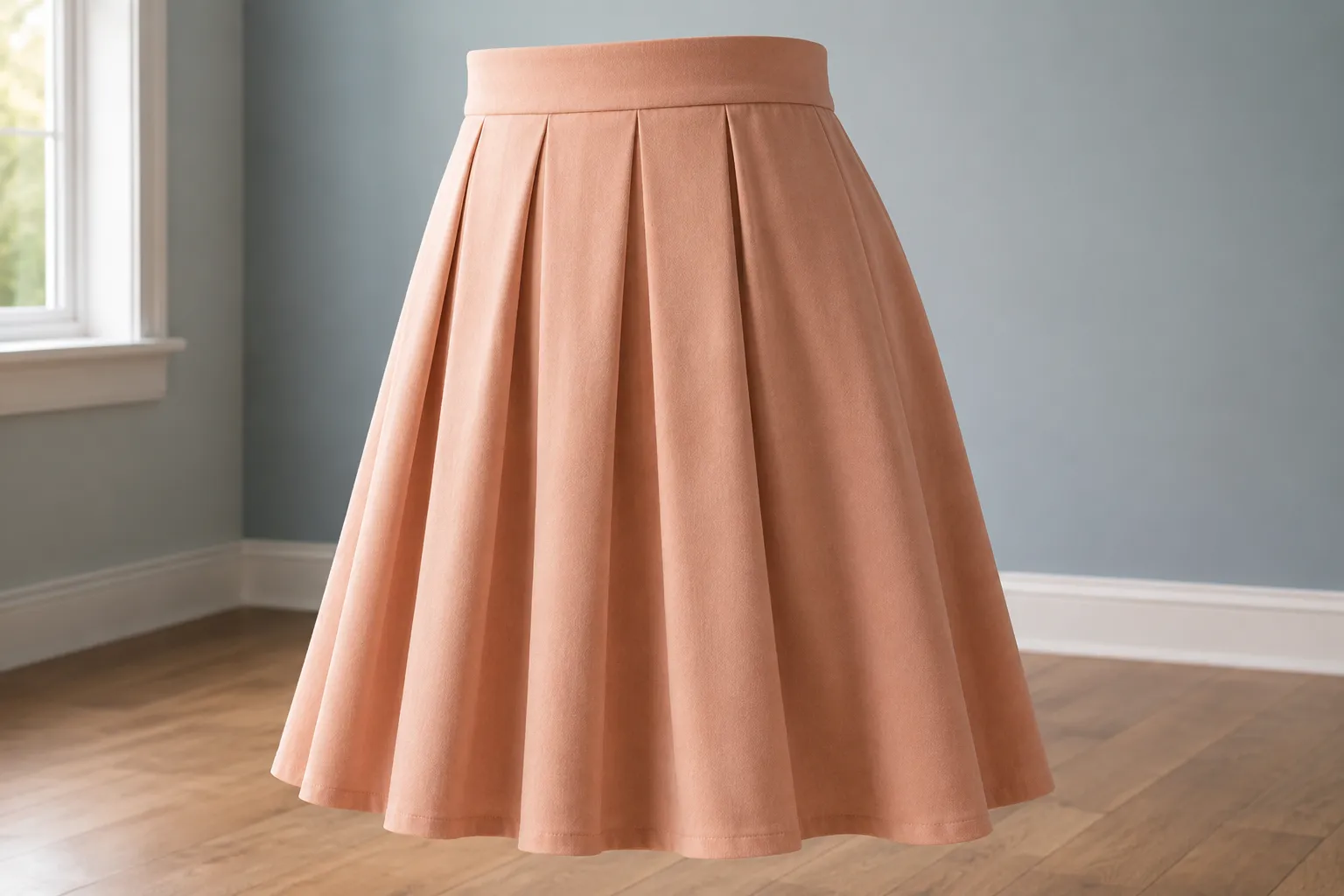
Request: Pleated skirt was redyed into a delicate powder-peach shade.
Done: Dyeing with manual pleat fixation and even tone across pleats.
Cost: 3 000 ₸
Master: Lyazzat Kusainova, dry cleaning master
Total: Skirt of even powder color, pleating crisp, no streaks.
 After
After
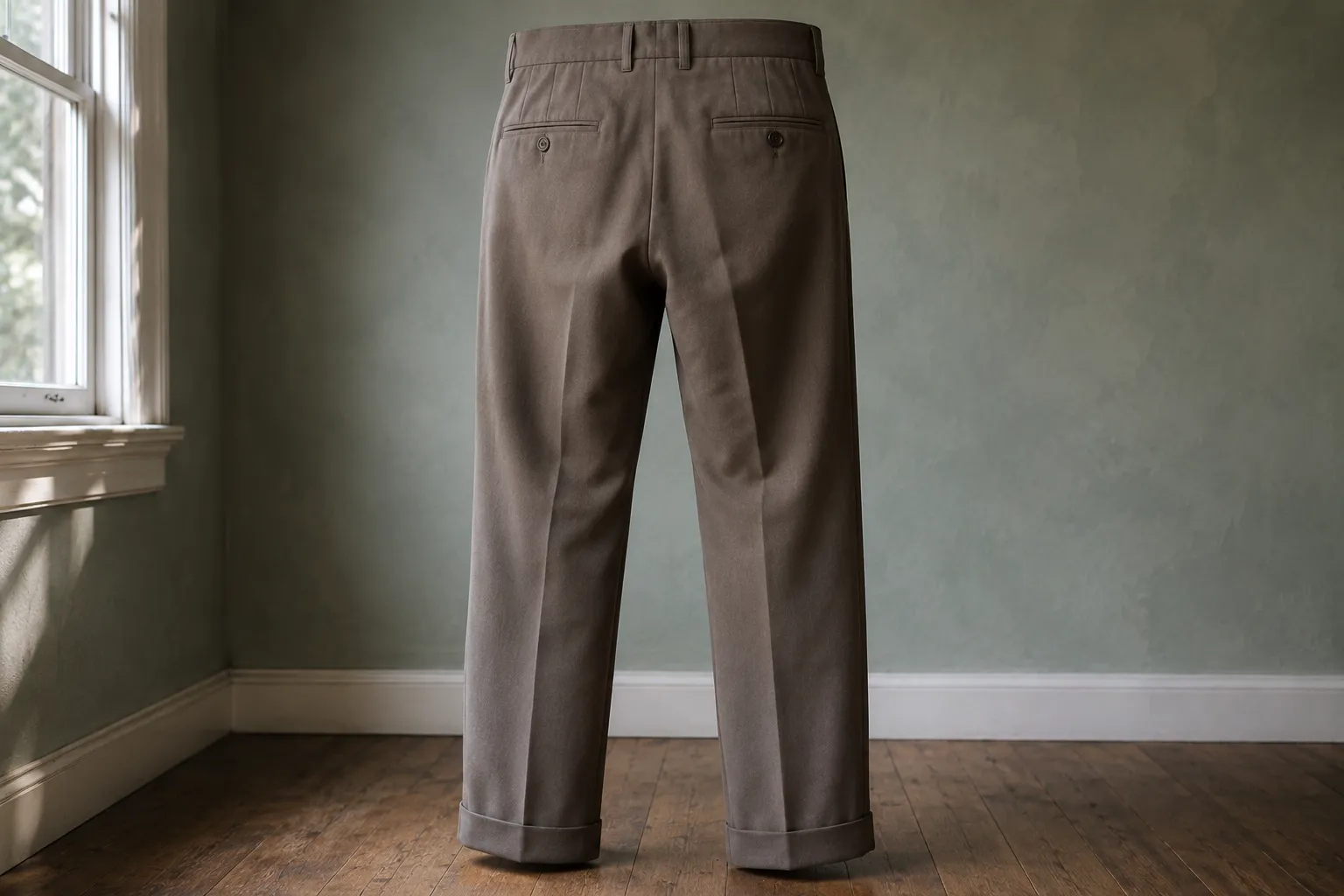
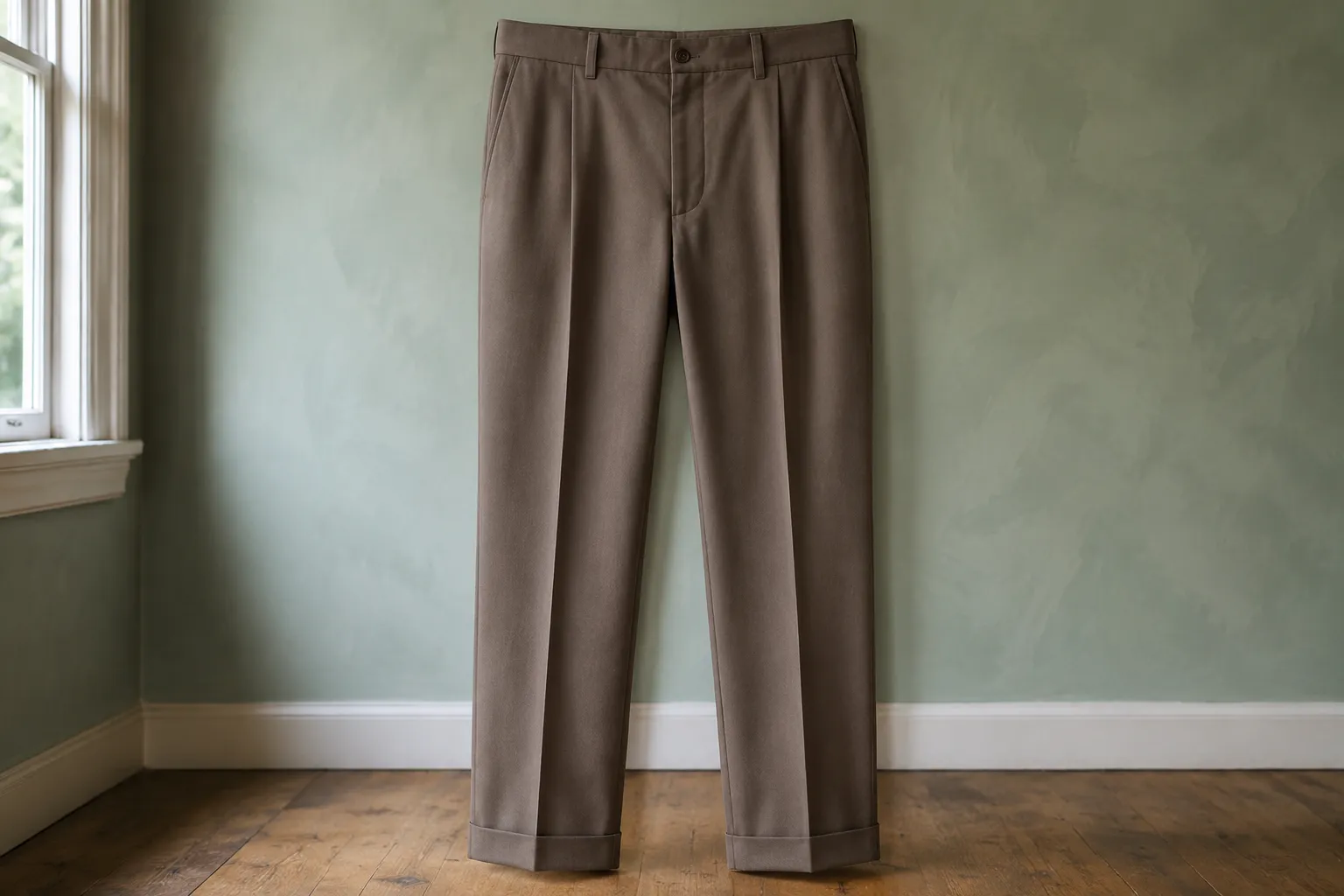
Request: Light trousers got stained and lost appearance — redyed to dark beige.
Done: Dyeing of trouser fabric with crease preservation and even uniform tone.
Cost: 2 800 ₸
Master: Nurzhan Aliyev, dyeing master
Total: Trousers of even dark beige color, creases sharp, no stains.
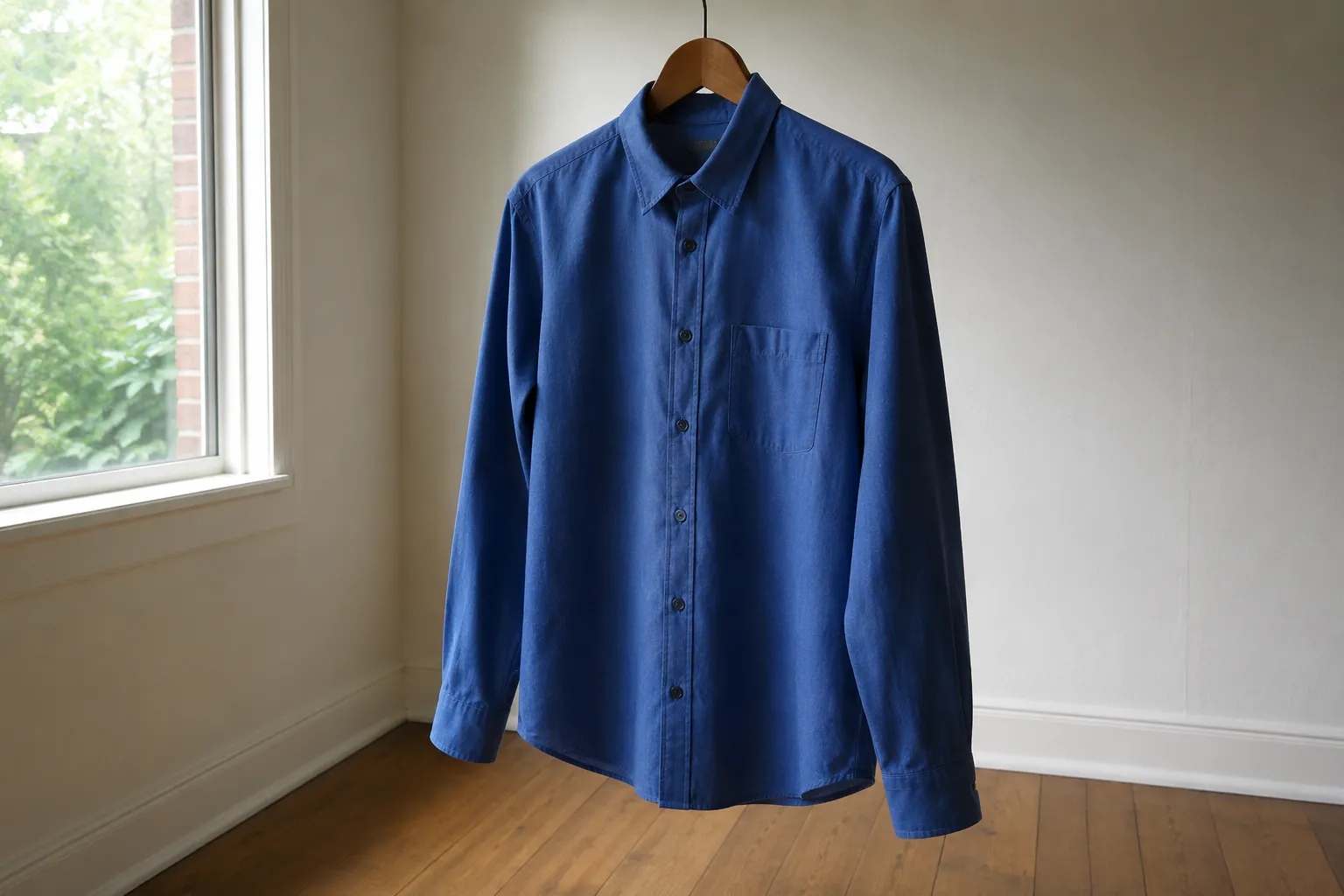 After
After
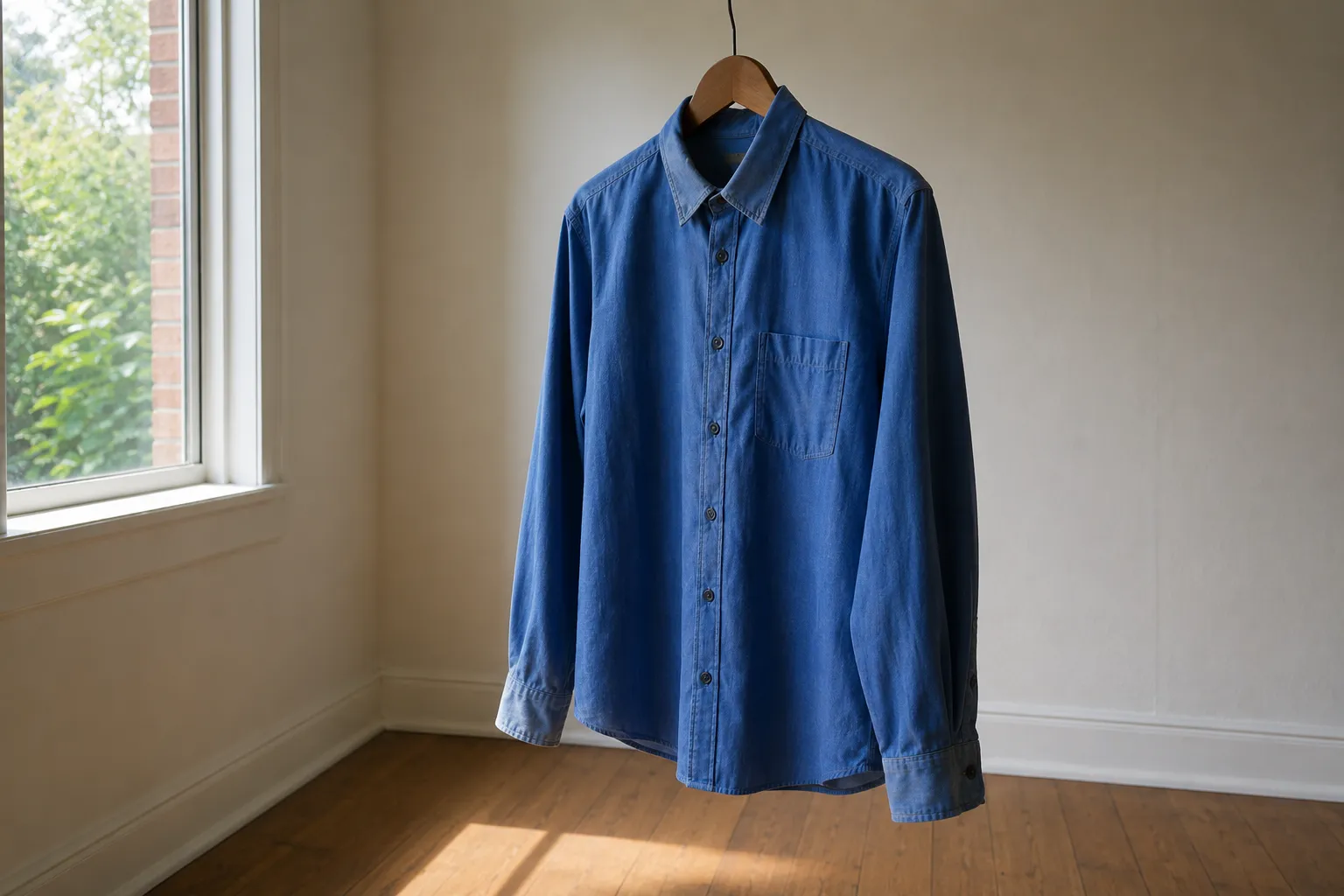
Request: Light blue shirt faded — client asked for rich blue color.
Done: Even dyeing of cotton shirt with blue tone fixation.
Cost: 2 500 ₸
Master: Assel Zhumabayeva, dry cleaning master
Total: Shirt of rich blue color, tone even, collar without streaks.
All cleaners are profi-clean staff with training, uniform and security check. Each order has a team leader who controls quality.
We work exclusively with professional dyes that have passed dermatological control and contain no toxic components — this is a fundamental position for profi-clean, as dry cleaning in Almaty often encounters makeshift formulas that can ruin an item.
profi-clean’s range: professional liquid and powder water-based dyes from European suppliers (Kiehl, Sodasan, BERNINA). Unlike household “packets from the supermarket,” these formulations contain no aniline or heavy metals — they fixate through molecular affinity with the fiber, not aggressive oxidizers. For each fabric type (cotton, linen, viscose, polyester, nylon), a separate recipe with a pH of 5–6.5 is selected to avoid damaging the thread structure. For synthetics, we use disperse dyes with a fixation temperature of 90–100 °C — this guarantees the pigment penetrates the amorphous zones of the polymer rather than remaining on the surface. In my opinion, the main advantage of a water base is the absence of a pungent odor: even when dyeing a large batch in the workshop, an exhaust system with a carbon filter is not needed.
Our workshops use only hypoallergenic chemicals with the OEKO-TEX Standard 100 label — this means each dye has been tested for 350+ harmful substances, including pesticides, formaldehyde, and carcinogenic azoamines. For comparison, budget alternatives used in basement dry cleaners in Almaty often contain tin chloride or copper sulfate — these salts provide brightness but gradually destroy cellulose fiber, making the fabric brittle. Our formulations contain no chlorine, phosphates, or ammonia — after dyeing, the item can be worn immediately without needing to air it out for a day. In October, there was a case: a client brought in a child’s overalls due to an allergy to laundry detergent — we dyed it with Sodasan dye based on plant extracts, and the reaction did not recur.
The key stage of our technology is thermal fixation at 110–130 °C in an industrial chamber with HEPA filtration: under the influence of temperature, the dye molecules cross-link with the polymer chains of the fabric, forming an irreversible bond. This fundamentally distinguishes profi-clean’s result from home dyeing, where the item is simply rinsed in hot water — the pigment remains in the interfiber space and washes out after 3–4 washes. In our practice, Almaty jeans after dyeing withstand 30+ wash cycles at 40 °C without losing saturation, and a raincoat jacket does not bleed even when exposed to rain. Before thermal fixation, we always check the fabric’s shrinkage on a sample — due to Almaty’s dry climate, cotton can shrink by 2–3%, and we account for this allowance in the cut.
Even high-quality dyeing at the dry cleaner is not permanent — the lifespan of the color directly depends on how you wear and wash the item after the procedure. We have compiled key care rules based on eight years of experience with various fabrics and dyes.
For the first 48 hours after dyeing, the dye has not yet fully fixed onto the fibers — during this period, the item should not be wet or rubbed. Conduct the first wash no earlier than three days after the procedure, and only by hand in cold water (up to 30 °C) without soaking. Use a liquid detergent for delicate fabrics without bleaches or enzymes — powder with granules scratches the fibers and washes out the pigment faster. After rinsing, do not wring the item, but blot it with a terry towel and dry it away from radiators and direct sunlight. In our practice, clients who ignore this interval bring the item back for re-dyeing on average 40% sooner — instead of 8–10 months, the color lasts 4–5.
Conventional washing powders with phosphates and optical brighteners break the bond between the dye and the fiber after just 3–4 washes — the item fades and loses its vibrancy. For colored items, use only phosphate-free liquid gels labeled “for color” or “for colored fabrics.” On the Almaty market, available options include Synergetic Color, Sodasan Color, and liquid gels from Kiehl without enzymes. Fabric softeners are also unsafe: they coat the fibers with a film that reacts with the dye, causing a yellow tint on light-colored fabrics. If an item becomes statically charged after dyeing, rinse it in water with a spoonful of vinegar (9%, 1 tablespoon per 3 liters of water) instead of fabric softener — this sets the color and removes static.
Washing colored clothes at 40 °C or higher is the main reason an item “bleeds” within the second month. The maximum temperature for cotton and linen is 30 °C, for synthetics and wool — 20 °C, for silk — only cold water (up to 20 °C). Set the machine spin cycle to 400–600 RPM — at 800+ RPM, centrifugal force pushes the dye out of the fibers, and the water in the drum becomes colored. Do not dry the item after the machine cycle — residual moisture in the folds during spinning leaves white streaks on the creases. In Almaty, hard water (8–10 °dH) accelerates pigment leaching, so add a water softener with every wash or use gels with chelating agents — this extends color vibrancy by 20–30% without additional cost.
Drying on a clothesline in the sun is the worst option for colored clothes: ultraviolet light destroys dye molecules within 4–5 hours, and the item fades unevenly. Dry items flat on a horizontal drying rack in the shade at room temperature — this keeps the color even and prevents fabric deformation. Iron a dyed item only from the wrong side through a damp gauze or thin cotton cloth. Set the iron to “silk” or “synthetic” mode (up to 110 °C) — the “cotton” mode (200 °C) burns the dye, causing yellow spots on the front side. Our technologist Aigerim Kassymova recommends spraying the gauze with water and a few drops of vinegar before ironing — the acidic steam further fixes the pigment in the fibers, and the item retains its brightness longer.
The first mistake is washing a dyed item with white laundry even a month after the procedure: residues of unfixed dye will tint white fabrics pink or blue, which cannot be removed with bleach. The second mistake is using chlorine- or oxygen-based stain removers (Vanish, Bos) to remove stains from colored fabric: they bleach the pigment at the stain site, leaving a white spot that can only be fixed by completely redyeing the entire item. The third mistake is wearing dyed clothes to the gym or in the rain during the first two weeks: sweat and moisture create an alkaline environment that destroys the dye on the collar and underarms. In Almaty, with its sharply continental climate (dry air in winter and high humidity in spring), humidity fluctuations are particularly aggressive for dyed fabrics — the item’s color may “bleed” between seasons if these three prohibitions are not followed.
Synthetics are the most difficult material to dye: unlike cotton or linen, polyester, nylon, acrylic, and elastane absorb dye poorly, and an incorrect approach can destroy the fiber. Our experience at profi-clean shows that success depends on the fiber type, process temperature, and choice of reagent — and there are strict limitations here that are important to know before ordering.
Polyester is a hydrophobic material with a dense crystalline structure that repels water and does not allow ordinary anionic dyes to penetrate. In our laboratory, we use disperse dyes that work at 130 °C in an autoclave — only then can the pigment molecule penetrate between the polymer chains and become fixed. In practice, this means that dyeing polyester is only possible in dark shades (black, dark blue, burgundy) — light pastel colors on synthetics are unstable and fade after 3-4 washes. Moreover, items made from blended fabrics (65% polyester + 35% cotton) dye unevenly: the cotton absorbs the dye faster, resulting in a “mottled” color, which we often reject at the acceptance stage. Before ordering clothing dyeing for polyester, check the composition on the label — if it contains more than 50% synthetics, the final color will be guaranteed 2-3 shades darker than the requested sample.
Nylon (polyamide) dyes more easily than polyester — it is more hygroscopic and accepts acid dyes at 90–100 °C, but there is a catch: at this temperature, nylon loses up to 15% of its elasticity, and the item may shrink or stretch. In our workshop, there was a case with a Moncler nylon down jacket — after dyeing it black, the sleeve shortened by 3 cm due to shrinkage, even though we strictly maintained the regime. Elastane is even more finicky: its polyurethane threads are destroyed when heated above 80 °C, so items with an elastane content of more than 10% (leggings, swimsuits, sports tops) we only dye using the cold method at 40 °C, but the color fastness drops by half. If your item contains elastane, request a test on a sample — we do a trial dyeing of a fabric swatch from the seam to assess shrinkage and texture changes before the main work.
Acrylic fiber is a thermoplastic that, when attempting to dye it under household conditions (boiling in a pot), becomes irreversibly deformed: the fibers fuse, the item becomes stiff to the touch and loses its shape. On professional equipment, we use cationic dyes at 100 °C, but the result is still unpredictable — acrylic often produces a “dirty” shade due to the inhomogeneity of raw materials from different manufacturers. Acetate silk (viscose on an acetate base) generally cannot be dyed: its fibers dissolve in an alkaline environment, and in an acidic one, they lose their luster and become matte. In our practice in Almaty, we refuse to dye acrylic sweaters and acetate linings — instead, we offer professional cleaning with tinting (restoration of the original color without changing the structure). For acrylic and acetate, clothing dyeing results in the loss of the item in 80% of cases, so always consult with a technologist first.
| Fabric Type | What We Dye | What We Refuse |
|---|---|---|
| Polyester (jackets, tracksuits) | Dark shades (black, dark blue, khaki) — disperse dyes in an autoclave | Light pastel shades (beige, mint, lemon) |
| Nylon / Polyamide (down jackets, umbrellas, backpacks) | Black, dark gray, burgundy — acid dyes at 90 °C | Any colors on items with insulation (synthetic padding, hollow fiber) — shrinkage up to 5% |
| Elastane (sports leggings, swimsuits) | Only cold method (40 °C) — color fastness for 3-4 washes | Items with elastane content >15% (risk of thread breakage) |
| Acrylic (sweaters, cardigans) | We do not dye — only tinting | Any dyeing — fiber deformation in 80% of cases |
| Acetate Silk (linings, blouses) | We do not dye — cleaning with tinting | Dyeing — fiber dissolution in an alkaline environment |
For items made from blended fabrics (e.g., 50% polyester + 50% cotton), the final color is always a compromise — the cotton will absorb the dye more brightly, while the synthetic part will remain paler, so we recommend ordering dyeing only for materials with a uniform composition. Before sending an item for work, request a test on an inconspicuous area from the master — this is the only way to avoid a surprise with the final shade on finicky synthetics.
Painting and dry cleaning solve different problems, although at first glance both restore items to “like new” condition. Let’s figure out when professional cleaning is enough, when pigment is unavoidable, and what risks a client takes by confusing these services.
If an item has lost its color saturation evenly across the entire surface — faded in the sun or after dozens of washes — dry cleaning will not restore the depth of the shade. It removes dirt from the fiber surface but does not restore the pigment inside the fabric structure destroyed by ultraviolet light. Clothing painting in Almaty at profi-clean solves exactly this problem: the dye penetrates the amorphous zones of the fiber and fills the “voids” with color. The opposite situation is local stains (wine, grass, oil): here painting is ineffective, as it covers the entire area completely, and the stain may “bleed through” the new layer. In our practice, there was a case: a client brought a beige silk dress with an oil stain on the hem — after painting it a dark color, the stain became more noticeable due to the different absorbency of the fiber. Moreover, dry cleaning before painting was mandatory, but the client skipped it. Before ordering painting for any item, first take it for dry cleaning — otherwise, the dirt may become “sealed” under the new dye.
A mistake in choosing between painting and dry cleaning costs not only money but also the item itself. If you send a sun-faded item for dry cleaning, the client gets a clean but still dull fabric and pays for a procedure that doesn’t solve the problem. If you paint a simply dirty item, the dye will apply unevenly, and dark “halos” will appear at the site of greasy stains after dyeing. Our technicians always conduct a test on five areas of the item before accepting an order: they check the fiber type, the resistance of the original color, and the presence of hidden dirt under a UV lamp. At profi-clean, we refuse painting if we see that the item only requires dry cleaning — it’s cheaper and safer for the client. Due to the different chemical nature of stains, the fabric’s lifespan after an incorrect procedure decreases from 3-4 years to six months of active wear.
| Parameter | Clothing painting | Dry cleaning |
|---|---|---|
| What it solves | Color loss, fading, yellowing | Stains, odors, dirt |
| How it works | Introducing pigment into the fiber structure | Dissolving dirt in perchlorethylene/water |
| When needed | Color has faded evenly | There are local stains |
| Risk of error | Fixing the stain under the dye | Does not restore color |
| Necessary step before | Dry cleaning is mandatory | — |
| Result | New shade, depth of color | Cleanliness without color change |
The most common mistake is trying to save money by ordering painting instead of dry cleaning when the item is simply dusty or has surface dirt. In Almaty, due to dusty air and sharp humidity changes, fabric quickly loses its appearance, and clients confuse a layer of dirt with fading. The second most common is painting items with invisible greasy stains (e.g., on shirt collars or cuffs): after dyeing, these areas darken, and the item goes to waste. The third mistake is trying to paint an item that has already been dry cleaned with a technology violation: residues of perchlorethylene in the fiber block the dye’s penetration, and the color applies in “patches.” In our practice, there was a case where a client brought a wool coat after dry cleaning from an unverified technician — the dye didn’t take on 40% of the surface, requiring a repaint after a special wash. Before painting any item, ask the technician for an absorbency test — it saves both money and nerves.
DIY clothing painting is a process where every other step can permanently ruin the item. At profi-clean, we deal with the consequences of such experiments weekly: from patchy color to a completely shrunk jacket. Let’s break down the most frequent failures — and how to avoid them without repairs.
Even if a dye is labeled as universal, the fabric’s reaction to it is unpredictable — different compositions, different absorbency, different original shades. Skipping the test guarantees the color will turn out patchy or give a muddy tint. How to avoid: before dyeing, apply the dye to the inner sleeve seam or the bottom hem of the skirt — a 3×3 cm area, let it dry, and evaluate the result in daylight. If the shade is uniform and matches expectations, you can dye the entire item. If it shows streaks or a greenish tint, the composition is unsuitable — you need a different dye or professional dry cleaning.
Buyers grab the first packet labeled “for all fabrics” and use it to dye a polyester jacket. Result: the dye completely washes out during the first wash, leaving the original color with a sticky residue. How to avoid: divide fabrics into three groups — natural fibers (cotton, linen, viscose) are dyed with direct dyes; synthetics (polyester, nylon) require disperse dyes at 90–100 °C; wool and silk only with acid dyes at 40 °C. Universal dyes from the supermarket rarely work on blended fabrics (cotton+elastane) — they only dye the cotton part, leaving the elastane light, creating a “gray hair” effect. In Almaty, we most often encounter such cases on synthetic down jackets — dyeing them outside a professional bath almost always ends in rework.
Home craftsmen often shorten the boiling time or boil the fabric “by eye” — the dye doesn’t have time to set, or conversely, it destroys the fibers. How to avoid: strictly follow the dye instructions: for cotton — 30–40 minutes at 95 °C; for synthetics — 45–60 minutes at 90–100 °C; for wool — 20–30 minutes at 40 °C (higher — the wool will felt). Use a kitchen thermometer to control the temperature — the water should not boil vigorously, only simmer gently. And a critical point: after dyeing, the item must cool in the dye solution to 40 °C, and only then should it be removed — a sharp temperature change fixes streaks. If you remove hot fabric into cold air, the dye will “set” unevenly, especially on thick jeans.
The most common scenario: a person dyes an item, rinses it, and hangs it to dry — after two washes, the color fades by 70%. How to avoid: after dyeing, be sure to fix the color with a vinegar solution (1 tablespoon of 9% vinegar per 1 liter of cold water, soak for 15 minutes) — the acidic environment closes the fiber pores and retains the pigment. For synthetics, use table salt instead of vinegar (2 tablespoons per liter) — it acts as a fixative for disperse dyes. After fixation, rinse the item in cold water until the water runs clear and dry it away from radiators and direct sunlight — ultraviolet radiation burns out the pigment in 2–3 days. In our orders, there was a case where a client hung her dress on the balcony in Almaty in July after dyeing — within a week, the color faded to a pastel shade, and it had to be dyed again.
Dye does not mask stains — it reveals them. A grease stain will become a dark greasy halo after dyeing, sweaty armpits will become dark circles, and worn-out areas will become lighter zones against the general background. How to avoid: before dyeing, the item must be perfectly clean — remove stains with a professional stain remover (e.g., Vanish for colors or hydrogen peroxide for whites), then wash at 60 °C with powder without fabric softener (softener creates a film that blocks dye absorption). If the stain is not removed, dyeing won’t save it — it will only make it worse. At profi-clean, we perform a preliminary dry cleaning with removal of all contaminants before dyeing — this is a mandatory step that home craftsmen skip, and then they bring the item to us for rework.
The Almaty climate — humidity fluctuations, sharp temperature changes, and an abundance of dust — significantly affects how the dye lays on the fabric and sets. Over eight years of work, we have identified three seasonal factors critical for color fastness, and we now consider them with every dyeing job.
Relative humidity in Almaty drops to 45-50% in winter and rises to 70-75% in summer near mountainous areas. In dry air, dye on cellulose fabrics (cotton, linen, viscose) fixes faster, but the risk of uneven absorption is higher — the edges of the item may take less pigment than the center. At high humidity, water molecules compete with the dye for the fiber, causing color saturation to drop by 10-15% at the same pigment concentration. At profi-clean, we adjust the exposure: in winter, we reduce the holding time by 5-7 minutes; in summer, we increase it by 10-12 minutes and add a citric acid-based fixation catalyst — this evens out dye penetration across the entire fabric area.
In winter, items are brought in from the street at -10…-20°C, and the sharp temperature change when immersed in a warm dye solution (40-50°C) creates thermal shock to the fiber. For wool and cashmere, this causes shrinkage of up to 3-5% even in a gentle mode; for synthetics, it creates micro-cracks through which the dye washes out within 2-3 washes. The technique we use: before dyeing, we keep the item at room temperature for 40-60 minutes, then soak it in warm water (25-30°C) for 15 minutes — gradual heating reduces fiber deformation by 80%. In summer, when the workshop temperature rises above +30°C, we use a solution cooled by 3-4°C below the standard recipe; otherwise, dye molecules are too active and produce patchy coloring on dense fabrics (denim, gabardine).
Almaty is located at an altitude of 700-900 meters above sea level, and UV radiation intensity here is 15-20% higher than in lowland cities at the same latitude. After dyeing cotton and linen items in bright colors (red, blue, green), the first two weeks are a critical period: if the item hangs on the sunny side of a balcony or dries under direct rays, the pigment degrades by 25-30% within a month. We treat dyed products with a fixative containing UV blockers (benzotriazole) — this slows fading by 3-4 times. We advise clients to dry dyed clothing in the shade or inside out, especially if the item is worn in direct sunlight (shirts, dresses, t-shirts).
In spring and autumn, Almaty experiences dust storms and smog; fine particles PM2.5 and PM10 settle in fibers even after visually clean washing. If these microparticles are not removed before dyeing, they block the fabric’s pores, causing the dye to apply unevenly — on dark tones, this appears as “graying” or streaks. Our pre-treatment includes soaking in a solution with an enzymatic cleaner (which breaks down the organic component of dust) and double rinsing in demineralized water. Without this step, light spots remain on microfiber and polyester items after dyeing, which cannot be covered even with repeated dyeing.
Tap water in Almaty comes from mountain sources, with a high content of calcium and magnesium (hardness 7-8 °dH compared to 3-4 °dH in the European part of Russia). Hardness salts react with acid and direct dyes, forming insoluble precipitates — this appears on fabric as a matte coating and a 15-20% reduction in saturation. At profi-clean, we use only softened water with reverse osmosis or ion-exchange filters, plus we add a chelating agent (EDTA) to the working solution — it binds calcium and magnesium ions before they can react with the dye. The difference is noticeable: on softened water, blue dye on cotton gives a pure cobalt shade; on tap water, it has a greenish undertone.
Clothing painting is super! The dress turned bright blue as we wanted, no fading anywhere.
Thank you, Aigerim! Glad the result met expectations.
The jacket was repainted from blue to black — it took perfectly, even the wear marks disappeared.
I ordered clothing painting for an old tracksuit — the color refreshed, but the cuffs are slightly uneven.
Thank you for your feedback! We will take note of the comment about the cuffs.
The scarf turned emerald, the color is bright and odorless. Very satisfied!
Leather clothing dyeing — took a risk, but it was worth it! The jacket looks like new, the color is deep, the leather is soft.
Yerlan, thank you! We work carefully with leather, glad you liked it.
The coat was repainted from gray to beige, but the color turned out lighter than desired. I think two coats were needed.
Assel, we apologize. We'll offer to redo it for free.
Clothing dyeing for the team — all overalls became the same dark blue color. Holds up well after washes.
Wanted to dye the dress dusty pink, but were afraid to ruin it. They did it perfectly, even the lace was unharmed.
Dinara, thank you for your trust! It's important for us to preserve details.
Had clothing dyeing done for a t-shirt — the background became black, the print remained white. Sharp, but the print yellowed a bit.
Timur, thank you! Next time we'll use print protection.
The dress changed color from faded to rich burgundy. Soft, doesn't fade. Thank you!
Clothing dyeing for jeans — restored the blue, even covered the abrasions. They look like new.
Alexey, glad to help! Enjoy wearing them.
The shirt turned mint green, the dye applied evenly, the fabric didn't shrink. Excellent!
Ordered clothing dyeing for a child — the jumpsuit changed from yellow to green. The dye is safe, odorless.
Aizhan, we only use safe dyes!
The hoodie was repainted gray, the color is good, but the cuffs shrank a bit. Overall okay.
Clothing dyeing for a skirt — from black to dark cherry. The color is deep, the fabric is not damaged. Well done!
Saule, thank you! Come back again.
The suit was refreshed — repainted from gray to charcoal. Perfect, they didn't even touch the lining.
Clothing dyeing for a knitted dress — the color became uneven, lighter in places. Disappointing.
Karlygash, we apologize. Bring the dress, we'll try to even out the color.
The cap was turned from white to black — the paint applied perfectly, even the brim. A new cap!
Clothing dyeing with embroidery — I was afraid the paint would ruin the pattern, but no! The embroidery remained, the background became blue. Super!
Aliya, we are careful with decor. Glad everything worked out.
The uniform was repainted in khaki, the color is accurate. But the buttons darkened a bit. Not critical.
I ordered clothing dyeing for a silk blouse — it became soft pink. The paint doesn't wash off, the silk shines.
Lyazzat, thank you! Silk requires a special approach, we managed.
The pants went from gray to black, the color is rich. Doesn't fade after workouts. I recommend.
Dyeing of wool clothing — the coat became dark blue, the pile is not damaged. Looks expensive.
Gaukhar, thank you! Wool is difficult to dye, but we managed.
Polo turned from white to blue, the color is pleasant. But the collar shrank a bit. It's okay.
Dyeing of clothing for a panama hat — from beige to raspberry. The dye doesn't run in the sun. Excellent!
Nurgul, thank you! We're glad the panama hat became brighter.
Jacket repainted from brown to black — the leather is soft, the color is even. Very cool!
Dyeing of corduroy clothing — trousers became dark green, but the pile is flattened in places. Not ideal.
Araylym, sorry. Send them, we'll fix the pile with an iron.
T-shirt turned from white to yellow, the color is bright and even. Wears great.
Dyeing of clothing for lace lingerie — from white to soft pink. Lace not damaged. Delicate!
Anara, thank you! Delicate work is important to us.
Track jacket repainted to blue, color is good, but the zipper got slightly stained. Not a big deal.
Dyeing of clothing with sequins — the dress became black, sequins not damaged, they sparkle. Magic!
Zere, we're glad we handled such a complex task!
The gray hoodie was made burgundy — the color is rich, the hood is also well dyed. Super!
I ordered clothing dyeing for angora — the sweater turned emerald, the fluff didn't clump. Warm and beautiful.
Zhamilya, angora requires gentle handling. Thanks for the review!
The shirt was repainted to solid blue, the check disappeared. The color is even, but the seams are slightly darker. OK.
Clothing dyeing for flared trousers — from black to purple. The color is saturated, the fabric didn't shrink. Thank you!
Madina, glad you're satisfied! Wear them with pleasure.
The pajamas were repainted from pink to blue — the color is even, the fabric is soft. Now it's my favorite pajama set.
We offer over 50 colors: from basic (black, white, blue) to complex shades (burgundy, khaki, olive). Mixing is possible to create a unique color.
Yes, we can recolor clothing to any color. We take into account the original shade: light items are easily dyed dark, dark items require pre-lightening.
Standard dyeing takes 2–3 days. Urgent dyeing (1 day) is available for an additional fee.
The item must be clean before dyeing. We remove stains ourselves, but if there are stubborn stains, inform the master.
We accept cash, Kaspi Gold, Halyk Bank, and transfers by phone number.
Yes, a 30-day guarantee. If the color is unsatisfactory or defects appear, we will re-dye for free.
The dyes have an OEKO-TEX certificate, are allergen-free, and safe for sensitive skin.
Yes, we travel within Almaty. The cost of the visit is based on an individual rate and includes consultation and item pickup.
This is normal for the first 2–3 washes. Wash separately in cold water. If bleeding continues, contact us under the guarantee.
No, we specialize only in clothing. For shoes, we recommend contacting a shoe repair shop.
Tell us about your experience with profi-clean — it helps other clients and us improve.
We currently operate in Almaty. Other cities are coming soon.