Inspection and diagnostics
We determine the type of stains: juice, milk, grass, oil, dirt. We record the condition of the fabric and frame.
Professional stroller dry cleaning in Almaty with safe products
We work with any types and materials
Thorough cleaning of the soft insert and outer cover with disinfection.
from 2,500 ₸Removing dirt from the seat, backrest, safety belts, and wheels.
from 2,500 ₸Compact cleaning of all fabric elements and folding mechanism.
from 2,500 ₸Treatment of all modules and connection points with special care.
from 2,500 ₸Cleaning of shock absorbers, wheels, and frame after active use.
from 2,500 ₸Increased scope of work: cleaning of two seats and common frame.
from 2,500 ₸Gentle cleaning of a toy stroller with safe products.
from 2,500 ₸Cleaning of folding mechanism and fabric inserts.
from 2,500 ₸Cleaning of wheel assemblies and steering system.
from 2,500 ₸Hypoallergenic cleaning using products for newborns.
from 2,500 ₸Cleaning of canopy and folding mechanism.
from 2,500 ₸Cleaning of car seat and base with stain removal and disinfection.
from 3,500 ₸From inspection to result with guarantee
We determine the type of stains: juice, milk, grass, oil, dirt. We record the condition of the fabric and frame.
Remove dust and debris with Miele HEPA vacuum and attachments for hard-to-reach areas.
Apply Kiehl or Sodasan stain remover to problem areas, let sit for 5-10 minutes.
Apply cleaning solution under pressure with Karcher SE 4001 extractor and remove dirt.
Treat stroller with Karcher SC 5 steam cleaner at 150°C to kill bacteria and allergens.
Wash wheels and frame with degreaser, remove dirt from rubber and plastic.
Remove chemical residues with clean water, restore fabric color.
Accelerated drying with a fan or in a drying chamber (2-4 hours).
Kiehl and Sodasan products are certified and hypoallergenic. They effectively remove stains from juice, milk, grass without causing irritation to the child. All formulations are biodegradable and safe for contact with infant skin.
The Karcher SE 4001 extractor applies cleaning solution under pressure and instantly removes dirt. The Karcher SC 5 steam cleaner with temperatures up to 150°C destroys allergens and bacteria. The Miele HEPA vacuum captures 99.97% of dust particles, including mites.
All used products have safety certificates for children. They do not contain aggressive chemicals, fragrances, or dyes. After cleaning, the stroller is completely safe for the child, even if he pulls the fabric into his mouth.
We guarantee removal of 95% of stains. If any stain remains, you get a refund or free re-cleaning. The guarantee is valid for 3 days after the service.
When ordering dry cleaning of two or more strollers, the master's visit to home is free. For a single item, the visit is charged at an individual rate. We work in all districts of Almaty, including suburbs.
In 5 years of work, we have cleaned over 1000 strollers of various types. Our clients leave positive reviews on 2GIS and Google, noting quality and speed. Average rating is 4.9 out of 5.
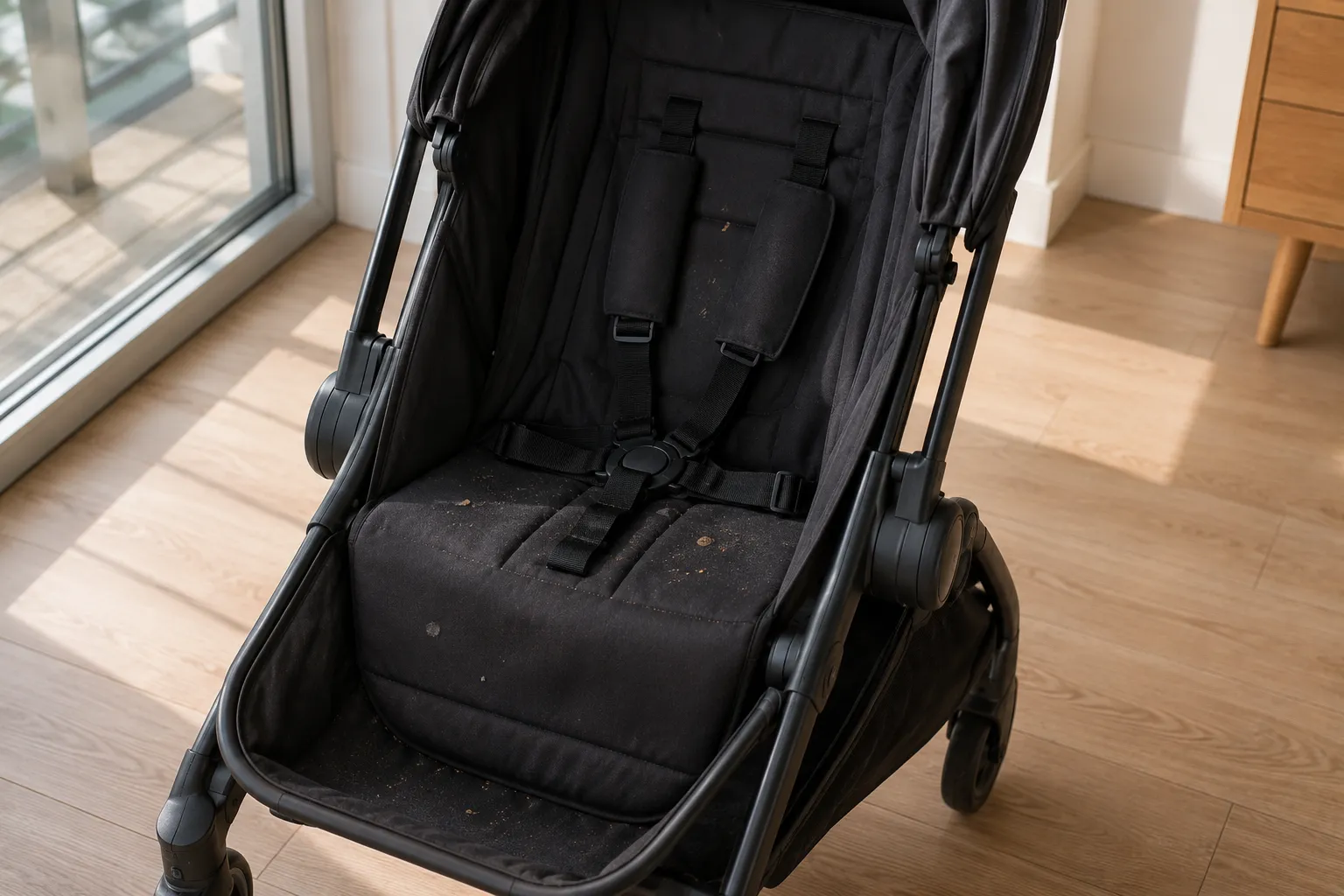
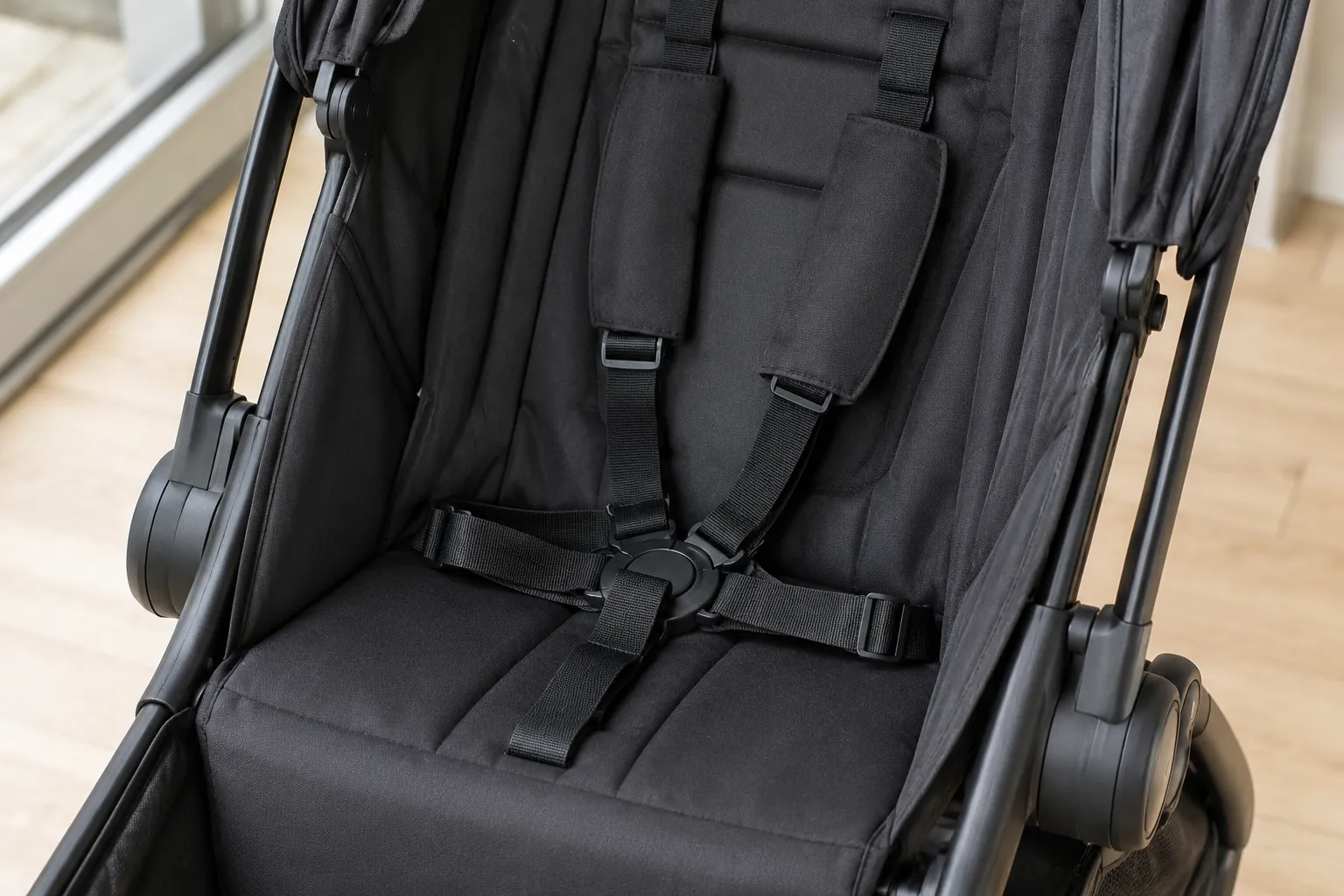 After
After
Request: Urgently clean stroller seat from juice stains and dust.
Done: Performed dry cleaning of the seat using an extractor and stain remover.
Cost: 12 000 ₸
Master: Aigul Sagintayeva, dry cleaning master
Total: Seat completely clean, no stains or odors.
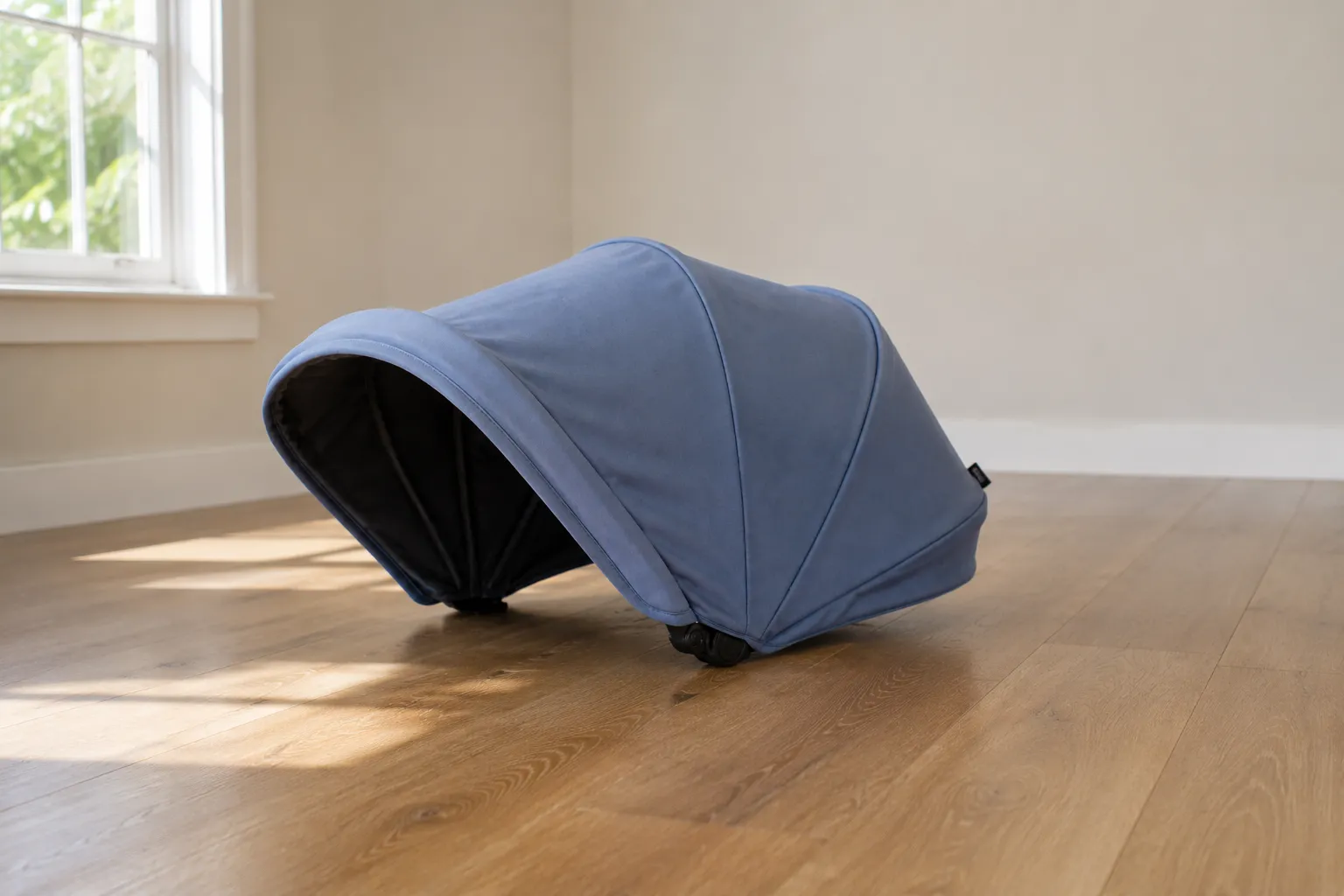
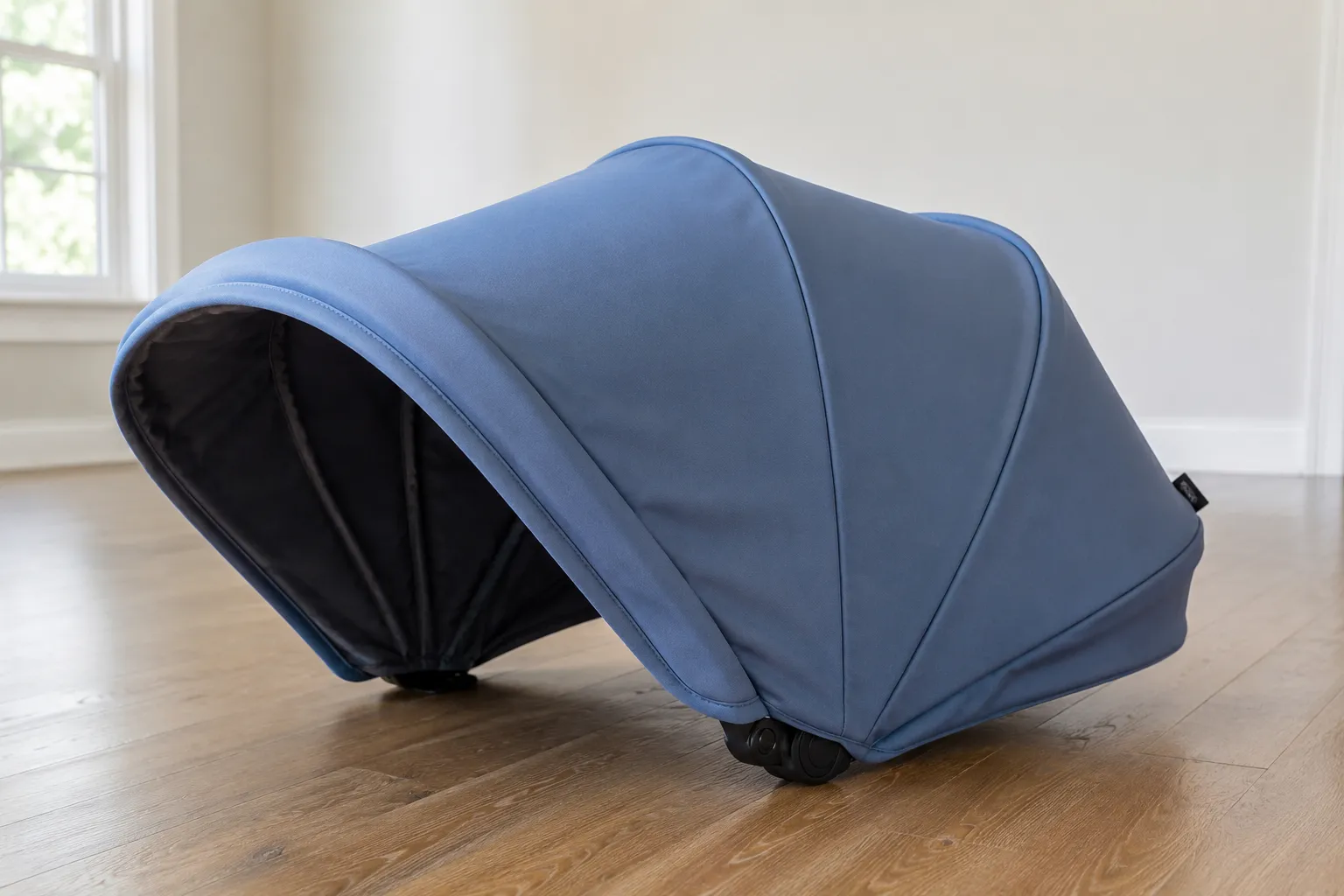 After
After
Request: Remove dust and dirt from the stroller bassinet.
Done: Treated the bassinet with steam and a special shampoo for baby fabrics.
Cost: 13 000 ₸
Master: Marat Nurpeisov, dry cleaning master
Total: Bassinet fresh, clean, safe for the baby.
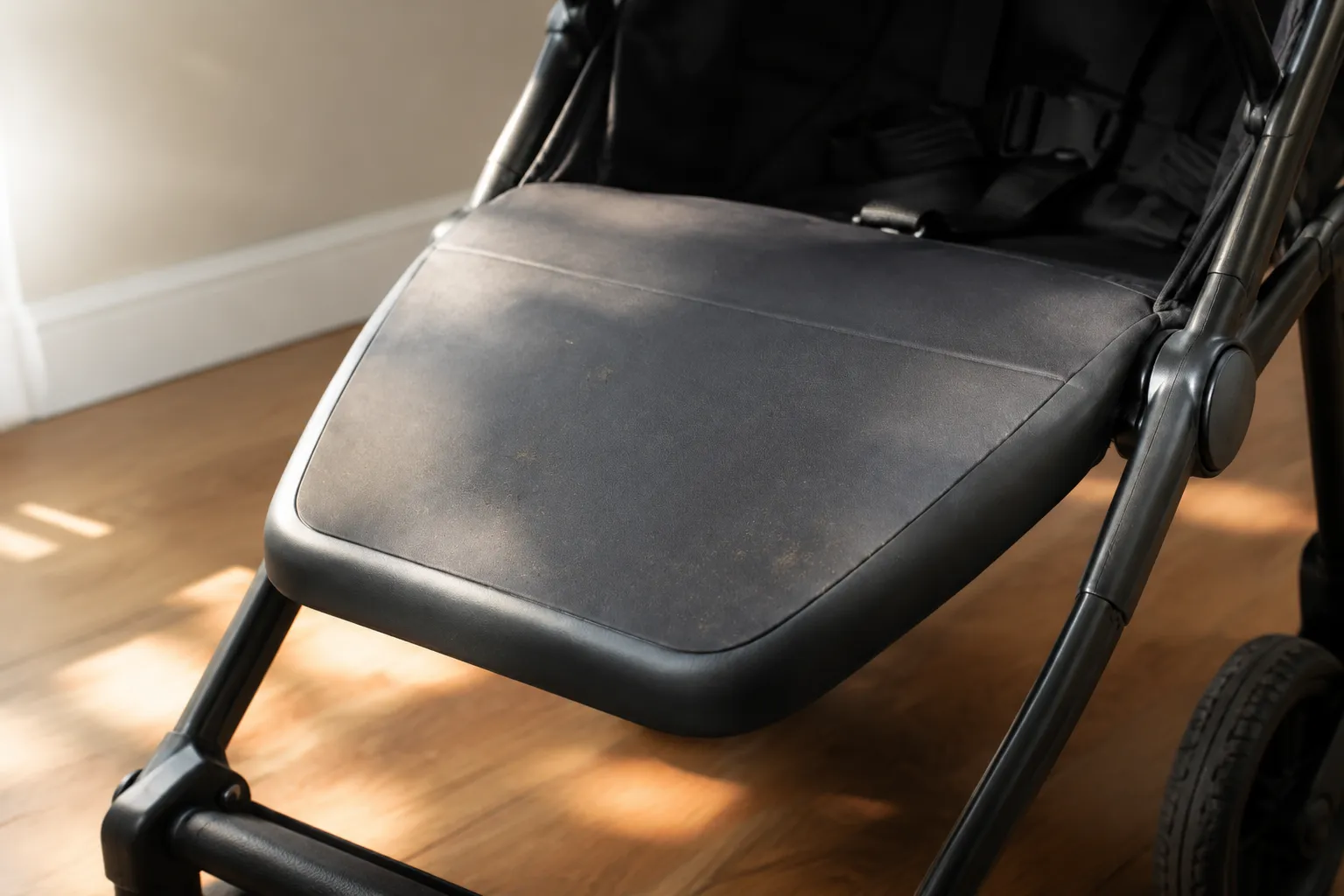
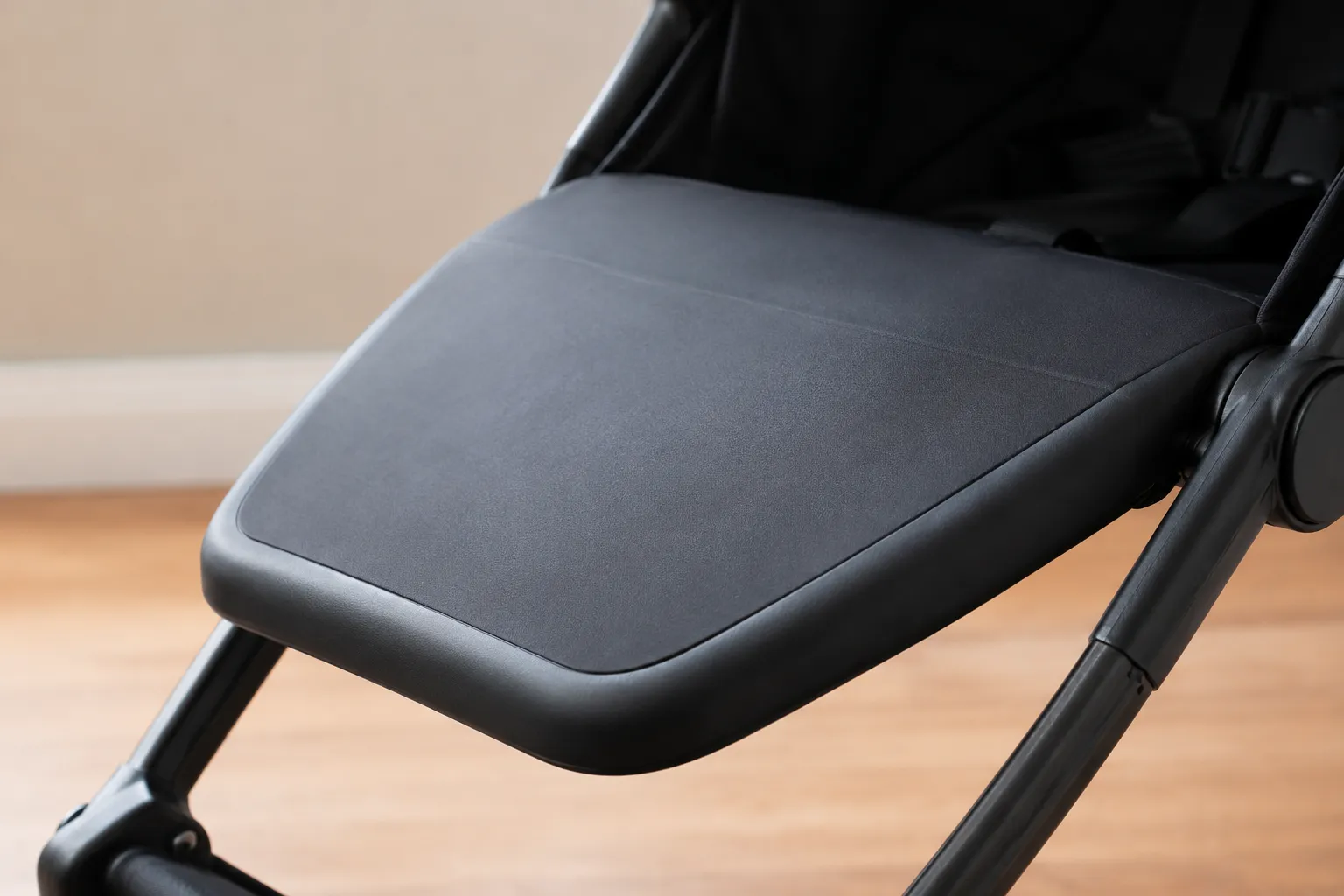 After
After
Request: Clean canopy and seat from outdoor dirt.
Done: Cleaned the canopy with a brush and water-repellent treatment.
Cost: 14 000 ₸
Master: Dinara Akhmetova, dry cleaning master
Total: Canopy and seat free of dirt, refreshed look.
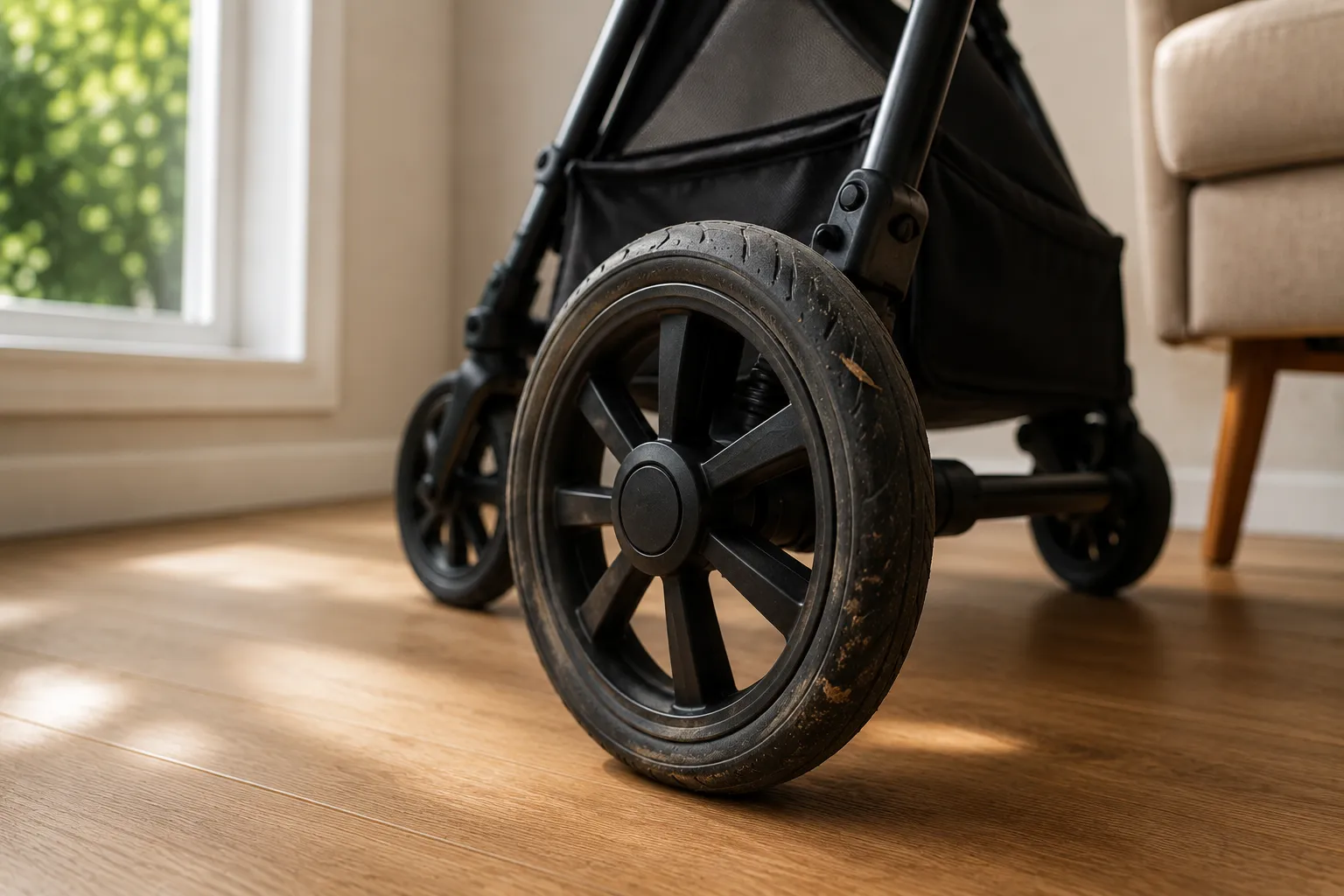
 After
After
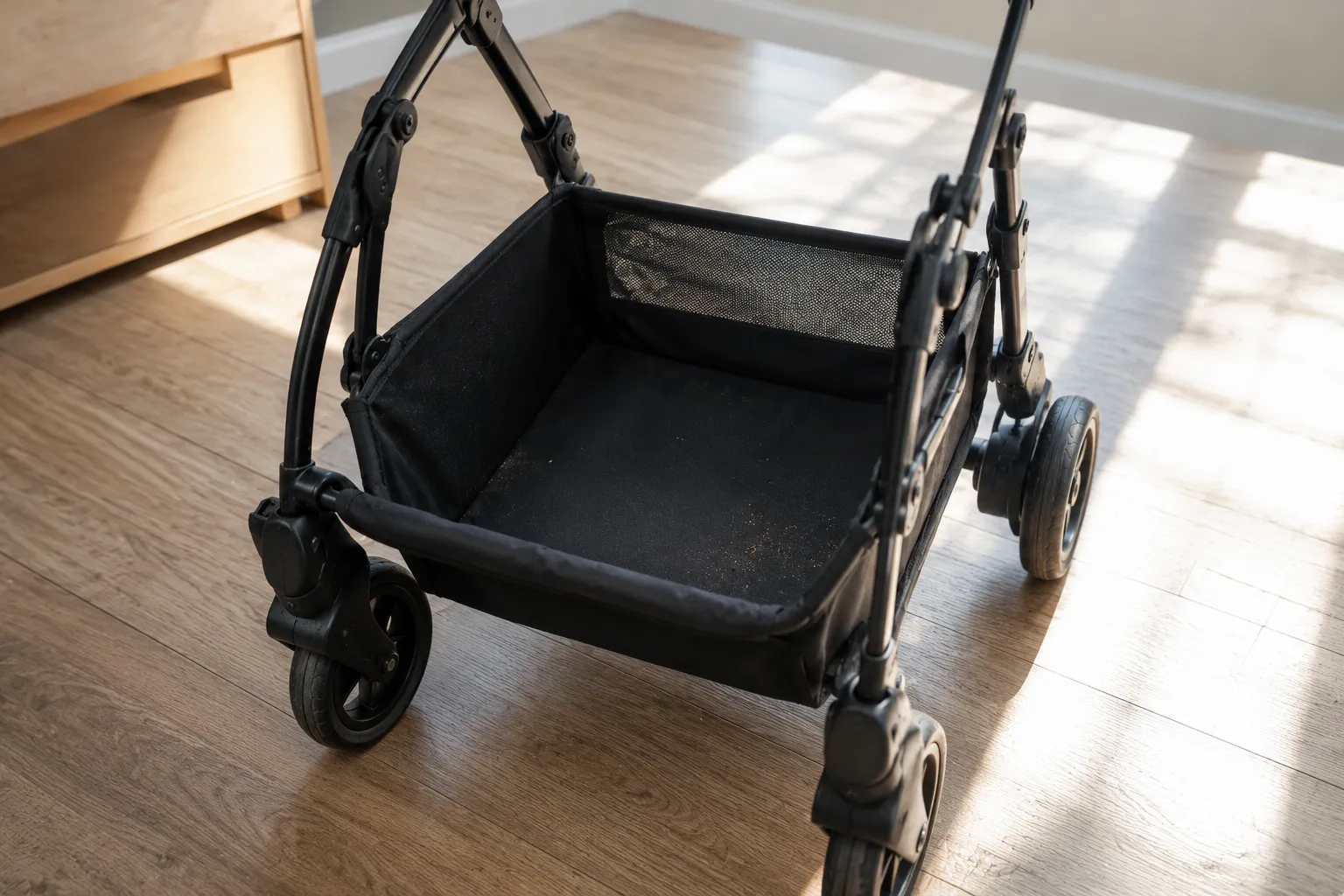
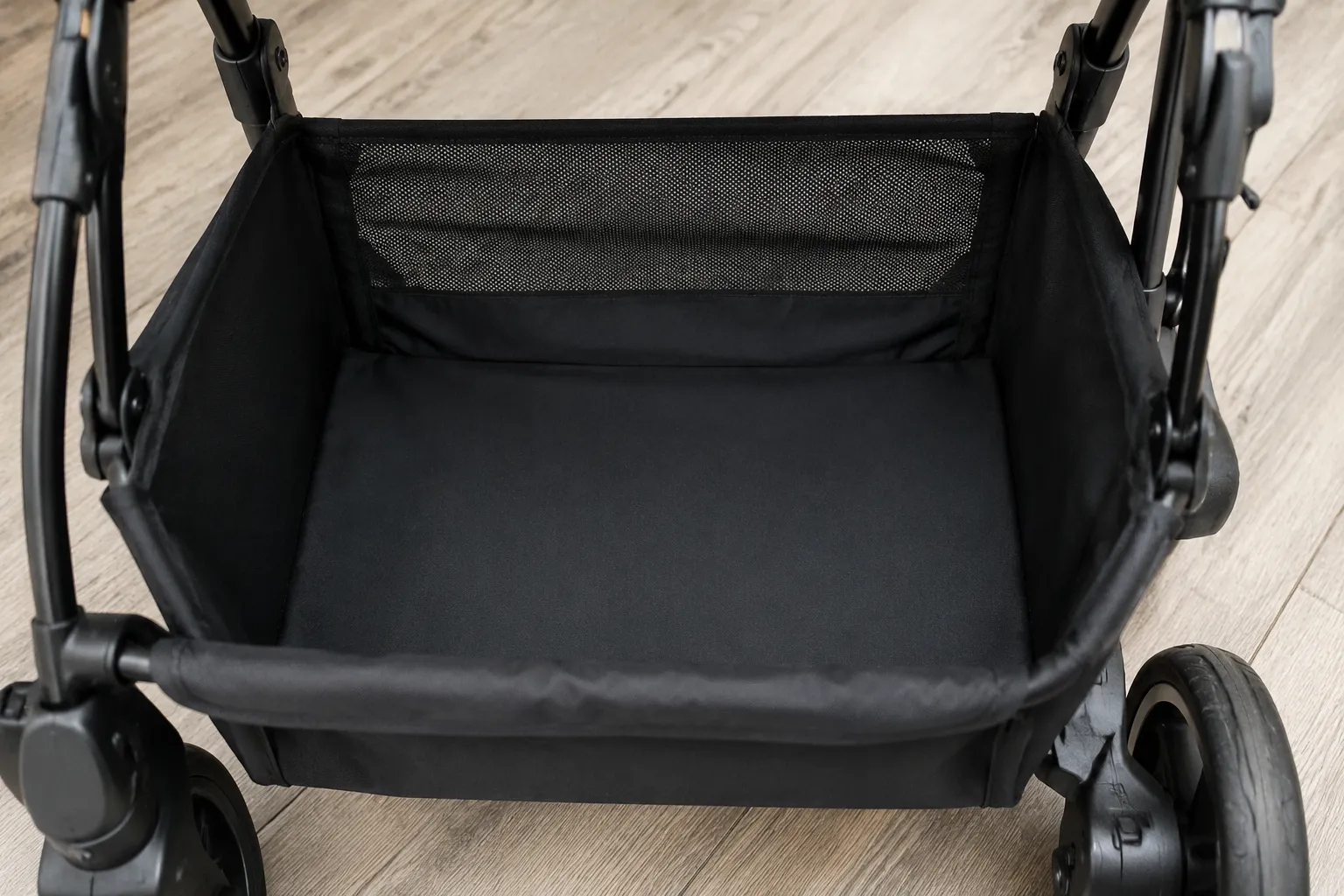
Request: Remove food stains and dust from both seats.
Done: Cleaned both seats and safety belts with an extractor.
Cost: 13 000 ₸
Master: Nurlan Kassymov, dry cleaning master
Total: Both seats clean, no stains or odors.
 After
After
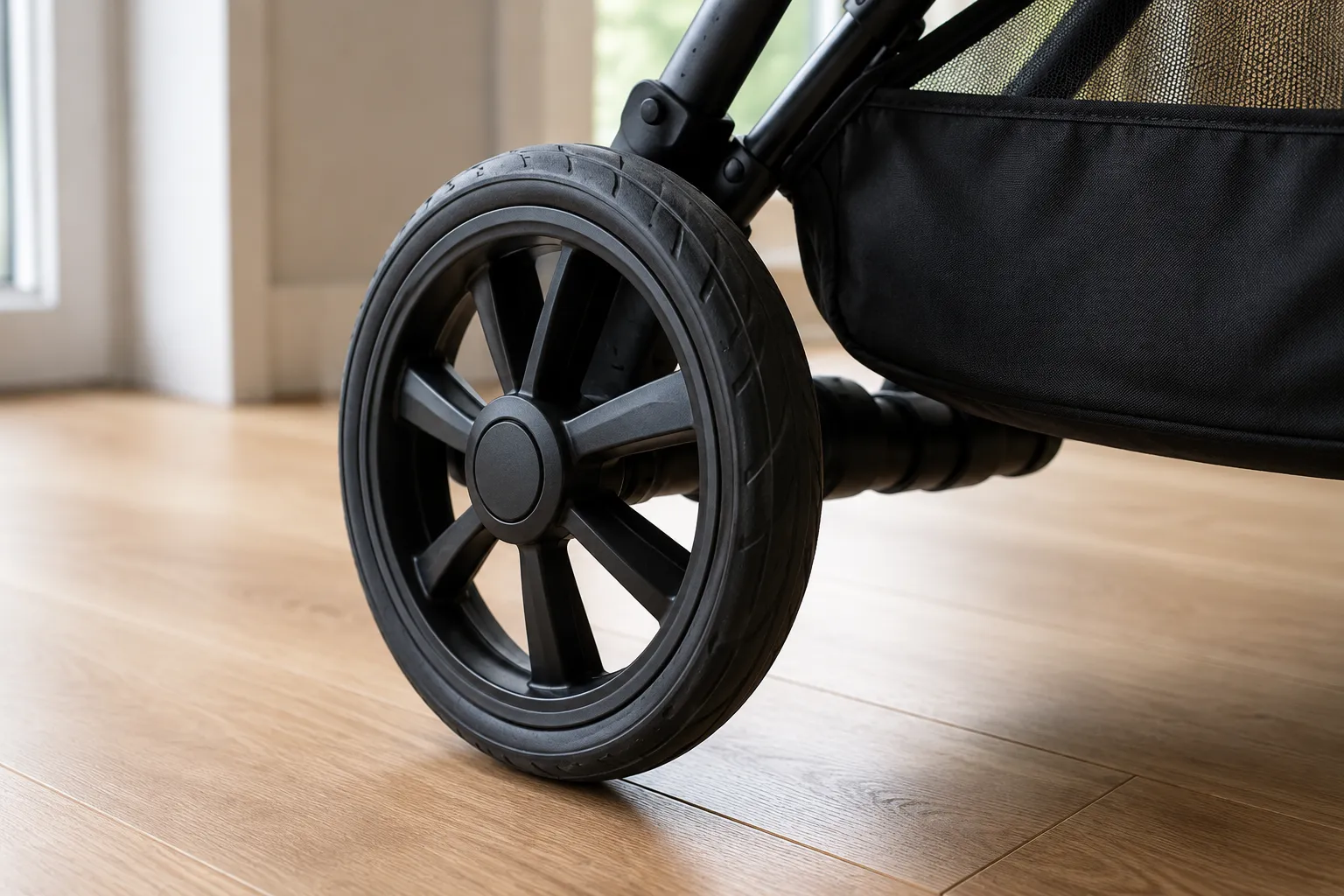
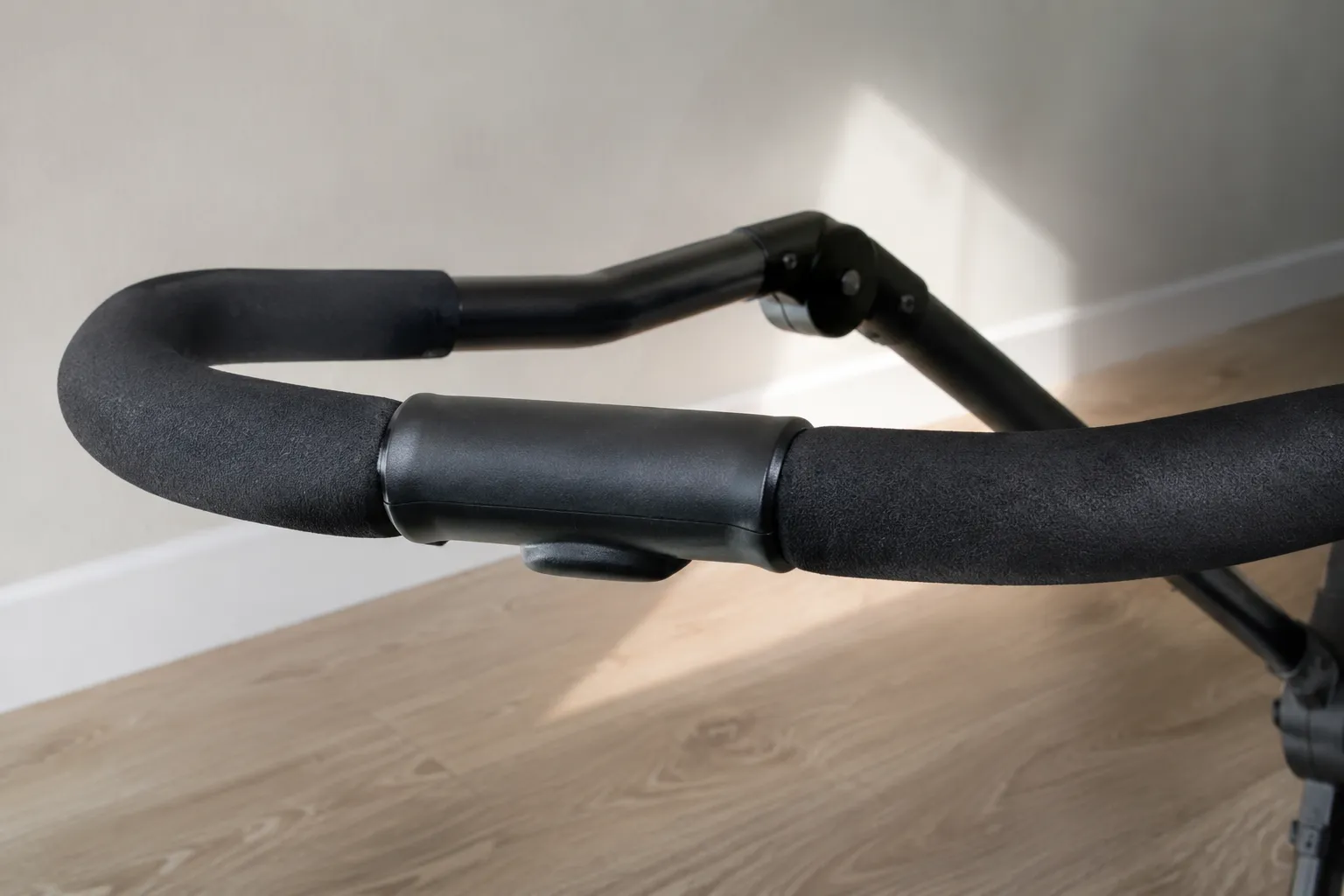
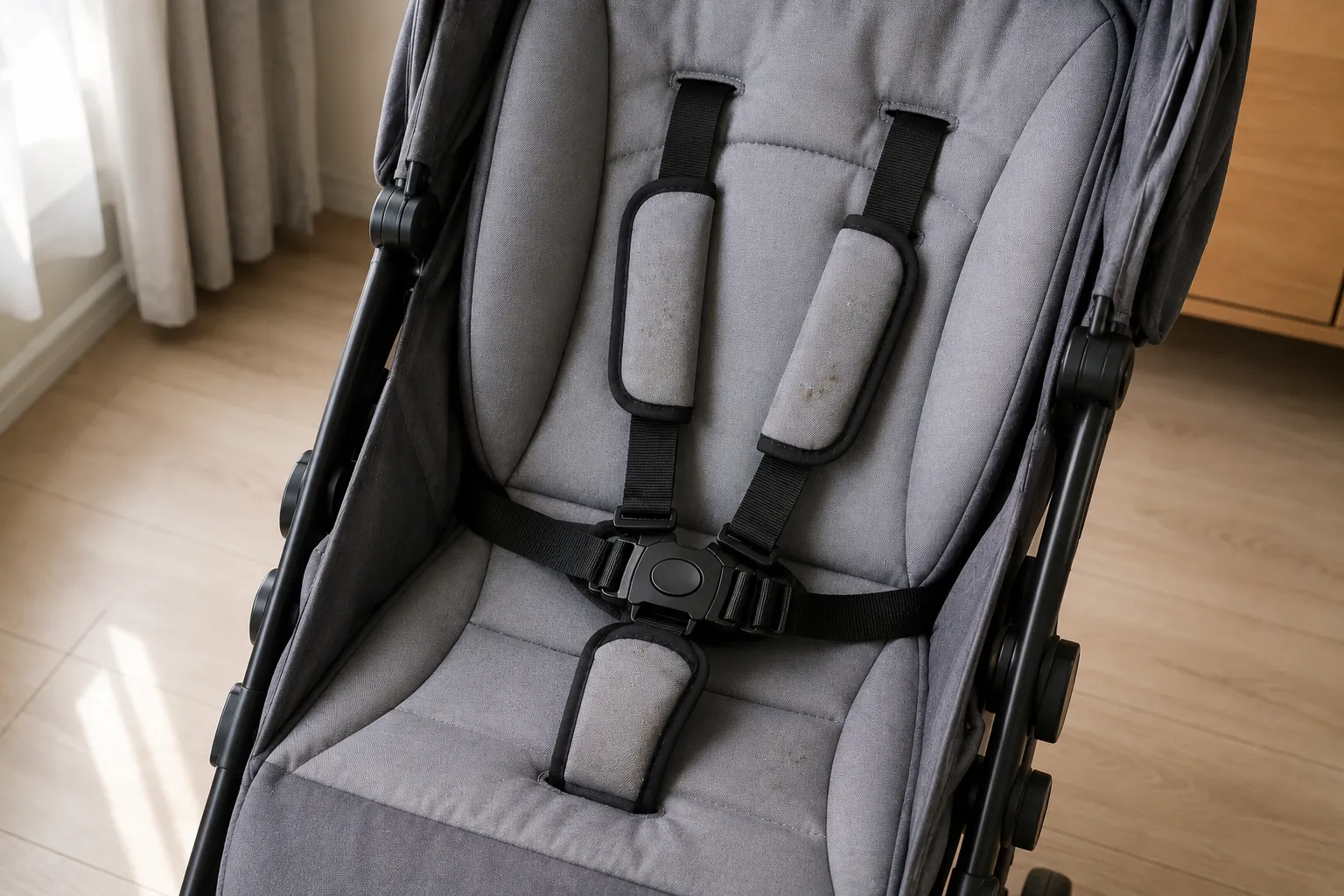
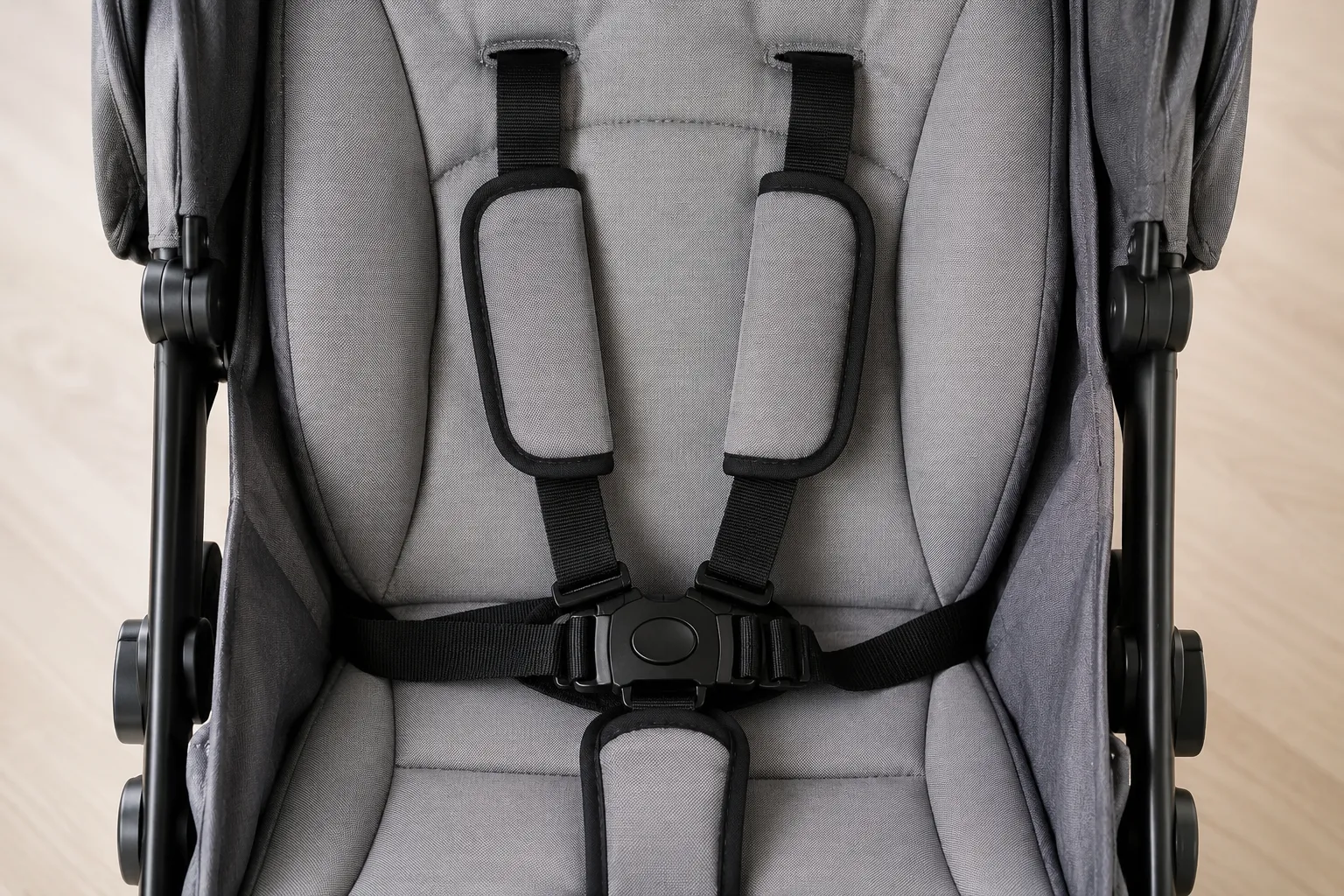
Request: Remove dirt and sand from seat and wheels.
Done: Vacuumed and cleaned the seat, washed the wheels.
Cost: 12 000 ₸
Master: Aliya Bekzhanova, dry cleaning master
Total: Stroller clean, wheels free of caked-on dirt.
 After
After
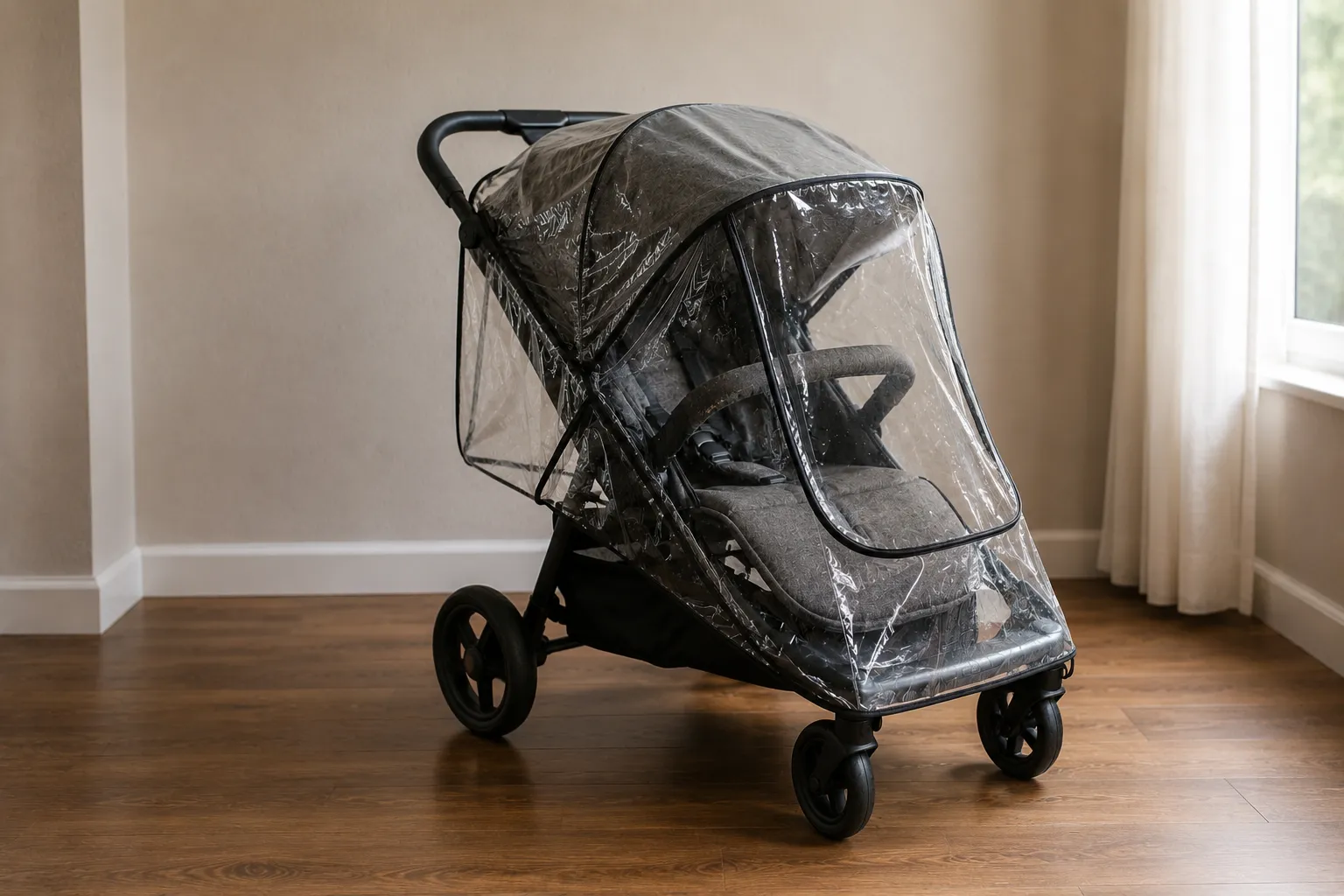
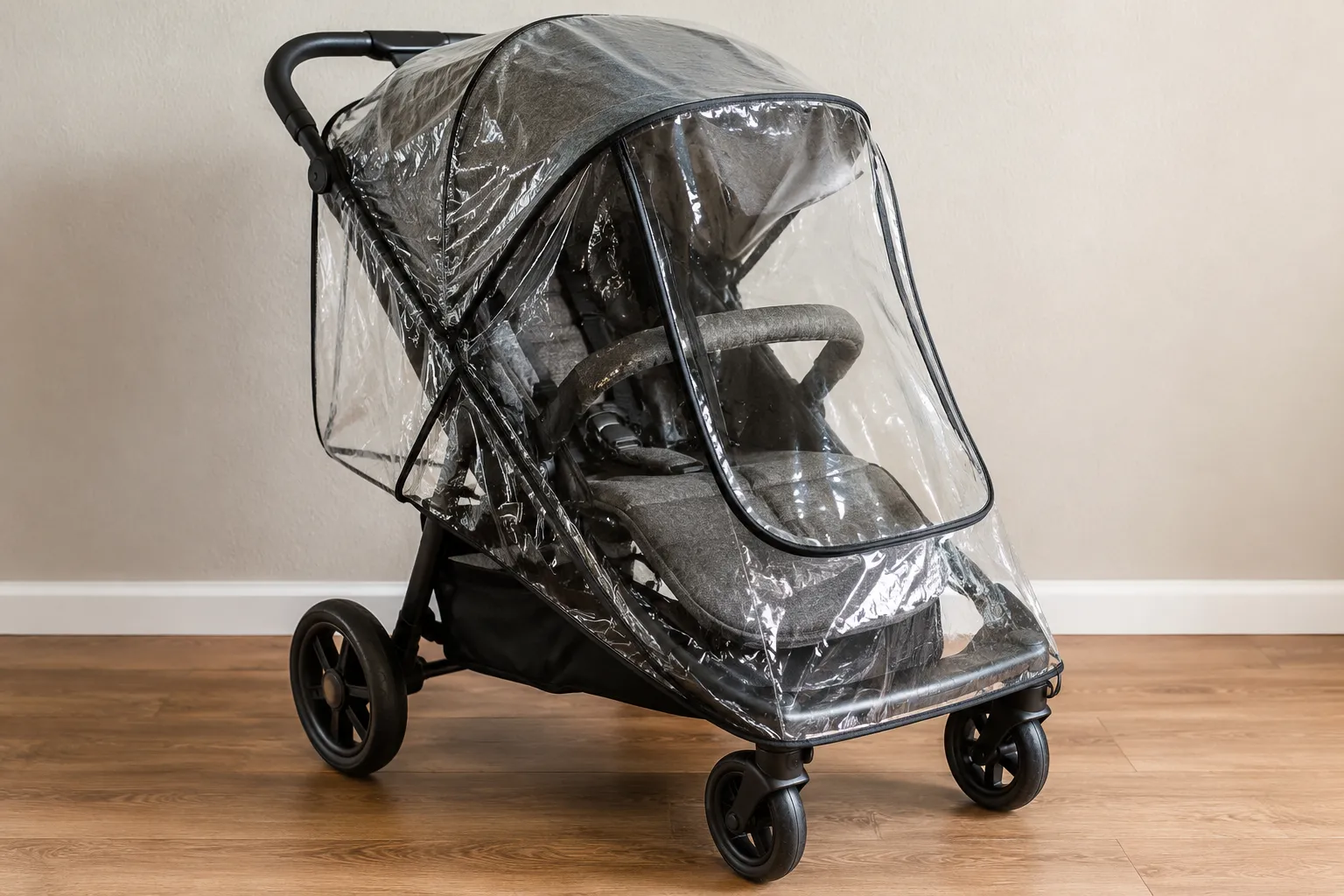
Request: Refresh the appearance and remove rain stains.
Done: Treated the fabric with a water-repellent compound and cleaned it.
Cost: 14 000 ₸
Master: Yerlan Tleubayev, dry cleaning master
Total: The stroller looks like new, without streaks.
 After
After
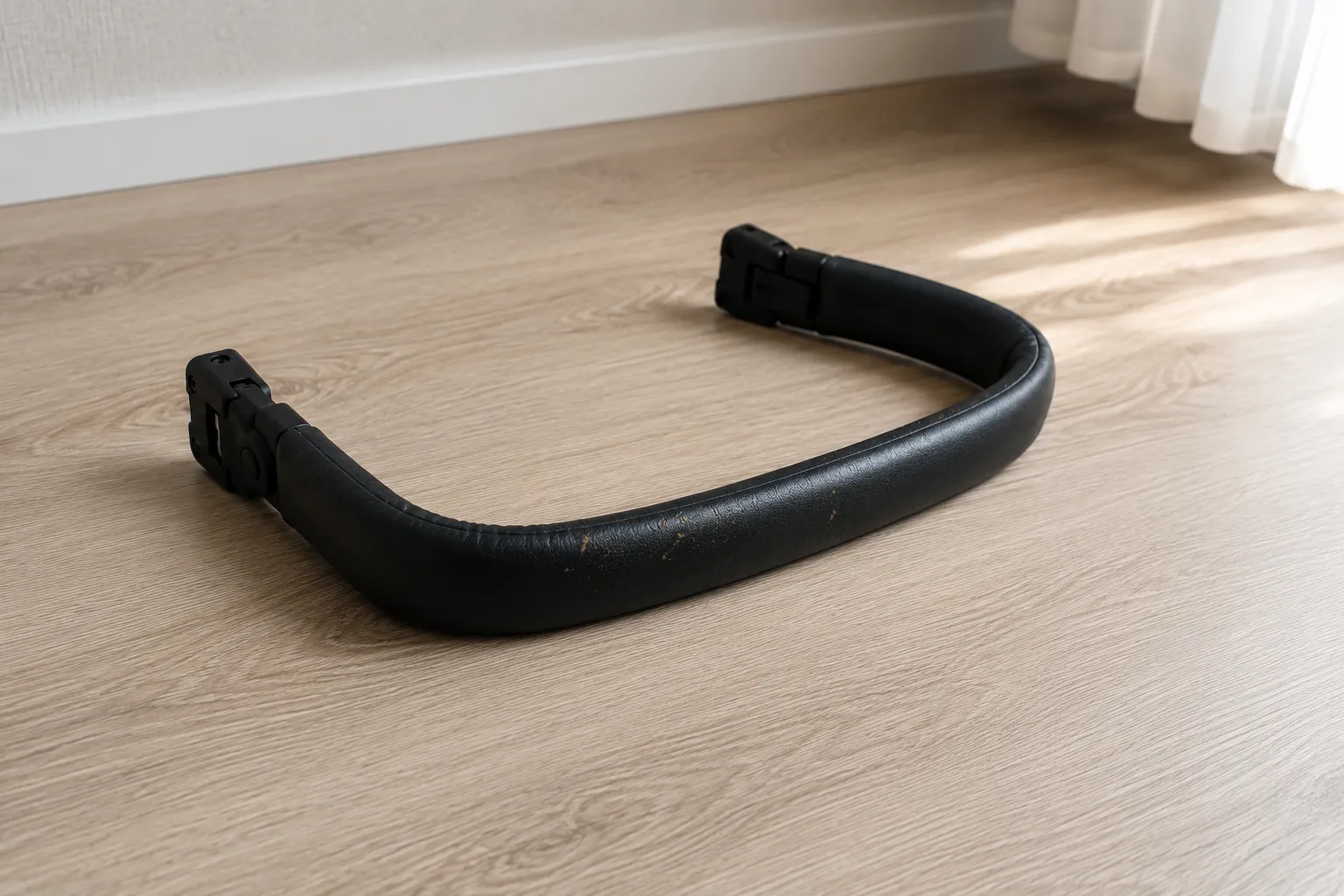
Request: Remove juice stains and crumbs from the car seat.
Done: Cleaned the seat and straps with an extractor and stain remover.
Cost: 3 500 ₸
Master: Gulmira Sadykova, dry cleaning master
Total: Car seat is clean, without stains or odors.
 After
After
Request: Clean wheels from caked-on mud and dust.
Done: Washed the wheels with a brush and degreaser, then dried.
Cost: 14 000 ₸
Master: Ruslan Kaliyev, dry cleaning master
Total: Wheels are clean, without dirt or oil marks.
 After
After
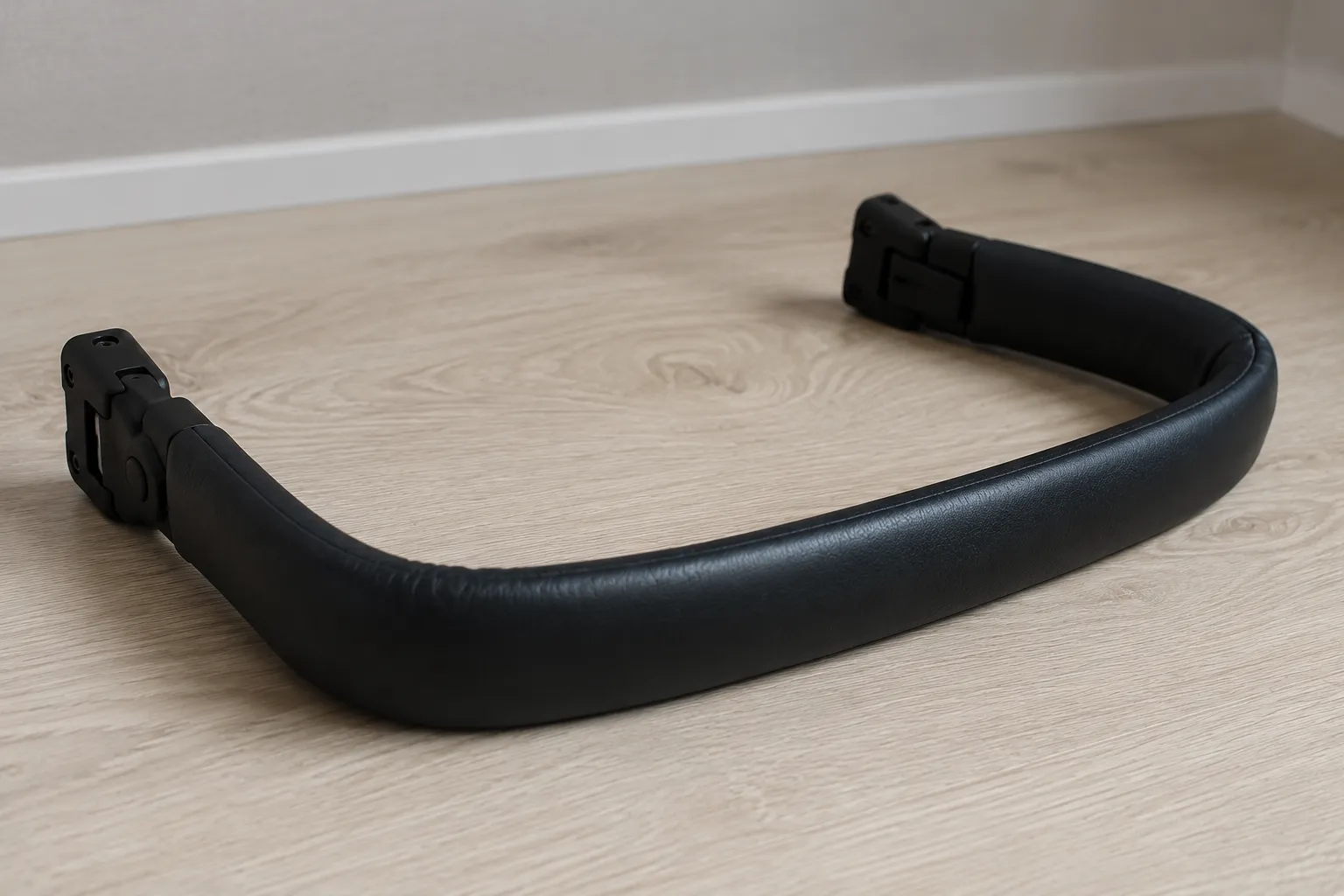
Request: Remove dust and sticky residue from the metal frame.
Done: Wiped the frame with a special product and polished it.
Cost: 14 000 ₸
Master: Aizhan Muratova, dry cleaning master
Total: Frame shines, free of dust and stickiness.
 After
After
Request: Remove set-in stains from porridge and juice.
Done: Applied enzymatic stain remover and deep extraction.
Cost: 13 000 ₸
Master: Samat Yermekov, dry cleaning master
Total: Stains completely removed, stroller is fresh.
All cleaners are profi-clean staff with training, uniform and security check. Each order has a team leader who controls quality.
Choosing safe chemicals is the main concern for parents sending their stroller for dry cleaning. We only use formulations certified for contact with children: professional water-based concentrates from Kiehl and Sodasan, free of chlorine, phosphates, and harsh solvents. They leave no toxic residue on fabric or plastic and are completely rinsed out with water during the final extraction.
Regular stain removers and laundry detergents with enzymes and optical brighteners leave micro-residues on textiles — the child breathes in these particles in the confined space of the bassinet. In our practice, there was a case: a client tried to remove juice stains with Vanish stain remover — after drying, white streaks remained on the canopy, which had to be washed off with a professional extractor. Professional Kiehl products, on the other hand, break down into water and carbon dioxide within 24 hours after treatment, as confirmed by Oeko-Tex certificates. In the Almaty market, we have encountered strollers ruined by chlorine bleaches — after such treatment, the fabric loses its water-repellent coating and starts to get wet in the rain.
| Product Type | Base | Residue on Fabric | Suitable for Baby Strollers |
|---|---|---|---|
| Water-based (Kiehl, Sodasan) | Aqua-concentrate, plant-derived surfactants | Zero after rinsing | Yes, Oeko-Tex certified |
| Solvent-based (perchloroethylene, hydrocarbons) | Chemical solvent | Up to 5% residual | No — toxic when inhaled |
| Alcohol-based (household sprays) | Isopropyl alcohol, fragrances | Dries as a film | No — allergen and irritant |
In Almaty, we have encountered strollers that were cleaned “at home” with silicone-based furniture sprays — after such treatment, the fabric stops breathing, the child sweats, and the frame rusts under the film. profi-clean’s water-based formulations are completely rinsed out, and after drying, the stroller remains hypoallergenic — this is important for families with asthmatics and allergy sufferers, who are becoming more numerous in the densely built-up city.
Stroller fabrics fall into three groups, each requiring a specific acid-alkaline balance. Oxford-1000 and polyester are cleaned with Kiehl MCB alkaline concentrate (pH 10–11) — it breaks down street grime, wheel oils, and bird droppings without damaging the water-repellent coating. Cotton liners and fleece covers require neutral Sodasan Sensitive (pH 7) — it does not strip dyes from colored textiles, which is critical for branded strollers with bright prints. Eco-leather and vinyl are treated with a mildly alkaline Kiehl Leder-Reiniger solution with glycerin — it removes greasy fingerprints and cream residue without drying out the material. Using an acid on alkaline textiles leads to fading — we check the manufacturer’s label before starting because the impregnation compositions differ between Bugaboo and Joie.
The regularity of professional cleaning directly affects the hygiene and lifespan of the stroller, but there is no single schedule — the frequency depends on the season, intensity of use, and the child’s age.
With daily walks in Almaty — dusty sidewalks, poplar fluff in spring, and autumn slush — we recommend dry cleaning the stroller every 2–3 months. During this period, not only visible dirt accumulates in the fabric, but also dust mites, mold spores due to humidity fluctuations, and residues of street chemicals. In our experience, clients who bring their stroller in quarterly require 20–30% less time for deep cleaning than those who wait six months — ingrained dirt is harder to remove and requires repeated passes. If the child has started sitting and pulling the fabric into their mouth, it is better to shorten the interval to 1.5 months — especially during the off-season when it is damp outside and the heating is on indoors.
Before storing a stroller for winter or preparing it for sale, one unscheduled deep cleaning is mandatory — even if it looks clean visually. We had a case in our workshop: a client brought in a stroller after summer, saw no stains, but under the hood we found traces of spilled juice and leftover sand — over winter, they would have set in permanently. The same applies to strollers passed down to a younger child or sold: cleaning before storage prevents musty odors and yellowing on light fabrics caused by temperature fluctuations in a closet or on a balcony. For rain covers and corduroy inserts, we use hypoallergenic Sodasan shampoo — it leaves no streaks and preserves the water-repellent coating.
If aggressive liquids — berry juice, milk, oil, or urine — get on the stroller, don’t wait for the scheduled cleaning. Such stains oxidize within 24–48 hours, and after a week, their removal will require harsher chemicals or even fabric replacement. At profi-clean, we offer an express service for such cases within 60 minutes: a cleaner arrives with a portable extractor and treats the stain on-site without removing the upholstery. This is cheaper and faster than later sending the stroller for a full deep clean because of one embedded mark. On dark fabrics (black, dark blue), oxidation is less visible, but the odor remains — it gets masked, not removed, so it’s best not to delay the call.
| Usage scenario | Recommended frequency | Reason |
|---|---|---|
| Daily city walks (asphalt, dust, exhaust fumes) | Every 2–3 months | Accumulation of street dirt and dust mites in the padding |
| Child under 6 months (often lying down, touching fabric) | Every 1–1.5 months | Contact with face and hands, risk of dust allergy |
| Seasonal storage (winter / summer) | Once before storage | Prevention of set-in stains and mustiness |
| After contact with aggressive liquids | Immediately, within 48 hours | Oxidation of pigments and risk of irreversible marks |
| Preparation for sale or handover | Once before handover | Presentable appearance and absence of odors |
If your child has been diagnosed with a dust allergy or atopic dermatitis, the stroller cleaning schedule should be adjusted to once every 4–5 weeks — that’s how long it takes for a critical mass of allergens to accumulate in the fabrics. Between professional cleanings, we recommend treating the seat and bumper with a steam generator at 110 °C once a week: this kills mites and spores without chemicals. In our orders for this service, parents report that their child’s skin stops itching after contact with the upholstery after just the first session.
Many parents, trying to save money, soak stroller covers in a basin with powder or wash them in a machine. But the construction of a modern stroller isn’t just fabric on a frame: it includes foam inserts, plastic elements, aluminum tubes, and dozens of seams. Regular washing often leads to the item losing its shape or starting to smell musty from the inside.
During machine washing, foam fillers (polyurethane foam, latex) absorb water like a sponge, but during spinning, they compress unevenly. After drying, the foam remains deformed — the stroller loses its shock absorption, and the backrest no longer locks into the desired position. Our cleaners often see strollers where, after home washing, the foam has clumped into lumps in the seat area. At profi-clean, we don’t wet the filler: we treat fabric parts with steam and foam followed by vacuum extraction, keeping the foam dry. Additionally, a washing machine doesn’t remove dirt from hard-to-reach places — folds, seams, hood attachments. The drum simply twists the fabric, redistributing dirt rather than removing it. In practice, after machine washing, beige strollers often have gray streaks around the zippers — settled dust that the water didn’t wash away.
Textile strollers are made from blended fabrics with a water-repellent impregnation (PU coating, Teflon layer), and when submerged in water, this layer is destroyed. After getting wet, the impregnation peels off in “flakes,” especially on hoods and rain covers — they start letting moisture through at the first rain. Plastic elements (wheel rims, strap fasteners) become cloudy and lose their gloss under the influence of detergents and the spin cycle. And metal frame tubes, if water gets inside through unsealed joints, rust from the inside out within 2-3 weeks. In our dry cleaning, we use extraction cleaning: we apply a low-moisture foam, let it sit for 5-7 minutes, and remove the dirt along with the foam using a vacuum. Water does not come into contact with the impregnation and does not penetrate the frame joints. In our practice, there was a case: a stroller was left wet on the balcony after a downpour, and a month later, orange rust appeared inside at the handle connection point — the entire upper part had to be replaced. Regular washing gives the same effect, only faster.
Soaking in a bathtub or basin is the crudest method: dirt soaks and partially transfers into the water, but grease stains (formula milk, saliva, food residue) do not dissolve without an alkaline agent. Water only spreads the grease across the fabric, making the stains larger. During steam treatment at profi-clean, we supply steam at a temperature of 120-130°C under pressure — it softens greasy dirt in 3-5 seconds, after which the cleaner removes it with a microfiber cloth containing an absorbent compound. Steam additionally disinfects the fabric without chemicals — this is important for children under one year old who tend to put the hood in their mouths. Soaking, on the other hand, requires subsequent drying for 12-24 hours, and if the stroller dries indoors without air circulation, mold develops inside the foam padding. Its smell does not dissipate, and the child breathes in the spores. To avoid this, after any wet treatment, dry the stroller in a draft for 48 hours, not on a radiator — heat causes the foam to delaminate.
Even with regular care, stains appear on the stroller that ordinary water or baby shampoo cannot handle. We’ve broken down three categories of the most stubborn dirt — the ones we encounter most often in Almaty.
Oil penetrates the fabric structure instantly and oxidizes and turns yellow in the sun. Our practice shows: traces of baby cream, vegetable oil, or formula milk on the textile are among the most common reasons for service calls. Unlike water-soluble dirt, grease is not washed out by gentle foam — it requires an emulsifier that breaks down lipids at the molecular level. At profi-clean, for such cases, we use a pre-spotter with enzymes from Kiehl — it works at low temperatures without damaging the water-repellent impregnation. If the grease stain is old and has already turned yellow, it is treated in two passes with intermediate drying — otherwise, a “halo” remains.
A mixture of road dust, de-icing agents, and moisture from Almaty streets eats into the plastic and frame fabric. After rain or slush, bitumen marks remain on the wheels, and the undercarriage gets a coating of sand and oils that cannot be washed off with a regular sponge. In our practice, there was a case where a stroller was brought in after winter with black streaks on the wheel base — we used an alkaline degreaser with a pH of 11 and subsequent neutralization, otherwise the plastic becomes cloudy. The worst is when dirt gets clogged into hard-to-reach frame joints — there it dries to a cement-like consistency and requires mechanical cleaning with a stiff-bristled brush.
The folding mechanism and foam padding are risk areas if the stroller is stored while damp. Mold spores germinate within the foam thickness in 48–72 hours, and on the outside, you only see a dark spot, while inside there is mycelium. Regular foam dry cleaning does not destroy the mycelium — a fungicidal compound applied by pressure spraying is needed. For this, we have a Sodasan concentrate with grapefruit extract: it is safe for the child but kills spores even in porous fillers. Before treatment, we always test on an inconspicuous area — some types of foam react to moisture by shrinking and losing their shape.
After your stroller returns from our dry cleaning, it looks like it just came out of a store window. But to make the results last longer than a couple of weeks, it needs proper care. We’ve broken down several typical parental mistakes and compiled specific rules—from drying to winter storage.
Our cleaners extract water from the textiles using a professional extractor, but moisture remains in the padding and foam. Complete drying takes 8–12 hours indoors, and this is the most critical stage. It is forbidden to place a damp stroller on a balcony in direct sunlight—ultraviolet light burns the fabric color in just a few hours, especially on models with canvas or polyester. Do not use a heater or hairdryer: directed hot air deforms the foam in the headrest and bumper—once it shrinks, it does not recover. The optimal method is to place the stroller in an unfolded state in a dry, well-ventilated room, remove all textile elements (insert, leg cover) and lay them out separately on a mesh drying rack. If the humidity in your apartment is above 65%, turn on a dehumidifier or air conditioner in dehumidification mode—this will reduce drying time to 6 hours and prevent musty odors. In our practice, there was a case where a client left her stroller to dry in the bathroom after dry cleaning—after two days, mold appeared on the seams of the canopy, and it had to be cleaned again. Before folding the stroller for storage, be sure to check the fabric in the folds and pockets—if it feels cool to the touch, moisture is still present; continue drying for another 2–3 hours.
Immediately after dry cleaning, the fabric contains residual moisture and microparticles of the cleaning solution, even after thorough rinsing on the extractor. We recommend waiting at least 24 hours before the first time a child sits in it. During this time, any remaining water in the lining and hood padding fully evaporates, and the fabric’s pH returns to neutral. If you put the baby in earlier, the damp environment under their bottom creates a greenhouse effect—the risk of diaper rash increases, especially in summer at 30 °C. Additionally, bacteria multiply more actively on damp textiles if the stroller has been kept in a warm place. After final drying, our cleaners treat the inside of the canopy with an antibacterial spray based on nanosilver—it works for 48 hours, but only on a dry surface. In practice, we’ve noticed that if a family waits 36 hours instead of 24, the fabric gets less dirty in the first week—static electricity dissipates, and dust is not attracted to the fibers.
Clean fabric without a protective coating absorbs dirt like a sponge—the first rain leaves streaks, and juice soaks into the fibers in seconds. We apply a water-based hydrophobic coating, Kiehl NanoProtect, to the textiles—it lasts 6–8 weeks with active use. It is a colorless polymer that envelops each fiber and creates a “lotus effect”: liquid beads up and rolls off without being absorbed. The coating is safe for children—certified OEKO-TEX Standard 100, fluoride and PFOA-free. After application, the stroller must not get wet for 12 hours to allow the film to set. Household sprays from hardware stores often contain silicone and acetone—they clog the fabric’s pores, disrupt air exchange, and cause the stroller to “sweat” from the inside. If you notice that water has stopped beading on the canopy (usually after 2 months), bring the stroller to us for re-treatment—it’s free within 3 months of the dry cleaning. During Almaty’s dusty spring, the coating wears out 2 weeks faster than in autumn—sand particles act as an abrasive, wearing away the polymer layer when rubbing against curbs.
Even if you use your stroller daily, proper storage doubles the freshness of dry cleaning. Never leave the stroller folded in the car trunk — in a confined space at 40 °C in summer, the fabric releases residual moisture, and within 3–4 hours a musty smell appears that won’t dissipate for weeks. At home, keep the stroller unfolded in a dry corner, away from radiators (closer than 50 cm risks drying out the foam and causing cracks in the plastic). If the stroller is on the balcony, cover it with a breathable teak cover — a plastic bag creates a greenhouse effect and condensation on the fabric. Humidity on a glazed balcony in Almaty in March-April reaches 70–80% due to snowmelt — in such conditions, gray spots of microscopic mold appear on the fabric within a month, especially on the inside of the canopy. We recommend airing the stroller outdoors in the shade for 2–3 hours once a month — this removes accumulated kitchen odors and exhaust fumes that settle on the fabric even indoors.
The most common mistake is trying to wipe a fresh stain with a damp cloth. After dry cleaning, a protective impregnation works on the fabric, and any mechanical rubbing with water removes it locally — after 3–4 such wipes, a “bald” spot without impregnation forms at the stain site, where dirt instantly embeds. The correct algorithm: blot the stain with a dry microfiber cloth (do not rub!), let it dry, then blow off the residue with a vacuum cleaner using a soft brush. The second mistake is washing removable covers in an automatic washing machine. Even on a delicate cycle, the drum knocks out the protective impregnation, and after drying, the fabric shrinks by 3–5% — the cover no longer stretches over the frame. The third is using fabric softener when hand-washing the insert: it clogs the pores of the membrane fabric, and the stroller stops “breathing,” causing the child to sweat. In our practice, there was a case: a client decided to “freshen up” the canopy with baby shampoo after dry cleaning — a week later, yellow streaks from residual surfactants appeared in the sun, which we could not remove without a repeat full cleaning.
Almaty dust, poplar fluff, and windblown sand are not the only enemies of a baby stroller. Parents, trying to save money, often wash the stroller at home, unaware that they are doing more harm than good. Let’s figure out why trusting dry cleaning to professionals is the only right solution for the child’s safety and the stroller’s preservation.
A washing machine or hand soaking will guaranteed damage the aluminum frame and wheel bearings. Water penetrates the joints of tubular elements, triggering corrosion — after two or three home washing cycles, white oxides appear on the metal, followed by rust. The folding mechanism jams due to plastic bushings swollen from moisture, and the stroller no longer locks in the unfolded position. We had a case where, after washing in a bathtub, the front axle wheels started wobbling — water washed away the factory grease from the ball bearings, and they began to squeak within a week. Professional stroller dry cleaning at profi-clean uses water extractors with controlled vacuum moisture removal — the residual fabric moisture does not exceed 5%, and the frame has no contact with water at all. Before ordering dry cleaning, make sure the service provider guarantees dry treatment of the frame and wheels — otherwise, in six months, the mechanisms will need replacing, which is a third of the cost of a new stroller.
Almaty smog and road dust contain oily fractions from exhaust fumes and bitumen particles from asphalt — regular laundry detergent does not break them down, but only smears them into the fabric. On microfiber and nylon inserts, streaks remain that turn into yellow stains under sunlight — these are oxidized fats embedded in the fiber structure. The professional products we use work on the principle of selective emulsification: one formula (Kiehl) breaks down protein-based soiling (milk, saliva), another (Sodasan) — oily and bitumen-based. After application and mechanical agitation with a brush, the soiling turns into an emulsion and is removed by an extractor along with water. Parents often rub a fresh stain with a wet wipe — this pushes particles deeper into the lining, and later they can only be removed with a special product with a pH balance of 8-9. If streaks remain on the stroller hood after home cleaning — do not rub them again, order a stroller dry cleaning from a professional with a steam generator: steam at 140°C opens the fabric pores, and the emulsifier brings the soiling to the surface without friction.
Spring-summer fluff from poplars and acacias is a powerful allergen that accumulates in the folds of the hood and seat lining of the stroller. Ragweed and wormwood pollen, carried by the wind from the foothills, settles on fabrics and rises into the air with every movement of the child — the concentration of allergens in the infant’s breathing zone is 3-5 times higher than at an adult’s level. A regular bag vacuum cleaner lets through microparticles as small as 0.3 microns — these are exactly what the child inhales. profi-clean uses vacuum cleaners with HEPA H13 filters, which trap 99.97% of particles, including pollen and mold spores. Additionally, after dry cleaning, we apply a water-based antistatic agent — it reduces fabric electrification, and dust stops being attracted to the stroller for 3-4 weeks. For families where a child has been diagnosed with allergies, we recommend dry cleaning the stroller at least once every two months, rather than seasonally — this keeps the concentration of triggers in the child’s sleep area safe.
Manufacturer instructions (Bugaboo, Cybex, TFK) warn: removing the fabric unit without special tools disrupts the geometry of the attachment locks. The plastic clips securing the frame and fabric are designed for 5-6 assembly-disassembly cycles — after the third time, they crack, and the stroller starts to wobble over bumps. In our practice, there was a case where a father unscrewed the wheels to wash them in the bathtub and damaged the axle thread — the wheel stopped locking, and the stroller folded when turning. We disassemble the stroller professionally: we only unscrew the screws specified in the manufacturer’s technical card, label each part, and treat the wheels using a dry method — blow them out with compressed air and lubricate with silicone grease without removing them from the axle. If you have already broken a clip while trying to remove the fabric, do not try to fix it with superglue — order a dry cleaning with a technician’s visit, who will bring a factory clip and replace it in 10 minutes.
Using aggressive chemicals (acetone, gasoline, chlorine-based stain removers) destroys the fabric’s water-repellent coating — the stroller stops repelling moisture, and after the first rain, the seat soaks through. Even more dangerous are solvent residues that remain in the fabric for up to 72 hours: acetone fumes cause nausea and dizziness in infants, while chlorine irritates the mucous membranes of the eyes and respiratory tract. At profi-clean, we use exclusively hypoallergenic Kiehl and Sodasan chemicals — they are biodegradable, odorless after drying, and safe for contact with a newborn’s skin. After treatment, we always apply a new water-repellent coating — its layer restores fabric protection for 6-8 months, and water droplets roll off the hood without being absorbed. It’s easy to check if chemical residues have been rinsed off: press a white napkin against the fabric — if a colored or oily mark remains, the stroller cannot be used for a child and needs a repeat rinse with clean water under pressure.
I ordered dry cleaning for the stroller after winter. They restored it to perfect condition, even juice stains were gone.
Thank you, Aigerim! We're glad the stroller is like new again.
We had the stroller dry cleaned before selling. The result exceeded expectations, the buyer was delighted.
The stroller became clean, but there was a slight dust smell. Overall good.
Daniyar, thank you for your feedback! We'll try to address the smell issue next time.
Dry cleaning of the 2-in-1 stroller was done excellently. Grass stains were removed, fabric is fresh.
After dry cleaning, the stroller looks like it's from the store. I recommend it.
Yerlan, thank you! We'll be glad to see you again.
We gave a very dirty twin stroller for dry cleaning. It came back clean, without streaks.
The cleaning quality is excellent, but it was a bit delayed. The service itself is super.
Kuanysh, we apologize for the delay. We're glad you liked the quality.
I gave my three-wheel stroller for dry cleaning. Juice and dirt stains disappeared, the fabric is fluffy.
The travel system stroller is like new after cleaning. Even the liner came clean.
Timur, thank you for your trust! Contact us.
I ordered dry cleaning separately for the stroller bassinet. Milk stains removed, no chemical smell.
Not all stains were removed, dirt remained on the wheels. I expected more.
Alexey, we are sorry. We usually clean the wheels too. We apologize and will fix it next time.
First time getting a stroller dry cleaned, I was very worried, but the result is excellent. No apple stain left.
The stroller seat unit became snow-white, although it was gray from dirt. Thank you!
Ainur, glad to help! Contact us again.
The stroller with canopy cleaning was done well, but the canopy shrank a bit. Otherwise, everything is fine.
Bakhyt, thank you for your feedback. We'll try to be more careful with canopies.
The stroller became light and clean, I can't even believe it's the same one.
My daughter got the doll stroller dirty with plasticine. We ordered a stroller cleaning — everything was cleaned, the doll can play again.
Nurlan, funny case! Glad we could help.
The buggy after rain and mud became clean and fresh. Very satisfied.
The stroller with rain cover cleaning was done at 4, the rain cover was not cleaned perfectly. The main part is excellent.
Ruslan, we'll take note of the comment about the rain cover. Thank you!
We gave the pram in terrible condition, got it back clean and smelling fresh.
The pushchair was cleaned for the second time. Stroller cleaning is top-notch, all stains are removed.
Arman, thank you for your loyalty! You're always welcome.
The umbrella stroller folded easier after cleaning, became clean. Super.
We had a stroller cleaning for twins. Both seats are perfectly clean, porridge stains removed.
Yerzhan, glad we handled the porridge! :)
Stroller is clean, but the car seat was not taken for cleaning, although we agreed. Had to do separately.
Anar, we apologize for the misunderstanding. Next time we will clarify the details.
Three-wheel stroller looks like new after dry cleaning. Even my husband noticed.
The travel system was cleaned of paint (the child was drawing). Didn't think it was possible, but they did it!
Kamila, we try our best! Thank you for the review.
Ordered dry cleaning of a doll stroller for my daughter. Small, but cleaned thoroughly.
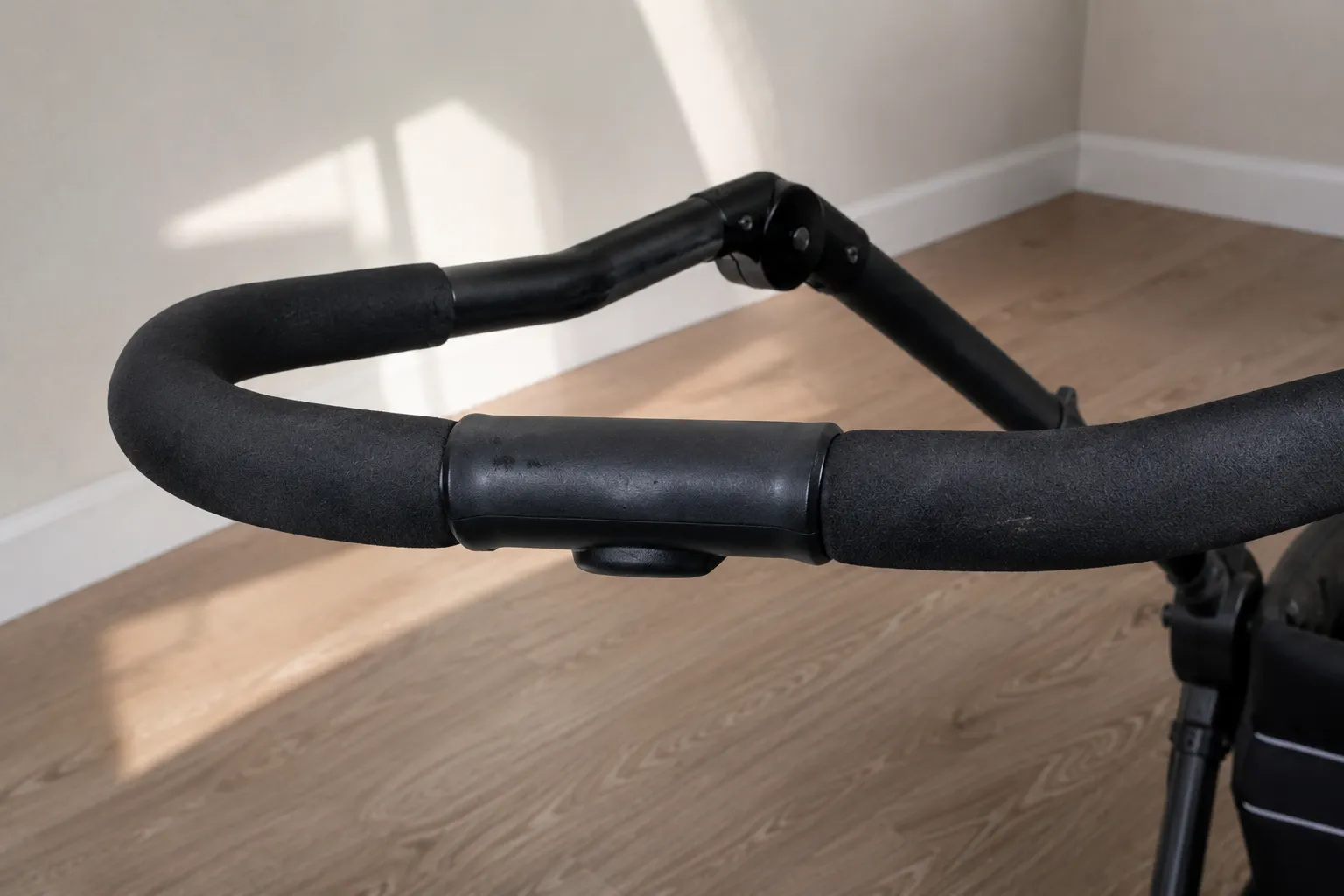
Stroller with bumper bar became clean, even the bumper was wiped clean of handprints. Thank you.
Gaukhar, glad you liked everything!
Dry cleaning of the sport stroller was done well, but there is a smell of cleaning solution. We aired it out.
Bekzat, thank you! We will try to use less fragrances.
The umbrella stroller folds easier after cleaning, the fabric is soft. Very satisfied.
Had the carrycot dry cleaned. Spit-up stains removed without a trace.
Maksat, thank you! Gentle cleaning for babies.
The stroller was returned in perfect condition. Even the wheels were cleaned.
Dry cleaning of a 2-in-1 stroller — excellent service. The carrycot and stroller seat look like new.
Yelena, thank you! Feel free to reach out.
Clean, but one seat belt still had stains. Overall, not bad.
Raushan, sorry for the oversight. Next time we'll check more thoroughly.
I dropped off an umbrella stroller for dry cleaning. It came back clean and neatly folded. Thanks!
The sun canopy was cleaned of juice stains. The stroller smells fresh. I'll recommend it.
Assem, thank you! Glad you liked it.
I ordered dry cleaning for a travel system stroller. All mechanisms work, fabric is clean and odorless.
My daughter's doll stroller looks like new. Marker stains disappeared. A miracle!
Gulmira, glad we helped the little princess!
The full cycle takes 2-4 hours, including drying. A mobile master can perform cleaning in 1-2 hours on site, but drying requires time. We recommend leaving the stroller for 4 hours for complete drying.
Yes, we visit homes throughout Almaty. For orders of 2 or more items, the visit is free; for one item, it's at an individual rate. The master brings all equipment and supplies.
Remove all removable covers and accessories (rain cover, mosquito net, toys). Take out personal belongings. If there are heavy stains, do not try to wipe them yourself — this may worsen the result.
Yes, we accept Kaspi Gold, Halyk Bank, as well as cash and transfers. Payment is made after the work is done.
Yes, when ordering dry cleaning for two strollers — 10% discount, for three — 15%. Also, free visit for orders of 2 or more items.
Prices vary by individual rate (doll stroller) at an individual rate (double stroller). The average price for a regular stroller is at an individual rate. The exact cost can be calculated using the calculator on the website.
We clean all types: bassinets, regular strollers, umbrella strollers, travel systems, jogging strollers, double strollers, book-style strollers, swivel-wheel strollers, as well as doll strollers and car seats.
Yes, we do. The cost of dry cleaning an umbrella stroller is at an individual rate. Special attention is paid to the folding mechanism and fabric inserts.
Yes, we guarantee removal of 95% of stains. If a stain is not removed, we will refund your money or redo it for free. The guarantee is valid for 3 days.
Our clients leave positive reviews on 2GIS and Google. The average rating is 4.9 out of 5. They note quality, speed, and safety for children.
Tell us about your experience with profi-clean — it helps other clients and us improve.
We currently operate in Almaty. Other cities are coming soon.