Inspection and fabric test
The master checks the fabric type and its compatibility with hydrocarbon solvent K2 or K4. The test is performed on an inconspicuous area.
Deep cleaning of upholstered furniture, carpets, and car interiors without water — removing oil and stubborn stains
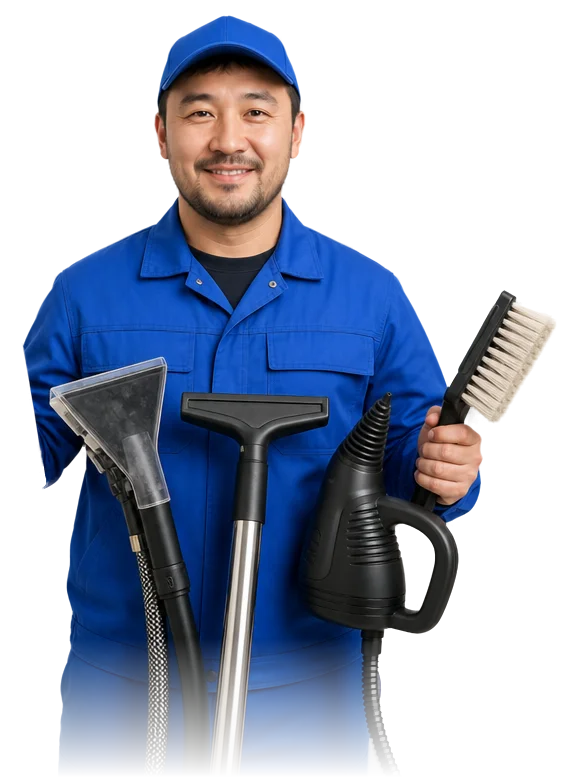
We work with any types and materials
Hydrocarbon cleaning removes oil stains and odors without fabric shrinkage.
from 11,000 ₸Treatment of all sections, including hard-to-reach joints.
from 18,000 ₸Cleaning of the transformation mechanism and upholstery without disassembly.
from 11,000 ₸Spot cleaning of armrests and seat from greasy marks.
from 3,500 ₸Removal of sweat and oil from headrest and seat.
from 3,500 ₸Gentle cleaning of wooden elements and upholstery.
from 3,500 ₸Deep removal of sweat, urine, and dust mites without moisture.
from 7,000 ₸Quick drying and vibrant colors after cleaning.
from 12,000 ₸Delicate cleaning without risk of shrinkage or fading.
from 12,000 ₸Cleaning of seat and backrest from food and drink stains.
from 1,500 ₸Compact cleaning with dust and dirt removal.
from 2,500 ₸Full cleaning of seats, headliner, and door cards without water.
from 12,000 ₸From inspection to result with guarantee
The master checks the fabric type and its compatibility with hydrocarbon solvent K2 or K4. The test is performed on an inconspicuous area.
A hydrocarbon stain remover K2 is applied to local stains to break down oil and grease. Left for 5-10 minutes.
Solvent K4 is evenly sprayed over the entire surface using a sprayer. It penetrates deep into the fibers.
A special soft-bristle brush works the solvent into the fabric, breaking down dirt. Circular motions.
The Karcher SE 5.100 extractor vacuums up the solvent with dissolved dirt. Dry method — no water.
A steam generator delivers dry steam to remove solvent residues and disinfect. Kills bacteria and mites.
Powerful fans blow air over the surface without heat. Preserves fabric shape, no shrinkage.
The master checks the cleaning quality and applies protective impregnation if needed. A warranty is provided.
K2 and K4 solvents from German manufacturer Kiehl effectively remove oil and grease stains, leaving no odor and causing no allergies. They are safe for children and pets, contain no harsh chemicals. No airing needed after cleaning — you can use immediately.
The Karcher SE 5.100 extractor with dry method removes solvent along with dirt, leaving no moisture. The Nilfisk HEPA vacuum captures 99.97% of dust particles and allergens, which is especially important for asthmatics. Equipment is certified and undergoes regular maintenance.
profi-clean is ISO 9001 certified, confirming standardized hydrocarbon cleaning processes. Each stage is controlled, only proven K2 and K4 solvents are used. Regular audits ensure consistently high quality.
Hydrocarbon cleaning does not use water, so furniture dries in 2-3 hours. That's 6 times faster than water cleaning. You can use your sofa or armchair the same evening after morning cleaning. No risk of mold or deformation.
A profi-clean master will come to your home or office in Almaty for free, assess the dirt, and select the optimal cleaning mode. The consultation includes a fabric compatibility test with K2/K4 solvent. Visits are daily, including weekends.
We guarantee removal of oil and stubborn stains, provided they are not non-removable (e.g., paint). If the stain remains after cleaning, we refund the full cost of the service. The guarantee is valid for 14 days.
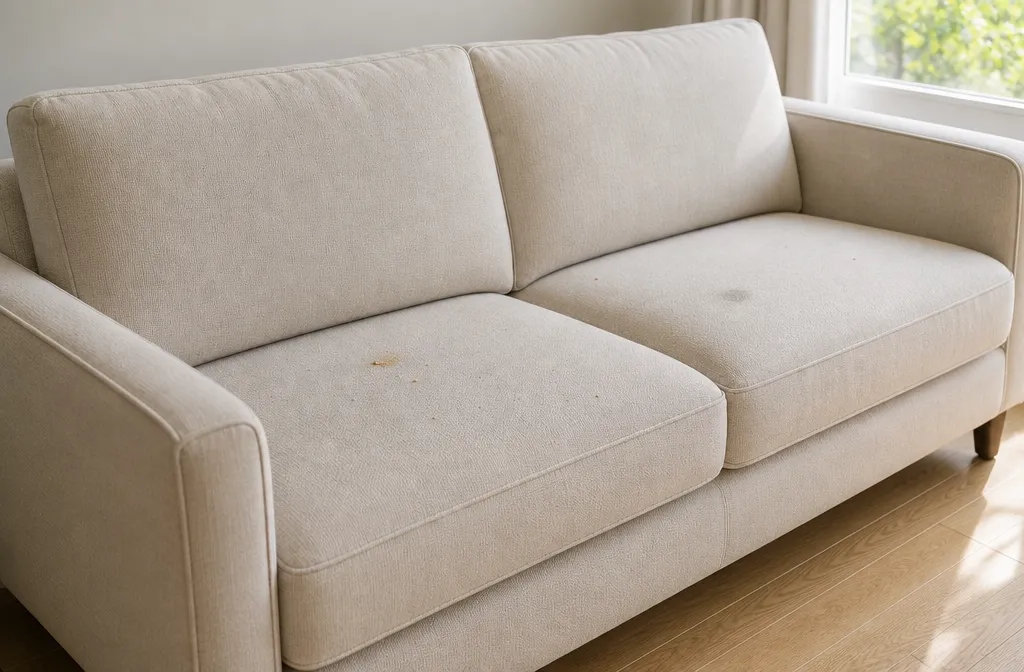
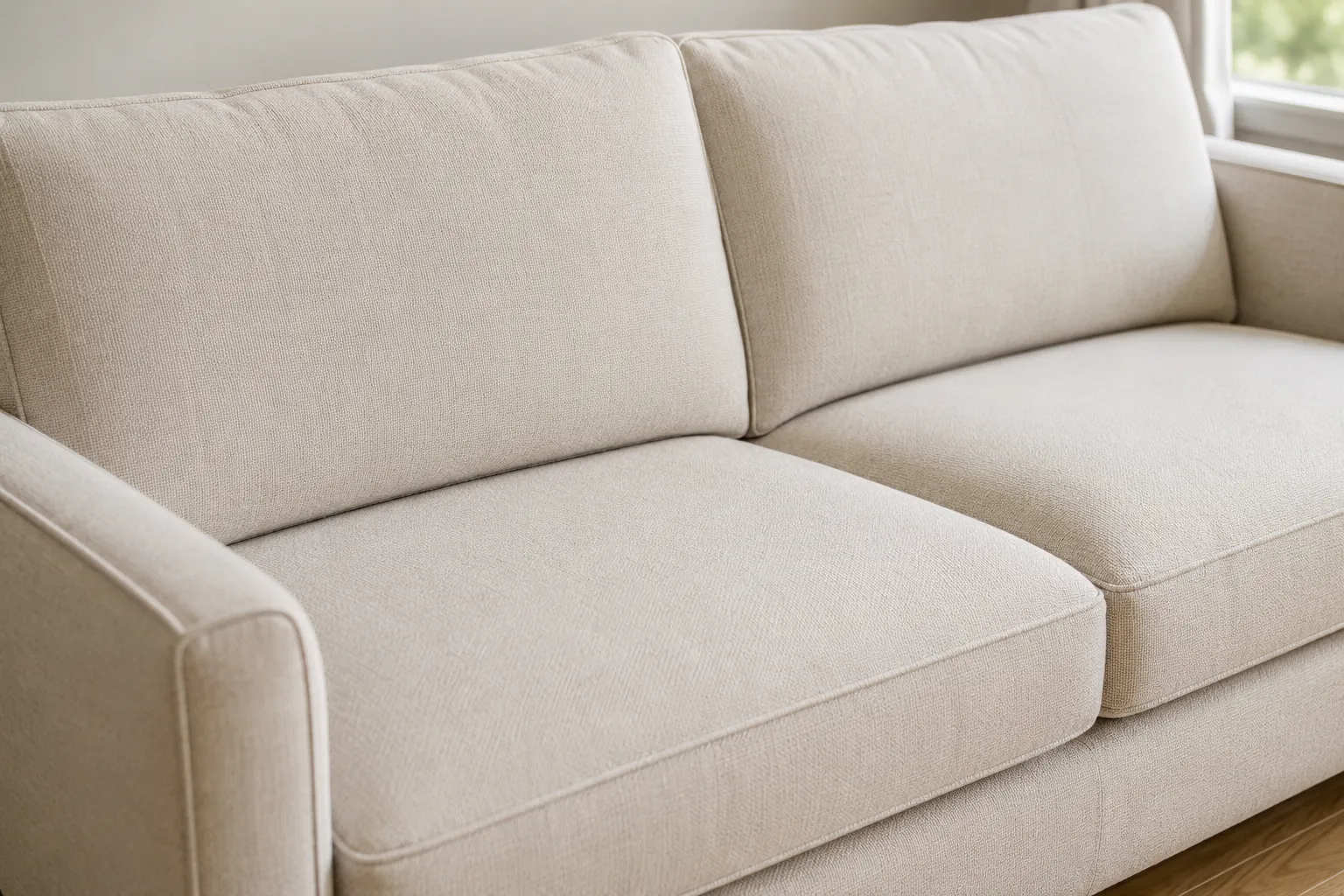 After
After
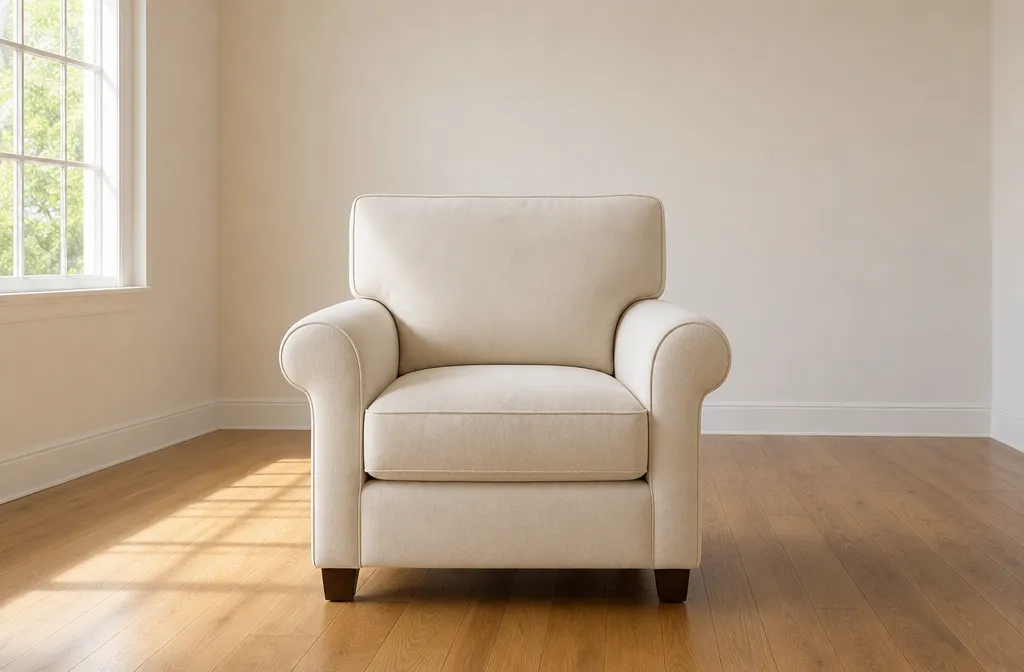
Request: Help remove a greasy stain from the sofa upholstery that appeared after dinner.
Done: Performed hydrocarbon cleaning of the sofa with preliminary removal of the oil stain using a special degreaser.
Cost: 11 000 ₸
Master: Aigul Sadykova, dry cleaning master
Total: Stain completely gone, upholstery restored, color and texture preserved.
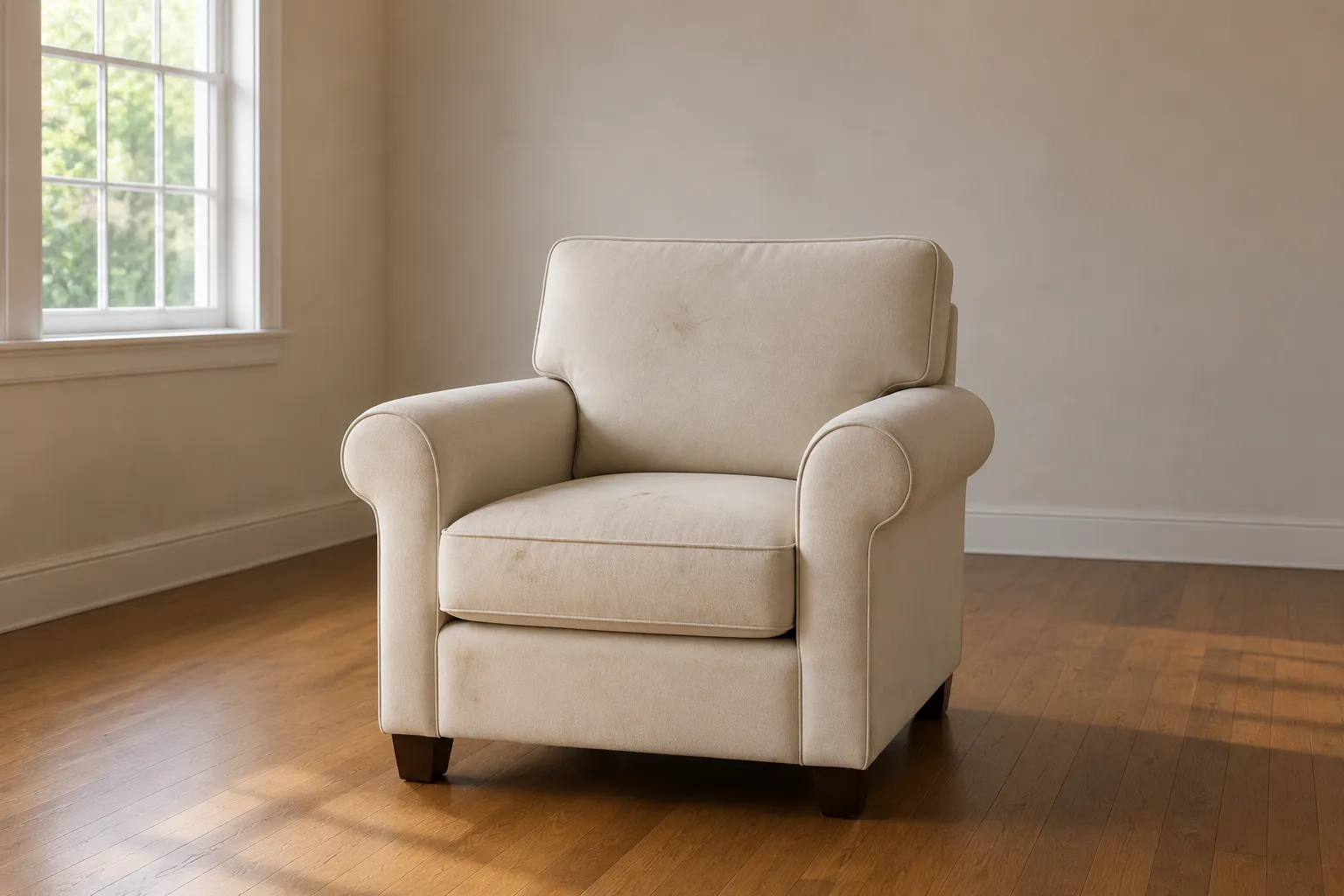
 After
After
Request: There is a greasy stain from hand cream on the armchair, need to remove it.
Done: Treated the armchair with a hydrocarbon compound with stain-removing effect, removed the grease.
Cost: 3 500 ₸
Master: Bakhytzhan Omarov, dry cleaning master
Total: Armchair completely clean, no traces of grease or streaks.
 After
After
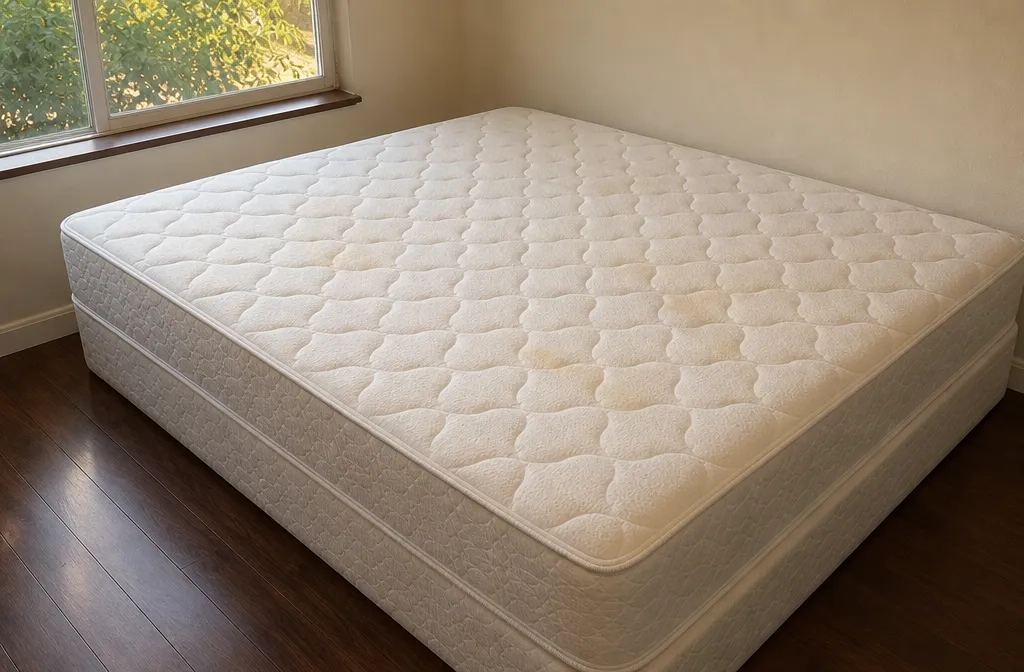
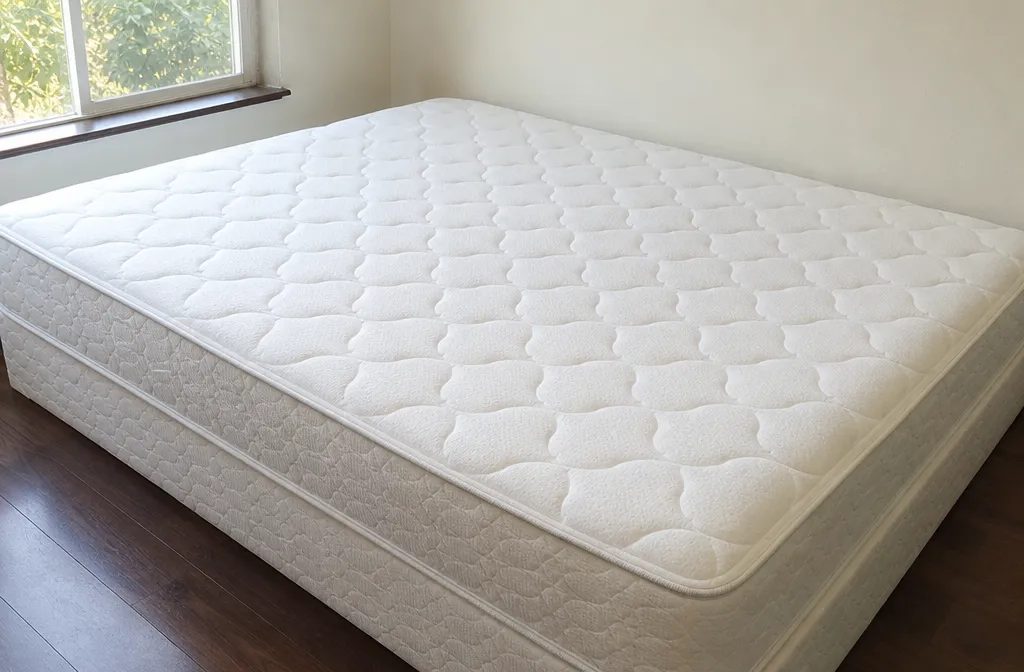
Request: Yellow sweat stains on the mattress, need deep cleaning.
Done: Performed hydrocarbon cleaning of the mattress using an enzymatic stain remover.
Cost: 7 000 ₸
Master: Dinara Nurgaliyeva, dry cleaning master
Total: Sweat stains completely removed, mattress fresh and clean.
 After
After
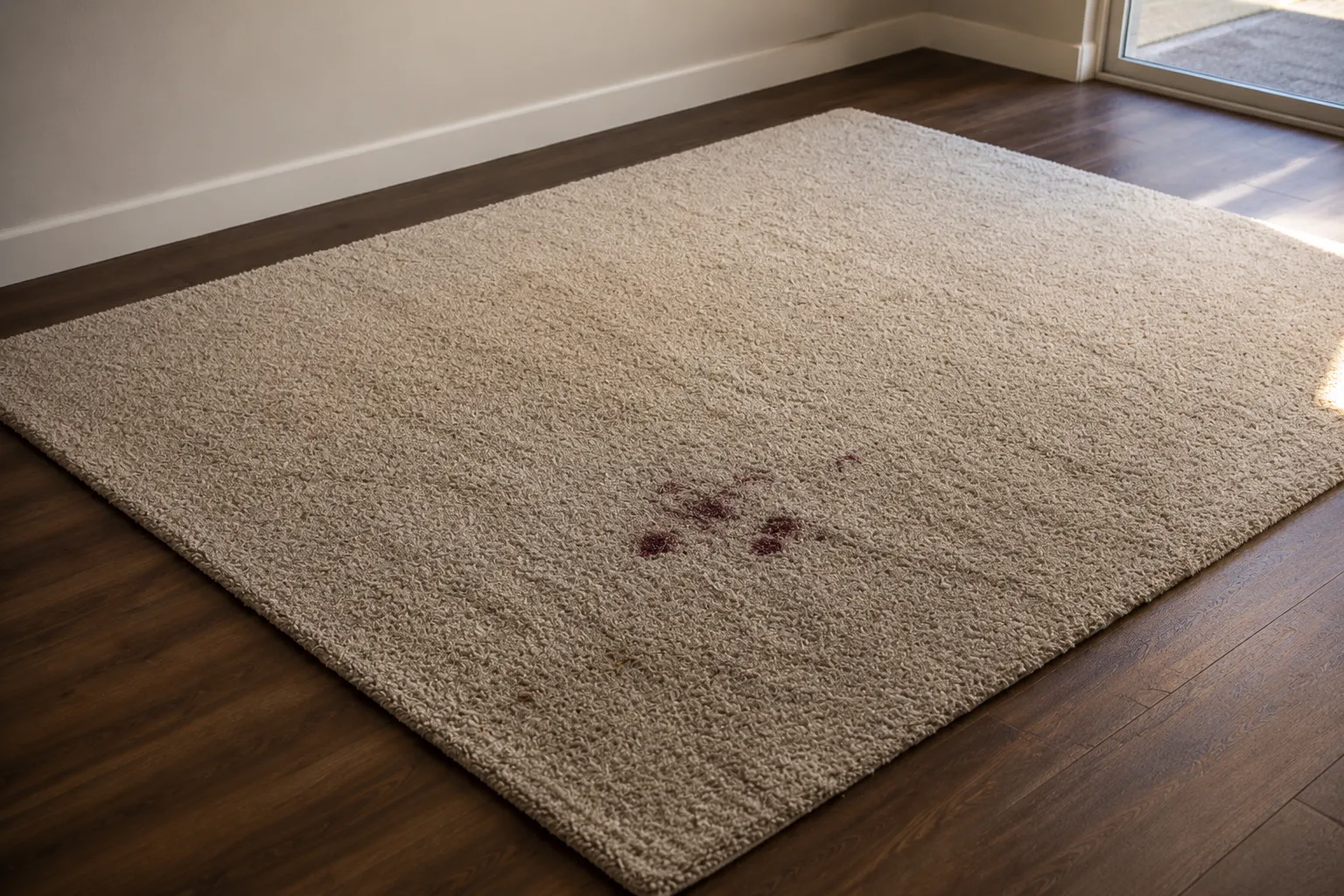
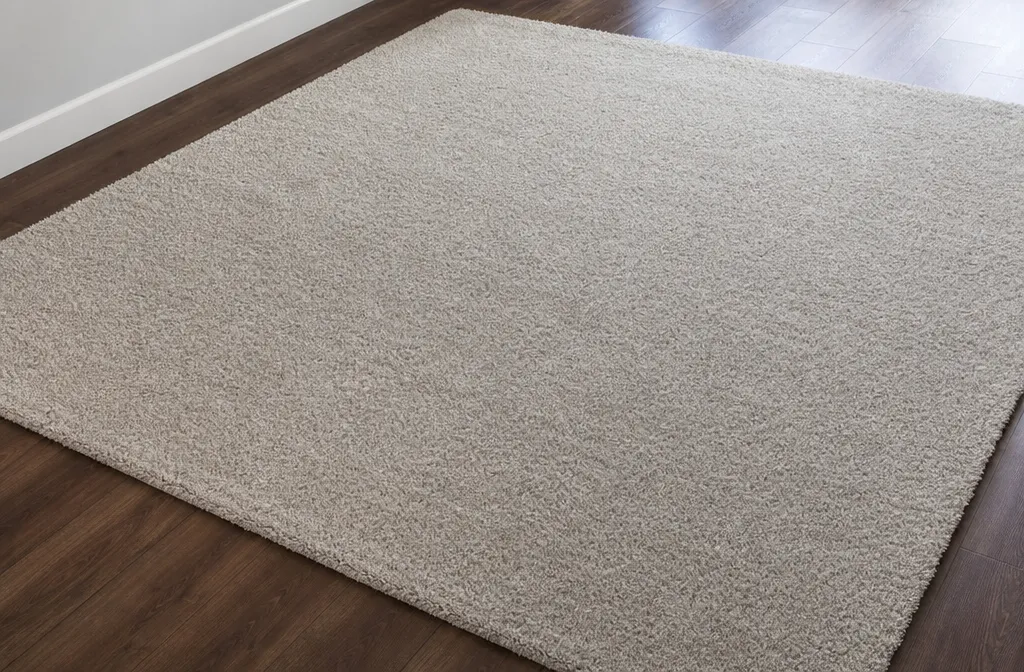
Request: Spilled red wine on the carpet, need urgent cleaning.
Done: Removed fresh wine stain using a hydrocarbon stain remover and rinsing.
Cost: 13 000 ₸
Master: Serik Abdrakhmanov, dry cleaning master
Total: Wine stain completely removed, carpet without traces or odor.
 After
After
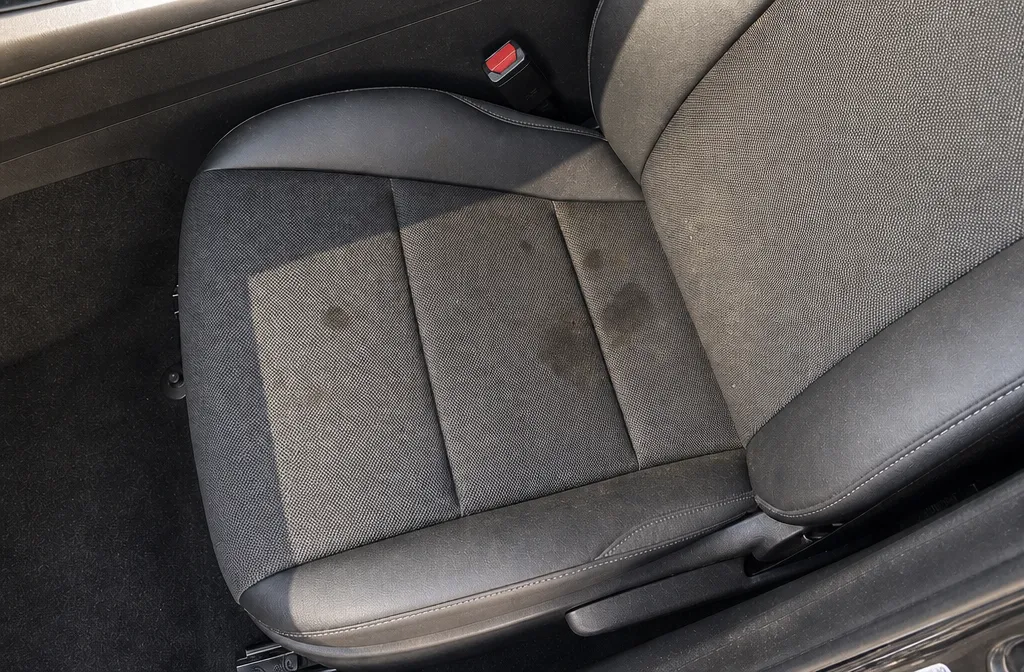
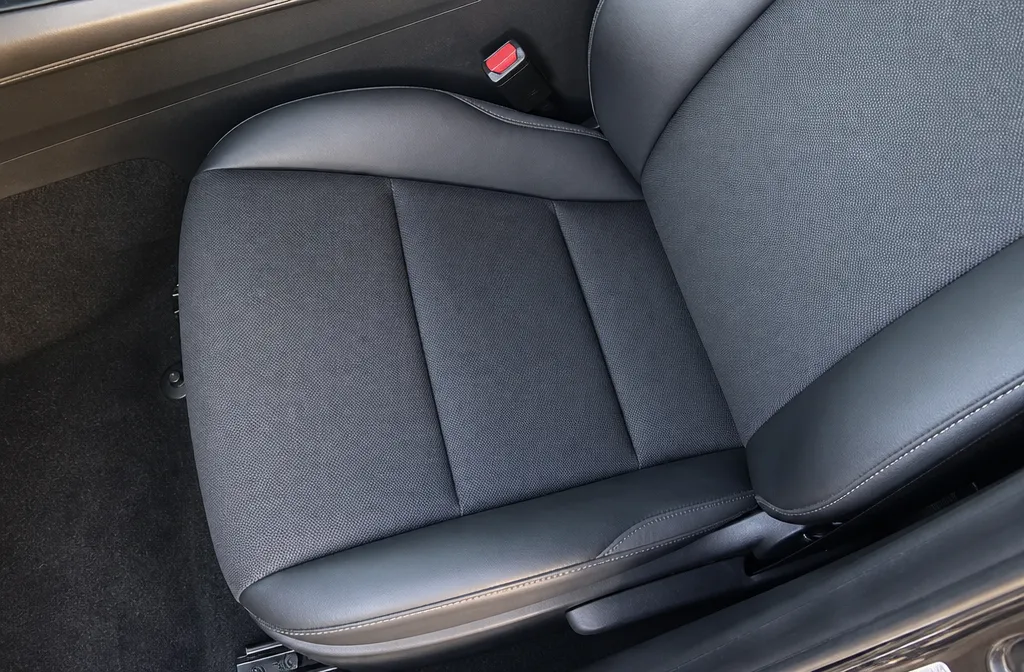
Request: Spilled coffee on the car seat, help remove the stain.
Done: Treated the seat with a hydrocarbon compound removing the coffee stain.
Cost: 12 000 ₸
Master: Ruslan Akhmetov, dry cleaning master
Total: Seat clean, no traces of coffee or streaks.
 After
After
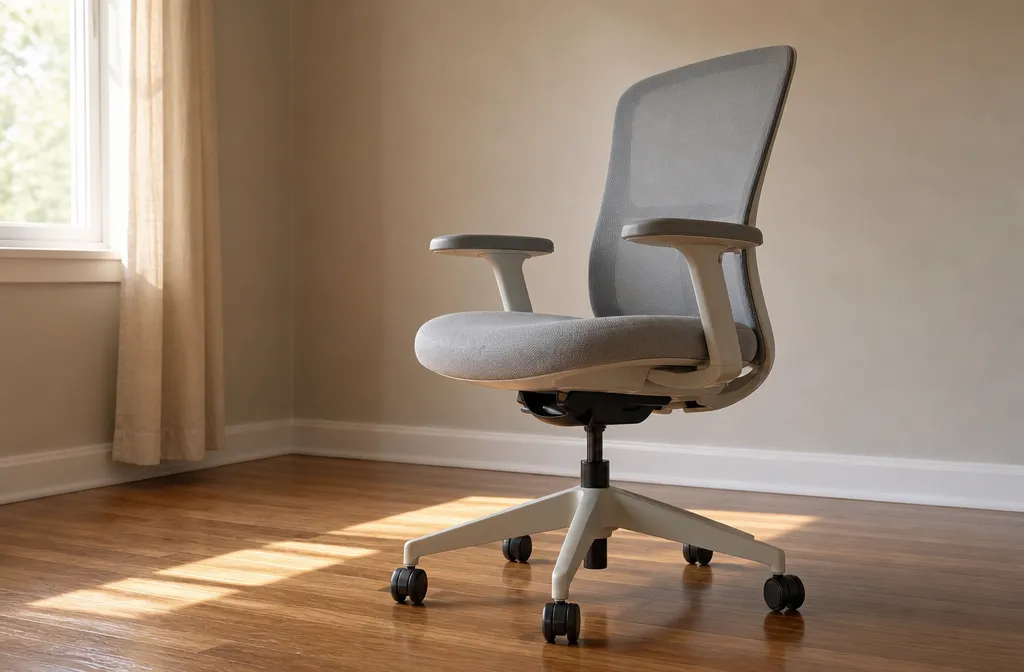
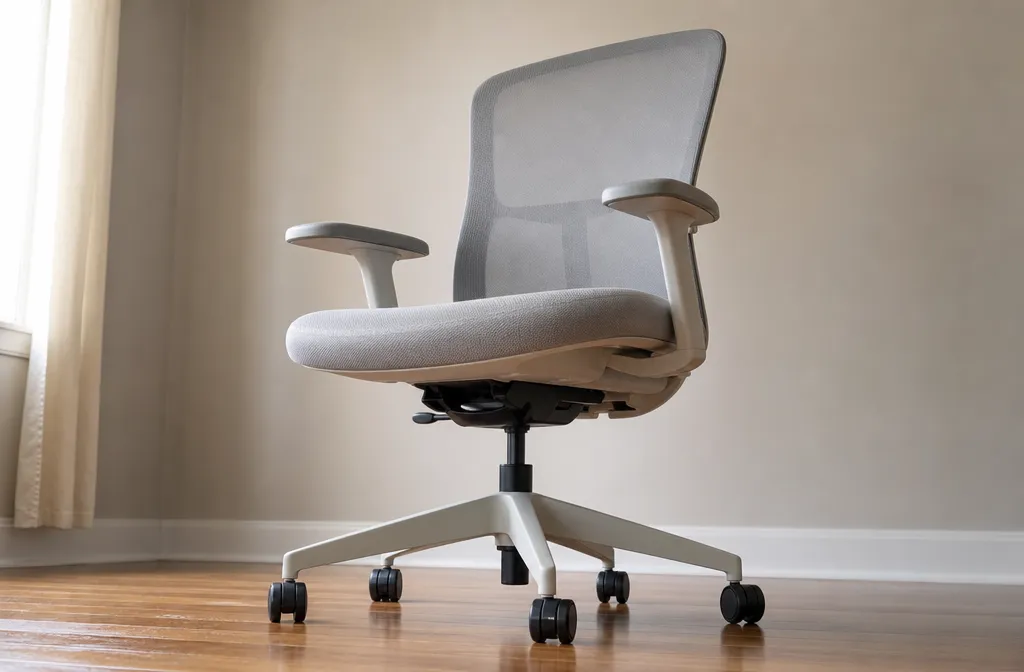
Request: There is an ink stain from a pen on the office chair, needs to be removed.
Done: Performed hydrocarbon cleaning of the chair with ink stain removal.
Cost: 14 000 ₸
Master: Marat Yermekov, dry cleaning master
Total: Ink completely removed, chair clean and tidy.
 After
After
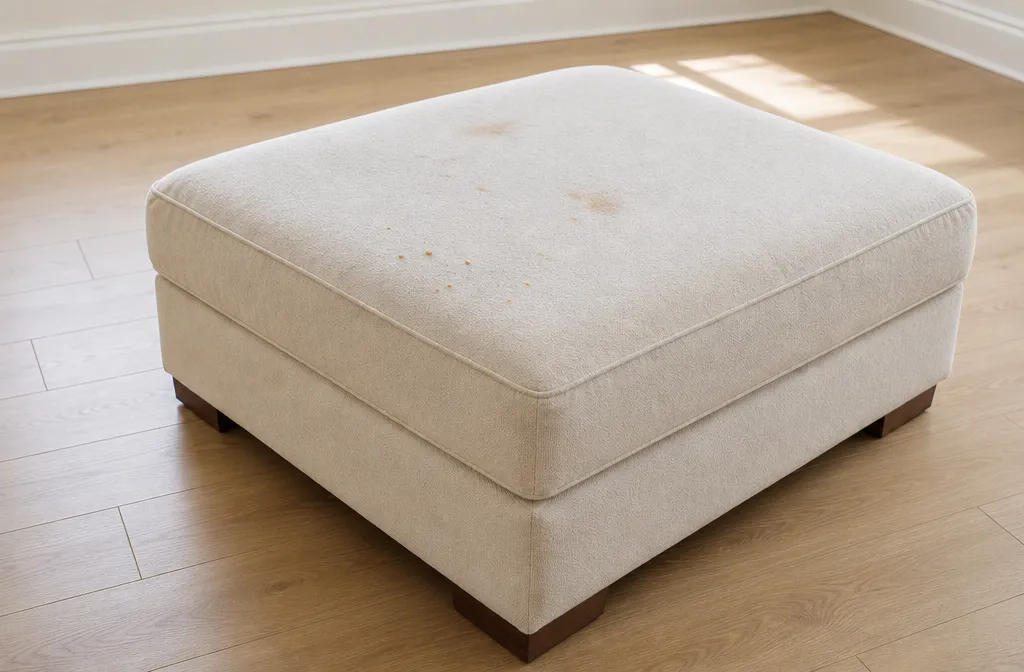
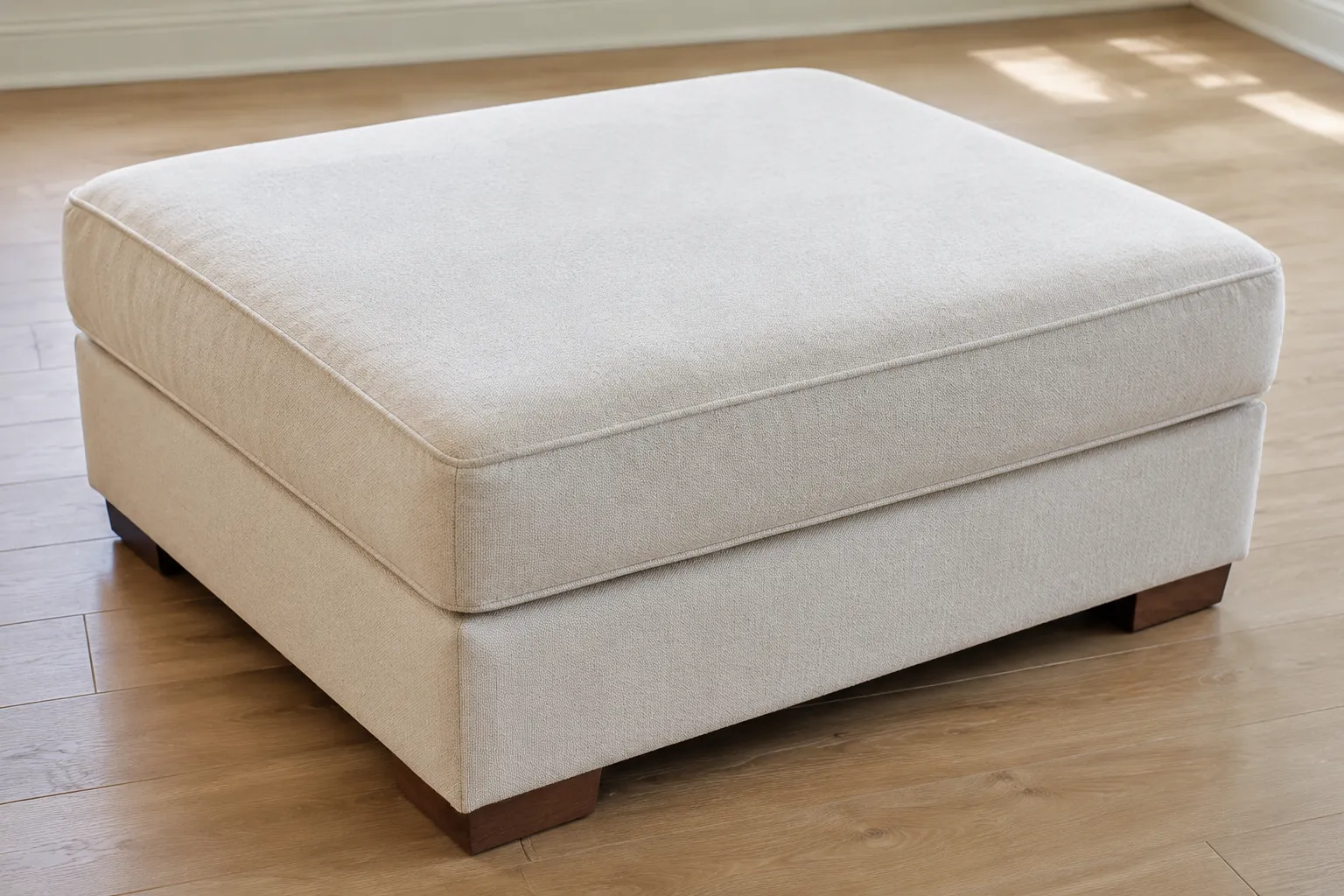
Request: There is a sauce stain on the ottoman, needs urgent removal.
Done: Removed food stain from ottoman using hydrocarbon compound and gentle cleaning.
Cost: 2 500 ₸
Master: Aliya Suleimenova, dry cleaning master
Total: Ottoman clean, no trace of stain or odor.
 After
After
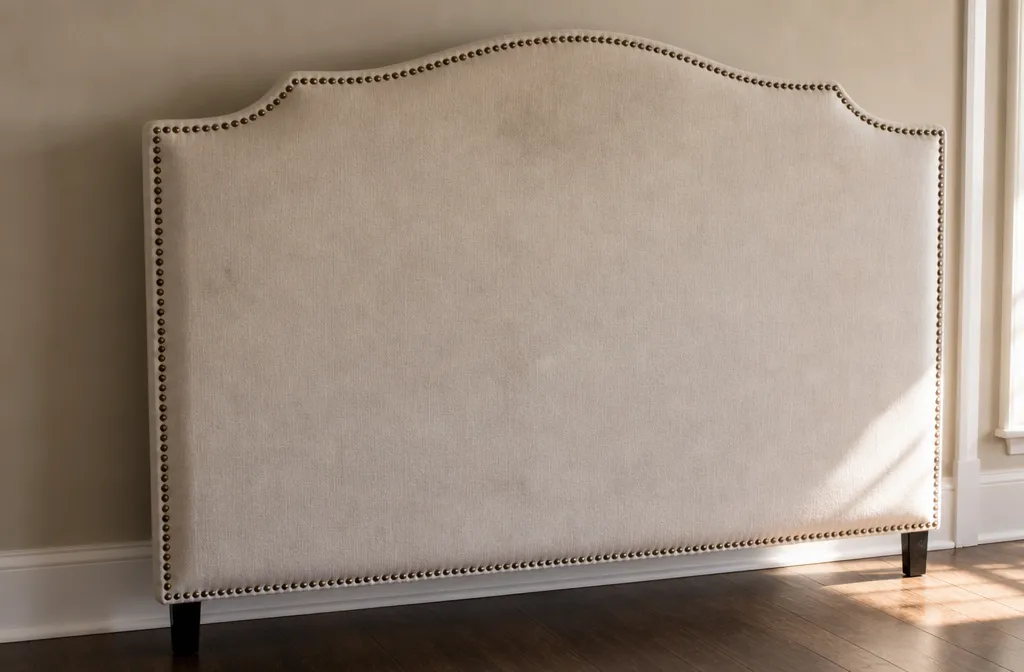
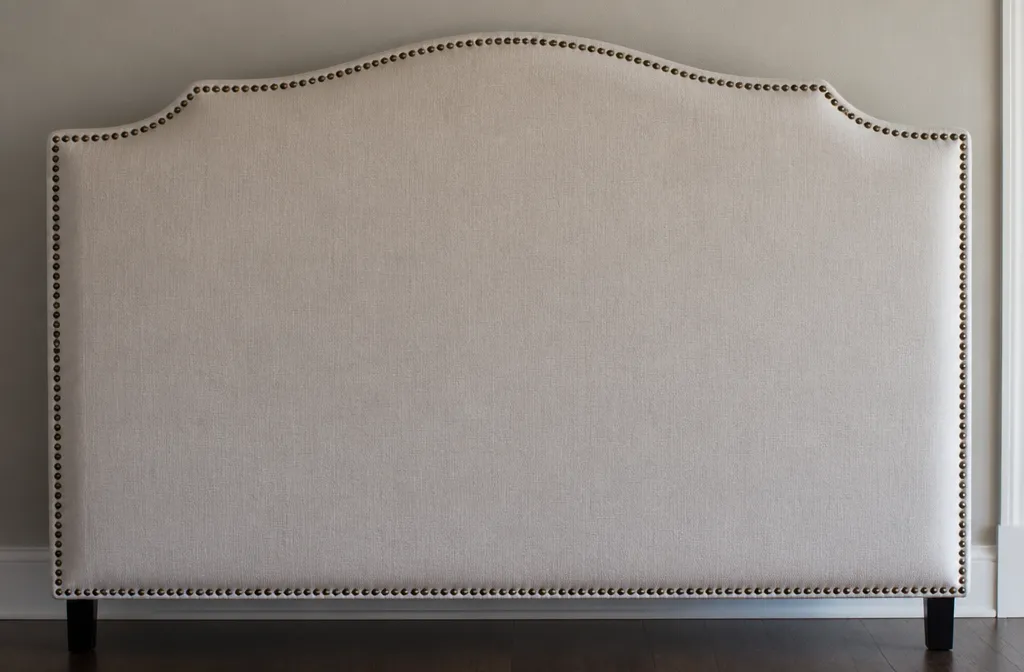
Request: Bed headboard has yellowed from skin oils, needs cleaning.
Done: Performed hydrocarbon cleaning of the headboard with removal of grease stains.
Cost: 16 000 ₸
Master: Nurzhan Bekzhanov, dry cleaning master
Total: Headboard clean, no yellowing or greasy marks.
 After
After
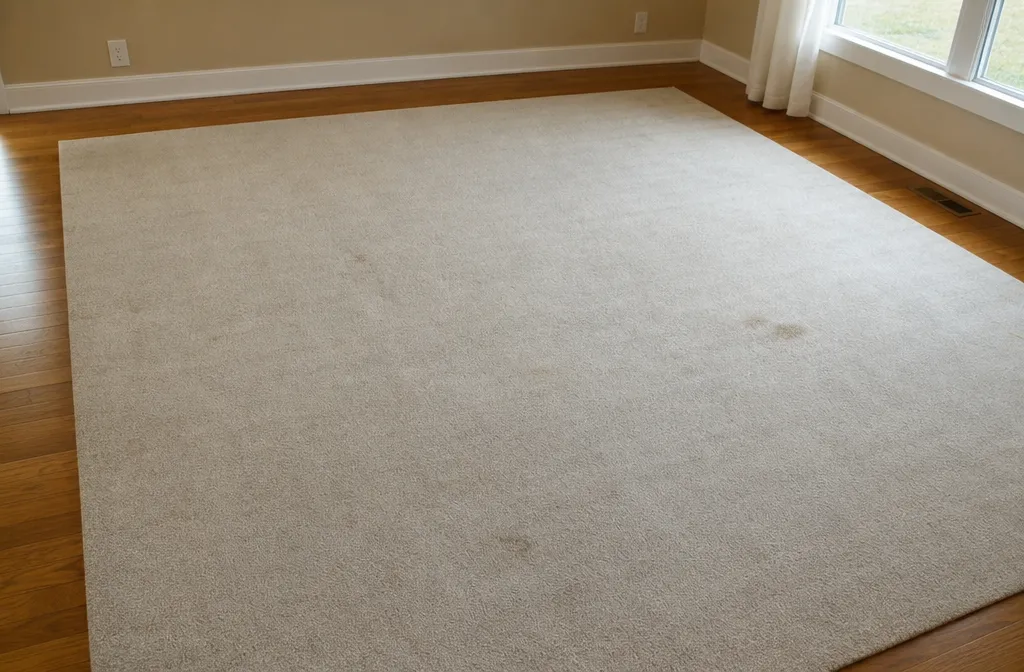
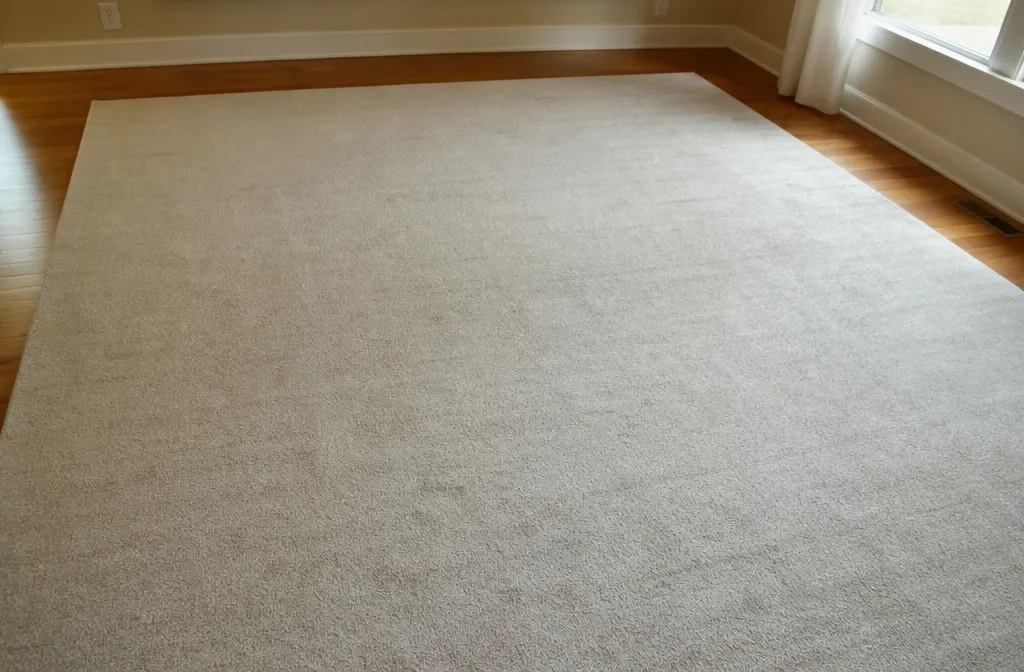
Request: Cat left a stain on the rug, needs deep cleaning.
Done: Treated the rug with hydrocarbon compound, removing organic stain and odor.
Cost: 7 000 ₸
Master: Aidar Muratov, dry cleaning master
Total: Rug clean, without stain or unpleasant odor.
All cleaners are profi-clean staff with training, uniform and security check. Each order has a team leader who controls quality.
Hydrocarbon cleaning is a dry cleaning method for fabrics and surfaces used by professional cleaners when water is contraindicated. Unlike water-based methods, we do not soak the sofa filling or carpet pile; instead, we apply a special hydrocarbon solvent that draws out fats and dirt without causing shrinkage or material deformation. In practice, this means the risk of streaks and musty odors, typical of extractor cleaning, is eliminated — especially in Almaty apartments with poor ventilation. Let’s explore the key difference from popular extractor washing.
Extractor cleaning works on the principle of a vacuum with pressurized water: the solution is applied, washed out, and moisture is sucked back. It is effective against ingrained dirt on cotton and synthetics but leaves up to 30% moisture in the filling, which, given Almaty’s 60-70% humidity in spring and autumn, creates an ideal environment for mold fungi. Hydrocarbon cleaning, in contrast, uses organic solvents with a boiling point of around 180 °C — they evaporate within 15-20 minutes, leaving no moisture. Our cleaners at profi-clean choose hydrocarbons for silk, viscose, wool, and antique upholstery, where water-induced shrinkage would certainly ruin the item.
The solvents we use contain no water or alkali — they are alkylbenzenes and isoparaffins that dissolve fats and oils at the molecular level without disrupting the fiber structure. Our tests on merino wool and natural silk samples show that after hydrocarbon treatment, the pile does not mat, does not lose its sheen, and colors remain vibrant. In extractor cleaning, if the master errs with water temperature (above 40 °C), wool shrinks irreversibly — we have recorded such cases from Almaty clients who sought help after poor-quality washing at other services. Therefore, for handmade rugs and upholstery made of natural fibers, hydrocarbons are the only safe method without the risk of deformation.
Despite its versatility, hydrocarbon cleaning cannot handle water-soluble stains — spilled coffee, pet urine, juice, or wine. These stains contain sugars and salts that do not dissolve in organic solvents without water. In our practice, there was a case on Tole Bi Street where a client asked to remove an old tea stain from a sofa — the hydrocarbon compound removed the grease layer, but the pigment itself remained, requiring spot water treatment with an enzyme stain remover. A second limitation is the buildup of static electricity on synthetics (polyester, nylon): after dry cleaning, the pile may become electrified, which is neutralized with an antistatic spray we apply for free. A third nuance is deep dirt on foam fillings: if a sofa hasn’t been cleaned for 5+ years, hydrocarbons will remove the top layer but won’t wash out the inner padding — here, a combined treatment is needed.
Hydrocarbon cleaning works on three categories of stains that water-based methods handle poorly or not at all: greasy and oily stains, stubborn dyes, and old, complex dirt. In Almaty conditions — with dust and soot from traffic and heating — this is especially relevant.
Vegetable oil, animal fat, sauces, hand cream, cosmetics — the hydrocarbon solvent breaks them down due to chemical affinity: “like dissolves like.” Water with surfactants is powerless here; it only spreads the grease, leaving streaks. In practice at profi-clean, we take on such stains on kitchen sofas and armchairs where traces of frying oil or melted butter remain after cooking — after hydrocarbon treatment, the fabric restores its color without a halo. On synthetic upholstery (flock, microfiber), the stain disappears after 5-7 minutes of dwell time; on cotton, up to 15 minutes. If the grease has penetrated deeper than 2 mm, we apply the concentrate locally before cleaning.
These pigments contain tannins and anthocyanins, which water-based cleaning “brews” — hot water fixes them in the fiber, turning them into dark stains. Hydrocarbon cleaning works in reverse: the solvent extracts the dye without temperature fixation. In our orders, the cost of which is calculated individually, we most often encounter coffee on light-colored velvet and chenille sofas — after cleaning, only a moisture trace remains, which dries within 20 minutes. Red wine is more difficult: if more than 3 hours have passed, pre-treatment with an absorbent (talc or starch) is needed, otherwise the solvent will spread the pigment through the fiber. On short-pile wool carpets, a juice stain disappears in one pass; on long-pile carpets, it takes two passes with intermediate drying.
In Almaty, there is a specific type of contamination — fine dust from thermal power plants and car exhaust, which settles on the upholstery of furniture near windows and on balconies. Water-based cleaning only smears such dust, while a hydrocarbon solvent binds it with soot particles and removes it completely. On sofas placed by open windows in the city center (Medeu, Bostandyk districts), we remove up to 80% of the dark coating in one cycle. Nicotine resin is another case: it polymerizes on the surface, and alcohol-based compounds only mask it. Hydrocarbon cleaning softens the resin in 10-12 minutes, after which the residue is removed with a dry cloth. On fabrics with a water-repellent coating (Teflon, Scotchgard), soot comes off faster — tested on orders with leather and eco-leather furniture in apartments on Al-Farabi Avenue.
Alcohol-based ink is a classic case where water-based stain removers cause streaks, while hydrocarbon cleaning removes the pigment entirely. The solvent penetrates the fiber structure and washes out the dye without mechanical friction — this is critical for delicate fabrics (silk, viscose, acetate). In our practice, there was a case of a children’s sofa drawn on with a permanent marker: after two treatments with an hour interval, no traces remained. On synthetic carpets (polypropylene, polyester), ink disappears in one pass; on natural fabrics, it takes two passes, but without shrinkage or deformation, unlike water-based treatment. The main thing is not to rub the stain before cleaning: this pushes the pigment deeper, requiring local soaking for 20 minutes.
When choosing between hydrocarbon and extractor cleaning, it’s important to understand that these are two fundamentally different approaches to stain removal, each with its own area of responsibility and limitations.
Hydrocarbon cleaning wins in terms of safety for materials sensitive to moisture and mechanical impact. The hydrocarbon-based solvent evaporates from the surface within 15–20 minutes, without causing wool shrinkage, viscose deformation, or soaking of adhesive layers on furniture frames. Extractor cleaning, even with minimal moisture, supplies water under pressure of 3–5 bar and vacuums it out — this is safe for cotton and synthetics, but risky for silk, acetate, and natural leather without a protective coating. In my opinion, hydrocarbons are the only reasonable choice for leather furniture: water penetrates the micro-pores of the leather, washes out tanning agents, and leaves streaks after drying, whereas a hydrocarbon solvent removes grease stains and sweat marks without damaging the material’s structure. Before cleaning a leather sofa with hydrocarbons, check the dye’s resistance on an inconspicuous area — if a cloth with the solvent leaves no trace after 10 seconds, the method is safe for the entire surface.
Extractor cleaning handles water-soluble stains better — spilled juice, coffee, urine, wine — because water with an active cleaning agent dissolves and flushes them out of the fibers. Hydrocarbon cleaning, on the other hand, is more effective against grease and oily stains: handprints, cosmetics, vegetable oil, wax. In our practice, there was a case where the extractor couldn’t remove a motor oil stain from a sofa’s upholstery — the hydrocarbon solvent removed it in one pass without streaks. Almaty clients often come with combined stains — for example, on a children’s sofa, spilled juice and cream marks at the same time. Here we use a two-step approach: first hydrocarbons for the fatty component, then the extractor for the water-soluble part. If the stain is older than three months, the extractor may fail due to sugar crystallization and pigment setting — hydrocarbon cleaning shows results in such cases because the solvent penetrates deeper into the fiber.
Hydrocarbon cleaning reduces furniture drying time from 6–12 hours (extractor) to 30–60 minutes, which is critical for apartments where the sofa is needed in the evening after work, or for children’s rooms where a child naps during the day. The extractor leaves 15–20% moisture in the thickness of the filler — if you don’t turn on a heater during Almaty’s humid spring, the foam rubber can take up to a day to dry, and a musty smell appears. Hydrocarbons evaporate without a trace, so furniture can be used immediately after treatment, and windows don’t need to be kept open for hours. However, extractor cleaning washes the sofa filler more deeply — polyurethane foam, synthetic padding, holofiber — removing dust and allergens from the inside, which the hydrocarbon method does not do. For clients with allergies in Almaty, where the air is dry and there is a lot of pollen, we recommend an extractor sofa cleaning once a year, and hydrocarbon cleaning in between to refresh the upholstery without downtime.
The combination of hydrocarbon and extractor cleaning gives maximum results on furniture with a complex history — for example, a sofa with grease and coffee stains that hasn’t been cleaned for 2–3 years. We use this protocol: first hydrocarbons to dissolve fats and oils, then an extractor with a neutral pH agent to wash out solvent residues and water-soluble stains. In Almaty, this scheme is especially relevant for upholstered furniture in homes with children and pets — combined stains (saliva, fur, food, urine) cannot be tackled by either method alone. An important nuance: the sequence matters — if you use the extractor first, water will seal the oil stain into the fiber, and hydrocarbons won’t be able to remove it. Before ordering, assess the nature of the stains: if the sofa only has dust and light signs of use, hydrocarbon cleaning is sufficient; if there are obvious spills and old stains of unknown origin, a combined approach is justified.
Hydrocarbon cleaning is suitable for leather, but with caveats — the method only works on smooth, painted, and lacquered surfaces; on absorbent, aniline, or untreated leather, it can draw out natural oils and leave stains.
Leather is a natural material with a porous structure and oil impregnation. Hydrocarbon solvent effectively dissolves fats, so on aniline leather (without protective lacquer), it extracts the material’s own oils — the surface becomes matte, rough, and loses elasticity. On lacquered leather, on the other hand, the solvent is safe because it does not penetrate the coating deeply, only removing surface grease and dirt. In our practice in Almaty, there was a case: a client ordered hydrocarbon cleaning for an old aniline leather sofa, and after treatment, light streaks appeared on the seat — we had to restore it with tinting. Before ordering hydrocarbon cleaning, be sure to check the leather type: drop the solvent on an inconspicuous area on the back side — if it absorbs within 30 seconds, the leather is unlacquered, and a different method is needed.
On patent leather, hydrocarbon cleaning works without risk: the protective polyurethane or acrylic layer prevents the solvent from penetrating the material. The process looks like this: the technician applies the compound to a microfiber cloth, wipes the surface in circular motions — dirt, fingerprints, and greasy residue transfer to the cloth, while the leather remains dry and matte. After the solvent evaporates (5–10 minutes), a leather conditioner is applied — it restores elasticity and prevents the lacquer from cracking. In our orders for patent leather sofas in Almaty, we use this exact protocol, and the 24-hour warranty also applies to such surfaces — provided the leather has a factory coating. If a white residue appears on patent leather after cleaning, it is not a defect but leftover conditioner — simply wipe it off with a dry cloth.
The safety question is the main one we hear from clients when offering dry cleaning instead of water-based cleaning. Let’s break down how safe hydrocarbon solvents are for people and delicate materials, and where the real risks lie.
Unlike water-based shampoos, hydrocarbon solvents (typically C10–C12 alkanes with a boiling point of 180–210 °C) do not ionize dye molecules or hydrolyze adhesive compounds. This means: they do not pull pigment from the fiber or destroy the impregnation. In practice — after our cleaning, no chemical residue remains on the sofa that could contact a child’s or allergy sufferer’s skin. The solvent evaporates at room temperature within 15–25 minutes, leaving no trace. In our experience, clients with asthma or dermatitis have never had a reaction to treated surfaces — unlike complaints after steam cleaning with enzyme concentrates.
Cellulose fibers (viscose, acetate, wool) swell by 15–30% in thickness when wet, and deform unevenly during drying — leading to shrinkage and loss of shape. Hydrocarbon solvents do not penetrate the amorphous zone of the fiber, so the fabric’s geometry remains unchanged. A specific example: a wool coat that shrank a size in dry cleaning with perchloroethylene retained its original cut after hydrocarbon treatment at profi-clean. Our technician checks shrinkage on a 5×5 cm sample from the reverse side of the lining — if the fabric does not shrink during a local test, the entire item can be cleaned without risk.
For mattresses, foam chairs, and furniture with polyurethane foam bases, water-based methods are dangerous: moisture gets trapped inside, triggering foam rot and layer delamination. Hydrocarbons do not react with polyurethane, latex, or hot-melt adhesive — they simply wash the fiber surface without penetrating the filler. In Almaty, where indoor humidity drops to 20–25% in winter and rises to 50–60% in summer, the moisture contrast is especially critical for framed furniture. With water cleaning, a sofa can take up to 48 hours to dry, and during that time, mold on the foam is a real scenario. We had a case: a client from the “Taugul” microdistrict brought in a sofa after steam cleaning — a musty smell appeared a month later. Hydrocarbon treatment solved the problem without disassembling the furniture.
An absolute contraindication is fabrics with a water-soluble impregnation (for example, Teflon coating on kitchen covers): the solvent washes it off, and the protection against water and oil disappears after the first cleaning. Also, do not treat items with a strong smell of oil paint or nitro paint with hydrocarbons — the solvent can react with the residual paint solvent, intensifying the “aroma”. In practice, we test each item on a hidden area: we apply the solvent to a cotton pad, press it for 30 seconds, and check for pigment transfer and texture changes. If the disc is stained or the fabric becomes rough, we switch to a water-based method with a neutral pH. Our database contains a catalog of reactions for 200+ fabric types, from polyester to silk, so the risk of error is minimal.
The drop test: if on an inconspicuous area a drop of water is not absorbed within 5 seconds, the fabric has a water-repellent coating, and hydrocarbons will be suitable. If it is absorbed instantly, the fabric is likely breathable (cotton, linen, viscose), and water-based cleaning with pH control will be safer. Check the lining: for jackets and coats, the lining is often polyester — it is not afraid of solvent, but the main fabric may have a coating. There is no need to remove the lining before cleaning — we treat the entire item, but with different exposure times for different zones. At profi-clean, a technical card is created for each item, indicating the fabric type, its reaction to the solvent, and the recommended drying mode. Before ordering hydrocarbon cleaning, ask the technician for a test on a sample — it is free and takes 2 minutes, but eliminates 99% of complaints about the result.
The climate of Almaty is not just a background, but a direct factor determining how quickly furniture and carpets get dirty and which cleaning methods work without damaging the material. We see this every day on site visits.
Almaty’s spring and autumn are characterized by humidity of 65–75% and frequent smog inversions that trap suspended dust in the surface air layer. In one month, upholstered furniture in apartments on lower floors (especially in the Medeu or Bostandyk districts) accumulates up to 300–400 grams of settled dust per square meter of upholstery. Water extraction in such conditions is risky: moisture remaining in the filler becomes a breeding ground for mold fungi (Aspergillus and Penicillium) within 48 hours. Hydrocarbon solvent, on the contrary, evaporates in 20–30 minutes, leaving no moisture inside the sofa or armchair. Our practice shows: after wet cleaning during the rainy season, clients complain of a musty smell in 15–20% of cases — after hydrocarbon cleaning, there are no such complaints.
In winter, Almaty operates the Almaty CHP-2 and thousands of private stoves, which emit fine soot and products of incomplete coal combustion. These particles (PM2.5 and PM10) settle on curtains, sofas, and carpets, forming a sticky coating that water-based methods struggle to remove — soot is hydrophobic and simply smears across the fabric. Hydrocarbon solvent, being non-polar, dissolves these particles at the molecular level and carries them into the extraction tank without residue. Moreover, in apartments with panoramic windows (residential complexes “Nurly Tau”, “Aksai”), the soot deposit is noticeable within two weeks of the heating season. We had a case: a client from a house on Al-Farabi Avenue brought a sofa cushion that, after three wet cleanings at a dry cleaner, still smelled of burning — one hydrocarbon cycle removed both the smell and the traces.
From April to June, poplars, ragweed, and wormwood bloom in Almaty — the pollen concentration in the air reaches 1500 units per cubic meter. Regular water-based cleaning washes pollen off the surface but does not remove it from the depth of the filler: during subsequent use, particles rise back into the air with every press on the sofa. Hydrocarbon cleaning extracts the pollen along with the solvent to the surface and disposes of it in an H13-class HEPA filter — this is critical for families with children who have allergies. We recommend carrying out such treatment at the end of May, before the peak of flowering, so that by June the furniture is safe. In one of the “Grand Alatau” residential complexes, we treated an apartment where a child with asthma could not sleep on the sofa — after cleaning, the attacks stopped, and the family ordered preventive treatment for the next season.
I ordered hydrocarbon cleaning of the carpet in the living room — they removed old juice stains, the pile became fluffy and fresh.
Thank you, Aigerim! We are glad the result exceeded expectations.
They cleaned a leather chair from ink and grease — perfectly, without streaks. Pleasant to sit on.
We did hydrocarbon cleaning of the sofa after a flood — they removed the mold, but a slight musty smell remained for a couple of days.
Daniyar, after heavy contamination, ventilation is recommended. Contact us if anything.
They removed coffee stains and marker marks on the mattress — looks like new, comfortable to sleep on.
Hydrocarbon cleaning of car interior — leather seats shine, plastic has no greasy sheen, smell is pleasant.
Yerlan, thank you for your feedback! Always ready to help with your car.
Cleaned a wool carpet — removed dust and pet hair, colors became brighter.
Ordered hydrocarbon cleaning of a light-colored sofa — wine stains disappeared, but barely noticeable streaks remained on the armrests.
Kuanysh, we will come again to treat the problem areas for free.
Cleaned decorative pillows and a throw — they became fluffy, without dust smell. Very satisfied.
Hydrocarbon cleaning of kitchen fronts — removed grease and grime, wood shines, no chemical stench.
Timur, thank you! Glad we managed to restore freshness to your kitchen.
Washed and bleached tulle — snow-white, no yellowing. Hung immediately, didn't even need ironing.
Tried hydrocarbon cleaning of a sofa — beer stains came out, but a slight solvent smell remained for a day.
Alexey, sorry for the inconvenience. Next time we will air it out more thoroughly.
Cleaned a carpet in the children's room — removed paint and plasticine stains, hypoallergenic, child sleeps peacefully.
Hydrocarbon cleaning of table silver — tarnish gone, spoons shine like new.
Saltanat, thank you! Come again.
Cleaned the faux leather sofa — removed ballpoint pen marks and grease stains, color restored.
Ordered hydrocarbon cleaning for the hallway carpet — dirt removed, but some light spots from old stain remover remained.
Aliya, we'll send a technician for additional treatment.
Refreshed the leather armchair — removed scuffs, applied protection, now looks like new.
Hydrocarbon cleaning of the wool carpet — removed allergens and dust mites, breathing became easier.
Madina, thank you! Gentle care for your health is our priority.
Cleaned the velvet sofa — pile not crushed, color became richer, no streaks.
Did hydrocarbon cleaning of the tiled kitchen backsplash — grease and deposits gone, grout lightened.
Zarina, glad you liked the result!
Cleaned the car interior — mats and seats washed well, but a slight smell of cleaning agent remained.
Anuar, next time we'll use a neutral deodorizer.
Ordered hydrocarbon cleaning for the blanket — down restored, tea stains disappeared without a trace.
Cleaned the sofa bed — removed yellow sweat stains, mattress became fresh, pleasant to sleep on.
Hydrocarbon cleaning of the carpet — removed cosmetic stains, the pile became soft, the room smells clean.
Gaukhar, thank you for your trust!
Cleaned the leather sofa — removed scuffs and dirt, applied conditioner, leather is elastic.
Performed hydrocarbon cleaning of the children's mattress — juice and urine stains are gone, no chemicals, safe for the child.
Ainura, thank you! For children, we use only hypoallergenic products.
Cleaned 5 office chairs — removed dirt, but one has a coffee stain that didn't come out.
Berik, we'll send a technician for reprocessing of the problematic chair.
Hydrocarbon cleaning of a handmade wool carpet — gentle, colors didn't fade, structure preserved.
Cleaned the upholstered corner sofa in the kitchen — removed food and grease stains, fabric freshened up.
Ordered hydrocarbon cleaning of rubber mats — dirt and oil washed off, mats became matte.
Zhanat, glad we handled the tough stains.
Cleaned the plush sofa — brushed the pile, no stains, color became brighter. Very gentle.
Hydrocarbon cleaning of pots and pans — burnt residue removed, but white streaks remained on aluminum.
Arman, we use different products for aluminum. We'll come and fix it.
Washed and starched the curtains — they hang perfectly, white, without wrinkles.
Did a hydrocarbon cleaning of the interior — the ceiling was cleaned of nicotine, plastic is not sticky, fresh.
Talgar, thank you! Come again.
Cleaned the mattress — removed old sweat smell and stains, now I sleep like on a new one.
Ordered hydrocarbon cleaning of the hallway carpet — outdoor dirt and shoe marks disappeared, color restored.
Kanat, thank you! The carpet looks great.
Cleaned a large soft toy — removed dust and stains, the child hugs it with pleasure.
Hydrocarbon cleaning of car leather interior — leather is soft, without cracks, pleasant matte shine.
Bauyrzhan, thank you! Gentle leather care is our specialty.
Cleaned the curtains — removed dust and tobacco smell, hung them back, the room transformed.
On average, sofa cleaning takes 1.5-2 hours, including drying. Time depends on size and degree of soiling.
Yes, K2 and K4 solvents are safe, non-toxic, and non-allergenic. No residual odor after cleaning.
Call or leave a request on the website. The technician will come for a free assessment and start cleaning immediately.
We accept cash, Kaspi Gold, Halyk Bank, and card transfers. Payment after cleaning is possible.
No, K2 and K4 solvents are virtually odorless. After drying, there is no smell at all.
Within 2-3 hours after cleaning, the furniture is completely dry and ready to use.
Just remove cushions and small items. The technician will prepare the surface.
Yes, it is safe. Hydrocarbon cleaning removes urine, sweat stains, and allergens without chemicals.
Yes, we work daily from 8:00 AM to 10:00 PM, including Saturdays and Sundays.
Yes, we offer a 14-day guarantee. If a stain is not removed, we refund your money.
Tell us about your experience with profi-clean — it helps other clients and us improve.
We currently operate in Almaty. Other cities are coming soon.