Upholstery inspection
We determine the fabric type and nature of stains. We select suitable products and cleaning mode.
Professional dry cleaning of chairs with any type of upholstery in Almaty. We remove stains, odors, and allergens.
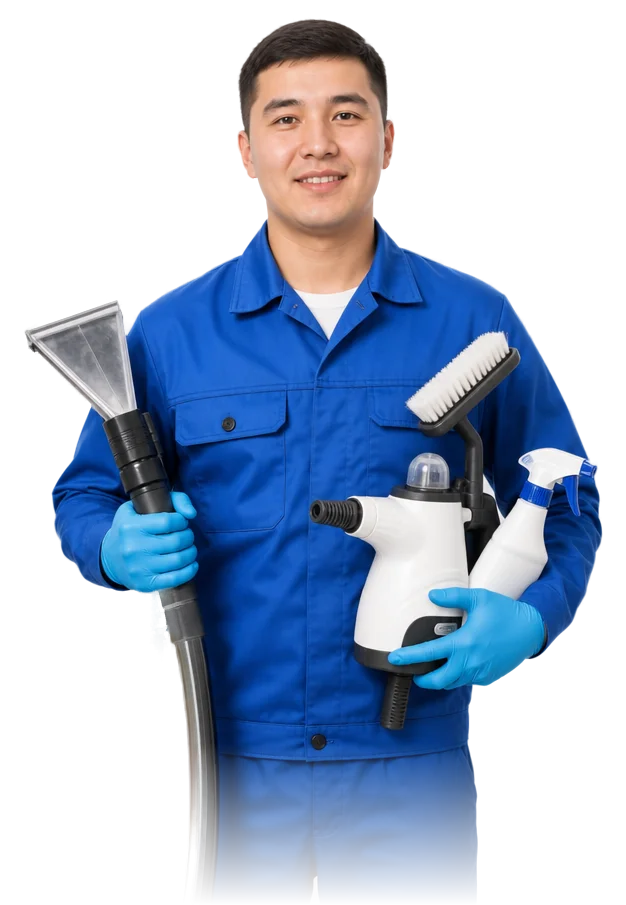
We work with any types and materials
Deep cleaning with hot water extractor, removal of set-in stains.
from 1,500 ₸Gentle cleaning with conditioning, prevention of cracks.
from 1,500 ₸Low-moisture cleaning, preserving pile and softness.
from 1,500 ₸Removal of grease stains and odors, quick drying.
from 1,500 ₸Cleaning of seat, backrest, and armrests, disinfection.
from 3,500 ₸Treatment of hard-to-reach areas, removal of drink stains.
from 1,500 ₸Compact cleaning, access to all elements.
from 1,500 ₸Hypoallergenic products, safe for children.
from 1,500 ₸Thorough cleaning of seams and armrests.
from 1,500 ₸Removal of grease and food stains.
from 12,000 ₸Cleaning of the entire backrest surface, including the top part.
from 1,500 ₸Treatment of seat and backrest, delicate approach to wood.
from 3,500 ₸From inspection to result with guarantee
We determine the fabric type and nature of stains. We select suitable products and cleaning mode.
Remove dust and crumbs with a HEPA-filter vacuum cleaner.
Apply pre-treatment stain remover Kiehl or Sodasan to stubborn stains.
Use Karcher SE 4001 extractor with hot water and cleaning solution.
Steam cleaner at 140°C disinfects and removes odors.
Rinse with clean water to remove chemical residues.
Accelerated drying with industrial fan.
We check the quality, if necessary we repeat the treatment.
We only use certified Kiehl and Sodasan products. Kiehl provides deep penetration and removal of stubborn stains, while Sodasan is safe for allergy sufferers. This guarantees effectiveness and preservation of upholstery.
The Karcher SE 4001 extractor delivers hot water under pressure and instantly vacuums dirt. This removes contaminants from deep within the fibers without damaging the fabric.
The steam cleaner heats water to 140°C, destroying allergens, dust mites, and bacteria. This is especially important for children's chairs and people with asthma.
Our specialist will come to you for free, assess the upholstery condition, and choose the optimal cleaning method. Visit within Almaty without additional charge.
We guarantee stain removal in 95% of cases. If the stain remains after treatment, we will refund your money or perform a repeat cleaning for free.
Since 2015, we have completed over 5000 orders for upholstery dry cleaning. Our experience is confirmed by hundreds of reviews and repeat customers.
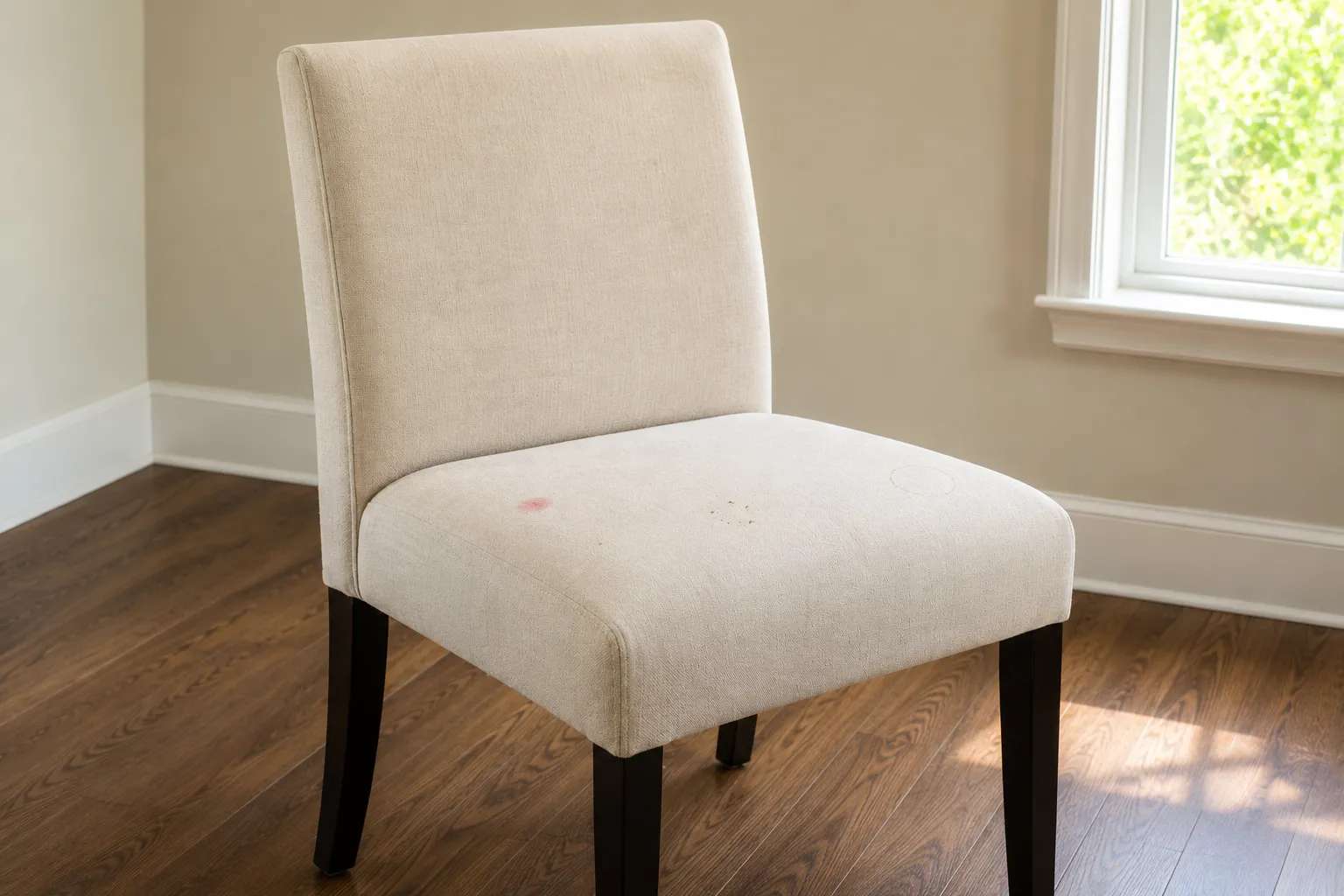
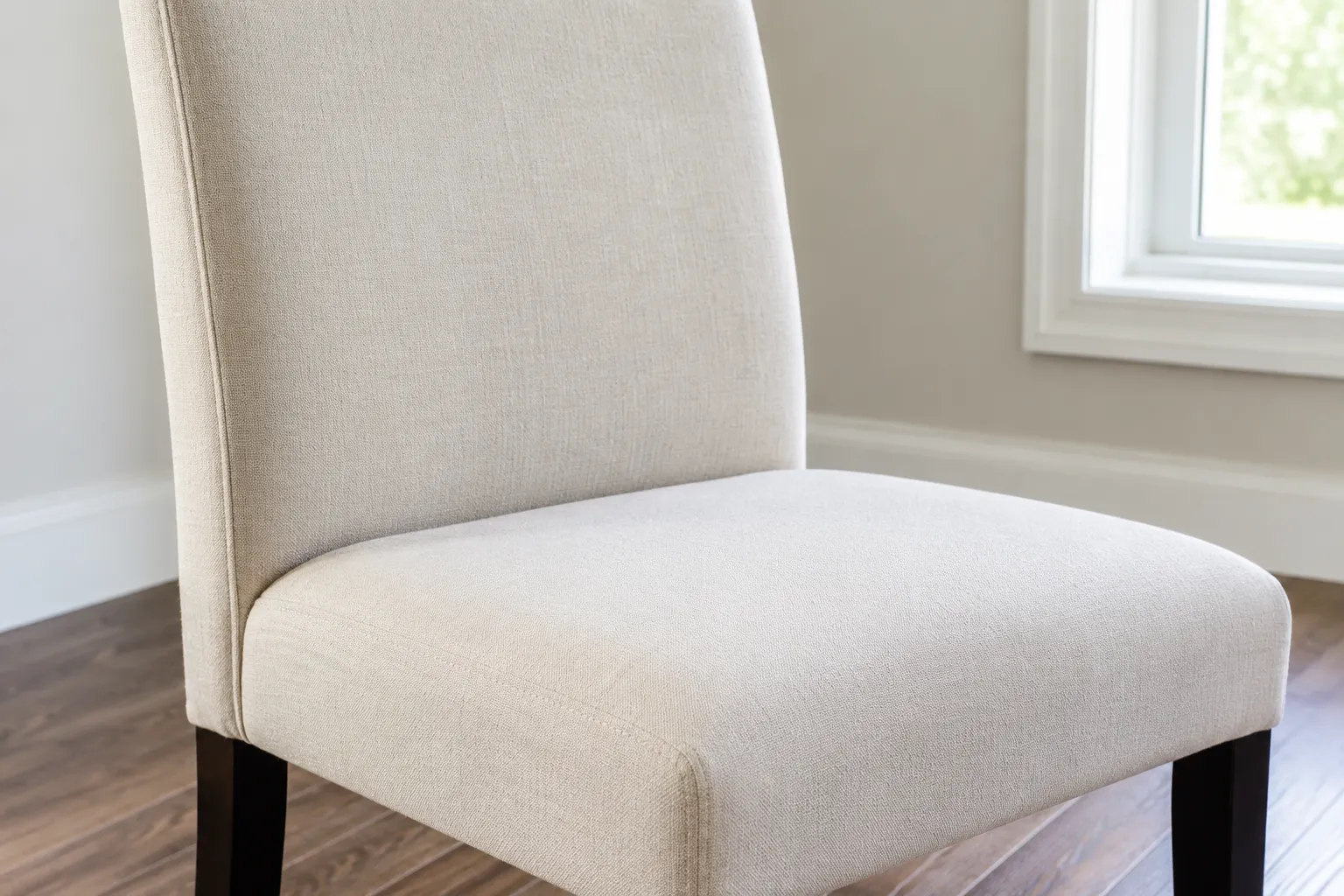 After
After
Request: Remove an old wine stain from the upholstery of a kitchen chair.
Done: Applied enzymatic stain remover and extraction cleaning with Karcher Puzzi 10.8.
Cost: 12 000 ₸
Master: Aigul Sadykova, dry cleaning master
Total: Stain completely gone, fabric restored color and freshness.
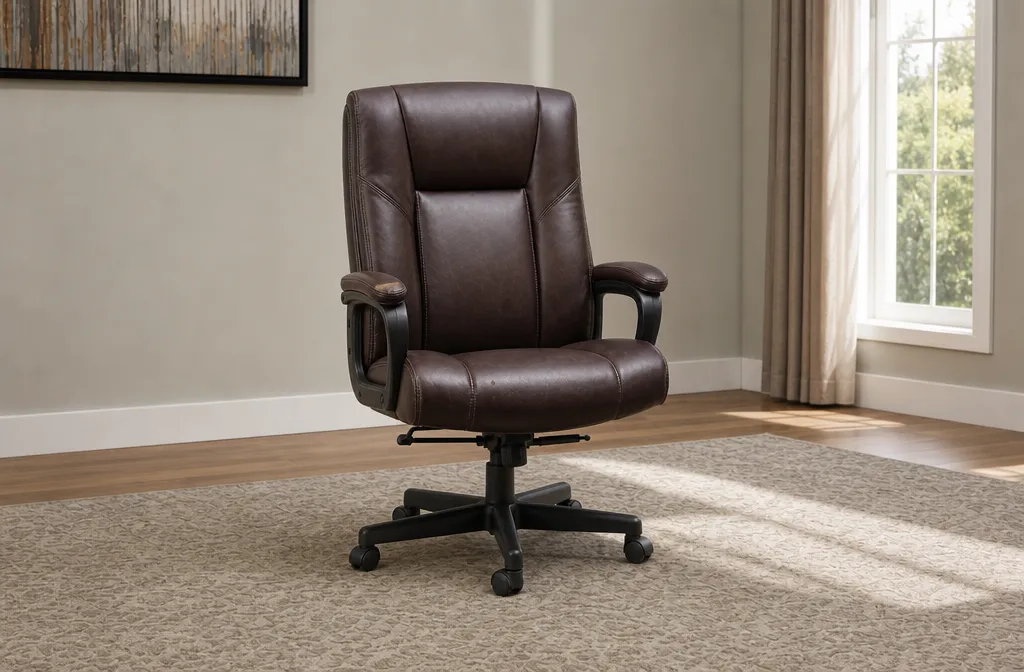
 After
After
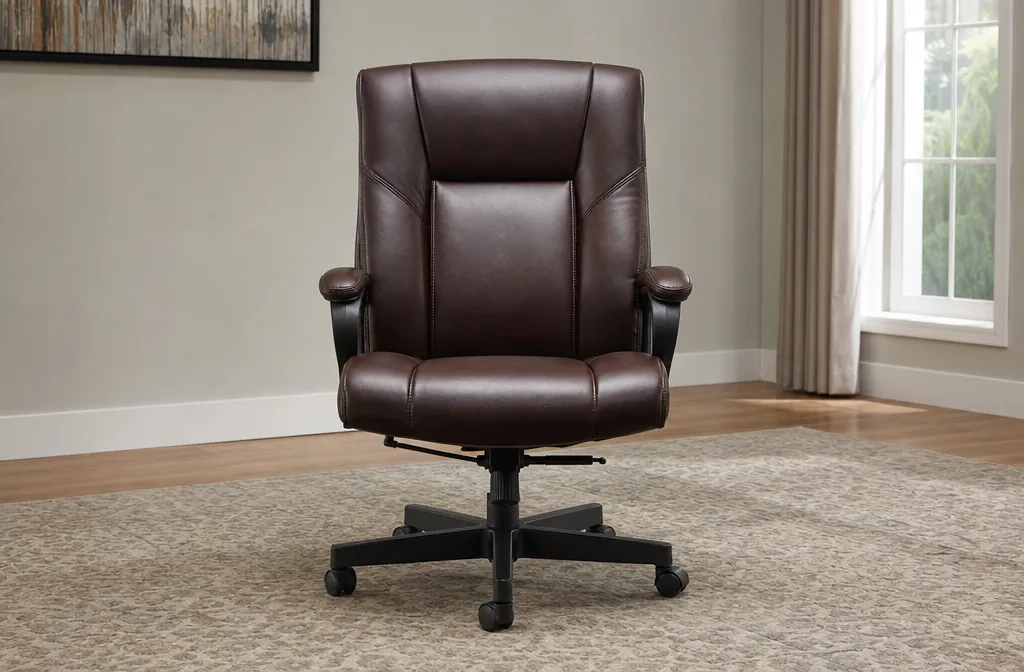
Request: Remove an ink stain from a leather chair in the office.
Done: Treated the stain with isopropyl alcohol and applied leather conditioner.
Cost: 13 000 ₸
Master: Timur Zhaksybekov, dry cleaning master
Total: Ink removed, leather moisturized, no streaks or damage.
 After
After
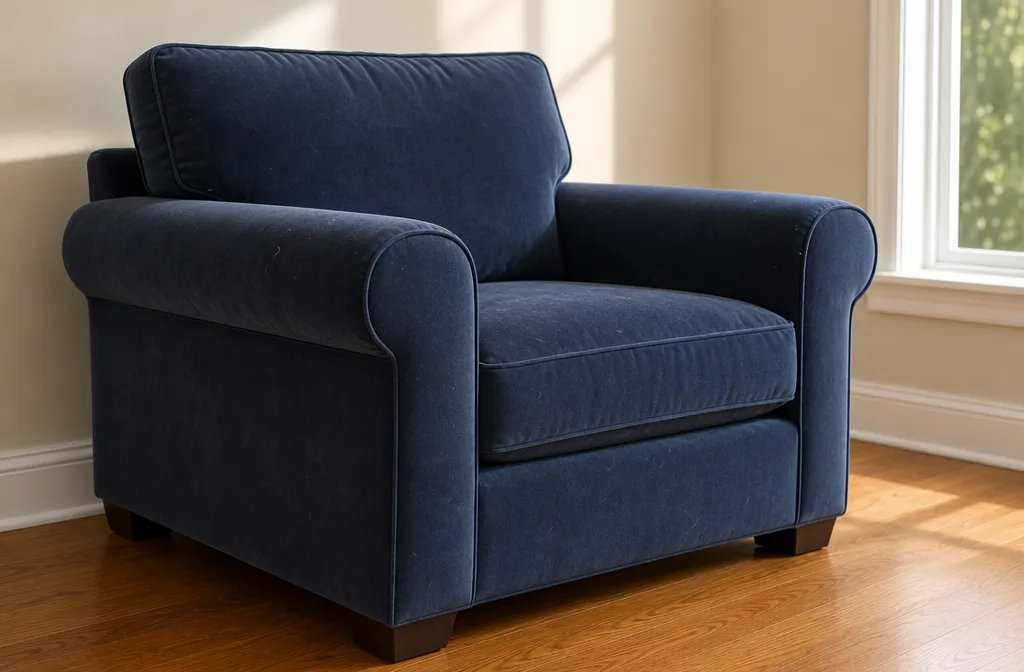
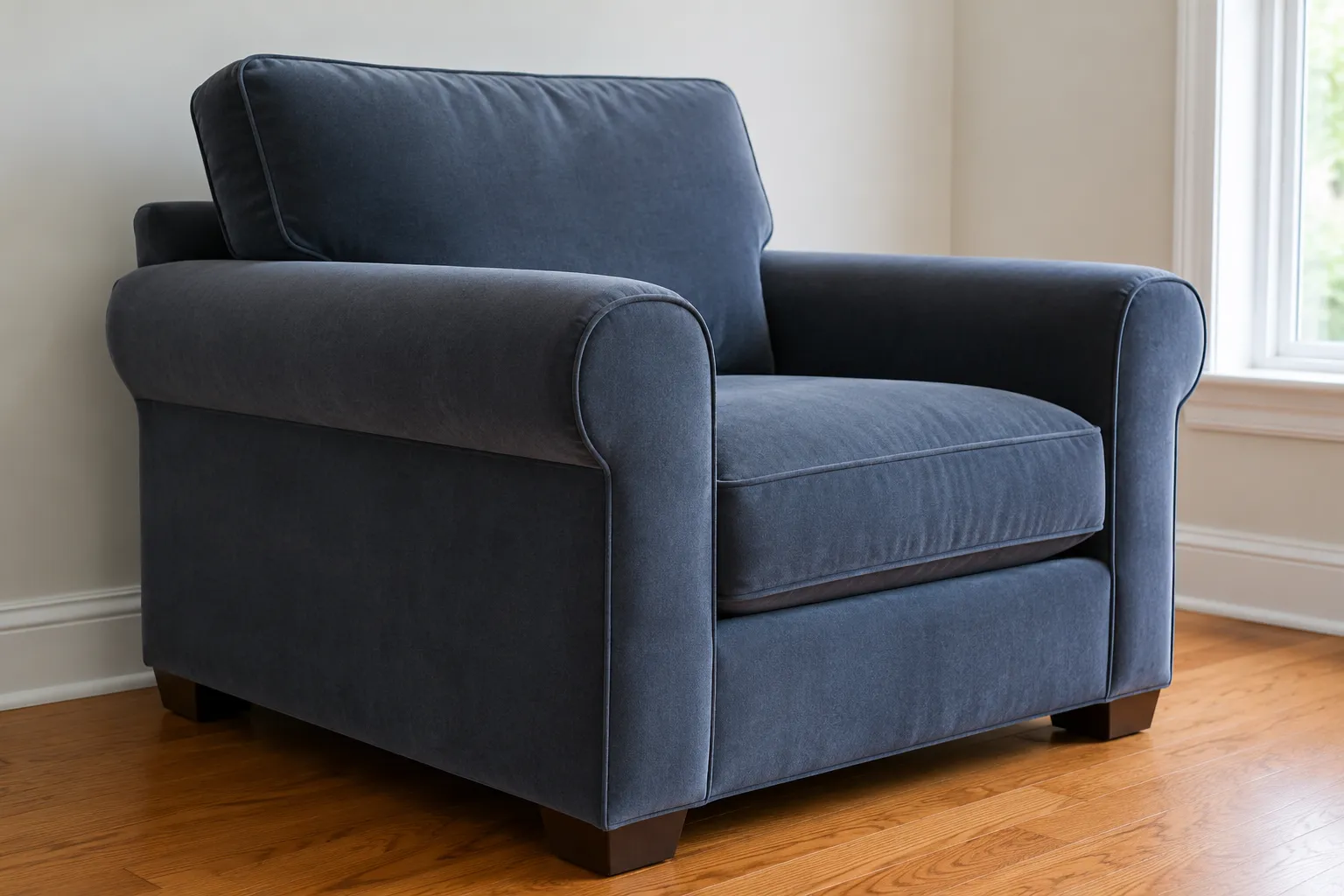
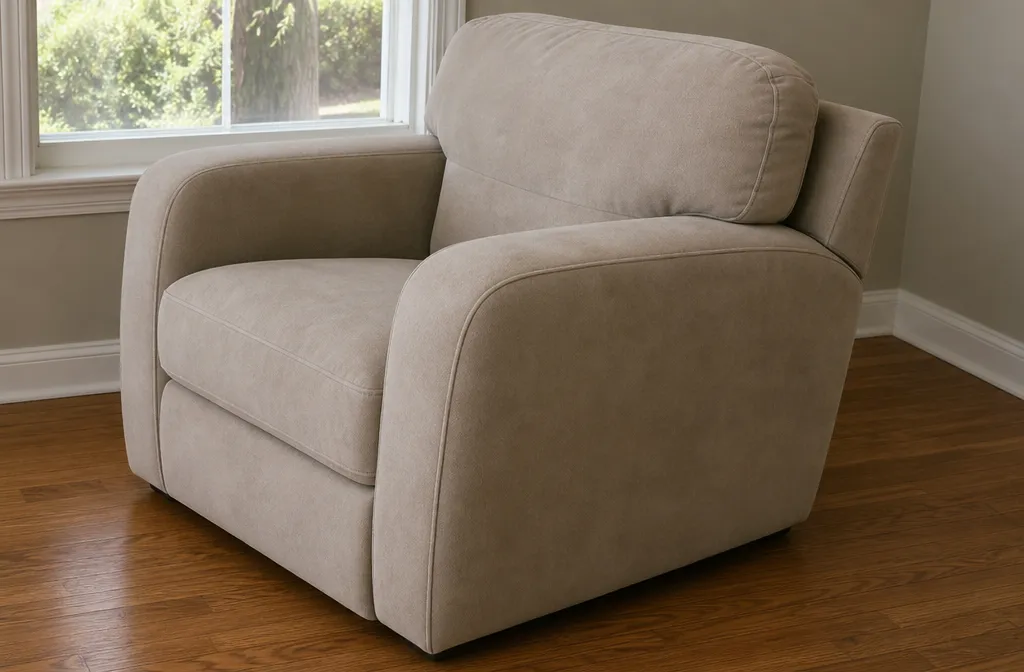
Request: Remove cat hair and odor from a velvet armchair in the living room.
Done: Performed dry cleaning with antistatic and delicate extraction.
Cost: 14 000 ₸
Master: Dinara Kassymova, dry cleaning master
Total: Hair removed, pile restored, odor neutralized.
 After
After
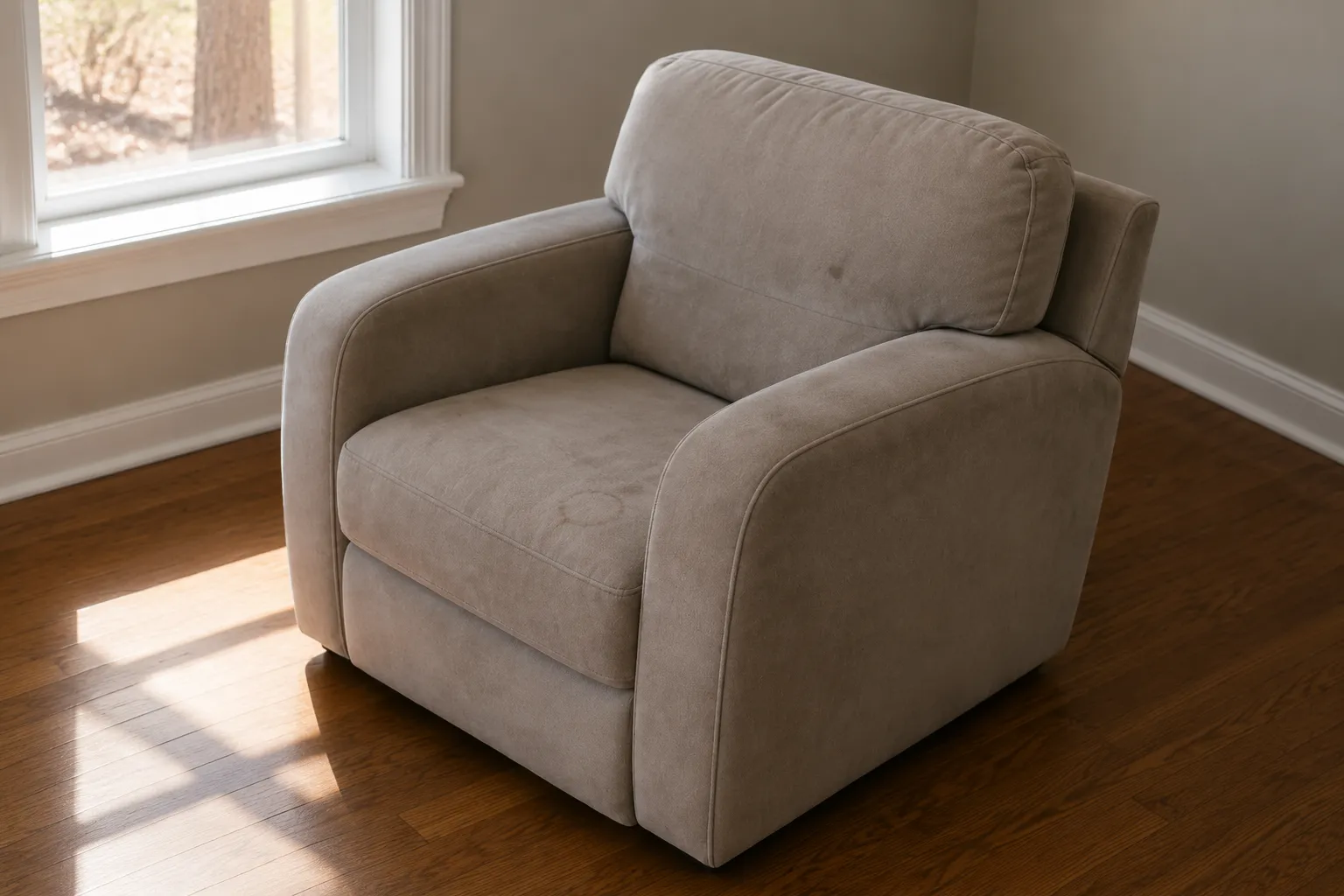
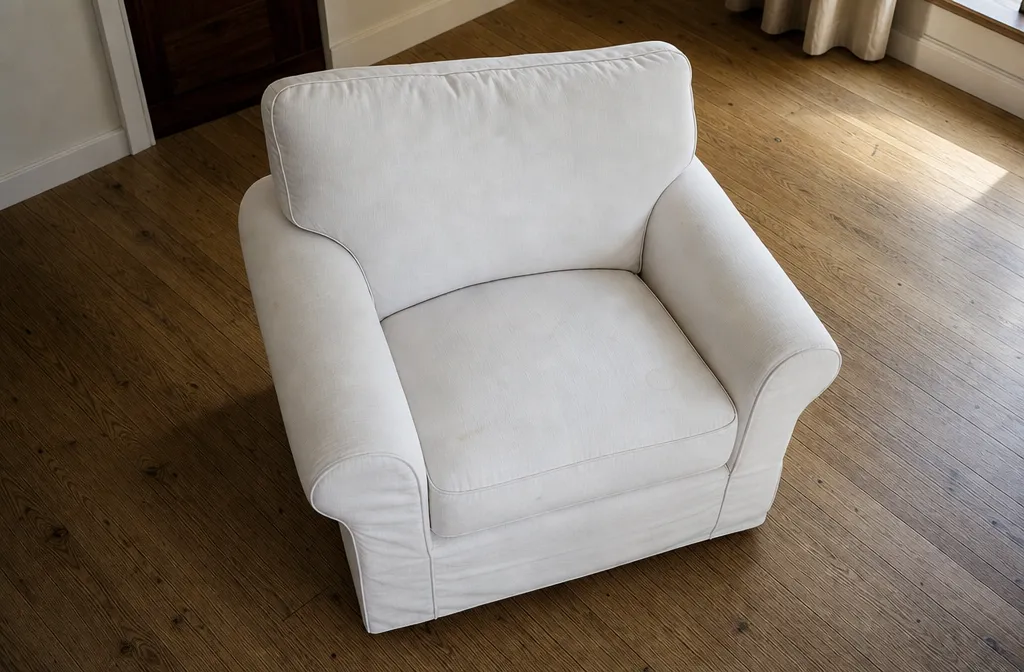
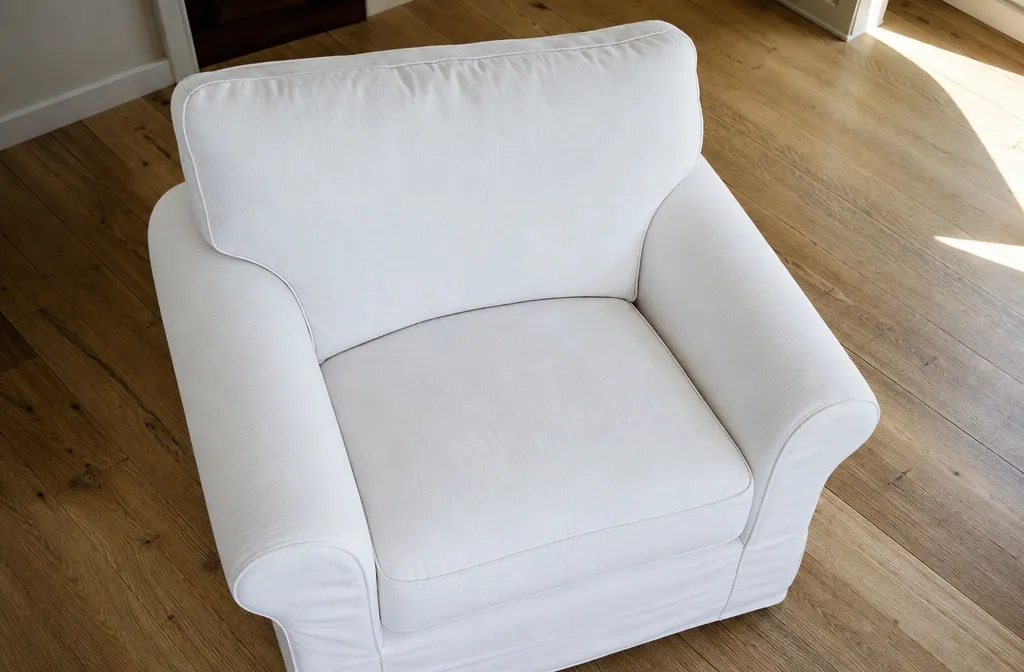
Request: Clean a grease stain on a chair after dinner.
Done: Applied degreaser and performed extraction cleaning with hot water.
Cost: 15 000 ₸
Master: Yerzhan Nurpeisov, dry cleaning master
Total: Grease stain removed, fabric without traces or odor.
 After
After
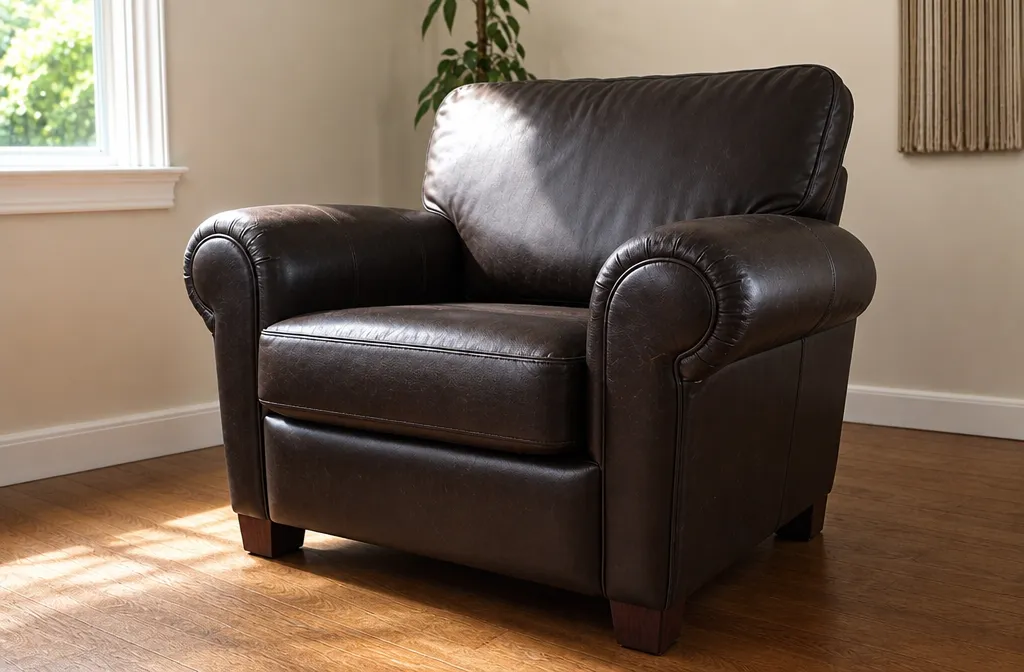
Request: Remove a coffee stain on light upholstery of a chair.
Done: Applied oxygen bleach and extraction cleaning.
Cost: 12 000 ₸
Master: Aizhan Akhmetova, dry cleaning master
Total: Stain gone, fabric turned snow-white, no yellowing.
 After
After
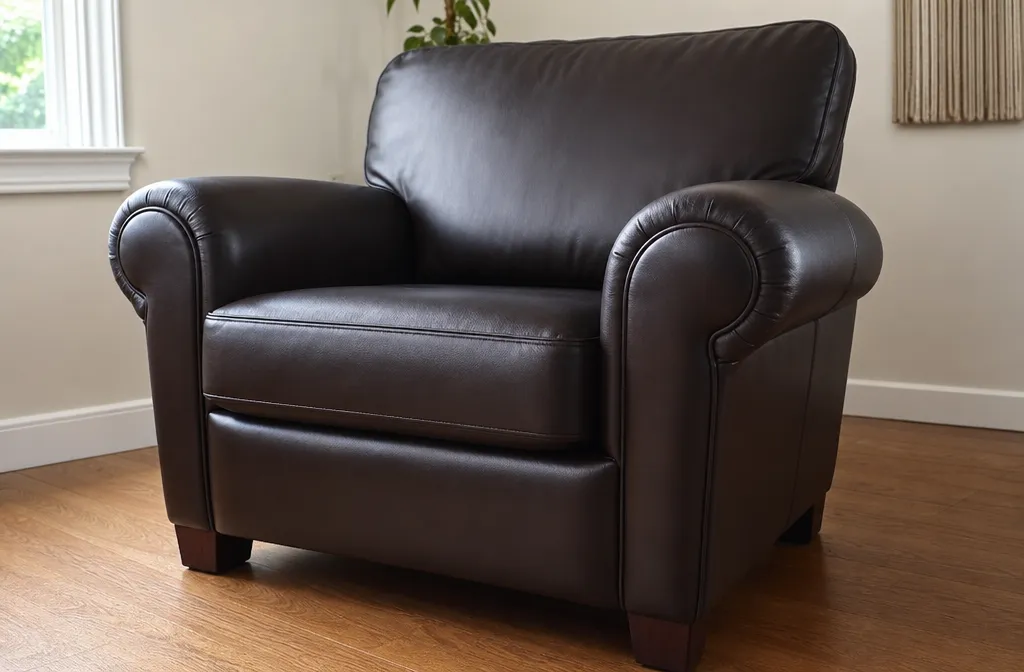
Request: Remove scuffs and restore leather shine on the chair.
Done: Cleaned leather, applied restorative dye and protective conditioner.
Cost: 14 000 ₸
Master: Timur Zhaksybekov, dry cleaning master
Total: Scuffs covered, leather even color with matte sheen.
 After
After
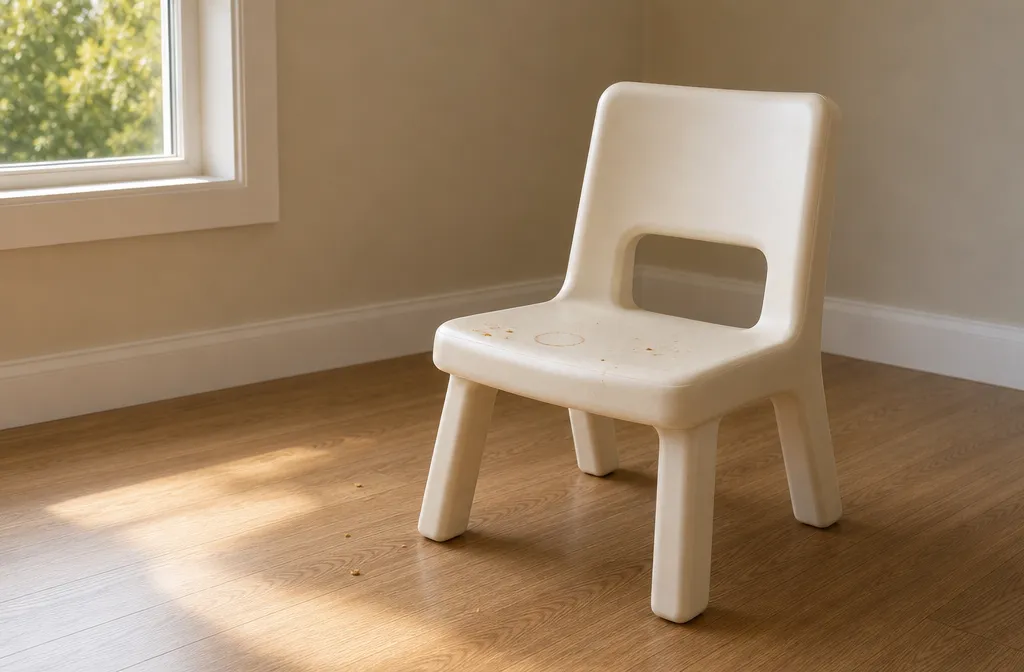
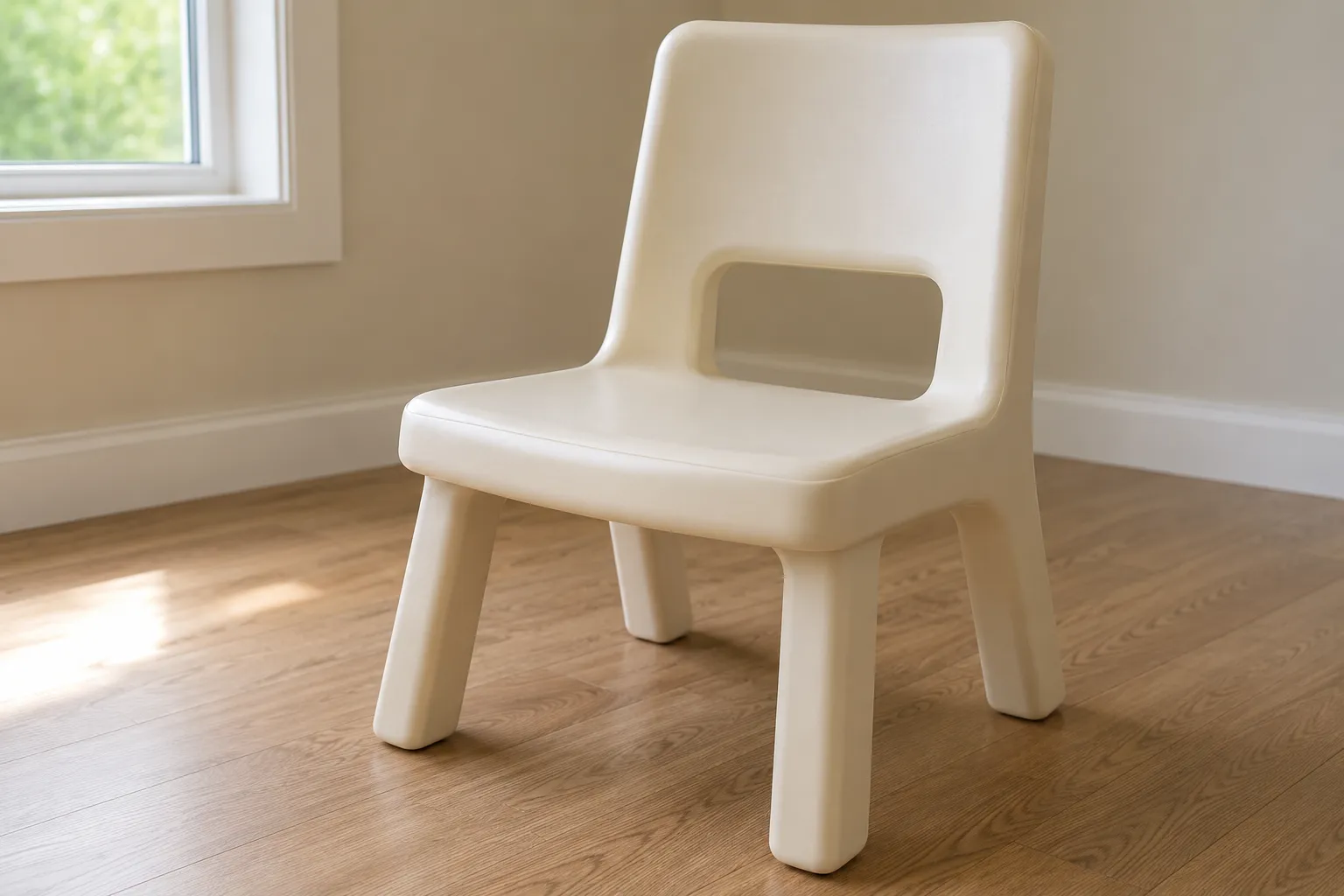
Request: Remove apple juice stain from children's chair.
Done: Treated stain with enzyme remover and performed extraction.
Cost: 13 000 ₸
Master: Dinara Kassymova, dry cleaning master
Total: Stain removed, upholstery clean and safe for child.
 After
After
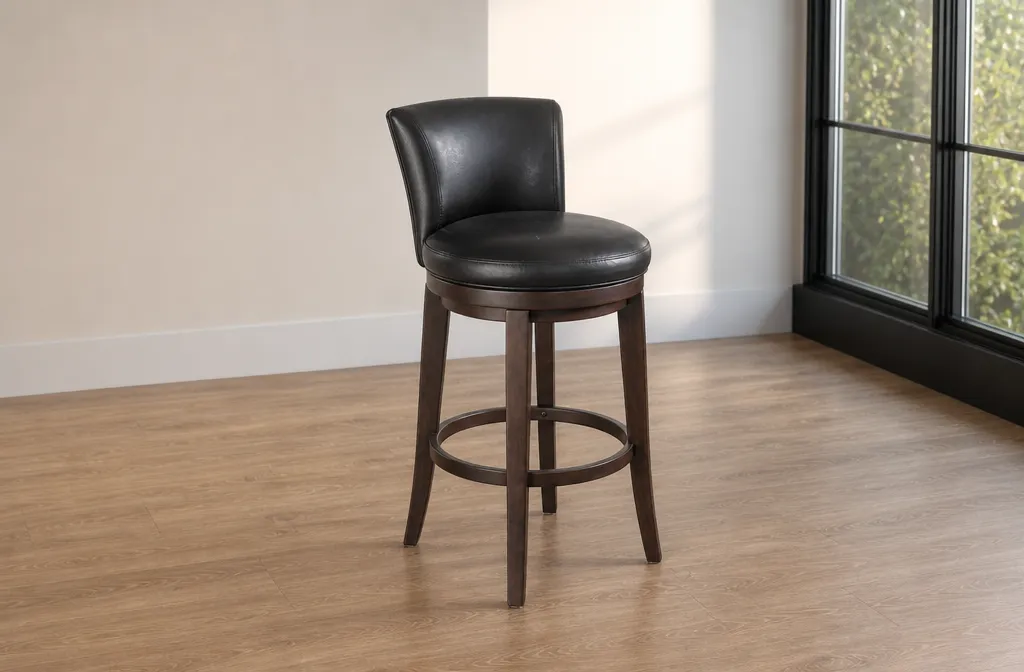
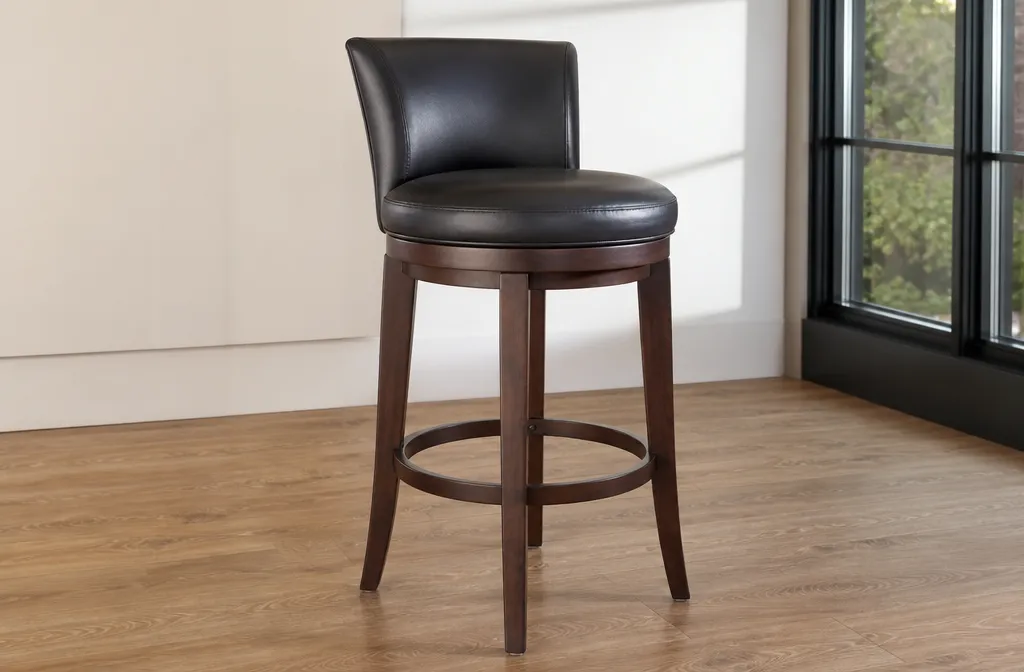
Request: Remove spilled beer stain from bar stool.
Done: Applied neutral cleaner and performed extraction cleaning.
Cost: 12 000 ₸
Master: Yerzhan Nurpeissov, dry cleaning master
Total: Stain and beer smell completely eliminated, upholstery fresh.
 After
After
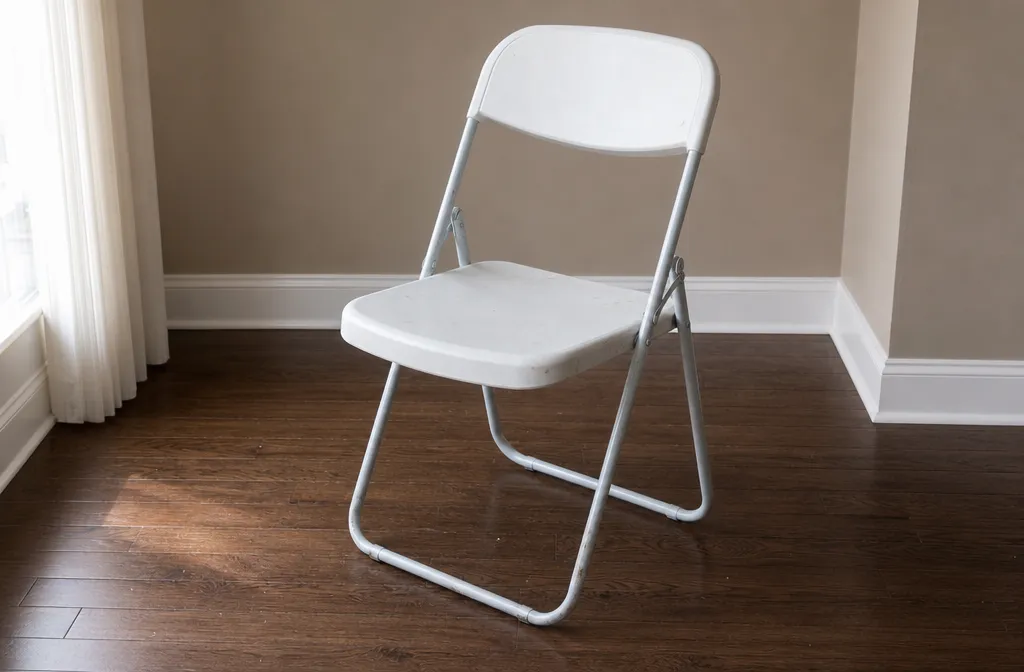
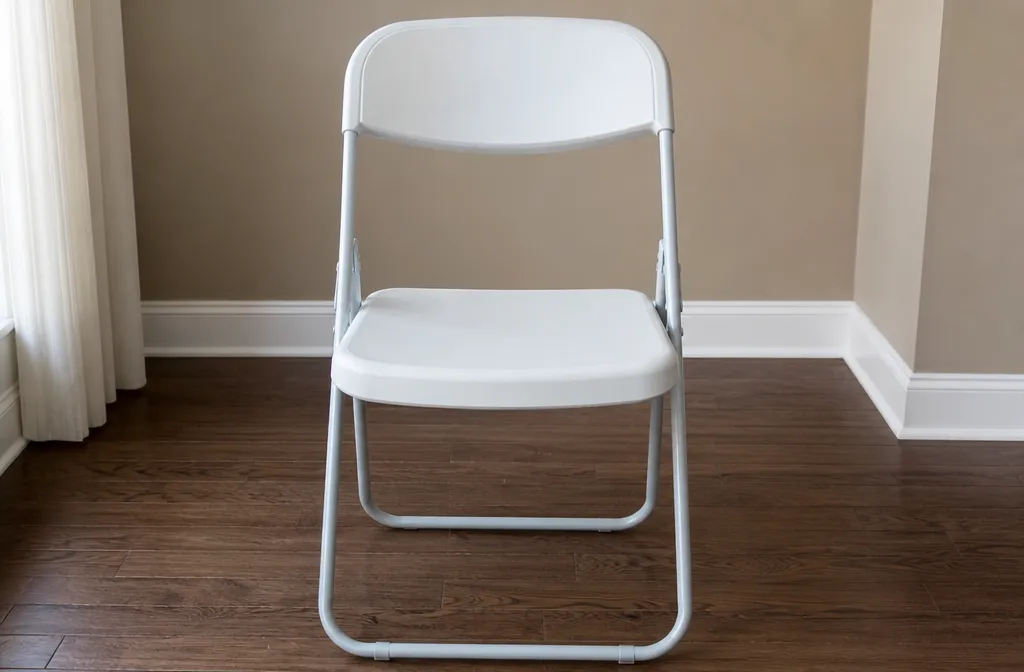
Request: Clean dried dirt from folding chair.
Done: Removed dirt with brush, treated stains with enzyme cleaner and dried.
Cost: 14 000 ₸
Master: Aigul Sadykova, dry cleaning master
Total: Dirt removed, chair clean, no streaks or odor.
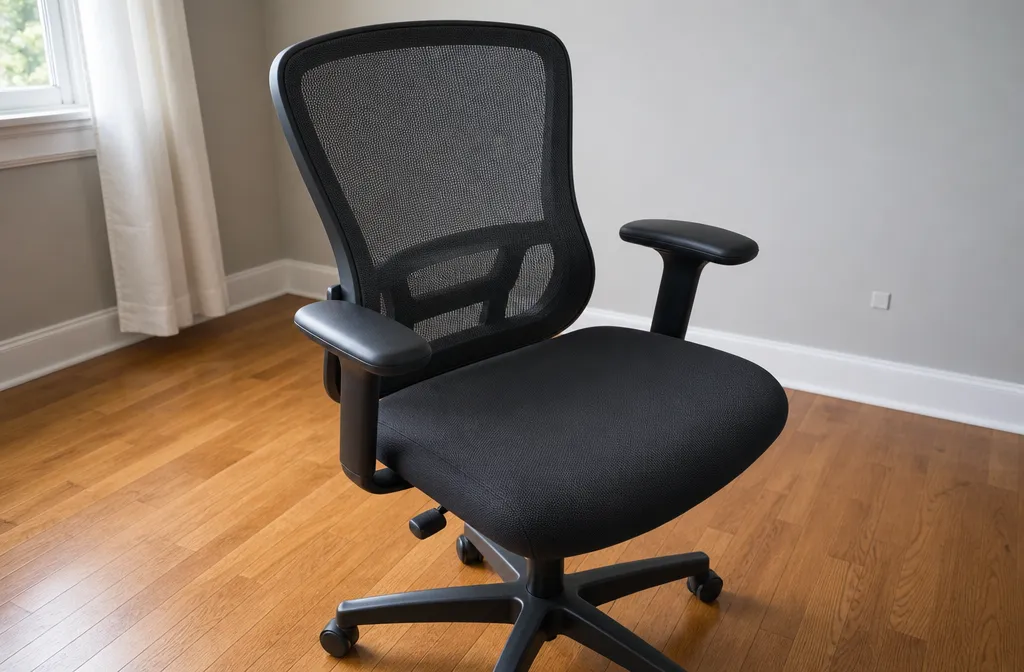 After
After
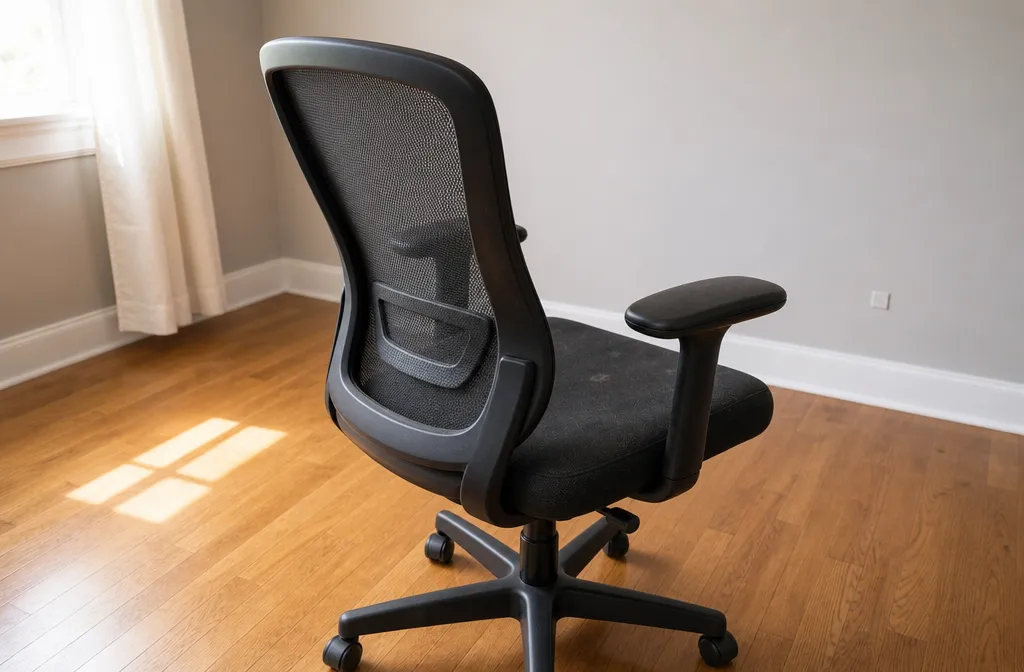
Request: Remove old sweat stains and odor from office chair.
Done: Treated backrest and seat with enzyme cleaner, Karcher extraction.
Cost: 13 000 ₸
Master: Timur Zhaksybekov, dry cleaning master
Total: Stains and sweat odor gone, upholstery clean and fresh.
All cleaners are profi-clean staff with training, uniform and security check. Each order has a team leader who controls quality.
At profi-clean, we select cleaning agents based on the upholstery type and stain, rather than using a one-size-fits-all solution. This prevents fabric damage, shrinkage, or color alteration.
For cleaning chairs with textiles — from velvet to microfiber — we use alkaline concentrates from Kiehl and neutral formulations from Sodasan. Alkaline agents (pH 9–10) effectively break down grease and protein-based stains like coffee, sauce, and oil marks, while neutral agents (pH 7) are safe for delicate fabrics such as wool or silk. For example, Kiehl MC-25 tackles set-in stains within 5–7 minutes without damaging fiber structure, and Sodasan Sensitiv leaves no residue on light-colored upholstery. The key difference is fundamental: alkaline removes “heavy” soiling but requires thorough rinsing to prevent residue that attracts dust. In Almaty kitchens, grease stains often mix with dust — without pH control and a two-phase rinse (foam first, then water with an extractor), dirt returns within a week.
On chairs from children’s rooms, we exclusively use certified enzyme-based stain removers from Sodasan — they work at 30–40 °C without releasing volatile compounds. Enzymes (protease, lipase, amylase) selectively break down organic matter: juice, milk, saliva, food residue — without affecting fabric dyes. Unlike chlorine bleaches, enzymes do not cause allergies and are safe for asthmatics. After treatment, we always neutralize any remaining solution with a mildly acidic rinse (pH 5–6) — this restores the natural electrostatic balance of the fibers, preventing new dust from settling on the chair for weeks. In our larger orders, we switch to a more active enzyme formula if we spot mold traces on chairs that have been stored for a long time in Almaty storage rooms.
For genuine leather — calf, pig, nubuck — we never use alkaline or alcohol-based products: they dry out the surface, causing cracks and color loss. Instead, we use pH-neutral cleaners like Kiehl Leder Reiniger and conditioners from Sodasan based on beeswax and lanolin. The cleaner gently removes grease buildup and scuffs from armrests, while the conditioner fills micropores, restoring elasticity. On leather chairs with a matte finish (e.g., in coffee shops on Seifullin Street in Almaty), a single pass with a microfiber cloth and cleaner suffices — glossy and lacquered leathers require a two-step treatment with a 10-minute intermediate drying period. Skipping the conditioner in the final stage causes the leather to lose its protective layer within 2–3 months, especially under direct sunlight from windows.
Common laundry detergents and dish soaps (like “Fairy,” “Sorti”) are a frequent mistake when trying to save money. They contain anionic surfactants that, upon contact with fabric, form insoluble salts with hard water (in Almaty, it’s 7–8 °dH). These salts clog fibers, making the upholstery feel stiff and attracting dirt 2–3 times faster. After such “cleaning,” a chair gets dirty again within a week, and re-wetting can produce an unpleasant sour smell — a reaction product of residual surfactants with perspiration. In our practice, we had a case where a client used “Vanish” on a chair, resulting in white streaks on dark velvet — removing them required an acid rinse with Kiehl MC-60 and an extractor. That’s why we use professional formulations with pH buffers and chelating agents that bind calcium and magnesium ions in water, preventing them from settling on the fabric.
The frequency of professional chair cleaning depends on the upholstery material, usage intensity, and type of soiling — there is no universal schedule, but there are proven intervals based on practice.
For chairs with fabric upholstery (microfiber, velour, linen) in the living room, we recommend professional dry cleaning every 6–8 months. Dust and sebum accumulate invisibly in the fibers: after 5–6 months without cleaning, the upholstery loses its freshness, and a gray film appears on light colors. In the kitchen, the interval shortens to 3–4 months — greasy steam from cooking settles on the fabric, and soot embeds faster. In our practice, there was a case: on chairs with linen upholstery in an apartment above a restaurant, the film became noticeable after just two months — an off-schedule cleaning with a heavy-duty degreaser was required. If there are children or allergy sufferers in the home, schedule dry cleaning once a quarter: allergens (pet dander, dust mites) accumulate in the fabric pores within 8–10 weeks, and a home vacuum cleaner with a HEPA filter only removes the surface layer.
Leather and eco-leather chairs require dry cleaning less often — once every 6–8 months is enough to remove sweat and oil marks from armrests and seats. However, between cleanings, supportive treatment with a leather conditioner is needed: without it, the coating dries out within 10–12 months, micro-cracks appear, and dirt gets embedded. In the Almaty market, we see a common mistake: owners wipe leather with a damp soapy cloth — this washes away the protective layer and dries out the material. The correct approach is dry cleaning with a soft brush once a week and professional dry cleaning with a neutral pH formula twice a year. For light-colored leather (beige, white), it’s better to shorten the interval to 4–5 months: denim dye and pigments from clothing rub into the pores after just 3–4 months of active use.
For delicate pile fabrics (velvet, velour, plush), we recommend dry cleaning every 4 months. The pile quickly flattens under a person’s weight, and oily stains (from hair, hands) glue the fibers together — after 5–6 months without cleaning, the upholstery loses its volume and sheen, which cannot be restored by simple washing. A specific feature of Almaty is hard tap water with impurities: during home wet cleaning, salt stains remain on velvet, which fix the dirt. Therefore, for velour chairs, we always use dry foam cleaning with minimal moisture and subsequent drying with an industrial fan — otherwise, wetting deforms the pile, leaving “bald spots” on the surface. Before ordering dry cleaning, ask the technician if they dry the upholstery with a heat fan: damp velour without forced drying takes up to 24 hours to dry and can shrink during that time.
Chairs with wooden or rattan seats (Vienna, wicker) are a separate case: they are cleaned once a year, but with mandatory antiseptic treatment. In the pores of unvarnished wood and rattan weaves, up to 2–3 grams of dust accumulate per seat per year — this is a breeding ground for mold at humidity levels above 60%, typical for Almaty’s spring and autumn. For such surfaces, we use an alcohol-based cleaner followed by a wax impregnation: it kills spores without soaking the wood. If the chairs have a lacquer coating, gentle wet cleaning without abrasives is sufficient — lacquer scratches even with a hard sponge, and dirt gets embedded deeper through the scratches. We recommend combining dry cleaning of Vienna chairs with seasonal insect treatment: in Almaty, the wood-boring beetle is active from April to September, and a preventive impregnation once a year protects the frame for 12–14 months.
The answer to this question depends on three factors: the type of upholstery, the nature of the stain, and the availability of suitable equipment. At profi-clean, we see the consequences of home experiments every day — from embedded “foam” to streaks that are harder to fix than the original stain.
profi-clean’s cleaner uses an extractor with a water temperature of 70–90 °C and a pressure of 4–6 bar — this washes dirt out from deep within the foam rather than spreading it on the surface. A home steam cleaner (like Karcher SC) delivers 1–2 bar and insufficient heat to dissolve grease deposits. Our chemicals — an alkaline pre-spray (pH 10–12) for synthetics or a neutral one (pH 7) for silk and wool — are selected based on the dye type to avoid stripping the pigment. At home, the average user reaches for “Vanish” or “Ushasty Nyan,” which leave whitish streaks on 30% of Almaty upholstery — especially on dark microfiber and colored velour. After drying with a fan (not a hairdryer), we check residual moisture with a moisture meter: the foam must dry to 8–10% within 4–6 hours, otherwise a musty smell appears after 2–3 weeks — this is impossible to achieve at home without a dehumidifier.
Almaty’s climate, with sharp humidity fluctuations, dust storms, and smog, creates specific conditions for chair upholstery — stains accumulate faster and deeper here than in regions with a stable microclimate, so chair dry cleaning in Almaty requires a special approach to selecting chemicals and treatment modes.
Due to the city’s basin location and high traffic density, the air contains a mix of fine PM2.5 dust and soot particles that clog into the micropores of fabric and velour. We notice that on chairs in apartments with open windows on the 1st–5th floors, a film forms within 2–3 weeks, and in kitchens, a grease layer from cooking is added. In our practice, a standard vacuum attachment with a HEPA filter only handles the surface layer, so for deep cleaning, we use an extractor with hot water at 60°C and vacuum suction — this washes soot out of the fabric’s base. For chairs in homes near Al-Farabi Avenue or Satpayev Street, we recommend preventive dry cleaning every 4 months rather than every six months, as in less polluted areas.
In spring and autumn, humidity in Almaty apartments rises to 75–85%, especially in basement floors and homes at the foot of the mountains — this is an ideal environment for mold spores to develop in chair foam fillings. We often receive chairs with a musty smell that doesn’t go away after regular washing: this means the fungus has already settled inside the filling. In such cases, we first treat the upholstery and foam with an antiseptic solution based on hydrogen peroxide (Kiehl Biocide), then dry the structure with an industrial fan for 4–6 hours. If a chair has been against a wall on an unheated balcony or in a kitchen without an exhaust hood, the risk of black spots on the fabric increases — we advise owners of such chairs to order dry cleaning with a fungicidal treatment at least once a year.
On chairs in a city with frequent rains and melting snow, not just dusty streaks appear, but salt and reagent stains from shoes — they penetrate light upholstery in a single season and require acid neutralization. For such cases, we use a pH-neutral pre-spray from Sodasan, which breaks down mineral deposits without damaging fabric dyes. A separate issue is spilled drinks: in Almaty apartments, people often drink tea with lemon, coffee with milk, and compotes, and each stain behaves differently on cotton, microfiber, and leatherette. We treat protein-based stains (milk, juices) with an enzymatic solution at 30°C; otherwise, they “cook” into the fabric and leave yellowing. On chairs where pomegranate juice or red wine was consumed, we apply an oxygen bleach with a 20-minute dwell time — this is the only way to remove tannins without fading.
After professional dry cleaning, chairs look like new, but how long this effect lasts directly depends on daily care and preventive measures, which we recommend to our clients.
After dry cleaning at profi-clean, we advise using removable microfiber covers with a water-repellent impregnation — they trap up to 80% of household dust and accidental spills. For leather and eco-leather chairs, it is enough to wipe the surface once every two weeks with a damp microfiber cloth without alcohol — alcohol dries out the coating and causes cracks. On kitchen chairs in Almaty apartments with gas stoves, grease deposits settle within 3-4 days: if you don’t wipe the backrest and seat once a week with a mild soap solution (a drop of dish soap per liter of water), the oily film penetrates, and the next dry cleaning will require harsher chemicals. Moreover, on fabric upholstery like flock or velvet, grease gets embedded between fibers within 10-12 hours — here it’s best to immediately blot the stain with a dry napkin without rubbing.
Fresh water-soluble stains — tea, coffee, juice, spilled water — can be removed in 5 minutes if you immediately blot the stain with a dry white cloth and then treat the area with a solution of 1 part vinegar and 3 parts water, applying it with a spray bottle and blotting after 2 minutes. Greasy stains, oil or wax marks cannot be removed without a professional extractor: the pile absorbs oil to a depth of up to 3 mm, and household soap only fixes the grease deeper. Our cleaners have encountered cases where trying to wipe an oil stain from velvet with dish soap led to dye bleeding 2-3 cm around — restoring such an area costs more than a repeat dry cleaning. The same applies to wine and berry juice stains on light upholstery: acids react with the dye within 30-40 minutes, and without a neutralizing compound (pH buffer), a purple halo remains. So the rule is simple: water-based stains up to 3 hours old can be attempted yourself; everything else — call profi-clean before the stain sets.
The most common mistake is using brushes with stiff bristles to clean upholstery: on velvet and flock, the pile gets crushed and loses volume after just 3-4 wipes, forming unsightly bald patches. The second most frequent issue is using bleaches and chlorine-based stain removers on colored fabrics: even a single exposure to chlorine leaves irreversible white streaks that can only be masked by repainting. On kitchen chairs with fabric upholstery, grease accumulates fastest on the armrests and the top edge of the backrest — in our practice, without preventive care, a dark rim forms on these areas within 2-3 months, requiring a double extraction cycle during dry cleaning. Another mistake is placing chairs close to radiators or heaters: at temperatures above 40°C, the adhesive base of flock begins to deform, causing bubbles on the seat. Our technicians recommend keeping chairs 30-40 cm away from any heat sources — this extends cleanliness and upholstery integrity by 3-4 months between professional cleanings.
The microclimate of Almaty, with its humidity fluctuations (down to 20% in winter, up to 60% after rain in summer), dictates different care rules for each material. For velvet and chenille during the dry season, it is mandatory to use an anti-static spray (once every 2 weeks) — otherwise, dust is drawn into the pile within 2-3 days, visually aging the upholstery. On leather and eco-leather in the summer heat (+35°C in the shade), wiping with a leather conditioner once a month is sufficient — without it, the coating cracks at the folds after 6-8 months of active use. For flock, which is very popular in Almaty apartments due to its low cost, the main enemy is humidity above 65% (common in basements and ground floors): the adhesive base becomes damp, and the pile begins to separate from the fabric within 1-2 months. Our cleaners advise owners of flock chairs in homes with poor ventilation to install a dehumidifier or at least regularly air out the room — this preserves the upholstery’s appearance until the next professional cleaning.
We ordered dry cleaning for Vienna chairs — coffee stains are completely gone. Very satisfied with the result.
Thank you for your feedback! Glad we handled the stains.
After dry cleaning, the leather chairs look like new. The smell was also removed.
We had dry cleaning done for office chairs — 20 chairs. No dirt or yellowness left.
Thank you for your order! We work quickly and efficiently.
Wine stains were almost completely removed, but one chair had to be redone. Overall good.
We apologize for the inconvenience. Next time we will pay more attention.
Ordered dry cleaning for bar stools — greasy stains removed perfectly. Recommend.
High chairs cleaned from markers and food. Now like new.
Thank you! It's important for us that children are in clean surroundings.
Dry cleaning of velvet chairs — excellent result. Tea stains disappeared.
Carefully cleaned the embroidery, color didn't spoil. Only took long to dry.
Sorry for the long drying time. Usually faster, but in your case the fabric is dense.
Ordered dry cleaning for restaurant chairs — 30 pieces. All clean, no streaks.
Glad to cooperate! We look forward to seeing you again.
Cleaned chairs with armrests — dirt was ingrained but scrubbed off. Super!
Dry cleaning of microfiber chairs — oil stains removed. Very high quality.
Thank you! Microfiber is a tricky material, but we managed.
Was afraid to give vintage chairs, but the masters handled them gently. Paint not damaged.
Ordered dry cleaning for folding chairs — one stain remained. Expected better.
Sorry we couldn't handle the stain. We offer a free retreatment.
The velvet chairs became soft and fresh. The tobacco smell is gone.
Did dry cleaning of chairs for computer chairs — removed sweat stains. Now it's pleasant to sit.
Glad we helped! Contact us.
Cleaned the patterned chairs — colors didn't fade. But a faint chemical smell remains.
Thank you for the feedback! Next time we'll use less product.
Dry cleaning of wicker chairs — cleaned dirt from the gaps. Excellent!
The cushions on the chairs were washed from juice. They became soft and fluffy.
Thank you! We use safe products.
Ordered dry cleaning for antique chairs — delicate, without damage. Excellent result.
The eco-leather shines like new. The paint didn't peel off. Very neat.
Ordered dry cleaning of chairs for a cafe — 15 pieces. Almost all are great, but two have streaks.
We apologize. We'll treat them again.
The gilding wasn't scratched, the fabric is clean. Very satisfied with the service.
Dry cleaning of terrace chairs — mold removed. Now you can sit.
Thank you! We fight mold professionally.
Carved chairs cleaned of dust and dirt in crevices. Every pattern is visible.
Dry cleaned living room chairs — cherry stains removed. Smells fresh.
Upholstery cleaned well, but one corner remained dirty. Had to call.
Sorry for the oversight. Next time we'll check more thoroughly.
Ordered dry cleaning for bedroom chairs — ottomans also cleaned. Pleasant bonus.
Glad you liked the surprise! We always strive to do more.
Plush chairs became soft and clean. Chocolate stains disappeared.
Dry cleaning of hallway chairs — outdoor dirt washed off. Great job.
Leather on backs shines, fabric is clean. Very high quality.
Thank you! We handle materials with care.
Did dry cleaning of chairs in the children's room — paints and plasticine removed. Safe for the child.
Office chairs became neat. Coffee stains removed.
Chair dry cleaning did not fully remove urine smell. Disappointed.
We apologize. For persistent odors, we recommend ozone treatment.
Headrests cleaned of grease. Sitting became comfortable.
Ordered dry cleaning of dining room chairs — greasy food stains gone. The dining room now shines.
Thank you! Glad you liked it.
Cotton upholstery cleaned, but shrank a bit. Otherwise fine.
Sorry for the shrinkage. Next time we'll consider the fabric's characteristics.
Dry cleaning of patterned chairs — thread intact, patterns bright. Professional.
Covers removed and cleaned separately. Everything perfect.
Ordered dry cleaning of chairs for the gazebo — outdoor dirt removed. Now we can relax.
Glad the gazebo has transformed!
On average 1-2 hours depending on the soiling. Includes all stages: inspection, cleaning, drying. After drying, the chair can be used immediately.
Leave a request on the website or call. We will agree on a convenient time, come for a free assessment, and perform cleaning on-site or in our workshop.
Yes, we use hypoallergenic Sodasan products that are safe for children and pets. After cleaning, chairs do not emit harmful substances.
Just clear the chairs of items. If there are removable covers, they can be taken off. We will prepare the surface ourselves.
Cash, Kaspi, Halyk Bank, card transfer. Payment after the work is possible.
Yes, if a stain is not removed, we refund the money or perform a repeat cleaning for free. The guarantee is valid for 14 days.
Travel within Almaty is free. Outside the city — at an individual rate per km. Minimum order amount for travel — individual rate.
Yes, the minimum order is 1 chair. The price is per piece. For orders of 5 or more chairs, a 10% discount applies.
We recommend every 6-12 months. With frequent use or if there are allergy sufferers, more often. Regular cleaning extends the life of the upholstery.
Yes, we use enzyme products and ozonation that break down organic compounds and eliminate odors at the molecular level.
Tell us about your experience with profi-clean — it helps other clients and us improve.
We currently operate in Almaty. Other cities are coming soon.