Inspection and leather type
We determine the leather type: aniline, semi-aniline, pigmented, or faux leather. The choice of products and cleaning intensity depends on this.
Restore your skin's original look: we remove stains, scuffs, and odors from sofas, armchairs, and other furniture made of natural and artificial leather.
We work with any types and materials
We clean straight leather sofas of any length, paying attention to seams and armrests.
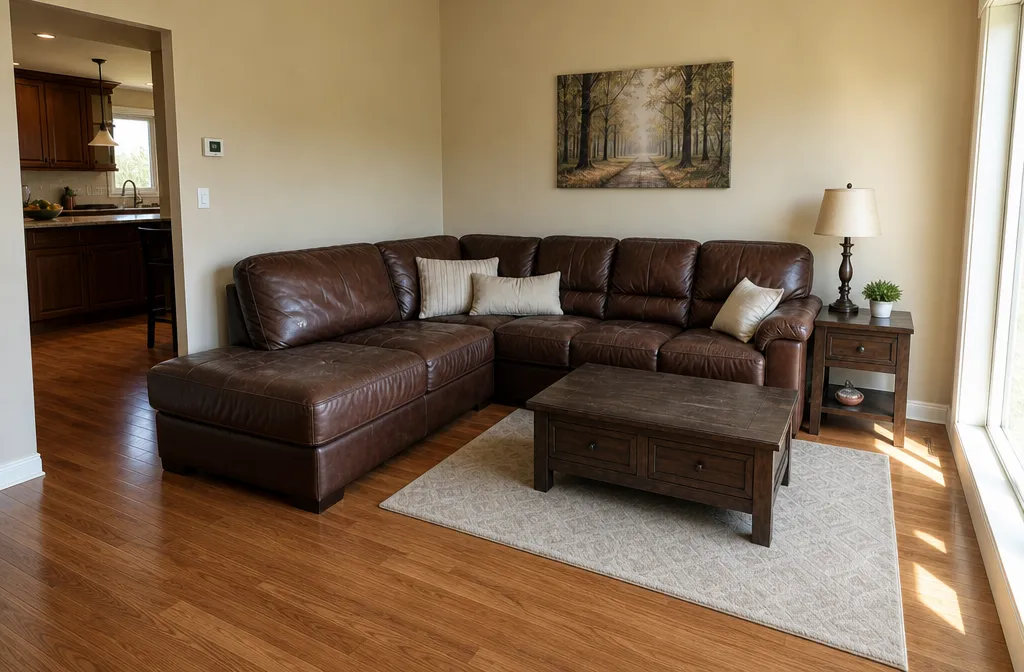
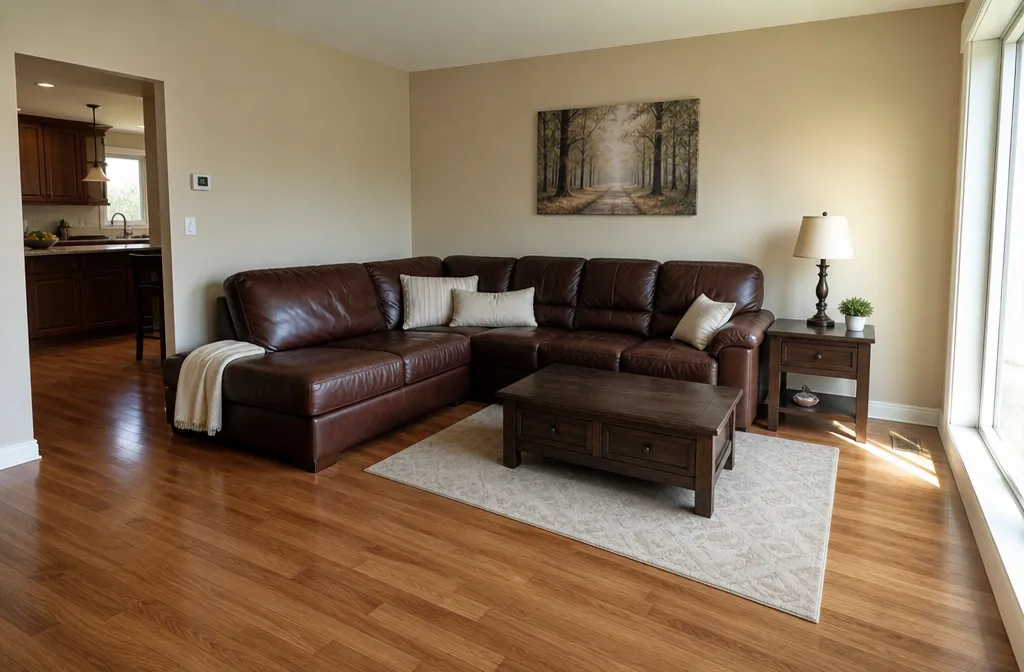
from 11,000 ₸Corner sofas require a special approach to joints and corner elements.
from 11,000 ₸We clean folding mechanisms and leather in both folded and unfolded positions.
from 11,000 ₸We treat armchairs with armrests and high backs.
from 3,500 ₸We remove dirt from moving parts and leather upholstery.
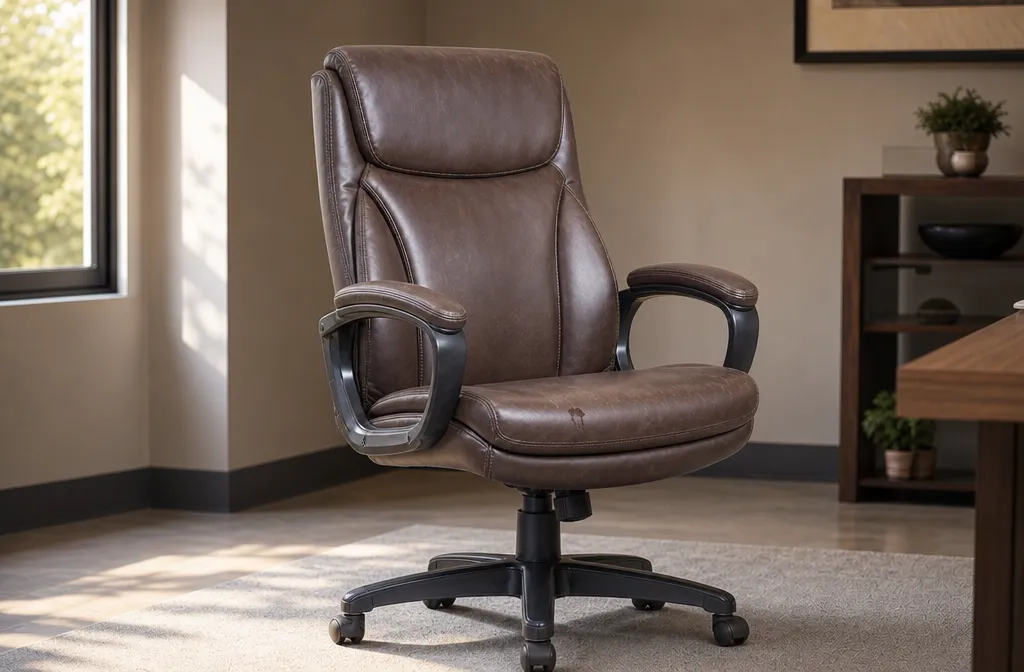
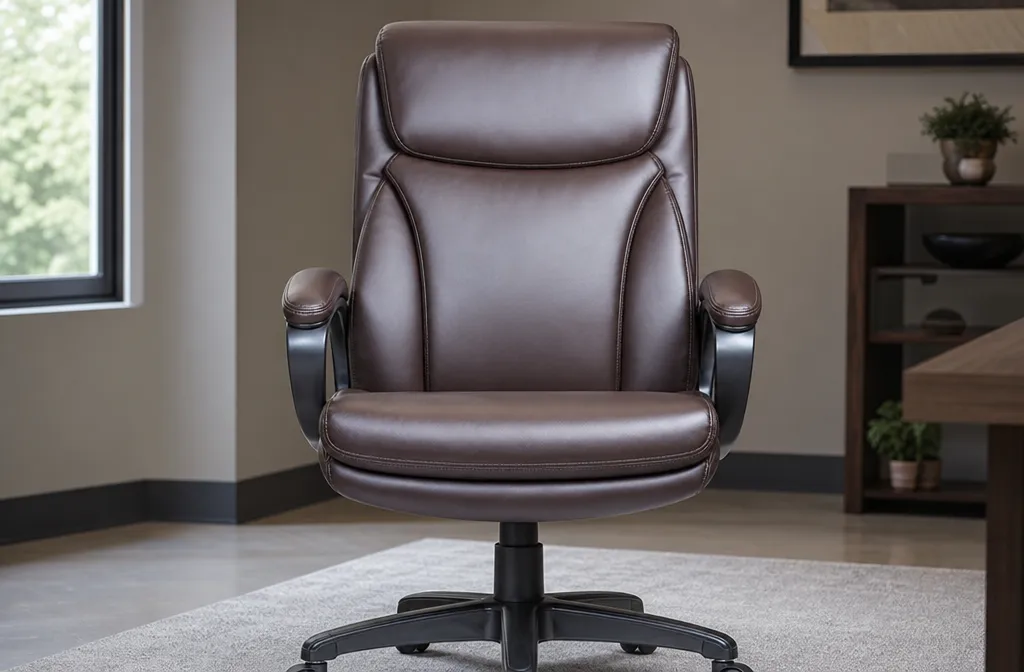
from 3,500 ₸We clean office chairs on casters, including headrest and armrests.
from 3,500 ₸Compact chairs are cleaned quickly and efficiently.
from 1,500 ₸Soft ottomans are cleaned of dust and stains, color is restored.
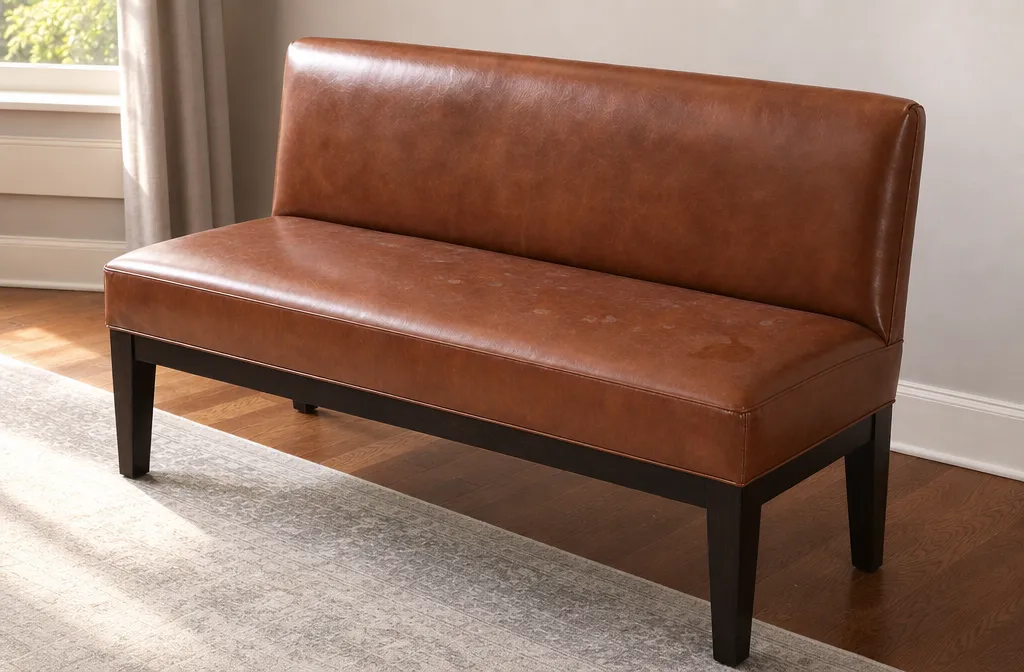
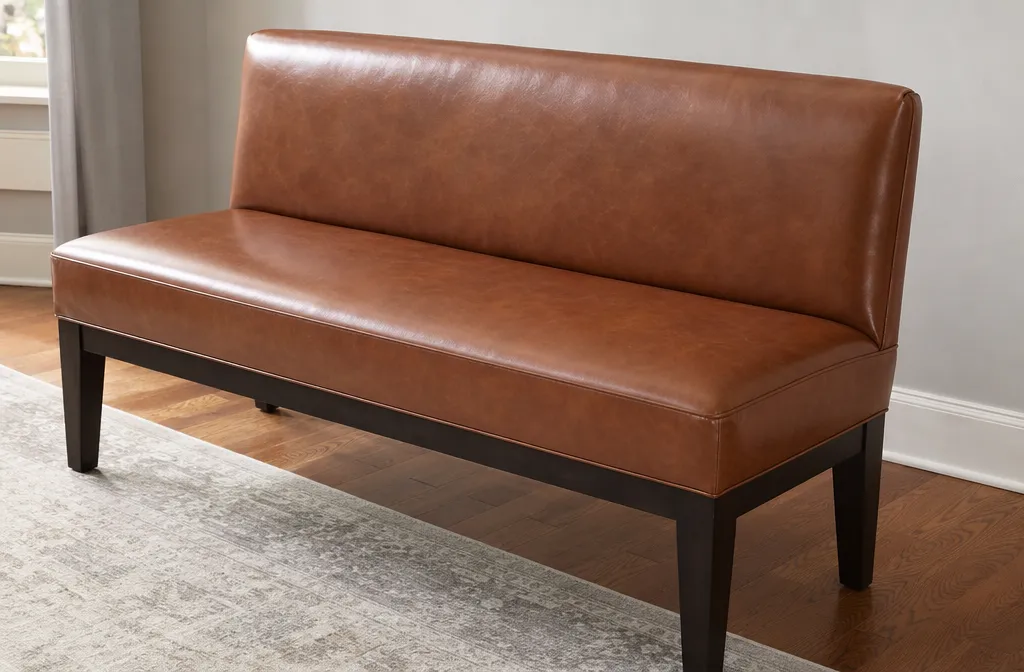
from 2,500 ₸We clean banquettes with leather upholstery, including those with tufted stitching.
from 2,500 ₸Leather mattresses require delicate cleaning without over-wetting.
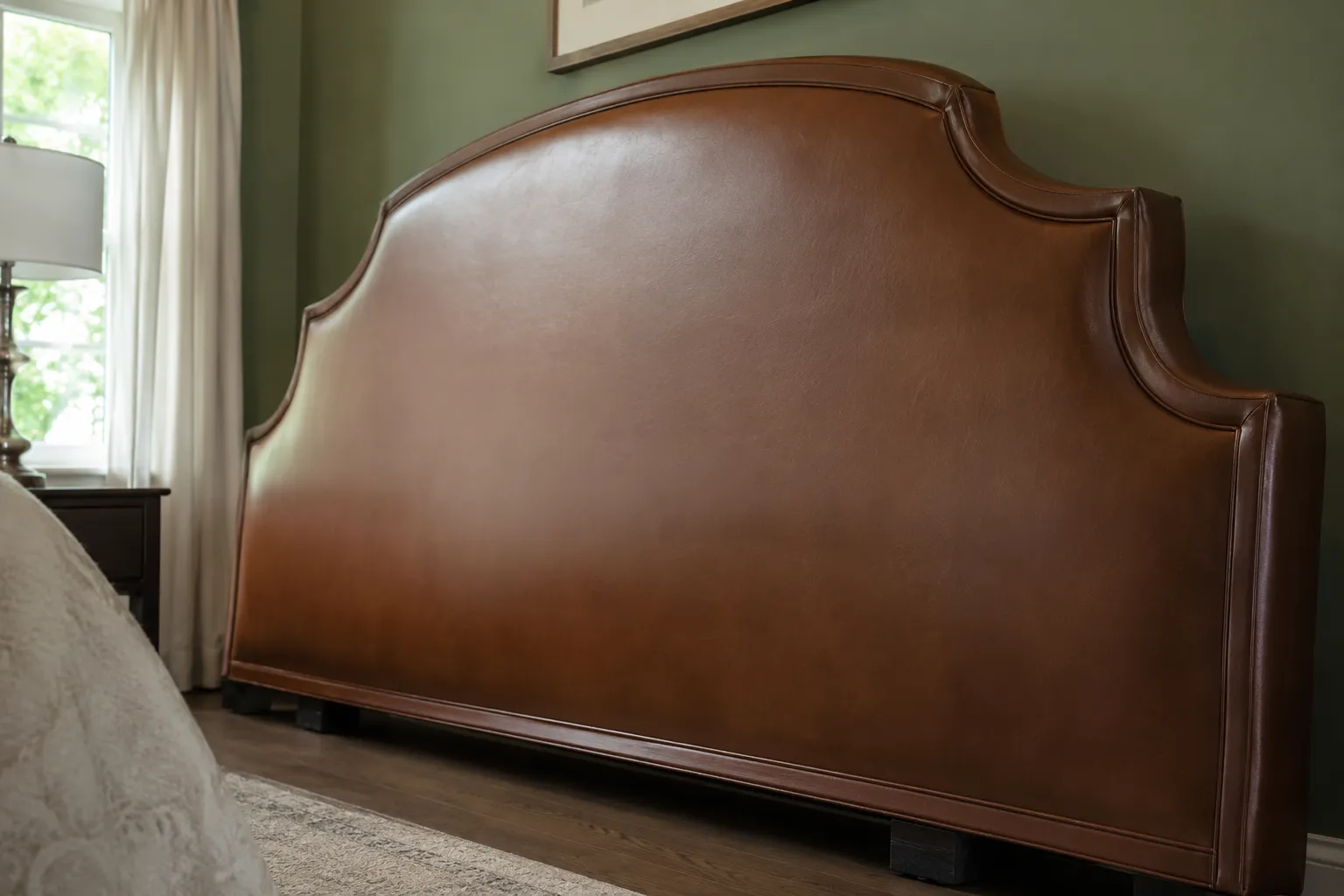
from 7,000 ₸We clean leather headboards, removing traces of cosmetics and grease.
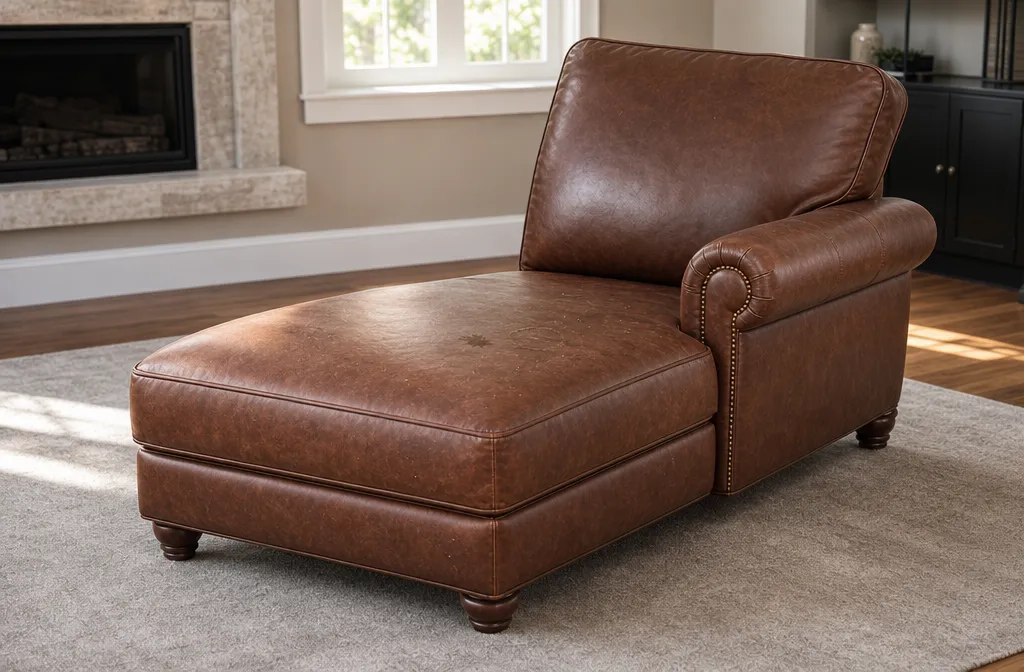
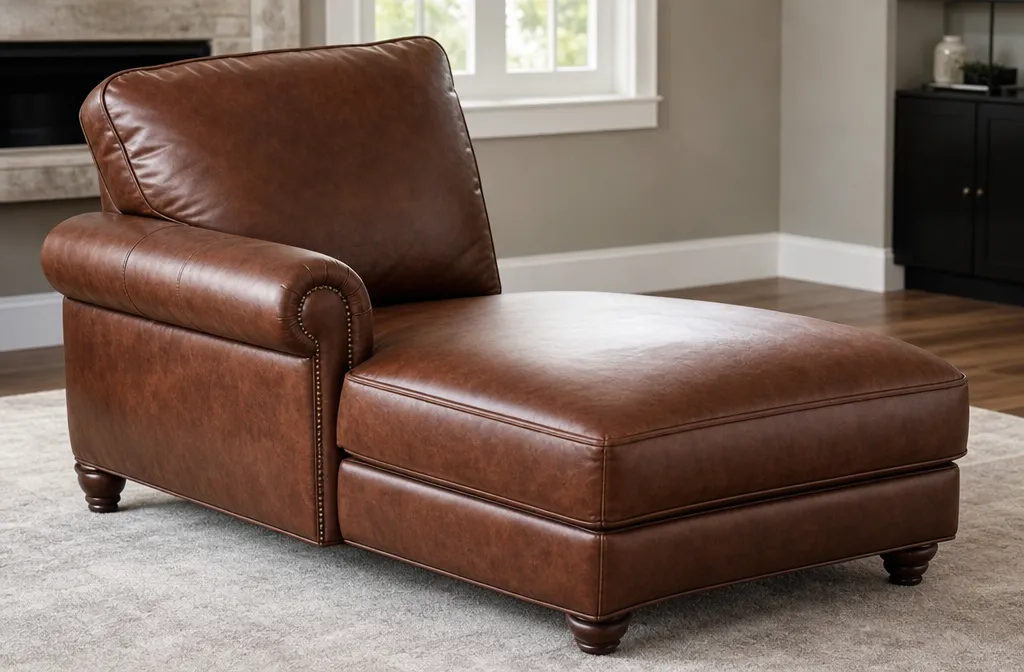
from 12,000 ₸Chaise lounges with leather upholstery are treated considering their shape.
from 12,000 ₸From inspection to result with guarantee
We determine the leather type: aniline, semi-aniline, pigmented, or faux leather. The choice of products and cleaning intensity depends on this.
Remove dust and large debris from the surface and seams using a vacuum cleaner with a soft brush. This prevents streaks during wet cleaning.
Apply special products to remove grease, oil, food stains, and ink marks. Use Leather Master Spot Remover.
Wash the leather with a foam cleaner from Leather Master or Kiehl using an extractor Karcher SE 4001. The foam penetrates pores and washes out dirt.
Use a damp microfiber cloth to remove any remaining cleaning solution to avoid streaks.
Dry the furniture naturally or with a fan without heat. Avoid direct sunlight.
Apply Leather Master moisturizing cream to restore elasticity and prevent cracking.
We apply a protective impregnation that repels dirt and moisture. Extends the life of the leather.
We only use certified Leather Master and Kiehl products that do not damage the leather structure. They effectively remove dirt while preserving natural shine and softness. Suitable for aniline, semi-aniline, and pigmented leather.
The Karcher SE 4001 extractor applies cleaning solution under pressure and immediately vacuums dirty water, allowing removal of dirt from deep pores. This is especially important for light-colored leather where stains are more visible. The equipment ensures minimal moisture and quick drying.
Each leather type requires an individual approach. Aniline leather is sensitive to moisture, semi-aniline is more resistant, and pigmented can withstand intensive cleaning. Our technicians accurately identify the leather type and select the right products and modes.
After dry cleaning, no streaks remain and the protective coating is not damaged. If defects appear, we redo it for free. The warranty is valid for 14 days. We only use neutral pH products that are safe for leather.
Our technician will come to you, assess the condition of the leather furniture, determine the leather type and complexity of stains. You will receive an accurate estimate without markups. The visit is free within Almaty.
You pay only after checking the result. We accept Kaspi, Halyk, bank cards, and cash. We work with legal entities and individual entrepreneurs — we provide closing documents.
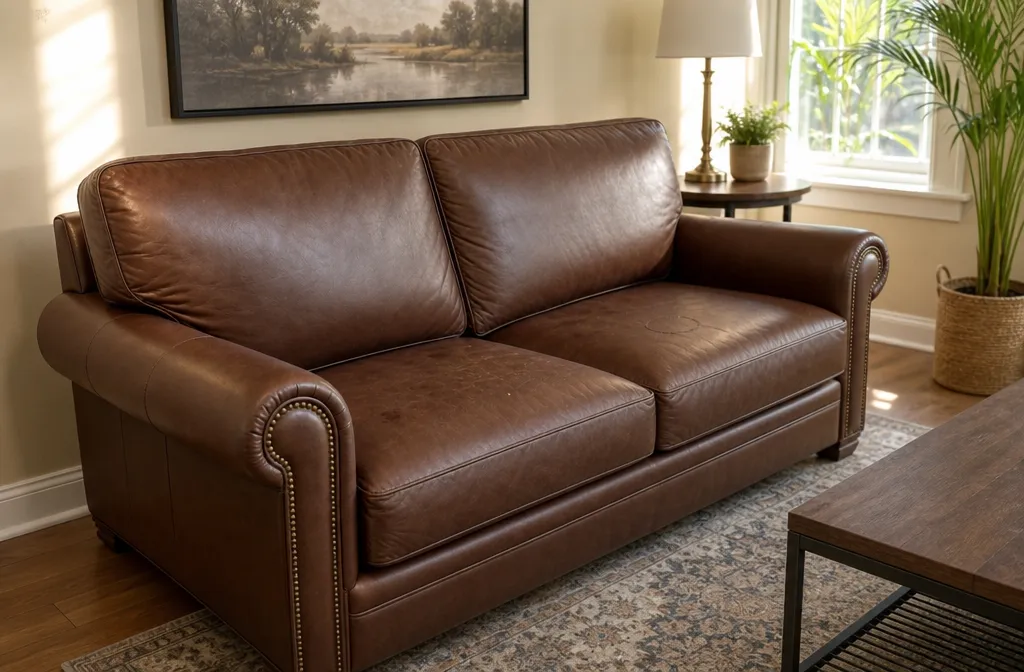
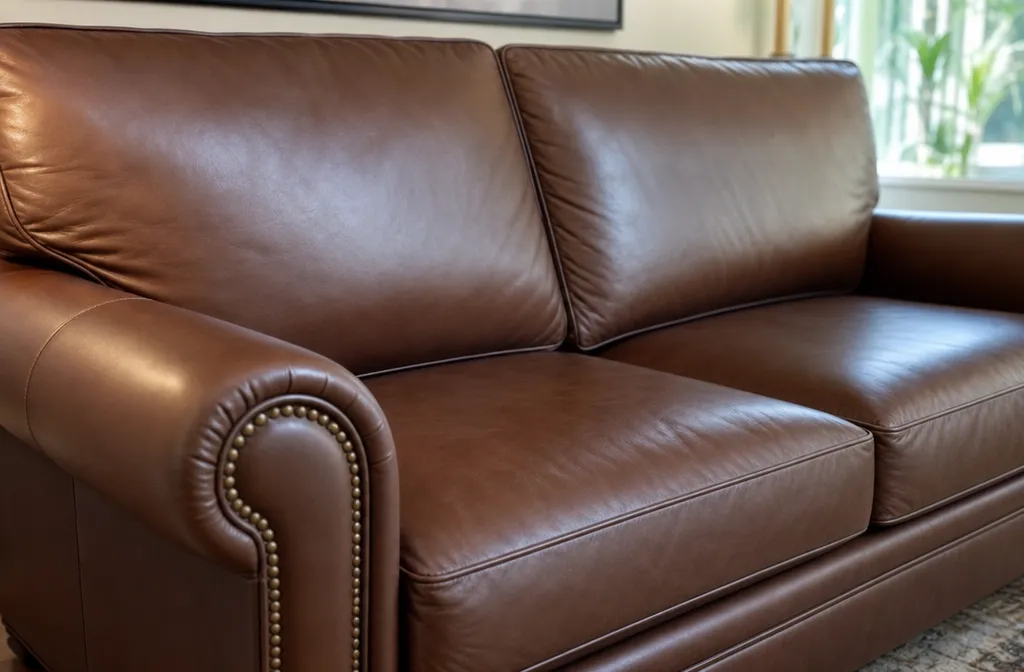 After
After
Request: Remove greasy stains and scuffs from a leather sofa in the living room.
Done: We performed deep dry cleaning of the leather using a pH-neutral cleaner and conditioner.
Cost: 12 000 ₸
Master: Aigul Sydykova, dry cleaning master
Total: The sofa is completely cleaned, color restored, surface soft and well-groomed.
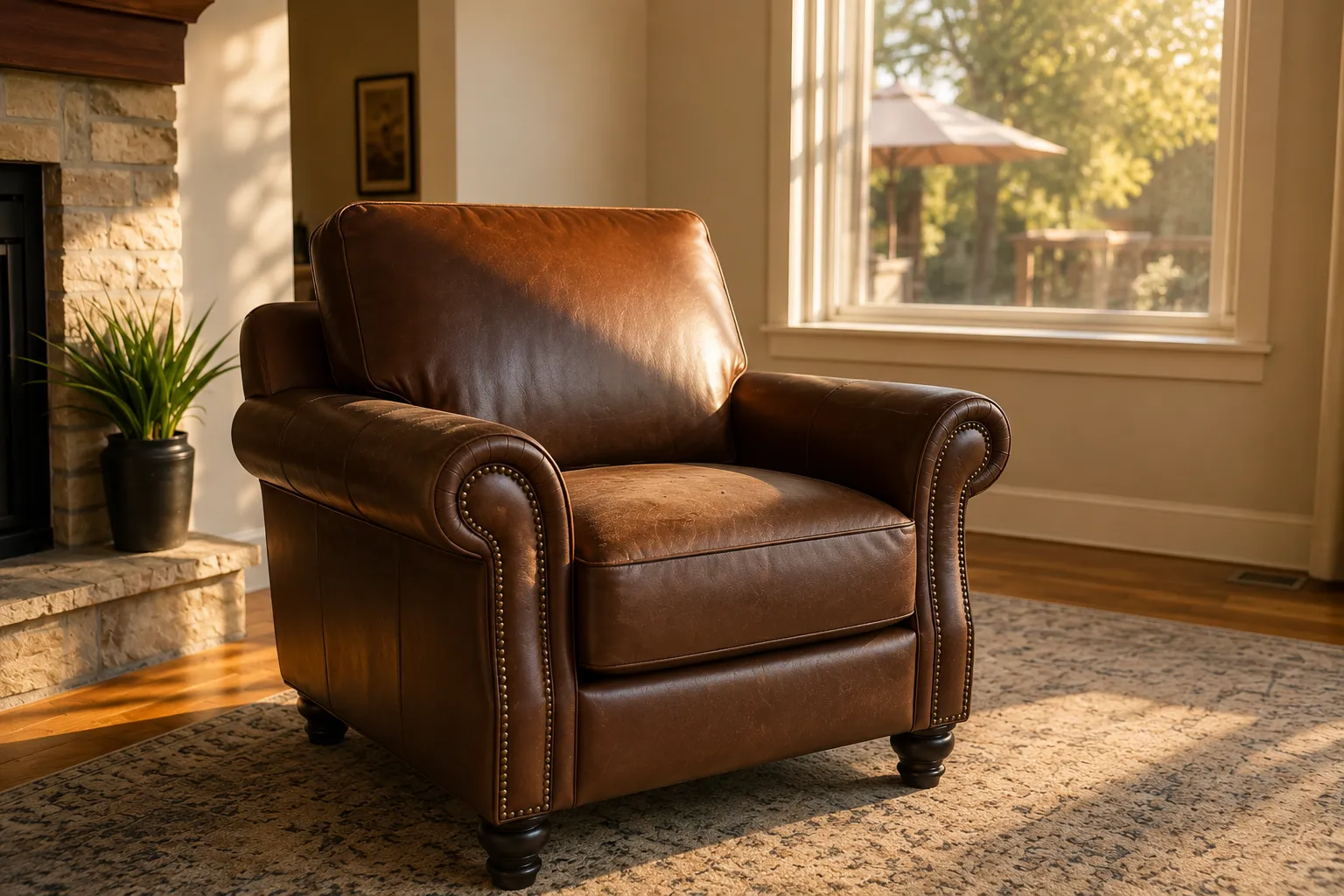
 After
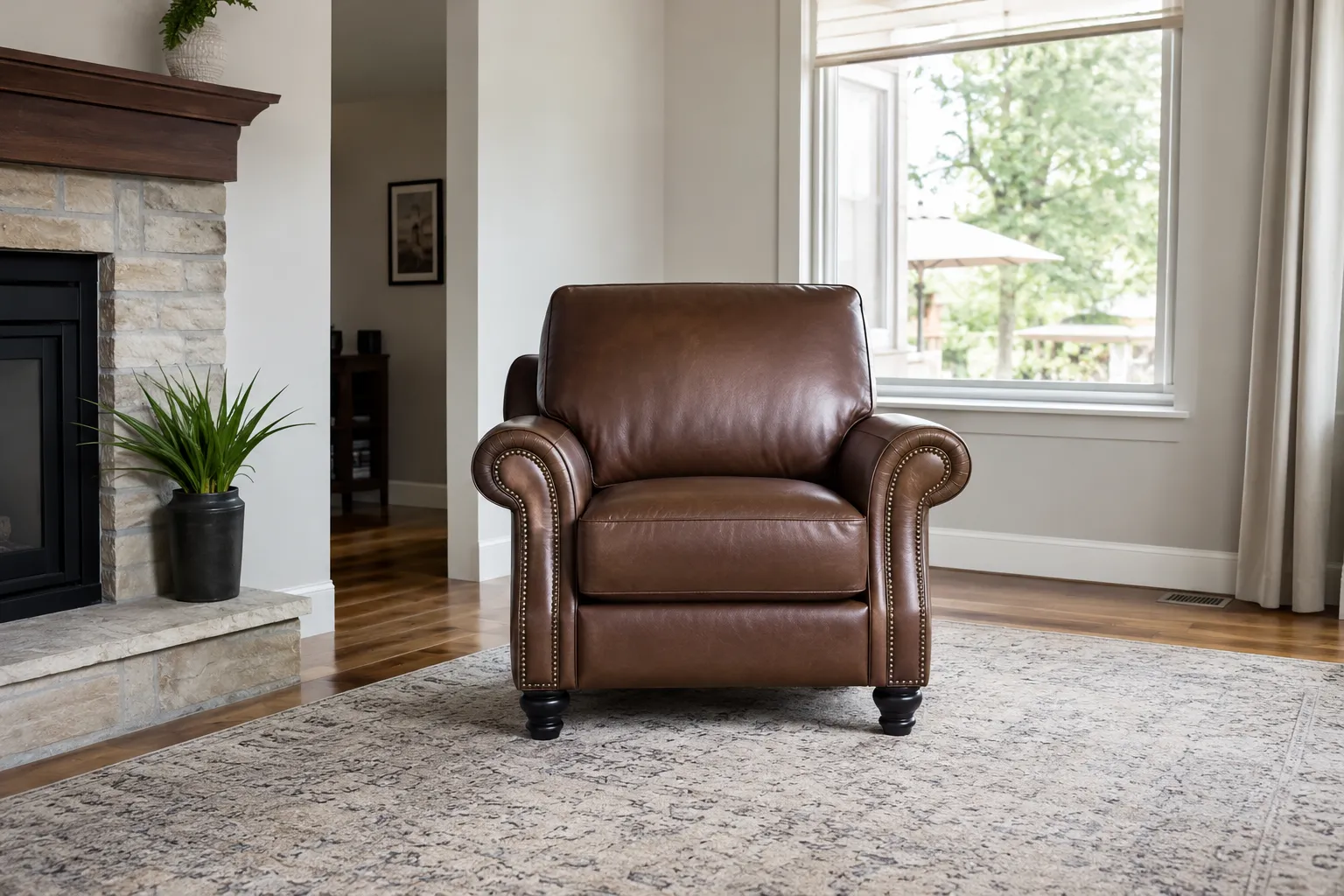
After
Request: Remove stubborn coffee and grease stains from a leather armchair.
Done: We applied an enzymatic cleaner and gentle steam treatment to remove stains.
Cost: 15 000 ₸
Master: Timur Zhaksybekov, dry cleaning master
Total: Stains completely gone, leather has a uniform matte shade.
 After
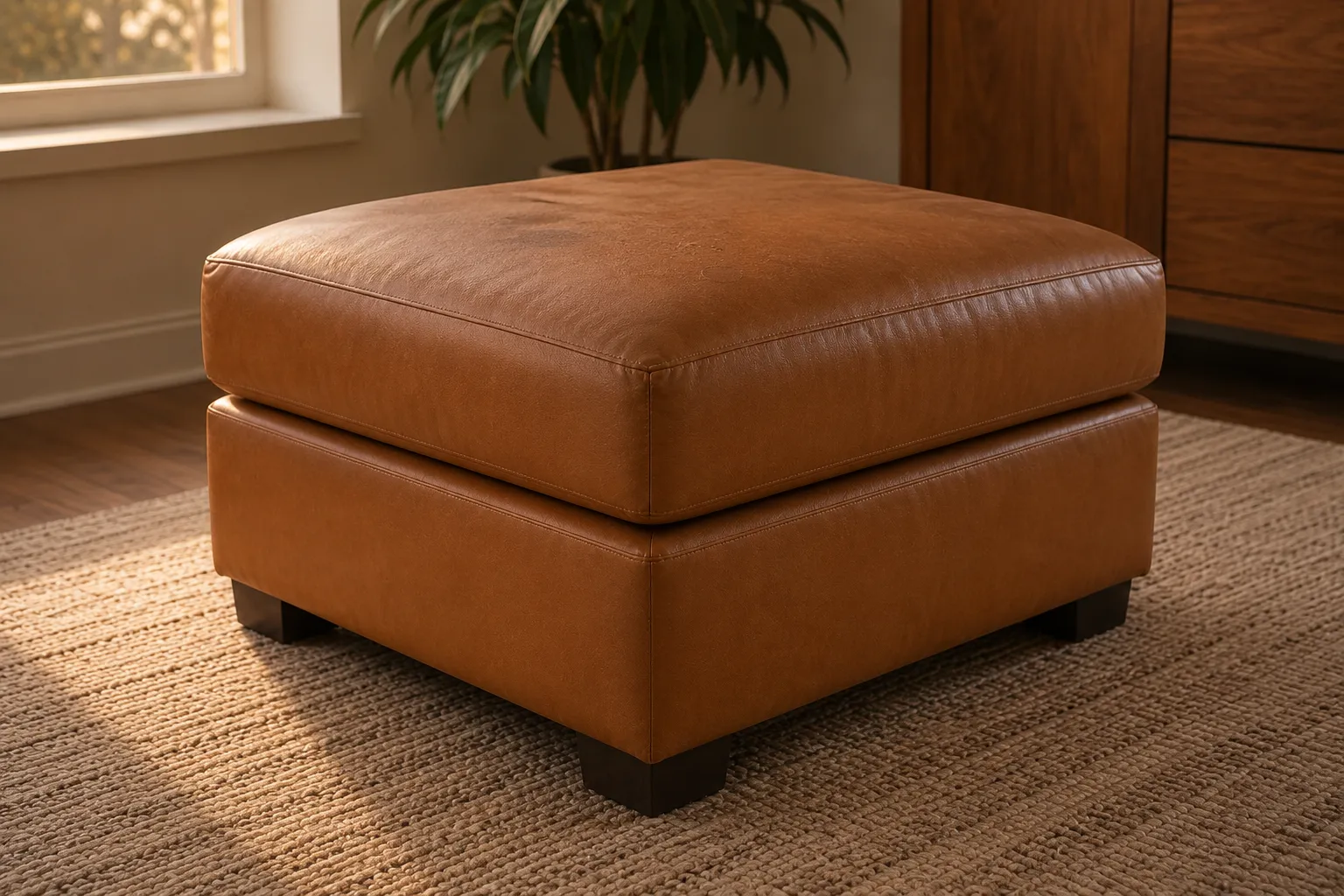
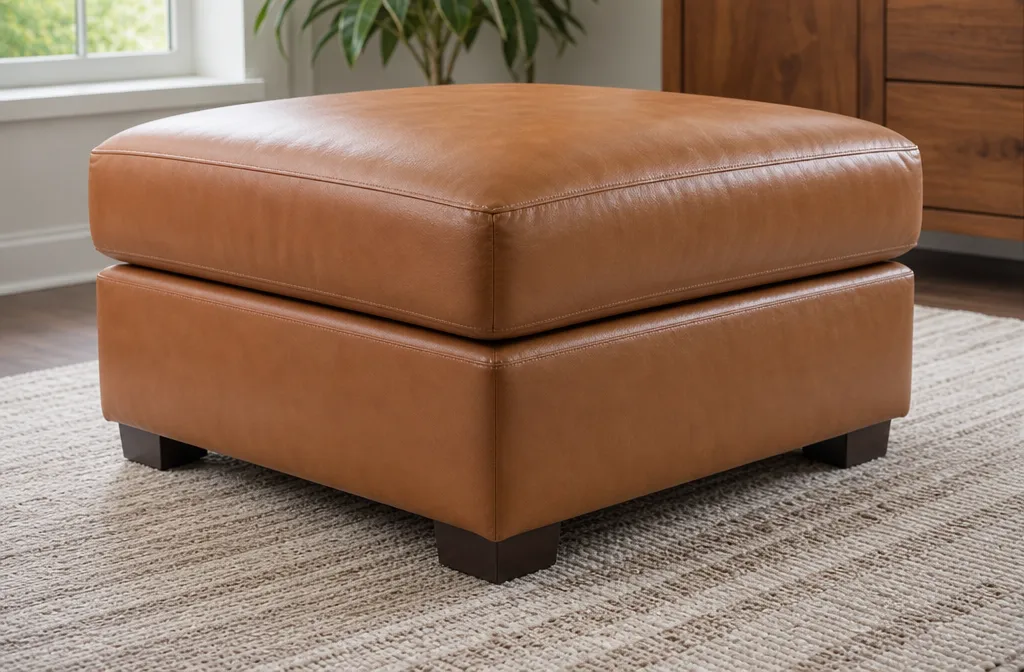
After
Request: Clean a leather ottoman from old dirt and dust.
Done: We performed deep dry cleaning with foam cleaner and final conditioning.
Cost: 14 000 ₸
Master: Aigul Sydykova, dry cleaning master
Total: Ottoman is clean, without streaks, leather is elastic and pleasant to the touch.
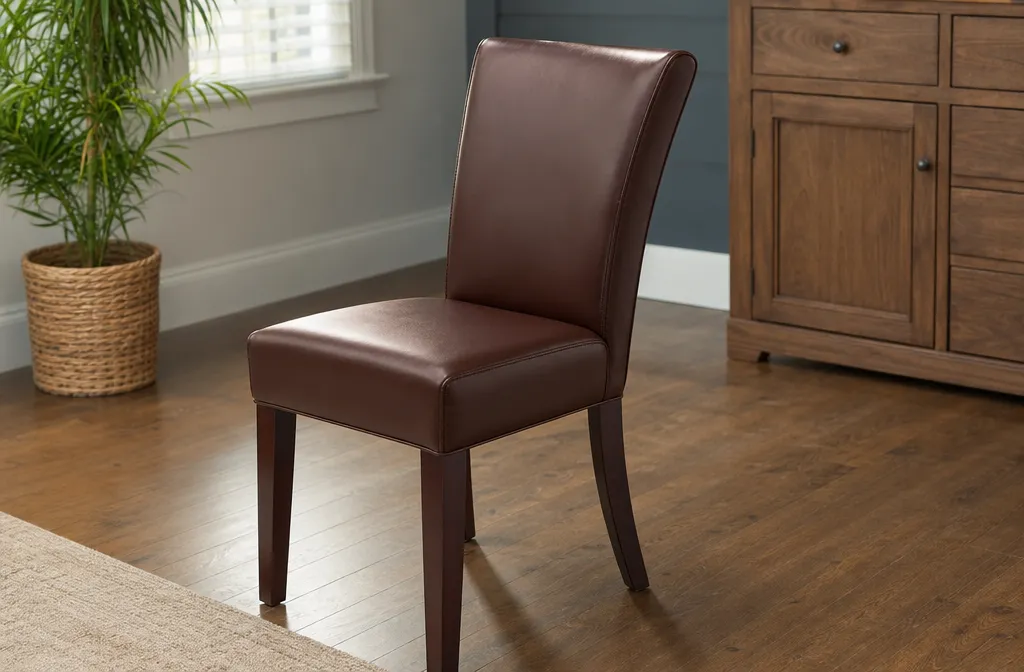 After
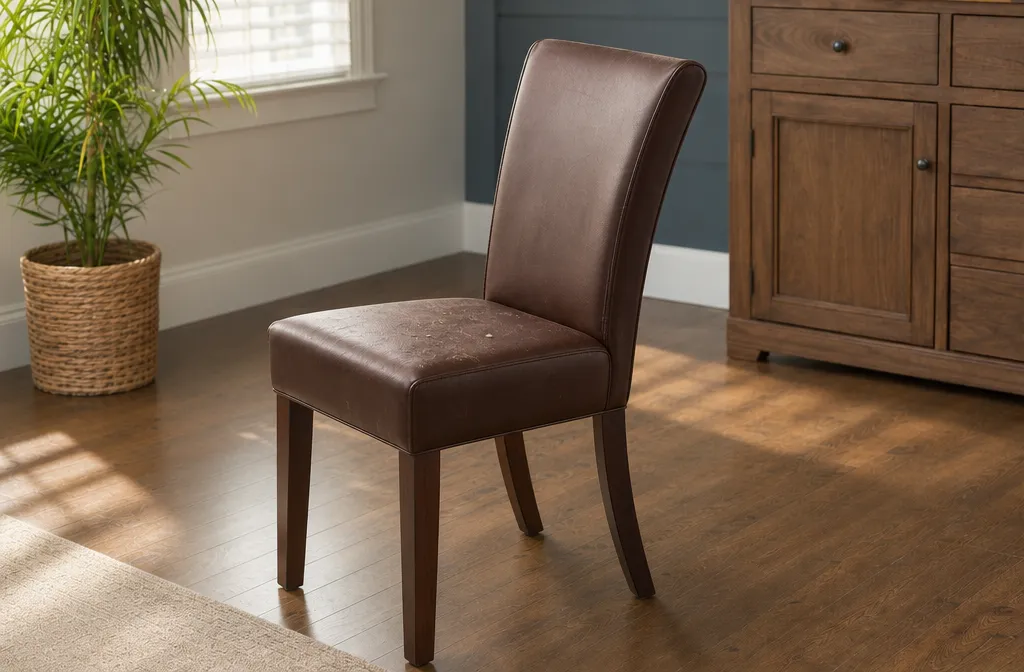
After
Request: Wash off grease stains and signs of wear on leather chairs.
Done: We cleaned the chairs with a neutral detergent and applied a protective impregnation.
Cost: 15 000 ₸
Master: Timur Zhaksybekov, dry cleaning master
Total: Chairs look like new, leather is matte and without scuffs.
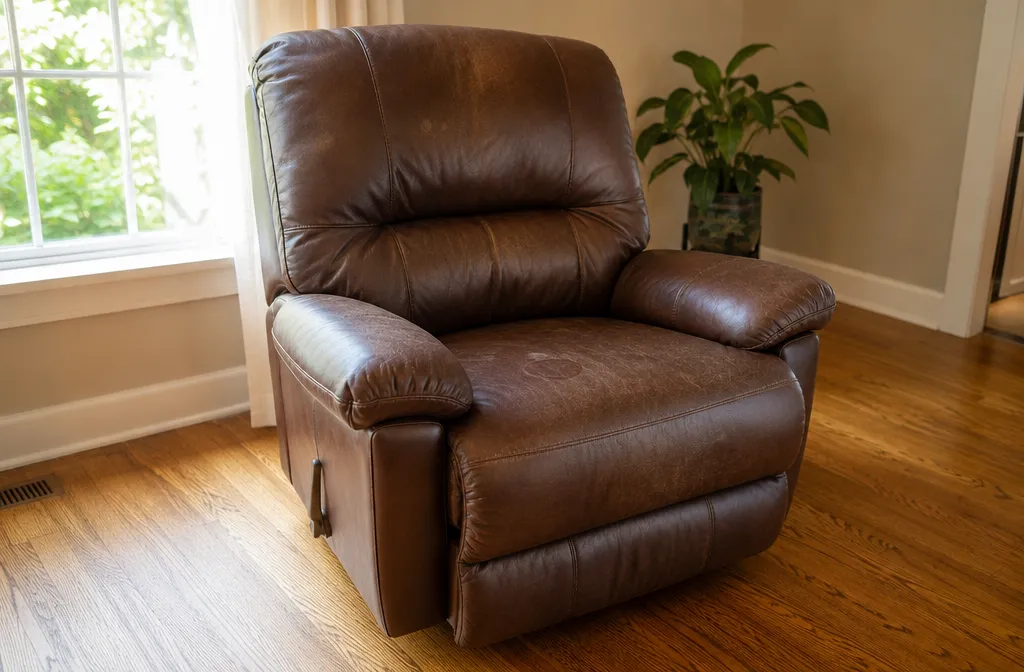
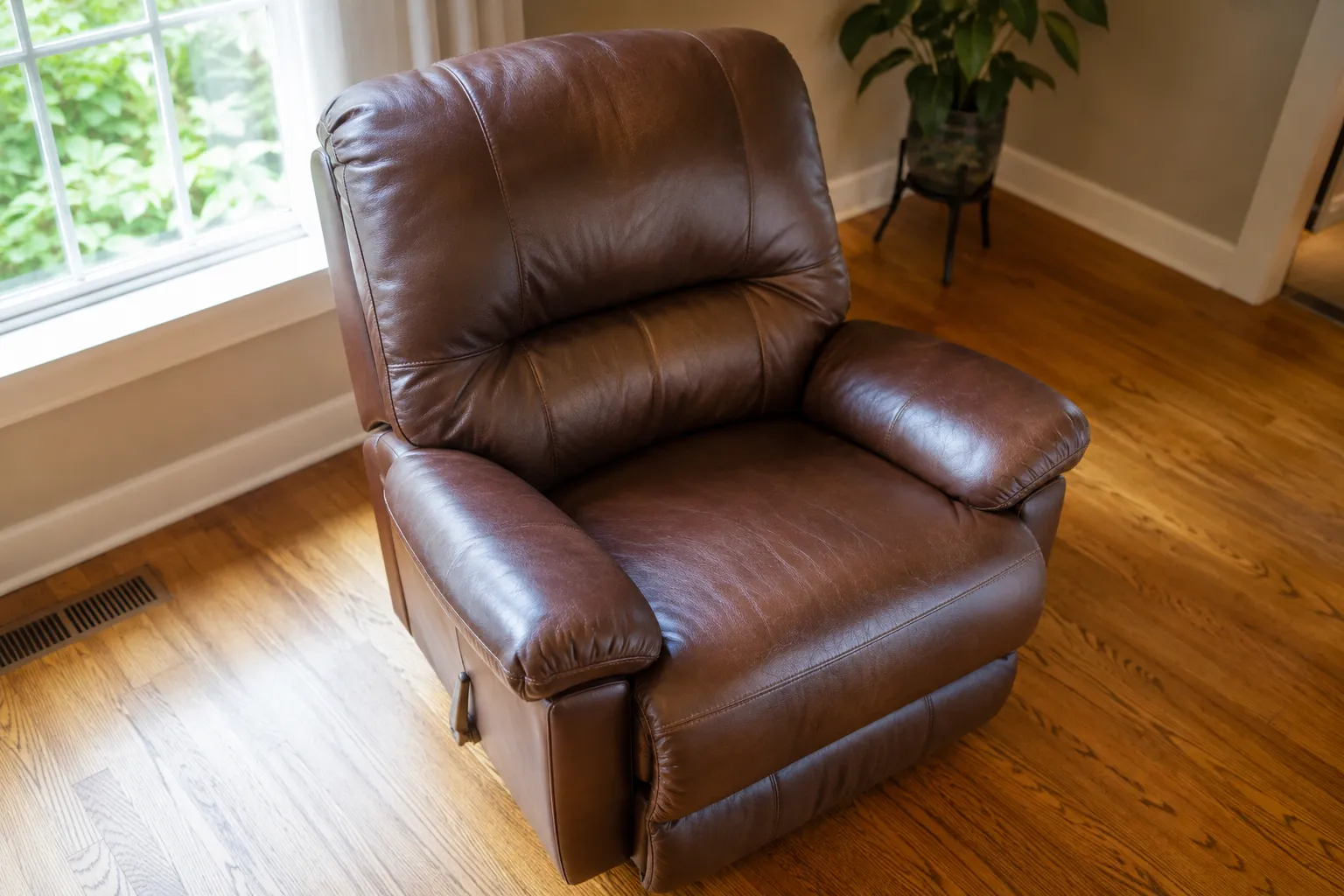 After
After
Request: Restore color and remove scuffs on a rocking chair.
Done: We performed dry cleaning, tinting and application of leather conditioner.
Cost: 12 000 ₸
Master: Aigul Sydykova, dry cleaning master
Total: The chair has regained its rich color, scuffs eliminated, leather soft.
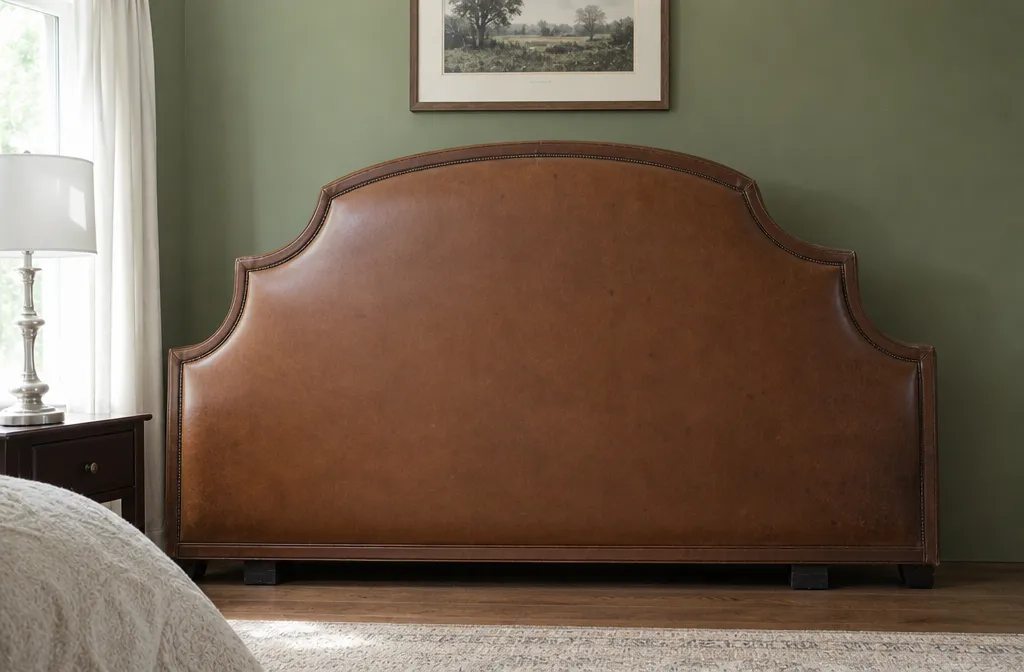
 After
After
Request: Clean leather headboard from dust and greasy marks.
Done: Treated the headboard with foam cleaner and leather conditioner.
Cost: 16 000 ₸
Master: Timur Zhaksybekov, dry cleaning master
Total: Headboard completely clean, no streaks, color even and rich.
 After
After
Request: Clean leather bench in the hallway from dirt and dust.
Done: Performed dry cleaning with neutral detergent and protective coating.
Cost: 13 000 ₸
Master: Aigul Sydykova, dry cleaning master
Total: Bench clean, no stains, leather moisturized and elastic.
 After
After
Request: Remove greasy stains and refresh leather chaise lounge.
Done: Performed deep dry cleaning with enzyme cleaner and conditioning.
Cost: 12 000 ₸
Master: Timur Zhaksybekov, dry cleaning master
Total: Chaise lounge completely cleaned, color restored, surface velvety.
 After
After
Request: Clean office chair from stains and scuffs on the leather.
Done: Cleaned the chair with pH-neutral product and applied conditioner.
Cost: 14 000 ₸
Master: Aigul Sydykova, dry cleaning master
Total: Chair became clean, no stains, leather soft and well-groomed.
 After
After
Request: Clean the set of leather sofas from dirt and scuffs.
Done: Performed dry cleaning of all elements with tinting and protective impregnation.
Cost: 13 000 ₸
Master: Timur Zhaksybekov, dry cleaning master
Total: Sofas look like new, color uniform, leather moisturized.
All cleaners are profi-clean staff with training, uniform and security check. Each order has a team leader who controls quality.
It’s worth understanding the types of leather before you start dry cleaning leather furniture: improper care of aniline upholstery is the most common reason we at profi-clean get called out to rescue a sofa ruined by household chemicals.
Aniline leather is a natural material treated exclusively with a transparent aniline dye that preserves the natural texture, pores, and all the natural nuances of the hide. Wrinkles, insect bite marks, and veins are visible on it — this is not a defect, but proof of authenticity. Due to the lack of a protective polymer coating, this upholstery instantly absorbs moisture, grease, and coloring pigments, so a drop of red wine or spilled coffee leaves a permanent stain within 30-40 seconds. A damp sponge with soap is not a solution, but a guarantee of streaks: water penetrates deep and draws the dye to the surface. Aniline leather can only be cleaned with dry foam that evaporates without leaving moisture and is applied exclusively with an applicator without mechanical friction. In practice in Almaty, we encounter this leather most often on premium Italian sofas — their owners are usually aware of the material’s capriciousness, but don’t always understand that even a steam cleaner from a distance of 5 cm can permanently deform the surface.
Semi-aniline leather is the same natural material, but after dyeing, it is coated with a thin layer of pigment with a polyurethane film, which provides uniform color and basic protection against moisture and dirt. This upholstery breathes more than pigmented leather but is no longer afraid of accidentally spilled water for 1-2 minutes — this gives a head start before soaking. Unlike pure aniline leather, wet cleaning with pH-neutral solutions is acceptable here, but with mandatory moisture control: over-wetting leads to delamination of the pigment layer from the base. In our field work, this is the most common material: approximately 60-65% of the sofas we clean in Almaty are semi-aniline leather of Turkish or Chinese production. Food and sweat stains on it are removed in one pass with a gentle gel, but stubborn dirt requires selecting an enzyme composition based on the type of protein — therefore, when ordering leather dry cleaning from us, the master first does a test on an inconspicuous area.
Pigmented leather is a natural base onto which a dense layer of polyurethane or acrylic paint up to 0.3 mm thick is applied, completely hiding the natural texture and creating a uniform glossy or matte surface. This material hardly absorbs moisture, withstands aggressive household chemicals, and scratches from animal claws — which is why it is used on office chairs and sofas in reception areas. But there is a downside: the dense coating eventually cracks at the folds, especially if in Almaty during winter the air in apartments is dried out by radiators to 15-20% humidity, and the paint flakes off. Cleaning pigmented leather is the easiest — a soapy solution and a soft microfiber cloth are sufficient, but it is important not to use alcohol-containing wipes: they dissolve the top varnish layer, and after six months, matte spots appear on the seat. In our practice, there have been cases where owners rubbed scuffs on a pigmented sofa with shoe polish — this gives a temporary visual effect but blocks the pores and accelerates cracking.
| Parameter | Aniline | Semi-Aniline | Pigmented |
|---|---|---|---|
| Moisture Sensitivity | Critical — water leaves stains | Moderate — wet cleaning with pH-neutral is acceptable | Low — withstands soapy solution |
| Cleaning Method | Only dry foam with applicator | Enzyme gel + minimal moisture | Soapy solution + microfiber |
| Time to Remove Fresh Stain | 10-15 seconds before absorption | 2-3 minutes before setting | Up to 10 minutes — does not absorb |
| Risk with DIY Cleaning | 90% — irreversible damage | 40% — pigment delamination | 20% — varnish scuffs |
Fabric upholstery is more forgiving: most stains on microfiber or velour are removed with water-based solutions followed by vacuum extraction, while leather cannot tolerate excess moisture — water seeps into seams, backing, and filling, causing foam rot and unpleasant odors within 2-3 weeks. At profi-clean, we use special water-free emulsions for leather, applied with a sprayer and removed with a dry cloth without penetrating the base. Another difference is the final treatment: after cleaning, fabric only needs drying, while leather requires mandatory application of a conditioner with UV protection; otherwise, it dries out and cracks at the folds, especially under the Almaty sun, which reaches up to 40°C on balconies and loggias in summer.
Leather furniture is not plastic or fabric: it has a porous structure that absorbs not only moisture but also harsh chemicals. Common household products (all-purpose sprays, powders, dish soap) damage the protective layer and trigger irreversible changes to the upholstery. At profi-clean, we deal with the consequences of such “care” almost every week — from whitish spots to leather cracking within 2-3 months.
Alcohol and alkaline components are the basis of most all-purpose cleaners: they dissolve grease and evaporate quickly, creating an illusion of cleanliness. But for leather, this is a disaster: alcohol washes out natural oils from the fibers, making the upholstery dry, stiff, and brittle. Alkali (ammonia, caustic soda in stain removers) destroys the pigment layer — leaving irreversible faded areas on aniline leather and micro-cracks on pigmented leather, where dirt accumulates. In our practice, there was a case: a client treated a semi-aniline leather sofa with a bathtub cleaner — within three weeks, the upholstery developed a network of cracks on the seat and armrests. Restoration cost as much as a new reupholstery. The rule is simple: if the product foams or smells like alcohol, it’s not for leather.
Professional leather care products have a neutral pH (5.5–7.0) and contain no alcohol, chlorine, alkalis, or abrasive particles. Look for labels like “for genuine leather,” “pH-neutral,” “alcohol-free” — that’s the baseline. Ingredients should include surfactants based on coconut or corn oil (alkyl polyglucosides, lauryl glucoside) and conditioning additives (lanolin, glycerin, jojoba oil). At profi-clean, we use the Kiehl Leather Care line for daily orders and Sodasan for hypoallergenic cleaning — both brands have a pH of 5.5–6.0 and no harsh chemicals. Household products typically have a pH of 8–11 (alkali) or 2–4 (acid) — such an imbalance removes factory protection in one go. If you don’t have a pH meter, drop the product on a white cloth: foaming or a strong smell is a red flag.
The most common “home” mistakes in Almaty are vinegar for odors, lemon juice for stains, and laundry soap for deep cleaning. Vinegar and lemon are acids (pH 2–3) that eat away at the pigment: leaving light spots on aniline leather and matte areas on pigmented leather that don’t recover even after conditioning. Laundry soap (alkali pH 9–11) leaves a residue on the surface that attracts dust — the furniture looks clean, but within a week, it’s covered in a gray layer. In Almaty, with high dust levels in summer (dust from the mountains and construction), this residue clogs leather pores within 2-3 cleaning cycles — the upholstery loses elasticity and starts cracking at the folds. The only safe home method is dry vacuuming with a soft brush and a microfiber cloth dampened with water (no soap). Everything else is a risk that could cost you your sofa.
Aniline leather is the most vulnerable: it has no protective polyurethane layer, so alcohol and alkali are absorbed instantly, leaving irreversible stains and making the surface rough. Semi-aniline leather is slightly more resistant — it has a thin protective layer, but it breaks down after 2–3 contacts with household chemicals: the leather loses its shine, and micro-cracks appear at the folds. Pigmented leather with a thick polyurethane coating withstands more, but abrasive particles (powders, soda) scratch the top layer — over time, scuffs form on the seat that cannot be polished out. In our orders, pigmented sofas most often suffer from powder stain removers: clients rub the stain with “Pemolux” or “Comet”, the coating thins, and after six months a hole appears in that spot. Knowing the leather type is not theory, but a direct safety factor: aniline leather cannot be wetted at all (only dry cleaning), semi-aniline — only with pH-neutral foam, pigmented — without abrasives. Before any treatment, determine the leather type by the edge of the seat: if pores are visible on the fold and there is no shine, it is aniline, and a “universal product” will ruin it.
Owners of leather furniture often confuse genuine leather with high-quality eco-leather — they are almost indistinguishable in appearance, but the care required is fundamentally different. A mistake in identification leads to damage to the upholstery: an expensive sofa is ruined by an unsuitable product, while eco-leather cracks from over-moistening. Let’s figure out how to distinguish the materials and what to do with them.
The most reliable way to check the material at home is to drop water on an inconspicuous area. Genuine leather absorbs moisture within 30–60 seconds: the drop darkens and disappears, leaving a wet spot that dries without a trace. Eco-leather repels water — the drop rolls off or stays on the surface until it evaporates. The second sign is hand warmth: place your palm on the upholstery for 10 seconds. Genuine leather heats up quickly from the body and retains heat for 2–3 minutes after you remove your hand. Eco-leather remains cold or heats up only at the point of contact and cools down within 10–15 seconds. In practice, at profi-clean we have encountered sofas where the seller assured that the upholstery was genuine leather, but the water test showed the opposite: the drop lay as a perfect lens. In such cases, the client overpaid for the furniture twice the actual price of eco-leather. Before buying a leather sofa in Almaty, ask the seller for a material sample and perform both tests — this is the only way not to make a mistake when visual distinction is impossible.
On the cut of genuine leather, a fibrous structure is visible — a chaotic interweaving of collagen fibers of varying thickness, resembling felt. Eco-leather has a smooth cut: a thin polyurethane layer on a fabric base, where the fibers are arranged parallel. To check, fold back the edge of the upholstery in an inconspicuous place — on a sofa, this is the lower part of the back wall or the inner side of the cushion. If the edge sheds small fibers, it is genuine leather; if the cut is clean and does not fray, it is eco-leather. The smell also differs: genuine leather smells of tanning agents and fats — tart, with woody notes, without a chemical undertone. Eco-leather smells of polymer: plastic or glue, especially in the first months after purchase. In Almaty, due to the dry air (humidity 30–40% during the heating season), the smell of eco-leather fades within 2–3 weeks, but returns when heated by a radiator or the sun. If you notice a chemical smell from a sofa that is more than a year old, the upholstery is most likely eco-leather, and it cannot be treated with alcohol-based compounds recommended for genuine leather.
Natural leather needs regular moisturizing, otherwise it dries out and cracks. The optimal regimen is treatment with a beeswax or lanolin-based conditioner every 3–4 months. The product is applied with a soft flannel cloth in circular motions, left for 15–20 minutes to absorb, then polished with a dry rag. An important nuance: the conditioner should be colorless and silicone-free — silicone clogs the pores, and the leather stops “breathing,” which accelerates cracking. For aniline leather (without a protective coating), only use conditioners labeled “for aniline leather” — regular products leave greasy stains. In Almaty, where humidity fluctuations between summer (60%) and winter (30%) reach 30%, leather sofas are moisturized once every 2 months during the heating season. In practice, we have noticed: if you skip treatment in January-February, microcracks appear on the sofa back, which turn into through tears within a year. Dry cleaning of leather furniture followed by conditioning should be done once a year — this extends the upholstery’s service life from 5 to 12–15 years.
Eco-leather does not absorb moisture and does not need moisturizing — its main enemies are over-moisturizing and alcohol. Upon contact with water, the polyurethane layer swells, loses elasticity, and peels off from the fabric base. Therefore, eco-leather cannot be washed with a wet cloth — only with a slightly damp microfiber cloth, wrung out until “almost dry.” Stains from coffee or juice are removed immediately with a dry napkin, and residues with a neutral soap solution (1 drop of liquid soap per 200 ml of water) without rubbing. The second taboo is alcohol and acetone: they dissolve polyurethane, leaving matte spots on the surface that cannot be restored. The third is abrasive sponges and brushes: they scratch the coating, and dirt gets inside through the scratches, which cannot be cleaned out. In Almaty, a common mistake is treating eco-leather with sprays for natural leather: conditioners make it sticky, and dust sticks to it. If scuffs appear on eco-leather upholstery, do not mask them with shoe cream — the paint does not adhere to polyurethane. The only solution is replacing the upholstery section or painting with a special water-based paint for eco-leather. Dry cleaning of eco-leather at profi-clean includes only dry foam treatment with minimal moisture: we apply foam from a hypoallergenic Sodasan shampoo, wait 3–5 minutes, and collect it with a HEPA-filter vacuum cleaner. After this procedure, the upholstery dries in 20 minutes, and the risk of coating peeling is zero.
Natural leather, when stretched, forms fine wrinkles, similar to age lines on the skin of a hand — they disappear after 5–10 seconds upon release. Eco-leather stretches evenly, without wrinkles, and returns to shape instantly, like latex. Check on the inside of the cushion: press firmly with your finger and shift the leather to the side. If folds form under your finger that smooth out slowly — it is natural leather. If the leather springs back and does not gather into an accordion — it is eco-leather. The second test is a fold: fold a sample of the upholstery at a corner. Natural leather lightens at the fold (a “gray line” effect), eco-leather remains uniform in color. This test is especially useful for furniture in dark shades — a black eco-leather sofa cannot be distinguished from a natural one without a fold. In Almaty at the “Altyn-Orda” market, we tested samples: a sofa for a significant amount turned out to be eco-leather, although the seller insisted it was natural. The fold test showed uniform color, and the client saved money by choosing an analog with honest labeling. When ordering dry cleaning of leather furniture in Almaty, check with the master what material you have — the choice of products and cleaning method depends on this.
Even owners who care for their upholstery make typical mistakes — from incorrect chemicals to rough mechanics. At profi-clean, we deal with the consequences of such errors weekly. Here are the five most costly ones.
Strong pressure when cleaning leather furniture destroys the top pigment layer, especially on semi-aniline coatings. Owners scrub stains with stiff-bristle brushes or abrasive sponges — the result: matte scuffs that cannot be restored without repainting. Natural aniline leather without a protective topcoat develops micro-cracks after just the second or third press. Our experience shows: after such cleaning, light-colored sofas have streaks visible under side lighting. Red wine or grease stains are first blotted with a dry napkin, not rubbed — and only then treated with a special leather stain remover.
Hand wipes contain alcohol and fragrances — they dry out the leather and strip the factory finish after 3–4 wipes. Soap solutions (liquid soap, Fairy, shampoo) leave an alkaline residue in the pores — it attracts dust, and within a month the upholstery looks gray. This is less noticeable on pigmented leather, but on aniline leather it’s a disaster: embedded dirt can no longer be removed without professional extraction. In Almaty, where there is a lot of construction dust in the air, this effect is amplified by abrasive particles. At profi-clean, we use only neutral conditioners with a pH of 5.5–6.5 for final wiping.
Vinegar and citric acid eat away the pigment layer on pigmented leather within 5–10 minutes of contact. Soda, applied as a wet paste, clogs pores and crystallizes inside, causing micro-tears as it dries. On semi-aniline upholstery, such products leave irreversible light spots — the paint comes off along with the top layer. On site visits, we’ve seen sofas where “grandma’s recipe” required completely repainting the armrests. The only case where vinegar is acceptable is for removing urine odor from eco-leather, but for natural leather it’s taboo.
Testing the product on the back of the sofa or under the seat cushion is a mandatory step that 7 out of 10 owners ignore. Different batches of leather, even from the same factory, have different pigment fastness. For example, Turkish leather on sofas from certain production years often has weak paint adhesion — an alcohol-based cleaner removes it in one swipe. At profi-clean, before each order, we perform a test on a 5×5 cm area with a 3-minute dwell time. If paint transfers to the cloth, we switch to a gentler formula. A home test on a small, hidden area takes a minute but saves you from repainting an entire section.
Accelerated drying with hot air evaporates moisture from the leather faster than from the filling — the top layer shrinks while the foam remains damp. After 2–3 such cycles, the leather cracks along the fold lines, especially on armrests and the front edge of the seat. In Almaty during winter, when apartments are dry due to heating, natural drying takes 8–12 hours at room temperature. If faster drying is needed, a fan without heat is used at a distance of 1.5 meters. A hot hairdryer on “turbo” mode is a direct path to needing reupholstery within six months.
Owners of leather furniture often notice the upholstery losing its richness but don’t know when it’s a reason for painting and when dry cleaning is sufficient. Let’s break down situations where color restoration is the only way to restore the furniture to a decent state, and those cases where pigmentation only masks deeper problems.
The most common scenario is areas where the leather constantly contacts the body or clothing: sofa and armchair seats, armrests, the top of the office chair backrest. After 2–3 years of active use, the top protective layer and some pigment wear away on these zones, exposing the lighter base layer of leather. If the wear is shallow — the leather hasn’t worn through to the textile base, only lost color on the surface — painting or tinting restores color uniformity without replacing the upholstery. On neglected sofas where wear has turned into cracks, painting alone is no longer sufficient: the cracks are first filled with a restoration compound (liquid leather), and only then is pigment applied. In our practice at profi-clean, we distinguish two types of defects: if, when pressed, the leather gathers into fine wrinkles — the paint will lay evenly; if the leather under your finger is hard and doesn’t spring back — plasticization is needed before pigmentation, otherwise the paint will peel off within a month.
Ultraviolet radiation aggressively destroys pigment in leather: in one summer on the south side of an apartment, a sofa can lose up to 30–40% of its color saturation, and unevenly — fading is stronger closer to the window. In Almaty, where the sun is active for 7–8 months a year, this problem is acute — especially in apartments with panoramic glazing and on glazed loggias. Painting in such cases restores color only if the leather itself hasn’t dried out and cracked from overheating. Check: run a damp cloth over the faded area — if the leather absorbs the water and darkens, the paint will lay and adhere; if the water beads up, the surface has hardened and requires pre-moistening and softening with special conditioners. Leather near fireplaces, radiators, and heaters also suffers from heat — there, the pigment doesn’t just fade, but burns out with structural damage, and painting without base restoration will last no longer than six months.
Cat or dog claws leave not just scratches on leather upholstery, but actual nicks where not only the pigment layer but the leather itself is damaged. If the scratch is shallow — only affecting the top layer without cutting through the face surface — it can be tinted with paint matching the upholstery color, and the defect becomes invisible. Through scratches down to the textile base require first filling with liquid leather, sanding, and only then painting. On light-colored sofas (beige, cream, light gray), even small claw scratches are more noticeable — the pigment contrasts with the darker mark of the damage. For cat owners, we recommend checking the sofa once a month: if the scratch hasn’t naturally closed up within 2–3 weeks (the leather hasn’t “healed”), it means the damage is deeper than the pigment layer, and without painting, the area will darken and collect dirt. Painting in such cases is not cosmetic but protective: a pigment-sealed area absorbs less dust and grease than open porous leather.
Using aggressive stain removers, solvents, acetone, or alcohol-based products yourself often removes pigment locally — leaving light “bald spots” that cannot be removed by repeated cleaning. Color restoration in such cases is the only solution: a pigment is selected that is as close as possible to the original shade and applied to the discolored area with a smooth transition to neighboring zones. Unlike factory dyeing, where pigment is pressed into the leather under pressure, the restoration layer sits on the surface — this means that after 6–12 months, the tinting border may become noticeable if it is not sealed with a final protective lacquer. On sofas with semi-aniline leather (with a light spray coating), tinting after a chemical burn is a gentler option than reupholstering: it preserves the factory texture rather than replacing it with a new coating.
I ordered dry cleaning for a leather sofa — coffee stains disappeared, leather became soft and pleasant to touch.
The armchair after cleaning looks like new, even scratches became less noticeable. Very satisfied.
Thank you, Marat! Glad the result exceeded expectations.
Had dry cleaning for a leather corner sofa — dirt came off well, but one seam turned a bit white, had to touch it up ourselves.
Sorry for the inconvenience, this usually doesn't happen. Contact us — we'll fix it for free.
Cleaned the sofa — excellent result, fresh smell, now children can sit on it without worry.
Dry cleaning for a leather pouf — a small item, but wine stains were removed perfectly.
The sofa looks like it's from a store after cleaning, very happy. Thanks for the promptness.
Assel, thank you for your review! Always at your service.
Ordered dry cleaning for a leather chair — oil stains were not fully removed, streaks remain. Disappointed.
Kuanysh, we apologize. Leave a request — we will re-treat it for free.
The sofa looks like new after cleaning, even the color evened out. Very satisfied with the work.
Dry cleaning for a leather armchair — removed black marks from jeans, leather breathes. Excellent.
The corner sofa was cleaned well, but the chemical smell lingered for two days. Otherwise everything is super.
Gulnara, thank you for your feedback. Usually the smell dissipates faster, we'll take your comment into account.
Ordered dry cleaning for leather furniture — the sofa was in terrible condition, now it's like from a showroom. I recommend it.
Alexey, thank you! We always strive for you.
The chaise lounge was cleaned — the result exceeded expectations, tea stains disappeared without a trace.
Professional dry cleaning of leather furniture — the sofa became softer, the color richer. Very grateful.
The armchair looks great after cleaning, scuffs are gone. Will use again.
Ruslan, we look forward to seeing you again! Glad to help.
I ordered dry cleaning of leather furniture for a sofa — juice stains were removed, but a faint smell remained. After airing for a day, it became okay.
Laura, thank you for your feedback. Next time we'll use a more neutral solution.
The sofa is like new after cleaning, even the kids don't believe it's the same furniture. Thank you!
Dry cleaning of leather furniture for a rocking chair — removed dirt, leather moisturized. Very pleased.
The sofa had paint stains — now it's clean, paint removed. Excellent work.
Bakhyt, glad we handled such a challenging task!
I had dry cleaning of leather furniture for an ottoman — small, but the effect is noticeable. Cream stains gone.
Cleaned the sofa — average result, two stains remain. Expected more.
Arman, sorry for the incomplete result. Contact us — we'll do additional treatment.
We ordered dry cleaning of leather furniture for a corner sofa — huge, but they handled it quickly. Food and grease stains disappeared.
Zhanar, thank you for your trust! Glad you liked everything.
The armchair became like new after cleaning, even the leather upholstery smoothed out. Very satisfied.
The dry cleaning of the leather furniture went well overall, but the sofa took a long time to dry — had to wait almost a day.
Dauren, thank you for your feedback. Next time we'll use a faster-drying formula.
The ottoman looks gorgeous after cleaning, no stains. Thanks to the team!
Professional dry cleaning of leather furniture — the sofa was cleaned of ink, the result is excellent. I recommend it.
Yerzhan, thank you! Glad we could help.
The armchair was cleaned — now it's safe for the child, no allergies. Very happy.
I ordered dry cleaning of leather furniture — the sofa looks like new, even the scuffs were removed. Thank you!
Nurgul, thank you for your review! Always at your service.
The armchair looks great after cleaning, the cigarette smell is gone. Will use again.
Dry cleaning of leather furniture for the sofa — wine stains were removed, but dirt remained at the seams. Overall not bad.
Aliya, thank you for your feedback. Write to us — we'll fix the problem areas for free.
The sofa was cleaned — the result exceeded expectations, the leather became velvety. Very satisfied.
I ordered dry cleaning of leather furniture for the bench — cosmetic stains are gone, the leather is fine. Thank you!
The armchair looks like new after cleaning, even the color became brighter. I recommend profi-clean.
Raikhan, thank you! We're glad you're satisfied.
Professional dry cleaning of leather furniture — the sofa had oil stains, now it's clean. Great job.
The corner sofa was cleaned — the result is excellent, children can play safely. Thank you for the cleanliness!
Dry cleaning of leather furniture for the armchair — stains removed, but a white residue appeared. Had to wipe with a damp cloth.
Bolat, sorry for the inconvenience. This usually doesn't happen, we're ready to fix it.
On average 1.5-2.5 hours depending on size and soiling. Time includes drying (1-2 hours). Full drying may take up to 12 hours.
Yes, we use professional products from Leather Master and Kiehl, which are safe for all types of leather. They do not damage the structure or wash off the protective layer.
Just remove cushions and blankets. The technician will arrive with all equipment. If there are removable covers, it's better to remove them in advance.
We clean sofas, armchairs, chairs, poufs, benches, mattresses, headboards, chaise lounges. We work with natural and artificial leather.
Yes, poufs and benches are cleaned using the same technology. Price is individual for poufs and from 7000 for benches.
Yes, we use special stain removers from Leather Master. Stubborn stains are removed for an additional fee (individual pricing).
Yes, we guarantee no streaks or damage. If issues arise, we redo it for free. Warranty is 14 days.
Price depends on size: 2-seater — individual pricing, 3-seater — individual pricing, corner — individual pricing. Exact cost after inspection.
Standard armchair — individual pricing, rocking chair — individual pricing, office chair — individual pricing.
Corner sofa — individual pricing. If there are additional modules, the price may be adjusted after inspection.
Tell us about your experience with profi-clean — it helps other clients and us improve.
We currently operate in Almaty. Other cities are coming soon.