Inspection and testing
The master evaluates the upholstery type, identifies stains, and checks colorfastness on an inconspicuous area. This allows selecting the right products and avoiding damage.
Professional dry cleaning of computer chairs in Almaty. We remove stains, dust, and odors. We work with fabric, leather, and mesh.

We work with any types and materials
Fabric chairs require deep cleaning with an extractor to remove embedded dust and stains.
from 3,500 ₸Leather chairs are cleaned with special leather products without damaging the coating.
from 3,500 ₸Mesh backs are cleaned with steam and vacuum to remove dust from cells.
from 3,500 ₸Gaming chairs with bright upholstery are cleaned while preserving color and texture.
from 3,500 ₸Ergonomic chairs require gentle cleaning to maintain support.
from 3,500 ₸Executive chairs with high back and headrest are cleaned with special attention to details.
from 3,500 ₸Standard office chairs are cleaned quickly and efficiently.
from 3,500 ₸Wheel base and mechanisms are cleaned separately for complete hygiene.
from 3,500 ₸Armrests are treated with stain remover and cleaned with an extractor.
from 3,500 ₸Headrest is cleaned according to upholstery type to remove traces of hair and cosmetics.
from 3,500 ₸Tilt mechanism is checked for safety before cleaning.
from 3,500 ₸Children's chairs are cleaned with hypoallergenic, odorless products.
from 3,500 ₸From inspection to result with guarantee
The master evaluates the upholstery type, identifies stains, and checks colorfastness on an inconspicuous area. This allows selecting the right products and avoiding damage.
We remove dust, crumbs, and hair from the surface and folds of the chair using a HEPA vacuum cleaner. This prepares the upholstery for wet cleaning.
A pre-treatment stain remover (Kiehl) is applied to local stains (coffee, ink, grease). The product is left for 5-10 minutes to take effect.
A steam generator delivers hot steam under pressure, softening dirt and killing bacteria and dust mites. Steam is safe for all types of upholstery.
The Karcher SE 4001 extractor injects professional Sodasan shampoo and immediately vacuums it up along with the dirt. Provides deep cleaning without foam residue.
Armrests and wheel base are treated separately: plastic and metal are washed, wheels are cleaned of tangled hair and dirt. This completes the hygienic treatment.
Clean water rinses away remaining shampoo and dirt. The extractor operates in rinse mode to ensure no sticky residue is left on the upholstery.
The chair is dried using a fan or naturally. The master checks the quality of cleaning, absence of stains and odors. The chair is ready for use in 2-4 hours.
We use a vacuum cleaner with a HEPA filter that captures 99.97% of particles up to 0.3 microns. This is especially important for allergy and asthma sufferers. After cleaning, the air in the room becomes cleaner.
We are confident in the quality of our work and offer a 7-day guarantee. If a stain reappears or odor remains, we will re-clean for free. Guarantee terms are specified in the contract.
We accept orders daily and travel within Almaty on the day of request. Average arrival time is 2 hours. We work every day, including holidays.
All masters have at least 3 years of experience and certificates for using professional chemicals from Kiehl and Sodasan. We regularly undergo training in new cleaning methods.
We use a professional Karcher SE 4001 extractor for deep cleaning of upholstery. It delivers water with shampoo under pressure and immediately vacuums dirt, leaving no streaks. Ideal for fabric and mesh.
We use only hypoallergenic shampoos and stain removers from Kiehl and Sodasan. They are safe for children and pets, do not cause irritation. The products are biodegradable and environmentally friendly.
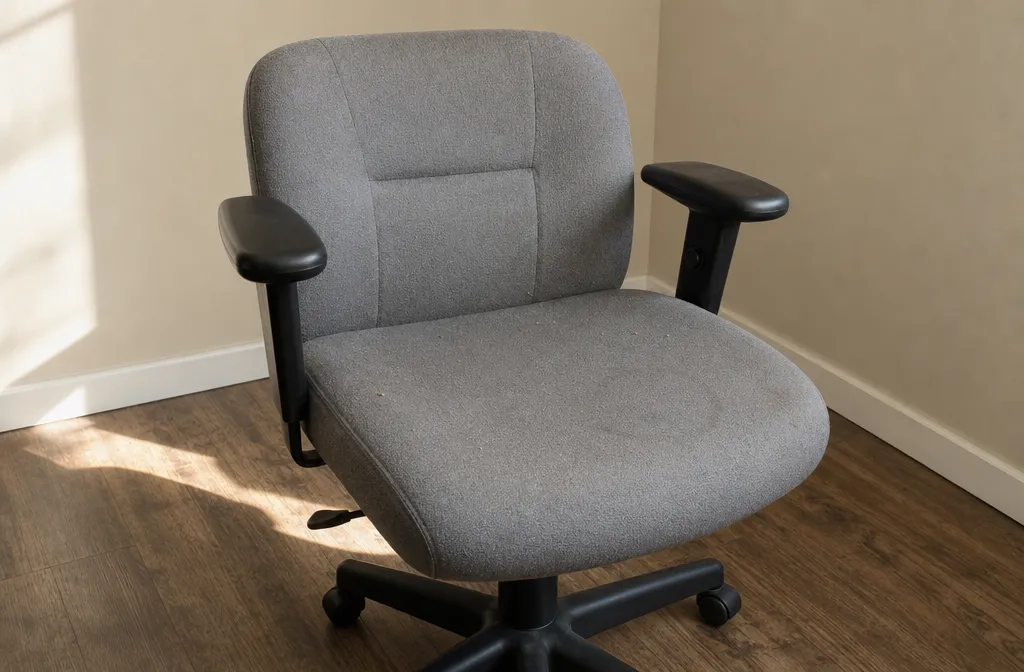
 After
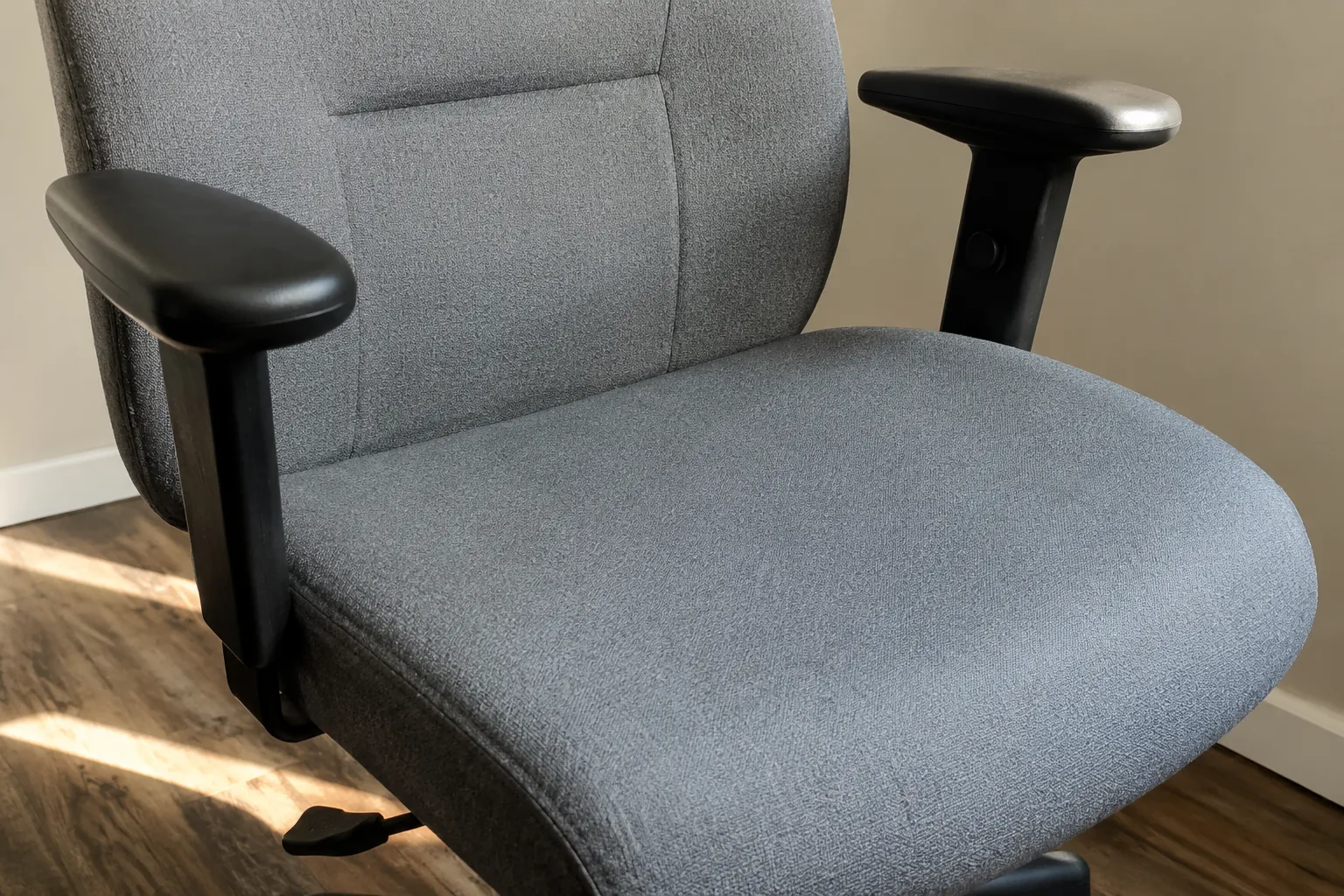
After
Request: Remove old stains and dust from a fabric office chair.
Done: We performed deep dry cleaning of the fabric using an extractor and stain remover.
Cost: 12 000 ₸
Master: Aigul Smagulova, dry cleaning master
Total: The chair is completely cleaned, stains removed, color refreshed.
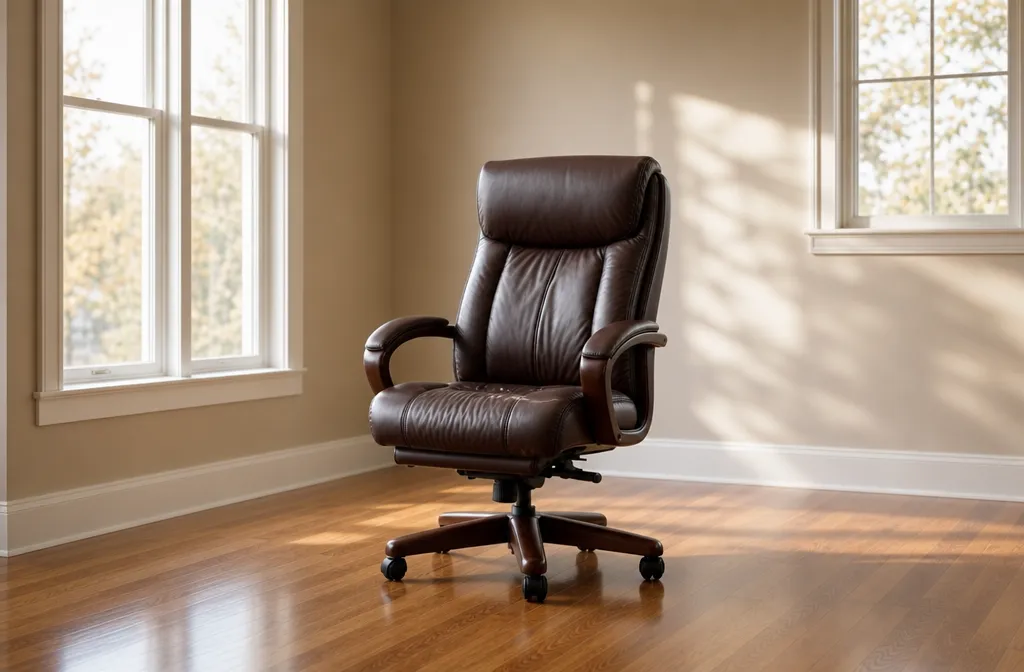
 After
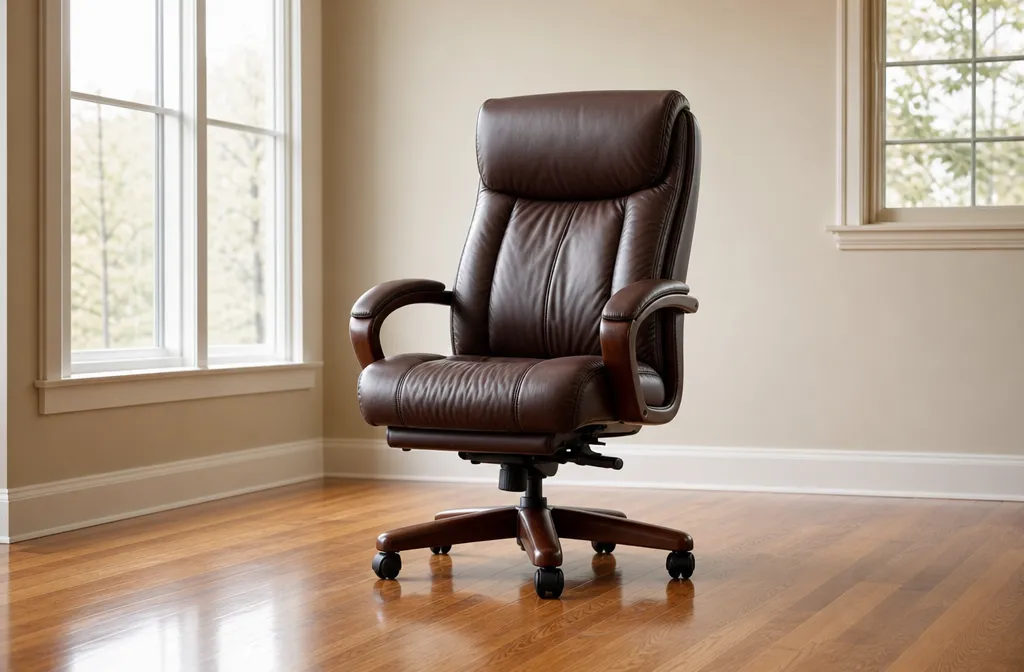
After
Request: Remove scuffs and dirt from a leather chair.
Done: We cleaned the leather with a special compound, applied conditioner and protection.
Cost: 13 000 ₸
Master: Timur Zhaksybekov, dry cleaning master
Total: Leather is soft, clean, without scuffs, color restored.
 After
After
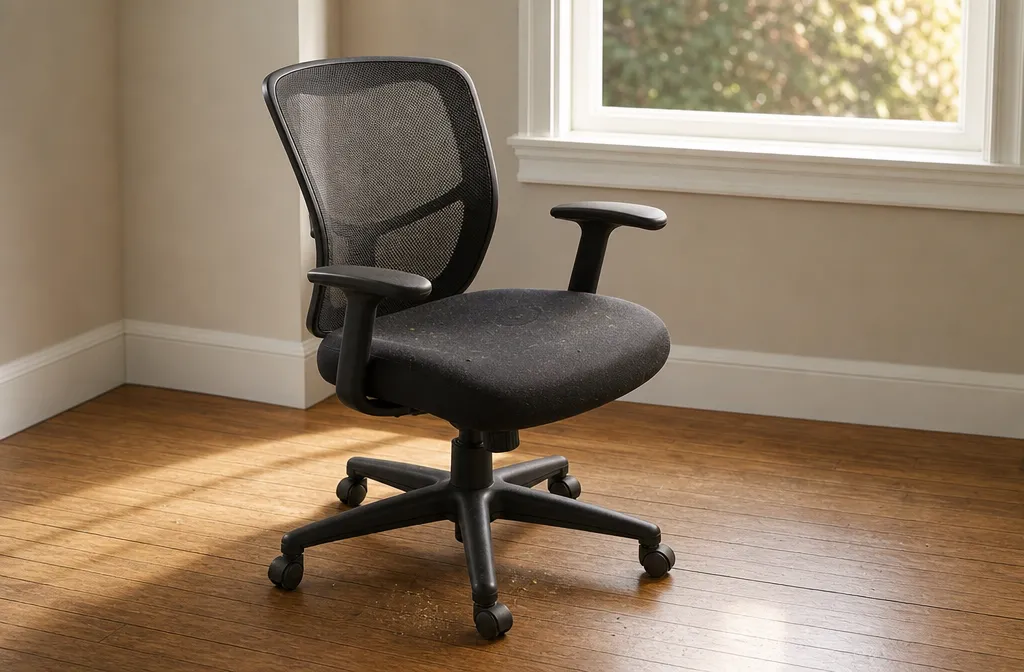
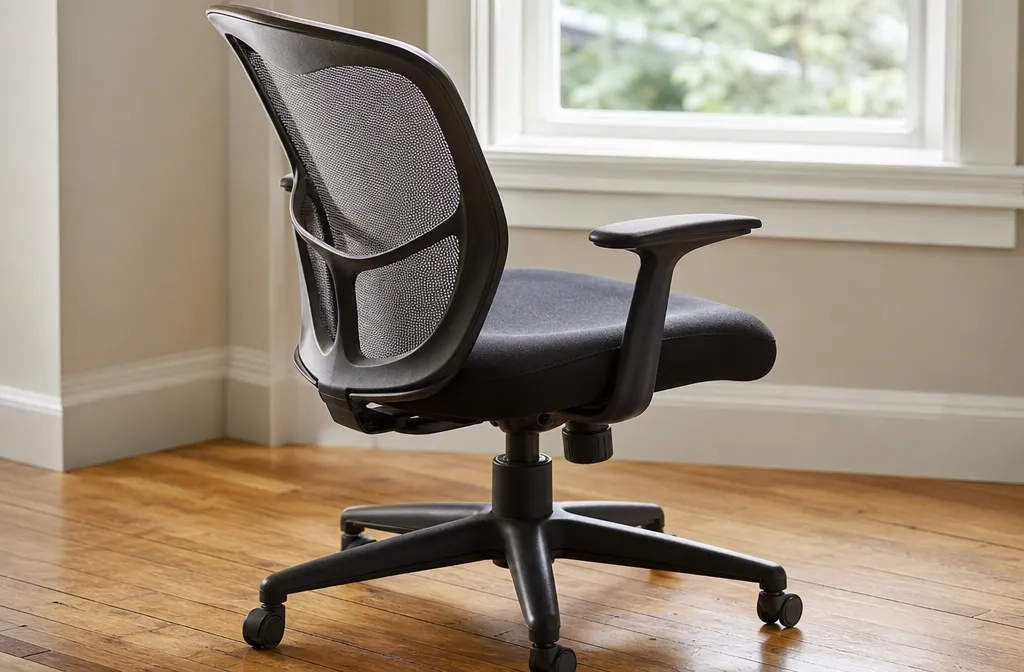
Request: Clean the mesh back and seat from dust and stains.
Done: We vacuumed the mesh, cleaned the seat with steam and a carpet cleaner.
Cost: 14 000 ₸
Master: Aizhan Nurgaliyeva, dry cleaning master
Total: Mesh and seat perfectly clean, odorless and dust-free.
 After
After
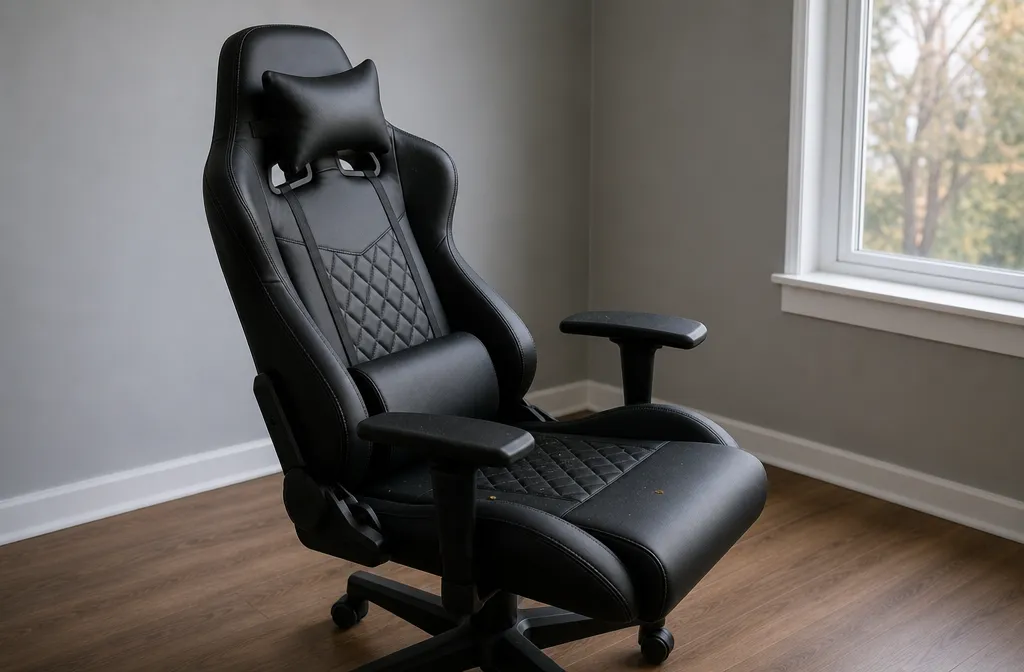
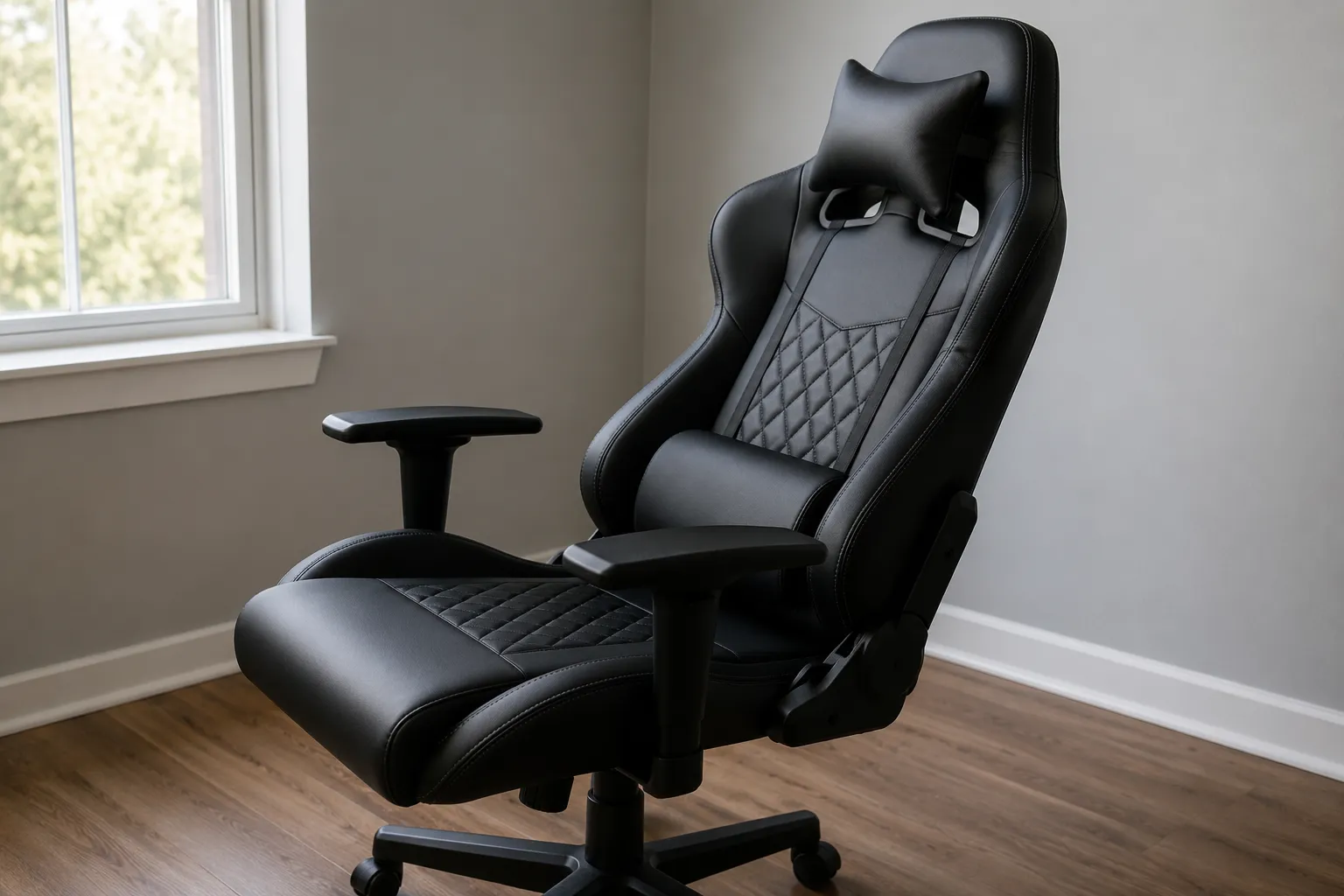
Request: Remove food and sweat stains from a gaming chair.
Done: We treated the fabric with an enzymatic stain remover and extractor.
Cost: 13 000 ₸
Master: Bekzhan Omarov, dry cleaning master
Total: Chair is fresh, stain-free, colors bright like new.
 After
After
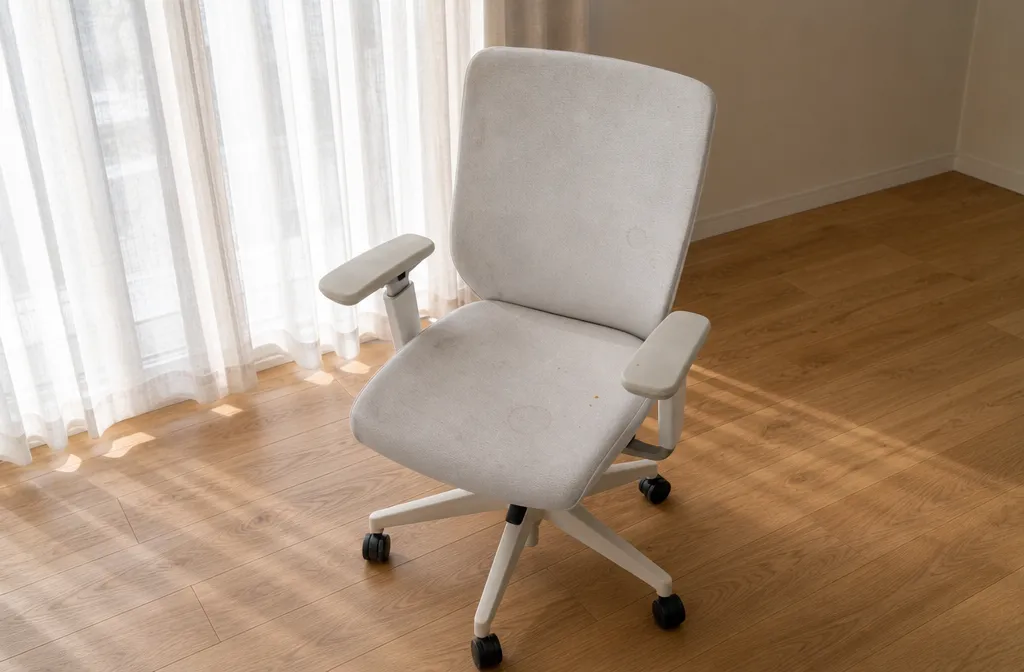
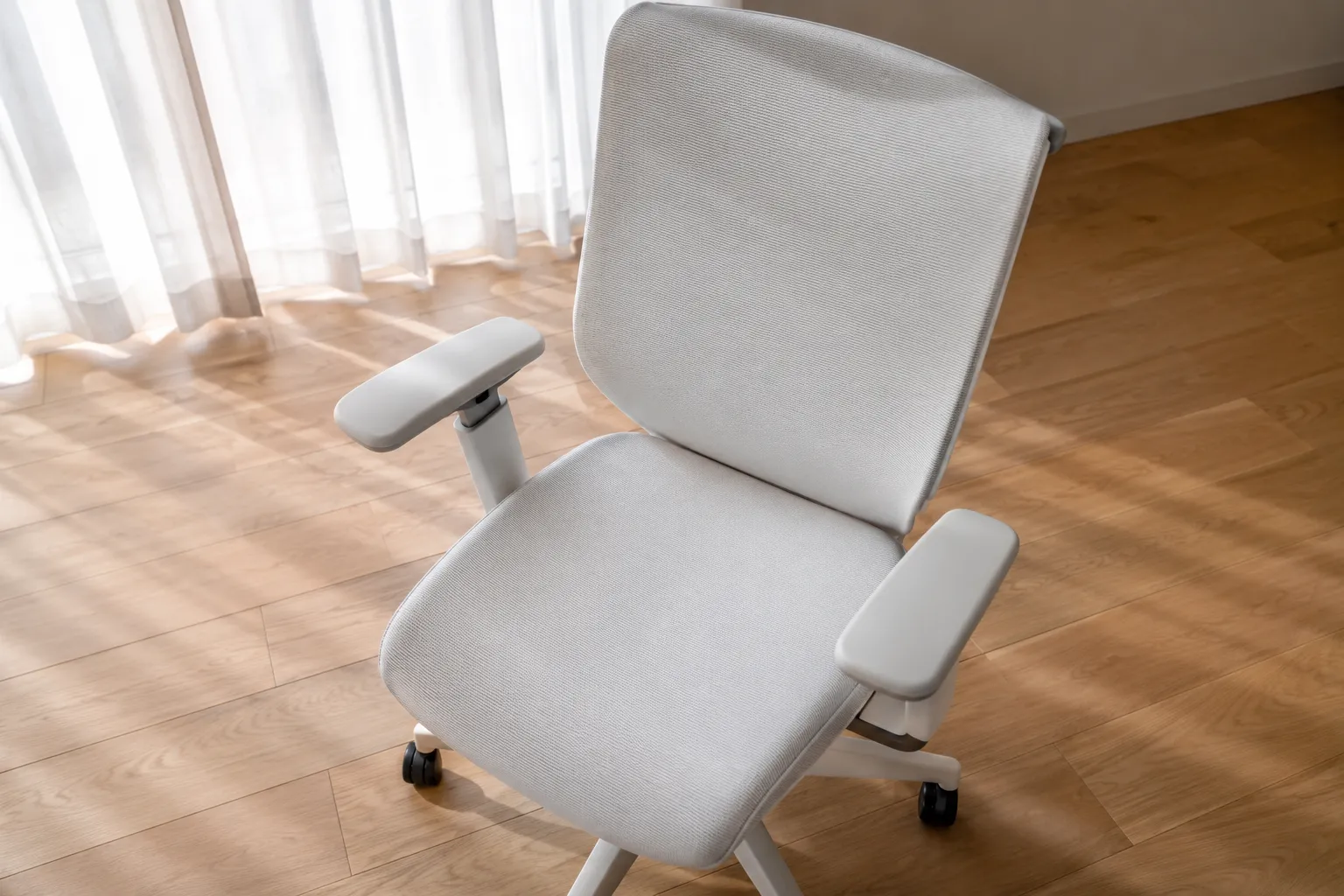
Request: Clean armrests and seat from dirt.
Done: We cleaned armrests and seat with steam, applied protection.
Cost: 12 000 ₸
Master: Daniyar Kaliyev, dry cleaning master
Total: Armrests and seat impeccably clean, no streaks.
 After
After
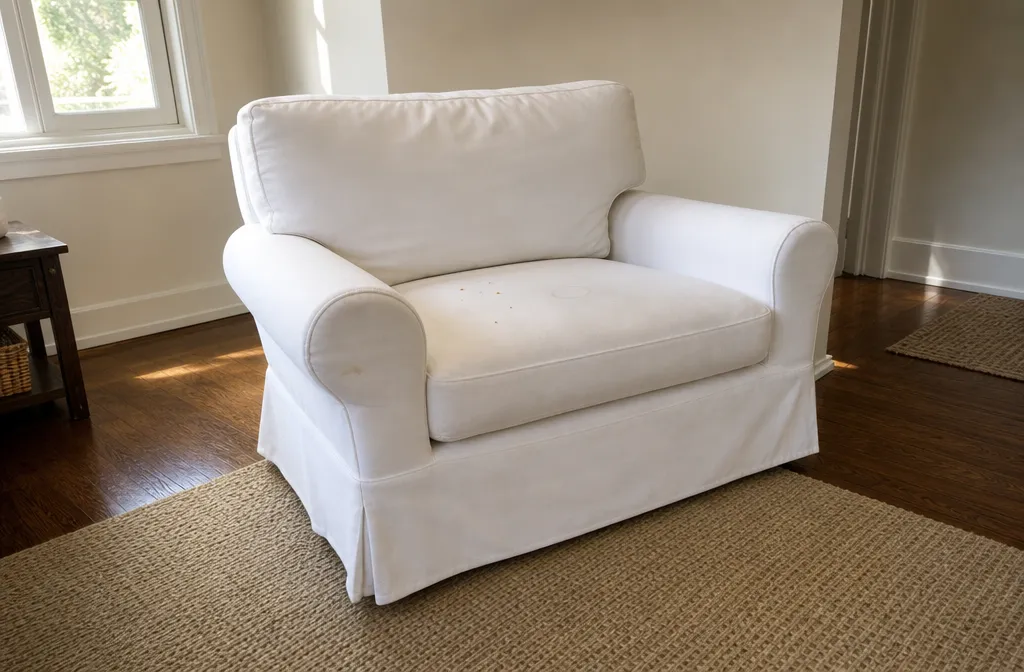
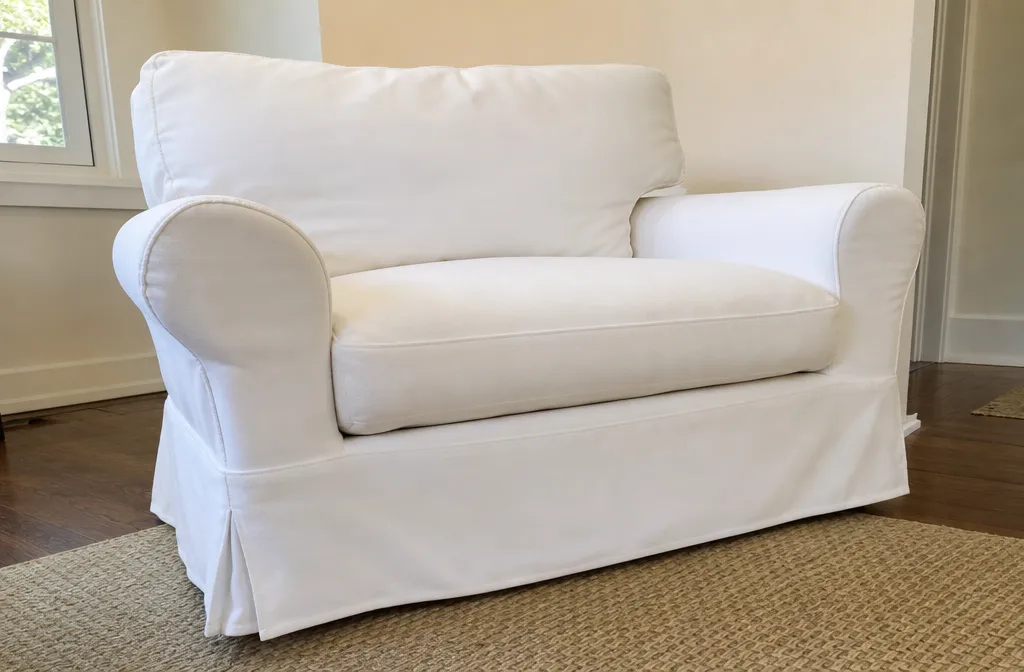
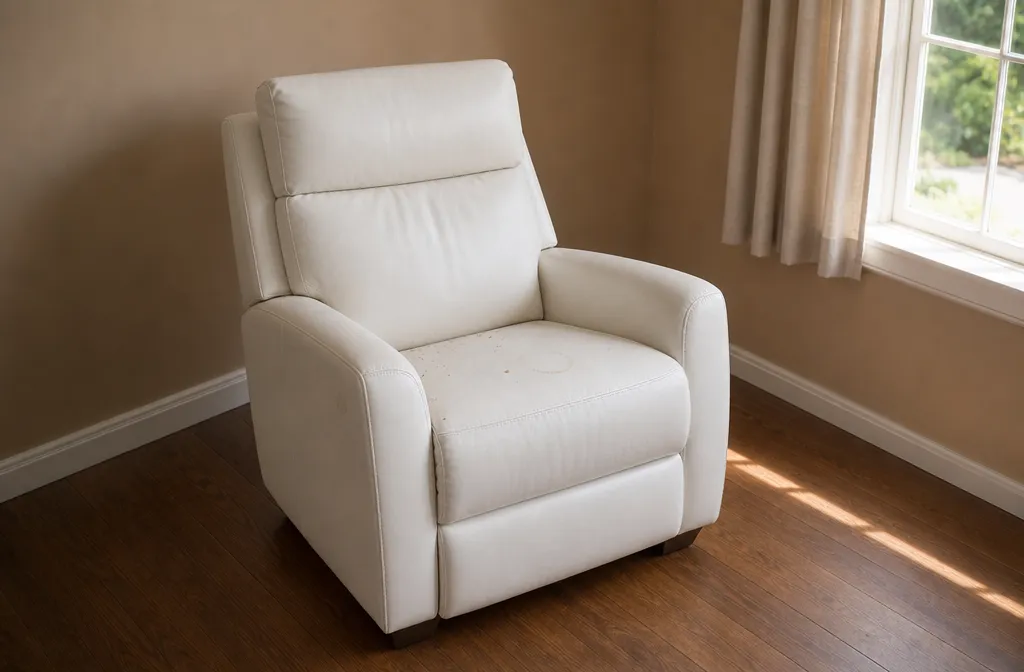
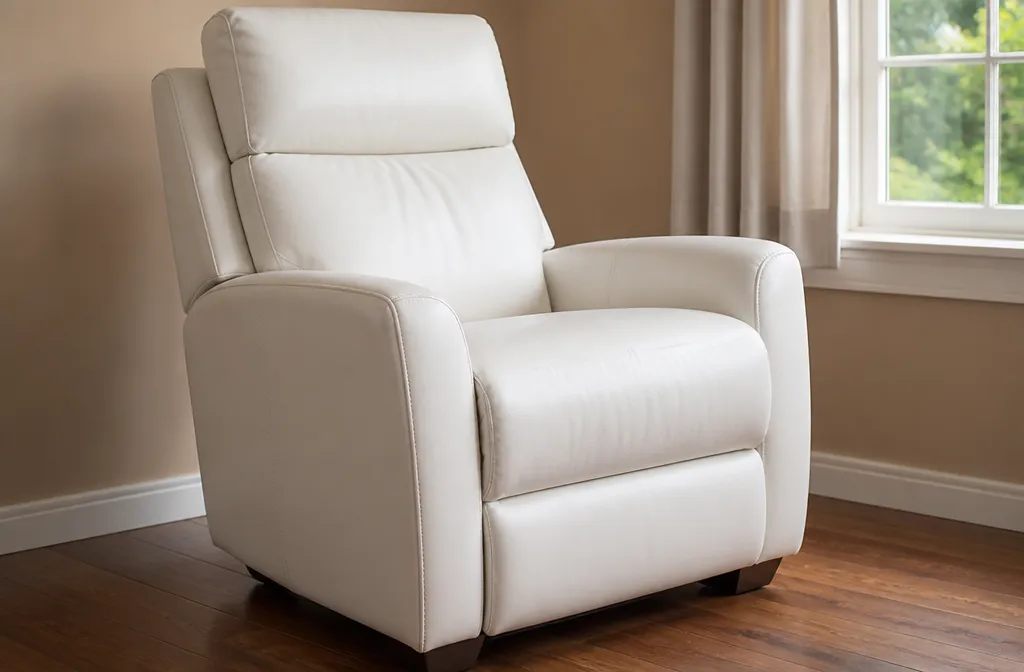
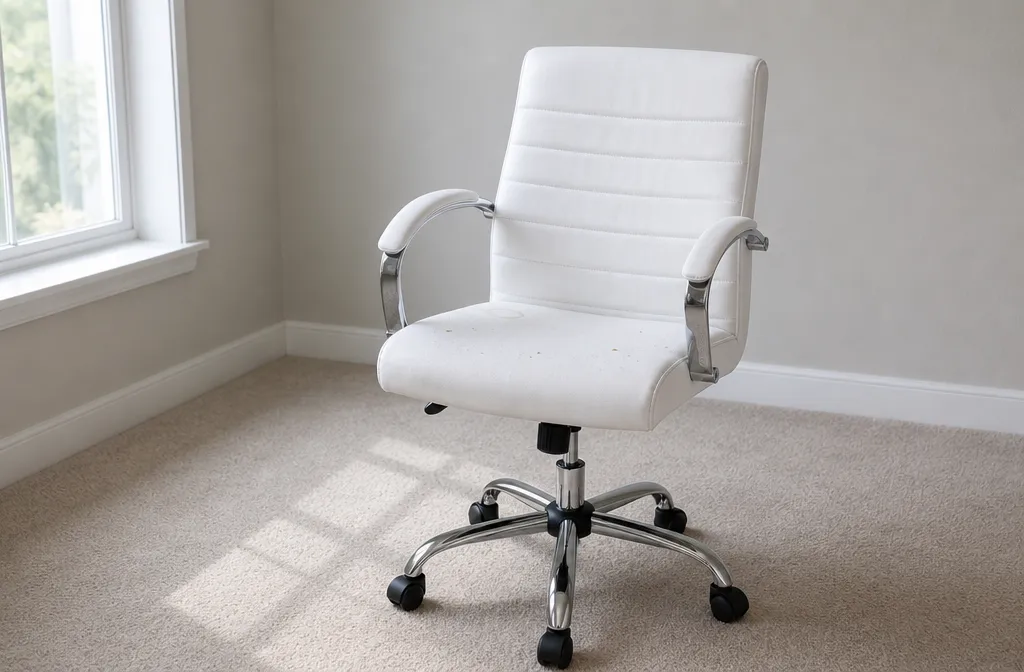
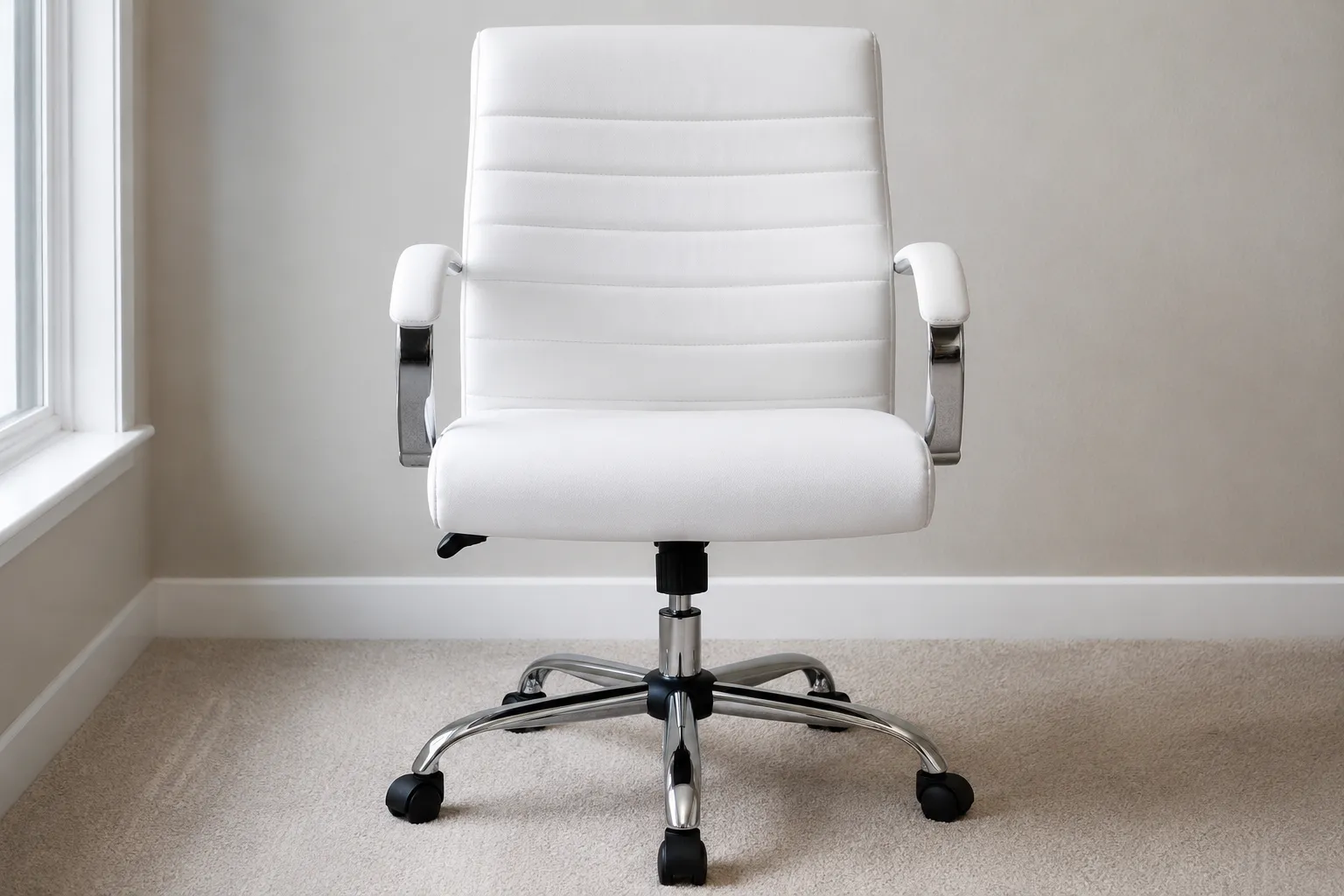
Request: Remove yellow stains and dirt from the white chair.
Done: Applied a whitening solution and deep cleaning with an extractor.
Cost: 14 000 ₸
Master: Gulmira Akhmetova, dry cleaning master
Total: The chair is snow-white, without stains or yellowness.
 After
After
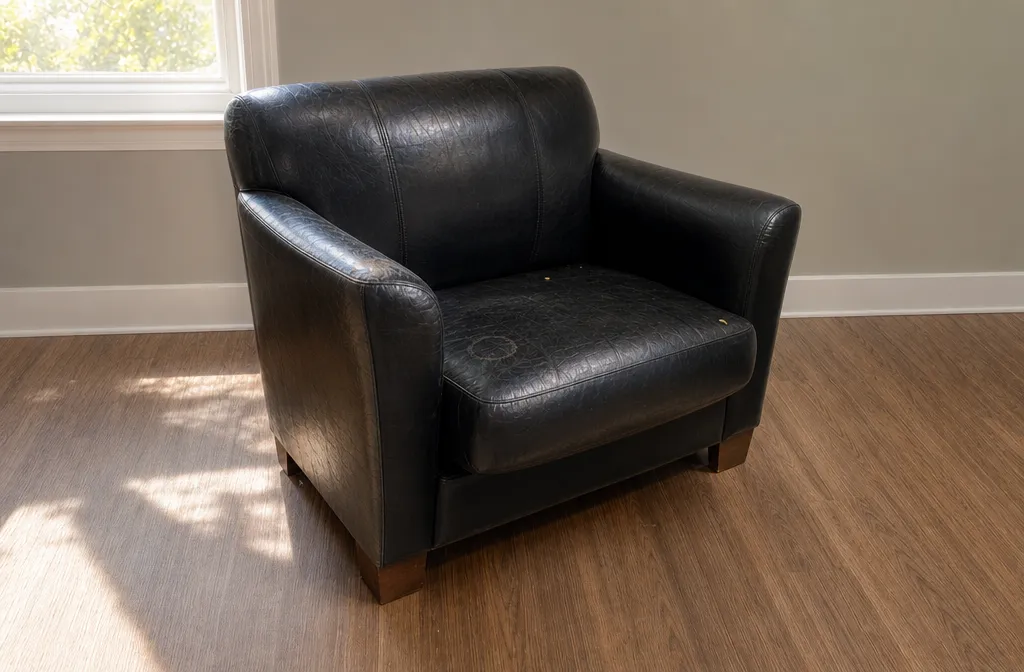
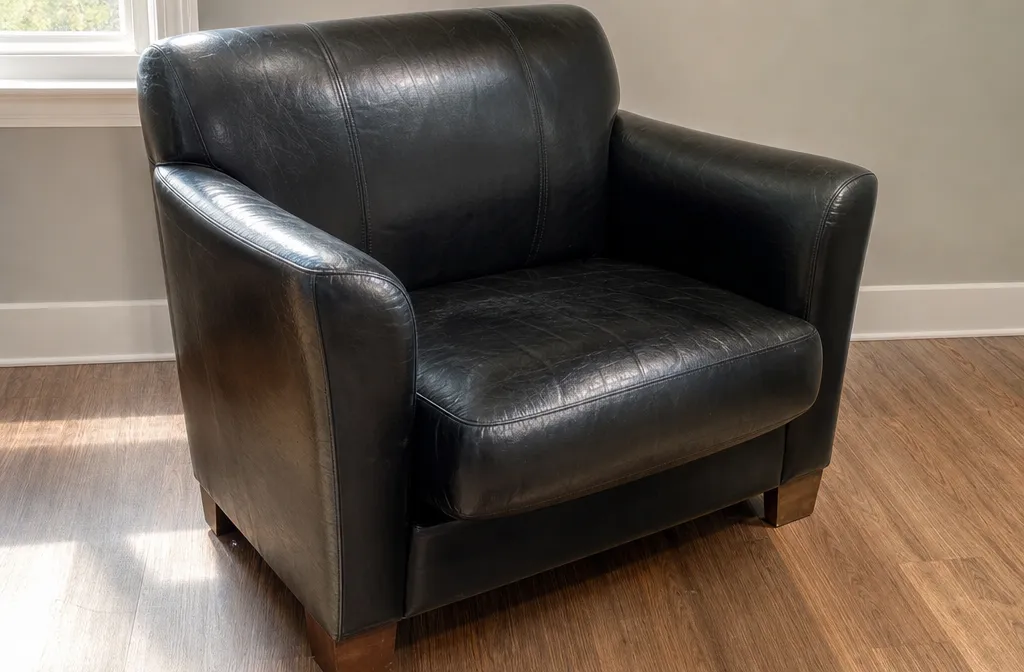
Request: Mask scratches and refresh the black leather.
Done: Applied restorative paint and protective cream for leather.
Cost: 13 000 ₸
Master: Timur Zhaksybekov, dry cleaning master
Total: Scratches are hidden, the leather is even black and shiny.
 After
After
Request: Clean the headrest and backrest from greasy stains.
Done: Removed stains from the headrest and backrest, steamed the fabric.
Cost: 14 000 ₸
Master: Aizhan Nurgaliyeva, dry cleaning master
Total: The headrest and backrest are clean, without traces of grease.
 After
After
Request: Remove dirt from the casters and seat.
Done: Removed the casters, cleaned them, cleaned the seat with steam.
Cost: 14 000 ₸
Master: Bekzhan Omarov, dry cleaning master
Total: The casters spin easily, the seat is clean and fresh.
 After
After
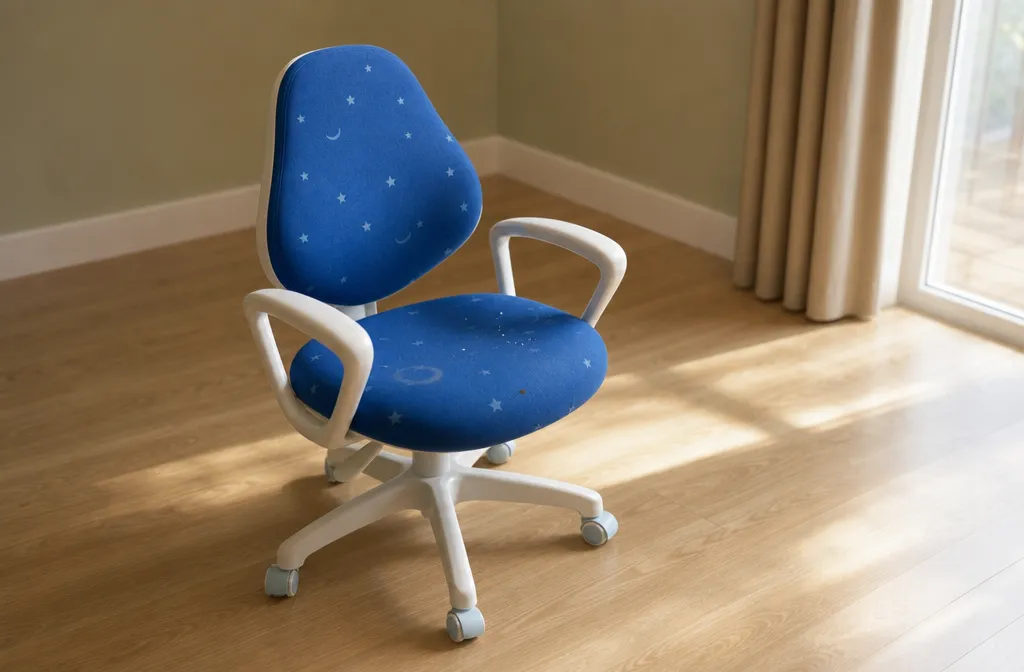
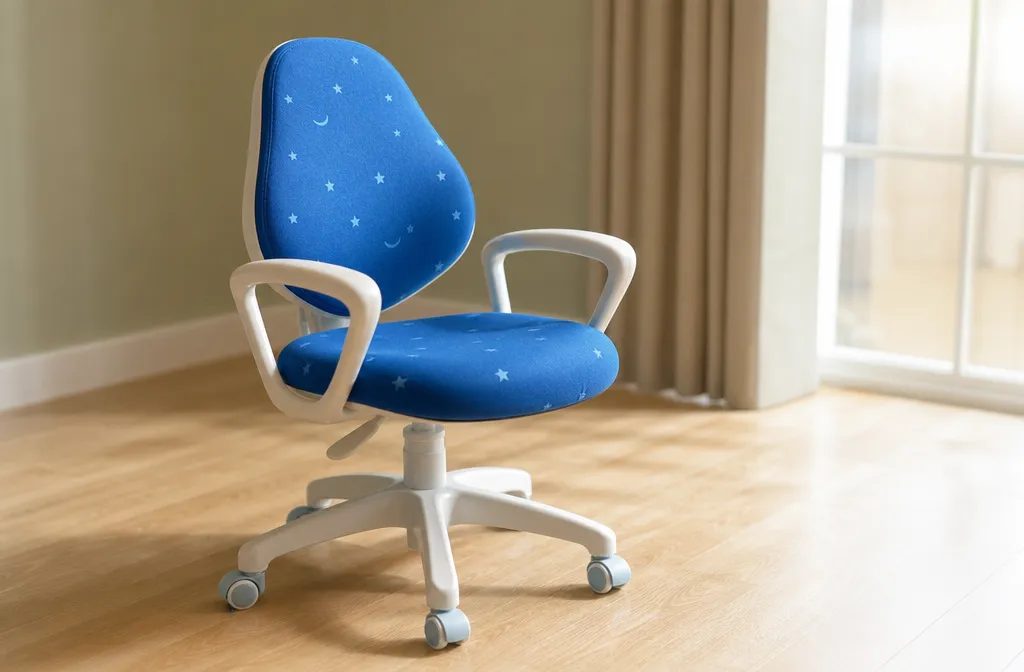
Request: Remove stains from juice and paint from the children's chair.
Done: Treated the fabric with a safe stain remover, vacuumed.
Cost: 13 000 ₸
Master: Gulmira Akhmetova, dry cleaning master
Total: The chair is bright, clean, without traces of paint or juice.
All cleaners are profi-clean staff with training, uniform and security check. Each order has a team leader who controls quality.
In our 8 years of experience with chairs, we have developed a clear classification: some stains disappear in a single pass, others require multi-layer treatment, and some are invisible until exposed to ultraviolet light. Here is a breakdown of the types of stains we actually work with in Almaty.
Coffee and tea: removed by extraction with an enzyme pre-spray in 20–30 minutes; if the stain is fresh, up to 3 hours. Aged coffee leaves a tannin residue that will reappear within a week without a neutralizer. Juices and soda: a sticky sugar layer requires initial dust removal, then an enzyme spray, followed by pressure washing. In chairs from Almaty offices, we often find residues of ayran and shubat – these lactic acid stains require a pH-neutral shampoo, otherwise the odor remains. Blood: only cold water (up to 30°C) and an oxygen bleach – hot water “cooks” the protein, making the stain permanent.
Sebum and sweat: most common on the backrest and armrests – they penetrate the fabric pores within 6–12 months. We remove them with a limonene-based solvent followed by hot extraction (60°C). Makeup: foundation and powder are removed with a spotter and degreaser, but rubbing will spread the stain. Sauces and cooking oil: on mesh chairs, they leave a greasy halo visible only under a UV-filter lamp. In such cases, we apply an absorbent (cornstarch for 15 minutes), then an emulsifier. Our advice: never rub grease stains – only blot and apply chemicals from bottom to top to avoid driving them deeper.
Ballpoint pen: alcohol-based markers or gel ink are removed point-by-point with an isopropyl applicator, without spreading. Toner and printer ink: an oily powder requires only cold washing and vacuuming; hot water fixes the pigment. Markers (kids in the office): water-soluble ones disappear in 10 minutes; alcohol-based ones need a polar solvent. In one Almaty business center, henna stains were left on chairs after a celebration – we had to perform a three-layer treatment with ultrasound, as the natural dye penetrated the microfibers. If ink is on synthetic upholstery, test on an inconspicuous area: some solvents can discolor polyester.
Black mold: appears on chairs placed against walls or in basement offices with humidity above 65%. We remove it only with a fungicidal spray (benzalkonium chloride), allowing 20 minutes of dwell time, followed by hot air drying – without drying, spores germinate within 72 hours. White mold (mycelium): superficial but toxic – removed mechanically (medium-bristle brush) plus ozone treatment. In Almaty, mold is more common in chairs on the first floors of houses near the river or in areas with high groundwater – this is a city-specific factor we consider during service calls. Fungus on leather: removed with a vinegar solution (1:10), but the leather then requires conditioning – without it, it will crack within a month.
Dust mites: live in the filling and upholstery – standard dry cleaning kills only 40%; steam treatment (120°C) and an acaricidal spray are needed. Sweat and tobacco odor: neutralized by ozonation for 30 minutes, but if nicotine has soaked into the foam, deep impregnation with an enzyme neutralizer is required. Bacteria: on open-space chairs, we find up to 300 CFU/cm² – the same amount as on a keyboard. Hypoallergenic Sodasan chemicals with tea tree extract provide 99.9% cleaning without aggressive alkali. Our experience: if a chair is older than 3 years and has never been cleaned, wipe the armrests with an alcohol wipe a week after cleaning – a yellow residue from remaining sebum that we missed in the first pass will appear.
The main difference lies in the aggressiveness of the treatment: active alkaline solutions and steam are used for fabric, while neutral pH-balanced compounds and minimal moisture are used for leather. If the approach is mixed up, the fabric won’t be cleaned properly, and the leather will crack. Here are the key differences critical for chairs in Almaty’s conditions.
Fabric upholstery is made of polyester, nylon, olefin, or cotton with a tight weave. Dirt gets trapped in the fibers, not just on the surface. To remove it, you need an alkaline solution (pH 8–10) that breaks down grease bonds and pulls the dirt to the surface using an extraction vacuum cleaner. On leather—whether natural or faux—alkali washes away the factory protective coating, leaving dull, unsightly stains. In our orders, we’ve often seen chair seats that became stiff and cracked after being washed at home with powder—this is the result of an alkali burn. Leather is treated with a solution with a pH of 5.5–6.5, close to human skin, and only using the foam method without heavy wetting.
A fabric chair after dry cleaning dries in 4–8 hours with ventilation—moisture evaporates evenly from the fibers. A leather chair takes at least 24 hours, and in Almaty with its spring and fall humidity, up to 2 days. The reason: leather doesn’t let moisture inside, but water accumulates between the upholstery and foam, creating a greenhouse effect. If you sit before it’s completely dry, the foam starts to rot—a musty smell appears, which can only be removed by replacing the filling. That’s why on leather chairs, we always allow extra drying time and don’t use hot steam, which drives moisture deeper.
For fabric—an extraction vacuum cleaner with a pressure of 6–8 bar and a spray nozzle: it injects the solution under pressure deep into the fiber and immediately sucks out the dirty water. For leather—an orbital polishing machine with a soft pad and microfiber cloths: no pressure, only foam application and manual rubbing. In our experience, an extractor on leather leaves marks from the nozzle—spotty stains that look like punctures. Conversely, a hand-held cloth on fabric won’t reach dirt from the depths—gray spots will remain, which will reappear in a month.
Nubuck is a suede-like leather with open pores. It absorbs water and grease like a sponge, and if you scrub it with a brush, the nap gets matted into unsightly bald patches. Our cleaners treat nubuck with a dry foam method and only a natural bristle brush—no orbital machine. Aniline leather—dyed all the way through—is afraid of alcohol: it washes out the pigment, leaving light spots. We never use alcohol-based degreasers on aniline. Faux leather is cheaper, but its film cracks from mechanical friction—only hand-held microfiber without pressure works here. In Almaty, due to the dry air, faux leather ages faster, and with improper cleaning, cracks appear within six months.
We often encounter chairs with a leather seat and fabric back, or vice versa—this is a trap for the inexperienced. If you treat such a chair with one solution, either the leather will suffer from alkali, or the fabric will remain dirty from a neutral solution. At profi-clean, we disassemble the chair into elements: we clean the seat using leather technology, and the back using fabric technology. This adds an hour to the job, but guarantees that each material gets its own chemistry.
The frequency of chair dry cleaning depends not on the calendar, but on three factors: intensity of use, type of upholstery, and the room’s microclimate. In our orders from Almaty, we’ve established a rule: an office chair with daily 8-hour use requires professional cleaning once every 3-4 months, a home chair once every 6-8 months. But these are average figures that are adjusted based on real conditions.
In spring and autumn, windy weather in Almaty raises street dust, which penetrates apartments even through mosquito nets and settles on chairs with mesh backs faster than on fabric ones — the mesh acts as a dust collector during drafts. In summer, air conditioners dry the air, increasing static on synthetic upholstery (polyester, eco-leather), and dust is attracted to the chair within 2-3 days after wet cleaning of the room. In winter, heating creates the same effect, plus wet shoes and outerwear bring in road reagents — they settle on armrests and backrests, and within a month without cleaning, they become ingrained in the fabric. If you notice in the office or at home that the chair collects dust faster than once every two weeks, reduce the interval between professional cleanings by one month from the standard schedule.
The mesh back is the most technologically advanced element of an office chair, and its cleaning is fundamentally different from working with fabric or leather. Different laws of dirt adhesion apply here, and the main mistake is treating the mesh like regular upholstery.
The mesh structure works like a mechanical filter: air passes through, while suspended particles — dust, sebum, micro-skin flakes — settle on the thread weaves. In our practice, for chairs with mesh backs, the depth of dirt penetration reaches 5-7 mm, whereas for fabric it is 1-2 mm, and for leather, only the surface. This means that surface wiping or vacuuming without a reverse blow system does not remove up to 40% of contaminants — they remain inside the cells and gradually compact into a gray coating that cannot be washed off with regular foam. On light-colored mesh, this coating becomes visually noticeable after 3-4 months, while on dark mesh, only when an odor begins. Therefore, before wet treatment, we always blow out each cell with a compressor at 6-8 bar pressure — this knocks dust out from the depths, and only then do we apply the cleaning solution.
Aggressive solvents such as acetone, white spirit, and chlorine-based bleaches are absolutely unsuitable for mesh. At profi-clean, we only use neutral enzyme-based solutions with a pH of 6–7, which break down protein-based stains (skin oils, sweat) without damaging the polymer coating of the thread. A typical mistake is trying to remove a stain with alcohol or nail polish remover: polyester or nylon thread loses its elasticity, begins to crack under tension, and within 2–3 months, “bald spots” appear on the backrest — areas where the mesh sags or tears. Our clients from co-working spaces in the Bostandyk district of Almaty have repeatedly brought in chairs with such damage after self-cleaning — they cannot be restored, only the entire backrest needs replacement. Another risk is hot steam: temperatures above 90 °C deform the polymer fibers, the mesh loses its elasticity and begins to “sag.” We use steam generators with temperature control and never exceed 80 °C on mesh surfaces. Tip: before purchasing any cleaning product, test it on an inconspicuous area — apply a drop and wait 10 minutes; if the thread hasn’t changed color or become stiffer, the solution is safe.
After wet cleaning, mesh dries 2–3 times faster than fabric — usually 2–3 hours at room temperature — but this is where the main pitfall lies. Moisture remains inside the backrest frame, under the mesh, draining along the guides and accumulating in the lower edge where the fabric attaches to the plastic. If this area is not dried separately, a musty smell appears within 2–3 weeks — organic matter left in the plastic’s micro-cracks begins to rot. In our orders for chairs from the Medeu district, we recorded this effect in 15% of cases — clients complained of an odor a month after self-cleaning. To prevent this, after the main drying, we blow out the lower rim of the backrest with compressed air and additionally treat it with an ultraviolet lamp for 20 minutes — this kills bacteria in hard-to-reach places. At home, you can place the chair on a balcony for 4–5 hours, but not in direct sunlight — UV rays dry out the polymer, making it brittle. It’s better to dry it in a ventilated room, turning the backrest toward a fan or air conditioner set to dehumidification mode.
The most common mistake is using stiff brushes. Mechanical cleaning with pressure stretches the mesh cells: the threads separate, and within six months, the backrest loses its orthopedic support — it simply stops supporting the lower back. The second mistake is applying cleaning solution using the “pour and leave” method: foam seeps inside the frame, where it contacts the metal components of the rocking mechanism. Even a neutral solution, with prolonged contact (over 30 minutes), triggers corrosion on unprotected steel parts. In Almaty, where humidity reaches 70–75% during the off-season, this process accelerates twofold. The third mistake is cleaning the mesh on an assembled chair without removing the backrest. Our technicians always remove the backrest before treatment because otherwise, water and foam inevitably get into the gas lift and rocking mechanism. There have been cases where, after such cleaning, the chair could no longer lock in an upright position — the gas lift had to be replaced. The correct approach: if you’re cleaning the chair yourself — remove the backrest (usually 4 bolts under the caps), treat the mesh separately, and let it dry until all moisture has evaporated from the frame.
We don’t use a universal shampoo — for each type of stain and upholstery, profi-clean has its own scheme with a specific product. Choosing the wrong product damages the fabric or leather, and sometimes sets the dirt permanently.
Protein stains coagulate in hot water — do not wash them with boiling water, or the stain will remain forever. For coffee and tea on fabric chairs, we use an enzyme pre-spray Kiehl Bio-Enzym at pH 8–9, which breaks down organic matter at the molecular level within 5–7 minutes of dwell time. On leather — only a neutral cleaner Sodasan Leder-Reiniger with pH 6.5, no alkali, otherwise tannins are destroyed and the leather cracks. Urine or sweat stains require a two-phase treatment: first an enzyme, then an ultraviolet lamp to check for residual salts — in our practice, on mesh backs, they cause yellow streaks even after washing. In my opinion, the most common mistake is using regular Fairy for coffee on synthetics: it leaves an oily film that attracts dust, and within a month the stain becomes greasy.
Grease cannot be washed off with water — a solvent is needed, but aggressive acetone or white spirit destroys fabric dye and eats away the polyurethane coating of eco-leather. For textile chairs, we use a degreaser Kiehl Fettlöser based on citrus terpenes: it emulsifies grease at room temperature in 10 minutes, then is rinsed off with an extractor. On leather and eco-leather — a microfiber cloth with cleaner Sodasan Intensiv-Reiniger, which works on the “dry fog” principle: applied, dries, and absorbs grease into itself, leaving only to be brushed off. Sebum on armrests is the most insidious case: it impregnates the pores of the PVC film, and without a special water-based degreaser, a trace remains even after extraction. We had a case where a client wiped armrests with wet wipes for six months — the grease was “rubbed” into the structure, and we had to remove the top layer of coating with a polish containing abrasive micro-granules.
A regular vacuum cleaner with a cyclonic filter collects only 30–40% of dust from mesh backs — the rest gets stuck in the cells and is blown back out. Our machines use HEPA H13 and a water filter: they trap particles as small as 0.3 microns, including pollen grains and mite feces. For chairs in homes with allergy sufferers, we use a hypoallergenic concentrate Kiehl Anti-Allergen based on tannins — it denatures mite proteins, making them inactive for the immune system. Before extraction, we always treat the upholstery with dry steam at 120 °C for 15 seconds per section: this is enough to kill adult mites but not damage the mesh’s thermal adhesive. Moreover, pet hair on leather chairs is easier not to clean but to remove with an electrostatic brush before wet treatment — otherwise, it soaks and clogs the pores of the microfiber.
The older the stain, the more complex its type — coffee was spilled, wiped with an oily napkin, dust was sprinkled on top, and after a year it becomes a cocktail of organic matter, grease, and abrasive. For such cases, we use a three-step protocol: 1) dry cleaning with a stiff-bristle brush and vacuum — to remove the top layer of dirt; 2) application of a universal cleaner Kiehl Intensiv-Reiniger with a 20-minute dwell time to soften all layers; 3) hot water extraction (65 °C) with vacuum removal — water is supplied at a pressure of 6 bar, washing dissolved dirt out of the fiber depth. If the stain does not come out, we switch to “steam under pressure” treatment (Karcher SG 4/1 with an extractor attachment) — steam softens even set-in nicotine on office chairs. In our practice, there was a case where a stain from an energy drink (caffeine + sugar + taurine) spilled on a mesh back did not come out for a year — we applied an enzyme for 40 minutes, then treated it with a degreaser, and only after three extraction cycles did the fabric return to its original color.
The most common mistake is using chlorine-based bleaches on colored fabrics: chlorine irreversibly destroys the dye, leaving white spots on the chair. The second is mechanical cleaning with a stiff brush on leather and eco-leather: the polyurethane coating gets scratched, loses its gloss, and begins to crack after 3–4 cleanings. The third is excessive water on mesh backrests: moisture seeps into the frame, the padding under the seat rots, and a musty smell appears. The fourth is drying with a hairdryer or radiator: synthetic fabric becomes deformed, leather dries out and develops cracks. Our cleaners undergo a 40-hour course on upholstery types and cleaning agents, and they test each chair on an inconspicuous area before the main cleaning — this is the only way to avoid damaging the item.
Ordered dry cleaning for a computer chair: coffee stains and dust were removed perfectly, the fabric looks like new.
Thank you, Aigerim! Glad you are satisfied.
Had dry cleaning done for a computer chair at the office. All tea stains and dirt disappeared, employees are happy.
The chair looks great after cleaning, but there are slight streaks on the armrests. Overall good.
Daniyar, we apologize. We will treat it again on your next order.
Had dry cleaning done for a leather computer chair — the result exceeded expectations, the leather is soft and clean.
Gaming chair after cleaning looks like new, juice stains are gone, even the smell disappeared.
Thank you for your feedback, Yerlan!
I ordered dry cleaning for my son's computer chair: they removed all traces of chips and cola, the chair smells fresh.
Excellent dry cleaning of a computer chair: pen stains and greasy marks disappeared, it's pleasant to sit on.
Kuanysh, glad to help!
Children's computer chair after cleaning — like new. All marker stains removed.
I ordered dry cleaning of a computer chair, overall great, but there's a slight smell of cleaning solution left.
Timur, thank you for your note. We use neutral products, we'll air it out additionally.
The chair with mesh backrest became clean and fresh, dust from the cells was removed perfectly.
Had dry cleaning of the computer chair in the office: leather shines, no stains, very satisfied.
Alexey, thank you! Feel free to contact us again.
Home chair after cleaning — just sparkling, even my husband noticed the difference.
Ordered dry cleaning of a computer chair: finally got rid of greasy stains on the armrests.
The gaming chair looks like new, all energy drink stains removed, color brighter.
Saule, nice to hear!
Computer chair dry cleaning was fast and high quality. Coffee stains disappeared, I recommend.
Leather chair after cleaning — soft and shiny, like in a showroom. Thank you!
Lyazzat, glad you liked it!
Had computer chair dry cleaning, good, but the headrest darkened a bit, though the fabric seems the same.
Ruslan, sorry. We'll check the technology, next cleaning we'll take it into account.
Guest chair became clean and neat, wine stains completely removed.
Ordered computer chair dry cleaning at home: excellent result, even old stains gone.
Children's chair after cleaning — fit for a museum, all traces of plasticine and paint removed.
Gaukhar, thank you! Kids are artists, we understand.
Great computer chair dry cleaning at the office: all 10 chairs shine, employees are happy.
Chair cleaned well, but wheels remained a bit dirty, had to wipe them myself.
Karlygash, sorry. Next time we'll pay attention to the wheels too.
Ordered dry cleaning for a computer chair: they removed sweat odor and stains, the chair looks like it's from a showroom.
The armrests became perfectly clean after cleaning, even though they were greasy. Very satisfied.
Nazym, thank you! Feel free to reach out.
Ordered dry cleaning for a computer chair, but not all stains were removed, and there was a chemical smell left. Disappointed.
Rinat, we apologize. Please contact us, we will redo it for free.
On average, the process takes about 1.5 hours, including drying. Time may vary depending on the level of soiling and type of upholstery.
Simply remove personal items from the chair and ensure the technician has access. If the chair has wheels, make sure it can move freely.
Yes, we use hypoallergenic products Kiehl and Sodasan, and the HEPA filter removes 99.97% of allergens. After cleaning, dust levels in the room are reduced.
Yes, for orders of 3 chairs or more, a 10% discount is applied. For 5 chairs or more, a 15% discount. Contact us for an exact quote.
Check the chair's tag or identify the material visually: fabric, leather, eco-leather, or mesh. If unsure, the technician will determine the type during inspection.
We clean computer chairs with fabric, leather, mesh upholstery, gaming chairs, ergonomic chairs, executive chairs, children's chairs, and others. Full list in the 'chair types' section.
Yes, we clean chairs with a rocking mechanism. The mechanism is checked for safety, and cleaning is done without damaging moving parts.
Dry cleaning consists of 8 steps: inspection, dry cleaning, stain remover application, steam treatment, extraction cleaning, cleaning armrests and base, rinsing, drying, and final check.
Yes, during the steam treatment stage, we use a steam generator for disinfection. Steam kills bacteria, fungi, and dust mites without chemicals.
We use professional products Kiehl (stain removers) and Sodasan (shampoos). They are hypoallergenic and safe for people and pets.
Tell us about your experience with profi-clean — it helps other clients and us improve.
We currently operate in Almaty. Other cities are coming soon.