Inspection and diagnostics
The master inspects the shoes, determines the leather type, type of stains (salt, grease, paint). A cleaning plan is drawn up.
We will restore your leather shoes to an impeccable look with professional dry cleaning in Almaty
We work with any types and materials
Cleaning of leather sneakers with removal of scuffs and color restoration.
from 2,500 ₸Gentle cleaning of leather pumps preserving shape and shine.
from 2,800 ₸Deep cleaning of leather boots with removal of salt stains.
from 3,000 ₸Cleaning of high leather boots with interior surface treatment.
from 3,500 ₸Soft cleaning of leather moccasins with leather nourishment.
from 2,800 ₸Cleaning of loafers with removal of dirt from seams.
from 2,800 ₸Classic cleaning of oxfords with wax for shine.
from 3,000 ₸Cleaning of derbies with color restoration on the toe.
from 3,000 ₸Cleaning of Chelsea boots with elastic without damaging the leather.
from 3,000 ₸Cleaning of smooth leather UGGs with moisture repellent treatment.
from 4,300 ₸Cleaning of leather sandals with removal of dust and sweat.
from 2,000 ₸Cleaning of half-boots with focus on heel and seams.
from 3,000 ₸From inspection to result with guarantee
The master inspects the shoes, determines the leather type, type of stains (salt, grease, paint). A cleaning plan is drawn up.
Remove dust and dry dirt with a soft brush. Use a detailing brush for hard-to-reach areas.
Apply professional Leather Cleaner by Leather Master to the entire surface. The product softens dirt.
Treat each area with a soft brush and sponge. Pay special attention to seams and creases.
Remove stubborn stains (salt, grease, paint) with special stain removers. Use Karcher steam cleaner.
Shoes are dried at room temperature in a ventilated area. Do not use heaters.
Apply Leather Master conditioner to nourish the leather and restore color. Buff to a shine.
Apply water-repellent impregnation. Check cleaning quality, pack shoes.
We exclusively use Italian Leather Master products that deeply clean leather without damaging its structure. This allows removal of even old stains while preserving elasticity and color. Our masters are certified to work with this line.
The Karcher steam cleaner with steam temperature up to 100°C removes dirt from pores and seams without harsh chemicals. It is safe for all types of leather, including patent leather. Steam also disinfects shoes, killing bacteria and fungus.
Each of our masters holds a certificate in shoe dry cleaning and at least 5 years of practice. We regularly undergo training from product manufacturers (Leather Master, Saphir). This guarantees careful handling of your shoes.
We guarantee removal of most stains on the first cleaning. If a stain remains or leather is damaged due to our fault, we refund the full cost. For repeat cleaning of complex stains, we offer a 50% discount.
Before starting work, we inspect the shoes free of charge, determine the leather type and stains. We advise on possible risks and recommend the optimal set of services. You pay nothing until you approve the cleaning plan.
We clean smooth leather, patent leather, nubuck, velour, and suede. For each type, we use a separate technology and products. Nubuck and suede are treated with special shampoos and brushes without lint.
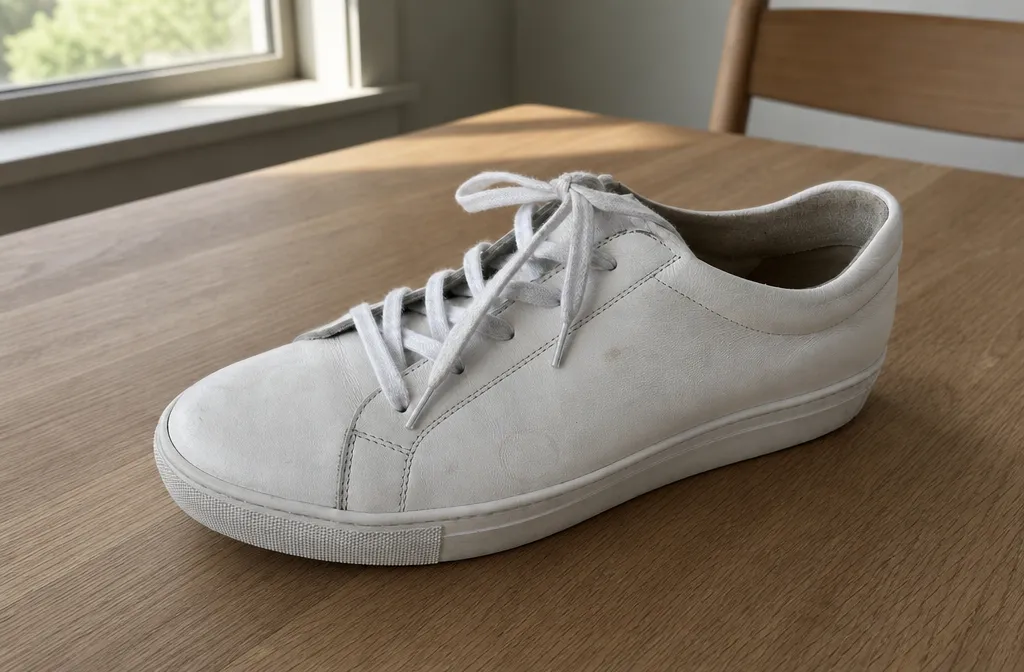
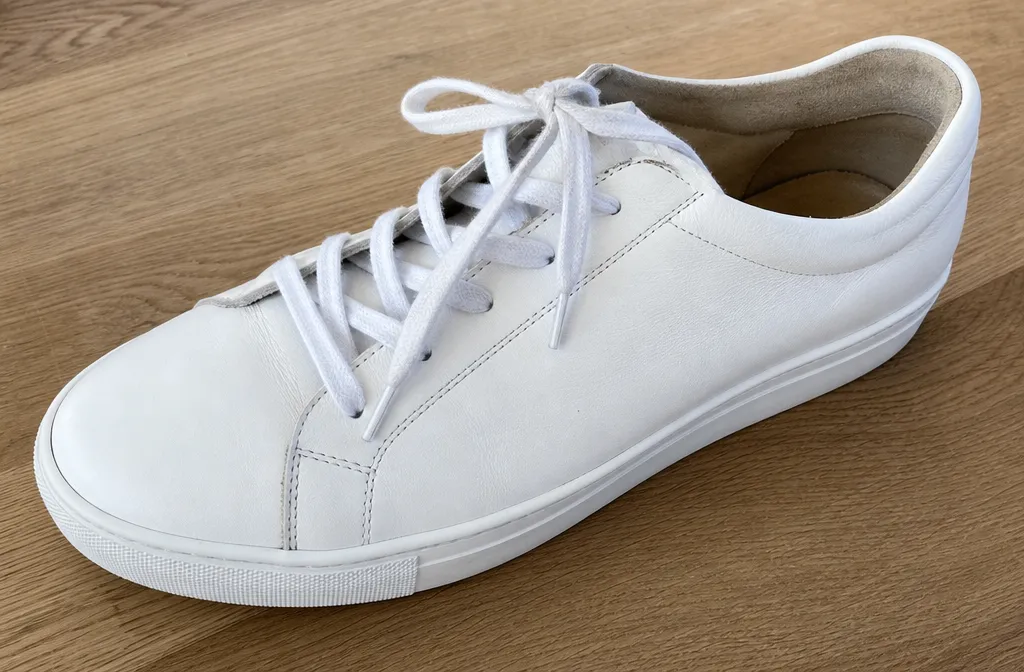 After
After
Request: Client asked to restore white color to sneakers after summer season.
Done: Performed deep leather cleaning and removed stubborn dirt from soles.
Cost: 2 500 ₸
Master: Aigul Nurgaliyeva, dry cleaning master
Total: Sneakers became snow-white, leather soft and without streaks.
 After
After
Request: Owner wanted to remove salt stains and restore leather shine.
Done: Cleaned leather from salt, applied nourishing cream and polished.
Cost: 3 500 ₸
Master: Damir Iskakov, dry cleaning master
Total: Boots acquired deep black color and mirror shine.
 After
After
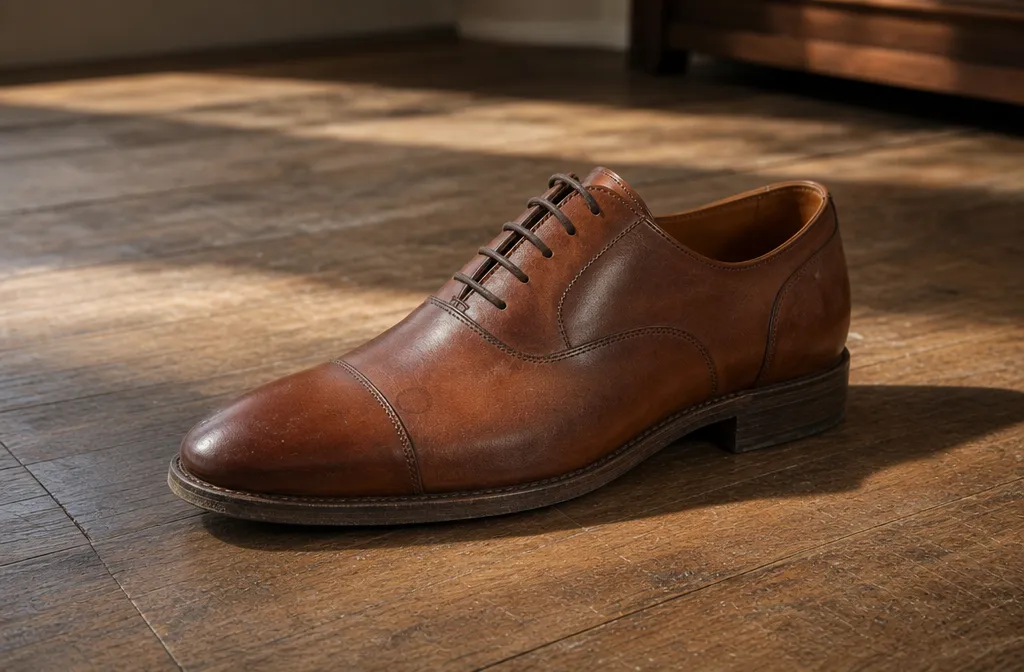
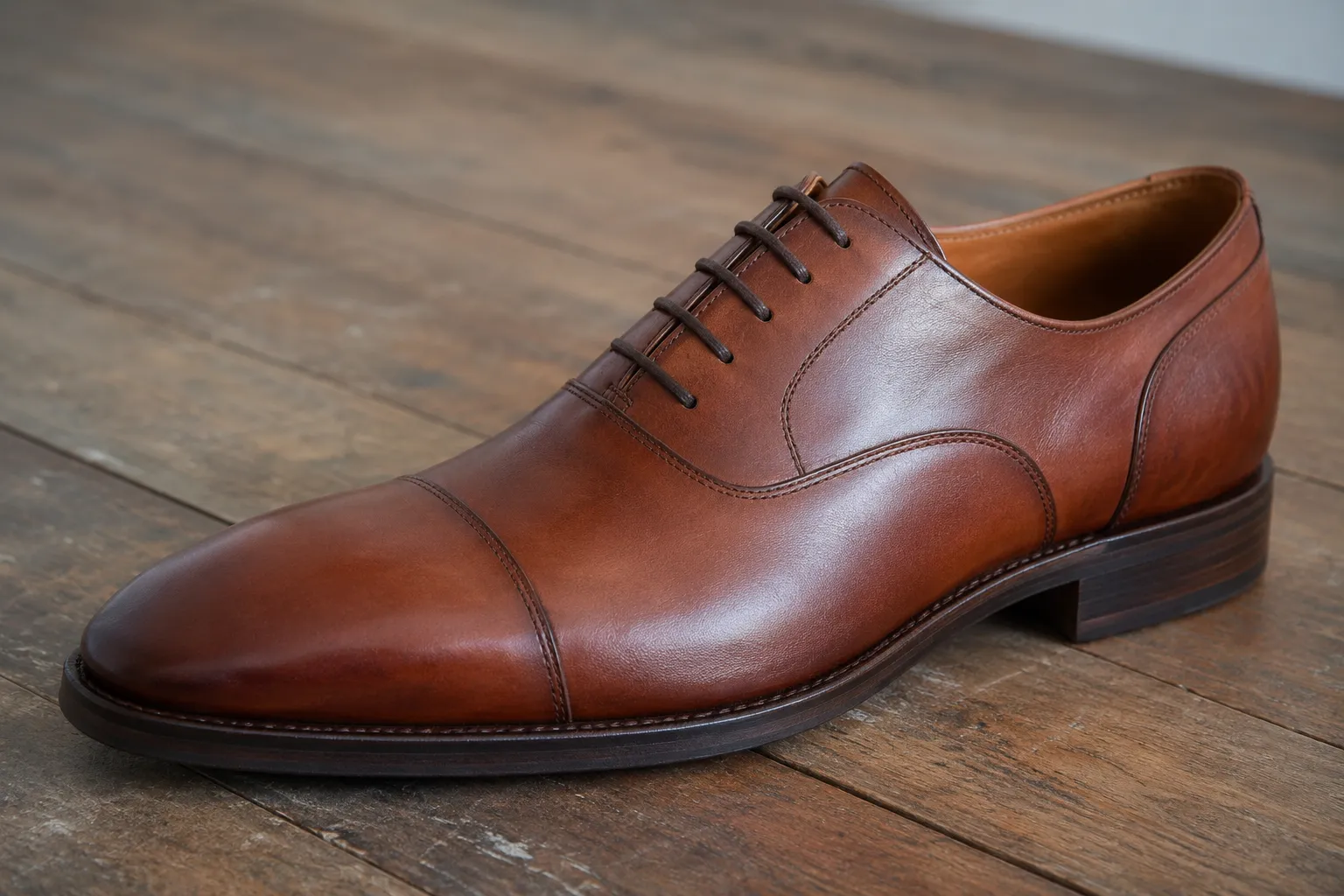
Request: Client asked to remove coffee stains and scuffs on toes.
Done: Applied professional cleaner for smooth leather and restored color.
Cost: 3 000 ₸
Master: Zhanna Abdrakhmanova, dry cleaning master
Total: Shoes look like new, without stains and with even shade.
 After
After
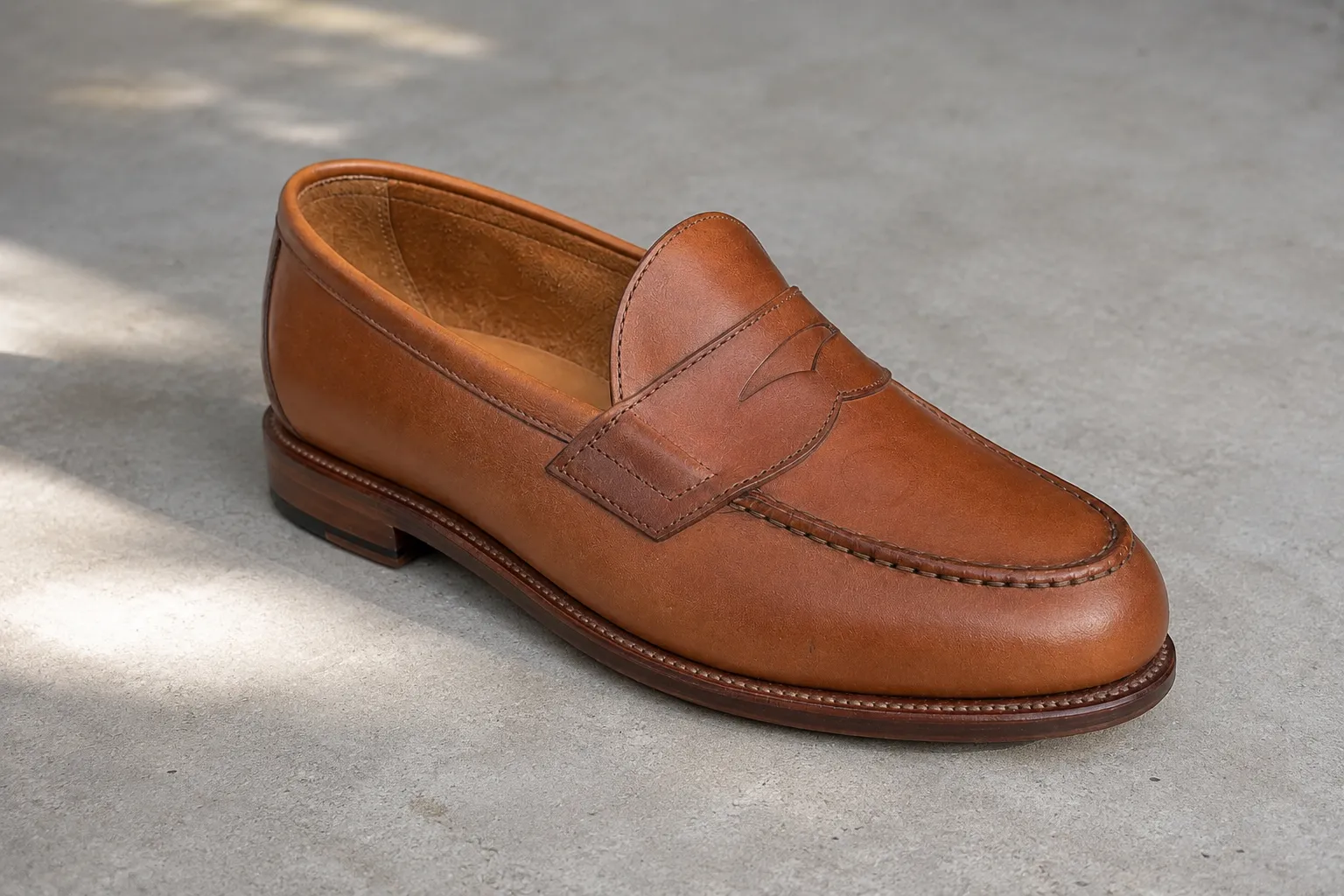
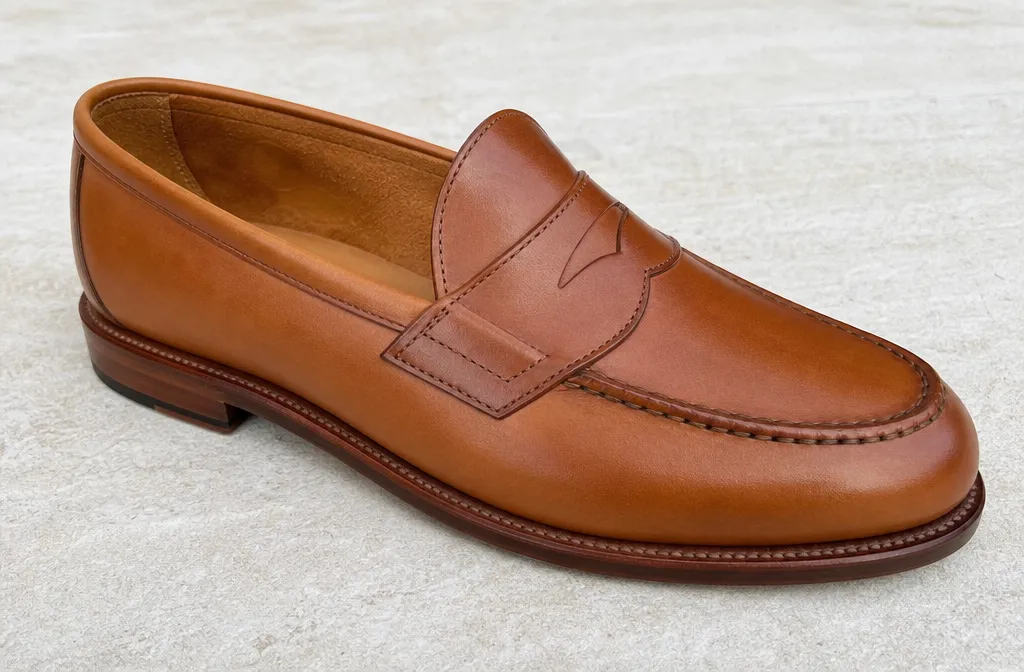
Request: Client wanted to remove yellowing and ingrained dirt from suede trim.
Done: Performed dry cleaning of leather and suede, removed oxides and refreshed color.
Cost: 2 800 ₸
Master: Aidar Kaliyev, dry cleaning master
Total: Loafers became light, suede soft and without stains.
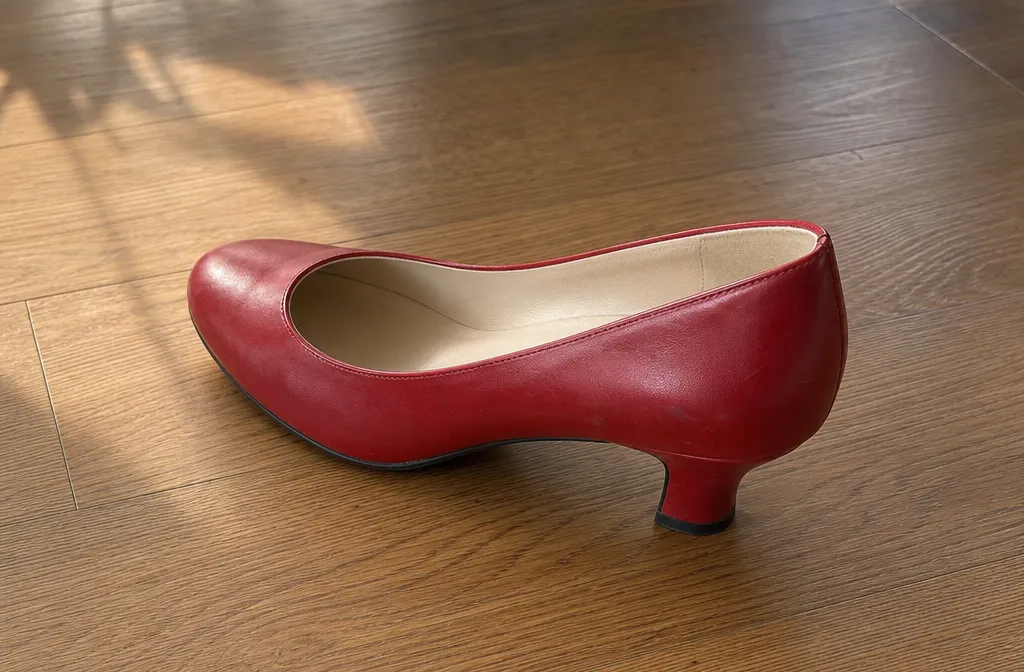
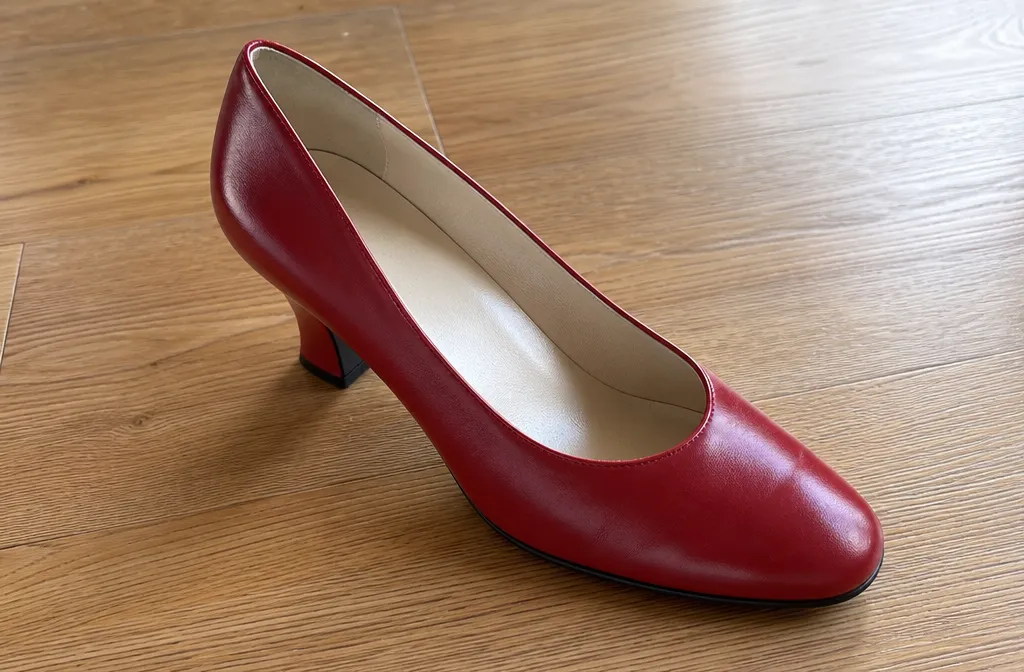 After
After
Request: Client asked to remove scuffs on toe and restore rich red color.
Done: Cleaned leather, tinted scuffs and applied protective cream.
Cost: 2 800 ₸
Master: Gulmira Sadykova, dry cleaning master
Total: Shoes shine, color even and deep, without defects.
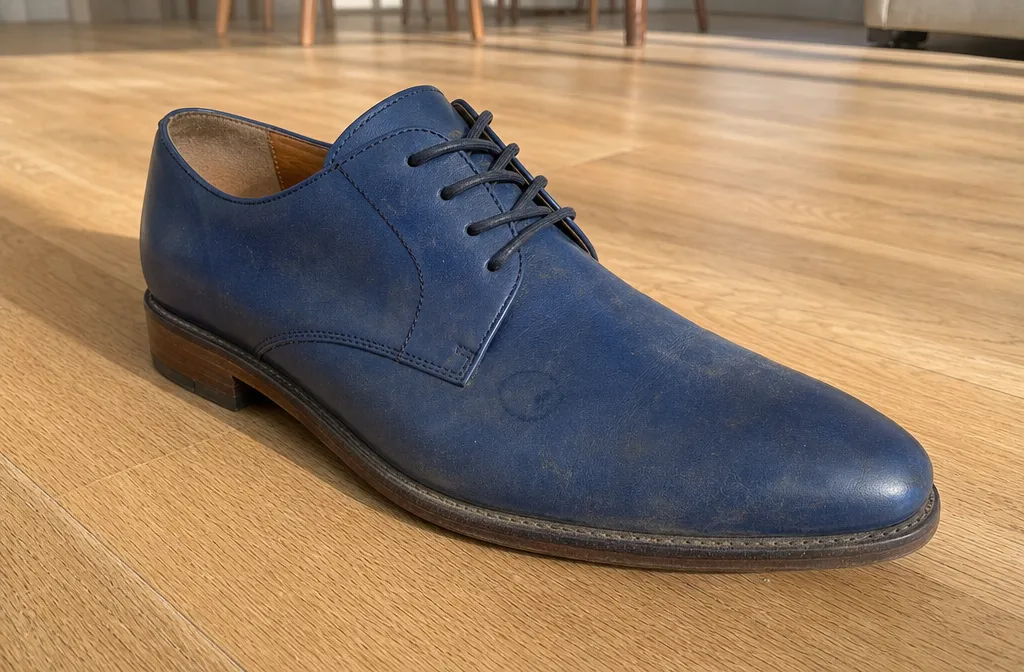
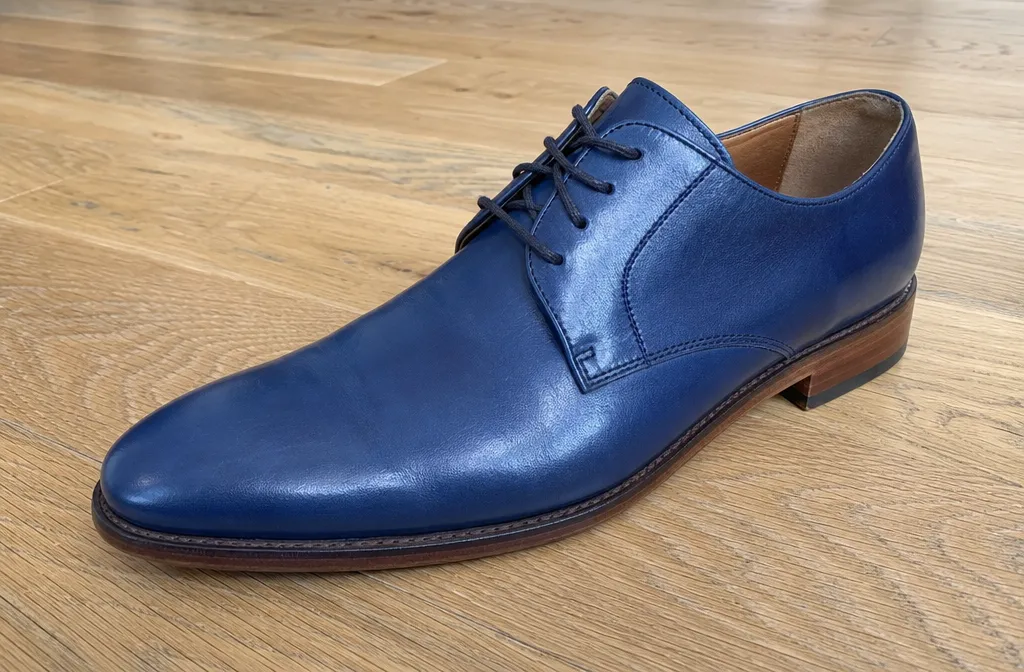 After
After
Request: The client wanted to remove rain stains and refresh the color.
Done: We performed leather dry cleaning, removed streaks, and applied a water-repellent impregnation.
Cost: 3 000 ₸
Master: Nurzhan Tleubayev, dry cleaning master
Total: Shoes are clean, color is rich, leather is protected from moisture.
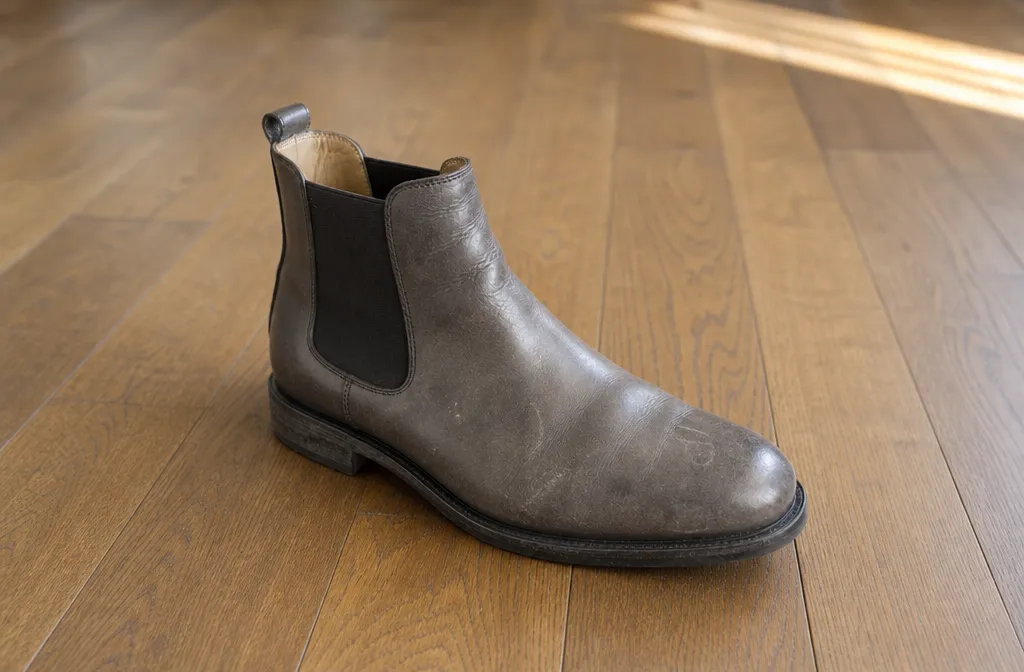
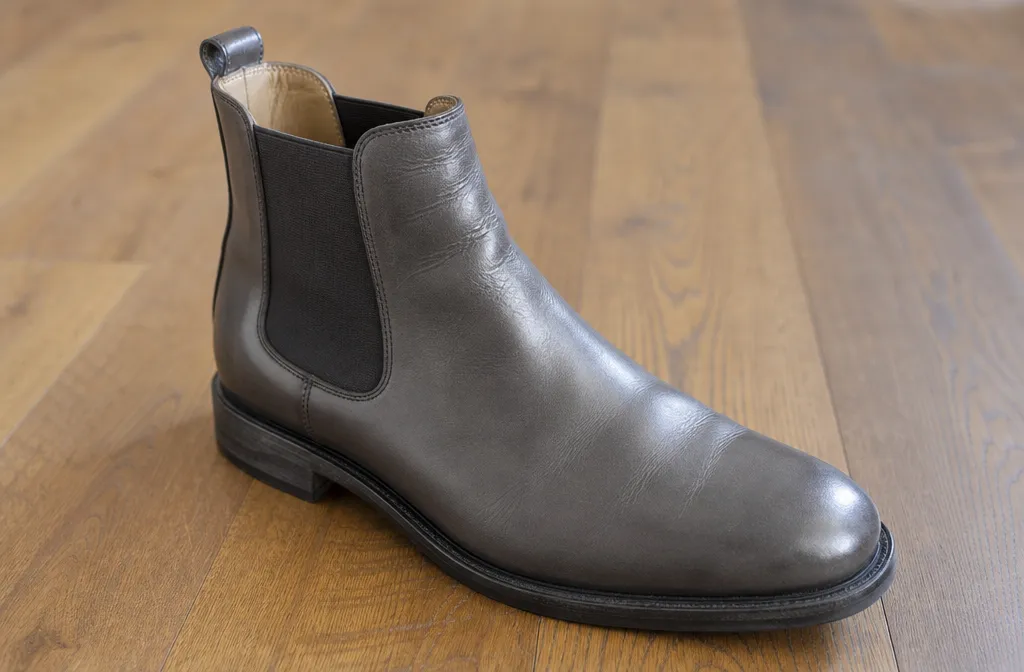 After
After
Request: The client asked to remove scuffs on the heel and restore matte shine.
Done: We cleaned the leather, restored the color, and applied matting wax.
Cost: 3 000 ₸
Master: Aliya Zhumabayeva, dry cleaning master
Total: Boots look well-groomed, leather is soft and matte.
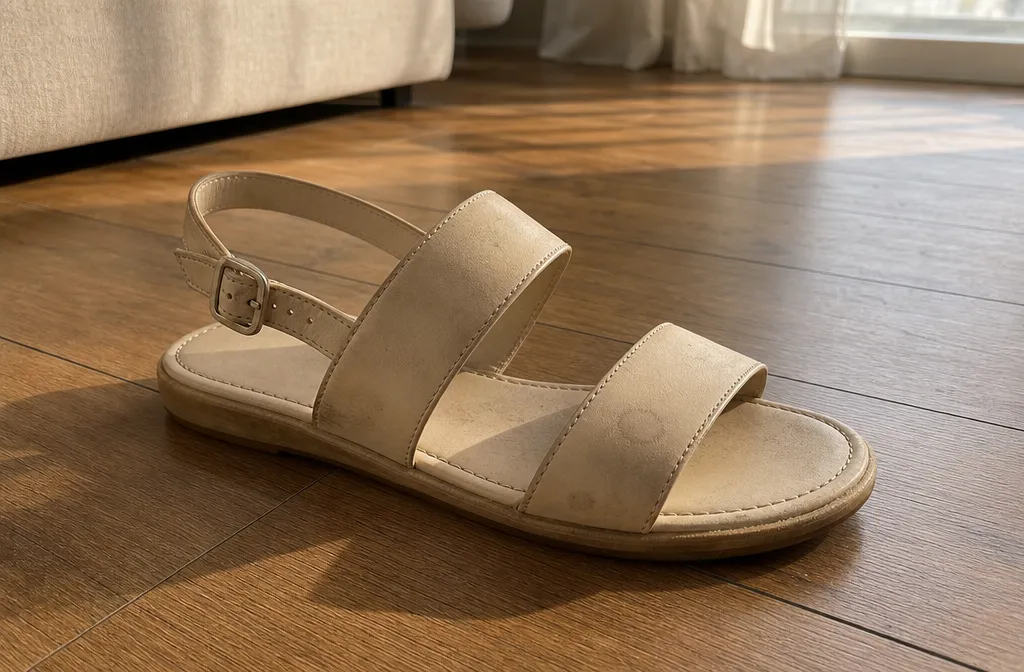
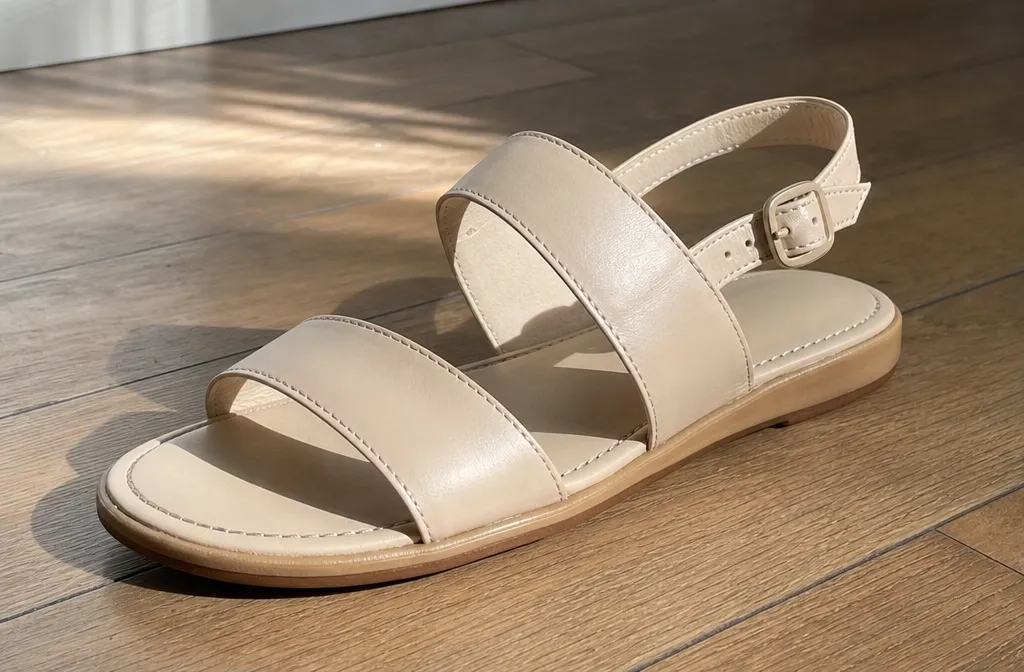 After
After
Request: The client wanted to remove dark marks from straps and refresh the leather.
Done: We performed leather dry cleaning, removed dirt, and applied moisturizing cream.
Cost: 2 000 ₸
Master: Marat Yermekov, dry cleaning master
Total: Sandals are clean, leather is light and elastic.
 After
After
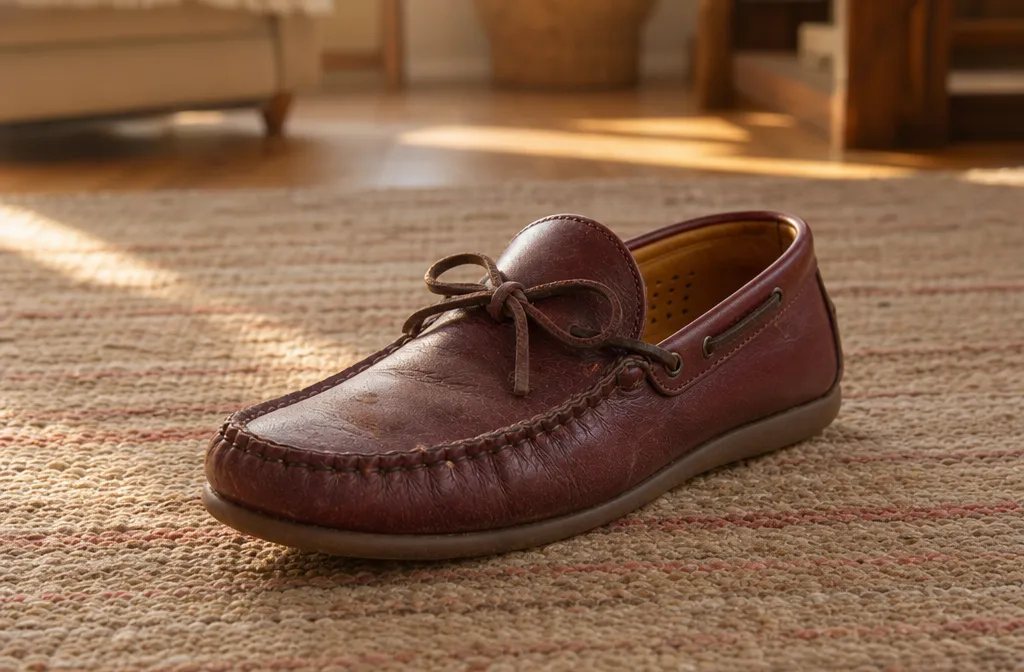
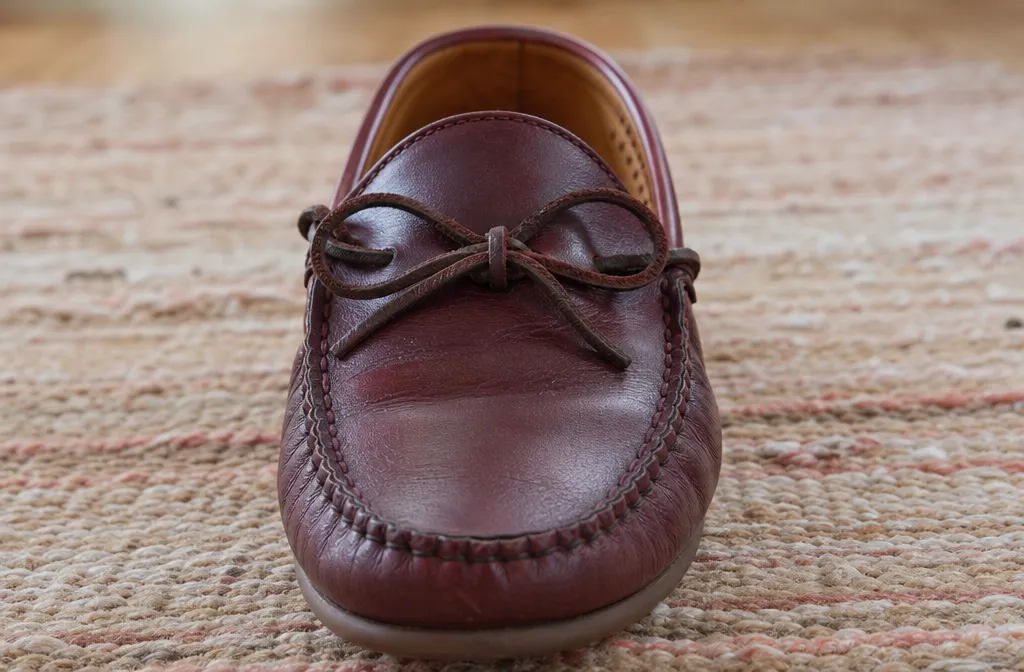
Request: The client asked to remove greasy areas and restore color.
Done: We cleaned the leather from grease, tinted it, and applied conditioner.
Cost: 2 800 ₸
Master: Lyazzat Omarova, dry cleaning master
Total: Moccasins have an even burgundy shade and softness.
 After
After
Request: The client wanted to remove salt stains and scuffs on the shaft.
Done: We performed leather dry cleaning, removed salt, and applied protective cream.
Cost: 13 000 ₸
Master: Yerzhan Muratov, dry cleaning master
Total: Boots are clean, leather is soft and protected from reagents.
All cleaners are profi-clean staff with training, uniform and security check. Each order has a team leader who controls quality.
The main difference is the depth of impact: regular cleaning removes dust and dirt from the surface, while professional dry cleaning penetrates into the pores of the leather, removing salt stains, grease spots, and ingrained dirt that are invisible to the eye. At first glance, the result may seem the same, but after a couple of weeks of surface cleaning, the leather dulls and cracks — precisely because of reagent residues in the pores and a disrupted pH balance.
Home methods — a damp cloth, soapy water, a sponge with powder — wash off the top layer of dirt but clog the leather pores with micro-particles of the cleaning agent. In Almaty, the problem is worsened by hard tap water: calcium and magnesium salts, left behind after drying, crystallize within the leather’s thickness and destroy the fibers from the inside. In our practice, there have been cases where regularly washing leather boots under the tap led to micro-cracks appearing at the creases within just two months. Furthermore, household chemicals (laundry powders, dish soaps) shift the leather’s pH to the alkaline side — after this, only professional neutralization with a special compound can restore elasticity. In my opinion, the most common mistake is trying to scrub an old stain with alcohol or acetone: this removes not only the dirt but also the factory impregnation, after which the leather permanently loses its protection from moisture and dirt. If after home cleaning your shoes have white streaks or feel stiffer to the touch — this is a signal that it’s time for professionals with pH-neutral chemicals to intervene.
Professional dry cleaning of leather shoes begins with dry steam treatment: it opens the leather’s pores 30-40% deeper than regular soaking and removes salt deposits that have already crystallized in the material’s structure. We use hypoallergenic concentrates from Kiehl and Sodasan — they don’t just wash away dirt, they emulsify grease spots at a molecular level without destroying the leather’s lipid layer. After cleaning, a conditioner is applied that restores the pH to the natural level of 4.5-5.5 — this step is precisely what prevents future cracking. Such a finish is impossible at home: without a professional pH meter and neutralizing agents, the leather remains vulnerable. In Almaty, where humidity fluctuations from dry air conditioning to rain outside can reach 40-50% in a single day, a properly restored hydrophobic impregnation lasts two to three times longer than one applied by hand at home. Moreover, the final stage — the water-repellent impregnation — is applied not with a brush, but on a special stand with an air supply, ensuring the compound is applied evenly, without drips.
After professional cleaning, the leather remains degreased and stripped of its factory protection — improper care in the first few days nullifies the result. Let’s break down how to extend the freshness of your pair and not ruin the material.
6–8 hours after dry cleaning, once the leather is completely dry at room temperature, apply a nourishing cream or balm based on mink oil, lanolin, or beeswax — our team uses Collonil and Saphir products. Rub it in using circular motions with a soft flannel cloth until fully absorbed, paying special attention to crease areas and seams. After drying for 20–30 minutes, buff with the same cloth to a matte shine — excess cream should not remain on the surface. Important: do not use water-based cream (e.g., Salamander) after dry cleaning — water will again draw out residual fat from the pores.
In winter and during the off-season, Almaty roads are heavily treated with a salt-sand mixture and technical salt — these agents penetrate the pores within 15–20 minutes of contact. After dry cleaning, be sure to apply a water-repellent impregnation in two layers: the first immediately after the cream, the second after 30 minutes. Use aerosols with a fluorocarbon or silicone base — Collonil Carbon Pro or Tarrago Hightech Protector provide a lotus effect for 2–3 weeks of active wear. Without impregnation, leather absorbs salt like a sponge, and by evening, white stains appear that can only be removed with repeated dry cleaning.
Renew nourishment and protection based on wear intensity: for daily use — once every 10–14 days; for wearing 2–3 times a week — once a month. During the rainy season (April–May and October–November in Almaty), double the frequency, and after any exposure to heavy rain or slush, dry immediately at room temperature and reapply the impregnation. Do not apply cream more than once a week — oversaturation softens the leather, making it loose and reducing shape retention at the heel and toe.
Shoe leather varies — smooth calfskin, patent leather, matte nubuck, dense pigskin — and each finish requires its own formula. In our profi-clean practice, the wrong foam cleaner on patent leather leaves indelible streaks, while an alcohol-based solution on matte leather tightens the surface film. Therefore, we select chemicals for the four main leather types we encounter in Almaty.
Neutral foams: pH 5.5–7, alkali and alcohol-free — clean pores without tightening the surface film. Lanolin-based cream cleaners: remove salt stains (a typical problem on Almaty sidewalks in winter) while simultaneously nourishing the leather. Water-based emulsions: for daily soiling — dust, sand, light dirt. Low-viscosity silicone impregnations: seal pores after cleaning to prevent salt from penetrating again. Finishing waxes: applied 12 hours after impregnation — provide a water-repellent layer for 2–3 weeks. Our recommendation: on smooth leather, avoid acetone-containing stain removers — they strip the factory finish, and after 2–3 such cleanings, the leather begins to crack at the creases.
Non-abrasive polishes: based on carnauba wax — restore shine without scratching the patent layer. Microfiber cloths with silicone impregnation: remove fingerprints and dust without leaving streaks. Water-based lacquer fixatives: applied after dry cleaning to prevent the patent finish from dulling in the sun. Anti-static sprays: reduce dust attraction — relevant for office shoes in dry air. Alcohol and alkaline cleaners are prohibited — patent leather becomes cloudy after a single contact; we use only neutral microemulsions. If the patent finish has already developed a network of cracks, no polish can restore it — re-lacquering by a specialist is required.
Rubber erasers (blocks): remove greasy areas and dried dirt without water. Enzyme-based foam shampoos: break down grease stains (finger marks on jacket collars, oil on sneakers) — work at +20–30 °C; cold water blocks the enzymes. Aerosol cleaners with coloring pigment: restore color to worn areas (toe, heel). Fluorocarbon-based water-repellent impregnations: apply only to clean, dry suede — otherwise, they seal dirt inside. On suede and nubuck, do not use wax or silicone creams — they clog the nap, preventing the leather from “breathing” and losing its thermoregulation.
Urea-based gels: gently degrease the skin without damaging the membrane layer (Gore-Tex, Sympatex). Membrane revitalizing treatments: restore breathability after aggressive cleaning. Zinc-based deodorant sprays: eliminate odors from textile inserts by neutralizing bacteria, not masking them. Zeolite emulsions: draw oil stains out of the textile part without blurring the boundary between leather and fabric. When working with combination footwear, we always cover the leather part with painter’s tape before treating the textile — even a safe gel at the material boundary can cause a colored halo.
Stubborn stains — salt residues, oily marks, ingrained dirt — resist home cleaning because they penetrate the leather’s structure. In our practice, such stains only respond to professional dry cleaning with enzyme-based solutions and pH neutralization.
Salt residues after winter in Almaty are the most common complaint we receive. Soap and water don’t remove salt; they only push it deeper into the leather’s pores. Why this happens: salt crystals dissolve in water, but after drying, they remain in the fibers and draw moisture out of the leather, causing cracks. We use an acidic pre-wash (pH 3–4) that converts the salt into a soluble state, then neutralize the leather with an alkaline solution. On wet boots from the street, salt residues appear as a white film — if not removed within 48 hours, they eat into the dye, and restoring the color requires repainting. Actionable insight: after walking on de-icer-treated sidewalks (Medeu, Bostandyk districts), immediately wipe your shoes with a damp microfiber cloth without soap — this prevents the salt from crystallizing.
Oil stains from food, cream, or machine oil are among the most stubborn because grease penetrates leather deeper than water. How the professional approach works: we apply a degreasing gel based on citrus solvents (d-limonene) that binds the oil, then rinse it off with a vacuum extractor — without rubbing, to avoid spreading the stain. On smooth leather, an oil stain looks like a dark, damp spot even after drying; on nubuck, it appears as a matte spot with a texture change. At home, trying to remove grease with alcohol or acetone often leads to dye fading — especially on aniline leather (dyed through). Actionable insight: if oil is spilled on your shoes, blot the stain with a dry napkin (don’t rub!) and sprinkle with talc or starch for 30–40 minutes — it will absorb some of the grease before professional treatment.
Dirt that accumulates in seams and flex creases hardens over time, turning into dark lines — especially on light-colored leather and around the toe area. Why a brush doesn’t help: mechanical cleaning removes the top layer but leaves particles in micro-cracks, which continue to damage the leather from within. At profi-clean, we use an ultrasonic bath for hard-to-reach areas — seams, stitching, perforations — where up to 60% of dirt accumulates. For suede and nubuck, we use dry cleaning with a rubber brush and eraser to avoid disturbing the nap. Actionable insight: once a month, go over the seams with a soft toothbrush and soapy foam — this prevents dirt from embedding but doesn’t replace professional cleaning every 3–4 months.
The climate and de-icers in Almaty create unique conditions for footwear: aggressive dust, humidity fluctuations, and salt mixtures on sidewalks require a specialized cleaning approach that accounts for local factors.
In winter and spring, Almaty sidewalks are treated with a sand-salt mixture that leaves white residues on leather and eats away at seams. Regular washing with water only drives the salt deeper into the pores, and as it dries, the crystals tear the leather fibers from within. At profi-clean, we use a neutralizing solution with a pH of 5.5 to remove de-icers, which binds the salt residues without damaging the fatliquor. After treatment, the leather has no micro-cracks and retains its elasticity — this step is most often skipped during home cleaning, causing a pair to last a season less.
Fine dust, characteristic of Almaty’s air, settles on shoes as microscopic particles of sand and soot. When walking, these particles act like sandpaper: they wear away the top layer of dye, making the leather matte and dull. In our orders for pairs worn in the city center, the depth of micro-damage is always higher than for shoes from the suburbs. In my opinion, the key mistake is trying to wipe off the dust with a dry cloth: this only rubs the abrasive into the pores. Professional dry cleaning first washes away the dust with a foam solution under low pressure, and only then applies a cleaning compound — this way the paint remains intact.
Almaty’s spring and autumn are characterized by sharp transitions from dampness to heat, causing the leather on shoes to either swell or shrink. After cleaning, improper drying exacerbates deformation: radiators or heaters draw out moisture unevenly, and the sole peels off. In our practice, about 60% of pairs with sole delamination come in after self-drying near a radiator. We dry shoes at 25–30 °C with forced ventilation — this preserves the shape of the last and does not destroy the glue seam. If a pair gets wet outside, let it dry naturally for 8–10 hours at room temperature before cleaning; otherwise, the cleaning will not remove dirt from the damp pores.
I ordered dry cleaning for leather winter boots — they removed reagents and salt, the leather is soft, no streaks.
Thank you, Aigerim! Glad you liked the result.
The sneakers look like new after dry cleaning, even grass stains disappeared.
I had dry cleaning done for patent leather shoes — they restored the shine, but one scratch remained.
We apologize for the scratch. We can treat it again, please contact us.
White sneakers became snow-white after dry cleaning, even ink stains were removed.
Brought leather boots for leather shoe dry cleaning — dirt and oil stains removed, protective coating applied.
Thank you for your review! We handle any stains.
Suede ankle boots cleaned well, but the color became slightly lighter on the heel.
Sometimes crushed suede can lighten. We offer free re-dyeing.
Ordered leather shoe dry cleaning for work shoes — removed oil and paint stains, looks decent.
Children's sneakers after dry cleaning look like new, even old grass stains disappeared.
Glad we could help!
Had leather shoe dry cleaning for sneakers with leather inserts — main part clean, but mesh has residue.
We apologize. For mesh we have a separate service; we'll offer a discount on next cleaning.
Boots after dry cleaning look perfect, leather nourished, no cracks.
Brought winter boots for leather shoe dry cleaning — removed de-icing agents, applied water-repellent coating.
Thank you, Alexey! We look forward to seeing you next season.
Uggs cleaned from salt, but one suede insert slightly faded.
We apologize. We can re-dye the insert at our expense.
Ordered leather shoe dry cleaning for moccasins — embedded dirt gone, leather soft, color even.
Sandals after dry cleaning shine, even the rhinestones sparkled.
Glad you appreciated it! Come back.
I had dry cleaning of leather shoes for running sneakers — the smell and dirt were removed, comfortable to run.
Special attention to athletes!
Patent leather pumps were cleaned perfectly, but one clasp is a bit loose.
Sorry for the inconvenience. We can tighten the hardware.
I brought leather gloves — the dry cleaning of leather shoes handled them too, they are soft and odorless.
Suede boots after dry cleaning are fluffy, color is rich, even creases smoothed out.
Thank you for your trust!
I ordered dry cleaning of leather shoes for the jacket — result is average, one stain remained.
We apologize. We offer a re-treatment of this area.
Ballet flats after dry cleaning look like from the store, very satisfied.
Usually the process takes from 1.5 to 3 hours, including drying. Complex stains may require more time. We will inform you of the exact time after inspection.
Call or write to WhatsApp. Our manager will agree on the reception time and address. You can bring the shoes yourself or order a courier (in Almaty).
Yes, we use professional Leather Master products that do not damage the leather. The Karcher steam cleaner operates at a gentle temperature. All masters are trained to work with different types of leather.
Yes, when ordering 3 or more pairs, a 10% discount is provided, from 5 pairs — 15%. The discount is cumulative with other promotions.
In the calculator, select the type that best matches your shoes. If unsure, call — we will help determine. The price depends on complexity and size.
We clean sneakers, dress shoes, boots, high boots, moccasins, loafers, oxfords, derbies, chelsea boots, uggs, sandals, half-boots made of smooth leather. We also work with patent leather and nubuck (on request).
Yes, we clean suede and nubuck with special products. For these materials, a separate technology with gentle shampoos is used. Specify when ordering so we can prepare the necessary compounds.
Yes, we use exclusively professional chemicals from Leather Master (Italy) and Saphir. These products are designed for gentle leather care and removal of complex stains.
We guarantee removal of most stains on the first cleaning. If the stain is not removed, we will refund the money or offer a repeat cleaning with a 50% discount. The guarantee is valid for 3 days.
Yes, our portfolio has over 1000 examples. We can also photograph your shoes before and after cleaning and send them to you. Request examples in the messenger.
Tell us about your experience with profi-clean — it helps other clients and us improve.
We currently operate in Almaty. Other cities are coming soon.