Inspection and type of stains
Visually and under a lamp, we determine the type of stains: oil, salt, ink, scuffs. We assess nap wear and the need for color restoration.
We will restore freshness and color to your nubuck items: shoes, bags, clothing, and furniture
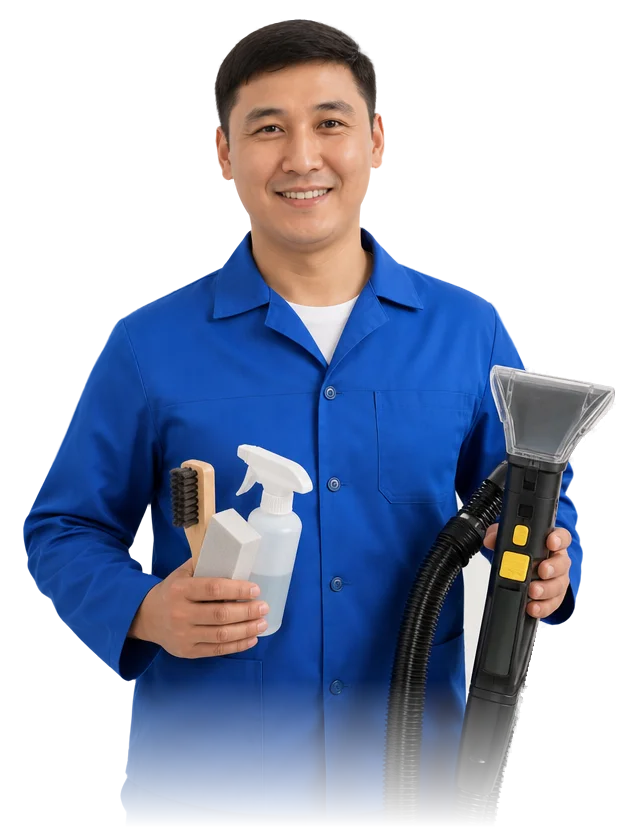
We work with any types and materials
Thorough cleaning of soles and uppers with scuff removal.
from 2,500 ₸Delicate restoration of nap on toe and heel.
from 2,800 ₸Cleaning of complex seams and zippers without damaging nubuck.
from 3,000 ₸Treatment of shaft and interior from odor and dirt.
from 3,500 ₸Cleaning while preserving shape and hardware.
from 12,000 ₸Removal of hand and oil stains with color restoration.
from 12,000 ₸Cleaning of collar, cuffs, and pockets without streaks.
from 5,000 ₸Deep cleaning of large surfaces while preserving structure.
from 8,000 ₸Treatment of armrests and seats with steam and extractor.
from 11,000 ₸Cleaning of backrest and seat with grease removal.
from 3,500 ₸Safe cleaning with disinfection for children.
from 3,500 ₸Cleaning of soft upholstery with nap restoration.
from 2,500 ₸From inspection to result with guarantee
Visually and under a lamp, we determine the type of stains: oil, salt, ink, scuffs. We assess nap wear and the need for color restoration.
Remove dust and dry dirt with a special brass or rubber brush. For shoes, clean the sole and seams.
Apply Saphir Omnidaim or Collonil Nubuck Cleaner evenly. Rub in with a soft sponge.
Rinse the item with Karcher SE 4001 extractor using clean water. For furniture, use a steam cleaner.
Apply Saphir Renomat stain remover to set-in stains. Treat oil stains with absorbent.
After drying, raise the nap with a brush and eraser. Use Saphir Invulner spray to lift.
Apply Saphir Teinture Francaise or Collonil Color Spray dye. Even out the color.
Spray water-repellent impregnation Collonil Waterstop. Dry at room temperature for 6-8 hours.
Our masters work exclusively with premium brands Saphir and Collonil, which provide gentle cleaning and restoration of nubuck. These products do not damage the material structure and restore rich color. Unlike cheap alternatives, they leave no streaks and protect against re-soiling.
The Karcher SE 4001 extractor removes up to 99.97% of dirt and allergens from deep within the nap. We use it for final rinsing after applying the cleaner. This guarantees complete removal of detergents and dirt without residue.
Our team has over 40 masters, each trained in nubuck handling with at least 3 years of experience. They know how to remove oil stains, salt marks, and ink without damaging the nap. They regularly upgrade their skills at Saphir trainings.
We are confident in our work: if a stain remains after cleaning, we refund 100% of the cost. The guarantee covers all types of stains. You receive a receipt and a work completion certificate.
We accept orders daily from 8:00 AM to 10:00 PM. We visit on the same day throughout Almaty. Average arrival time is 1-2 hours. For large items (sofas, armchairs), we work on-site.
Send a photo of the item via WhatsApp — we will estimate the cost and time for free. The consultation includes care recommendations. No hidden fees.
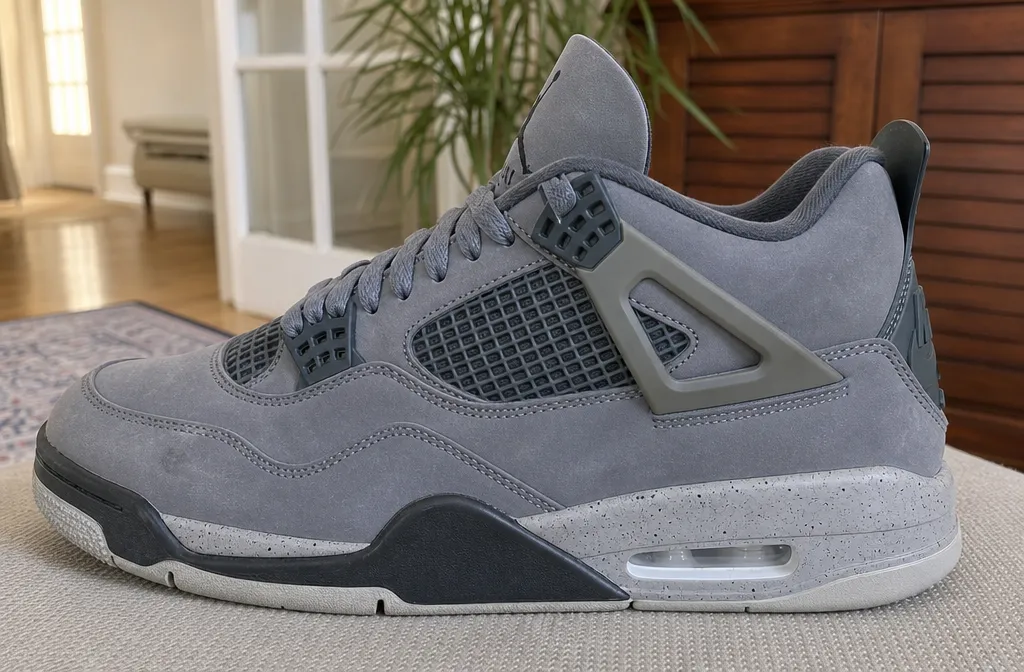
 After
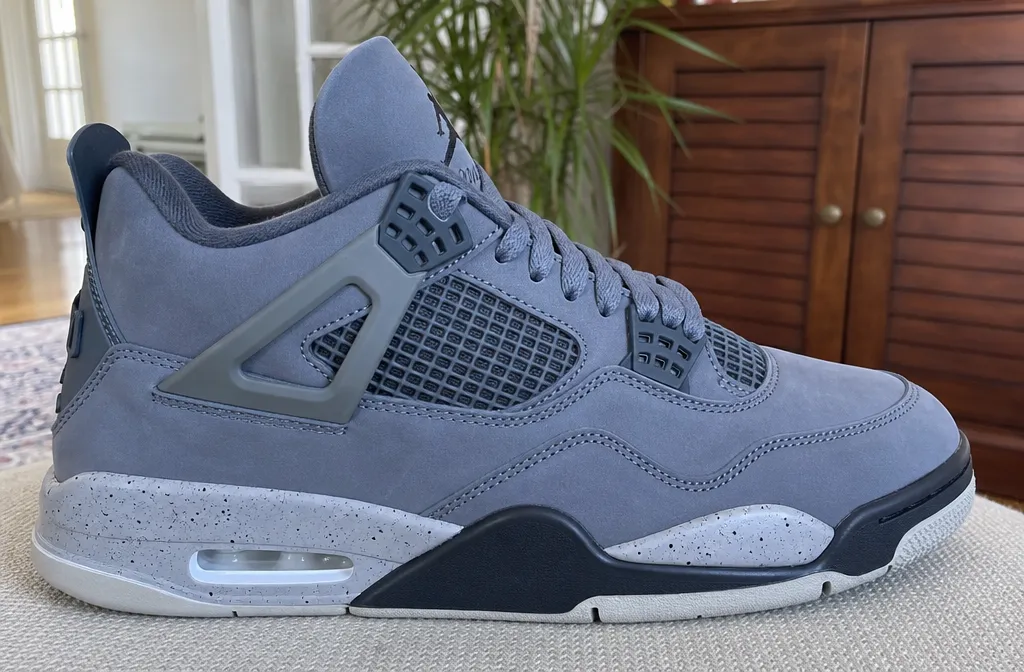
After
Request: Need to remove greasy stains and dust from nubuck sneakers.
Done: Cleaned nubuck with special foam, removed grease stains and restored nap with a brush.
Cost: 14 000 ₸
Master: Aigul Serikbayeva, dry cleaning master
Total: Sneakers look like new, with no traces of dirt or scuffs.
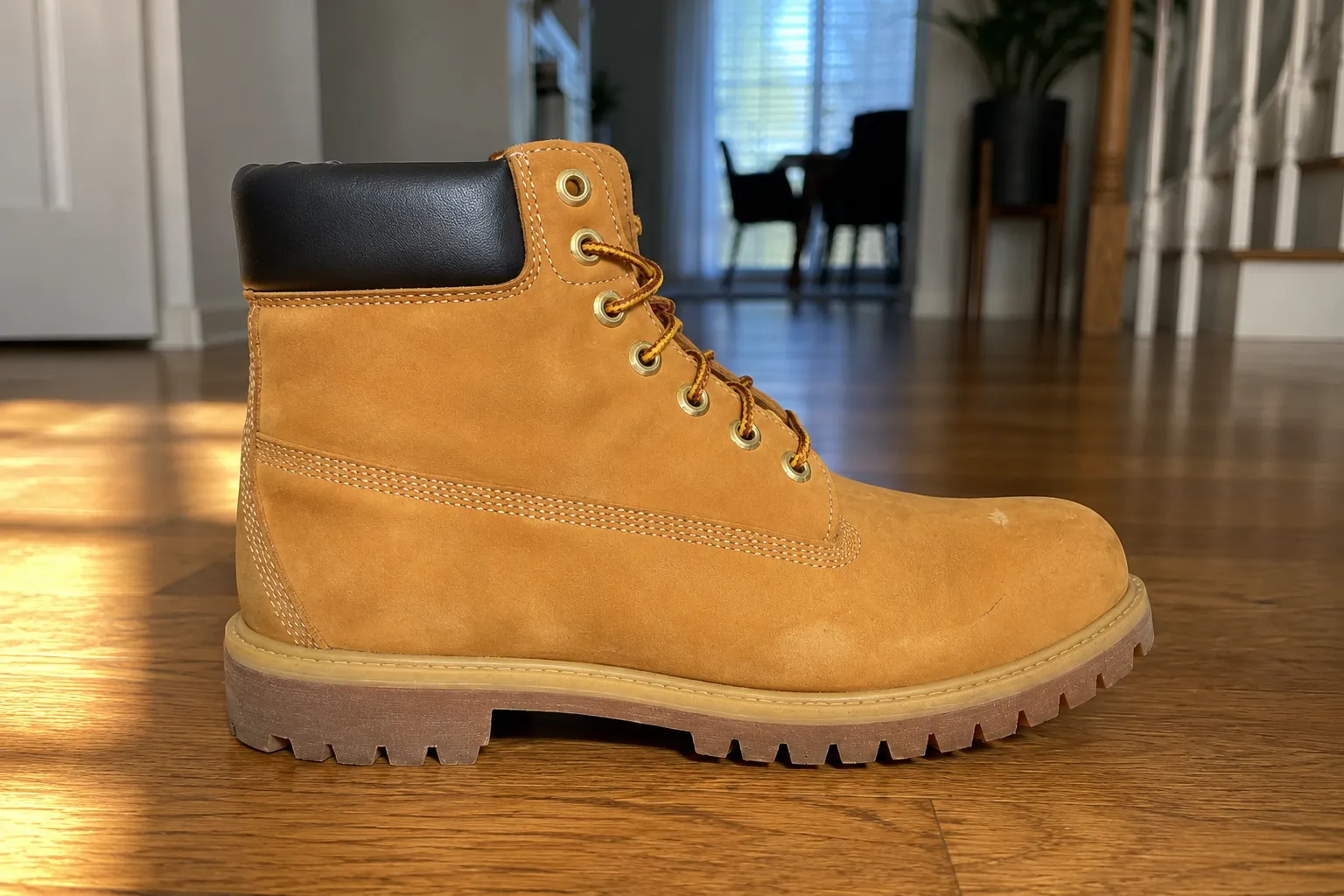
 After
After
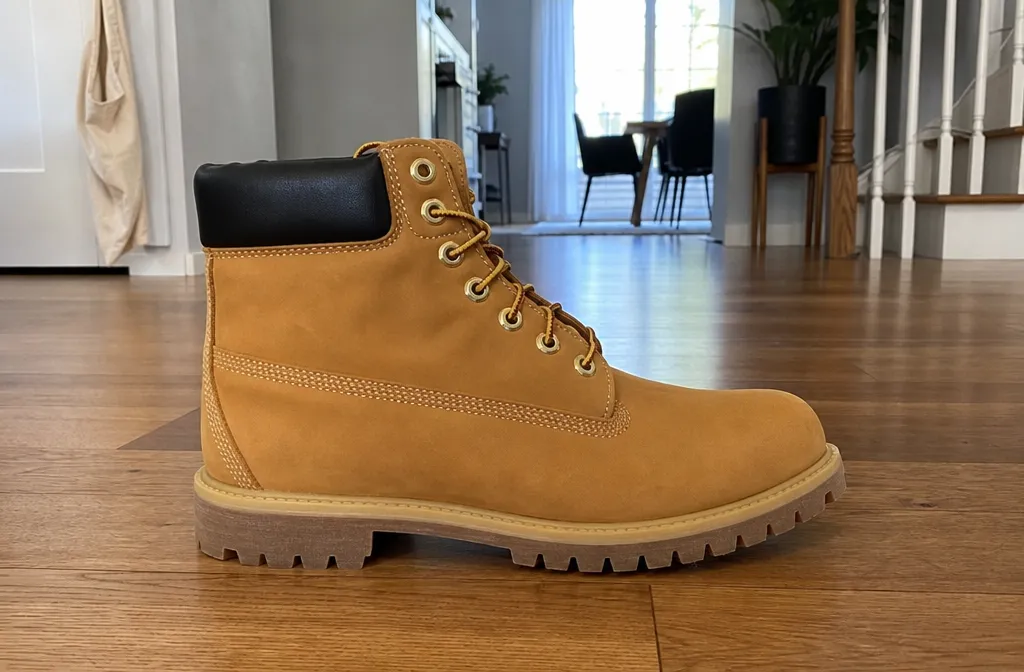
Request: Nubuck boots lost color, have scuffs.
Done: Performed deep cleaning with foam, removed scuffs and applied protective impregnation.
Cost: 13 000 ₸
Master: Timur Zhaksybekov, dry cleaning master
Total: Boots regained rich color and velvety surface.
 After
After
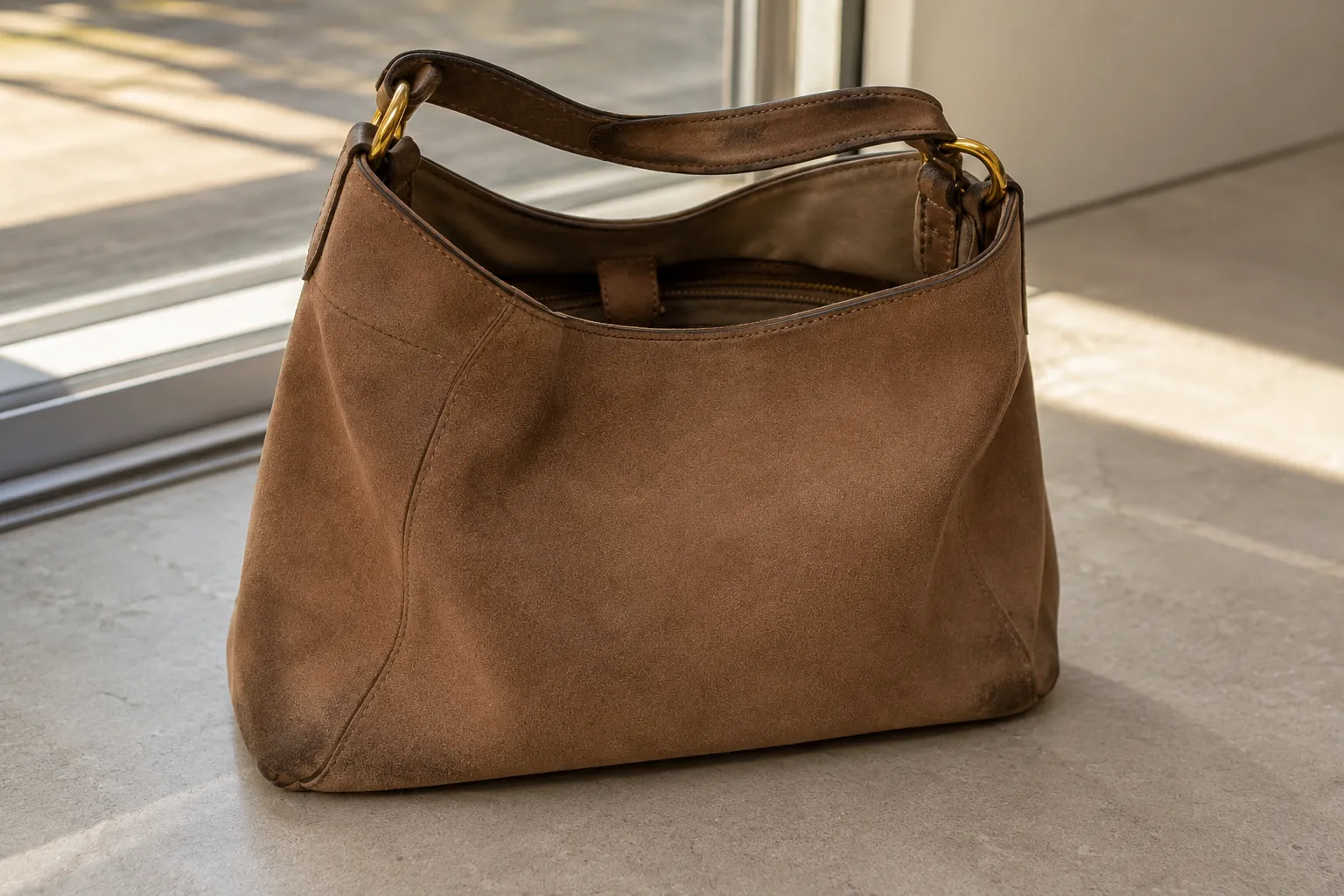
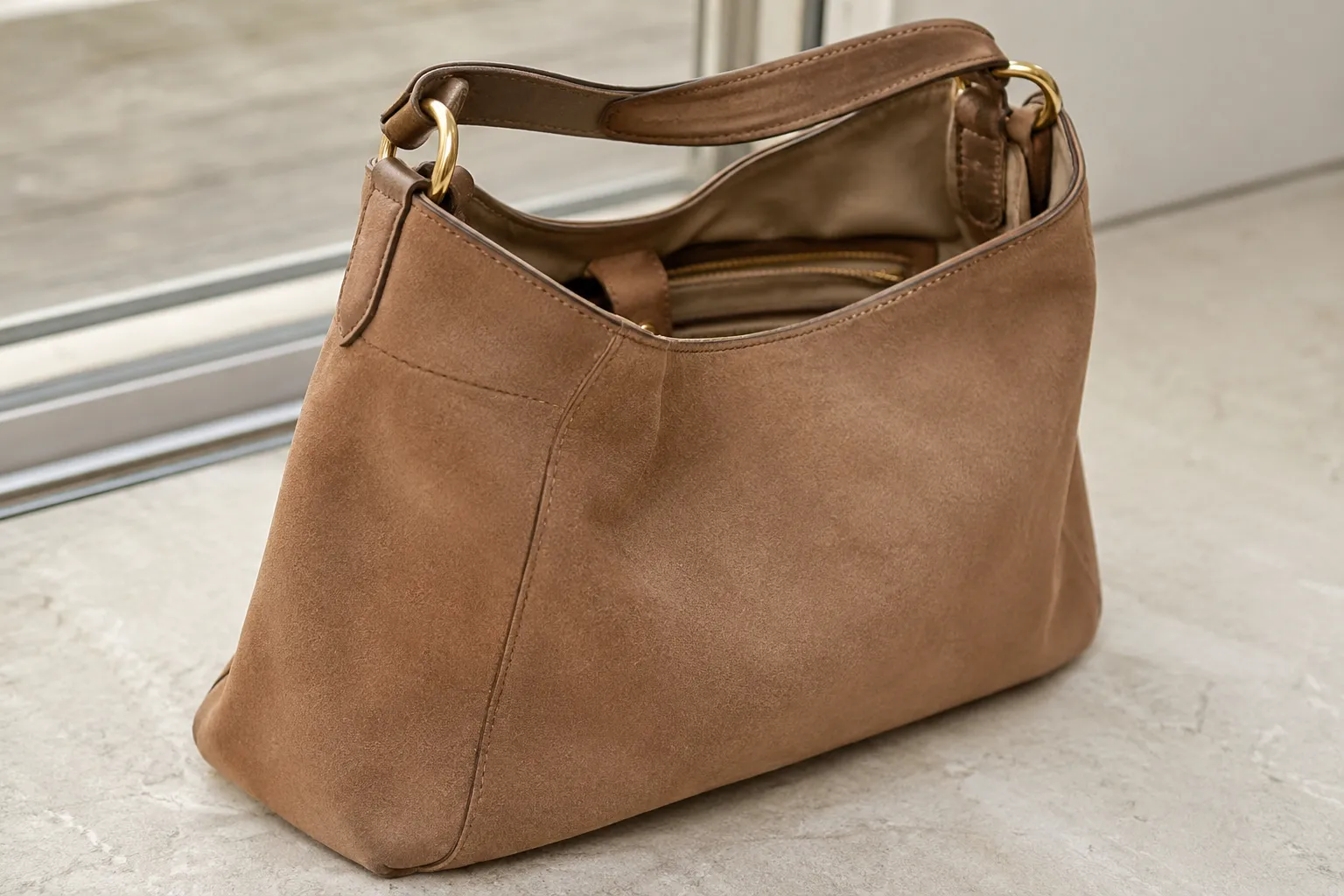
Request: Nubuck handbag has greasy handles and corners.
Done: Cleaned nubuck with enzyme solution, removed grease and restored nap.
Cost: 16 000 ₸
Master: Aliya Nurmagambetova, dry cleaning master
Total: Handbag became clean, with no traces of greasiness or scuffs.
 After
After
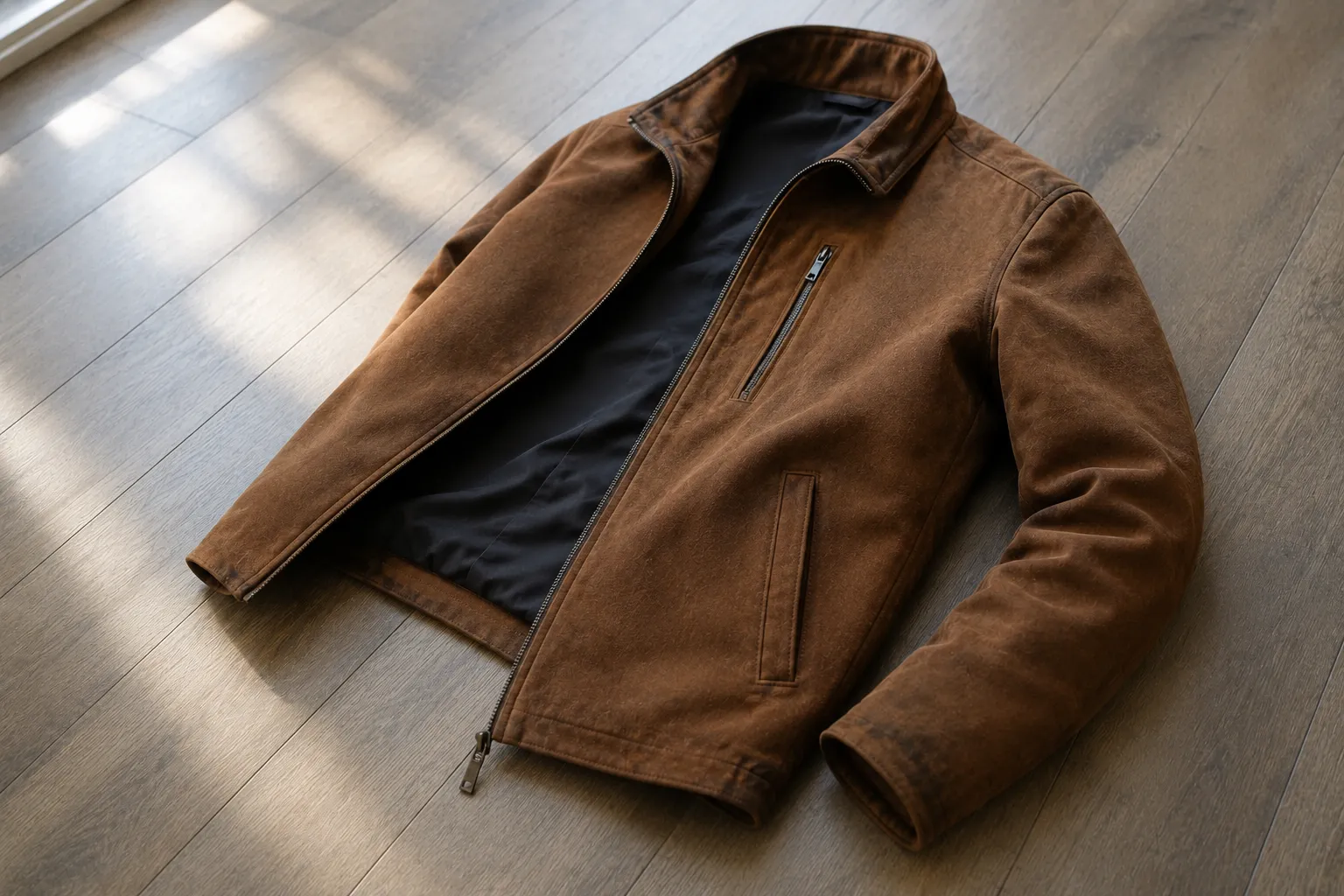
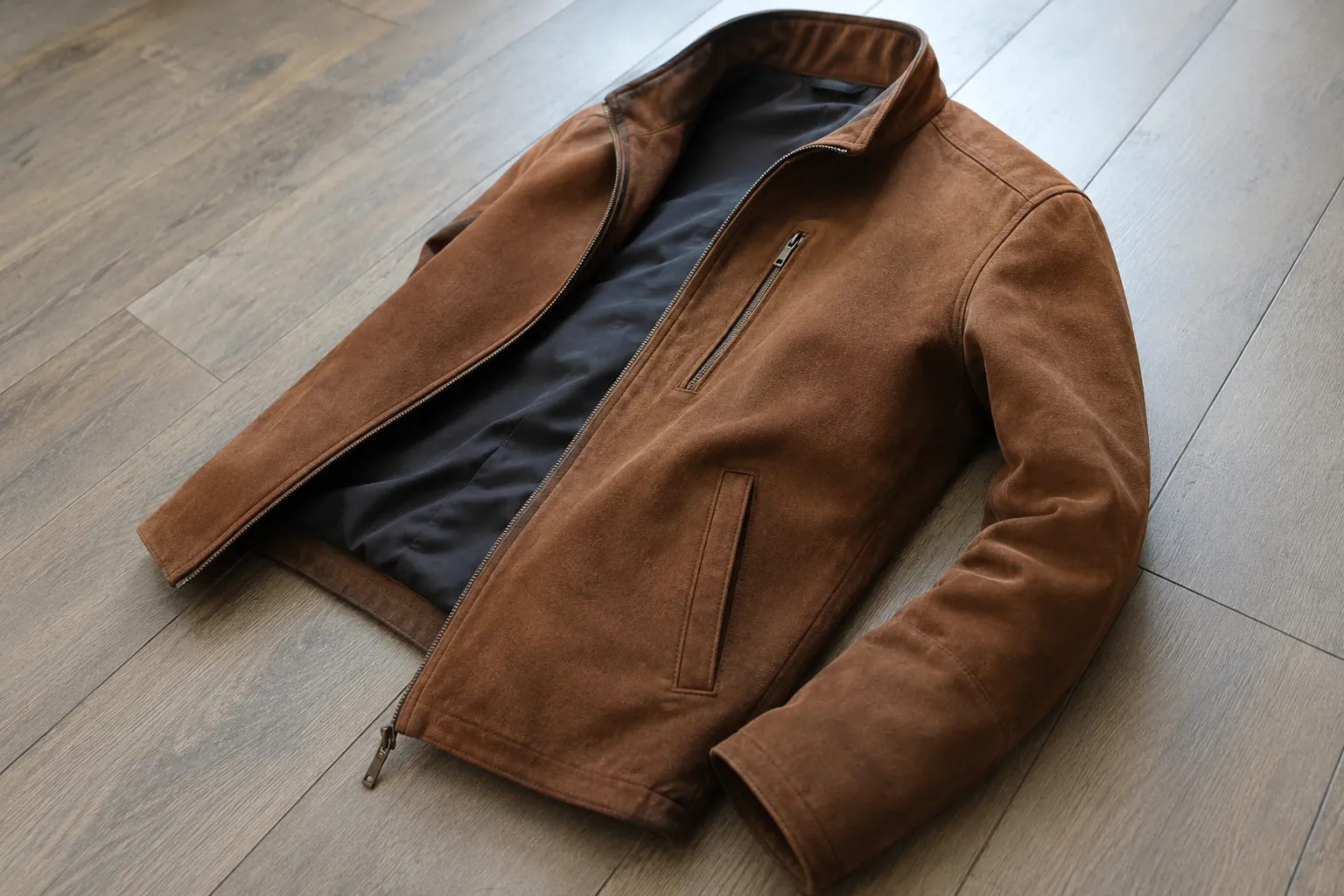
Request: Nubuck jacket has dirt on collar and cuffs.
Done: Removed stains from collar and cuffs, restored color and water-repellent properties.
Cost: 5 000 ₸
Master: Bakhtiyar Kaliyev, dry cleaning master
Total: Jacket looks renewed, without stains and with even color.
 After
After
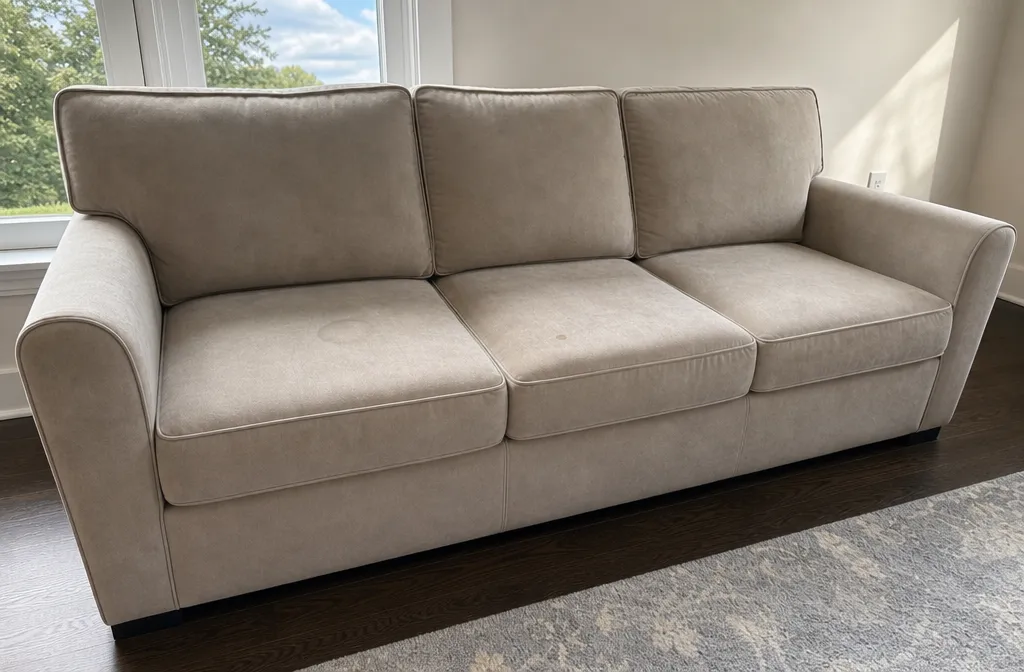
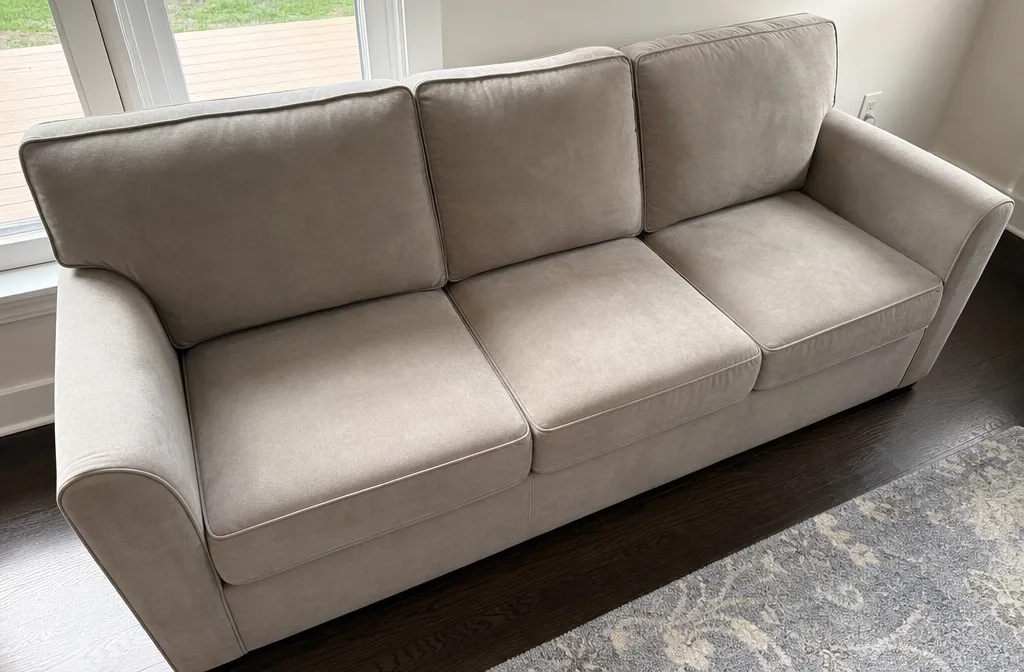
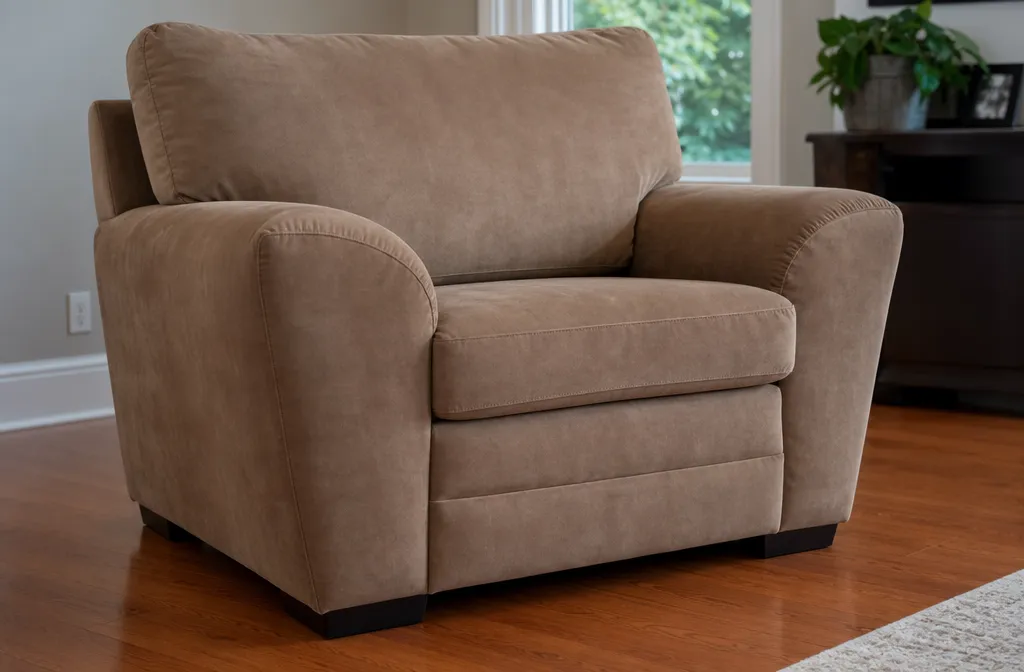
Request: Nubuck sofa is greasy, has food and drink stains.
Done: Cleaned the entire sofa with foam extractor, removed stains and treated with protective spray.
Cost: 11 000 ₸
Master: Damir Suleimenov, dry cleaning master
Total: Sofa became clean, without stains, nap is even and soft.
 After
After
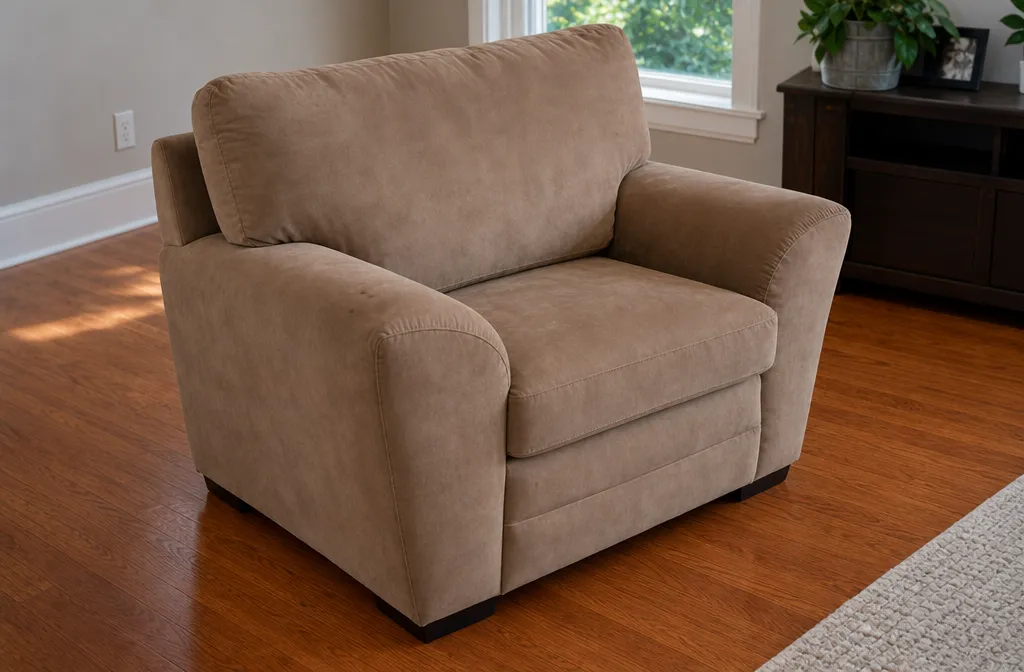
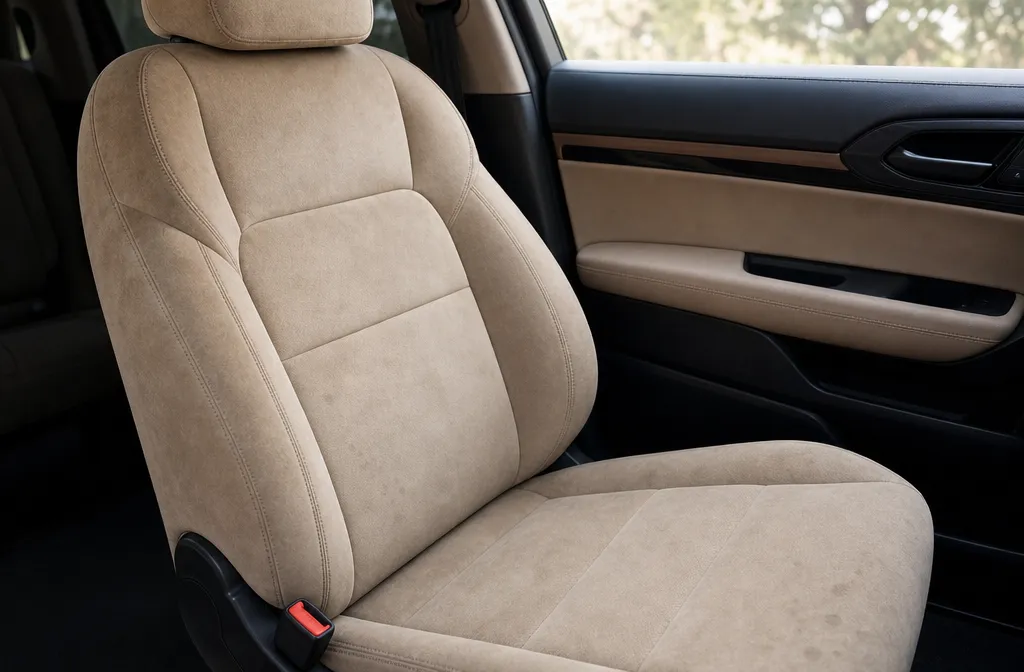
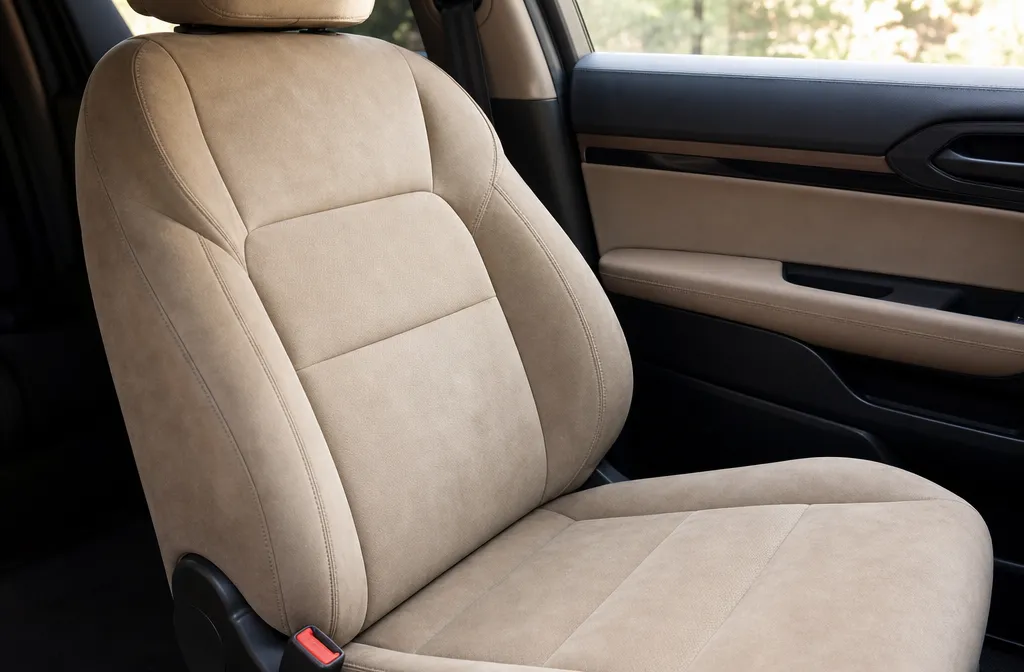
Request: Nubuck armchair has scuffs and stains on the armrests.
Done: We performed steam cleaning, removed stains and restored the nap on the armrests.
Cost: 3 500 ₸
Master: Aizhan Mukasheva, dry cleaning master
Total: The armchair looks neat, stains and scuffs are gone.
 After
After
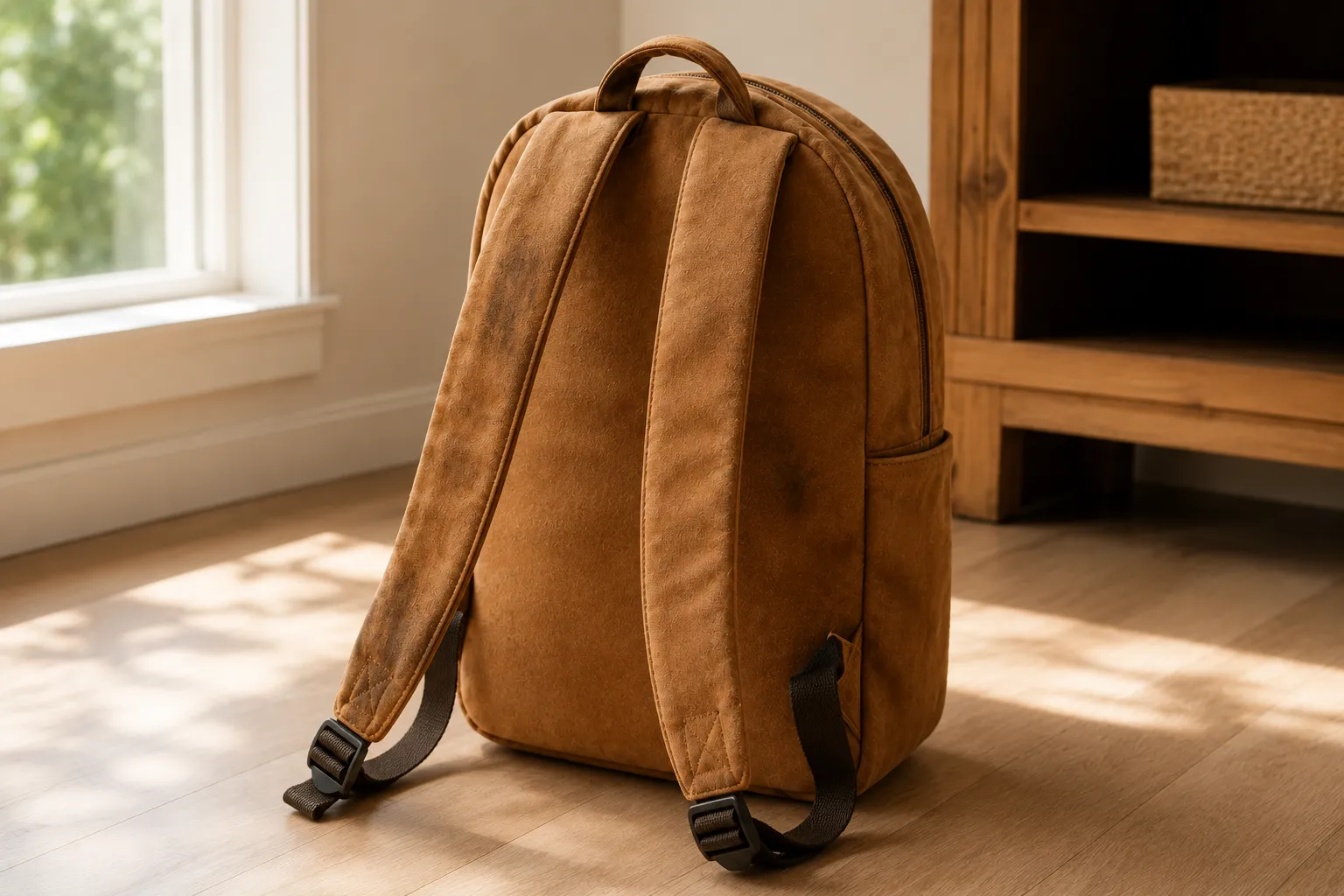
Request: Nubuck car seat is dirty, has streaks and dust.
Done: Cleaned the nubuck with special shampoo, removed streaks and applied impregnation.
Cost: 3 500 ₸
Master: Yerzhan Akhmetov, dry cleaning master
Total: The car seat is clean, without streaks, with even color and soft nap.
 After
After
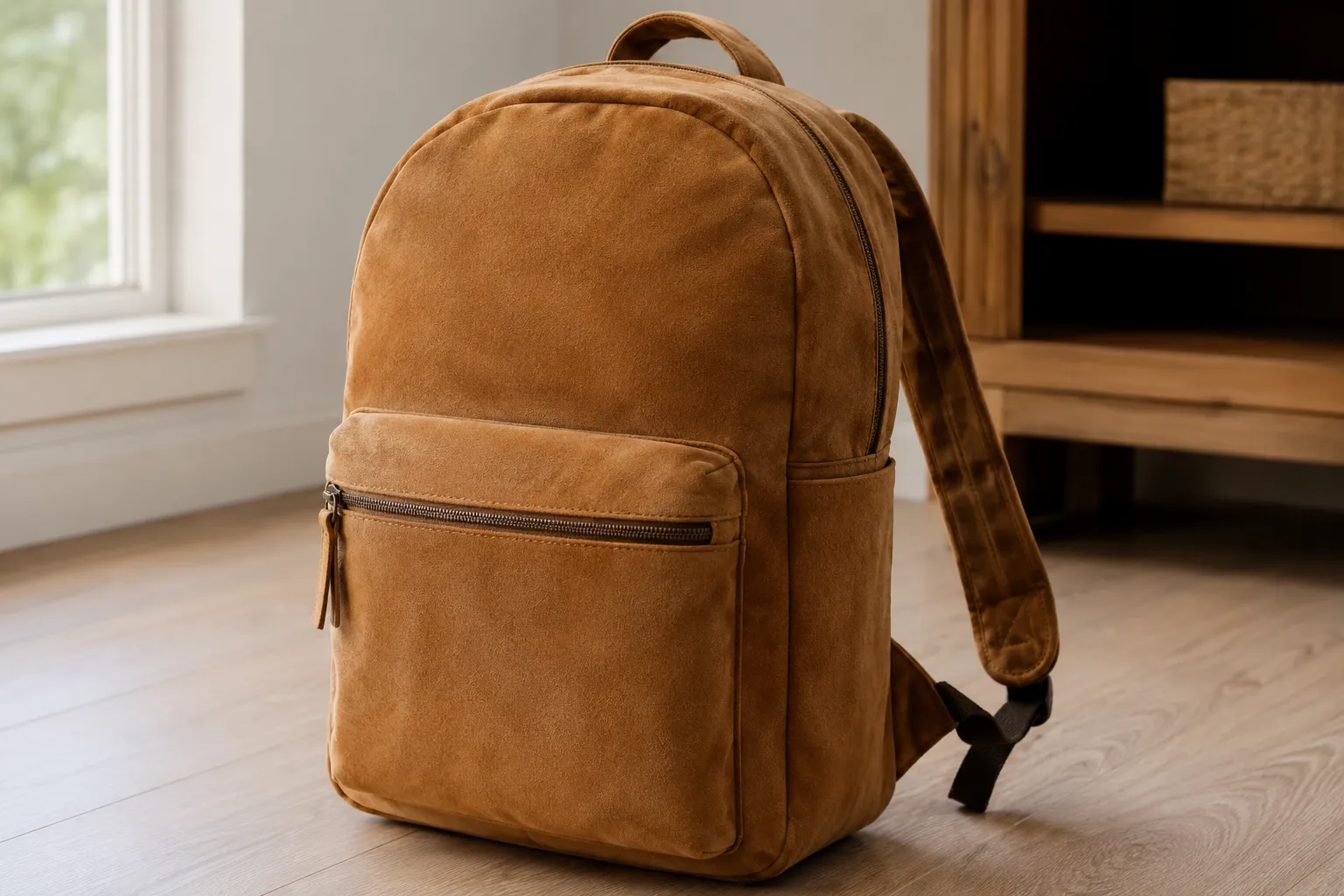
Request: Nubuck backpack has greasy areas on the back and straps.
Done: Removed greasy areas with foam, cleaned the straps and restored water repellency.
Cost: 12 000 ₸
Master: Gulmira Sadykova, dry cleaning master
Total: The backpack is clean, without greasy areas, looks like new.
 After
After
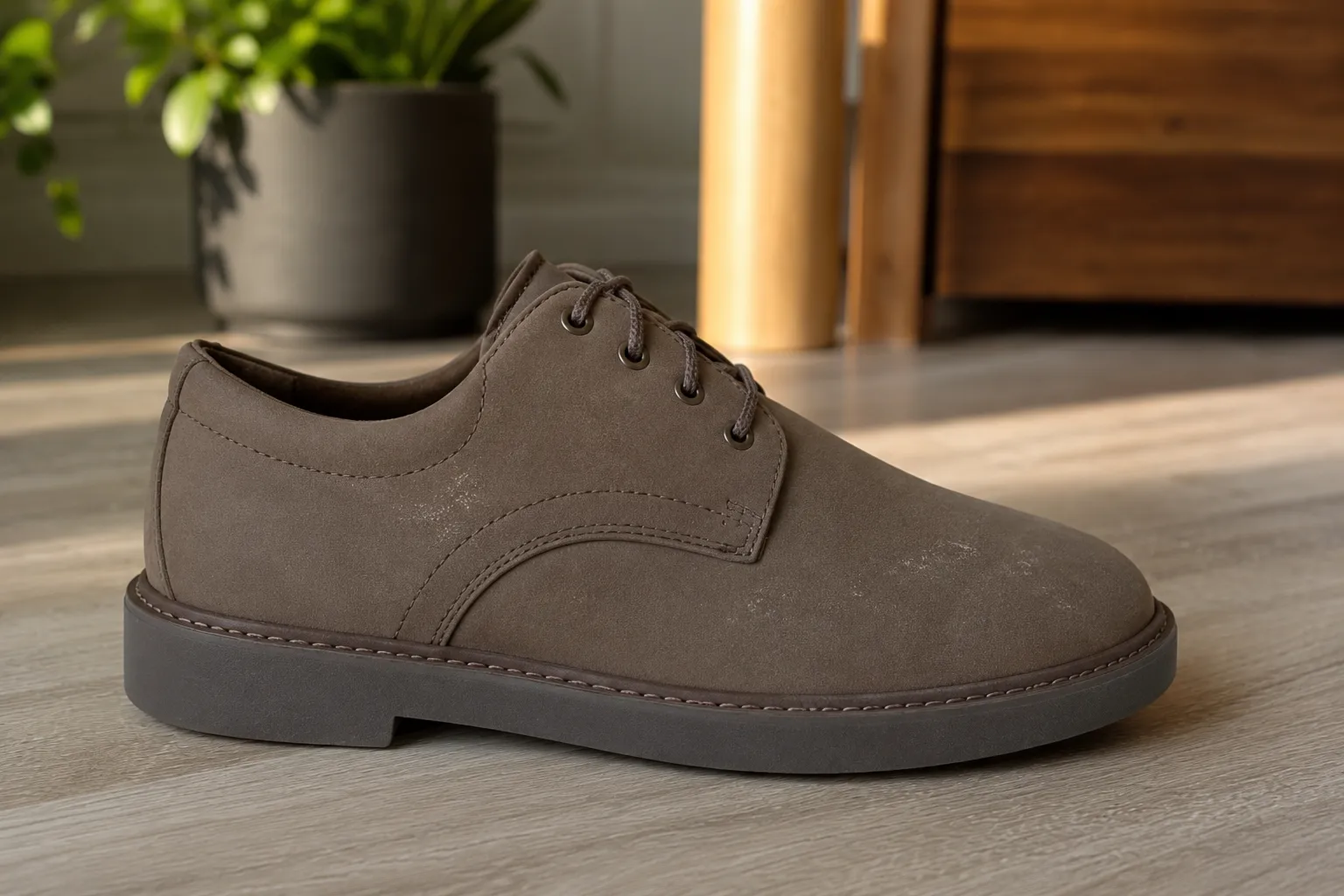
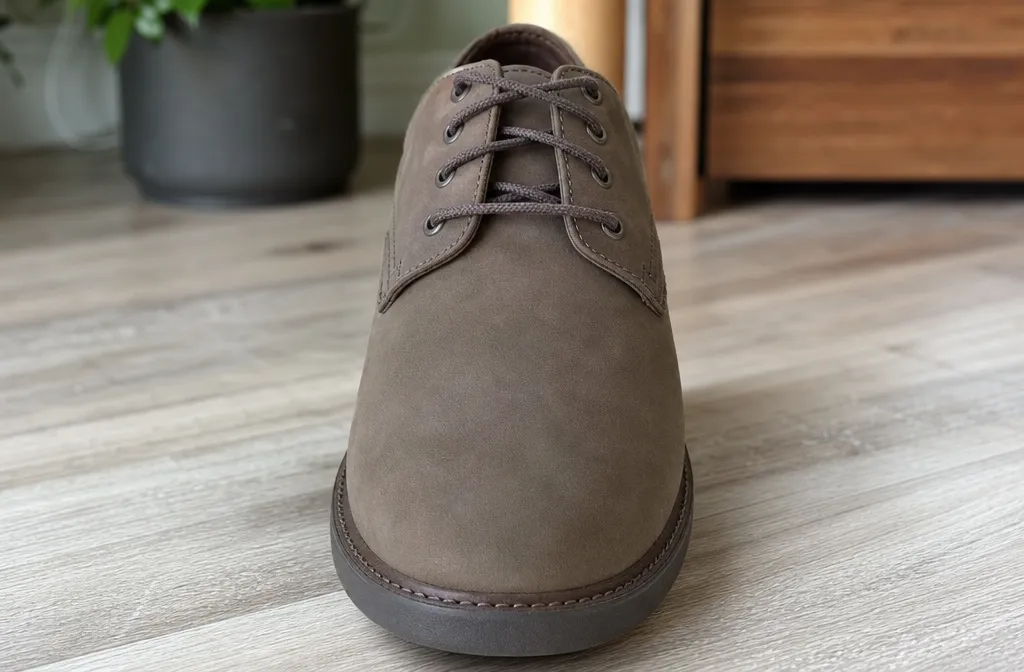
Request: Nubuck boots have white salt streaks.
Done: Treated with a special salt remover, cleaned and restored the nap.
Cost: 14 000 ₸
Master: Nurlan Iskakov, dry cleaning master
Total: Boots are free of salt streaks, color is even, surface is velvety.
 After
After
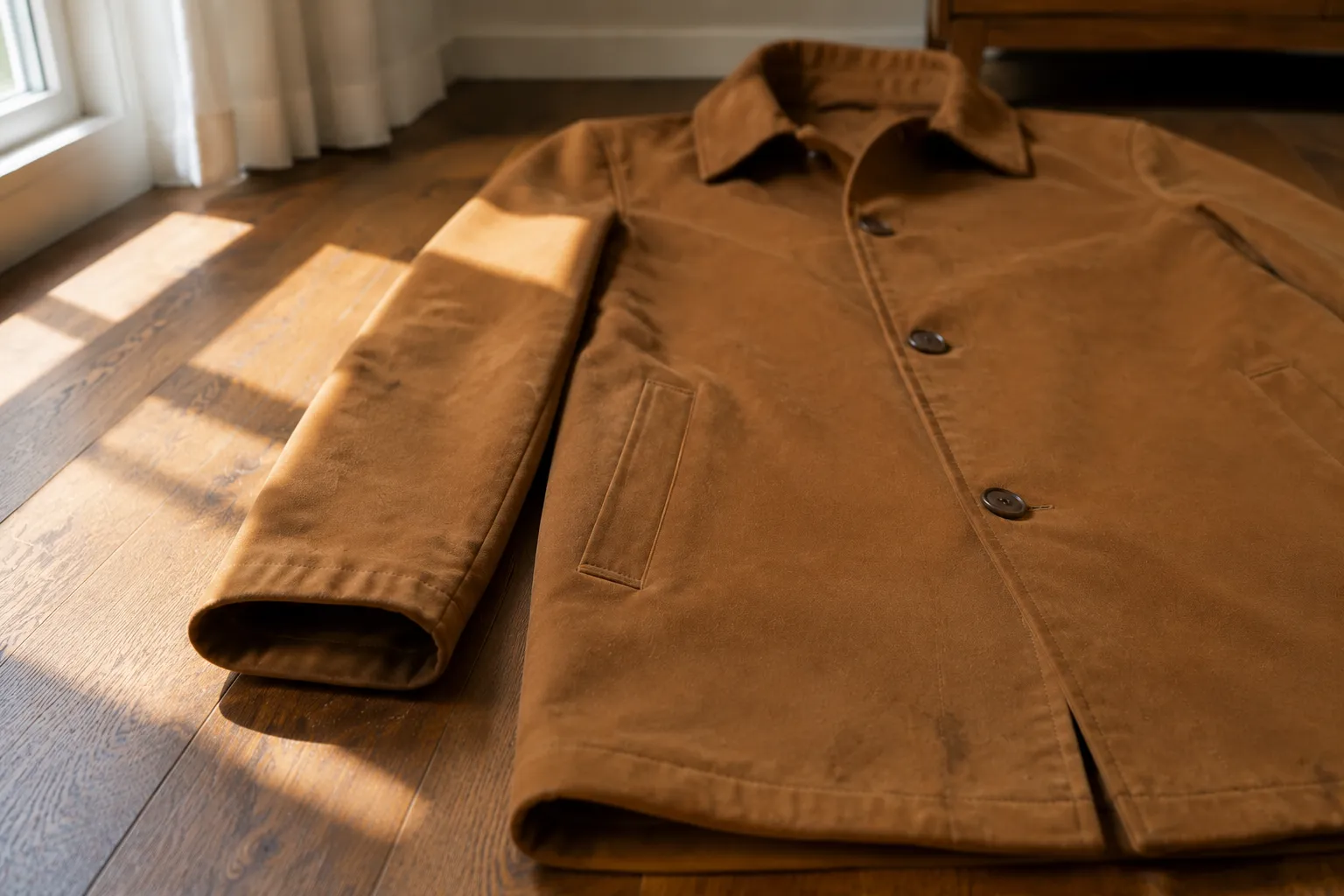
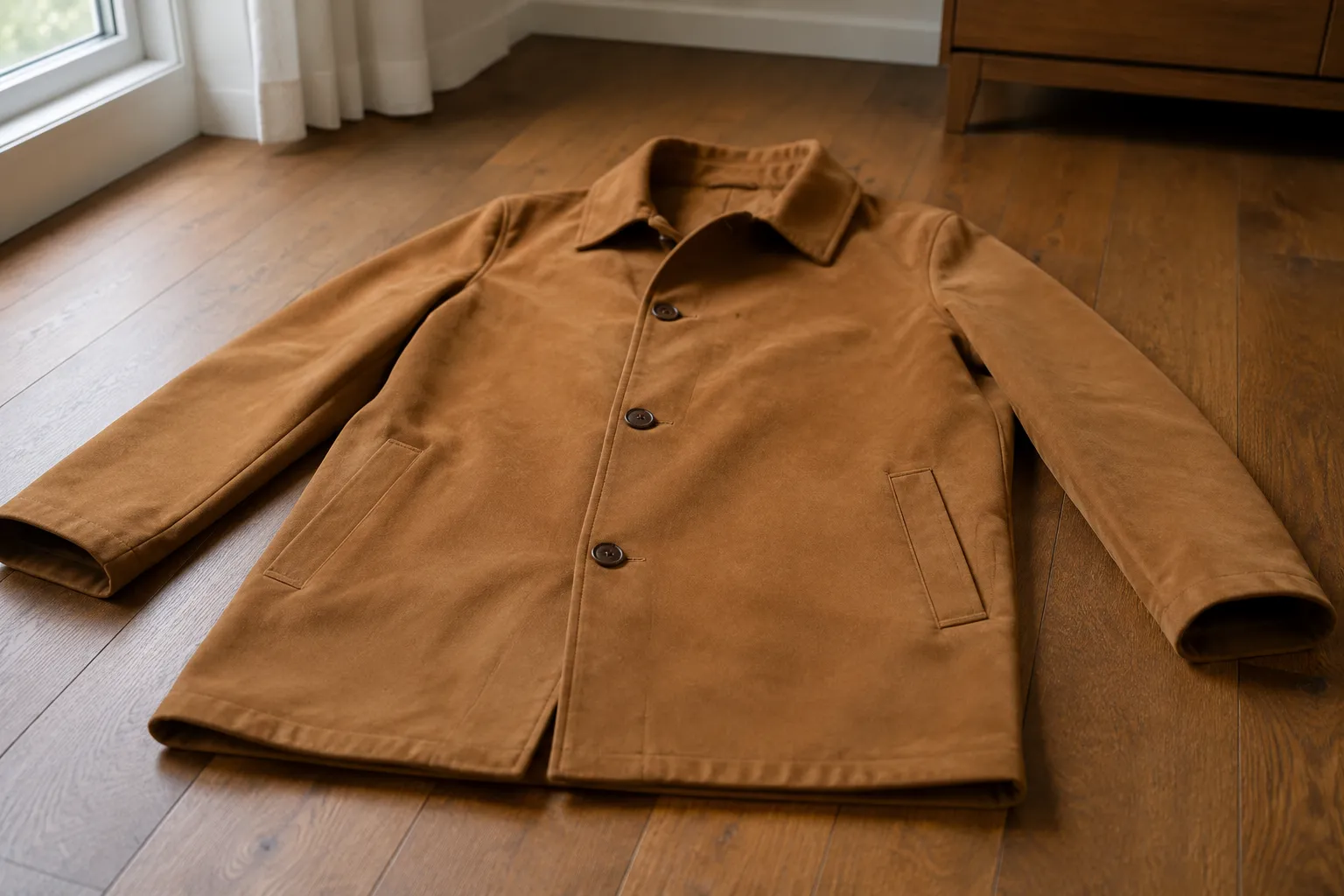
Request: Nubuck coat has lost its appearance, there are stains on sleeves and hem.
Done: Cleaned the entire coat with foam method, removed stains and restored color.
Cost: 8 000 ₸
Master: Lyazzat Bektasova, dry cleaning master
Total: The coat is clean, without stains, with even shade and soft surface.
All cleaners are profi-clean staff with training, uniform and security check. Each order has a team leader who controls quality.
Technically, you can clean a nubuck surface at home, but the result often differs from expectations due to the material’s structure and the use of incorrect products. Let’s break down what you can realistically do without causing damage, and what is better left to professionals.
Home cleaning of nubuck — a porous suede-like material that reacts to moisture and friction differently than smooth leather. When cleaning it yourself, you are limited to household chemicals and manual labor: a damp sponge, a bristle brush, a stain remover from the supermarket. In professional dry cleaning at profi-clean, industrial extractors with vacuum suction and hypoallergenic products from Kiehl/Sodasan are used, which leave no streaks and do not wash out the pigment. In my opinion, the main difference is that at home you cannot control the depth of cleaning — after wet treatment, nubuck often stiffens, loses its softness, and lightens in patches. That’s why, before reaching for a stain remover, it’s worth assessing how delicate the item is: for everyday sneakers, a light brush cleaning is acceptable, but for a jacket or sofa, it’s better to call a specialist.
| Stain / Contamination Type | Can try at home | Requires professional dry cleaning |
|---|---|---|
| Dust, dry dirt, sand | Yes — clean with a soft brush or nubuck eraser | No |
| Water, rain drops without dye | Yes — dry at room temperature, raise the nap with a brush | No |
| Coffee, tea, juice (water-soluble) | Only if the stain is fresh (up to 1 hour) — blot with a dry cloth | Yes — if the stain is old or deeply embedded |
| Grease, oil, cream | No — water doesn’t work; solvents and extraction are needed | Yes — profi-clean uses emulsifiers that remove grease without streaks |
| Paint, ink, wine | No — pigment penetrates the leather structure | Yes — requires a chemical reaction and vacuum suction |
| Greasy areas (jacket collar, sofa seat) | No — home products only wash the top layer | Yes — the extractor washes grease out from deep within the nap |
Almaty has a dry continental climate with frequent winds and fine dust that doesn’t just settle on nubuck in a layer but gets rubbed into the pores through friction with clothing or car seats. In spring and autumn, sand and pollen are added, which, if not removed immediately, cement onto the surface under the influence of moisture. In our conditions, home cleaning often just spreads the dirt deeper — especially on light shades of nubuck, where dark streaks remain after brushing. If you live in an area with heavy traffic (for example, Abay Avenue or Satpayev Street), nubuck shoes and bags accumulate so many microparticles in a month that a regular brush no longer helps. Moreover, the longer you postpone professional treatment, the deeper the dust becomes fixed — on old stains, even an extractor cannot always remove them completely, so it’s better to bring items for cleaning every 2-3 months.
Nubuck and suede look similar, but they are cleaned using different protocols — mixing up products and techniques leads to irreversible defects like bald spots, shrinkage, or color loss. We break down the key differences so you don’t risk your items with home experiments.
Suede: This is natural leather with a napped surface, made from the hides of cattle, goats, or sheep. Its main vulnerability is water. When wet, suede becomes rough, shrinks, and loses its shape, leaving hard stains and streaks from dissolved dirt after drying. That’s why we clean suede using a dry method — with a special rubber brush and a foam spray with minimal moisture content. For tough stains, we use a powdered enzyme compound applied dry and removed with a HEPA-filter vacuum cleaner. Before cleaning suede, always check water resistance on an inconspicuous area — if a drop absorbs within 5 seconds, wet treatment is contraindicated.
Nubuck: This is the same natural leather, but with a finer nap, additionally sanded with abrasive materials. Unlike suede, nubuck can be treated with steam and mild aqueous solutions with a pH of 5.5–6.5 — the material’s structure withstands brief moistening without shrinkage. In our practice in Almaty, we use a steam cleaner with temperatures up to 120°C to steam out old stains on nubuck jackets and sneakers, then remove dirt with a microfiber cloth. However, steam should not be directed at one area for longer than 10 seconds — otherwise, the nap “sets” and a shiny bald spot forms. On nubuck, steam cleaning is effective only for outerwear and footwear; for furniture and car seats, we use only dry foam — excess moisture in the padding leads to mold inside the product.
Mistake 1 — cleaning suede with a steam cleaner after rain. Almaty dust mixed with reagents (sand and salt in winter, exhaust fumes in summer) becomes permanently embedded in suede upon contact with steam. We’ve seen cases where, after such “home cleaning,” suede boots lost color by 2–3 shades, and restoration required a complete repaint. The rule: after wet weather, suede is first dried for 24 hours at room temperature, then cleaned with a dry brush, and only if the stain remains — use a powdered enzyme.
Mistake 2 — rubbing stains on nubuck with alcohol. Sellers at the Almaty clothing market often recommend alcohol for grease stains on nubuck. Alcohol degreases but simultaneously destroys the dye — on light colors (beige, gray), it leaves yellow streaks that cannot be removed. For grease on nubuck, we use starch or talc — sprinkle for 2–3 hours, then vacuum off, and remove residues with a nubuck foam cleaner.
Mistake 3 — drying on a radiator after cleaning. In Almaty apartments with central heating, this is a typical situation. Suede shrinks by half a size after drying on a radiator, while nubuck becomes stiff and cracks. Both materials should only be dried at 18–22°C away from heat sources, with air access — on a balcony in the shade or in a ventilated room, with newspaper stuffing inside the shoes.
| Parameter | Suede | Nubuck |
|---|---|---|
| Moisture resistance | Low — absorbs water within 10–15 seconds | Medium — holds moisture for up to 2–3 minutes due to denser structure |
| Behavior in slush | Soaks through, loses shape, white salt stains remain after drying | Less prone to deformation, but salt stains are only removed with impregnation |
| Cleaning after winter | Requires dry cleaning + desalting with a special spray | Allows wet cleaning with foam + steam cleaning to remove de-icing agents |
| Service life with proper care | 2–3 seasons (suede wears out faster) | 4–5 seasons (nubuck is denser and more durable) |
| Recommendation for Almaty | Only for dry weather and short outings | Suitable for everyday wear in a city with changeable weather |
If you wear shoes daily and often walk on Almaty sidewalks — nubuck is more practical than suede due to its greater durability and tolerance to wet cleaning. Suede remains a choice for weekends and dry days but requires more delicate care and strict adherence to a dry cleaning protocol.
Proper care after professional cleaning is the only way to extend the life of nubuck items three times longer than the manufacturer’s stated lifespan. In our practice, clients who neglect final treatment return with a recurring problem within 2–3 months, whereas with proper protection, the item remains presentable for a year or more. Let’s break down the key rules — from restoring the nap to seasonal storage.
After any wet treatment, nubuck loses up to 40% of its natural texture — fibers stick together from residual moisture and dry in a compressed state. Our technology includes forced drying at 35–40°C with HEPA-filtered air circulation, but even so, the final stage is mechanical brushing. We use a brass brush with 2 mm tooth spacing: movements only in the direction of the nap, without pressure, otherwise bald spots appear. On sneakers and bags, the nap is lifted with circular motions using a soft rubber brush — it doesn’t scratch or pull out fibers. If you notice flattened areas after our treatment, go over them with a dry lint-free flannel: static electricity will lift the remaining fibers. Never use hard plastic brushes — they leave micro-scratches visible under side lighting.
Impregnation is not an option but a mandatory step: unprotected nubuck absorbs water and dirt within 3–5 seconds of contact. We apply a water- and oil-repellent compound, Kiehl Nano-Protector, immediately after drying while the pores are maximally open. For home care, I recommend the aerosol impregnation Sodasan Impregnier-Spray — it contains no silicones and doesn’t clog pores, unlike cheap paraffin-based alternatives. Apply from a distance of 25–30 cm, in one even layer, without rubbing. Important rule: impregnation is applied ONLY to a clean and dry item. If you treated a jacket and a stain appears on the sleeve a week later — there’s no need to wash off the impregnation, just dry it and reapply locally. During Almaty’s slush season (March–April and October–November), renew protection every 3–4 weeks; in the dry season, once every 2 months. Before the first application, test the product on an inconspicuous area: some impregnations with acrylic slightly darken nubuck, and if the shade is important to you, choose colorless sprays without tinting.
Nubuck is a dust sponge: after a day of wear on Almaty streets (especially in areas with unpaved roads — Alatau, Kalkaman), the material absorbs up to 5–7 grams of microparticles. If not removed, they grind into the structure and form a gray coating that cannot be washed off with regular foam. A life hack we use in the service: after each wear, go over the surface with a dry microfiber cloth in “white” (it doesn’t shed). For shoes and bags, keep a silicone “comb” brush handy — it collects dust with static electricity without damaging the nap. Once a week — wet cleaning with a special nubuck eraser: rub problem areas (toe, heel, bag handles) without pressure, in circular motions. Do not use a regular office eraser — it contains abrasives and wears away the top layer of dye. In rainy weather, after returning home, let the nubuck dry naturally at room temperature (not on a radiator!), then go over it with a brush — and only then put it away in the closet. Wet dirt left on nubuck overnight sets in so deeply that our dry cleaning removes it only in two passes.
The most common mistake our clients make is putting winter nubuck boots in a box “as is,” and six months later pulling out the item with yellow stains and mold. In Almaty, where humidity in basements and storage rooms reaches 70–80% even in summer, this is guaranteed damage. Our rule: before long-term storage, nubuck must be perfectly clean and dry, treated with a protective impregnation, with filler inside (paper or special shoe trees) to maintain shape. Pack only in breathable non-woven fabric covers — plastic bags create a greenhouse effect and condensation. For shoes, use silica gel sachets (sold in shoe stores): 2–3 packets per pair absorb excess moisture. Before the winter season — mandatory re-impregnation, even if the item has not been worn: the protective layer partially degrades over six months of storage. If storing a jacket or coat on hangers, choose wide plastic or fabric-covered ones — thin wire hangers leave dents on the shoulders that do not even out after professional steaming.
Nubuck is a finicky material: some stains come off with a soft brush, others set in permanently if you don’t know the right technique. In our eight years of practice, we have identified four types of stains where cleaners most often make mistakes, and we will tell you which ones can actually be removed without a trace.
Answer-first: Oil stains on nubuck are the most difficult type of stain because grease instantly absorbs into the porous structure and cannot be removed with simple dry cleaning. Unlike smooth leather, where oil stays on the surface, nubuck acts like a sponge — grease penetrates 2-3 mm deep into the nap, and trying to wipe it off with a wet cloth only spreads the stain. Even if you immediately blot the oil with a napkin, after 15-20 minutes a dark halo remains on the surface, which darkens over time from dust. Our protocol for such cases is an absorbent powder (talc or cornstarch) for 4-6 hours, then treatment with a special nubuck degreaser with neutral pH. Before applying any liquid to an oil stain, be sure to dust it with talc overnight — if you wet the grease before absorption, it will set into the fibers forever.
Answer-first: Spilled red wine or coffee with sugar leaves not only pigment on nubuck but also a sticky sugar layer that attracts dirt and turns light nubuck gray. Sugar crystallizes in the nap and fixes the dye upon drying — if you start rubbing a wet stain, you are simply working the sugar deeper. In our practice, there was a case with beige nubuck sneakers after a spilled cappuccino: the client tried to wipe the stain with a damp cloth, and the next day a dark sticky spot formed in that area that even a brush couldn’t handle. We saved the pair only after treatment with an enzyme solution that breaks down sugar, followed by dry cleaning with an absorbent. If you spill a sweet drink, let it dry, then brush off the dry crust with a stiff brush — under no circumstances rub the wet stain, otherwise the sugar will seal into the structure.
Answer-first: The salt and anti-icing reagents used on Almaty’s sidewalks in winter are the scourge of nubuck footwear, as salt draws moisture from the nap and leaves white stains that eventually destroy the dye. Unlike oil, salt is not absorbed but crystallizes on the surface and in creases — if not removed before drying, the crystals embed into the pores and cause micro-cracks. Wet cleaning only worsens this: water dissolves the salt, allowing it to penetrate deeper. We use dry cleaning with a stiff brass brush, followed by treatment with a vinegar solution (1:5 with water) to neutralize the alkali, and only then a final treatment with a water-repellent spray. After each winter, treat your nubuck shoes with a water-repellent spray — salt is easier to clean off protected nap, and without protection, it clogs the pores within 2-3 trips outside.
Answer-first: Stubborn dust mixed with skin oils and sweat forms a dense gray coating on nubuck that a regular brush can’t handle, and wet cleaning turns it into mud. This is typical for sofa headrests, jacket collars, and the insides of sneakers — areas where skin contacts the material. Skin oil acts like glue: it binds dust particles into a film that darkens over time and starts to smell. In one order, we had a nubuck sofa that hadn’t been cleaned in three years — the coating on the armrests was so dense it could be scraped off with a fingernail. We removed it in three passes: first dry cleaning with a rubber attachment to lift the nap, then treatment with a nubuck foam shampoo followed by vacuum extraction, and finally drying with a cold air blow. If the coating doesn’t come off with a dry brush, don’t wet it — use a special nubuck eraser: it removes the oil layer without driving dirt deeper.
Many owners of nubuck items look for household hacks — vinegar, ammonia, lemon juice, alcohol, hydrogen peroxide. The internet is full of advice like “wash nubuck with soapy water” or “wipe with an alcohol solution.” But in practice, these methods, copied from caring for smooth leather or fabric, often destroy the structure of nubuck. Let’s break down which “home recipes” actually work, which lead to irreversible damage, and how to tell the difference.
Vinegar (9-15% solution) and lemon juice are popular home stain removers. Users apply them to grease stains or sweat marks, hoping for a chemical reaction. In reality, acids soften the tanning compounds in nubuck leather and disrupt its nap structure: after drying, the area becomes stiff, loses its velvety feel, and a permanent “burn” stain appears under bright light. Vinegar also reacts with residual dye — on colored nubuck (blue, green, burgundy), it leaves a faded spot with clear edges. Our experience shows: out of three items damaged by vinegar, only one can be partially revived through deep treatment with restorative emulsions — and even then, without guarantees. Even if the stain visually disappears, the nubuck’s structure is already compromised — the item will get dirty faster and absorb moisture unevenly.
Ammonia (10% ammonium hydroxide) and ethyl alcohol do dissolve fats — which is why they’re recommended for stubborn oil stains. The critical difference: ammonia, diluted 1:10 with water and applied spot-wise to a grease stain (not the entire surface), can work if immediately blotted with a napkin and rinsed with clean water. Undiluted pure alcohol — guaranteed to tighten the top layer of nubuck, making it brittle and stripping its sheen. We had a case in our workshop: a client poured alcohol over a coffee stain on beige nubuck sneakers — the nap at that spot became stiff and lightened, and we couldn’t restore color uniformity even after full treatment. The rule for home use: alcohol-based solutions — only spot-wise, only diluted 1:10, only on grease, and only with immediate rinsing. Alcohol has no effect on protein-based stains (blood, milk) — it “bakes” the protein into the fibers.
Hydrogen peroxide (3%) and baking soda are common ingredients in “whitening” pastes for nubuck. Peroxide does lighten, but uncontrollably: it oxidizes not only the dirt but also the factory dye, especially on dark shades — after drying, a reddish or gray spot appears. Baking soda acts as an abrasive: if you rub it on wet nubuck, the micro-particles tear off the nap, creating a bald spot — a shiny, smooth area that cannot be masked by re-dyeing. Our technicians tested both methods on samples: baking soda causes irreversible nap loss of 0.2-0.3 mm in depth after just two rubs. The only legal home brightener for nubuck is a special foaming shampoo for delicate leather with a pH of 5.5-6.5, free of abrasives and oxidizers.
“Just wash the nubuck with soap” — advice we hear from clients weekly. Regular laundry or liquid soap (pH 9-11) leaves an alkaline residue in the pores of the nubuck: after drying, the item looks “soapy” — gray streaks, lack of velvety texture, a matte film visible in the light. Soap also softens the impregnation applied at the factory — after just one “soapy” cleaning, nubuck loses 60-70% of its water-repellent properties. In Almaty’s climate with sharp humidity fluctuations (dry winter air from heating and wet spring), nubuck without factory impregnation absorbs street dirt after 2-3 wears. A neutral pH shampoo for leather (e.g., from Sappur or Tarrago) costs по запросу per 250 ml bottle — it lasts 2-3 seasons of care for a pair of shoes or a jacket and does not damage the structure.
There are two scenarios where it’s reasonable to apply a home method without calling a specialist. First: a fresh red wine or juice stain on light nubuck — you can blot it with a napkin and apply a 1:1 diluted alcohol and water mixture spot-wise with a cotton swab, then immediately with clean water. Second: a greasy collar on a nubuck
I ordered dry cleaning for nubuck sofa items – coffee stains disappeared, the nap was lifted, like new.
After dry cleaning the nubuck child car seat – no trace of juice or chocolate. Smells nice.
Thank you, Marat! We're glad you liked the result.
I dropped off sneakers for nubuck dry cleaning – no streaks, color became richer. But I waited a long time for readiness.
We apologize for the delay, we try to meet deadlines.
The nubuck pouf looked greasy – after cleaning it's matte and soft. Very satisfied.
Ordered nubuck cleaning for a jacket – stains were removed, but there's a slight shine left on the collar. A bit disappointed.
Yerlan, we apologize. Please contact us, we'll try to fix it for free.
Nubuck shoes had salt stains – now they look like new from the store. Thank you!
Had nubuck cleaning for upholstered furniture – armchairs refreshed, no musty smell.
Thank you for your feedback!
Nubuck bag after cleaning became even in color, but the handles darkened a bit. Overall not bad.
Dinara, thanks for the note, we'll take it into account.
Gave several pairs of shoes for nubuck cleaning – all returned like new, even the suede inserts were cleaned.
Nubuck sofa after two years of use looks like new. No stains, soft nap.
Glad you are satisfied!
Ordered nubuck cleaning in the car – seats transformed, wear marks gone.
Nubuck ballet flats cleaned well, but one bow slightly deformed. Otherwise great.
Olga, sorry for the flaw, we are ready to compensate.
Nubuck cleaning for a sofa with leather inserts – done neatly, combined areas not damaged.
Winter nubuck coat cleaned of dirt and salt – looks neat, protective coating renewed.
Thank you, Saule!
Requested dry cleaning for nubuck items on a backpack – color became lighter, but a stain remained near the zipper.
Ruslan, we invite you for a free re-treatment at our expense.
Chair with nubuck upholstery after cleaning – looks brand new. Grease stains completely gone.
Dry cleaning for nubuck winter boots – removed chemical residues, applied water-repellent coating. Excellent.
Thank you, Bekzhan!
Nubuck rocking chair cleaned of dust and stains – good result, but a slight chemical smell remains.
Lyazzat, airing is recommended after cleaning. We apologize.
Took nubuck gloves for dry cleaning – they became softer, scuffs disappeared. Fast and quality.
Nubuck sofa in the children's room after cleaning – no trace of markers or plasticine. Child is happy.
Glad to help!
Standard shoe cleaning takes 1-2 hours, bags or jackets 2-4 hours, sofas 4-6 hours. Drying after impregnation takes 6-8 hours. Express cleaning is possible within 24 hours.
Leave a request on the website or via WhatsApp. We will come to your address in Almaty on the day of order. Pickup is free when ordering at an individual rate.
Yes, we only use professional products from Saphir and Collonil that do not damage the nubuck structure. Our specialists have at least 3 years of experience. The material retains its softness and color.
Cleaning a pair of sneakers costs at an individual rate. The price includes dry cleaning, application of cleaner, stain removal, nap restoration, and water-repellent impregnation.
Two-seater sofa — at an individual rate, three-seater — at an individual rate. Includes extractor cleaning, stain removal, color restoration, and impregnation.
Yes, for orders of 3 or more pairs of shoes, a 10% discount; for 5 or more pairs, 15%. The discount can be combined with other promotions.
The base price for a jacket is at an individual rate. Add 5,000 ₸ for color restoration, 4,000 ₸ for removing old stains. The final cost is determined after inspection.
We clean shoes (sneakers, dress shoes, boots, high boots), bags, backpacks, jackets, coats, sofas, armchairs, car seats, poufs. We do not accept items with severe mechanical damage.
Yes, we carefully clean bags with hardware: zippers, buckles, chains. The hardware is treated separately to avoid damaging the nubuck.
A total of 8 stages: inspection, dry cleaning, application of cleaner, extractor/steam, stain removal, nap restoration, color restoration, final impregnation and drying.
Tell us about your experience with profi-clean — it helps other clients and us improve.
We currently operate in Almaty. Other cities are coming soon.