Inspection and assessment
The master inspects the shoes, determines the material type (leather, suede, nubuck, textile) and selects Saphir or Tarrago paint.
Professional shoe color restoration using premium Saphir and Tarrago paints
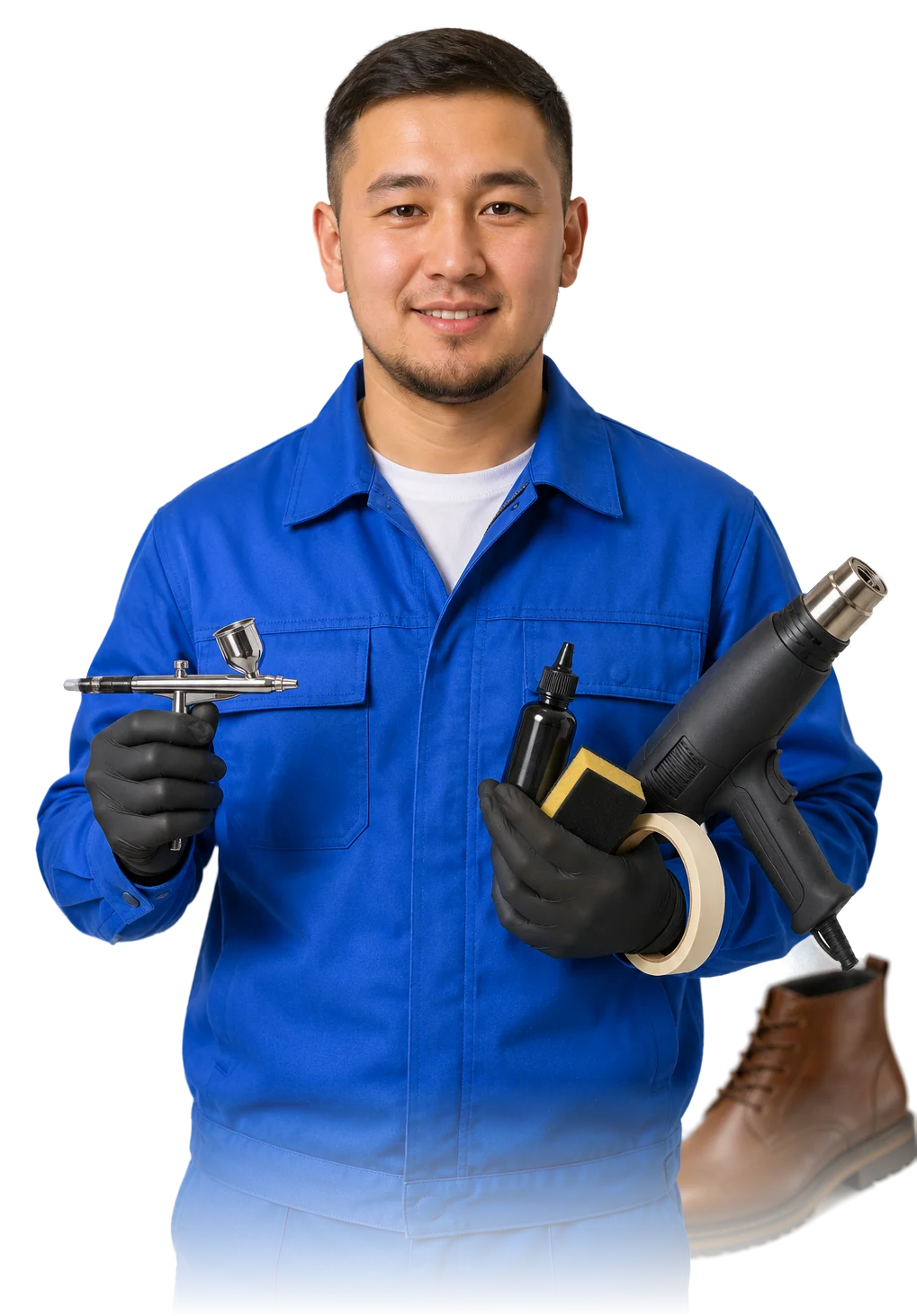
We work with any types and materials
Fabric sneakers require a special approach to painting due to the absorbent surface.
from 2,500 ₸Leather sneakers are painted with pre-sanding for better adhesion.
from 2,800 ₸Classic leather shoes have their color restored while preserving shine.
from 3,100 ₸Suede shoes require delicate dyeing with special compounds.
from 3,500 ₸Leather boots are painted with reinforcement of seams and hardware.
from 3,300 ₸High suede boots are dyed evenly over the entire surface.
from 4,200 ₸Leather boots get rich color and protective coating.
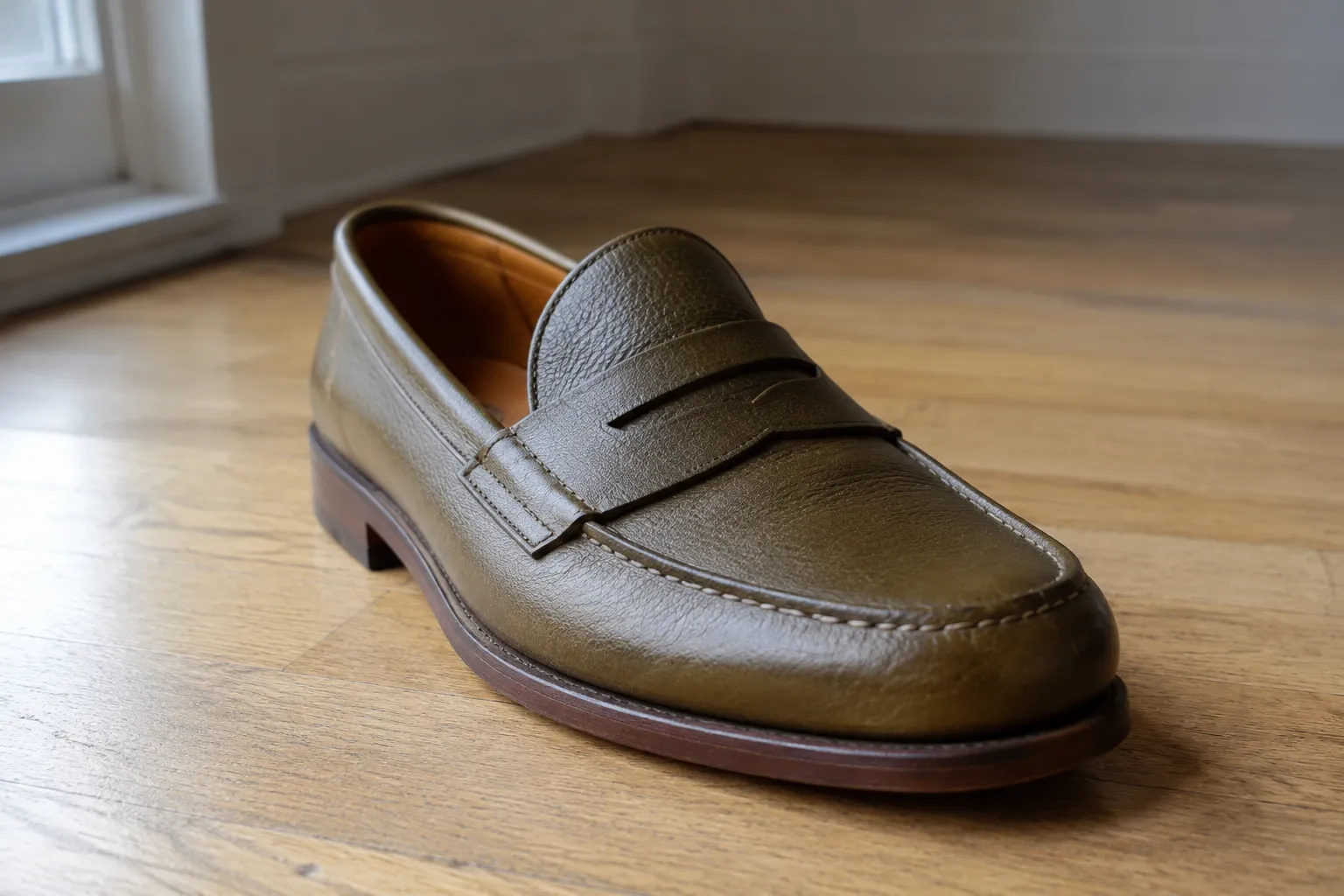
from 3,800 ₸Smooth leather loafers are painted with emphasis on the toe and heel.
from 2,800 ₸Soft leather moccasins require elastic paint that does not crack when worn.
from 2,800 ₸Textile and rubber sneakers are painted with sole masking.
from 2,500 ₸Thin leather ballet flats are dyed without weighing down the material.
from 2,800 ₸Sheepskin UGGs are painted with special compounds to maintain softness.
from 4,000 ₸From inspection to result with guarantee
The master inspects the shoes, determines the material type (leather, suede, nubuck, textile) and selects Saphir or Tarrago paint.
Shoes are cleaned of dust and dirt using brushes and special products. For suede, we use a rubber brush.
The surface is degreased, sanded with fine-grit sandpaper, and areas not to be painted (sole, hardware) are masked off.
For better paint adhesion, a primer or base coat is applied. For leather, we use Saphir Renovateur; for suede, a special primer.
Paint is applied in 2-3 coats with intermediate drying of 15-20 minutes. Each coat is blended for uniformity.
A varnish or matte fixative is applied to protect the color and add gloss/matte finish. We use Saphir Pate de Luxe or Tarrago High Gloss.
Shoes are placed in a drying chamber with controlled temperature of 30-35°C for 24 hours for complete paint drying.
The master checks the quality of painting, color uniformity, and absence of defects. The shoes are packed and handed over to the client.
We use professional Saphir (France) and Tarrago (Spain) paints that do not crack or fade. Each painting stage is controlled by a master, allowing us to offer a warranty of up to 6 months. With proper care recommendations, the color lasts longer.
Over the years, we have painted more than 5000 pairs of shoes, and 98% of clients are satisfied with the result. Reviews confirm the quality: paint applies evenly, does not peel, color meets expectations. We value our reputation and constantly improve the technology.
Our masters are trained to paint all types of materials: natural and artificial leather, suede, nubuck, textile, eco-leather. For each, a specific paint composition and application method is selected. For example, for suede we use Tarrago aerosol paints, and for smooth leather, Saphir creams.
All profi-clean masters undergo internal training in the 8-stage painting technology, including preparation, priming, painting, and finishing coating. We regularly improve our skills by studying new methods and compositions. This guarantees consistently high quality.
Before painting, we consult the client for free, assess the shoe condition, select the optimal color and paint type. You can bring shoes to the center or send photos online. The master will give care recommendations after painting.
After painting, shoes are dried in a special chamber at a temperature of 30-35°C and controlled humidity. This ensures even drying of the paint without bubbles or cracks. Drying time depends on the material and number of layers, averaging 24 hours.
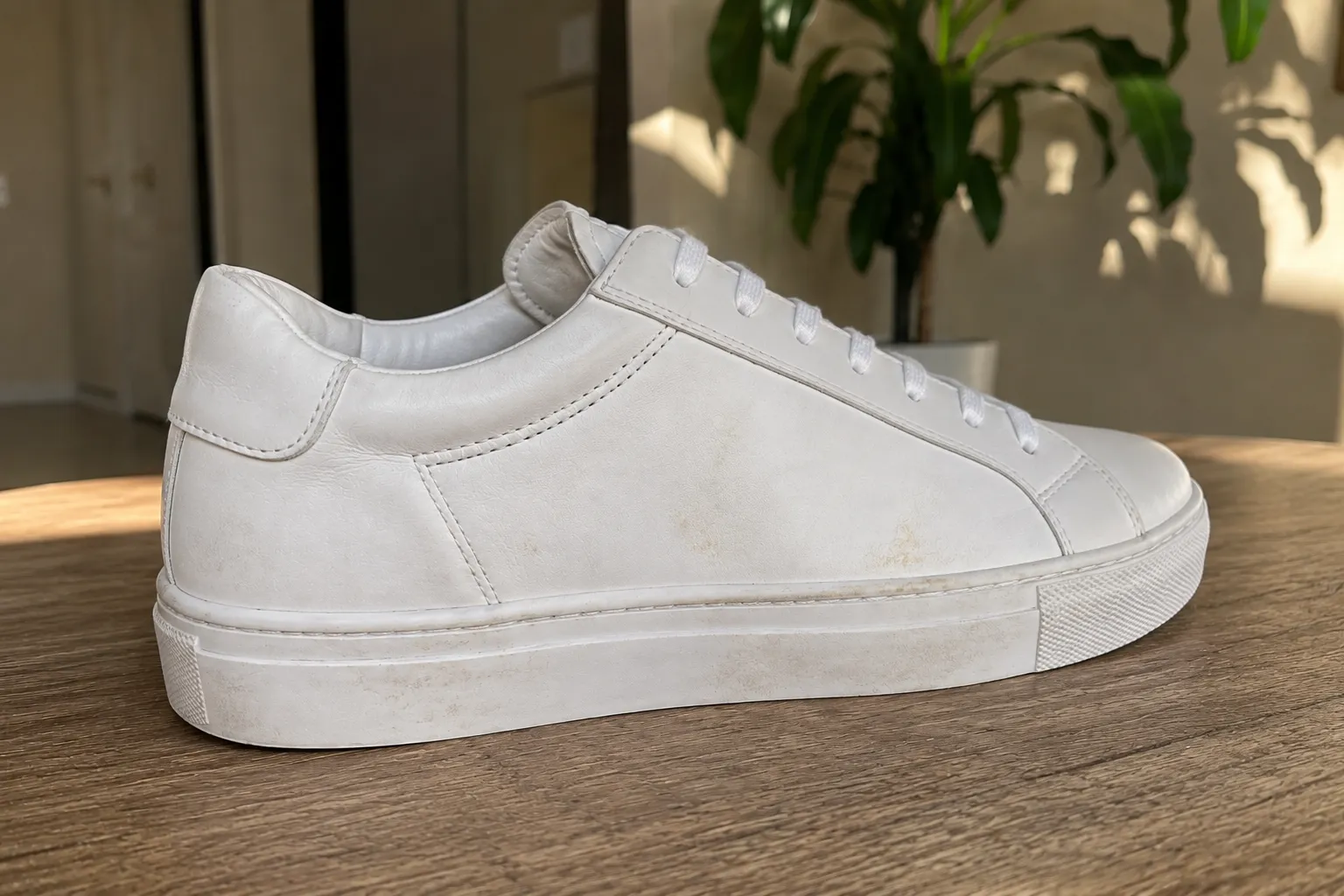
 After
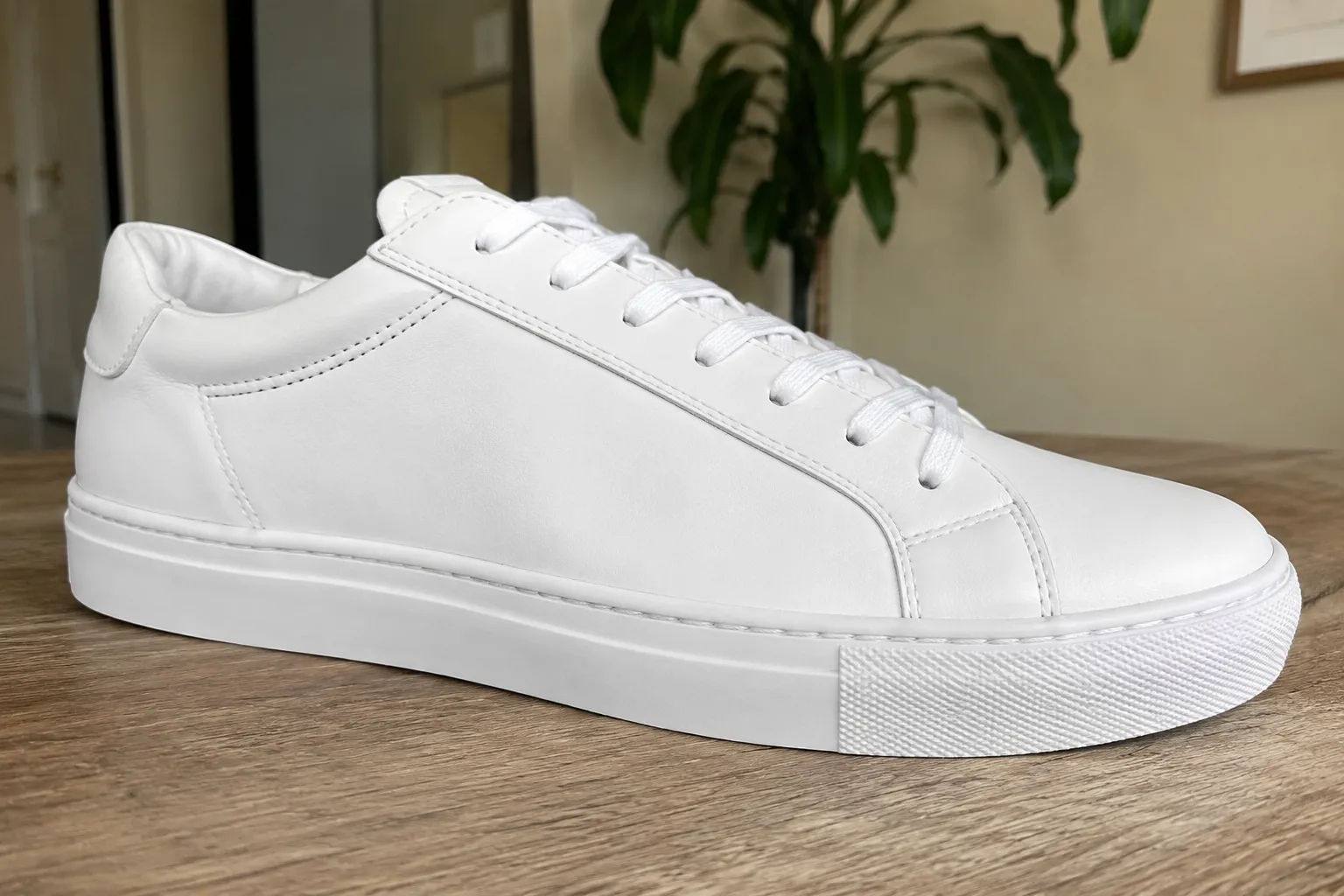
After
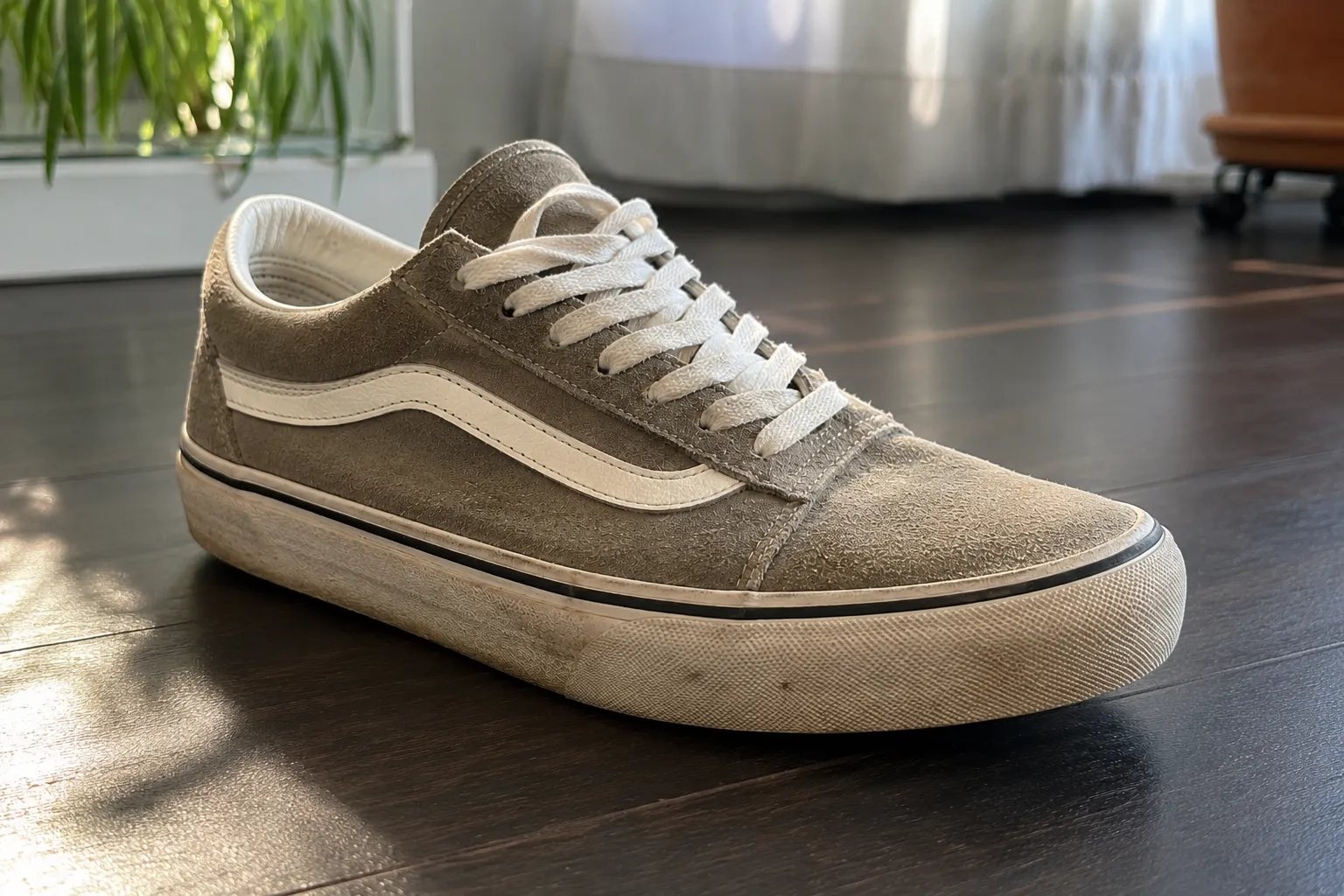
Request: I want to paint white sneakers black.
Done: Cleaned, degreased, applied black leather paint in 2 coats.
Cost: 2 500 ₸
Master: Aigul Nurpeisova, shoe master
Total: The sneakers became uniformly black, without streaks.
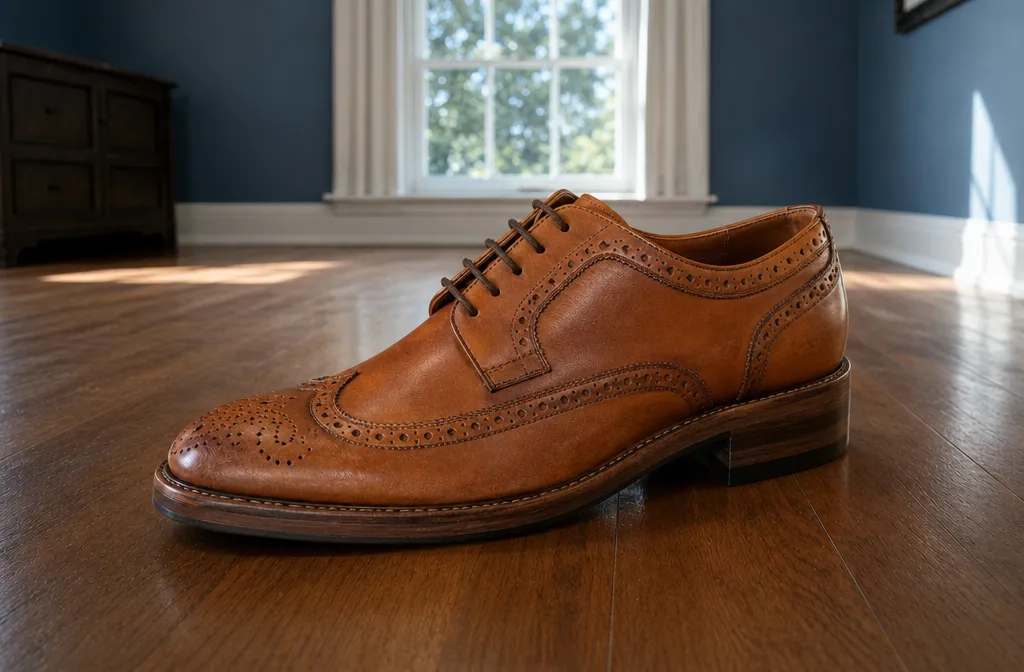
 After
After
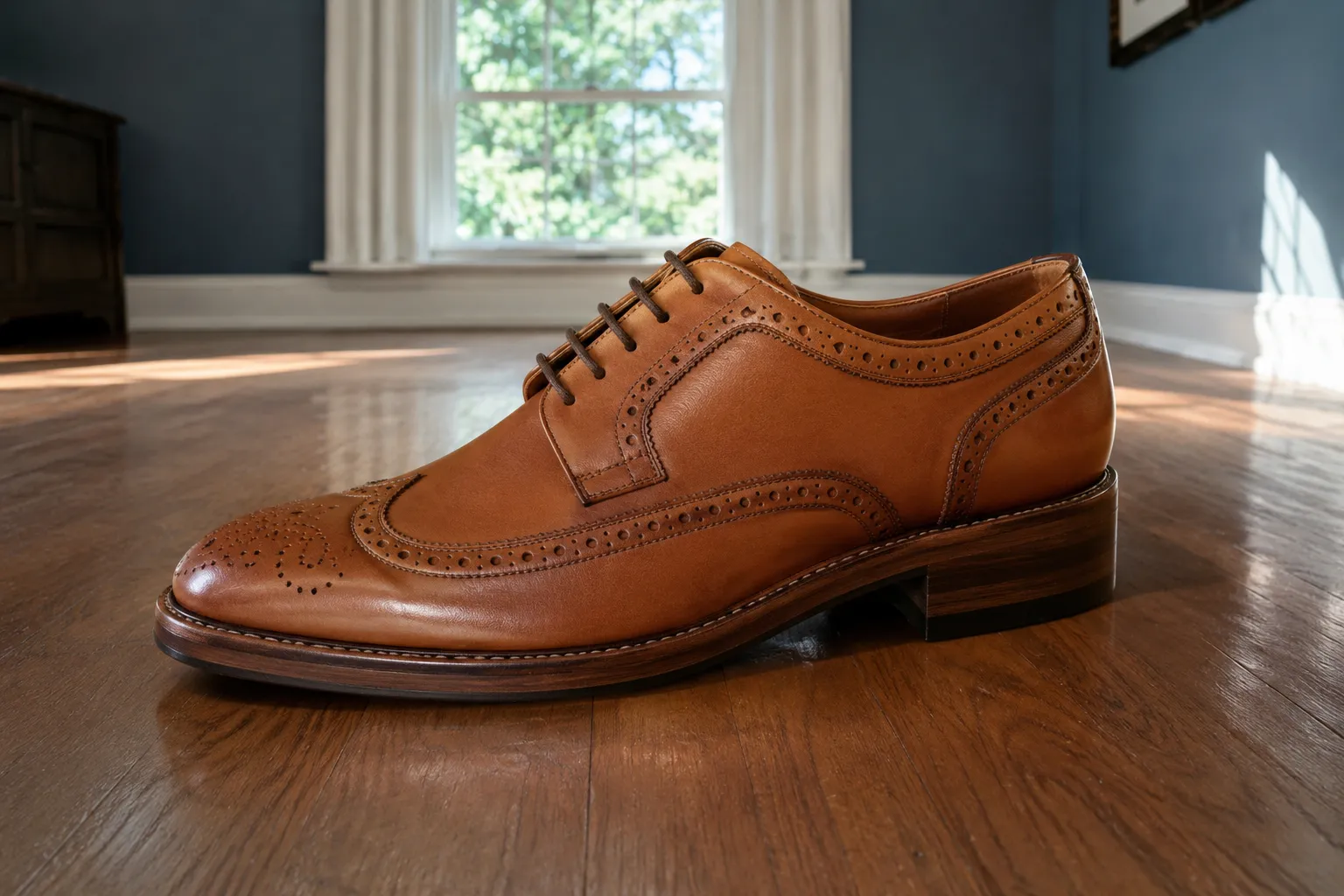
Request: Need to restore the color of leather oxfords.
Done: Cleaned, applied restoring cream and polished.
Cost: 3 000 ₸
Master: Timur Zhaksybekov, dry cleaning master
Total: The color became rich, the shine returned.
 After
After
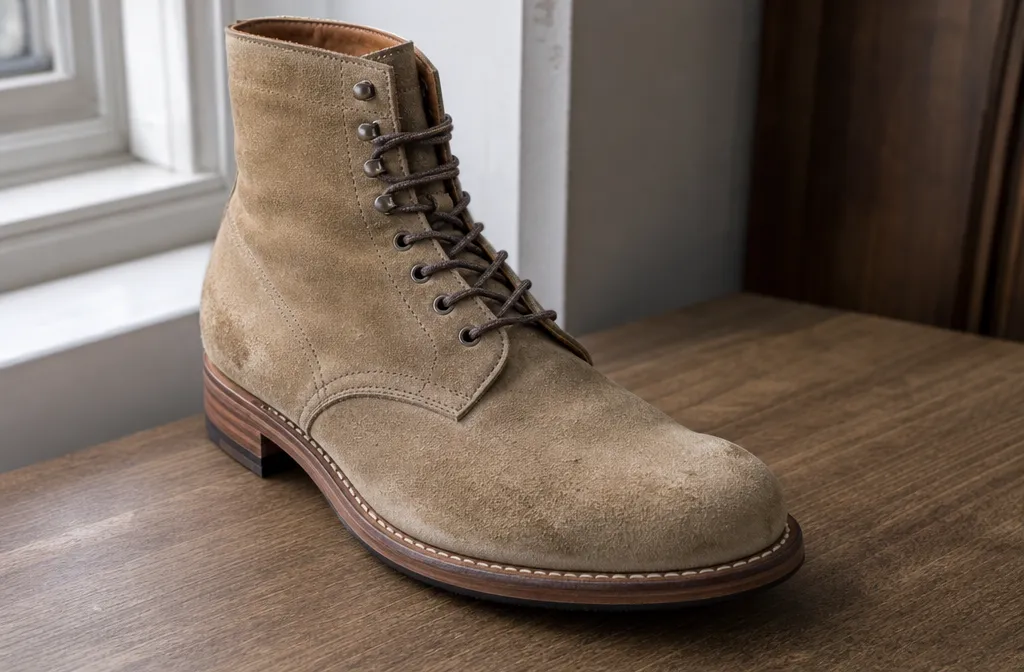
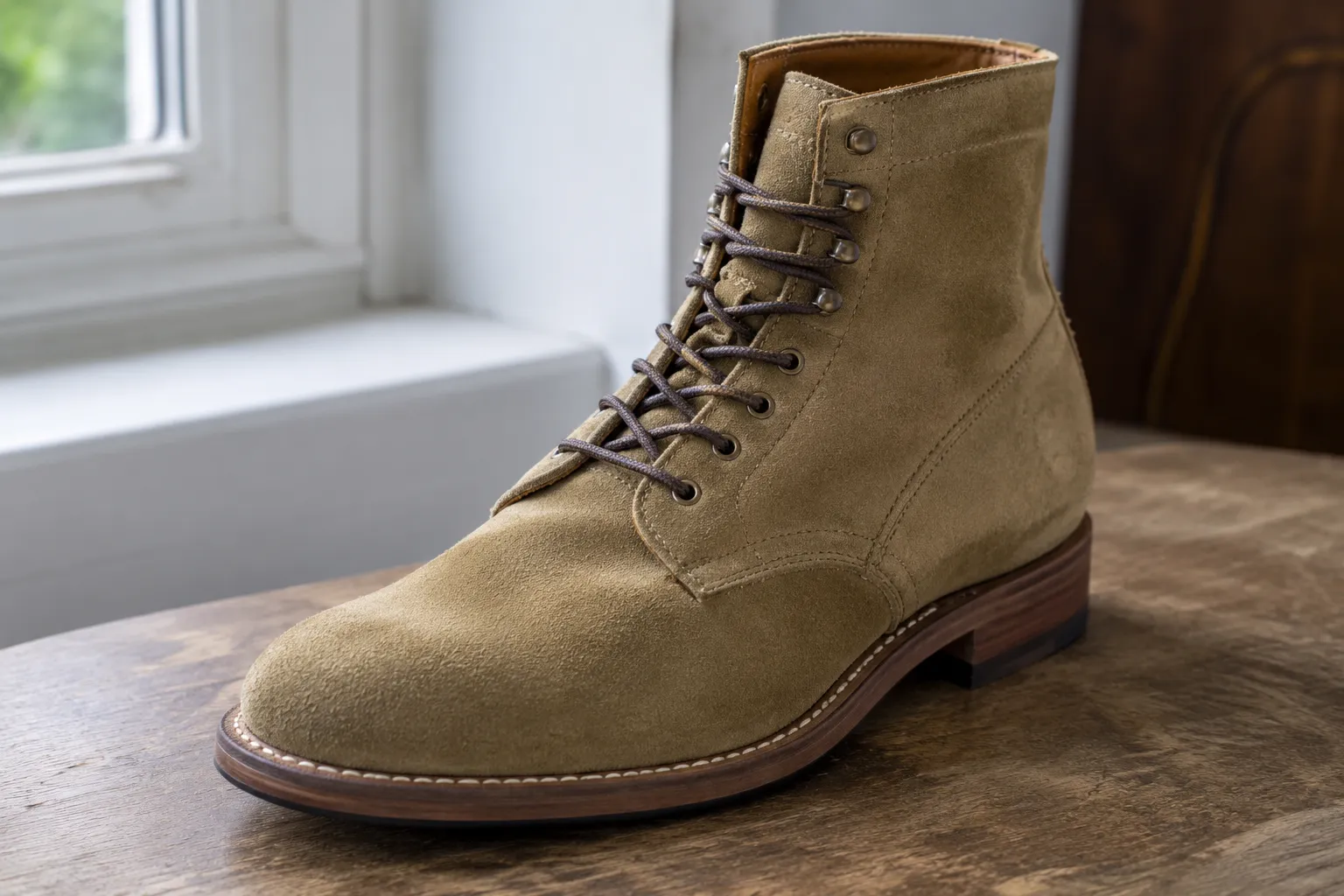
Request: I want to paint suede boots dark blue.
Done: Cleaned, applied suede paint in 2 coats.
Cost: 3 000 ₸
Master: Aigul Nurpeisova, shoe master
Total: The boots became an even dark blue color.
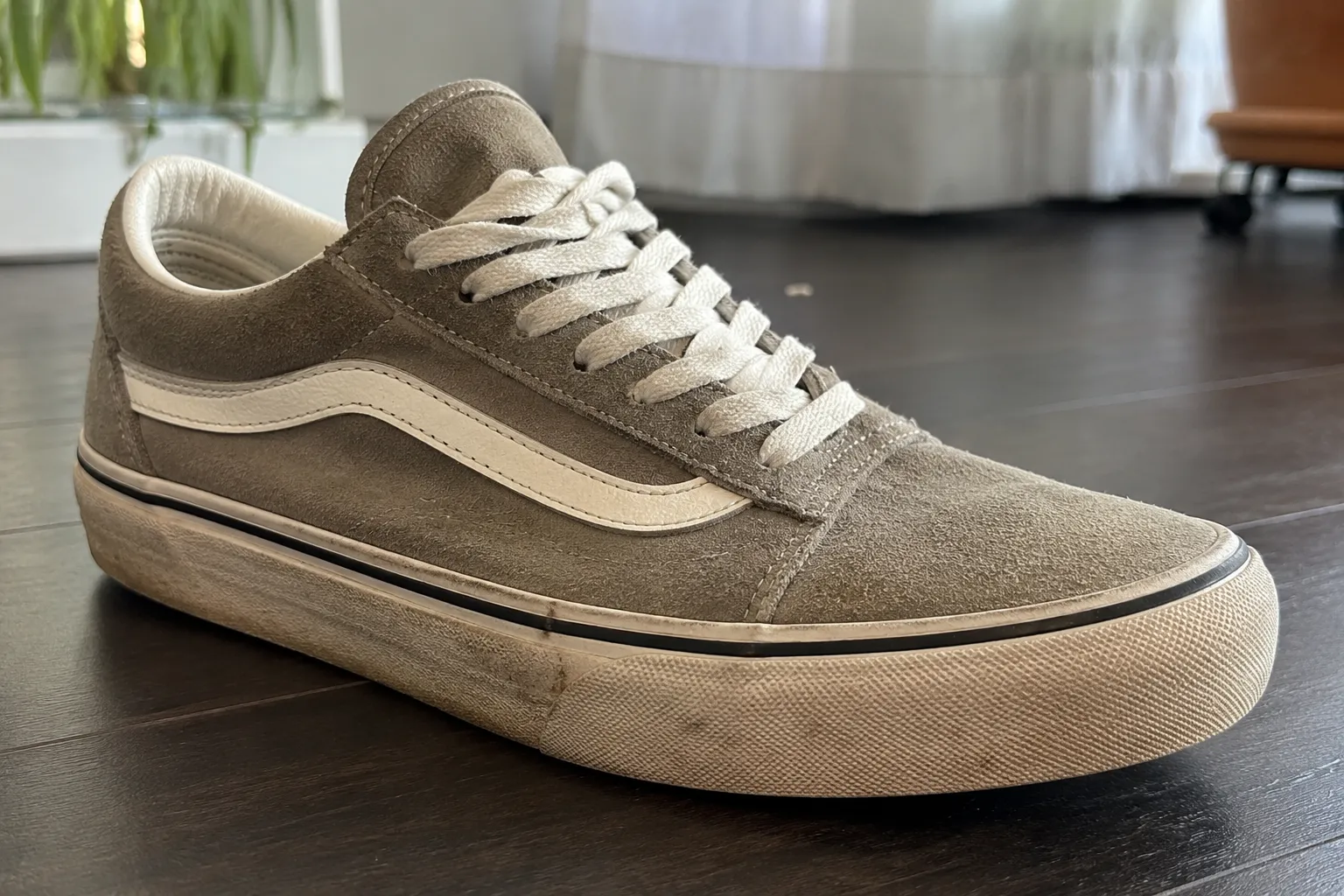 After
After
Request: I want to paint fabric sneakers red.
Done: Cleaned, applied fabric paint in 2 coats.
Cost: 2 500 ₸
Master: Timur Zhaksybekov, dry cleaning master
Total: The sneakers became bright red, evenly painted.
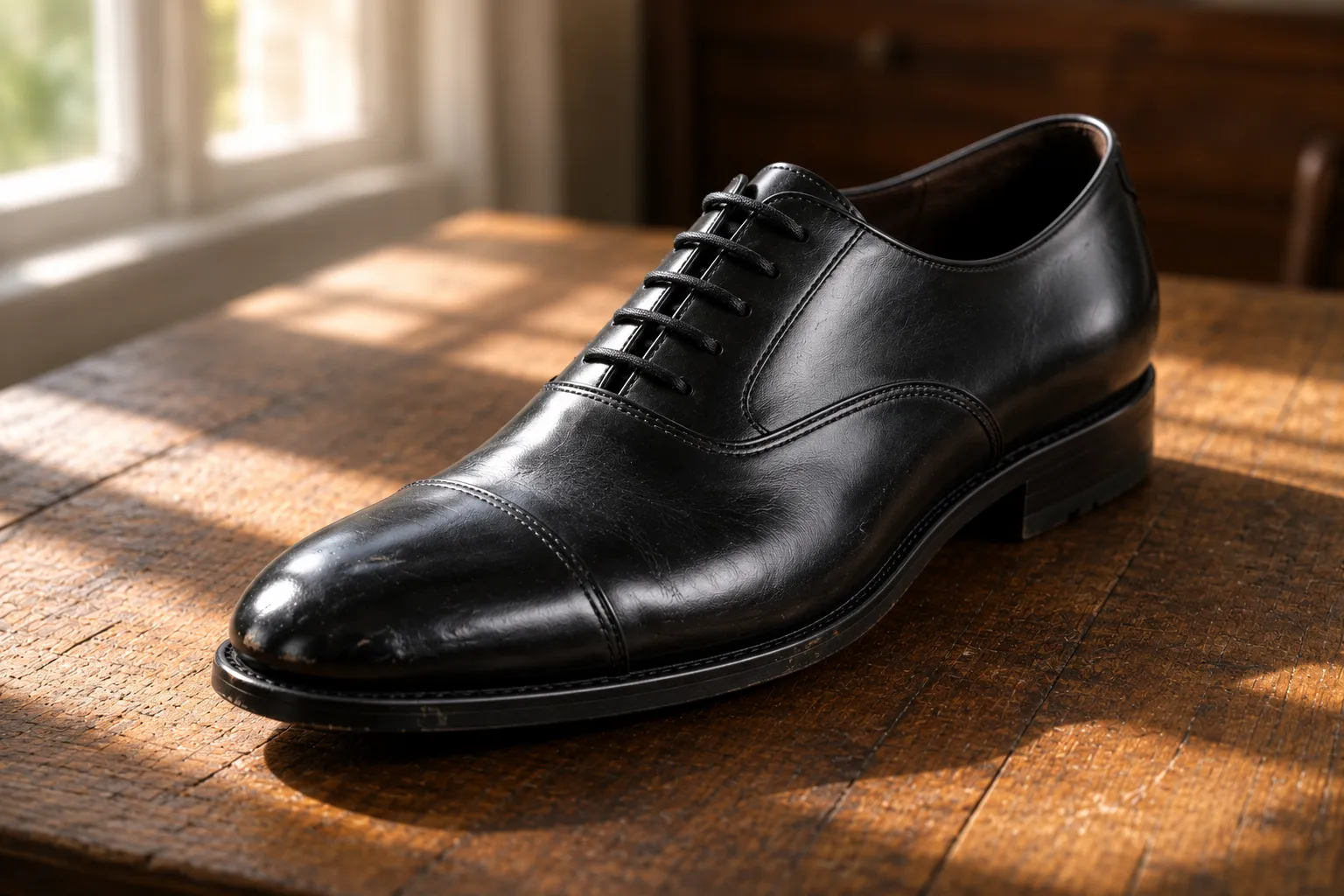
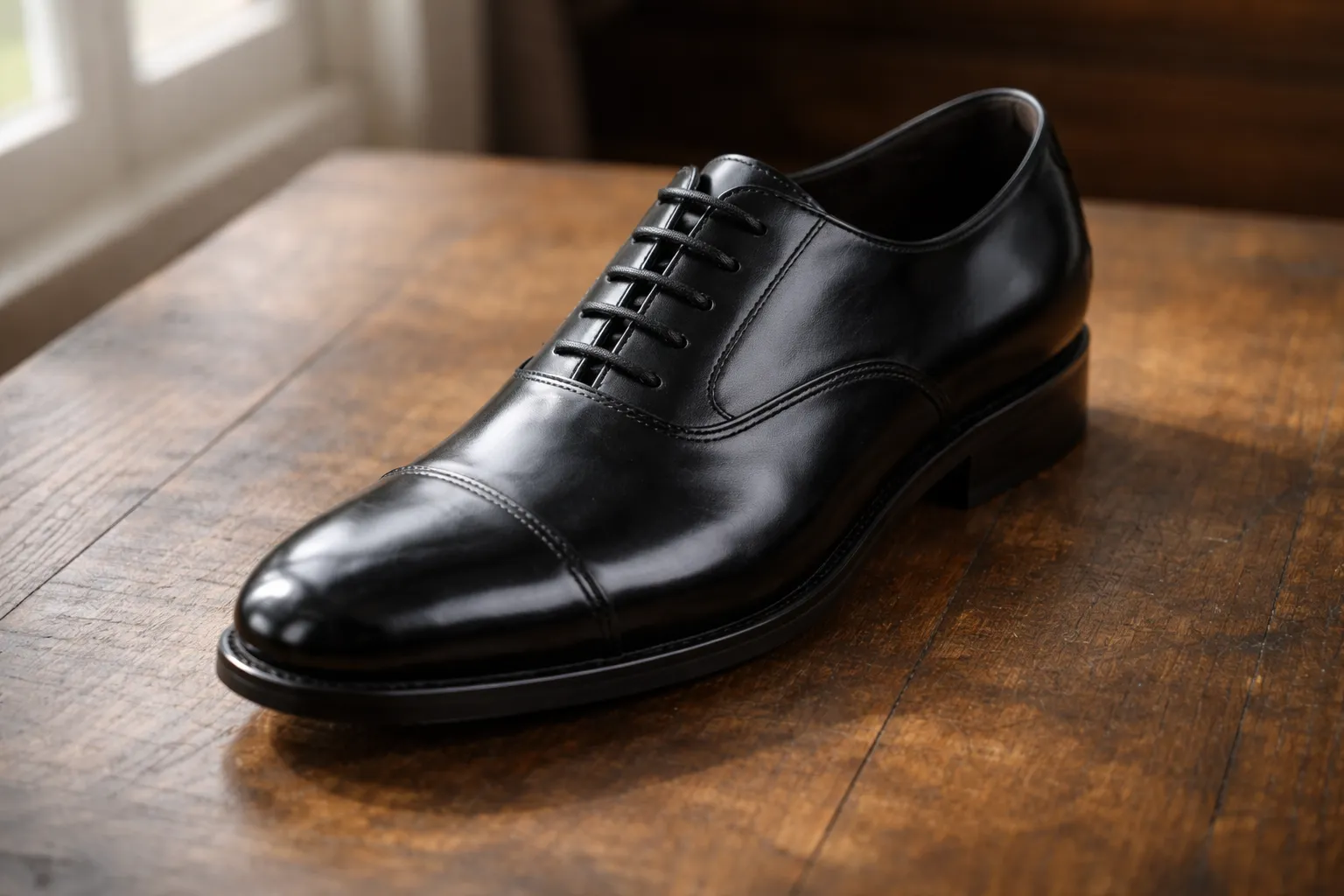 After
After
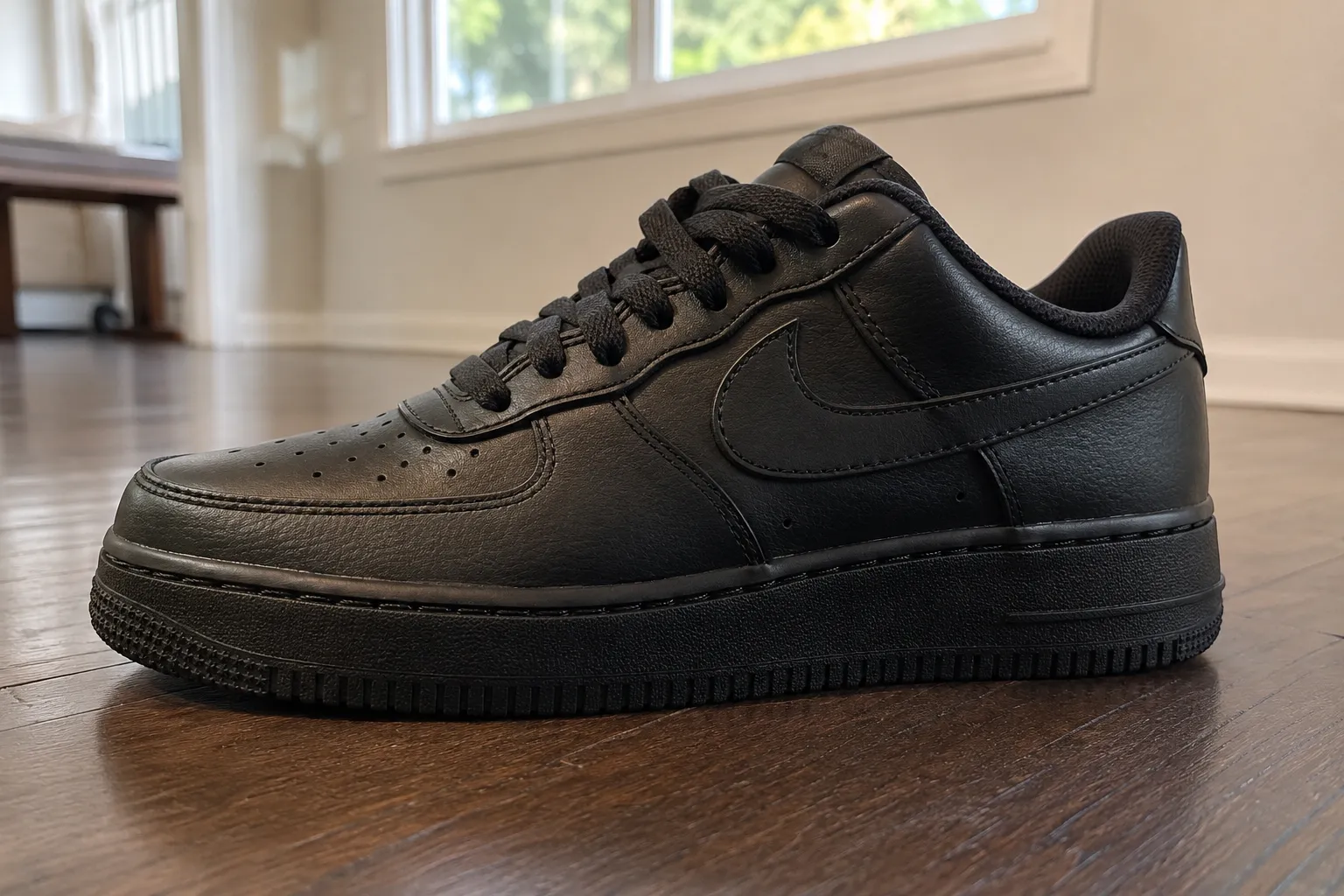
Request: I want to paint loafers brown.
Done: Cleaned, applied brown leather paint.
Cost: 2 800 ₸
Master: Aigul Nurpeisova, shoe master
Total: The loafers became a rich brown shade.
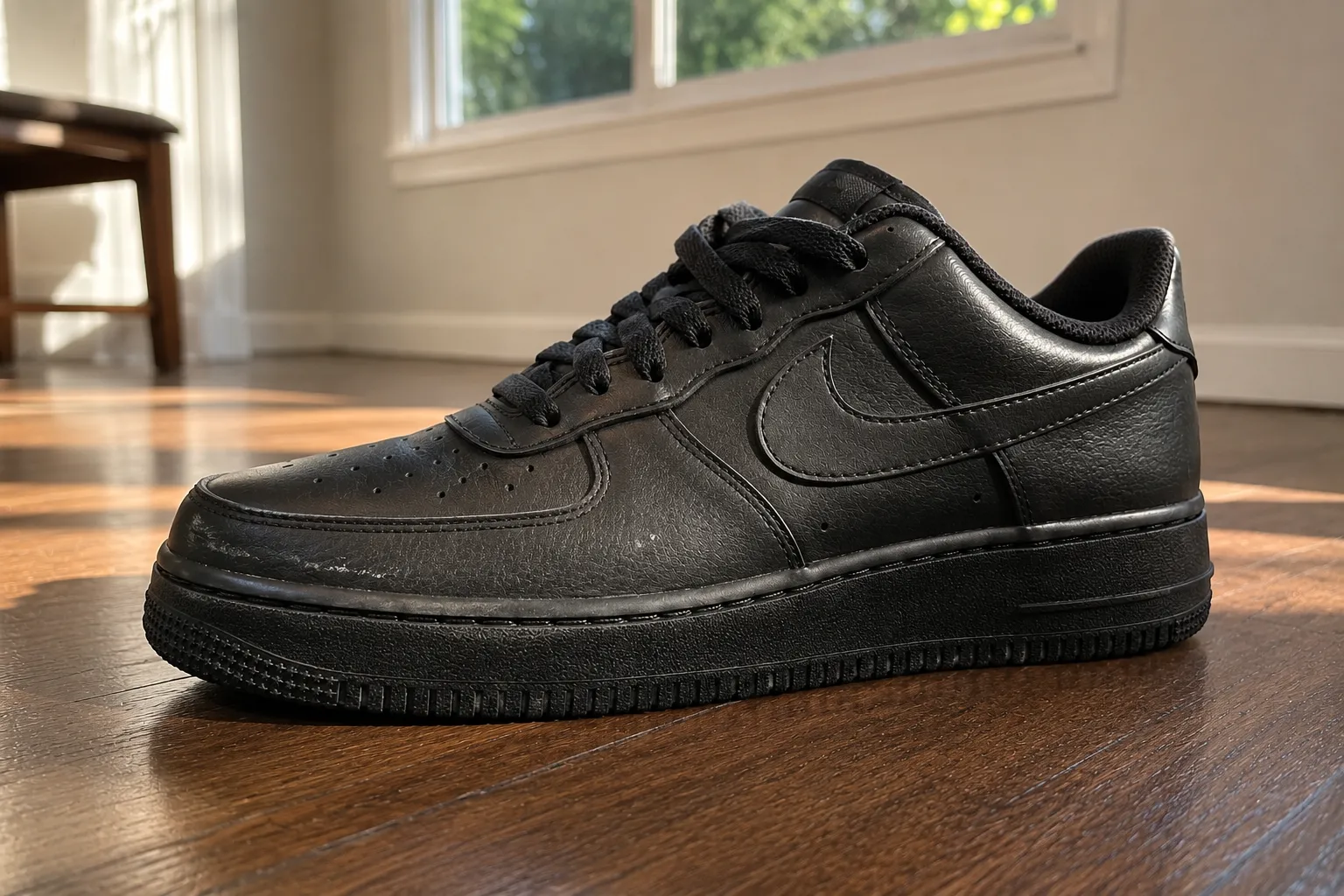
 After
After
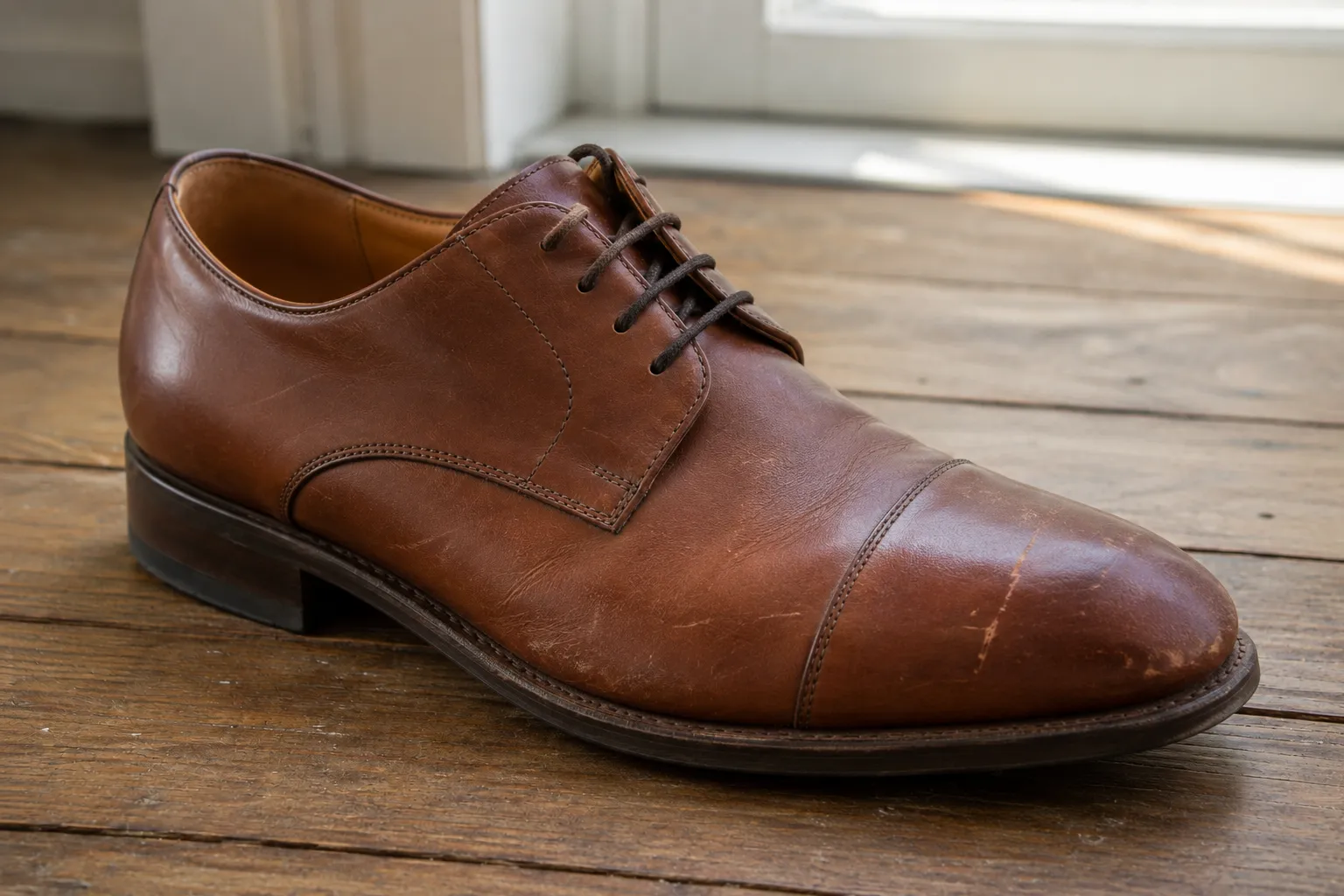
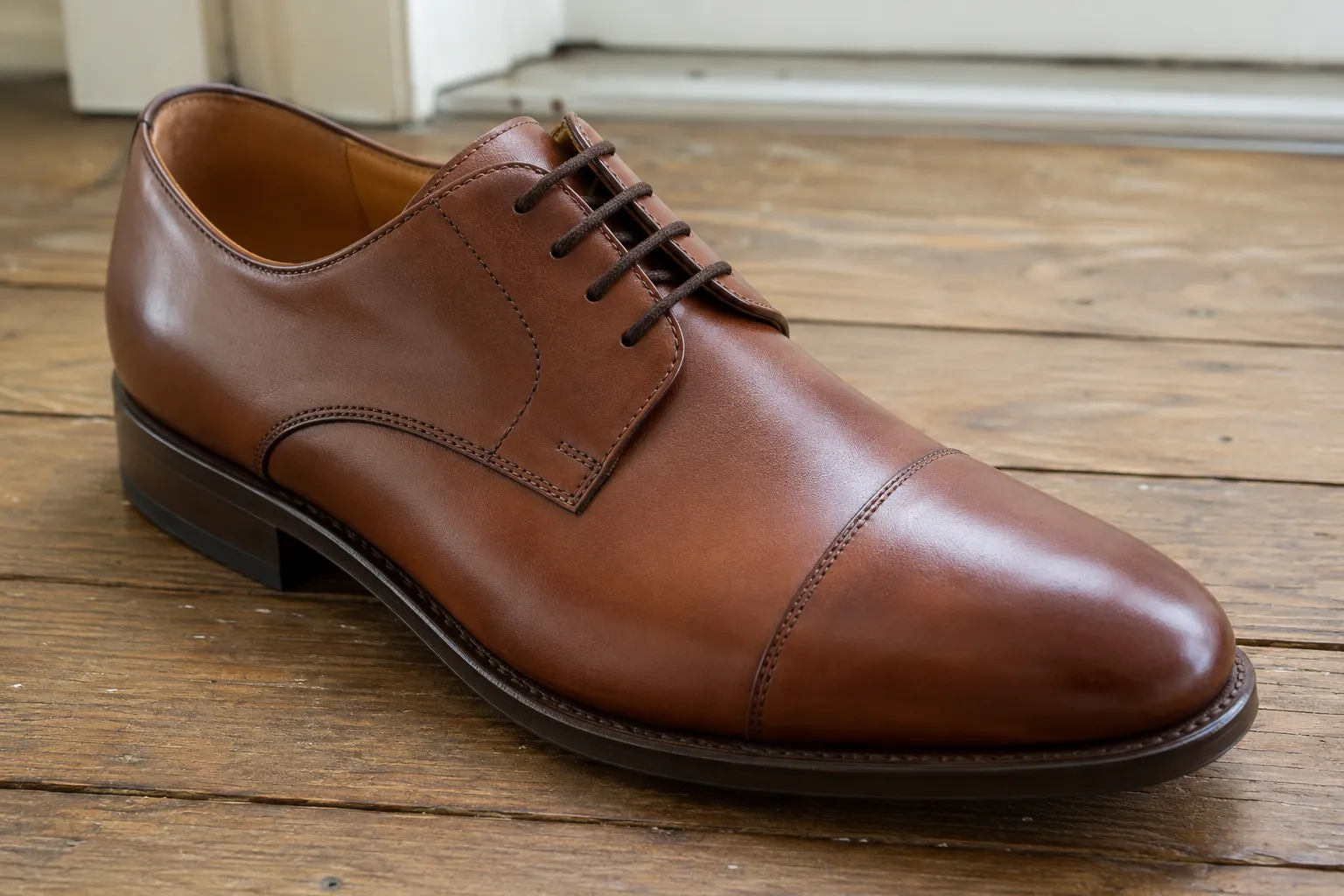
Request: I want to paint leather boots black.
Done: Cleaned, applied black leather paint in 2 coats.
Cost: 3 000 ₸
Master: Timur Zhaksybekov, dry cleaning master
Total: Boots became uniformly black, without scuffs.
 After
After
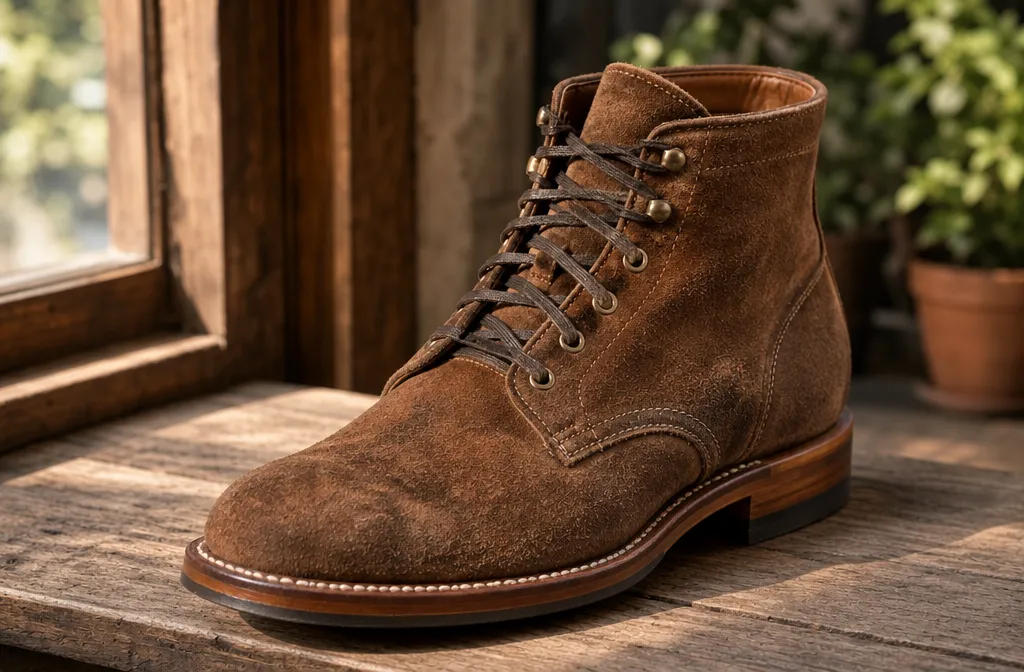
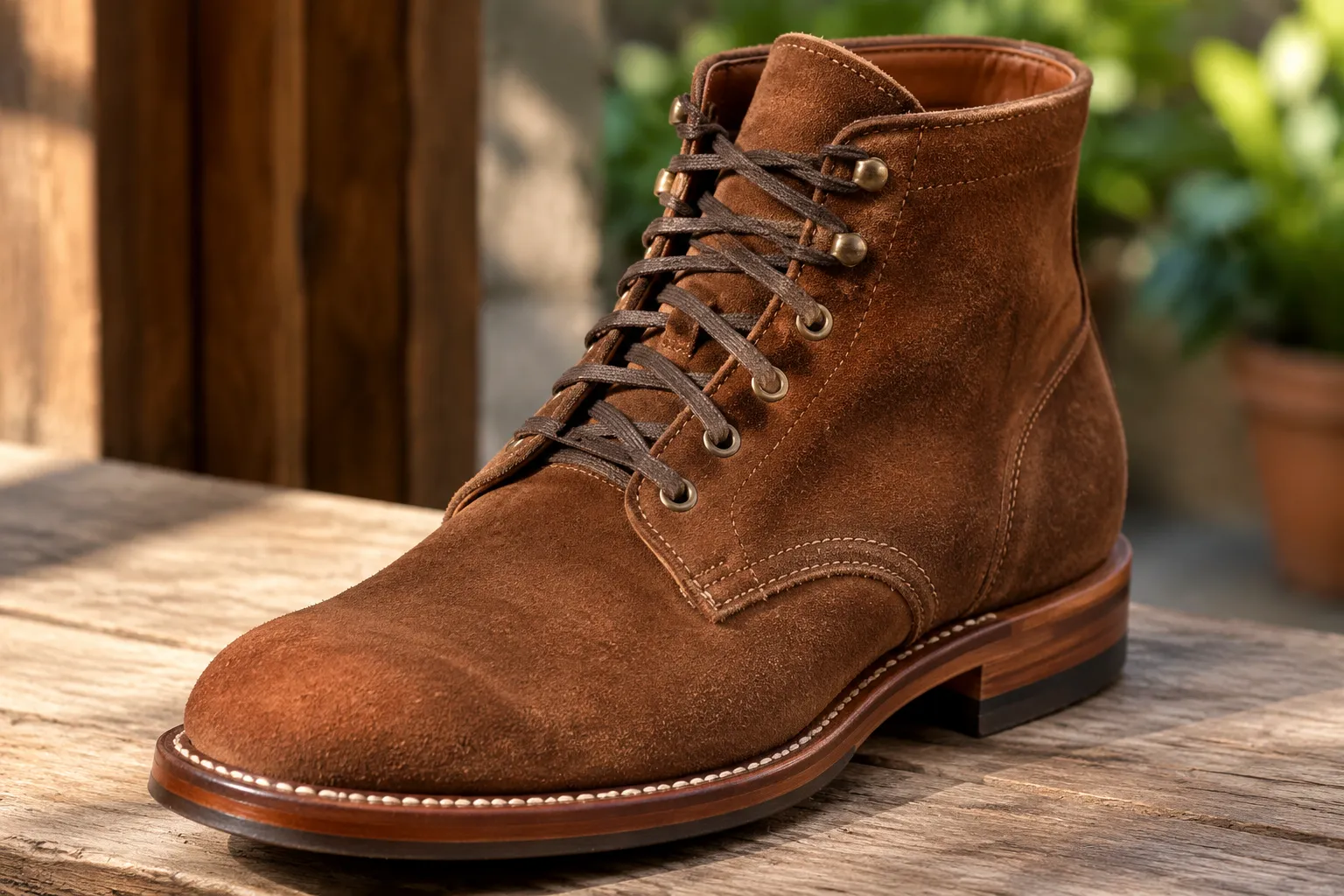
Request: I want to paint suede ankle boots grey.
Done: Cleaned, applied grey suede paint.
Cost: 13 000 ₸
Master: Aigul Nurpeisova, shoe master
Total: Ankle boots became an even grey color.
 After
After
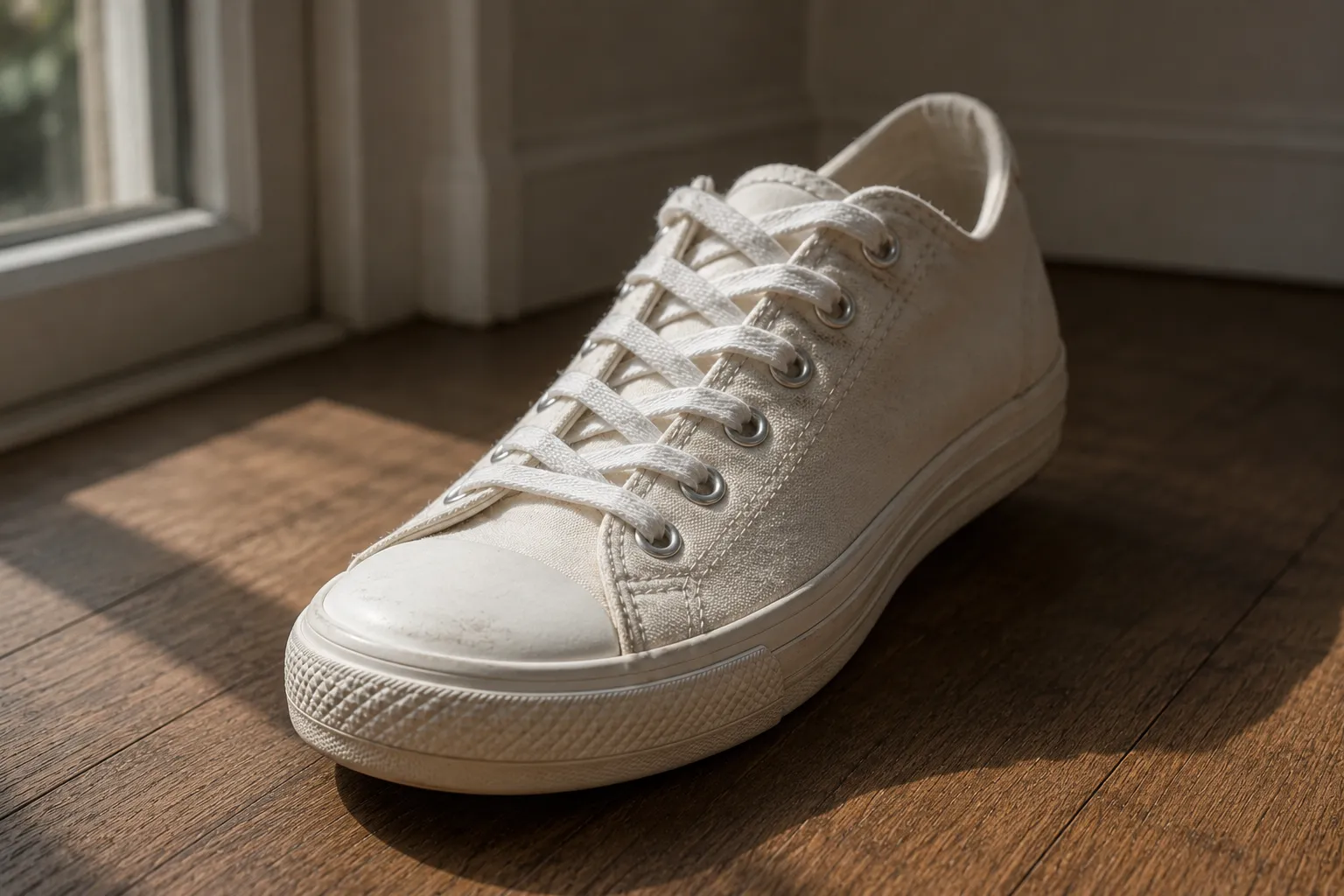
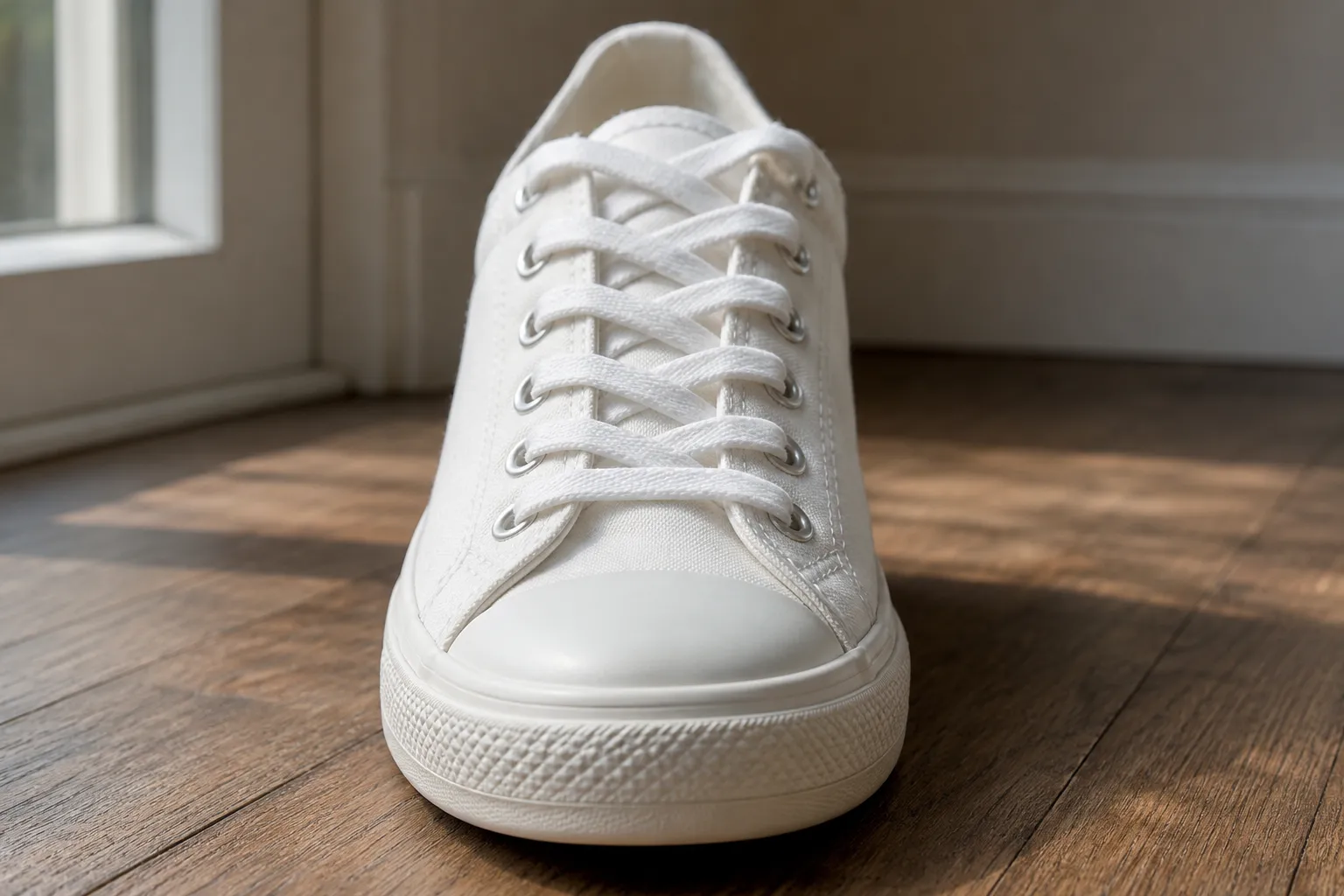
Request: I want to paint canvas sneakers green.
Done: Cleaned, applied green fabric paint.
Cost: 2 500 ₸
Master: Timur Zhaksybekov, dry cleaning master
Total: Sneakers became bright green, evenly painted.
 After
After
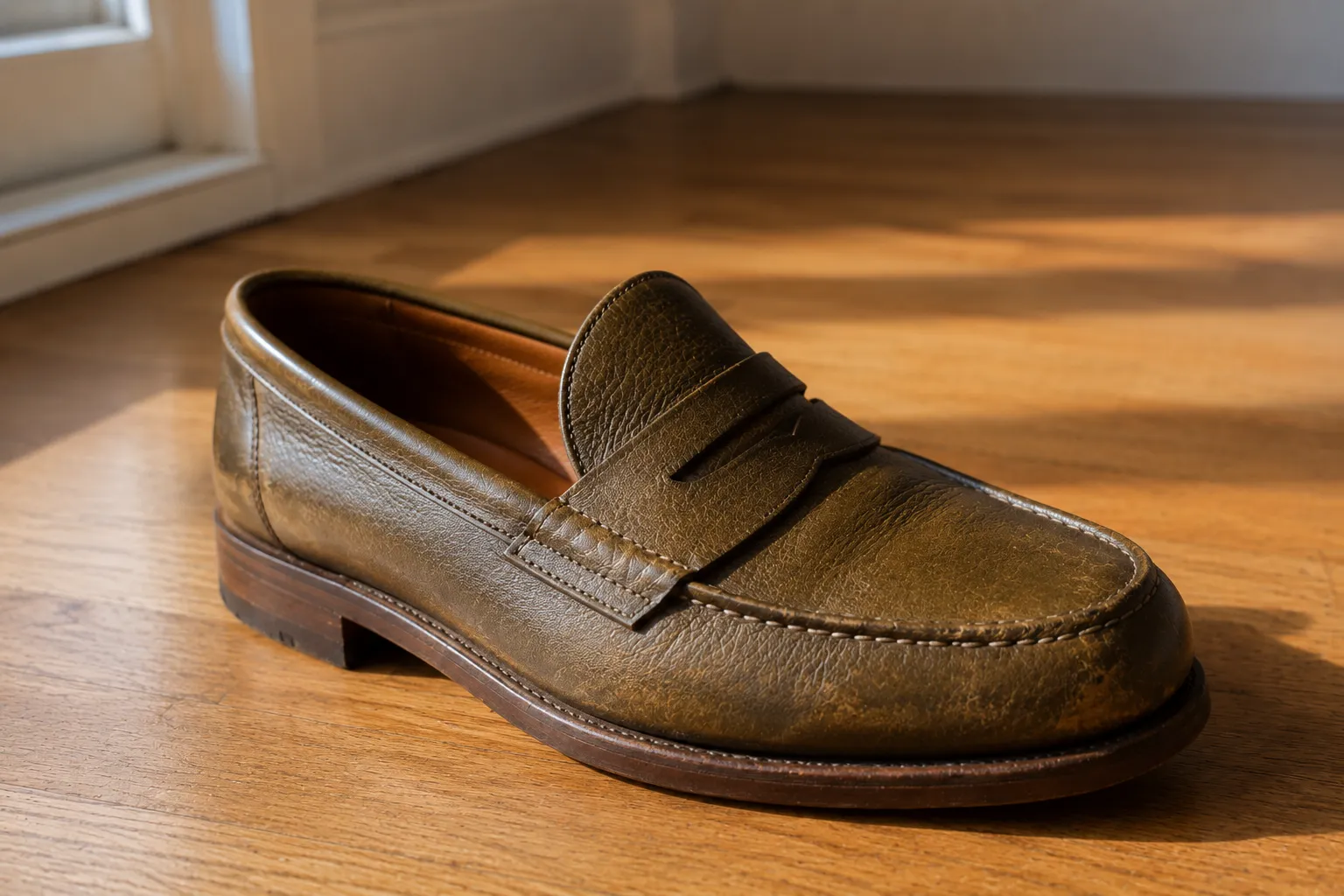
Request: I want to paint leather pumps burgundy.
Done: Cleaned, applied burgundy leather paint.
Cost: 2 800 ₸
Master: Aigul Nurpeisova, shoe master
Total: Pumps became a rich burgundy shade.
 After
After
Request: I want to paint nubuck boots olive.
Done: Cleaned, applied olive nubuck paint.
Cost: 3 000 ₸
Master: Timur Zhaksybekov, dry cleaning master
Total: Boots became an even olive color.
All cleaners are profi-clean staff with training, uniform and security check. Each order has a team leader who controls quality.
The question of shoe dye safety is one of the main ones our craftsmen hear. Let’s break down what professional compounds are made of and why cheap alternatives can ruin both the shoes and your health.
Acrylic paints from stationery stores, automotive nitro paints, and household aerosols destroy the structure of leather and suede due to aggressive solvents (acetone, toluene, xylene). Professional compounds are water-based polyurethane or alcohol dispersions with a pH of 6.5–7.5, which do not draw out fats from the leather or harden it. At profi-clean, we only use dyes from the brands Tarrago, Saphir, and Angelus — all these brands have European REACH (Registration, Evaluation, Authorisation and Restriction of Chemicals) and OEKO-TEX Standard 100 certifications, confirming the absence of carcinogens, formaldehyde, and heavy metals in the finished coating. This is why, after dyeing at our facility, the shoes do not smell of chemicals — only a light scent of soap from the pre-cleaning remains. Before applying to an expensive item, we always test the compound on an inconspicuous area under the tongue — if there is no change in color or structure within 10 minutes, the dye is safe for the entire pair.
In the conditions of an Almaty summer with temperatures of +35 °C and PM2.5 levels above 100 µg/m³, the dye behaves differently than in the manufacturer’s laboratory. High temperatures accelerate solvent evaporation — if the compound is applied outdoors or in a non-ventilated apartment, the concentration of volatile organic compounds in the air can exceed the maximum permissible concentration by 2–3 times. At profi-clean, all dyeing work is carried out in a separate room with forced ventilation and a hygrometer: when humidity drops below 40%, we humidify the air to 50–55% so that the paint film dries evenly and does not crack. Furthermore, Almaty dust and smog settle on the fresh paint during the first 30 minutes of drying — which is why we cover each pair with a special non-woven cap that allows air to pass through but traps 99% of PM10 particles. In practice, this means that even with poor ecology, the coating remains smooth and does not require re-polishing.
The first two weeks after dyeing are the most critical period. The pigment fixes into the material’s structure, and your actions determine whether the color lasts a year or peels off after the first rain. I’ll tell you what not to do, what to treat the shoes with, and how to extend the coating’s durability in Almaty conditions.
Violating even one rule reduces coating durability by 40-60% — this is not my assumption, but statistics from repainting requests in our practice.
Proper drying — at room temperature 20-25°C in a well-ventilated room, away from radiators and air conditioners. If you place painted sneakers on a hot heated floor or near a heater, the pigment “cooks” — loses elasticity and cracks at the first wear. In Almaty, where the heating season lasts from October to April, this is the most common mistake. Indoor air humidity in winter drops to 20-25% — the paint dries unevenly, the edges dry out, and the middle remains wet. Our advice: place the shoes in a room with a humidifier on (40-50% humidity) or simply open the bathroom door after a shower — the steam will even out evaporation. Complete drying takes 24-48 hours depending on the leather thickness and number of layers. Check not with your finger (it feels the cold of the damp lining), but with an internal touch of a dry paper napkin — if it remains dry, you can remove the shoe trees.
14 days after painting, apply a water-repellent impregnation — this is a mandatory step that extends the color life up to 8-12 months without renewal. For smooth leather, use a colorless cream-wax with beeswax (e.g., Saphir or Collonil) — it nourishes the leather and closes the pores. For suede and nubuck — a water-based aerosol spray impregnator (the same Collonil Carbon Pro or Nikwax Nubuck & Suede). In Almaty, where roads are sprinkled with salt and reagents in winter, impregnation is mandatory: salt stains eat into painted suede in one walk, and removing them without pigment loss is impossible. Apply the spray in two layers with an intermediate drying of 10-15 minutes, hold the can at a distance of 20-25 cm from the surface. After impregnation, leave the shoes overnight — the fixative must fully polymerize. Then repeat the treatment every 3-4 weeks in the rainy season and once every 2 months in dry weather.
Every evening after wearing, let the shoes dry for 30-40 minutes at room temperature — moisture from feet softens the pigment, and if you immediately put the shoes in the closet, the paint “runs.” Once a week, wipe painted leather with a dry flannel cloth — dust and fine sand act as an abrasive and wear away the top layer of dye. For suede, use an eraser brush (double-sided: rubber for stains, bristles for raising the nap). Store painted shoes in fabric bags, not plastic bags — cellophane does not allow air to pass through, creating a greenhouse effect, and the paint peels off from condensation. If you wear the same pair every day in a row, micro-deformations and moisture accumulate faster — alternate shoes every other day so the pigment “rests.” In our practice, clients who follow this simple rule come for repainting not after 6-8 months, but after 14-18.
Yes, paint covers scratches, scuffs, and chips, but only with proper surface preparation — without it, the coating will apply unevenly and make defects more noticeable. In our practice, eight out of ten pairs with shallow damage look like new after painting, while through tears or crumbling leatherette require not painting but restoration by a shoe repair specialist.
On scuffs, leather loses its top pigment layer and becomes more porous — paint absorbs unevenly and, after drying, produces spots with varying color saturation. In Almaty conditions, where dust and sand from Medeu and Kok-Tobe constantly scratch shoes, scuffs on toes and heels occur in 70% of pairs brought to us.
We fix this with two-stage priming: the first layer is a transparent fixer-restorer that evens out the leather’s absorbency. After it dries (30 minutes), we apply color pigment — it lays evenly even on areas where the top layer is worn down to a suede texture. Without priming, the shade difference between a scuffed and intact zone reaches 2–3 tones on dark colors and up to 5 tones on light ones — clients in Almaty often complain about “spotty” painting after DIY attempts.
When shoes have a chip deeper than 0.5 mm or a crumbling sole edge, painting without preliminary filling causes the paint to crack at the defect site on the first wear. We had a case: a client brought calfskin shoes with a peeling toe — after painting without filler, the coating peeled off in three days, and we had to redo it with leather restorer.
The second risk is paint getting into an open crack, from where it seeps onto the inner lining. A light insole gets a permanent stain, and if the dye is aniline-based (alcohol-based), it can penetrate through and stain the foot. Our cleaners seal all cracks with masking tape on the reverse side before painting and check the lining’s integrity with a flashlight.
Upon order acceptance in Almaty, we conduct a three-minute diagnostic: inspection in daylight, a bend test (simulating walking), and a wet wipe test — if dye transfers from the surface, the leather is “sweaty” and requires degreasing before painting. According to our 60-minute service statistics, 15% of pairs are rejected at this stage: either the defect requires shoe repair, or the material (e.g., rubber with a “leather-like” texture) does not accept paint without a special primer.
For pairs with acceptable defects, we record the areas in the work order: “scuff 3×2 cm on left toe,” “scratch 5 cm on heel” — so after painting, the client can verify the result by these coordinates. In Almaty, where shoes often suffer from reagents on sidewalks (sand and salt sprinkling), such records help avoid disputes: it’s clear what was before and what became after.
The first is an attempt to mask a deep scuff with a thick layer of paint. The compound forms a crust that cracks and flakes off in pieces when walked on, taking part of the adjacent intact coating with it. The second mistake is painting without degreasing: worn areas absorb skin oil, and the paint peels off within a week. The third is using shoe cream instead of paint: the cream doesn’t adhere to the defect and smears onto trouser socks upon contact.
In Almaty, a fourth mistake is added in winter: painting on damp shoes. After a walk in the snow, moisture remains in the pores of the leather, the paint goes on as a cloudy layer, and after drying, it leaves whitish streaks. The correct sequence is drying at room temperature for 6–8 hours (not on a radiator!), then degreasing, and only then painting. In our conditions with humidity fluctuations from 30% to 80%, this step is critical—wet leather can shrink after painting, causing the pair to become half a size smaller.
The difference between French luxury and Spanish all-rounder determines how long the coating will last and how deep the color will be after shoe painting.
Saphir is a French paint with a natural base of beeswax and carnauba wax, providing a multi-layered gloss and nourishing the leather from within. Its pigment base is finer than competitors’—particles penetrate the pores rather than sitting as a film on top. In our practice, Saphir performs best on smooth calf and lamb leather—the color becomes a deep sapphire, without a “plastic” shine. However, there’s a catch: the paint requires pre-removal of the old coating with acetone or a special solvent, otherwise the pigment will apply in patches. On glossy patent leather, Saphir adheres poorly—the wax base slides off the lacquer. In my opinion, if a client brings in expensive Italian shoes made of soft leather, we always use Saphir—the difference in shade is noticeable even to the naked eye compared to budget alternatives.
Tarrago is a Spanish water-based paint with synthetic resins, creating an elastic film on the surface. Its main advantage is adhesion to any material: nubuck, suede, textile, rubber. In our orders, Tarrago wins on sneakers and boots made of combined materials—the paint doesn’t crack at the sole bends and doesn’t wear off at the toe for 4–6 months of active wear. However, Tarrago’s color is less saturated than Saphir’s—it’s more matte, without a deep mirror shine. On smooth leather, Tarrago can create a “painted spot” effect if a final protective layer isn’t applied. In Almaty’s dusty weather, Tarrago behaves more predictably: the water base doesn’t attract dirt as much as Saphir’s wax does.
| Parameter | Saphir | Tarrago |
|---|---|---|
| Base | Natural waxes, oils | Water-based, synthetic resins |
| Coating Type | Deep, glossy | Matte, elastic |
| Best Material | Smooth calf, lamb leather | Nubuck, suede, textile, rubber |
| Application Complexity | Requires removal of old layer | Applied without preparation on a clean surface |
| Flex Durability | Medium (3-4 months) | High (4-6 months) |
| Behavior in Almaty Dust | Collects dirt on wax | Does not attract dust |
Saphir is the choice for formal shoes made of thin leather (patent leather shoes, expensive loafers), where color depth and mirror shine are important, and wear is once a week to a hall or restaurant. Tarrago is for everyday shoes that walk on Almaty’s streets, puddles, and de-icing agents. In our orders, we combine brands: we apply Tarrago as a base color on suede boots, and finish problem areas (toe, heel) with Saphir—the wax film protects against abrasion longer. If a client brings in white textile sneakers with leather inserts, only Tarrago works—Saphir doesn’t adhere to textile and leaves streaks. Before painting, ask the craftsman to do a test on an inconspicuous area—on some types of artificial leather, Tarrago can cause a chemical reaction with yellowing, and this is only discovered through a trial.
Do-it-yourself shoe painting most often ends with uneven color, paint peeling, and a ruined appearance — we at profi-clean see such “trial runs” weekly. Let’s break down the five main mistakes that nullify all efforts.
Paint applied to a dirty or shiny surface goes on in patches and lasts for a couple of days at most. Shoes must first be washed with a soapy solution, then treated with a special degreaser — for leather, this is an alcohol-based compound or low-concentration acetone; for suede and nubuck, it’s dry cleaning with a latex brush. Without a primer (finish fixative for leather or primer for suede), the pigment absorbs unevenly: on porous areas, the color darkens; on smooth areas, it remains dull. In our practice, on genuine leather shoes after degreasing and applying a primer, the coating lasts twice as long as on an unprepared pair. Before painting, do a test on an inconspicuous area: if a drop of water beads up instead of absorbing within 3–5 seconds, the fat layer hasn’t been removed, and the paint won’t take.
Leather paint is absolutely unsuitable for suede, rubber, or textiles — the composition simply won’t fix to the nap or polymer, and the coating will flake off at the first wear. For smooth genuine leather, aniline and semi-aniline dyes (Saphir, Tarrago) work — they penetrate the pores and don’t crack at the creases. For suede and nubuck, aerosol dyes with wax in the composition are needed — they color the nap without sticking it together. Textiles (cotton, nylon, canvas) only accept water-based acrylic paints — they are elastic and breathable. Rubber soles and plastic inserts can only be painted with special polyurethane compounds — regular shoe paint will peel off them in a day. We had a case where a client painted white sneakers with a textile upper and rubber sole using the same leather paint — after a week, the upper remained gray, and the sole peeled off in chunks. Before buying, check the label on the can: “for leather,” “for suede,” “for textile” — this isn’t a marketing gimmick, but chemical compatibility.
Paint should be applied at an air temperature of +15 to +25 °C — on a cold balcony in an Almaty winter, the composition thickens, forms a crust, and doesn’t absorb; on a hot summer loggia at +35 °C, the solvent evaporates instantly, not allowing the pigment to set. Each layer requires a drying time of 20 to 40 minutes at a room humidity of 40–60% — in Almaty apartments in winter, due to heating, humidity drops to 20%, and the paint dries faster than it penetrates the pores, creating a surface film. Complete curing of the coating takes 24–48 hours — if you wear the shoes earlier, the paint will crack at the creases. In our service, we use a drying cabinet with temperature and humidity control — it speeds up the process by 20% and ensures the coating has “set” to its full depth. Drying at home on a radiator guarantees overheating and peeling: the radiator temperature in winter reaches +60 °C, while the critical threshold for shoe paint is +35 °C.
One layer of paint gives a semi-transparent shade that wears off at creases and toes after 2–3 wears. For a rich color and durability, you need 2–3 thin layers with mandatory intermediate drying — one thick layer applied at once causes drips and bubbles. A top fixative (wax or acrylic varnish) protects the pigment from water and abrasion: on leather shoes without a fixative, the coating lasts 10–15 wear cycles; with a fixative, 40–50. On suede, the fixative restores water-repellent properties — without it, painted suede gets wet in 5 minutes under an Almaty rain and leaves marks on clothes. At profi-clean, we apply a minimum of two layers of paint and always a top protective coat — this is the standard that eliminates warranty returns. If after painting the shoes stain your hands or socks, it means the fixative wasn’t applied or only one layer was used instead of two.
Deep scratches, scuffs on the leather, and worn-out toes require not just paint, but a restoration filler — a polymer-based putty. If you fill such a defect directly with paint, it will remain a depression where dirt will collect, and the paint around it will crack within a week. First, the damage is filled with filler, sanded with fine-grit sandpaper (grit 600–800), then primed, and only then painted. On suede, dents are not filled — they are lifted with steam and a latex brush, otherwise, after painting, the defect will be noticeable as a dark spot. We had a case with men’s shoes made of smooth leather: the owner painted a scratch on the toe with black paint — within two weeks the paint peeled off, and the scratch widened because dirt got underneath it and continued to damage the leather. Before painting, inspect the shoes under bright side lighting — if the unevenness can be felt with a finger, you need a filler, not paint.
I ordered shoe painting — the sneakers look like new, whiteness restored, paint didn't crack.
Thank you, Aigerim! Glad the result exceeded expectations.
The shoes look more expensive after painting than new. Color is even, no streaks.
They painted my shoes — the suede refreshed, but slightly noticeable on the creases. Overall good.
Noted your feedback, we are working on improving the technology.
The patent leather shoes shine like in a display window after restoration. Very neat.
I ordered shoe painting — running sneakers were refreshed, the paint holds up after workouts.
Great! Our formulas are resistant to wear.
Suede boots look 100% better. Color restored, nap lifted.
Shoe painting? No, I painted a leather jacket. The guys did well, but the deadline was a bit delayed.
We apologize for the delay. Glad you were satisfied with the quality.
Ballet flats after painting are fire! Color is rich, no peeling anywhere.
Shoe painting at profi-clean is the best. Classic dress shoes look like they came from a store window.
Thank you, Timur! We look forward to seeing you again.
We painted boots, but the color turned out darker than we wanted. Wearable, but not perfect.
Sorry for the mismatch. Next time we'll match the shade more accurately.
I ordered shoe painting — winter boots were transformed, the paint doesn't wear off.
Wedding shoes after restoration are a dream. The white color is perfect, thank you!
Congratulations! Glad we could help.
Shoe painting of children's sneakers — my son is happy. Only the paint smelled a bit the first few days.
We use safe formulas, the smell dissipates.
Patent leather boots shine like a mirror. Very high quality, I recommend.
Did shoe painting — suede shoes became softer and brighter. Fast and neat.
Sandals got a color refresh, but a bit of hardware got painted over. Overall ok.
We apologize, we will be more careful.
Shoe painting — result is super. Leather boots look like new, color is even.
Thank you for your feedback!
Pumps after painting are a sight to behold. Wore them to an event, everyone asked where I got them.
Painting fabric sneakers — paint didn't cover everywhere, had to repaint.
Sorry for the inconvenience. We've noted your experience.
Over-the-knee boots look like new. Color restored, scratches removed. Very satisfied.
Ordered shoe painting — moccasins look great, but one seam was painted a bit unevenly.
We apologize, we will try harder.
Suede shoes after restoration — soft and fluffy. Color is deep.
Shoe painting for work boots — the paint holds, doesn't crack. Thank you.
Glad to help with work footwear!
Painted rubber boots, color became brighter, but paint slightly peels at folds.
Rubber needs special paint, we'll take note.
Shoe painting — leather shoes look like new. Even color, no defects.
Running sneakers after painting — like from the store. Easy, fast, quality.
Shoe painting for heeled boots — color uneven in places. Disappointed.
We apologize, ready to fix for free.
Leather boots shine like new. Very satisfied with the result.
We offer over 50 colors of Saphir and Tarrago paints: from classic black, brown, blue to bright shades of red, green, yellow. Mixing is possible to create a unique color.
With proper care, the painting lasts from 6 to 12 months. We provide a 6-month guarantee against cracking and fading. We recommend using a water-repellent impregnation.
Yes, we can completely change the color of the shoes. For light colors, preliminary bleaching is required. The master will select the paint and give recommendations.
Standard painting takes 1-2 days depending on the material and complexity. Urgent painting is possible within 24 hours.
No, we do all the preparation ourselves: cleaning, degreasing, sanding. Just bring clean shoes.
We accept cash, Kaspi Gold, Halyk Bank, as well as card transfers. Online payment is possible.
Yes, we provide a guarantee of up to 6 months on the painting. If defects appear during this period, we will fix them for free.
Saphir and Tarrago paints are safe after drying and do not contain toxic solvents. However, we recommend keeping shoes out of reach of children until completely dry.
No, painting is done only in our center, as it requires special equipment and a drying chamber. We are located in Almaty.
We will repaint the shoes in a different color for free within 3 days after the first painting. The main thing is not to wear the shoes before repainting.
Tell us about your experience with profi-clean — it helps other clients and us improve.
We currently operate in Almaty. Other cities are coming soon.