Inspection and fabric identification
The master inspects the furniture, determines the upholstery type, and identifies stains. Tests cleaning agents on an inconspicuous area.
Deep cleaning of upholstered furniture with an extractor: removing dust, stains, and odors without damaging the fabric

We work with any types and materials
Cleaning of straight and corner sofas with and without cushions.
from 11,000 ₸Deep cleaning of large corner units.
from 18,000 ₸Aqua cleaning of folding mechanisms and mattress sections.
from 11,000 ₸Cleaning of armchairs with armrests and high backs.
from 3,500 ₸Cleaning of mesh and fabric office chairs.
from 3,500 ₸Delicate cleaning of rocking chairs.
from 3,500 ₸Removal of dust mites, stains, and odors from mattresses.
from 7,000 ₸Aqua cleaning of carpets with any pile length.
from 12,000 ₸Cleaning of dining and computer chairs with upholstery.
from 1,500 ₸Cleaning of soft poufs and benches.
from 2,500 ₸Cleaning of benches with fabric or velvet upholstery.
from 2,500 ₸Removal of dirt from soft headboards.
from 2,500 ₸From inspection to result with guarantee
The master inspects the furniture, determines the upholstery type, and identifies stains. Tests cleaning agents on an inconspicuous area.
Remove dust, pet hair, and allergens using a vacuum cleaner with H13 HEPA filter. Treat all crevices and seams.
Apply specialized Kiehl or Sodasan agents to stains. Let sit for 5-10 minutes to dissolve dirt.
Spray cleaning solution and mechanically scrub with a brush to agitate dirt. Pay special attention to seams.
Karcher Puzzi 10.8 extractor delivers water under pressure and immediately vacuums dirt. Removes up to 95% of contaminants.
Rinse upholstery with clean water to remove residual cleaning agents. This prevents streaks.
Turn on industrial fans and dehumidifiers for quick drying. Furniture ready for use in 2-4 hours.
We check the cleaning quality, remove streaks. Upon request, we apply a protective impregnation to repel dirt.
We use the powerful Karcher Puzzi 10.8 extractor, which delivers water under pressure and immediately vacuums up dirt. This ensures deep cleaning without residual moisture, reducing drying time to 2-4 hours. The equipment removes up to 99% of dirt from deep within fibers.
We use ECOCERT-certified Sodasan products based on plant-based ingredients. They are safe for children, allergy sufferers, and pets, leaving no toxic residues. Effectively remove stains and odors without damaging the fabric.
Before aqua cleaning, we perform dry cleaning with a HEPA H13 filter vacuum, which captures 99.97% of particles as small as 0.3 microns. This removes pollen, pet hair, and allergens, improving indoor air quality.
Thanks to industrial fans and dehumidifiers, moisture evaporates in 2-4 hours. We use equipment that speeds up drying so you can use your furniture on the same day.
If a stain is not removed after the first treatment, we perform a repeat cleaning for free. We guarantee quality thanks to professional products and extraction technology.
For complex stains, our specialist visits your home in Almaty for free. Assesses the fabric type, selects products, and provides an accurate estimate without markups.
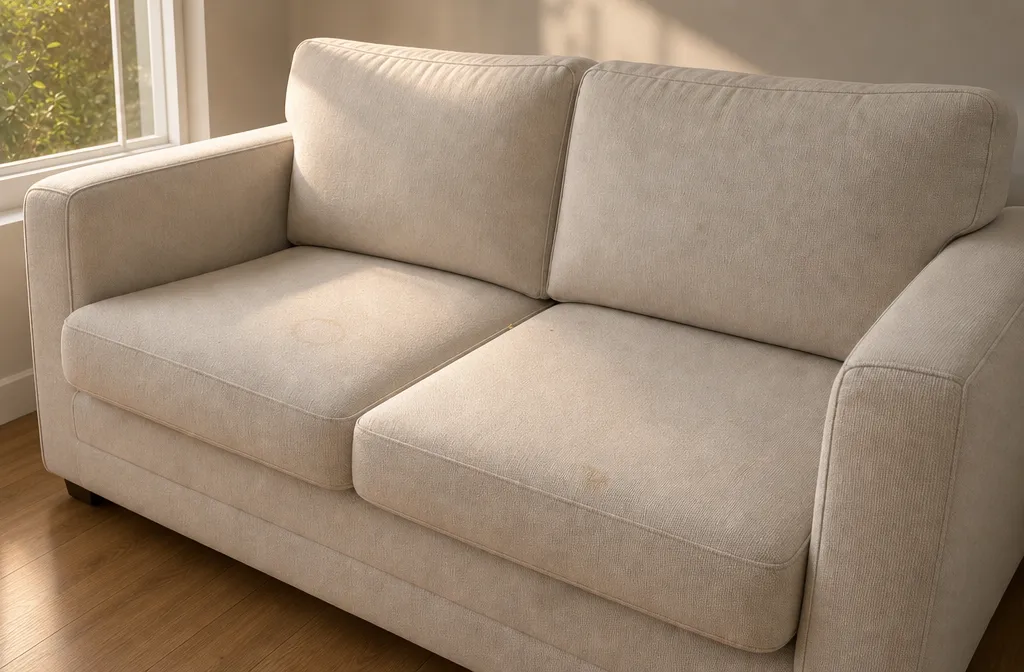
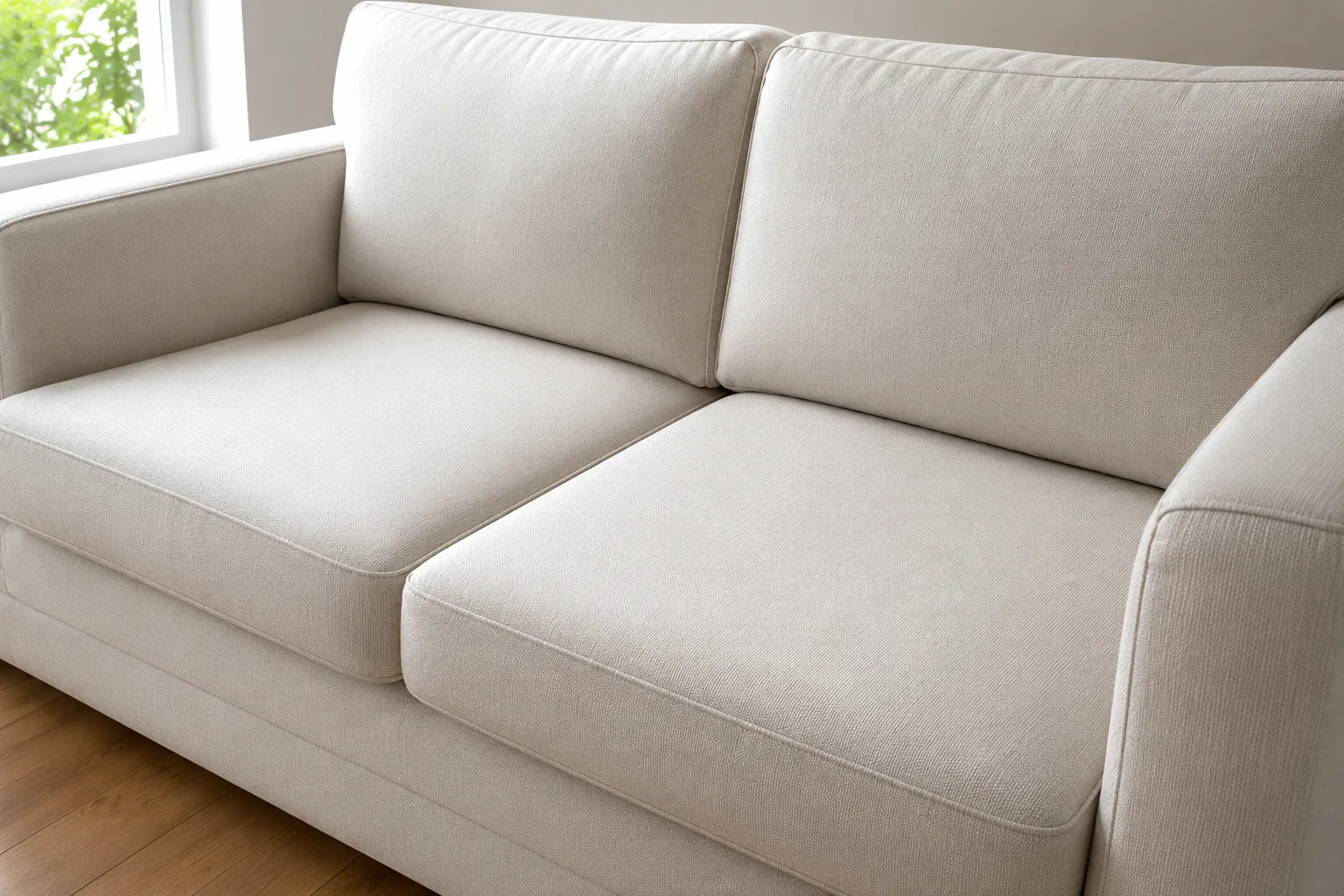 After
After
Request: Required to remove old coffee stains and dust from the upholstery.
Done: Deep aqua cleaning was performed using a Karcher Puzzi 10.8 extractor.
Cost: 11 000 ₸
Master: Aigul Sagintayeva, cleaning master
Total: The sofa is completely cleaned of stains, fresh and odorless.
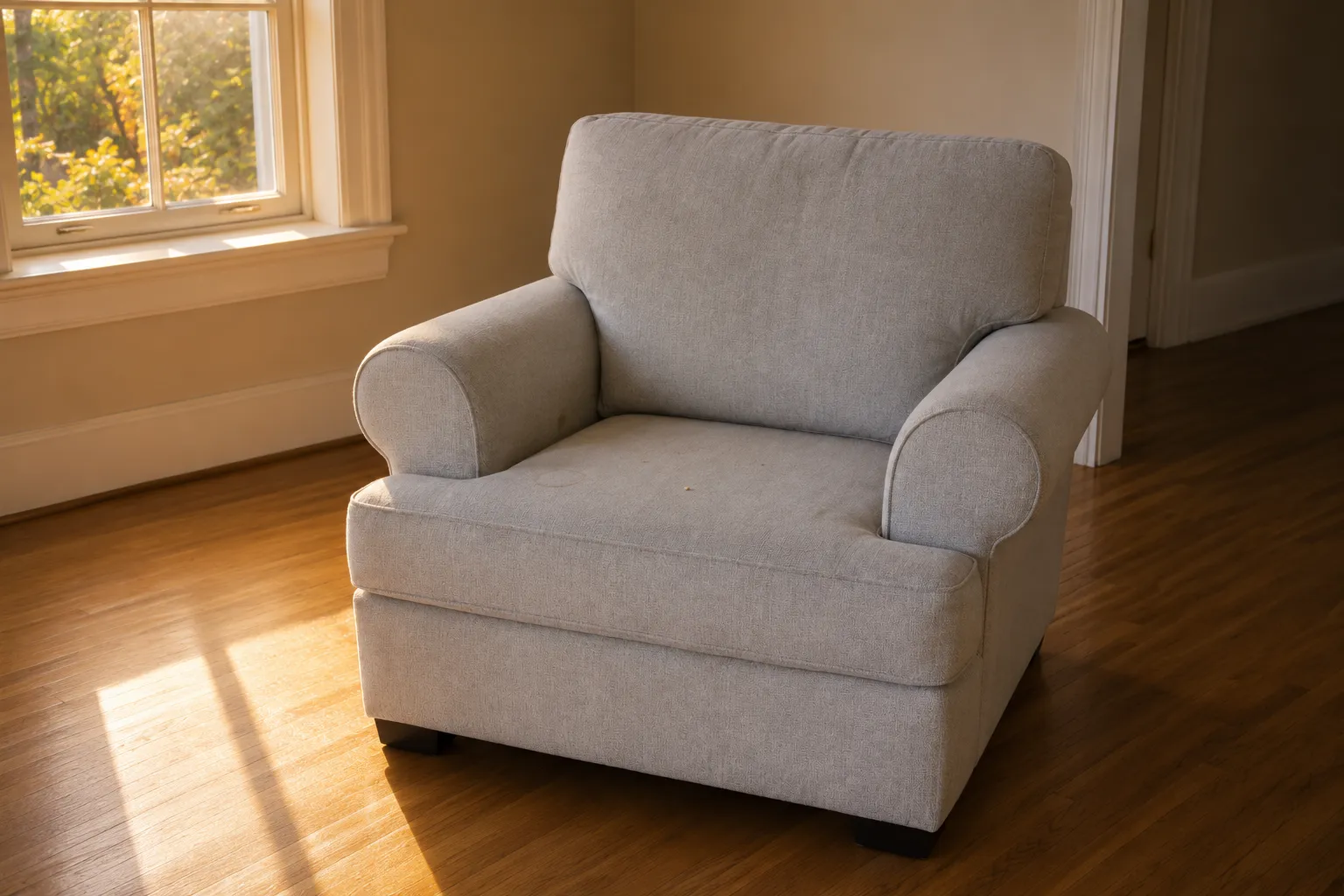
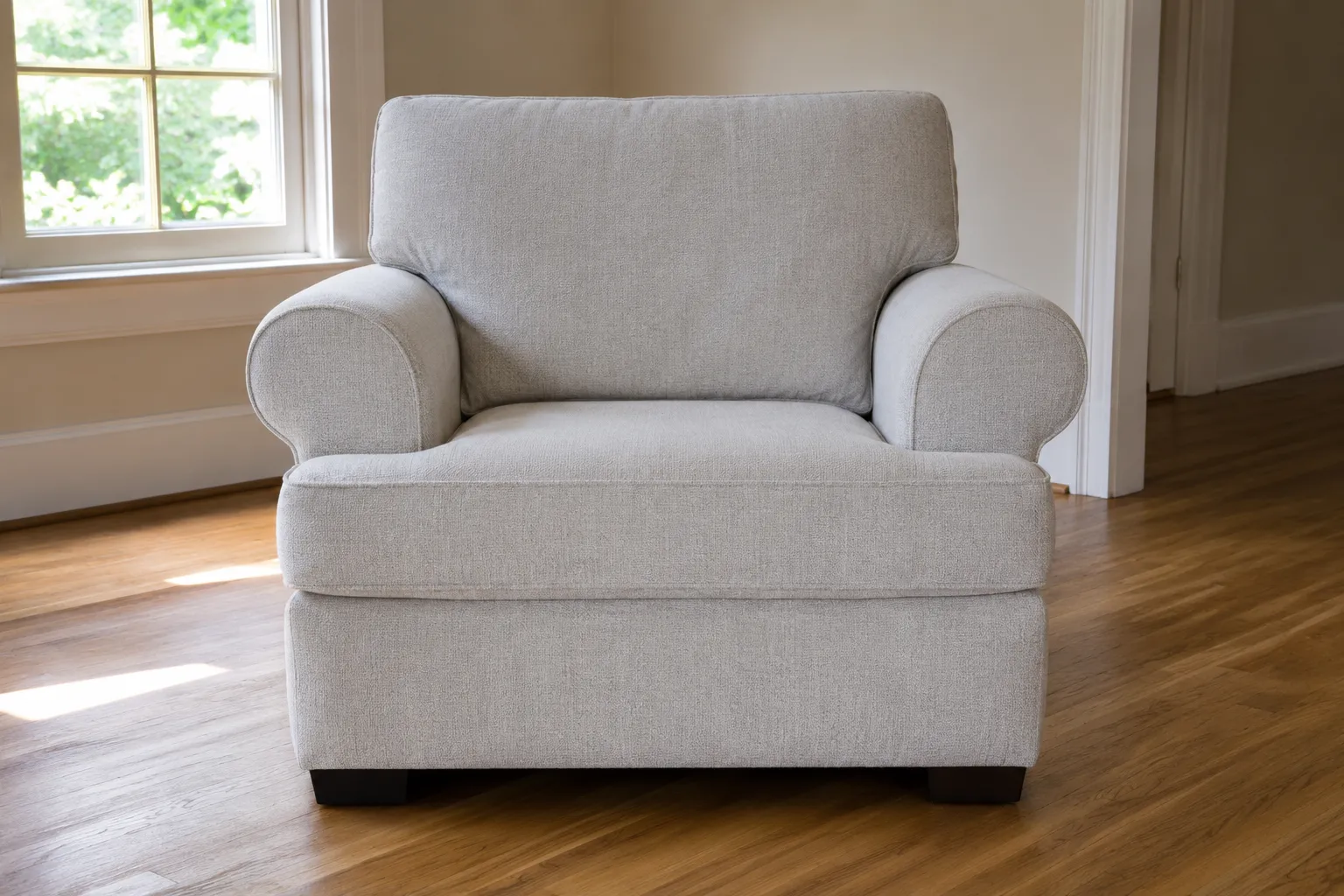 After
After
Request: Wanted to refresh the appearance and remove dust from the velour.
Done: Aqua cleaning was performed using a shampoo for delicate fabrics.
Cost: 3 500 ₸
Master: Timur Zhaksybekov, cleaning master
Total: The armchair became clean, the pile fluffed up, the color is rich.
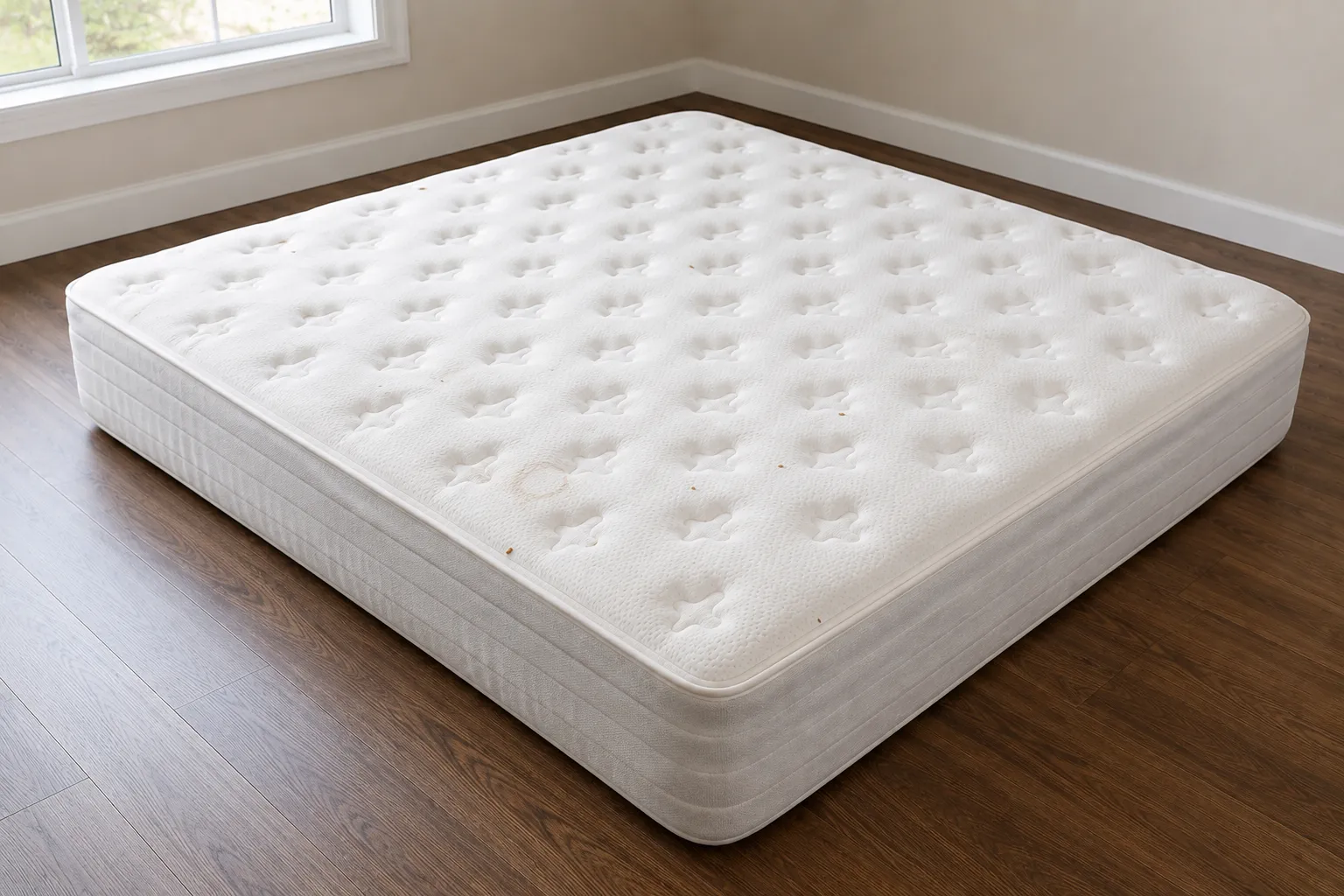
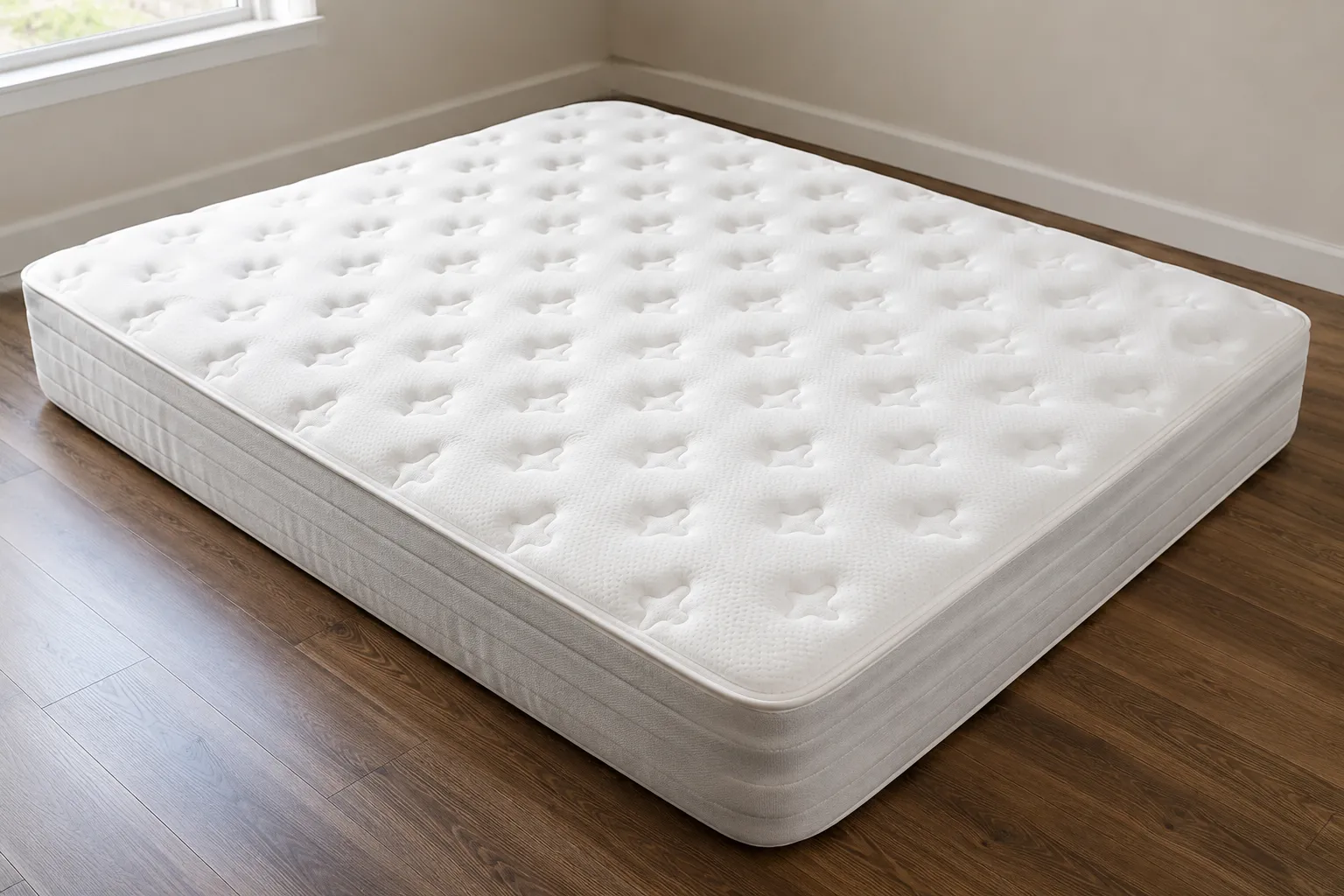 After
After
Request: Needed to remove yellow stains and eliminate sweat odor.
Done: Aqua cleaning with deodorizing compound and steam treatment was applied.
Cost: 7 000 ₸
Master: Aliya Nurtazina, cleaning master
Total: The mattress is clean, without stains and odors, hygienic.
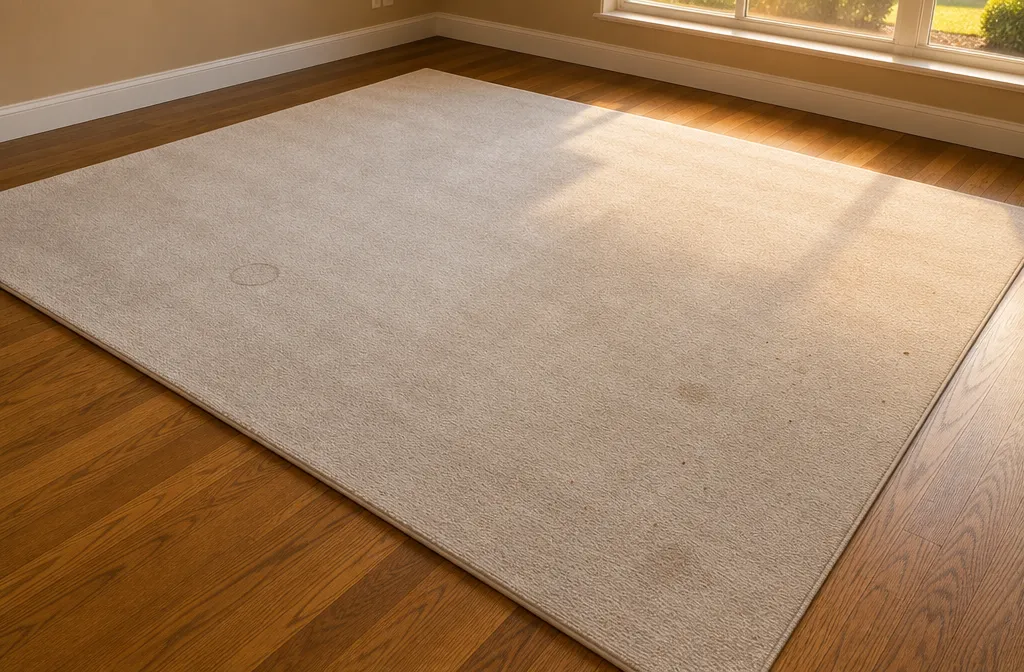
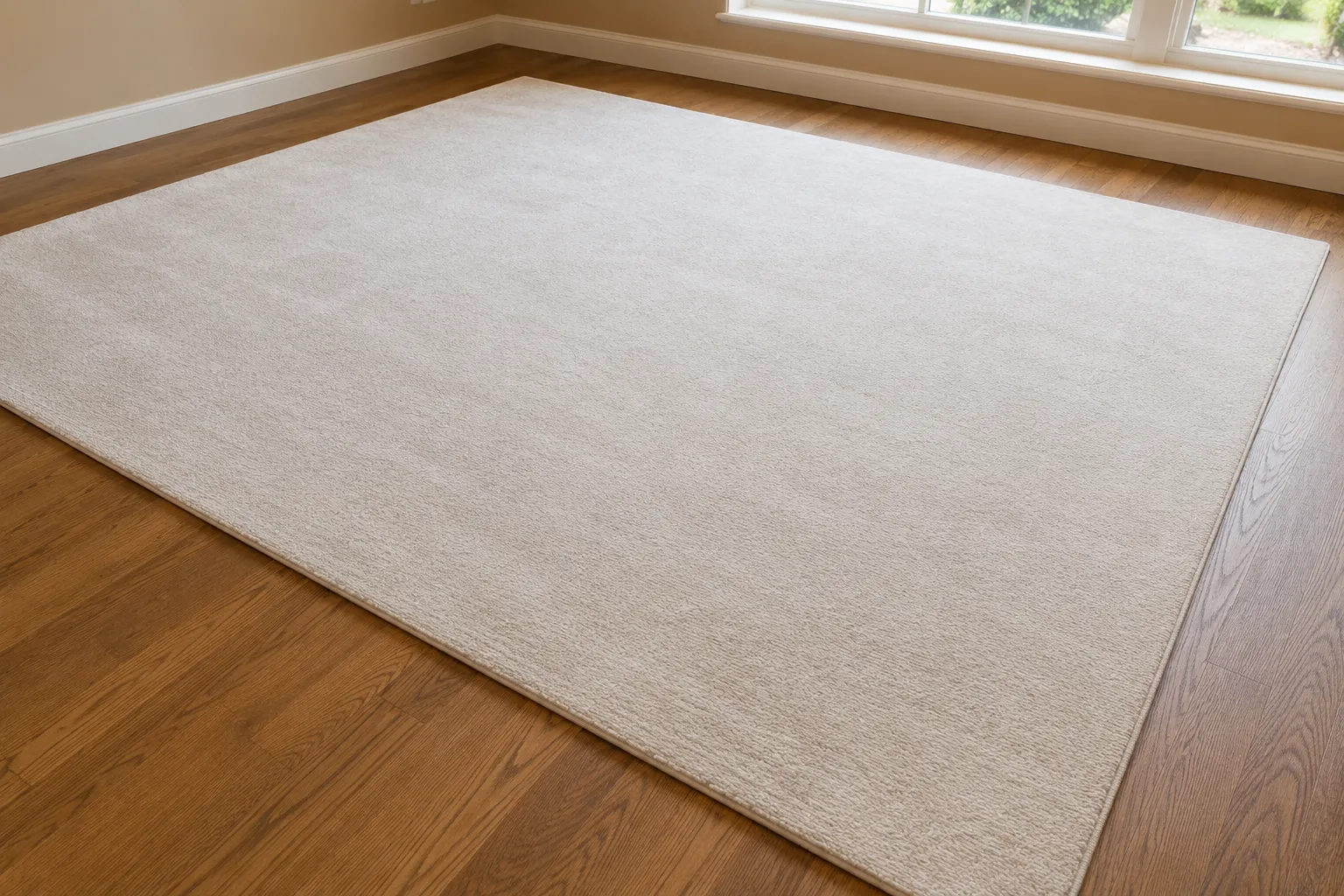 After
After
Request: Required to clean the carpet from stains and dust after renovation.
Done: Aqua cleaning with pre-treatment of stains and extraction was performed.
Cost: 13 000 ₸
Master: Bakhytzhan Omarov, cleaning master
Total: The carpet is completely cleaned, the pile is lifted, colors are bright.
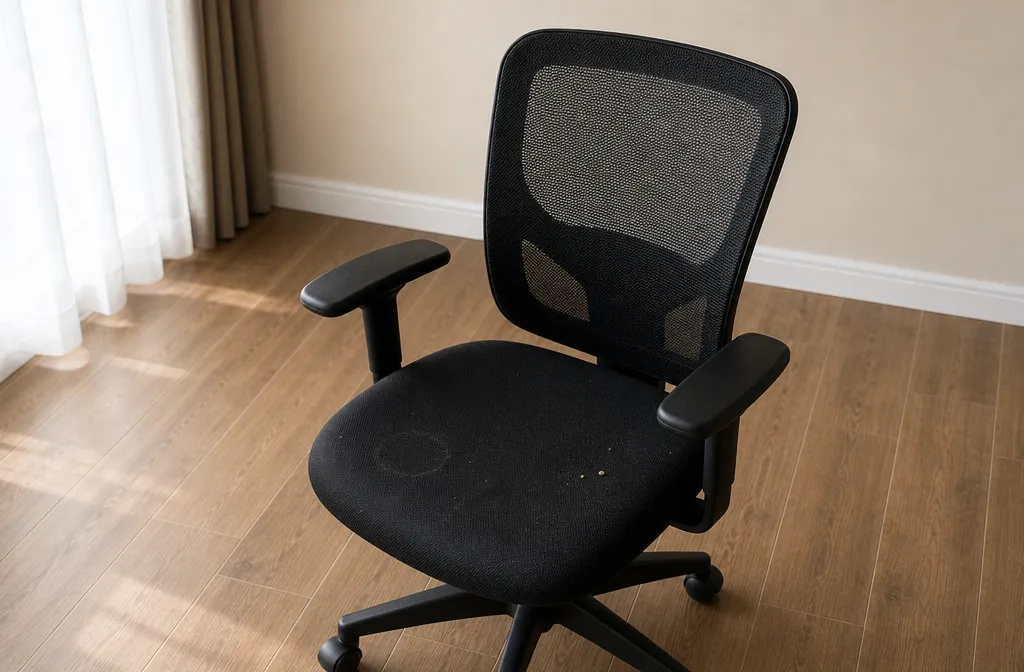
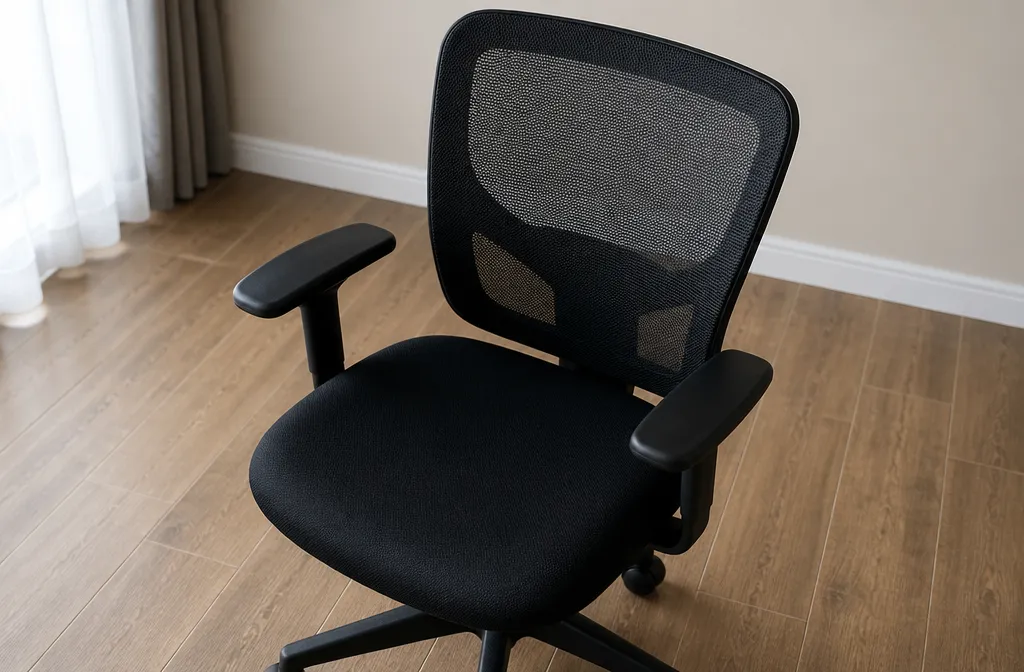 After
After
Request: Need to remove grease stains and dirt from the armrests.
Done: Aqua cleaning was performed using a degreasing agent.
Cost: 3 500 ₸
Master: Daniyar Iskakov, cleaning master
Total: The chair is clean, without stains, the fabric is fresh.
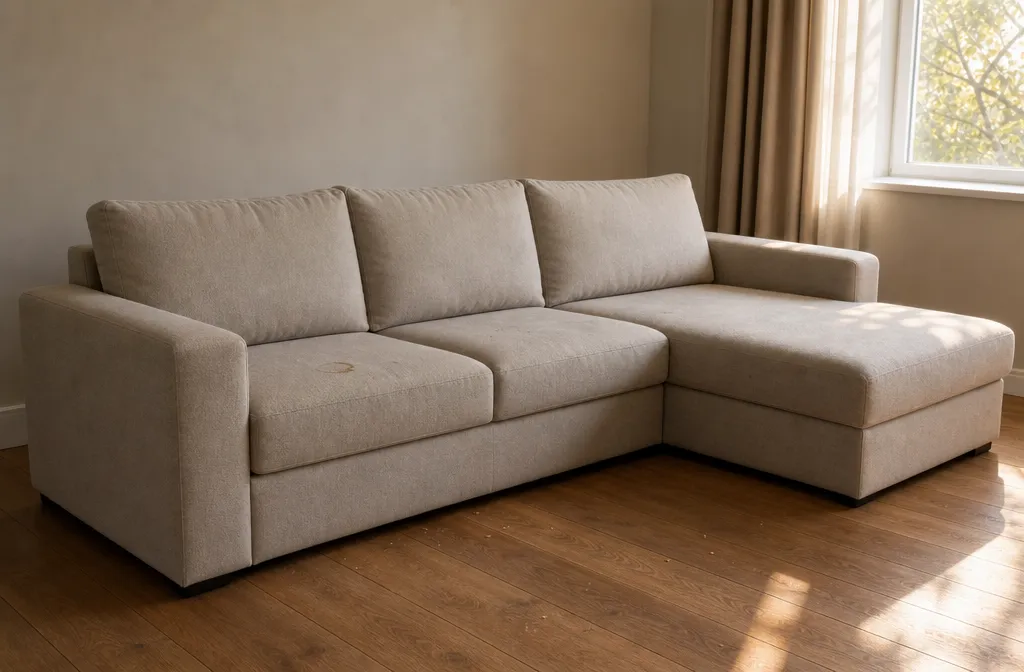
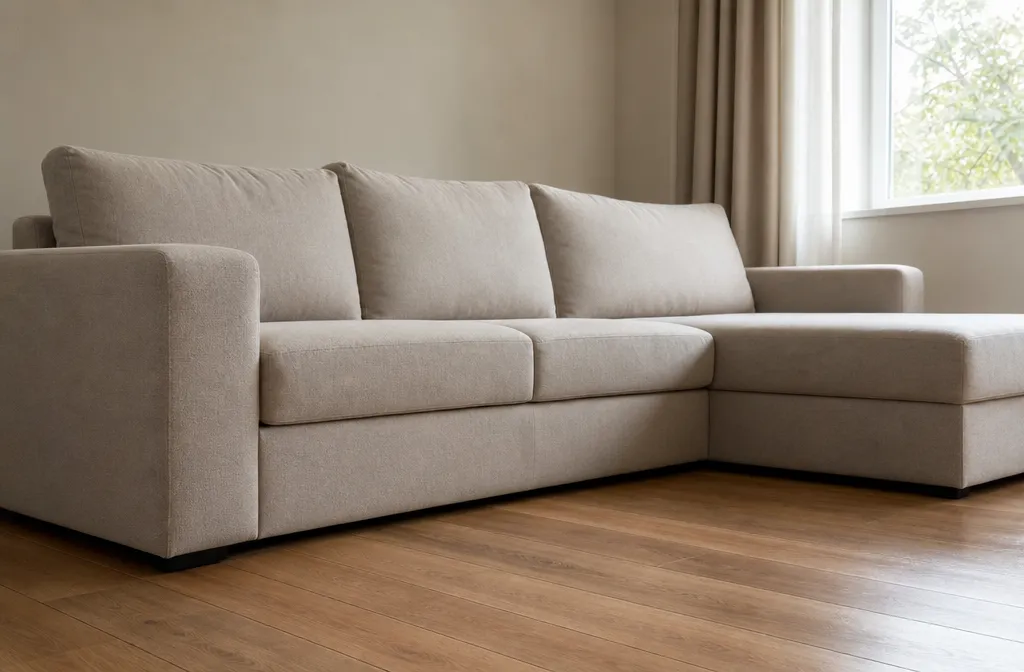 After
After
Request: Wanted to remove dust and food stains from the corner sofa.
Done: Aqua cleaning performed with treatment of all sections and joints.
Cost: 18 000 ₸
Master: Aigul Sagintayeva, dry cleaning master
Total: Sofa is clean, odor-free, upholstery uniform.
 After
After
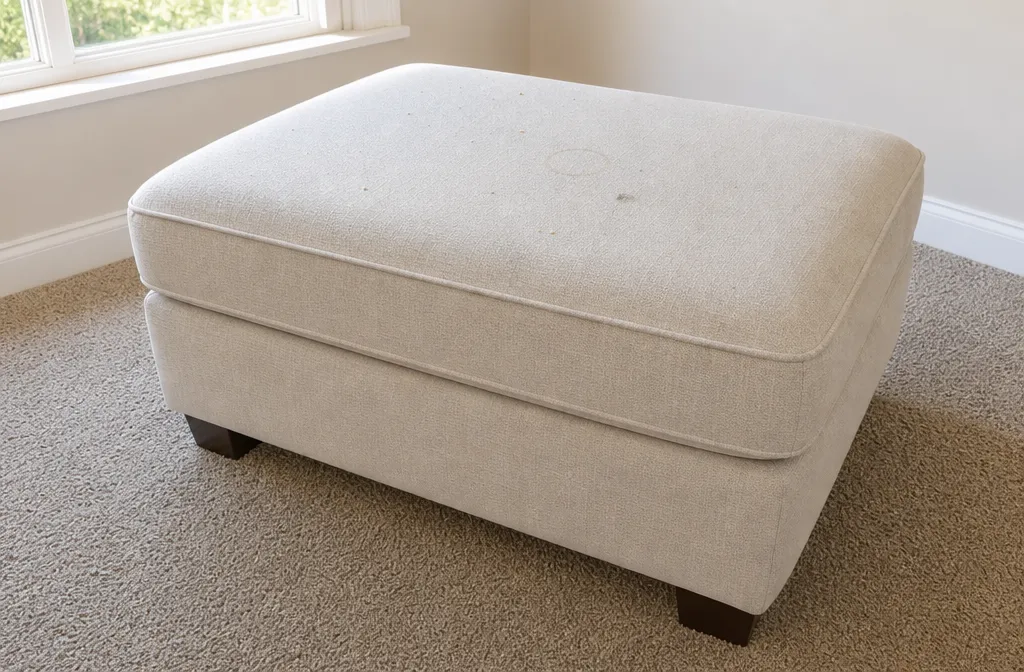
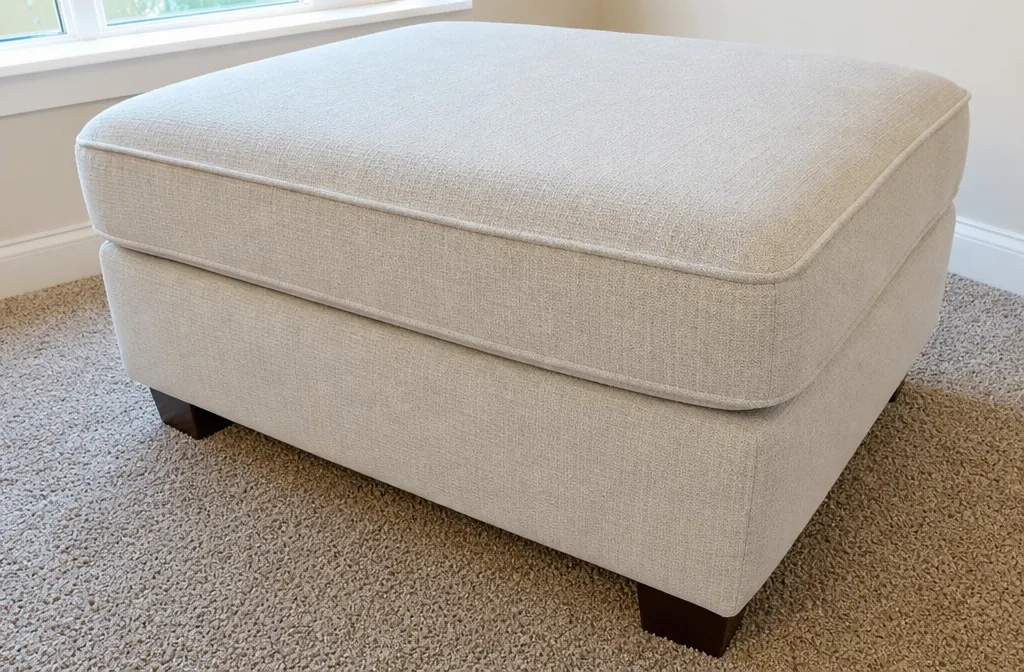
Request: Needed to refresh the ottoman and remove drink stains.
Done: Aqua cleaning performed with stain-removing solution.
Cost: 2 500 ₸
Master: Timur Zhaksybekov, dry cleaning master
Total: Ottoman is clean, stain-free, soft and fresh.
 After
After
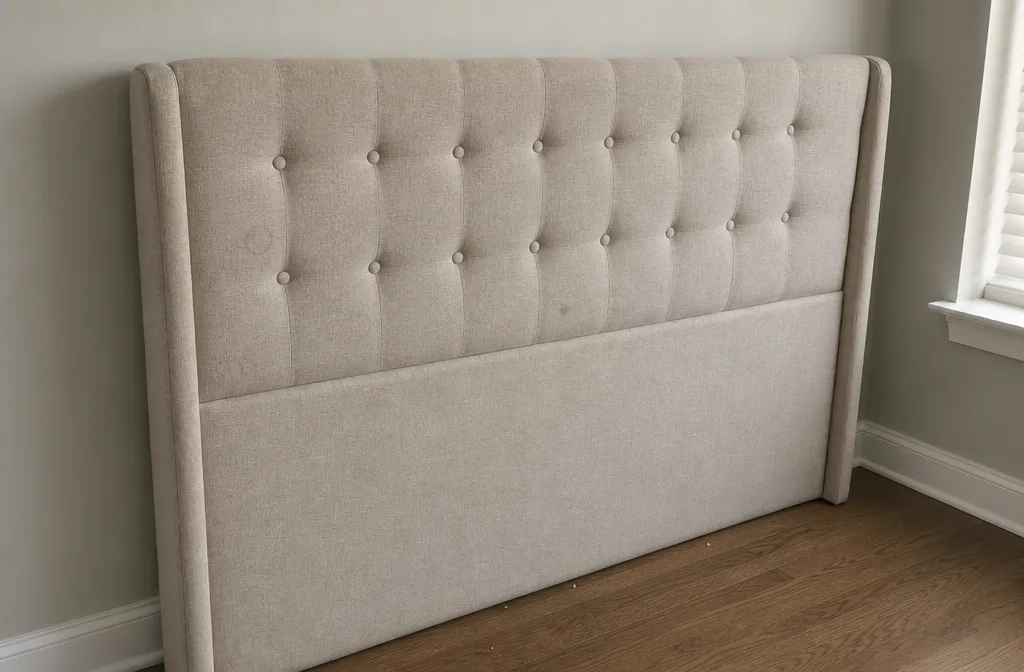
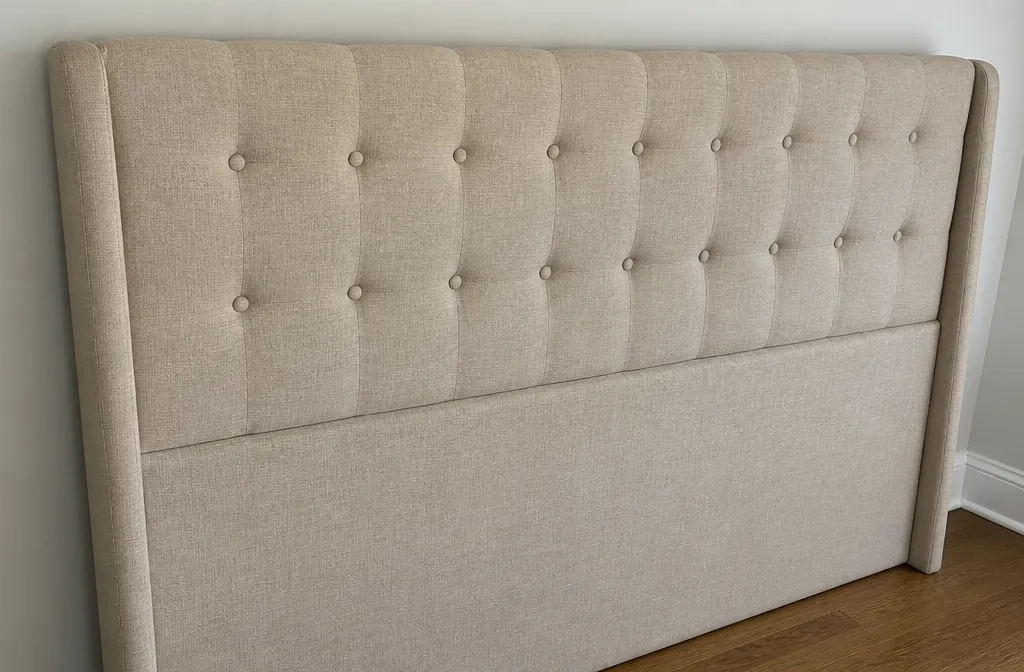
Request: Needed to clean the fabric headboard from dust and stains.
Done: Aqua cleaning performed with soft brush and extraction.
Cost: 12 000 ₸
Master: Aliya Nurtazina, dry cleaning master
Total: Headboard is clean, no streaks, color evened out.
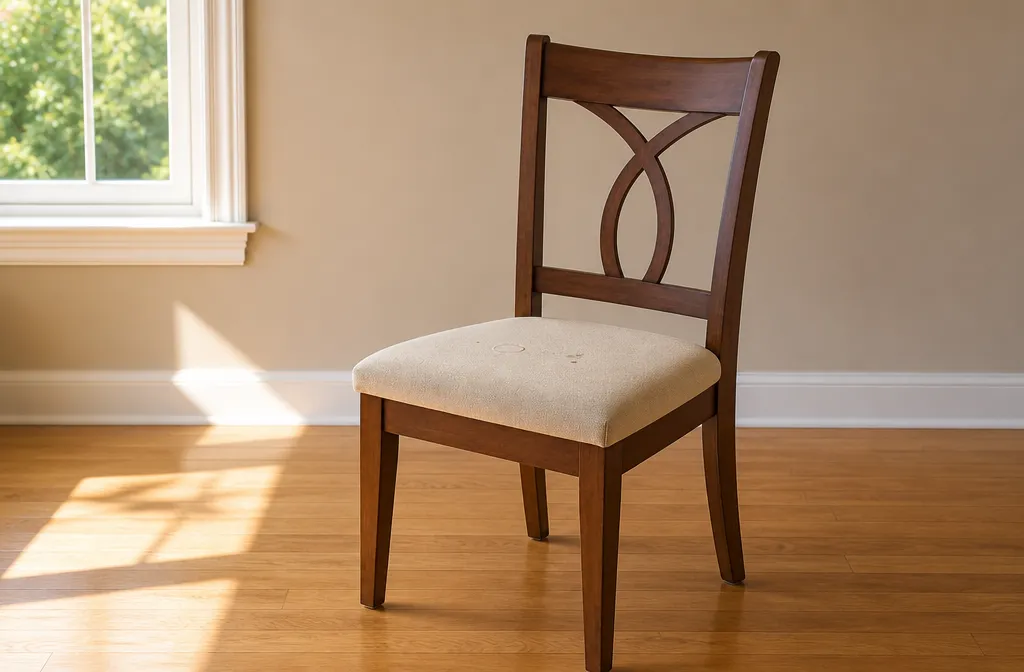
 After
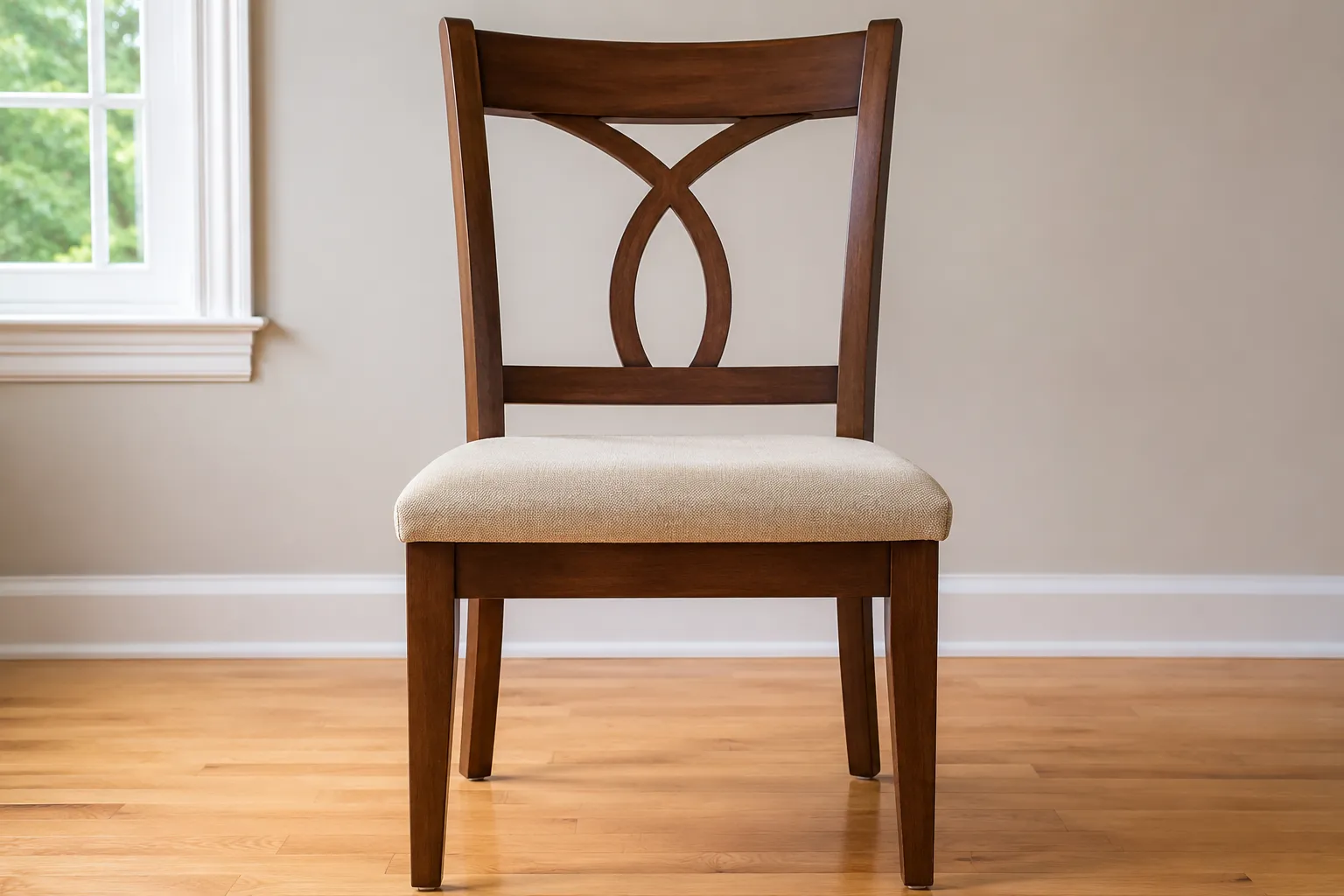
After
Request: Need to remove grease stains and dirt from upholstery.
Done: Aqua cleaning performed with degreaser and final rinse.
Cost: 1 500 ₸
Master: Bakhytzhan Omarov, dry cleaning master
Total: Chair is clean, fabric fresh, stain-free.
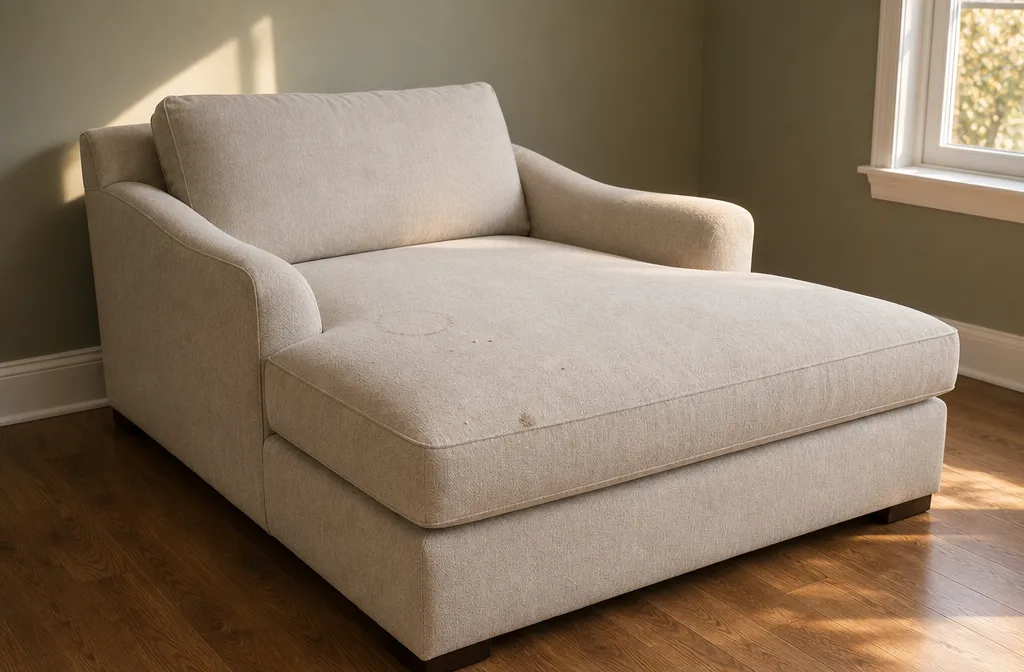
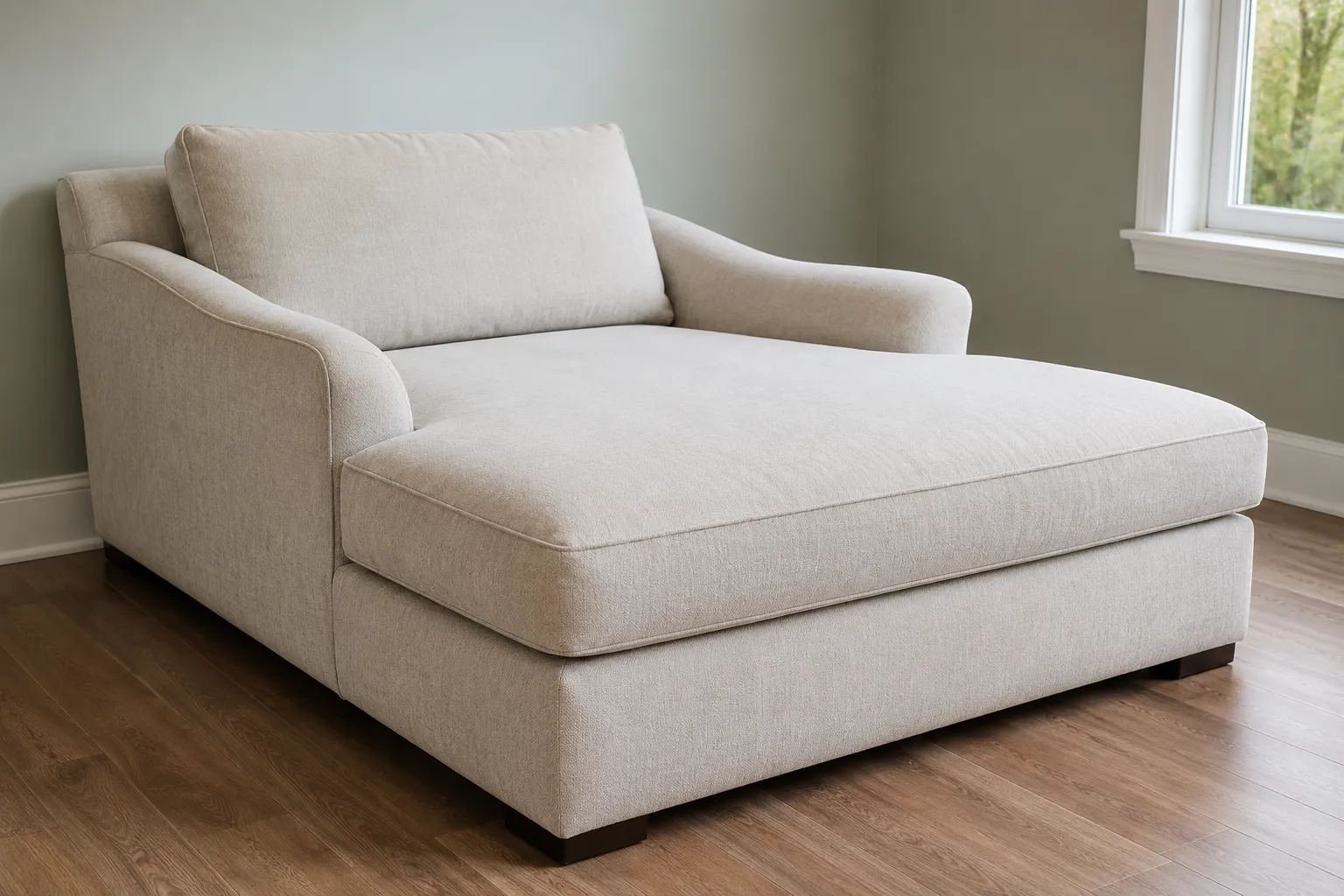 After
After
Request: Wanted to remove dust and sunscreen stains.
Done: Aqua cleaning performed with UV protective impregnation.
Cost: 13 000 ₸
Master: Daniyar Iskakov, dry cleaning master
Total: Chaise lounge is clean, stain-free, upholstery protected.
All cleaners are profi-clean staff with training, uniform and security check. Each order has a team leader who controls quality.
The fundamental difference between aqua cleaning and dry cleaning of furniture lies in the method of removing dirt and the impact on the fabric. We use both methods at profi-clean, but we select them strictly based on the type of upholstery and the nature of the stains.
Aqua cleaning uses pressurized water with hypoallergenic solutions (Kiehl, Sodasan) that dissolve dirt at a molecular level, while an extractor vacuums out the wastewater along with dust and grease particles. Dry cleaning works with organic solvents — they evaporate faster than water but do not flush out deep-seated dirt from the filling. In Almaty apartments with tight windows and low air humidity, the difference is especially noticeable: after dry cleaning, a chemical smell may linger on the sofa for 2–3 days, whereas aqua cleaning with a HEPA filter leaves only freshness. In practice, we see that dry cleaning is more effective on delicate silk and viscose upholstery, where water can cause shrinkage, while aqua cleaning is indispensable for synthetics, microfiber, and children’s sofas — it physically removes allergens.
For families with children and asthmatics in Almaty, aqua cleaning is the priority method because it leaves no chemical residue on the surface. Dry cleaning with perchloroethylene or hydrocarbon solvents can trigger allergies in sensitive individuals, especially if the furniture is in a bedroom or nursery. We had a case: a client in the Bostandyk district complained of a cough after dry cleaning their sofa from another service — we performed aqua cleaning on the same upholstery, and the symptoms disappeared within a day. However, for furniture with glued elements or water-soluble impregnations (e.g., some types of flock), dry cleaning is safer — water can destroy the adhesive layer. Therefore, before starting, we always test the material on an inconspicuous area to eliminate the risk of deformation.
Aqua cleaning penetrates the filling to a depth of up to 5–7 centimeters, washing out dust mites, sweat, and spilled liquids that accumulate over years. Dry cleaning only works on the surface — it removes the top layer of dirt but does not eliminate odors from the foam rubber. In our orders for sofas with five years of use, aqua cleaning provides a lasting result for 4–6 months, while dry cleaning lasts a maximum of 2–3 months, after which stains often reappear. An exception is oil and grease stains: solvents handle them faster than water, so on kitchen corner sets we often combine methods — first, local dry cleaning of the stain, then general aqua cleaning of the entire piece. If you have furniture with non-removable covers, it’s better to choose aqua cleaning — it doesn’t leave streaks and softens stubborn dirt to a state where it can be extracted with the machine.
Dry cleaning dries in 1–2 hours in a ventilated room; aqua cleaning takes 4 to 8 hours depending on the thickness of the filling and air humidity. In Almaty’s dry climate, a sofa after aqua cleaning dries in 5–6 hours in summer and 7–8 hours in winter with the heating on. We use professional fans to speed up drying, but we warn clients: you can only sit on the furniture after it is completely dry — otherwise, mold can develop in the damp filling within a week. So, if you need to get your sofa ready for guests in the evening, dry cleaning is more practical: call a master in the morning — the furniture is dry by lunchtime. However, for preventive cleaning once a year, aqua cleaning is more effective: it extends the life of the upholstery by 2–3 years by removing abrasive particles that wear down fabric fibers with each use.
In aqua cleaning of furniture, the chemicals determine both the result and the safety of the fabric and frame. At profi-clean, we use professional solutions that undergo a triple filter: effectiveness against tough stains, zero residual alkalinity after extraction, and hypoallergenic properties for asthmatics and children. I’ll tell you which brands we chose and why, and what we fundamentally refuse to use.
Kiehl (Germany) is a premium line for professional carpet cleaners and extractors from Karcher and Santoemma. Its surfactants work with low foaming, which is critical for water-based cleaning: excess foam leaves a sticky film on the fiber that collects dust within a week. Sodasan (Germany) is certified organic, free of phosphates, chlorine, and synthetic fragrances, with Ecogarantie certification. We use it for children’s furniture, mattresses, and sofas in families with allergy sufferers — it degrades 95% in 28 days in water without producing toxic metabolites. We deliberately abandoned household products like Vanish or regular Fairy: they have high surface tension and an alkaline pH (9–11), which destroys the latex layer in sofa padding — after 3–4 such cleanings, the foam loses its elasticity and begins to crumble. In our practice, there was a case where a client in Almaty removed red wine with dish soap — the stain disappeared, but after six months, a dent formed at the cleaning site due to the destroyed padding. We only restored the shape by replacing the foam block, which cost three times more than preventive water-based cleaning.
There is no universal solution — we select chemicals based on the upholstery composition according to the manufacturer’s tag. For cotton and linen (hard fibers, abrasion-resistant), we use Kiehl MC-10 with a pH of 8.5 — it lifts dirt without softening the cellulose. For silk and viscose (delicate protein fibers) — only Sodasan Neutral with a pH of 7.0, otherwise alkali corrodes the thread structure, and the fabric loses its luster. The most challenging category is microfiber and flock on an adhesive base: they cannot be treated with high-pressure water, so we use Kiehl FC-3 with a pH of 6.5 and minimal moisture (consumption of 50 ml of solution per m² versus the standard 120 ml). In Almaty, due to hard water (up to 350 ppm, according to local water utility data), we add a chelating softener to the solution — otherwise, calcium salts settle on the fiber as a white residue after drying. In my opinion, this is the main mistake of beginners: they don’t test the water and end up with streaks that the client mistakes for unwashed dirt.
In water-based furniture cleaning, we fundamentally do not use three categories of formulations. First — solvents based on toluene and acetone (included in some “upholstery stain removers” from hardware stores): they dissolve the paint on the fabric and the adhesive layer of the foam, leaving irreversible yellow stains. Second — chlorine-containing bleaches (like “Belizna”): chlorine destroys the cellulose fiber of cotton and linen, making the fabric brittle — after 2–3 such treatments, the upholstery tears at the seams. Third — aerosol foams with silicones (advertised as “dry cleaning”): silicone clogs the pores of the fabric, creating a sealed layer under which bacteria and mold multiply — we have removed such sofas after treatment with “miracle foam” and found black fungus inside the padding. In Almaty, with its humid climate (average humidity 65–70% in spring and autumn), the silicone film is especially dangerous — it does not allow vapor to pass through, and condensation accumulates deep inside the sofa. Before ordering water-based cleaning, check with the technician which specific formulations they use: a professional cleaner will name the brand and pH, while a handyman will brush it off with the phrase “special chemicals.”
After our cleaners finish water-based furniture cleaning, the material remains damp — and how you manage the next 12–24 hours determines how long the freshness lasts and whether the fabric will ripple. Here is what we advise doing and avoiding to solidify the result.
The complete drying time for upholstery after profi-clean treatment is from 4 to 12 hours at a standard room temperature of 20–24 °C. The speed is influenced by three factors: fabric type (microfiber dries in 4–5 hours, velvet in 6–8, chenille up to 10, natural cotton up to 12), padding thickness (10 cm foam retains moisture longer than 3 cm synthetic padding), and the humidity level in the apartment. In Almaty apartments with central heating in winter, humidity drops to 15–20% — this speeds up drying but increases the risk of static electricity, which attracts dust to the still-damp pile. Therefore, we recommend turning on a humidifier to 40–50% or placing a container of water near the sofa — this reduces static and prevents re-soiling of the upholstery in the first hours.
Within 24 hours after aqua cleaning, it is strictly forbidden to sit on the treated surface — the wet filling deforms under body pressure, and after drying, dents remain on the seat that cannot be smoothed out. It is also prohibited to use heaters and fan heaters directed at the upholstery: local overheating of 50–60 °C shrinks the top layer of fabric faster than the base dries out, causing wrinkles and seam distortions. Our cleaners warn every client about this, but in practice we see cases where a sofa had to be reupholstered after accelerated drying with a hairdryer. Another common mistake is covering wet furniture with a blanket or sheet: without air access, a greenhouse effect is created under the fabric, which provokes a musty smell even with perfectly selected Kiehl chemicals.
The optimal mode is cross-ventilation with open windows, but without a draft directly on the furniture. It is enough to open the windows in the next room by 10–15 cm so that the air moves naturally, without cooling the upholstery below 18 °C. In Almaty apartments with plastic windows, we advise setting the sashes to micro-ventilation mode — this provides a constant airflow without sharp temperature changes. If an air conditioner is running in the room, direct the airflow towards the ceiling or wall, not the sofa: direct blowing with cold air at 16–18 °C slows down the evaporation of moisture from the deep layers of the filling, and the foam rubber stays wet for 2–3 hours longer than the top layer of fabric. In my opinion, the simplest and most reliable method is to leave the furniture open overnight and check for dryness in the morning with the back of your hand: if your skin doesn’t feel cool, it’s ready to use.
Once the upholstery is completely dry, it’s worth doing some light maintenance: go over the pile with a vacuum cleaner using a soft brush attachment — this lifts the fibers that may have been flattened by the weight of the water and restores the volume intended by the manufacturer. For velvet and flock, simply running a dry hand over the surface is enough to smooth the pile — do not use stiff brushes, as they leave snags. Once every two weeks after aqua cleaning, we recommend treating the upholstery with a water-based anti-static spray without silicone (e.g., Sodasan Anti-Static) — this repels dust and prolongs freshness between professional cleanings. Always test the spray on an inconspicuous area on the underside of the seat before application, especially on cotton and linen — some formulas can cause yellow spots when in contact with residual cleaning agent.
Repeat treatment is usually required after 6–12 months under standard use, but there are markers that signal an earlier need: if gray streaks from sweat and skin oils appear on light-colored upholstery that cannot be removed with a stain remover, or if you notice a musty smell after the rainy season — this means hygroscopic moisture has accumulated in the filling. In Almaty homes with high humidity in spring and autumn (60–70%), this process accelerates, so we advise doing preventive aqua cleaning every 8 months, without waiting for visible dirt: dry vacuum cleaning only removes surface dust, while steam and profi-clean water-based solutions wash out salt deposits and organic matter from deep within the foam rubber, which over time destroy the fabric structure from the inside.
DIY cleaning of upholstered furniture often leads to streaks, fiber matting, and a persistent musty smell. Let’s look at typical miscalculations we see on service calls after home experiments.
The main problem with home wet cleaning is excess water. The upholstery fabrics of sofas and armchairs have a padding of foam rubber or synthetic padding, which absorbs moisture like a sponge. If you apply a cleaning solution without controlling the flow, water seeps into the filling and stays there for 2–3 days, even with open windows. A sign of over-wetting is dark stains that appear through the fabric after drying. In our practice, there was a case where a client flooded a corner sofa with shampoo from a household vacuum cleaner and got a musty smell a week later — we had to disassemble the frame and dry the foam rubber with an industrial fan. On profi-clean professional equipment, the extractor injects the solution under pressure and immediately sucks out up to 90% of the moisture, leaving the surface damp and the filling dry. Before cleaning yourself, do a matchbox test: apply the solution to an inconspicuous area, wait 10 minutes, and blot with a napkin — if the napkin is soaking wet, there is too much water.
Household carpet cleaners and stain removers often contain aggressive surfactants and bleaching agents. On silk, viscose, or microfiber, such compounds strip the dye, leaving yellow or white streaks. Chlorine-based products are especially dangerous — they destroy cellulose fibers, making the fabric brittle. On synthetic upholstery (polyester, acrylic), alkaline solutions neutralize the water-repellent coating, and the next stain will set in within minutes. At profi-clean, we use pH-neutral concentrates from Kiehl and Sodasan, selected according to the fabric type — minimal alkalinity for wool, enzyme-based formulas for synthetics. If you decide to clean it yourself, choose a product labeled “for furniture upholstery” with a pH of 6–8, free of chlorine, phosphates, and optical brighteners. On velvet and flock, any gel leaves a sticky layer — dilute the concentrate according to the instructions, not by eye.
When you rub a stain with a brush or sponge in circular motions, the dirt is not removed — it is ground deeper into the fibers, expanding the contaminated area. On pile fabrics (velvet, flock, chenille), rubbing also damages the pile structure, causing creases and “bald spots.” The correct technique is to blot the stain from the edges to the center with a dry microfiber cloth, without pressing. A fresh coffee or juice stain can be removed in 2–3 blotting motions; an old one requires pre-soaking with an enzyme solution for 5–7 minutes. Our cleaners use professional stain removers in spray bottles and never rub — they only press the cloth with the pressure of their palm. When cleaning yourself, use a white, lint-free cotton cloth and change the area every 2–3 blotting motions to avoid spreading the dirt back.
After wet cleaning, furniture must dry with active air exchange. If you leave the sofa in a closed room with the air conditioner off, moisture evaporates unevenly — dark rings form at the seams of cushions and in corners. Armrests and the back wall, where the foam rubber is pressed against the frame, dry the worst: moisture stagnates there and triggers mold growth within 36 hours. In Almaty, with its humid climate (especially in spring and autumn), natural drying takes 2–3 days. The optimal mode is to turn on a dehumidifier or an air conditioner in dehumidification mode, open windows for micro-ventilation, and direct a fan at the furniture from a distance of 1–1.5 meters. At profi-clean, after wet cleaning, we always leave a memo with drying instructions for the specific fabric type — for velvet, for example, direct sunlight is contraindicated, while for microfiber it is the opposite. If you dry it yourself, do not place the sofa near a radiator — local overheating will dry the surface, but the filling will remain wet, and a musty smell will appear within a week.
Steam cleaners produce steam at 120–150 °C, which destroys the adhesive layer on foam cushions and melts synthetic fibers. On velvet and silk, steam leaves irreversible matte stains — the pile “fuses” and loses its luster. On flock, high temperature detaches fibers from the adhesive base, causing the fabric to go bald. Even on dense cotton and linen, steam can deform seams if the nozzle is held in one spot for longer than 3–4 seconds. At profi-clean, steam cleaners are used only for disinfecting hard surfaces (frames, wooden or plastic armrests) and never for upholstery. If you have a steam cleaner at home, use it only on seat joints and corners where the fabric is less critical, and keep the nozzle 10–15 cm away from the surface. On expensive furniture made of velour or corduroy, steam is strictly contraindicated — these fabrics require only cold water cleaning with low water consumption.
The main reason why water cleaning of furniture in Almaty differs from the same procedure in Astana or Shymkent is the hard tap water and fine street dust that penetrates the upholstery and remains there for years. Without considering these two factors, high-quality cleaning is impossible.
Tap water in Almaty has a hardness of 7–10 mg-eq/L, while the norm is up to 3.5. During water cleaning of furniture, calcium and magnesium salts settle on fabric fibers and, after drying, form a whitish coating — especially noticeable on dark sofas. At profi-clean, we solve this problem by installing ion-exchange filters at the extractor inlet: water passes through a resin that replaces hardness ions with sodium. In practice, this means that after our cleaning, no streaks remain even on microfiber and velour, where the defect is most visible. If a client uses a household steam cleaner or a carpet cleaner with tap water, the coating appears after the third or fourth treatment — which we often see on site when called to fix the consequences of home cleaning.
Due to the city’s location in a basin and active construction, the concentration of suspended particles PM2.5 and PM10 in Almaty’s air is 2–3 times higher than the average for Kazakhstan. This dust — not sand, but a mixture of cement suspension, exhaust gases, and soil microparticles — settles on furniture and, under the influence of static electricity, is driven deep into the textile. Over a year, a standard sofa with polyurethane foam filling accumulates up to 200–300 grams of such dust, even with regular dry vacuuming. During water cleaning, we pre-treat the fabric with an alkaline pre-spray with a pH of 9–10, which breaks down the mineral component of the dirt, and only then apply water under pressure — otherwise, particles clog the extractor pores, reducing suction efficiency.
Household carpet cleaners like the Karcher SE 4001 or Bissell Big Green have an injection pressure of 1–2 bar and a suction power of 1000–1500 W — enough for surface refreshing, but not for removing dust that has cemented into the upholstery over several seasons. At profi-clean, we use professional extractors with a pressure of 5–7 bar and suction from 2500 W, and on complex sites, rotary machines with a side brush that mechanically loosen the dirt before water treatment. The difference is visible in the drained water: with the first pass of a household vacuum, the water comes out murky gray; with ours, it’s dark brown with black flakes. In practice, this means that after our cleaning, furniture stays clean 2–3 times longer because the deep layer has been removed, not just the surface coating.
From April to June in Almaty, poplars, birches, and grasses bloom — pollen concentration in the air reaches 300–500 grains per cubic meter. Pollen settles on upholstery and, with high humidity (typical summer humidity in the city is 60–70%), begins to decompose, releasing proteins that become a breeding ground for mold fungi. During aqua cleaning, we use a pre-spray with enzymes — proteases and lipases — which break down protein compounds into amino acids, after which they are easily rinsed away with water without residue. If this is not done, within 2–3 weeks after cleaning, a musty smell appears on the furniture — a sign of microbiological activity inside the padding. In our practice, such cases account for about 15% of calls in May-June, when clients try to “wash” their sofa after winter with a regular vacuum cleaner.
I ordered furniture aqua cleaning — a sofa after a cat. Stains gone, no smell, like new.
Glad we handled the aftermath of your pet's mischief! Thank you for the review.
I hesitated for a long time, but decided on furniture aqua cleaning. The light sofa was cleaned of old stains — excellent result.
We had furniture aqua cleaning in the kitchen. The corner became cleaner, but one coffee stain remained — apparently too old.
We regret that we couldn't remove it completely. Next time we'll try a different solution.
My child spilled juice on the mattress. They came, cleaned it — no trace, no smell. Very satisfied.
Thank you! We use safe products, ideal for children.
We ordered aqua cleaning for the office chairs. Saved money on buying new ones, they look like new.
I was afraid the leather would crack after cleaning, but no — it's soft, clean, and streak-free.
We use special products for leather, don't worry.
I ordered aqua cleaning for furniture, but the carpet took a long time to dry and had a slight musty smell.
We apologize. This usually doesn't happen; we'll check the equipment.
The pouf in the hallway was greasy — cleaned in an hour, like new. I recommend it.
Aqua cleaning saved the old sleeper sofa. The impregnation was renewed, no stains, pleasant to sleep on.
Thank you! Even old furniture can look great after our cleaning.
The chairs were stained after guests. They came, cleaned them — perfectly clean, fabric undamaged.
I decided to try aqua cleaning for the mattress. They removed yellow stains, it became fresh.
Great! The mattress is an important area, glad to help.
Huge corner sofa after kids — perfectly clean. Even cat hair removed.
Thank you! We use a powerful vacuum for hair.
I ordered aqua cleaning for my favorite rocking chair. They refreshed the upholstery, the color became brighter.
The cushions look like new, but one seam came apart a bit — possibly from moisture. We'll sew it ourselves.
We apologize for the inconvenience. Next time we'll be more careful with delicate fabrics.
Aqua cleaning of the entire furniture set — both the sofa and armchairs. The difference is huge, I recommend it to everyone.
Thank you! Comprehensive cleaning gives the best effect.
I was afraid to clean velvet, but the masters did everything carefully, the pile wasn't crushed, the color is even.
Velvet requires experience, and we have it. Thank you for your trust.
At the office, I ordered aqua cleaning for the sofa in the lounge area. Employees are happy, it looks great.
Cleaned the bumpers and mattress for the nursery. The products are odorless, the child sleeps peacefully.
We use hypoallergenic formulas, safe for little ones.
Aqua cleaning for the armchair went well, but a small streak remained on the headrest — probably dried unevenly.
Thank you for the feedback. We'll try to improve drying in hard-to-reach places.
The bench in the hallway was dusty and stained. After cleaning, it's like new — my husband didn't recognize it.
Aqua cleaning of the sofa with a folding mechanism — everything cleaned inside and out. The mechanism works flawlessly.
Thank you! We pay attention to hidden parts as well.
The kitchen chairs were greasy — they cleaned them, now they look like new. Very fast and high quality.
I ordered aqua cleaning for a leather armchair. The color was refreshed, scratches became less noticeable.
We use special compounds for leather, glad you liked it.
Tea stains were not completely removed, but overall the mattress became cleaner and fresher. Fair price.
Thank you for the review. Next time we'll try a stronger agent for old stains.
Aqua cleaning of furniture in the living room — sofa after a party. Everything is perfect, no traces.
Two footstools cleaned — one white, one gray. Both became perfectly clean, no streaks.
Thank you! Different colors require a special approach, we managed.
The armchair I sit in every evening got greasy. Aqua cleaning restored its original look.
The sofa in the kitchen had greasy stains. The master came, removed everything, left a pleasant lemon scent.
We use citrus-scented products, glad you appreciated it.
I ordered aqua cleaning for a bean bag chair. They cleaned it, but the filling clumped, I had to fluff it myself.
We apologize. We usually fluff the filling, this time we missed it. We'll fix it.
I was afraid to clean the white sofa, but the result exceeded expectations — snow-white, no yellowing.
White color is our specialty. Thank you for your trust!
Aqua cleaning of bedroom furniture — bed and pouf. It became fresh, pleasant to be in.
The sofa was cleaned well, but the armrests are slightly worn after cleaning. Otherwise, everything is great.
Thank you for the feedback. Armrests require delicacy, we'll take it into account in the future.
For the office, I ordered aqua cleaning of furniture — the chairs became like new. Savings on replacement.
Glad to help businesses save money.
After renovation, the sofa was covered in dust and paint. Everything was cleaned, even paint stains were removed.
Construction dust is our frequent client. We handled it!
Aqua cleaning of furniture for a leather sofa — the result is gorgeous. Food stains disappeared.
On average, aqua cleaning of a two-seater sofa takes 1-1.5 hours, including drying (2-4 hours). The full cycle from start to complete drying is about 3-5 hours.
Yes, we use hypoallergenic Sodasan products with ECOCERT certification. They are safe for skin contact and non-toxic. No harmful substances remain after drying.
Leave a request on the website or call us. We will agree on a convenient time, and the technician will arrive with equipment. For complex cases, a free estimator visit is possible.
The price depends on the size: two-seater sofa — at an individual rate, three-seater — at an individual rate, corner — at an individual rate. The exact cost is determined after inspection.
Aqua cleaning of a corner sofa costs at an individual rate. The price includes cleaning of all sections, cushions, and the mechanism.
Standard armchair — at an individual rate, office chair — at an individual rate, rocking chair — at an individual rate.
Single mattress — at an individual rate, double mattress — at an individual rate. Additional odor treatment is possible.
Carpet up to 2x3 m — at an individual rate, 3x4 m — at an individual rate. The price depends on size and degree of soiling.
Use the calculator on the website: select the type of furniture and quantity, add options. Or call a master for a free estimate.
We clean sofas, armchairs, mattresses, carpets, chairs, poufs, benches, bed headboards, and office furniture. Full list in the 'Types of Furniture' section.
Tell us about your experience with profi-clean — it helps other clients and us improve.
We currently operate in Almaty. Other cities are coming soon.