Inspection and diagnosis
The master assesses fabric type, degree of soiling, and identifies tough stains.
On-site dry cleaning of upholstered furniture in Almaty: sofas, armchairs, mattresses, carpets. We remove any stains and odors.

We work with any types and materials
Two- and three-seater sofas: deep cleaning of upholstery and cushions.
from 11,000 ₸Large corner units: step-by-step treatment of each section.
from 18,000 ₸Transformation mechanisms and mattress: cleaning all surfaces.
from 11,000 ₸Upholstery and armrests: stain removal and color refreshment.
from 3,500 ₸Chairs on wheels: cleaning of seat, backrest, and headrest.
from 3,500 ₸Upholstery and wooden elements: gentle cleaning without damage.
from 3,500 ₸Single and double mattresses: removal of stains and dust mites.
from 7,000 ₸Carpets of any size: deep extraction cleaning.
from 12,000 ₸Chairs with soft upholstery: cleaning of seat and backrest.
from 1,500 ₸Small poufs: quick cleaning and drying.
from 2,500 ₸Long benches: cleaning of upholstery and legs.
from 2,500 ₸Soft headboards: removal of dust and grease stains.
from 2,500 ₸From inspection to result with guarantee
The master assesses fabric type, degree of soiling, and identifies tough stains.
We remove dust and pet hair with a HEPA-filter vacuum to avoid streaks.
We apply Kiehl pre-stain remover to problem areas.
We treat the furniture with a Karcher extractor using hot water and cleaning solution.
We manually treat stubborn stains: wine, grease, urine.
We apply Sodasan disinfectant to eliminate bacteria and odors.
We rinse the fabric with clean water and extract residual moisture with the extractor.
We speed up drying with a fan and fluff the pile with a brush if necessary.
The powerful Karcher Puzzi 10.8 extractor delivers hot water under pressure and instantly vacuums dirt. This removes contaminants from deep fabric layers, reducing drying time. Equipment undergoes regular maintenance.
Kiehl and Sodasan products have safety certificates and are non-allergenic. They are effective against stains and safe for children and pets. All chemicals are biodegradable and odorless.
According to lab tests, our treatment destroys up to 99% of bacteria and dust mites. We use Sodasan disinfectant that penetrates deep into the fabric. This is especially important for allergy sufferers.
Delivery of master and equipment to your address is free within the city. We arrive at a convenient time, including weekends. Save on transport and logistics.
We guarantee removal of stated stains. If a stain remains after cleaning, we refund the cost of that item. We work under a contract with clear obligations.
All profi-clean masters are employees with at least 2 years of experience. They undergo training on different fabrics and stains. You get quality guarantee and company responsibility.
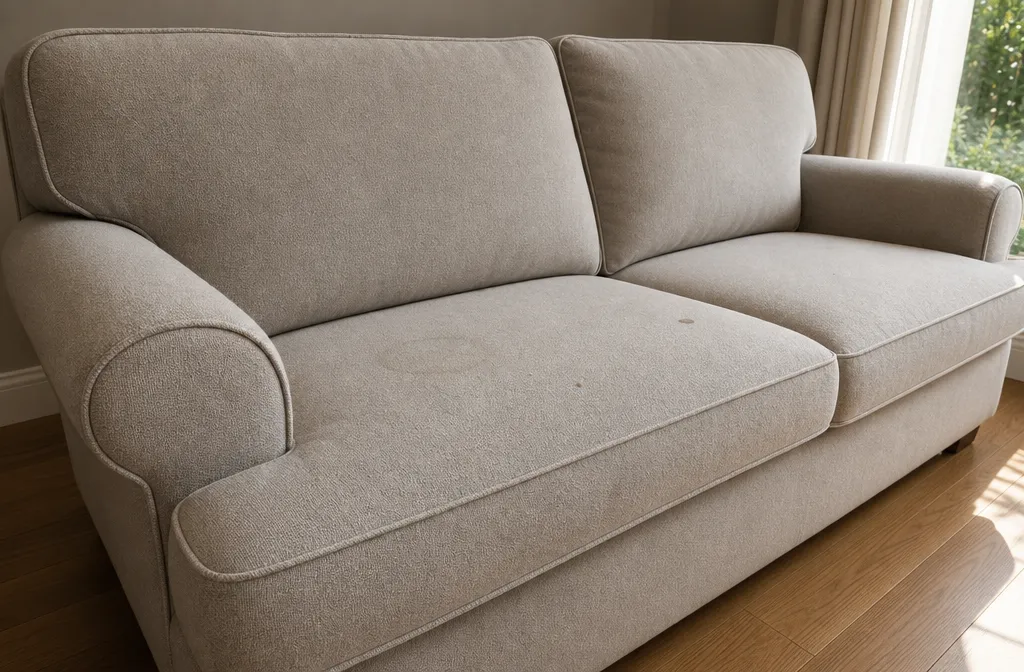
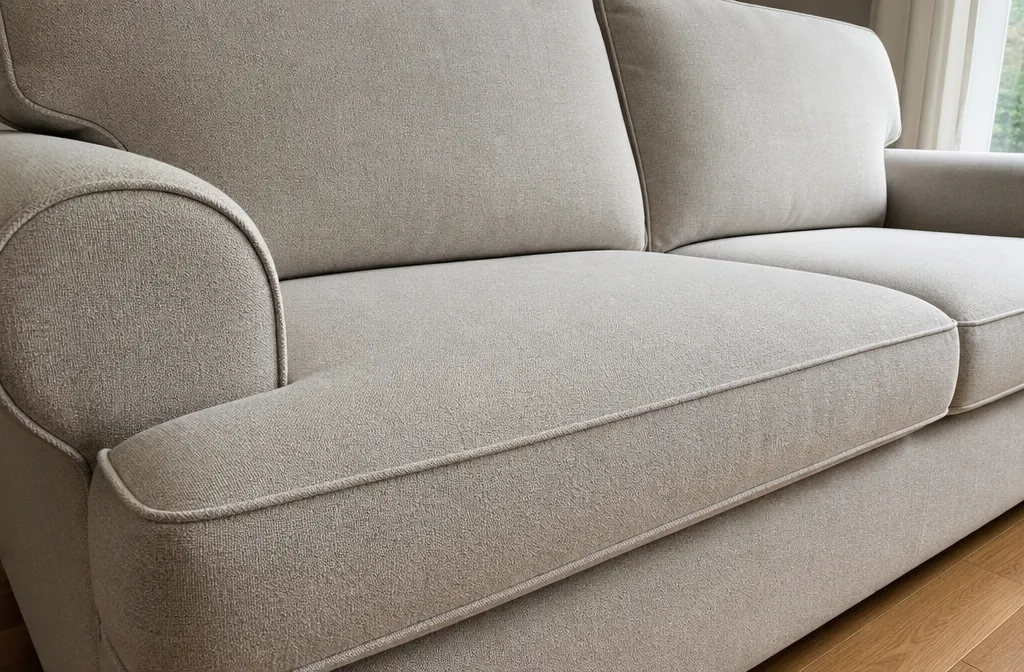 After
After
Request: Remove old coffee stains and dust from the sofa upholstery.
Done: We applied extraction cleaning with pre-treatment of stains and deodorization.
Cost: 12 000 ₸
Master: Aidar Nurpeisov, dry cleaning master
Total: The sofa is completely cleaned, stains removed, freshness and color restored.
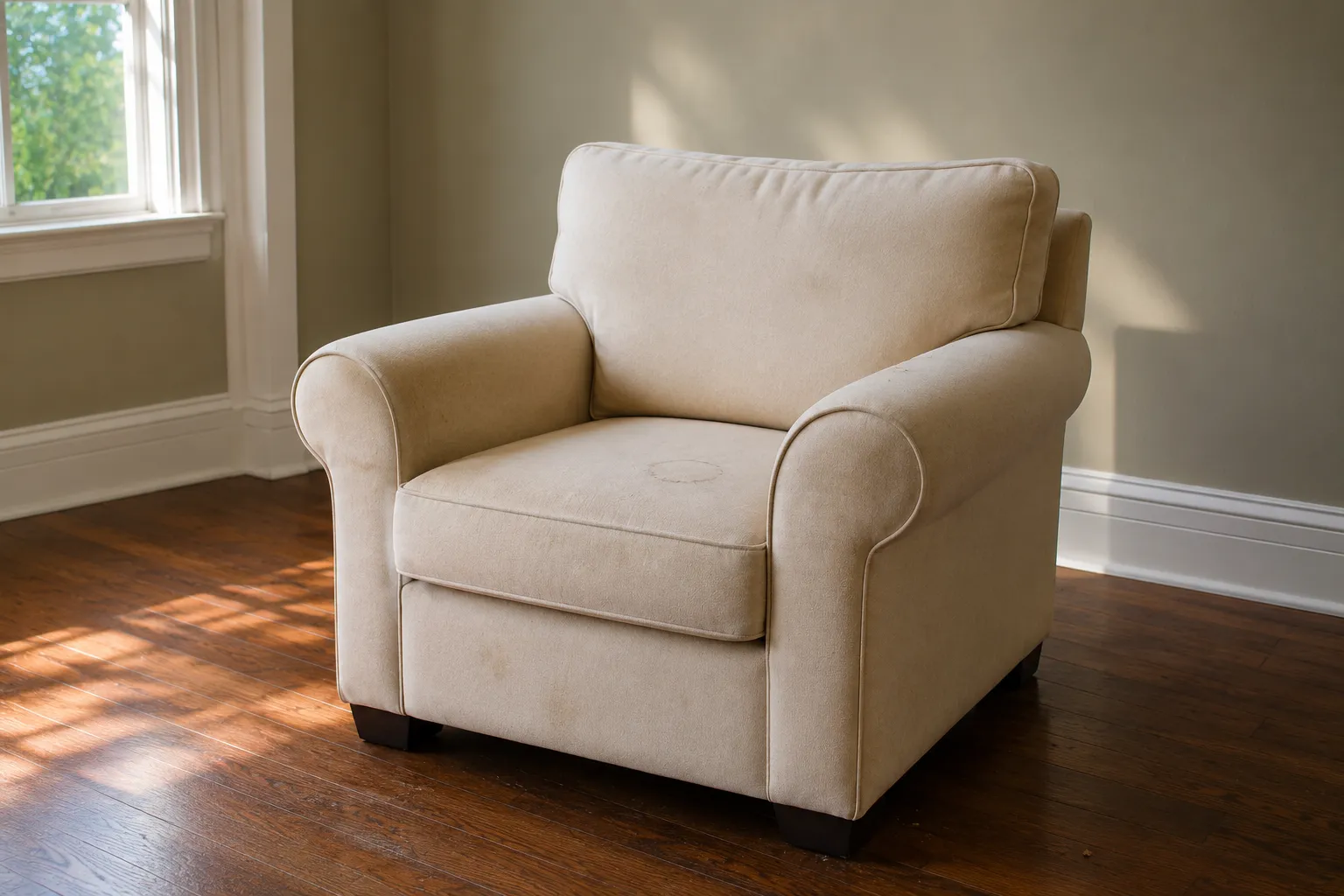
 After
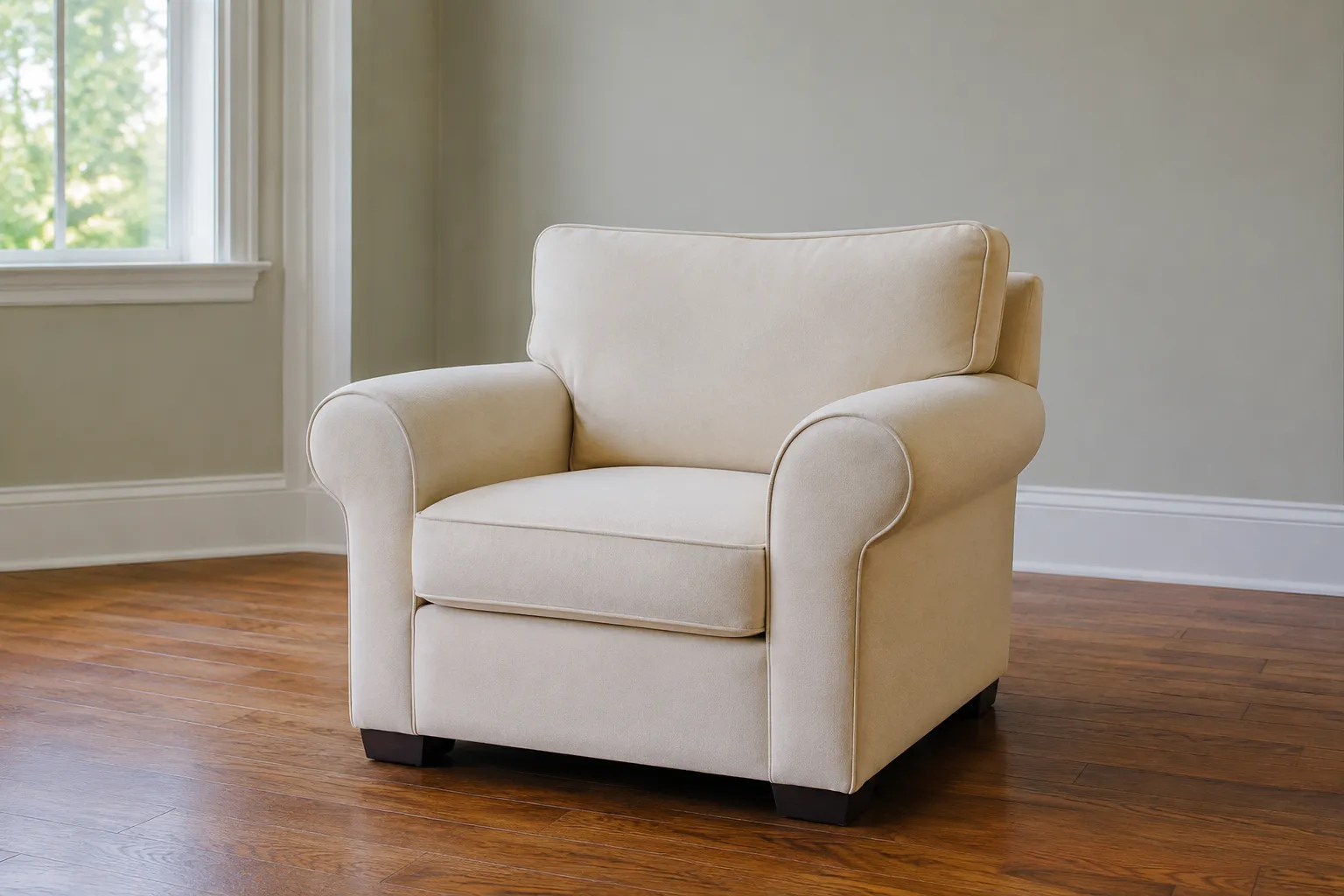
After
Request: Refresh the appearance of the armchair after long use.
Done: We performed deep cleaning with a foam extractor and fabric shampoo.
Cost: 13 000 ₸
Master: Gulmira Sadykova, dry cleaning master
Total: The armchair is clean, without stains and odors, color is rich.
 After
After
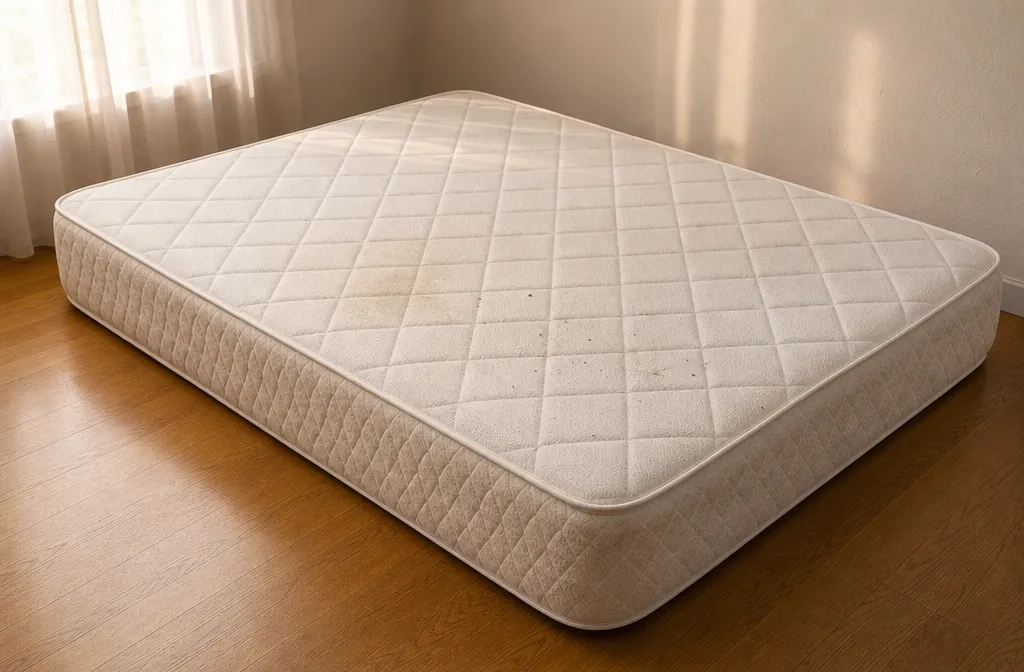
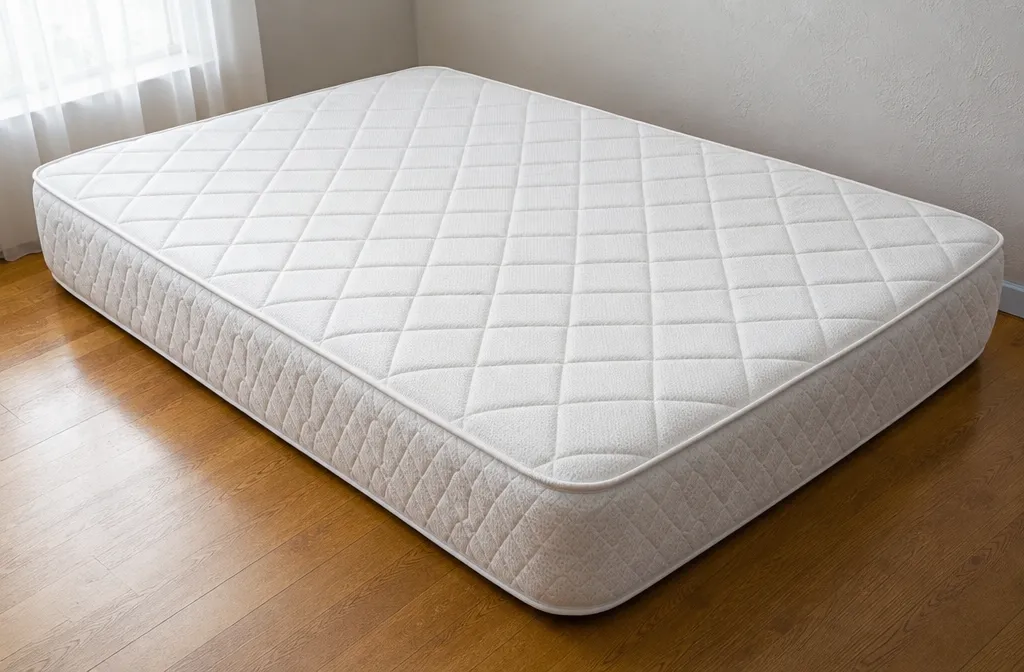
Request: Remove sweat stains and dust mites from the mattress.
Done: We treated the mattress with steam and performed dry cleaning with an antibacterial agent.
Cost: 14 000 ₸
Master: Yerzhan Kaliyev, dry cleaning master
Total: The mattress is clean, hypoallergenic, without stains and unpleasant odor.
 After
After
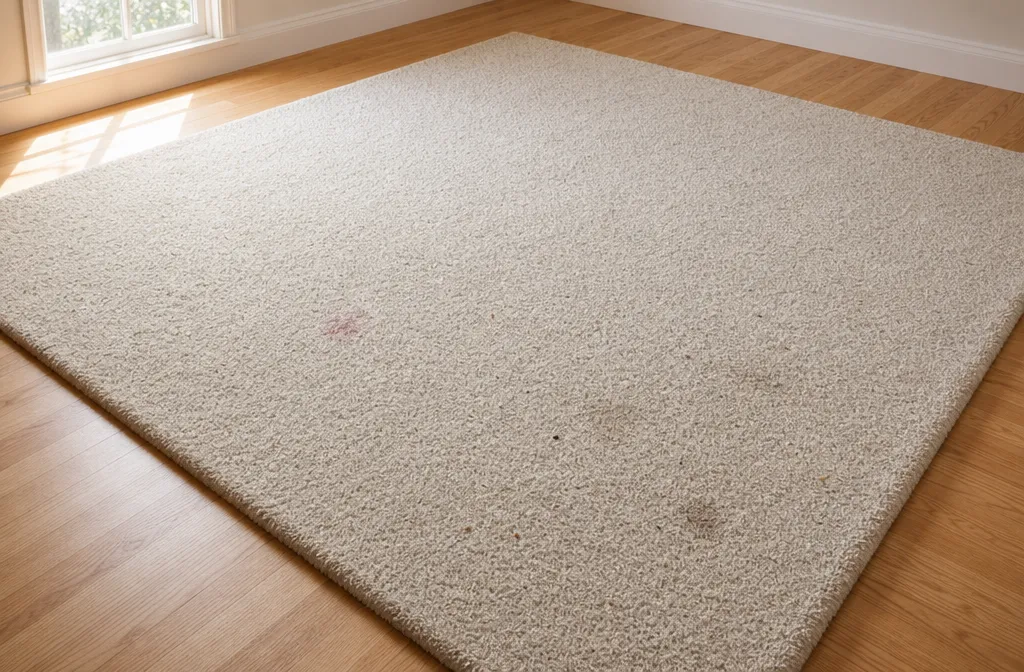
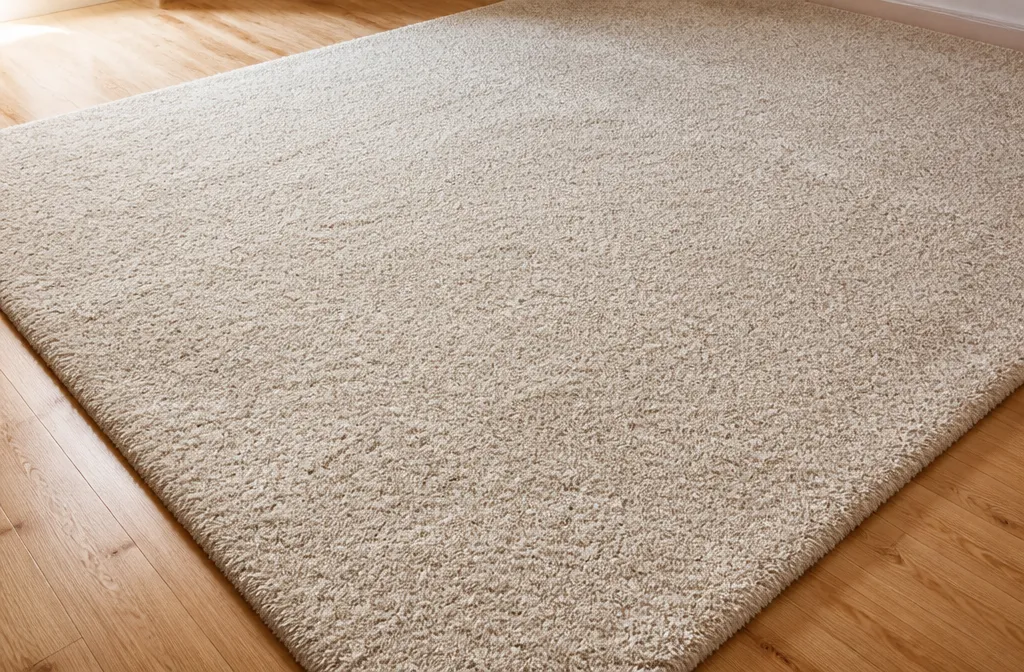
Request: Remove ingrained wine stains and dirt from the carpet.
Done: We applied extraction cleaning with pre-treatment of stains and deodorization.
Cost: 13 000 ₸
Master: Aliya Bektasova, dry cleaning master
Total: The carpet is completely cleaned, stains removed, pile restored.
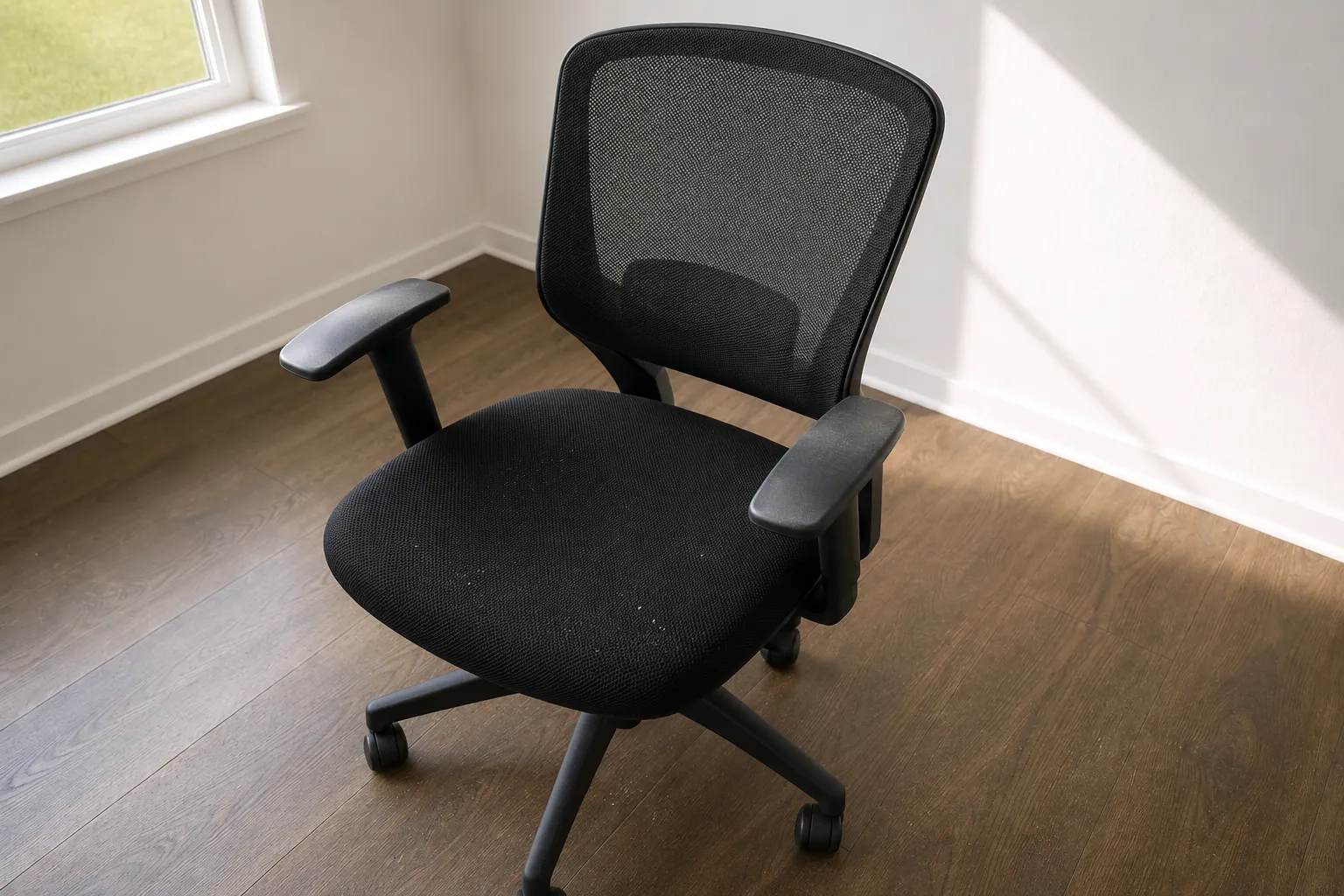
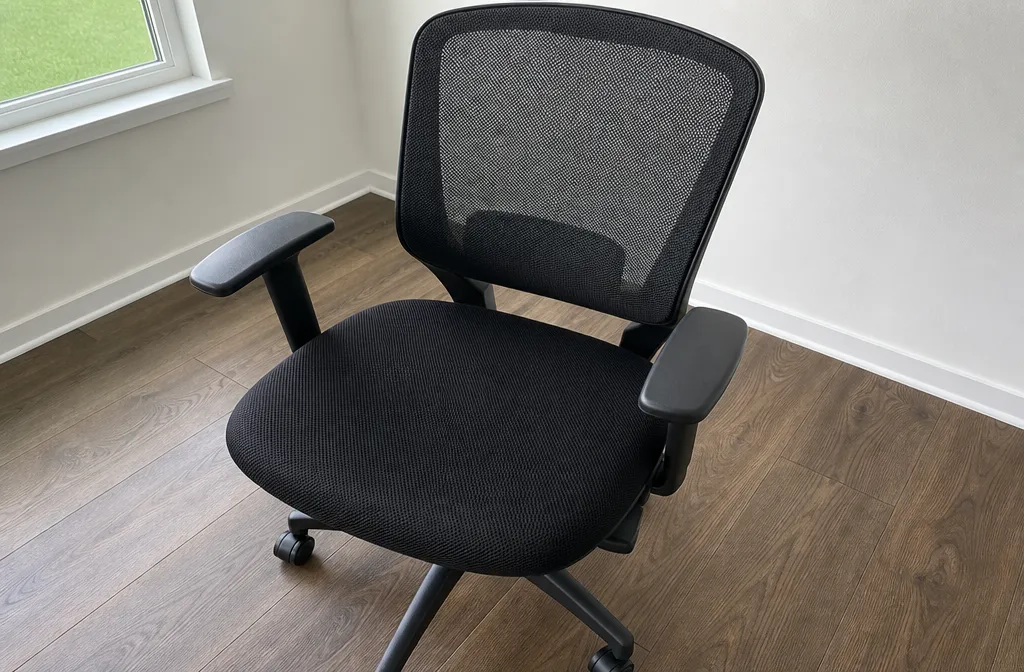 After
After
Request: Clean the chair from coffee stains and dust in the office.
Done: We performed cleaning with a foam extractor and fabric shampoo.
Cost: 12 000 ₸
Master: Damir Suleimenov, dry cleaning master
Total: The chair is clean, without stains, neat appearance.
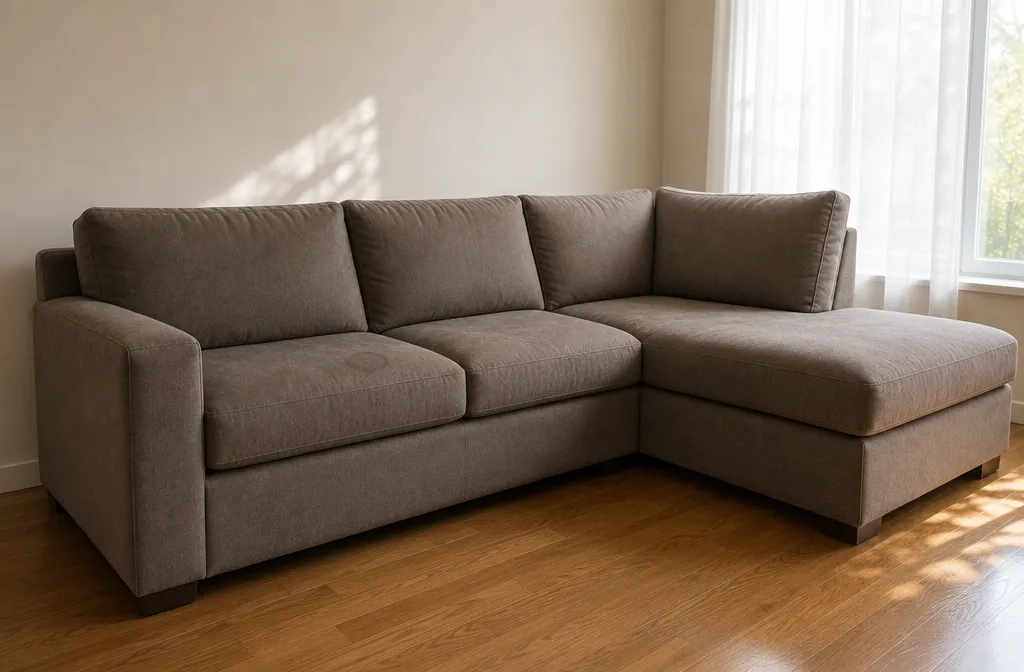
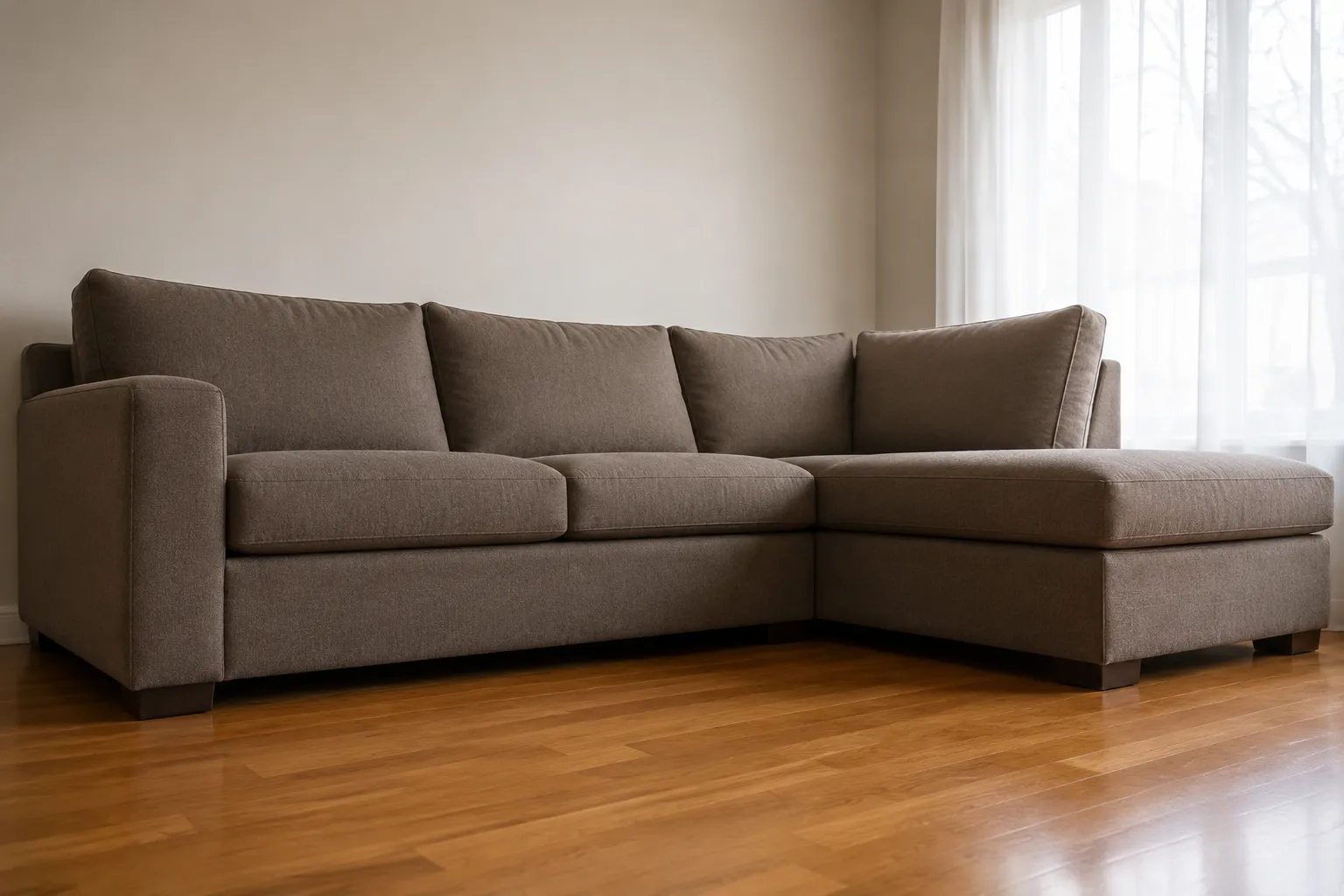 After
After
Request: Refresh corner sofa after heavy use.
Done: Applied extraction cleaning with pre-treatment of stains and deodorization.
Cost: 14 000 ₸
Master: Nurlan Akhmetov, dry cleaning master
Total: The sofa is clean, free of stains and odors, color restored.
 After
After
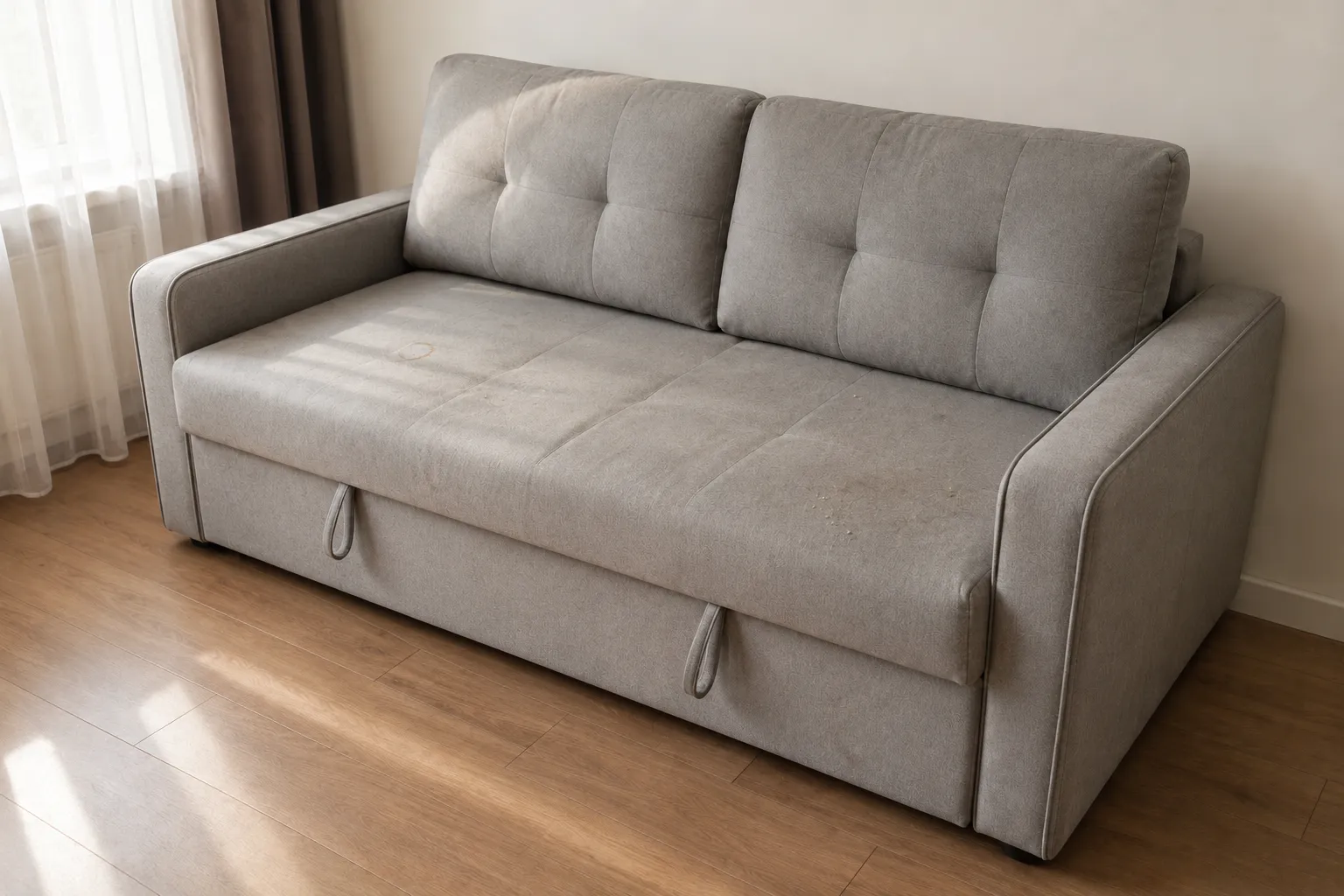
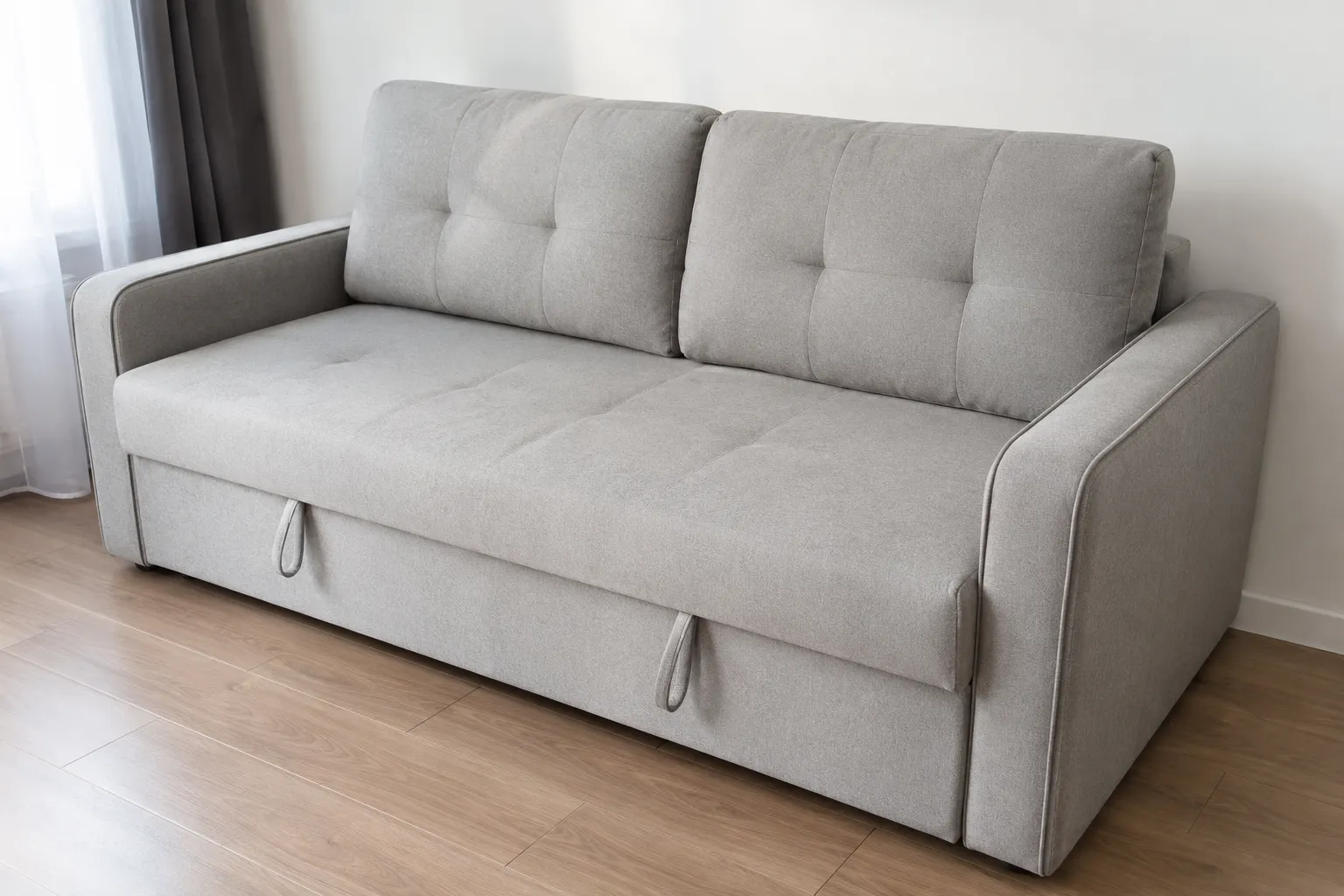
Request: Remove stains and dust from sofa bed in living room.
Done: Performed deep cleaning using steam generator and extractor.
Cost: 13 000 ₸
Master: Assel Zhumabayeva, dry cleaning master
Total: Sofa bed is clean, fresh, free of stains and odors.
 After
After
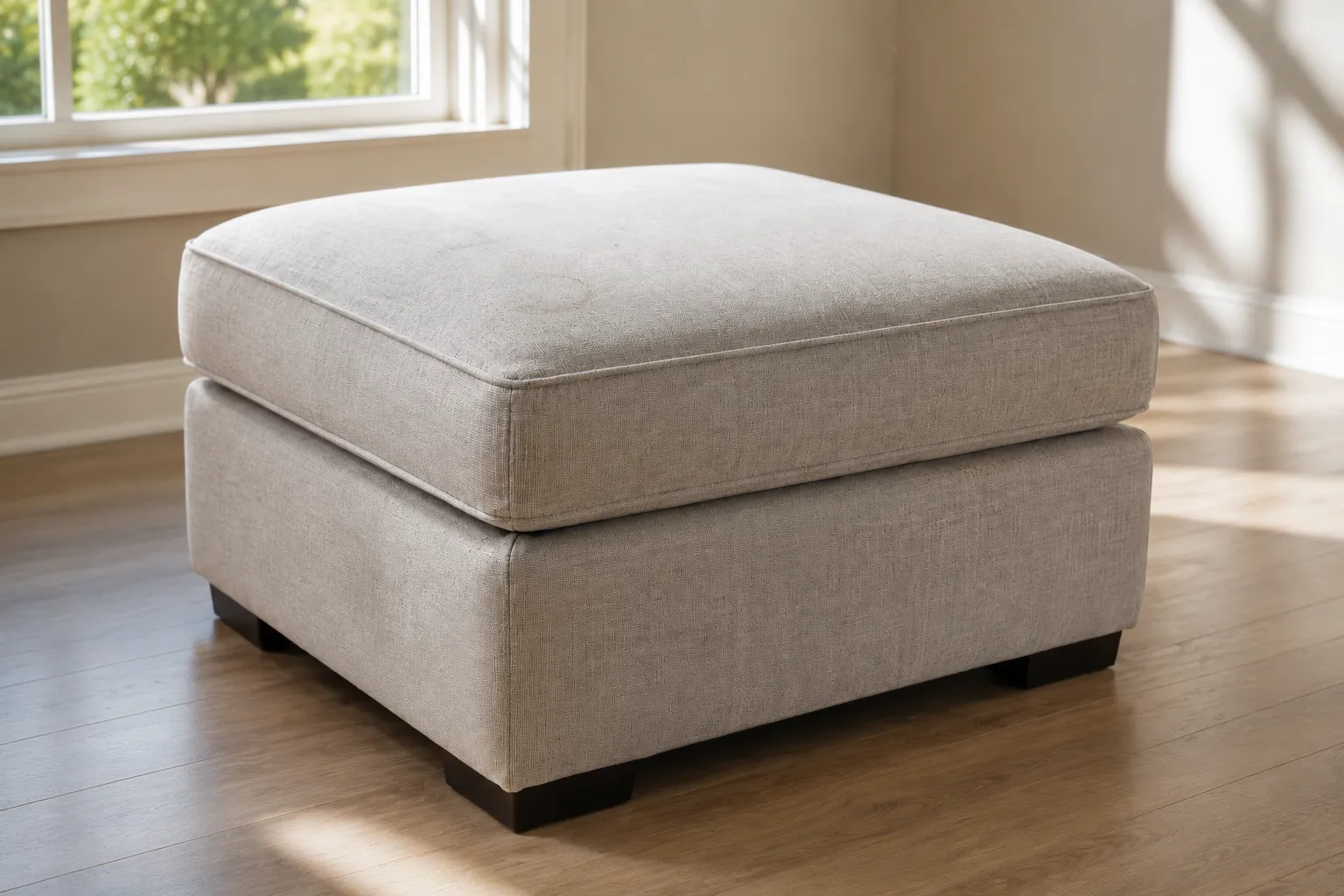
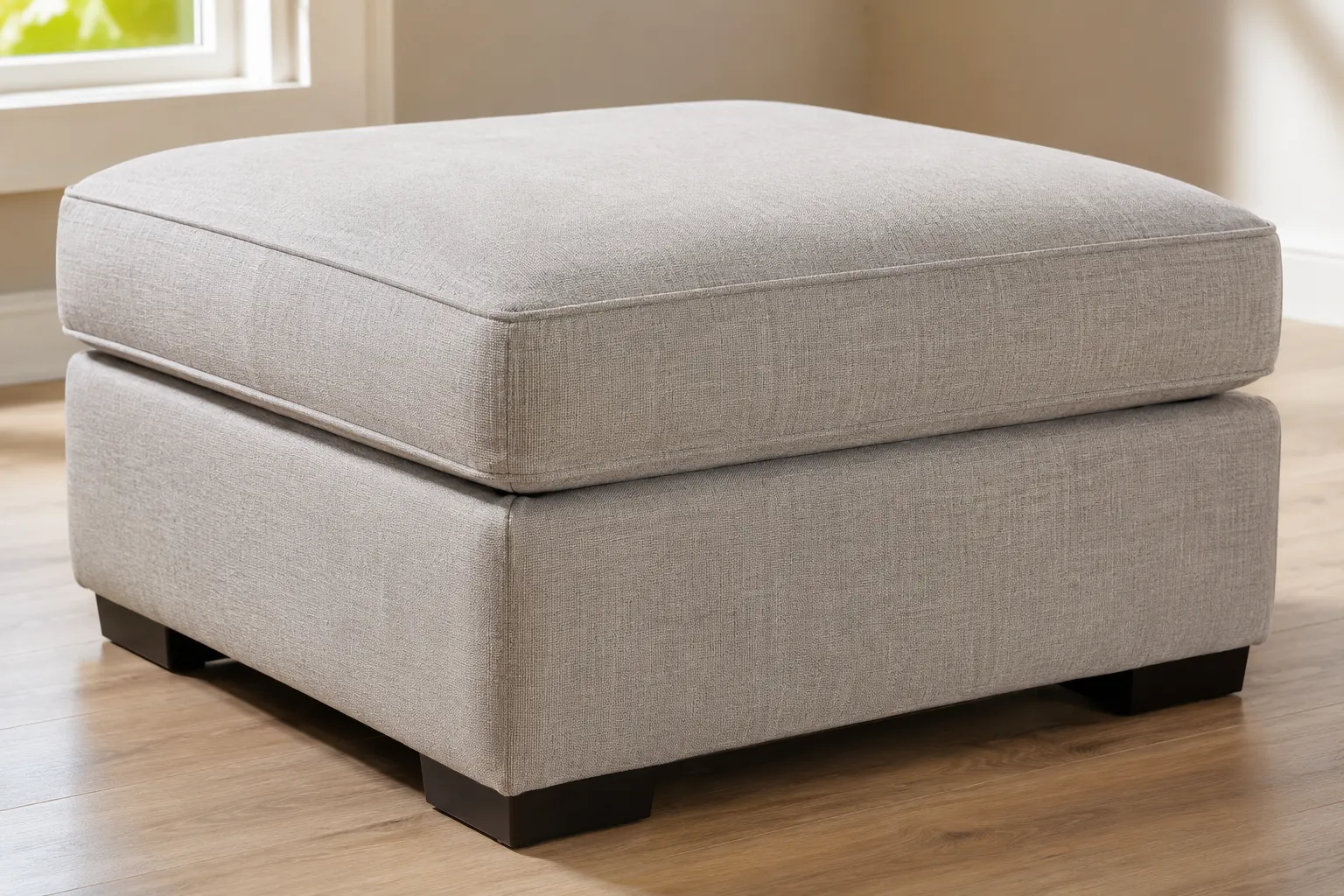
Request: Clean ottoman from stains and dust in hallway.
Done: Treated ottoman with foam extractor and fabric shampoo.
Cost: 12 000 ₸
Master: Ruslan Ibraev, dry cleaning master
Total: Ottoman is clean, stain-free, neat appearance.
 After
After
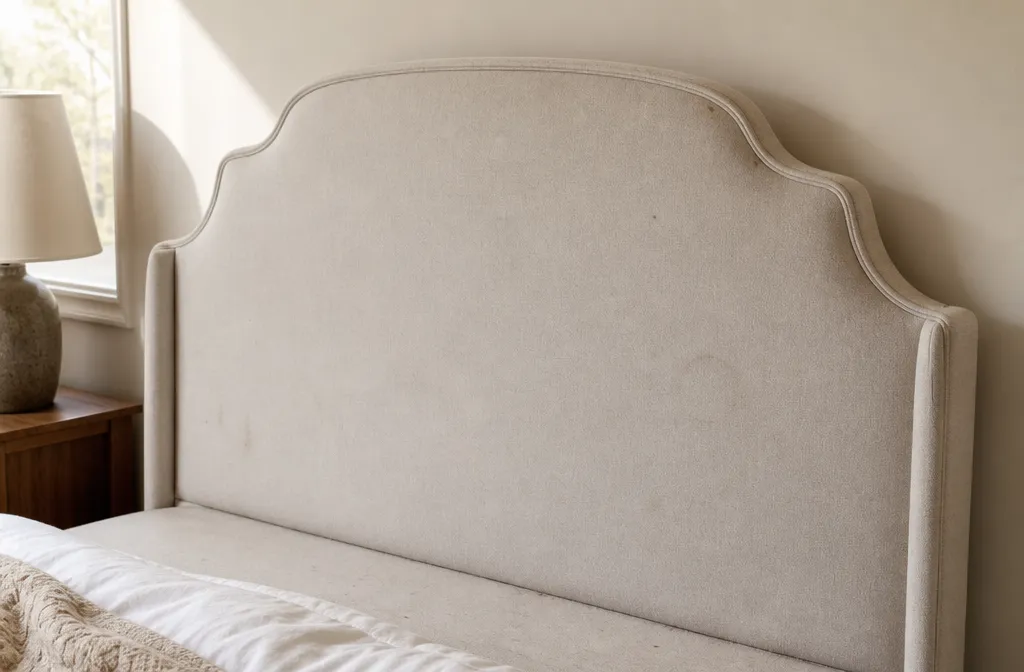
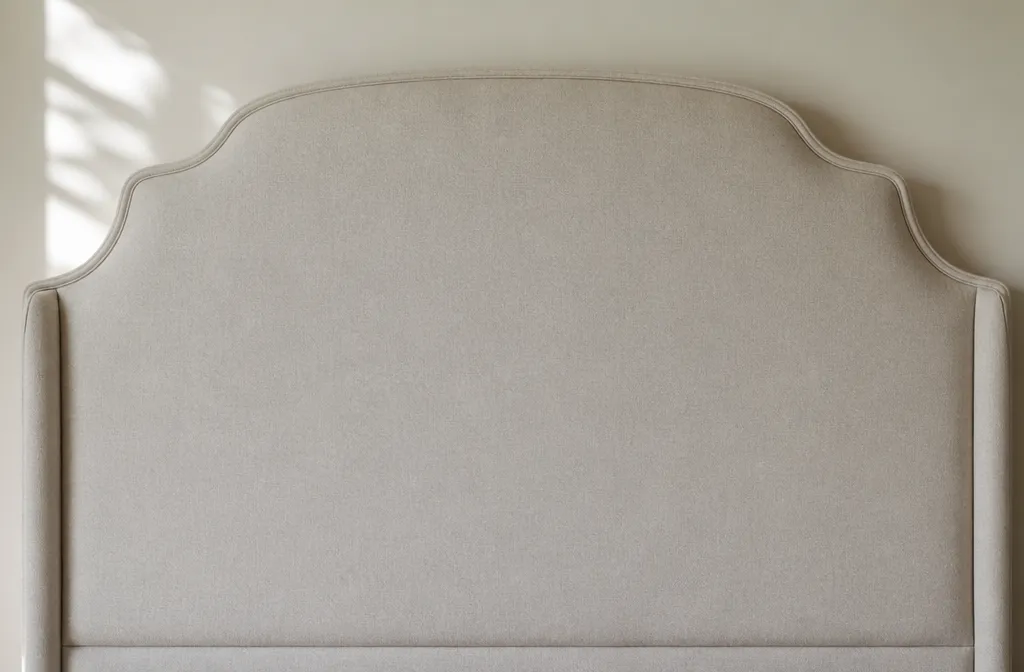
Request: Remove stains and dust from fabric headboard.
Done: Applied dry cleaning with pre-treatment of stains and deodorization.
Cost: 14 000 ₸
Master: Marat Kydyrov, dry cleaning master
Total: Headboard is clean, stain-free, fresh and tidy.
 After
After
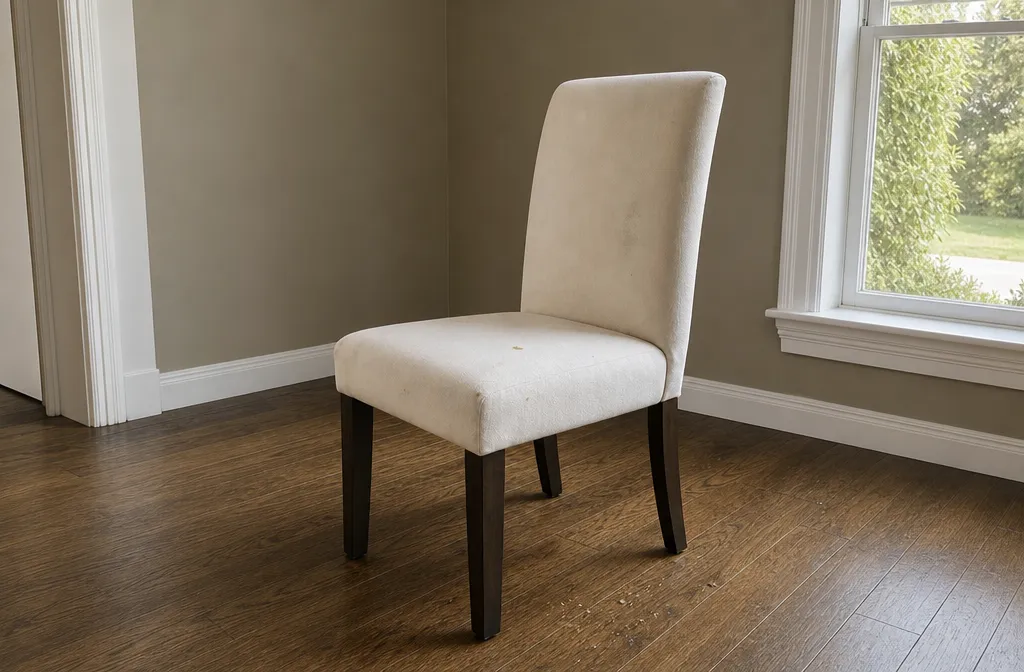
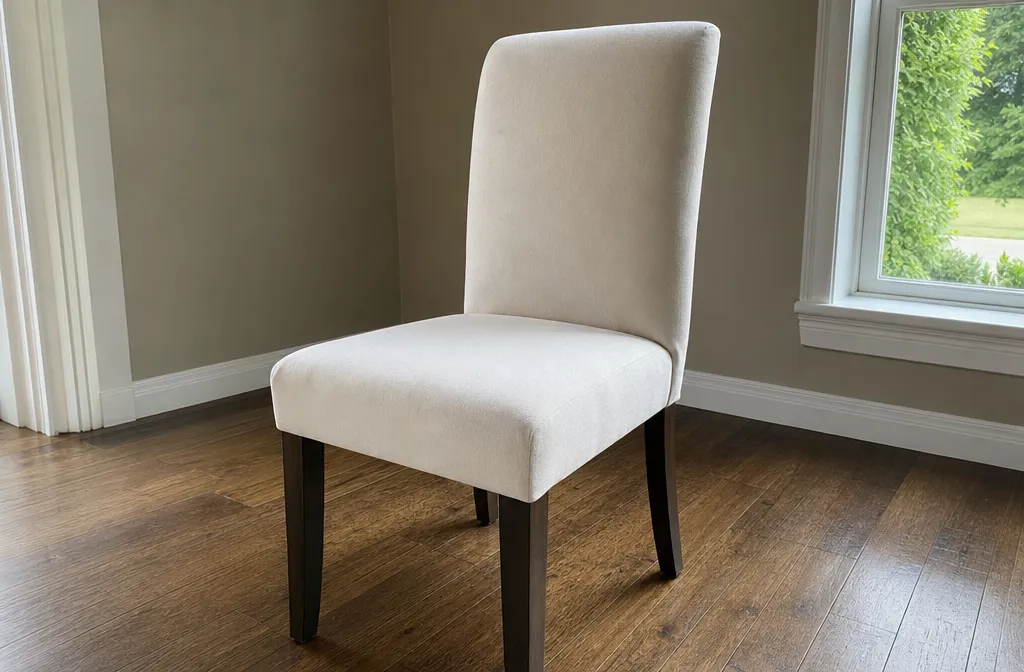
Request: Clean chair from food stains and dust in kitchen.
Done: Performed cleaning with foam extractor and fabric shampoo.
Cost: 13 000 ₸
Master: Zarina Ashimova, dry cleaning master
Total: Chair is clean, stain-free, fresh look.
All cleaners are profi-clean staff with training, uniform and security check. Each order has a team leader who controls quality.
When a client calls profi-clean asking, “Can you remove this stain?”, we honestly answer: not every soiling can be completely removed. Our task is not to promise the impossible, but to explain why some marks remain on fabric forever and to offer the best possible result. Let’s break down five categories of stains that even professional chemicals and equipment with HEPA filters cannot always handle 100%.
Red wine, ink, markers, berry juices, and food dyes penetrate the fiber structure instantly — within 30–60 seconds of contact. The molecules of such dyes are smaller than water molecules, so they become “sealed” between the fabric threads. On cotton and linen, the chance of removing a fresh stain (up to 2 hours) is about 70–80% if using an extractor with hot water at 85°C and an oxygen bleach without chlorine. But on wool, silk, or viscose, the dye enters a chemical reaction with the fiber protein — this is no longer soiling, but re-dyeing. In our practice, there was a case: a client spilled beet juice on a microfiber sofa 40 minutes after delivery — we lightened the stain from burgundy to pale pink, but could not remove it completely. Before treating any colored stains on delicate fabrics, check for colorfastness on an inconspicuous area — if the dye has penetrated deeper than 1 mm, complete removal is impossible without damaging the pile.
Oil, grease, wax, paraffin, and cosmetic oils that get on fabric and are subjected to heat (iron, radiator, sunlight through glass) change the chemical structure of the fiber. At temperatures above 60°C, the oil polymerizes — turning into a film that neither solvents nor surfactants can dissolve. On synthetics (polyester, acrylic), such a film fuses with the fabric: we tried treating a scented wax stain on an IKEA chair — after heating by a radiator, the stain became glossy and hard; the extractor with an enzyme-based stain remover yielded no result. The only option is to mechanically cut off the top layer of pile, but a bald spot will remain. If the oil stain is fresh (up to 12 hours), we use a zeolite-based absorbent and cold extraction — this gives 90–95% removal. For aged thermal oil stains older than a month, our guarantee of results does not apply, although we always try to lighten them to a minimum.
Rust from metal fittings, corroded springs, or wet coins is iron oxide, which reacts with cellulose (cotton, linen, viscose) to form an insoluble complex. On cotton, rust penetrates to a depth of 2–3 mm within 24 hours, and it can only be removed with an acidic compound (oxalic or citric acid), but such treatment weakens the fiber by 30–40% — the fabric becomes brittle and may tear during cleaning. On synthetics, rust stays on the surface — we remove it mechanically and with acid in 1–2 passes, but a micro-roughness remains. In Almaty, the rust problem is relevant for older housing stock (microdistricts “Samal”, “Alatau”), where springs in sofas from the 1990s rust due to basement humidity. We advise clients: if an orange stain appears on the fabric, do not rub it with a wet cloth — this only deepens the reaction; call a cleaner within 6 hours, before the oxide absorbs into the structure.
Instant glue (cyanoacrylate), silicone sealant, epoxy resin, and hot melt adhesive are polymers that, upon curing, form a film insoluble in water and most organic solvents. They can only be removed with acetone or dichloromethane, but these solvents melt synthetics (polyester loses its shape upon contact with acetone within 10 seconds) and discolor natural fabrics. On microfiber furniture, we remove “Moment” glue by mechanical scraping with cooling (liquid nitrogen makes the glue brittle), but a matte spot remains — the fabric’s sheen is not restored. Silicone sealant on suede — no options: it saturates the pile completely, and the only solution is reupholstery. If you drop a drop of glue on your sofa, do not try to wash it off with water — it will only spread the polymer; freeze the stain with an ice cube in a bag for 15 minutes, then carefully snap it off.
Urine, sweat, blood, and mold contain protein and urea, which crystallize and bond to fabric upon drying. Fresh urine (up to 4 hours) is removed 95–98% by an enzyme cleaner with protease and urease — we use the German concentrate Kiehl with an activity of 5000 U/g. But if urine has dried and been exposed to UV light (sun), the urea oxidizes to ammonia and stains the fabric yellow — this is no longer a stain but a chemical burn of the fiber. Mold on old sofas (10+ years old) grows mycelium into the filling — foam rubber or holofiber — to a depth of up to 5 cm. We treat the surface with the hypoallergenic fungicide Sodasan, but if the fungus is already in the foam, completely removing the odor and spores without replacing the filling is impossible. In Almaty, with spring humidity of 70–80%, mold stains on sofas in homes without ventilation are a common problem. Our practical advice: if black mold appears on the fabric, do not use bleach — it kills the fungus on the surface, but the mycelium remains and regrows within 2–3 weeks; call a cleaner with a professional fungicide and an extractor with a HEPA filter.
| Stain Type | Reason for Irreversibility | Possible profi-clean Treatment Result | What the Client Should Do Before Arrival |
|---|---|---|---|
| Dyes (wine, ink, berries) | Chemical reaction with fiber, depth >1 mm | Lightening up to 50–70%, complete removal only on fresh stains (up to 2 hrs) | Do not rub, blot with a dry napkin, sprinkle with starch |
| Thermal oils (wax, fat after heating) | Oil polymerization at >60°C, fusion with fabric | Lightening up to 60–80%, glossy film remains | Do not iron the stain, do not place on a radiator |
| Rust (metal, springs) | Insoluble iron oxide complex with cellulose | 90% removal on synthetics, lightening with risk of fabric weakening on cotton | Do not wet, call a cleaner within 6 hours |
| Glue/Sealant (cyanoacrylate, silicone) | Polymer film, insoluble in water | Mechanical removal with residual matte stain | Freeze with an ice cube for 15 minutes |
| Urine/Mold (old) | Urea crystallization, mycelium in filling | 80–90% odor removal, yellow stain remains | Do not use bleach, ensure ventilation |
This table is not meant to scare you, but for an honest dialogue: at profi-clean, we always warn about risks before starting work. Our 24-hour result guarantee applies to all stains we take on for treatment, but if the stain falls into one of the listed categories, we will tell you before the visit and offer maximum lightening without damaging the fabric.
Many clients confuse these two methods, considering them interchangeable. In reality, dry cleaning and steam treatment solve different problems and are suitable for different types of dirt and fabrics. At profi-clean, we use both approaches — and often combine them on one object. Let’s figure out how they differ and when to choose which.
Dry Cleaning: Deep extraction cleaning using active chemicals (foams, enzymes, pre-sprays) and a professional extractor that injects the solution and sucks it out along with the dirt. The method penetrates deep into the filling by 3–5 cm, washing out oil, protein, tannin stains, and detergent residues from previous treatments. Complete drying time is from 4 to 24 hours, depending on the fabric and room humidity. In Almaty with its humid spring climate, we recommend allowing at least 8 hours for drying and turning on a dehumidifier.
Steam Cleaning: Treatment with a steam generator at a steam temperature of 120–160°C and pressure of 3–5 bar. Steam softens surface dirt and kills up to 99.9% of bacteria and mites — but does not remove oil stains or wash the filling. The method is suitable for delicate fabrics that cannot be soaked (silk, velvet, some types of microfiber) and for “refreshing” furniture between deep cleanings. It dries in 30–60 minutes, which is convenient if the furniture is needed urgently.
Bottom line: dry cleaning is for dirt and stains, steam is for disinfection and maintenance. In practice at profi-clean, we use steam as a finishing stage after extraction to consolidate the result and kill remaining microorganisms.
Dry cleaning is indispensable if the furniture has stubborn stains from coffee, red wine, grease, urine, or blood. These contaminants contain oils and proteins that do not dissolve with steam. For example, on sofas with polyurethane foam (PUF) filling, grease penetrates 2–3 cm deep — steam only “bakes” it, fixing it to the fibers. In our practice, there was a case: a client tried to remove a butter stain on a velour sofa with a steam generator — a week later, a yellow outline appeared in that spot, which had to be removed with an enzyme pre-spray and triple extraction.
Dry cleaning is also mandatory for furniture that has not been cleaned for a long time (over a year) or has been in a room with smokers. Nicotine and tobacco smoke settle in the pores of the fabric and filling — steam only “spreads” them over the surface, creating a sticky layer that attracts new dust. Due to this effect, gray streaks may appear on light-colored fabrics (beige, cream) after steam treatment, which can only be washed off with extraction.
Steam is the best choice for delicate fabrics that are afraid of heavy moisture. Silk, viscose, acetate silk, some types of jacquard — when in contact with water, they shrink by 5–10% or lose color. Steam treatment uses steam, not water, so the fabric remains dry to the touch. In Almaty, where humidity reaches 60–70% in summer, the risk of shrinkage is higher — we recommend steam cleaning for antique furniture with silk upholstery.
Steam is also effective for regular preventive maintenance: treating sofas and armchairs with steam every 3–4 months to kill dust mites and refresh the color. We have clients with children who have allergies — they order steam treatment monthly and dry cleaning every six months. Moreover, steam cleaning leaves no chemical smell, which is critical for people with asthma.
The most common mistake is trying to remove an oil stain with steam. Oil melts at 90–100°C but does not evaporate — it spreads along the fibers, creating a “grease shadow” effect. The second mistake is dry cleaning a very delicate fabric with an aggressive pre-spray. On silk or viscose, this leads to fading and loss of luster. The third is excessive moisture during extraction on furniture without a removable cover: if the filling is low-density foam rubber (less than 25 kg/m³), it can deform after getting wet. In Almaty, where humidifiers are often used in homes, the drying time increases by 2–3 hours — this should be taken into account.
| Type of contamination | Dry cleaning | Steam cleaning |
|---|---|---|
| Oil stains (grease, oil, cream) | Mandatory — enzymes break down fat | Useless — oil spreads |
| Protein stains (blood, urine, milk) | Mandatory — enzyme treatment needed | Ineffective — protein coagulates |
| Dust, pet hair, household dirt | Effective but excessive | Optimal — quick and chemical-free |
| Tobacco smoke, nicotine | Mandatory — extraction from filling | Contraindicated — fixes the smell |
| Mold, fungus | Requires professional treatment with fungicides | Kills surface spores but does not penetrate deep |
| Allergens, dust mites | Removes mechanically | Kills with steam at 120°C+ |
At profi-clean, before each visit, we always assess the fabric type and the nature of the contamination from a photo — this allows us to take exactly the equipment that will deliver results without the risk of damaging the furniture. Our recommendation: if the stain is older than two weeks or of unknown origin — choose dry cleaning, and use steam treatment as regular maintenance between deep cleanings.
There is no universal frequency for dry cleaning — it depends on the type of upholstery, intensity of use, and household composition. At profi-clean, we have developed recommendations based on three main scenarios that cover 90% of apartments and houses in Almaty.
Children and pets leave behind not only visible stains: saliva, urine, and skin oils penetrate the sofa or armchair filling within 2–3 weeks, triggering bacterial growth. In our practice in the “Duman” and “Samal” microdistricts, we took samples from furniture that hadn’t been cleaned for 6 months — the contamination level exceeded the norm by 4 times. On sofas with velvet or flock, stains from juices and grease set within 24 hours — call for dry cleaning the same day, otherwise removal will require disassembling the upholstery.
With standard use (2–3 hours in the evening, no eating on the sofa), dust and sebum accumulate to a level of 1–2 mm over six months. This is enough for dust mites (Dermatophagoides) to start breeding — their concentration increases from the 3–4 month without cleaning. If there are allergy sufferers in the home, shorten the interval to 4 months: our vacuum cleaner’s HEPA filter captures 99.97% of particles, but without dry cleaning, the allergen remains in the fabric’s pores.
In short-term rentals, furniture wears out 3–4 times faster: guests eat on the sofa, spill drinks, and don’t remove outdoor shoes. We service apartments on Bostandyk Street and in “Atakent” — there, sofa dry cleaning every 2 months is mandatory, otherwise by the 6th month, the smell of sweat and tobacco becomes ingrained and cannot be removed without disassembling the structure. When renting, check not only the upholstery but also the filling: on foam models, odors set in within 2 months, on spring blocks — within 4–5.
Almaty’s climate with dry summers and humid winters, plus urban dust, creates unique conditions for upholstered furniture contamination — standard cleaning approaches don’t work here.
Almaty dust is not just sand, but a mixture of tire rubber particles, exhaust fumes, and fine clay from the foothills, which settles in the upholstery in layers. In a month, up to 15–20 grams of such suspension accumulates per square meter of a sofa in a second-floor bedroom. Particles sized 2–10 microns are driven into the fabric structure with each use, acting as an abrasive: on velvet and chenille, wear marks appear after six months, which wet vacuuming only sets. Our practice shows: on sofas in homes along Al-Farabi Avenue and Timiryazev Street, the depth of dust penetration into the filling is 30–40% higher than in residential areas. That’s why the first stage of mobile furniture dry cleaning in Almaty, we perform extraction with a HEPA filter and turbo brush — this pulls out 85–90% of dry contaminants before applying chemicals, otherwise reagents bind the dust into dirt that cannot be washed off later.
In summer, at temperatures above +30 °C and humidity below 30%, dust behaves like a static magnet: it becomes electrified and attracts to synthetic upholstery fabrics (microfiber, flock) twice as actively as to natural ones. In winter, from November to February, humidity in Almaty rises to 70–80%, and the same dust turns into a sticky film that eats into the pores of leather and eco-leather, leaving indelible streaks if cleaned with the wrong pH-neutral product. In our orders, a sharp spike in requests for sofa dry cleaning occurs at the end of March — after winter, furniture looks gray precisely because of this seasonal film. In summer, clients more often call complaining of allergies, although the real reason is the overdried air in apartments with air conditioners, which lifts dust from the upholstery back into the air. We recommend planning deep cleaning of upholstered furniture twice a year: in April-May to remove the winter coating, and in September-October, before turning on the heating.
The altitude in different districts of the city varies by 400–500 meters, and this directly affects the composition of dust in apartments. In the Gorny Gigant and Kamenka microdistricts, closer to the mountains, the dust is dominated by limestone and shale particles with a pH of 7.5–8.0 — they leave a whitish coating on dark upholstery that cannot be washed off with plain water and requires an acid wash. In the southern industrial zone (Baitursynov Street area, Zhetysu District), we find residues of oily emissions from gas stations and small manufacturing in dust samples — this fraction settles on furniture as a greasy film that can only be neutralized by an alkaline pre-spray with enzymes. For on-site furniture cleaning, this means that a profi-clean technician always clarifies the address before starting work and selects chemicals specific to the microdistrict — a universal reagent is ineffective here, and in some cases, it can set the stain.
The most common case we see on site: owners try to clean Almaty dust off furniture with a damp cloth and floor cleaning detergent. The alkaline composition of such a product (pH 9–10) reacts with the mineral particles of local dust, leaving hard-to-remove salt-like streaks and stains on the upholstery. The second most frequent mistake is using a steam cleaner at a setting above 120 °C to clean flock and velvet: the steam “bakes” the dust into the fiber, and after drying, the furniture looks dirtier than before treatment. The third is trying to remove stains from kumis or ayran (popular Almaty contaminants) with vinegar: the acid curdles the milk protein, and the stain turns yellow permanently. If streaks or white spots remain on the upholstery after DIY cleaning, do not try to wash them again — this drives the contamination deeper into the padding, and the cost of subsequent professional cleaning increases by 20–30% due to the need for multi-stage extraction.
Many clients in Almaty put off professional cleaning due to common misconceptions. Below, we break down five main myths — how they affect the condition of furniture and why reality differs from stereotypes.
In reality, drying time depends on the technology and products used. profi-clean uses hypoallergenic Kiehl and Sodasan water-based formulas with low foaming — they don’t require aggressive rinsing and leave minimal moisture in the padding. Plus, an industrial extractor with a suction power of 2500 W removes up to 95% of the solution from the fabric in a single pass. Under standard humidity conditions in an Almaty apartment, a sofa dries completely in 4–6 hours, not the 24 hours clients fear. There is no “chemical” smell — professional products are either fragrance-neutral or have a light citrus scent that dissipates within an hour. If a strong odor is noticeable after cleaning, it’s a sign of a low-quality product or incorrect dosage by the technician.
This fear arises from confusion with household stain removers that contain chlorine or harsh alkalis. In professional furniture cleaning, the pH of the solution is selected based on the fabric type — different reagents are used for silk, velvet, microfiber, and wool. Before starting work, a profi-clean technician always tests the product on an inconspicuous area (under a cushion or on the back panel): applies the solution, waits 3–5 minutes, and checks the fiber’s reaction. Fading only occurs if the fabric was already bleached by the sun or previous improper cleaning — a professional solution doesn’t “finish off” the color but removes the layer of dust that made the shade look dull. On the contrary, after our cleaning, the sofa looks as vibrant as the day it was purchased — this is especially noticeable in contrast with dirty armrests.
The most dangerous contaminants are invisible. In Almaty, with its dry summers and humid winters, up to 1.5 kg of dust per square meter accumulates in upholstery annually, including road soot particles, mold spores, and microscopic mites. The sofa may look clean on the outside, but when humidity exceeds 60% (typical for November–March), this dust becomes a breeding ground for bacteria. A characteristic sign is that after 2–3 years of use, the furniture develops a “stuffy” smell that doesn’t air out. Periodic cleaning every 6–12 months removes this layer before it compresses into a hard-to-remove crust. We recommend cleaning furniture not based on visible stains, but on a schedule—this preserves both hygiene and fabric structure.
A common mistake is to assume that mobile furniture cleaning simply involves wiping the upholstery with a damp cloth. The actual process includes three stages that are not visible to the client: first, deep vacuum treatment with an industrial vacuum cleaner equipped with a HEPA filter (removes dry dust from the padding), then spraying the solution at a pressure of 4–5 bar (forcing the compound into the fiber, not leaving it on the surface), and only then extraction—removing the dirt along with the solution. Without the extraction stage, wet cleaning only pushes the dirt deeper into the fabric, creating an illusion of cleanliness for 2–3 days. This is why attempts to “freshen up” a sofa with a household steam cleaner without suction lead to dark streaks appearing after drying—especially on velvet and microvelvet.
In the Almaty market, you can find offers for a significant sum for a sofa—but this price means the technician uses one universal solution for all fabric types, does not perform a preliminary diagnosis, and offers no guarantee on the result. Before each visit, profi-clean requests photos of the furniture and the upholstery composition: velvet requires a neutral pH of 7, wool requires an acidic pH of 5.5, and synthetics require an alkaline pH of 8. Furthermore, the cost is calculated not “per piece of furniture,” but based on the area of contamination and the type of stains—for example, old grease stains on a kitchen sofa require more time and a different enzyme-based compound than simple dust removal in a living room. The difference in price between a correct and a “budget” cleaning becomes apparent after a month: the cheap one leaves streaks and the smell returns faster. In our practice, there was a case where a client saved a significant amount on a sofa and called us for a re-clean two weeks later—the final cost ended up being double.
We ordered mobile furniture dry cleaning for a sofa after divorce — wine and marker stains were removed perfectly. Smells fresh, everyone is happy.
Thank you, Aigerim! Glad we helped refresh your sofa.
The rocking chair was cleaned of cat urine — the smell is completely gone. Just had to wait two days for it to dry. Excellent result.
We did mobile furniture dry cleaning for a kitchen corner — greasy stains from food and sauces disappeared. The master arrived on time, worked neatly.
Thank you for the review, Daniyar! Always at your service.
After the kids drew on the sofa with markers and spilled juice, I thought it was a lost cause. profi-clean restored its original look!
I ordered a mobile upholstery cleaning for an old sofa. The stains seem gone, but there are streaks left on the armrests. I had to rewash it myself.
Yerlan, we apologize. Please write to us in the chat — we will fix the issues.
The ottomans had stains from red wine and cake after the party. profi-clean cleaned them perfectly, I never thought it was possible.
Surprisingly, the mobile upholstery cleaning even handled a leather sofa — they masked scratches and removed scuffs. It looks like new!
Thank you, Kuanysh! There are no impossible tasks for us.
The chairs were in terrible condition — food stains, grease. After cleaning they became clean, but the upholstery faded a bit. Overall, I'm satisfied.
Dinara, thank you for your feedback. We will take your comment about the color into account.
The cat marked the sofa — the smell was unbearable. The mobile upholstery cleaning removed the odor forever. The master used special products, the sofa dried quickly.
The mattress had coffee and sweat stains — after cleaning it looks like from a store. Fresh scent, pleasant to sleep on.
Gulnara, we are glad you are satisfied! Come back again.
Only the mobile upholstery cleaning removed the ingrained tobacco smell from the sofa. No need to air it out — it disappeared immediately. I recommend it.
The armchair was drawn on with a ballpoint pen — profi-clean removed almost all the ink. A slight shadow remains, but I'm happy with it.
Olga, thank you for your feedback. We'll try to help with the shadow on your next order.
The sofa bed was dusty and stained after the move. The mobile upholstery cleaning worked quickly — in 3 hours the sofa was sparkling clean.
Marat, thank you! Glad we made it on time.
The living room was refreshed — the sofa and two armchairs look like new. Tea and cookie stains disappeared. Very satisfied with the service.
I ordered mobile dry cleaning for dog beds — they removed fur and odor. But the technician was a bit late, otherwise 5 stars.
Daniyar, we apologize for the delay. We will try to be more punctual.
After renovation, the sofa was covered in dust and paint — profi-clean cleaned everything, even restored the white upholstery to perfection. Thank you!
Mobile dry cleaning for a leather armchair — superb! Scuffs removed, color refreshed. The technician gave care tips.
Yerlan, thank you! Glad to help with leather.
I tried to remove old stains on the sofa myself — no luck. profi-clean did better, but some stains are still visible. Could have tried harder.
Assel, thank you for your honesty. Contact us — we'll try to treat it again.
At the office, we ordered mobile dry cleaning for armchairs and a sofa — all coffee and ink stains removed. Now the office looks presentable.
After flooding, the sofa grew mold — profi-clean treated it with special agents, mold disappeared, musty smell gone. A miracle!
Dinara, glad we saved the sofa! Take care.
My child stuck gum to the armchair — mobile dry cleaning removed it without a trace. But there was a slight chemical smell that aired out in a day.
Timur, we use safe products, but sometimes airing is needed. Thanks for the feedback!
On average, dry cleaning a two-seater sofa takes 1.5–2 hours. The time depends on size, fabric type, and stain complexity. After cleaning, the furniture dries for 2–4 hours.
Remove cushions and small items from the furniture. Ensure access to a power outlet for equipment. If there are removable covers, take them off.
Yes, we use hypoallergenic Kiehl and Sodasan products, safe for people and animals. After drying, no chemical residues are released.
The price depends on size: two-seater sofa — individual rate, three-seater — individual rate. The exact cost is calculated after inspection.
Corner sofa — individual rate. The price may vary depending on the number of sections and complexity.
Standard armchair — individual rate, office chair — individual rate, rocking chair — individual rate.
Single mattress — individual rate, double mattress — individual rate. You can additionally order mite treatment.
Use the online calculator on our website: select furniture type and quantity, add options. Or call a master for a free estimate.
We clean sofas, armchairs, mattresses, carpets, chairs, poufs, benches, bed headboards. Full list in the 'Furniture Types' section.
Yes, we clean carpets of any size. Price: carpet 2x3 m — individual rate, 3x4 m — individual rate. We use an extractor and professional products.
Tell us about your experience with profi-clean — it helps other clients and us improve.
We currently operate in Almaty. Other cities are coming soon.